



Abstract
Results from the Trends in International Mathematics and Science Study (TIMSS) 2019 highlight substantial international differences in gender gaps in mathematics achievement. In countries like Iran, Jordan, Kuwait, Oman, and Saudi Arabia, where single-sex schooling prevails, girls often outperform boys. Since most students attend separate single-sex schools in these countries, it is plausible that their learning environments differ significantly from coeducational systems. This study focuses on these predominantly single-sex education systems to explore: (a) the selection mechanisms determining attendance at boys’, girls’, and mixed schools, and (b) differences in school climate among these school types. Using eighth-grade TIMSS 2019 data, we applied school-level simple linear regression models for continuous variables and Fisher’s exact test for categorical variables to evaluate differences in sociodemographic and school climate factors. Findings indicate that boys’ and girls’ schools are relatively balanced in terms of sociodemographic characteristics, whereas mixed schools often cater to specific minority groups. Significant differences in school climate were observed across school types, particularly higher levels of student-reported bullying in boys’ schools compared to girls’ schools. The results demonstrate the potential for differential learning conditions in single-sex systems. Policymakers and stakeholders should address these disparities to ensure equitable, high-quality education for all students.
Introduction
Differences between boys’ and girls’ educational outcomes have become an important policy concern for countries around the world. Educational gender gaps raise concerns about equity in national education systems designed around the concept of fairness and inclusion. The fairness dimension of equity in education entails that students’ personal and social circumstances such as gender, ethnic origin and socio-economic status should not hinder educational success, while the inclusion dimension implies ensuring a minimum standard of education for all (OECD, 2007). The Education 2030 Framework for Action, designed to advance progress on Sustainable Development Goal (SDG) 4 on reducing educational inequalities, has called for reducing inequities ‘related to access, participation, and learning processes and outcomes’ (UNESCO, 2017: 12).
Given the importance of achieving equitable educational outcomes for boys and girls, international large-scale assessments such as the Trends in International Mathematics and Science Study (TIMSS) provide unique research opportunities. In the assessment of eighth-graders in 2019, for instance, TIMSS found a large international variation in the mean mathematics achievement scores of boys and girls (Mullis et al., 2020). While small- to medium-sized average advantages for boys were observed in seven countries, six countries showed small to large average advantages for girls; the remaining 26 countries showed very small to non-existent mean differences between boys and girls (Mullis et al., 2020; see also Figure 1). Proportion of Single-Sex Schools and Gender Gaps in Mathematics Achievement in TIMSS 2019, Grade 8. Note. The x-axis shows average gender gaps in Grade 8 TIMSS 2019 mathematics achievement (effect size d), with positive values indicating girls' and negative values boys' higher average scores. The y-axis represents the proportion of single-sex schools (0 = none, 1 = all). Schools are classified as single-sex if all sampled students are of the same gender. Labels are included for selected countries to reduce overplotting.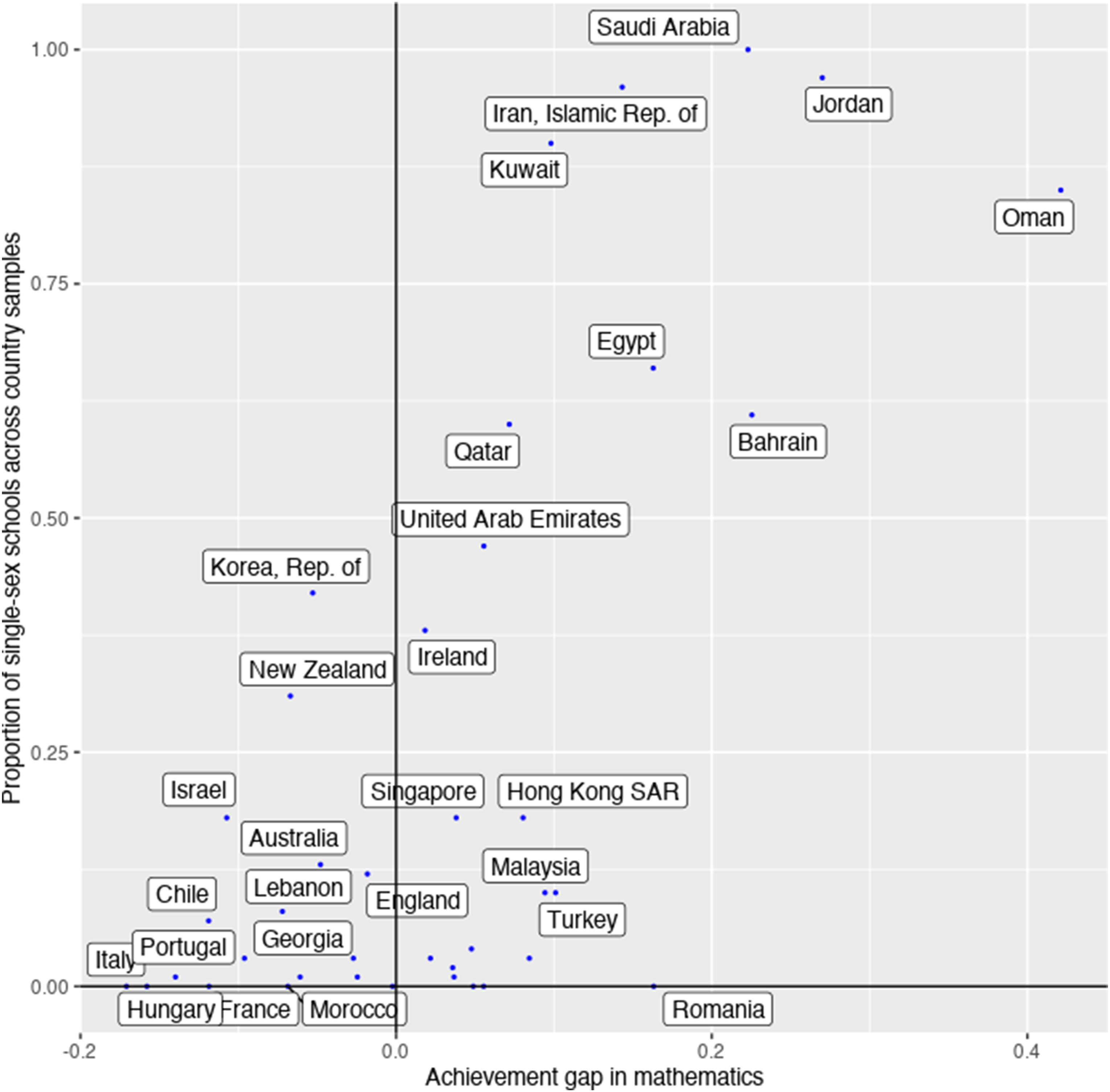
Theoretical explanations for gender gaps in mathematics achievement
A number of theories have been put forward to explain gender differences in mathematics achievement (see Hyde (2014) for an extensive overview). One strand of theories focuses on biological factors to explain the difference in boys’ and girls’ mathematics performance in schools. These theories argue that differences between boys and girls in spatial ability, higher-order thinking and brain development produce a gap in mathematics achievement (Dickerson et al., 2015; Fryer and Levitt, 2010; Penner, 2008). However, if gender differences in mathematics merely result from genetic or biological factors, international variation in the size and direction of gender gaps should be limited (Meinck and Brese, 2019; Penner, 2008; Reilly et al., 2019) and countries should display similar patterns of gender gaps. In fact, cross-national studies of gender gaps in mathematics achievement show that there is ‘no clear advantage to either gender when viewed globally, but important differences are present at the national level’ (Reilly et al., 2019: 8). Biological explanations appear insufficient to explain the between-country variation in mathematics performance.
A second strand of explanations relies on social or structural theories. These explanations attribute gender gaps in mathematics to social stratification and gender socialisation processes (Hyde, 2014) in which families, schools, labour markets, and national governments affect the socialisation and learning conditions for boys and girls (Dickerson et al., 2015; Tsai et al., 2018). Baker and Jones’s (1993) gender stratification hypothesis is noteworthy in this regard. It argues that as gender stratification of opportunity decreases in countries such that females gain more access to higher education and the labour market, gender differences in mathematics performance also decrease.
These theories offer greater potential for explaining cross-national differences in achievement gender gaps than biological explanations. A few empirical studies have used data from international large-scale assessments to test if (part of) the international variation in achievement gender gaps can be explained by international differences in gender stratification, as measured by indicators of societal gender equality (which capture gender differences in political or labour market participation, among other others). While some studies have found the anticipated association between societal gender equality and lower male advantage in mathematics tests (Else-Quest et al., 2010; Guiso et al., 2008), more recent studies have found no significant association and have argued that the earlier findings were driven by a few Nordic countries which exhibit high levels of societal gender equality (Reilly et al., 2019; Stoet and Geary, 2015). Furthermore, a contradictory finding regarding the gender stratification hypothesis has been found in some Middle Eastern countries. Despite having the lowest proportion of female representation in politics and labour markets – as measured by the Global Gender Gap Index (World Economic Forum, 2021) – these countries either show mean advantages for girls or no significant gender differences in mathematics achievement (Mullis et al., 2020; see also Figure 1). Given this paradoxical pattern, Ayalon and Livneh (2013) conclude that ‘the association between women’s political and economic participation and the gender gap in mathematics is not universal. The link between these indicators of gender stratification and educational outcomes, which is expected in Western culture, does not necessarily hold for other cultures’. (Ayalon and Livneh, 2013: 440–441)
Since the gender stratification hypothesis does not adequately explain international patterns of achievement gender gaps, particularly in the Middle Eastern context, a third set of theoretical explanations should be considered: gender segregation policies. When such policies lead to greater gender segregation—resulting in more separate schooling for boys and girls—the learning conditions for each gender can become more distinct than in coeducational settings, potentially widening gender differences in learning outcomes (Fryer and Levitt, 2010; Steinmann et al., 2023). The implementation of single-sex schooling in the Middle East, a more pronounced form of gender segregation, is particularly relevant in this context.
Single-sex schooling
Single-sex schooling involves educating male and female students in separate learning environments, either in all-boys or all-girls schools or through single-sex classes within mixed schools (Robinson et al., 2021). In many Western countries, single-sex schools are the exception rather than the norm. They are typically private or religious institutions that serve specific, often socioeconomically advantaged, student populations. These schools can set their own admission criteria and are frequently selected by more privileged families (Hayes et al., 2011; Pahlke et al., 2014; Signorella et al., 2013). In contrast, in several Middle Eastern countries, single-sex education is the norm. Most boys attend boys’ schools staffed by male teachers, while most girls attend girls' schools with female teachers. Coeducational schools are atypical in these countries.
Single-sex schooling policies differ across cultural and historical contexts, but a common rationale – often cited by proponents – is the belief that these schools offer better learning conditions for both boys and girls than mixed-gender schools (Pahlke et al., 2014). It is often assumed that separating students by sex can enhance academic achievement for all. In this literature review and throughout the study, we focus specifically on learning outcomes in mathematics achievement.
Single-sex schooling and mathematics achievement
Empirical research on the effects of single-sex schooling on educational outcomes in mathematics has a long tradition, with much of the research focusing on Western contexts where mixed and single-sex schools coexist. The dominant line of inquiry in single-sex education literature focuses on whether this type of schooling enhances students’ mathematics performance compared to mixed schools for both boys and girls (Doris et al., 2013; Eisenkopf et al., 2015; Halpern et al., 2011; Pahlke et al., 2014; Park et al., 2018). In a large meta-analysis, Robinson et al. (2021) noted that there have been mixed and equivocal results, with some studies reporting benefits of single-sex education, others reporting disadvantages and some reporting no effects on student’s mathematics achievement. This inconsistency in research findings can be partly attributed to some ‘serious methodological weaknesses’ (Hayes et al., 2011: 695).
Comparing learning outcomes between single-sex and mixed schools is challenging due to the inherent selection bias. Single-sex schools often have the ability to select their students, and students can choose to attend these schools, which can result in a more privileged socioeconomic composition compared to mixed schools. As a result, any achievement differences between the school types may reflect disparities in the student body rather than the effects of single-sex schooling itself (Hayes et al., 2011).
A few studies have attempted to address the issue of selection bias. In South Korea, Kim and Law (2012) took advantage of a random assignment system, where students were placed in either single-sex or mixed schools within residential districts as part of a 1970s equalisation policy (Pahlke et al., 2013). Using PISA (Programme for International Student Assessment) data, they found that both boys and girls in single-sex schools outperformed their peers in mixed schools in mathematics. However, Pahlke et al. (2013) using TIMSS data and a comprehensive control variable strategy, found no significant difference in achievement between single-sex and mixed schools in South Korea.
Single-sex schooling and gender gaps in mathematics achievement
If single-sex schools offer distinct learning opportunities for boys and girls, this is particularly significant in the context of SDG 4, which aims to reduce educational inequalities in learning processes and outcomes (UNESCO, 2017).
Figure 1 illustrates the relationship between single-sex schooling (y-axis) and gender gaps in mathematics achievement (x-axis) across countries that participated in the TIMSS 2019 Grade 8 assessment (Mullis et al., 2020). In many participating countries, such as Italy, France, and England, single-sex schools are rare (i.e. less than 20% of all schools), and these countries show mean gender gaps ranging from 0.02 to 0.17 SD in favour of boys. In contrast, in Middle Eastern countries like Iran, Jordan, Kuwait, Oman, and Saudi Arabia, where single-sex schools are the norm (i.e. more than 80%), gender gaps range from 0.10 to 0.42 SD in favour of girls. These countries, with a high proportion of single-sex schools, exhibit notably larger advantages for girls. Can it, therefore, be concluded that single-sex schooling is particularly beneficial for girls?
Wiseman (2008), analysing data from TIMSS 2003, similarly found that countries with a high proportion of single-sex schools either showed no significant gender differences in mathematics achievement or advantages for girls. Moreover, Wiseman (2008) identified evidence of differing learning conditions across girls’, boys’, and mixed schools. For instance, in Saudi Arabia and Bahrain, teachers in boys’ schools had more years of teaching experience than those in girls’ schools, and in the Palestinian National Authority, teachers in boys’ schools had more years of training than those in mixed schools. These findings, however, present a paradox: despite boys’ schools having more experienced and better-trained teachers, the observed gender gaps in mathematics achievement favour girls in these countries. This raises questions about the underlying factors driving these disparities.
Contrary to Wiseman’s (2008) findings, Haroun et al. (2016) reported that in Saudi Arabia, female teachers in girls’ schools outperformed male teachers in boys’ schools on mathematics knowledge and pedagogical content knowledge tests. Similarly, Elsayed et al. (2022) found that women entering the teaching profession in Saudi Arabia scored higher on licensure exams than men. This disparity in teacher preparation could potentially explain girls’ higher mathematics achievement.
In their 20-year scoping review, Robinson et al. (2021) noted that much of the research on single-sex schooling focuses on analysing exogenous forces contributing to achievement differences, such as race, class, socioeconomic status, and national curricula. However, limited attention has been given to endogenous forces at the classroom and school levels, which are more proximal to students’ actual learning processes and could explain variations in achievement within single-sex education systems. Addressing this research gap, the present study investigates these more immediate, school-level factors, specifically examining variations in school climate that may account for gender gaps in mathematics achievement.
School climate
Within learning environment research, school climate has been recognized as an important factor linked with student outcomes across academic, behavioural, and psychosocial domains (Aldridge et al., 2018; Cayubit, 2022; Scheerens et al., 2013; Wang and Degol, 2016). School climate refers to the overall school experience that involves aspects of quality of teaching and learning, school organization, school community relationships, and the institutional and structural features of the school environment (Thapa et al., 2013; Wang and Degol, 2016).
While recognizing the multidimensionality of school climate in research literature, Wang and Degol (2016) proposed four dimensions of school climate: academic, community, safety, and institutional environment. Academic climate relates to the quality of the academic atmosphere, including curricula, instruction, teacher training, and professional development. Community relates to the quality of interpersonal relationships within the school. Safety indicates the degree of physical and emotional security provided by the school. Lastly, institutional environment reflects the organizational or structural features of the school environment such as physical infrastructure, availability of resources, class size and school size.
With regards to the academic climate of schools, empirical research has found that schools that put greater emphasis on academic success and reinforce high standards for academic performance experience higher student achievement (Bodovski et al., 2013; Hoy et al., 2006; Scheerens et al., 2013). Similarly, students who attend schools characterized by high-quality interpersonal relationships, sense of belonging and cohesiveness tend to have significantly higher academic achievement (Stewart, 2008). School environments that provide a safe learning environment for students are also known to contribute positively to academic achievement (Gietz and McIntosh, 2014; Thapa et al., 2013). In terms of the institutional characteristics of schools such as size, type, location, and structural features of learning environments, research suggests that these structural characteristics may not directly affect student achievement, but may in fact alter classroom processes that can indirectly affect student achievement levels (Wang and Degol, 2016).
Given prior research emphasizing the significance of school climate in shaping students’ overall school experiences, it is important to explore whether single-sex schooling contributes to differences in perceived school climate between boys and girls in gender-segregated education systems.
The present study
This study investigates certain implications of single-sex schooling in countries where single-sex schooling is the rule and not the exception. We focus on five Middle Eastern countries that have a large share of single-sex schools at the secondary school level: Iran, Jordan, Kuwait, Oman, and Saudi Arabia. Using data from TIMSS 2019, we aim to (1) examine selection mechanisms behind attending boys’, girls’, and mixed schools in these countries, and (2) investigate differences in aspects of the school climate between these three school types. We follow Wang and Degol’s (2016) understanding of school climate and focus on the schools’ (i) academic climate (emphasis on academic success, instructional clarity), (ii) community (students’ sense of belonging), (iii) safety (how safe and orderly the school is, degree of bullying), and (iv) institutional environment (shortage of teaching resources). These aspects are well-documented correlates of student learning (e.g. Demirtas-Zorbaz et al., 2021; Scheerens et al., 2013; Wang and Degol, 2016).
In countries where boys and girls predominantly attend single-sex schools, selection bias is minimized when comparing boys’ and girls’ schools. This can occur in contexts where mixed schools are either non-existent or cater exclusively to specific minority groups. We address this by analysing the sociodemographic compositions of boys’, girls’, and mixed schools (first research question) in our sample countries. Differences in school climate among these school types (second research question) are a critical aspect of educational inequality, as all students should have access to high-quality learning environments (UNESCO, 2017). Additionally, these findings provide context for the observed advantages for girls in mathematics achievement in these countries (see Figure 1).
Methods and analyses
Data
This study is based on eighth-grade data for Iran, Jordan, Kuwait, Oman, and Saudi Arabia from the TIMSS 2019 study (Mullis et al., 2020). We selected these countries because they are predominantly single-sex education systems (Figure 1). Every 4 years, TIMSS assesses conditions for and outcomes of student learning in schools, using student tests and contextual questionnaires for school principals, teachers, students, and their families. TIMSS uses a stratified two-stage cluster sampling design in every country (LaRoche et al., 2020). In the first stage, schools are sampled with probability proportional to their sizes (whereby larger schools have a higher probability of being sampled) and according to stratification variables, such as school type (public, private, international/foreign), school gender (boys’ and girls’ schools) and the school’s location (LaRoche et al., 2020). In the second sampling stage, at least one eighth-grade classroom is randomly sampled from each participating school. All students in the selected classes are then assessed (LaRoche et al., 2020). This sampling design leads to a nationally representative samples of schools and students across the TIMSS participating countries.
Certain schools (e.g. schools for students with disabilities or remote schools) and students (e.g. students with disabilities or those lacking sufficient language skills for participation) may be excluded from the national target population (LaRoche and Foy, 2020). According to TIMSS guidelines, the overall exclusion rate should not exceed 5%. In this study, four of the five countries had an exclusion rate below 5%. However, Saudi Arabia had a higher exclusion rate of 10%, with 9.1% of exclusions at the school level (including very small schools, special needs schools, and schools using languages other than Arabic or English) and 0.9% at the student level (including students with cognitive or functional disabilities, and non-native language speakers).
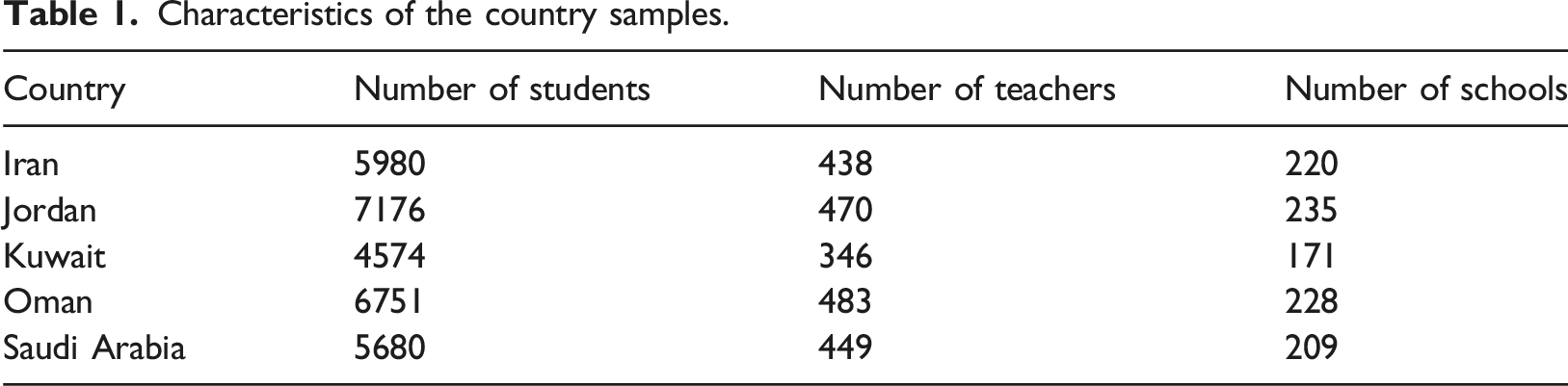
Characteristics of the country samples.
Measures
To investigate sociodemographic and school climate differences between boys’, girls’, and mixed schools, we used several student-, teacher-, and principal-reported scales provided in the TIMSS data (cf. Yin and Fishbein, 2020). As this study focuses on the school level, we aggregated student- and teacher-reported data at the school level. The share of missing data ranged between 0 and 3% at the school level.
Sociodemographic measures
(1) School Gender: Students’ self-reported gender was used to determine the school’s gender composition: schools with only female students in the TIMSS sample were classified as girls’ schools, schools with only male students were classified as boys’ schools, and schools with both male and female students were classified as mixed schools. (2) School Socio-Economic Status: We used a school-level aggregate of students’ self-reported home educational resources scale (derived from students’ ratings of the number of books at home, their parents’ highest level of education and home study supports). A higher score on the scale indicates a higher level of socio-economic status. (3) School Location: We recoded a principal-reported variable to express whether a school was urban (0 = rural, 1 = urban). We collapsed two original categories into the rural category (small-town or village and remote rural) and three categories into the urban category (urban-densely populated, suburban-on fringe or outskirts of urban area, and medium size city or large town). (4) School Minority Composition: To examine whether students belonged to a minority group within schools in a country, three distinct variables from the TIMSS dataset were used. A single variable proved inadequate for capturing the complete picture of the minority background of students within schools: (a) Share of students born in the country: We aggregated the student-reported variable on whether the student was born in the country of the test at the school-level, such that this variable can range between 0% (no students born in the country) and 100% (all students born in the country). (b) Language of student questionnaire: This variable indicates the language in which the school administered the TIMSS student questionnaire. (c) Share of native speakers: We recoded and aggregated the students’ self-reported frequency of speaking the test language at home to derive the school-level percentage of native speakers who (almost) always speak the test language at home. This variable can range between 0% (no students speak the test language (almost) always at home) and 100% (all students speak the test language (almost) always at home). The original student-level variable had four categories (1 = always, 2 = almost always, 3 = sometimes, 4 = never).
School climate measures
In line with the theoretical framework proposed by Wang and Degol (2016), four dimensions of school climate were considered in this study to represent school climate: academic, community, safety, and institutional environment. Consistent with past empirical studies (Ker, 2016; Lee and Chen, 2019; Nilsen et al., 2022; Scherer and Nilsen, 2016), six TIMSS scales were used as proxies to represent the different dimensions of the school climate construct. School Emphasis on Academic Success (SEAS) and Instructional Clarity were used to represent the academic dimension of school climate. Students’ Sense of School Belonging was used to represent the community dimension. Safe and Orderly School and Bullying were used to represent the safety dimension. Instruction Affected by Mathematics Resource Shortages was used to represent the institutional environment dimension. (1) School Emphasis on Academic Success: Created using Item Response Theory (IRT) partial credit model, this TIMSS scale covers teachers’ expectations of successful curriculum implementation and student achievement, parental support for student achievement and the students’ desire to achieve. It is based on teachers’ responses to 12 items. A higher score on the scale indicates a higher level of teacher-reported school emphasis on academic success. Example items include ‘teachers' understanding of the school’s curricular goals' and ‘students' ability to reach school's academic goals'. (2) Instructional Clarity: Based on student reports, TIMSS’ Instructional Clarity in Mathematics Lessons scale was used to measure students’ perceptions of the clarity of instruction in their mathematics lessons, based on their responses to seven statements. A higher score on the scale indicates a higher level of student-reported instructional clarity. Example items include ‘My teacher is easy to understand' and ‘My teacher is good at explaining mathematics'. (3) Students’ Sense of School Belonging: Based on students’ responses to five items, the scale measures whether students feel safe at school, enjoy going to school and have good relationships with teachers and classmates. A higher score indicates a higher sense of belonging. Example items include ‘I like being in school' and ‘I feel like I belong at this school'. (4) Safe and Orderly School: Based on teachers’ responses to eight items, the scale includes aspects of the school’s safety, students’ (mis-)behaviour and the school’s disciplinary rules and procedures. A higher score on the scale indicates a higher level of teacher-reported safety and order in the school. Example items include ‘This school is located in a safe neighbourhood’ and ‘The students behave in an orderly manner’. (5) Bullying: Based on students’ responses to 14 items, the student bullying scale represents the frequency with which students report being bullied. Scale scores were reverse-coded such that a higher score represents higher levels of student-reported bullying. Examples items include ‘Made fun of me or called me names' and ‘Hit or hurt me (e.g. shoving, hitting, kicking)’. (6) Resource Shortages: Based on principals’ responses to 13 items, this scale measures the extent to which school instruction is affected by shortages of general school resources (such as teaching materials, supplies, school buildings and grounds, heating/cooling and lighting systems) and specific mathematics resources (specialised mathematics teachers, library and computer resources). Scale scores were reverse-coded, such that a higher score indicates greater resource shortages. Example items include ‘How much is your school’s capacity to provide instruction affected by a shortage or inadequacy of instructional materials (e.g. textbooks)' and ‘Teachers with a specialisation in mathematics'.
Statistical analyses
All analyses were conducted at the school level, separately for each of the five countries. Two types of analyses were conducted. First, sociodemographic characteristics for boys’, girls’, and mixed schools were compared to investigate selection effects for each school type. Second, perceived levels of school climate were compared across the three school types.
For continuous sociodemographic and school climate variables, we ran simple linear regression models at the school level with school type as a dummy-coded predictor. For categorical variables, Fisher’s exact test was used, which is particularly suitable for small sample sizes and low expected frequencies.
The data were prepared, merged, and analysed using the EdSurvey package (Bailey et al., 2021) in the statistical software environment R (R Core Team, 2023). To account for the sampling design applied in TIMSS 2019, school sampling weights (SCHWGT) were included in school-level regression models.
Results
Sociodemographic characteristics of the school types
School gender
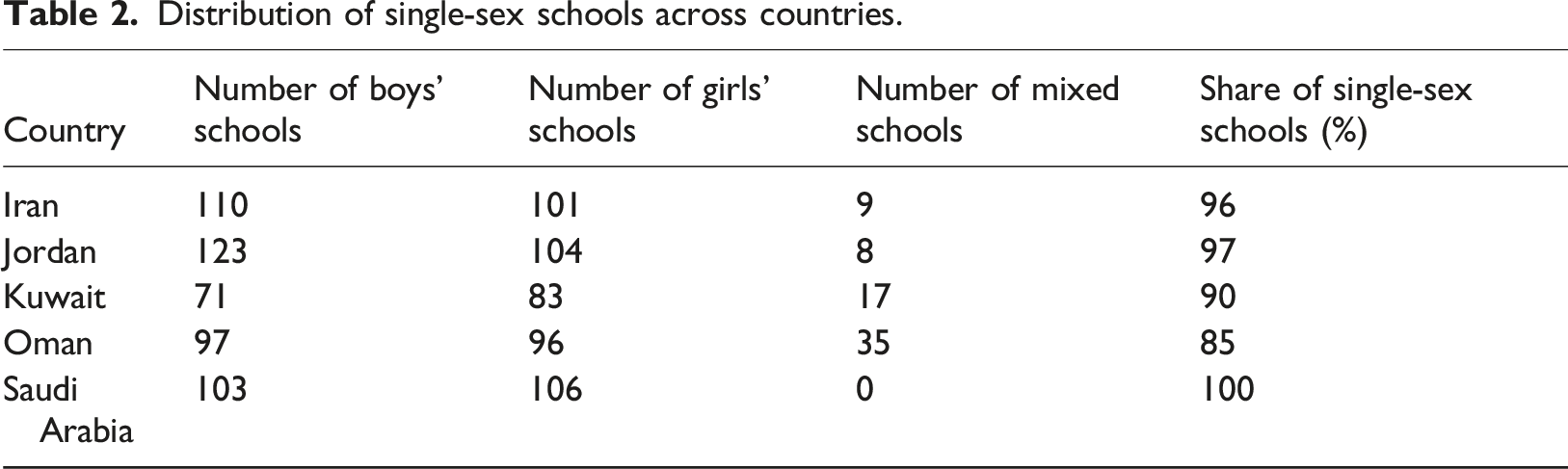
Distribution of single-sex schools across countries.
Socio-economic status (SES)
An analysis of sociodemographic characteristics revealed no statistically significant differences in reported socioeconomic status (SES) between boys’ and girls' schools across the five sample countries (Figure 2). However, mixed schools in Iran reported significantly lower SES (p < .05) compared to single-sex schools. In contrast, mixed schools in Jordan had higher reported SES levels (p < .05) than their single-sex counterparts. In Kuwait and Oman, no significant differences in SES were found between mixed and single-sex schools. School-Level Socio-Economic Status across Different School Types. Note. The box and whisker plot shows unstandardized school-level Socio-Economic Status (SES) on the y-axis, measured by the Home Educational Resources scale, with the x-axis representing boys’ schools, girls' schools, and mixed schools across country samples.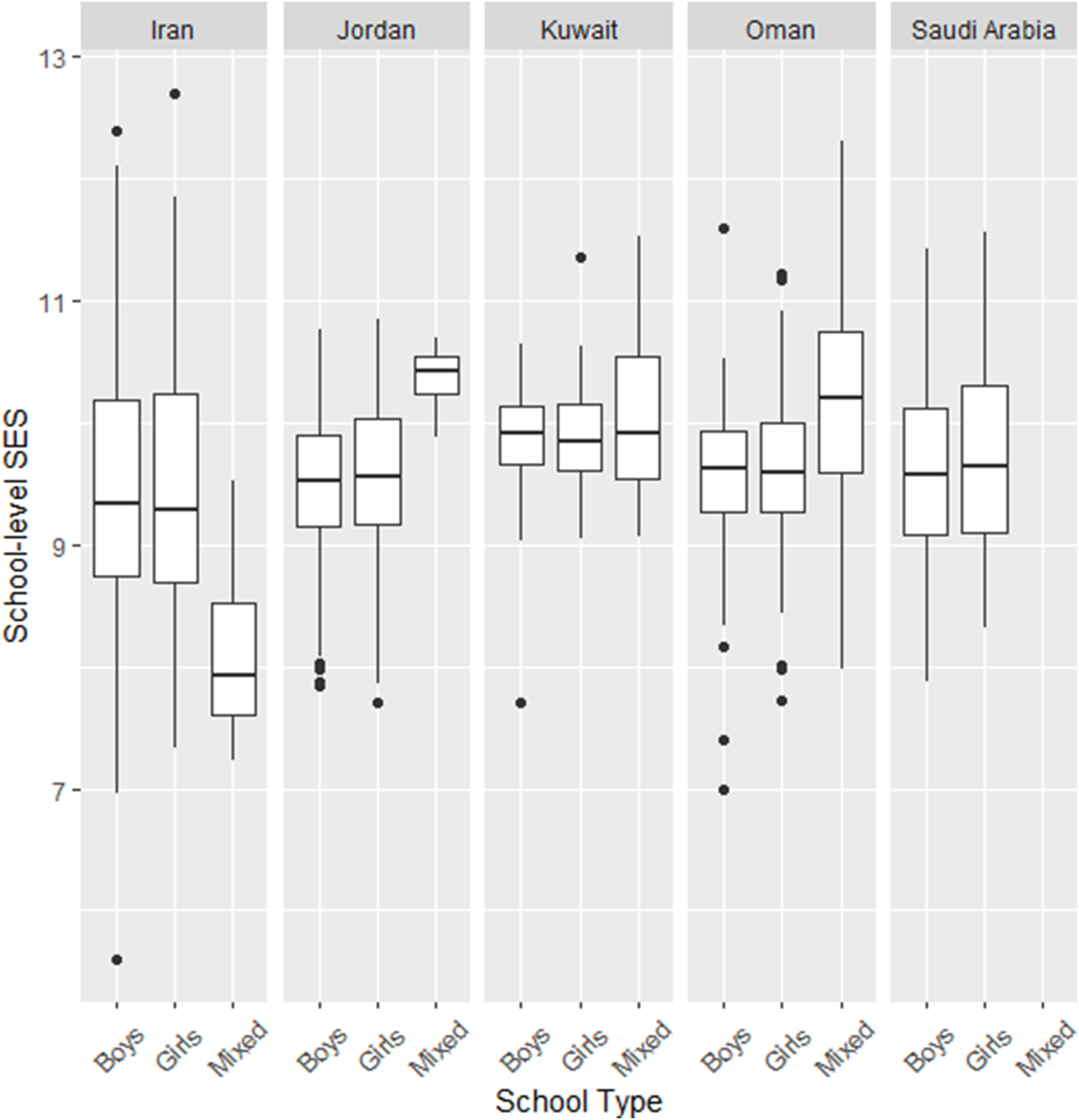
School location
Regarding whether schools are located in rural or urban areas (Figure 3), the results of Fisher’s exact test indicate no significant differences between boys’, girls’, and mixed schools in Jordan, Kuwait, Oman, and Saudi Arabia (p > .05). In Iran, mixed schools are more often located in rural areas than single-sex schools are (p < .001). Distribution of School Location across School Types. Note. The bar plot shows the percentage of schools located in urban locations on the y-axis. The x-axis represents the three different school types (boys’ schools, girls’ schools, and mixed schools) across country samples.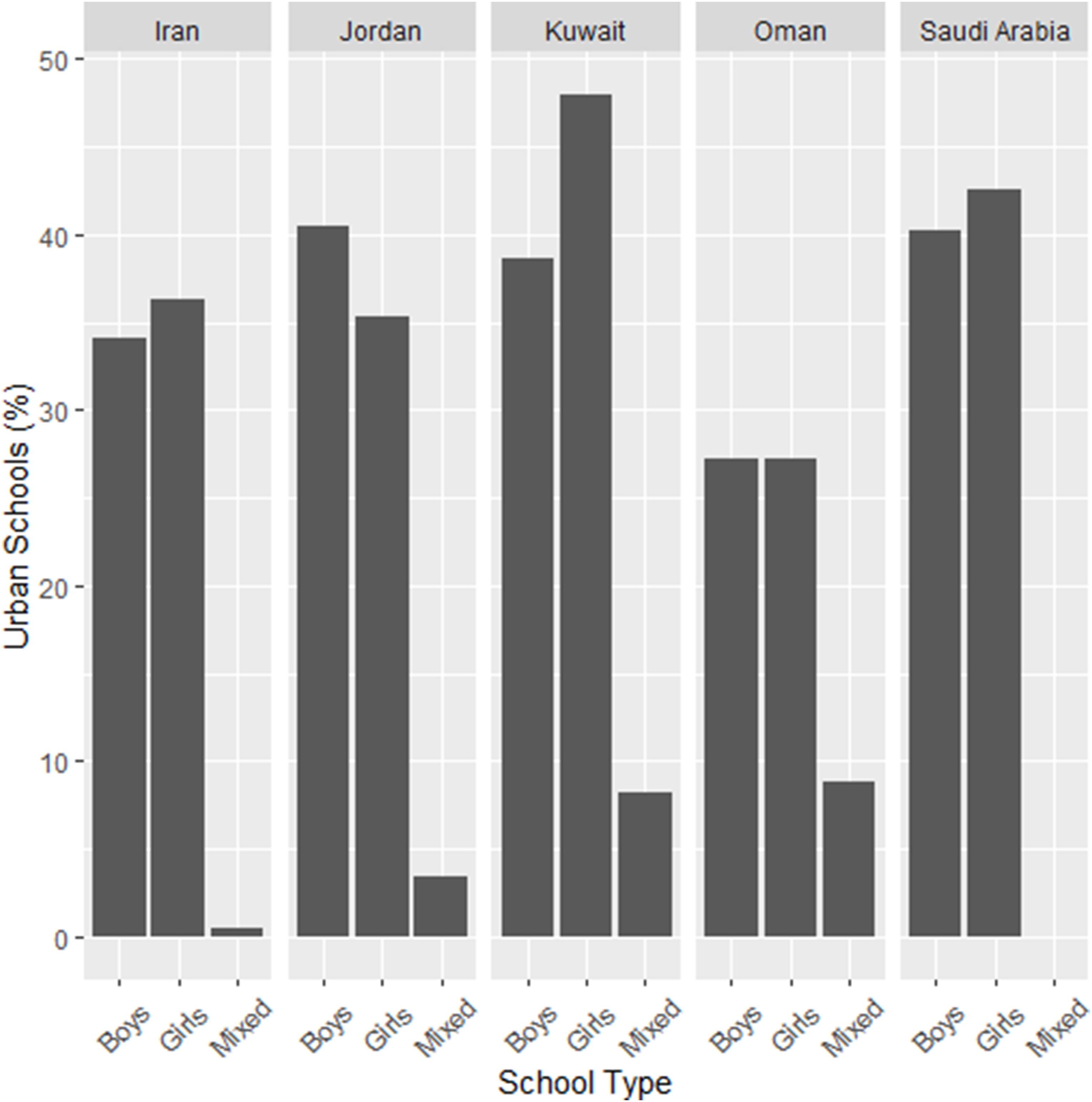
Minority background of students at the school level
Looking at the share of students born in the respective country (Figure 4), the only statistical differences between boys’, girls’, and mixed schools are found in Kuwait and Oman. In both cases, mixed schools have fewer students on average who were born in the country than single-sex schools (p < .05). School-Level Percentage of Students Born in the Country across Different School Types. Note. The box and whisker plot shows the percentage of students born in the country within a school (y-axis). The x-axis represents the three different school types (boys’ schools, girls’ schools, and mixed schools) across country samples.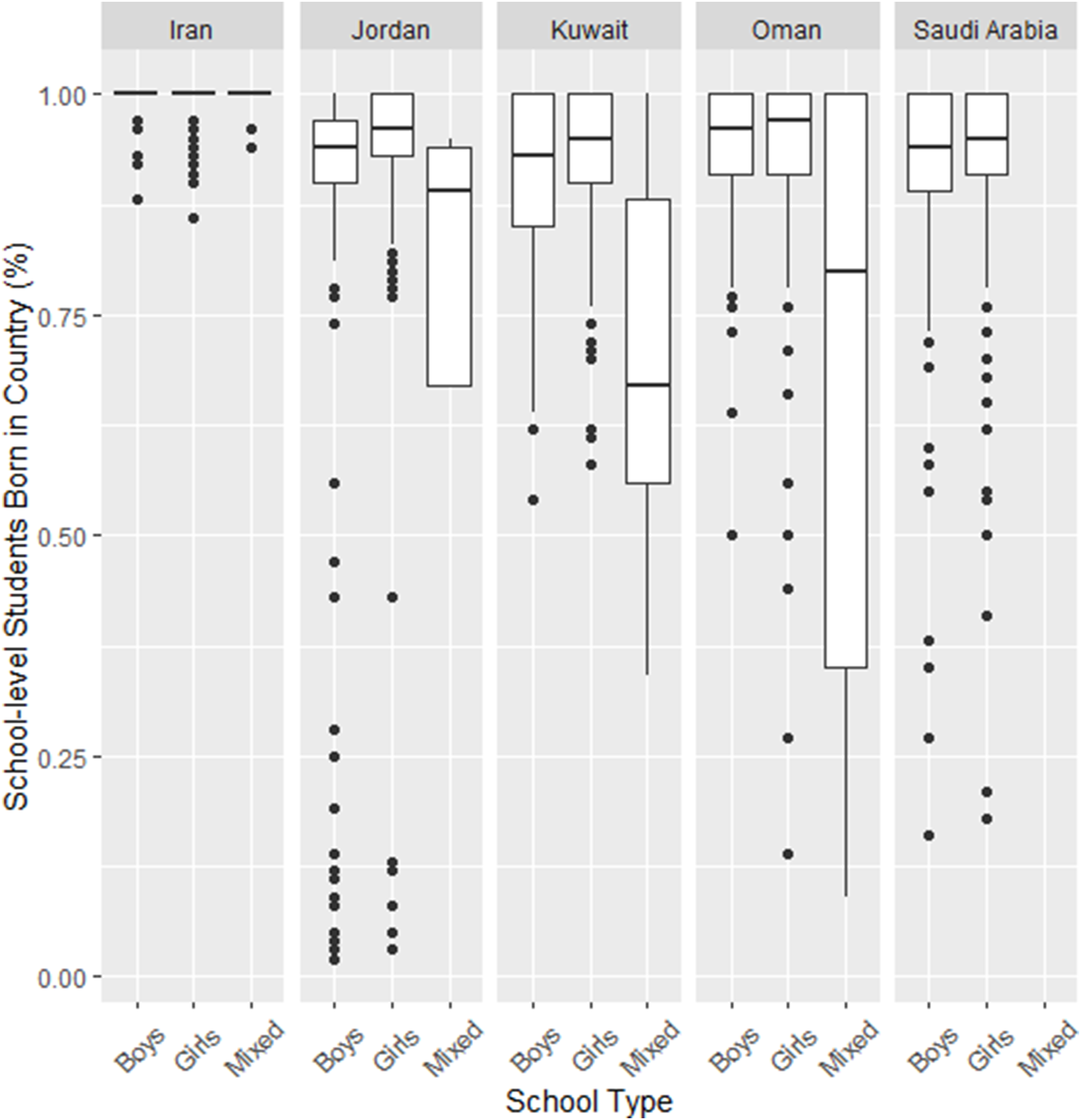
In terms of the language of the TIMSS student questionnaire (Figure 5), we see that all schools in Iran and Jordan implemented the TIMSS questionnaire in the country’s majority language (Persian and Arabic, respectively). However, the results of Fisher’s exact test indicate a significant association between the language of student questionnaire and school type in Kuwait (p < .05) and Oman (p < .05), whereby English was the dominant language of test within mixed schools. In Saudi Arabia, boys’ and girls’ schools did not differ in how prevalently they chose to conduct the TIMSS assessment in English or Arabic. School-Level Percentage of Schools with Language of Student Questionnaire across Different School Types. Note. The bar plot shows the percentage of schools with language of the TIMSS questionnaire either in Persian, Arabic, or English on the y-axis. The x-axis represents the three different school types (boys’ schools, girls’ schools, and mixed schools) across country samples.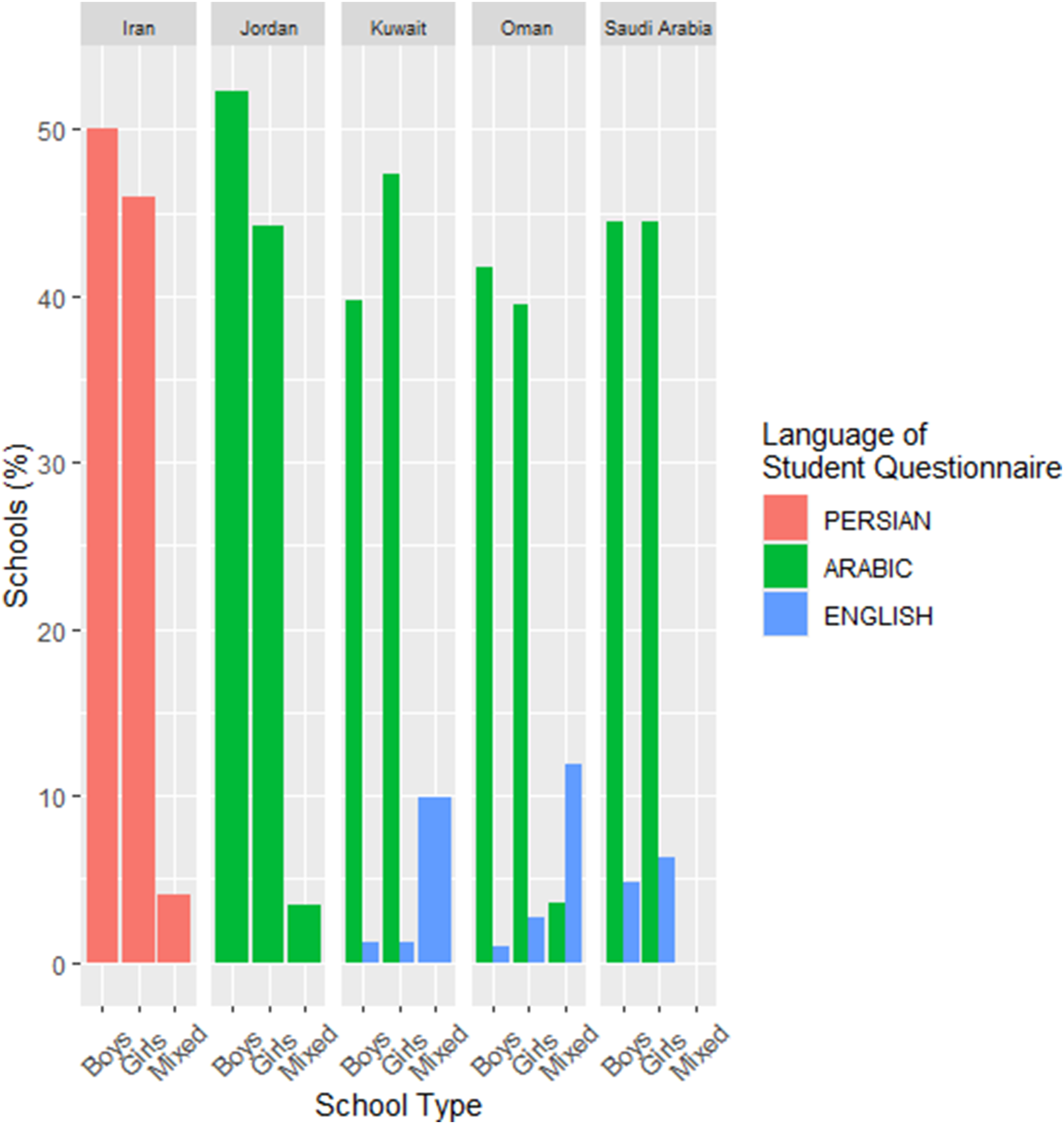
Figure 6 shows the school-level share of native speakers who (almost) always spoke the test language at home across country samples. In Iran, boys’ and girls’ schools did not differ significantly in the share of native speakers, but mixed schools showed a significantly lower average share of native speakers. In Jordan, no significant difference between the school types was observed. In Kuwait and Oman, girls’ schools had significantly lower shares of native speakers of the test language than boys’ schools (p < .05); mixed schools had significantly lower shares of native speakers of the test language than both single-sex school types. In Saudi Arabia, the share of native speakers of the test language was lower in girls’ schools than boys’ schools (p < .05). School-Level Share of Native Speakers across Different School Types. Note. The box and whisker plot shows students who (almost) always spoke the TIMSS test language at home across country samples (y-axis). The x-axis represents the three different school types (boys’ schools, girls’ schools, and mixed schools) across country samples.
School climate characteristics of the school types
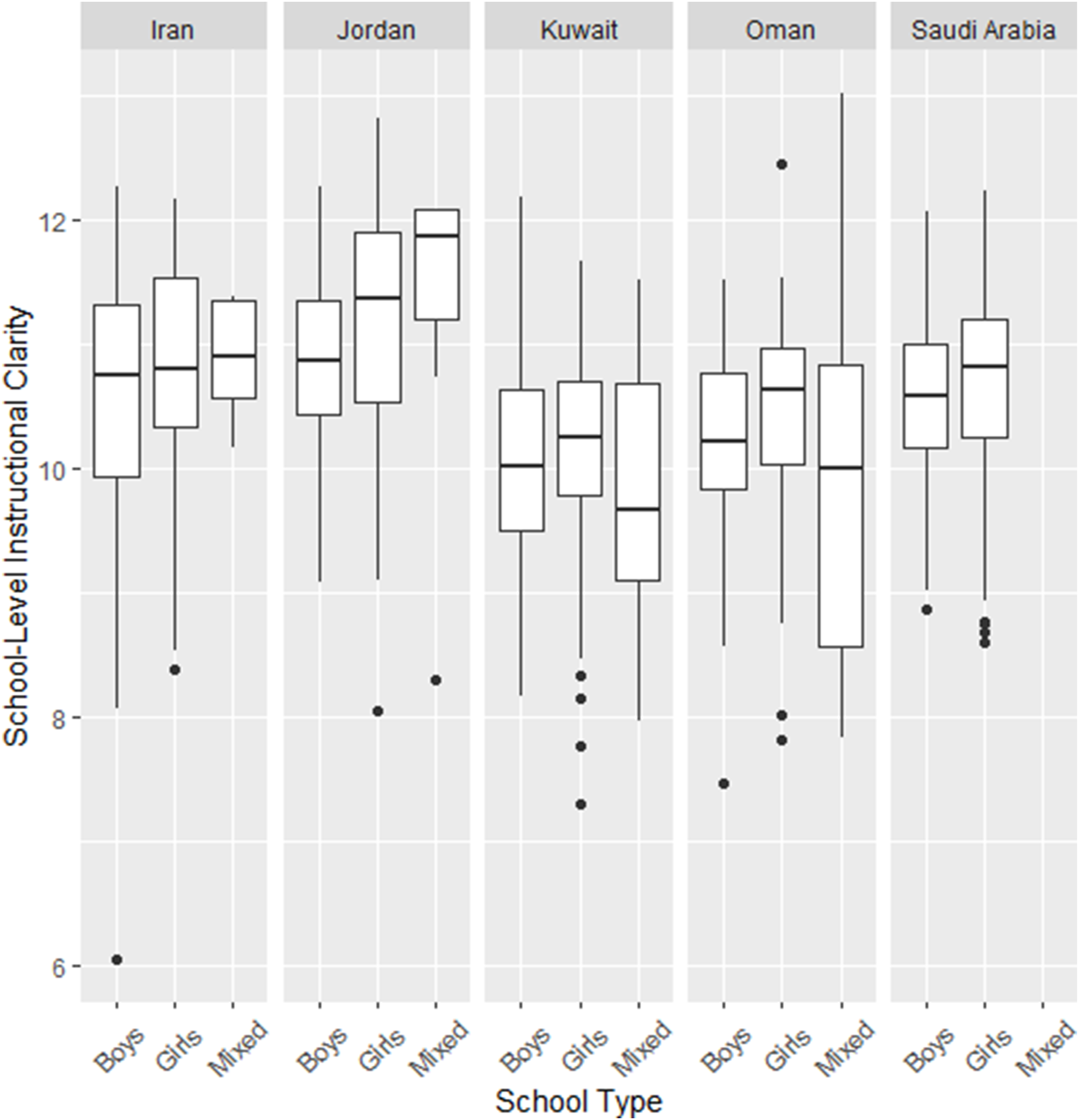
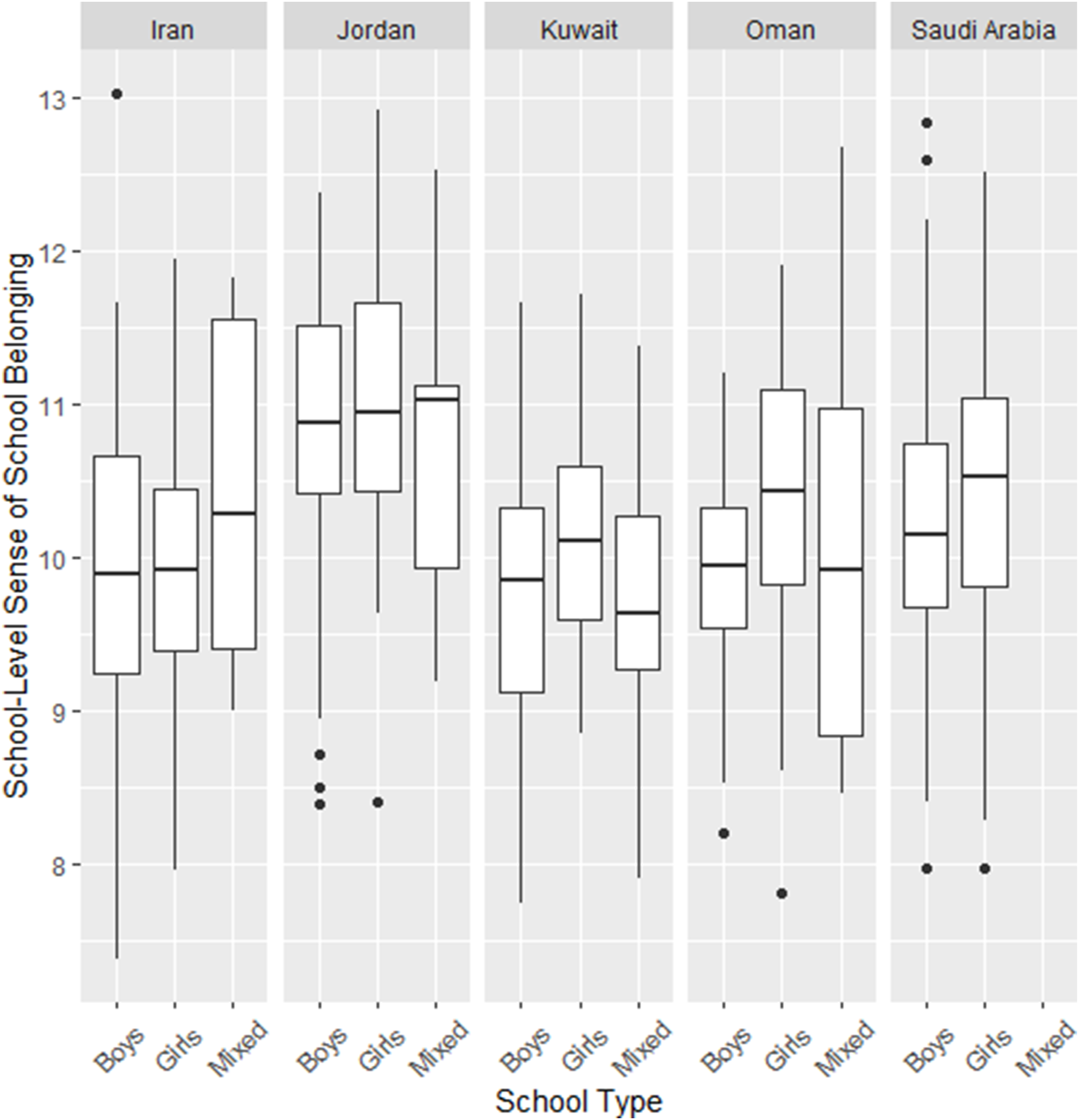
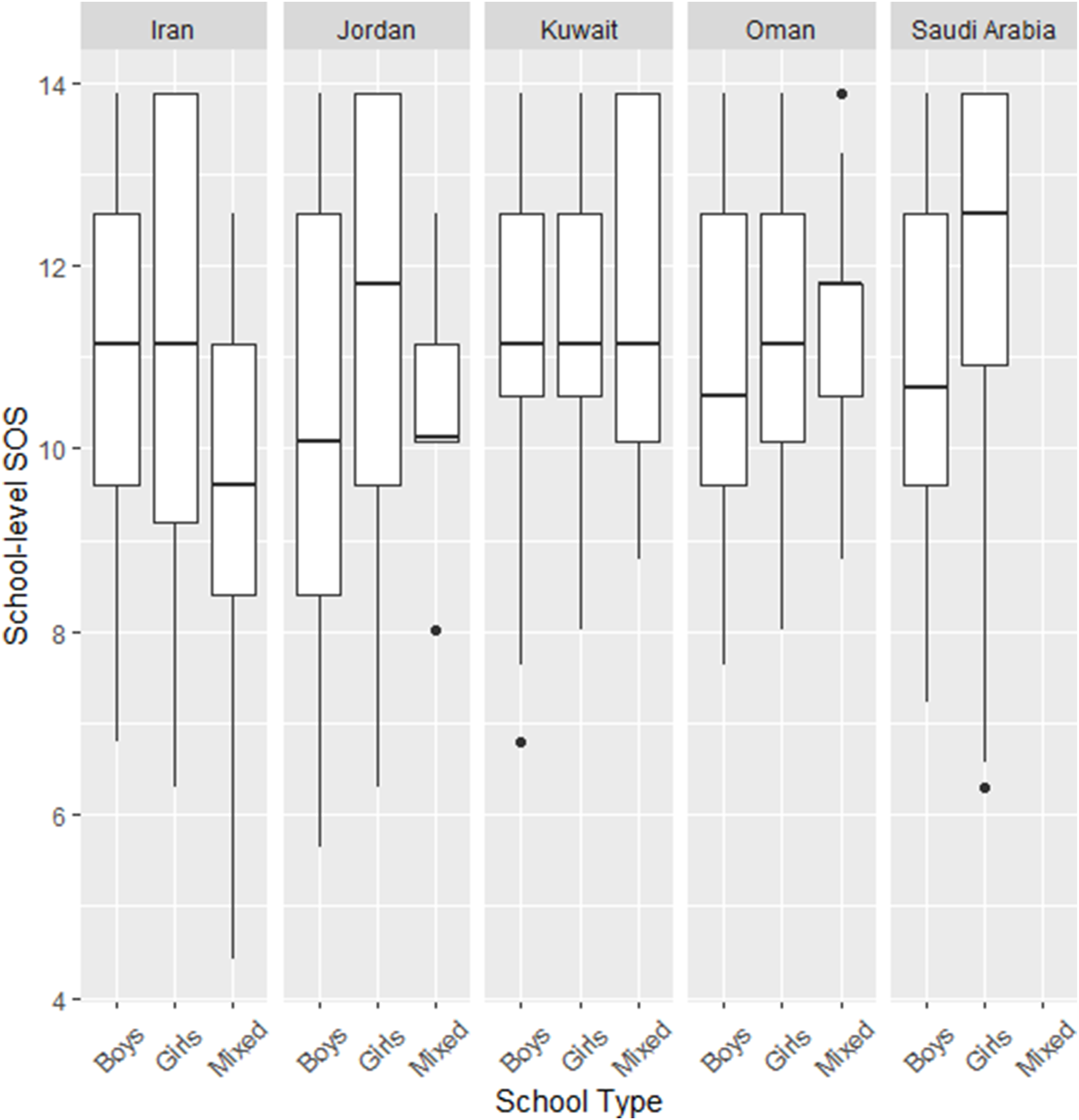
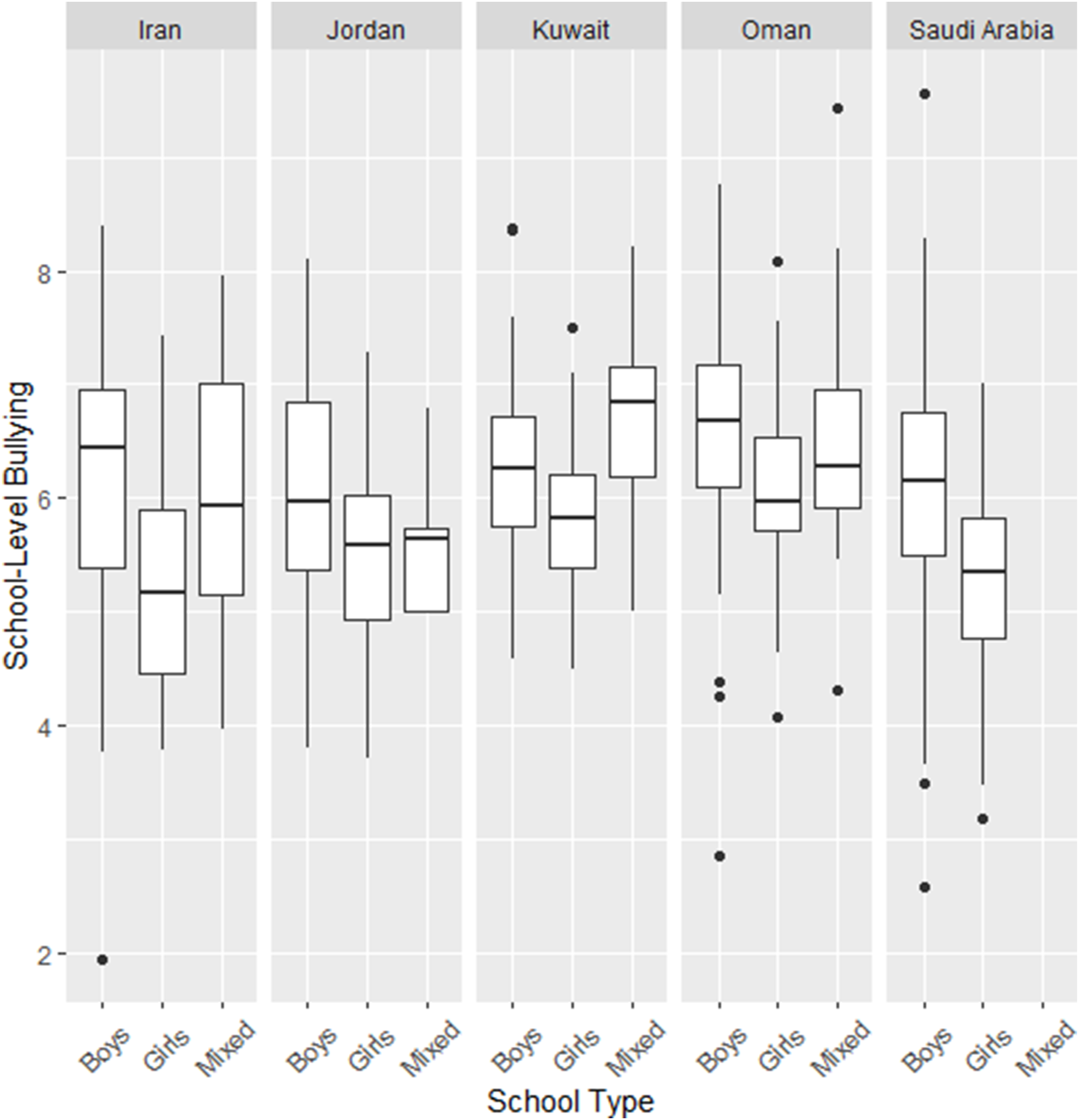
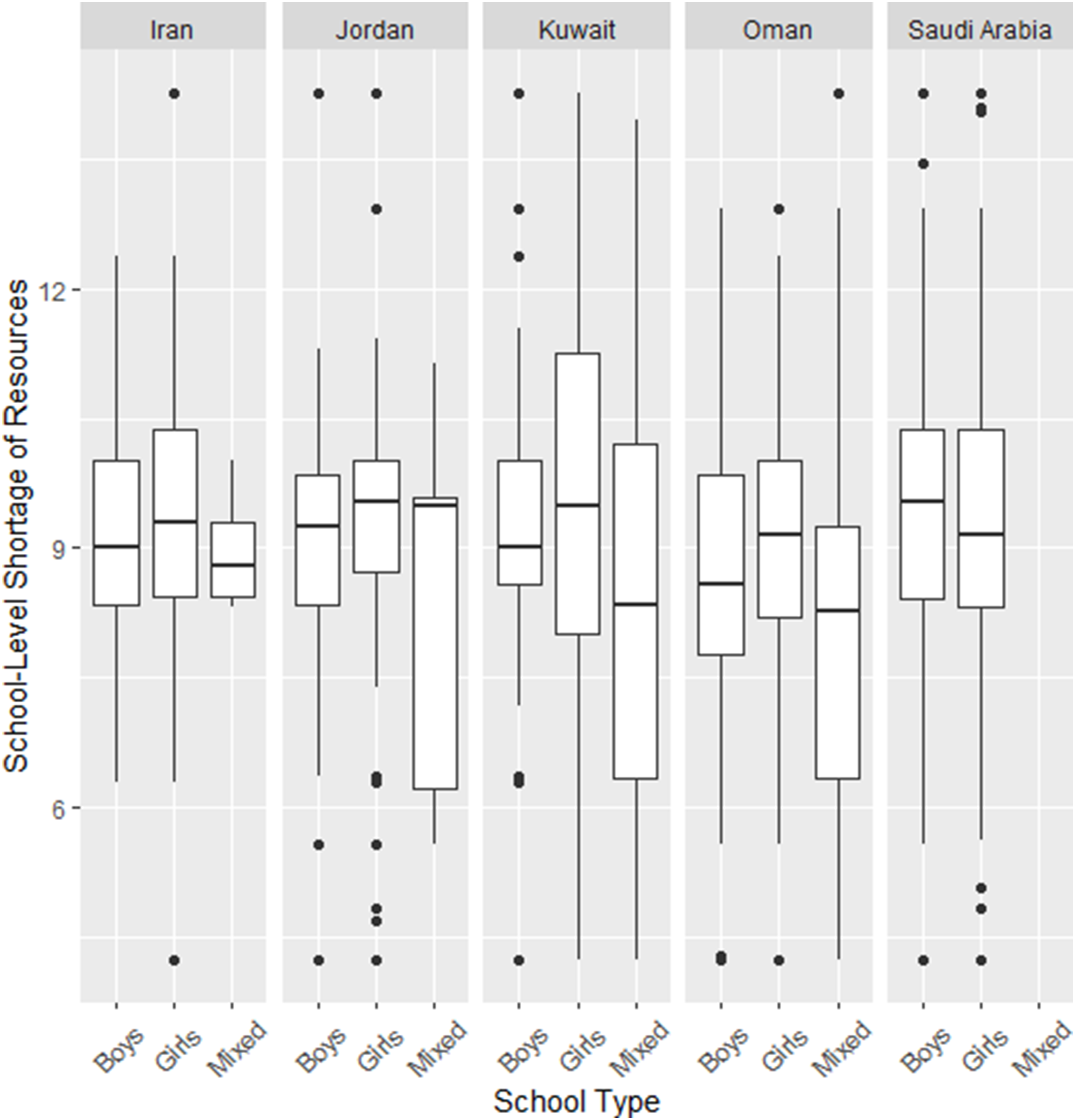
Results indicate some significant differences between boys’, girls’, and mixed schools for the academic (Figures 7 and 8), community (Figure 9) and safety (Figures 10 and 11) dimensions of school climate across countries. In terms of the institutional environment (Figure 12) dimension, no statistically significant differences between the three school types were found across the sample countries. School-level School Emphasis on Academic Success across Different School Types. Note. The box and whisker plot displays unstandardized school-level emphasis on academic success (y-axis) by country, measured using the School Emphasis on Academic Success scale. Higher values indicate greater emphasis, with the x-axis showing three school types: boys’, girls’, and mixed schools. School-level Instructional Clarity in Mathematics Lessons across Different School Types. Note. The box and whisker plot shows unstandardized school-level instructional clarity in mathematics (y-axis) by country, measured using the Instructional Clarity in Mathematics Lessons scale. Higher values indicate greater clarity. The x-axis represents boys’, girls’, and mixed schools across country samples. School-level Students’ Sense of School Belonging across Different School Types. Note. The box and whisker plot shows unstandardized school-level belonging (y-axis) by country, measured by the Students’ Sense of School Belonging scale. Higher values indicate stronger belonging. The x-axis represents boys’, girls’, and mixed schools across countries. School-level Safe and Orderly Schools across Different School Types. Note. The box and whisker plot shows unstandardized school-level safety and order (y-axis) by country, measured by the Safe and Orderly School scale. Higher values indicate greater perceived safety and order. The x-axis represents boys’, girls’, and mixed schools across countries. School-level Bullying across Different School Types. Note. The box and whisker plot shows school-level bullying (y-axis) by country, measured by the Student Bullying scale. Higher values indicate more bullying. The x-axis represents boys’, girls’, and mixed schools. School-level Resource Shortages across Different School Types. Note. The box and whisker plot shows school-level resource shortages (y-axis) by country, measured by the Instruction Affected by Mathematics Resource Shortages scale. Higher values indicate greater shortages. The x-axis represents boys’, girls’, and mixed schools.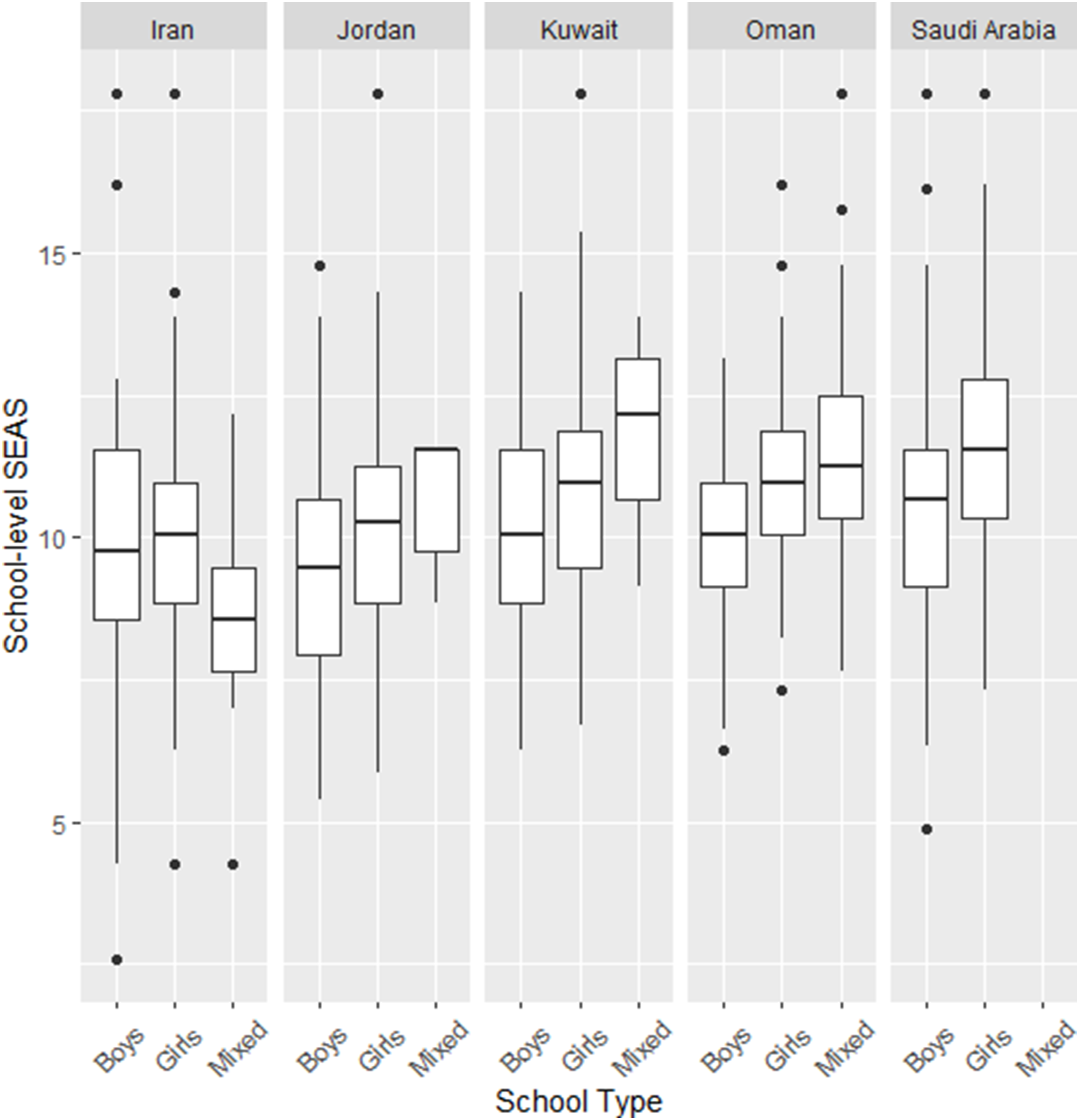
Academic dimension of school climate
On average, higher levels of emphasis on academic success were reported in girls’ schools in Jordan, Kuwait, Oman, and Saudi Arabia (p < .05) compared to boys’ schools (see Figure 7). In Iran, this difference was not significant. Considering mixed schools, lower levels of emphasis on academic success were reported in Iran (p < .05), while higher levels were reported in Jordan, Kuwait and Oman (p < .05) than in single-sex schools. In Saudi Arabia, there were no mixed schools.
Similarly, girls in both Jordan and Oman (p < .05) reported significantly clearer mathematics instruction (see Figure 8) in girls’ schools compared to boys in boys’ schools. Considering mixed schools, higher levels of instructional clarity were reported in Jordan (p < .05) and lower levels in Oman (p < .05) in comparison to single-sex schools. No statistically significant differences in instructional clarity were found between different school types in Iran, Kuwait and Saudi Arabia.
Community dimension of school climate
Considering the community dimension of school climate, girls in Omani and Kuwaiti girls’ schools reported a greater sense of belonging (p < .05) with their school community compared to boys in boys’ schools (p < .05) (see Figure 9). No statistically significant differences were found in Jordan and Saudi Arabia. In Iran, a greater sense of belonging was only reported in mixed schools (p < .05) compared to single-sex schools.
Safety dimension of school climate
Based on teacher perceptions, girls’ schools in Saudi Arabia and Jordan (p < .05) appear to offer a safer learning environment than boys’ schools. In Iran, significantly lower levels of safety and order perceptions were reported in mixed schools (p < .05) compared to boys’ and girls’ schools. No statistically significant differences were found for Kuwait and Oman.
Girls’ schools reported significantly lower levels of bullying than boys' schools, highlighting a gender gap in perceived school safety. This pattern was observed consistently throughout the entire sample of countries (p < .05). In the case of mixed schools, lower levels of bullying were reported in Jordan (p < .05) and higher levels in Kuwait (p < .05) compared to single-sex schools. No statistically significant differences in mixed schools in Iran and Oman were found.
Institutional environment dimension of school climate
No statistically significant differences between boys’ and girls’ schools across sample countries were found for the institutional environment (instruction affected by shortage) dimension for school climate (Figure 12). However, mixed schools in Oman (p < .05) seemed to be affected by greater mathematics resource shortages compared to other school types.
Discussion
This study had two primary aims: first, to examine the selection mechanisms behind students’ attendance at boys’, girls’, and mixed-gender schools; and second, to investigate differences in school climate – an essential component of the learning environment – across these three school types. Unlike most prior research on single-sex schooling, which focuses on Western contexts where such schools are exceptions to the coeducational norm (Hayes et al., 2011; Pahlke et al., 2014; Robinson et al., 2021), this study examines evidence from countries where single-sex education predominates, including Iran, Jordan, Kuwait, Oman, and Saudi Arabia.
Selection mechanisms: Who attends boys’, girls’, and mixed schools?
To investigate selection mechanisms in attending boys’, girls’, and mixed schools, we compared sociodemographic characteristics between these three school types. We found evidence for distinct selection mechanisms in the five countries.
In Iran, boys’ and girls’ schools did not differ significantly in the investigated sociodemographic characteristics. Mixed schools, however, were more often located in rural areas. Their students had a lower socio-economic status on average, and spoke a language other than Persian more often at home, in comparison to single-sex schools. However, students at mixed schools were not more likely to be born outside of Iran than students at single-sex schools. These findings align very well with Heidarifar (2023), who reported that the vast majority (over 90%) of schools in rural and nomadic areas in Iran operate as mixed schools, attributed to various factors including teacher shortages, financial constraints and mobility of nomadic communities.
In Kuwait and Oman, the mixed schools chose English as the assessment language more often than single-sex schools and were characterised by larger shares of students who were born abroad and were non-native speakers of the test language. We conclude that these mixed schools cater to international students more often than single-sex schools. This is in line with previous studies (Al-Rahbi, 2020; Algharabali, 2010; AlMatrouk, 2016) that have reported that mixed schools in the two countries are predominantly private, international schools. The sampling report for TIMSS 2019 (LaRoche and Foy, 2020) also supports this; it indicated the presence of private Pakistani, Indian, American, and bilingual schools in Kuwait and international schools in Oman. The socioeconomic school compositions did not differ significantly between boys’, girls’, and mixed schools, however, as both countries are high-income and resource-rich economies (The World Bank, 2024). The only significant difference between boys’ and girls’ schools in Kuwait and Oman was that girls’ schools had smaller proportions of students who (almost) always spoke the test language at home. Since both Kuwait and Oman administered the TIMSS assessment in both Arabic and English, it is possible that girls’ schools with native Arabic speakers took the test in English instead of Arabic. Therefore, the interpretability of this finding is limited.
While the mixed schools in Iran seem to cater to nomadic students in rural areas, and the mixed schools in Kuwait and Oman to international students, the data from Jordan offers limited insights into determining the selection processes for students attending mixed schools. However, since mixed schools were attended by more socioeconomically privileged students, it could be that they are private institutions.
Saudi Arabia had no mixed schools in the TIMSS sample, and boys’ and girls’ schools were relatively balanced in terms of sociodemographic characteristics. The only significant difference was in the proportion of students who spoke the test language at home. However, similar to Kuwait and Oman, the interpretability of this difference is limited, as some native Arabic speakers may have taken the test in English.
In conclusion, mixed schools appear to be a unique and specialized feature of the education systems in Iran, Jordan, Kuwait, and Oman, serving as an exception to the dominant policy of single-sex schooling in these countries. Boys’ and girls’ schools, by contrast, do not differ significantly on a range of sociodemographic characteristics. In Iran, Kuwait, and Oman, most students have little choice but to attend single-sex schools. Saudi Arabia had no mixed schools in the sample. Consequently, selection bias in comparing boys’ and girls’ schools is limited in these countries, unlike in many Western nations, where strong selection biases have been documented (Hayes et al., 2011; Signorella et al., 2013). This study thus offers a unique perspective on selection bias in single-sex versus coeducational schooling systems.
School climate differences: Do learning conditions vary across school types?
We compared four aspects of school climate to explore whether students in different school types experience varying learning conditions within predominantly single-sex education systems. The differences in school climate between mixed and single-sex schools largely align with the expected outcomes based on the described selection mechanisms. In Iran, where mixed schools primarily serve socioeconomically disadvantaged nomadic students, these schools showed lower emphasis on academic success and lower levels of safety and order. Conversely, in Kuwait and Oman, where mixed schools tend to serve socioeconomically privileged international students, they demonstrated a higher emphasis on academic success compared to single-sex schools.
The more interesting comparison of school climate aspects lies between boys’ and girls' schools. The most consistent differences were observed in the safety dimension of school climate. In all countries, boys’ schools reported higher levels of bullying than girls' schools, and in two countries, safety and order were also perceived to be lower in boys’ schools. The higher rates of bullying in boys' schools highlight a significant aspect of gender inequality, which may also contribute to an unequal academic environment. A safe and supportive learning atmosphere is essential for academic success, as it enables students to focus on their educational goals and improves learning outcomes (Gietz and McIntosh, 2014; Thapa et al., 2013).
Consistent with this pattern, we also observed differences in the academic dimension of school climate between boys’ and girls' schools. In four countries, girls’ schools reported a stronger focus on academic success. Additionally, students in two countries perceived mathematics instruction as clearer in girls' schools compared to boys’ schools. Previous research has shown that a collective emphasis on academic success within the school community can enhance student achievement (Bodovski et al., 2013; Scheerens et al., 2013). Similarly, studies have found positive associations between instructional clarity and student achievement at the secondary school level across multiple countries (Mullis et al., 2020).
In the community dimension of school climate, girls in girls’ schools reported a significantly stronger sense of school belonging than boys in boys’ schools in two countries. A recent meta-analysis has linked a strong sense of school belonging to various positive outcomes, including improved academic performance, social-emotional development, and better behavioural outcomes (Korpershoek et al., 2020). Additionally, a higher sense of school belonging is associated with lower levels of school misconduct and student delinquency (Demanet and Van Houtte, 2012; Payne et al., 2003).
In our five countries, we found significant differences between boys’ and girls’ schools in the safety, academic, and community dimensions of school climate, with girls’ schools showing more favourable outcomes. These three dimensions appear to be interconnected. A safer and more orderly environment in girls' schools likely contributes to a stronger sense of community and allows for a greater emphasis on academic success, rather than focusing on managing misbehaviour. However, we found no evidence of differences between boys’ and girls' schools in the institutional environment dimension, which was measured by the extent to which mathematics instruction is affected by resource shortages.
Limitations and future research
This study sought to explore selection mechanisms and school climate differences between single-sex and mixed schools in five countries with large degrees of school gender segregation. A key limitation of this study lies in the variables selected for analysis. Operationalizing students’ ethnic minority background (e.g. belonging to a nomadic tribe in Iran) and identifying private, international schools proved challenging due to the lack of relevant variables in the TIMSS dataset. To address this, we used proxy variables, but future research with more targeted data collection should better capture these factors for a more comprehensive analysis.
While this study focused on school climate factors to examine differential learning conditions across school types, future research should consider additional factors. In many of the countries studied, boys in boys’ schools are typically taught by male teachers, and girls in girls' schools by female teachers, which may be associated with significant differences in teaching quality between school types. Moreover, in predominantly gender-segregated countries, male and female teachers often receive professional training in separate institutions, potentially contributing to variations in teaching quality. Investigating differences in instructional quality between boys’ and girls’ schools could offer valuable insights, though the concept of instructional quality is not fully captured by the available TIMSS scales (Fauth et al., 2014; Nilsen and Gustafsson, 2016).
Another limitation is that all sociodemographic and school climate characteristics were self-reported by students, teachers, or school principals. If boys and girls, or men and women, differ in their response behaviours to the scales, this could introduce bias in comparisons between boys’ and girls’ schools. Therefore, future research incorporating more objective measures, especially of learning conditions at schools, would provide a valuable complement to this study.
Conclusion
This study showed that in several Middle Eastern countries, the majority or even all schools participating with eighth graders in TIMSS 2019 were single-sex schools. We found that the selection mechanisms in single-sex and mixed schools differ from those in Western contexts (Hayes et al., 2011; Signorella et al., 2013), where single-sex schools are the exception to the coeducational norm. In the countries studied, mixed schools tend to serve very specific minority groups, such as rural, nomadic populations in Iran and international students in Kuwait and Oman. The majority of students typically attend single-sex schools, which reduces selection bias when comparing learning conditions in boys’ and girls’ schools. This enables meaningful comparisons between the two school types in these predominantly single-sex education systems.
We demonstrated that single-sex schooling comes with a large potential for differential learning environments for boys and girls. By focusing on school climate factors, we found that boys’ schools reported higher levels of student bullying than girls’ schools. This issue should be addressed by policymakers in the respective countries to ensure equal, high-quality learning conditions for all students (UNESCO, 2017).
While not the focus of this study, the preferential learning conditions in girls’ schools may also help explain the unexpectedly large advantages for girls in the TIMSS mathematics tests (see Figure 1). Future research should explore this hypothesis using longitudinal data to examine how differential learning conditions across school types impact mathematics achievement outcomes.
Most importantly, this study highlights that single-sex schools are more likely to foster distinct learning environments for boys and girls, in contrast to coeducational schools where students typically share the same teachers, classrooms, and resources. Such differences in learning conditions raise important questions about the equity and fairness of single-sex schooling, and whether it can ensure genuinely equal opportunities for all students.
Footnotes
Declaration of conflicting interests
The author(s) declared no potential conflicts of interest with respect to the research, authorship, and/or publication of this article.
Funding
The author(s) received no financial support for the research, authorship, and/or publication of this article.
