



Abstract
Silas Malafaia is one of the most influential televangelists in Brazilian history. This study employs Multimodal Metaphor Analysis to investigate how Malafaia uses metaphors during a training sermon for new pastors and church workers. Through microanalyses of portions of the sermon, we show how Malafaia employs metaphors at both speech and gesture levels to construct an “us versus them” narrative around a supposed confrontation between Neo-Pentecostal believers and followers of an African-Brazilian religion. Through a combination of spoken and gestured orientational metaphors (i.e. Good is Up; Bad is Down), he then emphasizes a negative affective stance toward followers of African-Brazilian religions, associating them with the Devil. The Multimodal Metaphor Analysis performed highlights how, as an epistemic agent, Malafaia instills in his congregation a particularly antagonistic, even bellicose, attitude towards believers of another faith. Results suggest that power structures can be reinforced through gesture use.
Introduction
Throughout history, religion has served as a powerful tool for asserting authority and imparting knowledge. The popularization of television and mass media has enabled religious leaders to broaden their sphere of influence by breaking the physical and temporal limitations of community-based religious services. Televangelism is a prominent example of this shift, as one of the main strategies for proselytism and knowledge transmission by Pentecostal churches. (Mariano, 2004; Reis, 2006). We will focus specifically on televangelism in Neo-Pentecostal faiths, and investigate the ways in which the gestures of a Neo-Pentecostal pastor contribute to the construction and transmission of ideological discourse.
Pentecostalism is not a monolithic religion and does not have a centralized authority like Roman Catholicism. However, Pentecostal churches tend to be fundamentalist and to emphasize a direct personal experience with God through the Holy Spirit (Mogoane et al., 2023). Neo-Pentecostalism, in particular, is characterized by the adoption of the Prosperity Theology, the rhetoric of ‘spiritual warfare’ pitting its followers against appearances of the “Devil” in the world, and the use of mass media to proselytize (Silva, 2007). While scholars recognize television as a key medium for disseminating Neo-Pentecostal ideologies (Buccione and Mello, 2020; Mariano, 2004; Pagliarini, 2023; Reis, 2006), the potential ideological role of gesture use in such programs has received little attention.
The object of the present analysis, televangelist Pastor Silas Malafaia, has uninterruptedly hosted a television program for the past 43 years. His pervasive presence has left a mark on Brazil’s cultural landscape, and since launching his television show “Victory in Christ” in the 1980s (Pagliarini, 2023) he has amassed wealth, social influence, and political power. Recently, he has emerged as a key figure in the country’s far-right movement, becoming the official religious leader of former president Jair Bolsonaro. His political views echo Bolsonaro’s in his vocal attacks against the Supreme Court’s legitimacy and judicial impartiality, efforts to discredit Brazil’s voting system, hostility towards LGBTQ + individuals and related policies, advocation against state secularism, and intolerance of religious minorities (Amorim, 2017). In addition to being the head of the Victory in Christ Church, Malafaia also serves as an educator. He is in charge of instructing new pastors and church workers on preaching, and has offered courses on Christian leadership since 2009 (Mazza, 2019).
This study employs frameworks for Multimodal Metaphor analysis (Bressem et al., 2013; Cienki, 2008, 2017; Cienki and Müller, 2014) and discourse analysis (Cameron et al., 2009; Chilton, 2004) to investigate how Malafaia uses metaphors in gesture and speech to convey knowledge and shape morality to his followers. The study’s focus on metaphor use stems from the very nature of religious discourse; which relies on metaphors, analogies, similes, and parables, as sacred scripture is composed of such illustrative resources (Dancygier and Sweetser, 2014; Hesse, 2023). As such, we aim to answer the following research question: how can metaphoric gestures be used to reinforce power dynamics in religious discourse? To address this question, we perform a two-step analysis, first establishing the presence of metaphoric gestures in Malafaia’s discourse overall, then providing a microlevel multimodal metaphor analysis that focuses specifically on a lesson on ‘spiritual warfare’ and highlights the polarizing effects of Malafaia’s discourse.
Theoretical framing
Discourse
We understand discourse to be the ideological 1 vehicle used to disseminate specific knowledge that can reinforce abusive power structures (Jørgensen and Phillips, 2002; van Dijk, 2011). Power and knowledge are deeply intertwined, with discourse working to both maintain the status of power structures and to impart the knowledge that sustains them. The epistemic authority within a power structure is embodied in the social actor who imparts knowledge. In the social community analyzed, the Pastor Silas Malafaia is the highest figure of authority, as head of the church. Moreover, his epistemic authority also comes from his teachings, since he dictates the exegesis to be adopted by his pastors and followers. Finally, his enduring presence on television reinforces his authority over his audience, cultivating in them a sense of familiarity with his figure.
However, epistemic authority emerges not only from the social status of the knowledge holder (van Dijk, 2011), but also from the linguistic patterns that legitimize the imparted knowledge (Chilton, 2004). Chilton (2004) identified two main legitimization strategies used in political contexts. The first is the speaker’s assertion of himself as an epistemic agent, normally resorting to aids and sources to support this claim. The second is a deontic strategy, in which the speaker resorts to emotional language to assert moral and ethical superiority, by grounding the legitimization of his discourse in his own morality in opposition to the morality of his adversaries. Both strategies can be performed explicitly or implicitly.
Importantly, a common conceptual scheme used to legitimize politician’s discourses consists of creating a scenario of “self versus other”. This “self-other schema involves [a] covertly metaphorical mode of expression that is derived from representations of physical space” (Chilton, 2004: p.117), which means that spatial and orientational metaphors are frequently employed in such discourses to conceptualize a dichotomous view of the world.
Metaphors
Conceptual Metaphor Theory holds that metaphors are not merely verbal tools that convey meanings; they are also cognitive devices used to shape the understanding of complex concepts (Dancygier and Sweetser, 2014; Lakoff and Johnson, 1980). Basic (or ‘primary’) metaphors arise from sensory-motor experiences 2 (Lakoff and Johnson, 1980), such as orientational metaphors which characterize abstract sensations in terms of spatial orientations. Thus, expressions like “He is feeling down” or “Everything is on the up and up” indicate a conceptualization of feeling bad as being in a low vertical position, and of improvement as a form of upward movement. These metaphoric expressions can be said to evoke the conceptual metaphors “Bad is Down” and “Good is Up” respectively (Lakoff and Johnson, 1980); here “Bad” and “Good” refer to the target domain (the abstract concept actually being discussed), and “Down” and “Up” refer to the source domain (the more concrete and intersubjective concept used to talk about it).
The Discourse Dynamics approach to metaphor diverges from Conceptual Metaphor Theory’s commitment to uni-directionality (Cameron et al., 2009). Instead of static cognitive objects derived from sensory-motor experiences and expressed through language, metaphors form and change based on discursive and social experiences, in addition to bodily ones. Under this approach, the relationship between language and thinking is a fundamentally dynamic process, in which “what is being said both reflects and affects thinking” (Cameron et al., 2009: p.10). Therefore, understanding a given metaphoric expression requires not only identifying potential sensory-motor motivations, but also a careful consideration of the metaphor user’s identity and communicative goals, as well as the social and discourse context in which the metaphor appears.
As we will discuss, Conceptual Metaphor Theory is particularly helpful in identifying metaphors in hand gestures, given that their form is directly associated with sensory-motor experiences (such as throwing or cutting an object). However, understanding how these embodied metaphors contribute to Malafaia’s expression of epistemic authority requires the context-sensitivity of the Discourse Dynamic approach.
Gestures
Gestures are defined as meaningful body movements performed during speech or used to replace speech (Kendon, 2004). The analysis of how hand gestures are used, and the consistency of their shape, orientation, location, and movement has allowed scholars to identify their functional and formal stabilities (Kendon, 2004; McNeill, 1992). In particular, we are concerned with recurrent gestures, which are thought to derive their functional and formal stabilities from the physical actions they resemble (Müller, 2017). For example, the well-studied Palm-up Open Hand (PUOH) gesture is characterized formally by it’s titular palm orientation and hand shape, which resembles the physical action of presenting an object upon one’s hand (Müller, 2004).
This approach to gesture foregrounds analyzing the ways in which hand gestures resemble their meaning through different ‘modes of representation’ (Müller et al., 2013). These modes include depicting and enacting the scene being described in speech. Depiction and enactment of the scene can be both concrete or metaphoric. The modes of representation, or as-if actions, are gestures performed by the speaker to visually depict a scene for their listeners. The speaker gestures as if their hands are the very thing being verbally described. An instance is the act of holding one hand in the shape of a telephone (hand closed with little finger and thumb stretched out) to one ear while describing a phone call. A gesture’s dynamic qualities influence the construction and perception of an utterance. This is true for the action or object represented through the modes, as the dynamic stress (i.a. changes in size or force of movement) can indicate critical attitudes towards the scene being depicted.
Fundamentally, the capacity of gestures to transform abstract actions and objects into concrete movements underscores the inherently metaphorical nature of their use; consequently, every gesture holds the potential to be used metaphorically. In light of this, the scrutiny of both speech and gestures is essential to fully understand metaphoric conceptualizations present in discourse. Hence parameters for capturing gesture metaphors are necessary. Cienki (2008) has argued that it is necessary to attend to three parameters when analyzing the metaphoricity
3
of gestures: 1. How conventional or novel the conceptual metaphor is in a culture (e.g. “Good is Up” is a very conventional metaphor in Western languages) 2. How conventional or novel a metaphoric expression is in a culture (e.g. “broken heart” is a very conventional metaphor in Western languages) 3. How salient the metaphor is in a given context. Saliency occurs when both words and gestures concomitantly map the same source and target
The analysis that follows attended to these parameters to establish the metaphoricity of the gestures. Moreover, dynamic characteristics such as their position in the gesture space, intensity, size, as well as repetitive use, were taken into account when interpreting their potential metaphoric and ideological use.
Data and methods
The present analysis is of a video-sermon entitled “The awakening we need today” (O avivamento que precisamos hoje in Portuguese)4,
5
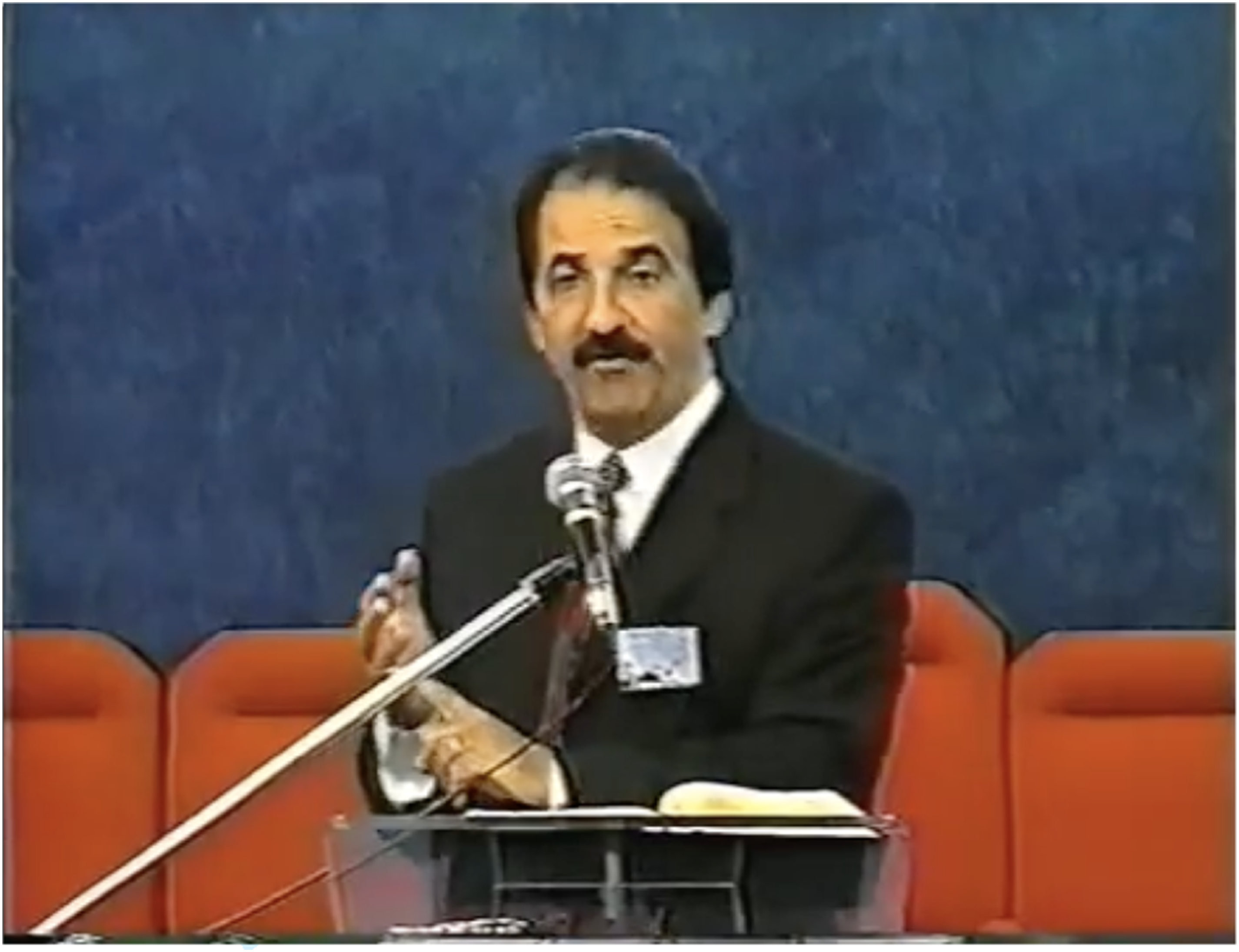
In this 56-min sermon, Pastor Silas Malafaia delivers a lesson at a church affiliated with the World Assemblies of God Fellowship. This video was chosen as particularly suitable for the present analysis because (i) it features Malafaia as an authority of both religious knowledge and practice (it being an educational sermon for practicing pastors), and (ii) provides ample unobstructed view of Malafaia’s hands, which are not impeded from movement by holding a microphone, as is the case in the majority of other available Malafaia sermons. (Figures 1 and 2). Pastor Silas Malafaia gives sermon. Close-up of the pastor.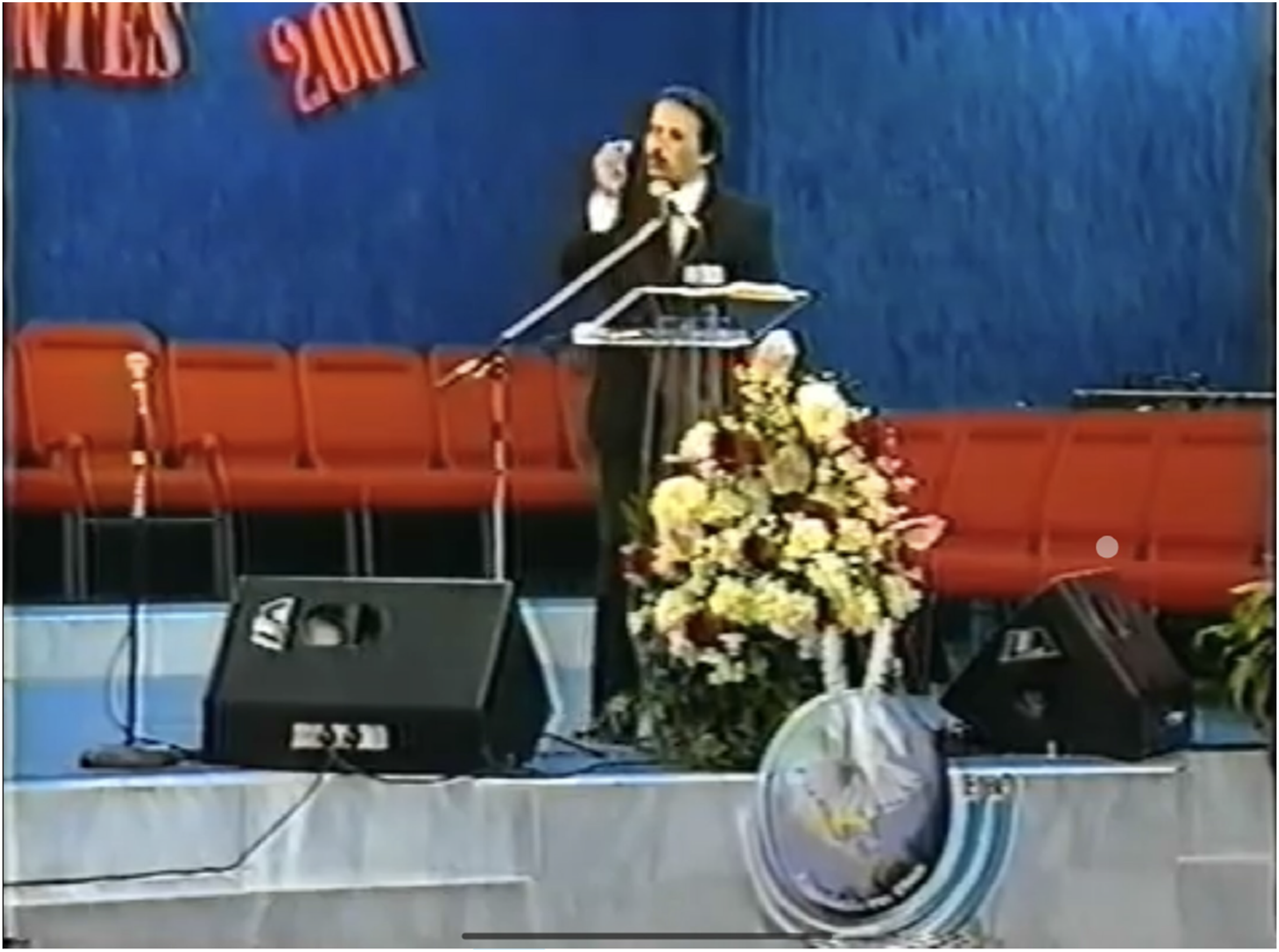
The study uses three frameworks for gesture annotation and analysis: the Linguistic Annotation System for Gestures, the Methods for Gesture Analysis, and the Metaphor Identification Guidelines for Gesture (Bressem et al., 2013; Cienki, 2017; Müller, 2024). These methods suggest a gesture-first approach to video annotation, in order to avoid any bias arising from the verbal level. Thus, gestures were annotated first and without sound.The Linguistic Annotation System for Gestures method provides the means to quantify and qualify recurrent gestures based on their form, on the sequence in which they happen, on their simultaneous relation to other linguistic levels (i.e. Discourse or syntax), and on their occurrence over different contexts (Bressem et al., 2013). The Methods for Gesture Annotation (Müller, 2024) is a recent development stemming from the Linguistic Annotation System for Gestures method, and describes two distinct levels for gesture analysis, that is macro and micro.
The macroanalytical level focuses on quantifying the types of gestures used according to apparent form and function, providing a broad assessment of the different gestures that emerge throughout the discursive event. Gesture forms in this study were identified and categorized based on research into recurrent gestures–gestures used systematically and repeatedly with stable form and meaning across contexts (Bressem and Müller, 2014; Müller, 2017). These gestures often derive their form metonymically or metaphorically from embodied experiences (Ladewig, 2014; Müller, 2017). Six kinds of recurrent gestures were analyzed: 1. Index-finger: Pointing gestures articulated with an extended index finger, used to direct attention to both concrete and abstract referents (Kendon, 2004: p.205) 2. As-if: Gestures depicting actions, objects, or events; can be categorized into four modes of representation: acting, drawing, molding, and representing (Müller et al., 2013). 3. Palm open: Gestures characterized by open palms facing up with extended or slightly bent fingers, used to signal the offering or reception of an object or idea (Kendon, 2004; Müller, 2004). 4. Precision grip: Gestures in which the fingers come together to either form a ring or a bunch (Kendon, 2004), used to signal precision and emphasis (Müller, 2014). 5. Counting: Gestures in which the fingers are used to iconically enumerate concrete entities or abstract ideas as countable objects (Sweetser, 1998). 6. Fist: Gestures in which one or both hands are closed into fists; also called “power grips,”, used to convey emphasis through embodied tension (Streeck, 2008).
The microlevel analysis focuses on detailed gesture dynamics analysis and gesture context analysis. This analytical level examines a single gesture or gesture sequence, scrutinizing, within context, the occurrence of the different phases of the gesture, i.e. preparation, stroke, hold, and retraction, described below, and their temporal relationship with accompanying speech. 1. Preparation: When the hands are raised from the rest position (i.e. hands are lowered and motionless) 2. Stroke: The culmination of the gesture, where the movement and shape of the hands are most clearly perceived; most central to a gesture’s meaning and the only obligatory phase of a gesture 3. Post-stroke hold: When the hands are stationary, retaining the stroke shape 4. Recovery: When the hands return to the initial rest position
This procedure is fundamental for establishing both the metaphoricity of individual gestures and their communicative function. In addition, to fully understand the context within which the gestures occurred and to determine whether they were being used metaphorically, the video was transcribed and analyzed for metaphors using the Metaphor-led Discourse Dynamics method (Cameron et al., 2009). This framework proposes multiple levels of analysis, ranging from word-by-word examination to the identification of broader patterns and recurring metaphoric themes that appear dynamically during a speech event.
In addition to the word-by-word analysis, a microlevel analysis was performed, scrutinizing each movement by separating them into the different gesture phases and examining their form and function along with their relationship to speech. Following the Linguistic Annotation System for Gestures methodology (Bressem et al., 2013), six tiers were created in ELAN, a linguistic annotator: 1. Phase tier: This tier annotated the gesture phase performed 2. Handedness tier: This tier annotated whether the gesture was done with the right, left, or both hands 3. Gesture tier: This tier annotated the shape of the gesture 4. Gestural meaning tier: This tier annotated a rough suggestion of the gesture’s semantics 5. Intonational unit tier: This tier annotated the speech uttered by the pastor in the specific segment of the video 6. Discourse meaning tier: This tier annotated the meaning gathered from the speech
During annotation, three vocabularies were created. The first was employed in the Phase tier and identified whether the gesture phase was (1) preparation, (2) stroke, (3) post-stroke hold, (5) hold
6
(6) retraction, or (7) beats.
7
The second was used in the Gesture tier and consisted of 18 options of possible shapes and orientations of gestures. This vocabulary aimed to constrain the universe of gesture dynamics and allow for their quantification, if necessary. The final vocabulary was applied to the Gesture meaning tier and the Discourse meaning tier. It consisted of eight categories of possible meanings: (1) metaphor, (2) metonymy, (3) schema, (4) perspective, (5) contrast, (6) reference, (7) description, and (8) other. These categories were chosen based on gesture studies (Calbris, 1985; Cienki, 2013; Kendon, 2004; Müller and Cienki, 2009) and offered a preliminary interpretation of gesture meanings for tier 4. However, the semantic investigation of the segments only came to fruition after the Discourse meaning tier was annotated. Figure 3 displays how annotations were made in ELAN. Screenshot of ELAN annotations done in tiers.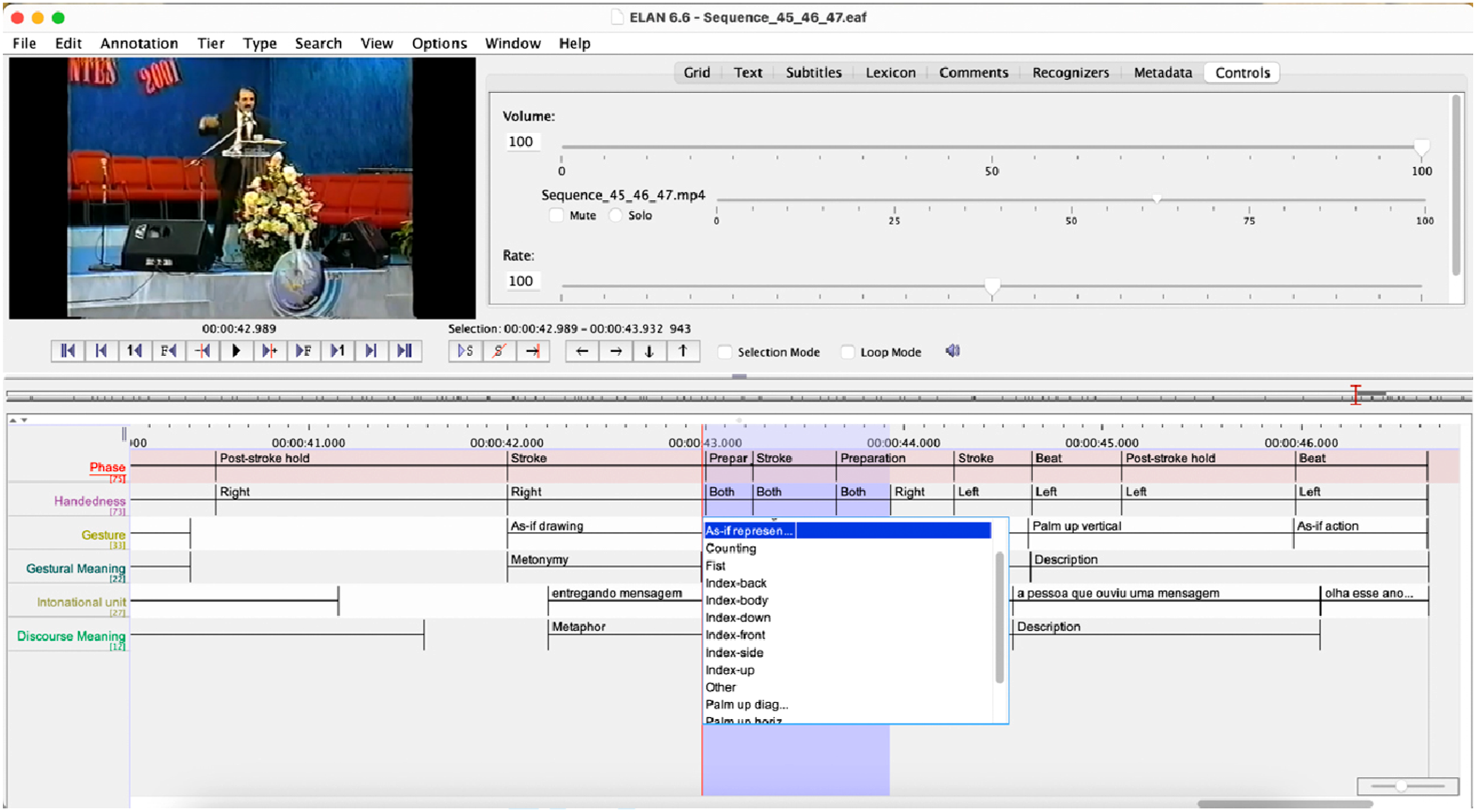
The Intonational unit tier contained speech segments in a simplified conversation analytic format (Müller and Cienki, 2009), which marks the central accent of sentences in bold. This was done to examine how accent use corresponded to stroke gestures, as research suggests that the stroke phase typically coincides with the central accent (Kendon, 2004).
A spreadsheet with seven columns was generated, derived from the ELAN file. The first six columns corresponded to the annotations of the six tiers. In column seven, comments were made based on the tiers, describing, for example, how speech and gesture accompanied each other (Müller and Cienki, 2009). These comments detailed how gestures complemented, reinforced, or illustrated speech (Cienki, 2008; Kendon, 2004; McNeill, 1992). Importantly, these comments steered us towards a specific sequence to be microanalyzed.
Analysis and results
Macroanalysis: Gestures and discourse
Table with the number of gestures from each type.

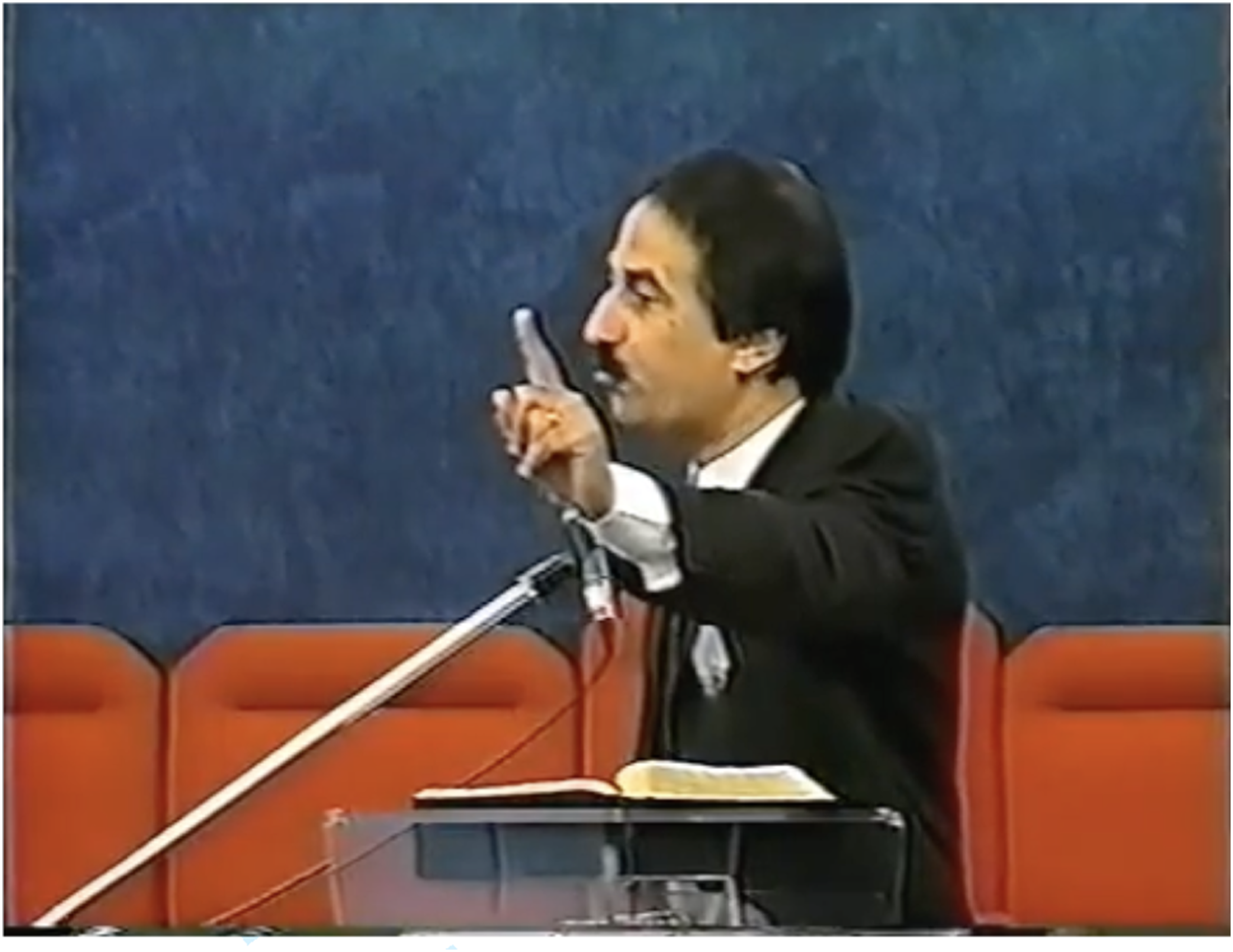
Index-pointing gesture.
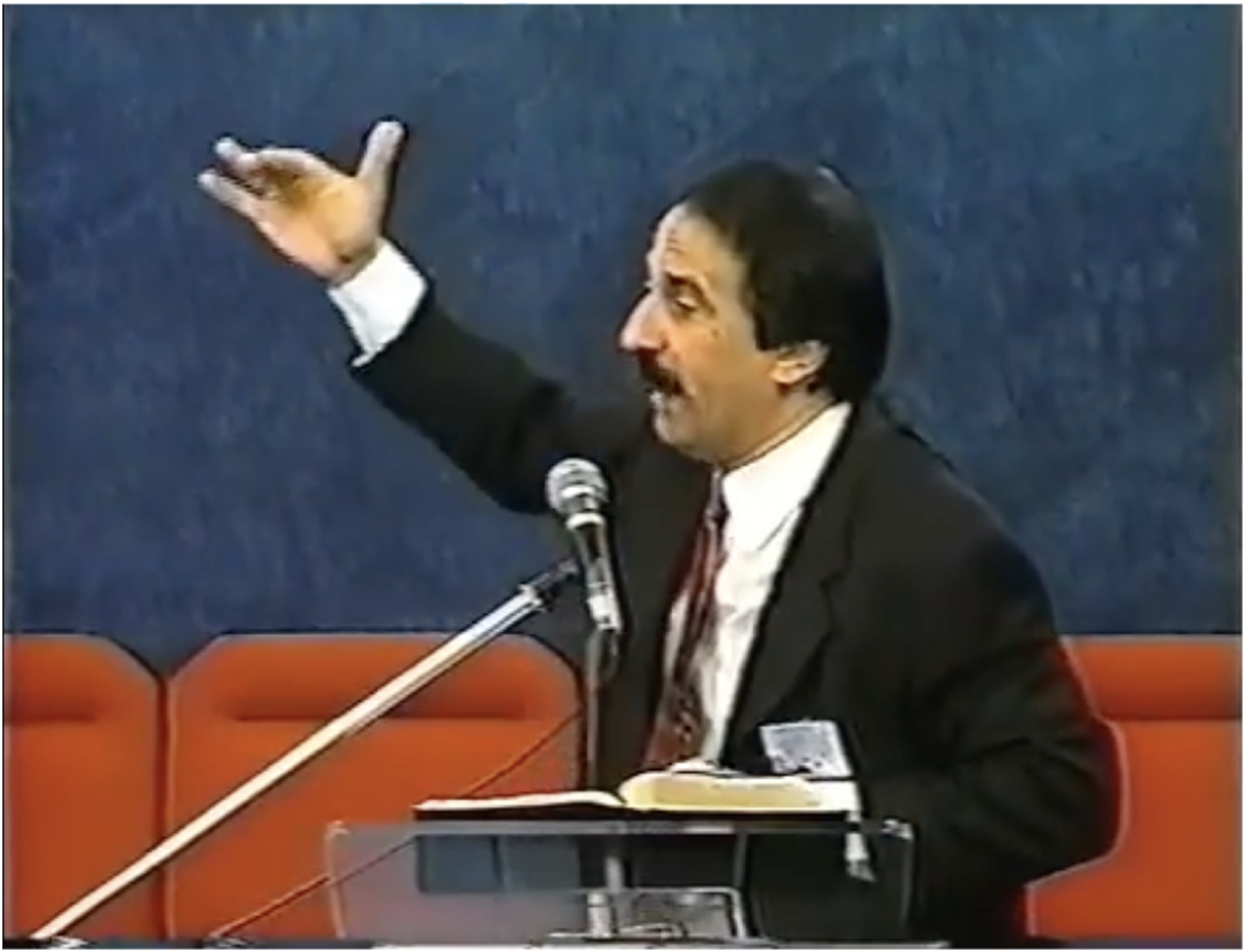
As-if action gesture of measuring how tall a person is.
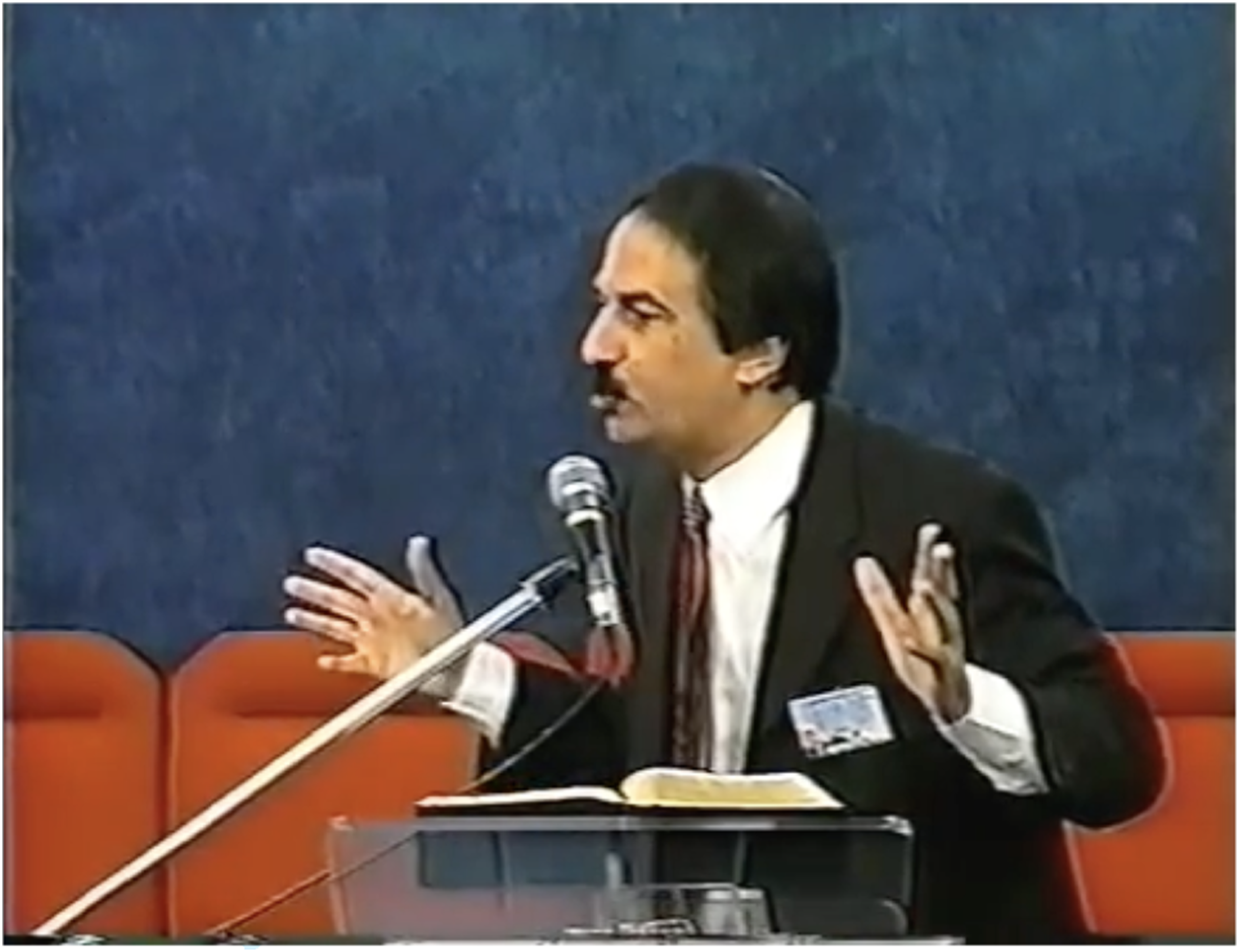
Palm open gesture.
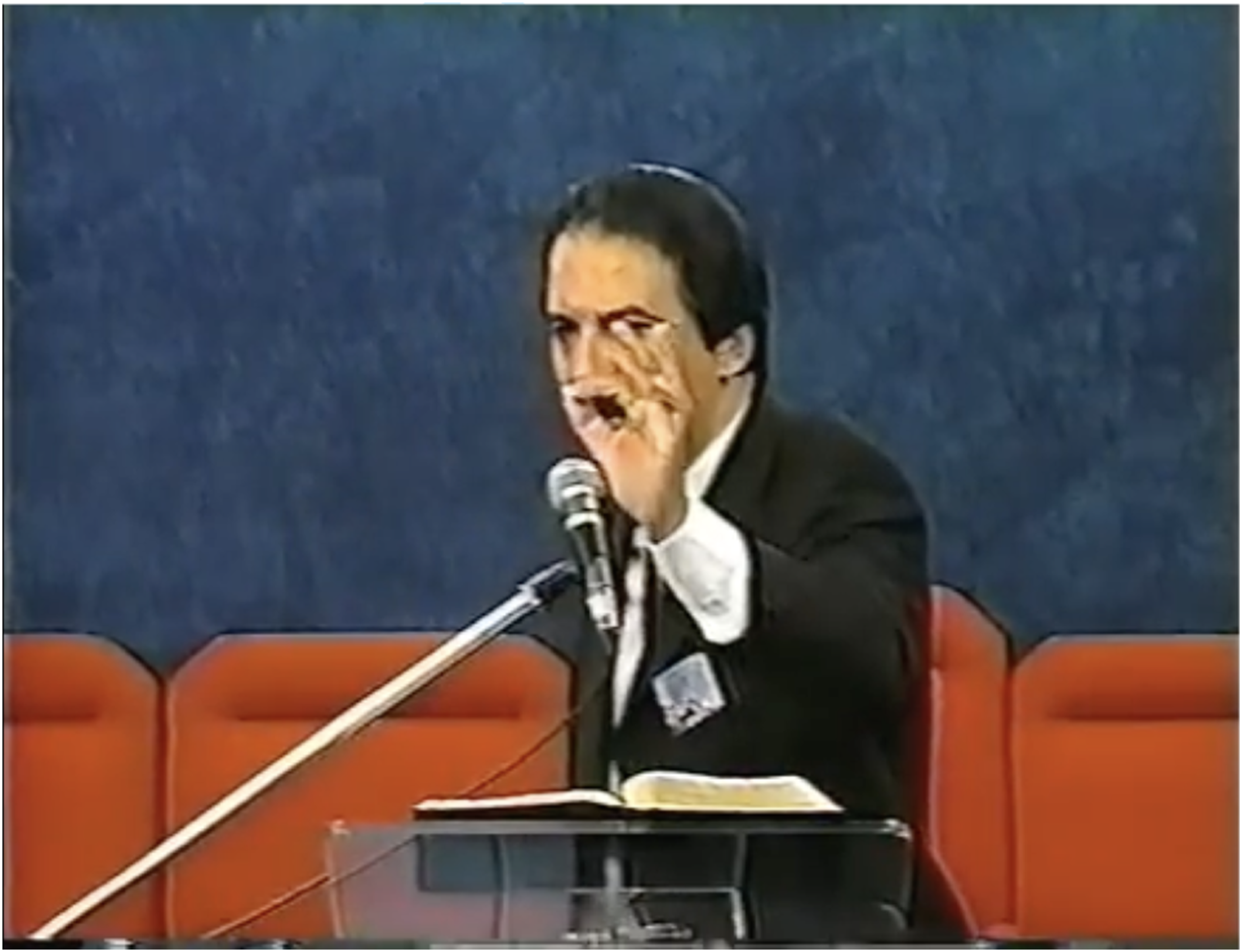
Precision grip gesture.
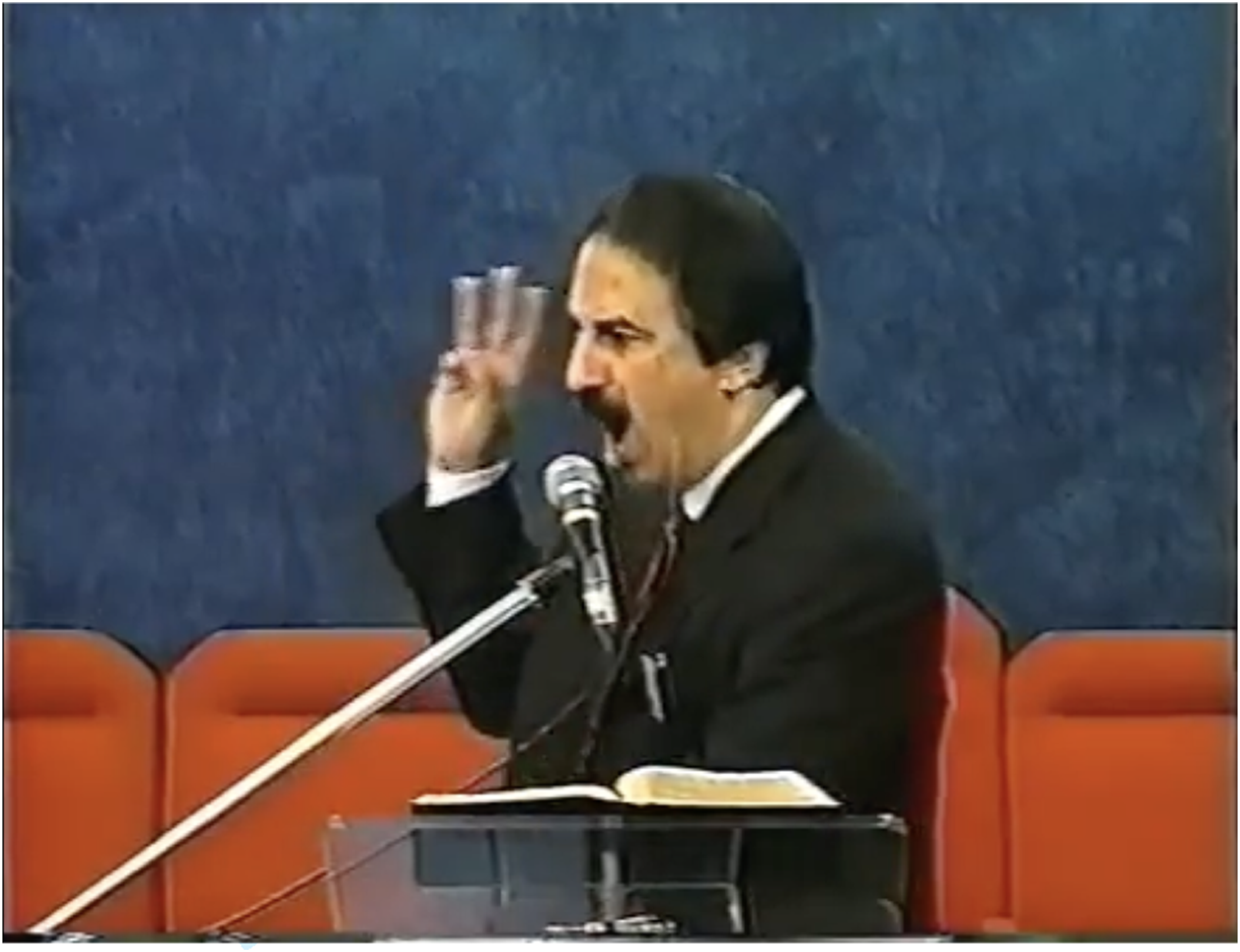
Counting gesture.
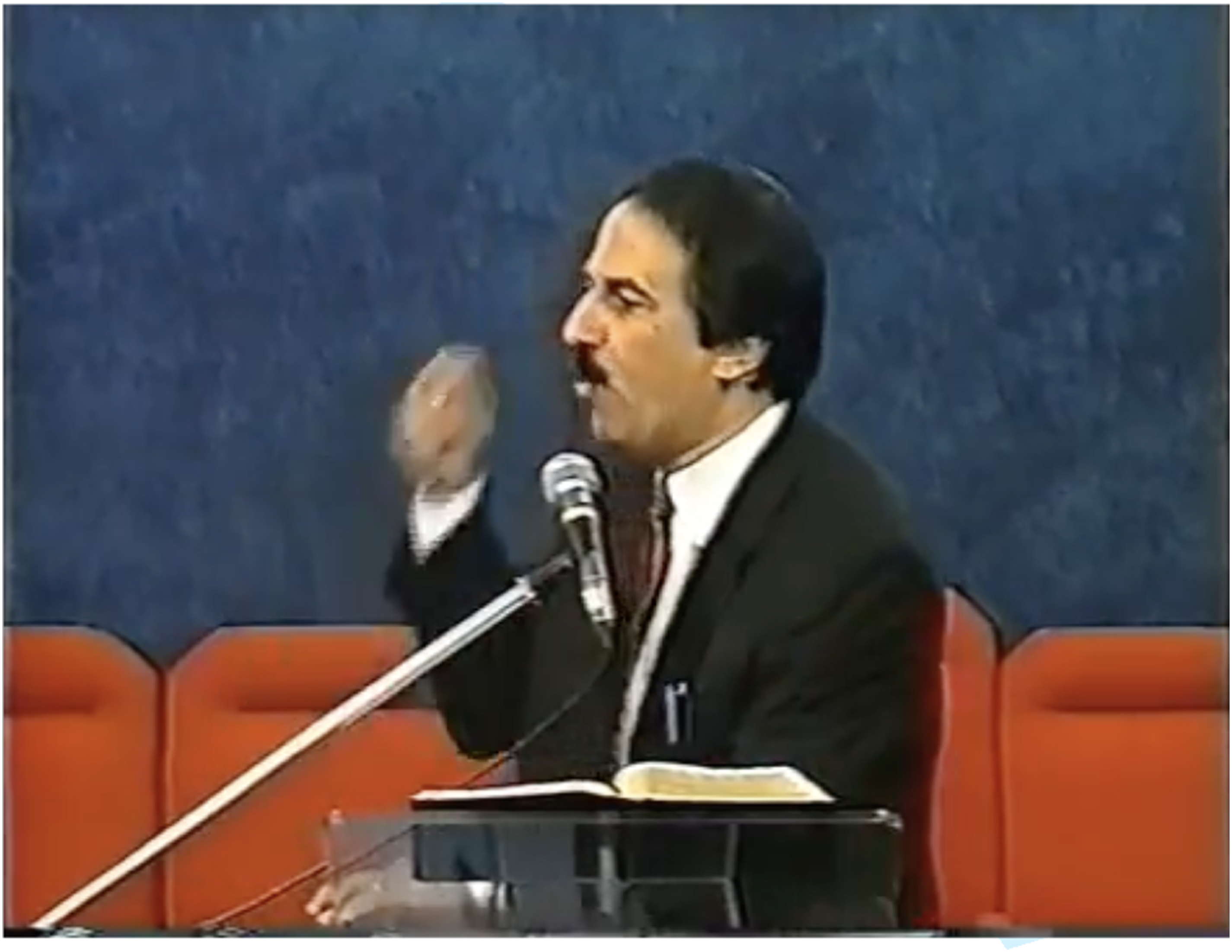
Fist gesture.
All families aside from the “As if” family can be considered recurrent gestures typically associated with pragmatic meaning (Müller et al., 2013). Metaphor is prominent in such gestures, as topics of talk are conceptualized as physical objects that can be pointed to (as in index-finger gestures) or held (as in palm open, precision grip, and fist gestures).
During the macroanalysis, sequences of hand movements observed were roughly described and the most recurrent gesture families, and modes of representation were identified and categorized. The broad description focused on the observed movement patterns, and the time frame in which they occurred. This allowed for the identification of periods in the sermon in which there were more or less gestures occurring. Gesture-dense sequences were then selected for microanalysis, as such sequences can provide richer insights into the continual interplay between gestural and verbal expression.
According to the transcription, the mapping of spirituality into concrete entities was a repeating metaphorical occurrence throughout the sermon, instantiated as a “Spiritual is Physical” metaphor. The analysis further yielded that Malafaia’s main subjects were “Awakening”, “Grace”, and “Communion”. All of these abstract concepts appeared in his speech characterized as physical actions, objects, or places. This can be seen in the mappings recovered during the analysis: 1. Awakening is a Place: “An awakening where people have no desire.” 2. Awakening is an Action: “An awakening to announce the gospel.” 3. Communion is a Plant: “You cannot uproot it [the communion] easily.” 4. Grace is a Person: “Grace says like so: you are forgiven.” 5. Grace is an Action: “Grace is forgiving the most terrible things.”
In order to explain what an Awakening is, Malafaia resorts to two narratives to trace a comparison between taking action and having an spiritual awakening. One of these narratives was microanalyzed, as it will be described in the next section. He equates this concept with taking action and professing one’s faith to the world, and with a place one can go to. Both metaphors used translate an Awakening as a physical reality.
This overarching metaphor is also used when he explains what Communion is. By comparing it to a physical object, he denotes materiality to it, as something that could be touched. He conceptualizes the abstract idea of Communion into something as tangible as a rooted plant. Finally, he explains divine Grace by personifying it, giving it a voice that speaks to the believer and has the capacity to forgive. In turn, when the believer forgives – thus takes action – he is exercising Grace.
The pastor’s reliance on metaphoric mappings to conceptualize religious ideas, as exemplified by the “Spiritual is Physical” metaphor, was expected, as divine scripture frequently resorts to allegories, and, more fundamentally, “literal language is seen as radically insufficient” (Dancygier and Sweetser, 2014: p.208) for expressing and perceiving the Divine. Nevertheless, it is important to note how the kinds of mapping employed can indicate the ideological underpinnings of the sermon.
The microanalysis of his gestures alongside the word-by-word analysis of his speech illustrate more clearly the ideological conceptualizations employed by Malafaia. Two attributes of a specific sequence led to its selection for microanalysis: (i) the construction in it of an us versus them narrative, which, as established in the background, is a common framing strategy for legitimizing political discourse, as well as a common feature of Neo-Pentecostal discourse when referring to African-Brazilian religions (Amorim, 2017; Bahia and Nogueira, 2021; Camargo, 2019), and (ii) the segment is rich in gestures, as identified in the macroanalysis. In this sequence, Malafaia tells a story referred to here as the “New Year’s Eve story”. Before the results of the word-by-word discourse analysis are described, a clarification regarding the religious minority attacked by Malafaia is in order.
Umbanda e candomblé
Between 1550 and 1850, an estimated 4.8 million Africans were shipped to Brazil (Alencastro, 2018), bringing with them diverse religious traditions that merged into the African-Brazilian religion Candomblé. In the nineteenth century, further syncretism with Catholicism, Spiritism, and Indigenous beliefs gave rise to Umbanda (Prandi, 1990). Both religions, centered on the veneration of orixás, have long faced persecution, and continue to endure religious intolerance today. Ritual practices of these religions include spirit embodiment, offerings, and ceremonies led by spiritual leaders called mães de santo and pais de santo; respectively saint’s mothers and saint’s fathers in English (Camargo, 2019; D’Angelo, 2017). The term macumba, used to refer to the offerings, was distorted by Neo-Pentecostal churches into a derogatory label for African-Brazilian religions, framing them as forms of witchcraft and Satanism (D’Angelo, 2017). This pejorative use reflects the persistent history of prejudice and marginalization (Bahia and Nogueira, 2021; Reis, 2006).
Microanalysis: Discursive metaphors in the New Year’s Eve story
Here is a summary of the New Year’s Eve story: two thirteen-and-fourteen-year-old girls, from one of Malafaia’s church branches, triumphantly defeated the Devil through prayer on the sands of Copacabana Beach. The subject of Malafaia’s story – youth battling against evil – echos narratives found in the Bible, such as David and Goliath’s tale. The central motif of this story revolves around the conflict between God and the Devil, symbolizing a broader struggle between good and evil. More critically, for the purposes of this discourse analysis, this motif underscores the dichotomy of us versus them: Evangelicals versus followers of African-Brazilian faith denominations.
“I am going to tell a Rio de Janeiro story; true, with names.” This is how Malafaia starts this portion of his sermon, affirming to his listeners that he is telling the truth. The pastor explicitly attempts to legitimize his discourse (Chilton, 2004), guaranteeing the veracity of his story. He explains that he will retell a situation that happened at Copacabana Beach, in Rio de Janeiro, during New Year’s Eve. According to him, another pastor, a “very good friend”, implicitly understood as the one who has told him this story, has been performing a kind of “strategic evangelizing” in the area. This characterization illustrates the proximity between Malafaia and the source, legitimizing the authority of his source.
The word “strategic” demonstrates Malafaia’s bellicose conceptualization of the work being done by his “very good friend”. The “strategy” would be necessary given the large number of “palm readers” and “macumba centers” at Copacabana, as Malafaia explains. Here, Malafaia employed both legitimization strategies (Chilton, 2004), asserting his epistemic authority by referencing a credible source for his narrative and framing the moral conflict between two opposing agents vying for control over the Copacabana territory - the pastor friend’s church and the “macumba” practitioners. Thus, the metaphor “Evangelizing is War” is instantiated by Malafaia right at the start of his story. In this combat scenario, he isolates a particular character to play the enemy: Seu Sete.
He explains that millions of people flock to the beach for the New Year’s festivities, where a notorious mãe de santo (saint’s mother), Seu Sete, performs a ritual. Seu Sete is an orixá, a deity that the mãe de santo Dona Cacilda de Assis was known for manifesting. Dona Cacilda, whom Malafaia claims was at the beach, is a particularly renowned figure, famous for being the first medium to embody a deity on Brazilian television during the years of the Brazilian dictatorship (1964-1985). It stands to reason that the notoriety of Dona Cacilda, as Seu Sete, also serves to legitimize the truthfulness of Malafaia’s knowledge.
He then describes how the ritual consists of a “gigantic circle” of people, inside which Seu Sete spins and walks up to different members to whisper messages regarding the coming year. According to him, behind every member of the circle there are at least 20 to 30 people waiting to join in, illustrating thus the magnitude of the enemy to be battled. The person at the front of the circle, upon receiving a message, would step aside to allow the person behind them to take their place. Importantly, he never refers to the participants of the circle as followers, believers, or congregants; they are “people”. The use of this vague and featureless word underscores the otherness label that Malafaia places on them; they are not ”believers” like us.
Upon seeing this circle, Malafaia continues, two teenagers from the evangelical community of the area decide to join in. He points out how they were not “pastors”, or “evangelists”, or “30-year-old believers”, but “two thirteen-and-fourteen-year-old girls”. This serves to stress the powerlessness and feebleness of the characters that are fighting this “gigantic” evil, triggering again the David and Goliath parallel. According to him, the girls discussed and decided on what they would do when they got to the front of the line and “fell” into the circle (the verb employed is “cair”, in Portuguese).
The use of this verb is noteworthy, as it is not commonly employed in this context in Brazilian Portuguese. This verb indicates a downward movement, a loss of balance, a defeat, a decline; thus associated with negative ideas. Malafaia’s discourse is that one does not choose to enter, join, or even jump in 8 this circle; these ideas are associated with positivity. For the girls in the story, to join the circle one must descend to it. The metaphor “Bad is Down” guides this choice.
Malafaia says it was around midnight when the girls turn to join the circle arrived – the climax of the story thus matching the most climatic moment of the New Year’s celebration. Thereupon, the girls started praying: “God, shame the Devil”, “Defeat Satan here, Lord”, “This Demon has been deceiving throughout the whole night”. In retelling their prayers, Malafaia makes clear that in his story Seu Sete is evil; is “the Devil”, “Satan”, “Demon”. By extension, followers of African-Brazilian religions are evil too, an evil that must be “strategically” fought.
After their prayers, Seu Sete stops spinning and in a loud cry announces that someone is disturbing her practice. She runs away, breaking the circle, right when the thirteen-year-old “jumps in”, the verb now employed by Malafaia, announcing that “her God” has disturbed the ritual. Here, the verb for joining in the circle is positive, as the enemy has been defeated. The pastor concludes the story by reiterating the fact that the girl who disturbed the ritual was only 13, before emphasizing that “God wants to use you, with power and authority”, just as He used the girls.
In sum, Malafaia tells a fantastic story about how two teenagers, acting in the name of their God, disrupted an African-Brazilian religious ritual. This story presents unmistakable heroes (the girls) and villains (the mãe de santo and the members of the circle); it is an us-them story that draws from the recurring religious narrative of the underdog’s triumph, through divine empowerment, over an evil that appeared insurmountable. Biblical parallels to Malafaia’s tale include the aforementioned David and Goliath story, as well as the tales of Gideon and the Midianites, and of Elijah and the Prophets of Baal. The next section will focus on how his gestures are contributing to the polarizing effects of his story.
Microanalysis: Gesture metaphors in the new year’s eve story
The microanalysis of the gestures determined that Malafaia consistently employed the verticality metaphor to conceptualize the differences between the girls and the Umbanda practitioners, by stressing the us-them binary through his use of index-pointing up or down, vertically dividing his gesture space. Besides this gesture metaphor, other metaphors retrieved were cyclic gestures indicating the passing of time, modes of representation for illustrating characters and situations of the story, differences in size and expansiveness of gestures illustrating a “Bigger is Important” metaphor, and a center-periphery metaphor of the form “Center is Important” with which he located objects, characters, and scenes depicted in the verbal modality in different positions of his gesture space according to their significance. Moreover, the microanalysis also showed that out of 41 total stroke gestures performed by Malafaia, 32 instances exhibited alignment between the central accent and the gesture’s stroke. This alignment highlights how emphasis can be placed on a word across both linguistic levels, reinforcing the word’s particular significance within discourse. These alignments indicated the occurrence of salient metaphors, that is metaphors that occur simultaneously in speech and gesture.
The analysis presented here focuses on the verticality metaphor employed given that it was the metaphor most repeated throughout the sermon. Furthermore, this metaphor is the one that best illustrates the pastor’s dichotomous ideology and his religious intolerance. It is worth noting that the “Bigger is Important” and the “Center is Important” metaphors occasionally appeared alongside the verticality metaphor. This convergence was taken as an indication of both the narrative significance of a particular sequence of gestures and of the importance of the verticality metaphor for a stretch of discourse.
Across his telling of the New Year’s Eve story, Malafaia performs several gestures that explore the verticality of his gesture space. The verticality metaphor is characterized by a positive concept being associated with an upward movement, while a negative association performs a downward movement, as seen in the “Good is Up / Bad is Down” mapping. “Positive is Up / Negative is Down”, “More is Up / Less is Down” or “Rational is Up / Emotional is Down” are also frequent conceptualizations based on the same understanding of vertical space (Lakoff and Johnson, 1980). Cognitive psychology research suggests that abstract religious concepts, such as “God”, “Devil”, and “Angels”, are ordinarily located in the gesture space in positions that correspond to this vertical conceptualization (Meier et al., 2007) of binaries.
Even in the absence of verbal references to “up” or “down”, “high” or “low”, “God” or “Devil”, these religious concepts are still associated with specific up or down positions, underscoring how perceptually ingrained this metaphor is in Christian contexts (Meier et al., 2007: p. 699). Therefore, it stands to reason that the verticality of the gestures used is not coincidental, but stems both from conceptual and linguistic metaphors. The interplay between thinking and speaking during a stretch of discourse needs to be observed at a certain distance for patterns to emerge (Cameron et al., 2009), which means that context is crucial for metaphors to be understood. This is also valid for gesture metaphors. Thus, the coupling of both gestures and discourse retrieved during the microanalysis highlights a pattern of use by Malafaia of vertical metaphors to dichotomously conceptualize the characters depicted as being good or bad, us or them.
(1) Ela anda toda de preto de capa vermelha
(She walks all (dressed) in black with (a) cape red)[11:03-11:06]
From the very beginning of his description of Seu Sete, Malafaia employs the verticality metaphor, as Figure 10 illustrates. When describing Seu Sete’s attire, “all in black with a red cape”, he uses vertical downwards pointing gestures. He does two repeated downward pointing strokes in the center of his gesture space. In this context these colors are not neutral, as they represent the orixá Exú normally compared to the Devil due to his symbol being a trident. Given the range of different gestures available to describe someone’s clothing, such as touching his own clothes, grabbing his own clothes, or using the family of palm open hand gestures to metaphorically present Seu Sete’s attire, his choice to point incisively down reinforces his negative portrayal of the character. Malafaia points down to describe Seu Sete’s clothing [11:05].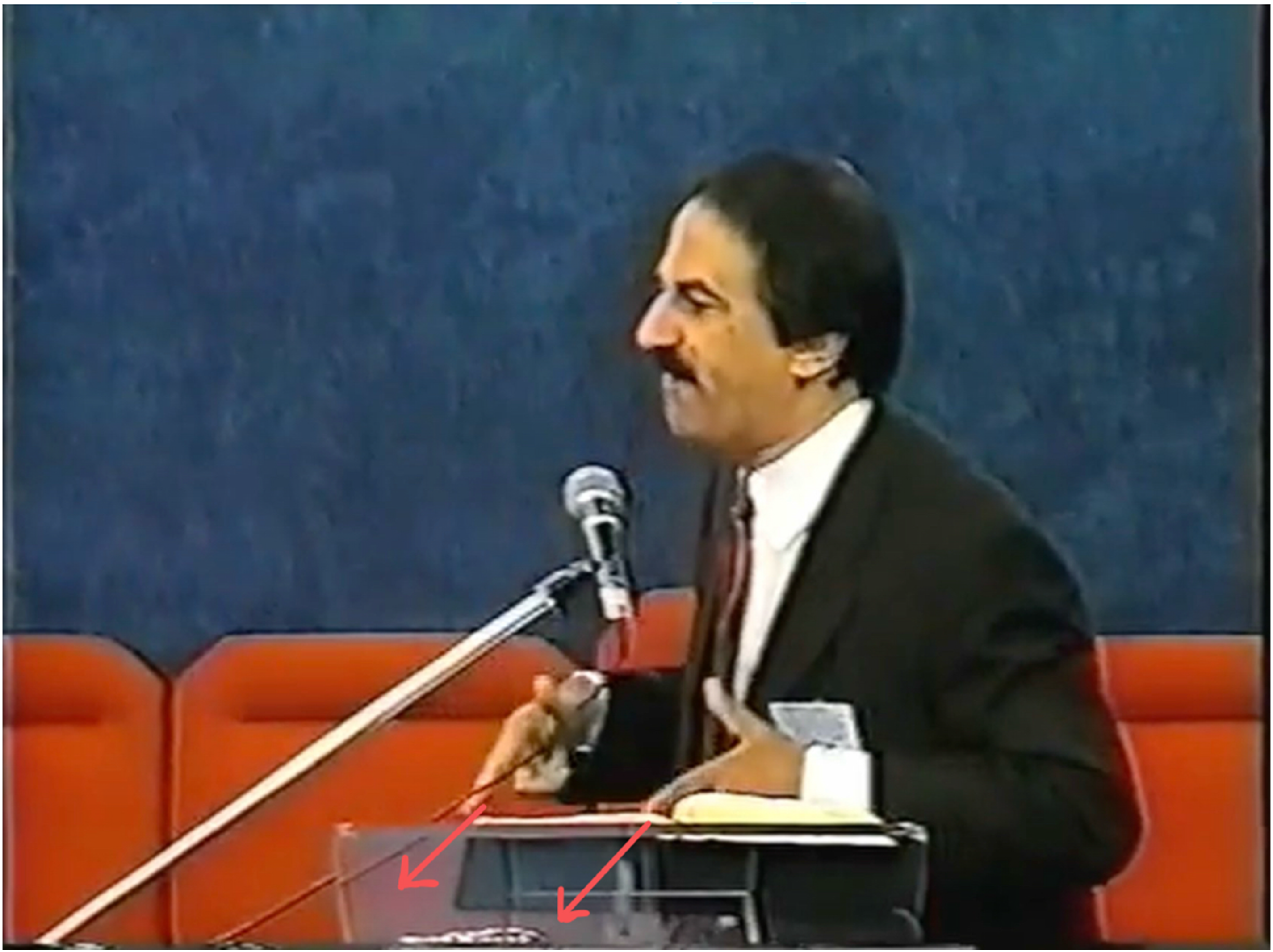
Furthermore, throughout the sequence analyzed, Malafaia consistently points down to refer to Seu Sete. In the transcript given in (1), the bold letters indicate accented syllables, and underlining indicates the duration of the gesture’s stroke. Both the original Portuguese and an English translation are provided.
(2) Entraram e combinaram o que iam fazer quando caíssem na roda
(They got in and decided what they were going to do when they fell in the circle)[12:14-12:17]
The linguistic choice that most flagrantly highlights the negativity in the pastor’s depiction of the scene is the verb “fell”, used to describe the girls joining in the circle. As explained, this discursive use coincides with the metaphor “Bad is Down”. The analysis showed that this construction is also present in the gestures. The word “fell” is accompanied by a downward pointing gesture, constituting a salient metaphor that reinforces the idea of negativity present in speech. The church girls are assigned a downward gesture description as soon as they approach the circle, as seen in Figure 11. Malafaia gestures down to describe the girls falling in the circle [12:16].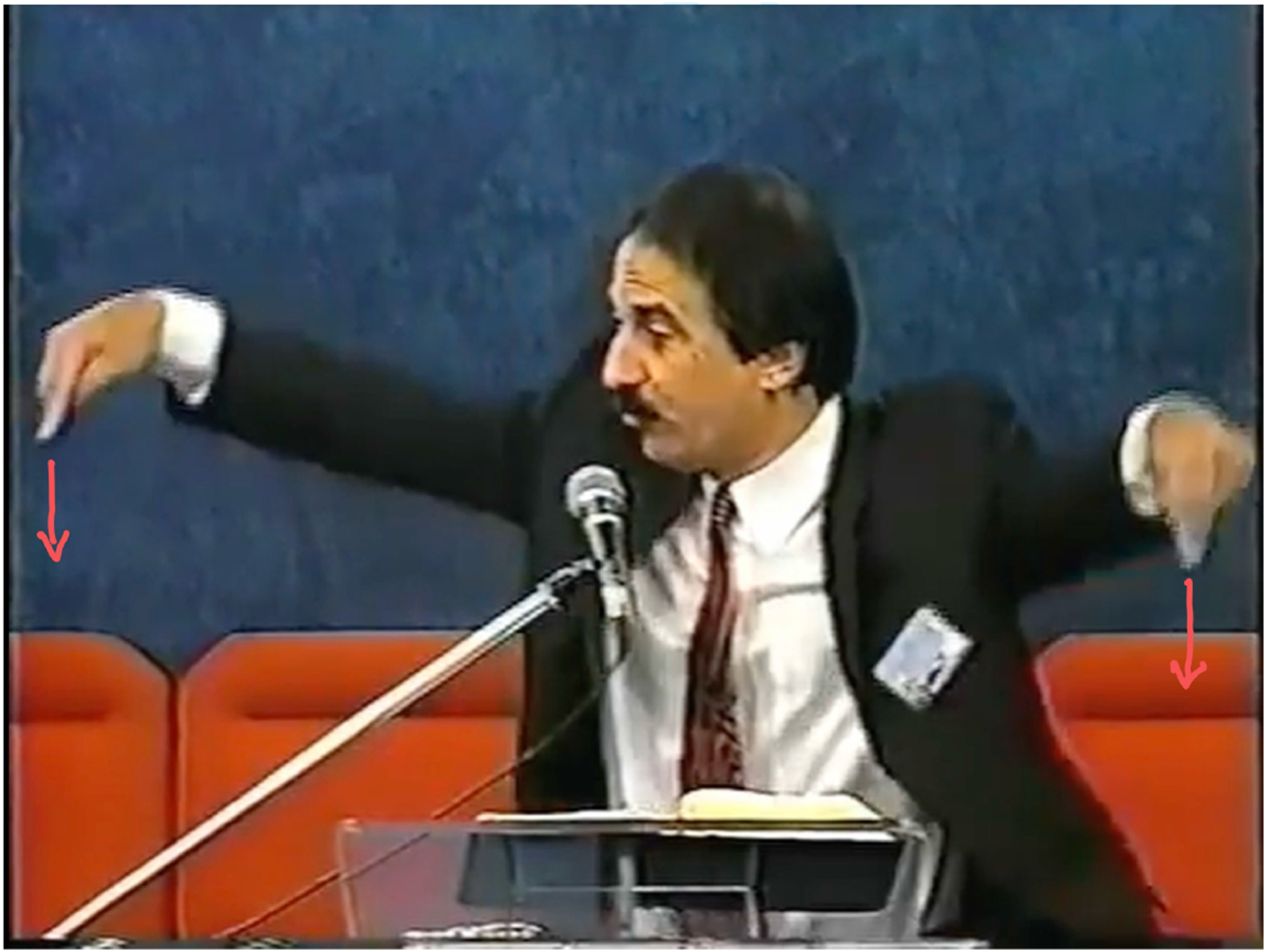
The saliency of this metaphor indicates its importance within discourse. Furthermore, the interplay between accented words, the use of an unusually rare term to describe the girls joining the circle, the prominence and saliency of the gestures and their centrality in the gesture space, as well as the repeated emphasis on downward gestures to define the circle and those around it, clearly indicates how his conceptualization of the ritual circle, and by extension its members, is shaped by a negative metaphor.
(3) A garotinha de treze anos pulou lá no meio da roda
(The little girl of 13 years old jumped there in the middle of the circle)[12:55-12:57]
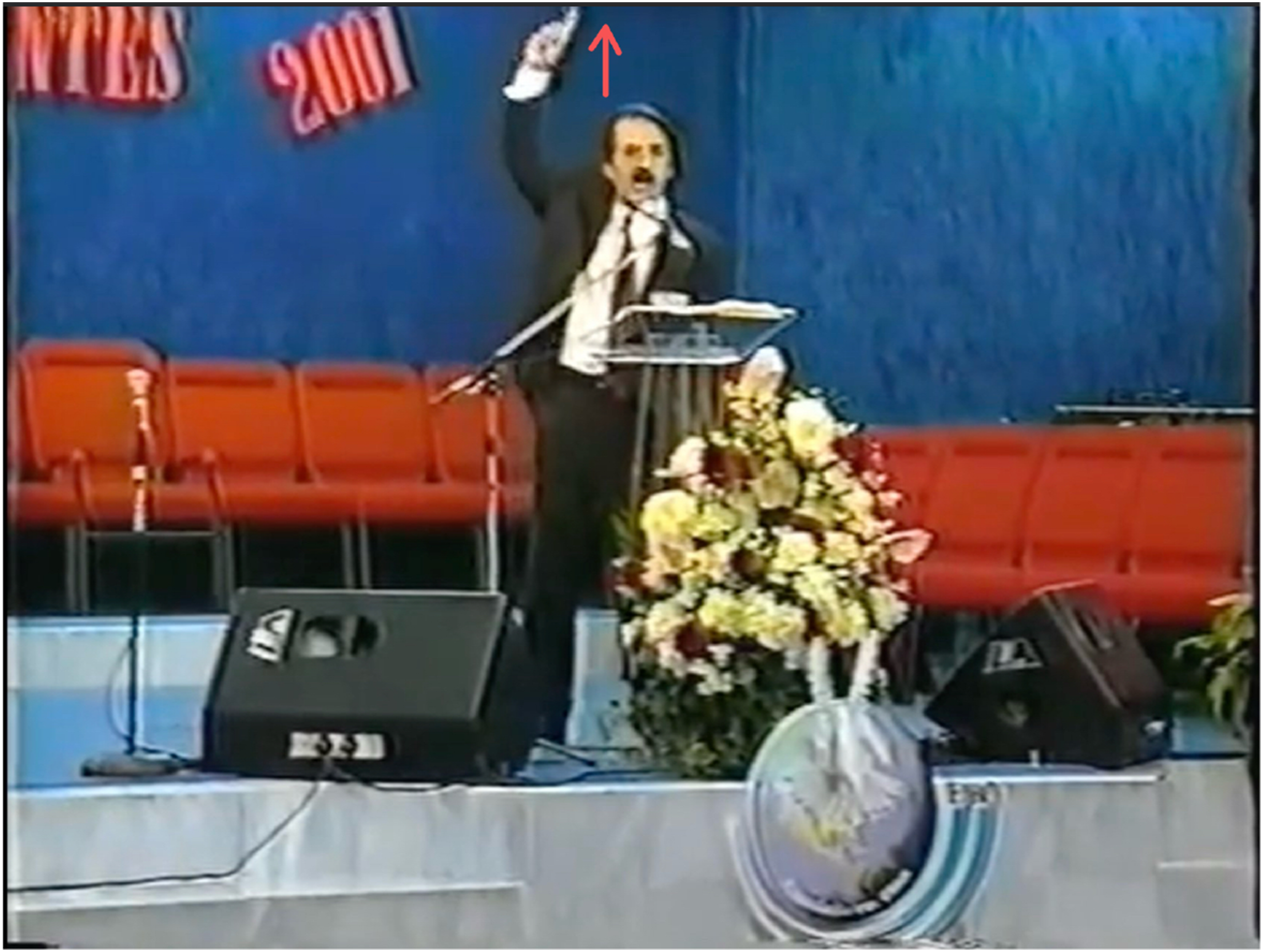
Pertinently, when Malafaia describes the thirteen-year-old jumping in the middle of the circle to break it, he points and jumps up. The use of the upwards direction, in both words and gestures, reinforces the positivity of this action. The use of “jumped” coincides with the stroke gesture, again an instance of salient metaphor. He performs two strokes in this sequence, the first representing the size of the girl (seen in Figure 5) and the second consisting of pointing and jumping up seen in Figure 12. Malafaia jumps and points up when the circle is broken by the little girl [12:56].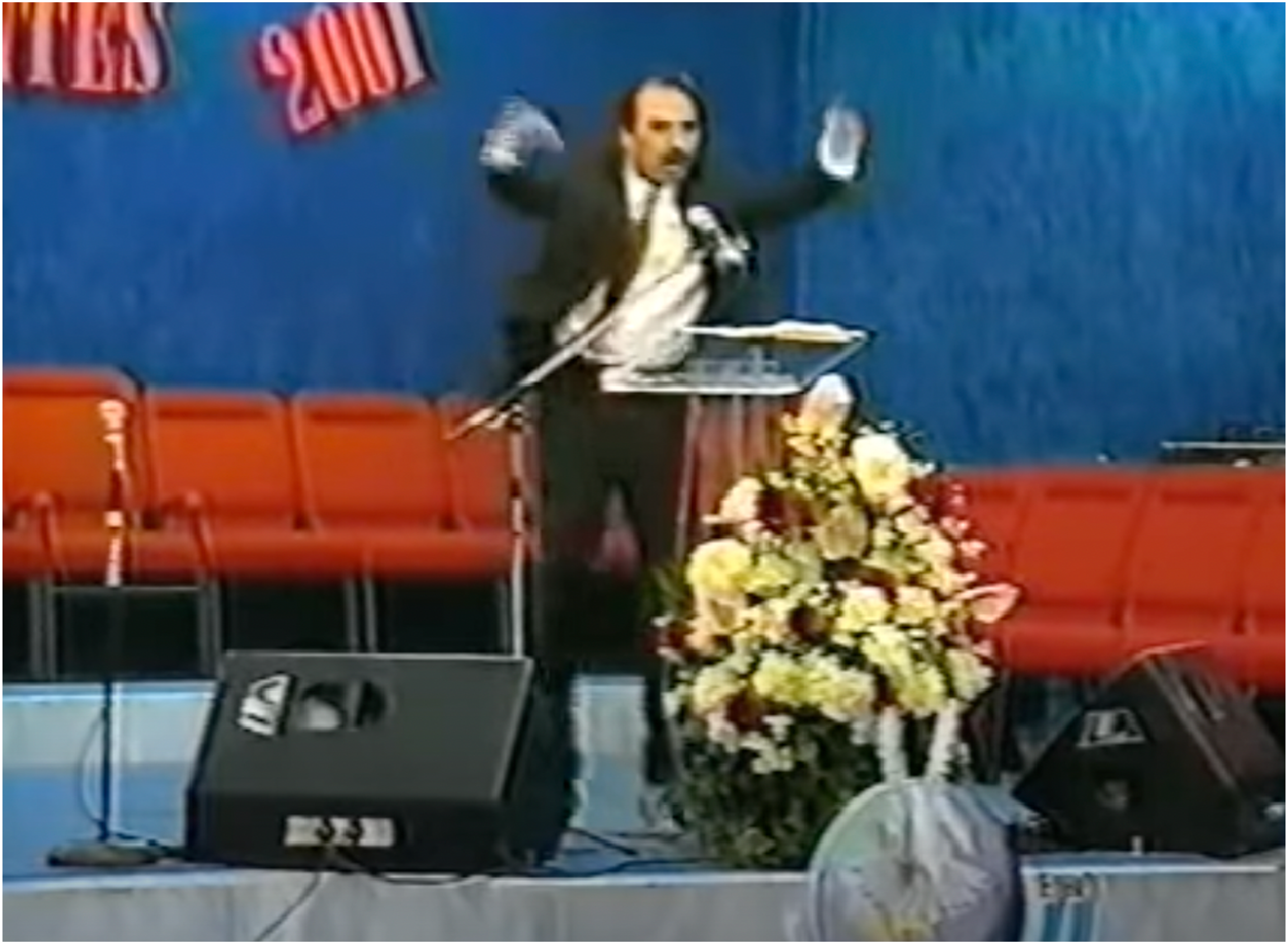
This sequence of movements is in direct opposition to the one that came before. The difference between the gesturing upwards or downwards, coupled with the descriptions of jumping in the circle or falling in it, reveal how both conceptualizations of the scene make use of the verticality metaphor. Thus, when the girls were “falling in” the circle, a “bad” thing, the gesture pointed downwards. Now that they are “jumping in” to break the circle, a “good” thing, the gesture points upwards.
(4) Envergonha o diabo
(Shame the Devil)[12:22-12:23]
Malafaia also locates God and Satan vertically in his gesture space according to the “Good is Up / Bad is Down” mapping, which can be seen in the contrast between Figures 13 and 14. This consolidates in the most exemplary way the good versus evil gesture metaphors used throughout the story. It was noted that, while narrating how the girls prayed that God “defeat Satan” and “shame the Devil”, Malafaia uses a similar downward pointing, previously done to describe Seu Sete. The characterization of Seu Sete as the “Devil”, and the repetition of the downward pointing movement strengthens the pastor’s negative depiction of her. On the other hand, mentions to God are accompanied by a upward pointing gesture, performed as a beating gesture with the index-finger pointing up. Malafaia points down to ”shame the Devil” [12:23]. Malafaia points up at God [12:58].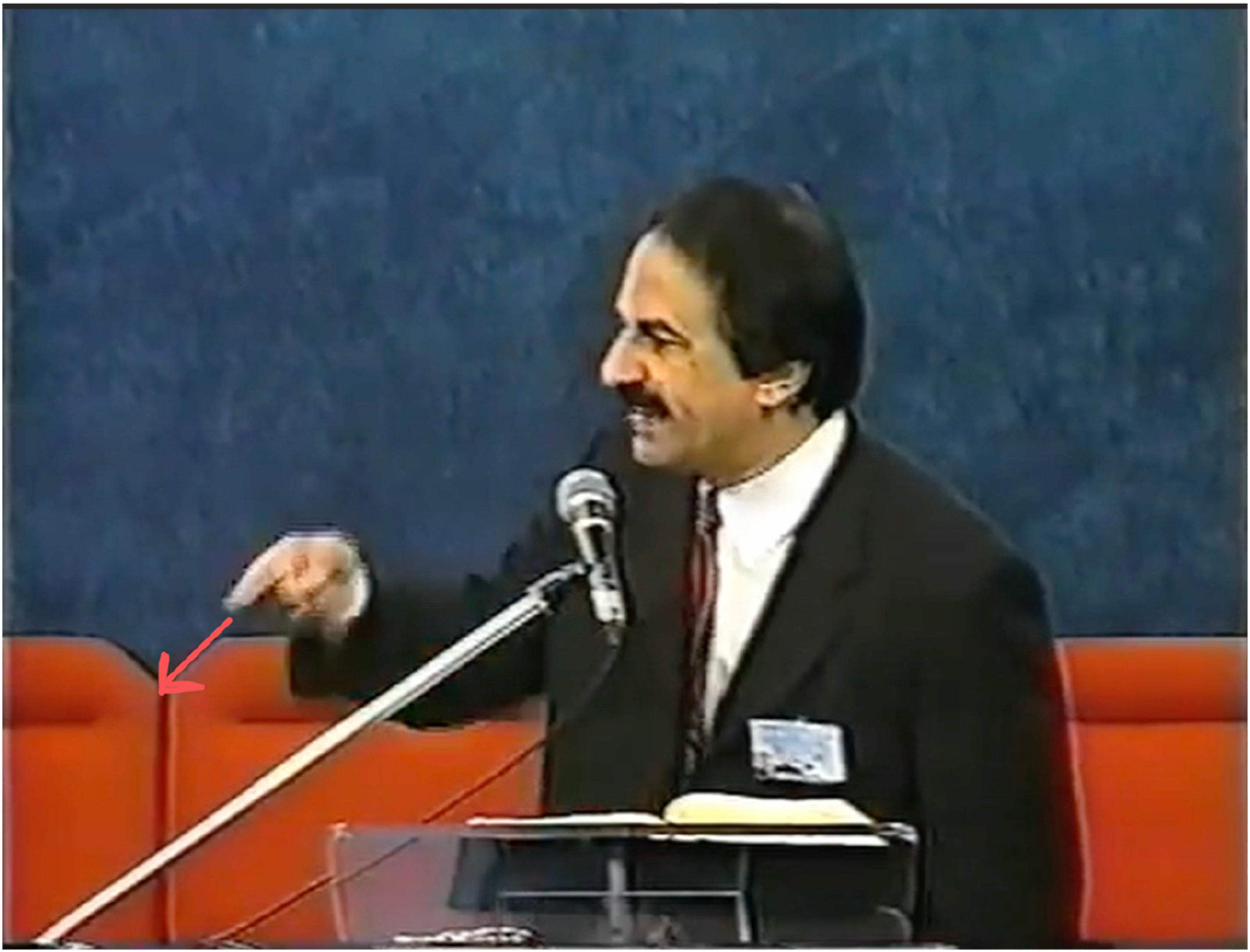
(5) é o meu Deus
((it) is my God)[12:58-13:00]
In conclusion, owing to the fine-grained level of detail provided by the microanalysis it was uncovered that both his use of gestures and discourse are employed to construct an antagonistic conceptualization of African-Brazilian religions and its believers. The discussion section below will, along with analyzing other aspects of the study, draw attention to how this kind of discourse has consequences for followers of African-based religions in Brazil.
Discussion and conclusion
Since at least the Classical Antiquity, gestures have been recognized and advocated as having a vital function in discourse, with figures such as Aristotle, Cicero, and Quintilian defending their conscious use. However, people very rarely employ them intentionally during discourse (Kendon, 2004). As the analysis presented here suggests, these movements convey information about how reality is being rationalized in ways that, for the most part, remain unnoticed by speakers and interlocutors. Yet, the lack of conscious attention to gestures does not mean that they have no impact on how interlocutors conceptualize discourse (Broaders and Goldin-Meadow, 2010). This study aspired to prove that ideological systems can be transmitted through the gesture modality, and thus defend their importance when performing discourse critical analysis.
Particularly, when investigating gesture metaphors, methodological guidelines stress the importance of contextual and pragmatic considerations when uncovering the mappings (Cienki, 2017). That said, metaphors do not involve “just Source and Target domains, but also an agent (usually a person) who makes the mapping” (Cienki, 2017: p. 133). Here, this person is not just Malafaia, but also us. Notably, we guided the analysis by our interests in how metaphoric gestures can be used to reinforce power dynamics in religious discourse, which makes the interpretation of the results inherently subjective. It is imperative to point out that “texts have several meaning potentials that may contradict one another and are open to several different interpretations” (Jørgensen and Phillips, 2002: p. 75), specially when discussing metaphoric mappings. Nevertheless, the context of their occurrence – considering Malafaia’s persona, the Neo-Pentecostal religious background, the narrative tone, and the pedagogical intent of simplifying complex world dynamics and themes withing a video-lesson format – provides grounds for attributing ideological meanings to their use.
In a broader dimension, the conclusion that Malafaia is supporting a dichotomous and bellicose view against believers of other faiths is demonstrated not only in his discourse but also in the effects it has on society. In 2021, violence towards centers and followers of African-Brazilian religions grew 207%, and, in convergence with the results described in this study, it is not surprising that in 56% of the occurrences the aggressor is linked to Neo-Pentecostal churches (Agência Brasil, 2023). This religious movement has experienced an exponential growth in numbers and has accumulated political importance over the past three decades. A key part of its agenda involves the persecution of African-Brazilian religions, which is bitterly paradoxical since many of the original members of the Neo-Pentecostal churches came from these faiths (Mariano, 2004; Reis, 2006). In this context, the reinforcement of an us versus them mentality, performed by Malafaia in both verbal and gesture modalities, illustrates the perpetuation of abusive power dynamics aimed at religious minorities.
As indicated in the Introduction, much of the growth of this movement has been credited to their use of mass media (Mariano, 2004; Pagliarini, 2023; Reis, 2006), given that television is a key platform for pastors to communicate with their congregations. In this scenario, it becomes clear how crucial multimodal analyses are, especially when examining the kinds of metaphors used by pastors to shape perceptions of reality and impart knowledge. Fundamentally, analyses like this, which indicate how religious leaders are using the media to incite violence against minorities, should be considered an important step to demand and develop regulatory strategies. In an ideal scenario, analyses such as this could be employed as evidence to fundament the policies of media regulatory offices. However, in a concrete scenario, this analysis demonstrates how ideology can be constructed in the gesture modality through the use of metaphors, emphasizing the importance of critically analyzing discourse in gestures. However, future research into how gestures impact interlocutor’s reception of ideological discourse is essential to better understand the scope and influence that polarizing discourses such as the one analyzed can have on multimodal media consumers.
In closing, the two-level multimodal metaphor analysis performed in this study uncovered how Pastor Silas Malafaia uses metaphors to present to his followers a version of reality that supports his ideology. At the macrolevel, the analysis showed that his metaphors endorse the ideology of reification of immaterial values. At the microlevel, they fueled religious violence by inciting an intolerant stance towards different faiths, instigating an us versus them mentality that reinforces the Neo-Pentecostal “spiritual warfare” rhetoric. The microanalysis further indicated how, as an authoritative figure and an epistemic agent, the pastor employed legitimization strategies throughout his discourse to impart knowledge supporting and encouraging social practices that reinforce oppressive power structures. Efforts to combat such practices must begin with a clear understanding of their contexts and patterns of occurrence. This study advances the theoretical framework by exposing how gesture use, as an integral part of discourse, contributes to the systemic othering of socially marginalized religious groups.
Footnotes
Declaration of conflicting interests
The author(s) declared no potential conflicts of interest with respect to the research, authorship, and/or publication of this article.
Funding
The author(s) received no financial support for the research, authorship, and/or publication of this article.
