



Abstract
In recent years, concerns about young people's disengagement from education and meaningful community networks have garnered increased public attention. This research evaluates Resolve, an early-intervention youth coaching and diversion programme developed and piloted by a leading community service in a socially disadvantaged community in Southeast Queensland, Australia. A mixed-methods, case study design combined quantitative data of pre- and post-outcome measures with field observations and semi-structured interviews to assess the effectiveness of the programme. Findings demonstrate that Resolve achieved significant positive changes and reductions in risk profiles alongside major gains in subjective well-being, motivation, goal achievement, and community connectedness amongst participants. Outreach and diversion activities created soft-entry opportunities to intensive coaching, and relational, consistent, and trauma-informed practices promoted engagement and positive outcomes. In collaboration with a range of community services, stakeholders, and government agencies, Resolve provided holistic, youth-centred support and contributed to the evidence regarding the effectiveness of youth coaching and diversion programmes.
Keywords
In recent years, the issue of youth crime has received significant attention in political, media, and public discourse. In Australia, young people's disengagement from education, employment, and meaningful community networks and their engagement in high-risk, antisocial, and criminal activities have made national headlines (see, for example, Hickey & Wallis, 2023; Parke, 2024). Data on youth offending are multifaceted and complex. In recent years, there has been a rise in overall offending as well as recidivism rates. In 2022/2023, 48,014 young Australians aged between 10 and 17 years had police proceedings against them, an increase of 6% from 2021/2022 (Australian Bureau of Statistics [ABS], 2024). Furthermore, in 2021/2022, the number of youth offenders proceeded against by police on more than one occasion increased in several states, including Queensland (10%), Tasmania (17%), the Northern Territory (5%), and the Australian Capital Territory (8.5%) (ABS, 2023; Goldsworthy et al., 2023). However, the current rise in youth offending is occurring in the context of a long-term trend of declining youth crime rates. From 2014 to 2024, the number of young people under youth justice supervision fell from 20 per 10,000 to 12 per 10,000 (Australian Institute of Health and Welfare, 2025). Whilst the reasons for current increases in youth offending are not yet fully understood, several explanations have been proposed. These include the impact of the Covid-19 pandemic on young people's mental health and well-being (Reid et al., 2022), changes in youth justice legislation and offence classification and reporting (Malvaso et al., 2024; Queensland Government Department of Youth Justice and Victim Support, 2025a), and the over-policing of young people, particularly from minority groups (O’Brien, 2021) and in areas of low socio-economic status (Centre for Multicultural Youth, 2024). Youth crime has become a political priority, with concerned communities demanding that governments take action to reign in youth crime, increase public safety, and improve outcomes for vulnerable young people.
Our study aimed to inform responses to the issues of youth crime and disengagement by evaluating a promising early-intervention youth coaching and diversion programme based on a needs analysis with local young people and piloted by YFS, a leading community services organisation in a socio-economically disadvantaged community in Southeast Queensland, Australia. Resolve is situated in the broad heterogenous context of youth justice diversion approaches which seek to prevent or reduce young people's offending behaviour and youth justice involvement by offering services, addressing underlying issues contributing to offending, and providing alternative positive pathways for at-risk youth (Smith, 2018). In Queensland, diversionary practices and programmes are diverse and include, for example, mentoring, counselling, education and skills development programmes, restorative justice processes, adventure-based learning, and drug and alcohol treatment (Queensland Government Department of Youth Justice and Victim Support, 2025b). The specific approach to diversion adopted by Resolve is the focus of this research.
Resolve early intervention (youth coaching and diversion programme)
Out of a partnership between a local university and YFS (2023) grew Resolve, an early-intervention youth coaching and diversion programme aimed at diverting young people from the criminal justice system and supporting their engagement in prosocial and personally meaningful activities. An initial needs analysis with young people conducted by a team of university researchers identified a lack of youth-centred, holistic support and engagement programmes in the local community, causing young people to engage in unsafe behaviours (Casley et al., 2025). Informed by the outcomes of this research and the practitioners’ experiences of working with local youth, the service devised a programme combining collaborative community outreach and diversion activities with intensive individualised support and obtained government funding to implement Resolve over a 2-year period.
The programme engaged with local youth aged 10 to 17 who showed signs or were at risk of involvement in substance misuse and crime, with a particular focus on young people who were not already supported by services. Skilled youth coaches collaborated with a range of organisations and services to provide outreach work in the community. This allowed practitioners to connect with and talk to young people in places they frequent and initiate a relational process as a starting point for engagement and soft entry to ongoing intensive support. The coaches worked with participants for 6 to 9 months to address complex needs; identify and work towards young people's goals; and help participants develop life skills and personal qualities such as resilience, motivation, and confidence.
Pathways from early adversity to disenfranchisement to crime: The importance of early intervention
Young people are not born with a disposition to commit crimes, nor do they suddenly decide to act in antisocial ways. Youth offending is a complex social issue compounded by adverse childhood experiences and socio-economic disadvantage and preceded by extended periods of disenfranchisement and social isolation (Australian Research Alliance for Children & Youth, 2008; Ayano et al., 2024; Thomas & Shihadeh, 2013). Experiencing early developmental trauma without supportive relationships can lead to toxic stress, which harms neurodevelopment in socio-emotional competence and executive functioning in children and young people (Hambrick et al., 2018; Perry, 2009). This can predispose young people to experience poor mental health, engage in unsafe behaviours, and become disenfranchised from prosocial experiences (Haslam et al., 2023). A scoping review undertaken by Casley et al. (2022) found that the existence of developmental trauma was overrepresented amongst youth who engaged in volatile substance misuse. Young people with cumulative adversity are at a higher risk of entering the criminal justice system and chronic reoffending if the underlying issues are not addressed (Whitten et al., 2023). Without support, young people can enter a spiral of escalating disengagement, risk-taking, and ultimately, perpetual offending.
Links between educational disengagement and at-risk, antisocial and offending behaviours are well established in the literature. Recent research with a large sample of 2,983 Australian students aged 12 to 19 years demonstrates the strong impact of truancy, suspensions/expulsions, and school avoidance on antisocial behaviour (Halls & Edwards, 2025). The study confirms a considerable body of evidence linking behavioural and affective school disengagement with delinquency and youth justice involvement (see, for example, Basto-Pereira & Farrington, 2022; Christle et al., 2005; Hirschfield & Gasper, 2011). In further support of this relationship, 45% of young people involved in Queensland's youth justice system are reportedly disengaged from education, training, and employment (Queensland Family and Child Commission, 2024). Evidently, maintaining engagement in education is a protective factor against youth crime.
To alter the developmental trajectories of disenfranchised youth requires comprehensive early-intervention efforts. The strong relationship between early-onset antisocial and illegal conduct and greater frequency, seriousness, and persistence of offending later in life creates a compelling argument for intervening early (Jolliffe et al., 2017; Orlando & Farrington, 2024). Fortunately, children and young people are highly receptive to supportive environments and relationships, and efforts to reduce risk factors and strengthen protective factors have the potential to prevent the onset of delinquency and later reoffending (Duncan & Magnuson, 2004; Orlando & Farrington, 2023). Intervening early can substantially improve life trajectories and outcomes for at-risk youth.
Engaging vulnerable youth: The importance of trauma-informed and soft-entry approaches
To build strong relationships with and effectively engage young people who experienced childhood adversity requires trauma-informed practices. Such approaches focus on building and maintaining young people's identities and broader sense of belonging and connection (Suarez et al., 2012). In essence, trauma-informed youth work is a paradigmatic shift away from compliance-based and punitive approaches which pathologise behaviour towards strengths-based models which prioritise connection, empathy, and emotional co-regulation (Lowenthal, 2020; Oudshoorn, 2015). Strong relationships with safe and supportive adults facilitate youth resilience in the face of adversity (Bryson et al., 2017). Trauma-informed care allows support providers to establish these foundational connections based on mutual respect and trust.
A soft-entry approach to service provision encourages engagement through informal interactions and positive relationships, removes access barriers, and offers opportunities for self-referral. For instance, the Queensland Communities for Children initiative prioritised taking services into familiar, non-clinical settings where families congregate, such as local parks (Muir et al., 2010). Creating soft-entry avenues to support is particularly significant for vulnerable, marginalised, and/or disengaged young people who may be hesitant to engage with traditional service delivery methods (Levin, 2014; Youth Action, 2023). Several Australian youth services and programmes have adopted this approach through outreach work, youth hubs, and drop-in centres (see, for example, BABI Youth and Family Service, 2022; Redcliffe Area Youth Space, n.d.). Soft-entry approaches to services have been effective, for example, in the provision of drug and alcohol services in Aboriginal communities (Allan & Campbell, 2011) and for engaging fathers in playgroups and developing their parenting confidence and skills (Macfarlane et al., 2017). However, the effectiveness of this engagement practice is yet to be comprehensively evaluated in the context of youth crime early-intervention efforts in Australia.
Youth coaching: A way of engaging and supporting vulnerable youth
In recent years, coaching models have emerged as an alternative approach to traditional case management practices in youth work. Coaching represents a conceptual shift from deficit-based interventions towards relational, youth-centred, and goal-focused frameworks which aim to build young people's strengths, skills, and independence whilst also fostering social and community connections (Spaten, 2021). Coaching shares many similarities with the related practice of youth mentoring; however, there are distinct differences. Whilst mentors tend to share their own experience and knowledge and give recommendations (Wefald et al., 2021), coaches adopt a peer-to-peer approach which seeks to equalise power between young people and adults, provide encouragement instead of suggestions, and provide targeted guidance towards achieving goals and addressing needs as determined by the coachee (Buick et al., 2016). Both mentoring and coaching are, first and foremost, predicated on the development of trust and positive relationships with young people (Choaibi & Lomas, 2021; Wefald et al., 2021). Tangible outcomes matter in coaching practice, with young people and coaches tracking progress towards goals and adjusting plans as required (Leach et al., 2011). Mentoring, on the other hand, is less goal focused and, instead, promotes personal development in a broad sense (Kimsey-House et al., 2018). In youth work practice, the boundaries between coaching and mentoring are frequently blurred (Kutsyuruba & Godden, 2019; Wefald et al., 2021). In the context of the fixed service provision time frames of the pilot programme, coaching was considered the most promising approach for promoting young people's self-determination and positive futures.
Whilst coaching has potential for achieving positive outcomes and life trajectories for at-risk and disengaged youth, research assessing its effectiveness is limited. One of five relevant studies we found was the “Men to Be” project, a coaching initiative for at-risk young men aged 13 to 18 in a United Kingdom region of low socio-economic status (Price, 2024). The programme achieved a range of positive outcomes, including reductions in substance use; improved engagement in education, training, and employment; enhanced family relationships; and increased confidence. A youth homelessness programme based on a coaching model in Melbourne, Australia, achieved increases in housing stability for participants (Pahor, 2019). Furthermore, interventions based on coaching psychology had positive impacts for college students in the United States with foster care backgrounds and mental health challenges, increasing their self-determination, self-efficacy, and retention (Blakeslee et al., 2022), and disadvantaged young women aged 13 to 14 in the United Kingdom, raising their confidence, aspirations and motivation, and engagement at school (Blackburn et al., 2024). Contrary to the positive outcomes of youth coaching discussed thus far, a study by van Assen et al. (2023) evaluating an intervention combining youth-centred coaching with family-focused services for families experiencing complex and multiple challenges found mixed results. Whilst psychosocial skills of children and young people increased significantly over the course of service provision, no significant decrease in emotional and behavioural problems was observed. Overall, the literature reviewed points to the potential of youth coaching for achieving positive change for vulnerable young people. However, the relevance of coaching in the context of youth crime diversion and early-intervention programmes and the impact of specific practices and approaches for facilitating engagement in and outcomes of programmes are yet to be researched.
Building a network of support: The importance of interagency collaborations and community connections
Re-engaging disenfranchised youth and improving their life outcomes in a sustainable way require holistic, whole-of-community approaches. Relational poverty and limited meaningful community connections are common in young people who experience cumulative adversity and multiple risk factors (Ludy-Dobson & Perry, 2010; Zelechoski et al., 2024). Social isolation and a diminished sense of belonging have a profound impact on young people's mental health and well-being and can promote and further exacerbate high-risk behaviours (Copeland et al., 2018; Leung et al., 2022). Community opportunities that promote prosocial behaviour are seen as crucial protective factors, diverting young people from antisocial conduct and promoting healthier behaviour into early adulthood (Oesterle et al., 2018). Furthermore, systemic collaboration across government and non-government agencies and the integrated provision of services are important components of comprehensive youth engagement and crime prevention strategies (Suarez et al., 2012). Therefore, building a network of support around vulnerable young people is of utmost importance.
Purpose of the current study
The aim of this study was to evaluate the practices and impact of Resolve for participants. The findings of this evaluation have significant implications on both micro and macro levels, providing evidence for a place-based response to youth disengagement and offending and informing the broader academic literature on youth crime prevention and early intervention. The investigation was guided by the following broad research questions:
How are young people engaging in the programme? What is the effectiveness of the outreach and youth coaching practices in engaging and achieving positive outcomes for participants? How could the effectiveness of the programme in achieving its aims be improved?
Methodology
Research design
A mixed-methods, case study design combined quantitative data of pre- and post-outcome measures with field observations and semi-structured interviews with Resolve participants, their parents and guardians, coaches, and community stakeholders. Case studies seek to gain deep and holistic insights into phenomena and contexts of interest through an intensive and systematic investigation of natural settings (Crowe et al., 2011). This methodology has found wide application in social and education research in general and in programme evaluations specifically (Grinnell et al., 2019; Hamilton & Corbett-Whittier, 2013; Johnson, 2021). The in-depth and place-based nature of this approach made case study research the most appropriate methodology for a comprehensive evaluation of Resolve.
This project was reviewed and approved by the Human Research Ethics Committee of the partner university (Griffith University Ref No.: 2022/499).
Participants
We sought to gather the perspectives and experiences of representatives of all stakeholder groups involved in Resolve. Of the 90 young people who participated in the coaching component of the programme from June 2022 to March 2024, 13 (eight current and five former participants) engaged in semi-structured interviews about their experiences with the programme. In addition, all Resolve coaches (n = 3), a small number of parents and guardians (n = 5), and representatives of the reference network providing ongoing feedback and support during the programme's implementation (n = 4) shared their views in interviews. The coaches had qualifications and experience in social work, human services, youth work, and community development practice. Prior to commencing in their roles, they were provided with an induction to the programme and practice framework, particularly intensive coaching. In addition, the coaches received professional development throughout the duration of Resolve, for example, in relation to trauma-informed practice, cultural safety, and advantage thinking in coaching practice. Two of the coaches had a First Nations background to ensure cultural safety and representation for Aboriginal and Torres Strait Islander and culturally diverse participants.
A combination of a purposive and convenient sampling strategy (Campbell et al., 2020) in collaboration with YFS ensured that the qualitative data included a variety of perspectives. During the interview phase, the coaches invited young people they were working with to participate in the interviews and introduced participants who expressed interest to the researcher. Parents and guardians were recruited in the same way. Reference network members were invited based on their organisational affiliation to ensure that a variety of stakeholder perspectives were represented. Finally, the three coaches participated in interviews as well.
Quantitative data in relation to pre- and post-outcome measures and coaching outcomes were gathered for all 90 participants. Young people's ages ranged from 12 to 17 with a mean of 14.1 years at referral, and there was a higher number of male (59%) compared to female (41%) participants. Thirty-seven per cent of participants identified as Aboriginal and/or Torres Strait Islander, reflecting the overrepresentation of Australian First Nations young people amongst vulnerable and youth justice populations, and a small number (n = 3) reported other culturally and linguistically diverse backgrounds. Presenting concerns for coaching support derived from administrative data included disconnection from family, community, and services; disengagement from school, training, or employment; substance use; homelessness; mental health concerns, including self-harm; trauma background, including exposure to family violence; and youth crime and justice involvement. Generally, the target participants were considered to be “difficult to engage” or disengaged by the referring services and organisations.
Data sources and collection
In accordance with case study research, this evaluation collected and analysed data from multiple sources (Crowe et al., 2011). The Children's Hope Scale is a six-item, self-report measure for children and young people, aged 8 to 16 (Snyder et al., 1997). As a scale, the measure has proven psychometric properties of internal consistency and convergent, discriminant, and incremental validity. In addition to providing an overall measure to determine any changes pre- and post-intervention, it contains two subscales – agency (odd-numbered items) and pathways (even-numbered items) (Snyder et al., 1997). Snyder et al. (1997) noted that positive and negative emotions such as hope and hopelessness are not only relevant to health outcomes but, moreover, are critical to the success of goal pursuits in the immediate term. In this context, the concept of (self-)agency and pathways-related thinking (to goal achievement) are considered key, and thus, sub-scale measures for both agency and pathways were calculated and compared in addition to pre- and post-analyses of the overall measure of “hope”.
The Youth Wellbeing Common Assessment Tool (CAT) was developed and licensed (under a creative commons attribution) by the Queensland Government Department of Child Safety, Youth and Women (2018) and is freely available for use and adaption, primarily to assess young person's strengths and needs, inform support planning, and monitor change over time. The measure has previously been adapted for use in the evaluation of a career readiness programme for young parents in Western Australia (Atkins et al., 2022). The CAT assesses risks or strengths and needs across 11 domains, including housing, schooling, or work; family relationships; social connections; physical health; drug and alcohol use; mental health; culture; parenting; disability; and safety and the law. Scores for each domain were dichotomised to reflect higher and lower risk levels (Jenkins, 2021). Thus, a score of 1 or 2 was considered to indicate higher risk levels, and scores of 3 to 5 were assigned to the lower risk category. This ensured that pre- and post-test analyses could determine if there were any significant changes in young people's risk profiles as a result of their participation in Resolve. Participants completed the Hope Scale and CAT with their Resolve coach at the start and end of the coaching period, and YFS supplied these data in a de-identified form for analysis.
In addition to pre- and post-outcome measures, YFS provided de-identified secondary data about client demographics, referral sources, presenting concerns, goal attainment, and programme outcomes in relation to criminal behaviour, youth justice involvement, and life skills development. These data were gathered using customised outcome measures developed by the service and used as part of the coaching process. Young people self-reported outcomes and completed the measures with their coaches at the end of coaching. These data were included to further triangulate findings from the Hope Scale and CAT assessments. Furthermore, information about the instances and types of diversion and outreach activities and attendance numbers was included in the secondary data set. Finally, data from the minutes of reference network meetings were included to strengthen stakeholder perspectives in the evaluation.
A member of the research team engaged in the outreach component of the programme on several occasions and collected observational data in relation to young people's participation and engagement in and feedback about the programme as a participant observer. Observations and informal conversations with participants were recorded as field notes. As an overt participant observer, the role of the research team member was disclosed to Resolve and other outreach staff and participating young people. To facilitate structured and focused observations of outreach activities, an observation template tailored to this evaluation had been developed.
Five separate interview guides had been developed for semi-structured interviews with current and former coaching participants, parents and guardians, Resolve coaches, and members of the reference network. All potential interviewees were provided with an information letter explaining the purpose of the research, anticipated benefits and risks, and mechanisms for safeguarding privacy and confidentiality. An attached consent form emphasised the voluntary nature of participation and was signed by all interviewees. Face-to-face interviews took place at participants’ preferred location, including their homes, the service, and an adjacent park. Reference network members opted for online interviews via Microsoft Teams. One member of the research team conducted all interviews. Interviews were 30 min to 1 hr in duration and were audio-recorded with the permission of participants. Recordings were transcribed as soon as practicable after the interviews and subsequently destroyed. Participants’ names and other potentially identifying information were replaced with pseudonyms.
The aim of the inclusion of qualitative data was twofold, namely, to increase our confidence in the outcomes of the quantitative analysis, particularly due to the absence of a controlled setting and control group, and to gain insights into the impact of the programme's practices for engaging vulnerable youth. This allowed us to develop a comprehensive understanding of the practices and impact of Resolve for young people in Southeast Queensland.
Data analysis
Quantitative data were transferred from Microsoft Excel to the Statistical Product and Service Solutions (SPSS) software (Version 29.0) and screened for missing values, inconsistencies, and outliers prior to analysis. Pre- and post-test analyses were undertaken on the Hope Scale data, for both subscale measures and the overall score using the non-parametric Wilcoxon signed rank test. Pre- and post-comparisons were also undertaken for the CAT data using the Wilcoxon signed rank test. Findings derived from the quantitative data provide insights into the programme impacts for participants (Research Question 2) in addition to the observations drawn from other data sources.
Interview data from the five cohorts of interviewees were analysed thematically (Braun & Clarke, 2006) to understand similarities and differences in the experiences with the programme for each stakeholder group. An inductive approach to qualitative analysis was chosen to privilege participant and other stakeholder voices in the research (Boyatzis, 1998). Data gathered during the fieldwork component of this research were analysed thematically with an emergent design (Allegri & Lohmann, 2023). Fieldwork and analysis were conducted concurrently with preliminary insights informing data collection in the field. The resulting flexibility allowed the field researcher to be responsive to the evolving nature of the outreach component of the programme. Two researchers collaborated on the development of concepts and themes to ensure reliability and credibility of findings. The qualitative data provide insight into the perceived effectiveness of the engagement practices (Research Question 1), outcomes (Research Question 2), and challenges (Research Question 3) of Resolve.
Other de-identified secondary data provided by YFS (meeting minutes, demographic information, and coaching outcomes) were analysed using qualitative (e.g., thematic and narrative analyses for the meeting minutes) or quantitative (e.g., descriptive statistics and frequency distributions for demographic information and coaching outcomes) methods as appropriate.
Findings
We have presented the findings of our evaluation of Resolve from outreach and community engagement to soft-entry pathways into support (i.e., intensive coaching), representing the pathway to support as experienced by a substantial number of Resolve participants.
Outreach, diversion and community eengagement
In collaboration with a variety of community services and government and non-government organisations, the Resolve coaches visited hotspots where young people exhibit early signs of antisocial and high-risk behaviours and supported them to access after-hours activities and prosocial programmes in the community. Outreach activities were flexible, context specific, and responsive to young people's movements in the community, for example, weekly barbecues in a local park; attendance at Streets After Dark, an after-hours drop-in service coordinated by The Street University (2024), a youth foundation; and community lunches at public and alternative schools. During these outreach engagements, the coaches and young people discussed education, prosocial activities, and relationships as well as challenging topics such as substance use and antisocial and illegal behaviour. Whilst most of these outreach contacts were casual and spontaneous, for some young people, they provided a self-referral avenue into the intensive coaching component of the programme as outlined in the next section. In addition, the Resolve coaches facilitated interest-based diversion activities, such as fishing, go-karting, bowling and art, cooking, and beauty workshops for coaching participants.
During our field observations at Streets After Dark, we witnessed the creation of a welcoming, safe, and accessible environment through the use of relational language, community gatherings, shared meals, transport assistance, engaging activities, and frequent casual conversations between adults and young people. Clear and transparent communication of values and expectations in relation to respect, safety, and trust coupled with intentional efforts to maintain a predictable routine throughout the evenings was clearly noticeable during the field visits. Responsive, individualised, and patient relational strategies of Resolve coaches and Street University staff further contributed to a welcoming atmosphere. They welcomed each young person individually, shared information about the programme, and respected the youths’ right to engage with the space in a way that felt safe to them. Every week, regular attendees brought family members and friends to the drop-in space, turning Streets After Dark into a vibrant hub of engagement and activity. The effectiveness of this approach was evident in positive interactions between young people and adults and the high levels of care and respect youths showed for the physical and social environment at Streets After Dark.
Administrative data demonstrate that the collaboration of Resolve and Street University proved to be an effective outreach strategy for engaging local youth in after-hours activities. In the first year of the programme, Streets After Dark recorded 767 attendances over 30 weeks, which equates to an average weekly attendance of 26. On some evenings, more than 50 young people attended. Participants were part of a vibrant community hub and had access to a wide variety of experiences and opportunities as outlined in Figure 1.
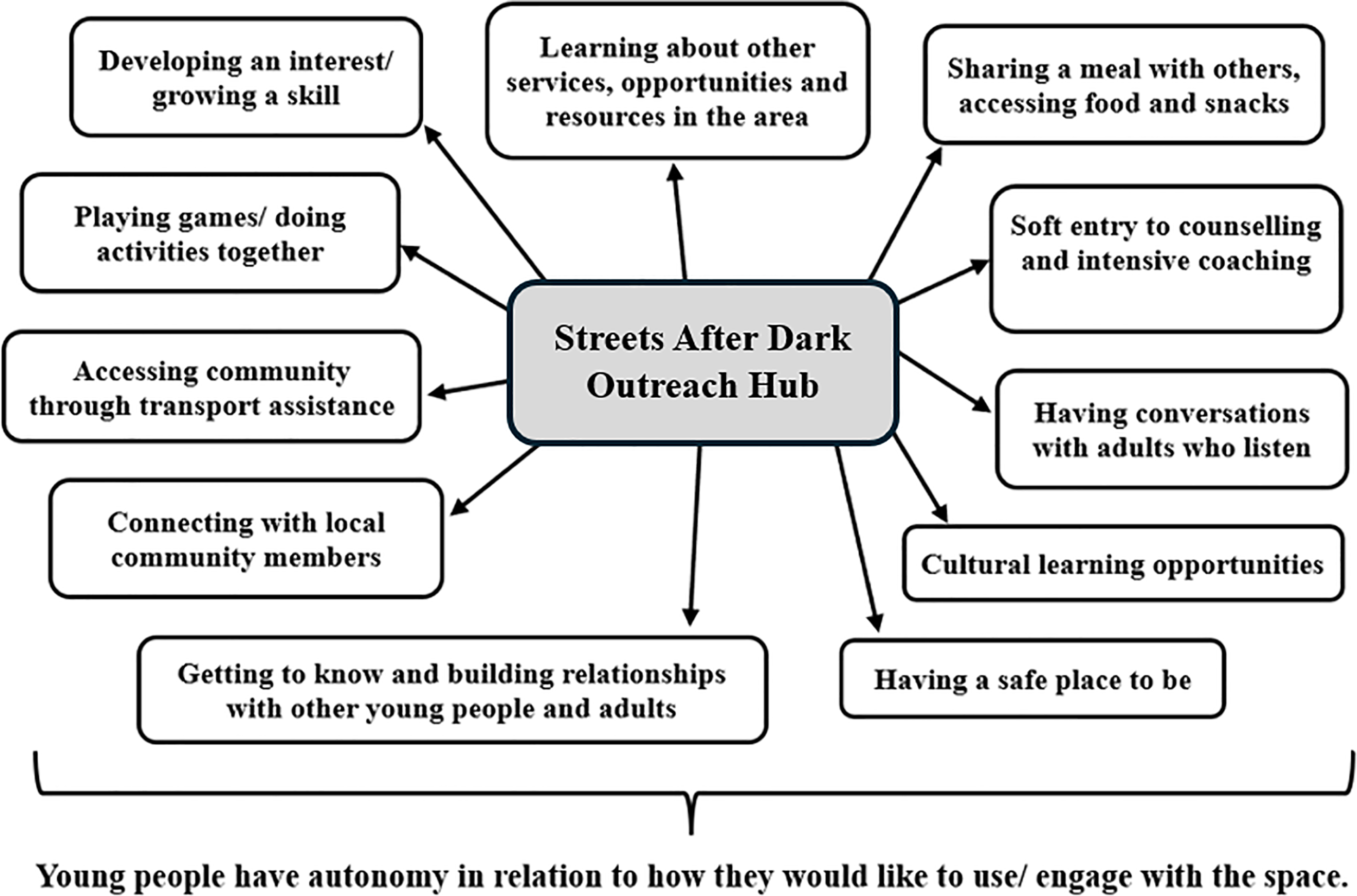
What happens at Streets After Dark?
Resolve staff and stakeholder interviews highlighted the importance and perceived effectiveness of outreach work for disenfranchised youth. Providing safe places for young people to gather and participate in interest-based experiences and recreational activities was seen as preventing the boredom and peer dynamics that led youths on a path to high-risk and antisocial behaviour. There isn’t much to do for young people that is supervised and safe in the afternoons and evenings. Streets After Dark engages a cohort of young people who are not in education and spend most of the day at home bored and then go out in the evenings. (Resolve coach)
Stakeholders discussed the specific skillset of Resolve coaches for connecting with hard-to-engage youth in the community. They are on the ground and approach groups and individual young people to spark up a conversation and they are so open and friendly in their approach. They really demonstrate to the young people that they are interested in getting to know them and that they care about what's going on in their lives. (Stakeholder)
The coaches and stakeholders identified a lack of funding for outreach and diversion programmes in the community and that better resourcing would allow them to reach more youth in need of support. If we didn’t’ have any limitations, I would run Streets After Dark every night and I would base the coaches there full time. With a young person's motivation there is usually a window of opportunity, and you need to be there when they are ready to engage. (Stakeholder)
Interviewees envisioned that a comprehensive youth outreach and diversion programme had the potential to lead to community-wide positive change through young people's engagement in prosocial activities and reductions of substance use and crime, leading to healthy, safe, and prosperous communities.
Despite having to balance the demands of providing both outreach/diversion and coaching services in a resource-scarce environment, administrative data show that the Resolve coaches had a consistent presence in the community and, in collaboration with partner agencies, facilitated a range of prosocial experiences for young people. Over the course of the 2-year pilot programme, the coaches provided outreach support in the community on 116 occasions across seven different locations, with a total of 2,382 attendances (regular attendees were counted each time) and a total of 396 hr of outreach work provided. In addition, they coordinated 27 small-group diversion opportunities for current Resolve clients with a total attendance number of 100 young people and a total of 102 hr of diversion work provided.
In the interviews, the coaches identified outcomes of outreach and diversion activities for young people, including improved connections, participation and sense of belonging, increased positive engagement in the community and sense of safety, enhanced life skills, and increased confidence. Furthermore, they stressed that interagency collaborations were a key element of the Resolve outreach programme and contributed to its success. In addition, the coaches discussed consistent staffing; engaging, interest-based, and recreational activities; and sufficient funding as crucial aspects of a successful youth engagement and diversion strategy.
Soft-entry pathways
Our evaluation demonstrated the effectiveness of Resolve outreach strategies in creating soft-entry pathways to support for disenfranchised youth. From June 2022 to March 2024, out of the 90 young people who participated in the coaching component of the programme, 18 (20%) self-referred to Resolve, making it the second-most common referral source (see Figure 2). Self-referring young people first made contact with the Resolve coaches during outreach engagements and expressed their interest in participating in coaching. Several participants in the self-referral cohort were introduced to Resolve coaches by other young people such as friends, siblings, and cousins. Other referral sources, in descending order, included government child protective services (n = 21), schools (n = 15), youth justice community co-responders (n = 9), government youth justice services (n = 7), community services (n = 7), family members (n = 7), legal representatives (n = 4), and Street University staff (n = 1). For one participant, no referral sources was recorded.
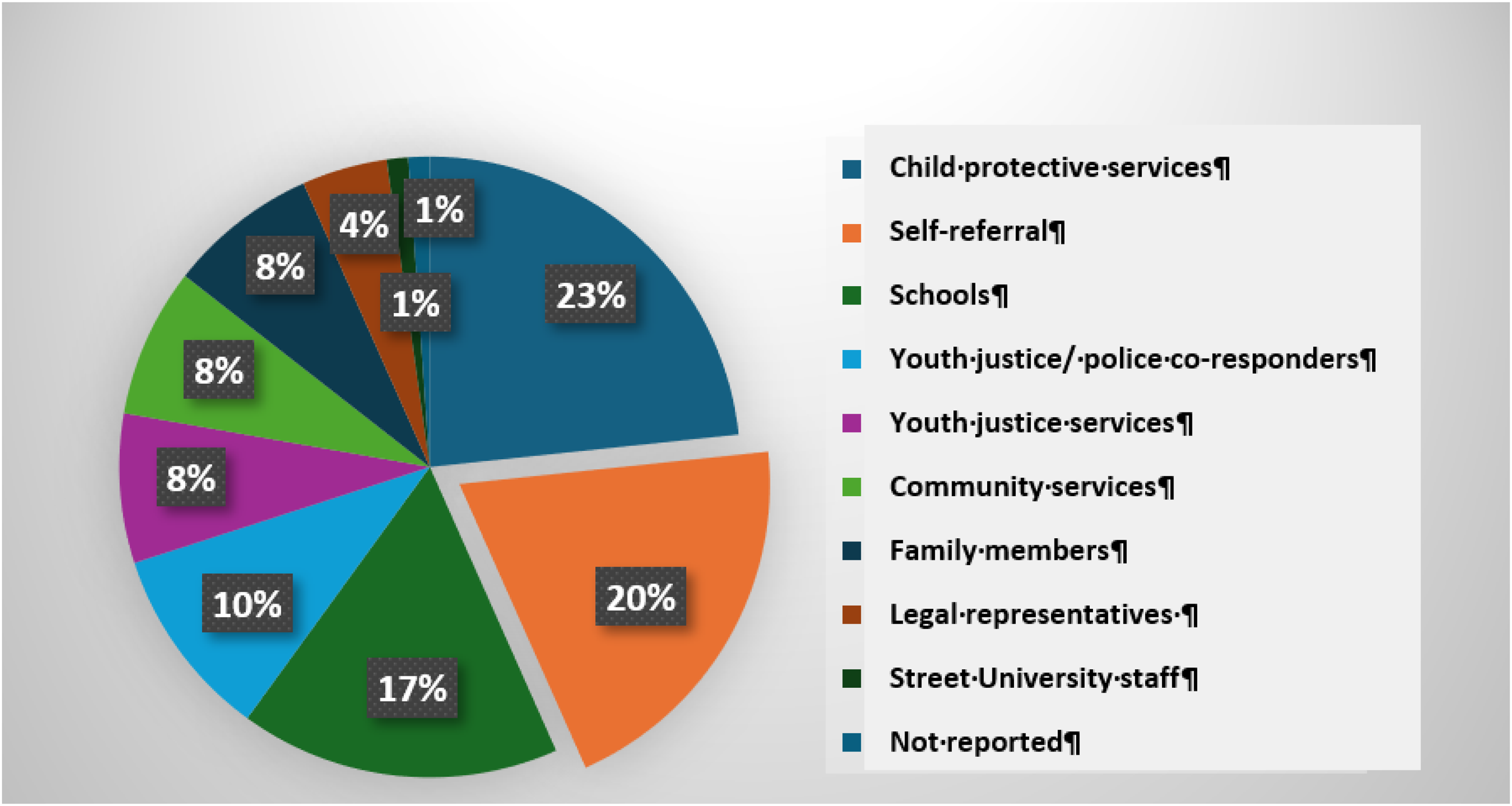
Resolve intensive coaching referral sources.
The coaches and stakeholders reflected on the soft-entry approach in the interviews. Providing outreach services enabled the coaches to meet young people in the community, develop rapport in a casual environment, and introduce Resolve coaching as an opportunity for ongoing support. It's a soft approach to getting to know the young people and offering support. We are putting ourselves out into the community after hours, getting involved in programmes, sitting with them, talking to them casually in a space where they feel comfortable. It doesn’t overwhelm them and you get a general sense of where they are at and whether they might benefit from support. (Resolve coach)
The stakeholders discussed the value of soft-entry opportunities in the context of young people's previous experiences with services. Many youths haven’t had great experiences with government and other services, so they potentially have quite negative views and don’t want to engage. This is doing something different and going out to meet them where they are, in a non-pressured environment and in informal ways. (Stakeholder)
The coaches experienced the pre-existing relationships they formed with young people during outreach as beneficial to effective coaching. Self-referring young people tended to be more committed to receiving support from the beginning. There was broad consensus that, as well as being valuable as a diversion activity in its own right, outreach work facilitated access to and engagement in focused early-intervention services for young people.
Intensive youth coaching
During the 2 years of the pilot programme, three Resolve staff provided intensive coaching to 90 young people. Over a pre-defined engagement period of 3 to 6 months in the first year and 6 to 9 months in the second year, the coaches assisted participants to connect with education, employment, and prosocial activities in the community and tailored the provision of support to the needs, strengths, interests, and goals of each young person. Individually and combined, our evaluation data demonstrate the effectiveness of Resolve in achieving positive outcomes for coaching participants.
Pre- and post-test comparisons based on the Hope Scale demonstrated marked improvements across both Agency and Pathways subscales and the global measure of Hope (n = 72). Remarkably, of the 72 participants for whom Hope Scale data were available, 69 young people showed increased scores, two maintained the same scores, and one participant observed slightly decreased scores. The differences were statistically significant for all three measures: Agency, W(31) = −6.021, p < .001; Pathways, W(31) = −6.283, p < .001; and Hope, W(31) = −6.392, p < .001. The average or median scores for pre- and post-test results from the administration of the Hope Scale are indicated in Table 1.
Hope Scale outcomes.

Note. IQR refers to Inter-Quartile Range. SD refers to Standard Ddeviation. P-Values < .05 are considered statistically significant.
A comparison between pre- and post-test CAT data (n = 75) demonstrated marked improvements across the majority of domains. Overall, there was a significant reduction in risk levels in relation to the core domains of schooling (or work and income), family relationships, social connections (peer relationships), physical health, drug and alcohol, mental health, cultural connections, and safety and the law (Table 2). The improvements observed for the housing domain, however, were not significant. As there were only two young people who were parents and three who identified as having a disability, these domains were not able to be considered in the analysis.
CAT outcomes.
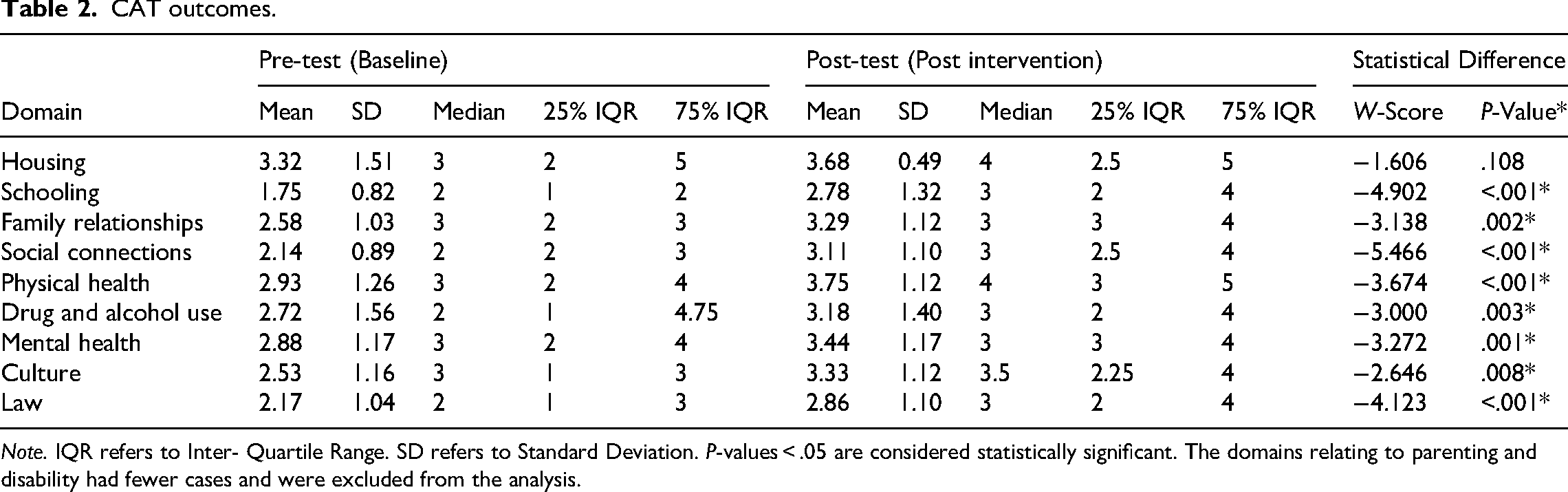
Note. IQR refers to Inter- Quartile Range. SD refers to Standard Deviation. P-values < .05 are considered statistically significant. The domains relating to parenting and disability had fewer cases and were excluded from the analysis.
The positive improvements observed on the pre- and post-outcome measures were also reflected in young peoples’ subjective experiences of coaching as captured in the customised self-report outcome measure and provided by the service as secondary data (Figure 3). Of the 90 young people who participated in Resolve, 69 (76.7%) believed that most of their goals and/or needs had been met. Of that cohort, 39 participants (56.5%) did not require any further support, and 30 (43.5%) were referred to other specialist services for ongoing support. There was a total of 15 young people (16.7%) for whom goals were deemed to have not been achieved. Four young people (4.4%) were still working with their Resolve coaches at the data cutoff point, and two participants (2.2%) had no data available. Furthermore, coaches and young people identified improvements in offending behaviours such as theft, vandalism and other property-related offences, drug- and alcohol-related activities, trespassing and other disorderly conduct, violence, and breaches of bail, in the majority of participants (n = 66 or 73.3%). Indeed, there were only 14 young people (15.6%) for whom there were no noted improvements (Figure 4). Participants and coaches also observed significant positive changes in relation to young people's life skills (n = 70 or 77.8%). There were only 11 young people (12.2%) for whom significant improvements were not observed (Figure 5).
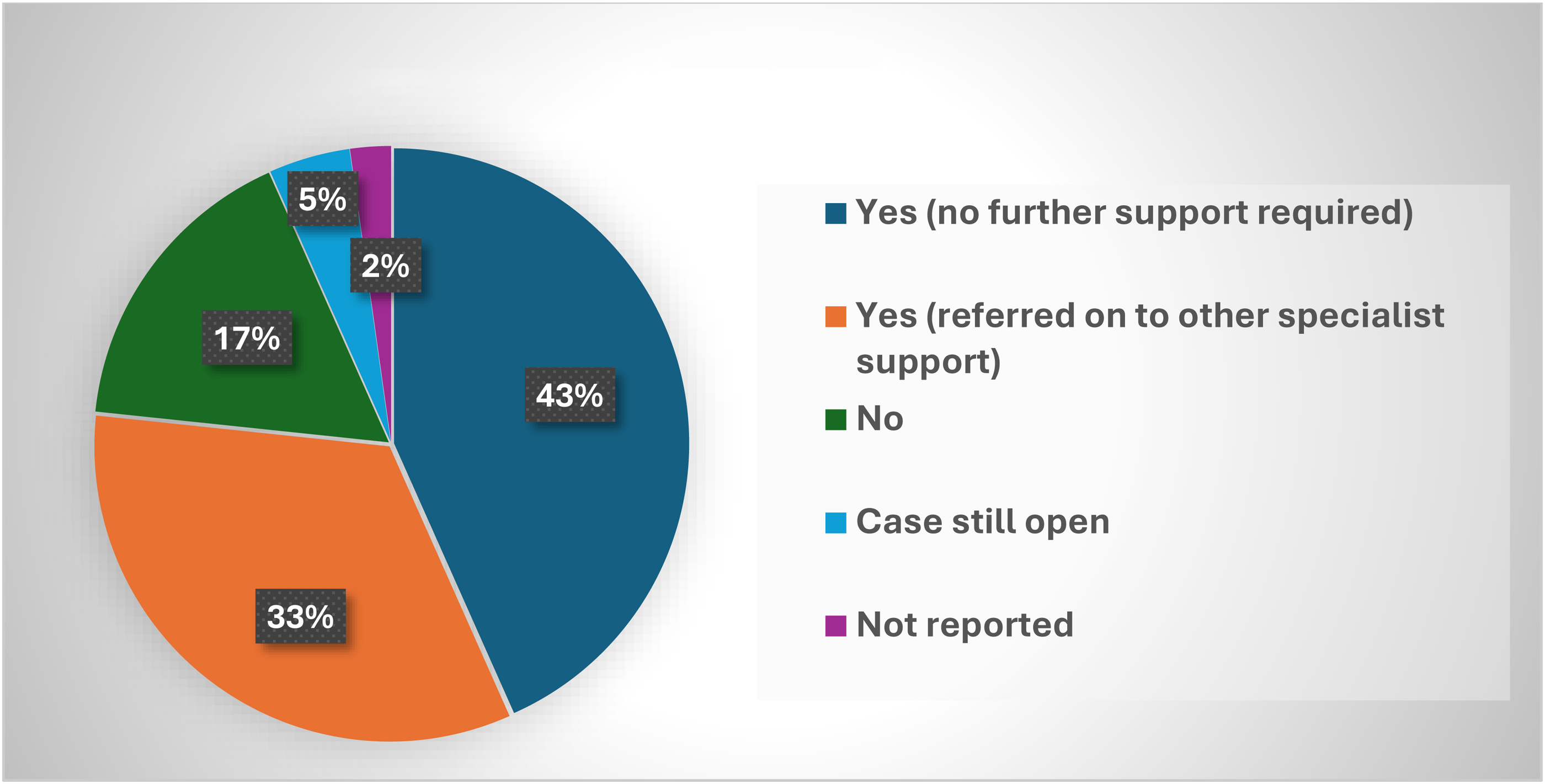
Resolve coaching—Goal achievement.
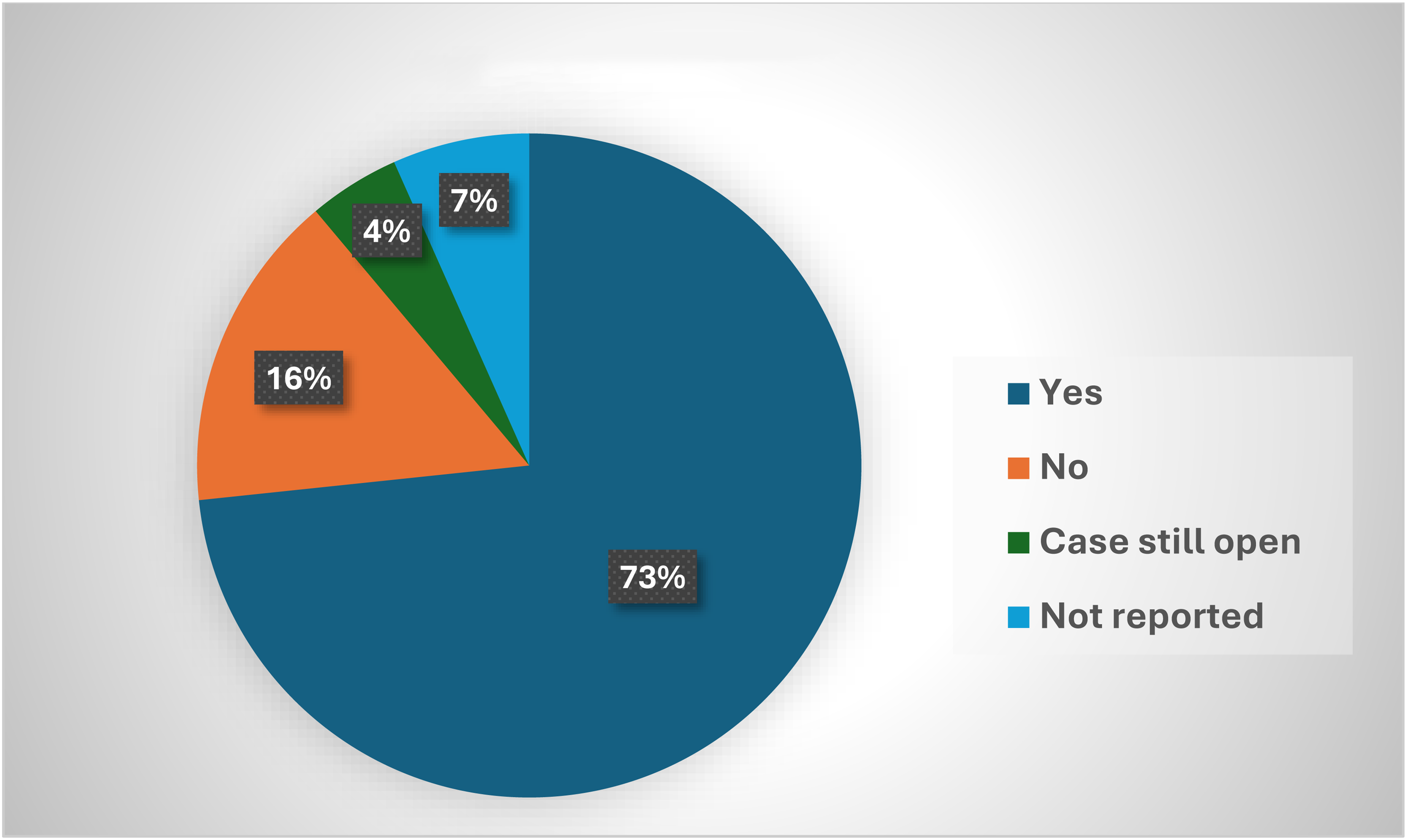
Resolve coaching—Reductions in offending behaviours.
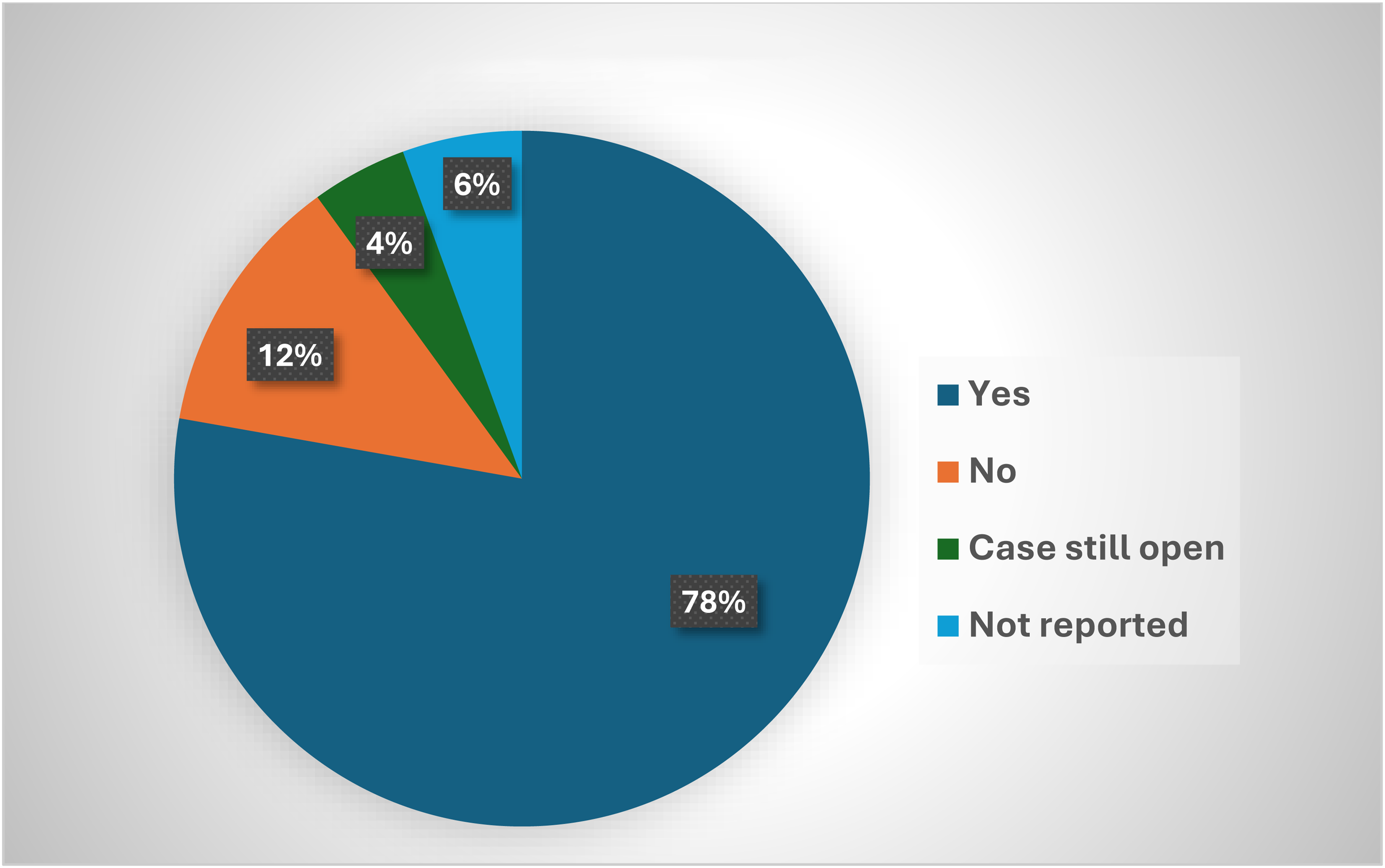
Resolve coaching—Life skills improvements.
Interviews with current and former programme participants, parents and guardians, programme staff, and stakeholders provided further insights into the perceived effectiveness of Resolve.
Participant interviews
Positive relationships based on trust, respect, and understanding formed the foundation for positive change in the coaching process. Young people spoke highly of their coaches and experienced them as caring, helpful, reliable, trustworthy, and genuine. For several participants, the availability and consistency of coaches was a key aspect that distinguished Resolve from other support services they had engaged with in the past. One interviewee described the gradual emergence of a trusting relationship with her coach. At the start I wasn’t really confident of the programme but as we started seeing each other more, I could see that she was alright and that I could actually talk to her. It felt good to know that something positive could happen out of this. (Programme participant)
Young people appreciated the coaches’ flexible, youth-centred, non-clinical, and empowering approach and felt that they could talk openly about their thoughts, emotions, and worries. Significantly, for several participants, their Resolve coach was the first person they reached out to during difficult times. Evidently, the coaches had become significant adults in their lives.
The Resolve model allowed young people and their coaches to tailor their collaborations to the individual goals and needs of each participant. Interviewees reported receiving support and achieving positive change with matters such as finding stable accommodation, accessing transport and food, engaging in education, navigating the youth justice system, finding employment, improving mental health, exploring interests, and improving family relationships. Several young people described marked reductions in antisocial behaviours and “staying out of trouble with police and schools” (Programme participant). In addition to these tangible benefits, participants developed skills and strategies for pursuing their goals. The most frequently identified positive outcome was increased confidence, with participants reporting feeling better about themselves and their ability to continue a positive trajectory. Young people also mentioned increases in motivation and perseverance and better communication skills, social perspective-taking skills, and emotional regulation as a result of their engagement with the programme. Despite being prompted to discuss challenges and ideas for improving the programme in the interviews, participants provided overwhelmingly positive feedback about Resolve.
Interviews with former programme participants point towards the sustainability of positive changes achieved whilst also highlighting some ongoing challenges. Young people continued to experience higher levels of confidence and maintained educational engagement and improved family and peer relationships several months post programme completion. Several of the interviewees had continued to work with services their Resolve coach had connected them with for further support. Despite these positive outcomes, one young person expressed concerns that without the support of her coach, she may “go downhill again”, and she was worried about the consequences this may have for herself and her family. One young man who did not have a permanent supportive adult in his life expressed his appreciation for being able to reconnect with Resolve after a period of time to receive additional support. It was hard without her (coach). She's doing everything she can to help me. She talks to child safety every day for me, and she’ll buy me a feed if I need it and she’ll get me clothes. Whenever I need her, she's there. (Programme participant)
The particular vulnerability and ongoing support needs of this young person are evident.
Parent and guardian interviews
The feedback provided in parent and guardian interviews was overwhelmingly positive and highlighted successful engagement strategies and comprehensive wraparound services as key elements for facilitating good outcomes for their children. Importantly, parents felt included, heard, understood, and supported in the coaching process. She (coach) communicated a lot with me right from the start and she would have conversations with (name of child) and back up what I was saying. She's in that sense trying to guide them, like, ′hey, listen to mum and dad′. (Parent)
There was a shared sentiment amongst the parents that the positive relationships between their children and the coaches made them feel at ease and trust them and the coaching process. It makes it easier when you see the kids trust them and they are improving, then obviously you see that this is a good thing and you can let your guard down a little as well. (Parent)
Positive programme outcomes identified by parents are represented in the word cloud in Figure 6.
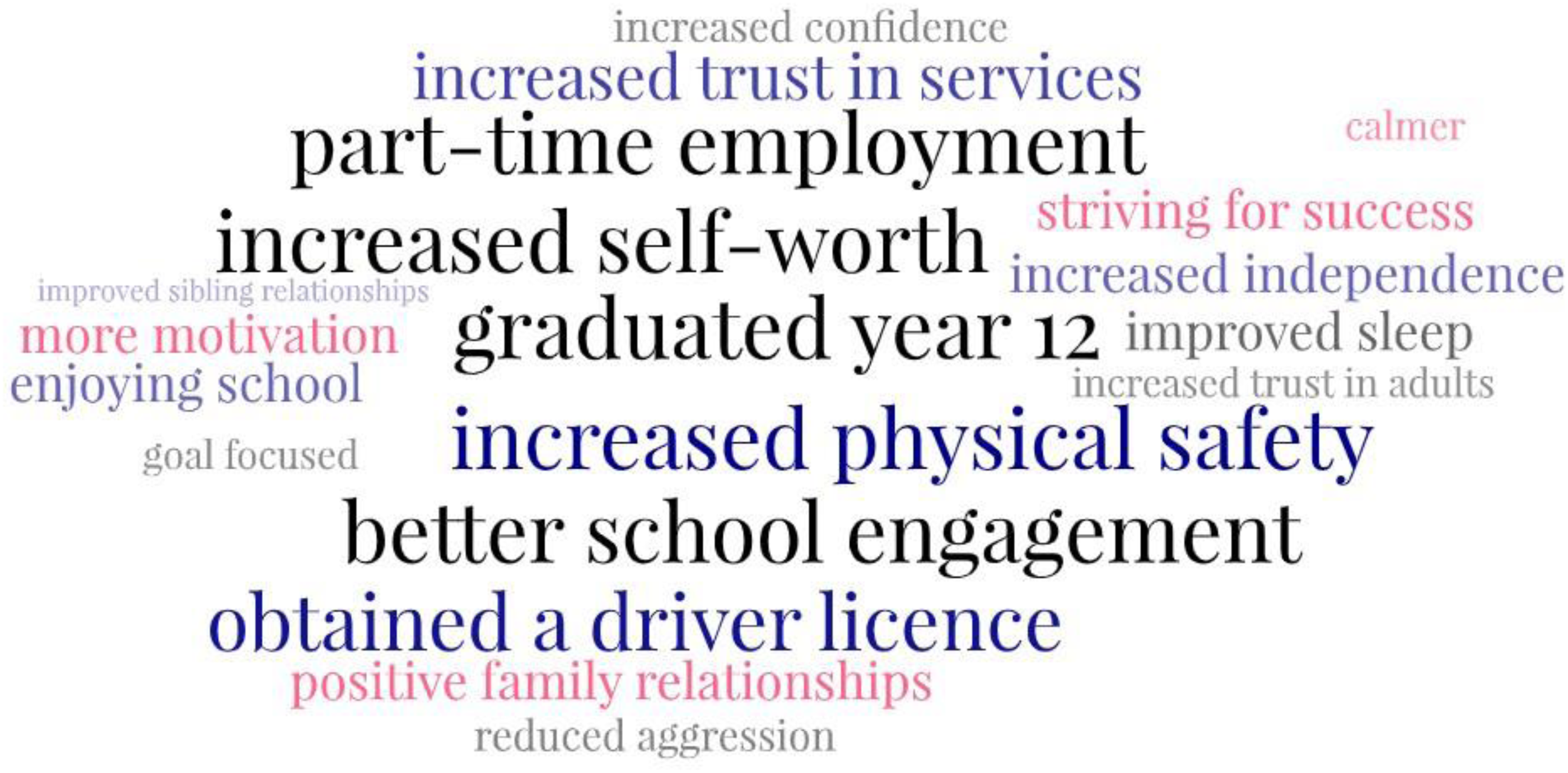
Programme outcomes as identified by parents and guardians.
Parental concerns centred around the prospect that the programme may not continue beyond the pilot phase. Several interviewees advocated for an expansion of Resolve to a service provision period of up to 12 months on a needs basis and enabling families to reconnect as required. Exiting the programme was difficult for young people and families due to the strong bonds they had formed with the coaches, and more flexibility and time would allow for a smoother and tailored transition out of the programme and/or on to other services. For the parents, Resolve was responding to a significant need and gap in service delivery in the community.
Staff interviews
In the staff interviews, the Resolve coaches expressed their commitment to the practice framework guiding the programme and described how they implemented it in their day-to-day work with young people. Relational, youth-centred ways of engaging were at the heart of the coaches’ practice, and they provided insights into why this approach may be particularly successful with at-risk youth in early-intervention efforts. Young people come into the programme and are very guarded. Often, they are not coming from a good space and they lack foundational relationship skills. They are not wired to trust others. We are teaching them about relationships and how their brains can be geared towards relationships and not just survival and how different that feels for them. (Resolve coach)
Relational work was described as a complex, challenging, and time-intensive endeavour requiring perseverance and resilience. Once established, relationships needed to be continuously nurtured, and boundaries had to be re-evaluated and re-negotiated, requiring a specific skillset of the coaches.
For the coaches, being youth-led and supporting young people's decision-making power were defining features of Resolve. Coaching plans and goals had to be meaningful to the participants, and the coaches resisted the urge to push for change when young people were not ready. Together, coaches and young people navigated a range of formal and informal support networks, with the coaches being instrumental in holding the threads and facilitating communication and collaboration between different stakeholders in participants’ lives.
The short time frames of the programme required coaches to have realistic expectations of what could be achieved, celebrate small goals, and rethink the significance of less tangible outcomes. The bigger goals are to reduce crime, re-engage in education and get mental health support. But we have to be real about the fact that these things don’t happen overnight. They happen gradually. Sometimes you go three steps forwards and two steps back. We have to accept that they may achieve bigger goals later and with someone else, but we are building their capacity and confidence. Six months might not be enough time to sort out everything. (Resolve coach)
Developing young people's personal, social, and relational capabilities was seen as the foundation for tangible outcomes such as engagement in education, training, and employment.
The coaches were unanimous in their desire to have more flexible time frames and work with young people for longer. Building relationships takes time and when young people are only starting to feel comfortable with you, you have to talk about moving on. These are really hard conversations to have. (Resolve coach)
They discussed the challenges posed by a fixed service delivery period, particularly for participants with limited informal support networks and significant experiences of trauma and stressed the importance of transparency and well-planned transitions. Being part of a larger organisation with a long-standing positive reputation in the local community was appreciated and seen as beneficial for transition planning and facilitating internal as well as external referrals for ongoing support.
Stakeholder interviews
During the stakeholder interviews, representatives of Queensland Child Safety, Youth Justice, and Child and Youth Mental Health Services and a specialist youth substance misuse and mental health counselling service identified a range of positive outcomes of intensive coaching. Resolve facilitated connections with service networks by building bridges between young people and child protection, youth justice, and mental health providers. Interviewees acknowledged their limited capacity to provide extensive one-on-one support and appreciated the coaches’ commitment to helping young people gain independence, including assistance with opening bank accounts, navigating Centrelink services, and finding pathways into meaningful training and employment. Importantly, the stakeholders believed that, through their engagement with Resolve, young people became more open to trusting adults.
The success of Resolve was attributed to the design of the programme and the intentional flexible, relational, consistent, and holistic engagement practices of the coaches. The stakeholders distinguished this from a clinical approach to service provision, which is frequently rejected by young people. The personalities of the coaches are key, and their informal relational approach is fundamental. These kids don’t respond well to a standard clinic-based formalised interaction. They need someone who speaks their language and who can laugh and joke with them. (Stakeholder)
Interviewees also highlighted the value of comprehensive and intensive support provision for this particular cohort of youth. The coaches really go the extra mile. For many of the young people this is probably the first time somebody has really cared so much about their wellbeing and every aspect of their lives. (Stakeholder)
Furthermore, stakeholders recognised YFS as a leading community service provider in the local area and stressed the value of embedding programmes in a larger, well-established organisation for ongoing support provision.
Several service limitations were discussed in the stakeholder interviews. Recommendations included lowering the age limit for the programme to be able to address disengagement and antisocial behaviours observed in primary school-aged children and extending service provision periods as required. A lack of access to affordable housing was identified as a pressing community-wide need that requires a more comprehensive response than what Resolve can provide in the current sociopolitical and economic climate.
Discussion
Our mixed-methods evaluation of Resolve early-intervention youth coaching and diversion programme found remarkable consistency across the quantitative and qualitative data sources, demonstrating the effectiveness of the programme in both engaging and achieving positive outcomes for at-risk young people in Southeast Queensland. Our findings confirm existing literature which establishes the usefulness of early-intervention initiatives that focus on young people's underlying needs and use a community-based approach in diverting young people from the criminal justice system (Henderson & De-Cuir-Gunby, 2016; Whitten et al., 2023). The collaboration between Streets After Dark (The Street University, 2024) and Resolve was described as particularly effective in engaging local youth after hours and providing soft-entry approaches to ongoing support provision (Levin, 2014; Youth Action, 2023), as evidenced by the high number of self-referrals. Furthermore, embedding Resolve in a larger well-established organisation with strong community links created unique opportunities for interagency collaborations and referral pathways for young people, which contributed to the programme's success. Bond (2010) highlighted the value of integrated approaches to youth work through partnerships and service networks. Our evaluation demonstrates the value of interagency soft-entry approaches to diversion and early intervention for vulnerable and hard-to-reach youth. For many participants, Resolve created a portal to comprehensive support, which endured beyond their engagement with the programme.
In relation to the intensive coaching component of Resolve, findings point to the significance of positive relationships between coaches and participants. Young people and coaches described mutual trust, respect, and understanding as the foundations for positive change in the coaching process. The importance of young people's relationships with committed, caring adults for positive youth development is well established in the literature (Bowers et al., 2015; Henderson & De-Cuir-Gunby, 2016). The coaches’ flexible, relational, youth-centred, consistent, and holistic approach to support provision was well received by young people who described them as significant adults in their lives.
Measuring valued outcomes in early-intervention work involves recognising that not all positive change is tangible and immediately visible. Whilst some programme participants reported significant progress in relation to engagement in education, training, and employment, for many more, working with their coach enabled them to develop skills, personal qualities, and strategies to sustain a positive life trajectory such as confidence, motivation, resilience, and trust in others. This is an important first step for young people who may have experienced adversity and lack the socio-emotional and executive functioning skills and community support necessary for pursuing meaningful life goals (Hambrick et al., 2018; Shonkoff et al., 2012). Developing these capabilities requires interventions that are relational and trauma informed.
The quantitative data support young people's accounts of marked improvements across a wide range of well-being and life domains. Although improvements in the housing domain were not significant (based on the numbers of cases observed), this could reflect the paucity of available housing options for young people who are not yet of age. Nevertheless, there was a significant reduction in risk levels evident in relation to schooling, family relationships, social connections, physical health, drug and alcohol use, mental health and safety, and involvement in the law and considerable increases in young people's overall hopefulness, sense of agency, and confidence in goal achievement. Bryant and Ellard (2015) discussed the concept of hope as a form of agency for disenfranchised youth, allowing them to see potential for transformations to shape their futures in positive ways. Positive outcomes in relation to this measure demonstrate that Resolve was able to create the conditions under which young people's hopefulness could thrive. Overall, our evaluation provides evidence for the effectiveness of coaching, which has led to positive outcomes in related youth work contexts (Blackburn et al., 2024; Pahor, 2019; Price, 2024), for youth crime diversion and early-intervention programmes.
Despite the programme's success, the coaches experienced several challenges in their work. Set time frames for intensive support meant that the coaches were limited in their capacity to respond to complex needs and significant developmental trauma. To repair the neurodevelopmental pathways damaged by early adversity requires high levels of relational support with many touch points over time (Hambrick et al., 2018). According to Perry (2009), patterned, repetitive activation of the neural systems is required for as long as it takes to build new pathways; hence, short-term programmes that do not consider the notion of how the brain repairs itself carry the risk of failing in the long term. There was broad agreement amongst staff and stakeholders that some participants would have benefitted from intensive support for longer. This was confirmed by young people and their parents who discussed the challenges of transitioning out of the programme and having to navigate life without the support of their coaches.
Similarly, there was a perceived need to lower the age limit for access to Resolve to respond to observed disengagement and antisocial behaviours in primary school-aged children. This is also evident in the literature, which suggests that the earlier we start, the better the opportunity for repair of developmental deficits and improved outcomes (Perry, 2009). In response to these findings, YFS offered Resolve to children and young people aged 10 to 17 and for periods of up to 9 months in the second year of the programme. This demonstrates the commitment of YFS to rigorous evaluation of their programmes and evidence-based practices in early-intervention work.
In addition, programme staff and stakeholders advocated for an expansion of outreach, diversion, and early-intervention services in the community and stressed the importance of adequately resourcing existing initiatives. This is particularly relevant in the context of recent increases in youth crime, especially the rising number of chronic young offenders in Australia (ABS, 2023; Goldsworthy et al., 2023). The links between serious and chronic youth offending and childhood adversity, socio-economic disadvantage, educational disengagement, and early-onset antisocial and illegal behaviour are well established in the literature (Basto-Pereira & Farrington, 2022; Fox et al., 2015; Kennedy et al., 2019; Whitten et al., 2023). Therefore, it is imperative to intervene early to prevent escalating cycles of crime, which are increasingly difficult to break. The fact that Resolve, whilst being valued and impactful for this particular cohort of youth, was unable to meet community demand for diversion and early-intervention efforts creates a strong argument for developing comprehensive youth engagement and support infrastructures for disadvantaged communities.
Based on our findings, we make several recommendations for policy, practice, and further research. Outreach and diversion activities were well received and attended by young people, and there was an identified need to expand the provision of engaging and youth-focused experiences in the afternoon and on the weekends. Thus, we encourage policy and practice leaders to consider a comprehensive approach to the provision of free, accessible, and engaging youth programmes and activities in the community. We establish that the soft-entry approach adopted by Resolve was highly effective and could serve as a role model for similar initiatives aimed at engaging disenfranchised youth. Meeting young people in the community where they feel comfortable and establishing rapport in a casual way remove barriers to services provision and increase young people's commitment to receiving ongoing support.
To address the impact of developmental trauma and disrupted relationships and achieve sustainable positive change in the lives of disenfranchised youth, early-intervention programmes need to be offered on a long-term basis, with time frames negotiated between coaches, young people, and their support network. Opportunities to re-engage with services on a needs basis may be beneficial, particularly for young people with very limited social resources. Early-intervention efforts are most effective when they commence at a young age. Therefore, we recommend a flexible approach to age limits based on community needs.
Responding to young people's circumstances, needs, and aspirations holistically requires a social-ecological community approach, which builds a rich network of formal and informal supports around each young person. This approach necessitates extensive communication and collaboration and integrated planning, delivery, and evaluation of services across a range of stakeholders and family and community members. We highlight the significance of this less visible, yet crucial, component of the work of Resolve coaches and recommend the allocation of sufficient time, funding, and resources for building community connections. Young people, families, communities, and services need certainty in relation to the availability of support programmes that lead to positive outcomes. Therefore, we recommend longer funding cycles for initiatives that have proven to be effective.
Notwithstanding the comprehensive research design and remarkable consistency of findings across data sources, we acknowledge several limitations of our evaluation. Firstly, the lack of a comparison group for the quantitative measures limits causal inferences regarding programme impacts. Whilst this limitation is, to some extent, mitigated by the complementary data sources in our mixed-methods design, we cannot rule out that influences beyond the programme may have contributed to positive changes. In particular, the integration of Resolve with other programmes and services, such as Streets After Dark, posed a limitation in establishing the independent contributions of each programme on participant outcomes. However, interagency collaboration also emerged as a strength of the programme through other data sources highlighting the complexities inherent in conducting mixed-methods research in uncontrolled community-based settings.
The recruitment of interview participants with assistance from programme staff poses limitations for the representativeness of the sample. The significant vulnerability of many of the participants necessitated a trauma-informed recruitment process grounded in the strong and trusting relationships between young people and coaches. Therefore, a more rigorous and probabilistic sampling approach was not deemed appropriate from an ethical standpoint. However, this means that young people who agreed to be interviewed may have been more engaged in the programme and with their coaches. The fact that young people provided overwhelmingly positive feedback on the programme and did not provide specific recommendations for improvement, despite being prompted for difficulties and challenges in the interviews, could indicate social desirability in responses. In addition, having one researcher conduct all field visits introduces a risk of bias into the research design. A team approach to observations would have been preferred; however, this was not feasible within the practical and financial constraints of the study. Congruency between the different data sources compensates for these limitations to some degree, but not entirely.
Furthermore, we acknowledge the small scale of our investigation into the sustainability of programme outcomes with former participants, which did not include quantitative measures. Comprehensive longitudinal research is required to measure positive outcomes beyond the conclusion of service provision. Finally, the single-site nature of this evaluation limits the generalisability of the findings to other settings and contexts. Comparative studies conducted across several communities could be useful in developing a framework for place-based responses to youth disengagement.
Conclusion
Resolve, an early-intervention youth coaching and diversion programme, aims to divert young people from the criminal justice system and support their engagement in prosocial and personally meaningful activities. Insights gained from the programme evaluation demonstrate that Resolve is effective in creating positive change in the lives of young people. Outreach and diversion activities create soft-entry opportunities to intensive coaching, and relational and trauma-informed engagement practices facilitate the development of trusting relationships between young people and their coaches as the foundation for working towards positive futures. In collaboration with a range of community services, stakeholders, and government agencies, Resolve is providing comprehensive, holistic, and youth-centred support and is contributing to the development of safe, healthy, and thriving young people, families, and communities. The importance of early intervention for the prevention of chronic disengagement, high-risk behaviours, and serious offending trajectories is evident in the findings of this evaluation and underscored by this comment from one of the young people who shared their insights with us: [Name of coach] found me when I started doing crime, when I first engaged with the police. She came to my house the day after I got arrested for the first time. That's when we first met and ever since then she's helped me. I reckon if she didn’t come that day or engaged with me at all, I’d be a mess. I’d probably be in and out of Juvie (juvenile detention), doing God knows what drugs. It would be bad. She pretty much saved me, yeah.
Supplemental Material
sj-docx-1-anj-10.1177_26338076251378938 - Supplemental material for “Going the extra mile”: A mixed-methods evaluation of an early-intervention youth coaching and diversion programme
Supplemental material, sj-docx-1-anj-10.1177_26338076251378938 for “Going the extra mile”: A mixed-methods evaluation of an early-intervention youth coaching and diversion programme by Marilyn Casley, Martina Bateson, Paul Harris, Daniel Brookes, Victoria Allen and Katie McDonald in Journal of Criminology
Supplemental Material
sj-docx-2-anj-10.1177_26338076251378938 - Supplemental material for “Going the extra mile”: A mixed-methods evaluation of an early-intervention youth coaching and diversion programme
Supplemental material, sj-docx-2-anj-10.1177_26338076251378938 for “Going the extra mile”: A mixed-methods evaluation of an early-intervention youth coaching and diversion programme by Marilyn Casley, Martina Bateson, Paul Harris, Daniel Brookes, Victoria Allen and Katie McDonald in Journal of Criminology
Supplemental Material
sj-docx-3-anj-10.1177_26338076251378938 - Supplemental material for “Going the extra mile”: A mixed-methods evaluation of an early-intervention youth coaching and diversion programme
Supplemental material, sj-docx-3-anj-10.1177_26338076251378938 for “Going the extra mile”: A mixed-methods evaluation of an early-intervention youth coaching and diversion programme by Marilyn Casley, Martina Bateson, Paul Harris, Daniel Brookes, Victoria Allen and Katie McDonald in Journal of Criminology
Supplemental Material
sj-docx-4-anj-10.1177_26338076251378938 - Supplemental material for “Going the extra mile”: A mixed-methods evaluation of an early-intervention youth coaching and diversion programme
Supplemental material, sj-docx-4-anj-10.1177_26338076251378938 for “Going the extra mile”: A mixed-methods evaluation of an early-intervention youth coaching and diversion programme by Marilyn Casley, Martina Bateson, Paul Harris, Daniel Brookes, Victoria Allen and Katie McDonald in Journal of Criminology
Supplemental Material
sj-docx-5-anj-10.1177_26338076251378938 - Supplemental material for “Going the extra mile”: A mixed-methods evaluation of an early-intervention youth coaching and diversion programme
Supplemental material, sj-docx-5-anj-10.1177_26338076251378938 for “Going the extra mile”: A mixed-methods evaluation of an early-intervention youth coaching and diversion programme by Marilyn Casley, Martina Bateson, Paul Harris, Daniel Brookes, Victoria Allen and Katie McDonald in Journal of Criminology
Supplemental Material
sj-docx-6-anj-10.1177_26338076251378938 - Supplemental material for “Going the extra mile”: A mixed-methods evaluation of an early-intervention youth coaching and diversion programme
Supplemental material, sj-docx-6-anj-10.1177_26338076251378938 for “Going the extra mile”: A mixed-methods evaluation of an early-intervention youth coaching and diversion programme by Marilyn Casley, Martina Bateson, Paul Harris, Daniel Brookes, Victoria Allen and Katie McDonald in Journal of Criminology
Supplemental Material
sj-docx-7-anj-10.1177_26338076251378938 - Supplemental material for “Going the extra mile”: A mixed-methods evaluation of an early-intervention youth coaching and diversion programme
Supplemental material, sj-docx-7-anj-10.1177_26338076251378938 for “Going the extra mile”: A mixed-methods evaluation of an early-intervention youth coaching and diversion programme by Marilyn Casley, Martina Bateson, Paul Harris, Daniel Brookes, Victoria Allen and Katie McDonald in Journal of Criminology
Footnotes
Acknowledgements
We acknowledge YFS Ltd for collecting and providing secondary data for analysis and their invaluable practical support throughout the evaluation.
We thank all research participants and in particular the young people who shared their experiences and perspectives with great insight and candour.

Ethical Considerations
The research informing this article has been reviewed by the Griffith University Human Research Ethics Committee and received unconditional approval (Griffith University Ref No.: 2022/499).
Consent to Participate
Free, prior, and informed written consent has been obtained from all research participants in accordance with the approved protocol.
Consent for Publication
Participants consented to their de-identified research data being used in publications resulting from the evaluation.
Author Contributions
Conceptualisation: Marilyn Casley, Paul Harris; Data curation: Marilyn Casley, Martina Bateson, Paul Harris, Katie McDonald; Data analysis: Paul Harris, Martina Bateson, Marilyn Casley; Funding acquisition: Marilyn Casley; Investigation: Marilyn Casley, Martina Bateson, Paul Harris; Methodology: Marilyn Casley, Paul Harris; Project administration: Marilyn Casley, Paul Harris
Resources: Marilyn Casley, Paul Harris; Software: Paul Harris; Supervision: Marilyn Casley, Paul Harris; Validation: Paul Harris; Visualisation: Martina Bateson; Writing – original draft: Martina Bateson; Writing – review and editing: Marilyn Casley, Martina Bateson, Paul Harris, Daniel Brookes, Victoria Allen, Katie McDonald.
Funding
The authors disclosed receipt of the following financial support for the research, authorship and/or publication of this article: This research was supported by YFS Ltd as part of the Australian Government Safer Communities Fund Early Intervention Grant (Grant Number GA243988-V1), which funded the Resolve programme.
Declaration of Conflicting Interests
The authors declared no potential conflicts of interest with respect to the research, authorship and/or publication of this article.
Data Availability
Research data informing this article are available from the corresponding author upon request.
Supplemental Material
Supplemental material for this paper is available online.
References
Supplementary Material
Please find the following supplemental material available below.
For Open Access articles published under a Creative Commons License, all supplemental material carries the same license as the article it is associated with.
For non-Open Access articles published, all supplemental material carries a non-exclusive license, and permission requests for re-use of supplemental material or any part of supplemental material shall be sent directly to the copyright owner as specified in the copyright notice associated with the article.
