



Abstract
Introduction:
Reproduction and optimum sexual function are of prime importance to maintain the balance in the ecosystem. This is probably why Ayurveda includes vajikarana (aphrodisiac therapy) in the eight major branches of medicine or therapeutics. It is thus necessary to explore the concept of vajikarana, focusing on sexual and reproductive health and review the dietary recipes, herbs and aphrodisiac therapies mentioned in the Charaka Samhita, in a chapter named the Vajikarana Chikitsa Adhyaya. In this article, an attempt is made to collate and analyse the recent research on the different dietary items, recipes and herbs mentioned in the Vajikarana Chikitsa chapter of Charak Samhita pertaining to the male reproductive and sexual health. The qualitative analysis of the evidence, as well as the potential beneficial effects of herbs, dietary items and recipes, is provided with an aim to propose directions for further research.
Method:
A detailed search focusing on the physiology of shukra dhatu (semen), sexual health, dietary regimes and medications mentioned in the Vajikarana chapter in Charak Samhita was done. Herbs, dietary items and recipes mentioned in the chapter were listed. Comprehensive contemporary literature pertaining to enlisted herbs and dietary items was reviewed and compiled using databases such as PubMed, SCOPUS, Google Scholar and Web of Science to identify in vitro, in vivo, observation and clinical research on the aphrodisiac herbs and dietary formulations listed in the Vajikarana chapter. Emphasis was on evaluating the mechanisms of action of these herbs through the Ayurveda principles and contemporary research, including impact on antioxidant, immune-modulatory and neuroendocrine pathways. The effect or activity of these modalities on male sexual health, male reproductive health, aphrodisiac potential and sperm quality was assessed.
Results:
Vajikarana herbs promote sexual health through a multidimensional approach, acting as adaptogens, antioxidants and anti-stress agents. Key mechanisms may include balancing the hypothalamo-pituitary-gonadal axis, enhancing reproductive function and mitigating oxidative stress. Clinical studies have demonstrated improvements in male fertility parameters, including sperm count and motility, as well as overall sexual performance. Dietary recipes combining herbs and nutrition-based ingredients are central to vajikarana therapy, targeting both sexual and general health. However, the evidence is limited (lacking sufficient randomised controlled clinical and experimental trials) for many dietary components and herbs, providing scope for further research.
Conclusions:
Vajikarana chapter integrates sexual and reproductive health with a holistic approach involving herbs, diet, recipes and lifestyle. Modern research supports the potential of these therapies, but further studies, particularly randomised controlled trials and multicentric trials, are required to establish their efficacy scientifically. The review emphasises the need for standardised protocols and pharmacological validation of vajikarana therapies to bridge the gap between traditional knowledge and modern medicine.
Introduction
Reproduction and optimum sexual function are of prime importance to maintain the balance in the ecosystem. The prevalence of male sexual dysfunction increases with age and is relatively high, with greater than 50% of men aged 40–70 describing some degree of erectile dysfunction (ED). 1 This is probably the reason why Ayurveda has included the vajikarana (aphrodisiac therapy) in the eight major branches of medicine or therapeutics. 2 Treatment of every disease according to Ayurveda includes different therapeutic steps or processes such as langhana (therapeutic fasting), pachana-deepana (correction of digestion), shodhana (bio purification), shamana (alleviation therapy), nidana parivarjana (avoidance of etiological factors) and usually culminates in rasayana (rejuvenation) and vajikarana. Thus, it is the supreme result of wellbeing according to Ayurveda. Vajikarana therapy deals with the shukra dhatu, which is the essence and ultimate product of metabolism. 3 Thus, vajikarana deserves equal attention and emphasis from the point of view of male infertility and male sexual health. The term vajikarana in Ayurveda deals with multidimensional concepts such as sexual and reproductive health, aphrodisiac treatment and male infertility. Understanding the importance of this concept, Charaka Samhita has dedicated an entire chapter to rendering the information regarding shukra dhatu (semen) physiology, sexual health, sexual conduct, sexual regime, dietary recipes and medications to enhance the overall sexual performance. Review of the chapter suggests that emphasis is given on the different herbs, nutrition and diet-based formulations (recipes) concerning the vajikarana modality. This article throws light on some of these aspects along with the recent evidence regarding their potential implications in aphrodisiac therapy. An attempt is made to collate and analyse the recent research on the different dietary items, recipes and herbs mentioned in the chapter of Charak Samhita pertaining to the male reproductive and sexual health. This attempt is driven to qualitatively analyse the evidence as well as its potential beneficial effects and propose directions for further research.
Methodology
The present article is a comprehensive, extensive narrative review dealing with the overview of Vajikarana Chikitsa Adhyaya mentioned in the Charaka Samhita in the purview of aphrodisiac therapy as per Ayurveda. Herbs, dietary items and recipes mentioned in the chapter for the purpose of vajikarana were enlisted. The review of aphrodisiac potential, male infertility, effect on sperm, effect on the male reproductive system of the individual dietary items, recipes and herbs, along with the properties of ingredients of the dietary recipes mentioned in the chapter, was collated. The in vivo and clinical research studies (randomised controlled and quasi-experimental studies) carried out on the enlisted aphrodisiac herbs were searched for in the databases, namely PubMed, SCOPUS, Google Scholar and Web of Science. The search terms included: [aphrodisiac] AND [Ayurveda], [vajikarana] AND [Ayurveda], [vajikarana] AND [herbs], [name of herb/dietary ingredient/recipe] AND [aphrodisiac], [name of herb] AND [male infertility], [name of herb/dietary ingredient/recipe] AND [male reproductive system], [name of the herb] AND [sperm]. The full-text articles in the English language were considered for inclusion in the search strategy. The conceptual reviews, conference reports, conference abstracts, proceedings of seminars, internet blogs and articles on websites were excluded. The studies meeting the above criteria from 2001 to 2025 were included in the current review. As the search strategy was descriptive and comprehensive, individual studies for the assessment of vajikarana were not taken into consideration, but the assessment of references pertaining to the aphrodisiac potential of individual herbs/dietary item/diet recipes was done. More than 100 studies were explored, considering the extensive and descriptive search strategy.
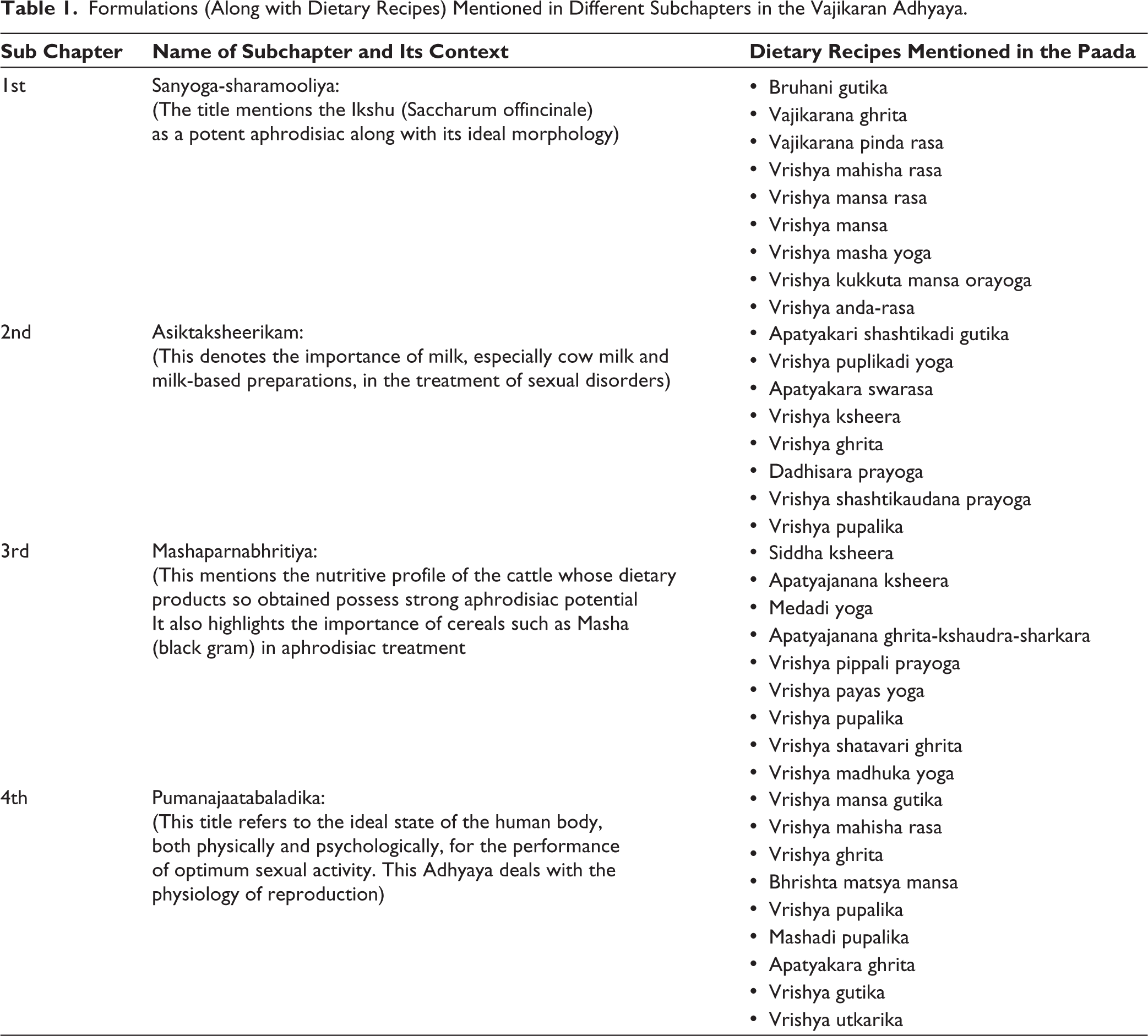
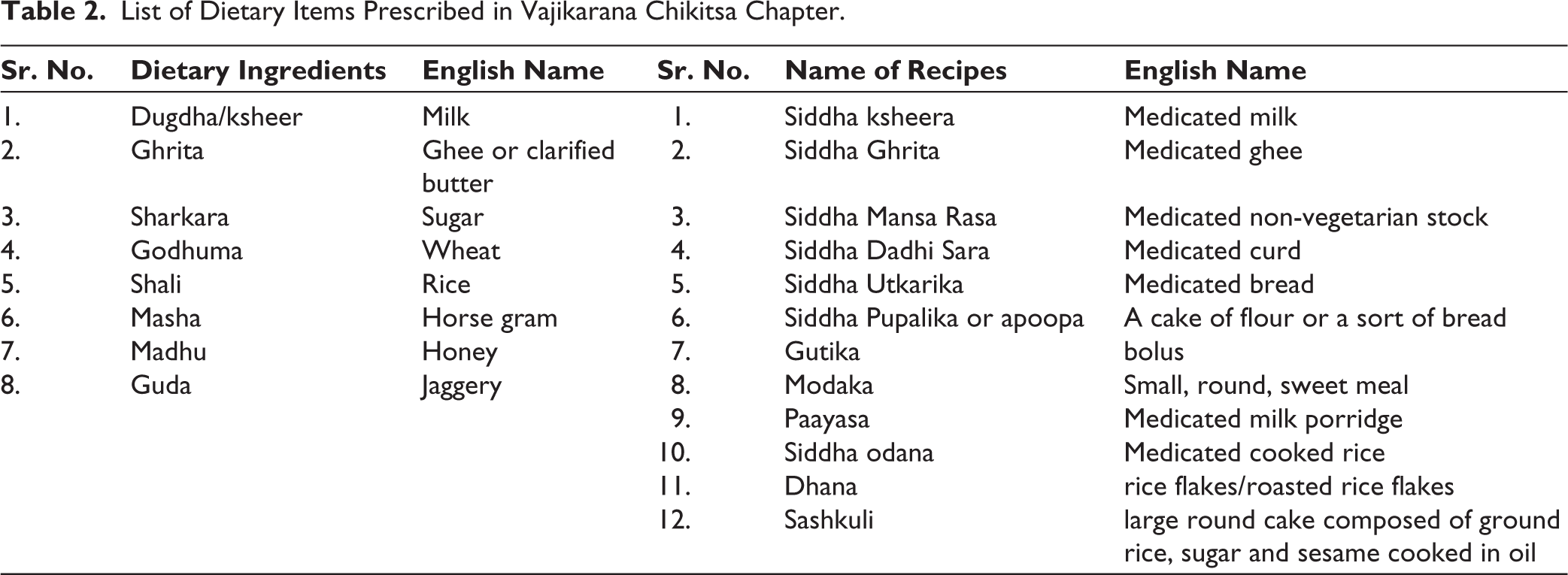
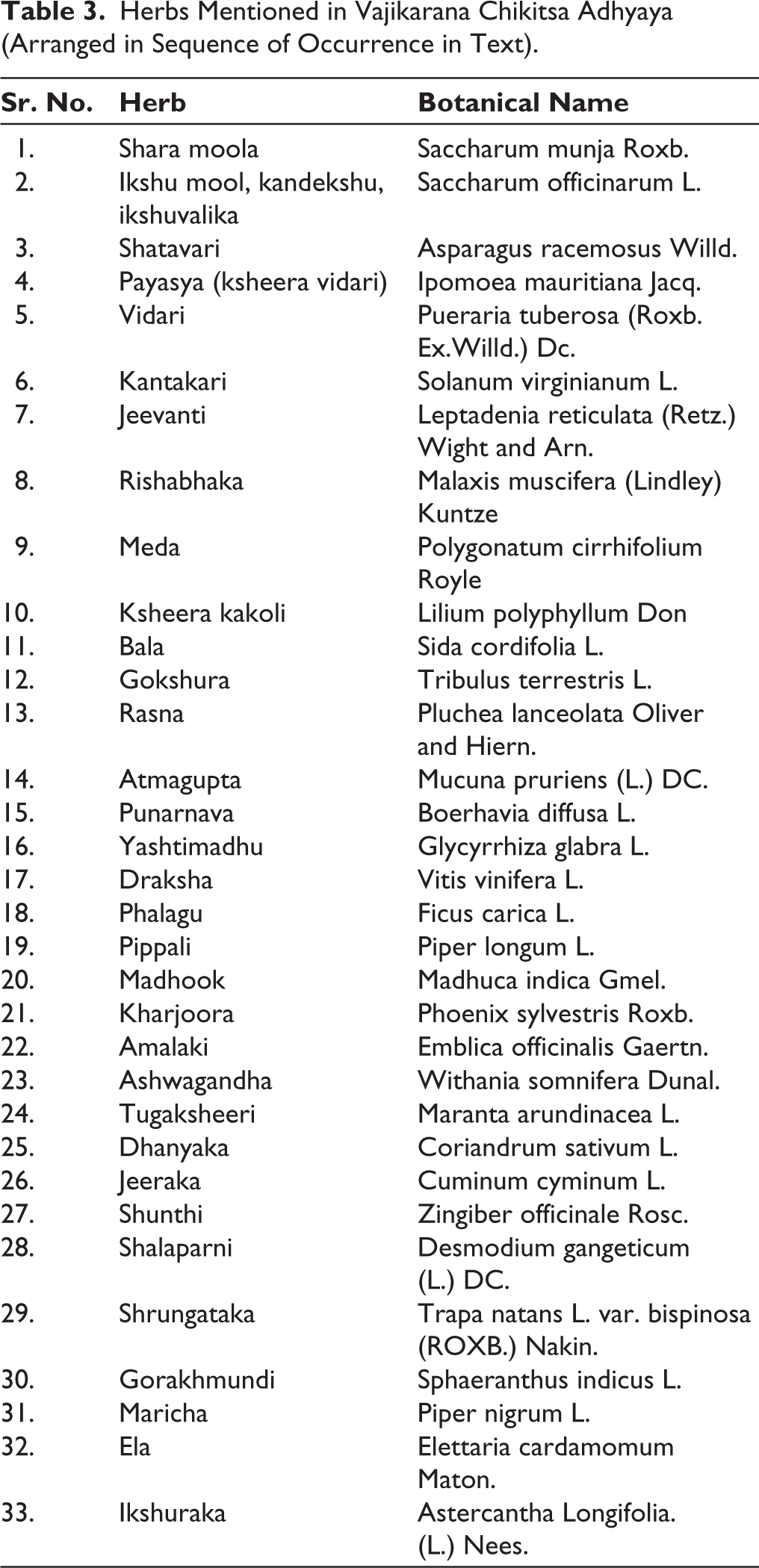
The structured analysis of the Vajikarana chapter with its four subchapters was done. This chapter is divided into four subchapters (paada), each dealing with different aspects of vajikarana. A total of 50 formulations are mentioned in this chapter, 15 in the first subchapter, eight in the second, 15 again in the third and 12 in the fourth subchapter. Brief summary of the formulations (Table 1), dietary recipes (Table 2) and herbs (Table 3) enlisted in the chapter are depicted in the tables below.
Formulations (Along with Dietary Recipes) Mentioned in Different Subchapters in the Vajikaran Adhyaya.
List of Dietary Items Prescribed in Vajikarana Chikitsa Chapter.
Herbs Mentioned in Vajikarana Chikitsa Adhyaya (Arranged in Sequence of Occurrence in Text).
Results
Relevance and Scientific Basis of Different Dietary Items Prescribed in Vajikarana Chikitsa Adhyaya
Several dietary recipes and formulations are mentioned for the purpose of vajikarana. Aforesaid is the description along with relevant research of various dietary items and recipes mentioned in the chapter.
Milk (Dugdha)
According to Acharya Chakrapani, ksheera (milk) is sadya-shukrakara (provides instant increase or improvement in the amount of shukra), leading to enhanced sexual performance. Go-ksheera or cow milk is similar to that of ojas, which is the ultimate nectar of all the dhatu (tissues) of the body. 4 It is sheeta (cold potency), guru (heavy to digest), madhura rasa (sweet in taste) with properties similar to those of shukra dhatu and Kapha dosha, leading to the improved functioning of shukra. Thus, it is the main component of all the vajikarana recipes mentioned in the Adhyaya. In this chapter, there is mention of go-ksheera and mahisha ksheera (buffalo milk) for the same purpose.
Ghrita-ghee
Ghee, according to Ayurveda, is best amongst the sneha dravya (unctuous or fatty substances), due to its sanskara anuvartana (adaptability) property; it is helpful in the effective management of vitiation of all three doshas. 5 It has a desirable level of fatty acids, antioxidants and bioactive components. 6 It possesses properties similar to Kapha dosha, shukra dhatu and ojas, resulting in the optimum functioning of both the components. When used with milk, it may act as a potent aphrodisiac, substantially increasing the quality and function of shukra dhatu.
Sharkara-sugar and Sugar Products
Sharkara is a potent pittashamaka (alleviating Pitta dosha), kapha-vardhaka (increasing the Kapha dosha), shukra vardhaka (increasing the sperm and semen level) medicine indicated in Ayurveda classics. 7 It possesses madhura rasa, sheeta, guru, snigdha guna (unctuous property). Being sweet in taste, it enhances the palatability of any dietary or medicated preparation. However, research suggests that high-sugar intake and/or intake of dietary items with excess sugar, such as beverages, sweets and processed food, can result in the worsening of fertility in the male and female population, leading to low sperm quality. 8 If used in proper quantity, it provides energy and nutrition to the individual and the seminal fructose fuels the sperm quality and function, which is necessary to maintain fertility. 9 However, the evidence has largely suggested the negative effects of sugar consumption on male fertility and sexual health. The use of alternatives such as stevia has also not shown any encouraging effects. 10 The use of supplements such as trehalose, however, has shown significant improvement in sperm motility and viability in recent times. 11 It is possible that the addition of sugar was done to improve the palatability and accelerate the absorption of the recipe. However, more research should be done in this area to validate the claims.
Godhuma (Triticum Aestivum L.)-wheat and Wheat Preparations 12
Godhuma is madhura in rasa (taste) and vipaka (post-digestive effect) and possesses guru, snigdha and sheeta guna, making it optimum for the physiological improvement of shukra dhatu. Wheat and wheat preparations form a major part of the diet, making it a staple food and source of energy across all families in countries such as India. 12 As the roti (flat bread), gruel prepared from wheat forms the daily part of the traditional Indian diet, it can be essentially involved in the vajikarana recipes to utilise its aphrodisiac properties. It has anti-oxidant, anti-inflammatory and anti-hyperlipidaemic properties, making it beneficial for reproductive health. Being fortified with essential macro and micronutrients makes it pivotal to enhance reproductive health. 13 However, a robust study is unavailable for the assessment of the effect of wheat consumption on male infertility or as an aphrodisiac. The consumption of whole grains and legumes, however, shows a positive effect on male infertility, but the evidence remains inconclusive and scarce. 14
Shali (Oryza Sativa L.)-rice and Rice Preparations 15
Shali or rice is madhura in rasa and vipaka. It is a laghu (easy to digest) and dietary item that can be consumed daily. Rice contributes to a major share of energy and carbohydrate intake in the regular diet of Indian households. Having a rich source of vitamins while also lacking a high amount of fat makes it helpful for the reduction of cholesterol. 16 Thus, the rice prepared using milk, sugar and other aphrodisiac herbs helps in the maintenance of vigour and vitality. However, like wheat, research on the assessment of the aphrodisiac potential of rice is lacking to date.
Masha (Vigna mungo)-black Gram 17
Although masha is excessively guru (heavy to digest) and vatashamaka (alleviates Vata dosha), shukrajanana (enhancing sperm production), anulomaka (promoting smooth passage of flatulence and faeces), shukrarechaka (promoting the sperm ejaculation), making it an optimum dietary substance for the purpose of vajikarana. It is rich in protein, vitamin B complex, dietary fibres and other micronutrients, making it a potent antioxidant. 18 Masha is thus indicated for the above reasons in many recipes to improve the functioning of shukra. Unlike the research on wheat and rice, the individual aphrodisiac potential of masha vis-à-vis black gram is studied in a few animal studies.
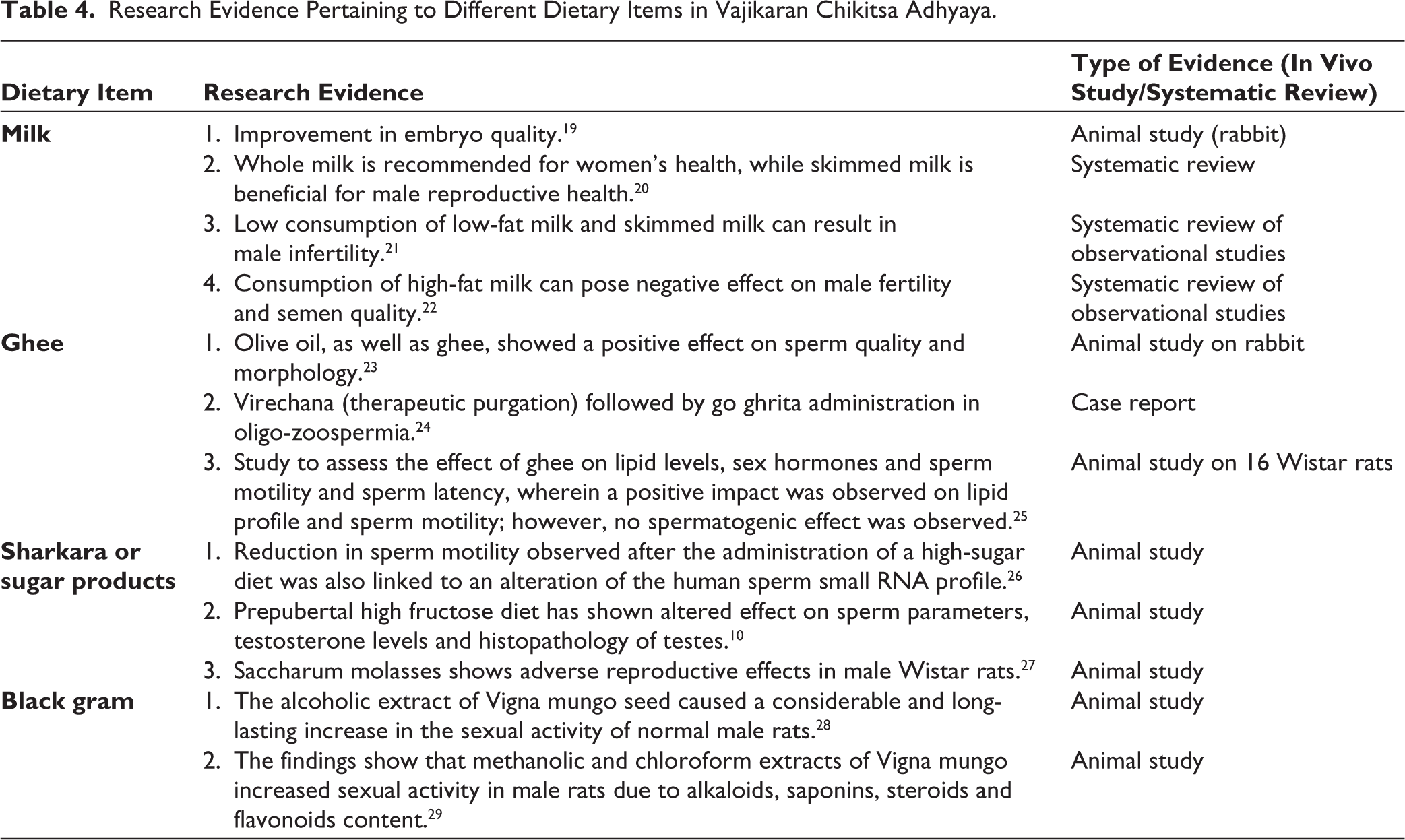
The evidence pertaining to the above-mentioned dietary items, as stated in the Vajikarana chapter of Charak Samhita, is presented in Table 4 as shown below:
Research Evidence Pertaining to Different Dietary Items in Vajikaran Chikitsa Adhyaya.
Madhu (Apis Mellifera)-honey 30
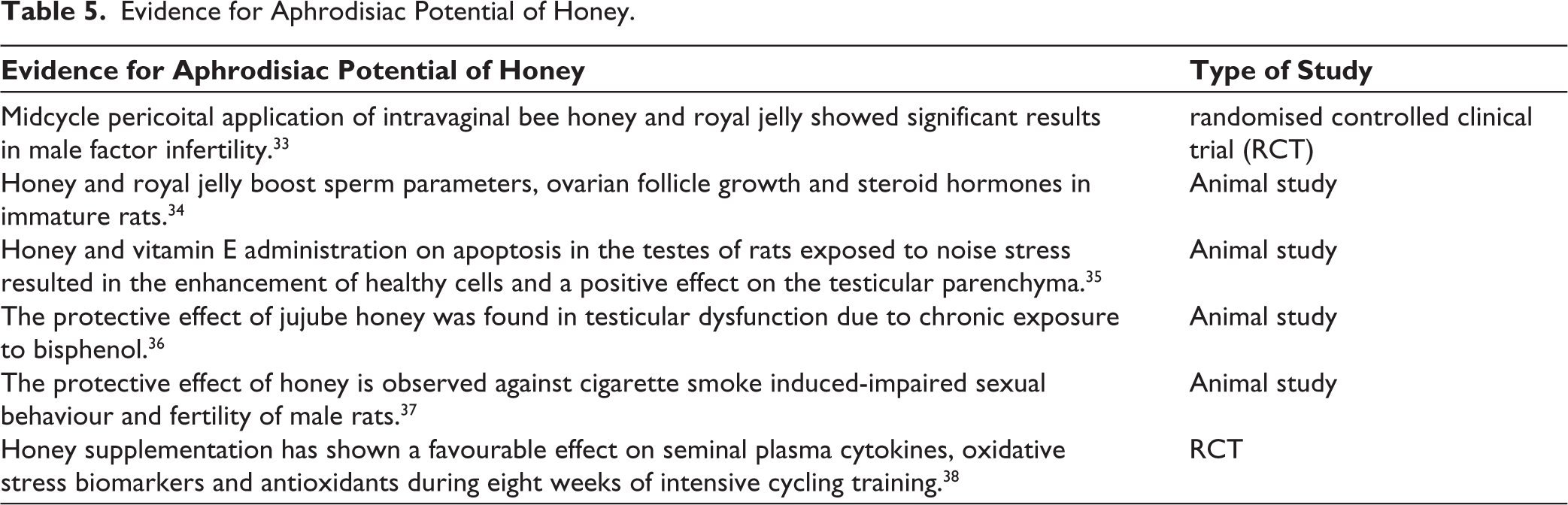
Madhu is an ideal anupana (vehicle for the administration) for many herbal drugs. It is ruksha (dry in quality), guru in property, making it shukra shodhaka (purifying the sperm) and kapha-pittashamaka. It is a potent nutraceutical of animal origin containing a variety of sugars (mainly fructose), amino acids, vitamins, minerals, anti-oxidants (tryptophan, flavonoids and phenolic acids) and polysaccharides. 30 It has a synergistic effect when combined with ghee, making it a potential aphrodisiac. In vivo studies have shown that rats fed honey showed improvement in ED as well as testosterone function.31,32 Detailed evidence for the aphrodisiac potential of honey is presented in Table 5, as shown below
It can be observed that, in comparison to other dietary items, honey has been extensively studied for its aphrodisiac potential and effect on sperm related parameters, providing strong evidence for its use and supporting its extensive use in Ayurveda for its aphrodisiac potential.
Evidence for Aphrodisiac Potential of Honey.
Overview of Dietary Recipes Mentioned for the Purpose of Vajikarana in the Chapter
Siddha Ksheera-medicated Milk
Milk is a reservoir of strength and vitality, is easy to administer, cheap and an easily available source of nutraceuticals. It is extensively used in Ayurveda as a medium for the administration of various herbs, improving their nutritional value and palatability. It is an important component of vajikarana combinations such as apatyakara swarasa, bruhani gutika, mentioned in the Vajikarana Chikitsa chapter. In these formulations, the herbs such as kharjura (dates), mrudwika (resins), masha (black gram) and rice are processed with ksheera to enhance their aphrodisiac value. However, research has shown that dairy products prepared using artificial sweeteners can result in reduced sperm count as opposed to fresh milk; hence, processed and artificial milk products should be consumed in limited quantities. 39 The research also suggests that intake of full-fat dairy items can result in detrimental effects on seminal quality. 40 Thus, processing the milk with herbs with proven aphrodisiac potential can help in bridging the evidence gap. It should be noted that no studies are yet available that assess the effect of medicated milk on male infertility or male sexual health. In vivo studies as well as randomised controlled clinical trials (RCTs) can be designed to assess the potential benefits (if any) on sexual health-related aspects.
Siddha Ghrita-medicated Ghee
Ghee, a rich source of fat and protein, can be processed with different herbs as well. Vajikarana ghrita, vrishya ghrita, shatavari ghrita and apatyakara ghrita are some of the ghrita preparations mentioned in the chapter. Many medicated ghrita preparations, such as Phala ghrita 41 have shown beneficial effects in the management of necro-zoospermia (case report), while ashwagandha ghrita showed promising results as aphrodisiac in silico, invitro and in vivo studies demonstrating smooth relaxation of the corpus cavernosa muscle. 42 A clinical trial on Kaamdev ghrita, a classical medicinal formulation, mentions its aphrodisiac properties in Wistar albino rats over plain ghee, thus proving the efficacy of this mode of drug delivery. 43 It should be noted that the clinical evidence base for ghrita or medicated ghee preparations is stronger than that of the milk preparation in rendering the aphrodisiac action.
Mansa Prayoga-use of Meat and Eggs
The consumption of meat along with different animal origin products such as anda (testis), shukra (sperms) is indicated in the chapter. Poultry meat, including chicken (kukkuta mansa), crow meat (kaka mansa), peacock (mayur mansa), duck (hansa mansa), pheasant (tittira mansa), red meat including beef (mahisha mansa), pork (varaha mansa), rabbit (shishumara mansa), mutton (aja mansa) and fish (matsya) are the different types of meat mentioned in the Vajikarana Chikitsa chapter. Meat is a potential source of proteins and micronutrients, making it beneficial for improving muscle mass, energy and sexual capacity. The majority of meat (except red meat and processed meat) is a rich source of proteins along with monounsaturated fat, polyunsaturated fat and docosahexaenoic acid, which further contribute to enhanced sperm quality. 44 Studies suggest that seafood and poultry are beneficial in maintaining semen quality, while processed meat might negatively affect the same. 45 On a study undertaken to assess the impact of meat and poultry consumption on couples suffering from infertility undergoing the treatment of IVF, the poultry consumption was positively associated with fertilisation rates, while meat was negatively associated. 46 Research suggests that white meat should be preferred over red meat. 22 Case-control studies have shown that red meat consumption has an inverse relationship with sperm count. 47 Observational studies have proved that processed meat intake, as well as organ meat, is unfavourably associated with semen quality in comparison with fish intake in males.48,49 The males were thus advised to adhere to a diet rich in fruits, nuts, vegetables and vegetable soups in comparison with processed meat to prevent conditions such as asthenozoospermia. 50
In a multicentric analytical study between asthenozoospermic and normospermic males, the controls had higher intake of skimmed milk, shellfish, tomatoes and lettuce, while cases consumed more dairy yoghurt, meat products (red meat and processed meat) and potatoes. 51 In a study on the Iranian population, the canned fish was associated with a lower percentage of immotile sperm compared to that of the fresh fish. 52 The evidence suggests that the aphrodisiac potential of the meat products largely depends on the type as well as the frequency of consumption.
Siddha Mansa Rasa-meat Soups/Non-vegetarian Stock
Mansa rasa or the soup prepared from boiling meat, has its special place in Vajikarana Chikitsa. Mansa rasa is vrishya, balya, mansa-shukra vardhaka and ruchikara (appetising). It proves to be an important option for non-vegetarians for achieving optimum spermatogenesis and overall disease resistance. It is prepared by the addition of condiments such as coriander and black pepper, which possess aphrodisiac potential. Extensive research has been done on the impact of meat consumption on fertility parameters; no research (in terms of in vivo or clinical studies) is available determining the mode of action of meat soups in a regular diet.
Dadhisara Prayoga-curd and Buttermilk
Dadhi (curd) is an abhishyandi (slimy or causing obstruction) according to Ayurveda and possesses kapha-vardhaka properties. Takra (buttermilk) is a vata-kapha shamaka having grahani balya (strengthening the intestines) property. These are cost-effective, biologically active products that provide a range of beneficial microorganisms improving the intestinal and neurological health. It is used in recipes such as vrishya mansa rasa and vrishya dadhisara. Research has proven the interconnection between the gut-testes axis and studies also suggest that the regular intake of probiotics has a positive impact on male reproduction. The lactobacillus in particular helps in the maintenance of the eubiosis and functioning of the gastrointestinal and reproductive tract. 53 However, no strong evidence depicting the individual impact of consumption of curd on sperm count or semen quality is available.
Siddha Utkarika, Siddha Pupalika-flat Breads
These are comparable to puri or roti, which are types of traditional flat bread or grain bread prepared from flours of wheat, barley and other grains. These constitute a major part of the dietary portion, hence are a beneficial medium for the regular administration of vajikarana medication. When prepared using other components such as milk, ghee, sugar, jaggery and condiments like cumin, coriander, these may improve the satiety and aphrodisiac potential. Vrishya utkarika, mashadi utkarika and vrishya pupalika are some of the flat bread recipes mentioned in the Adhyaya.
Gutika, Modaka-formulated Pills/Round Shaped Balls
These are the varied forms of administration of nutraceuticals, making the herbal drugs more palatable and easier to consume. Bruhani gutika, vrishya gutika and vrishya mansa gutika are some of the gutika and modaka recipes mentioned in the Adhyaya, which consist of flour, ghee, milk, sugar and the herbals.
Payas-kheer or Sweet Pudding
Kheer (traditional milk gruel) is prepared by combining milk with sugar, cereals such as rice, wheat, semolina, dry fruits, flavoured with resins and cardamom, making it optimum for the enhancement of quality and quantity of shukra. When treated with the medicinal herbs, it helps to enhance the vigour and aphrodisiac potential. Vrishya payas yoga, prepared from gokshura (Tribulus terrestris Linn.) and vidari (Pueraria tuberosa DC.) processed in milk and ghee, is intended for the purpose of vajikarana.
Odana, Shali-boiled Rice
Rice preparations, especially of shashtika shali, have important nutritive benefits, making it an affordable option for the purpose of vajikarana. Thus, shali (rice meal or rice bowl) prepared using milk, sugar, jaggery and other aphrodisiacs makes it a complete meal. It is a part of many recipes such as vrishya pupalika, siddha odana, vrishya ksheera are some of the recipes containing the rice as an ingredient.
Further research is warranted to understand the individual mechanisms or the potential roles of these recipes for the treatment of male infertility.
Different Herbs Used in the Vajikarana Chikitsa, According to Acharya Charaka
These are herbs mentioned in the Vajikarana Chikitsa Adhyaya, having potent aphrodisiac, antioxidant and immunomodulatory activities. Extensive research is being carried out in this domain, proving the scientific validity of Ayurveda.
Shara and Ikshu and Its Varieties (Saccharum Officinarum Linn.) 54
Saccharum munja or Sharamoola is a highly nutritive and coolant herb, also possessing aphrodisiac properties and acts on the urinary and reproductive system. 55 The jaggery (guda), Phanita (half-cooked molasses) and products obtained from sugarcane are key ingredients in the recipes mentioned in Adhyaya. It has proved vrishya, balya properties and has effects on ejaculatory defects, oligospermia and sexual vigour. Research shows that glucose is essential for spermatogenesis and motility of the sperm by facilitating glucose transporters through the cell membranes. 56 For the facilitation of sperm nutrition, the inclusion of sugar and jaggery products is necessary for achieving the aphrodisiac action. A study has, however, shown that the juice of Saccharum officinale Linn. resulted in altered reproductive functions in male Wistar rats. 57 This unfavourable outcome highlights the need for further validation and research to rectify the aphrodisiac action.
Shatavari (Asparagus Racemosus Willd.) 58
Shatavari is widely used as a rejuvenator and sexual tonic due to its properties such as madhura- tikta rasa, madhura vipaka, sheeta veerya, sheeta, guru and snigdha guna and is helpful in shukra vriddhi (spermatogenetic activities) and shukra pravritti (sperm ejaculation). In vivo studies have proved the ameliorating effect of shatavari root extract on the diabetes related sexual dysfunction in male Wistar rats. 59 Similarly, improvement of penile erection and in vitro nitric acid–releasing activity of the extract of Asparagus racemosus Willd. was observed. 60 One study assessing the effect of poly herbal formulation (Withania somnifera (L) Dunal, Ocimum sanctum L, Asparagus racemosus Willd and Emblica officinalis Gaertn.) has shown significant impact on adaptogenic, antistress and behavioural aspects contributing to better reproductive health in albino rats. 61 Despite the preclinical evidence, the clinical trials for assessing the aphrodisiac potential of shatavari are scarce.
Vidari (Pueraria Tuberosa DC.) 62
This is a potent vatashamaka medicine having tremendous aphrodisiac potential, optimum for all types of sexual dysfunctions and sperm defects. Due to its madhura rasa and madhura vipaka, it is useful in improving the overall vitality and build of the body. Literature shows strong androgenic potential and may provide potent results by improving the overall sexual behaviour in male Wistar rats. 63 However, one study reflects the antifertility effects of Pueraria tuberosa DC. root extract in 20 male Wistar rats, posing a need for further research and validation. 64
Kantakari (Solanum Xanthocarpum Schrad. and Wendl.)
Kantakari is a vata-kaphashamaka herb helping in the shukra pravritti, also possessing anti-inflammatory, anti-histaminic properties, improving overall health and sexual performance. 65 The preclinical and clinical evidence of the aphrodisiac potential of Kantakari is limited. Long-term use of solasodine, an alkaloid extracted from Solanum xanthocarpum Schrad and Wendl, has shown antifertility effects in rats and dogs. 66 However, Ayurveda suggests the use of the plant as a whole, hence the individual extracts may not always yield the intended aphrodisiac potential.
Jeevaniya Gana (10 Herbs Having Aphrodisiac Potential, Namely Jeevak, Rishabhaka, Meda, Mahameda, Kakoli, Ksheerakakoli, Mudgaparni, Mashaparni, Jeevanti, Madhuk)
This set of 10 herbs is known for their supreme rasayana and vajikarana properties, proving to be best for shukra-related disorders, especially oligospermia, azoospermia and sexual dysfunction. Research suggests that the herbs in jeevaniya gana possess potent anti-inflammatory potential and result in downregulation of pro-inflammatory cytokines, promoting sperm quality and function. 67 However, the evidence related to these herbs is scarce due to their limited availability in recent times.
Yashtimadhu/Madhuka (Glycyrrhiza Glabra Linn) 68
Yashtimadhu is kapha-vardhaka, shukra vardhaka herb, madhura in rasa and vipaka, providing improvement in sexual vigour and performance, adding palatability to the recipe. Being a potent immunomodulatory, adaptogenic and antioxidant herb having positive impact on sexual function and sperm function in males.69,70 The modulatory effect of Glycyrrhiza glabra L. extract against methotrexate-induced testicular dysfunction and oxidative stress and mitigation of male infertility, is studied extensively. 71 Encouraging effects are found for placebo-controlled clinical trials on 50 males using the Glycyrrhiza glabra L. 72 Systematic review has revealed that the liquorice extract has oestrogen-like activity; however, the clinical studies reflect weak and conflicting results. 73
Draksha (Vitis Vinifera Linn) 74
Draksha is a medicine that has high nutritive potential that can be consumed on a daily basis. It is a potent pitta-vata shamaka having spermatogenic property, helping in restoring the sexual desire and vigour. Being balya and bruhana may provide relief from post coital fatigue. Juice of Vitis vinifera L. fruits has proven effect on the testicular oxidative stress in males with idiopathic infertility and sexual dysfunction. 75 Thus, it has a positive effect on the sperm quality, sperm motility and overall sexual function. In vivo studies of the extract have also shown a protective effect against cisplatin-induced testicular damage through anti-oxidant, anti-inflammatory and anti-ferroptosis pathways. 76 Seed extract has also shown ameliorative effects on lead acetate-induced oxidative damage to the testis and sperm quality.76,77 However, few studies report that the grape juice in high doses may contribute to decreased fertility as studied in male rats.75,78
Falgu (Ficus Carica Linn.) 79
The falgu (common fig) is a fruit consumed regularly for the purpose of maintaining nutritional demands. It is also a mild purgative, with a sweet and succulent nature, helping in enhanced palatability to recipes. In vivo studies on fruit and leaf extracts of Ficus carica Linn. have shown proven effects in enhancing fertility in both male and female animals, with positive impacts on the hormonal parameters as well. 80 The clinical evidence is, however, not available.
Pippali (Piper longum Linn) 81
Pippali is a potent vata-kaphashamaka possessing multisystemic action on the body. It helps in improving sexual vigour. Piper longum is shown to have a positive effect on male infertility, increasing spermatogenesis, sperm motility, sperm function and enhancing the serum testosterone production as well. 82 There is a need to further validate the activity of this in male infertility through clinical studies. Few studies, on the other hand, have noted antifertility effect (spermicidal) of aqueous and ethanolic extracts of Piper longum, demanding further clinical investigation. 83
Atmagupta (Mucuna Pruriens (L.) DC.) 84
Atmagupta or Kapikacchu beeja is considered a viable source of protein, having anti-oxidant, vatashamaka, shukrajanana and shukravardhana properties, highlighting its aphrodisiac potential. It is a strong nutritive and neuroprotective drug helpful in conditions such as premature ejaculation, sexual dysfunction and anxiety-related issues associated with sexual health. In vivo studies have shown their potent spermatogenetic effect due to the major component of L-DOPA and antioxidants in Wistar albino rats.85,86 Mucuna pruriens L. DC., due to L-DOPA, which has a proven stimulatory effect on spermatogenesis. The hypothalamo-pituitary-gonadal axis provides a potent hormonal balance with a decrease in stress, anxiety and related conditions as well. 87 It is proven to be effective in the management of ageing-associated testicular damage in the aged rat testis. 88 This is one of the herbs showing significant evidence on the sexual health of males.
Kharjura (Phoenix Dactylifera Linn.)
Kharjura or dates are traditionally consumed in households as a dry fruit, which has many qualities such as haematinic, neuroprotective and antioxidant properties. Its hridya (cardiotonic), tarpana (satiating) properties help in the maintenance of sexual health. Research has shown that the derivatives of date palm and dates are useful in sexual dysfunction and infertility in adult males and have a protective effect against male infertility.89,90 RCT using Phoenix dactylifera L. pollen has shown enhanced functional sperm capacity and quality. 91 This evidence of aphrodisiac potential is strong for Kharjura as well.
Amalaki (Phyllanthus Emblica Linn.)
Amalaki is a potent rasayana herb possessing antioxidants, an immunomodulatory herb rich in vitamin C and other nutritive compounds, providing overall health and enhanced immune function. Research in vivo has shown the effect of Amalaki in reducing testicular damage and ageing, further enhancing sexual performance. 92 Administration of Amalaki has also shown improved reproductive efficacy in male albino mice, as well as an ameliorating effect on induced sperm toxicity in male rats.92–94 However, surprisingly, the clinical evidence was found to be limited.
Tugaksheeri (Curcuma angustifolia Roxb) 95
Tugaksheeri (Indian arrowroot) has been a commonly used spice for centuries across different households across the country. It has pitta-raktaprasadaka, kapha-shodhana and shukra-prasadana properties, making it a healthy option in addition to the various recipes mentioned in the Adhyaya. An animal study on male Wistar rats has shown significant anti-infertility action of Curcuma angustifolia Roxb. 96 Clinical evidence is, however, limited.
Maricha (Piper Nigrum Linn) 97
This is a deepana, pachana herb with pramathi (agitating action), strotasa-shodhana (clearing the body channels) properties helps to correct the shukra disorders by acting as shukra shodhaka, kapha-shodhana properties, correcting the overall sexual performance and drive. It is added to the recipes to enhance their digestibility. In vivo studies of Piper nigrum Linn. fruits on 35 male mice have shown to improve the sex drive due to piperine content, fatty acid levels and abundant zinc in comparison with other nigrum species.97,98 Particularly at a dose of 122. 5 mg/kg BW, Piper nigrum fruit extract improves sexual dysfunction and reproductive problems in alloxan-induced diabetic rats, with notable improvements in erectile function, libido (P < .05), sperm quality (P ≤ .04) and testicular histology (P = .035). These results point to its promise as a biological treatment for male reproductive dysfunction associated with DM. 99
Chaturjata-twak (Cinnamomum Zeylenica), Ela (Eletteria Cardamomum), Patra (Cinnamomum tamala), Keshar (Mesua ferrea)
Besides being deepana, pachana and ruchikara, these herbs add spice to various preparations, making them more palatable. These are included in Ayurveda formulations as additives for enhancing smell and taste. Cinnamomum zeylenica induces the sperm population, motility, longevity and viability in male Wistar rats and also possesses anti-inflammatory, anti-oxidant and radical scavenging activity helpful in the management of male infertility.100,101 Eletteria cardamomum shows a positive impact on spermatogenesis along with hormonal balance. 102 Cinnamomum tamala Nees is also a traditional spice possessing potent anxiolytic, antidepressant and stress activity helpful in the enhancement of sexual function. 103 Mesua ferrea has an antioxidant herb having impact on multiple systems, promoting overall sexual function. 104
Ashwagandha (Withania Somnifera L. Dunal)
Ashwagandha or vajigandha derives its name from the ability to render sexual capabilities and performance similar to that of a horse, thus an optimum vajikarana dravya. It is popular for the treatment of both male and female infertility, possessing tremendous rejuvenating, aphrodisiac, muscle tonic and neuroprotective activities. It is usually combined with milk and ghee to harness the aphrodisiac qualities. An RCT on standardised ashwagandha root extract in adult males with infertility has shown improvement in sexual behaviour and serum testosterone levels in adult males.105,106 It has spermatogenetic (sperm volume, ejaculatory volume and sperm motility) activity in males with oligo-zoospermia. 107 The polyherbal combination of kapikacchu, ashwagandha and gokshura was studied in vivo, showcasing enhanced sexual performance and reduction of oxidative damage in male albino rats. This can be attributed to reducing the oxidative stress and promoting the function of pituitary gonadotropins. 108 A non-randomised, single-dose study utilising UHPLC-MS/MS analysis of ashwagandha root extract was beneficial in the improvement of sexual function. 109
Dhanyaka (Coriandrum Sativum Linn) 110
Coriander seeds act as an important nutraceutical herb used as an ingredient of many dietary preparations in Indian households. It has deepana, pachana, rochana and mutrashodhaka (improving urine output) properties, which help in the correction of apana vayu-related pathology. It helps in correcting the pitta vitiation associated with shukra. Belonging to the Apiaceae family contains compound linalool, which is helpful in the reduction of stress, further contributing to the enhancement of sexual desire. 111 In vivo studies have shown improvement in the sexual behaviour of male rats after the administration of the extract. 112
Jeeraka (Cuminum Cyminum Linn)
Like dhanyaka, jeeraka is also a potent kitchen spice having wide therapeutic applications. It possesses deepana, pachana, rochana, kapha-pittashamaka properties, making it a strong appetising agent, aphrodisiac drug correcting the shukra dushti. It has beneficial properties such as anti-oxidant, anti-inflammatory and anti-microbial, promoting overall reproductive health of the individual. 113 However, no significant studies or evidence pertaining to the aphrodisiac potential of Cuminum cyminum Linn are available.
Gokshura (Tribulus Terrestris Linn.)
Gokshura is a vatashamaka and mutrala (promoting urinary) herb helpful in managing the vitiation of the apaana subtype of vaata dosha. Extensive research is being carried out to harness its potential in conditions such as oligospermia and ejaculatory failure. Multiple in vivo studies on the treatment of sexual sluggishness in male albino rats improved the sexual performance, 114 sexual behaviour, penile erection index (PEI) and other parameters. The double-blind clinical study on the effect of gokshura granules on the rogi bala (agni bala, deha bala, satva bala and the quality of sexual health) and rogabala (semen analysis and symptoms) was found to be effective in comparison with a placebo. 115 In vivo study conducted in adult Sprague-Dawley rats showed that Tribulus terrestris Linn extract appears to possess aphrodisiac activity, probably due to the androgen-increasing property of Tribulus terrestris Linn.116 One more study conducted on experimental rats showed that the anabolic effects of the test drug at 100 mg/kg given orally have been shown by an increase in body weight and the reproductive system. 117 A rise in the quantity and frequency of semen production marked the improvement in the sexual behaviour of male rats. The PEI also showed a marked improvement without any apparent toxicity and the testosterone level and sperm count both rose significantly. The findings were similar to those of the common medication sildenafil citrate. According to the current study’s conclusions, Tribulus terrestris has been traditionally used for its potential use in the treatment of ED and for its role in improving sexual function. 117
Bala (Sida Cordifolia L.)
Similar to the herbs such as shatavari, yashtimadhu, vidari and bala possesses anti-stress, immunomodulatory, nootropic and adaptogenic activity, making it an optimum herb for improving the sexual performance of the individual. 118 Clinical or experimental study addressing the aphrodisiac potential of Sida cordifolia L. in 50 male participants results in improved semen volume, sperm concentration and morphology. 119 A study on mice has also revealed significant adaptogenic, anti-oxidant and fertility-enhancing activity on mice. 120 Thus, moderate evidence is available for the aphrodisiac activity of Sida cordifolia or bala, making it a potential herb in the management of male infertility.
Madhook (Madhuca Indica J.F.Gmel.)
Madhuca indica has been traditionally used as a coolant and aphrodisiac in many folk practices. It has proven free radical scavenging and antioxidant properties, making it beneficial in attaining optimum reproductive health. 121 One study was conducted to determine the aphrodisiac properties of the ethanol extract of the blooms of Madhuca longifolia in male fowl birds. The bird that received therapy using Madhuca (flowers), the semen parameter value (sperm concentration) in the extract demonstrated a favourable aphrodisiac impact. Based on the obtained results, it can be stated that Madhuca has a beneficial aphrodisiac effect. 122 However, a preclinical study has revealed the antifertility effect of Madhuca indica on rats, resulting in degeneration of the testis and epididymis. 123 Further research is necessary to validate and establish the potential of this herb.
Shunthi (Zinziber Officinale Roscoe.)
Shunthi is a deepana and pachana herb having androgenic properties and has shown significant improvements on the biological parameters of sperm (number, total motility, survival rate and normal morphology) and increases all specialised fertility indicators of sperm in laboratory animals as well as human cell lines.124-126 Clinically, daily consumption of ginger showed a beneficial effect on parameters for male fertility, also providing improvement in sexual dysfunction. 127 Thus, strong evidence is available for shunthi as well, validating its extensive use in vajikaran chikitsa mentioned in Charak Samhita.
Ikshuraka (Hygrophila auriculata Schumach. Syn, Astercantha Longifolia Lin)
Astercantha longifolia or kokilaksha beeja is proven to positively affect the sexual dysfunction in male Wistar rats, improving the sperm count, serum testosterone levels and seminal fructose levels. 128 The leaves of kokilaksha are also used traditionally as a folklore aphrodisiac in Sri Lanka. 129 As demonstrated by increases in body weight and the weight of reproductive organs, the ethanolic extract had noticeable anabolic effects in the treated animals. Treatment with extracts was also seen in the transverse section to increase spermatogenesis. The treatment also had a significant impact on the animals’ sexual behaviour, as shown by the decrease in ML, increase in MF and increased attractiveness to females. The fructose concentration and sperm count in the seminal vesicles increased considerably. However, the clinical evidence is lacking.
Gorakhmundi (Spareanthus Indicus Linn.)
Sphareanthus indicus Linn. is also an aphrodisiac, having stress-relieving, anxiolytic properties, contributing to enhancing the sexual performance and sexual behaviour. Oil prepared from mundi is spermatogenic. 130 No experimental or clinical evidence regarding the same was found.
Shrungataka (Trapa natans L. var. bispinosa (Roxb.) Nakai) 131
Shrungataka (water chestnut) is well known for its nutritional benefits and is an ingredient of a variety of recipes and nutritional supplements based on Ayurveda. Fruits are traditionally used as an aphrodisiac and anti-inflammatory in the diet. 132 Starch obtained from shrungatak is commonly used in the cases of sexual dysfunction, spermatorrhoea and generalised weakness. 133 Being nutritionally rich and a popular dietary item, the evidence of shrungataka is significantly strong.
Shalaparni (Desmodium Gangeticum (L.) DC)
Shalaparni (Desmodium gangeticum (L.) DC) is examined for its anti-inflammatory, tonic, free radical scavenging and digestive properties. Due to its vata-alleviating properties, it is indicated as an aphrodisiac, proving to be a safe and effective herb for sexual performance enhancement. 134 Desmodium gangeticum root extracts, especially the n-hexane extract (HEDG), dramatically improved libido, sperm quality, GSI and testicular histology, which were all negatively impacted by the stress of immobilisation. By lowering oxidative testicular damage, HEDG boosted serum testosterone and fructose levels. Gangetin was identified as a strong PDE5-interacting molecule with better docking and brain permeability in silico studies, backing up its antioxidant, anti-inflammatory and fertility-enhancing effects. 135 A comparative clinical trial conducted to assess the vrishya karma has shown that shalaparni (Desmodium gangeticum) has given more significant results as compared to that of gokshura (Tribulus terrestris). 136
Mudgaparni (Vigna trilobata Linn)
Mudgaparni has similar properties to those of shalaparni and its fruit is aphrodisiac, astringent, styptic, anthelmintic and good for the eyes. 137 However, no significant preclinical or clinical evidence is available pertaining to Vigna trilobata Linn. in the present study.
Rasana (Pluchea Lanceolata (DC.) C.B. Clarke)
Although rasana is not studied independently for its aphrodisiac activity, it is a vaatshamaka herb with anti-inflammatory, anti-oxidant, neuroprotective and nervine tonic properties, which can be prescribed for the enhancement of sexual and reproductive health. 138
Punarnava (Boerhavia Diffusa Linn)
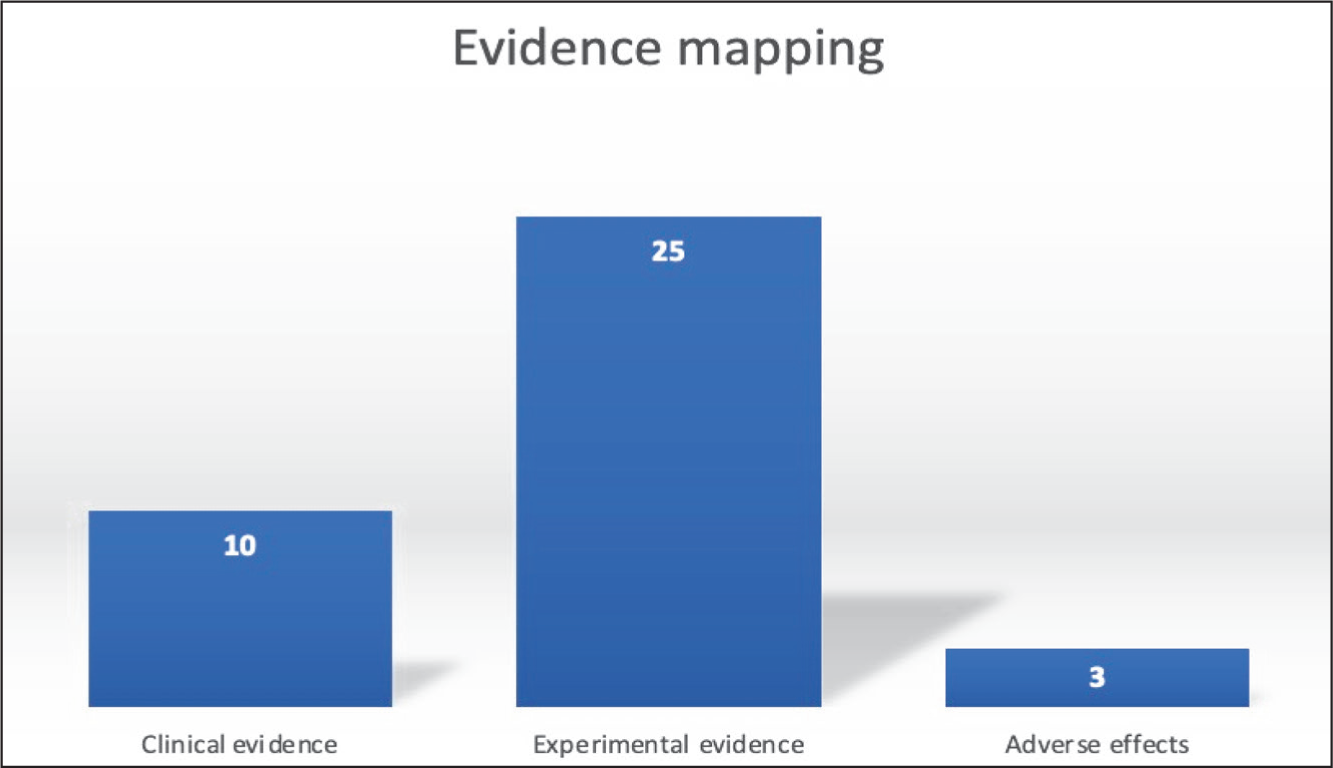
Punarnava is an important rasayana herb mentioned in Ayurveda texts, having a broad spectrum of activity affecting multiple systems such as the male reproductive system, urinary system, gastrointestinal system and immune system. 139 It is in practice in folklore medicine in western Uttar Pradesh for the treatment of male infertility when administered along with cow milk. 140 However, the evidence for punarnava is limited, warranting further preclinical and clinical validation. The qualitative analysis in terms of the evidence (clinical, experimental and adverse events) available for the aphrodisiac potential of the dietary items, recipes and herbs is summarised in Figure 1 as shown below. The evidence mapping is heavily dominated by experimental research (25), followed by clinical evidence (10), with minimal reported data on adverse effects (3).
Qualitative Analysis Based on Evidence for the Dietary Items, Recipes and Herbs Mentioned in Vajikaran Chikitsa Chapter of Charak Samhita.
Discussion
Ayurveda has a holistic approach towards the concept of vajikarana, not limiting it to only aphrodisiac treatment. The term vajikarana itself denotes the sexual capacity of the individual, comparable with the exhilarated yet balanced sexual performance of a horse. Ayurveda encompasses the overall sexual wellbeing, virility, improving health of progeny, overall physique, mental wellbeing, pleasure and health of the individual. 141 The main aim of vajikarana treatment is to provide long-lasting and efficient virility vis-à-vis optimum quality and quantity of shukra dhatu, enabling the individual to continue the progeny. Thus, the information provided in the Vajikarana chapter is helpful in understanding and management of a plethora of concepts such as sexual behaviour, sexual dysfunction, male infertility, sperm related pathology, premature ejaculation, ED and performance anxiety. Vajikarana chikitsa comprises a comprehensive approach including internal medication, bio purification, diet and lifestyle or behavioural therapy (dressing, use of fragrances, massages, herbal baths, music therapy). It is thus necessary to assess and revalidate the principles and different interventional strategies mentioned in this chapter to enhance better care related to male infertility and sexual health.
Vajikarana therapy, according to Ayurveda, primarily deals with the preventive and promotive aspects of health. Vajikarana chikitsa also emphasises the physiology of shukra (semen) or having targeted action on the shukra dhatu (semen). The chapter begins with highlighting the importance of vajikarana and it ends with the description of the physiology of shukra dosha pertaining to its guna (attributes), karma (pharmacological action), shukra pravritti, causes or the aetiology of shukra depletion or pathology. 142 The inclusion of different dietary items, recipes and herbs is indicated for the purpose of vajikaran in this chapter.
Herbs promoting vajikarana can be considered as a specialised form of rasayana, which acts on the reproductive system and promotes sexual health. Thus, the review of the action and research works on the herbs mentioned in the Adhyaya suggests that the vajikarana herbs act through several pathways that ultimately contribute to enhanced sexual performance. The different modes of action may include immune-modulatory, free radical scavenging, anti-oxidant, adaptogenic, anti-ageing, anxiolytic, anti-stress, promoting the balanced functioning of the hypothalamo-pituitary-gonadal axis, further contributing to action on higher centres such as the hypothalamus and limbic system. 143 The herbs are also androgenic or spermatogenic, improving the sperm motility, sperm quantity, sperm quality or sperm morphology and ejaculatory function. These herbs may also contribute to balancing the hormones, such as serum testosterone, serum cortisol, serum FSH and LH, decreasing prolactin level as well. 144 It should also be noted that most of the vajikarana recipes include polyherbal formulations and single herbs are rarely used. Thus, the exploration of formulations can provide further insights into the generation of evidence for Ayurveda herbs.
Link Between Aahara (Diet) and Vajikarana
According to Charaka Samhita, shukra is the ultimate product of digestion, leading to the occurrence of a variety of diseases and even death in individuals. Studies have shown that the fast food products (fries, oily food, processed meat) show an opposing epigenetic impact on the sperm levels in comparison with the normal healthy diet consisting of fruits, nuts, whole grains, vegetables and vegetable soups. 145 Few cross-sectional studies have shown that dietary patterns such as the Mediterranean diet have been shown to have improved semen quality. 53 Similarly, the systematic reviews show that the anti-inflammatory diets result improve fertility and semen quality in men. 146 According to Ayurveda, regulation of diet and dietary modifications can help in the effective treatment of shukra-related disorders. The review of the herbs and core ingredients used in the vajikaran therapy suggests that the herbs possessing high nutritive value are considered aphrodisiac in nature. As vajikaran is a continuous process, the dietary intervention is of prime importance. The proper diet and lifestyle aid in the regulation of sexual function in the individual. The scoping and systematic reviews, however, indicate that the evidence remains inconclusive yet ever evolving, wherein the high-fat, processed, sweet, non-vegetarian diet is associated with low sperm count and infertility, but the evidence for whole grains, fruits, nuts and legumes is inconsistent as observed in the present study. 147
The predominance of polyherbal formulations in vajikarana also reflects a system-based approach, where the synergistic, adaptogenic and immunomodulatory effects alleviate oxidative stress and restore homeostasis, rather than targeting isolated endpoints. Being mindful of the role of diet in vajikarana, for example, through the use of milk and ghee, therefore, extends and complements these effects by offering bioavailable lipids, antioxidants and micronutrients that support endocrine balance and cellular resilience, while the idea of sanskara anuvartana helps to explain why ghee enhances the body’s therapeutic adaptability when used as a carrier. Moreover, the study harmonises Ayurvedic warnings against processed foods and artificial sweeteners with recent studies showing their negative impact on metabolic and reproductive health, thus, it reinforces the legitimacy of the ancient dietary wisdom.
Comparative Analysis of the Evidence for Analysis Through Experimental Review
Amongst the studied herbs and dietary products, medicated ghrita, masha (Vigna mungo L.), honey, shatavari (Asparagus racemosus), yashtimadhu (Glycyrrhiza glabra), pippali (Piper longum L.), atmagupta (Mucuna pruriens), kharjura (Phoenix dactyllifera), ashwagandha (Withania somnidfera Dunal.), shunthi (Zinziber offincinale), gokshura (Tribulus terrestris) and shaliparni (Desmodium gangeticum) have shown significant evidence on both clinical and experimental levels, regarding their aphrodisiac potential. Thus, considering the available evidence, these sources can be given priority for clinical utilisation.
Practical Implementation Guidelines
There is scope for the assessment and extensive research related to the aphrodisiac potential of the dietary recipes mentioned in the Vajikaran Chikitsa Adhyaya, as given above, as limited evidence is available in that arena.
Challenges in the Authentication of Herbs
It should also be noted that a few herbs, such as rasana and tugaksheeri, are controversial and authentic or standardised herbs are unavailable in the market. Most of the herbs, such as those mentioned in jeevaniya gana are unavailable or endangered, hence scientific validation is apprehended. Thus, there are persistent challenges in authentication, sourcing of the herbs that might affect the reproducibility of the results across the studies and geographical locations. The regulatory aspects should also be taken into consideration, as some countries restrict the use of herbs for therapeutic purposes. Studies on liquid chromatography-high-resolution mass spectrometry analysis of ED drugs and their analogues in food products can also be done or systematic reviews can be undertaken to gauge the strength of evidence.
Limitations
It is observed that substantial preclinical studies (in vivo studies) are available for the majority of herbs mentioned in the chapter. However, robust clinical studies are warranted for generating evidence and incorporating the scientific claims into practice. Thus, the potential of many such herbs and herbal combinations is still unexplored. As the present study focused on the potential aphrodisiac potential as well as on the effect of intervention on male infertility, sperm quality and quantity, the assessment of safety profile and toxicity, including the adverse reactions, contraindications and herb drug interactions, is beyond the scope of the present study. A systematic review is necessary to explore these important aspects pertaining to the dietary items and herbs mentioned in the review.
Recommendations
Research in the form of in silico, in vivo and clinical studies should be undertaken to further validate the efficacy of the recipes and even the single herbs in the purview of their aphrodisiac potential and management of sexual dysfunction and reproduction-related conditions. Multicentric and RCTs are necessary to validate the efficacy of the aphrodisiac treatment mentioned in the Vajikarana Chikitsa Adhyaya. There is a lack of a standard operating procedure for the preparation of the recipes. The nutritional analysis of the recipes should also be done. It is recommended that the systematic review and meta-analysis of the individual dietary item and/or herb showing strong evidence should be done for quantitative and concrete analysis.
Conclusion
There is mention of a range of aphrodisiac dietary items, herbs and dietary modifications mentioned in the Vajikarana chapter of Charaka Samhita. Vajikarana therapy, when examined from the perspective of modern biomedical concepts, impacts male reproductive health in several interlinked ways through antioxidant, neuroendocrine, immunological and metabolic pathways. The modulation of the hypothalamo-pituitary-gonadal axis appears to be the main mechanism of action, as evidenced by androgenic, spermatogenic and stress buffering effects that are in accordance with the classical description of the nourishment of shukra dhatu. The review shows a thorough scholarship by methodically listing 50 formulations in four padas that include more than 32 herbs identified by their correct botanical names, along with several dietary interventions. Seven main dietary elements, milk, ghee, sugar, wheat, rice, black gram and honey, are critically evaluated from both the standpoint of classical Ayurvedic properties and views of modern nutritional science, each item being accompanied by citations of the research that prove their aphrodisiac effect. Moreover, detailed preparation methods and clear therapeutic virtues are given for nine categories of dietary recipes, such as siddha kshira, siddha ghrita and meat-based preparations. Moreover, the herbal listing is very thorough, such that the approximately 32 herbs are not only collectively but also individually, qualitatively analysed in terms of Sanskrit and botanical nomenclature, Ayurvedic pharmacodynamics (rasa, virya, vipaka and guna), modern pharmacological literature and confirmed in vitro, in vivo and clinical study references.
All of these have a rational and scientific basis for the purpose of maintenance of reproductive health and male infertility and may help in addressing the different issues pertaining to the male reproductive system. However, more research in the form of clinical studies is warranted to prove the effectiveness of these herbs and therapies in the management of conditions related to male infertility and androgenic potential.
Footnotes
Acknowledgements
None.
Authors’ Contribution
AJ: Conceptualisation, writing (original draft), revision of draft
SJ: Writing (original draft), revision of draft
MKB: Supervision
MKV: Supervision
TN: Supervision
Data Declaration
Not applicable.
Declaration of Conflicting Interests
The authors declared no potential conflicts of interest with respect to the research, authorship and/or publication of this article.
Ethical Approval
Not application.
Funding
The authors received no financial support for the research, authorship and/or publication of this article.
Patient Consent
Not applicable.