




Abstract
Sexuality is a central dimension of people’s lives, but it is often overlooked and neglected in relation to people with intellectual disabilities. This Systematic Literature Review investigates the perceptions, attitudes, and experiences of people with intellectual disabilities, their families and professionals about their sexual and romantic lives. Specific databases were searched (PubMed, EBSCO, SCOPUS, APA PsyArticles, Cochrane, and gray literature), and a methodological quality assessment was carried out according to the Joanna Briggs Institute, resulting in the inclusion of 21 articles, published between 2018 and 2023, which met the established criteria. The results show that sexuality is essential for people with intellectual disabilities. The studies show that these people seek intimate relationships, but are limited by social norms, lack of support and inadequate sexual education. This directly affects their emotional well-being and personal satisfaction. Health professionals and caregivers have divergent attitudes towards the sexuality of people with intellectual disabilities, facing obstacles in sexuality education. Parents face a dilemma between promoting independence and protecting themselves from risks, which influences their children’s emotional balance. This highlights the need for personalized approaches to sex education, attention to specific needs and effective communication between health professionals, caregivers and families, with the aim of strengthening self-esteem and autonomy. The results show that researchers should understand the impact of different parenting approaches on the emotional health of individuals with intellectual disabilities. Future research should include all stakeholders, enabling a wider range of perspectives and stakeholder involvement in the formulation, implementation, and evaluation of personalized educational programs.
Keywords
Introduction
The development of sexuality is crucial for all individuals, representing a fundamental facet of personality that profoundly influences thoughts, emotions, actions and interactions, as well as having an impact on physical and mental health. 1 This universal right to the healthy expression of sexuality is essential for autonomy and personal fulfillment, and is recognized as an integral part of the adult experience. 2 For people with intellectual disabilities, exploring sexuality faces unique challenges. Existing literature tends to focus predominantly on sex education, reproductive health and contraception, with little inclusion in general studies.3,4 There is a predominant tendency to consider them asexual, which results in social isolation and significant limitations in personal development. 5
These misperceptions are reinforced by overprotective attitudes that underestimate the genuine interest of people with intellectual disabilities in sexuality and in forming intimate relationships. 6 Despite this, studies show that many adults with intellectual disabilities desire and seek sexual relationships, although they often face significant barriers due to a lack of knowledge and support.7,8
The lack of adequate guidance can lead to unsatisfactory or harmful sexual interactions, highlighting the urgent need for inclusive policies and guidelines that promote the autonomy and sexual well-being of this population. 9 Despite efforts to improve the quality of life of people with intellectual disabilities, a significant gap persists in understanding the complexities of their sexuality, requiring a more in-depth and targeted approach. 10
This systematic review aims to fill this gap by examining the perceptions, attitudes and experiences related to sexuality and romantic relationships among people with intellectual disabilities. By shedding light on these areas, it seeks not only to inform more effective strategies, but also to defend the rights and dignity of these people through more inclusive and person-centered policies.
Method
Type of Study
This study consists of a Systematic Literature Review with a predominantly qualitative approach. To this end, we used the methodological guidelines of the Joanna Briggs Institute. 11
Objectives
The general aim of this study is to identify the perceptions, attitudes, and experiences in romantic relationships and sexuality of people with intellectual disabilities.
Its specific objectives are:
Analyzing the perceptions of individuals with intellectual disabilities: Identifying the subjective perceptions of individuals with intellectual disabilities themselves about their romantic relationships and sexuality, exploring their personal experiences and perspectives. Assessing the attitudes of professionals working with people with intellectual disabilities: Examining the attitudes and approaches of health professionals and other professionals who deal with people with intellectual disabilities in relation to sexuality, identifying the barriers experienced and the strategies adopted. Explore the experiences and concerns of caregivers/families: Identify the experiences, concerns and perspectives of caregivers/family members in relation to romantic relationships and the sexuality of people with intellectual disabilities, as well as the perceived influence of these relationships on the well-being and mental health of the individuals in their care.
Research Question
The research question formulated using the PICO method is presented in Table 1.
PICO Question Formulation.
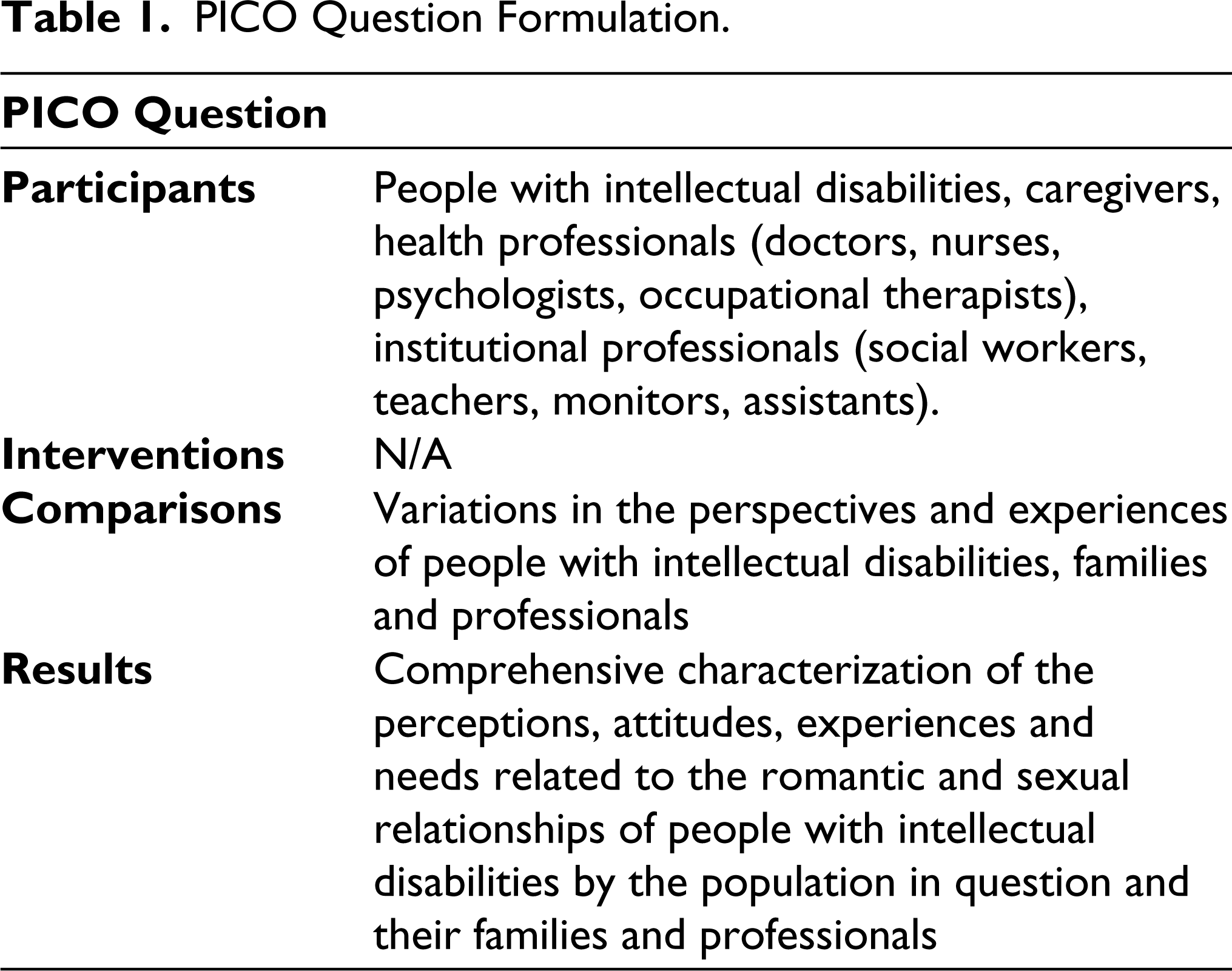
Thus, the PICO question guiding this RSL is:
⇒ How are the perceptions, attitudes, and experiences regarding romantic and sexual relationships of people with intellectual disabilities characterized?
Inclusion and Exclusion Criteria
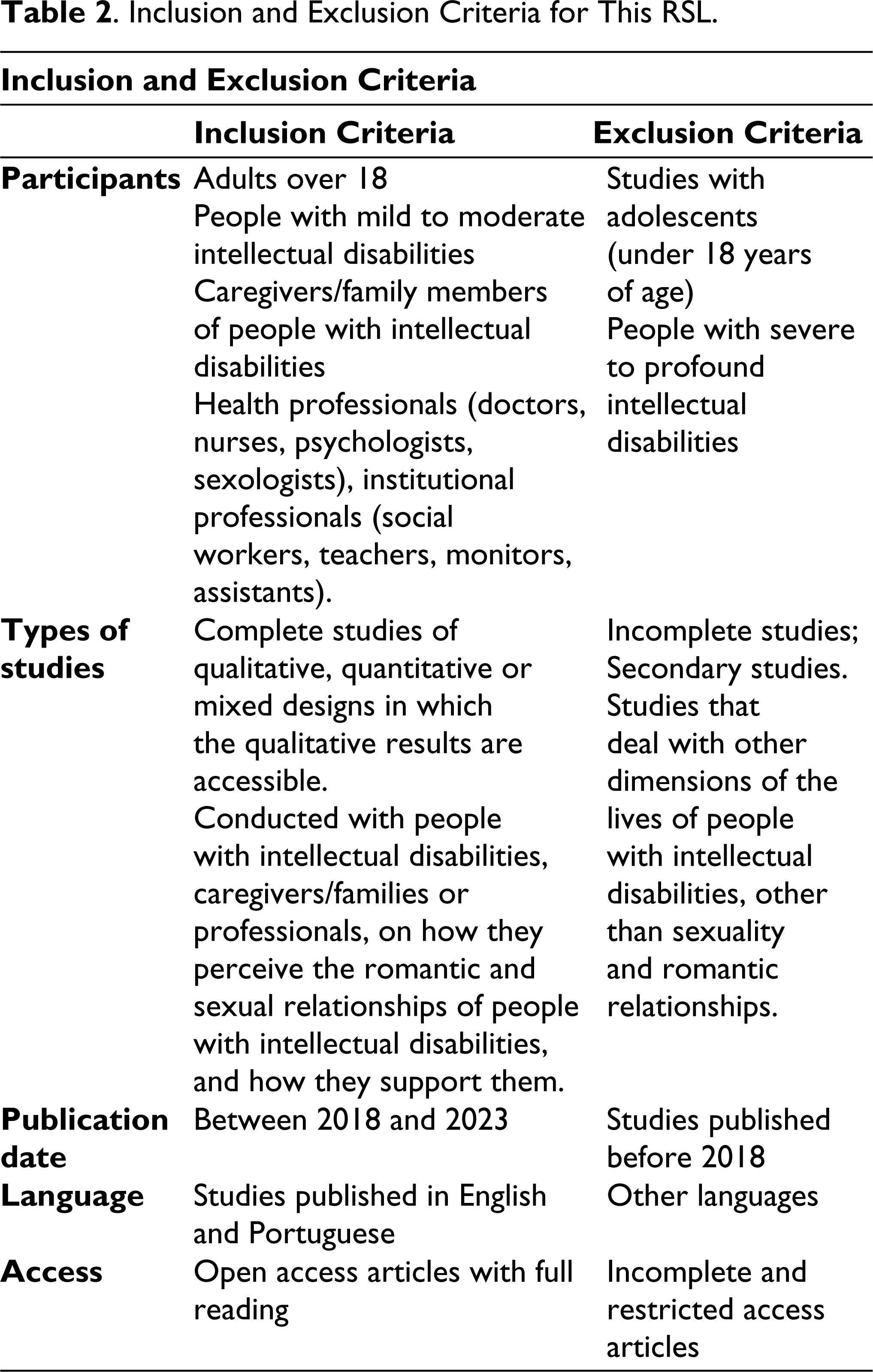
Based on the research question, inclusion criteria were defined for the studies in this systematic literature review. The type of participants, the type of intervention and the type of study were taken into account to define the inclusion criteria for this study (Table 2).
Inclusion and Exclusion Criteria for This RSL.
Study Location and Selection Process
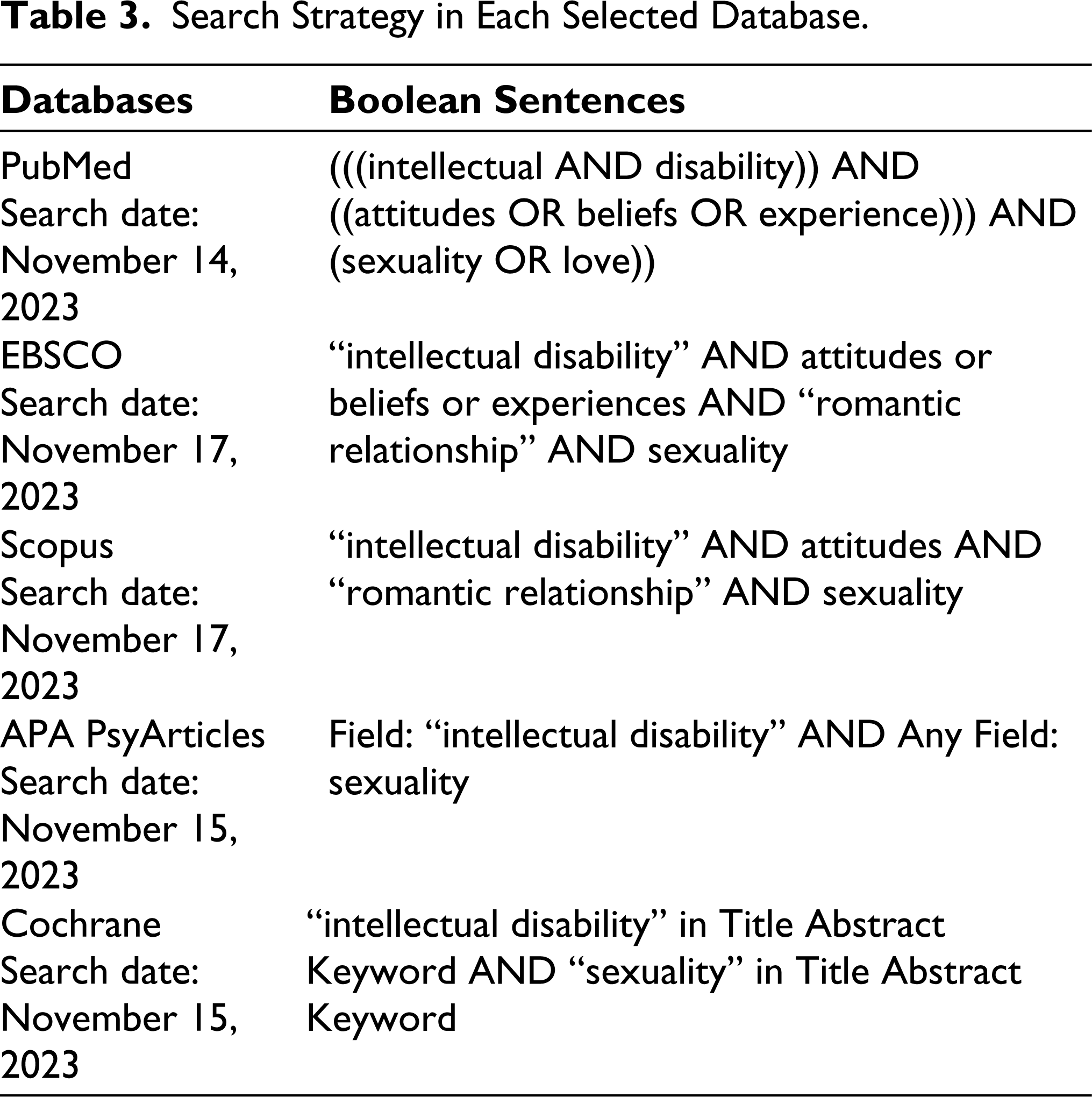
The search plan was developed and implemented in November 2023, using databases to locate relevant studies. The protocol was registered at our research center (CIEP: Center for Research in Education and Psychology of the University of Évora). Keywords were defined according to MeSH, CINAHL Headings, and DeCS indexed descriptors. Table 3 details the databases and Boolean phrases used in the search strategy:
Search Strategy in Each Selected Database.
Article Selection Process According to the PRISMA Methodology. 12
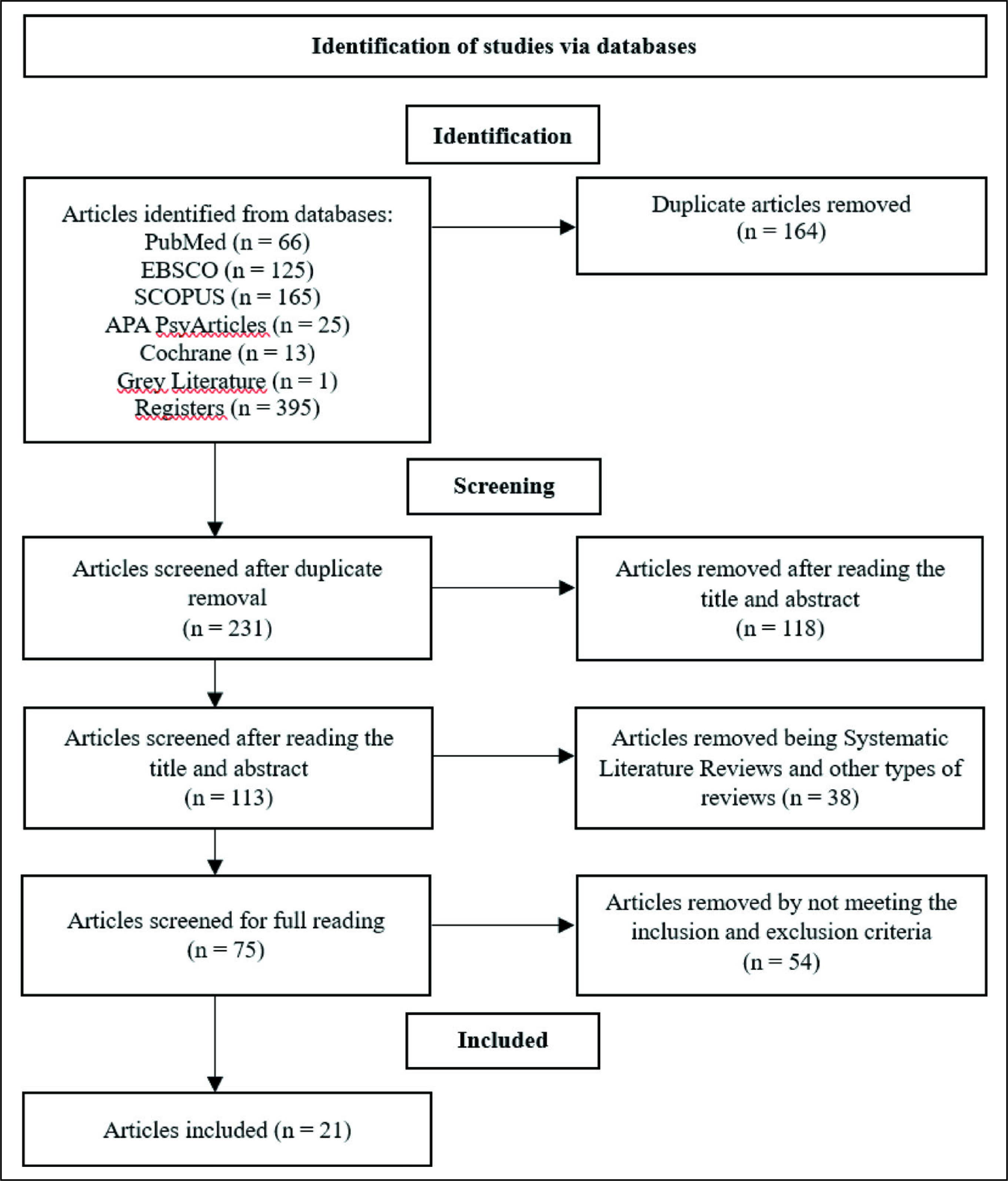
Gray literature was searched in OpenGrey, the OAIster→ database, and RCAAP, with no relevant articles found. Figure 1 presents the PRISMA flowchart detailing each review phase until the final article selection.
A systematic search of five databases (PubMed, EBSCO, SCOPUS, APA PsyArticles, Cochrane) and gray literature yielded 395 records. After removing 164 duplicates, 231 studies remained. Title and abstract screening excluded 118, leaving 113. Of these, 38 were reviews and removed. The remaining 75 underwent full reading, with 54 excluded for not meeting all inclusion criteria. Exclusion reasons included irrelevance, inappropriate publication type, mismatched population or intervention, duplicates, restricted access, out-of-range publication date, poor methodology, ineligible language, or unrelated results. The final review included 21 studies, organized using Mendeley software.
Methodological Quality of Included Studies
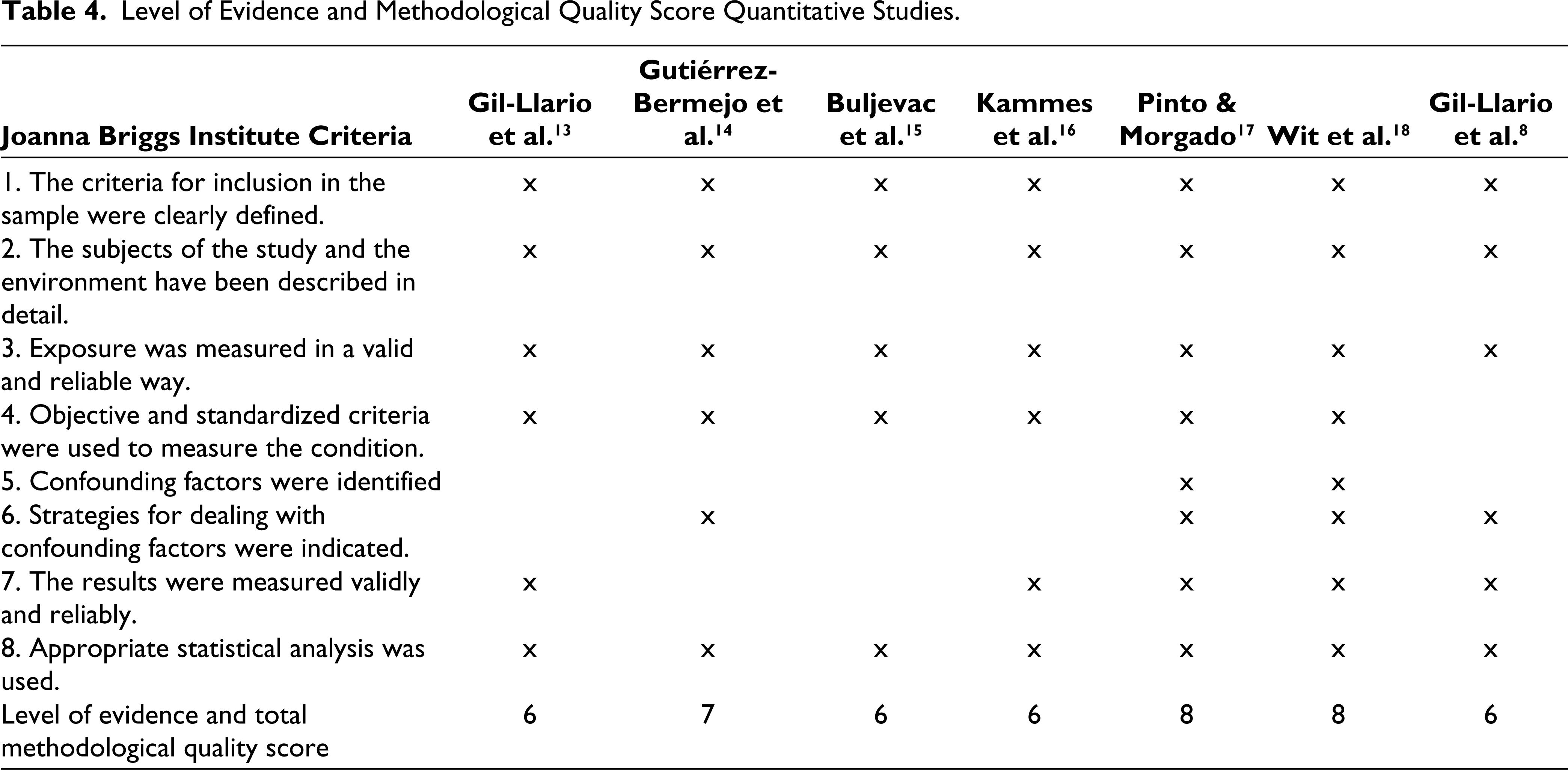
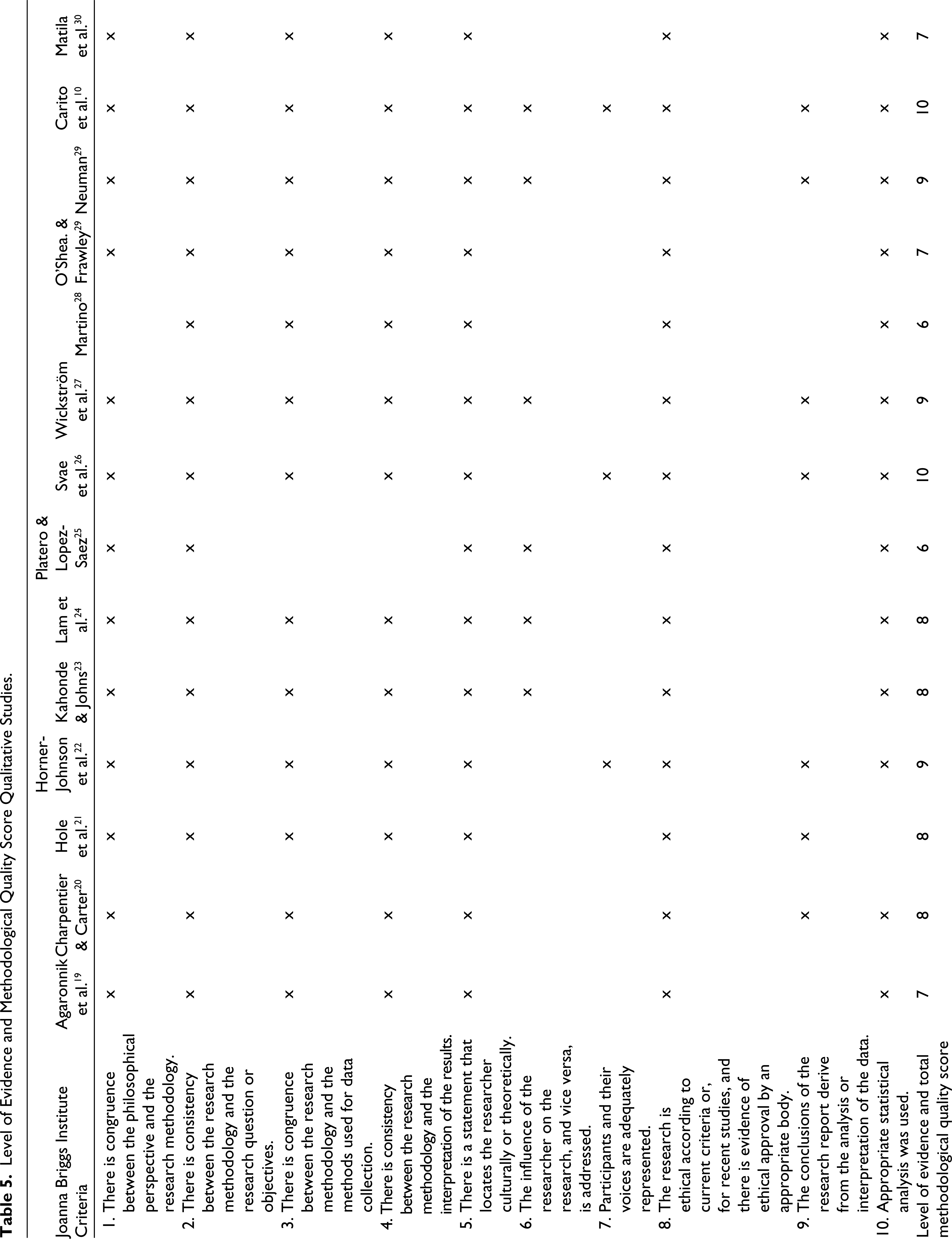
The methodological quality analysis assessed study design and execution. Table 4 presents the Joanna Briggs Institute’s evidence levels and quality scores for quantitative studies, while Table 5 does the same for qualitative studies. All three authors participated in each stage of the review process, independently screened and reviewed results, reaching agreement through discussion without external arbitration.The 21 studies on perceptions, attitudes, and experiences of sexuality and intellectual disability span the USA, Spain, Canada, China, South Africa, Norway, Sweden, Croatia, Israel, the UK, Finland, the Netherlands, and Portugal, reflecting diverse cultural and scientific contexts. The Joanna Briggs Institute scores indicate predominantly “High” methodological quality, ranging from 6 to 10, suggesting strong research rigor. The prevalence of qualitative studies provides deep insights but may limit generalizability due to subjectivity, context specificity, and the lack of representative samples or broader perspectives.
Level of Evidence and Methodological Quality Score Quantitative Studies.
Level of Evidence and Methodological Quality Score Qualitative Studies.
Results
Characteristics of the Studies
After the methodological analysis, 21 articles published in English and Portuguese between 2018 and 2023 were included (Table 6).
Summary of Included Articles (n = 21).
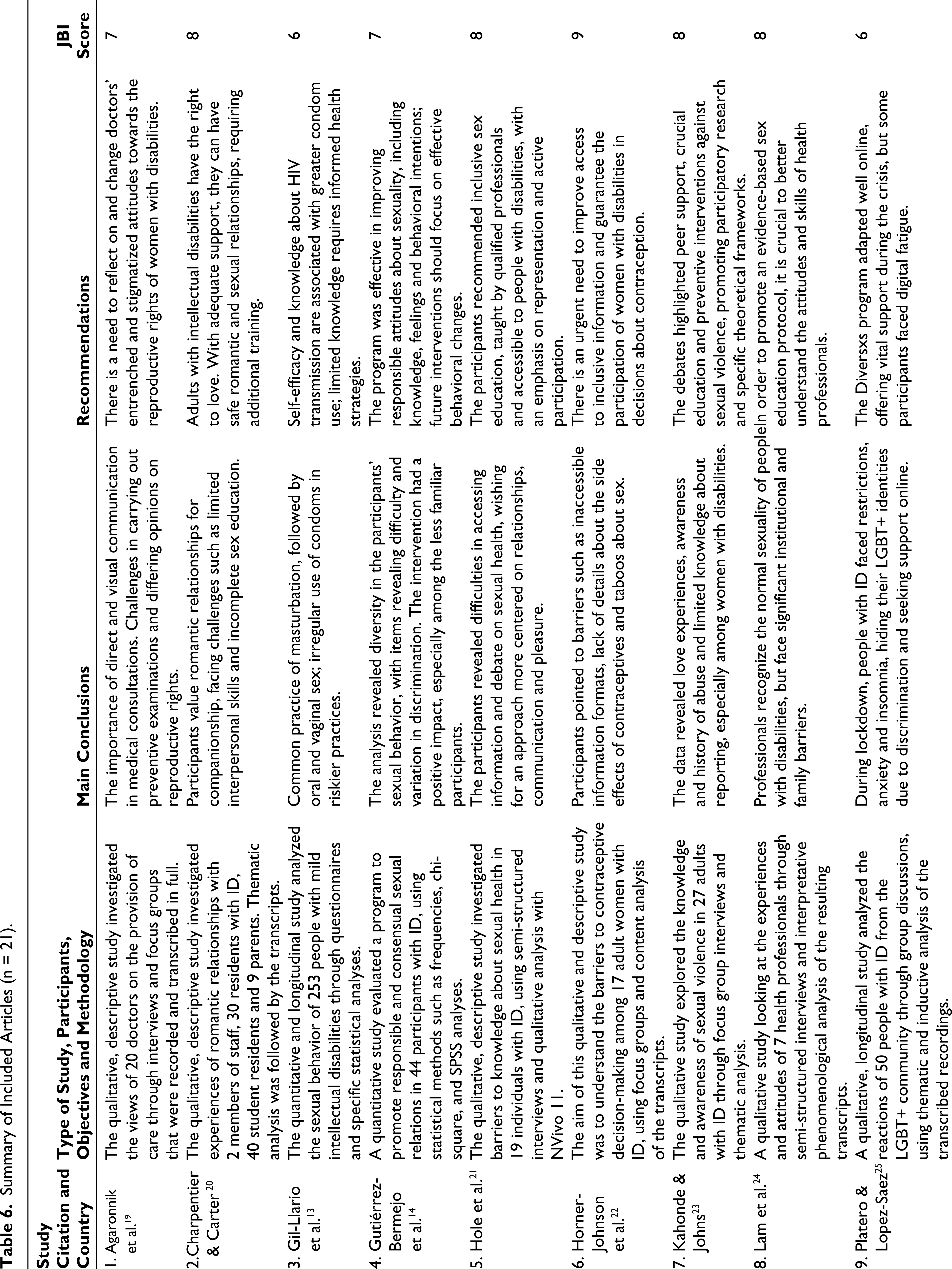
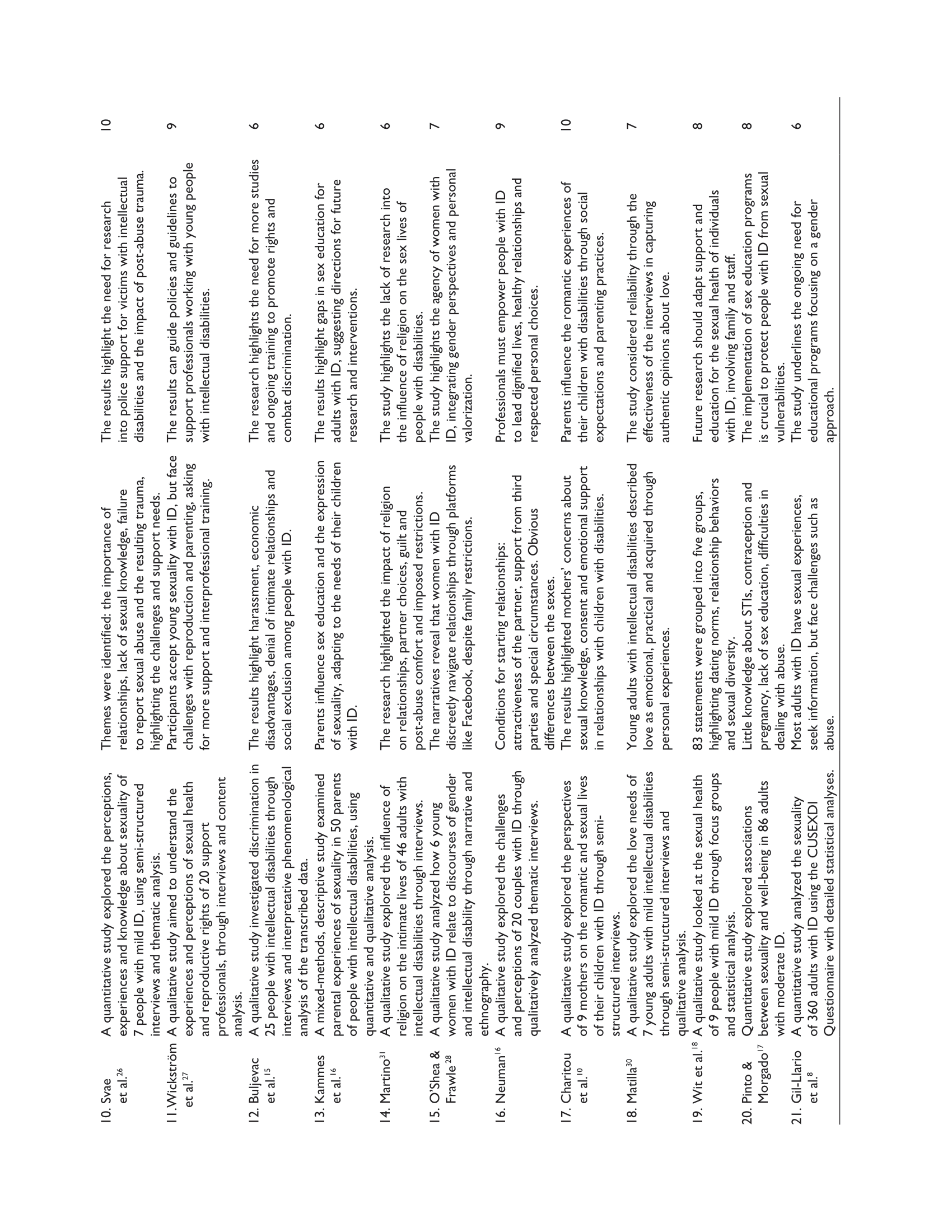
The studies included are mainly exploratory qualitative, using interviews and focus groups to investigate the sexuality and relationships of adults with intellectual disabilities. Some quantitative longitudinal or exploratory studies used adapted assessment instruments and questionnaires. They address reproductive rights, perceptions of romantic relationships, sexual behaviors, intervention programs, experiences of discrimination, sexual needs and personal well-being in various global contexts. The adaptation of the data collection methods highlights the effort to ensure the participation and understanding of participants with intellectual disabilities. The sample of the 21 studies analyzed includes 49 support and health professionals, 68 family members (predominantly mothers, only 4 male fathers) and 1026 people with mild or moderate intellectual disabilities, mostly with comorbidities and aged between 18 and 55. Of these, 230 are in a romantic relationship, 40 have formalized their union through marriage or nonmarital partnership, 11 have divorced, and 5 have had children. This data highlights the predominance of women in the role of carers who took part in the studies and shows that, despite the barriers, many people with intellectual disabilities develop emotional relationships.
Thematic Analysis
Analysis of the data presented in these different studies reveals the existence of several themes:
Perceptions, attitudes, and experiences of people with intellectual disabilities.8,13,14,15,17,18,20,21,23,25,26,28,29,30 Perceptions, attitudes, and experiences of caregivers/families.10,16 Perceptions, attitudes, and experiences of health professionals and institutions.19,22,24,27 Relationship between perceptions, attitudes, and experiences in romantic relationships and sexuality with satisfaction, well-being and mental health.8,10,13–16,18–21,23–30
The Perceptions, Attitudes, and Experiences of People with Intellectual Disabilities
The experience of people with intellectual disabilities in their romantic and sexual relationships is a vast and complex area, highlighting difficulties such as a lack of interpersonal skills and limited sex education. 20 They reveal a gap in the consistent use of condoms 13 while proposing programs to promote responsible sexual relationships. 14 They point out gaps in sex education, such as the failure to address sexual diversity. 21 They address sexual violence, highlighting limited knowledge and fear of reporting.23,26 They analyze the discrimination faced, including harassment and social exclusion.15,25 Explore the influence of religion on intimate experiences, 8 while investigating the impacts of discourses on gender and disability. 28 Underline the importance of love and emotional relationships.29,30 Discuss the need for sex education and educational programs.18,17,27
These studies underline the importance of promoting an inclusive understanding of the sexuality of people with intellectual disabilities and the urgency of effective educational approaches and intervention programs.
The Perceptions, Attitudes, and Experiences of Caregivers/Families
The role of parents in the sexual education of adults with intellectual disabilities is highlighted by adapting information as necessary and monitoring to avoid abuse, which can restrict sexual experiences. 20 They show that parents are the main sex educators. 16 They reveal that mothers of adults with intellectual disabilities are concerned about their children’s understanding of intimacy and fear exploitation due to vulnerability. 20 Both studies highlight parents’ concern for the protection and vulnerability of adults with ID.16,20 They stress the active role of parents in sex education 16 while pointing out the lack of open dialog, which affects autonomy. 20 The studies underline the importance of open dialogues and respect for autonomy to promote a healthy understanding of sexuality in adults with intellectual disabilities.16,20
The Perceptions, Attitudes, and Experiences of Health Professionals and Institutions
Challenges in communication and sexual health care for people with disabilities are highlighted due to a lack of preparation and understanding of reproductive rights. 19 The need to improve access to information and the inclusion of women with intellectual disabilities in contraceptive decision-making is highlighted. 22 It is evident that health professionals recognize the sexuality of people with disabilities, but face institutional barriers and resistance from parents. 24 Similar challenges are identified among caregivers and professionals, emphasizing the need for clear guidelines and interprofessional support. 27
They stress the importance of clear guidelines, adequate training and professional support to meet the sexual needs of people with intellectual disabilities.24,27
Relationship Between Perceptions, Attitudes, and Experiences in Romantic Relationships and Sexuality with Satisfaction, Well-being, and Mental Health
Research reveals significant gaps in sex education for people with intellectual disabilities, indicating an urgent need for more inclusive and adapted programs.18,21 They point to barriers in forming healthy relationships and vulnerability to sexual abuse, with a negative impact on the mental health of these individuals.20,23,26,29 They highlight obstacles in seeking intimate relationships due to social norms and a lack of support, affecting emotional well-being.28,30 They address discrimination that limits the exploration of sexuality and gender identity, contributing to emotional distress.15,25 They offer varied perspectives on condom use and the effectiveness of interventions, showing the complexity of individual needs.13,14,17 Investigate the religious influence on intimate experiences, highlighting the importance of considering these dimensions for well-being. 20 They highlight the challenges in addressing sexual health and reproductive rights due to communication barriers and limited sex education.19,24,27 They indicate the need for clear guidelines and interprofessional collaboration, point to positive attitudes, but with challenges regarding privacy and contraception, which affect the mental health of individuals with intellectual disabilities.19,27,24 They highlight parental concerns that directly influence the well-being and mental health of individuals with intellectual disabilities.16,20 Emphasizes open discussions, points to ambiguity, suggesting variations in support and guidance, with an impact on emotional health and autonomy.16,20 They underline the need for open dialogues, adequate training and inclusive policies to promote the mental health and well-being of people with intellectual disabilities in their sexual and romantic experiences.
Discussion
The included studies highlight the growing recognition of the importance of romantic relationships and sexuality for individuals with intellectual disabilities, emphasizing their well-being and quality of life. They explore multiple aspects and stress the need for greater understanding, inclusive education, and effective intervention programs, affirming sexuality as a fundamental right.
This systematic review has notable strengths, providing a broad overview of perceptions, attitudes, and experiences related to sexuality and romantic relationships among individuals with intellectual disabilities, caregivers, and support professionals. Most studies received a “High” methodological quality rating, indicating strong research rigor. The geographical and temporal diversity of the studies reflects evolving methodological approaches and the prevalence of qualitative research, which offers rich, contextualized insights into the experiences of individuals, families, and professionals. This approach highlights cultural and social variations, valuing the voice of people with intellectual disabilities, and fosters a more humanized, inclusive perspective on the topic.
However, some limitations should be noted. The restriction to studies in English and Portuguese, with open access and full-text availability, may have limited the research scope, excluding relevant studies in other languages or with restricted access. The focus solely on adults may also be a limitation, as romantic and sexual experiences often begin in adolescence.
The predominance of qualitative studies with small, non-random samples confined to specific social contexts limits the generalizability of findings. The lack of longitudinal studies and intervention evaluations is another gap, as such research could provide deeper insights into changes in romantic and sexual experiences over time and the effectiveness of support programs. Additionally, few studies integrate the perspectives of individuals, families, and professionals simultaneously, limiting a comprehensive, holistic understanding of romantic relationships and sexuality in this population.
Conclusions
The importance of sexuality and appropriate sex education for people with intellectual disabilities is undeniable. Studies show a complex and multifaceted reality regarding the perspective of people with intellectual disabilities on their sexuality and romantic relationships, and the views of professionals, caregivers and parents on this crucial topic.
The results indicate a clear aspiration for intimate and romantic connections on the part of individuals with intellectual disabilities, although this search is hampered by restrictive social norms, a lack of support and difficulties in navigating these relationships. The lack of inclusive and adapted sex education contributes to the gap in understanding relationships and intimacy, directly impacting the emotional well-being and personal satisfaction of these individuals. Additionally, discrimination and limitations imposed by social norms create a challenging environment to explore sexuality and gender identity, resulting in emotional distress and a negative impact on mental health.
Studies on the attitudes of health professionals and support workers in institutions towards the sexuality of individuals with intellectual disabilities show divergences, ranging from recognition of the importance to the obstacles faced in providing comprehensive sex education. Issues such as communication barriers, privacy, contraception, and reproductive issues are significant challenges due to hesitation and difficulty in finding appropriate approaches.
Parents of these individuals face a delicate dilemma between encouraging independence and protecting against risks, which directly affects the mental well-being of their children with intellectual disabilities. Variations in parental approaches, between being outspoken or adopting an ambiguous stance, suggest different impacts on the support and guidance of individuals with intellectual disabilities.
In summary, the results highlight the need for a more comprehensive understanding that allows for a holistic view of how people with ID experience love relationships and express sexuality, personalized and inclusive approaches to sex education, careful attention to the specific needs of each person with an intellectual disability and more effective communication between professionals and parents. Strategies aimed at strengthening self-esteem, respecting privacy and promoting autonomy will be key. Future research should prioritize an integrated approach that simultaneously involves the perspectives of people with ID, their families and support professionals, allowing for a genuine vision and richer, more comprehensive understanding by all stakeholders of relational and affective dynamics, as well as enabling the development of educational and health programs that are more tailored to the specific needs of this group. Studies with larger samples, including adolescents, longitudinal analyses and quantitative investigations are essential to evaluate the effectiveness of interventions and understand the long-term impacts of these strategies.
The practical implications of this review highlight the potential to influence public policies, clinical practices and educational programs aimed at promoting the well-being and inclusion of people with ID. From a humanistic perspective, it is essential to empower these people to exercise their autonomy, experience healthy emotional relationships and have access to a dignified, supported, and fulfilling life in all its facets. By exploring an area that is still sensitive and little addressed, this article invites researchers to delve deeper into this topic, contributing to the construction of more informed and transformative interventions.
Footnotes
Declaration of Conflicting Interests
The authors declared no potential conflicts of interest with respect to the research, authorship, and/or publication of this article.
Ethical Approval
Ethical permission was not applicable for this article, as this is a review article drafted from various research articles and not from patients directly.
Funding
The authors received no financial support for the research, authorship, and/or publication of this article.
Informed Consent
Consent was not applicable, as this is a review article compiled from various research articles and guidelines and not from patients directly.