




Abstract
Background:
Sexual orientation is a continuing amorous pattern of attraction toward the opposite sex (heterosexual), same sex (homosexual), or both sexes (bisexual) or it is lack of sexual desire toward anyone (asexual). Psychosocial and biological explanations regarding the development of an individual’s sexual orientation are related to life incidents, parenting patterns, psychological attributes of the individual, or may also be related to an imbalance in sex hormones. There is no strong evidence-based scientific research revealing the exact causes for one’s sexual orientation for it is not static but dynamic in nature.
Aim:
The purpose of the study is to develop a psychological assessment scale which identifies an individual’s sexual orientation, particularly when he/she denies to reveal his/her sexual preference in the marital life.
Methodology:
A tool with 32 items was developed by conducting focus group discussion, interviewing the experts in the relevant fields and reviewing the literature. Test-retest and split half reliability were established with Cronbach’s alpha to analyze the internal consistency. Both logical-based validity (face, content, and focus group) and empirical-based validity (criterion, concurrent, convergent, and divergent) were established. These methodologies were standardized by a sample of 506 participants (217 males and 289 females) between the age range of 18 and 50 years.
Results:
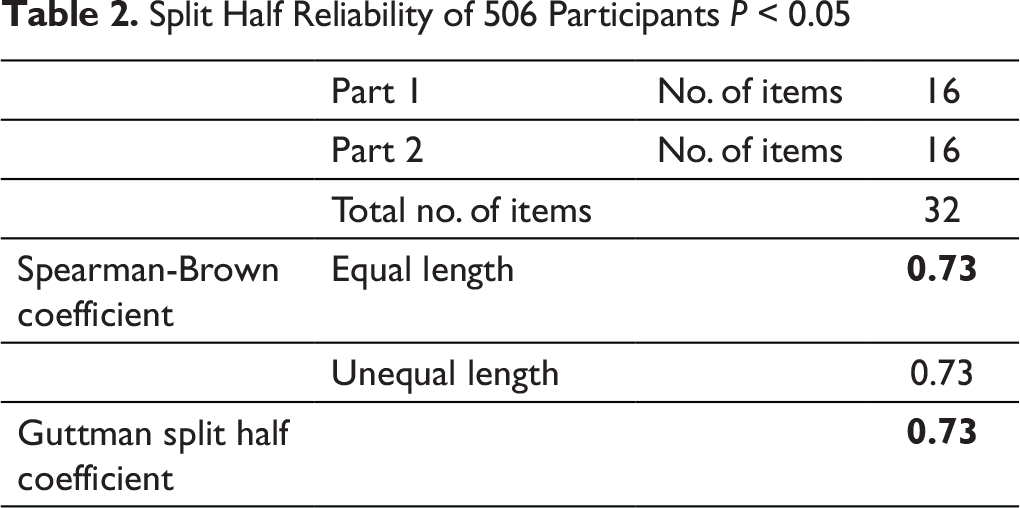
The test-retest reliability was found to be r = 0.96, Spearman-Brown and Guttman split half reliability was 0.73, and Cronbach’s alpha ranged from (α) 0.71 to 0.88.
Implications:
This scale would be beneficial for premarital counselors and mental health professionals to understand the sexual orientation of their clients explicitly.
Introduction and Background
The term orientation is widely referred as having relation with something or with someone. Sexual orientation is said to be the continuing amorous pattern of attraction toward the opposite sex or same sex or to both sexes. The psychological and social aspects on these pattern of attractions are majorly categorized under heterosexuality (attraction toward opposite sex), homosexuality (attraction toward same sex), bisexuality (attraction toward both sex), and asexuality (lack of sexual attraction to anyone) by the American Psychological Association, 2008. 1 Sexual orientation is about the following: with whom you are attracted to and toward whom you feel drawn to romantically, emotionally, and sexually. It is different from gender identity. Gender identity is defined as a personal impression of oneself as a male or female. It can be the same as the sex assigned at birth or it can differ from it. It is not completely identified that why somebody may be lesbian, gay, straight, or bisexual;2-4 however, analysis does show that sexual orientation can be probably caused by biological factors. 5 Coleman proposed that one’s sexual orientation is primarily determined by the objects of one’s sexual fantasies and desires. 6 After a decade of research in human sexual behavior, Alfred Kinsey quoted that there have not been sufficient answers to the questions regarding human sexual behavior and orientation that itself is represented as one of the least explored segments of biology, psychology, and sociology. 7 In his research, Alfred had also developed the heterosexual-homosexual rating scale which later influenced the multidimensional scale of sexuality, 8 sell-assessment of sexual orientation, 9 and Klein sexual orientation grid. 10 These scales are in the form of direct questions, are easily predictable, and applicable in the Western context. Hence, developing a new standardized scale which is suitable and relevant in the Asia Pacific context, specifically for Indian culture, is much needed in the sexual medicine field.
In diverse countries like India, it had been considered that lesbian, gay, and bisexual are taboo subjects in the civil society. There is no official data available for lesbian, gay, bisexual, transgender, queer (LGBTQ) population in India; however, the administration of India submitted figures to the Supreme Court in 2012, as indicated by which, there were about 2.5 million gay individuals recorded in India. These figures are just founded on those people who have self-proclaimed to the Ministry of Health. 11 International human rights law indicates that all human beings are persons before the law, regardless of their sexual orientation or gender identity, entitled to freedoms deriving from the inherent dignity of the human person (universal declaration of human rights; article 26 of the ICCPR). 12
To annihilate the myths and misconceptions about sexual orientation in India, it is important to have evidence-based research in the sexual orientation which is lacking in the area of psychological assessment. Hence, the purpose of the study is to develop the psychological assessment scale which identifies the individual sexual orientation, especially when they deny to reveal their sexual preference in the marital life. It will be useful in the field of sexual medicine and marital counseling for proper diagnosis and further management. It will assess an individual’s predominate sexual orientation in the aspects of being heterosexual, homosexual, bisexual, and asexual. The aim of the study is to develop a psychological scale to identify the sexual orientation of the individual and statistically standardize the reliability and validity of the developed sexual orientation scale.
Methodology
Research Design
Scale validation research design was adopted for this study.
Development of Scale
The scale items were developed by reviewing the supportive literature and existing scales in the Western context. The preliminary 45 items scale was sent to 22 different university professors, research scholars, and psychology graduates in India for content analysis and feedback. Their suggestions and modification were noted for further development of the scale. Focus group validity was established by conducting a focus group discussion with various experts in the sexual medicine field.
Selection of Items
After the logical-based validation, the items were cut down from 45 to 32 items and principal component analysis computation was done. As a rule of thumb any item with the extraction value of above 0.5 could be included in the final scale. The extraction values for the developed scale ranged from 0.501 to 0.900 and also no 2 items had similar correlation; hence, all the 32 items were included for the final assessment.
Sampling Technique
Convenient sampling method was opted for the study, to collect the required samples. The participants were selected across India by the willingness and voluntary consent to the study. The corresponding author collected hard copy of samples in and around Chennai and soft copy of data was collected by using Google forms from major cities such as Pondicherry, Cochin, Bangalore, Mysore, Hyderabad, Mumbai, and Delhi-NCR. A formal telephonic discussion was made for the further clarification on the study.
Sample Selection Criteria
To standardize the scale in the Indian context, the following inclusion and exclusion criteria were followed.
Inclusion Criteria
Both males and females with age between 18 and 50 years, who could speak and write in English, were included.
Exclusion Criteria
Transgenders, people aged below 18 years and who could not understand English were excluded.
Sample Description
A sample of 506 participants from all over India took part in this study. The age of the participants ranged from 18 to 50 years. Out of 506 participants, 217 were males and 289 were females. For all samples, the minimum educational level ranged from high school or post high school to maximum of doctor of philosophy level. Age, gender, educational qualification, and current relationship status were the major demographic details collected for the study.
Administration
The participants who took part in this study were from different workplaces such as colleges, universities, and corporate offices. They were approached individually and in group form. An introduction about the background and need for the study were addressed by the researcher. Also, details regarding voluntary participation and the right to withdraw from the study were informed. Anonymity and confidentiality were assured for all the participants. After building the rapport the instructions were given.
Ethical Considerations
As sexual orientation is a sensitive topic which may create misunderstanding of the study, the researcher ensured about giving the introduction including explanations of the procedures involved and its corresponding benefits to the society. The participants were included in the study after obtaining informed consent from them. This research study was approved with modifications suggested by Institutional Human Ethics Committee of Chettinad Academy of Research and Education, Kelambakkam, Chennai, Tamil Nadu, India.
Scoring
The scoring procedure for Sexual Orientation Scale is very objective and separate scoring pattern strictly needs to be followed for both males and females for an accurate evaluation. A higher score in the particular dimension indicates the ultimate sexual orientation of the subject.
Scoring for Males
From item numbers 1 to 28 (part I) are Likert types which are rated in 4-point scale as follows: Always, 3; Sometimes, 2; Rarely, 1; Never, 0.
The respective dimensions for male participants for part 1 scoring as follows: (a) Heterosexual: 1, 5, 10, 13, 18, 22, 25; (b) Homosexual: 2, 6, 9, 14, 17, 21, 26; (c) Bisexual: 3, 7, 11, 15, 19, 23, 27; (d) Asexual: 4, 8, 12, 16, 20, 24, 28.
For part II, item numbers 29, 30, 31, 32 need to be scored as option A, 4; option B, 2; option C, 6; and option D, 8.
By adding part I and part II scores together the final score can be calculated to identify the predominate sexual orientation of the subject.
Scoring for Female
From item numbers 1 to 28 (part I) are Likert types which are rated in 4-point scale as follows: Always, 3; Sometimes, 2; Rarely, 1; Never, 0.
The respective dimensions for female participants for part 1 scoring are as follows: (a) Heterosexual: 2, 6, 9, 14, 17, 21, 26; (b) Homosexual: 1, 5, 10, 13, 18, 22, 25; (c) Bisexual: 3, 7, 11, 15, 19, 23, 27; (d) Asexual: 4, 8, 12, 16, 20, 24, 28.
For part II, item numbers 29, 30, 31, 32 scoring need to be done, as done for the male population. By adding part I and part II scores together the final score can be calculated.
For Item numbers 29, 30, 31, 32, sexual orientation dimensions as follows: (a) Option A indicates homosexual; (b) Option B indicates heterosexual; (c) Option C indicates bisexual; (d) Option D indicates asexual.
The maximum possible score for each dimension is as follows: Heterosexual, 29; Homosexual, 37; Bisexual, 45; Asexual, 53.
Statistical Analysis
Descriptive statistics was used to find out the mean (M), standard deviation (SD) of the data; Pearson’s correlation was used to find out the relationships between the variables; Cronbach’s alpha was used to test the internal consistency of the tool; principal component analysis was done to find out the factors that emerge out of the variables; and independent t test was used to find out the significant difference in demographic variables.
Statistical Validation
Reliability
Item-Wise Cronbach’s Alpha Value (506 Samples: 217 Males and 289 Females)
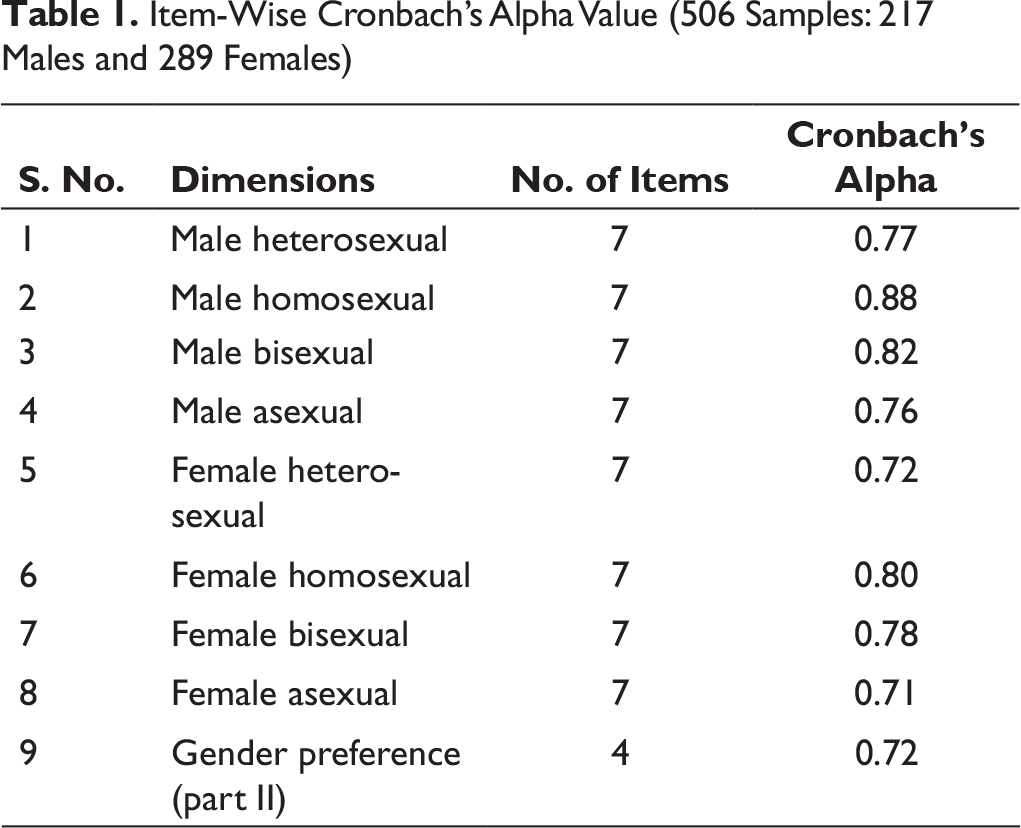
Table 3 shows the extraction value of each item, using principal component analysis. As per statistical computation, any item with the extraction value above 0.5 could be included. Since the extraction values ranges from 0.501 to 0.900 and also no 2 items have similar correlation, all the items were included for a final assessment.
Split Half Reliability of 506 Participants
P
< 0.05
Extraction Value of Individual Items
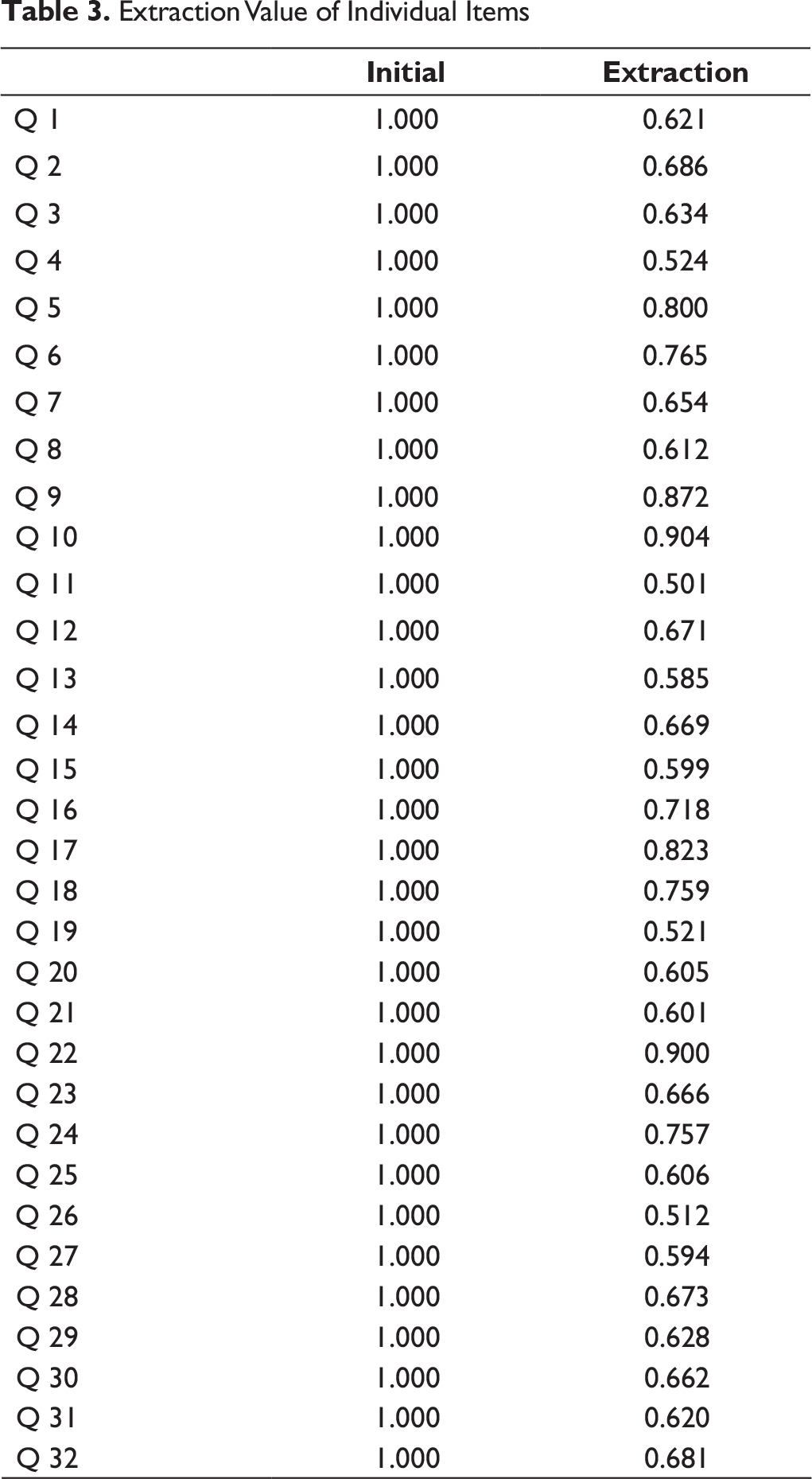
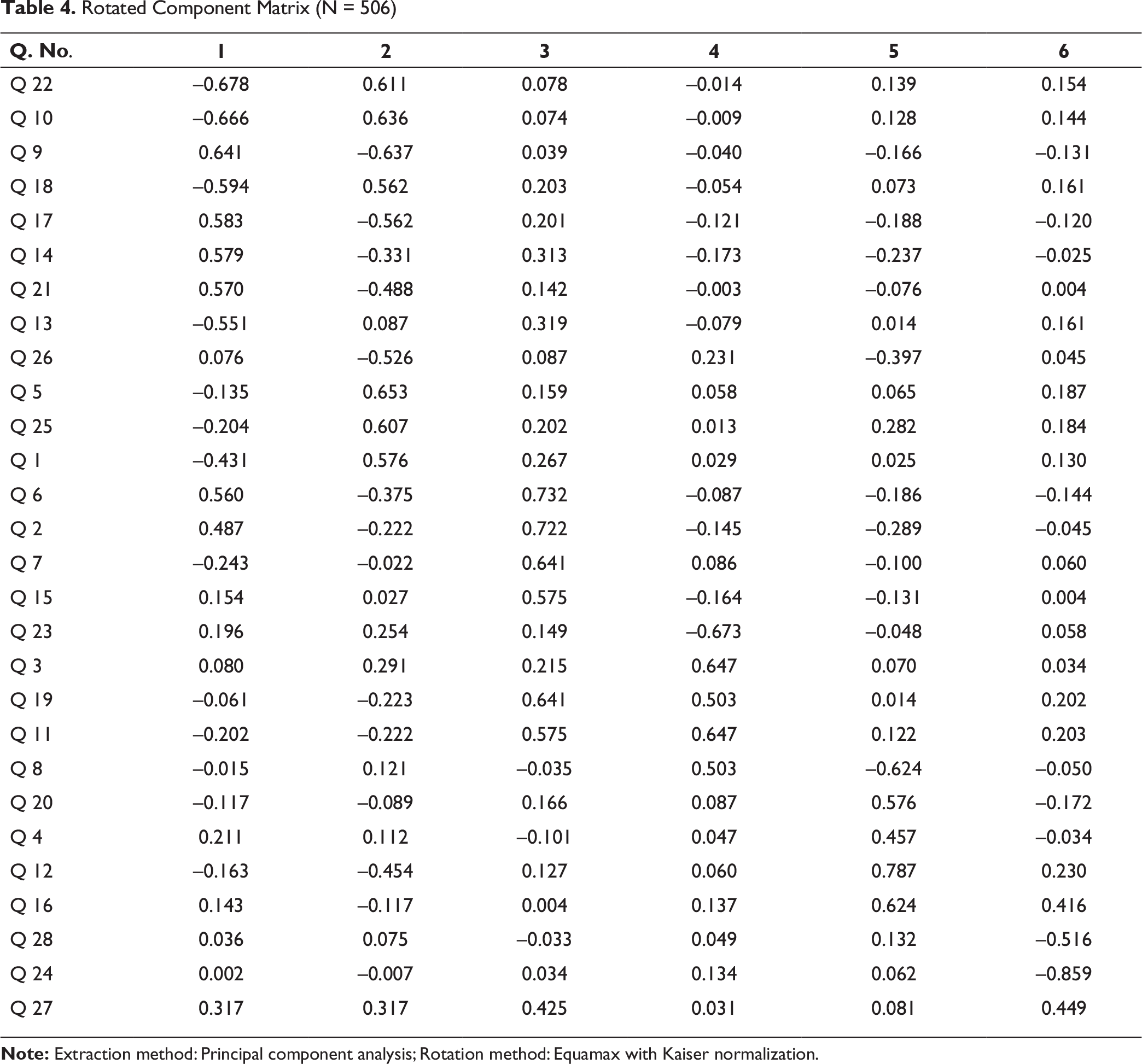
Table 4 indicates rotated component matrix of the items. Each emerged value as per the highest relevance and factors is as follows:
Life partner choice: Q 22, Q 10, Q 9, Q 18, Q 17, Q 14, Q 21, Q 13 (total no. of items 8). Sexual comfort: Q 26, Q 5, Q 25, Q 1 (total no. of items 4). Sexual desire: Q 6, Q 2, Q 7, Q15 (total no. of items4). Socially preferred partner: Q 23, Q 3, Q 19, Q 11 (total no. of items 4). Sexual opinion: Q 8, Q 20, Q 4, Q 12 (total no. of items 4). Physical intimacy: Q 16, Q 28, Q 24, Q 27 (total no. of items 4).
The title of the each emerged dimensions was assigned by the researcher based on the item relevance as the scale was developed with the review of literature, recent trends, cultural changes, and experts’ opinions.
Validity
Rotated Component Matrix (N = 506)
The sexual orientation 32 items scale’s face validity was found to be good. The participants found it easy to comprehend and respond. The words and sentences have been made it in a simple way to benefit even the moderately educated people. The scale items can be applicable to urban, semi-urban, and rural lifestyle of the population.
Content validity is a form of validation that measures all the facts that need to be addressed in a particular administration. A 45 items scale was developed on sexual orientation and was given out to 22 different colleges and universities across India. Comments, suggestions, and feedback were collected from graduates, postgraduates, research scholars, and professors from psychology and psychiatric social work background. It was also circulated to 5 different institutionalized counseling psychologists and special educators. From the obtained responses, a modified version of the scale with 32 items was developed, which also had high reliability.
Shows the Validity Established for the Developed Scale
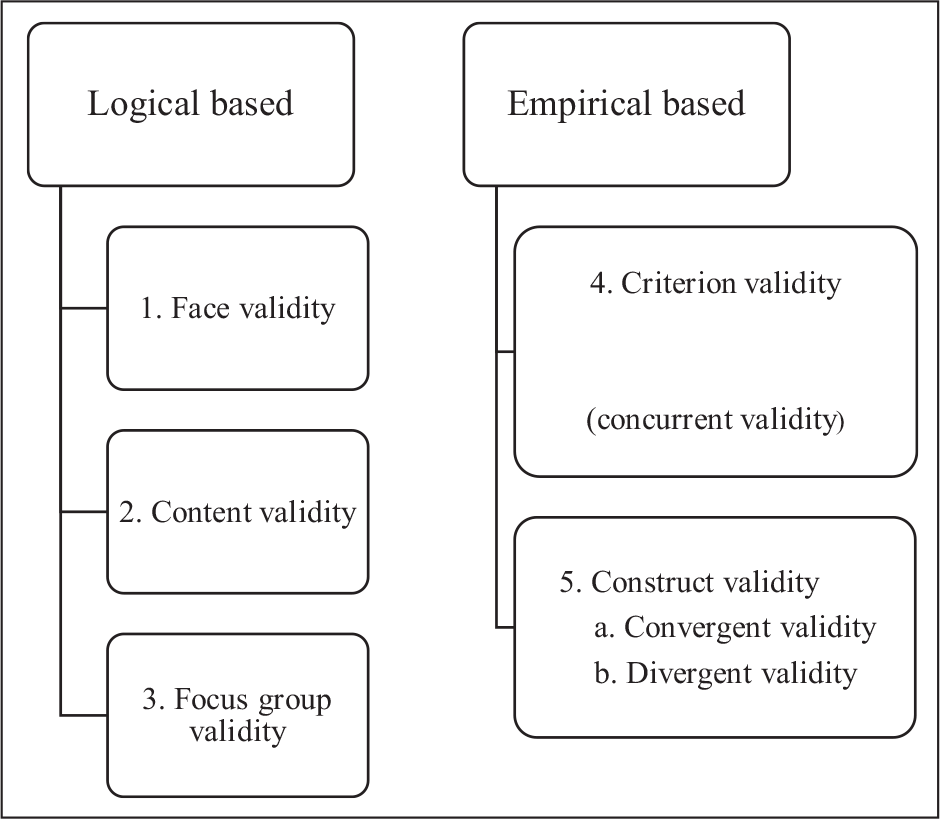
Focus group validation involves people who are required to be unfamiliar with each other and from a homogeneous population, with whom a social-orientated procedure is conducted and further evaluated for qualitative research. Along with the team of 10 panel experts from the fields of clinical, counseling, marital, and corporate psychological services, external view-based focus group validation was done. The session lasted for about 150 min. The influencing modern trends, social factors, cultural changes, individual freedom of choices, and related topics were covered and key points were noted down and modified accordingly in the 32-item tool.
Concurrent validity is an evidence-based method that confirms the existing outcome. It is demonstrated when the results of the current outcome correlate well with the previously measured outcome. A group of 15 people who were found to be heterosexual were administrated with the Kinsey scale (1948) 7 and all individuals were found to be exclusively or predominantly heterosexual. The same population was assessed by using the 32 items sexual orientation scale and found to have heterosexual orientation. The results were well correlated with the existing results, and hence, evidence-based validation was obtained.
The developed 32 items sexual orientation scale’s convergent validity was examined by correlating the results with sell assessment of sexual orientation scale developed by Randall L. Sell.
9
The test-retest reliability of the heterosexual dimension of sell assessment scale was found to be r = 0.93 and this is highly correlated with the developed 32 items sexual orientation scale. The test-retest reliability found to be as 0.94, indicating convergent validation. The developed 32 items sexual orientation scale’s divergent validity is established by comparing the existing sexual identity scale with the one developed by Stern et al.
14
By using the Campbell and Fiske
15
test validity technique on discriminant (divergent) validity, the average interitem correlations between the 2 scales were analyzed and the result obtained was 0.53 which is less than 0.85, the accepted ratio, and hence, we can conclude that divergent validity exists between the sexual orientation scale and the sexual identity scale. These 2 scales theoretically measure different constructs.
Table 5 shows the comparison of the gender difference in the 4 dimensions. The heterosexual and homosexual dimensions were found to be significantly different between male and female population at 0.01 confidence level. The bisexual and asexual dimensions were found to be nonsignificant at 0.01 confidence level.
Discussion
There are many scales available to assess one’s sexual disorder but very few notable tools exist to assess sexual orientation in the Western context. Sexual orientation is a culture-related concept and hence developing and standardizing a tool for the Indian perspective is much needed. The items for this scale were developed by reviewing the supportive literature and existing scales in Western context. The preliminary items were sent out to 22 different university professors, research scholars, and psychology graduates for content analysis. Their suggestions and modification are noted for further development. Focus group validity was established by conducting focus group discussion with various experts in the sexual medicine field. A pilot study was done on a group of 40 people using the test-retest method with a gap of 20 days. 506 participants (217 males and 289 females) took part in the survey across India between the age of 18 and 50 years. Gender, educational qualification, and current relationship status were the major demographic details collected. The test-retest reliability of the tool was found to be r = 0.945, which indicates the high reliability of the scale. Split half reliability value was found to be (λ3) 0.73 and Cronbach’s alpha ranged from (α) 0.71 to 0.88; both these values represent the high reliability and internal consistency of the scale. The principal factor analysis (equamax rotation) emerged from the 32 items that were tabulated and each emerged values as per the dimension of highest relevance were labeled accordingly.
Comparison Between Male and Female Samples (Males 217, Females 289)
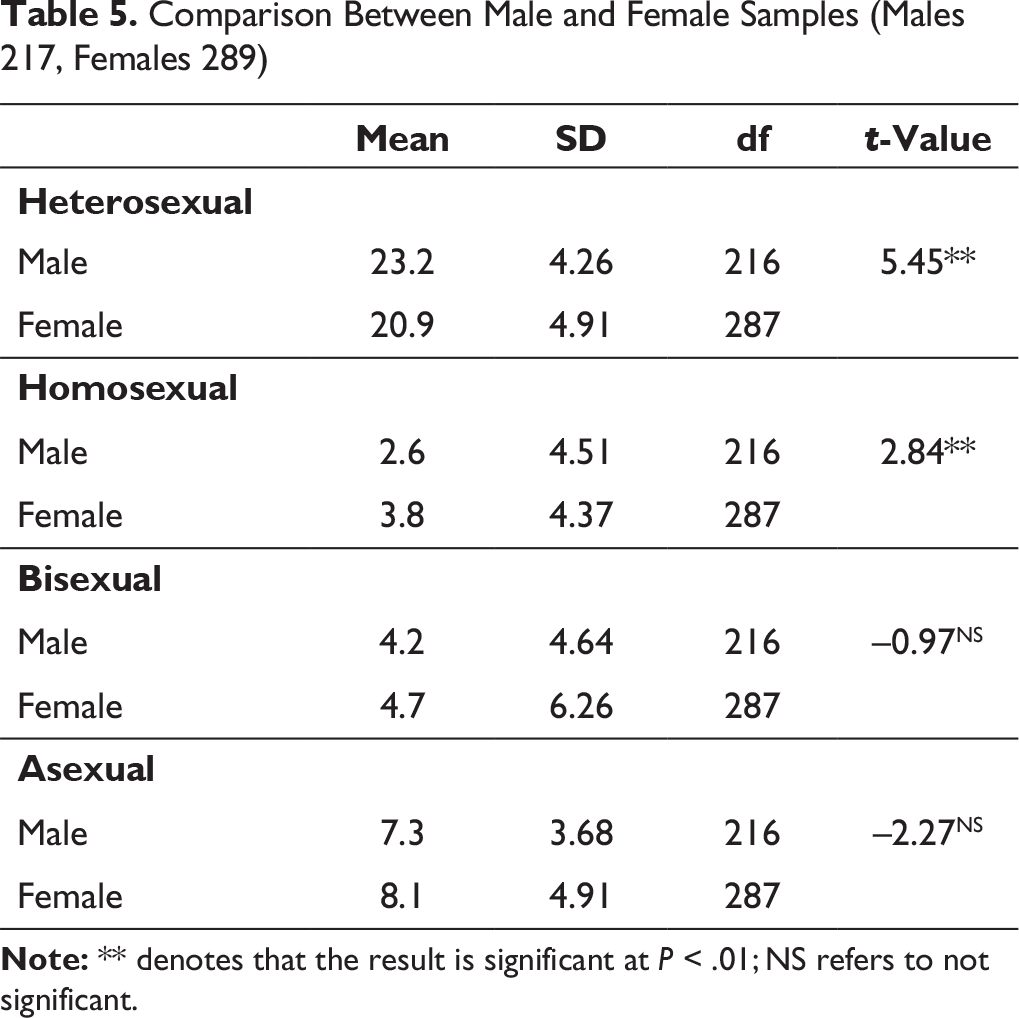
Logical- and empirical-based validities were established. The face and content validities of the scale were found to be good and easily comprehendible. The developed 32 items sexual orientation scale’s convergent and divergent validities were also established. From the gender comparison analysis, the heterosexual and homosexual dimensions were found to be significantly different between male and female population. The bisexual and asexual dimensions were found to be nonsignificant.
Results
The test-retest reliability of the sexual orientation scale is r = 0.945, split half reliability is (λ3) 0.73. The scale in this study has 32 items with high internal consistency of Cronbach’s alpha ranging from (α) 0.71 to 0.88. The logical-based validities emphasize the theoretical-based justification of the scale. In empirical-based validity, the convergent validity correlation value is r = 0.94, and the divergent validity interitem correlation is 0.53.
Conclusion
The developed tool on sexual orientation is found to be highly reliable and valid. It concisely measures the individual’s sexual orientation and categorizes them into heterosexual, homosexual, bisexual, and asexual categories. The tool can be used by psychologists, counselors, and educationalists, especially by clinical psychologists, rehabilitation psychologists, and psychiatrists for the clinical assessment of one’s sexual orientation.
Suggestions for Future Research
Further research can be done to standardize the tool in different populations, especially in the LGBTQ community people. It is suggested to study in specific cultural settings and it can also be extended to specific age groups and sociodemographic (socioeconomic, rural, and urban) background for the vast comparison.
Limitation
This scale will not provide the causes for one’s sexual orientation and it is only administrable for people who are above the age of 18 years. It is not applicable for transgender/third gender population.
Footnotes
Declaration of Conflicting Interests
The authors declared no potential conflicts of interest with respect to the research, authorship, and/or publication of this article.
Funding
The authors received no financial support for the research, authorship, and/or publication of this article.
