



Abstract
The allocation of high-quality teachers significantly impacts educational equity and quality. Current strategies for achieving balanced teacher distribution primarily adopt two approaches: (1) structural optimization through reallocation of existing teachers, and (2) incremental expansion via investments to diversify teacher roles and instructional services. This study examines an innovative government-led teacher distribution model implemented in Beijing Middle School teachers’ Open Tutoring Program. In this program, high-quality teachers are reallocated to meet students’ personalized tutoring needs through online tutoring modes such as “one-to-one tutoring” via the internet. Longitudinal analysis shows that sustained participation in the program correlates with improved student academic performance and enhances teachers’ professional development. Compared to conventional methods, the Open Tutoring Program offers a more efficient and flexible mechanism for deploying expert instructors. However, challenges remain in achieving precise student–tutor matching. Furthermore, from an educational ecology perspective, the program exerts complex multilevel influences across micro-, meso-, exo-, and macrosystem levels. These findings provide valuable insights for scaling similar educational innovations and can serve as references for optimizing teacher distribution models in various educational contexts.
Introduction
In modern society, advancing educational equity and enhancing instructional quality constitute pivotal objectives in global education reform (Li et al., 2023). The United Nations Children's Fund advocates that all individuals should have access to quality education by 2030, with the aim of narrowing the educational disparities among different socioeconomic groups and fostering a more equitable and sustainable society (Wilson-Clark & Saha, 2019). Teacher supply represents a critical prerequisite for achieving educational equity, given its fundamental role in delivering essential educational resources (Darling-Hammond, 2000; Darling-Hammond & Sykes, 2003; Terzi, 2014). A central challenge stems from urban–rural disparities in teacher quality, particularly in underdeveloped regions (Chapman & Adams, 2002). This inequitable distribution generates significant student achievement gaps that compromise instructional quality. Consequently, balanced teacher allocation is crucial to ensuring equitable educational development and quality (Hanushek et al., 2004).
The advent of internet technology provides innovative pathways for addressing educational disparities by enabling the Consequently, balof pedagogical resources. This technological capacity transcends the temporal and geographical constraints of traditional classrooms, expanding possibilities for teacher–student interaction (Chen et al., 2019; Learning and Teaching Vision and Plan, 2025, 2025). Consequently, a critical question emerges: How might technology broaden access to high-quality instructors, thereby enhancing educational equity while supporting personalized student development (Morales, 2018)?
Within China's compulsory education system, persistent disparities exist in both high-quality teacher distribution and educational infrastructure, particularly between rural and urban regions (Zhang, 2017). This imbalance impedes personal development for students in economically disadvantaged areas due to shortages of qualified instructors. Beijing exemplifies this paradox: despite leading national benchmarks in educational access, teacher qualifications, and funding, significant gaps persist in teacher allocation between urban and suburban schools. Large class sizes—where single teachers manage approximately 40 students (Siperto, 2018)—severely constrain individualized attention. This structural limitation prevents educators from addressing diverse learning needs or nurturing unique talents, while inadvertently fostering dependence on after-school tutoring. Consequently, parents increasingly turn to commercial institutions for personalized instruction, exacerbating students’ academic burdens and intensifying educational inequities and social stratification.
In response, Beijing launched the government-led initiative “Middle School Teachers’ Open Online Tutoring” (Open Tutoring), designed to redistribute high-quality teachers through digital platforms. This program aims to facilitate personalized learning and advance educational equity by expanding access to high-quality teachers’ instruction (Liu et al., 2023).
Based on the Open Tutoring program, this study addresses the following questions:
How does Open Tutoring enable online redistribution of highly qualified teachers while promoting personalized extracurricular learning? What participation levels and effectiveness does the program achieve? What actionable insights from Open Tutoring can inform future educational practices?
Literature Review
Structural Adjustment: Equitable Deployment of High-Quality Teachers
Globally, disparities in educational resource allocation stem from intersecting factors including socioeconomic inequalities, population distribution patterns, geographic constraints, and divergent cultural attitudes toward education and race. To redress these imbalances, nations have implemented diverse policy mechanisms aimed at optimizing teacher distribution and educational resource equity.
Multiple nations have implemented targeted financial incentivesrincluding increased educational investments and rural teaching subsidies—to support educators in underserved regions. Concurrently, policy mechanisms actively promote urban-to-rural teacher relocation, thereby enhancing educational quality in disadvantaged areas while advancing systemic equity.
In the United States, the government has set up innovation funds and introduced a policy to reward teachers for their service. This initiative incentivised expert and senior teachers to provide training and guidance in disadvantaged areas and schools, or to teach in institutions with a high proportion of disadvantaged pupils. Notably, rural teachers often receive higher salaries than their urban counterparts, and urban teachers are encouraged to volunteer in rural settings (Heineke, 2017).
Multiple Asian nations have implemented comprehensive policy frameworks to attract high-caliber educators to underdeveloped regions, thereby achieving equitable distribution of teaching excellence. For example, the Indian government has adopted numerous strategies to address shortages, structural imbalances, and low professional standards in rural primary education. These strategies include recruiting various types of teachers, improving working conditions, strengthening in-service training, and expanding and stabilizing the teacher workforce (Keller, 2006). Similarly, the Chinese government has improved the quality of rural compulsory education by implementing a rotation system for principals and teachers that facilitates the movement of high-quality teachers to less developed areas. This strategy has contributed to a more balanced distribution of teachers and has significantly enhanced the quality of compulsory education in rural areas (Zhang & Zhu, 2015).
These policies and practices have successfully achieved a more balanced and competence-based distribution of teachers. For example, these policies have led to a substantial increase in the number of rural teachers, an optimized teacher structure, improved academic qualifications, and higher teacher quality in rural areas, as well as a reduced turnover rate.
Incremental Configuration: Enriching Teacher Types and Service Forms
In response to the limitations of traditional large-class teaching and the difficulty of meeting students’ growing personalized learning needs in such classes, many governments have intensified their focus on educational reform. This approach involves significantly increasing key resources, such as teacher competence, to offer more diverse and personalized public educational services and enhance the quality of education and teaching (Zhang & Yang, 2020).
First, recent developments in global education policies reveal a trend toward expanding the teacher workforce and diversifying teaching types to meet the varied needs of students. For instance, Canada has enacted new legislative measures to improve primary and secondary education, particularly for indigenous populations. The goal is to meet students’ diverse learning needs by recruiting a range of educational professionals, such as substitute teachers, teaching assistants, cultural supervisors, and curriculum experts (Wallin et al., 2009).Similarly, Finland has implemented a structured, four-tier student support system. This system integrates teachers, teaching assistants, special educators, and multidisciplinary teams who work together to ensure equal educational outcomes for all students. (Jordan et al., 2004). In China, an initiative has been introduced to address educational disparities in rural areas by creating a special teacher position program in compulsory education schools. The program aims to encourage college graduates to pursue careers in rural areas. This program has been instrumental in improving the quality of education in rural areas and has had a significant impact on educational delivery and outcomes in less urbanized regions. (Liang et al., 2015).
Second, with the support of more teachers and based on the original curriculum structure, schools can offer diverse educational services and personalized recommendations to meet students’ needs. These enhancements promote comprehensive, balanced, quality education in and out of the classroom. An example of this strategy is South Korea's After-School Service Project (ASP). The program provides academic support and opportunities for students to develop their artistic and athletic abilities (Ha & Park, 2017). The ASP has broadened students’ extracurricular options and positively impacted their overall school experience, as evidenced by increased student engagement and satisfaction (Hyun-Jeong et al., 2012).
Third, a significant advancement in education has been the development of digital curricula and resources. This initiative incorporates the expertise of high-quality teachers and transcends the traditional boundaries of time and space, amplifying the reach and impact of top-tier educational resources. Governments have been instrumental in this transformation by increasing investments in the development and implementation of digital learning resources and platforms. These investments have expanded the range of options available to teachers for instruction and to students for both in-class and out-of-class learning. South Korea's educational broadcasting system delivers free courses nationwide, democratizing access to quality education. Similarly, China has launched a smart education platform for primary and secondary schools, providing extensive high-quality digital resources to meet growing demand for online and extracurricular learning. Complementing this platform, China's “One Teacher, One Excellent Lesson; One Lesson, One Teacher” initiative fosters innovation through diverse teaching resources and collaborative development of premier online materials (Du, 2016).
In summary, as evidenced in the literature, there are two primary approaches for utilizing teacher resource allocation to foster balanced and high-quality educational development. The first is structural optimization, which involves redistributing and adjusting existing teacher resources. By encouraging high-quality teachers to work in underprivileged and rural areas through policy support, this approach seeks to achieve more balanced teacher allocation, thereby promoting educational equality. While this method has shown practical results, it primarily focuses on the distribution and mobility of high-quality teachers and faces challenges such as teachers’ preferences for urban areas, long-term retention issues, and limited opportunities for professional growth (Chen et al., 2017).
The second approach, termed incremental allocation, involves governments expanding educational investments through strategies such as enlarging the teacher workforce, diversifying curriculum content, or providing digital resources that encapsulate high-quality teaching expertise. These measures are collectively tailored to meet students’ individual needs. In China, however, this approach faces inherent constraints: the limited availability of high-quality teachers and the challenge of rapidly scaling this workforce. Moreover, digital resources cannot fully substitute teacher interaction when addressing students’ specific learning requirements.
Thus, a government-led approach leveraging internet technology could establish a new pathway for distributing high-quality instructional resources. This model expands the pedagogical reach of existing teachers through information technology, directly addressing students’ personalized learning needs. Such innovation could enable more efficient, high-quality, and personalized public education services (Chen et al., 2017). Building on traditional classroom frameworks, it offers precise, adaptive educational options (Yu & Wang, 2017), catering to individual developmental needs both in and beyond the classroom through open-access teaching expertise.
Overall Architecture of the Open Tutoring Program
Open Tutoring Platform and Service Forms
The architecture of the Beijing Open Tutoring Platform is illustrated in Figure 1, and the system possesses the following primary characteristics and functions.
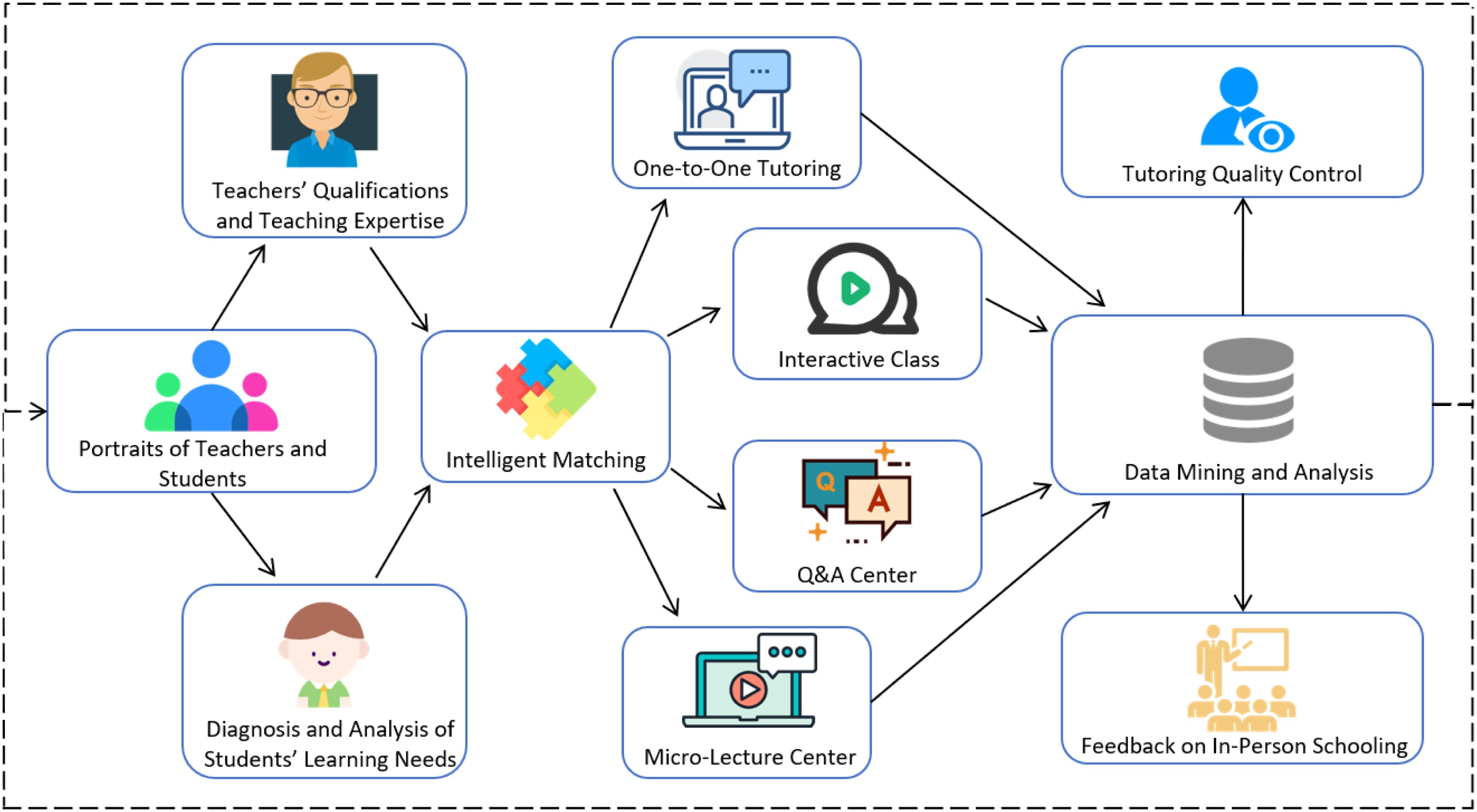
Schematic Diagram of the Open Tutoring Platform Architecture.
First, the platform employs multidimensional profiling of both teachers and students to align individualized learning needs with suitable teachers. The platform provides online tutoring services based on the diagnosis and analysis of students’ knowledge mastery in various subjects. It constructs personalized subject knowledge maps, leveraging relevant theories to depict students’ proficiency levels across three levels: comprehension and learning, practical application, and creative adaptation and innovation (Deng et al., 2019). This approach has been demonstrated to facilitate the identification of students’ particular learning requirements. Furthermore, the platform meticulously records fundamental information, including the tutoring teacher's geographical region and school, the subject and grade taught, the teacher's title, years of teaching experience, and their subject field of expertise. Concurrently, it integrates dynamic data, including the teacher's tutoring quality, interaction style, and effectiveness of each session. This information is systematically processed to precisely identify and highlight the teacher's service attributes and teaching specialties. The utilization of intelligent recommendation technology or students’ independent selection facilitates the alignment of the unique tutoring expertise of teachers with the specific needs of students. This approach ensures a targeted and effective match between teachers’ competencies and students’ needs.
Second, the platform provides students with a variety of teacher online tutoring services. Having conducted practical demand research, the system is tailored to meet the diverse learning needs of students in a variety of scenarios by providing a wide range of both real-time and nonreal-time online tutoring activities, which include one-to-one tutoring, interactive class, Q&A center, and microlecture center. For instance, the widely adopted one-to-one tutoring involves real-time interaction between teachers and students. Once students log into the platform, they can send tutoring requests to real-time online teachers based on their individual learning requirements. When a teacher accepts a invitation,the platform will provide them with relevant learning and tutoring data to help them quickly understand the students’ learning background. During tutoring sessions, teachers write lesson content in real time using dot-matrix pens, with handwritten materials instantly synchronized to student devices. The platform enables multimodal interaction through real-time whiteboard sharing, image uploads, as well as voice and text communication. Post-session, students evaluate teaching effectiveness and tutor performance, while teachers assess engagement, academic proficiency, and tag discussed questions with knowledge points/difficulty ratings (Figure 2).
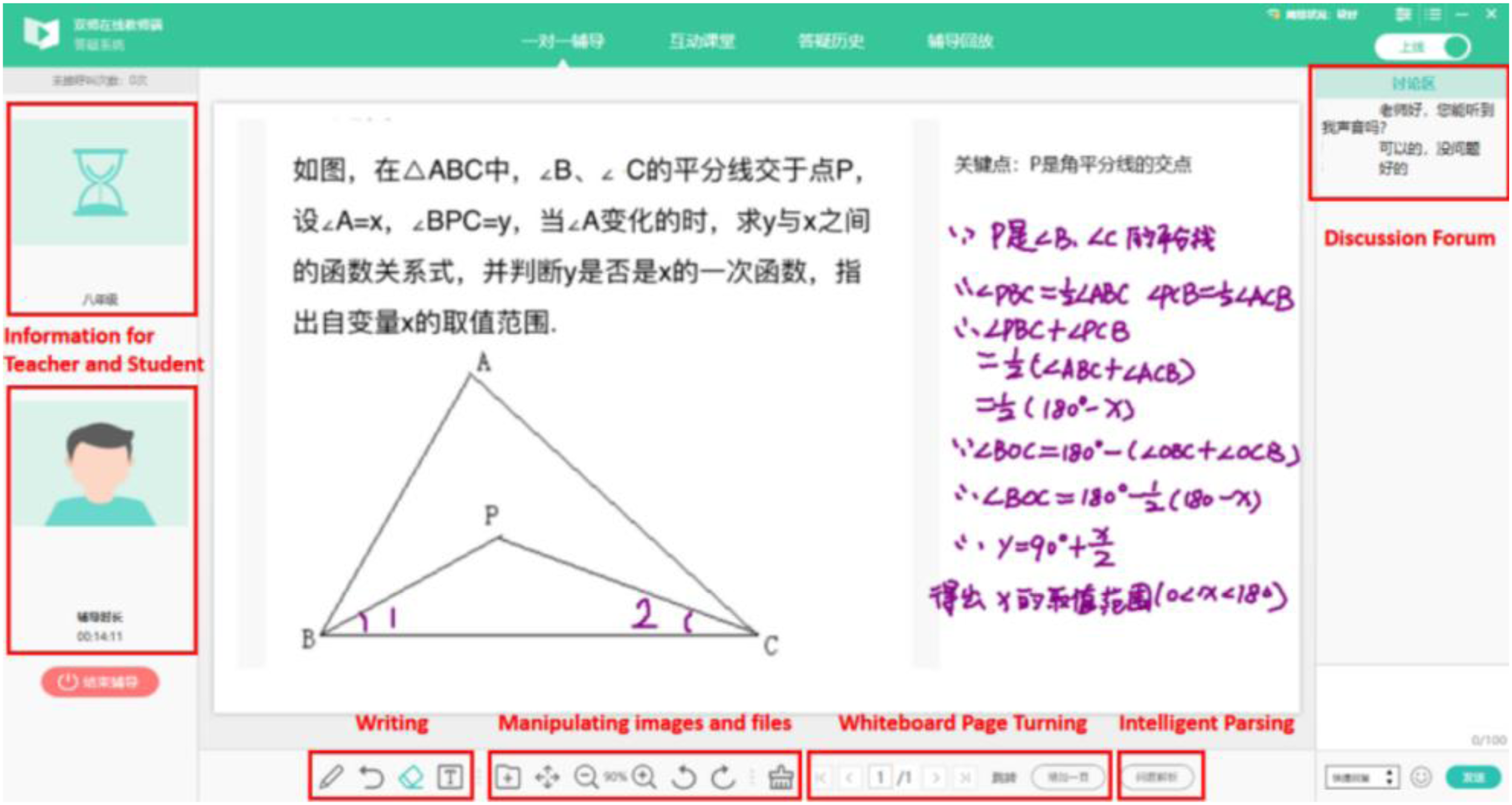
One-to-One Tutoring Interface.
Third, the platform employs AI analytics to monitor teaching quality through postsession data assessment. An educational data model processes teacher–student dialogue transcripts using parameters including silence ratio, dialogue turn frequency, sensitive word identification, and tutoring highlight detection, generating tagged elements that construct a comprehensive teacher dashboard. This dashboard dual-functions as a tool for teacher self-reflection on instructional methods and a backend mechanism for institutional quality oversight. Simultaneously, the aggregated data serve as an empirical basis for evaluating teaching performance, establishing a closed-loop system for holistic quality assurance.
Fourth, tutoring data analytics transform online insights into actionable offline strategies. By aggregating session-tagged metrics, the system pinpoints persistent learning difficulties in extracurricular work across individual and cohort levels, disseminating these findings to local educators and researchers. Teachers leverage this intelligence to tailor classroom interventions addressing specific knowledge gaps, while researchers synthesize systemic challenges to develop targeted teacher training programs. Figure 3 depicts a mathematics tutoring knowledge graph wherein nodes represent knowledge points queried by students, chromatic spectrum encoding question frequency, and spatial clustering revealing conceptual relationships, collectively forming a diagnostic tool for identifying persistent learning obstacles.
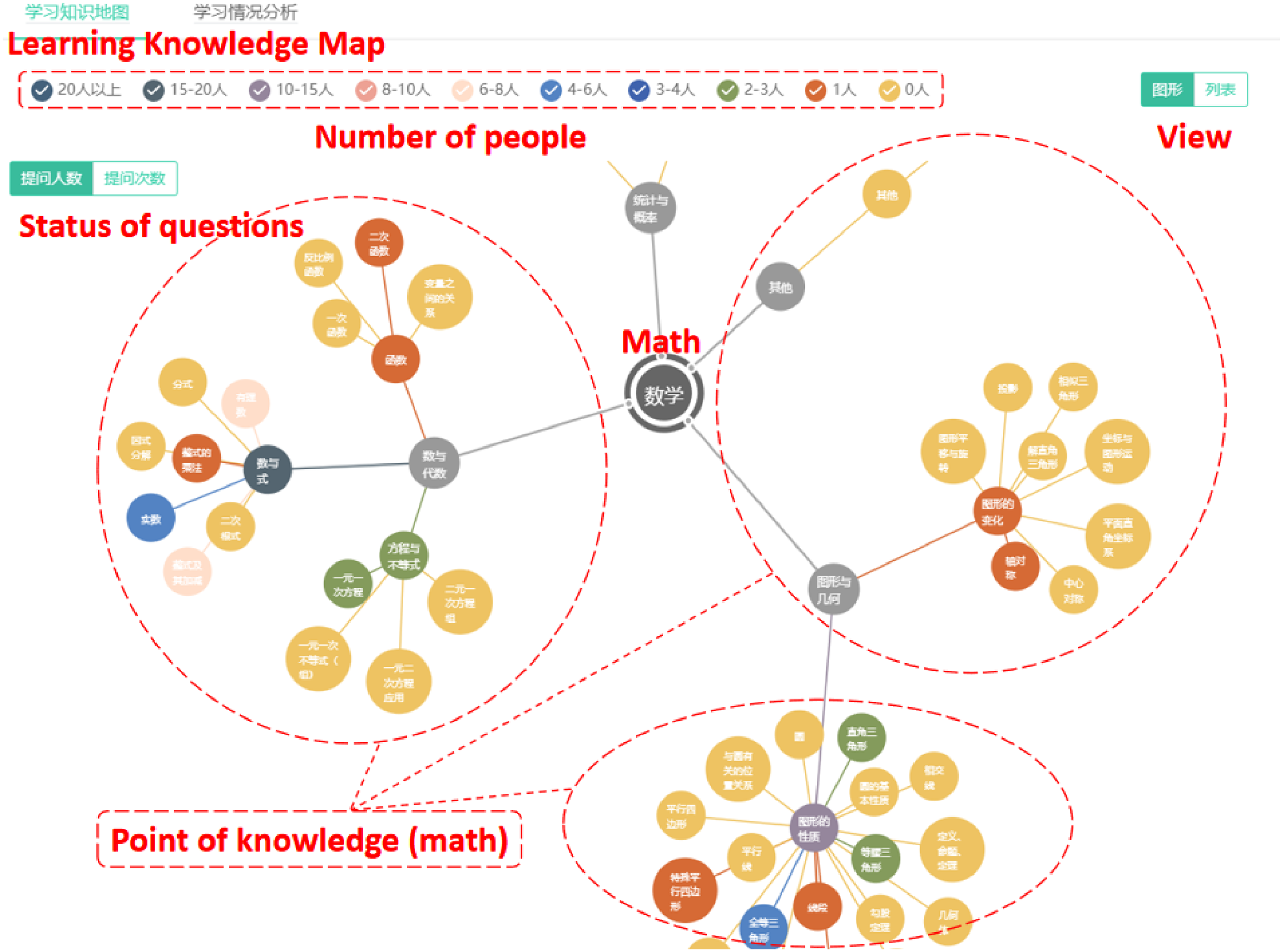
Tutoring Data Aggregation in Mathematics Subject.
Program Implementation Framework
To ensure online tutoring efficacy, Open Tutoring implements a four-pillar governance framework (Liu et al., 2023). (1) City-wide access mechanisms standardize tutor qualifications, facilitate offline-to-online transition, and establish digital professional identities across Beijing; (2) Tripartite advancement mechanisms coordinate government policymaking, university-led training/evaluation, and district-level implementation planning for learning-scenario integration; (3) Quality supervision protocols mandate evidence-based interaction standards for deep pedagogical engagement; and (4) Performance incentives link tutoring data to assessments through multidimensional evaluation metrics that enhance teaching capabilities. This integrated design achieves dual objectives: mobilizing intellectual resources through cross-platform mobility and ensuring sustainable development of internet-based pedagogical ecosystems.
Guided by evidence-based decision principles (Gu & Li, 2021), our educational service framework implements iterative optimization through empirical validation cycles. Initial pilots in select districts/schools initiate multistakeholder feedback collection (students/teachers/parents/administrators) via structured questionnaires and interviews, with platform analytics driving continuous refinements. This scalable progression evolves through four validated phases: (1) Proof-of-concept (single-district), (2) Controlled scaling (4–8 districts), (3) Metropolitan integration (17 districts), culminating in (4) Citywide deployment—establishing a replicable model for systemic education innovation through data-validated expansion.
Methodology
To address the research questions in this study, a mixed-methods approach was employed. This approach includes tracking student grades and conducting surveys to measure effectiveness. Given that mathematics is the subject where students often require the most tutoring, the study used students’ final exam scores in mathematics from each semester as quantitative indicators of the impact on their academic performance. The mathematics examination paper was developed by a team of subject experts from Beijing Normal University. It adheres to the “Compulsory Education Mathematics Curriculum Standards” and is guided by mathematical subject ability and core competencies (Wang, 2016). The development process involved four steps: first, a two-way detail list of propositions was created based on core knowledge, subject ability performance, cognitive style, and scenario materials were selected accordingly. The test questions were then formulated, evaluated, and coded by the mathematics team. In the second step, a meeting of professors, experts, teaching researchers, and teachers was organized to review and revise the test paper, with continuous revisions made based on feedback. The third step involved conducting tests and student interviews in individual classes, followed by further revisions based on the results. Finally, a small-scale pretest was conducted in the region to assess the reliability and validity of the test tool, leading to the final version of the test paper. In the actual exam, due to Beijing's district autonomy, the district exams were adjusted based on the developed test paper. This study collected student math final scores from the fall of 2020 to the spring of 2022 for longitudinal analysis.
We conducted a questionnaire survey among students and teachers involved in Open Tutoring to assess their gains and satisfaction with the online program. To capture the participants’ nuanced experiences, the survey included a series of targeted questions. For example, students were asked, “The Open Tutoring meets my after-school personalized learning needs (Strongly Disagree, Disagree, Neutral, Agree, Strongly Agree).” Teachers were asked about their overall experience with a question like, “Does attending Open Tutoring deepen the understanding of students” learning difficulties and lead to reflective improvement in classroom teaching? (Strongly Disagree, Disagree, Neutral, Agree, Strongly Agree).
After analyzing the quantitative data from the questionnaire survey, we conducted in-depth interviews to gain deeper insights.This qualitative approach enabled us to delve into the complexities and nuances of the survey responses, providing a more detailed understanding of the participants’ experiences. This study used purposive sampling, inviting 5 district school leaders, 30 teachers involved in Open Tutoring, and 62 students and their parents for interviews. In total, 4 district school leaders (two of whom were teachers), 17 teachers, 33 students, and 16 parents completed the interviews. The interviews with students focused on their tendency to participate in “Open Tutoring.” Interviews with parents aimed to understand their perceptions of the program's impact on their children. Teachers were interviewed to gain insights into the Open Tutoring system and its potential effects on student participation. District and school leaders were consulted to assess their views on the program's effectiveness and to analyze the broader factors influencing student participation in Open Tutoring.
Results
Participation Data Analysis
Overview of Participant Engagement
Between March 2018 and July 2023, the Open Tutoring program engaged 6,901 teachers from 639 schools across Beijing. This initiative provided four distinct formats—one-to-one tutoring, interactive classes, a Q&A center, and a microlecture center—benefiting more than 120,000 middle school students. A total of 33,604,997 tutoring sessions were recorded, with an average student satisfaction score of 9.8 out of 10, indicating widespread approval. Participation data for these formats are illustrated in Figure 4. This figure indicates that one-to-one tutoring was the most favored format among students, with mathematics having the highest number of sessions.
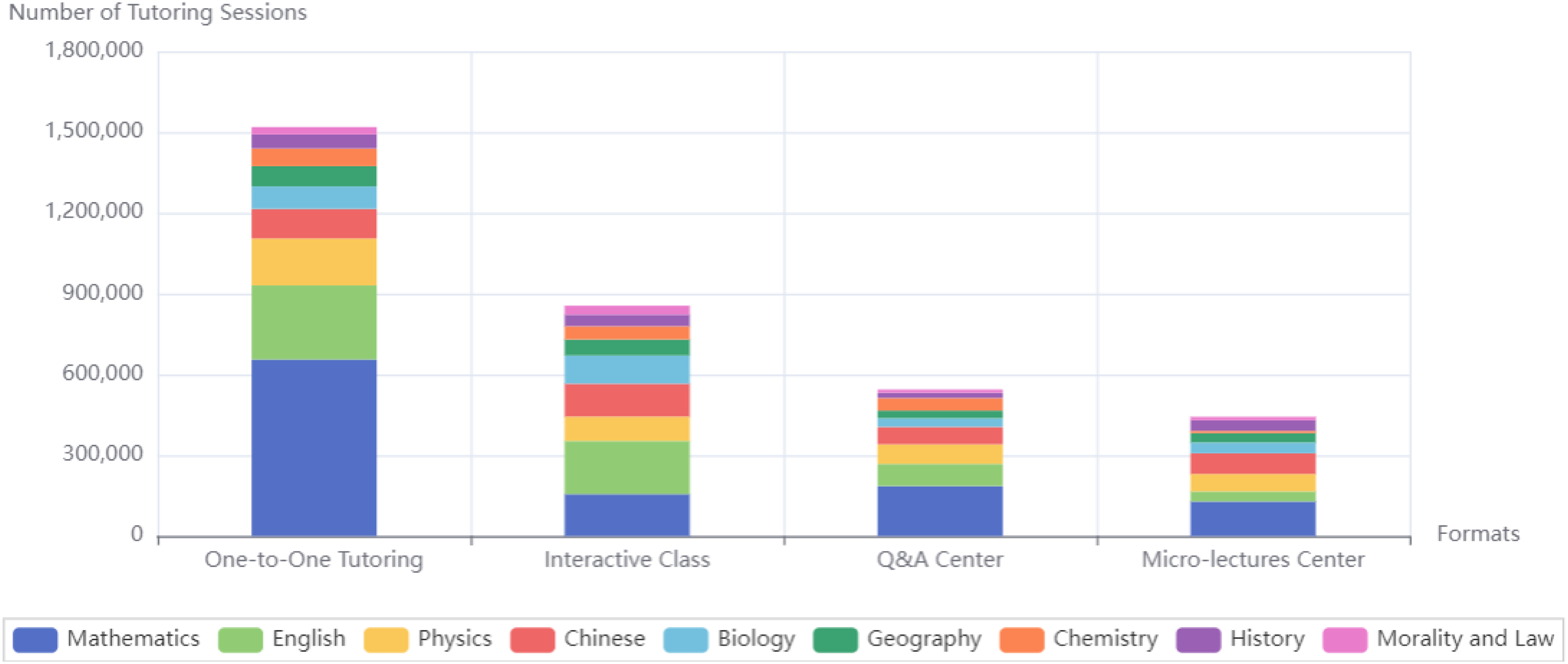
Distribution of Student Participation Data Across Open Tutoring Formats.
Analysis of the Online Circulation of Teachers
The review period further revealed dynamic cross-district circulation of educational resources, empirically evidenced by teacher–student matching across all 18 Beijing districts. As shown in Figure 5, each node represents a district, with urban districts (UDs) colored blue and suburban districts (SDs) colored orange. The node size corresponds to the total number of tutoring sessions involving teachers or students from that district. The arrows between nodes indicate the provision of tutoring from one district to another, with their thickness illustrating the volume of tutoring exchanges. This diagram reveals a sophisticated network of online educational exchange, exhibiting adaptation to the evolving demands of students.
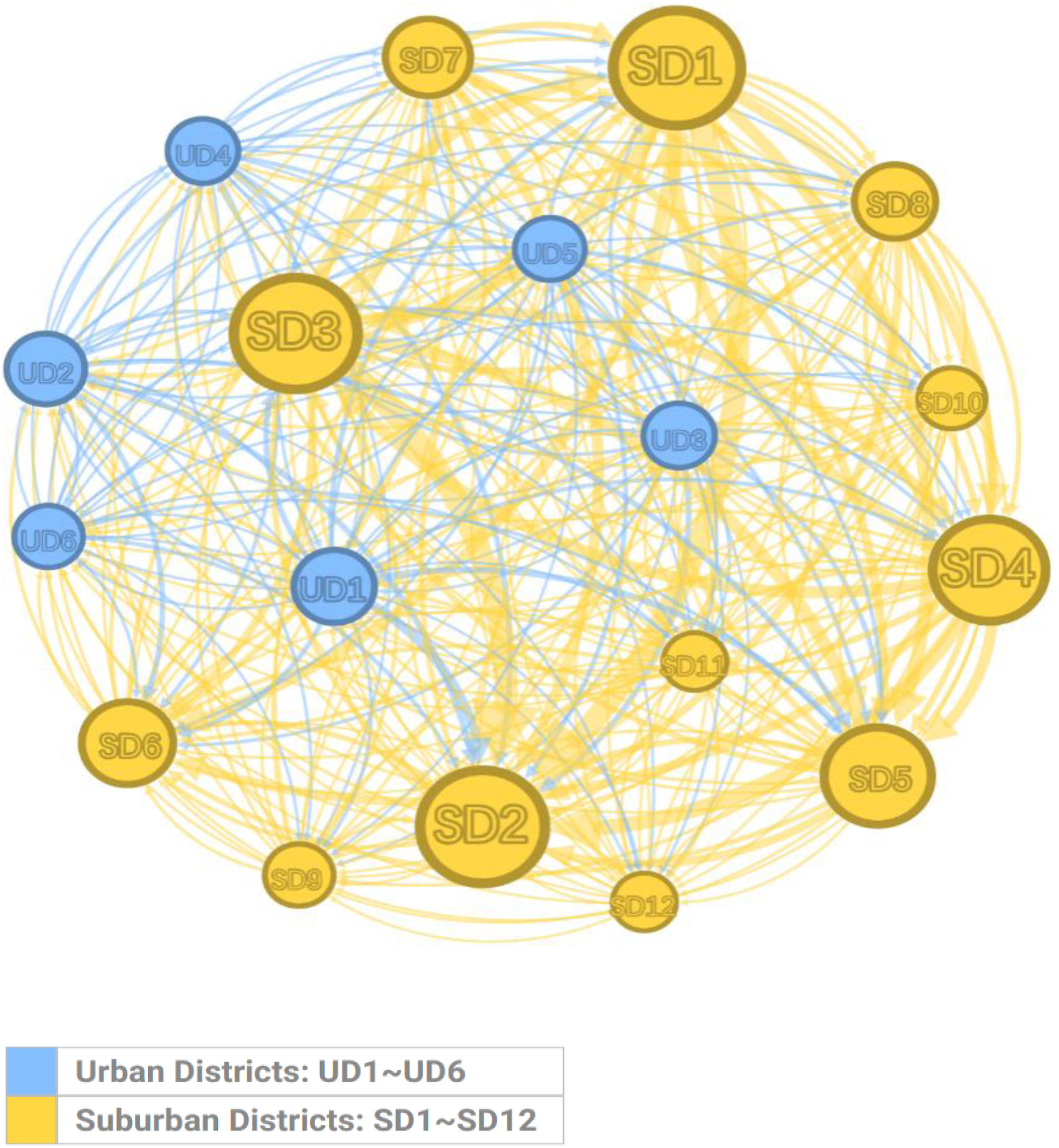
Circulation of Educational Resources Among Beijing Districts.
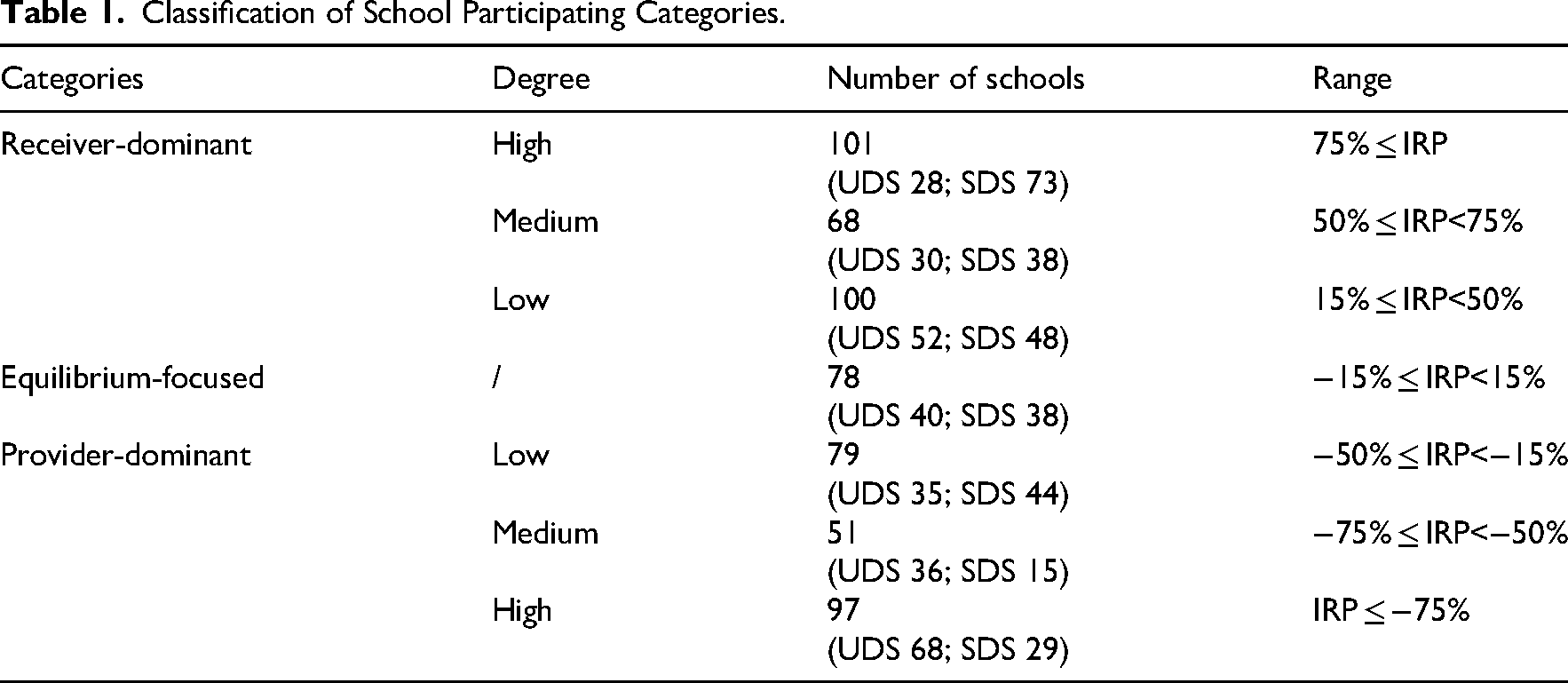
Of the 639 participating schools, 337 (52.74%) were located in UDs, and 302 (47.26%) were in SDs. A metric called the instructional reception proportion (IRP) was used to measure the directional mobility of educational resources through tutoring. The IRP, defined as the quotient of the differential between the number of tutoring sessions received by a school's students and those provided by its teachers relative to the aggregate of these tutoring sessions, helps categorize schools into three groups: receiver-dominant (IRP ≥ 15%), equilibrium-focused (−15% ≤ IRP < 15%), and provider-dominant (IRP < −15%). Excluding 65 schools with low participation (fewer than 50 tutoring sessions) and teacher training centers, this classification yielded a tripartite distribution of the remaining 574 schools (as detailed in Table 1), with urban district schools (UDS) predominantly featuring provider-dominant and suburban district schools (SDS) as receiver-dominant. Generally, suburban schools tend to receive services, while urban schools tend to provide services. From March 2022 to July 2023, suburban schools were particularly active, dominating in terms of the number of students participating in more than 50 tutoring sessions. Among the 124 schools where more than 10 students er school participated in over 50 tutoring sessions, 92.7% were suburban schools. At the same time, the three schools with the highest percentage of students participating in more than 50 tutoring sessions were all from SDs. These patterns highlight the significant reliance on Open Tutoring among suburban students, catalyzing the consequential reallocation of educational resources driven by student needs.
Classification of School Participating Categories.
Effectiveness Analysis
Analysis of the Purpose and Satisfaction of Student Participation in Tutoring
Open tutoring offers multifaceted support to students. A comprehensive survey of 35,645 participants across Beijing highlighted varied uses of online tutoring. These include assistance with homework and practice problem-solving (33%), addressing textbook-based learning difficulties (24%), providing guidance for knowledge enhancement beyond the curriculum (16%), providing strategies for effective learning (13%), providing access to additional learning resources (8%), and providing advice on personal growth and social interactions (5%). Consequently, the scope of tutoring extends beyond traditional academic support, encompassing personal development, resource guidance, and psychological counseling to address students’ needs from multiple dimensions (Figure 6).
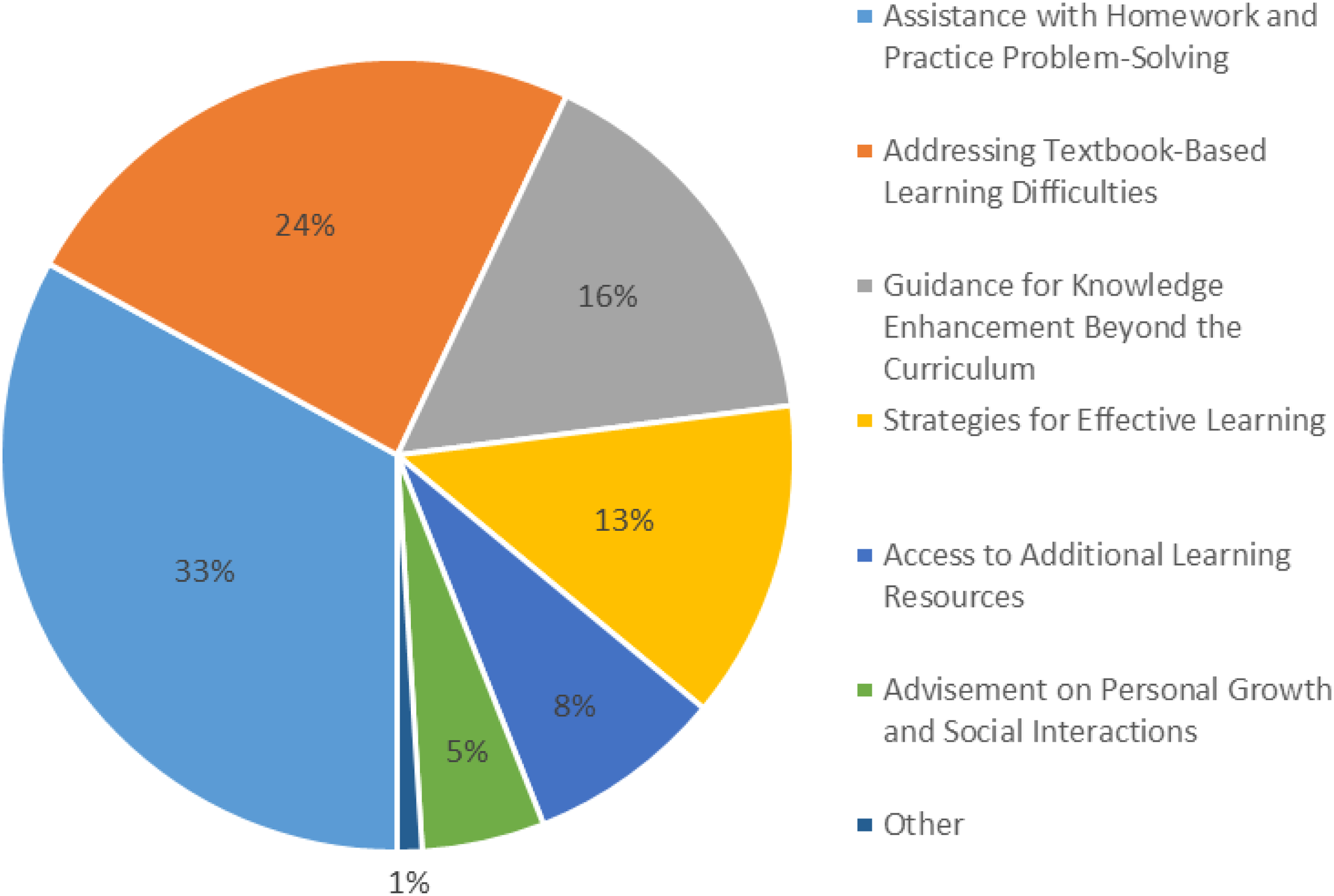
Distribution of Reasons for Student Participation.
When evaluating specific benefits, about 80% of students confirm that Open Tutoring meets their after-school personalized learning needs. Moreover, 90% of participants recognize that Open Tutoring has greatly influenced their independent learning strategies, such as regularly using online resources for difficult problems. A significant 91% view Open Tutoring as a means to access highly qualified educators, noting an increase in learning confidence from timely teacher support.
Impact on Students’ Academic Performance
A longitudinal analysis over several semesters was conducted to determine the long-term effect of Open Tutoring on student academic performance. Given the autonomous nature of district-specific examinations in Beijing, the study focused on intradistrict performance variations, comparing students who participated in the project with their nonparticipating peers. Employing a two-way fixed effects model incorporating both individual and temporal fixed effects (Chen, 2014), the preliminary analysis was augmented with time dummy variables. Additionally, a mixed regression model was adopted to examine the interaction between temporal factors and project participation, assuming that all individuals have the same regression equation. Variables such as participation status, duration, and specific dates were analyzed for longitudinal impacts on academic performance.
Focusing on mathematics, the subject with the highest number of tutoring sessions, a random sample from a suburban area was chosen. After longitudinal data matching, 5,358 students were selected for the sample, including 2,762 males and 2,596 females. From the fall semester of 2020 to the spring semester of 2022, 1,678 sample students participated in Open Tutoring, accounting for a total of 22,680 tutoring sessions, averaging 14 sessions per student.
The two-way fixed effects model, excluding other personal variables and considering time effects through dummy variables, was used to analyze the longitudinal impact of students’ participation on their performance over time. The fall 2020 pretest was used as the base period and was not included in the regression equation. The subsequent time points (time2 to time5) correspond to the final exams of each semester from fall 2020 to spring 2022. From the time effects, students’ class Z scores showed an improvement in the spring semester of 2021, and their district scores showed positive improvement in the spring semester of 2021, the fall semester of 2021, and the spring semester of 2022. The results show a positive trend in student performance, with participation in Open Tutoring positively impacting district Z scores (Table 2).
Longitudinal Impact of Open Tutoring on Student Performance.
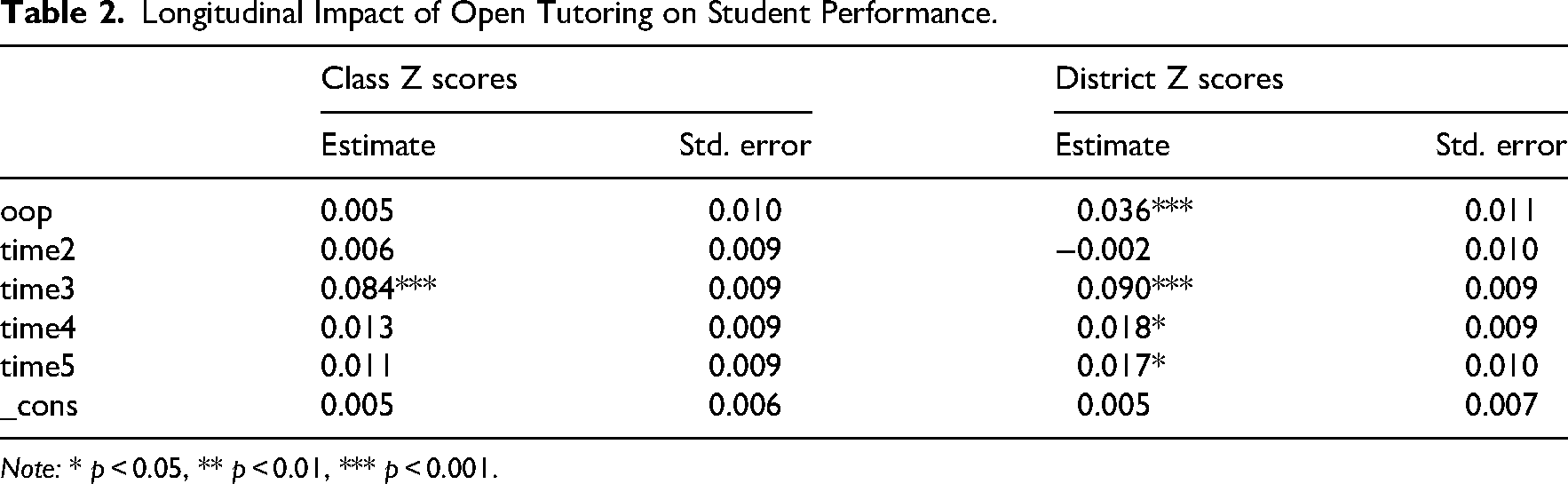
Note: * p < 0.05, ** p < 0.01, *** p < 0.001.
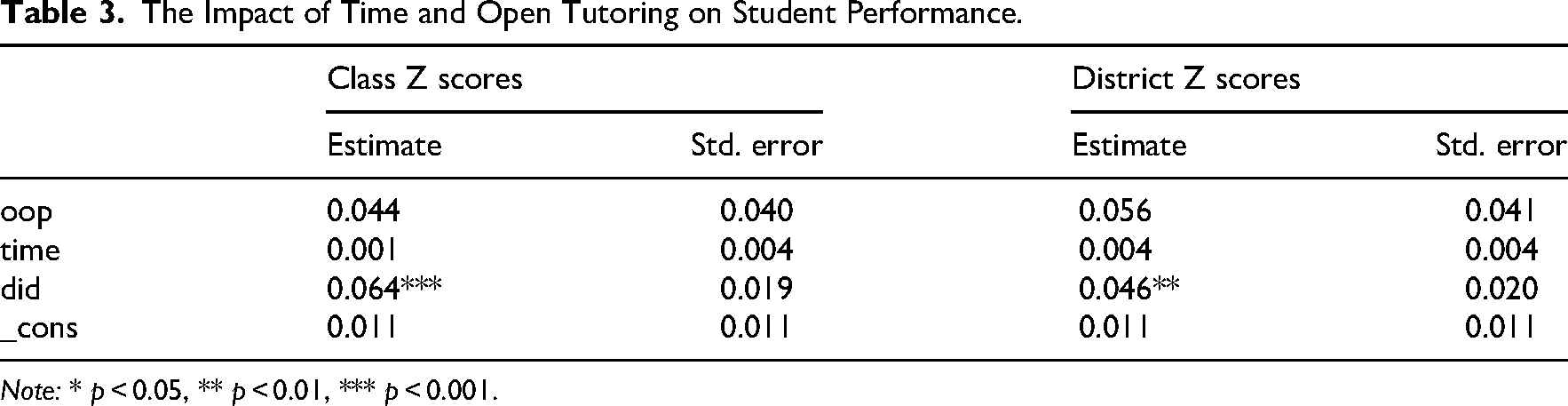
The mixed regression analysis, detailed in Table 3, utilized the interaction variable “did” to represent the relationship between student participation and time. The findings reveal a significant, positive correlation, indicating that prolonged engagement in Open Tutoring fosters academic improvement.
The Impact of Time and Open Tutoring on Student Performance.
Note: * p < 0.05, ** p < 0.01, *** p < 0.001.
Impact on the Professional Growth of Participating Teachers
Figure 7 presents survey results from 2,276 teachers actively involved in Open Tutoring. Over 90% of teachers acknowledged that participation in this program enhanced their informatization teaching capabilities, deepened their understanding of students’ learning difficulties and led to reflective improvement in classroom teaching and augmented offline teaching methodologies. These results suggest that by addressing a variety of personalized student questions through after-class tutoring, teachers can better grasp common challenges in the student learning process. Consequently, Open Tutoring not only enriches teachers’ classroom practices but also significantly elevates their overall professional competencies.
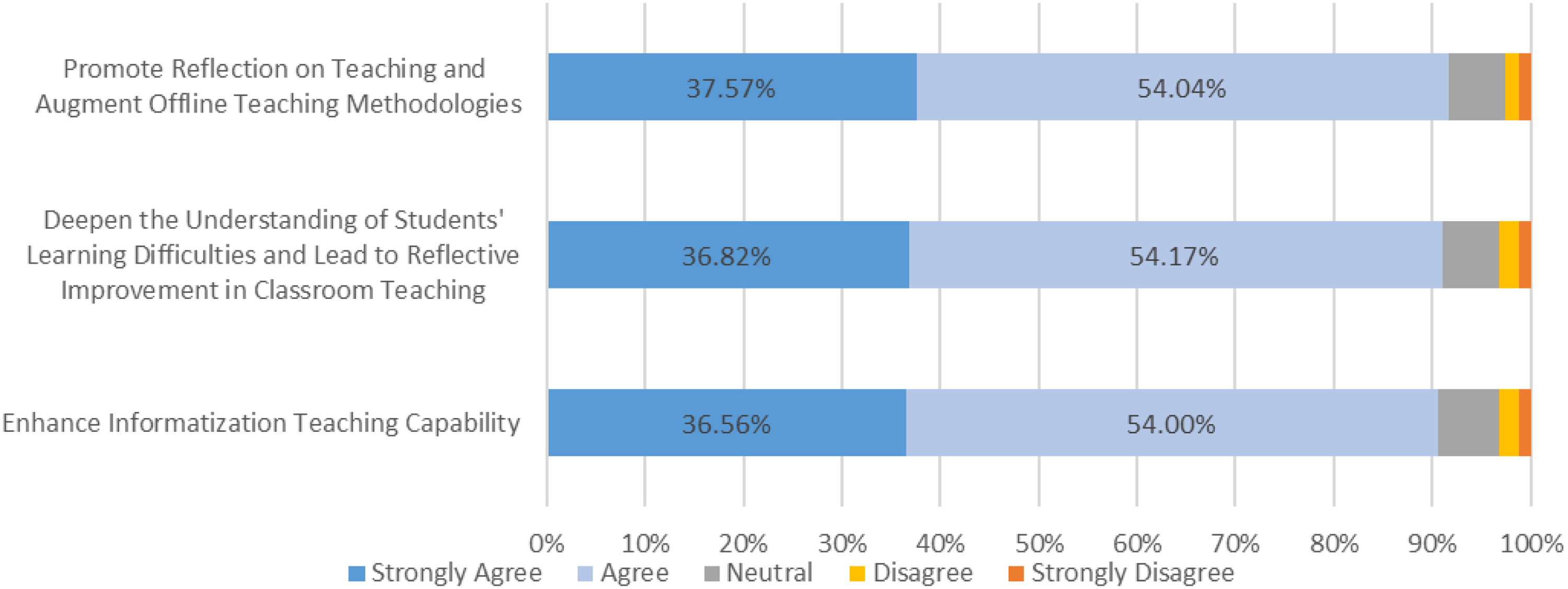
Benefits Gained by Teachers from Participating in Open Tutoring.
Experience and Implications
Based on the practice of Open Tutoring, the following implications and experiences are discussed.
Offering an Innovative Internet-Based Solution for the Redistribution of Highly Qualified Teachers
To address the issue of uneven teacher distribution, many countries have implemented strategies with specific mechanisms to facilitate the offline deployment of highly qualified teachers (Keller, 2006; Zhang, 2017). With the advancement of internet technology, transferring teacher services online has emerged as a new solution to solving these problems (An, 2017; Zhao & Li, 2016). Open Tutoring offers an innovative solution for redistributing highly qualified teachers with the support of the internet. Despite the unchanged status of offline schools, all qualified teachers crossed school and regional boundaries to converge online. With the aid of technology, teachers can share their expertise and services through both one-to-one and one-to-many tutoring formats. Open Tutoring provides personalized problem-solving assistance to students, especially those in suburban areas. The ongoing participation of students has shown improved performance, indicating a potential positive academic impact and contributing to enhanced education quality.
The Open Tutoring program maintains the total number of high-quality teachers and offline distribution while enabling a secondary network distribution based on after-school needs. Unlike the traditional “top-down” approach, where the government assigns teachers to fixed schools, this program enhances efficiency and flexibility. High-quality teachers are not limited to specific students; instead, they form a dynamic online system, allowing them to adjust their digital engagement across regions and schools based on students’ learning needs. However, interviews with teachers and students suggest that an unpredictable and flexible teacher allocation can increase communication costs. The absence of regular interaction hinders online teachers’ ability to understand students’ overall situation and learning needs.(Bolliger & Josephson, 2005), potentially leading to negative emotions such as anxiety or worry among students. Emotion is as important as cognition and greatly impacts students’ ongoing engagement in online tutoring (Zhao et al., 2022). In addition to its flexible and dynamic features, this teacher allocation solution should prioritize strong connections between teachers and students to prevent negative tutoring experiences caused by mismatched pairs or insufficient familiarization. To achieve this, the platform should create and continuously update profiles of teachers’ specialties and styles based on tutoring data, and provide these to students to help them make informed choices. Additionally, the platform should transform students’ historical learning and tutoring preference data into analytical insights on their learning styles and backgrounds. This enables teachers to quickly recognize and address each student's specific learning traits and requirements, reducing their tutoring burden while enhancing their confidence in teaching effectively.
Promotion of the Evolution of the Education System at Multiple Levels
Ecosystem theory emphasizes that human development is influenced by multiple levels of environmental systems (Bronfenbrenner, 1994). As a conceptual framework, ecology can frame discussions about the hybrid space between the humanities, social sciences, and digital technologies (Bonami & Nemorin, 2021). It also helps us understand the impact of the Open Tutoring program from a more systematic perspective. From an ecological perspective, if we place the development of tutored students at the center, Open Tutoring can be viewed as a microsystem that directly interacts with students. As a microsystem, it interacts with other constituents of the ecology of education, including family, schools and others. Reciprocal influences can be observed across various levels, including the micro-, meso-, exo-, and macrosystems (Luo & Chan, 2022). After combining the feedback from all participating roles, the following explanation can be formulated.
First, at the microsystem level, the Open Tutoring program influences the immediate environment in which students’ study and live, such as their home and school. In terms of the school microsystem, since online tutors also serve as offline teachers, their participation in Open Tutoring directly influences their offline arrangements and teaching practices. Participating teachers provide personalized feedback to address individual student needs, which can strain their time and energy (Gallien & Oomen-Early, 2008) while demanding proficient tutoring and communication skills (Watson et al., 2009). Despite the Open Tutoring program's stipulation that teachers should not spend more than 10 h per week on online tutoring, these activities still consume teachers’ extracurricular time and require a reallocation of priorities. “Unlike traditional offline teaching, I will integrate tutoring with classroom instruction to effectively manage my schedule.” Simultaneously, when teachers participate in the program's training sessions on various online tutoring strategies, it boosts their confidence and ability to design and implement flexible teaching methods using diverse media sources and data in both online and offline settings; significantly impacting their offline classroom practices. “During the epidemic period, compared with teachers who do not participate in tutoring, I am more confident and comfortable in conducting online teaching to students.” “I have accumulated valuable experience addressing students’ learning difficulties through this program's practice sessions, which has enhanced my preparation for offline classroom teaching.” In terms of the family microsystem, students from disadvantaged backgrounds exhibit a greater propensity to engage in Open Tutoring. The government's provision of free tutoring has alleviated the financial burden on parents and reduced the pressure on parents to participate in tutoring for their children to support their studies. Many parents have expressed that “From a parental perspective, it aids us in economizing our family expenses.” After entering junior high school, children often face challenges in knowledge acquisition. However, they now have access to teachers who can promptly assist them, thereby alleviating parental pressure.”
Second, the mesosystem level (i.e., the interrelationship between multiple microsystems in which students directly study or live) may be considered. Open Tutoring interacts with the school microsystem and the family microsystem. (1) Between Open Tutoring and the school system. The attitudes of offline school leaders and teachers toward the tutoring program influence students’ effective participation. “Some schools perceive teacher involvement in tutoring as an invisible loss, potentially compromising the quality of offline classroom instruction and discouraging teachers from participating in Open Tutoring. Additionally, insufficient support from offline teachers can hinder student participation because most of the students don’t know how to effectively integrate offline classroom learning with after-school tutoring.” Concurrently, Open Tutoring influences the pedagogical structure within the school system. For example, through the data generated during online tutoring sessions to enhance comprehension of students’ learning needs and challenges, offline educators may explore how to accurately establish offline teaching objectives. Teachers use Open Tutoring to guide students in carrying out learning activities such as previewing and reviewing so that “Open Tutoring” can become an effective extension and supplement of offline teaching. (2) Between Open Tutoring and the family system. Since after-school tutoring occurs at home, a network and hardware devices are necessary, requiring parental support and involvement. Some teachers noted, “Some parents may not fully comprehend the significance of Open Tutoring and instead question whether their child is simply indulging in mobile phone usage, while prolonged exposure to electronic devices can potentially harm eyesight.” In response to these questions, a lack of interpretation and guidance from parents will affect the reception of the program. Moreover, some students display poor self-regulation and use tutoring services to gain access to electronic devices and the internet for recreational purposes. Additionally, certain students may rely on tutoring resources instead of their own efforts to fulfill academic assignments. All these factors necessitate that parents provide appropriate guidance and, at times, supervise to prevent the misuse of tutoring services. Furthermore, certain parents actively engage in the tutoring process by directly interacting with online teachers to seek guidance on how to effectively support their children's learning at home. Many parents report that “Open Tutoring is also very helpful for our parents to participate in family education.”
Third, at the exosystem level, Open Tutoring influences settings that do not directly encompass the students but indirectly affect them. For instance, Open Tutoring has facilitated educational policy adjustments and changes. Open Tutoring has promoted the adjustment of teachers’ evaluation mechanisms. The length and quality of tutoring are factors that are included in the overall evaluation of teachers’ teaching quality and have become key criteria for teachers’ professional promotions. Open Tutoring satisfies students’ individual needs through the online allocation of teachers and provides a solution that combines theory, technology and mechanisms, which has promoted educational reform in other parts of China. For example, in the “Opinions on Further Reducing the Burden of Homework and Off-campus Training for Students in Compulsory Education” issued by the Ministry of Education of China in 2021, with reference to Beijing's experience, other regions of the country are called on to organize programs in which high-quality teachers carry out free online tutoring. Furthermore, how to use the internet to meet students’ after-school learning and tutoring needs has become a concern of many regional governments.
Finally, at the macrosystem level, education also has a profound impact on the broader social and cultural background of students, notably by promoting educational equality. Some studies have indicated that students with socioeconomic advantages gain more significantly from after-school shadow education (Liao & Huang, 2018), which further exacerbates the disadvantages for students in outer suburbs whose families have difficulty accessing a good tutoring center. As a government-funded initiative, Open Tutoring guarantees equitable access to high-quality after-school learning. It enables all students to receive top-tier teacher services, reducing the adverse effects of shadow education. These efforts contribute to greater educational equity.
Conclusion
This study offers a detailed case analysis of the Open Tutoring Program in Beijing, examining both its structural design and the outcomes of its implementation. To address the question of “How does Open Tutoring enable online redistribution of highly qualified teachers while promoting personalized extracurricular learning,” this study examines the platform's matching mechanism and its broader impact. Open Tutoring operates by constructing detailed profiles for both students and teachers, diagnosing student proficiency levels, and employing intelligent algorithms to generate personalized teacher recommendations. This dynamic system enables high-quality teachers to transcend fixed institutional boundaries, allowing them to flexibly engage with a broader pool of students based on evolving learning needs. Empirical results from 18 districts in Beijing—including both UDs and SDs—reveal active, bidirectional tutoring interactions, reflecting the fluid redistribution of educational resources across regions. Specifically, UDSs function primarily as service providers, whereas SDS act mainly as recipients. This pattern suggests a strong reliance of suburban students on the Open Tutoring system, illustrating how the platform supports a student-needs-driven reallocation of high-quality educational resources across geographic and institutional boundaries. To address the question of the program's participation levels and effectiveness, our research findings indicate that Open Tutoring goes beyond conventional academic assistance to support students’ holistic developments and effectiveness, ouguidance, personal growth, resource navigation, and psychological support. Approximately 80% of participating students reported that the program effectively met their personalized learning needs beyond regular classroom hours. An analysis of students’ mathematics performance demonstrates a positive correlation between participation in Open Tutoring and academic achievement. From a longitudinal perspective, sustained engagement with the program is associated with continued academic improvement. Moreover, the platform's responsiveness to diverse student needs not only benefits learners but also enriches teachers’ instructional practices, contributing to the development of their broader professional competencies. Finally, drawing on the experience of Open Tutoring, this study offers several key insights and implications. We advocate for the adoption of a novel, internet-enabled model for the redistribution of expert teaching resources, enabling more equitable access to high-quality education. Furthermore, applying ecosystem theory provides a valuable framework for understanding the systemic impact of Open Tutoring across multiple levels of the education landscape. As a comprehensive educational initiative, Open Tutoring not only alleviates financial burdens on families but also broadens access to personalized, high-quality learning opportunities. It reshapes school ecosystems by encouraging teacher participation, enhancing instructional practices, and fostering professional growth. At a broader level, the program has the potential to influence policy agendas, inform revisions to teacher evaluation standards, and drive systemic reforms. Ultimately, Open Tutoring contributes to advancing educational equity by providing inclusive alternatives to traditionally costly after-school tutoring services.
While proposing a new approach for fair teacher distribution and quality-assured personalized learning, this study has several limitations. Although Open Tutoring helps local educators make data-driven teaching adjustments, this integration presents challenges in distinguishing the independent impact of digital tutoring from the effects of offline instructional improvements. Moreover, this research exclusively investigated Open Tutoring's impact on mathematics achievement, while its effects on learning outcomes across other disciplines remain a question demanding empirical exploration.
Building on the findings of this study, future development of Open Tutoring should focus on advancing technological capabilities and optimizing systemic mechanisms to better support personalized learning. Technically, the vast repository of tutoring data can be leveraged to develop a human–machine hybrid tutoring model that reduces teacher workload and enhances instructional efficiency. This includes intelligent tools that use image recognition, semantic analysis, and intent detection to provide students with Socratic-style guidance, promoting problem-solving skills rather than offering direct answers. For teachers, AI-based assistants could offer reference solutions and adaptable strategies to support tutoring, thereby improving preparation and response to diverse student needs. At the systemic level, the increasing demand for individualized support highlights the need for more flexible, transparent teacher roles, clearer qualification standards for online tutors, and the gradual incorporation of external educational resources. Additionally, integrating online and offline learning data to construct comprehensive student profiles is crucial for aligning resources with learner needs. Together, these advancements can contribute to a more adaptive, data-informed, and equitable online learning environment.
Footnotes
Ethical Approval
This study draws on authorized administrative data from the Beijing Open Tutoring Program. The dataset was collected and provided for research purposes with the official permission of the program's administrators.
All participants were fully and clearly informed of both the data collection process and their right to withdraw from the research at any time without providing a reason. They were also informed that such withdrawal would not affect their legitimate rights and interests in relation to the Beijing Open Tutoring Program.
All data were anonymized prior to analysis to ensure participant privacy and confidentiality. No personally identifiable information was accessed, stored, or included in any research outputs. The anonymized dataset was stored on an encrypted server, with access restricted exclusively to authorized members of the research team.
This study followed ethical standards for social science research and complied with relevant Chinese regulations governing data privacy and the responsible use of educational data.
Funding
The author(s) received no financial support for the research, authorship, and/or publication of this article.
Declaration of Conflicting Interests
The author(s) declared no potential conflicts of interest with respect to the research, authorship, and/or publication of this article.