



Abstract
The digital transformation of universities is a strategic choice to deepen educational and teaching reforms and strengthen talent cultivation. Leveraging the information and communication technology (ICT) strengths of Xidian University and the theoretical and practical achievements of educational informatization, we explored and practised methods for digital transformation to drive profound reforms in higher education. First, with the ideas of “data-driven, AI-empowered” as the core, we addressed systemic issues in educational and teaching reforms by establishing the intelligent education brain and the “intelligent teaching platform.” This facilitated data-driven process of reengineering, forming the five-duals nurturing model or Xidian model, harnesses digital transformation to drive educational reforms. Second, in response to the precise and personalized demands of talent cultivation, we constructed a resource provision model and a cobuilt sharing system based on human–technology collaboration. This generated a precise and personalized teaching model that was comprehensive and data-driven. Finally, to address the major formative issues in educational and teaching assessment, we built a data-driven evaluation system for the entire process. We have persistently pursued the integration of ICT with education and teaching, upholding the human–technology collaboration model for talent cultivation and development. Our approach has reshaped a first-class undergraduate education system in the era of the digital economy, establishing a benchmark university for “artificial intelligence + education” and creating a comprehensive solution that is replicable and adaptable.
Keywords
Introduction
With the rapid development of technology and continuous social change, the digital transformation of higher education has become an urgent and crucial task in the global educational landscape. Digital transformation is not only an innovation of traditional educational models but also a key pathway for addressing global challenges, improving education, and cultivating innovative talent. The 19th National Congress of the Communist Party of China outlined the importance of “promoting educational digitization and building a learning society and learning-oriented country for lifelong learning.” This marked the first inclusion of digitization in the Party Congress Report, highlighting the strategic importance of this issue in educational efforts. The digitization of education is both crucial to promoting the construction of a learning-oriented country and a key strategy to implement the national goals of strengthening science and education, building a talented nation, and driving innovation-led development (Li & Xue, 2023). President Xi Jinping emphasized during the fifth collective study of the Central Political Bureau that educational digitization was a significant breakthrough for China in exploring new tracks and shaping new advantages in educational development. By consolidating the value consensus of digital education, improving its infrastructure, optimizing its evaluation system, and promoting its balanced and inclusive nature, we are providing effective support for personalized learning, lifelong learning, the expansion of the coverage of high-quality educational resources, and the modernization of education (Zhang et al., 2023). Minister Huai Jinpeng of the Ministry of Education highlighted the three key elements of investment, leadership, and teachers for driving global education reform in his speeches at the 2030 Education High-Level Steering Committee of United Nations Education Scientific and Cultural Organization and the Education Ministers’ Conference. Under the framework of vigorously digitizing education in China, Minister Huai Jinpeng noted that digitization and greening are crucial to educational reform. China's many universities have upgraded their infrastructure from digital campuses to digital transformation, establishing campus intranets and one-stop online service halls. The infrastructure has laid the foundation for the use of digital technology to change business and management models and achieve digital transformation. China has built the world's largest national smart education platform as part of its digital education strategy. This not only demonstrates China's leading position in digital education but also provides valuable experience for other countries seeking breakthroughs in digitization. China actively participates in various international exchange platforms, such as the International Conference on Educational Informatization, the International Conference on Artificial Intelligence and Education, and the World Massive Open Online Course (MOOC) Conference, where it shares its experiences in education digitization, promotes the Chinese brand, and contributes to Chinese wisdom (Editorial Department of Educational Research, 2024; Mukul & Büyüközkan, 2023; Xiao, 2023).
Promoting the digital transformation of higher education is essential in the digital age. It is necessary for China's transformation from a major education country to a leading education country. To meet the demands of the education informatization era, universities are constantly exploring and paving the way for the transformation of education. Hunan University has launched the “One Network” project, which integrates the internet, Internet of Things, and data network, establishing applications such as smart catering, smart energy, and smart libraries to promote the deep integration of informatization and school governance. Huazhong University of Science and Technology (Xu, 2023), which is based on the concept of high-dimensional integration of the digital and physical worlds, has built a digital twin-driven talent training model for mechanical engineering, guiding students to pursue independent learning, active practice, and innovation to meet the demand for cultivating compound talent in mechanical engineering with the ability to innovate, invent and implement engineering projects. Beijing University of Posts and Telecommunications (Chen et al., 2023) has studied the connotations and characteristics of the digital transformation of higher education and deeply analysed its overall status, opportunities, and challenges. Guangdong University of Technology (Xie et al., 2023) has proposed a path for improving design, education, and guarantee mechanisms for competitions. It has built a new engineering experiment competition system in four dimensions: platform construction, resource integration, and interdisciplinary and practical education. Owing to the continuous exploration of many universities, the digital transformation of higher education in China is steadily and rapidly proceeding. Universities should make necessary contributions to strongly support accelerating the construction of a leading education country and promote the rejuvenation of our nation. Owing to the unremitting exploration of many colleges and universities, the steady development of digital transformation of higher education in China has led to important exploration for the development of China's education in multiple dimensions and channels (Hou et al., 2024; Shi et al., 2024; Xu, 2024), supporting the construction of a strong educational country, national rejuvenation, and colleges and universities.
The digital transformation of higher education is necessary to adapt to current trends, improve education, and drive global educational reforms. It involves not only the application of technology but also a profound transformation in educational concepts, learning methods, and the teacher‒student relationship. Digital education provides students with more flexible and personalized learning experiences while offering educators real-time and precise teaching data, enabling education to become more efficient and intelligent. However, digital technology is not without flaws; therefore, digitally transforming education entails risks and challenges (Qiang, 2024; Zhang, 2023; Zhu & Hu, 2023). First, there is pressure on the professional domain of educators, which necessitates reforms in education and pedagogy. Second, the inadequacy of digital infrastructure hinders achieving educational equity. Moreover, imperfections in digital ethics norms and data security issues pose significant obstacles. The digital transformation-driven reform of education and teaching also faces challenges related to organizational culture and management. Furthermore, resistance to change and a lack of awareness are hurdles to the adoption of innovative teaching methods and content. Finally, it is difficult to ensure the quality and control of teaching content and methods in the digital realm. Overall, addressing these challenges requires comprehensive strategies and collaborative efforts from all stakeholders in the education sector. We must consider how to fully leverage the advantages of digital technology in deepening the reform of higher education; achieving intelligent, personalized, and globalized education; and enabling higher education to move in a more open, inclusive, and innovative direction.
Analysis of Pain Points and Reform Strategies
Although many universities have made beneficial explorations in recent years regarding digital transformation, pain points remain in profoundly reforming education and teaching through this process.
Lack of Methods to Promote Systematic Educational and Teaching Reforms
Systematic educational and teaching reforms can enable schools to meet students’ learning needs; make teaching more targeted, effective, and forward-looking; and help establish a more comprehensive and scientific quality assurance mechanism, ensuring the quality and sustainable development of education. Promoting such reforms has positive application value and profound significance for improving education, adapting to social development, and fostering students’ development. One major pain point in the digital transformation of higher education is the lack of methods to promote such reforms. First, many universities are still constrained by traditional education systems, making it difficult to break through traditional curricula and teaching models. Digital transformation faces difficulties in promoting a comprehensive change in the overall educational philosophy. Second, teachers have different levels of training and cognitive abilities in digital teaching, and some lack the capacity to design and implement it, which hinders the progress of digital transformation (Gkrimpizi et al., 2023). In addition, as students have low acceptance of digital teaching, traditional learning methods still dominate and have low student engagement. Finally, some university administrators lack awareness of the significance of digital transformation, resulting in inadequate support in terms of policies, funding, and resources. Consequently, there is insufficient digital infrastructure to meet the requirements of modern digital teaching (Huang & Guo, 2023). With the in-depth advancement of the new round of technological revolution and industrial transformation and the widespread development and deep application of new-generation digital technologies such as big data, cloud computing, artificial intelligence (AI), and 5G communication, universities can better address the pain points in the digital transformation process and promote a comprehensive upgrade of the educational and teaching system by considering reforms in education philosophy, teacher training, teaching methods, infrastructure, and other aspects (Qi & Mu, 2024).
Precision and Personalization Requirements in Education Models
In the past, teaching faced challenges such as high student‒teacher ratios and inefficient teaching methods, which made personalized and precise education difficult to achieve. Traditional education often measures students’ learning with fixed curricula and standardized exams without considering their individuality and differences (Liu, 2020). In addition, teachers are often burdened with a large amount of repetitive and mechanical work, making it difficult for them to spend time teaching research and innovation. This can lead to monotonous teaching methods that are not responsive to the different needs of each student. There is also a lack of interaction between teachers and students in many courses; thus, students often receive knowledge passively without active participation and exploration. As a result, it is difficult to evaluate individual learning effectively and provide accurate feedback and help. These problems are real pain points in the personalization and precision of education. Personalized teaching lacks a “closed loop” and cannot help students overcome learning difficulties, which may even cause students to develop resistance to the course. In higher education, the personalization and precision of the talent development model is an important complement to the traditional model, making teaching and learning more relevant and effective. The digital transformation of education is, at the same time, a way to narrow the educational gap between students from different backgrounds, which is important to increasing fairness in education (Mhlanga, 2024). With the development of technology and changes in education philosophy, future education should pay more attention to personalization and customization. With the help of universities’ digital transformation, the use of AI-empowered and data-driven methods to promote the personalized and precise development of talent cultivation models will help adapt to future educational trends. With the development of AI technology, AI-empowered tools can be used to accurately quantify each student's abilities and learning conditions, provide precise feedback and assistance according to their individual needs, and thereby improve teaching efficiency, help students fully realize their potential.
Current Educational Assessment Methods are Not Formative and Comprehensive
Formative and comprehensive assessments play crucial roles in improving the quality and effectiveness of higher education. Formative assessment focuses on student performance, teacher instructional methods, and classroom interactions during the teaching process. It provides real-time feedback on the effectiveness of teaching activities (Allal, 2020; Black & Wiliam, 2009), helping teachers adjust their teaching strategies to better meet students’ learning needs. Comprehensive assessment provides a comprehensive evaluation of teaching outcomes, encompassing students’ academic achievement, skill mastery, innovation capabilities, and emotional development, among other aspects. It helps gauge the long-term impact of teaching activities on students’ development and ensures the achievement of educational goals. Comprehensive assessment also provides an important basis for educational decision-making, supporting the continuous improvement of educational policies and practices (Lin et al., 2024). Overall, formative and comprehensive assessments complement each other, forming an important mechanism for ensuring educational quality and driving educational reforms. However, current methods of assessment have limitations. The current systems overly rely on quantitative evaluation, such as exam scores, while neglecting qualitative aspects, such as students’ individual development, innovation capabilities, and emotional attitudes. Additionally, traditional assessment methods often focus on the end of a course or specific time points, emphasizing outcomes rather than providing immediate feedback and enabling changes during the teaching process (Wiliam, 2013). This limits the timely optimization of students’ learning approaches and teachers’ instructional methods, and a continuous and dynamic evaluation mechanism that can reflect students’ performance and progress throughout the entire learning process in real time is lacking. In addition, many assessment methods and content are standardized, lacking flexibility and adaptability for different students, courses, and learning environments. Although educational technology provides possibilities for formative and comprehensive assessment, many higher education institutions still lag in technology application and data analysis. The rapid integration of emerging technologies such as big data, AI, and blockchain into education has created conditions for innovation in educational assessment reform. The effective application of AI and big data technologies can address the insufficient data analysis capabilities of existing educational assessment methods (Miao et al., 2022; Hu et al., 2023). This can facilitate longitudinal assessment throughout the entire process of education and teaching, as well as cross-sectional assessment that includes all aspects of morality, intelligence, physical fitness, aesthetics, and labor skills. It can also promote the reconstruction of assessment methods and content, providing feasible approaches for innovative reform of educational assessment.
Methodology
Content Analysis and Case Study
This approach includes a comprehensive literature review and case studies on digital transformation efforts in universities. This involves assessing the integration and effectiveness of digital technologies such as big data, AI, and cloud computing in enhancing educational systems. Case studies examine how these technologies overcome existing challenges in traditional educational settings, such as curriculum inflexibility and limited teacher training.
Data-Driven Evaluation
Artificial intelligence and big data analytics are utilized to evaluate educational practices and their outcomes. This method helps quantify student engagement, learning efficiency, and the effectiveness of digital teaching methods. The analysis focuses on both macro (institution-wide) and micro (individual student) levels to assess the impact of digital transformation on educational quality and personalization.
Comparative Analysis
This research involves comparing traditional and digitally enhanced teaching models to highlight improvements in teaching effectiveness and student learning outcomes. This includes assessing the role of personalized education facilitated by digital tools. Evaluations compare student performance metrics before and after digital transformations are implemented, focusing on academic achievement, skill mastery, and overall development.
Technology Application in Assessment
This method involves exploring innovative assessment methods using emerging technologies such as blockchain and AI to improve formative and comprehensive evaluation. It focuses on developing new assessment techniques that are adaptive, continuous, and reflective of diverse educational goals and student needs.
Overall, the research methodology is designed to thoroughly investigate how digital transformation can be effectively implemented in higher education to address existing limitations and improve teaching and learning. This involves a blend of theoretical exploration and empirical evaluation, leveraging advanced technologies to derive actionable insights.
Results
Practice of Digital Transformation Driving Profound Educational and Teaching Reforms
To address the pain points and challenges in digital transformation, we combined the theoretical and practical achievements in educational informatization from Huazhong Normal University and the information and communication technology (ICT) advantages of Xidian University. We profoundly reformed education and teaching through digital transformation at Xidian. Centered on the core elements of a “new environment,” “new resources,” “new teaching,” “new assessment,” “new training,” and “new governance,” we established a new educational ecosystem, fostering a student-centered personalized teaching approach. This initiative aimed to facilitate the comprehensive development of students in morality, intelligence, physical fitness, aesthetics, and labor skills. We developed and refined the Xidian model, which encompasses comprehensive reforms driven by digital transformation in education and teaching. We explored new pathways for digital education and teaching, striving to contribute to the cultivation of a new generation well-equipped for the responsibilities of national rejuvenation (Figure 1).
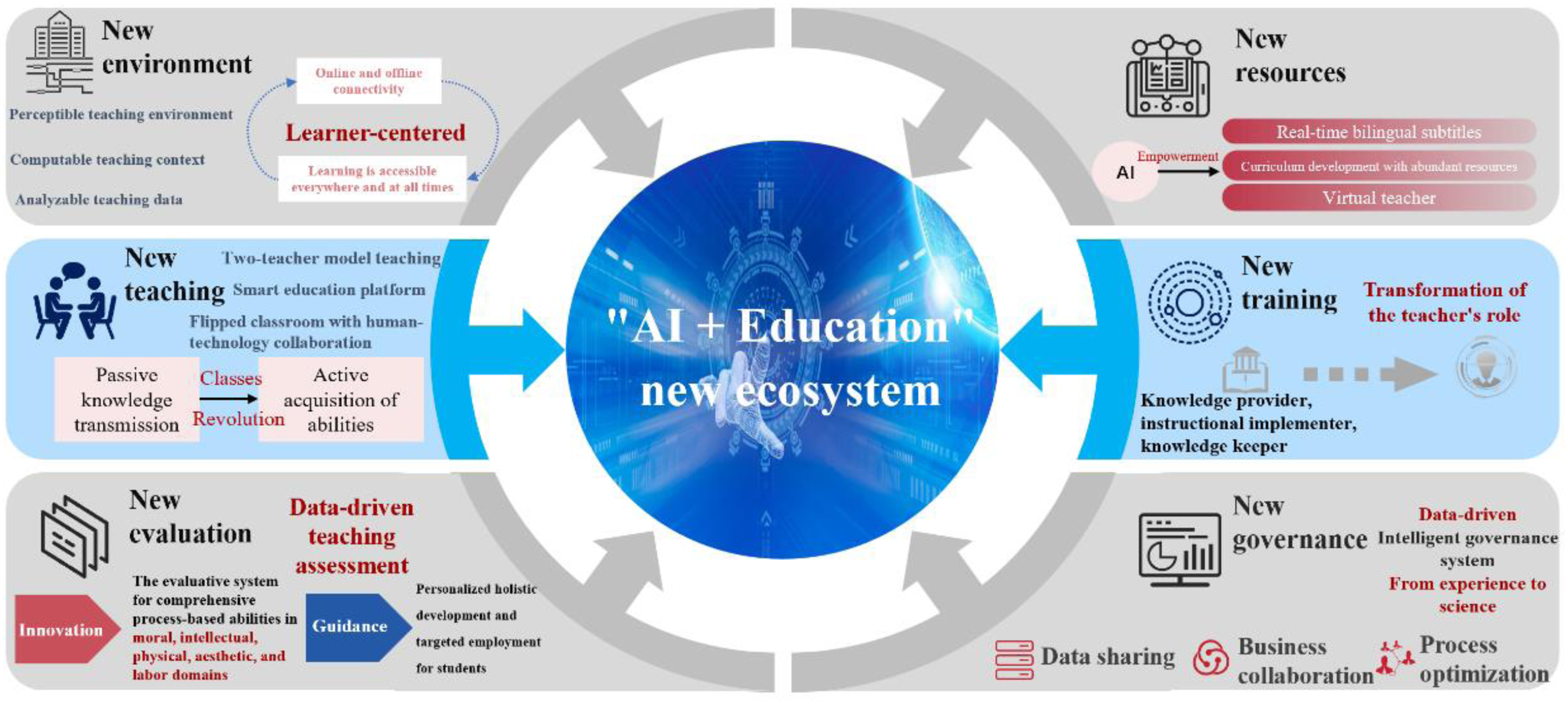
Comprehensive reform of education and teaching driven by six new technologies.
Data-Driven Systematic Comprehensive Reform
Digital Transformation Driving Comprehensive Educational and Teaching Reform
Establishing an “AI + Education Center” for Digital Transformation in Education. Addressing educational and teaching reforms driven by digital transformation, we integrate digitalization into the core of our school's development pattern, educational philosophy, governance system, and service model. Through digital technology, we reorganize school operations, establishing an environment-aware, information-integrated, and interaction-shared management system. We also develop an AI + Education Center for innovation, operation, decision-making, training, and display.
Establishing an “Intelligent Education Brain” for Comprehensive Education Digital Transformation Reform. To earnestly implement President Xi Jinping's educational priorities and Minister Huai Jinpeng's overall requirements emphasizing “application supremacy, service-oriented, simplicity and efficiency, and secure operation,” and to steadfastly advance the national education digitalization strategy, we design a three-tier structure for data-driven education management. At the foundational level, we are constructing a data center to digitize all university personnel, affairs, and assets and integrate school operations (Xie et al., 2020). We formulate 488 source data standards and established a data center with 88 school-wide business systems and 55,499 data tables. We develop the intelligent education brain (as shown in Figure 2) for interconnectedness across the school and revised 377 regulations for data-driven process reengineering, achieving institutionalization, systematization, and informatization. At the top level, we reconstruct the institutional mechanism, implement a large sectoral system, and help departments transition to macroregulation services. We establish digital service institutions such as the Informatization Promotion Office and the AI + Education Center, ensuring digitalization throughout the education process. With foundational data center construction, middle-tier applications aim to provide comprehensive data analysis support for school decision-making, driving personalized, intelligent, and refined development in education. We decentralize resource management at the school and department levels, utilizing data for “postsubsidy” incentives. The target assessment responsibility system ensures real-time data-based goals, rights, and resource allocation, separating management, operation, and assessment. Integrating science and education reform involves pooling research resources and translating research outcomes into teaching advantages. Human resource system reform includes establishing teacher profiles and optimizing educational resource allocation, guiding teachers to focus on nurturing students. Through these measures, we are integrating talent cultivation, scientific research, discipline construction, and social services into a cohesive strategy, supported by the intelligent education brain for precise management and scientific decision-making.
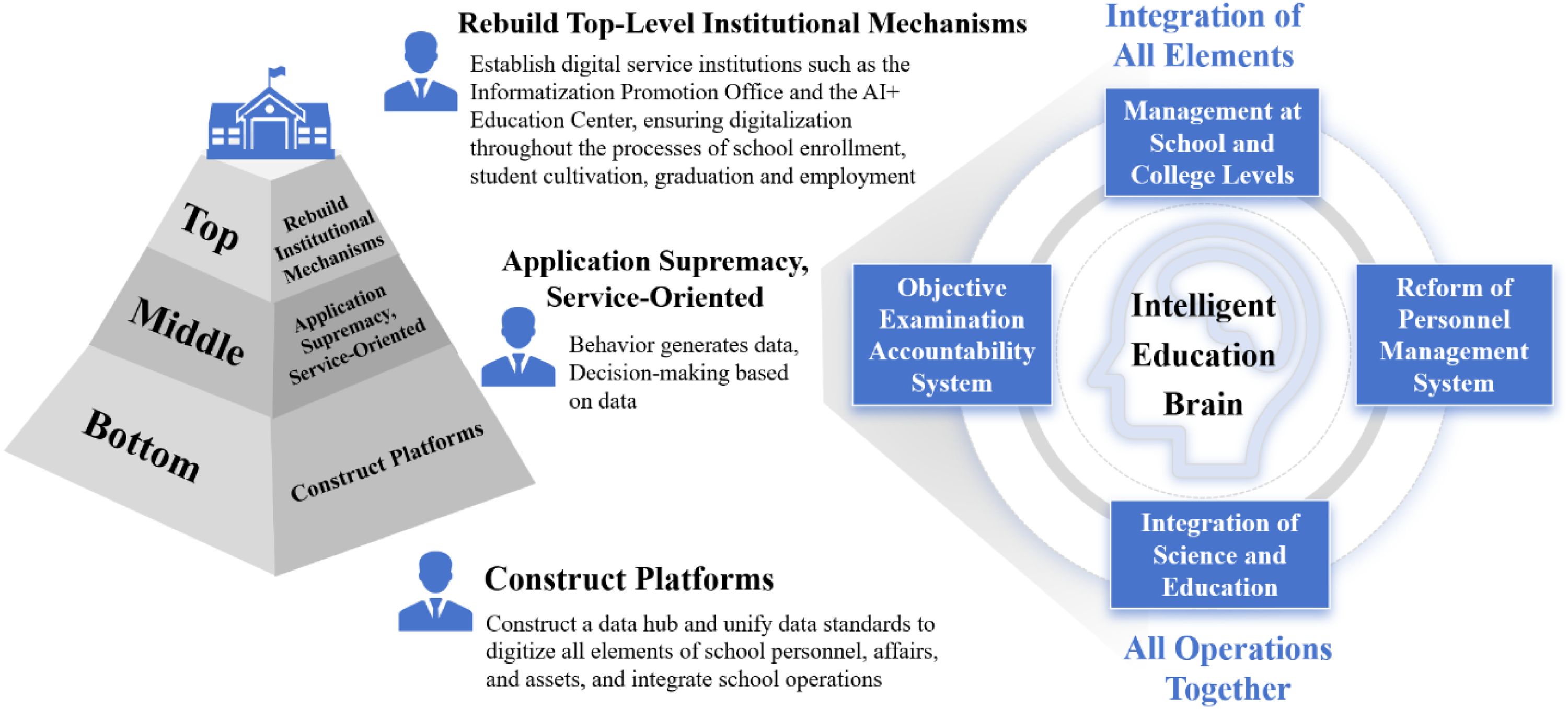
Intelligent education brain.
“Five Duals” of Cultivation in the Xidian Model
Establishing an Intelligent Teaching Platform for the Five-Duals Education Model and Personalized Learning. The Xidian model has emerged, characterized by the “Five-Pair” Education Model and Personalized Learning, which are driving profound education and teaching reform. It caters to over one hundred thousand students, including undergraduates, graduates, international students, and continuing education students, constructing an intelligent teaching platform (as shown in Figure 3) for a digital learning environment. This enables learning anytime and anywhere, forming a new mode of AI + education and teaching. The teaching method is restructured to include both online and offline spaces, while a precise recommendation system is established for projects, mentors, and teammates, fostering an innovative “dual innovation” education system. Research and study spaces are created, promoting a “dual school” education in academies and colleges. A “dual teacher” teaching model is implemented, which combines teachers and AI assistants, and an online self-help experimental system is established. This creates a new education and teaching model with systematic resources, intelligent teaching, and personalized learning, improving student learning outcomes. Student growth data are used for evaluation, resulting in a “dual certificate” that guides and motivates students for comprehensive development.
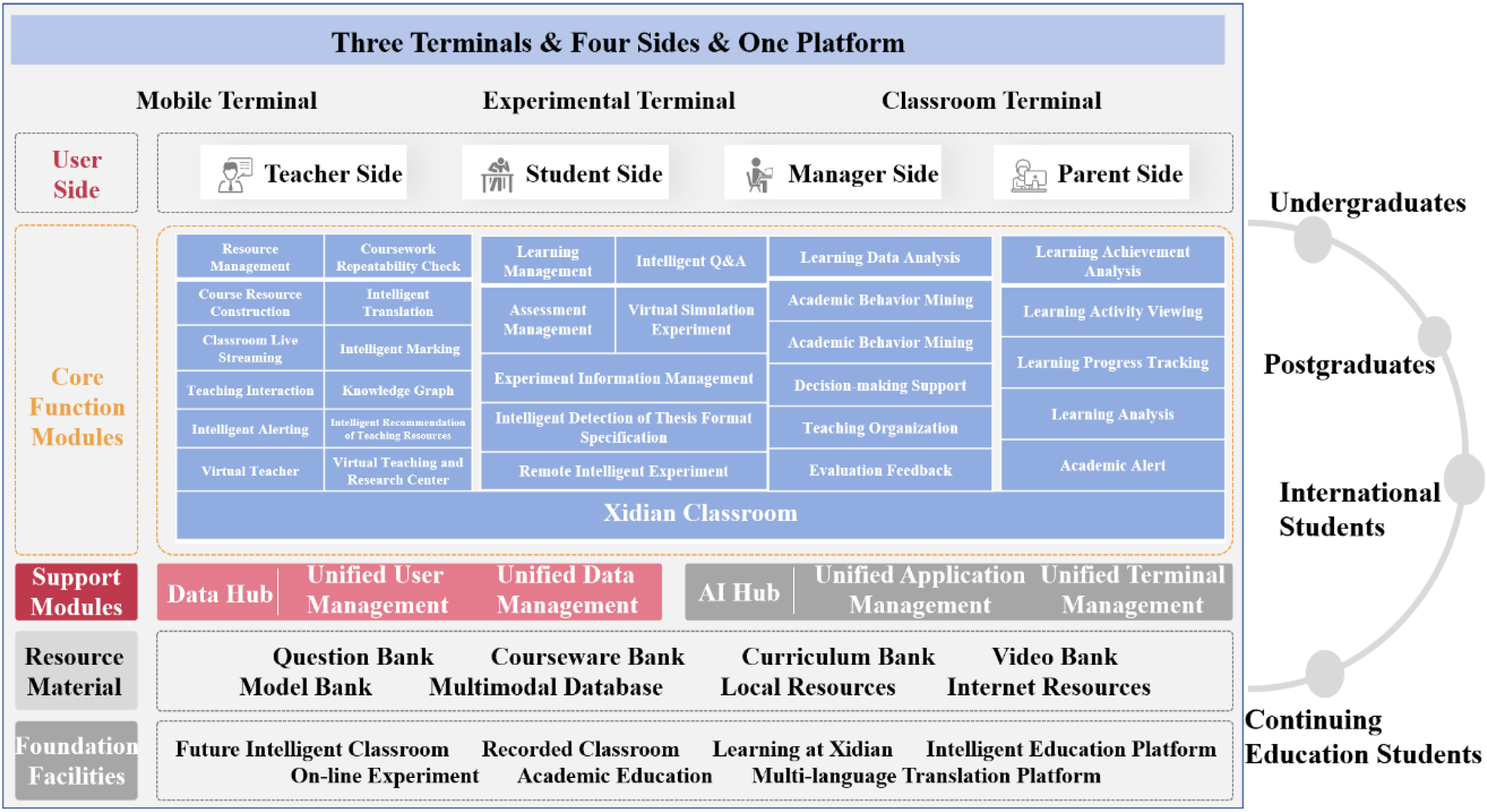
Intelligent teaching platform.
Artificial Intelligence-Driven Profound Education and Teaching Reform
Building on online teaching resources to support traditional teaching reform
To meet the needs of international teaching and learning development, we are building an AI-powered MOOC internationalization system. The system uses advanced AI technologies such as speech recognition, text translation, and TTS speech synthesis to efficiently translate MOOC resources into multiple languages and present bilingual subtitles on the course display in real time. It realizes barrier-free communication in the teaching process, providing teachers with high-quality overseas course resources with “zero workload.”
To alleviate the alienation that online education creates between students and teachers, we use AI technology, VR, and AR to create virtual teacher images. Through voice-driven lip-synchronization technology, the personalized image of the teacher is animated and synthesized into a video. Automatically generated lesson resources with different teacher images can provide students with visually realistic online instruction.
In addition to teaching professional knowledge, we pay special attention to political education and guide students to inherit good learning habits through practice. We have created a political education resource library and made full use of the red history and culture of Xi'an University to create the three-in-one classrooms of “Me and My Motherland,” “Me and My Ancestors,” and “Me and My Xidian.” This creates a three-in-one classroom that covers the four years of the university. This forms a system of red culture education activities covering the four years of university and emphasizes the combination of “learning + practice + innovation.” In addition, we construct a red political education resource base with the trinity of “school history, alumni, and school celebrations.” We use AI technology to automatically associate resources and tag video resources with knowledge points. Teachers can quickly refer to the resources in the pool when creating courses and achieve remarkable results in political education teaching (Figures 4 and 5).
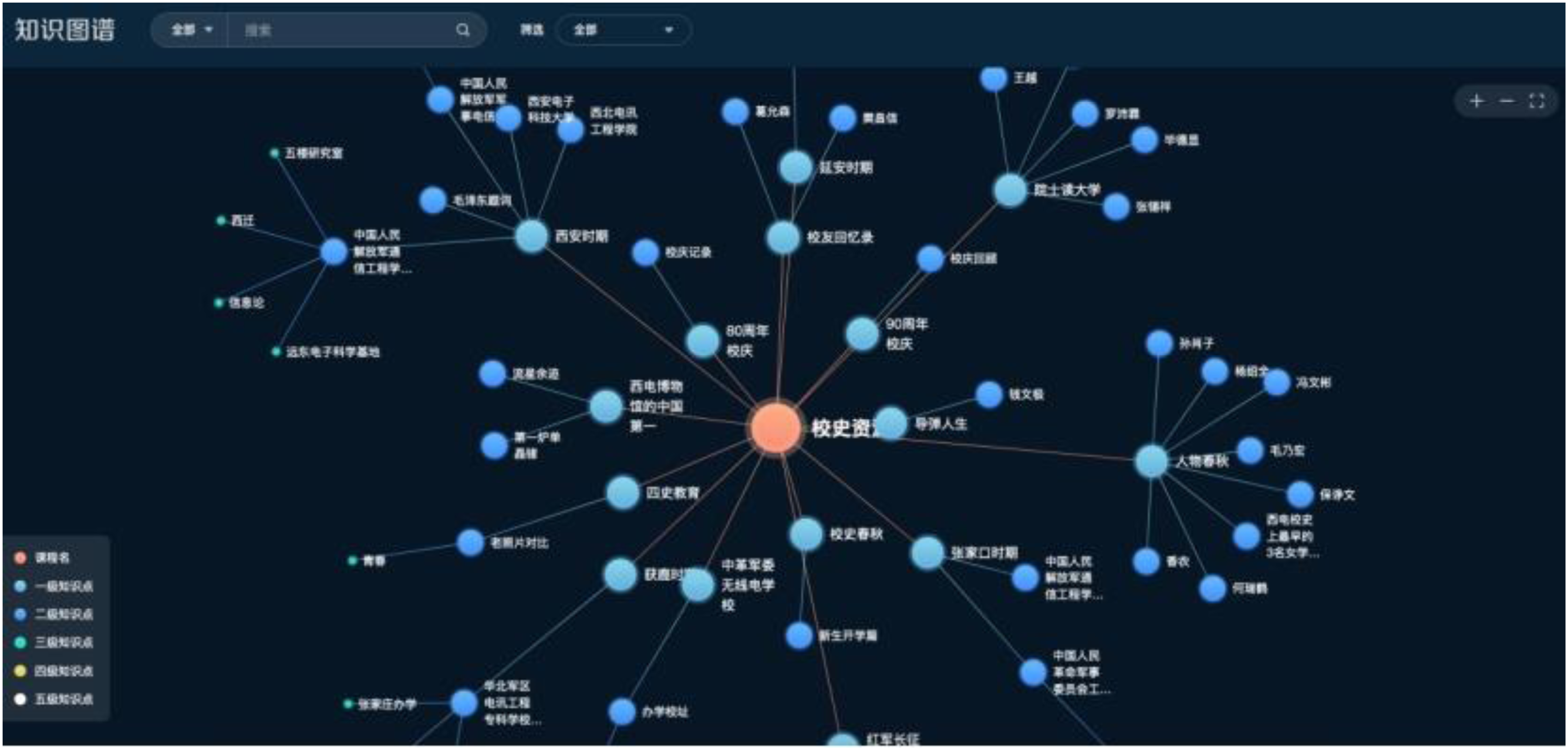
School history resource mapping.
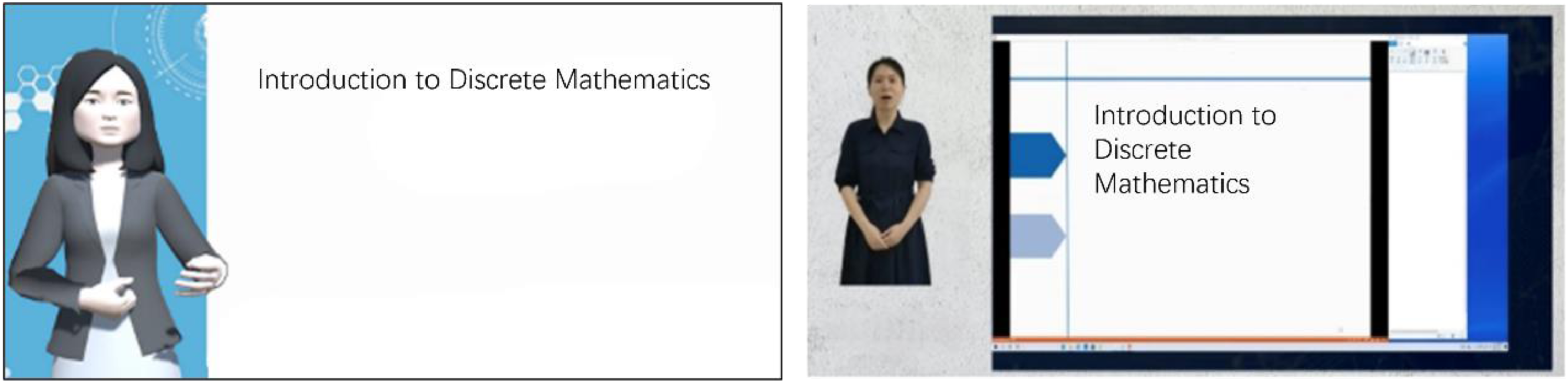
Artificial intelligence (AI)-driven generation of virtual teacher avatars.
Using AI and Big Data Technology for Precision Teaching
We combine various AI tools and teaching modes to improve teaching quality and efficiency. These include the automatic construction of knowledge graphs for automatic correlation between knowledge points and courses, intelligent paper format detection to identify paper errors accurately, plagiarism detection to improve student assignments, and personalized course recommendations. These tools have greatly improved the quality and efficiency of all aspects of education and teaching. With students facing heavy course loads and academic pressure, increasing depth without sacrificing content breadth has become a priority. To solve this problem, we developed a human‒computer collaborative “dual-teacher, dual-space” teaching model with a “teacher + AI assistant.” This online and offline hybrid teaching mode covers all courses and creates a new talent training system and new intelligent education model that deeply integrates education and teaching. We use modern ICT to reconstruct the teaching content and clarify the responsibilities before, during, and after class so that students can be fully engaged in discussion-based classroom teaching. At the same time, many students are able to free themselves from offline courses and reduce academic stress. We rely on our intelligent teaching platform to enable simultaneous, cohort, classroom, and instructor teaching for full-time undergraduates, international students, and online students, and more than 25,000 online students from all over the country have attended classes with full-time undergraduates for three consecutive semesters, effectively expanding the scope of classroom teaching (Figures 6 and 7).
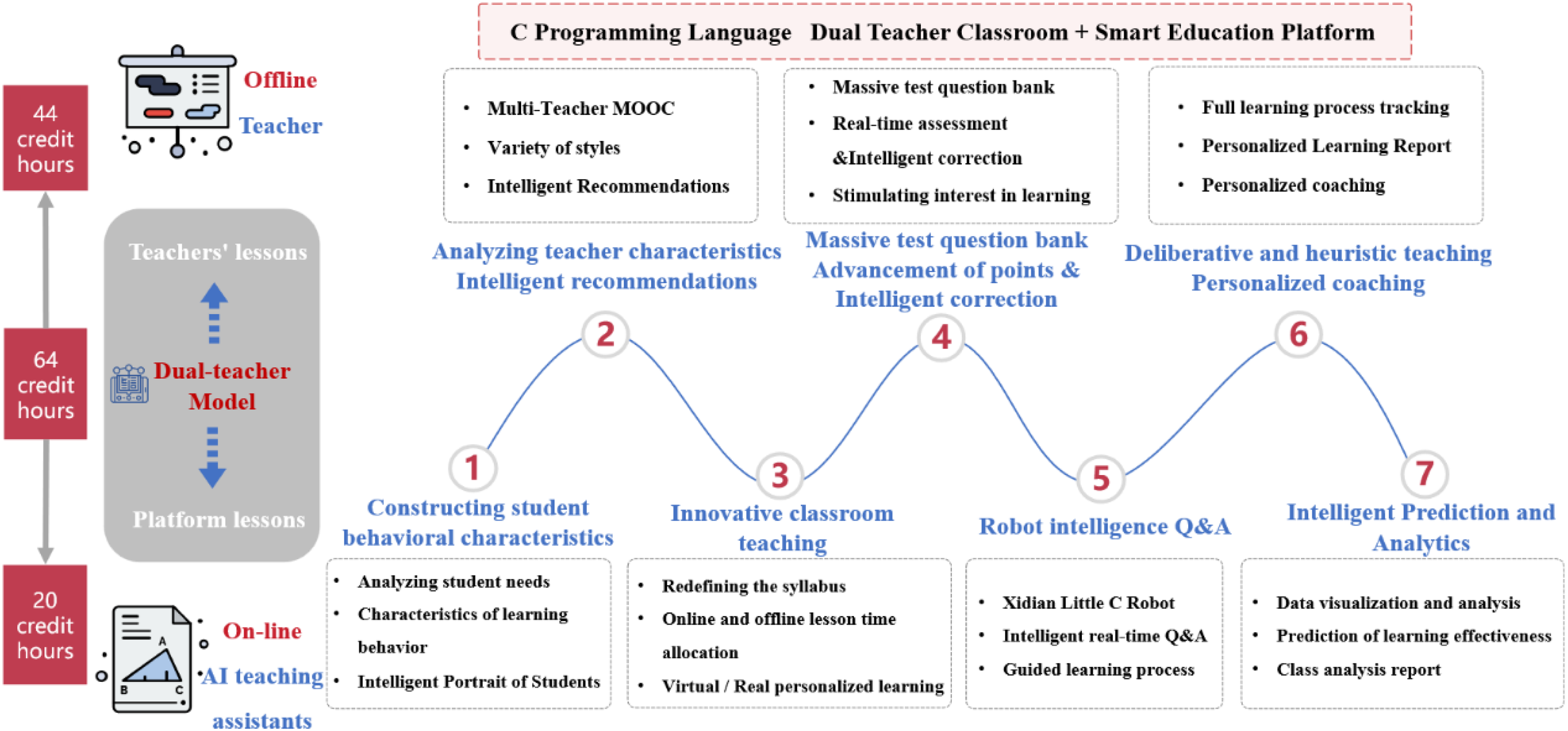
Smart education platform based on the ‘dual teacher and dual space’ model.
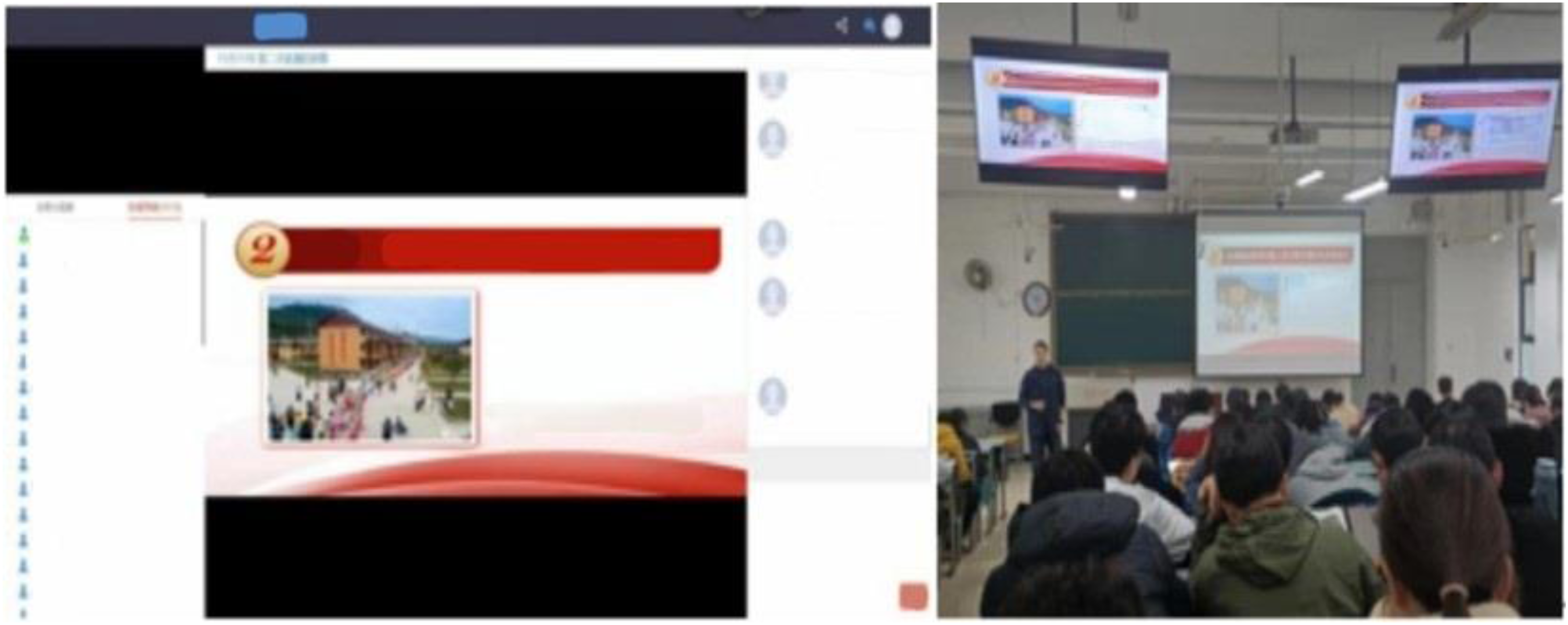
Online and offline classroom scenarios.
Teaching Platform Facilitates Online Experimental Teaching of Students
To alleviate the impact of the epidemic on the progress of laboratory teaching, we have developed a “remote online laboratory system” that supports bilingual operation. Students can access real hardware equipment in the lab remotely via cloud services to conduct experiments. The system is free of charge for all students and teachers at the university, which solves the problem of students not being able to carry out experiments during the epidemic and sets a good example for remote online experiments. With the support of the intelligent teaching platform, we construct 30 virtual simulation experiments and 20 remote online intelligent experiments, which realize the whole process of remote experiment operation and information management. Students can carry out experiments anytime and anywhere, which promotes the reform of the experimental teaching mode (Figure 8).
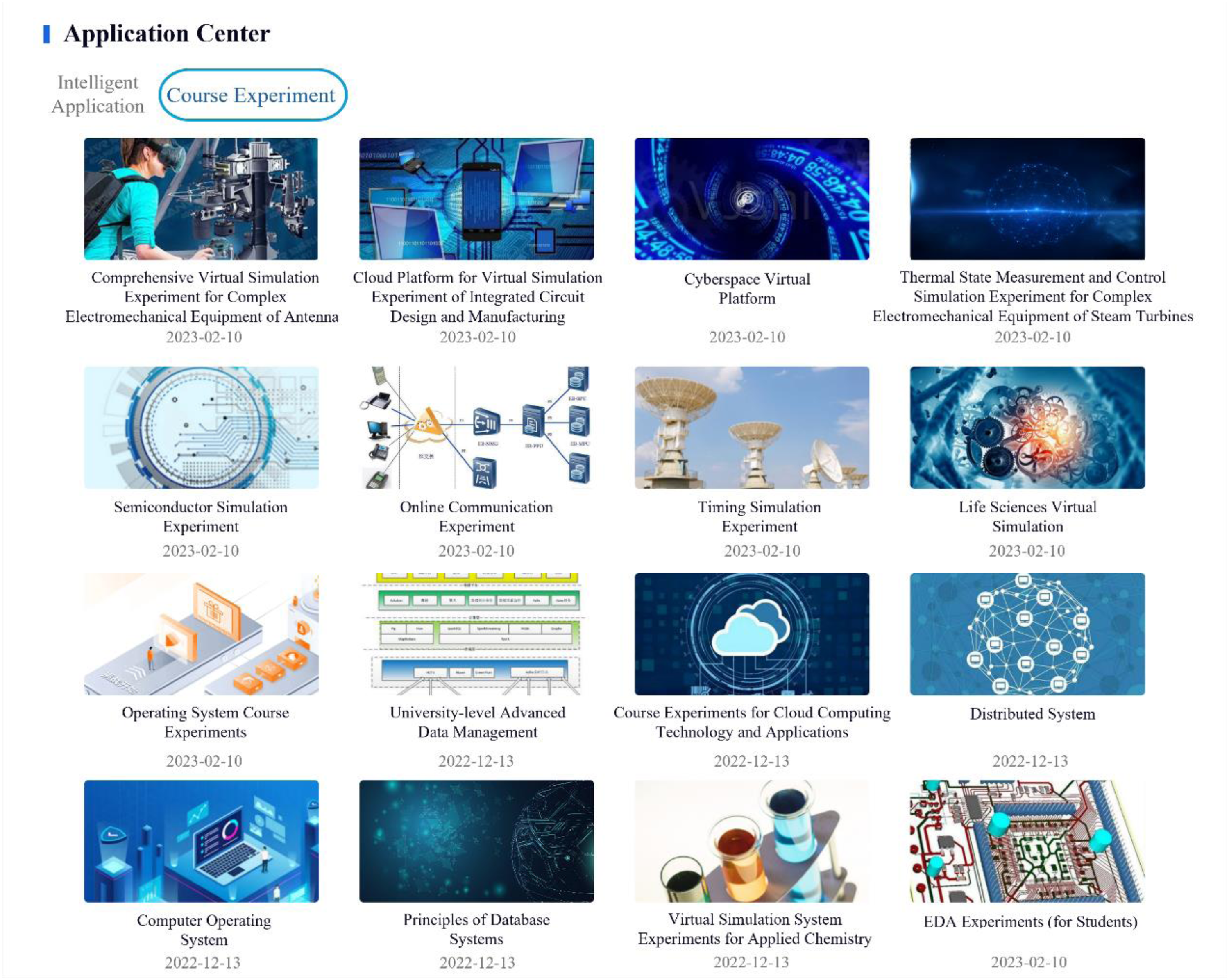
Virtual simulation and online intelligent experimentation in an intelligent teaching platform (partial).
Data Empowerment Enables Precise Evaluation Throughout the Entire Process of Education and Teaching
The implementation of accurate evaluation throughout the entire process of data-enabled education and teaching results in excellent outcomes.
Supported by big data throughout the process, we conduct quality assessments to provide differentiated teaching services for students and achieve personalized talent cultivation. The evaluation system includes score predictions on the basis of classroom behavior and depression predictions on the basis of student profiles. We provide competency certificates and academic certificates for students, which provide comprehensive evaluations of morality, intelligence, physical fitness, aesthetics, and labor skills.
Construction of a student mental health detection and intelligent early warning management platform based on campus big data.
To address the shortcomings of early warning capability and delayed problem detection in the monitoring of mental health among college students, AI technology is utilized to propose a model for intelligent detection and early warning of abnormal behaviors. We establish a platform for monitoring student mental health and early warning of problems based on campus big data (as shown in Figure 9). We develop new ideas and methods for promoting physical and mental health education for college students, increasing the effectiveness of student management through informatization and intelligence. Artificial intelligence-driven early warning of student psychological abnormalities achieves an accuracy rate of over 93% in depression prediction on the basis of student profiles.
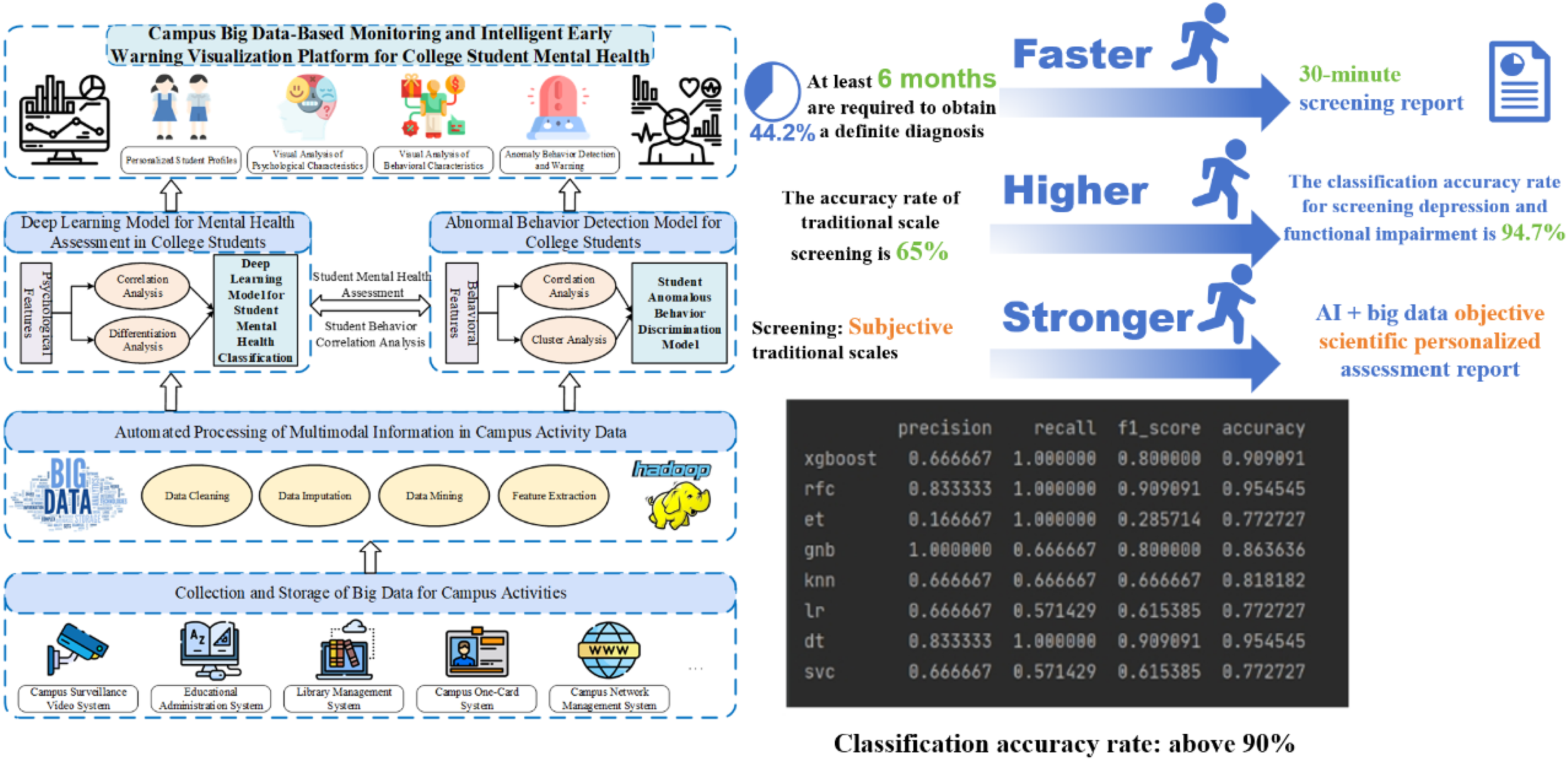
Mental health monitoring of university students based on campus big data.
A data-driven education and teaching platform is constructed for the entire process, benefiting both teachers and students. Students and teachers play crucial roles in education and teaching. We are constructing a data-driven education and teaching platform that analyses students’ learning situations from their perspective, establishes student profiles, provides feedback on teachers’ instruction, establishes teacher profiles, and promotes mutual growth throughout the entire process.
With reinforcement of process evaluation and closed-loop feedback, we can achieve precise education. By leveraging the various learning behavior data provided by the information platform and integrating collected signals and student learning ability information, a multimodal information database of student learning processes is established. This serves as the foundation for developing a classroom teaching evaluation and score prediction model that fuses multimodal information (as depicted in Figures 10 and 11). Additionally, student profiles, an academic traffic light system, and classroom scores are established to facilitate monitoring and early detection in the learning process, with a prediction accuracy rate of over 90% for student course grades. This innovative approach not only overcomes the limitations of traditional assessment methods but also involves the construction of a comprehensive data-driven education evaluation system that covers the entire process. It enables personalized teacher development by providing precise guidance through the establishment of teacher profiles, shifting from identity management to position management. Using informatization and digitization as tools and guided by educational evaluation reform, education resource allocation is optimized, and a diversified salary distribution system is established. This system encourages teachers to focus on cultivating students, employing differentiated evaluations to leverage students’ strengths for personalized growth. Teachers utilize performance prediction and big data analysis to achieve precision teaching and personalized learning, making teaching and learning more effective. The evaluation system transitions from results-oriented to process-oriented, value-added, and formative, moving away from traditional observation-based evaluations towards assessment supported by teaching data, ensuring the quality of education and teaching.
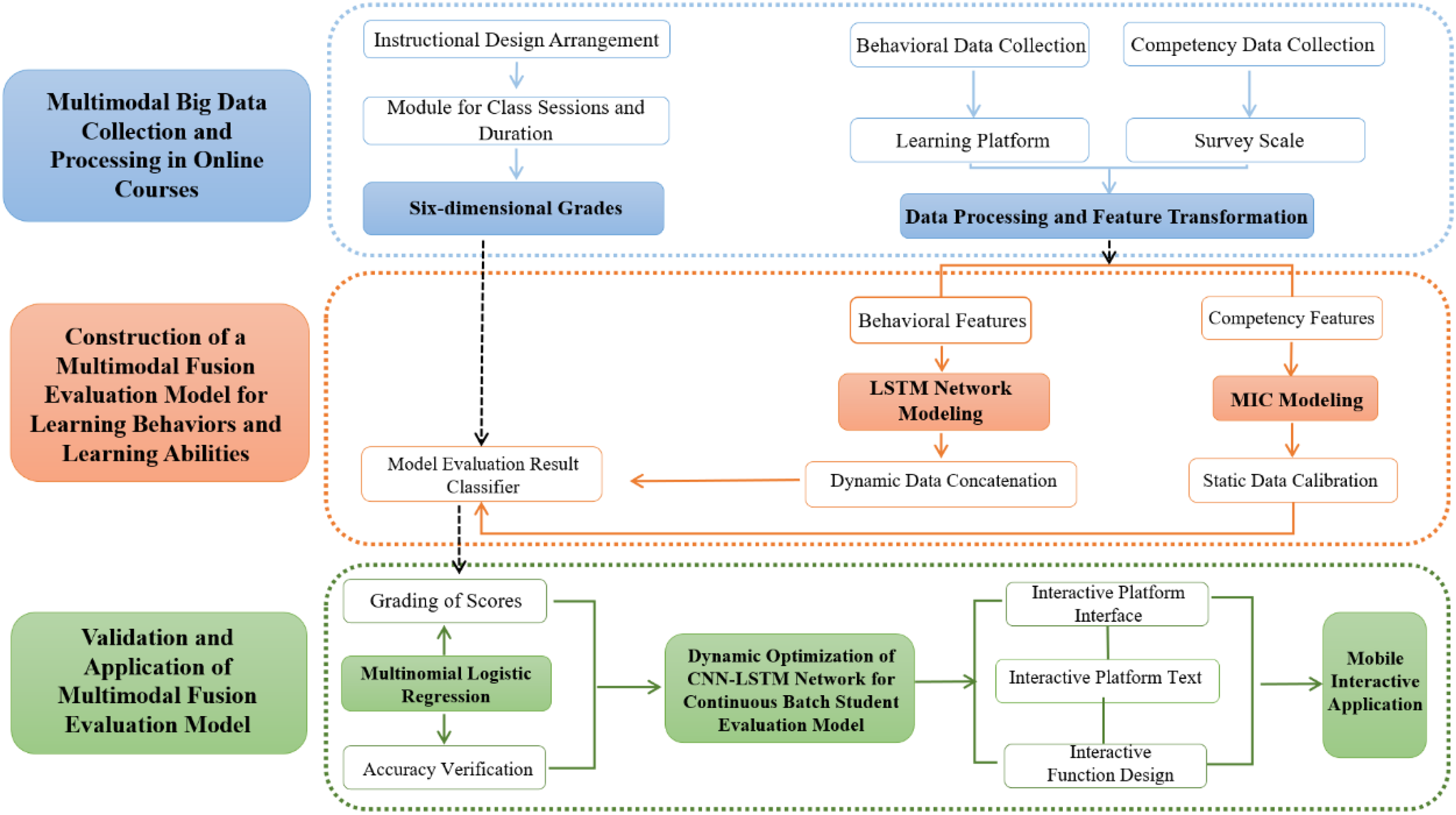
Model for multimodal information fusion in classroom teaching evaluation and grade prediction.
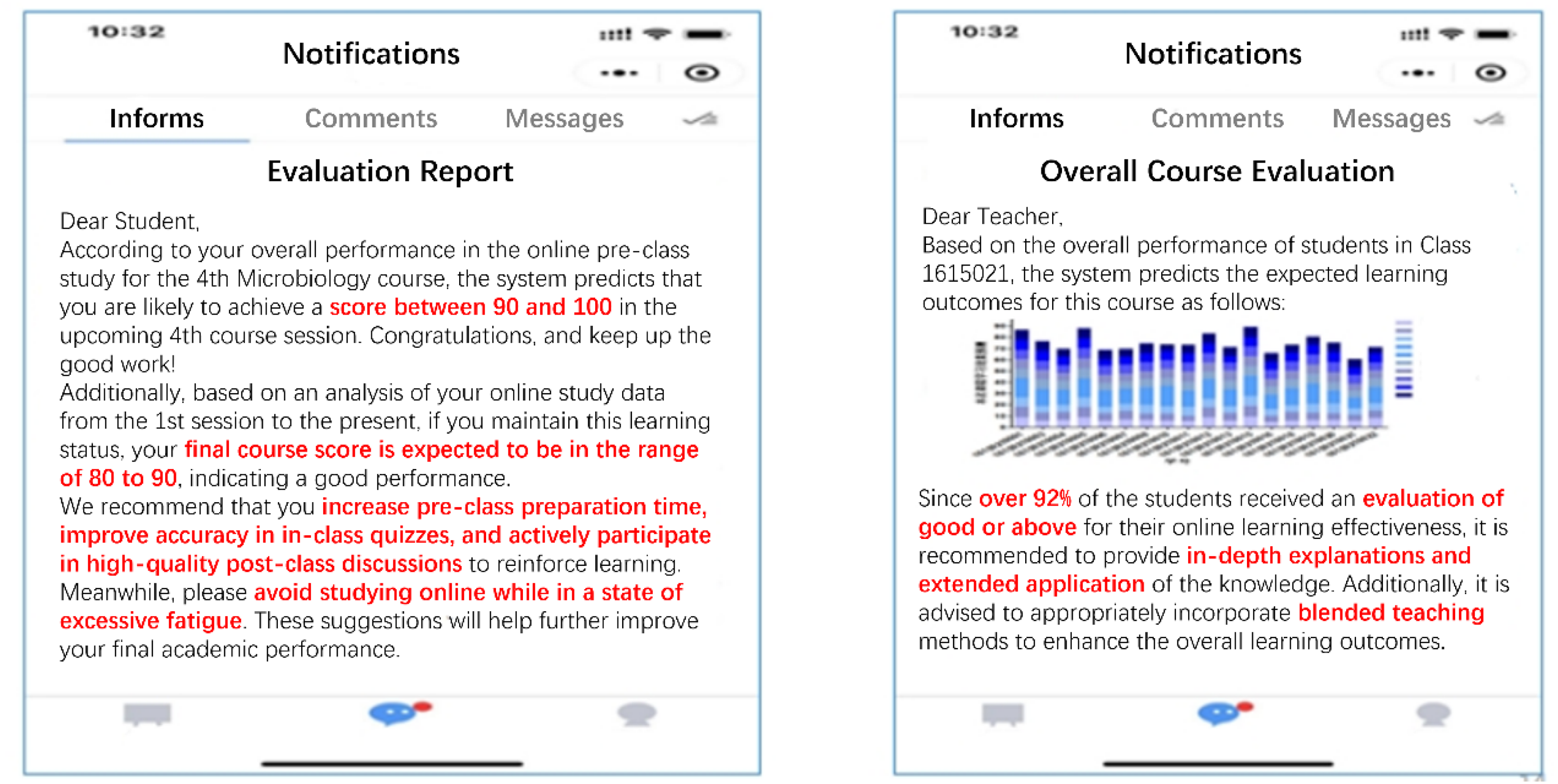
Intelligent assessment feedback for students and teachers on mobile devices.
Construction of a closed-loop feedback system for comprehensive evaluation of student development. We establish a comprehensive evaluation system that prioritizes abilities and construct a closed-loop feedback system for comprehensive assessment of students’ holistic development on the basis of the “Student Electronic Information System” and centered on the “Student Competency Certificate System.” Building upon the cultivation of four key abilities, we develop an expanded set of twelve core competency indicators, accompanied by a competency map and a “flying ring model” for evaluating student competency and character development. We also conduct process evaluation and value-added evaluation and create a “dual-certificate” system consisting of academic and competency certificates (as shown in Figure 12). We establish a comprehensive evaluation system encompassing planning, disciplines, majors, courses, academic achievement, and student psychology, forming a data-empowered closed-loop-driven precise evaluation system throughout the entire process. The competency certificates, generated on the basis of a system covering 1052 observation points, are distributed, with 67.8% of the data collected seamlessly. This achieves comprehensive evaluation encompassing morality, intelligence, physical fitness, aesthetics, and labor skills, unifying education and evaluation. By applying the results of student competency certificate evaluations, both individual and group evaluations can be realized, promoting the improvement of students’ abilities, strengthening weak educational areas, stimulating holistic student development, and facilitating increased student talent.
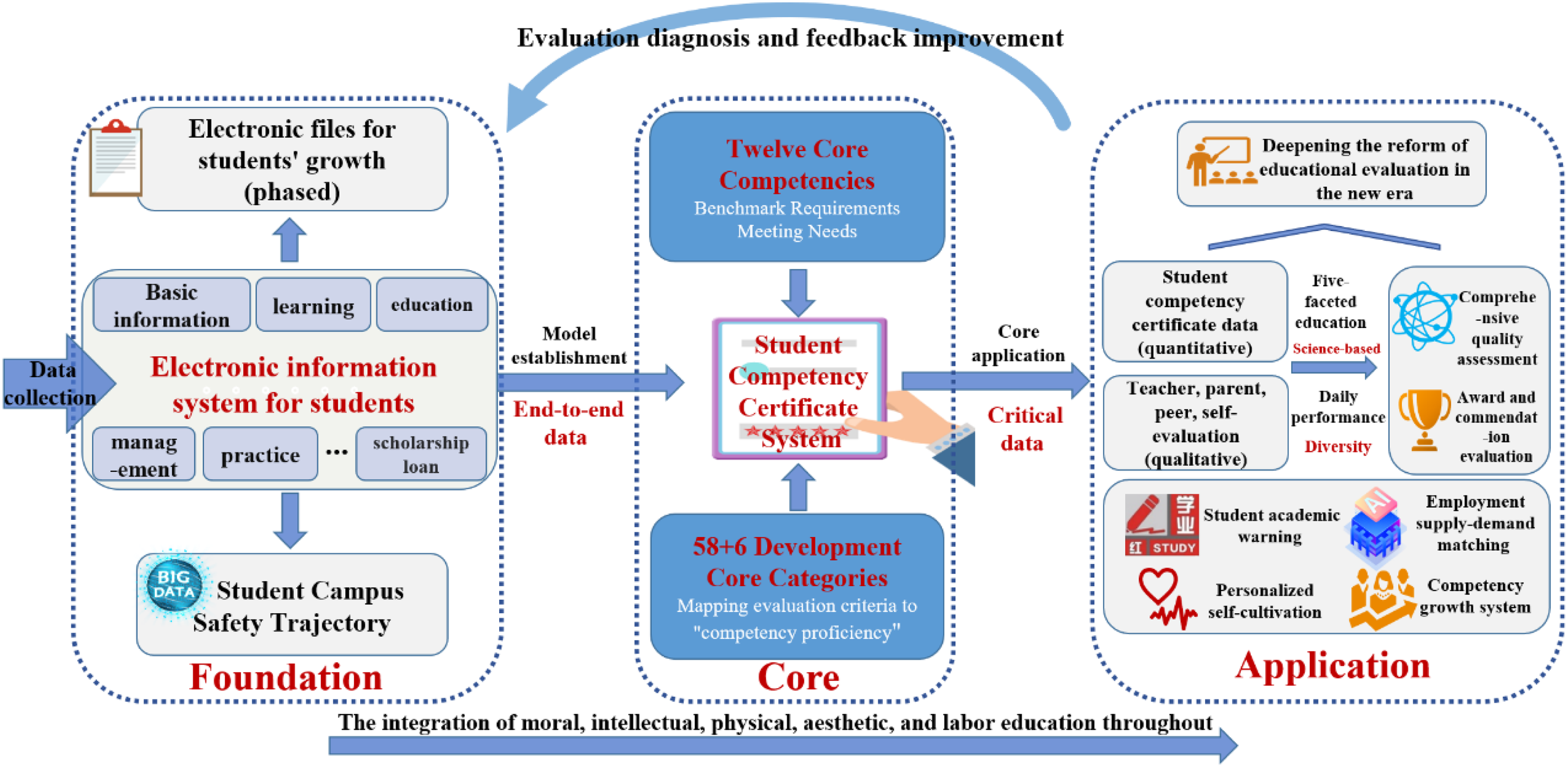
Competency certificate.
Application Effectiveness
After five years of exploration and practice, digital transformation has comprehensively covered all aspects of the modern educational governance system for “teaching, learning, management, evaluation, environment, and strategy.”
Currently, the data center of the intelligent education brain has a daily data exchange volume of 800 million entries, with an annual growth of 2.43 billion entries. This Xidian model has deepened educational and teaching reforms through digital transformation. Through the digitization of business processes, 464 service items have realized online processing, improving the efficiency of teaching and management at the university. The intelligent teaching platform realizes precise teaching with “data flow as the center” and creates 32 intelligent modules. Among them, dual-camera monitoring and AI recognition can support over 30,000 person-times of online course examinations. This module can monitor the examination environment and students’ behavior in real time, providing real-time alerts for cheating.
Dual-Teacher and Dual-Side
In 2018, the school established a training program for the “online and offline hybrid teaching mode,” reducing the number of offline class hours and increasing the number of online class hours. We also established a “dual-teacher and dual-space” teaching mode, with collaboration between teachers and AI assistants and covering all courses with an online and offline hybrid teaching mode. In this way, we are building a new talent training system that integrates education and teaching and an intelligent education model. Since 2019, we have used modern ICT to reconstruct the teaching content of more than 10 courses, including C Language Programming,” “Discrete Mathematics,” “Advanced Mathematics,” and “College English.” In the C Language Programming course, 20 of 64 class hours are conducted completely online with the help of AI assistants. The average score of the pilot class that uses the platform for learning is 9.2 points higher than that of the nonpilot class. To date, more than 16,000 students have used the platform for this course, saving a total of more than 320,000 offline class hours. The workload of two teachers is less than ‘2’, but the classroom efficiency has achieved an effect of 1 + 1 greater than 2. According to the postclass questionnaire, more than 80% of the students were very satisfied with their grasp of the course. This model has been recognized as a typical case of online teaching in Shaanxi Province. In the first National University Teachers’ Teaching Innovation Competition, Xie Kun, our teacher from the School of Computer Science and Technology, and her team participated in a competition with the Discrete Mathematics course. They achieved excellent results, winning second prize in the country.
Construction of Ideological and Political Course Resources
To assist students in ideological and political education, we applied for and approved a national-level “Learning at Xidian” cloud-based demonstration site based on the “intelligent teaching platform.” We adhere to the principle of emphasizing both discipline constraints and education guidance and conduct a series of learning style education activities with “Integrity Education Month + Learning Style Building Month + Discipline Education Week” as the core, guiding students to inherit good learning styles through practical actions. We vigorously implement the “Ideological and Political Learning, Professional Training, Scientific Research Assistance, and Promotion of Construction through Competitions” four-in-one counselor quality and ability improvement project and strive to promote the professionalization of the counselor team. We make full use of Xidian's red historical and cultural resources to construct the “Three-School Education” red ideological and political resource pool. Currently, there are 1753 self-built ideological and political resources and 802 million accumulated resources on the platform, forming a human–technology collaborative resource supply and construction and sharing system. On the basis of the abovementioned digitally driven results of ideological and political education, two national-level exemplary courses and six provincial-level exemplary courses have been approved.
Online Experimental and Simulation Platform
In 2020, to minimize the impact of the epidemic on experimental teaching progress, the School of Electronic Engineering, together with the National Electric and Electronic Experiment Center, utilized the “AI Experimental Platform + Internet Intelligent Education” resource to remotely access real hardware devices in the laboratory for experiments through cloud services. The director of the National Electric and Electronic Experiment Center, Zhou Jiasha, Deputy Director Wang Xinhuai, and teachers Xu Yin and Liu Jieyi designed a “remote online experiment system” that supports bilingual operation, which is available for free to all students and teachers. They established a complete experimental teaching environment that not only enables students unable to conduct experiments during the epidemic but also provides a good example for remote online experiments. Currently, more than 3000 students have used this platform for electronic circuit experiments. We have established 30 virtual simulation experiment projects and 20 remote online intelligent experiments on the “intelligent teaching platform,” effectively promoting the reform of the experimental teaching mode.
A Data-Driven Education Evaluation System has Been Established Throughout the Entire Process of Education and Teaching
By creating student and teacher profiles, a data-driven education evaluation system has been constructed for the entire process of education and teaching. Since 2022, the university has built a comprehensive evaluation model for postgraduate students’ abilities on the basis of objective data, covering three levels of ideal beliefs and moral ethics, academic-professional abilities, and transferable abilities, as well as 10 + 1 core competencies. This model encompasses 619 investigation points and involves over 1475 specific evaluation points, establishing a diversified evaluation system for the comprehensive development of postgraduate students’ abilities. By June 2023, 1993 graduates and undergraduates had received personalized certificates tailored by the university in addition to their graduation and degree certificates.
Through the digital transformation-driven deepening reform of education and teaching, universities have significantly improved in terms of effectiveness, benefits, and efficiency, leading to increased satisfaction among teachers and students. Educational and teaching, as well as the quality of talent cultivation, have significantly improved, with undergraduate students winning 732 national-level awards in the past three years, including 17 gold and 17 silver medals in the Internet + Competition. Graduates’ employment rate has continued to rise. Even with the impact of the pandemic, the employment rate for the class of 2022 still exceeded 95%. The university's research funding has increased from 600 million to 1.6 billion, greatly improving our research and education capabilities.
In the process of exploring how the digital transformation of higher education can drive reforms in education and teaching, we have generated a wealth of theoretical achievements, playing a proactive role in national policy formulation. Members of our project team have overseen more than 10 new national-level engineering projects and projects commissioned by the Ministry of Education. They have also taken the lead and participated in the preparation of several important documents, including the “Medium and Long-term Development Plan for Educational Informatization (2011–2020), “Guidance on Promoting the Construction of New Types of Educational Infrastructure to Build a High-Quality Education Support System,” and “Education Informatization 2.0 Action Plan.” They have served as the chief editors of “New Educational Infrastructure: The Supporting Force of a High-Quality Education System,” laying a crucial foundation for the digital transformation of higher education.
In the construction of MOOCs and the promotion of ICT applications, Yang Zongkai and Hao Yue, as chairpersons, jointly established the MOOC Alliance for Electronic Information under the guidance of the Ministry of Education. They facilitated the formulation and promotion of the “Guidelines for the Construction and Application of MOOCs in Higher Education.” Additionally, they organized international seminars on intelligent education, playing a crucial role in the exploration and promotion of teaching models based on MOOCs.
During the 2021 World MOOC and Online Education Conference, the Ministry of Education's Higher Education Department recognized the “intelligent teaching platform” as a “typical case of online teaching” and commented that it has transformed the school's “management.” Education Minister Huai Jinpeng visited Xidian University in 2022 and highly praised the school's intelligent education initiatives. He expressed the hope that the university would excel as a “digital transformation experimental field.”
Conclusion
Digital transformation represents a strategic shift in educational development and a necessary path towards deepening reforms in teaching and talent cultivation. Leveraging the ICT strengths of Xidian University, we have advanced governance, improved teaching effectiveness, and implemented data-driven evaluations through the Xidian model, which addresses the key dimensions of teaching, learning, management, evaluation, environment, and strategy. By institutionalizing management, systematizing procedures, and digitizing processes, we have reengineered workflows across all functional domains, forming a comprehensive “Three-All” governance framework supported by the “Two-Major” platforms—the intelligent education brain and intelligent teaching platform—and the integration of science, education, and research. Continuous reform guided by big data has led to a new educational paradigm of dual spaces, dual teachers, dual schools, dual certificates, and dual innovation. Artificial intelligence has enhanced the resource supply, supported online experimentation, promoted internationalization, and enabled personalized learning. In assessment, we have shifted from results-oriented evaluation to a formative, process-driven model enabled by big data and AI. Through the integration of people and ICT in a human‒technology collaboration model, we have reshaped undergraduate education in the digital era, positioning Xidian as a benchmark for “AI + Education” transformation and offering a replicable, scalable solution for comprehensive educational reform.
Footnotes
Declaration of Conflicting Interests
The authors declared no potential conflicts of interest with respect to the research, authorship, and/or publication of this article.
Ethics Approval and Consent to Participate
This study did not involve human participants or personal data requiring institutional ethical approval. All procedures complied with institutional and national guidelines for educational research ethics.
Funding
The authors disclosed receipt of the following financial support for the research, authorship, and/or publication of this article: This work was supported by the Research Project on Higher Education Teaching Reform of Shanxi Province No. 23JG003, the Higher Education Science Research Planning Project of the China Association of Higher Education No. 24PG0101, the Teaching Reform Project of the Chinese Society for Educational Development Strategy No. ZLB20250728, the China Adult Education Association Project No. 2023-886ZB, and the Xidian University Graduate Teaching Reform Project No. AIZS2501.
