




Abstract
Compressed air handheld rockdrills have historically enabled efficient blasthole drilling in South African narrow reef gold mines. However, as operations matured and production moved further from shafts, their efficiency declined. Rising electricity tariffs have further reduced profitability, necessitating the adoption of alternative drilling technologies. Hydropower rockdrills present a viable solution, yet adoption has been limited due to uncertainty regarding their economic benefits. This study provides an impartial techno-economic assessment of two hydropower configurations, micro and localised systems, evaluated over 12 months against a compressed air baseline.
Although compressed air systems require no additional capital, their high operating cost (US $14.23/t) makes them the least economical option. The localised hydropower system demonstrates clear advantages, with 47% lower capital cost than micro systems and the lowest operating cost (US $2.41/t). Over a 5-year period, the total cost of ownership is significantly reduced (US $215,700 vs US $983,520 for compressed air), yielding savings of approximately US $767,820. Productivity improvements are also notable, with localised systems achieving 1693 t/month and a superior ROI of 323%, with payback within one month.
Overall, localised hydropower systems offer the most cost-effective, productive, and safer alternative to compressed air drilling.
Keywords
Introduction
The phrase ‘industrial revolution’ refers to an event in which a major technological advancement introduced a novel method for productivity improvements (Qu et al., 2023). In 1904, compressed air-driven handheld rockdrills, as illustrated in
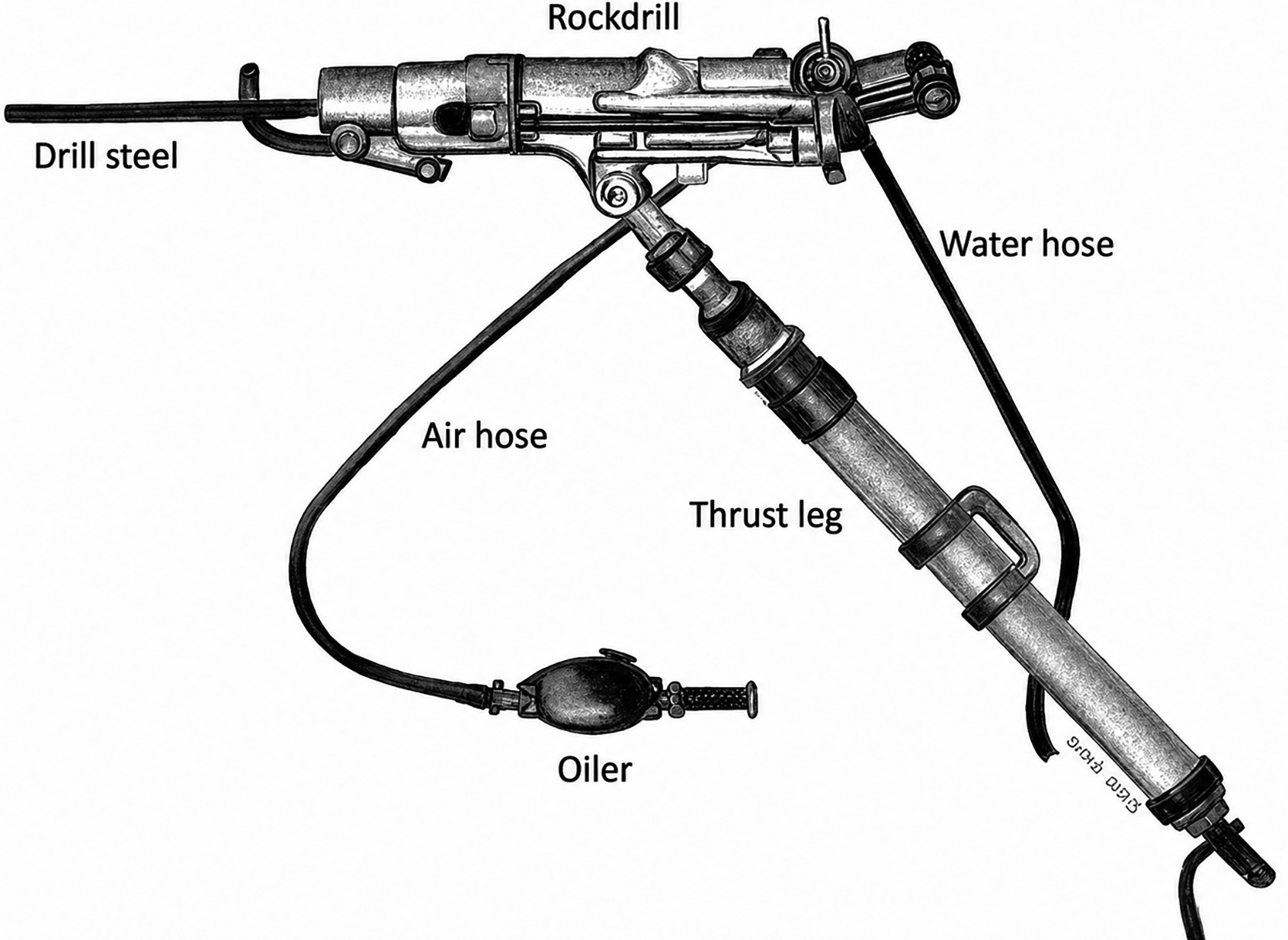
Compressed air handheld rockdrill Bisbee mining & minerals. (n.d.). Jackleg. Retrieved July 5, 2023, from https://www.bisbeeminingandminerals.com/jackleg.
A key challenge in narrow reef mining remains the limited equipment flexibility imposed by excavation sizes, as reef channel widths average around 1.0 m (Chimunhu et al., 2024; Chosi, Leeuw and Nong, 2025). As such, handheld rockdrills remain the preferred equipment choice to drill blastholes in SA's narrow reef gold mines (Kienle et al., 2022; Marshall and Seawright, 1975). Highlighting the industry's strong reliance on a sustainable and collaborative relationship between humans and machines (Acosta-Quelopana et al., 2025). That said, continuous development and implementation of innovative technologies within the mining sector is needed to ensure a sustainable yet profitable supply of mineral resources (Rathor et al., 2026).
The ever-increasing cost of electricity: Post the year 2000, SA's power producer started to implement some of the highest tariff hikes globally (Goosen et al., 2017; Sithole et al., 2023). On top of the 2022 15.06% increases, the National Energy Regulator of South Africa announced a standard tariff increase of 9.61% for 2023. An additional 18.65% and 12.74% were forecast for 2024 and 2025, respectively, further reducing the profitability of mining operations. Supply pressure constraints since production areas of mature mines are several kilometres from the shaft: As operations matured, the production blocks have migrated several kilometres from the shafts (Acosta-Quelopana et al., 2025; Fair, 2022; Oubah et al., 2024; Rao et al., 2010). Pressure losses within these vast reticulation networks reduce the rockdrill supply pressure to as low as 220 kPa, compared with an optimum of 550 kPa (Harper, 2011). Low supply pressure results in suboptimal drill rates, and rockdrill operators fail to drill the required number of blastholes within the allowable shift time. This ultimately results in the drilling activity becoming a process constraint in the overall mining cycle, resulting in severe production losses.
In response to the two challenges mentioned, water-powered (hydropower) rockdrill systems were developed (Fraser, 2006). Three different system configurations exist, namely: centralised, localised, and micro systems. Centralised hydropower systems (CHS) utilise vertical head to create the motive energy medium at 180 bar (Petit and Fraser, 2013). This became the first alternative handheld drilling technology adopted in SA when a platinum mine deployed it in the 1990s (Fraser, 2008). CHS's high capital expenditure (CAPEX) on high-pressure pipes and the inability to control end-user water consumption, however, limited further adoptions to only three gold mines in SA (Fraser, 2006).
Localised and micro hydropower drilling systems were developed to address the shortcomings of centralised hydropower systems. With localised systems, the pressure generation units are innovatively moved underground closer to the production blocks. Localised systems comprise a group of positive-displacement pumps clustered to support up to five production crews per system. Cost-effective small nominal bore (NB) piping is used to achieve this outcome. End-user water control remains a challenge with localised systems because several production crews are supplied from the same pump station. This gap was bridged through the innovative development of micro systems. With these systems, a pressure generation unit capable of supplying 3.5 l/s is allocated in-stope to each crew and enables effective end-user water control (Fraser, 2008; Petit and Fraser, 2012).
Localised and micro hydropower drilling systems fall within the low-energy consumer class due to their improved positional efficiency, absorbing up to 2.66 kWh per metre drilled (Kienle and Fraser, 2022). The reduced energy consumption is predicted to result in an 86% energy saving compared to compressed air drilling under similar operating conditions (Fraser, 2010b). Economics of scale have thus prevented centralised hydropower systems from becoming a cost-effective alternative to existing pneumatic systems. Both localised and micro hydropower systems appear to be viable alternatives. However,
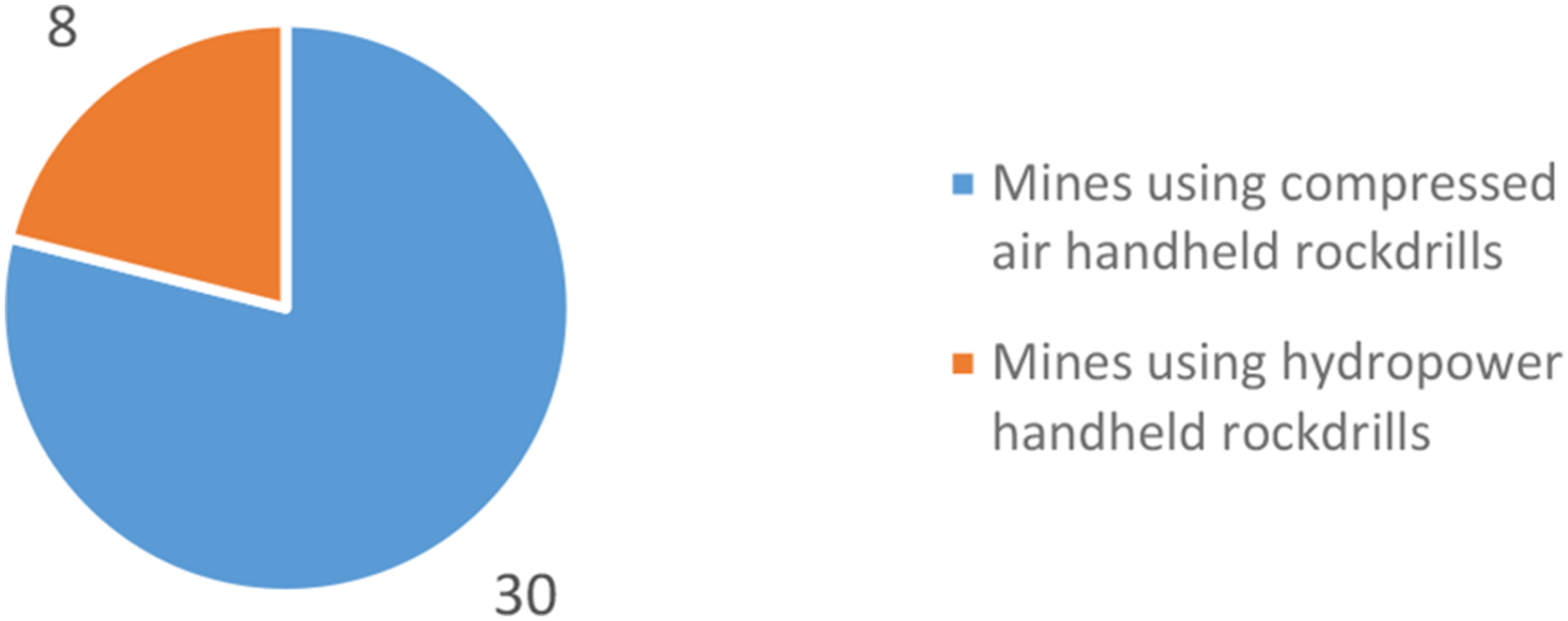
Number of compressed air gold mines vs gold mines using alternatives
SA's underground gold mines appear to be relentlessly risk-averse when it comes to adopting new technology. The revenue lost is estimated at US $73,185 1 per day per crew if the new drilling system fails to function as a replacement for compressed air. As a result, technologies are generally not considered if the techno-economic value-add is unclear to the operational management team. The state-of-the-art presented next aimed to provide an overview of the limited published performance-versus-cost data available for hydropower drilling systems.
State-of-the-art overview
A literature survey was conducted to evaluate published data on alternative drilling technologies in the SA narrow reef gold mining industry. Since mature narrow reef deep-level gold mines are unique to South Africa, information on alternative in-stope handheld drilling technologies is limited. All topic-related literature from 1930 to 2025 was considered, filtered and condensed. The literature survey revealed that extensive effort was invested in developing a pure electrical handheld drilling system. Unfortunately, from a techno-economic perspective, slow drilling performance and high operational expenditure (OPEX) resulted in electrical drilling systems being settled as an economically unviable alternative (Petit, 2006b; Petit and Fraser, 2013; van Jaarsveld and Ebben, 2008).
Oil-hydraulic handheld drilling systems compared favourably with their pneumatic counterparts. It is more efficient, yields improved drilling performance and produces less mist (Fourie et al., 2017; Marshall and Seawright, 1975). The disadvantages, however, include a greater need for a reliable in-stope power supply, vulnerability to dirt, greater complexity to operate and maintain, and the liberation of additional heat into the working environment (Marshall and Seawright, 1975; Seabell, 2023). Reliability concerns stemming from oil-hydraulic systems’ inability to tolerate dirt remain a technical challenge yet to be solved, preventing large-scale adoption. The only published case study, in which the technology was tested in a platinum mine, dates back to 2017 (Fourie et al., 2017). On the contrary, hydropower drilling technology presents a reliable dirt-tolerant solution compatible with dirty service water used in SA gold mines (Fraser, 2006, 2008; Kienle et al., 2022). Several published papers exist to substantiate the performance and cost benefits offered by hydropower (Cronje and Fraser, 2022; Fraser, 2008, 2010a, 2014; Kienle et al., 2022).
Table 1 showcases a summary of the current shortcomings in the literature, namely (1) most papers found are over 7 years old, all published by biased sources (e.g., suppliers, etc.), and (2) no recent case study is presented for deep-level gold mines comparing localised vs micro hydropower drilling systems. Published literature to provide system selection guidance does not currently exist, further supporting the problem statement.
State-of-the-art matrix showcasing the gap in previous research. research gaps identified are indicated by (✗).
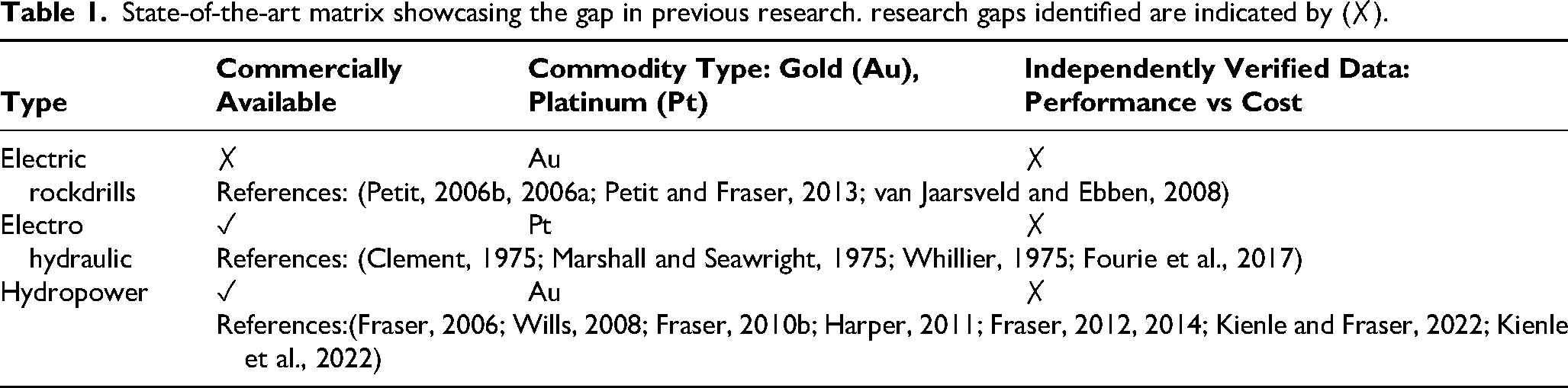
To address the need, the present study aims to establish the feasibility of mature gold mines transitioning to hydropower drilling by performing a techno-economical assessment of micro vs localised hydropower drilling systems in underground mines. The supporting objective is to implement and evaluate the economic viability of hydropower drilling systems through a techno-economic assessment. The results presented in this paper were obtained from a deep-level gold mine case study located in South Africa. Results reported were captured over a 1-year timespan.
Methods and materials
The techno-economic benchmark assessment (TEBA) framework is used in industry to benchmark the performance and cost of implementing new technologies against a known standard, and provides strategic guidance in selecting the most economically viable option (Giacomella, 2021; Krull et al., 2024; Petit, 2006b).
This paper adopted the TEBA framework proposed by van Jaarsveld and Ebben (van Jaarsveld and Ebben, 2008). The framework was initially developed to assess the techno-economic viability of electric rockdrills and represents a detailed guideline identified from published literature for conducting an alternative drilling TEBA. Figure 3 illustrates this framework, which consists of three phases, namely: (1) initiation, (2) analysis, and (3) close-out. Phase one entails formulating the problem statement and conducting the literature review, as highlighted in Sections 1 and 2. Next, the techno-economical parameters, or key performance indicators (KPIs), are identified from published literature as CAPEX, OPEX, production, total cost of ownership (TCO), return on investment (ROI), and health and safety (Fourie et al., 2017; Petit, 2006b; Petit and Fraser, 2013; van Jaarsveld and Ebben, 2008). The unconventional inclusion of health and safety as a KPI ensures that any additional costs incurred to mitigate adverse effects on employees’ health and safety are accounted for.
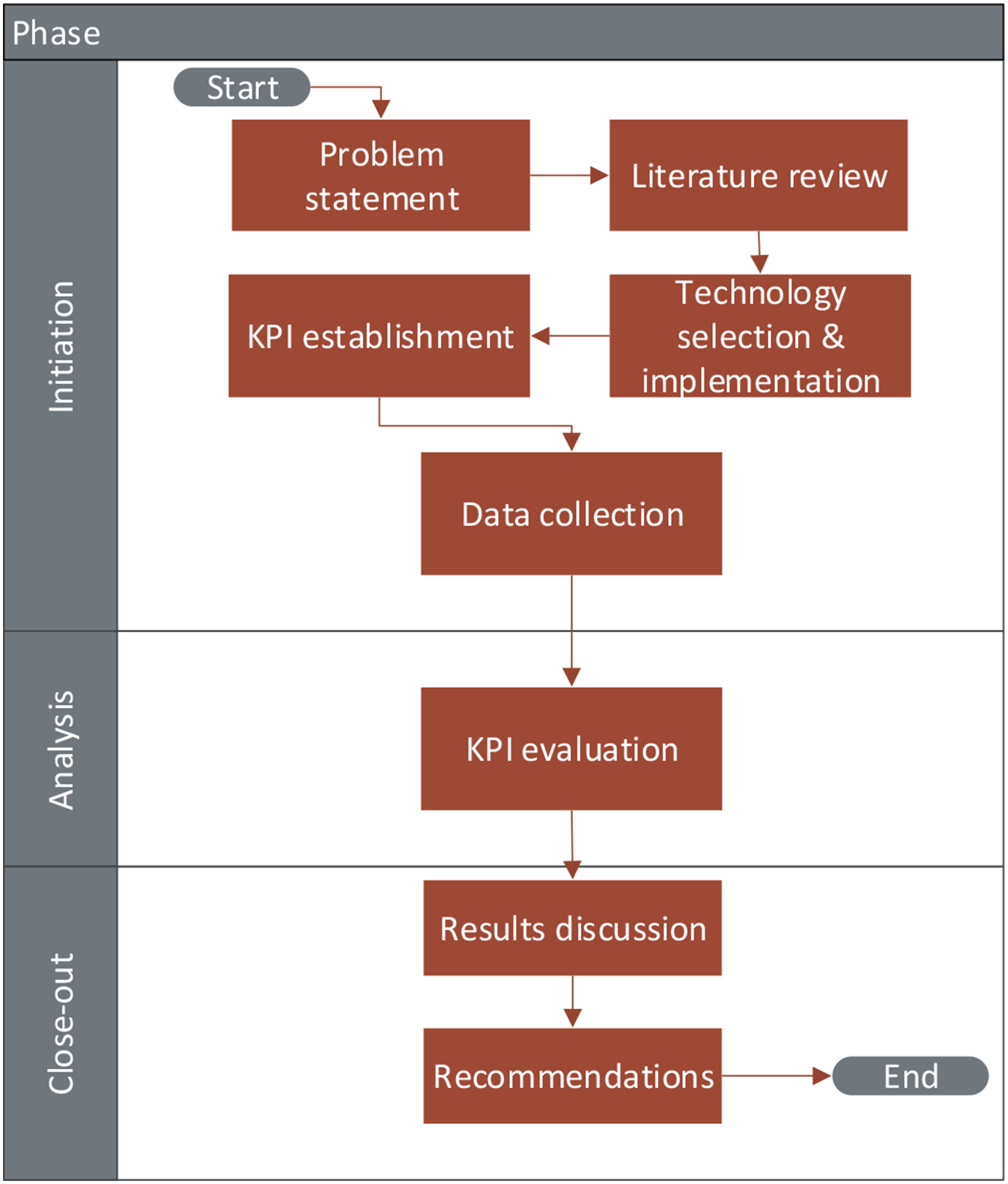
TEBA framework adopted from (van Jaarsveld and Ebben, 2008).
KPI 1: CAPEX
The first assessment criterion evaluates the capital cost of acquiring the infrastructure needed to equip crews with alternative drilling systems. This includes all infrastructure required to replace the compressed air drilling equipment, such as pressure generation units, drills, thrust legs, reticulation, and ancillary equipment (Fourie et al., 2017; Petit and Fraser, 2013). Supplier capital equipment invoices are used as the source for CAPEX data.
KPI 2: OPEX
The operational cost of underground mines is nearly four times higher than open-cast mining (Reddy et al., 2024). As a result, underground operations are notably sensitive to changes in operational costs resulting from new technology implementations. That said, the second assessment criterion evaluates the new system's operating cost. OPEX parameters to consider include electricity cost, labour, maintenance, and equipment replacement costs due to damages caused by falls of ground and operator abuse (Fourie et al., 2017; Petit, 2006b; Scott-Russell, 1993). Supplier operational expenses invoices are used to collect data on maintenance and labour costs. The cost of electricity is evaluated using the detailed framework provided by Fraser (Fraser, 2010b).
KPI 3: production achieved
Any improvements in mining rates are quantifiable with ease by tracking the production achieved (Chimunhu et al., 2024; Thompson and Holm, 2004). Production achieved, in ore tonnes per crew per month, is used as the performance metric and obtained from the operation's surveying department.
KPI 4: ROI
The fixed capital costs of each system configuration are evaluated in terms of ROI. ROI is an effective comparative metric used to assess the technology's sensitivity to regenerate the capital cost, and is calculated using (1) (Yukesh Kannah et al., 2021). It is a function of the profit generated per panel per month relative to the capital required to equip the crew with the alternate drilling system. Monthly profit is governed by the revenue generated minus the all-in-sustaining cost, whereas revenue generated is driven by the crew's monthly production and the gold price. All-in-sustaining cost is the sum of all costs incurred to sustain production, including royalties, plant processing costs, labour salaries, and utilities. The monthly profit figure is obtained from the operation's financial manager.
KPI 5: health and safety
This assessment focused on determining whether additional capital is required to mitigate adverse effects on employees’ health and safety. The focus areas to be considered include noise, vibration, heat, safety devices and features.
Noise
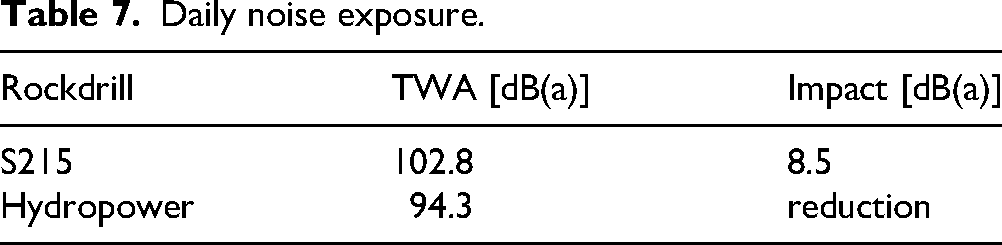
Compensation paid for noise-induced hearing loss would result in unwanted expenses (Thompson and Holm, 2004). To assess if the new rockdrills produced more noise, a time-weighted average noise-exposure comparison is needed between the hydropower and compressed-air drilling systems. The exposures are measured using a dosimeter. The dosimeters are allocated to the compressed air and hydropower rockdrill operates at the start of the drilling shift and are collected at the end of the shift for analysis. The built-in software automatically calculates the operators’ noise exposure, normalised for an 8-hour shift.
Vibration
A person's daily exposure to a certain vibration magnitude is expressed by equation (2). The formula normalises vibration magnitude to actual exposure over an 8-hour base period. The supplier normally provides the vibration magnitude of the rockdrill. An RDO's exposure time represents the total time component during which the operator's hands contacted the operational drill, which is estimated through the collar-to-collar drill rate multiplied by the number of holes drilled. The symbol ‘ 
Heat
Several researchers cautioned against the additional heat introduced to the stoping environment when implementing hydropower drilling technologies (Kienle et al., 2022; Seabell, 2023). It is well established that the work performance of stope team members is sensitive to changes in ambient temperature and is strictly governed by legislation (Krige and Barnard, 1981; Nawaz and Koç, 2018). Consequently, to understand and manage the impact, the change in heat load needs to be evaluated.
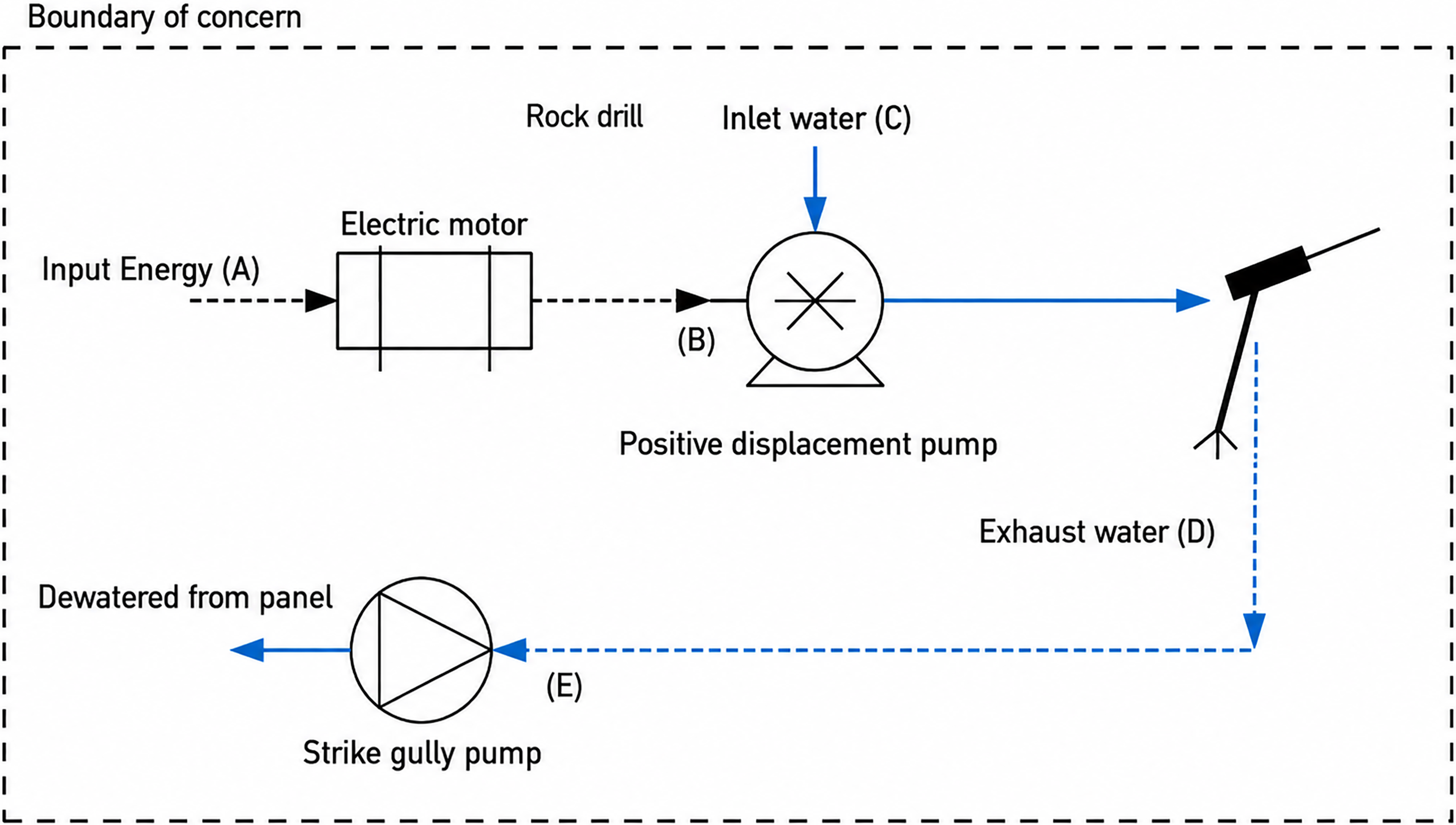
Energy balance in-stope.
To account for the heat added to the water, the significant points are Point C and Point E. From these two points, the net heat added to the water and lost to the air must be calculated. The net heat added to the water is given by equation (3). It is a function of the total flow rate (
Heat load data collection strategy.
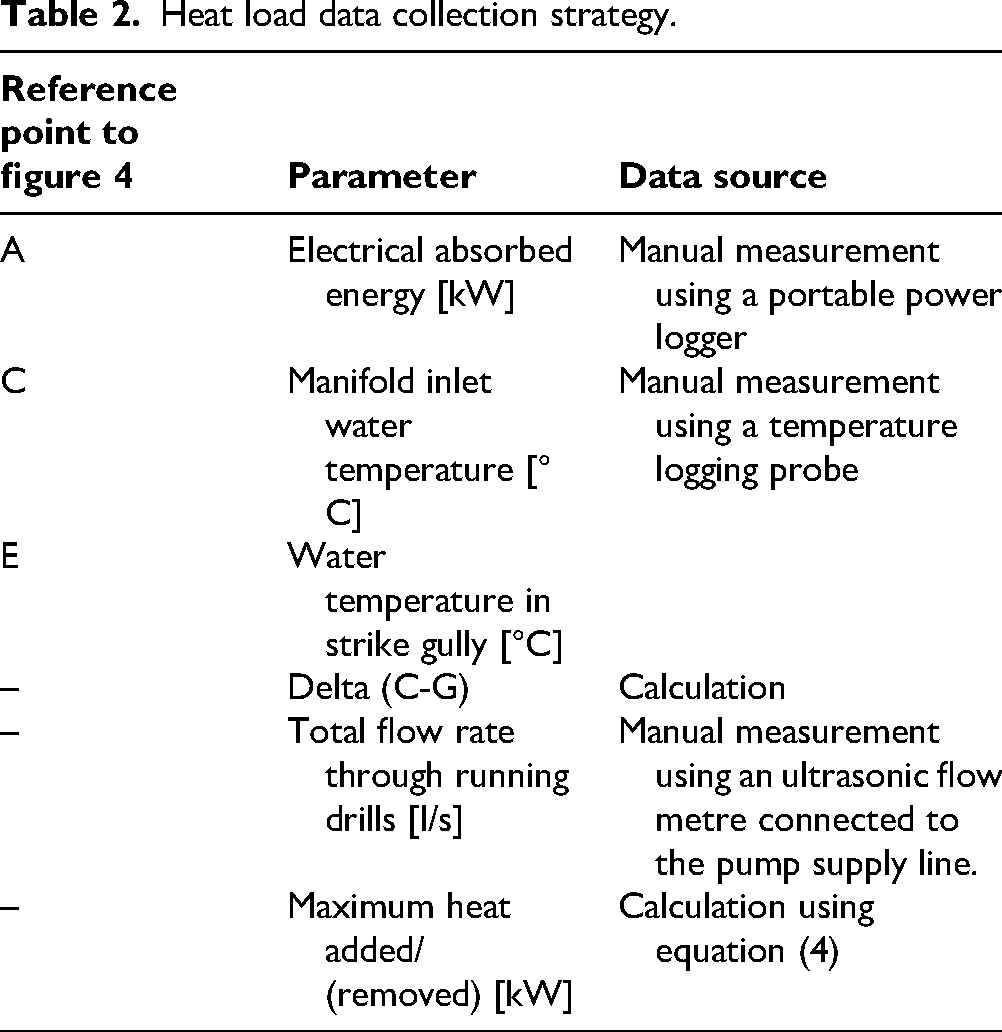

To determine the corresponding changes in air temperature resulting from the added heat, the following strategy is proposed.

Ventilation airflow through a panel.
Safety device and features
Compressed air rockdrills use oilers, as depicted in Figure 1, filled with grease to lubricate the internal components (Fourie et al., 2017; Harper, 2011). Compressed air drilling consequently fills the atmosphere with mist, containing inhalable grease particles. On the contrary, hydropower rockdrills emit no airborne grease or oil mist. This might lead to a significant safety improvement.
To prevent workplace flooding or employee injury, safety valves are incorporated into the hydropower system design. Safety isolation valves safeguard against downstream failures in steel pipes. Combined excessive flow and isolation valves safely isolate the water flow when a downstream hydraulic hose bursts. The effectiveness of these safety features is assessed by tracking the number of hydropower-related injuries and workplace flooding incidents.
Case study overview
Case study background
The case study mine (CSM) is located on the southern edge of the Witwatersrand Basin and classified as a mature operation. Conventional narrow reef compressed-air mining was used to extract the reef. A complement of 1800 labourers was present at the mine, and the operation included 25 stoping crews.
The operational layout is reasonably complex, with three operational shafts as shown in Figure 6 . The north shaft (N#) is located on the northern side of the mine and is surrounded by the production block. This specific shaft was only used as the ventilation downcast shaft and to sling material. South-three (S3#) and south-four (S4#) shafts are located 2.7 km south of N#. Men and material are conveyed using 3#, whereas 4# serves as the ventilation upcast shaft.
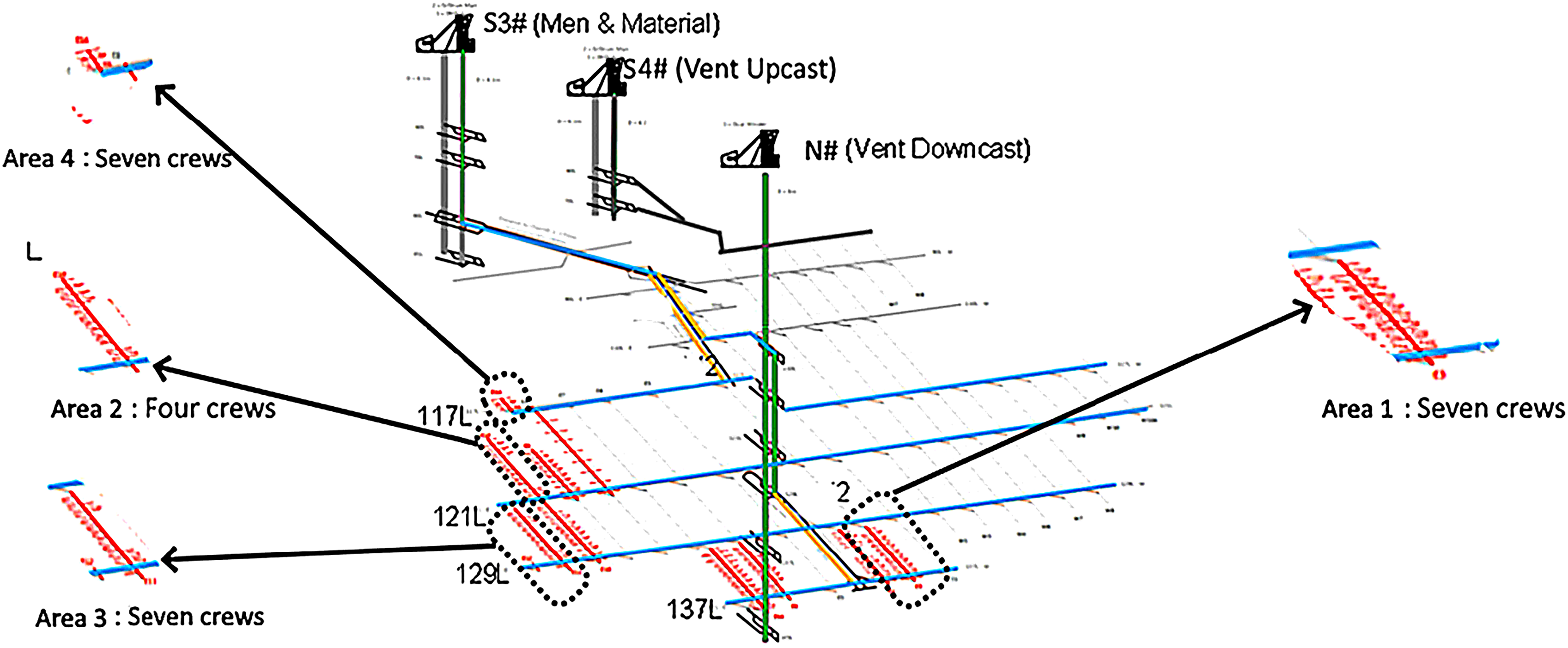
CSM schematic layout.
Adding to the complexity, the compressor is located on the surface at N# and produces compressed air at 570 kPa. Constrained by the fact that N# was never equipped, compressed air was reticulated for 2.7 km from surface to underground via 3#. Subsequently, the pipe network spans roughly 14 km from the surface to the underground workings, and line inefficiencies were immense as it reached the production area at pressures as low as 220 kPa.
A theoretical calculation using the framework provided by Fraser (Fraser, 2010b) revealed that the compressed air OPEX per panel was US $14.23 per tonne. The mine reported significant production losses in its FY21 annual report and, on average, only produced 20,675 tonnes of ore per month due to compressed air drilling constraints caused by low supply pressure.
Hence, the operation needed an alternative in-stope drilling energy source, making it a suitable case study for the TEBA.
Hydropower drilling systems tested
Drilling systems from two different hydropower equipment suppliers were implemented. Supplier A specialised in localised systems, while Supplier B provided the micro systems. The localised hydropower drilling systems from supplier A were deployed in two raise sections, denoted as Area 1 and Area 2, Figure 6. The function and technical specifications of each major component within the localised system tested are discussed in
Technical specifications of the localised systems evaluated.
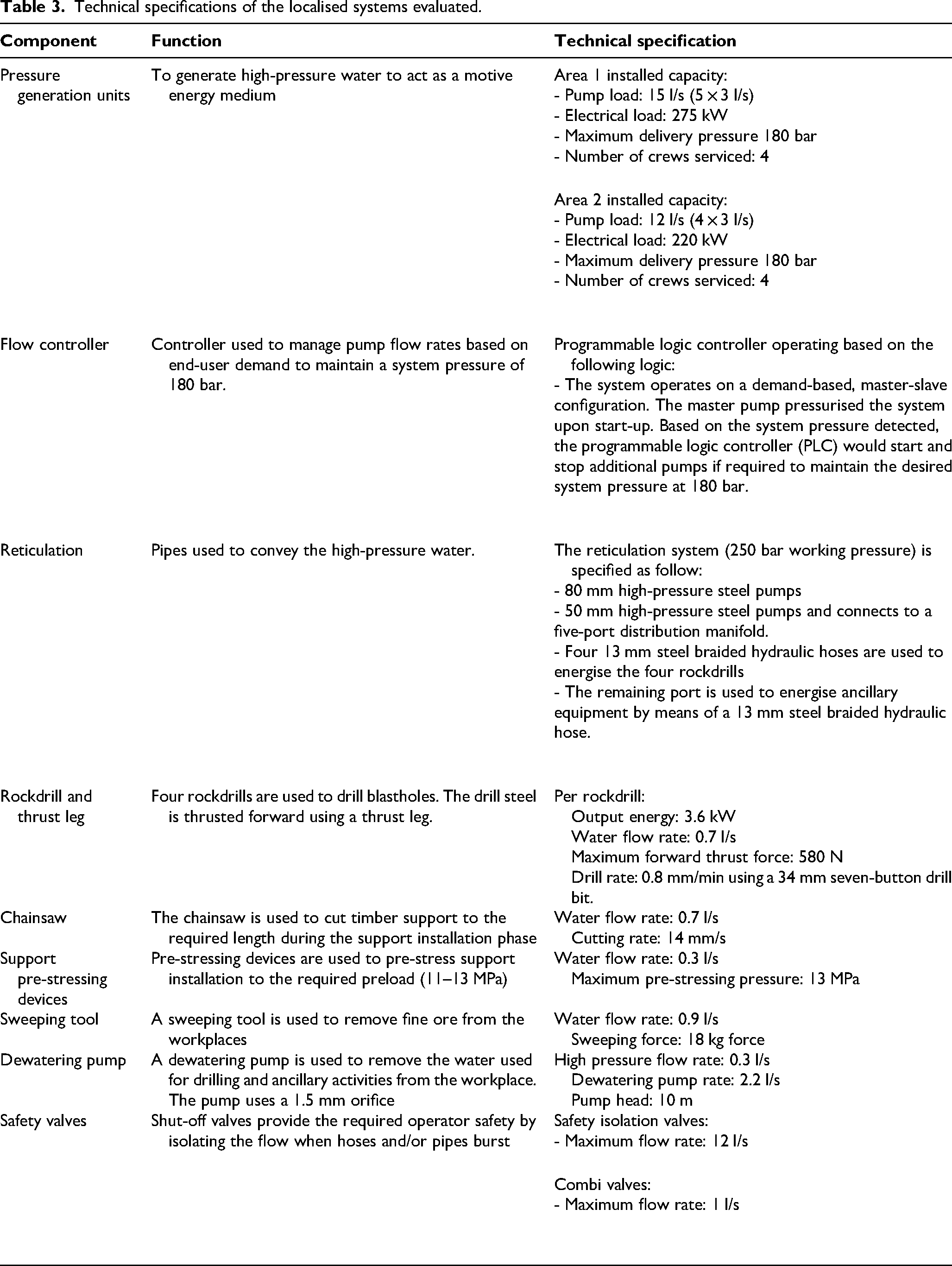
The high-pressure water was reticulated in both sections from the pump station through the raise using 80 mm nominal-bore steel pipes, which branched into 50 mm nominal-bore steel pipes to the panels. Five port manifolds were used as distribution points to energise the equipment. Three 13 mm hoses were used to energise three rockdrills. One 13 mm hose was connected to the 2.1 l/s jet pump to dewater the strike gully. The remaining port was primarily available to support ancillary equipment (i.e., pre-stressing devices, sweeping tools or chainsaws).
Micro hydropower drilling systems were deployed on the remaining two raise sections, Area 3 and Area 4. The function and technical specifications of each major component within the localised system tested are highlighted in Table 4.
Technical specifications of the micro systems evaluated.
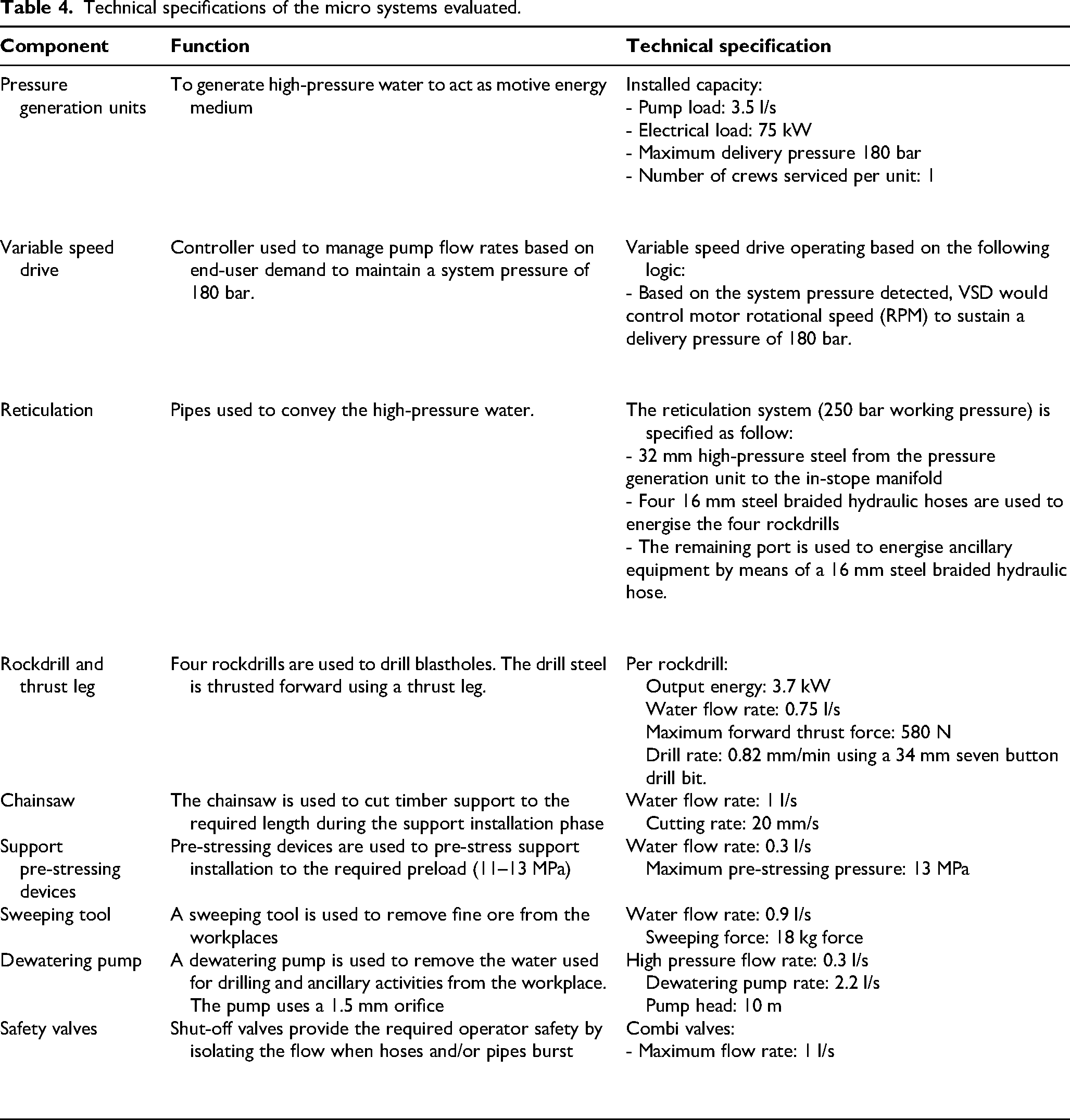
High-pressure water was reticulated from the pump to the production face in both sections via 32 mm steel pipes. Five port manifolds were used as distribution points. Three 16 mm hoses were used to energise three rockdrills. One 16 mm hose was connected to the jet pump. The remaining port was primarily used to support equipment (i.e., pre-stressing devices or chainsaws).
Homogeneous operational conditions
Homogeneous operating conditions ensure comparable results. Production achieved, measured in tonnes, is ascertained by the product of the workplace's face length, stoping width, monthly face advance and rock density (Cunningham et al., 2002; Kienle et al., 2022; Oubah et al., 2024). To ensure homogeneous operational conditions between the case study production sections, the number of blastholes drilled, stoping width, face length, and rock density must be similar. The number of blastholes to be drilled in low and high stoping width areas differs, as does the tonnes produced per blast. Data comparisons between low and high stoping width areas will result in inconclusive results. The mine's planning department advised similar stoping widths and face lengths between Area 1 and Area 3. For this reason, the techno-economical assessment was limited to data collected from these two sections.
Strategy applied to manage the change
Kotter's eight steps to introduce change were applied to gradually convert 25 stoping crews to hydropower over a 2-year period (Ong and Walker, 2022). Change resistance was minimal because equipment ergonomics remained unchanged. More importantly, as discussed next, the hydropower rockdrills provided improved performance, which in turn enhanced operator acceptance.
Results
KPI results
The results of the TEBA are discussed next.
KPI 1: CAPEX
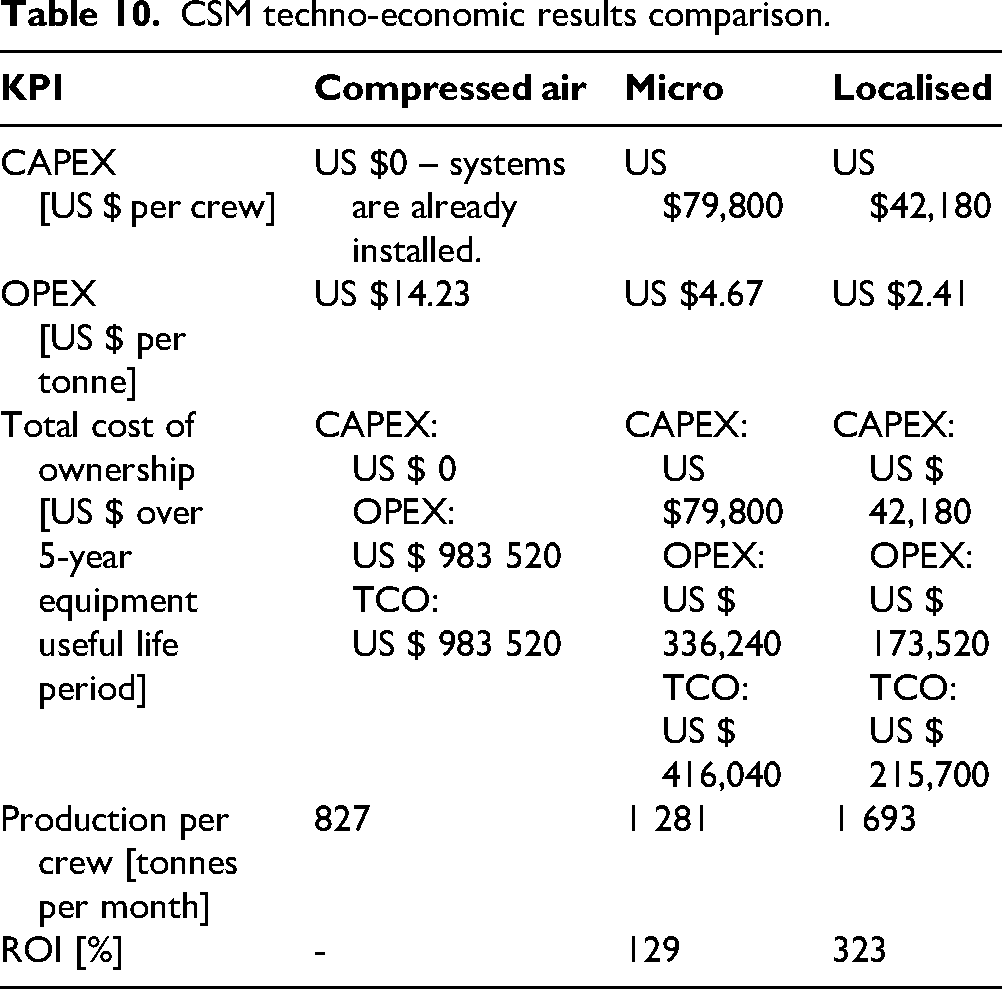
The initial capital layout required to equip a stoping crew with a micro-hydropower drilling system was US $79,800. Localised systems cost US $42,180 per crew. The capabilities and technical specifications of the systems can be found in Table 3 and Table 4.
KPI 2: OPEX
Five categories were considered during the evaluation of this KPI, as shown in Figure 7. Categories comprised the electricity cost of the rockdrills, dewatering electrical cost, original equipment manufacturer (OEM) labour cost, maintenance of equipment, and cost to replace damaged equipment. The total OPEX to mine with CA was calculated to be US $14.23 per tonne. Micro hydropower systems operated at US $6.49, while localised hydropower presented the lowest OPEX at US $4.64. When compared with compressed air, micro hydropower systems were 53% more cost-effective, and localised systems 66%.
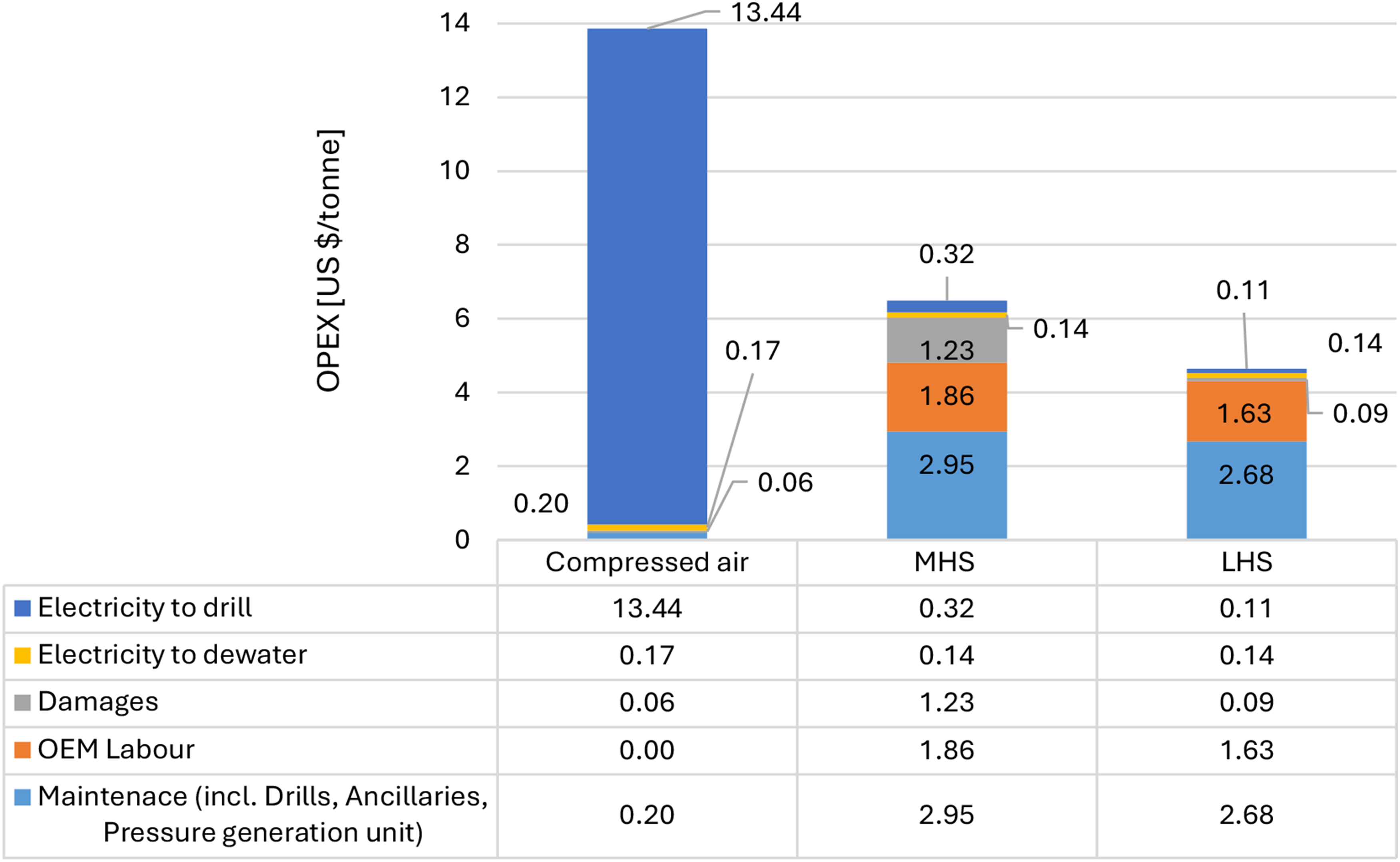
CSM OPEX summary of micro vs localised per category.
KPI 3: production achieved
Figure 8 compares the monthly production achieved with the equipment availability. Production achieved, measured in tonnes, is shown on the primary y-axis. In contrast, equipment availability [%] is illustrated on the secondary y-axis. The following warrants special mention.
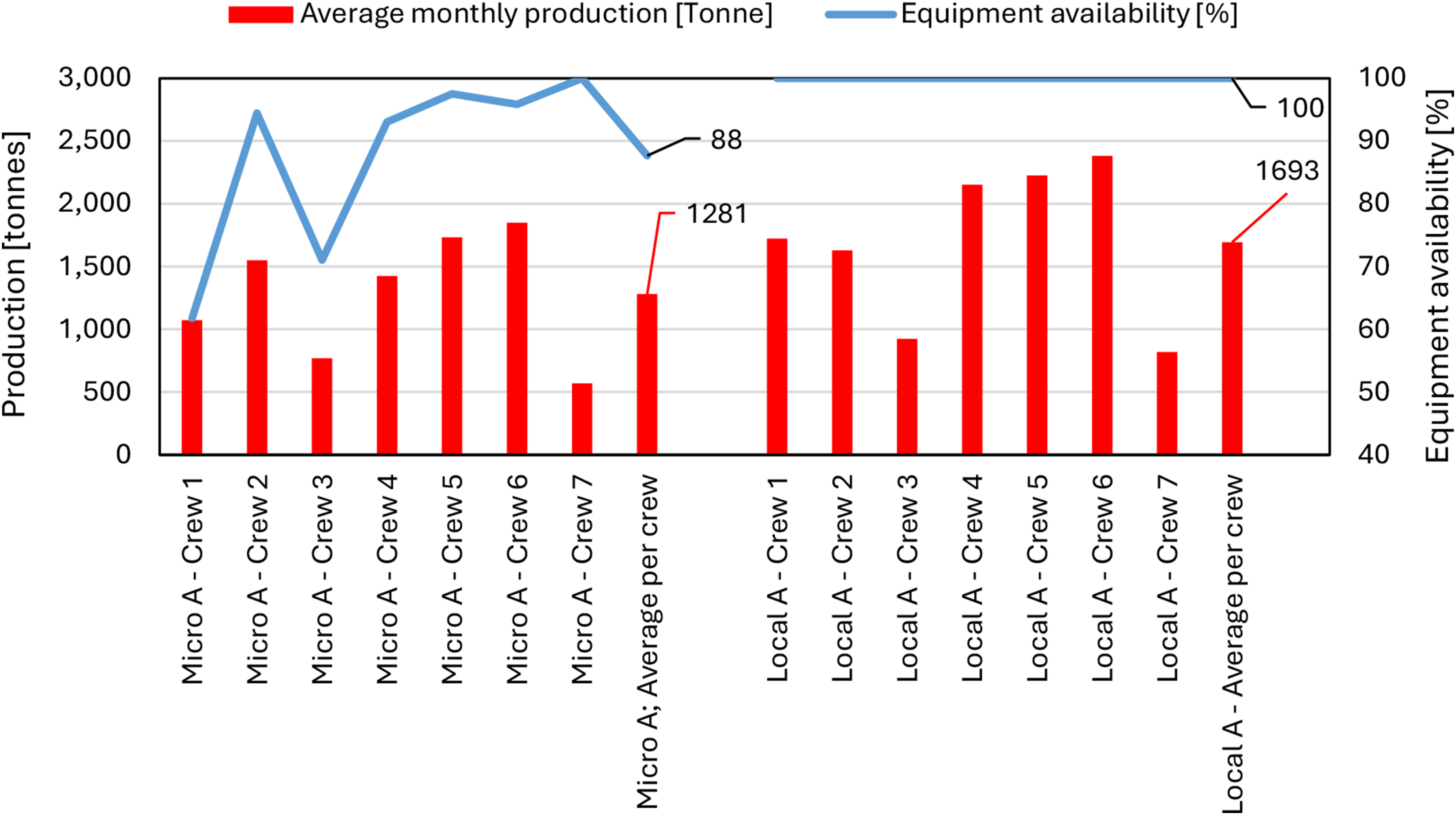
Micro vs localised hydropower drilling system production against equipment availability.
KPI 4: ROI
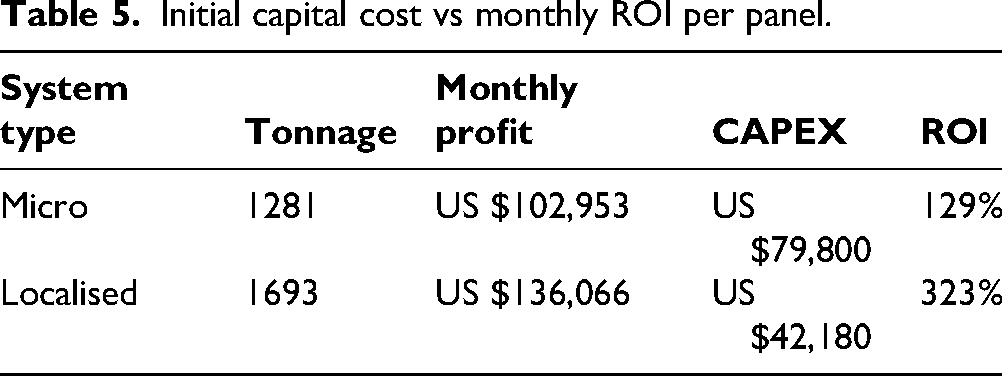
To assess the technology's sensitivity to regenerate the capital cost, the ROIs for both technologies were evaluated through equation (1), and the results are shown in Table 5. Both options yielded an ROI above 100% within the first month, indicating a payback period of less than one month. This result confirms that either hydropower option is a feasible alternative technology from an ROI perspective. However, due to the lower capital cost of installing localised hydropower and the greater tonnes produced, the ROI was almost 200% higher than that of a micro hydropower system.
Initial capital cost vs monthly ROI per panel.
KPI 5: health and safety
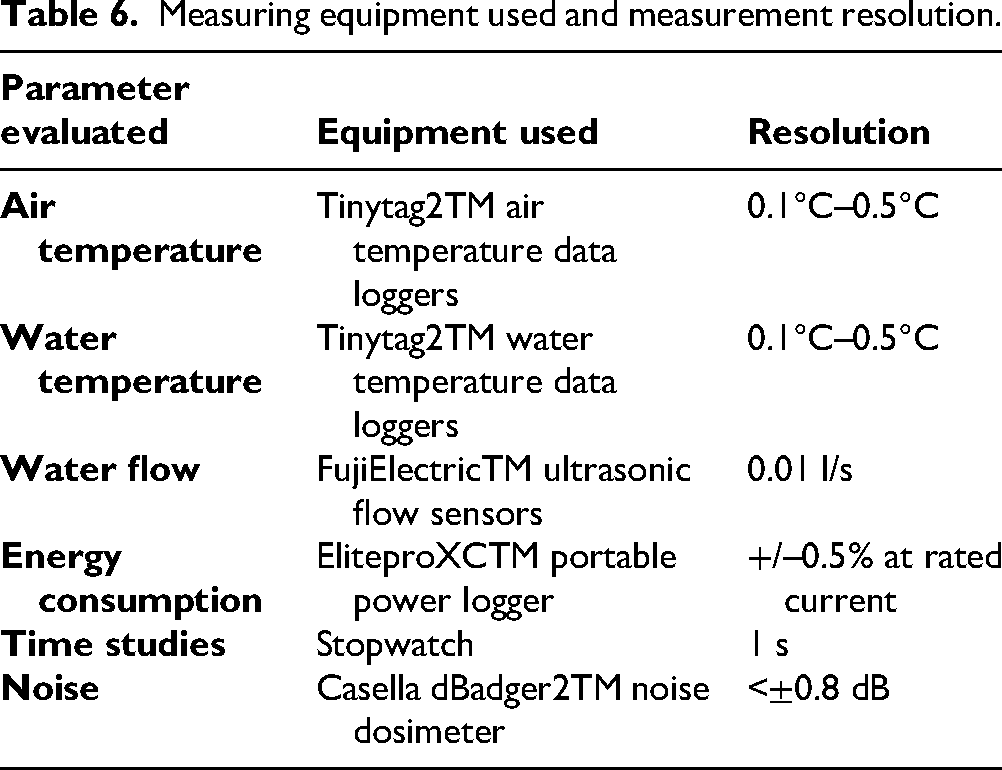
The array of measurement instruments used to collect the data required to evaluate the health and safety KPI, are shown in
Measuring equipment used and measurement resolution.
Daily noise exposure.
Daily vibration exposure.
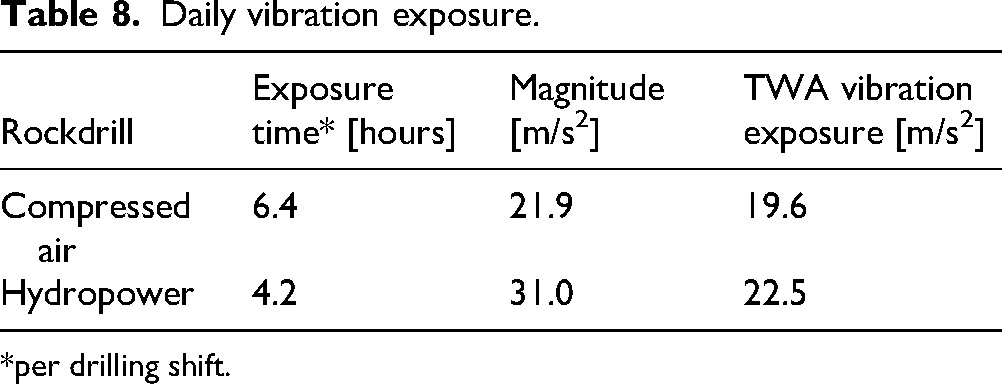
*per drilling shift.
Water temperature summary.
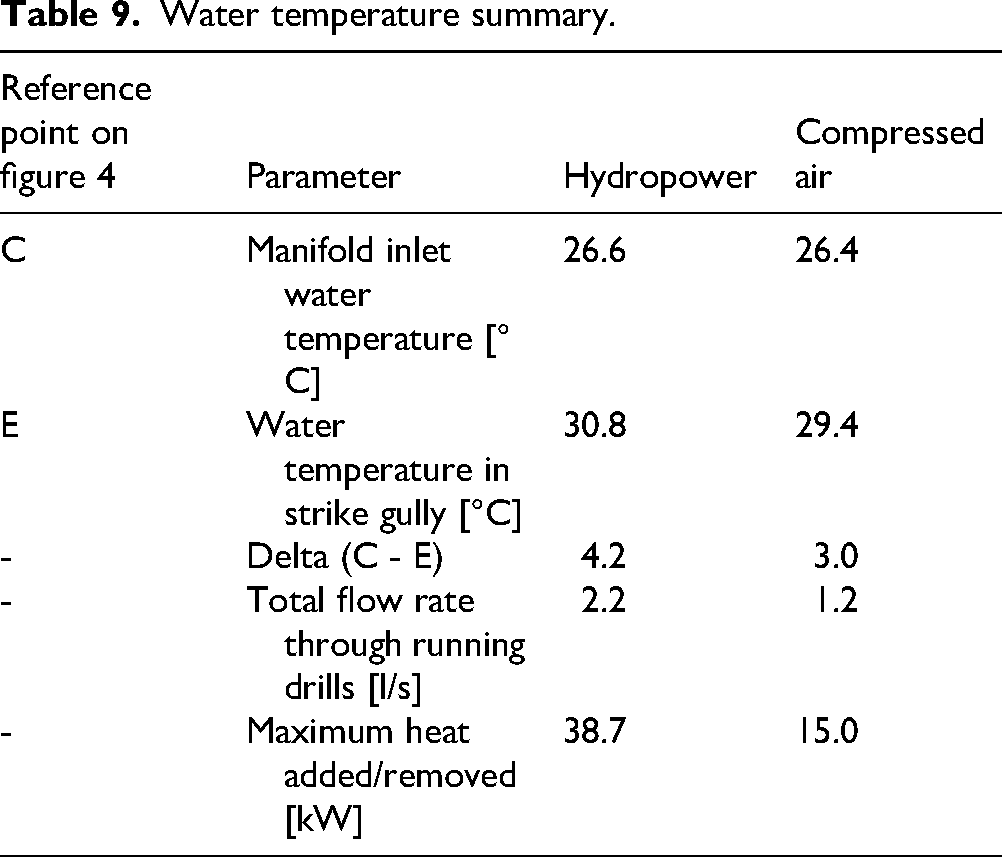
Results discussion
The techno-economic considerations are highlighted in Table 10. The following key points are highlighted.
CSM techno-economic results comparison.
Health and safety considerations
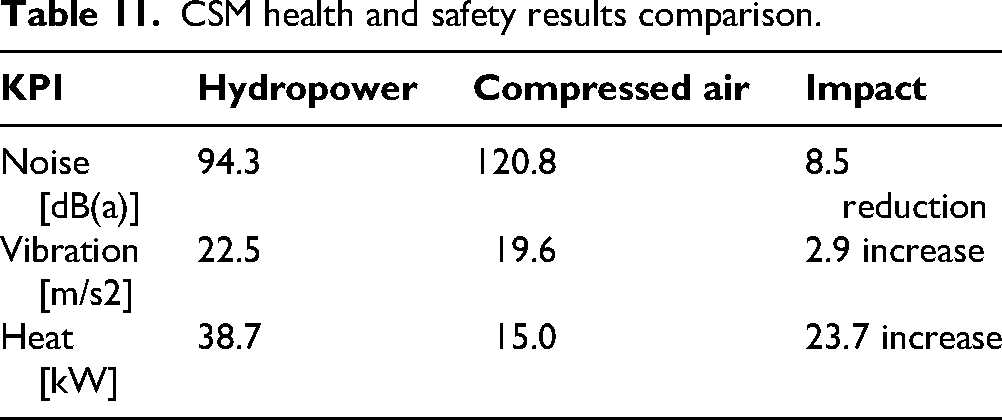
The health and safety considerations are highlighted in Table 11. None of the focus areas considered flagged any severe health and safety risks that required capital to be mitigated. The following key points are highlighted.
CSM health and safety results comparison.
Holistic techno-economic impact
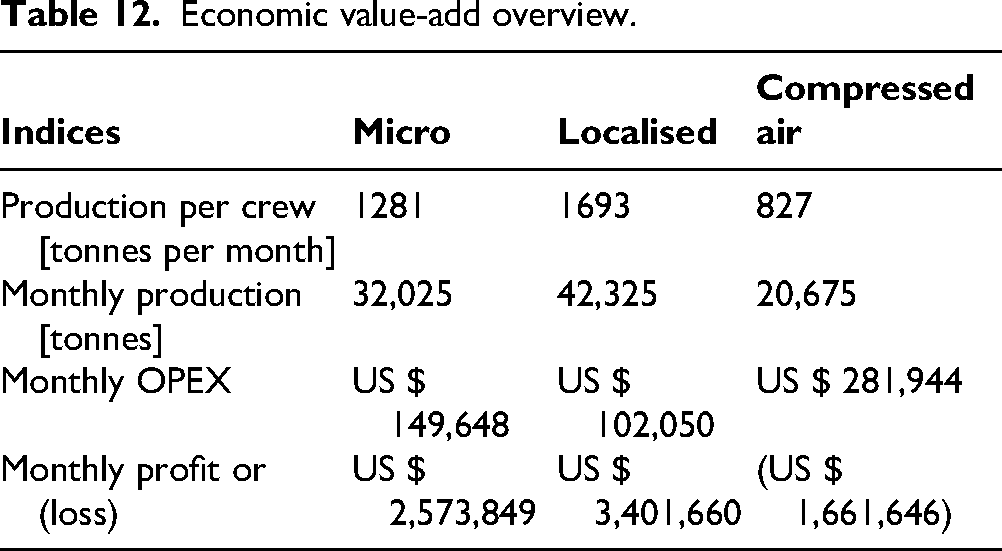
Table 12 shows an overview of the holistic techno-economic value-add offered by each drilling system. The mine made a monthly loss of US $ 1,661,645 per month when compressed air rockdrills were used. The results presented show that if the mine used only micro-hydropower drilling systems, the loss could be turned into a profit of US $2,573,849 per month. The profit margin was forecast to be US$3,401,660 if only localised hydropower systems were used. This result highlights the importance of selecting the correct system configuration.
Economic value-add overview.
Conclusion
Compressed air handheld rockdrills historically transformed blasthole drilling in South African narrow reef gold mines. However, as operations matured and production moved further from shafts, their efficiency declined. Coupled with rising electricity tariffs, this has significantly impacted mining profitability. Hydropower rockdrills present a viable alternative, but adoption has been limited due to uncertainty regarding their economic benefits. This study addressed this gap through an impartial techno-economic assessment of two hydropower system configurations over a 12-month period, benchmarked against compressed air systems.
Although compressed air systems require no new capital, their high operating costs outweigh this benefit. Between the hydropower options, the localised system reduces capital expenditure by 47% (US $42,180 vs US $79,800 per crew), primarily due to simpler infrastructure. Operationally, the localised system achieves the lowest cost at US $2.41 per tonne, compared to US $4.67 for micro systems and US $14.23 for compressed air.
Over a 5-year period, the total cost of ownership confirms this advantage: compressed air (US $983,520), micro systems (US $416,040), and localised systems (US $215,700), representing a saving of approximately US $767,820. Productivity is also highest for the localised system (1693 tonnes/month), contributing to a superior ROI of 323%. Both hydropower systems achieve payback within one month.
Health and safety improvements include an 8.5 dB(A) reduction in noise and elimination of oil mist, enhancing working conditions. While vibration increases slightly, risks are mitigated, and heat and water-related hazards are effectively controlled through engineering measures. Enhanced safety features further reduce operational risks.
Overall, the localised hydropower system is the most cost-effective, productive, and safest solution, and is strongly recommended as a replacement for compressed air drilling.
Footnotes
Acknowledgements
This research was supported by the Harmony Gold Mining Company Limited (Gauteng, South Africa), and coordinated through ETA Operations (Pty) Ltd (Gauteng, South Africa).

Ethics statement
This study was approved by the NWU engineering research ethics committee. Application no. NWU-00101-21-A3.
Author contributions
Conceptualisation, B.v.R.; methodology, B.v.R.; data curation, B.v.R.; formal analysis, B.v.R.; validation, B.v.R., J.V.; resources, B.v.R.; writing – original draft preparation, B.v.R.; writing – review and editing, J.v.L.; submit manuscript, J.v.L.; project administration, B.v.R.; Funding acquisition, J.V., J.v.L. All authors have read and agreed to the published version of the manuscript.
Funding
This research was funded by the North-West University, Potchefstroom 2520, South Africa. Project support was provided by ETA Operations (Pty) Ltd (Gauteng, South Africa)
Declaration of interest
No potential conflict of interest was reported by the author(s).
Data availability statement
The data is contained within the article. The data presented in this study can be requested from the authors.