




Abstract
This paper introduces a learning innovation that merges science fiction with entrepreneurship education to encourage bold, futures-oriented thinking and entrepreneurial action today. Developed for master’s level students at a public research-oriented university, this learning innovation promotes the exploration of distant futures, leveraging established tools from futures studies within an entrepreneurial context. Through a structured five-step process, students shift their focus from cognitively proximate futures to those that radically diverge from the present, enabling them to conceive of innovative ventures. The learning innovation thus fosters performative futures thinking, engaging in speculative science fiction authoring, and utilizing backcasting to translate visionary futures into immediate entrepreneurial actions. Over three yearly iterations, the learning innovation has demonstrated its effectiveness in broadening students’ imaginative capabilities and improving their capacity to act upon fictional expectations. This paper reflects on the outcomes, student feedback, and potential applications of the learning innovation in various educational and corporate settings.
Introduction
All entrepreneurial action is about building the future, with entrepreneurs acting as scientists, engineers, artists, and designers (Dimov, 2024). Therefore, if entrepreneurship inevitably focuses on the future, then the individual’s imagination of possible futures becomes a central factor in the ideation process of entrepreneurial action. As most global challenges evolve over long periods of time, prospective entrepreneurial action has the potential to preemptively create desirable solutions to great problems, such as climate change (Klapper & Fayolle, 2023). However, many entrepreneurship-related interventions restrict imagination to past and present environments and their prevailing issues. They allow cognitively close futures to be imagined and avoid distant futures that clearly depart from present reality (Augustine et al., 2019; Liberman & Trope, 1998). While focusing on the near future has merits, it nonetheless comes at a cost.
As entrepreneurship educators, we are often impressed by our students’ creativity, but nonetheless, we witness them far too often imagining ventures quite close to their personal challenges and social realities. Students often envision typical students’ ventures (dating apps or e-learning tools, to name a few), which is not entirely wrong and could be a decent initial step into entrepreneurial action. Nevertheless, this first step is often far below the potential of what could be possible (Kuckertz, 2021). Bold thinking about the future could help mitigate this issue, not only for students. Large-scale surveys (Institute for the Future, 2017) have revealed that the general population rarely thinks about the future, and the further away the imagined future is, the rarer such thinking becomes. Our students are no exception in this regard.
Against this background, we have developed a learning innovation, presented in this paper, with the overarching aim of shifting the perspective of idea generation toward distant futures that radically depart from the past or present to help students develop the boldest futures thinking possible, thereby allowing for worthwhile entrepreneurial action today. We developed this learning innovation over three yearly iterations, starting in 2022, and created a format that is as discursive and interactive as possible. We did so to help illustrate to a generation of students who were seriously affected and harmed by COVID-19-induced lockdowns (Wang et al., 2020) the value of a traditional, location-based, offline social exchange.
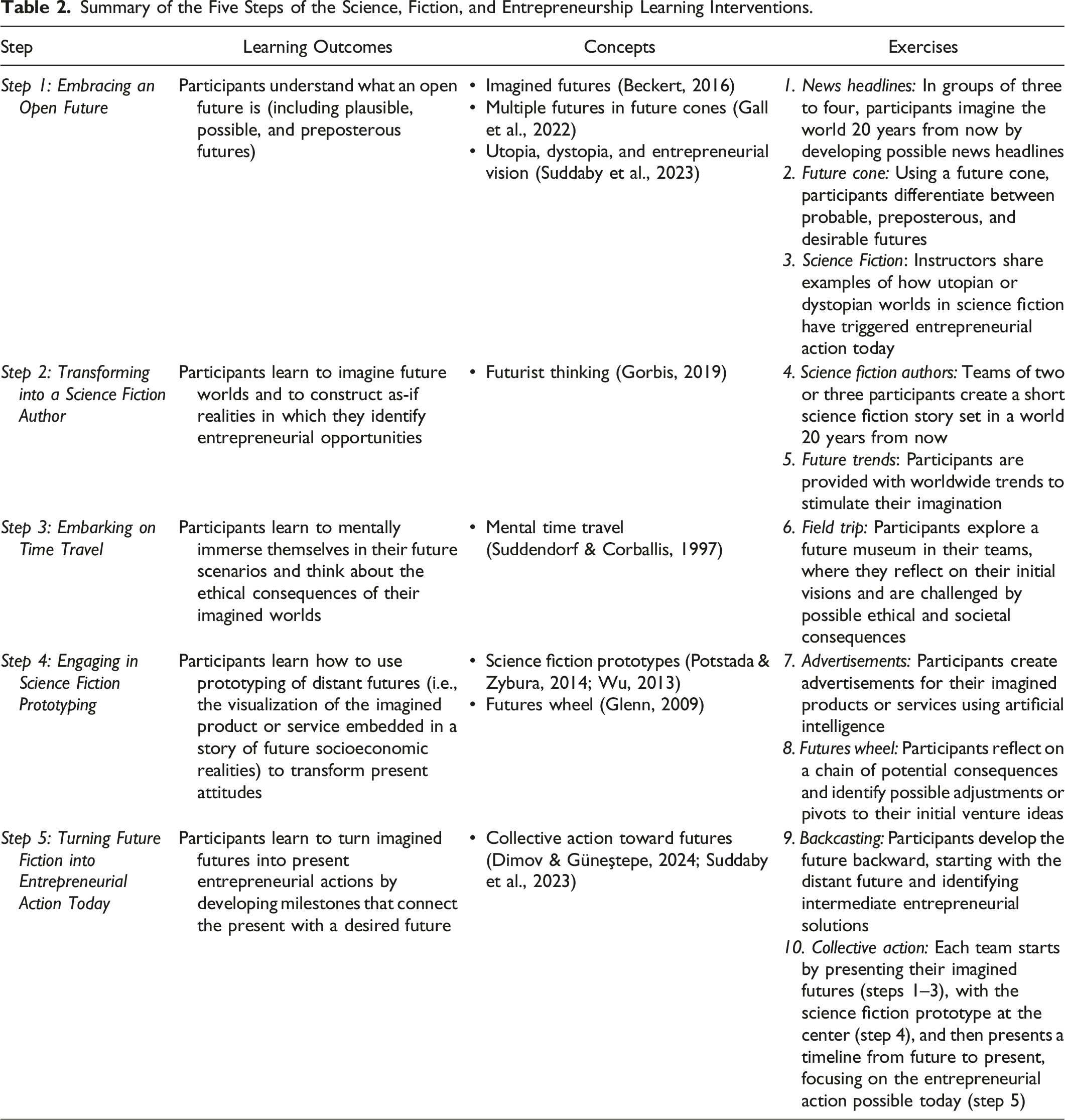
The learning innovation is a semester-long master’s level course developed at a German research-oriented public university that, for the first time, combines a series of established tools for futures thinking in an entrepreneurship context. Beyond classic futures studies, we emphasize entrepreneurial action today. The core concept of the learning innovation is that boldly anticipating futures can generate insights into the present and drive actionable outcomes (Johansen, 2007). Through the five steps of the learning innovation, which we explain in more detail in the remainder of the article, students achieve the following five interconnected learning outcomes: 1 In the initial session, Embracing the Future, students understand what an open future is (including plausible, possible, and preposterous futures). 2 In Transforming into a Science Fiction Author, students learn to imagine future worlds and construct as-if realities in which they identify entrepreneurial opportunities. 3 In Embarking on Time Travel, students learn to immerse themselves mentally in their future scenarios and think about the ethical consequences of their imagined worlds. 4 In Engaging in Science Fiction Prototyping, students learn how to use the prototyping of distant futures (i.e., visualization of the imagined product or service embedded in a story of future socioeconomic realities) to transform present attitudes. 5 In Turning Future Fiction into Entrepreneurial Action Today, students learn to turn imagined futures into present entrepreneurial actions by developing milestones that connect the present with a desired future.
Over the three iterations, we optimized the effectiveness of the learning innovation by incorporating student feedback and constant reflection on what worked and what did not. Our results showed a fundamental shift in students’ imaginative power, allowing them to break out of conventional, self-centered thinking, and shift their attention toward possible distant futures. The learning innovation thus contributed to building enhanced futures literacy among the students—that is, “a critical awareness of different attitudes toward the future, including what can be known about it, how it affects the present, how to study and measure it, and how to create pathways for action” (Mangnus et al., 2021, p. 2). While recent academic debates have advanced our understanding of future-making (Gümüsay & Reinecke, 2021, 2024; Wenzel et al., 2025; Wickert, 2025), practical guidance on how to engage with distant futures remains scarce. To address this gap, we propose an intervention for teaching future-making in the context of entrepreneurship education. The following sections illustrate the learning innovation in greater detail before discussing its general effectiveness and potential applicability in other contexts.
The Learning Innovation
Step 1: Embracing an Open Future
Students are unlikely to have substantial experience in envisioning the future, and for many, our learning innovation serves as their first deliberate engagement with futures thinking. Hence, in the initial step, we raise future awareness and guide students in understanding what an open future is (including plausible, possible, and preposterous futures).
We start by immediately shifting students’ perspectives toward a distant future with a suitable intervention. In groups of three to four, students imagine the world 20 years from now by developing possible news headlines, such as the following: In the year 2045, the entrepreneur ______ (name of the entrepreneur) was awarded for their contributions to society with their ______ (description of the project).
or The last ______ (job or job function) just retired, marking the end of the ______ (sector) industry.
Students then evaluate the feasibility of their futures based on what we know today. This procedure provides a segway into introducing the theoretical concept of open futures, the role of predictions in economic decision-making, and the imagination of futures as performative (Beckert, 2021; Wenzel, 2022). In summary, while humans have historically tried to predict the future, the complexity of the socioeconomic world, with its nonrational actors and exogenous shocks, makes the future unpredictable. However, expectations are fundamental for economic actors, particularly entrepreneurs, to make decisions in the face of uncertainty (Beckert, 2016; Knight, 1921). As shown in the brief intervention on producing future news headlines, such expectations can vary in their feasibility from our present stance. Based on the well-established concept of the futures cone, which outlines multiple futures (Gall et al., 2022), we go on to illustrate the increasing ambiguity of the future world over time (Figure 1). Entrepreneurial futures cone. The cone illustrates multiple possible futures, increasing uncertainty and entrepreneurial action space over time, and the possible influence of imagined futures on entrepreneurial action today. Authors’ own illustration.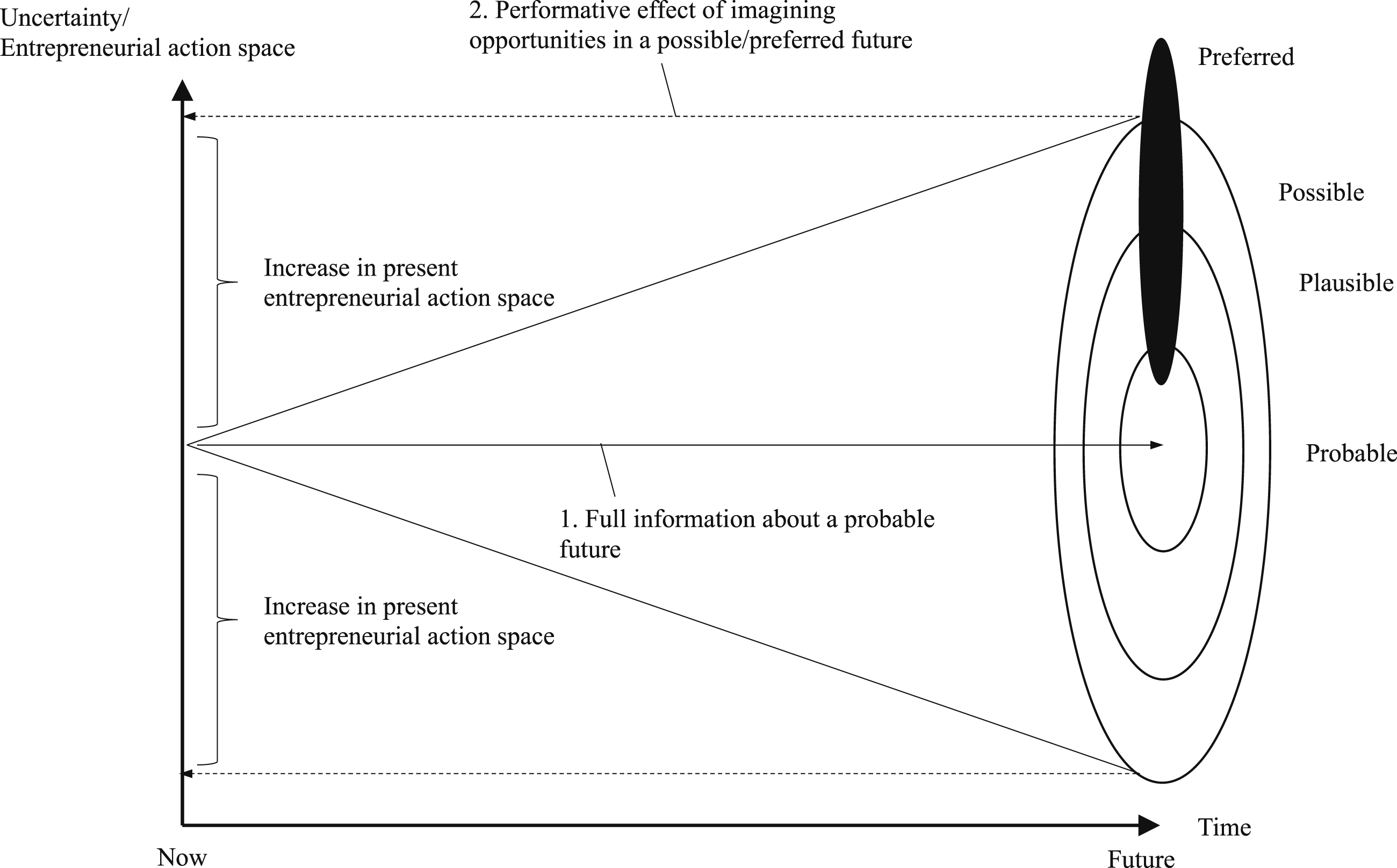
While human interest in the future, particularly in the economic context, primarily focuses on a probable future, students learn with the future cone to differentiate between probable, preposterous, and preferable futures. Introducing the concepts of utopia and dystopia, we emphasize that entrepreneurs fundamentally create desirable future visions to convince stakeholders (Suddaby et al., 2023). As a core element of the intervention, we illustrate how utopian or dystopian imagined future worlds in science fiction have triggered entrepreneurial action today.
Published science fiction can serve as source material (Dymet, 2018) for entrepreneurial visions. For example, in his novel Twenty Thousand Leagues Under the Sea, Verne (1871), the father of science fiction, envisions an electricity-powered submarine that most likely uses fuel cell technology. The first automobile that relied on this powertrain type was built 90 years later in the 1960s. Today, society still discusses fuel cell technology as a potential building block for the future e-mobility mix. Spielberg’s (2002) movie Minority Report is a telling and more recent example. From it, moviegoers learned for the first time about technologies such as driverless cars, personalized advertisements, voice-controlled homes, and facial and optical recognition, even if the movie did not invent these technologies itself but drew on other science fiction works. Today, these then-visionary technologies are a reality (Loughrey, 2017). We can attribute similar examples to the iconic Star Trek science fiction franchise (e.g., miniaturized communication devices and voice-activated artificial intelligence). In fact, science fiction envisioned most seminal technologies long before their actual development, as a list of more than one hundred cases compiled by Wikipedia contributors illustrates (List of existing technologies predicted in science fiction, 2025).
Based on these examples, students learn that viewing futures as open and imagining fictional expectations are potent tools for entrepreneurship and innovation. As fictional expectations become performative by taking action toward a desirable future (Beckert, 2016), they increase opportunities for entrepreneurial action in the present, as illustrated by the entrepreneurial futures cone in Figure 1. This experience leads students to ask how to generate such fictional expectations—a theme we elaborate on in the learning innovation’s next step.
Step 2: Transforming into a Science Fiction Author
Based on their first contact with futures and the potential of science fiction for entrepreneurial action in Step 1, we now want students to imagine future worlds and construct as-if realities in which they identify entrepreneurial opportunities. We designate teams of two or three students for a homework assignment that asks them to become science fiction authors themselves. Specifically, we ask them to create a short story set in a world 20 years from now that includes a rough new venture idea, an innovative product, or a creative way of doing business.
Here, the timespan is crucial. It is a standard recommendation in futures studies to focus on a 10-year period to create an optimal balance between a distant, greatly changed future and possible action today (Gorbis, 2019; Van Gelderen et al., 2021). We deviate from this intentionally, as we aim to enable the envisioning of the most radical futures possible and to encourage students to think as much as possible outside their comfort zones. While 10 years tends to promote the continuation of current developments, 20 years is particularly suitable for thinking boldly and radically.
To initiate such bold thinking, we provide students with access to TrendManager (Trendone, 2024), a proprietary database containing roughly 60,000 microtrends, or, in other words, worldwide innovations introduced by startups, large corporations, research institutes, universities, and public institutions. In line with a broad understanding of value creation through entrepreneurship (Bacigalupo et al., 2016), the character of these innovations exceeds technology and involves cultural and social innovations. These innovations can serve as signals—that is, tangible instances of the future within the present (Gorbis, 2019). Since imagination runs the risk of being limited to habit (Gilbert, 2006), these microtrends serve as a valuable inspiration for science-based time traveling and help identify a bold imagination of the future.
Traditionally, entrepreneurial opportunities are based on discovering market needs or creating market desires in the present world (Alvarez & Barney, 2007). Students’ identification of entrepreneurial opportunities in an imagined future involves the identification of market desires and needs for individuals embedded in a future scenario. To this end, students first describe an imagined world and then derive an entrepreneurial opportunity from it based on the needs and desires of characters living in such an imagined world. An example of the connection between the imagination of a future world and an embedded entrepreneurial opportunity is the following. The excerpt from a fictional, future newspaper report illustrates a student team’s imagined world in which global food production will be decoupled from depleting environmental resources: After decades of decline and destruction caused by human activity, we are now witnessing a remarkable turnaround in the condition of the Amazon rainforest and other tropical rainforest regions around the world. […] The main reason for this development can be traced back to the revolution in the traditional food industry and supply systems. With the introduction of food substitutes in the form of tablets or personalized substrates, conventional food production systems became obsolete, leading to the abandonment of large areas of agricultural land. The shift to synthetic foods has drastically reduced the demand for farmland. These areas have now been used for reforestation projects and the regeneration of ecosystems.
The student team subsequently illustrates the entrepreneurial opportunity embedded in this imagined world to offer a nutrition printer in the daily lives of individuals: Jack gets up and heads to the bathroom. The sound of the shower, the gentle splashing of water, has a calming effect on him. The tracker’s mirror analysis makes him smile. “Good morning, Jack. Your vital signs are excellent today. Don't forget to take your personalized capsules.” On his way to the kitchen, he already hears the machine coming to life with a click. The food printer performs its task with precision and efficiency. While the printer hums away, producing the family’s personalized nutrient capsules, Jack scrolls through the latest headlines from The New York Times, projected onto his contact lenses.
In this case, identifying an entrepreneurial opportunity is part of a desired future world, as it uses technological advancements to contribute to a change toward the desired world. Another way to approach the identification of entrepreneurial opportunities in future worlds is the identification of problems to be solved in undesired future worlds. For instance, another team describes a future world of isolation and mental health problems. As a solution for individuals living in this undesirable future, it develops the imagination of an earring that “can emit inaudible, calming acoustic tones that are perceived subconsciously and help soothe and protect the wearer in mentally stressful situations.” Another example of turning imaginations of an undesired future world into imagined entrepreneurial opportunities is a student team’s imagination of home-based fresh water generation in a world plagued by increasing water scarcity.
While Steps 1 and 2 aim to embolden students’ imaginations, the following steps take a different turn by increasingly exploring the translation of imagined futures into entrepreneurial action. For instance, while students are encouraged to imagine the boldest future technologies or societal changes, the technological challenges and societal consequences of approaching these futures through entrepreneurial action are at the center of the next steps of the learning innovation.
Step 3: Embarking on Time Travel
Mental time travel is the uniquely human ability to project oneself into possible futures (Atance & O’Neill, 2001). Based on the initial time traveling as science fiction authors in Step 2, the following steps in our learning innovation aim to further stimulate students’ futures thinking about the ethical consequences of their imagined worlds. While Step 2 stimulated mental time traveling, this step aims to allow students to immerse themselves in their future scenarios physically. By confronting students with tangible experiences of imagined futures, the next step is to help them develop their versions of a desirable future.
Any science fiction work would be trivial if it simply imagined a new technology; what makes it informative are the downstream consequences of the initial consequences one perceives, both for the science, technology, engineering, and mathematics fields (i.e., hard science fiction) and the social sciences (i.e., soft science fiction) (Palmer, 2018). We assist students in exploring the downstream consequences of their narratives through a field trip to the Nuremberg branch of the Deutsches Museum. This museum (officially, in English: the German Museum of Masterpieces of Science and Technology) is the world’s largest museum of science and technology (Figure 2). Its Nuremberg branch focuses explicitly on the future. German Museum of Masterpieces of Science and Technology. An exemplary exhibit of the Earth system with an illuminated globe allowing climate data to be projected, seen through a stellarator coil, a component from an experimental reactor for nuclear fusion. Image courtesy of Ludwig Olah, Deutsches Museum, freely available for use when writing about the museum.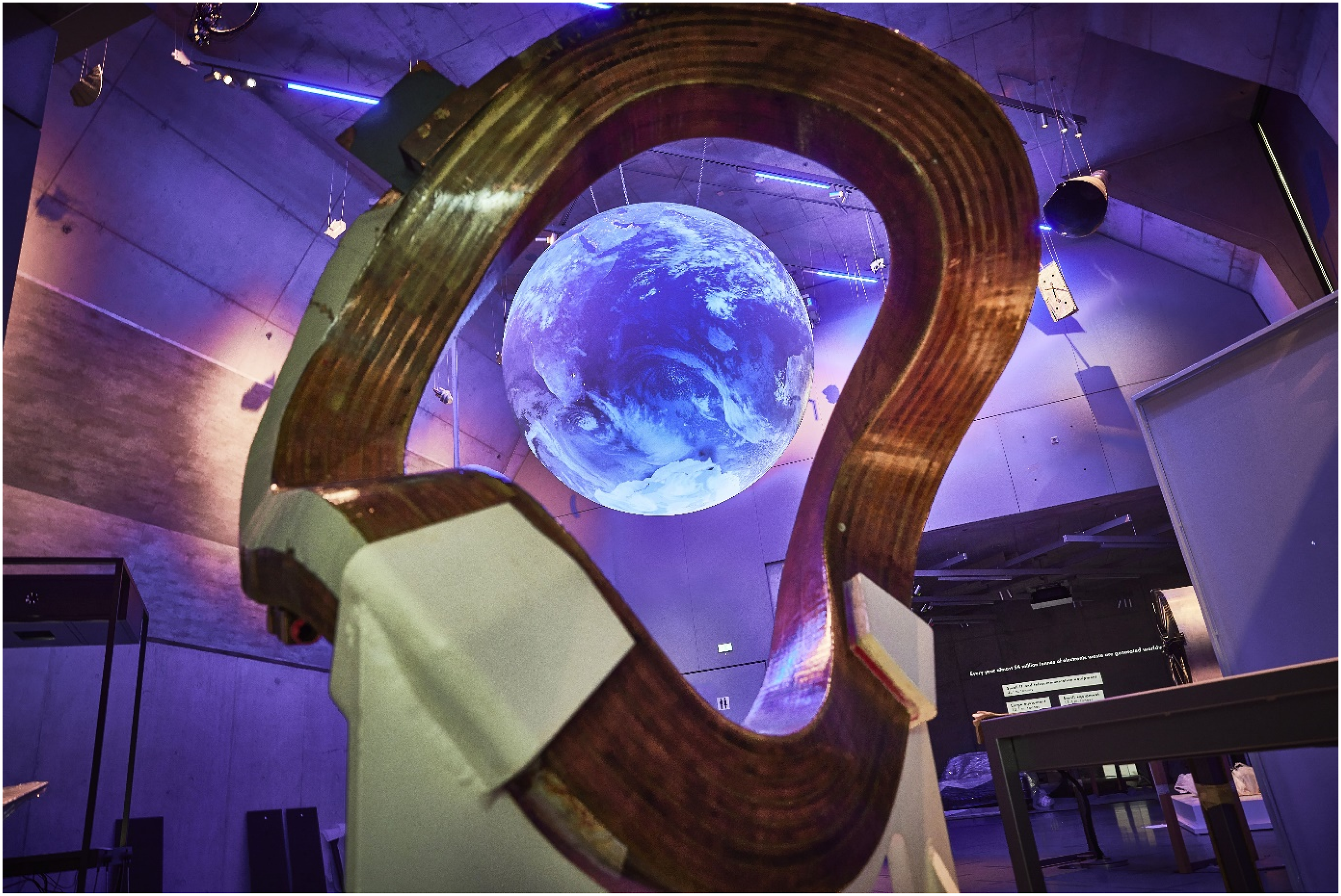
Of course, given that there is no future as such but rather a plethora of futures, both desirable or not, the museum does not exhibit the future. Instead, it can be interpreted as a collection of signals and drivers sorted into five areas (space and time, earth system, city system, body and mind, and work and everyday life) regularly supplemented with new special exhibitions. The students explore the museum in their teams, reflecting on their initial visions, and are challenged by museum guides, who have been trained to spark discussion among the visitors about the ethical and societal consequences of different futures. This experience helps the students not only paint a richer picture of their initial visions but also leads them to consider multiple futures and their ethical consequences (Figure 3). They achieve a more convincing picture of what it would be like to actually live in worlds determined by specific changes and what the resulting positive and negative consequences might be for any envisioned future development. Author selfie. Exemplary exhibit in the German Museum of Masterpieces of Science and Technology representing one of the authors’ silhouettes transformed into a sequence of nucleotide bases (A, G, T, C), symbolizing the metaphorical connection between identity and genetic makeup and potentially triggering discussions on the ethical consequences of future developments in genetic engineering. Image courtesy of the authors.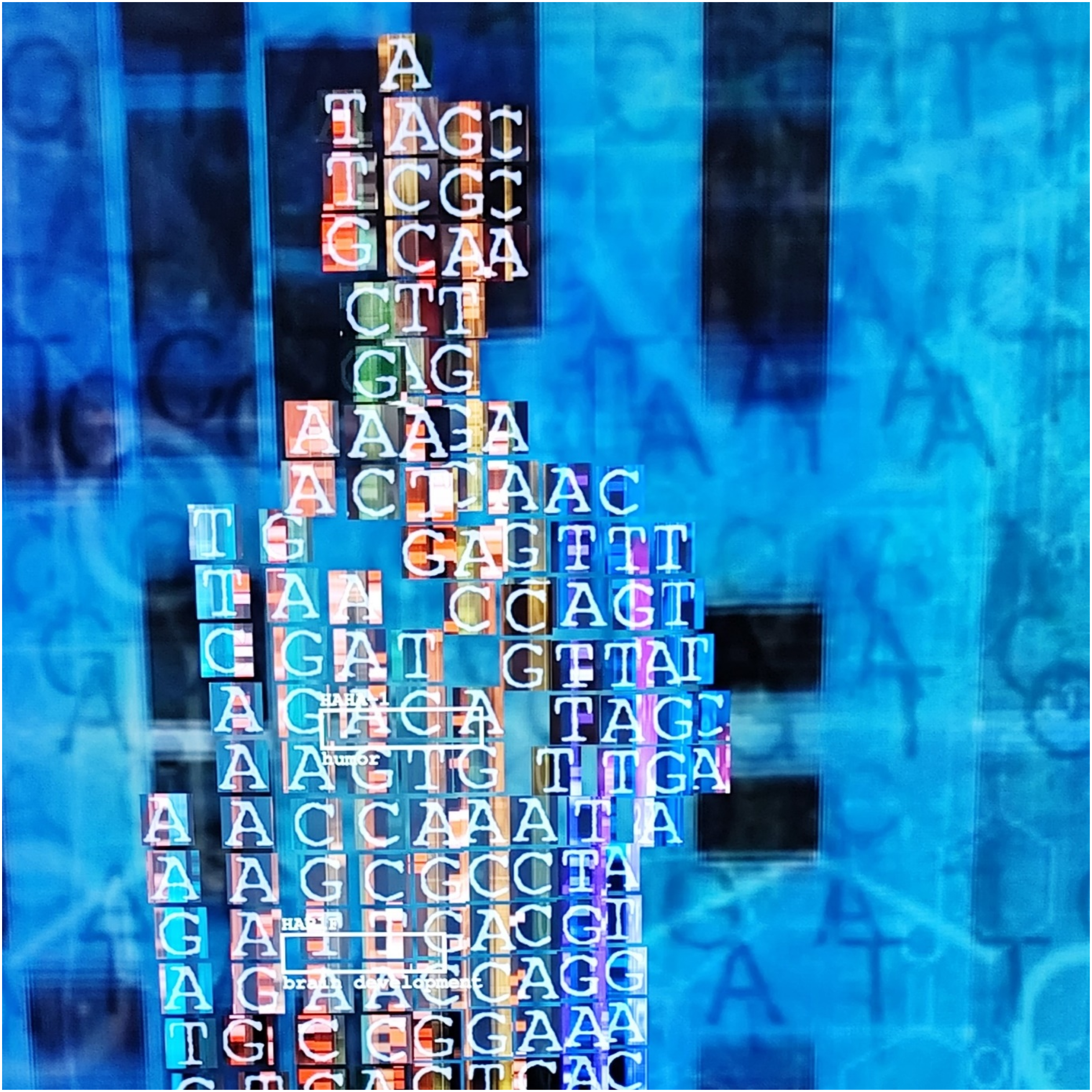
Step 4: Engaging in Science Fiction Prototyping
Entrepreneurial experimentation is central to aligning new venture ideas with market demands. In an iterative process of testing beliefs, receiving feedback, and adjusting initial beliefs, entrepreneurs match their new venture ideas with current market realities (Shepherd & Gruber, 2021; Zellweger & Zenger, 2023). However, testing students’ new venture ideas for the distant future in present market realities would result in product–market misfit, leading to students cutting down their bold ideas. Instead, the objective and approach in this step of the learning innovation is for students to learn how to use prototyping of distant futures (i.e., visualization of the imagined product or service embedded in a story of future socioeconomic realities) to transform present attitudes.
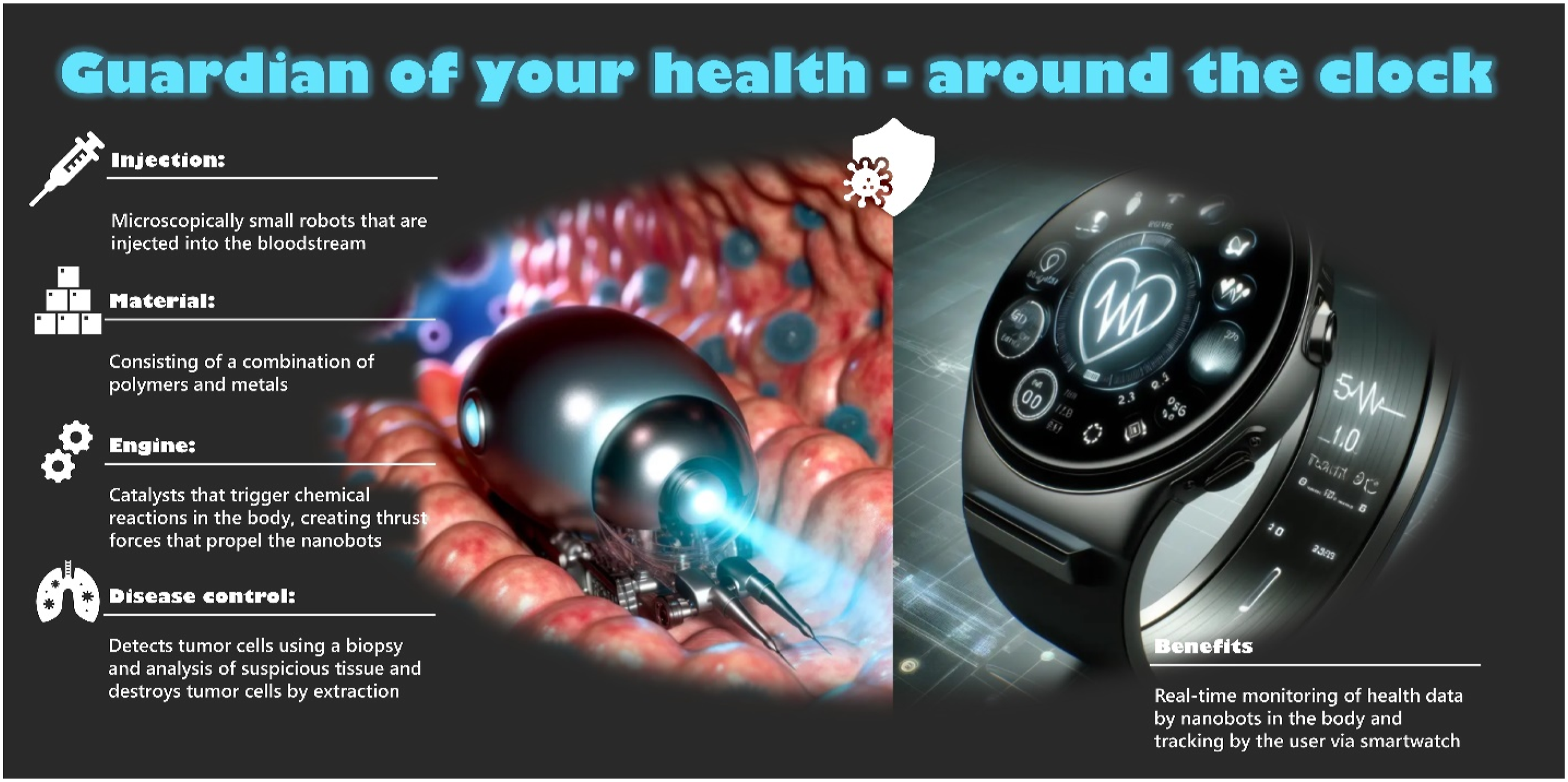
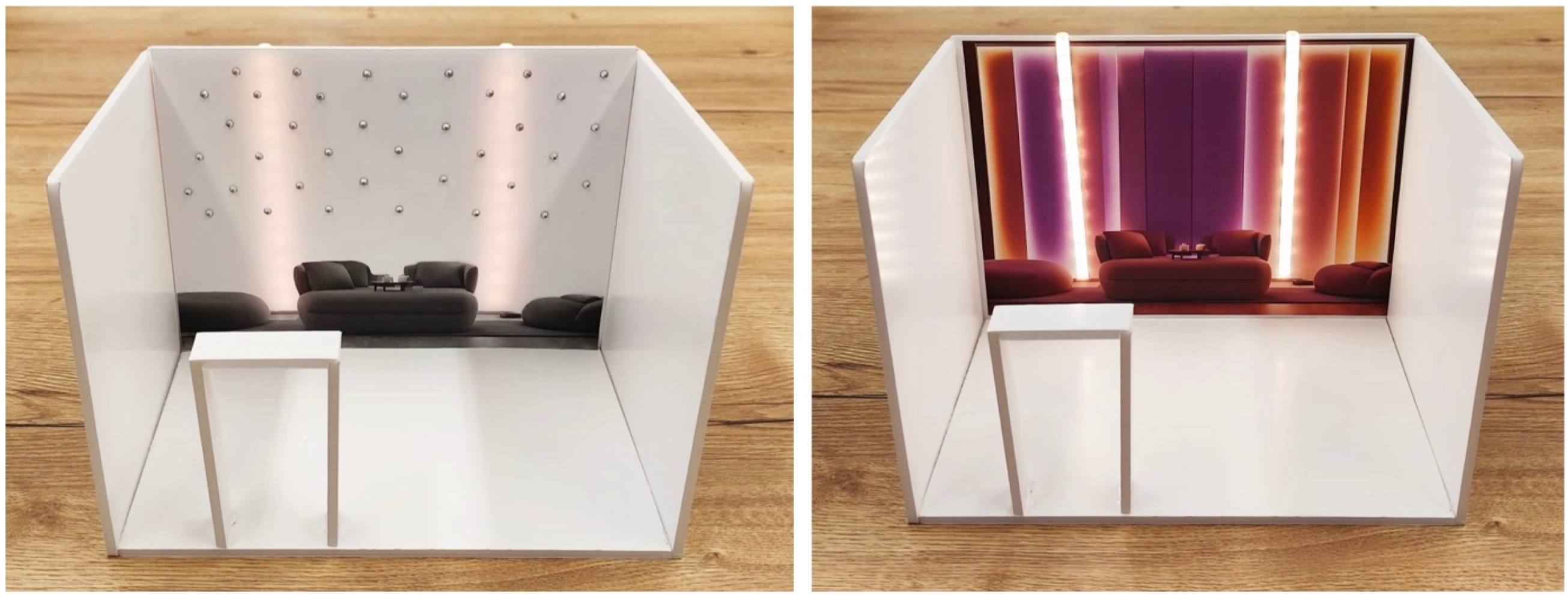
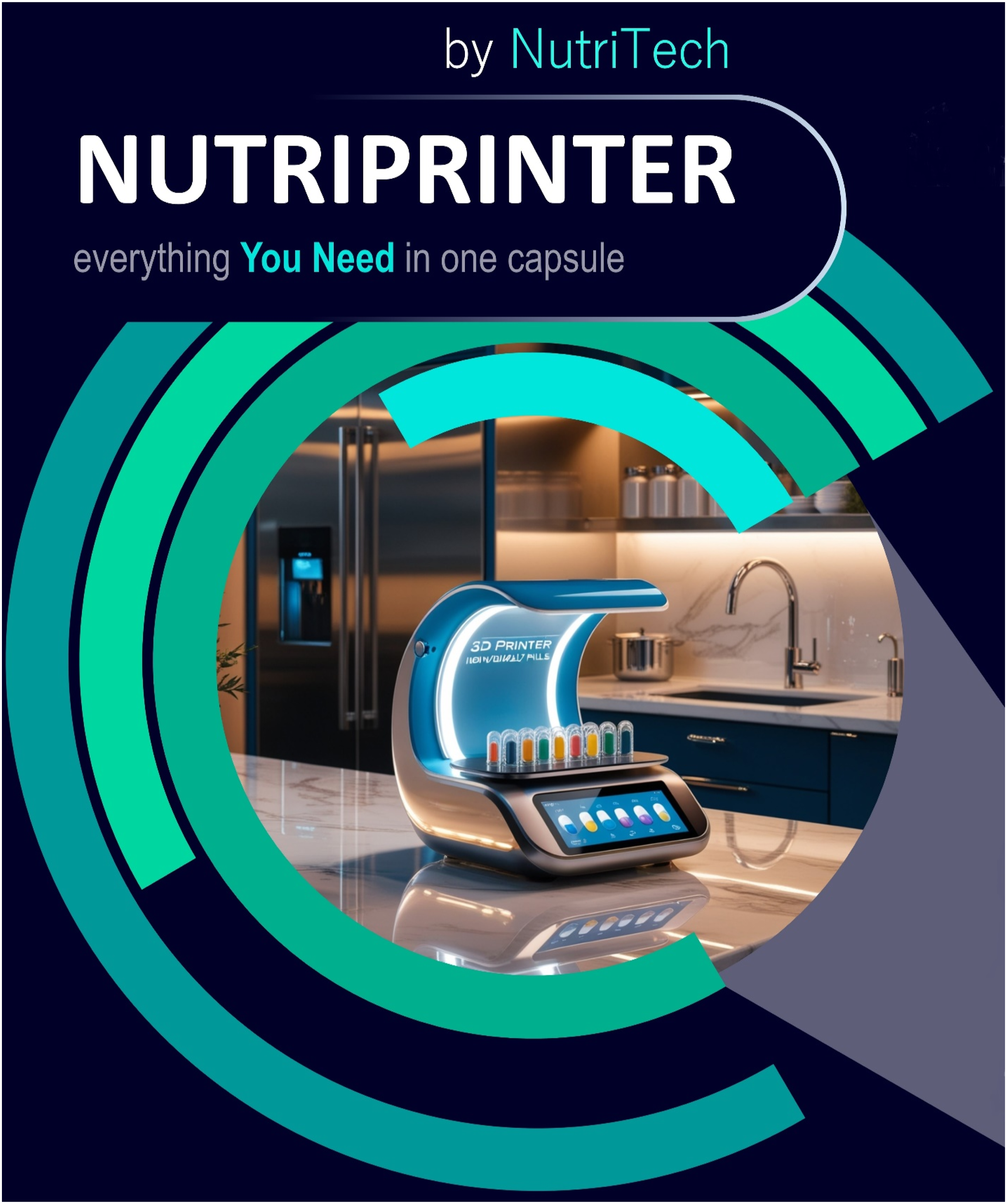
Prototyping is an established method within the realm of entrepreneurial experimentation. In this intervention, the students generate prototypes for distant futures. Science fiction prototypes are conceptual representations of imagined solutions in an imagined future context (Potstada & Zybura, 2014). As such, science fiction prototypes include visualizations of imagined products or services embedded in stories of socioeconomic realities in imagined futures. In line with other futurist studies, we ask our students to create advertisements for their imagined products or services as the first step in science fiction prototyping (Wu, 2013). This step has become dramatically easier in recent times; while in the first iteration, prototypes were created symbolically and with images that did not really fit their purpose, students are now increasingly using generative AI to create appealing visual elements of their science fiction prototypes. Tangible physical prototypes are also an option. Figures 4–7 show some outstanding examples of such student prototypes. iThink: a mind-reading dating solution. Exemplary science fiction prototype from the second iteration of the learning innovation. The image is courtesy of the iThink team and is reproduced with the students’ permission. Nanobots: a radical combination of health monitoring and immediate medical therapy. Exemplary science fiction prototype from the third iteration of the learning innovation. The image is courtesy of the Nanobots team and is reproduced with the students’ permission. WinWalls: adjusting the walls of your home based on your current emotions. Exemplary physical science fiction prototype from the third iteration of the learning innovation. The image is courtesy of the WinWalls team and is reproduced with the students’ permission. NutriTech: an efficient and revolutionary dietary system. Exemplary science fiction prototype from the third iteration of the learning innovation. The image is courtesy of the NutriTech team and is reproduced with the students’ permission.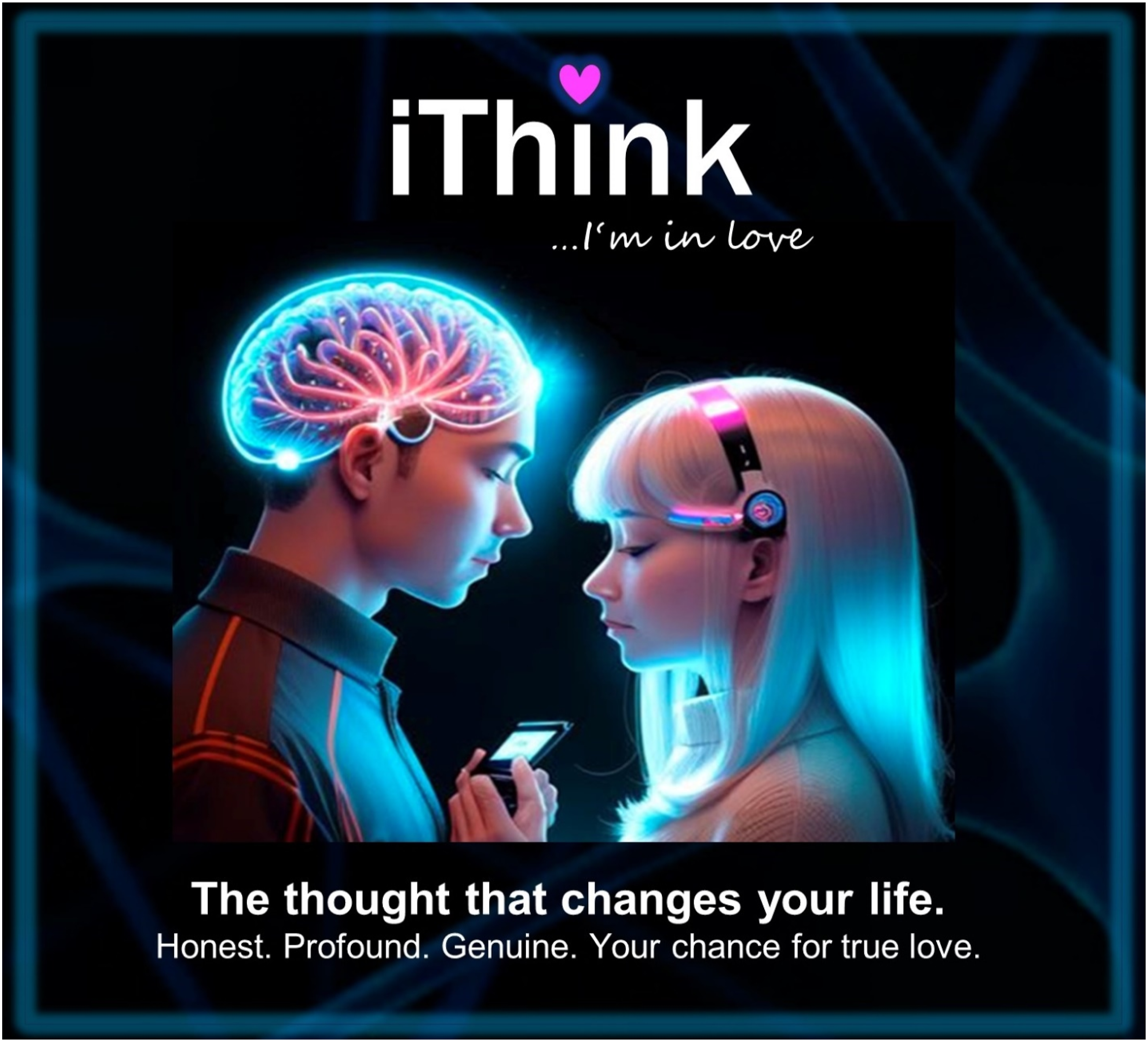
Importantly, compared to scientific approaches of testing new venture ideas in current markets (Zellweger & Zenger, 2022), the students learn that the purpose of their science fiction prototypes is for them and others to be better able to assess the desirability of their imagined futures. That is, science fiction prototypes enable abstract imagined futures to materialize and allow stakeholders to form attitudes toward entrepreneurial visions (Suddaby et al., 2023).
Since central to prototyping is learning, it is important to specify the feedback students seek. While traditional prototyping aims to collect feedback regarding whether the product solves current needs, the feedback students are looking for in their science fiction prototypes is whether they convince others of their entrepreneurial opportunity in the imagined future with regard to its desirability. To this end, the science fiction prototype fulfills two central purposes. First, it will trigger the imagination of a possible future among feedback providers, and second, it will make the entrepreneurial opportunity within this imagined future as tangible as possible. Both elements are essential in the generation of meaningful feedback.
Accordingly, students focus on the feedback giver’s evaluation of the desirability of the imagined future world and the entrepreneurial opportunity embedded in it without considering its viability. To this end, students discuss the consequences of their imagined future worlds against their desirability with members of other teams. Prototyping products and services in the imagined future implies reflecting on their interdependence with what consequences their products or services might have for future worlds—a method that futurists call the futures wheel (Glenn, 2009). By reflecting on a chain of potential consequences, they assess the desirability of the entrepreneurial opportunity, identify possible adjustments or pivots to their initial venture ideas, and iterate their initial products or services until they perceive a fit with a collectively desired future (Figure 8). VividConnect: a revolutionary technology that uses mind uploads to share time with deceased family members and friends. An exemplary future wheel from the third iteration of the learning innovation, focusing on the consequences of when virtual reality and physical reality become blurred. The image is courtesy of the VividConnect team and is reproduced with the students’ permission.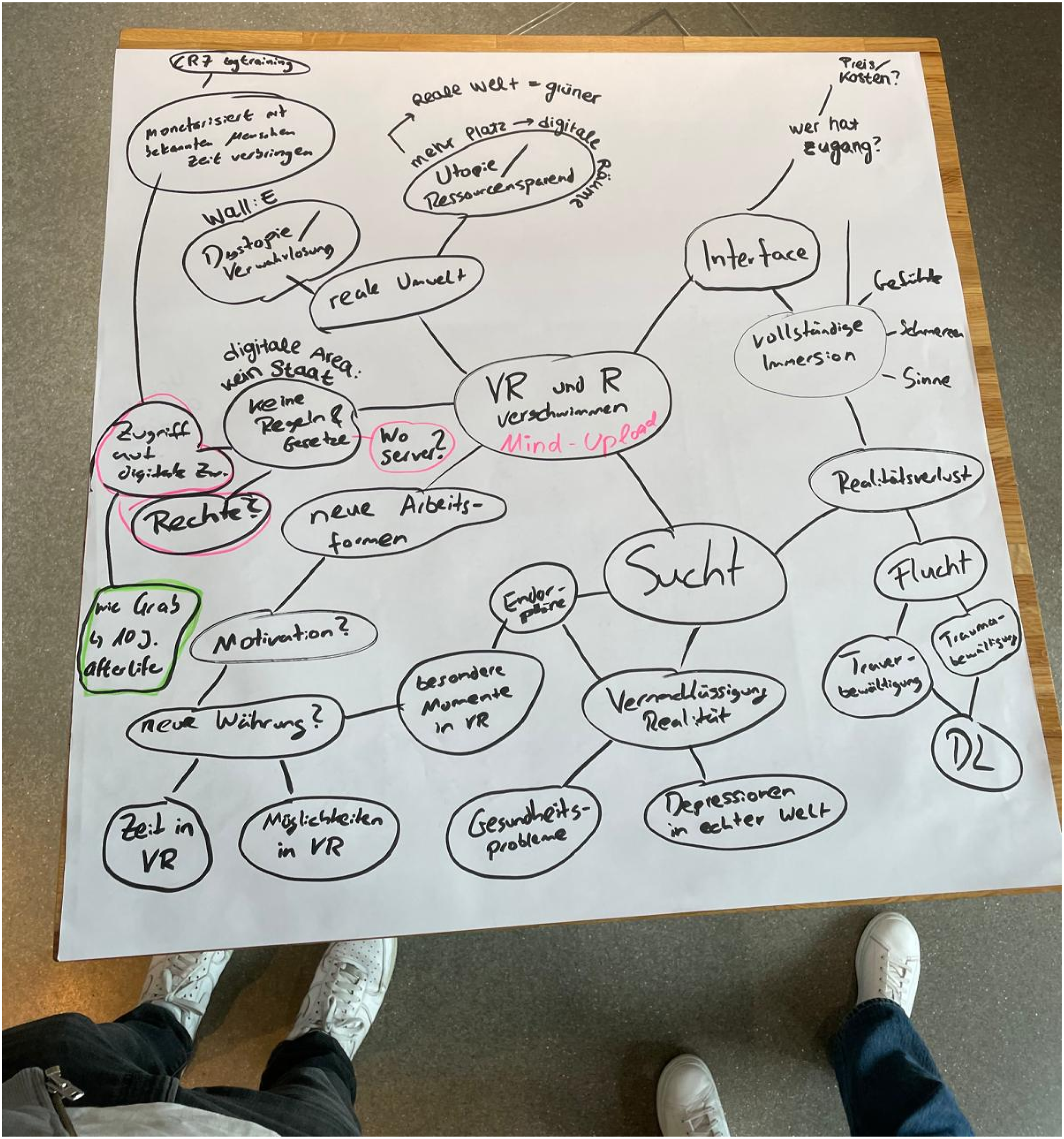
Only after students have validated the desirability of their future opportunity do they use their adjusted science fiction prototype to embark on identifying feasible actions today—a step, which we explain in more detail in the next section.
Step 5: Turning Future Fiction into Entrepreneurial Action Today
In this step, the students turn distant future opportunities into entrepreneurial action today. As visualized in the future cone (Figure 1), the underlying logic is that predicting a probable future forward leads to a narrow entrepreneurial action space today, while creating a vision of a preferred future, even if outside what seems possible today, enhances the imagination of entrepreneurial action today. Whereas Steps 1–4 of the learning innovation focused on creating an imagined entrepreneurial opportunity in the distant future, Step 5 aims to turn imagined futures into present entrepreneurial actions by developing milestones that connect the present with a desired future.
A central exercise in this step is to develop the future backward, starting with the distant future and identifying multiple environmental changes and entrepreneurial opportunities until the present. While conventional planning aims to cast environments forward, in backcasting, the imagined future is fixed, and students explore multiple possible ways toward their preferred future. The students have two main tasks in the backcasting exercise, mirroring exogenous and endogenous factors in future development. First, while they have already identified future environmental changes for the distant future, the task is now to backcast additional changes from the future to the present. For instance, some intermediate steps are required to arrive at an imagined technological breakthrough in the distant future. These intermediate environmental changes open up opportunities for entrepreneurial action in the unfolding future. Second, the students’ task is to develop milestones that connect current entrepreneurial action with the imagined futures. These milestones involve more immediate entrepreneurial solutions that create inherent value and bridge the desired future. SpaceX is an excellent real-world example of this approach to which students can immediately relate. Whereas Elon Musk developed the imagined distant future of colonizing Mars, his company, SpaceX, has developed several intermediate viable and profitable opportunities, such as reusable carrier rockets, without losing the central vision out of sight. One could even argue that Musk’s entrepreneurial vision of the distant future has enabled such intermediate steps.
A central focus in this backcasting of entrepreneurial opportunities is their (1) feasibility and (2) desirability (Liberman & Trope, 1998). The feasibility of intermediate solutions refers to the degree to which stakeholders perceive them as possible. The closer an intermediate action is to the present, the more important its feasibility (Liberman & Trope, 1998). While desirability has been the focus of the development of the ultimate distant future in the previous steps of the learning innovation, the desirability of intermediate entrepreneurial actions in this step is the degree to which they represent a connection toward a desired future. In other words, if a currently feasible product (e.g., synthetic food production) does contribute to a desired distant future (e.g., global reforestation due to a resource-efficient food industry), it represents an ideal immediate action toward a desired future.
In line with this, the students derive several opportunities for entrepreneurial action in the unfolding future, with concrete action plans for the opportunity closest to the present (Figure 9). NutriTech: an efficient and revolutionary dietary system. An exemplary backcasting, including intermediate environmental changes and products from the third iteration of the learning innovation. The image is courtesy of the NutriTech team and is reproduced with the students’ permission.
Finally, entrepreneurial future making requires convincing others of a desired future (Dimov & Güneştepe, 2024; Suddaby et al., 2023). In the final step of this learning innovation, the students aim to convince stakeholders in a format open to all university members of their imagined futures and more immediate entrepreneurial solutions today. To this end, each student team starts by pitching their imagined futures (Steps 1–3) (Kuckertz et al., 2025), with the science fiction prototype at the center (Step 4), and then presents a timeline from the future to the present, focusing on the entrepreneurial action possible today (Step 5). Not only do the students receive valuable feedback and mobilize resources from stakeholders to turn their imaginations into reality, but this final event also enables stakeholders to learn about the openness of possible futures and encourages them to play an active part in shaping them.
Reflections
In the subsequent paragraphs, we reflect on the potential of our learning innovation and what we learned in developing it over three iterations. Although the reflections use some qualitative data provided by our students, they do not require ethical approval under German law. Conducted within regular teaching activities and protected by the constitutionally guaranteed freedom of research and teaching (Article 5(3) of the Basic Law for the Federal Republic of Germany: “Art and science, research and teaching shall be free”), the reflections involve no sensitive data. We use student contributions with their knowledge and verbal consent. Doing so aligns with institutional and national standards for educational research.
Evaluating Students’ Achievements
No serious futurist uses as a criterion for evaluating a constructed future whether, in the end, it has actually become a reality—that is, whether they are “right.” Similarly, in the context of our intervention, it is not a question of whether the futures constructed by the students are particularly likely from the educator’s point of view. Such an assessment would be presumptuous and would also miss the point of our most important overarching goal: to encourage thinking, particularly bold thinking. Thinking about futures should be measured by the relatively soft criterion of imaginative power, not by any kind of pseudo-objectivity or assumed forecasting quality. McGonigal and Frauenfelder (2018) suggested evaluating futures according to how logical, complex (or nuanced), evocative, provocative, and stimulating they are. We agree with this categorization but deem, in particular, one additional criterion crucial in the entrepreneurial context: actionable consequences today.
Of course, a vision of the future can be extreme to the point of violating the laws of nature (e.g., traveling faster than the speed of light). However, for such a vision to have meaning, students must be able to make clear what a step toward this bold future could be today. Even if a future is actually impossible, it still offers a point of orientation to move one step further from today’s status quo toward an impossibility (e.g., the vision of interstellar travel at x times the speed of light could help to shift thinking in such a way that meaningful next developmental steps in the space industry become visible, which already allow entrepreneurial action today). It is precisely such concrete development steps that create value in the intervention, which is why the criterion of actionable consequences today is indispensable.
Development of the Learning Elements over Time
Initially, we encouraged students to imagine radically different possible worlds. In this context, it was a fun exercise to envision worlds so different from today’s that they were virtually unrecognizable. For example, a student team in the first iteration took the opportunity to envision a world inspired by Mad Max (a dystopian science fiction franchise) that resulted from a never-ending sequence of catastrophes. As a result, it was not easy to clearly relate the future that had emerged to today and to appropriate action that would help mitigate the dystopian future.
A look at how science fiction authors work helps to avoid this mistake. As a rule, science fiction authors limit themselves to exploring the consequences of a single visionary, so-called Factor X (Jemisin, 2023) that drastically changes the playing field and avoid introducing a multitude of arbitrary changes in their initial scenarios. Therefore, we now encourage students to focus solely on one significant technological, cultural, or social change in their 20-year future visions. Exploring one aspect in depth seems more appropriate than touching superficially on too many aspects.
Student Reflections
Student Reflections Along the Four Steps of Kolb’s (1984) Learning Cycle.
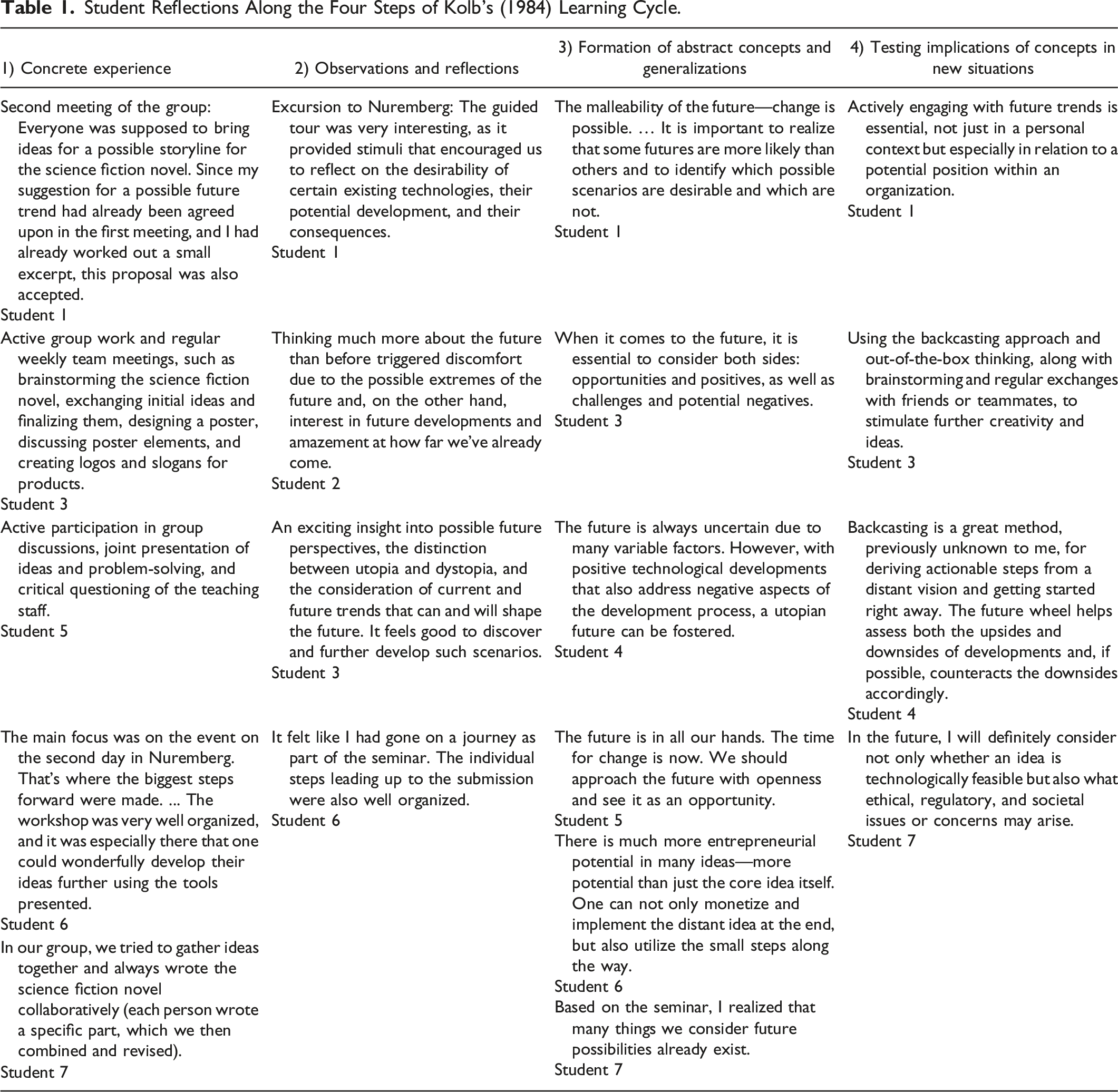
First, students used the term “active” multiple times when describing their concrete experiences in the course. Two experiences stood out. Many students mentioned the science fiction group work in which they collectively worked on a short form of an entrepreneurial science fiction novel. The experience of self-organizing this creative task within the group was a central part of their learning journey. Another active experience mentioned continuously was the field trip to the future museum, in which students witnessed multiple visions of possible futures from the exhibits, discussions, and workshops.
Second, by expressing their observations and reflections, students mentioned that the learning innovation allowed them to gain a different perspective on the future. For instance, the guided discussions during the field trip initiated thoughts about the desirability of different technologies and futures. Furthermore, the learning innovation sharpened students’ attention to current trends that could shape the future and initiated amazement about the current state of several technologies.
Third, in formulating abstract concepts and generalizations based on their experiences, students kept referring to the future as open, the existence of multiple futures, and the agency to shape the future. Regarding the latter point, students highlighted that an open future is a breeding ground for entrepreneurial opportunities. Imagining entrepreneurial opportunities in the distant future might enable realistic entrepreneurial endeavors in the present.
Fourth, asking students to reflect on how they might apply these concepts in new situations, most responded that they would pay closer attention to possible futures in their private and professional contexts. Mainly, students intended to use their learning to translate their future visions into entrepreneurial action today. As a result, they intended not just to test possible futures against their feasibility but also against their desirability with regard to ethical, regulatory, and societal concerns.
Finally, we asked students to reflect on what differentiated our approach from others. One of the consistent themes they mentioned was their excitement about the freedom with which they could experience the course contents, as Student 2 explained: Even on the way home, we talked a lot about the future and our ideas. It was refreshing to be able to undertake such an informal, yet educational, study experience!
The creativity of the course was another theme that emerged from students’ reflections, as Student 4 highlighted: The seminar gives us the opportunity to think freely and to think and develop ideas entrepreneurially within a flexible framework. In other learning formats, you only learn content from textbooks, but here, you really have to create content and ideas yourself.
This freedom of creativity meant that students could create their own experiences with just enough guidance to make their discoveries meaningful. As Student 6 explained: It especially differed in that we were extremely free. We were essentially allowed to run wild and were gradually guided back, while still being allowed to discover everything around us.
Transferring the Learning Innovation to Other Contexts
Summary of the Five Steps of the Science, Fiction, and Entrepreneurship Learning Interventions.
Conclusion
Building futures literacy in entrepreneurship education is essential to help students avoid what futurist Toffler (1970) termed the “future shock”: a situation in which a society and its members are overwhelmed by change as a future that suddenly materializes in the present leaves them disoriented in droves. The learning innovation presented in this paper can help arm students against such developments because it helps “construct and enact blueprints of desired futures” (Muñoz & Dimov, 2023, p. (2) and has been shown to be a truly transformational student experience (Block et al., 2023). The combination of futures studies and entrepreneurship creates a unique format that not only plays with different futures but also equips students to develop current entrepreneurial action toward their vision of a desirable future.
Footnotes
Acknowledgments
We thank Maximilian Scheu, Johanna Slowik, and the two anonymous reviewers for their valuable feedback on an earlier version of this manuscript. We are also grateful to Andrew Corbett, Section Editor of EEP’s Learning Innovations, for his guidance. Finally, this learning innovation would not have been possible without the engaged and motivated students at the University of Hohenheim. Their visions of their desired futures continue to inspire us as researchers and educators, providing both direction and hope.
Declaration of Conflicting Interests
The authors declare no potential conflicts of interest with respect to the research, authorship, and/or publication of this article.
Funding
The authors received no financial support for the research, authorship, and/or publication of this article.
Ethical Approval
This study did not require ethical approval under German law.
