




Abstract
The learning innovation we report in this article is an international rapid-prototyping event (48 hours) in which teams of international BSc and MSc students from two universities (Western Europe and South-East Africa, respectively) jointly designed and developed a prototype for a local small-business owner in a developing economy. The learning innovation has its origin in the simple observation that the majority of the current theories, cases, and learning activities that characterize entrepreneurship education have their origin in western-oriented epistemologies and ontologies. The goal of this entrepreneurial learning activity was to develop students’ entrepreneurial competencies through interaction and cross-boundary entrepreneurial problem-solving between university students from western and non-western origin. The results underpin that it is very worthwhile for higher education teachers—who look for new, cost-effective “wide” entrepreneurship education programs—to adopt such events. The results show that the program not only contributes to short-term impact (e.g., joy of learning and collaborating, confidence in the own expertise, and seeing where to contribute) but also enables longer term impact (e.g., moving from intention to an actual start-up). Moreover, the activity produces actual solutions that, in this case the cheese maker can implement, can help the business to grow and survive.
It was a life changing experience. I never had the experience of having people from two sides of the world, sharing perspectives about a problem and try to solve it. (participating student)
The learning innovation we report in this article is an international rapid-prototyping event (IRPE; 48 hours) in which teams of international BSc and MSc students from two life sciences universities (one Western European and one located in South-East Africa) jointly designed and developed a prototype for a local small-business owner in a developing economy. The goal of this entrepreneurial learning activity was to develop students’ entrepreneurial competencies through interaction and cross-boundary entrepreneurial problem-solving between university students from western and non-western origin. Over the last decade, entrepreneurship education is increasingly adopted outside business schools—including engineering and life sciences programs—as a university-wide approach for stimulating an entrepreneurial mindset and developing entrepreneurial competence among all learners (Turner & Gianiodis, 2018).
The learning innovation has its origin in the simple observation that the majority of the current theories, cases, and learning activities that characterize entrepreneurship education have their origin in western-oriented epistemologies and ontologies. They draw heavily on technology-entrepreneurship and related methods, tools and concepts, including lean start-up, business model generation, and customer development (Osterwalder & Pigneur, 2010; Welter et al., 2017). While it may be tempting to look at leading entrepreneurs from the Global North for a template of “how to be entrepreneurial”, research shows that entrepreneurial practices in “northern” contexts may not be directly applicable to developing and emerging markets (Dreyer et al., 2017; Seelos & Mair, 2007).
Compared with the scholarly work from western countries (United States/Europe), scientific studies on entrepreneurship—including social, community-based, bottom-of-the-pyramid, circular- and sustainable entrepreneurship—in and from developing and emerging economies are still relatively scarce. However, the body of literature addressing entrepreneurship in emerging and developing economies is growing quickly (Yessoufou et al., 2017). These new scholarly studies—capturing the diverse manifestations of entrepreneurship as a phenomenon—are of extreme importance for entrepreneurship education in international classrooms as different regional, social, and environmental challenges require different approaches to entrepreneurship (Urbano & Guerrero, 2013). Recognizing diversity and the situated nature of entrepreneurial practices requires refined understanding of context (Anderson & Ronteau, 2017). From an entrepreneurship education point of view it emphasizes the importance of developing specific competencies such as systems thinking, changing perspectives, reflexivity, and tapping into value systems (Dentoni et al., 2012). Such competencies are underrepresented in mainstream entrepreneurship competence models (Lilleväli & Täks, 2017) but can be found in social, eco, and sustainable entrepreneurship contexts (Ploum et al., 2019). An example of a recently developed and empirically validated competence model in which exemplary sustainability competencies are integrated into entrepreneurship competence models for higher education is the sustainable entrepreneurship competence model (Ploum et al., 2018).
Developing such competencies does not only challenge what we teach our students about entrepreneurship but, maybe even more important, also challenges the way we teach and learn entrepreneurship (Sarasvathy, 2001). Entrepreneurship education has to go beyond simply channeling students through a western entrepreneurship funnel, paying little attention to the diversity of local, indigenous knowledge, values, and experiences out there. There is a considerable risk that what is being learnt in our entrepreneurship education programs may not, or may only partly, prepare the students for the entrepreneurial careers that lay ahead of them. Or worse, it may even be counterproductive for their international entrepreneurial careers or the impact they could make as possible change agents for (sustainable) development. We argue that boundary crossing, or learning at the boundary, provides an interesting learning concept that may provide students with the necessary learning activities to develop entrepreneurial competence (Lans et al., 2018). Boundary crossing simply means combining and complementing one’s own with others’ knowledge and expertise. This allows for new, often more advanced conclusions to be drawn and to find appropriate solutions that fit better with the context (Akkerman & Bakker, 2011).
Underlying Learning Theory
Tynjälä and Gijbels (2012) argue that modern pedagogies that prepare young people for a continuously changing and complex world should recognize that developing professional expertise requires (a) the integration of theoretical, practical, regulative, and social knowledge; (b) progressive problem-solving; and (c) collaboration and transformation. As such, a key point of departure for any modern learning environment that address today’s complexities involves crossing boundaries. As a consequence, learning as a boundary crossing activity has become of central interest in education literature (Akkerman & Bakker, 2011). Theoretically, boundary crossing originates from learning theories that emphasize that learning should not only be conceptualized as a matter of acquisition of knowledge or skills but also as a matter of participation and collaboration across a wide range of learning environments (Sfard, 1998). Examples of learning theories that centralize learning as participation in learning environments are activity theory (Engestrom, 2000) and situated learning theory (Brown et al., 1989). Such learning theories emphasize the importance of situatedness, contextuality, cultural embeddedness, and social mediation for learning (Sfard, 1998). Being part of, and actually taking part in, a certain community practice is central to learning.
It is the job of (higher) education to afford learning processes that go beyond students’ own specialization, and social and cultural practices. However, doing so requires more than putting a diversity of learners into an international classroom and hoping some learning will occur. Boundaries, defined as “socio-cultural differences between people and their practices”(Akkerman & Bakker, 2011; Gulikers & Oonk, 2019, p. 5), are notoriously difficult to cross. It requires time, action, and appropriate guidance to do so. A significant contribution of the boundary crossing literature for entrepreneurship education lies in the formulation of the learning mechanisms that characterize learning at the boundary. These learning mechanisms stress the importance of (a) gaining insights into context, stakeholders, expertise, and their interrelatedness (identification); (b) approaching, involving, and working alongside the other (coordination); (c) starting to change perspectives, learn from each other, and connecting perspectives (perspective making); and (d) jointly developing new knowledge and practices (transformation); (Akkerman & Bakker, 2011; Gulikers & Oonk, 2019).
We argue that the entrepreneurial process, commonly defined as the identification and pursuit of opportunities (Shane & Venkataraman, 2000), is full of boundaries to be crossed and as such provides an authentic context for addressing boundary crossing mechanisms (Lans et al., 2018). Interaction is at the heart of shaping entrepreneurial opportunities. For instance, interactions with potential customers, the start-up team, a wide range of other stakeholders (e.g., buyers, suppliers, competitors, and partners) and with all sort of informal institutions (e.g., decision rights, communities, and religion) help to further shape the idea into a project, concept, or business (Dimov, 2007). Depending on the nature, scope, and context of the entrepreneurial opportunities, these interactions (and thus the boundaries) can be more or less complex. The complexity increases when the impact on the broader system (e.g., social and environmental impact) is more dominant and the resources necessary to tackle such problems are more difficult to assemble. Failing to cross boundaries also has consequences for identifying and exploiting opportunities, “don’t build something nobody wants,” and “get out of the building” are frequently used advices in modern entrepreneurship education programs.
Context and Design of the Learning Intervention
The IRPE was designed in the context of two larger projects that address entrepreneurship in emerging and developing contexts. In total, 41 scientific Bachelor and Master students from 2 life sciences universities participated in the event. All students from the African university were of local nationality, whereas the students from the European university represented a mix of predominantly (culturally) European countries including Belgium, Poland, Germany, the Netherlands, and Australia. The students from the African University were all studying agricultural enterprise development and microfinance as a discipline. The students from the European university were studying in a variety of disciplines including agricultural business and social sciences (e.g., international development studies), engineering (e.g., metropolitan design and engineering), and life sciences (e.g., food technology and biotechnology). The students never met each other face-to-face before the start of the event. The IRPE was held simultaneously on the two university campuses. All interaction between the students took place via the internet and social media (in particular Facebook, Skype, and WhatsApp). The IRPE was designed to meet the requirements of boundary crossing learning in an entrepreneurship education context (see Table 1).
Design of the Learning Intervention
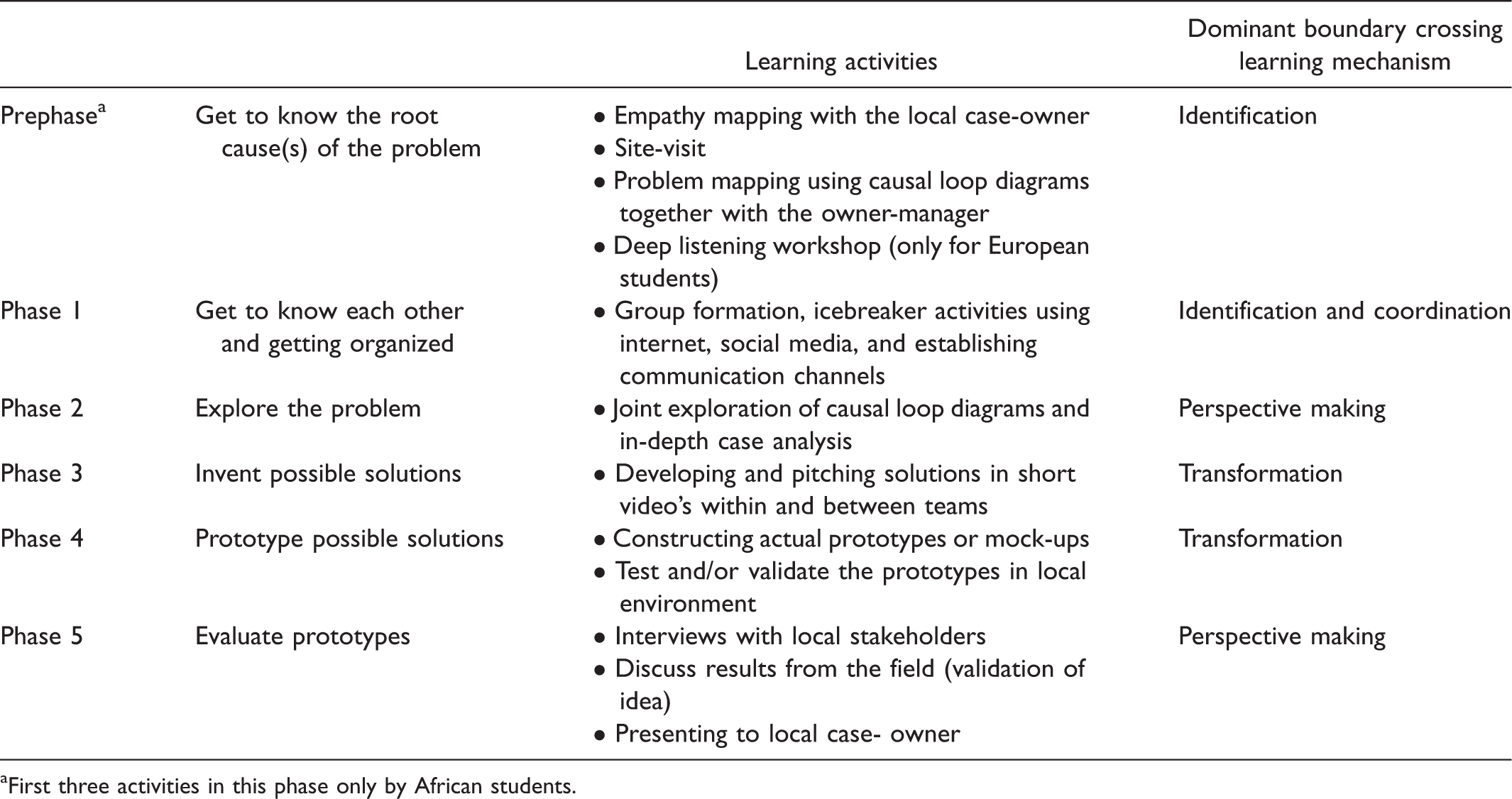
aFirst three activities in this phase only by African students.
The point of departure was an authentic, local entrepreneurial case identified in South-East Africa. The owner-manager of a small cheese making company felt that they needed to grow their company but faced many challenges to do so. The cheese maker is located just outside of the capital, where they are renting a household dwelling to process the milk into cheese and store it. Figure 1 shows the local cheese maker team. The team consists of the founders, dairy farmers, and other employees. The different activities that are taking place within approximately 30 m2 are divided by guy ropes that are carrying sheets. These demarcate the processing area from the storage and the administration. In the front yard, there is a dedicated firewood stove above which they hang a big pot to process milk into some of their cheeses. The founder then drives around with the cheeses to the hotels and restaurants that are their customers. They are failing to meet the demand due to the lack of transport, manual processing of cheese, absence of inputs for cheese such as rennet, and other issues. Furthermore, they are not meeting all the requirements yet to get their cheeses certified by the national bureau of standards, which means they are operating in a gray area which prevents them from scaling their business. The cheese maker team agreed to use their case for the IRPE and opened up their business for students to work on the challenges they faces in growing their company.
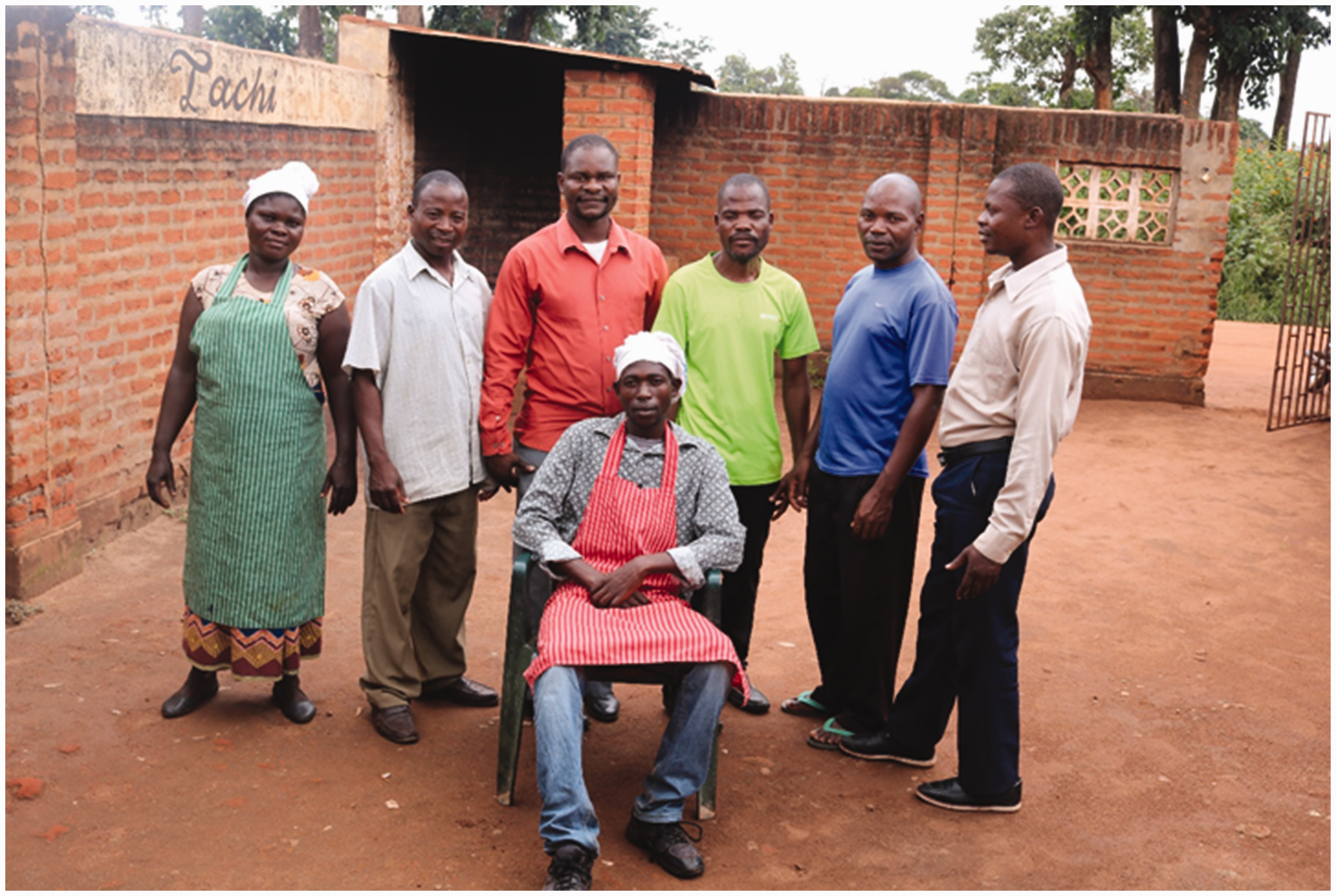
The Local Cheese maker Team, With in the Back Row With the Red Shirt, the Protagonist of the Rapid Prototyping Case.
To kick-start boundary crossing learning on the side of the African students, the students were invited 1 week before the actual event to visit the cheese maker, and interview the team about the current situation of the factory and the challenges they faced in this context. Empathy mapping (Gray, 2018) was used as a tool to do so.This initiated the boundary crossing process between the African students and the owner-manager. Based on this information, identified problems were mapped by groups of five to six students by using causal loop mapping as a method and to visualize their initial analysis (Dentoni, 2016; Kirkwood, 1998). Subsequently these problem maps, supported with a short video pitch by a representative of each student team, were posted on the Facebook group page created for this project. To facilitate boundary crossing learning on the side of the European University, the students followed a workshop from a local facilitator on the do’s and don’ts in intercultural group work (Popov et al., 2012).
In the next step—the actual start of the 48 hours IRPE—the students from both universities organically formed interdisciplinary, intercultural groups that got the assignment to create an artifact (i.e., prototype) that represented a solution for the growing pains the cheese maker experienced with their business. During these 48 hours, the students typically went through the process of ideation and evaluation. As the focus was on developing entrepreneurial competence, all students were stimulated to assess and analyze each group’s achievements during the different stages of the trajectory. This created a combined spirit of group competition and group collaboration. The students were explicitly encouraged to share information, ideas, offer recommendations, and be constructively critical of each other’s intermediate results. Moreover, both venues established an open, friendly, and flexible workspace where professional facilitators were supporting the groups when needed. To stimulate the move toward prototypes (Phase 4), prototyping enablers (e.g., storyboard thinking and sketching), prototype manifestations (e.g., role play, Lego and low-fi), and access to prototyping facilities with specific instructions (e.g., how to operate a laser cut machine or 3D printer) were granted.
To monitor and evaluate the IRPE intervention different instruments were employed at different moments in the educational intervention, following the levels of evaluation of Kirkpatrick (1975).
Monitoring and Evaluation Instruments Employed.
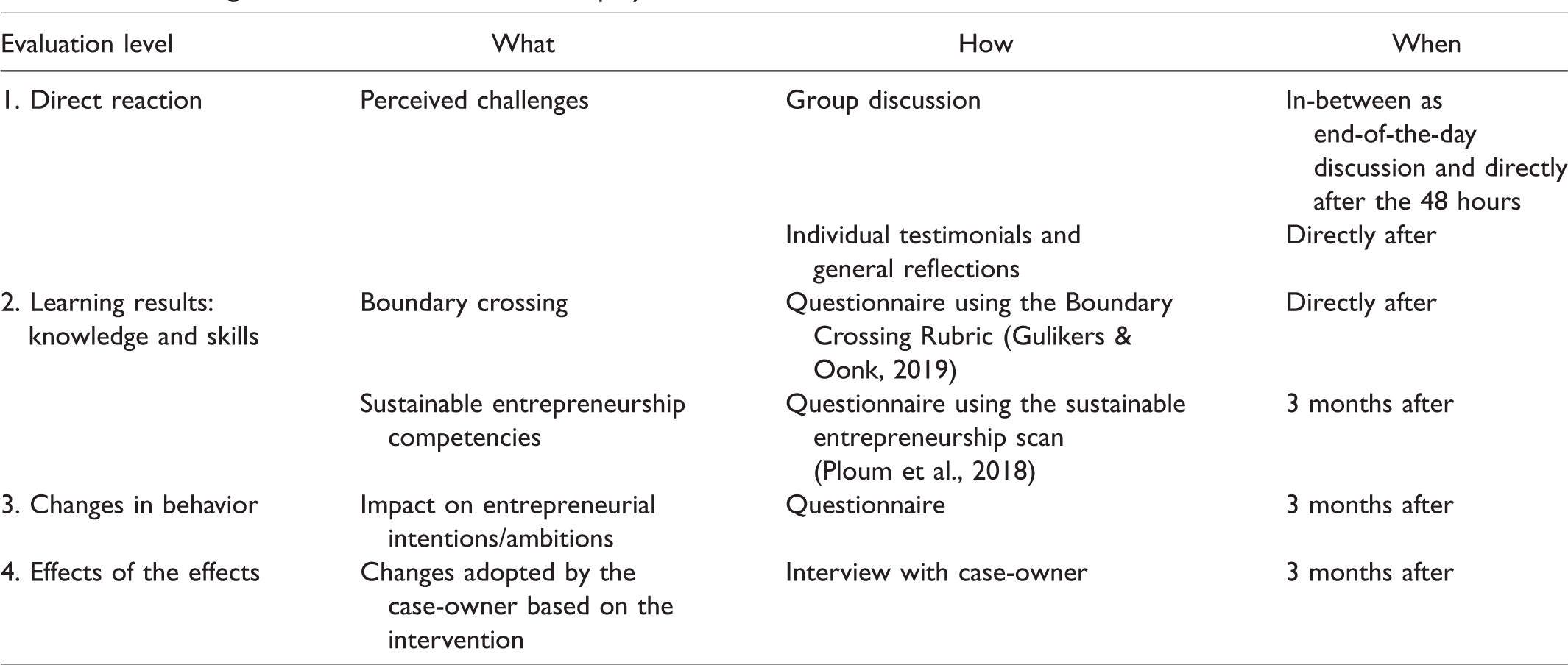
Table 2 shows monitoring and evaluation instruments employed.
Results and Lessons Learned
As explained, the learning process started with a thorough investigation of the local challenges that the cheese maker team perceived in their daily business. The reflections from this site-visit were shared with the students in Europe via Facebook, by uploading several videos in which students showed and explained the most dominant challenges. These reflections show that the site-visit was crucial as it immediately confronted the students with the bricolage and effectual type of decision making and working of the cheese maker. The entrepreneurial behavior observed by the students in this context (e.g., starting with less than 10 euro, start at home, start informally not complying with national standards, and solving supply issues with a local chief rather than official authorities) is quite different from what is often taught as a linear, rational start-up process of opportunity identification and evaluation.
As the African students reported: When I thought of cheese at first, I always thought of a premium product made for the rich by large companies only. I didn’t even know [country mentioned] does not have a company that produces cheese, I always thought we had at least one company …The cheese makers amazed me with the fact that they use no equipment. I thought- that they produce poor products, but to my surprise it was awesome when I tasted their cheese and yoghurt. These guys are really very innovative in the way they make their products as they use readily available simple equipment and tools. I figured out that these people have a bigger picture of their company in their minds. They are so hard-working and focused but they wish they could do better but due to some factors which were explained to us…., somehow the growth element seems to be away from the company. However, this company has the potential to reach greater heights suppose if they are more equipped …We need to understand that having a degree will not guarantee us a stable life. As students we need to start developing our minds and skill sets more if we are to make it in the outside world
The African students, together with the management team of the cheese maker, did a causal loop mapping to understand how problems and challenges are interrelated. This resulted in six problem maps, which were subsequently pitched by the African students to the European students, marking the official start of the IRPE (see Phase 1). See Figure 2 for an example of a problem map. The six problem maps also represented six different views on the case, and therefore six teams that could explore different solutions. The students discussed the maps with each other, to see whether additional issues had to be checked or explored in interaction with the case-owner, the cheese maker.
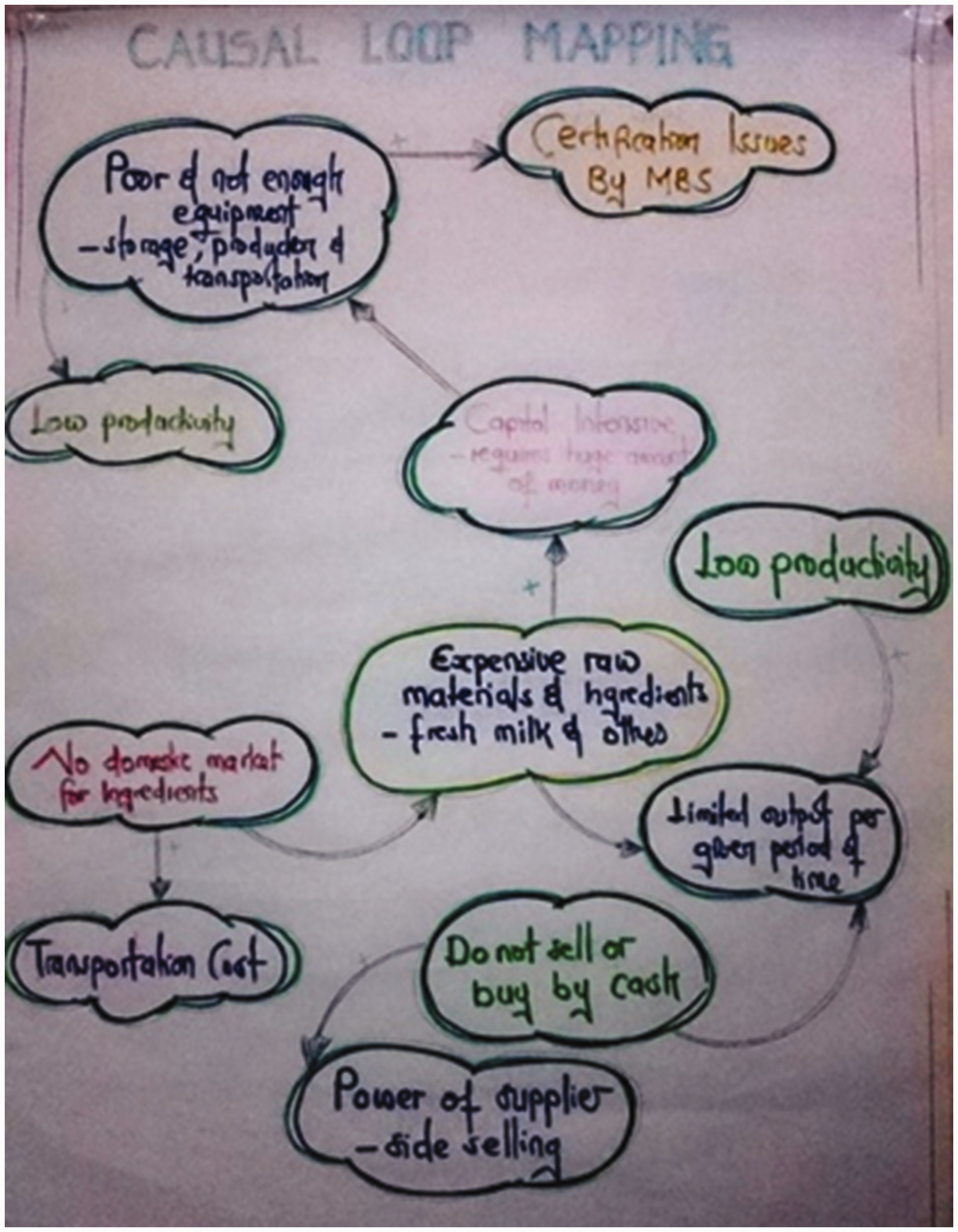
Example of Problem Map.
This was also the moment when communication between the students was further channeled via designated WhatsApp groups (see Figure 3). Each WhatsApp group represented one problem map and had 5 to 10 African students and 2 to 3 students from Europe including the 2 facilitators from both universities. The communication in such groups typically started with a “welcome to the group” notification and a request for a short personal introduction. This was in most cases followed up by a videocall using WhatsApp to introduce each team member to each other. This phase was quickly (within 15 minutes) followed by a focus on the task at hand, which involved further exploring the problem (Phase 2). In this phase, specific questions in relation to the problem were addressed and discussed via WhatsApp, either by texting or by videocall. The questions mostly came from the European students, as they needed to get familiar with the local case of which the African students already had more knowledge on. These questions concerned more detailed information about the production process (e.g., storage, cooling, certification, and recipe), the business model (e.g., customer segments and revenue streams), and the business model environment (developments in the region, financial ecosystem, the role of religion, and politics). This information was also shared between groups, as the students realized quickly that missing information (because of cultural barriers/misunderstandings/technical problems) could easily be complemented with information from other groups. Sharing information therefore took place within the groups, but also across the groups participating in the IRPE. At the end of this phase, there was a very deep understanding of the situation of the cheese maker, including the context he was working in. It even inspired the European students to try out whether they could actually make the same cheese themselves, which inspired again the students in Africa.
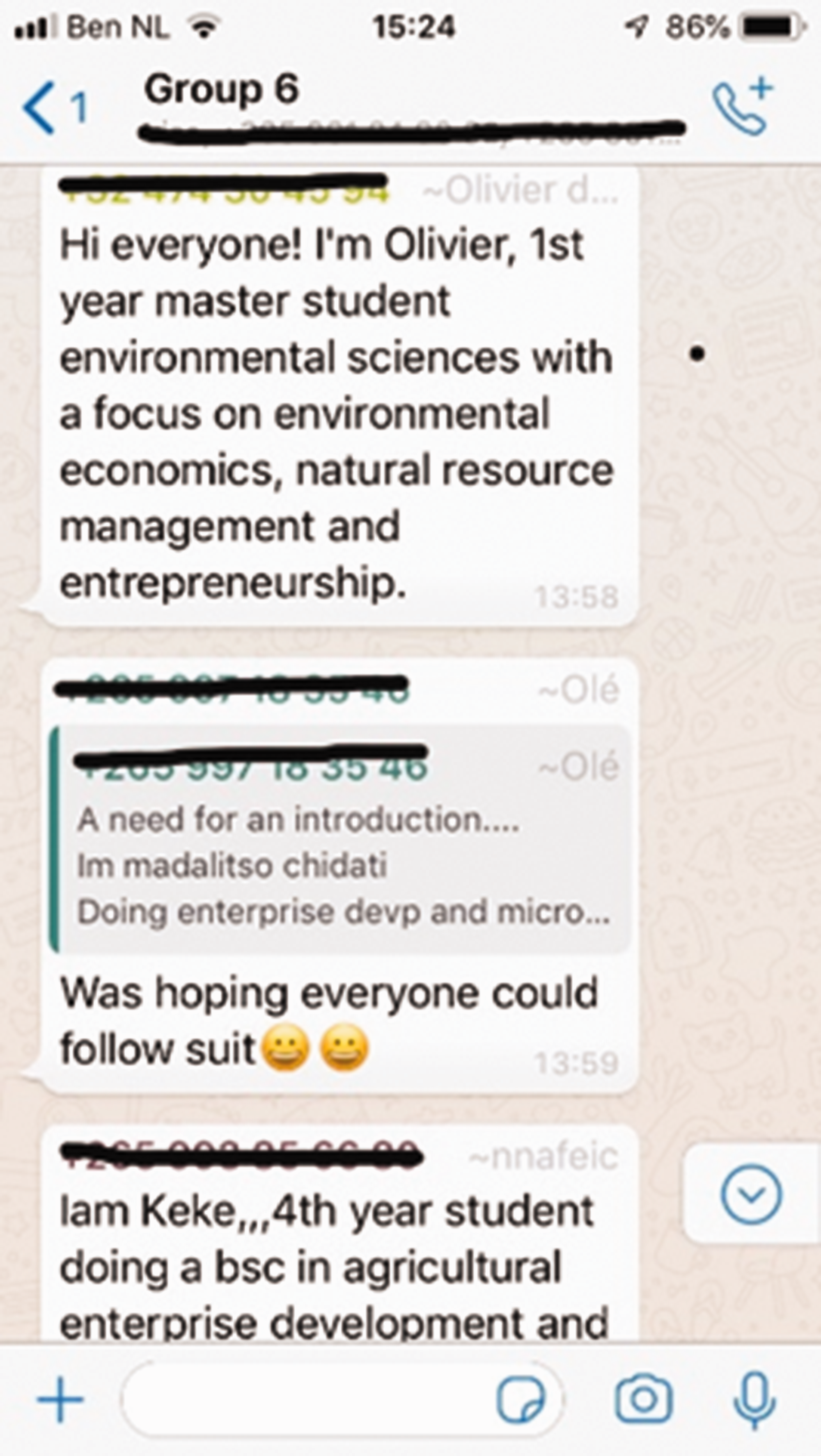
Example of WhatsApp Group.
Based on this analysis, the six groups started to develop initial ideas for solutions that could be prototyped. This was a difficult, but crucial step in the process, as it forced the students to make their ideas concrete and tangible and forced them to stop overanalyzing the problem. Before actually prototyping it, the groups firstly checked some of their assumptions though small experiments (e.g., tasting new ingredients) or by interviewing (e.g., can we also grow these new ingredients) with experts or stakeholders in the field. These small experiments and interviews were conducted on both sides of the world, and the results were immediate shared in short video’s via WhatsApp (group specific) or Facebook (for all). The sharing of the results of these small experiments and interviews also sparked some groups to join forces and start collaborating in this phase.
Subsequently, the groups (or merged groups) were stimulated to come up with one clear representation of their solution that they could present to the case-owner (Phase 4). This eventually resulted in four concrete prototypes including 3D printed mock-ups, product boxes, and actual cheeses made with natural rennet, which represented different directions for the cheese factory (see Figure 4).
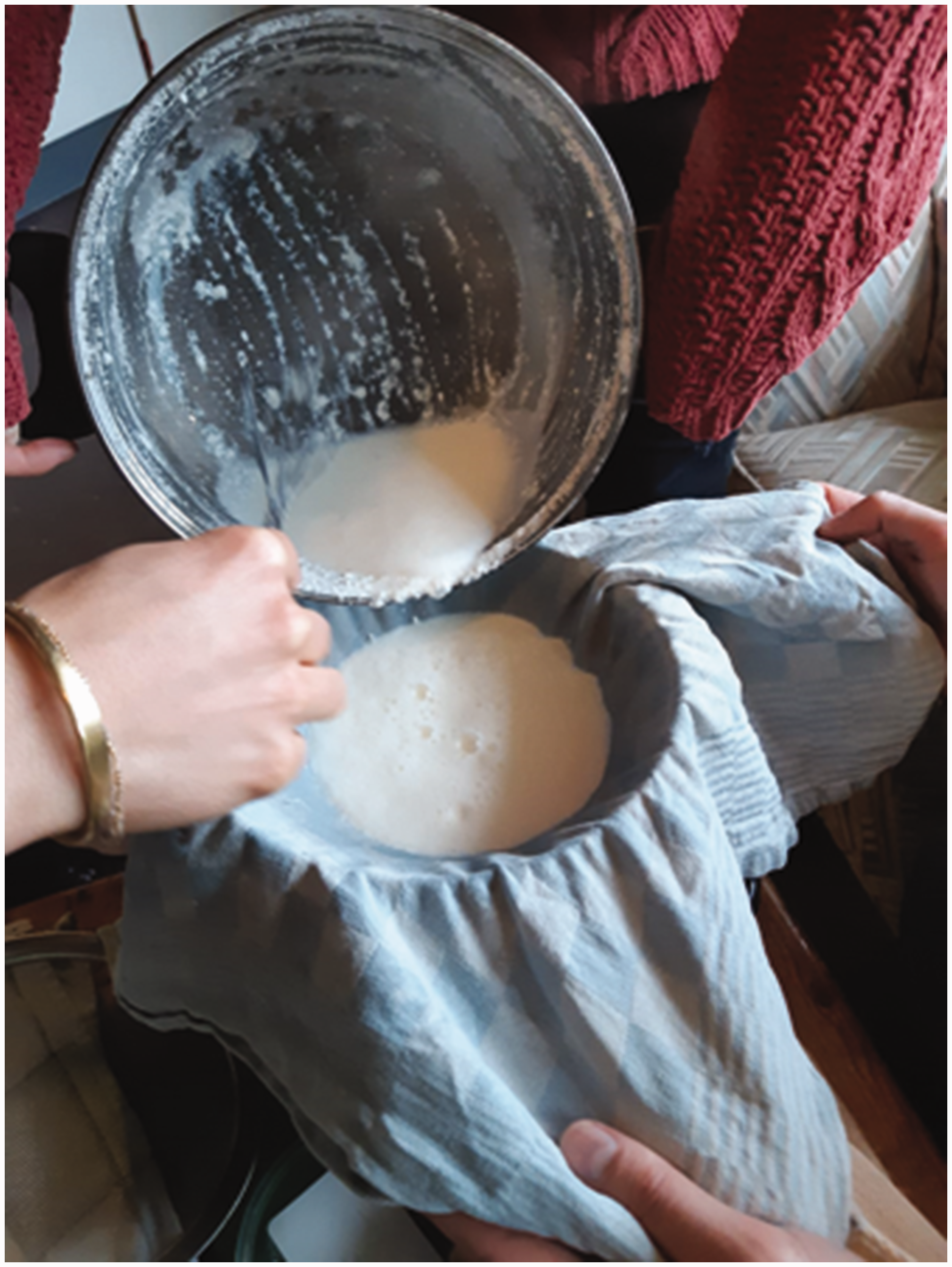
Example of a Prototype.
The prototypes were pitched by the students from the European University. The pitches were recorded and uploaded to the Facebook group page. These videos were subsequently shown to the local cheese maker by the students of the African university for discussion. This discussion was again recorded, and the feedback was given back to the students in Europe (Phase 5), again through uploaded videos on Facebook.
Direct Reaction
Overall, students were very satisfied with the event. On the question to what extent they would recommend it to others students, the average score was 8.9 on a 10-point scale. Students were very positive about the direct feedback in the field they got when they tested some of the ideas developed in their groups. As one of the African students said: “they were even happy about the product, I was so excited with that!”
Students also remarked that they learned how “simple” solutions might have a much bigger effect than they expected. One European student mentioned: “I was amazed with how these simple solutions quickly can lead to a direct application and therefore to a huge improvement for the people on the ground.”
In addition, students mentioned that they learned to work and ideate with means that were available. So all solutions were established on basis of the resources and infrastructure the cheese maker had available. This was not always an easy task according to this European student: “This caused some time, to exclude all the smart ideas in the students minds (at least my mind!), and think with the given means instead of unrealistic academic ideas”.
Moreover, students felt surprised that they can be effective within groups of people that they have just met. As one of the African students was saying: “we tend to think that we can only do things properly with people that we have known for many years, but that’s not the case!”
In terms of challenges the students faced during the intervention, the most frequently mentioned was the factor of time, followed by challenges to change perspectives either in relation to the end user of the intervention or in relation to the team. Especially in the beginning of the event, it was hard for the students to figure out what to expect from the project and each other and also to think in a way that considers the local setting, infrastructure, and environment of the cheese factory. As one of the European students mentioned: “I had to find out how I could contribute to the challenge”. Less frequently mentioned challenges were issues with the infrastructure supporting communication in groups and storage and retrieval of the information gathered during the process. In general, the challenges faced by the students were different in the different phases of the IRPE, moving from initial idea to final prototype.
Perceived Learning Results
To investigate the results of the IRPE in terms of addressing and developing sustainable entrepreneurship competencies, students’ responses after 3 months were matched with the sustainable entrepreneurship competence pyramid (Figure 5). The pyramid corresponds with the competencies validated by Ploum et al. (2018), but also shows exemplary learning outcomes for every competence, as well as how the competencies relate to each other. The general idea is that the competencies in the top of the pyramid are more complex to address in educational settings.
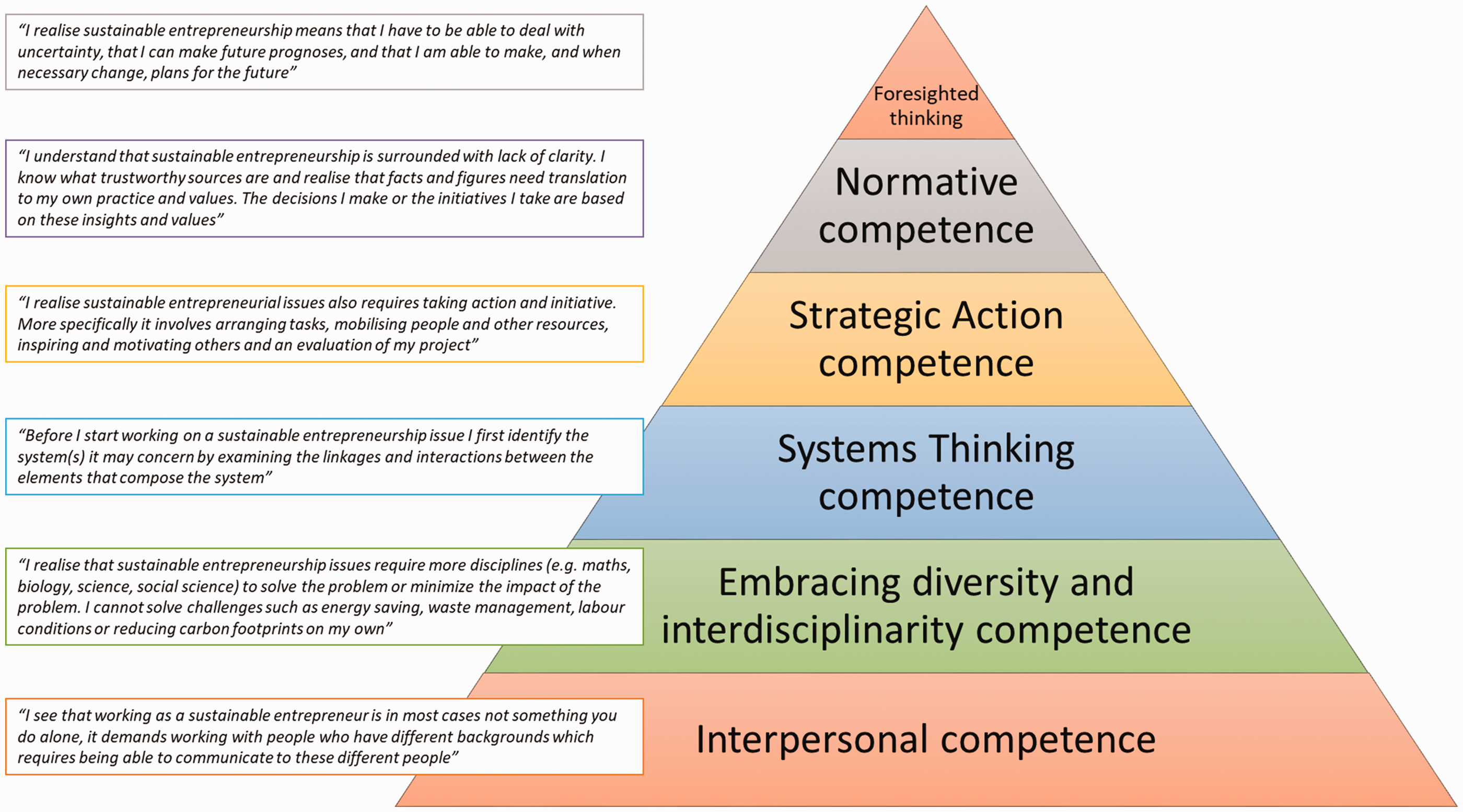
The Sustainable Entrepreneurship Competence Pyramid.
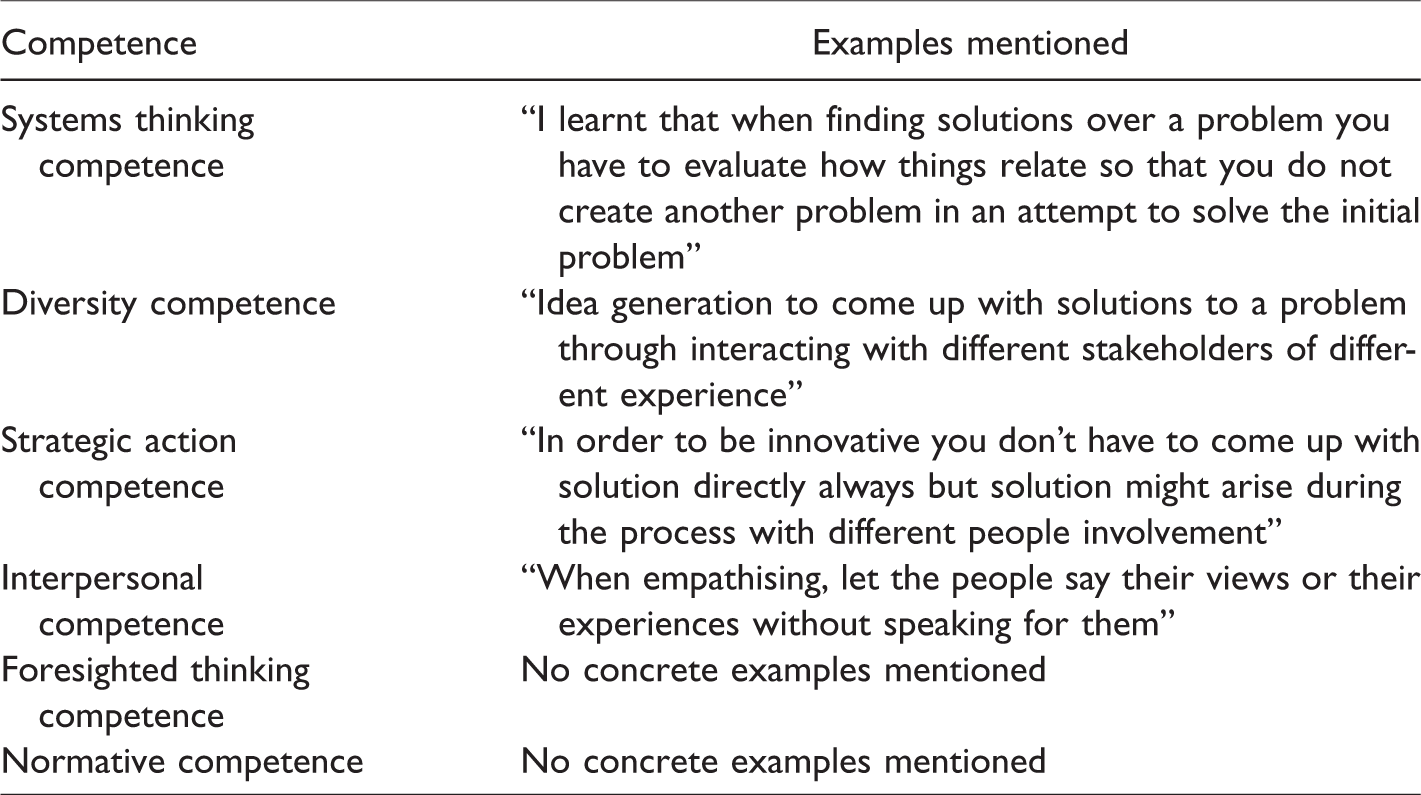
Students mentioned most frequently that they have improved the competencies systems thinking, interdisciplinary competence and interpersonal competence (Table 3). Not explicitly mentioned were foresighted thinking competence (other than students felt like they learnt how to generate ideas) and normative competence. A summary of what is mentioned including examples from the interviews can be found in Table 3.
Competence Development as Reported by the Students.
To investigate whether the IRPE really afforded boundary crossing for students, we used the boundary crossing rubric as developed by Gulikers and Oonk (2019). Directly after the event, students were asked to score themselves on 11 indicators that represent the 4 boundary crossing learning mechanisms as explained. Students had to rate themselves on these for two moments ‘at the start of the event’ (‘then’), and ‘at the end’ (‘now’). The 11 indicators represent the 4 learning mechanisms, identification, coordination, perspective making, and transformation (Akkerman & Bakker, 2011; Gulikers & Oonk, 2019; Table 4).
Self-Reported Development of Boundary Crossing Learning Mechanisms.
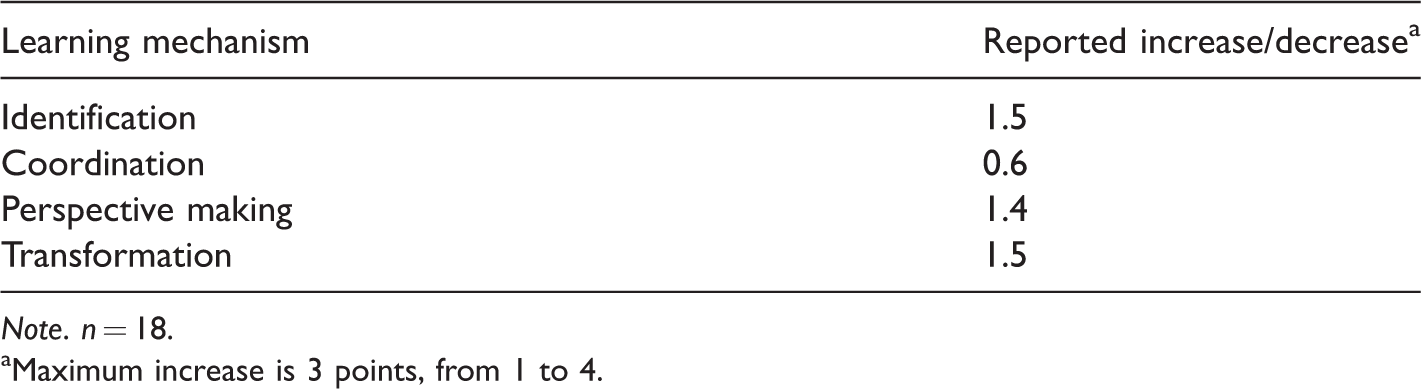
Note. n = 18.
aMaximum increase is 3 points, from 1 to 4.
The students report the largest increase in relation to the identification and transformation mechanisms, which are the mechanisms that directly correspond with gaining insights into complementarity or added value of other perspectives and the actual development of new knowledge or practices that could not have been developed without collaboration and integration of different perspectives. As such, it truly represents the aim of the IRPE, the joint investigation of the problem space and development of a tangible solution for the case-owner. Also, for perspective making—seeing the problem from another perspective (e.g., the beholder of the problem)—the student perceived an increase of almost 1.5 points. This means that the design of the IRPE also stimulates these processes, next to the actual development of the artifact. What is interesting is that students report the smallest effect for coordination. Coordination is typically about structuring the problem-solving process, for instance in terms of task division, efficiency, and so on. These results are in line with what was designed (see Table 1) and what the students reported earlier: Coordination issues, such as storage and retrieval, were only mentioned a few times.
Reported Long-Term Effects
After 3 months we asked the students what they perceived as the effects of the event on their personal and professional life, in particular in relation to their entrepreneurial ambitions and intentions. Most students reported that experiencing the entrepreneurial process (from idea to execution), through joint problem-solving while considering the system, was something that was experienced as the greatest effect of the intervention. Impact was also felt on student’s personal life, with some students connecting the experience positively to their perceptions of risk associated with entrepreneurship: reducing their fears of risk. Two African students reported that they started their own start-up immediately after the event. As one of the students reported: “It has greatly, in a positive way, impacted my entrepreneurial ambitions since in my home village I’m getting involved in selling and delivering bricks to construction sites”. One of the students from Europe reported that for them the biggest effect was seeing for the first time in their study program—international development studies—that it was possible to have an actual impact as a student with their background.
The interview with the owner-manager of the cheese factory 3 months later showed that the students have indeed provided the company—in 48 hours—with new ideas about how to change the current set-up, and also with two concrete directions to do so. The two idea’s that really caught on were the production of alternative ingredients which the cheese maker could use to develop new varieties of their product, and the production of a new product based on a by-product of their current production process. Both ideas are fundamentally new value propositions based on the existing resources the owner-manager has, which according to the owner-manager, will tap into brand new customers segments. The owner-manager feels that they need to continue interacting with the students in order to start developing both scenarios as he require additional effort. Interestingly, the owner-manager also expressed that he thinks the students needed this exercise to see that not a lot of capital (e.g., machines) is necessary to start a food company like this.
Differences Between African and European Students
In general, the experiences at both universities were quite similar. Overall, student’s remarks and feedback matched well with each other. However, there were some things that were perceived differently when looking at the set-up and process of the IRPE.
First, it seemed throughout the process that cross-disciplinary boundaries were perceived as more challenging than intercultural ones. The students from the European University were all from different study backgrounds, whereas the students from the African university were more or less from the same background. This sometimes resulted in misunderstandings within the teams, and the speed of iteration and change also was delayed a bit due to these discipline-related challenges. For instance, sometimes students posed questions which were not understood within the group. This led to some frustration and questions were asked multiple times before the content of the question was grasped by all.
Second, the European students started with designing solutions and prototyping a bit quicker, whereas the African students spent more time on getting to know and really understand the problem as they were more concerned with the actual implementation of the prototype. Balancing this in- and out- zooming represented a real challenge for the facilitators. For instance, it took some pushing from the facilitator on both sides to get the students into the prototyping mindset and move on from the problem analysis.
Third, the physical learning environment differed between the two universities. The European students were located in a start-up incubator space (which provided access to a range of resources), while the African students were in a more traditional conference/lecture room. Moreover, as a significant part of the intervention was in the weekend (Saturdays) it was relatively quiet on campus and the nearest market place (e.g., to interact with stakeholders) was about a 20 minutes’ walk from the African campus. These learning environment characteristics may have also hampered the African students to proactively go outside and test ideas.
Discussion and Conclusion
We started this article with the observation that we tend to teach entrepreneurship (what and how) from a predominantly Western perspective. This IRPE intervention was developed in a reaction to that, providing students with a real-time interdisciplinary, intercultural, authentic learning experience. From an educational sciences point of view, this set-up was designed to foster boundary crossing and entrepreneurial competence development. Practically, it provides a very low-cost, hence more accessible short intervention, compared with the well-known study mobility and exchange programs that are much more expensive and take more time. From the student perspective, as well as the protagonists’ point of view, the intervention was highly valued.
The results underpin that it is worthwhile for higher education teachers—who look for new, cost-effective “wide” entrepreneurship education programs—to adopt such approaches. The entrepreneurial learning not only happened to the student but also on the facilitator and case-owner side, as the IRPE created a space to recognize and act on an opportunity to learn and connect theory and practice with a diverse group in a practical manner. The results show that the program not only contributes to short-term impact (e.g., joy of learning and collaborating, confidence in the own expertise, and seeing where to contribute) but also enables longer term impact (e.g., moving from intention to an actual start-up). Moreover, the activity produces actual solutions that, in this case the cheese maker can implement, which can help the business to grow and survive.
What surprised us was the fact that very little facilitation in terms of structuring the problem, time management, and organizational facilitation was necessary: Students were completely free to organize boundary crossing themselves, which seemed to work well. In terms of facilitating learning at the boundary, balancing thinking and acting as well as stimulating to cross disciplines (“where can you contribute with your background”) required the most attention from the facilitators. This was perceived from the African as well European side of the IRPE.
Looking at the learning outcomes, it is interesting that normative competence and foresighted thinking, important competencies for sustainable entrepreneurship, were not at all mentioned by the students. Foresighted thinking may have been underrepresented as the intervention was under strong time pressure and the “prototype” had priority. An explanation for normative competence is that the program was not exclusively developed to enable this competence. The intervention was new for everyone (students, facilitators, and case-owner) and norms for an unfamiliar, new field are quite hard to establish. Addressing these two competencies will require additional effort, underlining Figure 5 as well as the importance and complexity of constructive alignment in (entrepreneurship) education (Biggs, 1996; Kamovich & Foss, 2017).
Although the course was not explicitly designed from a bricolage point of view (Baker & Nelson, 2005), the context as well as its design seem to require bricolage type of behaviors. The current practices of the cheese maker team directly forced the students into bricolage and effectuation modes of thinking. Also, the two ideas most favored by the cheese maker seem to be informed by bricolage because they are both new ideas that originate from resources at hand, rather than high-tech solutions. For example, one of the resources was given away at first because it was considered a waste. Students showed how this waste material could actually be the main ingredient for a novel product when combining it with other locally available resources. And some plants, which were generally considered as “weeds,” have properties that could replace an expensive input that the cheese maker so far needed to source from another country.
Overall, from an operational point of view, the learning innovation is not something that was planned overnight. Although the intervention is relatively cost-effective, compared with flying students and staff around the world, its success is very much dependent on preparation, network, prior knowledge, and experience of the students. Having already existing networks and relations in place (e.g., a joint research project) is helpful. Both partners should be willing to spend time and energy on preparing their students, to find an appropriate local case, and, to allocate some of their teaching time to this event. Also, students should be willing to work outside standard class hours to mitigate local customs or time zones. In terms of location, it helps tremendously if both campuses can either facilitate prototyping (e.g., have 3D printers, or other facilities as hand) or have direct access to stakeholders (e.g., potential consumers, buyers, and suppliers). Especially the latter was a weakness in our intervention, as the African students were relatively far away from the markets to test ideas and prototypes. This may explain why the African students seemed hesitant to actually start interviewing potential customers, users, suppliers, or buyers. If we would organize another rapid prototyping event, we would look for a location for instance near to a market or other places were potential stakeholders may gather.
In terms of sustaining such activities in curricula, the 48-hour format is helpful as it as can be used as an add-on, rather than as a replacement of a whole course (or even a whole curriculum), as such overarching changes are difficult to realize. The 48-hour format also intensifies the communication between the protagonist and students, as well as among students themselves. Having a longer timeframe could risk that interaction among parties decreases and that “business-as-usual” takes over.
As a final note, entrepreneurship education programs that claim to address more affective learning outcomes (such as being aware of different perspectives, listening respectfully to others, and, being sensitive to individual and cultural differences in entrepreneurial activity) are good candidates for adopting a learning innovation like this.
Footnotes
Acknowledgments
The authors would like to thank all the participating students, the facilitators as well as the local cheese maker for investing their time in this learning intervention. In addition, the authors would like to thank the reviewers for their helpful and constructive comments on earlier versions of this manuscript. This project was funded by the Dutch Comenius Teaching Fellow program and facilitated by the OSMARE research project; hence, the authors would like to thank the Netherlands Initiative for Education Research (NRO) as well as the Dutch Research Council (NWO) for making this learning intervention possible.
Declaration of Conflicting Interests
The author(s) declared no potential conflicts of interest with respect to the research, authorship, and/or publication of this article.
Funding
The author(s) disclosed receipt of the following financial support for the research, authorship, and/or publication of this article: This project was funded by the Dutch Comenius Teaching Fellow program.
