



Abstract
The Swiss Neurological Society (SNG) was founded in 1908. In the 1930s, a pre- and postgraduate neurological curriculum and the recognition of neurology as medical specialty followed. In the 1950–1960s, first independent university departments were created in the country. On the occasion of the 110th anniversary of the SNG, the biosketches of its first 42 presidents (including C. von Monakow, R. Bing, M. Minkowski, H. Krayenbühl and M. Mumenthaler) are presented. The multidisciplinary and international influences that contributed to the development of neurology in Switzerland are discussed in the context of the national and international scientific, medical and political history.
Introduction
The Swiss Neurological Society (SNG) was founded on 15 November 1908 in Olten and constituted officially on 13 March 1909 in Bern at the presence of 64 of the 108 enrolled members. 1,2 The committee was composed of the following 10 people: Robert Bing, Paul Dubois, Paul-Louis Ladame, Constantin von Monakow, Louis Schnyder, Schumann, Alfred Ulrich, Otto Veraguth, Emil Villiger and Gustav Wolff.
The main aims presented in the first by-laws were (1) the promotion of neurological research in collaboration with other medical fields (anatomy, physiology, medicine, surgery, psychology, psychiatry), (2) the support of interactions between members and (3) the representation of practical interests of neurology (e.g. in the care of patients and in teaching the discipline).
The initiative was taken, according to Charles Dubois and Minkowski by Bing, 1,2 according to Monakow’s memoires by Paul Dubois and himself. 3 It was certainly encouraged by the recent foundation of the national societies of the United States (1875), Belgium (1896), Germany (1907) and Italy (1907). 4 The birth of a new society (and discipline) in Switzerland was opposed by some internists (e.g. H. Sahli in Bern and L. Michaud in Lausanne) and psychiatrists (e.g. A. Forel in Zurich), but also supported by others (O. Naegeli and E. Bleuer in Zurich). As a consequence, it was only after decades that a pre- and postgraduate neurological curriculum, the recognition as medical specialty and the creation of independent departments were achieved.
The first 100 years of the SNG were summarized in the 2008 anniversary book. 5 Ten years later, on the occasion of the 110th anniversary of the society, we now present the biosketches of its first 42 presidents. The main aim is herewith to revisit the multidisciplinary and international roots and influences contributing to the development of the SNG in the context of the scientific, medical and political history of Switzerland and Europe. Beyond this, it is our wish with this article to acknowledge the work and commitment of the SNG presidents, and all those who assisted them, in making neurology what it is today in our country.
Part I – The founders
1. (a) Constantin von Monakow (1853–1890), SNG President 1909–1910. (b) Haus Belmont at the Schönbergstrasse 2 in Zurich. Rooms of this house were given in 1913 by the University to von Monakow, who transferred here his neurological ambulatorium and experimental laboratory (the first of their kind in Switzerland).
von Monakow was born and grew up until the age of 10 in Wologda (North Russia), before moving first to Germany and at the age of 13 to Zurich, where he studied medicine (an article on C. von Monakow authored by C. Jagella can be found in this same issue of CTN). After graduation, he worked at the Heilanstalt St Pirminsberg (SG), where he performed first experimental and clinico-pathological studies. He obtained the ‘venia docendi’ from the University of Zurich in 1885. The same year, he returned to Zurich to start a private practice. In 1886, he opened a private experimental laboratory, and in 1887 (with two assistants) an outpatient clinic (ambulatorium). Only in 1913, the University Hospital officialized this institution offering the salary of one resident and new rooms in the Haus Belmont (Figure 1(b)). In 1894, after he declined the chair of neuropsychiatry in Innsbruck, he was offered the first chair of neurology in Switzerland with the title of ‘Extraordinarius ad personam’ (‘für hirnanatomische Fächer und Nervenpoliklinik’), a position he would hold for 29 years. His research focus was experimental neuropathology; his international reputation was, however, also linked to his monumental books ‘Gehirnpathologie’ (1897) and ‘Die Lokalisation im Grosshirn’ (1914). In the latter, he coined the term ‘diaschisis’ (which he had presented already in lectures since 1902) to describe functional dysfunctions distant from brain lesions and recovery of function over time. 6 In 1917, he founded the Swiss Archives of Neurology and Psychiatry (SANP) in which he served as editor-in-chief for 13 years. The SANP remained the official journal of the SNG (in the first years, the publication organ of the SNG had changed several times and included the ‘Correspondenzblatt für Schweizer Aerzte’ and the ‘Neurologische Zentralblatt’) until 2015.
During his presidency, a first meeting of the SNG was held in Bern at the presence of 64 of the 104 members of the society and inaugurated by two lectures by E. Claparède and C. von Monakow. The 2nd and 3rd meetings were held in Zurich and Geneva, respectively. The 4th meeting was organized in Basel with an emphasis of the developing field of neurosurgery.
An obituary for Monakow was written by M. Minkowski. 7 Other authors reported on his life and oeuvre. 6,8 –11
2. Paul Dubois (1848–1918), SNG President 1910–1916.
Dubois grew up in La Chaux-de-Fonds and Geneva (where he became a friend of J. Dejrine from the age of 12). He studied medicine in Bern, where he trained with the internists B. Naunyn, H. I. Quincke and L. Lichtheim. In 1876, he first opened a private practice, later with other colleagues a private clinic (in the Villa Bel-Air and then Hospital Victoria) in Bern. He obtained the ‘venia docendi’ from the University of Bern in 1888. In 1902, he became Extraordinarius ‘ad personam’ for neuropathology. His research was focused first on ‘medical electrology’, with studies on diagnostic and treatment applications. In 1902 (with L. Schnyder), he organized an International Congress on this topic in Bern. After this event, his long-standing interests in psychotherapy (noteworthy, Dubois had no psychiatric training and never worked in a psychiatric institution), which at that time was dominated by hypnotism and psychoanalysis, became his main research focus. Influenced by the works of S. Weir-Mitchell and H. Bernheim, he developed, with his pupil L. Schnyder, a ‘third’ psychotherapeutic school. This was based on the dialogue with the patients (the so-called ‘rational or persuasive method’) aiming at ‘educating’ them and leading them to altruistic thoughts (as antidote to self-centred concerns). 12 He coined the term ‘psychoneurosis’, and his motto was ‘Sie müssen an ihre Heilung glauben’ (‘you must believe in your cure’). His reputation was international and he treated patients coming from all over Europe (including M. Proust). His major work ‘Les psychonévroses et leur traitement moral (1904)’ was translated into eight languages. He maintained over the years very close contacts with J. Dejerine and his wife A. Klumpke who frequently met him in Bern. 13 Noteworthy, he maintained throughout his life a very critical position towards S. Freud and psychoanalysis. 12
During his presidency, Dubois (assisted by L. Schnyder) and the SNG board engaged in the preparations of a Second International Congress of Neurology, Psychiatry and Psychology (a first meeting had taken place in 1907 in Amsterdam), which had to be cancelled because of the outbreak of the First World War, which also interrupted all SNG activities for 2 years. 2
An obituary was written by L. Schnyder, 14 a biography by C. Müller. 3
3.
Ladame grew up in Neuchâtel (see Figure 3). He studied medicine in Zurich, Würzburg, Bern and Paris. After gaining experience in different hospitals (Neuchâtel, La Chaux-de-Fonds, Vienna), he worked first for 12 years as general practitioner in Le Locle. Subsequently, he founded and directed a home for orphans in Dombresson. In 1884, he spent a few months in Paris (J. M. Charcot, F. Raymond and E. Brissaud) and Berlin (K. Westphal) to enhance his neurological expertise. After his return, he worked in a private practice in Geneva seeing neurological and psychiatric patients, performing research on hypnosis, medico-legal and forensic topics (with a focus on moral and social questions) and teaching at the Faculties of Medicine and Law. He obtained the ‘venia docendi’ from the University of Geneva in 1888, but to his great regret – and despite his international reputation – no hospital/academic position was offered to him.
15
Paul-Louis Ladame (1842–1919), SNG President 1916–1919.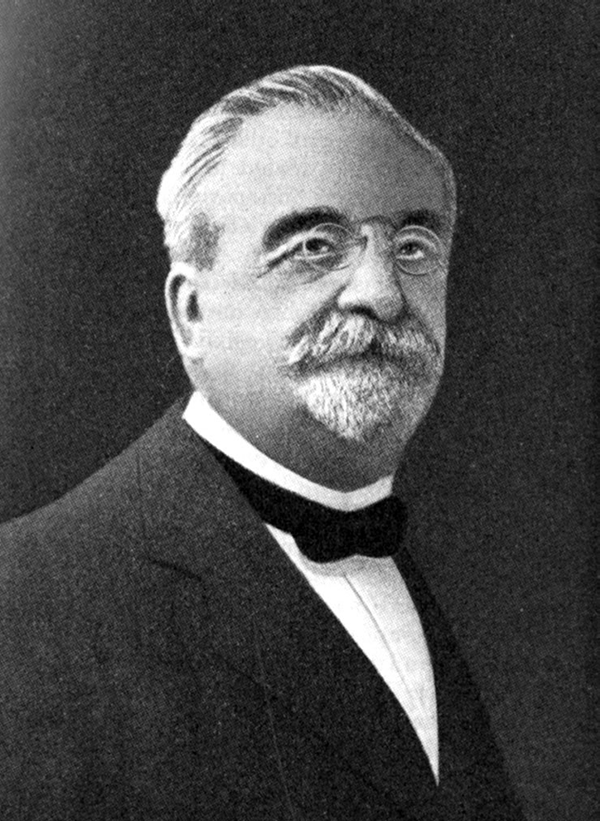
During his presidency, the SNG first met with the Swiss Psychiatric Society (at that time still named ‘Societé des Médecins-aliénistes suisse’), the president of which was his son Charles Ladame (who later became Ordinarius of psychiatry at the University of Geneva). 1 Both gave speeches in which the importance of the links between neurology and psychiatry were stressed. 2 At the 1916 meeting in Bern, the SNG board decided to give birth to the SANP as official organ of the society. The 13th SNG meeting was held in Lucerne and dedicated to War Neurology. At the banquet of that meeting, Ladame gave a vibrant, patriotic speech in which he warned against ‘foul compromizes’. In the last SNG meeting of his presidency, the announcement was made that J. Dejerine had left 8000 Swiss francs to support Swiss neurological research (in French).
An obituary was written by F. Naville, 16 a thesis on him by D. Pazeller-Piguet. 17
4.
Bing grew up in Strasbourg (at that time belonging to Germany) and Basel, where he studied medicine (see Figure 4). He trained in Basel and with H. Munk (Berlin), L. Edinger (Frankfurt), V. Horsley (London), J. Dejerine and J. Babinski (Paris). In 1905, he opened a private practice in Basel, and 2 years later, he founded with E. Villiger a ‘neuroambulatorium’, which was integrated with the University Hospital in 1916 and he ran until 1954. He obtained the ‘venia docendi’ from the University of Basel in 1907, where he was promoted to Extraordinarius in 1918, and Ordinarius (the first in Switzerland) ‘ad personam’ in 1932 and with an official teaching mandate in 1937. His research focus was clinical neurology. In 1913, he gave a detailed description of cluster headache as ‘erythroprosopalgia’, which was named after him and Horton. His international reputation was also linked to his prodigious knowledge, his books ‘Kompendium der topischen Gehirn- und Rückenmarksdiagnostik’ and ‘Lehrbuch der Nervenkrankheiten’ and his extensive mentoring activities (over 250 doctoral theses). He acted as vice president of the First International Neurological Congress which took place in Bern in 1931 (see below).
18
On this occasion, Bing, who spoke eight languages, welcomed the audience in Italian.
2
For 21 years (1930–1951), he was co-editor-in-chief of the SANP. A prestigious neuroscientific prize of the Swiss Academy of Medical Sciences carries his name.
Robert Bing (1878–1956), SNG President 1919–1922.
During his presidency, he insisted on the importance of multidisciplinarity. SNG meetings were devoted to the topics of Endocrinology (1920), Encephalitis Lethargica (1921) and Epilepsy (1922).
An obituary was written by Haymaker, who stressed his encyclopedic knowledge of the literature and his overall ‘stellar position in the neurologic world’. 19 Others reported on his life and oeuvre. 20,21
5.
Veraguth grew up in Chur (see Figure 5). He studied medicine in Zurich, where he trained with C. von Monakow (he was his first assistant). He visited Paris (J. M. Charcot, E. Brissaud, J. Babinski, J. Dejerine) and London, where he worked 6 months with V. Horsley and developed an interest in neurosurgery, which he maintained for his entire career. In 1897, he opened a private praxis in Zurich, but continued to work with von Monakow and in Paris on research projects on the pathology and physiology of the nervous system, including those on the psychogalvanic reflex (a seminal contribution which was published in 1908 and was source of a scientific controversy with C. J. Jung).
22
Veraguth obtained the ‘venia docendi’ from the University of Zurich in 1900. During the First World War, he worked with Brunnschweiler (and during some time also with Long) in a military hospital in Lucerne. In 1918, he was appointed associate professor of physical therapy in Zurich, where he much promoted sport and physiotherapy in medicine. He was among the first worldwide to report the successful removal of an intramedullary spinal tumour (in 1910) and lumbar disk herniation (in 1927), which were performed with (Veraguth remained surgically active for years after graduation) H. Brun, a surgeon from Lucerne.
23
Veraguth’s name is linked also to the suggestion of a fold of the upper lid as typical sign of depression.
24
Honorary presidents of the SNG receive the ‘Veraguth’s medal’.
Otto Veraguth (1877–1944), SNG President 1922–1924.
As SNG board member, he promoted a revision of the curriculum of medical students and national examinations in neurology; both initiatives were blocked by internists and psychiatrists. 25 –27 During his presidency, the 70th anniversary of Monakow was celebrated and accompanied by a special issue (‘Festschrift’) of the SANP in his honour with contributions by authors such as W. M. Bechterew (Saint Petersburg), S. Ramon y Cajal (Madrid), E. Flatau (Warsaw), S. Goldflam (Warsaw), K. Goldstein (Frankfurt am Main), H. Head (London), G. G. J. Rademacher (Utrecht), O. Marburg (Vienna), P. Marie and H. Bouttier (Paris), G. Mingazzini (Rome) and I. P. Pawlow (Saint Petersburg). 1,28 On this occasion, von Monakow gave a memorable lecture with the title ‘Fifty years Neurology’, which ended with the proud words ‘Wir wissen und wir werden wissen’ (‘we know and we will know’). 2
A thesis on Veraguth was written by P. Süssli, 22 in which the great variety of his scientific and clinical interests and his aristocratic manners were emphasized.
6. Louis Schnyder (1868–1927), SNG President 1924–1927.
Schnyder was born in La Neuveville. He studied medicine in Bern and Würzbug, and trained in Bern (H. Sahli) and Paris (F. Raymond, E. Brissaud, J. Dejerine). From 1897 until 1926, he ran a private practice in Bern. In parallel, he assisted C. Dubois in his clinical and research activities for 20 years (e.g. on ‘medical electrology’). Inspired by his master, he developed an increasing interest in psychotherapy. He obtained the ‘venia docendi’ from the University of Bern in 1912. Dubois, at the time President of the SNG, asked for his assistance in the organization (scheduled for 1914) of the Second International Meeting of Neurology, Psychiatry and Psychology in Bern, which was cancelled because of the outbreak of the First World War.
During his presidency, the SNG meetings were devoted to the cerebellum (1924), psychotherapy (1925) and basal ganglia (1925). Schnyder was the first president of the SNG to die while in duty (Ladame had retired prematurely, just few months before his death).
An obituary was written by C. Dubois, 29 in which he underlined Schnyder’s friendship with his father, as well as his great (also humanistic) erudition and kind personality (‘d’une noble simplicité’ and ‘au doux sourire’).
Part II – The time before and during World War II
7.
Long grew up in Geneva (see Figure 7). He studied medicine in Geneva and Paris. He trained in Paris with J. Dejerine and A. Dejerine-Klumpke, from whom he derived his research focus in clinico-pathological correlation studies (e.g. on sensory pathways and syphilis of the spinal cord). He obtained the ‘venia docendi’ from the University of Geneva in 1900 while still working for most of his time with the Dejerine’s in Paris. During the First World War, he was active with his wife in Bourg-en-Bresse in a military hospital, and visited a similar institution headed by Veraguth in Lucerne. In 1919, he was appointed Extraordinarius of neuropathology at the University of Geneva. He had affiliation with the Department of Internal Medicine (chaired first by L. Bard, from 1920 by M. Roch), where he was active as clinical consultant (and later ‘médecin adjoint’) in neuropsychiatry. He was supported in his clinical and research activities by his wife, Mrs Long-Landry from Paris.
2
Eduard Long (1868–1929), SNG President 1927–1929.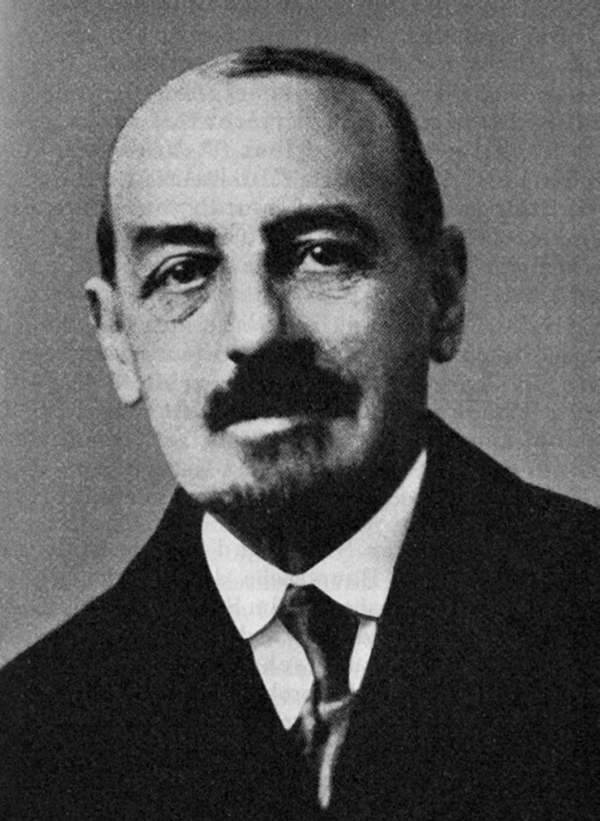
During his presidency, the SNG meeting (1928) was devoted to the pathology and therapy of the hypophyseal gland. In 2018, the SNG was approached by the American Neurological Association with the request of organizing (as planned in 1914) an international meeting in Switzerland, this time however devoted only to neurology. E. Long, R. Bing and C. Dubois were selected by the SNG board to serve in the organization of that meeting. Shortly thereafter, Long passed away, the second SNG president to die while in duty.
An obituary was written by F. Naville. 30
8.
Naville grew up in Geneva (see Figure 8). He studied medicine in Geneva and Paris and trained in Paris with J. Dejerine. With Claparède, he inaugurated in Geneva the first European medical-psychological consultation. His initial research focus was paediatric neuropsychiatry but with time he shifted his interest towards criminology. He obtained the ‘venia docendi’ in 1912 from the University of Geneva, where in 1928 he became Extraordinarius, and in 1934 Ordinarius for forensic medicine. In 1931, he was in the organization committee of the First International Neurological Meeting of Bern. In 1943, he joined an international committee created by the German government to investigate the massacre of Polish officers in Katyn, near Smolensk (Figure 8(b)).
31
He wrote a report (and subsequently a book) in which he presented the elements indicating the responsibility of the Soviet Union. This led first to an international political pressure and then criticism (also by the Red Cross and within his own country) which he resisted with great integrity and courage. Only after several years the truth was officially recognized (in 1989 also in Russia) and Naville ‘fully rehabilitated’.
(a) Francois Naville (1883–1968), SNG President 1930–1933. (b) Members of the International Medical Commission. From left to right: Professor Francois Naville; Dr Helge Tramsen, Prosecutor at the Institute of Forensic Medicine in Copenhagen; Dr Ferenc Orsós, Professor of Forensic Medicine and Criminology at the University of Budapest; Dr Arno Saxén, Professor of Pathological Anatomy at the University of Helsinki; unknown.
During his presidency, the SNG board engaged again (a first attempt was made in 1911–1912, see above) to promote pre- and postgraduate teaching in neurology. The initiative, launched by M. Minkowski, was this time successful: in 1932, the Swiss Medical Association (FMH) recognized neurology as an independent specialty and in 1935 neurology became mandatory in the curriculum of medical students in Switzerland. The highlight of his presidency was the First International Neurological Meeting which took place – under the presidency of B. Sachs from New York – in Bern from 31 August until 4 September in Bern and was opened by the Vice President of Switzerland, G. Motta. 18 In 1930, the SNG had 144 members.
An obituary was written by F. Martin and in the Revue Neurologique. 32,33
9.
Dubois was the son of Paul Dubois (see above) and grew up and studied medicine in Bern (see Figure 9). He trained with H. Sahli and J. Dejerine (Paris) and with his father. From 1918 until 1943, he ran a private practice in Bern. He served in the programme committees of the First and Second International Neurological Meetings (in Bern, 1931, and London, 1935, respectively).
Charles Dubois (1887–1944), SNG President 1933–1936.
C. Dubois served the SNG board for 12 years. During his presidency, the 25th anniversary of the society was celebrated in Bern (1933), and C. Dubois illustrated in his inaugural speech the history of the SNG. 1 The next meetings were devoted to aphasia (1934) and organized with the Swiss Societies of Psychiatry (1935) and Ophthalmology (1936).
10.
Brun grew up in Zurich. He studied medicine in Zurich, Geneva and Algier (see Figure 10). He trained with C. von Monakow and A. Forel in Zurich, and with S. Freud in Vienna. His research interests included neurology and neuropathology (e.g. with works on apraxia and frontal ataxia), psychoanalysis and entomology (a passion he had since childhood and shared with Forel). In 1913, he became the first assistant of von Monakow paid by the University Hospital at the Haus Belmont. He obtained the ‘venia docendi’ from the University of Zurich in 1922, where he became associate professor in 1940. From 1925, he ran a private practice in Zurich.
Louis Rudolf Brun (1885–1969), SNG President 1936–1939.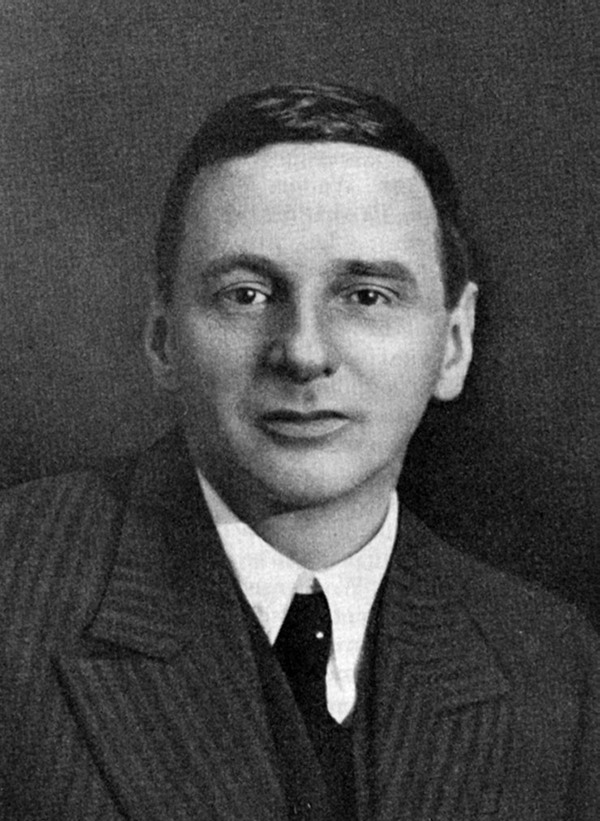
During his presidency, the SNG meetings were devoted to post-traumatic neurosis (1937), neurodermatology (1938, organized with the Swiss Society of Dermatology) and neurosurgery (1938). In 1939, the SNG meeting took place again with the Swiss Society of Psychiatry and for the first time in Ticino. It was dedicated to neurotoxicology.
An obituary was written in the Revue Neurologique 34 and by M. Minkwoski, 35 in which his role in the Swiss psychoanalytic society, the development of a neurobiologically and psychoanalytically based theory of neuroses, and some controversial aspects concerning his activity as expert in the assessment of patients with post-traumatic ‘neuroses’ are discussed. A memorable “confrontation” on this topic between Brun and de Morsier at the SNG meeting 1941 is mentoned also by Ott (41).
11. Hermann Brunnschweiler (1879–1969), SNG President 1939–1943.
Brunnschweiler grew up in Thurgau and studied medicine in Zurich. He trained in Zurich (with C. von Monakow), Paris (P. Marie, J. Dejerine, J. Babinski) and Berlin (H. Oppenheim). He worked during the First World War under Veraguth in Luzern in a military hospital. His research interest included the anatomy of the sensory pathways and clinical neurophysiology (with studies on galvanic reflex and chronaxie). In 1928, he obtained the ‘venia docendi’ from the University of Lausanne, where he had been working in a private practice since 1912. Brunnschweiler was a man of great culture and was married to a famous French pianist.
During his presidency, the first SNG meeting (1939) was devoted (as already in 1917) to War Neurology. The following year, the 50th Meeting of the SNG took place in Zurich. In 1943, the SNG had 143 members.
An obituary was written by Ott, who 30 years before had been convinced by Brunnschweiler to enter neurology, and of him he said: ‘chez Brunnschweiler l’homme de science s’alliait au médicin dans le sense plus noble du terme’. 36
12. Mieczyslaw Minkowski (1884–1972), SNG President 1943–1946.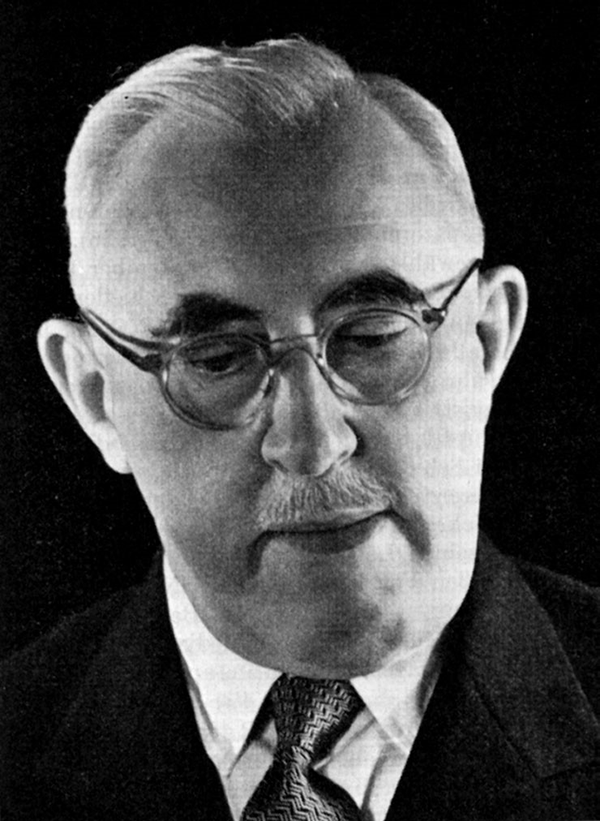
Minowski grew up in Warszawa in a family of world famous scientists such as the mathematician Hermann Minkowski and the diabetes researcher Oskar Minkowski. He studied medicine in Warsaw (at that time belonging to Tsarist Russia), Munich and Breslau. Minkowksi trained with I. P. Pavlov (Saint Petersburg), A. Alzheimer (Berlin) and from 1911 with C. von Monakow. He obtained the ‘venia docendi’ from the University of Zurich in 1913. As successor of von Monakow, he lectured in neurology for 26 years (1928–1954), first as Extraordinairus, from 1940 as Ordinarius. In 1952 (24 years after the approval the medical faculty had given with his nomination), he opened the first neurological inpatient ward in Switzerland as well as the first electroncephalography (EEG) and electroneuromyography (ENMG) divisions. His focus was the experimental study of the visual system, the connections between the different cerebral lobes and the brain development in the foetus. He also made important contributions to clinical topics (including those on the aphasia of polyglots).
Minkowski played a central role in the recognition obtained in the 1930s of neurology as an independent medical specialty and as mandatory discipline in the pre-graduate curriculum (see also above). 37 –39 For 29 years (1931–1959), he was co-editor-in-chief of the SANP, in which he regularly published also on the history of the society and his protagonists.
The fact that Minkowski, who had been vice president of the SNG since 1936 and was elected president in 1943 as a Jew was seen at the time as a strong signal against anti-Semitic pressure from Germany. Minkowski later reported about this memorable moment and the emotions of honour and responsibility that overwhelmed him and led him to a solitary walk in the Bürgenstock mountain. 2 During his presidency, the SNG meetings took place with the Swiss Societies of Psychiatry (1943, Geneva) and Veterinary Medicine (1944, Langenthal). During the Second World War, Minkowski also actively served the army as a physician.
Obituaries were written by Mumenthaler and Akert 40 as well as his countryman Konorski, in which – his patriotism, modesty and unusual human qualities were emphasized.
Part III (1946–1973) – The first 20 years after World War II: University Neurology Departments become autonomous and the international links are strengthened
13.
De Morsier grew up in Geneva and Paris (see Figure 13). He trained in Geneva with C. Ladame (son of P. L. Ladame) and with de Clérambault in Paris. In 1929, he became the successor of E. Long as neurological consultant of the Department of Internal Medicine in Geneva. He obtained the ‘venia docendi’ from the University of Geneva in 1934, where in 1940 he was given the chair of neurology and the title of Extraordinarius. In 1953, he inaugurated a neurological inpatient ward. In 1960, he became Ordinarius, and the following year, he got an independent department in neurology. Following his collaborations with E. Claparède, he was the first in Switzerland to establish a division of neuropsychology (first chaired by A. Rey) in neurology. His research focus was clinical with works on cerebrospinal malformations, encephalitis, traumatic brain injuries and hallucinations. He described the septo-optic dysplasia (de Morsier syndrome I) and olfacto-genital dysplasia (Kallmen-de Morsier syndrome II) and coined the term ‘Charles Bonnet syndrome’. For 8 years (1951–1959), he was co-editor-in-chief of the SANP.
Georges des Morsier (1894–1982), SNG President 1946–1949.
During his presidency, the SNG meetings were devoted to the use of streptomycin – which had been recently introduced in medicine – in neurology (Basel, 1947), the hypothalamus (Geneva, 1948) and traumatic brain injury (Bern, 1949). In Geneva, W. R. Hess, who would receive the following year the Nobel Prize for medicine, gave a main lecture on the role of the hypothalamus on the regulation of vegetative functions.
An obituary was written by Th. Ott, who said of him ‘G. de Morsier fut pendant un quart de siècle, la personnalité dominante la plus active et la plus brillante, mais aussi la plus contestée de la Neurologie suisse’. 41
14.
Walthard grew up in Bern and Frankfurt, Germany (see Figure 14). He studied medicine in Bern and trained in Bern and Munich (W. Spielmeyer). For 10 years (1914–1924), he worked in Zurich with O. Veraguth in the Department of Physical Therapy. In 1929, he obtained the ‘venia docendi’ from the University of Zurich. He subsequently moved to Geneva, where in 1947 he became the Chair of the Department of Physical Therapy with the title of Extraordinarius. His research focus was rheumatology. He was co-founder of the Swiss Society for Physiotherapy.
Karl Max Walthard (1895–1971), SNG President 1949–1950.
During his presidency, the international relationships with other national societies were strengthened. Several Swiss neurologists were invited in 1950 to attend the meeting of the Association of British Neurologists. The same year the SNG meeting took place in Lugano, for the first time in history together with another (the Italian) national Society.
15. Fritz Lüthy (1895–1988), SNG President 1949–1950.
Lüthy grew up in Solothurn. He studied medicine in Zurich, Munich, Geneva and Bern and trained in Paris and Hamburg (M. Nonne). He obtained the ‘venia docendi’ from the University of Zurich in 1931 in internal medicine, a discipline to which he remained linked throughout his entire career. The same year he started a private practice in Zurich, while being in charge of neuropathological examinations at the University. In 1950, he became associate professor, and in 1955 Extraordinarius and Minkowski’s successor as chair of the University Neurology Department. His research focus was neuropathology, but he made also clinical contributions (including the description of the ‘bottle sign’ in median nerve palsy, which was named after him, and of sensory disturbances in amyotrophc lateral sclerosis). 42
He served the SNG board for 20 years (1936–1956). During his presidency, the SNG meeting took place in 1953 in Vevey with the Belgian Society and the member fees were raised from 10 to 30 Swiss francs per year. During the 1953 meeting in Zurich, the 100th anniversary of von Monakow was celebrated.
An obituary was written by Mumenthaler, 43 in which his precise and logic thinking, international reputation and distinguished and controlled (but also warm and caring) manners were described.
16.
Frauchiger grew up in Langenthal (BE) (see Figure 16). He studied medicine in Geneva and Zurich. He trained in Zurich with Veraguth. His research focused on neurological diseases of animals as models for similar human diseases, with a special emphasis on bovine and equine CNS diseases. In 1933, he received the ‘venia docendi’ from the University of Zurich in comparative neurology. At the Veterinary Faculty of the University of Bern, he founded the ‘Institute of Comparative Neurology’ (later renamed Division of Neurological Sciences). For 24 years (1944–1968), he chaired the Department of Animal Neuropathology. He wrote seminal book on ‘Neurological diseases of cattle’ (1941) and ‘Comparative neuropathology of humans and animals’ (the latter with W. Hoffmann, 1957), and also wrote several works about comparative psychology.
44
In addition to this appointment, he continued seeing patients in a private practice he had opened in 1948.
Ernst Frauchiger (1903–1975), SNG President 1953–1956.
During his presidency, SNG meetings took place with the British (1954, Interlaken), Belgian (1955, Ostende) and Dutch (1956, Bern) neurological societies.
Obituaries were written by R. Fankhauser (the successor of Frauchiger) and D. Klein. The latter underlined his distinguished appearance, sense of humour and humanistic interests which included (oriental) philosophy and sculpture. 45
17. Hugo Kräyenbühl (1902–1985), SNG President 1956–1959.
Krayenbühl grew up in Thurgau and studied medicine in Geneva, Kiel, Paris and Zürich. He trained first in non-surgical disciplines (including neurology with K. Bonhoffer in Berlin) and then in neurosurgery with Sir Hugh Cairns, a disciple of H. Cushing. Back in Zürich, after a short traineeship with surgeon P. Clairmont, in 1937, he was entrusted with a newly established Neurosurgical Department. It was the first in Switzerland, Basel (W. Driesen, 1952), Bern (H. Markwalder, 1953), Geneva (A. Werner, 1956) and Lausanne (E. Zander, 1959) came later. 46 Krayenbühl thus had a neurosurgical ward before the Neurological Department was established. To the regret of M. Minkowski, the in-patient neurological care had to be given on the neurosurgical wards until 1952, when neurology received its own beds. Krayenbühl in turn pushed neurological diagnostics and introduced pneumoencephalography, carotid and vertebral arteriography, myelography and finally, under the direction of R. M. Hess, electroencephalography. For this reason and because of the disciplined way of thinking, his department was a popular training station for neurological trainees. He obtained the ‘venia docendi’ from the University Zürich in 1940 and was appointed Titular Professor in 1945. He was promoted to Extraordinarius in 1948 and to Ordinarius (and chair) in 1963, a position he held until 1973. With his neurological colleague F. Lüthy (successor of M. Minkowski), he maintained fruitful scientific relations, and he was an advocate of close collaboration between neurology and neurosurgery. Krayenbühl’s work radiated across national borders; in 1977, he was elected ‘Neurosurgeon of the year’ by the World Federation of Neurosurgical Societies. 47 For 12 years (1959–1971), he was co-editor-in-chief of the SANP.
Krayenbühl first served the SNG as secretary and vice president (1949–1956). In 1953, he established a Swiss Neurosurgical Working Group under the umbrella of the SNG, which meant that all Swiss neurosurgeons were also members of the SNG. During his presidency, the 50th anniversary of the Society was celebrated on the occasion of the meeting in Basel from 15–16 November 1958. Minkowski gave an introductory lecture on the history of the Society. 2 In 1957, the criteria to award the Bing prize (see above) were defined.
Articles about him were written by others including G. Weber, E. Zander, K. Akert and M. Mumenthaler 47 –49 in which, besides his international standing (W. Penfield described him as the ‘Europe’s complete neurosurgeon, a Leonardo da Vinci in the versatility of his hand and mind’), his humanity, honesty and modesty were stressed. His motto was ‘Der Neurochirurg ist ein Neurologe, der operieren kann’ (‘a neurosurgeon is a neurologist who knows how to operate’). 50
18. Theodor Ott (1909–1981), SNG President 1959–1963.
Ott grew up in Prilly and studied medicine in Lausanne and obtained his MD in 1938 with a thesis on the pathophysiology of the cerebrospinal fluid during insulin treatment of schizophrenia. He trained in Zurich and London. He obtained the ‘venia docendi’ from the University of Lausanne in 1951. He rose in 1963 to the rank of associate professor of neurology at the University of Lausanne. He established a centre of electroencephalography at the hospital cantonal, later ‘Centre Hospitalier Universitaire Vaudois’ in 1954, and remained as its director until his retirement in 1976. Since 1993, the Swiss Academy of Medical Sciences has been awarding the Theodore Ott Prize. In accordance with the will, the prize is given to researchers or research groups who have made particularly outstanding contributions.
During his presidency, the SNG met for the first time with the German Neurological Society (1960, Zurich).
19. Werner Bärtschi-Rochaix (1911–1994), SNG President 1963–1966.
Bärtschi-Rochaix grew up and studied medicine and biology in Bern and Geneva. After training in neurophysiology with W. R. Hess, neurology with M. Minkowski and neurosurgery with H. Krayenbühl in Zurich, he worked as a neurologist in private practice in the city of Bern and was one of the first in Switzerland to put an EEG device into operation in his practice. The Swiss Association for Electroencephalography (later Swiss Society for Clinical Neurophysiology) was founded on 30 October 1948 in the practice rooms, which he ran with his wife Fanny, a rheumatologist. 51 As a scientifically interested neurologist with academic ambitions, he was consultant at the University Medical Outpatient Department of the Inselspital (which had no neurological facility at that time). He obtained the ‘venia docendi’ from the University of Bern in 1949 with a thesis on ‘migraine cervicale’, for which he gained international recognition. The described syndrome was even awarded the eponym ‘Bärtschi-Rochaix syndrome 24 ’. From 1953 to 1956, he took care of EEG laboratory (which had been just founded) at the Inselspital on a part-time basis. Subsequently, he accepted a call to Alexandria in Egypt to take up the chair of neurology in 1956. But due to the Suez crisis, he had to leave Egypt in the same year and returned to Bern. Bärtschi-Rochaix’s later scientific interest was focused on multiple sclerosis (MS), especially its epidemiology. In addition to this, he also wrote an account on his experiences in Egypt and, under the pseudonym ‘Berto Zimmerwalder’, an entertaining novel about hospital life at the Inselspital, where he ridiculed exponents of the medical faculty.
Bärtschi-Rochaix served the SNG board as secretary and as vice president (1956–1963). During his presidency, the SNG held the spring meeting in May 1965 together with the French Neurological Society in Paris. Mumenthaler acted as his secretary and recalled the excellent hospitality offered to the board meetings in his house in Belp. In 1964, the SNG had 164 members.
20.
Weber grew up in Basel (see Figure 20). He studied medicine in Basel and Berlin. Weber’s postgraduate training in Basel was often interrupted by active duty in the Swiss army. As a Swiss Red Cross physician, he participated in the third medical mission to the German Eastern Front in Riga, Latvia, in 1942. He trained in neurosurgery with H. Krayenbühl in Zurich where he worked from 1946 as a certified neurosurgeon and senior physician. He interrupted this employment several times: in 1949 by a 6-month stay at the Neurology Department of the Boston City Hospital (MA) with D. Denny-Brown; in 1962 by a 1-year research stay at the Brain Research Institute Zürich (K. Akert); in 1966 by 2-month study leave as Research Associate at the Neuropathological Institute of the Harvard Medical School in Boston (MA); and in 1969, during the Nigerian civil war, within a Red Cross mission as Visiting Professor to the Lagos University Hospital. He obtained the ‘venia docendi’ from the University of Zurich in 1954 and an appointment to Titular Professor in 1962. From 1970 to 1975, he was head physician of the newly founded Neurological–Neurosurgical Department at the Cantonal Hospital St. Gallen. After 1975, he performed socio-medical tasks for the Disability Insurance Commission of the Cantons of St. Gallen and Appenzell I. R., in addition to neurosurgical consulting. In the SNG board, Weber first served as secretary and vice president (1963–1966).
Gerhard Weber (1914–2009), SNG President 1966–1969.
During his presidency, the SNG had joint meetings with the Austrian (1968, Bad Ragaz) and with the Dutch and Luxembourg (1969, Rigi Kaltbad) neurological societies. In 1967, the SNG proposal of having neurology being examined during the final examination in internal medicine by a neurologist was accepted.
21. Marco Mumenthaler (1925–2016), SNG President 1969–1971.
Mumenthaler grew up in Ticino and in Milan, Italy. He studied medicine in Zurich, Paris, Amsterdam and Basel. He trained in neurology with M. Minkowski and F. Lüthy in Zurich. Krayenbühl persuaded Mumenthaler to pursue an academic career. From the beginning of his clinical training, he had not missed an occasion of research with an emphasis on peripheral neurology. He obtained the ‘venia docendi’ from the University of Zurich in 1960 with a thesis on the ulnar palsies. A scientific study leave to delve into myology led him to G. M. Shy at the NIH in Washington (D.C.), where he did microscopic studies with K. Engel. After the unexpected death of R. Magun, the head of neurology in Bern, Mumenthaler was appointed to this post in 1962, first as Extraordinarius and in 1966 as Ordinarius. At this time, he developed the department to a model facility. Mumenthaler also had developed a great didactic commitment which continued during his whole life by cultivating a very active lecture activity and by writing several textbooks; some of which experienced many editions and were translated into several languages. Mumenthaler was involved in numerous academic, hospital, military and professional-political bodies in Switzerland and abroad, and he also worked for the International Committee of the Red Cross. Particularly worth mentioning is his many years of editor-in-chief of the Journal of Neurology which he had transformed from German language to an international journal.
Prior to his presidency, he was secretary and vice president (1966–1969) of the SNG. During his presidency, the SNG held a meeting with the Swiss neuropathologists (1970, Bern).
An obituary was written by C.W. Hess and C. Bassetti, 52 in which his human approach to the patients, his precision in the clinical observation, and clarity in diagnostic reasoning as well as his correctness, generosity and efficiency were emphasized.
22. Michel Jéquier (1909–1996), SNG President 1971–1973.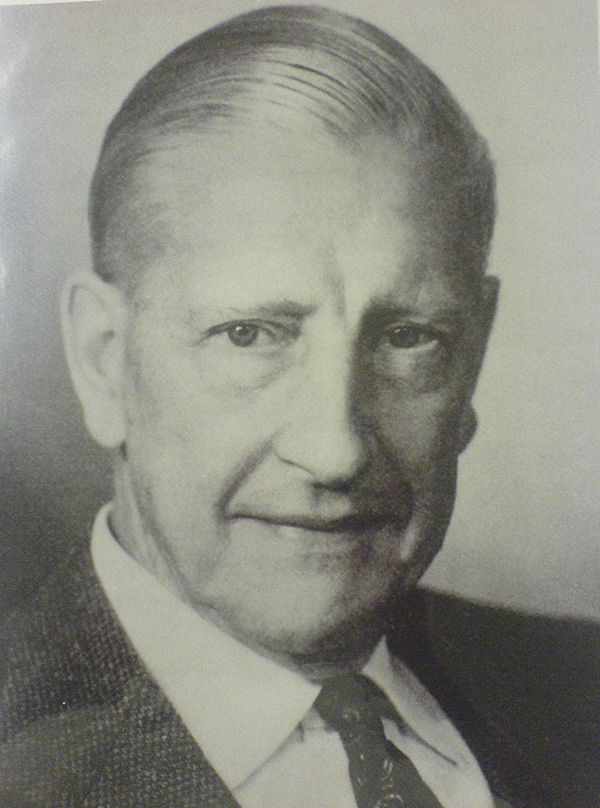
Jéquier grew up in Champagne and studied medicine in Lausanne. He trained in neurology with F. Walshe and C. Symonds (Great Britain), J. Lhermitte (France) and L. van Bogaert (Belgium). He obtained the ‘venia docendi’ from the University of Lausanne in 1945. For 21 years (1954–1975), he chaired Neurology at the University Hospital in Lausanne, which became a Department independent from Internal Medicine in 1962, first as Extraordinarius and in 1969 as Ordinarius. He attended the hospital in the morning and in the afternoon he kept a private practice in town. He maintained a close relationship with R. Adams of Harvard Medical School, who often came to Lausanne in summer to work in neuropathology and neurology. Jéquier was an invited professor at Harvard in 1960 and 1970.
During his presidency, the tradition of having informal meetings of the chairs of the University Departments of Neurology was started. In 1973, the SNG held a meeting with the Swiss neuropathologists in Baden.
Part IV (1973–1997) – Subspecialties of neurology develop further
Following the introduction in Switzerland of the EEG in the late 1940s/early 1950s (by F. Braun and R. Hess in Zurich and Isenschmid in Bern 53 ) and the ENMG in the 1950s (by F. Lehner in Zurich, R. Magun in Bern and H. Käser in Basel 54 ), the Doppler ultrasound is established in the late 1960s/early 1970s (by H. R. Müller in Basel, H. H. Brunner in Zurich and H. P. Despland in Lausanne 55 ) and subspecialization further develops with the creation, among other, of the first headache ambulatorium in Zurich, stroke unit in Lausanne, sleep centre in Bern and vestibular centre in Zurich.
In these years, independent departments of neurology are founded in Aarau (1974, first chair: E. Esslen), Sankt Gallen (1976, first chair: E. Ketz) and Lugano (1980, first chair: C. Tosi).
Following the angiographic studies of G. Krayenbühl and G. Yasargil in Zurich, it was P. Huber in Bern who founded the first division of neuroradiology in the country in the 1960s. 56 Neuroradiology was further promoted by the introduction of the computed tomography (CT) in the 1970s (in Basel 1973, Zurich 1977, Bern and Lausanne 1978) and magnetic resonance imaging in the 1980s.
23. Rudolph Wütrich (1924–2014), SNS President 1973–1975.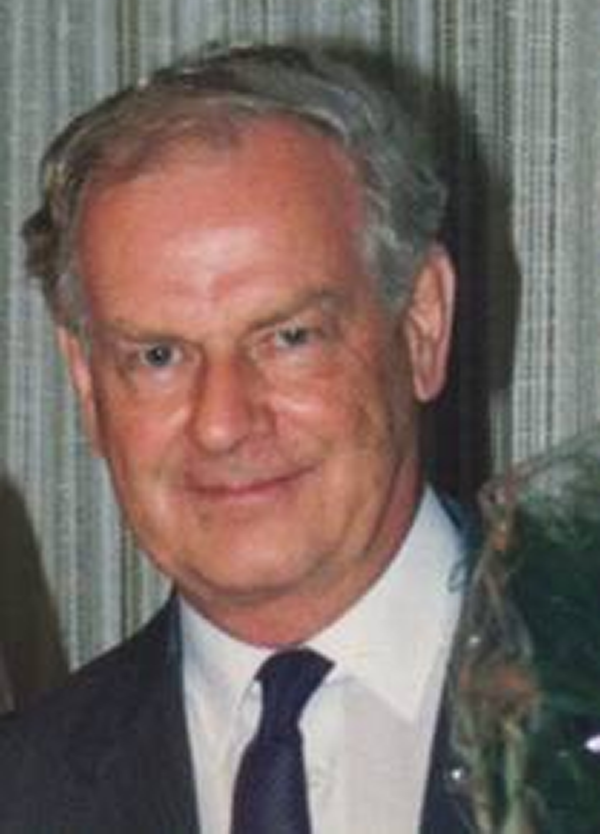
Wüthrich grew up in Basel, where he studied medicine. He trained with F. Georgi in Basel, and made several longer study visits in London, Paris and Hamburg. He obtained the ‘venia docendi’ from the University of Basel in 1964, where he became Extraordinarius in 1969. In 1965, he was appointed head of the Neurological Policlinic and Deputy Chief Physician of the Neurological University Clinic of Basel, where he stayed for 25 years. He was interested in the study of MS, in particular in the epidemiology of MS and later in its imaging.
During his presidency, the SNG met with the Italian Neurological Society in Stresa (1975).
An obituary was written by L. Kappos. 57
24. Anton Meyer (1918–1993), SNG President 1975–1977.
Meyer grew up in Menznau and studied medicine in Basel. He trained in neurology with M. Minkowski. In 1956, he opened a private practice as a neurologist and psychiatrist in Lucerne. From 1956 to 1983, working part-time as staff physician and consultant neurologist, he was responsible of the EEG station at the Cantonal Hospital in Lucerne.
During his presidency, the SNG chose for the second time stroke as the main topic of its meeting (in 1957, the main topic had been the cerebral venous thrombosis).
25. Gérard Gauthier (1925–2015), SNG President 1977–1978.
Gauthier grew up in Geneva, where he studied medicine. He trained in neurology with G. de Morsier in Geneva and P. Castaigne in Paris. He obtained the ‘venia docendi’ from the University of Geneva. For 26 years (1966–1992), he was Ordinarius and Chairman of the Department of Neurology at the University Hospital in Geneva where he helped develop many subspecialties and laboratories. Under his rule, a Department of Neuroscience was created in 1981, unifying the Neurology, Neurosurgery and Ophthalmology Clinics, as well as the EEG laboratory, setting the base of the current Department of Clinical Neurosciences. His interests encompassed all the fields of neurology and especially extrapyramidal diseases, in the era of L-DOPA treatment introduction.
During his SNG presidency, he was mostly devoted to all aspects of teaching of clinical neurology in Switzerland and the SNG met again with the British Neurological Society (1978, Montreux).
26. Eric Zander (1918–1982), SNG President 1978–1980.
Zander grew up in Zürich where he studied medicine. He trained in neurosurgery with H. Krähenbühl in Zurich. From 1948 until 1951, he held a fellowship in Oxford, where he wrote a doctoral thesis (PhD) on the innervation of the cornea. He came to Lausanne in 1958 and he chaired Neurosurgery at the University Hospital in Lausanne – which became an independent service in 1967 – until his death in 1982 at age 64. He was the first in Switzerland to open a neurosurgical intensive care unit, which was established soon after his arrival in 1958. Zander was very active in stimulating the development of various subspecialties and research programmes in his division. He developed a unit of neuropsychology, directed by G. Assal and asked N. de Tribolet to develop a programme of clinical and experimental neuro-oncology. Zander was also very active in the international neurosurgical societies and was treasurer of the World Federation of Neurosurgical Societies.
During his presidency, six mandatory months of neurosurgery were included in the Swiss neurology residency programme and the SNG met again with the Belgian Neurological Society (1979, Brussel).
27. Günther Baumgartner (1924–1991), SNG President 1980–1983.
Baumgartner grew up in Waldshut in southwest Baden-Württemberg, Germany. He studied medicine in Freiburg im Breisgau, where he engaged in experimental research with neurophysiologist Richard Jung using micro-recordings in the optical cortex of the cat. Following a research period in physiology in Philadelphia (PA), he obtained the ‘venia docendi’ from the University of Freiburg in Freiburg im Breisgau (Germany) in 1961. For 24 years (1967–1991), he chaired the Neurological University Department in Zürich, initially as Extraordinarius, from 1970 as Ordinarius. There he established a very active neurophysiological research unit. To acquire the necessary experience for research in primates, he accomplished in 1977 a 1-year sabbatical with G. Poggio at the John Hopkins University in Baltimore. Together with his research collaborators R. van der Heydt and E. Peterhans, he demonstrated in 1984 the neuronal correlate for illusory contours in area 18 of the visual cortex of primates. For 17 years (1971–1988), he was co-editor-in-chief of the SANP.
In the SNG board, Baumgartner served first as vice president (1978–1980). Under his presidency, a joint meeting with Dutch colleagues took place in Amsterdam in May 1981. Another joint meeting with both the German Society of Neurology as well as the Austrian Society of Neurologists and Psychiatrists was held in Hamburg in October 1982. A further highlight was the joint meeting with the Polish neurologists in Winterthur in May 1983 on the occasion of the 100th birthday of M. Minkowski and the 75th anniversary of the SNG.
An obituary was written by O. Creztfeldt. 58
28. Hans-Peter Ludin (1936), SNG President 1983–1985.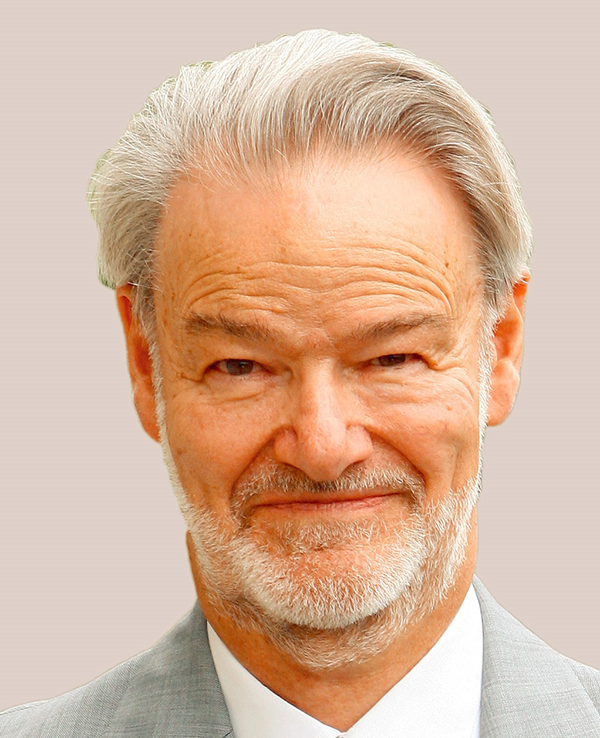
Ludin grew up in Bern, where he studied medicine. He trained in neurology with M. Mumenthaler in Bern and in neurophysiology with F. Buchtal in Copenhagen. Following his neurophysiological knowledge, he was appointed head of the electrodiagnostic division of Neurological Department in Bern in 1970. He obtained the ‘venia docendi’ from the University of Bern in 1972 and was appointed Extraordinary Professor in 1977. He wrote textbooks on electroneuromyography and sensory electroneurography. His scientific interest also included movement disorders. In 1983, he became head of the neurological outpatient clinic of Bern, and from 1989 to 1999, he chaired the Neurological Department in St. Gallen. After retiring, he continued to work as a part-time consultant. Ludin co-founded the Swiss Parkinson Organization (1985). He was co-editor-in-chief of the SANP (1988–1995) and editor/director of the EMG section of the Handbook of EEG and Clinical Neurophysiology.
Ludin served the SNG board for 12 years, three of which as vice president (1980–1983). During his presidency, new statutes were drawn up, and the postgraduate training rules were changed by making 6 months of clinical neurophysiology and 6 months of neurosurgery compulsory, thus extending the total training time to 5 years.
29. Heinrich Käser (1924–2006), SNG President 1985–1988.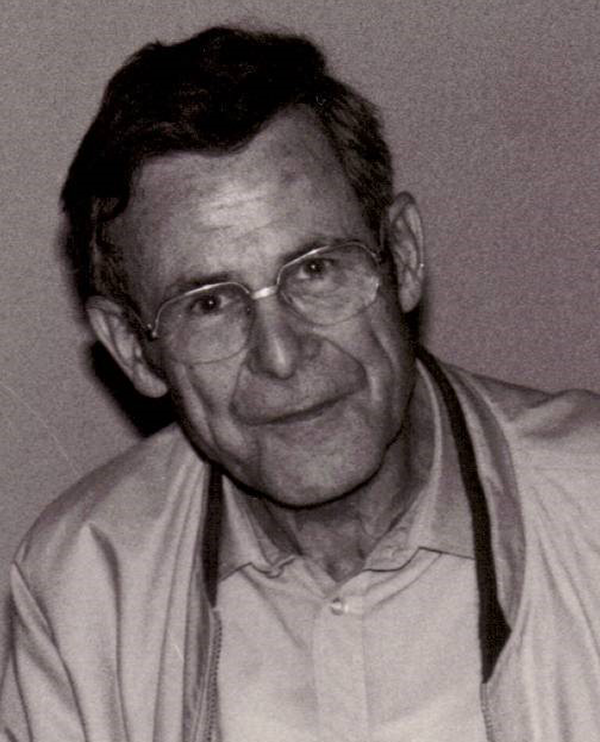
Kaeser grew up in Oberaargau. He studied medicine in Geneva, Basel and Zurich. He trained in neurology with F. Georgi in Basel. He went to the Mayo Clinic in Rochester (NY), where he performed pioneering electrophysiological studies with E. Lambert. He obtained the ‘venia docendi’ from the University of Basel. For 27 years (1965–1992), he was Ordinarius and Chairman of the Department of Neurology at the University Hospital in Basel. His research focus was the peripheral nervous system. Together with H. R. Müller and colleagues of the Radiology Department at the University of Basel, he was involved in the acquisition of the first CT scan (EMI scan) in continental Europe. For 24 years (1968–1992), he was editor-in-chief of European Neurology.
During his presidency, the SNG meetings had as main topics tick-borne encephalitis (1986, Neuchâtel), AIDS (1987, Geneva) and neuropsychology (1988, Basel). In 1987, the SNG had 295 members.
An obituary was written by A. Steck. 59
30. Franco Regli (1931–2017), SNG President 1987–1989.
Regli grew up in Chiasso (TI). He studied medicine in Zurich where he trained in neurology with F. Lüthy and G. Baumgartner. He took a research fellowship at the Mayo Clinic in Rochester (NY) where he did experimental work on brain ischaemia with R. Siekert and A. J. Waltz. He obtained the ‘venia docendi’ from the University of Zurich in 1965. He founded and chaired the Department of Neurology at the University Hospitals in Mainz (1972–1975), Germany. He moved back to Switzerland where he was for 21 years (1975–1996) Ordinarius and Chairman of the Department of Neurology at the University Hospital in Lausanne. His research focus was cerebrovascular disorders and he started the first stroke unit in Switzerland. He developed multiple subspecialties such as electrophysiology, movement disorders, neuromuscular diseases as well as neuroimmunology in his clinic. For 3 years (1994–1997), he was co-editor-in-chief of the SANP. The Franco Regli Foundation was created in 2001 to support and encourage neuroscience research.
During his presidency, he implemented changes in the neurological certification and one SNG meeting was devoted to otoneurology (1989, Aarau).
An obituary was written by A. Steck, 60 in which his remarkable clinical skills and pioneering role in establishing the first intermediate care in neurology in the country are stressed.
31. Nicolas de Tribolet (1942), SNG President 1989–1991.
De Tribolet grew up in Neuchâtel and studied medicine in Lausanne and Paris. He trained in neurosurgery with E. Zander in Lausanne. It was during his 1-year fellowship at Massachusetts General Hospital that de Tribolet began his research on brain tumours, which, in the following years, developed into a laboratory. As a visiting neurosurgeon at the University of California in San Francisco, he was inspired by Charles B. Wilson’s ability to run a very busy surgical practice, as well as a brain research laboratory, a model he strove to emulate. He obtained the ‘venia docendi’ from the University of Lausanne in 1981. In 1984, he was appointed Ordinarius and Chairman of the Department of Neurosurgery of the University Hospital in Lausanne. In 1994, following the merger of the two neurosurgical departments at the Universities of Geneva and Lausanne, de Tribolet was also appointed director of the Department of Neurosciences at the University Hospital of Geneva.
During his presidency, one SNG meeting was held with the Swedish Neurological Society (1990, Interlaken).
32. Hans Spiess (1932), SNG President 1991–1993.
Spiess grew up in Adliswil and studied medicine in Zürich, where he trained in neurology with F. Lüthy and G. Baumgartner. From 1966 to 1969, he was an attending physician at the Neurological University Department at the Inselspital in Bern with M. Mumenthaler. He obtained the ‘venia docendi’ from the University of Bern in 1970. From 1969 to 1999, he ran a neurological practice in Zürich and carried out the neurological consulting service at the Triemli City Hospital. In 1976, he put the first CT of Zürich into operation at the Talstrasse. The radiologists at the University Hospital had not considered the time of such an acquisition as yet given. For many years, Spiess taught medical students at the Universities of Bern and Zürich. He first was secretary of the SNG from 1987 to 1991.
During his presidency, the SNG met with the Swedish Neurological and Neurosurgical Societies (1992, Lund).
33. Andreas Steck (1942), SNG President 1993–1995.
Steck grew up in Lausanne. He studied medicine in Lausanne and Bern. He trained in Parkinson research with G. Cotzias at Brookhaven National Laboratories (NY) and in neurology with S. Appel at Duke University Hospital in Durham (NC). In 1977, he joined the staff of the service of neurology under F. Regli at the CHUV in Lausanne. He obtained the ‘venia docendi’ from the University of Lausanne in 1981. He developed a neuroimmunology laboratory, directed the neurological outpatient clinic and became an associate professor. From 1993 until 2007, he was Ordinarius and Chairman of the Department of Neurology at the University Hospital in Basel. His research focus is neuroimmunology, especially autoimmune neuropathies. For 20 years (1995–2015), he was co-editor-in-chief of the SANP. He also served as president of the European Neurological Society (1996–1997).
He first served the SNG board as secretary (1985–1989). During his presidency, the SNG hosted the French (1994, Lausanne) and met the German (1994, Bonn) neurological societies. On the occasion of the general meeting of the SNG on 5 May 1994 in Lausanne, a revision of the postgraduate training programme was decided, which included the extension of the total duration of training from 5 years to 6 years.
34. Theodor Landis (1945), SNG President 1995–1997.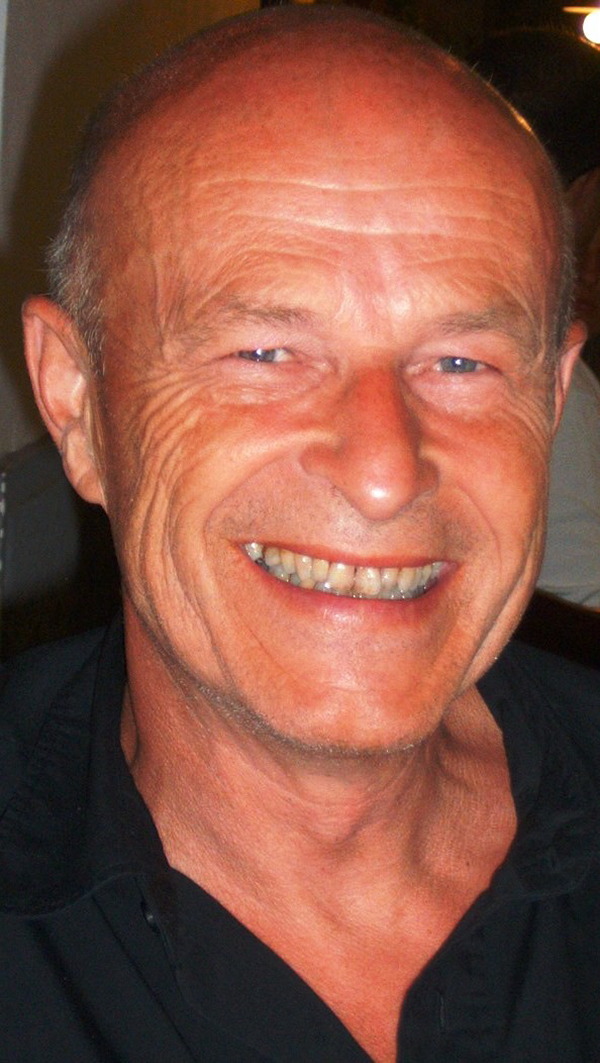
Landis grew up in Zürich where he studied medicine. He trained in neurology with G. Baumgartner in Zürich. He spent 1 year at the Institute of Neurology, Queen Square, London. He specialized in behavioural neurology with Assal at the CHUV in Lausanne and with N. Geschwind and Frank Benson in Boston (MA). In 1985, he became head of the Neuropsychology Unit of the University Hospital Zürich, and from 1991 on he also headed the neurological outpatient clinic. He obtained the ‘venia docendi’ from the University of Zurich. In 1994, he became Ordinarius and Chairman of the Department of Neurology at the University Hospital in Geneva, a position from which he retired in 2010. His research focus is behavioural neurology.
During his presidency, a new tariff system (Tarmed) began to be implemented and the new postgraduate neurological training programme was officially launched (1996). SNG meetings were held with the Swiss Societies for Multiple Sclerosis (1997, Bad Ragaz) and Pain (1997, Aarau). For the first time, a national board examination in neurology was held (Bern, 1997).
35. Klaus Hess (1943), SNG President 1997–1999.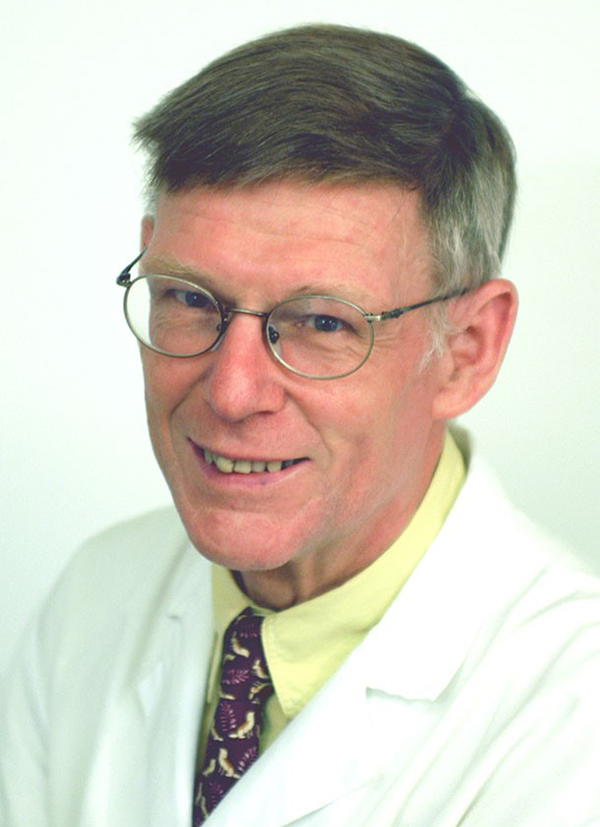
Hess grew up in Luzern and studied medicine in Fribourg and Zürich. He trained in neurology with G. Baumgartner (Zürich). In 1976–1977, he accomplished a research stay at the National Hospital for Nervous Diseases, Queen Square, London, with R. W. Gilliat (experimental neuropathy) and with M. Dix and J. D. Hood (neuro-otology). He joined the staff of the Neurological Department in Zürich in 1977 and headed the clinical neuromyographic laboratory ad interim in 1979–1980 and the neuroangiological division in 1985–1986. He obtained the ‘venia docendi’ from the University of Zurich in 1982. He did two additional scientific study leaves in neurotology with R. W. Baloh in Los Angeles (CA, 1983 and 1992). From 1986 to 1994, he chaired the Neurological Department in Aargau. From 1994 to 2007, he was Ordinarius and Chairman of the Department of Neurology at the University Hospital in Zürich. Since 2007, he has been working part-time in a private practice.
For the SNG, he also served as secretary and vice president (1995–1997). Under his presidency, the first specialist examination in neurology was held in Bern in 1997, without sanctioning validity until 2000. The first regulation for continuing professional development for neurologists was adopted in 1998. The spring conference in May 1999 in Münsterlingen was held together with the National Reference Centre for Prion Diseases in Zürich.
36. André Despland (1944), SNG President 1999–2001.
Despland grew up in Lausanne where he studied medicine and trained in neurology with M. Jéquier and F. Regli. He spent a research fellowship in 1977–1978 with R. Galambos in San Diego (CA), to learn auditory evoked potentials that he introduced in Switzerland. He did training in Paris to study EEG of premature infants. Back in Switzerland, he led the centre of neurophysiology and created a unit of epileptology and introduced Holter’s sleep recordings with video. He obtained the ‘venia docendi’ from the University of Lausanne in 1981 and was promoted to associate professor of clinical electrophysiology in 1986. He created the sleep centre at the CHUV. He was president of the Swiss League Against Epilepsy (1997–2001) and the Swiss Society of Sleep Research, Sleep Medicine and Chronobiology (1999–2000). He chaired in 2007 ad interim the Department of Neurology at the University Hospital in Lausanne.
During his presidency, SNG meetings were organized with the Swiss Neurophysiological Society (2000, Lugano) and with the British Neurological Society (2000, London). The latter was the last meeting that the SNG organized with another national society (which ended a tradition that had been started in 1950, see above).
Part V – The last 20 years (1997–2018): Neurology grows but financial and society constraints increase
37. Hans Rudolf Stöckli (1945), SNG President 2001–2003.
Stöckli grew up in Solothurn and studied medicine in Basel. He trained in neurology with H. Kaeser in Basel, where he became a senior physician in 1977. From 1983 to 2012, he ran a private practice in Liestal with a consulting service at the Psychiatric and Cantonal Hospital in Liestal. Since 2013, he has been working part-time as a practicing neurologist. Stöckli was instrumental in professionalizing the writing of medical expertise reports. Since 2004, he has been SNG representative in the organization ‘Swiss Insurance Medicine’, and from 2005 to 2017, he headed the training courses for future medical experts.
R. Stöckli’s commitment to the SNG started since the early 1990s. For 10 years, he headed the time-consuming medical payment tariff commission (GRAT, later Tarmed, which was accepted in 2001 by the Medical Board and in March 2002 by means of a strike ballot of the Swiss Medical Association FMH. However, it took almost another 2 years for it to be enacted). He served the SNG board for 8 years, as vice president (1999–2001). During his presidency, he established a ‘SNG Sponsor Pool’ (2001), which he headed for many years. The idea originated from Professor P. A. Despland in 2000, when a joint conference was held in London. In view of the impending new Therapeutic Products Act in Switzerland, the ‘SNG Sponsor Pool’ enabled legally compliant support from private companies for congress visits. Furthermore, in 2002, he professionalized the SNG secretariat with a business office. This step had become unavoidable due to the increasing formalization and bureaucratization in healthcare. In 2003, the SNG had 420 members.
38. Christian Hess (1946), SNG President 2003–2007.
Hess grew up in Zürich and studied medicine in Zürich and Montpellier. He trained in physiology with G. M. Yasargil in Zürich, and in neurology with M. Mumenthaler in Bern. According to his focus on neurophysiology of the motor system, he went to the National Hospital, Queen Square, London, in 1986 to carry out research using TMS with Dr R. Willlison, Dr N. M. F. Murray and Dr K. Mills. He obtained the ‘venia docendi’ from the University of Bern in 1987. For 22 years (1990–2012), he was Ordinarius and Chairman of the Department of Neurology at the University Hospital in Bern. He was president of the Swiss Society of Clinical Neurophysiology (1996–1999) and the Swiss Society of Sleep Research, Sleep Medicine and Chronobiology (2003–2005). In 2009, he was co-founder of the Swiss Federation of Clinical Neurosocieties (SFCNS).
For the SNG, he presided the commission for postgraduate training from the early 90s for more than a decade. He served the board for 10 years. During his presidency, the new accreditation procedure of a revised postgraduate training programme was introduced, and the Neurology specialist title was for the first time accredited by the Swiss Federal Council (enactment on 1 July 2007). Furthermore, the new accreditation procedure of neurological departments was started, and the Sleep Medicine Certificate was established.
39. Max Wiederkehr (1958), SNG President 2007–2009.
Wiederkehr grew up in Dietikon, Gossau and Stans. He studied medicine in Zürich. He trained in neurology with M. Mumenthaler in Bern. From 1991 to 1995, he was staff physician at the Neurological Department in St. Gallen with H. P. Ludin, where he helped to establish sleep medicine. Since 1995, he is running a private practice as neurologist in Luzern. As such, he participates in the Stroke Unit of the Hirslanden Klinik St. Anna in Lucerne and in the interdisciplinary sleep consultation at the Lucerne Cantonal Hospital. He was founder member of the SFCNS.
Wiederkehr became involved with the SNG in 2000 when he took over from H. R. Stöckli the time-consuming tariff commission (Tarmed) of the Society. He held this position for 7 years and was also secretary of the SNG board (2003–2007). The most important event during his presidency was the centenary conference 2008 in Montreux on the occasion of the 100th anniversary of the SNS. After his presidency, he managed the SNG Sponsor Pool from 2009 to 2017.
40. Claudio Bassetti (1958), SNG President 2009–2013.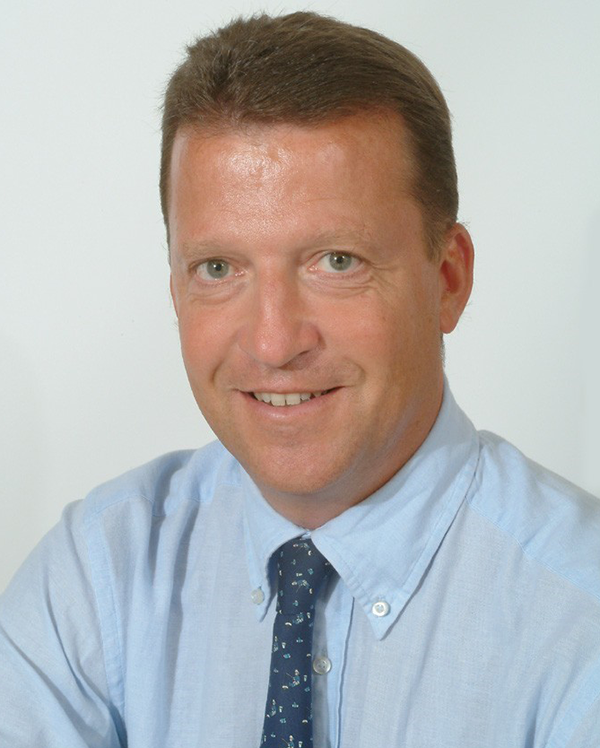
Bassetti grew up in Bellinzona and studied medicine in Basel and the United States. He trained in experimental neurophysiology with L. Hösli (Basel) and neurology with M. Mumenthaler and C. W. Hess (Bern) and F. Regli (Lausanne). With a research focus on the neurology of sleep, he went for 18 months (1995–1996) to M. Aldrich, Ann Arbor (MI). He obtained the ‘venia docendi’ from the University of Bern in 1997. In 2001, he was appointed Extraordinarius and Vice Chairman of the Neurological University Department in Zürich (K. Hess), which he chaired for 1 year (2007–2008) ad interim. In 2009, he founded the Neurocenter of Southern Switzerland in Lugano which he chaired for 3 years. In 2012, he was appointed Ordinarius and Chairman of the Department of Neurology at the University Hospital in Bern, where he also chairs the University Neurocenter. He co-founded the SFCNS, 61 in which he served as first president (2009–2013). For 11 years (2004–2015), he was co-editor-in-chief of the SANP and since 2017 editor-in-chief of Clinical and Translational Neuroscience, today’s official journal of the SNG. Bassetti was president of the European Sleep (2008–2012) and Neurological Societies (2013–2014) and invited professor at Harvard in Boston (MA, 2018).
Bassetti served the SNG board for 15 years, six of which as vice president (2003–2009). During his presidency, he started a revision of the neurological postgraduate programme, promoted the creation of the Swiss Association of Young Neurologists 62 , started a national teaching course for residents (Swiss Academy of Young Neurologists), coordinated with M. Mumentahler the book celebrating the 100 years of the SNG history. 63
41. Renaud Du Pasquier (1965), SNG President 2012–2015.
Du Pasquier, grew up in Geneva, where he studied medicine. He was board certified in internal medicine with A. Junod and in neurology with T. Landis in Geneva. From 1999 to 2004, he did a postdoc in neurovirology/neuroimmunology at Harvard Medical School, under the mentorship of N. Letvin and I. Koralnik. Back to Switzerland, at the University Hospital of Vaud (CHUV), he established his laboratory of neuroimmunology, devoted primarily to the research in MS. He obtained the ‘venia docendi’ from the University of Lausanne in 2005. Since 2015, he is the Chairman of the Department of Neurology at the CHUV.
During his presidency, he completed a profound revision of the Swiss Neurology Residency Curriculum.
42. Daniela Wiest (1967), SNS President 2016–.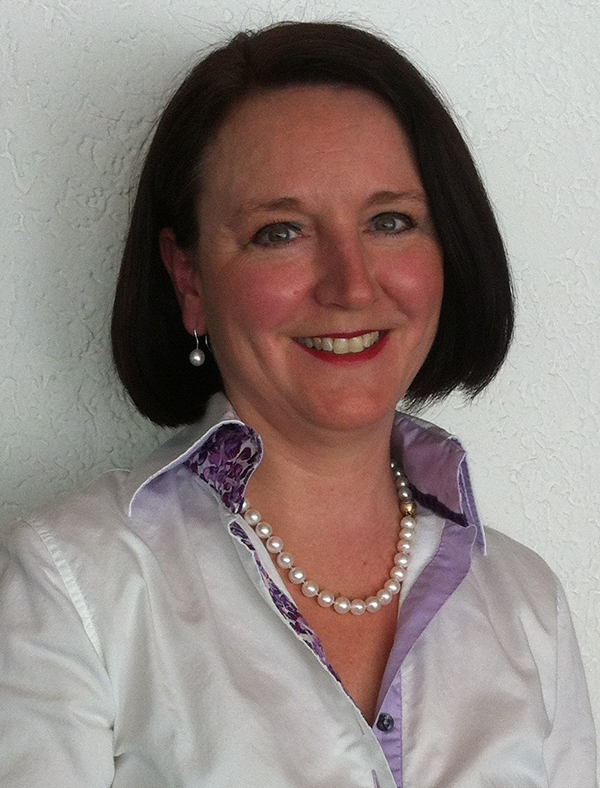
Wiest grew up in St. Gallen. She studied medicine in Zürich and trained in neurology with C. W. Hess in Bern. From 2000 to 2002, she was senior physician at the Neurological Department of St. Gallen (B. Tettenborn). Since 2002, she has been running a neurological practice in Biel. She has also been member and since 2017 vice president of the steering committee of the Bethesda Hospital for Neurorehabilitation, Epilepsy, and Parkinson in Tschugg in the Bernese Seeland. Since 2016, she is pursuing a postgraduate EMBA in Medical Management at the University of Applied Science PHW in Bern.
She was first vice president (2013–2016) and since September 2016 president of the SNG. She was involved in adapting the new postgraduate training programme. She strives to ‘counteract the centrifugal tendencies in neurology’, as they arise due to the progressive specialization and consecutive fragmentation of neurology which threaten the unity of the discipline. In 2018, SNG has 549 members.
Footnotes
Authors’ note
For reasons of space, we decided to omit honours and publications of the presidents.
Acknowledgements
The authors are indebted to the past presidents, Prof Hubert Steinke (Ordinarius and Chair, Institute for History of Medicine, University of Bern), Dr André Truffert (Department of Neurology, University Hospital, Geneva) and Gilbert Coutaz (Archives cantonales vaudoises) for valuable inputs and information.
Declaration of conflicting interests
The author(s) declared no potential conflicts of interest with respect to the research, authorship, and/or publication of this article.
Funding
The author(s) received no financial support for the research, authorship, and/or publication of this article.