



Abstract
Antimicrobial textiles with improved functionality have a wide range of applications, including health and hygiene products, particularly garments worn next to the skin, and a number of medical applications, including infection control and barrier materials. Furthermore, these textiles are used in household materials, air filters, food packaging, athletic wear, storage, ventilation, and water purification systems. Cotton-based materials are hygienic and are commonly used in non-implantable hygiene medical textile products such as lint, gauze, bandages, wound dressing, and sanitary napkins. In terms of absorbency, comfort, and durability, non-implantable cotton fabric materials outperform standard clothing materials. Several studies show that depending on the type of components present in the plant extract, several plant extracts can be effective against both Gram-positive and Gram-negative bacteria. As a result, research into eco-friendly antimicrobial agents and their application on various textile products is gaining worldwide attention. Plants such as neem, eucalyptus, aloe vera, and clove contain natural antimicrobial compounds. Extracts of neem, eucalyptus, aloe vera, and clove are used in textile finishing. These bioactive substances could be used to impart antimicrobial properties to textiles for the development of health care and hygiene products. This review focuses on research into various natural antimicrobial agents derived from plant extracts and their applications as textile finishing agents for healthcare and hygiene applications.
Introduction to Healthcare/Hygiene Textile Materials
The convergence of textile technology and medical sciences has given rise to a new field known as medical textiles. 1 Medical textiles, a new type of industrial textile, are playing an increasingly important role in healthcare protection. The term “medical textiles” refers to a wide range of soft goods used for medical and hygiene purposes, including those for surgical, orthopedic, and dental applications. The medical/hygiene textiles sector has grown steadily as a niche market in the global economy and is expected to continue experiencing strong, long-term demand due to the aging consumer and proponents of a healthy lifestyle. 2
Historically, textiles have been used in healthcare. Healthcare and hygiene products are widely used, accounting for a significant portion of the medical textiles market. 3 This category includes products used on a regular basis by hospitals, adult and pediatric urgent care centers, healthcare facilities, and individuals for hygiene and safety. 4 There is a wide range of products available; however, they are typically used in the operating room or on the hospital ward for the hygiene, care, and protection of employees and patients. The products include surgical covers, bedding, incontinence products, clothing, and wipes. 5 These items may be washable or disposable after a single use. The packages available range from simple cleaning wipes to superior barrier fabric used in working rooms. 6
The medical and related healthcare and hygiene sectors are an important and growing component of the textile industry. Many critical issues concerning medical textiles, particularly healthcare and hygiene products, have long been identified and debated among clinicians, environmentalists, drug companies, and others. The magnitude of growth can be attributed to continuous advancements and innovations in both textile technology and medical procedures. The clinical and associated healthcare and hygiene sectors are an important and growing part of the fabric industry. 7 With advancements in healthcare/hygiene textile research and development, the complexity of applications has increased. 8
In 1999–2000, it was predicted that healthcare/hygiene textile products would grow at a 10% annual rate. 3 Disposable operating room items have a larger market share in the United States than in the European Union. In the European Union, revenue from the sale of personal items and wound dressings was expected to increase by 21.1% in 2003, with wound care products accounting for 9.1% of that total. 9 Because of the increased demand and the fact that medical textiles are linked to human health, international organizations have enacted stringent laws and regulations, as well as guidelines for the use of hygiene products.
Non-implantable medical textiles (e.g. wound dressing, bandages, gauzes), implantable medical textiles (e.g. artificial arteries, sutures, vascular grafts), extracorporeal devices (e.g. artificial organs), and healthcare and hygiene products are the four categories of medical textiles.3,10 Healthcare and hygiene products include surgical textiles for medical personnel.
Fibers Used in Healthcare/Hygiene Textiles
A variety of natural and synthetic fibers/materials are used in healthcare/hygiene products. Flax, silk, linen strips, and cotton are used to close wounds. An ancient Indian physician researched suture material made of flax, hemp, and hair. Synthetic polymers and fibers enabled the development of synthetic closures and drug-releasing textiles. 11 Lint, gauze, bandage wound dressing, and sanitary napkins all require antibacterial properties that are also comfortable for the wearer. 12 These products must meet several criteria, including cleanliness, contamination-free status, and infection control. 13 Antimicrobial and antifungal fibers and additives used in barrier fabrics, abdominal post-operative binders, applications in neurodermatitis treatment, and various other wound management and surgical treatments 14 are examples of new materials finding specialized applications.
Textile products are used in various ways in the healthcare and hygiene sectors. 8 Natural and synthetic fibers are increasingly being used in the production of various healthcare/hygiene items. 3 Although the type of fiber used and the fabric structure vary depending on the end use, all healthcare/hygiene fibers must be non-toxic, sterilizable, biocompatible, biodegradable, highly absorbable, soft, and free of additives and pollutants.3,15 Furthermore, absorbency is essential in many applications, favoring the use of cotton or viscose. Cotton has been largely replaced in most applications by synthetics such as polyester (due to its durability and low linting characteristics), polypropylene (the most popular fiber, owing to its capillary and inert properties), and viscose rayon (due to its absorbency and biodegradability). 16
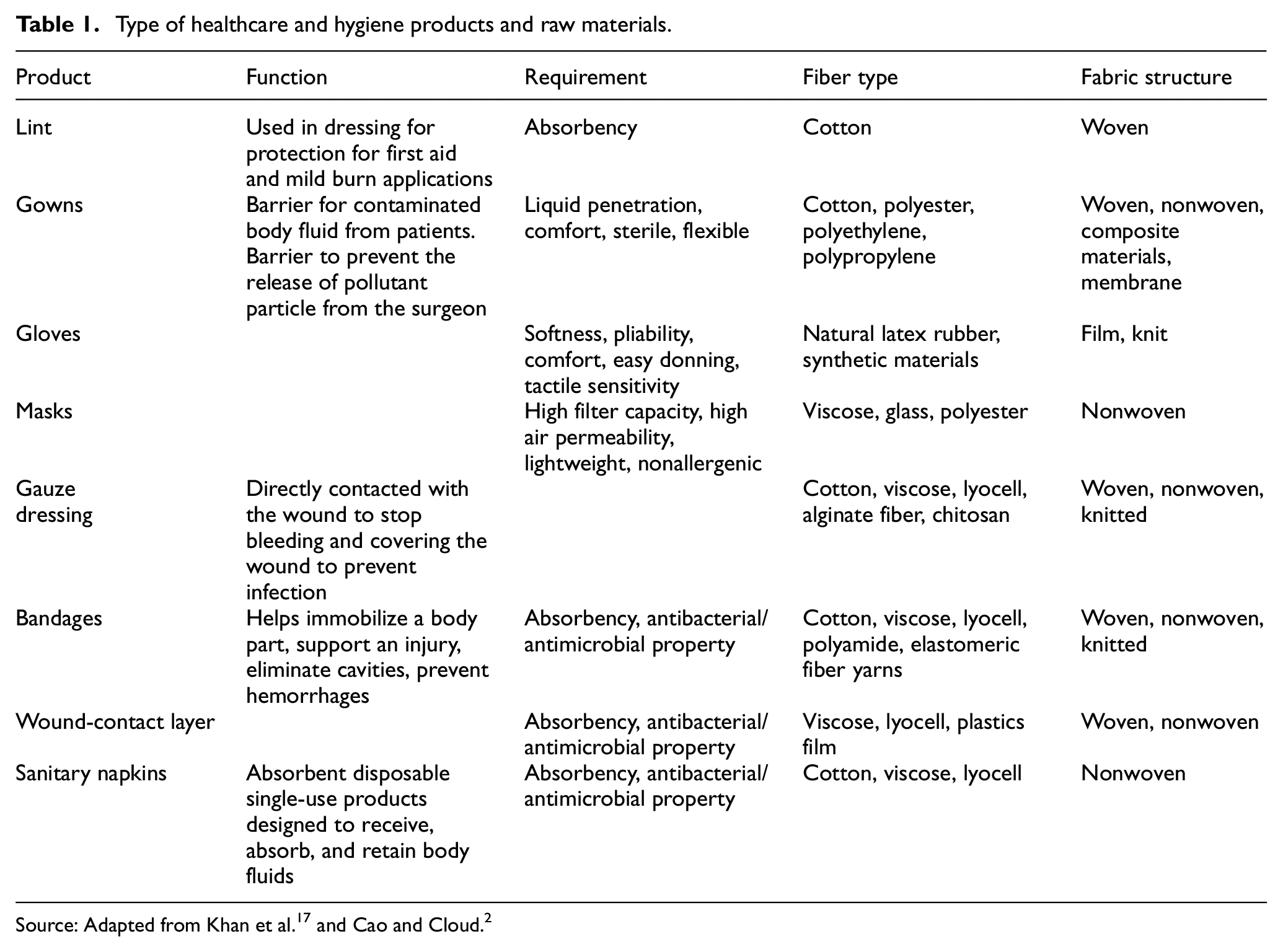
Table 1 lists the fibers used for specific healthcare/hygiene products, primary fabric structures, textile material ranges employed within each classification, and requirements. 2 Medical textile fibers must be non-toxic, non-allergic, non-carcinogenic, and sterilizable without changing their physical or chemical properties. Certain products may be expected to have strength, flexibility, absorbency, or biodegradability. 3 One of the primary functions of surgical hygiene products is to reduce cross-infection between healthcare workers and patients. Issues such as the use of natural fibers versus chemical or manufactured fibers; disposables versus reusable or durable fabrics; antibacterial or antimicrobial fibers versus such finishes or coating for infection control; and the method of clinical waste disposal, that is, landfill, versus incineration and other forms of medical and clinical waste disposal, are constantly being discussed at the most relevant conferences around the world. The development of eco-friendly natural fiber-based material products such as lint, gauze, bandages, wound dressing, and sanitary napkins, among others, plays an important role in a variety of healthcare applications. 15
Type of healthcare and hygiene products and raw materials.
Requirements of Healthcare/Hygiene Textiles
Healthcare and hygiene products are widely used and account for a sizable portion of the medical textiles market. This category includes products used for hygiene and safety by hospitals, adult and pediatric urgent care centers, healthcare facilities, and individuals. These products should be clean, free of contamination, and free of infection. The major requirements from these products are biocompatibility, no allergenic response, non-toxicity, strength, elasticity, durability, anti-static nature, and to a certain extent biodegradability and biostability. Depending on the end usage, the set of properties is required to differ.
In addition, purity, sterility, stability and spatial structure, ability to manage exudates and fluid without causing irritation or maceration, comfort, provision for thermal insulation, breathability, mechanical protection, moisture and liquid absorption, low adherence, nonsensitizing, not contaminating a wound with loose fibers or other particles, and providing an effective barrier against infectious agents are all requirements for healthcare and hygiene medical textiles. 18
Natural Antimicrobial Agents
Natural bioactive agents (derived from plant extracts) with antimicrobial properties are becoming increasingly important for biofunctionalization of textile fibers because they enable the production of safe, non-toxic, and skin- and environmental-friendly bioactive textile products. These agents are ideally suited to meet the biocidal activity needs of textile-based products since they are non-toxic, environmentally benign, and renewable. There is an abundance of medicinal plants that contain active antimicrobial ingredients.19–21 Despite the fact that many natural products are rich in antimicrobial agents, the relatively lower incidence of adverse reactions of herbal products compared to modern synthetic pharmaceuticals, combined with their lower cost, can be exploited as an appealing eco-friendly alternative to synthetic antimicrobial agents for textile application.22,23
Recent advances in plant-based bioactive agents have opened up new research avenues. The majority of papers in this field are concerned with the technical aspects of using specific natural agents, such as eucalyptus, neem, and clove extract. 24 These antimicrobial compounds, viz. aloe vera, tea tree and eucalyptus oil (EO), neem, grapefruit seed, tulsi leaf extracts, and so on, include phenolics and polyphenols (simple phenols, phenolic acids, quinines, flavonoids, flavones, flavonols, tannins, and coumarins), terpenoids, essential oils, alkaloids, lactins, polypeptides, and polyacetylenes. 25 These components have antimicrobial as well as antioxidant properties. 26 The majority of natural antimicrobial agents are extracted from plants. It is estimated that there are approximately 500,000 plant species on the planet. Only about 1% of these plants has medicinal properties. 27 Some of the important natural bioactive antimicrobial agents are discussed below.
Neem
Neem (Azadirachta indica), an evergreen tree native to India, is a member of the Meliaceae (mahogany) plant family. It has been identified as a promising source of compounds with insect control, antimicrobial, and medicinal properties. Neem has been used as a traditional medicine in India since ancient times for a variety of human ailments, and approximately 700 herbal preparations based on neem can be found in Ayurveda, Siddha, Unani, Amchi, and other local health prescriptions. All parts of the neem tree, including the leaves, flowers, seeds, fruits, roots, and bark, have traditionally been used to treat inflammation, infections, fever, skin diseases, and dental disorders. Neem extracts have been widely used in the formulation of herbal pesticides because their pest-repellent properties have the potential to inhibit the growth of both Gram-positive and Gram-negative bacteria. The chemical structure of azadirachtin is shown in Figure 1.
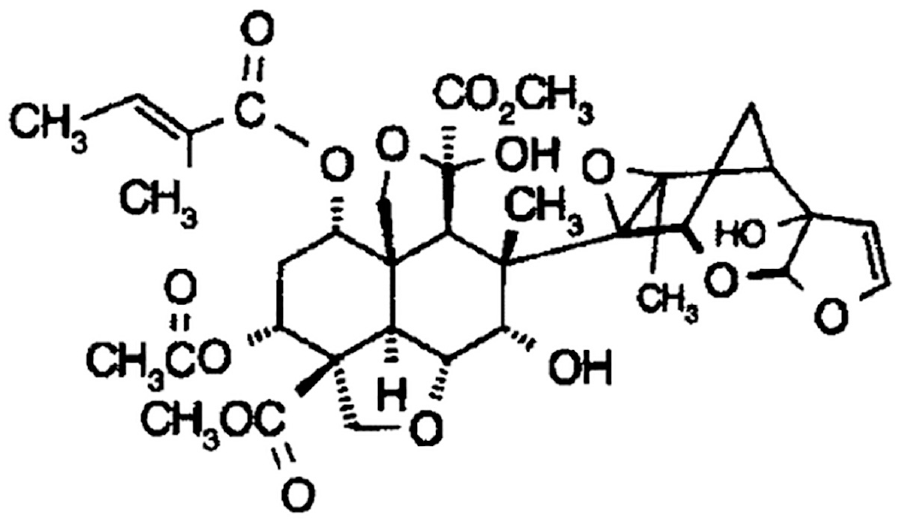
Chemical structure of azadirachtin.
Eucalyptus
Eucalyptus (Eucalyptus radiata) has excellent cleaning properties. Eucalyptol contains 90% of the essential oil of some species of the generic product EO, hence the compound’s common name. Eucalyptol has a fresh camphor-like aroma and a spicy, cooling flavor. It is insoluble in water but soluble in ether, ethanol, and chloroform. The boiling point is 176°C. Fractional distillation of EO yields eucalyptol with purity ranging from 99.6% to 99.8%. EO has been shown to be extremely effective against infection-causing bacteria, fungi, and viruses. Although it is added to many commercial soaps today, its application on textile substrates has yet to be explored. The chemical structure of eucalyptol is shown in Figure 2.
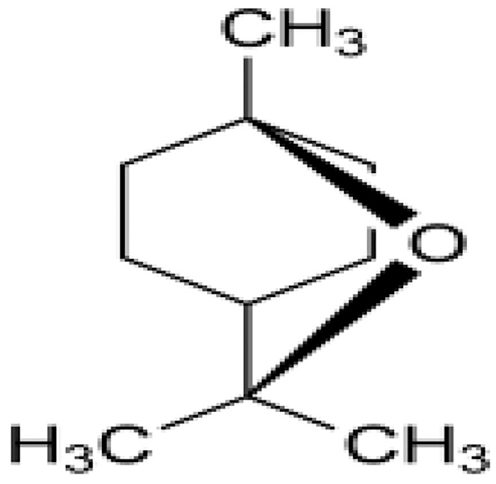
Chemical structure of eucalyptol.
Clove Oil
Clove oil (eugenol; Figure 3) is a primary product of Syzygium aromaticum. Eugenol is an allyl chain-substituted guaiacol. Eugenol is a chemical compound in the ally-benzene class. It is a clear to pale yellow oily liquid derived from essential oils, particularly clove oil, nutmeg, cinnamon, and bay leaf. It is slightly soluble in water and soluble in organic solvents. It has a pleasant, spicy, clove-like aroma. Eugenol is used in perfumeries, phenolic, terpenoids, flavonoids, alkaloids, essential oils, and medicine as a local antiseptic and anesthetic. 28
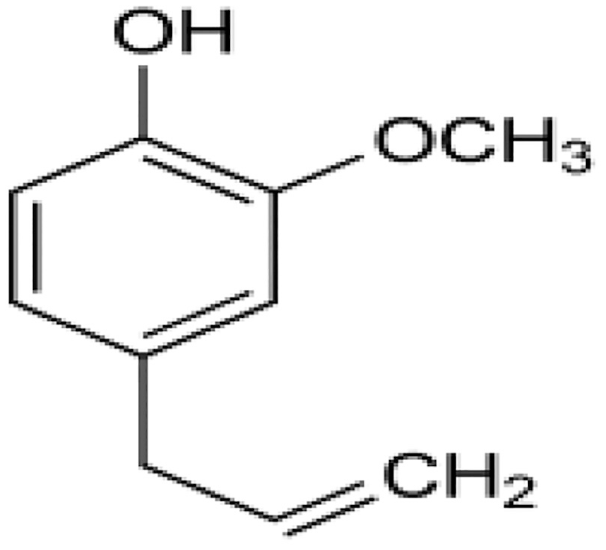
Chemical structure of eugenol.
Aloe Vera
Aloe leaf contains approximately 200 active ingredients, including 75 nutrients, 20 minerals, 18 amino acids, and 12 vitamins. Aloe vera has been used in many cosmetic products as well as for wound and burn healing. As a result, it is used in the production of antimicrobial textiles for products such as wound dressing and sutures. Aloe is useful in skin care not only for wounds, but also for reducing inflammation. Proteolytic enzymes digest waste tissue, including pus, and speed up the regeneration of tissues. Cotton fabric was treated with aloe vera extract at 5 and 10 gpl concentrations, and 100 glyoxal was used as a cross-linking agent. The antimicrobial activity of treated and untreated cotton fabrics was evaluated qualitatively (AATCC-147-1998) and quantitatively (AATCC-100-1998).
The Oil of Tea Tree
Tea tree oil is an essential oil extracted from the leaves of Melaleuca alternifolia, an Australian plant. From ancient times, this Australian product has been used to treat cuts, bites, burns, and other skin ailments. Tea tree oil got its name because the leaves were historically used as a tea substitute. Essential oils, which are most commonly found in flowers and leaves, are responsible for the plant’s scent. The oil extracted from the leaves is the part used medicinally. The oil of the tea tree brings together over 100 different compounds and is globally recognized as a natural medicinal product. It has antiseptic (five times stronger than the usual household disinfectants), dermatological (prevents dry skin), and antifungal benefits and can also be used to fight infections/infestations (effective against head lice, ticks, etc.). 19
It has antifungal and dermatological benefits. It is extremely antiseptic and effective against infections/infestations such as head lice and ticks. 29 The oil is active against a wide range of bacteria, such as Escherichia coli, Propionibacterium acnes, Proteus vulgaris, Pseudomonas aeruginosa, Staphylococcus aureus, Proteus mirabilis, Salmonella typhimurium, Streptococcus pyogenes, Helicobacter pylori, and so on. Its oil also has gained widespread therapeutic use for fungal and microbial infections but is not yet registered for use by the medical profession and its novel medicinal activity is yet to be explored on textile substrates. Tea tree oil’s antimicrobial activity can also be investigated on textile materials. Terpinen-4-ol, one of 98 compounds in the oil, is responsible for the majority of the antimicrobial activity.
Prickly Chaff Flower
Achyranthes aspera Linn (Prickly chaff flower; Amaranthaceae) has long been used to treat a variety of ailments. It is antiphlogistic, antiperiodic, diuretic, cathartic, and laxative, and can help with dropsy, edema, hemorrhoids, abscesses, and skin eruptions, among other things. The plant infusion is used to treat pneumonia, whereas the root infusion is used to treat digestive issues. To treat jaundice, the plant inflorescence is boiled in water, strained, and consumed orally. A water-based paste of the roots is used to treat ophthalmia and corneal opacities. 30 The main class of phytoconstituents found in plants includes triterpenoid saponins with olealonic acid as an aglycone, alkaloids, sterols, and phenols. 31 An alkaloid called achyranthine, along with amino acids such as arginine, histidine, lysine, cystine, threonine, methionine, lucine, isolucine, phenylalanine, and tryptophan, as well as carbohydrates, like valine, α-rhamnopyranosyl, β-d-glucopyranosyl, β-d-galactopyranosyl, galactose, xylose, rhamnose, and glucose, have been found in the plant.32–35 The plant exhibits antibacterial, 36 anti-inflammatory, 37 and abortive properties. 38 A. aspera increases thyroid hormone levels and has also been shown to have anticoagulant, anti-rheumatic, antineoplastic, and anti-hepatocarcinogenic effects. The plant has also been reported to have antidepressant, wound-healing, and analgesic properties. 39
Citrus Fruit Peels
The peels obtained from various citrus species are a major source of polyphenols, flavonoids, and dietary fibers.40,41 They also contain minerals, carotenoids, and essential oils. Citrus peels are a powerhouse of vitamin C and antioxidants. Phenolic compounds also show huge potential as therapeutic agents due to their antimicrobial, anti-inflammatory, anticancer, and cardioprotective activities. Several previously reported studies also show that in most of the citrus fruits, the compounds responsible for antioxidant properties are mainly present in their peels rather than in their pulps.42,43
Citrus peels include a variety of bioactive compounds including phenolic compounds, polysaccharides, flavonoids, and limonoids that have antioxidant properties. These compounds scavenge hydroxyl radicals, single oxygen atoms, and lipid peroxyl radicals. 44 The peels of lemon and grapefruit are a primary source of polyphenols, flavonoids, and flavones. In addition to oil, lemon peels contain a large number of bioactive compounds including ascorbic acid, phenolic acids (ferulic acid, p-coumaric acid, and sinapic acid), and flavonoids (flavonols, flavanones, and flavones) 45 which have been linked to the antimicrobial 46 and antioxidant characteristics. 47 Orange peel is utilized as a folklore and traditional drug to treat a large number of diseases such as stomach ache, cancer, diuretic, cold, immune system diseases, viral and bacterial infections, digestive system diseases, and vitamin deficiencies.48,49
Amla Juice
Emblica officinalis Gaertn. or Phyllanthus emblica Linn., popularly called as Indian gooseberry or Amla, is among the main herbal plants in Indian traditional medicine. “Amla” is placed in a category of the most significant medicinal plants in tye traditional system of Indian medicine (Ayurveda).50–57 Different parts of E. officinalis are beneficial for curing various ailments but the fruits in particular show tremendous pharmacological and medicinal applications. Phytochemical analysis revealed important bioactive chemical compounds such as tannins, alkaloids, polyphenols, gallic acid, ellagic acid, emblicanin A and B, phyllemblin, quercetin, ascorbic acids, vitamins, and minerals. Different extracts of amla possess potent antimicrobial activities to counter different bacterial pathogens. Amla phytochemicals also possess antioxidant, anti-inflammatory, hepatoprotective, cardioprotective, immunomodulatory, hypolipedemic, memory enhancing, anticancer, antidiabetic, antidepressant, anti-ulcerogenic, insecticidal, larvicidal, and wound-healing activities. Emblica officinalis (EO) is a native herb of Indian tropical and subtropical regions, and is also found in Sri Lanka, Uzbekistan, South East Asia, and China nowadays. 58
Stinging Nettle Leaf
Stinging nettles (Urtica species including U. dioica, U. urens, and U. pilulifera) have a broad geographical distribution, and have been used in a range of traditional and historical medicines from around the world. Various parts of nettle plants appear in preparations for the treatment of skin diseases, urinary disorders, respiratory diseases, bone and joint pain, anemia, and other circulatory problems, as well as in cosmetic preparations for skin and hair care, in traditional remedies, or in historical medical texts from many cultures.59–62 Some of these uses appear rational given current scientific knowledge. For instance, nettles are effective accumulators of heavy metals and are generally agreed to be a good source of iron, so their use in anemia treatments appears sensible. 63 In addition, the anti-inflammatory potential of natural products from nettles has received significant research attention, and some studies have suggested evidence that nettles could provide new treatments for rheumatoid arthritis and osteoarthritis.59,64,65
Azuki Beans
Azuki bean (Vigna angularis Ohwi et Ohashi. var. Dainagon) is one of the most important grains which is grown widely in Japan, China, South Korea, and Taiwan. Starch, digestible proteins, mineral elements, and vitamins are abundantly present in azuki beans. 66 The azuki bean is known to have several breeds differing in the color of the seed coat, such as red, black, speckled purple, brown, green, and white. 67 The water extracts of green-, black-, and red-colored azuki beans (V. angularis) show antibacterial effects against S. aureus, Aeromonas hydrophila, and Vibrio parahaemolyticus. 68 Azuki beans contain proanthocyanidins, which form a group of polyphenolic bioflavonoids with remarkable radical scavenging activities in vitro. 69 Several studies have reported the beneficial effects of polyphenolic compounds derived from plant tissue. However, few studies have been conducted on the inhibitory effects of azuki beans, including polyphenolic compounds, against microorganisms.
Peppermint
Peppermint is a very useful and valuable herb. It is commonly used in food, cosmetics, and pharmaceuticals. 70 It is antimutagenic and chemopreventive. 71 It has been shown to be effective in symptomatic treatment of the common cold. It also alleviates irritable bowel syndrome symptoms and digestive symptoms such as dyspepsia and nausea. It is also used topically to alleviate headaches and as an analgesic. 72 It has antinematodal, 73 antiviral, 74 and antifungal properties.75–79 as well as antimicrobial characteristics.76,78–81
Thyme
Thyme essential oil (TEO; Thymus vulgaris) is used to improve the flavor of a variety of foods, beverages, and confectionery items, as well as in perfumery to fragrance soaps and lotions. 82 It is helpful as a medicinal herb and food preservative due to its antiseptic, bronchiolytic, antispasmodic, and antibacterial properties.83,84 The presence of flavonoids, thymol, eugenol, aliphatic phenols, saponins, luteolin, and tetramethoxylated flavones in thyme contributes to its therapeutic potential.85,86 TEOs have antibacterial characteristics that are effective against a variety of infections. The phenolic compound thymol found in TEO has the ability to kill pathogens such as bacteria and fungi by breaking cell membranes. The thymol molecule interacts with the pathogen’s outer cytoplasmic membrane due to its hydrophobic nature, altering the integrity and function of the microorganism’s cell membrane.
Oregano
Oregano essential oil is derived from the oregano plant (Origanum vulgare), a perennial herb from the flowering plant family Lamiaceae. Oregano is a fragrant plant with ornamental, culinary, and herbal medicine applications worldwide. In Europe, it is traditionally used in southern countries, particularly in the Mediterranean region. The antimicrobial properties of essential oils extracted from these plants have caught the attention of researchers, as they can serve as an alternative to traditional antibiotics, which are becoming less effective against pathogens. 87 Oregano essential oil, utilized as a food seasoning, possesses a broad range of antimicrobial activity due to its high concentration of phenolic compounds like carvacrol and thymol. 88 Numerous scientific studies have examined the chemical composition and antimicrobial properties of essential oils from various types of oregano and their use in different commercial products as antimicrobial and antioxidant agents. 89 Previous research has indicated that over 50% of oregano essential oil is composed of phenolic compounds, primarily carvacrol and thymol. This oil also contains sesquiterpenes, terpines, terpineol alcohol, flavonoids, and other compounds. 90
Onion Skin and Pulp Extracts
Onion is one of the oldest cultivated crops with a unique pungent flavor and recognizable aroma. Over countless years, onion (Allium cepa) has evolved into a globally beloved and nutritious vegetable. It is a member of the Allium family and primarily consists of water (85–90 g/100 g), fructose, glucose, vitamin B1, B2, C, flavonoids, and organosulfur compounds. Onions (A. cepa), a member of the Lilliaceae family, are found in a bewildering array of recipes and preparations. Several studies91–93 have proved that its flavonoids and organosulfur-containing components can provide antibacterial and antifungal properties. The organic extract derived from onion peel, primarily consisting of quercetin, appears to be promising for textile uses. The peels, along with the inedible upper dried sections of the onion bulbs, are eliminated before the manufacturing process, making it a plentiful, cost-effective, and easily accessible agricultural leftover.94,95
Tulsi Leaves
Tulsi is an herbaceous, biennial plant native to India. Tulsi leaves, both fresh and dried, are used in medicine. Tulsi essential oil has antibacterial, antifungal, and antiviral effects. It inhibits the growth of E. coli, Bacillus anthracis, Mycobacterium tuberculosis, and other bacteria, and its antitubercular activity is one-tenth that of streptomycin and one-fourth that of isoniazid. 96 Tulsi (Ocimum sanctum) is a member of the labiates family, which includes the leaves ocimum sanctum. Tulsi leaves have been utilized as an antibacterial, insecticidal diaphoretic since ancient times. It possesses antibacterial activity that is appropriate for textile materials. 97 Tulsi’s key chemical ingredients are ursolic acid, rosmarinic acid, oleanolic acid, eugenol, carvacrol, linalool, and caryophyllene. These vital components are responsible for the plant’s antiviral and antibacterial effects. 98 Because O. sanctum is widely available, easily accessible, economically feasible, culturally acceptable, and has few adverse effects, it can be used as an antibacterial agent on textile materials to prevent the growth of microbes. O. sanctum leaf extract has been proven to be an efficient method of imparting antibacterial properties to fabrics for health care items. As a result, research on eco-friendly antimicrobial compounds and their application on various textile goods is gaining worldwide attention. 99
Need for Antimicrobial Finish for Healthcare/Hygiene Products
Antimicrobial agents destroy or prevent microorganism development, as well as their negative consequences such as odor, discoloration, and degradation. The great majority of these agents function by leaching or evaporating off the surface to which they are applied. This is the mechanism through which a microorganism gets poisoned by antimicrobial leaching. For decades, such compounds have been utilized in agricultural applications with different degrees of success. When utilized in garments, leaching technologies have the potential to cause a number of other difficulties in addition to compromised durability and usable life. They have the potential to alter normal skin bacteria, cross the skin barrier, and/or cause rashes and other skin irritations when they come into contact with the skin.
Antimicrobial fabrics are particularly useful in today’s hospital environments, and areas that are prone to harmful bacteria. The garments worn by patients, healthcare staff, and doctors may contain a large number of germs that can readily be passed from one person to another. When it comes to reducing the transmission of infectious germs, commercial potential for antimicrobial fabrics abounds. 100 Several antimicrobial textiles may function against bacteria, fungus, and viruses all at the same time. Some compounds, known as antimicrobials, can be used to target a wide variety of bacteria. 101
The number of antibiotic-resistant bacteria is increasing along with the prevalence of diseases caused by these germs as the world population grows and disease spreads. With the rise in health consciousness, many individuals have turned their attention to educating themselves and safeguarding themselves against dangerous diseases. Antimicrobial-finished textiles have quickly become more significant for protecting the wearer from bacteria than simply protecting the garment from fiber degradation. The increased resistance of bacteria to antimicrobial fabrics necessitates their use. Functional textiles range from antimicrobial-finished textiles to lasting or permanent press-finished clothes, self-cleaning textiles, and nanotechnology textiles.
The usage of antibacterial treatment on healthcare goods is necessary to manage microorganisms; minimize unpleasant smells caused by sweat, blemishes, and other dirt on fabric material; decrease the chance of transmitting infections from one hospital ward to another through footwear; regulate the spread of diseases; and mitigate the risk of infection after sustaining an injury. Due to their porous and hydrophilic characteristics, natural fibers employed in healthcare products are more susceptible to bacterial assault compared to synthetic fibers. 12 Consequently, the proliferation of microorganisms on healthcare/hygiene items leads to a range of unfavorable consequences, such as severe health complications, unpleasant smell, skin infection, and, ultimately, product decay. 15 They can be treated with organic antimicrobial substances, like neem oil, EO, clove oil, aloe vera, and other alternatives, to safeguard the user from these health issues and the deterioration of the item.
Antimicrobial compounds can be applied to textile substrates utilizing the exhaust, pad–dry–cure, coating, spray, and foam processes. 102 The chemicals can also be administered directly to the fiber-spinning dope. It is claimed that the commercial agents can be utilized online during the dyeing and finishing operations.
The following criteria must be met to obtain the maximum benefits from the antimicrobial finish:
Washing, drying, and hot pressing resistance
Selective activity against unwanted microorganisms
Has no detrimental influence on the manufacturer, user, or the environment
Meets the statutory standards of governing agencies
Chemical compatibility
Ease of application
No degradation of fabric quality
Resistance to body fluids
Resistance to disinfectants
Studies on Finishing of Textiles With Natural Bioactive Agents
Studies on application of natural bioactive antimicrobial agents on cotton and blended fabrics have been reported. Murugesh Babu et al. 103 studied the application of neem, clove, eucalyptus, and aloe vera on cotton fabrics. The results of antimicrobial tests conducted on various medical textile products are presented in Figures 4 –7.
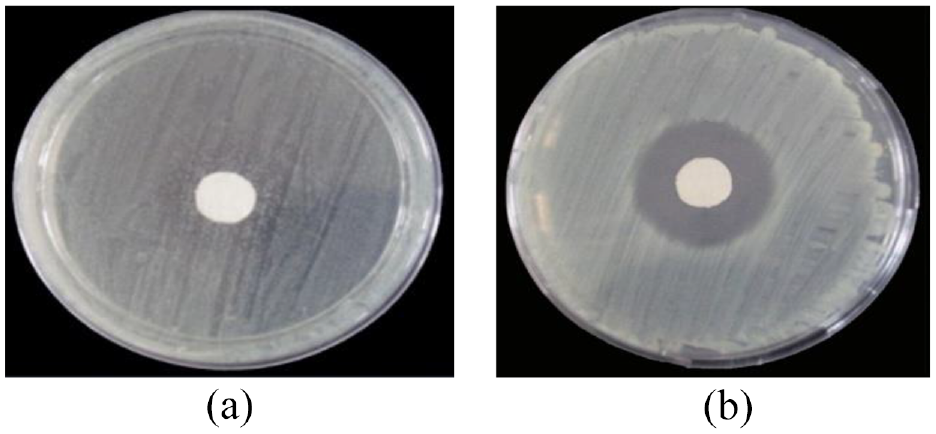
(a) Zone of inhibition for control sample. (b) Zone of inhibition for neem-treated sample.
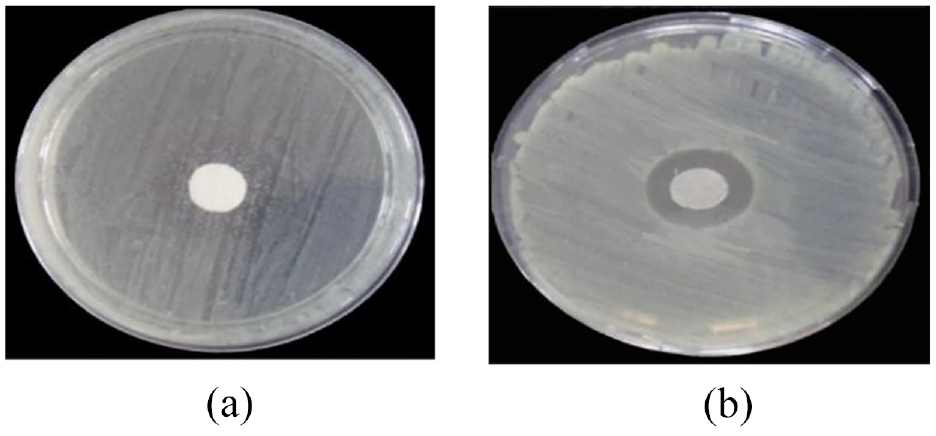
(a) Zone of inhibition for control sample. (b) Zone of inhibition for eucalyptus-treated sample.
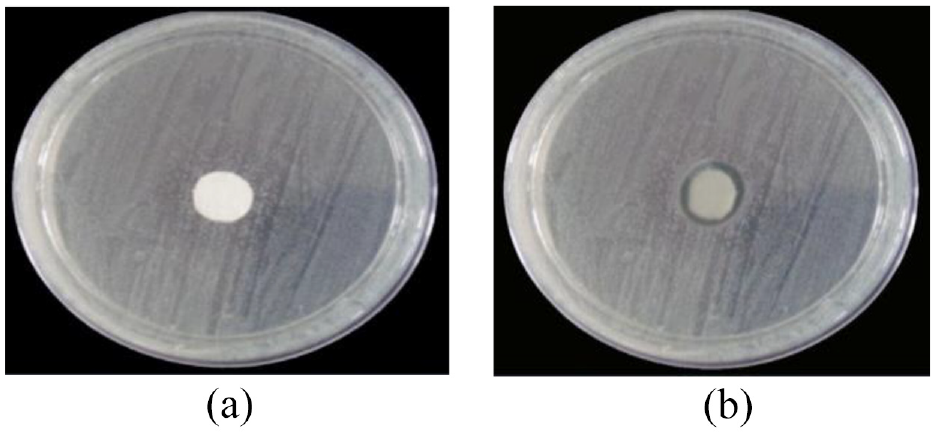
(a) Zone of inhibition for control sample. (b) Zone of inhibition for clove-treated sample.
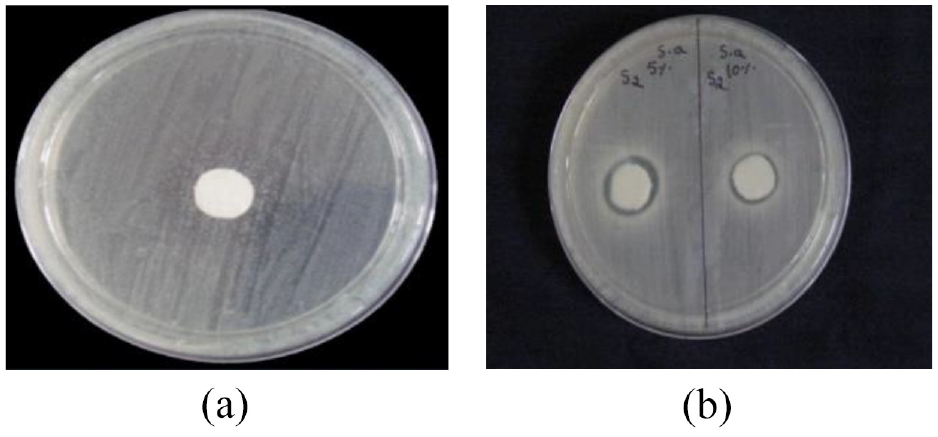
(a) Zone of inhibition for control sample. (b) Zone of inhibition for aloe vera-treated sample.
In a study on the finishing of polyester/cotton (P/C) blended fabrics, Joshi et al. 19 extracted an antimicrobial agent from the seeds of a neem tree (A. indica) that was used to impart antibacterial properties to the P/C blend fabric and produced a semi-durable antibacterial finish. This study found that EO at 1% concentration inhibits S. aureus by 25 mm when applied to cotton fabric. In another study, neem extract was made using methanol and applied to cotton fabric using various techniques. 104 They concluded that neem was effective on cotton and had greater microbial resistance than A. vera. The neem-finished fabric was found to be durable even after 15 washes, and the antimicrobial activity of neem leaf extract was good against human pathogenic bacteria such as E. coli, P. aeruginosa, S. typhimurium, S. aureus, and Bacillus pumilus.
After 10 washes, the antimicrobial activity of the eucalyptus-treated fabrics was found to be satisfactory at 62%. The active antimicrobial ingredients (phytochemicals) present in eucalyptus extract that inhibit bacterial growth are tannins, flavonoids, and 1, 8-cineole. Ben Fadhel et al. 105 discovered similar antimicrobial properties in eucalyptus extract. Using the agar diffusion method, the treated fabrics were tested for antimicrobial activity against S. aureus and E. coli bacteria. A study found that EO at 1% concentration inhibits S. aureus by 19 mm, whereas cotton fabric-treated (Gram-positive) bacteria do not. 106
The bioactivity of clove oil was investigated in size paste as a size preservative as well as a finishing agent for cotton textiles to make it antibacterial. The wash fastness of the finished fabric was improved by incorporating a dimethyloldihydroxyethylene urea-based in-built catalyst (KVSI). A study found that clove oil at 1% concentration inhibits S. aureus by 15 mm, KVSI (a Dimethylol dihydroxyethylene urea based crosslinker with in-built-catalyst), whereas cotton fabric-treated (Gram-positive) bacteria (KVSI) do not. 19
Comparison of Antimicrobial Activities
The zone of inhibition for S. aureus microbe in millimeters and the width of a clear zone (W) in millimeters for some of the agents are shown in Table 2. 103 The data in the table show that the neem oil sample has the highest zone of inhibition (25 mm). Other natural antimicrobial agents, such as clove and eucalyptus, have significantly better antimicrobial properties than neem oil. While eucalyptus occupies the second position with a zone of inhibition of 19 mm, clove occupies the third position with a zone of inhibition of 15 mm. Neem exhibits a zone of inhibition of about 60%, followed by eucalyptus (47%), and clove (33%). One thing is clear from the results that different antimicrobial agents have varying levels of antimicrobial properties, as evidenced by the table values. However, other combinations may also result in antimicrobial properties, which must be investigated further. The difference in antimicrobial properties of various products is also depicted in Table 2.
Comparison of antimicrobial activities of different agents.
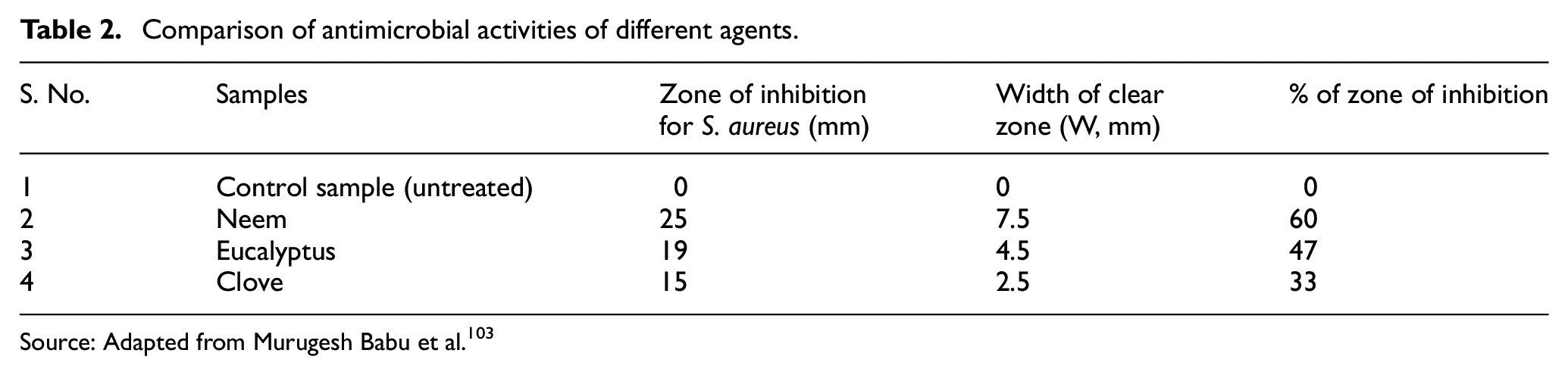
Source: Adapted from Murugesh Babu et al. 103
Finally, among the three natural antimicrobial agents used, neem stands out as an excellent natural antimicrobial agent when compared to the others.
Pachauri and Shah 107 reported on studies of antibacterial properties on cotton textiles treated with natural bioactive compounds. Pad–dry–cure was used to apply plant leaf extracts containing A. indica and Eucalyptus globulus. The effect of these herbs at 7% concentration on the antibacterial activity of cotton fabric was assessed using established test procedures. Positive results showed that cotton with no antibacterial activity gained the same and improved with increasing treatment conditions. Antibacterial activity was also found to be persistent and maintained in the substrate even after 20 laundering cycles.
Prickly chaff flower (A. aspera) is an Ayurvedic plant native to India. Thilagavathi and Kannaian 108 revealed that prickly chaff flower has antibacterial effects against both Gram-positive and Gram-negative bacteria, albeit its efficiency was lower than that of neem oil. The parallel streak method was used to test the antibacterial activity of prickly chaff flower-treated cotton fabric against gram-negative bacteria (E. coli). The treated fabric had minor antibacterial properties (Figure 8).
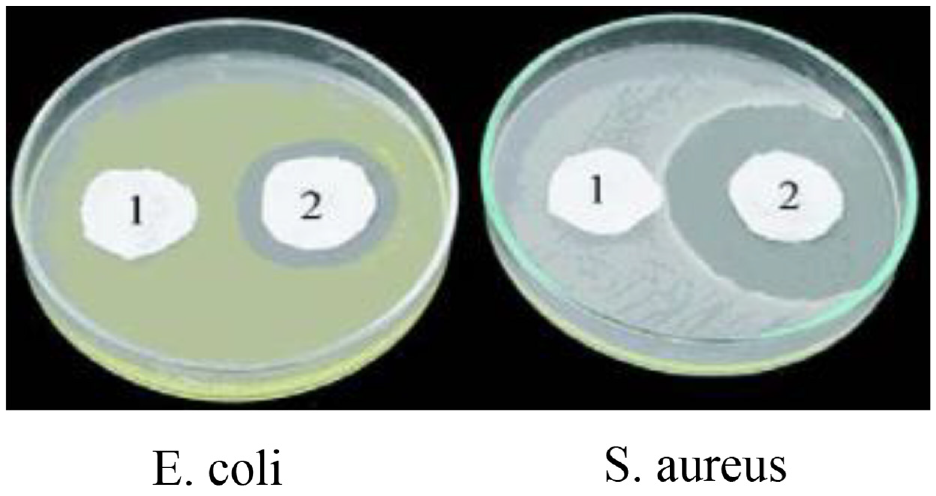
Antibacterial activity of a prickly chaff-treated sample—agar diffusion zone of inhibition (mm) against E. coli and S. aureus.
Lemon (Citrus limon) peel extract was found to have antibacterial activity against E. coli. 109 In this work, the C. limon peel was maceration extracted with 96% ethanol and then dissolved in dimethyl sulfoxide, and the antibacterial activity against E. coli was determined using the disk diffusion method. The antimicrobial activity of the ethanolic extract of the C. limon peel at concentrations of 25%, 50%, 75%, and 100% against E. coli was found to be robust, with average inhibition zones measuring 15.03, 16.17, 15.83, and 18.77 mm, respectively. The essential oil damaged the bacterial membrane and caused lipid and protein layer damage. Specific enzymes were inhibited, and free radicals were scavenged by the flavonoid. The lemon (C. limon) peel extract exhibited considerable antibacterial action against E. coli.
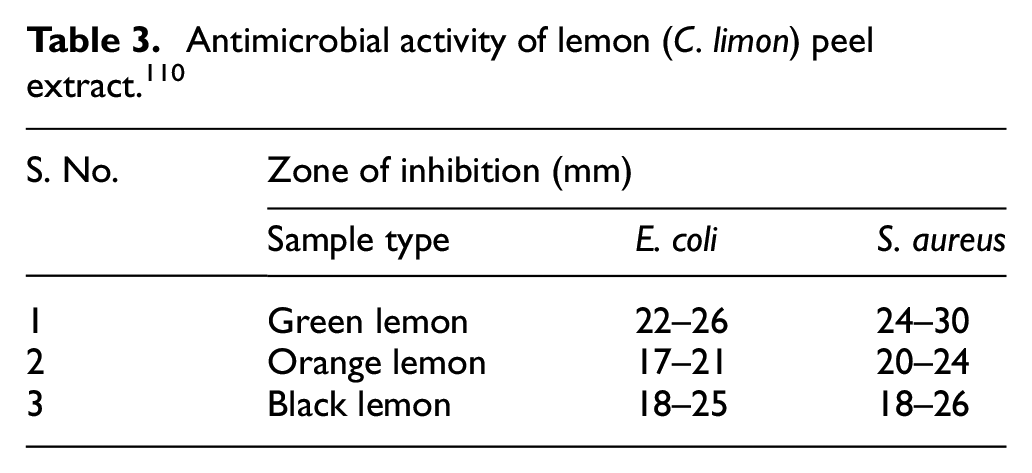
It has been established that a cotton fabric treated with essential oils extracted from green, orange, and black (a mixture of both green and orange) lemon peel (C. limon) exhibits antibacterial action. 110 C. limon peel contains nutrients such as flavonoids and essential oil, which can be used to treat infections. Lemon peel extract was obtained using steam distillation procedures after being treated with methanol. Antimicrobial activity against S. aureus (Gram-positive) and E. coli (Gram-negative) bacteria was assessed using zone of inhibition measurements. In comparison to orange and black lemon, cotton treated with green lemon peel extract shown excellent antibacterial activity against S. aureus (24–30 mm) and E. coli (22–26 mm) bacteria. Black (50% green and 50% orange) lemon peel extract outperformed orange lemon peel extract in antibacterial activity against S. aureus (18–26 mm) and E. coli (18–25 mm) germs (Table 3). Furthermore, the durability of the natural finishing agent on cotton was measured before and after washing and yielded the same result. According to the findings of this study, citrus lemons have greater, longer lasting antibacterial capability, with green lemon peel extract having a more efficient effect than the others. 110
Antimicrobial activity of lemon (C. limon) peel extract. 110
Punica granatum and C. limon peel extracts have an antibacterial action on cotton fabric against skin infections. The phytochemical composition of P. granatum and C. limon peel extracts was determined. The agar well method and parallel streak method were used to evaluate the antibacterial activity of P. granatum and C. limon against selected pathogens, as well as the wash durability of the fabrics. 111 Except for alkaloids, the phytochemical tests of both peel extracts were positive for all tested components. The antibacterial efficacy of P. granatum and C. limon peel extract-treated samples ranged from 67% to 98% of the antibiotics (amoxicillin and erythromycin) against S. aureus and S. pyogenes (Table 4). P. granatum peel extract showed a 10- and 7-mm wider zone of inhibition against Lysinibacillus fusiformis than amoxicillin and erythromycin, respectively, while C. limon peel extract showed a 1-mm broader zone of inhibition against L. fusiformis than amoxicillin. Cotton fabric treated with P. granatum peel extract retained antibacterial activity after six washings, whereas C. limon peel extract-treated samples deteriorated after the second washing.
Antibacterial activity of pomegranate and lemon peel extract-treated cotton fabric using parallel streak method. 110
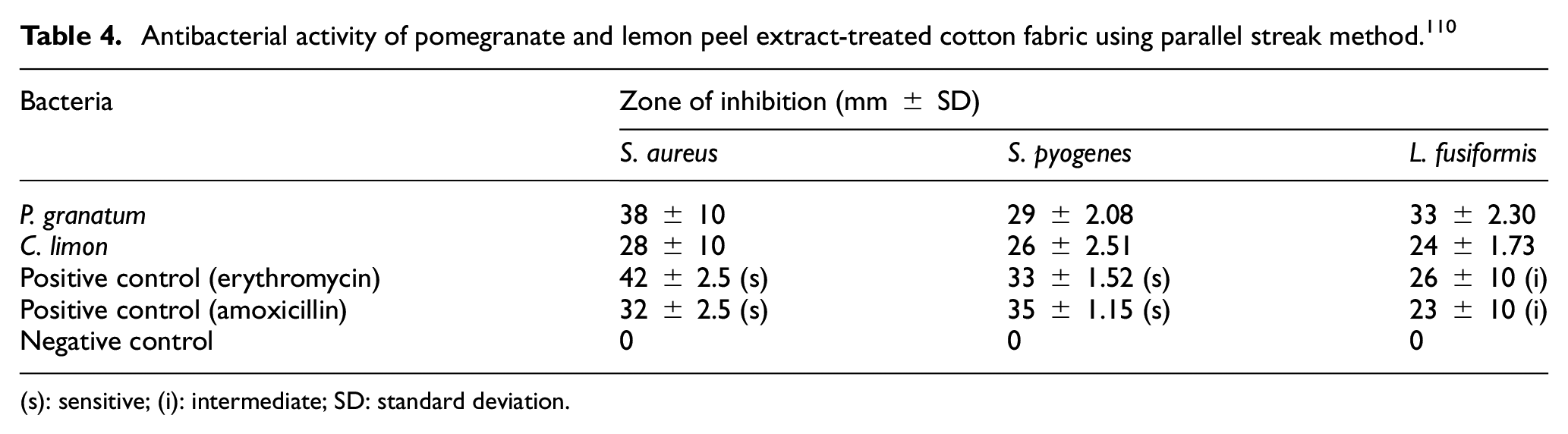
(s): sensitive; (i): intermediate; SD: standard deviation.
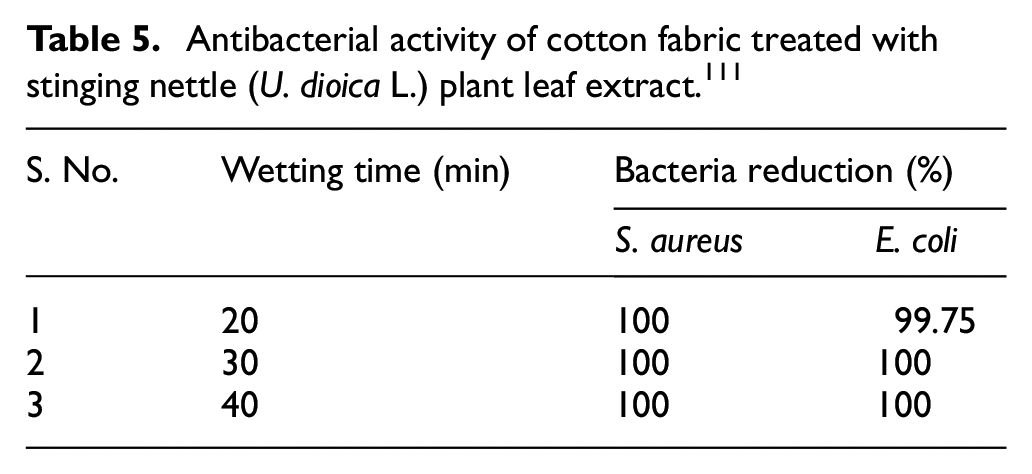
The antibacterial finishing chemicals derived from nettle plant leaves (stinging nettle, U. dioica L. plant leaf extract) were employed to impart a finish to the cotton fabric utilizing the pad–dry–cure application procedure. 112 Antibacterial activity against Gram-positive (S. aureus) and Gram-negative (E. coli) microorganisms was assessed. The number of test bacteria was reduced from 100% to 99.75% (Table 5). The results demonstrated a steady decrease in antibacterial properties, with a 100% to 44% drop in the bacterial count for S. aureus and a 100% to 30% reduction in the bacterial count for E. coli. The findings of this study revealed that nettle leaf, a low-cost common plant, might be employed for antibacterial activity in woven cotton fabrics.
Antibacterial activity of cotton fabric treated with stinging nettle (U. dioica L.) plant leaf extract. 111
Water extracts of green, black, and red azuki beans (V. angularis) have been shown to have antibacterial properties against S. aureus, A. hydrophila, and V. parahaemolyticus. 68 In contrast, the extract of white azuki beans inhibits none of the microorganisms tested. Colored azuki bean extracts contain significantly more polyphenols, including proanthocyanidins, than white azuki bean extracts. It was demonstrated that after 24 h, the counts of S. aureus cells inoculated in medium containing colored azuki bean extracts were considerably lower than those of control and white azuki beans. These findings imply that polyphenols in colored azuki beans, especially proanthocyanidins, are responsible for their antibacterial effect. This antimicrobial property of azuki beans can also be investigated on textile materials. 68
The antibacterial properties of various types of mint, specifically peppermint oil from Mentha piperita, spearmint oil from Mentha spicata var. crispa, and corn mint oil from Mentha arvensis, exhibit significant antibacterial effects against S. aureus, S. pyogenes, and Bacillus subtilis.113–115Mentha pulegium also demonstrates activity against S. aureus and Enterococcus faecalis. 116 M. spicata and other species of Mentha display antibacterial activity against Gram-negative bacteria. M. spicata, in particular, is effective against biofilm cultures of Vibrio spp. 117 Mentha longifolia exhibits activity against S. typhimurium, 118 while M. pulegium inhibits the growth of Pseudomonas sp., E. coli, and P. aeruginosa.116,119,120
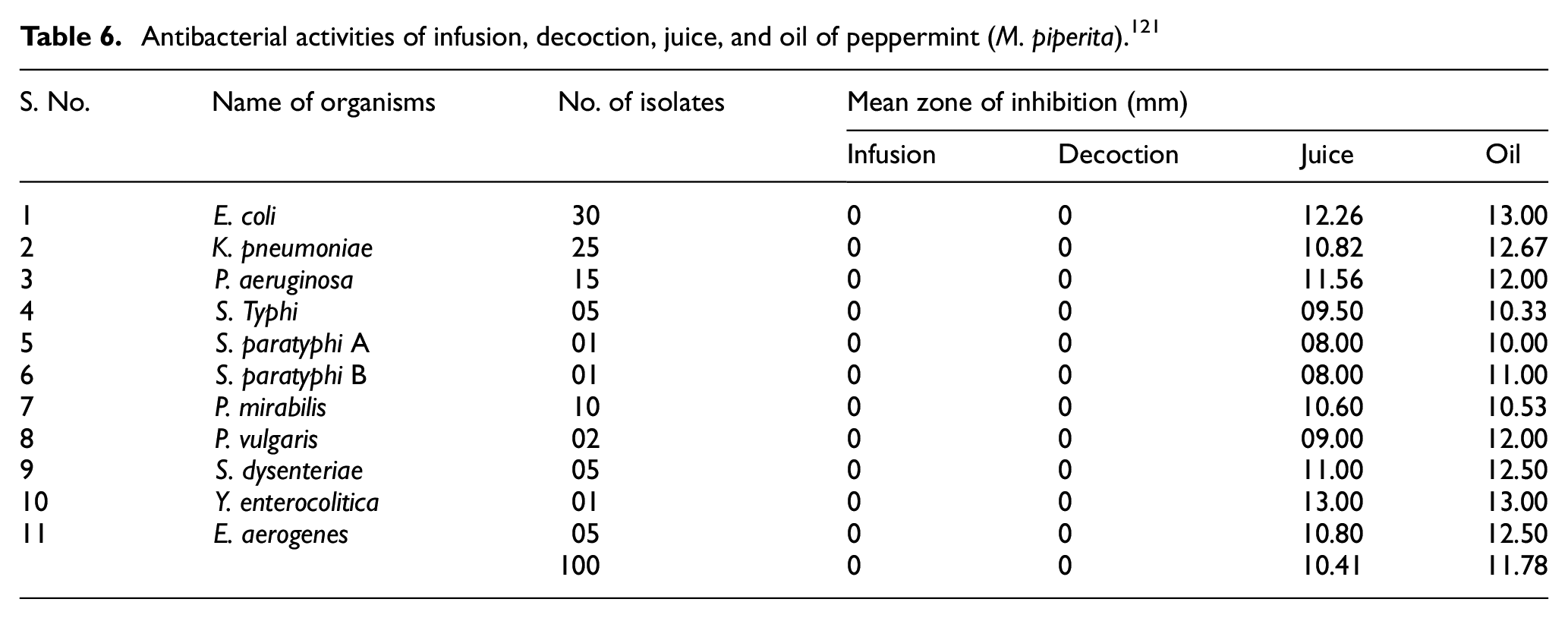
Antimicrobial properties of various forms of peppermint (M. piperita) such as water-based infusion, boiled mixture, liquid extract, and concentrated oil were examined against 100 strains of Gram-negative bacteria from 11 different species. These species included E. coli (30), Klebsiella pneumoniae (25), P. aeruginosa (15), Salmonella typhi (5), S. paratyphi A (1), S. paratyphi B (1), P. mirabilis (10), P. vulgaris (2), Shigella dysenteriae (5), Yersinia enterocolitica (1), and Enterobacter aerogenes (5). The assessment was conducted using the standard method of measuring the diameter of inhibition zones formed around the disks containing the peppermint extracts. The essential oil of peppermint demonstrated the highest antibacterial efficacy with an average zone of inhibition of 11.78 mm. The liquid extract of peppermint also exhibited antibacterial activity with an average zone of inhibition of 10.41 mm (Table 6). On the other hand, all bacterial strains showed complete resistance to the water-based infusion and boiled mixture of peppermint. 121
Antibacterial activities of infusion, decoction, juice, and oil of peppermint (M. piperita). 121
Thyme extract has been discovered to inhibit the development and production of aflatoxin, a toxin produced by the mold Aspergillus parasiticus. 122 The main antibacterial effects (both killing bacteria and inhibiting their growth) found in thymus essential oils seem to be caused by phenolic substances like thymol and carvacrol. 123 Based on a research on the antimicrobial impact of thyme oil on a linen and cotton blended fabric, as assessed by bacterial multiplication, the extent of fungal growth, and their influence on fabric durability, the linen–cotton fabric treated with TEO exhibited the most effective antifungal properties at a concentration of 8%—completely preventing the growth of mold and with no observable growth under a microscope—without any reduction in tensile strength. Under microscopic examination, a linen–cotton blend fabric that had been treated with 12% TEO did not show any visible growth. However, there was a slight decrease in breaking force. The treated fabrics displayed a strong antimicrobial effect against both Gram-positive and Gram-negative bacteria at concentrations of 8% and 12%, respectively. The results clearly demonstrated significant antibacterial activity, as the bacterial growth was suppressed around the treated samples. On the other hand, linen fabric treated with 8% TEO did not exhibit any antifungal activity. There was significant fungal growth covering more than 50% of the tested surface, and a considerable decrease in breaking force was observed (Table 7).
Antibacterial properties of linen–cotton blended fabric treated with thyme oil.
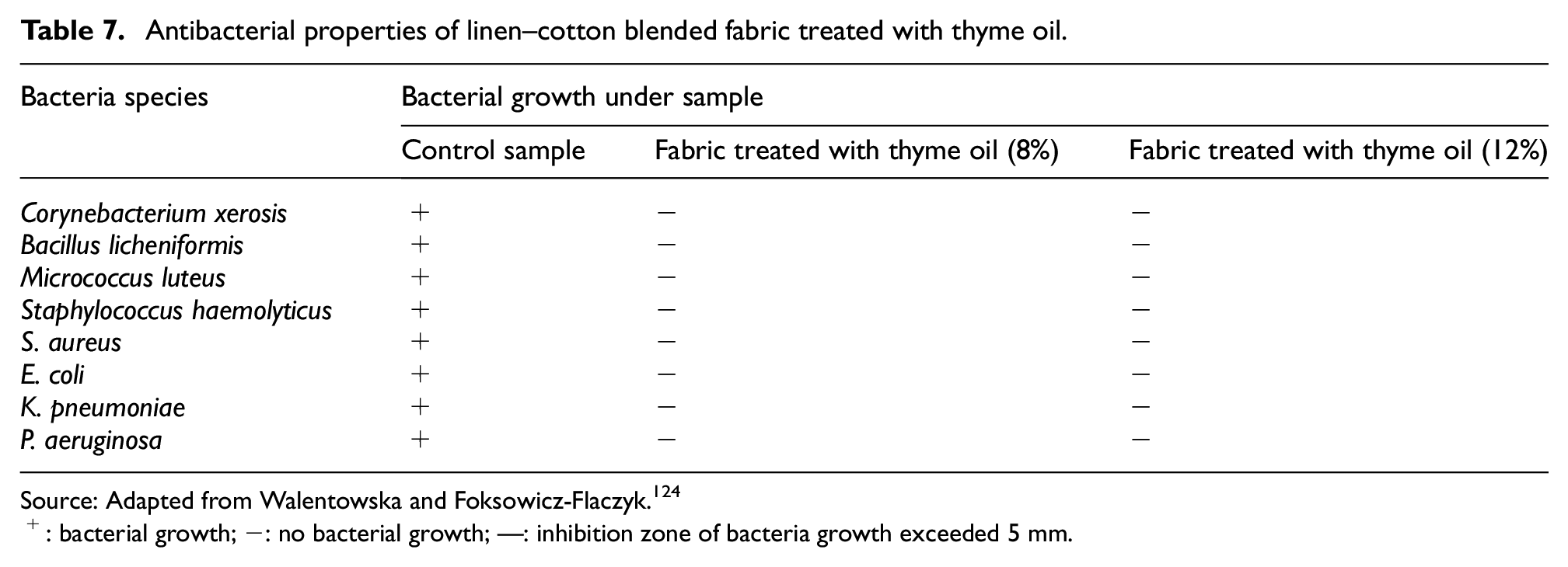
Source: Adapted from Walentowska and Foksowicz-Flaczyk. 124
: bacterial growth; −: no bacterial growth; —: inhibition zone of bacteria growth exceeded 5 mm.
Chen and Chang 125 investigated the antibacterial properties of onion-treated cotton fabric. In their work, the color component derived from onion was used to dye cotton fabric, and the antibacterial activity of the dyed cloth was investigated. The dried cloth was grafted for 10, 30, and 60 min at 70°C with onion peel and onion pulp extractions after being treated with low-temperature microwave plasma for 4 s at 0.2 Torr oxygen pressure and 800 W power. The most effective zone of inhibition against S. aureus was found to be 1.1–0.8 cm after grafting onion skin extract for 10 min, and 0.7–0.5 cm after grafting onion pulp extract for 30 min. The samples treated with both onion skin and onion pulp for 10 and 30 min, respectively, demonstrated the ability to inhibit S. aureus even after being washed five times. However, both samples lost their ability to inhibit S. aureus after being grafted for 60 min. The Fourier transform infrared spectroscopy-attenuated total reflectance (FTIR-ATR) spectrum of the dyed cotton fabric revealed a functional peak at 1624 cm−1, which is characteristic of flavonoids present in onion skin. Similarly, cotton fabrics treated with the onion skin extract showed antimicrobial activity only against S. aureus. 94
Cotton fabrics treated with methanolic extracts of the leaves of O. sanctum (tulsi) demonstrated a decrease in bacteria by 73%, indicating its ability to combat microorganisms. 108 O. sanctum, alongside other herbal extracts such as neem, clove, and karanga, was utilized to provide cotton textiles with an antimicrobial coating.108,126 The direct application of O. sanctum leaf (tulsi) extract onto cotton fabrics through microencapsulation, utilizing resin for cross-linking and various combinations, resulted in exceptional antimicrobial properties. The primary element responsible for these properties was eugenol. 127
O. sanctum leaf solution-treated cotton and P/C blended textiles, along with glutaraldehyde as a cross-linking agent and sodium hypophosphite as a catalyst, inhibited the growth of Gram-positive bacteria by over 92% in comparison to control samples. Cotton textiles treated with a 10% concentration of solution exhibited stronger antibacterial effects than P/C blended textiles, resulting in a 95% and 82% decrease in the presence of S. aureus (Gram-positive) and E. coli (Gram-negative), respectively. The P/C blended textiles demonstrated a 96% and 68% reduction in bacterial activity against S. aureus (Gram-positive) and E. coli (Gram-negative), respectively. The presence of eugenol in O. sanctum extract was confirmed using gas chromatography mass spectrometry. 99
Conclusion
Consumer attitudes toward hygiene and an active lifestyle have changed, resulting in a rapidly developing market for antimicrobials that has prompted extensive research and development. Microorganism growth on textiles during use and storage is harmful to both the wearer and the material. Prevention of microbial growth is becoming increasingly important, and this requires the development of garments that have the desired antimicrobial effect. Finishing textiles with antimicrobial agents is necessary to prevent cross-infection with pathogenic microorganisms, to control microbial infestation, to stop microbial metabolism, to reduce odor, and to protect textile products from staining, discoloration, and quality degradation. The negative effects can be reduced by treating the textile with a long-lasting antimicrobial treatment or incorporating a biocide into synthetic fibers during extrusion. Although synthetic antimicrobial agents such as triclosan, metal and their salts, phenols, quaternary ammonium compounds, and organometallics successfully inhibit microbe proliferation, the bulk of them are toxic, can impair human health, and have environmental effects. Natural bioactive compounds with antimicrobial abilities are becoming increasingly essential for biofunctionalization of textile fibers because they enable the manufacture of safe, non-toxic, and skin- and environmental-friendly bioactive textile products.
The review presented here shows that depending on the type of components included in the plant extract, various plant extracts can be effective against both Gram-positive and Gram-negative bacteria. As a result, research into eco-friendly antimicrobial compounds and their application on various textile goods is gaining worldwide attention. Many studies have shown that natural antimicrobial compounds derived from plants like neem, tea tree, azuki beans, aloe vera, tulsi leaves (O. sanctum), clove oil, pomegranate rind, turmeric, EO, onion skin, and pulp extracts improve the antimicrobial properties of textiles treated with them. Hence, there is a need to replace hazardous synthetic antimicrobial agents with non-toxic, eco-friendly natural antimicrobial compounds obtained from plants and other sources to finish clothing materials for a variety of applications, particularly in medical applications.
Footnotes
Declaration of conflicting interests
The author(s) declared no potential conflicts of interest with respect to the research, authorship, and/or publication of this article.
Funding
The author(s) received no financial support for the research, authorship, and/or publication of this article.