




Abstract
When the Petra World Heritage Site Integrated Management Plan was officially endorsed in 2019, it was the first management plan for the site to be legally recognised. The plan also uniquely emerged from a sophisticated interactive and participatory process designed to engage with as many stakeholders as possible to build consensus and foster interdisciplinary approaches to long-standing issues. Over a two-year period, from inception and planning to the final endorsement of the Integrated Management Plan, a dedicated technical team facilitated collaborative work practices and enabled the co-creation of management policies. This paper is a reflexive evaluation of the process by the team and draws on first-hand accounts and experiences to evaluate the impacts this methodology and approach has had on stakeholders and its longer-term legacies. Although Petra is a complex site facing significant pressures and multifaceted user demands, the participatory process has nonetheless empowered stakeholders who had not traditionally engaged in decision-making processes to become more engaged and established a management planning approach that can be adapted for cultural heritage sites in Jordan and in the wider region.
Introduction
In 2015, the Department of Antiquities (DoA) of Jordan and the Petra Development and Tourism Region Authority (PDTRA) invited the UNESCO Office in Amman to collaborate on a new management plan for the World Heritage Site of Petra. Over the next two and a half years, the DoA and Petra Archaeological Park (PAP, a subdivision of PDTRA) teams collaborated with UNESCO, and with consultant input completed an Integrated Management Plan (IMP) for the site, which was formally approved and endorsed by her Excellency the Minister of Tourism and Antiquities in 2019. The length of time taken to prepare the IMP was intentionally long so as to enable wide participation in the process and to develop the aims, objectives and policy outcomes collaboratively with a broad range of stakeholders connected with the site in various capacities.
Since its inscription as a World Heritage Site in 1985, Petra had been the subject of a number of management plans and operational plans (Akrawi, 2002). None of these plans were fully endorsed or operationalised while the site continued to face a growing number of conservation and management challenges. The purpose of this IMP was to specifically address some of the shortcomings of the earlier plans and avoid the pitfalls that led to their failure to be fully adopted. The ultimate aim of the IMP was to establish an effective delivery framework that could be developed through a participatory approach and become fully integrated into existing operational systems. The IMP was produced through a collaborative process with a project technical team including representatives from the DoA and PDTRA, the UNESCO Amman Office and their consultants.
The purpose of this paper is to critically evaluate the participatory methodologies used from a stakeholder perspective and to identify the ways in which the stakeholders benefitted from the participatory management planning process. These impacts, both measurable and perceived, were obtained from feedback gathered from those who had participated in the process. Interviews were undertaken by members of the technical team and authors of this paper. Since those evaluating the findings were engaged in the process and continue to serve in the key stakeholder institutions, a reflexive methodology was adopted in the analyses presented here.
Participatory Practice in Cultural Heritage Management
Participatory approaches in cultural heritage management are a recognition that local people have an important role to play in the appreciation, protection and management of cultural heritage sites (Millar, 2006). The concept of cultural heritage or cultural resource management emerged in the European context in the 1970s as a shift from archaeological excavation as purely a research discipline to one that also encompassed practices of conservation and interpretation in the interest of the public good (Egloff, 2019). The principles of public or community archaeology had become well established by the 1980s in the West (Smith & Waterton, 2013). McManamon et al. (2008) consider community archaeology to be an outcome of globalisation, a balancing act between the professional practice of archaeology and respecting the local voice and identity, and a means of embracing cultural pluralism.
Community engagement is considered one of the principles of good governance at archaeological sites that ensure local voices to be heard and enable stakeholder needs to be met (Egloff, 2019). It is also an interface between values and priorities of local communities and local and national governments and the identification of means of how they can be reconciled (Millar, 2006). Significantly, it testifies to a movement away from seeing stakeholders as simply those in power and those deemed to be experts, and the recognition that there are multiple communities, including professional and decision-making groups (Smith & Waterton, 2013). The links local communities have with an archaeological site can be complex, particularly in post-colonial contexts where the community’s links to the archaeological past have been deliberately severed (Chirikure et al., 2010). This is partly the case at Petra too, where for a period of over a century the local communities were often just seen as labourers servicing the archaeological process. In other places, it has been the indigenous communities in their desire to reclaim the heritage narrative and connection to a site that have demanded better engagement (Smith & Waterton, 2013).
Nonetheless, Smith and Waterton (2013) argue that references to a community could also be a way in which heritage professionals can ‘feel better about’ what they do. Others have pointed out that it may well be a donor requirement to carry out community participation rather than a genuine desire for engagement (Chirikure et al., 2010). Furthermore, grand gestures of participation can be short-lived if they are not translated into specific economic and social benefits that are relevant to the participants (Orbaşli, 2013). For communities, there are often bigger concerns that are at stake than significance and heritage values. Therefore, it is important that engagement with community groups is holistic and honest and not patronising (Smith & Waterton, 2013). In order to succeed, participatory practices need to be relevant to the local conditions, situation and local community needs (Chirikure et al., 2010). Community groups may not engage in the ways the expert team dictates or anticipates and public archaeology in the true sense leaves control with the community at each stage (Smith & Waterton, 2013).
As the discipline of cultural heritage management has developed, stakeholder participation has been advocated as an important component of the process, and reaching out to stakeholders and various levels of consultation and engagement has been an integral part of management planning methodology (Feilden & Jokilehto, 1998). Although stakeholder engagement is promoted in the context of World Heritage Site nomination and management (Cleere, 2010; Setha, 2003), consultation in many cases has remained tokenistic and often excluded local people and businesses (Millar, 2006). Despite a growing number of accounts and methodologies on management planning for archaeological sites, including case studies published in the Journal Conservation and Management of Archaeological Sites or those included in two volumes produced by the Getty Conservation Institute (Palumbo & Teutonico, 2002; Sullivan & Mackay, 2012) participatory approaches rarely play a central role in the methodological approaches to management planning. Participatory approaches are more likely to be discussed in case studies where heritage is considered as a tool for social and economic regeneration (Galla, 2012; McManamon et al., 2008). Furthermore, there are even fewer publications that have returned to evaluate the longer-term impacts of participatory practices. This paper addresses a gap in the literature by not only examining a case study of a participatory approach to management planning at an archaeological site but also undertaking a reflective evaluation of the processes using feedback obtained from the participants.
Petra World Heritage Site
Situated between the Red Sea and the Dead Sea and inhabited since prehistoric times, the rock-cut capital city of the Nabateans, during Hellenistic and Roman times, became a major caravan centre for the incense of Arabia, the silks of China and the spices of India, a crossroads between Arabia, Egypt and Syria-Phoenicia. Petra is half-built, half-carved into the rock, and is surrounded by mountains traversed by passages and gorges. A highly sophisticated water management system allowed extensive settlement of this arid area during the Nabataean, Roman and Byzantine periods. Today, set in a dominating red sandstone landscape, it is one of the world’s richest and largest archaeological sites (
Petra’s strategic location at the heart of ancient trade routes and its secluded and, therefore, defensible nature within narrow gorges and sandstone valleys made it a point of continuous settlement from prehistoric times onwards. It was a passing point for the Silk Road trade coming from the East and the Incense Road from Southern Arabia heading to the port of Gaza and the Mediterranean to the north and the Nile Delta to the west. The populations were nomads and traders connecting the ancient empires of Mesopotamia and Ancient Egypt, Southern Arabia and the Mediterranean basin (UNESCO Amman Office, 2019).
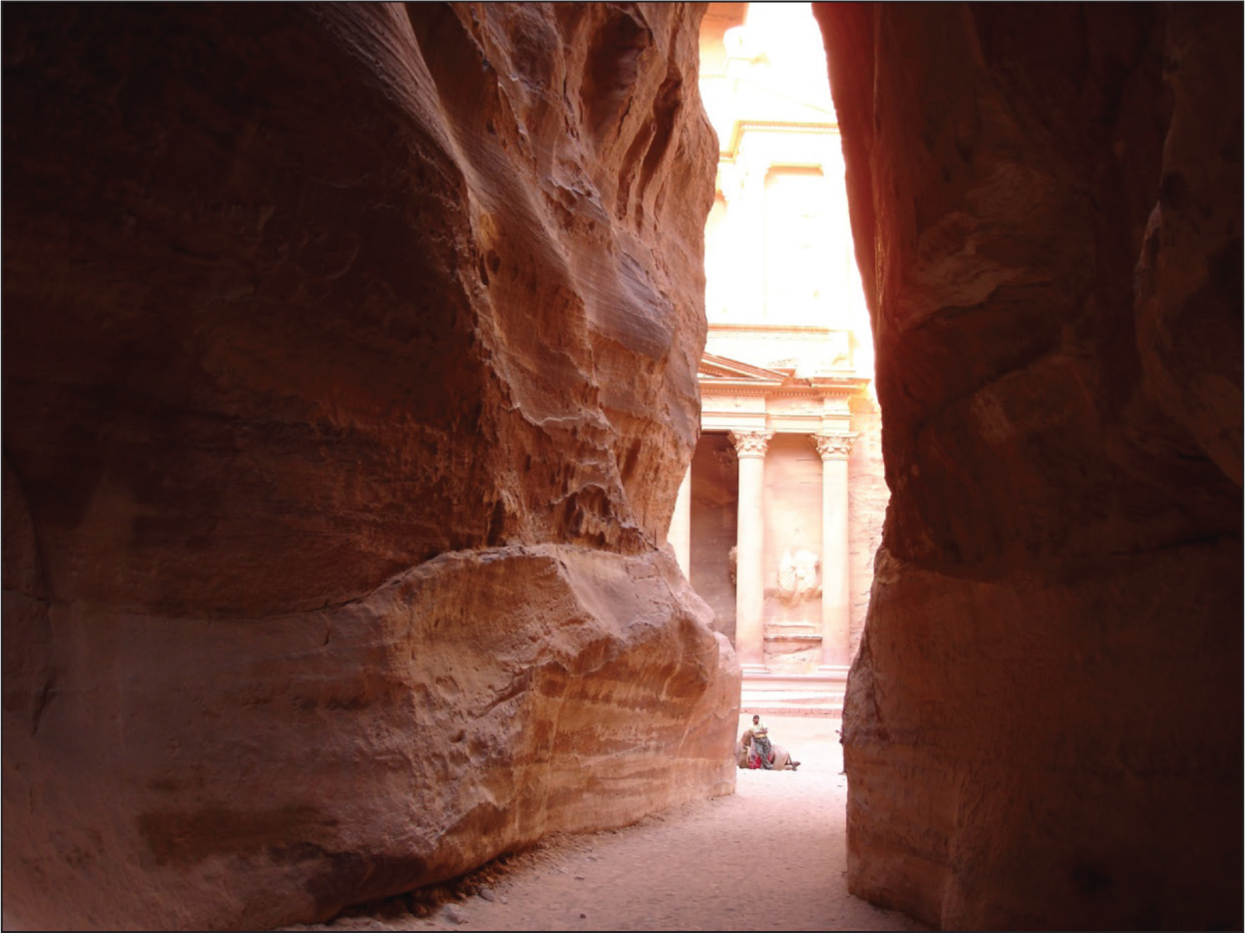
Petra is best known for its Nabataean occupants, who were responsible for building many of the much-visited monuments and structures at the site. The Al-Khazneh (Treasury) building epitomises the site as it appears at the end of the narrow gorge, the Siq, leading into the site (Figure 1). It is, however, only one of the many rock-cut tombs and monuments spread across the site. The full extent of the Nabataean settlements is not known but includes farms and settlement areas beyond the basin as well as a good survival of the complex hydrological systems used to conserve water and protect low-lying areas from flash flooding (Nehmé & Wadeson, 2012). The 264 square kilometre site is also ecologically significant and host to rich flora and fauna and a number of endemic species.
Al-Khazneh (Treasury) Viewed from the Siq Is One of the Most Iconic Depictions of Petra.
Background to the IMP
Starting in 1968, four major management plans or master plans had been prepared for Petra. Of these, the Masterplan prepared by the US National Parks Service (1968) was the first plan produced for the site and laid the foundations for Petra to become a national park. Next came the management plan prepared by UNESCO (1994) and followed the site’s inscription as a World Heritage Site in 1985. This was the first plan to adopt a values-based approach and led to the establishment of the PAP in 2007. The 1996 Management Analysis and Recommendations prepared by US/ICOMOS (1996) is similar in content to the 1994 plan but additionally introduced proposals for a management partnership between the public sector and the Jordanian private sector and international community.
A three-volume plan prepared by the US National Parks Service (2000) is comprehensive in content, but similar to the 1996 plan, having been prepared by an outside entity, often appears to be significantly removed from the reality on the ground at Petra. Akrawi (2002) amongst others has noted that some of the key stakeholders not being involved in the process or preparing these management plans resulted in the necessary conditions not being put in place for their effective implementation. The consultation process for one management plan is described in the plan as no more than a four-day workshop with representatives of the stakeholder groups (UNESCO Amman Office, 2019).
The need for a new workable management plan was specifically expressed by UNESCO in the World Heritage decision 37 COM 7B.50, 4, b (UNESCO, 2011) and highlighted by the Jordanian Directorate of Antiquities, where concerns were raised regarding ambiguities over the sharing of management responsibilities for the site with the devolved authority of the PDTRA.
Challenges and Opportunities
Petra is a large archaeological site covering an area of 26,171 ha (264 km2) owned by the Treasury and a designated monument under the protection of the DoA and Antiquities Law. The site is managed on a daily basis by the PDTRA, and much of the designated buffer zone of the site falls within the jurisdiction of the PDTRA. The geological nature of the site in a deep basin, its geographic location, its iconic status as a tourism attraction and, therefore, significance to Jordan’s tourism economy place significant pressures on the site and generate challenges to its management. The manifold challenges to the protection and effective management of the site formed the starting point for the IMP.
Overlapping governance structures and conflicting legal precedents had generated ambiguities and conflicts amongst the various bodies responsible for the site, its surroundings and tourism flows. The declared autonomy of the PDTRA in relation to a range of national laws was creating a dual system of governance and jurisdiction as well as vacuums in terms of expertise. This was of particular concern for decisions being made beyond the park boundaries that could adversely impact on the site and its outstanding universal value (OUV). In addition, the PDTRA was established with a mandate to deliver investment projects that would generate economic returns to the region. As emerging projects were predominantly linked to tourism and the site, this started to place pressure on the areas surrounding the site and particularly the buffer zone.
Regular flash flooding of the site with a recorded increase in magnitude and frequency, a likely impact of climate change, was one of the foremost issues that would also require cross-boundary and multiple-stakeholder approaches to tackle. The volume of flood water entering the site has increased by processes of rapid urban growth and growing tourism and the pressure on infrastructure and services (Paolini et al., 2012). Flash floods not only threaten visitor safety, but also accelerate the deterioration of the sandstone structures, including through salts lodged in the ground (Cultech, 2012; Paradise, 2010, 2012). A further consequence that is being addressed through a number of projects is the de-stabilisation of rock faces (Cesaro & Delmonaco, 2017).
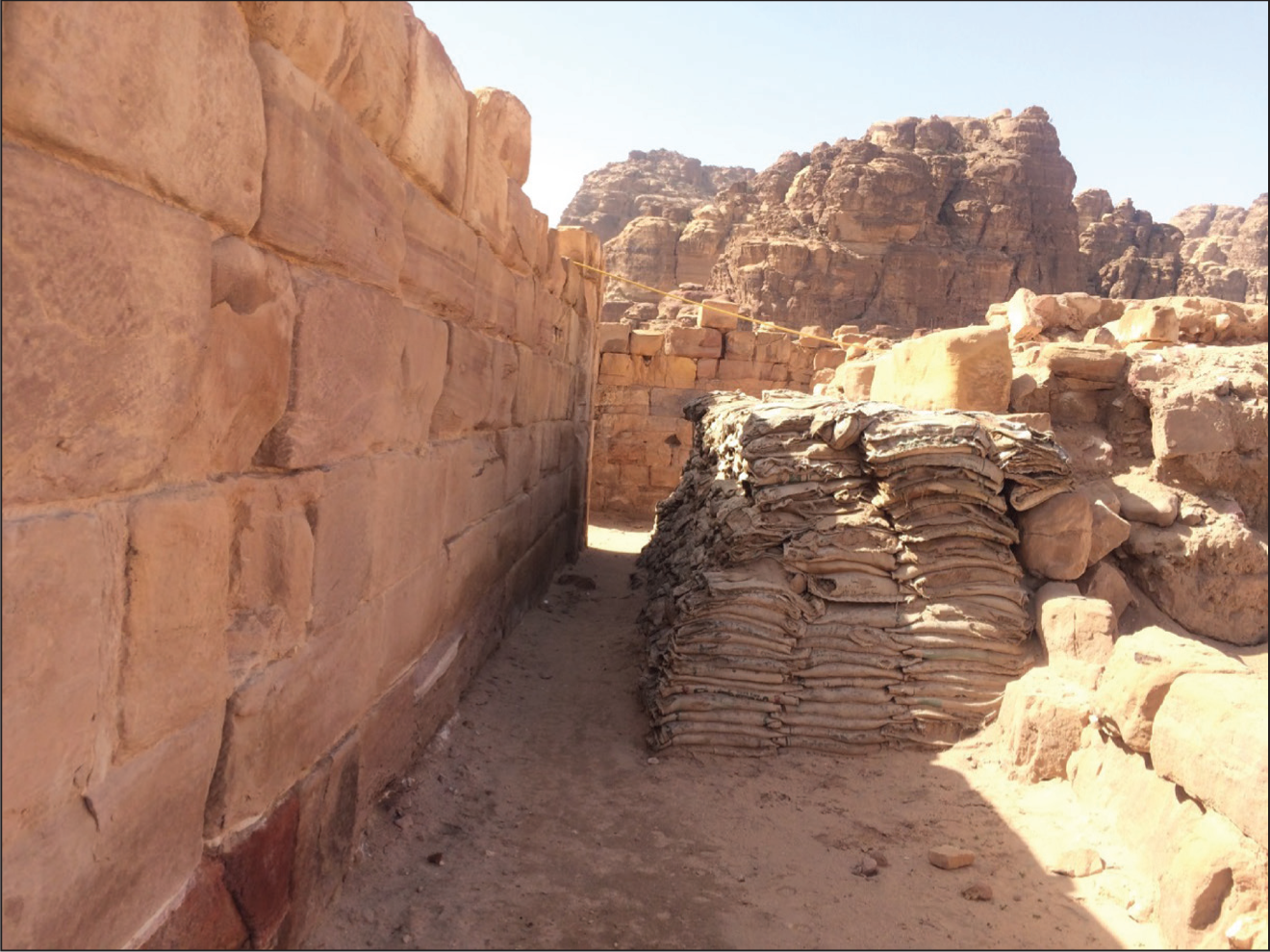
There is a long history at the site of archaeological excavations, many of which were not followed by conservation or adequate consolidation works. Meanwhile, where conservation projects had been implemented, there was limited monitoring of their effectiveness and often a loss of valuable technical data related to the projects. Updated DoA regulations (2015/Regulations of Archaeological Projects in Jordan) stipulate that all archaeological excavation must be followed by protection, consolidation or conservation works. Since many conservation projects were being undertaken by international or external teams, a lack of technical capacity was evident at the site level (Figure 2). This was compounded by an arms-length management approach taken by the DoA on technical matters. Where capacity-building programmes have taken place, those who benefitted are often unable to continue working at the site and/or move elsewhere.
More Recent Conservation Projects Have Included Capacity Building with Local Stakeholders.
The quality of the visitor experience was also being compromised for a number of reasons, including piecemeal approaches to service provision (Farajat, 2011). Petra has been a tourist destination since the 1920s, but visitor numbers significantly increased after 2000 (Farajat, 2011). The political volatility of the wider region and frequently escalating tensions have a significant impact on visitor numbers. With an increasing proportion of local jobs depending on tourism, the economic impacts of a drop in tourism activity are immediately felt in the locality. This is further magnified by a reduction in the public services and support that can be provided by the PDTRA, as it too is reliant on ticket revenues for its budget. On the other hand, growth in visitor numbers compounds a number of risks at the site and reduces the capacity to respond in an emergency. If not tackled in an integrated manner this can become an obstacle to the sustainable development of the site and the future of tourism in the region.
There is a comprehensive body of published and unpublished material relating to the site dating back over a century and continuing to be added to by the various research institutions and individuals researching the history, environment, hydrology, geology and conservation of the site. While this provides unrivalled baseline data on the site, it has not been easily accessible from a single depository (Cultech, 2012). Site-based staff, for example, have often had limited access to resources held in libraries and collections in Amman. Furthermore, there is limited research in some areas, and still vast undiscovered areas of archaeological significance which have implications for the buffer zone and how these areas are managed.
Many of these issues are closely linked or interconnected and require input from multiple interest groups and players to participate and build consensus. Therefore, the main principles for a more participatory approach for the IMP were to:
Involve a broad range of stakeholders in the process with a view of better understand their perspectives, identify cross-cutting issues and engage all parties in the process and future implementation of the management plan. Build capacity with implementation partners and stakeholders. Make use of available data sources to avoid repetition and to benefit from significant expert studies that have already been conducted. Deliver a management plan that is action-based and easy to access and navigate.
Identifying and Working with Stakeholders
A range of stakeholders from governance, institutional, professional and NGO sectors operating locally or internationally, private sector interests and most importantly the local community who live in close proximity to the site and increasingly depend on it for their economic well-being were identified. The size and inherent complexity of Petra also meant that the number of stakeholders were substantial in number (Orbaşlı & Cesaro, 2020). The technical team with their working knowledge of the site and institutions in Jordan were instrumental in identifying the stakeholder groups to be approached to participate in the process. The more detailed stakeholder mapping process recognised that different stakeholders have different levels of interest in the site and this would be reflected in the ways that they would be consulted and engaged in the process. Meanwhile, a project Steering Committee was established with high-level decision-makers from organisations that would ultimately become responsible for the implementation of the IMP and the day-to-day management of the site.
The stakeholder consultation was undertaken by the formation of subject-focused advisory groups (forum). Each forum created a platform for members to advise on various aspects of the management plan. Membership of each forum was drawn from stakeholders identified as having some influence and notable impact on the site and/or are being impacted by developments concerning the site and as necessary from wider interest groups. Where additional technical input became necessary, experts and consultants were invited to participate in the process. A total of 14 groups (forum) were established with between 10 to 20 participants in each group, enabling close to 200 stakeholders and experts to actively participate throughout the process:
Local community partnerships Law and legalities Conservation Archaeology Geology and hydrology Infrastructure management Nature conservation Visitor services, interpretation and museums Tourism Planning and land use Risk management Sustainability and eco-development Education Data management
Overlaps of interest amongst the groups and some members participating in more than one group strengthened the dialogue amongst the groups. Additionally, the group members were encouraged to communicate emerging messages to their own communities of interest, thus also generating further dialogue (UNESCO Amman Office, 2019).
Implementation of Participatory Methodologies
In World Heritage Site management, the purpose of a participatory approach is to ‘find common ground between the diverse values and interests recognized by the stakeholders, and the outstanding universal value identified by expert evaluation’ (Cave & Neguisse, 2017, p. 252). The selected participation methodology was adapted from participatory planning processes more commonly utilised in urban planning and regeneration projects (Orbaşlı & Cesaro, 2020).
The method was based on a process of targeted and cyclical meetings with the groups and amongst the groups (Figure 3). Members of each group were invited to attend a series of meetings set approximately two months apart. At each meeting, they were presented with a number of tasks/questions to discuss or formulate responses to. One or more members of the technical team alongside the UNESCO representative and consultant attended each forum to ensure continuity. The meetings were held in Amman or Petra and conducted in English or Arabic, depending on the location of most participants and their language preferences. In total seven cycles of meetings were held from the start to the end of the process.
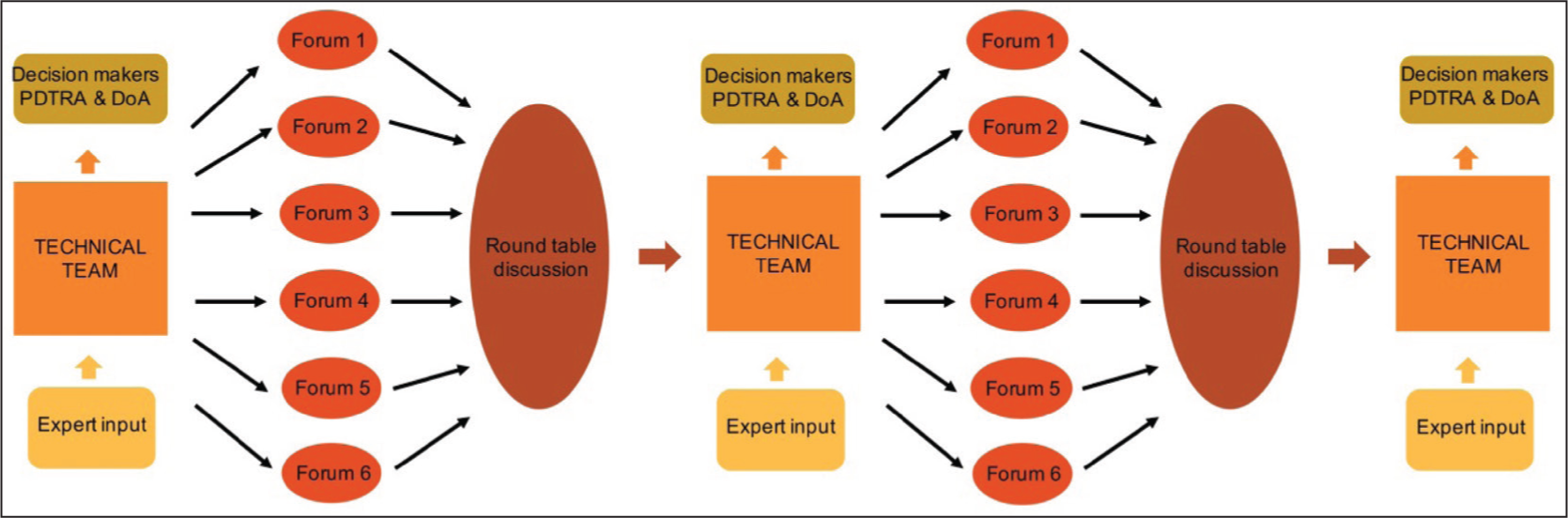
Following each cycle of meetings, the forum chairpersons were invited to a round table discussion. The round table meetings, also attended by the Steering Committee, enabled the different interest groups to discuss cross-cutting issues and reach a consensus. The outcomes of the round table were taken forward by the technical team and provided direction to the next stage of the management planning process and the subsequent cycle of meetings. Through the cyclical meetings, the groups discussed the values of the site, the management practices that worked and could be enhanced and identified key issues. The groups also participated in ranking issues by urgency (informed by risk factor) and importance. This process, undertaken over two cycles, helped identify critical path issues with cross-cutting implications and bottlenecks that could hold up future management actions. In many instances, these were not the initial list of priorities or risks identified from purely disciplinary perspectives, which also confirms the value of the collaborative process.
In the final cycles, the emerging management policies were discussed in order of importance. At this stage, stakeholders were also invited to identify how they or the organisations they represented could contribute to the delivery of certain management policies, engage in partnerships or take responsibility for actions. This active engagement fostered new partnerships and saw a number of recommendations being implemented even before the IMP was completed.
Working with Local Community Stakeholders
Six different tribal communities live on the edge of or close to the site boundaries of Petra, with some located within the WHS buffer zone. In the immediate surroundings of the site are the Amareen in Beidha, the Bdoul in Umm Sayhoun, the Lyathneh in Wadi Musa and Taybeh, Rawajfeh in Rajif and the Saidiyeen in Dlaghah. Farming was traditionally the main source of income for many of these communities, though joining the army (especially for the Amareen) is also seen as a viable source of income (Fraihat, 2011). A growing tourist interest in Petra and associated employment opportunities, has seen a shift in focus, especially in Wadi Musa to growing dependence on the site as a source of income (Siyaha, 2008). As is the case across Jordan, women are underrepresented in the tourism economy, and often limited to craft production seen as an ‘indoor’ function reflective of traditional gender roles (Jamhawi et al., 2015).
The site is of particular significance to the Bdoul, for which it was a homeland since the nineteenth century and possibly earlier. The tribe occupied the site from Wadi Sabra to Jebel Beida including the Petra Basin, engaged in subsistence farming, herding goats and sheep, donkeys and camels (US National Parks Service, 1968). Over time, some started to work as labourers on the excavations or provided rudimentary services to tourists (Bienkowski, 1985). In the early 1980s, the Bdoul were moved out of the site in a joint undertaking of the Ministries of Tourism and Antiquities and Agriculture and placed in the settlement of Umm Sayhoun. Today, the size of the settlement is no longer able to accommodate the growing population.
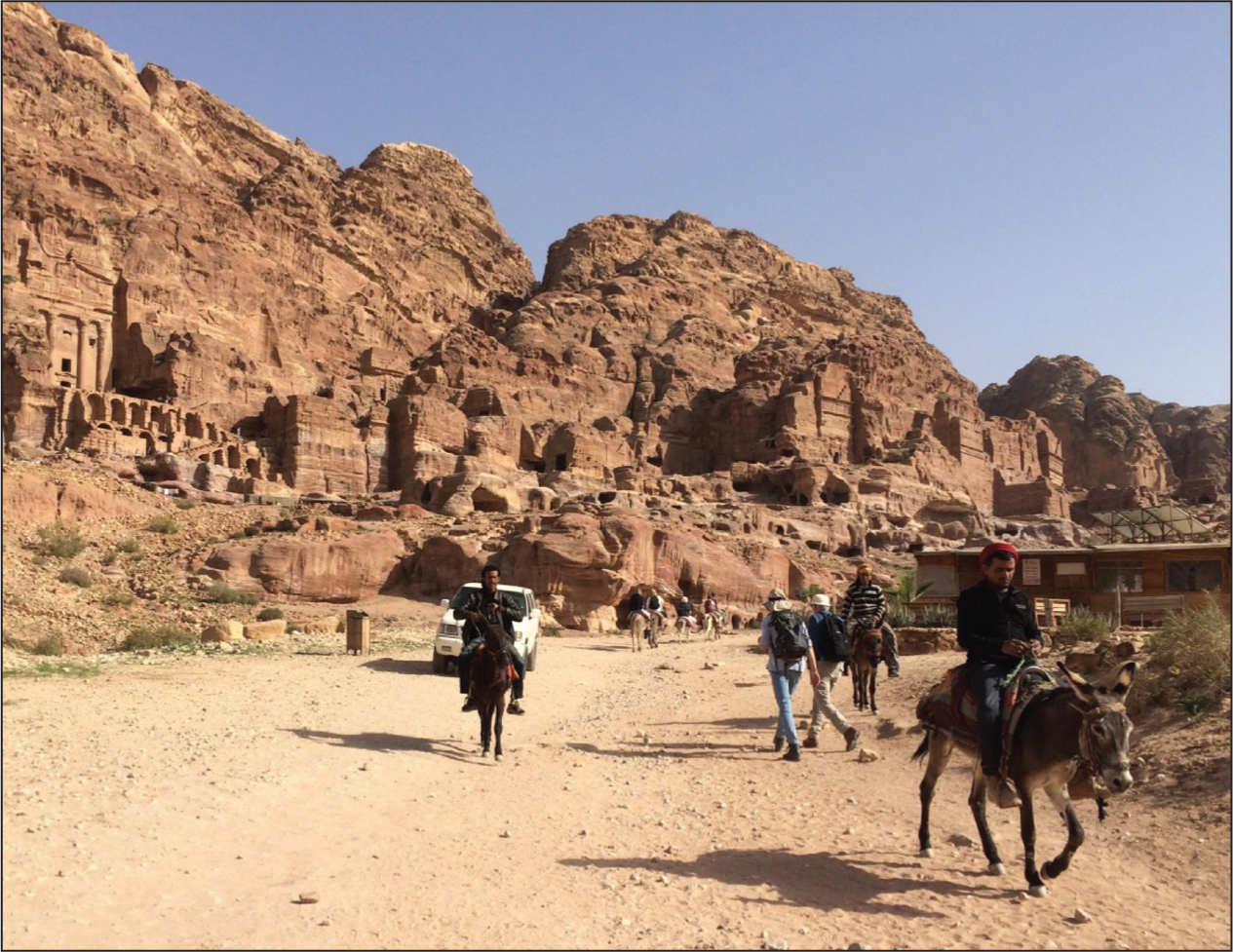
By 2007, it was estimated that 70% of the district’s inhabitants had become dependent on the tourism sector (Siyaha, 2008). For Umm Sayhoun, this is predominantly income from the donkeys and camels, but the local capacity to informally make a living out of tourism is reaching saturation. Historic rivalries over land and resources amongst the tribes were extended to the access to benefits from tourism (Figure 4). Recent community initiatives, including the Umm Sayhoun community development centre, directly address some of the key issues related to the local community (UNESCO Amman Office, 2019).
For the Bdoul Community, the Site Remains an Important Source of Income, Including Hiring Donkeys to Tourists.
The local community are integral to the site and have an important stake in its future sustainability. However, needs that are often considered to be more urgent, such as land development, urban growth and access to natural resources, are also leading to uncontrolled growth, increased soil erosion and loss of biodiversity. Engaging effectively and collaboratively with the local communities and their multiple interests was a major challenge for the management planning process. The process was designed to give them a voice and a place at the table, recognise their needs and aspirations as well as convey a duty of good environmental stewardship. The process would also need to cut through a number of long-established prejudices and perceived inequalities amongst different groups, especially in relation to access to resources and opportunities where tourism was concerned.
The Petra IMP represented the first initiative of its kind to involve the local community for the entire duration of the management plan. Several representatives from all six communities participated in the process, together with representatives of local associations. Interviewed at the conclusion of the process, the community participants expressed surprise at the inclusivity of the process. Despite their livelihoods being closely connected to the site, many were unaware of the values of the site and had not realised the strong contribution the preservation of the site would make in their lives in terms of income. Through participating in the forum meetings they had become more aware of the connection and mutual contribution between site preservation and community livelihoods. Furthermore, the appointment of the chair of the community forum, Dr Maram Fraihat, as PDTRA Commissioner for the local community at the end of the management planning process, valorised for the community the value of participation and incentivised them to continue to participate and engage in decision-making processes. This supports the hypothesis that even when taking account of ‘complex power relations, agency, and historical and cultural contexts of the social relationships’, community-level resilience is strongly linked to agency and decision-making power (Bui et al., 2020, p. 1024).
Capacity Building
Capacity building was also an integral part of the process, especially as such a detailed approach to engagement and consultation would be unfamiliar to most stakeholders. This aspect was addressed through workshops with the groups focused on the value and importance of heritage management at archaeological sites and the different stages of preparing a management plan (UNESCO Amman Office, 2019). This supported participants, especially those less familiar with formal consultation mechanisms to effectively participate in the process. The small group size, round table format and cyclical nature of the process also allowed all participants to ‘have a voice’ in discussions (Figure 5). Community participants, for example, started to gain confidence and later expressed that they had found a platform through which they could communicate with decision-makers. As a result of the process, a wide range of stakeholders developed the capacity to engage and negotiate within formal decision-making structures.
Another objective for UNESCO and the DoA was to improve capacity within the organisations supporting the IMP, especially young professionals who in the future would be responsible for various aspects of site management. Early career professionals working in the partner institutions (DoA, PDTRA and UNESCO) were brought into the process by attending forum meetings, shadowing the process and being assigned responsibilities as the management planning process developed. This was supported by mentoring by more senior and experienced members from within their own respective organisations. Most notably, it provided an opportunity for young professionals to raise their capabilities to participate in discussions and exchange of ideas in multi-disciplinary environments.
A Forum Meeting Being Held in Petra. Manageable Numbers of Participants and Regular Cycles of Meetings Was Conducive to Progressing Key Issues.
The participation of the DoA staff and professionals in preparing the IMP was seen as both an opportunity and a challenge. They mainly felt that the experience had given them knowledge, experience and skill in preparing management plans as a broader understanding of the value of cultural and natural resources and ways of protection that could enable site managers to manage and operate their sites effectively. DoA professionals had the opportunity to become actively involved in the early developmental and planning phases, including the identification of key stakeholders and the expertise to be consulted in the process. Several participants noted that this stage in particular had demonstrated to the DoA team the importance of pre-planning and setting priorities.
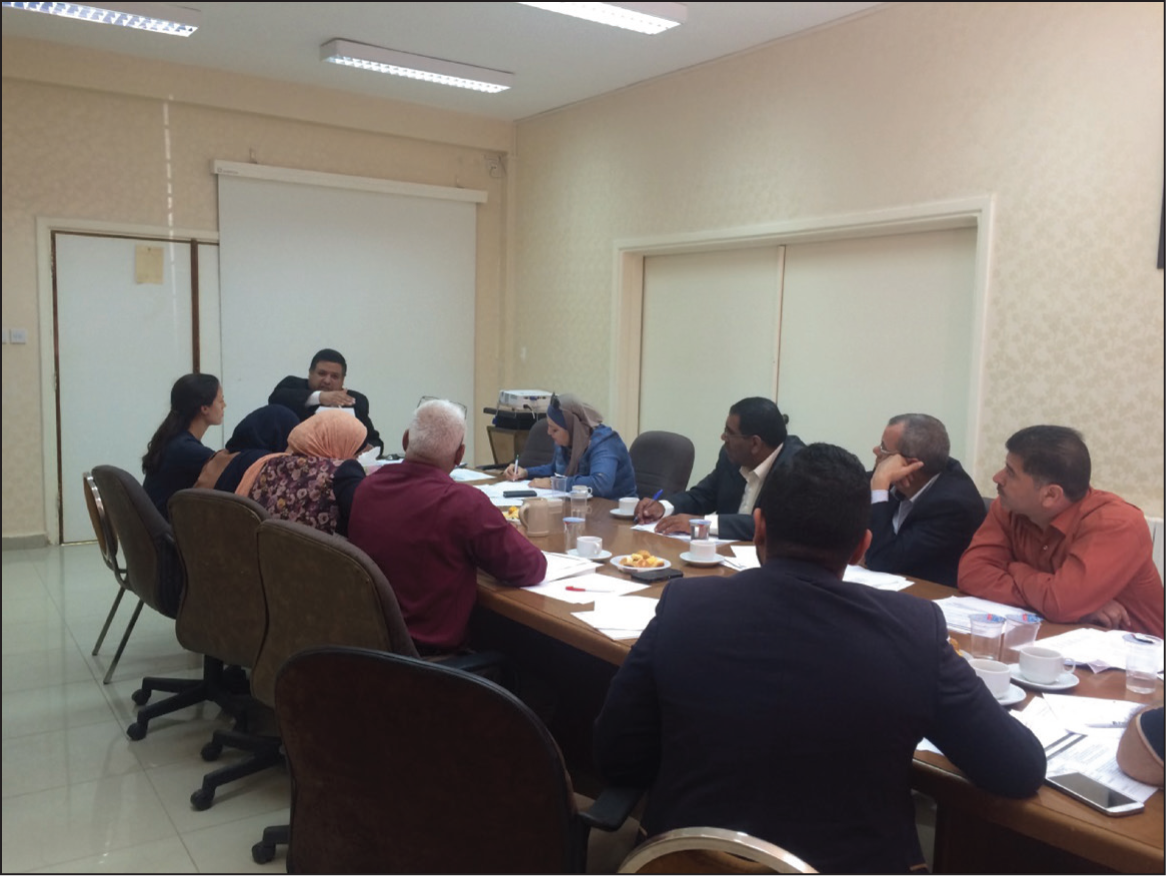
DoA professionals participated in the full management planning process from inception to completion and delivery and contributed their expertise to developing policies to sustain and enhance site values within long, medium and short terms. For many of the DoA employees, active participation in the forum meetings had a significant impact on building their knowledge and experience, particularly in fields outside of their core expertise such as tourism management, natural resources management, risk management and data management. More importantly, many felt that the process had convinced them that cultural resources could not be preserved or managed in isolation (Figure 6). Several participants indicated that site visits in multi-disciplinary groups had highlighted the necessity to determine priorities taking multiple perspectives into account, such as linking archaeological excavations to strategies of preservation, interpretation, education and tourism development.
A Meeting with the Technical Committee Led by the Director General of the DoA.
Furthermore, the DoA benefitted as the site database and archive were updated, and a substantial number of scientific reports on Petra archaeological projects documentation, surveys, maintenance, restoration and conservation had been catalogued and missing reports identified. The archives and library team noted that this would improve the quality and depth of site interpretation and the education resources.
Finally, several participants felt that the process had provided Amman-based professionals with opportunities to know more about the local communities living in the vicinity of the archaeological site, their connection, aspirations towards the site. Through this participation, they become aware of the importance of the site for these communities as the source of their economic, social, educational and ideological sustainability. They had come to better appreciate the importance of supporting these communities improving their capacities and skills, and providing employment opportunities as part of the long-term sustainability of the site.
In contrast to previous initiatives, representatives of the local authorities (PDTRA and PAP) were also fully involved in the management planning process. More than 50 PAP and PDTRA employees engaged in the forum groups, which is an unprecedented number. For the PDTR, this high level of participation made this experience a significant capacity-building opportunity. Understanding the process leading to the development of the management plan for a World Heritage Site and its complexity fostered a broader awareness of the set of skills necessary to manage such a complex site like Petra. For many of them, this also helped them better understand the values of the site and developed their skills to manage the site more effectively while maintaining and safeguarding its values.
Several participants acknowledged that the immersive process had provided a capacity-building opportunity as they moved on to become responsible for the day-to-day and strategic implementation of the IMP at the site. The current Cultural Resource Manager, and member of the IMP technical team, for example, noted that, having only recently joined PAP at the start of the process, the IMP and extensive engagement cycles had equipped him with a good overview and the right tools to support the conservation and management of the site and the implementation of the IMP (UNESCO Jordan, 2019).
The IMP process contributed to the establishment of solid relationships and synergies between the DoA and the main partners, academic institutions, local and international organisations by adopting an integrated, participatory approach through working closely and consulting with all parties. A review and analysis of the legal frameworks of the two key organisations DoA and PDTRA/ PAP prompted the parties to reconsider some legal provisions that may affect the integrity, protection and preservation of the site. Likewise, they have become aware of the importance of having specific criteria for each site-related activity to achieve site protection. Participants in both organisations reported that the participation of decision-makers in all phases of the formulation and implementation of the IMP has reduced duplication and repetition of projects and programmes.
Reflections on the Process and Longer-term Implications and Impacts
The process delivered the first formally approved management plan for Petra WHS with committed buy-in from local and national level actors (UNESCO Jordan, 2019). The IMP is now an operational tool in the hands of the Ministry of Tourism and Antiquities, the DoA and the PDTRA, in support of the ongoing preservation of the World Heritage Site of Petra. For the first time in the history of the site, the development of a management plan saw the participation of a broad range of stakeholders, from the local community to academia and the government. The choice of an integrated, sustainable and participatory approach to heritage preservation ensured the success of the initiative, as it merged the often differing requirements of tourism at the site, local community needs and heritage conservation.
Prior to the IMP, the division of responsibilities between the Amman-based DoA and site-based PAP was not sufficiently clear, especially in areas where responsibilities were shared. From an institutional perspective, one of the key outcomes of the process was the signing of a Memorandum of Understanding between DoA and PDTRA that reprioritised its objectives to focus on the protection of the site and its OUV, and the formulation of a DoA/PDTRA technical committee to evaluate all projects within the WHS, buffer zone and areas of influence.
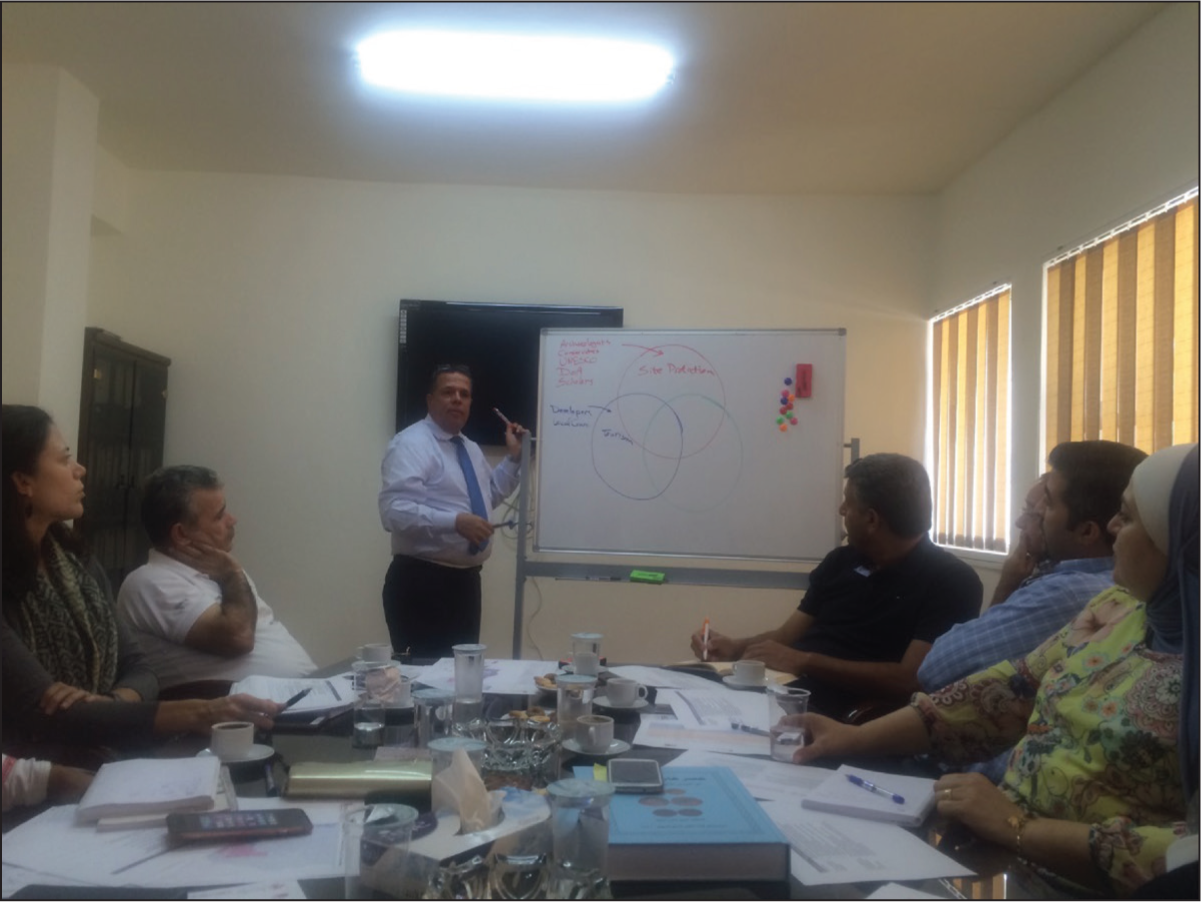
Such a statement of understanding ensures that DoA regulations for archaeological projects are being adhered to and enforced on the site. Most critically, it facilitates smooth coordination between the DoA and PAP for the approval of excavation permits, the deposit of comprehensive reports and documentation from the excavations to be deposited in the DoA archive and made available at the site, and a joint effort to coordinate conservation activities (Figure 7). The joint technical committee is also charged with assessing ongoing excavation projects and monitoring conservation and consolidation projects. The DoA recognises that this IMP, and the management arrangements that have emerged from it can inform management arrangements and sharing of responsibilities in the site can inform practices at other World Heritage Sites in Jordan that are managed by other regional authorities in Jordan such as the Baptism Site and Wadi Rum.
The Establishment of a DoA/PDTRA Joint Technical Committee Coordinates and Oversees Excavation, Conservation and Site Interpretation.
The process adopted for the development of the plan is unprecedented for the region specifically and for UNESCO more generally. Normally, similar processes are established during the preparation of a nomination file for a site to be included in the World Heritage List while in this case the process took place several years after the site’s inscription, at a time in which more policies for its preservation and improved management had become necessary. Remarkably, this also represented a unique case in the Arab region where the participation of such a large group of stakeholders including a substantial and diverse portion of the local community is a rare occurrence.
The Petra IMP process was coordinated by UNESCO as support to the State Party for the management of an established World Heritage Site. The process serves as an exemplar for other sites within and beyond Jordan, where initiatives of similar nature are not yet very common, often also due to the challenges of an area characterised by conflicts and limited mobility. As it enshrines a different approach to management planning and is one amongst the newly developed in the region, the plan sparked interest and is becoming a reference in the region and beyond. Recently, it has been taken as an example in the development of the management plan for the Cultural Landscape and Archaeological Remains of the Bamiyan Valley in Afghanistan, under development at the time of this review. It is, therefore, hoped that a similar process and progressive methodology can become an example for other sites and the engagement of a larger portion of stakeholders in the benefit of the preservation of sites in the long term.
Conclusions
The Petra IMP was officially endorsed by the Minister of Tourism and Antiquities in 2019 and is currently being implemented by the key institutional stakeholders responsible for the management of the site and the delivery of the IMP.
PDTRA are the authority implementing the main outcomes of the Petra IMP and receive advice from the joint DoA/PDTRA technical committee on projects to be implemented within the World Heritage Site, the identification of heritage conservation priorities and the creation of a general documentation database that is accessible at the site. An action plan annexed to the IMP enables the progress of the implementation of the IMP to be easily monitored and the achievements after a five-year period assessed.
Petra is a complex site, with a long management history and an exceptionally large number of, often diverse, stakeholder interests. It would not be possible to resolve all the site’s management challenges through the vehicle of a management plan. However, the extended consultation process and participatory practices employed for the Petra IMP was an innovative approach and one that was not previously experienced in Jordan or the wider region. In this paper, we have drawn on first-hand accounts and reflections from the experiences of the technical team and a selection of stakeholder views to assess the impacts this methodology has had on the implementation of the IMP, other projects and the cultural heritage field in Jordan as a whole and to the wider region.
This evaluation undertaken within the first five years of completion represents a short-term view of the outcomes but has also been able to capture the stakeholders and their reflections while these can still be linked to their current realities, professional roles and management responsibilities. Chirikure et al. (2010) note that it is most often cases with positive outcomes that are published. This paper has reviewed both the goals that were and those that were not fully achieved and contributes to the field through the reflexive documentation of impacts and long-term legacies of participatory methodologies.
One of the most notable outcomes of the process has been that professionals and decision-makers working in both the regional- and national-level institutions became much better acquainted with local concerns and daily realities, as well as the interdisciplinary and interconnected nature of heritage management. This also emphasises the significant potential that working with communities can have for the heritage sector as a whole (Smith & Waterton, 2013). The length of the process, with an emphasis on building consensus, has developed individual and institutional capacity in the field and appreciation of the value of participatory approaches. Furthermore, it has improved the engagement of local actors, built trust and provided valuable connections to the decision-making processes. Transparency, accountability, responsiveness to stakeholder needs and better perceptions of equity or fairness are well-recognised outcomes of engaged participation (Egloff, 2019). While it is recognised that circumstances will not always permit the level of integrative and participatory consultation processes that were used for the Petra IMP, the project is proving that approaches born out of collaboration can deliver more sustainable results and commitment to the site.
Footnotes
Declaration of Conflicting Interests
The authors declared no potential conflicts of interest with respect to the research, authorship and/or publication of this article.
Funding
The authors received no financial support for the research, authorship and/or publication of this article.