




Abstract
Access to clean and affordable drinking water, a safe toilet, and the materials and facilities to practice hygiene is a fundamental human right. Yet, millions of people on the planet and thousands of communities, even in some of the wealthiest cities, are denied these rights. The challenge for ensuring access to affordable, high-quality and safe water, sanitation and hygiene (WASH) is frequently a political, not technologic or economic issue. Complicating matters is that urban climate change, accompanied by rising economic, social, and health inequities, has increased the urgency to deliver WASH especially to the urban poor and those already experiencing spatial, social and related vulnerabilities. The 2022 Intergovernmental Panel on Climate Change (IPCC) Sixth Assessment, noted that urban residents, particularly those living in informal settlements, face increased health, economic, and social risks from climate change induced floods and weather events, largely due to the lack of WASH infrastructure (IPCC, 2022). Access to WASH in cities, particularly for the urban poor, is a climate justice issue, and should be a concern for everyone since the potential disease and displacement impacts will not be spatially limited (Dodman et al., 2019; World Bank, 2021). Cities are characterized by physical and social change, including migration, but urban planning has not kept-up with these changes by providing for permanent supplies of safe water and hygienic sanitation for all residents (Calderón-Villarreal et al., 2022). The social reach of inadequate WASH is more than an urban concern, since the issue touches almost all aspects of life, from livelihoods and food security to school attendance to infectious and chronic illness to human security and dignity (WHO, 2019a).
The corona virus pandemic has again highlighted that the urban poor and those facing chronic discrimination are most vulnerable to severe consequences when they lack WASH. The COVID-19 crisis highlighted how basic infrastructure is a key component of health equity (World Health Organization WHO, 2021). Health equity, as defined by the World Health Organization, is “the absence of avoidable, unfair or remediable differences among groups of people due to their social, economic, demographic or geographic circumstances” and includes coordinated government, community, and private sector efforts to ensure that all groups and places have the resources and capabilities to make healthy decisions, avoid dangerous environmental and social conditions and live a safe and fulfilling life (WHO, 2022). Ensuring universal access to affordable, consistent and high-quality water, sanitation and hygiene is a fundamental feature of achieving health equity (Ekumah et al., 2020).
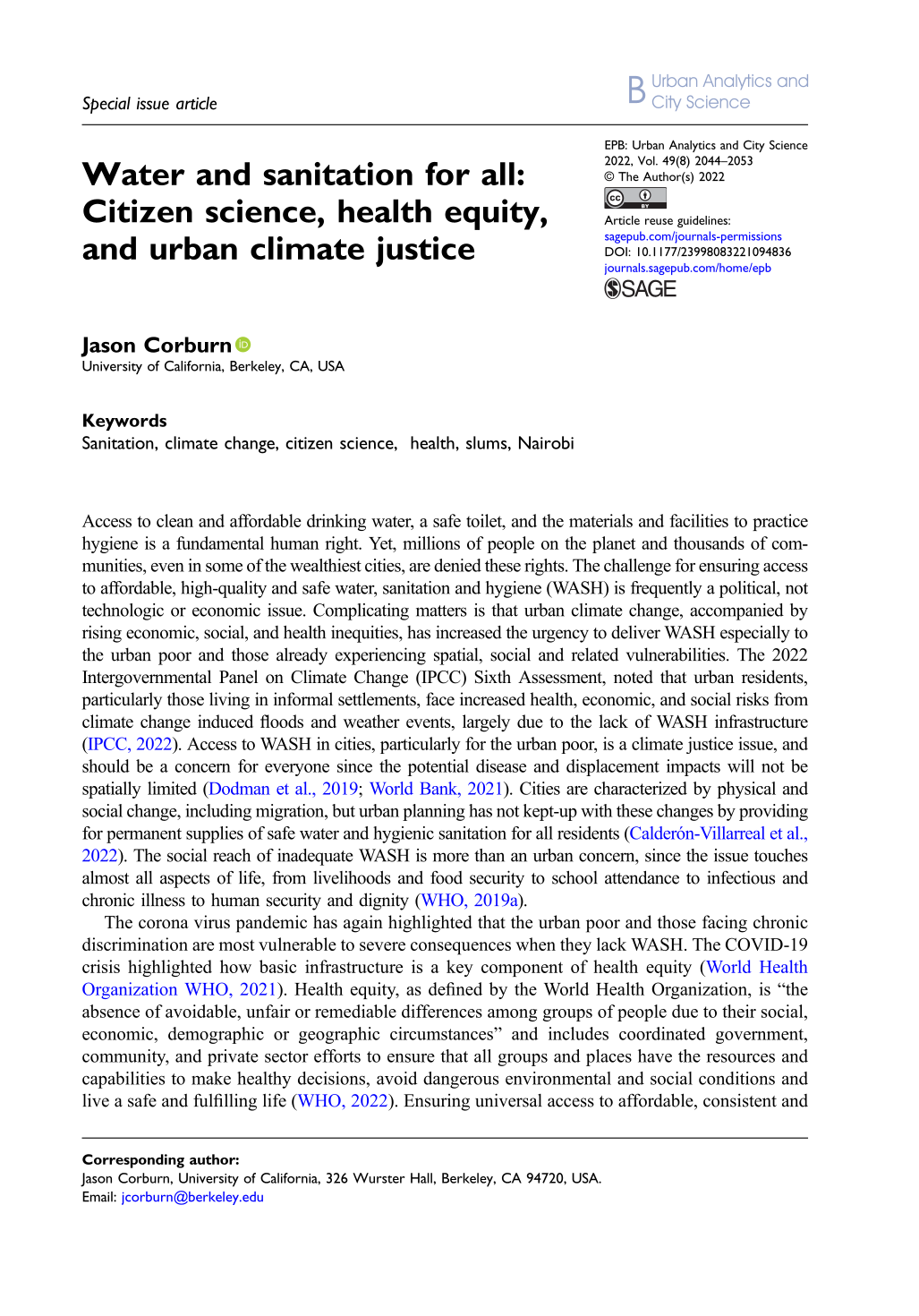
This commentary briefly reviews the urgency of delivering safe water and sanitation for all urban residents, with a focus on the challenges and opportunities of delivering WASH to the urban poor and those living in informal settlements, sometimes called self-built communities. I argue that guaranteeing WASH for all is not a technical or economic issue, but rather one of political priority. Too often, the urban poor are viewed by governments and the private sector as a nuisance and their human dignity is ignored. I argue that urban planners and others working in the fields of WASH, climate change and development must center the voices and knowledge of community residents, especially that of the poor, women, indigenous, and discriminated groups, in order to achieve health equity and WASH for all. More specifically, I suggest five principles for urban planners and others to ensure more equitable and sustainable WASH solutions, including: • Making WASH part of, not separate from, integrated, equity-focused, and community development planning; • Centering people, not technology or economics, where residents are involved as citizen “street” scientists working with professionals to diagnose challenges, co-create solutions and are active in managing and maintaining interventions; • Taking place and context seriously, so that no one-size-fits all solutions are proposed, and local social, economic, and geographic circumstances are valued; • Targeting catalytic projects, or what is called ‘urban acupuncture,' so that WASH investments help reduce the stress, traumas, and existing health burdens currently impacting the urban poor and those already socially vulnerable, and; • Prioritizing climate justice, so that minority and marginalized urban communities are left more resilient, prosperous and less vulnerable to floods, drought, heat events, and climate change related urban events (Figure 1). Typical community water access point in an urban informal settlement. Credit: J. Corburn.
The urgency of urban water, sanitation, and hygiene
Planning and developing our cities to ensure universal access to WASH is an urgent challenge that continues to go unaddressed despite decades of research, economic growth for some, and technologic advances. The 1970s and 1980s were declared the “decade of clean water” by wealthy countries and international development organizations (WHO, 1981). Social justice has also been a long-standing concern among WASH practitioners. For example, in 1977 a UN water conference in Mar del Plata, Argentina declared that all people “have the right to have access to drinking water in quantities and of a quality equal to their basic needs” and made a special emphasis on addressing racial, ethnic, and other social inequities in access, stating: “that the development of water resources in territories subjected to colonialism, alien domination, racial discrimination, and apartheid should be directed for the beneficial use of the indigenous peoples who are the legitimate beneficiaries of their natural resources, including their water resources” (UN, 1977). Unfortunately, the next decade did not see much progress on these declarations in urban areas.
The 1990s made “Safe Water 2000” the target for world development. The United Nations Conference on Environment and Development in 1992 put WASH at the center of inclusive, sustainable urban development. Some concerted action was achieved during these times, but according to Mara and Alabaster (2008), planners, engineers and those financing development never achieved “water and sanitation for all” because the institutions failed to adapt to rapid urbanization, technologic changes, acknowledge low-cost solutions like community-led total sanitation, and, perhaps most importantly, prioritize the voices of the urban poor in development projects (Mara and Alabaster, 2008). The 2000s witnessed the launch of the Millennium Development Goals (MDGs), which again promised, by 2015, a 50% reduction in the number of people without access to improved water and sanitation. Controversially, “improved” for the 21st century was viewed by many urban planners as too broad and not attentive to dense city living, since an “improved” water source did not mean it would be 24/7, piped in-home, free of contaminants, or affordable, and “improved” sanitation similarly did not guarantee all those the dignity and safety of a “20th century” flush toilet (Satterthwaite, 2016).
As McGraham noted in 2015, achieving the MDGs was stymied by rapid and unplanned for growth in urban populations, poverty, and spatial segregation, noting that between 1990 and 2012 the number of urban dwellers without improved sanitation increased from 547 million to 748 million (McGranahan, 2015). In short, urban planners failed to keep-up with changing conditions and to respond to inequities. In medicine this failure to adapt, accommodate and respond to changing conditions might be considered “malpractice,” and I suggest we ought to be equally critical of planning and characterize the inadequate provision of safe water, sanitation and hygiene for all city-dwellers as a colossal case of urban malpractice.
The Sustainable Development Goals (SDGs) again made accessible and affordable WASH an equity objective of global development. For example, SDG #6, “Clean Water and Sanitation,” aims to achieve by 2030, “universal and equitable access to safe and affordable drinking water for all” and “access to adequate and equitable sanitation and hygiene for all and end open defecation, paying special attention to the needs of women and girls and those in vulnerable situations” (UN, 2021). Many collaborations were organized to reach these and related goals, including the UN General Assembly launching the latest Water Action Decade from 2018 to 2028 (UN, 2018).
After more than thirty years of declarations and targeted programs to deliver WASH, the WHO/UNICEF, Joint Monitoring Programme for Water Supply, Sanitation and Hygiene (JMP) reported in 2020 that at least 25% of the world’s population still lacked access to safe drinking water and 50% lacked access to a safe toilet (WHO/UNICEF, 2021). According to the JMP report, this meant that in 2021, over 1.2 billion people lacked basic water service, with 367 million using unimproved sources, and “3.6 billion people lacked safely managed sanitation” (WHO/UNICEF, 2021). The JMP report also emphasized that the greatest WASH challenges remain in urban areas. For example, while rural areas increased coverage of adequate water supply by 7% from 2015 to 2020, urban coverage increased by just an estimated 1%, “and stagnated in many regions.” For sanitation, no region in the world is on track to meet the SDG for universal access, and urban sewer connections are increasing at an embarrassingly slow rate of 0.14% per year. (WHO/UNICEF, 2021).
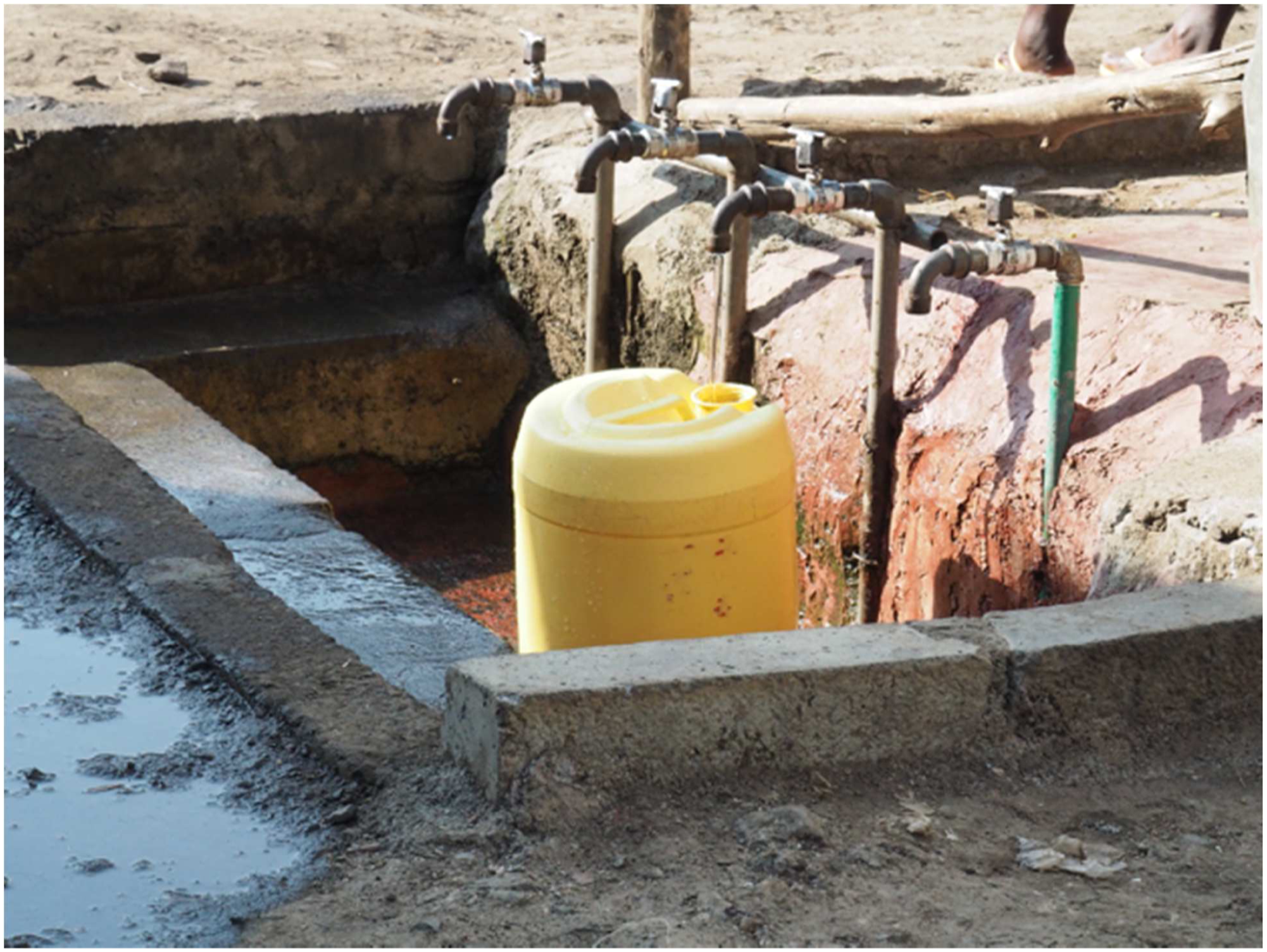
The urgency of WASH is felt most acutely for those living in informal settlements, sometimes called slums, who already experience more disease, disability and pre-mature mortality compared to urban residents in more “formal” areas of cities that are served by municipal services (Iddi et al., 2021). Unimproved drinking water and sanitation are the second-biggest killer of children in slum areas (Prüss-Ustün et al., 2019). Inadequate water and sanitation in informal urban areas contributes to a host of other physical and social inequities, from stunted growth to chronic diarrhea, to increased rates of sexual violence and trauma from insecure toilets faced by girls and women (WHO, 2019b). Lack of safe, consistent and affordable water and sanitation disproportionately burdens the well-being of women and children living in informal settlements, as they tend to bear the brunt of long wait and travel times for water, insecure toilets, contamination from open sewerage, and the missed social and economic opportunities related to these and related burdens (Leahy et al., 2017; Sweetman and Medland, 2017) (Figure 2). A typical toilet in the urban slums of Nairobi, Kenya. Credit: J. Corburn.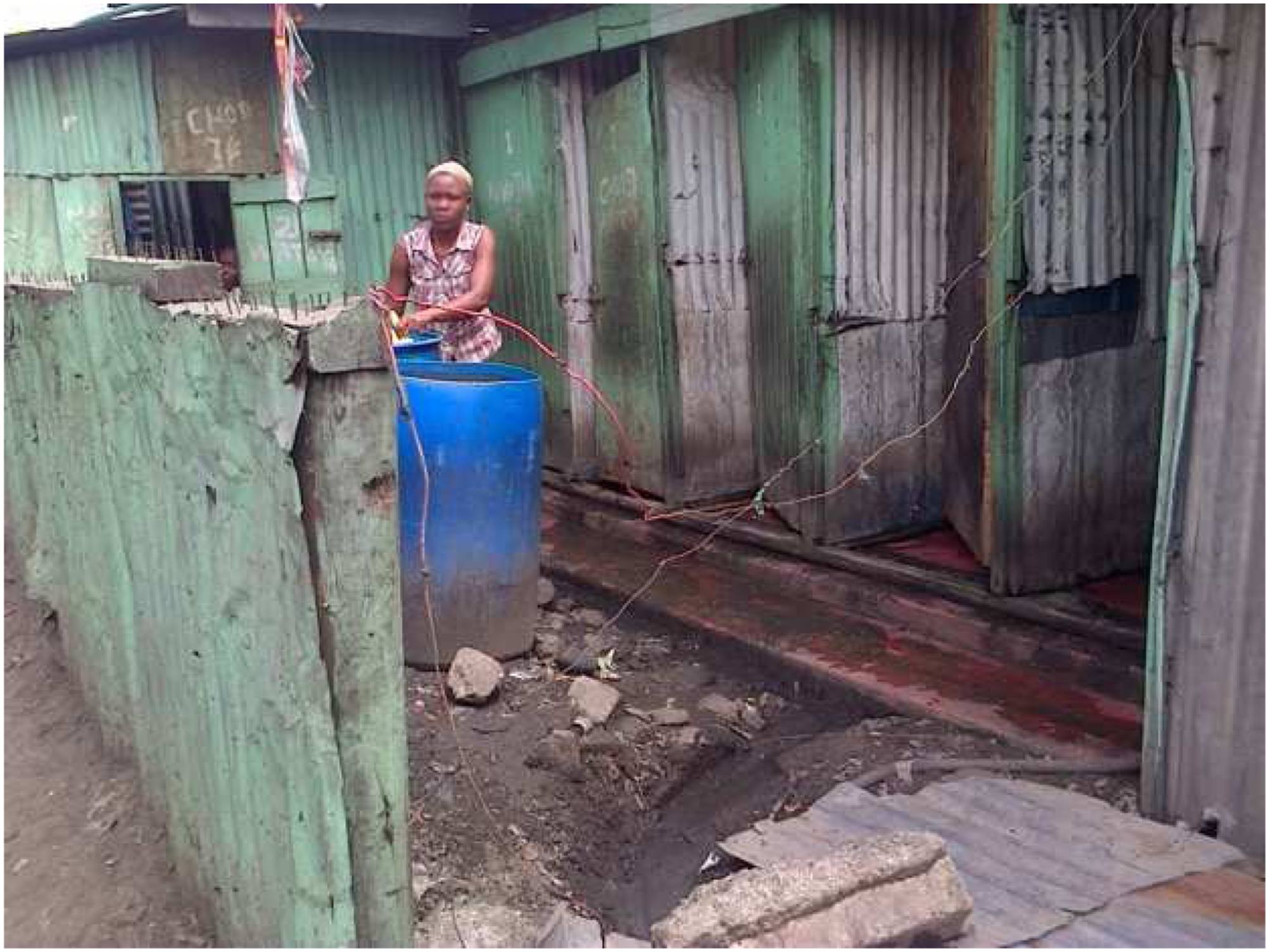
The IPCC 2022 Sixth Assessment noted that the urban poor are already suffering disease, death and displacement from climate change induced events, such as urban flooding, heat island events and droughts, largely due to a lack of WASH infrastructure. The IPCC did not suggest that complex, out-of-reach technologies are needed for cities to adapt to climate change and protect its most vulnerable population groups—what is known as a climate justice approach (Mohtat and Khirfan, 2021). Rather, the IPCC, Sixth Assessment, Chapter 6 on Urban Areas, called for immediate investment in water infrastructure, “wastewater treatment plants, pumping stations,” and improved management of “sewer infrastructure” (IPCC, 2022). Climate justice demands that city planners, engineers and policy makers prioritize adaptation planning and opportunity investments with, not just for, the urban poor—valuing their culture, economic needs, addressing social exclusion, and ensuring communities build-up their resilience, not necessarily have others do it for them (Anguelovski et al., 2016; Chu and Michael, 2019).
Insights from the Mukuru informal settlement in Nairobi, Kenya
What might an urban climate justice solution for WASH look like? In this last section of the commentary, I describe how slum residents in Nairobi, Kenya, specifically a community called Mukuru, became “slum scientists” to diagnose the risks they faced from inadequate WASH, co-created solutions and worked with government to implement and now monitor those interventions. Mukuru is a sprawling slum in Nairobi’s Embakasi South and Makadara area, adjacent to the city’s industrial area, and houses over 300,000 people (Muungano Alliance, 2021). Structures in Mukuru are almost entire made of sheet metal, with concrete or earth floors, most residents are renters and they lack access to clean water, sanitation, waste collection, regular electricity, and other essential services. In fact, residents in Mukuru suffer from a “poverty penalty,” or the notion that they must pay up to 10-times the cost for water, sanitation, electricity, and other services than their more middle-and-upper class neighbors of the city (Muchugu, 2015) (Figure 3). A flooded street in the Mukuru informal settlement, Nairobi, Kenya. Credit: J. Corburn.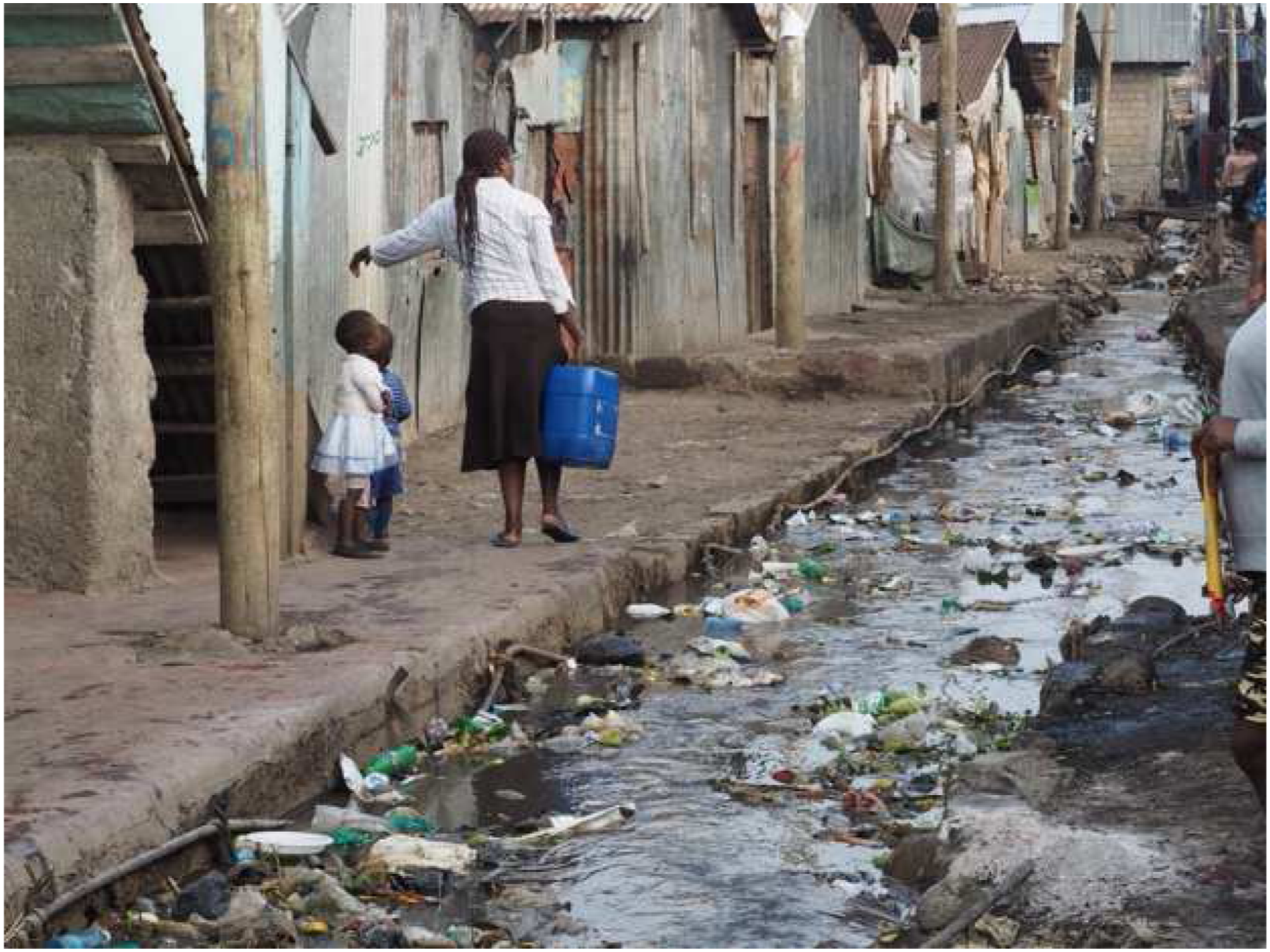
The WASH and climate justice effort was spearheaded by women activists, who mobilized to protect themselves and young girls from unsafe toilets, which were contributing to sexual violence. The women partnered with NGOs representing the urban poor in Kenya, called the Muungano Alliance, including Akiba Mashinani Trust and Shack Dwellers International—Kenya, and my research team at the University of California, Berkeley, Center for Global Healthy Cities (Muungano, 2022b). Our collaboration helped women and youth in Mukuru map every water point and toilet in the community, while also documenting its quality and safety. Together, we co-authored a report called the Mukuru Situational Analysis, that documented the dangerous and inequitable living conditions in Mukuru (Corburn et al., 2017). For example, we found that there were less than 3800 toilets for more than 300,000 people and even these mostly unimproved toilets were not evenly distributed across the community. Yet, the women were not satisfied with research alone, they used these data and their own experiences to make a legal claim that the Kenyan Constitution guaranteed them a right to safe water and sanitation, and filed a class-action lawsuit against the Kenyan government for failing to fulfill this human right (Anderson, 2014).
While the legal claims were being adjudicated, a more comprehensive citizen-science study of environmental health risks was co-produced by residents, NGOs and university researchers, call the Mukuru Rapid Health Impact Assessment (Corburn et al., 2018). We documented unregulated waste effluent reaching the community from neighboring industrial pollution, the impacts of poor water and sanitation on food contamination and economic livelihoods, and youth documented how frequent flooding denied them places to learn, play, and gather for cultural expression (Figure 4). The youth made short movies and music about their condition, helping to communicate the everyday human rights abuses in Mukuru (Muungano, 2022a). Youth in Mukuru mapping water points and toilet locations. Credit: J. Corburn.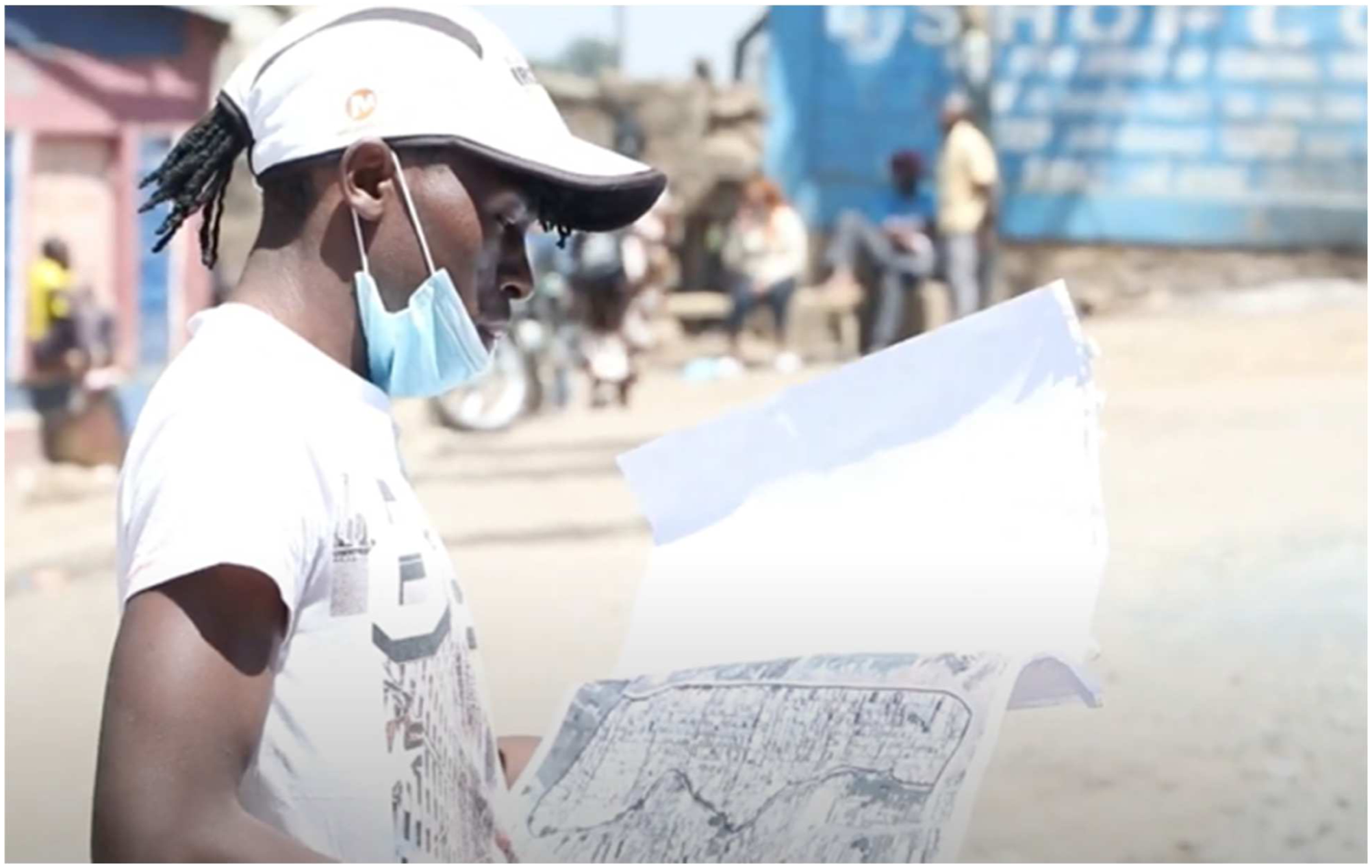
Although concerns about WASH drove the initial action-research and activism, the partnership of resident “citizen scientists,” NGOs, universities, and local government officials developed an integrated community redevelopment plan, called the Mukuru Special Planning Area, Integrated Development Plan (Horn, 2021). The plan recognizes that progress on WASH—be it access, affordability, human health, and social development—cannot happen without also improving housing, education, play and recreation spaces, gender rights, addressing flooding, and other environmental health issues (Muiruri, 2021).
The integrated plan is a climate justice strategy, since it aims to eliminate the vulnerabilities of the urban poor from climate change-related flooding, heat, drought, food insecurity, and related issues, but also centers the expertise of residents in planning and policy making. Even before the SPA Integrated Development Plan was adopted, the Nairobi Municipal Services (NMS) agency began listening to and delivering improvements to Mukuru. As the threat of COVID-19 loomed in Nairobi in April 2020, the NMS began improving roads, delivering clean water and completing a sanitary sewer in Mukuru (Koech, 2020) (Figure 5). A new National Hygiene program hired over 10,000 youth from the slums to help clean-up Mukuru, plant trees and secure the river bank to prevent flooding (Nyasuguta, 2020; Omulo, 2020). The NMS budgeted to build over 13,000 units of social housing, new clinics and hospitals in Mukuru, and the NMS Director stated in 2021 that “by March 2022, no slum will be without roads, sewer lines and water” (Koech, 2021). At the time of this writing, that promise had not been fulfilled, but the SPA Integrated Plan for Mukuru has helped deliver: over 42 km of improved, tarmacked roads with drainage; 16 bore holes for clean water; three new hospitals (Mueni, 2021), and a river-riparian clean-up, along with tree planting, had begun. In addition, the Muungano Alliance had constructed a Simplified Sewer System and installed a network of over ten clean-water Pre-Paid Dispensers (PPDs). The simplified sewer, sometimes called condominal sewers (Sinnatamby et al., 1985), is connected to over 1000 households and has connected to over 100 pour-flush, in-home private toilets. The water network stretches over 2 km and allows residents to purchase water using a prepaid water token. Overall, close to 10,000 residents were directly benefiting from these WASH improvements and tens of thousands more from the larger upgrading project. However, more recently a major highway project has resulted in the forced displacement of thousands of Mukuru residents. Urban slum WASH projects that lack accompanying tenant legal protections, land titles and a right to remain, may result in displacement or even gentrification as communities are improved (Garmany and Richmond, 2020). A new improved Road in Mukuru. Credit: J. Corburn.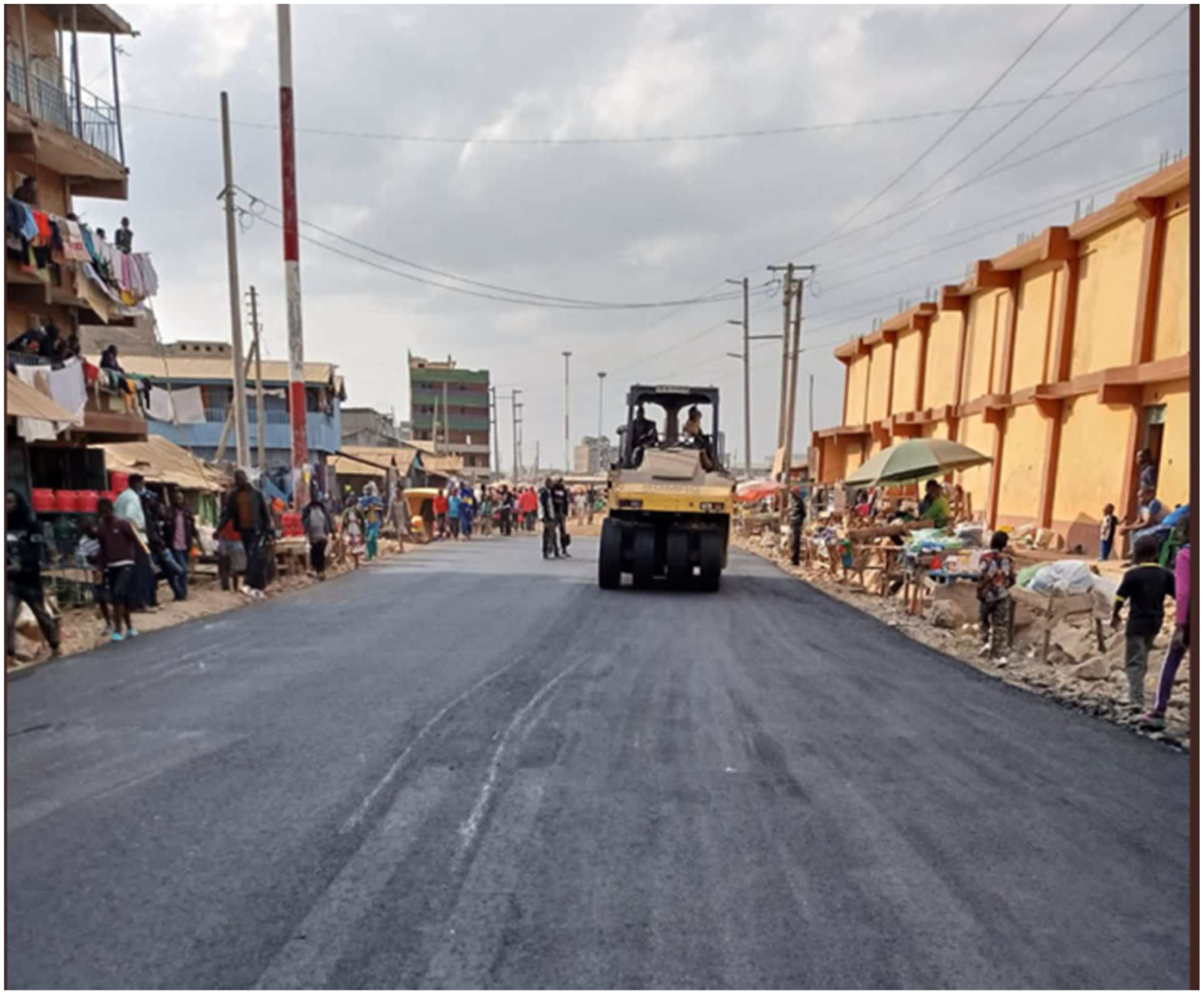
Only equity-centered urban planning can deliver water, sanitation, and hygiene for all
What I have argued here is that delivering WASH to the urban poor must be an urgent priority. Although it may not seem politically feasible, it is technically viable for public utilities to extend the formal piped water and sanitation network as close as possible to each urban dwelling, even in the “informal” city. They can make these services affordable for all and maintain a high quality of service, if and when planners commit to the following: 1) Enrolling residents as citizens scientists to help diagnose the challenge, co-create solutions and manage interventions (Ostrom, 1996); 2) Linking WASH investments to broader social and economic community development strategies; 3) Investing simultaneously in people and places, or coupling physical improvements with social infrastructure, such as cultural and educational programs and services; 4) Practicing urban acupuncture, which is another way of saying that a series of catalytic projects and people-focused investments must help urban communities heal from the adverse impacts the lack of WASH has created, and; 5) Prioritizing urban climate justice, which again is a commitment to the urban poor having equitable access and control of water and sanitation, not treating WASH as a commodity or solvable by the private sector alone.
Footnotes
Declaration of conflicting interests
The author(s) declared no potential conflicts of interest with respect to the research, authorship, and/or publication of this article.
Funding
The author(s) received no financial support for the research, authorship, and/or publication of this article.
