





Abstract

ESOC 2023 – Oral Presentations
O001/1183
Scientific Communication SC2 - IV Thrombolysis
BRIDGING THERAPY WITH TENECTEPLASE OR ALTEPLASE IN PATIENTS WITH LOW DIFFUSION-WEIGHED IMAGING ALBERTA STROKE PROGRAM EARLY COMPUTED TOMOGRAPHY SCORE
1APHP Sorbonne Université - Hôpital Pitié Salpêtrière, Urgences Cérébro-Vasculaires, Paris, France, 2Institut du Cerveau, STARE Team, iCRIN, Paris, France, 3GHU Paris Psychiatrie Neurosciences, Service de Neurologie, Paris, France, 4Université de Paris, INSERM U1266, FHU NeuroVasc, Paris, France, 5Fondation Adolphe de Rothschild, Service de Neurologie, Paris, France, 6Centre Hospitalier Sud Francilien, Service de Neurologie, Corbeil-Essonnes, France, 7Hôpital Foch, Service de Neuroradiologie Interventionnelle, Suresnes, France, 8CHU de Bordeaux, Service de Neurologie, Bordeaux, France, 9APHP - Hôpital Bicêtre, Service de Neuroradiologie Interventionnelle, Kremlin-Bicêtre, France, 10CHU de Bordeaux, Service de Neuroradiologie Diagnostique et Interventionnelle, Bordeaux, France, 11Fondation Adolphe de Rothschild, Service de Neuroradiologie Interventionnelle, Paris, France, 12GHU Paris Psychiatrie Neurosciences, Service de Neuroradiologie, Paris, France, 13CHU de Nantes, Service de Neurologie, Nantes, France, 14Centre Hospitalier André Mignot, Service de Neurologie, Le Chesnay, France, 15CHU de Nantes, Service de Neuroradiologie Interventionnelle, Nantes, France, 16Hospices Civils de Lyon, Service de Neurologie, Lyon, France, 17CHU de Nancy, Service de Neuroradiologie Interventionnelle, Nancy, France, 18CHU de Bordeaux, Service de Neurologie, Paris, France, 19CHU de Nancy, Service de Neurologie, Nancy, France, 20APHP Sorbonne Université - Hôpital Pitié Salpêtrière, Service de Neuroradiologie, Paris, France, 21Hospices Civils de Lyon, Service de Neuroradiologie Interventionnelle, Lyon, France, 22Hôpital Foch, Service de Neurologie, Suresnes, France
O002/2068
Scientific Communication SC2 - IV Thrombolysis
INTRA-ARTERIAL THROMBOLYSIS FAVORS DELAYED CLEARANCE OF VESSEL OCCLUSIONS FOLLOWING INCOMPLETE REPERFUSION WITH THROMBECTOMY
1University Hospital Bern Inselspital, Department of Diagnostic and Interventional Neuroradiology, Bern, Switzerland, 2University Hospital Bern Inselspital, Department of Neurology, Bern, Switzerland, 3University Hospital Basel, Department of Neurology, Basel, Switzerland
O003/1105
Scientific Communication SC2 - IV Thrombolysis
IV THROMBOLYSIS IN PATIENTS TAKING DIRECT ORAL ANTICOAGULATION TREATMENT PRIOR TO STROKE ONSET: RESULTS FROM SITS-INTERNATIONAL STROKE REGISTRY
1Karolinska Institutet, Department of Clinical neuroscience, Stockholm, Sweden, 2Karolinska University Hospital, Department of Neurology, Stockholm, Sweden, 3IRCCS Policlinico San Martino, Department of Neuroscience (DINOGMI), University of Genoa, Genoa, Italy, 4Azienda Ospedaliera Universitaria Integrata Verona, Stroke Unit, Verona, Italy, 5School of Medicine, Zanjan University of Medical Sciences, Stroke Research Group, Vali-e-Asr Hospital, Department of Neurology and Stroke Unit, Zanjan, Iran, 6Cliniques universitaires St Luc, Department of Neurology, Avenue Hippocrate 10, B-1200, Brussels, Belgium, 7North Estonia Medical Centre, Department of Neurology, Tallinn, Estonia, 8Hospital Policlinico Umberto 1, Sapienza University, Department of Human Neurosciences, Rome, Italy, 9IRCCS Istituto delle Scienze Neurologiche di Bologna, Department of Neurology and stroke, Bologna, Italy, 10Karolinska Institutet, Department of Clinical neuroscience, Stockholm, Sweden
O004/1756
Scientific Communication SC2 - IV Thrombolysis
COST-EFFECTIVENESS OF TENECTEPLASE VERSUS ALTEPLASE FOR STROKE THROMBOLYSIS EVALUATION TRIAL IN THE AMBULANCE TRIAL
1Deakin University, Deakin Health Economics, Burwood, Australia, 2University of New South Wales, UNSW South Western Sydney Clinical School, Liverpool, Australia, 3University of Melbourne, Department of Medicine, Heidelberg, Australia, 4University of Melbourne, Melbourne Brain Centre, Parkville, Australia, 5Silver Chain Australia, Research & Evidence, Perth, Australia, 6Ambulance Victoria Australia, Ambulance Victoria Australia, Doncaster, Australia
O005/2051
Scientific Communication SC2 - IV Thrombolysis
GLUNOMAB: A MONOCLONAL ANTIBODY COUNTERACTING THE NEUROVASCULAR AND NEUROINFLAMMATORY DAMAGES INDUCED BOTH BY ENDOGENOUS TPA AND FIBRINOLYTIC AGENTS (ALTEPLASE OR TENECTEPLASE) AFTER ISCHEMIC STROKE
1Caen-Normandy University, PhIND, Caen, France, 2Etap Laboratory, /, Vandœuvre-lès-Nancy, France, 3Lys Therapeutics, /, CAEN & LYON, France, 4University Hospital Center of Caen, EMERGENCY UNIT, Caen, France
O006/1101
Scientific Communication SC2 - IV Thrombolysis
INTRAVENOUS THROMBOLYSIS PLUS ENDOVASCULAR TREATMENT VERSUS ENDOVASCULAR TREATMENT ALONE IN POSTERIOR CIRCULATION OCCLUSIONS; A MR CLEAN REGISTRY STUDY
1Maastricht University Medical Center+, Radiology and Nuclear Medicine, Maastricht, Netherlands, 2Maastricht University, School for Cardiovascular Diseases, Maastricht, Netherlands, 3Haaglanden MC, Neurology, The Hague, Netherlands, 4St. Antonius Hospital, Radiology, Nieuwegein, Netherlands, 5Amsterdam University Medical Center, Neurology, Amsterdam, Netherlands, 6Amsterdam University Medical Center, Radiology and Nuclear Medicine, Amsterdam, Netherlands, 7Erasmus Medical Center, Radiology, Rotterdam, Netherlands, 8Texas Stroke Institute, Radiology/Neurointervention, Dallas-Fort Worth, United States, 9Haaglanden MC, Radiology, The Hague, Netherlands, 10Maastricht University Medical Center+, Neurology, Maastricht, Netherlands, 11St. Antonius Hospital, Neurology, Nieuwegein, Netherlands
O007/2494
Scientific Communication SC3 - Neurointervention – Imaging and Reperfusion
MR MICROSCOPY IN THROMBECTOMY TO ASSESS CLOT COMPOSITION AND PREDICT RECANALIZATION AND CLINICAL OUTCOME
1University of Heidelberg, Neuroradiology, Heidelberg, Germany, 2University of Heidelberg, Neurology, Heidelberg, Germany, 3University Medicine Mannheim, Neurology, Mannheim, Germany, 4University of Heidelberg, Neuropathology, Heidelberg, Germany
O008/376
Scientific Communication SC3 - Neurointervention – Imaging and Reperfusion
TISSUE CLOCK BEYOND TIME CLOCK: ENDOVASCULAR THROMBECTOMY FOR PATIENTS WITH LARGE VESSEL OCCLUSION STROKE BEYOND 24-HOURS
1Medical University of South Carolina Heliport, Neurology, Charleston, United States, 2University of Pittsburgh School of Medicine, Pittsburgh, PA., Department of Neurology and Neurosurgery, Pittsburg, United States, 3Montefiore Medical Center, Albert Einstein College of Medicine, Department of Neurosurgery, Bronx, United States, 4Emory University School of Medicine, Atlanta, GA, Department of Neurology, Atlanta, United States, 5Hospital of the University of Pennsylvania, Penn Medicine, Department of Neurosurgery, Philadelphia, PA, United States, 6Cooper University Medical Center, Department of Neurology, Camden, NJ, United States, 7University of Iowa Hospitals and Clinics, Department of Neurology, Iowa, United States, 8Boston University School of Medicine, Boston, MA, Department of Neurology, Radiology, Boston, United States, 9University of Miami, Department of Neurology, Miami, United States, 10Henry Ford Health, Department of Neurology, Detroit, United States, 11University of Illinois at Chicago, Department of Neurosurgery, Chicago, United States, 12Baylor School of Medicine, Department of Neurosurgery, Houston, United States, 13Icahn School of Medicine at Mount Sinai, Department of Neurosurgery, New York, United States
O009/1840
Scientific Communication SC3 - Neurointervention – Imaging and Reperfusion
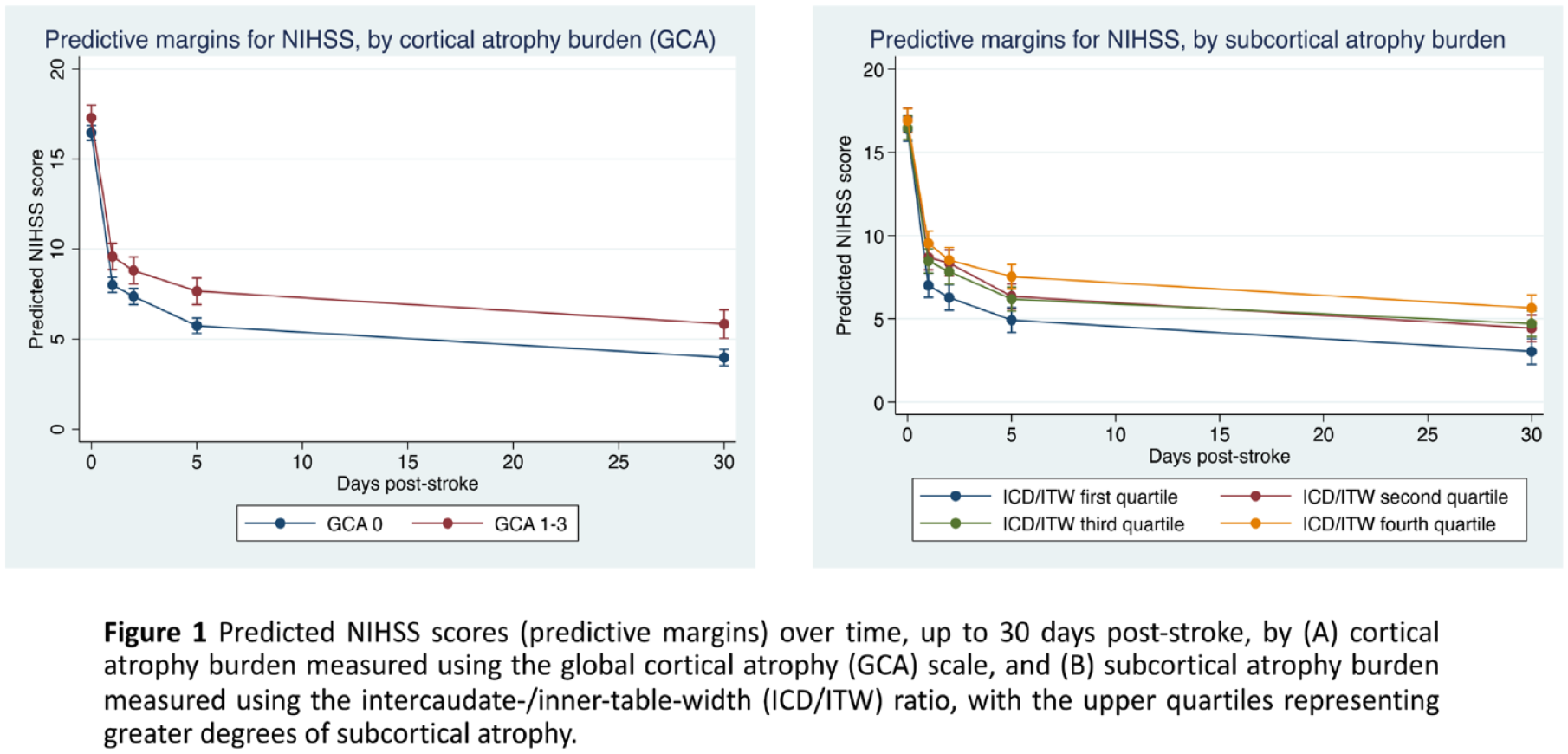
IMPACT OF BRAIN ATROPHY ON BASELINE STROKE SEVERITY AND EARLY COURSE AFTER EVT IN PATIENTS WITH LVO STROKE
1University Hospital Basel, Department of Neurology and Stroke Center, Basel, Switzerland, 2University of Calgary and Calgary Stroke Program, Department of Clinical Neurosciences, Calgary, Canada, 3NoNO Inc., CEO, Toronto, Canada, 4University of Calgary and Calgary Stroke Program, Department of Neuroradiology, Calgary, Canada
In repeated-measures analyses, NIHSS scores improved over time in all patients, but were higher in patients with versus without atrophy (at 5/30 days for cortical atrophy at 1/2/5/30 days for subcortical atrophy patients in the two highest ICD/ITW-ratio quartiles).
O010/2535
Scientific Communication SC3 - Neurointervention – Imaging and Reperfusion
INTRACRANIAL THROMBUS COMPOSITION PREDICTS EARLY REOCLUSSION AFTER SUCCESSFUL MECHANICAL THROMBECTOMY
1Vall d´Hebron Hospital, Stroke Unit, Barcelona, Spain, 2Germans Trias i Pujol Hospital, Stroke Unit, Badalona, Spain, 3bellvitge hospital, Stroke unit, Hospitalet, Spain
O011/179
Scientific Communication SC3 - Neurointervention – Imaging and Reperfusion
WHY NEUROPROTECTION SHOWS LARGE EFFECTS IN ANIMALS BUT HAS FAILED IN STROKE PATIENTS
1Münster University Hospital, Department of Neurology, Münster, Germany, 2University Hospital Bern, University Institute of Diagnostic and Interventional Neuroradiology, Bern, Switzerland, 3University of Münster, Institute of Epidemiology and Social Medicine, Münster, Germany, 4University Hospital Basel, Department of Neurology, Basel, Switzerland, 5University of Bern, Department of Neurology, Bern, Switzerland
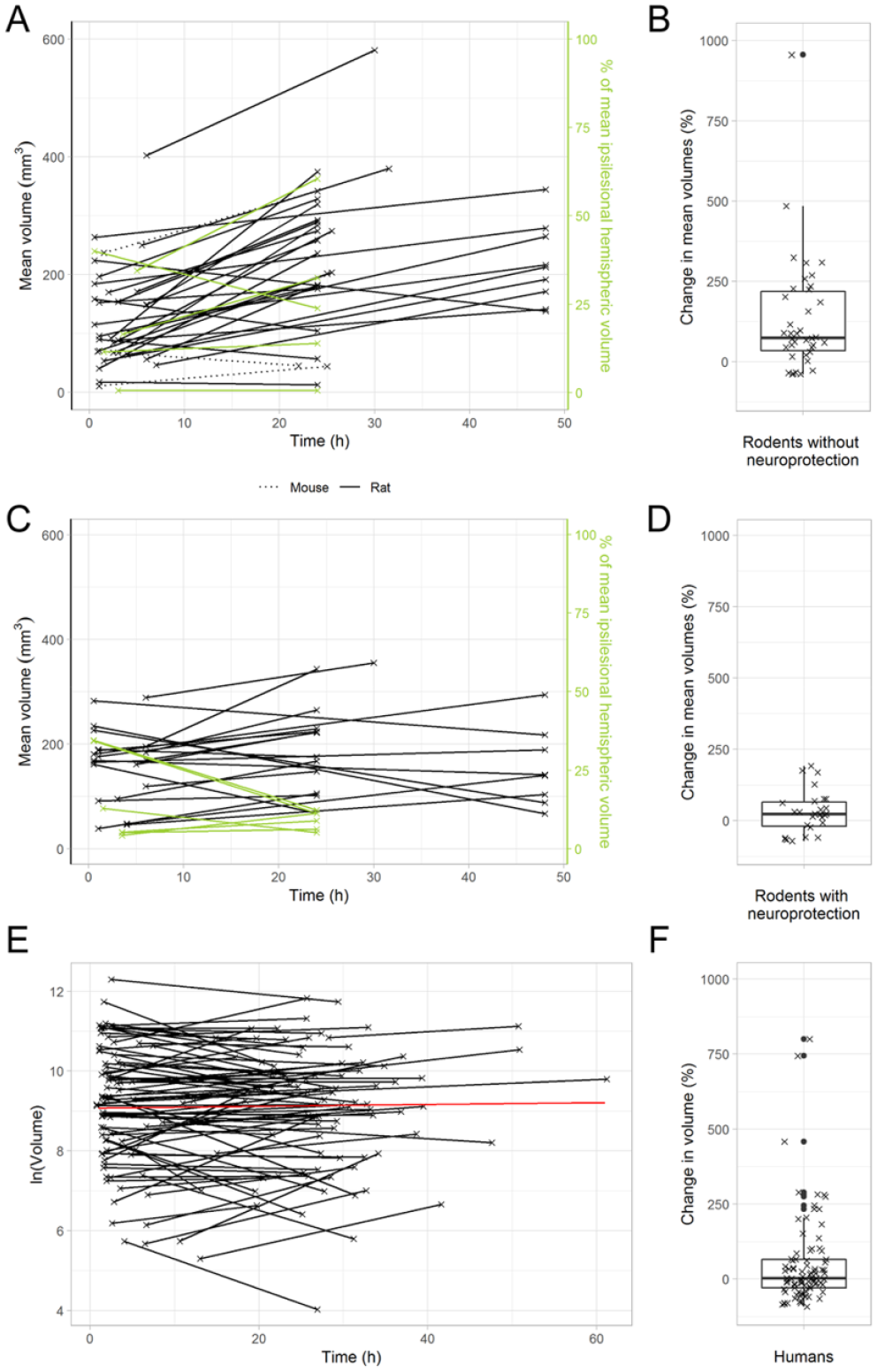
A-B Infarct growth in animals. C-D: Neuroprotective treatments minimize infarct growth in animals. E-F: There is no significant infarct growth in human stroke patients.
O012/665
Scientific Communication SC3 - Neurointervention – Imaging and Reperfusion
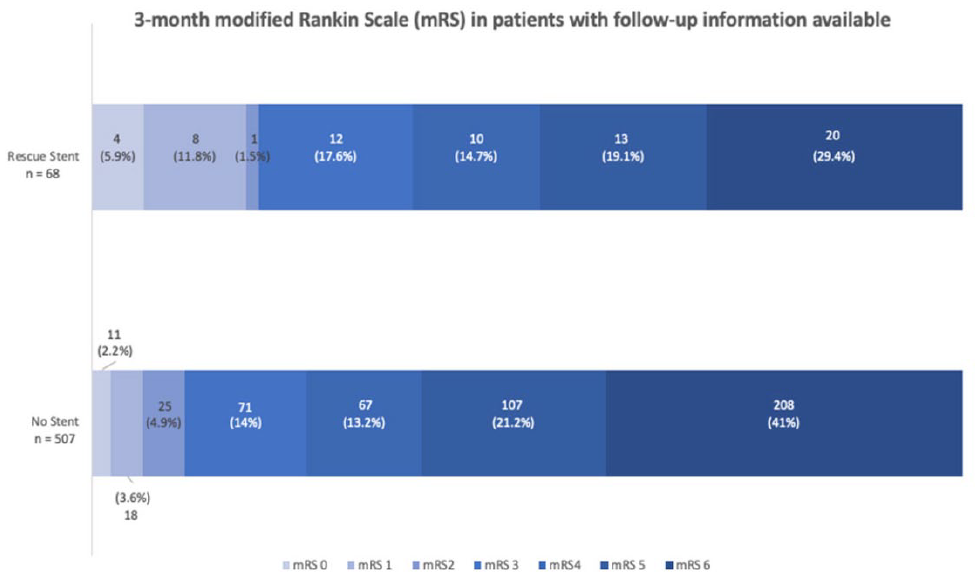
CLINICAL AND ANGIOGRAPHIC OUTCOMES AFTER RESCUE STENTING FOR FAILED MECHANICAL THROMBECTOMY (RES-CAT STUDY)
1Hospital de la Santa Creu i Sant Pau, Neurology Department, Barcelona, Spain, 2Hospital de Bellvitge, Neurology Department, L'Hospitalet de Llobregat, Spain, 3Vall d'Hebron University Hospital, Neurology Department, Barcelona, Spain, 4Hospital Clínic de Barcelona, Neurology Department, Barcelona, Spain, 5Hospital Joan XXIII, Neurology Department, Tarragona, Spain, 6Hospital Universitari de Girona Doctor Josep Trueta, Neurology Department, Girona, Spain, 7Germans Trias i Pujol Hospital, Neurology Department, Badalona, Spain, 8Hospital Parc Taulí, Neurology Department, Sabadell, Spain, 9Hospital del Mar, Neurology Department, Barcelona, Spain, 10Hospital Universitari Arnau de Vilanova, Neurology Department, Lleida, Spain, 11Hospital de la Santa Creu i Sant Pau, Neuroradiology Unit, Barcelona, Spain
O013/1012
Scientific Communication SC4 - Cardioembolism and Heart-Brain Interactions
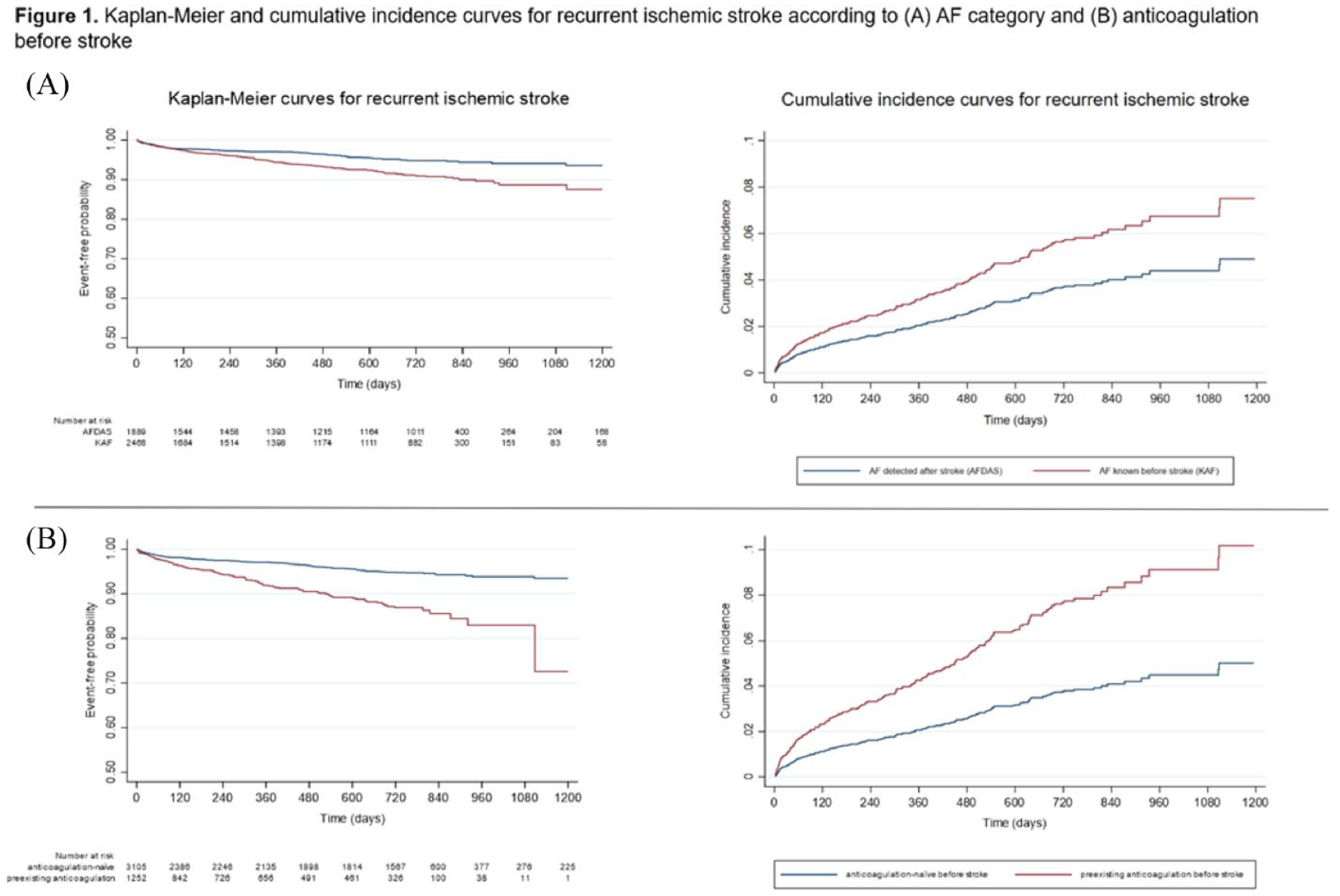
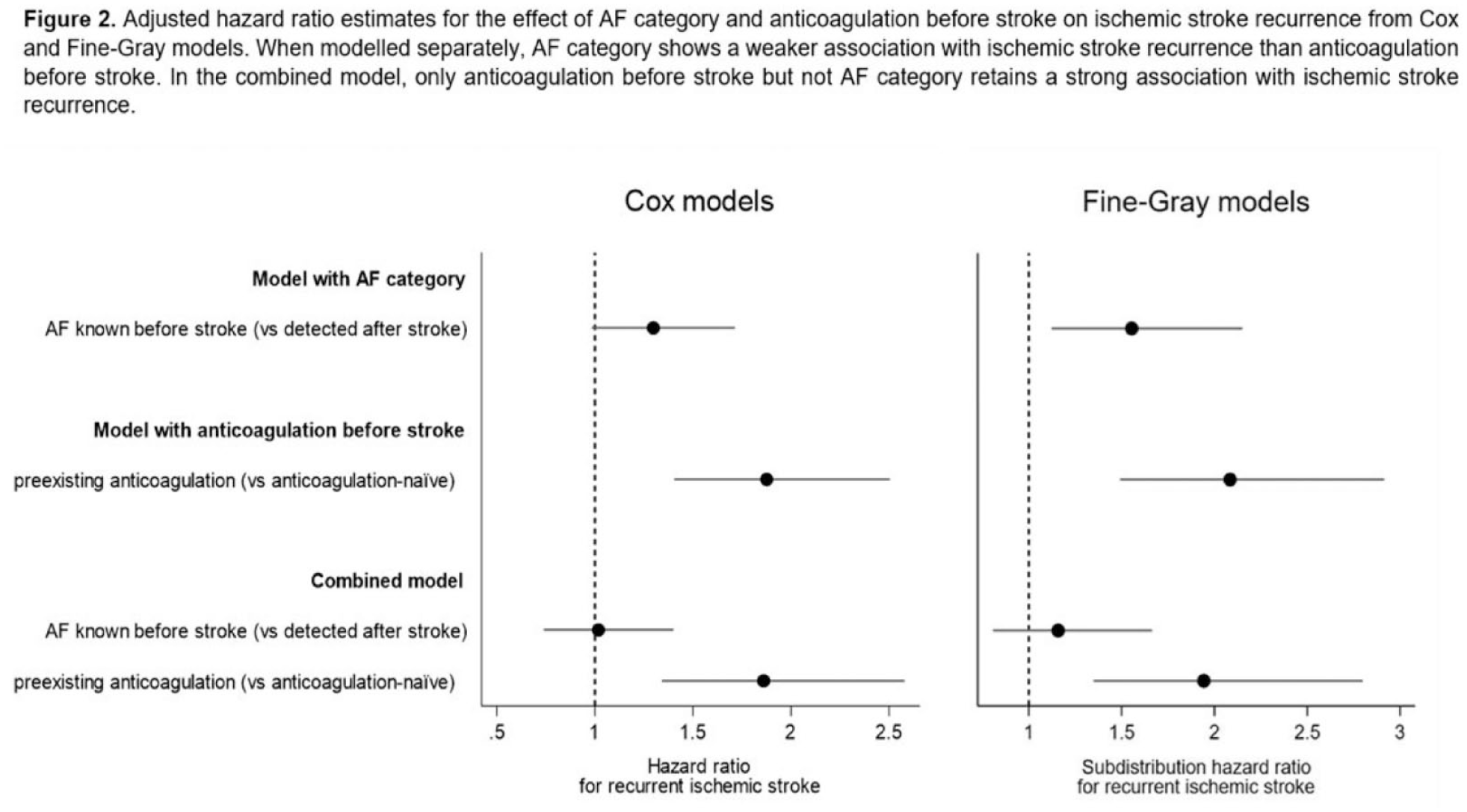
OUTCOMES OF ATRIAL FIBRILLATION KNOWN BEFORE OR DETECTED AFTER ISCHEMIC STROKE: ROLE OF ANTICOAGULATION
1University Hospital Basel and University of Basel, Department of Neurology and Stroke Center, Basel, Switzerland, 2University Hospital for Geriatric Medicine Felix Platter, University of Basel, Neurology and Neurorehabilitation, Basel, Switzerland, 3Inselspital University Hospital Bern, University of Bern, Department of Neurology, Bern, Switzerland, 4National Cerebral and Cardiovascular Center, Department of Cerebrovascular Medicine, Suita, Japan, 5University Hospital Erlangen, Department of Neurology, Erlangen, Germany, 6New Zealand Brain Research Institute, New Zealand Brain Research Institute, Christchurch, New Zealand, 7UCL Queen Square Institute of Neurology and The National Hospital for Neurology and Neurosurgery, Stroke Research Centre, Department of Brain Repair and Rehabilitation, London, United Kingdom, 8Azienda Ospedaliera Universitaria Integrata, Stroke Unit – Department of Neuroscience, Verona, Italy, 9University Hospital Basel and University of Basel, Clinical Trial Unit, Department of Clinical Research, Basel, Switzerland, 10University College London, Department of Statistical Science, London, United Kingdom, 11UCL Institute of Neurology, Lysholm Department of Neuroradiology and the Neuroradiological Academic Unit, Department of Brain Repair and Rehabilitation, London, United Kingdom, 12University of Glasgow and Queen Elizabeth University Hospital, Institute of Neuroscience & Psychology, Glasgow, United Kingdom, 13Reha Rheinfelden, Reha Rheinfelden, Rheinfelden, Switzerland, 14Klinik Hirslanden, Stroke Center, Zurich, Switzerland, 15Liverpool John Moores University and Liverpool Heart & Chest Hospital, Liverpool Centre for Cardiovascular Science at University of Liverpool, Liverpool, United Kingdom, 16Aalborg University, Department of Clinical Medicine, Aalborg, Denmark
O014/1794
Scientific Communication SC4 - Cardioembolism and Heart-Brain Interactions
ATRIAL FIBRILLATION DETECTED ON 14-DAY CARDIAC MONITORING HAS A LOWER STROKE RECURRENCE RISK THAN EKG-DIAGNOSED AF
1Western University, Clinical Neurological Sciences, London, Canada, 2Western University, Heart & Brain Lab, London, Canada
O015/1766
Scientific Communication SC4 - Cardioembolism and Heart-Brain Interactions
N-TERMINAL PRO B-TYPE NATRIURETIC PEPTIDE (NTproBNP) MAY HELP IDENTIFY PEOPLE WHO DO NOT NEED PROLONGED CARDIAC MONITORING AFTER STROKE
1University of Glasgow, School of Cardiovascular and Metabolic Health, Glasgow, United Kingdom, 2University Hospital Zurich, Department of Neurology, Zurich, Switzerland, 3University Hospital Basel and University of Basel, Department of Neurology and Stroke Centre, Basel, Switzerland, 4University Hospital Bern, Department of Neurology, Bern, Switzerland, 5Cantonal Hospital Aarau, Department of Neurology and Stroke Center, Aarau, Switzerland, 6Neurocenter (EOC) of Southern Switzerland, Department of Neurology, Lugano, Switzerland, 7Cantonal Hospital St. Gallen, Department of Neurology (G.K.), St. Gallen, Switzerland, 8Vall d'Hebron Institute of Research (VHIR), Universitat Autónoma de Barcelona, Neurovascular Research Laboratory, Barcelona, Spain, 9Biomedicine Institute of Seville, Neurovascular Research Group, Seville, Spain, 10Faculty of Medicine, School of Health Sciences, University of Thessaly, Department of Internal Medicine, Larissa, Greece, 11Goethe University, Department of Neurology, Frankfurt am Main, Germany, 12University Hospital of Zurich, Institute of Clinical Chemistry, Zurich, Switzerland, 13University Hospital Basel, Stroke Unit, Basel, Switzerland
The PRECISE cohort included 239 people: 94 (39.3%) were female, mean (SD) age was 65 (13) years and 41 (17.2%) had AF. NTproBNP concentration <58.5 ng/l was associated with 92.7% specificity for no AF. NTproBNP was <58.5ng/l in 78 people (32.6%) and 75 of those (96.2%) did not have AF.
O016/182
Scientific Communication SC4 - Cardioembolism and Heart-Brain Interactions
LEFT ATRIAL APPENDAGE OCCLUSION FOR PATIENTS WITH PRIOR STROKE: INSIGHTS FROM THE AMULET IDE TRIAL
1University Duisburg-Essen, N/A, N/A, Germany, 2Tufts Medical Center, N/A, Boston, United States, 3Vanderbilt Heart Institute, N/A, Nashville, United States, 4Inselspital, University of Bern, N/A, Bern, Switzerland, 5Mayo Clinic, N/A, Rochester, United States, 6Kansas City Heart Rhythm Institute and Research Foundation, N/A, Kansas City, United States
O017/1663
Scientific Communication SC4 - Cardioembolism and Heart-Brain Interactions
CLINICAL CHARACTERISTICS AND TYPES OF MYOCARDIAL INFARCTION IN PATIENTS WITH POST-STROKE ACUTE MYOCARDIAL INJURY
1Charité – Universitätsmedizin Berlin, Department of Neurology, Berlin, Germany, 2Charité – Universitätsmedizin Berlin, Center for Stroke Research Berlin (CSB), Berlin, Germany, 3Charité – Universitätsmedizin Berlin, Berlin Institute of Health (BIH), Berlin, Germany, 4Charité – Universitätsmedizin Berlin, Excellence Cluster NeuroCure, Berlin, Germany, 5Partner Site, German Center for Neurodegenerative Diseases (DZNE), Berlin, Germany, 6Partner Site, German Center for Cardiovascular Research (DZHK), Berlin, Germany
O018/384
Scientific Communication SC4 - Cardioembolism and Heart-Brain Interactions
DOES A RISE AND/OR FALL IN TROPONIN VALUES INDICATE MYOCARDIAL INFARCTION IN ACUTE STROKE PATIENTS? - RESULTS OF THE PROSPECTIVE, OBSERVATIONAL MULTICENTER PREDICTION OF ACUTE CORONARY SYNDROME IN ACUTE ISCHEMIC STROKE (PRAISE) STUDY
1Charité – Universitätsmedizin Berlin, Department of Neurology and Center for Stroke Research Berlin, Berlin, Germany, 2Frankfurt, Med Klinik III Kardiologie, Frankfurt, Germany, 3UKE, Cardiology, Hamburg, Germany, 4Universitätsklinikum Bonn, Dept Neurology, Bonn, Germany, 5LMU Munich, Institute for Stroke and Dementia Research (ISD), Munich, Germany, 6Universitätsklinikum Heidelberg, Klinik für Kardiologie, Angiologie, Pneumologie, Heidelberg, Germany, 7Charite-Universitätsmedizin Berlin, Medizinische Klinik mit Schwerpunkt Kardiologie, Campus Virchow-Klinikum, Berlin, Germany, 8Charite-Universitätsmedizin Berlin, Germany, Institut für Geschlechterforschung in der Medizin (Gender in Medicine, GiM), Berlin, Germany, 9University Medical Center Hamburg-Eppendorf, Hamburg, Germany, Institute for Medical Biometry and Epidemiology, Hamburg, Germany, 10Uniklinik Frankfurt, Germany, Klinik für Kardiologie, Angiologie, Nephrologie, Frankfurt, Germany, 11Charité-Universitätsmedizin Berlin, Department of Cardiology, Campus Benjamin-Franklin, Berlin, Germany
Dynamic change of hs-cTn was neither associated with MI in univariate (32% vs 38%; p=0.295) nor adjusted comparison (adj. OR=1.05 [0.31-3.33]). However, baseline absolute hs-cTn value was independently associated with type 1 MI (adj. OR 3.61; 95%CI 1.49-9.51 per unit).
O019/527
Scientific Communication SC5 - Rehabilitation after Stroke
SUSTAINED SAVING OF POST-STROKE RECOVERY TIME BY NEUROAID
1Raffles Hospital, Raffles Neuroscience Centre, Singapore, Singapore, 2Singapore Clinical Research Institute (SCRI), Statistics, Singapore, Singapore, 3Memory Aging and Cognition Center, Department of Pharmacology, Yong Loo Lin School of Medicine, National University of Singapore, Singapore, Singapore
O020/1548
Scientific Communication SC5 - Rehabilitation after Stroke
FACTORES ASOCIADOS A CAÍDAS EN ADULTOS MAYORES CON ACCIDENTE CEREBROVASCULAR EN LA POBLACIÓN COLOMBIANA SEGÚN ENCUESTA SABE
1Fundación Valle del Lili, Neurology Resident, Cali, Colombia, 2Fundación Valle del Lili, Stroke Program, Cali, Colombia, 3Fundación Valle del Lili, Clinical Research Center, Cali, Colombia, 4Universidad CES, Psychiatry Resident, Medellín, Colombia, 5Hospital Universitario San Ignacio, Geriatry Department, Bogotá, Colombia
O021/456
Scientific Communication SC5 - Rehabilitation after Stroke
ENGAGING STROKE SURVIVORS IN LIFESTYLE CHANGE TO REDUCE STROKE RECURRENCE RISK FACTORS. ENGAGEMENT AND POTENTIAL FOR EFFECT IN THE ENABLE PILOT TRIAL
1University of Newcastle, School of Health Sciences, Newcastle, Australia, 2Western Health, Allied Health, Melbourne, Australia, 3Flinders University, College of Nursing and Health Sciences, Adelaide, Australia, 4The University of Melbourne, Physiotherapy, Melbourne, Australia, 5Western Health, Physiotherapy, Melbourne, Australia
O022/1833
Scientific Communication SC5 - Rehabilitation after Stroke
LATEROPULSION RESOLUTION UP TO ONE YEAR POST STROKE: A PROSPECTIVE, LONGITUDINAL COHORT STUDY
1University of Notre Dame Australia, School of Physiotherapy and Health Sciences, Fremantle, Australia, 2Edith Cowan University, School of Medical and Health Sciences, Joondalup, Australia, 3Sir Charles Gairdner Osborne Park Health Care Group, Physiotherapy, Stirling, Australia, 4Sir Charles Gairdner Osborne Park Health Care Group, Allied Health, Nedlands, Australia, 5University of Notre Dame Australia, Institute for Health Research, Fremantle, Australia, 6Sir Charles Gairdner Osborne Park Health Care Group, Research, Nedlands, Australia
O023/1398
Scientific Communication SC5 - Rehabilitation after Stroke
IMPACT OF INTENSE PHYSICAL THERAPY ON MOBILITY OUTCOMES IN ACUTE STROKE (NCT04778475)
1Medical University of South Carolina, Physical Therapy, Charleston, United States, 2Medical University of South Carolina, College of Health Professions, Charleston, United States, 3Medical University of South Carolina, Neurology, Charleston, United States
O024/1645
Scientific Communication SC5 - Rehabilitation after Stroke
PREDICTION OF PATIENT SOCIAL RISK AT DISCHARGE FROM A REHABILITATION HOSPITAL
1Technological University Dublin, PRECISE4Q, Predictive Modelling in Stroke, Information Communications and Entertainment Institute, Dublin, Ireland, 1Technological University Dublin, PRECISE4Q, Predictive Modelling in Stroke, Information Communications and Entertainment Institute, Dublin, Ireland, 3Institut Guttmann, Institut Universitari de Neurorehabilitació Adscrit a la UAB, Department of Research and Innovation, Badalona, Spain, 4Technological University Dublin, ADAPT Research Centre, Dublin, Ireland
This work was funded by H2020 grant agreement No.777107 (https://precise4q.eu).
O025/1878
Scientific Communication SC5 - Rehabilitation after Stroke
CLINICAL PRACTICE GUIDELINES (CPGS) FOR STROKE REHABILITATION FROM LOW- AND MIDDLE-INCOME COUNTRIES (LMICS): A SYSTEMATIC REVIEW OF THE LITERATURE
1Christian Medical College & Hospital, Neurology, Ludhiana, India, 2Northumbria University, Public Health, Newcastle Upon Tyne, United Kingdom, 3University of Rwanda, Physiotherapy, Kigali, Rwanda, 4St Stephen's Hospital, Neurology, New Delhi, India, 5Manchester Metropolitan University, Physiotherapy, Manchester, United Kingdom, 6University of Oxford, MSc evidence based health care, Oxford, United Kingdom, 7Manipal Academy of Health Education, Physiotherapy, Manipal, India
O026/1591
Scientific Communication SC6 - Service Organisation and Quality Improvement
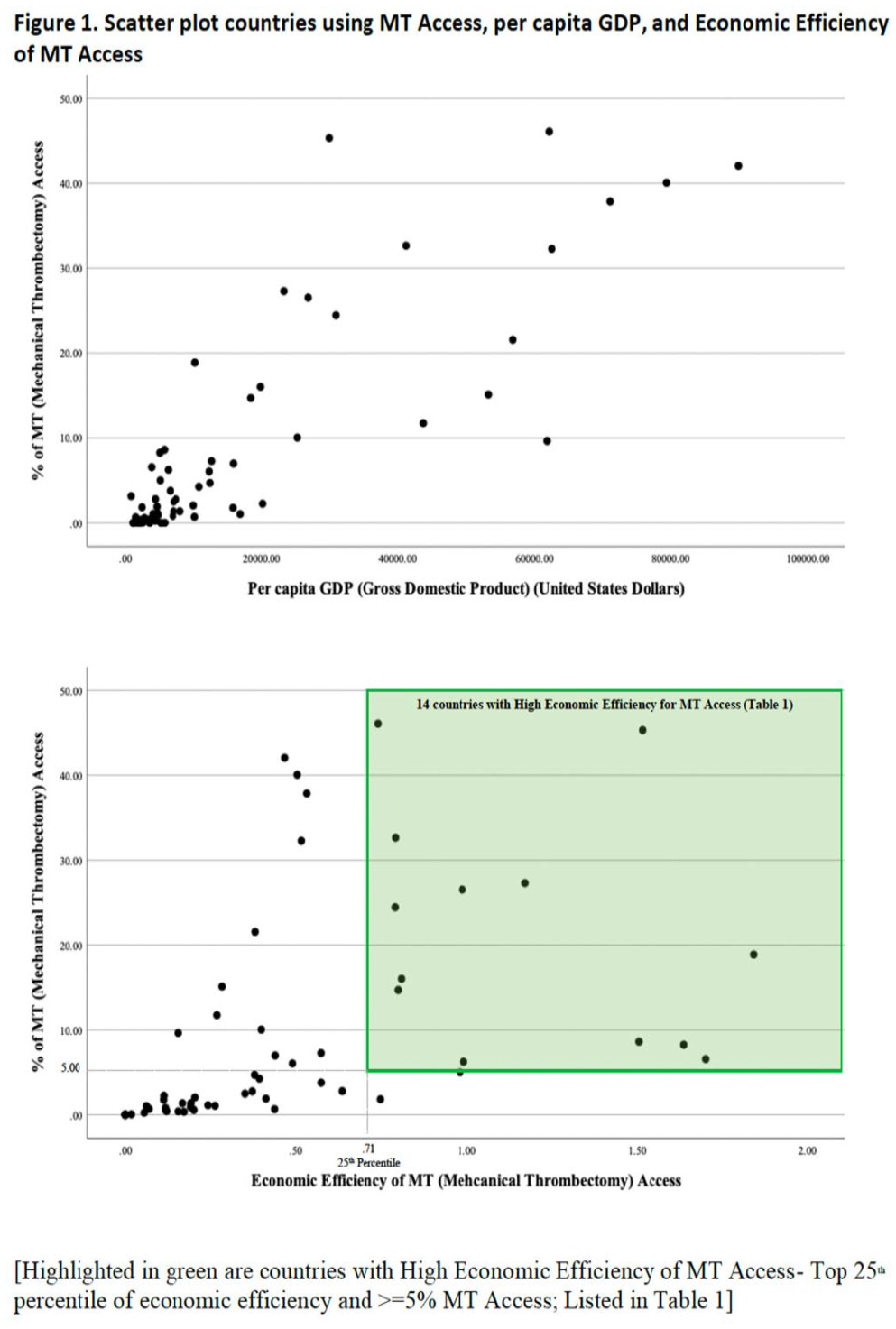
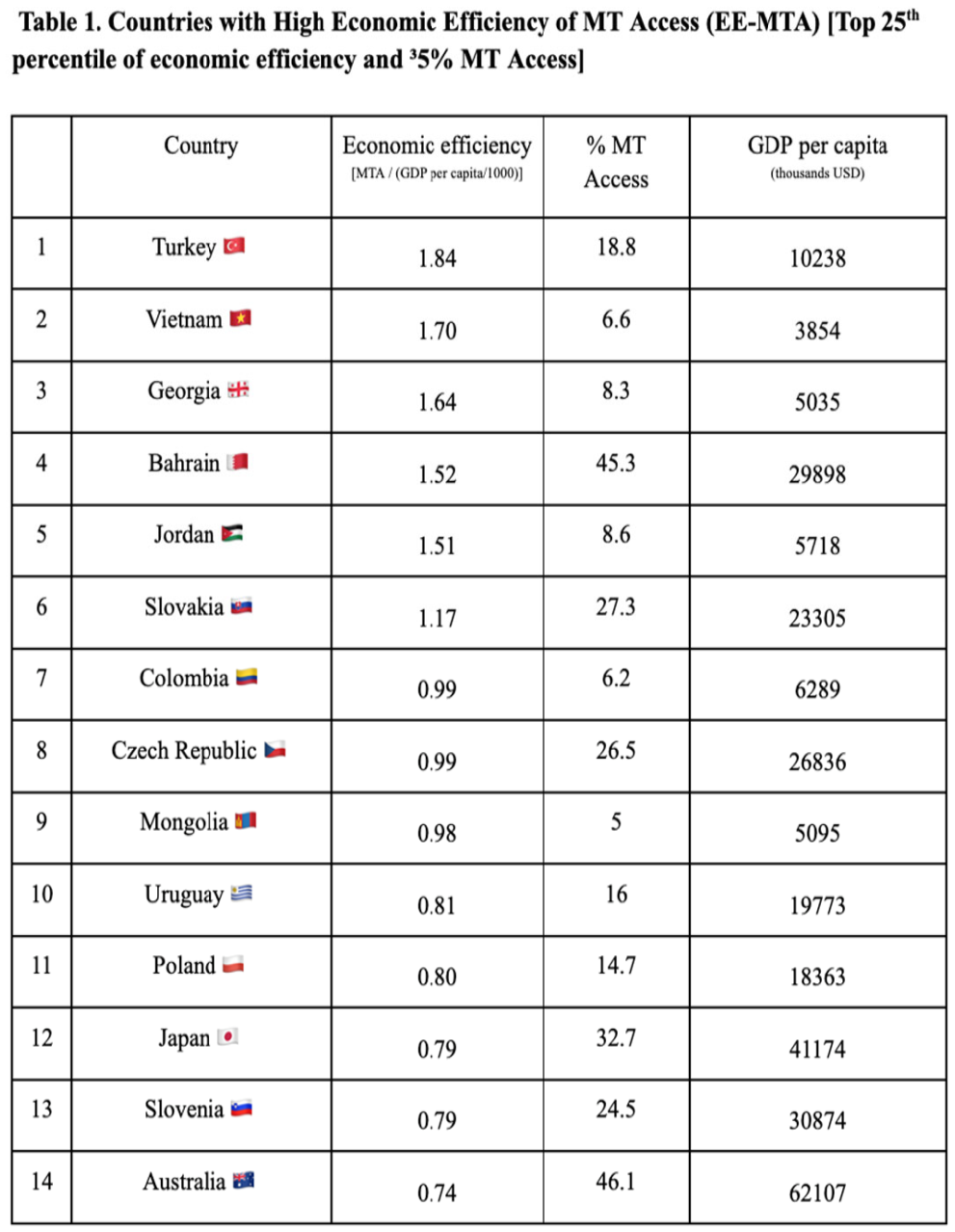
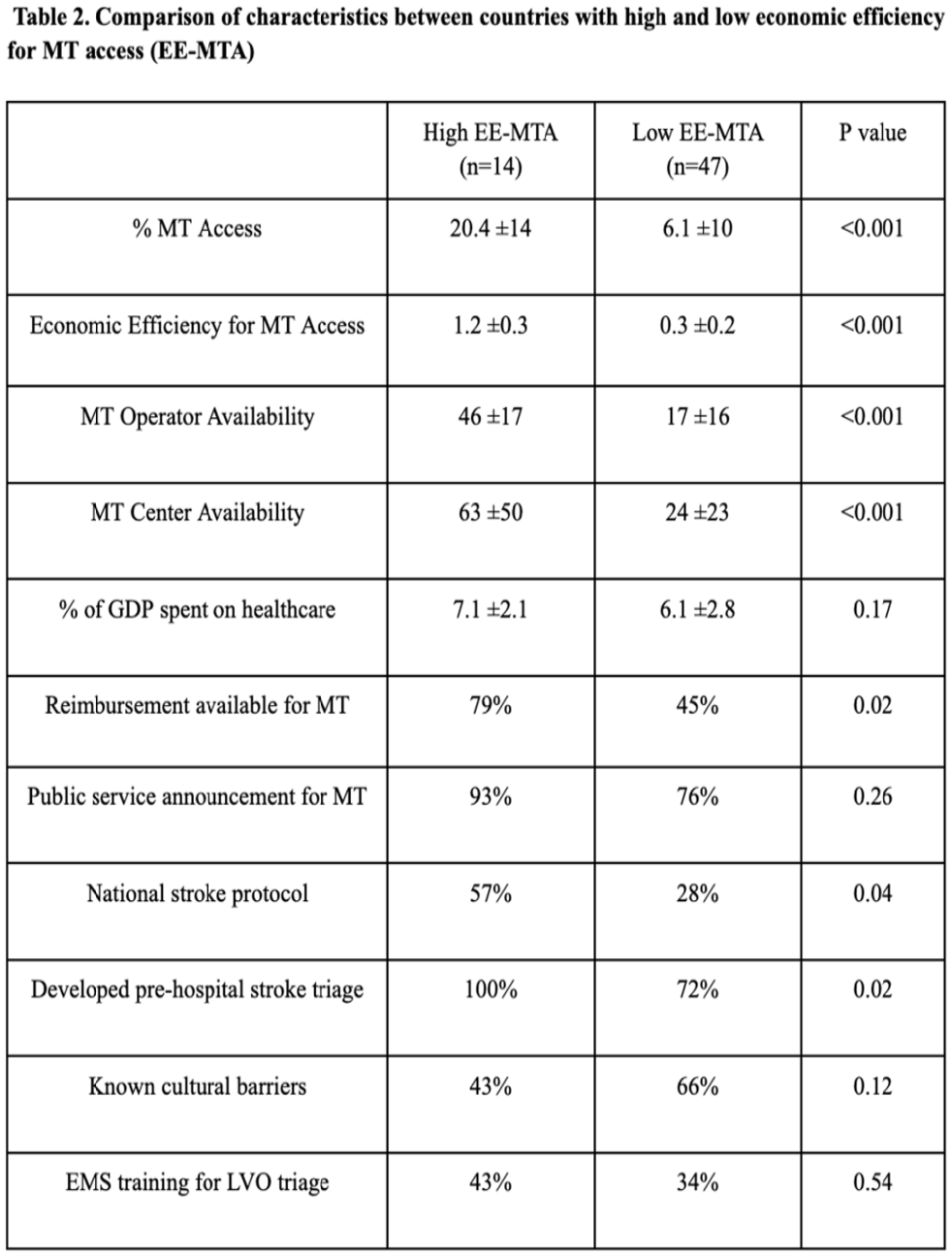
ECONOMIC EFFICIENCY IN ENABLING ACCESS TO MECHANICAL THROMBECTOMY: A GLOBAL DISPARITY REPORT FROM MISSION THROMBECTOMY (MT 2020-PLUS)
1HonorHealth Research and Innovation Institute, Neurology, Scottsdale, United States, 2Ascension Health, Neurology, Chicago, United States, 3SUNY Upstate Medical University, Neurology, Syracuse, United States, 4Thomas Jefferson University, Neurosurgery, Philadelphia, United States, 5New York Medical College, Neurosurgery, Valhalla, United States, 6Barrow Neurological Institute, Neurosurgery, Phoenix, United States, 7Massachusetts General Hospital & Brigham and Women's Hospital, Harvard Medical School, Neuroendovascular Program, Boston, United States, 8Society of Vascular and Interventional Neurology SVIN, Neurology, St. Louis Park, United States, 9University of California, Los Angeles, Interventional Neuroradiology, Los Angeles, United States, 10Christian Medical College & Hospital, Neurology, Ludhiana, India, 11UT Southwestern Medical Center, Neurology, Dallas, United States, 12Prince of Wales Hospital, Neurology, Hong Kong, Hong Kong, 13Alexandria University, Neurology, Alexandria, Egypt, 14University of Calgary, Neurology, Calgary, Canada, 15Narayana Health, Neurology, Bengaluru, India, 16Federal University of Rio Grande do Sul, Neurology, Rio Grande, Brazil, 17Capital Medical University, Neurology, Beijing, China, 18Sree Chitra Tirunal Institute for Medical Sciences & Technology, Neurology, Thiruvananthapuram, India, 19University of California, Los Angeles, Neurology, Los Angeles, United States, 20University of Iowa Hospitals, Neurology, Iowa City, United States, 21University of Miami, Neurology, Miami, United States
O027/849
Scientific Communication SC6 - Service Organisation and Quality Improvement
QUALITY IN ACUTE STROKE CARE (QASC) GERMANY PROJECT: IMPROVING EFFICIENCY IN STROKE UNITS WITH NURSE-INITIATED PROTOCOLS TO MANAGE FEVER, HYPERGLYCEMIA AND SWALLOWING POST-STROKE
1Saarland University of Applied Sciences, School of Social Sciences, Saarbruecken, Germany, 2St Vincent’s Health Network Sydney, St Vincent’s Hospital Melbourne & Australian Catholic University, Nursing Research Institute, Sydney, Australia, 3St Vincent’s Health Network Sydney, St Vincent’s Hospital Melbourne & Australian Catholic University, Nursing Research Institute, Melbourne, Australia, 4Monash University, School of Clinical Sciences at Monash Health, Melbourne, Australia, 5Klinikum Lueneburg, Department of Neurology and Clinical Neurophysiology, Lueneburg, Germany
O028/274
Scientific Communication SC6 - Service Organisation and Quality Improvement
MECHANICAL THROMBECTOMY OUTCOMES IN PATIENTS WITH ACUTE LARGE VESSEL OCCLUSION IN THE UNITED STATES BEFORE AND AFTER TIME WINDOW EXPANSION (6-24 HOURS)
1Birmingham city University, Department of Post Qualifying Healthcare Practice, Birmingham, United Kingdom, 2University Hospitals of North Midlands NHS Trust, Department of Cardiology, Stoke-on-Trent, United Kingdom, 3University of Missouri, Zeenat Qureshi Stroke Institute and Department of Neurology, Columbia, United States, 4Houston Methodist Hospital, Department of Neurology, HOUSTON, United States
O029/1804
Scientific Communication SC6 - Service Organisation and Quality Improvement
VALIDATE: VALIDATION OF ARTIFICIAL INTELLIGENCE TO LIMIT DELAYS IN ACUTE STROKE TREATMENT AND ENDOVASCULAR THERAPY
1University of Tennessee Health Science Center / CHI Memorial Hospital, Department of Neurology, Chattanooga, United States, 2TeleSpecialists, LLC, TeleNeurology, Fort Myers, United States, 3The University of Tennessee at Chattanooga, Statistics, Chattanooga, United States
O030/1748
Scientific Communication SC6 - Service Organisation and Quality Improvement
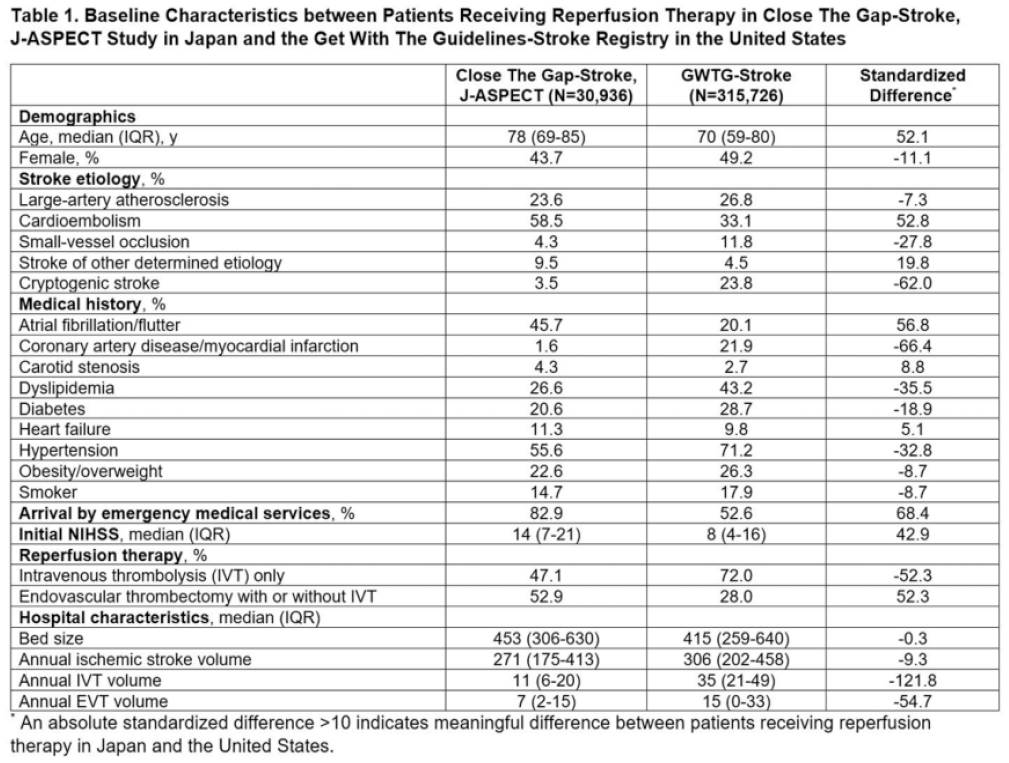
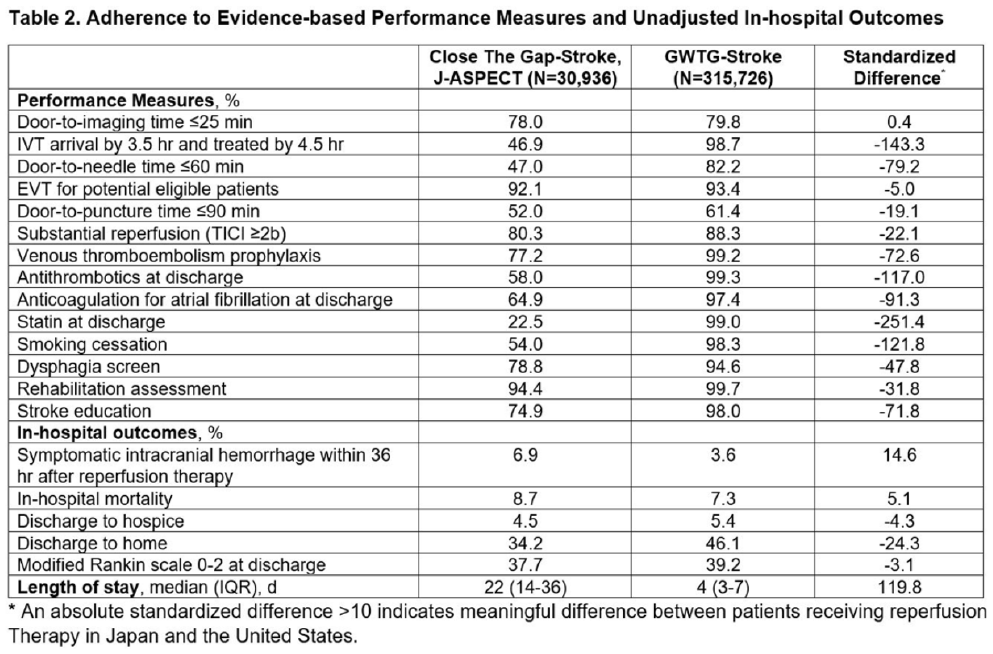
INTERNATIONAL COMPARISON OF CHARACTERISTICS, QUALITY OF CARE, AND IN-HOSPITAL OUTCOMES AMONG PATIENTS WITH ACUTE ISCHEMIC STROKE RECEIVING REPERFUSION THERAPY IN JAPAN AND THE UNITED STATES
1Duke University School of Medicine, Family Medicine and Community Health, Durham, United States, 2National Cerebral and Cardiovascular, Cerebrovascular, Suita, Japan, 3Duke Clinical Research Institute, Biostatistics, Durham, United States, 4Duke University School of Medicine, Neurology, Durham, United States, 5UT Southwestern Medical Center, Cardiology, Dallas, United States, 6University of California, Los Angeles, Cardiology, Los Angeles, United States, 7University of Calgary, Neurology, Calgary, Canada, 8Icahn School of Medicine at Mount Sinai, Cardiology, New York, United States, 9Harvard School of Medicine, Neurology, Boston, United States, 10UT Southwestern Medical Center, Neurology, Dallas, United States
O031/2629
Scientific Communication SC6 - Service Organisation and Quality Improvement
THE DELIVERING OF THROMBOLYSIS AND MECHANICAL THROMBECTOMY IN UKRAINE DURING THE WAR
1Kharkiv National Medical University, Neurology, Kharkiv, Ukraine, 2Feofaniya Clinical Hospital, Stroke Center, Kyiv, Ukraine, 3Vinnytsia National Pirogov Medical University, Neurology, Vinnytsia, Ukraine, 4Lutsk City Hospital, Stroke Unit, Lutsk, Ukraine, 5Dnipro Regional Clinical Hospital named after I.I. Mechnykov, Stroke Center, Dnipro, Ukraine, 6Poltava Regional Clinical Hospital named after M.V.Sklifosovskyy, Stroke Center, Poltava, Ukraine
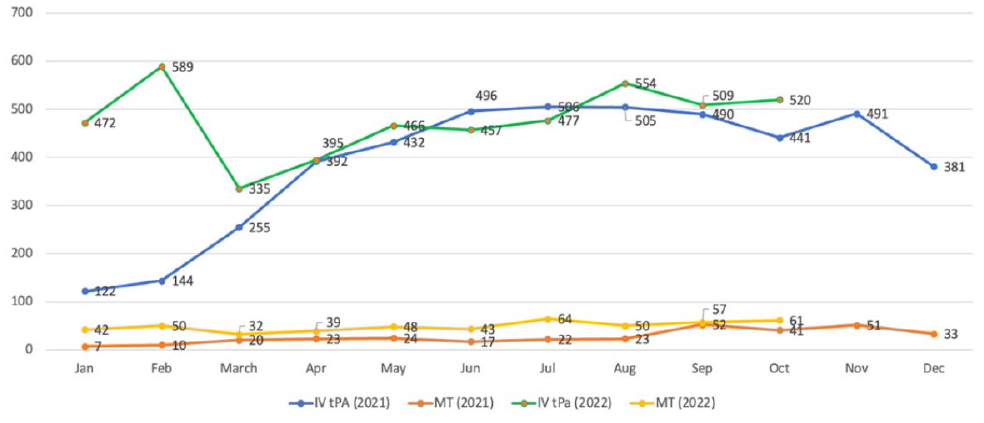
Regarding MT we can see that even the beginning of the war didn`t have such a huge impact as we saw with tPA (just decrease of procedures by 36% in March) and all the months of 2022 year were better than in 2021 year.
O032/843
Scientific Communication SC6 - Service Organisation and Quality Improvement
CHARACTERISTICS OF IN-HOSPITAL STROKE PATIENTS IN SWEDEN: A NATION-WIDE REGISTER BASED STUDY
1Dept. of Clinical Science, Neurosciences, Umeå, Sweden, 2Department of Public Health and Clinical Medicine, Sunderby Research Unit, Umeå, Sweden, 3Dept. of Statistics, USBE, Umeå, Sweden
35% had at least one invasive procedure prior to ictus and 26% were hospitalized at least once within 30 days before IHS. In total, 12% had a cardiovascular or neurosurgical procedure, 7% an orthopaedic procedure and 5% had an endoscopy. There were 7% who had only minimally invasive procedures such as blood product transfusion, hemodialysis, or arterial or central line insertion. The most common main discharge diagnoses were circulatory system disorders (excluding stroke), injuries, and neoplastic disorders.
O033/2341
Scientific Communication SC7 - Risk Factors, Primary Prevention
ISCHAEMIC BRAIN LESIONS AFTER CAROTID ENDARTERECTOMY OR STENTING FOR ASYMPTOMATIC CAROTID STENOSIS: THE MRI SUBSTUDY OF THE SECOND ASYMPTOMATIC CAROTID SURGERY TRIAL (ACST-2)
1University of Basel, Department of Neurology and Stroke Center, Basel, Switzerland, 2University of Basel, Department of Diagnostic and Interventional Neuroradiology, Basel, Switzerland, 3Inselspital, Department of Neurosurgery, Bern, Switzerland, 4Larissa, Department of Vascular Surgery, Larissa, Greece, 5UMC Utrecht, Department of Vascular Surgery, Utrecht, Netherlands, 6University of Belgrade - Faculty of Medicine, Department of Vascular Surgery, Belgrade, Serbia, 7Istituto Auxologico Italiano, Department of Vascular Surgery, Milan, Italy, 8Sapienza University of Rome, Department of Vascular Surgery, Rome, Italy, 9University of Basel, Department of Vascular Surgery, Basel, Switzerland, 10University of Oxford, Nuffield Department of Population Health, Oxford, United Kingdom
We aimed to compare the rate of new brain lesions on DWI-MRI in a substudy of the Second Asymptomatic Carotid Surgery Trial (ACST-2), a randomised controlled trial comparing CEA versus CAS in patients with asymptomatic carotid stenosis.
O034/1992
Scientific Communication SC7 - Risk Factors, Primary Prevention
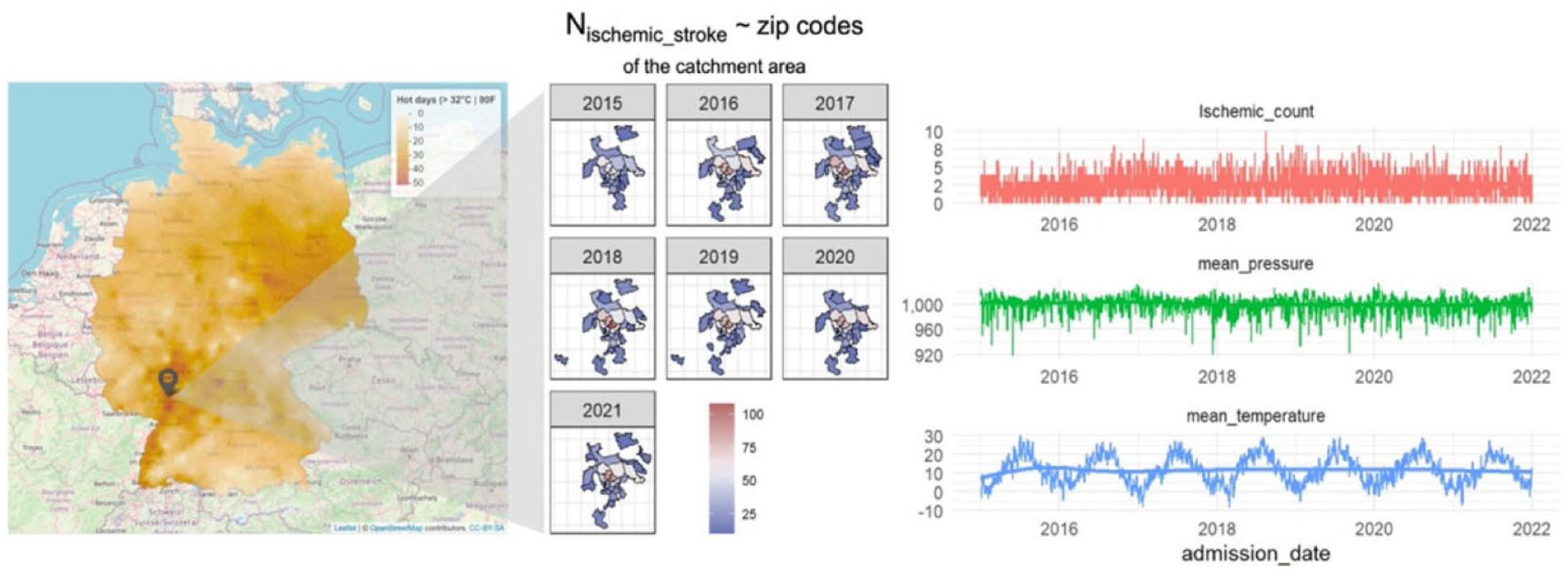
MACHINE LEARNING-BASED PREDICTIVE MODELING OF ACUTE STROKE OCCURRENCE USING WEATHER SYSTEMS TO IMPROVE CLINICAL RESOURCE ALLOCATION
1Medical Faculty Mannheim, Heidelberg University, Dept. of Biomedical Informatics at the Center for Preventive Medicine and Digital Health, Mannheim, Germany, 2Ludwig-Maximilians-University, Department of Statistics, Chair of Statistical Learning & Data Science, Munich, Germany, 3Deutscher Wetterdienst (DWD), Research Centre Human Biometeorology, Freiburg, Germany, 4Medical Faculty Mannheim, Heidelberg University, Dept. of Neuroradiology, Mannheim, Germany, 5Medical Faculty Mannheim, Heidelberg University, Depts. of Neuroradiology & Biomedical Informatics at the Center for Preventive Medicine and Digital Health, Mannheim, Germany
O035/1042
Scientific Communication SC7 - Risk Factors, Primary Prevention
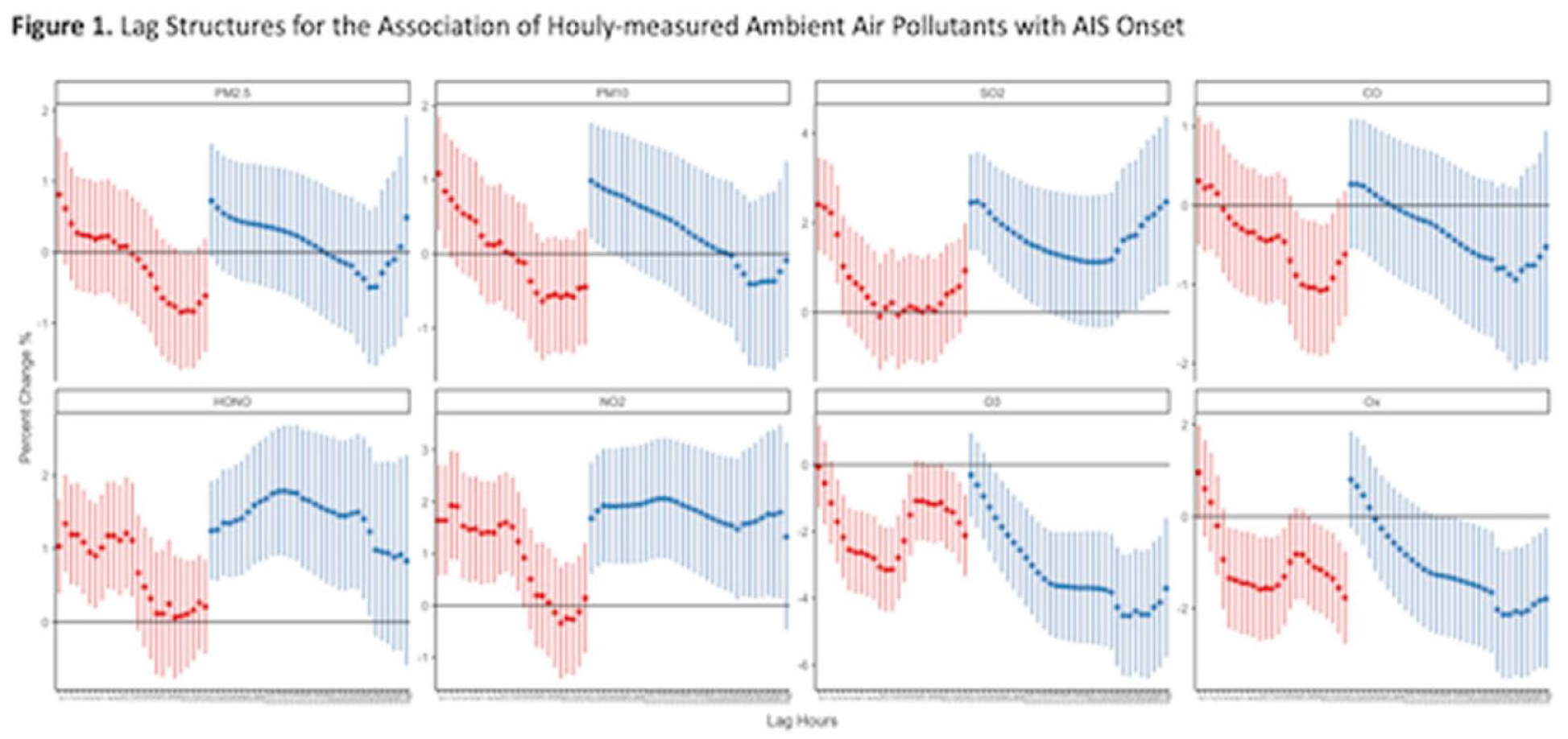
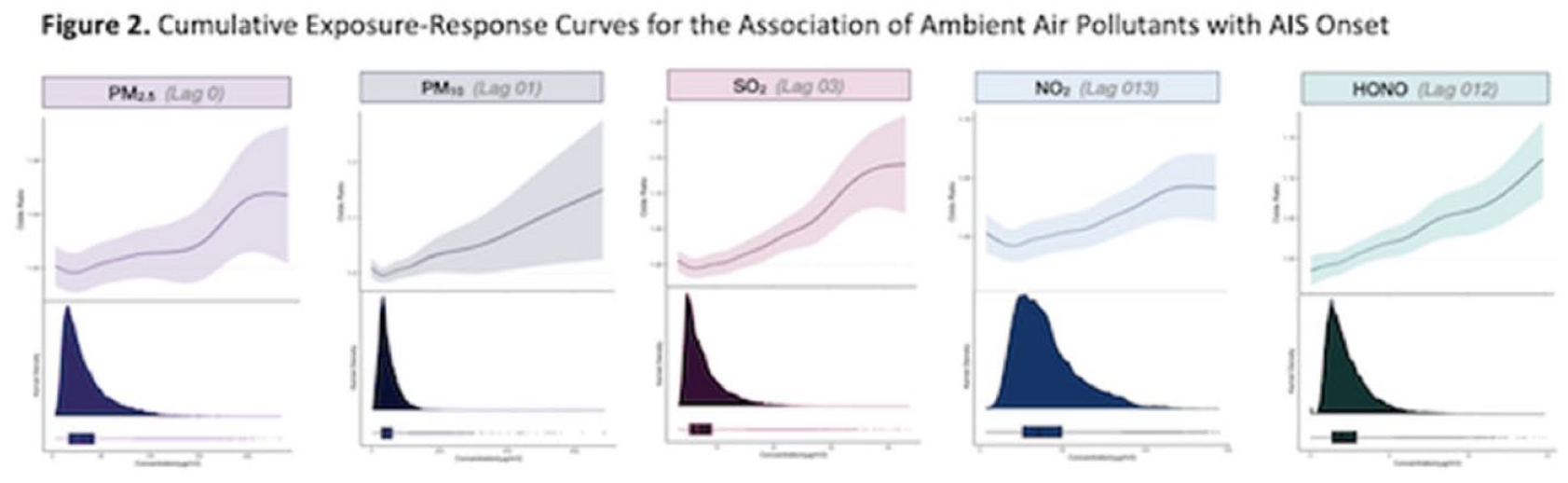
HOURLY EFFECT OF AMBIENT AIR POLLUTION ON THE ONSET OF ACUTE ISCHEMIC STROKE: INSIGHT FROM THE SHANGHAI STROKE SERVICE SYSTEM DATABASE
1National Center for Neurological Disorders, National Clinical Research Centre for Aging and Medicine, Huashan Hospital, Fudan University, Department of Neurology, Shanghai, China, 2Shanghai University, School of Environmental and Chemical Engineering, Shanghai, China, 3Shanghai Environmental Monitoring Center, Shanghai, China
O036/808
Scientific Communication SC7 - Risk Factors, Primary Prevention
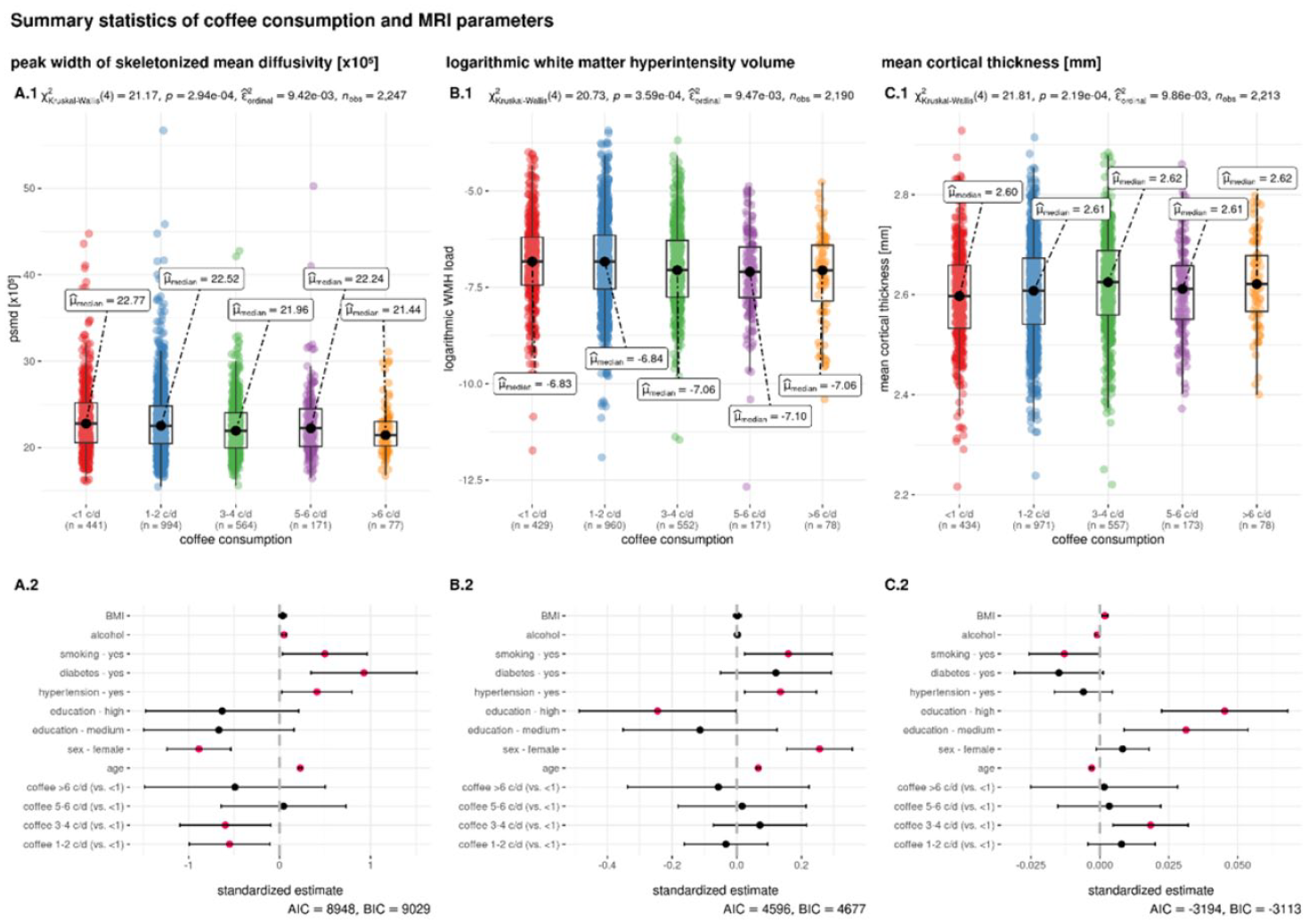
ASSOCIATION BETWEEN COFFEE CONSUMPTION AND BRAIN MRI PARAMETERS IN THE HAMBURG CITY HEALTH STUDY
1University Medical Center Hamburg-Eppendorf, Department of Neurology, Hamburg, Germany, 2University Medical Center Hamburg-Eppendorf, Department of Periodontics, Hamburg, Germany, 3University Medical Center Hamburg-Eppendorf, Department of Cardiology, University Heart and Vascular Center, Hamburg, Germany, 4University Medical Center Hamburg-Eppendorf, Midwifery Science - Health Service Research and Prevention, Institute for Health Services Research in Dermatology and Nursing, Hamburg, Germany
O037/2498
Scientific Communication SC7 - Risk Factors, Primary Prevention
SGLT2 INHIBITION AND RISK OF STROKE: A MENDELIAN RANDOMIZATION STUDY
1Trinity College Dublin, Global Brain Health Institute, Dublin, Ireland, 2Mater Misericordiae University Hospital, Department of Intensive Care Medicine, Dublin, Ireland, 3University Hospital of LMU Munich, Institute for Stroke and Dementia Research, Munich, Germany, 4Broad Institute of Harvard and the Massachusetts Institute of Technology, Program in Medical and Population Genetics, Boston, United States, 5Massachusetts General Hospital, McCance Center for Brain Health, Boston, United States, 6Brigham and Women's Hospital, Department of Neurology, Boston, United States
O038/1843
Scientific Communication SC7 - Risk Factors, Primary Prevention
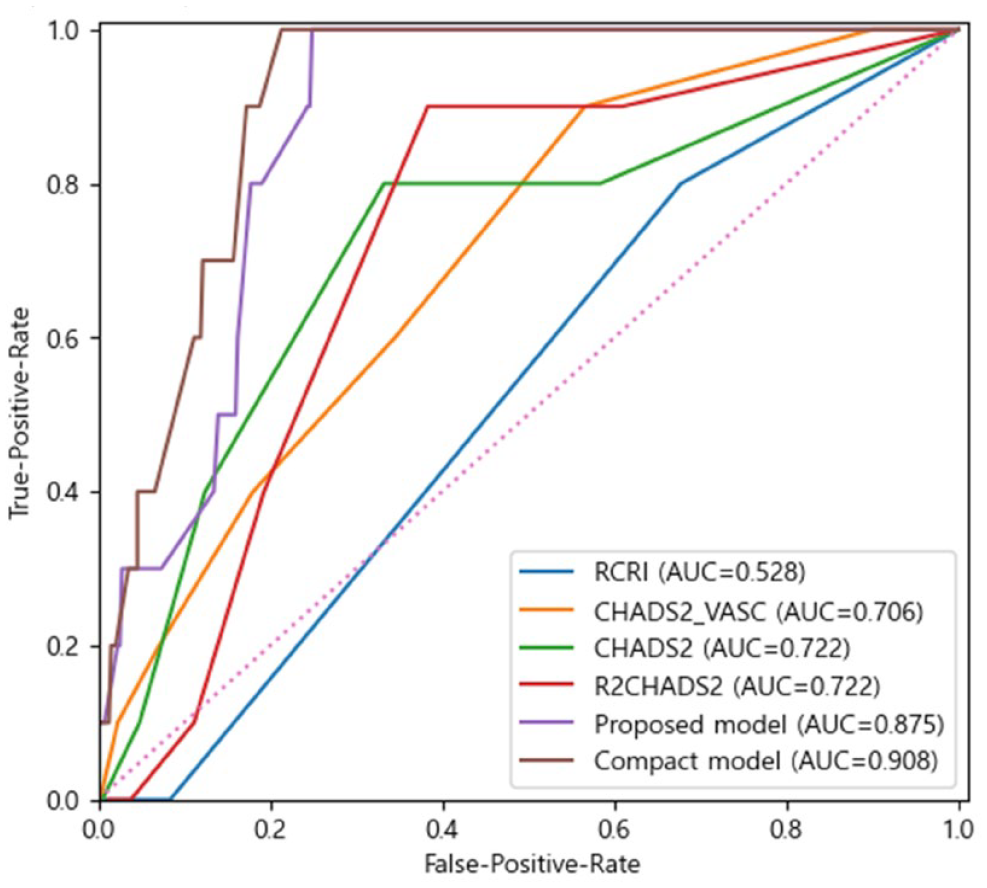
THE PREDICTION MODEL FOR PERIOPERATIVE STROKE IN NON-CARDIAC SURGERY
1Bucheon Sejong Hospital, Department of Neurology, Bucheon-si, Gyeonggi-do, Korea, South Korea, 2Keimyung University School of Medicine, Department of Medical Informatics, Daegu, South Korea, 3Seoul National University College of Medicine, Department of Obstetrics and Gynecology, Seoul, South Korea, 4Seoul National University College of Medicine, Seoul National University Hospital, Department of Anesthesiology and Pain Medicine, Seoul, South Korea
O039/1264
Scientific Communication SC7 - Risk Factors, Primary Prevention
RISK OF STROKE IN PATIENTS WITH PRIOR VKA OR DOAC TREATMENT– A POPULATION-BASED REAL-WORLD ANALYSIS
1Medical University of Innsbruck, Neurology, Innsbruck, Austria, 2Tyrolean Health Care Fund, Tyrolean Health Care Fund, Innsbruck, Austria, 3Hospital Barmherzige Brüder Vienna, Neurology, Vienna, Austria, 4Medical University of Vienna, Neurology, Vienna, Austria, 5Austrian National Public Health Institute / Austrian National Institute for Quality in Health Care, Austrian National Public Health Institute / Austrian National Institute for Quality in Health Care, Vienna, Austria, 6Medical University of Graz, Neurology, Graz, Austria, 7Johannes Kepler University Hospital Linz, Neurology, Linz, Austria, 8Medical University of Salzburg, Neurology, Salzburg, Austria
O040/722
Scientific Communication SC8 - Cognition and Vascular Cognitive Impairment
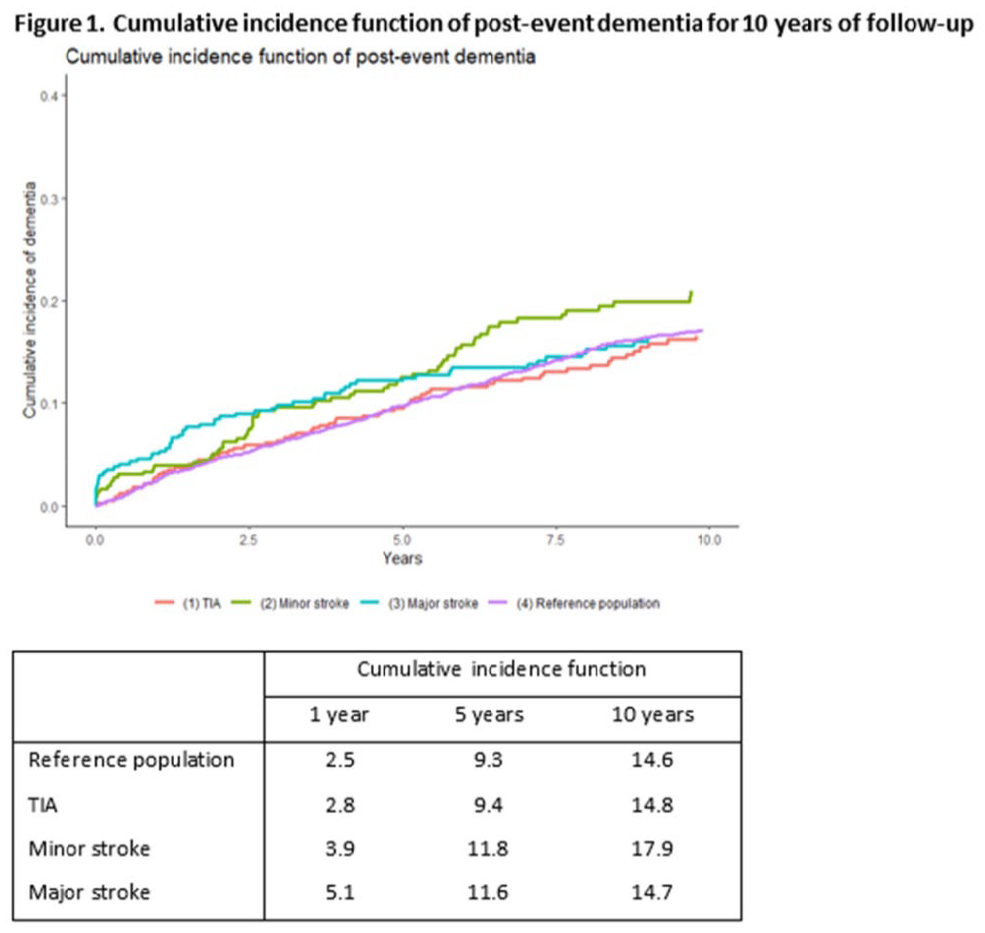
INCIDENCE AND PROGNOSTIC INDICATORS OF DEMENTIA IN PATIENTS WITH TIA AND STROKE: THE POPULATION-BASED ROTTERDAM STUDY
1Erasmus Medical Center, Epidemiology, Rotterdam, Netherlands, 2Erasmus Medical Center, Neurology, Rotterdam, Netherlands, 3Erasmus Medical Center, Radiology & Nuclear Medicine, Rotterdam, Netherlands
O041/2119
Scientific Communication SC8 - Cognition and Vascular Cognitive Impairment
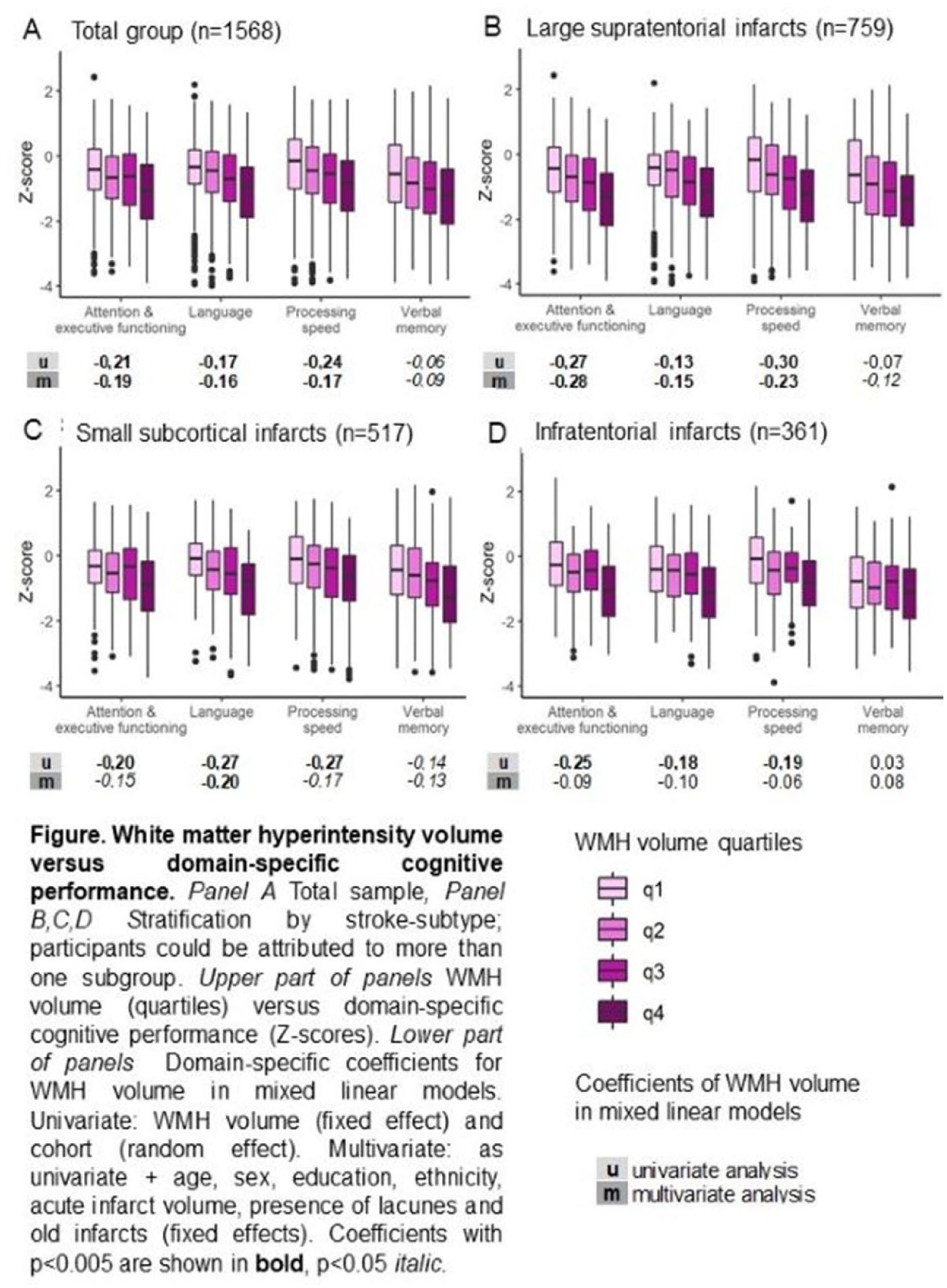
WHITE MATTER HYPERINTENSITY VOLUME AND POST-STROKE COGNITIVE FUNCTIONING: A POOLED ANALYSIS OF INDIVIDUAL PATIENT DATA FROM NINE ISCHEMIC STROKE COHORT STUDIES
1 UMC Utrecht, Neurology, Utrecht, Netherlands
O042/1263
Scientific Communication SC8 - Cognition and Vascular Cognitive Impairment
CONTRIBUTIONS OF BRAIN AREAS TO POST-STROKE COGNITIVE IMPAIRMENT INFERRED BY GAME-THEORETICAL LESION ANALYSIS – A SUBSTUDY IN THE METAVCIMAP CONSORTIUM
1Clinical University Hamburg Eppendorf, Neurology, Hamburg, Germany, 2Clinical University Hamburg Eppendorf, Computational Neuroscience, Hamburg, Germany
We link PSCI to a strategic, cortico-subcortical network of brain areas and white matter fiber tracts involved in cognitive functions using MSA as an innovative approach for lesion-symptom inference.
O043/1802
Scientific Communication SC8 - Cognition and Vascular Cognitive Impairment
ASSOCIATIONS OF DIFFERENT BLOOD PRESSURE (BP) PARAMETERS WITH COGNITIVE DECLINE AND DEMENTIA IN PATIENTS WITH MILD COGNITIVE IMPAIRMENT (MCI) AND DIABETES
1The George Institute for Global Health, Global Brain Health Program, Newtown, Australia, 2UNSW Sydney, Faculty of Medicine, Sydney, Australia, 3The George Institute for Global Health, Professorial Unit, Newtown, Australia, 4Royal Prince Alfred Hospital, Neurology, Camperdown, Australia, 5University of Sydney School of Medicine, Neurology and Neurosciences, Camperdown, Australia, 6UNSW Sydney, Medicine, Sydney, Australia
Higher SBP and DBP variability and not mean SBP or BP load were associated with cognitive decline/dementia, which suggests that BP variability could be an important therapeutic target for future studies.
O044/1164
Scientific Communication SC8 - Cognition and Vascular Cognitive Impairment
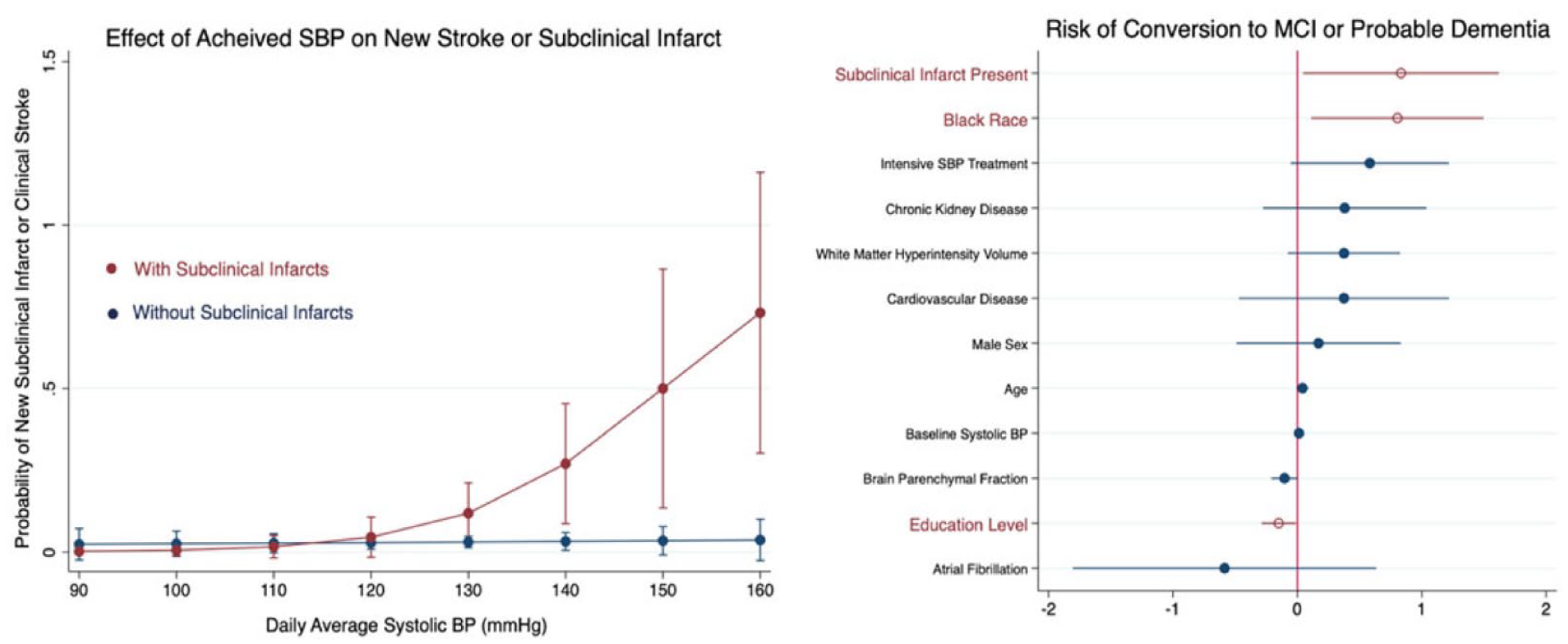
SUBCLINICAL INFARCTS AND INTENSIVE SYSTOLIC BLOOD PRESSURE TREATMENT: A SECONDARY ANALYSIS OF SPRINT-MIND
1National Institute of Neurological Disorders and Stroke, Stroke Branch, Bethesda, United States, 2University of Pennsylvania, Radiology, Philadelphia, United States, 3National Institute of Neurological Disorders and Stroke, Division of Clinical Research, Bethesda, United States
O045/485
Scientific Communication SC8 - Cognition and Vascular Cognitive Impairment
MICRO-STROKES AFFECT DEGENERATION OF MEMORY CIRCUITS IN THE HIPPOCAMPUS
1Brain Research Institute, Laboratory of Neural Circuit Dynamics, Zurich, Switzerland, 2Institute for Stroke and Dementia Research, Neuronal repair and rewiring, München, Germany
O046/2153
Scientific Communication SC8 - Cognition and Vascular Cognitive Impairment
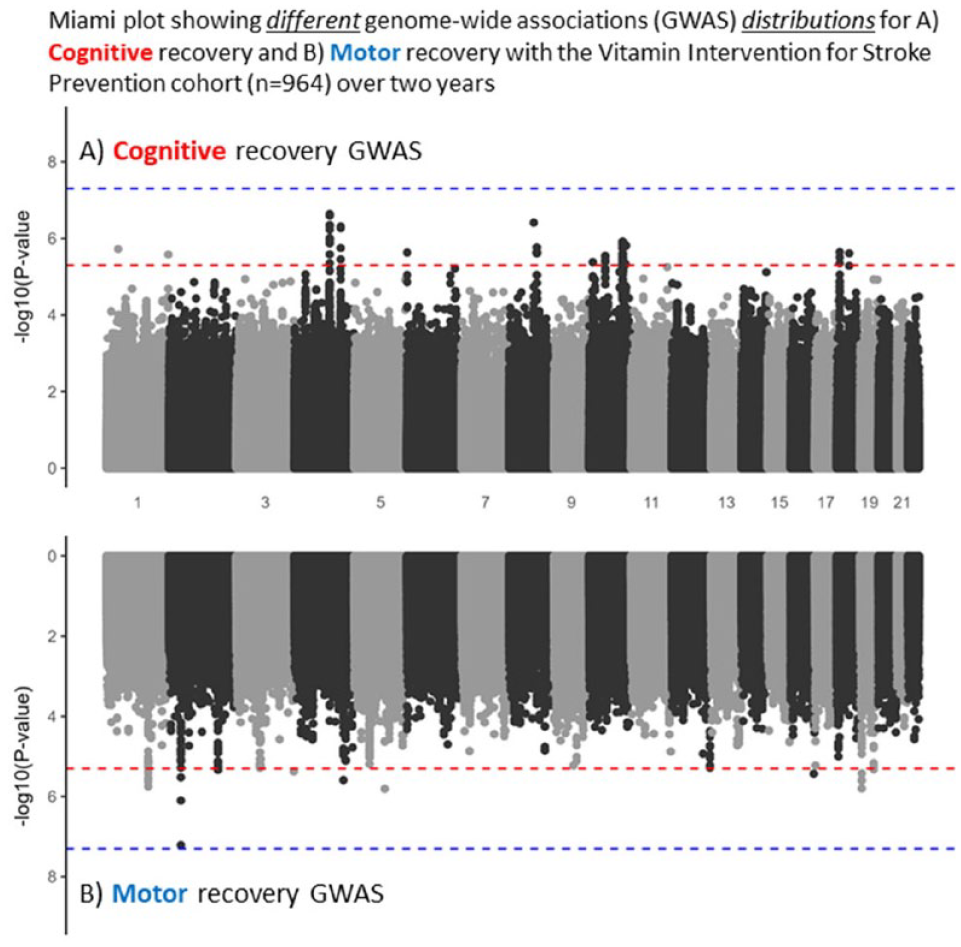
STROKE RECOVERY GENOME-WIDE ASSOCIATIONS ARE DEPENDENT ON PHENOTYPE DEFINITION
1University of Virginia, Department of Neurology, Charlottesville, United States, 2University of Maryland, Department of Neurology, Baltimore, United States, 3Yale, Department of Neurology, New Haven, United States, 4Washington University, Department of Neurology, Saint Louis, United States, 5University of California, Department of Neurology, Los Angeles, United States, 6Lund University, Department of Neurology, Lund, Sweden, 7Wake Forest University, Department of Biostatistics and Data Science, Winston-Salem, United States
O047/2177
Scientific Communication SC8 - Cognition and Vascular Cognitive Impairment
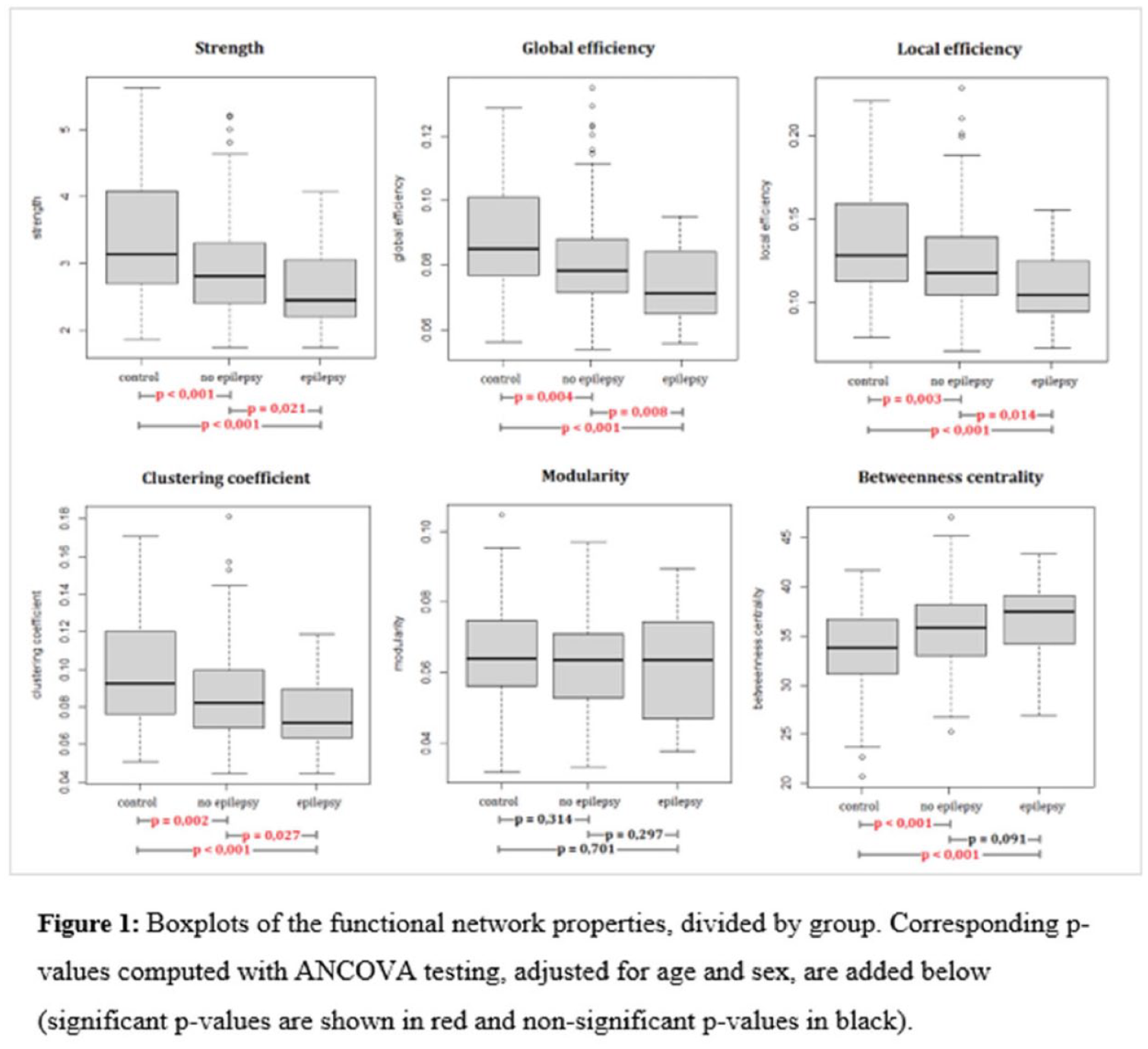
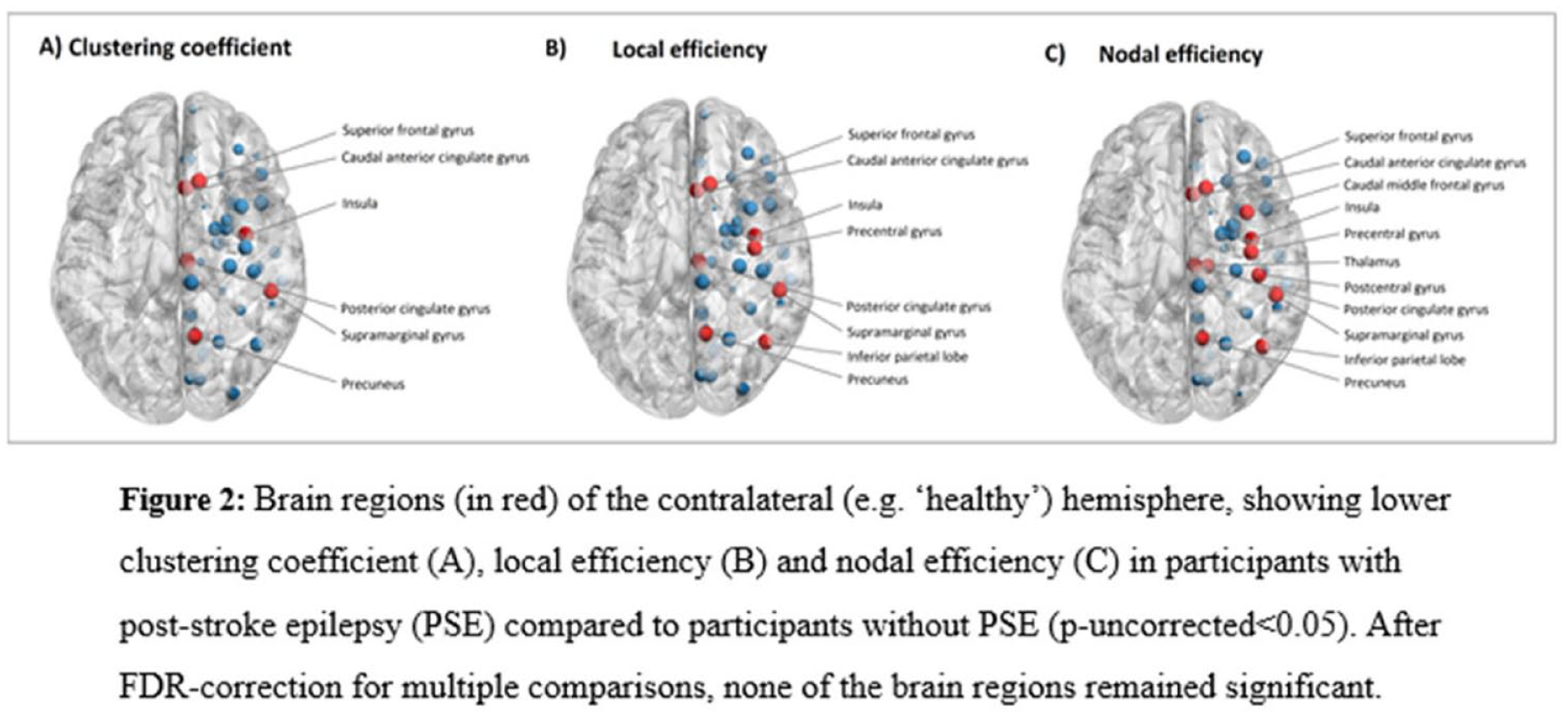
FUNCTIONAL BRAIN CONNECTIVITY IN YOUNG ADULTS WITH POST-STROKE EPILEPSY
1Radboud University Medical Centre; Donders Center for Medical Neuroscience, Department of Neurology, nijmegen, Netherlands, 2Luzerner Kantonsspital Neurocentre, Department of Neurology and Neurorehabilitation, Luzern, Switzerland, 3Deventer Hospital, Department of Medical Psychology, Deventer, Netherlands, 4Medisch Spectrum Twente, Department of Neurology, Enschede, Netherlands, 5F. Hoffmann – La Roche Ltd, F. Hoffmann – La Roche Ltd, Basel, Switzerland, 6Radboud University; Donders Institute for Brain, Cognition and Behavior, Department of Psychology, Nijmegen, Netherlands, 7Radboud University Medical Centre; Donders Center for Medical Neuroscience, Department of Neurology, Nijmegen, Netherlands
O048/110
Scientific Communication SC9 - Diagnosis / Investigation of Stroke Etiology and Pathophysiology
LONG TERM OUTCOME OF ACUTE STROKE PATIENTS UNDERGOING CARDIAC CT AS PART OF THE INITIAL STROKE IMAGING PROTOCOL
1AMSTERDAM UNIVERSITY MEDICAL CENTRES, LOCATION AMC, Neurology, Amsterdam, Netherlands, 2AMSTERDAM UNIVERSITY MEDICAL CENTRES, LOCATION AMC, Cardiology, Amsterdam, Netherlands, 3AMSTERDAM UNIVERSITY MEDICAL CENTRES, LOCATION AMC, Radiology and Nuclear Medicine, Amsterdam, Netherlands, 4AMSTERDAM UNIVERSITY MEDICAL CENTRES, LOCATION AMC, Biomedical Engineering and Physics, Amsterdam, Netherlands
O049/271
Scientific Communication SC9 - Diagnosis / Investigation of Stroke Etiology and Pathophysiology
HEART RATE TURBULENCE IN ACUTE ISCHEMIC STROKE: AN ANALYSIS OF HOLTER ECG DATA FROM THE HEBRAS STUDY
1Charité – Universitätsmedizin Berlin, Department of Neurology, Berlin, Germany, 2Charité – Universitätsmedizin Berlin, Center for Stroke Research Berlin (CSB), Berlin, Germany, 3Charité – Universitätsmedizin Berlin, Berlin Institute of Health (BIH), Berlin, Germany, 4German Center for Neurodegenerative Diseases (DZNE), Partner Site Berlin, Berlin, Germany, 5Jüdisches Krankenhaus Berlin, Department of Neurology, Berlin, Germany, 6German Center for Cardiovascular Research (DZHK), Partner Site Berlin, Berlin, Germany, 7Charité – Universitätsmedizin Berlin, Excellence Cluster NeuroCure, Berlin, Germany, 8Universitätsklinikum Würzburg, Department of Neurology, Würzburg, Germany
O050/496
Scientific Communication SC9 - Diagnosis / Investigation of Stroke Etiology and Pathophysiology
CARDIAC FINDINGS FOLLOWING ACUTE ISCHEMIC STROKE ARE DIFFERENT IN MEN AND WOMEN
1University Hospital Zurich, Department of Neurology, Zurich, Switzerland, 2Inselspital Bern University Hospital, Department of Cardiology, Bern, Switzerland
O051/2195
Scientific Communication SC9 - Diagnosis / Investigation of Stroke Etiology and Pathophysiology
MICROTHROMBI FORMED FOLLOWING ISCHEMIC STROKE OPEN THE BLOOD-BRAIN BARRIER FOR NANOCARRIERS
1University of Munich Medical Center, Institute for Stroke and Dementia Research, Munich, Germany, 2University of Munich Medical Center, Department of Neurosurgery, Munich, Germany, 3Nihon University School of Medicine, Department of Neurosurgery, Tokyo, Japan, 4University of Strasbourg, Laboratoire de Biophotonique et Pharmacologie, Strasbourg, France, 5Cluster for Systems Neurology, Cluster for Systems Neurology, Munich, Germany
O052/442
Scientific Communication SC9 - Diagnosis / Investigation of Stroke Etiology and Pathophysiology
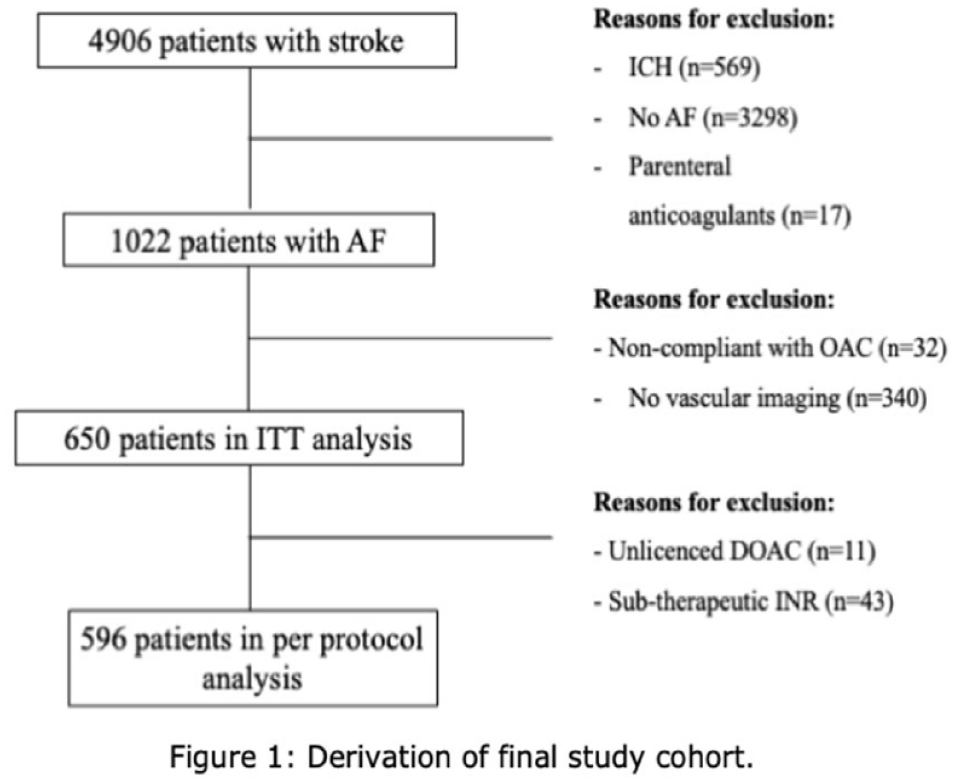
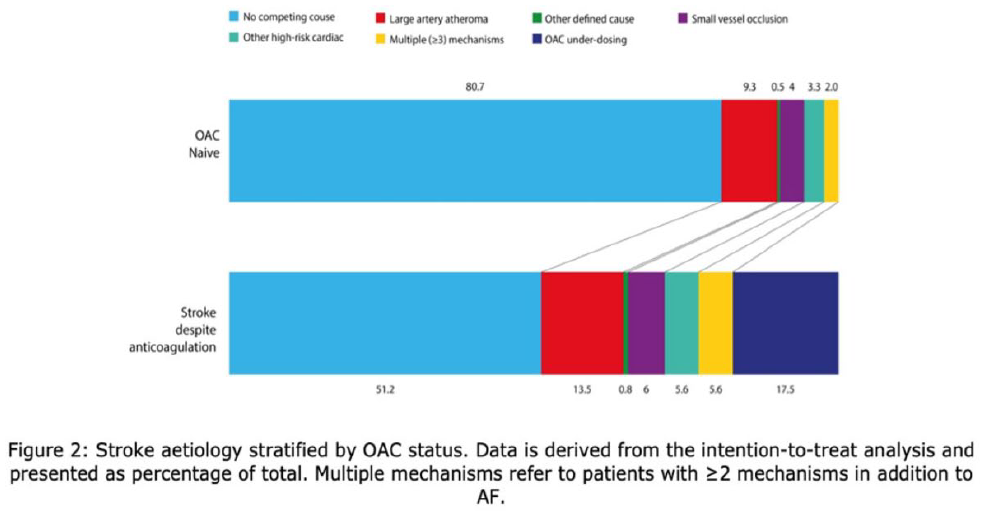
THE CONTRIBUTION OF COMPETING MECHANISMS IN STROKE DESPITE ANTICOAGULATION IN PATIENTS WITH ATRIAL FIBRILLATION
1Addenbrooke's Hospital, Department of Clinical Neurosciences, University of Cambridge, Cambridge, United Kingdom, 2Health Research Board Stroke Clinical Trials Network Ireland, Catherine McAuley Centre, Dublin, Ireland, 3Neurovascular Unit for Applied Translational and Therapeutics Research, Catherine McAuley Centre, Dublin, Ireland, 4University College Dublin, School of Medicine, Dublin, Ireland, 5Mater Misericordiae University, Stroke Service, Department of Medicine for the Elderly, Dublin, Ireland
O053/866
Scientific Communication SC9 - Diagnosis / Investigation of Stroke Etiology and Pathophysiology
RISK OF A CANCER DIAGNOSIS IN PATIENTS WITH CEREBRAL VENOUS THROMBOSIS COMPARED WITH THE DANISH GENERAL POPULATION
1 Aarhus University, Department of Clinical Epidemiology, Aarhus N, Denmark
O054/1484
Scientific Communication SC9 - Diagnosis / Investigation of Stroke Etiology and Pathophysiology
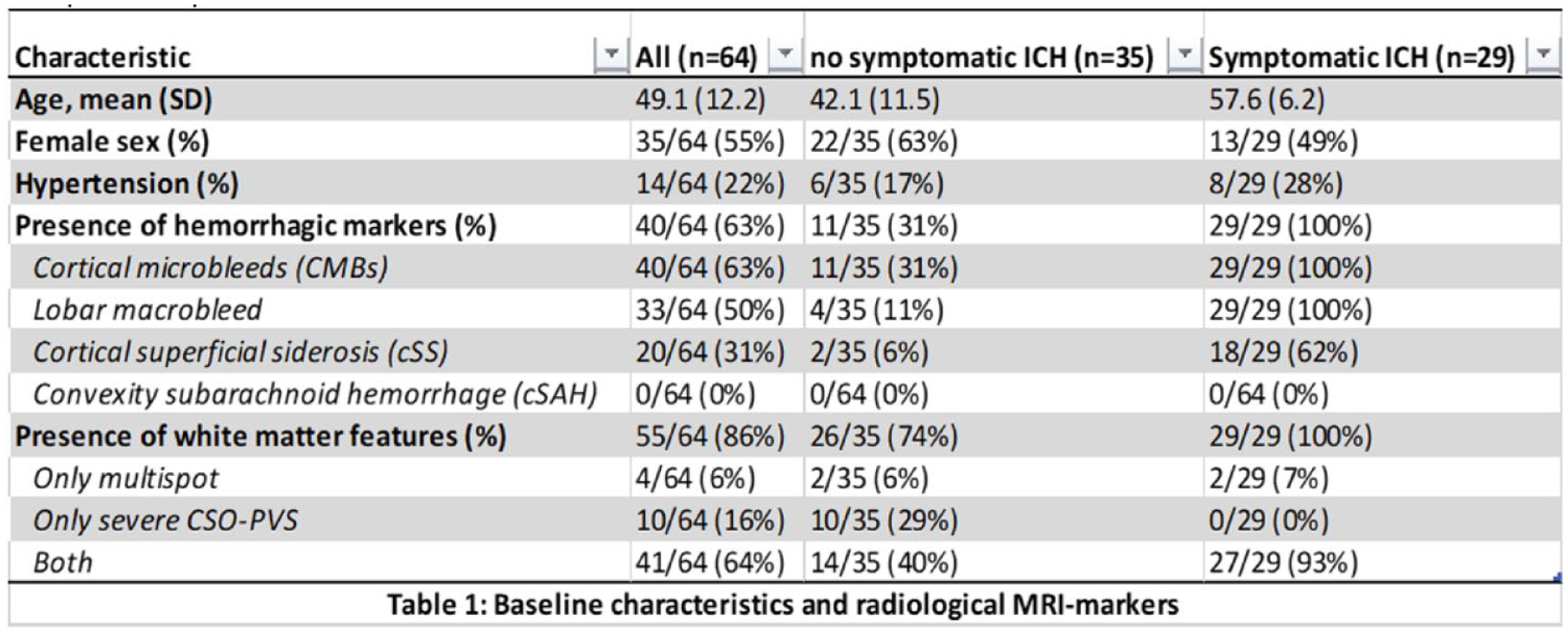
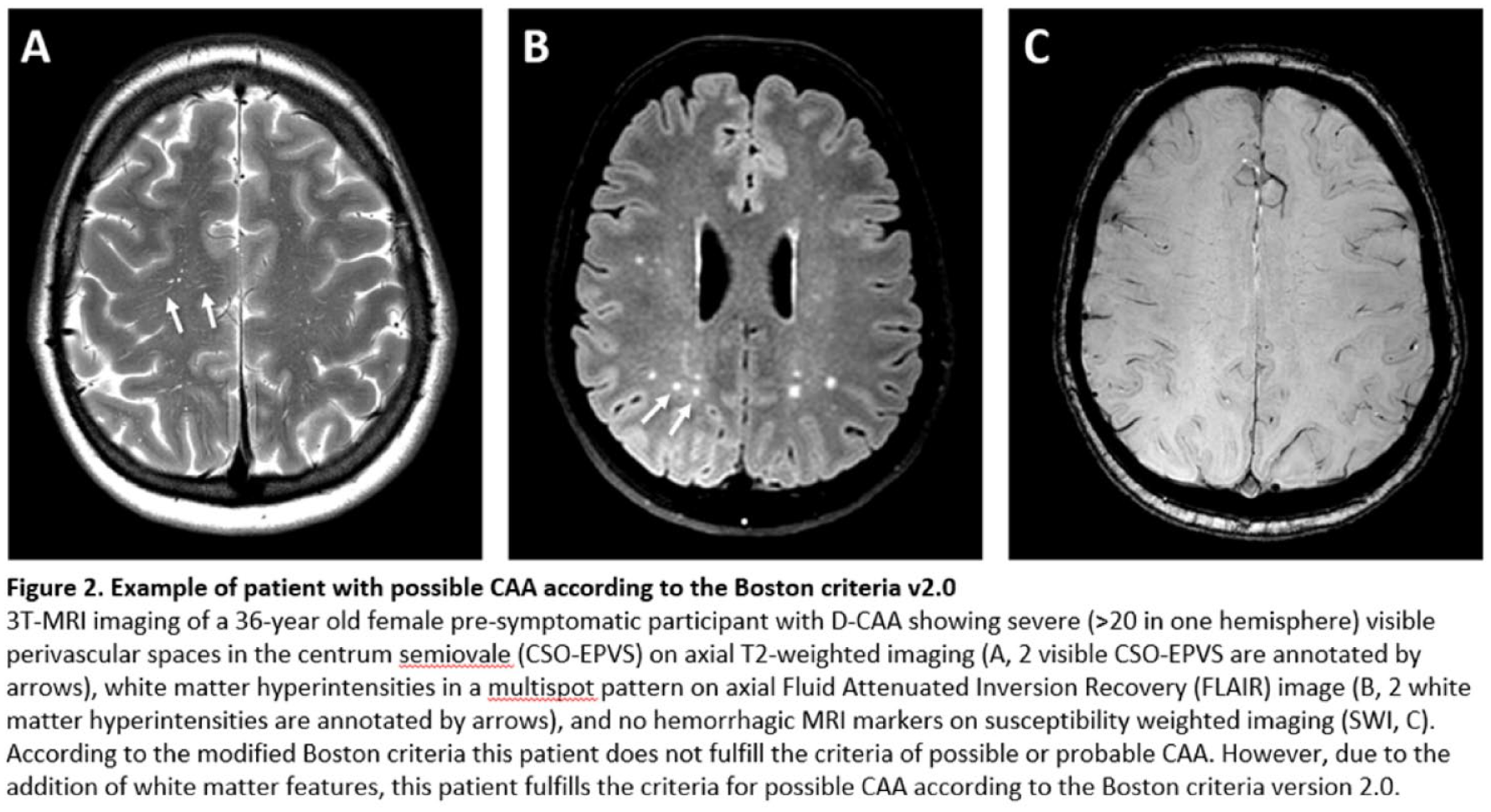
ASSESSING THE SENSITIVITY OF THE BOSTON CRITERIA VERSION 2.0 IN DUTCH-TYPE HEREDITARY CEREBRAL AMYLOID ANGIOPATHY
1Leiden University Medical Center (LUMC), Neurology, Leiden, Netherlands, 2Leiden University Medical Center (LUMC), Radiology, Leiden, Netherlands, 3Leiden University Medical Center (LUMC), Medical Statistics, Leiden, Netherlands
O055/1168
Scientific Communication SC10 - Hyperacute Management
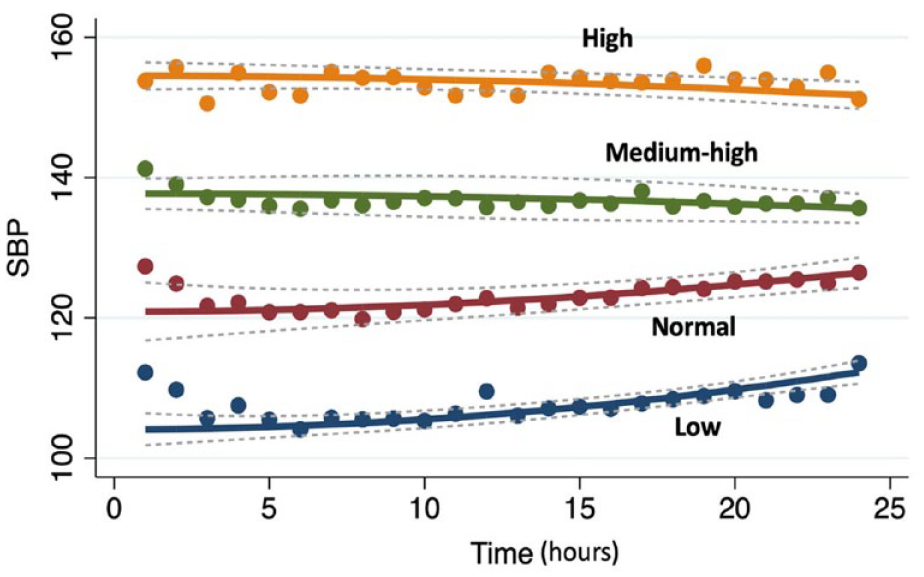
BLOOD PRESSURE TRAJECTORIES AND OUTCOMES AFTER ENDOVASCULAR THROMBECTOMY FOR ACUTE ISCHEMIC STROKE: AN INDIVIDUAL PATIENT DATA META-ANALYSIS
1McMaster University & Population Health Research Institute, Department of Medicine (Neurology), Hamilton, Canada, 2National and Kapodistrian University of Athens, Second Department of Neurology, Athens, Greece, 3Karolinska University Hospital, Department of Neurology, Stockholm, Sweden, 4Chonnam National University Medical School, Department of Neurology, Gwangju, South Korea, 5University of Tennessee Health Science Center, Department of Neurology, Mepmphis, United States, 6University Medical Center Goettingen, Department of Neurology, Goettingen, Germany, 7University of Utah, Department of Neurology, Salt Lake City, United States, 8Medical University of South Carolina, Department of Neurology, Charleston, United States, 9Vanderbilt University Medical Center, Department of Neurology, Nashville, United States, 10University of Cincinnati, Department of Neurology, Cincinnati, United States, 11University of Tennessee Health Science Center, Department of Neurosurgery, Memphis, United States, 12Case Western Reserve University, Department of Neurology, Cleveland, United States, 13NYU Langone Health, Department of Neurology, New York, United States, 14University Hospital Basel, Department of Neuroradiology, Clinic for Radiology & Nuclear Medicine, Basel, Switzerland, 15Allegheny Health Network, Department of Neurology, Pittsburgh, United States, 16Medical University of South Carolina, Department of Neurosurgery, Charleston, United States, 17Oslo University Hospital, Department of Neurology, Oslo, Norway, 18Yale University, Department of Neurology, New Haven, United States
O056/1864
Scientific Communication SC10 - Hyperacute Management
A RETROSPECTIVE STUDY ON DEEP LEARNING-ENABLED STROKE RECOGNITION FOR A MEDICAL HELP LINE
1Copenhagen University Hospital - Herlev and Gentofte, Department of Neurology, Herlev, Denmark, 2Emergency Medical Services, Copenhagen, Research, Copenhagen, Denmark, 3Technical University of Denmark, Department of applied mathematics and computer science, Lyngby, Denmark, 4Corti, Corti, Copenhagen, Denmark, 5Aalborg University, Department of electronic systems, Aalborg, Denmark, 6Pioneer Centre of Artificial Intelligence, Pioneer Centre of Artificial Intelligence, Copenhagen, Denmark, 7Emergency Medical Services, Region Zealand., Research, Næstved, Denmark, 8Roskilde University, Department of People and Technology, Roskilde, Denmark, 9Copenhagen University Hospital - Bispebjerg and Frederiksberg, Department of Neurology, Copenhagen, Denmark, 10University of Copenhagen, Department of Clinical Medicine, Copenhagen, Denmark
Using data from the Danish Stroke Registry and call data from Copenhagen EMS from 2015-2019, we identified stroke recognition by healthcare telecommunicators. The 2015-2019 data was used to train a two-step machine learning framework to first transcribe the call audio and then use the text to predict the risk of stroke. The performance of the machine learning framework was evaluated on a large random sample of call data.
Healthcare telecommunicators had a precision (positive predictive value) of 0.197 and a recall (sensitivity) 0.238, leading to a F1-score of 0.216.
The machine learning framework had a precision (positive predictive value) of 0.323 and a recall (sensitivity) 0.452, leading to a F1-score of 0.377.
O057/2326
Scientific Communication SC10 - Hyperacute Management
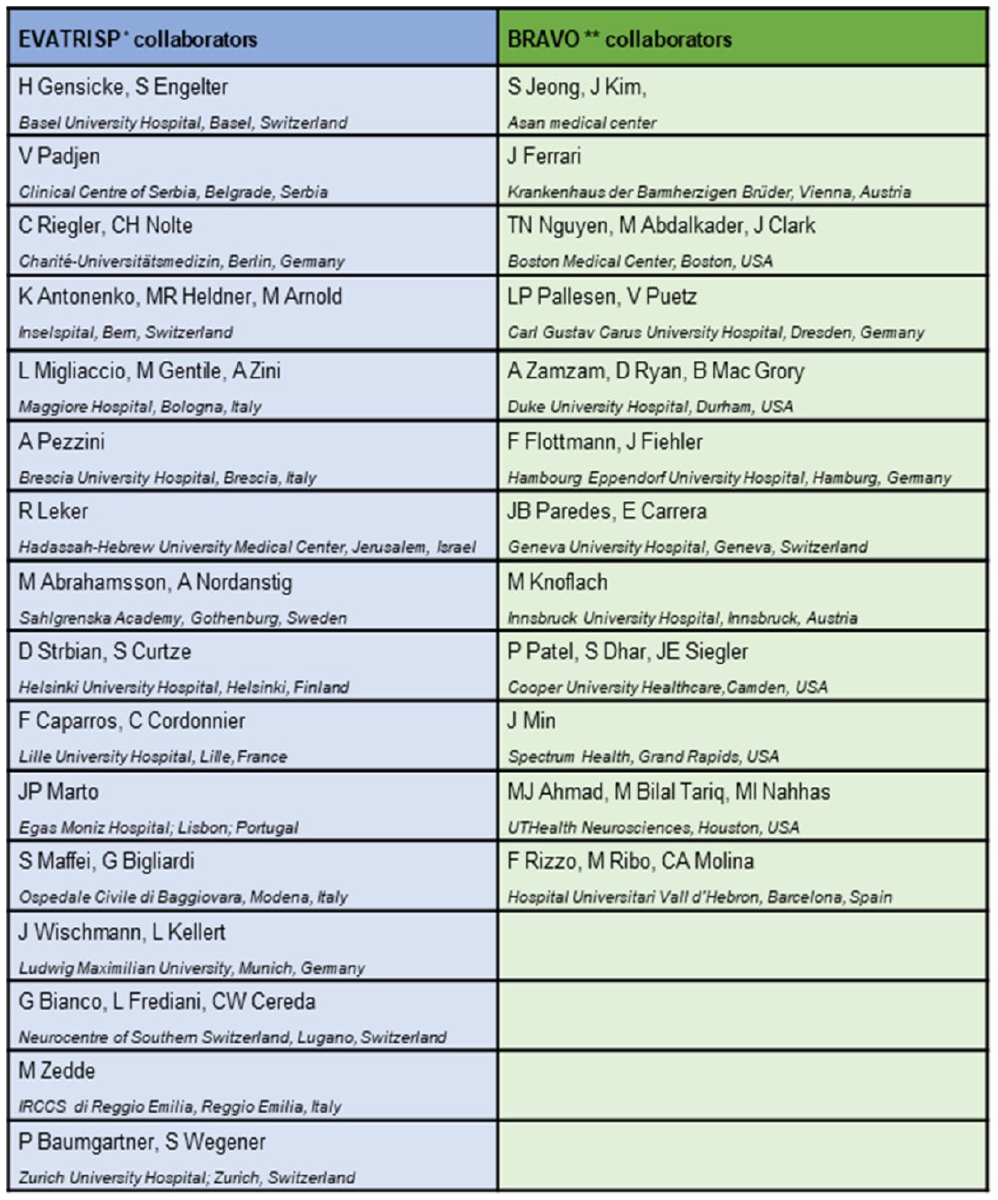
BEST REVASCULARIZATION APPROACH FOR POSTERIOR CIRCULATION STROKES WITH ISOLATED VERTEBRAL ARTERY OCCLUSIONS: RESULTS FROM THE “BRAVO” RETROSPECTIVE STUDY
1Lausanne University Hospital and University of Lausanne, Stroke Center, Department of Clinical Neurosciences, Lausanne, Switzerland, 2Lausanne University Hospital and University of Lausanne, Department of Diagnostic and Interventional Radiology, Lausanne, Switzerland
O058/2368
Scientific Communication SC10 - Hyperacute Management
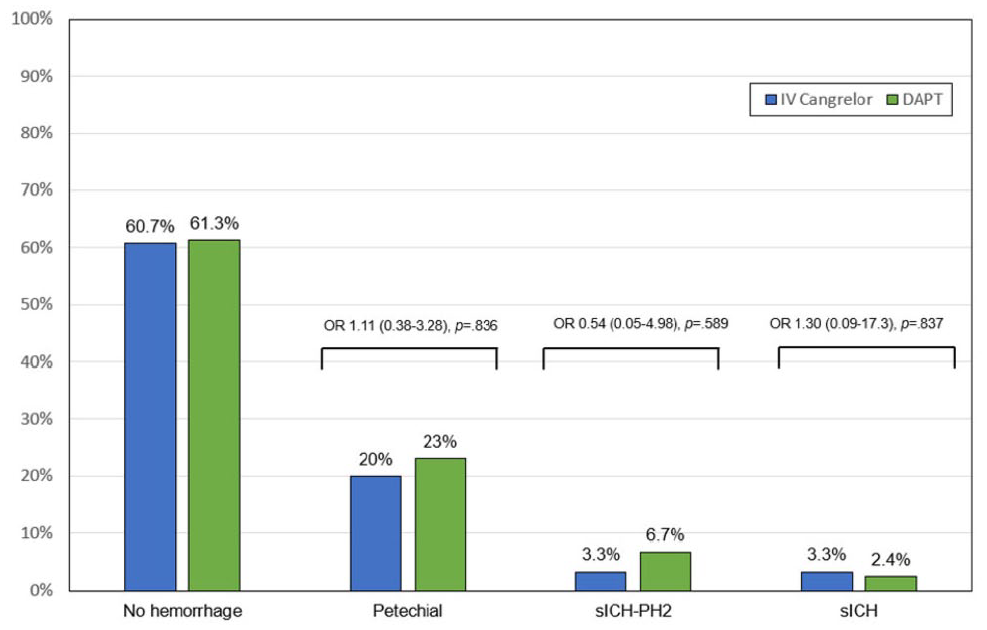
SAFETY OF INTRAVENOUS CANGRELOR VERSUS DUAL ORAL ANTIPLATELET LOADING THERAPY IN ENDOVASCULAR TREATMENT OF TANDEM LESIONS
1University of Iowa Hospitals and Clinics, Department of Neurology, Iowa City, United States, 2Universidad Científica del Sur, Neuroscience, Clinical Effectiveness and Public Health Research Group, Lima, Peru, 3ProMedica Toledo Hospital, Department of Neurology, Toledo, United States, 4Valley Baptist Medical Center / University of Texas Rio Grande Valley, Department of Neurology, Harlingen, TX, United States, 5University of New Mexico Health Science Center, Department of Neurology, Albuquerque, NM, United States, 6Hospital Vall d'Hebron, Department of Neurology, Barcelona, Spain, 7Yale University School of Medicine, Department of Neurology, New Haven, United States, 8University of Kansas School of Nursing, Department of Neurology, Kansas City, United States, 9Icahn School of Medicine at Mount Sinai, Department of Neurosurgery, New York, United States, 10University of South Florida, Department of Neurology and Brain Repair, Tampa, United States, 11University of Miami Leonard M. Miller School of Medicine, Department of Neurology, Miami, United States, 12Cooper University Hospital, Cooper Neurological Institute, Camden, United States, 13Boston Medical Center Place, Department of Neurology, Boston, United States, 14McGovern Medical School at UTHealth Houston, Department of Neurology, Houston, United States, 15Texas Stroke Institute - Plano, Department of Neurology, Plano, United States, 16Saint Louis University, Department of Neurology, St. Louis, United States, 17Pomona Valley Hospital Medical Center, Asia Pacific Comprehensive Stroke Institute, Pomona, United States, 18University of Iowa Hospitals & Clinics, Department of Neurology, Neurosurgery & Radiology, Iowa City, United States
O059/1343
Scientific Communication SC10 - Hyperacute Management
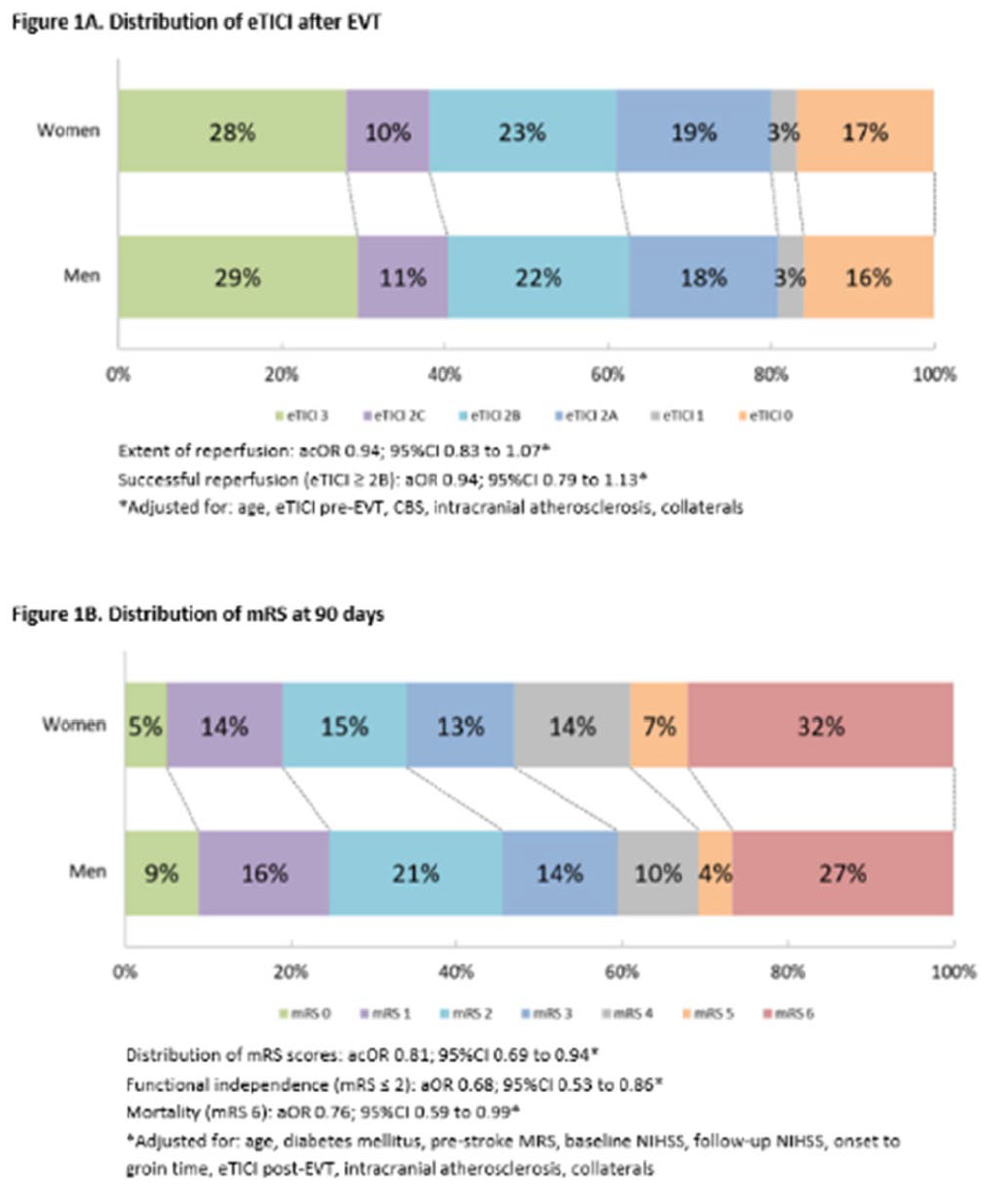
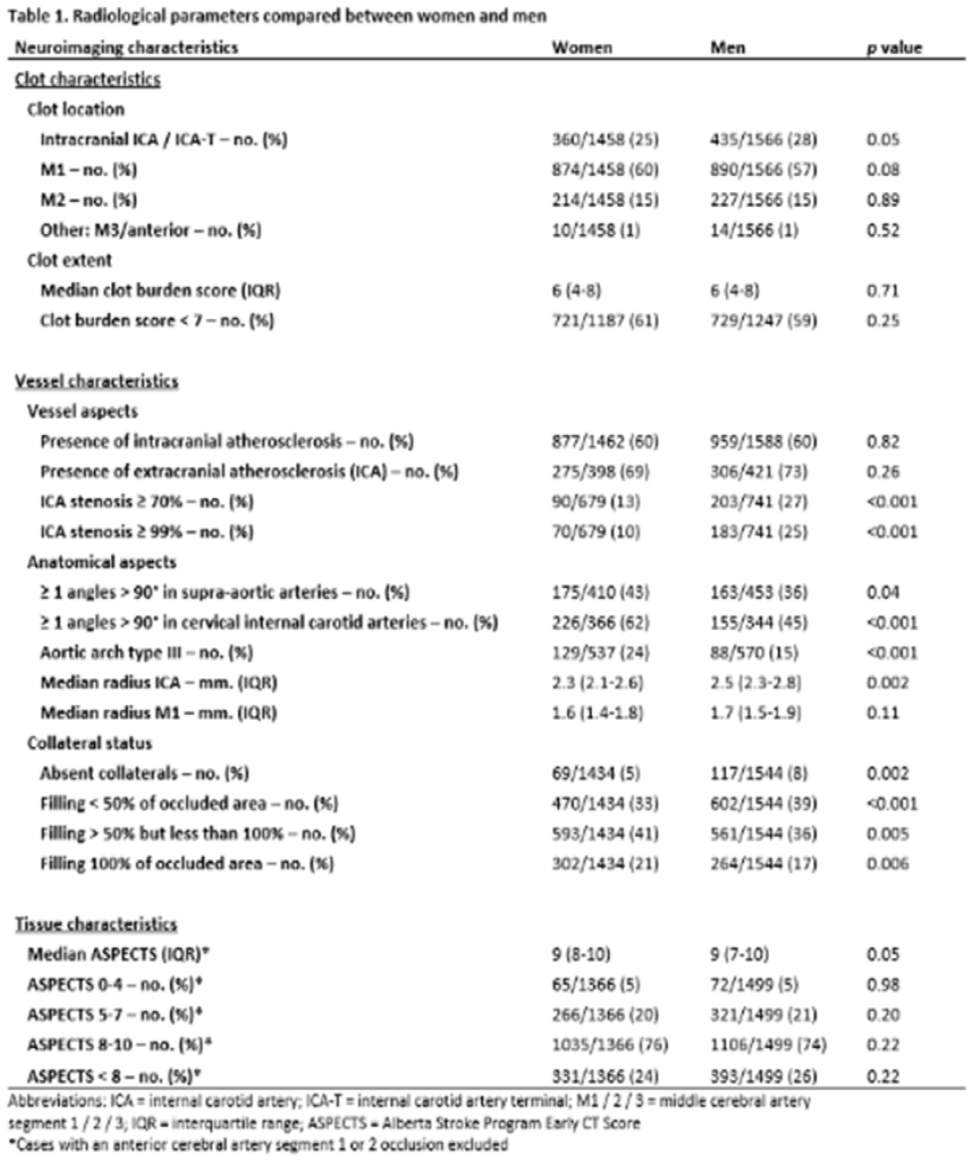
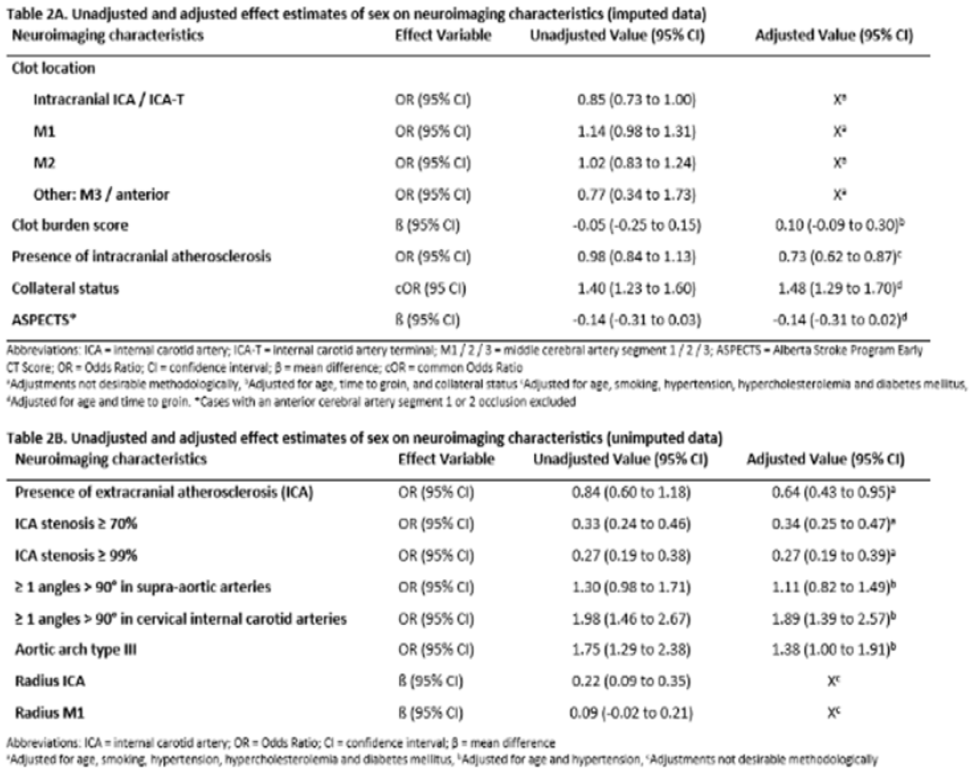
SEX DIFFERENCES IN CLOT, VESSEL AND TISSUE CHARACTERISTICS IN PATIENTS WITH A LARGE VESSEL OCCLUSION TREATED WITH ENDOVASCULAR THROMBECTOMY
1Leiden University Medical Center (LUMC), Neurology, Leiden, Netherlands, 2Leiden University Medical Center (LUMC), Radiology, Leiden, Netherlands, 3Rijnstate, Radiology and Nuclear Medicine, Arnhem, Netherlands, 4Rijnstate, Neurology, Arnhem, Netherlands, 5University of Twente, Clinical Neurophysiology, Enschede, Netherlands, 6Zaans Medical Center, Neurology, Zaandam, Netherlands, 7HMC Westeinde, Neurology, Den Haag, Netherlands, 8Erasmus University Medical Center, Public Health, Rotterdam, Netherlands, 9Amsterdam UMC, locatie AMC, Biomedical Engineering and Physics, Amsterdam, Netherlands, 10Amsterdam UMC, locatie AMC, Radiology and Nuclear Medicine, Amsterdam, Netherlands, 11St. Antonius Hospital, Neurology, Nieuwegein, Netherlands, 12Erasmus University Medical Center, Neurology, Rotterdam, Netherlands, 13Amsterdam UMC, locatie AMC, Neurology, Amsterdam, Netherlands
O060/1485
Scientific Communication SC10 - Hyperacute Management
PREHOSPITAL STROKE RECOGNITION SCALES: A HEAD-TO-HEAD COMPARISON OF 12 SCALES IN PATIENTS WITH SUSPECTED STROKE
1Leiden University Medical Center, Department of Neurology, Leiden, Netherlands, 2Maasstad Hospital, Department of Neurology, Rotterdam, Netherlands, 3Erasmus MC University Medical Center, Department of Neurology, Rotterdam, Netherlands, 4Erasmus MC University Medical Center, Department of Public Health, Rotterdam, Netherlands, 5Amsterdam UMC, Neurology, Amsterdam, Netherlands, 6Erasmus MC University Medical Center, Department of Emergency Medicine, Rotterdam, Netherlands, 7Emergency Medical Services, Hollands-Midden, Leiden, Netherlands, 8Leiden University Medical Center, Department of Biomedical Data Sciences, Leiden, Netherlands, 9Alrijne Hospital, Department of Neurology, Leiderdorp, Netherlands, 10Groene Hart Hospital, Department of Neurology, Gouda, Netherlands, 11Haga Hospital, Department of Neurology, The Hague, Netherlands, 12Reinier de Graaf Gasthuis Hospital, Department of Neurology, Delft, Netherlands, 13Albert Schweitzer Hospital, Department of Neurology, Dordrecht, Netherlands, 14Haaglanden Medical Center, Department of Neurology, The Hague, Netherlands, 15University NeuroVascular Center, Leiden-The Hague, Leiden, Netherlands
O061/2585
Scientific Communication SC10 - Hyperacute Management
CLINICAL VIDEO ASSESSMENT FOR STROKE (CVAS) IMPROVES PATIENT SELECTION FOR HYPERACUTE STROKE UNIT CARE WITHOUT INCREASING OVERALL TREATMENT TIMES IN UNCOMPLICATED THROMBOLYSIS CASES
1National Hospital for Neurology and Neurosurgery, Comprehensive Stroke Service, London, United Kingdom, 2National Hospital for Neurology and Neurosurgery, UCLH, Comprehensive Stroke Service, London, United Kingdom, 3University College London, Department of Statistics, London, United Kingdom, 4London Ambulance Service, Stroke Triage Team, London, United Kingdom, 5East of England Ambulance Service, Stroke video Triage Team, Melbourn, United Kingdom, 6NHS England, London Clinical Network, London, United Kingdom, 7London Ambulance Service, North East London Sector, London, United Kingdom, 8London Ambulance Service, North Central London Sector, London, United Kingdom
O062/243
Scientific Communication SC11 - Neurointervention – Organisation and Outcome
ENDOVASCULAR VS MEDICAL MANAGEMENT OF POSTERIOR CEREBRAL ARTERY OCCLUSION STROKE: THE PLATO STUDY
1Klinkum Ludwigshafen, Neurology, Ludwigshafen, Germany, 2Heidelberg University Hospital, Neurology, Heidelberg, Germany, 3Boston Medical Center, Radiology, Radiation Oncology, Boston, United States, 4Lausanne University Hospital, Neurology, Lausanne, Switzerland, 5Helsinki University Hospital, Neurology, Helsinki, Finland, 6Heidelberg University Hospital, Radiology, Heidelberg, Germany, 7Vall d'Hebron, Neurology, Barcelona, Spain, 8Boston Medical Center, Radiology, Boston, United States, 9University Hospital Basel, Radiology, Basel, Switzerland, 10University Hospital Basel, Neurology, Basel, Switzerland, 11University Hospital Bern, Neurology, Bern, Switzerland, 12University of Erlangen-Nuremberg, Neurology, Erlangen, Germany, 13Universitätsklinikum Essen, Neurology, Essen, Germany, 14Rhode Island Hospital, Neurology, Providence, United States, 15University Hospital Carl Gustav Carus, Neurology, Dresden, Germany, 16University Hospital Carl Gustav Carus, Radiology, Dresden, Germany, 17University Hospital Bern, Radiology, Bern, Switzerland, 18University of Erlangen-Nuremberg, Radiology, Erlangen, Germany, 19Grady Memorial Hospital, Neurology, Atlanta, United States, 20Centro Hospitalar Universitario de Lisboa Central, Radiology, Lisbon, Portugal, 21Bufalini Hospital, Neurology, Cesena, Italy, 22University Hospital 'San Giovanni di Dio e Ruggi d’Aragona', Radiology, Salerno, Italy, 23Mount Sinai Health System, Neurosurgery, New York, United States, 24UT Health McGovern Medical School, Neurology, Houston, United States, 25Hospital de Egas Moniz, Neurology, Lisbon, Portugal, 26Charité - Universitätsmedizin Berlin, Radiology, Berlin, Germany, 27Charité - Universitätsmedizin Berlin, Neurology, Berlin, Germany, 28Barrow Neurological Institute, Neurosurgery, Phoenix, United States, 29University Hospital Knappschaftskrankenhaus, Radiology, Bochum, Germany, 30University of Buffalo, Neurosurgery, Buffalo, United States, 31University of Pittsburgh Medical Center, Neurology, Pittsburgh, United States, 32New York Upstate Medical University, Neurology, Syracuse, United States, 33University of South Florida, Neurosurgery, Tampa, United States, 34Cooper Neurological Institute, Neurology, Camden, United States, 35Miami Neuroscience Institute, Neurology, Miami, United States, 36Miami Neuroscience Institute, Radiology, Miami, United States, 37University of Miami Miller School of Medicine, Neurology, Miami, United States, 38Aristotle University of Thessaloniki, Radiology, Thessaloniki, Greece, 39Helsinki University Hospital, Radiology, Helsinki, Finland, 40Boston Medical Center, Neurology, Boston, United States, 41University Medical Center Hamburg-Eppendorf, Diagnostic and Interventional Neuroradiology, Hamburg, Germany
O063/1007
Scientific Communication SC11 - Neurointervention – Organisation and Outcome
PROFILING ACUTE STROKE PATIENTS REQUIRING INTRACRANIAL STENTING DURING ENDOVASCULAR TREATMENT. AN OBSERVATIONAL STUDY FROM THE CATALAN STROKE REGISTRY
1Hospital Universitari de Tarragona Joan XXIII, Stroke Unit. Neurology, Tarragona, Spain, 2INSTITUT D INVESTIGACIO SANITARIA PERE VIRGILI, Neurology, Tarragona, Spain, 3INSTITUT D INVESTIGACIO SANITARIA PERE VIRGILI, Bioinformática, Tarragona, Spain, 4Vall d'Hebron University Hospital, Stroke Unit. Neurology, Barcelona, Spain, 5Bellvitge University Hospital, Stroke Unit. Neurology, L'Hospitalet de Llobregat, Spain, 6Germans Trias i Pujol Hospital, Stroke Unit. Neurology, Badalona, Spain, 7Hospital Clínic de Barcelona, Stroke Unit. Neurology, Barcelona, Spain, 8Hospital de la Santa Creu i Sant Pau, Stroke Unit. Neurology, Barcelona, Spain, 9Hospital Arnau de Vilanova, Stroke Unit. Neurology, València, Spain, 10Hospital Universitari de Girona Doctor Josep Trueta, Stroke Unit. Neurology, Girona, Spain, 11Hospital Parc Taulí de Sabadell, Stroke Unit. Neurology, Sabadell, Spain
O064/1750
Scientific Communication SC11 - Neurointervention – Organisation and Outcome
ENDOVASCULAR TREATMENT VS MEDICAL MANAGEMENT IN DISTAL EMERGENT VASCULAR TERRITORY OCCLUSION STROKES: ENDEAVOR STUDY
1Faculty of Medicine, South Valley University, Neuology, Qena, Egypt, 2Grady Health System, Marcus Stroke & Neuroscience Center, Atlanta, United States, 3Emory University Hospital, Neuology, Atlanta, United States, 4Hospital Universitario Vall d’Hebron, Neuology, Barcelona, Spain, 5Icahn School of Medicine at Mount Sinai, Neuology, New York, United States, 6University of Iowa Hospitals and Clinics, Neuology, Iowa, United States, 7Boston University Chobanian and Avedisian School of Medicine, Neuology, Boston, United States, 8Cooper University Medical Center, Neuology, Camden, United States, 9University of Illinois at Chicago, Neurosurgery, Chicago, United States, 10UPMC, Neuology, Pittsburgh, United States
Methods: Data from 7 comprehensive stroke centers were reviewed. Patients were included if they had isolated DVO stroke due to MCA-M3/M4, ACA-A2/3 or PCA-P1/2/3 segments. Propensity score matching was used to balance the two groups. The primary outcome was the shift in the degree of disability as measured by the modified Rankin Scale(mRS) at 90 days. Secondary outcomes included good outcome(90-day mRS0-2) and excellent outcome(90-day mRS0-1). Safety measures included symptomatic intracranial hemorrhage(sICH) and 90-day mortality.
Results: Among 321 patients included in the analysis, 198 were matched at a 1:1 ratio. Baseline characteristics were balanced between both groups. EVT had comparable outcomes to MM in terms of the overall degree of disability(mRS ordinal shift;aOR1.15, 95% CI[0.69-1.92],P=0.59), rates of good and excellent outcomes at 90 days, and rates of sICH. However, subgroup analyses favored EVT in achieving excellent outcome in patients with NIHSS score⩾8(aOR3.70, 95%CI[1.26-10.89],P=0.018). EVT had similar rates of 90-day mortality(aOR1.23, 95%CI[0.30-5.03],P=0.77) in anterior circulation DVO, but significantly higher rates in posterior circulation DVO(aOR4.55, 95%CI[1.11-18.67],P=0.035) compared to MM.
Conclusions: EVT was associated with similar odds of disability by ordinal mRS, but significantly higher rates of excellent outcome in patients presenting with moderate or severe strokes. Mortality was higher with EVT in those with posterior circulation DVO.
O065/21
Scientific Communication SC11 - Neurointervention – Organisation and Outcome
EFFECT OF BRIDGING THROMBOLYSIS ON THE EFFICACY OF STENT RETRIEVER THROMBECTOMY TECHNIQUES – INSIGHTS FROM THE SWIFT-DIRECT TRIAL
1University Hospitals Strasbourg, Interventional Neuroradiology, Strasbourg, France, 2HUS, Neurology, Helsinki, Finland, 3Pierre Wertheimer Hospital, Interventional Neuroradiology, Lyon, France, 4Hospital Center University De Bordeaux, Interventional Neuroradiology, Bordeaux, France, 5Inselspital, Interventional Neuroradiology, Bern, Switzerland, 6Centre hospitalier universitaire de Nantes, Interventional Neuroradiology, Nantes, France, 7Hospital Center University De Rouen, Interventional Neuroradiology, Rouen, France, 8Hospital Center University De Toulouse, Neurology, Toulouse, France, 9Chu Caen Normandie, Neurology, Caen, France, 10Hospital Foch, Interventional Neuroradiology, Suresnes, France, 11CHRU Nancy, Neurology, Nancy, France, 12CHU of Reims - Maison Blanche Hospital, Radiology, Reims, France, 13Paracelsus Medizinische Privatuniversität Nürnberg, Neurology, Nürnberg, Germany, 14RWTH Aachen University, Neurology, Aachen, Germany, 15Vall d'Hebron, Neurology, Barcelona, Spain, 16Inselspital, Neurology, Bern, Switzerland, 17Otto von Guericke University Magdeburg, Interventional Neuroradiology, Magdeburg, Germany, 18University of California, Los Angeles, Neurology, Los Angeles, United States, 19Universitätsspital Basel, Neurology, Basel, Switzerland
O066/1394
Scientific Communication SC11 - Neurointervention – Organisation and Outcome
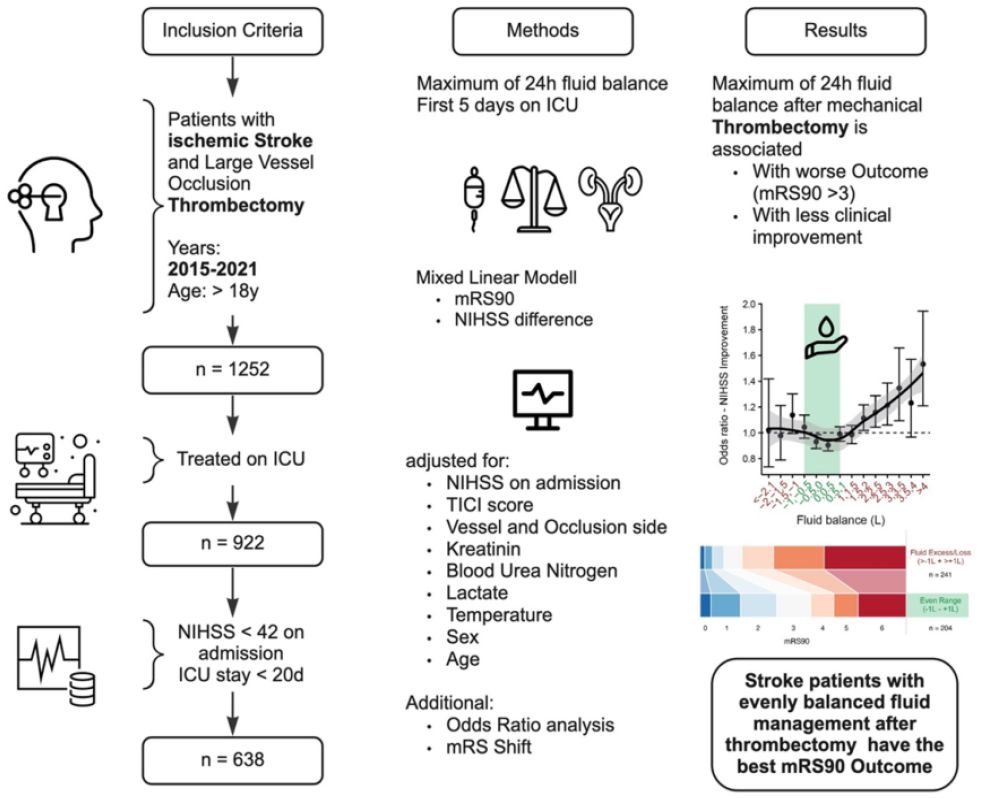
NEUTRAL FLUID MANAGEMENT ON ICU AFTER THROMBECTOMY IN ISCHEMIC STROKE IS ASSOCIATED WITH GOOD NEUROLOGICAL AND CLINICAL OUTCOMES
1Universitätsklinikum Hamburg-Eppendorf, Klinik für Neurologie, Hamburg, Germany, 2Universitätsklinikum Hamburg-Eppendorf, Klinik für Neuroradiologische Diagnostik und Intervention, Hamburg, Germany, 3Universitätsklinikum Hamburg-Eppendorf, Klinik für Intensivmedizin, Hamburg, Germany, 4Universitätsklinikum Hamburg-Eppendorf, Klinik für Neurochirurgie, Hamburg, Germany
O067/2416
Scientific Communication SC11 - Neurointervention – Organisation and Outcome
ENDOVASCULAR TREATMENT IN OCTOGENARIANS. WHAT CAN WE EXPECT? A SECONDARY ANALYSIS OF THE ROSSETTI REGISTRY
1Hospital Universitari de Girona Doctor Josep Trueta, Neurology, Girona, Spain, 2IDI-Radiology, Hospital Universitari de Girona Doctor Josep Trueta, Radiology, Girona, Spain, 3University of Girona, Department of Computer Science, Applied Mathematics and Statistics, Girona, Spain, 4Central University Hospital of Asturias, Radiology, Oviedo, Spain, 5University Hospital of the Crosses, Interventional Neuroradiology, Barakaldo, Spain, 6Hospital Clinico Universitario San Carlos, Neurointerventional unit, Madrid, Spain, 7Hospital Clínic de Barcelona, Interventional Neuroradiology, Barcelona, Spain, 8Bellvitge University Hospital, Interventional Neuroradiology, L'Hospitalet de Llobregat, Spain, 9Hospital Clínico Universitario Virgen de la Arrixaca, Radiology, El Palmar, Spain, 10General University Hospital of Alicantet, Radiology, Alacant, Spain, 11Santiago Clinic Hospital CHUS, Neuroradiology, Santiago de Compostela, Spain, 12Germans Trias i Pujol Hospital, Interventional Neuroradiology, Badalona, Spain, 13Hospital la Fe, Interventional Neuroradiology, Valencia, Spain, 14Ramón y Cajal Hospital, Interventional Neuroradiology, Madrid, Spain, 15Hospital Reina Sofía, Interventional Neuroradiology, Córdoba, Spain, 16Hospital insular Unidad De Traslados., Interventional Neuroradiology, Las Palmas de Gran Canaria, Spain
O068/215
Scientific Communication SC12 - Epidemiology (including gender and sex topics)
DIVERGING TRENDS IN INCIDENCE OF INTRACEREBRAL HEMORRHAGE IN SWEDEN 2010–2019 – A RIKSSTROKE STUDY
1Lund University, Department of Clinical Sciences Lund, Lund, Sweden, 2Lund University, Department of Clinical Sciences Malmö, Malmö/Lund, Sweden
O069/2185
Scientific Communication SC12 - Epidemiology (including gender and sex topics)
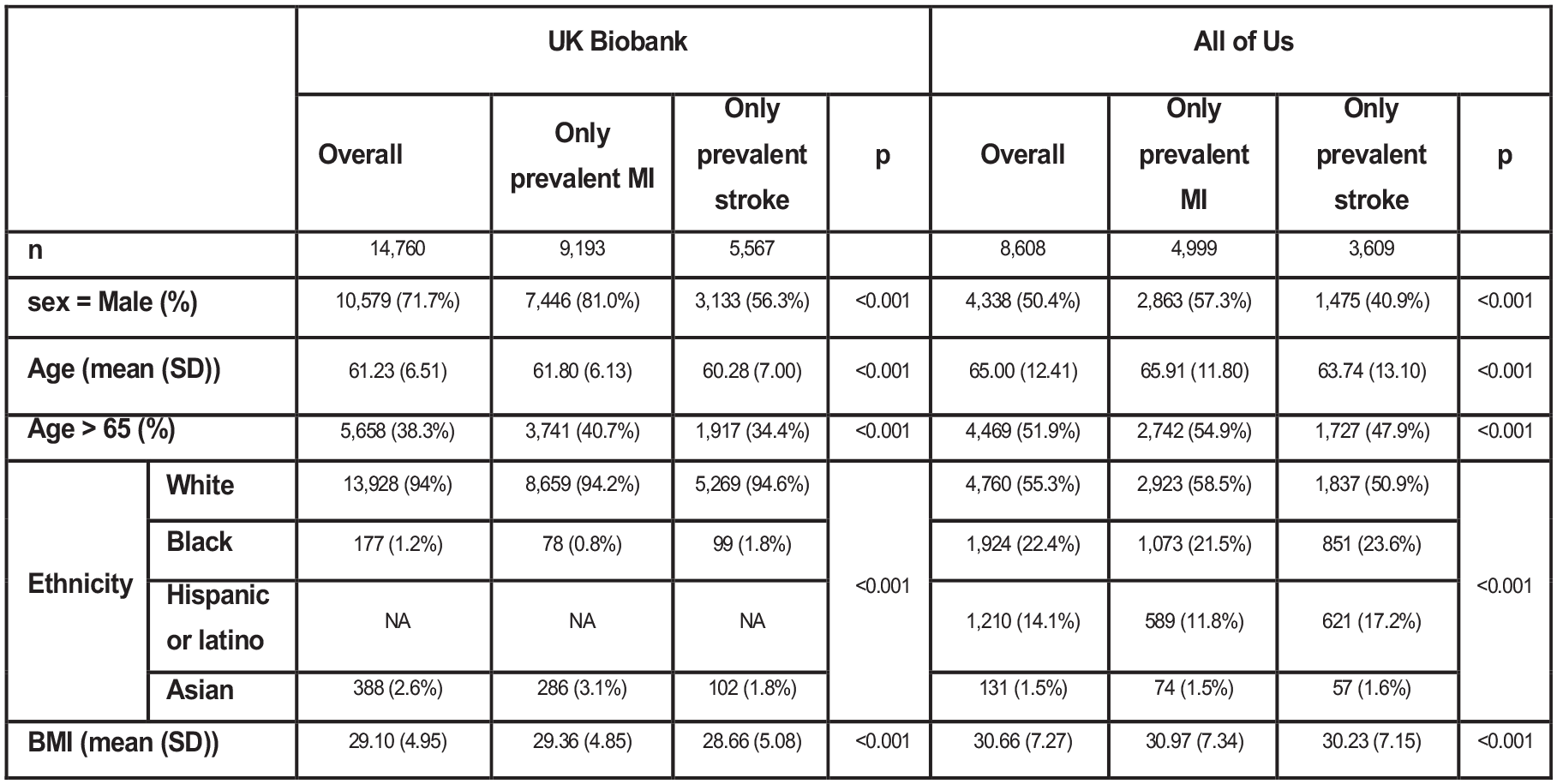
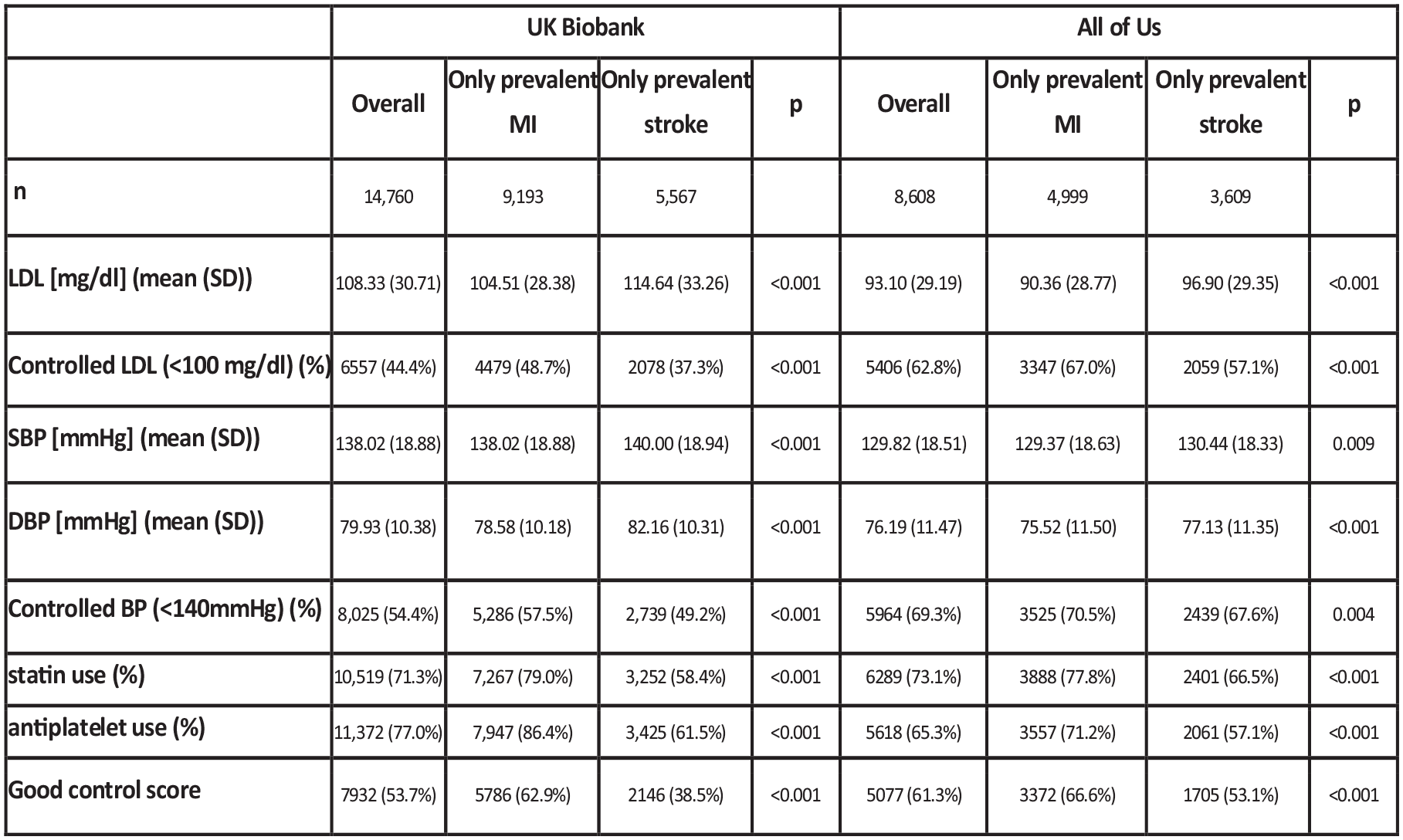
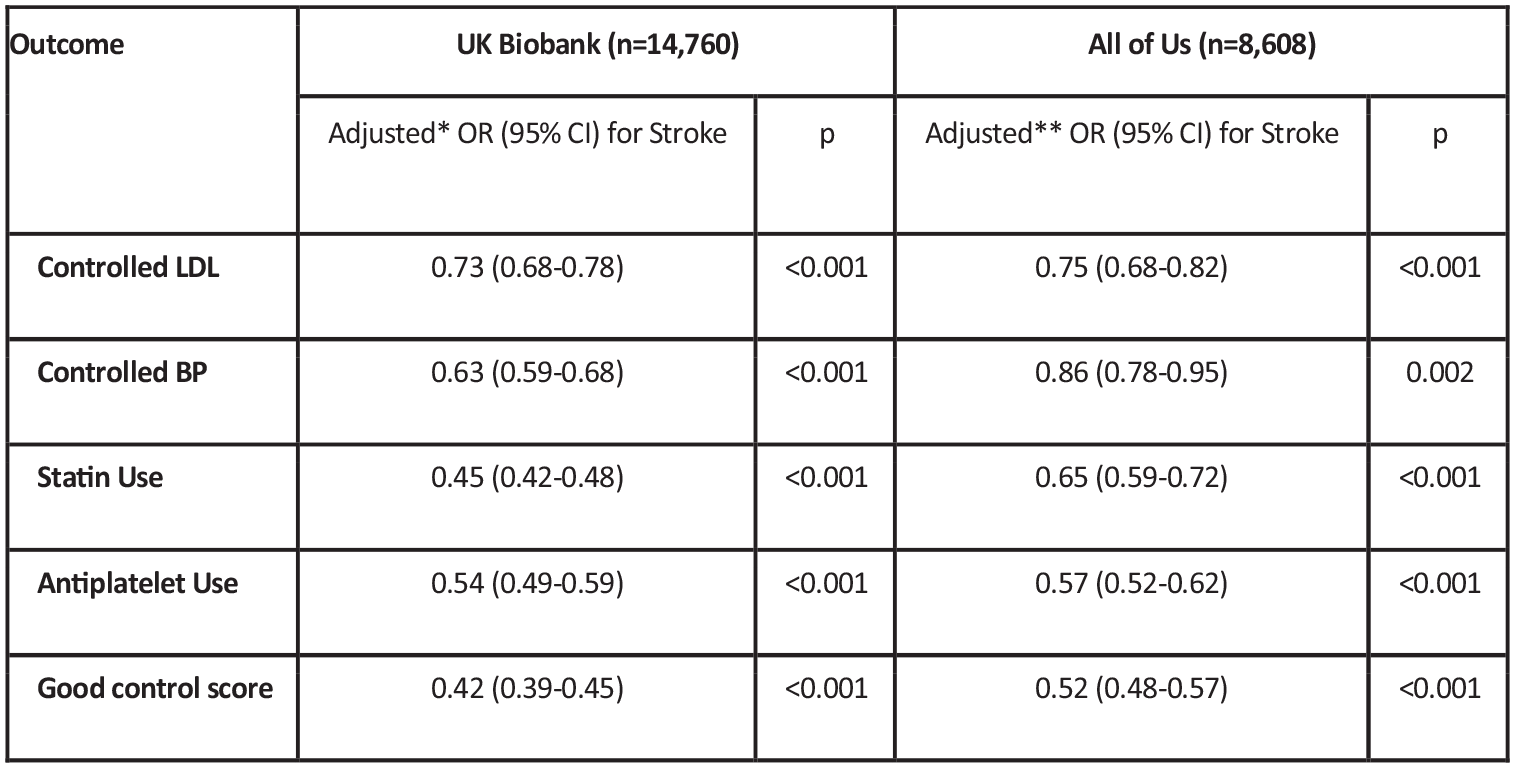
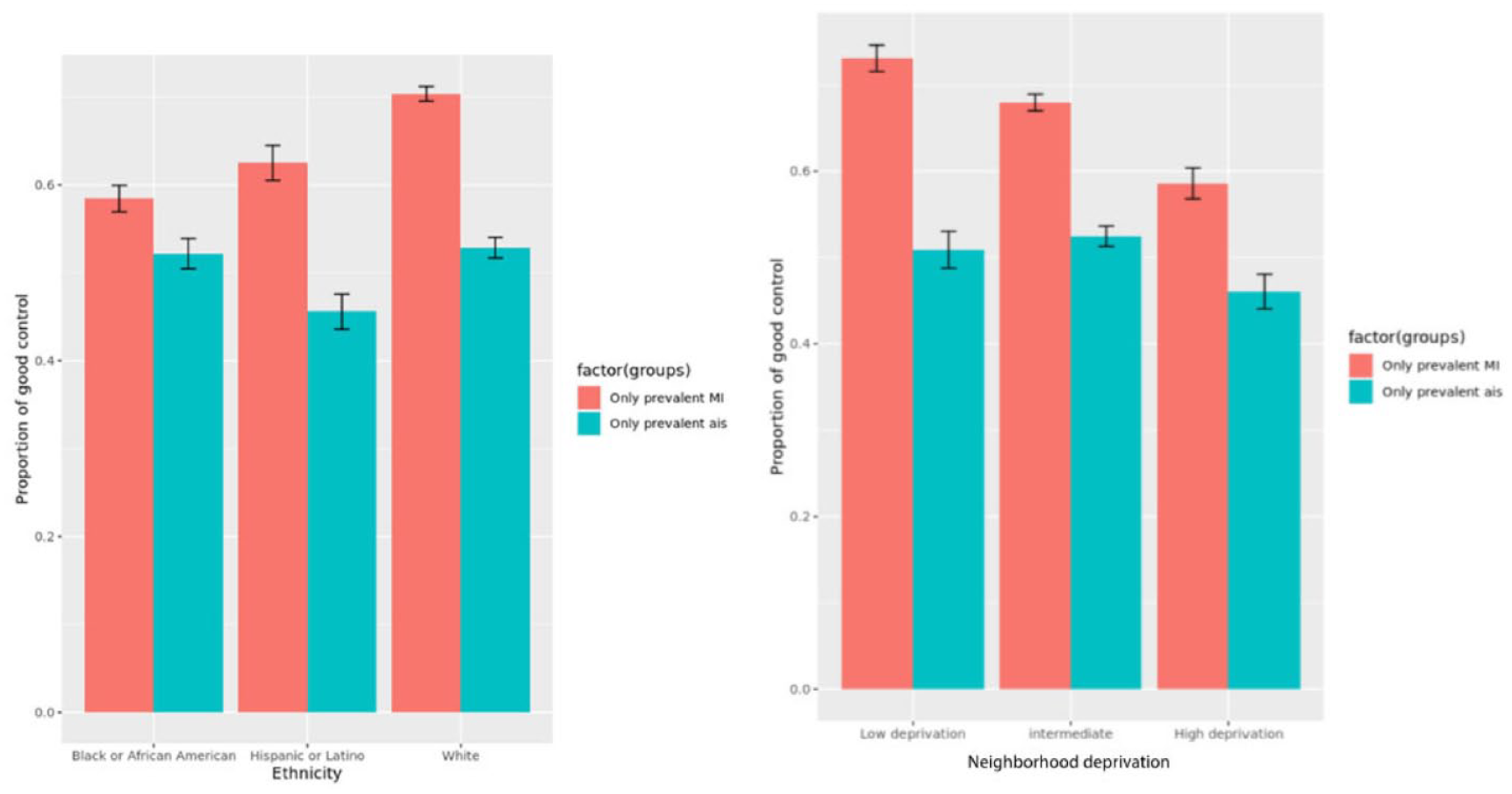
Differences in Risk Factor Control in Patients with Stroke versus Myocardial Infarction:Combined Results from the UK Biobank and the All of Us Research Program
1Yale University, Neurology, New Haven, United States, 2Yale University, Medicine, New Haven, United States
O070/489
Scientific Communication SC12 - Epidemiology (including gender and sex topics)
INEQUITY IN PREHOSPITAL RECOGNITION OF WOMEN WITH STROKE
1Department of Neurology, Saarland University, Homburg, Germany, 2East of England Ambulance Service NHS Trust, East Suffolk, Ipswich, United Kingdom, 3Precision Imaging Beacon, Radiological Science, University of Nottingham, Nottingham, United Kingdom, 4TIME, Imaging Science and Technology, School of Medicine, University of Dundee, Scotland, United Kingdom, 5Institute for Medical Biometry, Epidemiology and Medical Informatics, Saarland University, Homburg, Germany, 6Institute for Applied Health Research and School for Health and Life Sciences, Glasgow Caledonian University, Scotland, United Kingdom
O071/1028
Scientific Communication SC12 - Epidemiology (including gender and sex topics)
OUT-OF-HOSPITAL FATAL STROKES IN THE POPULATION-BASED MONGOLIAN STROKE INCIDENCE STUDY: FREQUENCY, CHARACTERISTICS, AND IMPACT ON EPIDEMIOLOGICAL DATA
1The George Institute for Global Health, Neurological Department, Sydney, Australia, 2Nippon Medical School, Department of Neurology, Tokyo, Japan, 3Mongolian National University of Medical Sciences, Department of Neurology, Ulaanbaatar, Mongolia, 4Ach Medical University, Department of Neurology, Ulaanbaatar, Mongolia
O072/1583
Scientific Communication SC12 - Epidemiology (including gender and sex topics)
CHANGES IN DEMOGRAPHICS AND THERAPIES IN PATIENTS WITH ATRIAL FIBRILLATION ASSOCIATED STROKE OVER 9 YEARS FROM THE IRISH NATIONAL AUDIT OF STROKE
1St James' Hospital, Mercer's Institute for Successful Ageing, Dublin, Ireland, 2Irish National Audit of Stroke, National Office of Clinical Audit, Dublin, Ireland, 3St Vincent's University Hospital, Department of Geriatric Medicine, Dublin, Ireland
The proportion of ischaemic strokes with atrial fibrillation(AF) reduced from 31.3% in 2013 to 26.5% in 2021 (15.3% relative-reduction). In 2013, 70% of ischaemic strokes with known AF prior to admission were on an antithrombotic, compared with 83% in 2021(18.6% relative-increase). The proportion of stroke patients (ischaemic and haemorrhagic) with known AF at admission on anticoagulation increased from 39.7% to 76.8% (93.5% relative-increase).
In 2013, 6.7% of patients admitted with known AF were taking a Direct Oral Anticoagulant (DOAC) and 33% warfarin. A dramatic change was seen in 2021, 67.3% were taking a DOAC and 9.4% warfarin.
O073/1879
Scientific Communication SC12 - Epidemiology (including gender and sex topics)
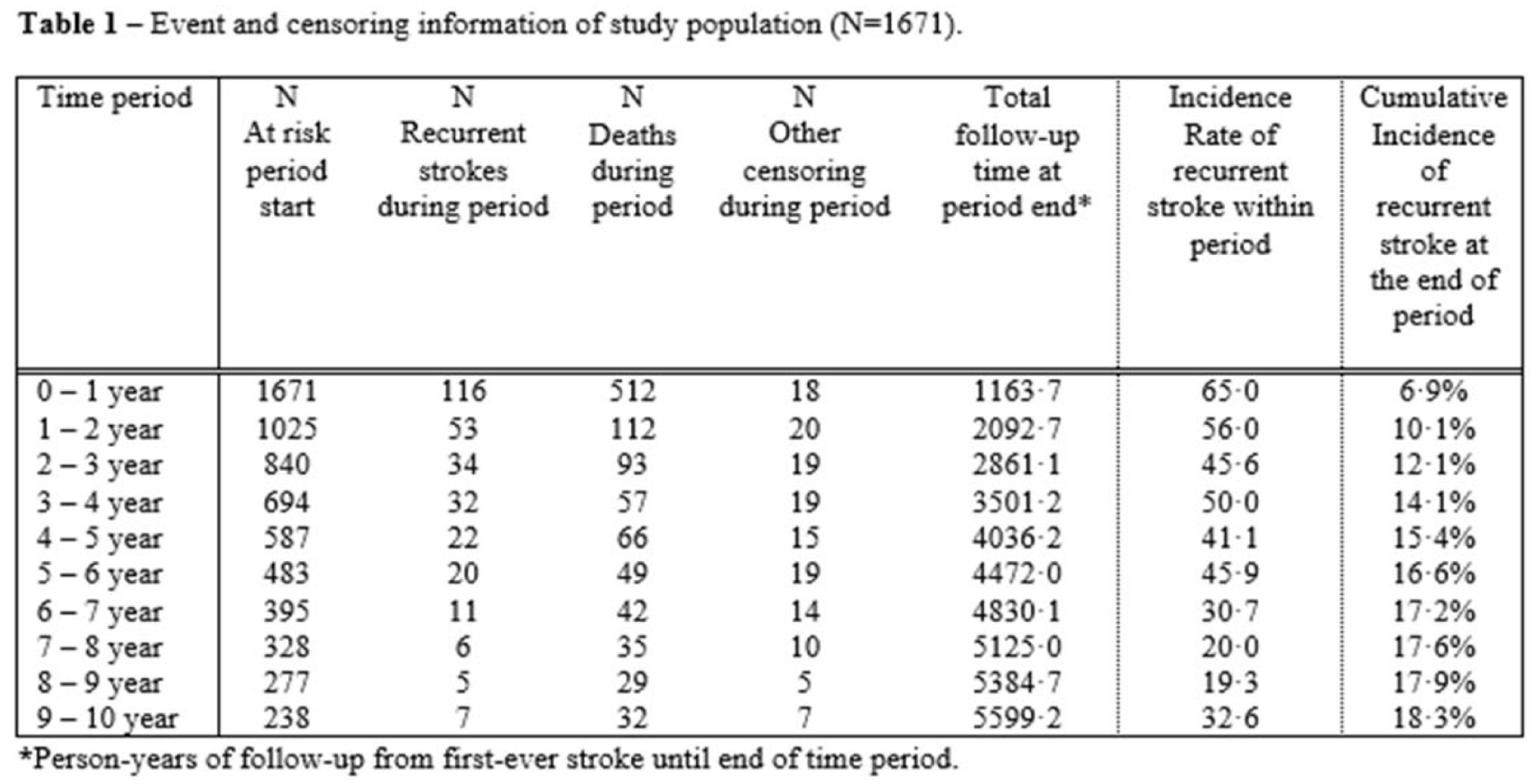
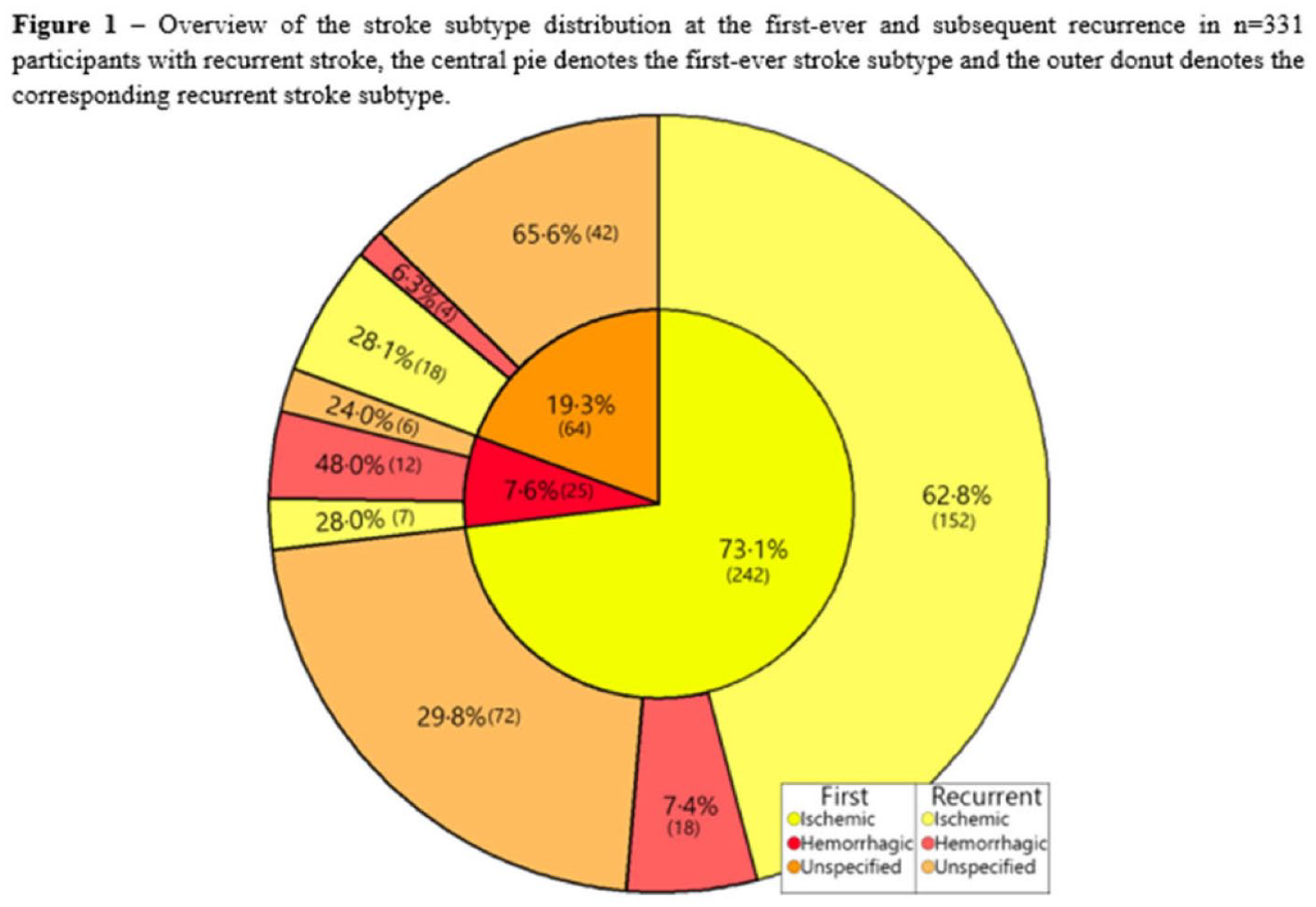
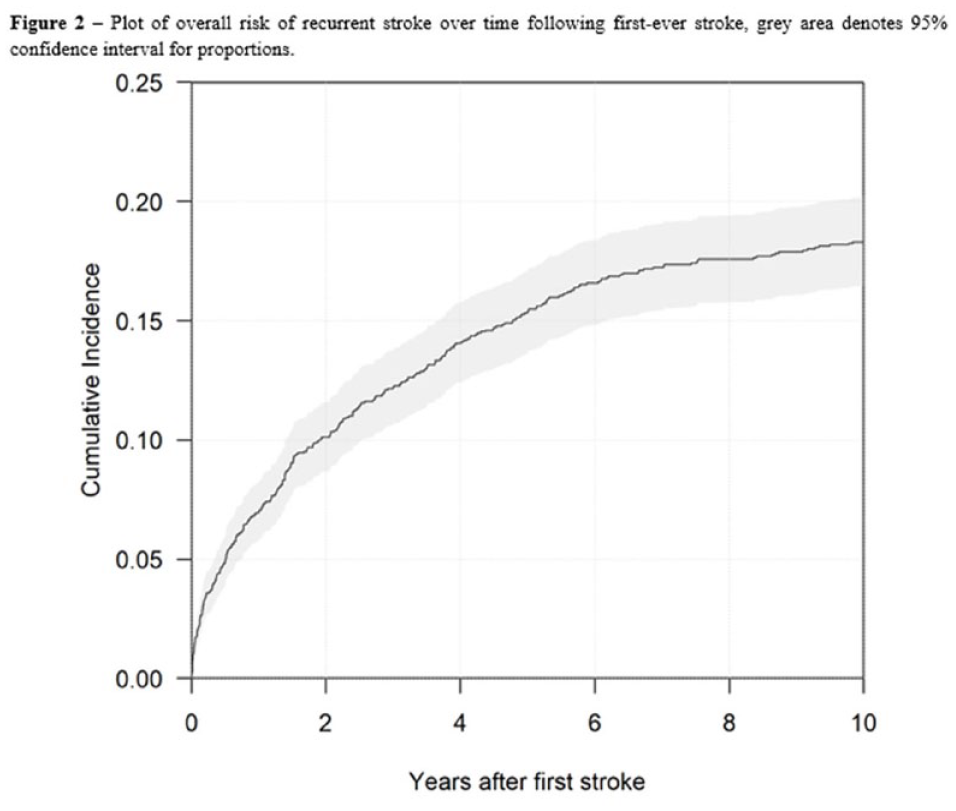
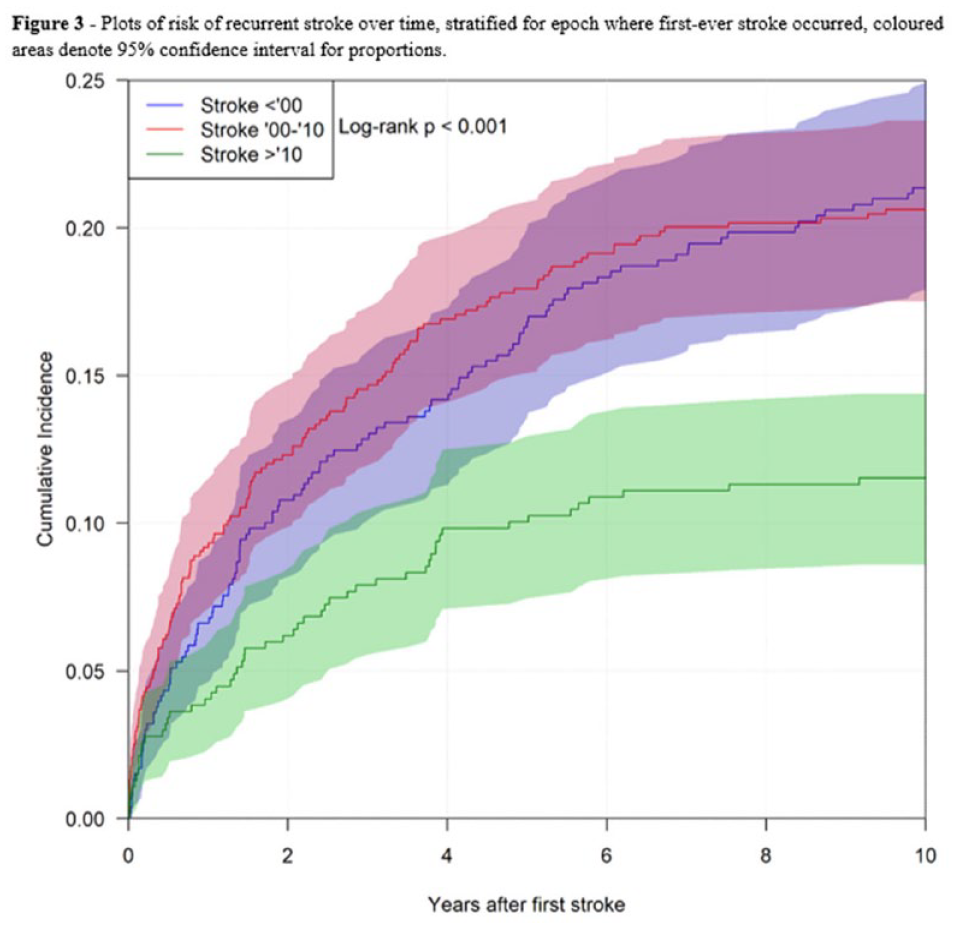
RISK OF RECURRENT STROKE IN THE GENERAL POPULATION - THE ROTTERDAM STUDY
1Erasmus MC, Department of Epidemiology, Rotterdam, Netherlands, 2Erasmus MC, Department of Neurology, Rotterdam, Netherlands, 3Erasmus MC, Department of Radiology & Nuclear Medicine, Rotterdam, Netherlands, 4KU Leuven, Department of Cardiovascular Sciences, Bruxelles, Belgium, 5Harvard T.H. Chan School of Public Health, Department of Epidemiology, Boston, United States
O074/1820
Scientific Communication SC12 - Epidemiology (including gender and sex topics)
SEX DIFFERENCES IN MULTIMORBIDITY ASSOCIATED WITH ACUTE STROKE: RESULTS FROM THE UK BIOBANK
1The George Institute for Global Health, University of New South Wales, Sydney, Australia, 2University Medical Center Utrecht, Julius Center for Health Sciences and Primary Care, Utrecht, Netherlands, 3The George Institute for Global Health, Imperial College London, London, United Kingdom
Crude 1-year mortality as odds ratio (95% confidence interval) for AF was 1.13(0.94-1.36) in women and 1.32(1.14-1.52) in men, and 1.00(0.83-1.21) and 1.18(1.01-1.36) with age-adjustment. For IHD corresponding ORs (95%CI) were 1.00(0.82-1.21) in women and 1.24(1.07-1.43) in men, and 0.93(0.76-1.14) and 1.15(0.99-1.33) with age-adjustment.
O075/937
Scientific Communication SC13 - Imaging
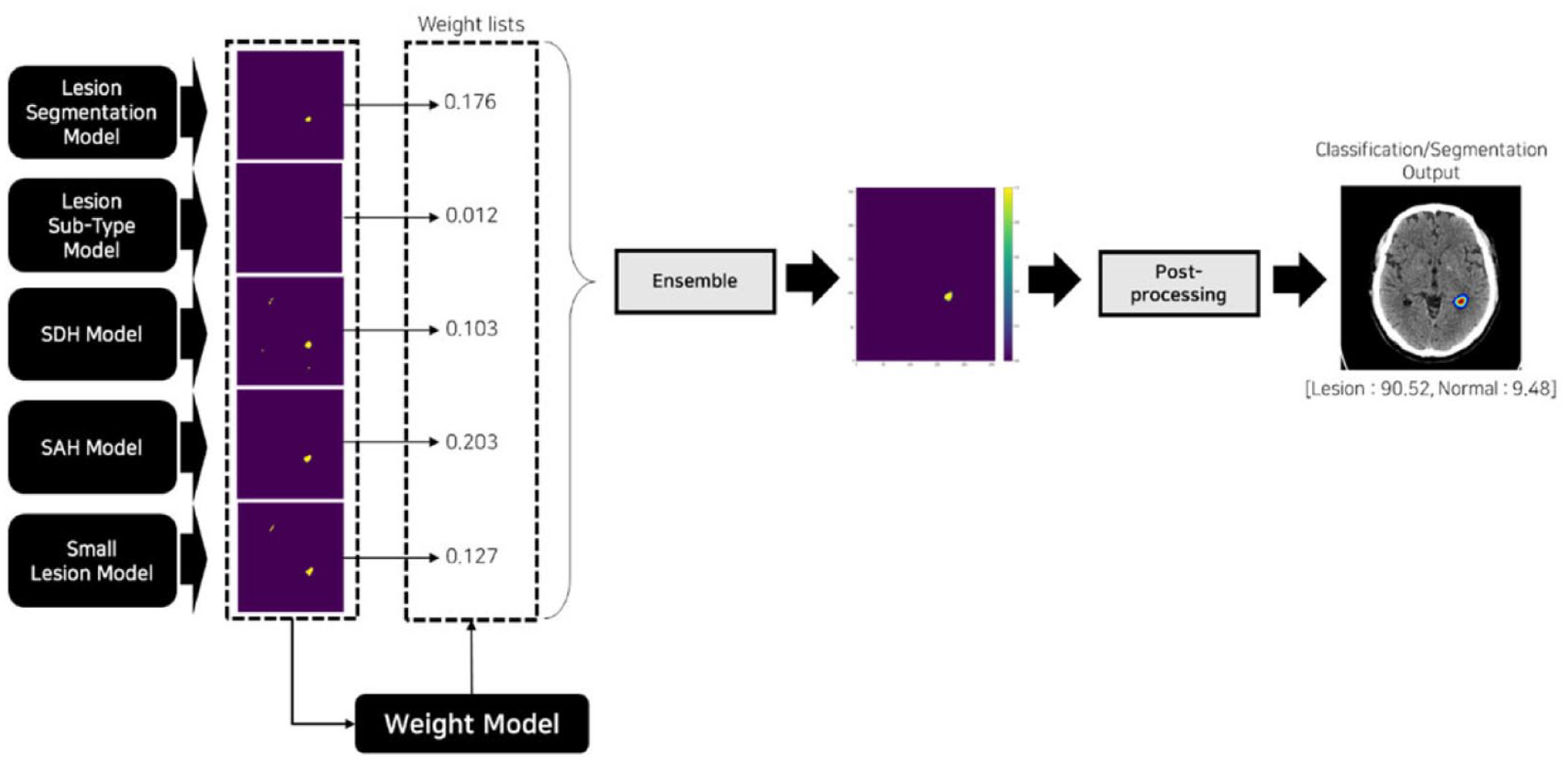
DEEP LEARNING BASED AUTOMATED DETECTION OF INTRACRANIAL HAEMORRHAGE USING 53,045 KOREAN POPULATION
1JLK Inc., Artificial Intelligence Research Center, Seoul, South Korea, 2Seoul National University Bundang Hospital, Neurology, Seongnam, South Korea
O076/2562
Scientific Communication SC13 - Imaging
INFARCT CORE VOLUME ESTIMATION ON NON-CONTRAST COMPUTED TOMOGRAPHY USING A MACHINE LEARNING ALGORITHM SOFTWARE
1University of Iowa Hospitals and Clinics, Neurology, Iowa City, United States, 2MeThinks, Inc, Barcelona, Spain, 3Val de Hebron, Neurology, Barcelona, Spain, 4Cooper University, Neurology, Camden, United States
O077/2465
Scientific Communication SC13 - Imaging
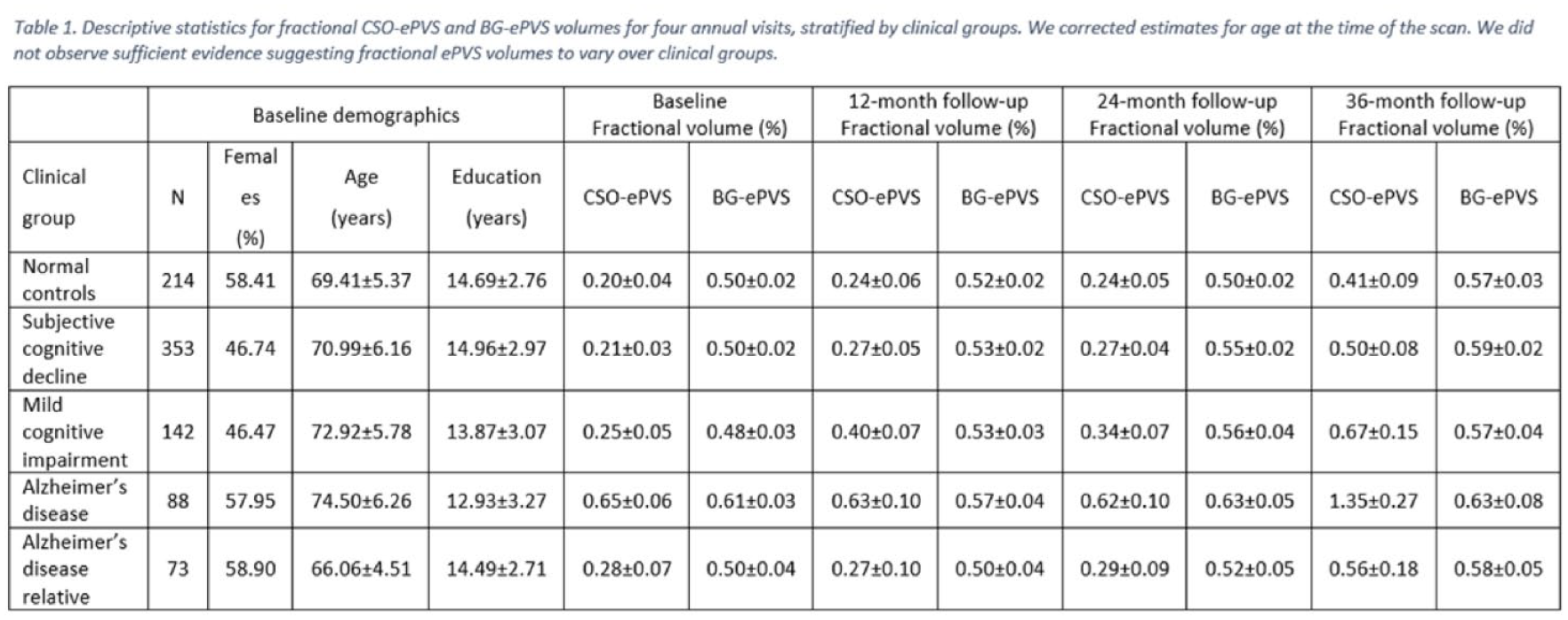
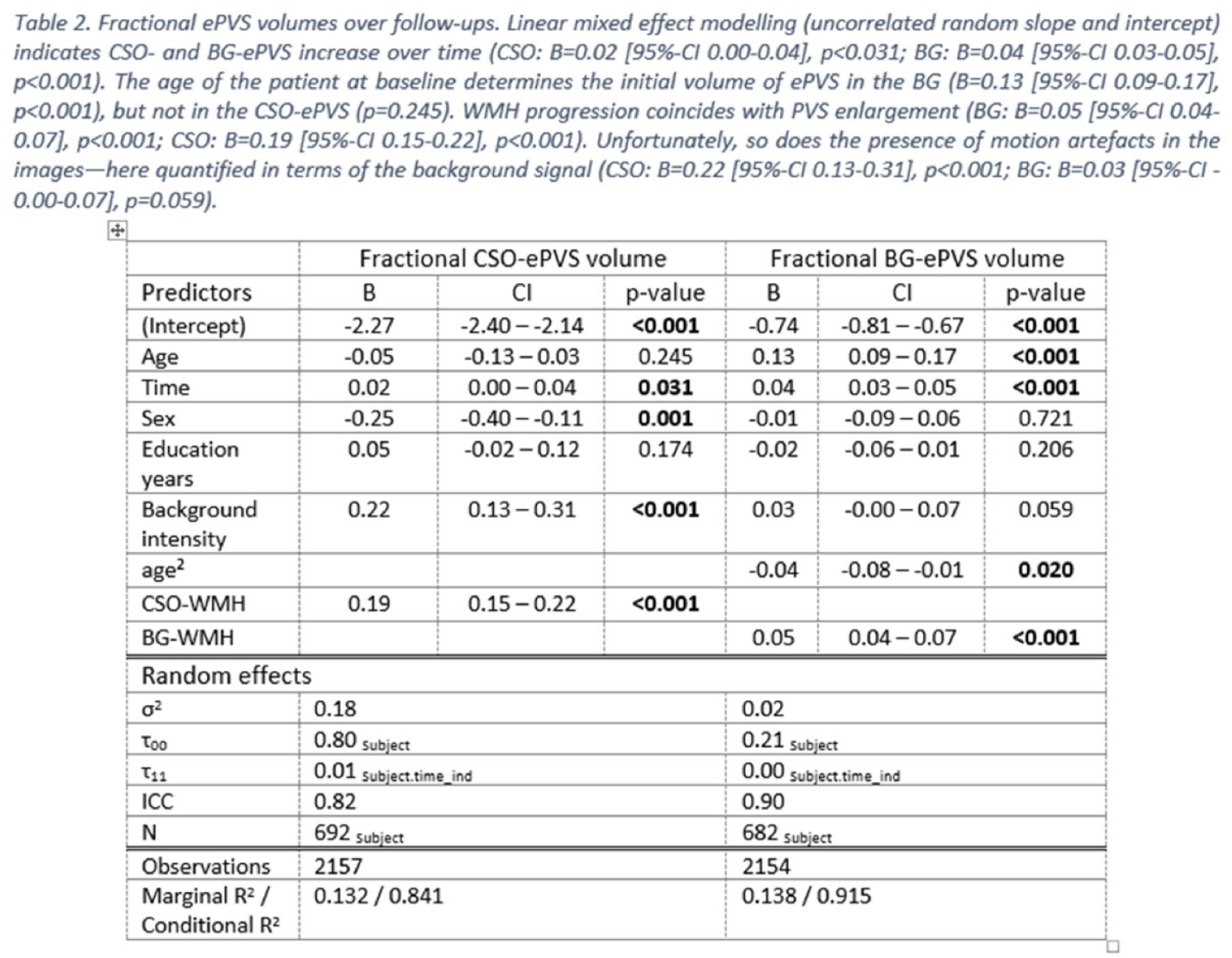
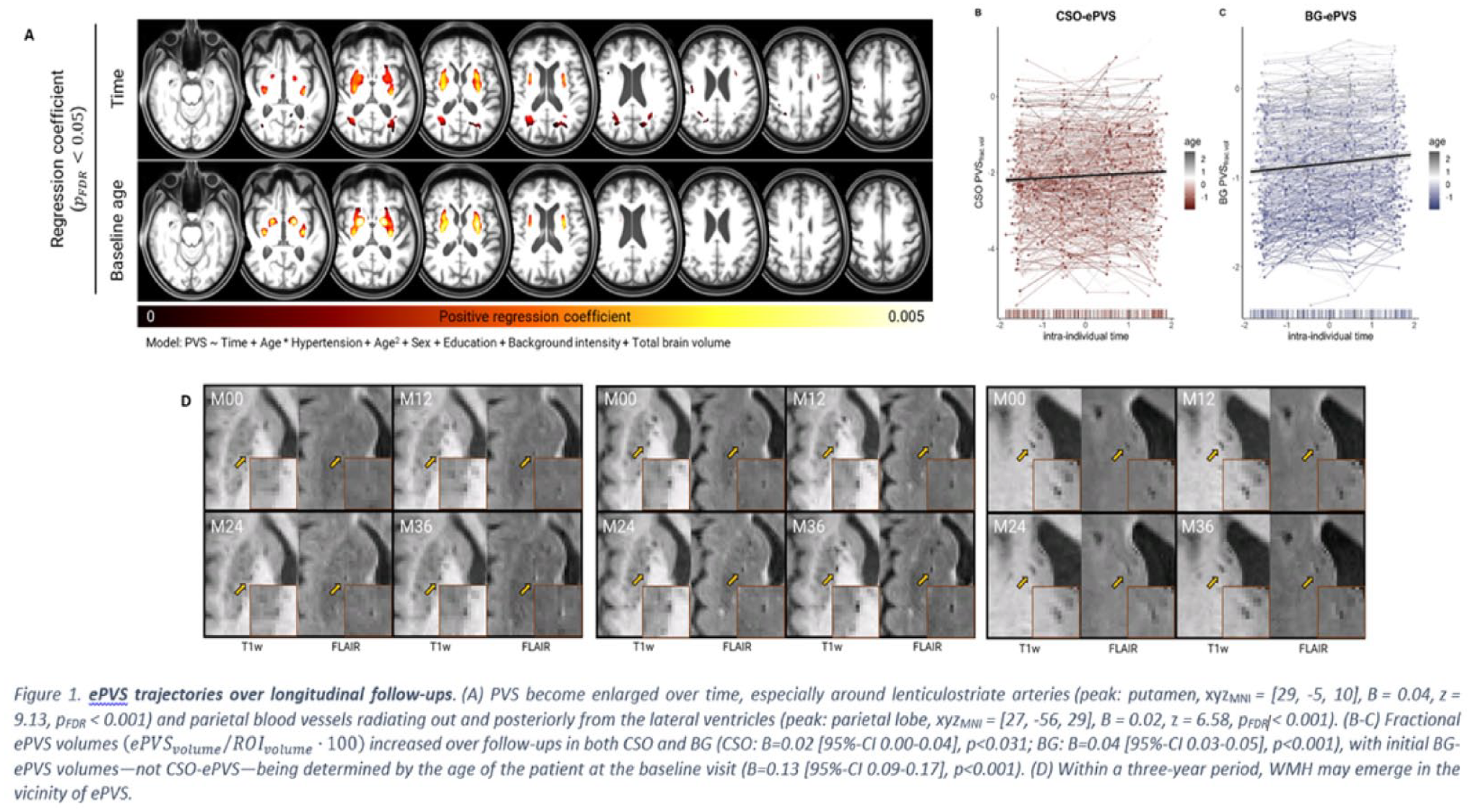
PERIVASCULAR SPACES IN THE BRAIN ENLARGE OVER TIME: A THREE-YEAR LONGITUDINAL STUDY
1German Centre for Neurodegenerative Diseases (DZNE), Magdeburg, Magdeburg, Germany, 2Institute of Cognitive Neurology and Dementia Research, Otto-von-Guericke University Magdeburg, Magdeburg, Germany, 3Department of Neurology, University Hospital Magdeburg, Magdeburg, Germany, 4German Centre for Neurodegenerative Diseases (DZNE), Berlin, Berlin, Germany, 5Charité – Universitätsmedizin Berlin, Department of Psychiatry and Neurosciences, Berlin, Germany, 6Charité, Department of Psychiatry and Psychotherapy, Berlin, Germany, 7Technical University of Munich, Department of Psychiatry and Psychotherapy, Munich, Germany, 8The University of Edinburgh, UK DRI Edinburgh, Edinburgh, United Kingdom, 9German Centre for Neurodegenerative Diseases (DZNE), Bonn, Bonn, Germany, 10University of Bonn Medical Center, Department of Neurodegenerative Disease and Geriatric Psychiatry/Psychiatry, Bonn, Germany, 11German Centre for Neurodegenerative Diseases (DZNE), Goettingen, Goettingen, Germany, 12University Medical Center Goettingen, Department of Psychiatry and Psychotherapy, Goettingen, Germany, 13University of Aveiro, Department of Medical Sciences, Aveiro, Portugal, 14German Centre for Neurodegenerative Diseases (DZNE), Munich, Munich, Germany, 15University Hospital, LMU Munich, Institute for Stroke and Dementia Research (ISD), Munich, Germany, 16University Hospital, LMU Munich, Department of Psychiatry and Psychotherapy, Munich, Germany, 17Munich Cluster for Systems Neurology (SyNergy), Munich, Munich, Germany, 18Imperial College London, Ageing Epidemiology Research Unit (AGE), School of Public Health, London, United Kingdom, 19German Centre for Neurodegenerative Diseases (DZNE), Rostock, Rostock, Germany, 20Rostock University Medical Center, Department of Psychosomatic Medicine, Rostock, Germany, 21German Centre for Neurodegenerative Diseases (DZNE), Tübingen, Tübingen, Germany, 22University of Tübingen, Section for Dementia Research, Hertie Institute for Clinical Brain Research and Department of Psychiatry and Psychotherapy, Tübingen, Germany, 23University of Bonn, Department of Neurology, Bonn, Germany, 24University of Luxembourg, Luxembourg Centre for Systems Biomedicine (LCSB), Belvaux, Luxembourg, 25University of Cologne, Excellence Cluster on Cellular Stress Responses in Aging-Associated Diseases (CECAD), Cologne, Germany, 26University of Cologne, Division of Neurogenetics and Molecular Psychiatry, Department of Psychiatry and Psychotherapy, Faculty of Medicine and University Hospital Cologne, Cologne, Germany, 27Glenn Biggs Institute for Alzheimer’s and Neurodegenerative Diseases, Department of Psychiatry, San Antonio, United States, 28University of Cologne, Department of Psychiatry, Cologne, Germany, 29University College London, Institute of Cognitive Neuroscience, London, United Kingdom
The age of the patient at baseline determined the baseline volume of ePVS in the BG (B=0.13 [95%-CI 0.09-0.17], p<0.001), but not in the CSO-ePVS (p=0.245).
WMH can form around ePVS (
No other predictors contributed significantly to longitudinal ePVS changes.
O079/1285
Scientific Communication SC13 - Imaging
BRAIN STRUCTURAL DETERMINANTS OF LATE-LIFE FUNCTIONALITY
1University Medical Center Hamburg-Eppendorf, Neurology, Hamburg, Germany, 2University Medical Center Hamburg-Eppendorf, Psychiatry, Hamburg, Germany, 3University Medical Center Hamburg-Eppendorf, Cardiology, Hamburg, Germany
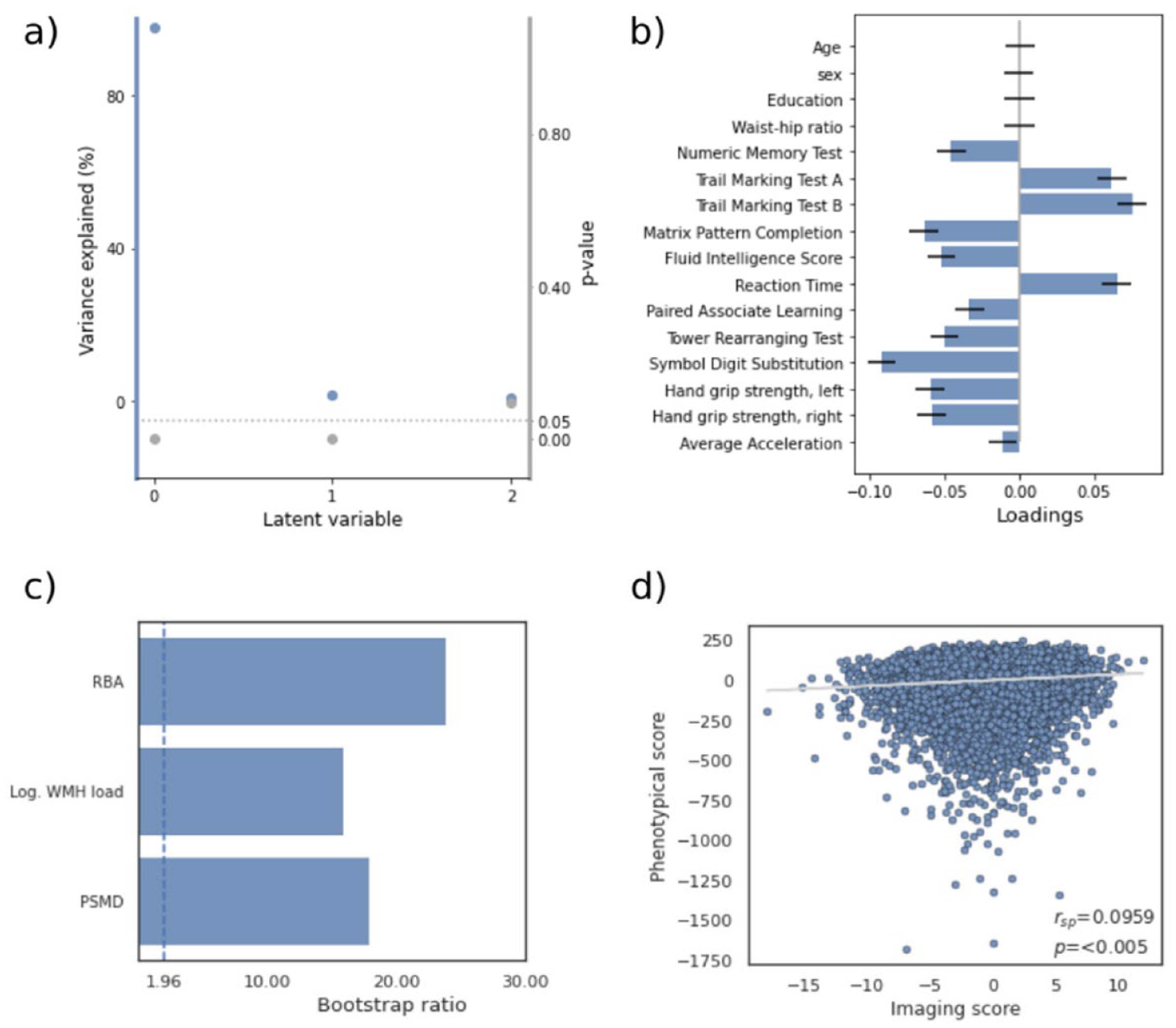
PLS results in the UKB.
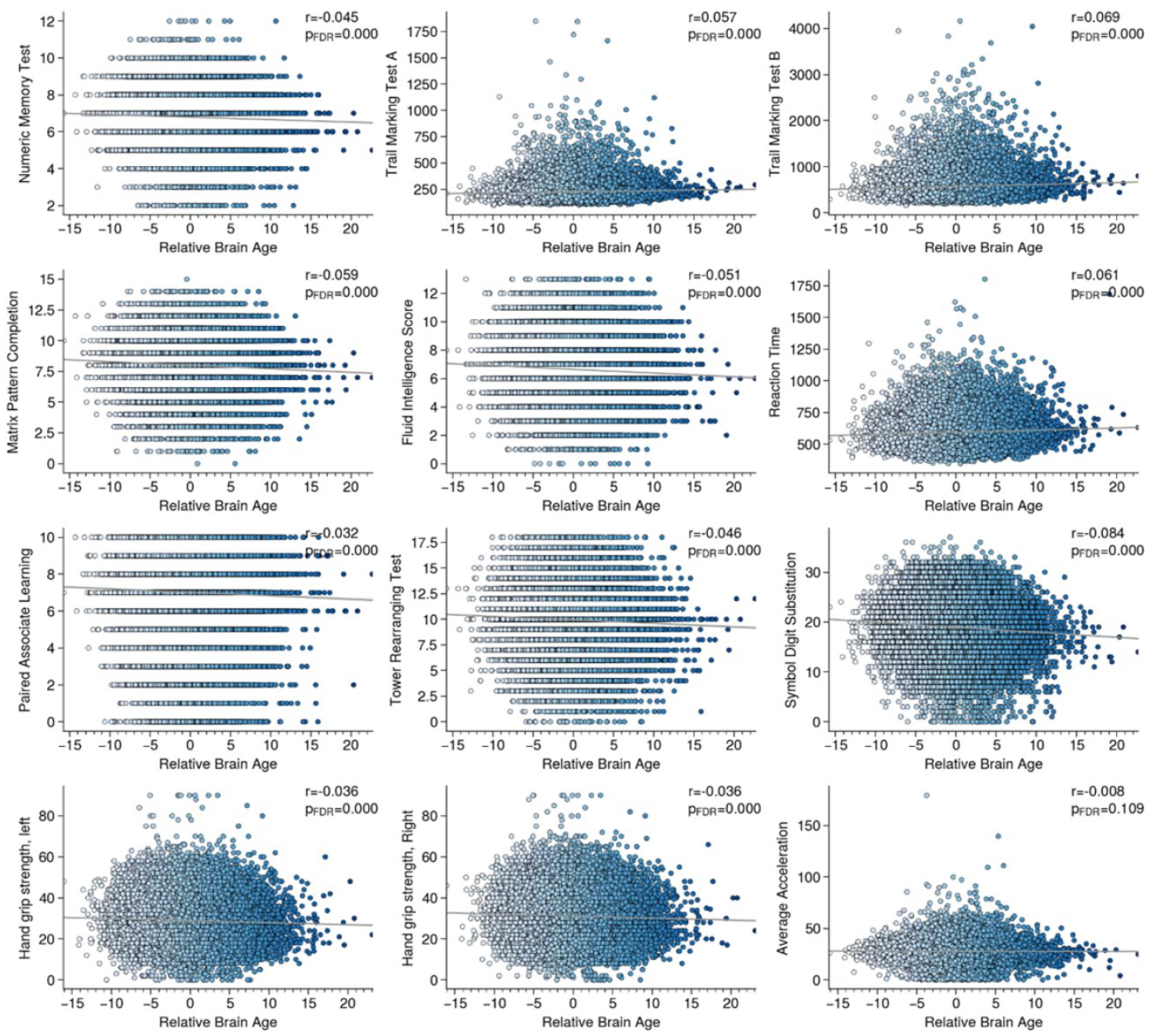
Linear regression results between relative brain age and clinical markers in the UKB.
O080/1599
Scientific Communication SC13 - Imaging
ASSOCIATION BETWEEN PERFUSION METRICS AND POOR CLINICAL OUTCOME DESPITE SUCCESSFUL RECANALIZATION IN THE ESCAPE-NA1 TRIAL
1Brown University, Department of Diagnostic Imaging, Providence, United States, 2University of Calgary, Department of Radiology, Calgary, Canada, 3University of Saskatchewan, Department of Neurosurgery, Saskatoon, Canada, 4Circle Neurovascular Imaging, Private Company, Calgary, Canada, 5University Hospital Basel, Department of Neurology, Basel, Switzerland, 6University of Pittsburgh School of Medicine, Department of Neurology and Neurosurgery, Pittsburgh, United States, 7University of Calgary, Department of Clinical Neurosciences, Calgary, Canada, 8Centre Hospitalier de L'Université De Montréal, Department of Neurosciences, Montréal, Canada
O081/62
Scientific Communication SC13 - Imaging
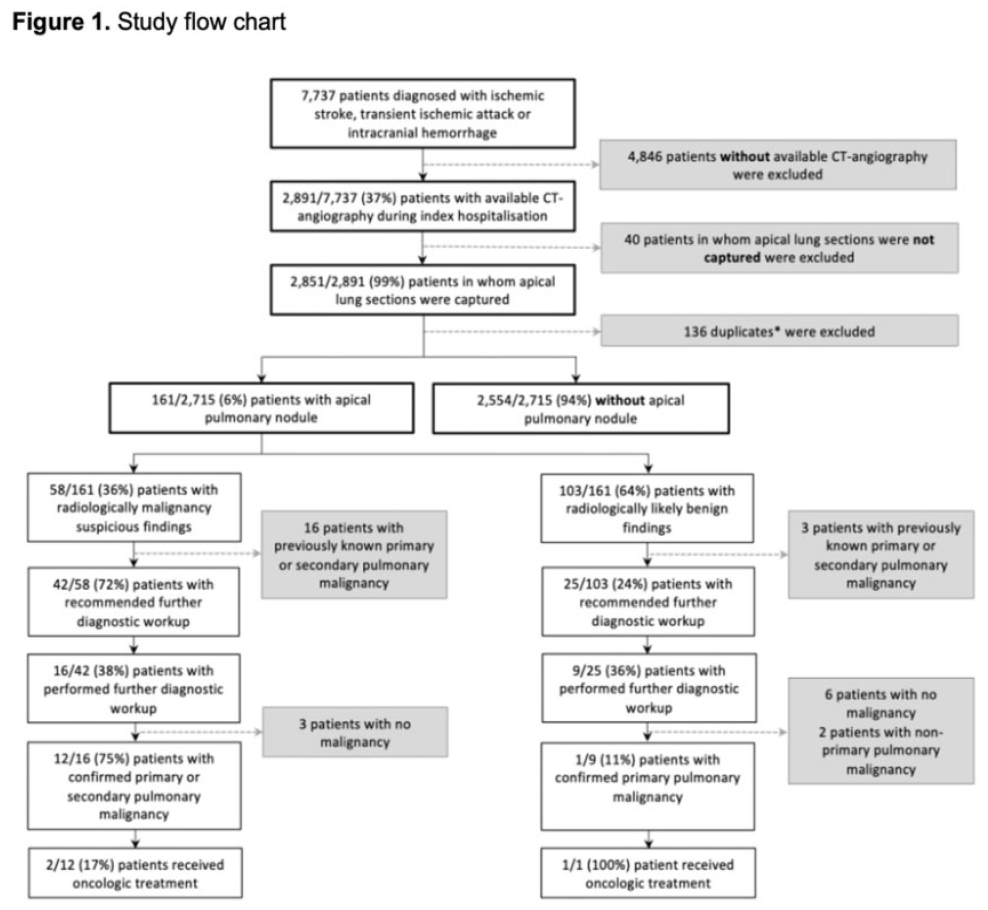
APICAL PULMONARY LESIONS SUSPECTED OF MALIGNANCY VISIBLE ON NECK CT ANGIOGRAPHY PERFORMED FOR ACUTE STROKE: PREVALENCE, TREATMENT AND CLINICAL IMPLICATIONS – THE PLEURA STUDY
1University Hospital Basel and University of Basel, Department of Neurology and Stroke Center, Basel, Switzerland, 2University Department of Geriatric Medicine Felix Platter, Neurology and Neurorehabilitation, Basel, Switzerland, 3University Hospital Basel and University of Basel, Department of Oncology, Basel, Switzerland, 4University Hospital and University of Basel, Department of Intensive Care Medicine, Basel, Switzerland, 5University Hospital Basel and University of Basel, Emergency Department, Basel, Switzerland, 6Rehabilitation Clinic, Rehabilitation center for neurology, orthopedics and geriatrics, Rheinfelden, Switzerland, 7University Hospital and University of Basel, Department of Neuroradiology, Basel, Switzerland
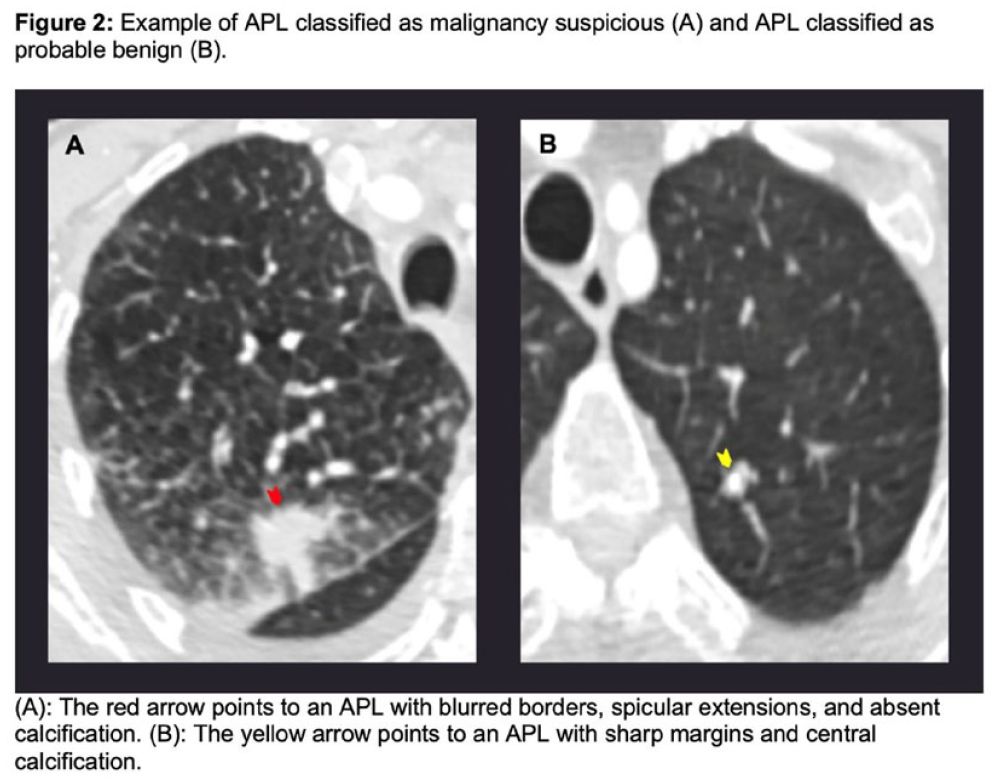
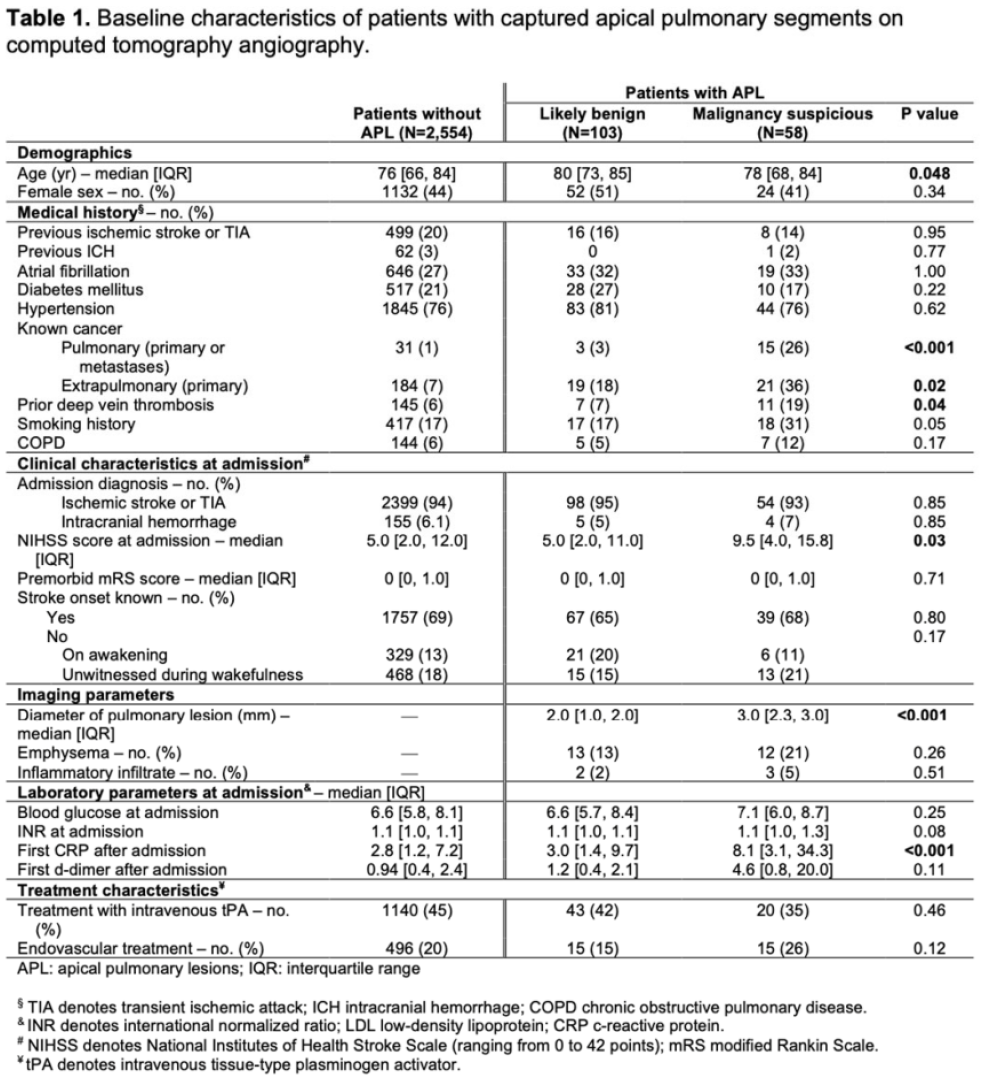
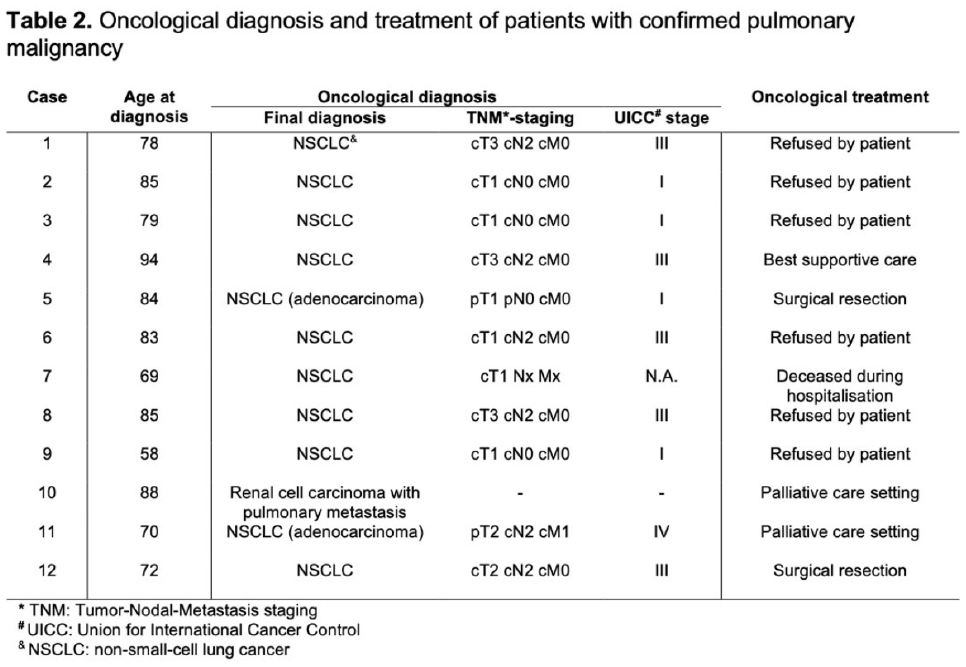
O082/787
Scientific Communication SC14 - Atherosclerosis and Stroke
BACKGROUND ARTERIAL INFLAMMATION IMAGED BY POSITRON EMISSION TOMOGRAPHY AND LATE OUTCOME VASCULAR RECURRENCE AFTER STROKE
1Stroke Clinical Trials Network Ireland, Stroke, Dublin, Ireland, 2University College Dublin (UCD), Ireland., School of Medicine, Dublin, Ireland, 3Hospital de la Santa Creu i Sant Pau, Biomedical Research Institute Sant Pau (IIB Sant Pau), Universitat Autònoma de Barcelona (Department of Medicine), Department of Neurology, Barcelona, Spain, 4St Vincent’s University Hospital, Ireland., Department of Vascular Surgery, Dublin, Ireland, 5St James’ Hospital, Stroke Service, Department of Geriatric Medicine, Dublin, Ireland, 6St Vincent’s University Hospital., Department of Geriatric Medicine, Dublin, Ireland, 7Cork University Hospital and College of Medicine and Health, University College Cork, Department of Neurology and Clinical Neurosciences, Cork, Ireland, 8Royal College of Surgeons in Ireland (RCSI) University of Medicine and Health Sciences, Department of Geriatric and Stroke Medicine, Dublin, Ireland, 9James Connolly Memorial Hospital, Department of Geriatric Medicine, Dublin, Ireland, 10Mater Misericordiae University Hospital, Vascular Surgery, Dublin, Ireland, 11Mater Misericordiae University Hospital, Radiology, Dublin, Ireland, 12Mater Misericordiae University Hospital, Stroke Service, Dept of Neurology, Dublin, Ireland, 13Hospital de la Santa Creu i Sant Pau, Department of Nuclear Medicine, Barcelona, Spain
O083/460
Scientific Communication SC14 - Atherosclerosis and Stroke
IS PERIODONITIS ASSOCIATED WITH STROKE? THE UNITED STATES NATIONAL HEALTH AND NUTRITION EXAMINATION SURVEY 2009 -2014
1The University of Hong Kong, Department of Medicine, School of Clinical Medicine, Hong Kong, China, 2Peking University Shenzhen Hospital, Department of Neurology, Shenzhen, China, 3Shenzhen University General Hospital, Shenzhen University Clinical Medical Academy, Department of Stomatology, Shenzhen, China, 4Shenzhen University, Institute of Stomatological Research, Shenzhen, China, 5The University of Hong Kong, State Key Laboratory of Pharmaceutical Biotechnology, Hong Kong, China
O084/1932
Scientific Communication SC14 - Atherosclerosis and Stroke
CAROTID GEOMETRY IS ASSOCIATED WITH COMPLICATED CAROTID ARTERY PLAQUES
1Department of Neurology and Neurophysiology, Medical Center - University of Freiburg, Faculty of Medicine, University of Freiburg, Freiburg, Germany, 2Institute for Stroke and Dementia Research, University Hospital, LMU Munich, Munich, Germany, 3Die Radiologie, Die Radiologie, Rosenheim, Germany, 4Department of Neuroradiology, Klinikum rechts der Isar, Technical University of Munich (TUM), Munich, Germany, 5Institute for Imaging Science and Computational Modelling in Cardiovascular Medicine, Charité-Universitätsmedizin Berlin, Berlin, Germany, 6Department of Neurology, Massachusetts General Hospital, Boston, United States, 7Department of Neurology and Stroke and Hertie Institute for Clinical Brain Research, University of Tübingen, Tübingen, Germany, 8Department of Neurology, Helios Klinikum München West, Munich, Germany, 9Institute of Neuroradiology, University Hospital, LMU Munich, Munich, Germany
O085/190
Scientific Communication SC14 - Atherosclerosis and Stroke
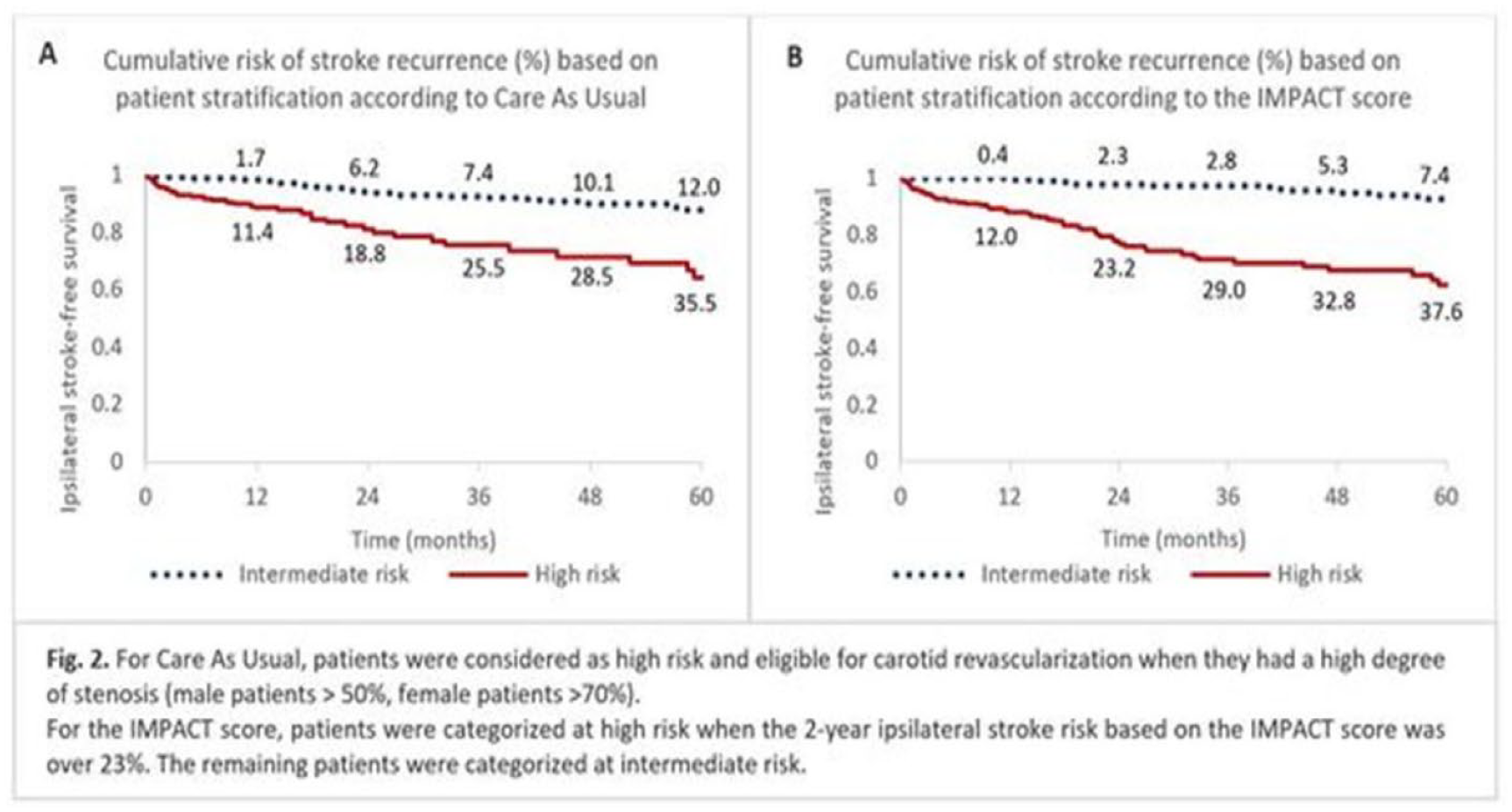
INDIVIDUALIZED MRI-BASED PLAQUE RISK SCORE FOR (RECURRENT) STROKE IN SYMPTOMATIC PATIENTS WITH CAROTID ARTERY DISEASE (IMPACT)
1Maastricht University Medical Centre, Department of Radiology and Nuclear Medicine, Maastricht, Netherlands, 2Maastricht University, CARIM School for Cardiovascular Diseases, Maastricht, Netherlands, 3Erasmus University Medical Center, Department of Radiology and Nuclear Medicine, Rotterdam, Netherlands, 4Erasmus University Medical Center, Department of Neurology, Rotterdam, Netherlands, 5Kurashiki Central Hospital, Department of Neurosurgery, Okayama, Japan, 6Kyoto University Graduate School of Medicine, Department of Neurosurgery, Kyoto, Japan, 7University of Nottingham, Radiological Sciences, Division of Clinical Neurosciences, Nottingham, United Kingdom, 8University of Nottingham, NIHR Nottingham Biomedical Research Centre, Nottingham, United Kingdom, 9University Hospital Basel and University of Basel, Department of Neurology and Stroke Center, Department of Clinical Research, Basel, Switzerland, 10Ludwig-Maximilians-University Hospital, Institute of Neuroradiology, Munich, Germany, 11Erasmus University Medical Center, Department of Epidemiology, Rotterdam, Netherlands, 12University Medical Center Utrecht, Department of Radiology and Nuclear Medicine, Utrecht, Netherlands, 13Maastricht University Medical Center, Department of Clinical Epidemiology and Medical Technology Assessment, Maastricht, Netherlands, 14Amsterdam University Medical Center, Department of Neurology, Amsterdam, Netherlands, 15Die Radiologie, Radiologie Rosenheim, Rosenheim, Germany, 16Maastricht University Medical Center, Department of Neurology, Maastricht, Netherlands, 17Maastricht University, Department of Epidemiology, Maastricht, Netherlands
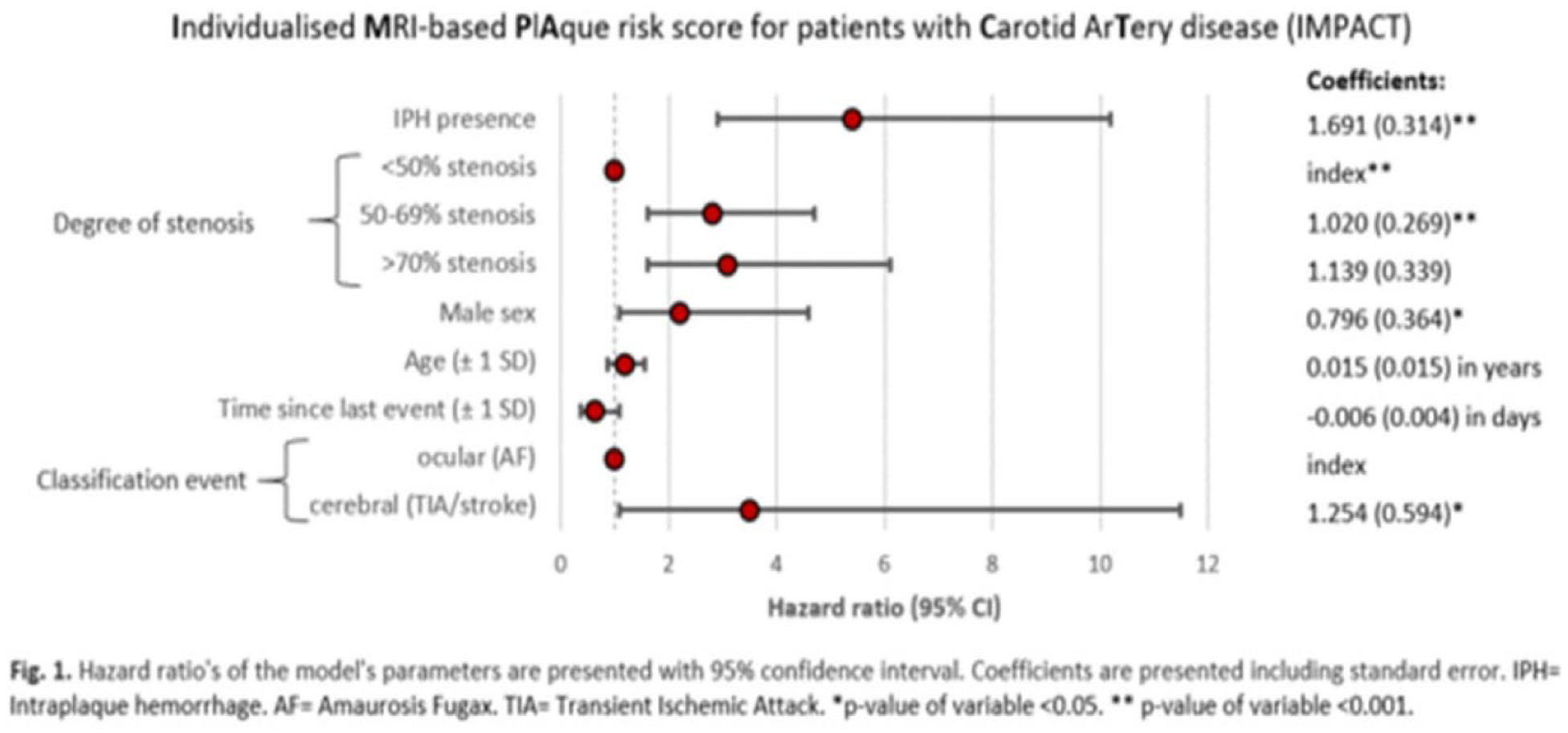
O086/464
Scientific Communication SC14 - Atherosclerosis and Stroke
REMODELLING AND STROKE RELAPSE IN SYMPTOMATIC INTRACRANIAL ATHEROSCLEROTIC DISEASE: A LONGITUDINAL 3D ROTATIONAL ANGIOGRAPHY STUDY
1Prince of Wales Hospital, The Chinese University of Hong Kong, Department of Medicine and Therapeutics, Hong Kong, Hong Kong, 2Prince of Wales Hospital, The Chinese University of Hong Kong, Department of Imaging and Interventional Radiology, Hong Kong, Hong Kong
O087/1327
Scientific Communication SC14 - Atherosclerosis and Stroke
STROKE INDUCES EARLY RECURRENT VASCULAR EVENTS BY INFLAMMASOME-DEPENDENT ATHEROSCLEROTIC PLAQUE RUPTURE
1Institute for Stroke and Dementia Research, Hospital of the University Munich, LMU, Munich, Germany, 2Department of Neurology, Hannover Medical School, Hannover, Germany, 3Department of Cardiology, German Heart Centre Munich, Technical University Munich, Germany, Munich, Germany
O088/1000
Scientific Communication SC14 - Atherosclerosis and Stroke
CAROTID PLAQUE SCORE FOR CARDIOVASCULAR RISK PREDICTION IN A MIDDLE-AGED COHORT FROM THE GENERAL POPULATION: THE AKERSHUS CARDIAC EXAMINATION 1950 STUDY
1Bærum Hospital, Vestre Viken Hospital Trust, Department of Medical Research, Gjettum, Norway, 2Bærum Hospital, Vestre Viken Hospital Trust, Stroke Unit, Medical Department, Gjettum, Norway, 3Akershus University Hospital, Division of Medicine, Lørenskog, Norway, 4Akershus University Hospital, Department of Neurology, Lørenskog, Norway, 5Oslo University Hospital, Ullevaal, Stroke Unit, Department of Neurology, Oslo, Norway, 6Norwegian Institute of Public Health, Department of Chronic Diseases, Oslo, Norway, 7University of Oslo, Institute of Clinical Medicine, Oslo, Norway
O089/2252
Scientific Communication SC15 - Small Vessel Disease
POPULATION RISK FACTOR FOR SMALL VESSEL DISEASE OR HIGHLY PENETRANT MONOGENIC STROKE AND VASCULAR DEMENTIA: GENETIC RISK STRATIFICATION IN NOTCH3-ASSOCIATED SMALL VESSEL DISEASE
1Leiden University Medical Center, Clinical Genetics, Leiden, Netherlands, 2Fondazione IRCCS Istitito Neurologico Carlo Besta, Neurology, Milan, Italy, 3University Hospital, LMU Munich, Institute for Stroke and Dementia Research, Munich, Germany, 4University of Basel, Medical Image Analysis Center (MIAC) and Department of Biomedical Engineering, Basel, Switzerland
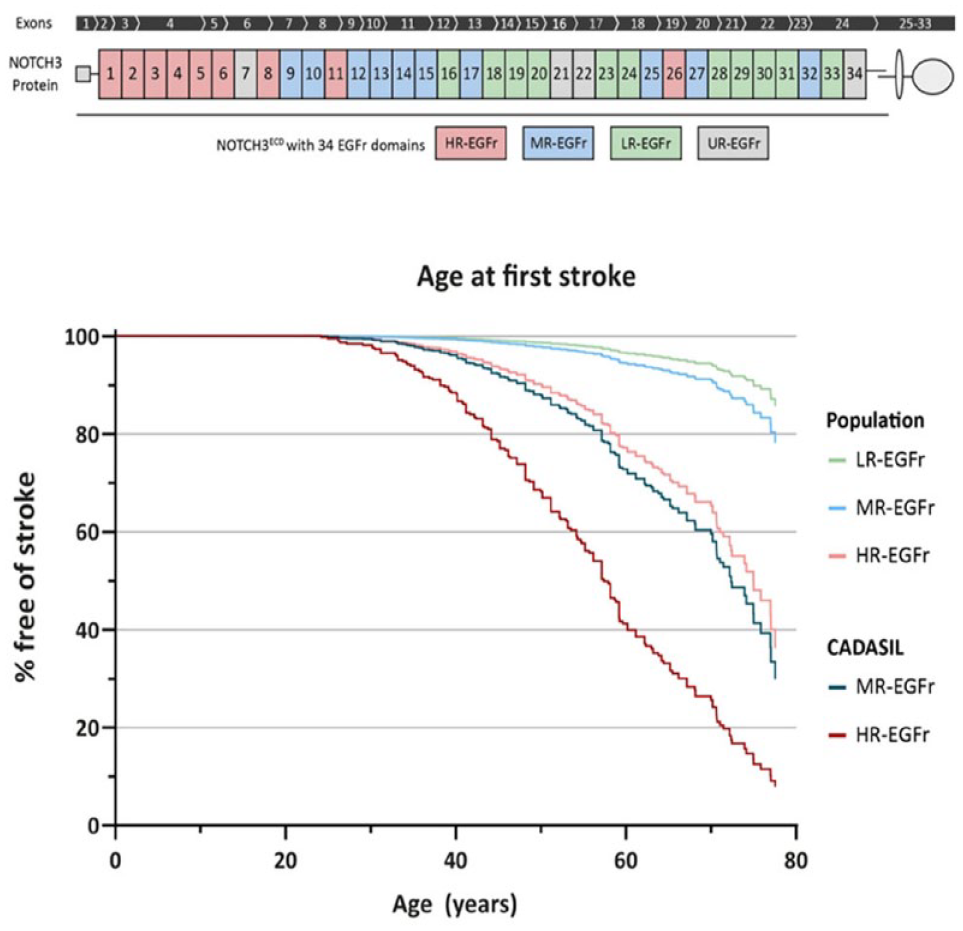
O090/2301
Scientific Communication SC15 - Small Vessel Disease
VASCULAR NOTCH3 AGGREGATION IN SKIN AS AN EARLY BIOMARKER FOR NOTCH3-SMALL VESSEL DISEASE: ASSOCIATION WITH GENETIC RISK CATEGORY AND WHITE MATTER MICROSTRUCTURAL DAMAGE
1Leiden University Medical Center (LUMC), Department of Clinical Genetics, Leiden, Netherlands, 2Leiden University Medical Center (LUMC), Department of Dermatology, Leiden, Netherlands, 3Leiden University Medical Center (LUMC), Department of Pathology, Leiden, Netherlands
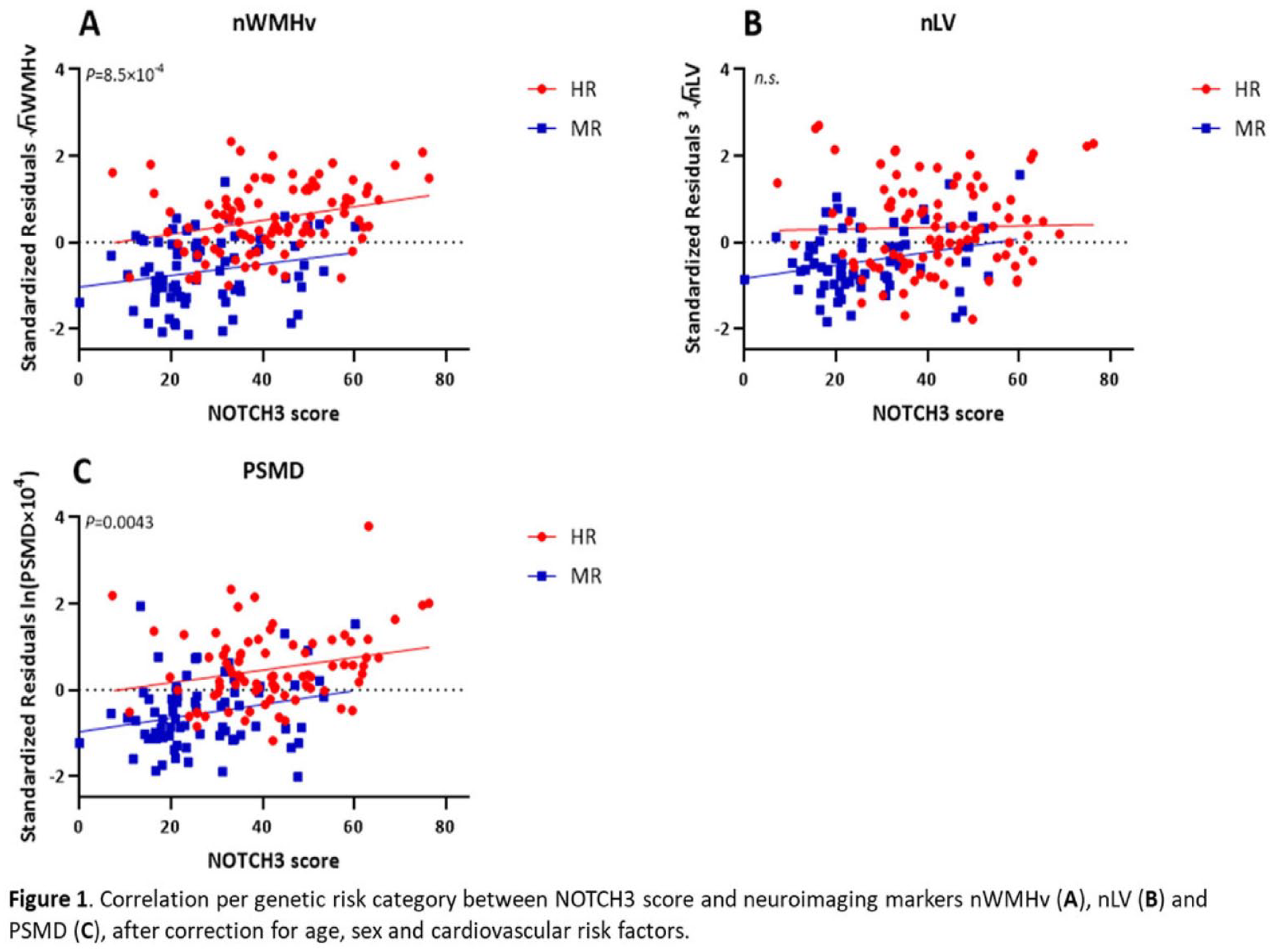
O091/1897
Scientific Communication SC15 - Small Vessel Disease
WHITE MATTER HYPERINTENSITIES ARE ASSOCIATED WITH CEREBRAL PULSATILITY WHICH REFLECTED VASCULAR AGING, IN CONTRAST TO IMPAIRED CEREBROVASCULAR REACTIVITY REFLECTING DISEASE SEVERITY: OxHARP TRIAL BASELINE RESULTS
1 University of Oxford, Wolfson Centre for Prevention of Stroke and Dementia, Department of Clinical Neurosciences, Oxford, United Kingdom
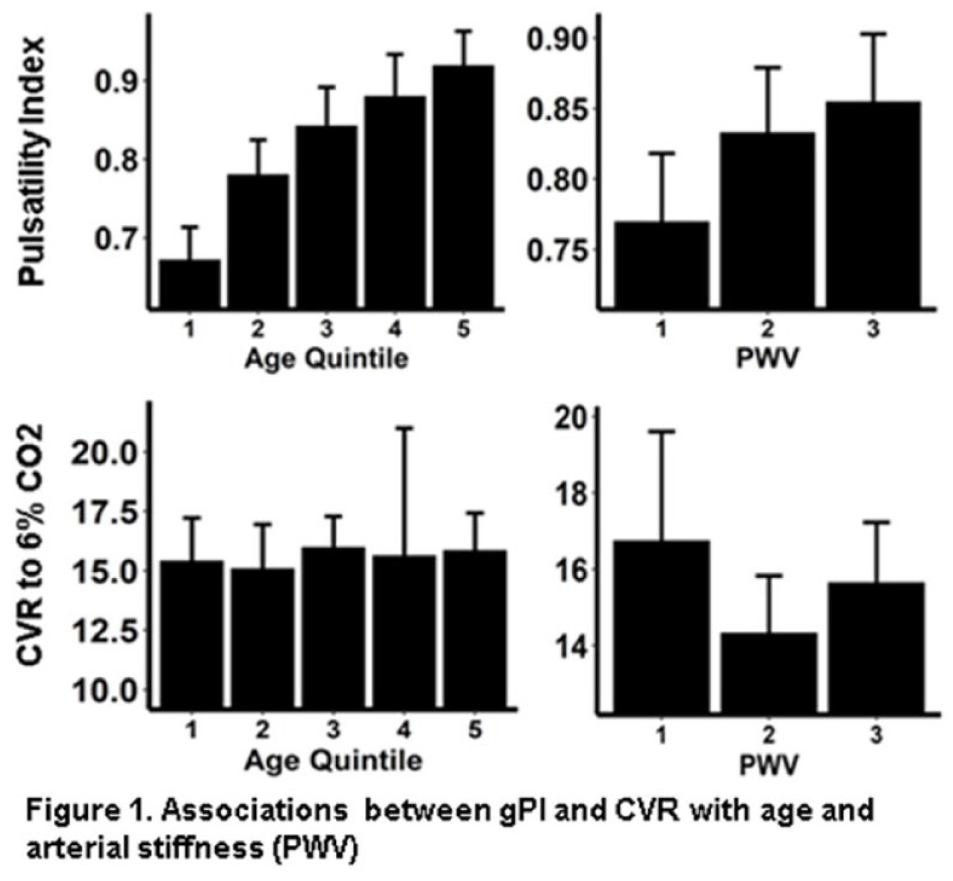
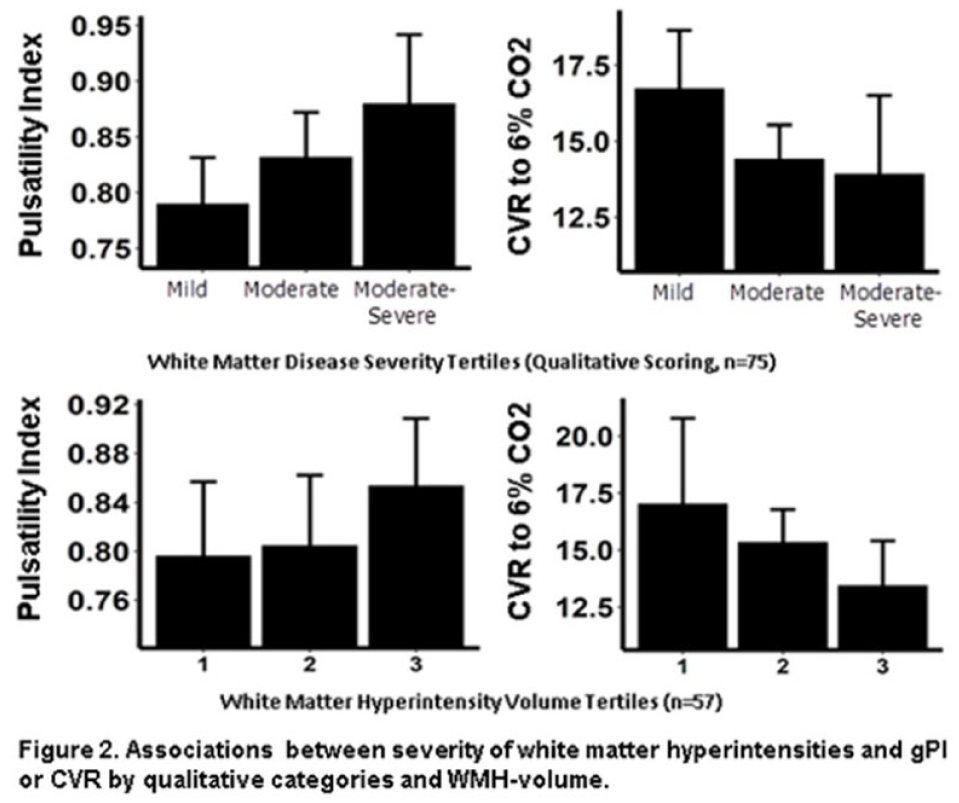
O092/671
Scientific Communication SC15 - Small Vessel Disease
REGIONAL CORTICAL THINNING, DEMYELINATION, AND IRON LOSS RELATED TO WHITE MATTER HYPERINTENSITIES IN CEREBRAL SMALL VESSEL DISEASE
1Radboud University Medical Center, Department of Neurology, Nijmegen, Netherlands, 2Guangdong Provincial People's Hospital, Department of Neurology, Guangzhou, China, 3Medical Image Analysis Center, Department of Biomedical Engineering, University of Basel, Basel, Switzerland, 4Donders Institute for Brain, Cognition and Behaviour, Center for Cognitive Neuroimaging, Nijmegen, Netherlands, 5Radboud University Medical Center, Department of Medical Psychology and Radboudumc Alzheimer Center, Nijmegen, Netherlands
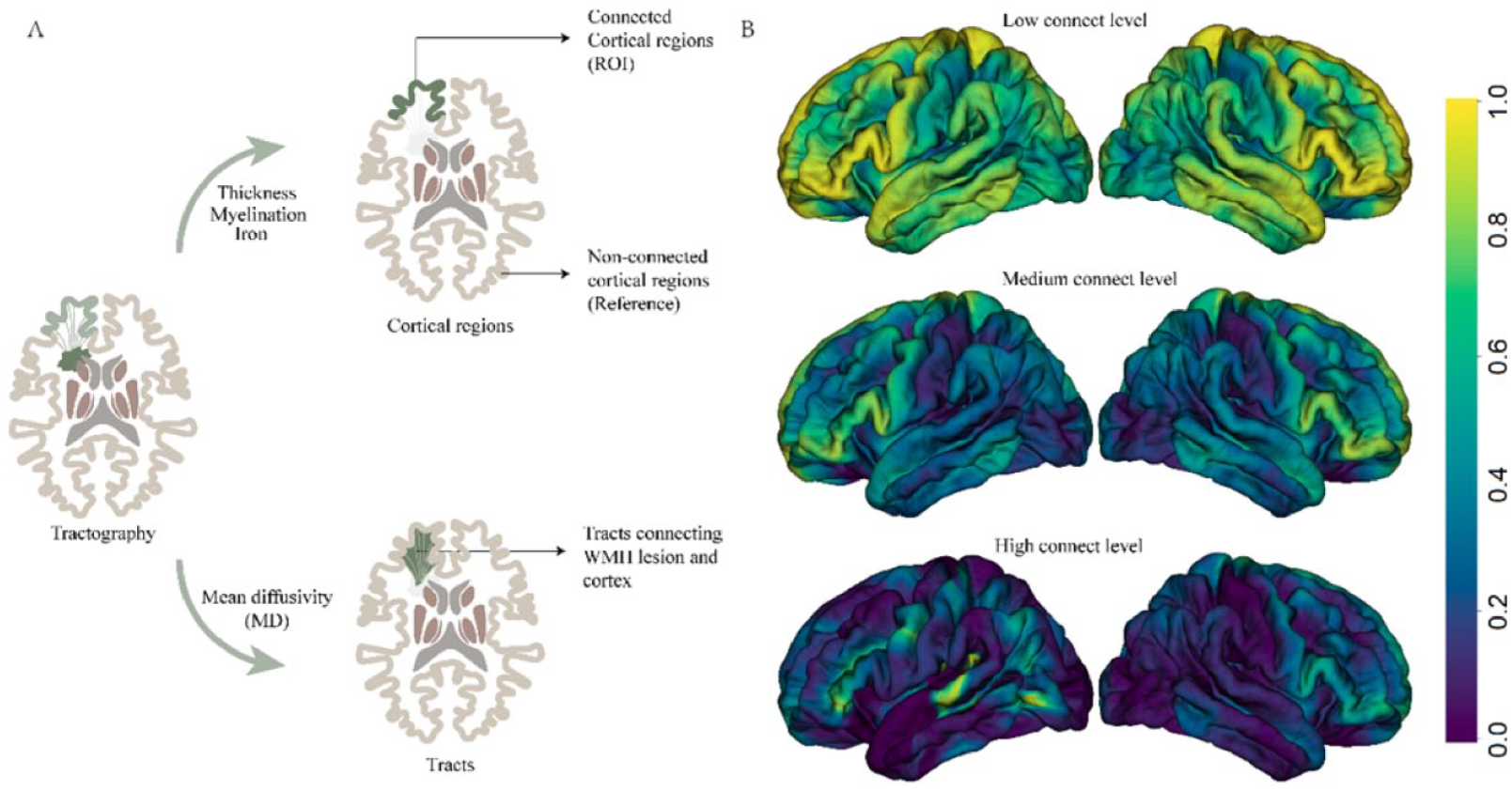
Study design and methods.
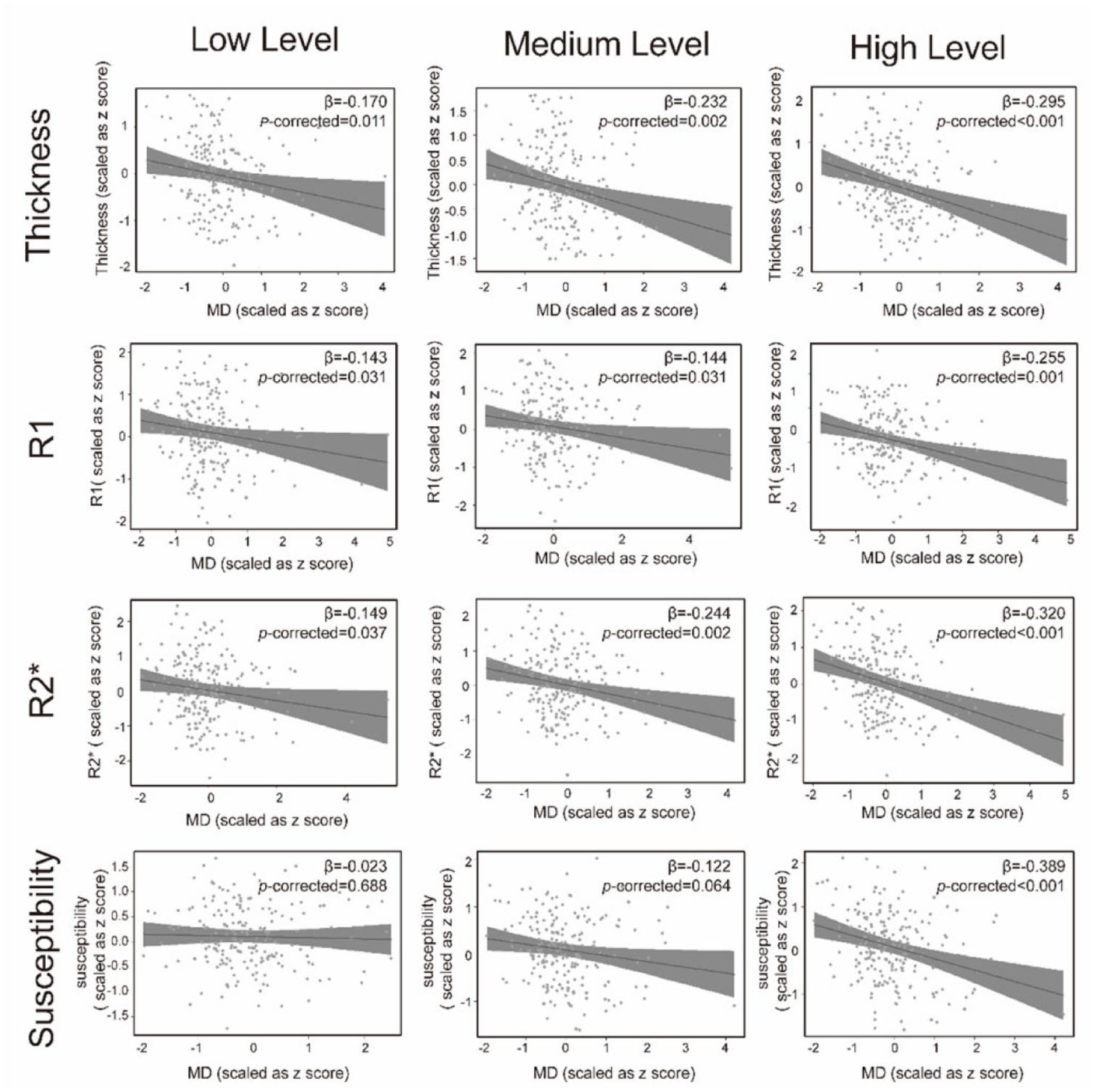
O093/1425
Scientific Communication SC15 - Small Vessel Disease
VISIT-TO-VISIT BLOOD PRESSURE VARIABILITY AND PROGRESSION OF WHITE MATTER HYPERINTENSITIES OVER 14 YEARS
1Radboud University Medical Center; Donders Institute for Brain, Cognition and Behaviour, Department of Neurology, Nijmegen, Netherlands, 2Guangdong Neuroscience Institute, Guangdong Provincial People's Hospital, Guangdong Academy of Medical Sciences, Department of Neurology, Guangzhou, China, 3Radboud University, Centre for Cognitive Neuroimaging, Donders Institute for Brain, Cognition and Behaviour, Nijmegen, Netherlands, 4University of Basel, Medical Image Analysis Center (MIAC AG) and qbig, Department of Biomedical Engineering, Basel, Switzerland
O094/2616
Scientific Communication SC15 - Small Vessel Disease
LOW-FREQUENCY OSCILLATIONS DURING RESTING-STATE BOLD-MRI IDENTIFY DIFFERENTIAL CONTROL OF CEREBRAL BLOOD FLOW BY TISSUE TYPE IN SMALL VESSEL DISEASE: A UK BIOBANK ANALYSIS
1University of Oxford, Centre for Prevention of Stroke and Dementia, Oxford, United Kingdom, 2University of Oxford, Wellcome Centre for Integrative Neuroimaging, Oxford, United Kingdom
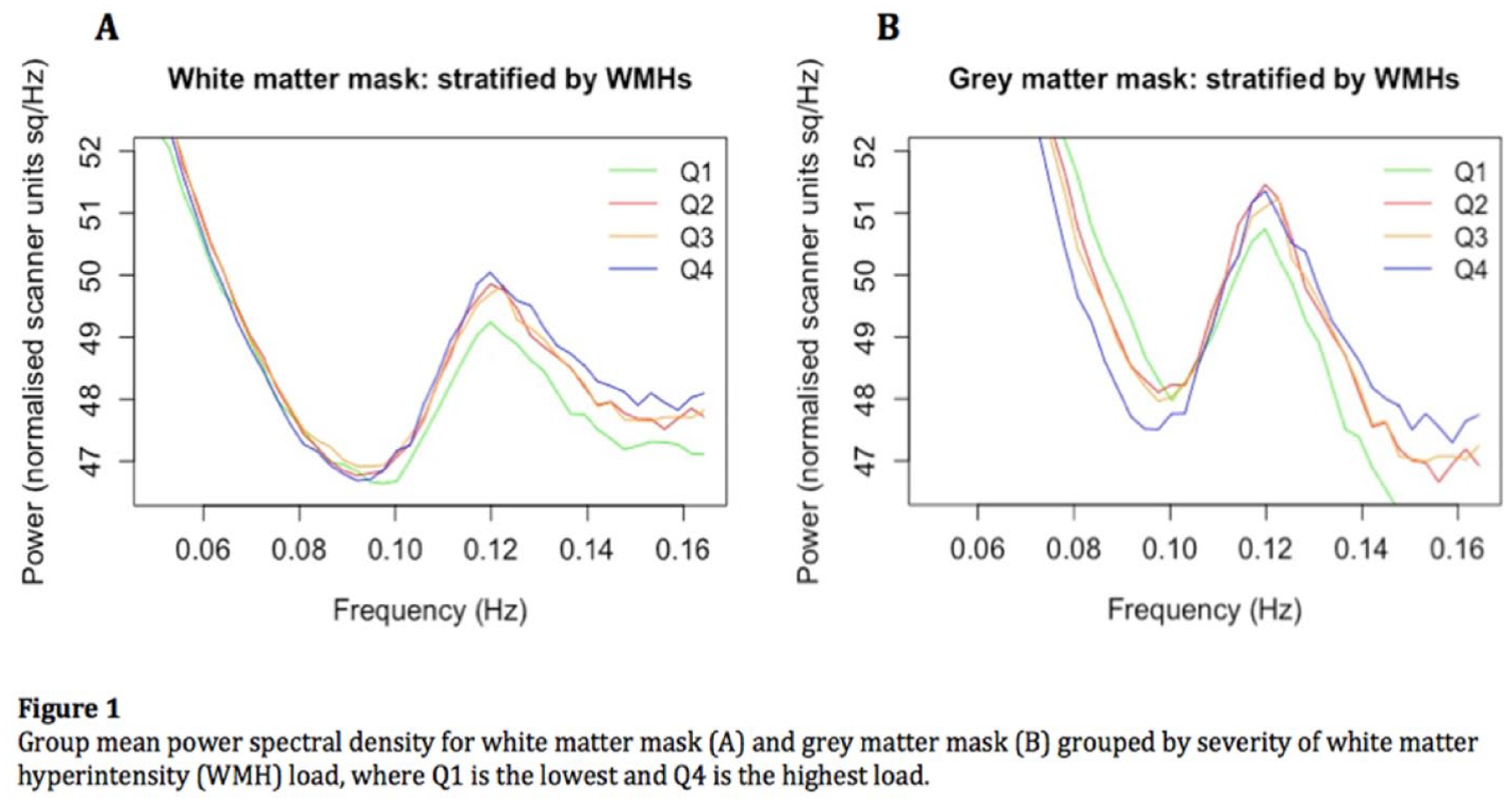
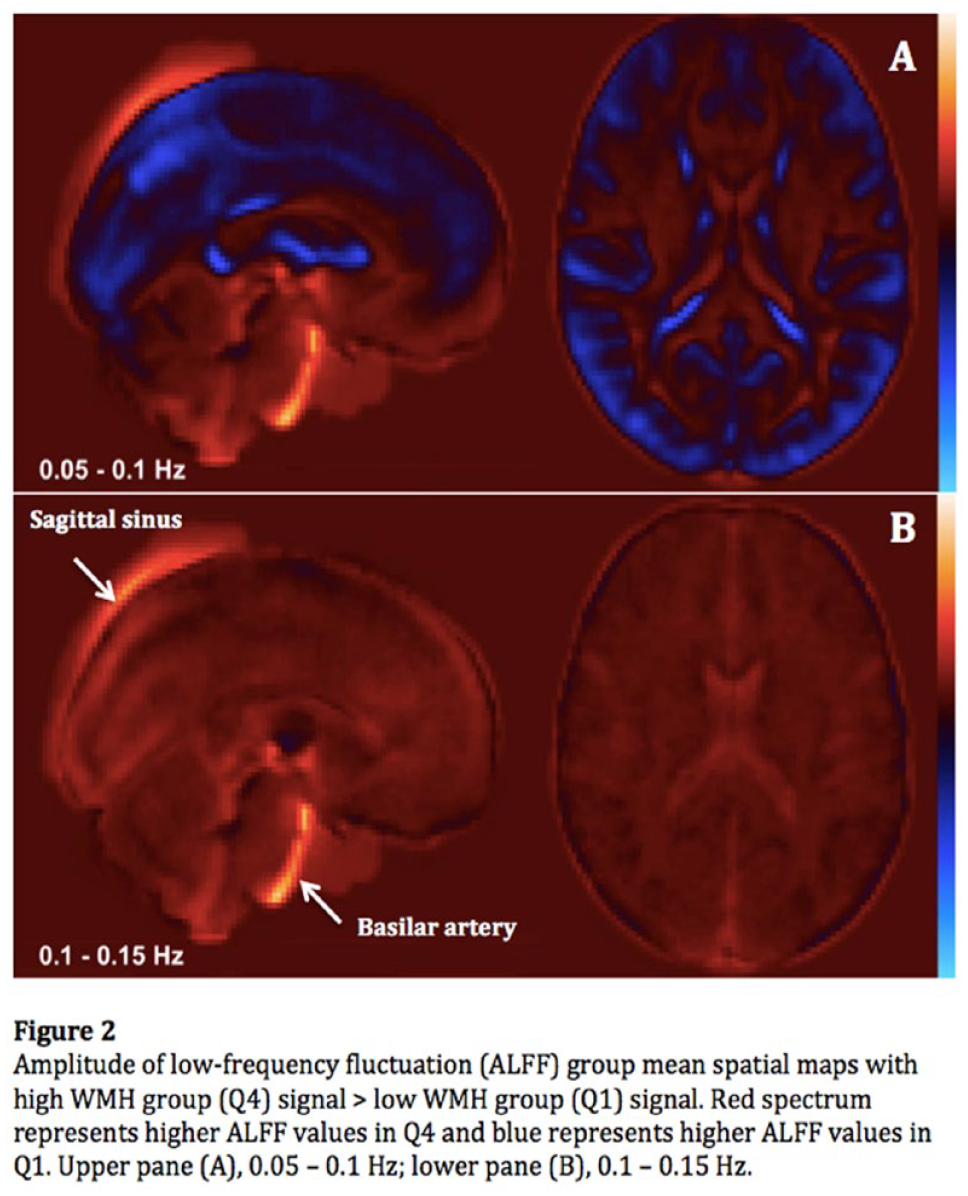
O095/1304
Scientific Communication SC15 - Small Vessel Disease
ASSOCIATION BETWEEN ARTERIAL TORTUOSITY AND EARLY NEUROLOGICAL DETERIORATION IN LENTICULOSTRIATE ARTERY TERRITORY INFARCTION
1Asan Medical Center, Neurology, Seoul, South Korea, 2Gachon University Gil Medical Center, Neurology, Incheon, South Korea
O096/552
Scientific Communication SC15 - Small Vessel Disease
IMAGING NEUROVASCULAR, ENDOTHELIAL AND STRUCTURAL INTEGRITY IN PREPARATION TO TREAT SMALL VESSEL DISEASES (INVESTIGATE-SVDS): ASSOCIATIONS BETWEEN PVS SCORE AND VASCULAR DYSFUNCTION METRICS
1Brain Research Imaging Centre, Centre for Clinical Brain Sciences, UK Dementia Research Institute at the University of Edinburgh, University of Edinburgh, Edinburgh, United Kingdom, 2Institute for Stroke and Dementia Research (ISD), LMU Munich, Munich, Germany, 3Department of Neurology, CARIM School for cardiovascular diseases, Maastricht University Medical Center, Maastricht, Netherlands, 4Medical Image Analysis Center (MIAC AG) and Department of Biomedical Engineering, University of Basel, Basel, Switzerland, 3Department of Neurology, CARIM School for cardiovascular diseases, Maastricht University Medical Center, Maastricht, Netherlands, 6Department of Radiology & Nuclear Medicine, Maastricht University Medical Centre, Schools for Mental Health & Neuroscience and Cardiovascular Disease, Maastricht, Netherlands, 7German Center for Neurodegenerative Diseases, (DZNE, Munich), Munich, Germany, 8Munich Cluster for Systems Neurology, (SyNergy), Munich, Germany
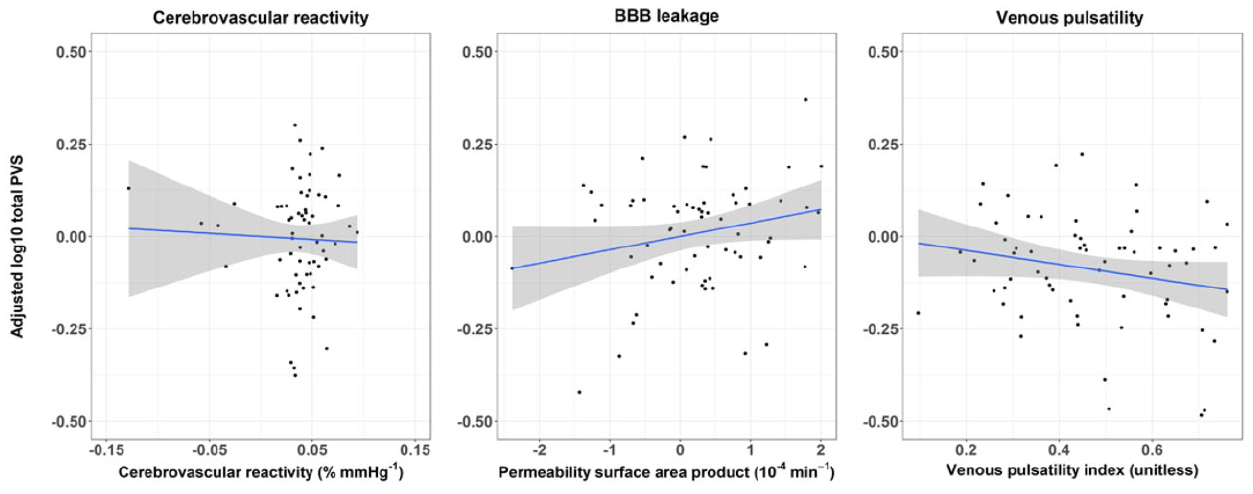
Adjusted log10 total PVS score versus vascular dysfunction measures.
O097/2215
Scientific Communication SC16 - Clinical Practice, Management and Care
IMPACT OF STROKE ON SOCIAL CARE SYSTEMS ACROSS EUROPE
1 University of Oxford, Nuffield Department of Population Health, Oxford, United Kingdom
O098/349
Scientific Communication SC16 - Clinical Practice, Management and Care
SYSTEMATIC REVIEW AND SYNTHESIS OF GLOBAL STROKE GUIDELINES FOR THE WORLD STROKE ORGANIZATION
1University of Edinburgh, Usher Institute, Edinburgh, United Kingdom, 2London Health Sciences Centre, Department of Clinical Neurological Sciences, London, Ontario, Canada, 3University of São Paulo, UNIFESP and Hospital Israelita Albert Einstein, Department of Neurology and Neurosurgery, São Paulo, Brazil, 4Antwerp University Hospital, and University of Antwerp, Antwerp NeuroVascular Center and Stroke Unit; Research Group on Translational Neurosciences, Faculty of Medicine and Health Sciences, Antwerp, Belgium, 5West China Hospital, Sichuan University, Department of Neurology, Chengu, China, 6Bashkir State Medical University, Department of Neurology, Ufa, Russian Federation, 7University of Edinburgh, Centre for Clinical Neurosciences, Edinburgh, United Kingdom, 8Johns Hopkins University School of Medicine, Neurology, Baltimore, United States, 9University of Ilorin, Department of Medicine, Ilorin, Nigeria, 10National University of Singapore, National University Health System, Yong Loo Lin School of Medicine, Division of Neurology, Singapore, Singapore, 11Sree Chitra Tirunal Institute for Medical Sciences and Technology, Comprehensive stroke care program, Thiruvananthapuram, India, 12Stroke Foundation, Stroke Treatment, Australia, Australia, 13Klinikum Frankfurt Höchst and Heidelberg University Hospital, Departments of Neurology, Heidelberg, Germany, 14UCLA Comprehensive Stroke Center, UCLA Department of Neurology; Neurovascular Imaging Research Core, Los Angeles, United States, 15Mayo Clinic, Neurology, Rochester, United States
Most recommendations were from high income countries, and most did not consider comorbidity, resource implications and implementation. Patient and public involvement was limited.
O099/1853
Scientific Communication SC16 - Clinical Practice, Management and Care
PRELIMINARY COST-EFFECTIVENESS ANALYSIS OF THE SECOND EUROPEAN CAROTID SURGERY TRIAL: A MODEL-BASED APPROACH IN THE DUTCH DOMAIN
1Amsterdam UMC, location AMC, Neurology, Amsterdam, Netherlands, 2UMC Utrecht, Surgery, Utrecht, Netherlands, 3University College London, Department of Brain Repair and Rehabilitation, London, United Kingdom, 4University College London, Stroke Research Centre, Department of Brain Repair and Rehabilitation, Institute of Neurology, London, United Kingdom, 5Reha Rheinfelden, Neurologische Rehabilitation, Rheinfelden, Switzerland
O100/896
Scientific Communication SC16 - Clinical Practice, Management and Care
VALIDATION OF A CONDITIONAL PROBABILITY MODEL FOR PRE-HOSPITAL STROKE TRANSPORT USING THE RACE-CAT TRIAL DATA
1Cumming School of Medicine, University of Calgary, Department of Clinical Neurosciences, Calgary, Canada, 2Dalhousie University, Department of Industrial Engineering, Calgary, Canada, 3Universitat Autònoma de Barcelona, Department of Neurosciences, Badalona, Spain, 4Vall d’Hebron Institut de Recerca, Department of Neurology, Barcelona, Spain
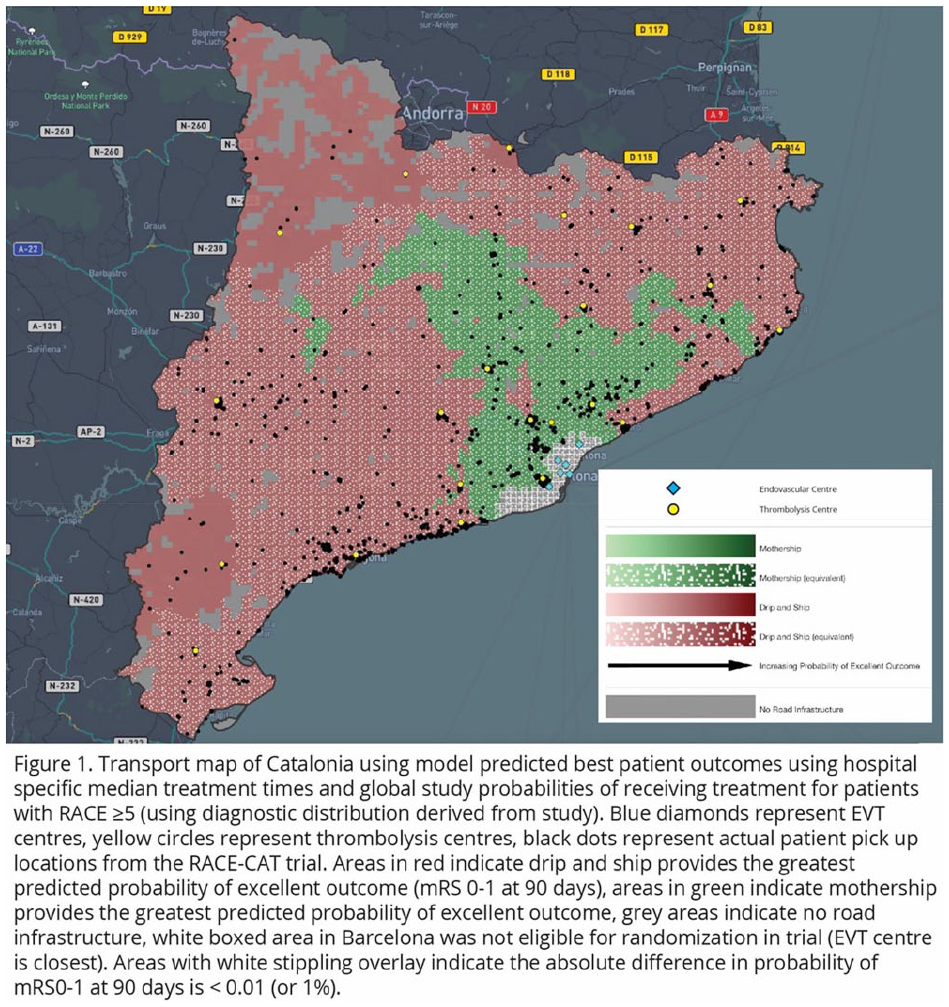
O101/1132
Scientific Communication SC16 - Clinical Practice, Management and Care
DOES MEETING PERFORMANCE TARGETS IN HYPERACUTE STROKE CARE TRANSLATE INTO GOOD PATIENT OUTCOMES? RETROSPECTIVE OBSERVATIONAL HOSPITAL COHORT STUDY
1Malawi-Liverpool-Wellcome Trust Clinical Research Programme, Clinical research, Blantyre, Malawi, 2Stellenbosch University, Division of Neurology, Cape Town, South Africa, 3Medical Research Council Clinical Trials Unit, Clinical Trials Unit, London, United Kingdom, 4Stroke Research Centre, Institute of Neurology, University College London, Department of Brain Repair and Recovery, London, United Kingdom, 5University College London Hospitals Nhs Foundation Trust, Comprehensive Stroke Service, London, United Kingdom
O102/449
Scientific Communication SC16 - Clinical Practice, Management and Care
ACUTE REPERFUSION THERAPY IN LATE WINDOWS IN THE NETHERLANDS – REAL-WORLD NATIONWIDE DATA FROM THE DUTCH ACUTE STROKE AUDIT
1Amsterdam University Medical Center, Department of Neurology, Amsterdam, Netherlands, 2Leiden University Medical Center, Department of Biomedical Data Sciences, Leiden, Netherlands, 3OLVG, Department of Neurology, Amsterdam, Netherlands
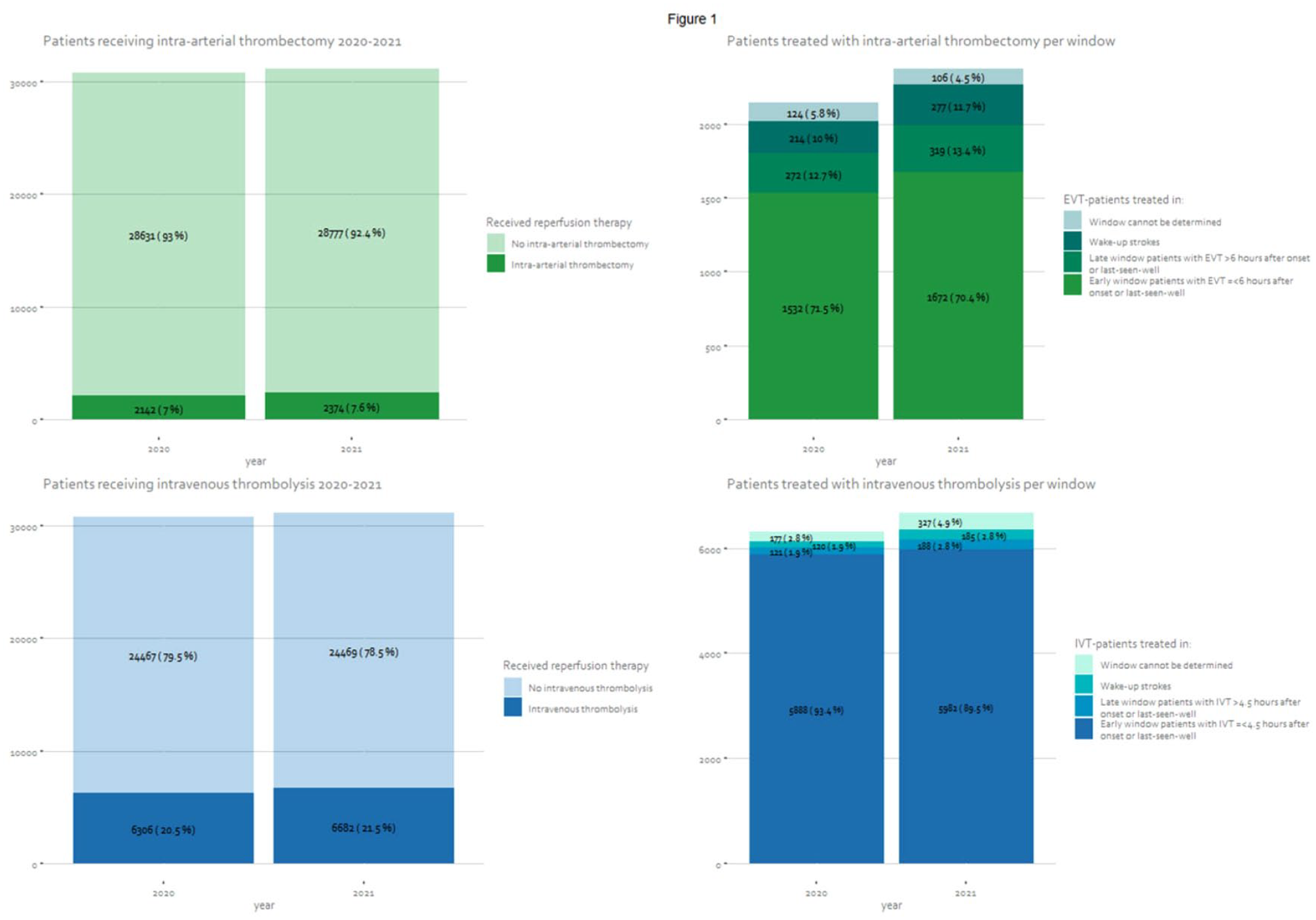
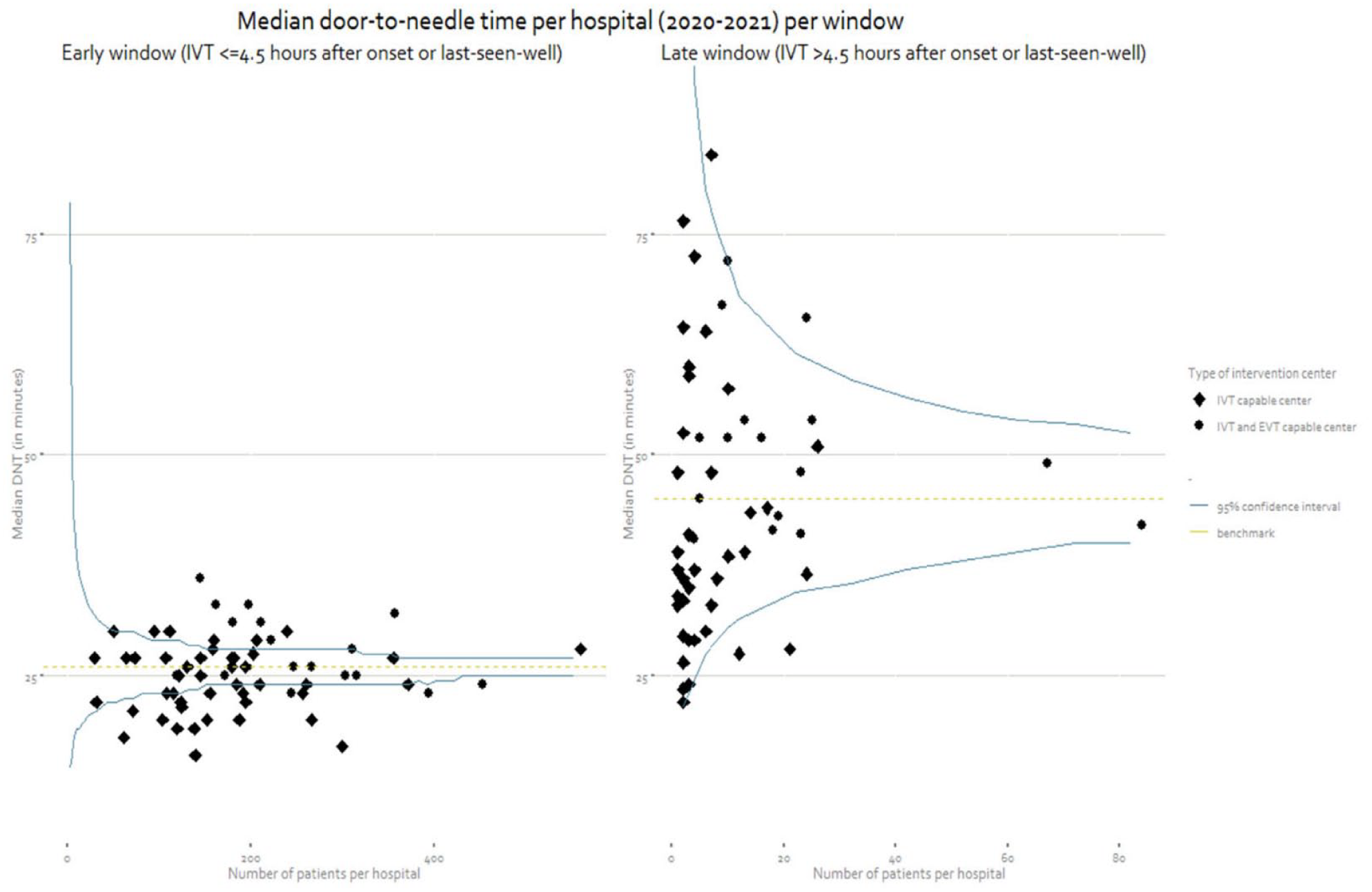
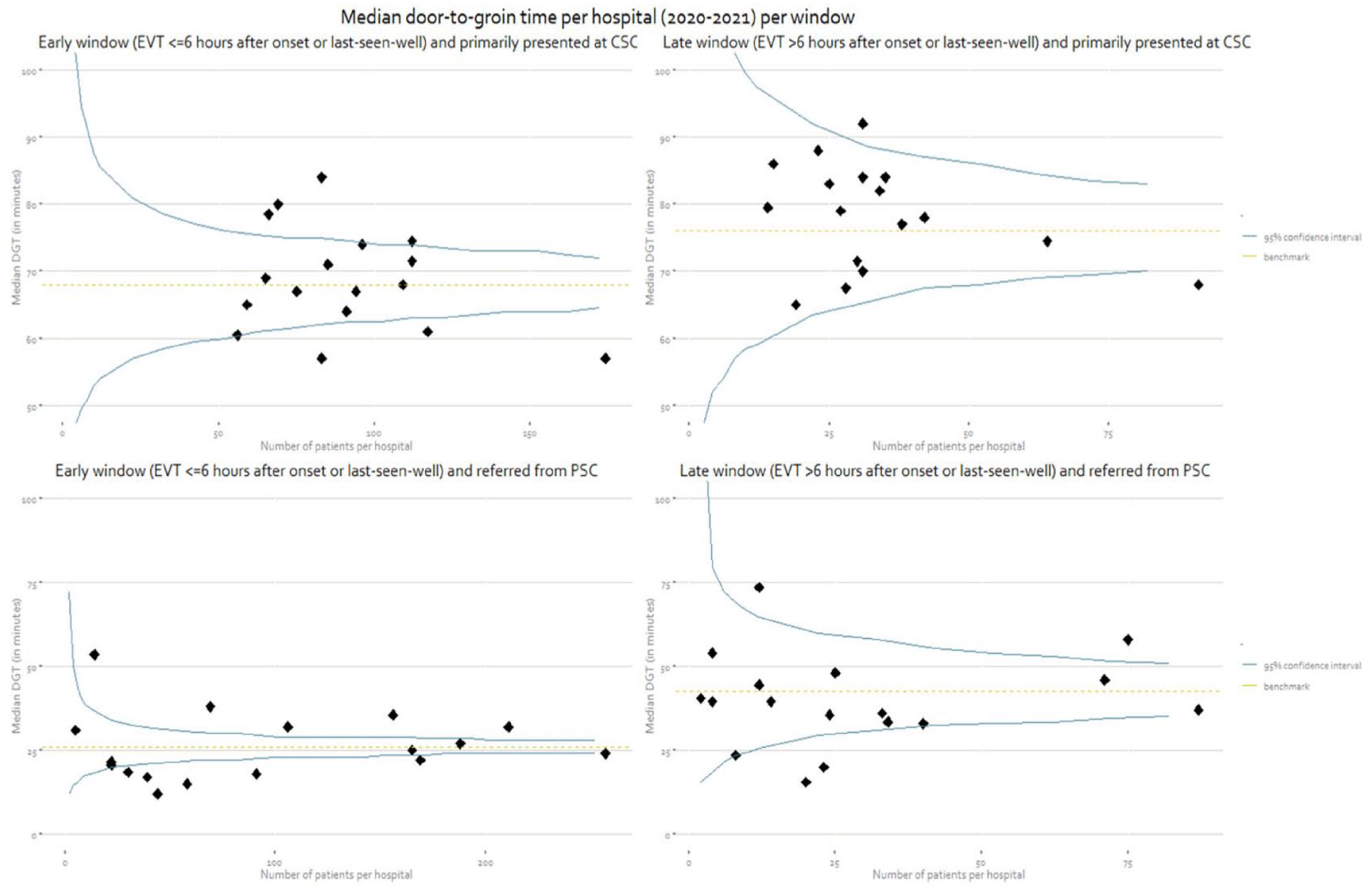
O103/2444
Scientific Communication SC16 - Clinical Practice, Management and Care
SMOKING CESSATION AND DEATH OR RECURRENCE OF CARDIOVASCULAR EVENTS IN A LONG-TERM, RANDOMIZED CONTROLLED TRIAL
1 Umeå University, Department of Public Health and Clinical Medicine, Östersund, Umeå, Sweden
O104/2107
Scientific Communication SC16 - Clinical Practice, Management and Care
HOW DOES A CANCER DIAGNOSIS IN THE YEAR PRECEDING STROKE ADMISSION AFFECT STROKE CARE AND OUTCOMES?
1University of Aberdeen, Applied Health Sciences, Aberdeen, United Kingdom, 2University of Aberdeen, Medical Sciences, Aberdeen, United Kingdom
O105/847
Scientific Communication SC17 - Genetics, Omics and Biomarkers
ASSOCIATION OF VARIANTS CAUSING MONOGENIC STROKE WITH MRI MARKERS OF CEREBRAL SMALL VESSEL DISEASE IN THE GENERAL POPULATION
1 University of Cambridge, Stroke Research Group, Department of Clinical Neurosciences, Cambridge, United Kingdom
O106/1194
Scientific Communication SC17 - Genetics, Omics and Biomarkers
DISEASE TRAJECTORY IN INDIVIDUALS WITH RARE VARIANTS IN SEVEN CEREBROVASCULAR SMALL VESSEL DISEASE GENES: A GENOTYPE-FIRST, RACE- AND SEX-STRATIFIED STUDY
1Geisinger, Department of Molecular and Functional Genomics, Danville, United States, 2Pennsylvania State University, Population Health, Hershey, United States, 3Pennsylvania State University, Neurology, Hershey, United States, 4Geisinger, Neurosurgery, Danville, United States
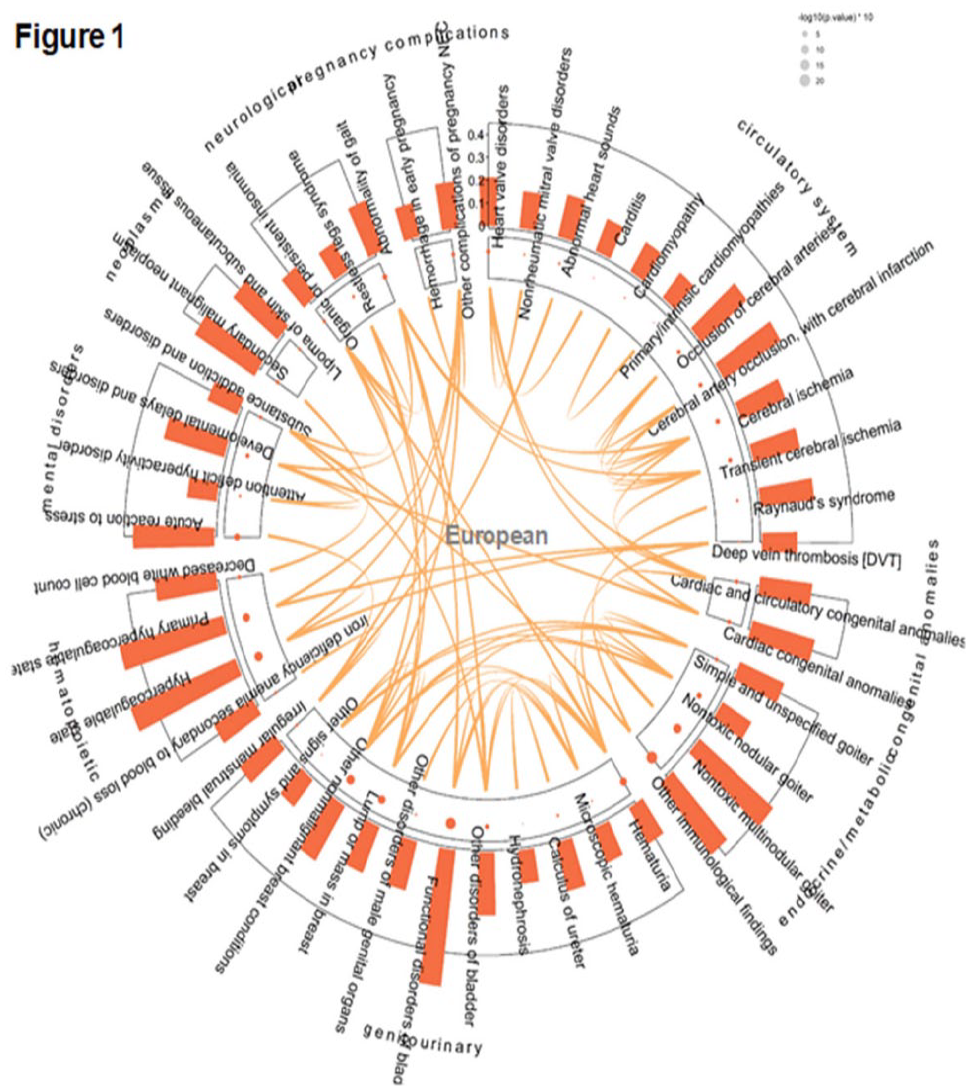
O107/560
Scientific Communication SC17 - Genetics, Omics and Biomarkers
CARRIERS OF RARE DAMAGING CCR2 GENETIC VARIANTS ARE AT LOWER RISK OF ATHEROSCLEROTIC disease
1 Institute for Stroke and Dementia Research, Klinikum der Universität München, München, Germany
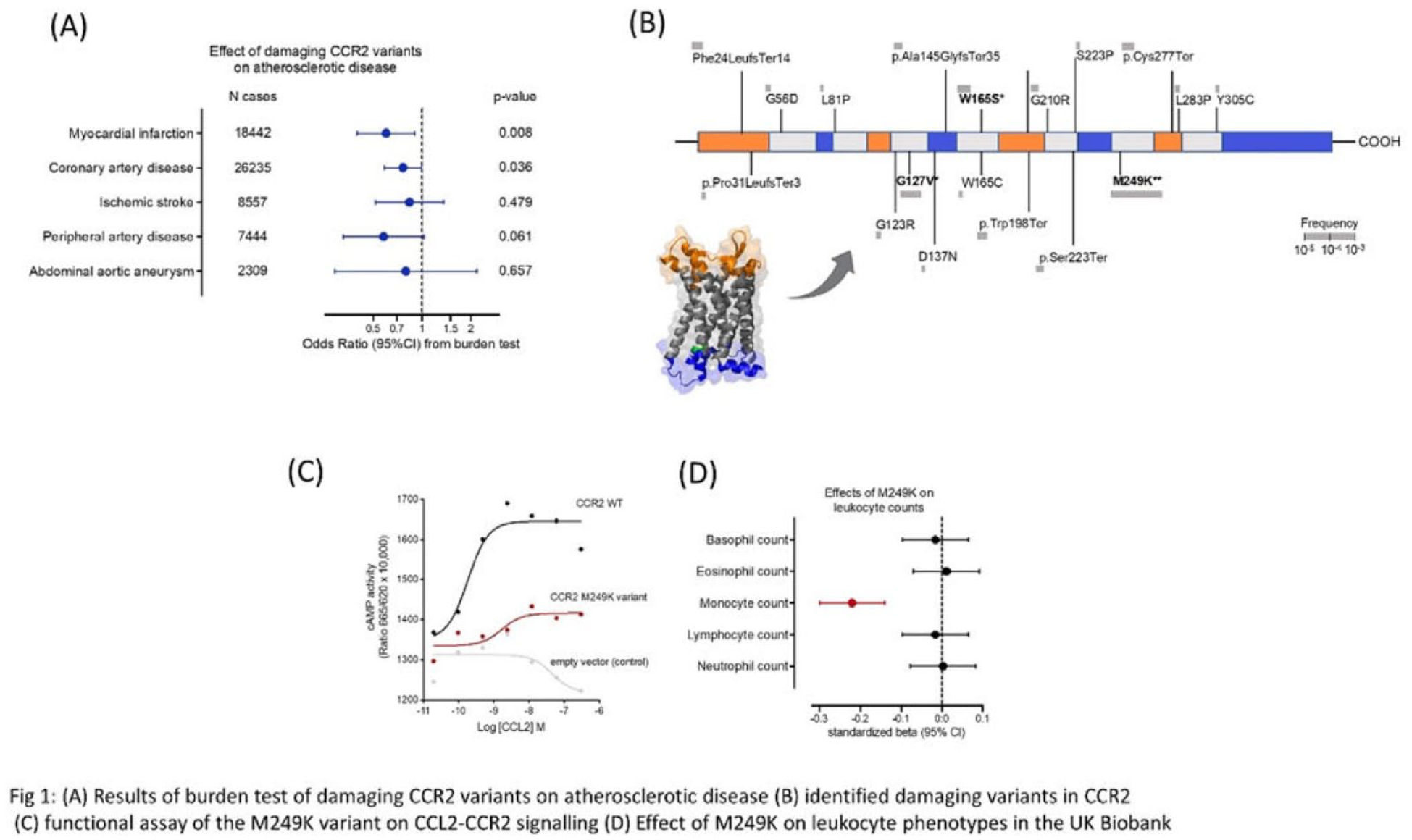
O108/627
Scientific Communication SC17 - Genetics, Omics and Biomarkers
GENOME-WIDE STUDY REVEALS NOVEL SEX-SPECIFIC LOCI ASSOCIATED WITH LACUNAR STROKE
1Institut d’Investigació Biomèdica Sant Pau (IIB SANT PAU), Stroke Pharmacogenomics and Genetics Group, Barcelona, Spain, 2Hospital de la Santa Creu i Sant Pau, Stroke Unit, Department of Neurology, Barcelona, Spain, 3Fundación Docència I Recerca Mútua Terrassa, Hospital Mútua Terrassa, Stroke Pharmacogenomics and Genetics Group, Terrassa, Spain, 4Hospital Clínico Universitario de Santiago de Compostela, Health Research Institute of Santiago de Compostela (IDIS), Clinical Neurosciences Research Laboratory, Santiago de Compostela, Spain, 5Biocruces-Bizkaia Health Research Institute, Neurology, Bilbao, Spain, 6University Hospital of Valladolid, Stroke Unit, Department of Neurology, Valladolid, Spain, 7Hospital Clínic de Barcelona, IDIBAPS, Neurology, Barcelona, Spain, 8Hospital Universitari Vall d'Hebron, Stroke Unit, Department of Neurology, Barcelona, Spain, 9IMIM-Hospital del Mar, Nurovascular Research Group, Barcelona, Spain, 10Hospital Germans Trias I Pujol, Universitat Autònoma de Barcelona, Neurosciences, Barcelona, Spain, 11University Hospital Central de Asturias (HUCA), Neurology, Oviedo, Spain, 12Son Espases University Hospital, Illes Balears Health Research Institute (IdISBa), Neurology, Palma, Spain, 13University Hospital of Albacete, Neurology, Albacete, Spain, 14Washington University School of Medicine, Psychiatry, Saint Louis, United States, 15Washington University School of Medicine, Neurology, Saint Louis, United States, 16Vall d'Hebron Institute of Research, Universitat Autònoma de Barcelona, Neurovascular Research Laboratory, Barcelona, Spain, 17Hospital Universitari Mútua Terrassa, Neurology, Terrassa, Spain, 18Germans Trias i Pujol Research Institute (IGTP), GenomesForLife-GCAT Lab, Badalona, Spain, 19Germans Trias i Pujol Research Institute (IGTP), High Content Genomics and Bioinformatics Unit, Badalona, Spain, 20Institute de Biomedicine of Seville, IBiS/Hospital Universitario Virgen del Rocío/CSIC/University of Seville & Department of Neurology, Hospital Universitario Virgen Macarena, Neurology, Seville, Spain
O109/633
Scientific Communication SC17 - Genetics, Omics and Biomarkers
GENETIC VARIATION SUPPORTS A CAUSAL EFFECT OF VALPROATE FOR PREVENTION OF ISCHEMIC STROKE
1Massachusetts General Hospital, Center for Genomic Medicine, Boston, United States, 2Broad Institute, Program in Medical and Population Genetics, Cambridge, United States, 3Massachusetts General Hospital, McCance Center for Brain Health, Boston, United States, 4Brigham and Women's Hospital, Department of Neurology, Boston, United States, 5Freiburg University Hospital - Neurology and Neurophysiology, Neurologie und Neurophysiologie, Freiburg im Breisgau, Germany, 6University Hospital, Ludwig-Maximilians-University (LMU) Munich, Institute for Stroke and Dementia Research, München, Germany
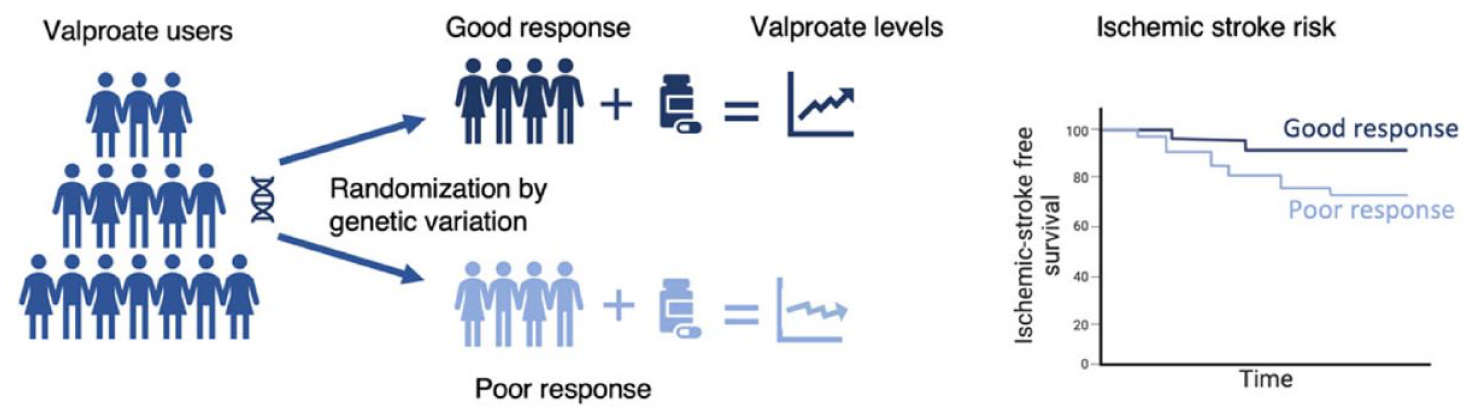
Study overview
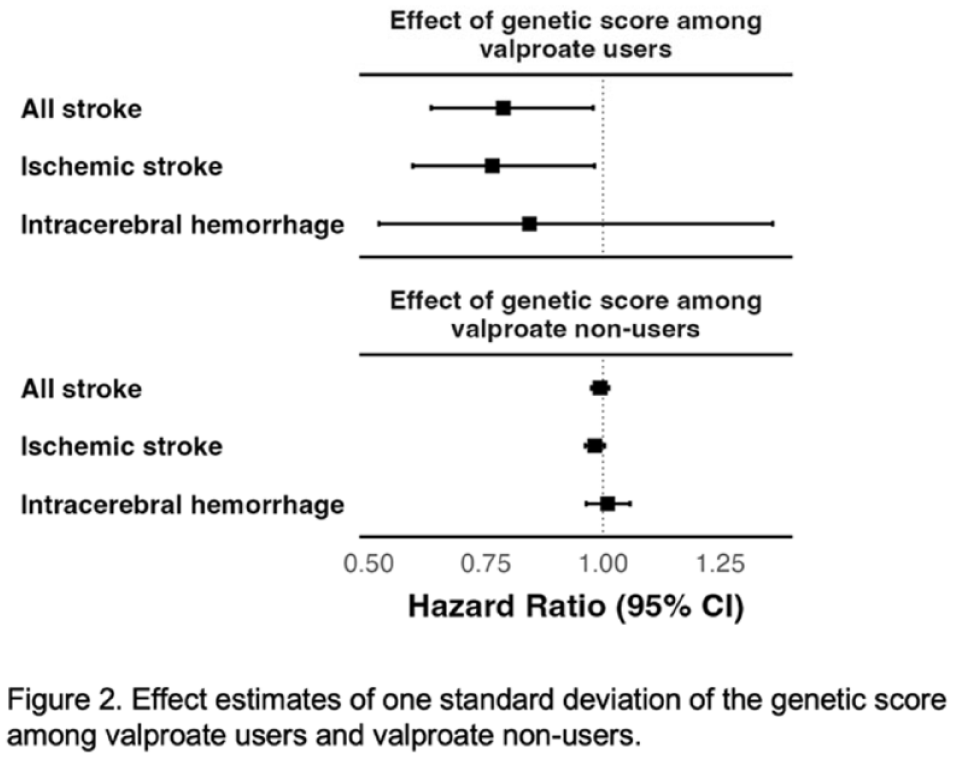
O110/33
Scientific Communication SC17 - Genetics, Omics and Biomarkers
ASSOCIATIONS OF CLONAL HAEMATOPOIESIS WITH RECURRENT VASCULAR EVENTS AND DEATH IN PATIENTS WITH INCIDENT ISCHAEMIC STROKE
1Charité-Universitätsmedizin-Berlin, Neurology, Berlin, Germany, 2Charité-Universitätsmedizin-Berlin, Oncology, Berlin, Germany
The CH mutation profile is accompanied by a pro-inflammatory profile opening new avenues for preventive precision medicine approaches to resolve the self-perpetuating cycle of inflammation and clonal expansion.
O111/530
Scientific Communication SC17 - Genetics, Omics and Biomarkers
CIRCULATING PROTEOMIC PANELS FOR CEREBRAL AMYLOID ANGIOPATHY SCREENING AND RISK STRATIFICATION
1 Department of Neurology, National Clinical Research Centre for Aging and Medicine, Huashan Hospital, Fudan University, Shanghai, China
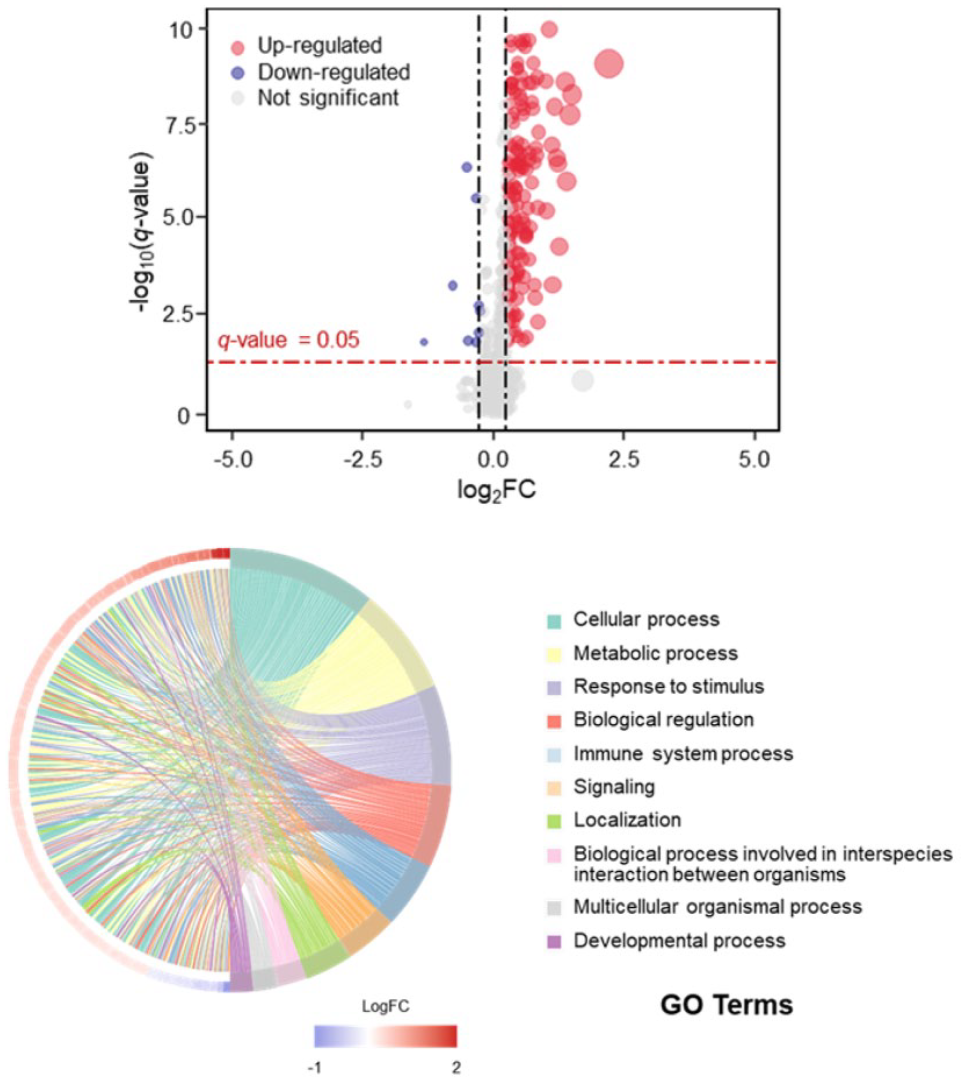
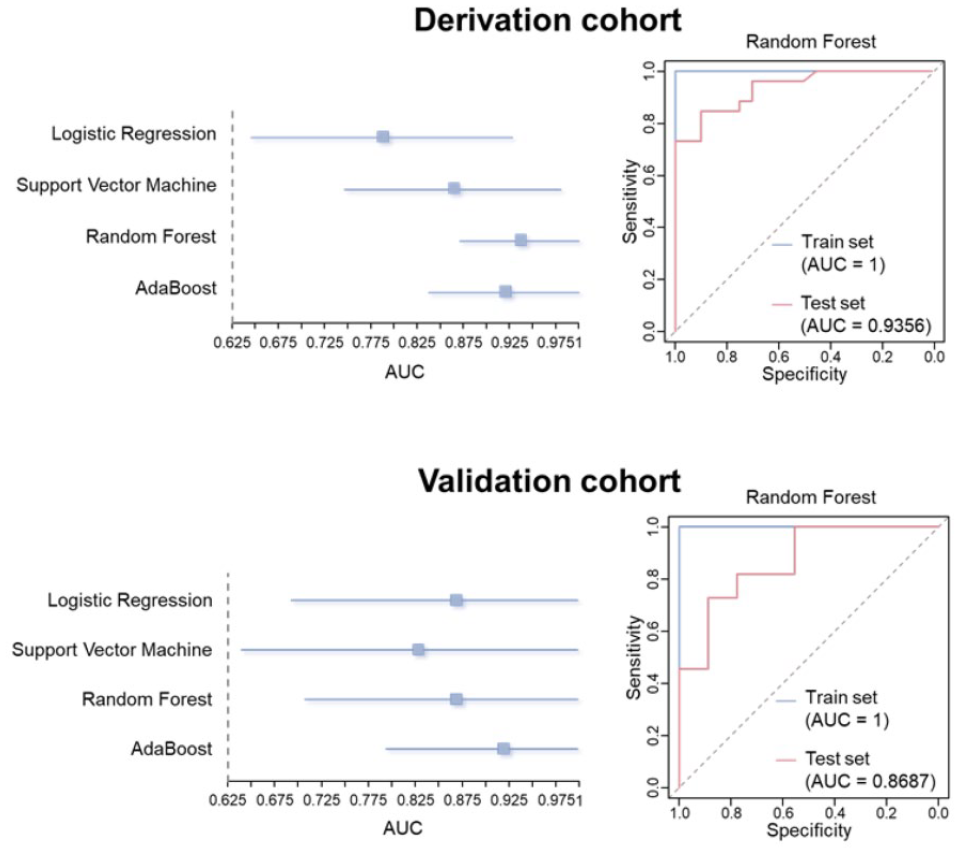
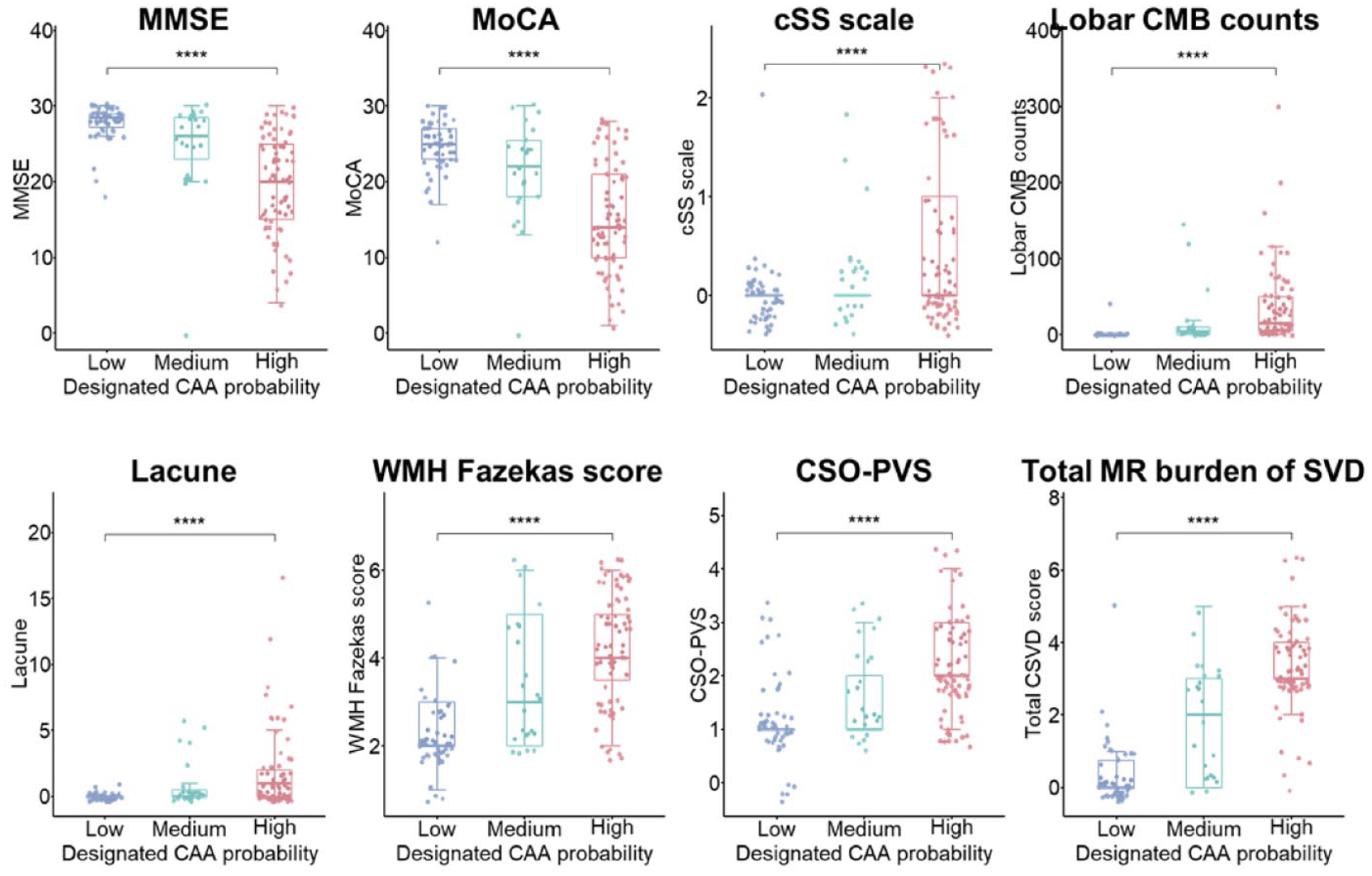
O112/60
Scientific Communication SC17 - Genetics, Omics and Biomarkers
COMPARISON OF ACUTE AND CHRONIC STAGE ISCHEMIC STROKE METABOLOME WITH CONTROLS
1The University Of Oklahoma Health Sciences Center, Neurology, Oklahoma City, United States, 2The University Of Oklahoma Health Sciences Center, Pediatrics, Oklahoma City, United States, 3Duke University - Main Campus, Neurology, Durham, United States
O113/1254
Scientific Communication SC18 - SAH and ICH
DECOMPRESSIVE SURGERY AFTER INTRACEREBRAL HAEMORRHAGE: SECONDARY ANALYSIS OF INTERACT3 TRIAL
1The George Institute for Global Health, University of New South Wales, Sydney, Australia, 2The George Institute for Global Health China, The George Institute for Global Health, Beijing, China, 3Department of Neurosurgery, West China Hospital, Sichuan University, Chengdu, China, 4Clinical Research Center, Faculty of Medicine Clinica Alemana Universidad del Desarrollo, Santiago, Chile, 5Clinical Trials Unit, Faculty of Medicine, University of Kelaniya, Colombo, Sri Lanka, 6Stroke Unit, 115 Hospital, Ho Chi Minh city, Viet Nam, 7Department of Medicine, University of Ilorin & University of Ilorin Teaching Hospital, Ilorin, Nigeria, 8Neurology Department, Christian Medical College and Hospital, Christian Medical College and Hospital, Ludhiana, India, 9Department of Medicine, The Aga Khan University, Karachi, Pakistan, 10Department of Neurology, Ribeirão Preto Medical School, University of São Paulo, São Paulo, Brazil, 11Instituto Nacional de Neurologia y Neurocirugia Manuel Velasco Suarez, Instituto Nacional de Neurologia y Neurocirugia Manuel Velasco Suarez, Mexico City, Mexico, 12Neurology Department, Royal Prince Alfred Hospital, Sydney, Australia
O114/1325
Scientific Communication SC18 - SAH and ICH
ANTICOAGULATION AMONG ATRIAL FIBRILLATION PATIENTS WITH THEIR FIRST-EVER HAEMORRHAGIC STROKE
1University of Helsinki, Faculty of Medicine, Helsinki, Finland, 2Aalto University, Industrial Engineering and Management, Espoo, Finland, 3University of Helsinki, Public Health, Helsinki, Finland, 4University of Helsinki, Clinical Pharmacology, Helsinki, Finland, 5Helsinki University Hospital, Heart and Lung Center, Helsinki, Finland, 6Turku University Hospital and University of Turku, Internal Medicine, Turku, Finland, 7University of Eastern Finland and Kuopio University Hospital, Faculty of Social Sciences and Business Studies, Department of Health and Social Management, Kuopio, Finland, 8University of Eastern Finland and Kuopio University Hospital, Cardiology, Kuopio, Finland, 9Turku University Hospital and University of Turku, Cardiology, Turku, Finland, 10Helsinki University Hospital and University of Helsinki, Neurology, Helsinki, Finland, 11Helsinki and Uusimaa Hospital District, Jorvi Hospital, Internal Medicine, Espoo, Finland
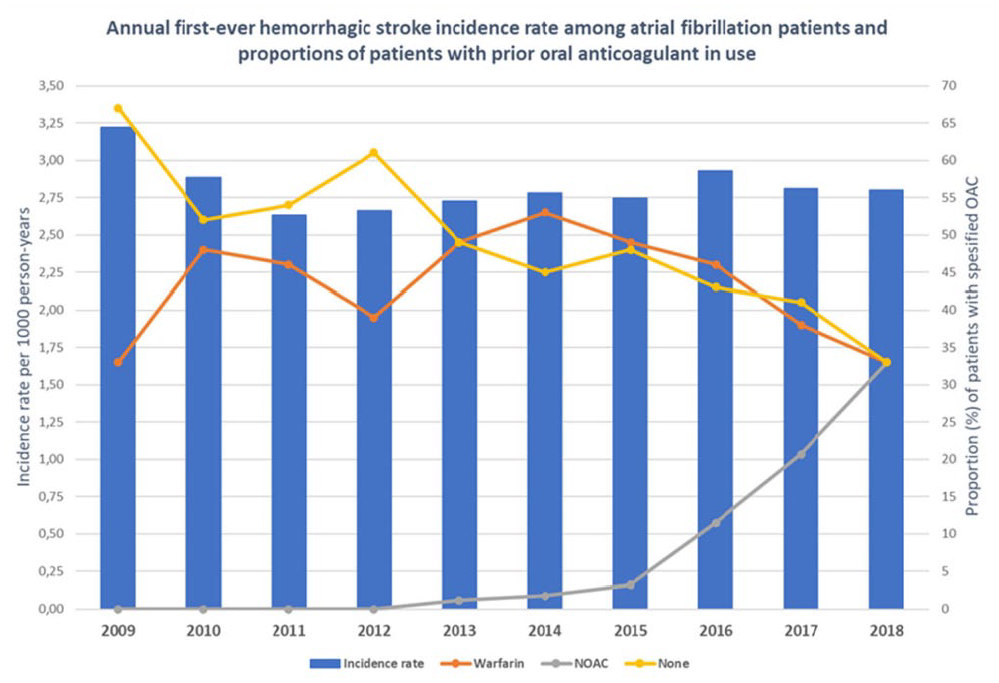
O115/1856
Scientific Communication SC18 - SAH and ICH
COLLAGEN BREAKDOWN PRODUCTS AS BIOMARKERS FOR STRUCTURAL INSTABILITY IN INTRACRANIAL ANEURYSMS
1University Hospital Mannheim, University of Heidelberg, Department of Neurosurgery, Mannheim, Germany, 2University Hospital Mannheim, University of Heidelberg, Department of Neuroradiology, Mannheim, Germany, 3University Hospital Mannheim, University of Heidelberg, Institute for Clinical Chemistry, Mannheim, Germany
O116/512
Scientific Communication SC18 - SAH and ICH
ASSOCIATION BETWEEN THE EDINBURGH CT-ONLY DIAGNOSTIC CRITERIA FOR CEREBRAL AMYLOID ANGIOPATHY-ASSOCIATED LOBAR INTRACEREBRAL HAEMORRHAGE AND RECURRENT INTRACEREBRAL HAEMORRHAGE: INDIVIDUAL PARTICIPANT DATA META-ANALYSIS
1The University of Edinburgh, Centre for Clinical Brain Sciences, Edinburgh, United Kingdom, 2University Hospital Inselspital Bern and University of Bern, Department of Neurology, Bern, Switzerland, 3Otto-von-Guericke University Magdeburg & DZNE Magdeburg, Department of Neurology, Magdeburg, Germany, 4University of Cincinnati College of Medicine, Department of Radiology, Cincinnati, United States, 5University of Cincinnati College of Medicine, Department of Neurology, Cincinnati, United States, 6Azienda Unità Sanitaria Locale-IRCCS di Reggio Emilia, Neurology Unit, Reggio Emilia, Italy, 7Azienda Unità Sanitaria Locale-IRCCS di Reggio Emilia, Neuroradiology Unit, Reggio Emilia, Italy, 8Massachusetts General Hospital, Department of Neurology, Boston, United States, 9Medical University of Graz, Department of Neurology and Division of Neuroradiology, Vascular and Interventional Radiology, Graz, Austria, 10Université Lille, Neuroscience and Cognition, Lille, France, 11UCL Queen Square Institute of Neurology, Stroke Research Centre, London, United Kingdom
The intermediate/high probability Edinburgh CT-only CAA criteria after lobar ICH are associated with recurrent ICH.
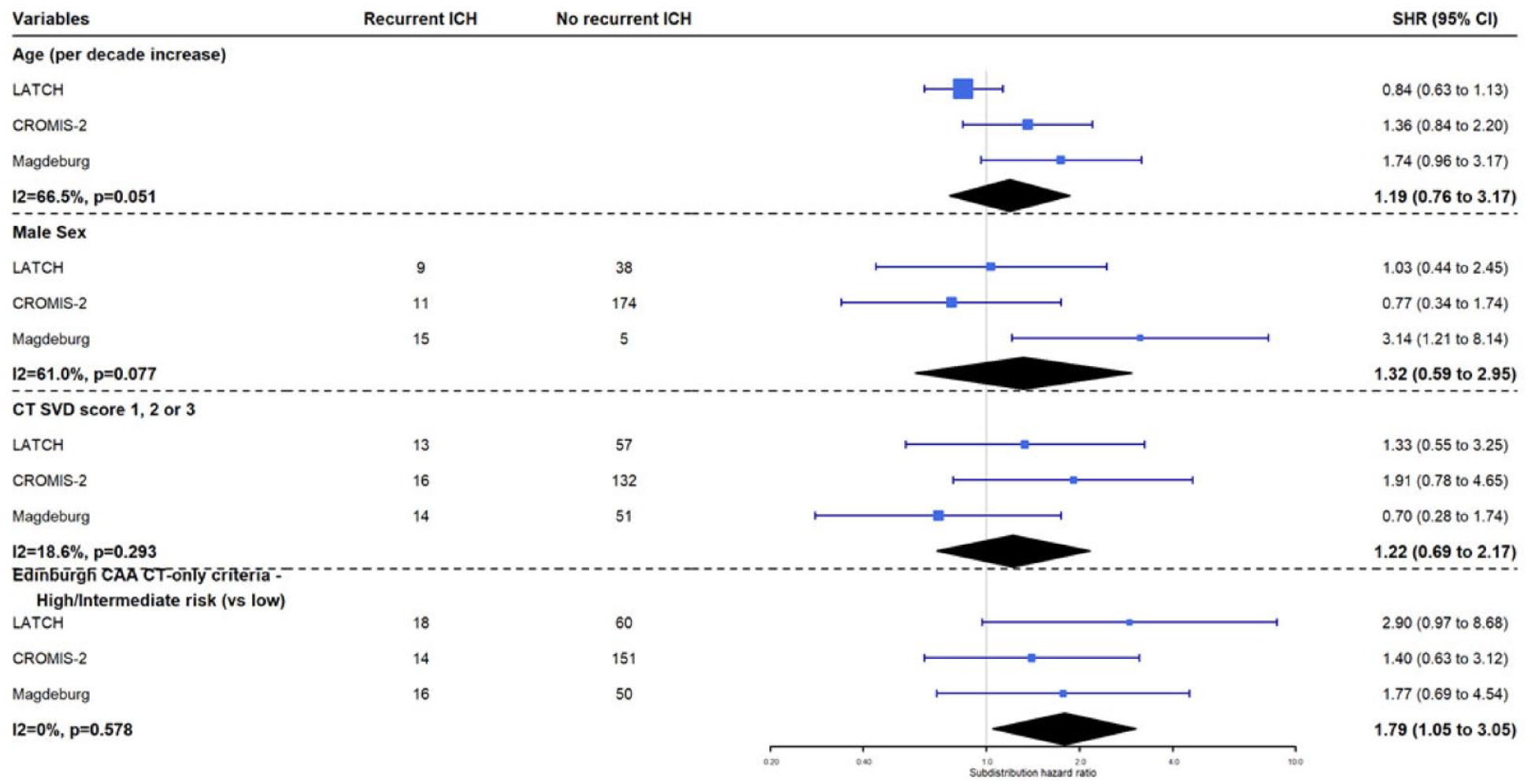
O117/1713
Scientific Communication SC18 - SAH and ICH
THE NATURAL HISTORY OF PARENCHYMAL HAEMATOMA CLEARANCE AFTER INTRACEREBRAL HAEMORRHAGE AND ITS IMPACT ON FUNCTIONAL OUTCOME: PRELIMINARY RESULTS
1University of Brescia, Department of Clinical and Experimental Science, Neurology Unit, Brescia, Italy, 2Azienda Socio Sanitaria Territoriale Spedali Civili, Neurology Unit, Department of Neurological Sciences and Vision, Brescia, Italy, 3Univ. Lille, Inserm, CHU Lille, U1172 -LilNCog-Lille, Neuroscience & Cognition, F-59000 Lille, France, 4Careggi University Hospital, Neuroradiology Unit, Department of Radiology, Florence, Italy, 5University of Ferrara, Section of Neurology, Department of Biomedical and Specialty Surgical Sciences, Ferrara, Italy, 6University of Florence, Neuroradiology Unit, Department of Experimental and Clinical Biomedical Sciences, Florence, Italy
O118/2347
Scientific Communication SC18 - SAH and ICH
WHITE MATTER HYPERINTENSITIES AND FUNCTIONAL OUTCOME PREDICTION AFTER MINIMALLY INVASIVE SURGERY FOR INTRACEREBRAL HEMORRHAGE
1Johns Hopkins University School of Medicine, Neurology, Neurosurgery, Anesthesiology & Critical Care Medicine, Baltimore, United States, 2The George Institute for Global Health, Peking University Health Science Center, Beijing, China, 3Johns Hopkins University School of Medicine, Division of Brain Injury Outcomes, Baltimore, United States, 4University of Chicago Medicine, Department of Neurosurgery, Chicago, United States
O119/594
Scientific Communication SC18 - SAH and ICH
COMPOSITE SMALL VESSEL DISEASE SCORES AND RISK OF RECURRENT STROKE, INTRACRANIAL HAEMORRHAGE AND DEATH: AN INTERNATIONAL MULTICENTRE VALIDATION STUDY
1UCL Queen Square Institute of Neurology, Stroke Research Centre, London, United Kingdom, 2University College London, Department of Statistical Science, London, United Kingdom, 3New Zealand Brain Research Institute, Christchurch, New Zealand, 4Fujian Medical University Union Hospital, Stroke Research Centre, Department of Neurology, Fuzhou, China, 5Korea University Guro Hospital, Department of Neurology, Seoul, South Korea, 6University of Ulsan College of Medicine, Department of Neurology, Asan Medical Center, Seoul, South Korea, 7The University of Hong Kong, Division of Neurology, Department of Medicine, Hong Kong, Hong Kong, 8The University of Hong Kong, Department of Diagnostic Radiology, Hong Kong, Hong Kong, 9Yonsei University College of Medicine, Department of Neurology, Seoul, South Korea, 10Ewha Womans University College of Medicine, Department of Neurology, Seoul Hospital, Seoul, South Korea, 11University of Health Sciences, Department of Neurology, Sisli Hamidiye Etfal Teaching and Research Hospital, Istanbul, Turkey, 12Saga University Faculty of Medicine, Department of Radiology, Saga, Japan, 13Saga University Faculty of Medicine, Division of Neurology, Department of Internal Medicine, Saga, Japan, 14Klinik Hirslanden, Stroke Center, Zurich, Switzerland, 15University of Basel, Basel, Switzerland, 16University Hospital Basel, Department of Neurology and Stroke Center, Basel, Switzerland, 17University of Edinburgh, Centre for Clinical Brain Sciences, School of Clinical Sciences, Edinburgh, United Kingdom, 18UCL Queen Square Institute of Neurology, Neuroradiological Academic Unit, London, United Kingdom, 19National Hospital for Neurology and Neurosurgery, Lysholm Department of Neuroradiology, London, United Kingdom, 20Liverpool Centre for Cardiovascular Science at University of Liverpool, Liverpool John Moores University and Liverpool Heart & Chest Hospital, Liverpool, United Kingdom, 21Aalborg University, Department of Clinical Medicine, Aalborg, Denmark, 22Inselspital, Bern University Hospital, Department of Neurology, Bern, Switzerland, 23University of Bern, Bern, Switzerland, 24Monash University, Department of Imaging, School of Clinical Sciences at Monash Health, Melbourne, Australia, 25Monash University, Peninsula Clinical School, Peninsula Health, Melbourne, Australia, 26Monash University, Stroke and Ageing Research Group, School of Clinical Sciences at Monash Health, Melbourne, Australia, 27Monash Health, Department of Neurology, Clayton, Australia, 28University Hospital of Würzburg, Department of Neurology, Würzburg, Germany, 29The Chinese University of Hong Kong, Department of Imaging and Interventional Radiology, Prince of Wales Hospital, Hong Kong, Hong Kong, 30The Chinese University of Hong Kong, Division of Neurology, Department of Medicine and Therapeutics, Prince of Wales Hospital, Hong Kong, Hong Kong, 31University of Edinburgh, Edinburgh Imaging; and UK Dementia Institute at the University of Edinburgh, Edinburgh, United Kingdom, 32University of Aberdeen, Institute of Applied Health Sciences, Aberdeen, United Kingdom, 33Maastricht University Medical Centre, Department of Neurology and Cardiovascular Research Institute Maastricht (CARIM), Maastricht, Netherlands, 34University of Lille, Inserm, CHU de Lille. Lille Neuroscience & Cognition, Lille, France, 35Monash University, National Centre for Healthy Ageing; Peninsula Clinical School, Central Clinical School, Melbourne, Australia, 36Peninsula Health, Department of Geriatric Medicine, Melbourne, Australia, 37Kansai Medical University, Department of Neurology, Hirakata, Japan, 38Istanbul Arel University, Department of Neurology, Istanbul, Turkey, 39Seoul National University College of Medicine, Department of Neurology, Seoul National University Bundang Hospital, Seongnam, South Korea
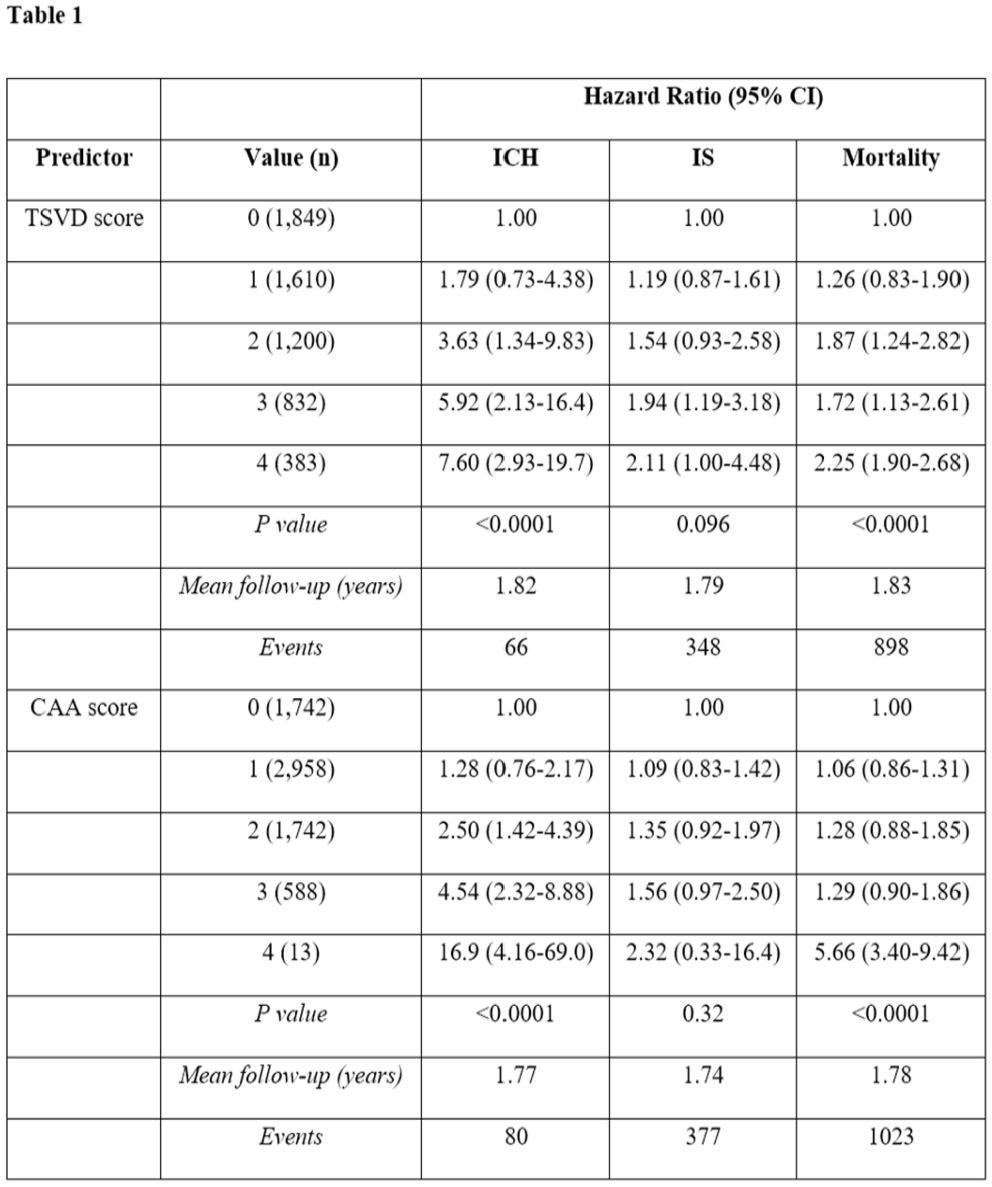
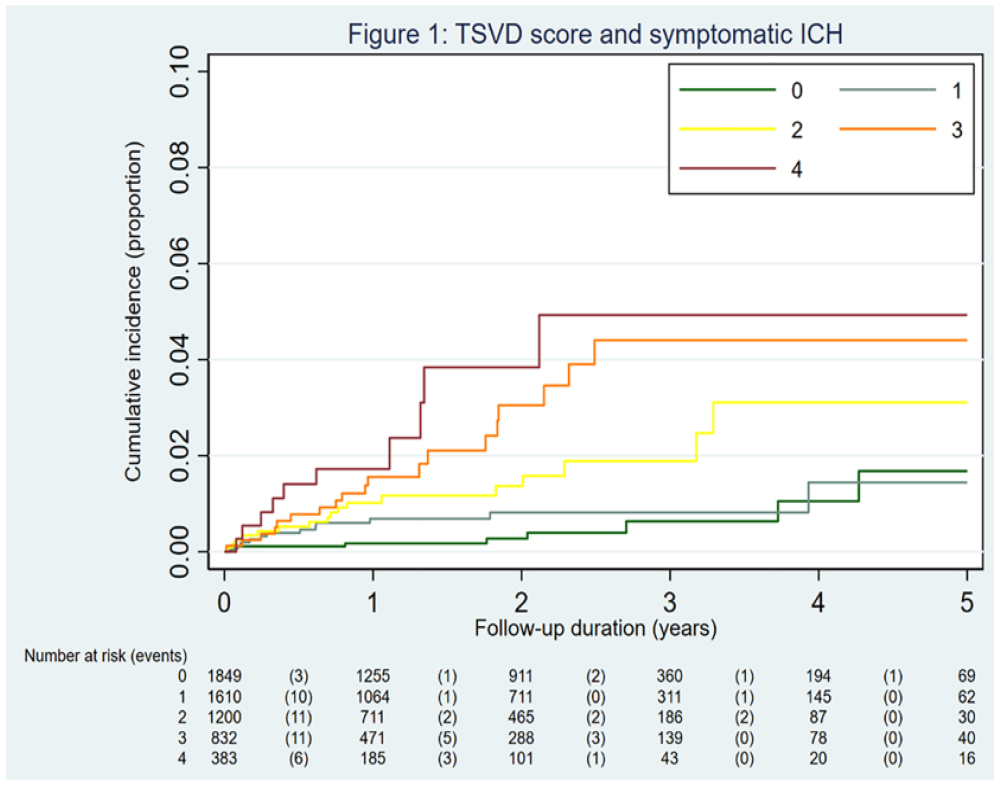
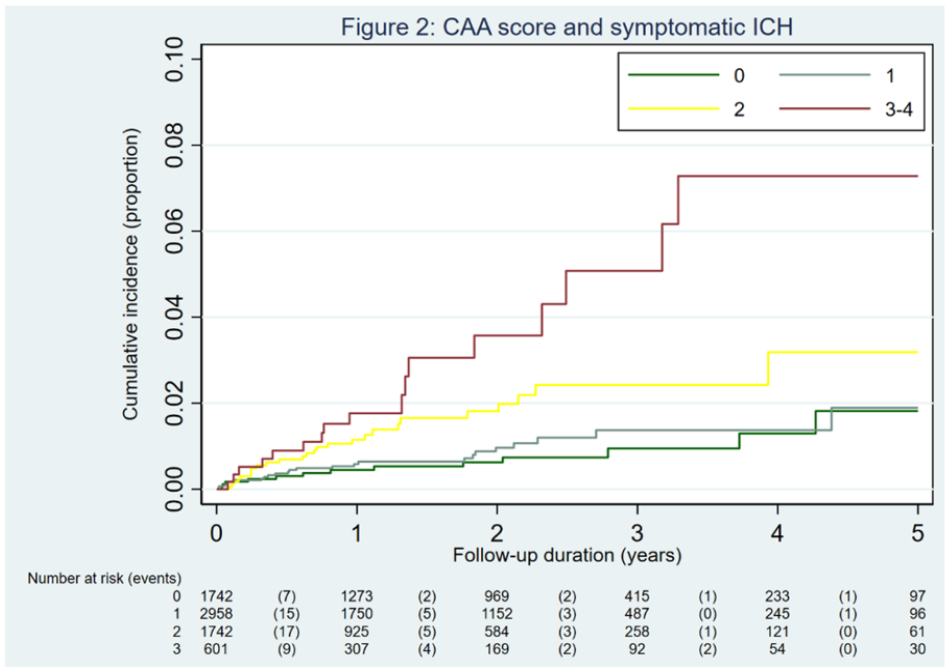
O120/2544
Scientific Communication SC19 - Prognosis and Outcome After Stroke
LOOKING BEYOND DISABILITY: SEX/GENDER DISPARITIES IN OUTCOMES AFTER STROKE
1Vall d'Hebron University Hospital - VHIR, Stroke Unit, Barcelona, Spain, 2Nora Health, Research department, Barcelona, Spain, 3Hospital Universitari Arnau de Vilanova, Neurology department, Lleida, Spain, 4Hospital Universitari Joan XXIII, Neurology department, Tarragona, Spain, 5Hospital Universitari Dr. Josep Trueta, Neurology department, Girona, Spain, 6Hospital Universitari Germans Trias i Pujol, Stroke Unit, Badalona, Spain
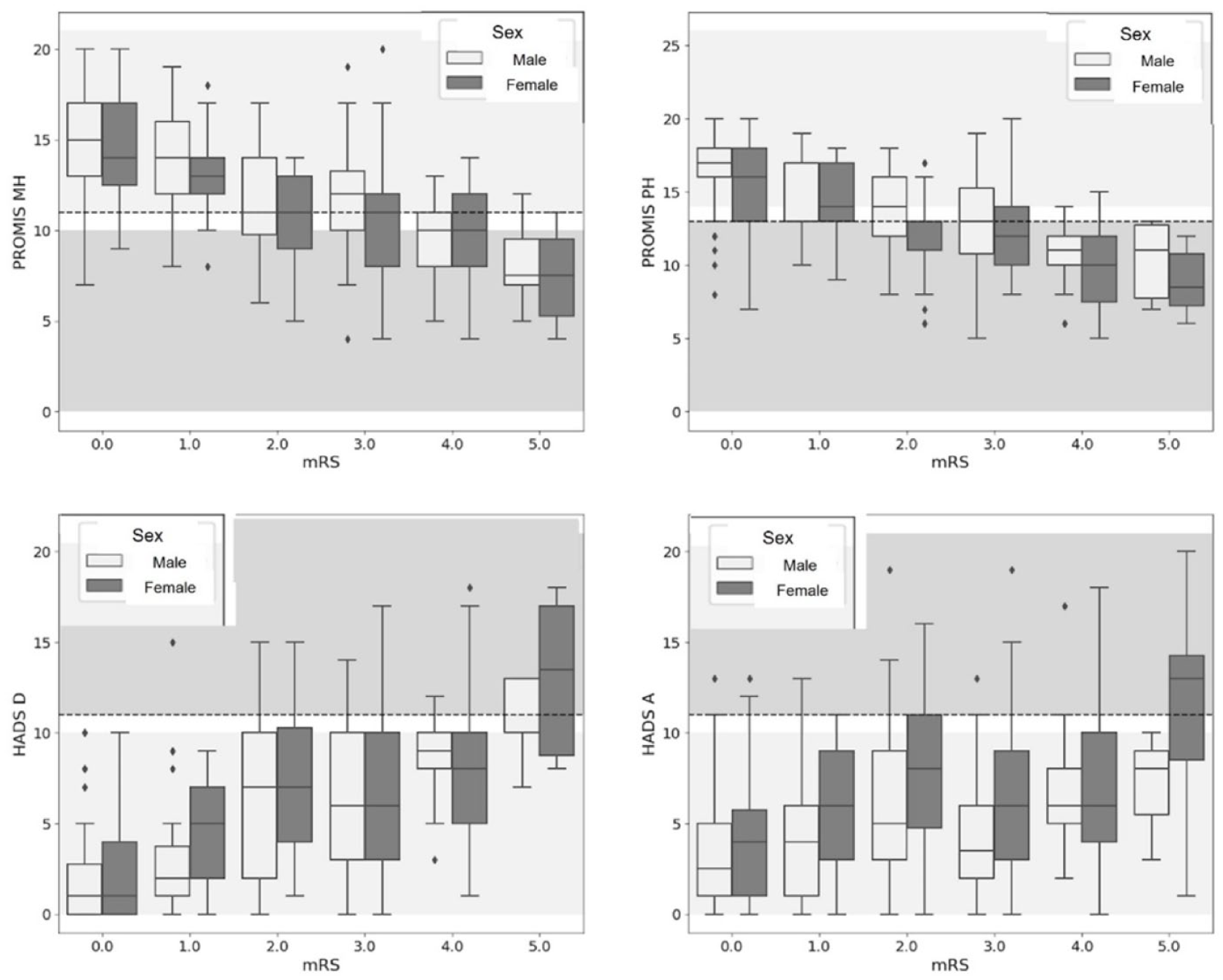
O121/1326
Scientific Communication SC19 - Prognosis and Outcome After Stroke
PREVALENCE OF FRAILTY IN A TIA CLINIC AND ASSOCIATION WITH MORTALITY
1University of Leicester, Cerebral Haemodynamics in Ageing and Stroke Medicine (CHiASM) Research Group, Department of Cardiovascular Sciences, Leicester, United Kingdom, 2University of Leicester, NIHR Leicester Biomedical Research Centre, Leicester, United Kingdom, 3Leicester Royal Infirmary, Stroke Medicine, Leicester, United Kingdom, 4NHS England, Innovation, London, United Kingdom, 5University of Leicester, College of Life Sciences, Leicester, United Kingdom
O122/1419
Scientific Communication SC19 - Prognosis and Outcome After Stroke
MAJOR VASCULAR EVENTS AFTER STROKE: RESULTS FROM THE SOUTH LONDON STROKE REGISTER
1 King's College London, Population Health Sciences, London, United Kingdom
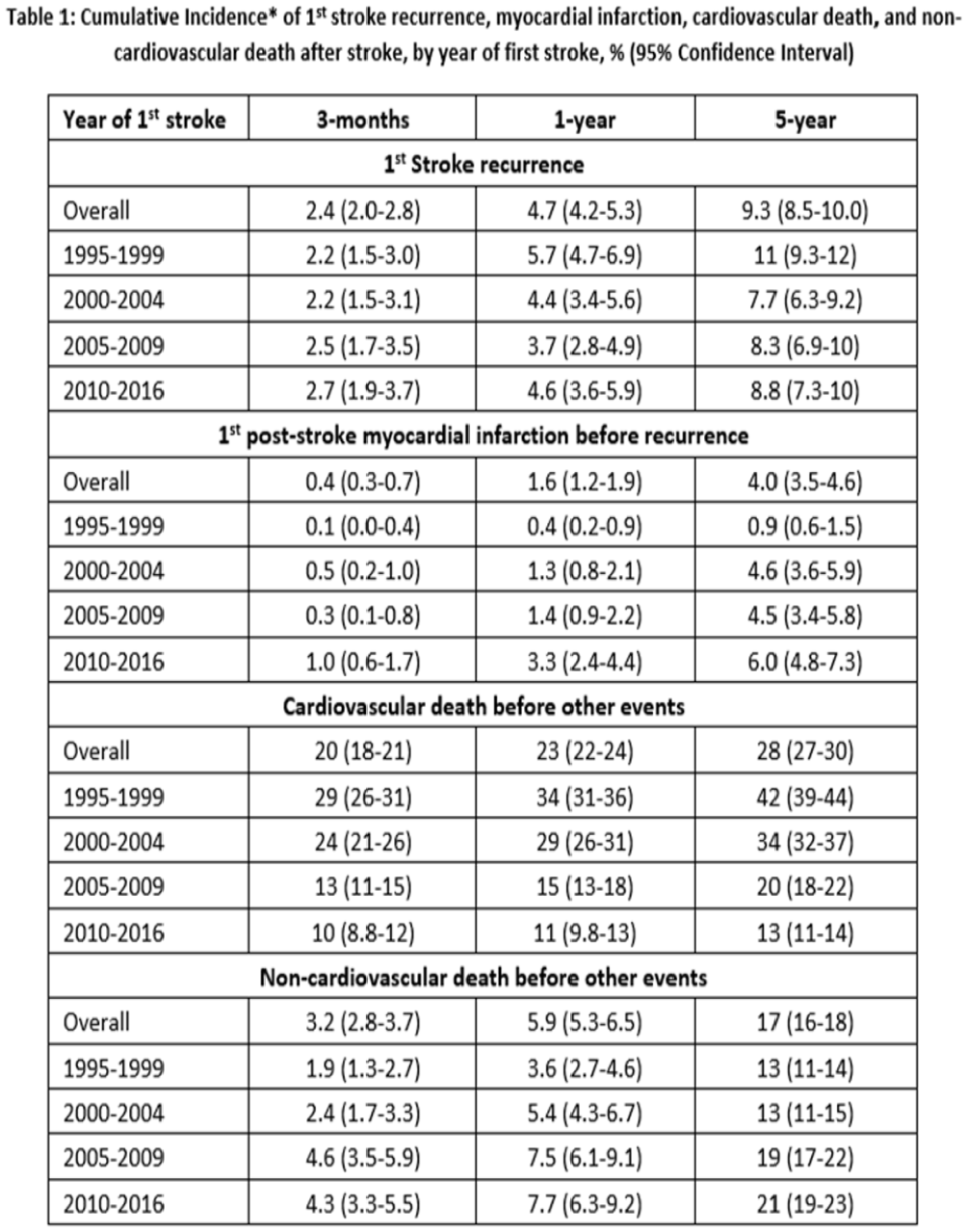
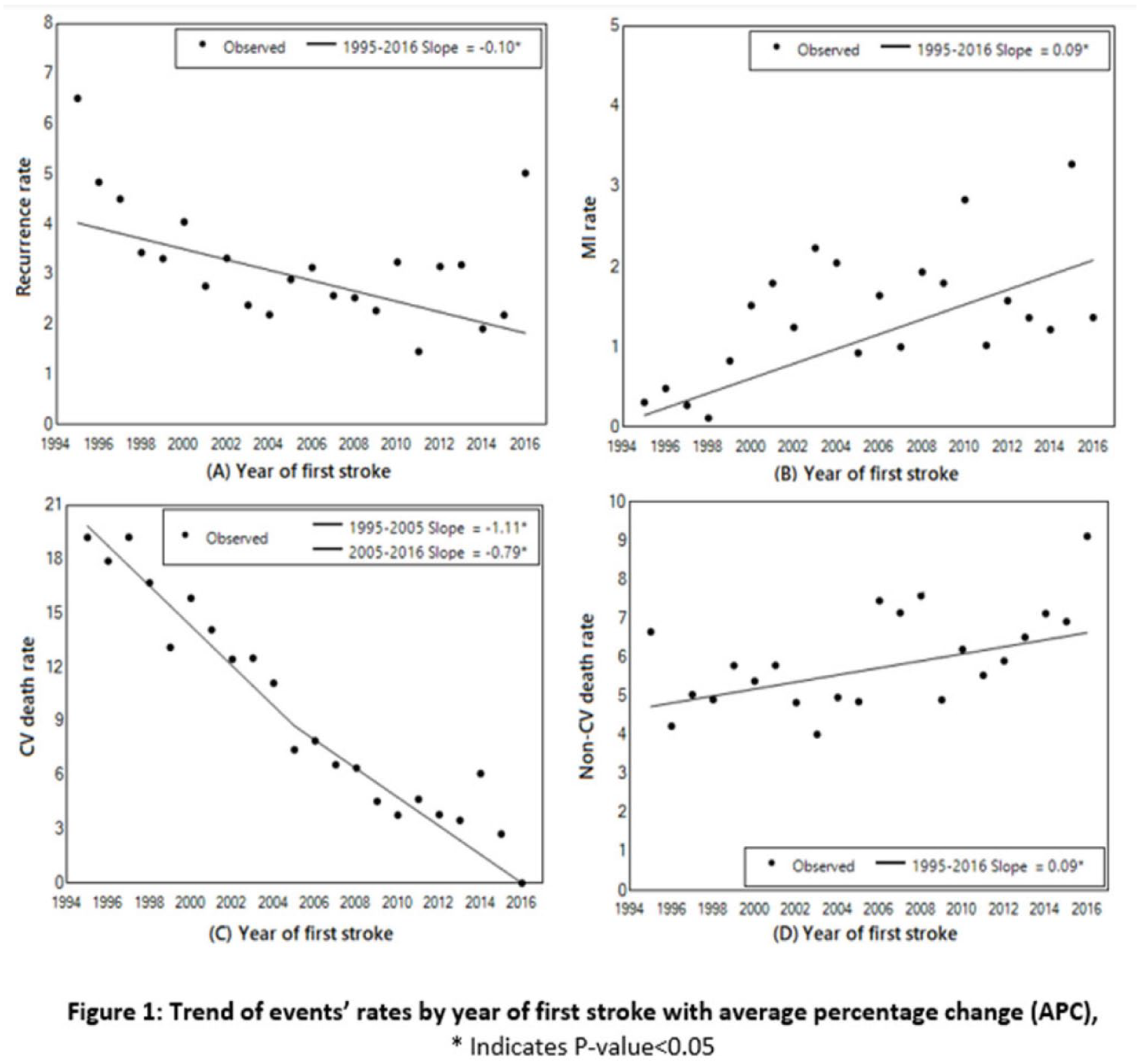
O123/1579
Scientific Communication SC19 - Prognosis and Outcome After Stroke
RECURRENT STROKE, CARDIOVASCULAR EVENTS AND DEATH 7-9 YEARS AFTER MINOR LACUNAR OR CORTICAL ISCHAEMIC STROKE: THE MILD STROKE STUDY 2 (MSS-2)
1University of Edinburgh, Centre for Clinical Brain Sciences, Edinburgh, United Kingdom, 2University of Aberdeen, School of Medicine, Medical Sciences and Nutrition, Aberdeen, United Kingdom, 3University of Edinburgh, Department of Psychology, Edinburgh, United Kingdom, 4Victoria Hospital, Stroke Unit, Kircaldy, United Kingdom
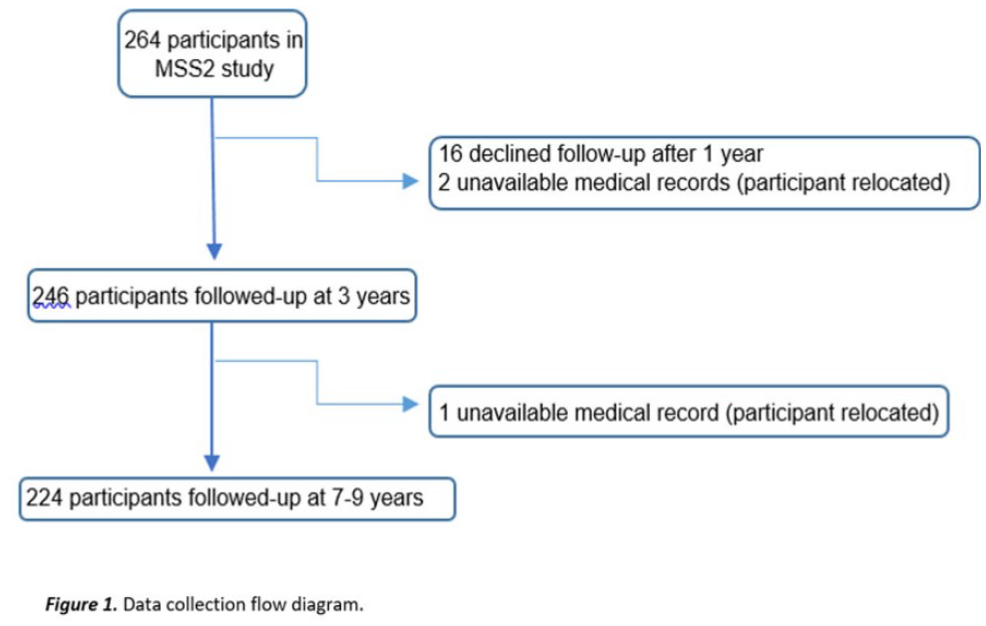
O124/1745
Scientific Communication SC19 - Prognosis and Outcome After Stroke
PREVALENCE AND PREDICTORS OF ADVERSE NON-MOTOR OUTCOME AFTER ENDOVASCULAR THROMBECTOMY AND THROMBOLYSIS FOR ACUTE STROKE
1UCL Queen Square Institute of Neurology, Stroke Research Center, London, United Kingdom, 2The National Hospital for Neurology and Neurosurgery, University College London Hospitals NHS Foundation Trust, Comprehensive Stroke Service, London, United Kingdom, 3University College London, Gower Street, London, UK, Department of Statistical Science, London, United Kingdom, 4University College London, UK, Institute of Cognitive Neuroscience, London, United Kingdom
O125/1439
Scientific Communication SC19 - Prognosis and Outcome After Stroke
IMPAIRED RECOVERY OF SURVIVING ISCHEMIC CAPILLARY PERICYTES PROMOTES NO-REFLOW DEVELOPMENT AFTER EXPERIMENTAL STROKE IN VIVO
1Institute for Stroke and Dementia Research, Laboratory of Experimental Stroke Research, Munich, Germany, 2Institute for Stroke and Dementia Research, Stroke-Immunology, Munich, Germany, 3Institute for Stroke and Dementia Research, Systems Neuroscience, Munich, Germany, 4Institute for Stroke and Dementia Research, Translational Research, Munich, Germany
O126/863
Scientific Communication SC19 - Prognosis and Outcome After Stroke
INTERLEUKIN-6, C-REACTIVE PROTEIN, AND VASCULAR RECURRENCE RISK AFTER STROKE ACCORDING TO MECHANISTIC SUBTYPE: AN INDIVIDUAL PARTICIPANT DATA META-ANALYSIS OF 8,281 PATIENTS
1Health Research Board, Stroke Clinical Trials Network Ireland, Dublin, Ireland, 2Mater Misericordiae University Hospital, Department of Geriatric Medicine, Dublin, Ireland, 3University College Dublin (UCD), School of Medicine, Dublin, Ireland, 4University of Limerick, Health Research Institute and Mathematics Applications Consortium for Science and Industry (MACSI), Department of Mathematics and Statistics, Limerick, Ireland, 5University of New South Wales, George Institute for Global Health, Sydney, Australia, 6Health Research Institute of Santiago de Compostela, Neuroimaging and Biotechnology Laboratory (NOBEL), Clinical Neuroscience Research Laboratory, Santiago de Compostela, Spain, 7Sahlgrenska University Hospital, Department of Clinical Genetics and Genomics, Gothenburg, Sweden, 8the Sahlgrenska Academy, University of Gothenburg, Department of Laboratory Medicine, Gothenburg, Sweden, 9Juntendo University School of Medicine, Department of Neurology, Tokyo, Japan, 10University of Oxford, Wolfson Centre for the Prevention of Stroke and Dementia, Oxford, United Kingdom, 11IBiS/Hospital Universitario Virgen del Rocío/CSIC/University of Seville, Institute de Biomedicine of Seville, Sevilla, Spain, 12Virgen Macarena Hospital, Department of Neurology, Seville, Spain, 13Universitat Autònoma de Barcelona, Neurovascular Research Laboratory, Vall d'Hebron Institute of Research, Barcelona, Spain, 14Hospital Universitari Vall d’Hebron, Department of Neurology, Barcelona, Spain, 15University of Lleida, Department of Clinical Neurosciences, Institut Reserca Biomèdica Lleida, Lleida, Spain, 16Hospital Universitari Arnau de Vilanova, Department of Neurology, Lleida, Spain, 17University of EdinburgH, Centre for Clinical Brain Sciences, edinburgh, United Kingdom, 18University of Edinburgh, Centre for Medical Informatics, Usher Institute of Population Health Sciences and Informatics, edinburgh, United Kingdom, 19University of Oxford, Nuffield Department of Population Health, Oxford, United Kingdom, 20Imperial College London, George Institute for Global Health, London, United Kingdom, 21Mater Misericordiae University Hospital, Department of Neurology, Dublin, Ireland
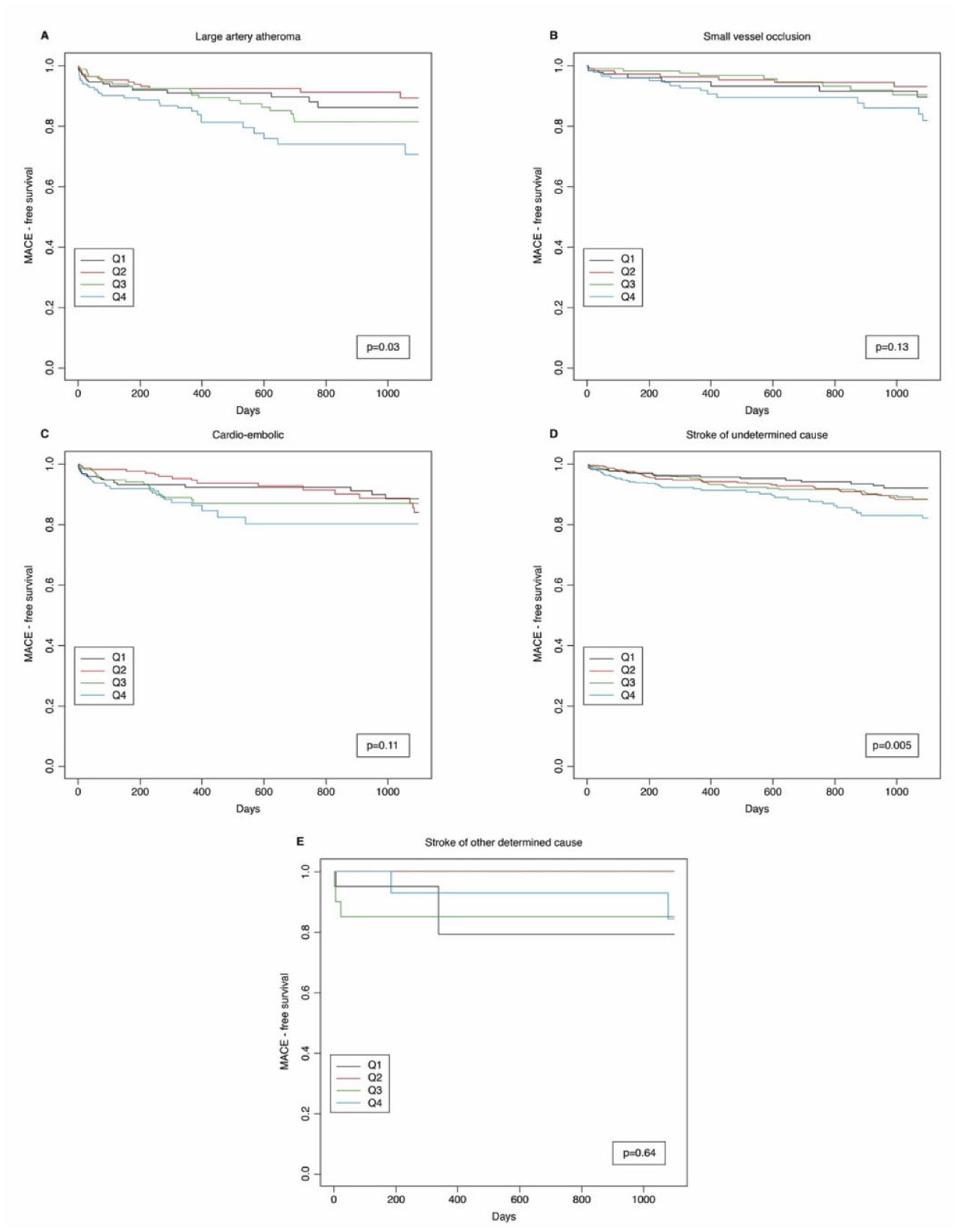
O127/326
Scientific Communication SC19 - Prognosis and Outcome After Stroke
EFFECT OF THE RNF213 P.R4810K VARIANT ON THE RECURRENCE OF ISCHEMIC STROKE -NCVC GENOME REGISTRY-
1National Cerebral and Cardiovascular, Neurology, Suita, Japan, 2Kobe City Medical Center General Hospital, Neurology, Kobe, Japan, 3Dokkyo Medical University Saitama Medical Center, Neurology, Koshigaya, Japan, 4Japanese Red Cross Musashino Hospital, Neurology, Musashino, Japan, 5Nagoya University Graduate School of Medical Sciences, Neurology, Nagoya, Japan, 6Kyoto Prefectural University of Medicine, Neurology, Kyoto, Japan, 7Mie University, Graduate School of Medicine, Neurology, Tsu, Japan, 8National Cerebral and Cardiovascular, Cerebrovascular Medicine, Suita, Japan
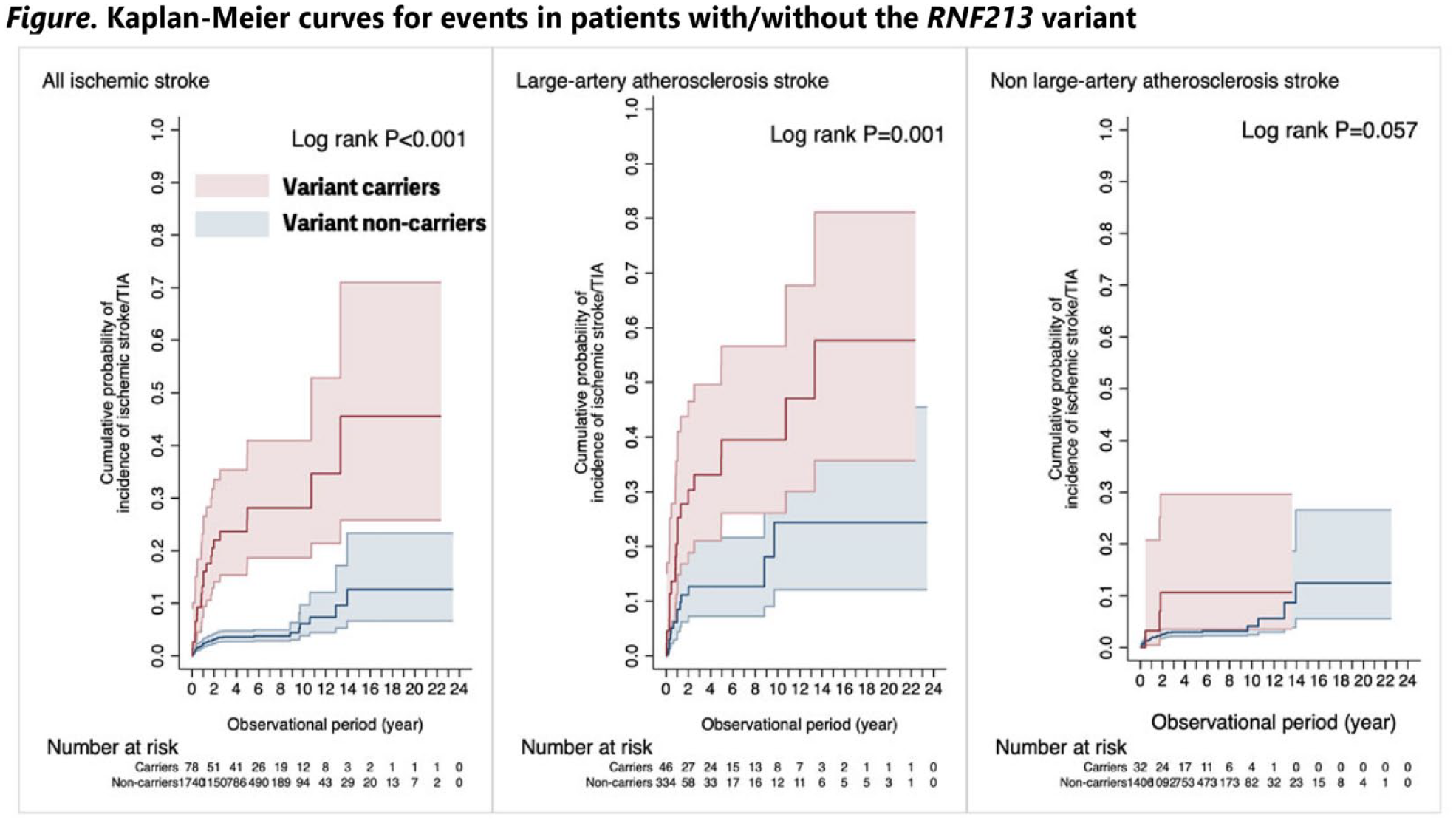
O128/1178
Scientific Communication SC20 - Stroke Complications & Outcome
HEMORRHAGIC TRANSFORMATION IN NON-CARDIOEMBOLIC ACUTE ISCHEMIC STROKE: MRI ANALYSIS OF PACIFIC-STROKE TRIAL
1National Taiwan University Hospital, Department of Neurology, Taipei, Taiwan, 2University of Calgary, Department of Clinical Neurosciences, Calgary, Canada, 3McMaster University, Population Health Research Institute, Department of Medicine (Neurology), Hamilton, Canada, 4Bayer U.S. Pharmaceuticals, Bayer U.S. Pharmaceuticals, Whippany, United States, 5University Hospitals Leuven, Department of Neurology, Leuven, Belgium, 6University Hospital of Basel and University of Basel, Department of Neurology and Stroke Center, Basel, Switzerland, 7University of Perugia, Stroke Unit, Santa Maria della Misericordia Hospital, Perugia, Italy, 8McMaster University, Population Health Research Institute, Department of Statistics, Hamilton, Canada, 9McMaster University, Population Health Research Institute, Department of Medicine, Hamilton, Canada, 10University of Cincinnati, Department of Neurology and Rehabilitation Sciences, Cincinnati, United States, 11Bayer AG, TA Thrombosis and Vascular Medicine, Wuppertal, Germany
O129/755
Scientific Communication SC20 - Stroke Complications & Outcome
ASSOCIATION OF PHYSICAL ACTIVITY TRAJECTORIES WITH FUNCTIONAL RECOVERY IN STROKE: A LONGITUDINAL SUBSTUDY OF THE EFFECTS TRIAL
1Institute of Neuroscience and Physiology, Department of Clinical Neuroscience, Gothenburg, Sweden, 2Uppsala University, Department of Medical Sciences, Neurology, Uppsala, Sweden
O130/1371
Scientific Communication SC20 - Stroke Complications & Outcome
FUNCTIONAL LEVEL 3 MONTHS AFTER ISCHEMIC STROKE IS ASSOCIATED WITH LONG-TERM SURVIVAL
1Norwegian University of Science and Technology, Norwegian University of Science and Technology, TRONDHEIM, Norway, 2Dept of medical quality registries, St.Olavs hospital, Trondheim University hospital, Trondheim, Norway
O131/1863
Scientific Communication SC20 - Stroke Complications & Outcome
NEUTROPHIL ELASTASE AS A PREDICTIVE BIOMARKER FOR POST-STROKE INFECTION
1Complutense University, Cellular Biology, Madrid, Spain, 2Doce de Octubre Hospital, Research Institute, Madrid, Spain, 3Spanish National Center for Cardiovascular Research, Neurovascular Pathophysiology, Madrid, Spain, 4Doce de Octubre Hospital, Neurology, Madrid, Spain, 5Complutense University, Pharmacology and Toxicology, Madrid, Spain
Background and aims: In-hospital infections are one of the main life-threatening complications in the subacute phase after stroke and increase hospitalization length. Therefore, identifying patients at risk of infection following stroke-induced immunosuppression is very important in order to improve outcomes. Neutrophil extracellular traps (NETs) are large networks released by neutrophils as an antimicrobial defence mechanism. However, NETs contribute to inflammation, immunothrombosis and tissue damage following stroke.
The goal of this study is to explore the role of NETs in the development of acute infections after ischemic stroke.
Methods: 389 ischemic stroke patients were recruited. Data regarding age, sex, cardiovascular risk factor, stroke etiology and severity (NIHSS) were collected. Patients were reassessed at 3 months to evaluate post-stroke mRS score. NETs markers were quantified by ELISA obtained upon admission. Data regarding infection was retrospectively retrieved from discharge records.
Results: 26.7% of patients suffered at least one infection during their hospitalization following ischemic stroke. Our results show that higher levels of the NET marker neutrophil elastase (NE) upon admission, correlate with the development of infections. Multiple logistic regression analysis was performed for predictors of infection and analyzing the ROC curves with different adjustments, we were able to correlate NIHSS, diabetes and NE with an AUC of 0.8035 (95% Cl 0.749-0.858). Finally, to study the role of NE levels in predicting infection, a nested matched case-control analysis was performed
Conclusions: Our research would be a start point identifying patients at risk of infections to prompt early interventions and improve patient care.
O132/1095
Scientific Communication SC20 - Stroke Complications & Outcome
PREDICTING POST-STROKE INFECTIONS USING A MACHINE LEARNING ALGORITHM
1 Chang Gung Memorial Hospital, Department of Neurology, Taoyuan, Taiwan
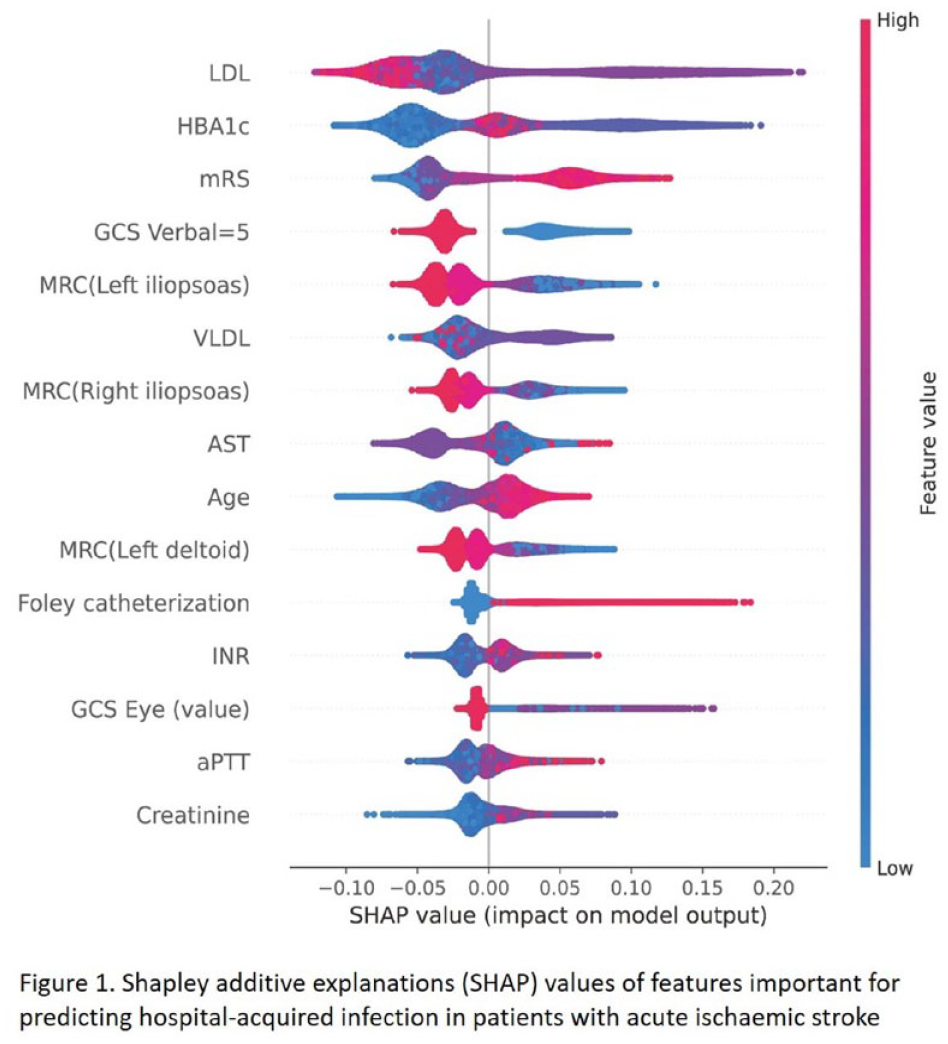
O133/1967
Scientific Communication SC20 - Stroke Complications & Outcome
RISK FACTORS FOR STROKE ASSOCIATED PNEUMONIA IN PATIENTS WITH SUSPECTED LARGE-VESSEL OCCLUSION: IMPLICATIONS OF DIRECT TRANSPORTATION TO THROMBECTOMY-CAPABLE CENTER VS LOCAL STROKE CENTER. A SUB-ANALYSIS OF THE RACECAT TRIAL
1Hospital Universitari Germans Trias i Pujol, Neurosciences, Badalona, Spain, 2Hospital de la Santa Creu i Sant Pau, Neurology, Barcelona, Spain, 3Hospital Clínic i Provincial, Neurology, Barcelona, Spain, 4Servei d'Emergències Mèdiques, Àrea d’Investigació i Desenvolupament, Barcelona, Spain, 5Institut Català de la Salut, Salut, Barcelona, Spain, 6Hospital Universitari Vall d'Hebron, Neurology, Barcelona, Spain
O134/1942
Scientific Communication SC20 - Stroke Complications & Outcome
EVALUATION OF PHYSIOLOGICAL VARIABLES IN DETERMINING TIME TO MORTALITY AFTER STROKE ASSOCIATED PNEUMONIA
1University of Manchester, Cardiovascular Sciences, Manchester, United Kingdom, 2Salford Royal Hospital, Northern Care Alliance, Neurosciences, Stroke Medicine, Salford, United Kingdom, 3University of Manchester, School of Medical Sciences, Manchester, United Kingdom, 4University of Manchester, Centre for Biostatistics, Manchester, United Kingdom
O135/1408
Scientific Communication SC20 - Stroke Complications & Outcome
TRENDS IN THE PREVALENCE OF POST-STROKE DEPRESSION FROM 1995-2018: THE SOUTH LONDON STROKE REGISTER
1King's College London, Department of Population Health, School of Life Course & Population Sciences, London, United Kingdom, 2Guy's and St Thomas' National Health Service (NHS) Foundation Trust and King's College London, Department of Ageing Health and Stroke, London, United Kingdom, 3National Institute for Health Research (NIHR) Biomedical Research Centre (BRC), Guy's and St Thomas' NHS Foundation Trust and King's College London, London, United Kingdom, 4King's College London, NIHR Applied Research Collaboration (ARC) South London, London, United Kingdom
O136/470
Scientific Communication SC21 - Rare Causes, Stroke in the Young
DEVELOPMENT OF PREDICTION MODELS FOR EARLY AND LATE RECURRENT VASCULAR EVENTS IN YOUNG STROKE
1Radboud University Medical Centre, Department of Neurology, Nijmegen, Netherlands, 2Radboud University Medical Centre, Donders Institute for Brain, Cognition and Behaviour, Nijmegen, Netherlands, 3Gelre Hospital, Department of Neurology, Apeldoorn, Netherlands, 4Medisch Spectrum Twente, Department of Neurology, Enschede, Netherlands, 5Canisius-Wilhelmina Hospital, Department of Neurology, Nijmegen, Netherlands, 6Catharina Hospital, Department of Neurology, Eindhoven, Netherlands, 7Sint Franciscus Gasthuis Hospital, Department of Neurology, Rotterdam, Netherlands, 8Elisabeth-TweeSteden Hospital, Department of Neurology, Tilburg, Netherlands, 9Haga Hospital, Department of Neurology, Den Haag, Netherlands, 10Amphia Hospital, Department of Neurology, Breda, Netherlands, 11Rijnstate Hospital, Department of Neurology, Arnhem, Netherlands, 12Jeroen Bosch Hospital, Department of Neurology, 's-Hertogenbosch, Netherlands, 13Maastricht University Medical Centre, Department of Neurology, Maastricht, Netherlands, 14Leiden University Medical Centre, Department of Neurology, Leiden, Netherlands, 15Amsterdam University Medical Centre, Department of Neurology, Amsterdam, Netherlands, 16Albert Schweitzer Hospital, Department of Neurology, Dordrecht, Netherlands, 17Zuyderland Hospital, Department of Neurology, Sittard-Geleen, Netherlands, 18Medical Centre Leeuwarden, Department of Neurology, Leeuwarden, Netherlands, 19Haaglanden Medical Centre, Department of Neurology, Den Haag, Netherlands
O137/1098
Scientific Communication SC21 - Rare Causes, Stroke in the Young
BENEFITS OF A PEDIATRIC STROKE CODE PROTOCOL IN A REGIONAL HEALTH SYSTEM: THE CATALAN EXPERIENCE
1Hospital Germans Trias i Pujol, Stroke Unit, Barcelona, Spain, 2Hospital Vall d'Hebrón, Pediatria, Barcelona, Spain, 3Hospital Sant Joan de Déu, Pediatria, Barcelona, Spain, 4Hospital Taulí, Pediatria, Emergency Medical Service, Sabadell, Spain, 5Hospital Taulí, Pediatria, Sabadell, Spain, 6Hospital Sant Pau, Pediatria, Barcelona, Spain, 7Hospital Josep Trueta, Pediatria, Girona, Spain
O138/727
Scientific Communication SC21 - Rare Causes, Stroke in the Young
PREDICTORS OF RELAPSE IN ADULT PATIENTS WITH PRIMARY ANGIITIS OF THE CENTRAL NERVOUS SYSTEM
1Centre Hospitalier Universitaire de Caen Normandie, Neurology, Caen, France, 2Centre Hospitalier Universitaire de Montpellier, Neurology, Montpellier, France, 3Hôpital Sainte-Anne, Neurology, Paris, France, 4Hôpital Cochin, Internal Medicine, Paris, France, 5Centre Hospitalier Universitaire de Lille, Neurology, Lille, France, 6Centre Hospitalier Universitaire de Nantes, Neurology, Nantes, France, 7Hôpital Saint-Antoine, Neurology, Paris, France, 8Centre Hospitalier Universitaire de Grenoble, Neurology, Grenoble, France, 9Hôpital du Sacré-Coeur de Montréal, Neurology, Montréal, Canada, 10Centre Hospitalier de l'Université de Montréal, Neurology, Montréal, Canada, 11Mount Sinai Hospital, Rheumatology, Toronto, Canada, 12Centre Hospitalier Universitaire de Caen Normandie, Internal Medicine, Caen, France
O139/630
Scientific Communication SC21 - Rare Causes, Stroke in the Young
RECURRENT ISCHEMIC EVENTS AFTER STROKE DUE TO CERVICAL ARTERY DISSECTION
1Radboud university medical center, Neurology, Nijmegen, Netherlands, 2Gelre ziekenhuis, Neurology, Apeldoorn, Netherlands, 3Medisch Spectrum Twente, Neurology, Enschede, Netherlands, 4Canisius Wilhelmina Ziekenhuis, Neurology, Nijmegen, Netherlands, 5Catharina ziekenhuis, Neurology, Eindhoven, Netherlands, 6Sint Franciscus Gasthuis, Neurology, Rotterdam, Netherlands, 7Elisabeth-TweeSteden Ziekehuis, Neurology, Tilburg, Netherlands, 8Haga Ziekenhuis, Neurology, Den Haag, Netherlands, 9Amphia Ziekenhuis, Neurology, Breda, Netherlands, 10Rijnstate ziekenhuis, Neurology, Arnhem, Netherlands, 11Jeroen Bosch Ziekenhuis, Neurology, Den Bosch, Netherlands, 12Maastricht University Medical Center, Neurology, Maastricht, Netherlands, 13Leiden University Medical Center, Neurology, Leiden, Netherlands, 14Amsterdam University Medical Center, Neurology, Amsterdam, Netherlands, 15Albert Schweizer Ziekenhuis, Neurology, Dordrecht, Netherlands, 16Zuyderland Medisch Centrum, Neurology, Sittard-Geleen, Heerlen, Netherlands, 17Medisch Centrum Leeuwarden, Neurology, Leeuwarden, Netherlands, 18Haaglanden Medical Center, Neurology, Den Haag, Netherlands
O140/1070
Scientific Communication SC21 - Rare Causes, Stroke in the Young
LONG-TERM RISK OF CEREBROVASCULAR EVENTS AFTER PATENT FORAMEN OVALE CLOSURE: RESULTS FROM A REAL-WORLD STROKE COHORT
1Medical University of Graz, Department of Neurology, Graz, Austria, 2Medical University of Graz, Division of Neuroradiology, Vascular and Interventional Radiology, Department of Radiology, Graz, Austria, 3Steiermärkische Krankenanstaltengesellschaft m.b.H. (KAGes), Department of Information and Process Management, Graz, Austria, 4Medical University Graz, Division of Cardiology, Department of Internal Medicine, Graz, Austria
O141/2487
Scientific Communication SC21 - Rare Causes, Stroke in the Young
ENDOVASCULAR TREATMENT IN PATIENTS WITH CEREBRAL VENOUS THROMBOSIS – RETROSPECTIVE ANALYSIS OF SAFETY AND EFFICACY
1Centro Hospitalar Universitário Lisboa Central, Neurology, Lisbon, Portugal, 2Centro Hospitalar Universitário Lisboa Central, Neuroradiology, Lisbon, Portugal, 3Centro Hospitalar Universitário Lisboa Central, Stroke Unit, Lisbon, Portugal
O142/1456
Scientific Communication SC21 - Rare Causes, Stroke in the Young
CEREBRAL VENOUS THROMBOSIS AND AUTOIMMUNE DISEASE
1Helsinki University Hospital, Department of Neurology, Helsinki, Finland, 2University of Helsinki, Department of Neurosciences, Helsinki, Finland, 3Amsterdam University Medical Centre, Department of Neurology, Amsterdam, Netherlands, 4Sahlgrenska Academy at University of Gothenburg, Department of Clinical Neuroscience, Institute of Neuroscience and Physiology, Gothenburg, Sweden, 5Sahlgrenska University Hospital, Department of Neurology, Gothenburg, Sweden, 6Department of Neurology, Istanbul University, Istanbul, Turkey, 7Hadassah-Hebrew University Medical Center, Sheinberg Cerebrovascular Research Laboratory, Department of Neurology, Jerusalem, Israel, 8Hospital das Clínicas, São Paulo University, Neurology Clinical Division, Sao Paulo, Brazil, 9Akershus University Hospital, Department of Neurology, Akershus, Norway, 10Charité-Universitätsmedizin Berlin, Department of Neurology, Berlin, Germany, 11Eberhard-Karls University, Department of Neurology & Stroke, Tübingen, Germany, 12Christchurch Hospital, Department of Neurology, Christchurch, New Zealand, 13Hospital de la Santa Creu i Sant Pau, Department of Neurology, Barcelona, Spain, 14Hospital Universitario Ramón y Cajal, Stroke Unit, Madrid, Spain, 15Christian Medical College Hospital, Department of Neurology, Vellore, India, 16ASST Valcamonica, Department of Neurology, Esine, Italy, 17Inselspital, Bern University Hospital and University of Bern, Department of Neurology, Bern, Switzerland
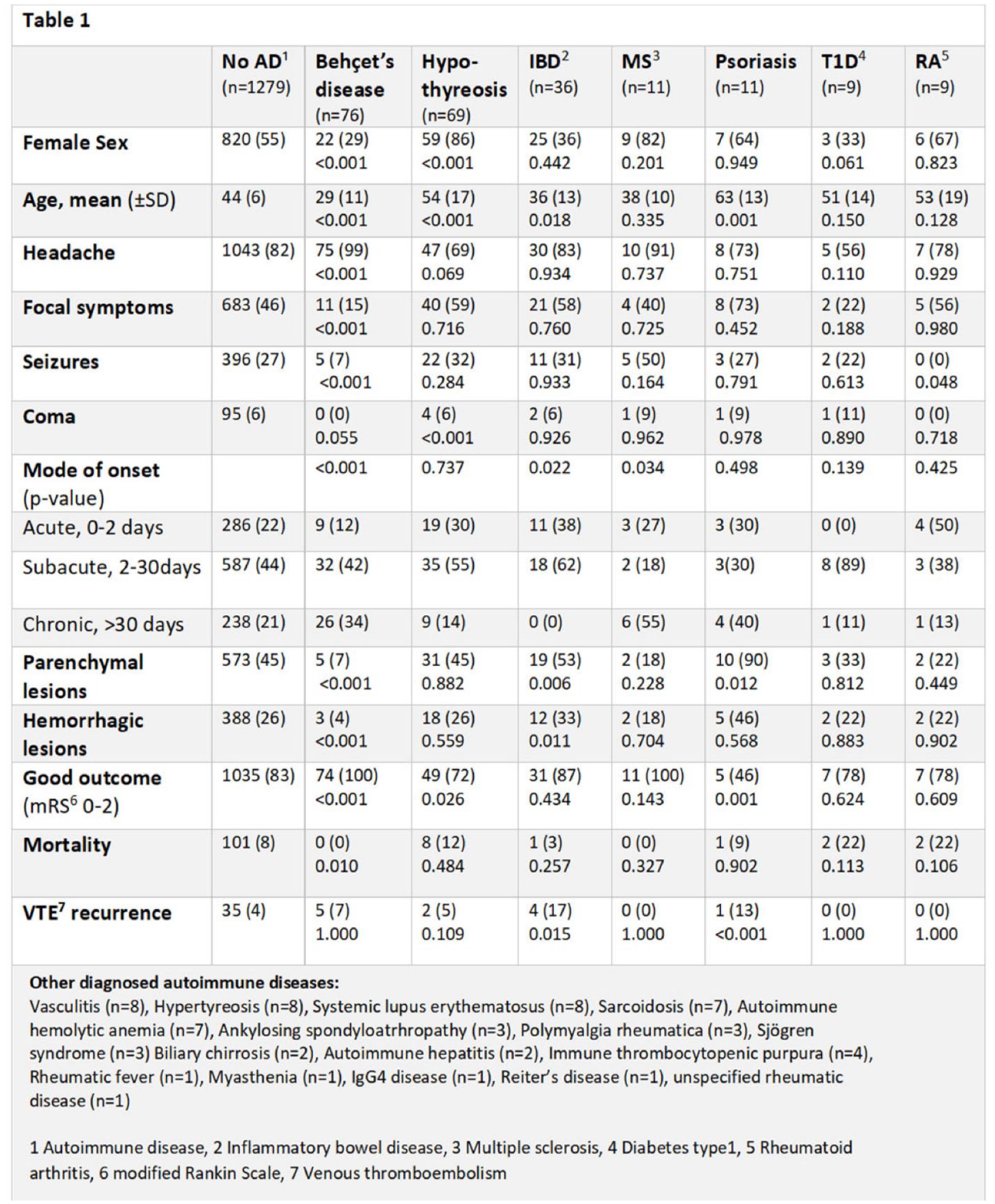
O143/1658
Scientific Communication SC21 - Rare Causes, Stroke in the Young
SEX DIFFERENCES IN CEREBRAL VENOUS SINUS THROMBOSIS AFTER ADENOVIRAL VACCINATION AGAINST COVID-19
1Inselspital, Bern University Hospital, University of Bern, Bern, Switzerland, Department of Neurology, Bern, Switzerland, 2Amsterdam UniversityMedical Centers, University of Amsterdam, Amsterdam, The Netherlands, Department of Neurology, Amsterdam, Netherlands, 3Sahlgrenska University Hospital, Neurology, Gothenburg, Sweden, 4Hertie Institute for Clinical Brain Research, Eberhard-Karls University, Neurology, Tuebingen, Germany, 5Shiraz University of Medical Sciences, Department of Neurology, Shiraz, Iran, 6Christian Medical College Vellore, Department of Neurosciences, Vellore, India, 7University of Lille, Inserm, CHU Lille, U1172 - LilNCog - Lille, Neuroscience & Cognition, Lille, France, 8RoyalAdelaide Hospital, Neurology, Adelaide, Australia, 9University of British Columbia, Vancouver Stroke Program, Division of Neurology, Vancouver, Canada, 10University Hospitals Leuven, Neurology, Leuven, Belgium, 11arlo Poma Hospital, Azienda Socio Sanitaria Territoriale di Mantova, Department of Neurology, Mantova, Italy, 12University of Rostock, Department of Neurology, Rostock, Germany, 13Universitätsklinikum Bonn, Neurology, Bonn, Germany, 14Oslo University hospital Ullevål, Neurosurgery, Oslo, Norway, 15Medical University of Graz, Neurology, Graz, Austria, 16Xuanwu Hospital, Neurology and Intracranial Hypertension & Cerebral Venous Disease Center, Beijing, China, 17HUS, Neurology, Helsinki, Finland, 18Azienda Ospedaliero Universitaria Consorziale Policlinico, Neurology, Bari, Italy, 19Inselspital, Hematology, Bern, Switzerland, 20Jena University Hospital, Neurology, Jena, Germany, 21Aga Khan University Hospital, Neurology, Karachi, Pakistan, 22National Institute of Neurology and Neurosurgery, Neurology and Neurosurgery, Ciudad de México, Mexico, 23University of São Paulo, Neurology, Sao Paulo, Brazil, 24University of Lisbon, Neurology, Lisboa, Portugal
O144/1018
Scientific Communication SC22 - Intracerebral Hemorrhage
RAPID, INTENSIVE, AND SUSTAINED BP REDUCTION ASSOCIATES LOWER HEMATOMA EXPANSION, BETTER CLINICAL COURSE AND IMPROVED OUTCOMES IN PATIENTS WITH ACUTE ICH
1Vall d’Hebron University Hospital, Department of Neurology, Stroke Unit, Barcelona, Spain, 2Vall d’Hebron Research Institute, Stroke Research Group, Barcelona, Spain, 3Hospital Clínic, Department of Neuroscience, Comprehensive Stroke Center, Barcelona, Spain, 4Hospital Universitari Dr. Josep Trueta, Department of Neurology, Girona, Spain, 5Hospital de la Santa Creu i Sant Pau, Department of Neurology, Barcelona, Spain, 6Vall d'Hebron University Hospital, Department of Neurology, Barcelona, Spain, 7Vall d’Hebron Research Institute, Neurovascular Research Group, Barcelona, Spain, 8Vall d'Hebron University Hospital, Department of Neuroradiology, Barcelona, Spain, 9Hospital Clínic, Department of Interventional Neuroradiology, CDI, Barcelona, Spain
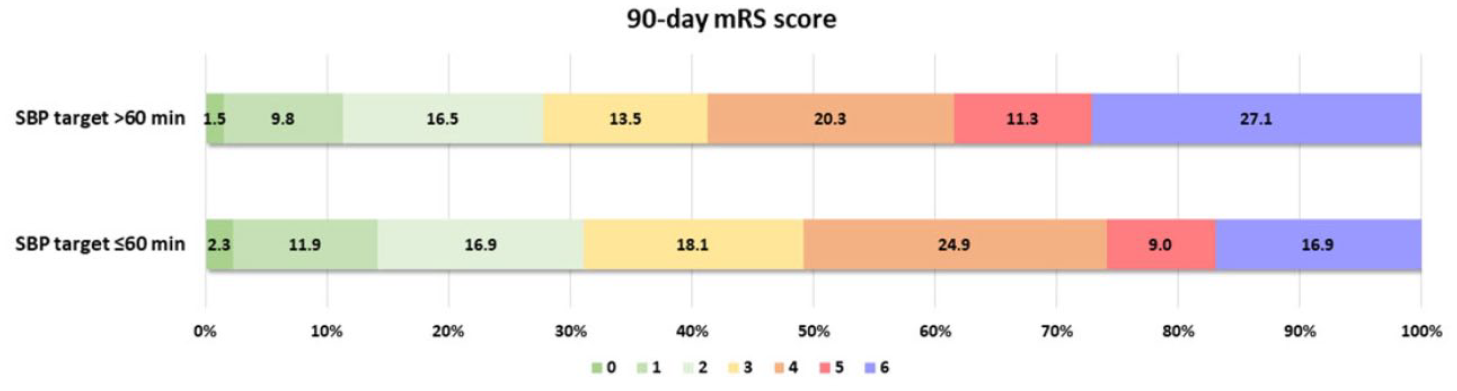
O145/761
Scientific Communication SC22 - Intracerebral Hemorrhage
CEREBRAL AMYLOID ANGIOPATHY IS ASSOCIATED WITH A HIGHER RISK OF SUBDURAL HEMORRHAGE: COMBINED ANALYSIS OF THE UK BIOBANK AND ALL OF US
1Yale university, Neurology, New Haven, United States, 2Cornell University, Neurology, New York, United States, 3Cornell University, Radiology, New York, United States
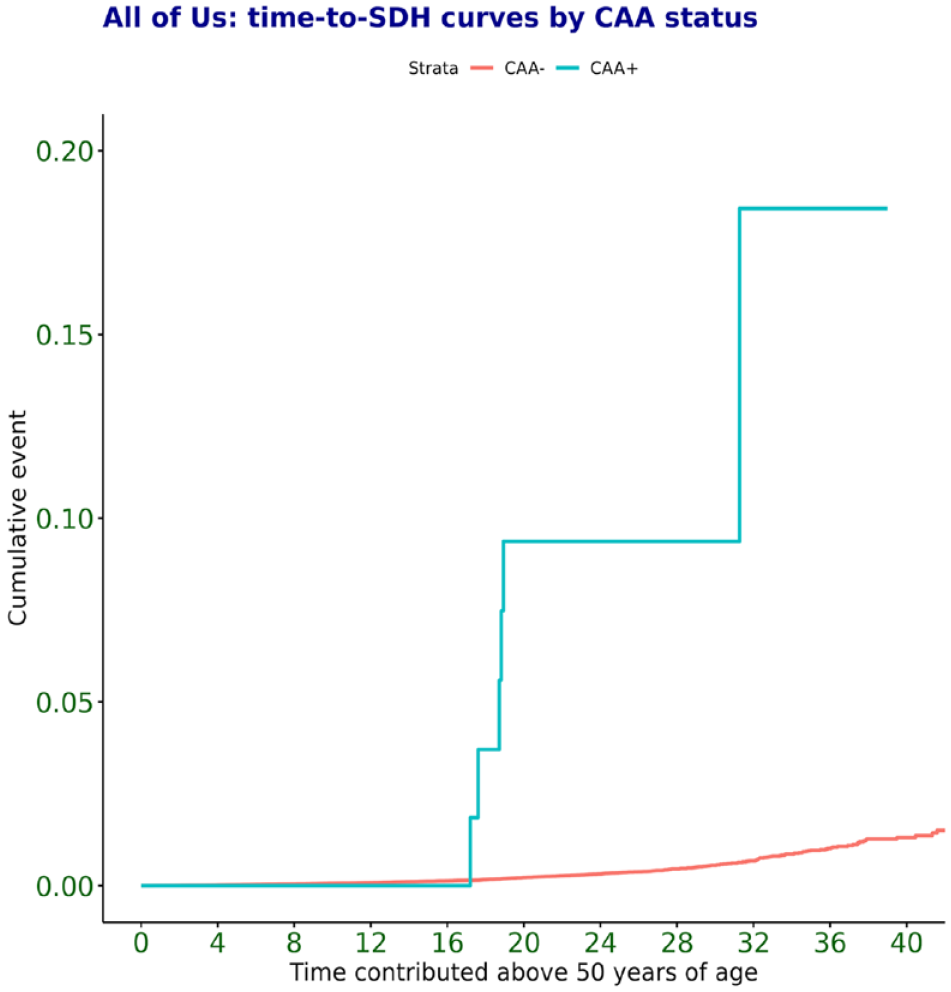
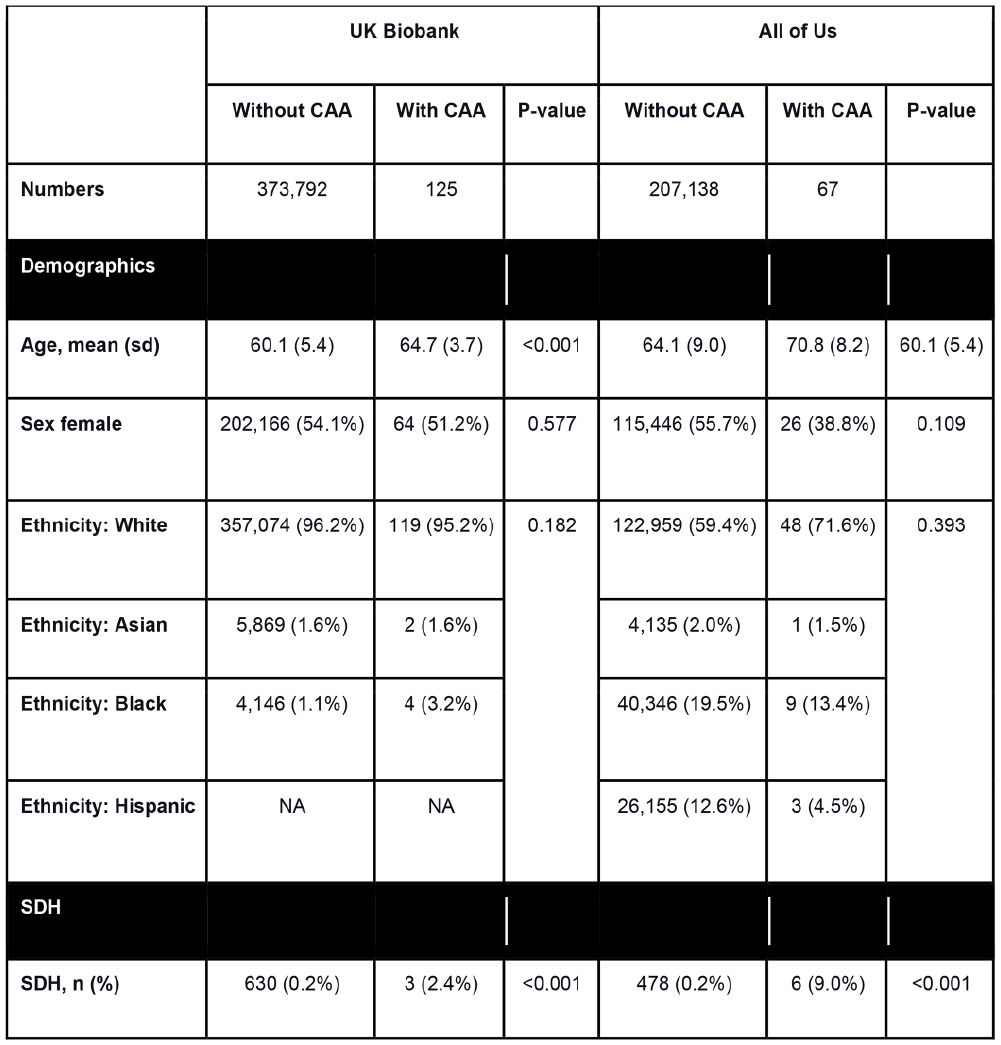
O146/1891
Scientific Communication SC22 - Intracerebral Hemorrhage
EFFECT OF BLOOD PRESSURE LOWERING ON A GLOBAL ANALYSIS OF OUTCOMES AFTER INTRACEREBRAL HAEMORRHAGE: ANALYSIS OF INDIVIDUAL PARTICIPANT DATA (IPD) FROM THE BLOOD PRESSURE IN ACUTE STROKE COLLABORATION (BASC)
1University of Nottingham, Stroke Trials Unit, Nottingham, United Kingdom, 2The George Institute for Global Health, Faculty of Medicine, Newtown, Australia, 3University of Edinburgh, Centre for Clinical Brain Sciences, Edinburgh, United Kingdom, 4The Second Affiliated Hospital of SooChow University, Department of Neurology and Clinical Research Center of Neurological Disease, Suzhou, China, 5Oslo University Hospital, Department of Neurology, Oslo, Norway, 6The Norwegian Air Ambulance Foundation, Research and Development Department, Oslo, Norway, 7Royal Prince Alfred Hospital, Neurology Department, Sydney, Australia, 8The George Institute, China, Faculty of Medicine, Beijing, China, 9Nottingham University Hospitals NHS Trust, Stroke, Nottingham, United Kingdom
O147/281
Scientific Communication SC22 - Intracerebral Hemorrhage
INFLUENCE OF TIME IN ACHIEVING TARGET SYSTOLIC BLOOD PRESSURE ON OUTCOME AFTER INTRACEREBRAL HAEMORRHAGE: THE BLOOD PRESSURE IN ACUTE STROKE COLLABORATION
1The George Institute for Global Health, Neurological program, sydney, Australia, 2the First Affiliated Hospital of Chengdu Medical College, Neurological Department, Chengdu, China, 3University of Edinburgh, Centre for Clinical Brain Sciences, Edinburgh, Australia, 4Oslo University Hospital, Department of Neurology, Oslo, Norway, 5University of Nottingham, Stroke Trials Unit, Nottingham, United Kingdom
O148/193
Scientific Communication SC22 - Intracerebral Hemorrhage
INTRACEREBRAL HAEMORRHAGE IN PATIENTS TAKING DIFFERENT TYPES OF ORAL ANTICOAGULANTS – A POOLED INDIVIDUAL PATIENT DATA ANALYSIS FROM TWO NATIONAL STROKE REGISTRIES
1Inselspital, Bern University Hospital, University of Bern, Department of Neurology, Bern, Switzerland, 2University of Bern, Graduate School of Health Sciences, Bern, Switzerland, 3University of Oslo, Institute of Clinical Medicine, Oslo, Norway, 4Oslo University Hospital, Department of Geriatric Medicine, Oslo, Norway, 5University Hospital Basel, University of Basel, Department of Neurology, Basel, Switzerland, 6Lausanne University Hospital, University of Lausanne, Service of Neurology, Department of Clinical Neurosciences, Lausanne, Switzerland, 7Neurocenter of Southern Switzerland, Stroke Center EOC, Lugano, Switzerland, 8HFR Fribourg–Cantonal Hospital, Stroke Unit and Division of Neurology, Fribourg, Switzerland, 9Klinik Hirslanden Zurich, Stroke Center Hirslanden, Zürich, Switzerland, 10Pourtalès Hospital, Division of Neurology, Neuchâtel, Switzerland, 11GHOL, Hospital Nyon, Stroke Unit, Nyon, Switzerland, 12Geneva University Hospital, Faculty of Medicine, University of Geneva, Stroke Research Group, Department of Clinical Neurosciences, Geneva, Switzerland, 13Cantonal Hospital Aarau, Department of Neurology, Aarau, Switzerland, 14Cantonal Hospital St. Gallen, Department of Neurology, St. Gallen, Switzerland, 15Lucerne Cantonal Hospital (LUKS), Neurology Department, Lucerne, Switzerland, 16Hospital Biel, Stroke Unit, Department of Neurology, Biel, Switzerland, 17Stadtspitäler Triemli und Waid, Department of Neurology, Zürich, Switzerland, 18University Hospital Zurich, University of Zurich, Department of Neurology and Stroke Center, Zürich, Switzerland, 19Inselspital, Bern University Hospital, Department of Neurosurgery, Bern, Switzerland, 20Inselspital, Bern University Hospital, University of Bern, University Institute of Diagnostic and Interventional Neuroradiology, Bern, Switzerland, 21Bürgerspital Solothurn, Department of Neurology, Solothurn, Switzerland, 22Cantonal Hospital Winterthur, Stroke Unit, Department of Neurology, Winterthur, Switzerland, 23Akershus University Hospital, Department of Neurology, Division of Medicine, Lørenskog, Norway, 24University of Basel, Department of Neurology and Neurorehabilitation, Basel, Switzerland, 25University of Basel, University Department of Geriatric Medicine Felix Platter, Basel, Switzerland, 26Rehabilitation Clinic Rheinfelden, Rehabilitation, Rheinfelden, Switzerland
Prior VKA therapy (n=259, 20.7%; aOR 0.70, 95%CI 0.49-0.99) but not prior DOAC therapy (n=246, 25.4%; aOR 1.06, 95%CI 0.73-1.53) was independently associated with lower odds for favourable outcome compared to patients without anticoagulation (n=2,556, 37.6%).
Prior VKA therapy (n=720, 49.4%; aOR 1.71, 95%CI 1.25-2.33) but not prior DOAC therapy (n=460, 39.7%; aOR 1.35, 95%CI 0.99-1.86) was independently associated with increased odds for mortality compared to patients without anticoagulation (n=2,512, 30.2%).
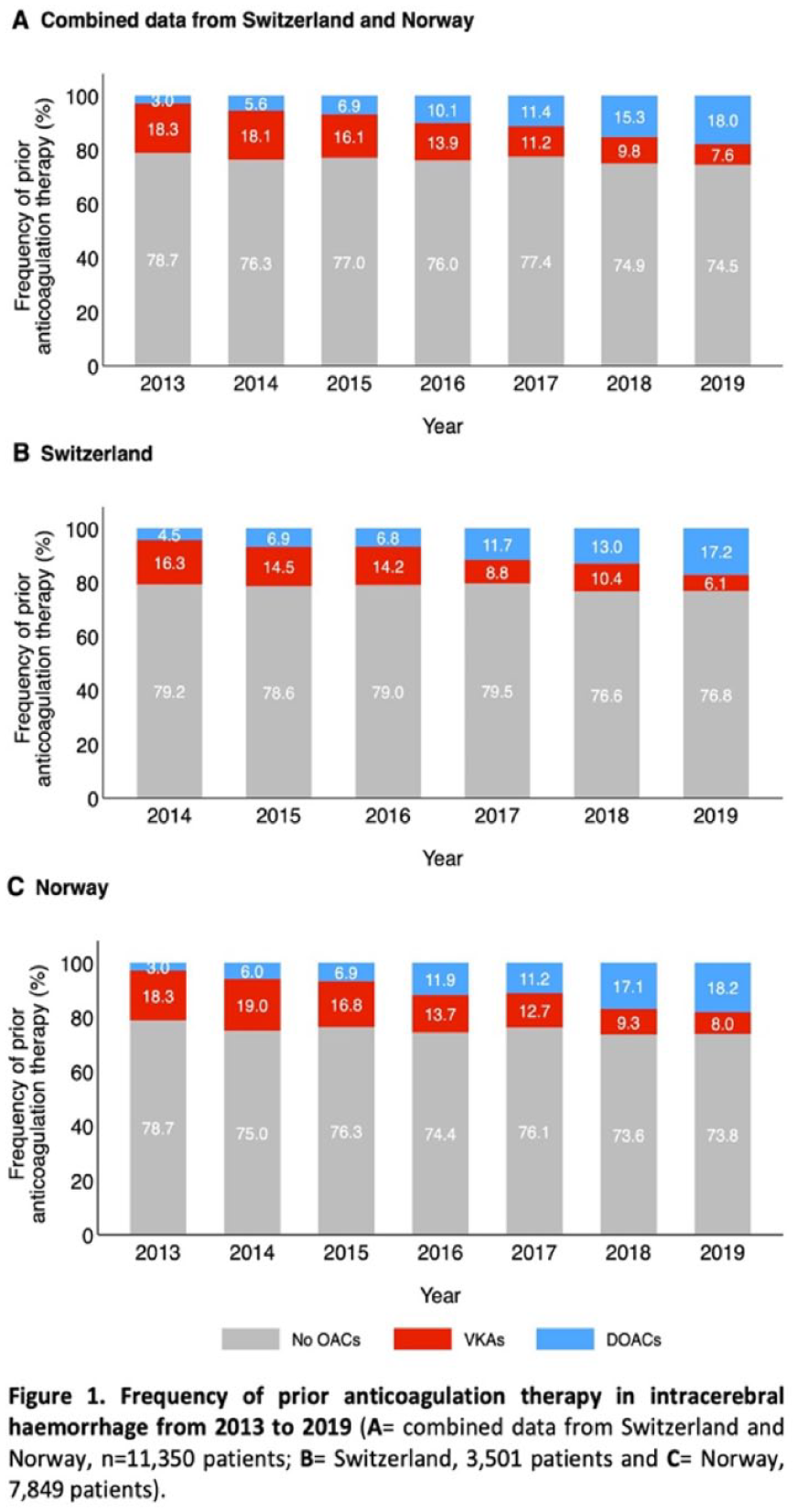
O149/899
Scientific Communication SC22 - Intracerebral Hemorrhage
DEVELOPMENT OF A PREDICTIVE SCORE FOR MORTALITY AT THE ACUTE PHASE OF INTRACEREBRAL HEMORRHAGE FROM THE POPULATION-BASED BREST STROKE REGISTRY
1Regional and University Hospital of Brest, Hospital of Brest, Brest, France, 2Centre d'Investigation Clinique, INSERM CIC CHRU Cavale Blanche Brest, Brest, France, 3Université de Bretagne Occidentale, INSERM 1078, Brest, France
O150/680
Scientific Communication SC22 - Intracerebral Hemorrhage
HAEMATOMA EXPANSION AND FUNCTIONAL OUTCOME IN DEEP VERSUS LOBAR INTRACEREBRAL HAEMORRHAGE: ANALYSIS OF POOLED INDIVIDUAL PARTICIPANT DATA FROM BASC
1The Second Affiliated Hospital of Soochow University, Neurology, Suzhou, China, 2The George Institute for Global Health, The George Institute for Global Health, Newtown, Sydney, Australia, 3University of Edinburgh, Centre for Clinical Brain Sciences, Edinburgh, United Kingdom, 4Oslo University Hospital, Neurology, Oslo, Norway, 5University of Nottingham, Queen’s Medical Centre, Stroke Trials Unit, Nottingham, United Kingdom
O151/1909
Scientific Communication SC23 - Secondary Prevention
SAFETY OF CAROTID ENDARTERECTOMY FOR SYMPTOMATIC STENOSIS BY AGE: META-ANALYSIS WITH INDIVIDUAL PATIENT DATA
1Centre for Prevention of Stroke and Dementia, University of Oxford, Oxford, United Kingdom, 2Department of Vascular Surgery, Oxford University Hospitals NHS Trust, Oxford, United Kingdom, 3Department of Vascular Surgery, Oxford University Hospitals NHS Trust, Oxford, United Kingdom, 4Yale Department of Surgery Departments of Surgery and Cellular and Molecular Physiology, Yale School of Medicine, New Haven, United States, 5Department of Neurology, GHU Paris, Hôpital Sainte-Anne, Université Paris-Cité, Paris, France, 6Vascular and Endovascular Surgery Unit, Santa Maria della Misericordia, University of Perugia, Perugia, Italy, 7Clinical Surgical Research Center, Department of Surgery, Faculty of Medicine, Chiang Mai University, Department of Surgery, Chiang Mai, Thailand
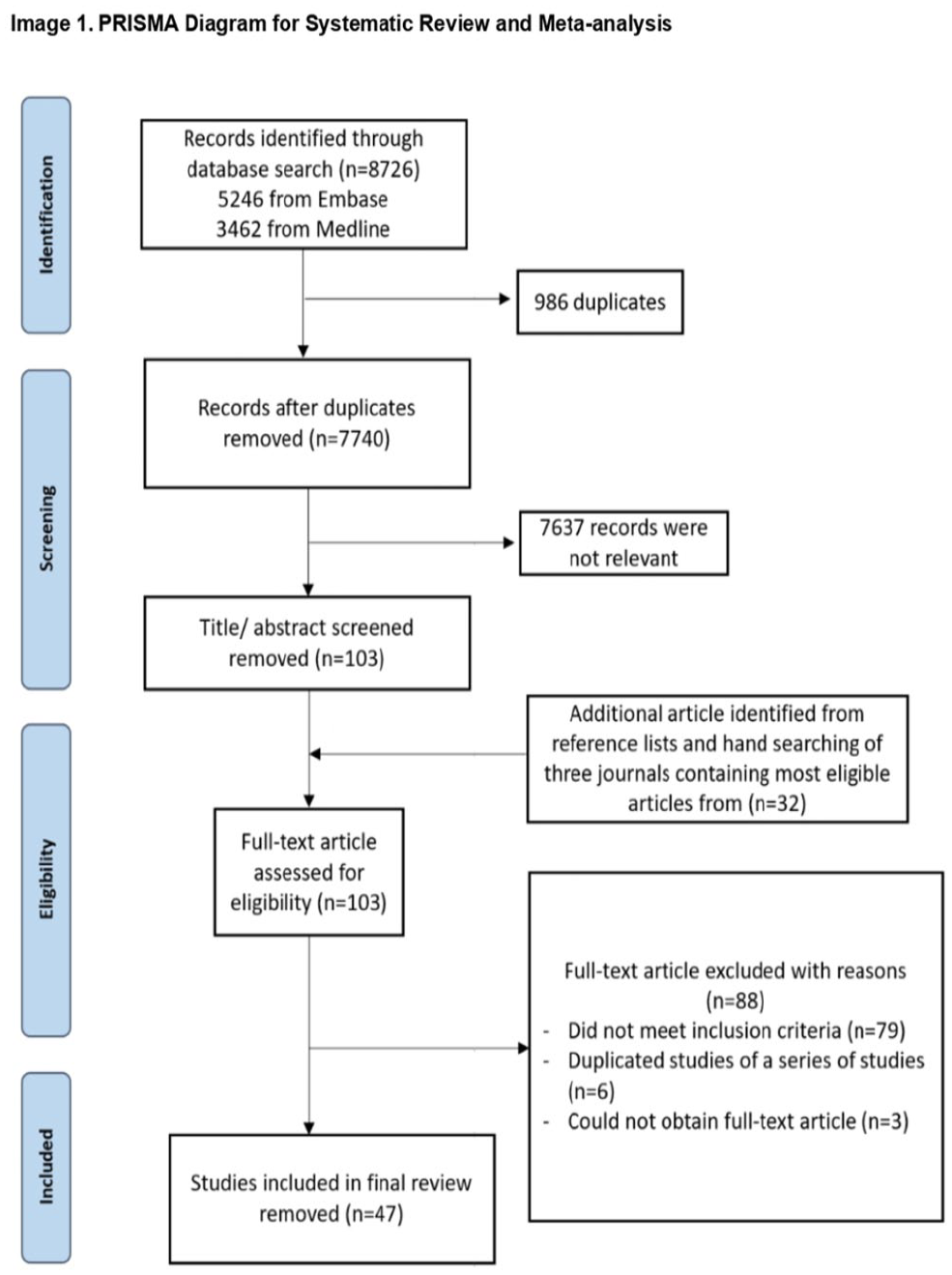
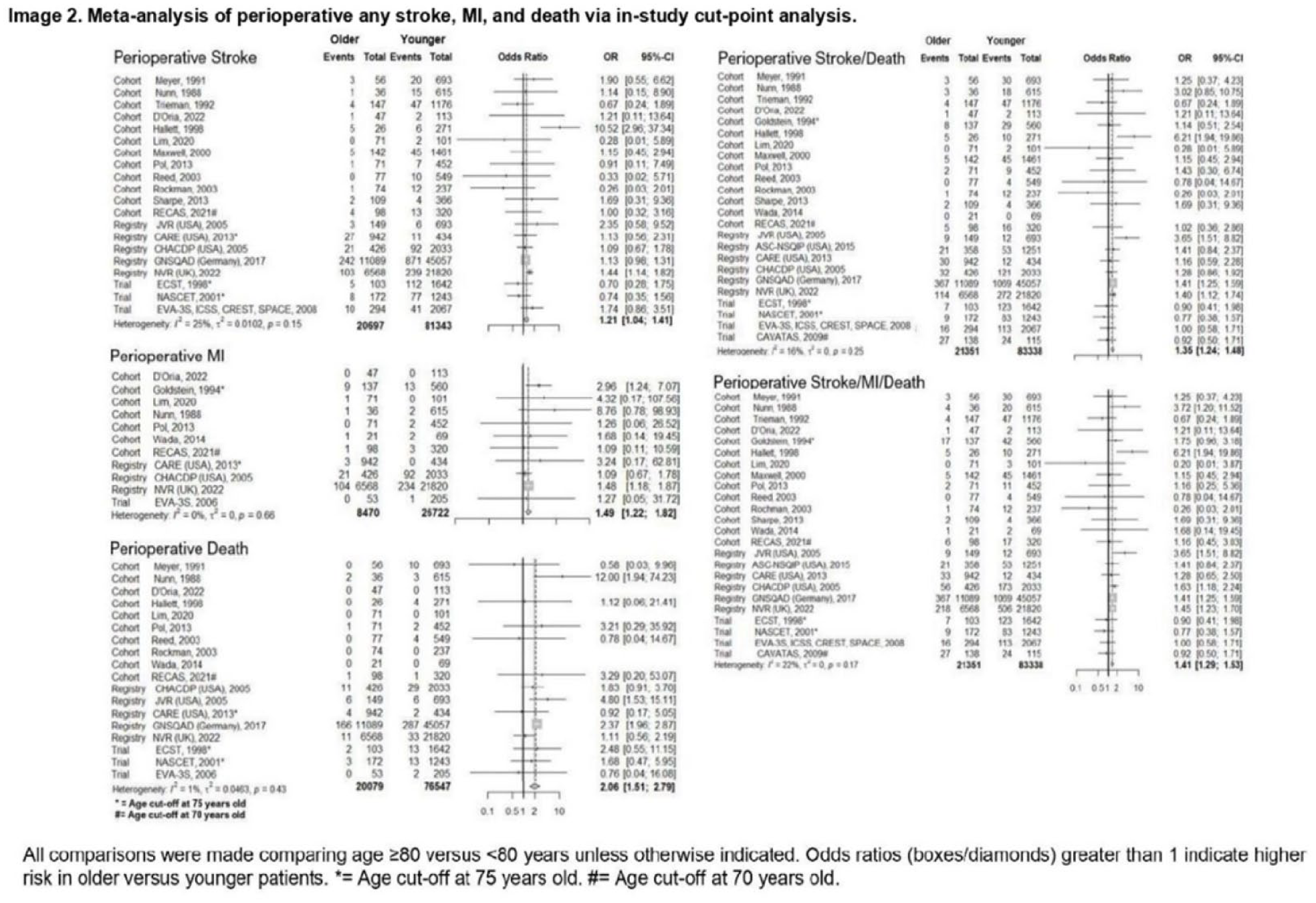
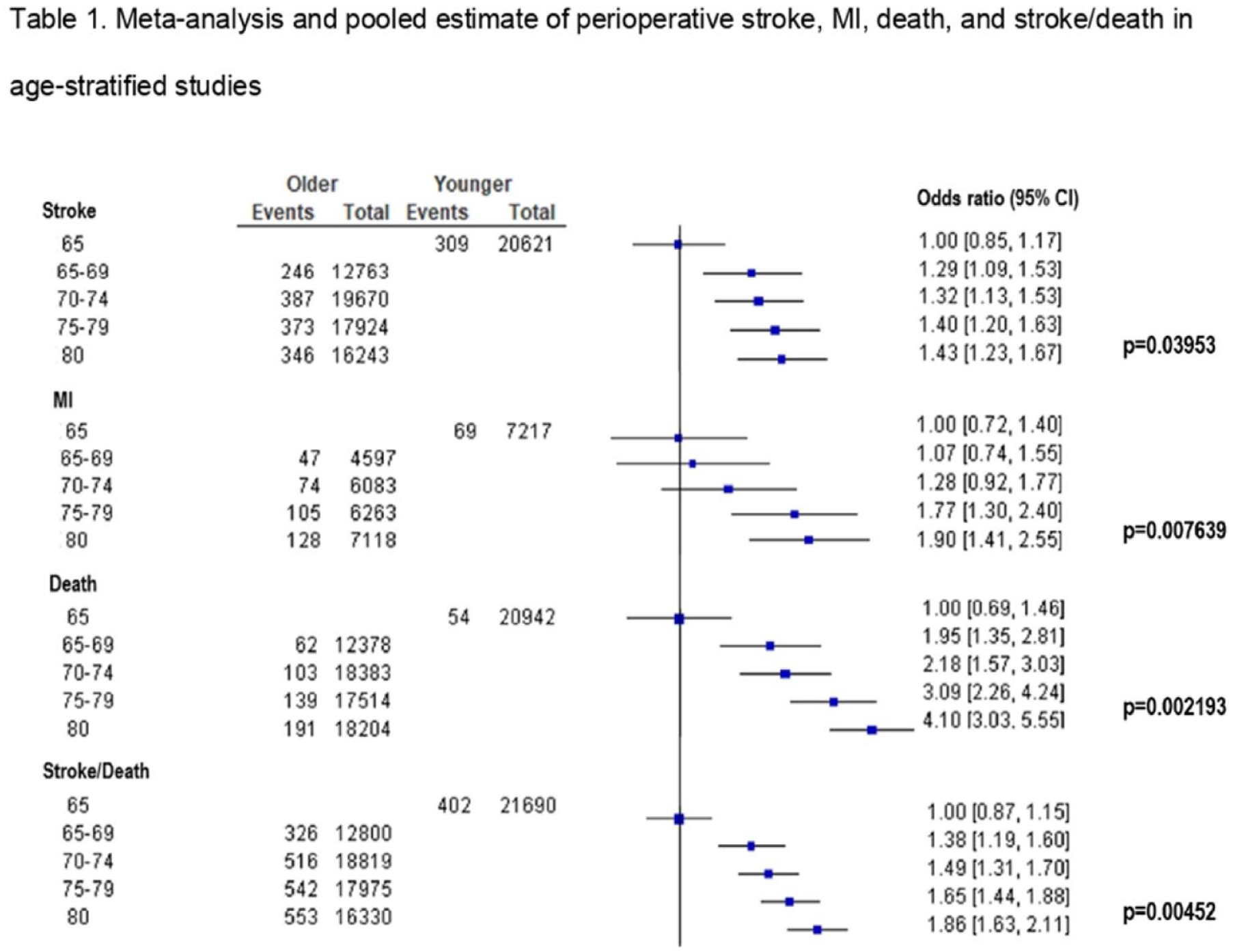
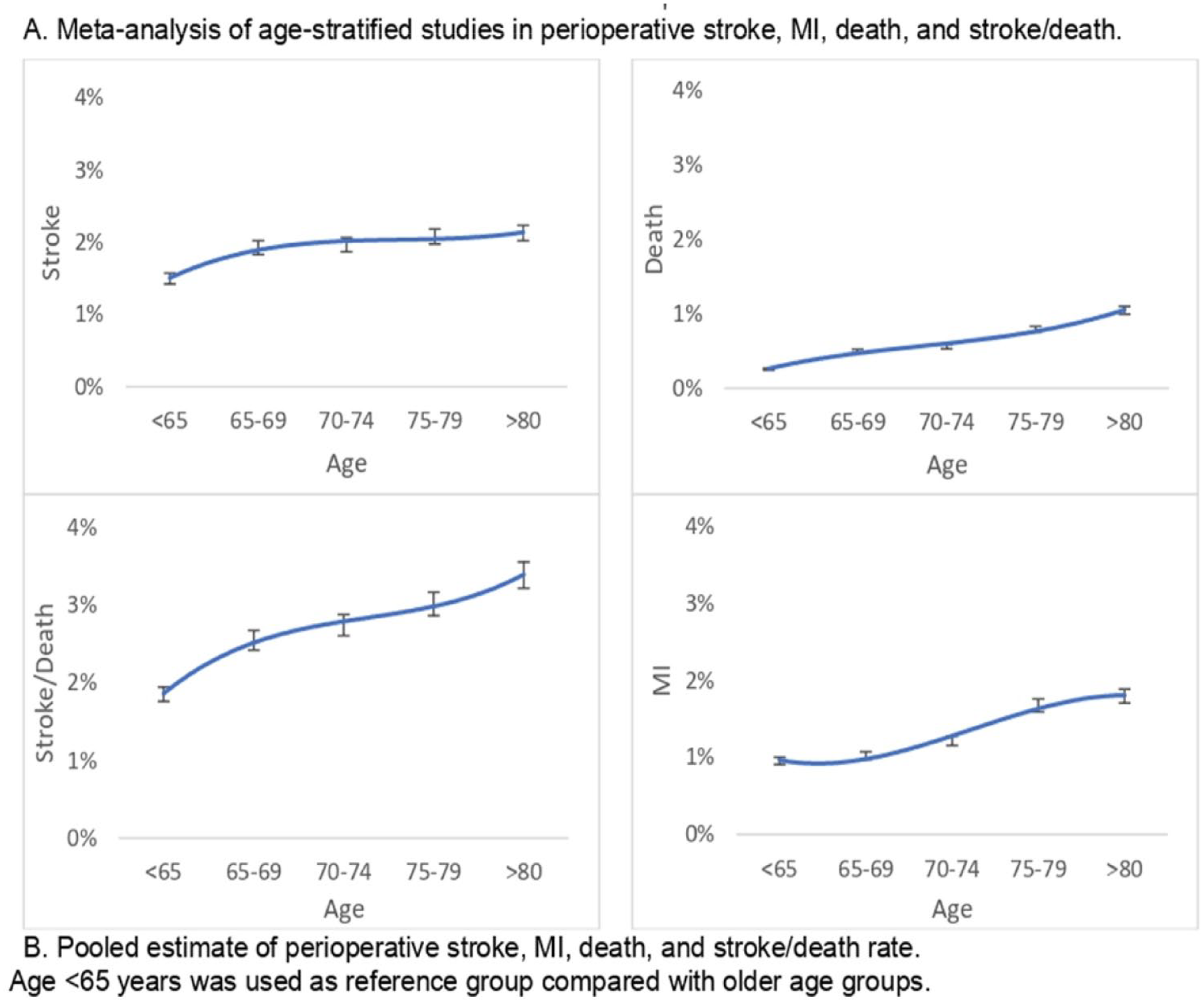
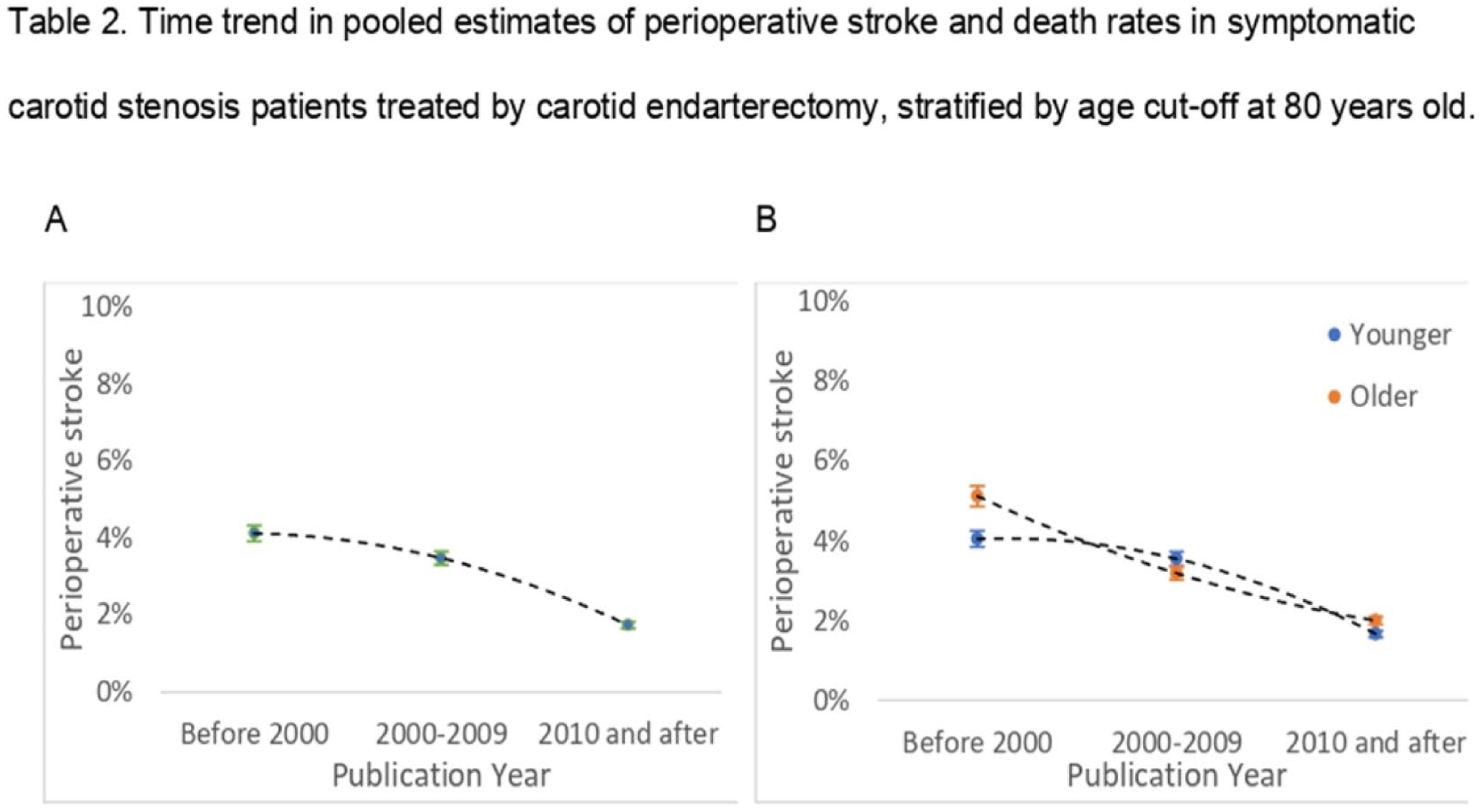
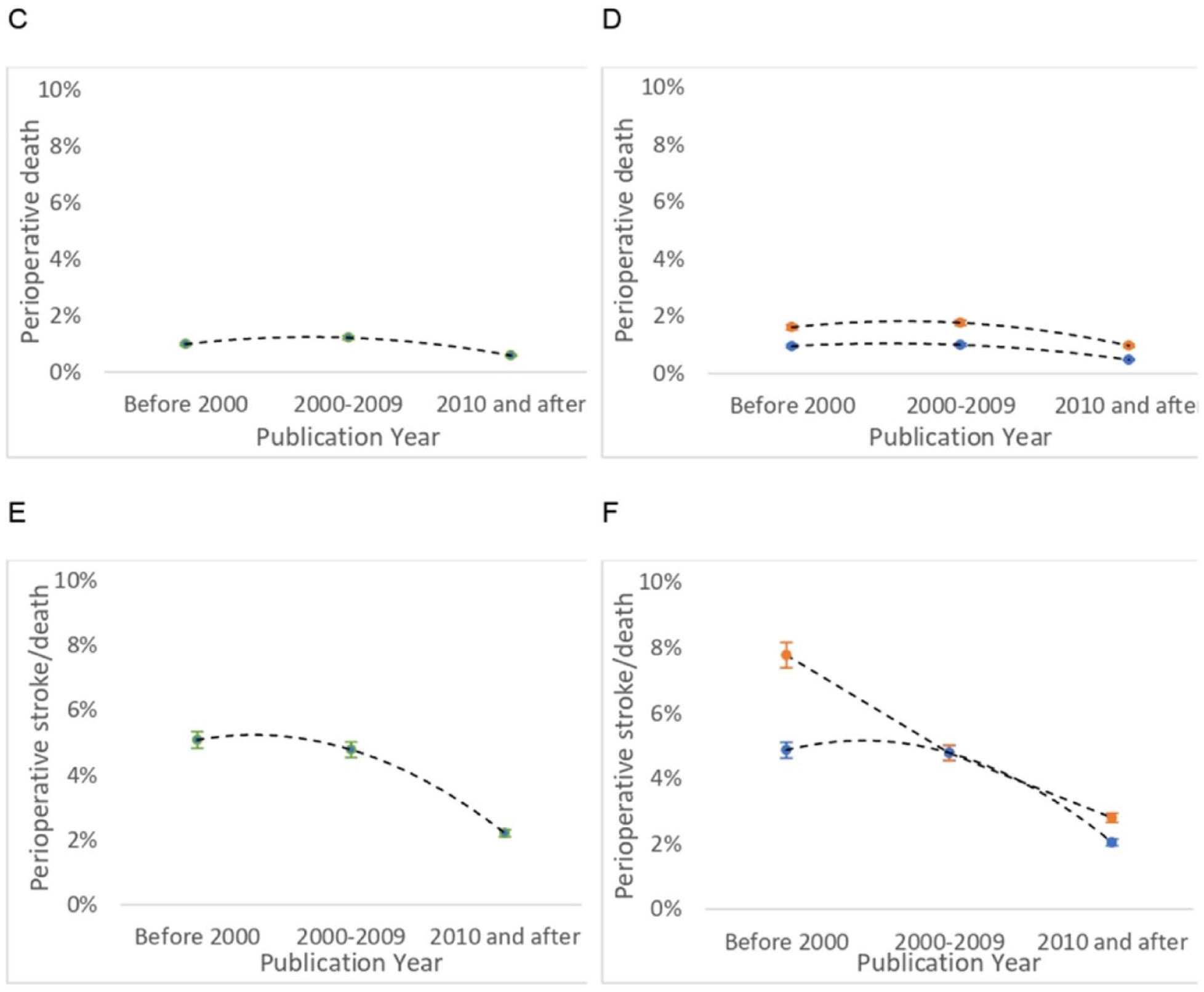
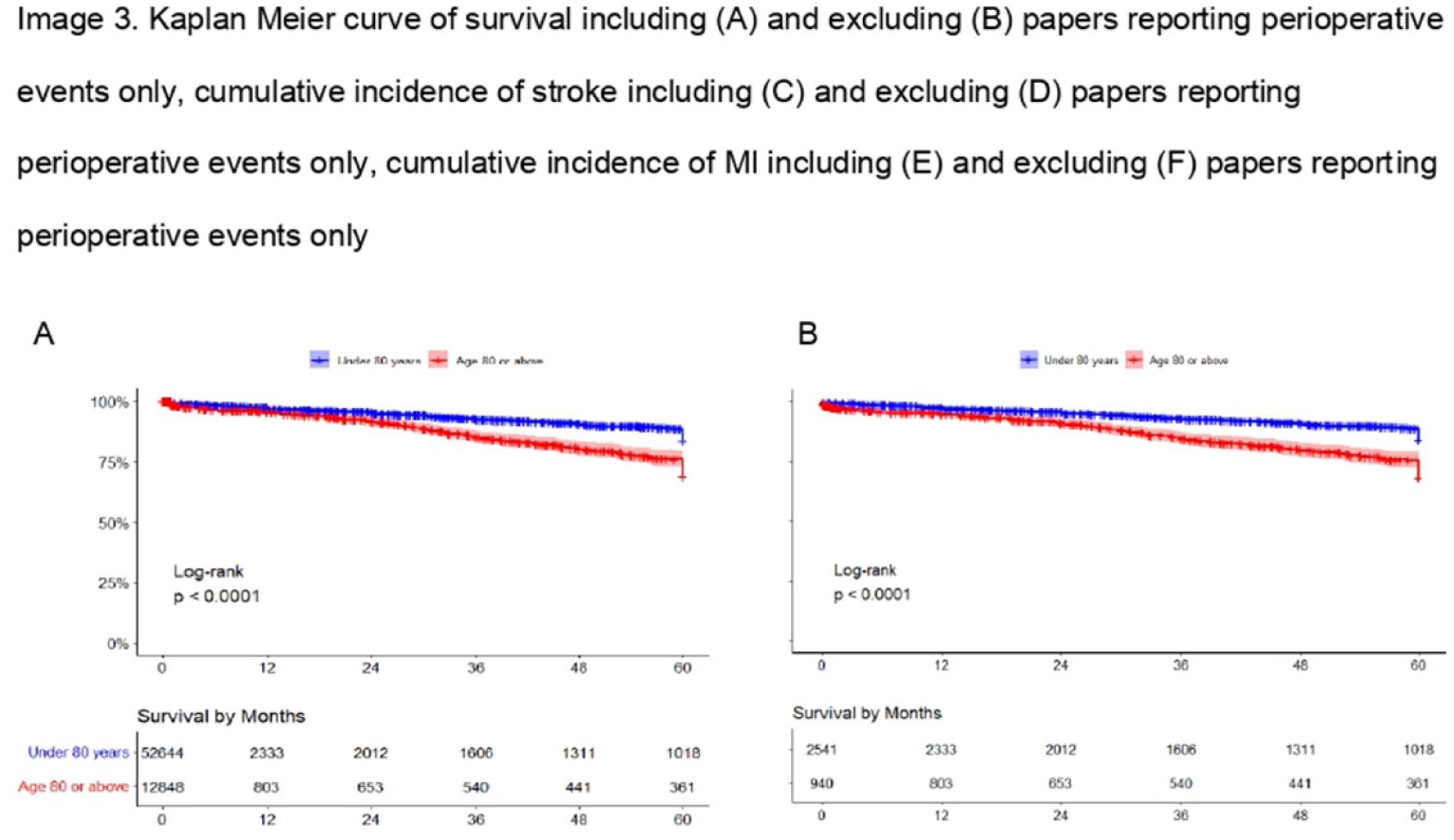
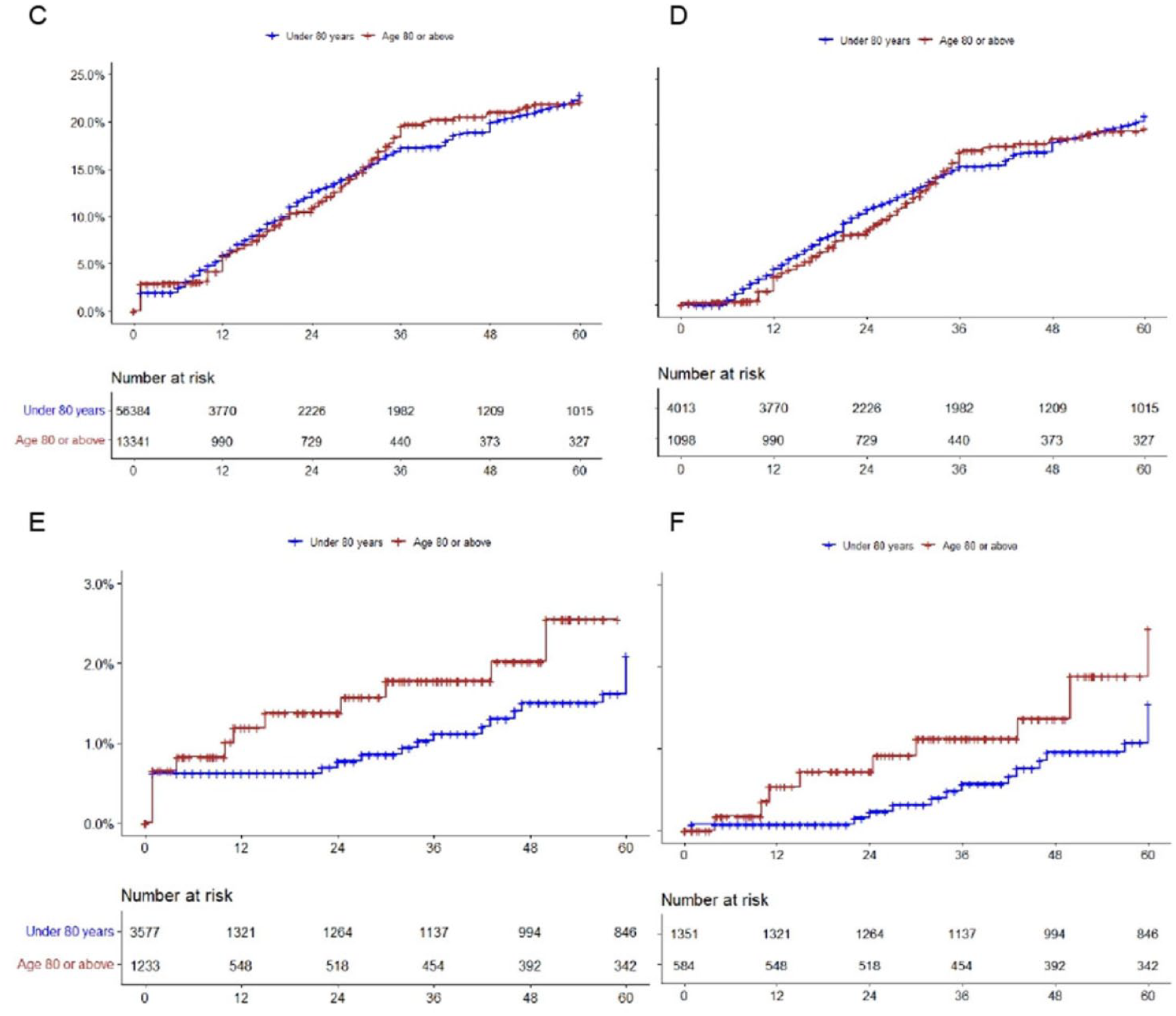
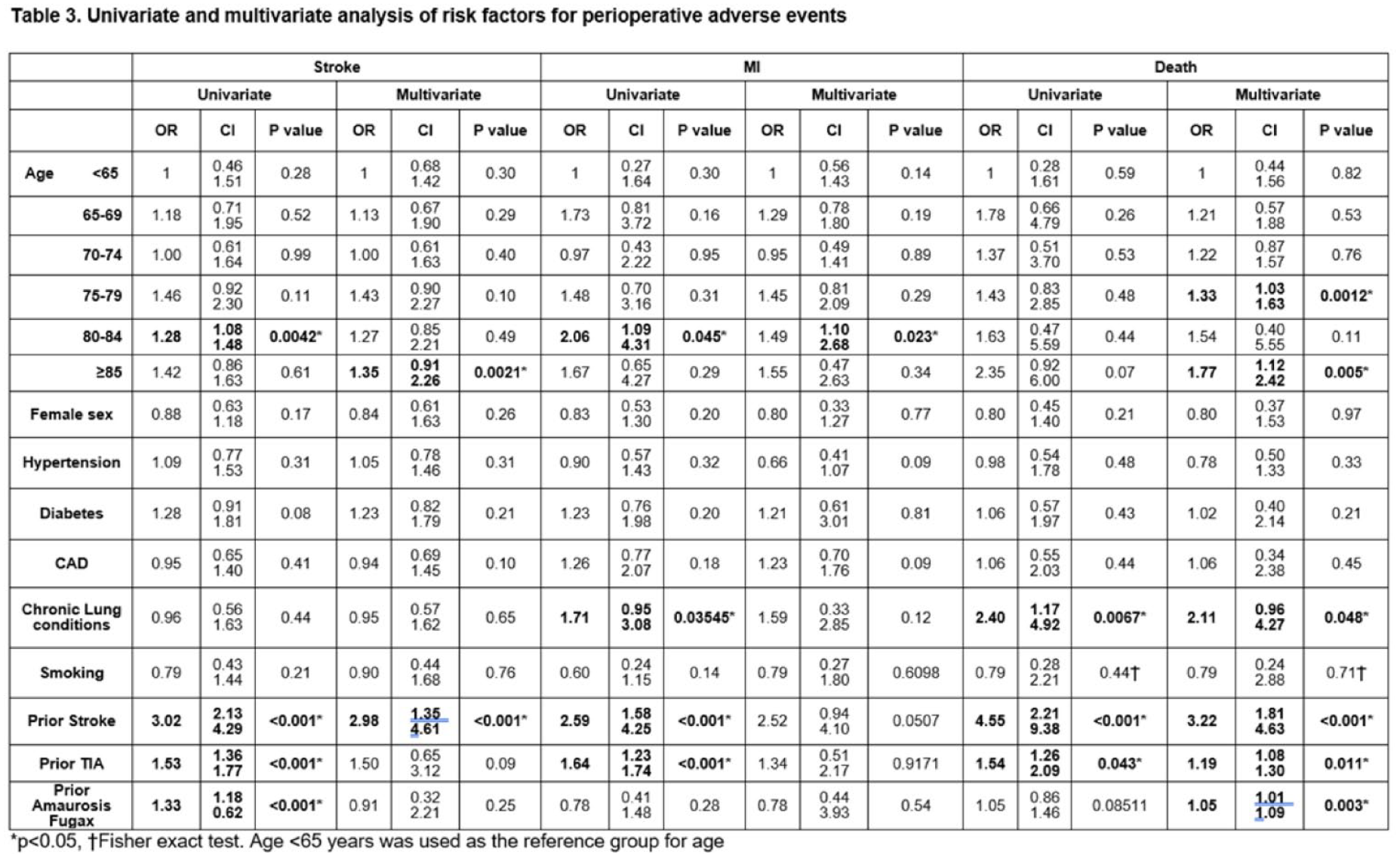
O152/1106
Scientific Communication SC23 - Secondary Prevention
THE CENTRALLY OBSERVED HOME TELEMETRIC MONITORING OF BLOOD PRESSURE TO MANAGE INITIAL TREATMENT (COMMIT) STUDY
1Wolfson Centre for Prevention of Stroke and Dementia, Nuffield Department of Clinical Neurosciences, University of Oxford, Oxford, United Kingdom, 2Institute of Biomedical Engineering, Department of Engineering Science, University of Oxford, Oxford, United Kingdom
O153/1571
Scientific Communication SC23 - Secondary Prevention
WHAT DOES REAL-WORLD TEACH US ON SHORT-TERM DAPT AFTER MINOR ISCHEMIC STROKE OR HIGH-RISK TIA? DATA FROM READAPT STUDY
1University of L'Aquila, Department of Biotechnological and Applied Clinical Sciences, L'Aquila, Italy, 2Tor Vergata University Hospital, Department of Systems Medicine, Rome, Italy, 3Casa sollievo della sofferenza, Department of Neurology, San Giovanni Rotondo, Italy, 4AOU Consorziale Policlinico, Department of Neurology and Stroke Unit "F. Puca", Bari, Italy, 5Città di Castello Hospital, Department of Neurology, Città di Castello, Italy, 6Santa Corona Hospital, Department of Neurology, Pietra Ligure, Italy, 7University Hospital of Parma, Department of Emergency - Neurology - Stroke Care, Parma, Italy, 8Di Venere Hospital, Department of Neurology, Bari, Italy, 9AORN Antonio Cardarelli, Department of Neurology and Stroke Unit, Naples, Italy, 10S.Maria delle Croci Hospital, AUSL Romagna, Department of Neuroscience, Ravenna, Italy, 11ASST-Ovest Milanese, Department of Neurology, Legnano, Italy, 12ASST Cremona Hospital, Department of Neurology, Cremona, Italy, 13University Hospital Santa Maria della Misericordia, Stroke Unit, Perugia, Italy, 14Fondazione Policlinico Universitario Agostino Gemelli, Department of Neurology, Rome, Italy, 15Umberto I Hospital, Department of Neurology and Stroke Unit, Siracusa, Italy, 16Hospital "E. Agnelli", Department of Neurology, Pinerolo, Italy, 17IRCCS Istituto delle Scienze Neurologiche di Bologna, Department of Neurology and Stroke Center, Maggiore Hospital, Bologna, Italy, 18Ospedali Riuniti Villa Sofia-Cervello, Department of Neurology, Palermo, Italy, 19S. Eugenio Hospital, Department of Neurology and Stroke Unit, Rome, Italy, 20"SS SS. Biagio e Arrigo" Hospital, Stroke Unit-Department of Neurology, Alessandria, Italy, 21Antonio Perrino Hospital, Department of Neurology, Brindisi, Italy, 22Azienda Ospedaliera Universitaria Senese, Stroke Unit, Siena, Italy, 23IRCCS Istituto delle Scienze Neurologiche di Bologna, Bologna-Policlinico S.Orsola-Malpighi, Bologna, Italy, 24University of Rome La Sapienza, Department of Human neurosciences, Rome, Italy
O154/1336
Scientific Communication SC23 - Secondary Prevention
PREVALENCE, AWARENESS, TREATMENT, AND CONTROL OF DIABETES AMONG 0.98 MILLION PATIENTS WITH STROKE/TIA IN CHINA: A NATIONWIDE OBSERVATIONAL STUDY
1Beijing Tiantan Hospital, Capital Medical University, Department of Neurology, Beijing, China, 2Beijing Tiantan Hospital, Capital Medical University, China National Clinical Research Center for Neurological Diseases, Beijing, China, 3Second Affiliated Hospital of Xinjiang Medical University, Department of Neurology, Urumqi, China, 4School of Public Health, Peking University, Department of Epidemiology and Biostatistics, Beijing, China
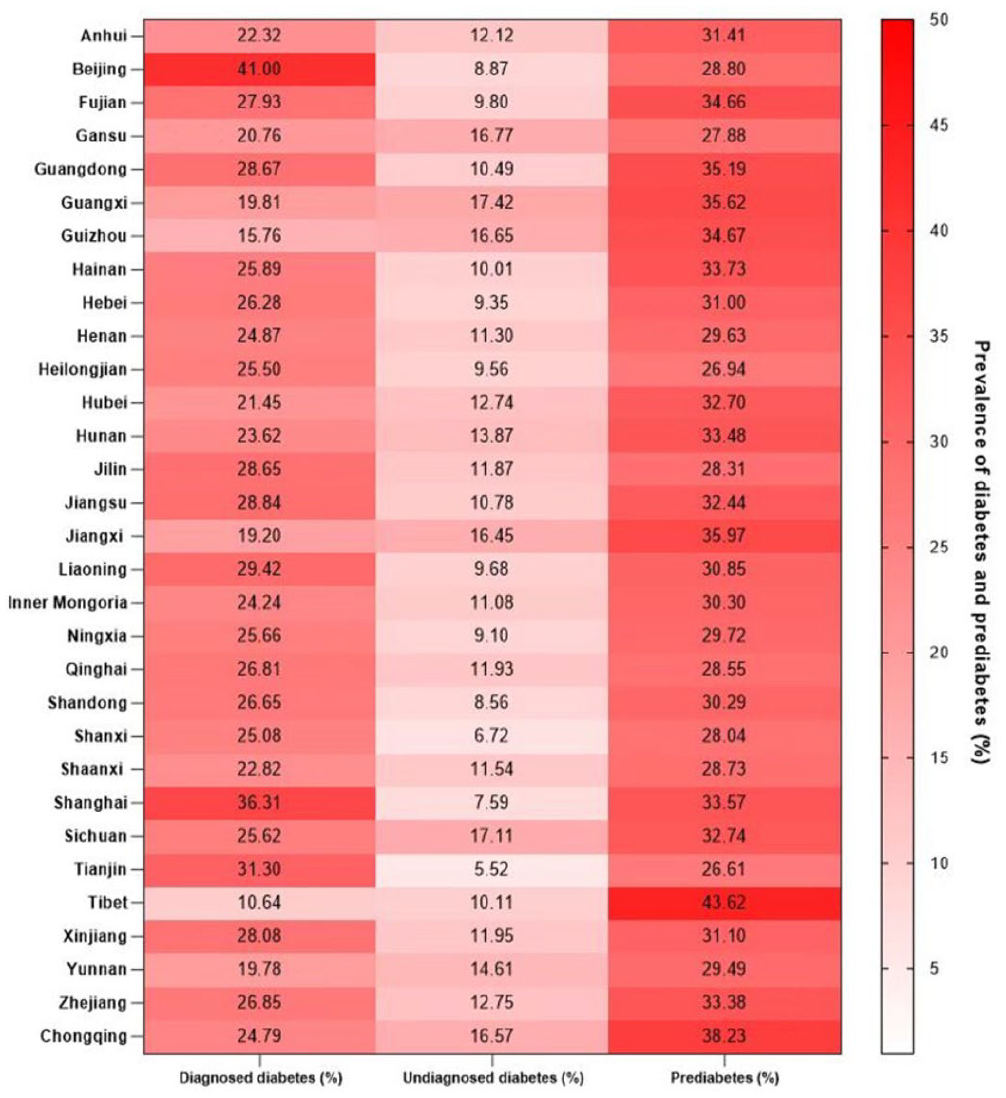
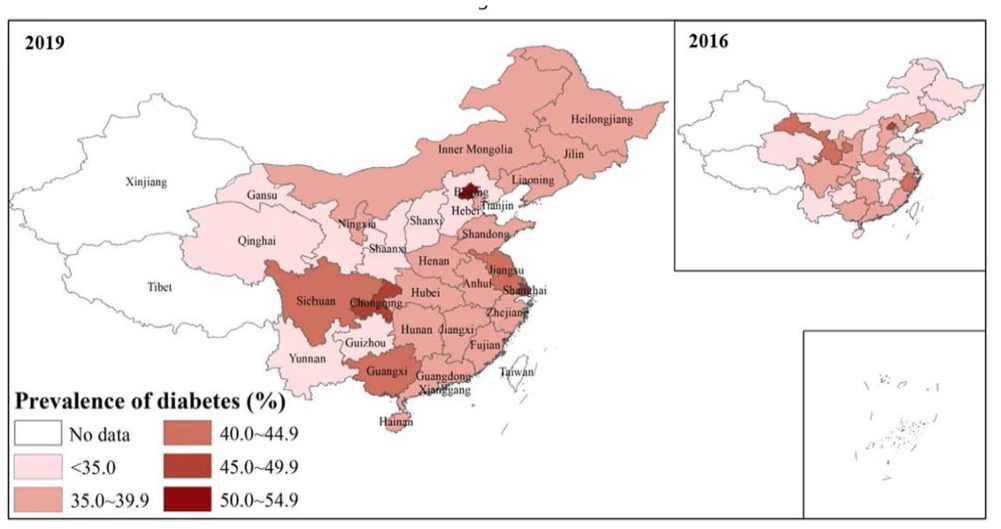
O155/2294
Scientific Communication SC23 - Secondary Prevention
PERMANENT BILATERAL CAROTID ARTERY IMPLANTS TO PREVENT LARGE VESSEL OCCLUSION STROKE IN ATRIAL FIBRILLATION: CAPTURE 2
1McMaster University / Population Health Research Institute, Medicine (Neurology), Hamilton, Canada, 2Icahn School of Medicine at Mount Sinai, Cardiology, New York, United States, 3McMaster University / Population Health Research Institute, Medicine (Cardiology), Hamilton, Canada, 4Na Homolce Hospital, Cardiology, Prague, Czech Republic, 5Hospital Universitario Ramón y Cajal, Neurology, Madrid, Spain, 6Alfried-Krupp Hospital, Neurology, Essen, Germany, 7University of Thessaly, Department of Internal Medicine, School of Health Sciences, Larissa, Greece, 8Hartcentrum OLV Aalst, Cardiology, Alast, Belgium, 9Javelin, Medical, Yokneam, Israel
O156/2014
Scientific Communication SC23 - Secondary Prevention
PREDICTIVE RISK CALCULATOR FOR STROKE RECURRENCE OF ATRIAL FIBRILLATION PATIENTS: PRERISK-AF
1Nora Health, Digital Health, Barcelona, Spain, 2VHIR - Vall d’Hebron Institute of Research, Barcelona, Spain, 3Vall d’Hebron University Hospital, Department of Neurology, Barcelona, Spain, 4AQUAS - Agència de Qualitat i Avaluació Sanitàries de Catalunya, PADRIS - Programa d'Analítica de Dades per a la Recerca i la Innovació en Salut, Barcelona, Spain
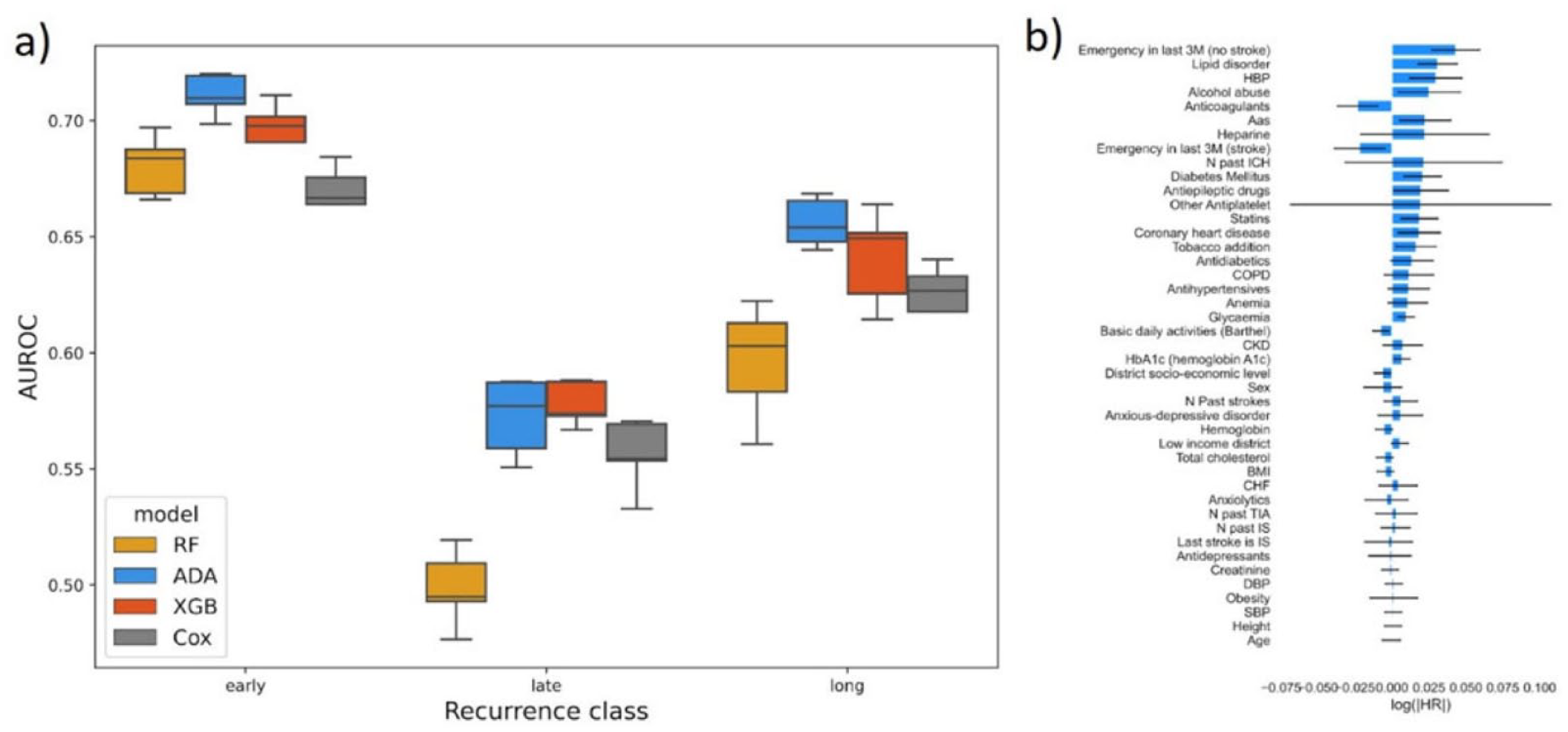
O157/1330
Scientific Communication SC23 - Secondary Prevention
ISOSORBIDE MONONITRATE, CILOSTAZOL AND THEIR COMBINATION FOR ONE YEAR: EFFECT ON COGNITIVE OUTCOMES IN PATIENTS WITH SMALL VESSEL STROKE: THE LACUNAR INTERVENTION TRIAL-2 (LACI-2)
Joanna Wardlaw*1, Fergus Doubal1, Vera Cvoro1,2, David Werring3, Tim England4, Ahamad Hassan5, John M Bamford5, Lisa Woodhouse4, Iris Isheanesu Mhlanga4, Christine Roffe6, John O'brien7, Philip Bath4
1University of Edinburgh, Clinical Brain Sciences, Edinburgh, United Kingdom, 2Victoria Hospital NHS Trust, Medicine for the Elderly and Stroke, Kirkcaldy, United Kingdom, 3University College London, Neurology, London, United Kingdom, 4University of Nottingham, Stroke Medicine, Nottingham, United Kingdom, 5Leeds General Infirmary, Neurology, Leeds, United Kingdom, 6Keele University, Stroke Research, Stoke, United Kingdom, 7University of Cambridge, Old Age Psychiatry, Cambridge, United Kingdom
ESOC 2023 – Moderated Posters
ACUTE MANAGEMENT DAY 1
16
Distal Medium Vessel Occlusions in Acute Ischaemic Stroke: Stent Retriever versus Direct Aspiration - A Systematic Review and Meta-Analysis
1Lee Kong Chian School of Medicine, Nanyang Technological University, Singapore, Singapore, Singapore, 2Barts and The London School of Medicine and Dentistry, Queen Mary University of London, London, United Kingdom, 3Yong Loo Lin School of Medicine, National University of Singapore, Department of Medicine, Singapore, Singapore, 4University Surgical Cluster, National University Health System, Singapore, Department of Surgery, Singapore, Singapore, 5SingHealth Duke-NUS, Emergency Medicine Academic Clinical Program, Singapore, Singapore, 6Duke-National University of Singapore Medical School, Cardiovascular and Metabolic Disorders Program, Singapore, Singapore, 7National University Heart Centre Singapore, Department of Cardiology, Singapore, Singapore, 8Cerenovus (Johnson & Johnson), Galway Neuro Technology Centre, -, Galway, Ireland, 9Karolinska University Hospital, -, Stockholm, Sweden, 10University Medical Center Hamburg-Eppendorf, Department of Diagnostic and Interventional Neuroradiology, Hamburg, Germany, 11The Royal Hospital, London, Interventional Neuroradiology, London, United Kingdom, 12National University Hospital, Singapore, Division of Neurology, Department of Medicine, Singapore, Singapore
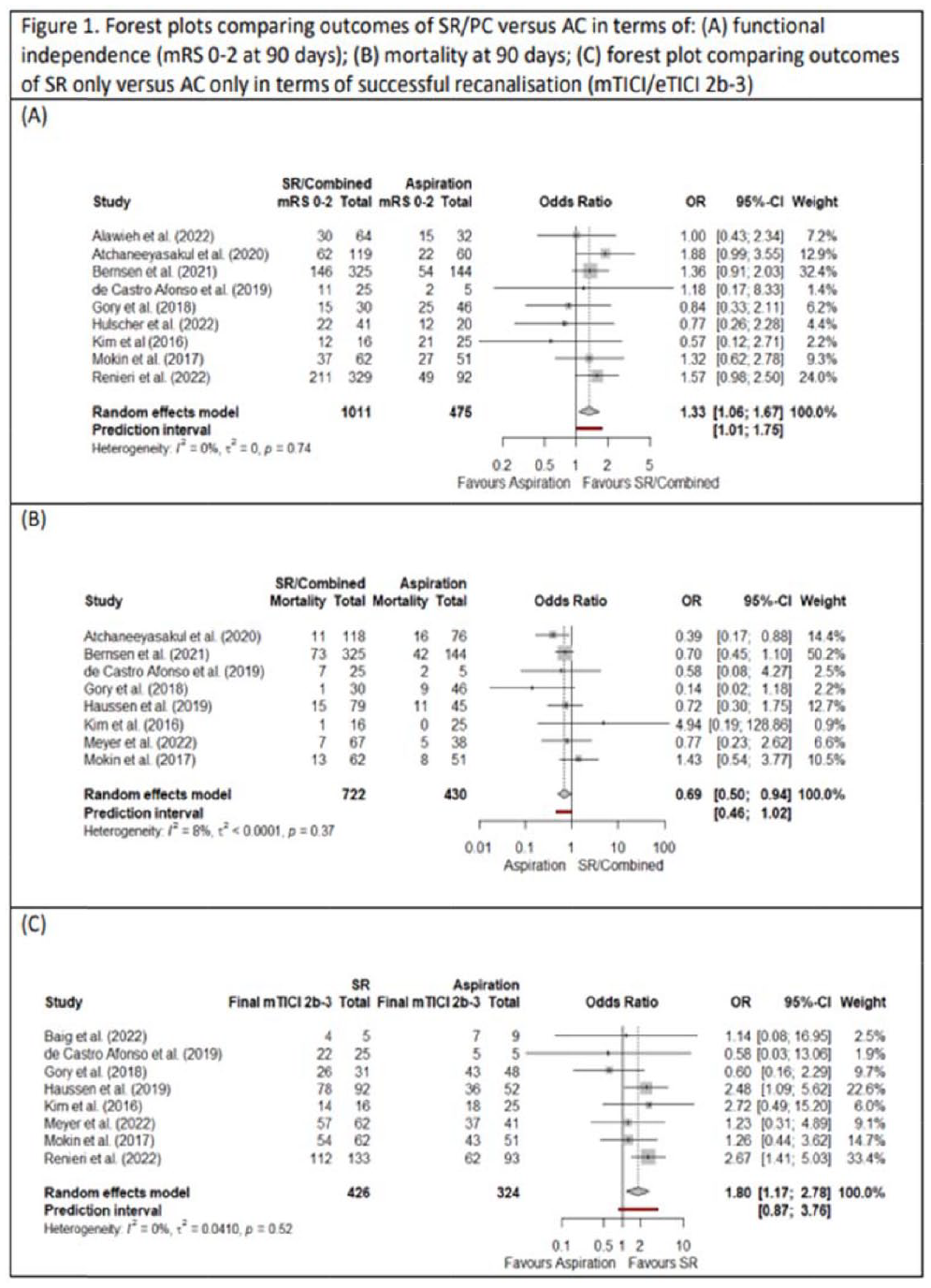
379
EFFECTS OF INTENSIVE BLOOD PRESSURE LOWERING ON BRAIN OEDEMA IN THROMBOLYSED PATIENTS WITH ACUTE ISCHAEMIC STROKE: ENCHANTED SECONDARY ANALYSIS RESULTS
1The George Institute for Global Health China, The George Institute for Global Health China, Beijing, China, 2Shanghai Jiao Tong University Affiliated Sixth People’s Hospital, Department of Radiology, Shanghai, China, 3Shanghai East Hospital, School of Medicine, Tongji University, Neurology Department, Shanghai, China, 4The George Institute for Global Health, University of New South Wales, Sydney, Australia, 5Shenyang Brain Institute, Shenyang First People’s Hospital, Shenyang Brain Hospital, Shenyang, China, 6University of Sydney, University of Sydney, Sydney, Australia, 7The George Institute for Global Health, The George Institute for Global Health, Sydney, Australia, 8NIHR Leicester Biomedical Research Centre, Department of Cardiovascular Sciences and, Leicester, United Kingdom
383
Antiplatelet regimen in emergent carotid stenting for acute ischemic stroke due to tandem occlusion: a meta-analysis of aggregate data
1University Hospital San Giovanni di Dio e Ruggi d'Aragona, Neuroradiology, Salerno, Italy, 2Boston Medical Center, Boston University Chobanian & Avedisian School of Medicine, Department of Radiology, Boston, United States, 3Otto von Guericke University, University Clinic for Neuroradiology, Magdeburg, Germany, 4First Affiliated Hospital, Hainan Medical University, Haikou, Hainan, China, Neurology, Hainan, China, 5Universitätsklinik Freiburg, Klinik für Neuroradiologie, Freiburg, Germany, 6Strasbourg University Hospitals, Interventional Neuroradiology Department, Strasbourg, France, 7Kyungpook National University Hospital School of Medicine, Department of Neurology, Daegu, Korea, Dem. People's Rep. of, 8Lausanne University Hospital, Department of Radiology, Interventional Neuroradiology Unit, Lausanne, Swaziland, 9University of Rome Tor Vergata, Diagnostic Imaging Unit, Department of Biomedicine and Prevention, Rome, Italy, 10University of Siena, Azienda Ospedaliera Universitaria Senese, Santa Maria Alle Scotte Hospital, Unit of Diagnostic Imaging, Department of Medical, Surgical and Neuro Sciences, Siena, Italy, 11University of Bologna, Department of Biomedical and NeuroMotor Sciences (DIBINEM), Bologna, Italy, 12CHU Bordeaux GH Pellegrin, Interventional and Diagnostic Neuroradiology, Bordeaux, France, 13IRCSS Istituto Delle Scienze Neurologiche Di Bologna, Neurology, Bologna, Italy, 14Vall d’Hebron Hospital Universitari, Neuroradiology, Barcelona, Spain, 15Vall d’Hebron Hospital Universitari, Neurology, Barcelona, Spain, 16Bufalini Hospital, Stroke Unit, Department of Neuroscience, Cesena, Italy
397
COMPARING STENTING VERSUS MEDICAL THERAPY FOR INTRACRANIAL ARTERIAL STENOSIS: A SYSTEMATIC REVIEW AND INDIVIDUAL PATIENT DATA META-ANALYSIS
1Yong Loo Lin School of Medicine, Medicine, Singapore, Singapore, 2National University Hospital (NUH), Division of Neurology, Department of Medicine, Singapore, Singapore
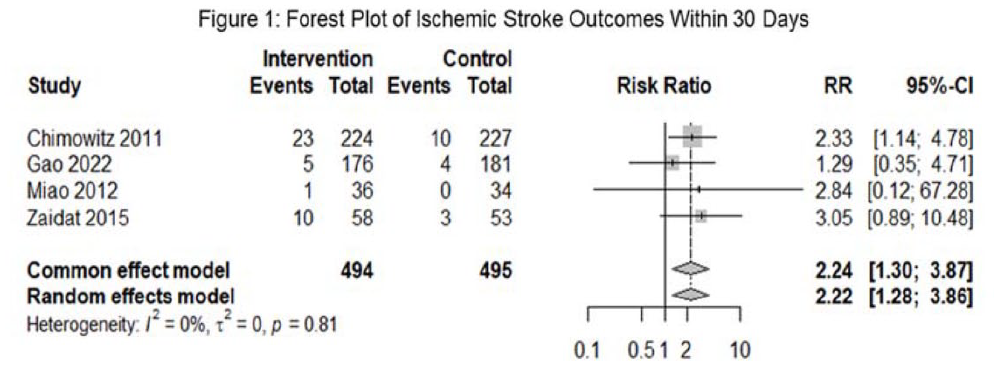
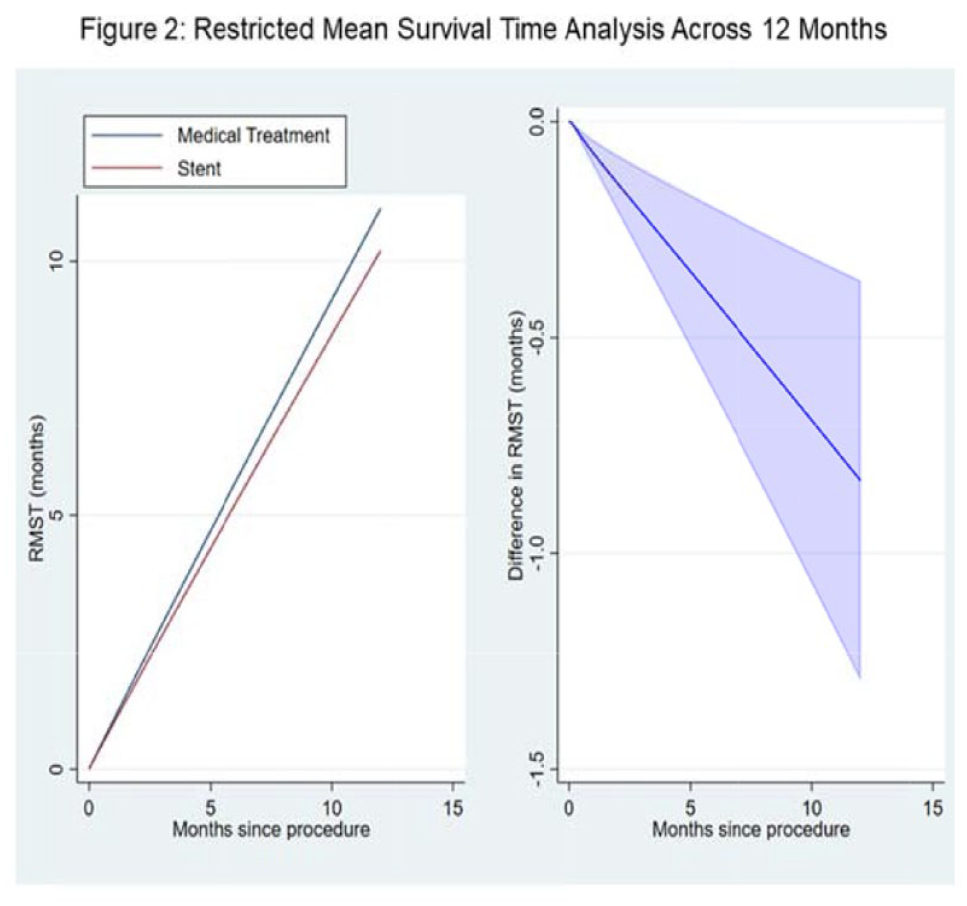
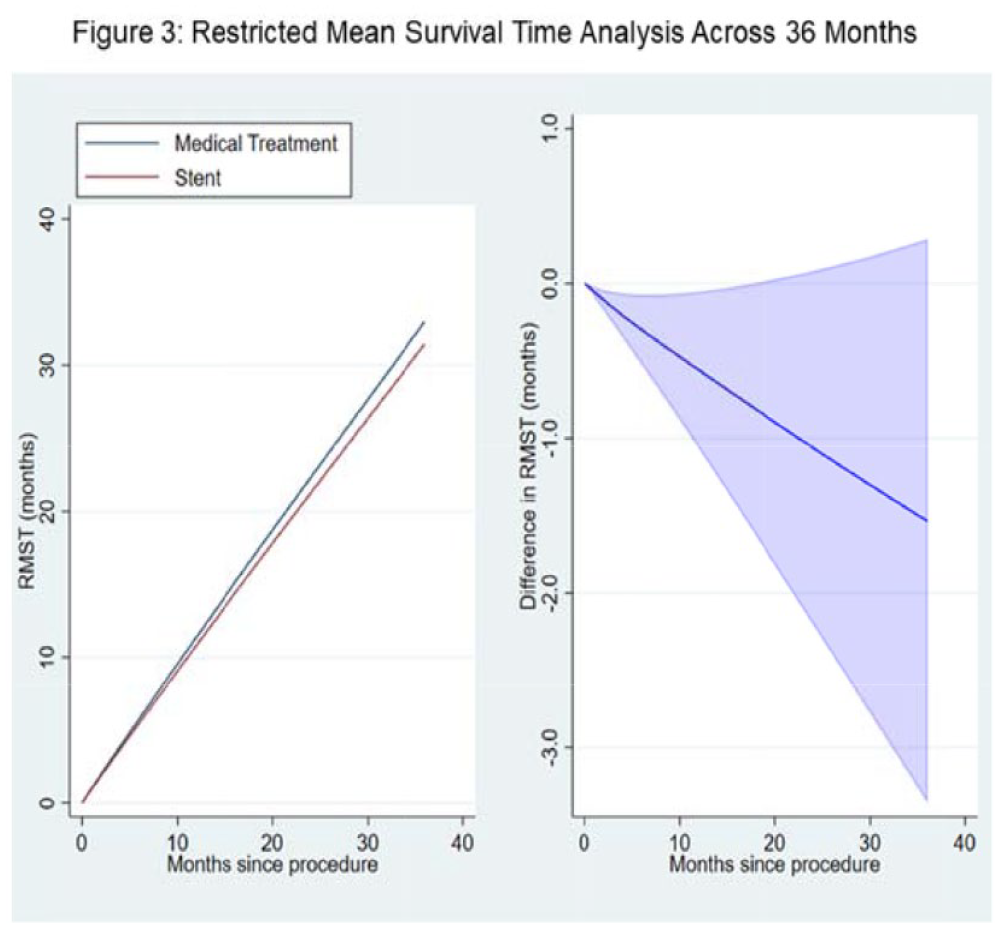
444
Acute ischemic stroke in active cancer vs non-cancer patients: stroke characteristics, mechanisms and clinical outcomes
1Lausanne University Hospital and University of Lausanne, Department of Clinical Neurosciences, Stroke Center, Neurology Service, Lausanne, Switzerland, 2University of Milan, Italy, Dino Ferrari Centre, Department of Pathophysiology and Transplantation (DEPT), Milan, Italy, 3Lausanne University Hospital and University of Lausanne, L. Lundin & Family Brain Tumor Research Center, Services of Neurology and Oncology, Lausanne, Switzerland, 4University of Ioannina, Medical School, 1st Department of Internal Medicine, Ioannina, Greece, 5Lausanne University Hospital and University of Lausanne, Service of Clinical Pharmacology, Lausanne, Switzerland, 6Feil Weill Cornell Medicine, Family Brain and Mind Research Institute and Department of Neurology, New York, NY, United States, 7Memorial Sloan Kettering Cancer Center, Department of Neurology, New York, NY, United States
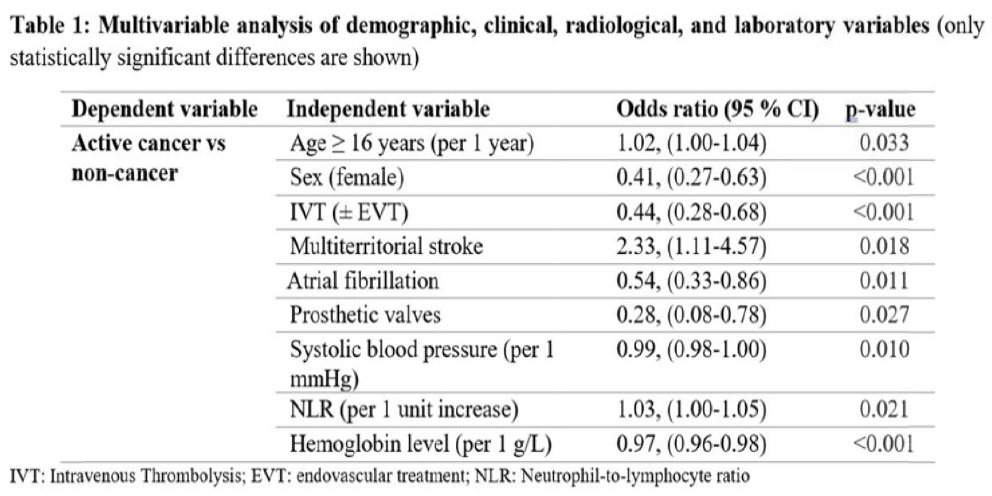
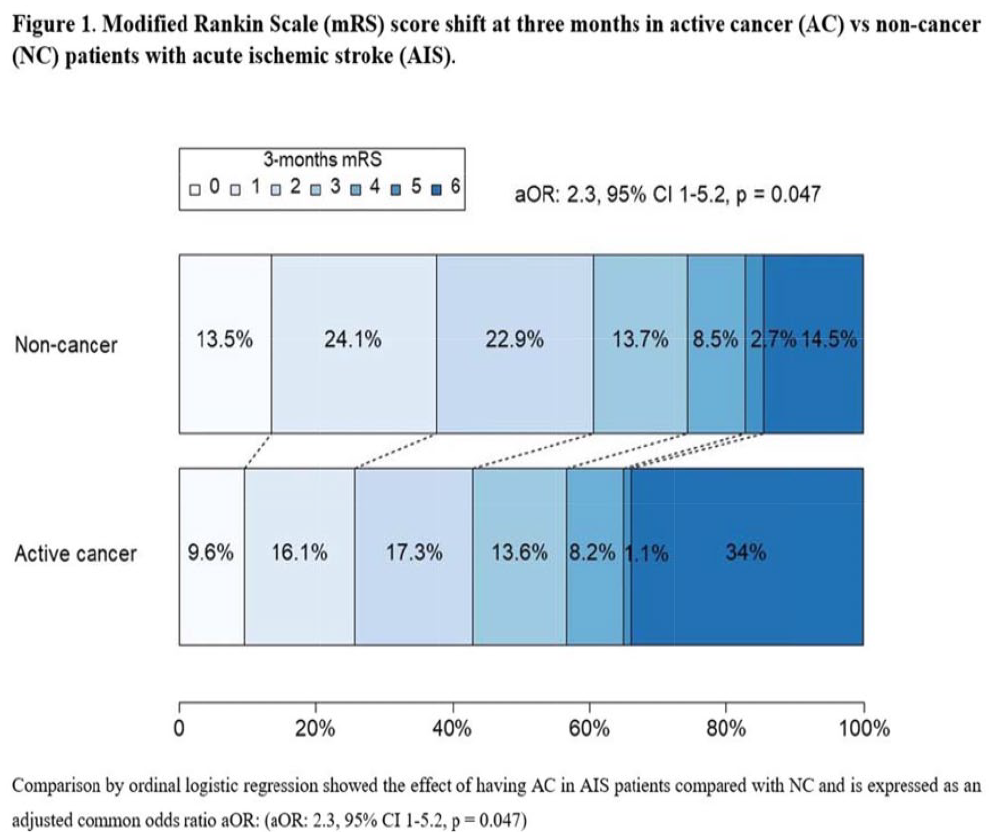
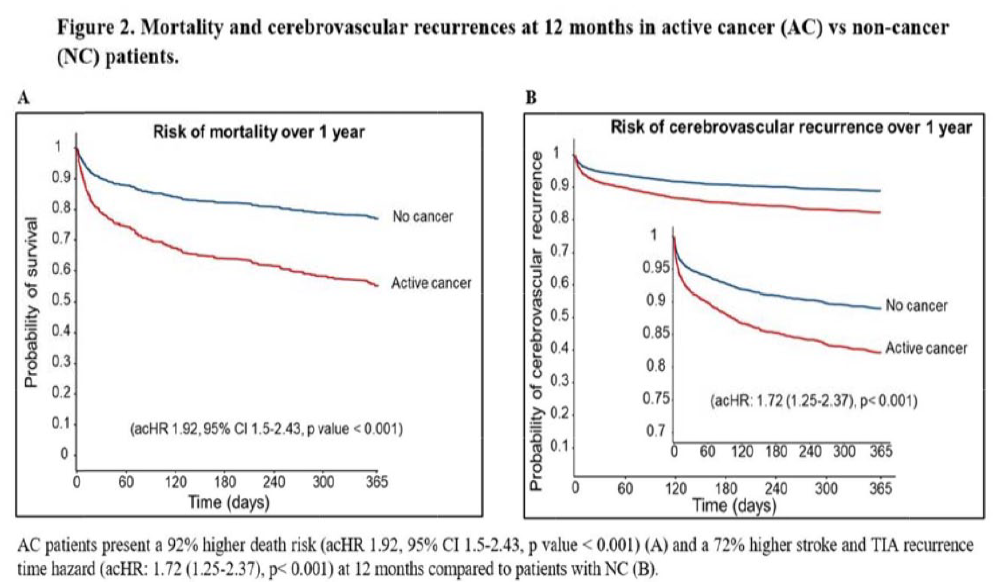
642
IMPACT OF BRIDGING THERAPY VS ENDOVASCULAR THROMBECTOMY ALONE ON OUTCOMES IN ANTICOAGULATED PATIENTS WITH ATRIAL FIBRILLATION PRESENTING WITH MILD-MODERATE ISCHAEMIC STROKE
1University of Liverpool, Liverpool Centre for Cardiovascular Science, University of Liverpool, Liverpool, United Kingdom, Liverpool, United Kingdom, 2University of Liverpool, Department of Cardiovascular and Metabolic Medicine, Institute of Life Course and Medical Sciences, University of Liverpool, Liverpool, United Kingdom, Liverpool, United Kingdom, 3King Saud University, Department of Basic Science, Prince Sultan Bin Abdulaziz College for Emergency Medical Services, Riyadh, Saudi Arabia, 2University of Liverpool, Department of Cardiovascular and Metabolic Medicine, Institute of Life Course and Medical Sciences, University of Liverpool, Liverpool, United Kingdom, Liverpool, United Kingdom, 5Liverpool Heart and Chest Hospital, Liverpool, United Kingdom, 6Aalborg University, Department of Clinical Medicine, Aalborg, Denmark, 7University of Liverpool, Institute of Population Health, Liverpool, United Kingdom, 8TriNetX, LLC, London, United Kingdom, 9Whiston hospital, St Helens and Knowsley Teaching Hospitals NHS Trust, Stroke Division, Department of Medicine for Older People, Rainhill, United Kingdom
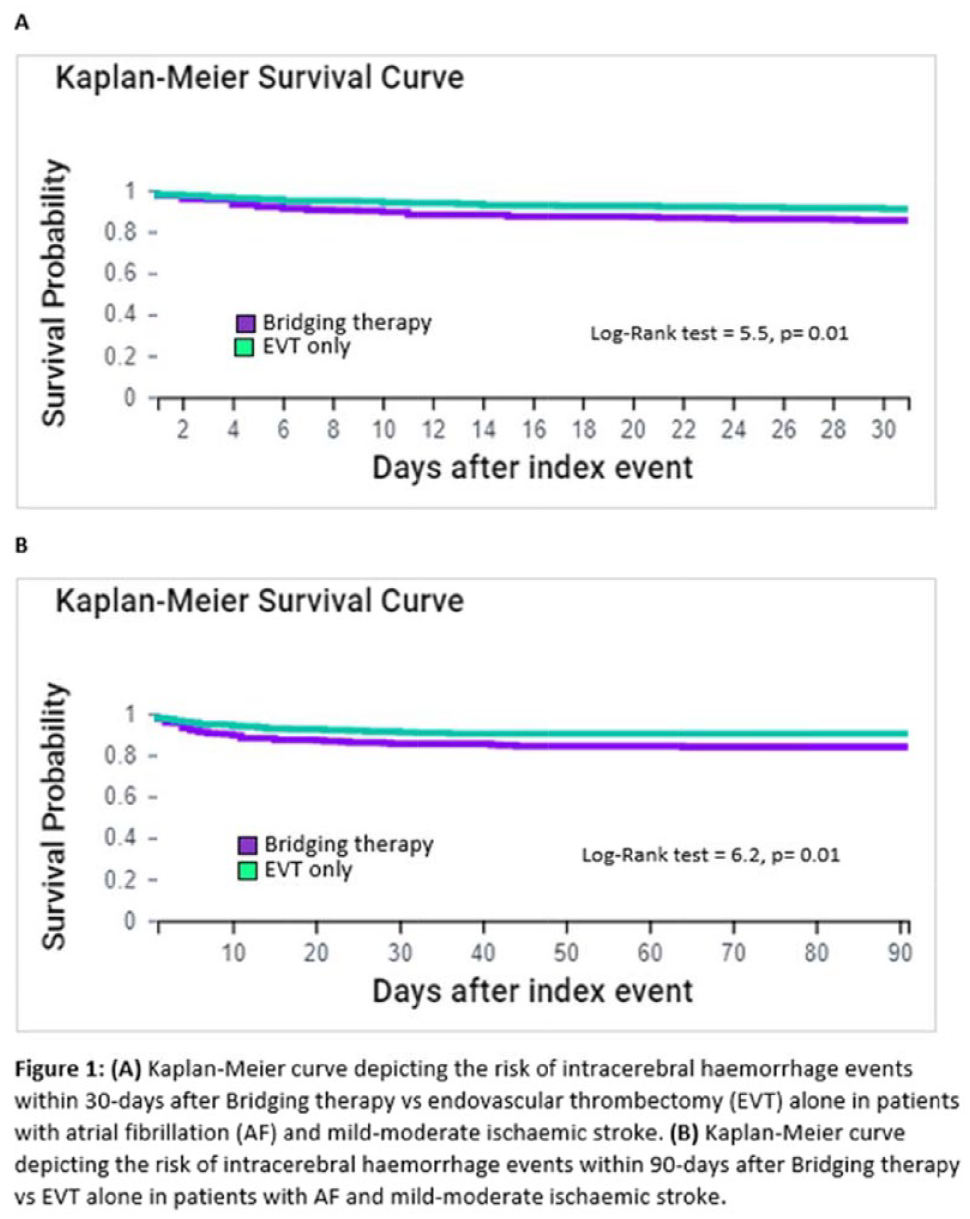
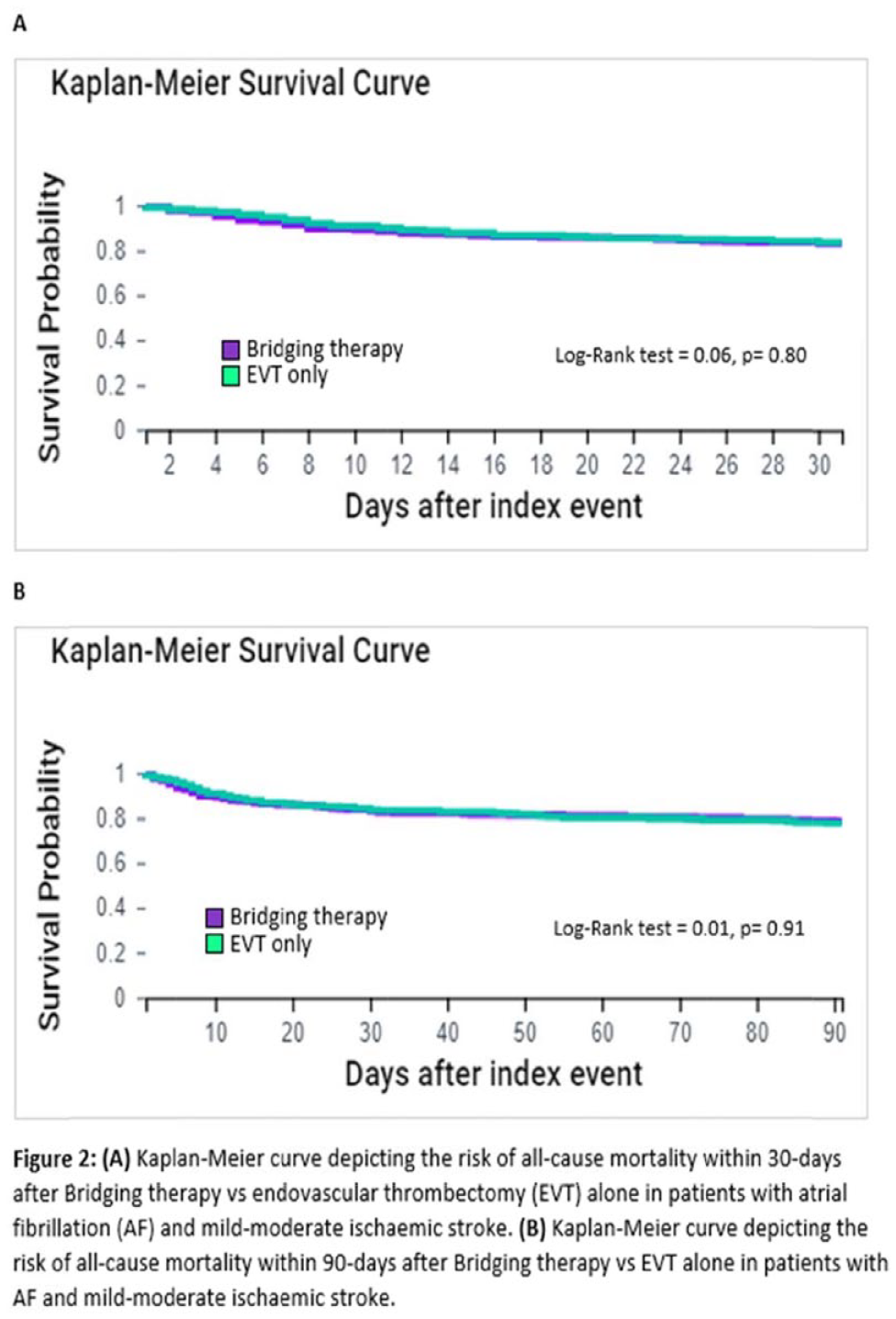
767
EFFECTS OF INTENSIVE BLOOD PRESSURE LOWERING ON RENAL FUNCTION IN THROMBOLYSED PATIENTS WITH ACUTE ISCHAEMIC STROKE: ENCHANTED SECONDARY ANALYSIS RESULTS
1Neurology Department, Shanghai East Hospital, School of Medicine, Tongji University, Shanghai, China, 2The George Institute for Global Health, University of New South Wales, Sydney, Australia, 3The George Institute for Global Health, China, Beijing, China, 4University of Sydney, University of Sydney, Sydney, Australia, 5The George Institute for Global Health, The George Institute for Global Health, Sydney, Australia, 6Department of Cardiovascular Sciences, and NIHR Leicester Biomedical Research Centre, Leicester, United Kingdom
890
LATE WINDOW THROMBECTOMY OUTCOME OF PATIENTS WITH INTRACRANIAL ATHEROSCLEROSIS
1115 People's Hospital, Cerebrovascular Disease, Ho Chi Minh, Viet Nam, 2University Medicine Center, Neurology, Ho Chi Minh, Viet Nam, 3Pham Ngoc Thach Medicine University, Neurology, Ho Chi Minh, Viet Nam, 4Da Nang Hospital, Neurology, Da Nang, Viet Nam, 5115 People's Hospital, Neurointerventional, Ho Chi Minh, Viet Nam
1083
Comparison of Endovascular versus Standard Medical Therapy on Functional Outcomes and Mortality among Patients with Acute Basilar Artery Occlusion: A Meta-Analysis of Randomised Controlled Trials
1Xuanwu Hospital, Capital Medical University, Departments of Neurosurgery, Beijing, China, 2Peking University, Health Science Center, Beijing, China
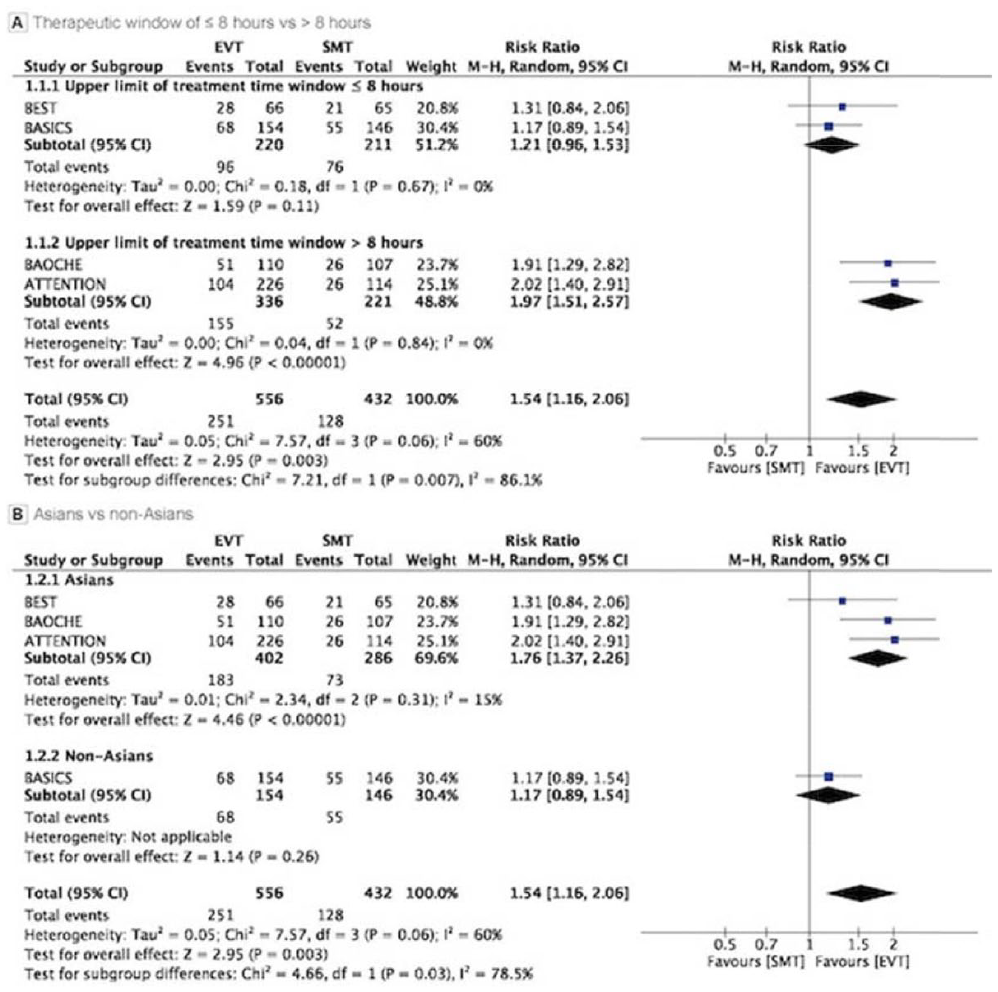
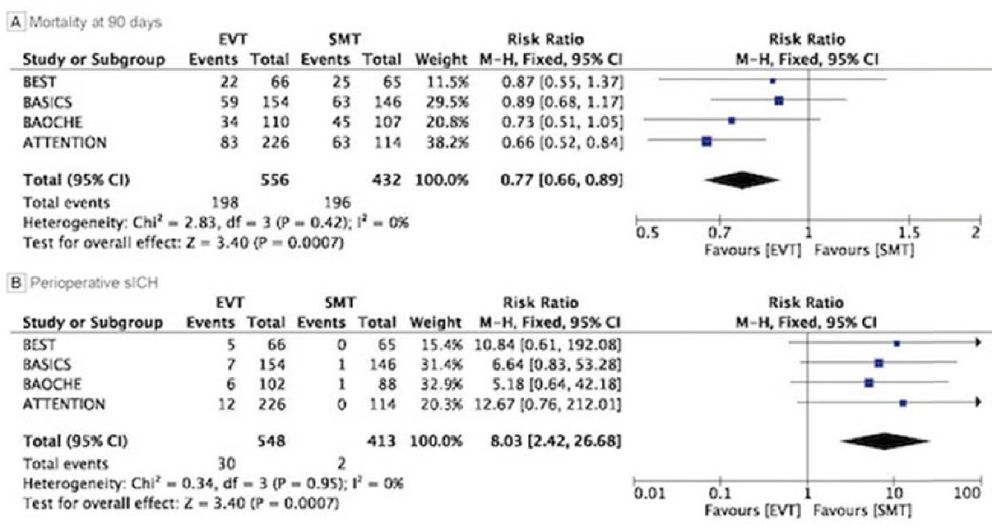
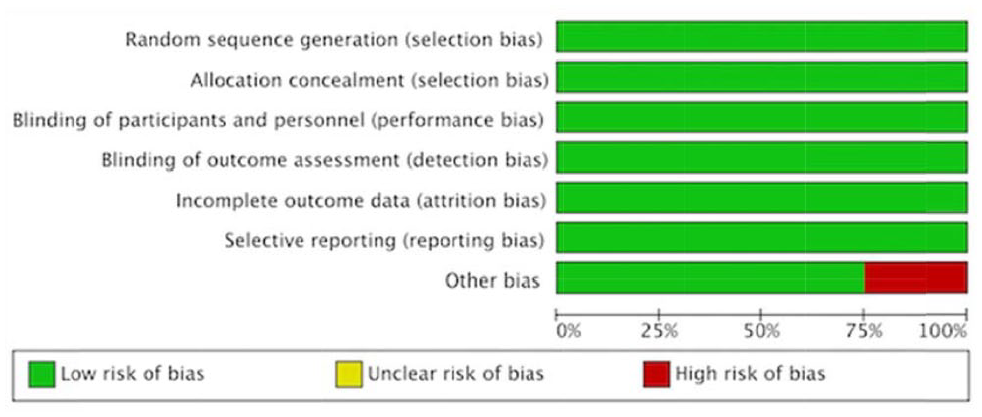
1108
Use of balloon guide catheter versus non-balloon guide catheter during endovascular thrombectomy; a MR CLEAN Registry study
1Maastricht University Medical Center+, Radiology and Nuclear Medicine, Maastricht, Netherlands, 2Maastricht University, School for Cardiovascular Diseases Maastricht, Maastricht, Netherlands, 3Haaglanden MC, Neurology, The Hague, Netherlands, 4Rijnstate Hospital, Neurology, Arnhem, Netherlands, 5Haaglanden MC, Radiology, The Hague, Netherlands, 6Amsterdam University Medical Center, Radiology and Nuclear Medicine, Amsterdam, Netherlands, 7Maastricht University Medical Center+, Neurology, Maastricht, Netherlands
1117
Endovascular therapy in patients with internal carotid artery occlusion and patent circle of Willis: Insights from the German Stroke Registry (GSR-MT)
1Charité Campus Benjamin Franklin, Department of Neurology and Experimental Neurology, Center for Stroke Research Berlin, Berlin, Germany, 1Charité Campus Benjamin Franklin, Department of Neurology and Experimental Neurology, Center for Stroke Research Berlin, Berlin, Germany, 3Department of Neurology, Boston Medical Center, Department of Radiology, Boston Medical Center, Boston University Chobanian and Avedisian School of Medicine, Bosten, MA, United States, 4Institut für Neuroradiologie, Charité Universitätsmedizin Berlin, Berlin, Germany
HEMORRHAGE AND THROMBOSIS DAY 1
410
Exploring Hematoma Expansion Shift with Recombinant Factor VIIa: A Pooled Analysis of Four Randomized Controlled Trials
1The Royal Melbourne Hospital, Neurology, Parkville, Australia, 2New York Medical College, Neurology, Valhalla, United States, 3Frankfurt Höchst Clinic GmbH, Neurology, Frankfurt am Main, Germany, 4University of Cincinnati Medical Center, Neurology, Cincinnati, United States, 5The Ottawa Hospital Civic Campus, Medicine, Division of Neurology, Ottawa, Canada
479
EFFECT OF THE ORAL FACTOR XIA INHIBITOR ASUNDEXIAN IN PATIENTS WITH NON-CARDIOEMBOLIC ISCHEMIC STROKE AND CEREBRAL MICROBLEEDS: SECONDARY ANALYSIS OF THE PACIFIC-STROKE TRIAL
1McMaster University / Population Health Research Institute, Department of Neuroscience, Hamilton, Canada, 2McMaster University / Population Health Research Institute, Department of Medicine (Div. of Neurology), Hamilton, Canada, 3University of Calgary, Department of Clinical Neurosciences, Radiology and Community Health Sciences, Calgary, Canada, 4University of Calgary, Department of Clinical Neurosciences, Calgary, Canada, 5Bayer US, Pharmaceuticals, Whippany, United States, 6KU Leuven – University of Leuven, VIB-KU, Leuven Center for Brain and Disease Research, Department of Neurosciences, Experimental Neurology, Leuven, Belgium, 7University Hospitals Leuven, Department of Neurology, Leuven, Belgium, 8University Hospital Basel, Department of Neurology & Stroke Center, Basel, Switzerland, 9University of Basel, Department of Clinical Research, Basel, Switzerland, 10Santa Maria Della Misericordia Hospital, University of Perugia, Stroke Unit, Perugia, Italy, 11Population Health Research Institute, Department of Statistics, Hamilton, Canada, 12Population Health Research Institute, Department of Medicine, Hamilton, Canada, 13Bayer AG, TA Thrombosis and Vascular Medicine, Wuppertal, Germany
Disclosure of interest: Yes
492
ETIOLOGY OF PRIMARY CEREBELLAR INTRACEREBRAL HEMORRHAGE BASED ON TOPOGRAPHIC LOCALIZATION
1Beth Israel Deaconess Medical Center and Harvard Medical School, Department of Neurology, Stroke Division, Boston, Massachusetts, United States, 2Universidad Anáhuac México Campus Norte, Centro de Investigación en Ciencias de la Salud (CICSA), Mexico City, Mexico
620
HAEMORRHAGIC COMPLICATIONS AFTER THROMBECTOMY FOR ANTERIOR CIRCULATION STROKE IN SWEDEN 2015-2020
1Lund University, Department of Diagnostic Radiology, Lund, Sweden, 2Lund University, Department of neurology, Malmö, Sweden
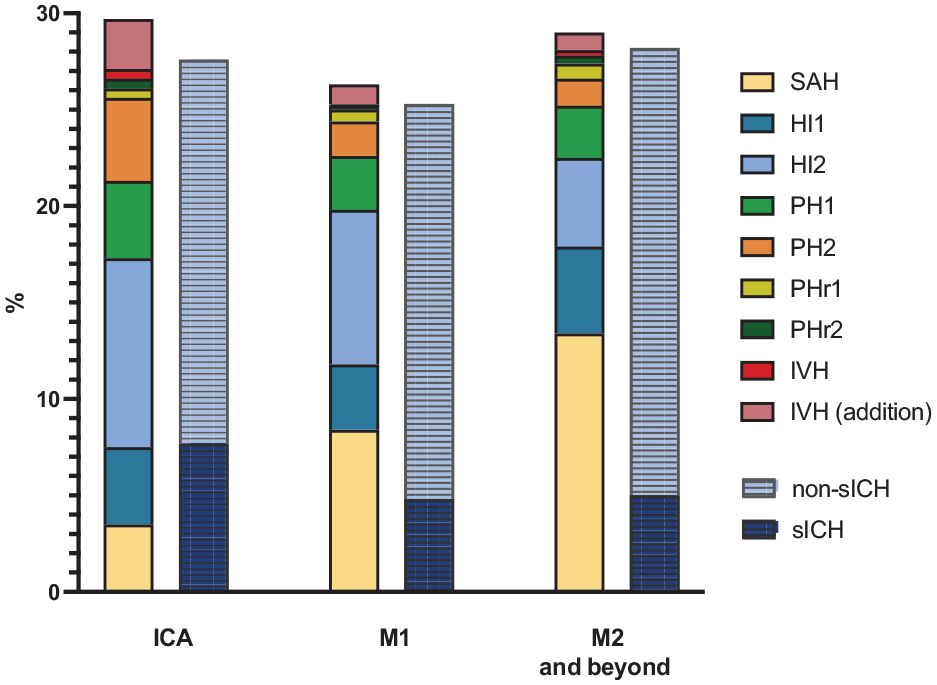
Frequency of ICH in relation to occlusion site.
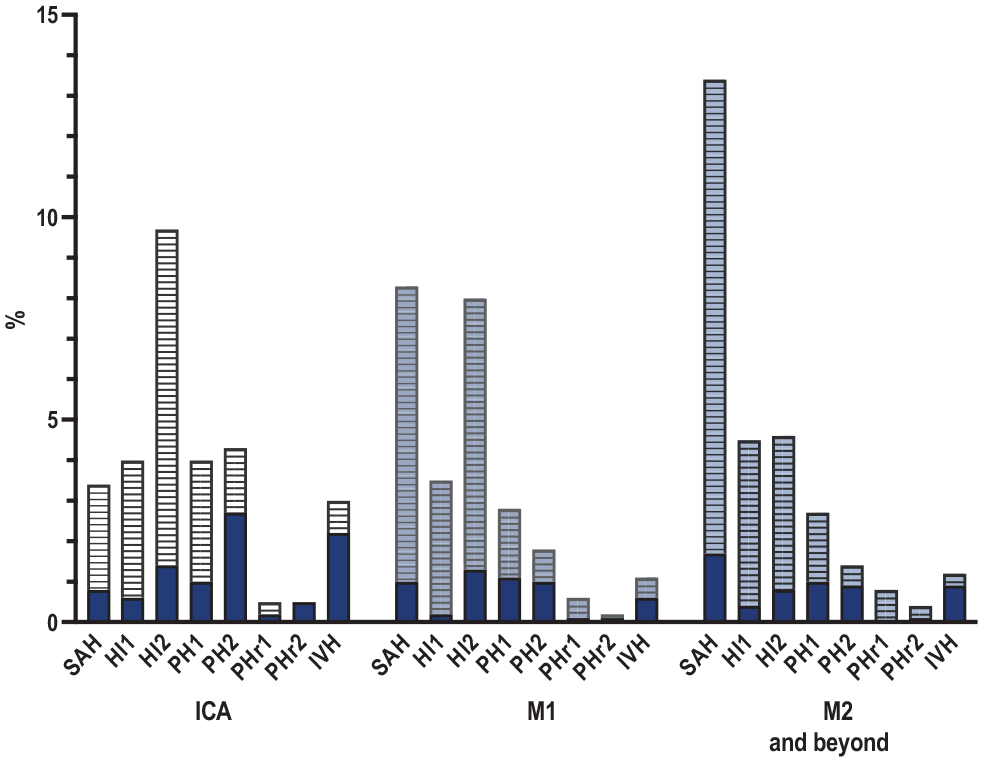
Frequency of sICH within ICH-subtypes.
723
HAEMOSTATIC THERAPIES FOR STROKE DUE TO ACUTE, SPONTANEOUS INTRACEREBRAL HAEMORRHAGE – AN UPDATED COCHRANE SYSTEMATIC REVIEW AND META-ANALYSIS
1Oslo University Hospital Ullevål, Department of Geriatric Medicine, Oslo, Norway, 2University of Nottingham, Stroke Medicine, Nottingham, United Kingdom, 3Universiti Kebangsaan Malaysia Medical Centre, Department of Medicine, Kuala Lumpur, Malaysia, 4University of Nottingham, Stroke Trials Unit, Mental Health & Clinical Neuroscience, Nottingham, United Kingdom, 5The George Institute for Global Health, -, Beijing, China, 6Klinikum Frankfurt Höchst, -, Frankfurt, Germany, 7Heidelberg University Hospital, Department of Neurology, Heidelberg, Germany, 8Oxford University Hospitals NHS Foundation Trust, -, Oxford, United Kingdom, 9Oslo University Hospital Ullevål, Department of Neurology, Oslo, Norway, 10The Norwegian Air Ambulance Foundation, -, Oslo, Norway, 11University of Edinburgh, Centre for Clinical Brain Sciences, Edinburgh, United Kingdom
Disclosure of interest: Yes
1213
Clinical outcomes of Asian vs. non-Asian people after acute intracerebral haemorrhage: secondary analysis of individual participant data from the Blood pressure in Acute Stroke Collaboration (BASC)
1The George Institute for Global Health, University of New South Wales, Sydney, Australia, 2The George Institute China, The George Institute for Global Health, Beijing, China, 3Department of Neurology and Clinical Research Center of Neurological Disease, The Second Affiliated Hospital of SooChow University, Jiangsu, China, 4Centre for Clinical Brain Sciences, University of Edinburgh, University of Edinburgh, Edinburgh, United Kingdom, 5Department of Neurology, Oslo University Hospital, Oslo, Norway, 6Stroke Trials Unit, University of Nottingham, Queen’s Medical Centre, Nottingham, United Kingdom, 7Stroke, Nottingham University Hospitals NHS Trust, Nottingham, United Kingdom, 8Department of Clinical Medicine, Macquarie University, Sydney, Australia, 9Neurology Department, Royal Prince Alfred Hospital, Sydney, Australia
1240
CHALLENGES IMPLEMENTATING A GOAL-DIRECTED CARE BUNDLE FOR INTRACEREBRAL HAEMORRHAGE: DEEPER INSIGHTS INTO THE INTERACT3 TRIAL
1The George Institute for Global Health, University of New South Wales, Sydney, Australia, 2The George Institute China, The George Institute for Global Health, Beijing, China, 3Clinical Trials Unit, The Aga Khan University, Karachi, Pakistan, 4Instituto de Ciencias e Innovación en Medicina, Facultad de Medicina-Clínica Alemana, Santiago, Chile, 5Research Center of Clinical Epidemiology, Peking University Third Hospital, Beijing, China, 6Neurology Department, Royal Prince Alfred Hospital, Sydney, Australia
1332
HAVE OUTCOMES FOR INTRACEREBRAL HAEMORRHAGE IN THE UK IMPROVED? 10-YEAR DATA FROM THE NATIONWIDE STROKE REGISTRY
1King's College London, Department of Population Health Sciences, London, United Kingdom, 2Guy's and St Thomas', NHS Foundation Trust, London, United Kingdom, 3Royal Devon University Healthcare NHS Foundation Trust, NHS Foundation Trust, Exeter, United Kingdom
1410
Sex differences of MRI predictors for intracranial hemorrhage in oral anticoagulant users
1 Hospital de la Santa Creu i Sant Pau, Neurology, Barcelona, Spain
1418
Combination of Steroid and Anticoagulant Therapy to Treat Acute/Subacute Severe Cerebral Venous Thrombosis: results from a retrospective study
1 Xuanwu Hospital Capital Medical University, Neurology and Emergency, Beijing, China
Disclosure of interest: Yes
1488
Clinical characteristics of posterior circulation stroke in adult patients with Moyamoya disease; a study from multicenter registry
1Kyung Hee University Medical Center, Department of Neurology, Seoul, South Korea, 2Kyung Hee University Medical Center, Department of Radiology, Seoul, South Korea
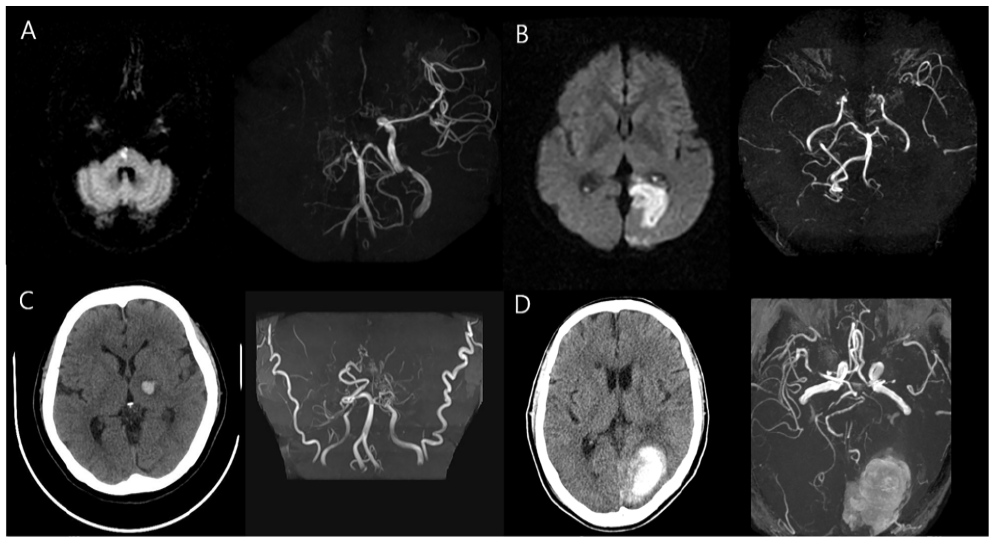
IMAGING DAY 1
49
Comparison of intravenous thrombolysis and mechanical thrombectomy versus thrombectomy alone in fast and slow stroke progressors - Insights from the SWIFT-DIRECT trial
1Bordeaux University Hospital, Neuroradiology, Bordeaux, France, 2Inselspital, Bern University Hospital, and University of Bern, Neuroradiology, Bern, Switzerland, 3CTU bern, University of Bern, CTU, Bern, Switzerland, 4Bordeaux University Hospital, Neurology, Bordeaux, France, 5Limoges University Hospital, Neuroradiology, Limoges, France, 6Strasbourg University Hospital, Neuroradiology, Strasbourg, France, 7LIlle University Hospital, Neurology, Lille, France, 8Lausanne University Hospital, Neurology, Lausanne, Switzerland, 9Fondation Rothschild, Neurology, Bordeaux, France, 10Zurich University Hospital, Neuroradiology, Zurich, Switzerland, 11Tours University Hospital, Neuroradiology, Tours, France, 12Geneva University Hospital, Neuroradiology, Geneva, Switzerland, 13Toronto University Hospital, Neurology, Toronto, Canada, 14Brest University Hospital, Neuroradiology, Brest, France, 15German Trias, Neurology, Barcelona, France, 16Klinikum Osnabruck, Neurology, Osnabruck, Germany, 17Sainte Anne University Hospital, Neurology, Paris, France, 18UCLA Health, Neurology, Los Angeles, United States, 19Inselspital, Bern University Hospital, and University of Bern, Neurology, Bern, Switzerland
212
Longitudinal follow-up of tau accumulation 6 months and 2 years after ischemic stroke: a 18F‑MK‑6240 PET/MR study
1KU Leuven / UZ Leuven, Neurology, Leuven, Belgium, 2KU Leuven, Rehabilitation Sciences, Leuven, Belgium, 3KU Leuven, Nuclear Medicine and Molecular Imaging, Leuven, Belgium, 4KU Leuven / UZ Leuven, Geriatric Psychiatry, Leuven, Belgium, 5KU Leuven / UZ Leuven, Nuclear Medicine and Molecular Imaging, Leuven, Belgium
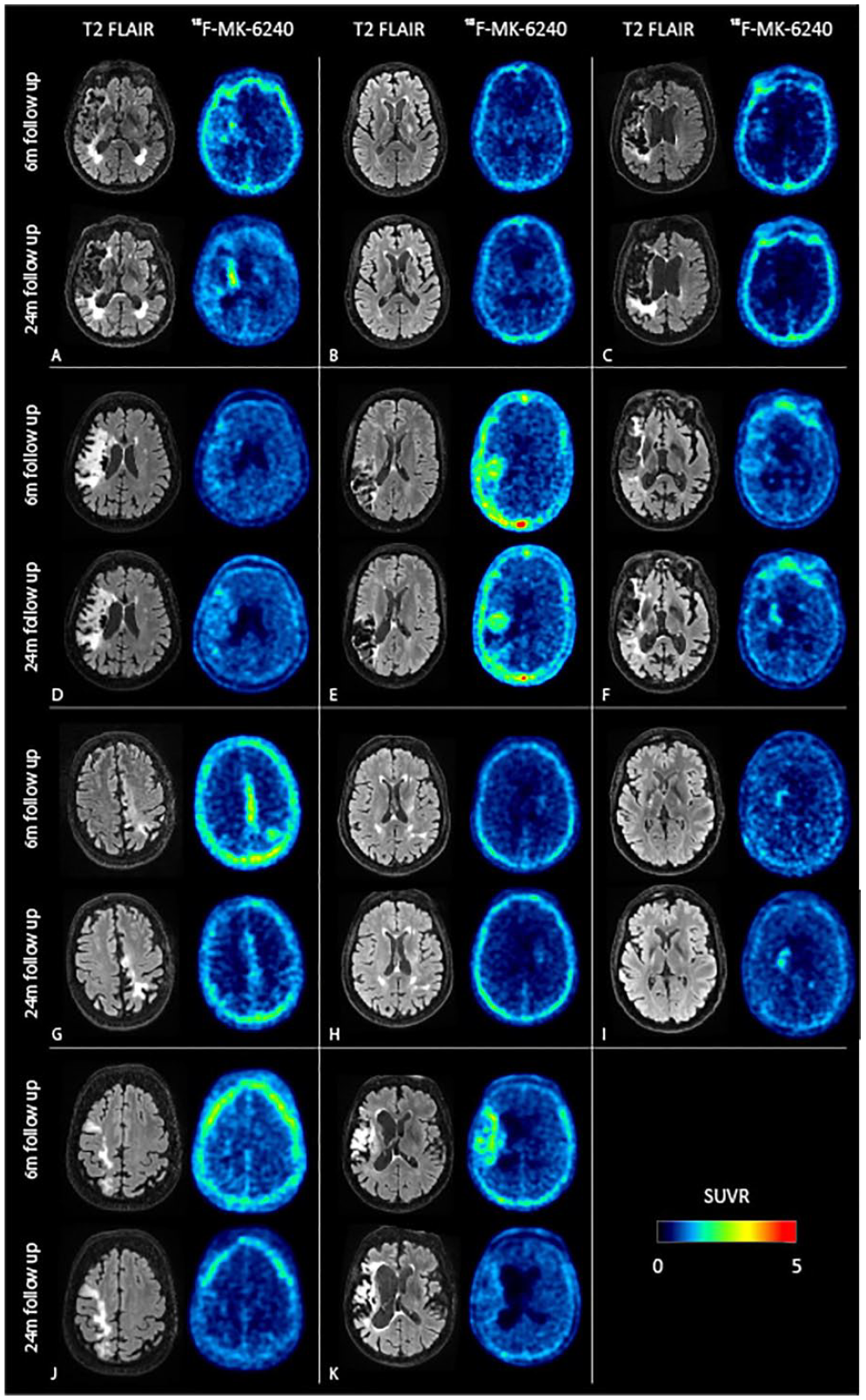
260
Retinal microvasculature as an in-vivo biomarker of TIA and minor ischemic stroke: first insights from the REMARK-TIA study
1Department of Applied Clinical Sciences and Biotechnology, University of L'Aquila, L'Aquila, Italy, Department of Neuroscience, Neurology Unit, S.Maria delle Croci Hospital of Ravenna, AUSL Romagna, Ravenna, Italy, 2IRCCS Istituto delle Scienze Neurologiche di Bologna, Neurology Unit, S.Orsola-Malpighi Hospital, Bologna, Italy, 3Ophthalmology Unit, S.Orsola-Malpighi Hospital, University of Bologna, Bologna, Italy, 4IRCCS Istituto delle Scienze Neurologiche di Bologna, Neuroradiology Unit, S.Orsola-Malpighi Hospital, Bologna, Italy, 5Ophtalmology Unit, S.Maria delle Croci Hospital of Ravenna, AUSL Romagna, Department of Surgery, Ravenna, Italy, 6Neuroradiology Unit, S.Maria delle Croci Hospital of Ravenna, AUSL Romagna, Department of Neuroscience, Ravenna, Italy, 7IRCCS Istituto delle Scienze Neurologiche di Bologna, Department of Biomedical and Neuromotor Sciences, University of Bologna, Bologna, Italy, 8Neurology Unit, S.Maria delle Croci Hospital of Ravenna, AUSL Romagna, Department of Neuroscience, Ravenna, Italy
365
EARLY PENUMBRAL FLAIR CHANGES PREDICT TISSUE FATE IN PATIENTS WITH LARGE VESSEL OCCLUSIONS
1University Hospitals Leuven, Neurology, Leuven, Belgium, 2Stanford University, Stanford Stroke Center, Stanford, United States, 3KU Leuven, Leuven Brain Institute, Leuven, Belgium, 4CRHU Gui de Chauliac, Neurology, Montpellier, France, 5CHRU Gui de Chauliac, Neurology, Montpellier, France, 6CHRU Gui de Chauliac, Neuroradiology, Montpellier, France, 7CHU Lille, Neuroscience and Congition, Lille, France, 8CHRU Lille, Neuroradiology, Lille, France, 9University Hospital of Toulouse, Intensive Stroke Unit, Toulouse, France, 10University Hospital of Toulouse, Department of diagnostic and therapeutic neuroradiology, Toulouse, France, 11Université de Toulouse, Acute Stroke Unit, Toulouse, France
416
Clinical Relevance of Plaque Distribution based on High-Resolution Magnetic Resonance Imaging for Basilar Artery Stenosis
1 Xuanwu Hospital, Capital Medical University, Neurosurgery, Beijing, China
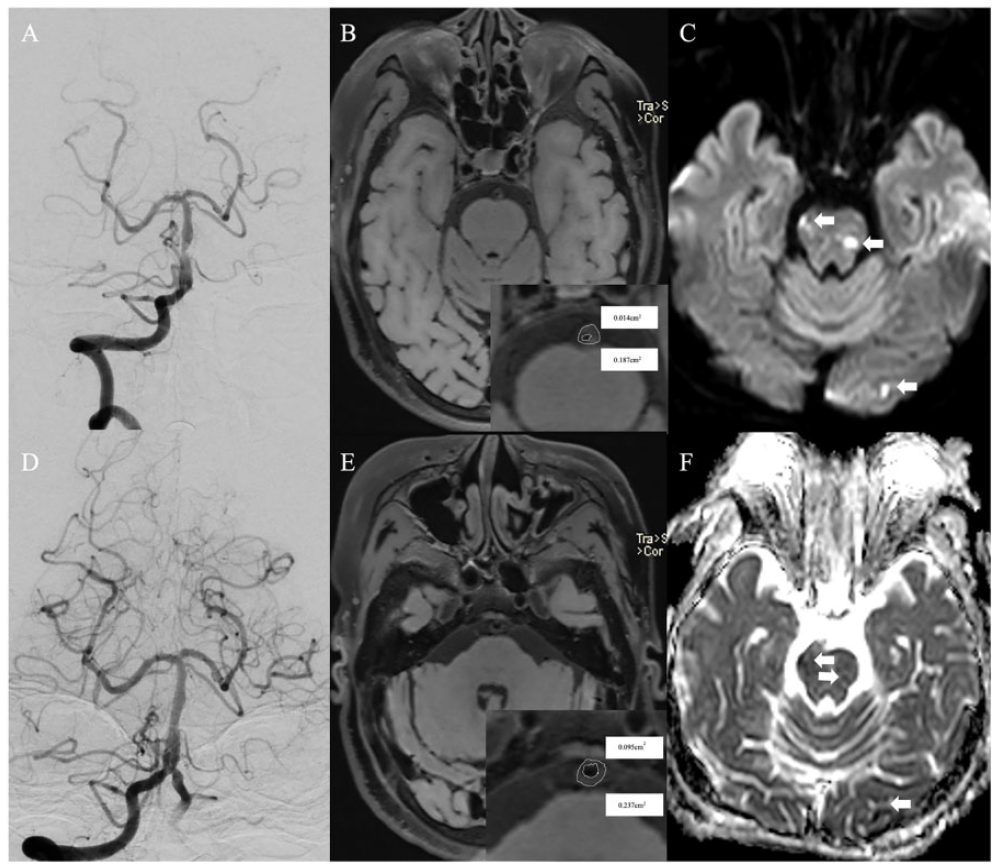
438
Persistent Penumbral Profiles Do Not Guarantee a Good Clinical Outcome in Large Vessel Occlusion Patients Without Major Reperfusion
1Huashan Hospital, Fudan University, Department of Neurology, Shanghai, China, 2University of New South Wales, South Western Sydney Clinical School, Sydney, Australia, 3University of Newcastle, Faculty of Health, New Castle, Australia, 4University of Melbourne, Melbourne, Australia, Melbourne Brain Centre, Royal Melbourne Hospital, Melbourne, Australia, 5John Hunter Hospital, John Hunter Hospital, New Castle, Australia
Disclosure of interest: Yes
478
Association between Morning Blood Pressure Surge and Intracranial Atherosclerotic Plaque characteristics: A High-Resolution Magnetic Resonance Vessel Wall Imaging Study
1 Beijing Tsinghua Changgung Hospital, Tsinghua University, Neurology, Beijing, China
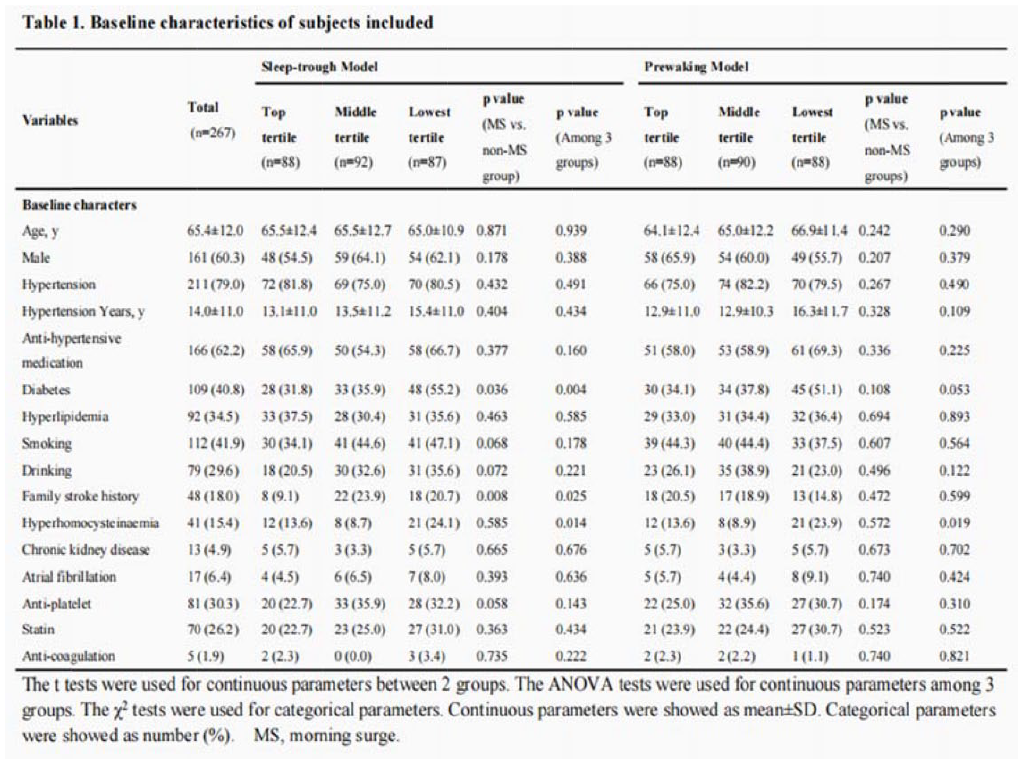
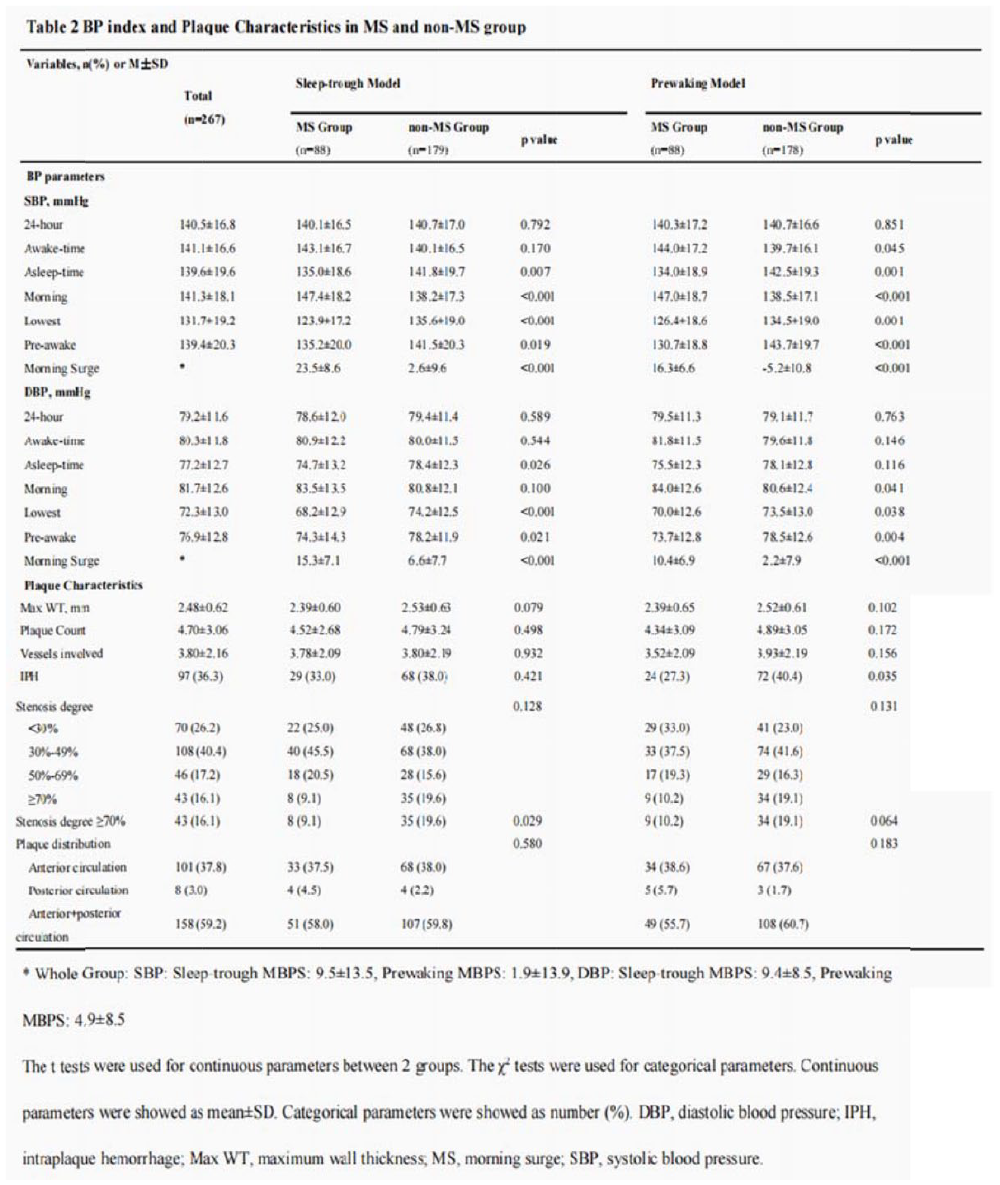
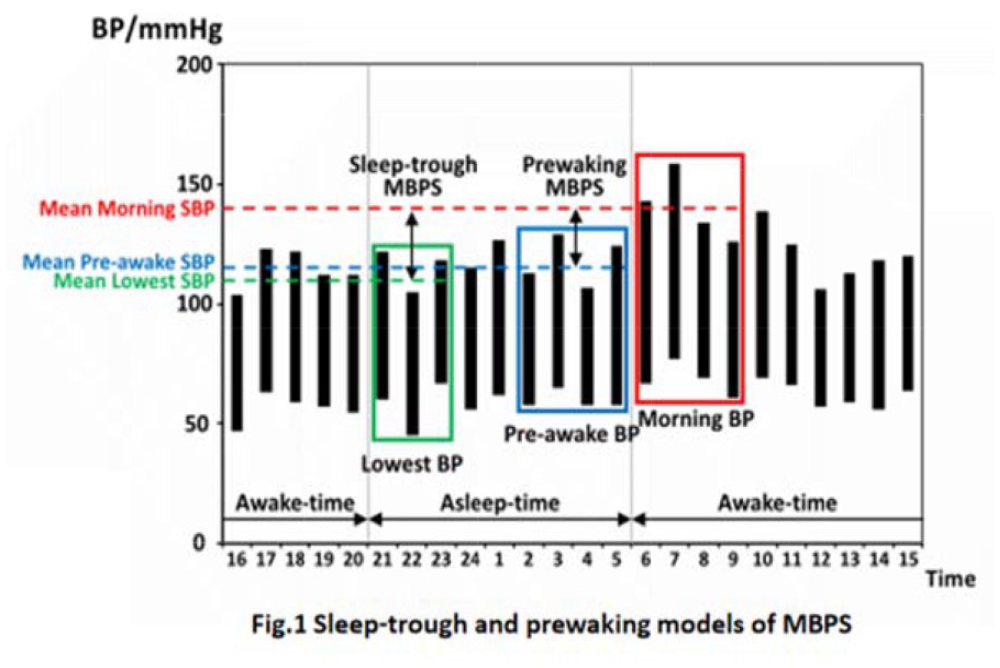
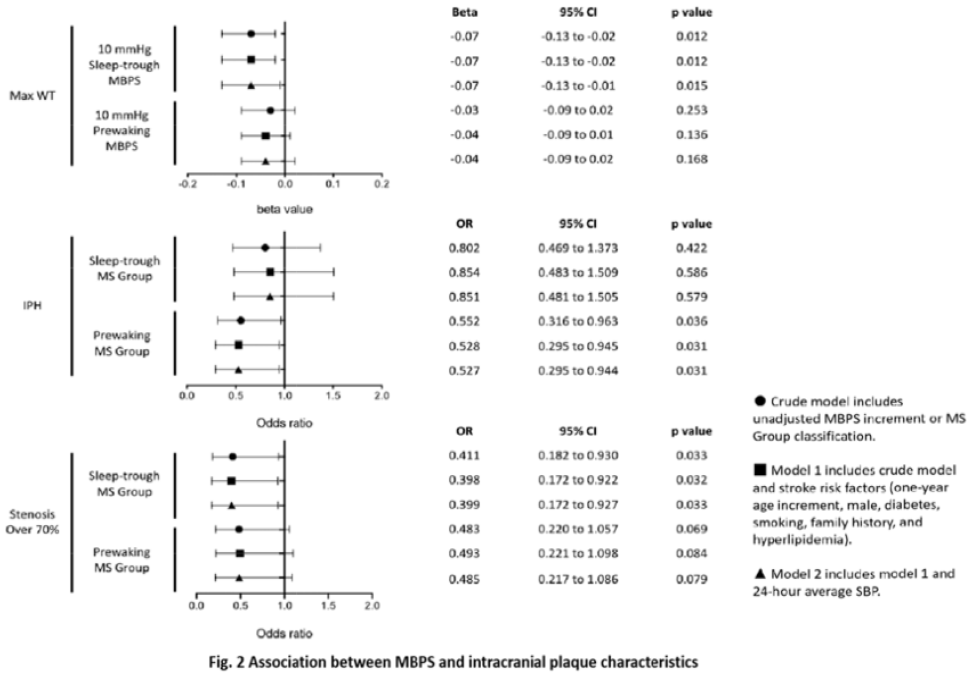
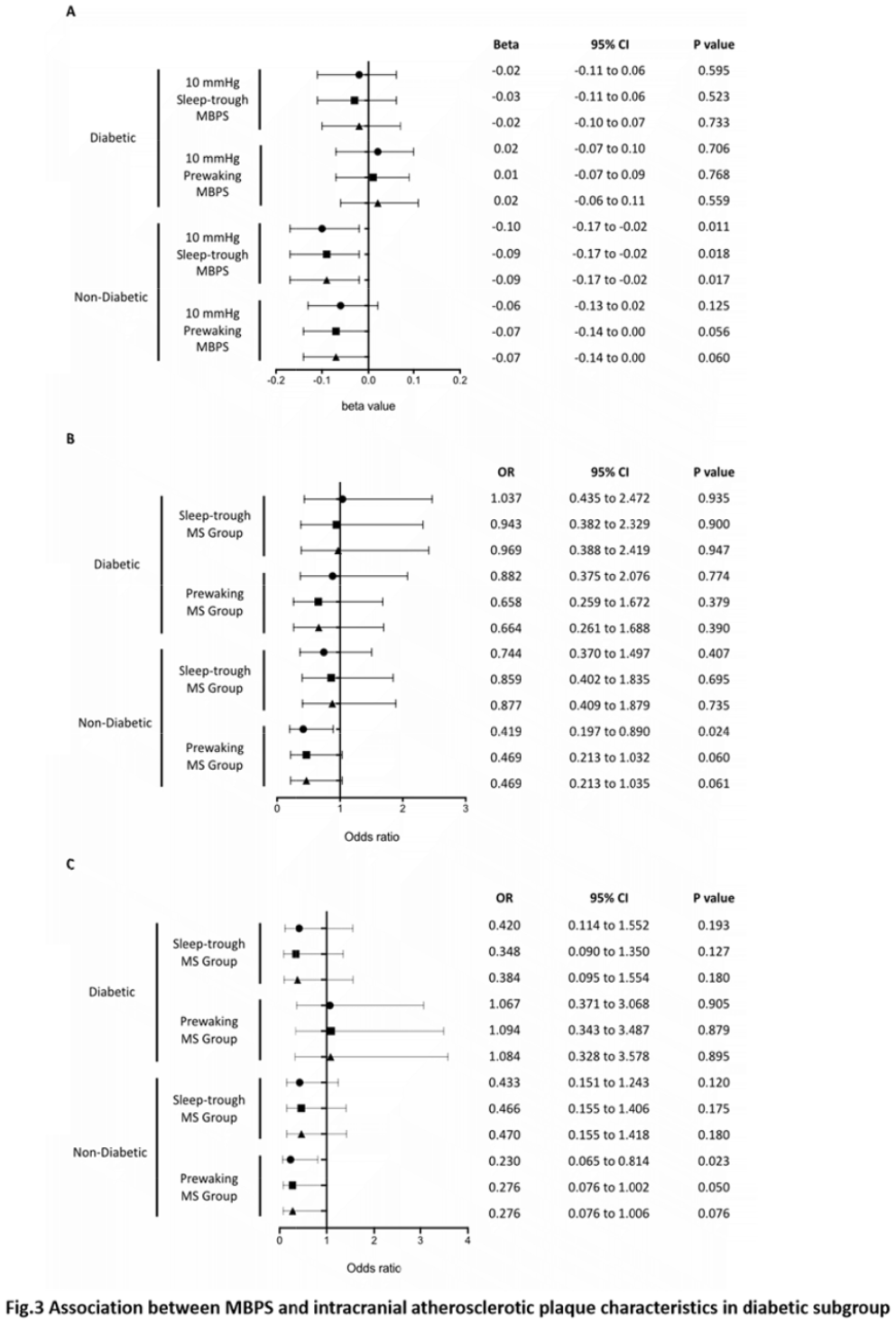
565
Diffusion-Weighted Image Positivity Predicts Three-Year Risk of Stroke or Death After Transient Ischemic Attack in Biracial Population
1University of Cincinnati, Neurology, Cincinnati, United States, 2Soroka Medical Center, Neurology, Beersheva, Israel, 3Northwestern University, Neurology, Chicago, United States, 4Indiana University, Neurology, Indianapolis, United States, 5Baptist Health South Flordia, Neurology, Miami, United States, 6University of Kansas Medical Center, Neurology, Kansas City, United States, 7Yale University, Neurology, New Haven, United States, 8University of Michigan, Neurology, Ann Arbor, United States
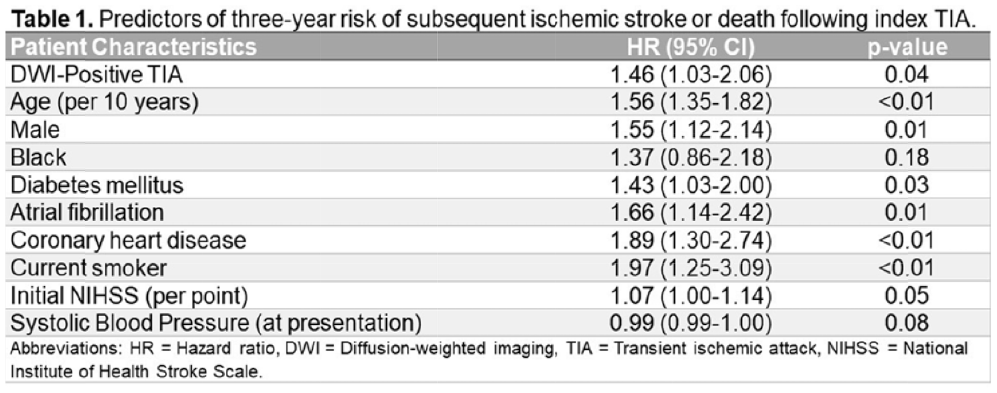
1474
Safety and efficacy of tenecteplase versus alteplase in acute stroke patients with carotid tandem lesions: results from the AcT trial
1Tours University Hospital, Neuroradiology, Tours, France, 2Clinical Neurosciences, Clinical Neurosciences, Calgary, Canada, 3Neurology, Neurology, Montréal, Canada, 4Neurology, Neurology, Toronto, Canada, 5Neurology, Neurology, Kingston, Canada, 6Neurology, Neurology, Sherbrooke, Canada, 7Neurology, Neurology, Halifax, Canada, 8Neurology, Neurology, Kelowna, Canada, 9Neurology, Neurology, Hamilton, Canada, 10Neurology, Neurology, Ottawa, Canada, 11Neurology, Neurology, New Westminster, Canada, 12Neurology, Neurology, London, Canada, 13Neurology, Neurology, Winnipeg, Canada, 14Neurology, Neurology, Charlottetown, Canada, 15Neurology, Neurology, Vancouver, Canada, 16Neurology, Neurology, Medicine Hat, Canada, 17Neurology, Neurology, Edmonton, Canada, 18Neurology, Neurology, Red Deer, Canada, 19Neurology, Neurology, Red Deet, Canada, 20Centre Hospitalier de l'Université de Montréal, Neurology, Montréal, Canada
2468
Impact of Vessel Tortuosity and Thrombus Characteristics on First-Pass Effect and Procedural Outcomes in Acute Ischemic Stroke Treated with Endovascular Therapy
1Clinical Neurosciences, Neurology, Calgary, Canada, 2Tours University Hospital, Radiology, Tours, France, 3Radiology, Radiology, Amsterdam, Netherlands, 4Neurology, Neurology, Seoul, Korea, Dem. People's Rep. of
265
UP-TRENDING CARDIAC TROPONIN PATTERN: A PROGNOSTIC BIOMARKER FOR CARDIAC COMPLICATIONS AND MORTALITY AFTER ACUTE ISCHEMIC STROKE
1University of Pennsylvania, Department of Neurology, Philadelphia, United States, 2SUNY Downstate Health Sciences University, Department of Neurology, Brooklyn, United States
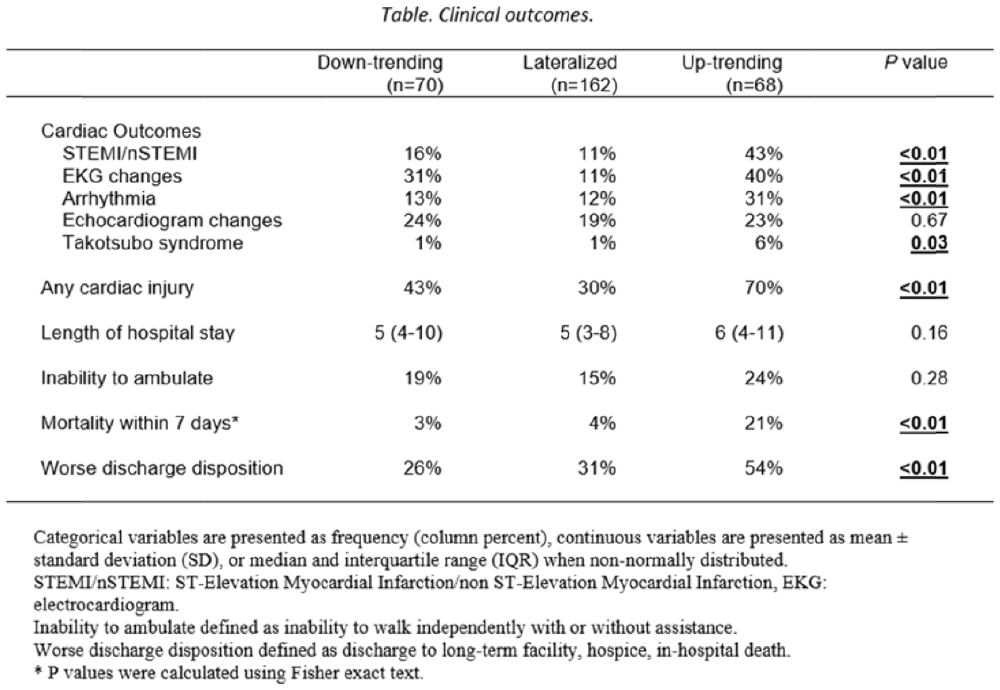
569
Low rates of return to baseline function despite complete reperfusion after mechanical thrombectomy (CR-MT): NCCT mCTA analysis from AcT trial
1University of Calgary, Department of Clinical Neurosciences, Calgary, Canada, 2University of Manitoba, Rady Faculty of Health Sciences, Winnipeg, Canada, 3Université de Montréal, Department of Neurosciences, Montreal, Canada, 4University of Calgary, Department of Radiology, Calgary, Canada, 5University of Calgary, Department of Community Health Sciences, Calgary, Canada, 6University of Alberta, Department of Medicine, Edmonton, Canada, 7University of Toronto, Hurvitz Brain Sciences Program, Sunnybrook Health Sciences Centre, Toronto, Canada, 8Queen’s University, Department of Medicine, Kingston, Canada, 9Université de Sherbrooke, Département de médecine, Sherbrooke, Canada, 10Queen Elizabeth Health Sciences Centre, Department of Medicine, Halifax, Canada, 11Kelowna General Hospital, Kelowna, Canada, 12McMaster University, Department of Medicine, Hamilton, Canada, 13University of Ottawa, Department of Medicine, Ottawa, Canada, 14University of British Columbia, Division of Neurology, Vancouver, Canada, 15Western University, Department of Clinical Neurosciences, London, Canada, 16University of Toronto, Department of Medicine, Toronto, Canada, 17University of Manitoba, Department of Radiology, Winnipeg, Canada, 18Queen Elizabeth Hospital, Charlottetown, Canada, 19Medicine Hat Regional Hospital, Medicine Hat, Canada, 20Grey Nuns Community Hospital, Edmonton, Canada, 21St Michael's Hospital, Toronto, Canada, 22Red Deer Regional Hospital, Red Deer, Canada, 23University of Saskatchewan, Division of Neurology, Saskatoon, Canada
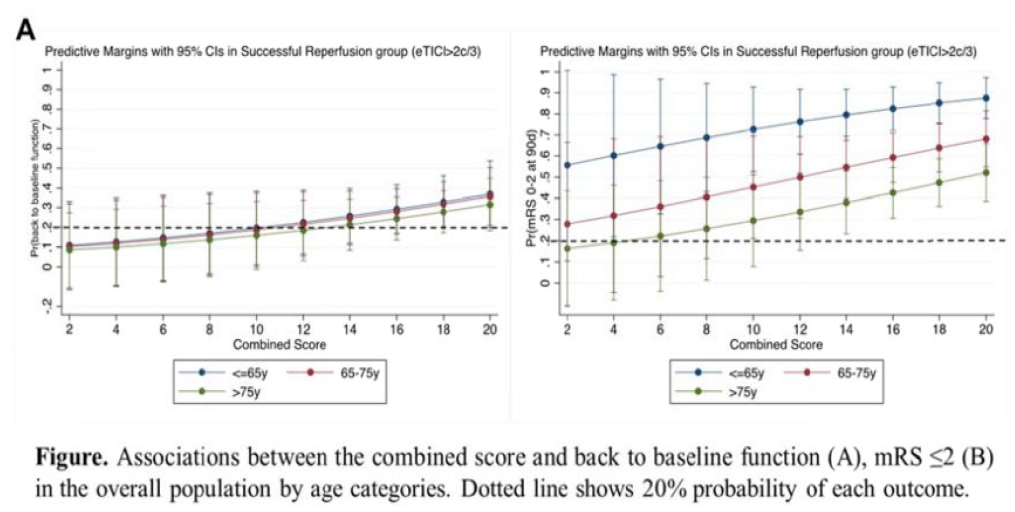
833
ADDRESSING VASCULAR RISK FACTORS AFTER STROKE – A POPULATION-BASED STUDY
1Hospital Universitari Vall d'Hebron, Stroke Unit, Neurology Department, Barcelona, Spain, 2Nora Health, -, Barcelona, Spain, 3Vall d'Hebron Institut de Recerca, Recerca en Ictus, Barcelona, Spain, 4Agència de Qualitat i Avaluació Sanitàries de Catalunya, PADRIS, Barcelona, Spain
Smoking and drinking habits were more frequent among males: 60.4% smoked and 19.7% reported regular alcohol consumption, as compared with 14.5% and 2.7% of females, respectively.
Among patients with atrial fibrillation, 63% were prescribed anticoagulation therapy. Antiplatelets prescription rates were 54% in the whole cohort and 64% in patients without atrial fibrillation.
943
Management and Outcomes of Patients with Acute Ischemic Stroke and Atrial Fibrillation in the Era of NOAC
1Korea University Guro Hospital, Department of Neurology, Seoul, South Korea, 2Seoul National University Bundang Hospital, Department of Neurology, Seongnam, South Korea, 3Chonnam National University Hospital, Department of Neurology, Gwangju, South Korea, 4Chungbuk National University & Hospital, Department of Neurology, Cheongju, South Korea, 5Dong-A University Hospital, Department of Neurology, Busan, South Korea, 6Dongguk University Ilsan Hospital, Department of Neurology, Goyang, South Korea, 7Uijeongbu Eulji Medical Center, Eulji University School of Medicine, Department of Neurology, Uijeongbu, South Korea, 8Eulji General Hospital, Eulji University School of Medicine, Department of Neurology, Seoul, South Korea, 9Daejeon Eulji Medical Center, Eulji University School of Medicine, Department of Neurology, Daejeon, South Korea, 10Hallym University Sacred Heart Hospital, Department of Neurology, Anyang, South Korea, 11Inje University Ilsan Paik Hospital, Department of Neurology, Goyang, South Korea, 12Jeju National University Hospital, Department of Neurology, Jeju, South Korea, 13Seoul Medical Center, Department of Neurology, Seoul, South Korea, 14Soonchunhyang University Hospital, College of Medicine, Department of Neurology, Seoul, South Korea, 15Ulsan University Hospital, Ulsan University College of Medicine, Department of Neurology, Ulsan, South Korea, 16Yeungnam University Medical Center, Department of Neurology, Daegu, South Korea, 17Keimyung University Dongsan Medical Center, Department of Neurology, Daegu, South Korea, 18Asan Medical Center, Clinical Research Center, Seoul, South Korea, 19Korea University College of Medicine, Department of Biostatistics, Seoul, South Korea, 20Korea University, BK21FOUR R&E Center for Learning Health Systems, Seoul, South Korea
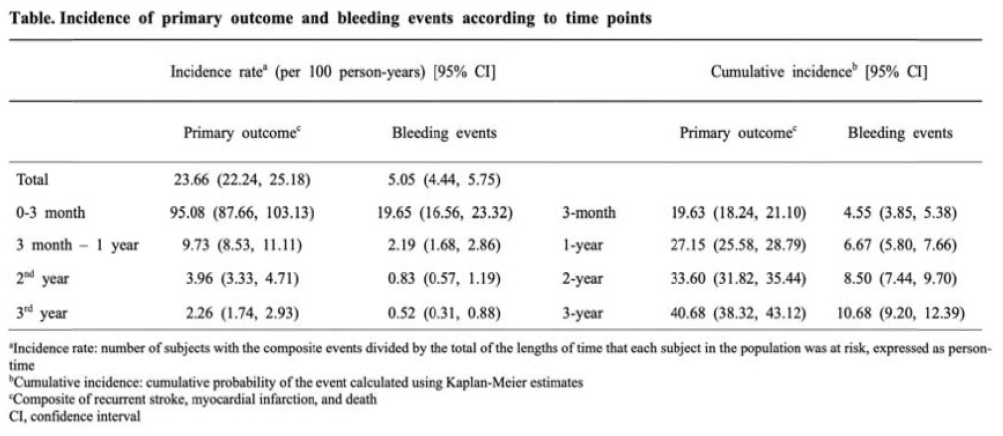
Disclosure of interest: Yes
1280
Cognitive recovery in the first year after first-ever ischemic stroke in young adults: The ODYSSEY study
1Radboud University Medical Centre, Department of Neurology, Nijmegen, Netherlands, 2Medisch Spectrum Twente, Department of Neurology, Enschede, Netherlands, 3Canisius-Wilhelmina Hospital, Department of Neurology, Nijmegen, Netherlands, 4Catharina Hospital, Department of Neurology, Eindhoven, Netherlands, 5Franciscus Gasthuis & Vlietland, Department of Neurology, Nijmegen, Netherlands, 6Elisabeth-TweeSteden Hospital, Department of Neurology, Tilburg, Netherlands, 7Haga Hospital, Department of Neurology, Nijmegen, Netherlands, 8Amphia Hospital, Department of Neurology, Breda, Netherlands, 9Rijnstate Hospital, Department of Neurology, Nijmegen, Netherlands, 10Jeroen Bosch Hospital, Department of Neurology, 's-Hertogenbosch, Netherlands, 11Maastricht University Medical Centre, Department of Neurology, Maastricht, Netherlands, 12Maastricht University Medical Centre, School for Mental Health and Neuroscience (MHeNs), Maastricht, Netherlands, 13Leiden University Medical Centre, Department of Neurology, Leiden, Netherlands, 14Amsterdam University Medical Centre, Department of Neurology, Amsterdam, Netherlands, 15Medical Centre Leeuwarden, Department of Neurology, Leeuwarden, Netherlands, 16Haaglanden Medical Center, Department of Neurology, the Hague, Netherlands, 17Gelre Hospitals, Department of Neurology, Apeldoorn, Netherlands, 18Donders Institute for Brain, Cognition and Behaviour, Center for Cognition, Nijmegen, Netherlands, 19Vincent van Gogh Institute for Psychiatry, -, Venray, Netherlands
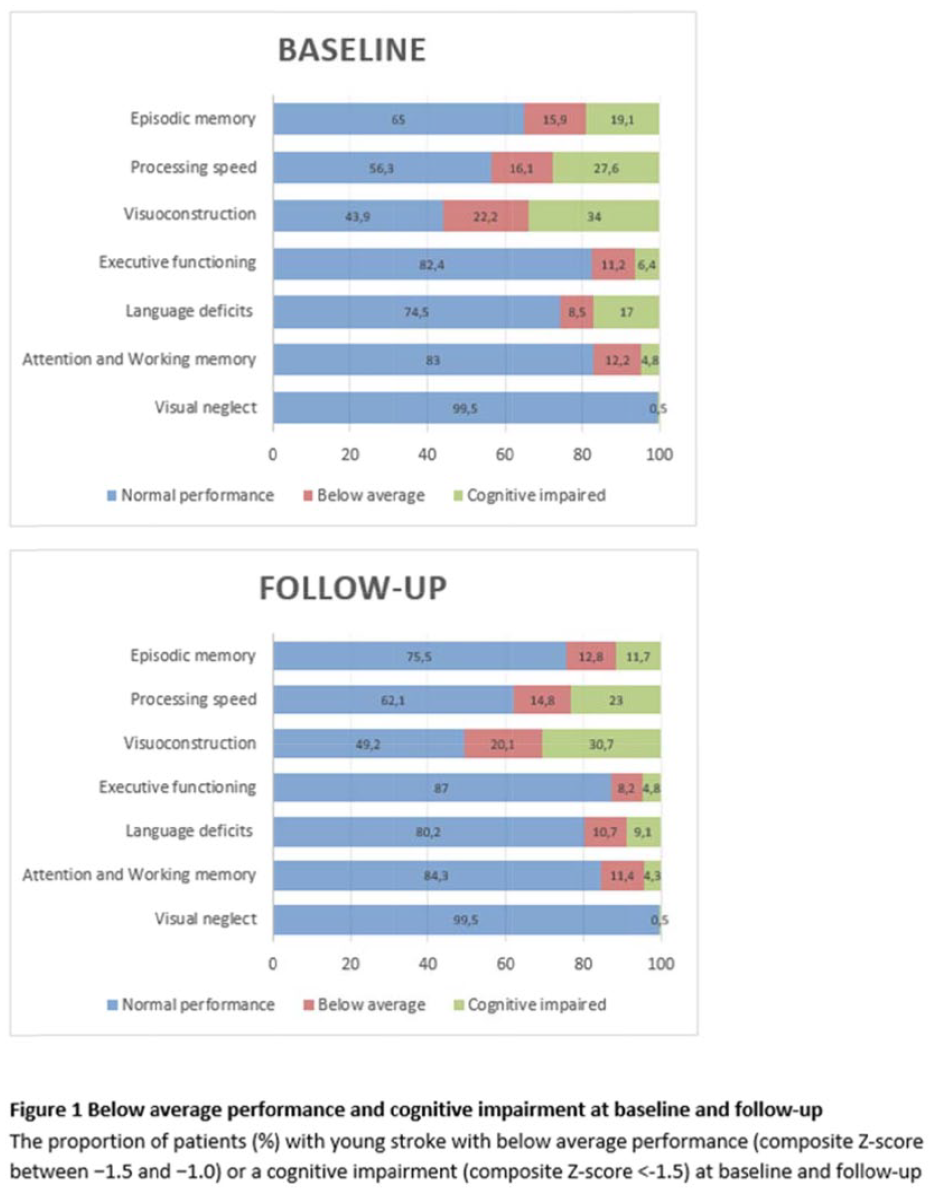
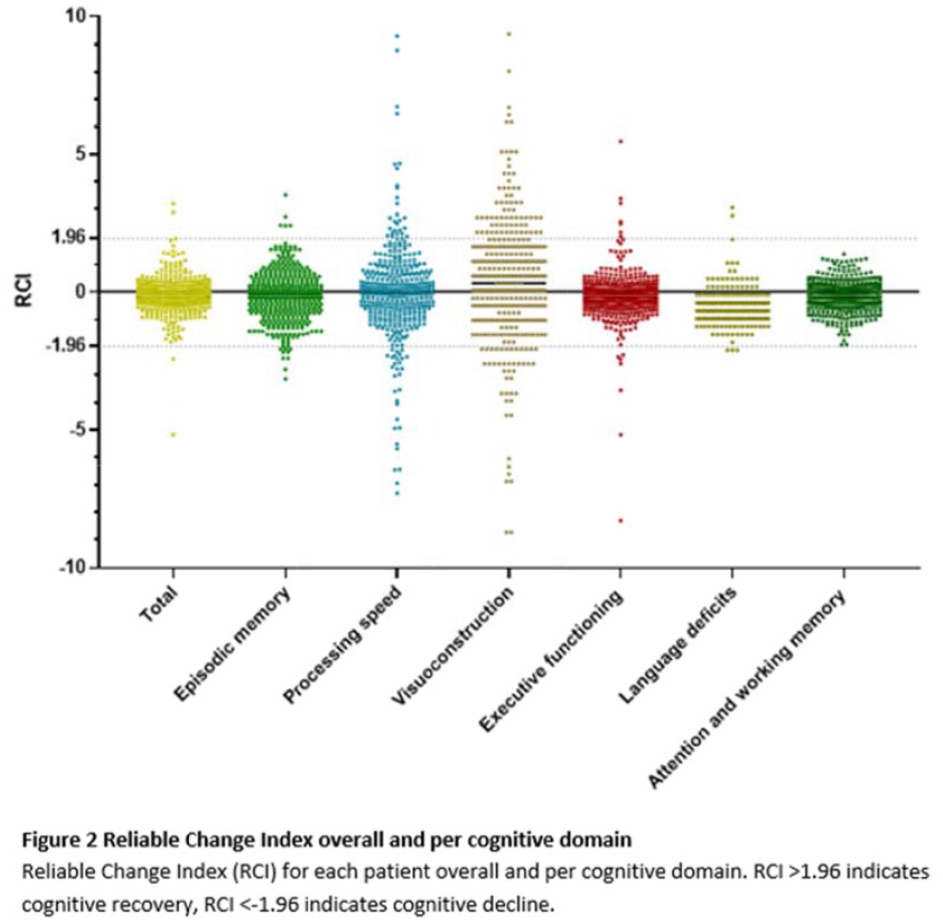
1378
PRE-STROKE FRAILTY AND MORTALITY: THE SOUTH LONDON STROKE REGISTER
1King's College London, Department of Population Health Sciences, School of Life Course and Population Sciences, London, United Kingdom, 2Guy's and St Thomas' NHS Foundation Trust and King's College London, National Institute for Health Research (NIHR) Biomedical Research Centre (BRC), London, United Kingdom, 3King's College London, NIHR Applied Research Collaboration (ARC) South London, London, United Kingdom, 4Guy's and St Thomas' National Health Service (NHS) Foundation Trust and King's College London, Department of Ageing Health and Stroke, London, United Kingdom
1536
RELATION OF SYSTOLIC BLOOD PRESSURE CONTROL AND BLOOD PRESSURE VARIABILITY WITH COGNITIVE DECLINE: A NATIONALLY REPRESENTATIVE POPULATION-BASED 8-YEAR COHORT STUDY
1The George Institute for Global Health, University of New South Wales, Sydney, Australia, 2The George Institute for Global Health, The George Institute for Global Health, Beijing, China
1544
EFFECTS OF MULTIMORBIDITY ON OUTCOME IN THROMBOLYSED PATIENTS WITH ACUTE ISCHAEMIC STROKE: POST HOC ANALYSIS OF ENCHANTED (ENHANCED CONTROL OF HYPERTENSION AND THROMBOLYSIS STROKE STUDY)
1The George Institute for Global Health, University of New South Wales, Sydney, Australia, 2The George Institute for Global Health, The George Institute for Global Health, Beijing, China, 3Department of Neurology, Royal Prince Alfred Hospital, Sydney, Australia
1638
Clinical trajectories and outcomes of first-ever ischemic strokes in persons living with HIV: A retrospective study from multicenter stroke units
1Rothschild foundation hospital, Neurology, Paris, France, 2Rothschild foundation hospital, Clinical Research Unit, Paris, France, 3Lariboisière hospital, Neurology, Paris, France, 4Le Kremlin Bicêtre hospital, Neurology, Le Kremlin-Bicêtre, France, 5Foch hospital, Neurology, Suresnes, France, 6Delafontaine hospital, Neurology, Saint Denis, France, 7Bichat hospital, Neurology, Paris, France, 8Henri Mondor hospital, Neurology, Créteil, France, 9La Pitié Salpétrière, Neurology, Paris, France, 10Sud Francilien hospital, Neurology, Corbeil-Essonnes, France, 11Saint Anne hospital, Neurology, Paris, France
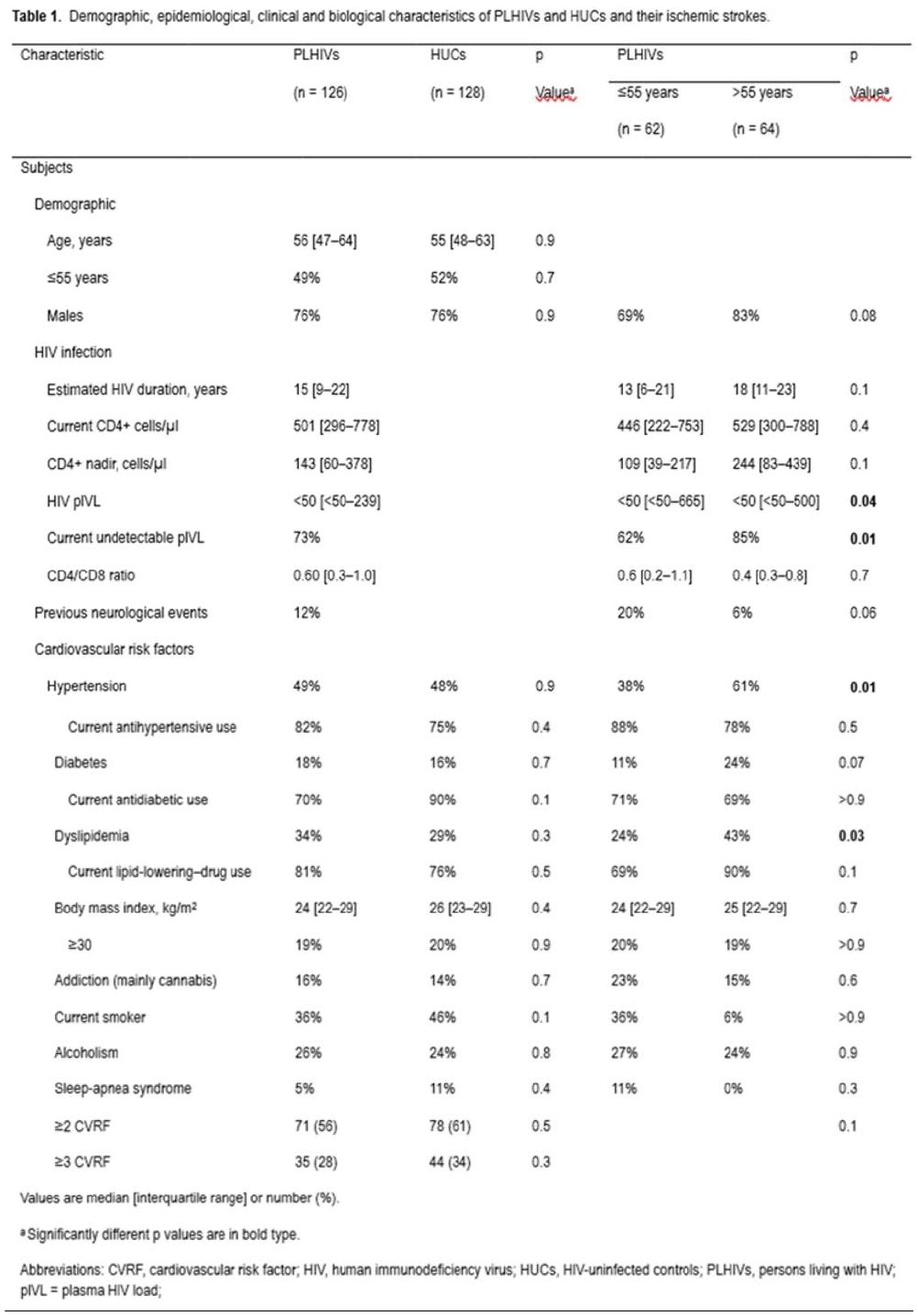
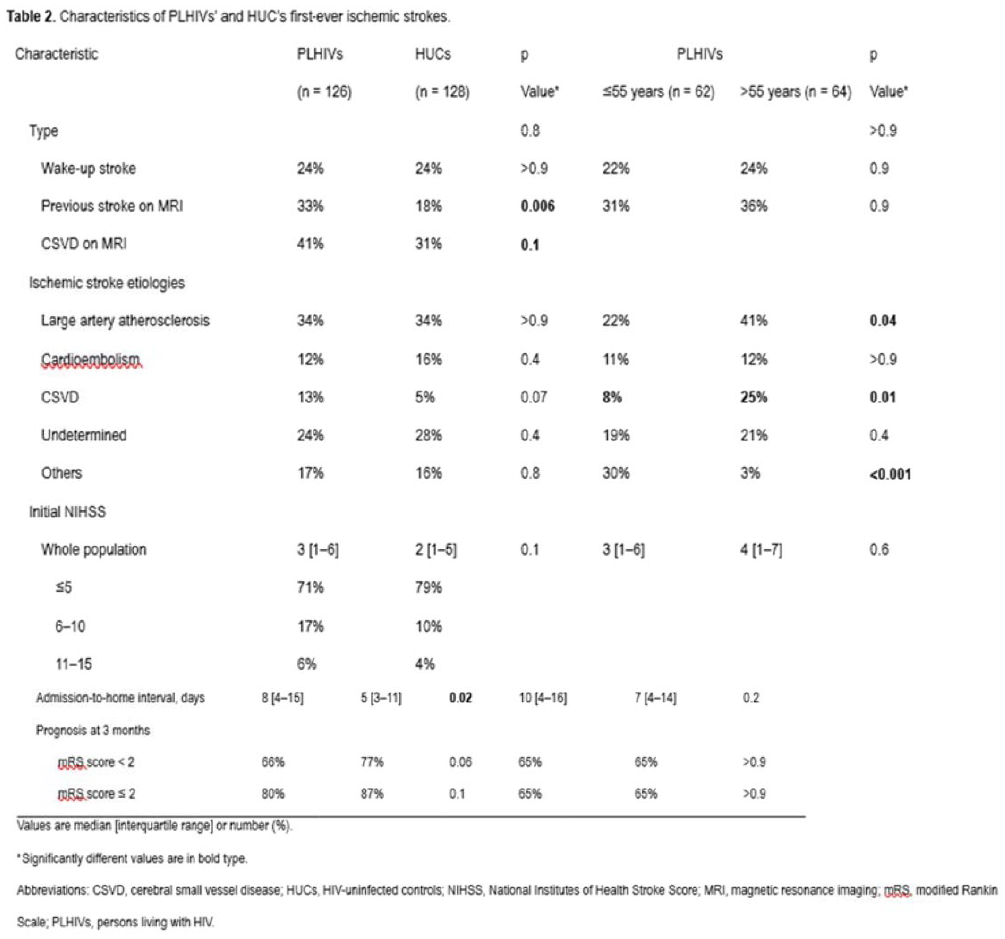
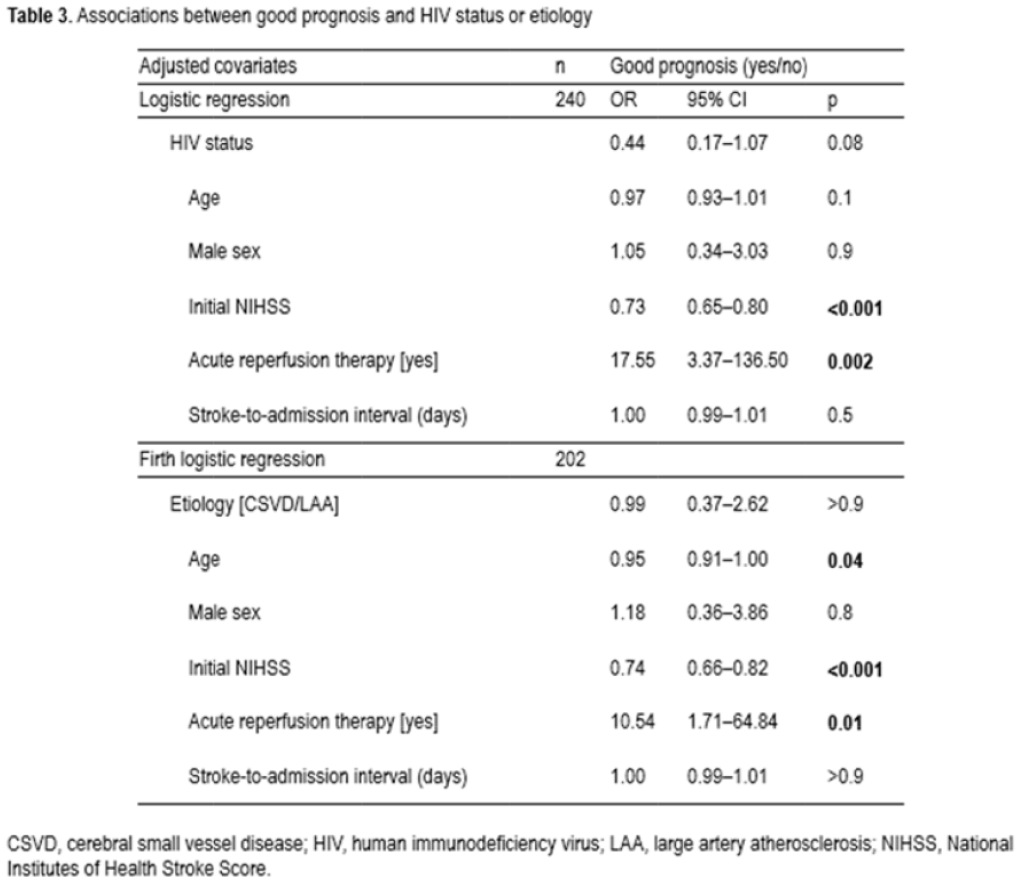
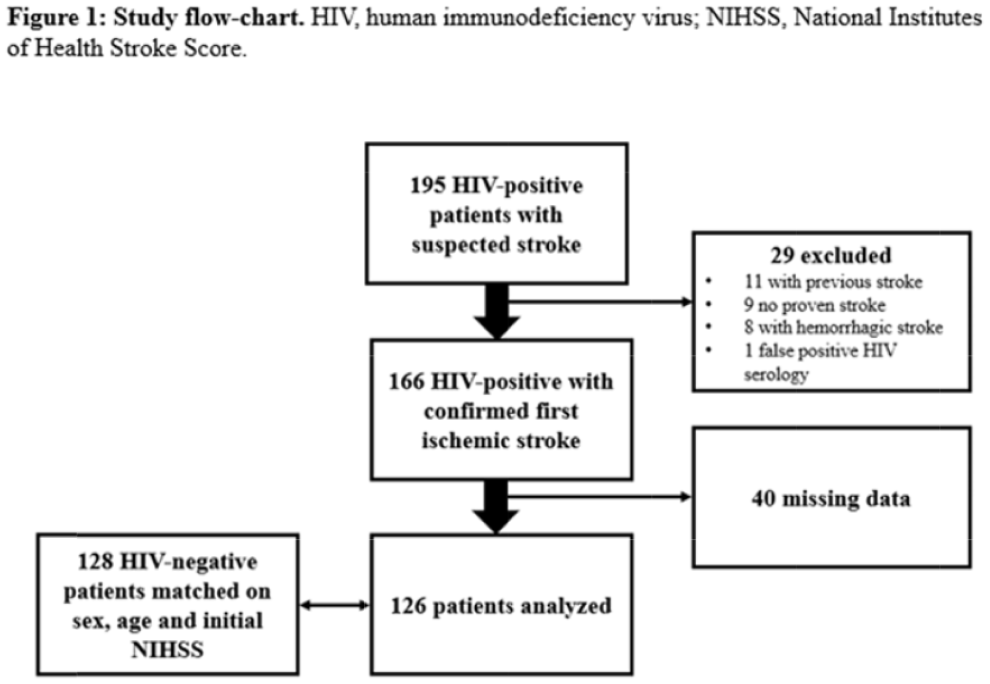
REHABILITATION AND RECOVERY
112
Expected health benefits of information from www.strokengine.ca, a knowledge translation stroke rehabilitation website: A web-based survey
1University of Montreal, School of Rehabilitation, Montreal, Canada, 2Centre for Interdisciplinary Research in Rehabilitation of greater Montreal (CRIR), N/A, Montreal, Canada, 3McGill University, School of Physical &Occupational Therapy, Montreal, Canada, 4McGill University, Institute for Health Sciences Education, Montreal, Canada, 5University of Toronto, Department of Physical Therapy, Rehabilitation Sciences Institute, Toronto, Canada, 6University Health Network, The KITE Research Institute, Toronto, Canada, 7Centre de recherche Fernand Séguin, N/A, Montreal, Canada, 8McGill University, Department of Family Medicine, Montreal, Canada
698
Individual patient data meta-analysis of three large trials of fluoxetine for stroke recovery; for the FOCUS, AFFINITY and EFFECTS collaborations
1University of Edinburgh, Usher Institute, Edinburgh, United Kingdom, 2Uppsala University, Department of Medical Sciences, Neurology, Uppsala, Sweden, 3George Institute, Mental Health Program, Sydney, Australia, 4The University of Central Lancashire, Faculty of Health and Care, Preston, United Kingdom, 5University of Edinburgh, Centre for Clinical Brain Sciences, Edinburgh, United Kingdom, 6University of Western Australia, Faculty of Health and Medical Sciences, Perth, Australia, 7University of Edinburgh, Welcome Trust Clinical Research Facility, Edinburgh, United Kingdom
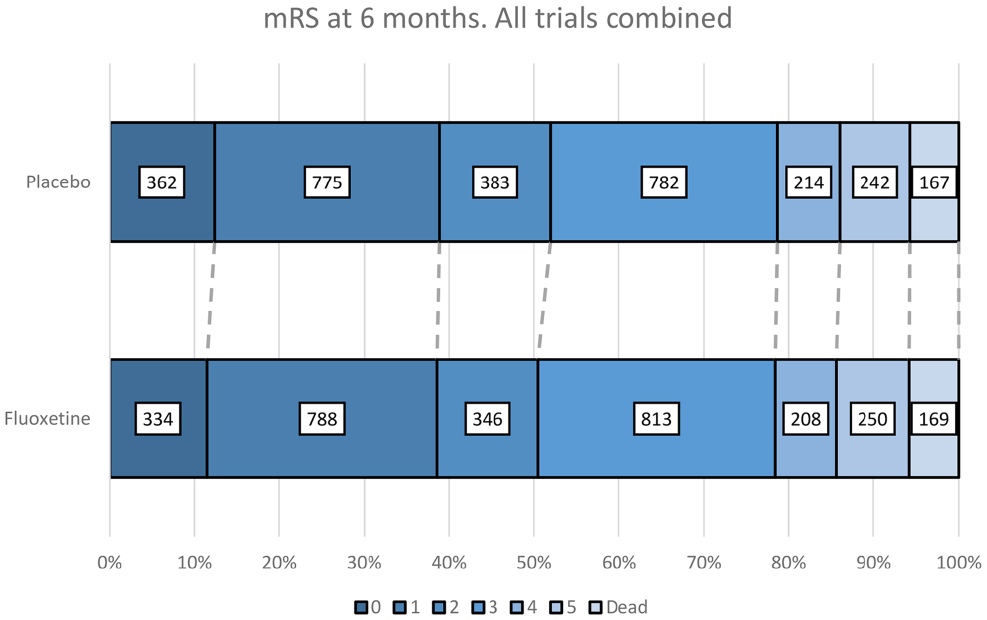
840
Intranasal administration of human CD34+ cells significantly reduces stroke-induced behavioural impairments
1CellProthera, R&D, Mulhouse, France, 2University of South Florida, Department of Neurosurgery and Brain Repai, Tampa, United States
Disclosure of interest: Yes
1590
Early robot-assisted proprioceptive training FOR arm reaching in acute stroke
1Indian Institute of Technology, Department of Liberal Arts, Hyderabat, India, 2Nanyang Technical University, Rehabilitation Research Institute of Singapore, Singapore, Singapore, 3McGill University, Department of Psychology, Montreal, Canada, 4McGill University, Department of Neurology and Neurosurgery, Montreal, Canada
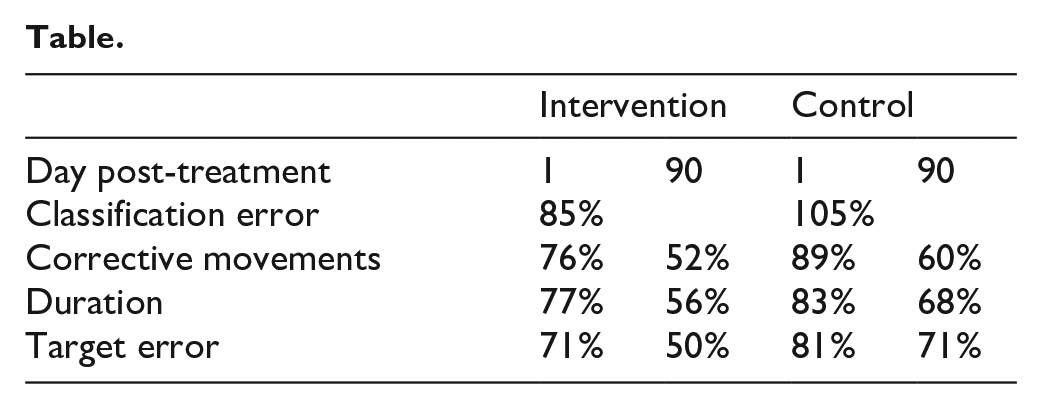
1712
BIOMARKERS TO IMPROVE PREDICTION OF FUNCTIONAL OUTCOME AFTER STROKE. RESULTS OF THE SICFAIL, STRAWINSKI, AND PREDICT STUDIES
1University of Würzburg, Institute of Clincal Epidemiology and Biometry, Würzburg, Germany, 2University Hospital Würzburg, Department of Neurology, Würzburg, Germany, 3Vall d'Hebron Institute of Research, Universitat Autònoma de Barcelona, Neurovascular Research Laboratory, Barcelona, Spain, 4Charité - Universitätsmedizin Berlin, Germany;, Department of Neurology and Experimental Neurology, Berlin, Germany, 5Center for Stroke Research Berlin, Charité - Universitätsmedizin Berlin, Berlin, Germany, 6Charité - Universitätsmedizin Berlin, NeuroCure Clinical Research Center, Berlin, Germany, 7Vall d'Hebron University Hospital, Department of Biochemistry, Barcelona, Spain, 1University of Würzburg, Institute of Clincal Epidemiology and Biometry, Würzburg, Germany, 9Charité, Universitätsmedizin Berlin, Berlin, Germany, 10Comprehensive Heart Failure Center, University Hospital Würzburg, Department Clinical Research & Epidemiology, Würzburg, Germany, 11University Hospital Würzburg, Department of Internal Medicine I, Würzburg, Germany, 12University of Edinburgh, Centre for Clinical Brain Sciences, Edinburgh, United Kingdom, 13University Hospital Essen, Department of Neurology and Center for Translational Neuroscience and Behavioural Science (C-TNBS), Essen, Germany, 14University of Seville, Seville, Hospital Universitario Virgen del Rocío/Consejo Superior de Investigaciones Científicas, Seville, Spain, 15University of Seville, Stroke Research Program, Instituto de Biomedicina de Sevilla, Seville, Spain, 16Hospital Universitario Virgen Macarena, Department of Neurology, Seville, Germany, 17University Hospital Würzburg, Clinical Trial Center Würzburg, Würzburg, Germany
1724
Population-based study of cognitive and neuropsychiatric outcomes at 3-4 years after stroke
1Lund University, Department of Clinical Sciences, Lund, Sweden, 2Blekingesjukhuset Karlskrona, Department of Medicine, Karlskrona, Sweden, 3Danderyds hospital, Department of Cardiology, Stockholm, Sweden, 4Skåne University Hospital, Department of Neurology and Rehabilitation Medicine, Lund, Sweden
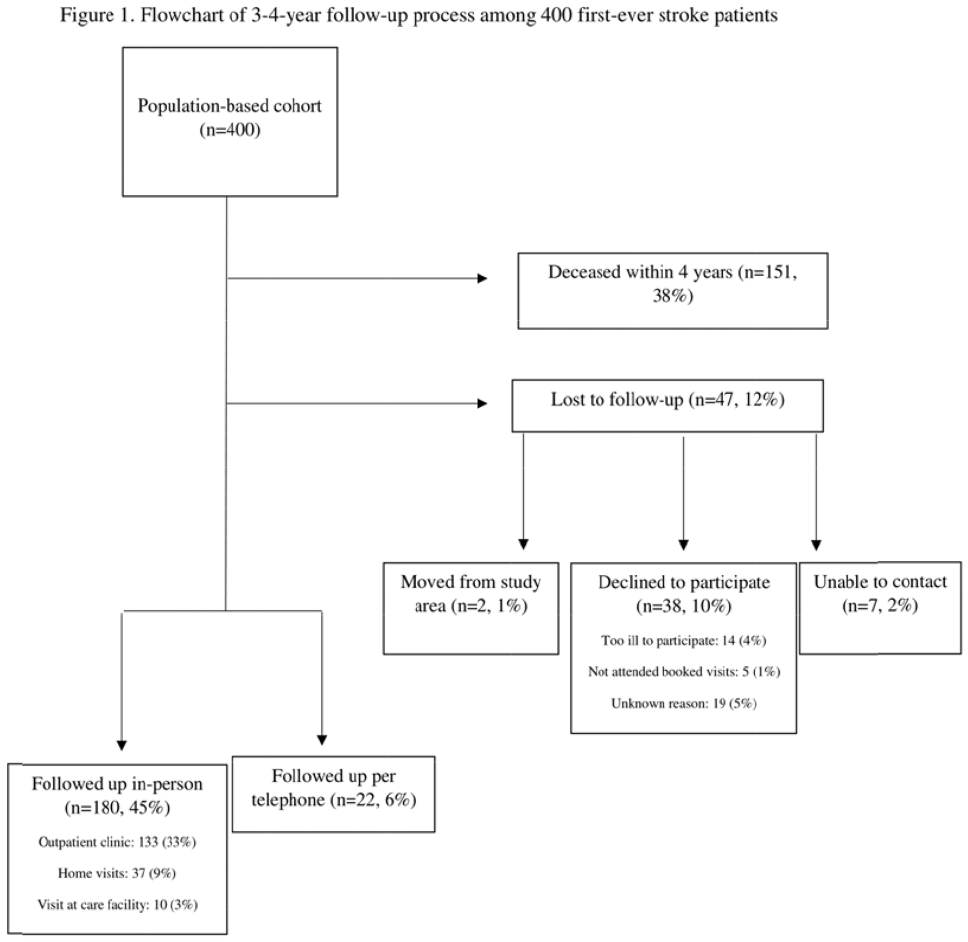
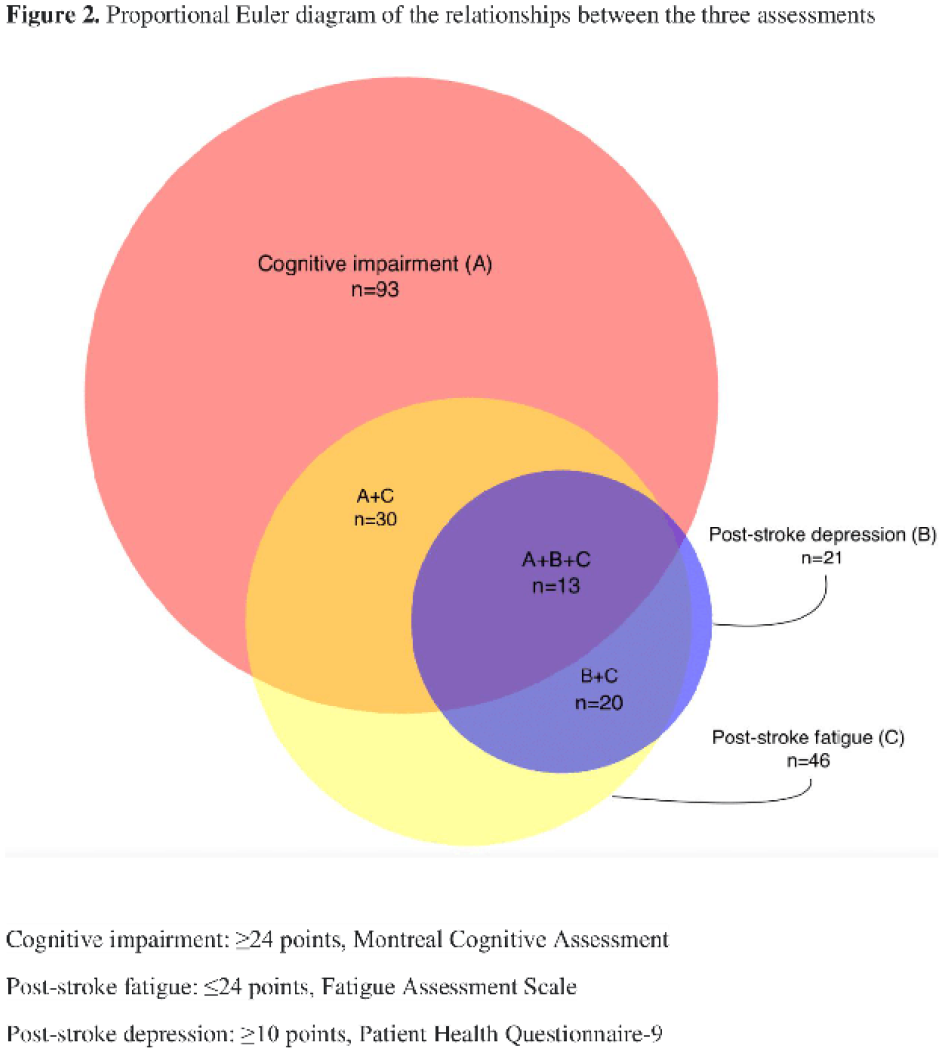
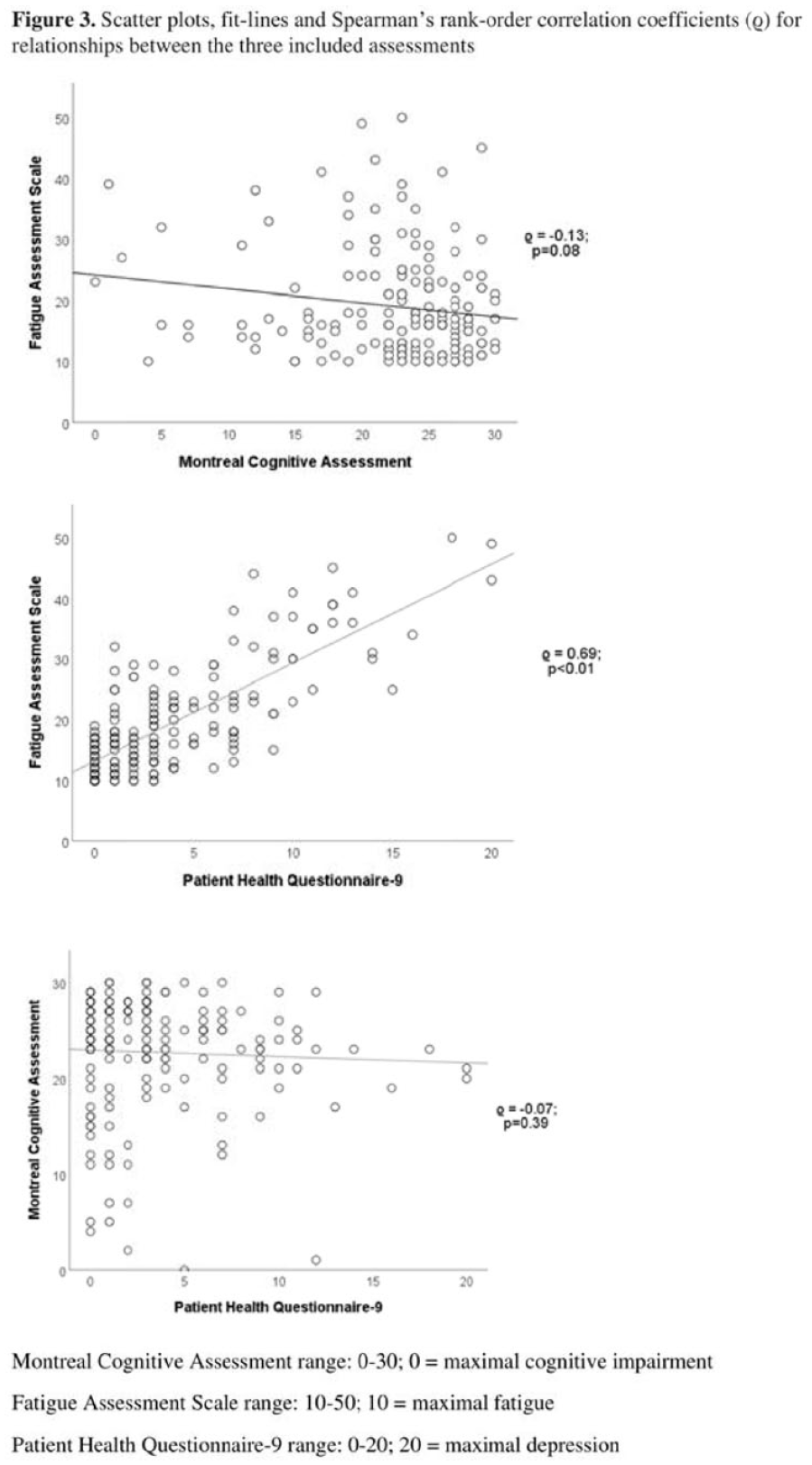
1786
Late Improvement in Disability in Acute Ischemic Stroke Patients: Pooled Analysis of NINDS tPA, IMS-3, and ALIAS 1 and 2 Trials
1University of Tennessee Health Science Center, Neurology, Memphis, United States, 2Zeenat Qureshi Stroke Institute, Neurology, Columbia, United States, 3University of Missouri, Columbia, Neurology, Columbia, United States
2216
EFFECT OF AEROBIC FITNESS TRAINING ON PERIPHERAL ENDOTHELIAL FUNCTION IN SUBACUTE STROKE PATIENTS – RESULTS FROM THE PHYS-STROKE STUDY
1Charité- Universitätsmedizin Berlin, corporate member of Freie Universität Berlin and Humboldt-Universität zu Berlin, Klinik für Neurologie mit Experimenteller Neurologie, Berlin, Germany, 2Charité-Universitätsmedizin Berlin, Corporate Member of Freie Universität Berlin and Humboldt Universität Zu Berlin, Center for Stroke Research Berlin (CSB), Berlin, Germany, 3Berlin Institute of Health at Charité - Universitätsmedizin Berlin, QUEST Center, Berlin, Germany, 4Charité-Universitätsmedizin Berlin, Corporate Member of Freie Universität Berlin and Humboldt Universität Zu Berlin, Excellence Cluster NeuroCure Clinical Research Center, Berlin, Germany, 5German Center for Neurodegenerative Diseases, Partner Site Berlin, Berlin, Germany, 6DZHK (German Center for Cardiovascular Research), Partner Site Berlin, Berlin, Germany, 7Berlin Institute of Health at Charité-Universitätsmedizin Berlin, BIH Center for Regenerative Therapies (BCRT), Berlin, Germany, 8Charité-Universitätsmedizin Berlin, Corporate Member of Freie Universität Berlin and Humboldt Universität Zu Berlin, Department of Cardiology, Berlin, Germany, 9MSB Medical School Berlin, Division of Physiology, Department of Human Medicine, Berlin, Germany, 10Berlin Institute of Health at Charité - Universitätsmedizin Berlin, Berlin Institute of Health at Charité - Universitätsmedizin Berlin, Berlin, Germany
2351
Death and functional outcome in stroke patients three years after discharge from an intensive rehabilitation hospital
1University of Florence, NEUROFARBA Department, Neuroscience Section, Florence, Italy, 2IRCCS Fondazione Don Carlo Gnocchi, Neuro-rehabilitation Department, Florence, Italy
2354
Evaluation of stroke rehabilitation services in the in-hospital phase: Findings from a tertiary care centre in India
1Christian Medical College and Hospital, Ludhiana, Neurology, Ludhiana, India, 2Christian Medical College and Hospital, Ludhiana, Heamatology, Ludhiana, India
This study aims to evaluate the quality of stroke rehabilitation in comparison to the WSO core recommendations at a tertiary care centre in India
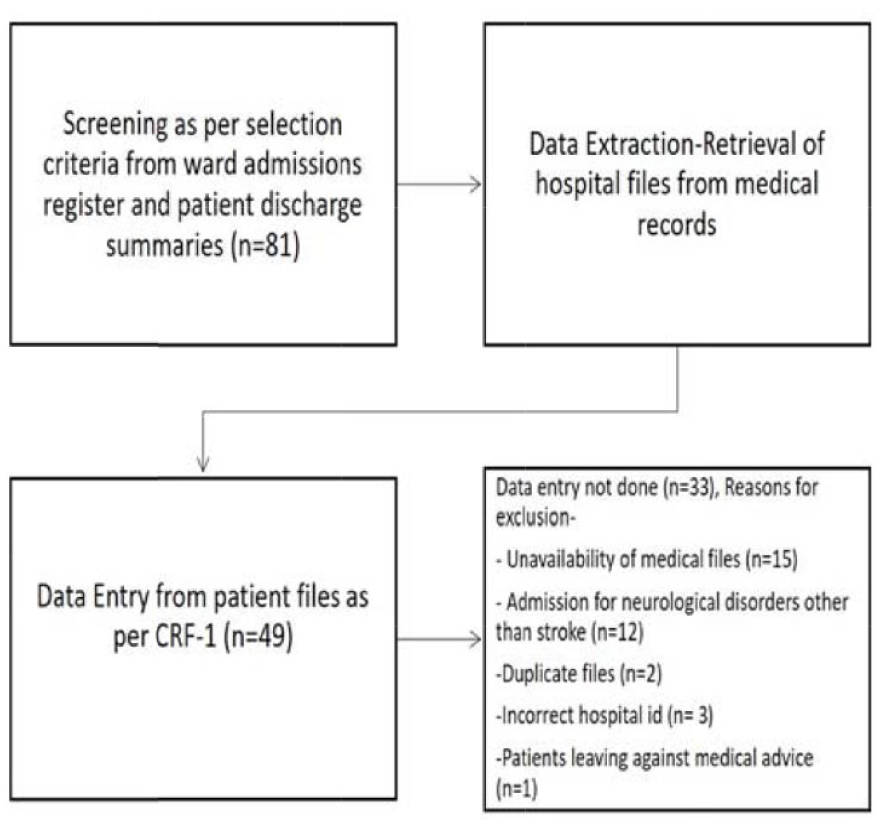
2638
AEROBIC EXERCISE TRAINING IN ACUTE STROKE: A FEASIBILITY STUDY
1Advanced Wellbeing Research Centre (AWRC), Sheffield Hallam University, Sheffield, United Kingdom, 2University of Sheffield, Department of Neuroscience, Sheffield, United Kingdom
RISK FACTORS AND PREVENTION DAY 1
204
EXPOSURE TO HAZARDOUS SUBSTANCES IN OCCUPATIONAL/DOMESTIC SETTINGS AND PREVALENCE OF CEREBRAL SMALL VESSEL DISEASE: A SYSTEMATIC REVIEW AND META-ANALYSIS
1Centre for Clinical Brain Sciences and the UK Dementia Research Institute, University of Edinburgh, Edinburgh, United Kingdom, 2Center of Cerebrovascular Diseases, Department of Neurology, West China Hospital, Sichuan University, Chengdu, China
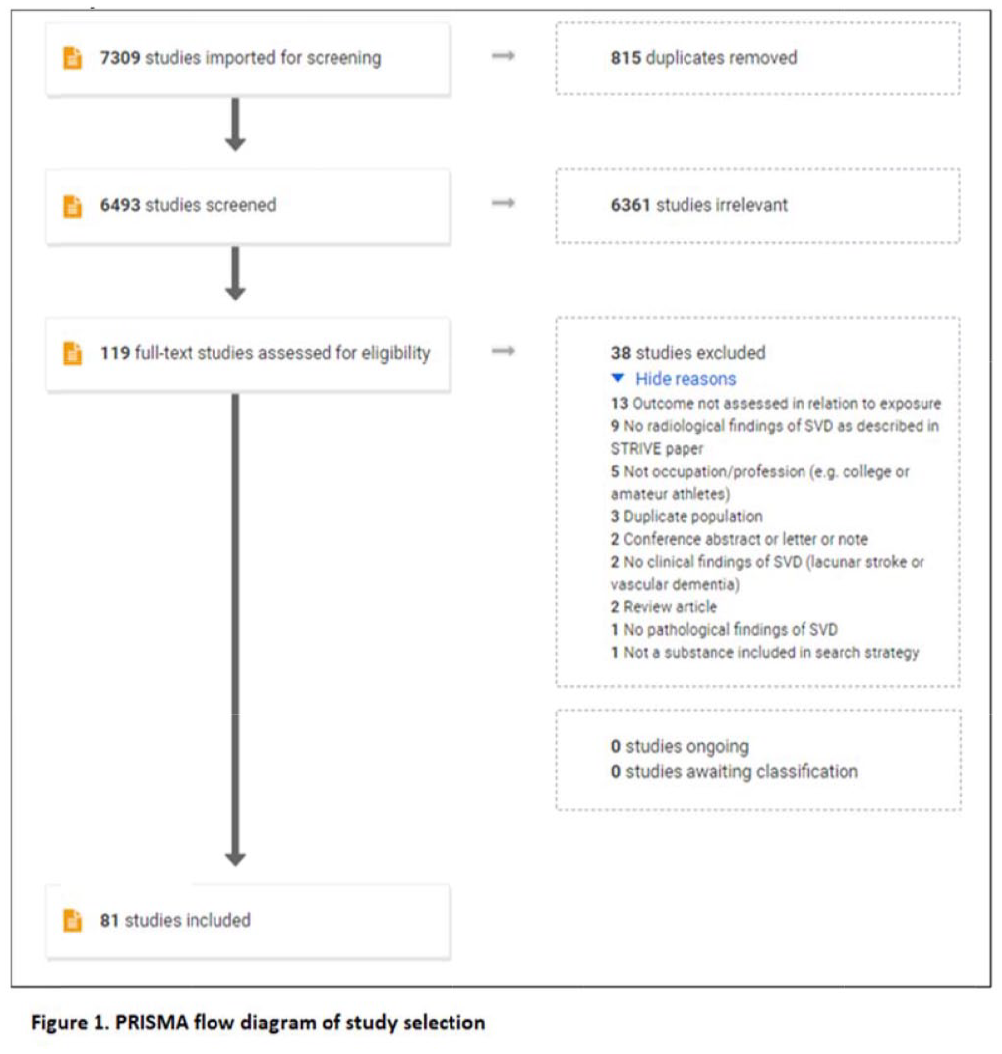
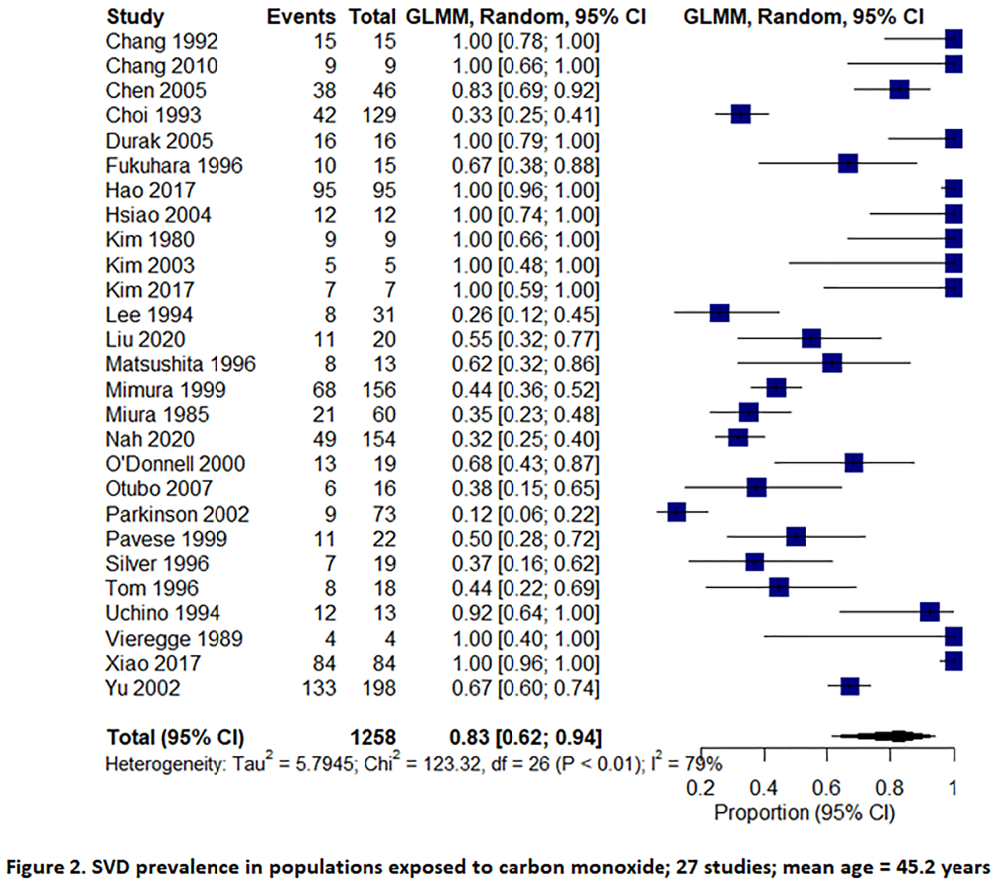
255
Heart team for stroke prevention in patients with atrial fibrillation without any antithrombotic therapy: epicardial appendage closure
1Universitair Zikenhuis Brussels, Cardiac Surgery, Bruxelles, Belgium, 2santa chiara hospital, cardiology, trento, Italy, 3santa chiara, cardiology, trento, Italy, 4santa maria del carmine, cardiology, rovereto, Italy, 5santa chiara, neurosurgery, trento, Italy, 6eremo, neurorehabilitation unit, arco, Italy
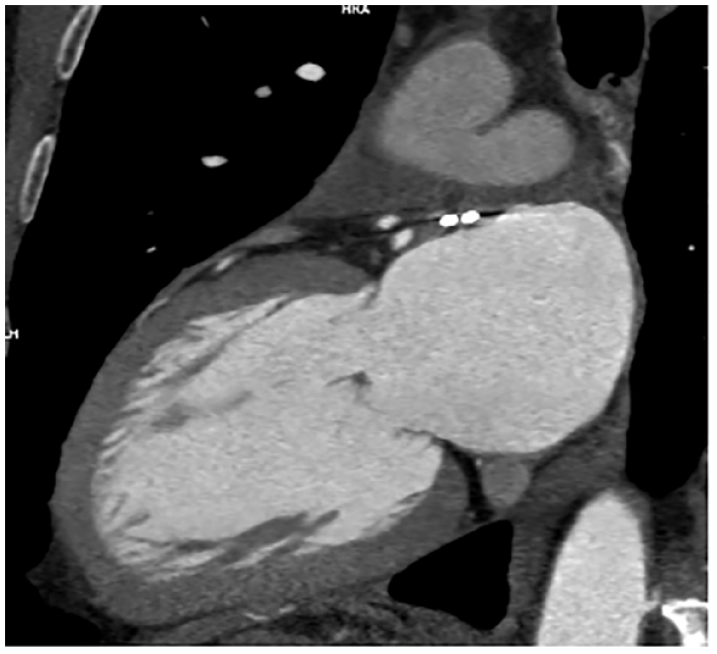
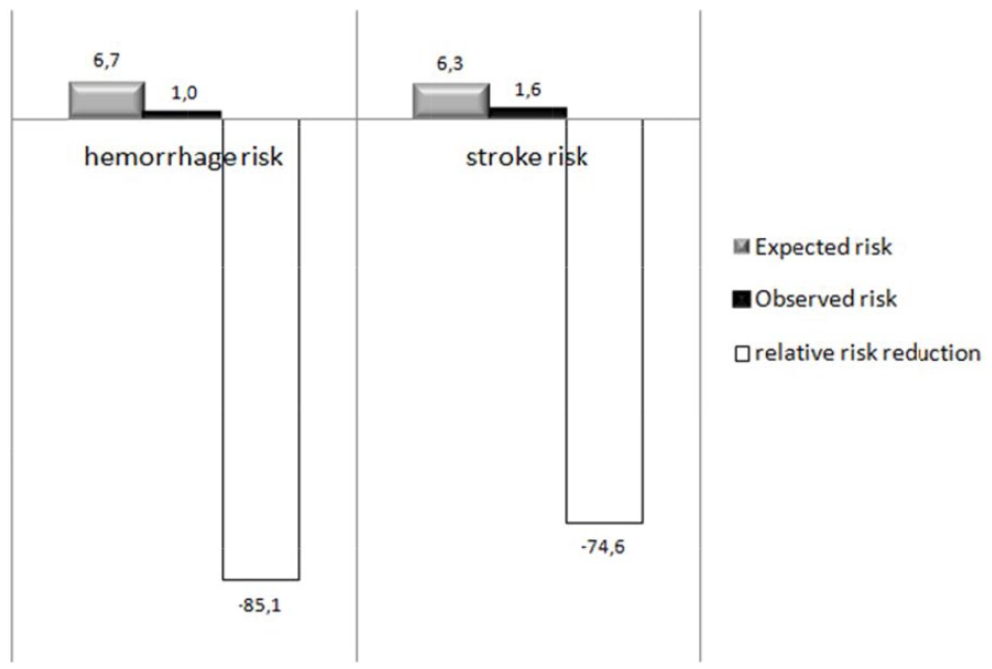
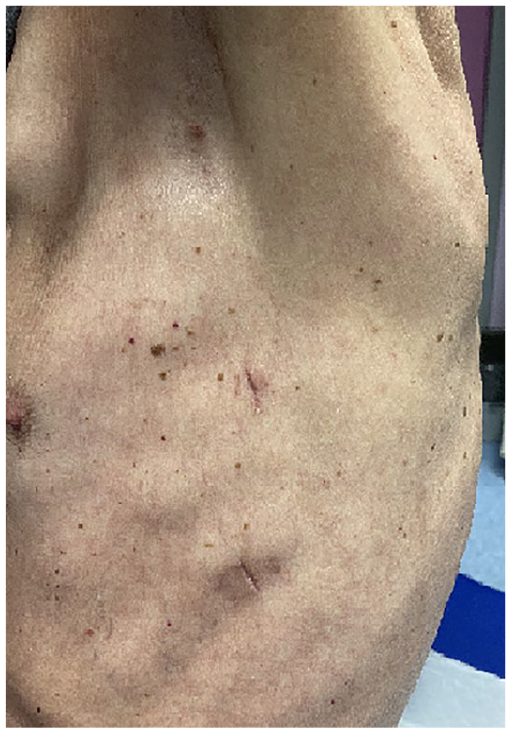
262
Acute Ischaemic Stroke without Standard Modifiable Risk Factors has Lower Mortality
1Melbourne Brain Centre at Royal Melbourne Hospital, Department of Neurology, Victoria, Australia, 2USBE, Umea University, Department of Statistics, Umea, Sweden, 3Örebro University, Department of Neurology and Rehabilitation, School of Medicine, Örebro, Sweden, 4Kolling Institute of Medical Research, Royal North Shore Hospital, New South Wales, Australia, 5Lund University, Department of Clinical Sciences Lund, Lund, Sweden
323
ATRIAL FIBRILLATION IN PATIENTS WITH LARGE AND SMALL VESSEL ISCHEMIC STROKE: LONG-TERM FOLLOW-UP RESULTS FROM THE STROKE AF RANDOMIZED TRIAL
1Feinberg School of Medicine of Northwestern University, Davee Department of Neurology, Chicago, United States, 2Weill Cornell Medicine, Department of Neurology, New York, United States, 3Duke University Medical Center, Duke Clinical Research Institute, Durham, United States, 4Cone Health, Cone Health Stroke Center, Greensboro, United States, 5North Shore University Hospital, Department of Vascular Services, Manhasset, United States, 6Medtronic, Department of Statistics, Minneapolis, United States, 7Medtronic, Department of Research, Minneapolis, United States, 8Medtronic, Department of Clinical Research, Minneapolis, United States, 9Massachusetts General Hospital, Department of Neurology, Boston, United States
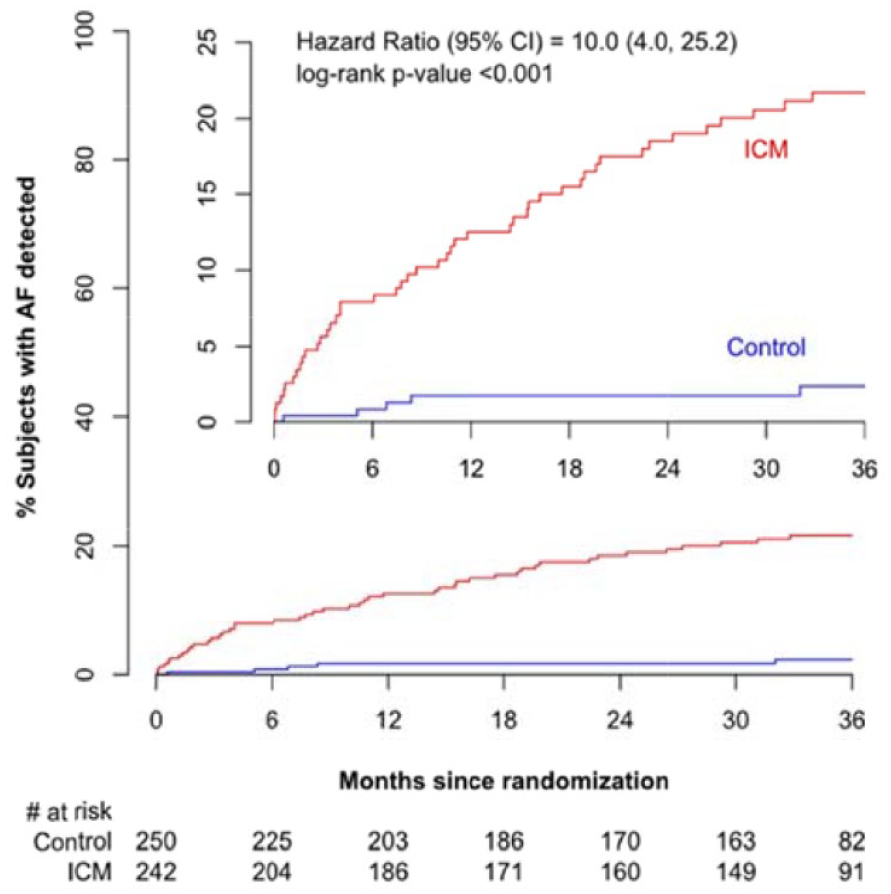
Disclosure of interest: Yes
472
INFLUENCE OF THE GUT MICROBIOME IN ISCHEMIC STROKE RISK AND ISCHEMIC STROKE OUTCOME
1Institut de Recerca - Hospital Santa Creu i Sant Pau, Stroke Pharmacogenomics and Genetics Laboratory, Barcelona, Spain, 2Hospital de la Santa Creu i Sant Pau, Department of Neurology, Barcelona, Spain, 3Fundació Docència i Recerca - Mútua Terrassa, Fundació Docència i Recerca - Mútua Terrassa, Terrassa, Spain
660
DISMANTLING THE GENETIC ARCHITECTURE OF INFLAMMATORY PATHWAYS IN CARDIOVASCULAR DISEASE
1 University Hospital LMU Munich, Institute For Stroke And Dementia Research, Epidemiology and Bioinformatics, Munich, Germany
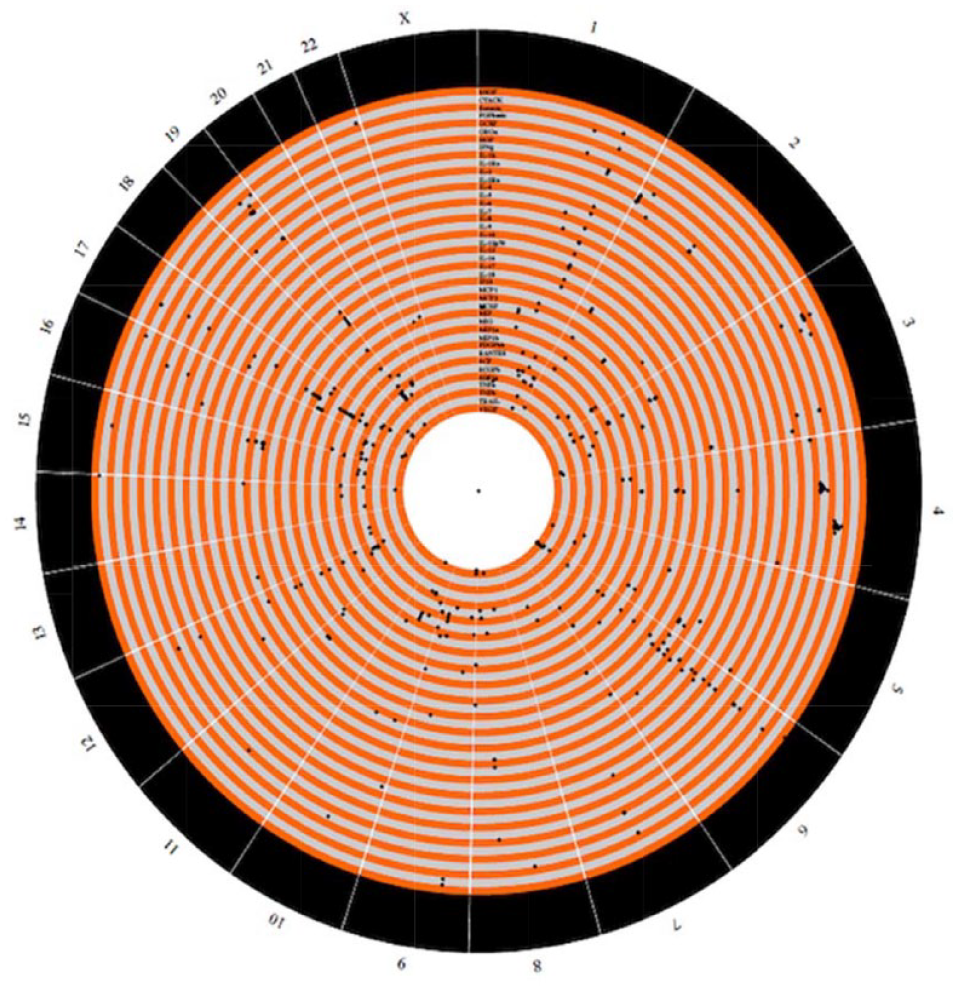
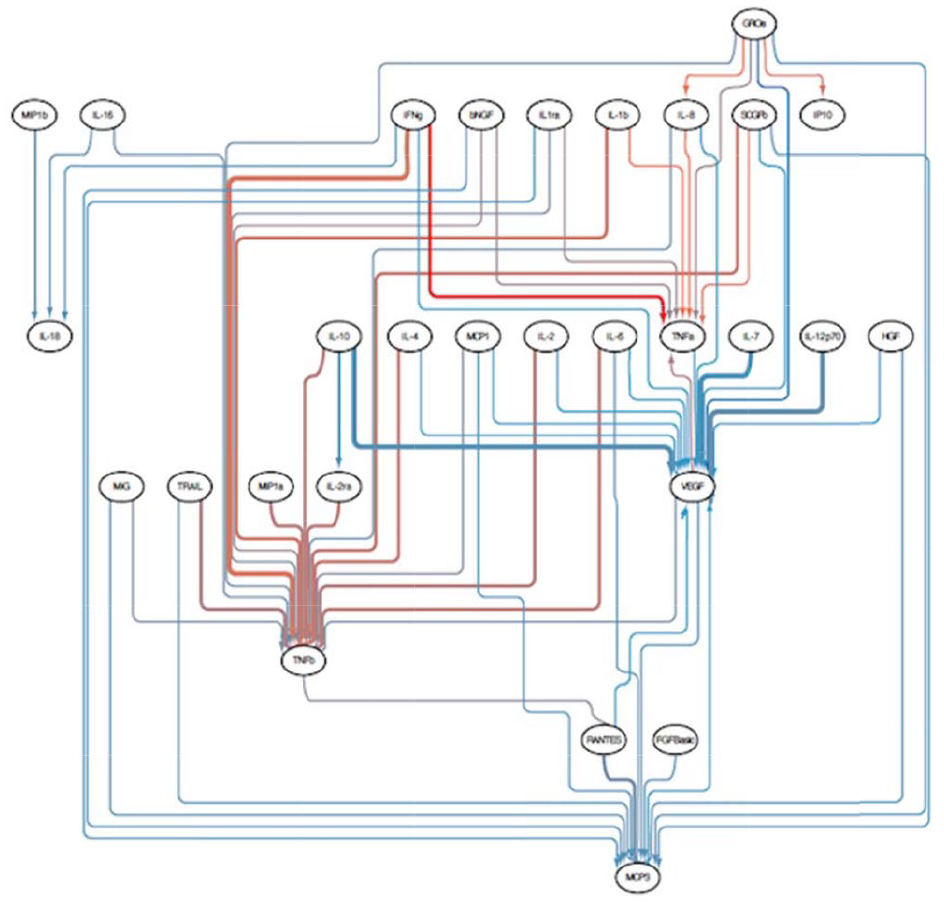
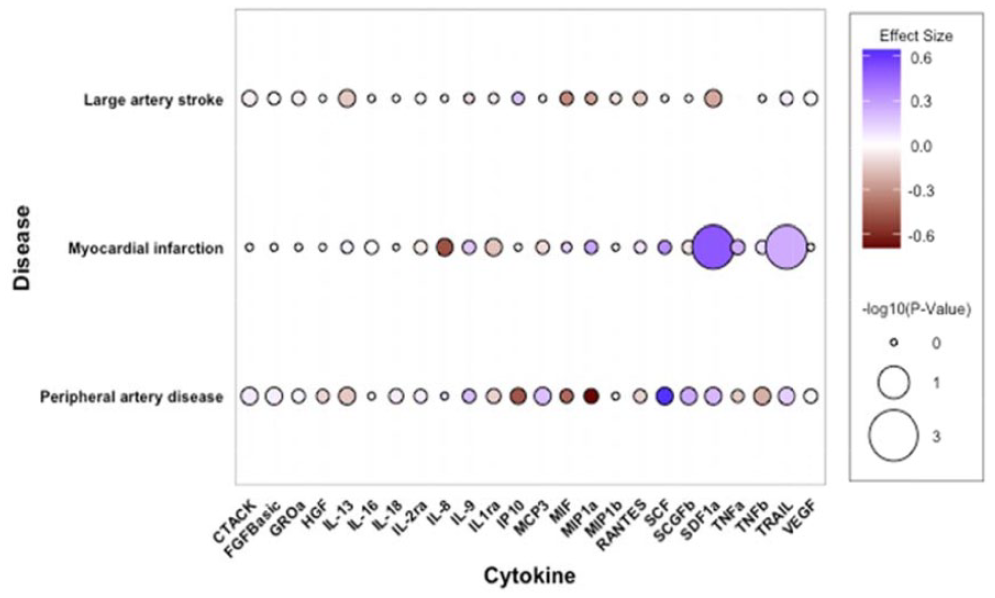
748
Dissecting the effects of interleukin-6 signaling on atherosclerosis: a proteome-wide Mendelian randomization study
1Massachusetts General Hospital, Center for Genomic Medicine, Boston, United States, 2University of Patras, Faculty of Medicine, Patras, Greece, 3Broad Institute of MIT and Harvard, Programme for medical and population genetics, Cambridge, United States, 4Ludwig-Maximilians-University of Munich, Institute for Stroke and Dementia, Munich, Germany, 5Institute of Epidemiology, Helmholtz Zentrum München, German Research Center for Environmental Health (GmbH), Neuherberg, Germany, 6German Center for Diabetes Research, Partner Düsseldorf, München-Neuherberg, Germany, Munich-Neuherberg, Germany, 7University College London, Department of Clinical Pharmacology, Division of Medicine, London, United Kingdom, 8University Medical Center Utrecht, Central Diagnostics Laboratory, Division Laboratories, Pharmacy, and Biomedical Genetics, Utrecht, Netherlands, 9German Diabetes Center, Leibniz Center for Diabetes Research at Heinrich Heine University, Institute for Clinical Diabetology, Düsseldorf, Germany, 10Medical Faculty, Heinrich Heine University, Division of Endocrinology and Diabetology, Düsseldorf, Germany, 11German Centre for Cardiovascular Research (DZHK), Partner Site Munich Heart Alliance, Munich, Germany, 12University of Ulm, Institute of Epidemiology and Medical Biometry, Ulm, Germany, 13Technical University of Munich, German Heart Center Munich, Munich, Germany, 14Institute of Cardiovascular Science, University College London, Centre for Translational Genomics, London, United States, 15Massachusetts General Hospital, Henry and Allison McCance Center for Brain Health, Boston, United States, 16German Center for Neurodegenerative Diseases (DZNE), Hemholtz Centers, Munich, Germany, 17Ludwig-Maximilians-University of Munich, Munich Cluster for Systems Neurology (SyNergy), Munich, Germany, 18Brigham and Women’s Hospital, Department of Neurology, Boston, United States
877
Association between deprivation and post-stroke outcomes: 10-year follow-up from a population-based cohort study of all strokes in Oxfordshire, UK
1University of Oxford, Wolfson Centre for Prevention Of Stroke and Dementia, Oxford, United Kingdom, 1University of Oxford, Wolfson Centre for Prevention Of Stroke and Dementia, Oxford, United Kingdom
926
Clinical outcomes of radiation-induced carotid stenosis
1Xuanwu Hospital, Capital Medical University, Department of Neurosurgery, Beijing, China, 2University of Oxford, Sir william dunn school of pathology, Oxford, United Kingdom
1043
Risk of cerebrovascular events with intensive lipid control among direct oral anticoagulant users: A population-based analysis
1 The Chinese University of Hong Kong, Department of Medicine and Therapeutics, Sha Tin, Hong Kong
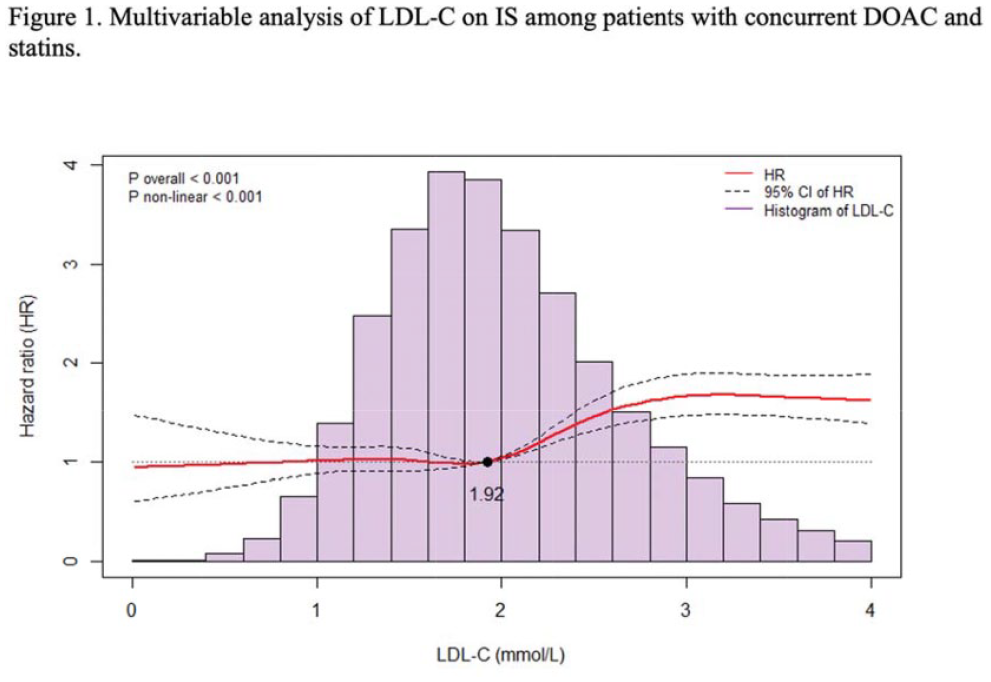
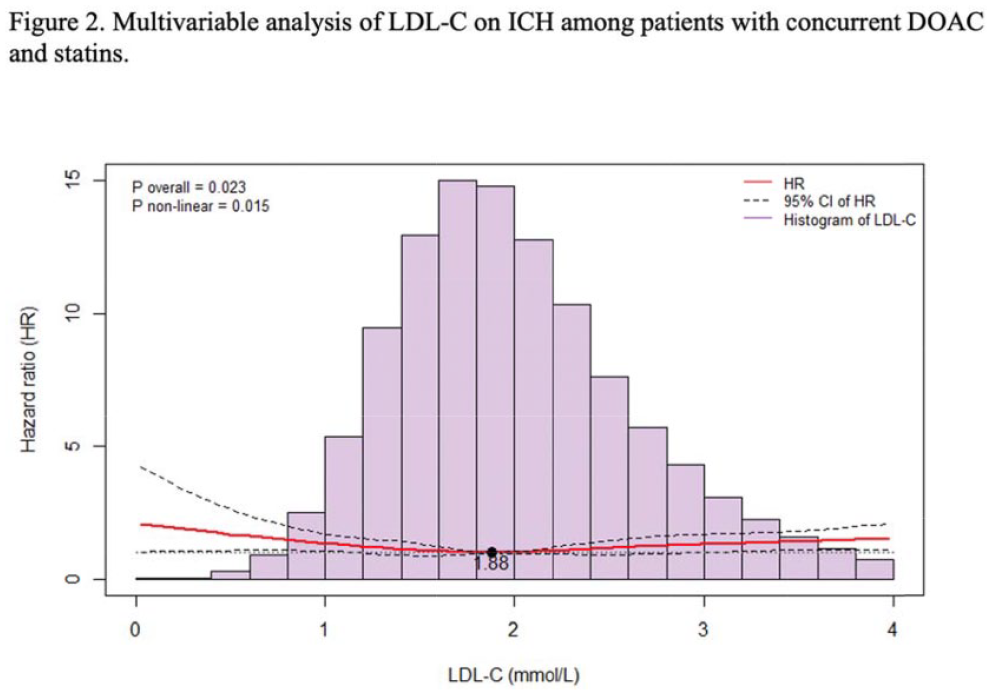
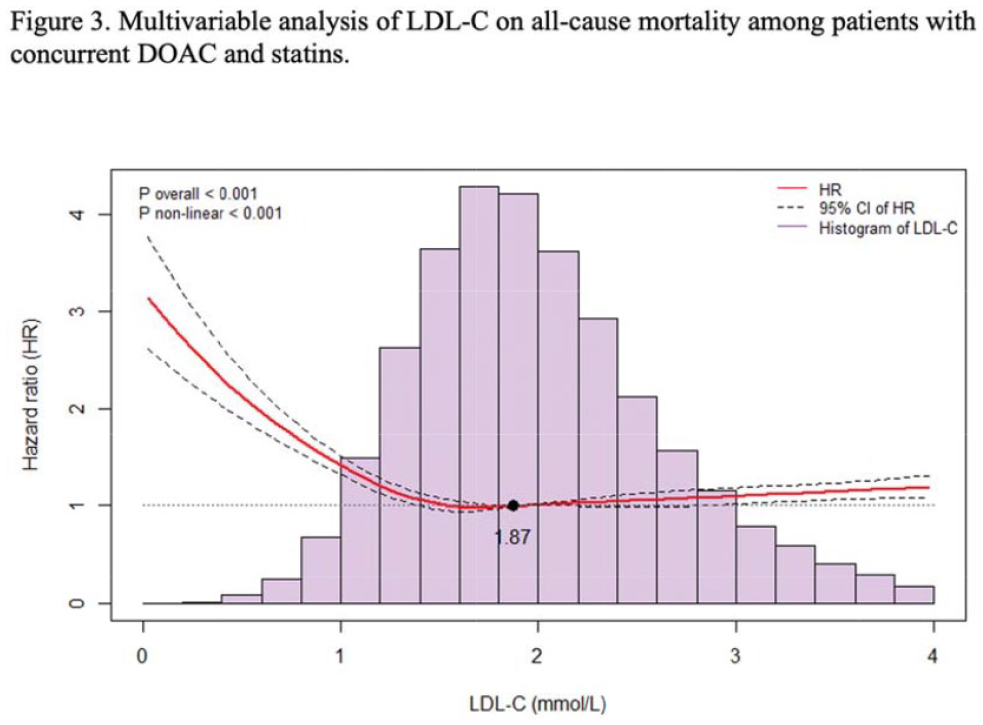
1230
EFFECT OF SHORT-TERM EXPOSURE TO AIR POLLUTION ON DAILY CARDIO- AND CEREBRO-VASCULAR HOSPITALIZATIONS IN AREAS WITH A LOW LEVEL OF AIR POLLUTION
1The University of Newcastle, College of Health, Medicine and Wellbeing, Callaghan, Australia, 2Hunter Medical Research Institute, Heart and Stroke Research Programme, New Lambton Heights, Australia, 3John Hunter Hospital, Department of Neurology, New Lambton Heights, Australia, 4Hunter New England Local Health District, Activity and Performance Unit, New Lambton Heights, Australia, 5University of Sydney, Research Methods Stream, The Daffodil Centre, Sydney, Australia, 6John Hunter Hospital, Cardiovascular Department, New Lambton Heights, Australia, 7Indiana University-Purdue University Indianapolis, Department of Earth Science, Indianapolis, United States, 8The University of Newcastle, Global Centre for Environmental Remediation (GCER) College of Engineering Science and Environment, Callaghan, Australia
339
SEX DIFFERENCES IN OUTCOMES AFTER ENDOVASCULAR TREATMENT OF LARGE VESSEL OCCLUSION POSTERIOR CIRCULATION STROKE: RESULTS FROM THE MR CLEAN REGISTRY
1Amsterdam University Medical Center - location VUmc, Neurology, Amsterdam, Netherlands, 2Leiden University Medical Center, Neurology, Leiden, Netherlands, 3Leiden University Medical Center, Biomedical Data Sciences, Leiden, Netherlands, 4Rijnstate Hospital, Neurology, Arnhem, Netherlands, 5Amsterdam University Medical Center - location AMC, Neurology, Amsterdam, Netherlands, 6Amsterdam University Medical Center - location AMC, Radiology and Nuclear Medicine, Amsterdam, Netherlands, 7Leiden University Medical Center, Radiology and Nuclear Medicine, Leiden, Netherlands, 8Leiden University Medical Center, Radiology, Leiden, Netherlands, 9Erasmus MC University Medical Center, Neurology, Rotterdam, Netherlands, 10St. Antonius Hospital, Neurology, Nieuwegein, Netherlands, 11Haaglanden Medical Center, Neurology, The Hague, Netherlands, 12University Neurovascular Center Leiden-The Hague, Neurology, Leiden, Netherlands
357
EVALUATION OF AN ARTIFICIAL INTELLIGENCE (AI) ENHANCED APPLICATION FOR HYPERACUTE STROKE USING CLINICAL SIMULATION
1University of Glasgow, Imaging Centre of Excellence, Glasgow, United Kingdom, 2NHS Greater Glasgow and Clyde, Queen Elizabeth University Hospital, Glasgow, United Kingdom
Sessions involved 6 simulations in random order, beginning with pre-alert and ending with thrombolysis decision. Simulations included 2 teams (local doctor and/or nurse; and remote senior medical decision-maker), each randomly assigned either hospital standard or AI-enhanced software access for review.
DNT determined from video recordings was adjusted for simulation artefacts (e.g. shortened patient transfers). Participants completed questionnaires post-session. Ethical approval was not required.
We determined the effect of software variation on DNT using linear mixed modelling (LMM), adjusting for case order and group.
82% of participants preferred AI-enhanced software. System usability score was 72 /100(95%CI:68-76).
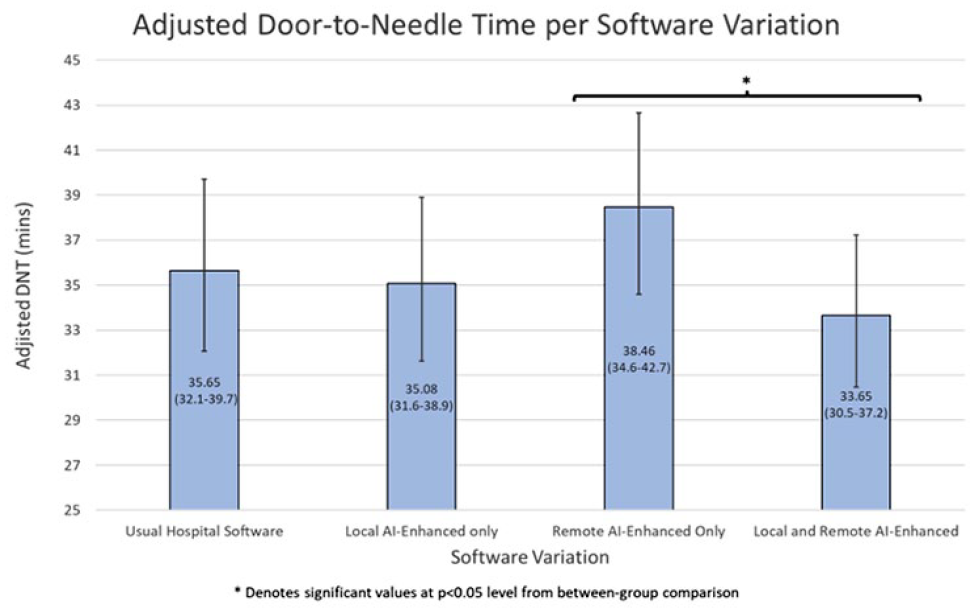
403
EFFECTIVENESS OF A TELEHEALTH-BASED BEHAVIORAL LIFESTYLE PROGRAM FOR HYPERTENSION CONTROL IN AFRICAN AMERICANS: RESULTS FROM HEALS MED-TECH RANDOMIZED CONTROLLED STUDY
1 Eastern Virginia Medical School, EVMS-Sentara Healthcare Analytics and Delivery Science Institute, Norfolk, United States
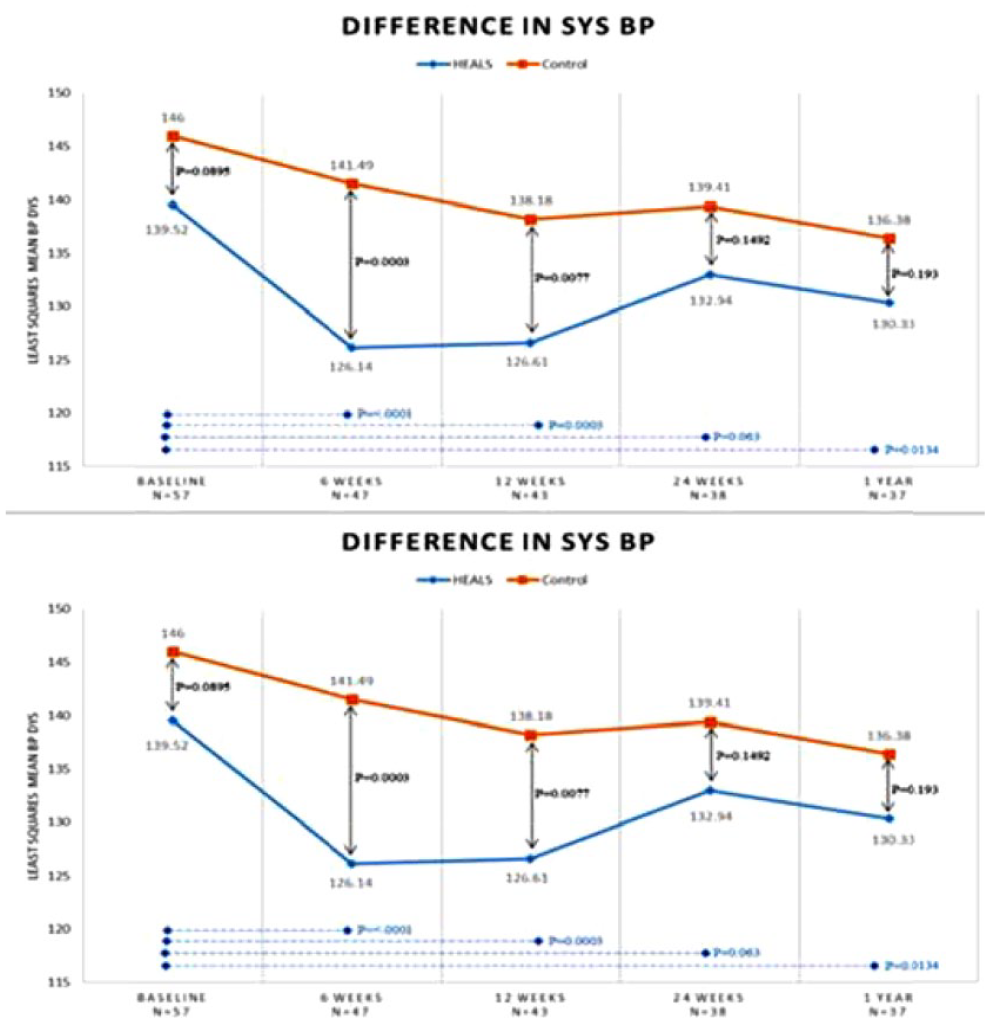
609
REAL WORLD DATA IN MECHANICAL THROMBECTOMY – WHOM ARE WE LOOSING TO FOLLOW-UP?
1 University Medical Center of the Johannes Gutenberg University Mainz, Department of Neurology, Mainz, Germany
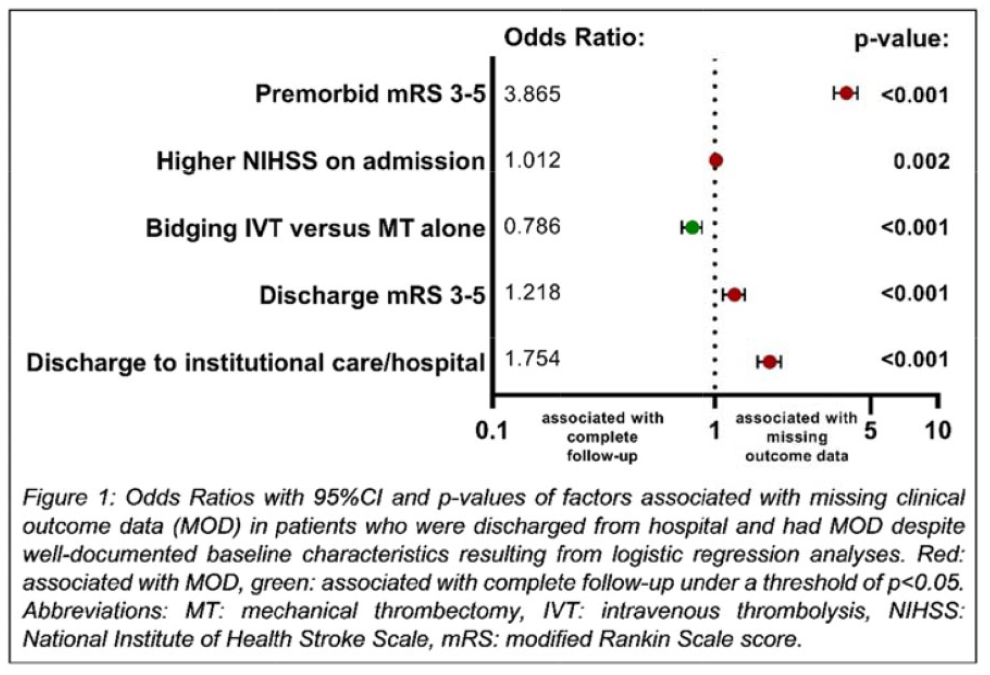
1202
SEX DIFFERENCES IN RISK FACTORS AND OUTCOMES FOR STROKE IN ULAANBAATAR, MONGOLIA
1The George Institute for Global Health, University of New South Wales, Sydney, Australia, 2The George Institute for Global Health China, The George Institute for Global Health, Beijing, 3Institute of Medical Sciences, Mongolian National University of Medical Sciences, Ulanbaatar, Mongolia, 4Ach Medical University, Ach Medical University, Ulanbaatar, Mongolia, 5Department of Neurology, Nippon Medical School, Tokyo, Japan
1204
INTERHOSPITAL TRANSFER FOR ENDOVASCULAR STROKE TREATMENT IN CANADA: RESULTS FROM THE OPTIMISE REGISTRY
1McMaster University & Population Health Research Institute, Division of Neurology, Hamilton, Canada, 2University of Montreal, Department of Neurosciences, Montreal, Canada, 3University of Calgary, Department of Clinical Neurosciences and Department of Radiology, Calgary, Canada, 4Ottawa Hospital Research Institute and University of Ottawa, Division of Neurology, Ottawa, Canada, 5Dalhousie University, Department of Community Health and Epidemiology, Halifax, Canada, 6Dalhousie University, Department of Radiology, Halifax, Canada, 7University of Toronto, Department of Medicine (Division of Neurology), Toronto, Canada, 8Kelowna General Hospital, Department of Medicine, Kelowna, Canada, 9Queen Elizabeth Hospital, Department of Medicine, Charlottetown, Canada, 10Canadian Stroke Consortium, Ottawa, Canada
1298
Strokes in Bishkek, Kyrgyz Republic between 2004 and 2019
1 I.K.Akhunbaev Kyrgyz State Medical Academy, General and Clinical Epidemiology, Bishkek, Kyrgyzstan
Analysis by age showed that the incidence of IS increased from 2.5% (<40 years) to 51.0% (>70 years). Mortality from IS also increased by 2.3-4 times for each ten-year age period. The incidence of IS in age group >70 years is higher in women (32.7%) than in men (18.3%) (p<0.002). Also, HS deaths rate in women (47.3%) is 2 times higher than in men (23.5%) (p<0.05).
SERVICE ORGANISATION DAY 1
1585
Real world evidence of the efficacy of Mechanical thrombectomy in the UK: Results from nationwide stroke registry and comparison with the HERMES metanalysis
1King's College London Guy's Campus, School of Life Course & Population Sciences, London, United Kingdom, 2Guy's and St Thomas' NHS Foundation Trust, Stroke, elderly care and general medicine, London, United Kingdom, 3Royal Devon & Exeter Hospital, Stroke, Exeter, United Kingdom, 4University of Exeter Medical School, Medical School, Exeter, United Kingdom
Disclosure of interest: Yes
1601
LOCAL IN-HOSPITAL WORKFLOWS IMPACT DRIP-AND-SHIP PATIENT OUTCOMES - A SECONDARY ANALYSIS OF THE RACECAT TRIAL
1Hospital Universitari Vall d'Hebron, Neurology, Stroke Unit, Barcelona, Spain, 2Hospital Clínic de Barcelona, Neurology, Stroke Unit, Barcelona, Spain, 3Institut Català de la Salut, -, Barcelona, Spain, 4Hospital Universitari Joan XXIII, Stroke Unit, Neurology department, Tarragona, Spain, 5Hospital Universitari Josep Trueta, Stroke Unit, Neurology department, Girona, Spain, 6Hospital Universitari Arnau de Vilanova, Stroke Unit, Neurology department, Lleida, Spain, 7Hospital Verge de la Cinta, Neurology, Tortosa, Spain, 8Xarxa Althaia, Neurology, Manresa, Spain, 9Hospital Moises Broggi, Neurology, Sant Joan Despi, Spain, 10Hospital General de Granollers, Neurology, Granollers, Spain, 11Hospital de Mataró, Neurology, Mataró, Spain, 12Consorci Sanitari Alt Penedès i Garraf, Neurology, Vilafranca del Penedès, Spain, 13Hospital de Vic, Emergency department, Vic, Spain, 14Consorci Sanitari de l'Anoia, Emergency Department, Igualada, Spain, 15Cooper Health, Interventional Neurology, Stroke Unit, Camden, United States, 16Hospital Germans Trias i Pujol, Neurology, Stroke Unit, Barcelona, Spain
Tele-stroke vs. PSC did not differ in iv-thrombolysis (59.7% vs. 62.4%; p=0.592) or EVT rates (65.5% vs. 56.9%; p=0.164). Door-to-needle times were longer in tele-stroke centers (47[35-58] min vs. 30 [22-42] min, p<0.001) but randomization-to-puncture times were similar (188 [155-247] vs. 201 [173-237]; p=0.366) (figure 2). Door-to-needle time was an independent predictor of outcome in AIS (p=0.037) and LVO (p=0.018).
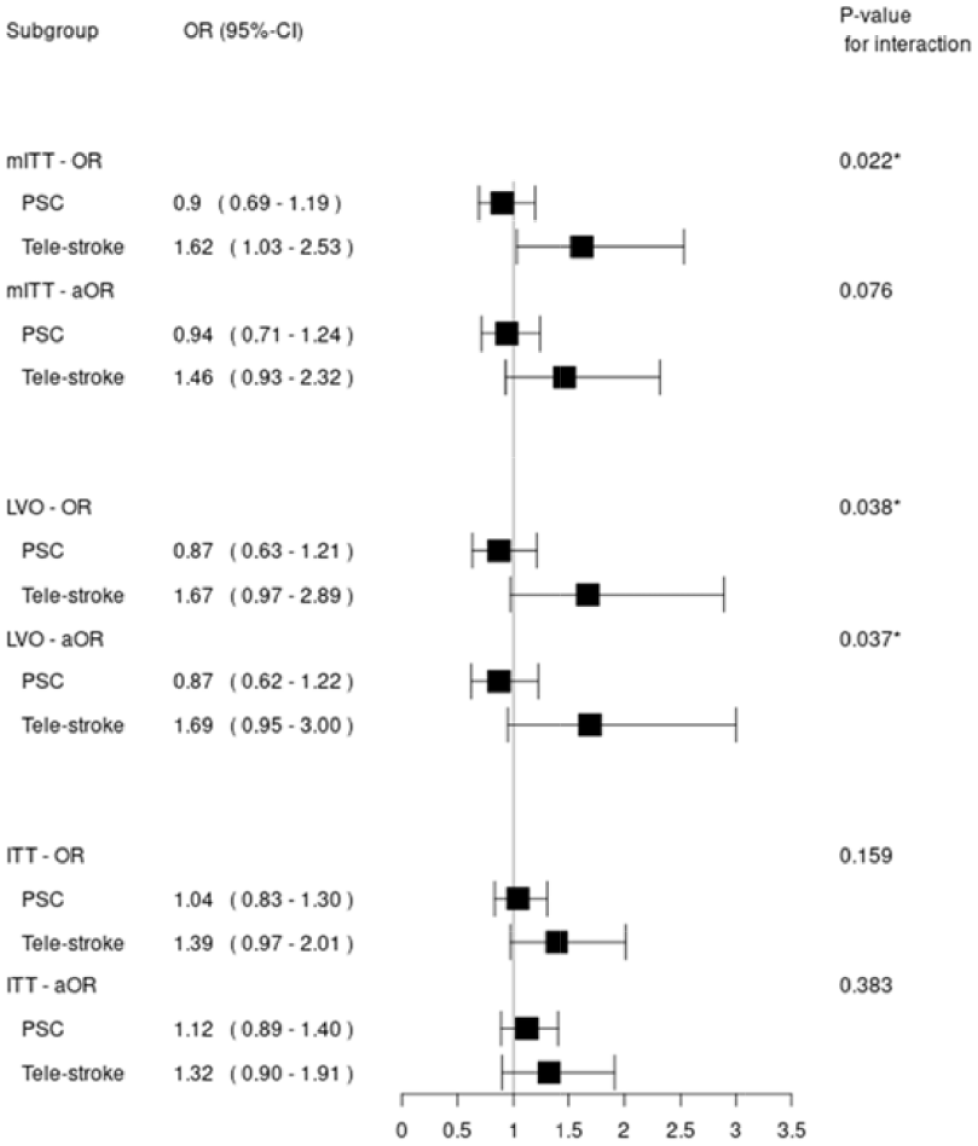
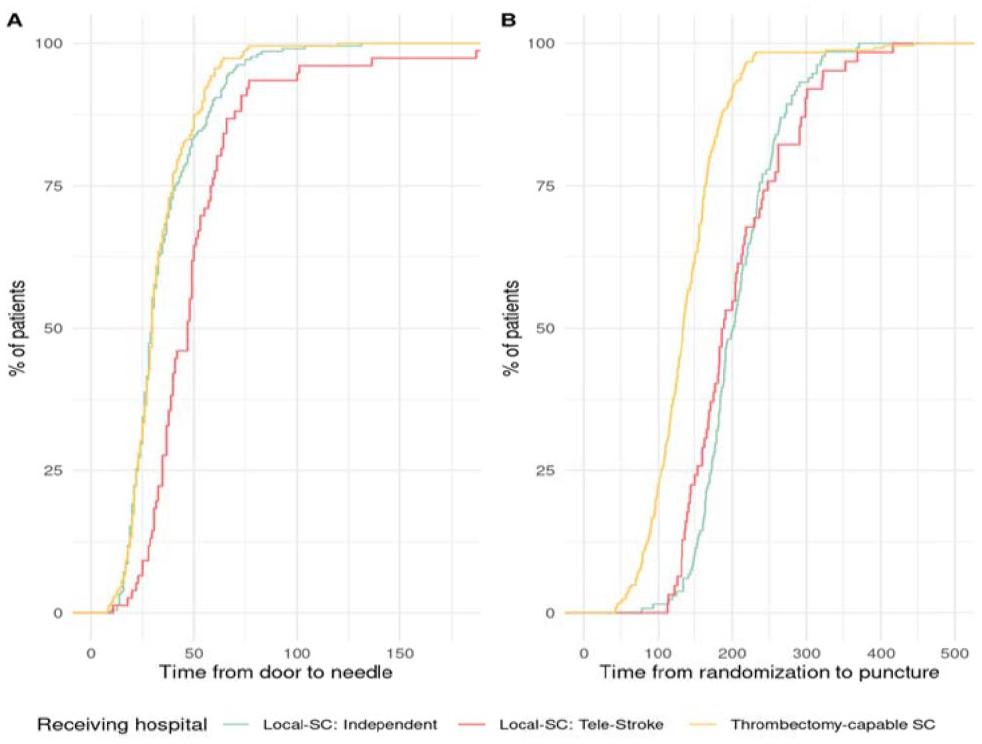
1763
READMISSIONS DUE TO MAJOR ADVERSE CARDIOVASCULAR EVENTS FOLLOWING SARS-COV-2 IN THE US IN 2020
1The University of British Columbia, Medicine, Vancouver, Canada, 2Stanford University, Medicine, Stanford, United States, 3Yale University, Medicine, New Haven, United States
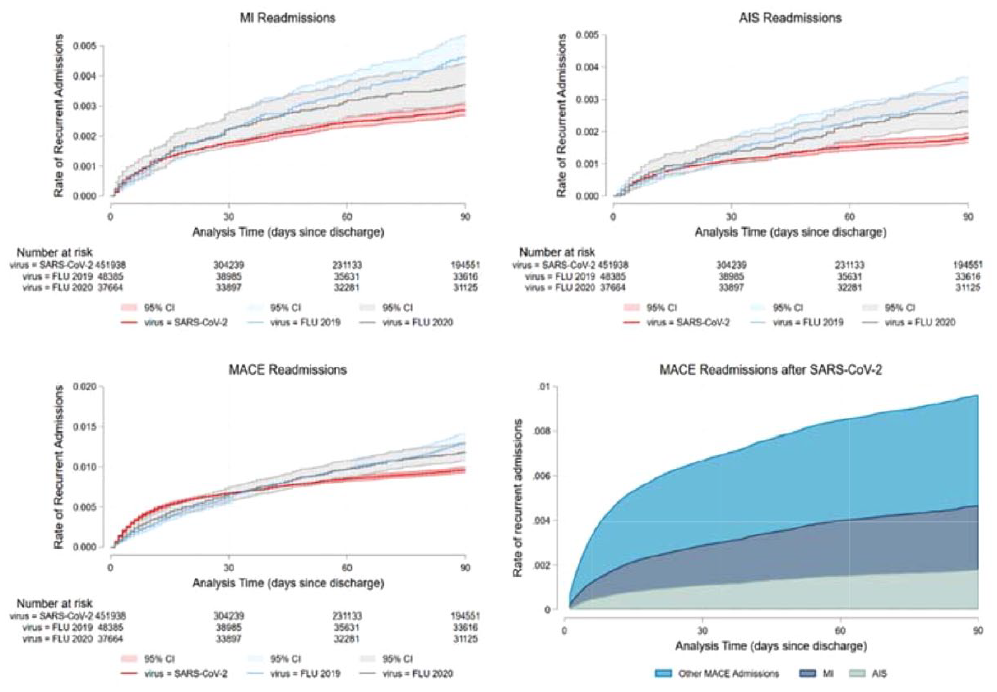
2493
Determinants of stroke recurrence in patients with stroke related atrial fibrillation in a large healthcare-based cohort
1Stroke Unit Vall d’Hebron Hospital, Barcelona., Vall d’Hebron Institute of Research, Barcelona, Barcelona, Spain, 2Vall d’Hebron Institute of Research, Barcelona, Nora Health., Barcelona, Spain, 3Programa d’Analitica de Dades per a la Recerca i la Innovació en Salut (PADRIS)., Agencia de Qualitat i Avaluació Sanitarias de Catalunya (AQUAS)., Barcelona, Spain
We evaluated a cohort of patients with AF and stroke to grade each risk factors of stroke recurrence.
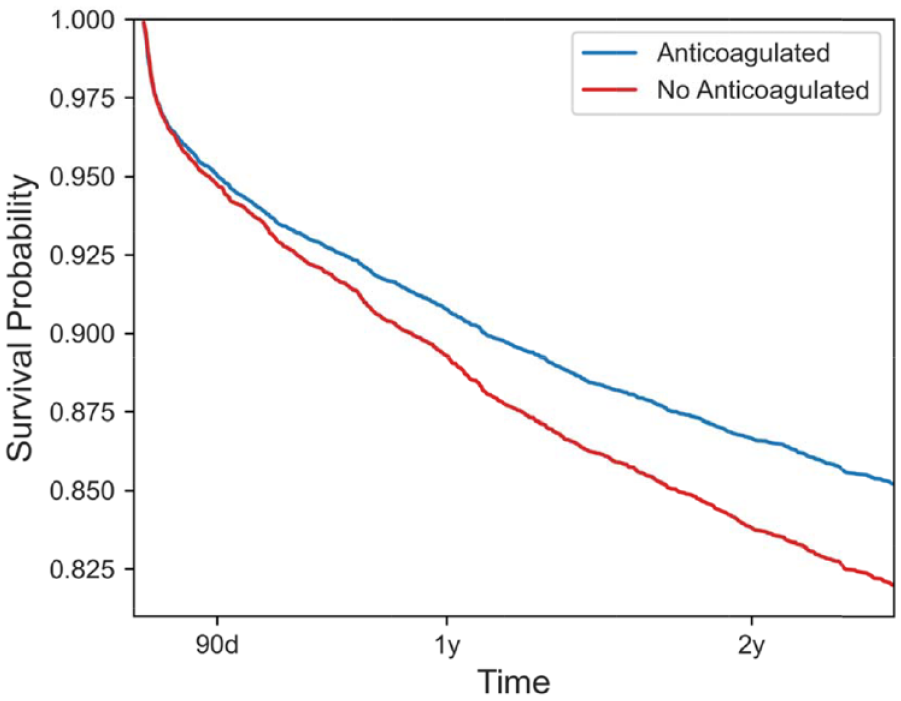
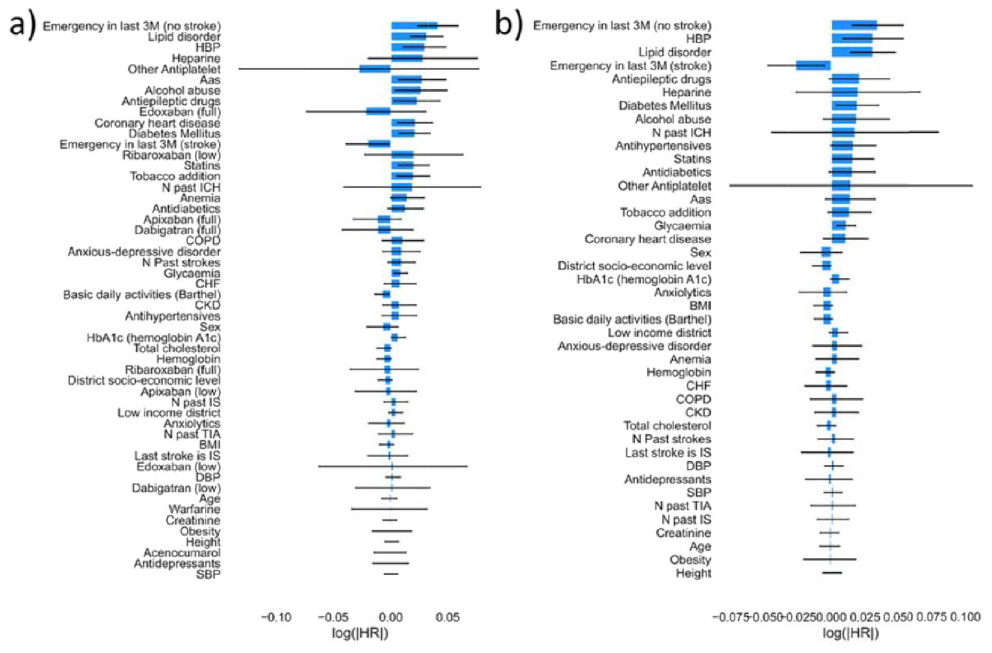
ACUTE MANAGEMENT DAY 2
1159
Emergent carotid stenting for acute ischemic stroke due to tandem occlusion: a meta-analysis
1Bufalini Hospital, Neurology, Cesena, Italy, 2Salerno Hospital, Interventional neuroradiology, Salerno, Italy, 3Pescara Hosital, Neurosurgery, Pescara, Italy, 4University of Limoges, Interventional Neuroradiology, Limoges, France, 5University La Sapienza, Neurosurgery, Rome, Italy, 6University of Lisbon, Neurology, Lisboa, Portugal, 7University of Catania, Neurovascular surgery, Catania, Italy, 8IRCCS Istituto delle Scienze Neurologiche di Bologna, Neurologia e rete stroke metropolitana, Bologna, Italy
1188
ASSOCIATION BETWEEN BLOOD PRESSURE VARIABILITY AND OUTCOMES AFTER ENDOVASCULAR THROMBECTOMY FOR ACUTE ISCHEMIC STROKE: AN INDIVIDUAL PATIENT DATA META-ANALYSIS
1McMaster University & Population Health Research Institute, Division of Neurology, Hamilton, Canada, 2National and Kapodistrian University of Athens, Second Department of Neurology, Athens, Greece, 3Karolinska University Hospital, Department of Neurology, Stockholm, Sweden, 4Chonnam National University Medical School, Department of Neurology, Gwangju, South Korea, 5University of Tennessee Health Science Center, Department of Neurology, Memphis, United States, 6University Medical Center Goettingen, Department of Neurology, Goettingen, Germany, 7University of Utah, Department of Neurology, Salt Lake City, United States, 8Medical University of South Carolina, Department of Neurology, Charleston, United States, 9Vanderbilt University Medical Center, Department of Neurology, Nashville, United States, 10University of Cincinnati, Department of Neurology, Cincinnati, United States, 11University of Tennessee Health Science Center, Department of Neurosurgery, Memphis, United States, 12Case Western Reserve University, Department of Neurology, Cleveland, United States, 13NYU Langone Health, Department of Neurology, New York, United States, 14University Hospital Basel, Department of Neuroradiology, Clinic for Radiology & Nuclear Medicine, Basel, Switzerland, 15Allegheny Health Network, Department of Neurology, Pittsburgh, United States, 16Medical University of South Carolina, Department of Neurosurgery, Charleston, United States, 17Oslo University Hospital, Department of Neurology, Oslo, Norway, 18Yale University, Department of Neurology, New Haven, United States
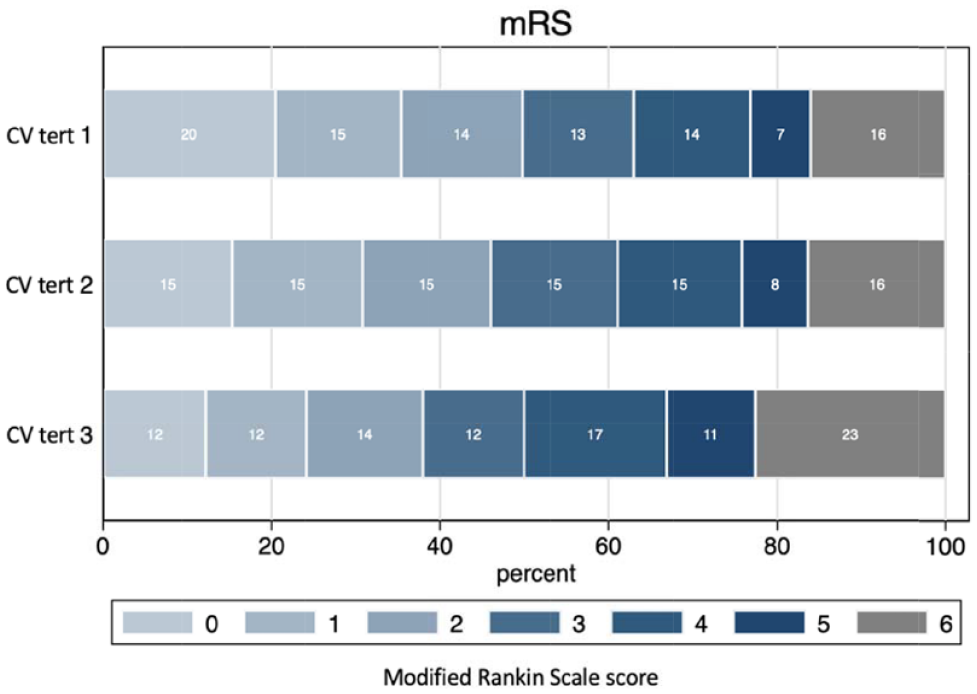
1309
Lipoprotein(a) and Efficacy of Intravenous Thrombolysis in Acute Ischemic Stroke – Effect Modification Analysis
1University Hospital Basel, Neurology and Stroke Center, Basel, Switzerland, 2Cantonal Hospital Schaffhausen, Internal medicine, Schaffhausen, Switzerland, 3University Hospital Bern, Neurology, Bern, Switzerland, 4University Hospital Zurich, Neurology, Zurich, Switzerland, 5Rehabilitation clinic, Neurology, Rheinfelden, Switzerland, 6Cantonal Hospital Aarau, Neurology, Aarau, Switzerland, 7Neurocentro della Svizzera Italiana, Stroke Center EOC, Lugano, Switzerland, 8Cantonal Hospital St. Gallen, Neurology and Stroke Center, St. Gallen, Switzerland, 9Vall d'Hebron Institute of Research (VHIR), Universitat Autónoma de Barcelona, Neurology, Barcelona, Spain, 10School of Health Sciences, University of Thessaly, Internal Medicine, Larissa, Greece, 11University Hospital of Frankfurt, Neurology, Franfkurt am Main, Germany, 12University Hospital Zurich, Institute of Clinical Chemistry, Zurich, Switzerland
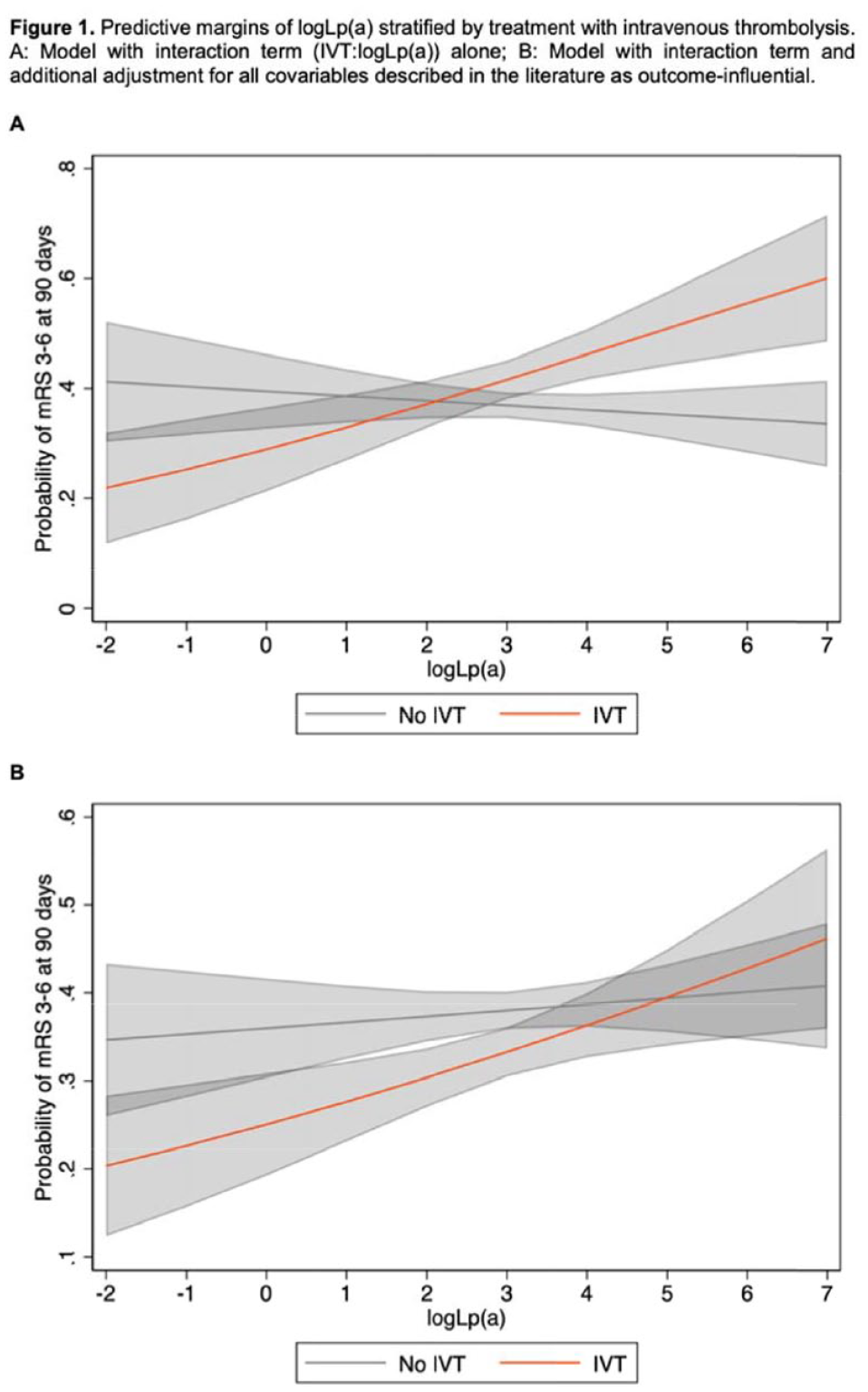
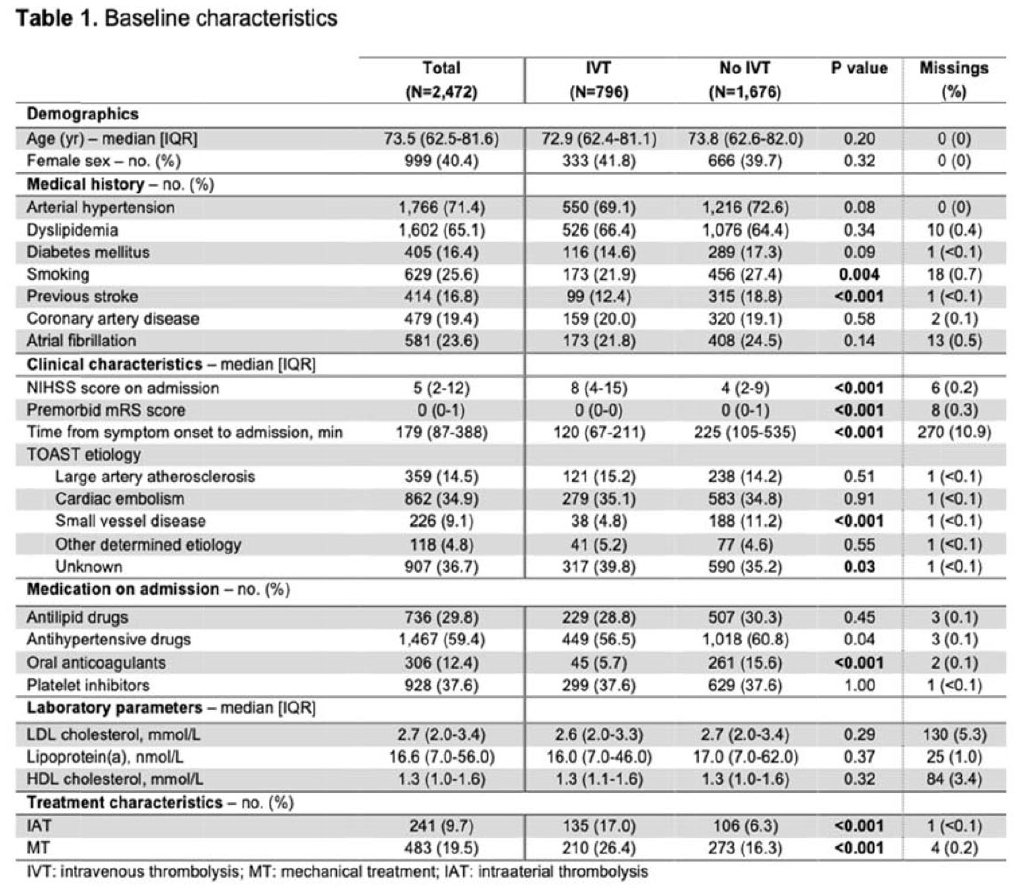
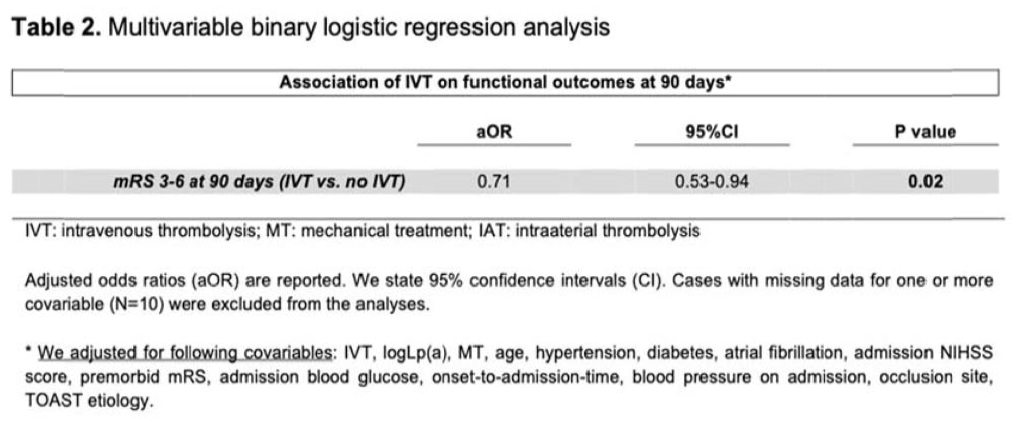
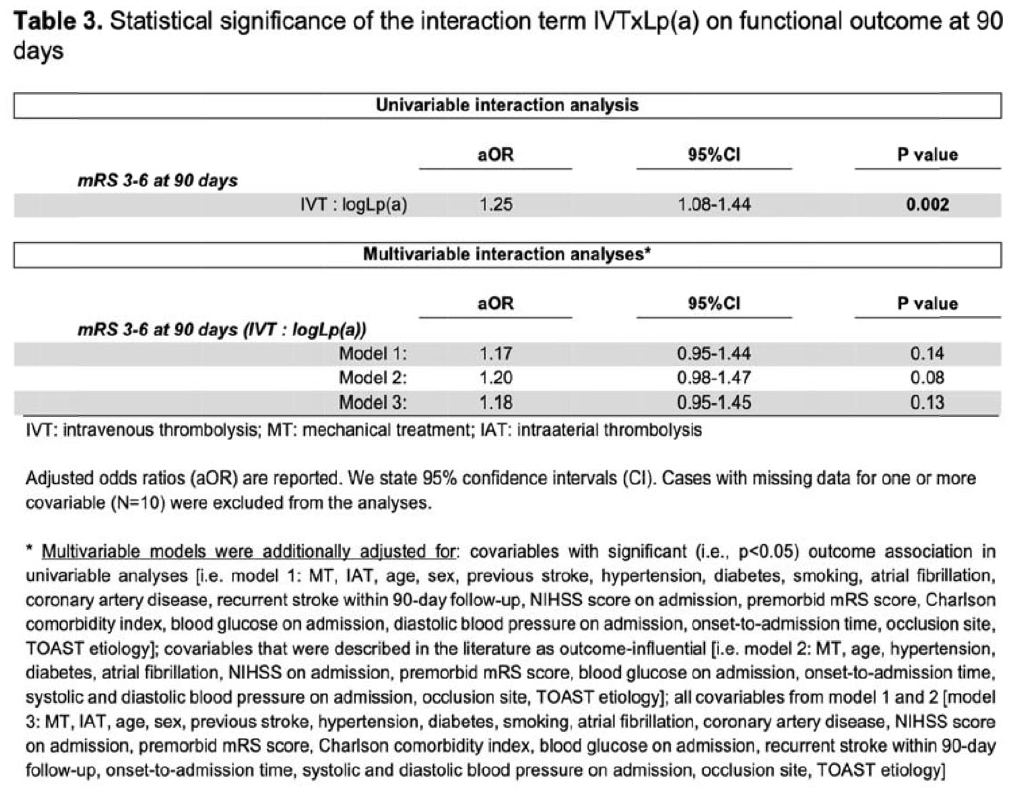
1384
Bridging thrombolysis versus mechanical thrombectomy alone in stroke subtypes with large vessel occlusions: a post-hoc analysis of the SWIFT DIRECT trial
1Inselspital, Bern University Hospital, University of Bern, Department of Neurology, Bern, Switzerland, 2University of Bern, CTU Bern, Bern, Switzerland, 3Inselspital, Bern University Hospital, University of Bern, University Institute of Diagnostic and Interventional Neuroradiology, Bern, Switzerland, 4Helsinki University Hospital, University of Helsinki, Department of Neurology, Helsinki, Finland, 5Hôpital Pierre Wertheimer, Hospices Civils de Lyon, Stroke Department, Lyon, France, 6Centre Hospitalier Universitaire de Toulouse, Department of Diagnostic and Therapeutic Neuroradiology, Toulouse, France, 7University Hospital of Nantes, Department of Diagnostic and Therapeutic Neuroradiology, Nantes, France, 8CHU Bordeaux, University of Bordeaux, Stroke Unit, Bordeaux, France, 9CHU Rouen, Department of Radiology, Rouen, France, 10University Hospital Centre Nancy, Department of Diagnostic and Interventional Neuroradiology, Nancy, France, 11Vall d'Hebron Institut de Recerca, Department of Neurology, Barcelona, Spain, 12Foch Hospital, Department of Stroke and Diagnostic and Interventional Neuroradiology, Suresnes, France, 13CHU Reims, Department of Neurology, Reims, France, 14University Medical Center Goettingen, Department of Neuroradiology, Goettingen, Germany, 15University Hospital RWTH Aachen, Department of Neurology, Aachen, Germany, 16CHU Caen Normandie, University Caen Normandie, Department of Neurology, Caen, France, 17David Geffen School of Medicine, University of California, Department of Neurology and Comprehensive Stroke Center, Los Angeles, United States, 18University Hospital Basel, University of Basel, Department of Neurology, Basel, Switzerland
1517
TIROFIBAN VS ASPIRIN PREVENTING ACUTE IN-STENT THROMBOSIS: ANTIPLATELET THERAPY DURING MECHANICAL THROMBECTOMY IN ACUTE ISCHEMIC STROKE DUE TO ATHEROSCLEROTIC EXTRACRANIAL CAROTID LESION
1Virgen del Rocío University Hospital, Stroke Unit. Neurology Department, Sevilla, Spain, 2Ibis- Biomedicine Institute of Sevilla, Stroke Research Group, Sevilla, Spain, 3Virgen del Rocío University Hospital, Neurointerventional Unit., Sevilla, Spain
1589
ENDOVASCULAR THROMBECTOMY IN PATIENTS PRESENTING WITH LARGE VESSEL OCCLUSION VERY LATE FROM TIME LAST SEEN WELL: A POOLED ANALYSIS OF NINE STUDIES
1University of Pittsburgh Medical Center, UPMC Stroke Institute, Department of Neurology and Neurosurgery, Pittsburgh, PA, United States, 2Faculty of Medicine, Al-Azhar University, Intern, Cairo, Egypt
1609
ENDOVASCULAR TREATMENT IN ACUTE LARGE VESSEL OCCLUSION DUE TO INTRACRANIAL ATHEROSCLEROSIS
1HUCA, Neurology, Oviedo, Asturias, Spain, 2HUMS, Neurology, Zaragoza, Spain, 3CHUAC, Neurology, A Coruña, Spain, 4HUMV, Neurology, Santander, Cantabria, Spain, 5HUDO, Neurology, Donostia, Guipúzkoa, Spain, 6HUBU, Neurology, Burgos, Spain, 7CHUS, Neurology, Santiago Compostela, Spain, 8Hospital Univ Lozano Blesa, Neurology, Zaragoza, Spain, 9CAULE, Neurology, León, Spain, 10Hospital Univ CRUCES, Neurology, Bilbao, Vizcaia, Spain, 11Hospital Univ BASURTO, Neurology, Bilbao, Vizcaia, Spain, 12HUA, Neurology, Vitoria, Áraba, Spain, 13CHUVI, Neurology, Vigo, Spain, 14HUCV, Neurology, Valladolid, Spain
2087
EARLY RECANALIZATION AMONG PATIENTS UNDERGOING BRIDGING THERAPY WITH TENECTEPLASE OR ALTEPLASE : A PROPENSITY MATCHED ANALYSIS
1Hôpital Pitié-Salpêtrière, Service des Urgences Cérébro-Vasculaires, PARIS, France, 2Hôpital Fondation Rothschild, Service de Neurologie, PARIS, France, 3GHU Paris Psychiatrie et Neurosciences, Service de Neuroradiologie, PARIS, France, 4Hôpital Sud Francilien, Unité Neuro-vasculaire, Corbeil-Essonnes, France, 5CHU de Bordeaux, Service de Neurologie Vasculaire, BORDEAUX, France, 6Hopital Bicetre, Service de Neuroradiologie interventionnelle (NEURI), LE KREMLIN-BICETRE, France, 7CHU de Bordeaux, Service de Neuroradiologie diagnostique et interventionnelle, BORDEAUX, France, 8Hôpital Pitié-Salpêtrière, Service de Neuroradiologie, PARIS, France, 9GHU Paris Psychiatrie et Neurosciences, Service de Neurologie, PARIS, France
ER was defined as a modified thrombolysis in cerebral infarction (mTICI) score 2b-3 on the first angiographic run, or an arterial occlusive lesion (AOL) score 3 on computed tomography angiogram.
Disclosure of interest: Yes
2325
ONGOING INTRAVENOUS THROMBOLYSIS AT FLOW RESTORATION IMPROVES BOTH CLINICAL AND ANGIOGRAPHIC OUTCOME IN ACUTE ISCHEMIC STROKE PATIENTS: AN ANALYSIS OF THE GERMAN STROKE REGISTRY-ENDOVASCULAR TREATMENT (GSR-ET)
1University Hospital Ludwig-Maximilians-University (LMU) Munich, Department of Neurology, Munich, Germany, 2University Hospital Ludwig-Maximilians-University (LMU) Munich, German Center for Vertigo and Balance Disorders, Munich, Germany, 3University Hospital Ludwig-Maximilians-University (LMU) Munich, Institute of Neuroradiology, Munich, Germany, 4University Hospital Ludwig-Maximilians-University (LMU) Munich, Institute for Stroke and Dementia Research (ISD), Munich, Germany
2379
Flow reduction model during EVT in a collateral flow model
1Hospital Universitari Vall d'Hebron, Neurology, Barcelona, Spain, 2Hospital Universitari Vall d'Hebron, Radiology, Barcelona, Spain
A pressure transducer was introduced in the distal ACA and an ultrasound flow sensor was placed at the vessel of interest. Flow rates and pressures were evaluated according to catheter location: baseline (1) before and (2) after the occlusion; (3) 8F guiding catheter at the ICA bulb; (4) at the cavernous segment; (5) at the cavernous segment and 0.071” distal access catheter at proximal M1; (6) 8F balloon guide catheter inflated.
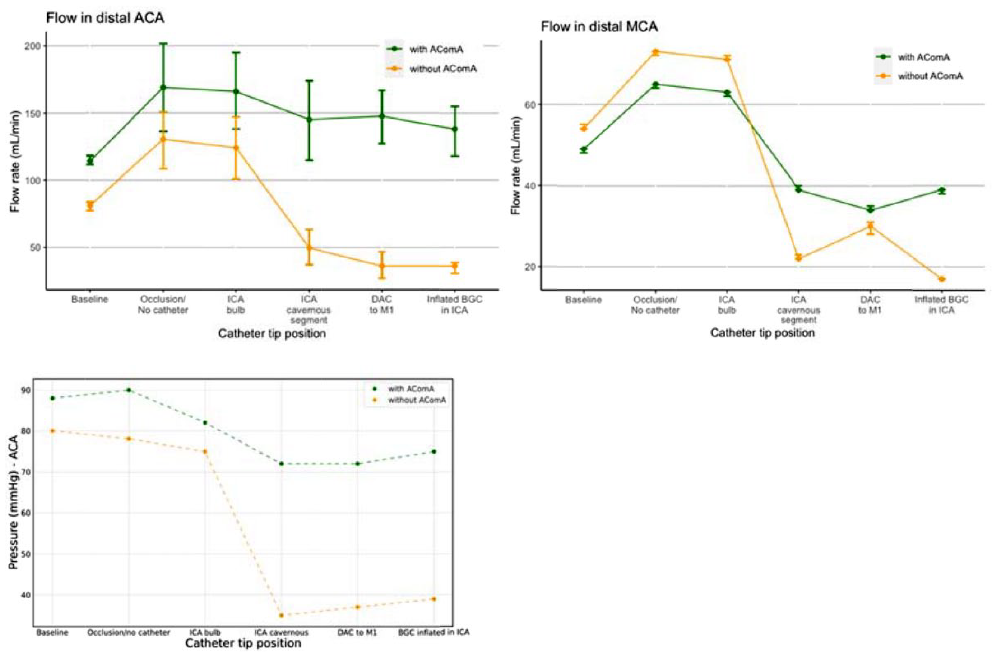
2651
Endovascular thrombectomy with or without thrombolysis for stroke: A systematic review and meta-analysis of RCTs
1University of Chicago, Department of Neurology, Chicago, United States, 2McMaster University, Department of Health Research Methods, Evidence, and Impact, Hamilton, Canada, 3Albany Medical Center, Department of Pathology, Albany, United States, 4Hull York Medical School, University of Hull, Wolfson Palliative Care Research Centre, Hull, United Kingdom, 5University of South Dakota, Wegner Health Sciences Information Center, Sioux Falls, United States
HEMORRHAGE AND THROMBOSIS DAY 2
1586
MULTICENTRIC STUDY FOR CRITICAL CEREBRAL VENOUS THROMBOSIS PREDICTION: VENTISCA SCORE
1Hospital de La Princesa, Neurology, Madrid, Spain, 2Autonomous University of Madrid, Medicine, Madrid, Spain, 3Hospital Clinico Universitario San Carlos, Neurology, Madrid, Spain, 4Ramón y Cajal Hospital, Neurology, Madrid, Spain, 5Hospital Universitario Rey Juan Carlos, Neurology, Móstoles, Spain, 6Hospital de La Princesa, Radiology, Madrid, Spain
1594
MULTITRAIT ANALYSIS OF INTRACEREBRAL HEMORRHAGE IDENTIFIES NOVEL RISK LOCI
1Institut d’Investigació Biomédica Sant Pau, Stroke Pharmacogenomics and Genetics, Barcelona, Spain, 2Hospital de la Santa Creu i Sant Pau, Department of Neurology, Barcelona, Spain, 3Fundació MútuaTerrassa per la Docència i la Recerca, Stroke Pharmacogenomics and Genetics, Terrassa, Spain
1656
Long-term trends in incidence and risk factors for haemorrhagic stroke: South London Stroke Register
1 King's College London Guy's Campus, Population Health Sciences, London, United Kingdom
1671
CHANGES IN EPIDEMIOLOGY OF PRIMARY INTRACEREBRAL HAEMORRHAGE AND ATRIAL FIBRILLATION, IRISH NATIONAL AUDIT OF STROKE 2013-2021
1St James' Hospital, Mercer's Institute for Successful Ageing, Dublin, Ireland, 2Irish National Audit of Stroke, National Office of Clinical Audit, Dublin, Ireland, 3St Vincent's University Hospital, Department of Geriatric Medicine, Dublin, Ireland
Prevalence of AF on presentation in PICH reduced from 21.6% of haemorrhagic in 2013 to 20.2% in 2021, a relative reduction of 6.5%. (ChSq 8.5, p=0.004). The proportion of PICH with AF receiving antithrombotic therapy prior to admission increased from 83.3% to 91% over the study period (ChSq 4.9, p=0.03).
Of all stroke patients with AF on an antithrombotic at admission the proportion on warfarin declined from 46.0% to 11.2 % over the period, whereas the proportion on a DOAC increased from 9.4% to 80.0%.
1773
Endothelial targeting as a therapeutic delivery strategy in experimental intracerebral hemorrhage
1Hospital of the University of Pennsylvania, Neurology, Philadelphia, United States, 2Perelman School of Medicine at the University of Pennsylvania, Department of Systems Pharmacology and Translational Therapeutics, Philadelphia, United States, 3Temple University School of Pharmacy, Department of Pharmaceutical Sciences, Philadelphia, United States
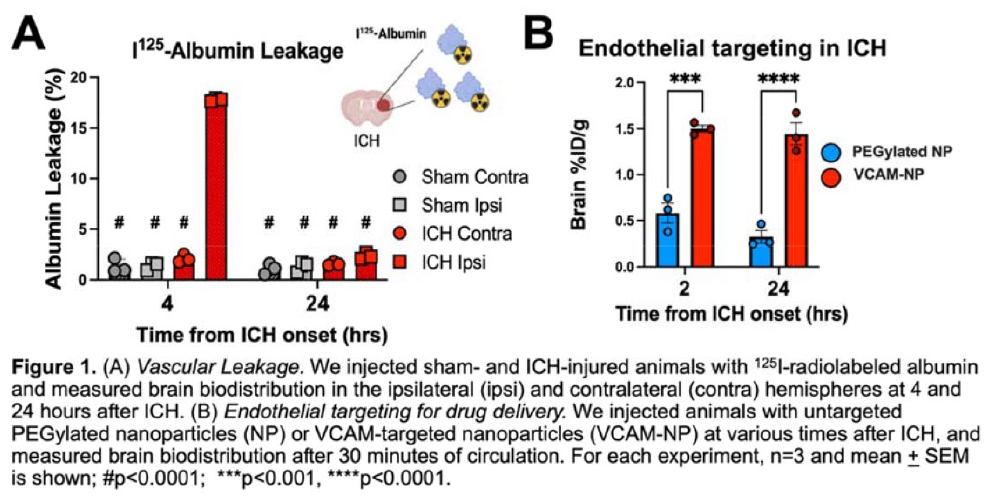
1857
Three month outcome after Intracerebral haemorrhage (ICH) of patients with atrial fibrillation (AF) – results from the Registry of Acute Stroke Under Novel Oral Anticoagulants-prime (RASUNOA-prime)
1University of Würzburg, Institute of Clinical Epidemiology and Biometry, Würzburg, Germany, 2Heidelberg University Hospital, Department of Neurology, Heidelberg, Germany, 3Alfried Krupp Hospital, Clinic for Neurology, Essen, Germany
Disclosure of interest: Yes
1956
CEREBRAL AMYLOID ANGIOPATHY AND RISK OF DEMENTIA IN PATIENTS WITH COGNITIVE COMPLAINT: A PROSPECTIVE COHORT STUDY
1University Hospital of Toulouse, Neurology, Toulouse, France, 2University Hospital of Toulouse, Clinical Pharmacology, Toulouse, France, 3Université de Toulouse, Inserm, UPS, Toulouse NeuroImaging Center, Toulouse, France, 4University Hospital of Bordeaux, Inserm U1219, PHARes team, Institut de Santé Publique, d'Epidémiologie et de Développement (ISPED), Bordeaux, France, 5Sorbonne Université, CNRS, INSERM, APHP, CATI, US52-UAR2031, CEA, ICM, Paris, France
2029
BIOLOGICAL AGE ACCELERATION IS LOWER IN WOMEN WITH LOBAR INTRACEREBRAL HEMORRHAGE STROKE COMPARED TO MEN
1Institut d’Investigació Biomédica Sant Pau, Stroke Pharmacogenomics and Genetics, Barcelona, Spain, 2Hospital Universitari Mútua de Terrassa / Fundacio Docència i Recerca MutuaTerrassa, Terrassa,Spain, Neurology Department, Terrassa, Spain, 3Hospital de Sant Pau, Stroke Unit, Neurology Department, Barcelona, Spain
2135
PHASE II CLINICAL TRIAL OF INTERLEUKIN-1 RECEPTOR ANTAGONIST IN INTRACEREBRAL HAEMORRHAGE: RESULTS OF BLOCKING THE CYTOKINE IL-1 IN ICH (BLOC-ICH)
1University of Manchester, Division of Cardiovascular Sciences, Salford, United Kingdom, 2University of Manchester, Division of Population Health, Health Services Research & Primary Care, Manchester, United Kingdom, 3University of Aberdeen, Institute of Medical Sciences, Aberdeen, United Kingdom, 4St George's University of London, Stroke Medicine, London, United Kingdom, 5University College London, Institute of Neurology, London, United Kingdom, 6University of Glasgow, School of Psychology and Neuroscience, Glasgow, United Kingdom
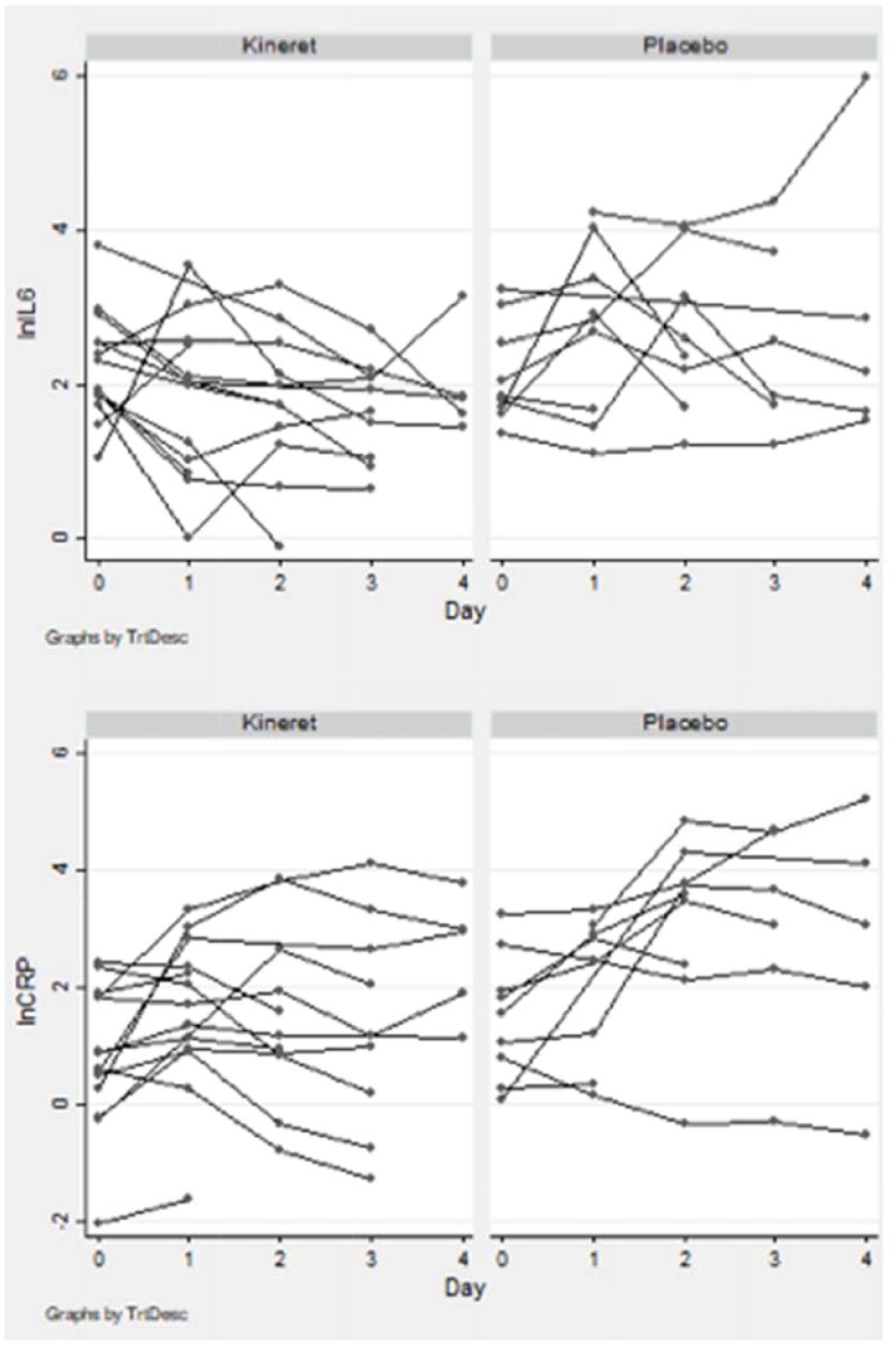
2173
NEUROINFLAMMATION AND BLOOD-BRAIN BARRIER BREAKDOWN IN ACUTE, CLINICAL INTRACEREBRAL HAEMORRHAGE: RESULTS OF A MULTIMODALITY MR AND [11C](R)-PK11195 PET STUDY
1University of Manchester, Division of Cardiovascular Sciences, Salford, United Kingdom, 2University of Manchester, Division of Human Communication, Development & Hearing, Manchester, United Kingdom, 3University of Manchester, Division of Informatics, Imaging & Data Sciences, Manchester, United Kingdom
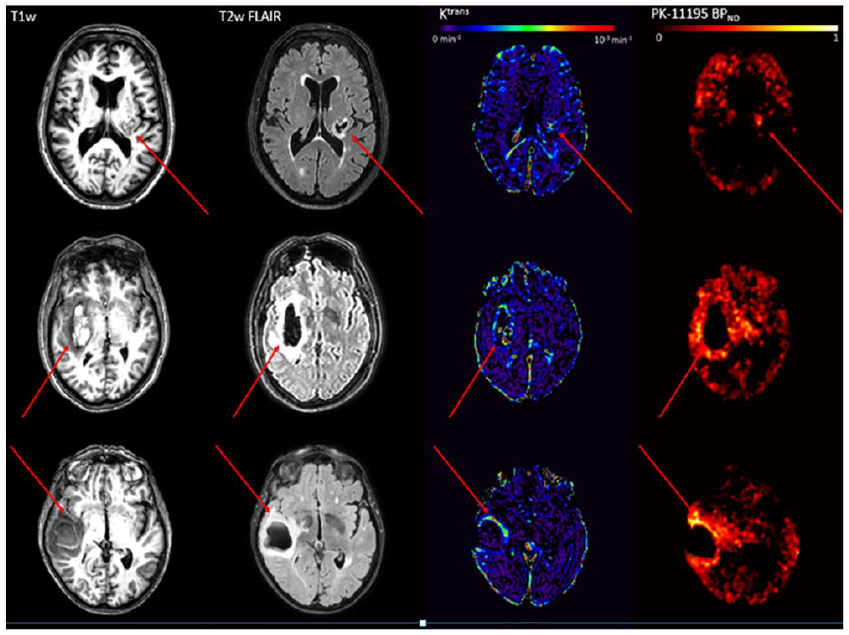
Representative patients.
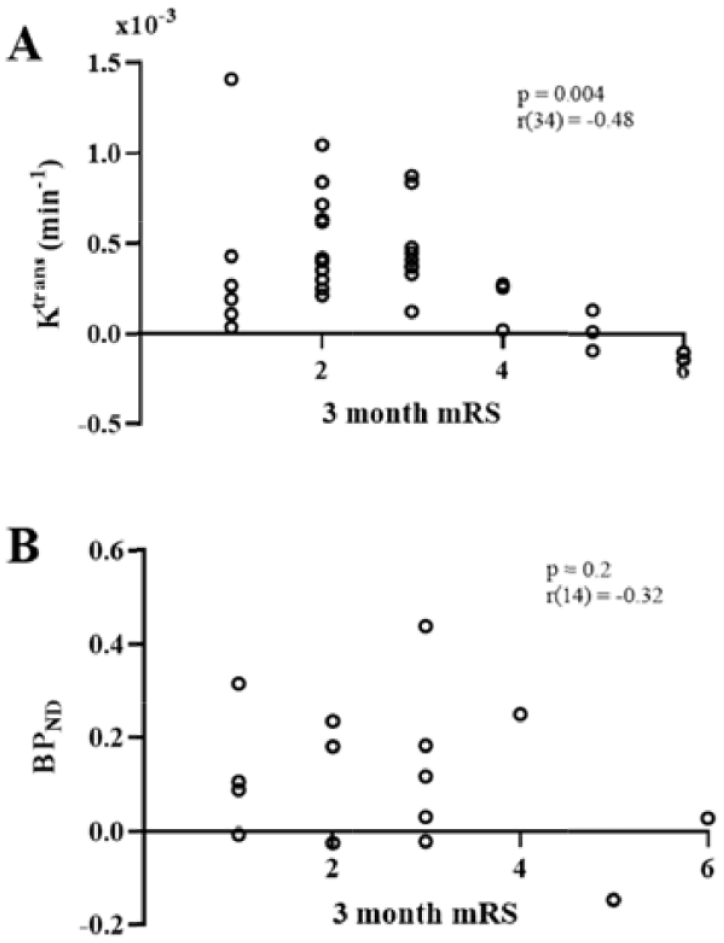
markers vs. 90d mRS.
2582
Untargeted metabolomics comparing ischemic and hemorrhagic stroke patients identifies potential treatment targets of common and distinct pathophysiological mechanisms
1University hospital, LMU Munich, Institute for Stroke and Dementia Research, Munich, Germany, 2University hospital, LMU Munich, Department of Neurology, Munich, Germany
IMAGING DAY 2
720
Insights from quantitative T1 and diffusion imaging into white matter hyperintensity tissue pathology
1 Centre for Clinical Brain Sciences, Edinburgh Imaging and the UK Dementia Research Institute, University of Edinburgh, Edinburgh, United Kingdom
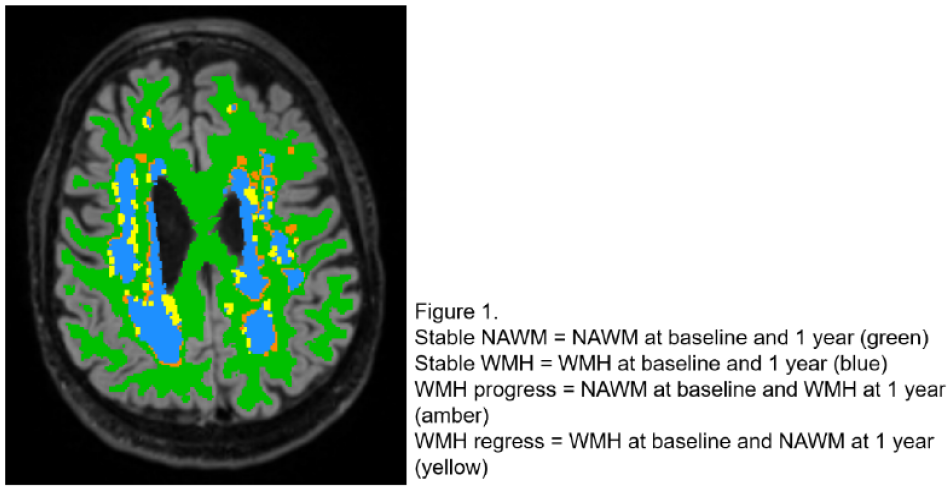
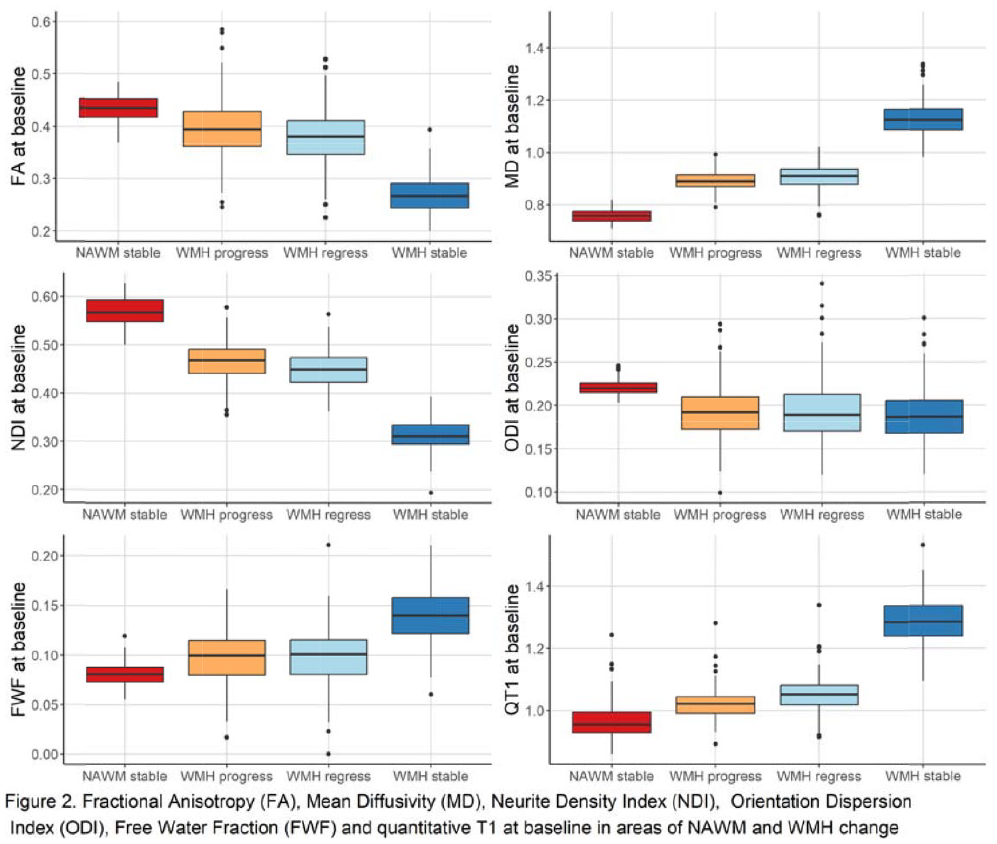
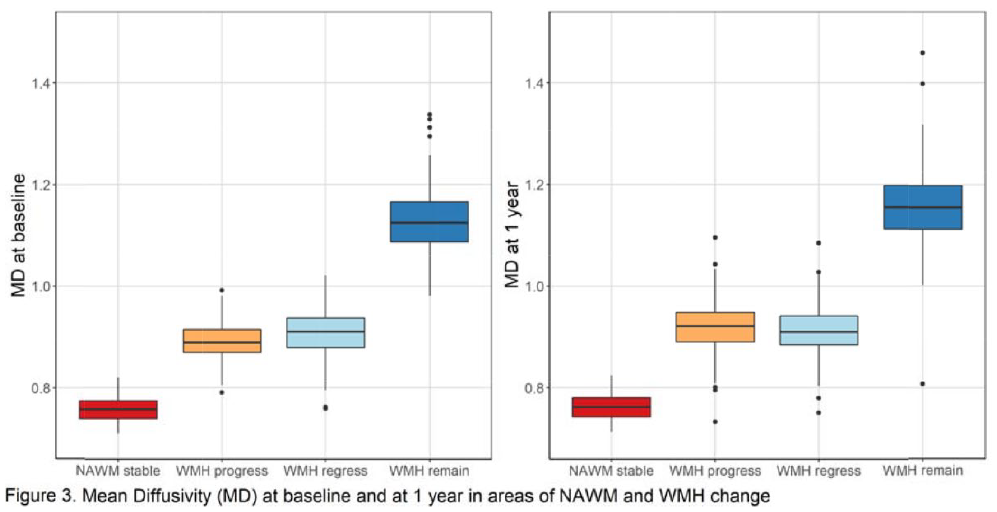
735
A latent clinical-anatomical dimension relating metabolic syndrome to brain morphology
1University Medical Center Hamburg-Eppendorf, Neurology, Hamburg, Germany, 2FZ Jülich, Haupteingang, INM-7, Jülich, Germany, 3University Medical Center Hamburg-Eppendorf, Institute for Health Services Research in Dermatology and Nursing (IVDP), Hamburg, Germany, 4University Medical Center Hamburg-Eppendorf, Department of General and Interventional Cardiology, Hamburg, Germany, 5University Medical Center Hamburg-Eppendorf, Department of Psychiatry and Psychotherapy, Hamburg, Germany, 6University Medical Center Hamburg-Eppendorf, Neuroradiology, Hamburg, Germany
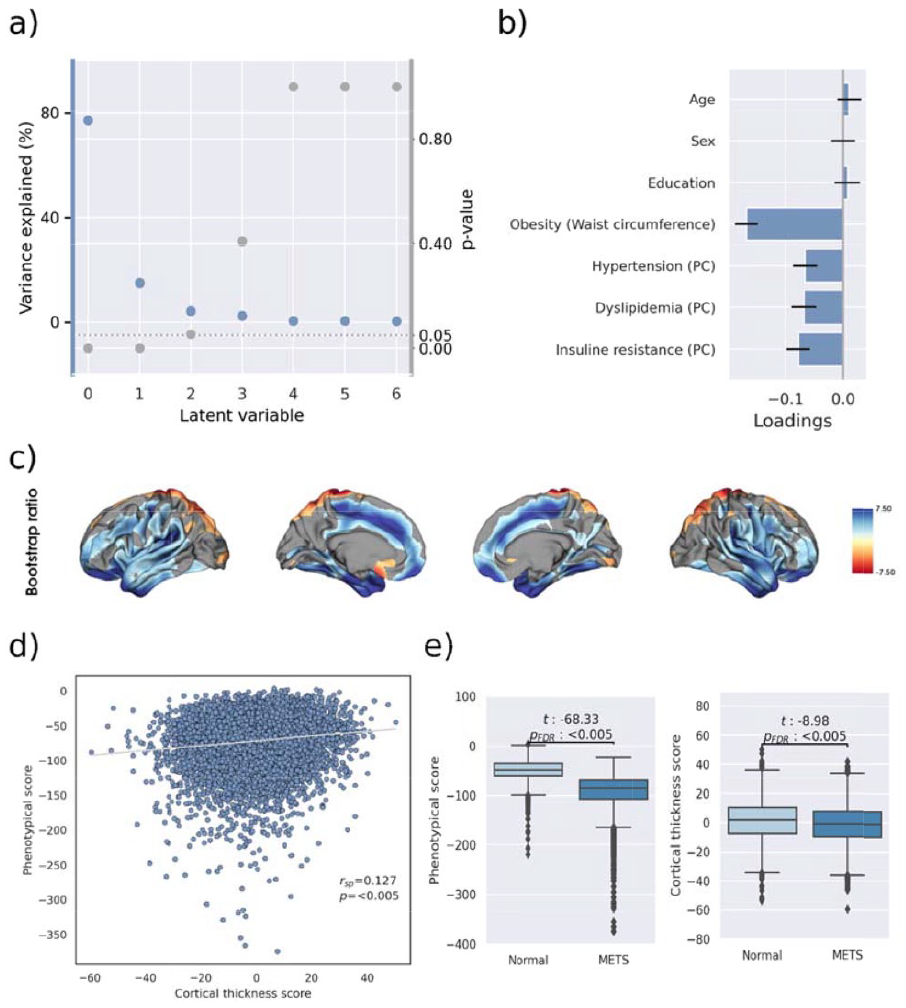
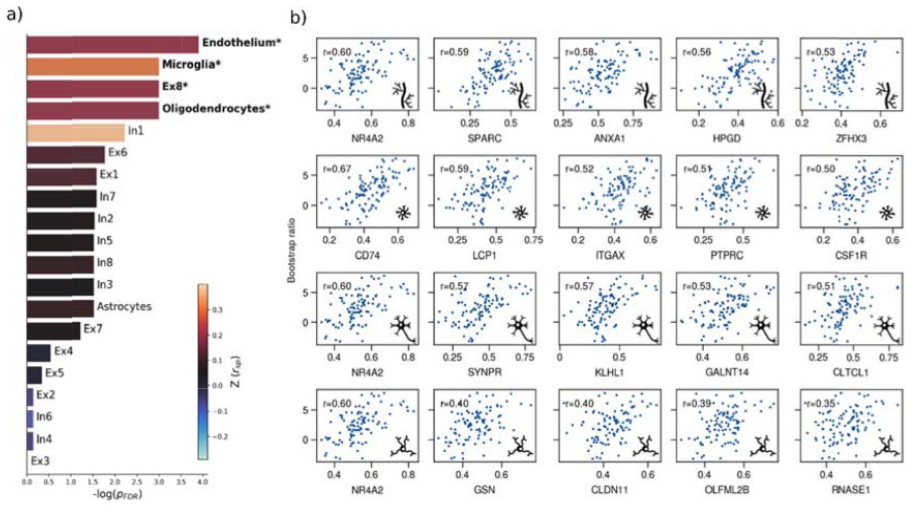
821
Three-dimensional MRI and angiography fusion image for subcortical infarction: can fusion images assess the culprit perforating artery?
1National Cerebral and Cardiovascular Center, Cerebrovascular Medicine, Suita, Japan, 2National Cerebral and Cardiovascular Center, Stroke Care Unit, Suita, Japan, 3National Cerebral and Cardiovascular Center, Neurology, Suita, Japan, 4National Cerebral and Cardiovascular Center, Radiology, Suita, Japan
Disclosure of interest: Yes
824
Moving from CT-first to MRI-first paradigm in acute ischemic stroke: effects on time metrics and revascularization rates and safety
1Careggi, Stroke Unit, Firenze, Italy, 2Lausanne University Hospital, Department of Clinical Neuroscience, Lausanne, Switzerland, 3Lausanne University Hospital, Diagnostic Neuroradiological Unit, Lausanne, Switzerland, 4Lausanne University Hospital, Emergency Department, Lausanne, Switzerland, 5Lausanne University Hospital, Interventional Neuroradiological Unit, Lausanne, Switzerland
Disclosure of interest: Yes
1200
Incidence and impact of thrombus migration before endovascular treatment: Results from the AcT trial
1University of Calgary, Department of Clinical Neurosciences and Radiology, Calgary, Canada, 2University of Alberta, Edmonton, Canada, 3University of Alberta, Division of Neurology, Department of Medicine, Edmonton, Canada, 4University of Toronto, Department of Medicine (Division of Neurology), Hurvitz Brain Sciences Program, Sunnybrook Health Sciences Centre, Toronto, Canada, 5Queen's University, Division of Neurology, Department of Medicine, Kingston, Canada, 6Université de Sherbrooke, Sherbrooke, Canada, 7Queen Elizabeth Health Sciences Centre, Halifax, Canada, 8Kelowna General Hospital, Kelowna, Canada, 9McMaster University, Hamilton Health Sciences Centre, Hamilton, Canada, 10University of Ottawa, Department of Medicine, University of Ottawa and the Ottawa Heart Research Institute, Ottawa, Canada, 11University of Toronto, Toronto Western Hospital, Toronto, Canada, 12University of Manitoba, Winnipeg, Canada, 13Queen Elizabeth Hospital, Charlottetown, Canada, 14The University of British Columbia, Vancouver Stroke Program and the Division of Neurology, Vancouver, Canada, 15St. Michael's Hospital, Toronto, Canada, 16CHUM - Centre hospitalier de l'Université de Montréal, Montréal, Canada
1279
Prevalence of intracranial stenosis in a general population using 3D-time of flight magnetic resonance angiography. The Tromsø Study
1University Hospital of North Norway, Department of Radiology, Tromsø, Norway, 2Faculty of Medicine, UiT The Arctic University of Norway, Department of Clinical Medicine, Tromsø, Norway, 3University Hospital of North Norway, PET Imaging Center, Tromsø, Norway, 4University Hospital of North Norway, Department of Neurosurgery, Ophthalmology, and Otorhinolaryngology, Tromsø, Norway, 5University Hospital of North Norway, Department of Neurology, Tromsø, Norway
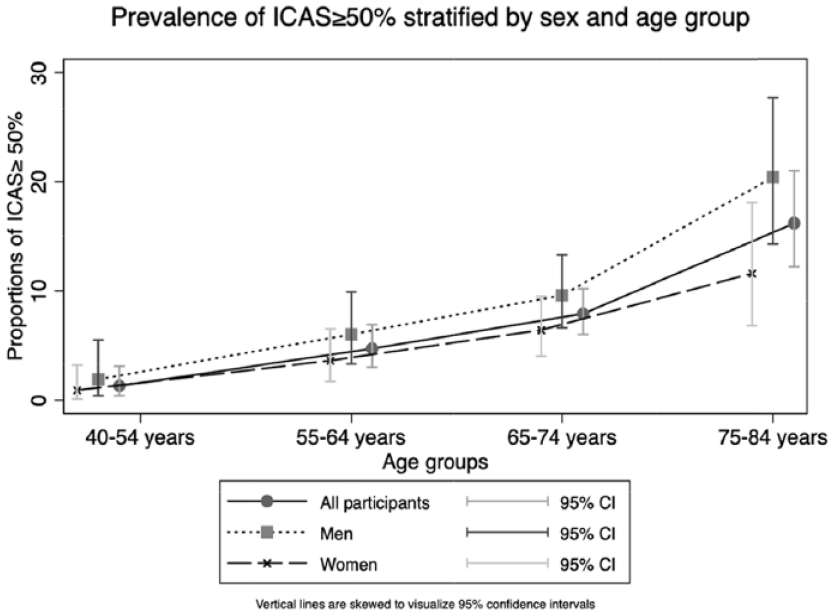
1393
Fully automatic intracranial thrombus segmentation prediction from non-contrast CT and CT angiography
1 Vall d'Hebron University Hospital, Stroke Unit, Barcelona, Catalunya, Spain
First, a convolutional neural network (CNN) was trained to segment intracranial vessels from CTA and the result is processed for vessel labelling and LVO laterality prediction. A region-of-interest (ROI) of probable LVO presence is inferred and segmented by another CNN to extract thrombus features.
1483
INFARCT VOLUME AND LONG-TERM NEUROLOGICAL OUTCOME AFTER ARTERIAL ISCHEMIC STROKE OF CHILDHOOD
1M. Iashvili Children's Central Hospital, Department of Neurosciences, Tbilisi, Georgia, 2University Children's Hospital, Inselspital Bern, Department of Neuropediatrics, Bern, Switzerland, 3D. Tvildiani Medical University, Medicine, Tbilisi, Georgia, 4University of Bern, Inselspital Bern, Department of Diagnostic and Interventional Neuroradiology, Bern, Switzerland
3D slicer volumetric software program was used for segmentation. Depending on the variations of whole-brain volume according to children’s age, a segmented infarct volume was divided by total brain volume.
1680
7T MRI lacunar stroke study
1Institute of Neuroscience and Psychology, University of Glasgow, Glasgow, United Kingdom, 2Institute of Neuroscience, Department of Neuroradiology, Glasgow, United Kingdom, 3Centre for Rural Health, The Centre for Health Science, Inverness, United Kingdom, 4Institute of Neuroscience and Psychology, Centre for Stroke & Brain Imaging, Glasgow, United Kingdom
1731
Intracranial hemorrhage patterns and association with clinical outcome in acute stroke treated with tenecteplase versus alteplase: Results from the AcT trial
1University of Calgary, Department of Clinical Neurosciences and Radiology, Calgary, Canada, 2University Of Alberta, Division of Neurology, Department of Medicine, Edmonton, Canada, 3Université de Montréal, Department of Neurosciences, Montréal, Canada, 4Sunnybrook Health Sciences Centre, University of Toronto, Department of Medicine (Division of Neurology), Hurvitz Brain Sciences Program, Toronto, Canada, 5Queen's University Kingston, Division of Neurology, Department of Medicine, Kingston, Canada, 6Université de Sherbrooke, Sherbrooke, Canada, 7Queen Elizabeth Health Sciences Centre, Halifax, Canada, 8Kelowna General Hospital, Kelowna, Canada, 9McMaster University, Hamilton Health Sciences Centre, Hamilton, Canada, 10University of Ottawa, Department of Medicine, University of Ottawa and the Ottawa Heart Research Institute, Ottawa, Canada, 11The University of British Columbia, University of British Columbia and the Fraser Health Authority, New Westminster, Canada, 12Western University, London Health Sciences Centre, London, Canada, 13University of Toronto, Toronto Western Hospital, Toronto, Canada, 14University of Manitoba, Winnipeg, Canada, 15Queen Elizabeth Hospital, Charlottetown, Canada, 16The University of British Columbia, Vancouver Stroke Program and the Division of Neurology, Vancouver, Canada, 17Medicine Hat Regional Hospital, Medicine Hat, Canada, 18Grey Nuns Community Hospital, Edmonton, Canada, 19St. Michael's Hospital, Toronto, Canada, 20Red Deer Regional Hospital Centre, Red Deer, Canada, 21University of Saskatchewan, Saskatoon, Canada
1944
Intracranial Artery Calcification in White and Non-White Ischemic Stroke Patients – Erasmus Stroke Study
1Erasmus MC, Department of Epidemiology, Rotterdam, Netherlands, 2Erasmus MC, Department of Neurology, Rotterdam, Netherlands, 3Erasmus MC, Department of Radiology & Nuclear Medicine, Rotterdam, Netherlands, 4Harvard T.H. Chan School of Public Health, Department of Epidemiology, Boston, United States, 5KU Leuven, Department of Cardiovascular Sciences, Bruxelles, Belgium
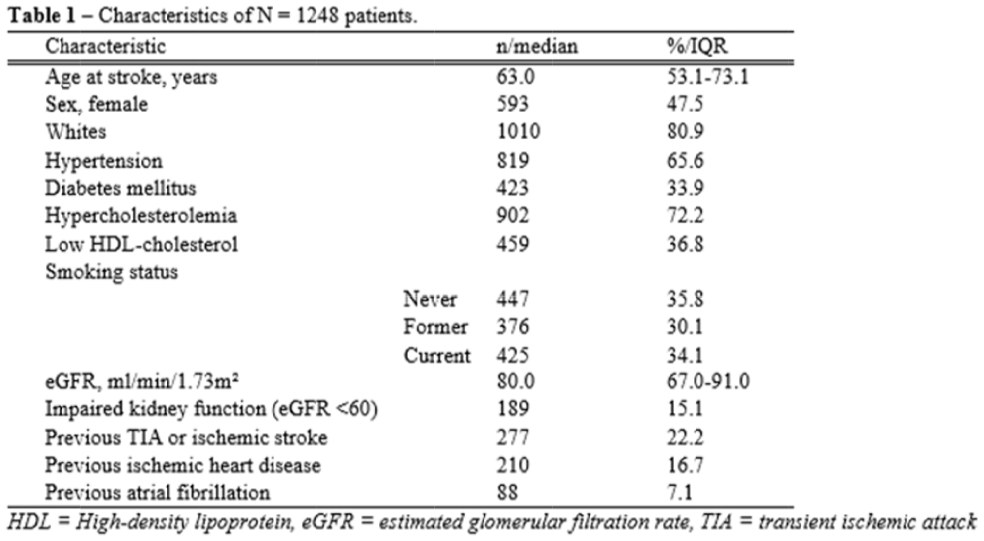
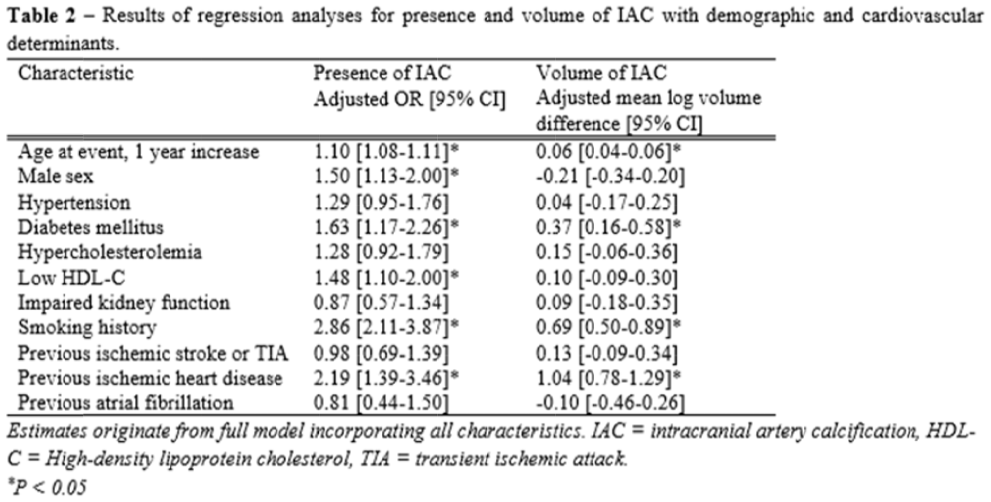
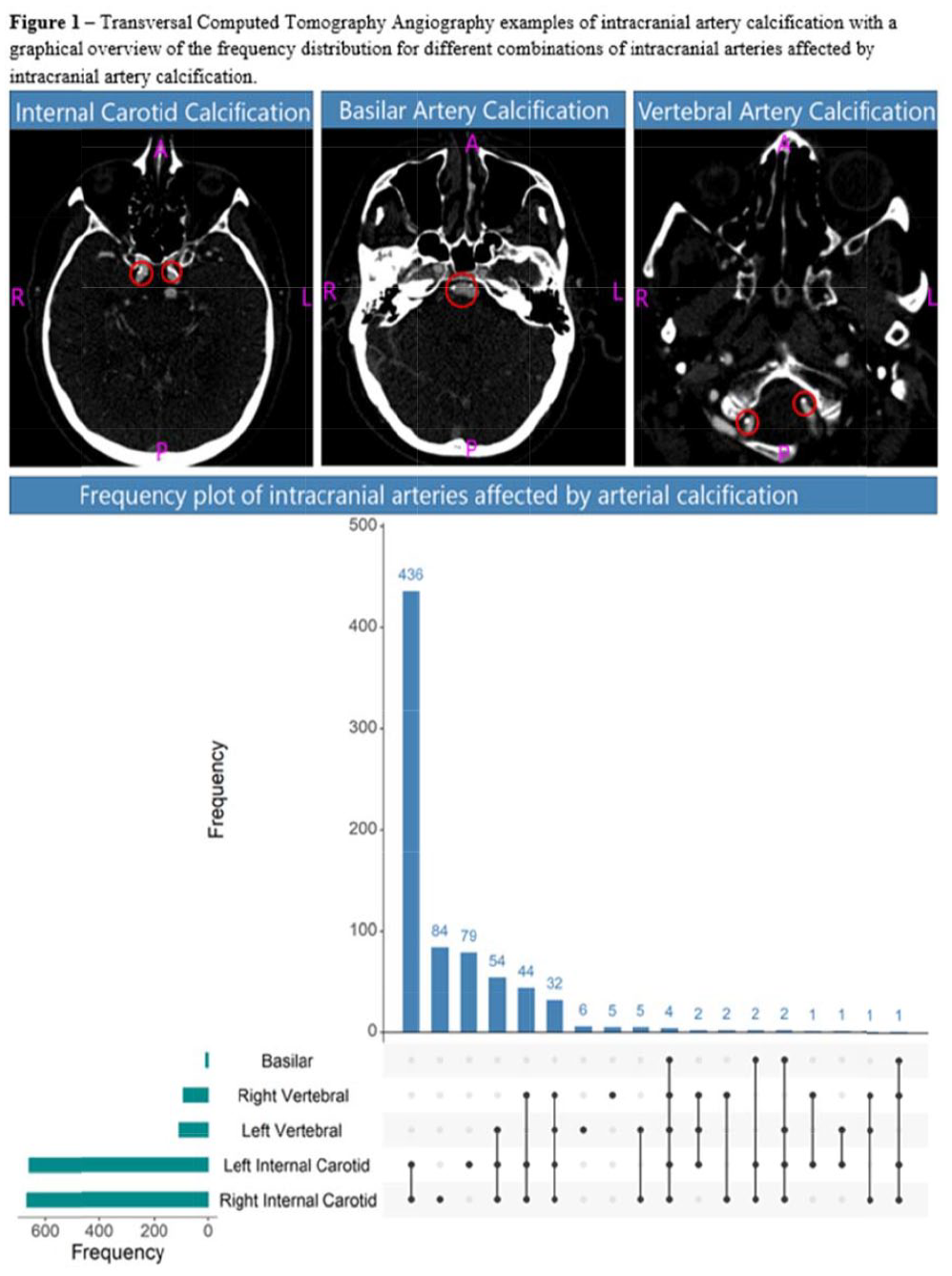
PROGNOSIS AND OUTCOME DAY 2
1668
ISOSORBIDE MONONITRATE, CILOSTAZOL AND THEIR COMBINATION: EFFECT ON MULTIPLE OUTCOMES AFTER LACUNAR STROKE ASSESSED USING THE STROKE IMPACT SCALE: THE LACUNAR INTERVENTION TRIAL-2 (LACI-2)
1University of Edinburgh, Clinical Brain Sciences, Edinburgh, United Kingdom, 2Victoria Hospital NHS Trust, Medicine for the Elderly and Stroke, Kirkcaldy, United Kingdom, 3University College London, Neurology, London, United Kingdom, 4University of Nottingham, Stroke Medicine, Nottingham, United Kingdom, 5Leeds General Hospital, Neurology, Leeds, United Kingdom, 6Keele University, Stroke Research, Stoke, United Kingdom, 7University of Cambridge, Old Age Psychiatry, Cambridge, United Kingdom
1716
ASSOCIATION OF PRESTROKE DISABILITY WITH CLINICAL OUTCOME AFTER THROMBECTOMY IN VERTEBROBASILAR STROKE
1University Hospital, LMU Munich, Institute of Neuroradiology, Munich, Germany, 2University Medical Center Hamburg-Eppendorf, Department of Diagnostic and Interventional Neuroradiology, Hamburg, Germany, 3University Medical Center Hamburg-Eppendorf, Department of Neurology, Hamburg, Germany, 4University Hospital, LMU Munich, Institute for Stroke and Dementia Research, Munich, Germany
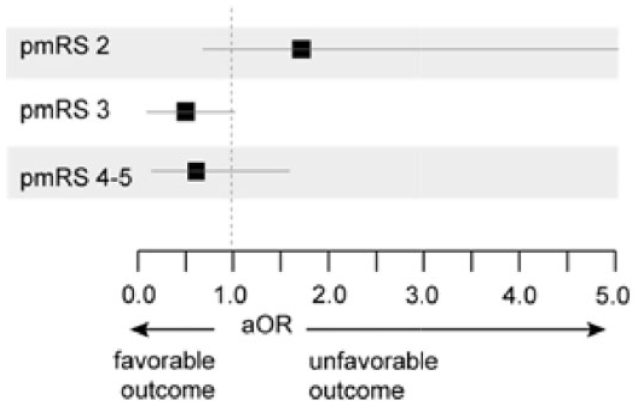
Association of prestroke disability with functional outcome compared to patients without prestroke disability.
1723
Prevalence and associations of adverse non-motor outcomes after stroke: comprehensive systematic review and meta-analysis including 105,358 participants
1UCL Queen Square Institute of Neurology, Stroke Research Center, London, United Kingdom, 2The National Hospital for Neurology and Neurosurgery, University College London Hospitals NHS Foundation Trust, Comprehensive Stroke Service, London, United Kingdom, 3University College London, Department of Statistical Science, London, United Kingdom
1752
Comparison of 7-day NIHSS and 90-day mRS outcomes in randomized-controlled trials of acute ischemic stroke: A meta-analysis
1University of Calgary Cumming School of Medicine, Clinical Neurosciences, Calgary, Canada, 2University of Calgary Cumming School of Medicine, Radiology, Calgary, Canada, 3Amsterdam UMC, Radiology and Nuclear Medicine, Amsterdam, Canada
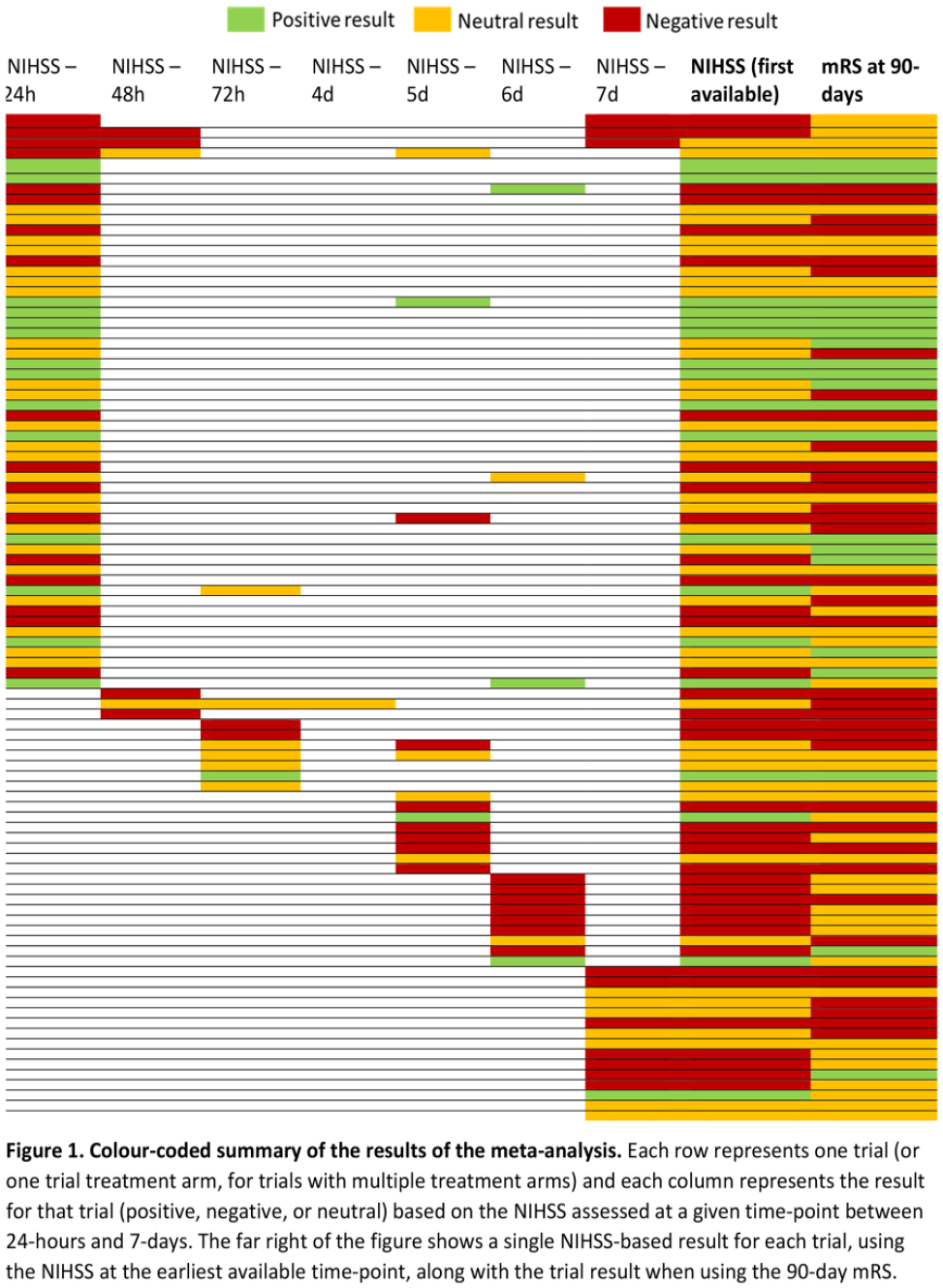
1785
IDENTIFYING PATIENTS WITH EXTRACRANIAL VERTEBRAL ARTERY STENOSIS WHO CAN BENEFIT FROM STENT PLACEMENT: POST HOC ANALYSIS FROM RANDOMIZED CONTROLLED TRIALS
1University of Missouri, Department of Neurology, Columbia, United States, 2Zeenat Qureshi Stroke Institute, Neurology, St. Cloud, MN, United States, 3University of Missouri, Medical Research Office, Columbia, United States, 4University of Missouri, Department of Neurosurgery, Columbia, United States
1922
Sex-Differences in Functional Outcome of Patients with Acute Ischemic Stroke Treated with Thrombolysis
1Medical University of Vienna, Deparment of Neurology, Vienna, Austria, 2Medical University Graz, Deparment of Neurology, Graz, Austria, 3Gesundheit Österreich GmbH, -, Vienna, Austria, 4Krankenhaus Barmherzige Brüder, Department of Neurology, Vienna, Austria
2048
Nocturnal Non-Dipping of Heart Rate is Associated with Unfavourable In-Hospital Stroke Outcome in Data Lake-Driven Analytics
1Centrum für Schlaganfallforschung Berlin, Neurology, Berlin, Germany, 2Charité Universitätsmedizin Berlin, Neurology, Berlin, Germany, 3Berlin Institute of Health, Neurology, Berlin, Germany, 4German Center for Cardiovascular Research, Neurology, Berlin, Germany, 5Deutsches Zentrum für Neurodegenerative Erkrankungen e. V. (DZNE), Neurology, Berlin, Germany, 6NeuroCure Clinical Research Center, Neurology, Berlin, Germany, 7Exzellenzcluster NeuroCure, Neurology, Berlin, Germany
2145
ISOSORBIDE MONONITRATE/CILOSTAZOL FOR PREVENTING COGNITIVE AND GLOBAL DECLINE IN PATIENTS WITH LACUNAR CEREBRAL SMALL VESSEL DISEASE STROKE: SECONDARY OUTCOMES AT 6 MONTHS, LACI-2 TRIAL
1University of Nottingham, Stroke Trials Unit, Nottingham, United Kingdom, 2University of Edinburgh, Centre for Clinical Brain Sciences, Edinburgh, United Kingdom, 3University College London, Institute of Neurology, London, United Kingdom, 4Leeds Teaching Hospitals NHS Trust, Neurology, Leeds, United Kingdom
2233
Long-term domain-specific cognitive impairment following stroke: The OX-CHRONIC study
1University of Oxford, Nuffield Department of Clinical Neurosciences, Oxford, United Kingdom, 2University of Oxford, Experimental Psychology, Oxford, United Kingdom
2315
Predictors of acute ischemic cerebral lesions in immune-mediated thrombotic thrombocytopenic purpura and hemolytic uremic syndrome
1Université Paris Cité, CNVT and Department of Neurology Hopital Lariboisiere, Paris, France, 2Hospital Saint-Antoine Ap-Hp, Hematologie, Paris, France
RISK FACTORS AND PREVENTION DAY 2
1277
THE JAK2V617F MUTATION IS COMMON IN ISCHEMIC STROKE
1Zealand University Hospital, Department of Neurology, Roskilde, Denmark, 2University of Copenhagen, Faculty of Health and Medical Sciences, Copenhagen, Denmark, 3Zealand University Hospital, Department of Hematology, Roskilde, Denmark, 4Region Zealand, Department of Data and Data Support, Sorø, Denmark, 5Harvard Medical School, Department of Pathology, Boston, United States
We aimed to investigate the prevalence of the JAK2V617F mutation in patients with Ischemic Stroke (IS), Transient Ischemic Attack (TIA), or Retinal Artery Occlusion (RAO).
1318
HIGH CARRIER FREQUENCY OF RNF213 p.R4810K VARIANT AMONG EARLY-ONSET ISCHEMIC STROKE PATIENTS
1National Cerebral and Cardiovascular Center, Neurology, Osaka, Japan, 2National Cerebral and Cardiovascular Center, Cerebrovascular Medicine, Osaka, Japan
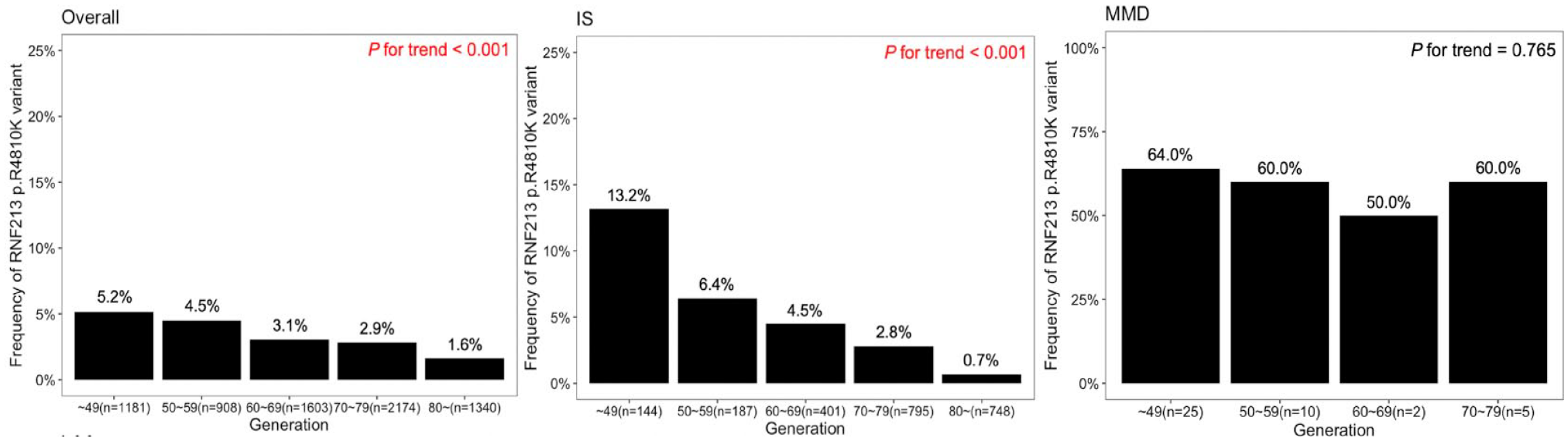
1366
Higher stroke recurrence and death in ischaemic stroke patients with known atrial fibrillation, compared to those with a first-diagnosis of atrial fibrillation: a cross-sectional study
Isuru Induruwa*1,2, Rahul Herlekar2, Shiv Bhakta2, Akangsha Sur Roy2, Saur Hajiev2, Kayvan Khadjooi2, John Mccabe3,4,5
1University of Cambridge, Clinical Neurosciences, Cambridge, United Kingdom, 2Cambridge University Hospitals NHS Foundation Trust, Department of Stroke, Cambridge, United Kingdom, 3Health Research Board, Stroke Clinical Trials Network Ireland (SCTNI), Dublin, Ireland, 4University College Dublin, School of Medicine, Dublin, Ireland, 5Mater Misericordiae University Hospital, Geriatric Medicine, Dublin, Ireland
A significantly larger proportion of KAF patients had recurrent IS, TIA or haemorrhagic stroke by 3-years (P=0.01) despite similar proportions anticoagulated. More KAF died as inpatients (P=0.001) or by 3-years (P<0.0001) (Table 1).
A significantly smaller proportion of AFDAS patients had a competing aetiology to cardioembolism for their stroke (P=0.04). AFDAS patients were significantly less likely to have died by 3-years compared to KAF (OR (adjusted for CHA2DS2-VASc) 0.38 (0.24-0.58), P<0.0001).
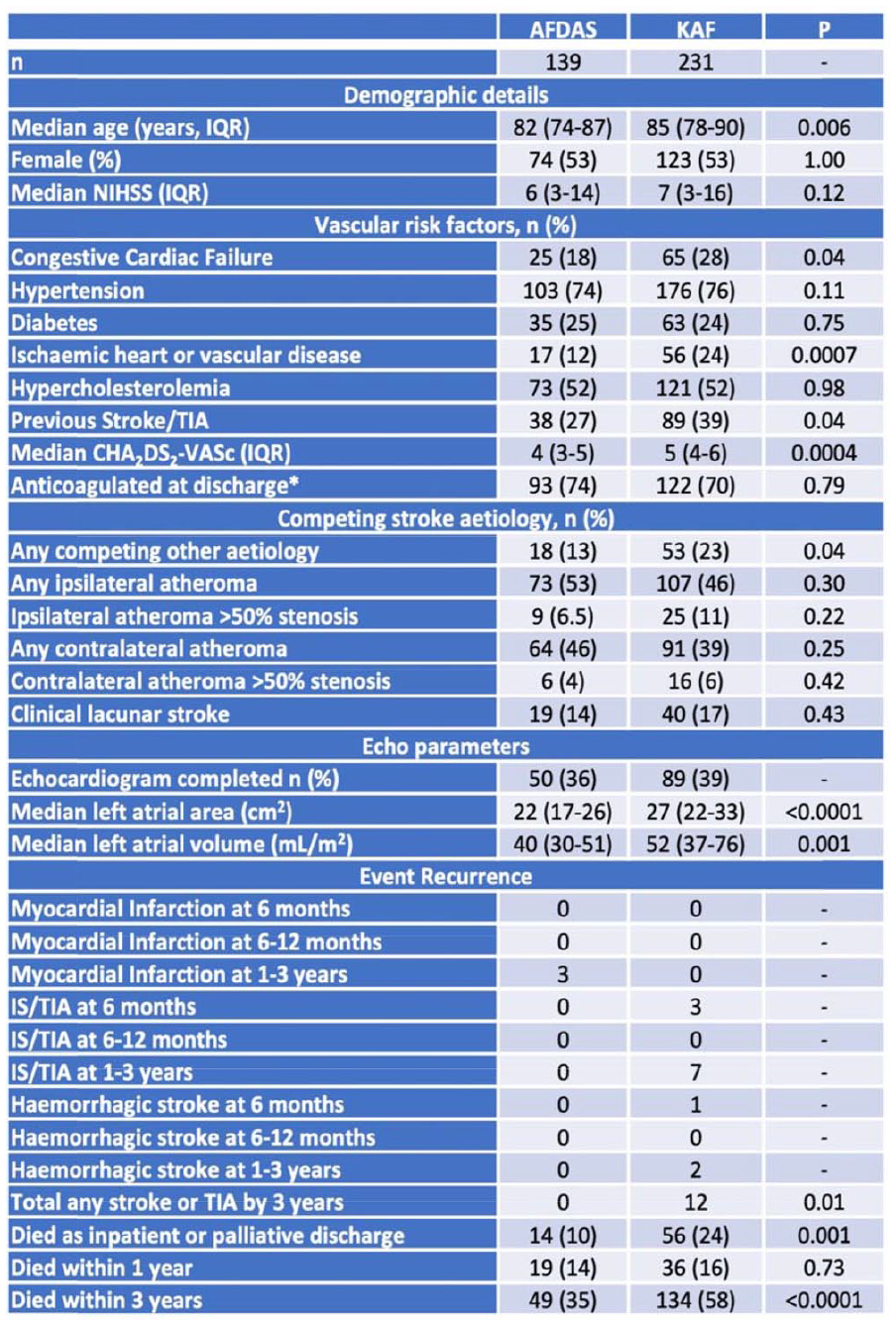
AFDAS compared to KAF.
1455
ASSOCIATION BETWEEN HYPERTENSION AND CRYPTOGENIC ISCHEMIC STROKE IN YOUNG ADULTS
1Helsinki University Hospital, Neurology, Helsinki, Finland, 2University Medicine Greifswald, Department of Neurology, Greifswald, Germany, 3Royal Stoke University Hospital, Neurology, Stoke-on-Trent, United Kingdom, 4Universidade de Lisboa, Department of Neurosciences (Neurology), Hospital de Santa Maria, Faculdade de Medicina, Lisboa, Portugal, 5Oulu University Hospital, Department of Neurology, Neurocenter, Oulu, Finland, 6Vilnius University, Centre of Neurology, Vilnius, Lithuania, 7Kuopio University Hospital, Neurocenter Neurology, Kuopio, Finland, 8University of Tartu, Department of Neurology and Neurosurgery, Tartu, Estonia, 9Peterborough City Hospital, Neurology, Peterborough, United Kingdom, 10Torrecárdernas University Hospital, Department of Neurology and Stroke Centre, Almería, Spain, 11Azienda Unità Sanitaria Locale-IRCCS di Reggio Emilia, Neuroradiology Unit, Reggio Emilia, Italy, 12University of Brescia, Department of Clinical and Experimental Sciences, Neurology Clinic, Brescia, Italy, 13The Sahlgrenska Academy at University of Gothenburg, Institute of Neuroscience and Physiology, Gothenburg, Sweden, 14Haukeland University Hospital, Department of Heart Disease, Bergen, Norway, 15Tampere University Hospital, Department of Neurology, Tampere, Finland, 16Istanbul Faculty of Medicine, Department of Neurology, Istanbul, Turkey, 17Attikon Hospital, Second Department of Neurology, Athens, Greece, 18Haukeland University Hospital, Department of Neurology, Bergen, Norway, 19Turku University Hospital, Department of Neurology, Neurocenter, Turku, Finland, 20AUSL-IRCCS di Reggio Emilia, Neurology Unit, Reggio Emilia, Italy
1573
HYPERTHYREODISM IS ASSOCIATED WITH CARDIOEMBOLIC STROKE ETIOLOGY MEDIATED BY ATRIAL FIBRILLATION: RESULTS FROM THE BIOSIGNAL STUDY
1University Hospital Basel and University of Basel, Switzerland, Department of Neurology and Stroke Centre, Basel, Switzerland, 2University Hospital and University of Zurich, Department of Neurology, Basel, Switzerland, 3University Hospital and University of Zurich, Department of Neurology, Zürich, Switzerland, 4University Hospital Bern, Bern, Switzerland, Department of Neurology, Bern, Switzerland, 5University Hospital Basel, University of Basel, Basel, Switzerland, Reha Rheinfelden, Department of Neurology, Rheinfelden, Switzerland, 6Cantonal Hospital Aarau, Aarau, Switzerland, Department of Neurology and Stroke Center, Aarau, Switzerland, 7Neurocenter (EOC) of Southern Switzerland, Ospedale Civico, Lugano, Switzerland, Department of Neurology, Lugano, Switzerland, 8Cantonal Hospital St. Gallen, Switzerland, Department of Neurology, St. Gallen, Switzerland, 9Vall d'Hebron Institute of Research (VHIR), Universitat Autónoma de Barcelona, Barcelona, Spain, Neurovascular Research Laboratory, Barcelona, Spain, 10Biomedicine Institute of Seville, IBiS/Hospital Virgen del Rocío/CSIC/University of Seville, Spain, Neurovascular Research Group, Seville, Spain, 11University of Thessaly, Larissa, Greece, Department of Internal Medicine, Faculty of Medicine, School of Health Sciences, Larissa, Greece, 12Goethe University, Frankfurt am Main, Germany, Department of Neurology, Frankfurt, Germany, 13University Hospital of Zurich, Zurich, Switzerland, Institute of Clinical Chemistry, Zürich, Switzerland
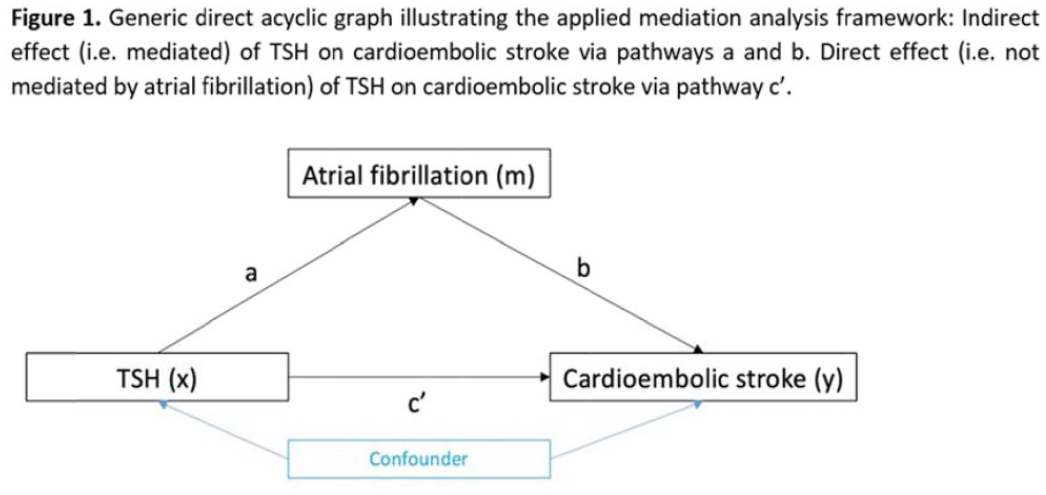
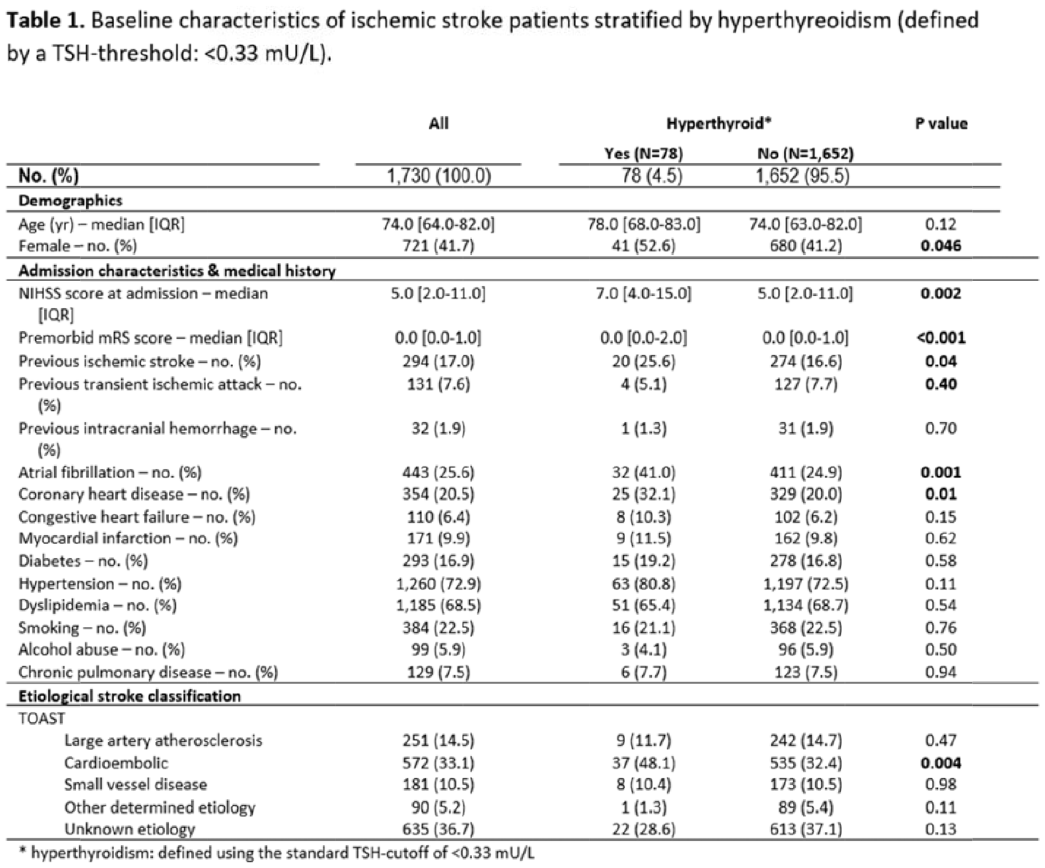
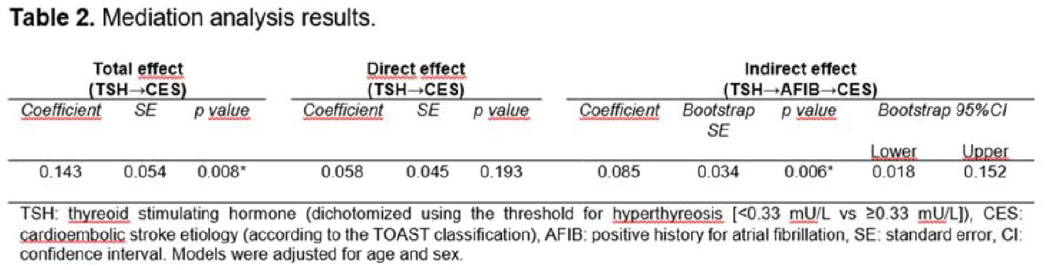
1767
Drug-eluting stents versus bare-metal stents for intracranial atherosclerotic stenosis: a systematic review and meta-analysis
1 Xuanwu Hospital, Capital Medical University, No. 45 Changchun Street, Department of Neurosurgery, Beijing, China
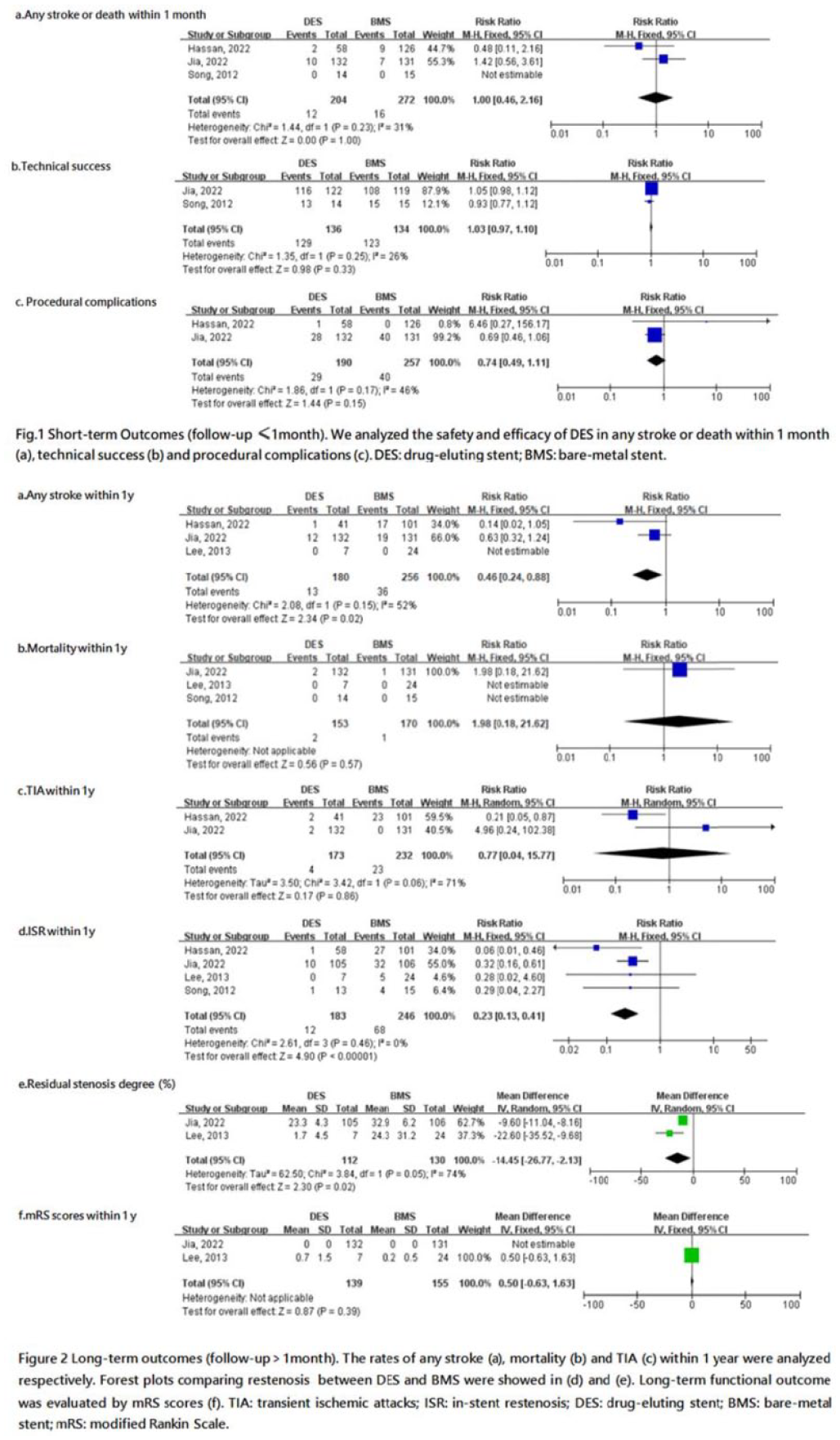
2041
COMBINED INFLAMMATORY BIOMARKERS PREDICT RECURRENT IPSILATERAL ISCHAEMIC STROKE
1Higher Research Board (HRB), Stroke Clinical Trials Network Ireland, Dublin, Ireland, 2School of Medicine, University College Dublin, Dublin, Ireland, 3The Mater Misericordiae University Hospital, Acute Stroke Service, Dublin, Ireland, 4Tallaght University Hospital, Department of Age-Related Health Care, Dublin, Ireland, 5St James's Hospital, Neurovascular Service, Dublin, Ireland, 6Cork University Hospital, Department of Neurology, Cork, Ireland, 7RCSI University of Medicine and Health Science, Department of Geriatric and Stroke Medicine, Dublin, Ireland, 8Connolly Hospital Blanchardstown, Department of Geriatric Medicine, Dublin, Ireland, 9St. Vincent's University Hospital, Department of Geriatric Medicine, Dublin, Ireland, 10St. Vincent's University Hospital, Department of Vascular Surgery, Dublin, Ireland, 11The Mater Misericordiae University Hospital, Department of Vascular Surgery, Dublin, Ireland, 12UCD Clinical Research Centre, University College Dublin, Dublin, Ireland
187 (69.5%) had hsCRP⩾2mg/L and 170 (63.2%) had IL-6⩾7pg/ml. 146 (54.3%) had both hsCRP⩾2mg/L and IL-6⩾7pg/ml.
On unadjusted Cox regression, hsCRP⩾2mg/L was associated with recurrent IS (HR 8.82, CI 1.2-66.2, p=0.03) with a trend for IL-6⩾7pg/ml (HR 3.14, CI 0.91-10.7, p=0.07.) Combined high-hsCRP/IL-6 was associated with recurrent IS (HR 4.76, CI 1.38-16.34, p=0.01).
On stepwise Cox regression, adjustment covariates were prior stroke/TIA, diabetes mellitus and time-to-phlebotomy. After adjustment, trends remained for hsCRP⩾2mg/L and IL-6⩾7pg/ml individually (hsCRP HR 7.04, CI 0.93-53.4, p=0.059; IL-6 HR 2.67, 0.77-9.3, p=0.12). However, combined hsCRP/IL-6 independently predicted recurrent stroke (HR 3.72, CI 1.07-13.0, p=0.039).
The c-statistic for combined raised hsCRP/IL-6 was 0.66 (CI 0.57-0.75).
Disclosure of interest: Yes
2197
Risk of Stroke, Coronary Heart Disease and Congestive Heart Failure following Transient Ischemic Attacks in the Community-the Framingham Heart Study
1Beth Israel Deaconess Medical Center, Neurology, Boston, United States, 2Harvard Medical School, Neurology, Boston, United States, 3Framingham Heart Study, Neurology, Framingham, United States, 4Boston University Medical Center, Neurology, Boston, United States, 5Boston University School of Public Health, Biostatistics, Boston, United States, 6University of Texas Health Science Center at San Antonio - UT Health San Antonio, Neurology, San Antonio, United States, 7University of Texas Health Science Center at San Antonio - UT Health San Antonio, Population and Health Sciences, San Antonio, United States
2229
Timing of Stroke and non-Stroke cardiovascular outcomes following Transient Ischemic Attacks in the Community-the Framingham Heart Study
1Beth Israel Deaconess Medical Center, Neurology, Boston, United States, 2Harvard Medical School, Neurology, Boston, United States, 3Framingham Heart Study, Neurology, Framingham, United States, 4Boston University Medical Center, Neurology, Boston, United States, 5Boston University School of Public Health, Biostatistics, Boston, United States, 6University of Texas Health Science Center at San Antonio - UT Health San Antonio, Neurology, San Antonio, United States, 7Glenn Biggs Institute for Alzheimer's and Neurodegenerative Diseases, Neurology, San Antonio, United States, 8University of Texas San Antonio Long School of Medicine, Population Health Sciences, San Antonio, United States
2374
RNF213 p.R4810K Variant as a Risk Gene for Polyvascular Disease
1National Cerebral and Cardiovascular, Neurology, Suita, Japan, 2National Cerebral and Cardiovascular, Genomic Medicine, Suita, Japan, 3National Cerebral and Cardiovascular, Cerebrovascular Medicine, Suita, Japan
2454
The burden of cancer in the Danish stroke population. Comparison with the Danish background population without stroke
1Bispebjerg University Hospital, Neurology, Copenhagen, Denmark, 2Danish Cancer Society Research Center, Statistics, Copenhagen, Denmark
SERVICE ORGANISATION DAY 2
1346
SEX-DIFFERENCES IN ACCESS TO STROKE DIAGNOSTICS, TREATMENT, AND REHABILITATION
1 Bispebjerg and Frederiksberg Hospital, Department of Neurology, Copenhagen, Denmark
Women were less frequently referred to neuropsychological examination (OR: 0.55, p <0.001), while no differences were present in dysphagia screening, evaluation by therapists, or referral to community rehabilitation. Findings were confirmed in the above median age population.
1540
Impact of successive COVID-19 lockdowns on specialist stroke access in the UK: data from the national stroke registry
1King's College London Guy's Campus, School of Life Course & Population Sciences, London, United Kingdom, 2Guy's and St Thomas' NHS Foundation Trust, Stroke, elderly care and general medicine, London, United Kingdom, 3Royal Devon & Exeter Hospital, Stroke, Exeter, United Kingdom, 4University of Exeter Medical School, Medical School, Exeter, United Kingdom
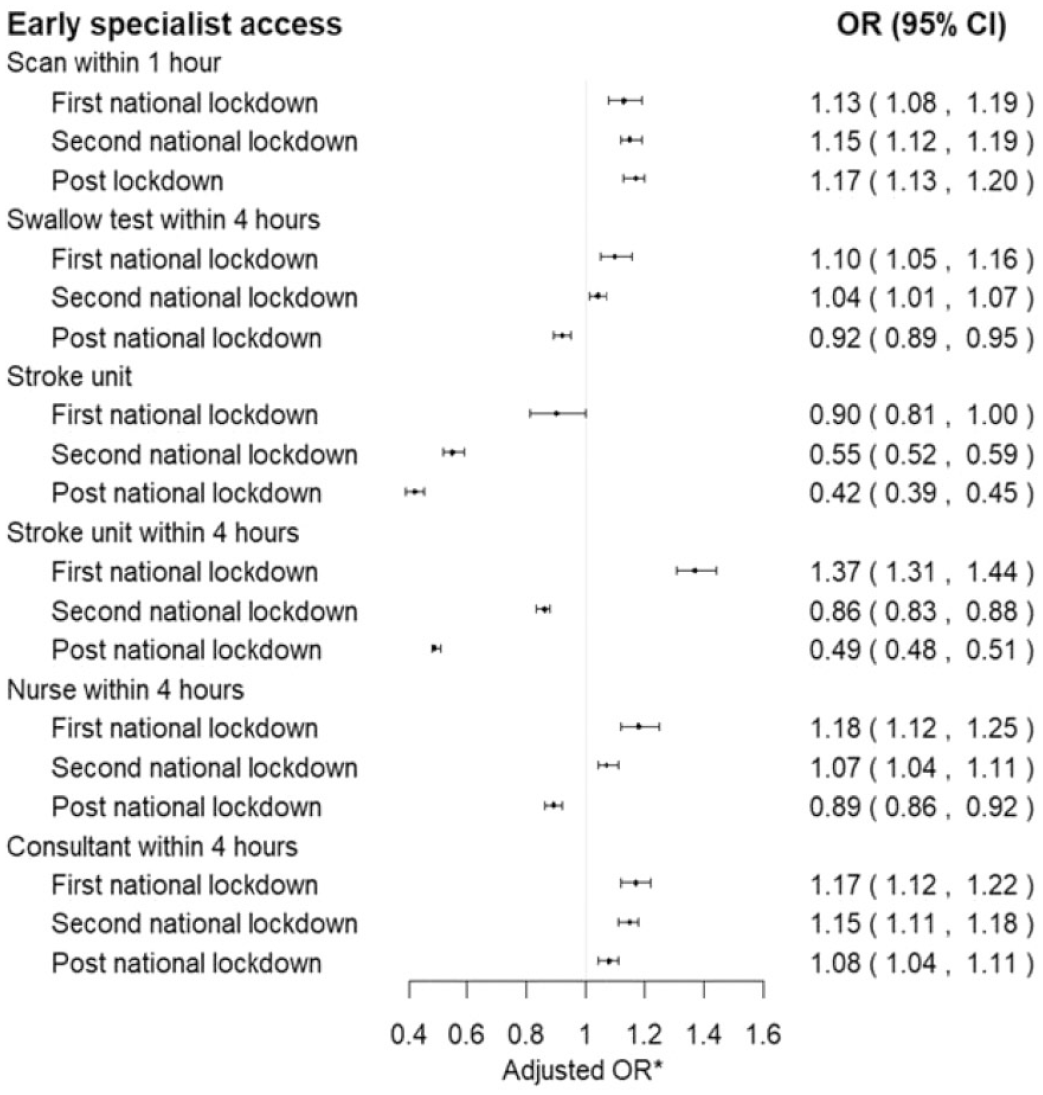
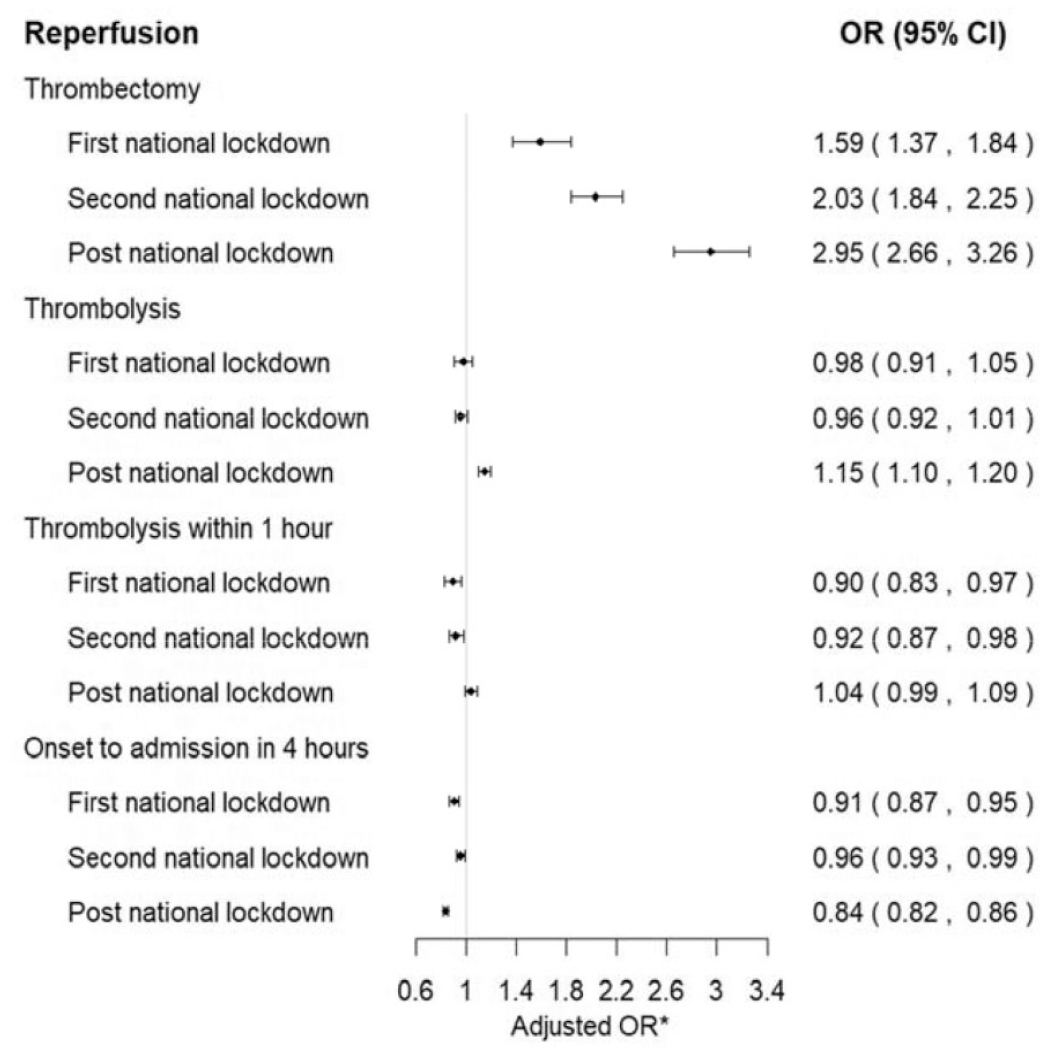
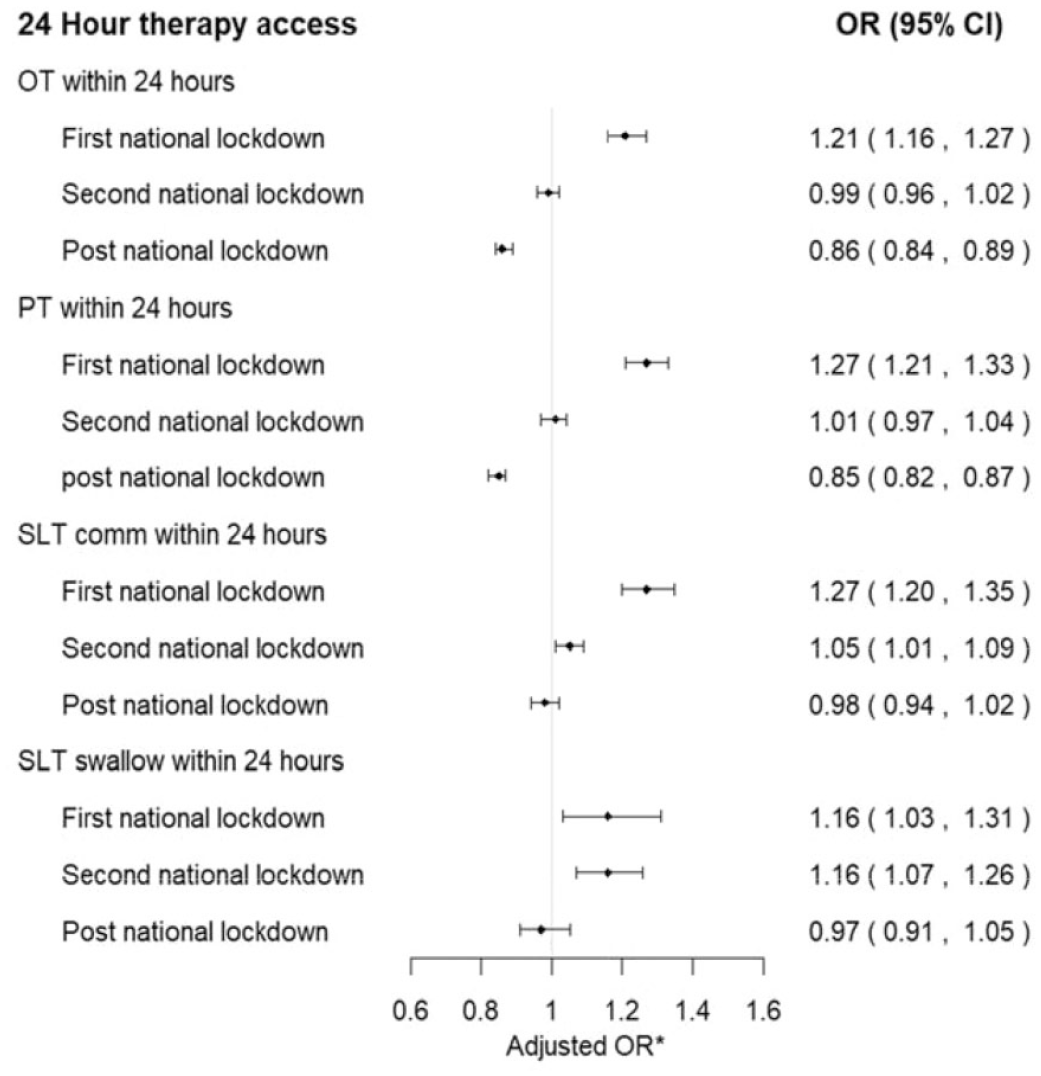
1884
What would other emergency stroke teams do? Using explainable machine learning to understand variation in thrombolysis practice
1University of Exeter, Medical School, Exeter, United Kingdom, 2University of Exeter, Institute of Data Science and Artificial Intelligence, Exeter, United Kingdom, 3Royal Devon University Healthcare NHS Foundation Trust, Stroke Medicine, Exeter, United Kingdom
1924
Stroke nurse plays a key role reducing time delays, achieving rapid BP target and decreasing BP variability in patients with acute ICH
1Vall d'Hebron Research Institute, Stroke Research Group, Barcelona, Spain, 2Vall d'Hebron Universitiy Hospital, Department of Neurology, Stroke Unit, Barcelona, Spain
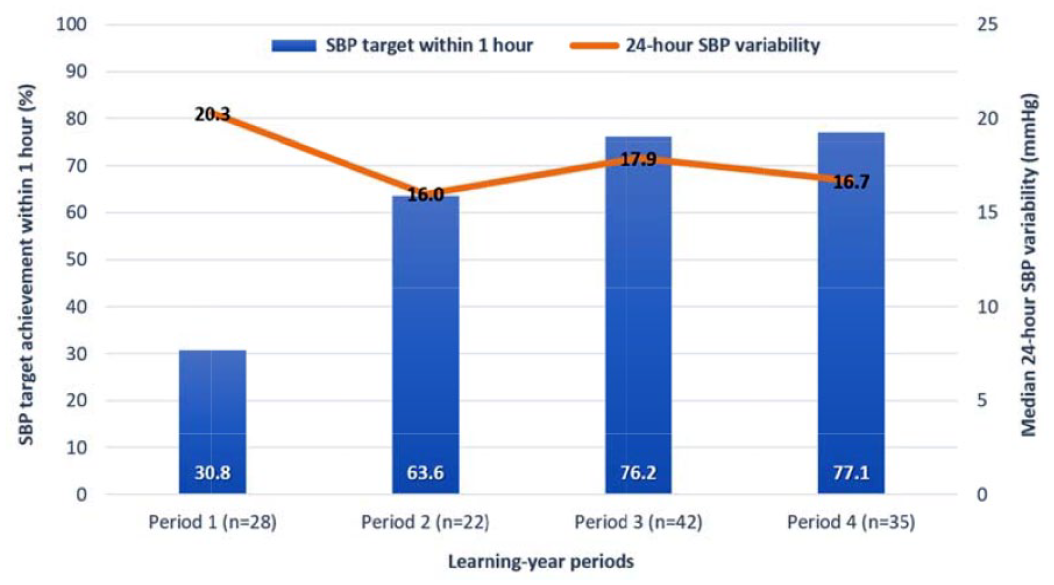
2063
NORAHOME: A VIRTUAL STROKE MULTIMODAL HOME HOSPITALIZATION MONITORING PROGRAM FOR TIA AND MINOR STROKES
1Vall Hebron University Hospital, Stroke Unit, Barcelona, Spain, 2Vall Hebron Institut de Recerca, Recerca en Ictus, Barcelona, Spain
2207
OFF-LABEL PRESCRIPTION IN STROKE: COMPARATIVE ANALYSIS OF THE RECOMMENDATIONS OF THE EUROPEAN STROKE ORGANIZATION AND INDICATIONS APPROVED BY THE EUROPEAN MEDICINES REGULATORY AGENCIES
1Universidade de Lisboa, Faculdade de Medicina, Lisboa, Portugal, 2Hospital de Santa Maria, Centro Hospital Universitário Lisboa Norte, Neurology, Lisboa, Portugal
We aimed to quantify the recommendations with off-label use of drugs in the ESO guidelines and their quality of evidence
2256
Endovascular thrombectomy with or without bridging thrombolysis in patients with acute ischemic stroke: A cost-utility analysis
1University of Chicago, Department of Neurology, Chicago, United States, 2McMaster University, Department of Health Research Methods, Evidence, and Impact, Hamilton, Canada, 3Tianjin University, School of Pharmaceutical Science and Technology, Tianjin, China, 4Albany Medical Center, Department of Pathology, Albany, United States, 5Hull York Medical School, University of Hull, Wolfson Palliative Care Research Centre, Hull, United Kingdom, 6University of South Dakota, Wegner Health Sciences Information Center, Sioux Falls, United States
2439
Patterns of clustering of vascular patients and its association with multiple long term conditions and risk factors
1King's College London Guy's Campus, School of Life Course & Population Sciences, London, United Kingdom, 2London School of Hygiene & Tropical Medicine, Epidemiology, London, United Kingdom, 3King's College London, Maudsley NIHR Biomedical Research Centre, London, United Kingdom
2529
TIME OF DAY OF ENDOVASCULAR TREATMENT MODULATES CLINICAL OUTCOME AFTER STROKE
1Institute for Stroke and Dementia Research, Universal Hospital, Munich, Germany, 2Institute of Neuroradiology, University Hospital, Munich, Germany, 3University Hospital, Department of Neurology, Munich, Germany, 4David Geffen School of Medicine, Department of Neurology and Comprehensive Stroke Center, Los Angeles, United States
Disclosure of interest: Yes
2634
Evolution of neurovascular emergency care in the Auvergne Rhône-Alpes region (France)
1Urg'Ara Network, CH Roanne, Lyon, France, 2Urg'Ara Network, University Claude Bernard Lyon 1 - RESHAPE INSERM U1290, Lyon, France, 3ARS AUvergne Rhone-Alpes, DSPAR, Lyon, France, 4Hospices Civils de Lyon, Stroke Unit, Lyon, France, 5Hospices Civils de Lyon, Emergency Department - HEH, Lyon, France, 6Urg'Ara, CH Firminy, Lyon, France
ESOC 2023 – Paper Poster
ACUTE MANAGEMENT – NEITHER THROMBOLYSIS NOR THROMBECTOMY
854
Continuous glucose monitoring in acute ischemic stroke patients treated with endovascular therapy: a pilot study to assess feasibility and accuracy
1Medisch Spectrum Twente, Neurology, Enschede, Netherlands, 2Erasmus MC, Internal Medicine, Rotterdam, Netherlands, 3Isala, Clinical Chemistry, Zwolle, Netherlands, 4Isala, Neurology, Zwolle, Netherlands
ACUTE MANAGEMENT – NEITHER THROMBOLYSIS NOR THROMBECTOMY
1282
Global Brain Perfusion as prediction tool for early worsening in Acute Lacunar ischemic stroke (ALIS)
1Shaare Zedek Medical Center, Neurology, Jerusalem, Israel, 2Shaare Zedek Medical Center, Neuroradiology, Jerusalem, Israel
ACUTE MANAGEMENT – NEITHER THROMBOLYSIS NOR THROMBECTOMY
1288
EXTRACELLULAR VESICLE RESPONSE TO REMOTE ISCHEMIC CONDITIONING IN STROKE PATIENTS
1Aarhus University, Center for Functionally Integrative Neuroscience, Aarhus, Denmark, 2Aarhus Universitetshospital, Department of Neurology, Aarhus, Denmark, 3Institute of Clinical Medicine, Department of Molecular Medicine, Aarhus, Denmark, 4Aalborg University Hospital, Department of Clinical Medicine, Aalborg, Denmark, 5Aalborg University Hospital, Department of Clinical Immunology, Aalborg, Denmark
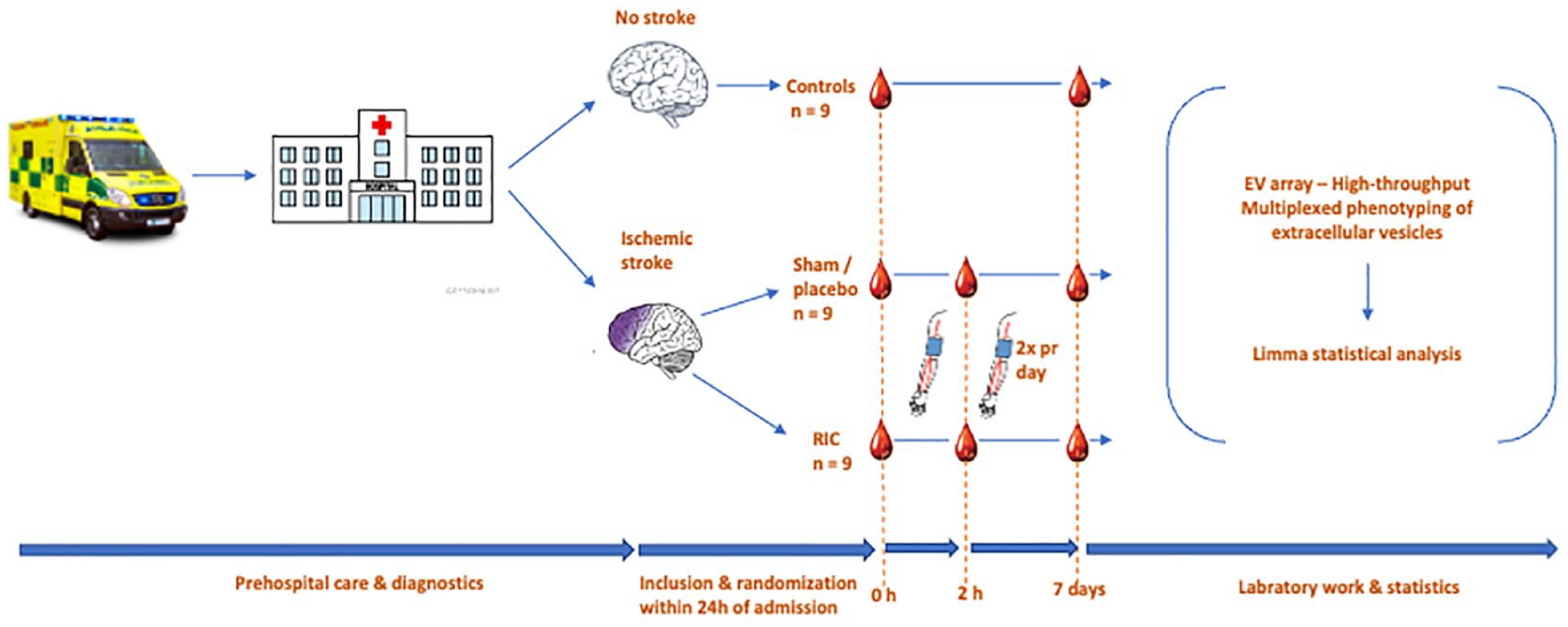
ACUTE MANAGEMENT – NEITHER THROMBOLYSIS NOR THROMBECTOMY
1861
PREHOSPITAL NIHSS AMD A MOBILE APPLICATION TO STANDARDISE COMMUNICATION BETWEEN PRE- AND IN-HOSPITAL STROKE SERVICES – A PARANASPP INTRACEREBRAL HAEMORRHAGE SUBGROUP STUDY
1Norwegian Air Ambulance Foundation, Research and development, Oslo, Norway, 2Oslo University Hospital, Department of Neurology, Oslo, Norway, 3University of Oslo, Institute of Clinical Medicine, Oslo, Norway, 4Oslo University Hospital, Division of Prehospital Services, Oslo, Norway, 5Oslo Metropolitan University, Department of Health Sciences, Oslo, Norway
ACUTE MANAGEMENT – NEITHER THROMBOLYSIS NOR THROMBECTOMY
1079
Deferred consent in an ambulance-based acute stroke treatment trial
1Amsterdam UMC location University of Amsterdam, Neurology, Amsterdam, Netherlands, 2University Medical Center Utrecht, Neurology and Neurosurgery, Utrecht, Netherlands
ACUTE MANAGEMENT – THROMBOLYSIS OR THROMBECTOMY
109
Tandem lesions, emergent carotid artery stenting and the value of intravenous alteplase before thrombectomy: a subgroup analysis of the SWIFT DIRECT trial
1University Hospital Bern Inselspital, Department of Diagnostic and Interventional Neuroradiology, Bern, Switzerland, 2University Hospital Frankfurt, Department of Neurology, Frankfurt, Germany, 3Cantonal Hospital Aarau, Department of Neuroradiology, Aarau, Switzerland, 4NEURI Brain Vascular Center, Bicêtre Hospital, Department of Neuroradiology, Paris, France, 5Otto-von-Guericke University Hospital Magdeburg, Department for Neuroradiology, Magdeburg, Germany, 6Neurocenter of Southern Switzerland (EOC), Department of Neurology, Lugano, Switzerland, 7Cantonal Hospital St.Gallen, Department of Neurology, St. Gallen, Switzerland, 8St George’s University Hospital, Department of Neuroradiology, St George, United Kingdom, 9University Hospital Montpellier, Department of Neuroradiology, Montpellier, France, 10Kepler University Hospital, Department of Neurology, Linz, Austria, 11Academic Hospital University Essen-Duisburg, Department of Neurology, Essen, Germany, 12University Hospital Clermont-Ferrand, Department of Neuroradiology, Clermont-Ferrand, France, 13University Hospital Schleswig-Holstein, Department of Radiology and Neuroradiology, Kiel, Germany, 14University of Heidelberg, Department of Neurology, Mannheim, Germany, 15Klinikum Vest, Department of Radiology and Neuroradiology, Recklinghausen, Germany, 16David Geffen School of Medicine, Department of Neurology and Comprehensive Stroke Center, Los Angeles, United States, 17University Hospital Basel, Department of Neurology, Basel, Switzerland, 18University Hospital Bern Inselspital, Department of Neurology, Bern, Switzerland
ACUTE MANAGEMENT – THROMBOLYSIS OR THROMBECTOMY
170
Thrombectomy for Distal Medium Vessel Occlusion Stroke: Combined versus Single-device Techniques – A Systematic Review and Meta-Analysis
1Barts and The London School of Medicine and Dentistry, Institute of Health Sciences Education, London, United Kingdom, 2Lee Kong Chian School of Medicine, Nanyang Technological University, Department of Medicine, Singapore, Singapore, 3Yong Loo Lin School of Medicine, National University of Singapore, Department of Medicine, Singapore, Singapore, 4National University Hospital, Division of Neurology, Department of Medicine, Singapore, Singapore
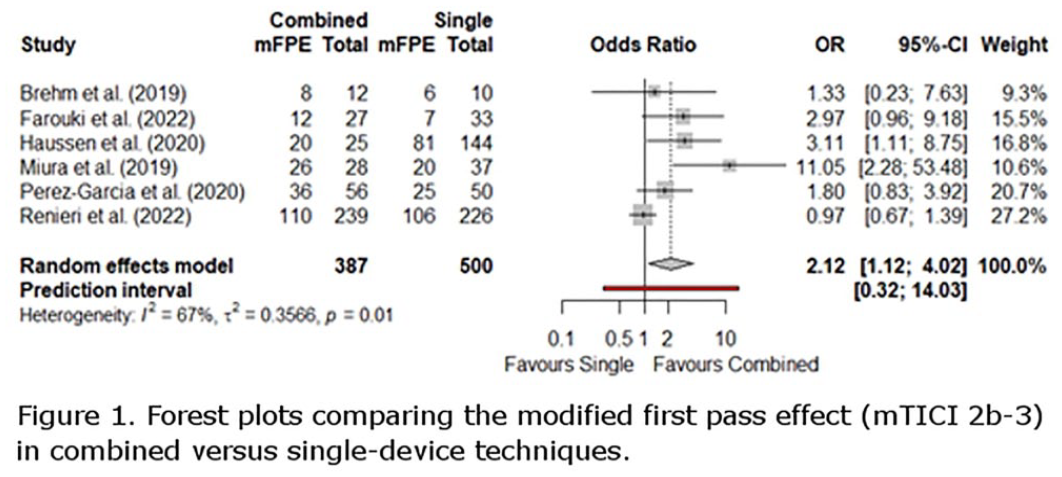
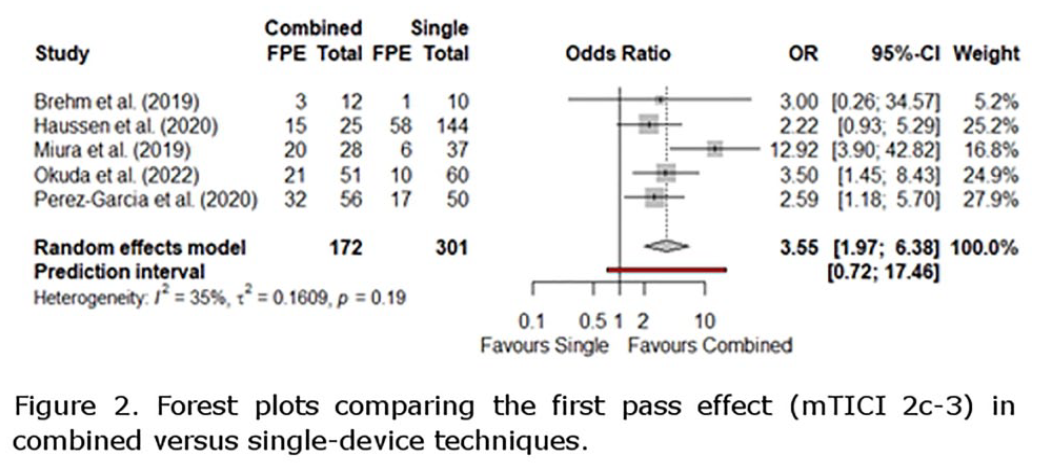
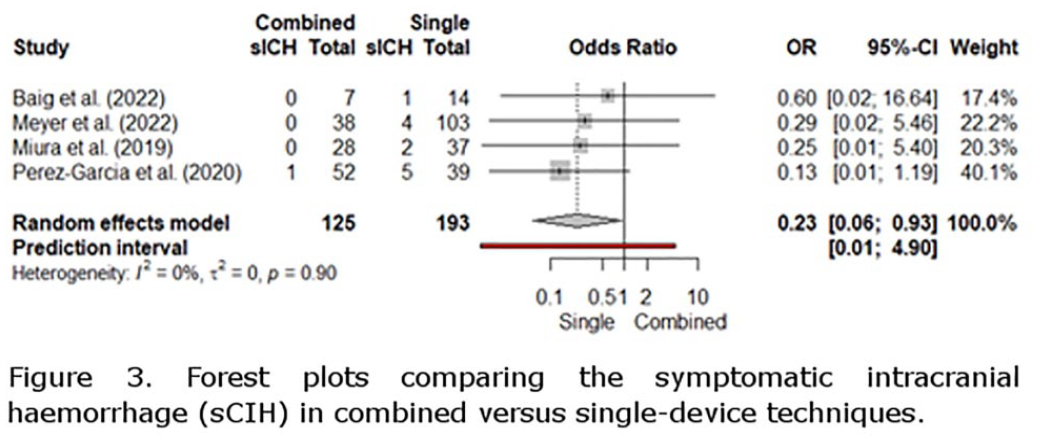
ACUTE MANAGEMENT – THROMBOLYSIS OR THROMBECTOMY
777
Intravenous alteplase versus tenecteplase in patients with acute posterior circulation strokes: secondary analysis from the AcT trial
1University of Calgary, Department of Radiology, Calgary, Canada, 2University of Calgary, Department of Clinical Neurosciences, Calgary, Canada, 3University of Manitoba, Rady Faculty of Health Sciences, Winnipeg, Canada, 4University of Alberta, Department of Medicine, Division of Neurology, Edmonton, Canada, 5McMaster University, Department of Medicine, Hamilton, Canada, 6Université de Montréal, Department of Neurosciences, Montreal, Canada, 7University of Calgary, Department of Community Health Sciences, Calgary, Canada, 8University of Toronto, Sunnybrook Health Sciences Centre, Hurvitz Brain Sciences Program, Toronto, Canada, 9Queen’s University, Department of Medicine, Kingston, Canada, 10Université de Sherbrooke, Département de médecine, Sherbrooke, Canada, 11Queen Elizabeth Health Sciences Centre, Department of Medicine, Halifax, Canada, 12Kelowna General Hospital, -, Kelowna, Canada, 13University of Ottawa, Department of Medicine, Ottawa, Canada, 14University of British Columbia, Division of Neurology, Vancouver, Canada, 15Western University, Department of Clinical Neurosciences, London, Canada, 16University Toronto, Department of Medicine, Toronto, Canada, 17University of Manitoba, Department of Radiology, Winnipeg, Canada, 18Queen Elizabeth Hospital, -, Charlottetown, Canada, 19Medicine Hat Regional Hospital, -, Medicine Hat, Canada, 20Grey Nuns Community Hospital, -, Edmonton, Canada, 21St Michael’s Hospital, -, Toronto, Canada, 22Red Deer Regional Hospital, -, Red Deer, Canada, 23University of Saskatchewan, Division of Neurology, Saskatoon, Canada
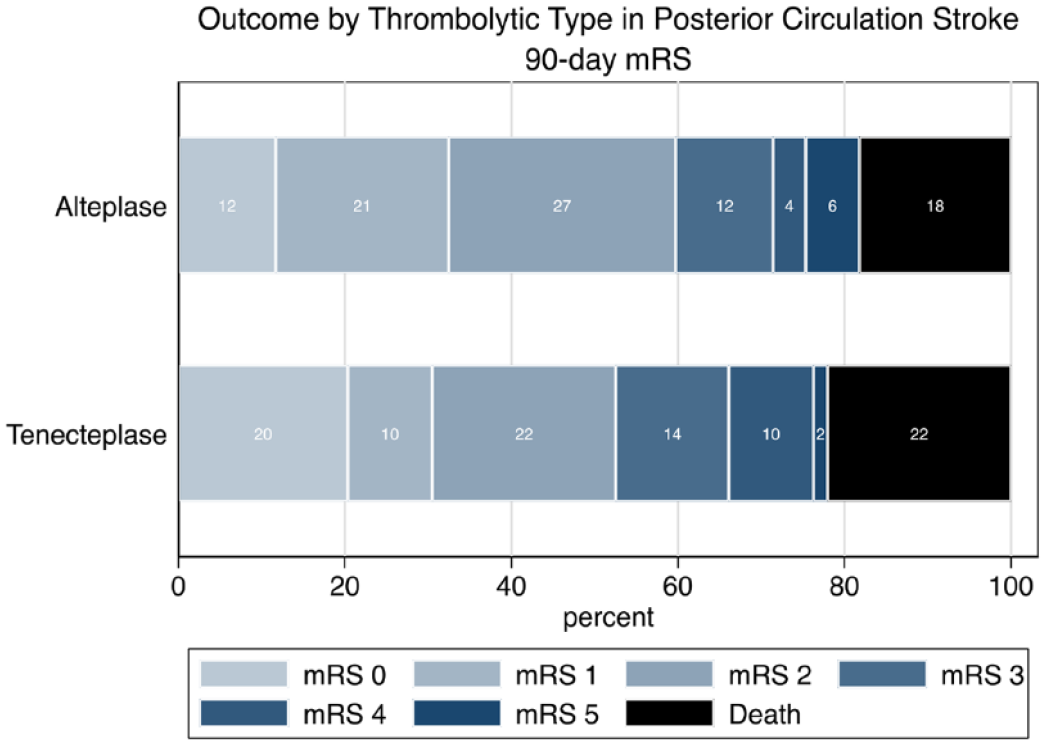
ACUTE MANAGEMENT – THROMBOLYSIS OR THROMBECTOMY
1006
Influence of Age On Outcomes In Patients Receiving Alteplase And Tenecteplase: A Secondary Analysis From The Act Trial
1University of Manitoba, Department of Internal Medicine (Neurology Division), Winnipeg, Canada, 2University of Calgary, Department of Clinical Neurosciences, Calgary, Canada, 3University of Alberta, Department of Neurosciences, Edmonton, Canada, 4McMaster University, Department of Medicine, Hamilton, Canada, 5Université de Montréal, Department of Neurosciences, Montreal, Canada, 6University of Toronto, Hurvitz Brain Sciences Program, Sunnybrook Health Sciences Centre, Department of Neurosciences, Toronto, Canada, 7Queen’s University, Department of Medicine, Kingston, Canada, 8Université de Sherbrooke, Department of Medicine, Sherbrooke, Canada, 9Queen Elizabeth Health Sciences Centre, Department of Medicine, Halifax, Canada, 10Kelowna General Hospital, Department of Neurosciences, Kelowna, Canada, 11University of Ottawa, Department of Medicine, Ottawa, Canada, 12University of British Columbia, Department of Neurology, Vancouver, Canada, 13Western University, Department of Clinical Neurosciences, London, Canada, 14University of Toronto, Department of Medicine, Toronto, Canada, 15University of Manitoba, Department of Radiology, Winnipeg, Canada, 16Queen Elizabeth Hospital, Department of Medicine, Charlottetown, Canada, 17Medicine Hat Regional Hospital, Department of Medicine, Calgary, Canada, 18Grey Nuns Community Hospital, Department of Medicine, Edmonton, Canada, 19St Michael’s Hospital, Department of Medicine, Toronto, Canada, 20Red Deer Regional Hospital, Department of Medicine, Red Deer, Canada, 21University of Saskatoon, Division of Neurology, Saskatoon, Canada, 22University of Calgary, Department of Community Health Sciences, Calgary, Canada, 23Tours University Hospital, Diagnostic and Interventional Neuroradiology, Tours, France
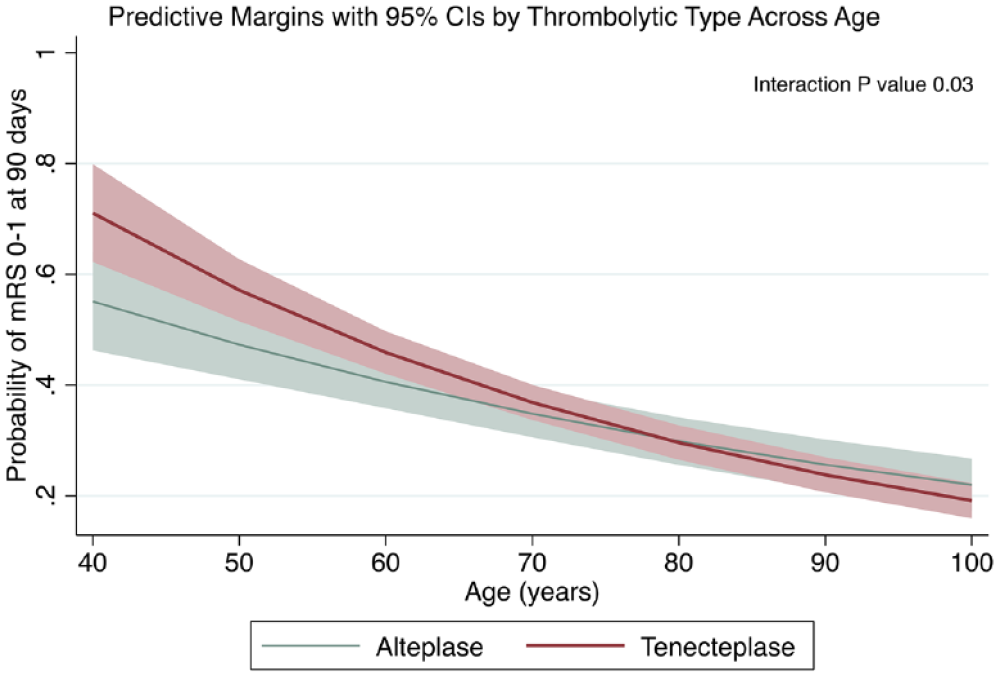
ACUTE MANAGEMENT – THROMBOLYSIS OR THROMBECTOMY
1069
COMPARISON OF CT HYPOPERFUSION-HYPODENSITY MISMATCH WITH AUTOMATED PERFUSION MISMATCH FOR THE IDENTIFICATION OF PATIENTS WITH STROKE SUITABLE FOR THROMBOLYSIS
1University of Münster, Department of Neurology with Institute of Translational Neurology, Münster, Germany, 2University Hospital Basel, Department of Neuroradiology, Clinic of Radiology & Nuclear Medicine, Basel, Switzerland, 3University Medical Center Hamburg-Eppendorf, Department of Diagnostic and Interventional Neuroradiology, Hamburg, Germany, 4Westfaelische Wilhelms-University of Münster and University Hospital of Münster, Department of Radiology, Münster, Germany, 5Westpfalz-Klinikum, Department of Neuroradiology, Kaiserslautern, Germany, 6University Medical Center Schleswig-Holstein, Department of Neuroradiology, Lübeck, Germany, 7Ruhr University Bochum, Department of Neurology, St. Josef-Hospital, Bochum, Germany, 8Department of Neurology, University Hospital Carl Gustav Carus, Dresden, Germany, 9Department of Radiology and Institute of Diagnostic and Interventional Radiology, University Medical Center Rostock, Rostock, Germany, 10Medical Image Analysis Center (MIAC) and Department of Biomedical Engineering, University of Basel, Basel, Switzerland, 11University Hospital Carl Gustav Carus, Department of Neuroradiology, Dresden, Germany, 12German Cancer Research Center, Department of Radiology, Heidelberg, Germany, 13University Hospital, LMU Munich, Department of Radiology, München, Germany, 14University of Münster, Institute of Epidemiology and Social Medicine, Münster, Germany
ACUTE MANAGEMENT – THROMBOLYSIS OR THROMBECTOMY
1137
INTRAVENOUS TENECTEPLASE COMPARED WITH ALTEPLASE FOR MINOR ISCHEMIC STROKE: A SUBGROUP ANALYSIS OF THE ACT RANDOMIZED CLINICAL TRIAL
1University of Alberta, Department of Clinical Neurosciences, Edmonton, Canada, 2University of Manitoba, Department of Internal Medicine (Neurology Division), Winnipeg, Canada, 3University of Calgary, Department of Neurosciences, Calgary, Canada, 4Miller School of Medicine, Department of Neurology, Miami, United States, 5Tours University Hospital, Diagnostic and Interventional Neuroradiology, Tours, France, 6Université de Montréal, Department of Clinical Neurosciences, Montreal, Canada, 7Queen Elizabeth Health Sciences Centre, Department of Medicine, Charlottetown, Canada, 8University of Toronto, Hurvitz Brain Sciences Program, Sunnybrook Health Sciences Centre, Department of Medicine, Toronto, Canada, 9University of Saskatoon, Department of Medicine, Saskatoon, Canada, 10Kelowna General Hospital, Department of Neurosciences, Kelowna, Canada, 11Medicine Hat Regional Hospital, Department of Medicine, Calgary, Canada, 12University of Toronto, Department of Neurology, Toronto, Canada, 13University of British Columbia, Department of Neurosciences, Vancouver, Canada, 14University of Ottawa, Department of Medicine, Ottawa, Canada, 15McMaster University, Department of Medicine, Hamilton, Canada, 16University of Calgary, Department of Community Health Sciences, Calgary, Canada
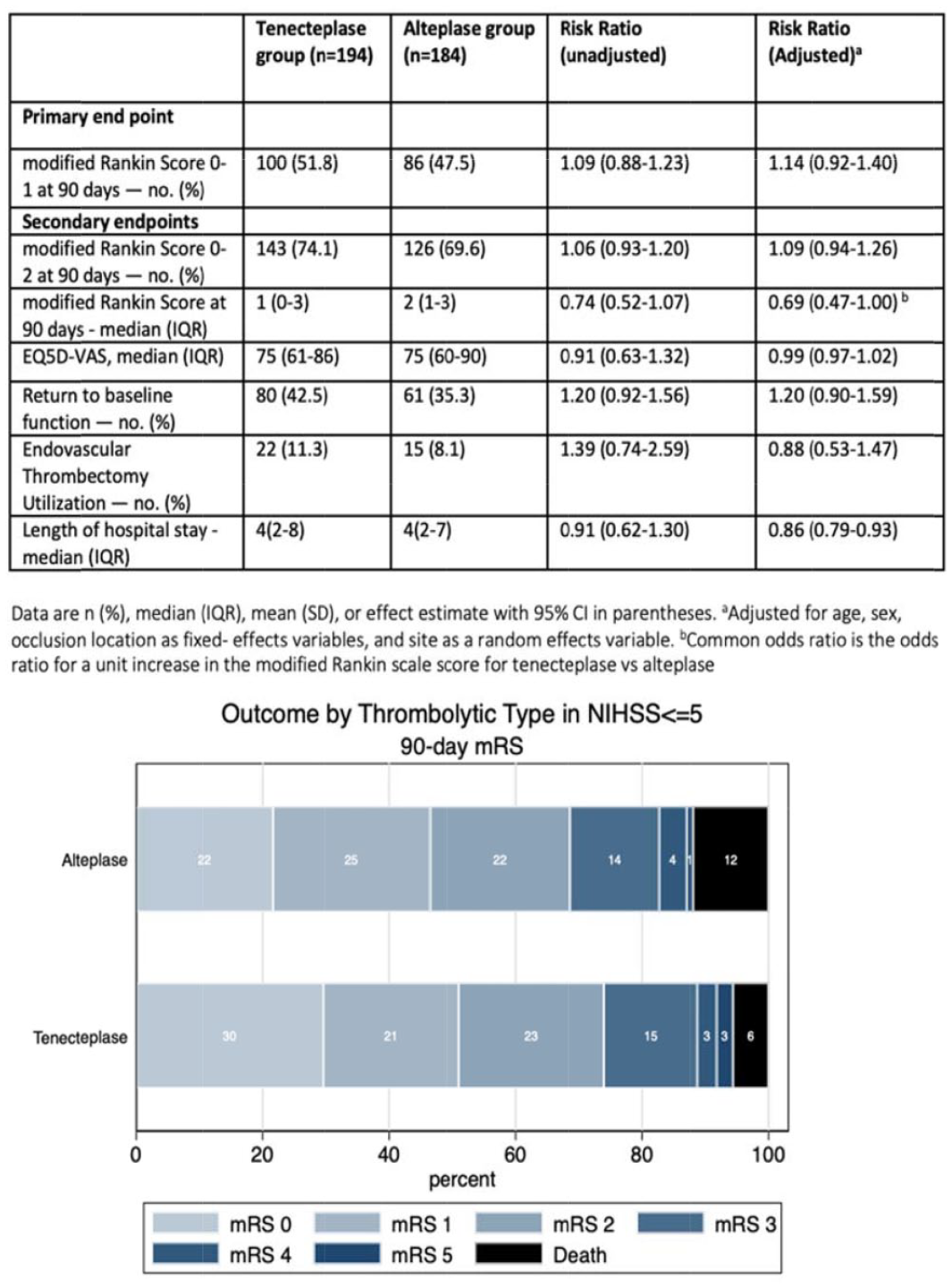
ACUTE MANAGEMENT – THROMBOLYSIS OR THROMBECTOMY
1193
Comparing standard vs extended time window reperfusion treatments in an MRI based stroke care system- a prospective single-centre study
1Semmelweis University, Department of Neurology, Budapest, Hungary, 2Semmelweis University, “János Szentágothai” Doctoral School of Neurosciences, Budapest, Hungary, 3Semmelweis University, Department of Oxyology, Budapest, Hungary, 4Semmelweis University, Department of Neuroradiology, Medical Imaging Centre, Budapest, Hungary, 5National Institute of Mental Health, Neurology and Neurosurgery, Department of Neurointervention, Budapest, Hungary
To determine the caseload, treatment rates, and outcomes in the extended as compared to the standard time windows for reperfusion therapies in an MRI-based stroke care system.
ACUTE MANAGEMENT – THROMBOLYSIS OR THROMBECTOMY
1203
Safety of Tenecteplase as compared to Alteplase in Older Patients A Secondary Analysis From The Act Trial
1University of Calgary, Department of Clinical Neurosciences, Calgary, Canada, 2University of Manitoba, Department of Clinical Neurosciences, Winnipeg, Canada, 3University of Alberta, Department of Clinical Neurosciences, Edmonton, Canada, 4McMaster University, Department of Neurology, Hamilton, Canada, 5Université de Montréal, Department of Neurology, Montreal, Canada, 6University of Toronto, Hurvitz Brain Sciences Program, Sunnybrook Health Sciences Centre, Department of Medicine, Toronto, Canada, 7Queen’s University, Department of Medicine, Kingston, Canada, 8Université de Sherbrooke, Department of Medicine, Sherbrooke, Canada, 9Queen Elizabeth Health Sciences Centre, Department of Medicine, Halifax, Canada, 10Kelowna General Hospital, Department of Medicine, Kelowna, Canada, 11University of Ottawa, Department of Clinical Neurosciences, Ottawa, Canada, 12University of British Columbia, Department of Neurology, New Westminister, Canada, 13Western University, Department of Medicine, London, Canada, 14University of Manitoba, Department of Radiology, Winnipeg, Canada, 15Queen Elizabeth Hospital, Department of Medicine, PEI, Canada, 16University of British Columbia, Department of Neurology, Vancouver, Canada, 17Medicine Hat Regional Hospital, Department of Medicine, Medicine Hat, Canada, 18Grey Nuns Community Hospital, Department of Medicine, Edmonton, Canada, 19University of Toronto, Department of Neurology, Toronto, Canada, 20Red Deer Regional Hospital, Department of Medicine, Red Deer, Canada, 21University of S, Department of Neurology, Saskatoon, Canada, 22University of Calgary, Department of Community Health Sciences, Calgary, Canada, 23University of Ottawa, Department of Medicine, Ottawa, Canada, 24Tours University Hospital, Diagnostic and Interventional Neuroradiology, Tours, France, 25University of Toronto, Department of Neurosciences, Toronto, Canada
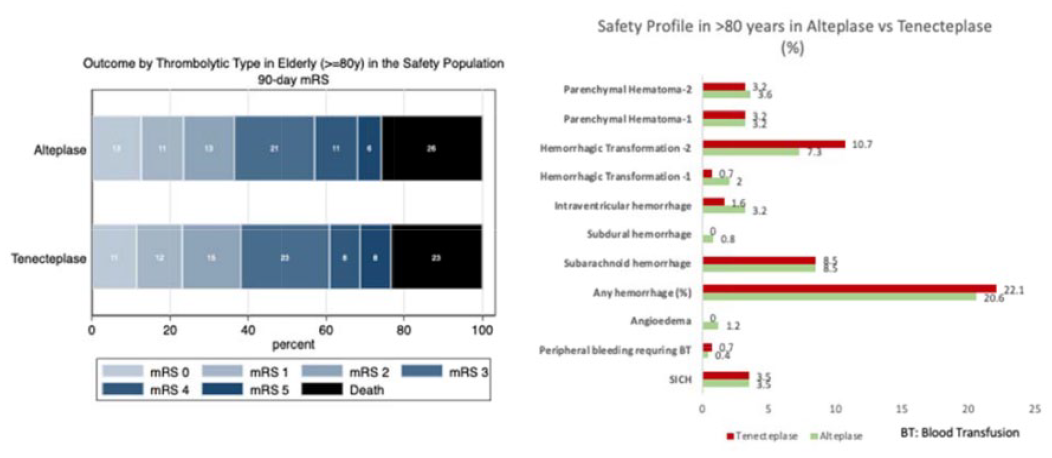
ACUTE MANAGEMENT – THROMBOLYSIS OR THROMBECTOMY
1316
The importance of aspiration catheter size in aspiration thrombectomy: 5 vs 6fr Sofia catheter in M1 occlusions
1HagaZiekenhuis, Radiology, The Hague, Netherlands, 2HagaZiekenhuis, Neurology, The Hague, Netherlands
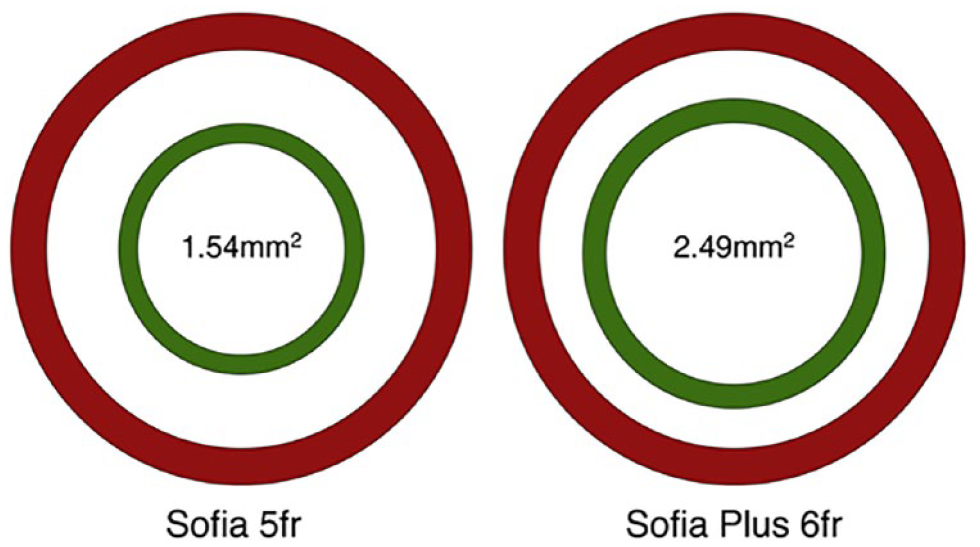
ACUTE MANAGEMENT – THROMBOLYSIS OR THROMBECTOMY
1361
DETERMINANTS AND OUTCOMES OF REVASCULARIZATION TREATMENT IN MEDIUM VESSEL OCCLUSION RELATED ACUTE ISCHEMIC STROKE
1Erebouni MC, Department of Neurology and Erebouni Stroke Unit, Yerevan, Armenia, 2Erebouni MC, Cerebrovascular Neurosurgery, Yerevan, Armenia, 3Erebouni MC, Anesthesiology and intensive care department, Yerevan, Armenia, 4Boston University School of Medicine, Department of Neurology, Boston, United States, 5Grey Nuns Community Hospital, Department of Medicine, Division of Neurology/ Regional Stroke Program, Edmonton, Canada, 6Glendale Adventist MC, AH Glendale Comprehensive Stroke Center, Glendale CA, United States, 7Sud Francilien Hospital, Neurology Department and Stroke Unit, Paris Region, France
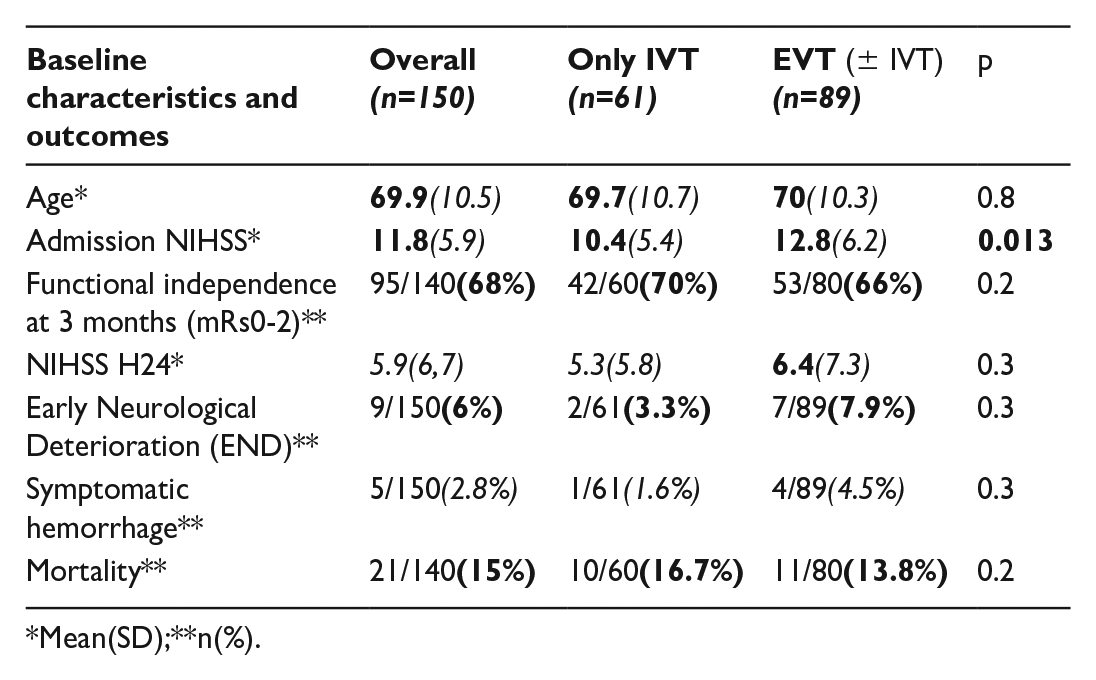
Mean(SD);**n(%).
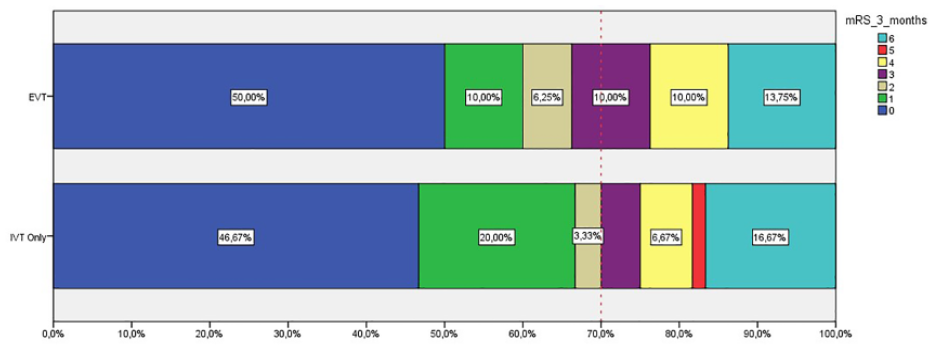
ACUTE MANAGEMENT – THROMBOLYSIS OR THROMBECTOMY
1405
Influence of Renal Function on Blood Pressure control and Outcomes in Thrombolysed Patients after Acute Ischemic Stroke: a post hoc analysis of ENCHANTED trial
1The George Institute for Global Health, STROKE, Beijing, China, 2The George Institute for Global Health, STROKE, Sydney, Australia, 3The George Institute for Global Health, STROKE, Shanghai, China, 4The George Institute for Global Health, Global Brain Health Program, Sydney, Australia
ACUTE MANAGEMENT – THROMBOLYSIS OR THROMBECTOMY
1437
Influence of Prior Diabetes Mellitus on Outcome for Thrombolysis-Treated Acute Ischemic Stroke: a post hoc analysis of ENCHANTED trial
1The George Institute for Global Health, STROKE, Beijing, China, 2The George Institute for Global Health, STROKE, Shanghai, China, 3The George Institute for Global Health, Global Brain Health Program, Sydney, Austria
ACUTE MANAGEMENT – THROMBOLYSIS OR THROMBECTOMY
2228
Sex-related differences in endovascular thrombectomy outcomes
1 Evangelisches Klinikum Bielefeld, Neurology, Bielefeld, Germany
Among the patients younger than 70 y.o. (N=227, 35.7% women), we observed a shorter EDT and a more often complete reperfusion (TICI 3) among women (65.4% vs. 48.6%). Furthermore women had more often a proximal occlusion of the ACM (72.8% vs. 58.2%, p=0.028), a longer DTP (median 96 vs. 82,5 minutes, p=0.038) and an excellent outcome, defined as mRS 0 or 1 on discharge (23.7% vs. 14.7%).
ACUTE MANAGEMENT – THROMBOLYSIS OR THROMBECTOMY
2281
Association of White Matter Disease with Outcomes in Acute Stroke Patients Receiving Alteplase and Tenecteplase: Results from the AcT Trial
1University of Calgary Cumming School of Medicine, Clinical Neurosciences, Calgary, Canada, 2University of Manitoba Max Rady College of Medicine, Internal Medicine, Winnipeg, Canada, 3University of Alberta, Medicine, Edmonton, Canada, 4University of Montreal, Department of Neurosciences, Montreal, Canada, 5Centre Hospitalier Universitaire de Tours, Neuroradiology, Tours, France, 6Population Health Research Institute, McMaster University, Medicine, Hamilton, Canada, 7CHUM, Hôpital Notre-Dame, Neurosciences, Montreal, Canada, 8Sunnybrook Health Sciences Centre, Medicine, Toronto, Canada, 9Queens University, Medicine, Kingston, Canada, 10Centre Hospitalier Universitaire de Sherbrooke, Medicine, Sherbrooke, Canada, 11Dalhousie University, Medicine, Halifax, Canada, 12Kelowna General Hospital, Stroke services, Kelowna, Canada, 13University of Ottawa, Neurology, Ottawa, Canada, 14Burnaby General Hospital, Division of Neurology, Burnaby, Canada, 15London Health Sciences Centre, Neurology, London, Canada, 16University Health Network, Neurology, Toronto, Canada, 17Health PEI, Neurology, Charlottetown, Canada, 18University of British Columbia, Neurology, Vancouver, Canada, 19Southern Alberta Medical, Neurology, Medicine Hat, Canada, 20Unity Health Toronto, Medicine, Neurology, Canada, 21Red Deer Regional Hospital Centre, Neurology, Red Deer, Canada, 22University of Saskatchewan College of Medicine, Medicine, Saskatoon, Canada, 23CHUM, Université de Montréal, Neurosciences, Montreal, Canada
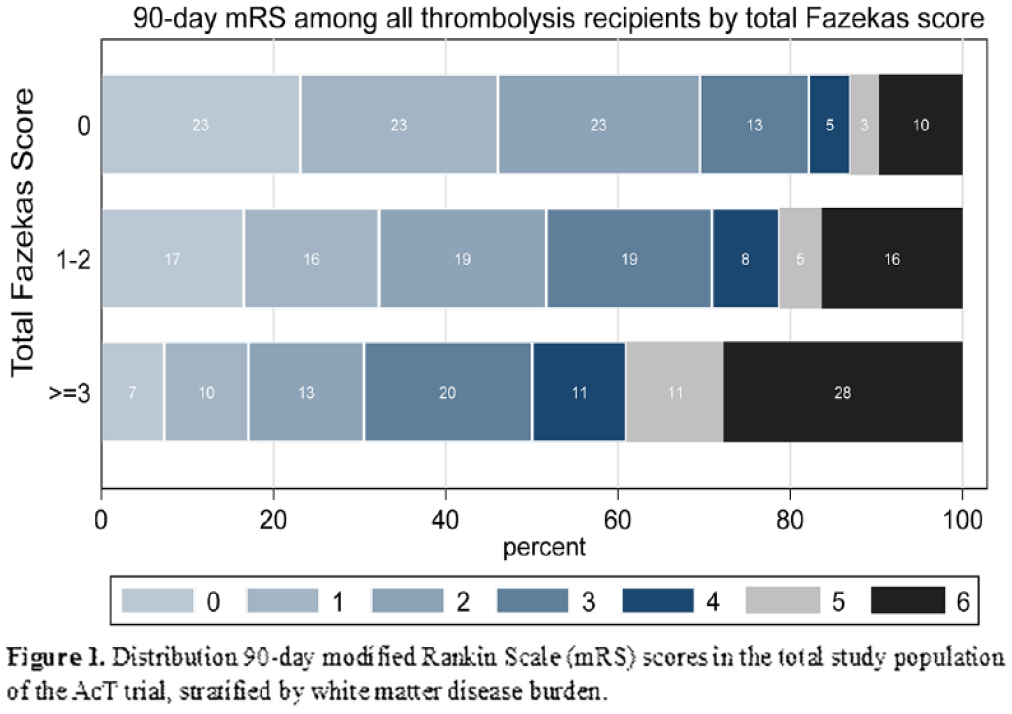
ACUTE MANAGEMENT – THROMBOLYSIS OR THROMBECTOMY
2367
The combination of CTP CBF and transit time coefficient variation seems promising in predicting tissue outcome in patients with AIS and large vessel occlusions
1Stavanger University Hospital, Stavanger Medical Imaging Laboratory (SMIL), Department of Radiology, Stavanger, Norway, 2University of Stavanger, Department of Electrical Engineering and Computer Science, Stavanger, Norway, 3Aarhus University, Institute of Clinical Medicine, Center of Functionally Integrative Neuroscience, Aarhus, Denmark, 4Stavanger University Hospital, Neurology research group, Department of Neurology, Stavanger, Norway, 5University of Bergen, Department of Clinical Medicine, Stavanger, Norway, 6University of Stavanger, Department of Mathematics and Physics, Stavanger, Norway
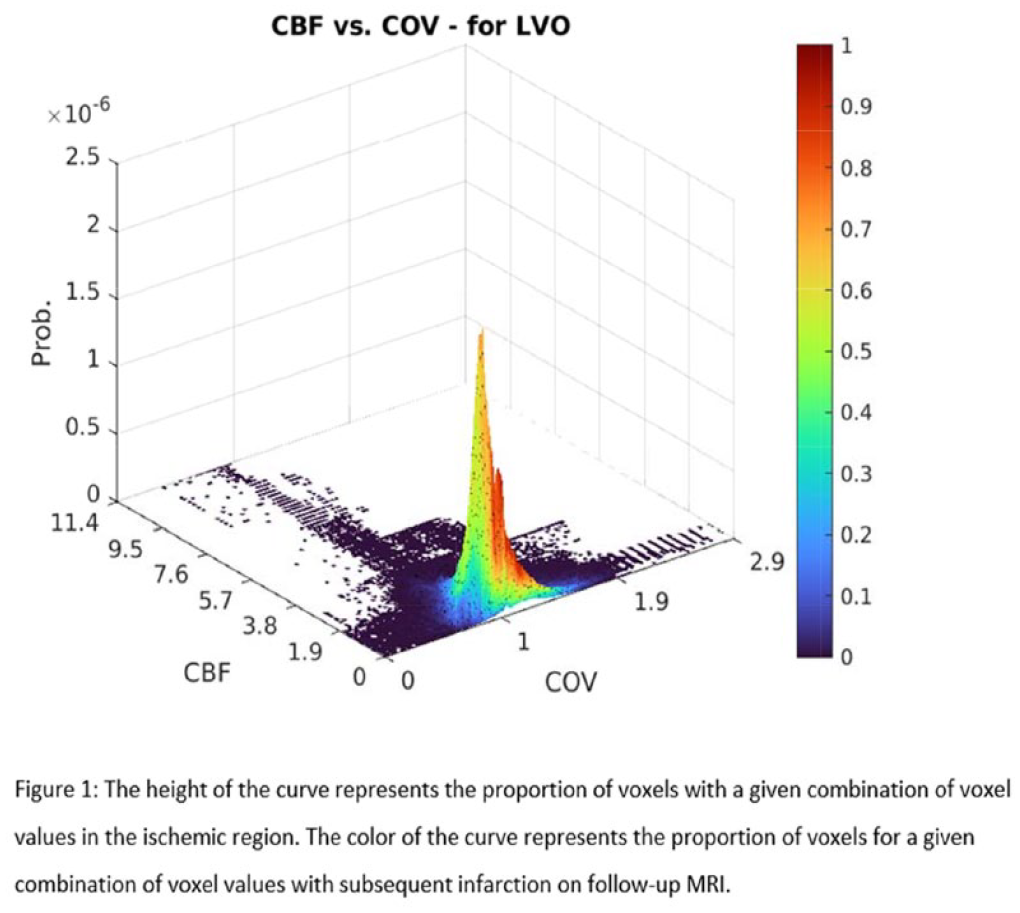
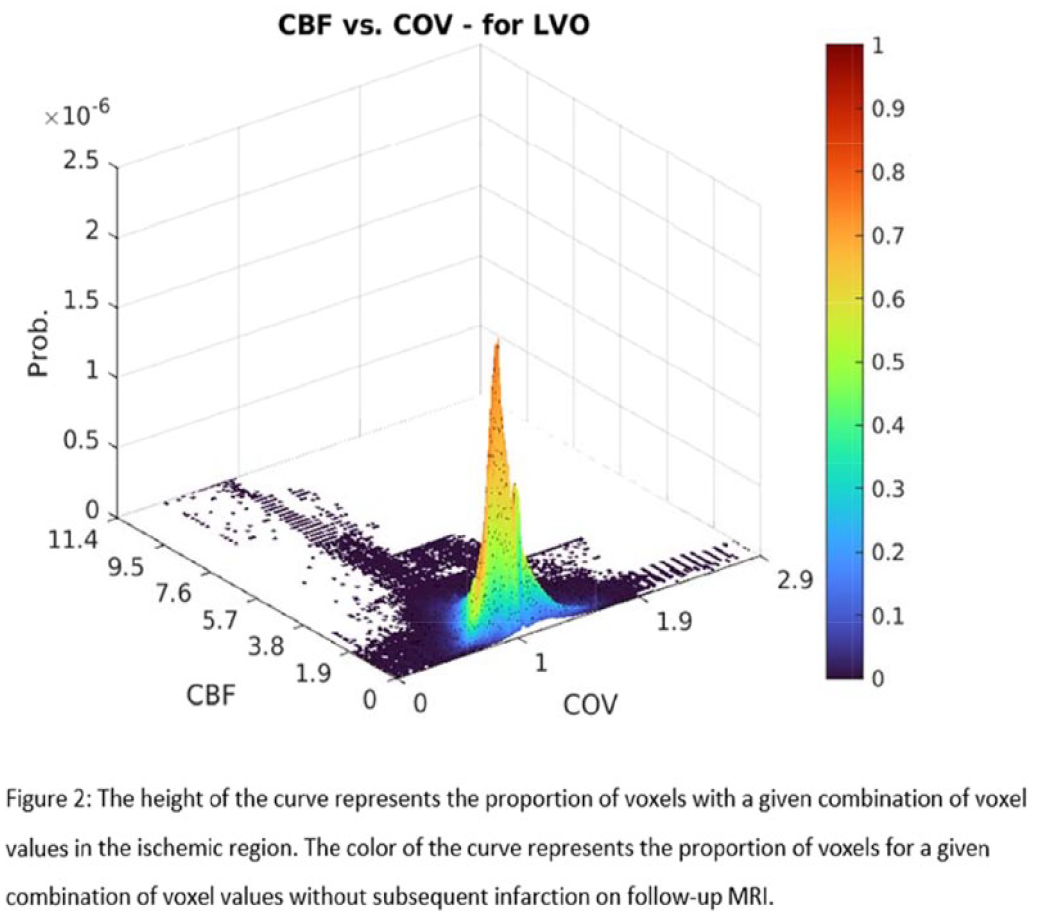
ACUTE MANAGEMENT – THROMBOLYSIS OR THROMBECTOMY
2424
The relationship of thrombus composition with mechanical thrombectomy techniques in acute ischemic stroke
1Eskisehir Osmangazi University, Neurology, Eskisehir, Turkey, 2Eskisehir Osmangazi University, Pathology, Eskisehir, Turkey
ACUTE MANAGEMENT – THROMBOLYSIS OR THROMBECTOMY
2533
Evaluation of Contrast Extravasation and its Relationship with Clinical Prognosis after Thrombectomy in Patients with Acute Cerebral Stroke
1 Ege Üniversitesi Hastanesi, Neurology, Izmir, Turkey
49.6% of the patients were female, 50.4% were male. Entry NIHSS was ⩾13 in 61% of the patients.The successful recanalization rate (TICI 2b-3) was 94.8%. Contrast extravasation was detected in 36 patients (26.3%). As age increases, the proportion of patients who develop contrast extravasation increases (p=0.006). Contrast extravasation was associated with significantly worse TICI score (p=0.044). The decrease in the 24th hour NIHSS compared to the entry NIHSS was significantly lower in extravasation group (p=0.03). Extravasation was found to be associated with a significantly worse TICI score.
ACUTE MANAGEMENT – THROMBOLYSIS OR THROMBECTOMY
2513
COMBINATION THERAPY USING SOLITAIRE AND THE REACT ASPIRATION CATHETER IN MECHANICAL THROMBECTOMY: INITIAL EXPERIENCE FROM INSPIRE-S REGISTRY
1University Hospital Vall D’Hebron, Department of Neurology, Barcelona, Spain, 2CHU Toulouse - Hôpital Purpan, Department of Neuroradiology, Toulouse, France, 3Universitätsklinikum Heidelberg, Department of Neuroradiology, Heidelberg, Germany, 4Royal Stoke University Hospital, Department of Radiology, Stoke-on-Trent, United Kingdom, 5Kantonsspital St.Gallen and Inselspital Bern, Neuroradiology Department, Bern, Switzerland
Disclosure of interest: Yes
ACUTE MANAGEMENT – THROMBOLYSIS OR THROMBECTOMY
402
Mechanical Thrombectomy with NIMBUS for Challenging Occlusions: Final Results of the SPERO Study
1Amsterdam UMC, Department of Radiology and Nuclear Medicine, Amsterdam, Netherlands, 2University Hospital Vall D’Hebron, Department of Neurology, Barcelona, Spain, 3Karolinska University Hospital, Department of Neuroradiology, Department of Clinical Neuroscience, Stockholm, Sweden, 4CHU Lille, Department of Interventional Neuroradiology, Lille, France, 5Beaumont Hospital, Department of Interventional Neuroradiology, Dublin, Ireland, 6University Hospital Vall D’Hebron, Interventional Neuroradiology Section, Department of Radiology, Barcelona, Spain, 7University Hospital Vall D’Hebron, Department of Interventional Neuroradiology, Barcelona, Spain, 8Sorbonne University, Department of Neuroradiology, Paris, France, 9Asklepios Hospital Group, Department of Neuroradiology, Hamburg, Germany, 10University Hospital, RWTH Aachen University, Department of Neuroradiology, Aachen, Germany, 11CHU Nantes, Department of Neuroradiology, Nantes, France, 12University Hospital of Purpan, Department of Neuroradiology, Toulouse, France, 13National University of Ireland Galway, Department of Physiology and CÚRAM, SFI Research Centre for Medical Devices, Galway, Ireland, 14University of California Los Angeles, Department of Neuroradiology and Neurovascular Imaging Core, Los Angeles, United States, 15Johnson & Johnson, Cerenovus, Irvine, United States, 16Karolinska University Hospital, Department of Neuroradiology, Stockholm, Sweden, 17Karolinska University Hospital, Department of Neuroradiology; Department of Clinical Neuroscience, Stockholm, Sweden, 18AZ Groeninge, Departments of Radiology and Neurology, Kortrijk, Belgium
Disclosure of interest: Yes
ACUTE MANAGEMENT – THROMBOLYSIS OR THROMBECTOMY
2399
FIRST PASS EFFECT, THROMBUS HISTOLOGICAL ANALYSIS AND IMAGING CHARACTERISTICS IN ENDOVASCULAR TREATMENT OF M1 OCCLUSION MIDDLE CEREBRAL ARTERY
1Department of Radiology, University Hospital Trnava, Trnava, Slovakia, 2Faculty of Medicine, Comenius University Bratislava, Bratislava, Slovakia, 3Department of Neurology, University Hospital Trnava, Trnava, Slovakia
Disclosure of interest: Yes
ACUTE MANAGEMENT – THROMBOLYSIS OR THROMBECTOMY
745
Predictors of poor functional outcome in acute isolated proximal posterior cerebral artery occlusion with medical management alone. An international multicentric observational study
1Rothschild Fundation Hospital, Neurology Department, Paris, France, 2Rothschild Fundation Hospital, Radiology Department, Paris, France, 3Rothschild Fundation Hospital, Interventional Neuroradiology Department, Paris, France
ACUTE MANAGEMENT – THROMBOLYSIS OR THROMBECTOMY
576
Quality of Life after Thrombolysis for Acute Ischemic Stroke in the AcT Trial
1University of Calgary, Department of Community Health Sciences, Calgary, Canada, 2University of Manitoba, Bannatyne Campus, Max Rady College of Medicine, Winnipeg, Canada, 3University of Calgary, Department of Clinical Neurosciences, Calgary, Canada, 4University of Calgary, Department of Clinical Neurosciences, Cumming School of Medicine, Calgary, Canada, 5Université de Montréal, Department of Neurosciences, Montréal, Canada, 6University of Toronto, 8. Department of Medicine (Division of Neurology), Hurvitz Brain Sciences Program, Toronto, Canada, 7Queen’s University, Division of Neurology, Department of Medicine, Kingston, Canada, 8Université de Sherbrooke, Department of Clinical Neurosciences, Sherbrooke, Canada, 9Queen Elizabeth Health Sciences Centre, Department of Neurosciences, Halifax, Canada, 10Kelowna General Hospital, Department of Neurosciences, Kelowna, Canada, 11Hamilton Health Sciences Centre and McMaster University, Department of Clinical Neurosciences, Hamilton, Canada, 12University of Ottawa, and the Ottawa Heart Research Institute, Department of Medicine, Ottawa, Canada, 13University of British Columbia and the Fraser Health Authority, Department of Neurosciences, British Columbia, Canada, 14London Health Sciences Centre and Western University, Department of Neurosciences, London, Canada, 15Toronto Western Hospital and the University of Toronto, Department of Neurosciences, Toronto, Canada, 16Queen Elizabeth Hospital, Department of Neurosciences, Charlottetown, Canada, 17University of British Columbia, Vancouver Stroke Program and the Division of Neurology, British Columbia, Canada, 18Medicine Hat Regional Hospital, Department of Neurosciences, Medicine Hat, Canada, 19Grey Nuns Community Hospital, Department of Neurosciences, Edmonton, Canada, 20St. Michael’s Hospital, Department of Neurosciences, Toronto, Canada, 21Red Deer Regional Hospital, Department of Neurosciences, Red Deer, Canada, 22University of Saskatchewan, Department of Neurosciences, Saskatoon, Canada, 23University of Ottawa, and the Ottawa Heart Research Institute, Department of Neurosciences, Ottawa, Canada, 24University of Calgary, Department of Neurosciences, Calgary, Canada, 3University of Calgary, Department of Clinical Neurosciences, Calgary, Canada, 26Université de Montréal, Department of Neurosciences, Montréal, Canada, 27University of Toronto, Department of Medicine (Division of Neurology), Hurvitz Brain Sciences Program, Toronto, Canada, 28University of Alberta, Division of Neurology, Department of Medicine, Edmonton, Canada
ACUTE MANAGEMENT – THROMBOLYSIS OR THROMBECTOMY
1945
SAFETY OF GLENZOCIMAB ADMINISTRATION IN ACUTE ISCHEMIC STROKE PATIENTS TREATED WITH ANTIPLATELET AGENTS OR ANTICOAGULANT
1Saint Luc University Hospital, Department Neurology, Brussels, France, 2Acticor Biotech, Acticor Biotech, Paris, France, 3INSERM, UMR_S1148, Paris, France, 4Hôpital Lariboisière, Service de Neurologie Unité NeuroVasc, Paris, France
Disclosure of interest: Yes
ACUTE MANAGEMENT – THROMBOLYSIS OR THROMBECTOMY
2314
ACTISAVE IN ACUTE ISCHEMIC STROKE, A PIVOTAL INTERNATIONAL PHASE 2/3 STUDY OF GLENZOCIMAB AS ADD-ON TO STANDARDS OF CARE, THROMBOLYSIS or THROMBOLYSIS PLUS THROMBECTOMY
1ACTICOR Biotech, ACTICOR Biotech, PARIS, France, 2University of Rouen, University of Rouen, Rouen, France, 3Memorial Hermann - Texas Medical Center, Memorial Hermann - Texas Medical Center, Houston, United States, 4Universitätsklinikum Essen, Universitätsklinikum Essen, Essen, Germany
ACTISAVE (NCT05070260) is a randomized, double blind, placebo controlled, single dose, adaptive, efficacy and safety study of glenzocimab used as an add-on therapy on top of standard of care in the 4.5 hours following an AIS.
The primary efficacy objective is to assess the efficacy of glenzocimab 1000 mg on at least one of the dual endpoint at day-90: the ordinal modified Rankin Scale (mRS) or the binary ‘poor outcome’ defined as a mRS 4-6, either in OP or in MT+. Secondary objectives evaluate glenzocimab efficacy on all-cause mortality at day-90, favorable outcomes (mRS 0-1 and 0-2), NIHSS score at 24hrs, recanalization in MT and cerebral reperfusion. Safety evaluation includes symptomatic and non-symptomatic intracranial hemorrhages (s/nsICH).
An Independent Committee will perform two futility analyses respectively after 100 or 250 MT+ patients have completed the study.
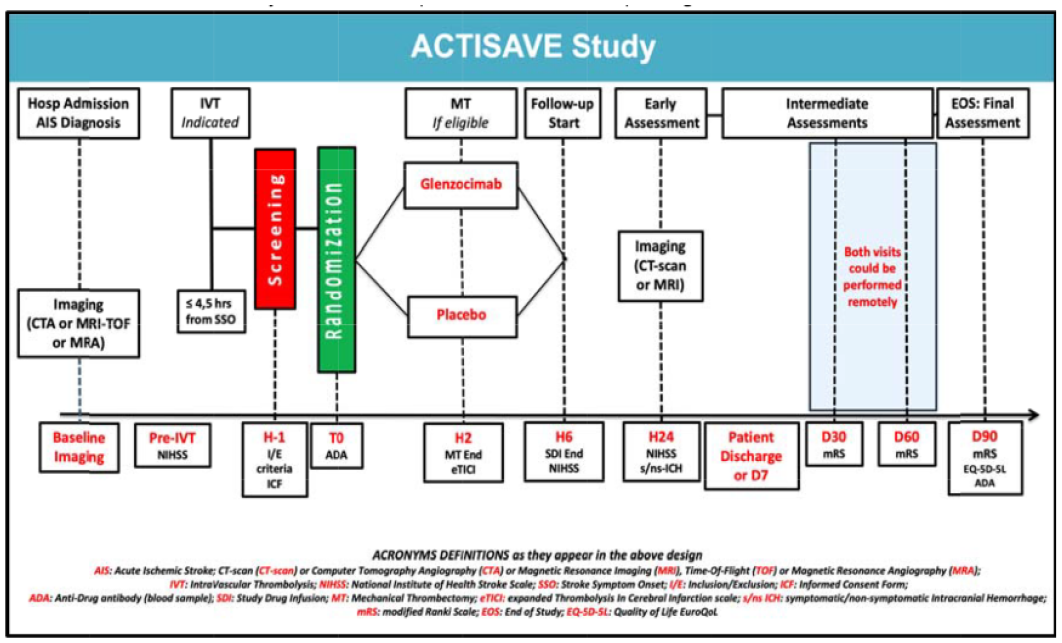
Disclosure of interest: Yes
ACUTE MANAGEMENT – THROMBOLYSIS OR THROMBECTOMY
366
PROCEDURAL, CLINICAL AND SAFETY OUTCOMES IN ACUTE ISCHEMIC STROKE STRATIFIED BY OPERATOR TECHNIQUES AND CLOT LOCATION – INSIGHTS FROM THE ASSIST REGISTRY
1Uniklinik Heidelberg, Department of Neuroradiology, Heidelberg, Germany, 2Hospital Son Espases, Radiology Department, Mallorca, Spain, 3McLaren Regional Medical Center, Department of Neurosurgery/Interventional Neurology, Flint, United States, 4Medical University of South Carolina, Neurosurgery, Charleston, SC, United States, 5Klinikum Vest Recklinghausen, Radiology/ Neuroradiology, Recklinghausen, Germany, 6Hospital Clínico Universitario de Valladolid, Interventional Neuroradiology, Valladolid, Spain, 7Rhode Island Hospital, Interventional Radiology, Providence, United States, 8Ghent University Hospital, Vascular and Interventional Neuroradiology, Ghent, Belgium, 9Hospital Universitario Central de Asturias-HUCA, Interventional Neuroradiology, Oviedo, Spain, 10Bon Secours Mercy Health St. Vincent Medical Center, Neuroscience Department, Toledo, United States, 11David Geffen School of Medicine, University of California, Department of Neurology and Comprehensive Stroke Center, Los Angeles, United States, 12WellStar Health System, Department of Neurology, Marietta, United States
ClinicalTrials.gov ID: NCT03845491
Disclosure of interest: Yes
ACUTE MANAGEMENT – THROMBOLYSIS OR THROMBECTOMY
979
RUNNING ALTEPLASE INFUSION UPON FLOW RESTORATION WITH THROMBECTOMY: CAUSAL CLINICAL BENEFIT, MYTH, OR BIAS? A POST-HOC ANALYSIS OF THE SWIFT DIRECT TRIAL
1University Hospital Bern, Inselspital, Neuroradiology, Bern, Switzerland, 2University of Bern, Clinical Trial Unit Bern, Bern, Switzerland, 3UCLA, Neurology, Los Angeles, United States, 4University Hosptial Basel, Neurology, Basel, Switzerland
ACUTE MANAGEMENT – THROMBOLYSIS OR THROMBECTOMY
328
Magnetic Resonance Imaging versus Computed Tomography for Baseline Imaging Evaluation in Acute Large Artery Ischemic Stroke:a subanalysis of the SWIFT-DIRECT trial
1University Hospital Basel, Department of Neurology, Basel, Switzerland, 2University Hospital Berne, Neuroradiology, Bern, Switzerland, 3University Hospital Berne, Neurology, Berne, Switzerland, 4University of Berne, Clinical Trial Unit, Berne, Switzerland, 5Helsinki University Hospital, Department of Neurology, Helsinki, Finland, 6Hospices Civils de Lyon, Department of Neuroradiology, Lyon, France, 7Centre Hospitalier Universitaire de Toulouse, Department of Neurology, Toulouse, France, 8Centre Hospitalier Universitaire de Nantes, Department of Diagnostic and Interventional Neuroradiology, Nantes, France, 9CHU Bordeaux, Department of Interventional and Diagnostic Neuroradiology, Bordeaux, France, 10Centre Hospitalier Universitaire Rouen, Department of Radiology, Rouen, France, 11CHRU-Nancy, Department of Neurology, Nancy, France, 12Hospital Vall d’Heborn, Department of Neurology, Barcelona, Spain, 13Foch Hospital, Department of Stroke and Diagnostic and Interventional Neuroradiology, Suresnes, France, 14CHU Reims, Department of Neuroradiology, Reims, France, 15University Medical Center Goettingen, Department of Neuroradiology, Goettingen, Germany, 16University Hospital RWTH Aachen, Department of Neuroradiology, Aachen, Germany, 17CHU Caen Normandie, Department of Neurology, Caen, France, 18David Geffen School of Medicine, Department of Neurology and Comprehensive Stroke Center, Los Angeles, United States, 19University Hospital Berne, Department of Neuroradiology, Berne, Switzerland, 20University Hospital Basel, Department of Neurology and Stroke Center, Basel, Switzerland, 21University Hospital Berne, Department of Neurology and Stroke Center, Berne, Switzerland
ACUTE MANAGEMENT – THROMBOLYSIS OR THROMBECTOMY
786
The associations between FLAIR vessel hyperintensities ASPECTS and clinical outcomes in stroke with unknown time of onset patients: The THAWS trial sub-analysis
1National Cerebral and Cardiovascular, Department of Cerebrovascular Medicine, Suita, Japan, 2Iwate Medical University, Division of Ultrahigh Field MRI, Institute for Biomedical Sciences, Morioka, Japan, 3Kyushu University, Division of Cerebrovascular Disease, Fukuoka, Japan, 4Nippon Medical School, Department of Neurology, Tokyo, Japan, 5National Cerebral and Cardiovascular, Department of Neurology, Suita, Japan
ACUTE MANAGEMENT – THROMBOLYSIS OR THROMBECTOMY
2036
EFFECT MODIFICATION OF TREATMENT WITH TENECTEPLASE IN WAKE-UP STROKE BY PRESENCE OF MRI DWI/FLAIR MISMATCH OR CTP PENUMBRA: A SUBGROUP ANALYSIS OF THE TWIST TRIAL
1University Hospital of North Norway HF, Department of Neurology, Tromsø, Norway, 2UiT The Arctic University of Norway, Department of Clinical Medicine, Tromsø, Norway, 3Royal Melbourne Hospital, Department of Medicine, Melbourne Brain Centre, North Melbourne, Australia, 4University Hospital of North Norway HF, Department of Clinical Research, Tromsø, Norway, 5Department of Neurology, Hospital of Southern Norway, Kristiansand, Norway, 6Copenhagen University Hospital, Department of Neurology, Copenhagen, Denmark, 7University Hospital Basel, Department of Neurology, Basel, Switzerland, 8University of Basel, Department of Neurology and Neurorehabilitation, Basel, Switzerland, 9St Olavs Hospital Trondheim University Hospital,
Disclosure of interest: Yes
PREVENTION
263
I-REBOUND AFTER STROKE: A PILOT FEASIBILITY STUDY OF A CO-DESIGNED WEBSITE WITH RESOURCES TO REDUCE SECONDARY STROKE RISK
1University of Newcastle, School of Health Sciences, Callaghan, Australia, 2Western Health, Physiotherapy, St Albans, Australia, 3Eastern Health, Research Office, Box Hill, Australia, 4La Trobe University, Physiotherapy, Bundoora, Australia, 5Stroke Foundation, Digital Services, Melbourne, Australia, 6Stroke Foundation, Stroke Connect, Melbourne, Australia, 7University of Newcastle, Consumer Partner, Callaghan, Australia
PREVENTION
715
Empowerment and mobile technology in the detection and treatment of main cardiovascular risk factors of patients with ischemic stroke or transient ischemic attack: A protocol for a multicenter randomized controlled trial and results of a pilot study
1Helsinki University Hospital, Helsinki, Finland, Department of Neurology, Helsinki, Finland, 2Helsinki University Hospital and University of Helsinki, Helsinki, Finland, Department of Clinical Physiology and Nuclear Medicine, HUS Diagnostics, Helsinki, Finland, 3Päijät-Häme Central Hospital, Lahti, Finland., Department of Internal Medicine, Lahti, Finland, 4Helsinki University Hospital, Finland, Department of Cardiology, Heart and Lung Center, Helsinki, Finland, 5Päijät-Häme wellbeing services county, Päijät-Häme wellbeing services county, Lahti, Finland
PREVENTION
1149
Intake reminders are effective in enhancing adherence to direct oral anticoagulants in stroke patients – primary analysis of the MAAESTRO study
1Department of Pharmaceutical Sciences, University of Basel, Pharmaceutical Care Research Group, Basel, Switzerland, 2University Hospital Basel and University of Basel, Department of Neurology and Stroke Center, Basel, Switzerland, 3University Department of Geriatric Medicine Felix Platter, University of Basel, Neurology and Neurorehabilitation, Basel, Switzerland, 4University Hospital Basel and University of Basel, Clinical Trial Unit, Department of Clinical Research, Basel, Switzerland
PREVENTION
1252
The Impact of Prior Antithrombotic use on Blood Viscosity in Cardioembolic Stroke with Non-Valvular Atrial Fibrillation
1Department of Neurology, Inje University College of Medicine, Neurology department, Seoul, South Korea, 2Gangnam Severance Hospital, Yonsei University College of Medicine, Neurology department, Seoul, South Korea
PREVENTION
1294
A feasibility study of an intervention to enhance self-management of prescribed medication for stroke secondary prevention
1Karolinska Institutet, Neurobiology, care sciences and society, Stockholm, Sweden, 2Norwegian National Advisory Unit on Learning and Mastery in Health, Learning and Mastery Services, Oslo, Norway, 3Dalarna University, School of Health and Welfare, Falun, Sweden, 4Karolinska University hospital, Theme heart, vessel and neuro, Stockholm, Sweden, 5Karolinska Institutet, Department of Clinical Sciences, Danderyd Hospital, Stockholm, Sweden
PREVENTION
1381
EFFECT OF ORTHOSTATIC HYPOTENSION ON RECURRENT EVENTS AFTER STROKE OR TIA. RESULTS FROM NAILED STROKE TRIAL
1 Umeå University, Department of Public Health and Clinical Medicine, Östersund, Umeå, Sweden
PREVENTION
2235
Cerebral Small Vessel Disease in Ipsilateral Hemisphere to Significance of Intracranial Atherosclerotic Disease Associated with Stroke Risk
1the Chinese University of Hong Kong, Department of Medicine and Therapeutics, Hong Kong, Hong Kong, 2Beijing Tiantan Hospital, Capital Medical University, Department of Neurology, Beijing, China, 3the Chinese University of Hong Kong, Department of Imaging and Interventional Radiology, Hong Kong, Hong Kong
PREVENTION
2275
Acute ischemic stroke severity and in-hospital outcomes among patients using oral anticoagulants
1Dr. Georgi Stranski University Hospital, Neurology, Pleven, Bulgaria, 2Medical University - Pleven, Neurology and neurosurgery, Плевен, Bulgaria
PREVENTION
2534
INFLUENCE OF STENT DESIGN ON MAJOR ADVERSE EVENTS AND RESTENOSIS RATE IN CAROTID ARTERY STENTING
1Department of Radiology, University Hospital Trnava, Trnava, Slovakia, 2Faculty of Medicine, Comenius University Bratislava, Bratislava, Slovakia
PREVENTION
1041
Framingham risk score prediction at 12 months in the STAND-FIRM randomised control trial
1Monash Medical Centre, Neurology, Clayton, Australia, 2Monash University Clayton Campus, Medicine, Clayton, Australia, 3Peninsula Health, Medicine, Frankston, Australia, 4University of Tasmania, Medicine, Hobart, Australia, 5University of Melbourne, Medicine, Parkville, Australia
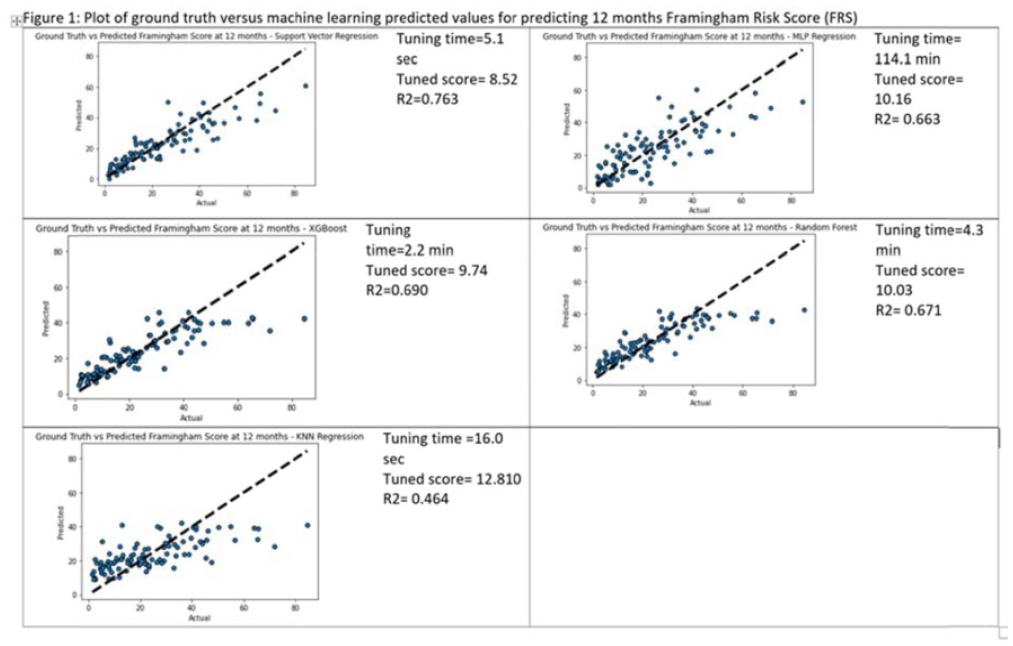
Disclosure of interest: Yes
PREVENTION
1299
Dyslipidemia and Its Treatment Are Associated with the Risk of Carotid Stenosis Being Classified as Symptomatic
1University Hospital Basel, Department of Neurology and Stroke Center, Basel, Switzerland, 2University of Basel, Department of Clinical Research, Basel, Switzerland, 3Hospital Zweisimmen, Department of Medicine, Zweisimmen, Switzerland, 4Reha Rheinfelden, Research Department, Rheinfelden, Switzerland
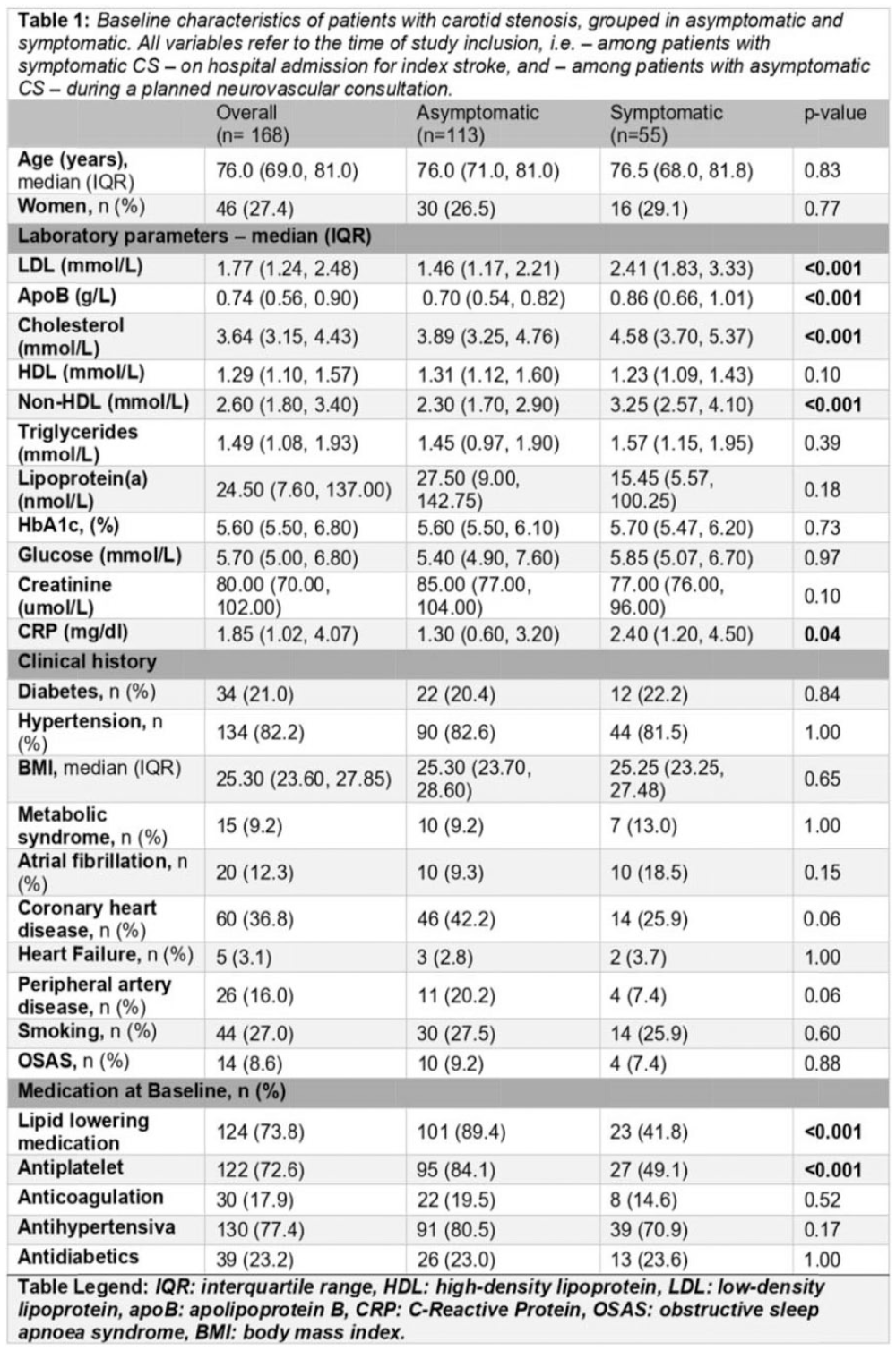
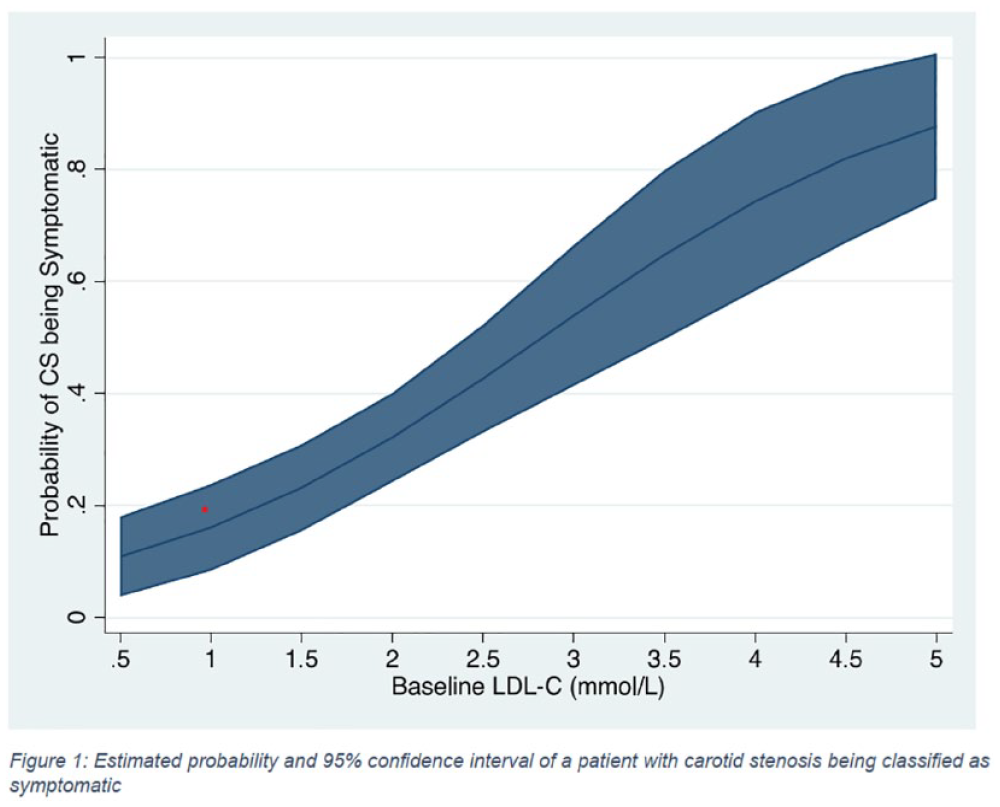
Disclosure of interest: Yes
PREVENTION
774
BLOOD PRESSURE LEVEL DURING LONG-TERM CILOSTAZOL-BASED DUAL ANTIPLATELET THERAPY AFTER STROKE IS ASSOCIATED WITH THE RISK OF RECURRENT ISCHEMIC STROKE: A CSPS.COM TRIAL POST-HOC ANALYSIS
1National Cerebral and Cardiovascular Center, Department of Cerebrovascular Medicine, Suita, Japan, 2National Cerebral and Cardiovascular Center, Department of Data Science, Suita, Japan, 3International University of Health and Welfare, Clinical Research Center for Medicine, Tokyo, Japan, 4National Cerebral and Cardiovascular Center, Department of Biostatistics, Suita, Japan, 5Graduate School of Medicine, Nippon Medical School, Department of Neurological Science, Tokyo, Japan, 6Tokyo Saiseikai Central Hospital, Department of Neurology, Tokyo, Japan, 7National Hospital Organization Kyushu Medical Center, Clinical Research Institute and Department of Cerebrovascular Medicine and Neurology, Fukuoka, Japan, 8Kobe City Medical Center General Hospital, Department of Neurosurgery, Kobe, Japan, 9The Iseikai Medical Corporation, Headquarters, Osaka, Japan
Disclosure of interest: Yes
PREVENTION
678
PREDICTORS FOR UNDERLYING ATRIAL FIBRILLATION IN CRYPTOGENIC STROKE PATIENTS MONITORED WITH ICM IN THE NORDIC ATRIAL FIBRILLATION AND STROKE (NOR-FIB) STUDY
1Østfold Hospital Trust, Department of Neurology, Grålum, Norway, 2University of Oslo, Institute of Clinical Medicine, Oslo, Norway, 3Oslo University Hospital, Research Institute of Internal Medicine, Oslo, Norway, 4Oslo University Hospital Ullevål, Department of Cardiology, Oslo, Norway, 5Oslo University Hospital Rikshospitalet, Department of Neurology, Oslo, Norway
Disclosure of interest: Yes
PREVENTION
272
FUNCTIONAL OUTCOMES OF EARLY VS. LATE ANTICOAGULANT TREATMENT: A TIMING TRIAL SUBSTUDY
1Uppsala University, Dept. of medical sciences, Uppsala, Sweden, 2Uppsala University, Uppsala Clinical Research Center, Uppsala, Sweden, 3Lund University, Dept. of Clinical Sciences, Lund, Sweden, 4Umeå University, Dept. of Public Health and Clinical medicine, Umeå, Sweden, 5Karolinska Institute, Dept. of Clinical Science, Stockholm, Sweden
Modified Rankin Scale scores at 90 days by study group.
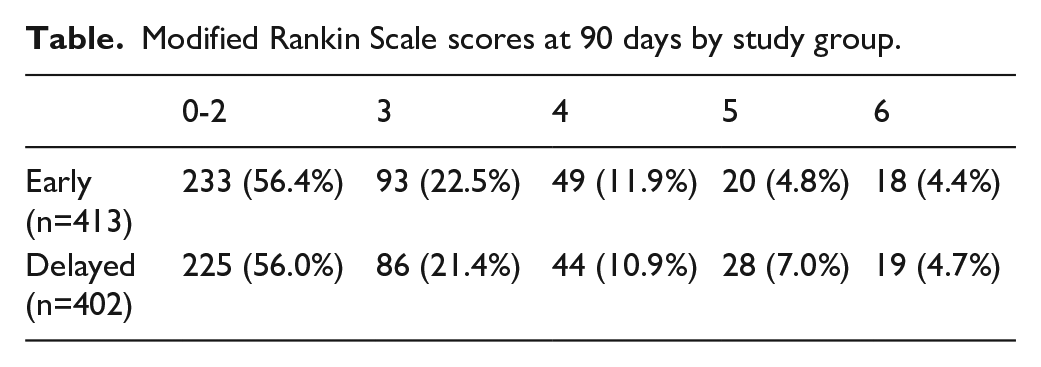
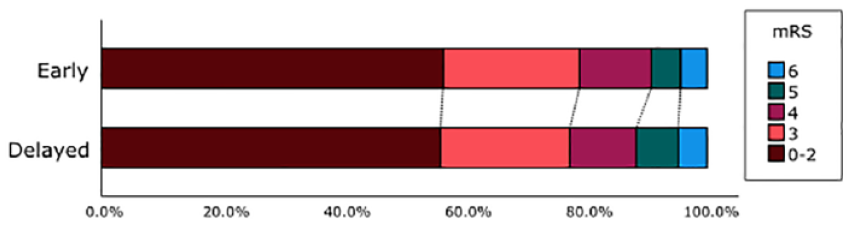
PREVENTION
526
TOWARDS INDIVIDUAL TREATMENT IN CERVICAL ARTERY DISSECTION - AN IN-DEPTH ANALYSIS OF THE TREAT-CAD RANDOMISED TRIAL
1University Hospital Basel and University of Basel, Department of Neurology and Stroke Center, Basel, Switzerland, 2University Department of Geriatric Medicine FELIX PLATTER and University of Basel, Neurology and Neurorehabilitation, Basel, Switzerland, 3Clinical Trial Unit, University Hospital Basel and University of Basel, Department of Clinical Research, Basel, Switzerland, 4University Hospital of Zurich and University of Zurich, Division of Vascular Neurology and Neurorehabilitation, Department of Neurology, Zürich, Switzerland, 5Cereneo, Center for Neurology and Rehabilitation, Neurorehabilitation, Vitznau, Switzerland, 6University Hospital Bern and University of Bern, Department of Neurology, Bern, Switzerland, 7Institute of Pediatrics of Southern Switzerland, San Giovanni Hospital, Department of Neuropediatrics, Bellinzona, Switzerland, 8Centre Hospitalier Universitaire Vaudois and University of Lausanne, Stroke Center and Neurology Service, Department of Clinical Neurosciences, Lausanne, Switzerland, 9Cantonal Hospital St.Gallen, Department of Neurology and Stroke Center, St. Gallen, Switzerland, 10Cantonal Hospital Aarau, Department of Neurology and Stroke Center, Aarau, Switzerland, 11Ludwig Maximilian University, Department of Neurology, München, Germany, 12University Hospital, Ludwig Maximilian University Munich, Institute for Stroke and Dementia Research (ISD), Munich, Germany, 13Bispebjerg Hospital and University of Copenhagen, Department of Neurology, Copenhagen, Denmark, 14Charité-Universitätsmedizin Berlin, corporate member of Freie Universität Berlin, Humboldt-Universität zu Berlin, Berlin Institute of Health, Germany and Center for Stroke Research Berlin (CSB), Charité-Universitätsmedizin Berlin, Klinik und Hochschulambulanz für Neurologie, Berlin, Germany, 15Center for Stroke Research (CSB), Charite-Universitätsmedizin Berlin, Department of Neurology with experimental Neurology, Berlin, Germany, 16University Hospital Geneva and Medical School, Department of Neurology and Stroke center, Geneva, Switzerland, 17University Hospital Bern, Department of Neurology, Bern, Switzerland, 18University Hospital of Zurich and University of Zurich, Division of Vascular Neurology and Neurorehabilitation, Department of Neurology, Zurich, Switzerland, 19University Hospital of Zurich, Division of Vascular Neurology and Neurorehabilitation, Department of Neurology, Zurich, Switzerland, 20Hospital of Rheinfelden and University Basel, Department of Neurology and Neurorehabilitation, Rheinfelden, Switzerland, 21Clinic of Radiology and Nuclear Medicine and University Hospital Basel, Department of Neuroradiology, Basel, Switzerland, 22University Hospital Basel and University of Basel, Department of Neurology and Stroke center, Basel, Switzerland, 23Cantonal Hospital St. Gallen, Department of Neurology and Stroke Center, St. Gallen, Switzerland, 24Hirslanden Clinic Zurich, Department of Neurology and Stroke Center, Zürich, Switzerland, 25University Department of Geriatric Medicine FELIX PLATTER and University of Basel, Neurology and Neurorehabilitation, Basel, Switzerland, 26Charite-Universitätsmedizin Berlin, Berlin Institute of Healths at Charite, Berlin, Germany, 27Bispebjerg Hospital & University of Copenhagen, Department of Neurology, Kopenhagen, Denmark, 28University Hospital of Zurich, Division of Vascular Neurology and Neurorehabilitation, Department of Neurology, Zurich, Switzerland, 29Clinic of Radiology and Nuclear Medicine, University Hospital Basel, Department of Neuroradiology, Basel, Switzerland, 30University Hospital Bern and University of Bern, Department of Neurology, Basel, Switzerland
PREVENTION
1094
Chronic ischemic lesions in young adults with embolic stroke of undetermined source and association with presence of patent foramen ovale
1Department of Neurology, Inselspital, Bern University Hospital, and University of Bern, Switzerland, Stroke Research Center Bern, Bern, Switzerland, 2Population Health Research Institute, Hamilton Health Sciences, Hamilton, Ontario, Canada, 3Department of Neurology and Stroke Center, APHP Bichat Hospital, Paris, France Université de Paris, LVTS, Inserm U1148, Paris, France, 4Universitätsklinikum Würzburg, Department of Neurology, Würzburg, Germany
REHABILITATION & RECOVERY
558
Predicting change in physical activity after stroke
1Aarhus University Hospital, Neurology, Aarhus, Denmark, 2Aarhus University, Department of Clinical Medicine, Aarhus, Denmark, 3Aalborg University, Danish Center for Clinical Health Services Research, Aalborg, Denmark
REHABILITATION & RECOVERY
797
ANXIETY AND PERCEIVED RECOVERY 3 AND 12 MONTHS POST STROKE. PART OF GOTVED STUDY
1Institute of Neuroscience and Physiology, Department of Clinical Neuroscience and Rehabilitation Medicine, Gothenburg, Sweden, 2Riga Stradins University, Faculty of Residency, Riga, Latvia
Outcome variable: perceived stroke recovery assessed by Stroke Impact Scale, anxiety, assessed by Hospital Anxiety and Depression scale. Participants at 3 and 12 months were dichotomized in anxiety (HADS-A ⩾8) and no anxiety group (HADS-A <8). In longitudinal analysis change of perceived stroke recovery from 3 to 12 months was calculated and trichotomized.
REHABILITATION & RECOVERY
822
Cost-effectiveness of MLC601 in post-stroke functional recovery compared with placebo
1Raffles Hospital, Raffles Neuroscience Centre, Singapore, Singapore, 2Singapore Clinical Research Institute (SCRI), Health Economist, Epidemiology, Singapore, Singapore, 3Memory Aging and Cognition Center, Department of Pharmacology, Yong Loo Lin School of Medicine, National University of Singapore, Singapore, Singapore
REHABILITATION & RECOVERY
1153
Severity of delirium in acute stroke patients. Observational quality improvement study on a stroke unit implementing a standardized delirium management
1Christian Albrechts University Kiel, Department of Neurology, University Hospital of Schleswig-Holstein, Kiel, Germany, 2University Hospital of Schleswig-Holstein, Department of Neurology, Kiel, Germany, 3University Hospital of Schleswig-Holstein, Nursing Science and Development, Department of Anaestesiology and Intensive Care Medicine, Kiel, Germany
References1. Shaw RC, Walker G, Elliott E, Quinn TJ. Occurrence Rate of Delirium in Acute Stroke Settings. Stroke 2019;50:3028-3036.
2. Wilson JE, Mart MF, Cunningham C, et al. Delirium. Nature Reviews Disease Primers 2020;6:90.
3. Neufeld KJ, Leoutsakos JS, Sieber FE, et al. Evaluation of two delirium screening tools for detecting post-operative delirium in the elderly. Br J Anaesth 2013;111:612-618.
4. Ringleb PA, Köhrmann M, Jansen O, et al. Acute therapy of ischemic stroke. S2-guideline, 2021. Available at: http://www.dgn.org/leitlinien
5. Nydahl P, Baumgarte F, Berg D, et al. Delirium on stroke units: a prospective, multicentric quality-improvement project. J Neurol 2022;269:3735-3744.
REHABILITATION & RECOVERY
1490
An ambulatory brain rehabilitation program after stroke: quasi-experimental study
1 Isala Zwolle, Neurology, Zwolle, Netherlands
REHABILITATION & RECOVERY
1563
‘MAKING A PATH IN THE SNOW’, KEEPING NO-TREATMENT CONTROL PARTICIPANTS ON THE RESEARCH PATH IN THE HEADS: UP ONLINE PILOT RANDOMISED TRIAL
1 Glasgow Caledonian University, School of Health & Life Science, GLASGOW, United Kingdom
FGs/interviews; Time 1, n=10/32 (31.25%), Time 3 n=5/32 (15.6%).
Qualitative data demonstrated an altruistic view of NTC participation “[It’s like] walking ahead in the snow, we are making a path so those following us will find life easier because we’ve made that bit of effort.”
REHABILITATION & RECOVERY
1634
The Effects of rTMS and tDCS Copuled With Robotic Therapy on Upper Extremity Functional Recovery in Patients With Chronic Stroke
1Department of Physical Medicine and Rehabilitation, University of Health Sciences Gulhane Medical School, Ankara, Turkey, Physical Medicine and Rehabilitation, ANKARA, Turkey, 2Department of Physical Medicine and Rehabilitation, University of Health Sciences Ankara City Hospital, Ankara, Turkey, Physical Medicine and Rehabilitation, ANKARA, Turkey
REHABILITATION & RECOVERY
2408
Causes and mechanisms of development of vascular parkinsonism after ischemic stroke
1 Tashkent medical academy, neurology, Tashkent, Uzbekistan
REHABILITATION & RECOVERY
2449
Long-term Outcome and Health-Related Quality of Life for People with Aphasia after Ischemic Stroke
1Lund University, Department of Neurology and Rehabilitation Medicine, Skåne University Hospital, Lund, Sweden, 2University of Gothenburg, Division of Speech and Language Pathology, Gothenburg, Sweden
REHABILITATION & RECOVERY
2644
FEASIBILITY OF A SELF-MANAGEMENT INTERVENTION FOR IMPROVING MOBILITY FOR PATIENTS FOLLOWING STROKE IN THE COMMUNITY
1 University of Birmingham, School of sport, exercise and Rehabilitation sciences, Birmingham, United Kingdom
REHABILITATION & RECOVERY
1017
THE EFFECT OF AEROBIC FITNESS TRAINING ON THE COURSE OF CEREBROVASCULAR RISK FACTORS OVER SIX MONTHS AFTER SUBACUTE STROKE – RESULTS FROM THE PHYS-STROKE STUDY
1Charité- Universitätsmedizin Berlin, corporate member of Freie Universität Berlin and Humboldt-Universität zu Berlin, Germany, Klinik für Neurologie mit Experimenteller Neurologie, Berlin, Germany, 2Charité- Universitätsmedizin Berlin, corporate member of Freie Universität Berlin and Humboldt-Universität zu Berlin, Germany, Center for Stroke Research Berlin, Berlin, Germany, 3Berlin Institute of Health at Charité - Universitätsmedizin Berlin, QUEST Center, Berlin, Germany, 4German Center for Neurodegenerative Diseases, Partner Site Berlin, Berlin, Germany, 5German Centre for Cardiovascular Research (DHZK), Partner Site Berlin, Berlin, Germany, 6Charité-Universitätsmedizin Berlin, corporate member of Freie Universität Berlin and Humboldt-Universität zu Berlin, Germany, Excellence Cluster NeuroCure Clinical Research Center, Berlin, Germany, 7Universitätsmedizin Greifswald, Department of Neurology, Greifswald, Germany, 8German Centre for Neurodegenerative Diseases (DZNE), Standort Greifswald, Greifswald, Germany, 9Berlin Institute of Health at Charité - Universitätsmedizin Berlin, Berlin Institute of Health at Charité - Universitätsmedizin Berlin, Berlin, Germany
ONGOING TRIALS
67
Duration of Vasodilatory Action After Intra‑arterial Infusions of Calcium Channel Blockers in Animal Model of Cerebral Vasospasm
1Chungnam National University Sejong Hospital, Neurosurgery, Sejong, South Korea, 2Chungnam National University, School of medicine, Daejeon, South Korea
ONGOING TRIALS
68
Comparative Analysis of the Vasodilatory Effects of Enteral Nimodipine and Tadalafil in an Animal Model of Cerebral Vasospasm
1Chungnam National University Sejong Hospital, Neurosurgery, Sejong, South Korea, 2Chungnam National University, School of medicine, Daejeon, South Korea
ONGOING TRIALS
342
INTENSIVE AMBULANCE-DELIVERED BLOOD PRESSURE REDUCTION IN HYPER-ACUTE STROKE TRIAL (INTERACT4): PROGRESS UPDATE AND BASELINE FEATURES OF 1387 PATIENTS
1The George Institute for Global Health, Stroke, Beijing, China, 2Shanghai East Hospital, School of Medicine, Tongji University, Department of Neurology, Shanghai, China, 3Faculty of Medicine, UNSW, The George Institute for Global Health, Sydney, Australia, 4Clinical Medical College and The First Affiliated Hospital of Chengdu Medical College, Department of Neurology, Chengdu, China, 5Chengdu Medical College, International Clinical Research Center, Chengdu, China, 6Faculty of Medicine, Fukuoka University, Department of Preventive Medicine and Public Health, Fukuoka, Japan, 7University of Nottingham, Stroke Trials Unit, Mental Health & Clinical Neuroscience, Nottingham, United Kingdom, 8University of Oxford, Oxford University Hospitals NHS Foundation Trust, Oxford, United Kingdom, 9University of Leicester, College of Life Sciences and NIHR Leicester Biomedical Research Centre, Leicester, United Kingdom, 10Oslo University Hospital, Department of Neurology, Oslo, Norway, 11Norwegian Air Ambulance Foundation, Norwegian Air Ambulance Foundation, Oslo, Norway, 12University of California, University of California, Los Angeles, United States, 13University Medical Center, University Medical Center, Utrecht, Netherlands, 14Clinical Medical College and The First Affiliated Hospital of Chengdu Medical College, Clinical Medical College and The First Affiliated Hospital of Chengdu Medical College, Chengdu, China, 15Sichuan Provincial People’s Hospital, University of Electronic Science and Technology of China, Department of Neurology, Chengdu, China, 16Sichuan Provincial Key Laboratory for Human Disease Gene Study, Sichuan Provincial Key Laboratory for Human Disease Gene Study, Chengdu, China
Trial registration: ClinicalTrials.gov NCT03790800. Registered on 2 January 2019; Chinese Trial Registry ChiCTR1900020534. Registered on 7 January 2019.
ONGOING TRIALS
361
A RANDOMIZED TRIAL ON HEMODYNAMIC OPTIMIZATION OF CEREBRAL PERFUSION AFTER ENDOVASCULAR THERAPY IN PATIENTS WITH ACUTE ISCHEMIC STROKE (HOPE STUDY)
1Hospital de la Santa Creu i Sant Pau, Neurology, BARCELONA, Spain, 2Hospital de la Santa Creu i Sant Pau, Neurology, Barcelona, Spain, 3Hospital Virgen del Rocío, Neurology, Sevilla, Spain, 4Hospital Universitari Dr. Trueta, Neurology, Girona, Spain, 5Hospital Universitario A Coruña, Neurology, A Coruña, Spain, 6Hospital Universitario Central Asturias, Neurology, Oviedo, Spain, 7Hospital de Cruces, Neurology, Bilbao, Spain, 8Hospital Universitari i Politècnic La Fe, Neurology, Valencia, Spain, 9Hospital del Mar, Neurology, BARCELONA, Spain, 10Hospital Clínico Universitario de Santiago, Neurology, Santiago de Compostela, Spain, 11Hospital Universitari Joan XXIII, Neurology, Tarragona, Spain
ONGOING TRIALS
719
The NIH StrokeNet Trials Implementation
1University of Cincinnati, Neurology, Cincinnati, United States, 2Medical University of South Carolina, Public Health Sciences, Charleston, United States, 3The National Institutes of Health, The National Institute of Neurological Disorders & Stroke, Bethesda, United States
ONGOING TRIALS
904
rFVIIa FOR ACUTE HEMORRHAGIC STROKE ADMINISTERED AT EARLIEST TIME (FASTEST) TRIAL
1University of Cincinatti, Neurology, Cincinnati, United States, 2MEMORIAL HERMAN HOSPITAL TMC, Neurology, Houston, United States, 3NORTHWESTERN UNIVERSITY, Neurology, Chicago, United States, 4Medical University of South Carolina, Public Health Sciences, Charleston, United States, 5University of Ottawa and The Ottawa Hospital, Department of Radiology, Radiation Oncology and Medical Physics, Ottawa, Canada, 6Westchester Medical Center, Neurology, Valhalla, United States, 7National Institute of Neurological Disorders and Stroke (NINDS), Clinical Research, Bethesda, United States, 8Heidelberg University Hospital, Neurology, Heidelberg, Germany, 9Charite University, Berlin, Germany, Neurology, Berlin, Germany, 10Nottingham City Hospital, University of Nottingham, Neurology, Nottingham, United Kingdom, 11Hospital Universitari Vall d’Hebron, Neurology, Barcelona, Spain, 12The Ottawa Hospital Research Institute, University of Ottawa, Neurology, Ottawa, Canada, 13National Cerebral and Cardiovascular Center, Neurology, Osaka, Japan
ONGOING TRIALS
1065
APPENDAGE CLOSURE, A SAFE AND EFFECTIVE ALTERNATIVE TO THE ANTICOAGULATION DILEMMA IN PATIENTS WITH INTRACRANIAL HEMORRHAGE
1Hospital universatario de Salamanca, Neurology, Salamanca, Spain, 2Hospital universatario de Salamanca, Cardiology, Salamanca, Spain
Atrial fibrillation (AF) is the most common cardiac arrhythmia and is present in up to 30% of patients with IH, the need for anticoagulation in these patients and weighing the increased risk of bleeding recurrence is not an uncommon dilemma. Percutaneous left atrial appendage closure (LAAC) is a safe and effective alternative in patients with an indication for the prevention of cardioembolic events and a contraindication for prolonged anticoagulation.
ONGOING TRIALS
1420
Unveiling the cost of Acute Stroke Care in Latin America: a comprehensive analysis
1Hospital Moinhos de Vento, Neurology, Porto Alegre, Brazil, 2Universidade Federal do Rio Grande do Sul, Epidemiology, Porto Alegre, Brazil, 3Federal University of São Paulo, Neurology, São Paulo, Brazil, 4Fundación Valle del Lili University Hospital, Neurology, Bogotá, Colombia, 5University of Costa Rica, Neurology, San José, Costa Rica, 6Beth Israel Deaconess Medical Center, Neurology, Boston, United States, 7Hospital de Clínicas de Porto Alegre, Neurology, Porto Alegre, Brazil
The study aims to assess the real-world costs and outcomes of acute ischemic stroke treatment through accurate costing methods, validate a standard set to drive the cost data collection and outcomes among the acute ischemic stroke care pathway across different countries, and determine the cost-effectiveness of acute ischemic stroke treatment strategies in the same country.
ONGOING TRIALS
1694
TRIPLE THERAPY PREVENTION OF RECURRENT INTRACEREBRAL DISEASE EVENTS TRIAL (TRIDENT): PROGRESS REPORT
1The George Institute for Global Health, Neurological, Newtown, Australia, 2The George Institute for Global Health China at Peking University, Peking University Health Sciences Center, Beijing, China, 3Royal Prince Alfred Hospital, Neurology Department, Camperdown, Australia, 4The George Institute for Global Health, Cardiovascular Program, Newtown, Australia, 5Faculty of Medicine, University of Kelaniya, Ragama, Sri Lanka, Pharmacology, Ragama, Sri Lanka, 6NHSL, Neurology Department, Colombo, Sri Lanka, 7Universidade Federal do Rio Grande do Sul - Campus Litoral Norte, Neurology, Rio, Brazil, 8Moinhos de Vento Hospital, Neurology, Porto Alegre, Brazil, 9Radboud University Nijmegen, Nijmegen, Nijmegen, Netherlands, 10The George Institute for Global Health, Biostatistics and Data Science, Newtown, Australia, 11The George Institute for Global Health, UK, Data Science, London, United Kingdom, 12University of Bordeaux, Data Science, Bordeaux, France, 13Fukuoka University Faculty of Medicine, Preventative Medicine and Public Health, Fukuoka, Japan, 14People’s Hospital 115, Neurology, Hi Chi Minh, Viet Nam, 15Universiti Kebangsaan Malaysia Medical Center, Medicine, Kuala Lumpur, Malaysia, 16Tbilisi State Medical University, 15Urgent Neurological Clinic Neurology, T’bilisi, Georgia, 17University of Ilorin, Medicine, Ilorin, Nigeria, 18University of Bern, Neurology, Bern, Switzerland, 19Universitätsspital Basel, Neurology, Basel, Switzerland, 20Taipei Chang Gung Memorial Hospital, Stroke Center and Dept of Neurology, Taoyuan City, Taiwan, 21Chang Gung University, Medicine, Taoyuan City, Taiwan, 22Yong Loo Lin School of Medicine, Pharmacology, Singapore, Singapore, 23University of São Paulo, Neurosciences and Behavioural Sciences, Ribeirao Preto, Brazil, 24University of Leicester, College of Life Sciences and NIHR Biomedical Research Centre, Leicester, United Kingdom, 25Ruijin Hospital, Epidemiological Studies and Clinical Trials, Shanghai, China, 26University of Sydney Westmead Clinical School, Westmead Applied Research Centre, Faculty of Medicine and Health, Westmead, Australia, 27The George Institute for Global Health, UK, Professiorial Unit, London, United Kingdom, 28University of Edinburgh, Clinical Brain Sciences, Edinburgh, United Kingdom
(N=240)
ONGOING TRIALS
1697
TENECTEPLASE IN CENTRAL RETINAL ARTERY OCCLUSION STUDY - TENCRAOS:A PROSPECTIVE, RANDOMISED-CONTROLLED, DOUBLE-DUMMY, DOUBLE-BLIND PHASE 3 MULTI-CENTRE TRIAL (NCT04526951)
1Oslo Universtiy Hospital, Rikshospitalet, Dept. of Neurology, Oslo, Norway, 2Oslo University hospital Ullevål, Dept. of Ophthalmology, Oslo, Norway, 3Haukeland University Hospital, Dept. of Neurology, Bergen, Norway, 4Stavanger University Hospital, Dept. of Neurology, Stavanger, Norway, 5St. Olavs University Hospital, Stroke Unit, Trondheim, Norway, 6Hospital of Southern Norway, Dept. of Neurology, Kristiansand, Norway, 7Vestfold Hospital Trust, Tønsberg, Dept. of Neurology, Tønsberg, Norway, 8Telemark Hospital Trust, Dept. of Neurology, Skien, Norway, 9Møre and Romsdal Regional Hospital, Dept. of Neurology, Molde, Norway, 10Inland Hospital Trust, Dept. of Neurology, Lillehammer, Norway, 11North Trondelag Health Trust, Dept. of Neurology, Namsos, Norway, 12Rigshospitalet University Hospital, Dept. of Neurology, Copenhagen, Denmark, 13Bispebjerg and Frederiksberg Hospital, Dept. of Neurology, Copenhagen, Denmark, 14Aarhus University Hospital, Dept. of Neurology, Aarhus, Denmark, 15Karolinska University Hospital, Dept. of Neurology, Stockholm, Sweden, 16Helsinki University Hospital, Dept. of Neurology, Helsinki, Finland, 17University Hospital Antwerp, Dept. of Neurology, Antwerp, Belgium, 18University Hospital Santaros Klinikos, Dept. of Neurology, Vilnius, Lithuania, 19Hospital of Lithuanian University of Health Sciences, Stroke Unit, Kaunas, Lithuania
Patients are recruited after an ophthalmologist has confirmed CRAO and they can be treated within 4.5hrs. After observation in the stroke unit, patients will be re-examined by an ophthalmologist and a neurologist as an out-patient at 30 and 90-day follow-up.
The primary outcome is the proportion of patients with ⩽ 0.7 logMAR best-corrected visual acuity (BCVA) in the affected eye at 30 days after treatment, representing an improvement in BCVA of at least 0.3 logMAR.
ONGOING TRIALS
2023
EFFICACY AND SAFETY OF INJECTION TENECTEPLASE IN 4.5 TO 24 HOURS IMAGING ELIGIBLE WINDOW PATIENTS WITH ACUTE ISCHEMIC STROKE (EAST-AIS)
1All India Institute of Medical Sciences, Neurology, New Deli, India, 2All India Institute of Medical Sciences, Department of Neurosurgery, New Delhi, India, 3All India Institute of Medical Sciences, Department of Neuroradiology, New Delhi, India, 4All India Institute of Medical Sciences, Neurology, New Delhi, India
ONGOING TRIALS
2035
CONVINCE: COLCHICINE FOR THE PREVENTION OF VASCULAR INFLAMMATION IN NON-CARDIOEMBOLIC STROKE - A RANDOMISED CONTROLLED TRIAL
1Higher Research Board (HRB), Stroke Clinical Trials Network Ireland, Dublin, Ireland, 2Newcastle University, Stroke Research Group, Newcastle-Upon-Tyne, United Kingdom, 3UZ Leuven, Department of Neurology, Leuven, Belgium, 4BDH-Klinik Elzach, Department of Neurology, Elzach, Germany, 5University Hospital Essen, Institute for Medical Informatics, Biometry and epidemiology (IMIBE), Essen, Germany, 6Universitat de Lleida, Department of Neurology, Lleida, Spain, 7Institute of Psychiatry and Neurology, 2nd Department of Neurology, Warsaw, Poland, 8University Hospital Inselspital, Acute Neurology and Stroke, Bern, Switzerland, 9Lancashire Clinical Trials Unit, University of Central Lancashire, Preston, United Kingdom, 10Hospital de Santa Maria, Department of Neurology, Lisbon, Portugal, 11University of Calgary, Department of Clinical Neurosciences, Calgary, Canada, 12Vilnius University Clinic of Neurology and Neurosurgery Republic Vilnius University Hospital, Department of Neurology, Vilnius, Lithuania, 13University of Tartu- Institute of Clinical Medicine, Department of Neurology and Neurosurgery, Tartu, Estonia, 14Copenhagen University Hospital Herlev Gentofte, Department of Neurology, Copenhagen, Denmark, 15St. Anne’s University Hospital, Neurology Department, Brno, Czech Republic, 16Essen University Hospital, Department of Neurology, Essen, Germany, 17Amsterdam Academic Medical Centre, Department of Neurology, Amsterdam, Netherlands, 18Mater Misericordiae University Hospital, Vascular Neurology, Dublin, Ireland
ONGOING TRIALS
180
USE OF DOAC DIPSTICK POINT-OF-CARE-TESTING IN PATIENTS WITH ACUTE STROKE AND TRANSIENT ISCHEMIC ATTACK
1University Medical Center Mannheim, Department of Neurology, Mannheim, Germany, 2Klinikum Worms gGmbH, Department of Neurology, Worms, Germany, 3DOASENSE GmbH, DOASENSE GmbH, Heidelberg, Germany, 4University Medical Center Mannheim, Biometry and Biomathematics, Mannheim, Germany
ONGOING TRIALS
868
DESIGN OF DAISY, A TWO-PART, PHASE 2B, PLACEBO-CONTROLLED RANDOMISED TRIAL OF THE EFFICACY AND SAFETY OF BIIB131 ADMINISTERED 4.5–24 HOURS AFTER ISCHAEMIC STROKE
1Stanford University Medical Center, Stanford University, Department of Neurology, Stanford, United States, 2University of California, UCLA Comprehensive Stroke Center, Los Angeles, United States, 3Cumming School of Medicine, University of Calgary and the Hotchkiss Brain Institute, Department of Clinical Neurosciences, Radiology and Community Health Sciences, Calgary, Canada, 4Royal Melbourne Hospital, University of Melbourne, Department of Neurology and Melbourne Brain Centre, Victoria, Australia, 5University Hospital of Basel, University of Basel, Department of Neurology and Stroke Center, Basel, Switzerland, 6Biogen, Clinical Trial Delivery Unit, Durham, United States, 7Biogen, Clinical Pharmacology, Cambridge, United States, 8Biogen, Drug Safety, Cambridge, United States, 9Biogen, Biostatistics, Cambridge, United States, 10Biogen, Neurovascular Disease, Cambridge, United States
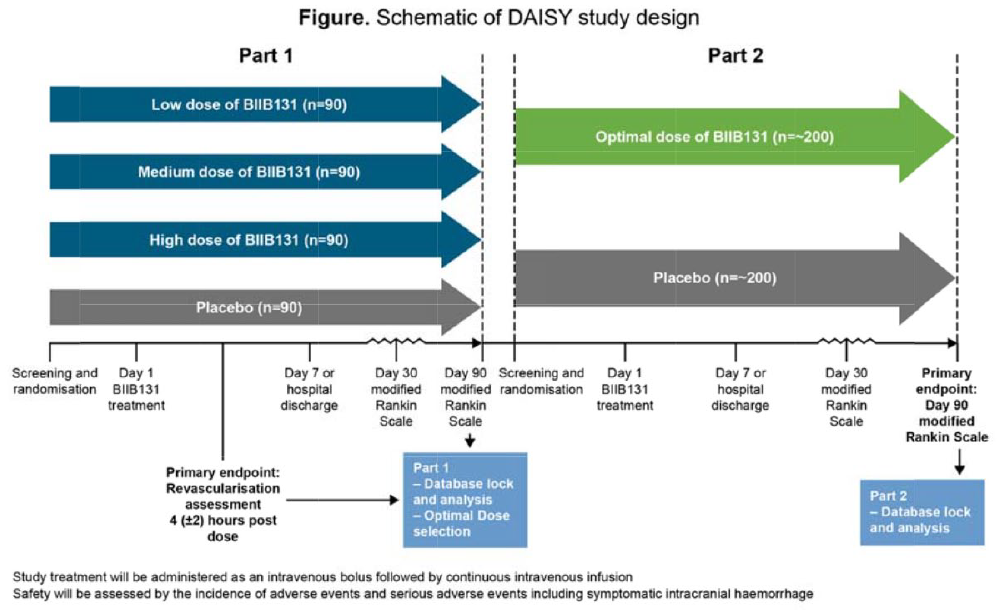
Disclosure of interest: Yes
ONGOING TRIALS
1356
OPTIMAL HEAD-OF-BED POSITIONING IN LARGE ARTERY ACUTE ISCHEMIC STROKE
1National University of Singapore, Neurology, SINGAPORE, Singapore, 2National University Hospital, Neurology, SINGAPORE, Singapore, 3Zydus Hospital, Neurology, Ahmedabad, India, 4VS Medical College, Neurology, Ahmedabad, India, 5SMS Hospital, Neurology, Erode, India
Disclosure of interest: Yes
ONGOING TRIALS
1421
Carotid Artery Stenting during Endovascular treatment of acute ischemic Stroke (CASES) – study protocol for a multicenter randomized clinical trial
1University Hospitals Leuven, Department of Neurology, Leuven, Belgium, 2VIB Center for Brain and Disease Research, Laboratory of Neurobiology, Leuven, Belgium, 3KULeuven - University of Leuven, Department of Neurosciences, Experimental Neurology, Leuven, Belgium, 4University Medical Center Groningen, Department of Radiology, Medical Imaging Center, Groningen, Netherlands, 5University Medical Center Utrecht, Department of Vascular Surgery, Utrecht, Netherlands, 6Isala, Department of Neurology, Zwolle, Netherlands, 7University Medical Center Rotterdam, Department of Neurology, Erasmus MC, Rotterdam, Netherlands, 8AZ Groeninge, Department of Medical Imaging, Kortrijk, Belgium, 9CUB Hôpital Erasme, Université libre de Bruxelles (ULB), Department of Neurology, Brussels, Belgium, 10University Medical Center Amsterdam, Location AMC, Department of Radiology and Nuclear Medicine, Amsterdam, Netherlands, 11University Hospitals Leuven, Division of Neuroradiology, Department of Radiology, Leuven, Belgium, 12CUB Hôpital Erasme, Université libre de Bruxelles (ULB), Department of Radiology/Interventional Radiology, Brussels, Belgium, 13University Medical Center Leiden, Department of Neurology, Leiden, Netherlands, 14Haaglanden Medical Center Westeinde, Department of Neurology, The Hague, Netherlands, 15University Medical Center Rotterdam, Department of Radiology and Nuclear Medicine, Erasmus MC, Rotterdam, Netherlands, 16University Hospital Antwerp, Antwerp NeuroVascular Center and Stroke Unit, Department of Neurology, Antwerp, Belgium, 17University of Antwerp, Translational Neurosciences Research Group, Faculty of Medicine and Health Sciences, Antwerp, Belgium, 18University Medical Center Groningen, Division of Vascular Surgery, Department of Surgery, Groningen, Netherlands, 19University Medical Center Amsterdam, Location AMC, Department of Neurology, Amsterdam, Netherlands, 20University Medical Center Groningen, Department of Neurology, Groningen, Netherlands
ONGOING TRIALS
556
THE DUTCH INTRACEREBRAL HAEMORRHAGE SURGERY TRIAL (DIST); MINIMALLY INVASIVE ENDOSCOPY-GUIDED SURGERY IN PATIENTS WITH SPONTANEOUS, SUPRATENTORIAL INTRACEREBRAL HAEMORRHAGE
1Donders Institute for Brain, Cognition and Behaviour, Radboud University Medical Centre, Department of Neurology, Nijmegen, Netherlands, 2Erasmus Medical Centre, Erasmus MC Stroke Centre, Department of Neurosurgery, Rotterdam, Netherlands, 3Elisabeth-TweeSteden Hospital, Department of Neurosurgery, Tilburg, Netherlands, 4Radboud University Medical Centre, Department of Neurosurgery, Nijmegen, Netherlands, 5Erasmus Medical Centre, Erasmus MC Stroke Centre, Department of Neurology, Rotterdam, Netherlands, 6Isala Hospital, Department of Neurology, Zwolle, Netherlands, 7Amsterdam University Medical Centre, University of Amsterdam, Department of Neurosurgery, Amsterdam, Netherlands, 8Leiden University Medical Centre, Department of Neurology, Leiden, Netherlands
DIST is registered at ClinicalTrials.gov (NCT05460793).
Disclosure of interest: Yes
ONGOING TRIALS
445
THE BENEFIT OF EXTENDING ORAL ANTICOAGULANT TREATMENT AFTER ACUTE CEREBRAL VEIN THROMBOSIS (EXCOA-CVT): A CLUSTER OBSERVATIONAL STUDY
1Institute of Physiology, Lisbon School of Medicine, Lisbon, Portugal, 2Institute of Physiology, Lisbon School of Medicine, University of Lisbon, Lisbon, Portugal, 3Centro Hospitalar Lisboa Norte - Hospital de Santa Maria, Neurology, Lisbon, Portugal, 4Hospital de Santa Maria-CHLN, Department of Neurosciences and Mental Health, Neurology, Lisbon, Portugal, 5Christian Medical College and Hospital, Department of Neurological Sciences, Vellore, India, 6Instituto Nacional de Neurologia y Neurocirurgia Manuel Velasco Suarez, Department of Neurology, Mexico City, Mexico, 7Hospital H+, Department of Neurology, Queretaro, Mexico, 8Shiraz University of Medical Sciences, Clinical Neurology Research Center, Shiraz, Iran, 9Hospital de Sao Joao – Centro Hospitalar Sao Joao, Neurology Department, Porto, Portugal, 10Hospital das Clinicas – Sao Paulo University, Neurology Clinical Division, São Paulo, Brazil, 11Academic Medical Center, Department of Neurology, Amsterdam, Netherlands, 12Academic Medical Center, Department of Neurology, Amsterdam, Netherlands
EXCOA-CVT is a prospective study with a cluster-randomised allocation design that aims to compare a policy of standard (3-6 months) versus extended (12 months) OAC in the prevention of VTEs after CVT.
Follow-up will be performed at 6, 12, 18 (telephone-interview) and 24 months. Primary efficacy outcome is any symptomatic and confirmed VTE (recurrent CVT or other VTE) or death associated with venous thromboembolism. Primary safety endpoints include bleeding events (major/minor; according to site), and death from any cause.
ONGOING TRIALS
701
Endovascular Therapy for Low NIHSS Ischemic Strokes (ENDOLOW): Clinical Trial Update
1Heidelberg University Hospital, Department of Neurology, Heidelberg, Germany, 2University of Cincinnati, Neurology and Rehabilitation Medicine, Cincinnati, United States, 3University Calgary, Department of Clinical Neurosciences, Calgary, Canada, 4UPMC Stroke Institute, University of Pittsburgh School of Medicine, Pittsburgh, United States, 5University of Heidelberg, IMBI, Heidelberg, Germany, 6University of Cincinnati, Radiologyx, Cincinnati, United States, 7Emory University, Emergency Medicine, Atlanta, Germany, 8University of Cincinnati, Children’s Hospital, Cincinnati, United States
Disclosure of interest: Yes
ONGOING TRIALS
752
Minimum Detectible Change and Minimum Clinically Important Difference of Montreal Cognitive Assessment in a stroke population
1Uppsala University, Department of medical sciences, Neurology, uppsala, Sweden, 2Institute of Neuroscience and Physiology, The Sahlgrenska Academy, University of Gothenburg, Gothenburg, Sweden, 3University of Glasgow, Institute of Cardiovascular and Medical Sciences, Glasgow, United Kingdom
The Minimum Detectible Change (MDC) is defined as the smallest change in score that signifies a true change and not a measurement error, between two time points. The minimum clinical important difference (MCID) is the smallest change in MoCA score that can be considered meaningful or important to a stroke survivor.
We aim to establish MDC and MCID of MoCA.
The MDC will be the upper boundary of a 95% CI for the standard error of measurement in the MOCA scores. The MCID of MoCA will be determined through two methods: a distribution-based approach and an anchor-based approach.
ONGOING TRIALS
776
Comparison of dual antiplatelet therapy versus warfarin as secondary prevention strategy for AntiPhospholipid Syndrome-related STROKE (APS-STROKE): Rationale and design of a prospective, randomized, open-label, blinded-endpoint trial
1 Seoul National University Hospital, Neurology, Seoul, South Korea
Disclosure of interest: Yes
ONGOING TRIALS
1451
DOES PHARYNGEAL ELECTRICAL STIMULATION IMPROVE SWALLOWING IN ACUTE STROKE DYSPHAGIA? THE PHEAST TRIAL
1University of Nottingham, Stroke Trials Unit, Nottingham, United Kingdom, 2University of Manchester, Division of Diabetes, Endocrinology & Gastroenterology, Manchester, United Kingdom, 3University of Nottingham, Nottingham Clinical Trials Unit, Nottingham, United Kingdom, 4University of Manchester, Division of Cardiovascular Sciences, Manchester, United Kingdom
ONGOING TRIALS
700
Rationale and design of the Statistical Analysis techniques Versus Artificial Neural Networks for diagnosis and outcome prediction after Acute Stroke (SAVANNAS) Collaboration Study
1University of Nottingham, Stroke Trials Unit, Nottingham, United Kingdom, 2University of Nottingham, School of Computer Science, Nottingham, United Kingdom, 3University of Nottingham, Nottingham Clinical Trials Unit, Nottingham, United Kingdom, 4University of Glasgow, Cardiovascular & Medical Sciences, Glasgow, United Kingdom
ONGOING TRIALS
1027
Efficacy of Cerebrolysin Treatment as an add-on Therapy to Mechanical Thrombectomy – preliminary results of WIM-Cerebrolysin Study
1Military Institute of Medicine - National Research Institute, Clinic of Neurology, Warsaw, Poland, 2Military Institute of Medicine-National Research Institute, Interventioanl Radiology Department, Warsaw, Poland, 3Military Institute of Medicine-National Research Institute, Rehabilitation Clinic, Warsaw, Poland, 4Military Institute of Medicine-National Research Institute, Radiology Department, Warsaw, Poland
HYPERACUTE MANAGEMENT – EXCLUDING CLINICAL TRIAL RESULTS
157
MECHANICAL THROMBECTOMY WITH OR WITHOUT INTRAVENOUS THROMBOLYSIS FOR ANTERIOR CIRCULATION LARGE VESSEL OCCLUSION. ANALYSIS FROM THE IMPERIAL COLLEGE THROMBECTOMY REGISTRY
1Imperial College London, Stroke & Neuroscience, London, United Kingdom, 2University of L’aquila, Stroke, L’aquila, Italy, 3Hospital of Conegliano, Cardiology, conegliano, Italy
HYPERACUTE MANAGEMENT – EXCLUDING CLINICAL TRIAL RESULTS
176
Hybrid-Mobile Stroke Unit to increase efficiency in rural areas: treatment options for Stroke Mimics
1Saarland University, Neurology, Homburg, Germany, 2East of England Ambulance Service, Ambulance Service, Ipswich, United Kingdom, 3School of Medicine, University of Dundee, Imaging Science and Technology, Dundee, United Kingdom, 4East Suffolk and North Essex NHS Foundation Trust, Stroke, Ipswich, United Kingdom, 5Barts Health NHS Trust, Stroke, London, United Kingdom, 6Southend University Hospital, Radiology, Southend-on-Sea, United Kingdom
HYPERACUTE MANAGEMENT – EXCLUDING CLINICAL TRIAL RESULTS
223
Development and Implementation of a Regional Acute LVO Stroke Protocol for Ideal Destination Decisions (RAPIDD): Phase I results
1Michigan State University, Emergency Medicine, Grand Rapids, United States, 2Michigan State University, Epidemiology and Biostatistics, East Lansing, United States, 3Spectrum Health, Research Operations, Grand Rapids, United States, 4Michigan State University, Neuroscience, Grand Rapids, United States, 4Michigan State University, Neuroscience, Grand Rapids, United States
HYPERACUTE MANAGEMENT – EXCLUDING CLINICAL TRIAL RESULTS
347
TRIALS OF MECHANICAL THROMBECTOMY OF BASILAR-ARTERY OCCLUSION COMPARED TO A EUROPEAN OBSERVATIONAL COHORT
1Rigshospitalet, Neurology, København, Denmark, 2Rigshospitalet, Radiology, Copenhagen, Denmark, 3University of Copenhagen, Faculty of Health Sciences, Copenhagen, Denmark
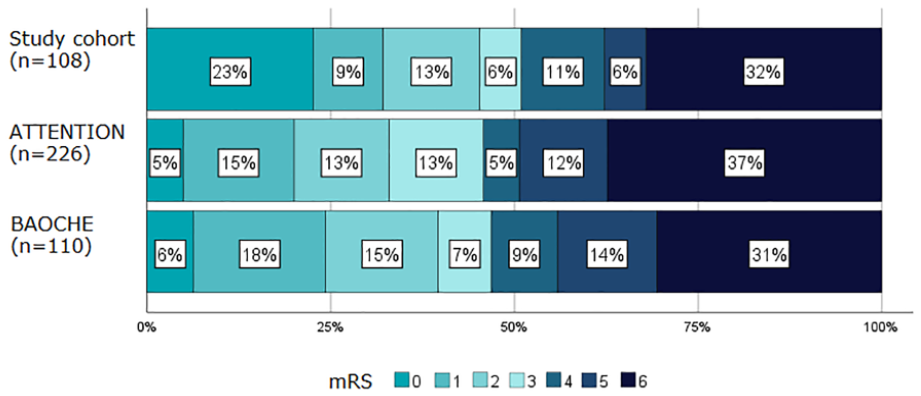
Outcome compared to RCT patients.
HYPERACUTE MANAGEMENT – EXCLUDING CLINICAL TRIAL RESULTS
697
Diffusion weighted imaging (DWI) lesion reversal in older stroke patients treated with mechanical thrombectomy
1Univ. Lille, Inserm, CHU Lille, U1172, LilNCog - Lille Neuroscience & Cognition, Lille, France, 2Université Paris Cité, Institute of Psychiatry and Neuroscience of Paris (IPNP), INSERM U1266, F-75014, Paris, France, 3GHU Paris Psychiatrie et Neurosciences, Site Sainte-Anne, Department of Radiology, Paris, France, 4Roger Salengro Hospital, CHU Lille, University of Lille, Department of Neuroradiology, Lille, France, 5GHU Paris Psychiatrie et Neurosciences, Site Sainte-Anne, Department of Neurology, Paris, France, 6University Hospital of Tours, Centre Val de Loire, INSERM U1253 iBrain, Diagnostic and Interventional Neuroradiology Department, Tours, France, 7University Hospital of Tours, Neurology Department, Tours, France
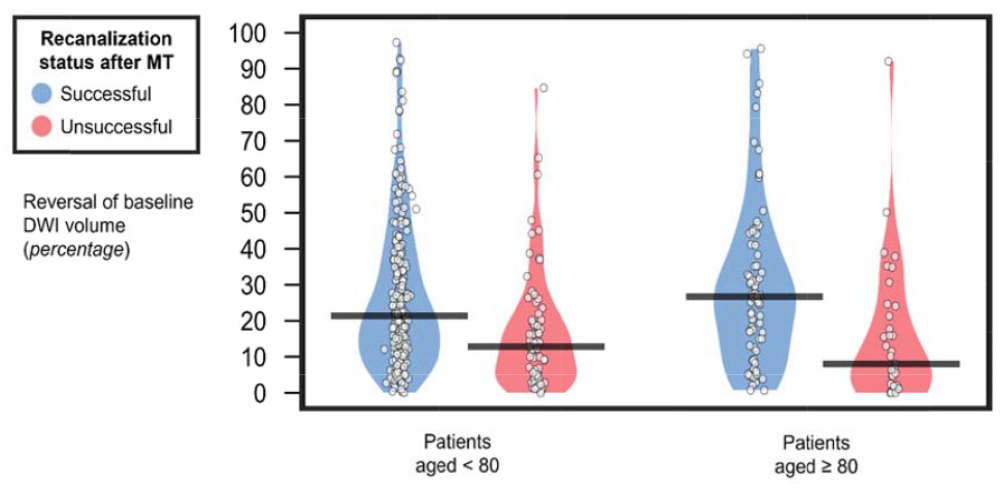
HYPERACUTE MANAGEMENT – EXCLUDING CLINICAL TRIAL RESULTS
709
CLINICAL PRESENTATION, RECURRENCE AND OUTCOMES OF STROKE IN CANCER PATIENTS
1 East Suffolk And North Essex Nhs Foundation Trust, Stroke Medicine, Colchester, United Kingdom
The keywords “cancer” and “ischemic stroke” were used as MeSH terms, with “malignancy/ies”, “ischemic stroke” and “thrombolysis” added as keywords for the search algorithm.
HYPERACUTE MANAGEMENT – EXCLUDING CLINICAL TRIAL RESULTS
883
Hyperacute stroke management of the elderly - place for improvement
1Saarland University Medical Center, Neurology, Homburg, Germany, 2East of England Ambulance Service NHS Trust, East of England Ambulance Service NHS Trust, Melbourn, United Kingdom, 3University of Nottingham, Precision Imaging Beacon, Radiological Science, Nottingham, United Kingdom, 4University of Dundee, TIME, Imaging Science and technology, School of Medicine, Dundee, United Kingdom, 5Saarland University, Institute for Medical Biometry, Epidemiology and Medical Informatics, Homburg, Germany
HYPERACUTE MANAGEMENT – EXCLUDING CLINICAL TRIAL RESULTS
909
Benefits of First-Pass Effect in Basilar Strokes Based on Initial Infarct Size
1Faculty of Medicine, Department of Medicine (Neurology), Ottawa, Canada, 2University College Dublin, School of Medicine, Dublin, Ireland, 3Faculty of Medicine, School of Epidemiology and Public Health, Ottawa, Canada
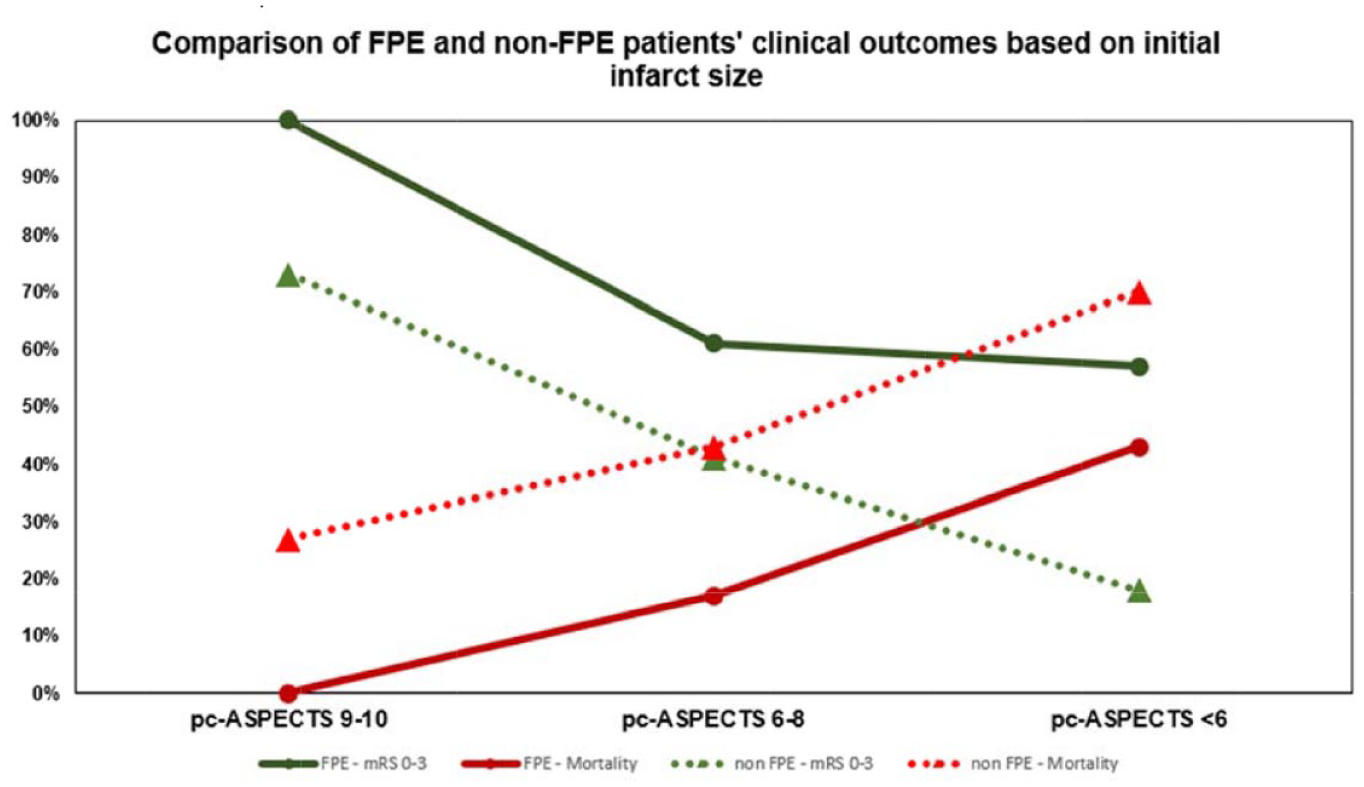
HYPERACUTE MANAGEMENT – EXCLUDING CLINICAL TRIAL RESULTS
1003
Thrombus perviousness in acute ischemic middle cerebral artery stroke
1Hospital de la Princesa, Neurology, Madrid, Spain, 2Hospital de la Princesa, Radiology, Madrid, Spain
HYPERACUTE MANAGEMENT – EXCLUDING CLINICAL TRIAL RESULTS
1088
IMPACT OF ATRIAL FIBRILLATION ON THE OUTCOMES OF PATIENTS UNDERGOING ENDOVASCULAR THROMBECTOMY. ANALYSIS FROM THE IMPERIAL COLLEGE THROMBECTOMY REGISTRY
1IMPERIAL COLLEGE LONDON, STROKE, LONDON, United Kingdom, 2University of L’Aquila, Department of applied clinical sciences and biotechnology, L’Aquila, Italy, 3Ospedale “Bufalini”, Cesena, Neurologia Stroke Unit, Cesena, Italy, 4Imperial College London, Neuroradiology, London, United Kingdom
1135
RELEVANCE OF NIHSS SUBITEMS FOR BEST REVASCULARIZATION THERAPY IN MINOR STROKE PATIENTS WITH LARGE VESSEL OCCLUSION: AN OBSERVATIONAL MULTICENTRIC STUDY
1Lausanne University Hospital, Department of Clinical Neurosciences, Neurology Service, Stroke Centre, Lausanne, Switzerland, 2Hôpital Riviera Chablais, Neurology Unit, Rennaz, Switzerland, 3Inselspital, University Hospital and University of Bern, Department of Neurology, Bern, Switzerland, 4Inselspital, University Hospital and University of Bern, Department of Diagnostic and Interventional Neuroradiology, Bern, Switzerland, 5Hôpital Fondation A. de Rothschild, Neurology Department, Paris, France, 6Hospices Civils de Lyon, Stroke Department, Lyon, France, 7GHU Paris psychiatrie et neurosciences, Sainte-Anne Hospital, Université de Paris, INSERM U1266, Neurology Department, Paris, France, 8Sorbonne Université and Hôpital Pitié-Salpêtrière, Institut du Cerveau et de la Moelle épinière, Paris, France, 9La Timone University Hospital, Neurology Department, Marseille, France, 10CHU of Bordeaux, Stroke Unit, Department of Neurology, Bordeaux, France, 11CHU Grenoble Alpes, University pf Grenoble and Grenoble Institut des Neurosciences, Neurology Department, Grenoble, France, 12St. Gallen Kantonsspital, Department of Neuroradiology, St. Gallen, Switzerland
We performed adjusted interaction analyses between admission NIHSS subitems and revascularization modality for two primary outcomes at 3 months: non-excellent functional outcome (mRS 2-6) and difference in NIHSS between 3 months and admission.
HYPERACUTE MANAGEMENT – EXCLUDING CLINICAL TRIAL RESULTS
1376
COLLATERAL CIRCULATION AS A PREDICTOR OF SYMPTOMATIC HEMORRHAGIC TRANSFORMATION AFTER SUCCESSFUL RECANALIZATION IN PATIENTS UNDERGOING MECHANICAL THROMBECTOMY
1A Coruña University Hospital and Biomedical Research Institute, Neurology, A Coruña, Spain, 2A Coruña Biomedical Research Institute, Neurology, A Coruña, Spain, 3University of Girona, Analytical Chemistry, Girona, Spain
HYPERACUTE MANAGEMENT – EXCLUDING CLINICAL TRIAL RESULTS
1487
Early loading dose of dual antiplatelet treatment in acute ischemic stroke associated with tandem lesions
1AORN Antonio Cardarelli, Neurology and Stroke Unit, Naples, Italy, 1AORN Antonio Cardarelli, Neurology and Stroke Unit, Naples, Italy, 3AORN Antonio Cardarelli, Diagnostic and Interventional Neuroradiology, Naples, Italy
Stent occlusion occurred less frequently in patients treated with a loading dose within 12 hours (0% versus 8.5%, p NS). The rate of mortality and independence did not differ.
HYPERACUTE MANAGEMENT – EXCLUDING CLINICAL TRIAL RESULTS
1546
The acute effects of remote ischaemic conditioning on cerebral perfusion in healthy subjects
1University of Sheffield Medical School, Neurosciences, Sheffield, United Kingdom, 2Sheffield Hallam University, Advanced Wellbeing research Centre, Sheffield, United Kingdom, 3Sheffield Teaching Hospitals NHS Foundation Trust, Stroke, Sheffield, United Kingdom
changes in hemispheric CBF. This may be mediated by vasodilatory changes in the cerebral blood vessels.
HYPERACUTE MANAGEMENT – EXCLUDING CLINICAL TRIAL RESULTS
1580
Groin to recanalization time: an overlooked independent predictor of outcome in acute ischemic stroke. Is it time for new solutions?
1AORN A. Cardarelli, Neurology and Stroke Unit, Napoli, Italy, 2AORN A. Cardarelli, Diagnostic and Interventional Neuroradiology, Napoli, Italy
We aimed to explore the impact of GTR time on functional outcome in patients undergoing EVT.
HYPERACUTE MANAGEMENT – EXCLUDING CLINICAL TRIAL RESULTS
1610
Safety of combined intravenous thrombolysis and endovascular therapy for late-window acute ischemic stroke
1VIB - KU Leuven, Laboratory for Neurobiology, Leuven, Belgium, 2UZ Leuven, Neurology, Leuven, Belgium, 3Boston Medical Center, Neurology, Radiology, Boston, United States, 4Boston Chobanian & Avedisian School of Medicine, Neurology, Radiology, Boston, United States, 5Boston Medical Center, Radiology, Radiation Oncology, Boston, United States, 6Boston Chobanian & Avedisian School of Medicine, Radiology, Radiation Oncology, Boston, United States, 7University of Pittsburgh Medical Center, Neurology, Pittsburgh, United States, 8Helsinki University Hospital, Neurology, Helsinki, Finland, 9University of Helsinki, Neurology, Helsinki, Finland, 10Klinikum Ludwigshafen, Neurology, Ludwigshafen, Germany, 11Heidelberg University Hospital, Neurology, Heidelberg, Germany, 12NHO Osaka National Hospital, Stroke Neurology, Osaka, Japan, 13University Hospital Carl Gustav Carus, Neurology, Dresden, Germany, 14Technische Universität Dresden, Neurology, Dresden, Germany, 15Boston Medical Center, Radiology, Boston, United States, 16Boston Chobanian & Avedisian School of Medicine, Radiology, Boston, United States, 17Hospital Vall d’Hebron, Neurology, Barcelona, Spain, 18Lausanne University Hospital, Neurology, Lausanne, Switzerland, 19Hospital de Egas Moniz, Centro Hospitalar Lisboa Occidental, Neurology, Lisbon, Portugal, 20Grady Memorial Hospital, Neurology, Atlanta, United States, 21Heidelberg University Hospital, Radiology, Heidelberg, Germany, 22National Cerebral and Cardiovascular Center, Division of Stroke Care Unit, Suita, Japan, 23Hyogo College of Medicine, Neurosurgery, Nishinomiya, Japan, 24Centre Hospitalier Universitaire de Lille, Neurology, Lille, France, 25University of Lille, Neurology, Lille, France, 26Hôpital Civil Marie Curie, Neurology, Charleroi, Belgium, 27Cooper University Hospital, Neurology, Camden, United States, 28University of Cambridge, Clinical Neurosciences, Cambridge, United Kingdom, 29University Hospital Bern, Institute of Diagnostic and Interventional Neuroradiology, Bern, Switzerland, 30UTHealth McGovern Medical School, Neurology, Houston, United States, 31Helsinki University Hospital, Radiology, Helsinki, Finland, 32University of Helsinki, Radiology, Helsinki, Finland, 33University of Toledo, Neurology, Toledo, United States, 34University of Massachusetts Memorial Medical Center, Division of Interventional Neuroradiology, Worcester, United States, 35Kobe City Medical General Hospital, Neurosurgery, Kobe, Japan, 36Centre Hospitalier de l’Universite de Montreal, Radiology, Montreal, Canada, 37State University of New York, Neurology, Syracuse, United States, 38University Hospital Carl Gustav Carus, Diagnostic and Interventional Neuroradiology, Dresden, Germany, 39CHC Liege, Neurology, Liège, Belgium, 40University Hospital Basel, Neurology, Basel, Switzerland, 41Heidelberg University Hospital, Neuroradiology, Heidelberg, Germany, 42Bon Secours Mercy Health St. Vincent Hospital, Neuroscience and Stroke Program, Toledo, United States
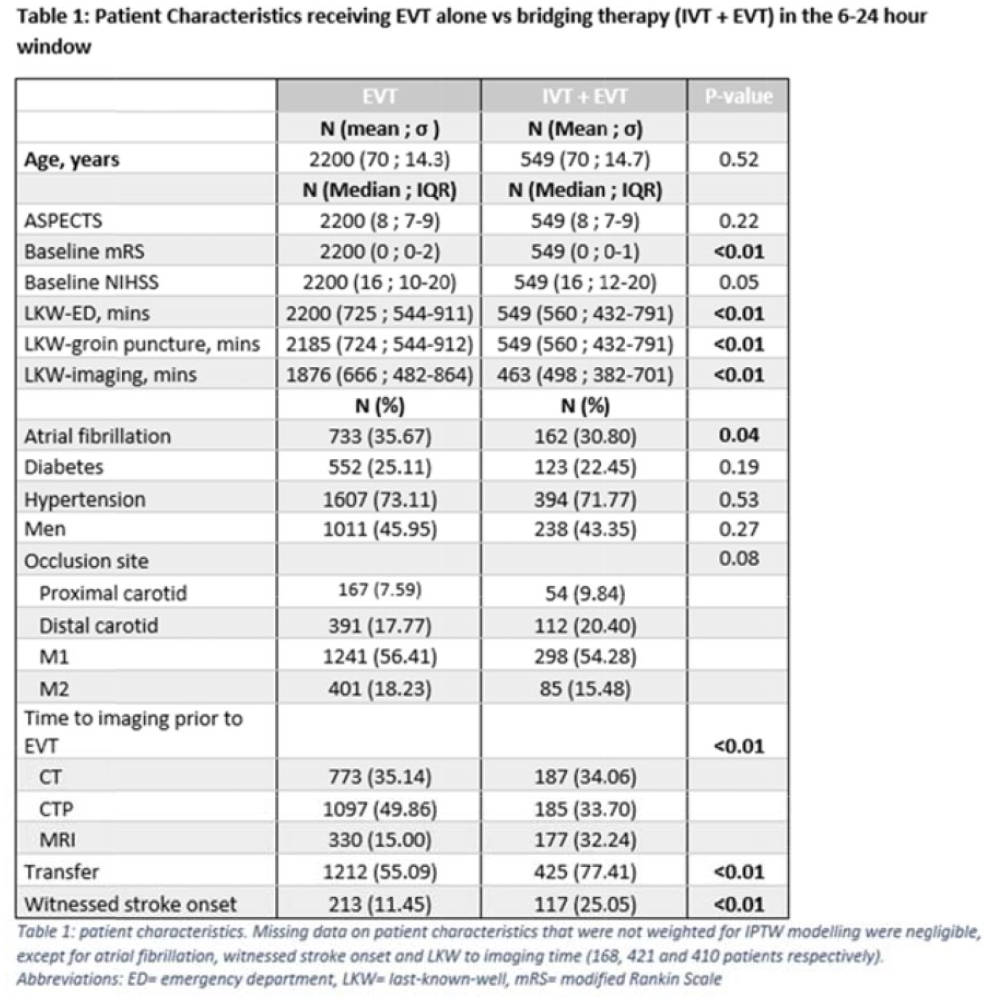
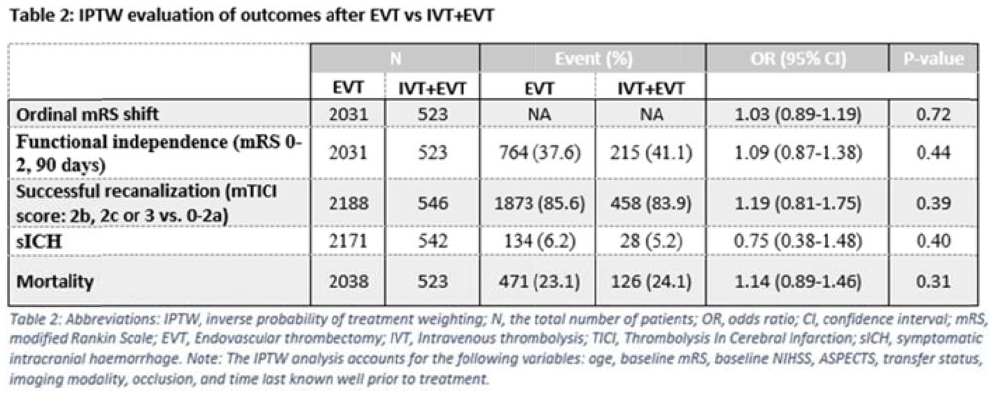
HYPERACUTE MANAGEMENT – EXCLUDING CLINICAL TRIAL RESULTS
1611
THE EFFECT OF INADVERTENT HYPOTHERMIA AFTER MECHANICAL THROMBECTOMY IN PATIENTS WITH LARGE VESSEL OCCLUSION STROKE
1University Medicine Göttingen, Neurology, Göttingen, Germany, 2University Medicine Göttingen, Department of Medical Statistics, Göttingen, Germany, 3University Medicine Göttingen, Department of Neuroradiology, Göttingen, Germany
HYPERACUTE MANAGEMENT – EXCLUDING CLINICAL TRIAL RESULTS
2149
DEVELOPMENT OF A STANDARDISED NEUROLOGICAL OBSERVATION SCHEDULE (SNOBSS) TO DETECT EARLY NEUROLOGICAL DETERIORATION (END) AFTER ACUTE STROKE
1University of Central Lancashire, Applied Health Research hub (AHRh), Preston, United Kingdom, 2University of Central Lancashire, School Of Nursing, Preston, United Kingdom, 3University of Newcastle, Population Health Sciences Institute, Stroke Research Group, Preston, United Kingdom
HYPERACUTE MANAGEMENT – EXCLUDING CLINICAL TRIAL RESULTS
2255
PRE-HOSPITAL STROKE VIDEO TRIAGE IN NORTH CAMBRIDGESHIRE, UNITED KINGDOM
1North West Anglia NHS Foundation Trust, Department of Stroke and Neurology, Peterborough, United Kingdom, 2Masaryk University Faculty of Medicine, Centre for Evidence-Based Healthcare and Knowledge Translation, Brno, Czech Republic, 3Institute of Health Information and Statistics of the Czech Republic, Institute of Health Information and Statistics, Prague, Czech Republic, 4East of England Ambulance Service NHS Trust, Headquarters, Melbourn, United Kingdom, 5NHS England, North and South ISDNs, East of England, Cambridge, United Kingdom, 6University College London Hospitals NHS Foundation Trust, National Hospital for Neurology and Neurosurgery, Hyper Acute Stroke Unit, London, United Kingdom
The aim of this project is to: Develop strong “one-team” co-operative network within pre-hospital and hospital emergency care services.
Improve door-to-imaging, door-to-needle and door-to-Hyper-Acute Stroke Unit times.
Enhance the assessment for patients presenting with neurological symptoms, and improve patients getting to the right treatment destination first time.
Create a TIA pathway for patients following video assessment.
32 patients were triaged; 10 diverted from ASC/HASU, 20 directed straight to CT scanner and 2 patients followed TIA pathway. Early results show a significant reduction in door-to-imaging times (22 minutes down to 2 minutes) and door-to-needle times (55 minutes down to 15 minutes). There was very positive feedback from patients, ambulance crews and emergency stroke team. A full evaluation will take place in May 2023.
HYPERACUTE MANAGEMENT – EXCLUDING CLINICAL TRIAL RESULTS
2397
STROKE MANAGEMENT IN GEORGIA- RED FLAGS
1Tbilisi State Medical University, Neurology, Tbilisi, Georgia, 2Batumi State Shota Rustaveli University, Neurology, Batumi, Georgia
HYPERACUTE MANAGEMENT – EXCLUDING CLINICAL TRIAL RESULTS
1969
DESCRIPTIVE ANALYSIS OF FUTILE INTER-HOSPITAL TRANSFERS FOR MECHANICAL THROMBECTOMY IN A TELESTROKE NETWORK
1hospital universitario virgen macarena, Neurology, Sevilla, Spain, 2Torrecárdenas University Hospital, Neurology, Almería, Spain, 3Virgen del Rocío University Hospital, Interventional Neurorradiologist, Sevilla, Spain, 4University Hospital Reina Sofia, Neurology, Cordoba, Spain, 5Virgen del Rocío University Hospital, Neurology, Sevilla, Spain, 6Hospital Universitario Puerta del Mar, Neurology, Cádiz, Spain
The network includes 30 centers for intravenous fibrinolysis with referral capacity to 6 thrombectomy nodes. Patients with ischemic stroke and large vessel occlusion were selected. Two groups were made according to whether MT was finally performed. The data were analyzed looking for the factors that determined the FT.
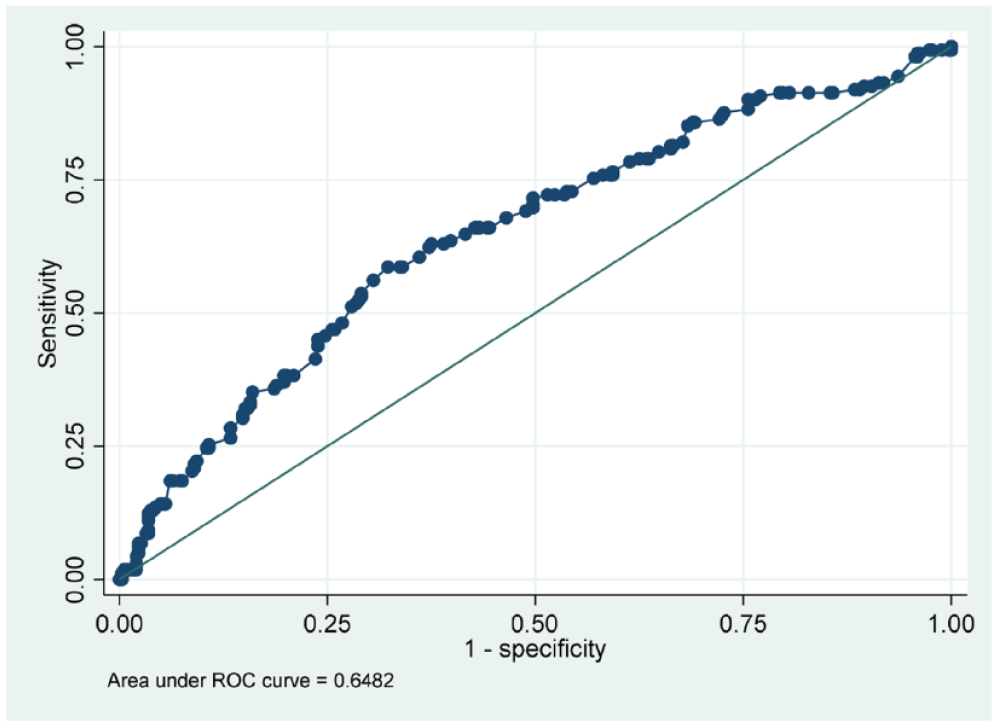
HYPERACUTE MANAGEMENT – EXCLUDING CLINICAL TRIAL RESULTS
1124
Influence of susceptibility vessel sign on intravenous alteplase in stroke patients treated with thrombectomy; A post-hoc analysis of the SWIFT-DIRECT trial
1Inselspital, Bern University Hospital, and University of Bern, Department of Neurology, Bern, Switzerland, 2Helsinki University Hospital and University of Helsinki, Department of Neurology, Helsinki, Finland, 3Hospices Civils de Lyon, Department of Vascular Neurology, Lyon, France, 4Centre Hospitalier Universitaire de Toulouse, Department of Diagnostic and Therapeutic Neuroradiology, Toulouse, France, 5University Hospital of Nantes, L’institut du thorax, Department of Diagnostic and Therapeutic Neuroradiology, Nantes, France, 6CHU de Bordeaux, Department of Diagnostic and Therapeutic Neuroradiology, Bordeaux, France, 7CHU Rouen, Department of Radiology, Rouen, France, 8CHRU-Nancy, Université de Lorraine, Department of Neuroradiology, Nancy, France, 9Foch Hospital, Department of Stroke and Diagnostic and Interventional Neuroradiology, Suresnes, France, 10CHU Reims, Department of Neurology, Reims, France, 11University Medical Center Goettingen, University Medical Center Goettingen, Goettingen, Germany, 12Hospital Vall d’Heborn, Hospital Vall d’Heborn, Barcelona, Spain, 13CHU Caen Normandie, INSERM U1237, University Caen Normandie, Neuroradiology Department, Caen, France, 14University Hospital RWTH Aachen, Department of Neuroradiology, Aachen, Germany, 15David Geffen School of Medicine, University of California, Department of Neurology and Comprehensive Stroke Center, Los Angeles, United States, 16Inselspital, Bern University Hospital, and University of Bern, Institute for Diagnostic and Interventional Neuroradiology, Bern, Switzerland, 17University Hospital of Basel, University of Basel, Neurology Department, Basel, Switzerland
In the SVS+ group, IVT favoured pre-interventional reperfusion, while it did not in patients without SVS (p for interaction 0.029).
THROMBOLYSIS – EXCLUDING CLINICAL TRIAL RESULTS
77
LT3001, A NEW SYNTHETIC MOLECULE FOR STROKE TREATMENT, INCREASES FIBRINOLYSIS BY BRIDGING PLASMIN(OGEN) ONTO FIBRIN CLOT
1 Lumosa Therapeutics, Preclinical research, Taipei, Taiwan
THROMBOLYSIS – EXCLUDING CLINICAL TRIAL RESULTS
145
THE FEASIBILITY OF APIXABAN AND RIVAROXABAN MEASUREMENTS IN THE EMERGENCY DEPARTMENT FOR SUSPECTED STROKE
1Oslo University Hospital, Ullevål, Oslo Stroke Unit, Department of Neurology, Oslo, Norway, 2Oslo University Hospital, Ullevål, Department of Medical Biochemistry, Oslo, Norway
THROMBOLYSIS – EXCLUDING CLINICAL TRIAL RESULTS
704
ONE-YEAR CLINICAL OUTCOMES AFTER INTRAVENOUS RECOMBINANT TISSUE PLASMINOGEN ACTIVATOR IN CHINESE PATIENTS WITH ACUTE ISCHAEMIC STROKE: A REAL-WORLD MULTICENTER RETROSPECTIVE COHORT STUDY
1the Second Affiliated Hospital of Zhejiang University, School of Medicine, Neurology, Hangzhou, China, 2the Second Affiliated Hospital, Zhejiang University School of Medicine, School of Public Health, Hangzhou, China
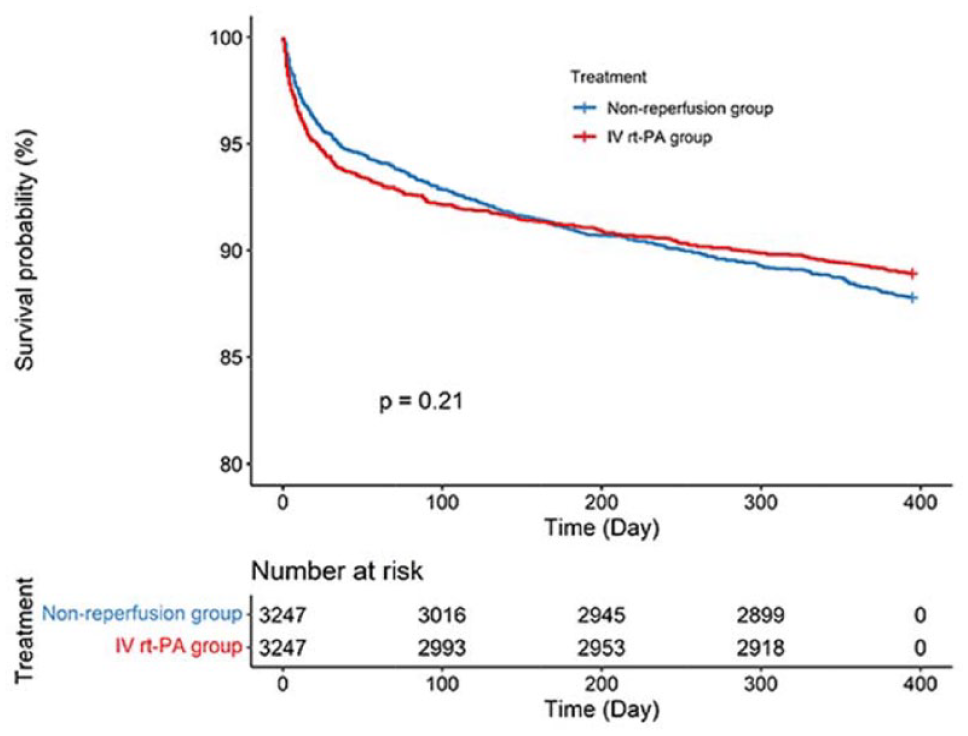
THROMBOLYSIS – EXCLUDING CLINICAL TRIAL RESULTS
747
IV-THROMBOLYSIS IMPROVES PERFUSION PROFILES IN PATIENTS WITH ANTERIOR CIRCULATION OCCLUSION REGARDLESS OF RECANALIZATION
1Hospital Universitari Vall d’Hebron, Stroke Unit, Neurology Department, Barcelona, Spain, 2Hospital Joan XXIII, Radiology, Tarragona, Spain, 3Hospital Joan XXIII, Stroke Unit, Neurology Department, Tarragona, Spain
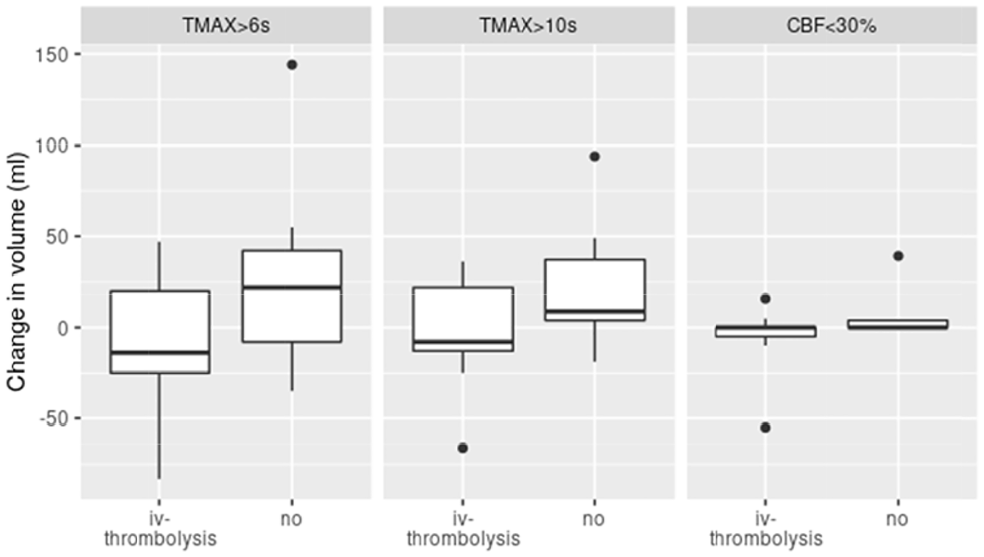
THROMBOLYSIS – EXCLUDING CLINICAL TRIAL RESULTS
819
The Pivotal Role of Timing of Intravenous Thrombolysis Bridging Treatment prior to Endovascular Thrombectomy
1Tel-Aviv Sourasky Medical Center, Stroke & Neurology, Tel-Aviv, Israel, 2Tel-Aviv Sourasky Medical Center, Radiology, Tel-Aviv, Israel, 3Hadassah-Hebrew University Medical Center, Neurosurgery, Jerusalem, Israel, 4Hadassah-Hebrew University Medical Center, Neurology, Jerusalem, Israel, 5Soroka Medical Center, Neurology, Beer Sheva, Israel
THROMBOLYSIS – EXCLUDING CLINICAL TRIAL RESULTS
999
A COST-UTILITY ANALYSIS OF TENECTEPLASE IN THE TREATMENT OF ACUTE ISCHAEMIC STROKE IN THE UNITED KINGDOM
1 Imperial College London, School of Medicine, London, United Kingdom
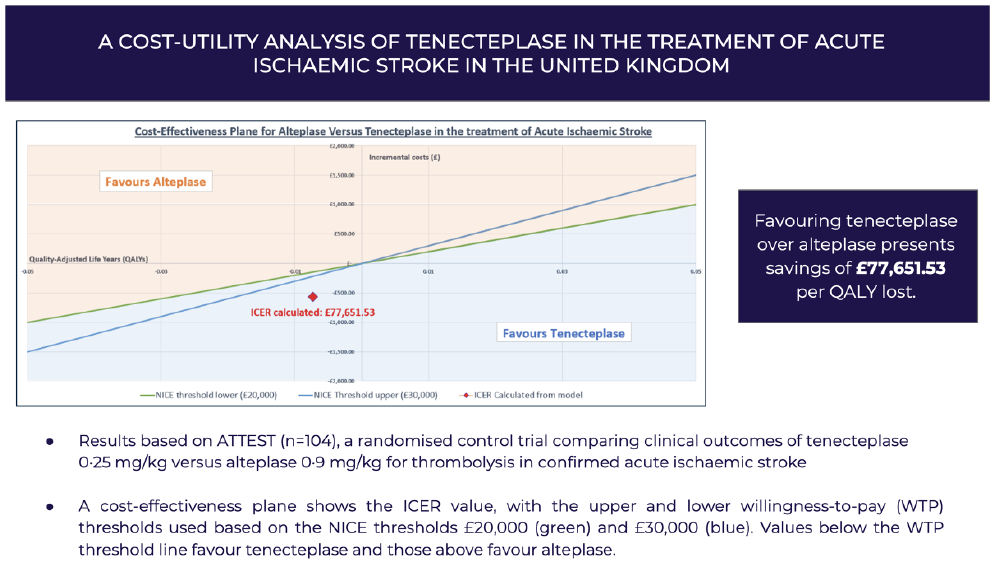
THROMBOLYSIS – EXCLUDING CLINICAL TRIAL RESULTS
1167
INTRAVENOUS THROMBOLYSIS IN ACUTE ISCHAEMIC STROKE TWO YEARS INTO THE COVID-19 PANDEMIC: A RETROSPECTIVE STUDY
1Royal North Shore Hospital, Neurology Department, St Leonards, Australia, 2University of Technology Sydney, Faculty of Health, School of Nursing and Midwifery, Ultimo, Australia, 3Northern Sydney Local Health District, Nursing and Midwifery Research Centre, St Leonards, Australia, 4Royal North Shore Hospital, The Malcolm Fisher Intensive Care Unit, St Leonards, Australia, 5Northern Sydney Local Health District, Emergency and Critical Care, St Leonards, Australia, 6Northern Sydney Local Health District, Neuroscience and Stroke Network, St Leonards, Australia
THROMBOLYSIS – EXCLUDING CLINICAL TRIAL RESULTS
1289
TENECTEPLASE VERSUS ALTEPLASE IN A THROMBOEMBOLIC STROKE MODEL: DOES IT MATCH WITH CLINICAL TRIALS RESULTS?
1Normandie University, UNICAEN, INSERM UMR-S U1237, Physiopathology and Imaging of Neurological Disorders (PhIND), GIP Cyceron, Institute Blood and Brain @ Caen-Normandie (BB@C), 14000 Caen, France, Caen, France, 2Department of Clinical Research, Caen Normandie University Hospital, Caen, France, Caen, France
THROMBOLYSIS – EXCLUDING CLINICAL TRIAL RESULTS
1442
FACTORS ASSOCIATED WITH INTRACEREBRAL HEMORRHAGE AFTER INTRAVENOUS THROMBOLYSIS IN ACUTE ISCHEMIC STROKE: AN ANALYSIS OF THE ACT DATA
1University of Calgary, Department of Clinical Neurosciences, Calgary, Canada, 2University of Calgary, Department of Community Health Sciences, Calgary, Canada, 3University of Manitoba, Rady Faculty of Health Sciences, Winnipeg, Canada, 4University of British Columbia, Division of Neurology, Vancouver, Canada, 5University of Calgary, Department of Radiology, Calgary, Canada, 6Université de Montréal, Department of Neurosciences, Montreal, Canada, 7University of Toronto, Hurvitz Brain Sciences Program, Sunnybrook Health Sciences Centre, Toronto, Canada, 8Queen’s University, Department of Medicine, Kingston, Canada, 9Université de Sherbrooke, Département de Médecine, Sherbrooke, Canada, 10Queen Elizabeth Health Sciences Centre, Department of Medicine, Halifax, Canada, 11Kelowna General Hospital, ., Kelowna, Canada, 12McMaster University, Department of Medicine, Hamilton, Canada, 13University of Ottawa, Department of Medicine, Ottawa, Canada, 14Western University, Department of Clinical Neurosciences, London, Canada, 15University of Toronto, Department of Medicine, Toronto, Canada, 16University of Manitoba, Department of Radiology, Winnipeg, Canada, 17Queen Elizabeth Hospital, ., Charlottetown, Canada, 18Medicine Hat Regional Hospital, ., Medicine Hat, Canada, 19Grey Nuns Community Hospital, ., Edmonton, Canada, 20St. Michael’s Hospital, ., Toronto, Canada, 21Red Deer Regional Hospital, ., Red Deer, Canada, 22University of Saskatchewan, Division of Neurology, Saskatoon, Canada, 23Université de Montréal, Department of Neurosciences, QC, Canada, 24University of Alberta, Division of Neurology, Department of Medicine, Edmonton, Canada
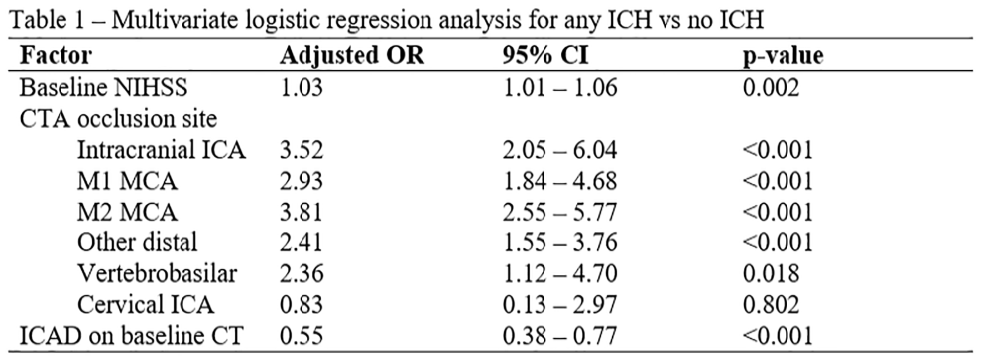
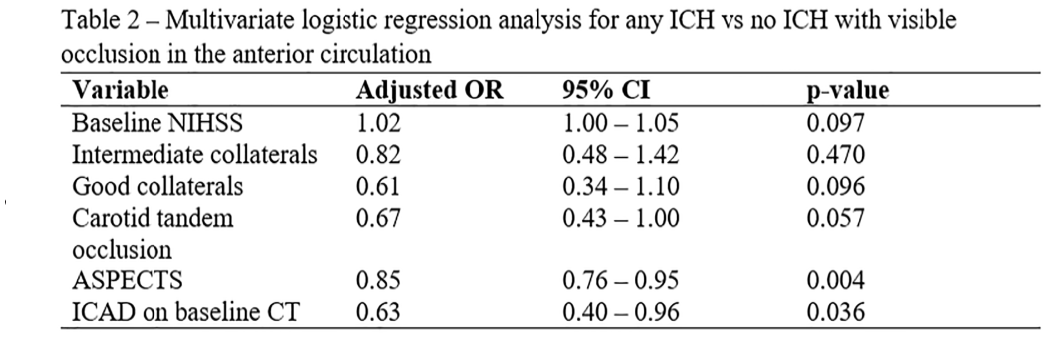
THROMBOLYSIS – EXCLUDING CLINICAL TRIAL RESULTS
1687
SAFETY AND FEASIBILITY OF A “FAST-TRACK” MONITORING PROTOCOL FOR PATIENTS TREATED WITH INTRAVENOUS THROMBOLYTIC THERAPY
1University of California, Los Angeles, Neurology, Los Angeles, United States, 2Aurora Neuroscience Innovation, Neurology, Milwaukee, United States, 3UPMC Altoona, Neurology, Altoona, United States, 4University of Pittsburgh School of Medicine, School of Medicine, Pittsburgh, United States, 5HonorHealth Research and Innovation Institute, Neurology, Scottsdale, United States, 6University of Pittsburgh Medical Center, Neurology, Pittsburgh, United States, 7Brigham and Women’s Hospital, Neurology, Boston, United States, 8Barrow Neurological Institute, Neurology and Neurosurgery, Phoenix, United States
THROMBOLYSIS – EXCLUDING CLINICAL TRIAL RESULTS
1791
The Impact of Pharmacist Presence on Door-to-Needle Time in Patients With Acute Ischemic Stroke
1The University of Toledo College of Medicine, Neurology, Toledo, United States, 2ProMedica Toledo Hospital, Neuro ICU, Toledo, United States, 3Promedica Toledo Hospital/University of Toledo COMLS, Interventional Neurology, Toledo, United States, 4Promedica Stroke Network, Interventional Neurology, Toledo, United States
THROMBOLYSIS – EXCLUDING CLINICAL TRIAL RESULTS
1913
The utilization rate of Intravenous Thrombolysis in Asian Countries: A systematic review and meta-analysis
1 Rani Primary Healthcare Centre, General Medicine, Biratnagar, Nepal
THROMBOLYSIS – EXCLUDING CLINICAL TRIAL RESULTS
2007
“Telethrombolysis: Current State of the Art”
1University Medical Centre Ljubljana, Department of vascular Neurology, Neurology Clinic, Ljubljana, Slovenia, 2University Medical Centre Ljubljana, VASULAR NEUROLOGY, Ljubljana, Slovenia
THROMBOLYSIS – EXCLUDING CLINICAL TRIAL RESULTS
2124
Intravenous r-tPA before thrombectomy versus thrombectomy alone up to 9 hours after onset of stroke
1University Hospital, Geneva, Switzerland, Department of Clinical Neurosciences, Geneva, Switzerland, 2University Hospital, Lausanne, Switzerland, Department of Neurology, Lausanne, Switzerland, 3Southern Switzerland, EOC, Lugano, Switzerland, Stroke Center, Neurology, Neurocenter, Lugano, Switzerland, 4University Hospital, Lausanne, Switzerland, Department of Radiology, Lausanne, Switzerland, 5University Hospital, Geneva, Switzerland, Department of Radiology, Geneva, Switzerland
THROMBOLYSIS – EXCLUDING CLINICAL TRIAL RESULTS
2159
PREDICTORS OF HAEMORRHAGIC COMPLICATIONS OF IV-THROMBOLYSIS FOR ACUTE ISCHEMIC STROKE WITHIN AND BEYOND THE FIRST 4.5 HOURS FROM ONSET
1Department of Neurology, Universitätsklinikum Erlangen, Friedrich-Alexander Universität Erlangen-Nürnberg, Erlangen, Germany, 2Department of Neuroradiology, Universitätsklinikum Erlangen, Friedrich-Alexander Universität Erlangen-Nürnberg, Erlangen, Germany
THROMBOLYSIS – EXCLUDING CLINICAL TRIAL RESULTS
2180
Relation of International Normalized Ratio on Safety Outcomes of Intravenous tPA use in Patients with Acute Ischemic Stroke with Recent NOAC Use Prior to Stroke
1UT Southwestern Medical Center, Neurology, Dallas, United States, 2Duke University - Main Campus, Neurology, Durham, United States, 3Duke University, Clinical Research Institute, Durham, United States, 4Duke University, Cardiology, Durham, United States, 5UCLA, Neurology, Los Angeles, United States, 6UCLA, Cardiology, Los Angeles, United States, 7University of Calgary, Neurosciences, Calgary, Canada, 8Brigham and Women’s Hospital, Cardiology, Boston, United States, 9Massachusetts General Hospital, Neurology, Boston, United States, 10Michigan State University, Biostatistics, East Lansing, United States, 11UT Southwestern Medical Center, Cardiology, Dallas, United States
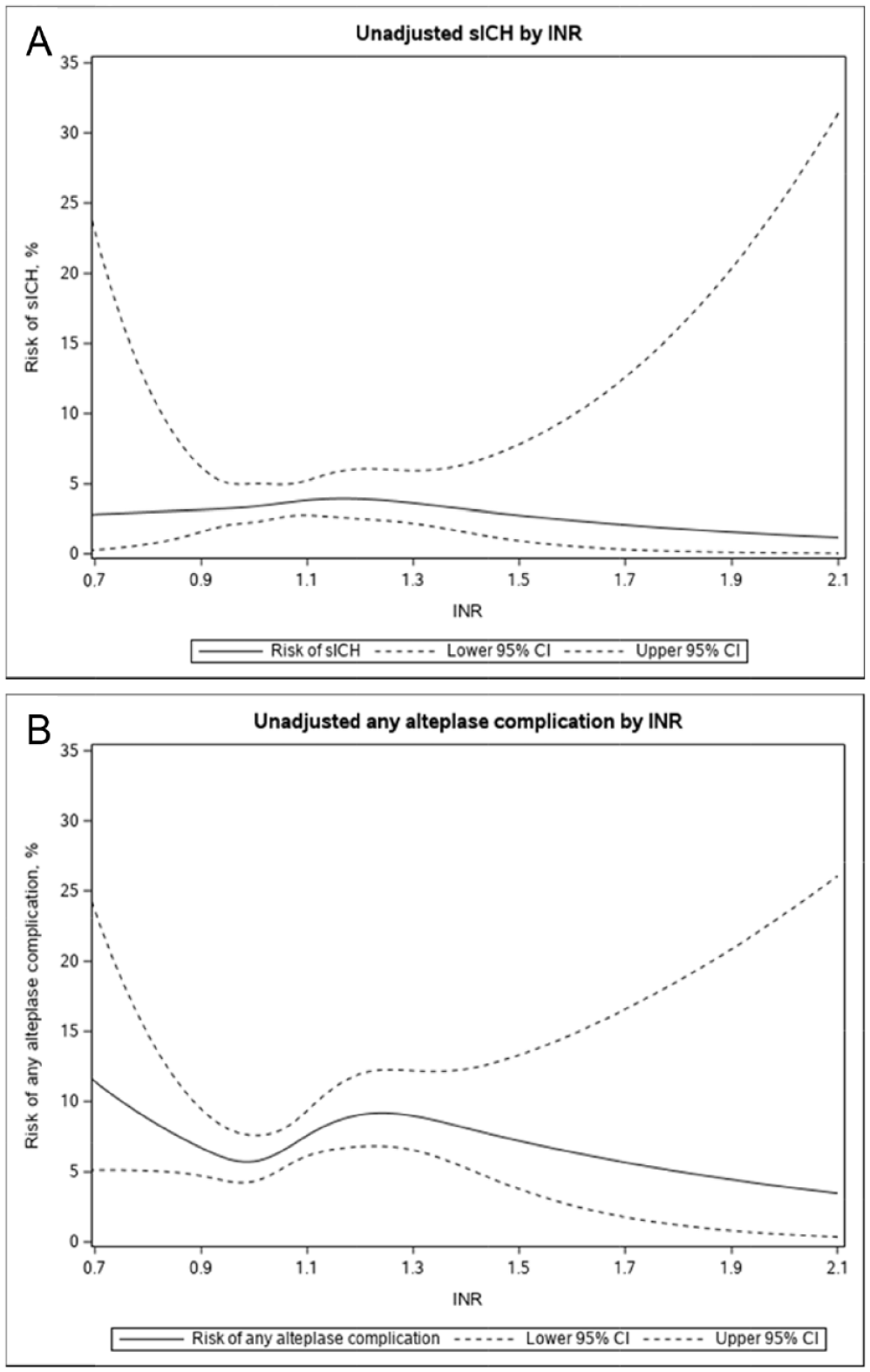
Relationship Between INR Values and Post-Thrombolytic Outcomes in NOAC Patients Treated with Intravenous Alteplase. Logistic regression modeling was conducted to examine the unadjusted relationship between the INR and the binary outcome of (A) sICH and (B) any alteplase-related complication in NOAC patients. The Stone and Koo additive spline method was fitted to generate the plot, with adequacy of linearity tested using the likelihood ratio statistic by comparing the linear and nonlinear models. Abbreviations: CI, confidence interval; INR, international normalized ratio; NOAC, non-vitamin K antagonist oral anticoagulant; sICH, symptomatic intracranial hemorrhage.
THROMBOLYSIS – EXCLUDING CLINICAL TRIAL RESULTS
2222
INTRAVENOUS THROMBOLYSIS OF BASILAR ARTERY OCCLUSION – A SINGLE-CENTER EXPERIENCE DURING 1995–2022
1Helsinki University Hospital, Neurology, Helsinki, Finland, 2Helsinki University Hospital, Radiology, Helsinki, Finland
THROMBOLYSIS – EXCLUDING CLINICAL TRIAL RESULTS
2232
Thrombolysis outcome in patients with diabetes mellitus and previous stroke
1County Clinic Hospital, Department of Neurology, Brasov, Romania, 2Faculty of Medicine, Transilvania University, Department of Neurology, Brasov, Romania
The study aimed to evaluate the safety and effectiveness of intravenous thrombolysis in diabetic individuals with PCI who had recently suffered an acute ischemic stroke.
THROMBOLYSIS – EXCLUDING CLINICAL TRIAL RESULTS
2269
Delayed neurological improvement in acute ischemic stroke patients treated with intravenous rtPA
1 Institute of Psychiatry and Neurology, 2nd Department of Neurology, Warsaw, Poland
THROMBOLYSIS – EXCLUDING CLINICAL TRIAL RESULTS
2429
INTRA-ARTERIAL THROMBOLYSIS AS ADJUNCT TO MECHANICAL THROMBECTOMY IN ACUTE ISCHEMIC STROKE PATIENTS IN UNITED STATES: A CASE CONTROL ANALYSIS
1Zeenat Qureshi Stroke Institute, Neurology, Columbia, United States, 2University of Missouri, Neurology, Columbia, United States, 3Birmingham City University, Department of Post Qualifying Healthcare Practice, Birmingham, United Kingdom, 4University Hospitals of North Midlands NHS Trust, Stoke-on-Trent, Department of Cardiology, North Midlands, United Kingdom, 5Johns Hopkins School of Medicine, Internal Medicine, Baltimore, United States, 6Johns Hopkins School of Medicine, Neurology, Baltimore, United States, 7University of Texas Rio Grande Valley, Neurology, Harlingten, United States, 8Boston Medical Center, Neurology, Boston, United States, 9University of Missouri, Neurosurgery, Columbia, United States, 10Medical University of South Carolina, Neurosurgery, Charleston, United States
THROMBOLYSIS – EXCLUDING CLINICAL TRIAL RESULTS
1059
Early recanalisation in distal and proximal basilar artery occlusions treated with intravenous thrombolysis preceding angiography
1University Medical Center Ho Chi Minh City, Neurology, Ho Chi Minh city, Viet Nam, 2²115 People’s Hospital, Cerebrovascular Diseases, Ho Chi Minh city, Viet Nam
THROMBOLYSIS – EXCLUDING CLINICAL TRIAL RESULTS
533
Intravenous thrombolysis in posterior circulation stroke – results from the Austrian Stroke Unit Registry
1Karl Landsteiner University of Health Sciences, University Hospital St. Pölten, Neurology, St. Pölten, Austria, 2Gesundheit Österreich GmbH, Austrian Stroke Unit Registry, Vienna, Austria, 3St. John’s Hospital Vienna, Neurological Intensive Care Unit, Vienna, Austria
Disclosure of interest: Yes
THROMBOLYSIS – EXCLUDING CLINICAL TRIAL RESULTS
865
COST-EFFECTIVENESS OF TENECTEPLASE VERSUS ALTEPLASE FOR ACUTE ISCHEMIC STROKE
1University Medical Center Groningen, Epidemiology department, Groningen, Netherlands, 2Faculty of Economics and Business, University of Groningen, Operations Department, Groningen, Netherlands, 3Hanoi University of Pharmacy, Department of Pharmaceutical Administration and Economics, Hanoi, Viet Nam, 4Amsterdam University Medical Center, Department of Biomedical Engineering and Physics, Amsterdam, Netherlands, 5Amsterdam University Medical Center, Department of Radiology and Nuclear Medicine, Amsterdam, Netherlands, 6Amsterdam University Medical Centers, location University of Amsterdam, Department of Neurology, Amsterdam, Netherlands, 7University Medical Center Groningen, Department of Neurology, Groningen, Netherlands, 8University Medical Center Groningen, Department of Radiology, Medical Imaging Center, Groningen, Netherlands
THROMBOLYSIS – EXCLUDING CLINICAL TRIAL RESULTS
1198
EFFECTS OF INTRAVENOUS THROMBOLYSIS ON OUTCOMEIN STROKE PATIENTS WITH A SMALL PERFUSION LESION
1The University of Newcastle, College of Health, Medicine and Wellbeing, Callaghan, Australia, 2Hunter Medical Research Institute, Heart and Stroke Research Programme, New Lambton Heights, Australia, 3John Hunter Hospital, Department of Neurology, New Lambton Heights, Australia, 4Liverpool Hospital, Department of Neurology, Liverpool, Australia, 5University of New South Wales, South Western Clinical School, Faculty of Medicine, Liverpool, Australia, 6University of New South Wales, Prince of Wales Clinical School, Faculty of Medicine, Sydney, Australia, 7Box Hill Hospital, Department of Neurology, Box Hill, Australia, 8Monash University, Eastern Health Clinical School, Faculty of Medicine, Nursing and Health Sciences, Clayton, Australia, 9Royal Adelaide Hospital, Department of Neurology, Adelaide, Australia, 10Huashan Hospital, Department of Neurology, Shanghai, China, 11The Ottawa Hospital and University of Ottawa, Department of Radiology, Neuroradiology section, Ottawa, Canada, 12University of Melbourne, Melbourne Brain Center at the Royal Melbourne Hospital, Melbourne, Australia, 13Gosford Hospital, Department of Neurology, Gosford, Australia
THROMBOLYSIS – EXCLUDING CLINICAL TRIAL RESULTS
1976
Impact of Golden Hour thrombolysis on 90-day outcomes
1The Royal Melbourne Hospital, Department of Neurology, Parkville, Australia, 2University of Melbourne, Department of Medicine, Parkville, Australia, 3University of Melbourne, Melbourne Medical School, Parkville, Australia, 4Ambulance Victoria, Department of Research & Evaluation, Doncaster, Australia, 5Monash University, Department of Paramedicine, Clayton, Australia
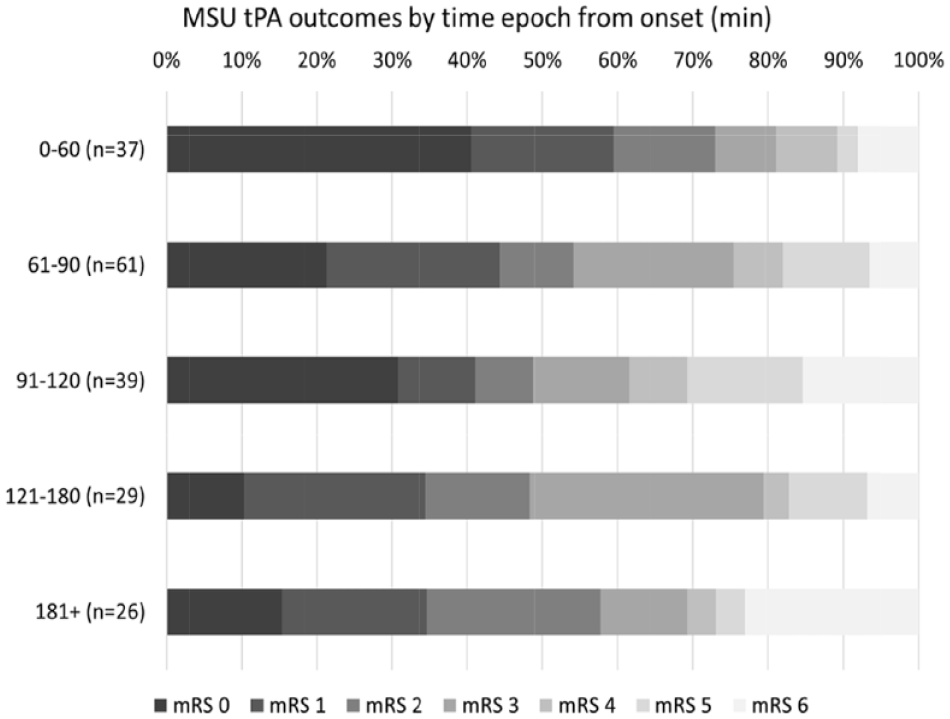
THROMBOLYSIS – EXCLUDING CLINICAL TRIAL RESULTS
2118
Low-dose versus standard-dosealteplase for intravenousthrombolysis in patients with acuteischemic stroke
1Institute of Diagnostic and Interventional Radiology and Neuroradiology, Neuroradiology, Essen, Germany, 2Neurosciences Research Center AND Division of Neurology, Imam Reza Hospital, Tabriz University of Medical Sciences, Tabriz, Iran, Neurology, Tabriz, Iran, 3Stroke Research Group, Vali-e-Asr Hospital AND Department of Neurology and Stroke Unit, School of Medicine, Zanjan University of Medical Sciences, Zanjan, Iran, Neurology, Zanjan, Iran, 4Clinical Research Development Center, Imam Reza Hospital, Kermanshah University of Medical Sciences, Kermanshah, Iran, neurology, Kermanshah, Iran, 5Department of Neurology, School of Medicine, Ahvaz Jundishapur University of Medical Sciences, Ahvaz, Iran, Neurology, Ahvaz, Iran, 6Department of Neurology, School of Medicine, Rafsanjan University of Medical Sciences, Rafsanjan, Iran, Neurology, Rafsanjan, Iran, 7Neuroscience Research Center, Qom University of Medical Sciences, Qom, Iran, Neurology, Qom, Iran, 8Iranian Stroke Association, Shahid Beheshti University of Medical Sciences, Tehran, Iran, Neurology, Tehran, Iran, 9Isfahan Neurosciences Research Center, Isfahan University of Medical Sciences, Isfahan, Iran, Neurology, Isfahan, Iran
NEUROINTERVENTION – EXCLUDING CLINICAL TRIAL RESULTS
158
ETIOLOGIC AND PROGNOSTIC VALUE OF EXTERNAL CAROTID ARTERY THROMBUS DETECTION DURING ENDOVASCULAR THERAPY FOR ANTERIOR CIRCULATION PROXIMAL OCCLUSIONS
1CHU Bordeaux, Neuroradiology department, Bordeaux, France, 2Neurocentre Magendie, NSERM-U862, Bordeaux, France, 3CHU Lille, Department of Biostatistics, Lille, France, 4CHU Bordeaux, Neurology department, Bordeaux, France, 5Université de Bordeaux, EPHE PSL Research University, UMR-5287-CNRS, Bordeaux, France, 6CHU Bordeaux, Neuroradiology, Bordeaux, France
NEUROINTERVENTION – EXCLUDING CLINICAL TRIAL RESULTS
300
Angiographic Tapering Sign as a Surrogate Marker for Large-Vessel Occlusion due to Intracranial Atherosclerotic Stenosis and Its Clinical Implication: A Retrospective-Matched Case-Control Study
1Ajou University Hospital, Radiology, Neurointervention, Suwon, Kyunggido, South Korea, 2Yongin Severance Hospital, Neurosurgery, Yongin, South Korea, 3Gangnam Severance Hospital, Radiology, Neurointervention, Seoul, South Korea, 4Ajou University Hospital, Neurosurgery, Suwon, South Korea
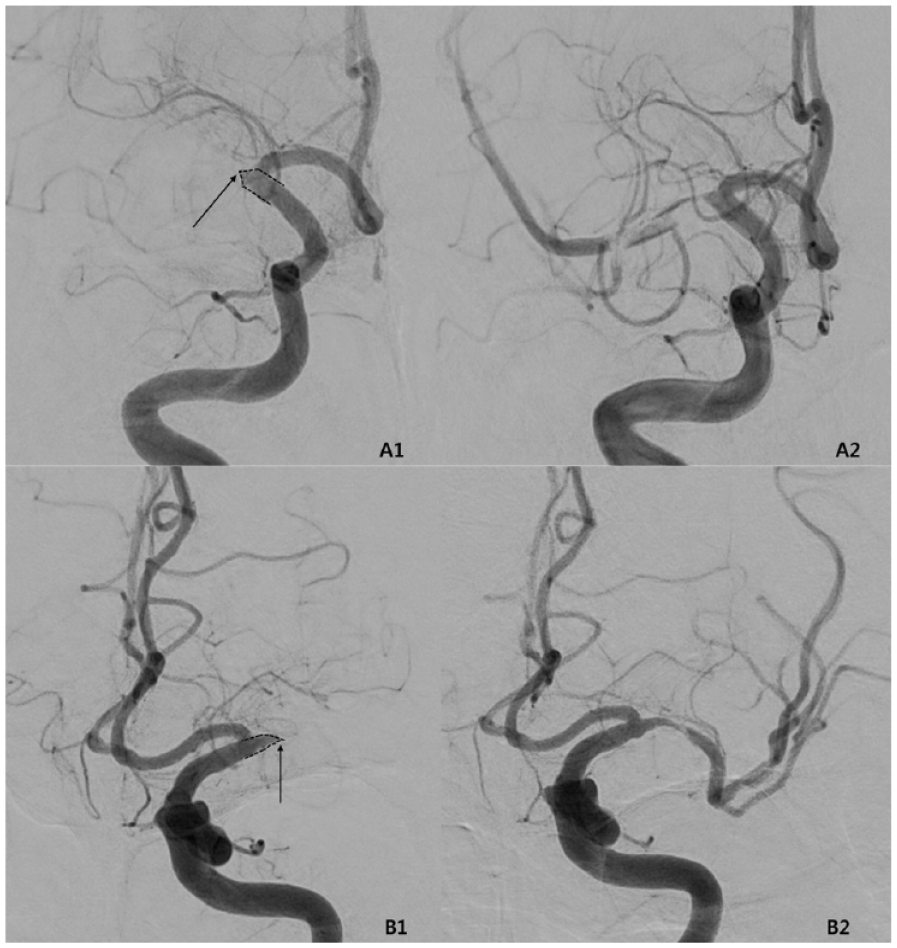
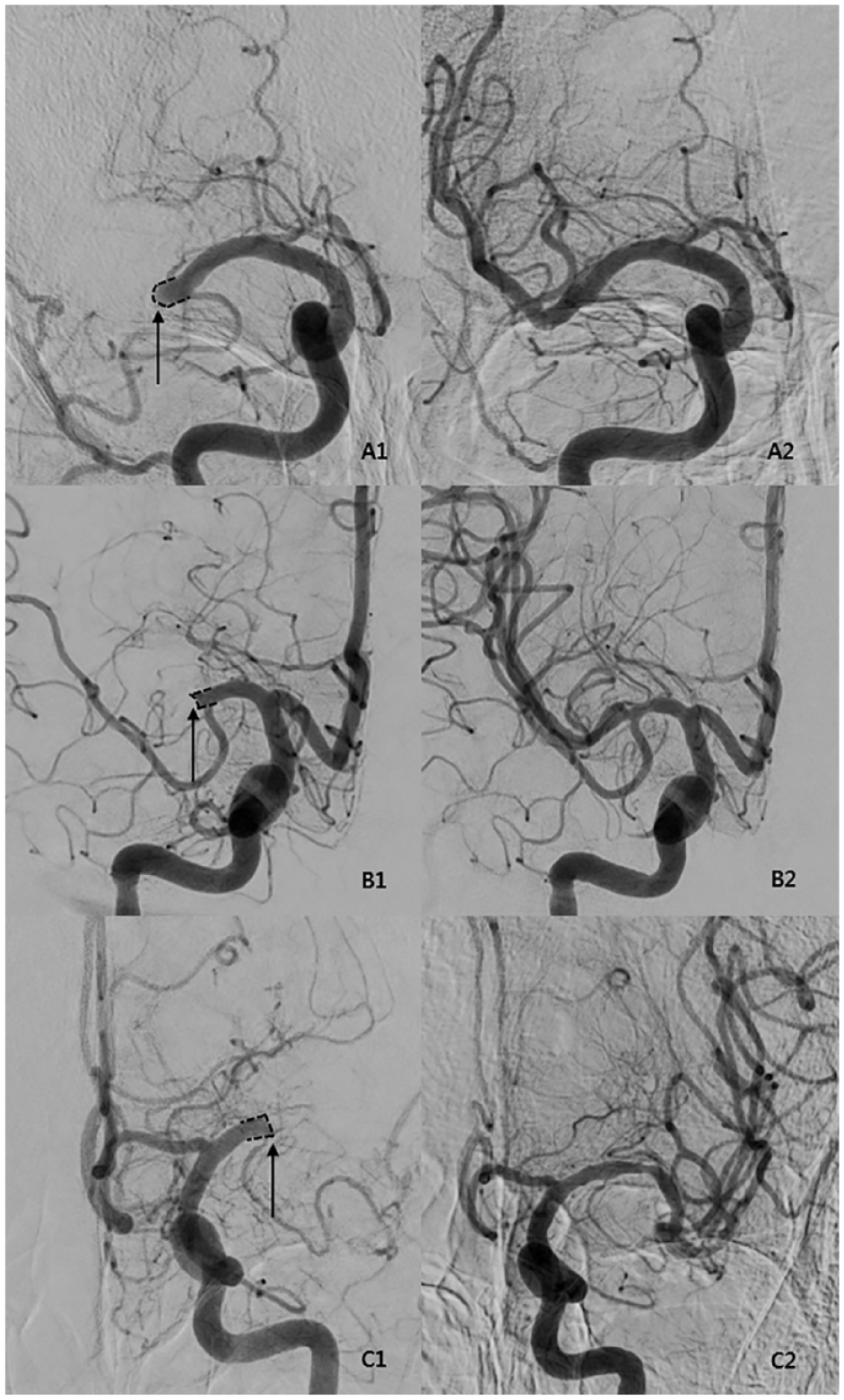
NEUROINTERVENTION – EXCLUDING CLINICAL TRIAL RESULTS
325
ENDOVASCULAR TREATMENT FOR ACUTE BASILAR ARTERY OCCLUSION: A FRAGILITY INDEX META-ANALYSIS
1National and Kapodistrian University of Athens, Second Department of Neurology, Athens, Greece, 2McMaster University and Population Health Research Institute, Division of Neurology, Hamilton, Canada, 3Metropolitan Hospital, Stroke Unit, Piraeus, Greece, 4Semmelweis University, Department of Neurointerventions, Budapest, Hungary, 5National and Kapodistrian University of Athens, Interventional Radiology Department, “Attikon” University Hospital, Athens, Greece, 6National and Kapodistrian University of Athens, Research Unit of Radiology, 2nd Department of Radiology, Athens, Greece, 7National and Kapodistrian University of Athens, First Department of Neurology, Athens, Greece, 8Lisbon Central University Hospital, Stroke Center, Lisbon, Portugal, 9Faculdade de Medicina, Universidade de Lisboa, Institute of Anatomy and CEEM, Lisbon, Portugal, 10GHU Paris Psychiatrie et Neurosciences, Department of Neurology, Paris, France, 11Helsinki University Hospital and University of Helsinki, Department of Neurology, Helsinki, Finland, 12University of Tennessee Health Science Center, Department of Neurology, Memphis, United States
NEUROINTERVENTION – EXCLUDING CLINICAL TRIAL RESULTS
372
DECOMPRESSIVE CRANIECTOMY FOR MALIGNANT CEREBRAL EDEMA IN PATIENTS WITH MECHANICAL THROMBECTOMY FOR STROKE
1Masaryk Hospital, Krajská Zdravotní a.s., Comprehensive stroke center, Neurology, Ústí nad Labem, Czech Republic, 2J. E. Purkinje University, Masaryk Hospital, Krajská Zdravotní a.s., Department of Neurosurgery, Ústí nad Labem, Czech Republic, 3J. E. Purkinje University, Masaryk Hospital, Krajská Zdravotní a.s., Department of Radiology, Ústí nad Labem, Czech Republic, 4Faculty of Education- J.E. Purkinje University, Dept. of Physical Education and Sport, Ústí nad Labem, Czech Republic
NEUROINTERVENTION – EXCLUDING CLINICAL TRIAL RESULTS
467
Timing of symptomatic carotid artery stenting is associated with clinical outcomes: a Korean nationwide cohort study
1 Daegu Catholic Medical Center, Department of Neurology, Daegu, South Korea
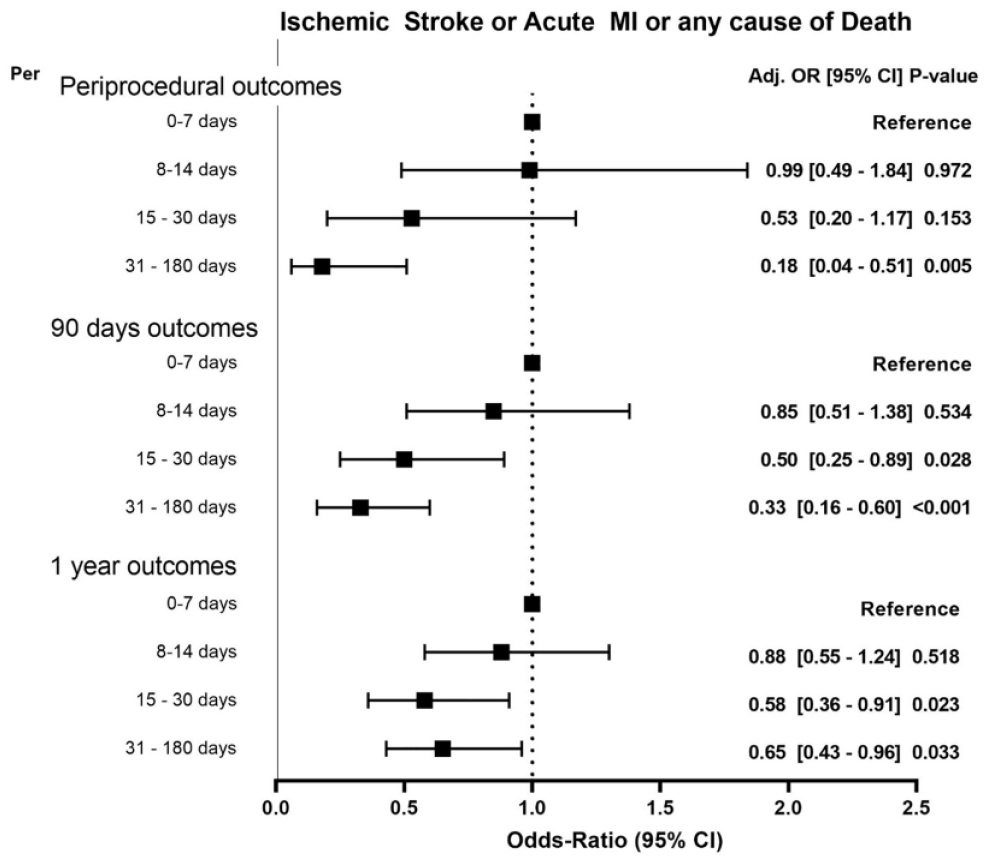
NEUROINTERVENTION – EXCLUDING CLINICAL TRIAL RESULTS
567
TANDEM OCCLUSIONS – TO STENT OR NOT TO STENT? A NORTHERN IRISH OBSERVATIONAL STUDY
1Queen’s University Belfast, School of Medicine, Belfast, United Kingdom, 2Royal Victoria Hospital, Department of Stroke Medicine, Belfast, United Kingdom, 3Royal Victoria Hospital, Department of Interventional Neuroradiology, Belfast, United Kingdom
NEUROINTERVENTION – EXCLUDING CLINICAL TRIAL RESULTS
653
EXTERNAL VALIDATION OF CLINICAL RISK PREDICTION SCORE FOR MECHANICAL THROMBECTOMY IN THE ELDERLY
1Oslo University Hospital, Rikshospitalet, Department of Neurology, Oslo, Norway, 2Oslo University Hospital, Rikshospitalet, Division of Radiology and Nuclear Medicine, Oslo, Norway, 3Stroke Center Rigshospitalet, Department of Neurology, Copenhagen, Denmark, 4The University of Copenhagen, Faculty of Health and Medical Sciences, København, Denmark, 5University of Oslo, Institute of Clinical Medicine, Oslo, Norway
NEUROINTERVENTION – EXCLUDING CLINICAL TRIAL RESULTS
783
Technical outcomes of transradial versus transfemoral access for diagnostic cerebral angiography: a systematic review and meta-analysis
1Xuanwu Hospital, Department of Neurosurgery, Beijing, China, 2Xuanwu Hospital, Department of Neurosurgery and Interventional Neuroradiology, Beijing, China
NEUROINTERVENTION – EXCLUDING CLINICAL TRIAL RESULTS
815
Endovascular thrombectomy in anterior circulation large vessel occlusion stroke for patients over the age of 80: Results from the SITS Registry
1Karolinska Institute, Department of Clinical neuroscience, Stockholm, Sweden, 2Karolinska University Hospital, Department of Neurology, Stockholm, Sweden, 3National & Kapodistrian University of Athens, “Attikon” University Hospital, Second Department of Neurology, School of Medicine, Athens, Greece, 4AOU CONSORZIALE POLICLINICO BARI, STROKE UNIT, Bari, Italy, 5Hospital Clínico San Carlos, Stroke Unit. Department of Neurology, Madrid, Spain, 6Centro Hospitalar Lisboa Central, Stroke Unit, Lisbon, Portugal, 7Hospital de Santa Maria, University of Lisbon, Department of Neurosciences (Neurology), Lisbon, Portugal, 8Azienda Ospedaliera Universitaria Senese, Stroke Unit, Siena, Italy, 9Sapienza University, Hospital Policlinico Umberto I, Department of Human Neurosciences, Rome, Italy, 10University of Oxford and Oxford University Hospitals NHS Foundation Trust., Radcliffe Department of Medicine, Oxford, United Kingdom
NEUROINTERVENTION – EXCLUDING CLINICAL TRIAL RESULTS
828
DEVELOPMENT OF A BIOACTIVE COATING TO IMPROVE THE PERFORMANCE OF THROMBECTOMY DEVICES
1INSERM U1148 Laboratory for Vascular Translational Science (LVTS), Université Paris Cité and Université Sorbonne Paris Nord, F-75018 Paris, France, France, 2New England Center for Stroke Research, UMass Chan Medical School, Worcester, United States, 3University of Ferrara, Department of Chemical, Pharmaceutical & Agricultural Sciences, Ferrara, Italy, 4Nobil Bio Ricerche srl, Portacomaro, Italy, 5Cardiovascular Lab S.p.A, Milan, Italy, 6Assistance Publique-Hôpitaux de Paris, Hôpitaux Universitaires Paris Nord Val-de-Seine, Site Bichat, Department of Cardiology, Paris, France
NEUROINTERVENTION – EXCLUDING CLINICAL TRIAL RESULTS
963
Clinico-biological predictors of futile recanalization in posterior circulation stroke
1Hospital universitario Virgen del Rocío, Interventional Neurorradiology, Sevilla, Spain, 2Seville Biomedical Research Institute, Neurovascular Research Program, Sevilla, Spain, 3Hospital universitario Virgen del Rocío, Radiology, Sevilla, Spain, 4Hospital universitario Virgen del Rocío, Stroke Neurology department, Sevilla, Spain
NEUROINTERVENTION – EXCLUDING CLINICAL TRIAL RESULTS
1066
OUTCOMES OF MECHANICAL THROMBECTOMY IN ORALLY ANTICOAGULATED PATIENTS WITH ANTERIOR CIRCULATION LARGE VESSEL OCCLUSION. ANALYSIS FROM THE IMPERIAL COLLEGE THROMBECTOMY REGISTRY
1Imperial College London, Stroke, London, United Kingdom, 2Ospedale “Bufalini”, Cesena, Neurologia e Stroke Unit, Cesena, Italy, 3University of L’Aquila, Applied Clinical Sciences and Biotechnology, L’Aquila, Italy, 4University Halle, Neurology, Halle, Germany, 5Imperial College London, Neuroradiology, London, Italy
NEUROINTERVENTION – EXCLUDING CLINICAL TRIAL RESULTS
1126
Endovascular treatment in patients with acute ischemic stroke and low NIHSS scores. The ALOWS (Andalusian LOW NIHSS Stroke recanalization) Study for anterior circulation stroke
1Virgen del Rocío University Hospital, Interventional Neuroradiology, Sevilla, Spain, 2Virgen del Rocío University Hospital, Vascular Neurology, Sevilla, Spain, 3Hospital Universitario Reina Sofia, Interventional Neuroradiology, Córdoba, Spain, 4Ibis- Biomedicine Institute of Sevilla, Neurovascular group, Sevilla, Spain, 5hospital universitario virgen macarena, Vascular Neurology, Sevilla, Spain
NEUROINTERVENTION – EXCLUDING CLINICAL TRIAL RESULTS
1226
ENDOVASCULAR THERAPY DELAY FOR ACUTE LARGE VESSEL OCCLUSION IS ASSOCIATED WITH WORSE FUNCTIONAL OUTCOME AND INCREASED MORTALITY - QUANTIFIED
1 The University of Chicago, Neurology, Chicago, United States
NEUROINTERVENTION – EXCLUDING CLINICAL TRIAL RESULTS
1229
MECHANICAL THROMBECTOMY WITH INTRA-ARTERIAL THROMBOLYSIS VERSUS MECHANICAL THROMBECTOMY ALONE IN PATIENTS WITH ACUTE ISCHEMIC STROKE: A SYSTEMIC REVIEW AND META-ANALYSIS
1Houston Methodist Neurological Institute, Neurology, Houston, United States, 2Zeenat Qureshi Stroke Institute, Neurology, St.Cloud, United States, 3UTHealth Houston Institute for Stroke and Cerebrovascular Diseases, Neurology, Houston, United States, 4University of Missouri, Neurology, Columbia, United States, 5Keele University, Cardiology, Keelie, United Kingdom, 6Johns Hopkins Institute for Clinical and Translational Research, Medicine, Maryland, United States, 7Johns Hopkins University School of Medicine, Neurology, Maryland, United States, 8Valley Baptist Medical Center, Neurosciences, Harlingen, United States, 9University of Science and Technology of China, Stroke Center and Department of Neurology, Hefei, China, 10Boston University, Neurology, Boston, United States, 11University of Missouri, Neurology and Neurological Surgery, Columbia, United States, 12Medical University of South Carolina, Neurosurgery & Neuroendovascular surgery, Charleston, United States
NEUROINTERVENTION – EXCLUDING CLINICAL TRIAL RESULTS
1235
First-Pass Effect in Basilar Strokes with Mild, Moderate and Severe Initial Symptoms
1University of Ottawa, Faculty of Medicine, Department of Medicine (Neurology), Ottawa, Canada, 2University of Ottawa, Faculty of Medicine, School of Epidemiology and Public Health, Ottawa, Canada, 3University College Dublin, School of Medicine, Dublin, Ireland
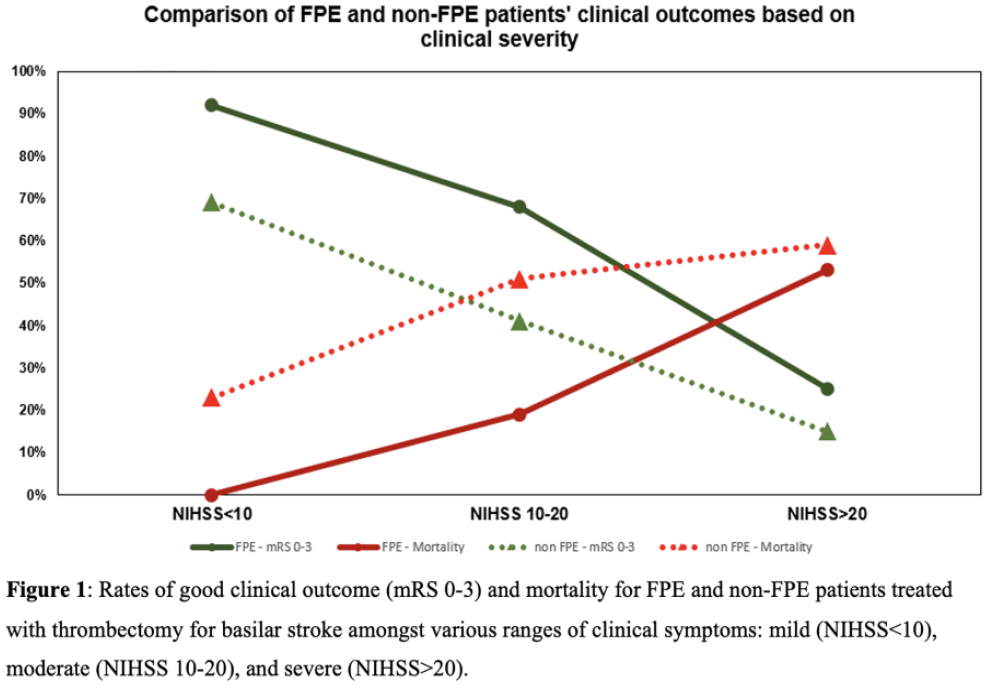
NEUROINTERVENTION – EXCLUDING CLINICAL TRIAL RESULTS
1314
FACTORS INFLUENCING CLINICAL RESULTS OF ENDOVASCULAR TREATMENT FOR ACUTE ISCHEMIC STROKE DUE TO TANDEM LESION IN ANTERIOR CIRCULATION: RESULTS PROM THE ASCENT STUDY
1Comprehensive Stroke Center, Palacký University Medical School and University Hospital, Department of Neurology, Olomouc, Czech Republic, 2Comprehensive Stroke Center, Central Military Hospital, Department of Neurology, Prague, Czech Republic, 3Comprehensive Stroke Center, Masaryk Hospital, KZ a.s, Department of Neurology, Ústí nad Labem, Czech Republic, 4P.J. Šafarik University, Faculty of Medicine and University Hospital L. Pasteur, Department of Neurology, Košice, Slovakia, 5Palacký University Medical School and University Hospital, Department of Radiology, Olomouc, Czech Republic, 6J. E. Purkinje University, Masaryk Hospital, KZ a.s., Department of Radiology, Ústí nad Labem, Czech Republic, 7Central Military Hospital, Department of Radiology, Prague, Czech Republic, 8P.J. Šafarik University, Faculty of Medicine and University Hospital L. Pasteur, Department of Radiology, Košice, Slovakia, 9Palacký University Medical School and University Hospital, Department of Biophysics and Statistics, Olomouc, Czech Republic
NEUROINTERVENTION – EXCLUDING CLINICAL TRIAL RESULTS
1496
Study of Vascular Dissection in the Treatment of Intracranial Atherosclerotic Stenosis with Balloon Angioplasty: Proposal of a New Angiographic Classification
1 Zhengzhou University People’s Hospital, Department of Cerebrovascular Disease, Zhengzhou, China
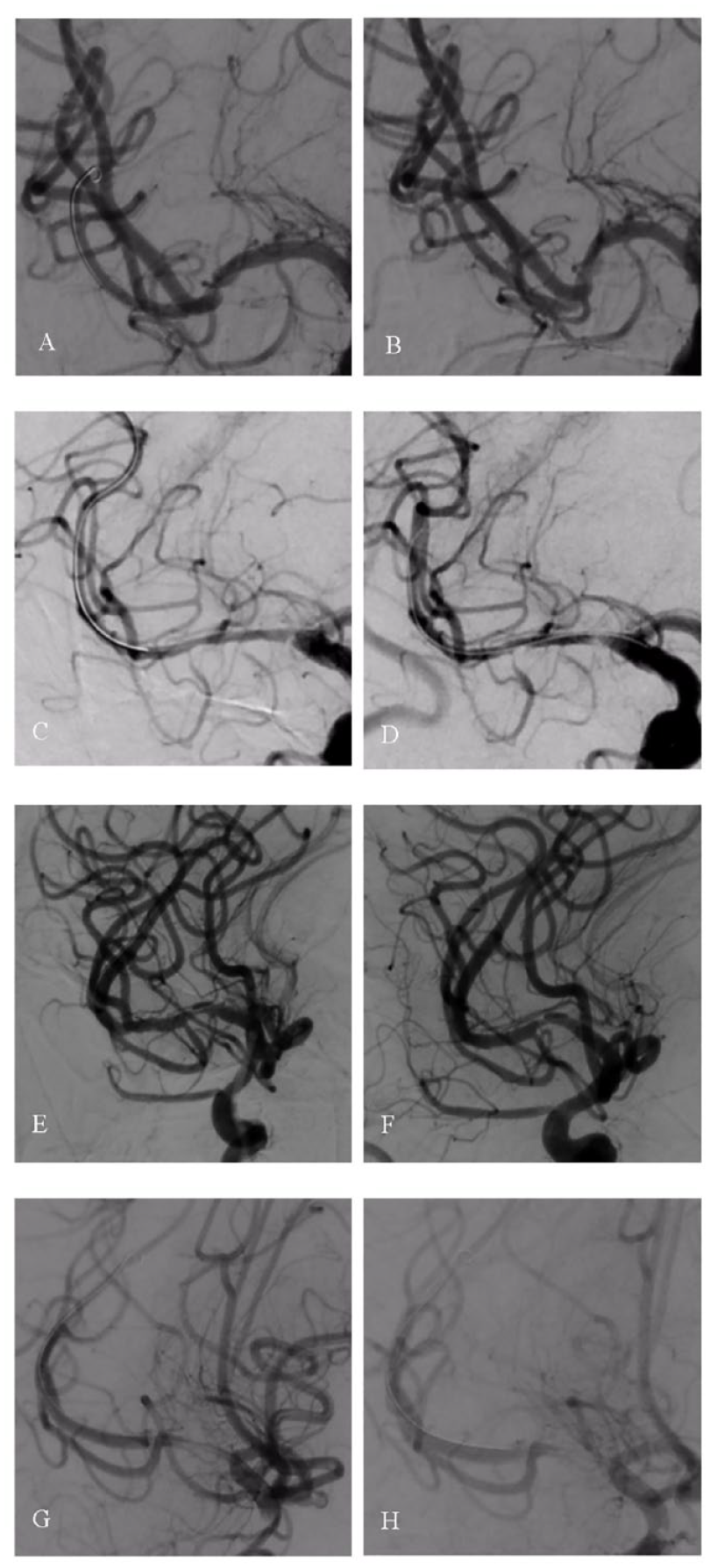
NEUROINTERVENTION – EXCLUDING CLINICAL TRIAL RESULTS
1627
MECHANICAL THROMBECTOMY WITH THE NEVATM STENT RETRIEVER: REAL-WORLD EXPERIENCE AT A TERTIARY CENTRE
1Hospital Universitari i Politècnic La Fe, Neurology, Valencia, Spain, 2Hospital General de Castellón, Neurology, Castellón, Spain, 3Consorcio Hospital General Universitario de Valencia, Neurology, Valencia, Spain, 4Hospital General de Elche, Neurology, Elche, Spain, 5Hospital General Universitario de Alicante, Neurology, Alicante, Spain
No differences were found in functional outcome (mRS 0-2) at 90 day. However, patients treated with NeVaTM presented a high mortality rate at 90 day (56% vs 32%, p = 0.03).
NEUROINTERVENTION – EXCLUDING CLINICAL TRIAL RESULTS
1654
FACTORS INFLUENCING STENT PATENCY AFTER ENDOVASCULAR TREATMENT FOR ACUTE ISCHEMIC STROKE DUE TO TANDEM LESION IN ANTERIOR CIRCULATION: RESULTS FROM THE ASCENT STUDY
1Masaryk Hospital, Krajská Zdravotní a.s., Comprehensive stroke center, Neurology, Ústí nad Labem, Czech Republic, 2Palacký University Medical School and University Hospital Olomouc, Comprehensive Stroke Center, Department of Neurology, Olomouc, Czech Republic, 3Central Military Hospital Prague, Comprehensive Stroke Center, Department of Neurology, Prague, Czech Republic, 4P.J. Šafarik University, Faculty of Medicine and University Hospital L. Pasteur Košice, Department of Neurology, Košice, Slovakia, 5Palacký University Medical School and University Hospital Olomouc, Department of Radiology, Olomouc, Czech Republic, 6J. E. Purkinje University, Masaryk Hospital, Krajská Zdravotní a.s., Department of Radiology, Ústí nad Labem, Czech Republic, 7Central Military Hospital Prague, Department of Radiology, Prague, Czech Republic, 8P.J. Šafarik University, Faculty of Medicine and University Hospital L. Pasteur Košice, Department of Radiodiagnostics and Imagine techniques, Košice, Slovakia, 9Palacký University Medical School and University Hospital Olomouc, Department of Biophysics and Statistics, Olomouc, Czech Republic
NEUROINTERVENTION – EXCLUDING CLINICAL TRIAL RESULTS
1803
Endothelial-targeted recombinant CD39 as novel therapy for focal and global brain ischaemia
1Monash University, The Australian Centre for Blood Diseases, Melbourne, Australia, 2Baker Heart and Diabetes Institute, Atherothrombosis and Vascular Biology, Melbourne, Australia, 2Baker Heart and Diabetes Institute, Atherothrombosis and Vascular Biology, Melbourne, Australia, 4Beth Israel Deaconess Medical Center, Anaesthesiology, Boston, United States
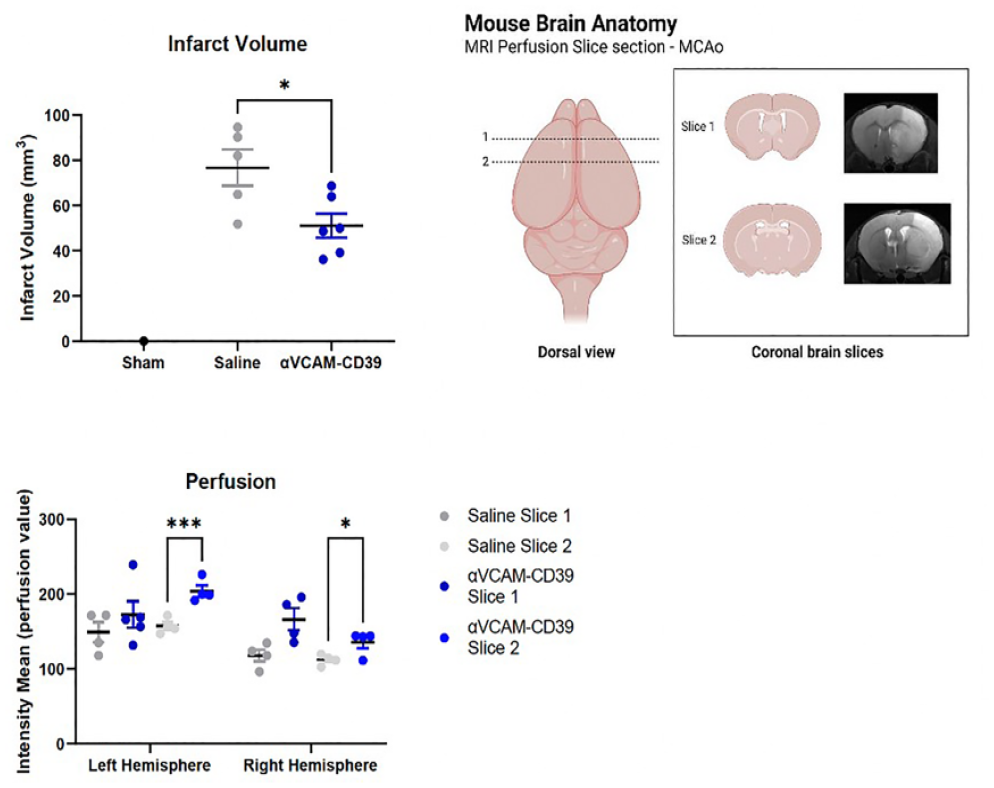
Infarct volume was significantly decreased and perfusion was increased after drug treatments in MCAo treated mice (n=4-6). Infarct volume was significantly decreased after 0.5mg/kg anti-VCAMCD39treatment compared to saline treated mice after MCAo (p=0.022, Unpaired T-test). Perfusion wassignificantly improved towards to middle of the brain after drug treatment (p=0.0448, Two-way ANOVAwith Sidaks multiple comparison test).
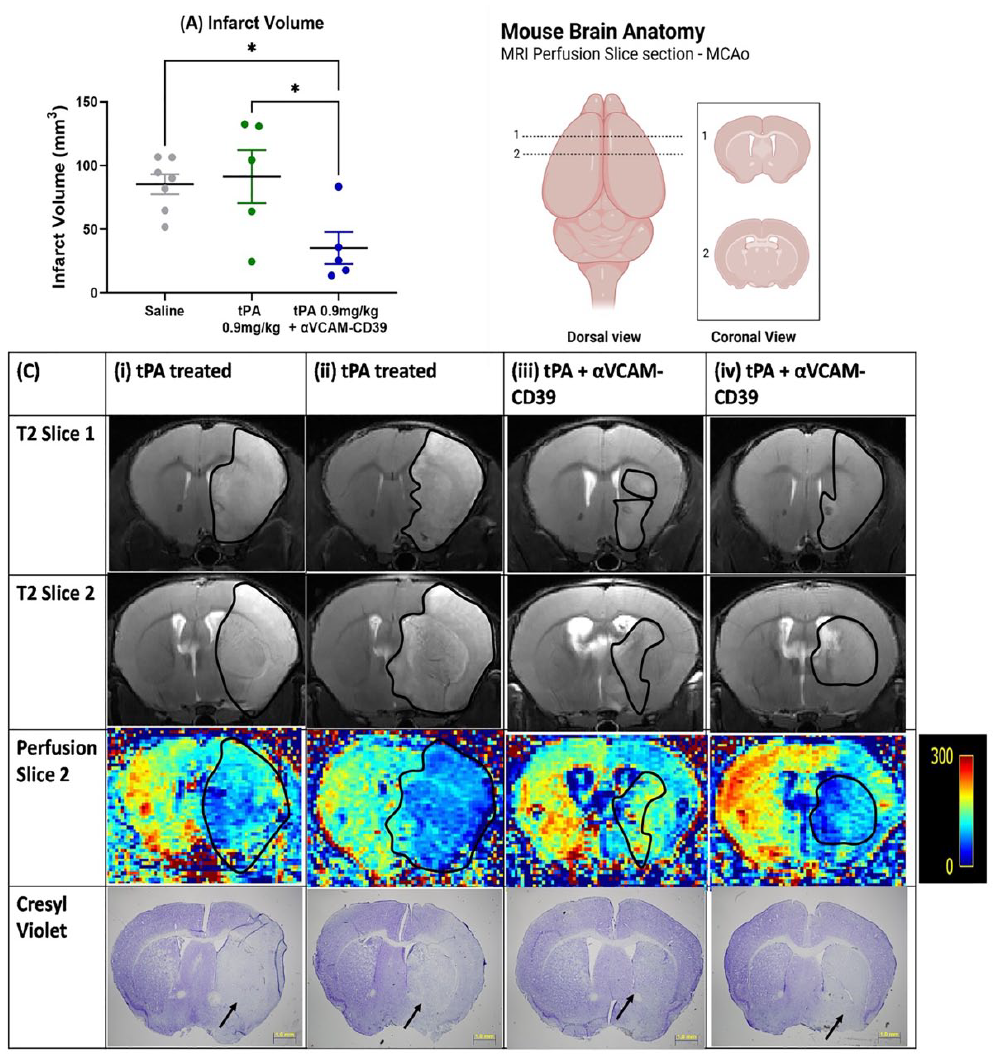
As tPA is standard of care, we demonstrate that anti-VCAMCD39 when co-administered synergised with tPA to reduce stroke volumes (N=5-8). Representative MRI volumisation is shown. There was no excess bleeding noted (data not shown).
NEUROINTERVENTION – EXCLUDING CLINICAL TRIAL RESULTS
1858
Characteristics of endovascular treatment for Hyperacute In-Flight Stroke
1Inha university hospital, Neurology, Incheon, South Korea, 2, International ST. Mary’s Hospital, Catholic Kwandong University of Korea College of Medicine, Neurology, Incheon, South Korea, 3Soonchunhyang University Seoul Hospital, Soonchunhyang University School of Medicine, Neurology, Seoul, South Korea, 4Dong-A University Hospital, Neurology, Busan, South Korea
NEUROINTERVENTION – EXCLUDING CLINICAL TRIAL RESULTS
1905
Early versus late initiation of endovascular therapy in patients with intracranial venous sinus thrombosis
1Inselspital, Bern University Hospital, Department of Neurology, Bern, Switzerland, 2Klinikum Stuttgart, Neuroradiologische Klinik, Stuttgart, Germany, 3Klinikum Stuttgart, Neurologische Klinik, Stuttgart, Germany
NEUROINTERVENTION – EXCLUDING CLINICAL TRIAL RESULTS
2125
STRESS HYPERGLYCEMIA AS A MODIFIABLE PREDICTOR OF FUTILE RECANALIZATION IN PATIENTS UNDERGOING ENDOVASCULAR TREATMENT FOR ACUTE ISCHEMIC STROKE
1Clinical Neurology, Udine University Hospital, Udine, Italy, Neurosciences, Udine, Italy, 2Dipartimento di Area Medica (DAME), University of Udine, Udine, Italy, Dipartimento di Area Medica (DAME), University of Udine, Udine, Italy, Udine, Italy, 3Stroke Unit, Neurosciences, Udine, Italy, 4Division of Vascular and Interventional Radiology, Udine University Hospital, Udine, Italy, Radiology, Udine, Italy
NEUROINTERVENTION – EXCLUDING CLINICAL TRIAL RESULTS
2221
INTRAVENOUS DOSE-ADJUSTED CANGRELOR USE FOR NEUROENDOVASCULAR PROCEDURES: AN INSTITUTIONAL EXPERIENCE
1 UChicago Medicine, Department of Neurology, Chicago, United States
NEUROINTERVENTION – EXCLUDING CLINICAL TRIAL RESULTS
2230
Endovascular treatment of basilar artery occlusion, experience in a third level hospital
1Hospital Universitario Virgen del Rocío, Radiology, Seville, Spain, 2Hospital Universitario Virgen del Rocío, Intervional Neurradiology, Seville, Spain, 3Hospital Universitario Virgen del Rocío, Neurradiology, Seville, Spain, 4Seville Biomedical Research Institute, Neurovascular Research Progra, Seville, Spain
NEUROINTERVENTION – EXCLUDING CLINICAL TRIAL RESULTS
2259
Endovascular thrombectomy in patients with anterior circulation stroke: An emulated real-world comparison
1University hospital Erlangen, Neurology, Erlangen, Germany, 2University hospital Erlangen, Neuroradiology, Erlangen, Germany
NEUROINTERVENTION – EXCLUDING CLINICAL TRIAL RESULTS
2345
Incidence And Predictors of Early Versus Delayed Functional Independence After Late-Window Thrombectomy: Analysis of the DAWN Trial Data
1HonorHealth Research and Innovation Institute, Neurology, Scottsdale, United States, 2Barrow Neurological Institute, Neurosurgery, Phoenix, United States, 3Emory University, Neurology, Atlanta, United States, 4Riverside Radiology, Radiology, Columbus, United States, 5Gui De Chauliac, Neuroradiology, Montpellier, France, 6Texas Stroke Institute - Plano, Neurology, Plano, United States, 7University of Miami, Neurology, Miami, United States, 8Lyerly Neurosurgery, Neurosurgery, Jacksonville, United States, 9The University of Texas Rio Grande Valley, Neurology, Harlingen, United States, 10Hospital Vall d’Hebron, Neurology, Barcelona, Spain, 11University Hospital of Toulouse, Neuroradiology, Toulouse, France, 12University Hospitals of Cleveland Medical Center, Neurology, Cleveland, United States, 13University of California, Los Angeles, Neurology, Los Angeles, United States, 14University of California San Francisco, Neurology, San Francisco, United States, 15Cooper University Hospital, Neurology, Camden, United States, 16University of Pittsburgh Medical Center, Neurology, Pittsburgh, United States
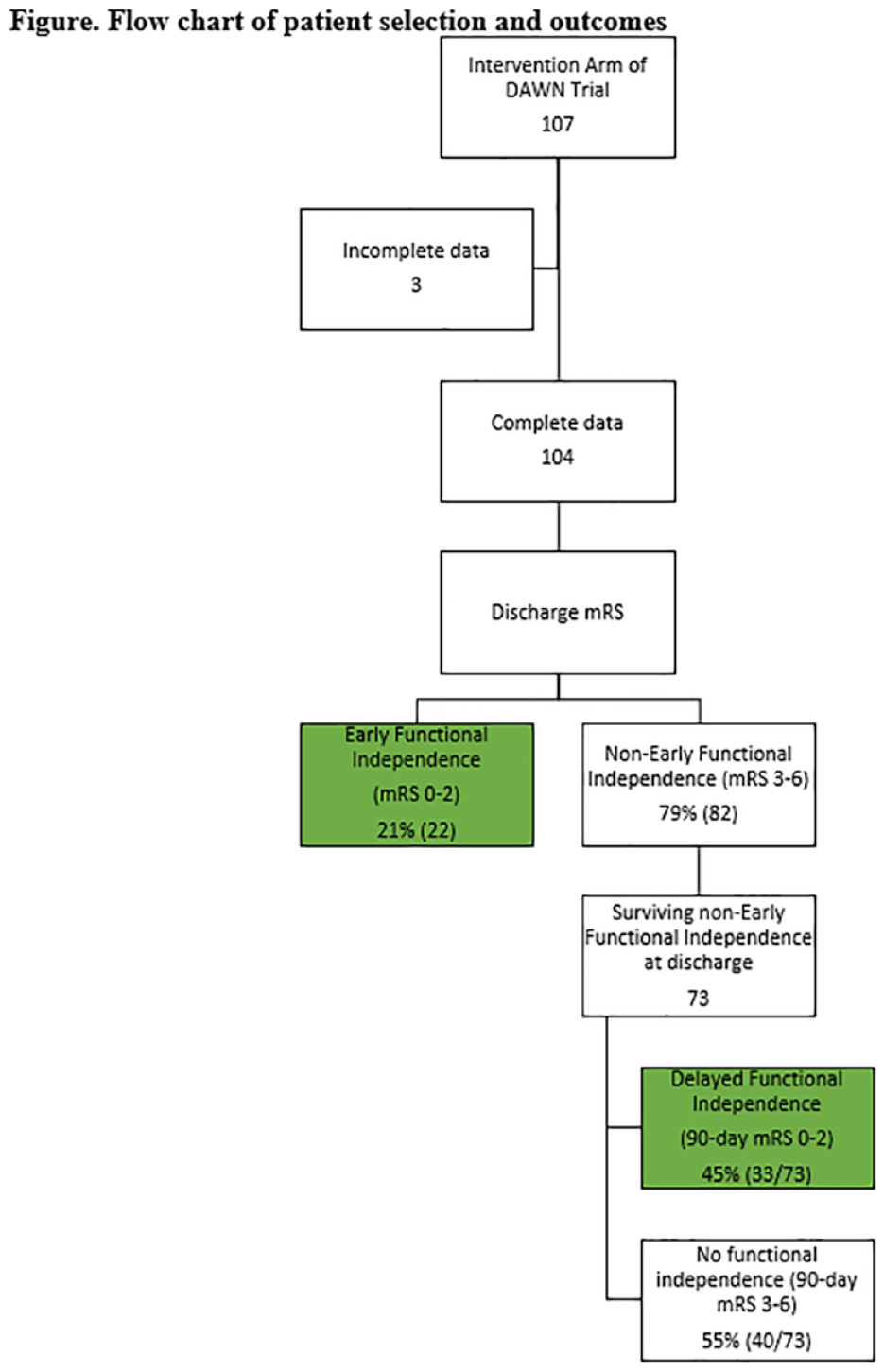
NEUROINTERVENTION – EXCLUDING CLINICAL TRIAL RESULTS
2350
Endovascular thrombectomy for Acute Ischemic stroke patients 80 years and older- a single center experience
1Oslo University Hospital, Rikshospitalet, Department of Neurology, Oslo, Norway, 2University of Oslo, Faculty of Medicine, Oslo, Norway, 3Oslo University Hospital, Department of Radiology, Oslo, Norway, 4University of Oslo, Oslo Centre for Biostatistics and Epidemiology, Oslo, Norway, 5The Norwegian University of Science and Technology, Department of Neuromedicine and Movement Science, Trondheim, Norway, 6University of Oslo, Institute of Clinical Medicine, Oslo, Norway
NEUROINTERVENTION – EXCLUDING CLINICAL TRIAL RESULTS
2422
Factors associated with early mortality in ischaemic stroke due to large vessel occlusion treated by mechanical thrombectomy with arterial recanalization after the first pass
1Hospital Universitario de Cáceres, Stroke Unit. Neurology Department, Cáceres, Spain, 2Hospital Universitario de Cáceres, Interventional Radiology Department, Cáceres, Spain
To investigate which factors are associated with early mortality in those patients in whom FPE is achieved in ischaemic stroke due to LVO in our cohort.
Factors associated with in-hospital mortality among those patients in PEF group were: diabetes (42.9%vs8.3%, p=0.01), baseline blood glucose [165.7 (24.8)mg/dl vs 125(4.3)mg/dl, p=0.0006], systolic blood pressure [133.1 (7.9)mmHg vs 152, 2 (4.2)mmHg, p=0.06], baseline NIHSS [25(4.7) vs 14.4(1.2), p=0.003], and symptomatic haemorrhagic transformation (36 hours) 14.3% vs 0%, p=0.02.
NEUROINTERVENTION – EXCLUDING CLINICAL TRIAL RESULTS
2447
SAFETY AND EFFICACY OF INTRAVENOUS CANGRELOR VERSUS GLYCOPROTEIN IIB/IIIA INHIBITORS IN ENDOVASCULAR TREATMENT OF TANDEM LESIONS
1University of Iowa Hospitals & Clinics, Department of Neurology, Iowa City, United States, 2Universidad Cientifica del Sur, Neuroscience, Clinical Effectiveness and Public Health Research Group, Villa EL Salvador, Peru, 3ProMedica Toledo Hospital, Department of Neurology, Toledo, United States, 4The University of Texas Rio Grande Valley, Department of Neurology, Edinburg, United States, 5UNM Health Sciences Library & Informatics Center, Department of Neurology, Albuquerque, United States, 6Hospital Vall d’Hebron, Department of Neurology, Barcelona, Spain, 7Yale University School of Medicine, Department of Neurology, New Haven, United States, 8University of Kansas School of Nursing, Department of Neurology, Kansas City, United States, 9Icahn School of Medicine at Mount Sinai, Department of Neurosurgery, New York, United States, 10University of South Florida, Department of Neurology, Tampa, FL, United States, 11University of Miami Leonard M. Miller School of Medicine, Department of Neurology, Miami, United States, 12Cooper University Hospital, Department of Neurology, Camden, United States, 13Boston Medical Center Place, Department of Neurology, Boston, United States, 14UT Health McGovern Medical School, Department of Neurology, Houston, TX, United States, 15Texas Stroke Institute - Plano, Department of Neurology, Plano, United States, 16Saint Louis University, Department of Neurology, St. Louis, United States, 17Pomona Valley Hospital Medical Center, Department of Neurology, Pomona, United States, 18ProMedica Toledo Hospital - Emergency Department, Department of Neurology, Toledo, United States, 19University of Iowa Hospitals & Clinics, Department of Neurology, Neurosurgery & Radiology, Iowa City, United States
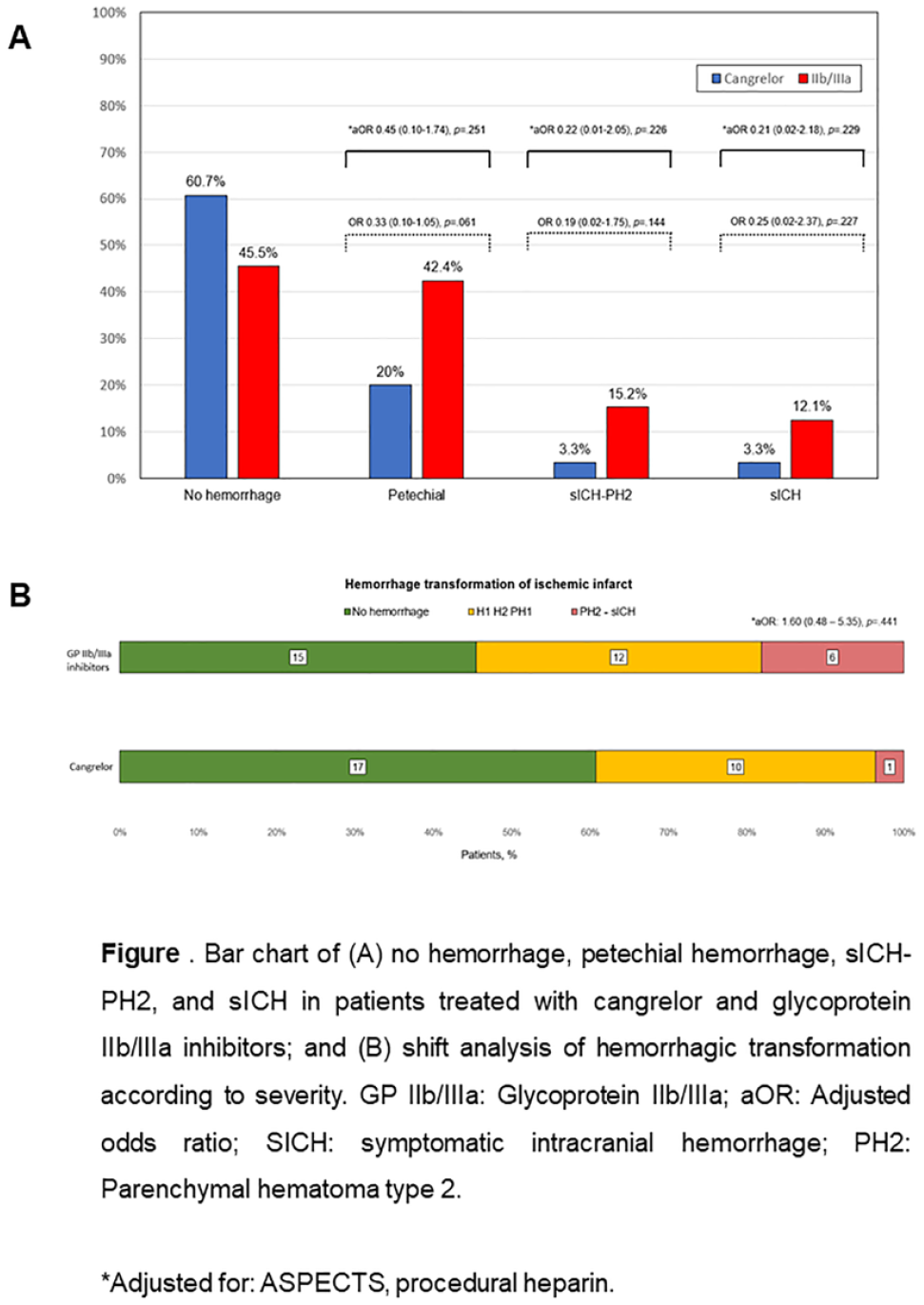
NEUROINTERVENTION – EXCLUDING CLINICAL TRIAL RESULTS
2518
THE VARIABLE USE OF HEPARIN THROGUH IV BOLUS AND FLUSH SYSTEMS DURING EVT AMONG NEUROINTERVENTIONISTS, AN INTERNATIONAL SURVEY
1MUMC+, Radiology & Nuclear medicine, Maastricht, Netherlands, 2Centre hospitalier universitaire à Limoges, Radiology, Limoges, France
NEUROINTERVENTION – EXCLUDING CLINICAL TRIAL RESULTS
2597
Practice Patterns And Utilization Of Devices And Techniques For Mechanical Thrombectomy At A Comprehensive Stroke Center
1HonorHealth Research and Innovation Institute, Neurology, Scottsdale, United States, 2Barrow Neurological Institute, Neurosurgery, Phoenix, United States
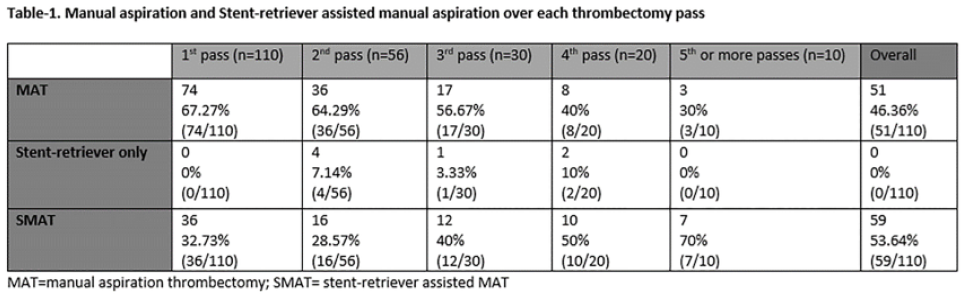
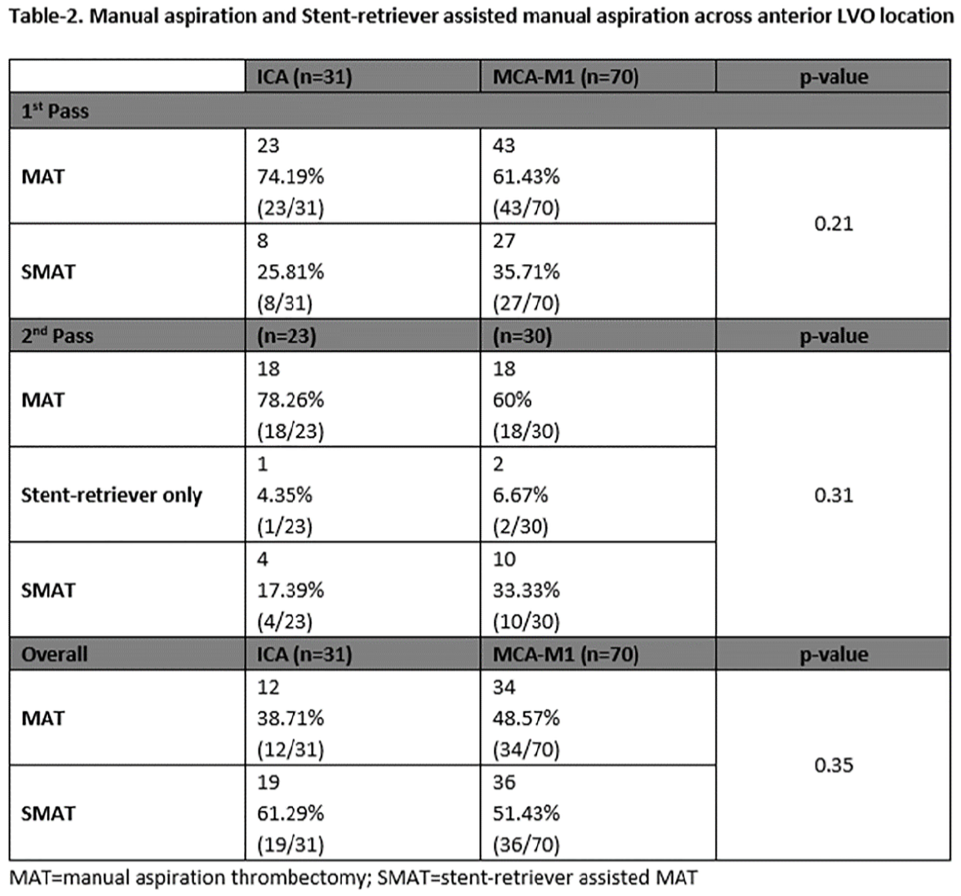
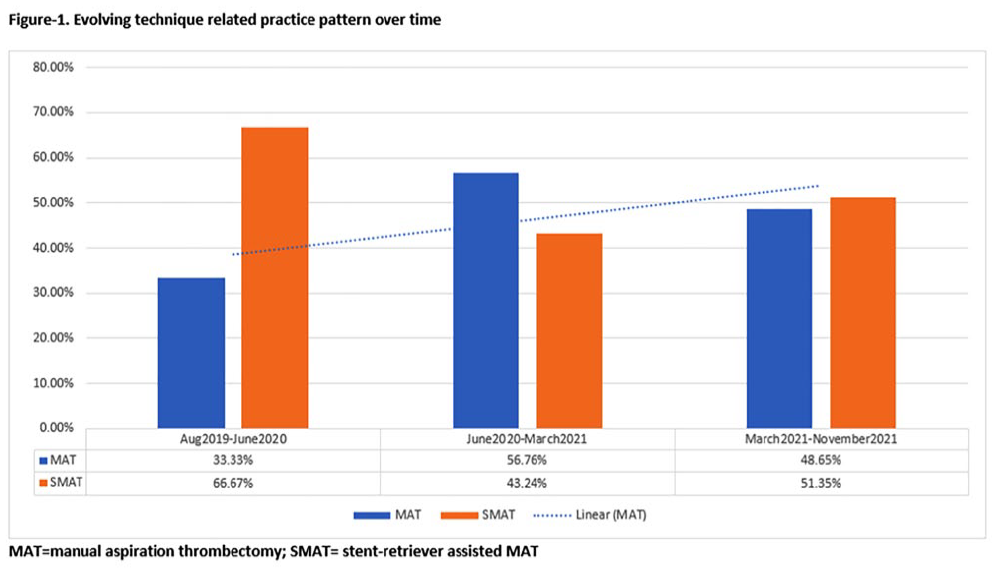
NEUROINTERVENTION – EXCLUDING CLINICAL TRIAL RESULTS
2605
CAROTIC ENDARTERECTOMY AS AN ALTERNATIVE TO ACUTE PLACEMENT OF CAROTIC STENT IN THE MANAGEMENT OF ACUTE ISCHEMIC STROKE CAUSED BY TANDEM LESION IN THE ANTERIOR CIRCULATION
1 Masaryk Hospital, Krajská Zdravotní a.s., Comprehensive Stroke Center, Department of Neurology, Ústí nad Labem, Czech Republic
Study was partially supported by grant Krajská zdravotní a.s. IGA-KZ-2021-1-15
NEUROINTERVENTION – EXCLUDING CLINICAL TRIAL RESULTS
1911
Establishing an in-vitro system to investigate the influence of thrombus composition on the shape of M1-Middle cerebral artery occlusion and the optimum thrombectomy strategy
1Trinity College Dublin, Trinity Centre for Biomedical Engineering & School of Engineering, Dublin, Ireland, 2Cerenovus, Research and Development, Galway, Ireland, 3Hôpital Foch, Neuroradiologie interventionnelle, Paris, France, 4Advanced Materials and Bioengineering Research Centre (AMBER), RCSI & TCD, Dublin, Ireland
Disclosure of interest: Yes
NEUROINTERVENTION – EXCLUDING CLINICAL TRIAL RESULTS
1817
The Zoom RDL Radial Access System for neurointervention: An early single-center experience
1University of Chicago, Department of Neurology, Chicago, United States, 2University of Chicago, Section of Neurosurgery, Department of Surgery, Chicago, United States
Disclosure of interest: Yes
NEUROINTERVENTION – EXCLUDING CLINICAL TRIAL RESULTS
1520
ASSOCIATION BETWEEN CT PERFUSION PARAMETERS AND INTRACRANIAL HEMORRHAGE AFTER ENDOVASCULAR TREATMENT IN ACUTE ISCHEMIC STROKE: RESULTS FROM THE ESCAPE NA1 TRIAL
1University of Calgary, Department of Radiology, Calgary, Canada, 2Brown University, Department of Diagnostic Imaging, Providence, United States, 3University of Saskatchewan, Department of Neurosurgery, Saskatchewan, Canada, 4University Hospital Basel, Department of Radiology, Basel, Switzerland, 5University Hospital Basel, Department of Neurology and Stroke Center, Basel, Switzerland, 6University of Pittsburgh School of Medicine, Department of Neurology and Neurosurgery, Pittsburgh, United States, 7University of Calgary, Department of Clinical Neurosciences, Calgary, Canada, 8Université de Montréal, Department of Neurosciences, Montreal, Canada
Disclosure of interest: Yes
NEUROINTERVENTION – EXCLUDING CLINICAL TRIAL RESULTS
156
COMPARISON OF DRIP-AND-SHIP VERSUS MOTHERSHIP MODELS OF MECHANICAL THROMBECTOMY DELIVERY. ANALYSIS FROM THE IMPERIAL COLLEGE THROMBECTOMY REGISTRY
1Imperial College London, Stroke & Neuroscience, London, United Kingdom, 2University of L’aquila, Stroke, L’ aquila, Italy, 3Ospedale Conegliano, Cardiology, Conegliano, Italy
NEUROINTERVENTION – EXCLUDING CLINICAL TRIAL RESULTS
1898
BALLOON GUIDE CATHETER USE IN ELDERLY PATIENTS TREATED WITH MECHANICAL THROMBECTOMY: INSIGHTS FROM THE ROSSETTI REGISTRY
1Hospital Dr. Josep Trueta, Neurology. Stroke Unit., Girona, Spain, 2IDI-Radiology, Hospital Universitari de Girona Doctor Josep Trueta, Radiology, Girona, Spain, 3University of Girona, Department of Computer Science, Applied Mathematics and Statistics, Girona, Spain, 4Hospital Universitario Complejo de Asturias, Radiology, Oviedo, Spain, 5Hospital de Cruces, Interventional Neuroradiology, Barakaldo, Spain, 6Hospital Clínico Universitario San Carlos, Neurointerventional Unit, Madrid, Spain, 7Hospital Clinic de Barcelona, Interventional Neuroradiology, Barcelona, Spain, 8Hospital de Bellvitge, Interventional Neuroradiology, Hospitalet de Llobregat, Spain, 9Hospital de la Arrixaca, Radiology, Murcia, Spain, 10Hospital de Alicante, Radiology, Alicante, Spain, 11Complexo Hospitalario Universitario de Santiago de Compostela, Neuroradiology Department, Santiago de Compostela, Spain, 12Hospital Germans Trias i Pujol, Interventional Neuroradiology, Badalona, Spain, 13Hospital La Fe de Valencia, Interventional Neuroradiology, Valencia, Spain, 14Hospital Ramón y Cajal, Interventional Neuroradiology, Madrid, Spain, 15Hospital Reina Sofía de Córdoba, Interventional Radiology, Córdoba, Spain, 16Complejo Hospitalario Universitario Insular de Las Palmas de Gran Canaria, Interventional Neuroradiology, Las Palmas de Gran Canaria, Spain
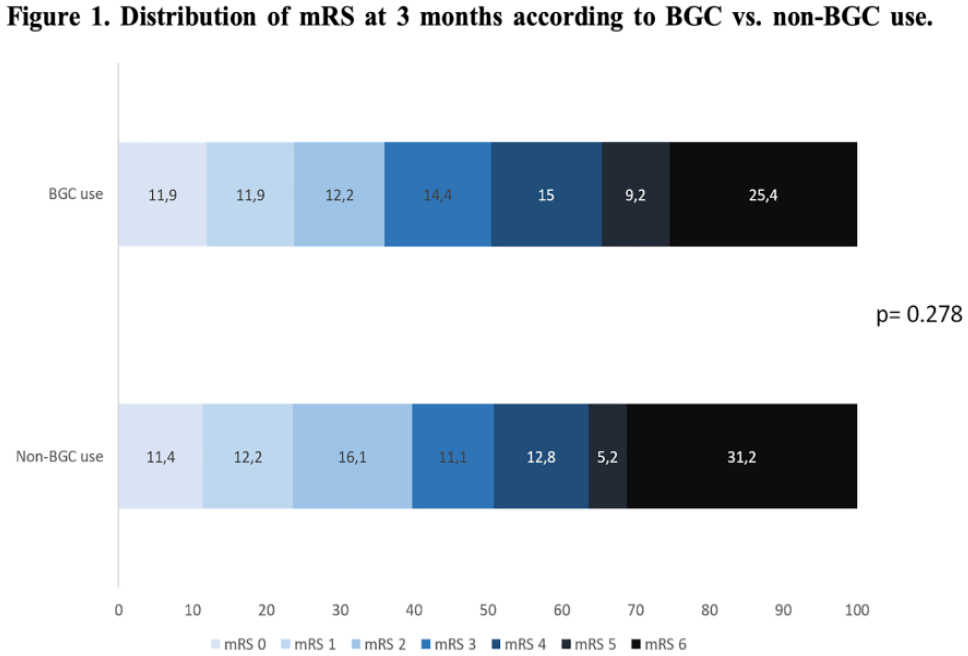
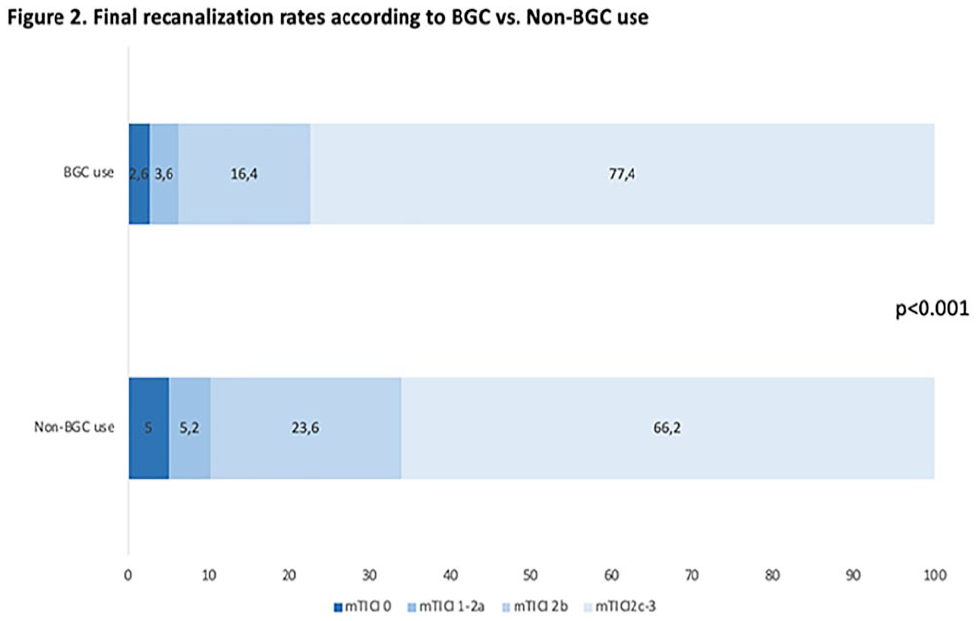
SECONDARY PREVENTION – EXCLUDING CLINICAL TRIAL RESULTS
198
Statin treatment in stroke patients with low-density lipoprotein cholesterol levels below 70 mg/dl
1Chonnam National University Hospital, Neurology, Gwangju, South Korea, 2Cheomdan Wooam Medical Center, Rehabilitation, Gwangju, South Korea, 3Seoul National University Bundang Hospital, Neurology, Seongnam, South Korea
SECONDARY PREVENTION – EXCLUDING CLINICAL TRIAL RESULTS
248
TREATMENT STRATEGIES AND PROGNOSIS FOR MODERATE STROKE PATIENTS IN CHINA
1Beijing Tiantan Hospital, Capital Medical University, neurology, beijing, China, 2China National Clinical Research Center for Neurological Diseases, Beijing Tiantan Hospital, Capital Medical University, beijing, China, 3Stroke Division, Department of Neurology, Beth Israel Deaconess Medical Center, Harvard Medical School, neurology, Boston, United States, 4China National Clinical Research Center for Neurological Diseases, neurology, beijing, China
SECONDARY PREVENTION – EXCLUDING CLINICAL TRIAL RESULTS
319
ISCHAEMIC STROKE IN PATIENTS ON ANTIPLATELET THERAPY – CAUSES AND OUTCOMES
1Department of Neurology, Stroke Research Center, Inselspital University Hospital Bern and University of Bern, Bern, Switzerland, 2Department of Neurology, Cantonal Hospital of Aarau, Aarau, Switzerland, 3Neurology, Cantonal Hospital of Baden, Baden, Switzerland, 4Department of Neurology and Stroke Center, University Hospital Basel and University of Basel, Basel, Switzerland, 5Neurology, Spitalzentrum Biel, Biel, Switzerland, 6Neurology, Cantonal Hospital Graubuenden, Chur, Switzerland, 7Stroke Center, Neurology Service, Lausanne University Hospital and University of Lausanne, Lausanne, Switzerland, 8Department of Neurology, Hôpitaux Universitaires de Genève, Geneva, Switzerland, 9Stroke Unit, Cantonal Hospital Grabs, Grabs, Switzerland, 10Stroke Center, Klinik Hirslanden, Zürich, Switzerland, 11Stroke Unit, Cantonal Hospital Fribourg, Fribourg, Switzerland, 12Stroke Center, Neurocenter of Southern Switzerland, Lugano, Switzerland, 13Neurocenter, Cantonal Hospital of Lucerne, Lucerne, Switzerland, 14Department of Neurology, Cantonal Hospital of St. Gallen, St. Gallen, Switzerland, 15Neurology, Cantonal Hospital Münsterlingen, Münsterlingen, Switzerland, 16Neurology, Neuchâtel Hospital Network, Neuchâtel, Switzerland, 17Stroke Unit, Groupement hospitalier de l’ouest lémanique, Nyon, Switzerland, 18Stroke Unit, Hôpital du Valais, Sion, Switzerland, 19Neurology, Bürgerspital Solothurn, Solothurn, Switzerland, 20Neurology, Stadtspital Waid und Triemli, Zurich, Switzerland, 21Department of Neurology, University Hospital Zurich, Zurich, Switzerland, 22Neurology, Cantonal Hospital Winterthur, Winterthur, Switzerland
Prior APT was not independently associated with unfavourable outcome (aOR=1.06;95%CI:0.98-1.14;p=0.135) or death (aOR=1.04;95%CI:0.92-1.17;p=0.550) at 3-months follow-up but with increased odds of recurrent stroke (3.6% (n=457) vs. 2.1% (n=432); aOR=1.46;95%CI:1.23-1.74; p<0.001).
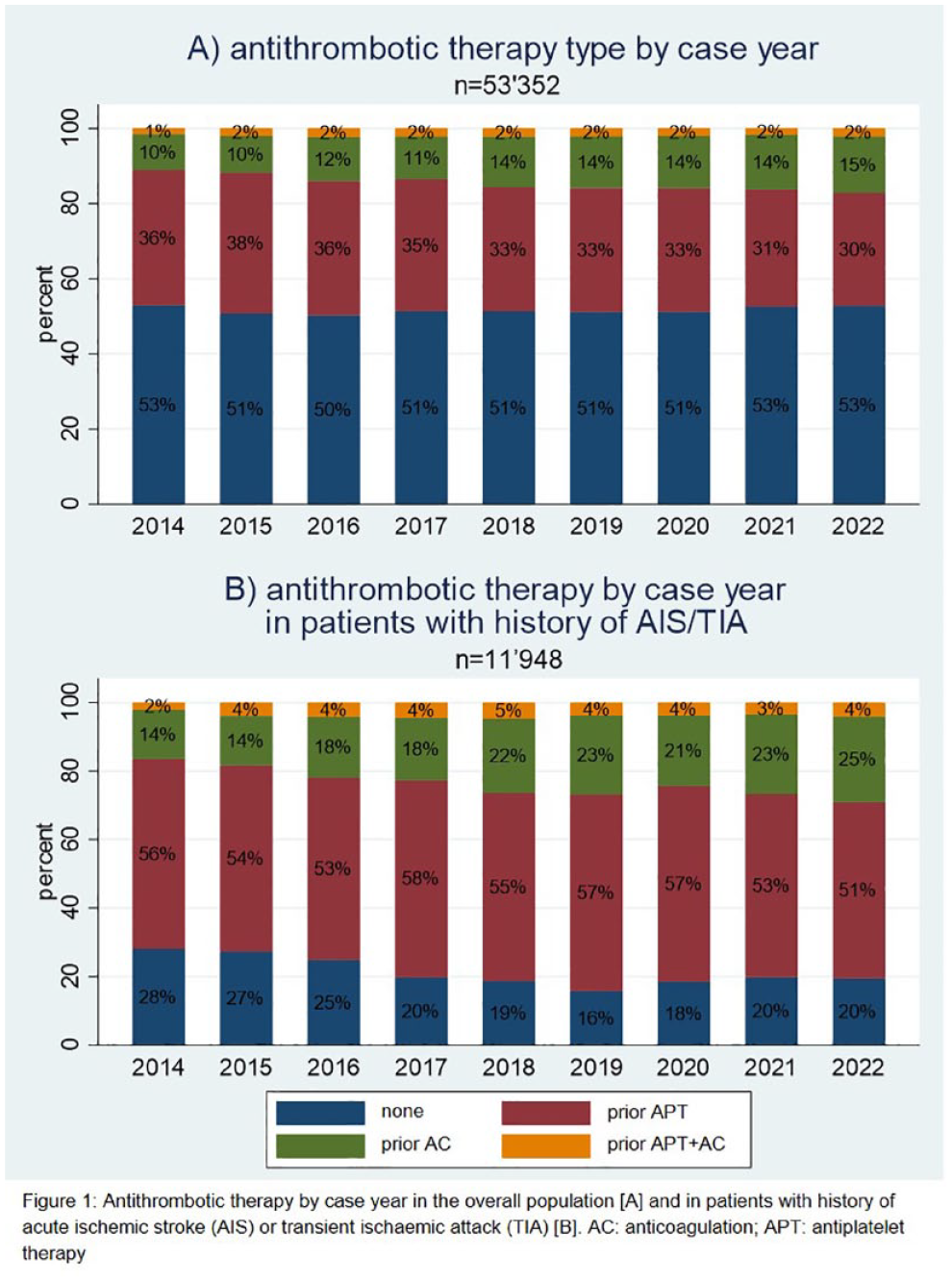
SECONDARY PREVENTION – EXCLUDING CLINICAL TRIAL RESULTS
481
POSSIBLE MRI PREDICTORS OF HEMORRHAGIC TRANSFORMATION IN ACUTE STROKE PATIENTS UNDERGOING DAPT: A MONOCENTRIC CLINICAL STUDY
1 Tor Vergata University Polyclinic, Stroke Unit, Roma, Italy
SECONDARY PREVENTION – EXCLUDING CLINICAL TRIAL RESULTS
629
MEDICATION CLASS AFFECTS COMPLIANCE IN ISCHEMIC STROKE PATIENTS
1Singapore General Hospital, Pharmacy, Singapore, Singapore, 2National Neuroscience Institute, Neurology (SGH Campus), Singapore, Singapore
SECONDARY PREVENTION – EXCLUDING CLINICAL TRIAL RESULTS
770
EARLY STATIN DE-ESCALATION AND CARDIOVASCULAR EVENTS IN PATIENTS WITH ACUTE ISCHEMIC STROKE
1Nowon Eulji medical center, Neurology, Seoul, South Korea, 2Seoul National University Bundang Hospital, Neurosurgery and neurology, Seongnam-si, South Korea, 3Seoul National University Bundang Hospital, Neurology, Seongnam-si, South Korea
SECONDARY PREVENTION – EXCLUDING CLINICAL TRIAL RESULTS
1468
Risk of drug-drug interaction of levetiracetam and apixaban
1University hospital Erlangen, Department of Neurology, Erlangen, Germany, 2University hospital Erlangen, Department of Neurology, Epilepsy Center, Erlangen, Germany
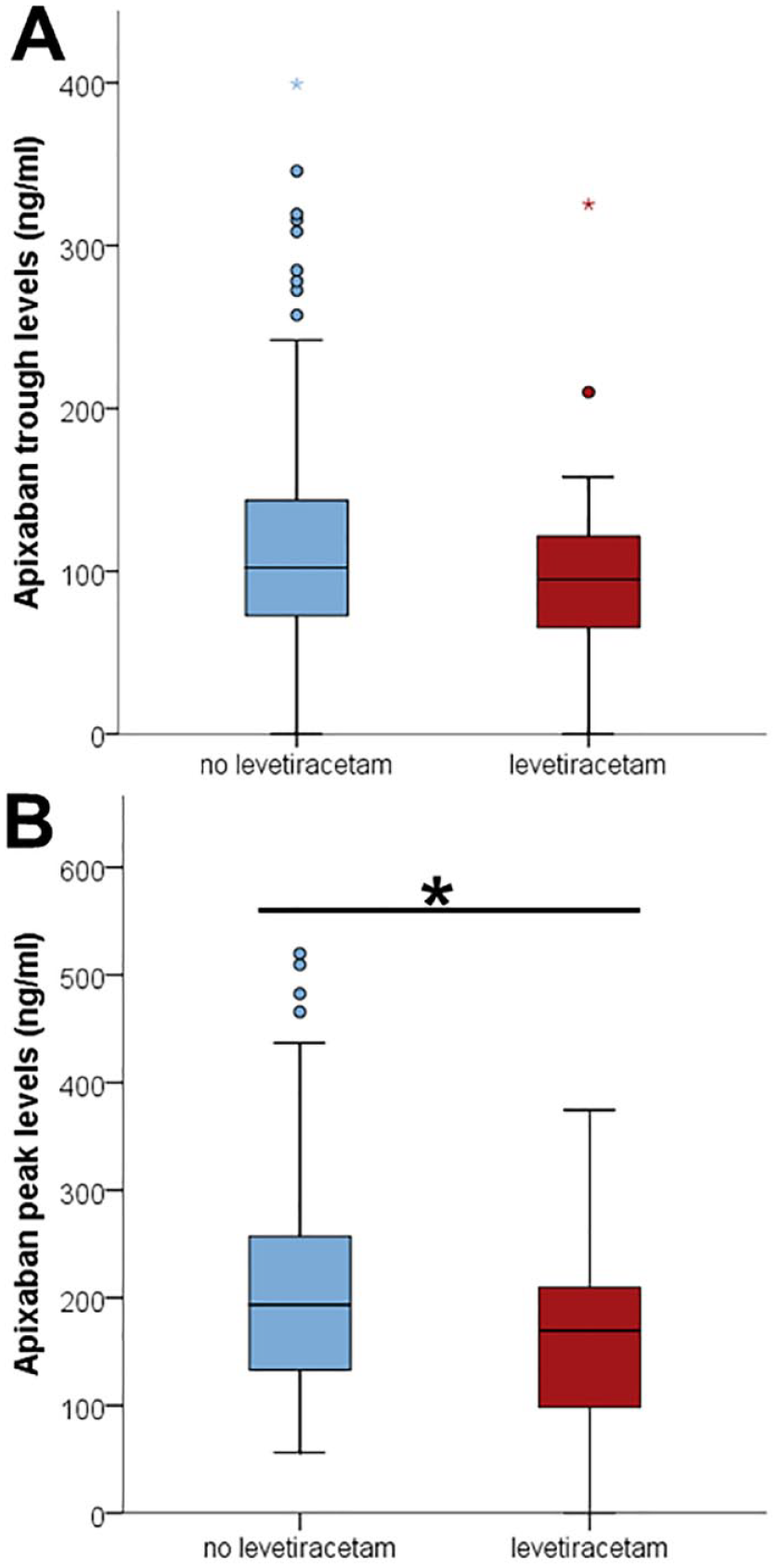
Patients with comedication with levetiracetam show (A) no difference in Apixaban trough levels (p=0.229), (B) reduced Apixaban peak levels (p= 0.027). *: p<0.05
SECONDARY PREVENTION – EXCLUDING CLINICAL TRIAL RESULTS
1557
RELATION OF PHYSICAL INACTIVITY AND OBESITY WITH CARDIOMETABOLIC MULTIMORBIDITY: A NATIONALLY REPRESENTATIVE POPULATION-BASED COHORT STUDY
1The George Institute for Global Health, University of New South Wales, Sydney, Australia, 2School of Public Health, Shandong First Medical University & Shandong Academy of Medical Sciences, Jinan, China, 3College of Physical Education and Sport, Beijing Normal University, Beijing, China
SECONDARY PREVENTION – EXCLUDING CLINICAL TRIAL RESULTS
1781
Impact of levetiracetam on clinical outcomes among elderly atrial fibrillation patients under direct oral anticoagulant therapy
1National Taiwan University Hospital, Pharmacy, Taipie, Taiwan, 2National Taiwan University, School of Pharmacy, Taipei, Taiwan, 3National Taiwan University Hospital, Pharmacy, Taipei, Taiwan, 4National Taiwan University, Graduate Institute of Clinical Pharmacy, Taipei, Taiwan, 5National Taiwan University Hospital, Neurology, Taipei, Taiwan
SECONDARY PREVENTION – EXCLUDING CLINICAL TRIAL RESULTS
1951
PRESCRIBING TRENDS OF SECONDARY PREVENTION MEDICATIONS AFTER ISCHAEMIC STROKE AND MORTALITY OUTCOMES IN A SCOTTISH COHORT: A NATIONAL DATABASE STUDY
1University of Aberdeen, Institute of Applied Health Sciences, Aberdeen, United Kingdom, 2University of Aberdeen, Institute of Medical Sciences, Aberdeen, United Kingdom, 3Scottish Stroke Care Audit, Public Health Scotland, Scotland, United Kingdom
SECONDARY PREVENTION – EXCLUDING CLINICAL TRIAL RESULTS
2034
Effect of ABCB1 and CES1 gene polymorphisms on the minimum plasma concentration of dabigatran and clinical outcome of treated patients
1Motol University Hospital, Department of Neurology, 2nd Faculty of Medicine, Charles University and University Hospital Motol, Prague, Czech Republic, 2Military University Hospital Prague, Department of Neurology, Prague, Czech Republic
SECONDARY PREVENTION – EXCLUDING CLINICAL TRIAL RESULTS
2057
Empiric ticagrelor and aspirin is the most cost effective treatment approach in minor stroke and transient ischemic attacks
1 National Neuroscience Institute, SGH Campus, Singapore, Singapore
SECONDARY PREVENTION – EXCLUDING CLINICAL TRIAL RESULTS
2344
DEVELOPMENT AND EFFECT OF A COORDINATED COMMUNITY HEALTH WORKER (CHW) INTERVENTION (C-CHW-I) MODEL FOR THE STROKE SURVIVORS IN KERALA, SOUTH INDIA
1Sree Chitra Tirunal Institute for Medical Sciences & Technology, Department of Neurology, Thiruvananthapuram, India, 2Achutha Menon Centre for Health Science Studies, Department of Public Health, Thiruvananthapuram, India
SECONDARY PREVENTION – EXCLUDING CLINICAL TRIAL RESULTS
2511
ELIGIBILITY FOR UPCOMING LIPOPROTEIN(A)-LOWERING THERAPIES OF PARTICIPANTS IN THE STROKE CARD TRIAL
1Medical University Innsbruck, Department of Neurology, Innsbruck, Austria, 2VASCage GmbH, Research Center on Vascular Ageing and Stroke, Innsbruck, Austria, 3St. John’s of God Hospital, Department of Neurology, Vienna, Austria, 4University Hospital of Innsbruck, Central Institute of Medical and Chemical Laboratory Diagnostics, Innsbruck, Austria, 5Medical University of Innsbruck, Institute of Health Economics, Innsbruck, Austria, 6University of Cambridge, Department of Public Health and Primary Care, Cambridge, United Kingdom
SECONDARY PREVENTION – EXCLUDING CLINICAL TRIAL RESULTS
593
Efficacy and Safety of Oral Factor XIa Inhibitors in Stroke Prevention: a systematic review and meta-analysis
1National and Kapodistrian University of Athens, Second Department of Neurology, Athens, Greece, 2University of Tennessee Health Science Center, Department of Neurology, Memphis, United States, 3McMaster University/Population Health Research Institute, Division of Neurology, Hamilton, Canada, 4Aristotle University of Thessaloniki, Second Department of Neurology, Thessaloniki, Greece, 5University General Hospital of Heraklion, Neurology Department, Heraklion, Greece, 6KU, Leuven, Experimental Neurology, Department of Neurosciences, Leuven, Belgium, 7VIB, Center for Brain & Disease Research, Laboratory of Neurobiology, Leuven, Belgium, 8University Hospitals Leuven, Department of Neurology, Leuven, Belgium, 9Hospital Universitari Vall d’Hebron, Departament de Medicina, Universitat Autònoma de Barcelona, Stroke Unit, Department of Neurology, Barcelona, Spain, 10University of Perugia, Stroke Unit, Santa Maria della Misericordia Hospital, Perugia, Italy
Disclosure of interest: Yes
SECONDARY PREVENTION – EXCLUDING CLINICAL TRIAL RESULTS
1389
ROLE OF PLAQUE INFLAMMATION IN SYMPTOMATIC CAROTID ARTERY STENOSIS
1National University of Singapore, Neurology, SINGAPORE, Singapore, 2National University Hospital, Neurology, SINGAPORE, Singapore, 3National University Hospital, Neurosurgery, SINGAPORE, Singapore
90- day ipsilateral ischemic stroke. However, symptomatic plaque SUVmax (AUC=0.84; 95% CI=0.76, 0.92) was superior to the SCAIL score (AUC=0.76; 95% CI=0.66, 0.85) in predicting 90-day TIA or MACE.
Disclosure of interest: Yes
SECONDARY PREVENTION – EXCLUDING CLINICAL TRIAL RESULTS
380
Long-term Risk of Bleeding Events in Patients Taking Antithrombotic Agents for Cerebrovascular or Cardiovascular Diseases
1National Cerebral and Cardiovascular, Department of Cerebrovascular Medicine, Suita, Japan, 2Nakamura Memorial Hospital, Department of Neurosurgery, Sapporo, Japan, 3Kawasaki Medical School, Department of Stroke Medicine, Kurashiki, Japan, 4Kyoto Second Red Cross Hospital, Department of Neurology, Kyoto, Japan, 5Tokyo Saiseikai Central Hospital, Department of Neurology, Tokyo, Japan, 6Kumamoto Red Cross Hospital, Department of Neurology, Kumamoto, Japan, 7National Hospital Organization Kyushu Medical Center, Department of Cerebrovascular Medicine and Neurology, Fukuoka, Japan, 8National Cerebral and Cardiovascular Center, Department of Neurology, Suita, Japan, 9Iwate Medical University, Institute for Biomedical Sciences, Yahaba, Japan, 10Saga University Faculty of Medicine, Division of Neurology, Department of Internal Medicine, Saga, Japan, 11Kansai Medical University, Department of Neurology, Hirakata, Japan, 12Kyorin University, Department of Stroke and Cerebrovascular Medicine, Mitaka, Japan
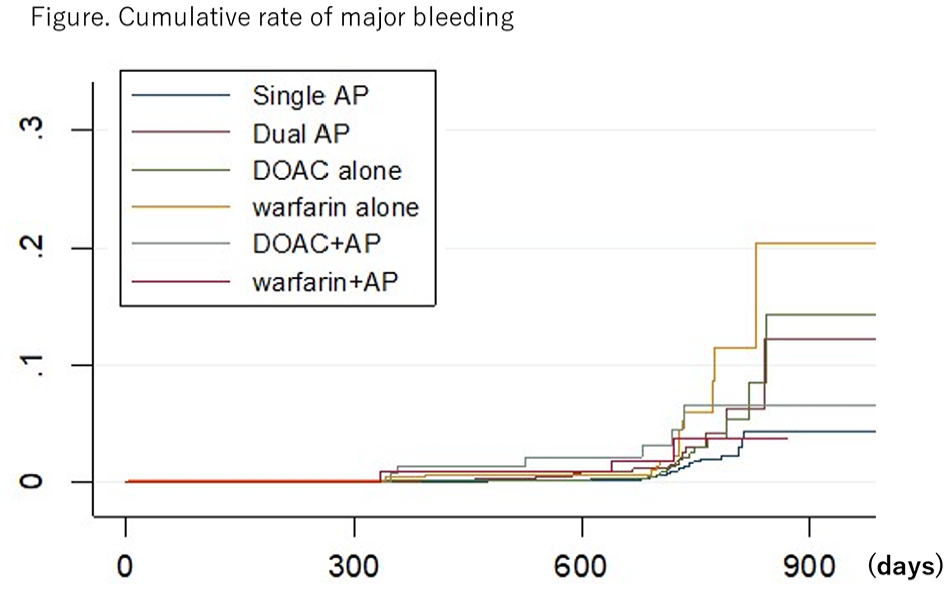
SECONDARY PREVENTION – EXCLUDING CLINICAL TRIAL RESULTS
1562
Prior antiplatelet therapy as a predictor of higher recurrence risk and poor functional outcome among non-cardioembolic minor stroke and high-risk transient ischemic attack patients in the IMMINENT study
1Instituto de Investigación Biomédica de Salamanca. Hospital Universitario de Salamanca, Neurología, Salamanca, Spain, 2Hospital Universitario de Valladolid, Neurología. Unidad de ictus, Valladolid, Spain, 3Instituto de Investigación Biomédica de A Coruña. Hospital Universitario de A Coruña, Neurología, A Coruña, Spain, 4Hospital Universitario Central de Asturias, Neurología, Oviedo, Spain, 5Hospital Universitario Miguel Servet, Neurología, Zaragoza, Spain, 6Complejo Asistencial Universitario de León, Neurology, León, Spain, 7Complejo Hospitalario Universitario de Vigo, Neurologia, Vigo, Spain, 8Hospital de Basurto, Neurología, Bilbao, Spain, 9Hospital Universitario de Donostia, Neurología, Donostia-San Sebastian, Spain, 10Hospital Galdakao-Usansolo, Neurología, Bilbao, Spain, 11Hospital de Cruces, Neurología, Barakaldo, Spain, 12Hospital Universitario Marqués de Valdecilla, Neurología, Santander, Spain, 13Complejo Hospitalario Universitario de Santiago, Neurología, Santiago de Compostela, Spain, 14Hospital Universitario de Álava, Neurología, Alava, Spain, 15Hospital Universitario de Burgos, Neurología, Burgos, Spain, 16Hospital Clínico Universitario Lozano Blesa, Neurología, Zaragoza, Spain, 17Hospital San Pedro, Neurología, Logroño, Spain, 18Biomedical Research Institute of Salamanca. University Hospital of Salamanca, Neurology, Salamanca, Spain, 19Hospital Universitario de Cabueñes, Neurología, Gijón, Spain, 20Hospital Universitario de Navarra, Neurología, Navarra, Spain
Disclosure of interest: Yes
SECONDARY PREVENTION – EXCLUDING CLINICAL TRIAL RESULTS
2437
CHARACTERISTICS OF PATIENTS TREATED WITH SHORT-TERM DUAL ANTIPLATELET TREATMENT FOR MINOR STROKE OR TIA: REAL-WORLD VERSUS CLINICAL TRIALS – DATA FROM THE READAPT STUDY
1University of L’Aquila, Department of Biotechnological and Applied Clinical Sciences, L’Aquila, Italy, 2ASST Cremona Hospital, Department of Neurology, Cremona, Italy, 3Casa sollievo della sofferenza, Department of Neurology, San Giovanni Rotondo, Italy, 4Città di Castello Hospital, Department of Neurology, Città di Castello, Italy, 5AOU Consorziale Policlinico, Department of Neurology and Stroke Unit "F. Puca", Bari, Italy, 6Tor Vergata University Hospital, Department of Systems Medicine, Rome, Italy, 7AORN Antonio Cardarelli, Department of Neurology and Stroke Unit, Naples, Italy, 8Santa Corona Hospital, Department of Neurology, Pietra Ligure, Italy, 9Di Venere Hospital, Department of Neurology, Bari, Italy, 10S.Maria delle Croci Hospital AUSL Romagna, Department of Neuroscience, Ravenna, Italy, 11University Hospital of Parma, Department of Emergency - Neurology - Stroke Care, Parma, Italy, 12Fondazione Policlinico Universitario Agostino Gemelli, Department of Neurology, Rome, Italy, 13Ospedale Galliera, Unità Operativa di Neurologia, Genova, Italy, 14IRCCS Istituto delle Scienze Neurologiche di Bologna, Bologna-Policlinico S.Orsola-Malpighi, Bologna, Italy, 15University Hospital Santa Maria della Misericordia, Stroke Unit, Perugia, Italy, 16ASST -Ovest Milanese, Department of Neurology, Legnano, Italy, 17Azienda ULSS 8 Berica, Department of Neurology-Arzignano, Arzignano, Italy, 18Umberto I Hospital, Department of Neurology and Stroke Unit, Siracusa, Italy, 19Hospital "E. Agnelli", Department of Neurology, Pinerolo, Italy, 20S. Eugenio Hospital, Department of Neurology and Stroke Unit, Rome, Italy, 21Ospedali Riuniti Villa Sofia-Cervello, Department of Neurology, Palermo, Italy, 22IRCCS Istituto di Scienze Neurologiche di Bologna-Maggiore Hospital, Department of Neurology and Stroke Center, Bologna, Italy, 23SS. Biagio e Arrigo, Stroke Unit-Department of Neurology, Alessandria, Italy, 24"Dimiccoli" General Hospital, Operative Unit of Neurology, Barletta, Italy, 25Azienda Ospedaliera Universitaria Senese, Stroke Unit, Siena, Italy, 26Azienda Ospedaliero-Universitaria "Maggiore della Carità", Department of Neurology - Stroke Unit, Novara, Italy, 27Ospedale Provinciale "Madonna del Soccorso", Neurology Unit, San Benedetto del Tronto, Italy, 28Antonio Perrino Hospital, Department of Neurology, Brindisi, Italy, 29ULSS 3 Serenissima, Department of Neurology, Mirano-Venice, Italy, 30San Gerardo Hospital ASST Monza, Department of Neurology, Monza, Italy, 31University of Rome La Sapienza, Department of Human neurosciences, Rome, Italy
In patients with stroke, 357 (32.9) patients had NIHSS >3. In patients with TIA, 100(20.0%) had ABCD2 <4. Additionally, 207 (13.1%) patients underwent intravenous thrombolysis and 25 (1.6%) endovascular treatment; 41 (2.6%) were treated with urgent carotid endarterectomy. DAPT was started within 24-hours in 1090 (69.1%) cases. Only 480 (30.4%) received a loading dose of aspirin, while 565 (35.8%) received a loading dose of clopidogrel. Overall 357 (22.2%) patients matched RCTs inclusion/exclusion criteria and followed RCTs procedures. In detail, 903 (57.2%) of patients did not match at least one inclusion criterion of RCTs and 966 (61.2%) did not exactly follow RCTs procedures.
REHABILITATION – EXCLUDING CLINICAL TRIAL RESULTS
147
NOTTINGHAM FATIGUE AFTER STROKE STUDY (NotFAST2): CLINICAN, SURVIVOR AND CARER PERSPECTIVES
1University of Nottingham, School of Health Sciences, Nottingham, United Kingdom, 2University of Nottingham, School of Medicine, Nottingham, United Kingdom, 3St Georges University of London, Rehabilitation, London, United Kingdom
Three aims: • Document current practice [Phase 1]
• Gain insights into management [Phase 2]
• Conduct co-design groups to inform future research [Phase 3]
[1] National survey of clinicians
[2] Qualitative interviews
[3] Co-design groups
We recruited: Healthcare professionals with expertise in PSF [1, 2 & 3].
People with PSF [2 & 3].
Family/ friends providing support [2 & 3].
154
Tracking of Hyoid Bone in Post-stroke Dysphagia using Deep Learning Model
1Dankook University, Cheonan Campus, College of Medicine, Cheonan, South Korea, 2Dankook University, Nanobiomedical Science & BK21 NBM Research Center for Regenerative Medicine, Cheonan, South Korea, 3Dankook University, Institute of Tissue Regeneration Engineering (ITREN), Cheonan, South Korea
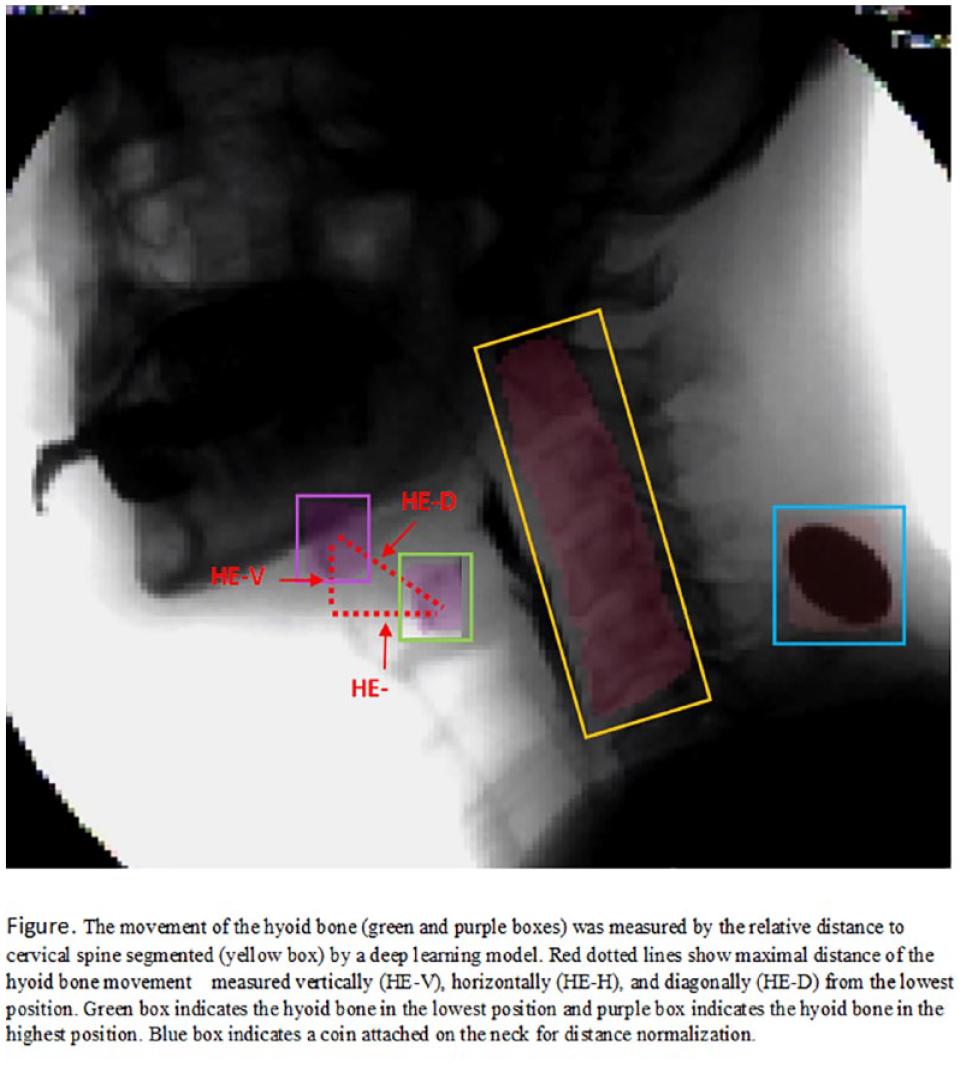
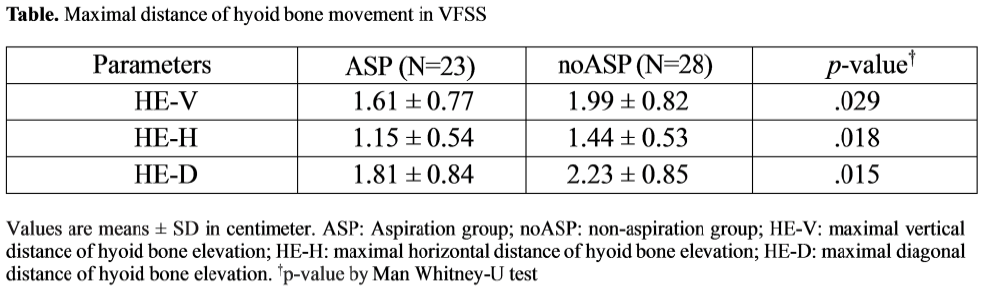
REHABILITATION – EXCLUDING CLINICAL TRIAL RESULTS
220
HOW MUCH OF A PHYSIOTHERAPY REHABILITATION SESSION FOR MODERATE TO SEVERE STROKE PATIENTS IS DELIVERED BY TWO PHYSIOTHERAPISTS?
1 Guys and St Thomas’ NHS Foundation Trust, Physiotherapy Department, London, United Kingdom
295
Fatigue Level among Individuals with Stroke and its Significantly Associated Factors
1 Jordan University of Science and Technology, Rehabilitation Sciences, Irbid, Jordan
REHABILITATION – EXCLUDING CLINICAL TRIAL RESULTS
453
Can simple bedside tests be used to accurately predict long-term upper limb (UL) function in the acute phase post stroke? A systematic review
1Maidstone and Tunbridge Wells NHS Trust, Physiotherapy, Maidstone, United Kingdom, 2Keele University, School of Allied Health Professionals, Stoke, United Kingdom, 3Guy’s and St. Thomas’ NHS Trust, Physiotherapy, London, United Kingdom
REHABILITATION – EXCLUDING CLINICAL TRIAL RESULTS
548
Self-reported life-space mobility within the first year after ischemic stroke: longitudinal findings from the MOBITEC-Stroke project
1Department of Sport, Exercise, and Health, University of Basel, Basel, Switzerland, Department of Sport, Exercise, and Health, University of Basel, Basel, Switzerland, Basel, Switzerland, 2Basel Mobility Center, University Department of Geriatric Medicine Felix Platter, University of Basel, Basel, Switzerland, Basel Mobility Center, University Department of Geriatric Medicine Felix Platter, University of Basel, Basel, Switzerland, Basel, Switzerland, 3Division of Sports and Exercise Medicine, Department of Sport, Exercise, and Health, University of Basel, Division of Sports and Exercise Medicine, Department of Sport, Exercise, and Health, University of Basel, Basel, Switzerland, 4Department of Geography, University of Zurich, Department of Geography, University of Zurich, Zürich, Switzerland, 5Neurology & Neurorehabilitation, University Department of Geriatric Medicine Felix Platter, University of Basel, Neurology & Neurorehabilitation, University Department of Geriatric Medicine Felix Platter, University of Basel, Basel, Switzerland, 6University of Groningen, University Medical Center Groningen, Center for Human Movement Sciences, University of Groningen, University Medical Center Groningen, Center for Human Movement Sciences, Groningen, Netherlands, 7Faculty of Sport and Health Sciences and Gerontology Research Center, University of Jyvaskyla, Faculty of Sport and Health Sciences and Gerontology Research Center, University of Jyvaskyla, Jyvaskyla, Finland, 8Klinik Hirslanden, Zurich, Neurology and Stroke Center, Zürich, Switzerland
REHABILITATION – EXCLUDING CLINICAL TRIAL RESULTS
702
Barriers and facilitators to identifying and supporting young carers of stroke survivors
1University of Nottingham, Centre for Rehabilitation and Ageing Research Medicine/ Injury, Inflammation and Recovery Sciences, Nottingham, United Kingdom, 2NHS England, Stroke Programme, Leeds, United Kingdom
REHABILITATION – EXCLUDING CLINICAL TRIAL RESULTS
714
Home-based Rehabilitation for Survivors of Stroke with Severe Disability (HoRSSe Study)
1NHS England, Clinical Policy Unit, London, United Kingdom, 2University of Nottingham, School of Medicine, Nottingham, United Kingdom, 2University of Nottingham, School of Medicine, Nottingham, United Kingdom, 4Nottinghamshire Healthcare NHS, Community Stroke Team, Nottingham, United Kingdom, 5Nottingham University Hospitals, Queens Medical Centre, Nottingham, United Kingdom, 6University of Nottingham, School of Health Sciences, Nottingham, United Kingdom
Focus group interviews were conducted with 20 staff participants from three home-based stroke rehabilitation teams. The Context Coding Framework facilitated analysis and synthesis of findings.
Focus groups reported high levels of need across multiple domains with teams being insufficiently resourced to fully meet these. Strategies to overcome these barriers included upskilling a diverse range of partners and employing multi-agency collaboration.
This study supports the provision of services for this patient group, providing a benchmark for commissioners and clinicians whilst setting expectations for stroke-survivors.
This work was supported by NIHR ARC-EM ref:NIHR200171.
REHABILITATION – EXCLUDING CLINICAL TRIAL RESULTS
737
RESULTS OF CLINICAL APPLICATION OF ROBOTIC TECHNOLOGIES IN REHABILITATION OF PATIENTS UNDERGONE STROKE
1Kimyo International University in Tashkent, Neurology, Tashkent, Uzbekistan, 2Tashkent Medical Academy, Neurology, Tashkent, Uzbekistan
REHABILITATION – EXCLUDING CLINICAL TRIAL RESULTS
852
Development of a patient-centered transition program for stroke patient and their caregivers, combining case-management and access to an internet information platform – A user-centered design approach
1Université Claude Bernard Lyon 1, Research on Healthcare Performance RESHAPE, INSERM U1290, Lyon, France, 2Hospices Civils de Lyon, Service Recherche et Epidémiologie Cliniques, Pôle de Santé Publique, Lyon, France, 3Hospices Civils de Lyon, Service Neuro-vasculaire, Hôpital Pierre Wertheimer, Lyon, France
REHABILITATION – EXCLUDING CLINICAL TRIAL RESULTS
906
ADVANCING SUSTAINABLE HEALTHCARE THROUGH STROKE TEAM REHABILITATION, FROM A PHYSIOTHERAPY PERSPECTIVE
1Institute of neuroscience and physiology, Sahlgrenska academy, Department of clinical neuroscience, Rehabilitation medicine Research group, Gothenburg, Sweden, 2Institute of Health and Welfare, Dalarna University, Medical Sciences, Falun, Sweden, 3Centre for Sustainable Healthcare, Centre for Sustainable Healthcare, Oxford, United Kingdom
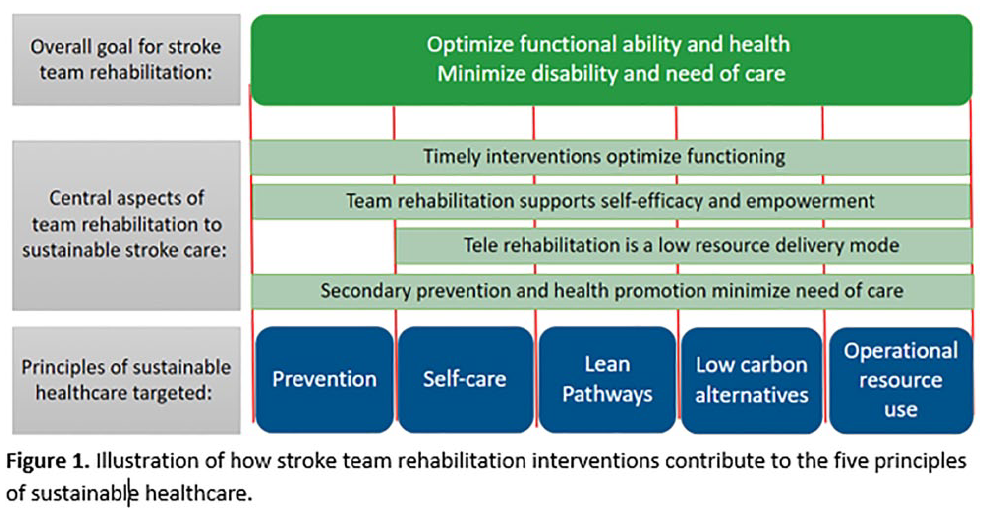
REHABILITATION – EXCLUDING CLINICAL TRIAL RESULTS
1071
DIFFERENCES IN AEROBIC CAPACITY AND ACTIVITY PATTERN BETWEEN HIGH AND LOW RESPONDERS AFTER HIGH INTENSITY INTERVAL TREADMILL TRAINING - SUBANALYSIS OF THE HIIT STROKE STUDY
1Faculty of Medicine and Health Science, Department of Neuromedicine and Movement Science, Trondheim, Norway, 2Ålesund Sykehus, Department of Physical Medicine and Rehabilitation, Ålesund, Norway, 3Sunnaas hospital, Research Department, Oslo, Norway
REHABILITATION – EXCLUDING CLINICAL TRIAL RESULTS
1130
Characteristics of gait in post-stroke patients during the rehabilitation process: a preliminary study using muscle synergy analysis
1Kio University, Department of Neurorehabilitation, Graduate School of Health Sciences, Koryo, Japan, 2Takarazuka Rehabilitation Hospital, Department of Therapy, Takarazuka, Japan, 3Nihon Fukushi University, Department of Rehabilitation, Faculty of Health Sciences, Handa, Japan, 4Kio University, Neurorehabilitation Research Center, Koryo, Japan
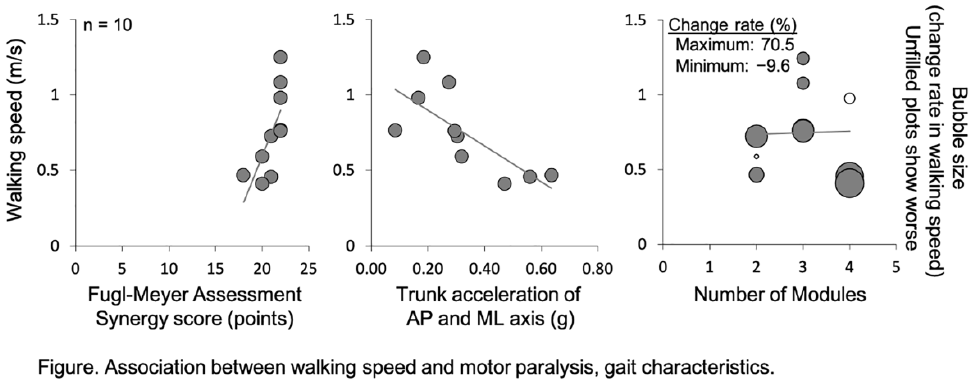
REHABILITATION – EXCLUDING CLINICAL TRIAL RESULTS
1158
Predicting the functional outcome of intensive inpatient rehabilitation after stroke: results from the RIPS study
1University of Florence, NEUROFARBA, Florence, Italy, 2IRCCS Fondazione Don Carlo Gnocchi onlus, PROMISELAB, Florence, Italy, 3IRCCS Fondazione Don Carlo Gnocchi onlus, AIR LAB, Florence, Italy, 4IRCCS Fondazione Don Carlo Gnocchi onlus, Riabilitation Unit, La Spezia, Italy
REHABILITATION – EXCLUDING CLINICAL TRIAL RESULTS
1253
PUSHING FOR RECOMMENDATIONS FOR MANAGEMENT OF POST-STROKE LATEROPULSION: BEST PRACTICE REHABILITATION ACCORDING TO A PANEL OF EXPERTS
1University of Notre Dame Australia, School of Medical and Health Sciences, Fremantle, Australia, 2Edith Cowan University, School of Medical and Health Sciences, Joondalup, Australia, 3Sir Charles Gairdner Osborne Park Health Care Group, Physiotherapy, Stirling, Australia, 4University of Notre Dame Australia, Institute for Health Research, Fremantle, Australia, 5Fukushima Medical University, Physiotherapy, Fukushima, Japan, 6Hunter College, Physical Therapy, White Plains, United States, 7Ludwig-Maximilians University of Munich, German Centre for Vertigo and Balance Disorders, Munich, Germany, 8Schoen Clinic, Schoen Clinic, Bad Aibling, Germany, 9St Vincent’s Hospital, Physiotherapy, Melbourne, Australia, 10University of Grenoble, Neuropsychology and NeuroCognition, Grenoble, France, 11University of Toronto, University Health Network, Toronto, Canada, 12University of Sao Paulo, Department of Neurosciences and Behavioural Sciences, Ribeirao Preto, Sao Paulo, Brazil, 13University of Verona, Department of Neurosciences, Biomedicine and Movement Sciences, Verona, Italy, 14Shepherd Center, Physical Therapy, Atlanta, United States, 15Kio University, Graduate School of Health Sciences, Nara, Japan, 16Wayne State University, Physical Therapy, Detroit, United States, 17University of Birmingham, Physiotherapy, Birmingham, United Kingdom, 18Schwab Rehabilitation Hospital, Physical Therapy, Chicago, United States, 19University of Antwerp, Rehabilitation Sciences and Physiotherapy, Antwerp, Belgium, 20Rehabilitation Hospital RevArte, Rehabilitation Research Group, Antwerp, Belgium, 21Inova Fairfax Hospital Health System, Physical Therapy, Fairfax, United States
REHABILITATION – EXCLUDING CLINICAL TRIAL RESULTS
1273
EVALUATION OF A STROKE SPECIFIC FALLS SCREENING ON AN ACUTE STROKE UNIT
1 Guy’s and St Thomas’ NHS Foundation Trust, Physiotherapy, London, United Kingdom
To establish if this tool can effectively predict patient falls on an acute stroke unit.
REHABILITATION – EXCLUDING CLINICAL TRIAL RESULTS
1274
Development of a tailored intervention targeting sedentary behavior and physical activity in people with stroke and diabetes: a qualitative study using a co-creation framework
1Zealand University Hospital, Roskilde, Department of Physiotherapy and Occupational Therapy, Roskilde, Denmark, 2University of Copenhagen, Faculty of Health and Medical Science, Copenhagen, Denmark, 3Zealand University Hospital, Roskilde, Department of Neurology, Roskilde, Denmark, 4University of Copenhagen, Department of Clinical Medicine, Copenhagen, Denmark, 5Bispebjerg and Frederiksberg Hospital, Centre for Clinical Research and Prevention, Frederiksberg, Denmark, 6The House of Disabled People’s Organizations, The Parkinson’s Association, Copenhagen, Denmark, 7Movement Disorder Clinic, Department of Brain - and Nerve Injuries, Rigshospitalet, Glostrup, Denmark
REHABILITATION – EXCLUDING CLINICAL TRIAL RESULTS
1292
Associations between health literacy and clinical outcomes one year after stroke: a cross-sectional study
1Karolinska Institutet, Neurobiology, care sciences and society, Stockholm, Sweden, 2Karolinska University Hospital, Theme heart, vessel and neuro, Stockholm, Sweden
REHABILITATION – EXCLUDING CLINICAL TRIAL RESULTS
1401
ROBOT-ASSISTED GAIT THERAPY USING THE LOKOMAT PRO FREED IN THE SUBACUTE PHASE OF ISCHEMIC STROKE
1University Hospital Ostrava, Department of Rehabilitation and Sports Medicine, Ostrava, Czech Republic, 2University Ostrava, Faculty of medicine, Department of Rehabilitation and Sports Medicine, Ostrava, Czech Republic, 3University Ostrava, Department of Rehabilitation and Sports Medicine, Ostrava, Czech Republic, 4VSB technical University of Ostrava, Faculty of Electrical Engineering and Computer Science, Ostrava, Czech Republic, 5University Hospital Ostrava, Department of Neurology, Ostrava, Czech Republic, 6University Ostrava, Faculty of medicine, Department of clinical neuroscience, Ostrava, Czech Republic, 7University Hospital Ostrava, Department of radiodiagnostics, Ostrava, Czech Republic
Supported by MH CZ-DRO - FNOs/2020.
REHABILITATION – EXCLUDING CLINICAL TRIAL RESULTS
1404
Factors associated with decreased gait speed on uneven surface in stroke patients
1KIo University, Department of Neurorehabilitation, Nara, Japan, 2Kio University, Neurorehabilitation Research Center, Nara, Japan
REHABILITATION – EXCLUDING CLINICAL TRIAL RESULTS
1549
TESTING THE HEADS: UP ONLINE INTERVENTION FOR SELF-MANAGEMENT OF DEPRESSION AND ANXIETY SYMPTOMS POST-STROKE USING ONLINE RECRUITMENT AND DELIVERY IN RESPONSE TO COVID-19
1 Glasgow Caledonian University, School of Health & Life Science, Glasgow, United Kingdom
REHABILITATION – EXCLUDING CLINICAL TRIAL RESULTS
1685
INSIGHT IN STROKE PATIENTS IN AN ACUTE SETTING: MAGNITUDE OF CHANGE AND RELATIONSHIP WITH FUNCTIONAL OUTCOME
1 Croydon University Hospital, Stroke Unit, Croydon, United Kingdom
To assess if patients’ insight will improve over time and the impact of this on functional outcome.
Analysis: Repeated-measures ANOVA and Spearman’s rho.
There was a significant relationship between Change in Total Insight and TOMS Impairment (p=.005), with improvements in Total Insight significantly associated with reduced difficulties in the domain of Impairment.
REHABILITATION – EXCLUDING CLINICAL TRIAL RESULTS
2309
Do stroke survivors find daily breakfast group interventions acceptable and feasible? The Breakfast Group Interventions in Stroke Rehabilitation Study (BISTRo)
1School of Health and Related Research, Rehabilitation and Assistive Technology Group, Sheffield, United Kingdom, 2Sheffield Teaching Hospitals NHS Foundation Trust, Stroke and Geriatrics, Sheffield, United Kingdom, 3School of Health and Related Research, Director of Medical Care Research Unit, Sheffield, United Kingdom, 4University of Nottingham, School of Health Studies, Nottingham, United Kingdom
Triangulation found five common themes (1) feelings of normality (2) having fun and enjoyment (3) feeling human again, ‘you’re not just a stroke in the group’. (4) not being alone, opportunities to socialise were perceived as reducing social isolation (5) learning from each other, stroke survivors were observing one another for inspiration in their own rehabilitation journey.
REHABILITATION – EXCLUDING CLINICAL TRIAL RESULTS
2394
Psychoeducation after acute brain injury- A scoping review
1 Salford Royal NHS trust, Manchester centre for clinical Neurosciences, Manchester, United Kingdom
REHABILITATION – EXCLUDING CLINICAL TRIAL RESULTS
2510
IMPACT OF A PHYSICAL REHABILITATION INTERVENTION ON EARLY RECOVERY OUTCOMES IN PATIENTS WITH HEMISPHERIC ISCHEMIC CEREBRAL STROKE
1V. N. Karazin Kharkiv National University, Department of Neurology, Psychiatry, Nacrology and Medical Psychology, Kharkiv, Ukraine, 2Kharkiv National Medical University, Department of traumatology, orthopedics and rehabilitation medicine, Kharkiv, Ukraine
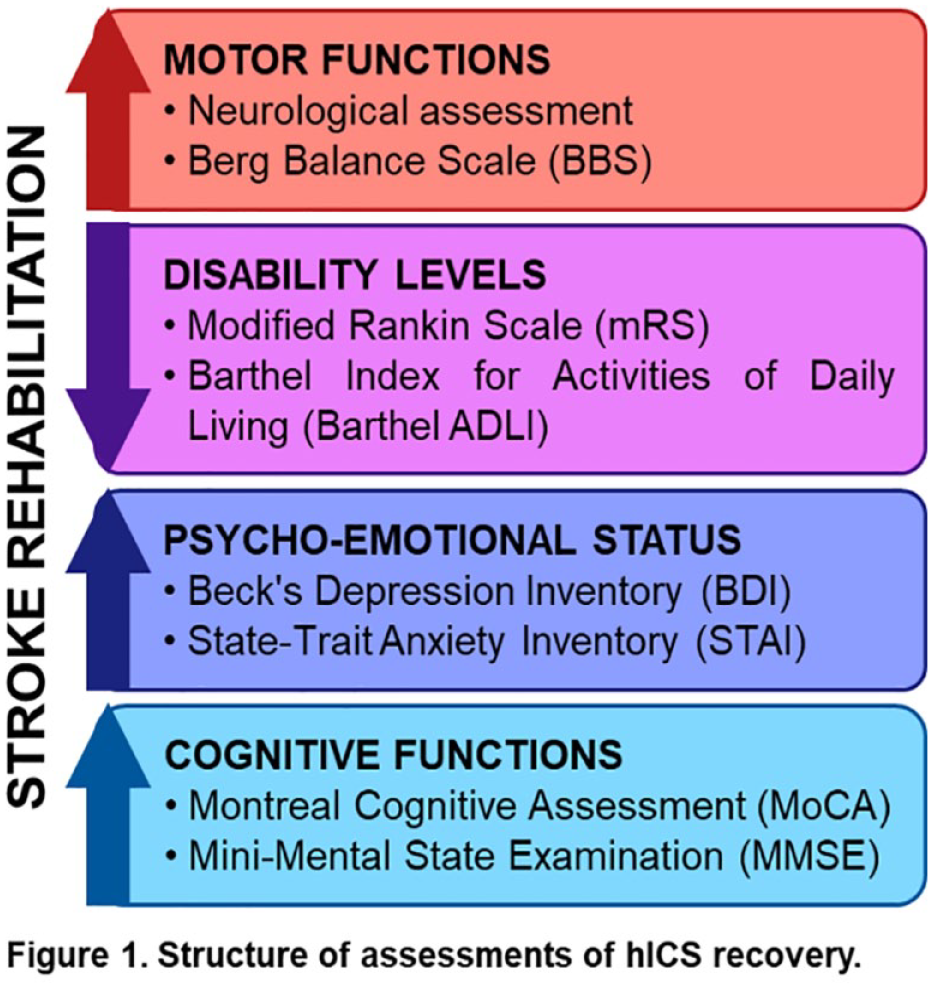
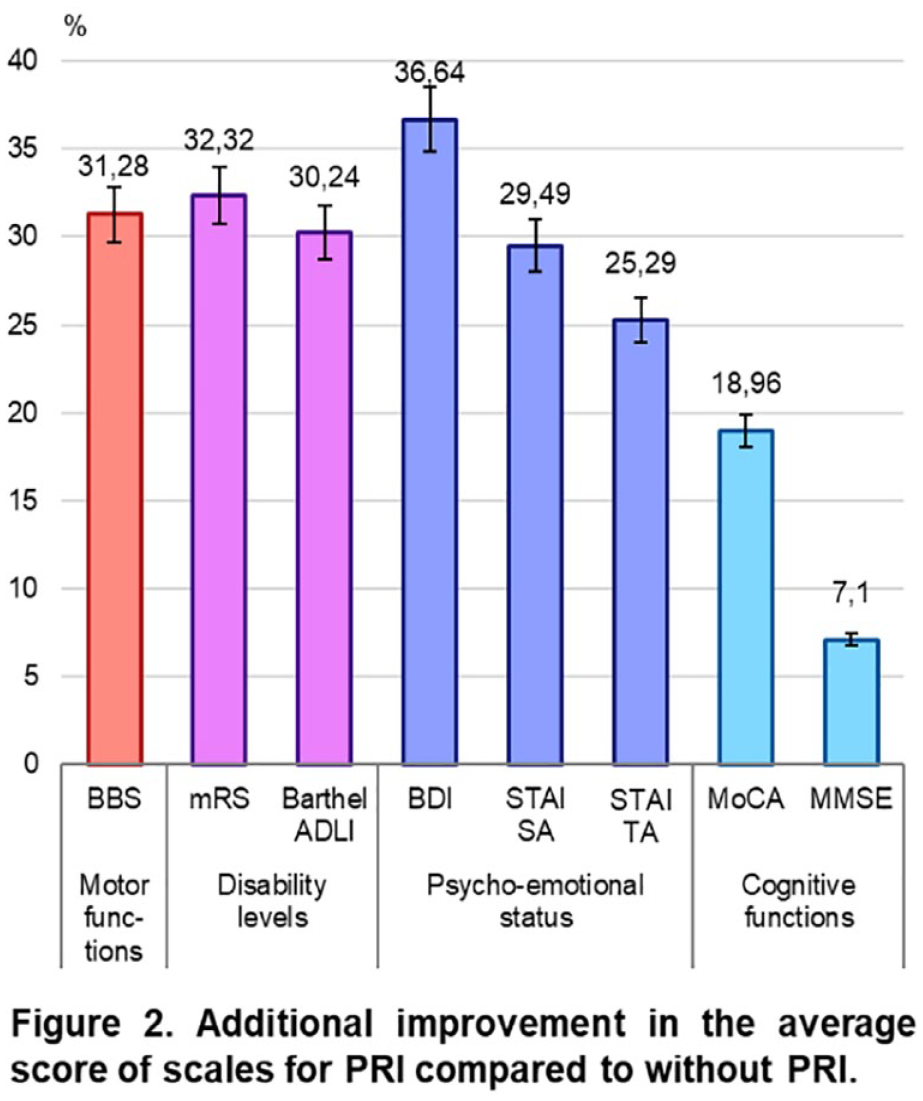
REHABILITATION – EXCLUDING CLINICAL TRIAL RESULTS
2531
Aphasia in Acute Ischemic Stroke Patients and Disability at 1 Year
1University of Nebraska, Communication Disorders, Kearney, United States, 2University of Missouri, Neurology, Columbia, United States
REHABILITATION – EXCLUDING CLINICAL TRIAL RESULTS
1927
Early Evidence of Altered Neural Mechanisms during Robotic Assisted Gait after Stroke
1 University College Dublin, School of Public Health, Physiotherapy and Sports Science, Dublin, Ireland
REHABILITATION – EXCLUDING CLINICAL TRIAL RESULTS
1134
Changes in Carotid-Femoral Pulse-Wave Velocity (cf-PWV) after Acute Ischemic Stroke
1VascAge, Research Center on Vascular Aging and Stroke, Innsbruck, Austria, 2Medizinische Universität Innsbruck, Neurology, Innsbruck, Austria
EPIDEMIOLOGY & RISK FACTORS
39
BETA-2 MICROGLOBULIN, LIPOCALIN-2 AND CYSTATIN C-NOVEL BIOMARKERS OF STROKE RISK IN THE CHINESE POPULATION
1The University of Hong Kong, Department of Medicine, School of Clinical Medicine, Hong Kong, China, 2Shenzhen Longhua District Central Hospital, Department of Neurology, Shenzhen, China, 3Chinese Academy of Sciences, CAS Key Laboratory of Human-Machine Intelligence-Synergy Systems, Research Center for Neural Engineering, Shenzhen Institute of Advanced Technology, Shenzhen, China, 4Medical College of Soochow University, Department of Epidemiology, School of Public Health, Suzhou, China, 5The First Affiliated Hospital of Shenzhen University, Shenzhen Second People’s Hospital, Department of Neurology, Shenzhen, China, 6Precision Health Research Center Company Limited, Unit 202, 2/F, Premier Centre, Hong Kong, China, 7The University of Hong Kong, State Key Laboratory of Pharmaceutical Biotechnology, Hong Kong, China, 8Peking University Shenzhen Hospital, Department of Neurology, Shenzhen, China
EPIDEMIOLOGY & RISK FACTORS
201
Hospital Remoteness, Stroke Demographics and Subtype
1Trinity College Dublin, Department of Medical Gerontology, Dublin, Ireland, 2Irish National Audit of Stroke, National Office of Clinical Audit, Dublin 2, Ireland, 3St. Vincent’s University Hospital, Department of Geriatric Medicine, Dublin, Ireland
EPIDEMIOLOGY & RISK FACTORS
232
Elevated Homocysteine (Hcy) level as a risk factor for stroke and its subtype: A systematic review and meta‑analysis
1AII India Institute of Medical Sciences, New Delhi, Clinical Research Unit, New Delhi, India, 2AII India Institute of Medical Sciences, New Delhi, Neurology, New Delhi, India, 3Yale University, Neurology, Yale, United States
EPIDEMIOLOGY & RISK FACTORS
296
High risk Adaptive Stroke Education (HAStE): Primary Care -Vascular Neurology partnership in rural Michigan, USA: Preliminary Results
1Spectrum Health Office of Research and Education, Neuroscience Research Operations, Grand Rapids, United States, 2Spectrum Health Office of Research and Education, Research, Scholarly Activity and Scientific Support, Grand Rapids, United States, 3Spectrum Health Office of Research and Education, Bioinformatics Core, Grand Rapids, United States, 4Michigan State University, Department of Family Medicine, Division of Regional Family Medicine, Grand Rapids, United States, 5Spectrum Health, Nursing Administration, Neuroscience Nursing, Grand Rapid, United States, 6Spectrum Health, Neuroscience Institute, Division of Neurology, Grand Rapids, United States, 7Michigan State University, Neuroscience Institute, Division of Neurology, Spectrum Health, Grand Rapids, United States
EPIDEMIOLOGY & RISK FACTORS
539
Sensorineural hearing loss in stroke: an age matched case-control study
1NHS Greater Glasgow and Clyde, Department of Stroke Medicine, Glasgow, United Kingdom, 2NHS Greater Glasgow and Clyde, Department of Otolaryngology, Glasgow, United Kingdom
EPIDEMIOLOGY & RISK FACTORS
544
The use of electronic health record to identify major health trajectory leading to stoke
1King’s College London, Department of Population Health Sciences - School of Life Course & Population Sciences, London, United Kingdom, 2King’s College London, Medical Statistics - Department of Population Health Sciences - School of Life Course & Population Sciences, London, United Kingdom, 3King’s College London, Department of Cardiovascular Sciences - School of Cardiovascular Medicine and Sciences, London, United Kingdom, 4London School of Hygiene and Tropical Medicine, Non-Communicable Disease Epidemiology, London, United Kingdom, 5King’s College London, Psychological Medicine - Institute of Psychiatry, London, United Kingdom
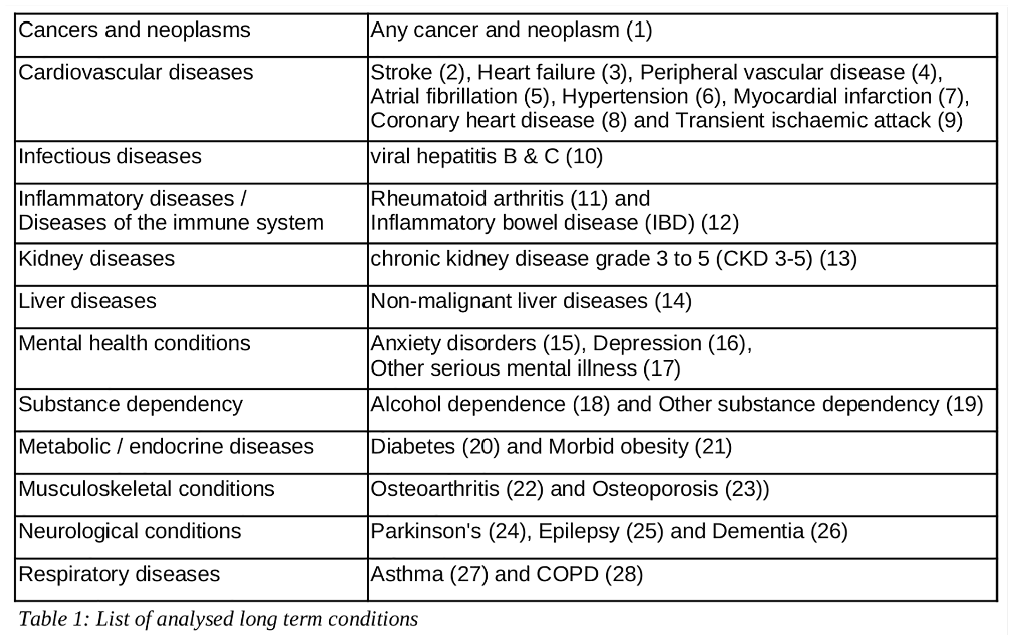
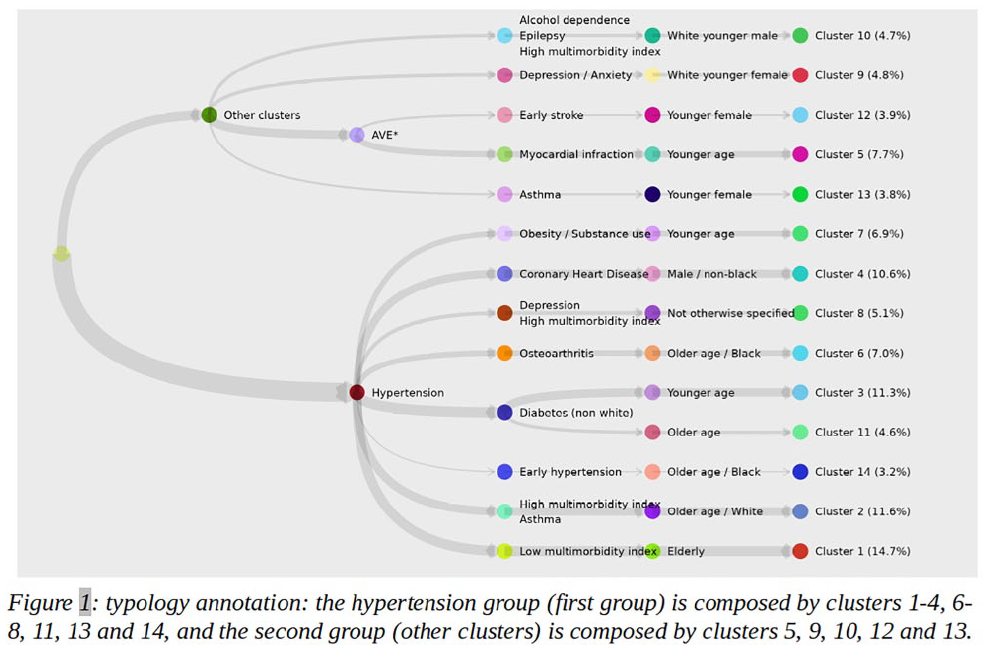
EPIDEMIOLOGY & RISK FACTORS
635
Incidence and outcome of cerebral venous thrombosis in Germany- results from the population-based Erlangen Stroke Project
1Julius-Maximilians-University of Würzburg, Institute of Clinical Epidemiology and Biometry, Würzburg, Germany, 2Friedrich-Alexander-University of Erlangen-Nürnberg, Erlangen Stroke Project, Interdisciplinary Centre for Health Technology Assessment (HTA) and Public Health, Erlangen, Germany, 3University Hospital Erlangen, Department of Neurology, Erlangen, Germany
EPIDEMIOLOGY & RISK FACTORS
716
Predictors of Dementia and Cognitive Impairment After Stroke - A Systematic Review and Meta-Analysis
1 LMU Hospital, Institute for Stroke and Dementia Research, Munich, Germany
EPIDEMIOLOGY & RISK FACTORS
820
INFLUENCE OF SOCIOECONOMIC STATUS ON FUNCTIONAL OUTCOME AFTER STROKE: A SYSTEMATIC REVIEW AND META-ANALYSIS
1The George Institute for Global Health, Faculty of Medicine, University of New South Wales, Sydney, 2Nippon Medical School, Department of Neurology, Graduate School of Medicine, Tokyo, Japan, 3Faculty of Medicine, Fukuoka University, Department of Preventive Medicine and Public Health, Fukuoka, Japan, 4Australian National University, Centre for Public Health Data and Policy, National Center for Epidemiology and Population Health, Canberra, Australia, 5The First Affiliated Hospital of Chengdu Medical College, Department of Neurology, Chengdu, China, 6University of New South Wales, Prince of Wales Clinical School, Sydney, Australia, 7The George Institute China, Peking University Health Science Center, Beijing, China, 8The George Institute for Global Health, UK, Imperial College London, London, United Kingdom
Review registration number: PROSPERO CRD42021281134
EPIDEMIOLOGY & RISK FACTORS
826
IMPACT OF A NATIONAL INFORMATION CAMPAIGN ON PUBLIC AWARENESS OF STROKE RISK FACTORS AND PUBLIC RESPONSE TO STROKE SYMPTOMS
1Royal College of Surgeons in Ireland, Medicine, Dublin, Ireland, 2Royal College of Surgeons in Ireland, Department of Health Psychology, School of Population Health, Dublin, Ireland
EPIDEMIOLOGY & RISK FACTORS
903
GENDER DIFFERENCES IN PRIMARY PREVENTION, RISK FACTORS AND OUTCOMES IN STROKE PATIENTS BASED ON THE RES-Q REGISTRY
1Nicolae Testemitanu State University of Medicine and Pharmacy, Neurology Department 2, Chisinau, Moldova, 2Institute of Emergency Medicine, Neurology Department, Chisinau, Moldova, 3Nicolae Testemitanu State University of Medicine and Pharmacy, Neurology Department 1, Chisinau, Moldova, 4Diomid Gherman Institute of Neurology and Neurosurgery, Department of Neuroemergency, Chisinau, Moldova, 5Diomid Gherman Institute of Neurology and Neurosurgery, Vascular and extrapyramidal neurology, Chisinau, Moldova
EPIDEMIOLOGY & RISK FACTORS
916
Neighborhood Deprivation and Race Synergistically Contribute to Undiagnosed Hypertension Leading to Acute Ischemic Stroke: Results from the All of Us Research Program
1Yale University, Neurology, New Haven, United States, 2Yale University, Medicine (Geriatrics), New Haven, United States
EPIDEMIOLOGY & RISK FACTORS
941
CLINICAL AND IMAGING OUTCOMES FOR PATIENTS WITH WITNESSED STROKE ONSET VS LAST SEEN WELL
1University of Calgary, Department of Clinical Neurosciences, calgary, Canada, 2King Faisal Specialist Hospital and Research Centre, Clinical Neurosciences, Riyadh, Saudi Arabia, 3Huazhong University of Science and Technology, Biomedical engineering, Wuhan, China, 4McGill University Health Centre, Neurology and Neurosurgery, Montreal, Canada, 5University of Calgary, Department of Radiology, calgary, Canada, 6University of Calgary, Department of community health sciences, calgary, Canada
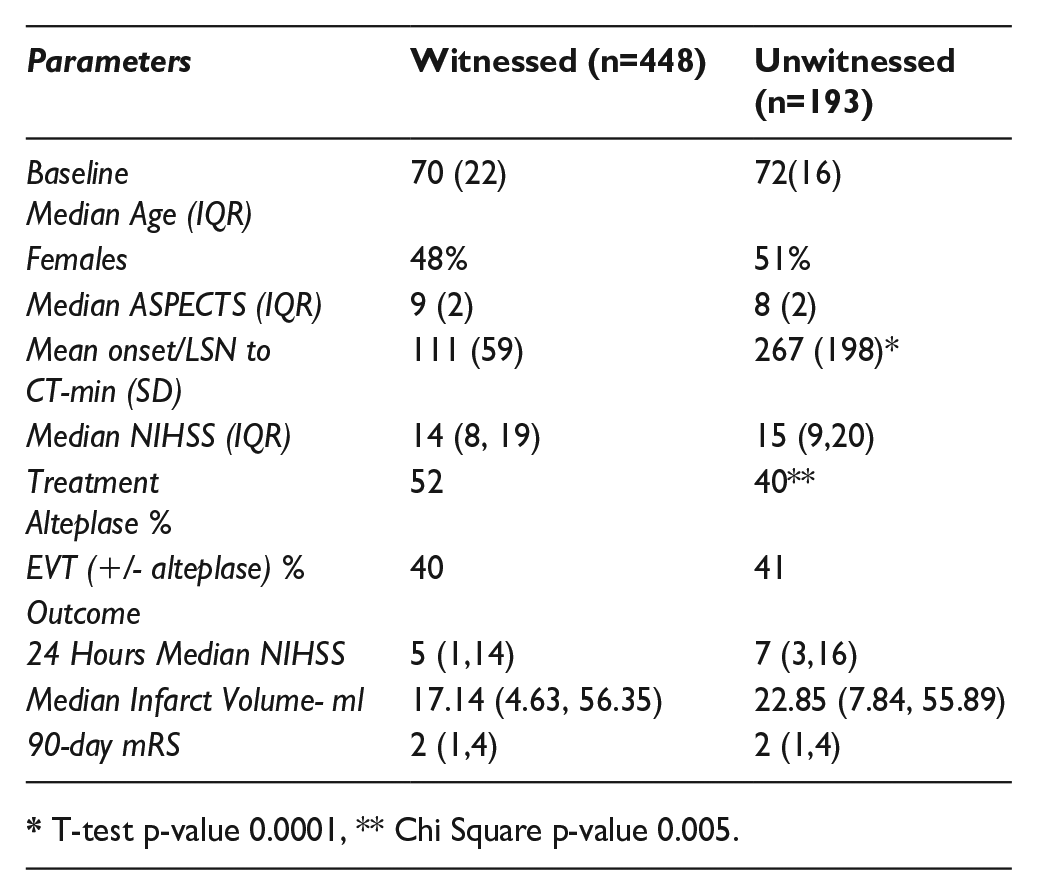
T-test p-value 0.0001, ** Chi Square p-value 0.005.
EPIDEMIOLOGY & RISK FACTORS
995
RELEVANCE OF BODY MASS INDEX-DEPENDENT GRADIENTS OF SERIC URIC ACID LEVELS FOR STROKE PREDICTION IN APPARENTLY HEALTHY INDIVIDUALS
1 Institute of Emergency Medicine, Department of Neurology, Chisinau, Moldova
EPIDEMIOLOGY & RISK FACTORS
1208
POOR 1-YEAR OUTCOME FOLLOWING STROKE IN MONGOLIA: A PROSPECTIVE POPULATION-BASED STUDY IN ULAANBAATAR
1The George Institute for Global Health, University of New South Wales, Sydney, Australia, 2The George Institute for Global Health China, The George Institute for Global Health, Beijing, China, 3Institute of Medical Sciences, Mongolian National University of Medical Sciences, Ulanbaatar, Mongolia, 4Department of Neurology, Nippon Medical School, Tokyo, Japan
EPIDEMIOLOGY & RISK FACTORS
1431
ARE ASSOCIATIONS BETWEEN SOCIOECONOMIC STATUS AND SMALL VESSEL DISEASE INDEPENDENT OF VASCULAR RISK FACTORS IN MINOR STROKE?
1 University of Edinburgh, Centre for Clinical Brain Sciences, Edinburgh, United Kingdom
EPIDEMIOLOGY & RISK FACTORS
1447
CORMORAN STUDY (CEREBRAL VENOUS THROMBOSIS HORMONAL CONTRACEPTIVES). HORMONAL CONTRACEPTIVE-ASSOCIATED CEREBRAL VENOUS THROMBOSIS: A MULTI-CENTRE CASE-CONTROL STUDY
1La Princesa Hospital, Stroke Center, Madrid, Spain, 2Health Center Ciudad Jardín, Family and Community Medicine, Madrid, Spain, 3Hospital Ramón y Cajal, Neurology Department, Madrid, Spain, 4Miguel Servet Hospital, Neurology Department, Zaragoza, Spain, 5Hospital Clínico San Carlos, Neurology Department, Madrid, Spain, 6Hospital Universitario Central de Asturias, Neurology Department, Oviedo, Spain, 7Hospital de Almería, Neurology Department, Madrid, Spain, 8Hospital de Donosti, Neurology Department, San Sebastian, Spain, 9Hospital de Girona, Neurology Department, Madrid, Spain, 10Hospital Rollo Villanova, Neurology Department, Zaragoza, Spain, 11Hospital Clínico Lozano Blesa, Neurology Department, Zaragoza, Spain, 12Hospital Clinic de Barcelona, Neurology Department, Barcelona, Spain, 13Hospital de La Princesa, Stroke Center, Madrid, Spain, 14Hospital Miguel Servet, Neurology Department, Zaragoza, Spain, 15Hospital Reina Sofía de Tudela, Neurology Department, Tudela, Spain
EPIDEMIOLOGY & RISK FACTORS
1564
COVID-19 PANDEMIC IMPACT ON STROKE MANAGEMENT IN TRIESTE: A LOOK IN 2020, 2021 AND 2022 EMERGENCY EVOLUTION
1 Neurology Unit, Department of Medicale, Surgical and Health Sciences, Cattinara University Hospital, ASUGI, University of Trieste, Trieste, Italy, Trieste, Italy
EPIDEMIOLOGY & RISK FACTORS
1595
SLEEP-DISORDERED BREATHING IN ACUTE STROKE: A SINGLE-CENTER, PROSPECTIVE, LONGITUDINAL STUDY
1“Attikon” University Hospital, School of Medicine, National and Kapodistrian University of Athens, Athens, Greece, Second Department of Neurology, Athens, Greece, 2University of Tennessee Health Science Center, Memphis, TN, USA, Department of Neurology, Memphis, United States
EPIDEMIOLOGY & RISK FACTORS
1598
High fibrinogen and low antithrombin are associated with an increased risk of recurrent cardiovascular events in young ischemic stroke patients
1Radboud university medical center, Department of Internal Medicine, Nijmegen, Netherlands, 2Synapse Research Institute, Department of Functional Coagulation, Maastricht, Netherlands, 3Radboud university medical center, Department of Health Evidence, Nijmegen, Netherlands, 4Radboud university medical center, Department of Neurology, Nijmegen, Netherlands, 5Donders Institute for Brain, Cognition and Behaviour, Center for Neuroscience, Nijmegen, Netherlands
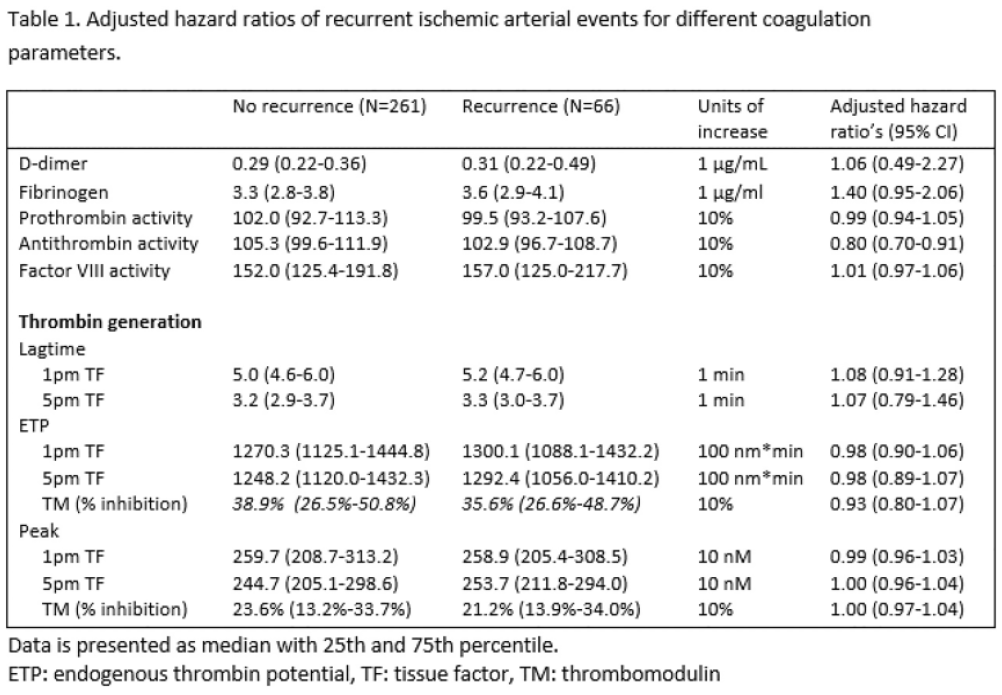
EPIDEMIOLOGY & RISK FACTORS
1725
Historical review of the effectiveness of direct-acting anticoagulants in stroke due to atrial fibrillation
1Virgen del Rocio University Hospital, Neurology Department, Sevilla, Spain, 2Virgen del Rocio University Hospital, Technological innovation, Seville, Spain, 3Public Company for Health Emergencies, Emergencies, Sevilla, Spain, 4Drimay Consultants, Data analysis, Sevilla, Spain
The recurrence of stroke due to AF between 2010-2016 (60 recurrences of 1,025 strokes) was reduced compared to the first period (71 recurrences of 778 strokes) have likely been treated with this line of treatment, it is superior to the patients of the period 2002-2008.
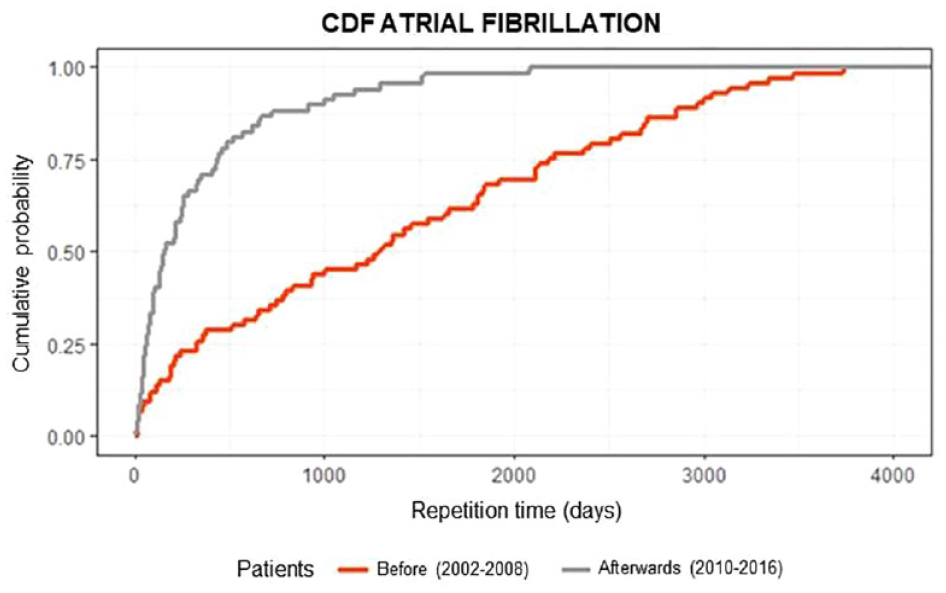
EPIDEMIOLOGY & RISK FACTORS
1759
RATES OF ISCHEMIC STROKE MIMICS RECEIVING THROMBOLYSIS AND ASSOCIATIONS WITH OUTCOMES WITHIN THE NATIONAL READMISSION DATABASE (2017-2020)
1The University of British Columbia, Medicine, Vancouver, Canada, 2Yale University, Medicine, New Haven, United States
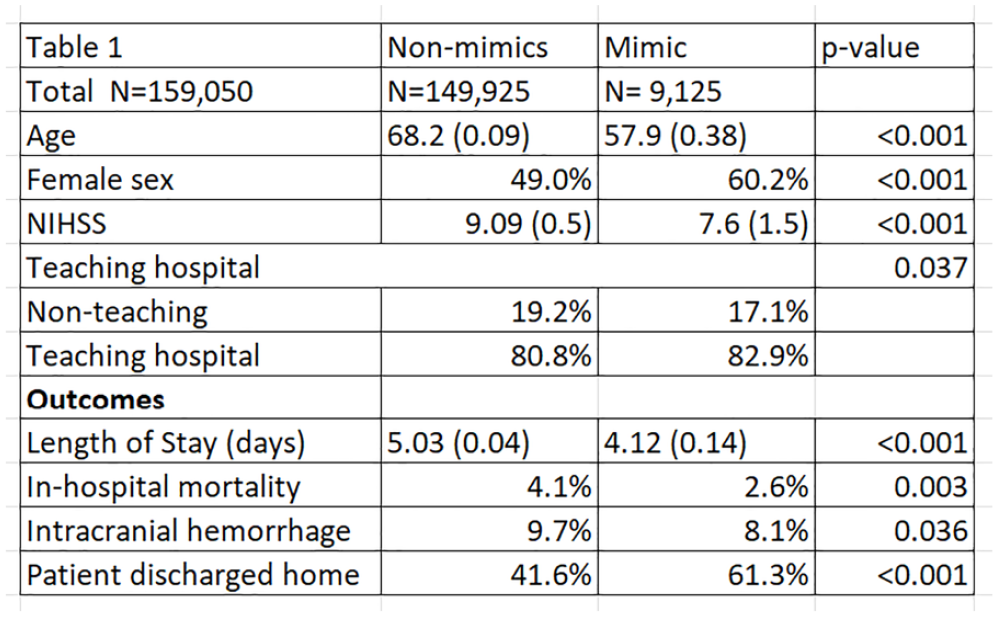
EPIDEMIOLOGY & RISK FACTORS
1925
A SYSTEMATIC REVIEW AND META-ANALYSIS OF THE PREVALENCE OF MULTIMORBIDITY IN GENERAL POPULATION IN CHINA
1The George Institute for Global Health, University of New South Wales, Sydney, Australia, 2College of Physical Education and Sport, Beijing Normal University, Beijing, China
EPIDEMIOLOGY & RISK FACTORS
2009
Association of high-sensitivity cardiac Troponin T with cardiovascular events after ischemic stroke or transient ischemic attack
1Medical University of Innsbruck, Department of Neurology, Innsbruck, Austria, 2Medical Faculty, Sigmund Freud Private University, Medical Faculty, Sigmund Freud Private University, Vienna, Austria, 3University Hospital of Innsbruck, Central Institute of Medical and Chemical Laboratory Diagnostics, Innsbruck, Austria, 4Clinical Epidemiology Team, Medical University of Innsbruck, Department of Public Health and Primary Care, Innsbruck, Austria
EPIDEMIOLOGY & RISK FACTORS
2038
Never too Young? – Comparison of first-ever stroke characteristics and outcomes in individuals aged under 60 years old vs. over 60 years old
1 Northwick Park Hospital, London North West NHS Trust, Stroke Unit, London, United Kingdom
EPIDEMIOLOGY & RISK FACTORS
2052
DEVELOPMENT AND VALIDATION OF ALL KINDS OF STROKE IDENTIFICATION ALGORITHM
1Seoul National University Bundang Hospital, Neurology, Seongnam, South Korea, 2Seoul National University Hospital, Neurology, Seoul, South Korea, 3Uijeongbu Eulji Medical Center, Eulji University, Neurology, Uijeongbu, South Korea, 4Hallym University Sacred Heart Hospital, Hallym University College of Medicine, Neurology, Anyang, South Korea, 5Seoul National University Bundang Hospital, Laboratory Medicine, Seongnam, South Korea, 6Korea University College of Medicine, Biostatistics, Seoul, South Korea
EPIDEMIOLOGY & RISK FACTORS
2122
RATIONALIZATIONS FOR FEMALE-ONLY RANDOMIZED CONTROLLED TRIALS IN CONDITIONS THAT AFFECT BOTH SEXES: FINDINGS FROM A SCOPING REVIEW
1Ottawa Hospital & Ottawa Hospital Research Institute, Neurology, Ottawa, Canada, 2University College Dublin, School of Medicine, Dublin, Ireland, 3Centre Hospitalier de l’Université de Montréal, Department of Neurosciences, Montreal, Canada, 4University of California, Davis, Betty Irene Moore School of Nursing, Davis, United States, 5University of Ottawa, Faculty of Medicine, Ottawa, Canada
EPIDEMIOLOGY & RISK FACTORS
2436
Age- and sex-specific differences in hospitalization rates, risk factors and outcomes of ischaemic and haemorrhagic stroke from German nationwide data
1Trinity College Dublin, Global Brain Health Institute, Dublin, Ireland, 2Mater Misericordiae University Hospital, Department of Intensive Care Medicine, Dublin, Ireland, 3University of Muenster, Institute of Biostatistics and Clinical Research, Muenster, Germany, 4University of Oxford, Wolfson Centre for the Prevention of Stroke and Dementia, Nuffield Department of Clinical Neurosciences, Oxford, United Kingdom, 5Brigham and Women’s Hospital, Department of Neurology, Boston, United States, 6Broad Institute of Harvard and the Massachusetts Institute of Technology, Program in Medical and Population Genetics, Boston, United States, 7Massachusetts General Hospital, McCance Center for Brain Health, Boston, United States, 8University Hospital Muenster, Department of Cardiology, Muenster, Germany
EPIDEMIOLOGY & RISK FACTORS
2476
Stroke Incidence and Outcome in a High-income Area: The Population-based Geneva Stroke Study
1Geneva, Neurology, Geneva, Switzerland, 2La Tour Hospital, Neurology, Meyrin, Switzerland, 3Nyon Hospital, Neurology, Nyon, Switzerland, 4University Hospital, Neuropediatrics, Geneva, Switzerland, 5University Hospital, Neurosurgery, Geneva, Switzerland
EPIDEMIOLOGY & RISK FACTORS
2546
Influence of sex on prognosis and delay of care of acute ischemic stroke treated by Tenecteplase
1GHPS, APHP, Stroke unit, Paris, France, 2ICM, ICRIN STARE, Paris, France, 3Paris, Sorbonne Université, INSERM, Institut Pierre Louis d’Epidémiologie et de Santé Publique, Paris, France, 4Paris, Stroke unit, Paris, France, 5Fondation Rothschild, Stroke unit, Paris, France, 6Corbeil-Essonnes, Stroke unit, Corbeil-Essonnes, France, 7Hopital Pellegrin, Stroke unit, Bordeaux, France, 8Le Kremlin-Bicêtre, neuroradiological unit, Le Kremlin-Bicêtre, France, 9GHPS, APHP, neuroradiological unit, Paris, France, 10Bordeaux, neuroradiological unit, Bordeaux, France, 11GHU Sainte Anne, Stroke unit, Paris, France, 2ICM, ICRIN STARE, Paris, France, 13GHPS, APHP, Stroke unit, Paris, France
EPIDEMIOLOGY & RISK FACTORS
2551
Short and long-term prognosis after tissue negative transient ischemic attack: data from the REGITELL registry
1Hospital Universitari Arnau de Vilanova, Neurology, Lleida, Spain, 2Institut de Recerca Biomèdica de Lleida Fundació Dr. Pifarré, Neurociències clíniques, Lleida, Spain, 3Universitat de Lleida, Medicina, Lleida, Spain, 4Xarxa Sanitària i Social de Santa Tecla, neurology, Tarragona, Spain
EPIDEMIOLOGY & RISK FACTORS
1533
NEIGHBORHOOD SOCIOECONOMIC STATUS, STROKE INCIDENCE AND FUNCTIONAL OUTCOMES IN BERLIN, GERMANY
1Institute of Public Health, Charité Universitätsmedizin Berlin, Berlin, Germany, 2Center for Stroke Research Berlin, Charité Universitätsmedizin Berlin, Berlin, Germany, 3Klinik und Hochschulambulanz für Neurologie, Charité Universitätsmedizin Berlin, Berlin, Germany
Disclosure of interest: Yes
EPIDEMIOLOGY & RISK FACTORS
2250
STROKE AND MULTIMORBIDITY: A NATIONWIDE DATABASE STUDY FROM CHILE
1Faculty of Medicine Clinica Alemana Universidad del Desarrollo, Centro de Estudios Clinicos ICIM, Santiago, Chile, 2Universitat Ramon LLull, Facultad de ciencias de la Salud Blanquerna, Barcelona, Spain, 3Faculty of Medicine Clinica Alemana Universidad del Desarrollo, Centro de Epidemiología y Politicas de Salud, Santiago, Chile, 4Facultad de Ciències de la Salut, Institut Recerca, Santiago, Spain, 5The George Institute for Global Health, NMH, Sydney, Australia
Methods A retrospective analysis of the Chilean national database Diagnosis Related Groups (GRD) that includes all adults admitted to hospital was performed. Multimorbidity in patients with stroke (CIE-10 codes: I60, I61, I62, I63, I64) was defined as the coexistence of ⩾2 conditions. In-hospital mortality in patients with principal diagnosis of ischemic stroke (IS) was calculated. Logistic regression was performed with STATA v17.1.
Disclosure of interest: Yes
EPIDEMIOLOGY & RISK FACTORS
869
CHARACTERISTICS OF PATIENTS WITH LARGE HEMISPHERIC INFARCTION AND ACUTE ISCHAEMIC STROKE FROM A LARGE ELECTRONIC HEALTH RECORDS DATABASE
1Biogen, Epidemiology, Cambridge, United States, 2Biogen, Real World Data Analytics, Cambridge, United States, 3Biogen, Clinical Development, Cambridge, United States, 4Biogen, Biomarkers, Cambridge, United States
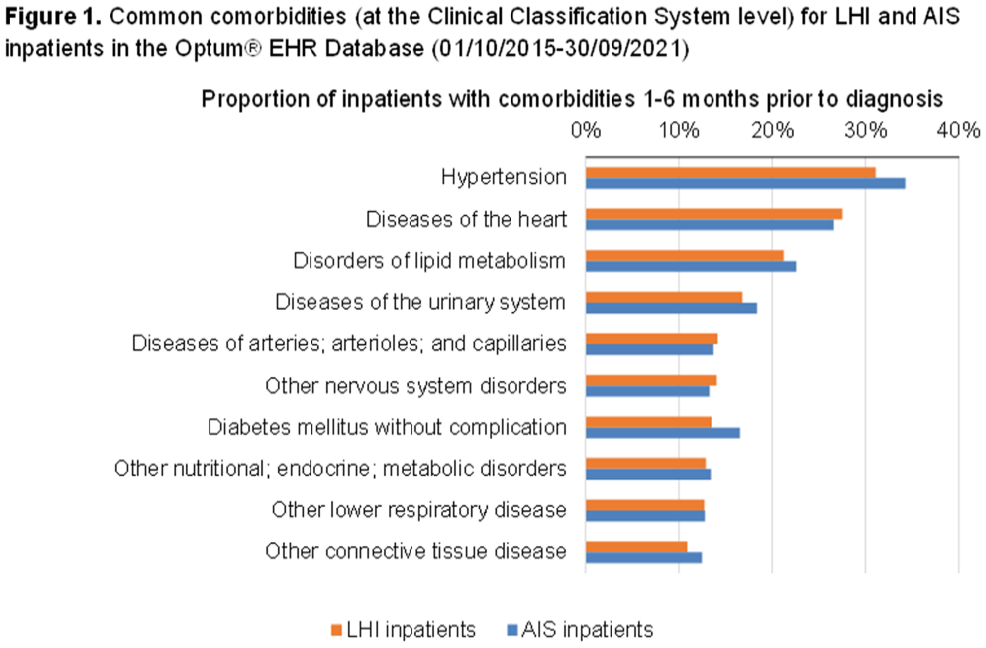
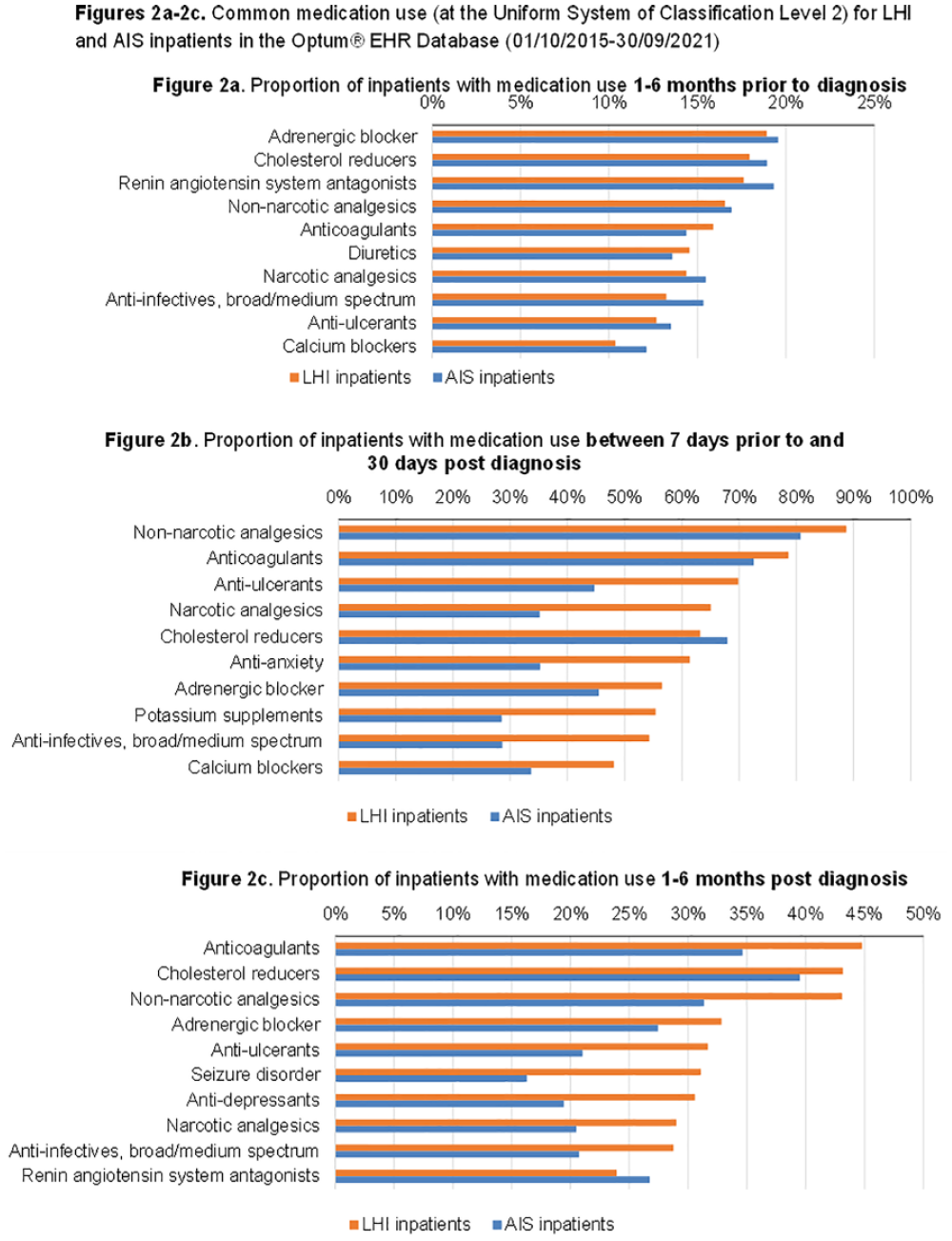
Disclosure of interest: Yes
EPIDEMIOLOGY & RISK FACTORS
889
DEVELOPMENT OF CASE DEFINITION ALGORITHMS TO IDENTIFY LARGE HEMISPHERIC INFARCTION (LHI) IN HEALTHCARE ADMINISTRATIVE DATA
1Biogen, Epidemiology, Cambridge, United States, 2Biogen, Value & Access, Cambridge, United States, 3Biogen, Clinical Development, Cambridge, United States, 4Biogen, Real World Data Analytics, Cambridge, United States, 5Biogen, Biomarkers, Cambridge, United States
Disclosure of interest: Yes
EPIDEMIOLOGY & RISK FACTORS
2099
Stroke in Very Elderly in India : Clinical profile, Risk Factor and Outcome:Is Stroke different after 80years age?
1AIIMS, NEUROLOGY, New Delhi, India, 2ALL INDIA INSTITUTE OF MEDICAL SCIENCES,New Delhi, NEUROLOGY, New Delhi, India
EPIDEMIOLOGY & RISK FACTORS
640
DIABETES MELLITUS NEGATIVELY AFFECTS OUTCOME IN STROKE PATIENTS TREATED WITH ENDOVASCULAR THROMBECTOMY
1University Hospital Bonn, Department of Neurology, Bonn, Germany, 2University Hospital Bonn, Department of Neuroradiology, Bonn, Germany, 3University Hospital, LMU Munich, Institute for Stroke and Dementia Research, München, Germany
Disclosure of interest: Yes
EPIDEMIOLOGY & RISK FACTORS
1076
Variations in associations of Atrial Fibrillation and Ischemic Stroke in countries with different Income-Levels: INTERSTROKE case-control study
1Clinical Research Facility Galway, University of Galway, Galway, Ireland, 2Universidade Eduardo Mondlane, Faculty of Medicine, Maputo, Mozambique, 3Population Health Research Institute, McMaster University and Hamilton Health Sciences, Hamilton, Canada
IMAGING – HYPERACUTE
64
Good Leptomeningeal Collaterals are Associated with Large-Artery Atherosclerosis Stroke Etiology
1University Hospital Basel, Neurology and Stroke Center, Basel, Switzerland, 2University Hospital Basel, Neuroradiology, Basel, Switzerland, 3Rehabilitation clinic, Neurology, Rheinfelden, Switzerland
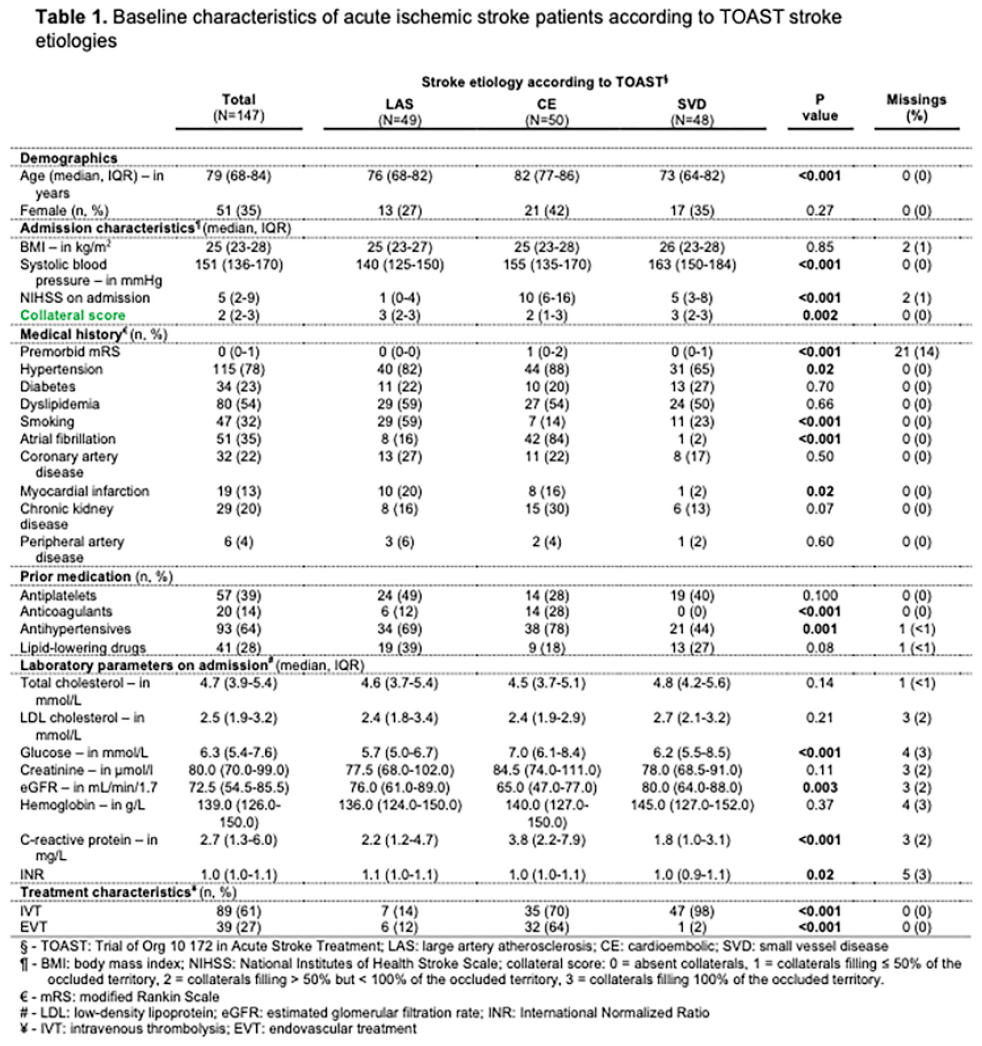
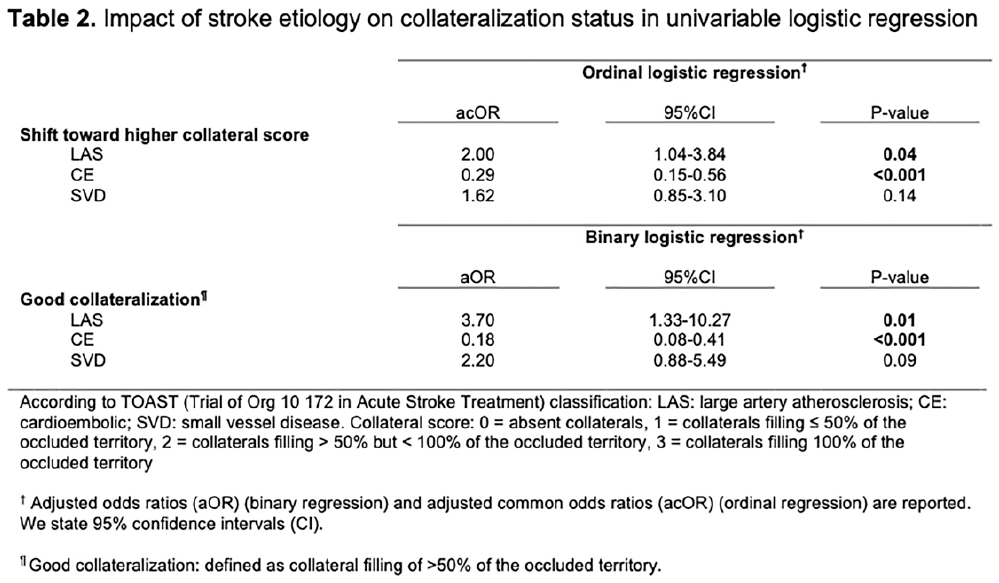
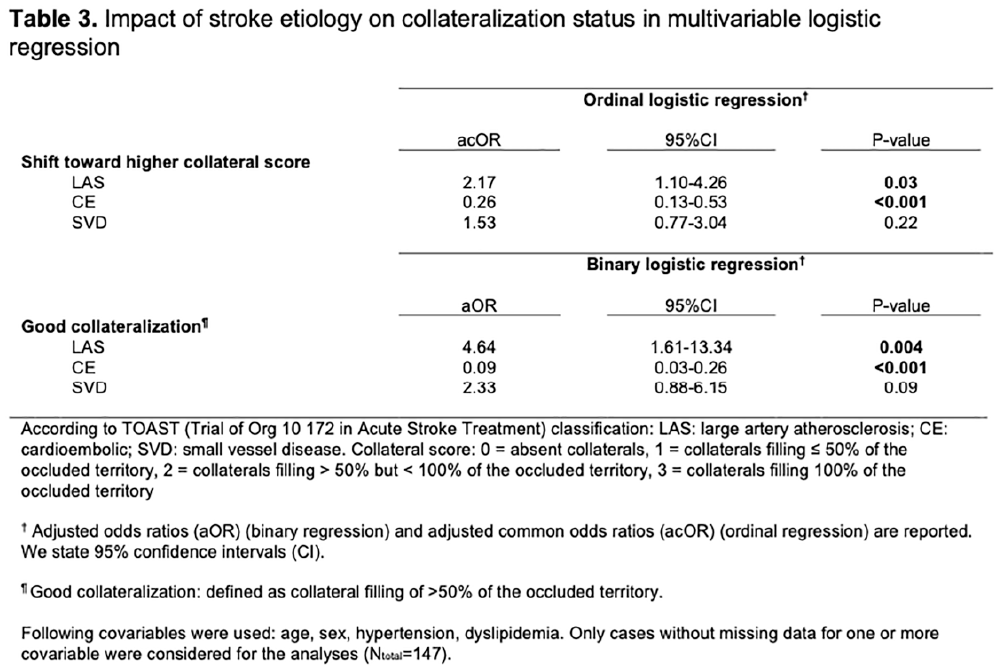
IMAGING – HYPERACUTE
82
Ghost Infarct Core Phenomenon: Frequency, Magnitude, and Variables of Ischemic Core Overestimation
1Donald and Barbara Zucker School of Medicine at Hofstra/Northwell, Neurology, Manhasset, United States, 2Donald and Barbara Zucker School of Medicine at Hostra/Northwell, Neurosurgery, Manhasset, United States
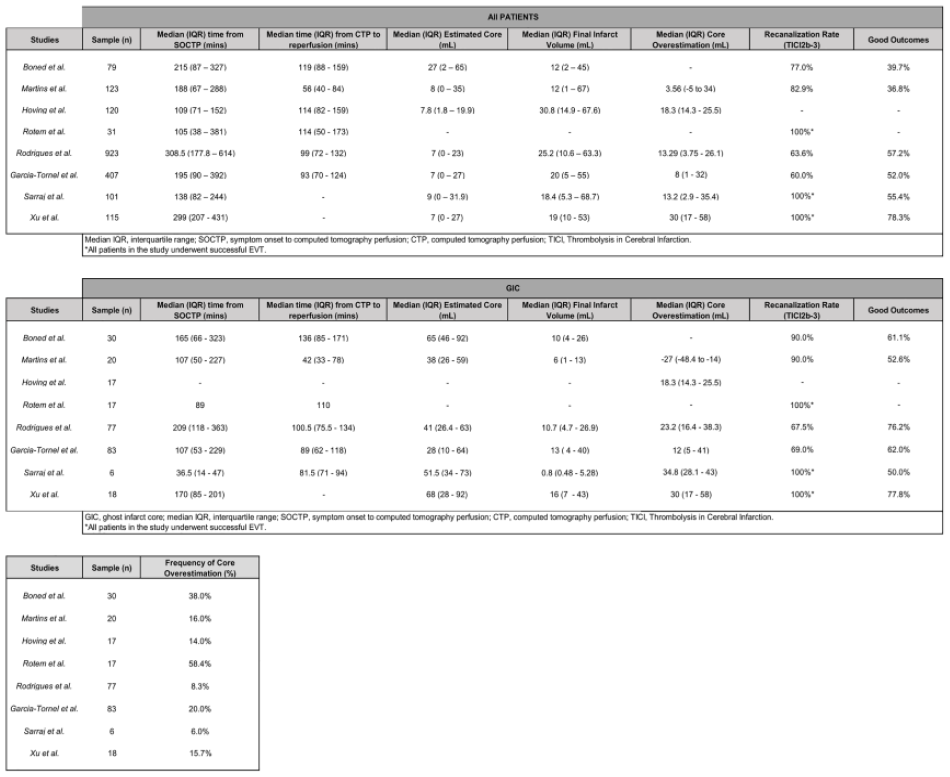
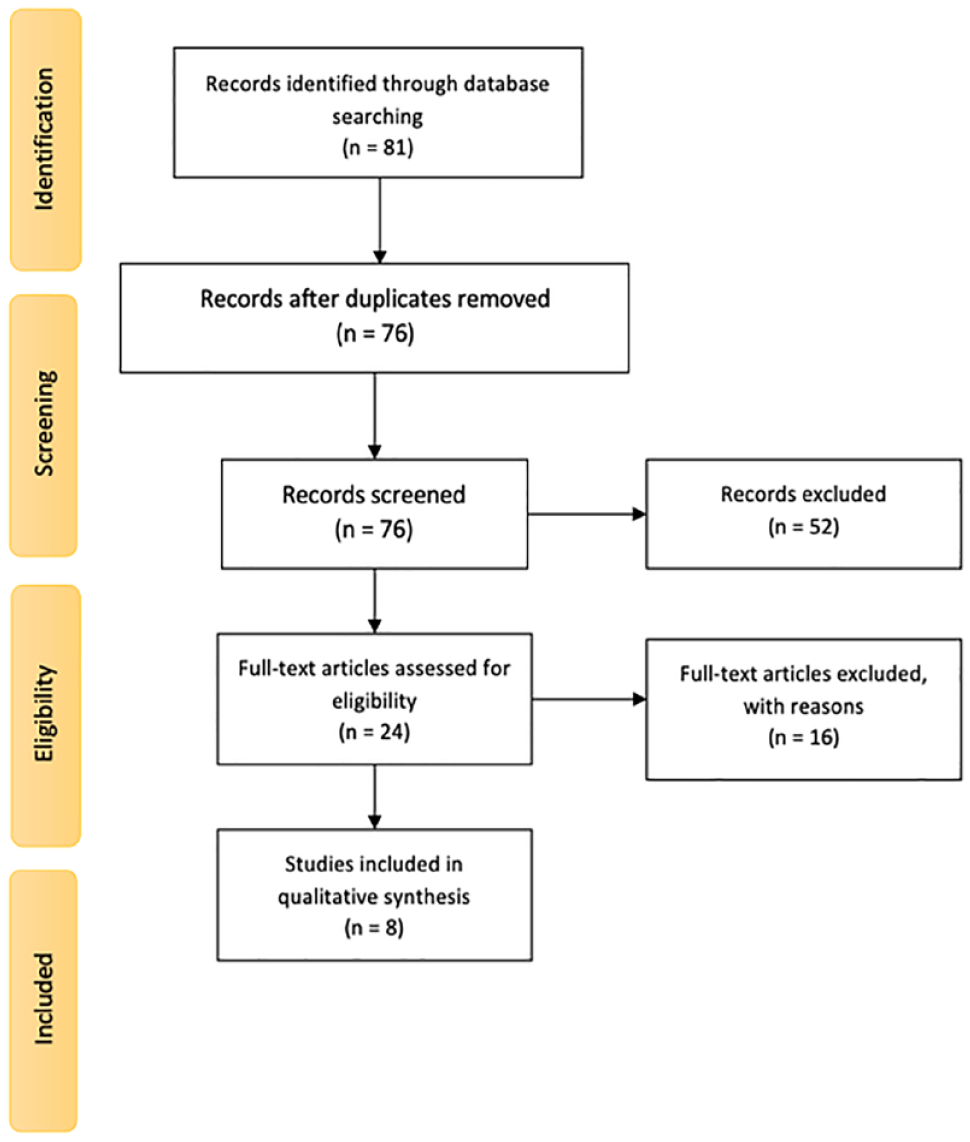
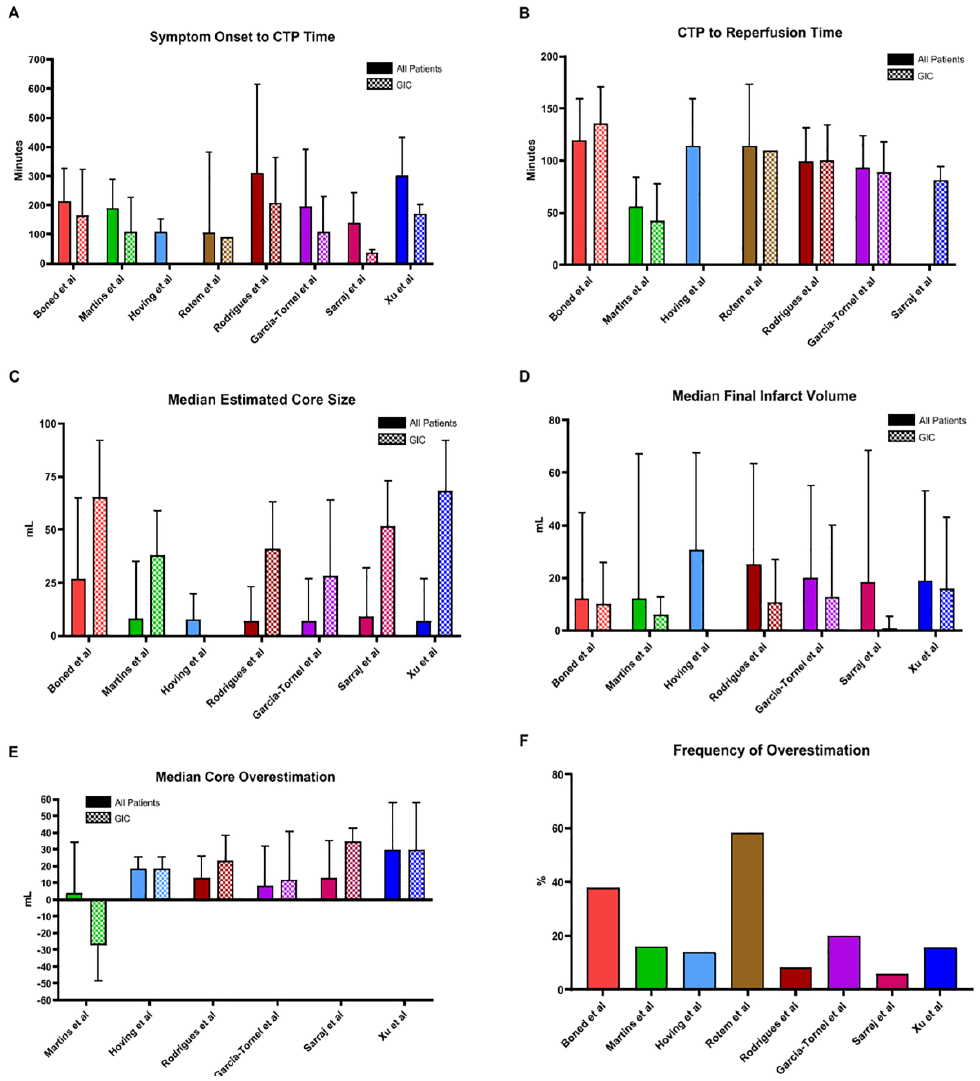
IMAGING – HYPERACUTE
108
Value of Immediate Flat Panel Perfusion Imaging After Endovascular Therapy (AFTERMATH): A proof of concept study
1University Hospital Bern Inselspital, Department of Diagnostic and Interventional Neuroradiology, Bern, Switzerland, 2University Hospital Bern Inselspitak, Department of Diagnostic, Interventional and Pediatric Radiology, Bern, Switzerland, 3Siemens Healthineers, Advanced Therapies, Forchheim, Germany, 4University Hospital Tours, Department of Diagnostic and Interventional Neuroradiology, Tours, France, 5University Hospital Bern Inselspital, Department of Neurology, Bern, Switzerland, 6Department of Neurology, Boston Medical Center, Boston, United States, 7University Hospital Basel, Department of Neurology, Basel, Switzerland, 8Cantonal Hospital St. Gallen, Department of Diagnostic and Interventional Neuroradiology, St. Gallen, Switzerland
IMAGING – HYPERACUTE
166
Radiological factors associated with poorer functional outcome in an Asian cohort of ischemic stroke patients undergoing mechanical thrombectomy
1National University Hospital (NUH) - Singapore, Department of Medicine, Singapore, Singapore, 1National University Hospital (NUH) - Singapore, Department of Medicine, Singapore, Singapore, 3National University Singapore, Yong Loo Lin School of Medicine, Singapore, Singapore, 4National University Hospital (NUH) - Singapore, Department of Diagnostic Imaging, Singapore, Singapore, 5National University Hospital (NUH) - Singapore, Department of Neurology, Singapore, Singapore
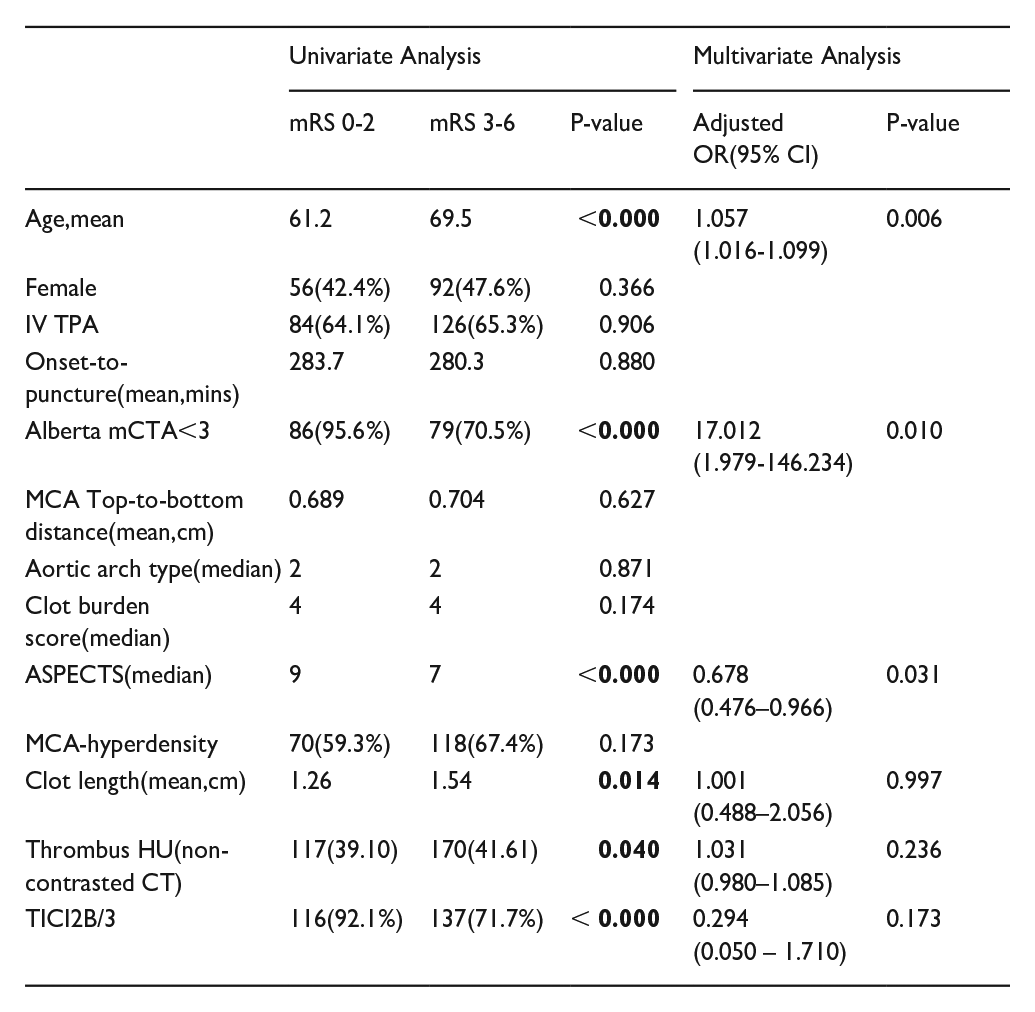
IMAGING – HYPERACUTE
177
Association of plasma glucose levels and cerebral computed tomography perfusion imaging parameters
1Helsinki University Hospital, Department of Neurology, Helsinki, Finland, 2Helsinki University Hospital, Helsinki Medical Imaging Centre, Helsinki, Finland
IMAGING – HYPERACUTE
302
RADIOMICS IN ACUTE STROKE: INDIVIDUALIZED TISSUE OUTCOME PREDICTION AFTER MECHANICAL THROMBECTOMY USING CONVOLUTIONAL NEURAL NETWORKS
1Leipzig University Hospital, Neuroimaging Laboratory, Department of Neurology, Leipzig, Germany, 2Leipzig University, Center for Scalable Data Analytics and Artificial Intelligence (ScaDS.AI), Leipzig, Germany, 3Leipzig University, Signal and Image Processing Group, Institute for Informatics, Leipzig, Germany, 4University Hospital Carl Gustav Carus, Institute of Neuroradiology, Dresden, Germany, 5University of Freiburg Medical Center, Department of Medical Physics, Freiburg, Germany, 6Helios Hospital Erfurt, Institute for Diagnostic and Interventional Radiology and Neuroradiology, Erfurt, Germany, 7Leipzig University Hospital, Department of Neuroradiology, Leipzig, Germany, 8Leipzig University Hospital, Department of Radiology, Leipzig, Germany
IMAGING – HYPERACUTE
314
Prediction of intracranial atherosclerotic acute large vessel occlusion with baseline neuroimaging before endovascular treatment
1Stroke Unit. Department of Neurology, Hospital Universitari Vall d’Hebron, Barcelona, Spain, 2Department of Neuroradiology, Hospital Universitari Vall d’Hebron., Barcelona, Spain
IMAGING – HYPERACUTE
354
Acute infarct underestimation by CT perfusion imaging
1KU Leuven, Lab for neurobiology, Leuven, Belgium, 2Leuven University Hospital, Radiology, Leuven, Belgium, 3Stanford University, Stanford Stroke Center, Palo Alto, United States, 4Katholieke Universiteit Leuven, Lab for neurobiology, Leuven, Belgium
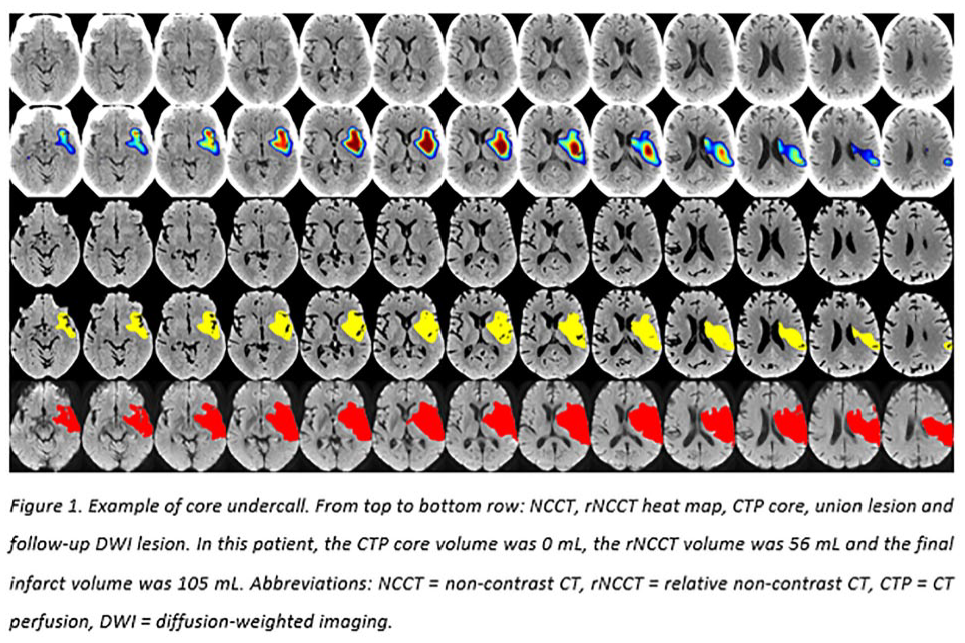
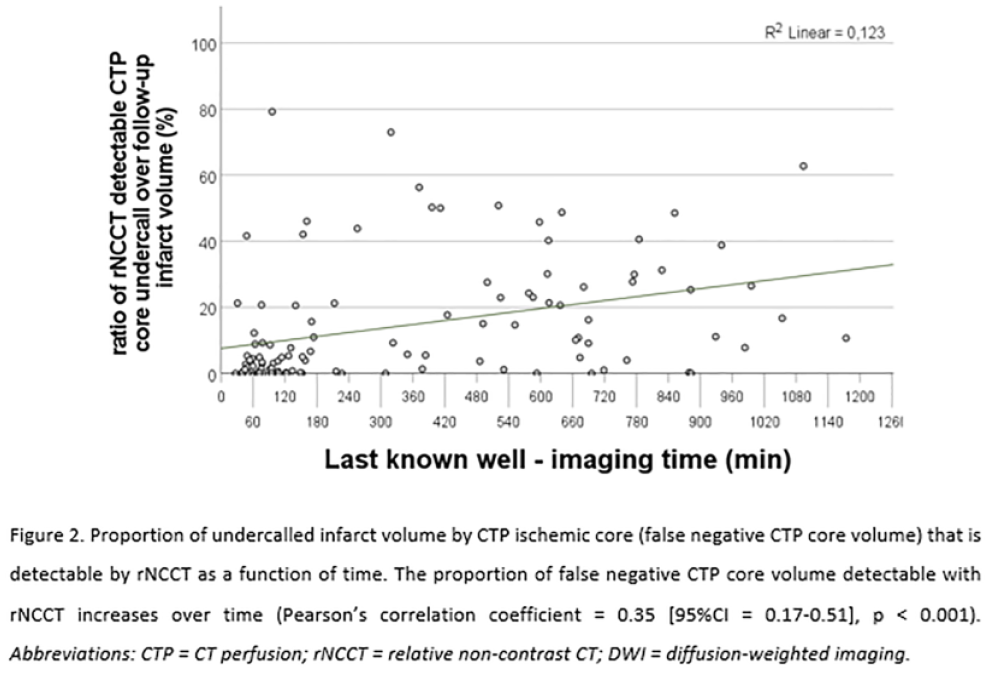
IMAGING – HYPERACUTE
381
Clinical Characteristics Associated with Acute Ischemic Signs on Non-contrast Computed Tomography
1The George Institute for Global Health, Faculty of Medicine, University of New South Wales, Neurology, Sydney, Australia, 2National Cerebral and Cardiovascular Center, Cerebrovascular Medicine, Osaka, Japan, 3The Second Affiliated Hospital of Soochow University, Neurology, Suzhou, China, 4Centre for Clinical Brain Sciences, University of Edinburgh, Edinburgh Imaging, Edinburgh, United Kingdom, 5The George Institute for Global Health and University of Sydney, Geriatrics, Sydney, Australia
415
Computed Tomography Perfusion (CTP) predictors of hemorrhagic transformation after mechanical thrombectomy (MT): Implications for post thrombectomy care
1Michigan State University, Neuroscience Institute, Division of Neurology, Spectrum Health, Grand Rapids, United States, 2Michigan State University, College of Human Medicine, Grand Rapids, United States, 3Spectrum Health, Bioinformatics Core, Grand Rapid, United States, 4Michigan State University, Neuroscience Institute, Division of Neurosurgery, Spectrum Health, Grand Rapids, United States
IMAGING – HYPERACUTE
531
Gadolinium leakage into ocular structures as a marker in stroke: a retrospective analysis of the WAKE-UP trial
1KULeuven, Department of neuroscience, Leuven, Belgium, 2UZ Leuven, Neurology, Leuven, Belgium, 3University Medical Center Hamburg-Eppendorf, Klinik und Poliklinik für Neurologie, Hamburg, Germany, 4Aarhus University Hospital, Department of neurology, Aarhus, Denmark, 5Charit. – Universit.tsmedizin Berlin, Center for Stroke Research Berlin (CSB), Berlin, Germany, 6Medical Park Berlin Humboldtmühle, Klinik für Neurologie, Berlin, Germany, 7Universit. Claude Bernard Lyon 1, Department of Stroke Medicine, Lyon, France, 8University of Glasgow, School of Psychology & Neuroscience, Glagow, United Kingdom, 9Charit. – Universit.tsmedizin Berlin, Klinik und Hochschulambulanz für Neurologie, Berlin, Germany, 10partner site Berlin, German Center for Cardiovascular Research (DZHK), Berlin, Germany, 11partner site Berlin, German Center for Neurodegenerative Diseases (DZNE), Berlin, Germany, 12Parc Hospitalari Marti i Julia de Salt – Edifici M2, Biomedica de Girona (IDIBGI), Girona, Spain, 13University of Melbourne, Florey Institute of Neuroscience and Mental Health, Heidelberg, Australia, 14Austin Health, Department of Neurology, Heidelberg, Australia
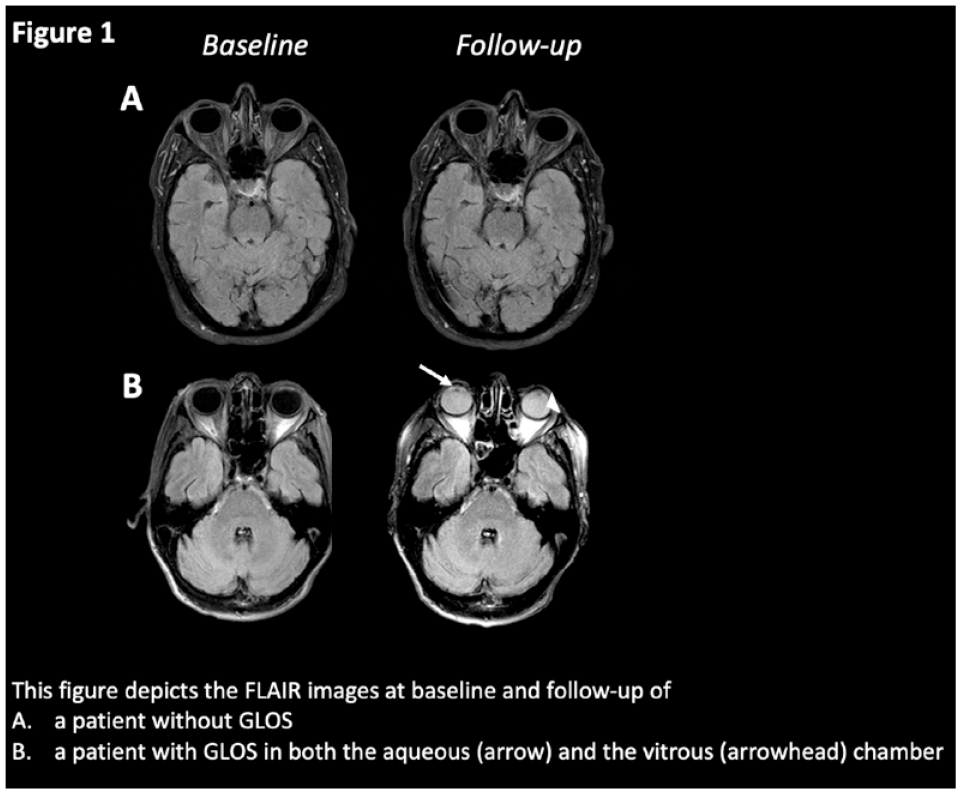
IMAGING – HYPERACUTE
608
Diffusion-Weighted Imaging for the Identification of Acute Central Retinal Artery Occlusion - Results from a Bicentric Cohort Study
1Charité - Universitätsmedizin Berlin, Department of Neurology, Berlin, Germany, 2Montpellier University Hospital Center, Gui de Chauliac Hospital, Department of Neurology, Montpellier, France, 3Montpellier University Hospital Center, Gui de Chauliac Hospital, Department of Neuroradiology, Montpellier, France, 4Charité - Universitätsmedizin Berlin, Institute of Neuroradiology, Berlin, Germany
654
Hypoperfusion intensity ratio: An automated tool to predict failed reperfusion
1Stroke Unit. Department of Neurology, Hospital Universitari Vall d’Hebron, Barcelona, Spain, 2Department of Neuroradiology, Hospital Universitari Vall d’Hebron, Barcelona, Spain
673
A deep learning approach to classification of posterior circulation stroke using CT perfusion data
1University of Melbourne, Melbourne Brain Centre, Parkville, Australia, 2University of New South Wales, Department of Neurology, Sydney, Australia
IMAGING – HYPERACUTE
892
Sensitivity of native-phase cranial CT (NCCT) compared to fluid attenuated inversion recovery (FLAIR) - MRI for detection of early signs of infarction in acute stroke
1Hannover Medical School, Department of Neurology, Hannover, Germany, 2Hannover Medical School, Institute of Diagnostic and Interventional Neuroradiology, Hannover, Germany
IMAGING – HYPERACUTE
987
Regional leptomeningeal collateral score versus hypoperfusion intensity ratio in large vessel occlusion
1University of Glasgow, School of Psychology and Neuroscience, Glasgow, United Kingdom, 2NHS Greater Glasgow & Clyde, Institute of Neurological Sciences, Glasgow, United Kingdom
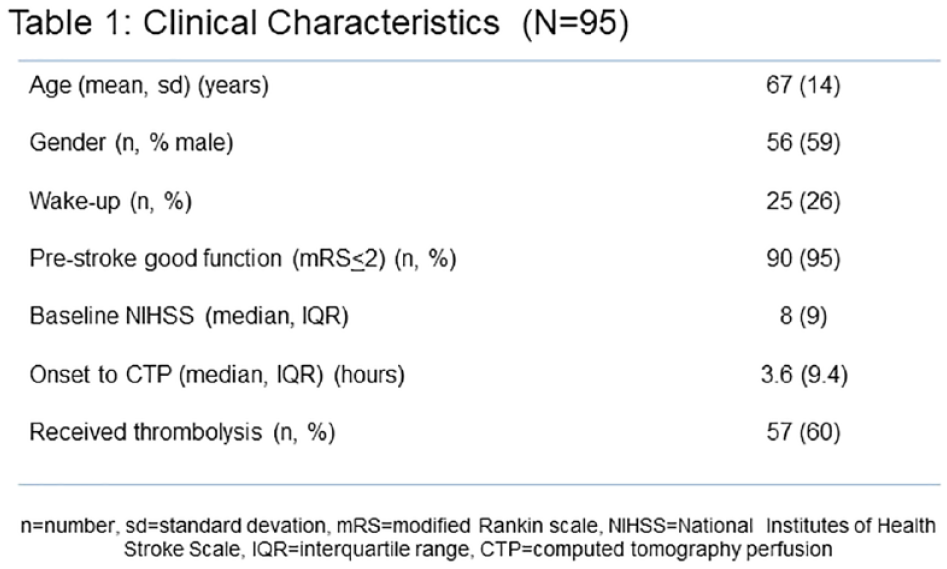
IMAGING – HYPERACUTE
1428
‘No-reflow’ despite complete recanalization: re-appraisal from a comprehensive review
1University Hospital of Montpellier, CHU Gui de Chauliac, Department of Neurology, Montpellier, France, 2GHU Paris Psychiatrie et Neurosciences, Hopital Sainte-Anne, Université de Paris, Department of Neuroradiology, Paris, France, 3GHU Paris Psychiatrie et Neurosciences, Hopital Sainte-Anne, Université de Paris, Department of Neurology, Paris, France
IMAGING – HYPERACUTE
1489
INFARCT CORE ANALYSIS WITH RAPID CT PERFUSION SOFTWARE: THE CLINICAL RELEVANCE OF GHOST INFARCTION CORE AND EXPANSIVE CORE
1Hospital La Princesa, Stroke Center, Madrid, Spain, 2Hospital La Princesa, Radiology department, Madrid, Spain
EXC was identified in 24 patients(20.9%) and was associated with DM(p=0.035), hyperglycemia(p=0.033) and ipsilateral intracranial stenosis(p=0.041). Among prognostic factors, they presented higher 24h-INF(p<0.001), mRS at 3months(p<0.001), and mortality(p<0.001).
IMAGING – HYPERACUTE
1587
Radiological evolution of cerebral venous thrombosis in the acute and subacute phases: V-POSITIVE study
1H. U La Princesa, Neurology, Madrid, Spain, 2H. U Clinico San Carlos, Neurology, Madrid, Spain, 3H. Rey Juan Carlos, Neurology, Madrid, Spain, 4H. U Ramón y Cajal, Neurology, Madrid, Spain, 5H. U La Princesa, Radiology, Madrid, Spain
IMAGING – HYPERACUTE
1757
Hyperintense Acute Reperfusion Marker Sign in Patients with Transient Ischemic Attack
1Kyung Hee University Hospital, Department of Neurology, Seoul, South Korea, 2Kyung Hee University Hospital, Department of Radiology, Seoul, South Korea
IMAGING – HYPERACUTE
2022
Predicting thrombi histopathologic composition in acute basilar artery oclussion through CT image features: a review and guide for the radiologist
1Hospital Universitario Virgen del Rocío, Radiology, Seville, Spain, 2Hospital Universitario Virgen del Rocío, Interventional Neurorradiology, Seville, Spain, 3Hospital Universitario Virgen del Rocío, Neurorradiology, Seville, Spain, 4Seville Biomedical Research Institute, Neurovascular Research Program, Seville, Spain
IMAGING – HYPERACUTE
2167
DETERMINANTS OF LEPTOMENINGEAL CEREBRAL COLLATERALS IN PATIENTS WITH ACUTE ISCHEMIC STROKE AND LARGE VESSEL OCCLUSION
1University of Florence, NEUROFARBA Department, Florence, Italy, 2Careggi University Hospital, Stroke Unit, Florence, Italy, 3Careggi University Hospital, Neuroradiology, Florence, Italy
IMAGING – HYPERACUTE
2450
DETECTION OF HYPOPERFUSION DURING ACUTE ISCHAEMIC STROKE USING DYNAMIC CT ANGIOGRAMS
1University of Calgary, Biomedical Engineering, Calgary, Canada, 2University of Calgary, Radiology, Calgary, Canada, 3University of Calgary, Clinical Neurosciences, Calgary, Canada
AUCs and accuracies for each model & vascular region.
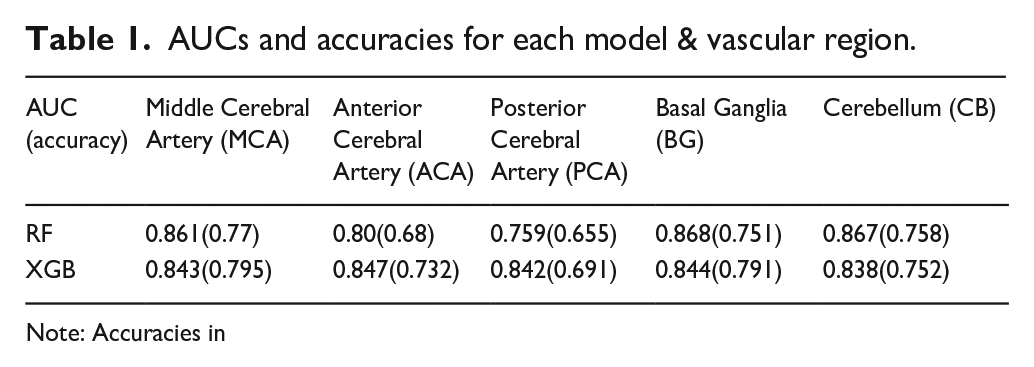
Note: Accuracies in
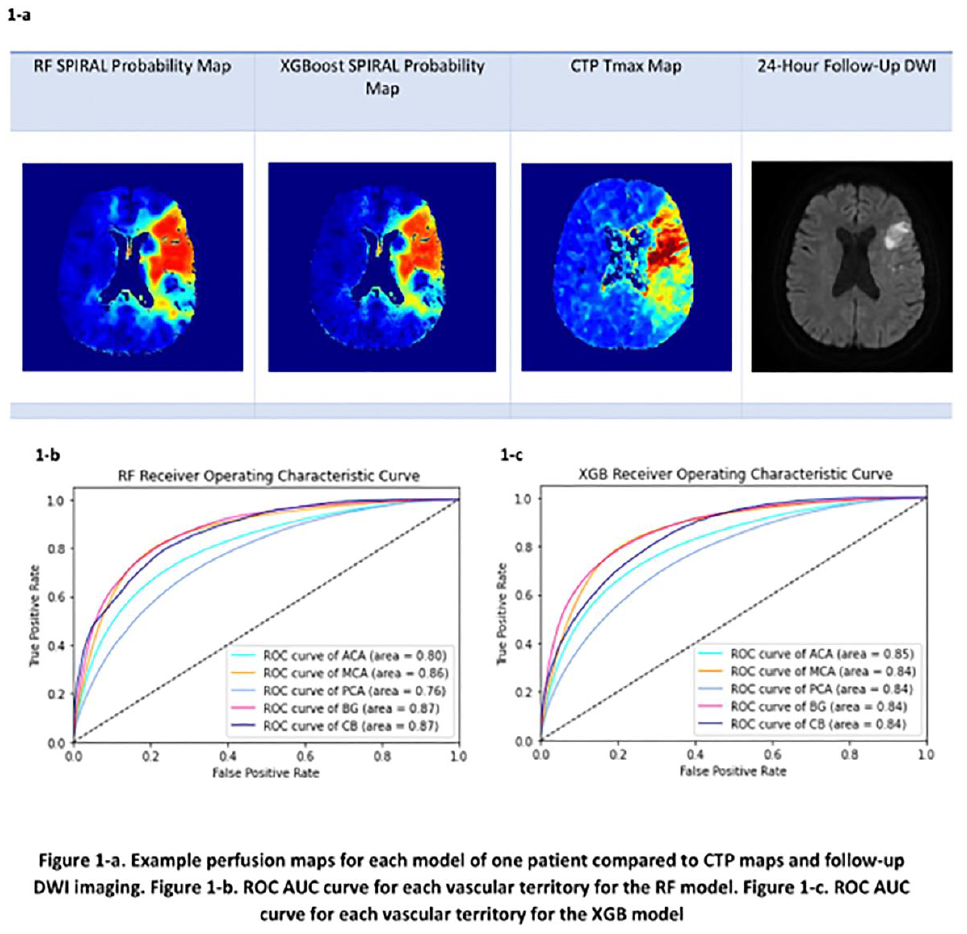
IMAGING – HYPERACUTE
2573
Multi-centre comparison of artificial intelligence-based detection of large vessel occlusion and neuro-radiologist reporting
1Royal Berkshire Hospital, Stroke Medicine, Reading, United Kingdom, 2Buckinghamshire Healthcare NHS Trust, Stroke Medicine, High Wycombe, United Kingdom
IMAGING – HYPERACUTE
1497
Artificial Intelligence based nationwide centralized decision supporting system for improving stroke care efficiency in Hungary
1National Institute of Mental Health Neurology and Neurosurgery, Neurointerventions, Budapest, Hungary, 2Brainomix Ltd, Brainomix Ltd, Oxford, United Kingdom, 3eRAD-BB, eRAD-BB, Budpest, Hungary, 4Bajcsy-Zsiliszky Hospital, Director Office, Budapest, Hungary
Disclosure of interest: Yes
IMAGING – HYPERACUTE
1412
CORRECT-CTP: A CORRELATIONAL ANALYSIS OF ISCHEMIC CORE VOLUMES FROM NON-CONTRAST CT AND CT-PERFUSION
1Heidelberg University Hospital, Neuroradiology, Heidelberg, Germany, 2Klinikum Frankfurt-Höchst, Neuroradiology, Frankfurt a.M., Germany, 3Klinikum Ludwigshafen, Neurology, Ludwigshafen a. R., Germany, 4Heidelberg University Hospital, Neurology, Heidelberg, Germany, 5Klinikum Frankfurt-Höchst, Neurology, Frankfurt a.M., Germany
Disclosure of interest: Yes
IMAGING – HYPERACUTE
454
Automated Assessment of DWI-FLAIR Mismatch in Patients with Acute Ischemic Stroke: Added Value to Routine Clinical Practice
1University of California, Los Angeles, Radiological Sciences, Los Angeles, United States, 2University of California, Los Angeles, Biomedical Engineering, Los Angeles, United States, 3University of California, Los Angeles, Neurology, Los Angeles, United States
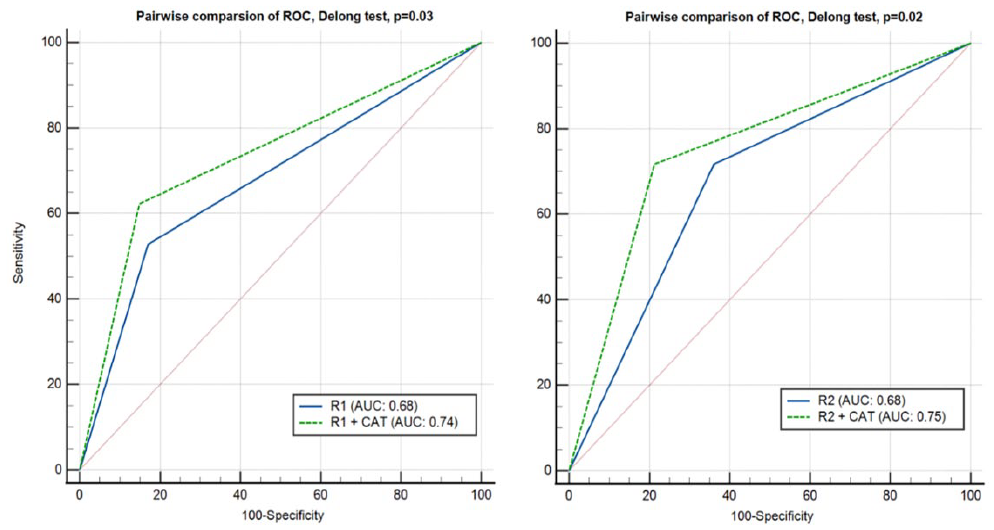
Disclosure of interest: Yes
IMAGING – HYPERACUTE
1365
LARGE VARIATIONS IN LOCALIZATION AND QUANTIFICATION OF THE ISCHEMIC CORE IN ACUTE ISCHEMIC STROKE BETWEEN DIFFERENT COMMERCIAL CT PERFUSION SOFTWARE PRODUCTS
1Heidelberg University Hospital, Neuroradiology, Heidelberg, Germany, 2Klinikum Ludwigshafen, Neurology, Ludwigshafen a. R., Germany, 3Heidelberg University Hospital, Neurology, Heidelberg, Germany, 4Klinikum Frankfurt-Höchst, Neurology, Frankfurt a.M., Germany
Disclosure of interest: Yes
IMAGING – HYPERACUTE
1166
A NOVEL CT ANGIOGRAPHY AUTOMATED DETECTION TOOL FOR BASILAR ARTERY OCCLUSION
1Oxford University Hospitals, Stroke Medicine, Oxford, United Kingdom, 2Brainomix Ltd, Translational Research, Oxford, United Kingdom, 3Brainomix Ltd, Research and development, Oxford, United Kingdom, 4Royal Adelaide Hospital, Department of Neurology, Adelaide, Australia, 5ASST-Spedali Civili, Neurology Unit, Department of Neurological Sciences and Vision, Brescia, Italy, 6Careggi University Hospital, NEUROFARBA Department, Florence, Italy, 7Royal Melbourne Hospital, University of Melbourne, Department of Medicine and Neurology, Parkville, Australia, 8The Walter and Eliza Hall Institute of Medical Research, Population Health and Immunity Division, Parkville, Australia, 9Agel Hospital in Ostrava – Vitkovice, Department of Neurology, Ostrava, Czech Republic, 10Fakultní nemocnice Královské Vinohrady, Neurologická klinika, Prague, Czech Republic, 11Mayo Clinic Rochester, Department of Radiology, Rochester, United States
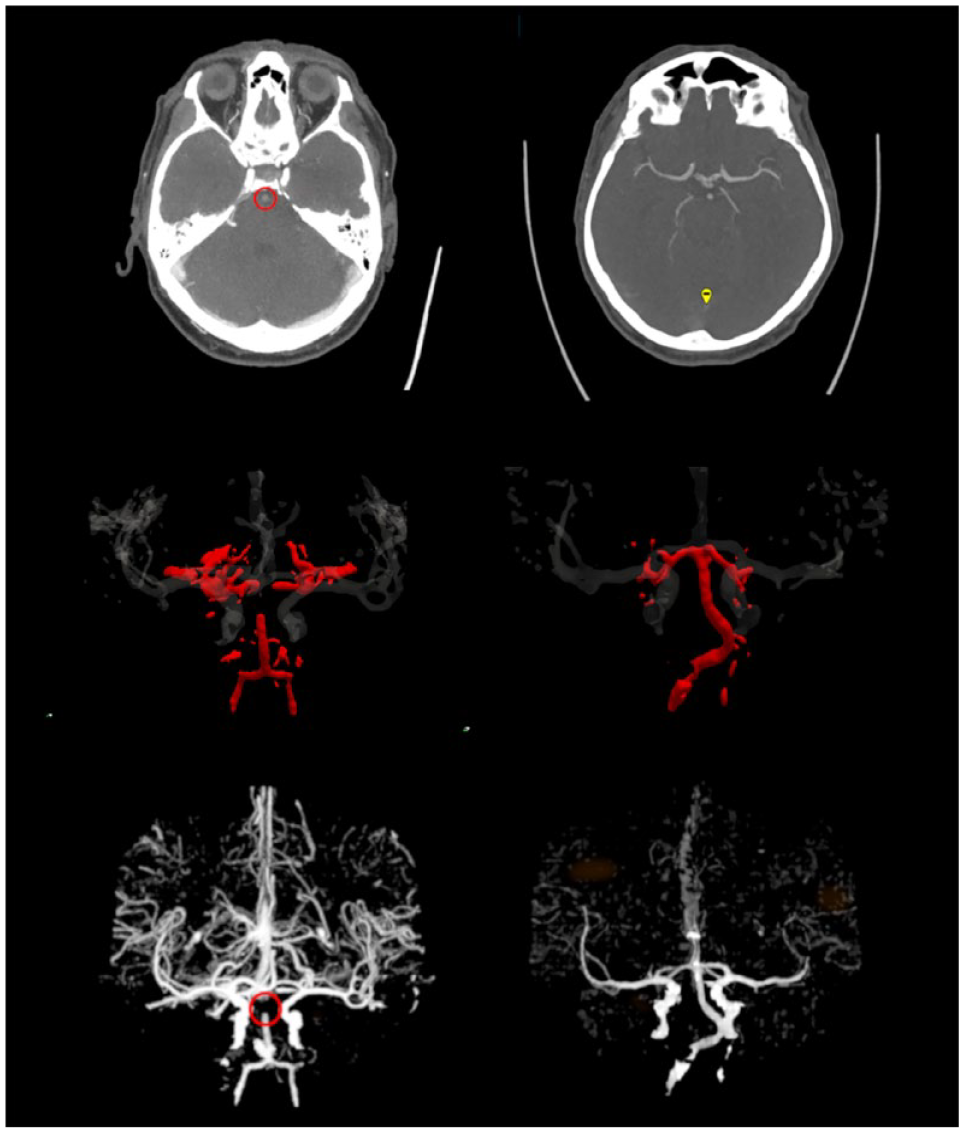
Examples (left:BAO, right:no-occlusion)
Disclosure of interest: Yes
IMAGING – HYPERACUTE
2155
AUTOMATED QUANTIFICATION OF ISCHEMIC CORE FOR STROKE THROMBECTOMY USING NON-CONTRAST CT AND CT ANGIOGRAPHY COMPARED TO CT PERFUSION ESTIMATES
1Mayo Clinic Rochester, Department of Radiology, Rochester, United States, 2Brainomix Ltd, Translational Research, Oxford, United Kingdom, 3Oxford University Hospitals, Stroke Medicine, Oxford, United Kingdom, 4Brainomix Ltd, Research and development, Oxford, United Kingdom, 5Mayo Clinic Rochester, Departments of Neurology, Rochester, United States
Disclosure of interest: Yes
IMAGING – HYPERACUTE
2591
PORTABLE, LOW-FIELD MRI FOR WAKE-UP STROKE
1Massachusetts General Hospital and Harvard Medical School, Department of Neurology and the Center for Genomic Medicine, Boston, Massachusetts, United States, 2Yale New Haven Hospital and Yale School of Medicine, Division of Neurocritical Care and Emergency Neurology, Department of Neurology, Yale Center for Brain & Mind Health, New Haven, Connecticut, United States, 3Yale School of Medicine, Department of Radiology and Biomedical Imaging, New Haven, Connecticut, United States, 4Massachusetts General Hospital and Harvard Medical School, Department of Emergency Medicine, Boston, Massachusetts, United States, 5Massachusetts General Hospital and Harvard Medical School, Division of Neuroradiology, Department of Radiology, Boston, Massachusetts, United States, 6Massachusetts General Hospital and Harvard Medical School, Athinoula A. Martinos Center for Biomedical Imaging, Boston, Massachusetts, United States
Disclosure of interest: Yes
IMAGING – HYPERACUTE
1524
Basal Ganglia Perfusion Parameters Predict Hemorrhagic Transformation after reperfusion therapy of Acute Ischemic Stroke
1 Huashan Hospital, Fudan University, Shanghai, China
IMAGING – HYPERACUTE
957
USE OF PERFUSION IMAGING FOR TRIAGE OF PATIENTS WITH ACUTE ISCHEMIC STROKE: SECULAR TRENDS AND EFFECTS ON ENDOVASCULAR TREATMENT AND OUTCOMES
1Seoul National University Bundang Hospital, Department of Neurology, Seongnam, South Korea, 2Eulji General Hospital, Eulji University, Department of Neurology, Seoul, South Korea, 3Eulji University Hospital, Department of Neurology, Daejeon, South Korea, 4Dong-A University Hospital, Department of Neurology, Busan, South Korea, 5Seoul Medical Center, Department of Neurology, Seoul, South Korea, 6Soonchunhyang University Hospital Seoul, Department of Neurology, Seoul, South Korea, 7Yeungnam University Medical Center, Department of Neurology, Daegu, South Korea, 8Inje University Ilsan Paik Hospital, Department of Neurology, Goyang, South Korea, 9Hallym University Sacred Heart Hospital, Department of Neurology, Anyang, South Korea, 10Chonnam National University Hospital, Department of Neurology, Gwangju, South Korea, 11Dongguk University Ilsan Hospital, Department of Neurology, Goyang, South Korea, 12Jeju National University Hospital, Department of Neurology, Jeju, South Korea, 13Chungbuk National University Hospital, Department of Neurology, Cheongju, South Korea, 14Ulsan University Hospital, Department of Neurology, Ulsan, South Korea, 15Keimyung University Dongsan hospital, Department of Neurology, Daegu, South Korea, 16Hallym University Chuncheon Sacred Heart Hospital, Department of Neurology, Gangwon-do, South Korea, 17Chung-Ang University Hospital, Department of Neurology, Seoul, South Korea, 18Uijeongbu Eulji Medical center Eulji University, Department of Neurology, Uijenongbu, South Korea, 19Korea University; BK21FOUR R&E Center for Learning Health Systems, Department of Biostatistics, Seoul, South Korea, 20Asan Medical Center, Clinical Research Center, Seoul, South Korea
IMAGING – HYPERACUTE
1761
DELAYED SECONDARY ISCHAEMIC INJURY FOLLOWING ENDOVASCULAR THROMBECTOMY (EVT): RESULTS FROM THE REPERFUSE NA1 STUDY
1University of Calgary, Department of Neuroscience, Calgary, Canada, 2Foothills Medical Centre, Department of Clinical Neurosciences, Calgary, Canada, 3University Hospital Basel, Department of Neurology, Basel, Switzerland, 4Foothills Medical Centre, Calgary Stroke Program, Calgary, Canada, 5Rhode Island Medical Imaging, Department of Neurology and Neurosurgery, Providence, United States, 6Sunnybrook Health Sciences Centre, Department of Medical Imaging, Toronto, Canada, 7University of British Columbia, Vancouver Stroke Program, Vancouver, Canada, 8UT Erlanger Neurology, Department of Neurology, Chattanooga, United States, 9Foothills Medical Centre, Department of Clinical Radiology, Calgary, Canada, 10University of Toronto, Departments of Surgery and Physiology, Toronto, Canada, 11NoNO Inc., Board of Directors, Toronto, Canada, 12Foothills Medical Centre, Seaman Family MR Center, Calgary, Canada, 13University of Calgary, Hotchkiss Brain Institute, Calgary, Canada, 14University of Calgary, Department of Radiology, Calgary, Canada
Disclosure of interest: Yes
IMAGING – HYPERACUTE
2373
BLOOD-BRAIN BARRIER LEAKAGE IN STROKE OF UNKNOWN TIME OF ONSET – A POST-HOC ANALYSIS OF DSC-MRI DATA OF THE WAKE-UP TRIAL
1University Medical Center Hamburg-Eppendorf, Department of Neurology, Hamburg, Germany, 2Medical Park Berlin Humboldtmühle, Department of Neurology, Berlin, Germany, 3Charité - Universitätsmedizin Berlin, Department of Neurology, Berlin, Germany, 4Charité - Universitätsmedizin Berlin, Center for Stroke Research Berlin, Berlin, Germany, 5University Medical Center Hamburg-Eppendorf, Department of Diagnostic and Interventional Neuroradiology, Hamburg, Germany, 6University Hospitals Leuven, Department of Neurology, Leuven, Belgium, 7University of Glasgow, School of Psychology & Neuroscience, Glasgow, United Kingdom, 8Université Claude Bernard Lyon 1, Department of Stroke Medcine, Lyon, France, 9Institut d’Investigació Biomèdica de Girona (IDIBGI), Department of Radiology, Girona, Spain, 10Aarhus University Hospital, Department of Neurology, Aarhus, Denmark, 11University of Melbourne, Florey Institute of Neuroscience and Mental Health - Stroke Devision, Heidelberg, Australia
IMAGING – NON ACUTE INCLUDING NEUROSONOLOGY
136
3D TRANSESOPHAGEAL ECHOCARDIOGRAPHY AS A RELIABLE TOOL IN THE DIAGNOSIS OF COMPLICATED ATHEROSCLEROTIC PLAQUES IN THE THORACIC AORTA IN STROKE PATIENTS
1Cardiology Research Institute, Tomsk National Research Medical Center, Russian Academy of Science, Coronary Artery Disease, Tomsk, Russian Federation, 1Cardiology Research Institute, Tomsk National Research Medical Center, Russian Academy of Science, Coronary Artery Disease, Tomsk, Russian Federation
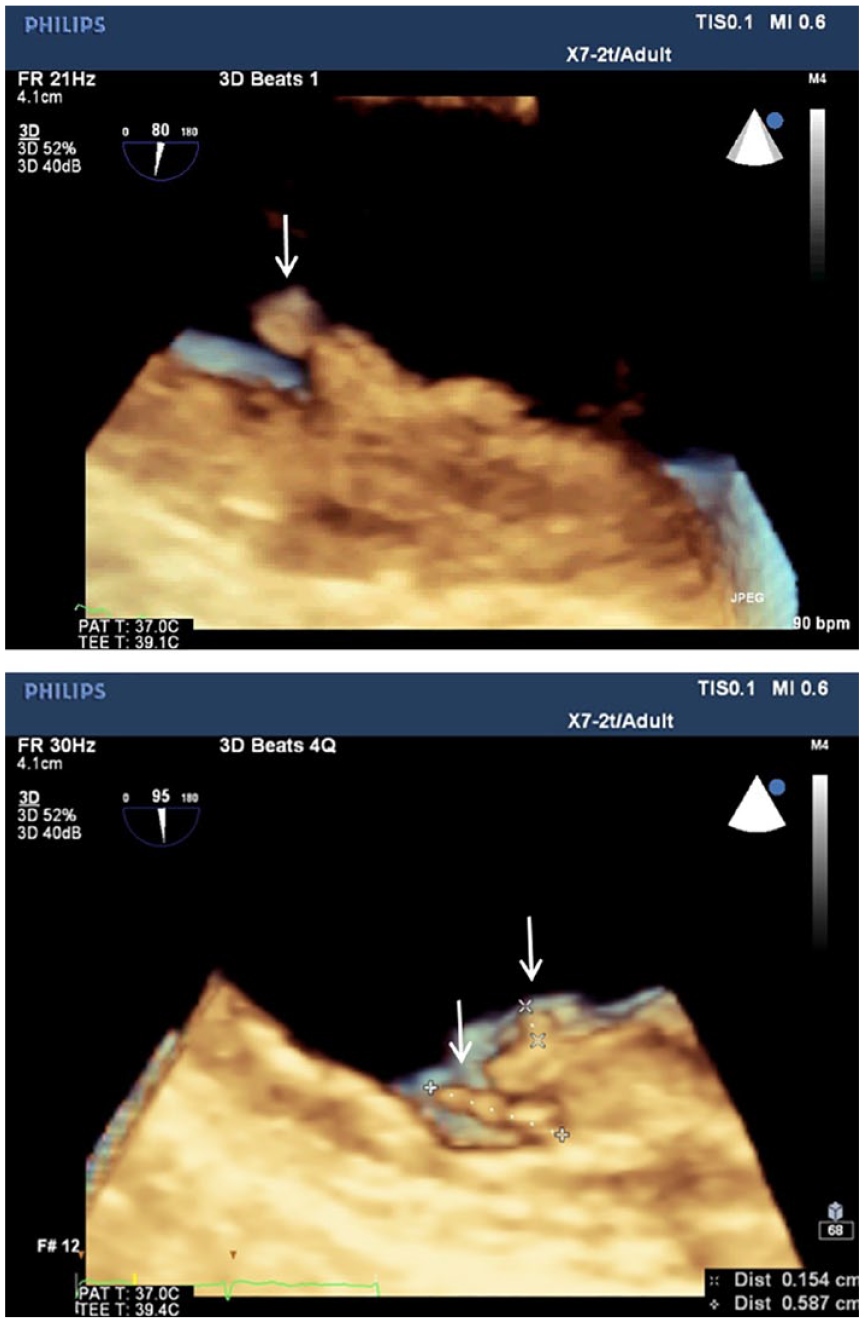
IMAGING – NON ACUTE INCLUDING NEUROSONOLOGY
208
EVOLUTION OF LEPTOMENINGEAL COLLATERALS IN MIDDLE CEREBRAL ARTERY STENOSIS POSSIBLY DRIVEN BY THE TRANSLESIONAL PRESSURE GRADIENT
1The Chinese University of Hong Kong, Department of Medicine and Therapeutics, Hong Kong, Hong Kong, 2The Chinese University of Hong Kong, Department of Imaging and Interventional Radiology, Hong Kong, Hong Kong, 3The First Affiliated Hospital of Sun Yat-sen University, Department of Neurology, Guangzhou, China, 4Coventry University, Faculty of Health and Life Science, Research Centre of Intelligent Healthcare, Coventry, United Kingdom
IMAGING – NON ACUTE INCLUDING NEUROSONOLOGY
264
ARTERIAL SPIN LABELLING (ASL) REPERFUSION INDEX IS ASSOCIATED WITH INFARCT GROWTH AND EARLY NEUROLOGICAL IMPROVEMENT AMONG PATIENTS WITH FAVOURABLE ANGIOGRAPHIC RECANALISATION
1School of Psychology and Neuroscience, University of Glasgow, Glasgow, United Kingdom, 2Faculty of Health Sciences, Universiti Teknologi MARA (UiTM), Puncak Alam, Malaysia, 3Department of Neurology-radiology, Queen Elizabeth University Hospital, Glasgow, United Kingdom
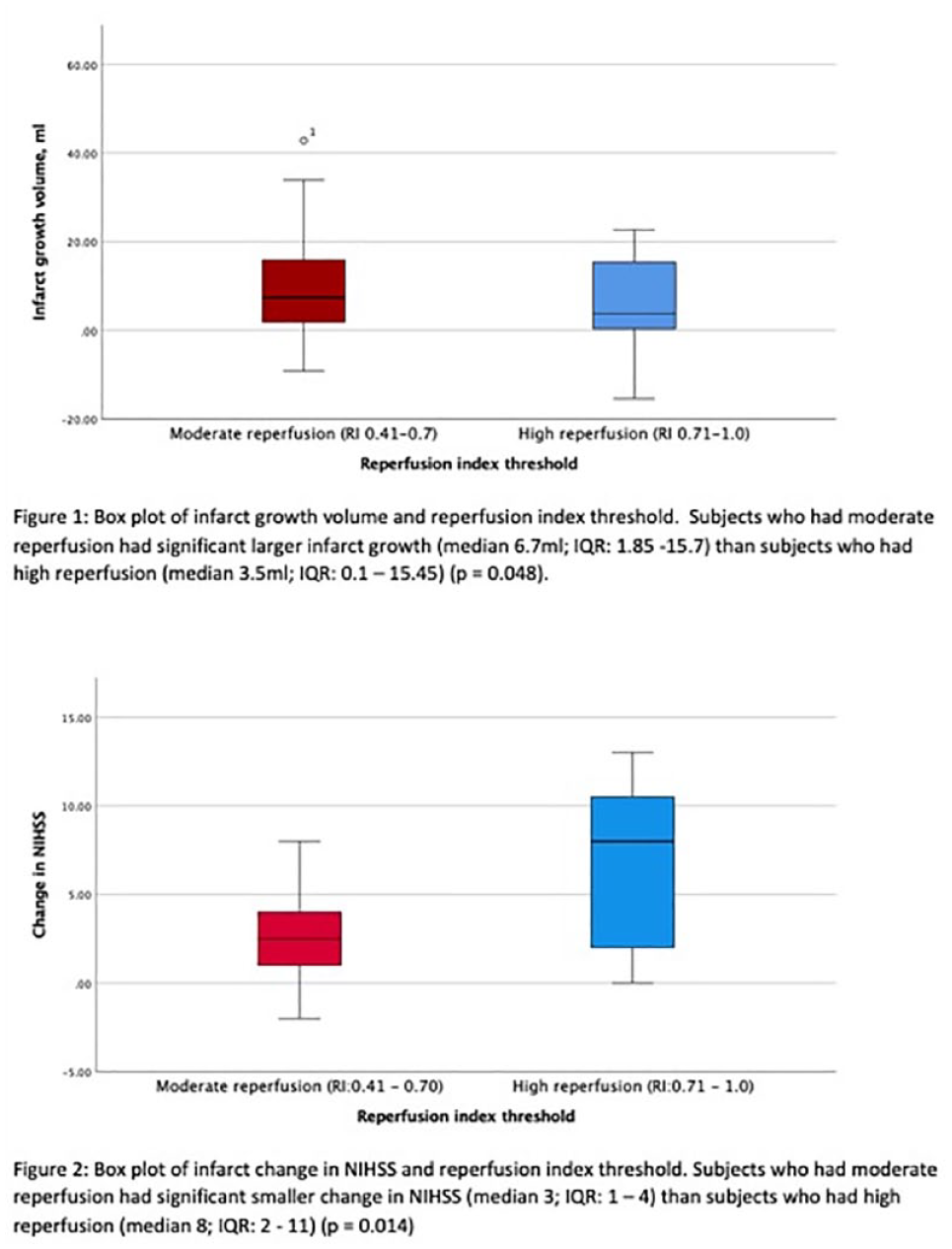
IMAGING – NON ACUTE INCLUDING NEUROSONOLOGY
266
Vertebral Artery Foraminal Segment Doppler Sonography for the Detection of Vertebral and Basilar Artery Stenosis
1Soonchunhyang University Bucheon Hospital, Department of Neurology, Bucheon, South Korea, 2Gangneung Dong-In hospital, Department of Neurology, Gangneung, South Korea
IMAGING – NON ACUTE INCLUDING NEUROSONOLOGY
268
Infarct volume mediates majority of the effect of recanalisation on outcome
1University of Glasgow, School of Neuroscience and Psychology, Glasgow, United Kingdom, 2UNSW Sydney, Neurology, Sydney, Australia, 3University of Melbourne, Neurology, Parkville, Australia, 4Queen Elizabeth University Hospital, Neurology, Glasgow, United Kingdom
Recanalisation was a significant predictor of all outcome variables tested. Addition of FIV as a mediating variable resulted in recanalisation becoming non-significant for all variables except likelihood of mRS 0-2.
FIV was a significant mediator between recanalisation and all 4 outcomes. FIV accounts for 63%, 44%, 74% and 56% of the effect of recanalisation on likelihood of mRS 0-2, mRS change, major NIHSS change, and 24hr NIHSS respectively.
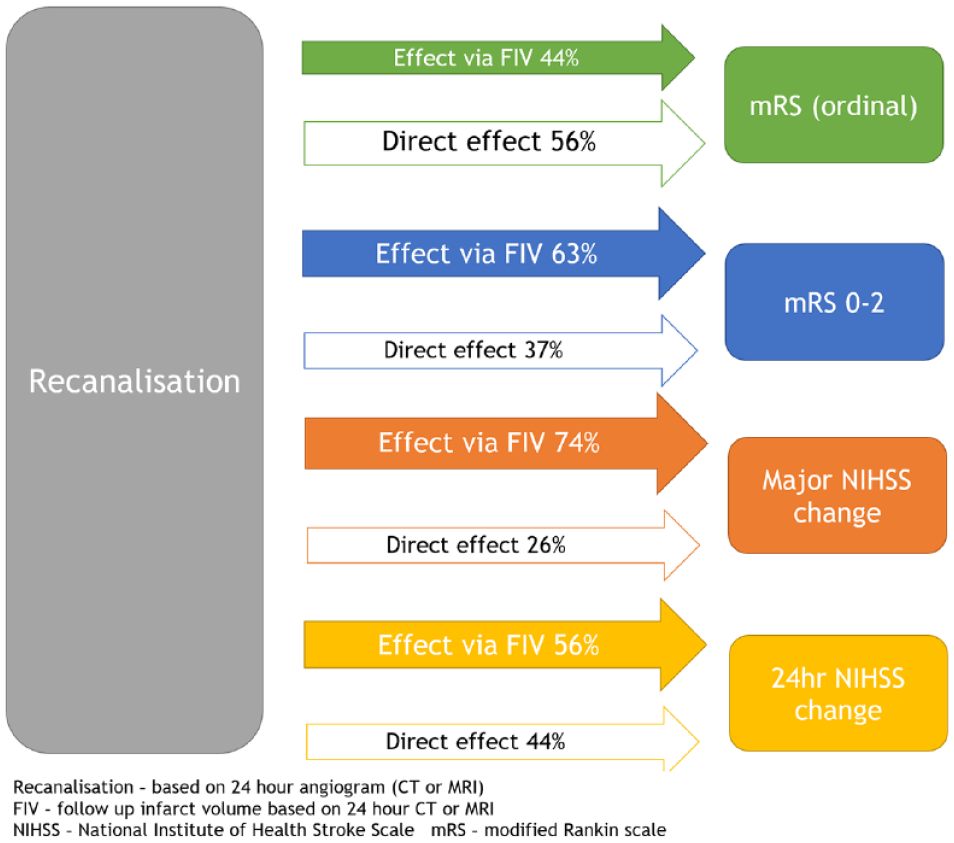
IMAGING – NON ACUTE INCLUDING NEUROSONOLOGY
423
Multi-omics and 3D-imaging reveal bone heterogeneity and unique calvaria cells in neuroinflammation
1Helmholtz Munich, iTERM, Oberschleißheim, Germany, 2Ludwig Maximilian University of Munich, Institute for Stroke and Dementia Research, München, Germany, 3Helmholtz Munich, ICB, Oberschleißheim, Germany, 4Großhadern Clinic, 5Division of Mental Health in Older Adults and Alzheimer Therapy and Research Center, München, Germany, 5Großhadern Clinic, Department of Nuclear Medicine, München, Germany
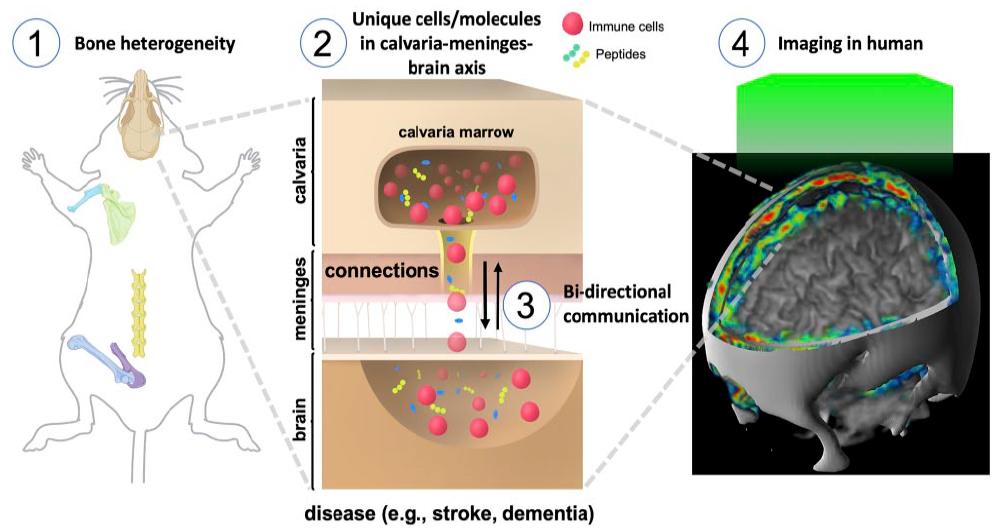
IMAGING – NON ACUTE INCLUDING NEUROSONOLOGY
835
CEREBRAL HEMODYNAMICS BY COMPUTATIONAL FLUID DYNAMICS MODELING IN SYMPTOMATIC INTRACRANIAL ATHEROSCLEROTIC DISEASE AND THE CLINICAL RELEVANCE: A SYSTEMATIC REVIEW
1The Chinese University of Hong Kong, Department of Medicine and Therapeutics, Hong Kong, Hong Kong, 2Coventry University, Research Centre for Intelligent Healthcare, Coventry, United Kingdom
IMAGING – NON ACUTE INCLUDING NEUROSONOLOGY
936
ARTERIAL SPIN LABELLING (ASL) REPERFUSION INDEX PREDICTS EARLY NEUROLOGICAL RECOVERY AND GOOD FUNCTIONAL OUTCOME IN ACUTE ISCHAEMIC STROKE PATIENTS
1University of Glasgow, School of Psychology and Neuroscience, Glasgow, United Kingdom, 2Universiti Teknologi MARA (UiTM), Faculty of Health Sciences, Puncak Alam, Malaysia
IMAGING – NON ACUTE INCLUDING NEUROSONOLOGY
1215
Doppler ultrasound in the diagnostics of the disease of small cerebral vessels
1Expert Health Center, Neurology, Odesa, Ukraine, 2Petro Mohyla Black Sea National University, Therapeutic Disciplines, Myckolaiv, Ukraine
The purpose of the study was to evaluate the diagnostic value of Doppler ultrasound examination in the disease of small cerebral vessels
When assessing the diagnostic value of the method, it was determined that its sensitivity is 0.96, and specificity is 0.85 (J=0.81).
IMAGING – NON ACUTE INCLUDING NEUROSONOLOGY
1426
Sensitivity and agreement rate of Doppler Ultrasound compared to CT angiography for Carotid Web diagnosis: systematic review
1Department of Neurology, Hospital Egas Moniz, Centro Hospitalar Lisboa Ocidental, Lisboa, Portugal, 2Cerebral Hemodynamics Laboratory, Department of Neurology, Hospital de Santa Maria, Centro Hospitalar e Universitário Lisboa Norte, Lisboa, Portugal, 3Centro de Estudos Egas Moniz, Faculdade de Medicina, Universidade de Lisboa, Lisboa, Portugal, 4Instituto de Medicina Molecular João Lobo Antunes, Lisboa, Portugal
IMAGING – NON ACUTE INCLUDING NEUROSONOLOGY
1446
Vertebrobasilar recording of right-to-left shunt: a prospective study in patients with cryptogenic stroke
1 Ramón y Cajal Hospital, Neurology, Madrid, Spain
All nine positive-RLS screened by TCD-TO were confirmed by TEE, with medium or large RLS. Only one patient with negative screening for RLS underwent TEE, where a small RLS was shown. The concordance between TCD-TO and TEE was 0.688 (p<0.004).
IMAGING – NON ACUTE INCLUDING NEUROSONOLOGY
1453
ASSOCIATIONS OF RETINAL MICROVASCULATURE AND BRAIN PHENOTYPES IN PATIENTS WITH SLEEP APNOEA SYNDROME
1The University of Edinburgh, Usher Institute, Centre for Medical Informatics, Edinburgh, United Kingdom, 2The University of Edinburgh, Centre for Clinical Brain Sciences, Edinburgh, United Kingdom, 3University of Oxford, Nuffield Department of Clinical Neurosciences, Oxford, United Kingdom, 4The University of Edinburgh, Bayes Centre, Edinburgh, United Kingdom
IMAGING – NON ACUTE INCLUDING NEUROSONOLOGY
1542
Clinical and Brain frailty in Independent Patients Undergoing Mechanical Thrombectomy
1University Hospitals Birmingham NHS Foundation Trust, Stroke, Birmingham, United Kingdom, 2University of Birmingham, Medical School, Birmingham, United Kingdom, 3Worcester Royal Hospital, Stroke, Worcester, United Kingdom, 4Nottingham University Hospitals NHS Trust, Stroke, Nottingham, United Kingdom
IMAGING – NON ACUTE INCLUDING NEUROSONOLOGY
1780
Geometry at terminal internal carotid artery bifurcation associated with middle cerebral artery plaque ulceration: a three-dimensional rotational angiography study
1The Chinese University of Hong Kong, Department of Medicine and Therapeutics, Hong Kong, China, 2The Chinese University of Hong Kong, Department of Imaging & Interventional Radiology, Hong Kong, China
IMAGING – NON ACUTE INCLUDING NEUROSONOLOGY
2081
DIAGNOSTIC ACCURACY OF MR CAROTID PLAQUE IMAGING COMPARED TO HISTOPATHOLOGY IN SYMPTOMATIC CAROTID ARTERY STENOSIS
1Sree Chitra Tirunal Institute for Medical Sciences & Technology, Comprehensive Stroke Care Program, Department of Neurology, Thiruvananthapuram, India, 2Sree Chitra Tirunal Institute for Medical Sciences & Technology, Department of Imaging Science and Interventional Radiology, Thiruvananthapuram, India, 3Sree Chitra Tirunal Institute for Medical Sciences & Technology, Department of Pathology, Thiruvananthapuram, India, 4Sree Chitra Tirunal Institute for Medical Sciences & Technology, Achutha Menon Centre for Health Science Studies, Thiruvananthapuram, India
IMAGING – NON ACUTE INCLUDING NEUROSONOLOGY
2094
THE TYPE OF ARTERIAL HIPPOCAMPAL SUPPLY, ASSESSED AT 7T MRI, IS NOT A RISK-FACTOR FOR TRANSIENT GLOBAL AMNESIA
1Massachusetts General Hospital, JPK Stroke Research Center, Departement of Neurology, Boston, United States, 2German Center for Neurodegenerative Diseases, DZNE, Magdeburg, Germany, 3Ribeirão Preto Medical School, University of São Paulo, Center for Imaging Sciences and Medical Physics. Department of Medical Imaging, Hematology and Clinical Oncology. Ribeirão Preto Medical School, Ribeirão Preto, SP, Brazil, 4University Hospital Bonn, Division of Vascular Neurology, Department of Neurology, Bonn, Germany, 5German Center for Neurodegenerative Diseases (DZNE), Bonn, Bonn, Germany, 6Institute of Cognitive Neurology and Dementia Research, (IKND), Magdeburg, Germany, 7Institute of Cognitive Neuroscience, Institute of Cognitive Neuroscience, London, United Kingdom, 8Otto-von-Guericke University, Department of Neurology, Magdeburg, Germany
IMAGING – NON ACUTE INCLUDING NEUROSONOLOGY
2204
IMPACT OF THE IMPLEMENTATION OF FOCUSED CARDIAC ULTRASOUND IN A STROKE UNIT
1 Torrecárdenas University Hospital, Neurology, Stroke Unit, Almería, Spain
IMAGING – NON ACUTE INCLUDING NEUROSONOLOGY
2226
THE USE OF ELECTROPHYSIOLOGY IN POSTERIOR CIRCULATION STROKES
1Krajská zdravotní, a.s., Masaryk Hospital, o.z., Department of Neurology, Ústí nad Labem, Czech Republic, 2Krajská zdravotní, a.s., Masaryk Hospital, o.z., Department of Radiology, Ústí nad Labem, Czech Republic, 3J.E. Purkinje University, Dept. of Physical Education and Sport, Ústí nad Labem, Czech Republic
IMAGING – NON ACUTE INCLUDING NEUROSONOLOGY
2577
EVALUATION OF THE NATURE OF HYPERDENSITY ON CRANIAL CT AFTER THROMBECTOMY (II). USEFULNESS OF TRANSCRANIAL ULTRASOUND
1Complejo Hospitalario Universitario de Albacete, Department of Neurology, Albacete, Spain, 2Complejo Hospitalario Universitario de Albacete, Department of Radiology, Albacete, Spain, 3Facultad de Medicina, Universidad Castilla-La Mancha, Departamento de Ciencias Médicas, Albacete, Spain
IMAGING – NON ACUTE INCLUDING NEUROSONOLOGY
1570
Robot-assisted transcranial Doppler versus transthoracic echocardiography for right to left shunt detection: “Real World” First-Look
1Edward Hines, Jr. Veterans Affairs Medical Center, Department of Neurology, Hines, United States, 2Swedish Medical Center, Department of Neurology, Englewood, United States, 3Barrow Neurological Institute, Department of Neurology, Phoenix, United States, 4CHI Memorial Hospital - Chattanooga, Department of Neurology, Chattanooga, United States, 5The University of Tennessee Health Science Center, Department of Neurology, Memphis, United States
Disclosure of interest: Yes
IMAGING – NON ACUTE INCLUDING NEUROSONOLOGY
1937
Intracranial Artery Calcification is Associated with Cerebral Atrophy in Ischemic Cerebrovascular Disease – Erasmus Stroke Study
1Erasmus MC, Department of Epidemiology, Rotterdam, Netherlands, 2Erasmus MC, Department of Neurology, Rotterdam, Netherlands, 3Erasmus MC, Department of Radiology & Nuclear Medicine, Rotterdam, Netherlands, 4KU Leuven, Department of Cardiovascular Sciences, Bruxelles, Belgium, 5Harvard T.H. Chan School of Public Health, Department of Epidemiology, Boston, United States
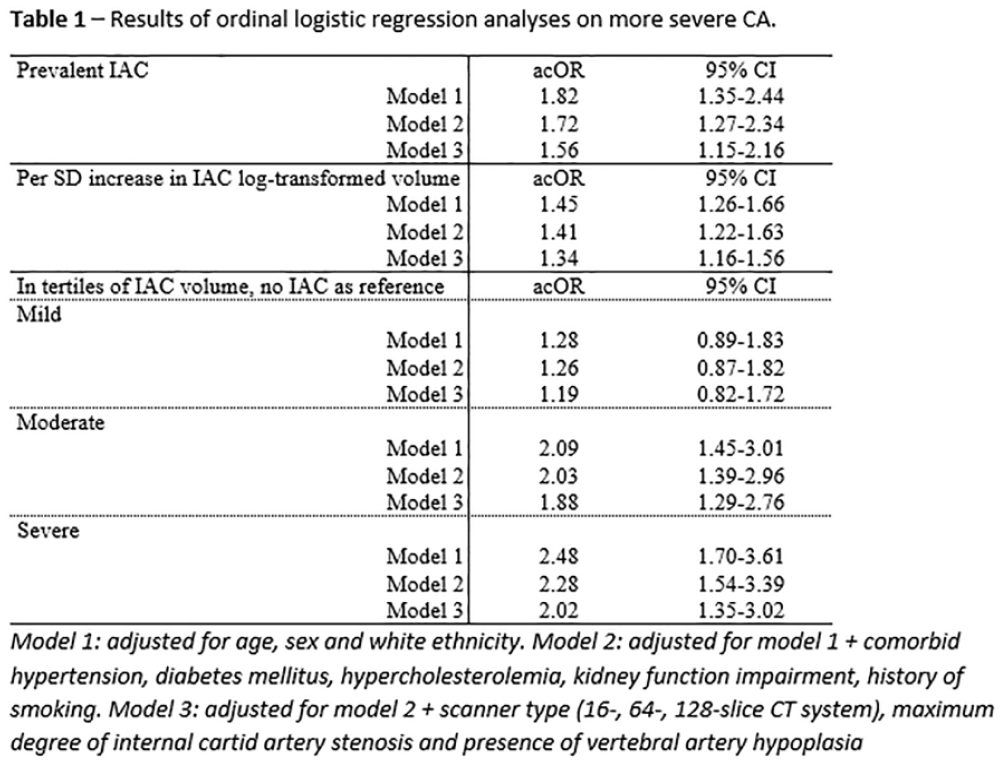
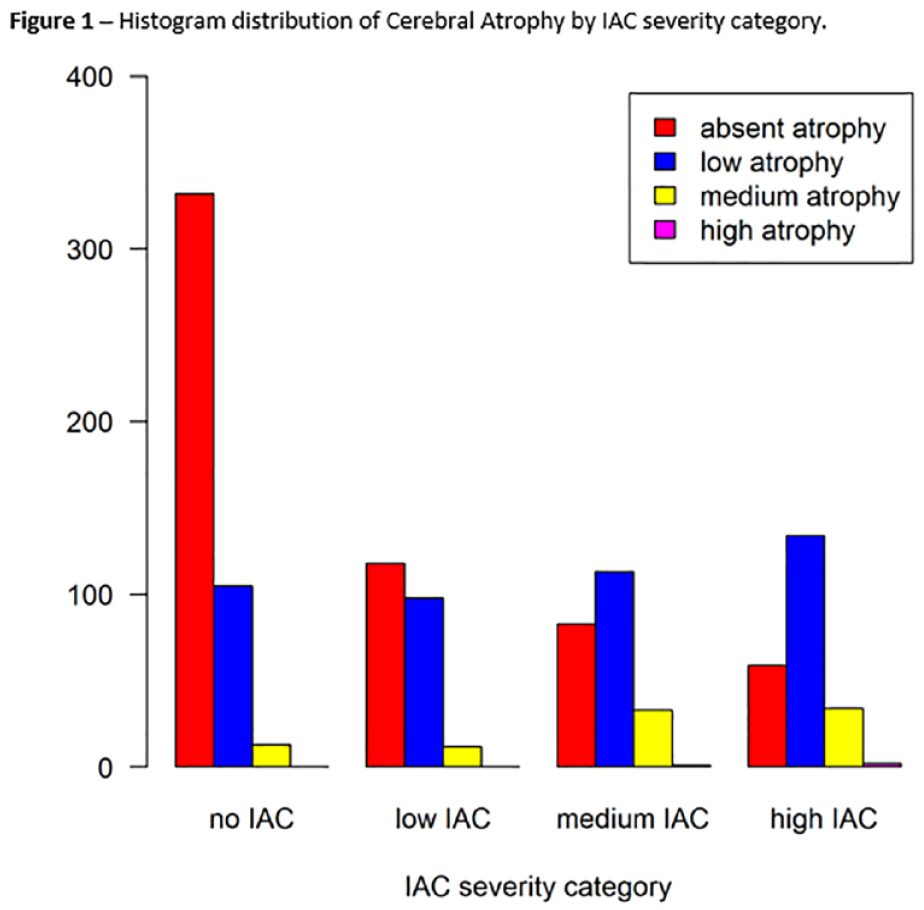
IMAGING – NON ACUTE INCLUDING NEUROSONOLOGY
2527
Rim sign on CTA as marker for IPH on MRI: making stroke prediction easier
1Erasmus University Medical Center Rotterdam, Radiology and Nuclear Medicine, Rotterdam, Netherlands, 2Erasmus University Medical Center Rotterdam, Neurology, Rotterdam, Netherlands, 3CARIM School for Cardiovascular Diseases, Maastricht University Medical Center, Radiology and Nuclear Medicine, Maastricht, Netherlands, 4University Medical Center Utrecht, Radiology, Utrecht, Netherlands, 5Amsterdam UMC, University of Amsterdam, Amsterdam Cardiovascular Science, Neurology, Amsterdam, Netherlands, 6Erasmus University Medical Center Rotterdam, Epidemiology, Rotterdam, Netherlands
DIAGNOSIS/INVESTIGATION OF STROKE ETIOLOGY
218
INTERNAL AND CORTICAL BORDERZONE INFARCTS IN SYMPTOMATIC INTRACRANIAL ATHEROSCLEROTIC STENOSIS: DIFFERENT HEMODYNAMIC IMPAIRMENT AND RISKS OF RECURRENT STROKE
1The Chinese University of Hong Kong, Department of Medicine & Therapeutics, Hong Kong SAR, China, 2Beijing Tiantan Hospital, Capital Medical University, Department of Neurology, Beijing, China, 3The Chinese University of Hong Kong, Department of Imaging and Interventional Radiology, Hong Kong SAR, China, 4The First Affiliated Hospital of Sun Yat-sen University, Department of Neurology, Guangzhou, China, 5Coventry University, Research Centre for Intelligent Healthcare, Faculty of Health and Life Sciences, Coventry, United Kingdom, 6The First Affiliated Hospital of Zhengzhou University, Department of Neurology, Zhengzhou, China
DIAGNOSIS/INVESTIGATION OF STROKE ETIOLOGY
224
QUANITATIVE VESTIBULAR TESTS CAN ACCURATELY SEPARATE POSTERIOR CIRCULATION STROKE AND VESTIBULAR NEURITIS
1The University of Sydney, Central Clinical School, Sydney, Australia, 2The Sutherland Hospital, Department of Neurology, Sydney, Australia, 3Royal Prince Alfred Hospital, Institute of Clinical Neurosciences, Sydney, Australia, 4The University of Sydney, Faculty of Medicine and Health, Sydney, Australia
In PCS, absent-nystagmus (53.9%), horizontal (32%) or vertical/torsional (14.1%) nystagmus was recorded whilst in VN, horizontal (98.5%) or vertical/torsional spontaneous-nystagmus (1.5%) was recorded. Ipsilesional horizontal-canal (HC) vHIT-gain was lower in VN than in stroke (0.47±0.24, 0.92±0.20, p<0.001). Ipsilesional SVH deviation >2.5○ occurred more often in VN than in PCS (97.6% and 24.3%, p<0.01). Abnormal bone-conducted ocular-VEMP (oVEMP) asymmetry-ratio was more common in VN than PCS (50% and 14.4%, p<0.01)
Using the ten best discriminators (VNG, vHIT, SVH and oVEMP metrics), VN was separated from PCS with a sensitivity of 92.9% and specificity of 89.8%. Adding VNG and vHIT to the HINTS test enhanced sensitivity and specificity from 95.3% and 63.4% to 96.5% and 80.6%.
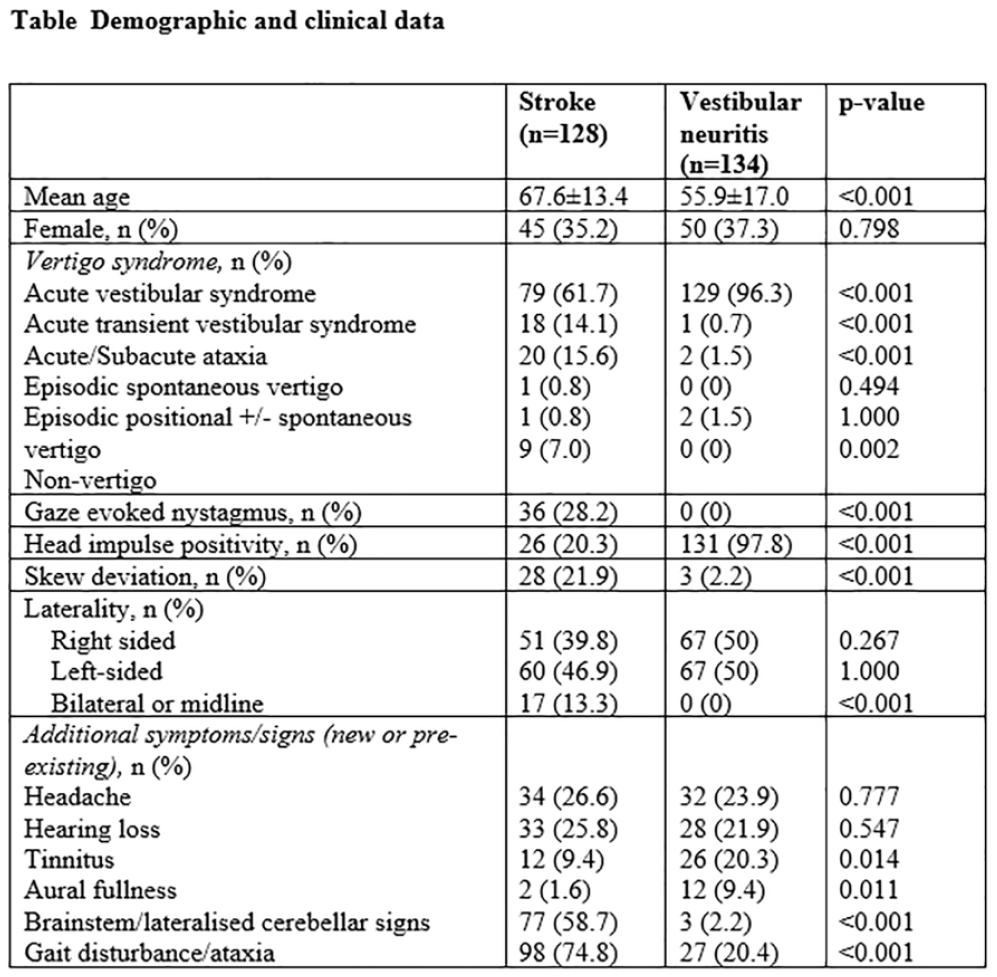
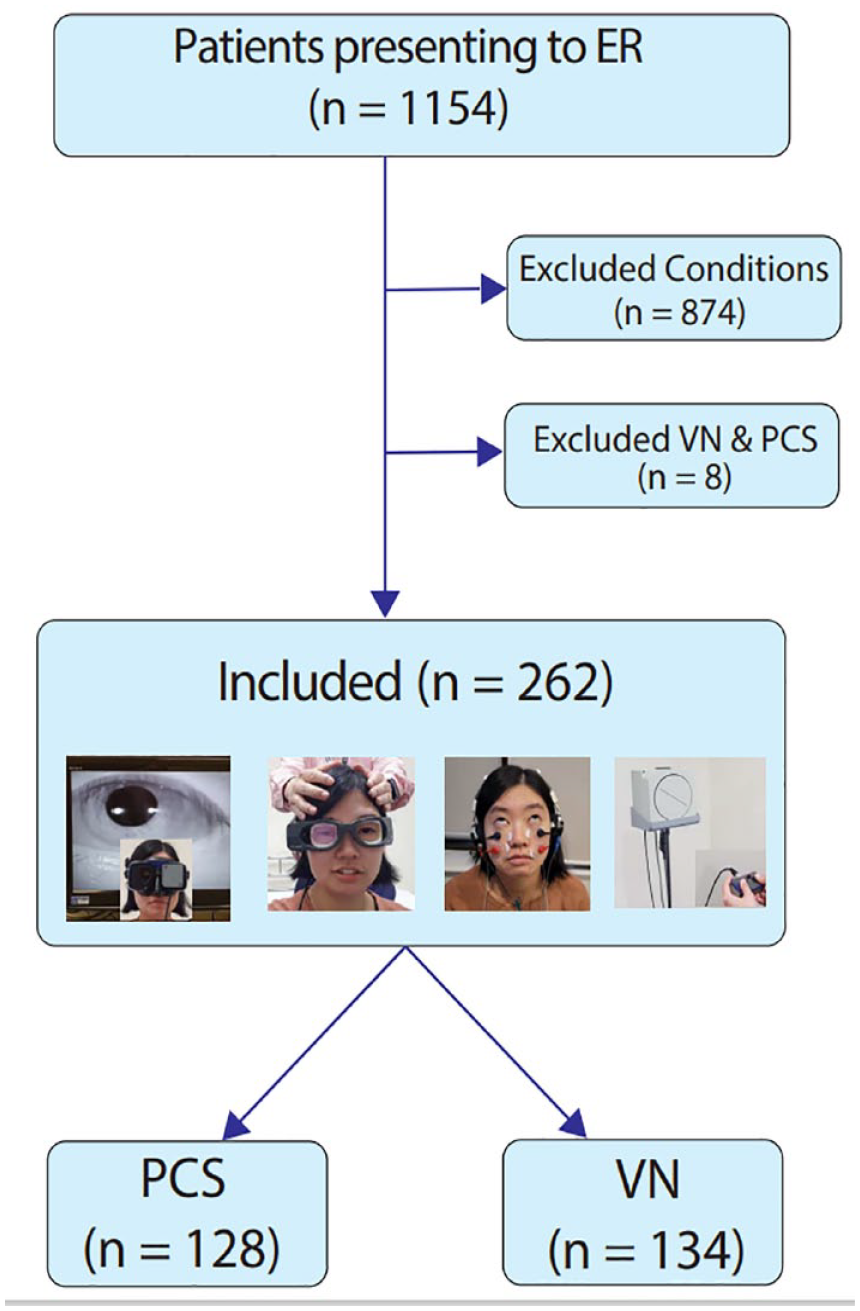
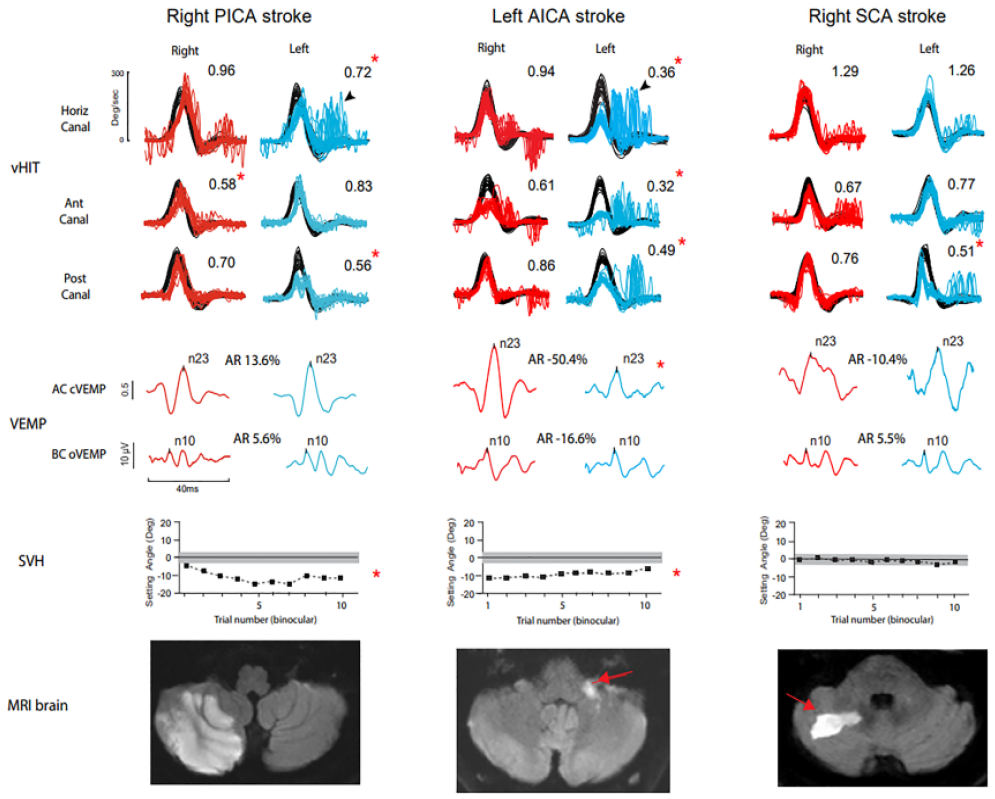
DIAGNOSIS/INVESTIGATION OF STROKE ETIOLOGY
542
Evaluation of Adhesive Cardiac Rhythm Monitors for Investigation of Embolic Stroke of Undetermined Source (ESUS)
1Darent Valley Hospital, Stroke medicine, Dartford, United Kingdom, 2Darent Valley Hospital, Ageing and Health, Dartford, United Kingdom
DIAGNOSIS/INVESTIGATION OF STROKE ETIOLOGY
781
PATENT FORAMEN OVALE CLOSURE IN ELDERLY PATIENTS WITH CRYPTOGENIC STROKE: RISK CLASSIFICATION BASED PRACTICE IN REAL-WORLD
1 Taichung Veterans General Hospital, Division of Neurology, Neurological Institute, Taichung, Taiwan
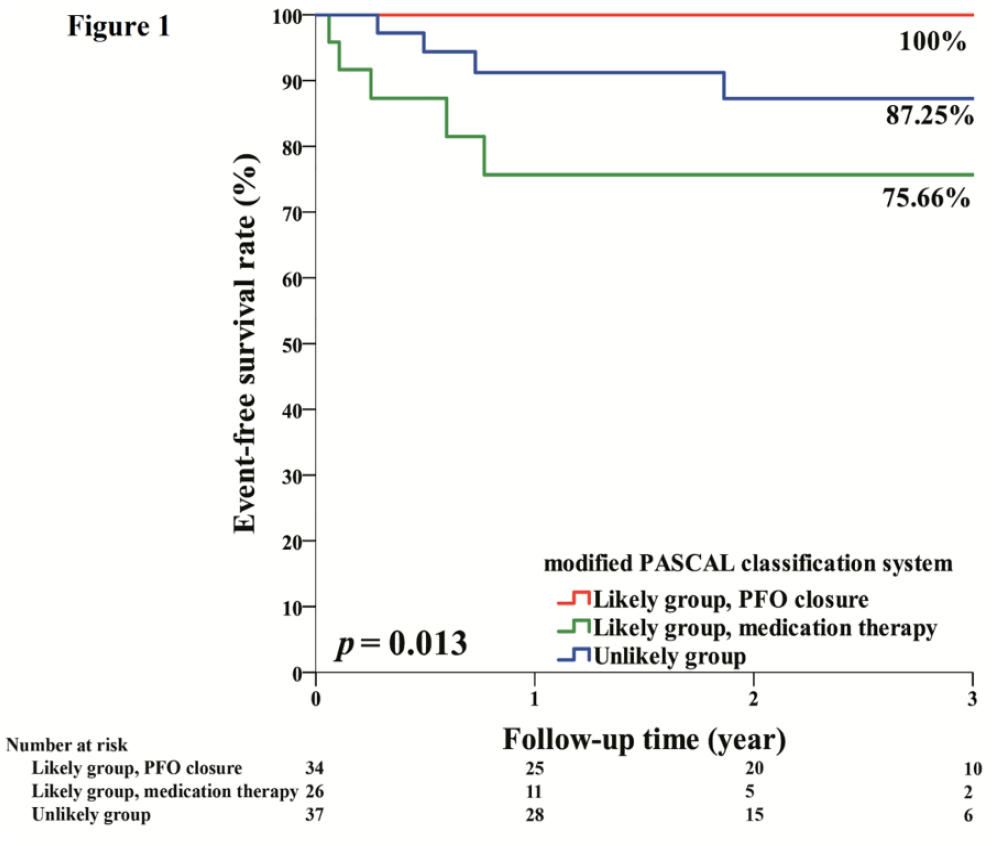
DIAGNOSIS/INVESTIGATION OF STROKE ETIOLOGY
846
H-FABP AS A BIOMARKER OF VASCULAR BRAIN DAMAGE IN TRANSIENT ISCHEMIC ATTACK
1VHIR - Vall d’Hebron Institut de Recerca, Universitat Autònoma de Barcelona, Barcelona, Spain, 2Vall d’Hebron University Hospital, Department of Neurology, Barcelona, Spain, 3Germans Trias i Pujol Hospital, Department of Neurology, Badalona, Spain, 4Vall d’Hebron University Hospital, Department of Radiology, Barcelona, Spain, 5hospital universitario virgen macarena, Department of Neurology, Sevilla, Spain, 6University of Geneva, Internal Medicine Department, Geneva, Switzerland
DIAGNOSIS/INVESTIGATION OF STROKE ETIOLOGY
993
Transient ischemic attacks in patients with active cancer
1Inselspital, Bern University Hospital, and University of Bern, Department of Neurology, Bern, Switzerland, 2Inselspital, Bern University Hospital, and University of Bern, Institute for Diagnostic and Interventional Neuroradiology, Bern, Switzerland, 3University Hospital of Basel, University of Basel, Neurology Department, Basel, Switzerland, 4Inselspital, Bern University Hospital, and University of Bern, Department of Medical Oncology, Bern, Switzerland, 5Feil Family Brain and Mind Research Institute and Department of Neurology, Weill Cornell Medicine, Clinical and Translational Neuroscience Unit, New York, United States
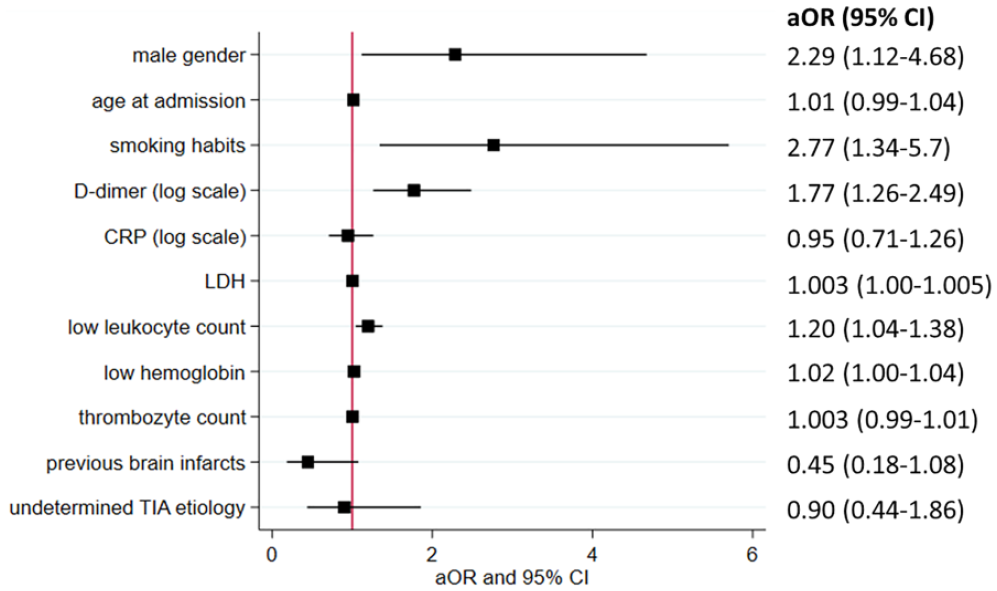
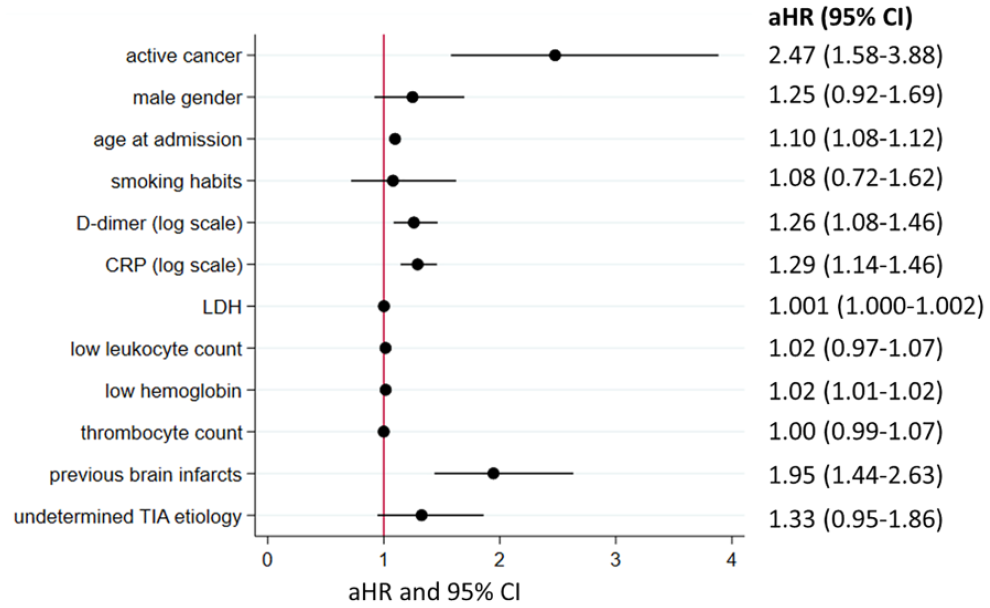
DIAGNOSIS/INVESTIGATION OF STROKE ETIOLOGY
1053
The REMIT Scale: A Novel Prediction Scale for Embolism in Hyperacute Stroke with Large Vessel Occlusion
1The Jikei University Kashiwa Hospital, Neurology, Kashiwa, Japan, 2The Jikei University Hospital, Neurology, Minato City, Japan, 3The Jikei University Kashiwa Hospital, Neurosurgery, Kashiwa, Japan, 4Jikei University School of Medicine, Neurology, Minato City, Japan, 5The Jikei University Kashiwa Hospital, Emergency Medicine, Kashiwa, Japan, 6Jikei University School of Medicine, Neurosurgery, Minato City, Japan
DIAGNOSIS/INVESTIGATION OF STROKE ETIOLOGY
1061
INDEPENDENT EXTERNAL VALIDATION OF A STROKE RECURRENCE SCORE IN ESUS PATIENTS
1University Medical Center Hamburg-Eppendorf (UKE), Department of Neurology, Hamburg, Germany, 2Charité - Universitätsmedizin Berlin, Center for Stroke Research Berlin, Berlin, Germany, 3Berlin Institute of Health, BIH, Berlin, Germany, 4Paracelsus Medical University Salzburg, University Clinic of Neurology, Salzburg, Austria, 5University Heart and Vascular Center Hamburg, Department of Cardiology, Hamburg, Germany, 6University of Birmingham, Institute of Cardiovascular Sciences, Birmingham, United Kingdom, 7German Center for Cardiovascular Research, Partner Site Hamburg/Kiel/Lübeck, Hamburg, Germany, 8Alfried Krupp Krankenhaus, Department of Neurology, Essen, Germany, 9Imperial College London, Department of Brain Sciences, London, United Kingdom, 10Asklepios Hospital Altona, Department of Neurology, Hamburg, Germany, 11University Hospital Leipzig, Department of Cardiology, Hamburg, Germany, 12Vivantes Hospital Neukölln, Department of Neurology, Berlin, Germany, 13School of Health Sciences, University of Thessaly, Department of Internal Medicine, Larissa, Greece, 14German Center for Neurodegenerative Diseases (DZNE), Partner Site Berlin, Berlin, Germany, 15Excellence Cluster NeuroCure, Excellence Cluster NeuroCure, Berlin, Germany, 16Charité - Universitätsmedizin Berlin, Department of Neurology with Experimental Neurology, Berlin, Germany, 17University Hospital Würzburg, Department of Neurology, Würzburg, Germany
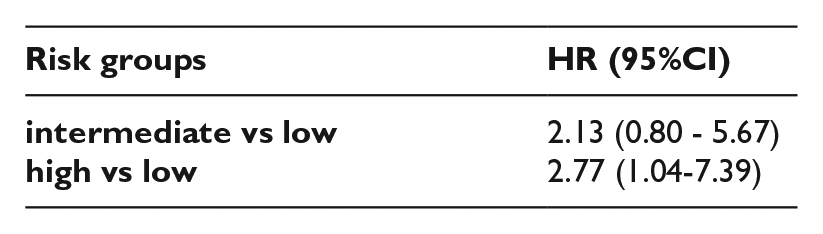
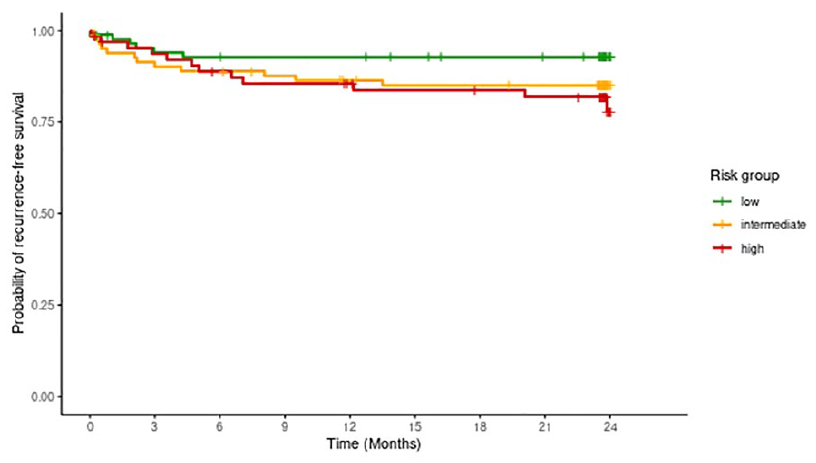
DIAGNOSIS/INVESTIGATION OF STROKE ETIOLOGY
1334
INSIGHTS INTO CEREBRAL THROMBI OF PATIENTS WITH ENDOCARDITIS
1Institute of Experimental Neurology, San Raffaele Scientific Institute, Department of Neurology, Stroke Unit, Milan, Italy, 2Institute of Experimental Neurology, San Raffaele Scientific Institute, Neuroimmunology Unit, Division of neuroscience, Milan, Italy, 3San Raffaele Scientific Institut, Department of Pathology, Milan, Italy, 4San Raffaele Scientific Institute, Department of Neuroradiology, Milan, Italy, 5Lausanne University Hospital, Lausanne, Department of Diagnostic and Interventional Radiology, Lausanne, Switzerland, 6San Raffaele Scientific Institute, Department of Microbiology, Milan, Italy, 7Lausanne University Hospital, Department of Clinical Neurosciences, Stroke Centre, Neurology Service, Lausanne, Switzerland, 8San Raffaele Scientific Institute, Department of Neurology, Stroke Unit,Neuroimaging Research Unit, Neurorehabilitation Unit, Neurophysiology Service, Milan, Italy, 9Lausanne University Hospital, Department of Clinical Neurosciences, Stroke Centre, Neurology Service, Lausanne, Switzerland
DIAGNOSIS/INVESTIGATION OF STROKE ETIOLOGY
1415
Frequency and clinical relevance of transthoracic and transoesophageal echocardiography after acute ischaemic stroke, transient ischaemic attack, or retinal artery occlusion
1University Hospital Wuerzburg, Department of Neurology, Wuerzburg, Germany, 2University Hospital Wuerzburg, Department of Ophthalmology, Wuerzburg, Germany, 3University Hospital Wuerzburg, Service Center Medical Informatics, Wuerzburg, Germany, 4University Hospital Wuerzburg, Department of Internal Medicine I, Wuerzburg, Germany, 5University Hospital Wuerzburg, Comprehensive Heart Failure Center, Wuerzburg, Germany
DIAGNOSIS/INVESTIGATION OF STROKE ETIOLOGY
1427
HIGH CONTENT OF COLLAGEN, VON WILLEBRAND FACTOR AND NETS CONSTITUTES THE HALLMARKS OF ACTIVE CANCER IN RETRIEVED CLOTS FROM LARGE VESSEL OCCLUSION STROKE PATIENTS
1Department of Clinical Neuroscience, Institute of Neurosciences and Physiology, Sahlgrenska Academy at University of Gothenburg, Gothenburg, Sweden, Department of Neurology, Sahlgrenska University Hospital, Gothenburg, Sweden, Gothenburg, Sweden, 2Department of Physiology, National University of Ireland Galway, Galway, Ireland, CURAM-SFI Centre for Research in Medical Devices, National University of Ireland Galway, Galway, Ireland, Galway, Ireland, 3Department of Radiology, Section of diagnostic and interventional neuroradiology, Sahlgrenska University Hospital, Västra Götalandsregionen, Gothenburg, Sweden, Department of Radiology, Institute of Clinical Sciences, Sahlgrenska Academy at the University of Gothenburg, Gothenburg, Sweden, Gothenburg, Sweden
Acknowledgement: Funding:SFI(13/RC/2073_P2)/Cerenovus
DIAGNOSIS/INVESTIGATION OF STROKE ETIOLOGY
1501
MYOSIN-9 IN ACUTE ISCHEMIC STROKE CLOTS EXTRACTED BY MECHANICAL THROMBECTOMY: CORRELATION WITH ETIOLOGY
1University of Galway, Department of Physiology, Galway, Ireland, 2University of Galway, CÚRAM–SFI Centre for Research in Medical Devices, Galway, Ireland, 3Cerenovus, Galway Neuro Technology Centre, Galway, Ireland, 4Sahlgrenska University Hospital, Institute of Clinical Sciences, Department of Interventional and Diagnostic Neuroradiology, Gothenburg, Sweden, 5Sahlgrenska Academy at University of Gothenburg, Department of Radiology, Gothenburg, Sweden, 6Sahlgrenska Academy at University of Gothenburg, Department of Clinical Neuroscience, Institute of Neuroscience and Physiology, Gothenburg, Sweden, 7Sahlgrenska University Hospital, Department of Neurology, Gothenburg, Sweden, 8Sahlgrenska Academy at University of Gothenburg, Department of Clinical Neuroscience, Institute of Neuroscience and Physiology, Gothenburg, Sweden, 9Beaumont Hospital, Department of Radiology, Royal College of Surgeons, Dublin, Ireland, 10National Institute of Neurosciences, Department of Neurointerventions, Budapest, Hungary, 11National & Kapodistrian University of Athens, Department of Neurology, Athens, Greece, 12Metropolitan Hospital, Stroke Unit, Athens, Greece
Acknowledgments: King Abdul-Aziz University, Saudi Arabia/Science-Foundation-Ireland-(Grant 13/RC/2073_P2)/Cerenovus.
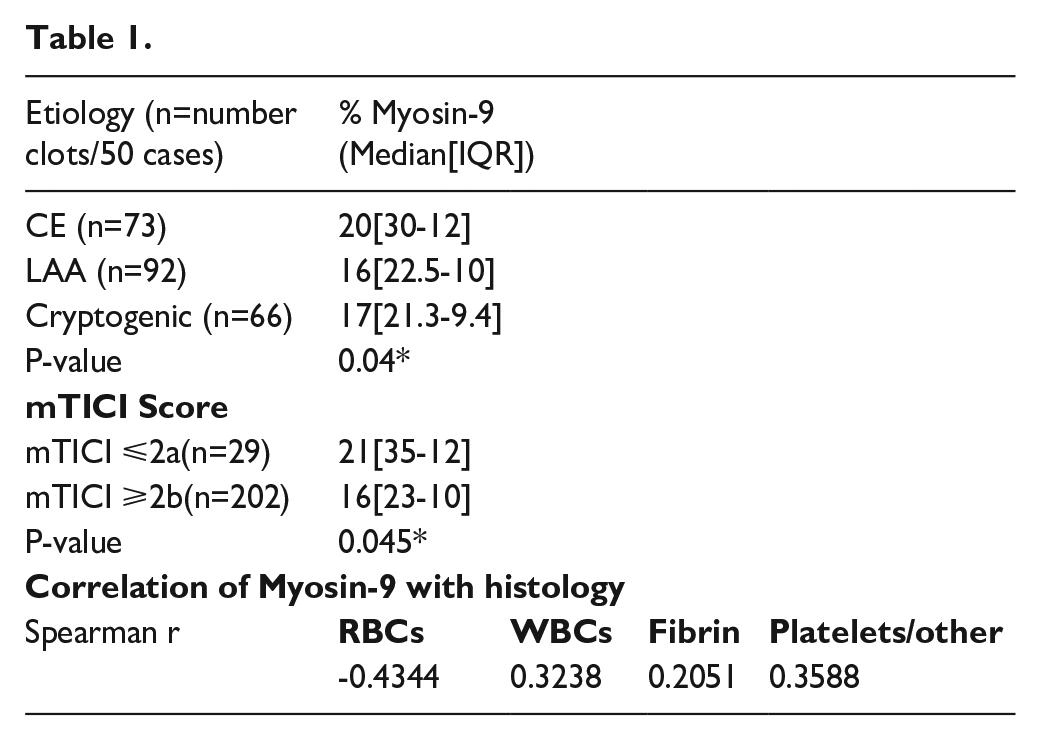
DIAGNOSIS/INVESTIGATION OF STROKE ETIOLOGY
1620
DIAGNOSTIC ACCURACY OF MRI FEATURES TO DIFFERENTIATE CHRONIC POST-ISCHEMIC AND CHRONIC POST-HEMORRHAGIC SUBCORTICAL LESIONS
1Inselspital Bern University Hospital, University Institute for Diagnostic and Interventional Radiology, Bern, Switzerland, 2Inselspital Bern University Hospital, University Institute for Diagnostic and Interventional Neuroradiology, Bern, Switzerland, 3Inselspital Bern University Hospital, University Institute for Neurology, Bern, Switzerland
DIAGNOSIS/INVESTIGATION OF STROKE ETIOLOGY
1640
DECREASED LEVELS OF CEREBROSPINAL FLUID Aβ 38, 40, 42, AND 43 IN SPORADIC AND HEREDITARY CEREBRAL AMYLOID ANGIOPATHY
1Radboudumc, Department of Neurology, Nijmegen, Netherlands, 2University of Basel, Medical Image Analysis Center (MIAC AG) and Qbig, Department of Biomedical Engineering, Basel, Switzerland, 3Radboudumc, Department of Intensive Care, Nijmegen, Netherlands, 4Adx Neurosciences, Ghent, Belgium, 5LUMC, Department of Neurology, Leiden, Netherlands, 6Massachusetts General Hospital, Harvard Medical School, Department of Neurology, Boston, United States, 7University of Gotenburg, Institute of Neuroscience and Physiology, the Sahlgrenska Academy at the University of Gothenburg, and Clinical Neurochemistry Laboratory, Sahlgrenska University Hospital, Mölndal, Sweden, Gotenburg, Sweden, 8Radboudumc, Department of Laboratory Medicine, Nijmegen, Netherlands
DIAGNOSIS/INVESTIGATION OF STROKE ETIOLOGY
1646
Vertigo - the difficult therapy decision in the emergency setting
1Stavanger University Hospital, Department of Neurology, Stavanger, Norway, 2University of Bergen, Faculty of Medicine, Bergen, Norway, 3University of Stavanger, Faculty of Health Sciences, Stavanger, Norway, 4Stavanger University Hospital, Department of Radiology, Stavanger, Norway, 5Stavanger University Hospital, Department of Ear, Nose and Throat, Stavanger, Norway, 6Stavanger University Hospital, Research department, Stavanger, Norway
Hospital admissions due to vertigo increased from 439 patients in 2014 to 599 patients in 2021 (+36%, p<0.001). Admissions to the department of Neurology increased by 100% and treated 51.9% of all vertigo patients admitted to the hospital in 2021 (p<0.001).
DIAGNOSIS/INVESTIGATION OF STROKE ETIOLOGY
1796
ASSOCIATION OF STROKE AND MORTALITY WITH CEREBRAL MICROBLEEDS: A SYSTEMATIC REVIEW AND META-ANALYSIS
1All India Institute Of Medical Sciences, Neurology, New Delhi, India, 2Yale University, Neurology, New Haven, United States
DIAGNOSIS/INVESTIGATION OF STROKE ETIOLOGY
1996
BLOOMING EFFECT IN SUSCEPTIBILITY-WEIGHTED IMAGING AS A MARKER OF VERTEBRAL ARTERY DISSECTION IN MEDULLARY INFARCTION
1 Hanyang University College of Medicine, Department of Neurology, Seoul, South Korea
DIAGNOSIS/INVESTIGATION OF STROKE ETIOLOGY
2241
Measurement of GFAP in nasal exudate in the differential diagnosis between ischemic and hemorrhagic stroke
1Hospital Universitario Central de Asturias, Neurology, Oviedo, Spain, 2Universidad de Oviedo, Analytical Chemistry, Oviedo, Spain
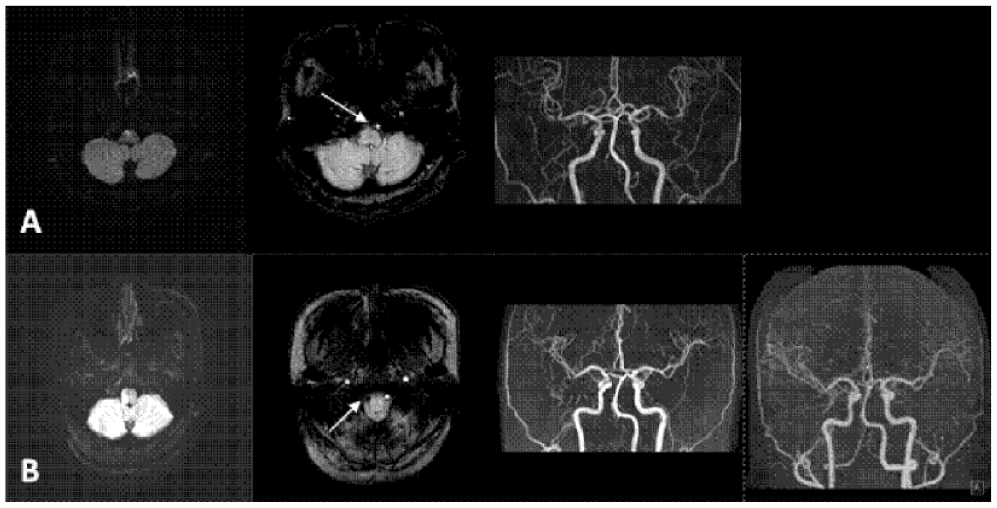
DIAGNOSIS/INVESTIGATION OF STROKE ETIOLOGY
2331
HIGH RESOLUTION MAGNETIC RESONANCE VESSEL WALL IMAGING: A VALUABLE ADDITION TO ETIOLOGIC STROKE WORK-UP
1Hopital fondation Adolphe de Rothschild, Neurology, Paris, France, 2Hopital fondation Adolphe de Rothschild, Radiology, Paris, France
DIAGNOSIS/INVESTIGATION OF STROKE ETIOLOGY
2358
Etiology of stroke in patients undergoing early and late repeated mechanical thrombectomy: multicentre study
1University Hospital, RWTH Aachen University, Department of Neurology, Aachen, Germany, 2Hospital de Braga, Neuroradiology Department, Braga, Portugal, 3Centro Hospitalar Vila Nova de Gaia/Espinho, Vila Nova de Gaia, Interventional Neuroradiology Unit, Vila Nova de Gaia, Portugal, 4Centro Hospitalar Vila Nova de Gaia/Espinho, Department of Neurology, Vila Nova de Gaia, Germany, 5University Hospital, RWTH Aachen University, Department of Diagnostic and Interventional Neuroradiology, Aachen, Germany, 6Hospital de Braga, Neurology Department, Braga, Portugal
DIAGNOSIS/INVESTIGATION OF STROKE ETIOLOGY
2254
CAN ATRIAL FIBRILLATION RISK ASSESSMENT SHORTEN THE OVERALL DURATION OF PROLONGED CARDIAC MONITORING IN PATIENTS WITH EMBOLIC STROKE OF UNKNOWN CAUSE?
1Hospital Virgen Macarena, Neurology, Sevilla, Spain, 2Instituto de Biomedicina de Sevilla, Neurology, Sevilla, Spain, 3Hospital Virgen del Rocio, Neurology, Sevilla, Spain, 4Hospital Reina Sofía, Neurology, Cordoba, Spain, 5Hospital San Cecilio, Neurology, Granada, Spain, 6Hospital Regional Universitario, Neurology, Malaga, Spain, 7Complejo Hospitalario de Torrecardenas, Neurology, Almeria, Spain, 8Hospital Universitario de Jerez, Neurology, Jerez, Spain, 9Hospital Virgen de Valme, Neurology, Sevilla, Spain, 10Hospital Puerta del Mar, Neurology, Cadiz, Spain, 11Hospital Virgen de las Nieves, Neurology, Granada, Spain, 12Hospital Virgen de la Victoria, Neurology, Malaga, Spain
DIAGNOSIS/INVESTIGATION OF STROKE ETIOLOGY
2311
DETECTION OF ATRIAL FIBRILLATION IN PATIENTS WITH EMBOLIC STROKE OF UNKNOWN CAUSE USING SRA SOFTWARE (FANTASTIC STUDY)
1Hospital Virgen Macarena, Neurology, Sevilla, Spain, 2Instituto de Biomedicina de Sevilla, Neurology, Sevilla, Spain, 3Hospital Virgen del Rocio, Neurology, Sevilla, Spain, 4Hospital Reina Sofía, Neurology, Cordoba, Spain, 5Hospital San Cecilio, Neurology, Granada, Spain, 6Hospital Regional Universitario, Neurology, Malaga, Spain, 7Complejo Hospitalario de Torrecardenas, Neurology, Almeria, Spain, 8Hospital Universitario de Jerez, Neurology, Jerez, Spain, 9Hospital Virgen de Valme, Neurology, Sevilla, Spain, 10Hospital Puerta del Mar, Neurology, Cadiz, Spain, 11Hospital Virgen de las Nieves, Neurology, Granada, Spain, 12Hospital Virgen de la Victoria, Neurology, Malaga, Spain
PROGNOSIS AND OUTCOME AFTER STROKE
10
Impact of central blood pressure on poor outcomes in patients with embolic stroke of undetermined source
1 Yonsei University College of Medicine, Department of Neurology, Seoul, South Korea
PROGNOSIS AND OUTCOME AFTER STROKE
72
EVOLUTION OF ETIOLOGY BETWEEN FIRST-EVER AND RECURRENT YOUNG-ONSET ISCHEMIC STROKE
1University of Helsinki and Helsinki University Hospital, Department of Neurology, Helsinki, Finland, 2Sahlgrenska University Hospital, Department of Neurology, Gothenburg, Sweden
PROGNOSIS AND OUTCOME AFTER STROKE
151
Lipid management in Ischemic Stroke or Transient Ischemic Attack in China: Result from China National Stroke Registry III
1 Beijing Tiantan Hospital, Capital Medical University, China National Clinical Research Center for Neurological Diseases, Beijing, China
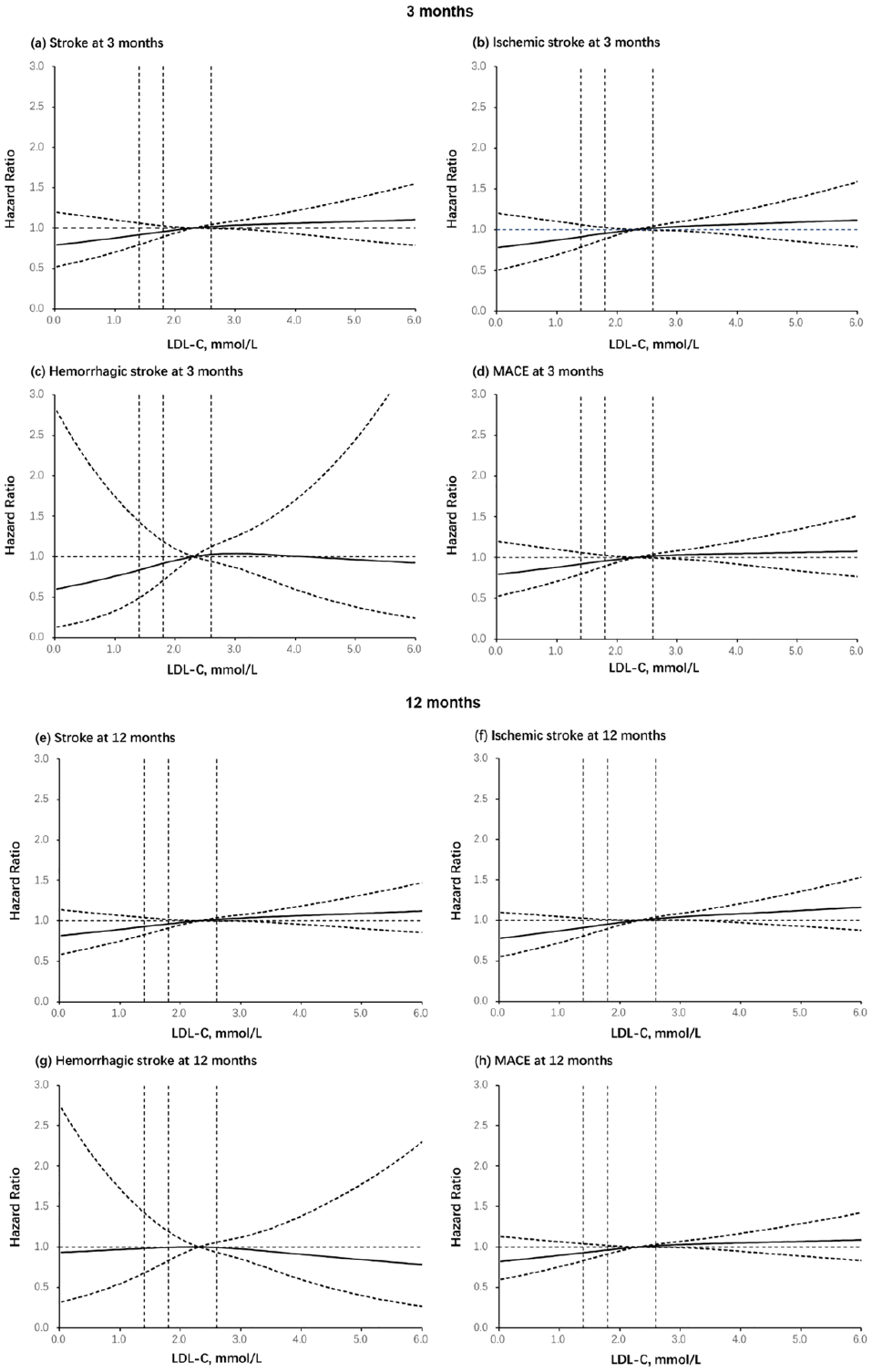
PROGNOSIS AND OUTCOME AFTER STROKE
195
Lipid paradox and statin pretreatment in acute ischemic stroke
1Chonnam National University Hospital, Neurology, Gwangju, South Korea, 2Cheomdan Wooam Hospital, Rehabilitation, Gwangju, South Korea, 3Seoul National University Bundang Hospital, Neurology, Seongnam, South Korea
PROGNOSIS AND OUTCOME AFTER STROKE
269
QUALITY OF LIFE IN PATIENTS WITH EXCELLENT 3-MONTH FUNCTIONAL OUTCOME AFTER FIRST-EVER ISCHEMIC STROKE: A RUNNING ANALYSIS FROM THE FRAILTY STUDY
1University Hospital Olomouc, Comprehensive Stroke Center, Dept. of Neurology, Olomouc, Czech Republic, 2Palacký University, Faculty of Health Sciences, Department of Nursing, Olomouc, Czech Republic, 3Palacký University, Medical School, Department of Biophysics and Statistics, Olomouc, Czech Republic
Acknowledgment: Supported by the grant of MH CR, n. NU22-09-00021.
PROGNOSIS AND OUTCOME AFTER STROKE
350
EARLY NEUROLOGICAL IMPROVEMENT AND ITS RELATIONSCHIP TO ALTEPLASE TREATMENT AND LONG TERM OUTCOME IN THE WAKE-UP STUDY
1University Medical Center Hamburg-Eppendorf, Neurology, Hamburg, Germany, 2Hospices Civils de Lyon, Centre de neurosciences cognitives, Lyon, France, 3Charité University Medical Center, Centrum für Schlaganfallforschung Berlin (CSB), Berlin, Germany, 4University Medical Center Hamburg-Eppendorf, Neuroradiology, Hamburg, Germany, 5Institut de Diagnostic per la Image (IDI), Radiology, Girona, Spain, 6University Hospitals Leuven, Neurology, Leuven, Belgium, 7University of Melbourne, Florey Institute of Neuroscience and Mental Health, Melbourne, Australia, 8University of Glasgow, Institute of Neuroscience & Psychology, Glasgow, United Kingdom, 9Aarhus University Hospital, Department of Neurology, Aarhus, Denmark
PROGNOSIS AND OUTCOME AFTER STROKE
359
HOW DOES STROKE ASSOCIATED PNEUMONIA AFFECT RISK OF IN-HOSPITAL MORTALITY ASSOCIATED WITH SEVERE STROKE? A FOUR-WAY DECOMPOSITION ANALYSIS OF A NATIONAL COHORT OF STROKE PATIENTS
1University of Manchester, Centre for Biostatistics, Manchester, United Kingdom, 2GSK, Biologicals, GSK, Wavre, Belgium, 3University of Manchester, Division of Cardiovascular Sciences, Manchester, United Kingdom
PROGNOSIS AND OUTCOME AFTER STROKE
431
Prognostic significance of plasma CXCL12 in acute ischemic stroke patients with diabetes mellitus: findings from the CATIS trial
1The Second Affiliated Hospital of Soochow University, Neurology, Suzhou, China, 2Medical College of Soochow University, Epidemiology, Suzhou, China, 3Tulane University School of Public Health and Tropical Medicine, Epidemiology, New Orleans, United States
PROGNOSIS AND OUTCOME AFTER STROKE
462
enlarged perivascular spaces in basal ganglia portend hemorrhagic stroke after acute ischemic stroke or transient ischemic attack
1 Beijing tiantan hospital, Neurology, Beijing, China
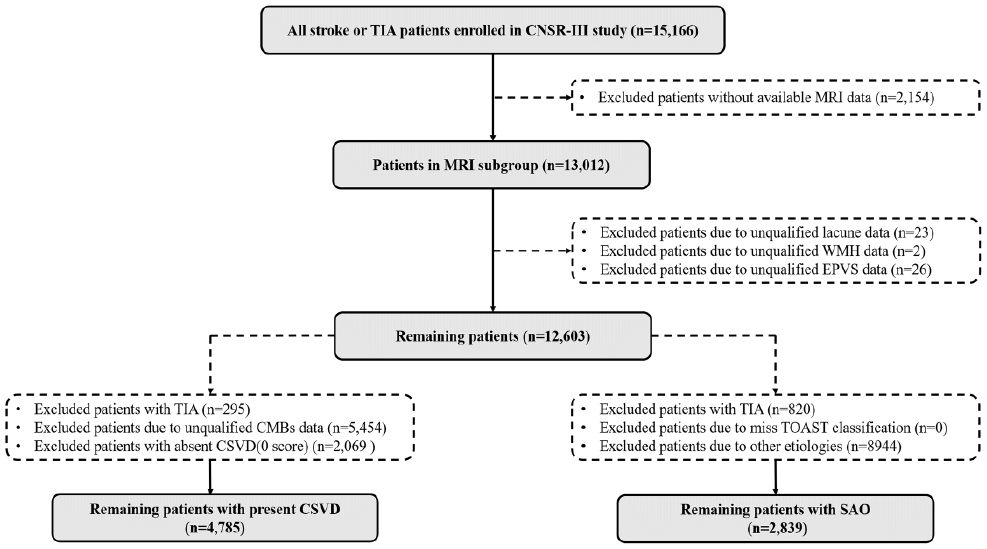
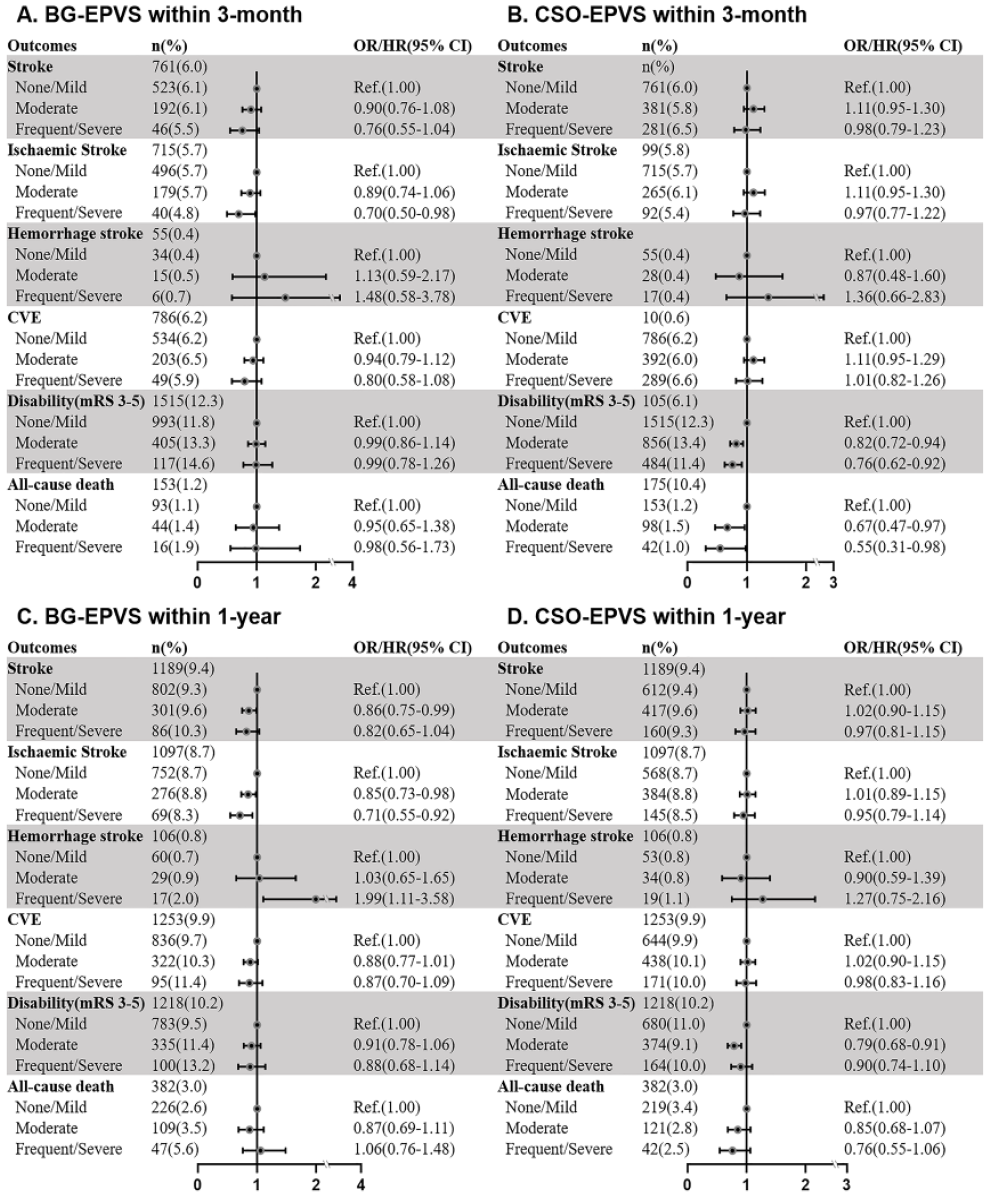
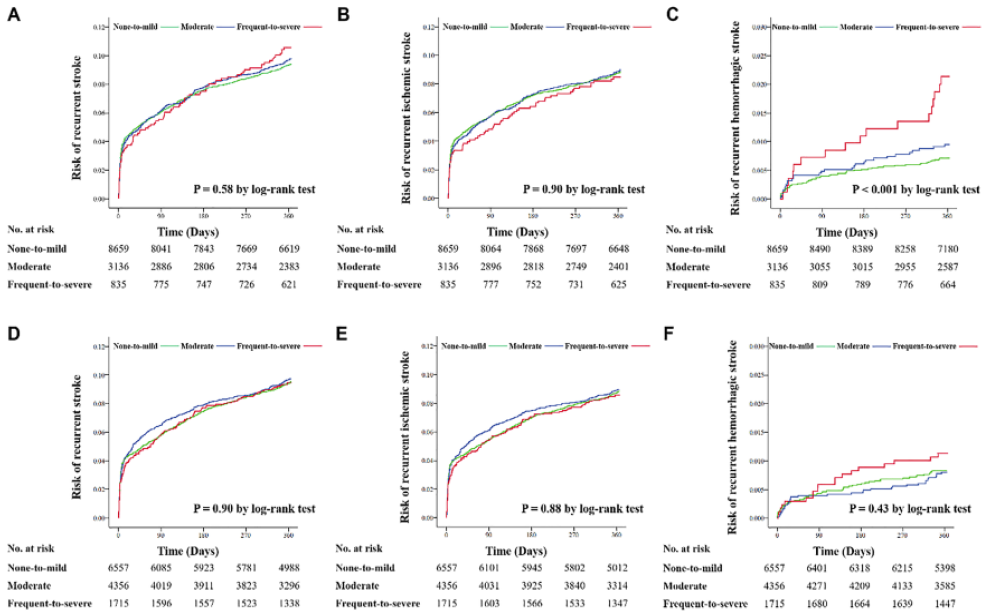
PROGNOSIS AND OUTCOME AFTER STROKE
495
PRE-STROKE PHYSICAL INACTIVITY IS CORRELATED WITH ADL DEPENDENCY 3 MONTHS AFTER STROKE
1Univ of Gothenburg, Rehabilitation medicine, Clinical neuroscience, Gothenburg, Sweden, 2Riga Stradins University, Faculty of Residency, Riga, Latvia
The aim was to evaluate whether physical inactivity before stroke influences ADL dependency 3 months after stroke.
PROGNOSIS AND OUTCOME AFTER STROKE
646
Patient-reported outcome measures after ICH: a prospective multicenter validation study
1Hospital Universitari Joan XXIII Tarragona, Stroke Unit. Neurology., Tarragona, Spain, 2Hospital Universitari Arnau de Vilanova, Stroke Unit. Neurology., Lleida, Spain, 3Hospital Universitari Germans Tries i Pujol, Stroke Unit. Neurology., Badalona, Spain, 4Hospital Universitari Dr.Josep Trueta, Stroke Unit. Neurology., Girona, Spain, 5Hospital Universitari Vall Hebron, Stroke Unit. Neurology., Barcelona, Spain
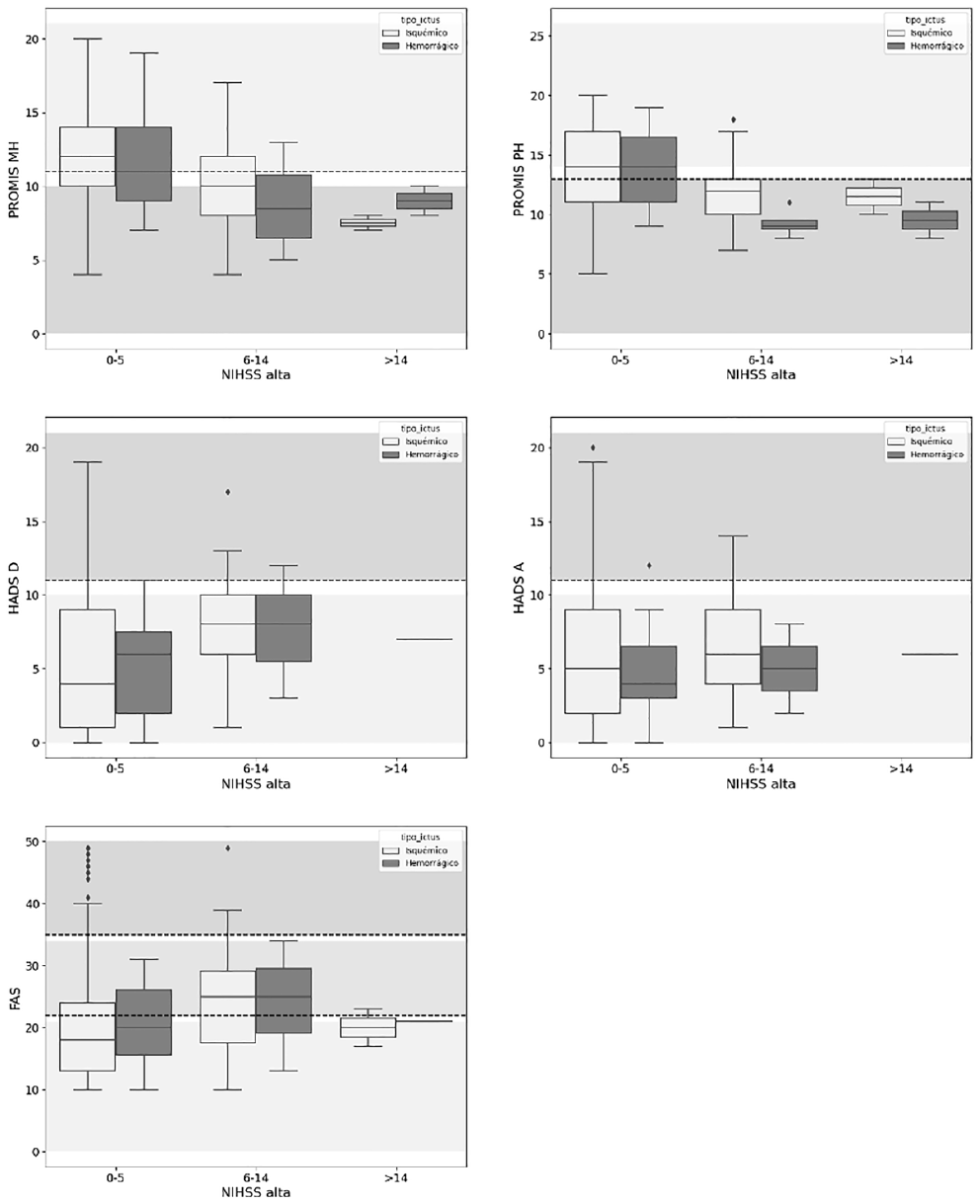
PROGNOSIS AND OUTCOME AFTER STROKE
668
ISCHEMIC AND HEMORRHAGIC STROKES IN YOUNG ADULTS: COMPARISON OF RISK FACTORS AND OUTCOMES
1National University Hospital, Division of Neurology, Department of Medicine, Singapore, Singapore, 2Yong Loo Lin School of Medicine, National University of Singapore, Department of Medicine, Singapore, Singapore, 3National University Hospital, Division of Neurosurgery, Department of Surgery, Singapore, Singapore
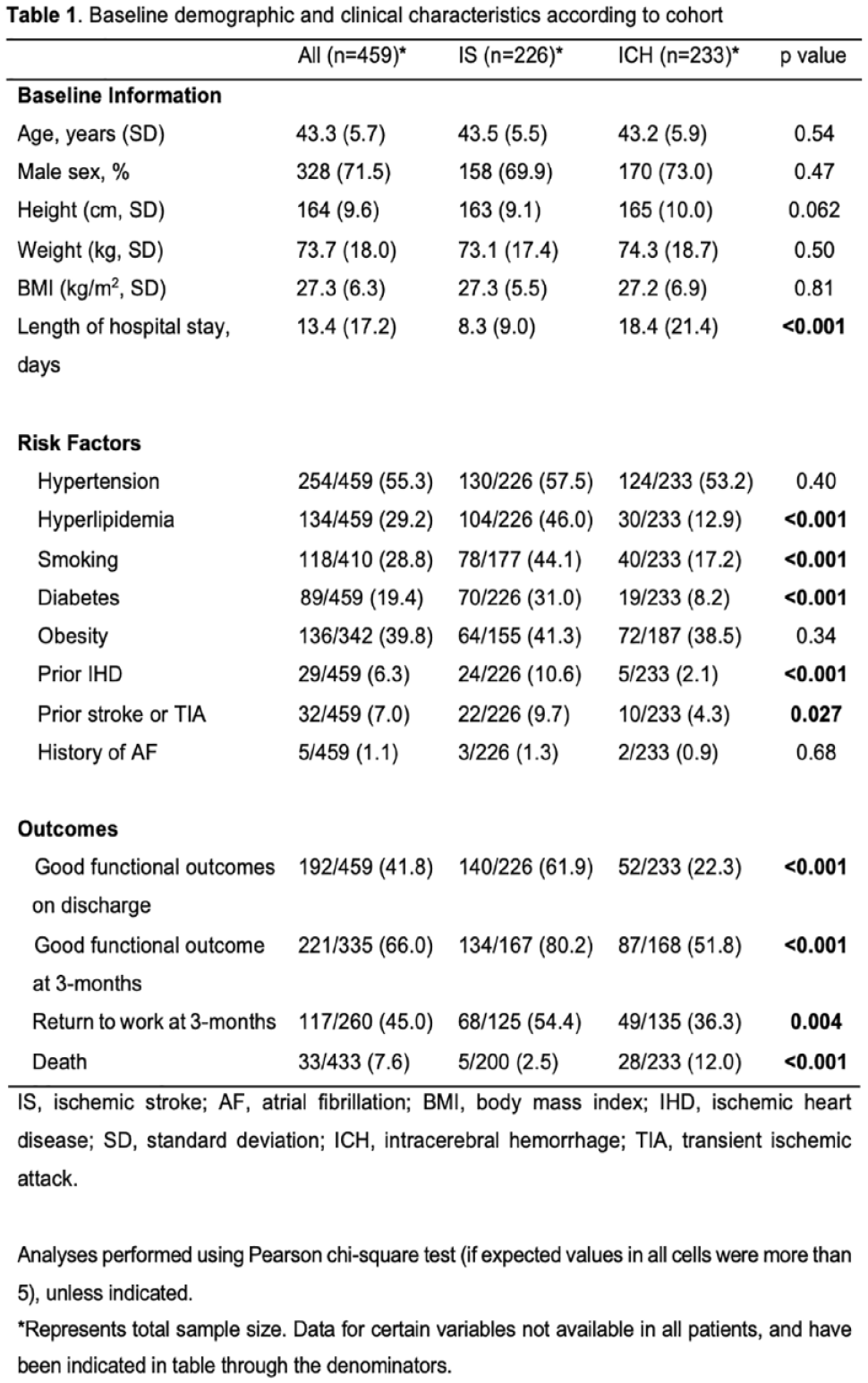
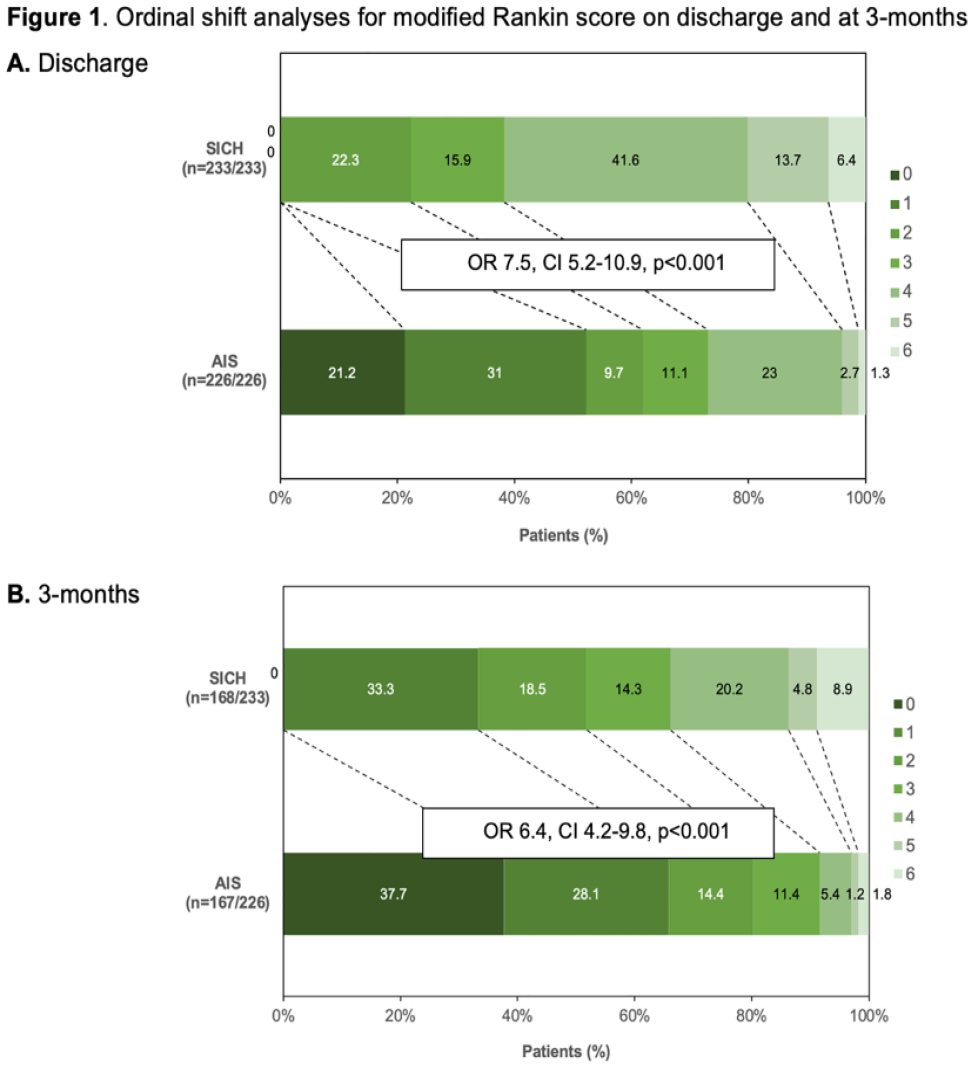
PROGNOSIS AND OUTCOME AFTER STROKE
685
SELF-PERCEIVED RECOVERY AND REMAINING DISABILITIES AFTER STROKE: STROKE IMPACT SCALE EVALUATION AT 3 MONTHS FOLLOW-UP
1Department of Health Sciences, Lund University, Department of Neurology, Rehabilitation Medicine, Memory Disorders and Geriatrics, Skåne University Hospital, Lund, Sweden, 2Department of Neurology, Rehabilitation Medicine, Memory Disorders and Geriatrics, Skåne University Hospital, Department of Clinical Sciences Lund, Neurology, Lund University, Lund, Sweden, 3Department of Neurology, Rehabilitation Medicine, Memory Disorders and Geriatrics, Skåne University Hospital, Department of Health Sciences, Lund University, Lund, Sweden, 4Department of Neurology, Rehabilitation Medicine, Memory Disorders and Geriatrics, Skåne University Hospital, Department of Health Sciences, Lund University, Lund, Sweden
1 Duncan et al. Stroke. 1999;30:2131-2140.
2 Duncan et al. Arch Phys Med Rehabil. 2003;84:950-963.
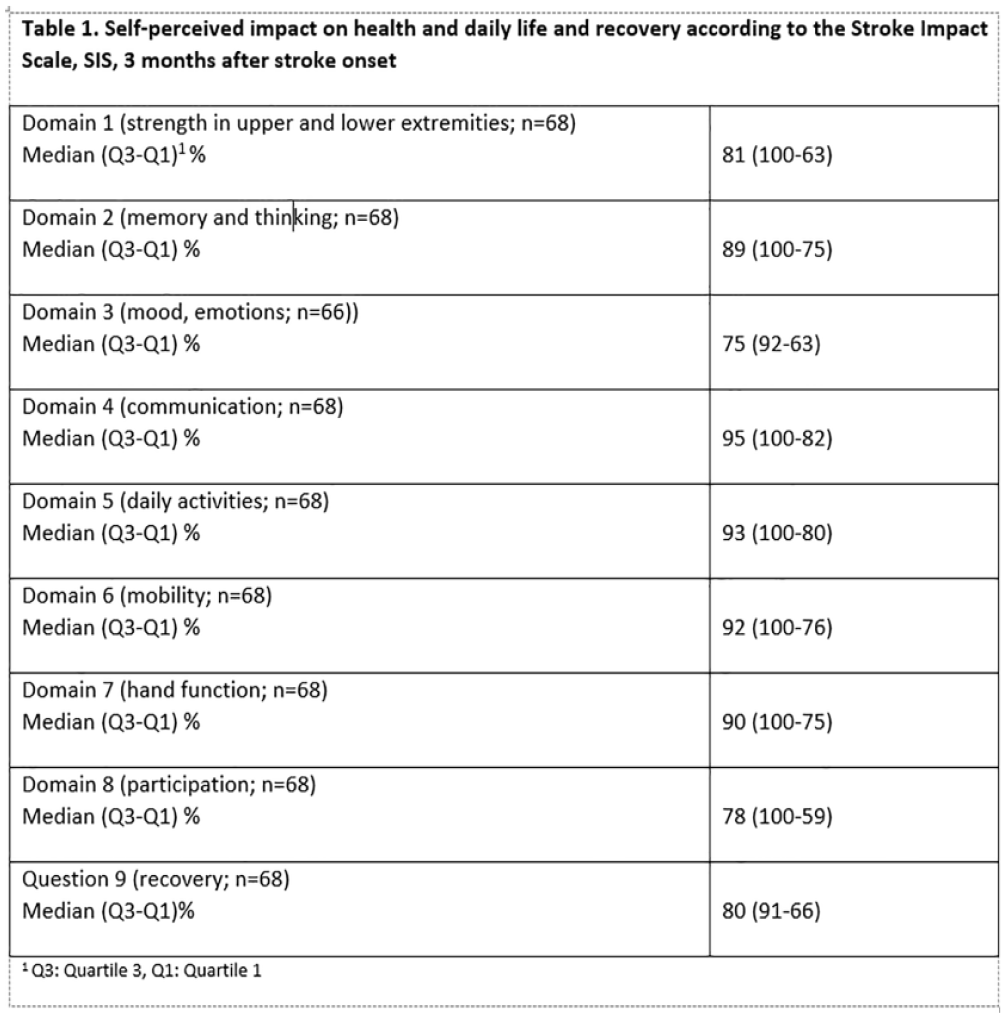
PROGNOSIS AND OUTCOME AFTER STROKE
844
ELEVATED SERUM SOLUBLE ST2 IS ASSOCIATED WITH POOR 1-YEAR OUTCOMES IN ACUTE ISCHEMIC STROKE
1The Chinese University of Hong Kong, Department of Medicine and Therapeutics, Hong Kong, China, 2The First Affiliated Hospital of Zhengzhou University, Department of Neurology, Zhengzhou, China
PROGNOSIS AND OUTCOME AFTER STROKE
927
Factors influencing recanalization after mechanical thrombectomy with first pass effect for acute ischemic stroke
1Xuanwu Hospital, Capital Medical University, Department of Neurosurgery, Beijing, China, 2University of Oxford, Sir william dunn school of pathology, Oxford, United Kingdom
PROGNOSIS AND OUTCOME AFTER STROKE
929
General anesthesia versus conscious sedation for endovascular therapy in acute ischemic stroke
1Xuanwu Hospital, Capital Medical University, Department of Neurosurgery, Beijing, China, 2University of Oxford, Sir william dunn school of pathology, Oxford, United Kingdom
PROGNOSIS AND OUTCOME AFTER STROKE
948
Predictors of in-hospital mortality after stroke at the Central Hospital of Maputo, Mozambique: a cross-sectional study
1Maputo Central Hospital (HCM), Neurology Service, Department of Internal Medicine, Maputo, Mozambique, 2Faculty of Medicine and Biomedical Sciences at the Algarve University, Algarve University Hospital Center (CHUA), Faro, Portugal, 3Faculty of Medicine of Eduardo Mondlane University, Cardiology Service, Maputo Central Hospital (HCM), Maputo, Mozambique, 4Algarve Biomedical Center Research Institute., Epigenetics and Human Diseases, Faro, Portugal, 5Maputo Central Hospital (HCM), Internal Medicine, Maputo, Mozambique, 6Badajoz University Hospital, Stroke Center, Neurology Department, Badajoz, Spain, 7University of Extremadura, Biomedical Sciences, Faculty of Medicine and Health Sciences, Badajoz, Spain
PROGNOSIS AND OUTCOME AFTER STROKE
953
IMPACT OF RENAL FUNCTION VARIABILITY ON LONG-TERM PROGNOSIS IN ISCHEMIC STROKE PATIENTS WITH ATRIAL FIBRILLATION
1The University of Hong Kong, Department of Medicine, Hong Kong, China, 2The University of Hong Kong, Department of Pathology, Hong Kong, Hong Kong, 3Queen Mary Hospital, Department of Medicine, Hong Kong, Hong Kong
PROGNOSIS AND OUTCOME AFTER STROKE
978
Risk Factors for New Ischemic Cerebral Lesions after Carotid Artery Stenting
1Xuanwu Hospital, Capital Medical University, Department of Neurosurgery, Beijing, China, 2University of Oxford, Sir william dunn school of pathology, Oxford, United Kingdom
PROGNOSIS AND OUTCOME AFTER STROKE
1015
Antiplatelet vs. Anticoagulation in Cervical Artery Dissection
1University of Oxford, Sir william dunn school of pathology, Oxford, United Kingdom, 2Xuanwu Hospital, Capital Medical University, Department of Neurosurgery, Beijing, China
PROGNOSIS AND OUTCOME AFTER STROKE
1019
Percutaneous transluminal angioplasty and stenting for vertebral artery stenosis
1University of Oxford, Sir william dunn school of pathology, Oxford, United Kingdom, 2Xuanwu Hospital, Capital Medical University, Department of Neurosurgery, Beijing, China
PROGNOSIS AND OUTCOME AFTER STROKE
1023
Endovascular Therapy for Symptomatic Intracranial Artery Stenosis
1University of Oxford, Sir william dunn school of pathology, Oxford, United Kingdom, 2Xuanwu Hospital, Capital Medical University, Department of Neurosurgery, Beijing, China
PROGNOSIS AND OUTCOME AFTER STROKE
1029
PATTERNS OF HAEMORRHAGIC TRANSFORMATION AND FUNCTIONAL OUTCOME AFTER ACUTE ISCHAEMIC STROKE: RESULTS FROM THE ENCHANTED STUDY
1Department of Neurology, West China Hospital, Sichuan University, Chengdu, China, 2The George Institute for Global Health, Faculty of Medicine, University of New South Wales, Sydney, Australia, 3Department of Neurology, Royal Prince Alfred Hospital, Sydney Health Partners, Sydney, Australia
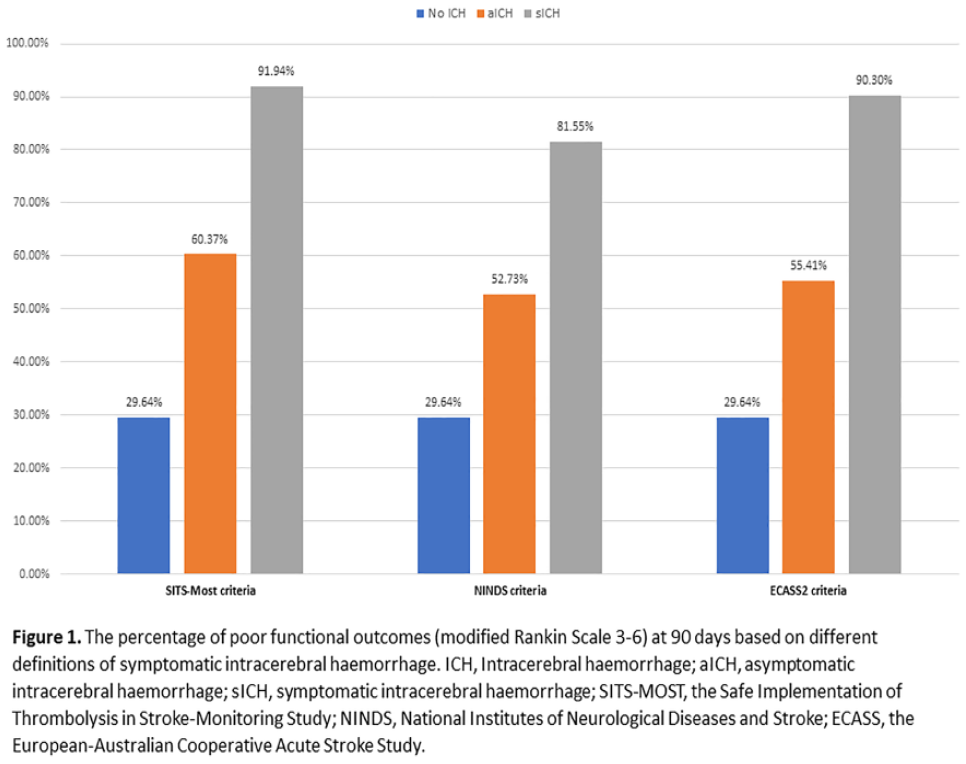
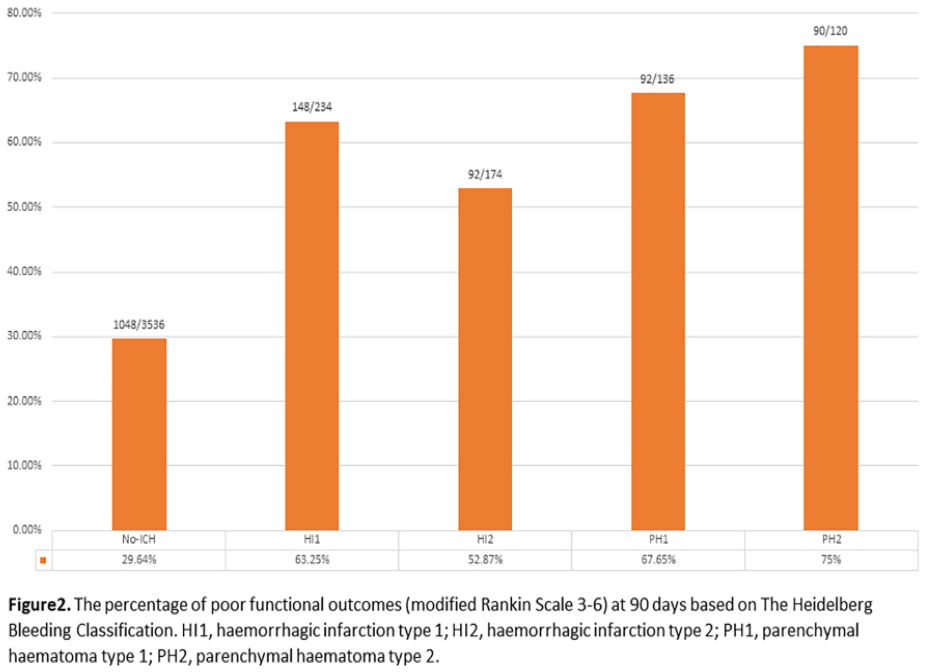
PROGNOSIS AND OUTCOME AFTER STROKE
1056
High fibrin and platelet clot is associated with stroke recurrence after endovascular thrombectomy in patients with active cancer
1National Taiwan Univeristy Hospital Hsin-Chu branch, Department of Neurology, Hsinchu City, Taiwan, 2National Taiwan Univeristy Hospital, Department of Neurology, Taipei City, Taiwan, 3National Taiwan Univeristy Hospital, Department of Medical Imaging, Taipei City, Taiwan, 4National Taiwan Univeristy Hospital, Department of Pathology, Taipei City, Taiwan
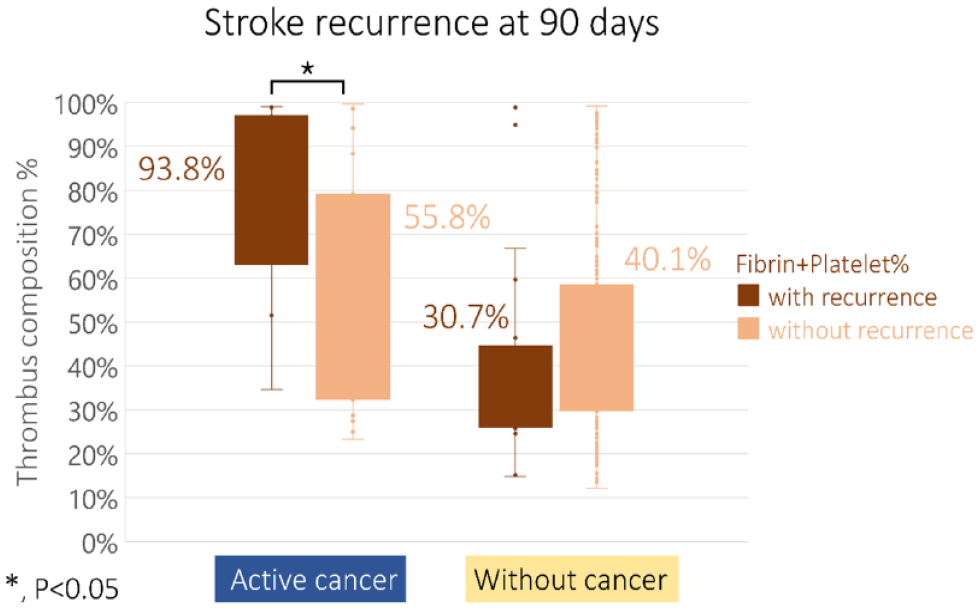
PROGNOSIS AND OUTCOME AFTER STROKE
1082
Susceptibility vessel sign, a predictor of long-term outcome in stroke patients treated with mechanical thrombectomy
1Inselspital, Bern University Hospital, and University of Bern, Department of Neurology, Bern, Switzerland, 2Medical Center – University of Freiburg, Faculty of Medicine, University of Freiburg, Department of Neuroradiology, Freiburg, Germany, 3Inselspital, Bern University Hospital, and University of Bern, Institute for Diagnostic and Interventional Neuroradiology, Bern, Switzerland, 4Inselspital, Bern University Hospital, and University of Bern, Department of Medical Oncology, Bern, Switzerland, 5University Hospital of Basel, University of Basel, Neurology Department, Basel, Switzerland
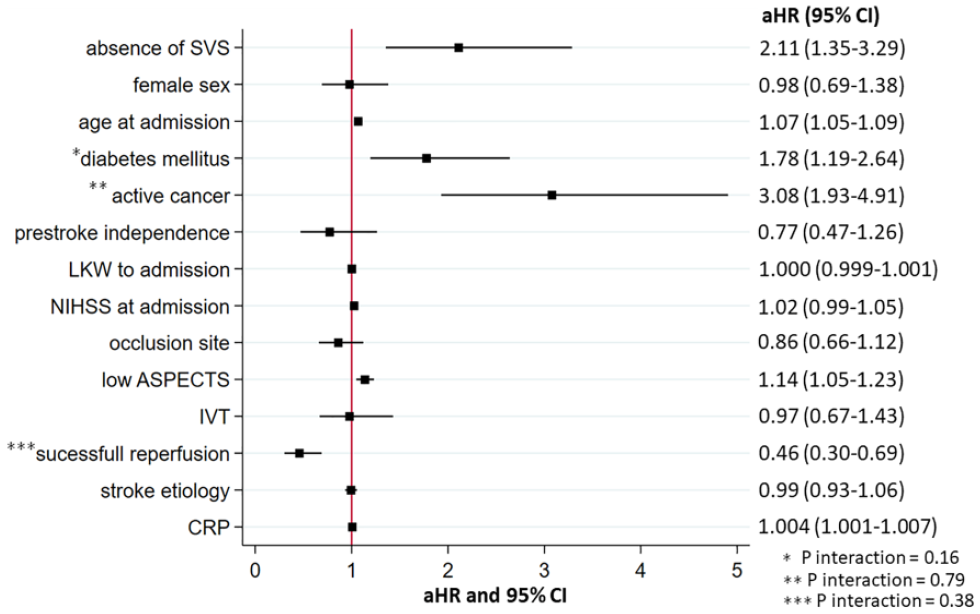
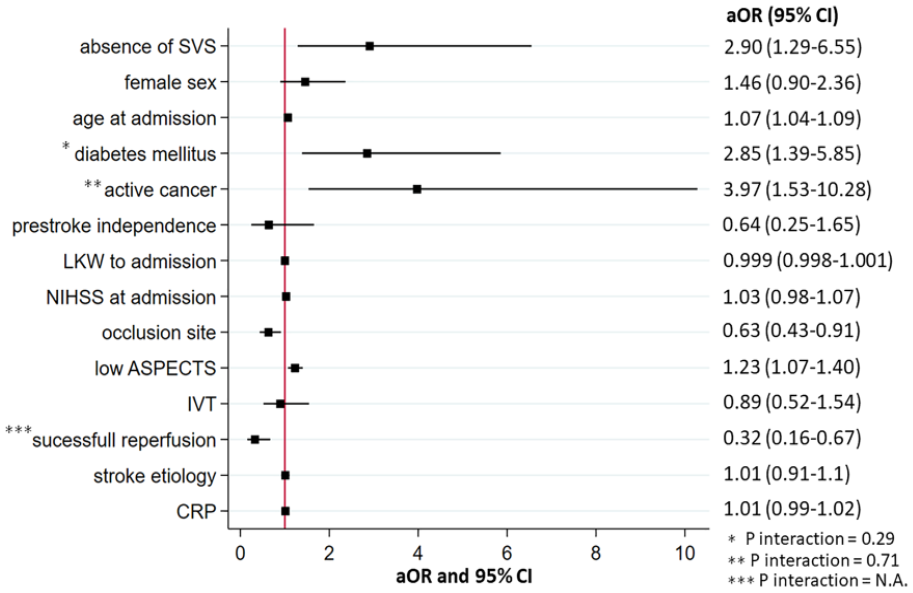
PROGNOSIS AND OUTCOME AFTER STROKE
1118
PULSATILITY INDEX AS A PROGNOSTIC MARKER OF COGNITIVE AND CLINICAL OUTCOME IN A COHORT OF PATIENTS WITH ACUTE NON-DISABLING STROKE AND TIA WITH DIFFERENT ETIOPATHOGENESIS
1Fondazione Policlinico Universitario Campus Bio-Medico, Department of Medicine and Surgery, Unit of Headache and Neurosonology, Unit of Neurology, Università Campus Bio-Medico di Roma, Rome, Italy, 2San Giuseppe Hospital, Neurology Unit, Milan, Italy, 3Policlinico of Bari “Aldo Moro”, Neurology Unit, Bari, Italy, 4University of Oxford, Department of Biology, Oxford, United Kingdom
PROGNOSIS AND OUTCOME AFTER STROKE
1173
NEUROPSYCHOLOGICAL DEFICITS IN PATIENTS WITH FAVORABLE OUTCOME AFTER MIDDLE CEREBRAL ARTERY INFARCTION
1Goethe University, Department of Neurology, Frankfurt am Main, Germany, 2Klinikum Ludwigsburg, Department of Neurology, Ludwigsburg, Germany
PROGNOSIS AND OUTCOME AFTER STROKE
1238
Prognosis reviewing by using geriatric nutritional risk index in acute ischemic stroke patients with intravenous thrombolysis
1 The Second Affiliated Hospital of Soochow University, Neurology, Suzhou, China
PROGNOSIS AND OUTCOME AFTER STROKE
1250
ASSOCIATION OF CHA2DS2-VASc WITH CARDIAC FUNCTION AND STROKE OUTCOME AFTER STROKE WITH ATRIAL FIBRILLATION
1 Myongji Hospital, Hanyang University College of Medicine, Neurology, Goyang, South Korea
PROGNOSIS AND OUTCOME AFTER STROKE
1259
Difference influence of renal hyperfiltration on short-term outcome in ischemic stroke patients according to the presence of reperfusion therapy
1 Keimyung University School of Medicine, Department of Neurology, Daegu, South Korea
PROGNOSIS AND OUTCOME AFTER STROKE
1281
DEEP WHITE MATTER LESIONS INCREASE THE RISK OF STROKE RECURRENCE AT 90 DAYS
1 First Hospital of Shanxi Medical University, Department of Neurology, Taiyuan City, China
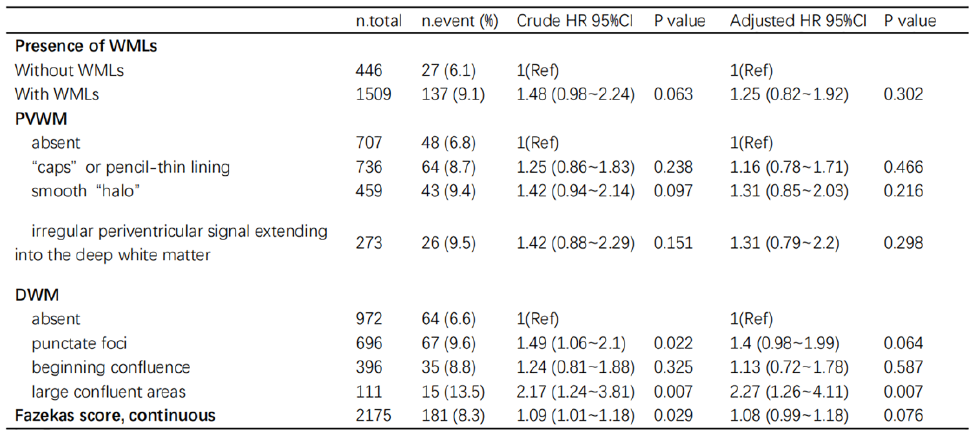
Relationship between WMLs and stroke recurrence
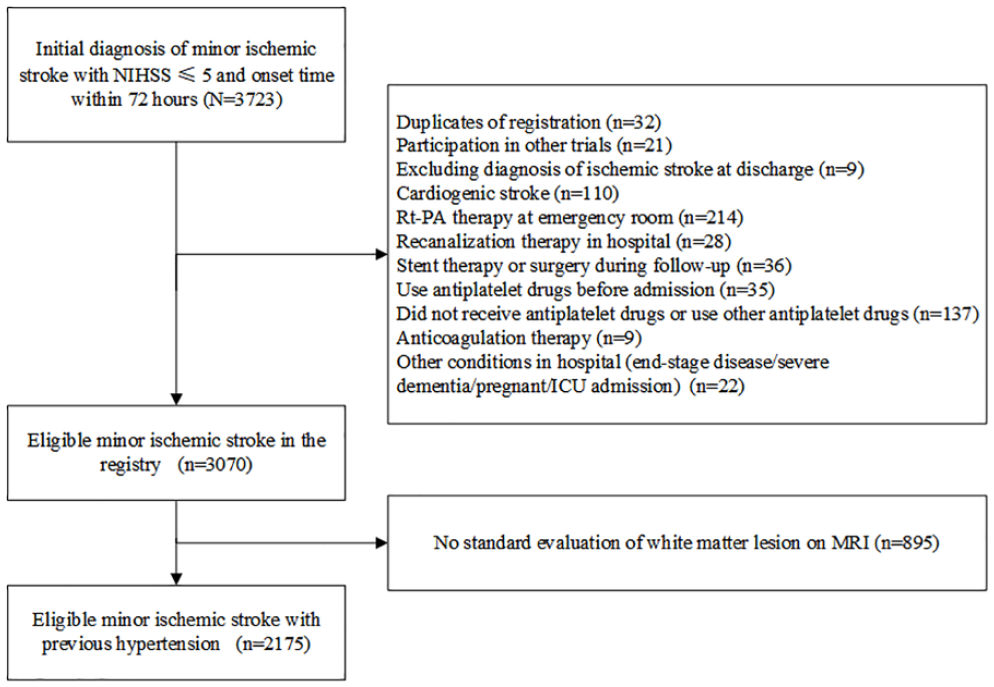
Flowchart of the study.
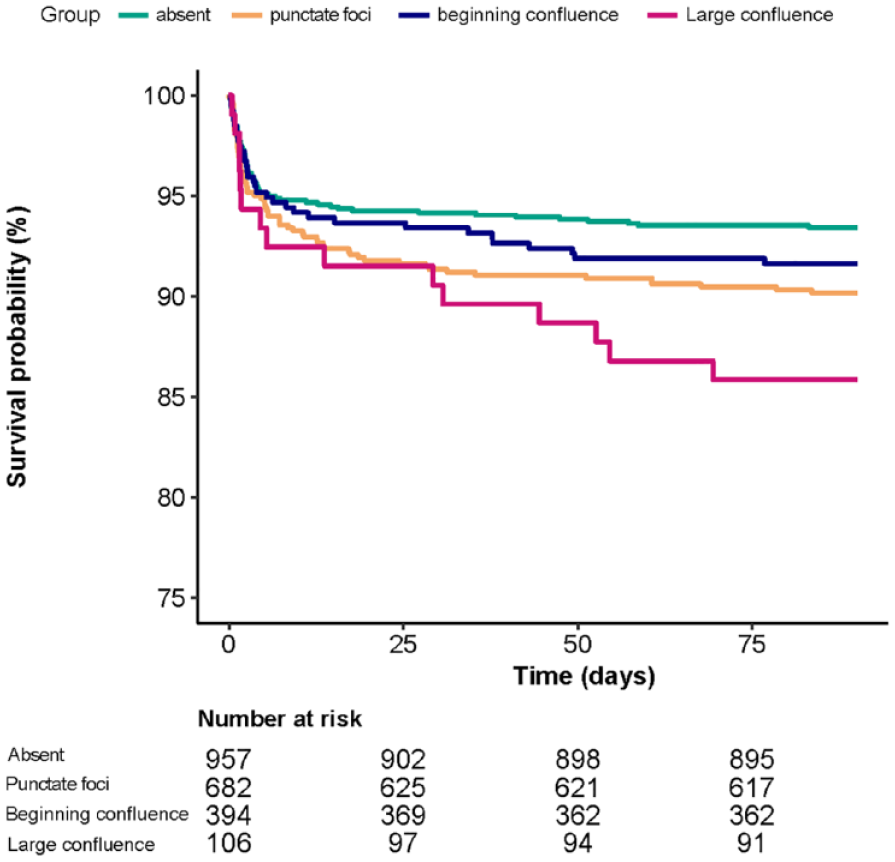
K-M curve of stroke recurrence among DWM groups.
PROGNOSIS AND OUTCOME AFTER STROKE
1321
Blood viscosity Associated with Stroke Mechanism and Early Neurological Deterioration in Middle Cerebral Artery Atherosclerosis
1Kyung Hee University College of Medicine, Kyung Hee University Hospital, Departments of Neurology, Seoul, South Korea, 2Kyung Hee University College of Medicine, Kyung Hee University Hospital, Departments of Radiology, Seoul, South Korea, 3Asan Medical Center, Department of Neurology, Seoul, South Korea
PROGNOSIS AND OUTCOME AFTER STROKE
1373
BRAIN FRAILTY MEDIATES DISCREPANCIES BETWEEN FIV AND 90-DAY FUNCTIONAL OUTCOME IN PATIENTS WITH ISCHEMIC STROKE RECEIVING ENDOVASCULAR TREATMENT: A STRUCTURAL-EQUATION-MODELLING APPROACH
1Foothills Medical Centre, MUMC+, Calgary, Canada, 2Foothills Medical Centre, ., Calgary, Canada, 3NONO, ., Toronto, Canada
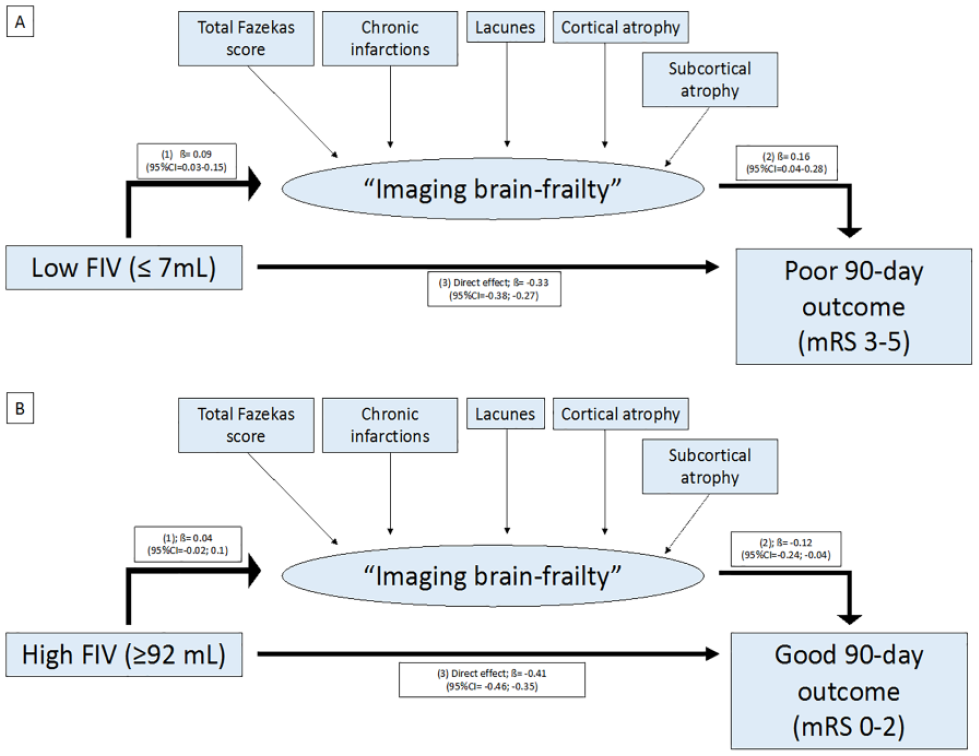
Causal pathway model.
PROGNOSIS AND OUTCOME AFTER STROKE
1411
Brush Sign is associated with better functional outcomes at 3 months in patients with ischemic stroke after mechanical thrombectomy
1CHU of Reims - Maison Blanche Hospital, Neurology, Reims, France, 2Reims University Hospital, Neurology, Reims, France, 3CHU of Reims - Maison Blanche Hospital, Radiology, Reims, France
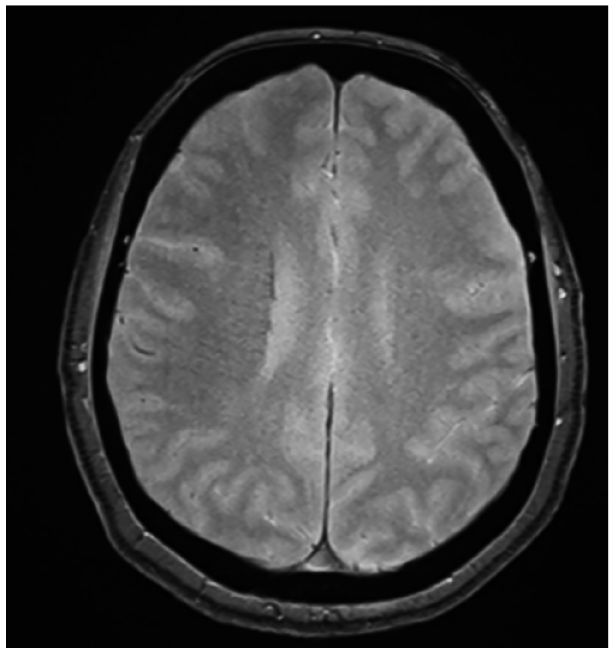
PROGNOSIS AND OUTCOME AFTER STROKE
1514
Optical Coherence Tomography to Determine Thrombus as a Pathological factor of Intracranial Atherosclerotic Stenosis
1Xuanwu Hospital, Capital Medical University, Department of Neurosurgery, Beijing, China, 2China International Neuroscience Institute (China-INI), Department of Neurosurgery, Beijing, China, 3University of Oxford, Sir william dunn school of pathology, Oxford, United Kingdom, 4Loma Linda University Health, Department of Neurology, Loma Linda, United States, 5Peking University, School of Public Health and Center for Statistical Science, Beijing, China, 6Massachusetts General Hospital, Neuroendovascular Program, Boston, United States, 7Brigham and Women’s Hospital and Harvard Medical School, Neuroradiology & Neurointervention Service, Boston, United States, 8Second Affiliated Hospital of Harbin Medical University, Department of Cardiology, Harbin, China, 9Chinese Ministry of Education, Key Laboratory of Myocardial Ischemia, Harbin, China, 10Xuanwu Hospital, Capital Medical University, Department of Interventional Neuroradiology, Beijing, China
PROGNOSIS AND OUTCOME AFTER STROKE
1522
Using artificial intelligence to predict the in-hospital mortality of malignant middle cerebral artery infarction patients receiving decompressive hemicraniectomy
1 Kaohsiung Medical University, Neurology, Kaohsiung, Taiwan
was assessed and 89 of them who fit the study criteria were further selected for machine and deep learning algorithms including XGBoost, Logistic Regression, Decision Tree, Random Forest, and Deep Neural Networks to construct predictive models. We then used metrics including accuracy, precision, recall, F1 score, and area under curve (AUC) to assess the performance of each model.
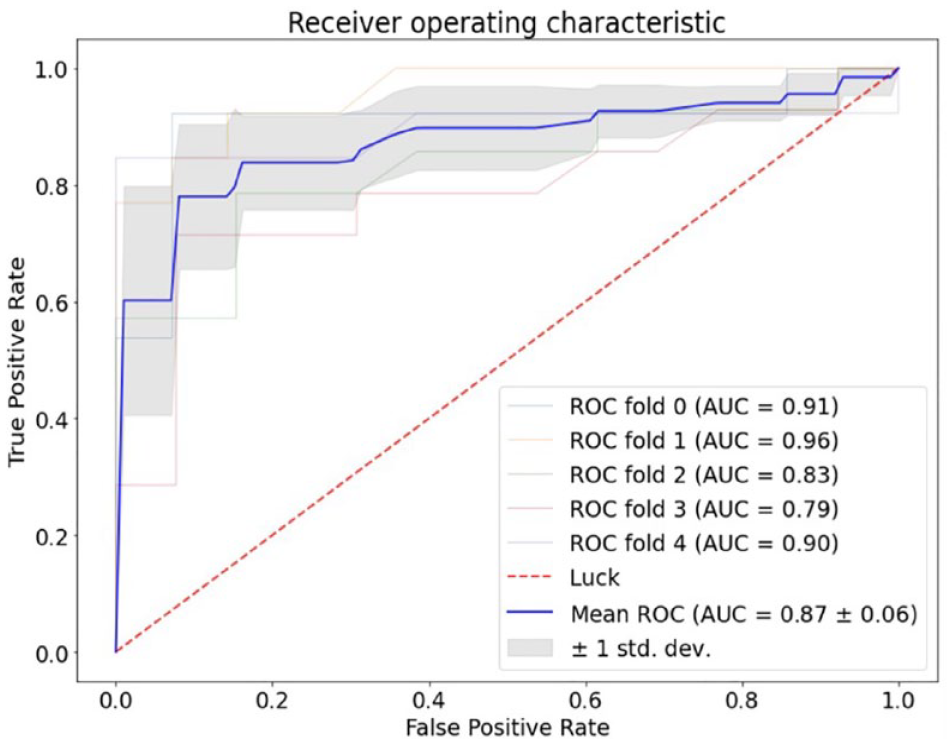
PROGNOSIS AND OUTCOME AFTER STROKE
1551
DNA-Methylation and Stroke Prognosis: A EWAS Metanalysis
1Institut Hospital del Mar d’Investigacion Mèdiques (IMIM), Neurovascular Research Group, Barcelona, Spain, 2Institut d’Investigació Biomèdica Sant Pau (IIB SANT PAU), Neurovascular, Barcelona, Spain, 3Unidad de Investigación AP-OSIs, Unidad de Investigación AP-OSIs, Donostia, Spain, 4Washington University School of Medicine, Department of Psychiatry, NeuroGenomics and Informatics, St. Louis, United States, 5Josep Carreras Leukaemia Research Institute, Barcelona, Spain
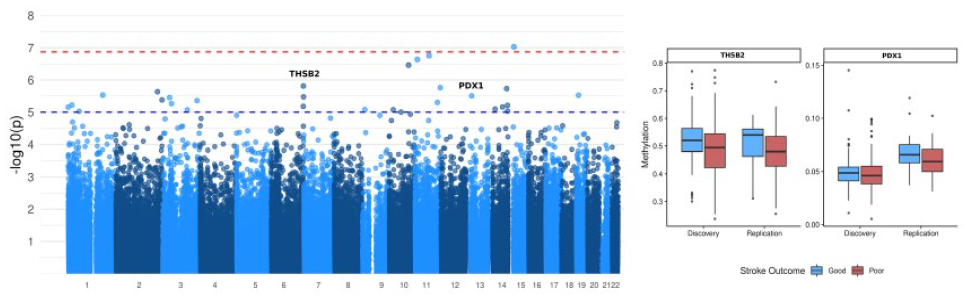
PROGNOSIS AND OUTCOME AFTER STROKE
1643
WHITE MATTER HYPERINTENSITIES, ISCHEMIC PENUMBRA AND FUNCTIONAL OUTCOME IN PATIENTS WITH LARGE VESSEL OCCLUSION TREATED WITH THROMBECTOMY
1INSERM, UPS, Toulouse NeuroImaging Center, Université de Toulouse, Toulouse, France, 2Clinical Investigation Center, Université de Toulouse, INSERM, Université Toulouse III-Paul Sabatier, Toulouse University Hospitals, CIC1436, F-CRIN/StrokeLink Network, Toulouse, France, 3Centre Hospitalier Universitaire de Bordeaux, Department of Neurology, Bordeaux, France, 4Centre Hospitalier Universitaire de Toulouse, Department of Neurology, Toulouse, France, 5Centre Hospitalier Universitaire de Toulouse, Department of Neuroradiology, Toulouse, France, 6Stanford University, Stanford Stroke Center, Stanford, California, United States, 7Centre Hospitalier Universitaire de Bordeaux, Department of Neuroradiology, Bordeaux, France, 8Fondation Ophtalmologique Adolphe de Rothschild, Paris, France
PROGNOSIS AND OUTCOME AFTER STROKE
1740
Natural history of adverse non-motor outcomes after stroke: comprehensive systematic review and meta-analysis
1UCL Queen Square Institute of Neurology, Stroke Research Center, London, United Kingdom, 2The National Hospital for Neurology and Neurosurgery, University College London Hospitals NHS Foundation Trust, Comprehensive Stroke Service, London, United Kingdom, 3University College London, Gower Street, London, UK, Department of Statistical Science, London, United Kingdom
PROGNOSIS AND OUTCOME AFTER STROKE
1741
Usefulness of Geriatric Nutritional Risk Index (GNRI) as a Predictor of Outcome in Elderly Stroke Patients
1 Fukuoka Kieikai Hospital, Stroke Center, Fukuoka, Japan
PROGNOSIS AND OUTCOME AFTER STROKE
1772
Outcome of reperfusion therapy for patients with both acute ischemic stroke and active cancer
1Osaka University Graduate School of Medicine, Department of Neurology, Suita, Japan, 2Osaka University Graduate School of Medicine, Department of Neurosurgery, Suita, Japan
PROGNOSIS AND OUTCOME AFTER STROKE
1782
FUNCTIONAL OUTCOMES IN PATIENTS WITH LARGE VESSEL OCCLUSION ANTERIOR CIRCULATION STROKES PRESENTING WITH LOW NIHSS SCORE WITH OR WITHOUT THROMBECTOMY TREATMENT
1Western University of Health Sciences, College of Osteopathic Medicine of the Pacific Northwest, Lebanon, United States, 2Providence Brain and Spine Institute, Providence Health and Services, Portland, United States
PROGNOSIS AND OUTCOME AFTER STROKE
1823
Medial Medullary Infarction: Clinical Features and Follow-up Study
1 İstanbul University, Neurology, İstanbul, Turkey
PROGNOSIS AND OUTCOME AFTER STROKE
1907
STROKE COLLATERALS: QUANTIFYING FLOW CHARACTERISTICS IN CORTICAL MICROVASCULAR NETWORKS WITH VARYING PENETRATING TREE DENSITIES
1University Hospital and University of Zurich, and Zurich Neuroscience Center, Department of Neurology, Zurich, Switzerland, 2ETH Zurich, Institute of Fluid Dynamics, Zurich, Switzerland, 3University of Bern, ARTORG Center for Biomedical Engineering Research, Bern, Switzerland
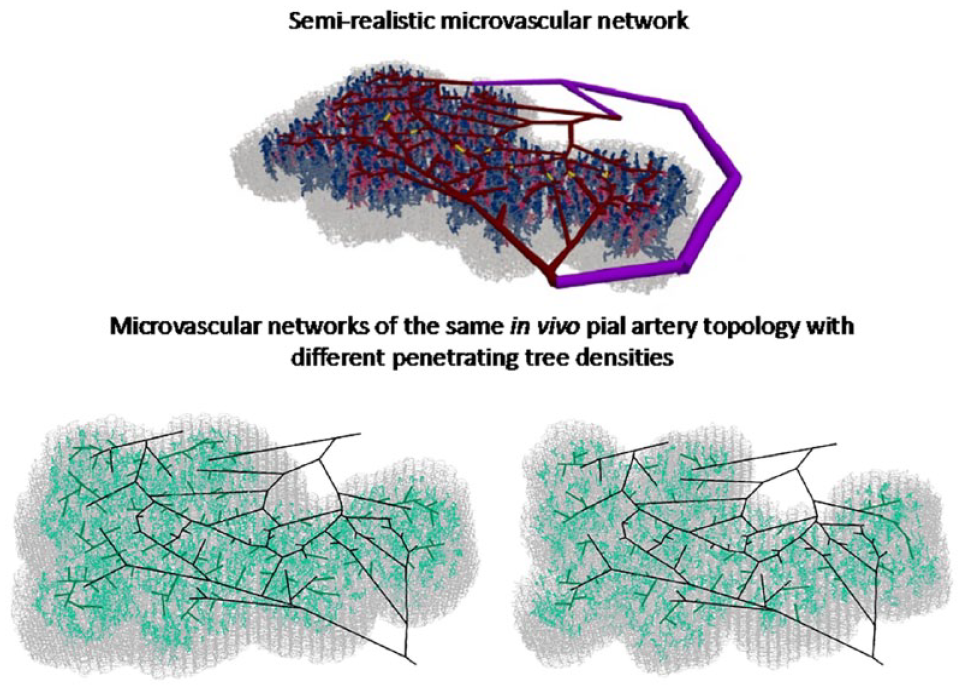
PROGNOSIS AND OUTCOME AFTER STROKE
1921
Risk factors for early mortality after endovascular stroke therapy
1Medical University of Graz, Department of Neurology, Graz, Austria, 2University of Technology, Vienna, Research Unit of Computational Statistics, Vienna, Austria, 3Medical University of Graz, Division of Neuroradiology, Vascular and Interventional Radiology, Department of Radiology, Graz, Austria, 4Christian Doppler Medical Center, Paracelsus Medical University, Salzburg, Department of Neurology, Salzburg, Austria, 5Christian Doppler Medical Center, Paracelsus Medical University, Salzburg, Institute of Neurointervention, Salzburg, Austria, 6Medical University of Innsbruck, Department of Neuroradiology, Innsbruck, Austria, 7Medical University of Innsbruck, Department of Neurology, Innsbruck, Austria, 8Kepler University Hospital Linz, Institute of Neuroradiology, Linz, Austria, 9Kepler University Hospital Linz, Department of Neurology, Linz, Austria, 10Klinikum Klagenfurt, Department of Neurology, Klagenfurt, Austria, 11Klinikum Klagenfurt, Institute of Diagnostic and Interventional Radiology, Klagenfurt, Austria, 12Medical University of Vienna, Department of Neurology, Vienna, Austria, 13State Hospital of Feldkirch/Rankweil, Department of Neurology, Feldkirch, Austria, 14St John’s of God Hospital, Department of Neurology, Eisenstadt, Austria, 15St John’s of God Hospital, Department of Neurology, Vienna, Austria
PROGNOSIS AND OUTCOME AFTER STROKE
1987
The complex ways stroke survivors are supported beyond formal care in South London: A qualitative study
1King’s College London, Population Health Sciences, London, United Kingdom, 2King’s College London, Policy Institute King’s, London, United Kingdom
PROGNOSIS AND OUTCOME AFTER STROKE
2033
Serum microRNA miR-491-5p and miR-206 as Indicators for Unfavorable Outcomes and Spontaneous Hemorrhagic Transformation after Ischemic Stroke
1Department of Neurology, West China Hospital, Sichuan University, Chengdu, China, 2Institute for Stroke and Dementia Research, Ludwig Maximilian University Hospital of Munich (KUM), Munich, Germany
PROGNOSIS AND OUTCOME AFTER STROKE
2037
Acute reperfusion treatments in ischaemic stroke beyond conventional time windows in a cohort of elderly and very elderly patients
1Antonio Cardarelli Hospital, Neurology and Stroke Unit, Napoli, Italy, 2Antonio Cardarelli Hospital, Interventional neuroradiology Unit, Napoli, Italy
PROGNOSIS AND OUTCOME AFTER STROKE
2084
Systemic Immune-Inflammation Index as a Predictor of Early Neurological Deterioration in Acute Atherosclerotic Ischemic Stroke
1 Soonchunhyang University Seoul Hospital, Neurology, Seoul, South Korea
PROGNOSIS AND OUTCOME AFTER STROKE
2134
PATJ depletion induces endothelial activation and vascular inflammation through nuclear recruitment of YAP
1Universitat Illes Balears, Biology, Palma, Spain, 2Health Research Institute of Balearic Islands (IdISBa), Neurobiology, Palma, Spain, 3Hospital Universitari Son Espases, Neurology, Palma, Spain, 4Sant Pau Research Institute, Stroke Pharmacogenomics and Genetics Laboratory, Barcelona, Spain, 5Institut Hospital del Mar d’Investigacions Mèdiques (IMIM), Neurovascular Research Group, Department of Neurology, Barcelona, Spain, 6University of Barcelona (UB), Department of Genetics, Microbiology & Statistics, Barcelona, Spain
PROGNOSIS AND OUTCOME AFTER STROKE
2288
THE COMORBIDITY OF DEPRESSION BEFORE AND AFTER STROKE: A NETWORK ANALYSIS
1Charité – Universitätsmedizin Berlin, Gender in Medicine, Berlin, Germany, 2Max Planck Institute for Human Cognitive and Brain Sciences, Department of Neurology, Leipzig, Germany
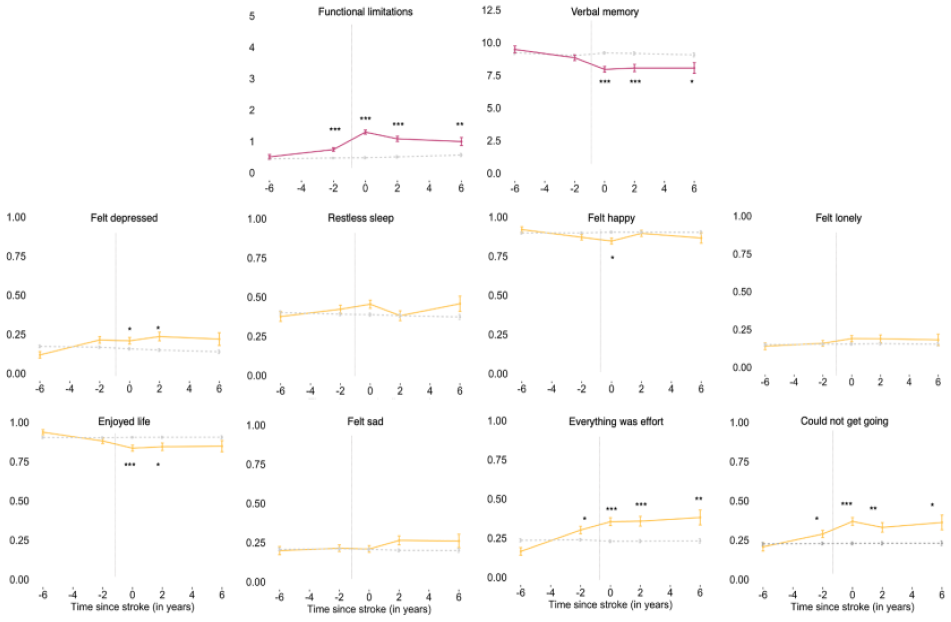
Frequencies of functional limitations, memory score, and single depressive symptoms, at time points before and after stroke.
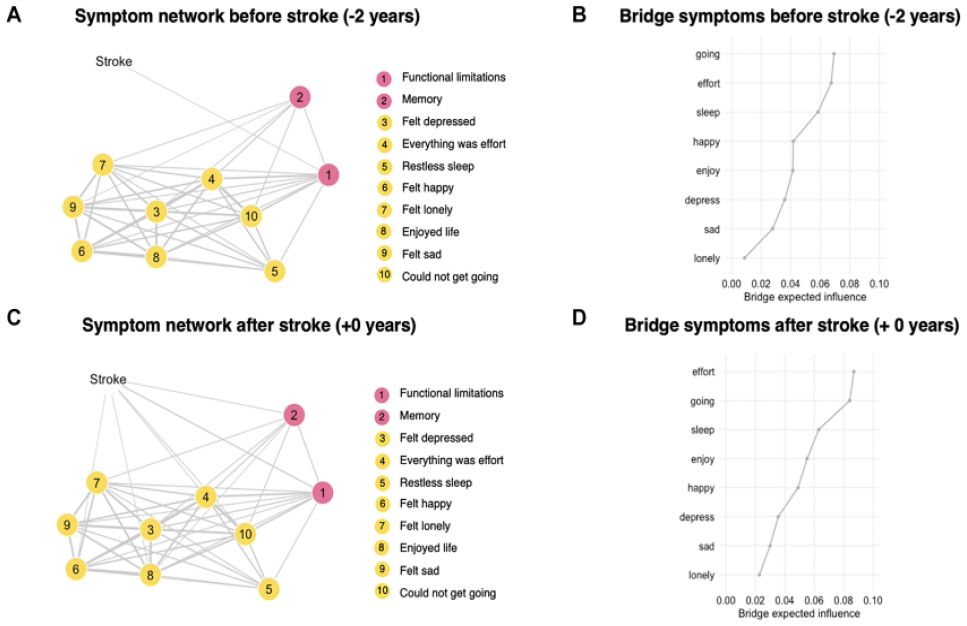
Symptom networks and bridge symptoms before and after stroke.
PROGNOSIS AND OUTCOME AFTER STROKE
2349
Plasma Brain-derived tau optimizes 90-day functional outcome prediction in acute ischemic stroke
1Centro Hospitalar Universitário do Porto, Department of Neurology, Porto, Portugal, 2i3S - Instituto de Investigação e Inovação em Saúde, Expression and Regulation in Cancer, Porto, Portugal, 3Institute of Neuroscience and Physiology, Department of Psychiatry and Neurochemistry, Gothenburg, Sweden, 4Sahlgrenska University Hospital, Clinical Neurochemistry Laboratory, Mölndal, Sweden, 5University of Pittsburgh, Department of Psychiatry, Pittsburgh, United States, 6i3S - Instituto de Investigação e Inovação em Saúde, ., Porto, Portugal, 7Instituto de Ciências Biomédicas Abel Salazar, ., Porto, Portugal, 8Instituto de Biologia Molecular e Celular, ., Porto, Portugal, 9Centro Hospitalar Universitário do Porto, Department of Neurorradiology, Porto, Portugal, 10Centro Hospitalar Universitário de S. João, Department of Neurology, Porto, Portugal, 11UPTEC - Science and Technology Park of University of Porto, U-Monitor, Porto, Portugal, 12UCL Institute of Neurology, Department of Neurodegenerative Disease, London, United Kingdom, 13UK Dementia Research Institute at UCL, ., London, United Kingdom, 14Hong Kong Center of Neurodegenerative Diseases, ., Hong Kong, China, 15University of Wisconsin School of Medicine and Public Health, Wisconsin Alzheimer’s Disease Research Center, Madison, United States, 16i3S - Instituto de Investigação e Inovação em Saúde, Cancer Signaling and Metabolism, Porto, Portugal
PROGNOSIS AND OUTCOME AFTER STROKE
2360
Association of cerebellar volumes with cortical excitability in chronic stroke
1 University Medical Center Eppendorf, Department of Neurology, Hamburg, Germany
PROGNOSIS AND OUTCOME AFTER STROKE
2377
INFLUENCE OF GEOLOCATIONAL FACTORS ON PATIENT OUTCOMES POST ENDOVASCULAR THERAPY : A POPULATION BASED ANALYSIS ACROSS THE LARGE PROVINCE OF SASKATCHEWAN
1University of Saskatchewan, College of Medicine, Saskatoon, Canada, 2University of Saskatchewan, Department of Radiology, Saskatoon, Canada, 3University of Saskatchewan, Department of Neurosurgery, Saskatoon, Canada
PROGNOSIS AND OUTCOME AFTER STROKE
2415
How relevant is the overestimation of pre-stroke functional status in stroke patients undergoing mechanical thrombectomy?
1University Hospital, RWTH Aachen University, Department of Diagnostic and Interventional Neuroradiology, Aachen, Germany, 2University Hospital, RWTH Aachen University, Department of Neurology, Aachen, Germany
PROGNOSIS AND OUTCOME AFTER STROKE
2451
Prognostic role of serum ICAM-1 in patients with acute ischemic stroke
1 Tashkent Medical Academy, Neurology, Tashkent, Uzbekistan
PROGNOSIS AND OUTCOME AFTER STROKE
2563
Elevated Leukocyte Counts Are Associated With Worse Functional Outcomes in Patients with Large Vessel Occlusion
1University of Cincinnati, Neurology, Cincinnati, United States, 2Houston Methodist Hospital, Neurology, Houston, United States
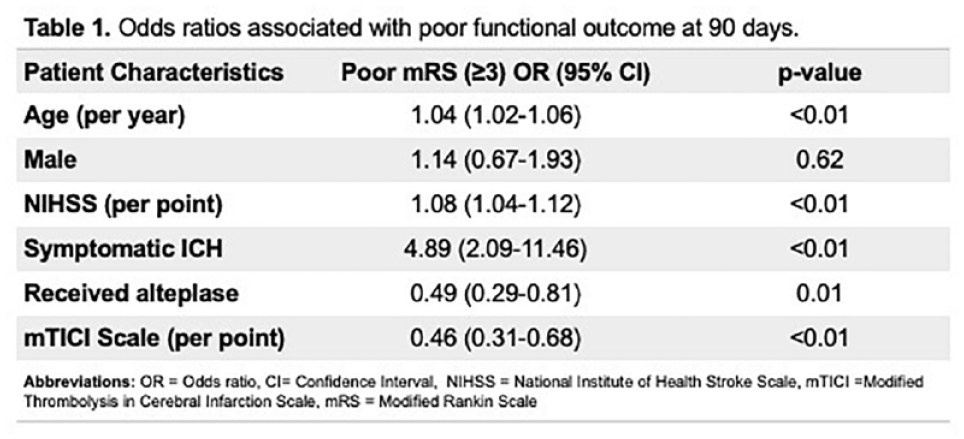
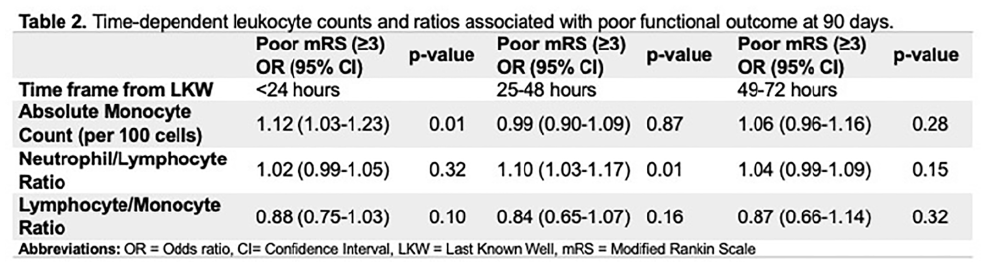
PROGNOSIS AND OUTCOME AFTER STROKE
2572
LASSO PREDICTION OF FUTILE RECANALIZATION AND TREATMENT RESPONSE IN PATIENTS WITH ANTERIOR LARGE VESSEL OCCLUSION STROKE RANDOMISED TO MECHANICAL THROMBECTOMY
1University of Zurich, Faculty of Medicine, Zurich, Switzerland, 2University of Zurich, Epidemiology, Biostatistics & Prevention Institute, Zurich, Switzerland, 3University Hospital Zurich, Department of Neurology, Zurich, Switzerland, 4University of Amsterdam, Department of Radiology and Nuclear Medicine, Amsterdam, Netherlands, 5Maastricht University Medical Center, Department of Radiology and Nuclear Medicine, Maastricht, Netherlands, 6Erasmus MC, University Medical Center, Department of Radiology and Nuclear Medicine, Rotterdam, Netherlands
FR was defined as modified Rankin scale (mRS) ⩾3 points three months after stroke. We predicted FR in a 5-fold cross validation using least absolute shrinkage and selection operator (LASSO) based on age, sex, systolic blood pressure, blood glucose, blood thrombocyte count, pre-stroke mRS, admission NIHSS, ASPECTS, collateral status and time from onset to MT. Logistic regression with interaction terms was used to assess different factors for enhancing treatment response.
PROGNOSIS AND OUTCOME AFTER STROKE
249
EXTERNAL VALIDATION OF RISK PREDICTION MODELS FOR POST-STROKE MORTALITY IN BERLIN
1Center for Stroke Research Berlin, Charité – Universitätsmedizin Berlin, Berlin, Germany, 2Institute of Public Health, Charité – Universitätsmedizin Berlin, Berlin, Germany, 3Klinik und Hochschulambulanz für Neurologie, Charité – Universitätsmedizin Berlin, Berlin, Germany, 4Max Delbrück Center for Molecular Medicine, Scientific Directorate, Berlin, Germany
Disclosure of interest: Yes
PROGNOSIS AND OUTCOME AFTER STROKE
2306
Functional Outcome in Posterior Circulation Stroke Patients Presenting with Mild Symptoms
1Careggi University Hospital, Stroke Unit, Emergency Department, Florence, Italy, 2University of Florence, NEUROFARBA Department, Florence, Italy, 3Christchurch Hospital, Department of Neurology, Christchurch, New Zealand, 4Comprehensive Stroke Center, Department of Neurology, Prague, Czech Republic, 5University of Melbourne, Department of Medicine and Neurology, Royal Melbourne Hospital, Melbourne, Australia, 6University Hospital of Tor Vergata, Stroke Unit, Rome, Italy, 7The Walter and Eliza Hall Institute of Medical Research, Population Health and Immunity Division, Parkville, Australia
PROGNOSIS AND OUTCOME AFTER STROKE
1795
Symptomatic Steno-occlusion of Major Cerebral Arteries Increases The Risk of Stroke Recurrence In Acute Ischemic Stroke Patients With Atrial Fibrillation
1Seoul National University Bundang Hospital, Department of Neurology and Cerebrovascular Center, Seongnam-si, Gyeonggi-do, South Korea, 2Chonnam National University Hospital, Department of Neurology, Gwangju, South Korea, 3Chungbuk National University Hospital, Department of Neurology, Cheongju, Chungcheongbuk-do, South Korea, 4Dongguk University Ilsan Hospital, Department of Neurology, Goyang-si, Gyeonggi-do, South Korea, 5Nowon Eulji Medical Center, Eulji University School of Medicine, Department of Neurology, Seoul, South Korea, 6Eulji University Hospital, Eulji University, Department of Neurology, Daejeon, South Korea, 7Hallym University Sacred Heart Hospital, Department of Neurology, Anyang-si, Gyeonggi-do, South Korea, 8Ilsan Paik Hospital, Inje University, Department of Neurology, Goyang-si, Gyeonggi-do, South Korea, 9Jeju National University Hospital, Jeju National University School of Medicine, Department of Neurology, Jeju, South Korea, 10Keimyung University Dongsan Medical Center, Department of Neurology, Daegu, South Korea, 11Seoul Medical Center, Department of Neurology, Seoul, South Korea, 12University of Ulsan College of Medicine, Department of Neurology, Ulsan, South Korea, 13Soonchunhyang University Hospital, Department of Neurology, Seoul, South Korea, 14Yeungnam University Hospital, Department of Neurology, Daegu, South Korea, 15Korea University Guro Hospital, Department of Neurology, Seoul, South Korea, 16Uijeongbu Eulji Medical Center, Eulji University School of Medicine, Department of Neurology, Uijeongbu, Gyeonggi-do, South Korea, 17Asan Institute for Life Sciences, Asan Medical Center, University of Ulsan College of Medicine, Clinical Research Center, Seoul, South Korea, 18Korea University College of Medicine, Department of Biostatistics, Seoul, South Korea, 19Seoul National University College of Medicine, Department of Neurology, Seoul, South Korea, 20Seoul National University Bundang Hospital, Cerebrovascular Center, Seongnam-si, Gyeonggi-do, South Korea
Disclosure of interest: Yes
PROGNOSIS AND OUTCOME AFTER STROKE
2193
Predictive validity of the Clinical Frailty Scale in a UK stroke population: comparison of baseline and day 90 outcomes in subacute and chronic stroke using data from the Frailty & INEquality in STroke (FINE-ST) study
1University Hospitals of Derby and Burton NHS Foundation Trust, Derby Stroke Centre, Derby, United Kingdom, 2University of Nottingham, Stroke Trials Unit, Nottingham, United Kingdom, 3Sherwood Forest Hospitals NHS Foundation Trust, Stroke Services, Nottingham, United Kingdom, 4University Hospitals of Leicester NHS Trust, Stroke, Leicester, United Kingdom, 5Northampton General Hospital NHS Trust, Stroke, Northampton, United Kingdom, 6University of Leicester, College of Life Sciences, Leicester, United Kingdom, 7University of Nottingham, Unit of Injury, Inflammation and Recovery Sciences, Nottingham, United Kingdom
Chronic group (n=135): index event (81% ischaemic; 13% haemorrhagic, 7% TIA) to consent 11.0 (SD 7.8) months, age 72.5 (SD 11.1), 32.6% female, 17.8% frail. Baseline CFS, correlated significantly with day 90 mRS (rs=0.61, p<0.0001), BI (rs=-0.54, p<0.0001), FAS (rs=0.27, p=0.0029) and ZDS (rs=0.23, p=0.014).
PROGNOSIS AND OUTCOME AFTER STROKE
1896
THE ASSOCIATION BETWEEN NEIGHBORHOOD SOCIO-ECONOMIC STATUS AND THE FUNCTIONAL OUTCOME OF PATIENTS TREATED WITH THROMBECTOMY FOR ISCHEMIC STROKE
1Erasmus MC University Medical Center, Department of Neurology, Rotterdam, Netherlands, 2Erasmus MC University Medical Center, Department of Radiology and Nuclear Medicine, Rotterdam, Netherlands, 3Erasmus MC University Medical Center, Department of Public Health, Rotterdam, Netherlands
PROGNOSIS AND OUTCOME AFTER STROKE
2086
OUTPATIENT VALIDATION OF THE POSTERIOR NATIONAL INSTITUTES OF HEALTH STROKE SCALE (POST-NIHSS)
1Federal University of Bahia, Bahia’s Medical School, Salvador, Brazil, 2Fiocruz, Instituto Gonçalo Moniz, Salvador, Brazil
PROGNOSIS AND OUTCOME AFTER STROKE
2210
FUTILE RECANALIZATION PREDICTION WITH MACHINE LEARNING BASED DECISION TREE MODEL IN STROKE PATIENTS TREATED WITH THROMBECTOMY
1Donostia University Hospital, Neurology, San Sebastian, Spain, 2Hospital Universitario Central Asturias, Neurology, Oviedo, Spain, 3Hospital Marqués Valdecilla, Neurology, Valladolid, Spain, 4Hospital A Coruña, Neurology, A Coruña, Spain, 5Hospital Miguel Servet, Neurology, Zaragoza, Spain, 6Hospital Cruces, Neurology, Bilbao, Spain, 7Hospital de Leon, Neurology, Leon, Spain, 8Hospital de Burgos, Neurology, Burgos, Spain, 9Hospital Basurto, Neurology, Bilbao, Spain, 10Hospital Vigo, Neurology, Vigo, Spain, 11Hospital Santiago, Neurology, Santiago, Spain, 12Hospital Universitario Araba, Neurology, Vitoria, Spain, 13Hospital Marques Valdecilla, Neurology, Santander, Spain
Machine Learning algorithms were generated with RapidMiner Studio v.10 software. 75% of the cohort was used for model construction. Then, a cross-validation was performed in the reminder 25% to assess generalizability and accuracy of the model.
The main observed predictors (Figure 1) and its weight were: respiratory infection (0.285), baseline NIHSS (0.219), serum glycemia (0.172) age (0.124), symptomatic hemorrhagic transformation (0.102) and time from onset to recanalization (0.091). The accuracy of the model was 73.76% for the validation cohort and the AUC 0.769 (Figure 2).
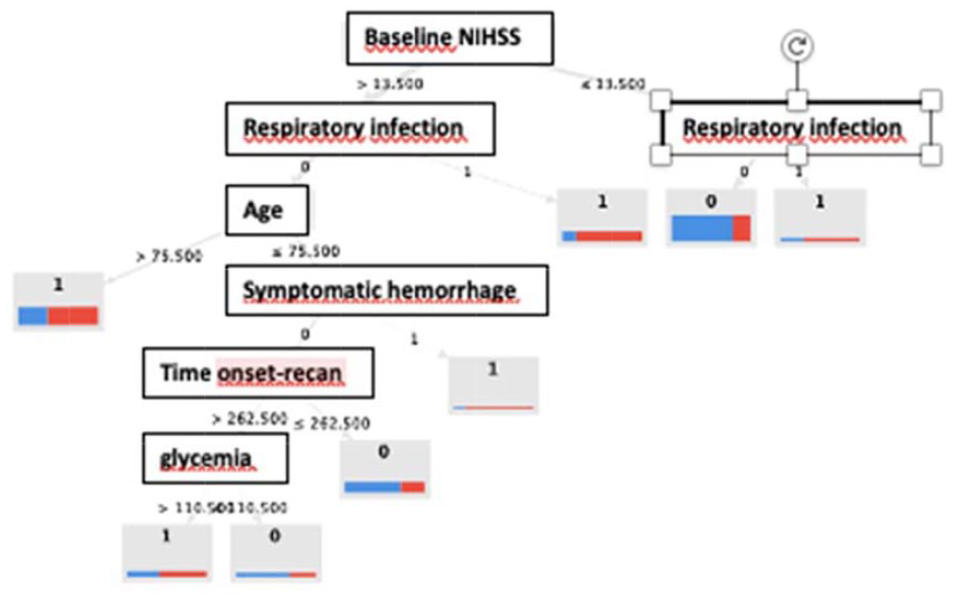
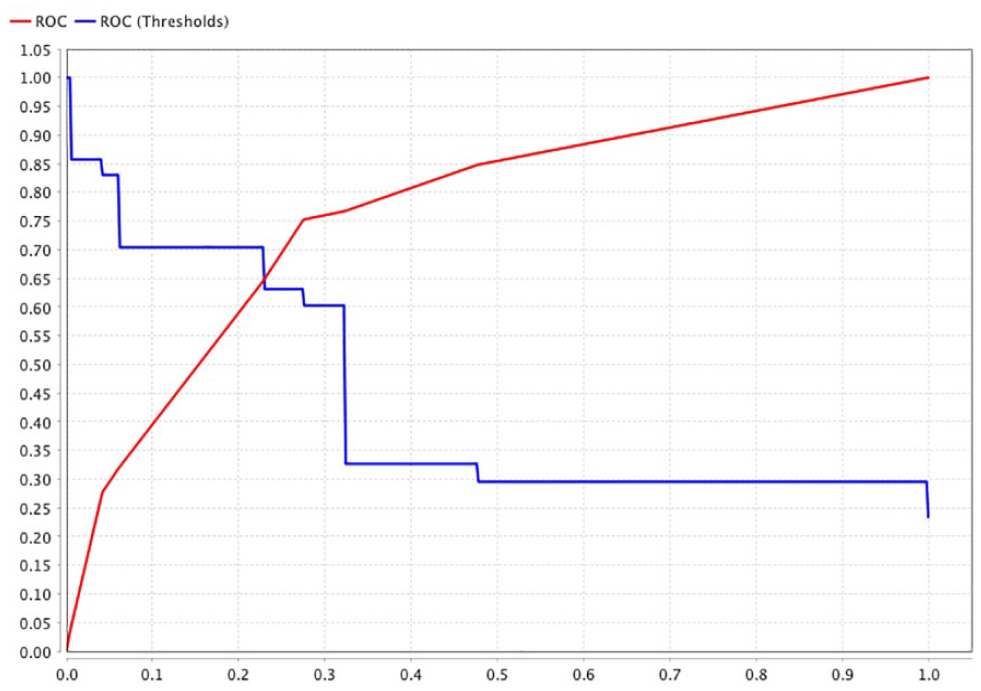
PROGNOSIS AND OUTCOME AFTER STROKE
1475
USING STRUCTURAL CONNECTIVITY INFORMATION FOR PROGNOSTICATION OF POST-STROKE APHASIA: TOWARDS A CLINICAL IMPLEMENTATION
1Lady Davis Institute for Medical Research at the Jewish General Hospital, Medical Research, Montreal, Canada, 2McGill University, Neurology & Neurosurgery, Montreal, Canada, 3Music and Health Research Institute, University of Ottawa, University of Ottawa, Ottawa, Canada, 4Department of Medical Psychology | Neuropsychology and Gender Studies, Center for Neuropsychological Diagnostics and Intervention (CeNDI), University Hospital Cologne, Medical Faculty, Cologne, Germany, 5Forschungszentrum Juelich, Juelich, Forschungszentrum Juelich, Juelich, Germany, 6Weill Cornell Medical College, Medical Faculty, Ithaca, United States
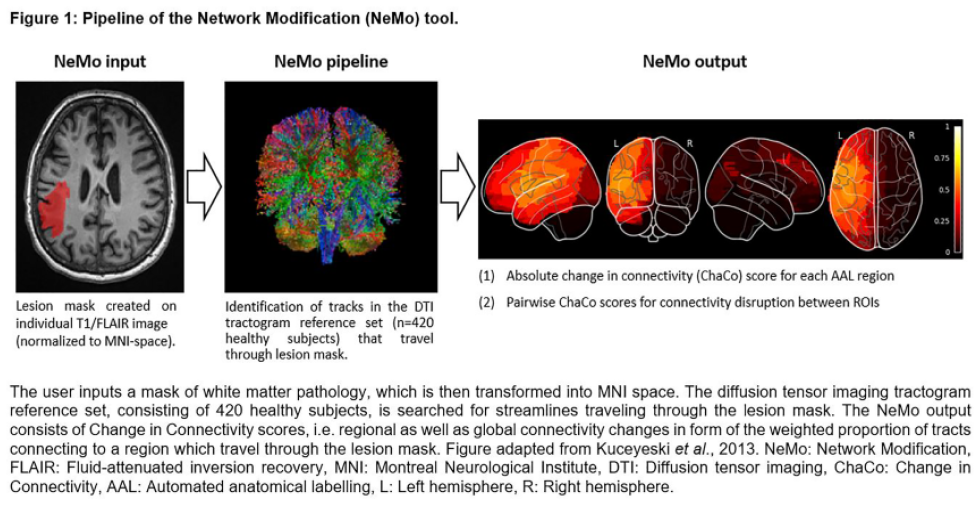
PROGNOSIS AND OUTCOME AFTER STROKE
1458
FOLLOW UP LESION VOLUME IS ASSOCIATED WITH WORSE FUNCTIONAL OUTCOME IN PATIENTS WITH BASILAR ARTERY OCCLUSION: RESULTS FROM THE BASICS TRIAL
1Amsterdam UMC, location University of Amsterdam, Department of Biomedical Engineering and Physics, Amsterdam, Netherlands, 2Amsterdam UMC, location University of Amsterdam, Department of Radiology and Nuclear Medicine, Amsterdam, Netherlands, 3St. Antonius Hospital, Department of Radiology, Nieuwegein, Netherlands, 4Maastricht University Medical Center and Cardiovascular Research Institute Maastricht (CARIM), Department of Neurology, Masstricht, Netherlands, 5Maastricht University Medical Center and Cardiovascular Research Institute Maastricht (CARIM), Department of Radiology and Nuclear Medicine, Maastricht, Netherlands, 6Texas Stroke Institute, Department of Radiology, Dallas-Fort Worth, Dallas, TX, United States, 7St. Antonius Hospital, Department of Neurology, Nieuwegein, Netherlands
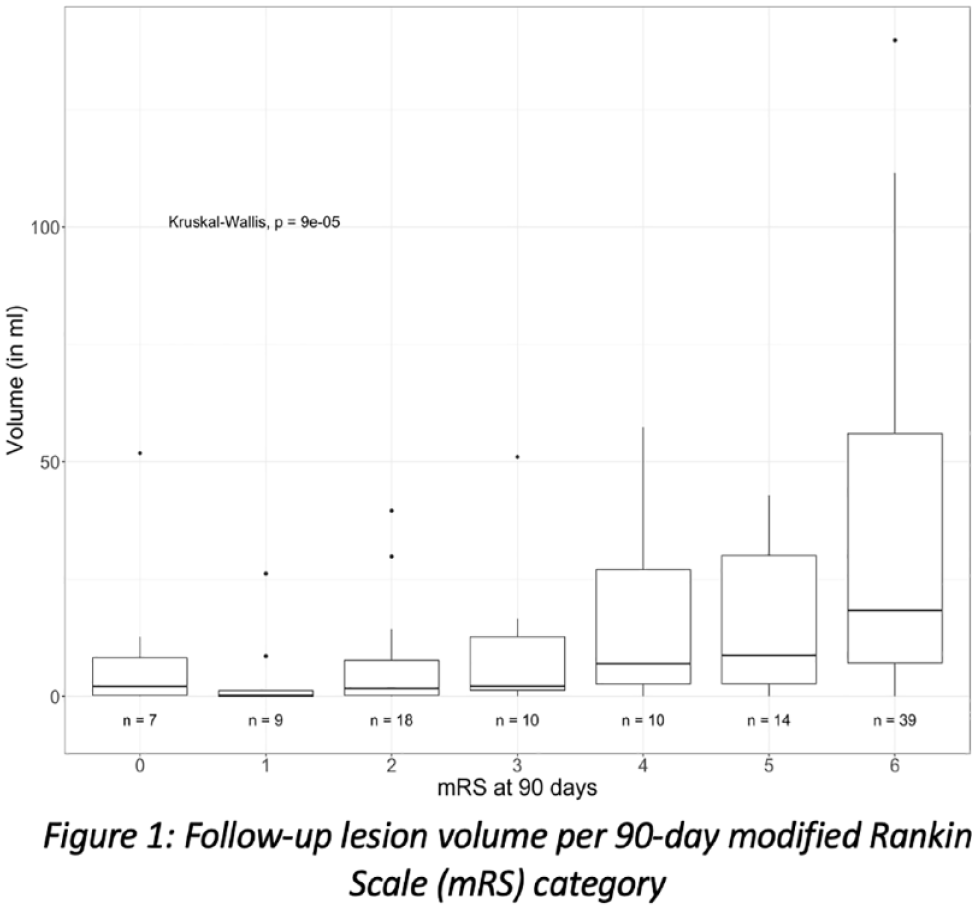
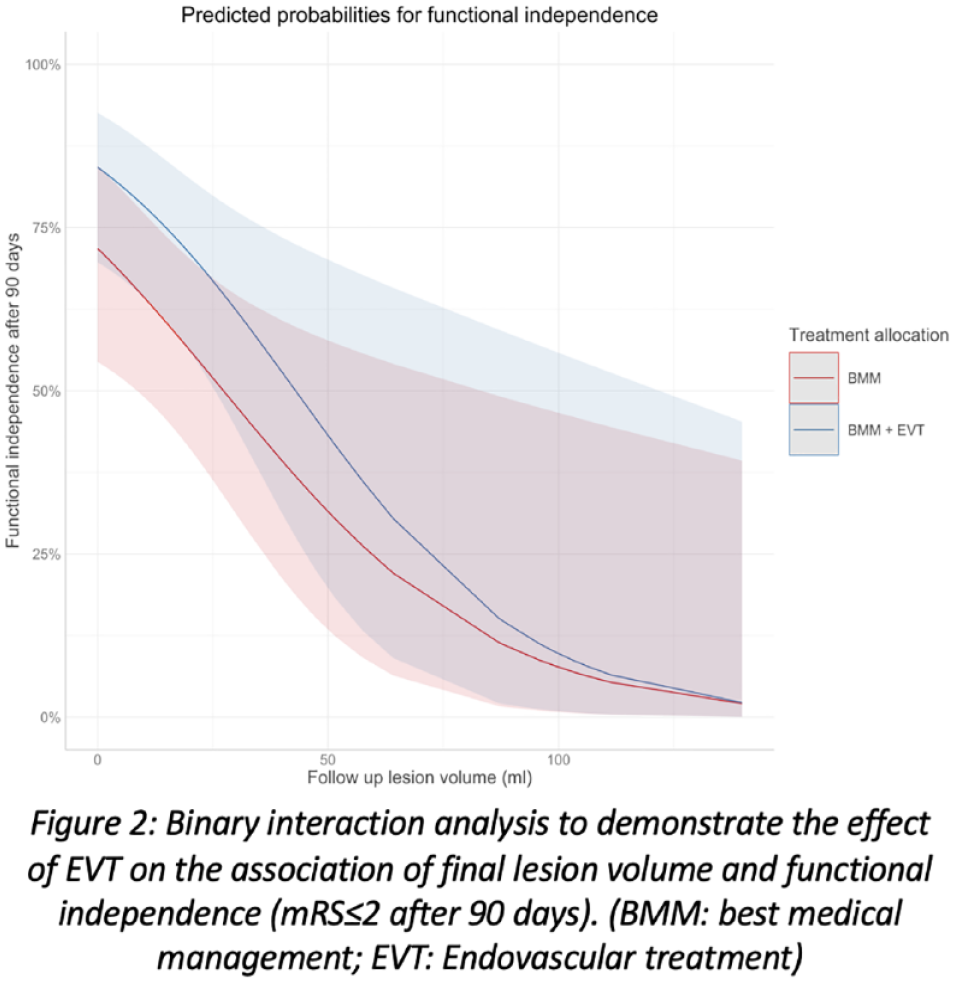
Disclosure of interest: Yes
PROGNOSIS AND OUTCOME AFTER STROKE
389
Concomitant COVID-19 infection during endovascular therapy does not affect long-term functional outcome, while short-term outcome is affected
1University Hospital Bonn, Germany, Department of Neurology, Division of Vascular Neurology, Bonn, Germany, 2German Center for Neurodegenerative Diseases (DZNE), Bonn, Vascular Neurology Research Group, Bonn, Germany, 3University Hospital Bonn, Department of Neuroradiology, Bonn, Germany, 4Klinik und Hochschulambulanz für Neurologie, Charité – Universitätsmedizin Berlin, Germany Center for Stroke Research Berlin (CSB), Charité – Universitätsmedizin Berlin, Berlin, Germany
PROGNOSIS AND OUTCOME AFTER STROKE
2002
VESSEL OCCLUSION DETECTABLE ON IMAGING AND ITS ASSOCIATION WITH FUNCTIONAL OUTCOME IN PATIENTS WITH ATRIAL FIBRILLATION PRESENTING WITH ISCHAEMIC STROKE
1Population Health Research Institute, McMaster University, Arrhythmia Research, Hamilton, Canada, 2University Medical Center Mainz, Department of Cardiology, Mainz, Germany, 3Inselspital University Hospital Bern and University of Bern, Department of Neurology, Stroke Research Center Bern, Bern, Switzerland, 4Inselspital University Hospital Bern and University of Bern, Diagnostic and Interventional Neuroradiology, Stroke Research Center Bern, Bern, Switzerland, 5University Hospital Basel and University of Basel, Department of Neurology and Stroke Center, Basel, Switzerland, 6Kantonsspital Aarau, Department of Neurology, Aarau, Switzerland, 7Lausanne University Hospital, Stroke Center, Neurology Service, Lausanne, Switzerland, 8Hôpitaux Universitaires de Genève, Department of Neurology, Geneva, Switzerland, 9Klinik Hirslanden, Stroke Center, Zurich, Switzerland, 10Neurocenter of Southern Switzerland, Stroke Center, Lugano, Switzerland, 11Kantonsspital St. Gallen, Department of Neurology, St. Gallen, Switzerland, 12Neuchâtel Hospital Network, Department of Neurology, Neuchâtel, Switzerland, 13University Hospital Zurich, Department of Neurology, Zurich, Switzerland, 14Cantonal Hospital of Lucerne, Neurocenter, Lucerne, Switzerland, 15Population Health Research Institute, McMaster University, Stroke Research, Hamilton, Canada
PROGNOSIS AND OUTCOME AFTER STROKE
1480
AGE AND SUBGROUP SPECIFIC ASSOCIATIONS OF PRIOR MULTIMORBIDITY WITH POST-STROKE MORTALITY: A POPULATION-BASED STUDY
1 University of Oxford, Nuffield Department of Clinical Neurosciences, Oxford, United Kingdom
STROKE COMPLICATIONS
291
Psychosocial health issues in stroke patients with Epilepsy : Impact on Happiness quotient
1SFCCP, med, meerut, India, 2Tnm hosp, med, meerut, India
STROKE COMPLICATIONS
535
Cortical haemorrhagic changes after mechanical thrombectomy for cerebral large vessel occlusion increase risk of post-stroke seizure
1National Cerebral and Cardiovascular Center, Department of Neurology, Osaka, Japan, 2National Cerebral and Cardiovascular Center, Department of Cerebrovascular Medicine, Osaka, Japan, 3National Cerebral and Cardiovascular Center, Department of Neurosurgery, Osaka, Japan
STROKE COMPLICATIONS
928
NATURAL HISTORY OF DEPRESSION UP TO 24 YEARS AFTER STROKE: THE SOUTH LONDON STROKE REGISTER
1King’s College London, Population Health Science, London, United Kingdom, 2King’s College London, Ageing Health and Stroke, London, United Kingdom
STROKE COMPLICATIONS
1013
In-stent restenosis after vertebral artery origin stenosis stenting: a nomogram for risk assessment
1Xuanwu Hospital, Capital Medical University, Department of Neurosurgery, Beijing, China, 2University of Oxford, Sir william dunn school of pathology, Oxford, United Kingdom
STROKE COMPLICATIONS
1416
Epilepsy in Stroke Patients
1 National Health Insurance Service Ilsan Hospital, Neurology, Goyang-si, South Korea
STROKE COMPLICATIONS
1692
A need for holistic and standardised assessment and management of patients in stroke follow-up clinic
1Cambridge University Hospitals NHS Foundation Trust, Department of Stroke, Cambridge, United Kingdom, 2University of Cambridge, School of Medicine, Cambridge, United Kingdom, 3University of Cambridge, Clinical Neurosciences, Cambridge, United Kingdom
• Friendships
• Family
• Sexual relationships
2) Post-stroke complications (motor and non-motor)
• Weakness
• Falls
• Pain
• Mood
• Cognition
• Fatigue
• Incontinence
• Sleep
• Appetite
3) Lifestyle modifications
• Smoking cessation
• Alcohol intake
• Dietary
4) Return to driving, leisure activities and/or work
We investigated whether such discussions had taken place, therefore documented, in stroke follow-up clinic letters.
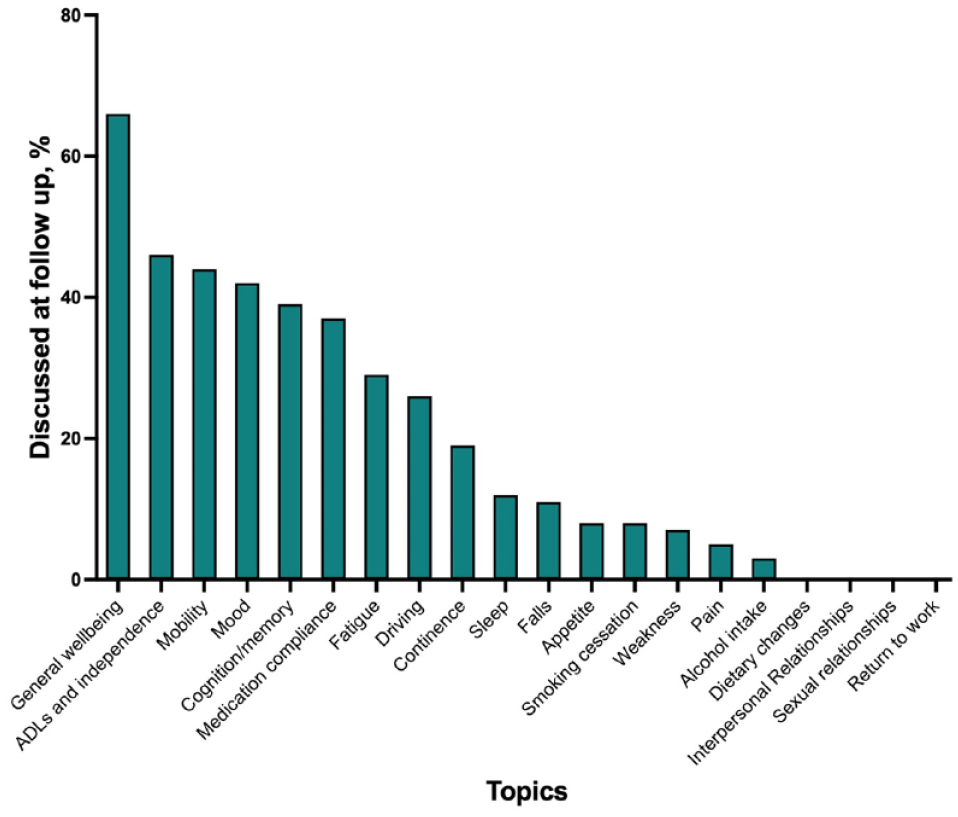
Topics discussed in stroke follow-up clinic.
STROKE COMPLICATIONS
1808
DECLINE IN ESTIMATED GLOMERULAR FILTRATION RATE AND RISK OF RECURRENT STROKE: RESULTS OF THE PROGRESS TRIAL
1The George Institute for Global Health, University of New South Wales, Sydney, Australia, 2Fukuoka University, Department of Preventive Medicine and Public Health, Fukuoka, Japan, 3Johns Hopkins Bloomberg School of Public Health, Department of Epidemiology, Baltimore, MD, United States, 4The George Institute for Global Health, Imperial College London, London, United Kingdom
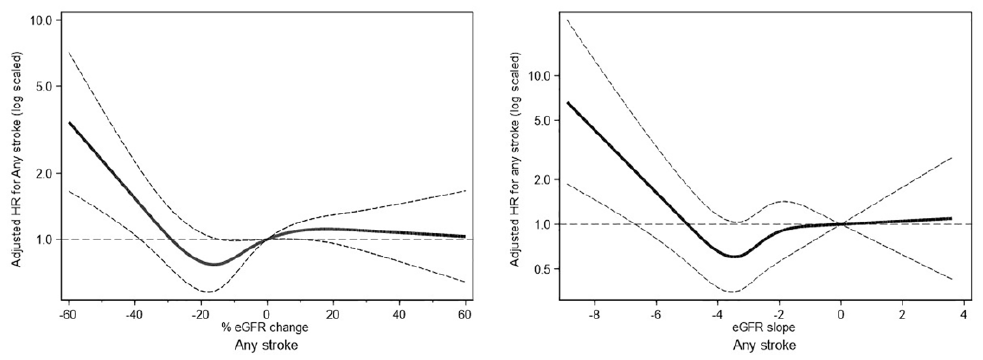
STROKE COMPLICATIONS
2106
Intact endothelial cell autophagy attenuates outcomes of acute ischemic stroke in mice
1University of Utah, Nutrition and Integrative Physiology, Salt Lake City, United States, 2University of Utah, Molecular Medicine Program, Salt Lake City, United States, 3University of Utah, Department of Internal Medicine, Salt Lake City, United States
STROKE COMPLICATIONS
2111
EEG for monitoring of post-stroke delirium
1UZ Brussel, Neurology, Brussels, Belgium, 2Vrije Universiteit Brussel, Center for Neurosciences, Brussels, Belgium, 3UMC Utrecht, Psychiatry, Utrecht, Netherlands
STROKE COMPLICATIONS
2286
Incidence and Factors Associated with Venous Thromboembolism in Acute Stroke
1University of Illinois at Chicago, College of Nursing, Chicago, United States, 2University of Illinois at Chicago, Department of Neurology and Rehabilitation, Chicago, United States, 3University of Illinois at Chicago, College of Medicine, Chicago, United States, 4BASIS Charter School, BASIS Charter School, Phoenix, United States, 5Latin School of Chicago, Latin School of Chicago, Chicago, United States, 6St. Ignatius College Prep, St. Ignatius College Prep, Chicago, United States, 7Maharashtra Institute of Medical Education and Research, Medical College, Talegaon Dabhade, India, 8Northern Arizona University, College, Flagstaff, United States
STROKE COMPLICATIONS
1150
The potential role of Ultrasensitive CRP and Serum Amyloid A taken at baseline as a predictor of haemorrhagic transformation at 24 hours in stroke patients. Results from an interim analysis of the clinical section from the NIMBLE study
1University of Florence, NEUROFARBA, Florence, Italy, 2Careggi University Hospital, SOD Stroke Unit, Florence, Italy, 3Neuroscience Institute, National Research Council, European Laboratory for Non-Linear Spectroscopy, Florence, Italy, 4University of Florence, Department of Biomedical, Experimental and Clinical Sciences, Florence, Italy, 5Careggi University Hospital, General Laboratory, Florence, Italy, 6Careggi University Hospital, Atherothrombotic Diseases Center, Florence, Italy, 7University of Florence, Department of Experimental and Clinical Medicine, Florence, Italy, 8University of Oxford, Acute Vascular Imaging Centre, Radcliffe Department of Medicine, Oxford, United Kingdom
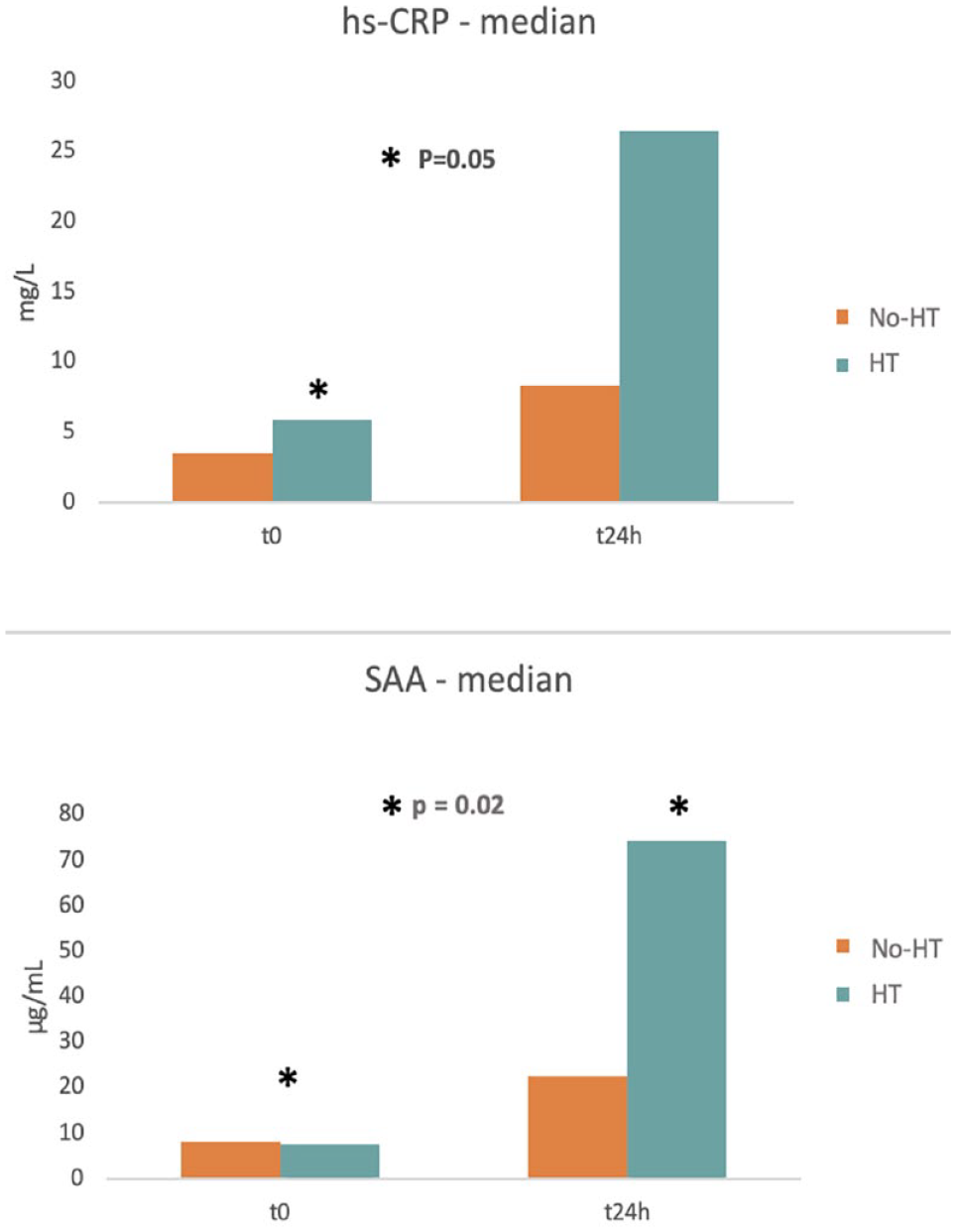
CEREBROVASCULAR MANIFESTATIONS OF COVID-19 AND OTHER INFECTIONS
818
PREVALENCE AND POST-COVID INCIDENCE OF MRI MARKERS OF CEREBROVASCULAR DISEASE IN HOSPITALIZED PATIENTS WITH COVID-19
1Radboudumc, Neurology, Nijmegen, Netherlands, 2Utrecht University Medical Center, Neurology, Utrecht, Netherlands, 3Leiden University Medical Center, Neurology, Leiden, Netherlands, 4Radboudumc, Radiology, Nijmegen, Netherlands, 5Leiden University Medical Center, Radiology, Leiden, Netherlands, 6Utrecht University Medical Center, Radiology, Utrecht, Netherlands, 7Leiden University Medical Center, Thrombosis and Hemostasis, Leiden, Netherlands
CEREBROVASCULAR MANIFESTATIONS OF COVID-19 AND OTHER INFECTIONS
1086
Characterization of ischemic stroke in patients with infectious bacterial endocarditis: A systematic review and meta-analysis
1 University of Münster, Department of Neurology with Institute of Translational Neurology, Münster, Germany
Pathogens most frequently associated with IS were Enterococcus and Staphylococcus (17.1% and 16.8%). Staphylococcus or Streptococcus were most frequently detected in patients with IE with stroke (27.2% and 20.0%). Stroke occurred less frequently in patients on antiplatelet inhibitors or oral anticoagulation (11.0%) compared to those without antiplatelets or anticoagulation (14.1%).
CEREBROVASCULAR MANIFESTATIONS OF COVID-19 AND OTHER INFECTIONS
1657
HIGH LEVELS OF CELL-FREE HEMOGLOBIN AND IRON IN CLOTS OF COVID-19 STROKE PATIENTS: NOVEL MECHANISM ASSOCIATED WITH THE SARS-COV-2 INDUCED PROTHROMBOTIC STATE
1Complejo Hospitalario Universitario de Albacete, Department of Neurology, Albacete, Spain, 2Complejo Hospitalario Universitario de Albacete, Research Unit, Albacete, Spain, 3Complejo Hospitalario Universitario de Albacete, Department of Surgical Pathology, Albacete, Spain, 4Complejo Hospitalario Universitario de Albacete, Department of Radiology, Albacete, Spain, 5Hospital Nacional de Parplejicos, Proteomics Core Facility, Toledo, Spain, 6Hospital Nacional de Parplejicos, Laboratory of Neuroinflammation, Toledo, Spain, 7La Fe Health Research Institute, Joint Cerebrovascular Research Unit, Valencia, Spain, 8La Fe University and Polytechnic Hospital, Joint Cerebrovascular Research Unit, Valencia, Spain, 9Departamento de Ciencias Médicas, Facultad de Medicina, Universidad Castilla-La Mancha, Instituto de Investigación en Discapacidades Neurológicas (IDINE), Albacete, Spain
CEREBROVASCULAR MANIFESTATIONS OF COVID-19 AND OTHER INFECTIONS
1902
STROKE OUTCOME IS WORSE IN PATIENTS DEVELOPING COVID-19 DURING ADMISSION THAN IN PATIENTS WHO ALREADY HAVE COVID-19 AT THE ONSET OF THEIR STROKE
1UCL Queen Square Institute of Neurology, Stroke Research Centre, London, United Kingdom, 2Manchester Academic Health Science Centre, Manchester Centre for Clinical Neurosciences, Manchester, United Kingdom, 3Keele University, Faculty of Medicine and Health Sciences, Newcastle-Under-Lyme, United Kingdom
Supported by The Stroke Association.
CEREBROVASCULAR MANIFESTATIONS OF COVID-19 AND OTHER INFECTIONS
2647
CEREBRAL HAEMODYNAMICS AMONG COVID-19 SURVIVORS WITH COGNITIVE IMPAIRMENT TWELVE MONTHS AFTER HOSPITAL DISCHARGE
1Instituto Nacional de Ciencias Médicas y Nutrición Salvador Zubirán, Department of Neurology, Mexico City, Mexico, 2Instituto Nacional de Ciencias Médicas y Nutrición Salvador Zubirán, Molecular Biology, Mexico City, Mexico
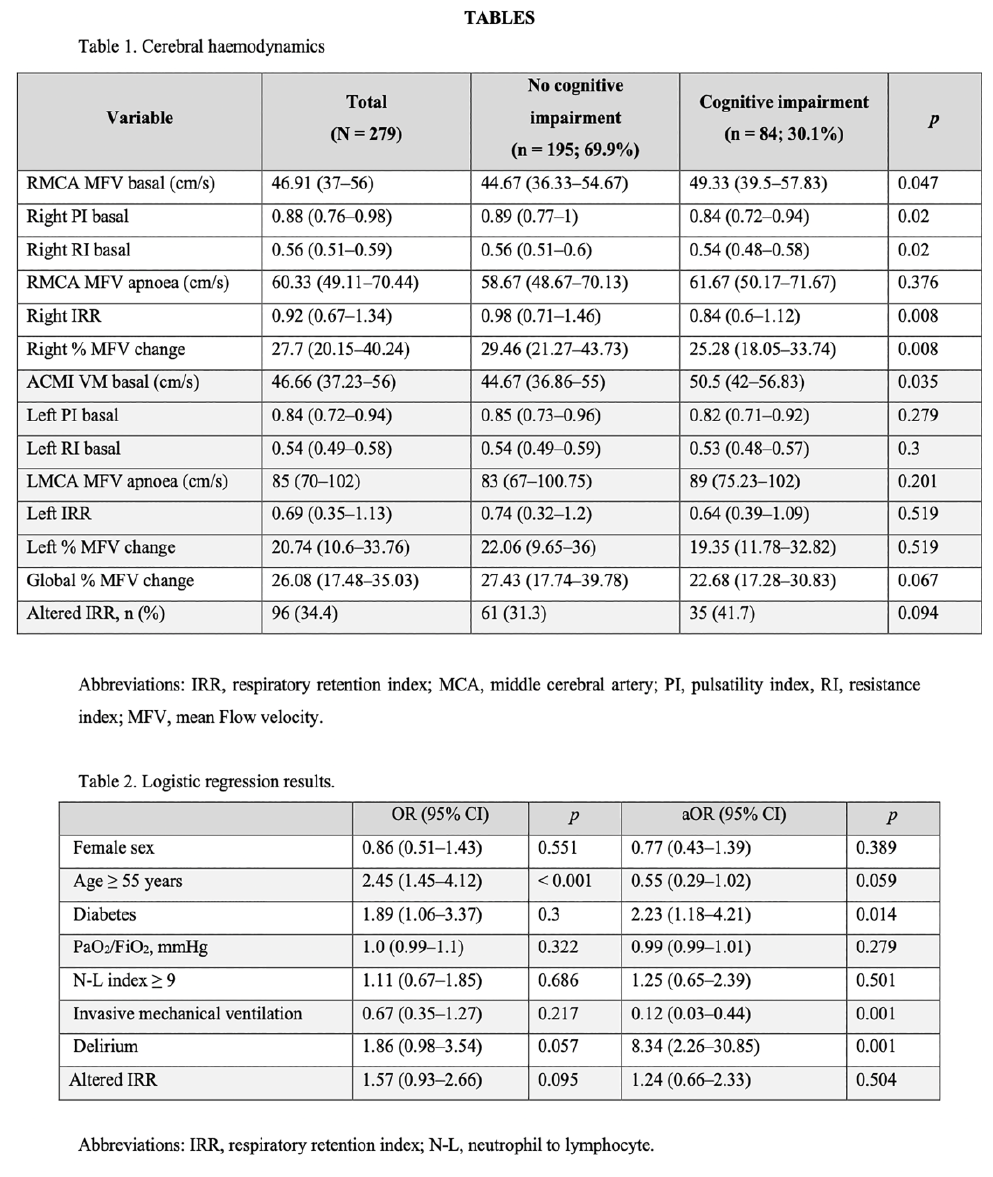
CEREBROVASCULAR MANIFESTATIONS OF COVID-19 AND OTHER INFECTIONS
2236
INTRACRANIAL VESSEL WALL ENHANCEMENT AFTER COVID-19 INFECTION
1Leiden University Medical Center (LUMC), Department of Neurology, Leiden, Netherlands, 2Radboud University Medical Center, Department of Neurology, Donders Center for Medical Neuroscience, Nijmegen, Netherlands, 3UMC Utrecht, Department of Neurology and Neurosurgery, Brain Center, Utrecht, Netherlands, 4Radboud University Medical Center, Department of Medical Imaging, Nijmegen, Netherlands, 5UMC Utrecht, Department of Radiology and Nuclear Medicine, University Medical Center, Utrecht, Netherlands, 6Leiden University Medical Center (LUMC), Department of Medicine - Thrombosis and Hemostasis, Leiden, Netherlands, 7Leiden University Medical Center (LUMC), Department of Radiology, Leiden, Netherlands, 8Leiden University Medical Center (LUMC), Department of Clinical Epidemiology, Leiden, Netherlands
ATHEROSCLEROSIS & STROKE
135
Morphological features of intracranial atherosclerotic disease are associated with the recurrence of ischemic stroke
1The Hong Kong Polytechnic University, Health Technology and Informatics, Hong Kong, Hong Kong, 2Shanghai General Hospital, Shanghai Jiao Tong University School of Medicine, Departments of Neurology, Shanghai, China
ATHEROSCLEROSIS & STROKE
316
The Association Between Bone Mineral Density and Intracranial Atherosclerosis in Stroke Patients
1 Hacettepe University, Neurology, Ankara, Turkey
ATHEROSCLEROSIS & STROKE
441
PROINFLAMMATORY BIOMARKERS LEVEL IN PATIENTS WITH CAROTID ATHEROSCLEROTIC STENOSIS
1 Kharkiv National Medical University, Neurology and child neurology, Kharkiv, Ukraine
Aims - to evaluate serum level biomarkers of atherosclerosis E-selectin and association with Lp-PLA2 in patients with carotid atherosclerotic stenosis (CAS) with different clinical manifestation
ATHEROSCLEROSIS & STROKE
582
Albumin-globulin ratio and common carotid artery intima-media thickness in patients with ischemic stroke
1Suzhou TCM Hospital Affiliated to Nanjing University of Chinese Medicine, Neurology, Suzhou, China, 2The Second Affiliated Hospital of Soochow University, Neurology, Suzhou, China, 3Medical College of Soochow University, Neurology, Suzhou, China, 4Faculty of Medicine and Health, University of Sydney, Pharmacology Discipline, Sydney, Australia, 5The Affiliated Wujiang Hospital of Nantong University, Neurology, Suzhou, China, 6Zhangjiagang TCM Hospital Affiliated to Nanjing University of Chinese Medicine, Neurology, Suzhou, China, 7The First People’s Hospital of Taicang, Neurology, Suzhou, China, 8Medical College of Soochow University, Epidemiology, Suzhou, China
ATHEROSCLEROSIS & STROKE
837
SYSTEMIC INFLAMMATORY MARKERS ASSOCIATED WITH PROGRESSION OF SYMPTOMATIC INTRACRANIAL ATHEROSCLEROTIC STENOSIS UNDER MEDICAL TREATMENT
1The Chinese University of Hong Kong, Department of Medicine and Therapeutics, Hong Kong, China, 2The Chinese University of Hong Kong, Department of Imaging and Interventional Radiology, Hong Kong, China, 3The First Affiliated Hospital of Sun Yat-sen University, Department of Neurology, Guangzhou, China, 4Coventry University, Research Centre of Intelligent Healthcare, Faculty of Health and Life Science, Coventry, United Kingdom
ATHEROSCLEROSIS & STROKE
1170
Higher pulse wave velocity ratio is independently associated with ischemic stroke due to large artery atherosclerosis
1Medical University of Gdańsk, Department of Adult Neurology, Gdańsk, Poland, 2Medical University of Gdańsk, Department of Hypertension and Diabetology, Gdańsk, Poland
ATHEROSCLEROSIS & STROKE
1329
Novel targets for molecular imaging of inflammatory processes of carotid atherosclerosis: a systematic review
1University Hospitals Leuven, Department of Neurology, Leuven, Belgium, 2VIB Center for Brain and Disease Research, Laboratory of Neurobiology, Leuven, Belgium, 3KULeuven - University of Leuven, Department of Neurosciences, Experimental Neurology, Leuven, Belgium, 4Health Research Board (HRB), Stroke Clinical Trials Network Ireland (SCTNI), Dublin, Ireland, 5University College Dublin (UCD), School of Medicine, Dublin, Ireland, 6Mater Misericordiae University Hospital Dublin, Department of Geriatric Medicine, Dublin, Ireland, 7Mater Misericordiae University Hospital Dublin, Stroke Service, Dublin, Ireland
ATHEROSCLEROSIS & STROKE
1454
Density of carotid plaque calcifications and vulnerable plaque in patients with embolic stroke of undetermined source
1University of Pennsylvania, Perelman School of Medicine, Philadelphia, United States, 2University of Pennsylvania, Biostatistics and Epidemiology, Phildelphia, United States, 3Cooper University Health Care, Neurology, Camden, United States, 4Erasmus MC, Radiology, Rotterdam, Netherlands, 5University of Cagliari, Radiology, Cagliari, Italy, 6University of Pennsylvania, Neurology, Philadelphia, United States, 7University of Massachusetts-Boston, College of Science and Mathematics, Boston, United States, 8University of Pennsylvania, Radiology, Philadelphia, United States
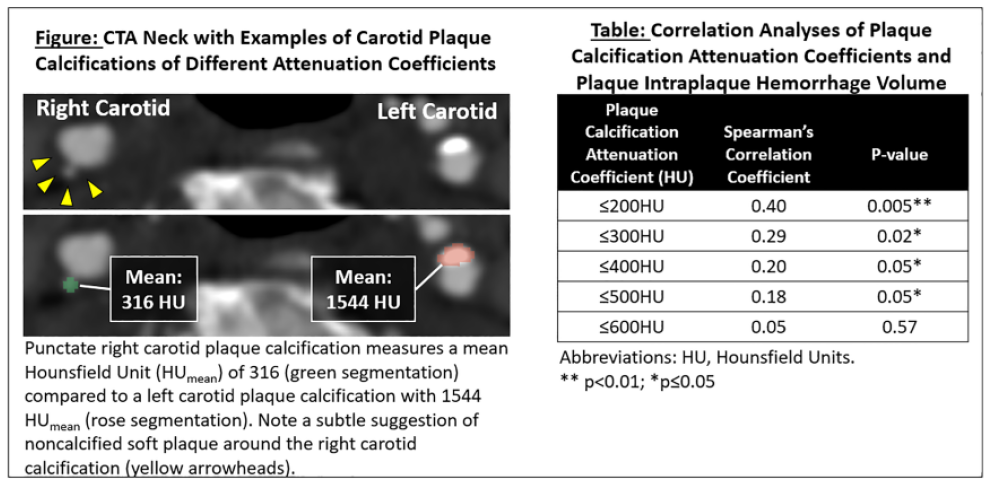
ATHEROSCLEROSIS & STROKE
1606
Background Plaque Inflammation Assessed by Positron Emision Tomography is Associated with Progression of Asymptomatic Carotid Stenosis
1Hospital de la Santa Creu i Sant Pau, IIB-Sant Pau, Neurology, Barcelona, Spain, 2Hospital de la Santa Creu i Sant Pau, IIB-Sant Pau, Nuclear Medicine, Barcelona, Spain
ATHEROSCLEROSIS & STROKE
1677
Intracranial atherosclerotic plaque and wall enhancement as a marker of arterial inflammation according to circulating monocyte populations
1University Clinical Hospital of Valladolid, Neurology, Valladolid, Spain, 2Germans Trias i Pujol Hospital, Neurology, Badalona, Spain, 3Institute of Functional Biology and Genomics, Molecular Neurobiology Group, Salamanca, Spain, 4Institute of Molecular Biology and Genetics IBGM, Citometry Facility, Valladolid, Spain, 5University Clinical Hospital of Valladolid, Radiology, Valladolid, Spain
ATHEROSCLEROSIS & STROKE
1920
Carotid endarterectomy and the risk of perioperative stroke
1Helsinki University Hospital, Neurology, Helsinki, Finland, 2Clinicum, University of Helsinki, Clinical Neurosciences, Helsinki, Finland, 3Hospital District of Helsinki and Uusimaa Medical Imaging Center, University of Helsinki and Helsinki University Hospital, Finland, Radiology, Helsinki, Finland, 4Helsinki University Hospital, Vascular surgery, Helsinki, Finland, 5Wihuri Research center, Wihuri Research center, Helsinki, Finland
ATHEROSCLEROSIS & STROKE
2182
ACCURACY OF DIAGNOSTICS OF VULNERABLE AND STABLE ATHEROSCLEROTIC PLAQUE IN CAROTID ARTERIES USING NONINVASIVE IMAGING METHODS COMPARED TO HISTOLOGY: A SYSTEMATIC REVIEW AND META-ANALYSIS
1University of Ostrava, Center for Health Research, Faculty of Medicine, Ostrava, Czech Republic, 2University of Lausanne, Center for Primary Care and Public Health, Division of Biostatistics, Lausanne, Switzerland, 3Lausanne University Hospital and University of Lausanne, Medical Library, Lausanne, Switzerland, 4Children’s Hospital of Eastern Ontario, University of Ottawa, Division of Nephrology, Department of Pediatrics, Ottawa, Canada, 5Lausanne University Hospital, Stroke Center, Service of Neurology, Department of Clinical Neurosciences, Lausanne, Switzerland
Disclosures: Supported by grants NV19-04-00270/NU22-04-00389/SGS11/LF/2022/SGS18/LF/2022.
ATHEROSCLEROSIS & STROKE
2630
Underlying ICAD is associated with worse outcomes in acute large vessel occlusion after thrombectomy
1University of Chicago, Department of Neurology, Chicago, United States, 2University of Chicago, Department of Public Health Sciences, Chicago, United States, 3Emory University, Department of Neurology, Atlanta, United States, 4WellStar Health System, Department of Neurosurgery, Marietta, United States, 5University of Chicago, Neurovascular Surgery Program, Section of Neurosurgery, Department of Surgery, Chicago, United States
RARE CAUSES, STROKE IN THE YOUNG (INCLUDING PAEDIATRIC STROKE)
11
Characterization of ischemic stroke in patients with bacterial meningitis: A cohort study and meta-analysis
1University of Muenster, Department of Neurology with Institute of Translational Neurology, Münster, Germany, 2University of Muenster, Institute of Epidemiology and Social Medicine, Münster, Germany, 3University Hospital of Muenster, Department of Clinical Radiology, Muenster, Germany
RARE CAUSES, STROKE IN THE YOUNG (INCLUDING PAEDIATRIC STROKE)
870
MASS-SPECTROMETRIC EXPLORATION OF BRAIN BIOPSY PROTEOME IN PATIENTS WITH PRIMARY CNS VASCULITIS
1All India Institute of Medical Sciences, Neurology, New Delhi, India, 2Council of Scientific & Industrial Research-Institute of Genomics and Integrative Biology (IGIB), Laboratory of Proteomics, New Delhi, India, 3All India Institute of Medical Sciences, Biophysics, New Delhi, India, 4All India Institute of Medical Sciences, Neuroradiology, New Delhi, India, 5All India Institute of Medical Sciences, Neuropathology, New Delhi, India, 6All India Institute of Medical Sciences, Orthopedics, New Delhi, India, 7All India Institute of Medical Sciences, Forensic Medicine & Toxicology, New Delhi, India
Funding: ICMR, Government of India
RARE CAUSES, STROKE IN THE YOUNG (INCLUDING PAEDIATRIC STROKE)
939
Stroke in patients with benign gynecological diseases: A multicenter study in Japan
1Juntendo University Urayasu Hospital, Department of Neurology, Chiba, Japan, 2Jikei University School of Medicine, Department of Neurology, Tokyo, Japan, 3Nippon Medical School, Department of Neurology, Tokyo, Japan, 4University of Yamanashi, Department of Neurology, Yamanashi, Japan, 5Kyorin University, Department of Stroke and Cerebrovascular Medicine, Tokyo, Japan, 6National Cerebral and Cardiovascular Center, Department of Cerebrovascular Medicine, Suita, Japan, 7Dokkyo Medical University, Stroke Center, Tochigi, Japan, 8Tokyo Women’s Medical University, Department of Neurology, Tokyo, Japan, 9Shin-Oyama City Hospital, Department of Neurology, Tochigi, Japan, 10Jichi Medical University, Department of Obstetrics and Gynaecology, Tochigi, Japan, 11Jichi Medical University, Division of Neurology, Department of Internal Medicine, Tochigi, Japan, 12Juntendo University School of Medicine, Department of Neurology, Tokyo, Japan
RARE CAUSES, STROKE IN THE YOUNG (INCLUDING PAEDIATRIC STROKE)
1156
Predictors of acute symptomatic seizures in cerebral venous thrombosis patients – A multicenter cohort study
1Soroka Medical Center, Neurology, Beer Sheva, Israel, 2Ichilov Medical Center, Neurology, Tel-Aviv, Israel, 3Hadassah-Hebrew University Medical Center, Neurology, Jerusalem, Israel, 4Rabin Medical Center, Neurology, Petach Tikva, Israel, 5Ziv Medical Center, Neurology, Zfat, Israel
On multivariate analysis, ICH (OR 5.278, 95%CI 2.8-10, p = 0.001), SSS involvement (OR 2.48, 95%CI 1.37-4.5, p = 0.003) and isolated cortical thrombosis (OR 2.08, 95%CI 1-4.52, p = 0.05), were independent predictors of ASS. Conversely, presentation with either papilledema (OR 0.44, 95%CI 0.2-0.95, p = 0.039) or headache (OR 0.51, 95%CI 0.26-0.98, p = 0.046) were negative predictors for ASS.
RARE CAUSES, STROKE IN THE YOUNG (INCLUDING PAEDIATRIC STROKE)
1457
ASSOCIATION BETWEEN SMOKING AND CRYPTOGENIC ISCHEMIC STROKE IN YOUNG ADULTS
1University Hospitals of North Midlands NHS Trust, Stroke Research in Stoke, Stoke-on-Trent, United Kingdom, 2Helsinki University Hospital, Neurology, Helsinki, Finland, 3Hospital de Santa Maria-CHLN, Faculdade de Medicina, Universidade de Lisboa, Department of Neurosciences and Mental Health (Neurology), Lisboa, Portugal, 4Haukeland University Hospital, Department of Neurology, Bergen, Norway, 5University Medicine Greifswald, Department of Neurology, Greifswald, Germany, 6Oulu University Hospital, Department of Neurology, Neurocenter, Oulu, Finland, 7Attikon Hospital, Second Department of Neurology, Athens, Greece, 8Kuopio University Hospital, Neurocenter Neurology, Kuopio, Finland, 9University of Tartu, Department of Neurology and Neurosurgery, Tartu, Estonia, 10Peterborough City Hospital, Neurology, Peterborough, United Kingdom, 11Torrecárdernas University Hospital, Department of Neurology and Stroke Centre, Almería, Spain, 12Azienda Unità Sanitaria Locale - IRCCS di Reggio Emilia, Neuroradiology Unit, Reggio Emilia, Italy, 13Neurology Clinic, University of Brescia, Department of Clinical and Experimental Sciences, Brescia, Italy, 14The Sahlgrenska Academy at University of Gothenburg, Institute of Neuroscience and Physiology, Gothenburg, Sweden, 15Vilnius University, Centre of Neurology, Vilnius, Lithuania, 16Tampere University Hospital, Department of Neurology, Tampere, Finland, 17Istanbul University, Istanbul Faculty of Medicine, Department of Neurology, Istanbul, Turkey, 18Turku University Hospital, Department of Neurology, Neurocenter, Turku, Finland, 19AUSL-IRCCS di Reggio Emilia, Neurology Unit, Reggio Emilia, Italy
RARE CAUSES, STROKE IN THE YOUNG (INCLUDING PAEDIATRIC STROKE)
1797
ASSOCIATION OF METHAMPHETAMINE AND OTHER SUBSTANCE ABUSE WITH ISCHEMIC AND HEMORRHAGIC STROKES IN YOUNG ADULT POPULATION IN A PRIMARY STROKE AND THROMBECTOMY CAPABLE CENTER IN CALIFORNIA
1LSUHSC - Shreveport, DEPARTMENT OF NEUROLOGY, Shreveport, United States, 2CALIFORNIA HEALTH SCIENCE UNIVERSITY, COLLEGE OF OSTEOPATHIC MEDICINE, Department of Neurology, CLOVIS, United States
RARE CAUSES, STROKE IN THE YOUNG (INCLUDING PAEDIATRIC STROKE)
1800
THE IMPACT OF REVASCULARISATION SURGERY ON HEADACHE AND CEREBROVASCULAR REACTIVITY IN PATIENTS WITH MOYAMOYA ARTERIOPATHY
1University Health Network, Medicine, Toronto, Canada, 2University Health Network, Anesthesiology, Toronto, Canada, 3University Health Network, Medical Imaging, Toronto, Canada, 4University Health Network, Surgery, Toronto, Canada
Thirty-five patients (69%) reported headache pre-surgery. Features included: episodic headache (96%), preceding aura (12%), predominantly throbbing headache (47%), nausea/vomiting (39%) and/or photo/phonophobia (15%); 48% of patients lost workdays because of headache.
Headache improved in 24/35 (69%) patients after surgery with reduction in pain severity (median VAS from 7 to 3; p0.01) and sick leave (48% to 19%). CVR improved in 26/45 (58%) patients who had pre- and post-surgery CVR-MRI, which was associated with headache improvement (OR:13;95%CI:1.3-124). Younger age was also associated with headache improvement post-surgery (OR:0.88; 95%CI:0.81-0.96).
RARE CAUSES, STROKE IN THE YOUNG (INCLUDING PAEDIATRIC STROKE)
2053
Predictive Value of Pediatric Stroke Diagnoses in a National Registry of Patients
1Department of Neurology, University Hospital of Copenhagen, Rigshospitalet, Copenhagen, Denmark, 2Department of Pediatrics, University Hospital of Copenhagen, Rigshospitalet, Copenhagen, Denmark, 3Danish Center for Clinical Health Service Research, University of Aalborg, Aalborg, Denmark
RARE CAUSES, STROKE IN THE YOUNG (INCLUDING PAEDIATRIC STROKE)
2088
SECONDARY PREVENTION IN ANTIPHOSPHOLIPID ANTIBODY RELATED STROKE PATIENTS
1 Seoul National University Hospital, Department of neurology, Seoul, South Korea
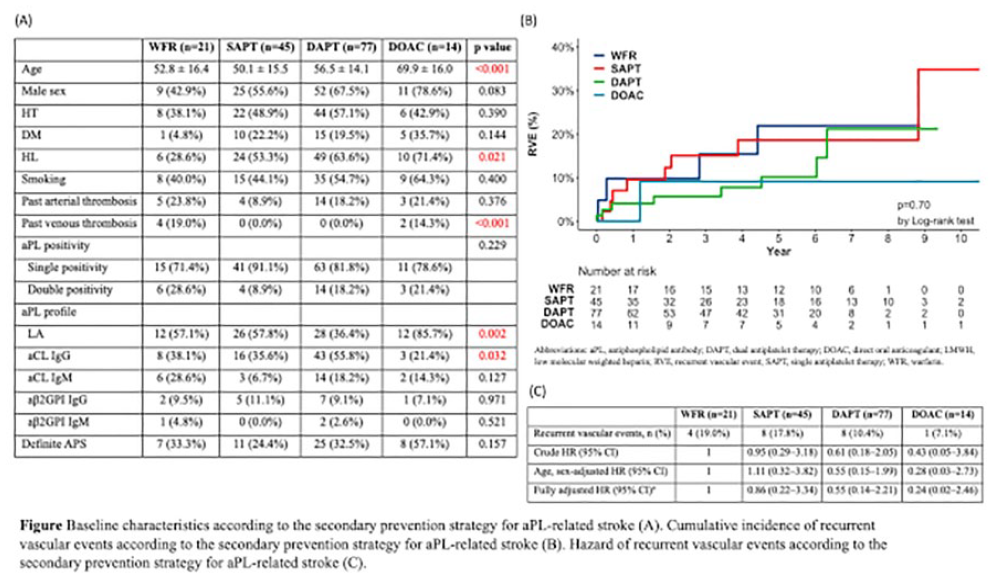
RARE CAUSES, STROKE IN THE YOUNG (INCLUDING PAEDIATRIC STROKE)
2287
Ischaemic and haemorrhagic strokes in patients with left ventricular assist device (LVAD) - a retrospective cohort study at a tertiary care center
1Hannover Medical School, Cardiology and Angiology, Hannover, Germany, 2Hannover Medical School, Neurology, Hannover, Germany, 3Hannover Medical School, Diagnostic and Interventional Neuroradiology, Hannover, Germany, 4Hannover Medical School, Cardiac, Thoracic, Transplantation and Vascular Surgery, Hannover, Germany
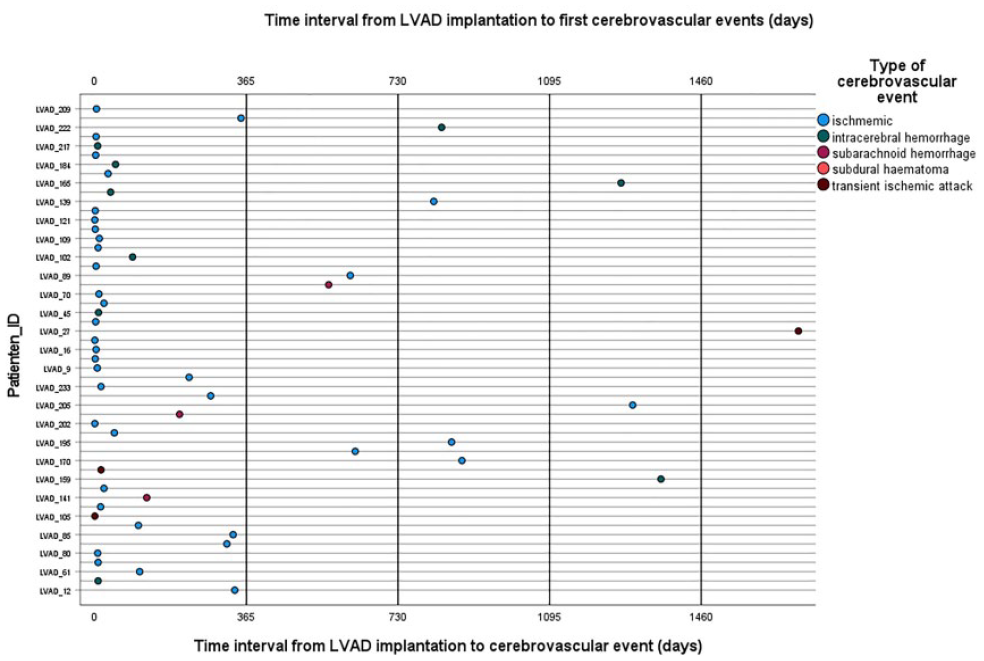
RARE CAUSES, STROKE IN THE YOUNG (INCLUDING PAEDIATRIC STROKE)
2381
Safety and efficacy of endovascular treatment in extracranial and intracranial artery dissections presenting with acute ischemic stroke
1University Hospital Virgen del Rocío, Neurology, Sevilla, Spain, 2University Hospital Virgen del Rocío, Interventional Neurorradiology, Sevilla, Spain, 3Seville Biomedical Research Institute, Support technician, Sevilla, Spain, 4University Hospital Virgen Macarena, Neurology, Sevilla, Spain, 5Seville Biomedical Research Institute, Neurology, Sevilla, Spain
RARE CAUSES, STROKE IN THE YOUNG (INCLUDING PAEDIATRIC STROKE)
2067
ENDOVASCULAR TREATMENT IN CEREBRAL VENOUS SINUS THROMBOSIS DUE TO VACCINE-INDUCED IMMUNE THROMBOTIC THROMBOCYTOPENIA
1Amsterdam University Medical Centers, location University of Amsterdam, Department of Neurology, Amsterdam, Netherlands, 2Universitätsklinikum Bonn, Department of Neurology, Bonn, Germany, 3Christian Medical College & Hospital, Neurology Unit, Department of Neurological Sciences, Vellore, India, 4Universitätsklinikum Ulm, Department of Neurology, Ulm, Germany, 5Policlinic San Martino Hospital, Department of Neuroscience, Genoa, Italy, 6University of Lille, INSERM, CHU Lille, U1172 - LilNCog - Lille Neuroscience & Cognition, Lille, France, 7Department of Neurology, Xuanwu Hospital, Capital Medical University, Beijing, China, 8University of British Columbia, Division of Neurology, Vancouver, Canada, 9University of Alberta Hospital, Department of Neurology, Edmonton, Canada, 10McGill University Health Centre, Department of Neurology, Montreal, Canada, 11Saudi German Hospitals Group, Department of Neurology, Jeddah, Saudi Arabia, 12John Hunter Hospital, Department of Neurology, Newcastle, Australia, 13Royal Adelaide Hospital, Department of Neurology, Adelaide, Australia, 14Aster Medcity, Department of Neurology, Kochi, India, 15Leipzig University Hospital, Department of Neurology, Leipzig, Germany, 16Hospital Virgen de la Salud. Toledo, Department of Neurology, Toledo, Spain, 17Heidelberg University Hospital, Department of Neurology, Heidelberg, Germany, 18AOU Consorziale Policlinico di Bari, Department of Neurology, Bari, Italy, 19Oslo University Hospital, Department of Neurology, Oslo, Norway, 20CHU Toulouse, Department of Neurology, Toulouse, France, 21Lisbon Central University Hospital Center, Stroke Centre, Lisbon, Portugal, 22Sahlgrenska University Hospital and Sahlgrenska Academy at University of Gothenburg, Department of Neurology, Gothenburg, Sweden, 23Inselspital, Bern University Hospital, Department of Neurology, Bern, Switzerland, 24Eberhard-Karls University, Department of Neurology & Stroke, Tuebingen, Germany, 25Friedrich Schiller University Jena, Department of Neurology, Jena, Germany, 26Faculdade de Medicina, Universidade de Lisboa, Instituto de Medicina Molecular João Lobo Antunes, Lisbon, Portugal
RARE CAUSES, STROKE IN THE YOUNG (INCLUDING PAEDIATRIC STROKE)
2489
MOYAMOYA ANGIOPATHY IN A NORWEGIAN PATIENT COHORT: CHARACTERISTICS AND OUTCOME
1Oslo University Hospital, Rikshospitalet, Neurology, Oslo, Norway, 2Oslo University Hospital, Rikshospitalet, Neurosurgery, Oslo, Norway
RARE CAUSES, STROKE IN THE YOUNG (INCLUDING PAEDIATRIC STROKE)
1519
TRIGGER FACTORS IN PATIENTS WITH A PATENT FORAMEN OVALE ASSOCIATED STROKE: A CASE-CROSSOVER STUDY
1Radboud University Medical Center, Neurology, Nijmegen, Netherlands, 2MST, Neurology, Enschede, Netherlands, 3Canisius Wilhelmina Hospital, Neurology, Nijmegen, Netherlands, 4Catharina Ziekenhuis, Neurology, Eindhoven, Netherlands, 5Franciscus Vlietland, Neurology, Schiedam, Netherlands, 6St. Elisabeth Hospital, Neurology, Tilburg, Netherlands, 7Leiden University Medical Center (LUMC), Neurology, Leiden, Netherlands, 8Rijnstate, Neurology, Arnhem, Netherlands, 9Haga Hospital (Leyweg), Neurology, Den Haag, Netherlands, 10Amphia Hospital, Neurology, Breda, Netherlands, 11Jeroen Bosch Ziekenhuis, Neurology, ‘s-Hertogenbosch, Netherlands, 12UMC+, Neurology, Maastricht, Netherlands, 13Amsterdam UMC, locatie AMC, Neurology, Amsterdam, Netherlands, 14Medical Center Leeuwarden, Neurology, Leeuwarden, Netherlands, 15HMC Westeinde, Neurology, Den Haag, Netherlands, 16Zuyderland Medisch Centrum Sittard-Geleen, Neurology, Geleen, Netherlands, 17Gelre ziekenhuizen Apeldoorn, Neurology, Apeldoorn, Netherlands, 18Albert Schweitzer Hospital, Neurology, Dordrecht, Netherlands, 19Radboud University Medical Center, Cardiology, Nijmegen, Netherlands
RARE CAUSES, STROKE IN THE YOUNG (INCLUDING PAEDIATRIC STROKE)
2621
CHARACTERISTICS OF PATIENTS WITH PFO IN YOUNG PATIENTS WITH ESUS AND ASSOCIATION WITH STROKE RECURRENCE
1McMaster University, Neurology, Hamilton, Canada, 2Hamilton General Hospital, Neurology, Hamilton, Canada, 3Population Health Research Institute, Biostatistics, Hamilton, Canada, 4Population Health Research Institute, PHRI, Hamilton, Canada, 5University Health Network, Stroke Neurology, Toronto, Canada, 6Toronto Western Hospital, Stroke neurology, Toronto, Canada, 7Western University, Clinical neurological sciences, London, Canada, 8Population Health Research Institute, Neurology, Hamilton, Canada
CARDIOEMBOLISM & HEART-BRAIN INTERACTIONS
36
INFECTIVE ENDOCARDITIS WITH AND WITHOUT STROKE
1Center for Stroke Research Berlin (CSB), Charité - Universitätsmedizin Berlin, Department of Neurology, Berlin, Germany, 2Interdisciplinary Stroke Research, Charité - Universitätsmedizin Berlin, Department of Cardiology, Berlin, Germany
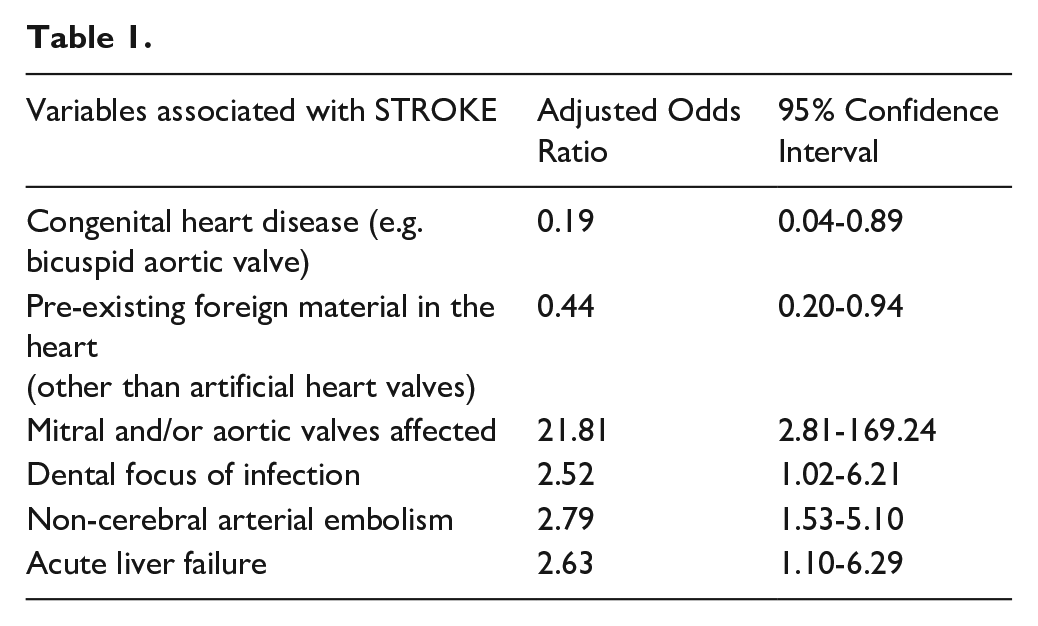
CARDIOEMBOLISM & HEART-BRAIN INTERACTIONS
304
DETECTION OF ATRIAL FIBRILLATION IA ACUTE ISCHEMIC STROKE PATIENTS TREATED WITH MECHANICAL THROMBECTOMY FOR MIDDLE CEREBRAL ARTERY OCCLUSION: PILOT RESULTS FROM THE MCA-AF STUDY
1Palacký University, Medical School and University Hospital, Comprehensive Stroke Center, Dept. of Neurology, Olomouc, Czech Republic, 2Palacký University, Medical School and University Hospital, Comprehensive Stroke Center, Dept. of Radiology, Olomouc, Czech Republic, 3MDT - International Center for Telemedicine, Department of ECG-Holter monitoring, Brno, Czech Republic, 4Palacký University, Medical School and University Hospital, Department of Cardiology, Olomouc, Czech Republic
Acknowledgment: Supported by the grant of IGA LF UP_009_2023.
CARDIOEMBOLISM & HEART-BRAIN INTERACTIONS
412
Machine Learning Modelling to Predict Atrial Fibrillation Detection in Embolic Stroke of Undetermined Source Patients
1Yong Loo Lin School of Medicine, National University of Singapore, Department of Medicine, Singapore, Singapore, 2National University of Singapore, Department of Statistics and Data Science, Faculty of Science, Singapore, Singapore, 3National University Hospital, Singapore, Division of Neurology, Department of Medicine, Singapore, Singapore, 4National University of Singapore, Electrical and Computer Engineering, Singapore, Singapore
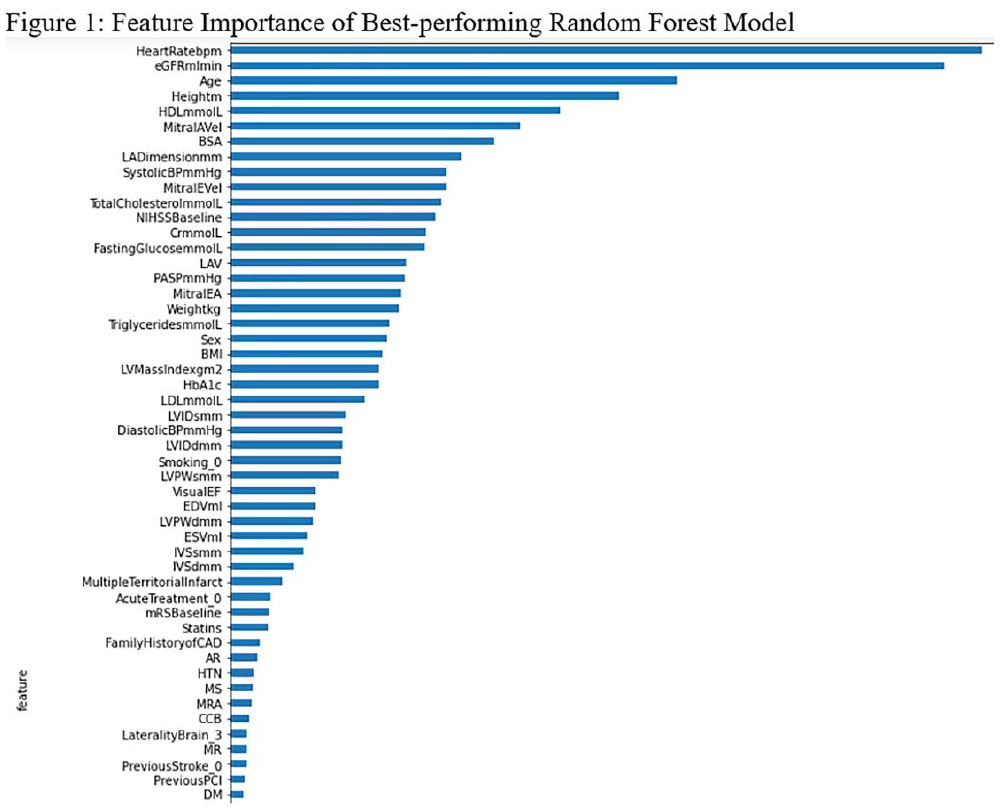
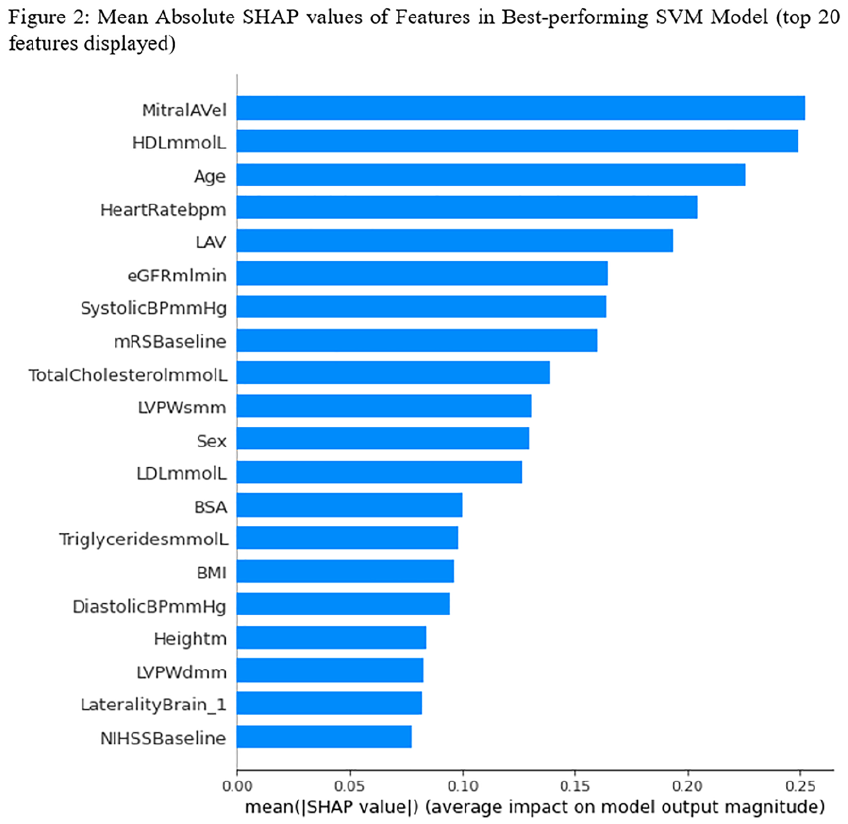
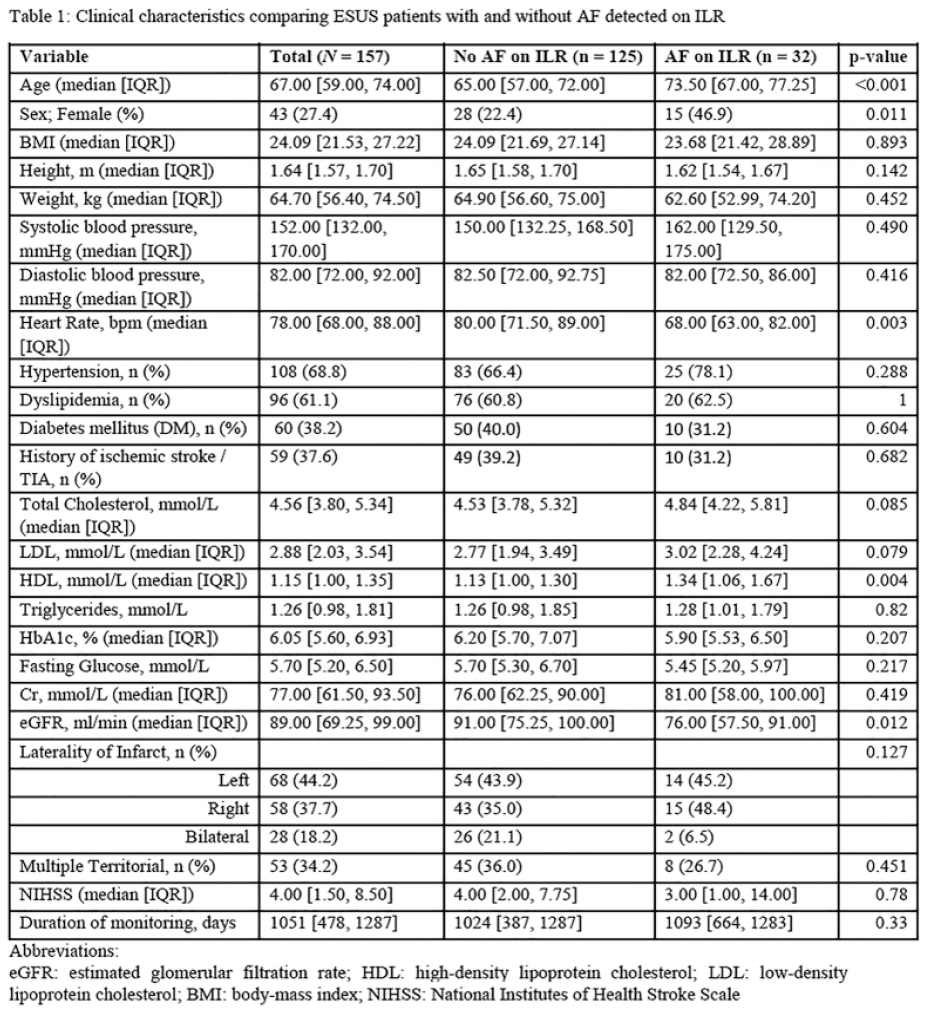
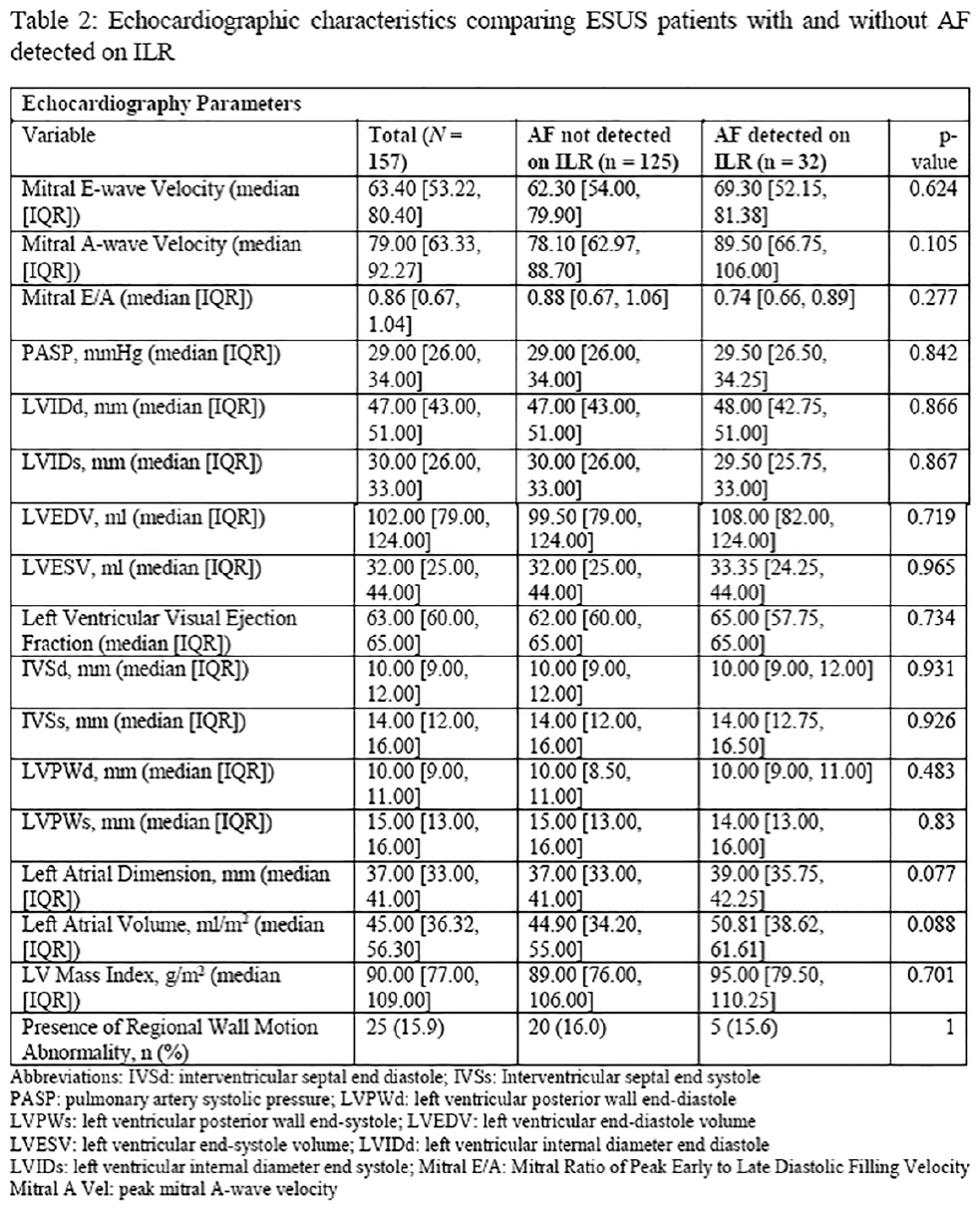
CARDIOEMBOLISM & HEART-BRAIN INTERACTIONS
1104
CARDIAC NATRIURETIC PEPTIDES FOR PREDICTION OF ATRIAL FIBRILLATION IN STROKE PATIENTS: A SYSTEMATIC REVIEW AND META-ANALYSIS OF DIAGNOSTIC TEST ACCURACY
1Yong Loo Lin School of Medicine, Medicine, Singapore, Singapore, 2National University Hospital, Division of Neurology, Department of Medicine, Singapore, Singapore, 3National University Heart Centre, Singapore (NUHCS), Department of Cardiology, Singapore, Singapore
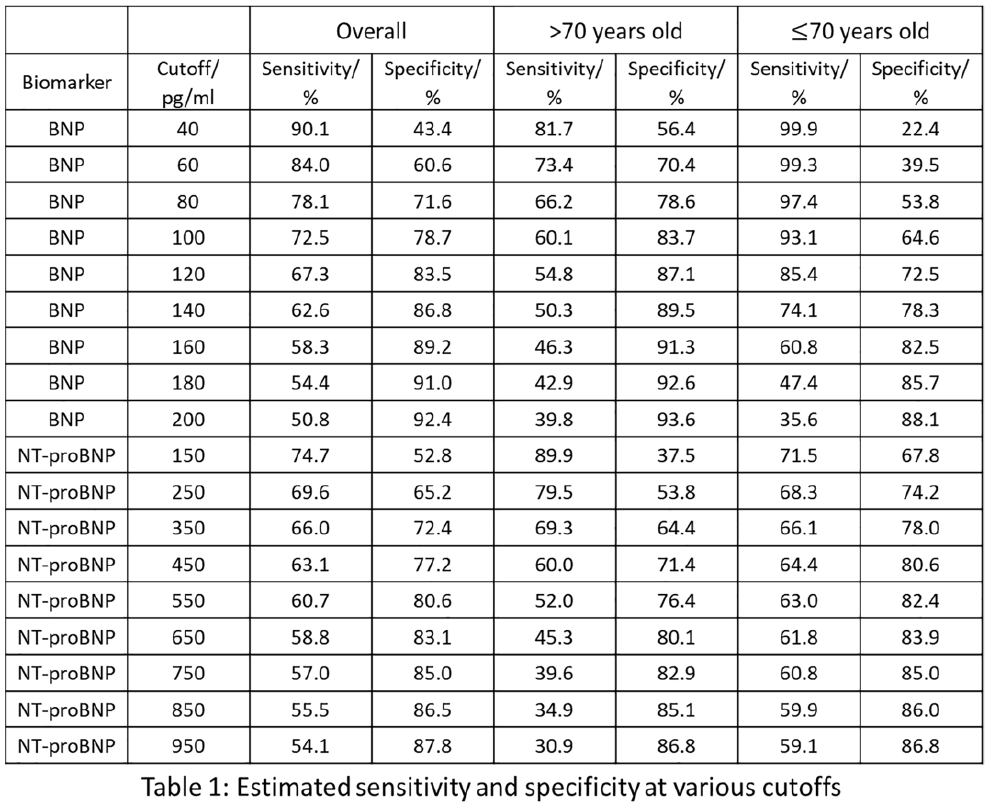
CARDIOEMBOLISM & HEART-BRAIN INTERACTIONS
1441
STROKE-HEART SYNDROME: DOES SEX MATTER?
1University of Pennsylvania, Department of Neurology, Philadelphia, United States, 2SUNY Downstate Health Sciences University, Department of Neurology, Brooklyn, United States
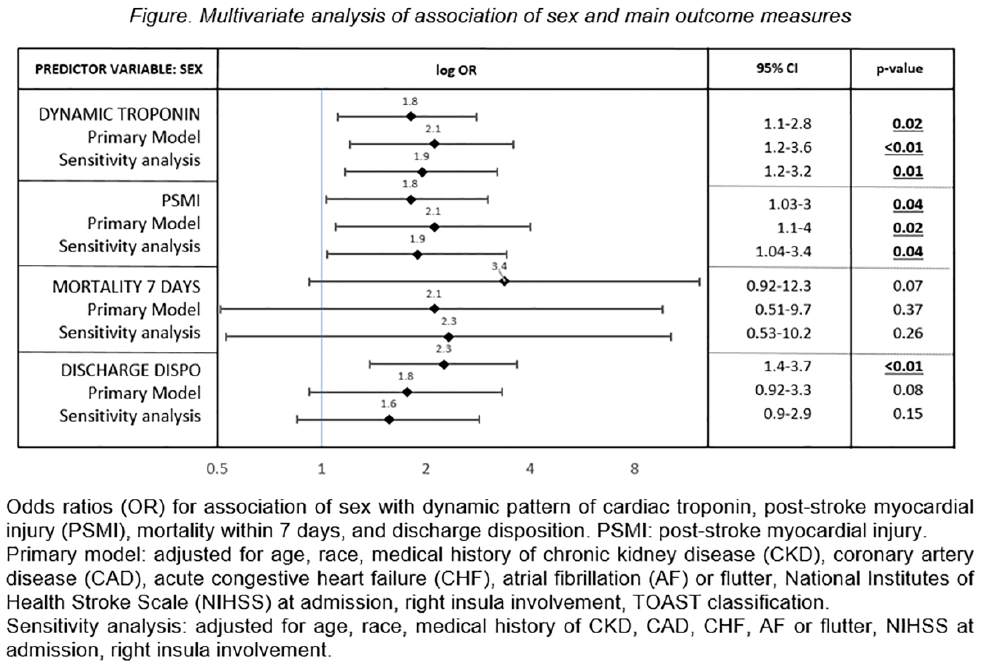
CARDIOEMBOLISM & HEART-BRAIN INTERACTIONS
1473
LEFT ATRIAL APPENDAGE CLOSURE IN ATRIAL FIBRILLATION PATIENTS WITH ISCHEMIC STROKE DESPITE ANTICOAGULATION
1 Massachusetts General Brigham, NEUROLOGY, Boston, United States
CARDIOEMBOLISM & HEART-BRAIN INTERACTIONS
1505
ANATOMICAL FEATURES OF PATENT FORAMEN OVALE IN PATIENTS WITH CRYPTOGENIC STROKE IN COMPARSION TO AUTOPSY RESULTS
1Radboud UMC, Neurology, Nijmegen, Netherlands, 2Amsterdam UMC, locatie AMC, Cardiology, Amsterdam, Netherlands, 3Radboud UMC, Cardiology, Nijmegen, Netherlands
CARDIOEMBOLISM & HEART-BRAIN INTERACTIONS
1507
DETECTION OF LEFT ATRIAL THROMBUS IN ISCHEMIC STROKE BY ENLARGED CTA SCAN-RANGE AND ASSOCIATION WITH PATIENT CHARACTERISTICS
1Hospital Universitario Donostia, Neurology Department, San Sebastian-Donostia, Spain, 2Hospital Universitario Donostia, Cardiology Department, San Sebastian-Donostia, Spain, 3Universidad Pais Vasco-UPV, Facultad Medicina, San Sebastian-Donostia, Spain, 4Hospital Universitario Donostia, Radiology Department, San Sebastian-Donostia, Spain
CARDIOEMBOLISM & HEART-BRAIN INTERACTIONS
1633
Prognostic significance of atrial cardiopathy in patients with cryptogenic ischemic stroke and insertable cardiac monitor
1University Hospital of Badajoz, Stroke Center. Neurology Service., Badajoz, Spain, 2University Hospital of Badajoz, Arrhythmia Unit. Cardiology Service, Badajoz, Spain, 3Extremadura University. Faculty of Medicine and Health Sciences, Biomedical Sciences., Badajoz, Spain
CARDIOEMBOLISM & HEART-BRAIN INTERACTIONS
1635
Neuroimaging and risk of hemorrhagic transformation in recent cardioembolic stroke under anticoagulant treatment
1Hospital La Paz Institute for Health Research-IdiPAZ, Department of Neurology and Stroke Unit, Madrid, Spain, 2Hospital La Paz Institute for Health Research-IdiPAZ, Department of Radiology, Madrid, Spain
CARDIOEMBOLISM & HEART-BRAIN INTERACTIONS
1695
In young patients with cryptogenic strokes, large vessel occlusions are less frequent in patients with high-risk patent foramen ovale
1Montpellier University Hospital, CHU Gui de Chauliac, Department of Neurology, Montpellier, France, 2Clinique du Parc, Neurology, Castelnau-Le-Lez, France
CARDIOEMBOLISM & HEART-BRAIN INTERACTIONS
2218
Prolonged continuous arrhythmias monitoring after PFO closure with Rooti-RX supracutaneous device and loop recorder
1NEUROFARBA, University of Florence, Florence, Italy, 2Structural Interventional Cardiology, Careggi University Hosptital, Florence, Italy, 3Stroke Unit, Careggi University Hosptital, Florence, Italy
In patients studied with Rooti-Rx we observed a significant increase of mean, minimum and maximum HR (p=0.004, <0.001, 0.006 respectively); a significant increase of BESV(p=0.041); a non-significant increase of BEV; the onset of non-sustained SVT(43,7%) and VT(18,7%). No pauses were found. No clinical neurological events were reported.
CARDIOEMBOLISM & HEART-BRAIN INTERACTIONS
2382
PATENT FORAMEN OVALE (PFO) IN EMBOLIC STROKE OF UNDETERMINED SOURCE (ESUS) PATIENTS: A PROSPECTIVE SINGLE-CENTER COHORT STUDY
1University Hospital Ludwig-Maximilians-University (LMU) Munich, Department of Neurology, Munich, Germany, 2University Hospital Ludwig-Maximilians-University (LMU) Munich, Department of Medicine I, Munich, Germany, 3Partner site: Munich Heart Alliance, German Centre for Cardiovascular Research (DZHK), Munich, Germany, 4Eberhard Karls University Tübingen, Department of Neurology and Stroke, Tübingen, Germany
CARDIOEMBOLISM & HEART-BRAIN INTERACTIONS
2565
NEUROIMAGING MARKERS OF CEREBROVASCULAR DISEASE AND COGNITION IN ADULTS WITH MODERATE-GREAT COMPLEXITY CONGENITAL HEART DISEASE
1University of British Columbia, Medicine, Vancouver, Canada, 2University of British Columbia, Neurology, Vancouver, Canada, 3Vancouver Coastal Health, Vancouver Stroke Program, Vancouver, Canada, 4University of British Columbia, Neuroradiology, Vancouver, Canada, 5University of British Columbia, Cardiology, Vancouver, Canada, 6Providence Health, Pacific Adult Congenital Heart Clinic, Vancouver, Canada
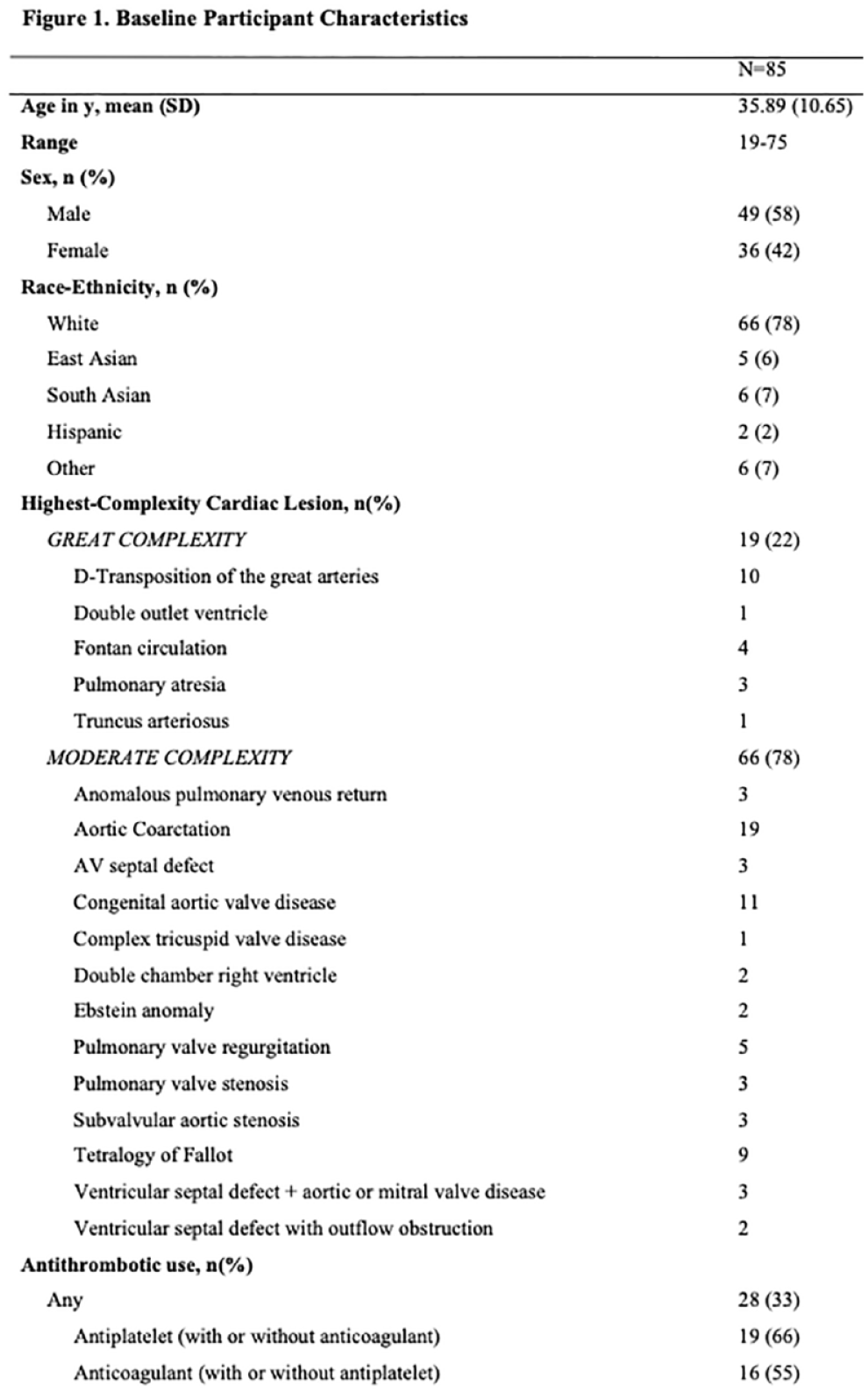
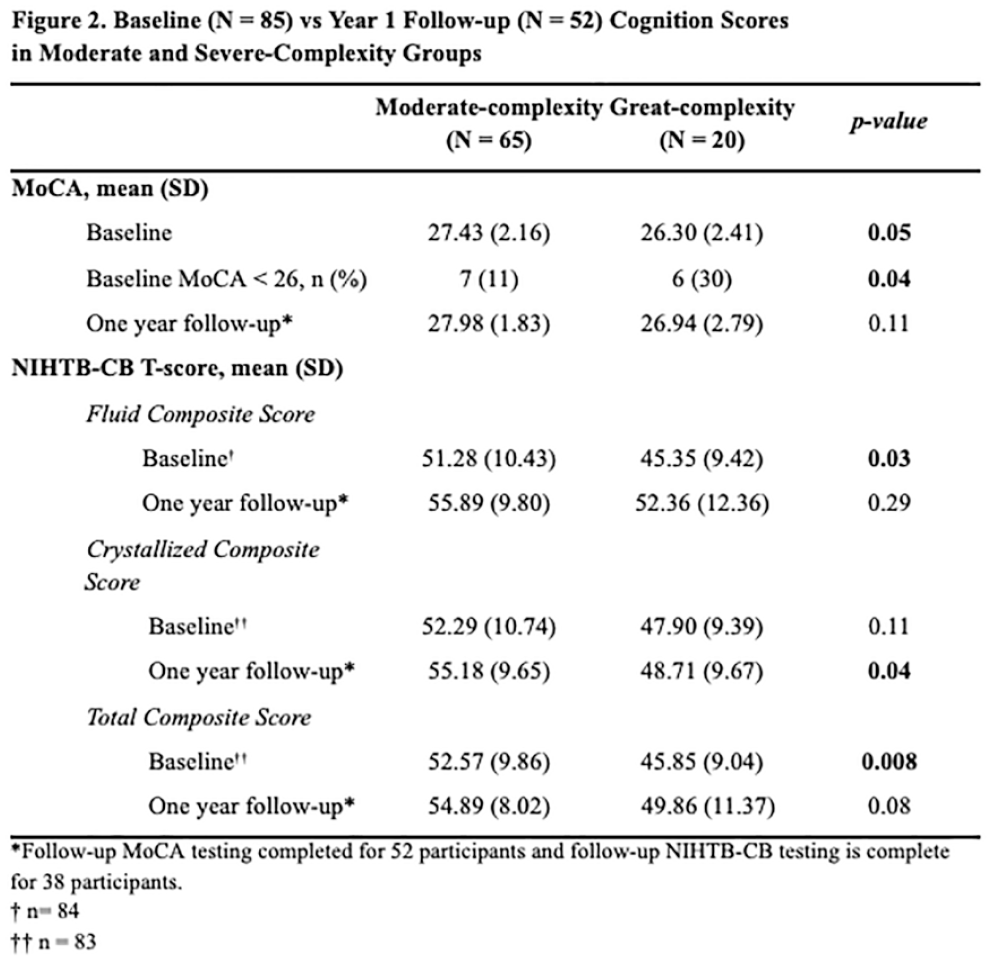
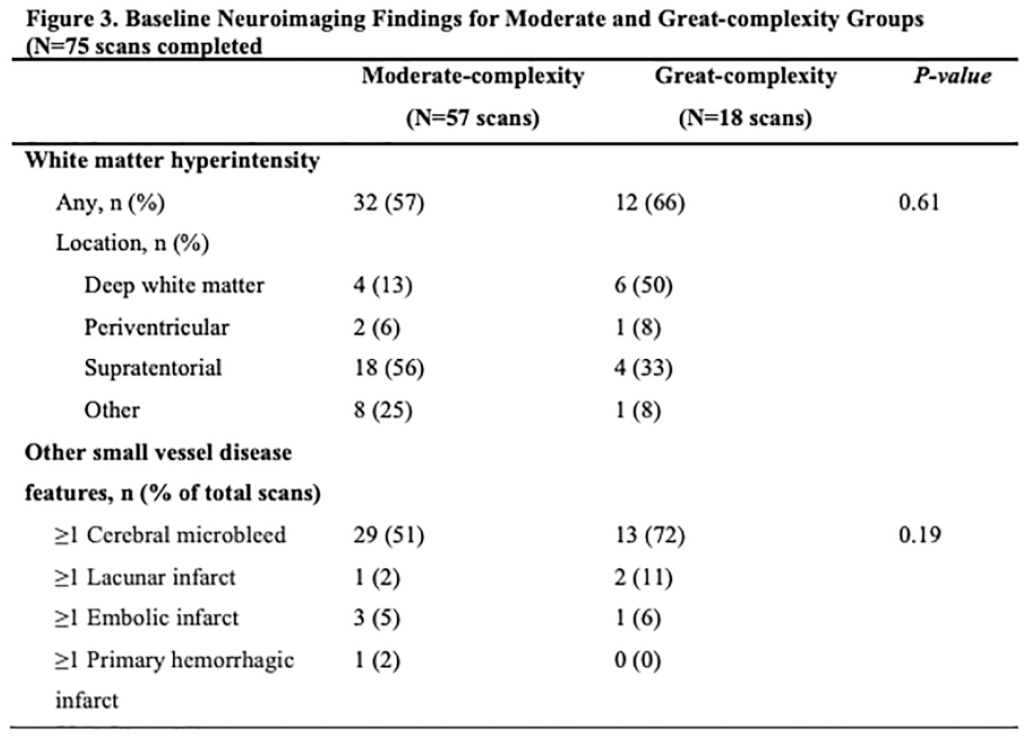
CARDIOEMBOLISM & HEART-BRAIN INTERACTIONS
2043
ATRIAL FIBRILLATION DETECTED WITH OUTPATIENT CARDIAC RHYTHM MONITORING IN PATIENTS WITH ISCHEMIC STROKE OR TIA OF UNDETERMINED CAUSE
1Isala Zwolle, Neurology, Zwolle, Netherlands, 2MST, Neurology, Enschede, Netherlands, 3University of Twente, Health Technology & Services Research, Enschede, Netherlands, 4MST, Cardiology, Enschede, Netherlands, 5University of Twente, Section Cognition, Data and Education, Faculty of Behavioural, Management and Social Sciences, Enschede, Netherlands
Disclosure of interest: Yes
CARDIOEMBOLISM & HEART-BRAIN INTERACTIONS
1798
Cerebrovascular and Mortality Outcomes Following Left Atrial Appendage Occlusion in Patients with History of Non-Traumatic Intracerebral/Intraspinal Hemorrhage
1Mayo Clinic, Neurology, Rochester, United States, 2Mayo Clinic Health System, Neurology, Mankato, United States, 3Mayo Clinic, Cardiovascular Medicine, Rochester, United States, 4Mayo Clinic, Cardiovascular Medicine, Scottsdale, United States, 5Mayo Clinic, Cardiovascular Medicine, Jacksonville, United States, 6Mayo Clinic Health System, Cardiology, Eau Claire, United States
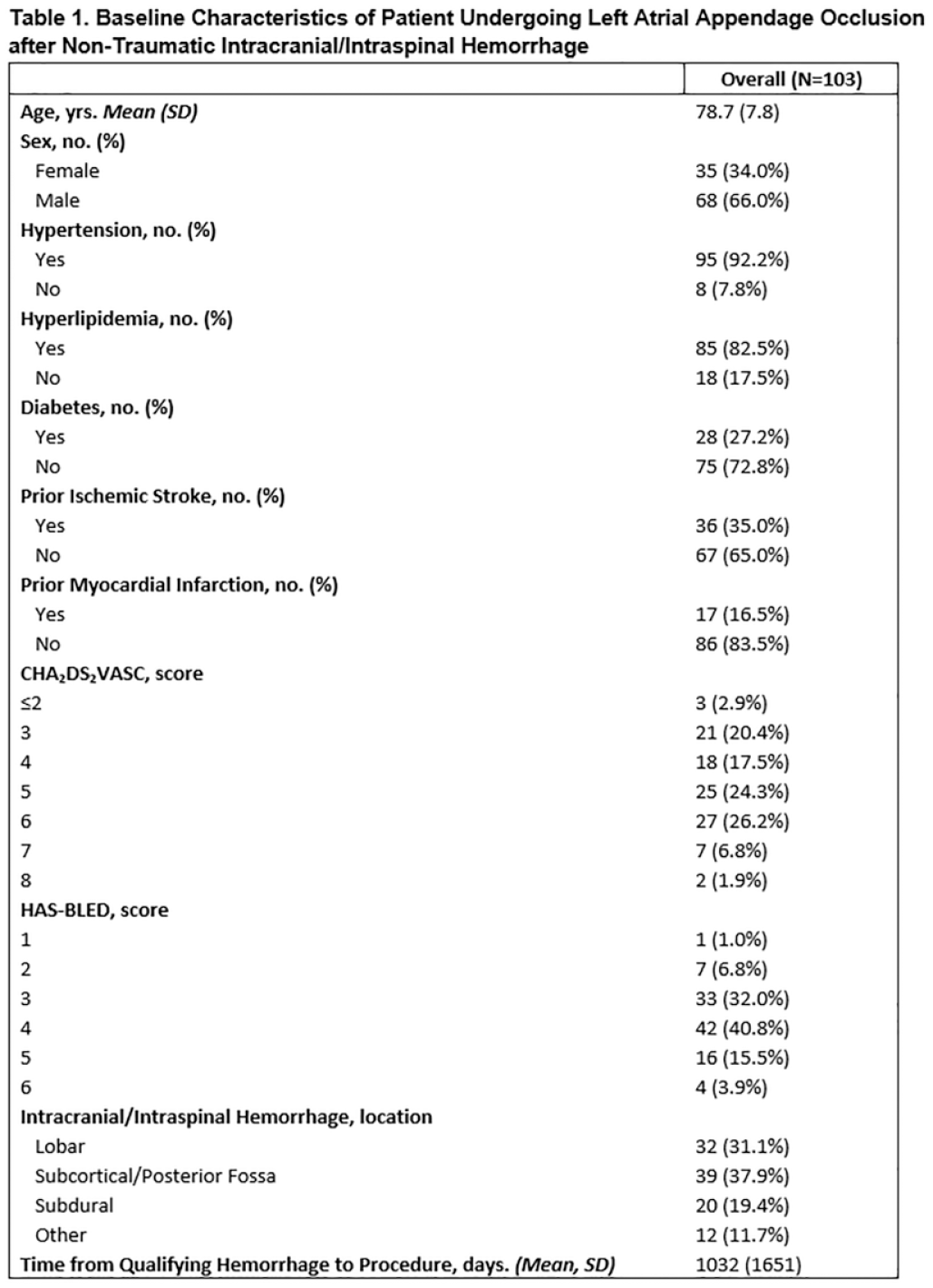
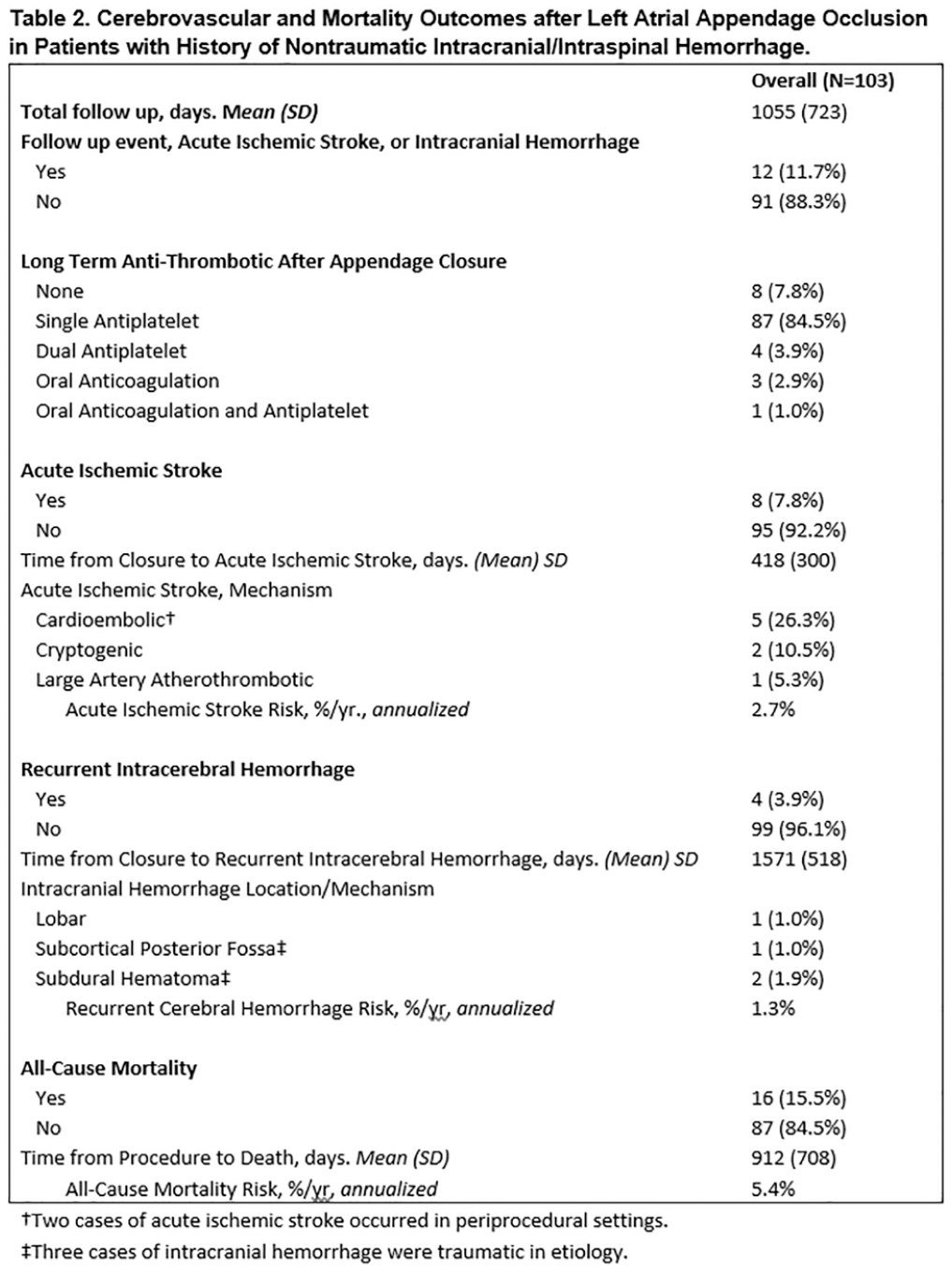
Disclosure of interest: Yes
CARDIOEMBOLISM & HEART-BRAIN INTERACTIONS
753
USE OF EXTERNAL AND/OR INSERTABLE CARDIAC MONITORS TO IDENTFY ATRIAL FIBRILLATION POST-STROKE VARIES SIGNIFICANTLY AMONG ACADEMIC AND COMMUNITY HOSPITALS
1University South Florida Tampa General, Vascular Neurology, Tampa, United States, 2CHI Memorial, Vascular Neurology, Chattanooga, United States, 3CHI Memorial, Family Medicine, Chattanooga, United States, 4University South Florida, Clinical Research, Tampa, United States, 5Medtronic, Cardiovascular Diagnostics and Services, Minneapolis, United States, 6HCA Midwest, Cardiology and Electrophysiology, Overland Park, United States
Disclosure of interest: Yes
CARDIOEMBOLISM & HEART-BRAIN INTERACTIONS
532
Dementia risk in patients with atrial fibrillation receiving oral anticoagulants: A study from Taiwan’s National Health Insurance Research Database
1Ditmanson Medical Foundation Chia-Yi Christian Hospital, Division of Neurology, Department of Internal Medicine, Chia-yi City, Taiwan, 2Ditmanson Medical Foundation Chia-Yi Christian Hospital, Department of Medical Research, Clinical Data Center, Chia-yi City, Taiwan, 3National Taiwan University hospital, Yunlin branch, Neurology, Douliu City, Taiwan, 4National Cheng Kung University, Biomedical engineering, Tainan City, Taiwan
We aimed to investigate the dementia risk in AF patients using different OACs.
Crude hazard ratios and adjusted hazard ratios of total dementia (TD), degenerative dementia (DD) and vascular dementia (VaD) were calculated. Three different models were applied for comparison.
Table 2 shows the crude hazard ratios and adjusted hazard ratios of each model.
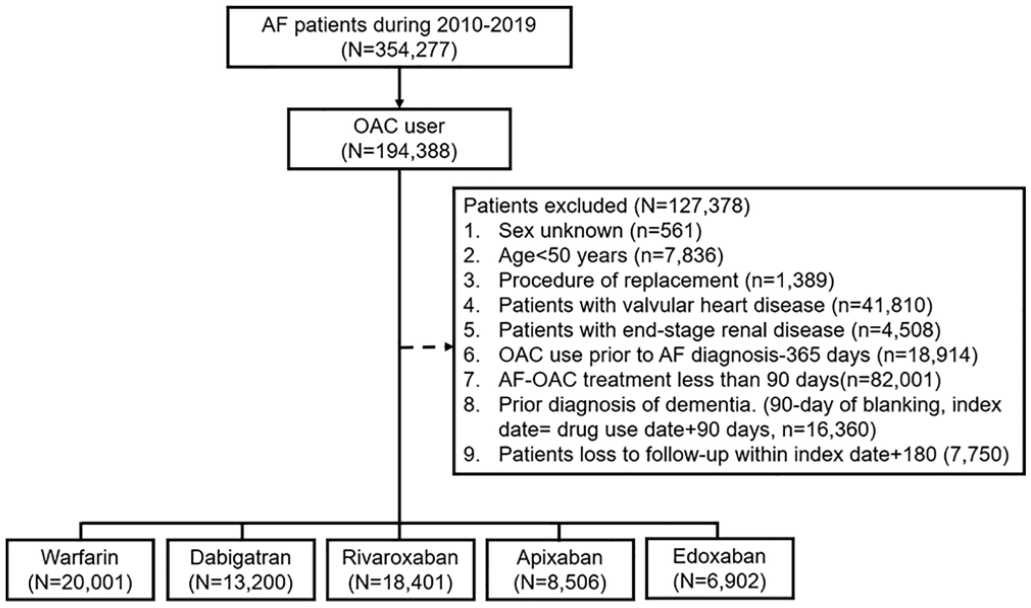
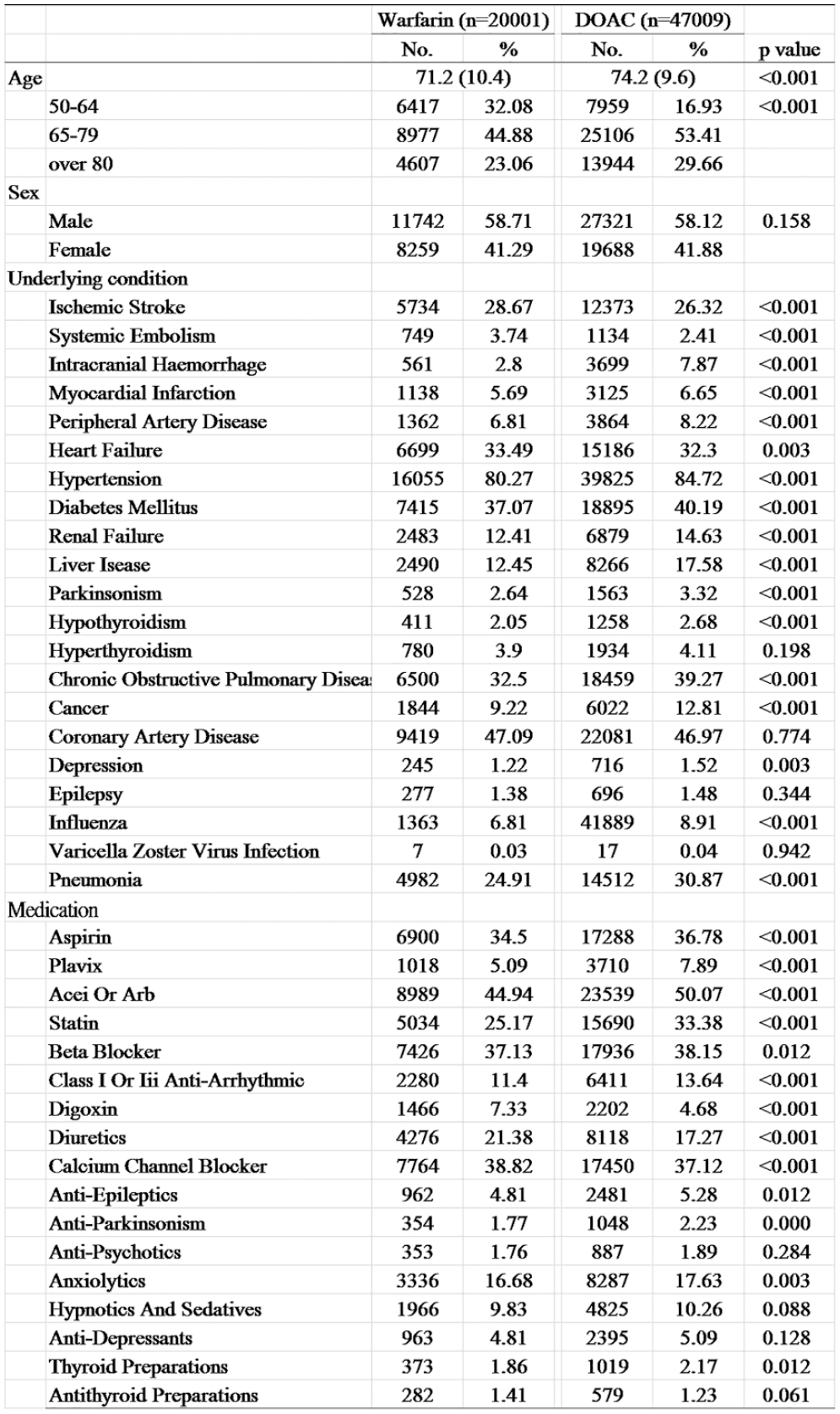
Baseline characteristics of study population. Continuous variables are presented as mean(SD).
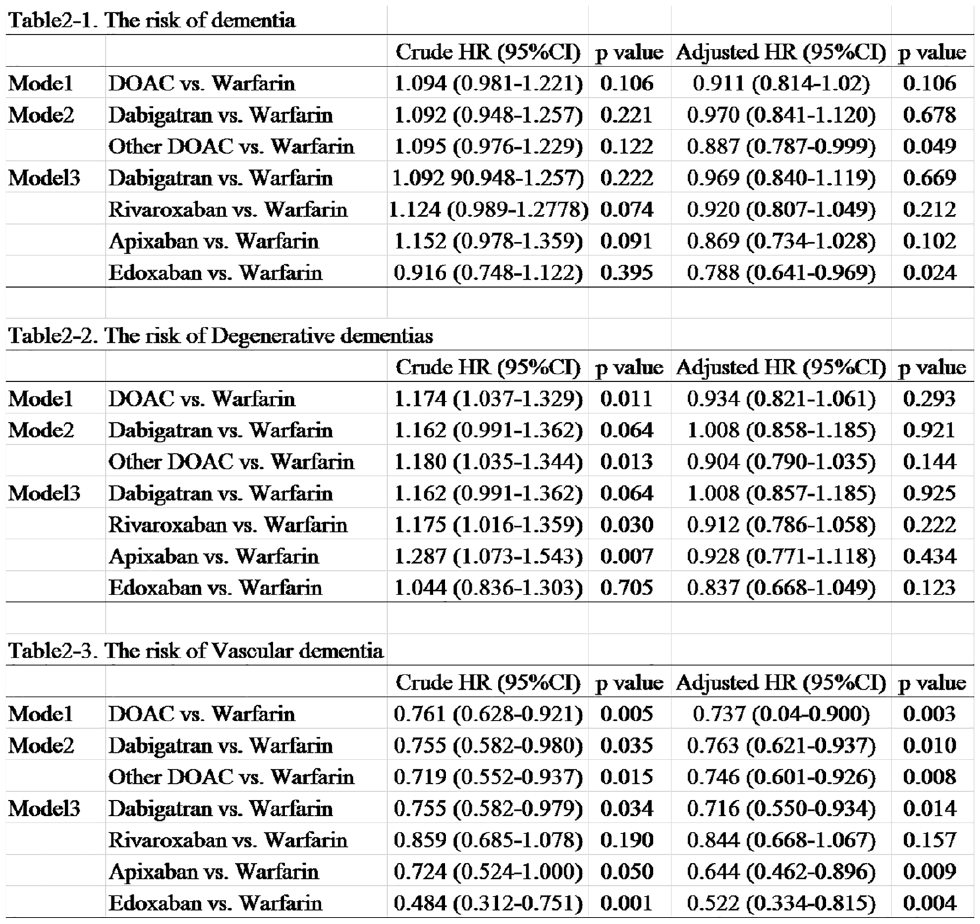
Risk of dementia comparing users of different OACs among patients with AF.
Disclosure of interest: Yes
CARDIOEMBOLISM & HEART-BRAIN INTERACTIONS
1112
Estimated vs. measured creatine clearance to predict the plasma levels of direct oral anticoagulants after stroke
1University of Erlangen-Nuremberg, Department of Neurology, Erlangen, Germany, 2University Hospital Erlangen, Department of Neuroradiology, Erlangen, Germany, 3University Hospital Erlangen, Department of Hemostaseology and Transfusion Medicine, Erlangen, Germany
CARDIOEMBOLISM & HEART-BRAIN INTERACTIONS
1109
Biomarkers Predictive of Atrial Fibrillation in Patients with Cryptogenic Stroke. Insights from The NOR-FIB Study
1Østfold Hospital Trust, Department of Neurology, Grålum, Norway, 2University of Oslo, Institute of Clinical Medicine, Oslo, Norway, 3Østfold Hospital Trust, Department of Cardiology, Grålum, Norway, 4Nordlandssykehuset, Department of Neurology, Bodø, Norway, 5Innlandet Hospital Trust, Lillehammer Hospital, Department of Neurology, Lillehammer, Norway, 6Oslo University Hospital, Research Institute of Internal Medicine, Oslo, Norway, 7Molde Hospital, Department of Neurology, Molde, Norway, 8Diakonhjemmet Hospital, Department of Internal Medicine, Oslo, Norway, 9University of Oslo Ullevål, Stroke Unit Department of Neurology, Oslo, Norway, 10Vestre Viken Hospital Trust, Bærum Hospital, Department of Internal Medicine, Gjettum, Norway, 11University Hospital of North Norway, Department of Neurology, Tromsø, Norway, 12Skåne University Hospital, Department of Neurology, Malmö, Sweden, 13Lund University, Department of Clinical Sciences, Malmö, Sweden, 14Vestfold Hospital, Department of Neurology, Tønsberg, Norway, 15Herlev Gentofte Hospital, Department of Neurology, Herlev, Denmark, 16Stavanger University Hospital, Department of Neurology, Stavanger, Norway, 17Vestre Viken Hospital Trust, Drammen Hospital, Department of Neurology, Drammen, Norway, 18Haukeland University Hospital, Department of Neurology, Bergen, Norway, 19Oslo University Hospital Rikshospitalet, Department of Neurology, Oslo, Norway, 20Telemark Hospital, Department of Neurology, Skien, Norway, 21Rigshospitalet University Hospital, Department of Neurology, Copenhagen, Denmark, 22Bispebjerg University Hospital, Department of Neurology, Copenhagen, Denmark, 23Oslo University Hospital, Center for Biostatistics and Epidemiology, Oslo, Norway, 24Medtronic, Bakken Research Center, Maastricht, Netherlands, 25Oslo University Hospital, Ullevål, Department of Cardiology, Oslo, Norway
Disclosure of interest: Yes
INTRACEREBRAL HAEMORRHAGE
51
Impacts of cerebral Small Vessel Disease on the Features of Hematoma and Hematoma Expansion in Intracerebral Haemorrhage
1National Taiwan University Hospital, Neurology, Taipei, Taiwan, 2National Taiwan University Hospital, Medical Education, Taipei, Taiwan, 3National Taiwan University Hospital, Medical Imaging, Taipei, Taiwan
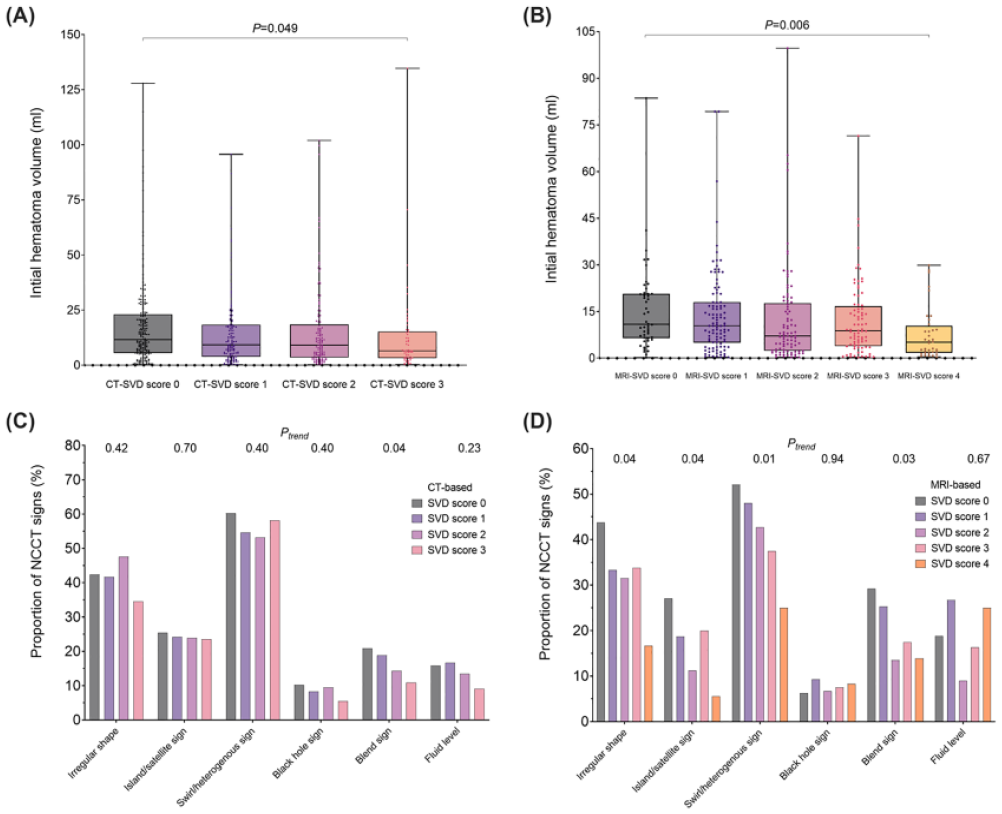
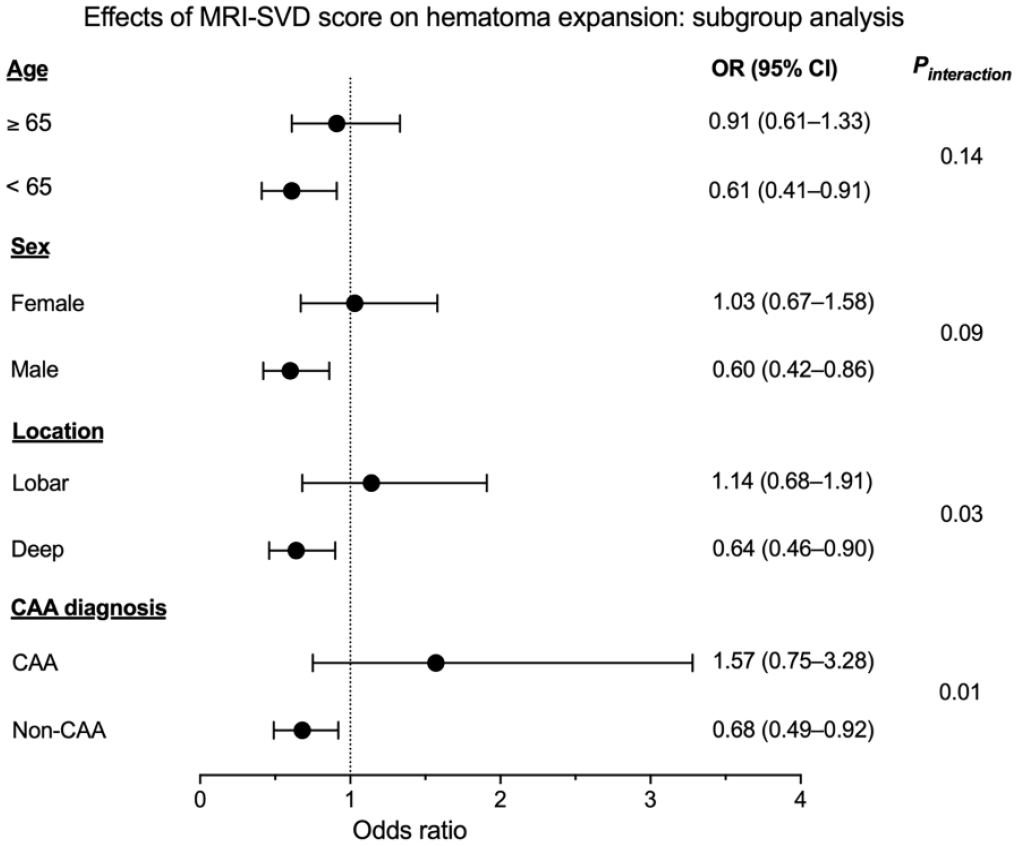
INTRACEREBRAL HAEMORRHAGE
226
EFFECTS OF MADRID-DIRECT PREHOSPITAL SCALE TRIAGE IN PATIENTS WITH INTRACEREBRAL HEMORRHAGE
1Hospital La Paz Institute for Health Research-IdiPAZ (La Paz University Hospital-Universidad Autónoma de Madrid), Neurology, Madrid, Spain, 2SUMMA 112, SUMMA 112, Madrid, Spain, 3Puerta de Hierro Majadahonda University Hospital, Neurología, Majadahonda, Spain, 4University Hospital October 12, Neurología, Madrid, Spain, 5Hospital Clinico Universitario San Carlos, Neurología, Madrid, Spain, 6Ramón y Cajal Hospital, Neurología, Madrid, Spain, 7Gregorio Marañón General University Hospital, Neurología, Madrid, Spain, 8Hospital de La Princesa, Neurología, Madrid, Spain
INTRACEREBRAL HAEMORRHAGE
333
MRI-defined cerebral small vessel disease markers for risk assessment of recurrent intracerebral haemorrhage
1Medical University of Graz, Department of Neurology, Graz, Austria, 2UCL Queen Square Institute of Neurology, Stroke Research Centre, Department of Brain Repair & Rehabilitation, London, United Kingdom, 3University College London, Department of Statistical Science, London, United Kingdom, 4Medical University of Graz, Division of Neuroradiology, Vascular and Interventional Radiology, Department of Radiology, Graz, Austria, 5Medical University of Graz, Institute for Medical Informatics, Statistics and Documentation, Graz, Austria, 6University Hospital Bern, Inselspital, Department of Neurology, Bern, Switzerland, 7UCL Queen Square Institute of Neurology, Neuroradiological Academic Unit, Department of Brain Repair & Rehabilitation, London, United Kingdom
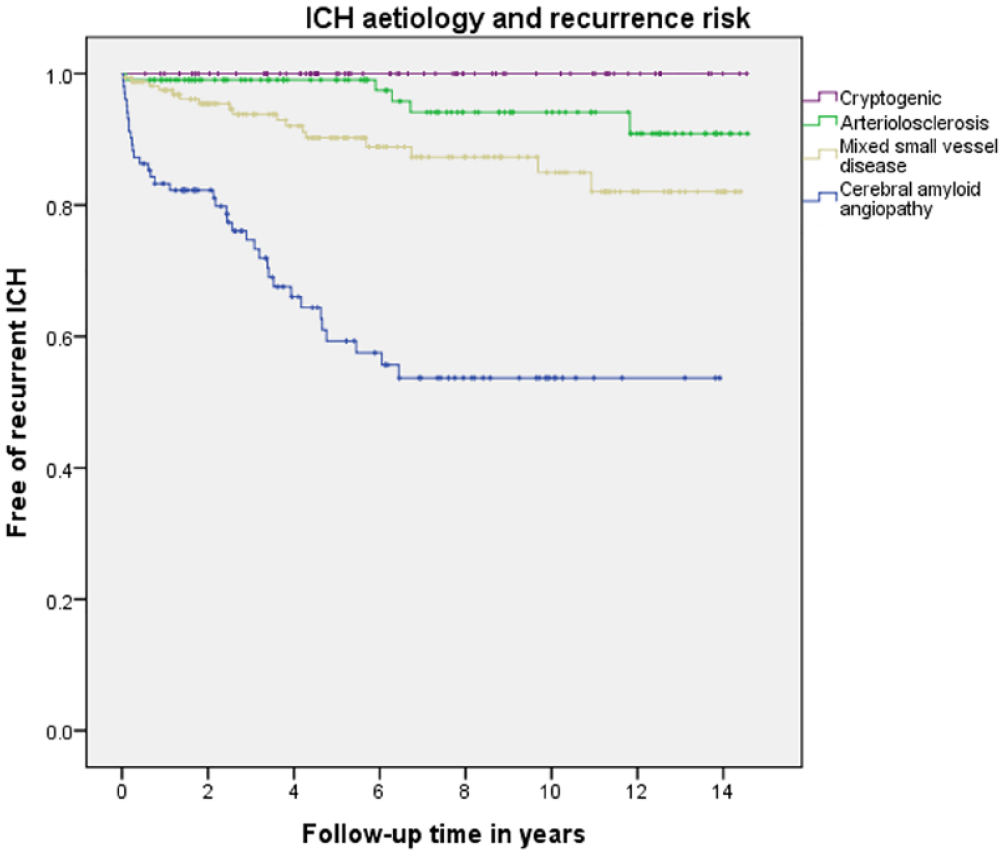
INTRACEREBRAL HAEMORRHAGE
432
CORTICAL MICROINFARCTS AND AMYLOID DEPOSITION IN PRIMARY INTRACEREBRAL HEMORRHAGES: A PIB-PET STUDY
1National Taiwan University Hospital Bei-Hu Branch, Department of Neurology, Taipei, Taiwan, 2National Taiwan University Hospital, Department of Neurology, Taipei, Taiwan, 3National Taiwan University Hospital, Department of Radiology, Taipei, Taiwan, 4National Taiwan University Hospital, Department of Nuclear Medicine, Taipei, Taiwan
INTRACEREBRAL HAEMORRHAGE
475
IMPACT OF PREHOSPITAL STROKE TRIAGE IMPLEMENTATION ON PATIENTS WITH INTRACEREBRAL HAEMORRHAGE
1Karolinska Institute, Department of Clinical Neuroscience, Stockholm, Sweden, 2Karolinska University Hospital, Department of Neurology, Stockholm, Sweden, 3Danderyds hospital, Department of Neurology, Stockholm, Sweden, 4Karolinska University Hospital, Department of Neuroradiology, Stockholm, Sweden
INTRACEREBRAL HAEMORRHAGE
477
Impact of untreated hypertension in acute spontaneous intracerebral hemorrhage: a multicenter prospective study
1Jichi Medical University School of Medicine, Division of Neurology, Department of Medicine, Shimotsuke, Japan, 2Fujii Neurosurgical Hospital, Department of Neurosurgery, Utsunomiya, Japan, 3Shin-Oyama City Hospital, Department of Neurology, Oyama, Japan, 4Sano Kosei General Hospital, Department of Neurosurgery, Sano, Japan, 5Haga Red Cross Hospital, Department of Neurosurgery, Moka, Japan, 6Jichi Medical University, Department of Neurosurgery, Shimotsuke, Japan, 7Shin-Oyama City Hospital, Department of Neurosurgery, Oyama, Japan, 8International University of Health and Welfare Hospital, Department of Neurosurgery, Nasushiobara, Japan, 9Jichi Medical University School of Medicine, Division of Cardiovascular Medicine, Department of Medicine, Shimotsuke, Japan, 10Jichi Medical University, Stroke Center, Shimotsuke, Japan
INTRACEREBRAL HAEMORRHAGE
562
DIURNAL VARIABILITY OF PERIHEMATOMAL EDEMA IN PATIENTS WITH SPONTANEOUS INTRACEREBRAL HEMORRHAGE
1 Beth Israel Deaconess Medical Center, Stroke Division, Neurology Department, Boston, United States
INTRACEREBRAL HAEMORRHAGE
647
INTEGRATED MASS CYTOMETRY ACCURATELY PREDICTS HEMORRHAGIC TRANSFORMATION IN ACUTE ISCHAEMIC STROKE PATIENTS TREATED WITH ENDOVASCULAR THERAPY
1Stanford University, Anesthesiology, Stanford, United States, 2Fondation Rothschild, Neurology, Paris, France, 3Inserm U1148, Neurology, Paris, France, 4Stanford University, Neurology, Stanford, United States, 5Hospital Center University De Toulouse, Neurology, Toulouse, France
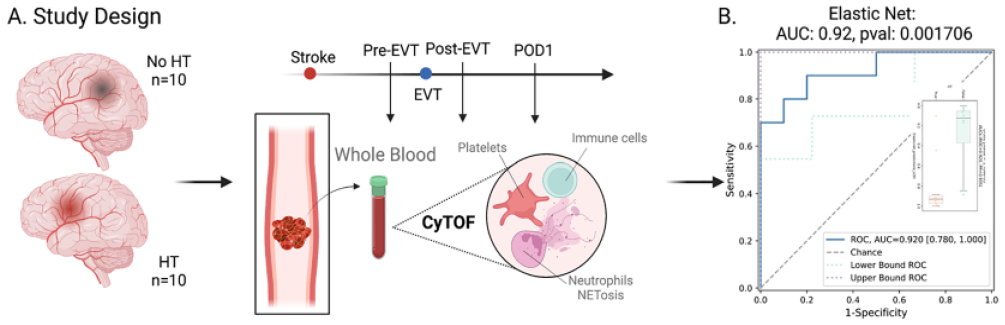
INTRACEREBRAL HAEMORRHAGE
694
Prediction of functional outcome in patients with intracerebral hemorrhage: a comparison of five prognostic scales
1Hospital de la Santa Creu i Sant Pau, Stroke Unit, Barcelona, Spain, 2Hospital Germans Trias i Pujol, Stroke Unit, Badalona, Spain
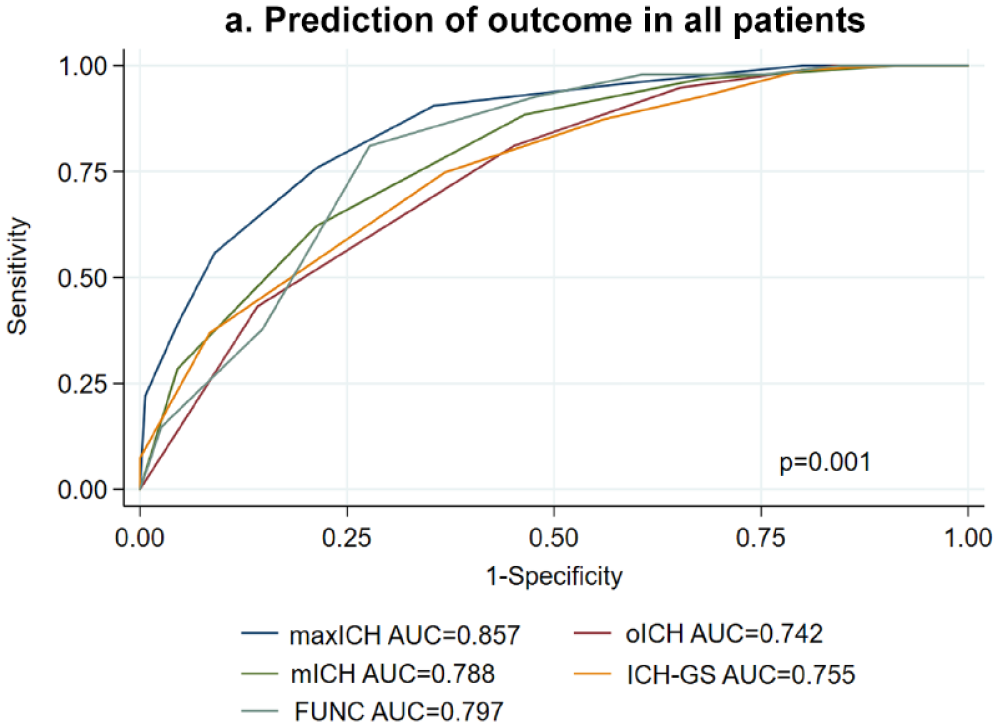
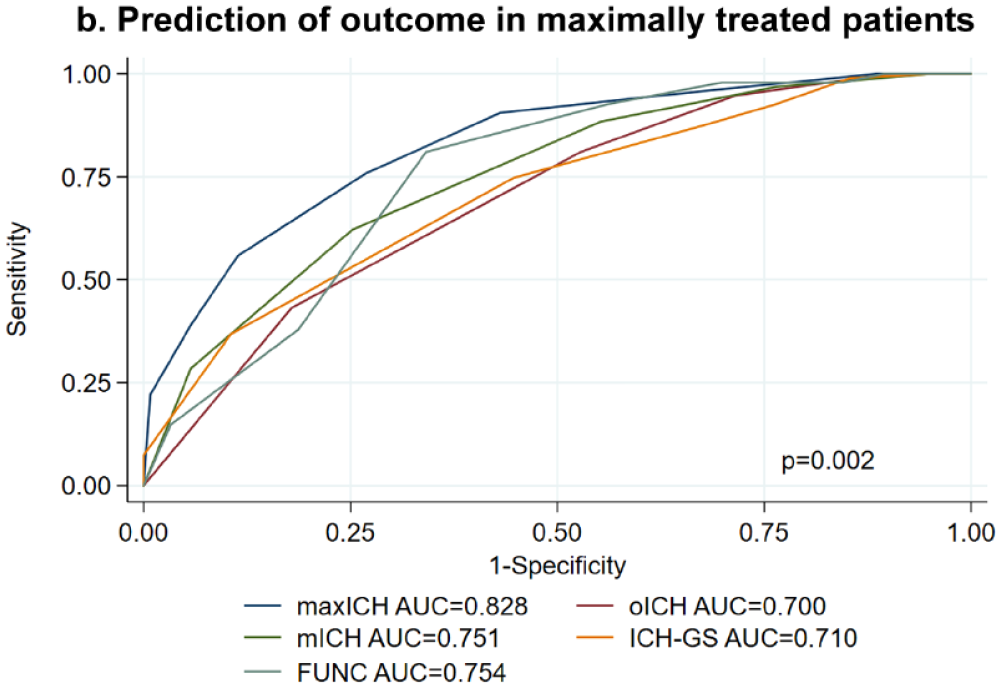
ROC curves for good functional outcome
INTRACEREBRAL HAEMORRHAGE
1063
PREDICTION OF FUNCTIONAL OUTCOME IN SUPRATENTORIAL INTRACEREBRAL HEMORRHAGE PATIENTS TREATED WITH STERETOTECTIC COMPUTED TOMOGRAPHIC-GUIDED ASPIRATION AND RECOMBINANT TISSUE PLASMINOGEN ACTIVATOR (R-TPA)
1108 Military Central Hospital, Stroke Department, Hanoi, Viet Nam, 2108 Military Central Hospital, Neurosurgery Department, Hanoi, Viet Nam
INTRACEREBRAL HAEMORRHAGE
1145
HC-ICH score: a new tool to predict mortality after spontaneous intracerebral haemorrhage
1Hospital Clínico San Carlos, Stroke Unit, Neurology Department, Madrid, Spain, 2Hospital Universitario Príncipe de Asturias, Stroke Unit, Neurology Department, Alcalá de Henares, Spain, 3Hospital Clínico San Carlos, Interventional Neuroradiology Unit, Madrid, Spain
The aim of the study is to develop a new predictive score and compare it with the ICH score.
Independent predictors of 30-day mortality were identified by logistic regression. A risk stratification score (HC-ICH score) was developed with weighting of independent predictors according to their degree of association.
INTRACEREBRAL HAEMORRHAGE
1243
LONG-TERM EFFECTS OF TRANEXAMIC ACID IN A MOUSE MODEL OF AMYLOID DISEASE: SETTING THE STAGE FOR A NOVEL TREATMENT APPROACH IN CEREBRAL AMYLOID ANGIOPATHY
1Monash University, Australian Centre for Blood Diseases, Melbourne, Australia, 2Monash University, Department of Neurosciences, Melbourne, Australia
INTRACEREBRAL HAEMORRHAGE
1339
BACTERIAL TRANSLOCATION AFTER HEMORRHAGIC STROKE. DETECTION BY MRI, EFFECT OF HEMATOMA SIZE AND ITS INFLAMMATORY CONSEQUENCES
1School Of Medicine University Complutense of Madrid, Pharmacology And Toxicology, Madrid, Spain, 2School of Medicine University Complutense of Madrid, Department Of Medicine, Microbiology Section, Madrid, Spain, 3Research Institute Hospital 12 De Octubre, Neurology Section, Madrid, Spain, 4Centro Nacional de Investigaciones Cardiovasculares (CNIC), Neurovascular Pathophysiology, Cardiovascular Risk Factor and Brain Function Programme, MADRID, Spain
INTRACEREBRAL HAEMORRHAGE
1494
Influence of bundled care treatment on functional outcome in patients with intracerebral haemorrhage
1University of Erlangen-Nuremberg, Neurology, Erlangen, Germany, 2University of Erlangen-Nuremberg, Neuroradiology, Erlangen, Germany
INTRACEREBRAL HAEMORRHAGE
1621
STATIN CONTINUATION AND OUTCOME IN PATIENTS WITH LOBAR INTRACEREBRAL HAEMORRHAGE. A RETROSPECTIVE COHORT STUDY
1 Hospital de la Santa Creu i Sant Pau, Neurology Department, Barcelona, Spain
We performed multivariable logistic regression and Cox regression analyses, adjusting for variables described in previous bivariate models (p⩽0.05) and in the literature (age and major predictors of poor outcome). The primary outcome was recurrent ICH. Secondary outcomes included major adverse cardiovascular events (MACE), mortality and good functional prognosis (mRS 0-3), both assessed one year after discharge.
INTRACEREBRAL HAEMORRHAGE
1765
LOW LDL-C LEVELS AND THE RISK OF RECURRENT INTRACEREBRAL HAEMORRHAGE
1 Queen Mary Hospital, LKS Faculty of Medicine, The University of Hong Kong, Division of Neurology, Department of Medicine, Hong Kong, Hong Kong
INTRACEREBRAL HAEMORRHAGE
2025
DIETARY, CONVENTIONAL AND GENETIC RISK FACTORS OF PRIMARY INTRACEREBRAL HEMORRHAGE FROM NORTH-EAST INDIA: A CASE CONTROL STUDY
1St. Stephen’s Hospital, Neurology, Delhi, India, 2Baptist Christian Hospital, Medicine, Tezpur, India, 3Baptist Christian Hospital, Virology, Tezpur, India, 4Baptist Christian Hospital, Dietician, Tezpur, India, 5Baptist Christian Hospital, Biochemistry, Tezpur, India, 6Baptist Christian Hospital, Radiology, Tezpur, India, 7Christian Medical College and Hospital, Biostatistics, Ludhiana, India, 8Christian Medical College and Hospital, Neurology, Ludhiana, India
This case-control study was conducted in Tezpur (Figure 1), a remote district in Northeastern India to evaluate: The dietary and conventional risk factors for ICH
The differential distribution of ApoE alleles in ICH
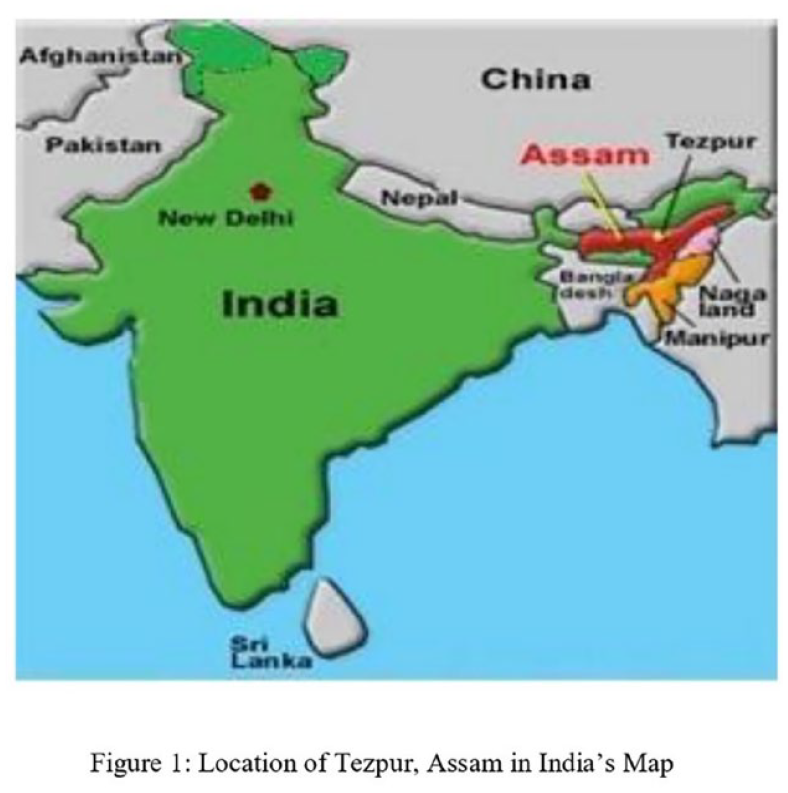
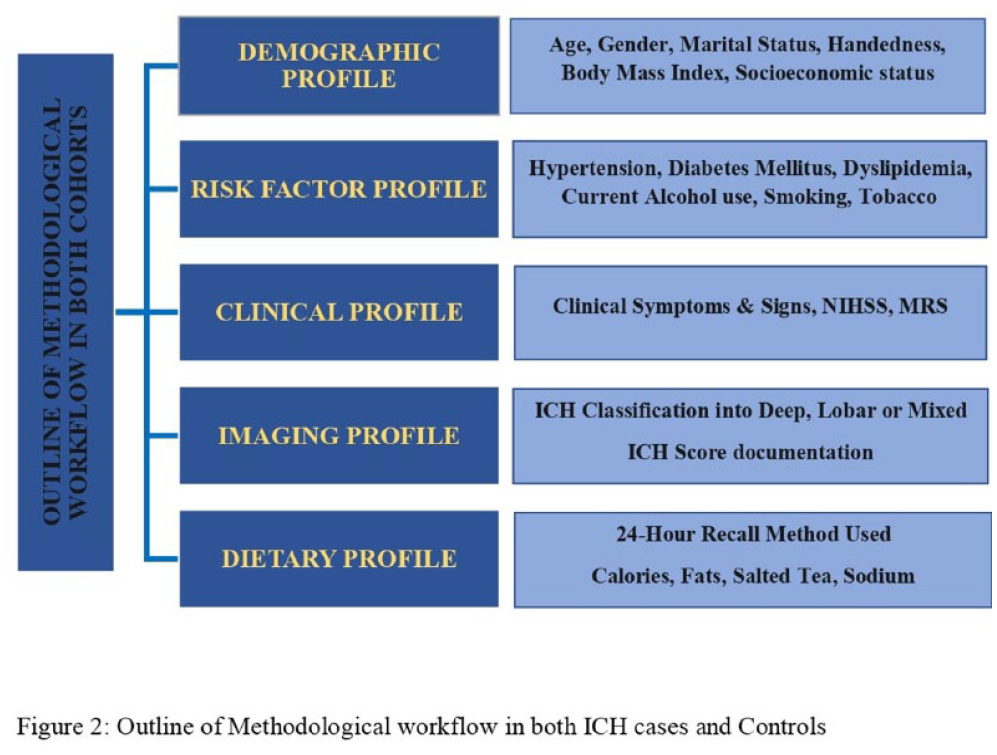
INTRACEREBRAL HAEMORRHAGE
2049
Predictors and effects of early and delayed intraventricular haemorrhage: data from the RIGHT-2 Trial and TICH-2 trial
1Queen’s Medical Centre, Nottingham University Hospitals NHS Trust, Stroke, Department of Acute Medicine, Nottingham, United Kingdom, 2University of Nottingham, Stroke Trials Unit, Division of Mental Health and Neuroscience, Nottingham, United Kingdom, 3National University of Malaysia, Neurology, Kuala Lumpur, Malaysia, 4University of Nottingham, Nottingham Biomedical Research Centre, Nottingham, United Kingdom, 5UK Dementia Research Centre, Centre for Clinical Brain Sciences, Edinburgh, United Kingdom
INTRACEREBRAL HAEMORRHAGE
2421
CONTRIBUTION OF DIRECT ORAL ANTICOAGULANTS TO THE INCIDENCE AND PROGNOSIS OF INTRACEREBRAL HEMORRHAGE: POPULATION-BASED DATA
1 Department of Biotechnological and Applied Clinical Sciences, University of L’Aquila- 67100-, L’Aquila, Italy
INTRACEREBRAL HAEMORRHAGE
2505
Beneficial effects of melatonin administration on post-stoke delirium in patients with intracerebral hemorrhage
1Universitätsklinikum Tübingen, Department of Neurology and Stroke, Tübingen, Germany, 2University Hospital of Larissa, Department of Neurology, Larissa, Greece
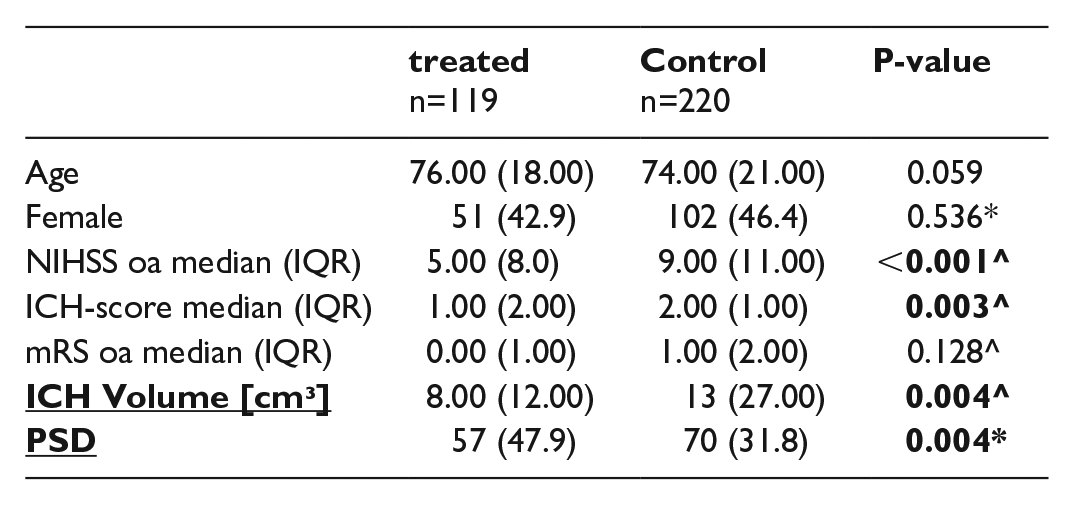
INTRACEREBRAL HAEMORRHAGE
2528
LONG-TERM CASE-FATALITY AND RECURRENCE RATE OF VASCULAR EVENTS IN PATIENTS WITH SPONTANEOUS CEREBELLAR INTRACEREBRAL HAEMORRHAGE: DATA FROM AN INTERNATIONAL COLLABORATION
1Utrecht, Department of Neurology and Neurosurgery, Brain Center Rudolf Magnus, University Medical Center Utrecht, Utrecht, Netherlands, 2Boston, JPK Stroke Center, Massachusetts General Hospital Stroke Research Center, Harvard Medical School, Boston, United States, 3Boston, Henry and Allison McCance Center for Brain Health, Massachusetts General Hospital, Boston, United States, 4Cambridge, Broad Institute, Cambridge, United States, 5Lille, University Lille, Inserm, CHU, U1171 ‘Degenerative and vascular cognitive disorders’, Lille, France, 6Tours, Neurology Department, University Hospital of Tours, INSERM U1253 iBrain, Tours, France, 7Zwolle, Department of Neurology, Isala hospital, Zwolle, Netherlands, 8Edinburgh, Centre for Clinical Brain Sciences, The University of Edinburgh, Edinburgh, United Kingdom, 9Nijmegen, Department of Neurology, Donders Institute for Brain Cognition & Behavior, Center for Neuroscience, Radboud University Medical Center, Nijmegen, Netherlands, 10Maastricht, Department of Neurology and Cardiovascular Research Institute Maastricht (CARIM), Maastricht University Medical Center, Maastricht, Netherlands, 11Heerlen, Department of Neurology, Zuyderland Medical Center, Heerlen, Netherlands, 12Boston, Center for Genomic Medicine, Massachusetts General Hospital Stroke Research Center, Harvard Medical School, Boston, United States, 13Boston, Department of Neurology, Brigham and Women’s Hospital, Boston, United States, 14Leiden, Department of Neurology, LUMC, Leiden, Netherlands, 15Oxford, Centre for Prevention of Stroke and Dementia, Nuffield Department of Clinical Neurosciences, John Radcliffe Hospital, University of Oxford, Oxford, United Kingdom, 16Boston, Division of Neurocritical Care and Emergency Neurology, Massachusetts General Hospital, Harvard Medical School, Boston, United States, 17Tilburg, Department of Neurosurgery, Elisabeth-TweeSteden Hospital, Tilburg, Netherlands
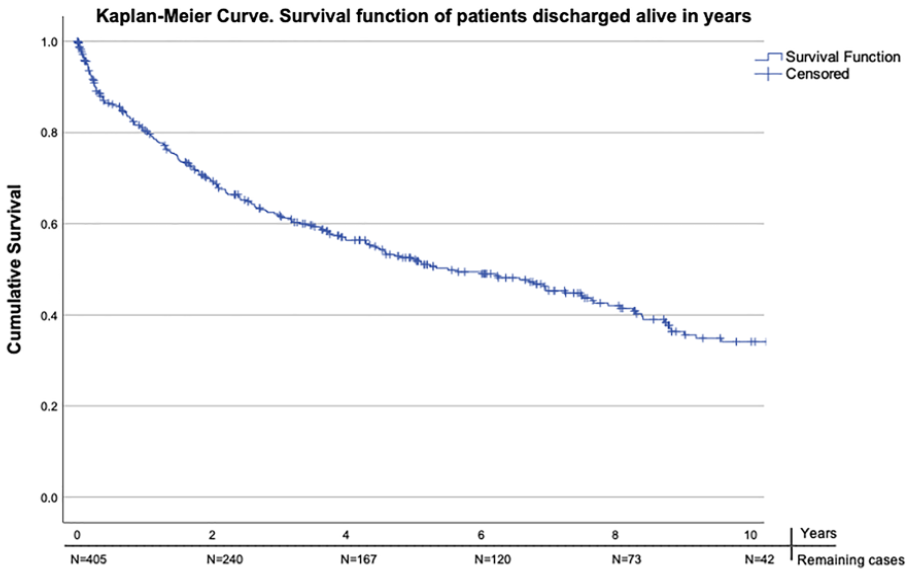
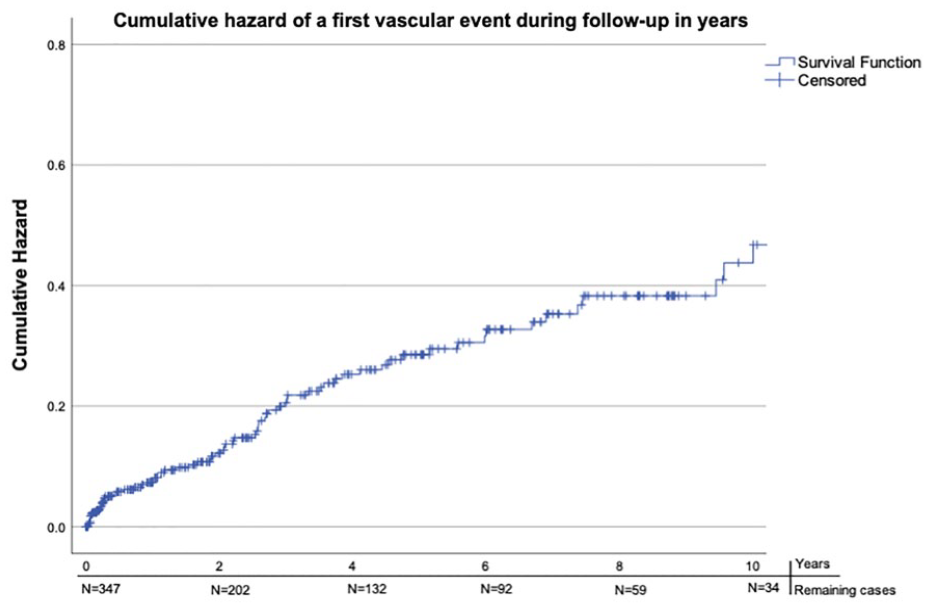
INTRACEREBRAL HAEMORRHAGE
34
MACE, RECURRENT ICH, ISCHAEMIC STROKE AND MYOCARDIAL INFARCTION AFTER INTRACEREBRAL HAEMORRHAGE BY HAEMATOMA LOCATION
1University of Southern Denmark, Research Unit for Neurology, Odense C, Denmark, 2University of Southern Denmark, Department of Radiology, Odense University Hospital, Odense C, Denmark, 3Odense University Hospital, Open Patient Data Explorative Network (OPEN), Odense C, Denmark, 4University of Southern Denmark, Department of Clinical Research, Odense C, Denmark, 5University of Southern Denmark, Department of Clinical Pharmacology, Pharmacy and Environmental Medicine, Odense C, Denmark, 6Centro Español Investigación Farmacoepidemiológica, Centro Español Investigación Farmacoepidemiológica, Madrid, Spain, 7Harvard Medical School, Beth Israel Deaconess Medical Center, Boston, United States, 8University of Kentucky, Department of Neurology and Kentucky Neuroscience Institute, Lexington, United States, 9University of Edinburgh, Centre for Clinical Brain Sciences, Edinburgh, United Kingdom
Disclosure of interest: Yes
INTRACEREBRAL HAEMORRHAGE
2380
Prevalence of adjacently located, recurrent intracerebral haemorrhage and time to recurrence in patients with intracerebral haemorrhage related to small vessel disease
1Inselspital Bern University Hospital, Department of Neurology, Bern, Switzerland, 2Inselspital, Bern University Hospital, University Institute of Diagnostic and Interventional Neuroradiology, Bern, Switzerland, 3Inselspital Bern University Hospital, Department of Neurosurgery, Bern, Switzerland, 4University Hospital Basel, Department of Neurology, Basel, Switzerland
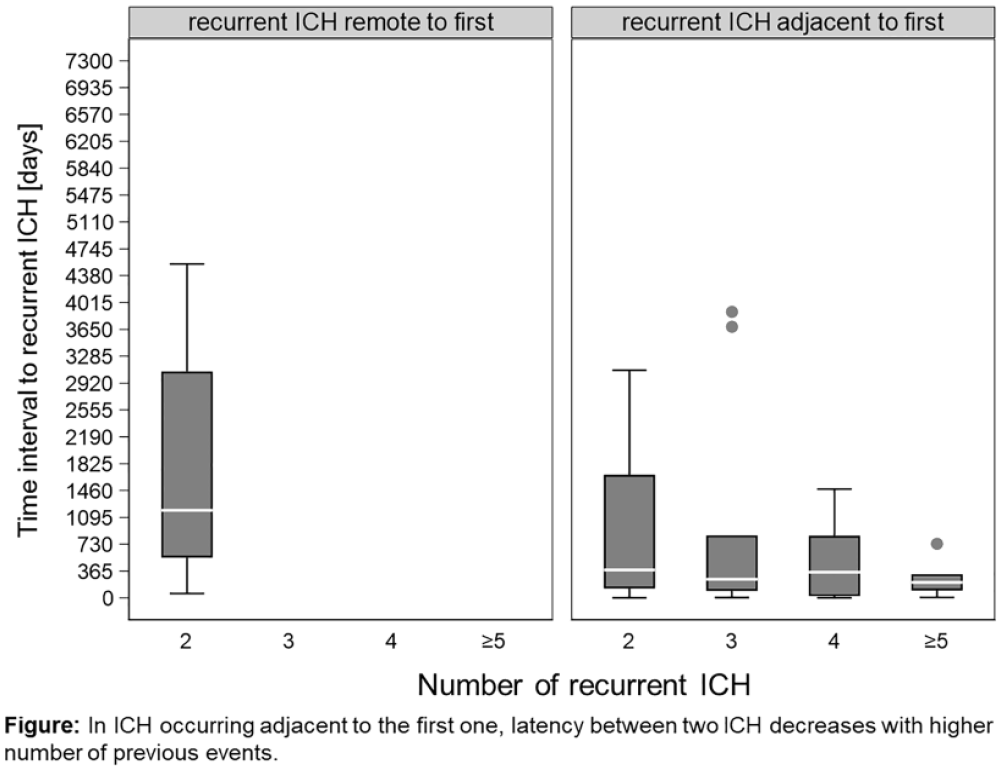
Disclosure of interest: Yes
INTRACEREBRAL HAEMORRHAGE
91
STATIN USE AND LOCATION-SPECIFIC RISK OF INTRACEREBRAL HAEMORRHAGE: A NESTED CASE-CONTROL STUDY
1University of Southern Denmark, Department of Neurology, Odense University Hospital, Odense, Denmark, 2Odense University Hospital, Department of Radiology, Odense, Denmark, 3University of Southern Denmark, Department of Neurology Odense University Hospital, Odense, Denmark, 4Odense University Hospital, Open Patient Data Explorative Network (OPEN), Odense, Denmark, 5University of Southern Denmark, Department of Clinical Research, Odense, Denmark, 6University of Southern Denmark, Department of Clinical Pharmacology, Pharmacy and Environmental Medicine, Odense, Denmark, 7Centro Espanõl Investigación Farmacoepidemiológica, Centro Espanõl Investigación Farmacoepidemiológica, Madrid, Spain, 8University of Edinburgh, Centre for Clinical Brain Sciences, Edinburgh, United Kingdom, 9University of Kentucky, Department of Neurology and Kentucky Neuroscience Institute, Lexington, United States
Disclosure of interest: Yes
INTRACEREBRAL HAEMORRHAGE
393
Secondary Stroke Prevention after Nontraumatic Intracerebral Hemorrhage in the US National Get With The Guidelines-Stroke Quality Improvement Registry
1Weill Cornell Medicine, Neurology, New York, United States, 2Duke University, Neurology, Durham, United States, 3Johns Hopkins University, Neurology, Baltimore, United States, 4Massachusetts General Hospital, Neurology, Boston, United States, 5University of California Los Angeles, Cardiology, Los Angeles, United States, 6University of Calgary, Neurology, Edmonton, Canada, 7Mount Sinai, Cardiology, New York, United States, 8Yale University School of Medicine, Neurology, New Haven, United States
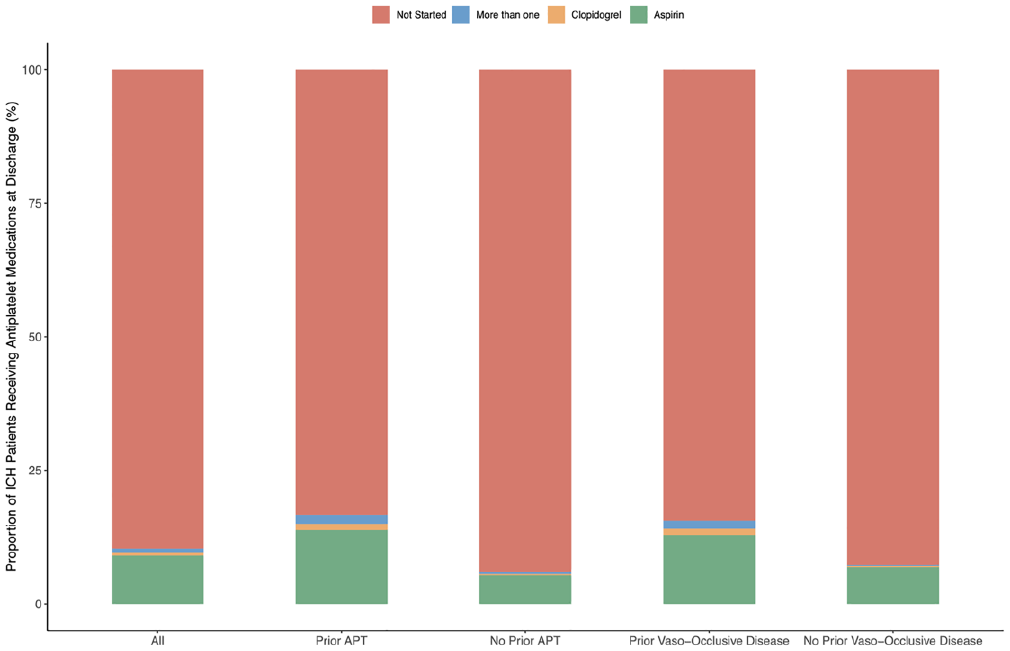
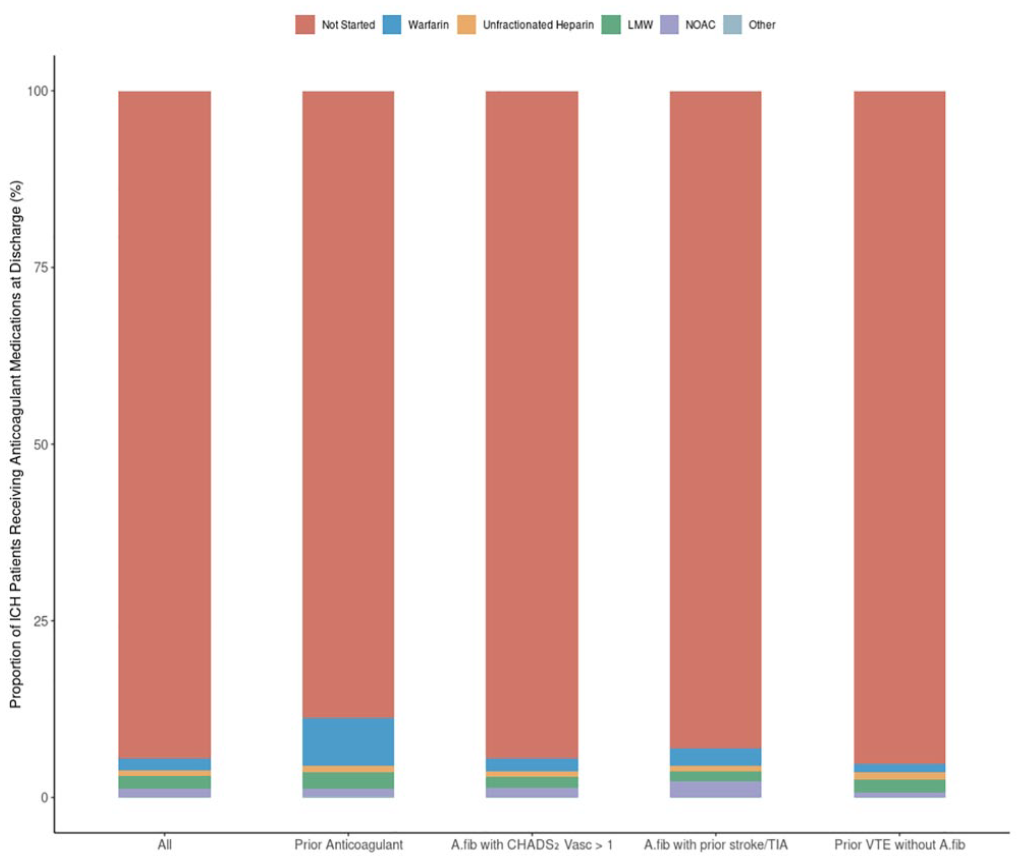
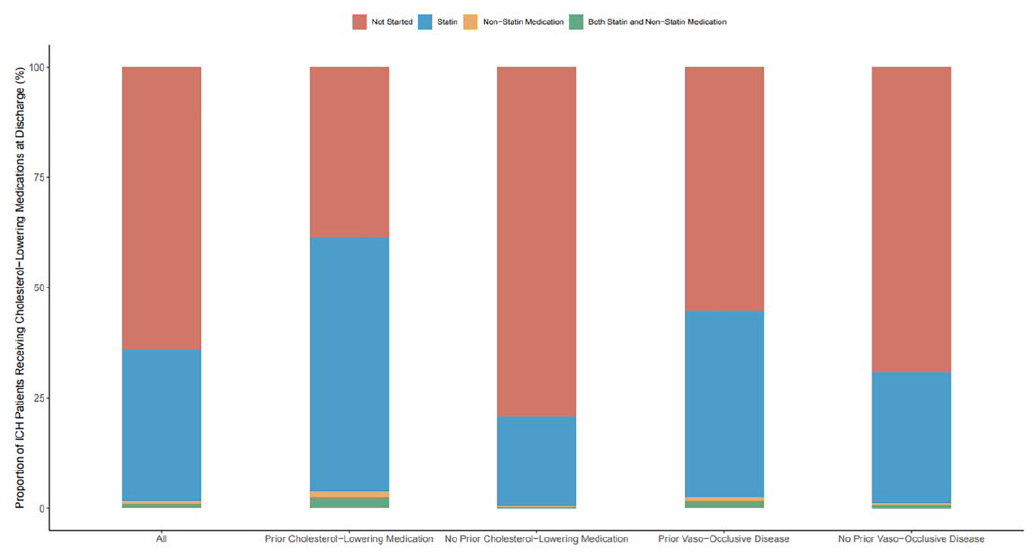
Disclosure of interest: Yes
INTRACEREBRAL HAEMORRHAGE
1345
LOBAR INTRACEREBRAL HEMORRHAGE: CLINICAL AND RADIOLOGIC CHARACTERISTICS
1Skåne University Hospital, Department of Neurology, Lund, Sweden, 2Lund University, Department of Clinical Sciences Lund, Neurology, Lund, Sweden, 3Skåne University Hospital, Department of Neurology, Malmö, Sweden, 4Lund University, Department of Clinical Sciences Malmö, Neurology, Lund, Sweden, 5Skåne University Hospital, Department of Medical Imaging and Physiology, Lund, Sweden, 6Lund University, Department of Clinical Sciences Lund, Radiology, Lund, Sweden, 7University of Gothenburg, Institute of Biomedicine, Department of Laboratory Medicine, the Sahlgrenska Academy, Gothenburg, Sweden, 8Sahlgrenska University Hospital, Department of Clinical Genetics and Genomics, Gothenburg, Sweden
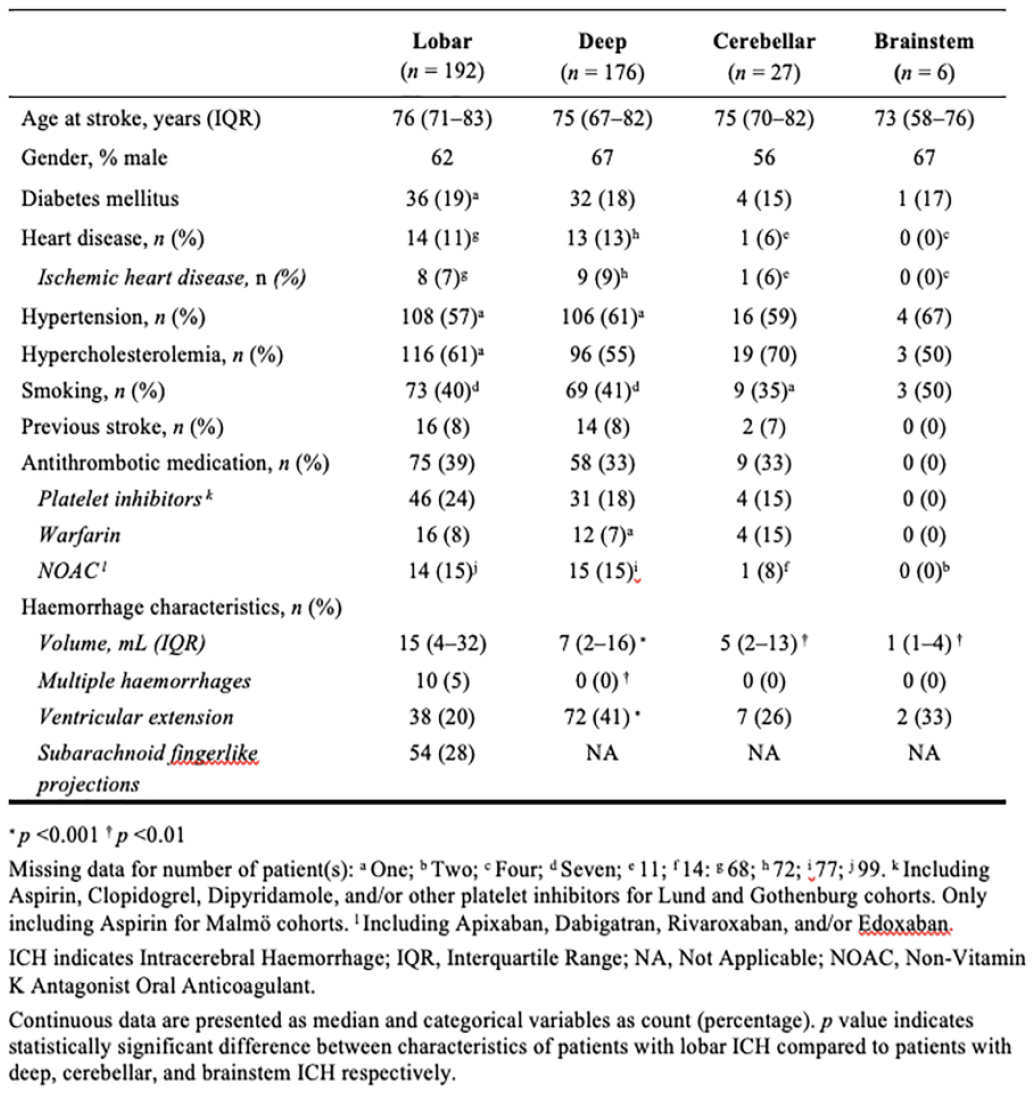
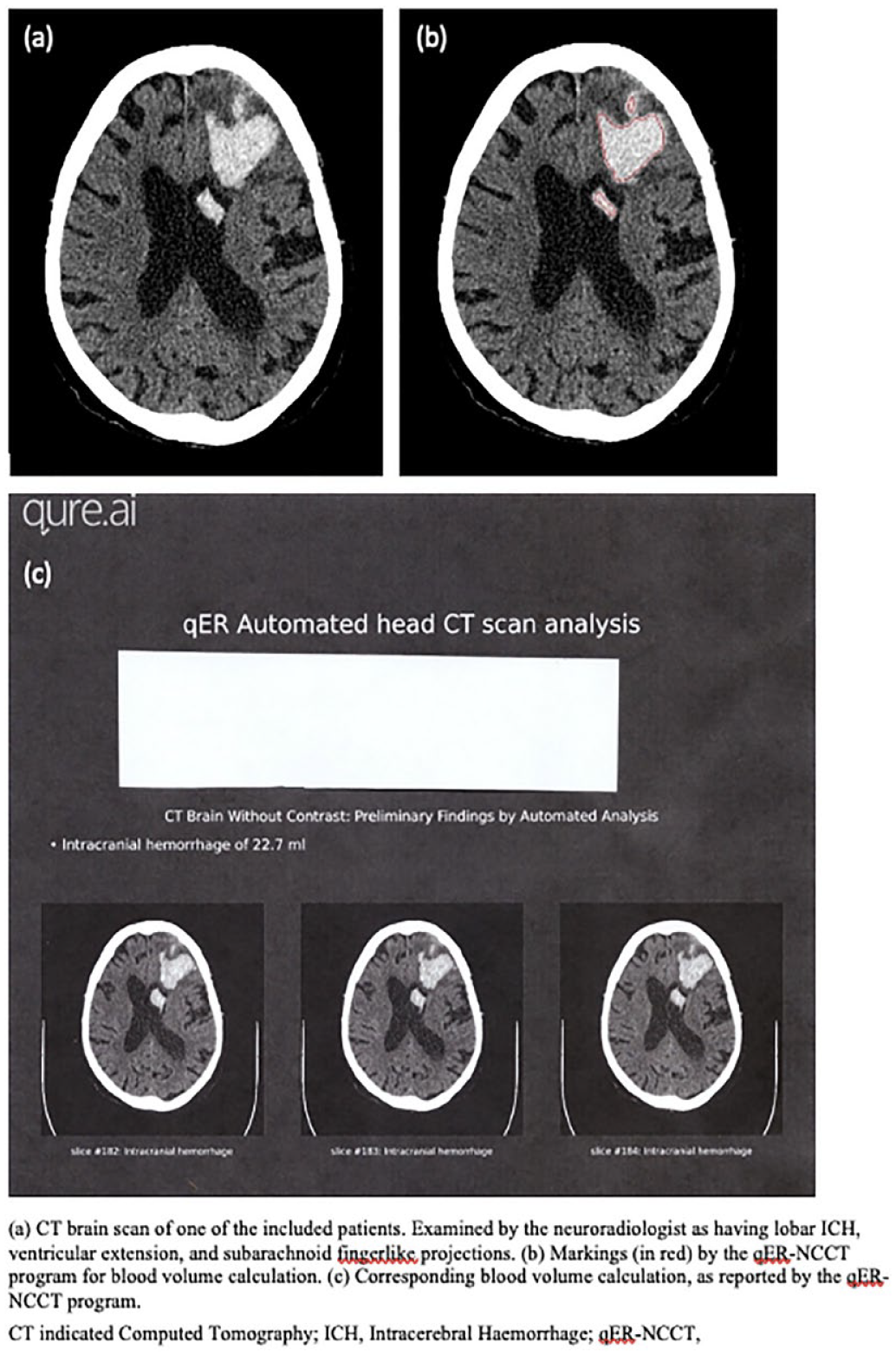
Disclosure of interest: Yes
INTRACEREBRAL HAEMORRHAGE
1054
PREDICTION OF INTRACEREBRAL HEMORRHAGE GROWTH BY CT-PERFUSION: A PROSPECTIVE STUDY
1Hospital Dr Josep Trueta, Neurology, Girona, Spain, 2Hospital Dr Josep Trueta; IDIBGI, Neurology, Girona, Spain, 3IDIBGI, Neurology, Girona, Spain, 4IDI, Radiology, Girona, Spain, 5VICOROB, Dept. of Computer Architecture and Technology, Girona, Spain
Disclosure of interest: Yes
INTRACEREBRAL HAEMORRHAGE
1391
COMORBIDITY IN ORAL ANTICOAGULANT-RELATED INTRACEREBRAL HEMORRHAGE
1Bispebjerg and Frederiksberg Hospital, Department of Neurology, Copenhagen, Denmark, 2University of Copenhagen, Department of Clinical Medicine, Copenhagen, Denmark, 3Odense University Hospital and University of Southern Denmark, Research Unit for Neurology, Odense, Denmark, 4Klinikum Frankfurt Höchst, Department of Neurology, Frankfurt, Germany, 5Heidelberg University Hospital, Department of Neurology, Heidelberg, Germany
INTRACEREBRAL HAEMORRHAGE
1883
Do-not-attempt resuscitation decision associated with increased death and dependency in intracerebral haemorrhage: data from the TICH-2 trial
1UKM Medical Centre, National University of Malaysia, Neurology Unit, Department of Medicine, Kuala Lumpur, Malaysia, 2Queens Medical Centre, Nottingham University Hospitals NHS Trust, Stroke, Department of Medicine, Nottingham, United Kingdom, 3University of Nottingham, Stroke Trials Unit, Division of Mental Health and Neuroscience, Nottingham, United Kingdom
SAH, ANEURYSMS AND VASCULAR MALFORMATIONS
363
External Validation and Update of The Arise Prediction Models for Aneurysmal Rerupture after Aneurysmal Subarachnoid Hemorrhage
1Heinrich Heine University Medical Faculty Düsseldorf, Department of Neurosurgery, Düsseldorf, Germany, 2Erasmus MC University Medical Center Rotterdam, Department of Neurology, Rotterdam, Netherlands, 3Erasmus MC University Medical Center Rotterdam, Department of Public Health, Rotterdam, Netherlands, 4Salford Royal Hospital Manchester Center for Clinical Neuroscience, Department of Neurosurgery, Manchester, United Kingdom, 5University Hospital Zurich, Department of Neurosurgery and Clinical Neuroscience Center, Zurich, Switzerland, 6Oslo University Hospital, Department of Neurosurgery, Oslo, Norway, 7Radboudumc Medical Center, Department of Neurosurgery, Nijmegen, Netherlands, 8GZA Hospital, Department of Neurosurgery, Antwerpen, Belgium
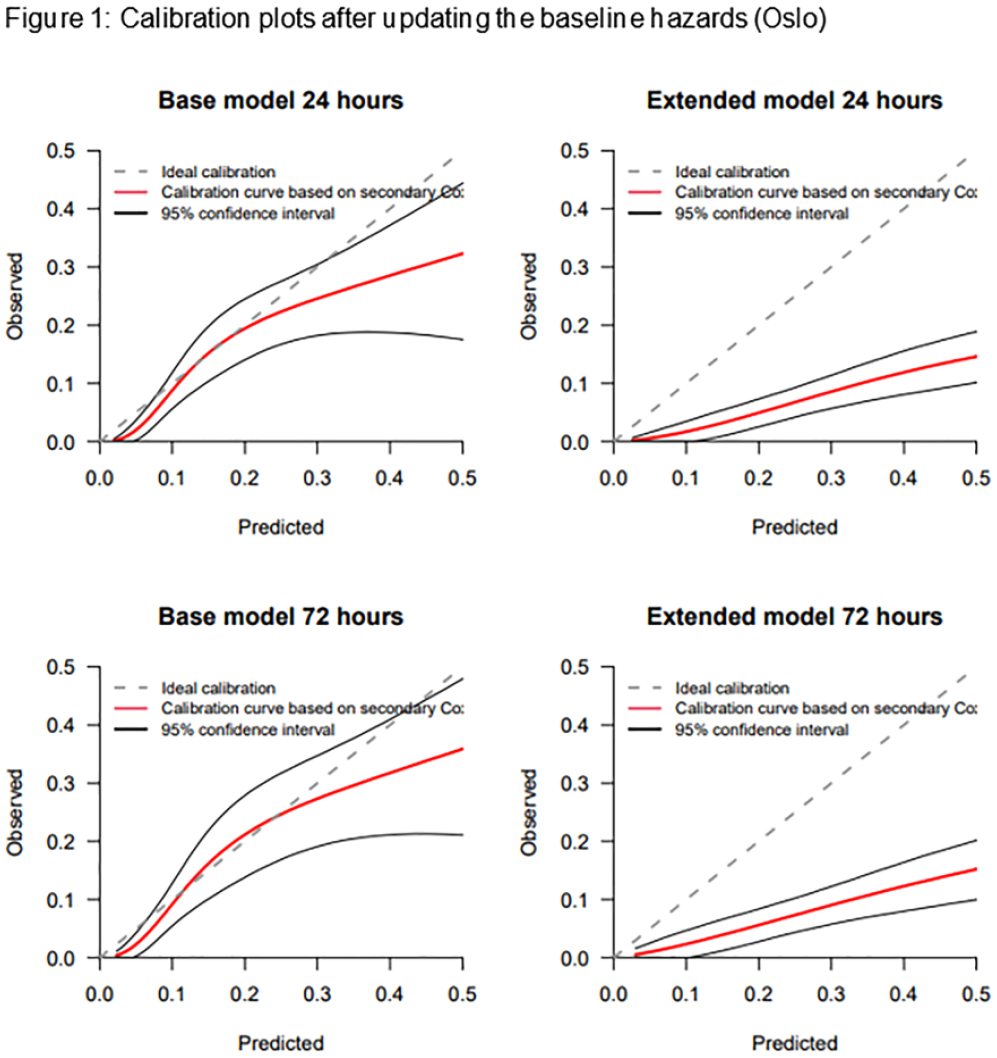
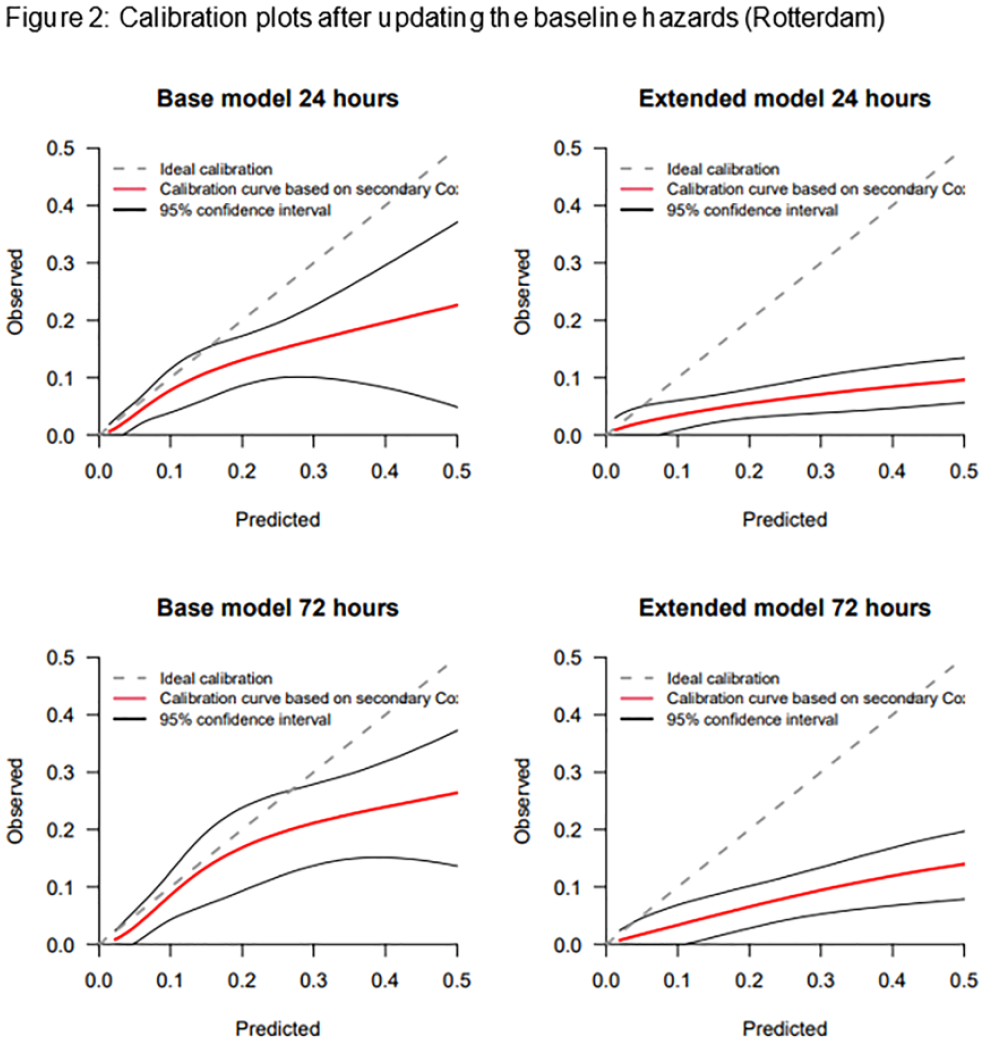
SAH, ANEURYSMS AND VASCULAR MALFORMATIONS
1363
How should an external ventricular drain (EVD) be challenged? A single centre experience AND meta-analysis
1University of Manchester, School of medical sciences, Manchester, United Kingdom, 2Salford Royal Hospital, Manchester centre for clinical Neurosciences, Manchester, United Kingdom, 3University of Manchester, Centre of Biostatistics, Manchester, United Kingdom
SAH, ANEURYSMS AND VASCULAR MALFORMATIONS
1379
Clinical prediction models for aneurysmal subarachnoid haemorrhage: a systematic review update
1University of Manchester, School of Medical sciences, Manchester, United Kingdom, 2Salford Royal NHS trust, Manchester centre for clinical Neurosciences, Manchester, United Kingdom, 3University of Manchester, Centre for Biostatistics, Manchester, United Kingdom
SAH, ANEURYSMS AND VASCULAR MALFORMATIONS
2006
Younger biological age is associated with arterial vasospasm in aneurysmal Subarachnoid Hemorrhage
1Institut Hospital del Mar d’Investigacion Mèdiques (IMIM), Neurovascular Research Group, Barcelona, Spain, 2Hospìtal del Mar, Neurosurgery department, Barcelona, Spain, 3Hospital General de Cataluña, Interventional Neuroradiology, Sant Cugat del Vallès, Spain, 4Hospital del Mar, Intensive Care Unit, Barcelona, Spain, 5Josep Carreras Leukaemia Research Institute (IJC), Barcelona, Spain
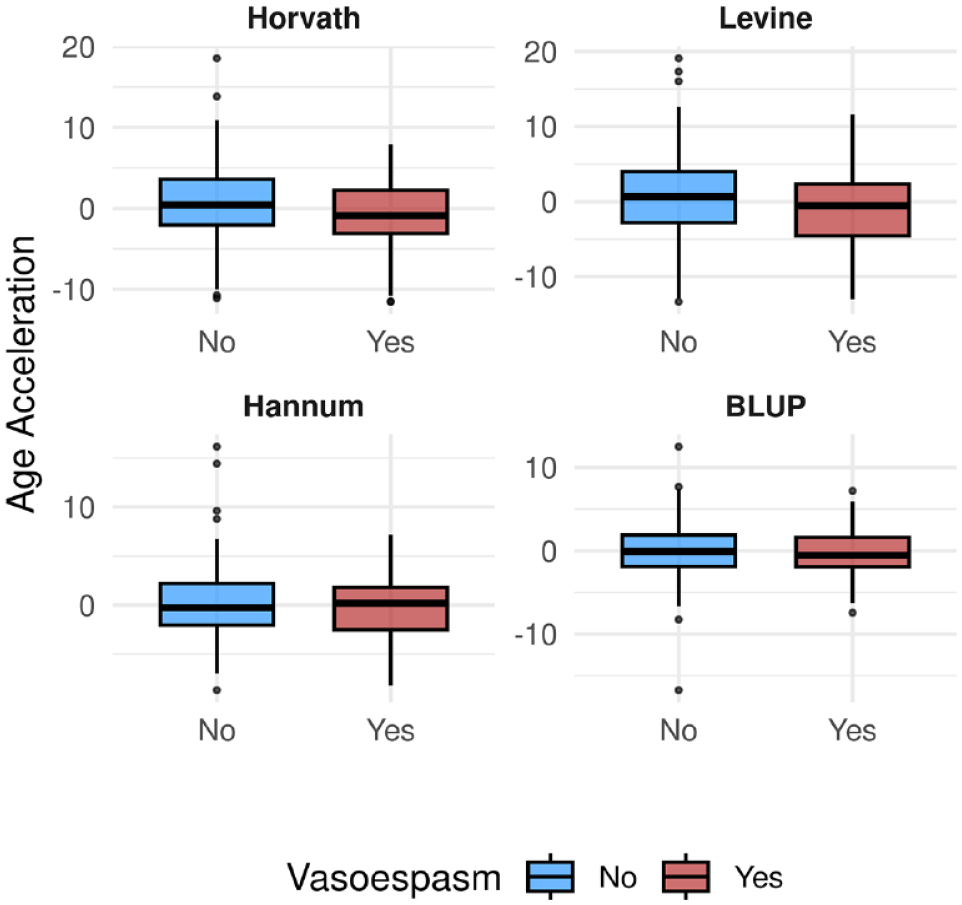
SAH, ANEURYSMS AND VASCULAR MALFORMATIONS
2076
HIGH SERUM LEVEL OF INTERLEUKIN 8 DURING THE EARLY BRAIN INJURY PERIOD IS ASSOCIATED WITH POOR OUTCOME AFTER SPONTANEOUS SUBARACHNOID HEMORRHAGE
1Institute of Neuroscience, Neurology Department, Barcelona, Spain, 2Institute of Neuroscience, Neurosurgery Department, Barcelona, Spain, 3August Pi i Sunyer Biomedical Research Institute (IDIBAPS), Magnetic Resonance Core Facility, Barcelona, Spain, 4Institute of Diagnostic Imaging, Interventional Neurorradiology Department, Barcelona, Spain, 5August Pi i Sunyer Biomedical Research Institute (IDIBAPS), Neuroscience Department, Barcelona, Spain, 6Anesthesiology Department, Neuroanesthesia Division, Barcelona, Spain, 7Anesthesiology Department, Neurocritical Care Division, Barcelona, Spain
SAH, ANEURYSMS AND VASCULAR MALFORMATIONS
2089
Complications and Intensive Care Unit Length of Stay in Patients with Aneurysmal Subarachnoid Hemorrhage patients: a multiethnic cohort
1 Escola Paulista de Medicina, Neurology and Neurosurgery, São Paulo, Brazil
SAH, ANEURYSMS AND VASCULAR MALFORMATIONS
2365
SCANXIETY IN PATIENTS WITH UNRUPTURED INTRACRANIAL ANEURYSMS UNDERGOING SURVEILLANCE IMAGING: A PROSPECTIVE COHORT STUDY
1University Medical Center Utrecht, Utrecht University, Department of Radiology, Utrecht, Netherlands, 2University Medical Center Utrecht, Utrecht University, Department of Neurology and Neurosurgery, UMC Utrecht Brain Center, Utrecht, Netherlands, 3University Medical Center Utrecht, Utrecht University, Department of Rehabilitation, Physical Therapy Science & Sports, Utrecht, Netherlands
SAH, ANEURYSMS AND VASCULAR MALFORMATIONS
2479
PERIVASCULAR MACROPHAGES MEDIATE MICROVASOSPASMS AFTER SUBARACHNOID HEMORRHAGE
1Munich University Hospital, Institute for Stroke and Dementia Research (ISD), Munich, Germany, 2Munich Cluster for Systems Neurology, (SyNergy), Munich, Germany, 3Klinikum rechts der Isar, Technical University Munich, Department of Diagnostic and Interventional Neuroradiology, Munich, Germany, 4Munich University Hospital, Department of Neurosurgery, Munich, Germany
SAH, ANEURYSMS AND VASCULAR MALFORMATIONS
404
A SHORT SWEDISH VERSION OF THE MONTREAL COGNITIVE ASSESSMENT
1Institute of Neuroscience and Physiology, The Sahlgrenska Academy., University of Gothenburg, Gothenburg, Sweden, 2Department of Medical Sciences, Neurology, Uppsala University, Uppsala, Sweden, 3Umeå University, Department of Statistics, USBE, Umeå, Sweden, 4Institute of Cardiovascular and Medical Sciences, University of Glasgow, Glasgow, United Kingdom
SAH, ANEURYSMS AND VASCULAR MALFORMATIONS
409
Impact of changes in exercise habit on incident dementia after ischemic stroke
1 Hallym University Sacred Heart Hospital, Department of Neurology, Anyang, South Korea
SAH, ANEURYSMS AND VASCULAR MALFORMATIONS
731
Depressive symptoms profiles and dementia risk after spontaneous intracerebral hemorrhage: a hierarchical clustering analysis study
1Univ. Lille, Inserm U1172, Lille Neuroscience&Cognition, CHU-Lille (Department of Neurology), Lille, France, 2CHU Lille, Department of Biostatistics, Lille, France, 3Nice Cote d’Azur University, UR2CA-URRIS, Stroke Unit, CHU Pasteur 2, Nice, France, 4Roger Salengro Hospital, CHU Lille, University of Lille, Department of Neuroradiology, Lille, France, 5University Hospital of Tours, Centre Val de Loire, INSERM U1253 iBrain, Diagnostic and Interventional Neuroradiology Department, Tours, France, 6CHU-Reims, Department of Neurology, Reims, France, 7Massachusetts General Hospital, Department of Neurology, Boston (MA), United States, 8University Hospital of Tours, Neurology Department, Tours, France
SAH, ANEURYSMS AND VASCULAR MALFORMATIONS
859
INTRAVENOUS THROMBOLYSIS FOR ACUTE ISCHEMIC STROKE IS ASSOCIATED WITH LOWER RISK OF POST-STROKE DEMENTIA: A NATIONWIDE REGISTER-BASED COHORT STUDY
1Aarhus University, Department of Clinical Medicine, Aarhus N, Denmark, 2Aarhus University Hospital, Department of Neurology, 8200 Aarhus N, Denmark, 3Aarhus University, Department of Public Health, Department of Epidemiology, Aarhus, Denmark, 4Aalborg University, Danish Center for Clinical Health Services Research, Aalborg, Denmark
SAH, ANEURYSMS AND VASCULAR MALFORMATIONS
1572
ANTI-NMDA-RECEPTOR ANTIBODIES ARE ASSOCIATED WITH MEMORY IMPAIRMENT 12 MONTHS AFTER STROKE
1Charité – Universitätsmedizin Berlin, corporate member of Freie Universität Berlin and Humboldt-Universität zu Berlin, Department of Neurology and Experimental Neurology, Berlin, Germany, 2German Center for Neurodegenerative Diseases (DZNE), Berlin, Berlin, Germany, 3Experimental and Clinical Research Center, a cooperation between the Max Delbrück Center for Molecular Medicine in the Helmholtz Association and Charité – Universitätsmedizin, corporate member of Freie Universität Berlin and Humboldt-Universität zu Berlin, Berlin, Berlin, Germany, 4Charité – Universitätsmedizin Berlin, corporate member of Freie Universität Berlin and Humboldt-Universität zu Berlin, NeuroCure Clinical Research Center, Berlin, Germany, 5German Center for Cardiovascular Disease (DZHK), partner site Berlin, Berlin, Germany, 6Charité – Universitätsmedizin Berlin, corporate member of Freie Universität Berlin and Humboldt-Universität zu Berlin, Institute of Biometry and Clinical Epidemiology, Berlin, Germany, 7Clinical Immunological Laboratory, Prof. Stöcker, Groß Grönau, Germany, 8University Hospital, LMU Munich, Institute for Stroke and Dementia Research (ISD), Munich, Germany, 9German Center for Neurodegenerative Diseases (DZNE), Munich, Munich, Germany, 10University Hospital, Otto-von-Guericke University Magdeburg, Department of Neurology, Magdeburg, Germany, 11German Center for Neurodegenerative Diseases (DZNE), Magdeburg, Magdeburg, Germany, 12Klinikum rechts der Isar, School of Medicine, Technical University of Munich, Department of Neurology, Berlin, Germany, 13University Medical Center Göttingen, Department of Neurology, Göttingen, Germany, 14German Center for Neurodegenerative Diseases (DZNE), Göttingen, Berlin, Germany, 15University Hospital Bonn, Division of Vascular Neurology, Department of Neurology, Bonn, Germany, 16German Center for Neurodegenerative Diseases (DZNE), Bonn, Bonn, Germany
SAH, ANEURYSMS AND VASCULAR MALFORMATIONS
1702
Cerebral Amyloid Angiopathy and Hypertensive Arteriopathy: cognitive profile comparison in small vessel disease
1University of Florence, NEUROFARBA department, Neuroscience section, Firenze, Italy, 2University of Florence, Department of Experimental and Clinical Biomedical Sciences, Firenze, Italy, 3Careggi University Hospital, Neuroradiology Unit, Firenze, Italy, 4Careggi University Hospital, Stroke Unit, Firenze, Italy
Compared to vMCI patients, CAA ones presented a worse performance at MoCA and at semantic fluency.
The amnestic MCI subtype was more frequent in CAA patients compared to vMCI ones (68% vs 46% respectively, p=.087), while there were no differences for cognitive profiles.
Univariate correlation analyses showed that CAA patients with multi-domain MCI performed worse at MoCA, immediate and delayed Rey Auditory Verbal Learning Test (RAVLT) and semantic fluency, while vMCI performed worse at Symbol Digit Modalities Test (SDMT) and phonemic fluency.
While vMCI patients have mainly an attentional/executive cognitive profile, CAA tend to have a more complex profile, with a reduced global cognitive efficiency and a deficit in semantic memory.
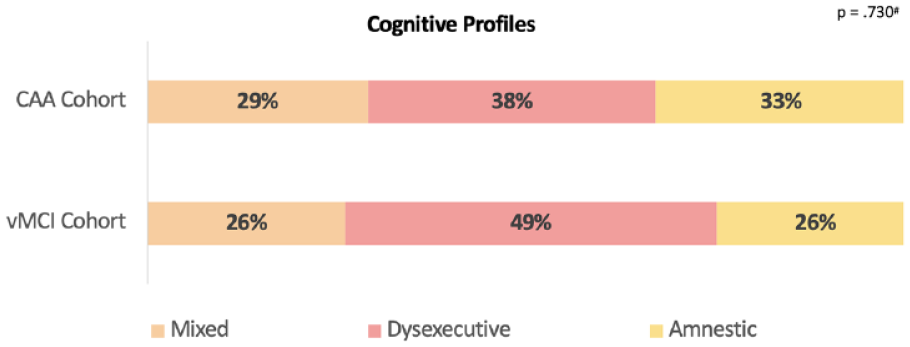
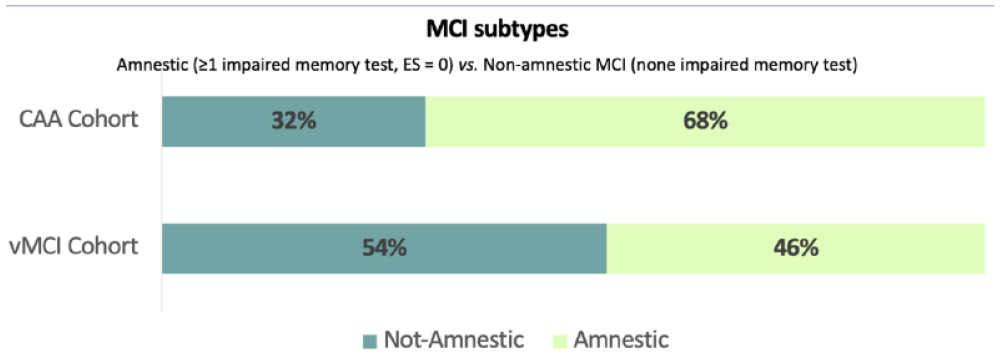
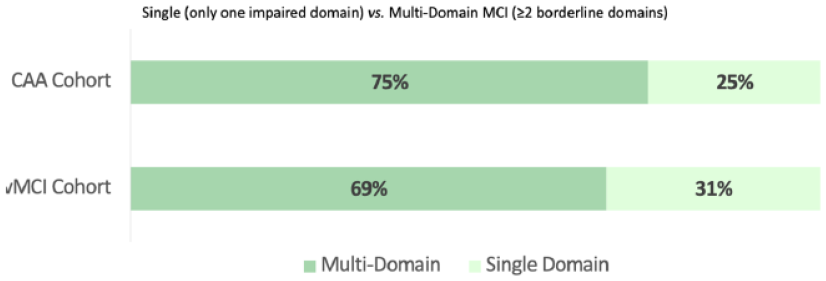
SAH, ANEURYSMS AND VASCULAR MALFORMATIONS
1762
AcT-Cog: Cognitive outcomes in the Alteplase compared to Tenecteplase (AcT) Trial
1Sunnybrook Health Sciences Center, Neurology, Toronto, Canada, 2University of Toronto, Institute of Medical Science, Toronto, Canada, 3University of Toronto, Institute of Health Policy, Management & Evaluation, Toronto, Canada, 4University of Toronto, Department of Psychology, Toronto, Canada, 5Sunnybrook Health Sciences Center, Hurvitz Brain Sciences Research Program, Toronto, Canada, 6University of Toronto, Department of psychiatry, and pharmacology and toxicology, Toronto, Canada, 7University of Calgary, Department of Clinical Neuroscience, Calgary, Canada, 8Heart and Stroke Foundation, Canadian Partnership for Stroke Recovery, Toronto, Canada, 9University of Toronto, Stroke Program, Toronto, Canada
SAH, ANEURYSMS AND VASCULAR MALFORMATIONS
2356
The Boston criteria V2.0 for cerebral amyloid angiopathy in a memory clinic
1AP-HP, Service des Urgences Cérébro-Vasculaires, Hôpital Pitié-Salpêtrière, Hôpital Saint-Antoine, Sorbonne Université, Department of Neurology, Paris, France, 2Assistance Publique-Hôpitaux de Paris (AP-HP), DMU Neurosciences, Centres des Maladies Cognitives et Comportementales, Department of Neurology, Paris, France, 3Centre of Excellence of Neurodegenerative Disease (CoEN), AP-HP, Pitié-Salpêtrière Hospital, Department of Neurology, Paris, France, 4Clinical Investigation Centre, Institut du Cerveau et de la Moelle épinière (ICM), Pitié-Salpêtrière Hospital, Department of Neurology, Paris, France, 5Sorbonne Université, INSERM U1127, CNRS 7225, Department of Neurology, Paris, France, 6Assistance Publique-Hôpitaux de Paris (AP-HP), DMU Neurosciences, Centres des Maladies Cognitives et Comportementales, Department of Neurology, Paris, France, 7STARE Team, iCRIN, Institut du Cerveau et de la Moelle épinière, ICM, Department of Neurology, Paris, France, 8CRSA, Sorbonne Université, INSERM, UMRS 938, Hôpital Saint-Antoine, Department of Neurology, Paris, France, 9INSERM U1171 - Degenerative and vascular cognitive disorders, University of Lille, Department of Neurology, Lille, France
SAH, ANEURYSMS AND VASCULAR MALFORMATIONS
2475
Structural white matter disconnections are associated with multidomain deficits in left-hemisphere stroke patients
1Medical Center - University of Freiburg, Faculty of Medicine, University of Freiburg, Department of Neurology and Clinical Neuroscience, Freiburg, Germany, 2Medical Center - University of Freiburg, Faculty of Medicine, University of Freiburg, Department of Medical Physics, Freiburg, Germany, 3Medical Center - University of Freiburg, Faculty of Medicine, University of Freiburg, Department of Neuroradiology, Freiburg, Germany, 4RWTH Aachen University, Medical Center, Department of Neurology, Aachen, Germany
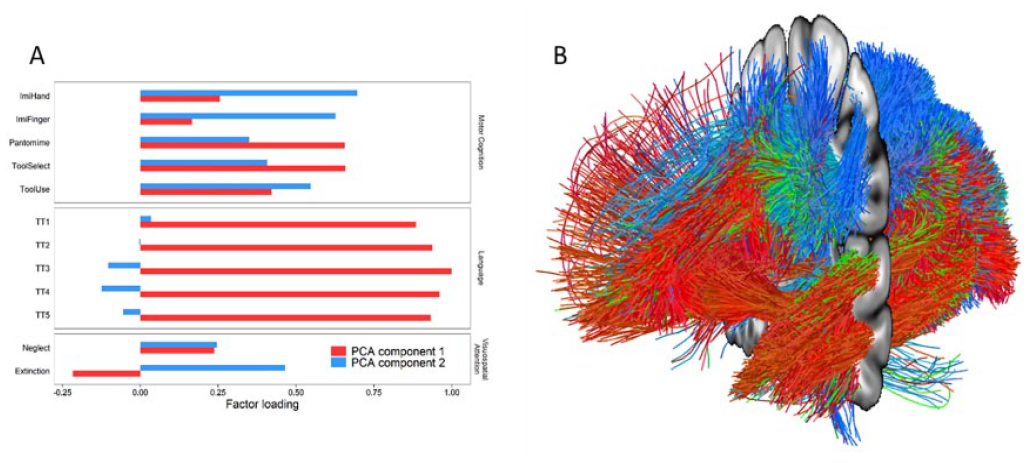
SAH, ANEURYSMS AND VASCULAR MALFORMATIONS
2596
ENLARGED PERIVASCULAR SPACES IMPEDE COGNITIVE PERFORMANCE, BUT NOT OVER AND ABOVE WHITE MATTER HYPERINTENSITIES
1German Centre for Neurodegenerative Diseases (DZNE), Magdeburg, Magdeburg, Germany, 2Institute of Cognitive Neurology and Dementia Research, Otto-von-Guericke University Magdeburg, Magdeburg, Germany, 3University Hospital Magdeburg, Department of Neurology, Magdeburg, Germany, 4German Centre for Neurodegenerative Diseases (DZNE), Berlin, Berlin, Germany, 5Charité – Universitätsmedizin Berlin, Department of Psychiatry and Neurosciences, Berlin, Germany, 6Charité, Department of Psychiatry and Psychotherapy, Berlin, Germany, 7Technical University of Munich, Department of Psychiatry and Psychotherapy, Munich, Germany, 8The University of Edinburgh, UK DRI Edinburgh, Edinburgh, United Kingdom, 9German Centre for Neurodegenerative Diseases (DZNE), Bonn, Bonn, Germany, 10University of Bonn Medical Center, Department of Neurodegenerative Disease and Geriatric Psychiatry/Psychiatry, Bonn, Germany, 11German Centre for Neurodegenerative Diseases (DZNE), Goettingen, Goettingen, Germany, 12University Medical Center Goettingen, Department of Psychiatry and Psychotherapy, Goettingen, Germany, 13University of Aveiro, Department of Medical Sciences, Aveiro, Portugal, 14German Centre for Neurodegenerative Diseases (DZNE), Munich, Munich, Germany, 15University Hospital, LMU Munich, Institute for Stroke and Dementia Research (ISD), Munich, Germany, 16University Hospital, LMU Munich, Department of Psychiatry and Psychotherapy, Munich, Germany, 17Munich Cluster for Systems Neurology (SyNergy), Munich, Munich, Germany, 18Imperial College London, Ageing Epidemiology Research Unit (AGE), School of Public Health, London, United Kingdom, 19German Centre for Neurodegenerative Diseases (DZNE), Rostock, Rostock, Germany, 20Rstock University Medical Center, Department of Psychosomatic Medicine, Rostock, Germany, 21German Centre for Neurodegenerative Diseases (DZNE), Tübingen, Tübingen, Germany, 22University of Tübingen, Section for Dementia Research, Hertie Institute for Clinical Brain Research and Department of Psychiatry and Psychotherapy, Tübingen, Germany, 23University of Bonn, Department of Neurology, Bonn, Germany, 24University of Luxembourg, Luxembourg Centre for Systems Biomedicine (LCSB), Belvaux, Luxembourg, 25University of Cologne, Excellence Cluster on Cellular Stress Responses in Aging-Associated Diseases (CECAD), Cologne, Germany, 26University of Cologne, Division of Neurogenetics and Molecular Psychiatry, Department of Psychiatry and Psychotherapy, Faculty of Medicine and University Hospital Cologne, Cologne, Germany, 27Glenn Biggs Institute for Alzheimer’s and Neurodegenerative Diseases, Department of Psychiatry, San Antonio, United States, 28University of Cologne, Department of Psychiatry, Cologne, Germany, 29University College London, Institute of Cognitive Neuroscience, London, United Kingdom
We studied regional ePVS in relation to cognitive performance using multiple linear regression, controlling for demographics, hypertension, pTau181, and image acquisition-related quality. We compared null models (covariates only) to models enriched by either ePVS, WMH, or their shared variance represented by three principal components (Fig.1) to determine their contributions to performance differences.
Additionally, CSO-ePVS were associated with worse language (B=-0.06, 95%-CI[-0.12;-0.01]) and PACC5 (B=-0.07, 95%-CI[-0.13;-0.00]) performance (Table 1). EPVS’ impact on other domains remained insignificant.
While CSO-ePVS related to cognitive performance differences (p<0.05), WMH contributed more substantially – even beyond shared variance of ePVS and WMH (memory: R²CSO-ePVS=0.321<R²Principal-Components=0.360<R²WMH=0.363; language: R²CSO-PVS=0.304<R²Principal-Components=0.351<R²WMH=0.354; PACC5: R²CSO-PVS=0.233<R²Principal-Components=0.272<R²WMH=0.275).
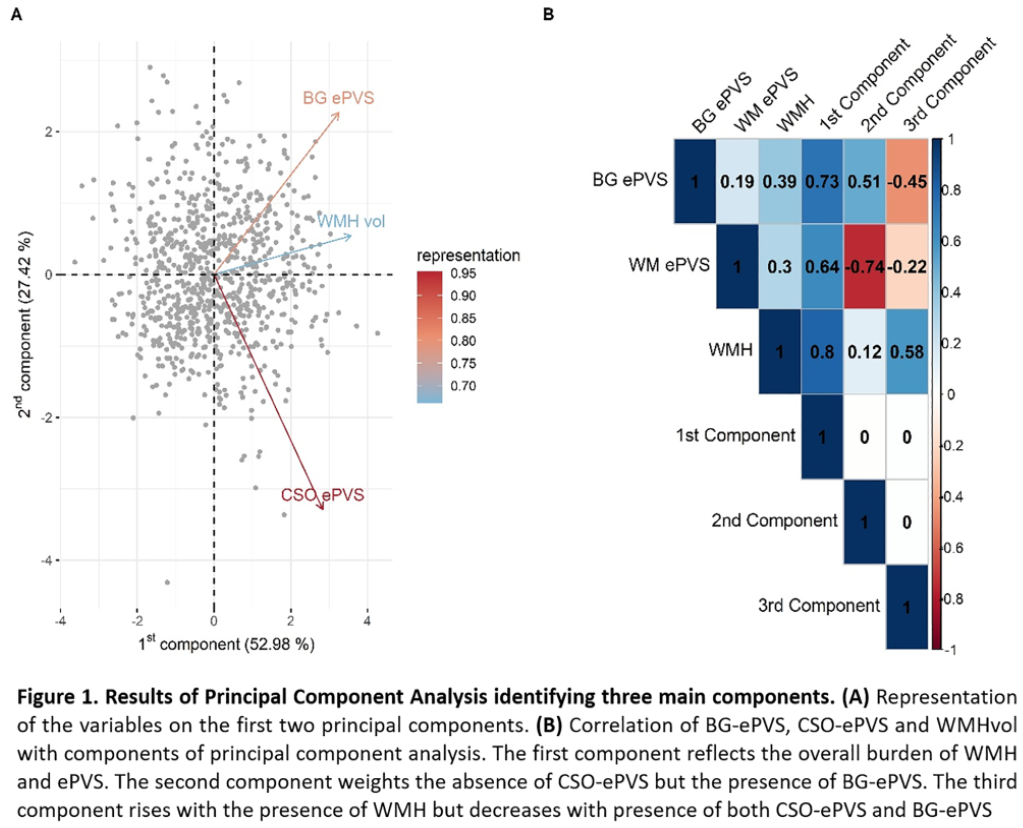
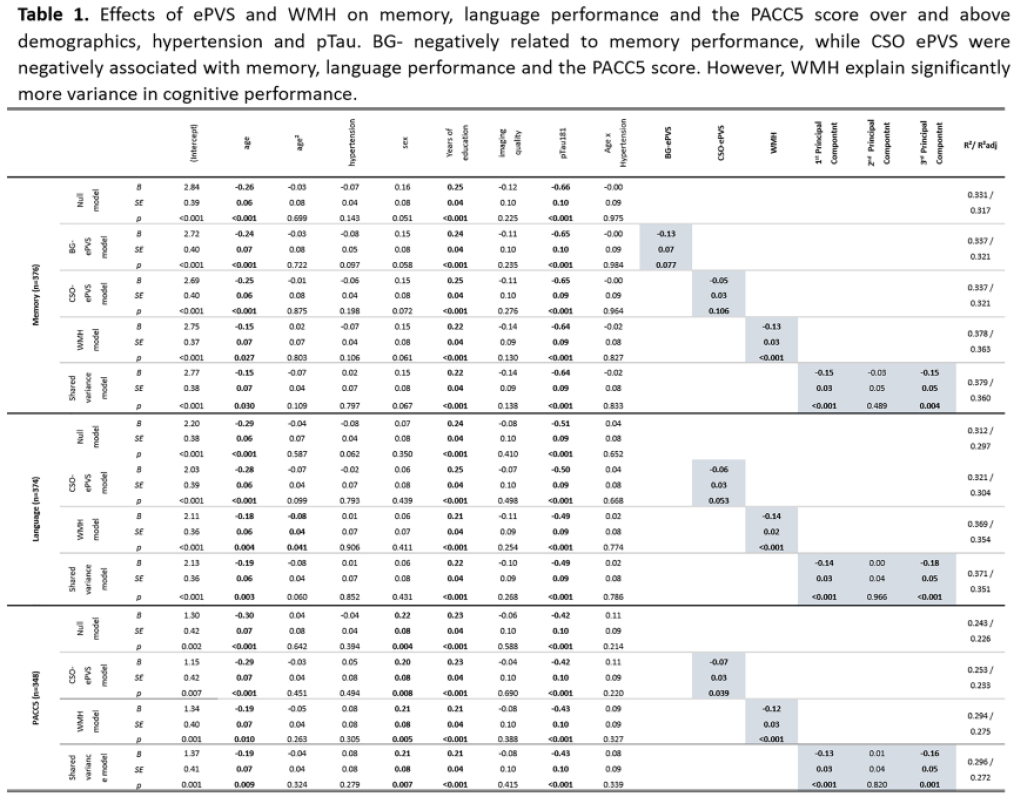
SAH, ANEURYSMS AND VASCULAR MALFORMATIONS
1284
BASELINE CEREBRAL BLOOD FLOW IS RELATED TO COGNITIVE DECLINE OVER 2 YEARS IN PATIENTS WITH VASCULAR COGNITIVE IMPAIRMENT
1Maastricht University Medical Center, Department of Neurology, Maastricht, Netherlands, 2Vrije Universiteit Amsterdam, Amsterdam UMC, Alzheimer Center Amsterdam, Department of Neurology, Amsterdam Neuroscience, Amsterdam, Netherlands, 3Erasmus MC - University Medical Center Rotterdam, Department of Radiology & Nuclear Medicine, Rotterdam, Netherlands, 4St. Antionius Ziekenhuis, Department of Neurology, Nieuwegein, Netherlands, 5University Medical Center Utrecht, Department of Neurology, Utrecht, Netherlands, 6Leiden University Medical Center, C.J. Gorter MRI Center, Department of Radiology, Leiden, Netherlands, 7Amsterdam University Medical Center, Department of Pathology, Amsterdam, Netherlands
SAH, ANEURYSMS AND VASCULAR MALFORMATIONS
1886
STROKE SEVERITY, COGNITION AND MOOD EARLY AFTER STROKE: THE RATES, RISKS AND ROUTES TO REDUCE VASCULAR DEMENTIA (R4VAD) STROKE STUDY; A PROSPECTIVE UK-WIDE OBSERVATIONAL STUDY
1University of Edinburgh, Centre for Clinical Brain Sciences, Edinburgh, United Kingdom, 2University of Nottingham, Division of Clinical Neuroscience, Nottingham, United Kingdom, 3University of Glasgow, Institute of Cardiovascular and Medical Sciences, Glasgow, United Kingdom, 4University of Leicester, Department of Cardiovascular Sciences, Leicester, United Kingdom, 5University of Cambridge, Department of Neurology, Cambridge, United Kingdom, 6University of Oxford, Department of General Practice, Oxford, United Kingdom, 7University of Oxford, Department of Psychiatry, Oxford, United Kingdom, 8University College London, Institute of Neurology, London, United Kingdom, 9University of Manchester, Division of Cardiovascular Sciences, Manchester, United Kingdom, 10Kings College London, School of Biomedical Engineering and Imaging Sciences, London, United Kingdom, 11Lancaster University, Department of Neurology, Lancaster, United Kingdom
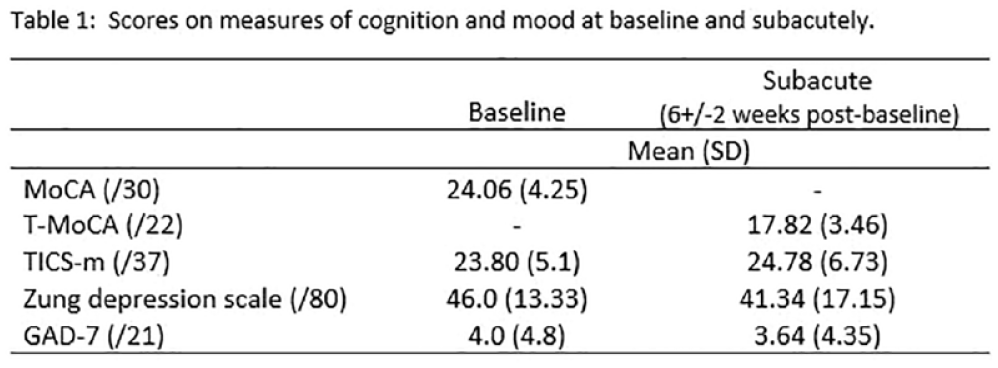
SAH, ANEURYSMS AND VASCULAR MALFORMATIONS
867
PREDICTORS AND PROGNOSTIC SIGNIFICANCE OF INCIDENT ISCHEMIC LESIONS WITHIN SIX MONTHS AFTER STROKE
1Institute for Stroke and Dementia Research (ISD), University Hospital, LMU Munich, Munich, Germany, 2Medical Image Analysis Center (MIAC AG) and Department of Biomedical Engineering, University of Basel, Basel, Switzerland, 3German Center for Neurodegenerative Diseases (DZNE), German Center for Neurodegenerative Diseases (DZNE), Bonn, Germany, 4Division of Vascular Neurology, Department of Neurology, University Hospital Bonn, Bonn, Germany, 5Department of Neurology, University Medical Center Göttingen, Göttingen, Germany, 6Department of Neurology with Experimental Neurology, Charité - Universitätsmedizin Berlin, Berlin, Germany, 7German Center for Neurodegenerative Diseases (DZNE), German Center for Neurodegenerative Diseases (DZNE), Berlin, Germany, 8Berlin Institute of Health (BIH), Berlin Institute of Health (BIH), Berlin, Germany, 9Center for Stroke Research Berlin (CSB), Charité - Universitätsmedizin Berlin, Berlin, Germany, 10Department of Neurology, Klinikum rechts der Isar, School of Medicine, Technical University of Munich, Munich, Germany, 11Neurology Department, Helios Klinikum München West, Munich, Germany, 12Department of Neurology, University Hospital, Otto-von-Guericke University, Magdeburg, Germany, 13German Center for Neurodegenerative Diseases (DZNE), German Center for Neurodegenerative Diseases (DZNE), Magdeburg, Germany, 14J. Philip Kistler Stroke Research Center, Massachusetts General Hospital/Harvard Medical School, Boston, United States, 15Department of Biomedical Magnetic Resonance, Institute for Physics, Otto-von-Guericke University, Magdeburg, Germany, 16Leibniz Institute for Neurobiology, Leibniz Institute for Neurobiology, Magdeburg, Germany, 17Center for Behavioral Brain Sciences, Center for Behavioral Brain Sciences, Magdeburg, Germany, 18German Center for Neurodegenerative Diseases (DZNE), German Center for Neurodegenerative Diseases (DZNE), Munich, Germany, 19German Centre for Cardiovascular Research (DZHK), partner site Berlin, German Centre for Cardiovascular Research (DZHK), partner site Berlin, Berlin, Germany, 20German Center for Neurodegenerative Diseases (DZNE), German Center for Neurodegenerative Diseases (DZNE), Göttingen, Germany
SAH, ANEURYSMS AND VASCULAR MALFORMATIONS
2587
Central Autonomic Network lesions and functional outcome at 90 days after acute ischemic stroke
1Centro Hospitalar Universitário São João, Department of Neurorradiology, Porto, Portugal, 2UnIC@RISE, Department of Clinical Neurosciences and Mental Health, Faculty of Medicine of the University of Porto, Porto, Portugal, 3Faculty of Medicine of the University of Porto, University of Porto, Porto, Portugal, 4Department of Neurology, Centro Hospitalar Universitário São João, Porto, Portugal, 5Faculty of Medicine of the University of Porto, Department of Clinical Neurosciences and Mental Health, Porto, Portugal, 6Centro Hospitalar Universitário São João, Stroke Unit and Department of Neurology, Porto, Portugal
SMALL VESSEL DISEASE
130
Cerebrospinal fluid clearance dysfunction in Hemorrhagic Small Vessel Disease
1National Taiwan University Hospital Bei-Hu Branch, Neurology, Taipei, Taiwan, 2National Taiwan University Hospital, Neurology, Taipei, Taiwan, 3National Taiwan University Hospital, Nuclear Medicine, Taipei, Taiwan, 4National Taiwan University Hospital, Medical Imaging, Taipei, Taiwan
SMALL VESSEL DISEASE
245
The association of retinal microvasculature with gray matter changes and structural covariance network: a voxel-based morphometry study
1 West China Hospital, Sichuan University, Neurology, Chengdu, China
SMALL VESSEL DISEASE
434
Distinct roles of cerebral pulsatility in various imaging markers of cerebral small vessel disease: a longitudinal community-based study
1 Huashan Hospital, Department of Neurology, Shanghai, China
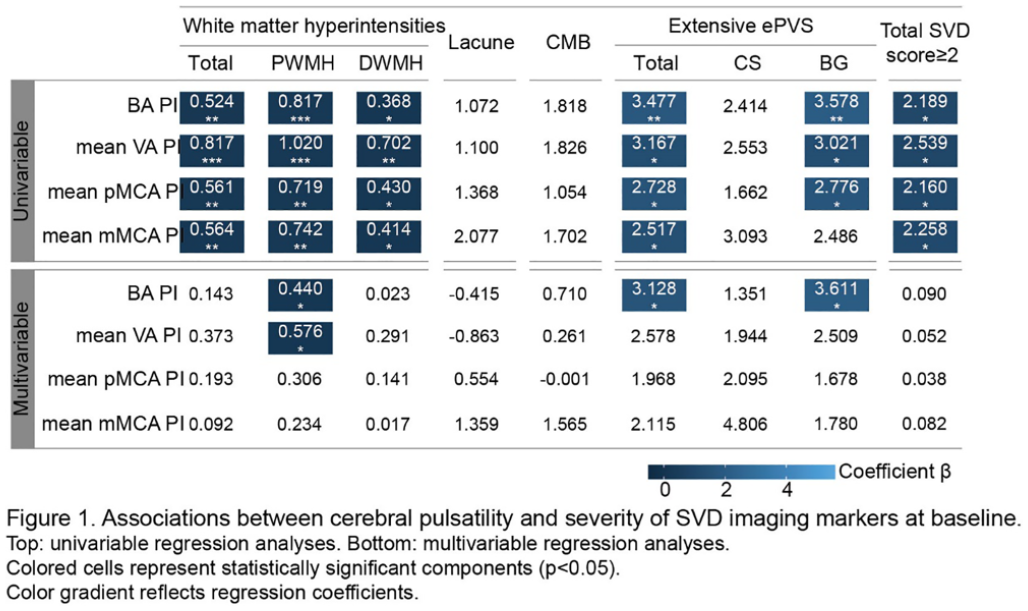
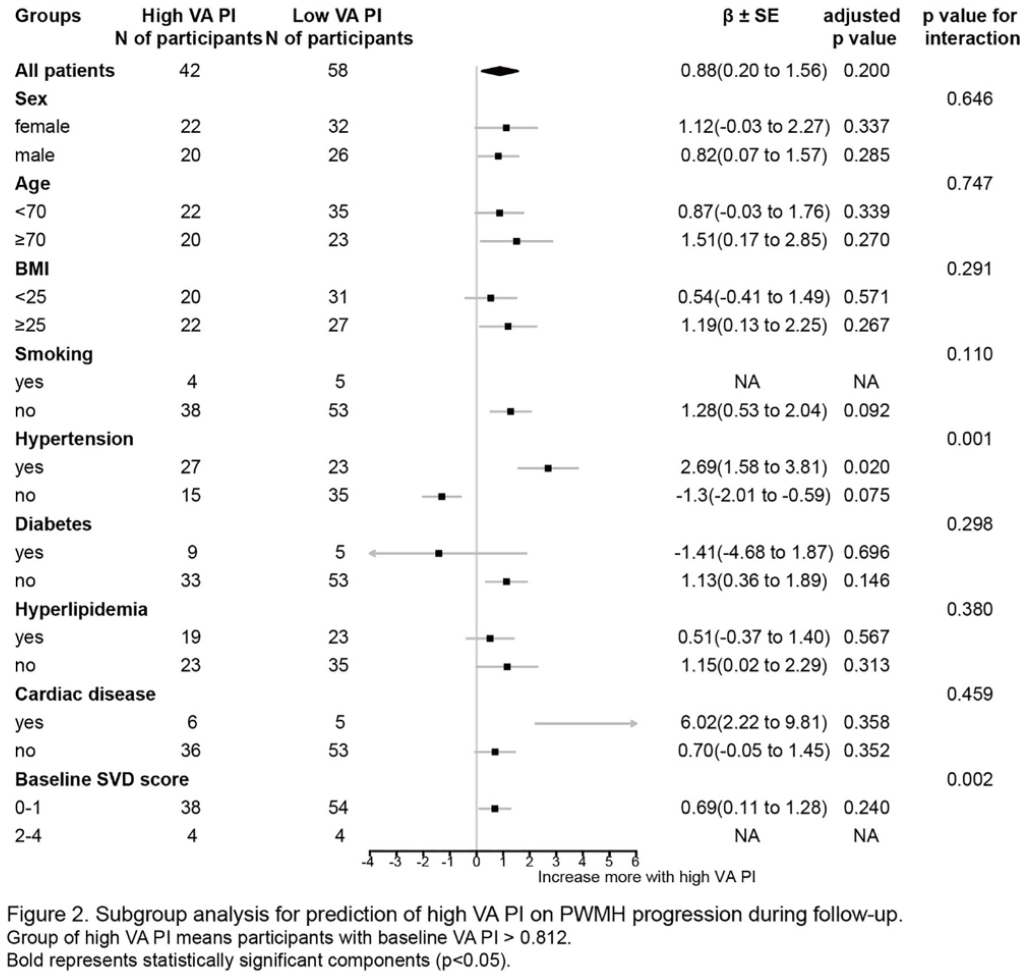
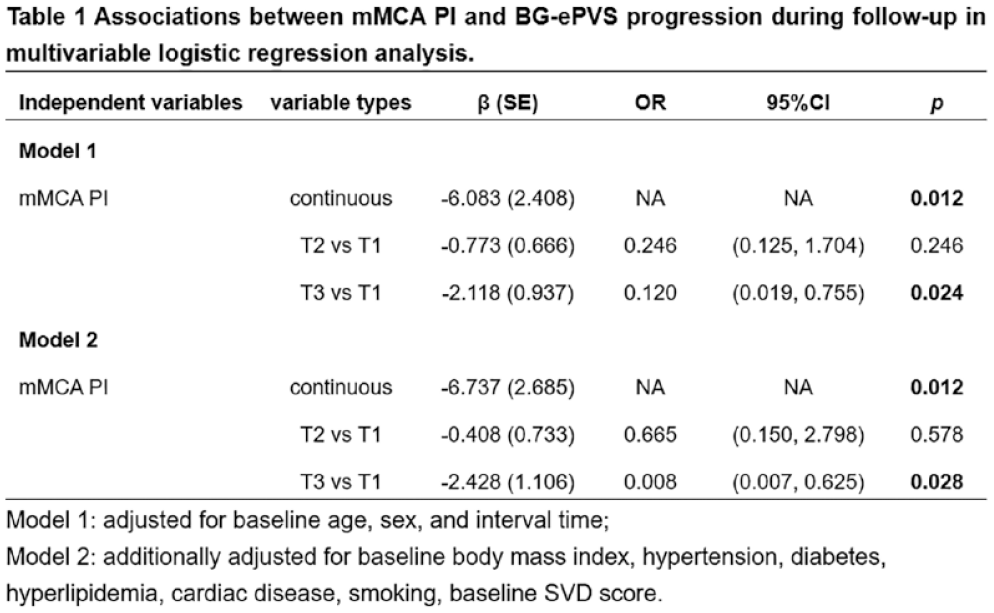
SMALL VESSEL DISEASE
435
Structural network efficiency predicts conversion to incident parkinsonism in patients with cerebral small vessel disease
1Guangdong Neuroscience Institute, Guangdong Provincial People’s Hospital, Guangdong Academy of Medical Sciences, Southern Medical University, Department of Neurology, Guangzhou, China, 2Radboud University Medical Center, Donders Institute for Brain, Cognition and Behaviour, Nijmegen, Department of Neurology, Nijmegen, Netherlands, 3Radboud University Medical Center; Donders Institute for Brain, Cognition and Behaviour, Nijmegen, Department of Neurology, Nijmegen, Netherlands, 4Donders Institute for Brain, Cognition and Behaviour, Nijmegen, Center for Cognitive Neuroimaging, Nijmegen, Netherlands, 5Medical Image Analysis Center (MIAC AG) and qbig, University of Basel, Department of Biomedical Engineering, Basel, Switzerland
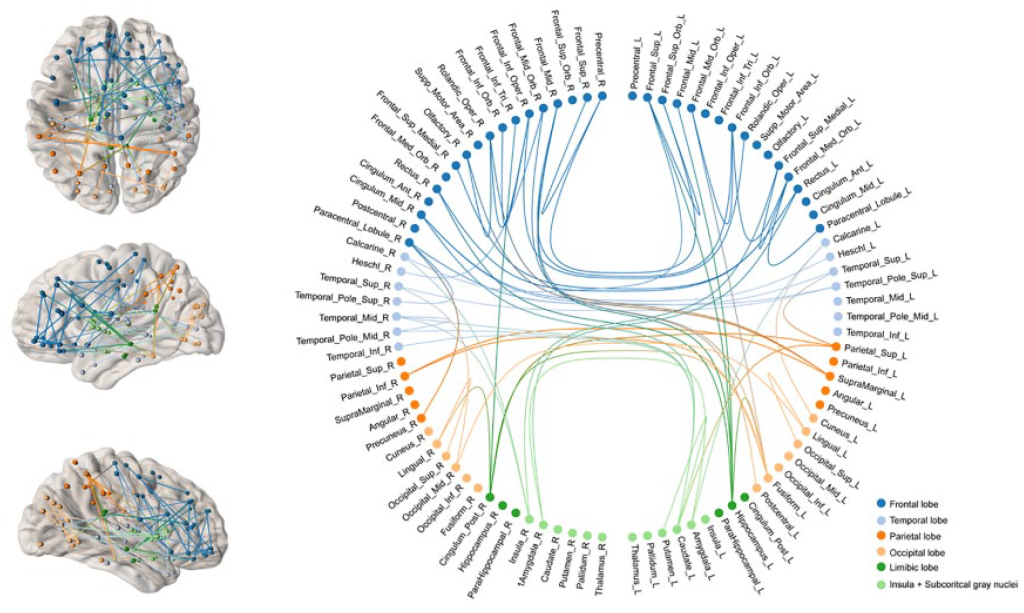
Subnetwork related to UPDRS motor score.
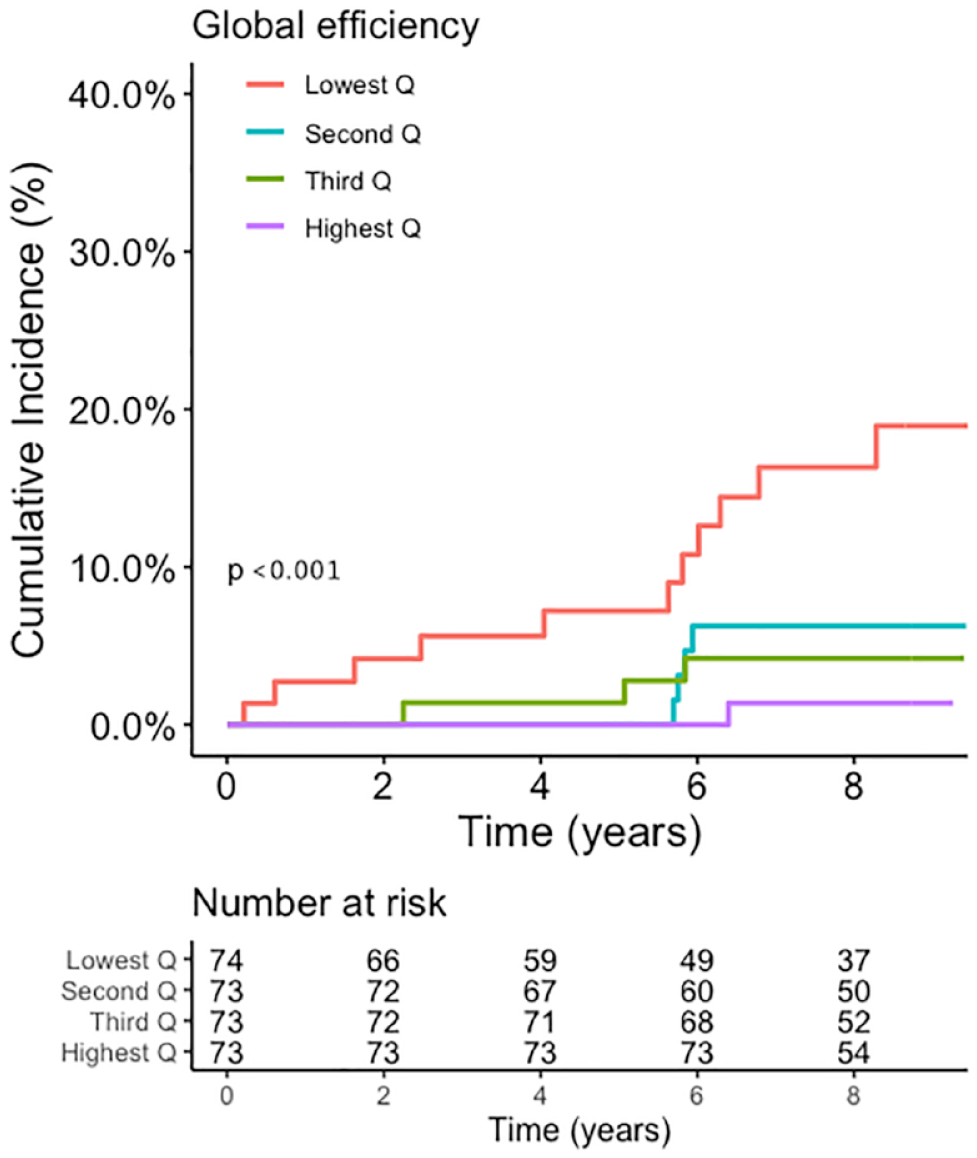
The cumulative risk for all-cause parkinsonism with respect to baseline global efficiency
SMALL VESSEL DISEASE
463
Association of heart rate variability with presence, burden, markers of cerebral small vessel disease
1 Beijing tiantan hospital, Neurology, Beijing, China
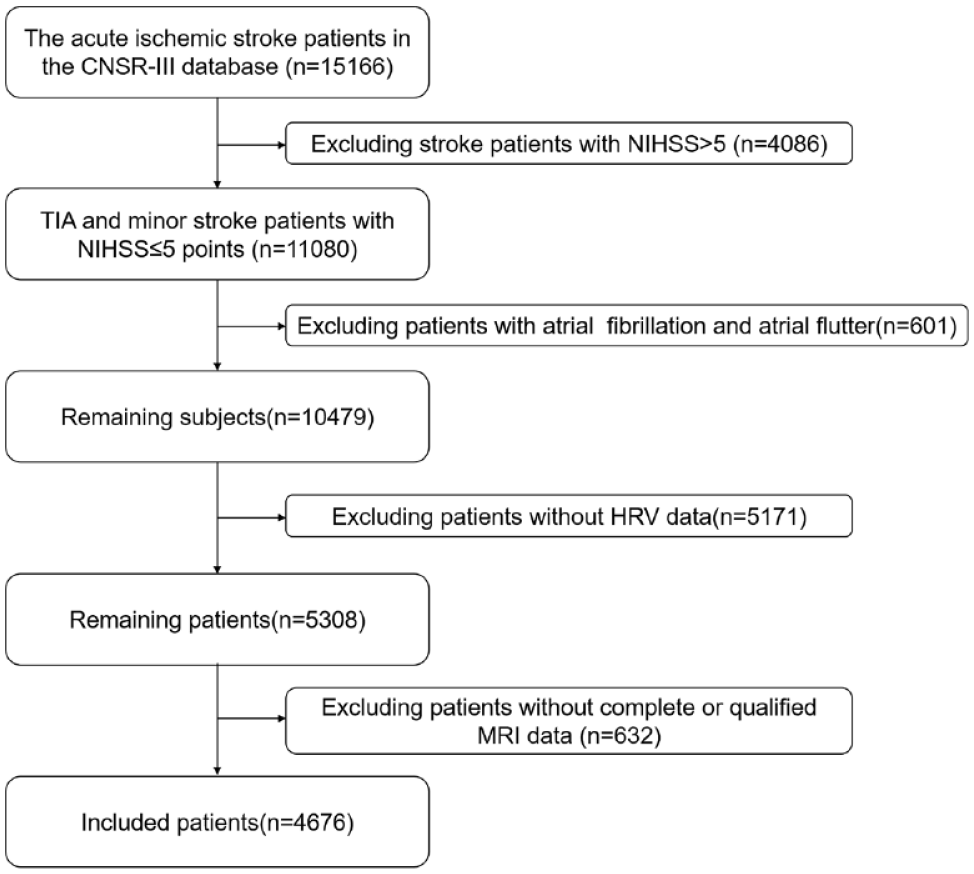
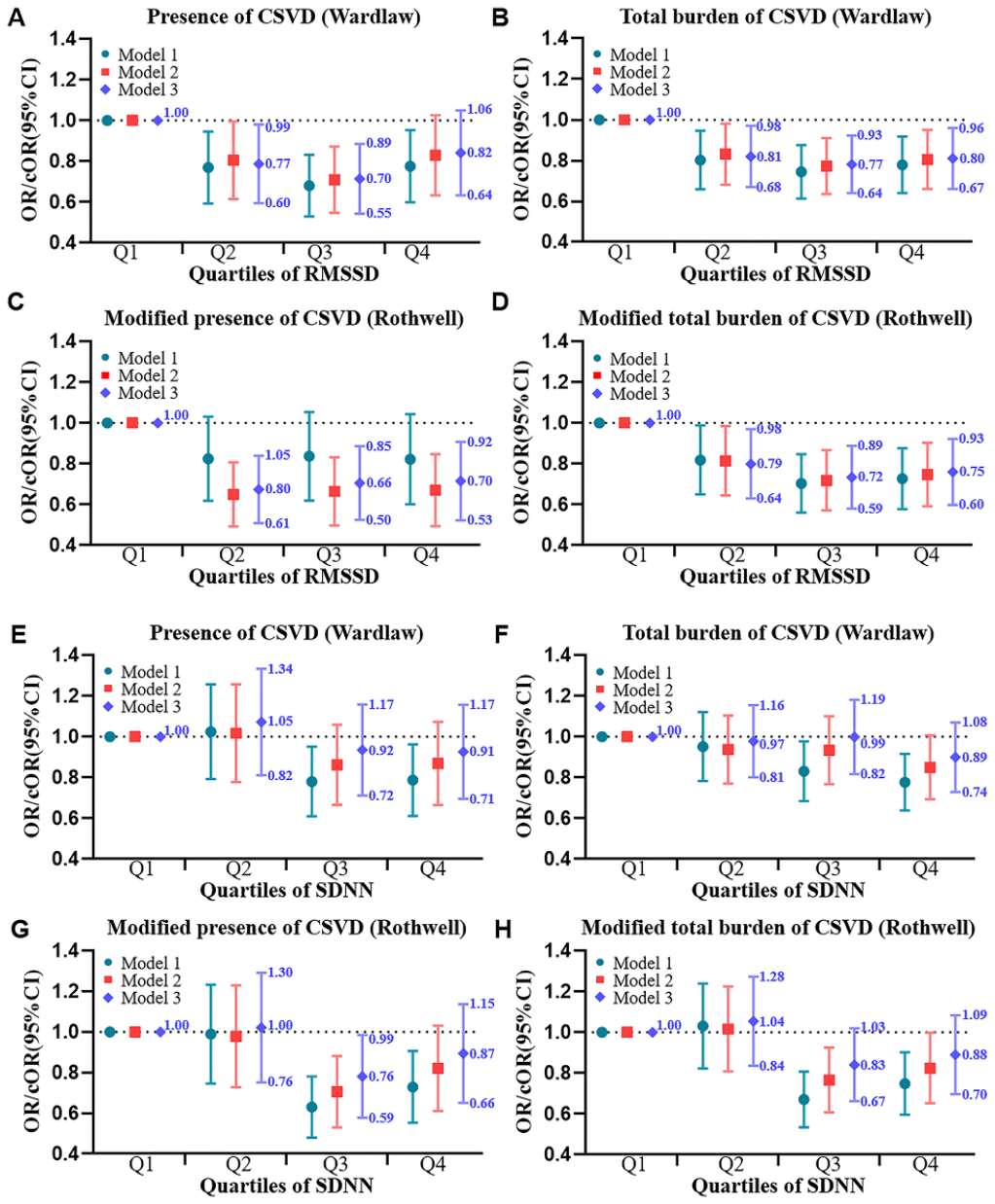
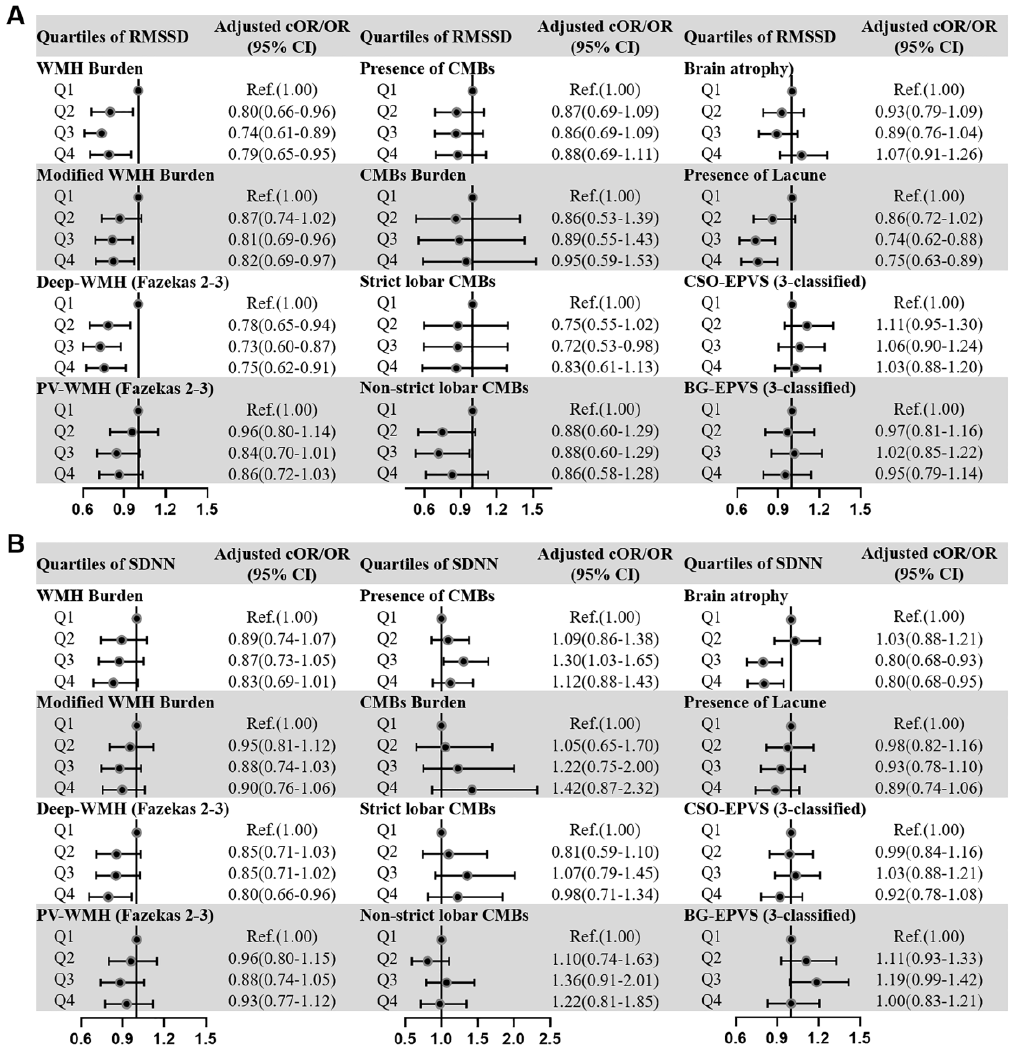
SMALL VESSEL DISEASE
605
Symptoms associated with small vessel disease progression and incident infarcts after minor stroke
1Centre for Clinical Brain Sciences and the UK Dementia Research Institute, University of Edinburgh, Edinburgh, United Kingdom, 2Comprehensive Stroke Center, Department of Neuroscience, Hospital Clinic, University of Barcelona and August Pi i Sunyer Biomedical Research Institute, Barcelona, Spain, 3Division of Neurology, Department of Medicine, The University of Hong Kong, Hong Kong, Hong Kong, 4Department of Neurology, Shanghai General Hospital, Shanghai Jiao Tong University School of Medicine, Shanghai, China
Baseline visit occurred <3months post-stroke. We repeated MRI and assessments every 3-6 months for 12 months, assessing WMH change and incident infarcts on DWI/FLAIR. We normalised WMH for intracranial volume. We used linear mixed-effects models, adjusting for age, gait speed, mRS, and time post-stroke for gait symptoms; age, anxiety, MoCA, stroke subtype, and time for cognitive/neuropsychiatric symptoms.
WMH progression associated with falls (OR=4.13 [95%CI=1.6-10.1]); self-reported brain fog (OR=3.13 [1.11-8.82]); increasing NPI-Q (est=2.12 [0.46-3.77] p=0.012). Baseline and one-year WMH volumes were associated with apathy (baseline OR=8.78 [2.56-31.88]; one-year OR=4.83 [1.43-17.26]).
Higher depression scores associated with incident infarcts (mean 15.2 [12.9] with vs 11.9 [SD10.6] without; est=2.26 (0.12-4.4), p=0.038). WMH progression/infarcts were not associated with fatigue, anxiety, memory complaints, confusion, dizziness, or IQCODE scores.
SMALL VESSEL DISEASE
805
CLINICAL PHENOTYPES ASSOCIATED WITH CEREBROVASCULAR SMALL VESSEL DISEASE – AN OVERVIEW OF SYSTEMATIC REVIEWS
1University of Glasgow, School of Cardiovascular and Metabolic Health, Glasgow, United Kingdom, 2University of Glasgow, School of Health and Wellbeing, Glasgow, United Kingdom, 3Glasgow, School of Cardiovascular and Metabolic Health, Glasgow, United Kingdom
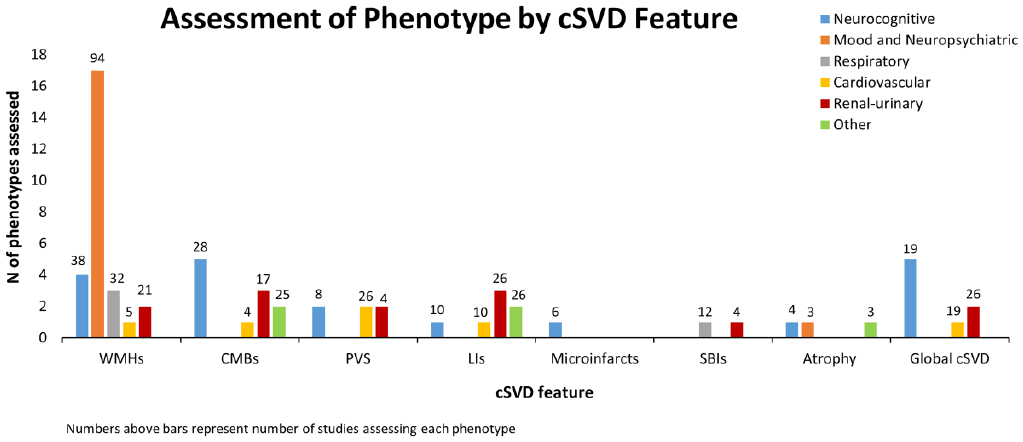
Assessment of clinical phenotypes by cSVD feature.
SMALL VESSEL DISEASE
860
WHICH METHOD FOR MEASURING WHITE MATTER HYPERINTENSITIES IN A LONG-TERM COHORT OF CADASIL PATIENTS?
1INSERM, Université Paris Cité, NeuroDiderot, Paris, France, 2APHP, Lariboisière Hospital, Translational Neurovascular Centre, FHU NeuroVasc, Université Paris Cité, Paris, France
Data description.
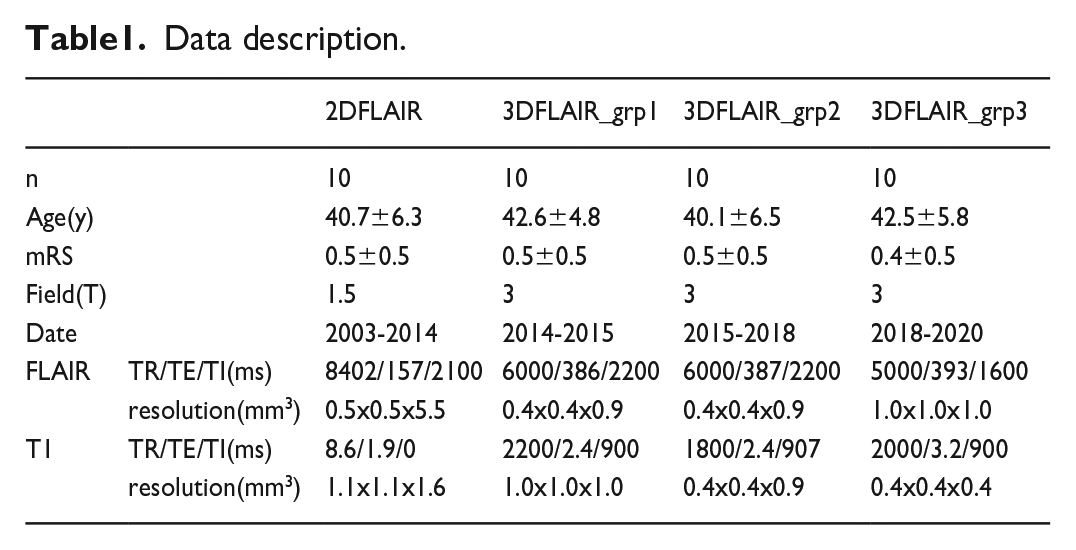
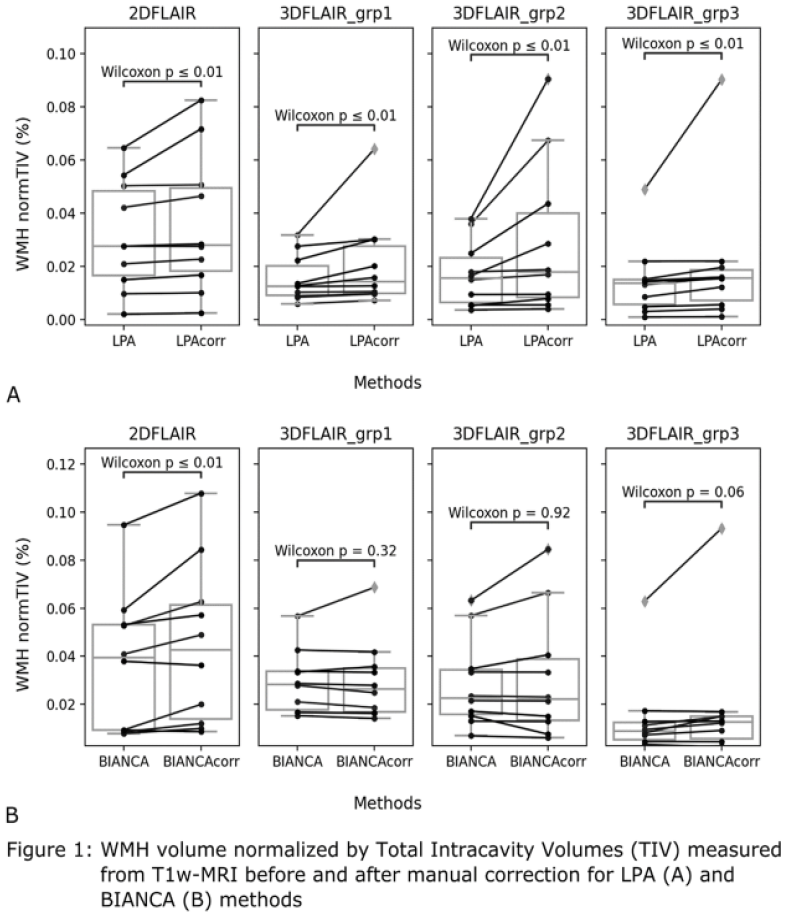
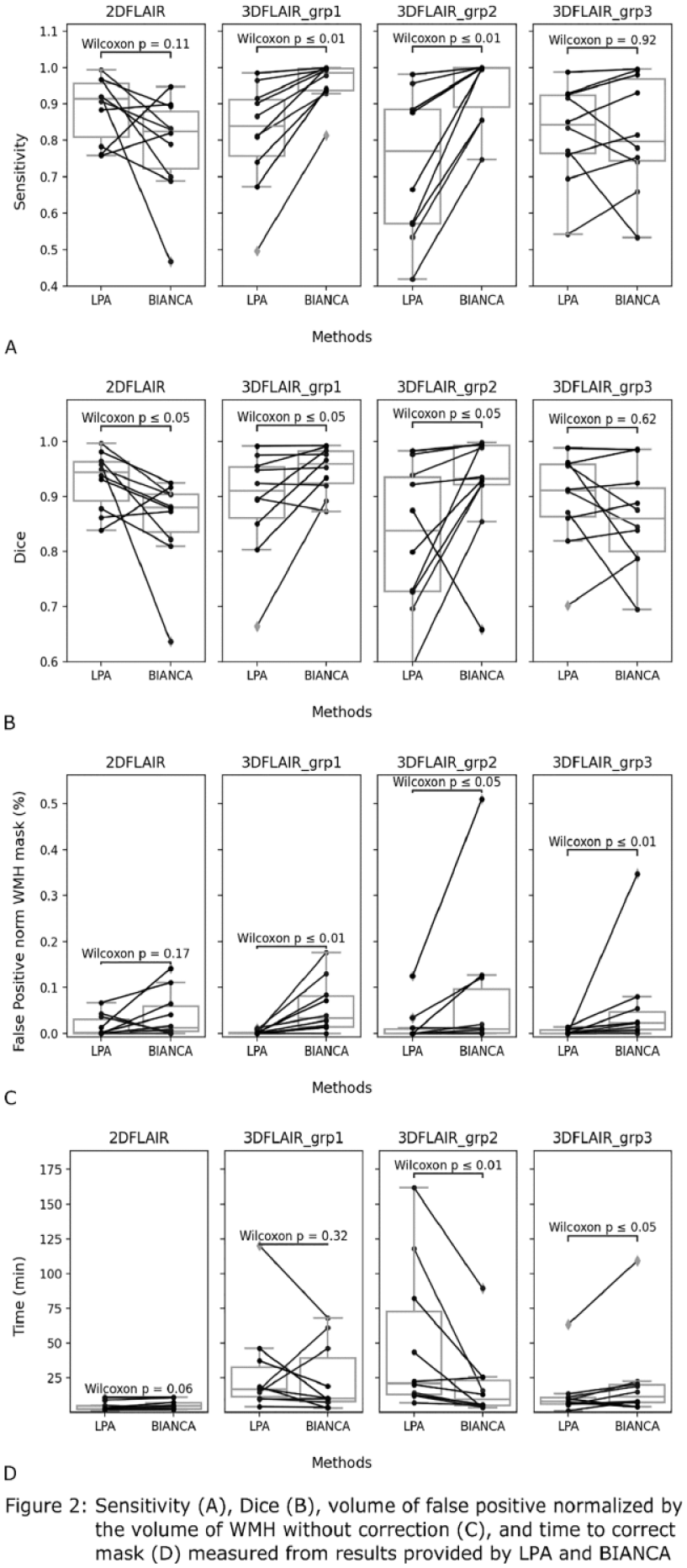
SMALL VESSEL DISEASE
1460
HIGH PREVALENCE OF INCIDENTAL DWI+ LESIONS IN CEREBRAL AMYLOID ANGIOPATHY: RESULTS FROM THE BIONIC STUDY
1VASCage, VASCage, Innsbruck, Austria, 2Donders Institute for Brain, Cognition and Behaviour, Radboud University Medical Center, Nijmegen, the Netherlands, Department of Neurology, Nijmegen, Netherlands, 3University of Basel, Switzerland, Medical Image Analysis Center and Department of Biomedical Engineering, Basel, Switzerland, 4Radboud University Medical Center, Nijmegen, The Netherlands, Department of Laboratory Medicine, Nijmegen, Netherlands
SMALL VESSEL DISEASE
1538
The relationship between small vessel disease with acute intracerebral haemorrhage volume, haematoma expansion, intraventricular extension and outcome: data from the RIGHT-2 and TICH-2 trial
1University of Nottingham, Stroke Trials Unit, Division of Mental Health and Neuroscience, Nottingham, United Kingdom, 2Queen’s Medical Centre, Nottingham University Hospitals NHS Trust, Stroke, Department of Acute Medicine, Nottingham, United Kingdom, 3National University of Malaysia, Department of Medicine, Kuala Lumpur, Malaysia, 4University of Nottingham, Nottingham Biomedical Research Centre, Nottingham, United Kingdom, 5UK Dementia Research Centre, Western General Hospital, Centre for Clinical Brain Sciences, Edinburgh, United Kingdom
SMALL VESSEL DISEASE
1637
Long-term impact of visit-to-visit Blood Pressure Variability on white matter integrity and cognitive decline in Cerebral Amyloid Angiopathy
1J Philip Kistler Stroke Research Center, Department of Neurology. Massachusetts General Hospital. Harvard Medical School, Boston, United States, 2Geneva University Hospitals, Division of Neurology, Department of Clinical Neurosciences, Geneva, Switzerland
SMALL VESSEL DISEASE
1989
LONG-TERM EVOLUTION OF RECENT SMALL SUBCORTICAL INFARCTS AND ASSOCIATION WITH COGNITION AT ONE YEAR AFTER LACUNAR STROKE
1Centre for Clinical Brain Sciences and the UK Dementia Research Institute, University of Edinburgh, Edinburgh, United Kingdom, 2Department of Neurology, West China Hospital, Sichuan University, Chengdu, China, 3Centre for Rural Health, University of Aberdeen, Inverness, United Kingdom
SMALL VESSEL DISEASE
2398
IMPAIRED OXYGEN EXTRACTION AND ADAPTATION OF INTRACELLULAR ENERGY METABOLISM IN CEREBRAL SMALL VESSEL DISEASE
1Goethe University Frankfurt, Neurology, Frankfurt, Germany, 2Goethe University Frankfurt, Neuroradiology, Frankfurt, Germany, 3Goethe University Frankfurt, Brain Imaging Center, Frankfurt, Germany
SMALL VESSEL DISEASE
2539
Patients with severe small vessel disease have an excess long-term mortality risk
1Radboud University Medical Centre, Department of Neurology; Donders Center for Medical Neuroscience, Department of Neurology, Nijmegen, Netherlands, 2Department of Geriatrics, Xiangya Hospital, Central South University; National Clinical Research Centre for Geriatric Disorders; Changsha, Hunan, Department of Neurology, Hunan, China, 3Department of Cardiovascular Sciences, University of Leicester, Department of Cardiovascular Sciences, Leicester, United Kingdom, 4Medical Image Analysis Center (MIAC AG) and qbig, Department of Biomedical Engineering, University of Basel, Department of Biomedical Engineering, Basel, Switzerland
We therefore prospectively investigated 1) the relation between progression of various SVD-markers and the 15-years mortality risk, and 2) the excess mortality risk of SVD patients compared to the age-and sex-matched general population.
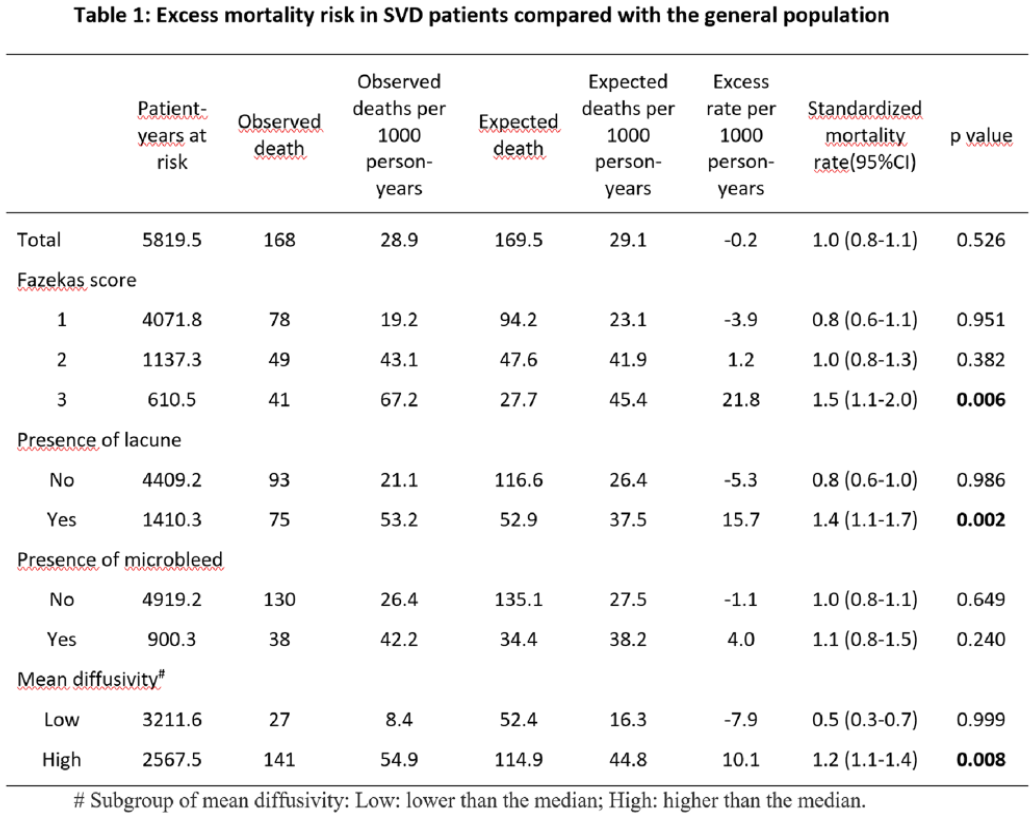
SMALL VESSEL DISEASE
2570
Increased Blood-Brain Barrier Permeability Colocalizes with Interstitial Free Water in Cerebral Small Vessel Disease White Matter Injury
1National Institute of Neurological Disorders and Stroke, Stroke Branch, Bethesda, United States, 2National Institute of Neurological Disorders and Stroke, Division of Clinical Research, Bethesda, United States, 3Johns Hopkins Medicine, Department of Neurology, Baltimore, United States
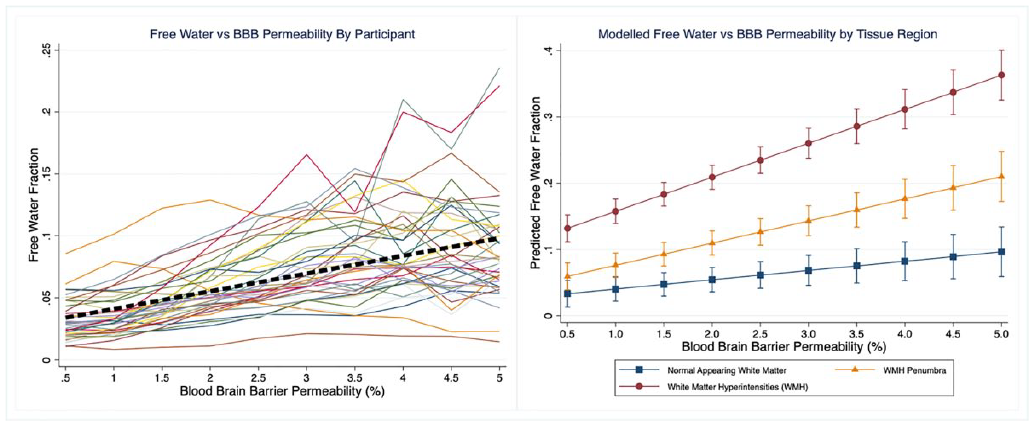
SMALL VESSEL DISEASE
1387
Imaging-based risk scores for predicting major bleeding in patients taking antithrombotic therapy: the Bleeding with Antithrombotic Therapy study 2
1National Cerebral and Cardiovascular Center, Department of Cerebrovascular Medicine, Suita, Japan, 2National Cerebral and Cardiovascular Center, Department of Cerebrovascular Medicine, Suita, Japan, 3Saga University Faculty of Medicine, Division of Neurology, Department of Internal Medicine, Saga, Japan, 4Kansai Medical University, Department of Neurology, Hirakata, Japan, 5Iwate Medical University, Institute for Biomedical Sciences, Yahaba, Japan, 6Hokkaido University Graduate School of Medicine, Department of Diagnostic Imaging, Sapporo, Japan, 7Nakamura Memorial Hospital, Department of Neurosurgery, Sapporo, Japan, 8Kawasaki Medical School, Department of Stroke Medicine, Kurashiki, Japan, 9Yamagata Prefectural Central Hospital, Department of Neurology, Yamagata, Japan, 10Department of Neurology, Kyoto Second Red Cross Hospital, Kyoto, Japan, 11Kyorin University, Department of Stroke and Cerebrovascular Medicine, Mitaka, Japan, 12Tokyo Saiseikai Central Hospital, Department of Neurology, Tokyo, Japan, 13National Cerebral and Cardiovascular Center, Department of Neurology, Suita, Japan
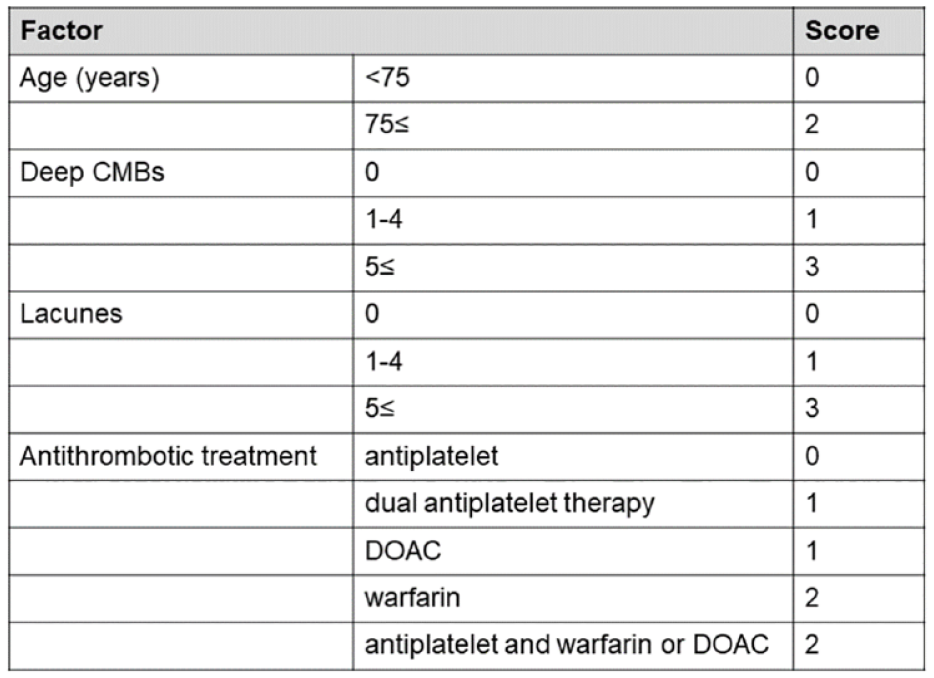
The scores for major bleeding.
SMALL VESSEL DISEASE
2488
Subclinical renal malfunction is associated with cerebral small vessel disease (CSVD) in the general population
1University Medical Center Hamburg-Eppendorf, Neurology, Hamburg, Germany, 2University Medical Center Hamburg-Eppendorf, Nephrology, Hamburg, Germany
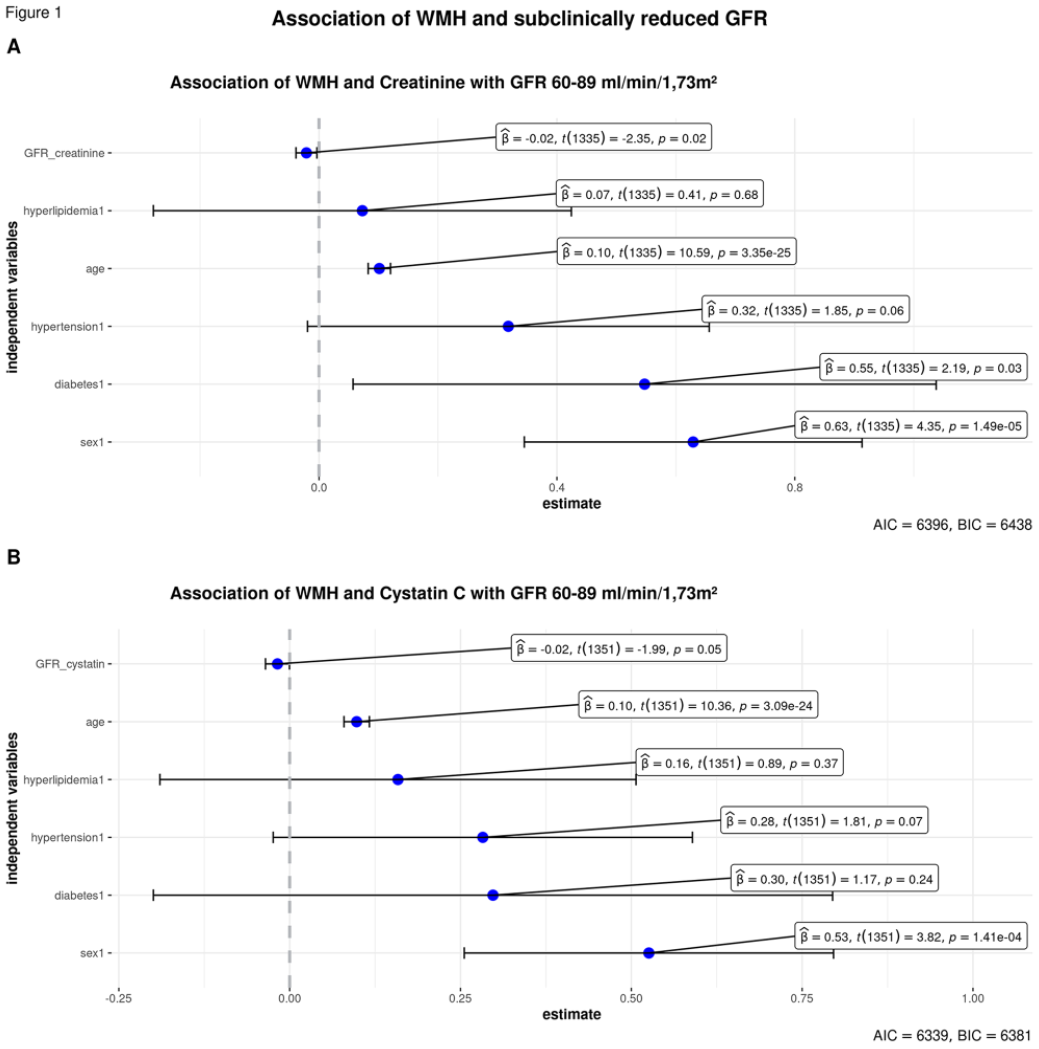
SMALL VESSEL DISEASE
2157
PROGRESSION OF CLINICAL OUTCOMES AT 6 AND 12 MONTHS IN CEREBRAL SMALL VESSEL DISEASE STROKE: ANALYSIS OF CONTROLS IN THE LACUNAR INTERVENTION TRIAL-2 (LACI-2)
1University of Nottingham, Stroke Trials Unit, Nottingham, United Kingdom, 2University of Edinburgh, Centre for Clinical Brain Sciences, Edinburgh, United Kingdom, 3University College London, Institute of Neurology, London, United Kingdom, 4Leeds Teaching Hospitals NHS Trust, Nuerology, Leeds, United Kingdom, 5University of Leeds, Leeds Teaching Hospitals NHS Trust, Leeds, United Kingdom
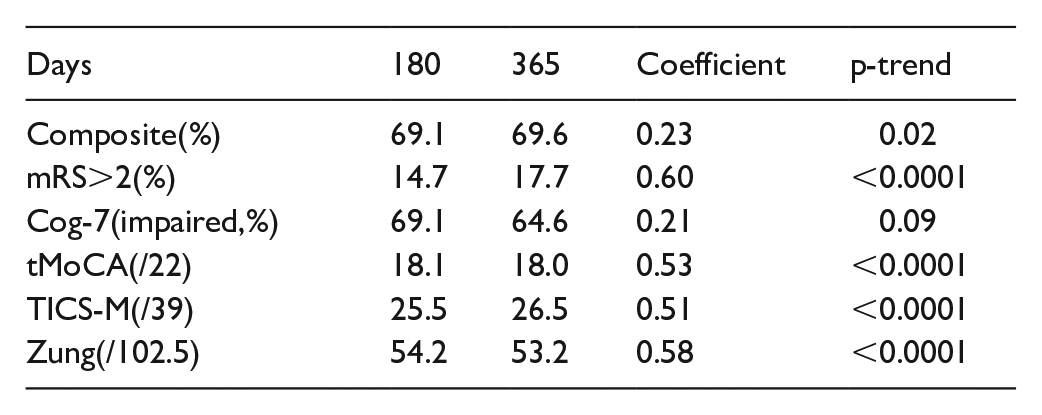
SMALL VESSEL DISEASE
1623
Associations of risk scores with SVD burden and progression in elderly patients on oral anticoagulants for atrial fibrillation: the Strat-AF Study
1University of Florence, NEUROFARBA Department, Florence, Italy, 2Careggi University Hospital, Atherothrombotic Diseases Centre, Florence, Italy, 3Careggi University Hospital, Health Physics Unit, Florence, Italy, 4University of Bologna, Department of Electrical, Electronic, and Information Engineering ‘Guglielmo Marconi’, Bologna, Italy, 5University of Florence, Department of Experimental and Clinical Medicine, Florence, Italy, 6National Research Council of Italy (CNR), Institute of Applied Physics ‘Nello Carrara’ (IFAC), Florence, Italy, 7Careggi University Hospital, Stroke Unit, Florence, Italy, 8Careggi University Hospital, Neuroradiology Unit, Department of Experimental and Clinical Biomedical Sciences, University of Florence, Florence, Italy
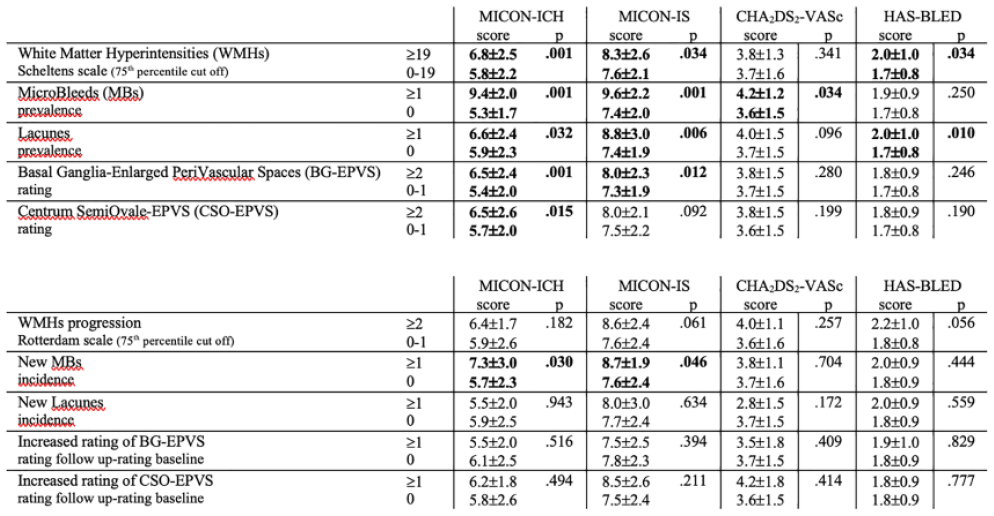
Associations between risk scores and baseline and progression SVD markers
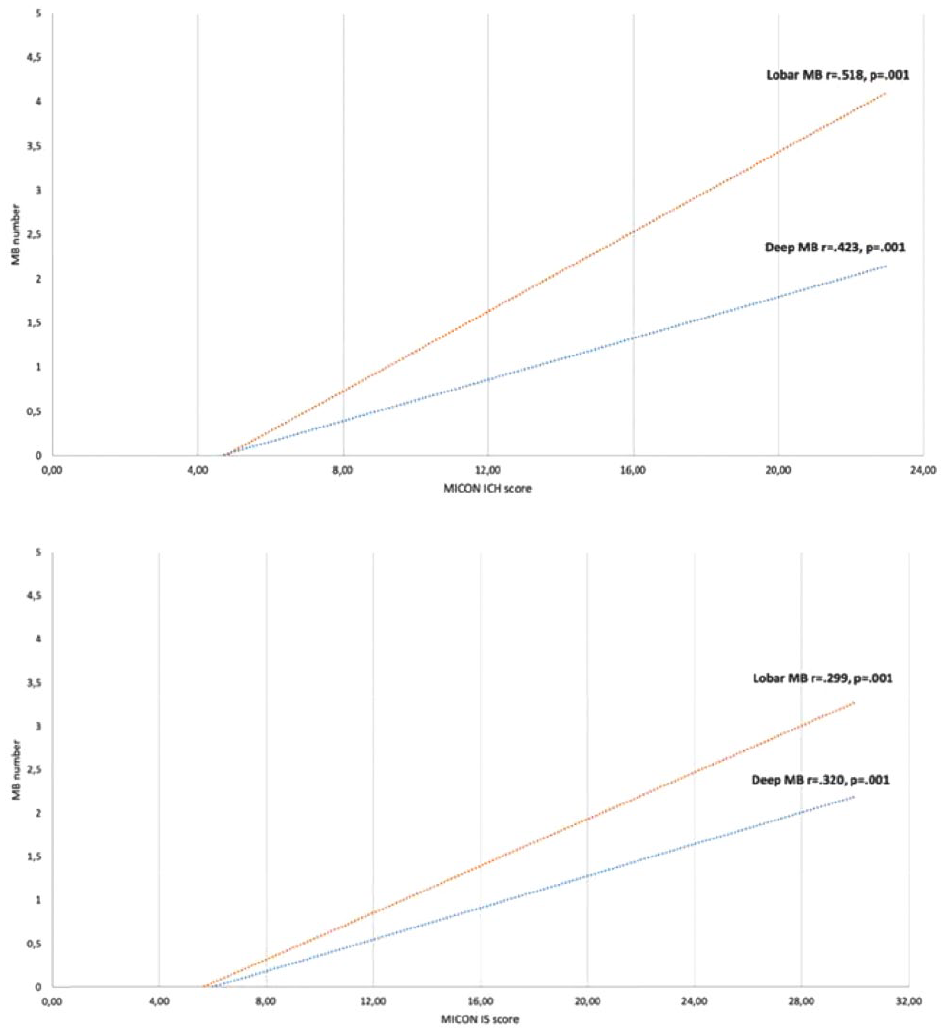
Correlation between MICON-scores with lobar and deep MBs
SMALL VESSEL DISEASE
2348
A Simple Clinical Score for Screening of Suspected Acute Lacunar Stroke
1Careggi University Hospital, Stroke Unit, Emergency Department, Florence, Italy, 2University of Florence, NEUROFARBA Department, Florence, Italy, 3University of Hamburg-Eppendorf, Klinik und Poliklinik für Neurologie, Hamburg, Germany, 4Center for Stroke Research, La Charitè University, Berlin, Germany, 5La Charitè University, Centrum für Schlaganfallforschung Berlin (CSB), Berlin, Germany, 6University of Leuven, Department of Neurosciences, Experimental Neurology, Leuven, Belgium, 7University of Glasgow, Institute of Neuroscience & Psychology, Glasgow, United Kingdom, 8Université Claude Bernard Lyon 1, Department of Stroke Medicine, Lyon, France, 9Hospital Universitari Germans Trias i Pujol, Department of Radiology, Institut de Diagnòstic per la Imatge (IDI), Barcelona, Spain, 10Aarhus University Hospital, Department of Neurology, Aarhus, Denmark, 11Florey Institute of Neuroscience and Mental Health, Department of Neurology, Heidelberg, Victoria, Australia, 12University of Edinburgh, Division of Neuroimaging Sciences, Brain Research Imaging Centre, Edinburgh, United Kingdom
SEX, GENDER AND STROKE
286
Stroke neurologists as lecturers in Neurology in Spanish medical schools: rates and gender gaps among academia
1Hospital de la Santa Creu i Sant Pau, Stroke Unit - Department of Neurology, Barcelona, Spain, 2Institut Investigación Biomèdica Sant Pau, Stroke, Barcelona, Spain, 3Universidad de Zaragoza, Medicine, Zaragoza, Spain, 4Instituto de Investigación Sanitaria (IIS) Aragón, Neuroscience, Zaragoza, Spain, 5Hospital Universitario Miguel Servet, Stroke Unit - Department of Neurology, Zaragoza, Spain, 6Hospital Clínico Universitario Lozano Blesa, Neurology, Zaragoza, Spain
SEX, GENDER AND STROKE
398
ARE THERE SEX DIFFERENCES IN THE SEVERITY OF CARDIOEMBOLIC STROKE DUE TO ATRIAL FIBRILLATION?
1Hospital Universitari i Politècnic La Fe, Neurology, Valencia, Spain, 2Hospital General de Castellón, Neurology, Castellón, Spain, 3Consorcio Hospital General Universitario de Valencia, Neurology, Valencia, Spain, 4Hospital General de Elche, Neurology, Elche, Spain, 5Hospital General Universitario de Alicante, Neurology, Alicante, Spain
Presenting NIHSS was higher in women, but this difference was not statistically significant (10 vs 9, p = 0,236). When we considered only CE stroke due to AF, women presented stroke at older age (81 vs 77, p = 0,052) and there were no differences in median presenting NIHSS according to sex (15 vs 15, p = 0,799). The mortality rate at 3 months was of 19,1% in men and of 16,2% in women (p = 0,781).
SEX, GENDER AND STROKE
621
The role of age in sex-related differences in efficacy and safety of treatment with direct oral anticoagulants in patients with atrial fibrillation
1Skåne University Hospital, Dep. Clinical Science Lund University, Neurology, Malmö, Sweden, 2Sapienza University of Rome, Department of Human Neurosciences, Rome, Italy, 3Faculty of Medicine P.J. Safarik University Košice, Neurology Department, Košice, Slovakia, 4University Hospital of Dijon, University of Burgundy, UBFC, Dijon, Dijon Stroke Registry, EA7460, Pathophysiology and Epidemiology of Cerebro-Cardiovascular diseases (PEC2), Dijon, France, 5European Stroke Organization, ESO, Basel, Switzerland, 6Klinikum Hanau, Neurology, Hanau, Germany, 7Municipal Hospital Waid und Triemli, Zürich, Neurology Department, Zürich, Switzerland, 8School of Medicine, Faculty of Health Sciences, Aristotle University of Thessaloniki, Neurology, Thessaloniki, Greece, 9Clinical Center of Serbia, Medical faculty, Neurology, Belgrade, Serbia, 10College of Medical, Veterinary & Life Sciences, University of Glasgow, Institute of Cardiovascular and Medical Sciences, Glasgow, United Kingdom, 11Santa Maria della Misericordia Hospital, University of Perugia, Stroke unit, Perugia, Italy
SEX, GENDER AND STROKE
726
SEX PATTERNS IN TIA AND STROKE SYMPTOMS IN LIGHT OF THE FACE ARM SPEECH (FAST) PUBLIC EDUCATION CAMPAIGN: THE POPULATION-BASED ROTTERDAM STUDY
1Erasmus Medical Center, Epidemiology, ROTTERDAM, Netherlands, 2Erasmus Medical Center, Neurology, ROTTERDAM, Netherlands, 3Erasmus Medical Center, Radiology & Nuclear Medicine, ROTTERDAM, Netherlands
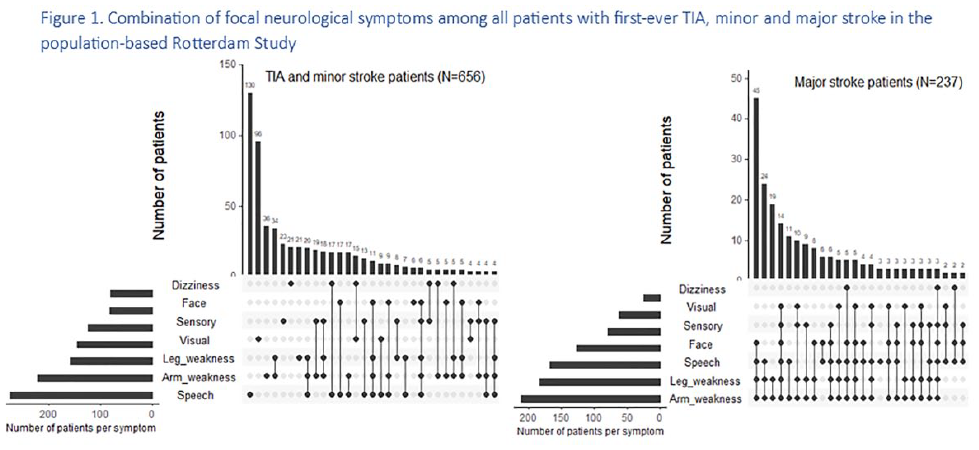
SEX, GENDER AND STROKE
1093
Service delivery for acute ischemic stroke patients: Does sex matter?
1Stroke Center, Neurology Service, Department of Clinical Neurosciences, University Hospital, Lausanne, Lausanne, Switzerland, 2Stroke and Neurology Unit, Departement of Internal Medicine, Fribourg, Switzerland, 3Larissa University Hospital, Departement of medicine, Larissa, Greece, 4Stroke Unit, Santa Maria della Misericordia Hospital, University of Perugia, Perugia, Italy
SEX, GENDER AND STROKE
1604
Sex differences in stroke care: A national stroke registry study
1King’s College London Guy’s Campus, School of Life Course & Population Sciences, London, United Kingdom, 2Guy’s and St Thomas’ NHS Foundation Trust, Stroke, elderly care and general medicine, London, United Kingdom, 3Royal Devon & Exeter Hospital, Stroke, Exeter, United Kingdom, 4University of Exeter Medical School, Medical School, Exeter, United Kingdom
SEX, GENDER AND STROKE
1653
Sex and thrombin generation differences associated with leukocyte gene expression in patients with acute ischemic stroke
1 University of Alberta, Department of Medicine, Edmonton, Canada
SEX, GENDER AND STROKE
1892
GENDER DIFFERENCES IN PSYCHOLOGICAL SEQUELAE OF DYSPHAGIA AFTER ISCHEMIC STROKE
1Medical University of Innsbruck, Department of Neurology, Innsbruck, Austria, Innsbruck, Austria, 2VASCage, Research Center on Vascular Ageing and Stroke, Innsbruck, Austria, Innsbruck, Austria, 3ICONE-Innsbruck Cognitive Neuroscience, Department for Hearing, Speech and Voice Disorders, Medical University of Innsbruck, Anichstraße 35, 6020 Innsbruck, Austria, Innsbruck, Austria
SEX, GENDER AND STROKE
1957
SEX DIFFERENCES IN STROKE CARE AND OUTCOMES – A SYSTEMATIC REVIEW AND META-ANALYSIS
1King’s College London Guy’s Campus, School of Life Course & Population Sciences, London, United Kingdom, 2Royal Devon & Exeter Hospital, Stroke, Exeter, United Kingdom, 3University of Exeter Medical School, Medical School, Exeter, United Kingdom
SEX, GENDER AND STROKE
2039
Gender difference in stroke prophylaxis
1Stavanger University Hospital, Department of Neurology, Stavanger, Norway, 2Stavanger University Hospital, Department of Cardiology, Stavanger, Norway, 3Stavanger University Hospital, Department of radiology, Stavanger, Norway
SEX, GENDER AND STROKE
2074
Sex-related differences in pre-hospital and hospital treatment of patients with suspicion of acute ischemic stroke
1University Hospital Zurich and University of Zurich, Department of Neurology, Zurich, Switzerland, 2Cereneo Center for Neurology and Rehabilitation, University of Zurich, Zurich, Switzerland, 3Epidemiology, Biostatistics and Prevention Institute, University of Zurich, Zurich, Switzerland
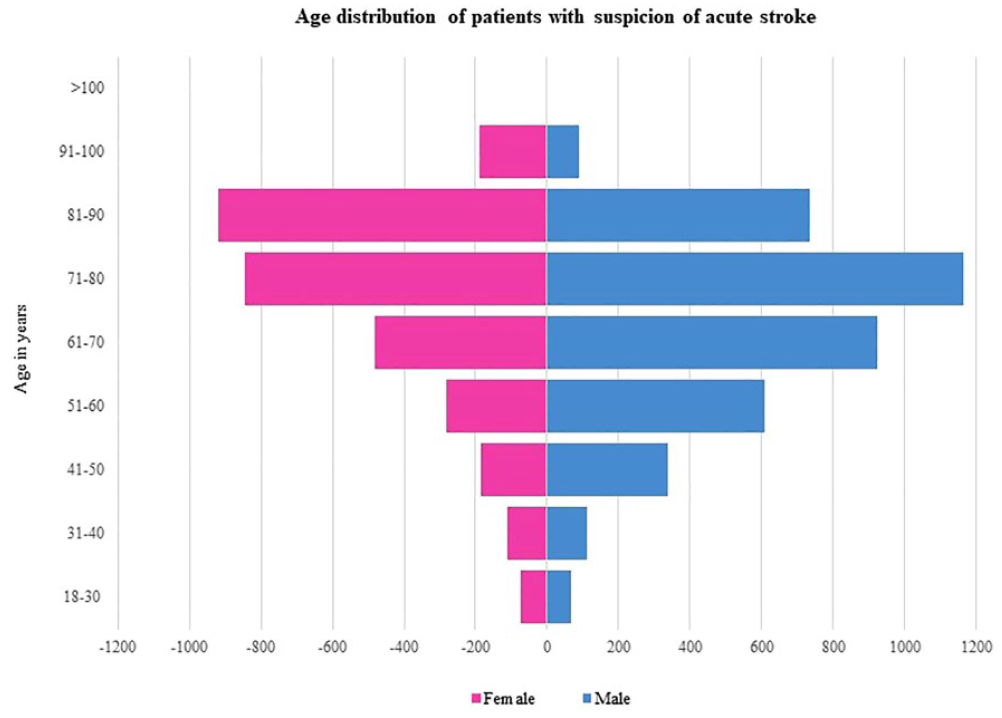
SEX, GENDER AND STROKE
2219
Sex differences in stroke management: the real-life experience in Genoa (Italy)
1E.O. Galliera, Neurology Unit, Genoa, Italy, 2Università of Genoa, Department of Health Sciences, Section of Biostatistics, Genoa, Italy, 3A.L.I.Ce., Liguria ODV, Genoa, Italy, 4University of Genoa, Neurological Clinic, Genoa, Italy, 5Ospedale Villa Scassi, Neurology Unit, Genoa, Italy, 6DIAR Liguria, Neuroscience Department, Genoa, Italy, 7ASL1, Neurology Department, Imperia, Italy, 8IRCCS Policlinico San Martino, Stroke Unit, Genoa, Italy
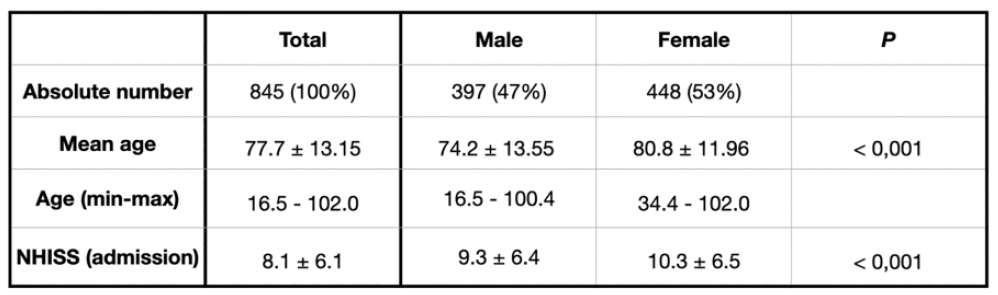
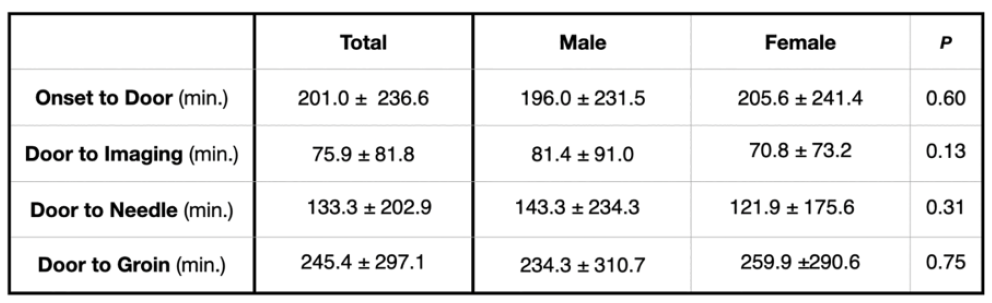
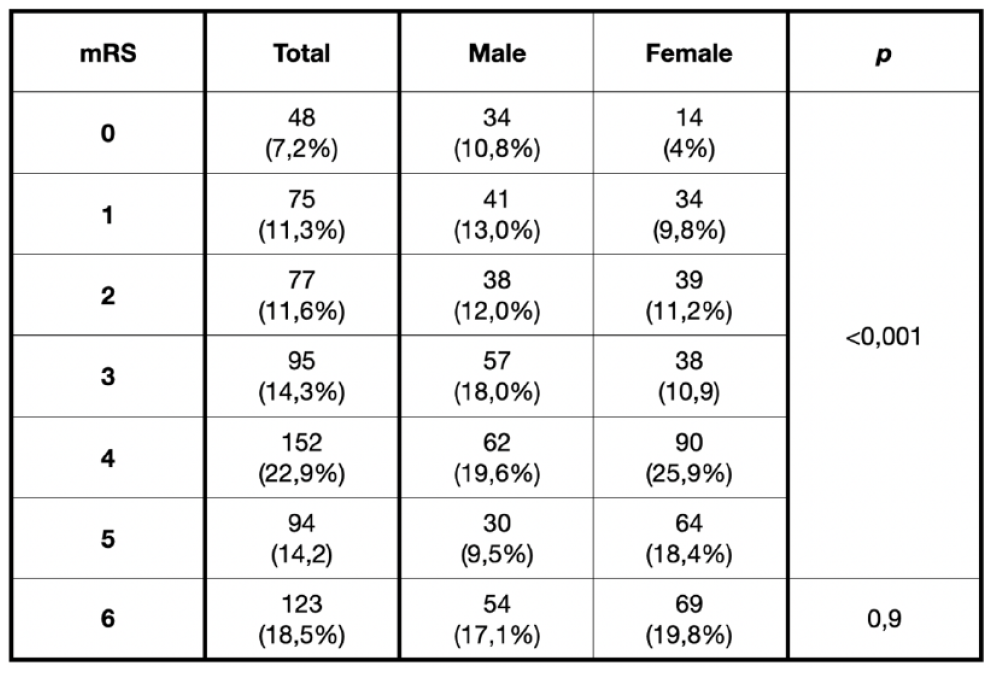
Modified Rankin Scale (mRS) at discharge
SEX, GENDER AND STROKE
2319
A gender perspective in a drip-and-ship model for mechanical thrombectomy
1 Galdakao-Usansolo Hospital, Neurology, Usansolo, Spain
SEX, GENDER AND STROKE
2618
GENDER DIFFERENCES IN ISCHEMIC STROKE CARE: A PRELIMINARY ANALYSIS OF DATA FROM TWO STROKE UNITS
1San Jacopo Hospital, Stroke Unit and Neurology Department, Pistoia, Italy, 2Gubbio-Gualdo Tadino and Città di Castello Hospitals, Stroke Unit and Neurology Department, Città di Castello, Italy
SEX, GENDER AND STROKE
1846
Sex Differences in Functional Outcome after Endovascular Treatment in Patients with Acute Ischemic Stroke
1Medical University of Vienna, Department of Neurology, Vienna, Austria, 2Medical University of Vienna, Department of Radiology, Vienna, Austria, 3Austrian National Public Health Institute, -, Vienna, Austria, 4Medical University of Innsbruck, Department of Neurology, Innsbruck, Austria, 5St. John’s of God Hospital, Department of Neurology, Vienna, Austria, 6Medical University of Graz, Division of Neuroradiology, Vascular and Interventional Radiology, Department of Radiology, Graz, Austria, 7Medical University of Innsbruck, Department of Neuroradiology, Innsbruck, Austria, 8Medical University of Graz, Department of Neurology, Graz, Austria, 9Krankenanstalt Rudolfstiftung, Department of Neurology, Vienna, Austria, 10Medical University of Vienna, Division of Cardiovascular and Interventional Radiology, Department of Biomedical Imaging and Image-Guided Therapy, Vienna, Austria
SEX, GENDER AND STROKE
1875
SEX DIFFERENCES IN STROKE SEVERITY AND RISK FACTORS IN NeST REGISTRY – A REAL-WORLD EVIDENCE
1 Raffles Hospital, Raffles Neuroscience Center, Singapore, Singapore
This study is submitted on behalf of the NeST Collaborators.
SEX, GENDER AND STROKE
1974
SEX DISPARITIES IN INTRACEREBRAL HAEMORRHAGES – ANALYSIS OF TICH 2 TRIAL DATA
1Stroke Trials Unit, University of Nottingham, Nottingham, United Kingdom, 2University of Nottingham Medical School, Queens Medical Centre, Nottingham, United Kingdom, 3Neurology Unit, Department of Medicine/ Hospital Canselor Tuanku Muhriz, National University of Malaysia, Kuala Lampur, United Kingdom
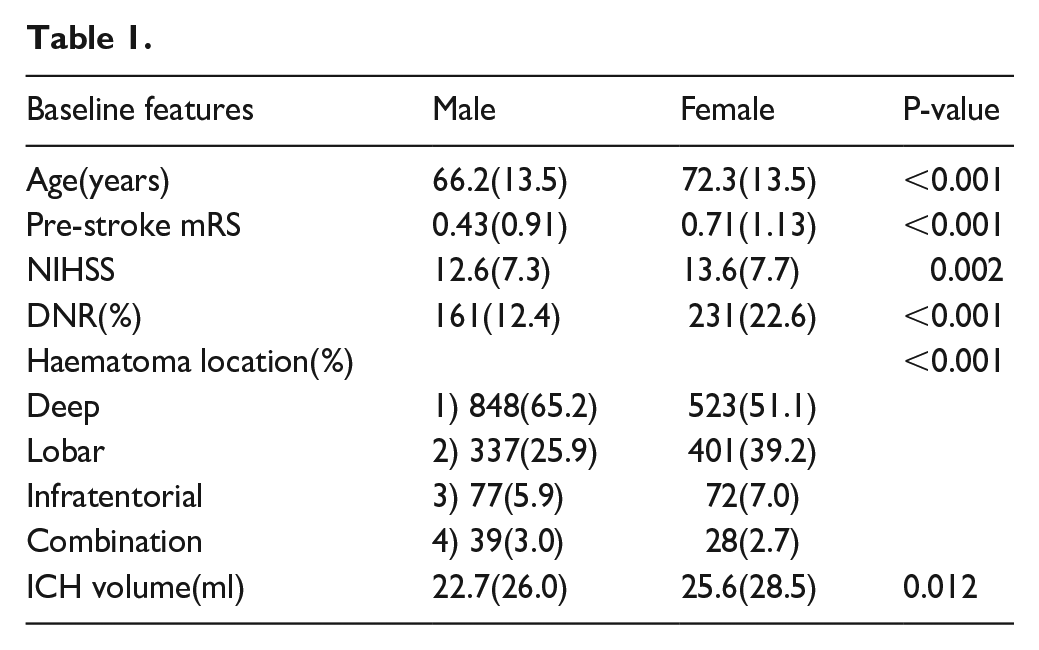
Disclosure of interest: Yes
PATHOPHYSIOLOGY OF STROKE / TRANSLATIONAL MEDICINE
327
Ischemic stroke induces Endothelial-to-Mesenchymal Transition in brain vessels
1 University of Muenster, Department of Neurology with Institute of Translational Neurology, Muenster, Germany
PATHOPHYSIOLOGY OF STROKE / TRANSLATIONAL MEDICINE
424
Preclinical validation of human recombinant glutamate-oxaloacetate transaminase for the treatment of acute ischemic stroke
1Health Research Institute of Santiago de Compostela, Neurology, Santiago de Compostela, Spain, 2A Coruña Biomedical Research Institute, Neurology, A Coruña, Spain, 3Institut National de la Recherche Scientifique (INRS), Chemistry, Québec, Canada, 4Hospital La Paz Institute for Health Research, Neurology, Madrid, Spain, 5Achucarro Basque Center for Neuroscience, Neuroimaging, Leioa, Spain, 6CIC biomaGUNE, Chemistry, San Sebastian, Spain, 7Hospital Universitario de La Princesa & Instituto de Investigación Sanitaria La Princesa, Neurology, Madrid, Spain, 8Weizmann Institute of Science, Biomolecular Sciences, Rehovot, Israel
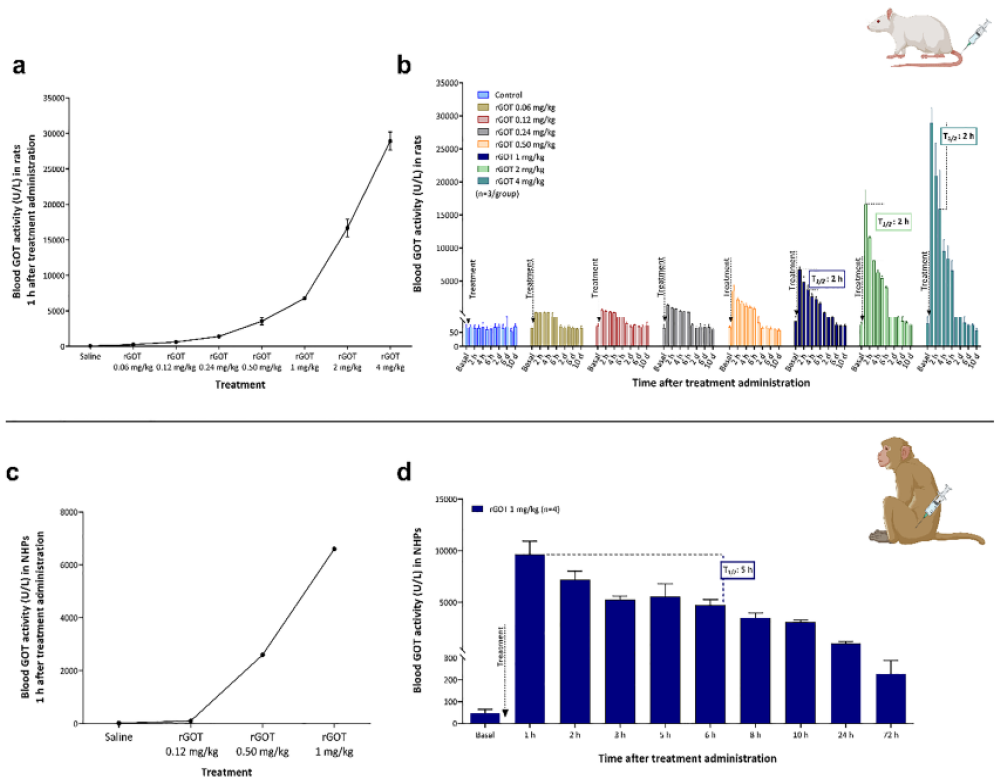
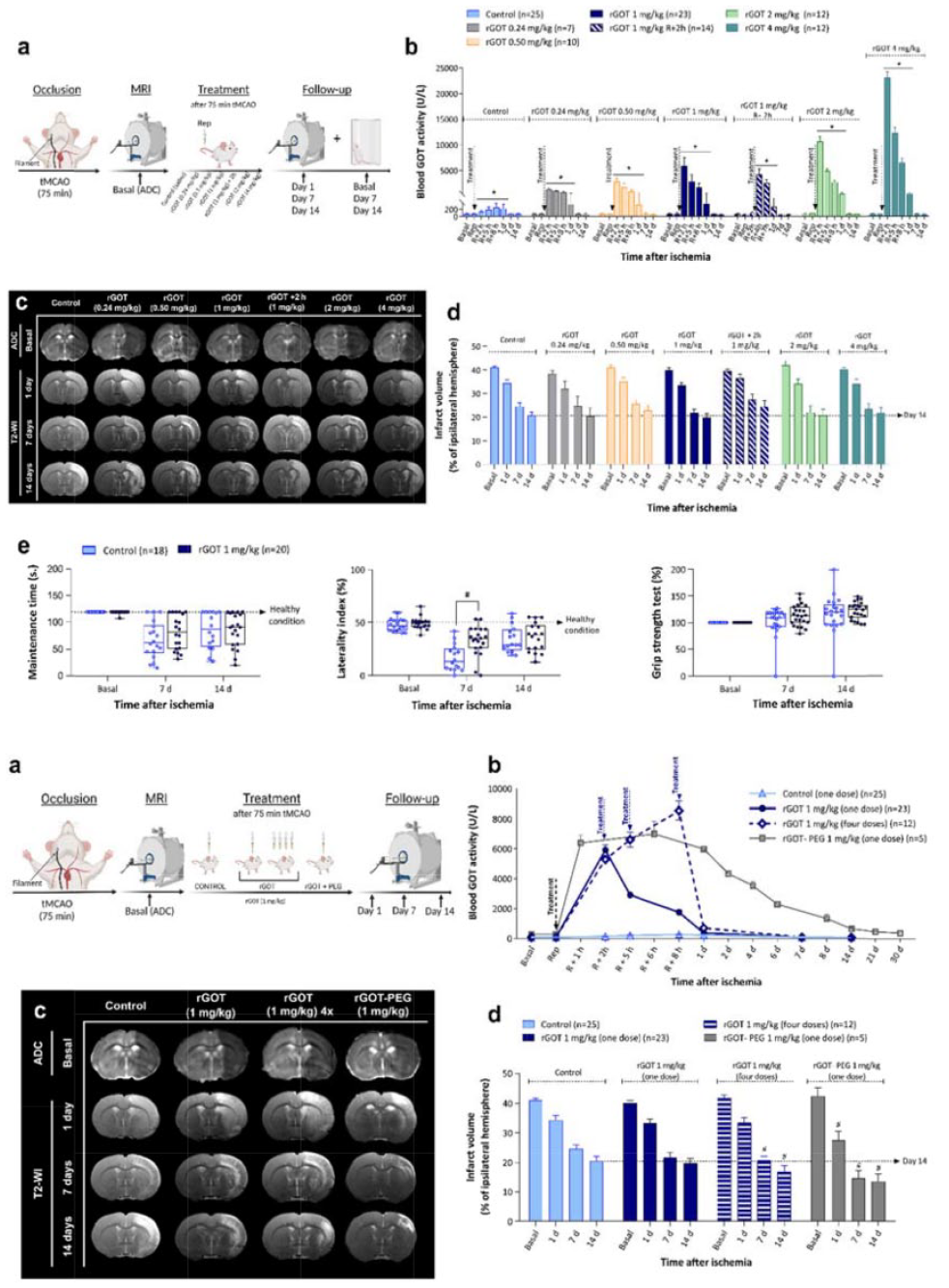
PATHOPHYSIOLOGY OF STROKE / TRANSLATIONAL MEDICINE
491
INHIBITION OF LEUCOCYTE MIGRATION BY VE-CADHERIN MUTATION LEADS TO REDUCED INFARCT VOLUMES AND IMPROVED MOTOR SKILLS
1 University of Münster, Department of Neurology, Münster, Germany
PATHOPHYSIOLOGY OF STROKE / TRANSLATIONAL MEDICINE
712
LEVELS OF VASCULAR ENDOTHELIAL GROWTH FACTOR-A AS A MARKER OF COLLATERAL CIRCULATION IN PATIENTS WITH ACUTE ISCHEMIC STROKE AND LARGE-VESSEL OCCLUSION
1Institut d’Investigació Biomèdica Sant Pau (IIB SANT PAU), Neurology, Barcelona, Spain, 2Hospital de la Santa Creu i Sant Pau, Neurology, Barcelona, Spain, 3Hospital Universitario Virgen del Rocio, Neurology, Sevilla, Spain, 4Institut d’Investigació Biomèdica Sant Pau (IIB SANT PAU), Cardiovascular Biochemistry, Barcelona, Spain, 5Hospital Universitario Cruces, Neurology, Baracaldo, Spain, 6Neurvascular group of Biocruces-Bizkaia Health Research Institute, Neurology, Baracaldo, Spain, 7Hospital del Mar, Neurology, Barcelona, Spain, 8Hospital Clínico Universitario Valladolid, Radiology, Valladolid, Spain, 9Hospital Clínico Universitario Valladolid, Neurology, Valladolid, Spain, 10Hospital de la Santa Creu i Sant Pau, Radiology, Barcelona, Spain, 11Hospital Universitario La Paz, Neurology, Madrid, Spain, 12Hospital Universitario La Princesa, Neurology, Madrid, Spain
PATHOPHYSIOLOGY OF STROKE / TRANSLATIONAL MEDICINE
862
PARABIOSIS DISCRIMINATES THE VASCULAR VERSUS PARENCHYMAL CONTRIBUTION OF ENDOGENOUS TISSUE-TYPE PLASMINOGEN ACTIVATOR TO STROKE
1INSERM UMR-S U1237, Physiopathology and Imaging of Neurological Disorders (PhIND), GIP Cyceron, Institut Blood and Brain @ Caen-Normandie (BB@C), Normandie University, UNICAEN, Caen, France, 2STROK@LLIANCE, 13 Rue du Bois de la Champelle, 54500 Vandoeuvre-les-Nancy, France., ETAP-Lab, Caen, France, 3Caen-Normandie University Hospital, CHU, Avenue de la côte de Nacre, Department of clinical research, Caen, France
PATHOPHYSIOLOGY OF STROKE / TRANSLATIONAL MEDICINE
1315
BORDER-ASSOCIATED MACROPHAGES (BAMs) ACQUIRE DURING AGING A PROTECTIVE ROLE AGAINST NEUROINFLAMMATION AFTER STROKE
1Normandie University, UNICAEN, INSERM UMR-S U1237, Physiopathology and Imaging of Neurological Disorders (PhIND), GIP Cyceron, Institut Blood and Brain @ Caen-Normandie (BB@C), 14000 Caen, France, Caen, France, 2Normandie University, UNIROUEN, Inserm, U1234, FOCIS Center of Excellence PAn’THER, Rouen University Hospital, Department of Immunology and Biotherapy, Rouen, France, Rouen, France, 3Centre for Clinical Brain Sciences, University of Edinburgh, Edinburgh, United Kingdom. UK, Academic Neuropathology, Edinburgh, United Kingdom, 4Dementia Research Institute at the University of Edinburgh, Centre for Clinical Brain Sciences, Chancellor’s Building, Edinburgh Medical School, EH16 4SB, UK., Edinburgh, United Kingdom, 5Institute of Neuropathology, Medical Faculty, University of Freiburg, Freiburg, Germany, 6Caen-Normandie University Hospital, CHU, Department of Clinical Research, Caen, France
PATHOPHYSIOLOGY OF STROKE / TRANSLATIONAL MEDICINE
1459
EXOGENOUS LACTATE ADMINISTRATION INFLUENCES POST-ISCHEMIC NEUROINFLAMMATORY EVENTS
1 Lausanne University Hospital, Department of Clinical Neurosciences, Lausanne, Switzerland
PATHOPHYSIOLOGY OF STROKE / TRANSLATIONAL MEDICINE
1493
Closer to the clinic: A new model to characterize ischemic stroke in fully awake mice
1Normandie Univ, Institut Blood and Brain @ Caen-Normandie, Caen, France, 2Normandie Univ, UMR-S 1237 Physiopathology and Imaging of Neurological Disorders, Caen, France, 3Caen-Normandie University Hospital, Institut Blood and Brain @ Caen-Normandie, Caen, France, 4Caen-Normandie University Hospital, UMR-S 1237 Physiopathology and Imaging of Neurological Disorders, Caen, France
PATHOPHYSIOLOGY OF STROKE / TRANSLATIONAL MEDICINE
1498
ELECTRICAL IMPEDANCE MEASUREMENTS CAN PREDICT RED BLOOD CELL CONTENT IN ACUTE ISCHEMIC STROKE CLOTS RETRIEVED BY MECHANICAL THROMBECTOMY
1University of Galway, Department of Physiology, Galway, Ireland, 2University of Galway, CÚRAM-SFI Research Centre for Medical Devices, Galway, Ireland, 3Sensome, Sensome, Massy, France, 4CHU de Toulouse, Department of Diagnostic and Therapeutic Neuroradiology, Toulouse, France, 5University Hospital Vall d’Hebron, Department of Neurology, Barcelona, Spain, 6Kobe City Medical Center General Hospital, Department of Neurosurgery, Kobe, Japan, 7University Clinical Center of Serbia, Neurology Clinic, Belgrad, Serbia, 8Clinic for Neurosurgery, University Clinical Center of Serbia, Center for Radiology and MRI, Belgrade, Serbia
PATHOPHYSIOLOGY OF STROKE / TRANSLATIONAL MEDICINE
1578
HIGHER BURDEN OF CLONAL HEMATOPOIESIS OF INDETERMINATE POTENTIAL IN PLAQUES OF PATIENTS WITH SYMPTOMATIC COMPARED TO ASYMPTOMATIC CAROTID ARTERY STENOSIS
1St. Anne’s University Hospital in Brno and Faculty of Medicine at Masaryk University, Department of Neurology, Brno, Czech Republic, 2St. Anne’s University Hospital in Brno, International Clinical Research Centre, Brno, Czech Republic, 3Faculty of Medicine and Dentistry, Palacky University Olomouc, Institute of Molecular and Translational Medicine, Olomouc, Czech Republic, 4St. Anne’s University Hospital in Brno and Faculty of Medicine at Masaryk University, 2nd Department of Surgery, Brno, Czech Republic, 5University Hospital and Faculty of Medicine Hradec Kralove, Charles University in Prague, Department of Surgery, Hradec Králové, Czech Republic, 6Faculty Hospital Kralovske Vinohrady, Third Faculty of Medicine, Charles University, Department of Surgery, Prague, Czech Republic, 7St. Anne’s University Hospital in Brno and Faculty of Medicine at Masaryk University, International Clinical Research Centre, Brno, Czech Republic
PATHOPHYSIOLOGY OF STROKE / TRANSLATIONAL MEDICINE
1995
CHARACTERIZATION OF VASOGENIC AND CYTOTOXIC BRAIN EDEMA FORMATION IN A MOUSE MODEL OF ISCHEMIC STROKE USING FREE WATER MRI
1Institute for Stroke and Dementia Research (ISD), Munich University Hospital, Munich, Germany, 2Munich Cluster for Systems Neurology (SyNergy), LMU Munich, Munich, Germany, 3Medical Image Analysis Center and Department of Biomedical Engineering, University of Basel, Basel, Switzerland, 4Roche Innovation Center Basel, F. Hoffmann-La Roche Ltd, Basel, Switzerland
PATHOPHYSIOLOGY OF STROKE / TRANSLATIONAL MEDICINE
2127
Neuronal loss after ischemic stroke can be reduced by preventing adhesion of leukocytes to pial post-capillary venules
1Institute for Stroke and Dementia Research (ISD), 1Laboratory of Experimental Stroke Research, Munich, Germany, 2National Cerebral and Cardiovascular Center, 3Department of Neurosurgery, Osaka, Japan, 3Universitätsklinikum Gießen und Marburg GmbH, Head of Experimental Neurosurgery, Gießen und Marburg, Germany
PATHOPHYSIOLOGY OF STROKE / TRANSLATIONAL MEDICINE
2032
CX213: Macrophage-targeting nanozyme for treating subarachnoid hemorrhage
1Seoul National University Hospital, Department of Neurology, Seoul, South Korea, 2Cenyx Biotech, Inc., Cenyx Biotech, Inc., Seoul, South Korea
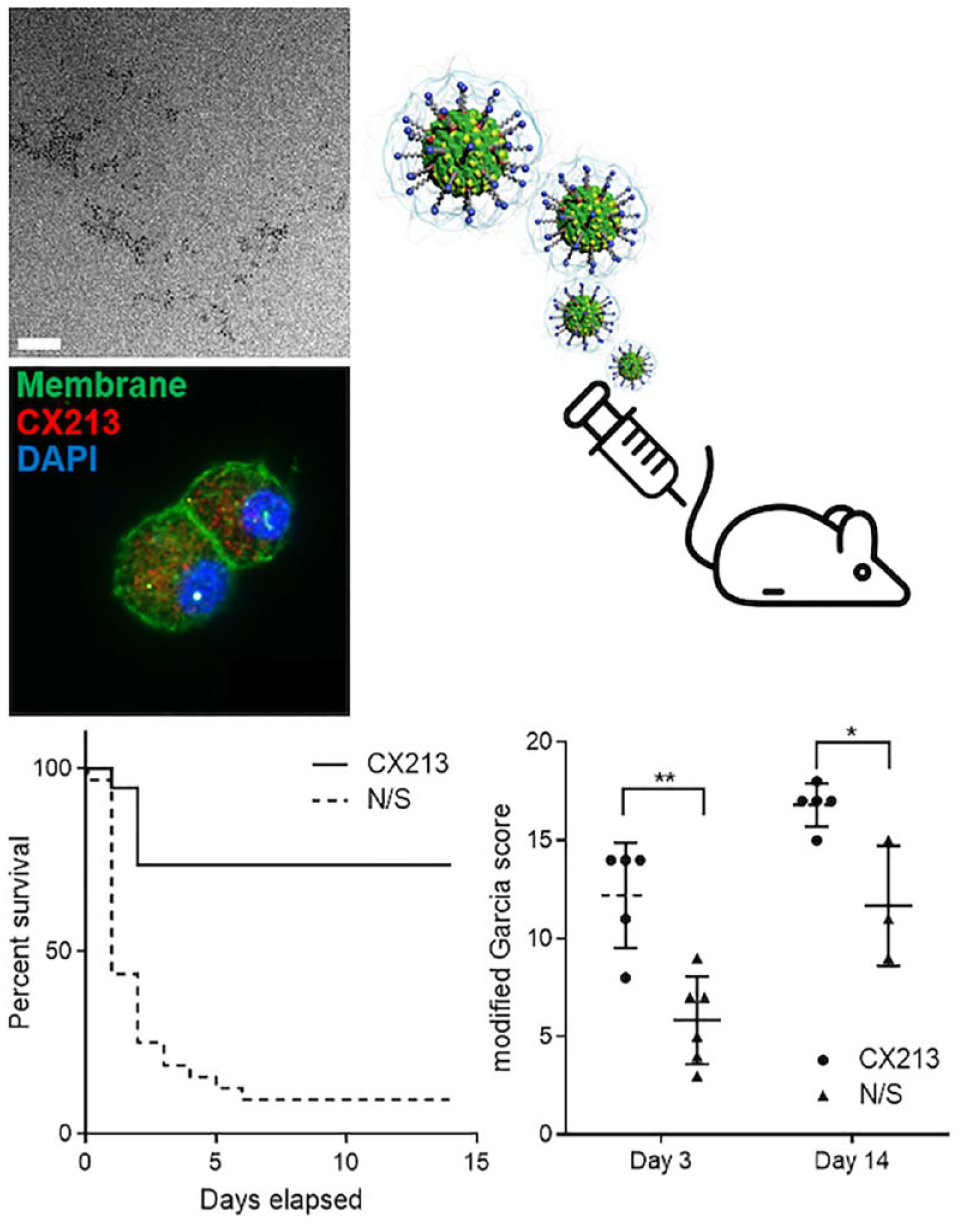
Disclosure of interest: Yes
GENETICS, ‘OMICS AND BIOMARKERS
353
IDENTIFICATION OF DRUG TARGETS FOR ANEURYSMAL SUBARACHNOID HAEMORRHAGE USING GENETIC METHODS
1 University Medical Center Utrecht, Neurology, Utrecht, Netherlands
Genetic correlation was assessed between drug class usage, and IA/ASAH liability. Then, Mendelian randomization (three algorithms: CAUSE, GSMR, two-sample MR) was used to assess if these correlations indicate causality. As sensitivity analyses, we performed reverse Mendelian randomization, conditioning on blood pressure, and sex-stratified analyses.
Mendelian randomization analyses suggested a causal effect of some drug classes, but could not rule out reverse causation.
We found a potential novel indication for paracetamol, which is known to improve outcome of ischaemic stroke.
GENETICS, ‘OMICS AND BIOMARKERS
717
Genetic Analyses of Oral Health and Neuroimaging Markers of Brain Health in Persons without Stroke
1Yale University, Neurology, New Haven, United States, 2Yale University, Internal Medicine, New haven, United States, 3Yale University, Radiology, New Haven, United States
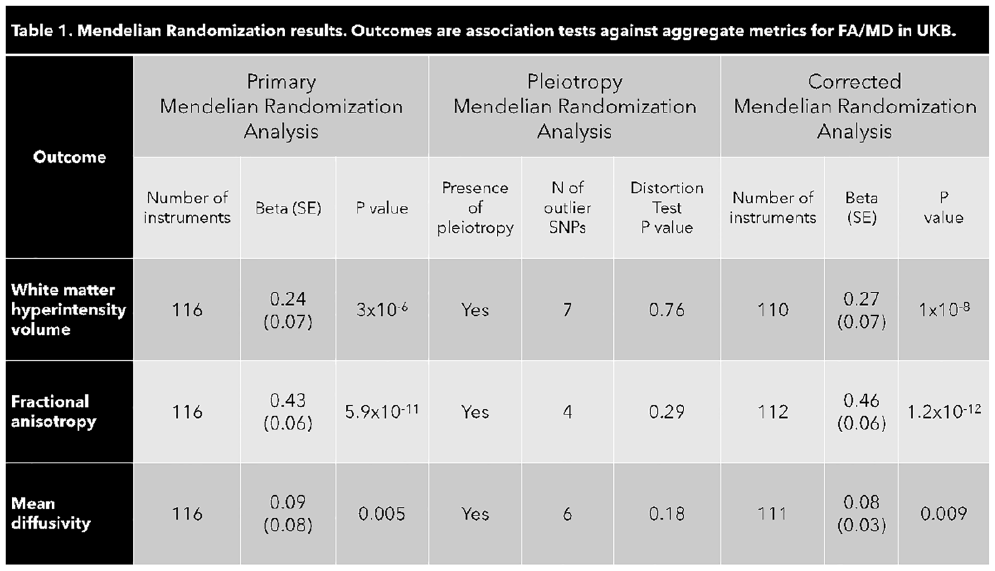
GENETICS, ‘OMICS AND BIOMARKERS
765
COMBINED PROTEOMICS AND MACHINE LEARNING APPROACH TO IDENTIFY NEW POTENTIAL BLOOD BIOMARKERS FOR DIAGNOSING PATIENTS WITH ISCHEMIC STROKE
1Hospital de Egas Moniz, Centro Hospitalar Lisboa Ocidental, Neurology, Lisbon, Portugal, 2NOVA Medical School, Universidade NOVA de Lisboa, iNOVA4Health, Lisbon, Portugal, 3NOVA School of Science and Technology, Universidade Nova de Lisboa, UCIBIO, Applied Molecular Biosciences Unit, Department of Chemistry, Lisbon, Portugal, 4NOVA School of Science and Technology, Universidade NOVA de Lisboa, Associate Laboratory i4HB - Institute for Health and Bioeconomy, Lisbon, Portugal, 5Champalimaud Foundation, Champalimaud Research and Clinical Centre, Lisbon, Portugal, 6Odense University Hospital, Clinical Biochemistry, Odense, Denmark
GENETICS, ‘OMICS AND BIOMARKERS
902
PROGNOSTIC BIOMARKERS FOR PREDICTING POOR OUTCOME AND MORTALITY AFTER ISCHEMIC STROKE AND INTRACEREBRAL HEMORRHAGE USING A TARGETED PROTEOMICS APPROACH
1All India Institute of Medical Sciences, Neurology, New Delhi, India, 2CSIR-Institute of Genomics and Integrative Biology, Cardiovascular diseases, New Delhi, India, 3Yale University, Neurology, New Haven, United States, 4Rajendra Institute of Medical Sciences, Laboratory Medicine, Ranchi, India, 5All India Institute of Medical Sciences, Dr. RP Centre, New Delhi, India, 6All India Institute of Medical Sciences, Clinical Epidemiology Unit, New Delhi, India, 7Rajendra Institute of Medical Sciences, Neurology, Ranchi, India
GENETICS, ‘OMICS AND BIOMARKERS
1025
CIRCULATING BIOMARKERS OF STROKE IN CANCER PATIENTS: A PILOT STUDY
1University of Catania, Department of Biomedical and Biotechnological Sciences, Catania, Italy, 2IRCCS Istituto Nazionale Tumori "Fondazione G. Pascale", Epidemiology and Biostatistics Unit, Naples, Italy, 3University of Catania, Department of Surgery and Medical-Surgical Specialties, Catania, Italy, 4Oasi Research Institute-IRCCS, Clincal Neurophysiology Research Unit, Troina, Italy, 5Policlinico University Hospital "G. Rodolico - San Marco", Neurology Unit, Catania, Italy, 6University of Catania, Department of Medical, Surgical, and Advanced Technology "G.F. Ingrassia", Catania, Italy
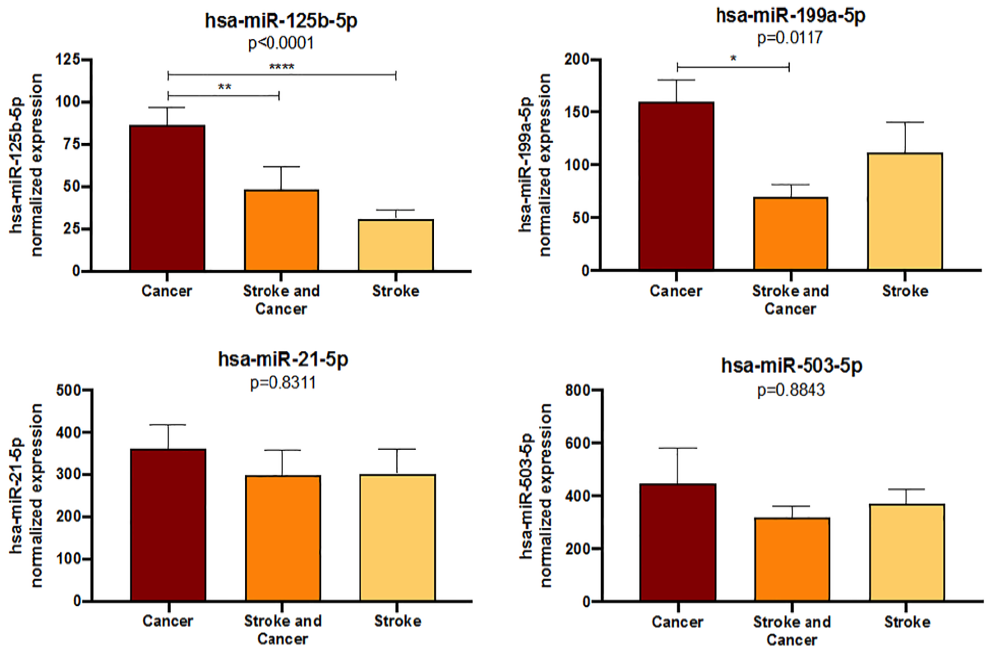
Differences of serum expression levels of selected miRNAs among cancer, stroke, and cancer + stroke patients. Values are expressed as mean±SEM. Kruskal-Wallis and Dunn’s multiple comparison tests: * p<0.05; ** p<0.01; **** p<0.0001.
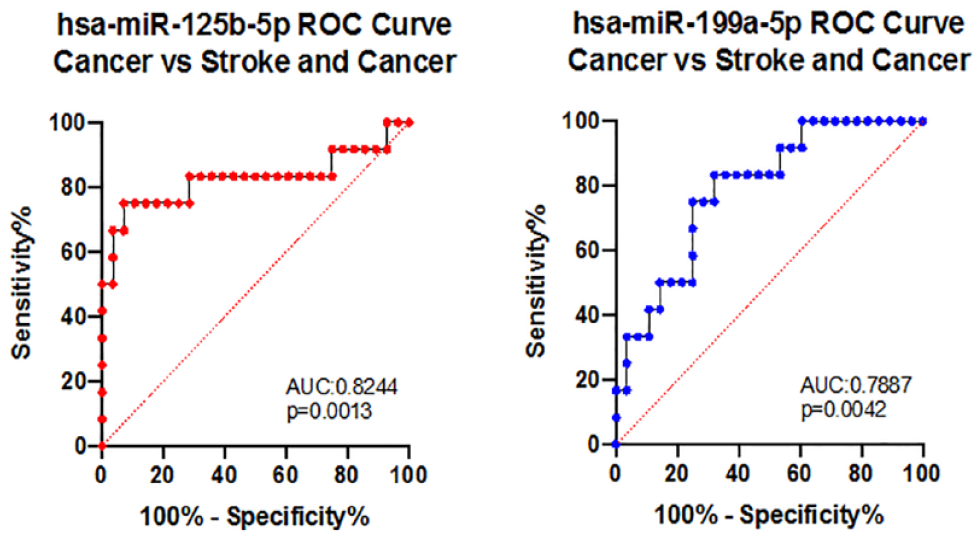
ROC analyses for the two significantly dysregulated miRNAs (hsa-miR-125b-5p and hsa-miR-199a-5p) in cancer and cancer + stroke patients.
GENETICS, ‘OMICS AND BIOMARKERS
1287
Genomic Variation affecting MPV and PLT count in association with Development of Ischemic Stroke and its subtypes
1Central University of Punjab, Human Genetics and Molecular Medicine, Ghudda, India, 2Guru Gobind Singh Medical College and Hospital, Neurology, Faridkot, India
GENETICS, ‘OMICS AND BIOMARKERS
1322
ASSOCIATION OF THE COL4A2 GENE POLYMORPHISMS WITH PRIMARY INTRACEREBRAL HEMORRHAGE RISK AND OUTCOME IN CHINESE HAN POPULATION
1West China Hospital, Sichuan University, Department of Neurology, Chengdu, China, 2University Hospital, LMU Munich, MMed Institute for Stroke and Dementia Research, Munich, Germany
GENETICS, ‘OMICS AND BIOMARKERS
1432
CIRCULATING ANTIGENIC TISSUE-TYPE PLASMINOGEN ACTIVATOR AS AN EARLY BIOMARKER OF HAEMORRHAGIC STROKE
1Inserm U1237, tPA and Neurovascular Disorders, Caen, France, 2Institute Blood and Brain @Caen-Normandie, Institute Blood and Brain @Caen-Normandie, Caen, France, 3Inserm U1077, Neuropsychologie et Imagerie de la Mémoire Humaine, Caen, France, 4Caen University Hospital, Department of Clinical Research, Caen, France, 5Caen University Hospital, Department of Emergency Medicine, Caen, France
GENETICS, ‘OMICS AND BIOMARKERS
1470
Aging-dependent Expression of VEGFR1 Is Associated with T Cell immunosenescence in Carotid Atherosclerosis
1Departments of Neurosurgery and Interventional Neuroradiology, Xuanwu Hospital, China International Neuroscience Institute (China-INI), Beijing, China, Beijing, China, 2Department of Cerebrovascular Disease and Neurosurgery, Zhengzhou University People’s Hospital, Henan Provincial People’s Hospital, Zhengzhou, Henan, China, Departments of Neurosurgery and Interventional Neuroradiology, Xuanwu Hospital, Henan, China, 3Laboratory of Computational Biology and Machine Intelligence, National Laboratory of Pattern Recognition, Institute of Automation, Chinese Academy of Sciences, Beijing, China, School of Artificial Intelligence, University of Chinese Academy of Sciences, Beijing, China, Beijing, China, 4Institute of Cerebrovascular Disease Research and Department of Neurology, Xuanwu Hospital of Capital Medical University, Beijing, China, Departments of Neurosurgery and Interventional Neuroradiology, Xuanwu Hospital, Beijing, China
GENETICS, ‘OMICS AND BIOMARKERS
1810
Diagnostic Performance of MicroRNAs in identifying Ischemic and Hemorrhagic Strokes: A systematic-review and meta-analysis
1 All India Institute Of Medical Sciences, Neurology, New Delhi, India
GENETICS, ‘OMICS AND BIOMARKERS
1881
Identification of genetic regulation at the proteomic level in the long-term stroke outcome: A Proteome-Wide Association study
1Fundació Docència i Recerca MútuaTerrassa, Neurology, Terrassa, Spain, 2Biomedical Research Institute Sant Pau (IIB Sant Pau), Stroke Pharmacogenomics and Genetics group, Barcelona, Spain
GENETICS, ‘OMICS AND BIOMARKERS
1941
CONTROLLING FOR CONFOUNDING VARIABLES IDENTIFIES SPECIFIC AND ROBUST MICROBIAL SIGNATURES OF STROKE
1 Institute for Stroke and Dementia Research, LMU Klinikum, Munich, Germany
GENETICS, ‘OMICS AND BIOMARKERS
2096
THE EXPRESSION OF INFLAMMATORY MARKERS AT mRNA LEVEL IN CRYPTOGENIC YOUNG-ONSET ISCHEMIC STROKE
1University of Tartu, Department of Neurology and Neurosurgery, Tartu, Estonia, 2University of Tartu, Department of Neurology and Neurosurgery, Tartu, Estonia, 3University of Tartu, Institute of Biomedicine and Translational Medicine, Tartu, Estonia, 4University of Tartu, Institute of Family Medicine and Public Health, Tartu, Estonia
GENETICS, ‘OMICS AND BIOMARKERS
2137
Genetic Predisposition to Post-Stroke Epilepsy: Results from the UK Biobank and the All of Us Research Program
1Yale University, Neurology, New Haven, United States, 2University of Gothenburg, Neurology, Gothenburg, United States, 3UCLA, Neurology, Los Angeles, United States
GENETICS, ‘OMICS AND BIOMARKERS
2181
Serum metabolites could assist in the etiological assessment of patients with Intracerebral Hemorrhage
1Hospital Universitari Arnau Vilanova, Neurology, Lleida, Spain, 2Institut Reçerca Biomèdica, Neurociencies clìniques, Lleida, Spain
GENETICS, ‘OMICS AND BIOMARKERS
2208
Serum metabolomic profile could aid to detect patients with Neurological Deterioration during hospitalization in patients with Intracerebral Hemorrhage
1Hospital Universitari Arnau Vilanova, Neurology, Lleida, Spain, 2Institut Reçerca Biomèdica, Neurociencias Clínicas, Lleida, Spain
We aimed to analyze if a set of serum metabolites was related to the development of ND in ICH patients.
Untargeted metabolomic analysis was performed by liquid chromatography coupled to mass spectrometry in serum samples. Multivariate analysis [Partial Least Squares Discriminant Analysis (PLS-DA)] followed by univariate analysis (T-student)] was made. In T-Student, molecules with False Discovery Rate (FDR) of less than 0.1 were selected.
Regarding metabolomic analysis, PLS-DA showed a good separation between patients with ND or not (image). With T-Student, 3 potential metabolites showed FDR of <0.1 and were selected for further validation.
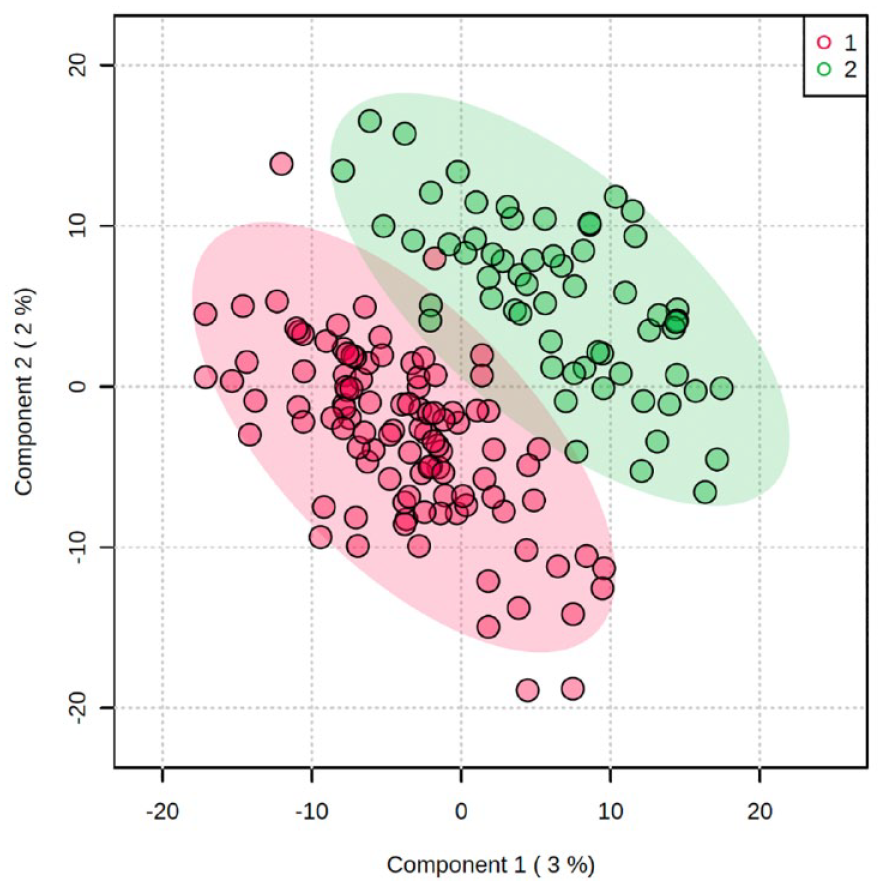
GENETICS, ‘OMICS AND BIOMARKERS
2391
Association between common single nucleotide polymorphisms in microRNA and risk of Ischemic Stroke: A systematic review and meta-analysis
1All India Institute Of Medical Sciences, Neurology, New Delhi, India, 2Yale University, Neurology, New Haven, United States
GENETICS, ‘OMICS AND BIOMARKERS
2430
Identification of Vulnerable and Resilient Neuronal Populations after Ischemic Stroke
1Washington University School of Medicine in St. Louis, Psychiatry, St Louis, United States, 2Washington University School of Medicine in St. Louis, Neurology, St Louis, United States
GENETICS, ‘OMICS AND BIOMARKERS
2291
Polygenic burden for cardiovascular risk factors associates with carotid atherosclerosis
1Erasmus University Medical Center Rotterdam, Radiology and Nuclear Medicine, Rotterdam, Netherlands, 2Erasmus University Medical Center Rotterdam, Neurology, Rotterdam, Netherlands, 3Erasmus University Medical Center Rotterdam, Clinical Genetics, Rotterdam, Netherlands, 4CARIM School for Cardiovascular Diseases, Maastricht University Medical Center, Radiology and Nuclear Medicine, Maastricht, Netherlands, 5University Medical Center Utrecht, Radiology, Utrecht, Netherlands, 6Amsterdam UMC, University of Amsterdam, Amsterdam Cardiovascular Science, Neurology, Amsterdam, Netherlands, 7Erasmus University Medical Center Rotterdam, Epidemiology, Rotterdam, Netherlands
CLINICAL PRACTICE, MANAGEMENT AND CARE
297
OUTCOMES OF PERCUTANEOUS ENDOSCOPIC GASTROSCOPY TUBE FEEDING IN DYSPHAGIC STROKE PATIENTS IN A UK DISTRICT GENERAL HOSPITAL
1Northern Care Alliance - NHS, Stroke Services ( Fairfield General Hospital), Manchester, United Kingdom, 2Aberdeen Royal Infirmary, Geriatric Medicine, Aberdeen, United Kingdom
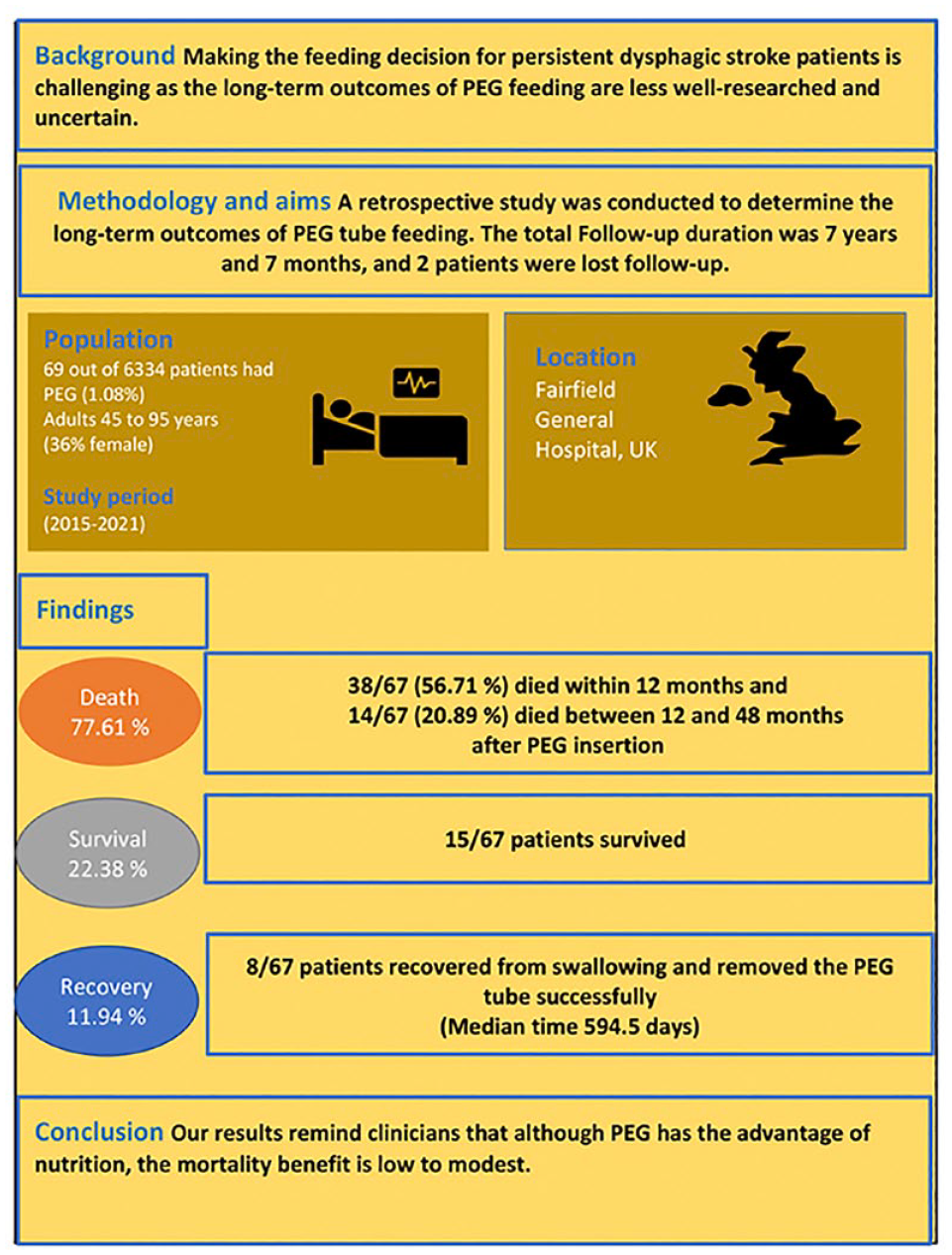
CLINICAL PRACTICE, MANAGEMENT AND CARE
360
Antiseizure medications for primary prevention of acute symptomatic seizures after stroke: a systematic review with meta-analysis
1Hospital of Merano, Department of Neurology, Merano, Italy, 2Marche Polytechnic University, Neurological Clinic, Department of Experimental and Clinical Medicine, Ancona, Italy
CLINICAL PRACTICE, MANAGEMENT AND CARE
483
BRIDGING THE GAP BETWEEN PRE-AND IN-HOSPITAL SERVICES IN THE STROKE CARE PATHWAY DURING A CLUSTER RANDOMISED TRIAL: A QUALITATVE THEMATIC ANALYSIS
1The Norwegian Air Ambulance Foundation, Department of Research, Oslo, Norway, 2Oslo University Hospital, Division of Prehospital Services, Oslo, Norway, 3University of Oslo, Institute of Clinical Medicine, Oslo, Norway, 4Oslo University Hospital, Department of Neurology, Oslo, Norway, 5Østfold University College, Department of Nursing, Health and Laboratory Science, Halden, Norway, 6Oslo Metropolitan University, Institute of Nursing and Health Promotion, Oslo, Norway, 7Sunnaas Rehabilitation Hospital, Department of Research, Oslo, Norway
1) NIHSS improves prehospital clinical assessment in acute stroke care
2) The eSTROKE model facilitates communication in acute stroke care
3) Collaboration is supported by increased competence and shared understanding
4) The different presentations of acute stroke require both competence and experience
CLINICAL PRACTICE, MANAGEMENT AND CARE
616
INTEGRATED STROKE CARE: PROVIDING TOOLS FOR THE EVALUATION OF DIFFERENT PARTS OF THE CARE PATHWAY - A SYSTEMATIC REVIEW
1KU Leuven, Leuven Institute for Healthcare Policy, Leuven, Belgium, 2University Hospitals Leuven, Radiotherapy-Oncology, Leuven, Belgium, 3University Hospitals Leuven, Neurology department, Leuven, Belgium
CLINICAL PRACTICE, MANAGEMENT AND CARE
624
PATIENTS’ EXPERIENCES OF PHYSICAL ACTIVITY AND INACTIVITY AT STROKE UNITS IN WESTERN SWEDEN – AN INTERVIEW STUDY
1Institute of Neuroscience and Physiology, Department of Neuroscience, Gothenburg, Sweden, 2Department of Occupational Therapy and Physiotherapy, Sahlgrenska University Hospital, Gothenburg, Sweden, 3Rehabilitation Medicine, Neurocare, Sahlgrenska University Hospital, Gothenburg, Sweden
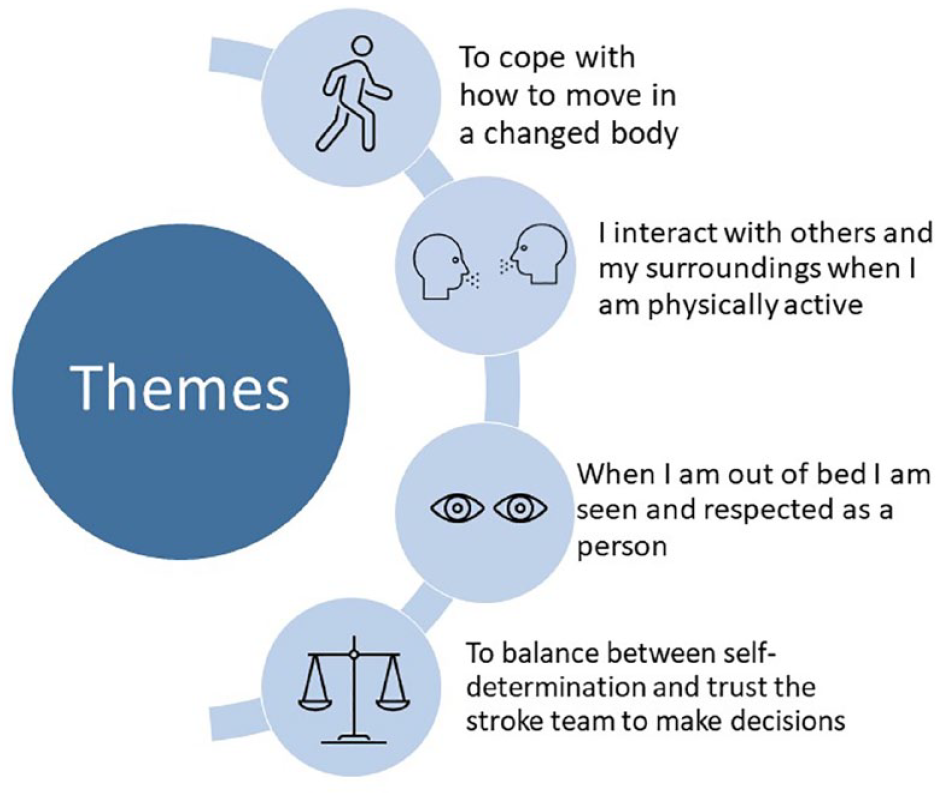
Themes of patients’ experiences of physical activity and inactivity at the stroke unit.
CLINICAL PRACTICE, MANAGEMENT AND CARE
681
FEASIBILITY OF LOW-DOSE OR CONE-BEAM CT PERFUSION IN ACUTE ISCHEMIC STROKE
1VIB-KU Leuven, Lab of Neurobiology, Leuven, Belgium, 2KU Leuven, Department of Electrical Engineering, Leuven, Belgium, 3Karolinska University Hospital, Department of Neuroradiology, Stockholm, Sweden, 4Karolinska Institutet, Department of Clinical Neuroscience, Stockholm, Sweden, 5Maastricht University, Medical Center, Maastricht, Netherlands, 6Amsterdam UMC, Department of Neurosciences, Amsterdam, Netherlands, 7Erasmus MC, Department of Radiology & Nuclear Medicine, Rotterdam, Netherlands, 8Stanford University, Department of Neurology & Neurological Sciences, Stanford, United States
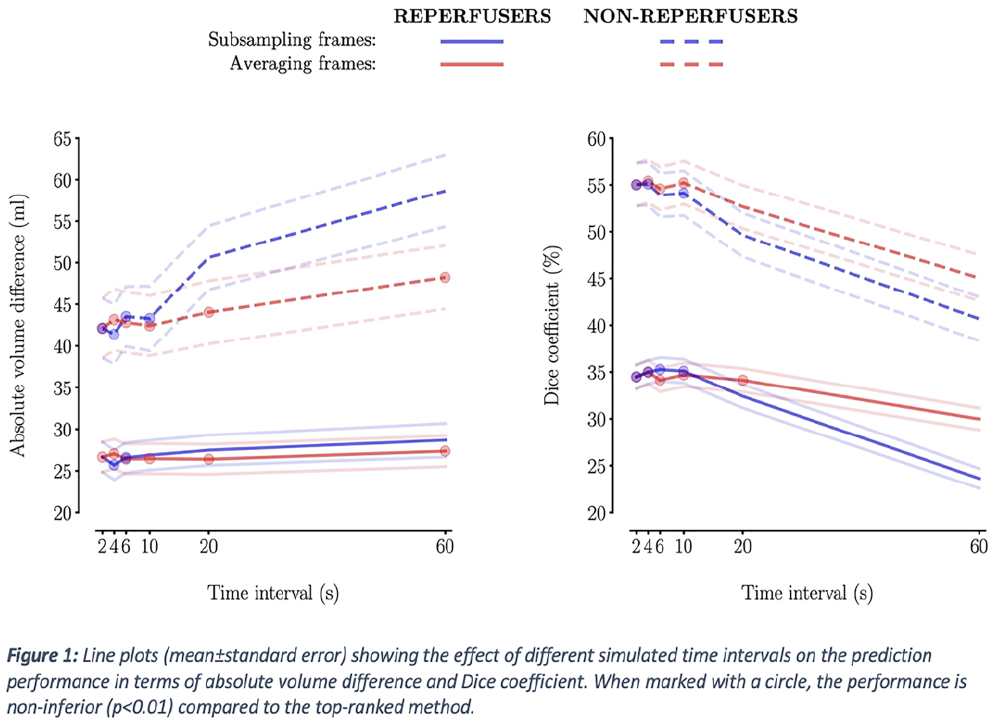
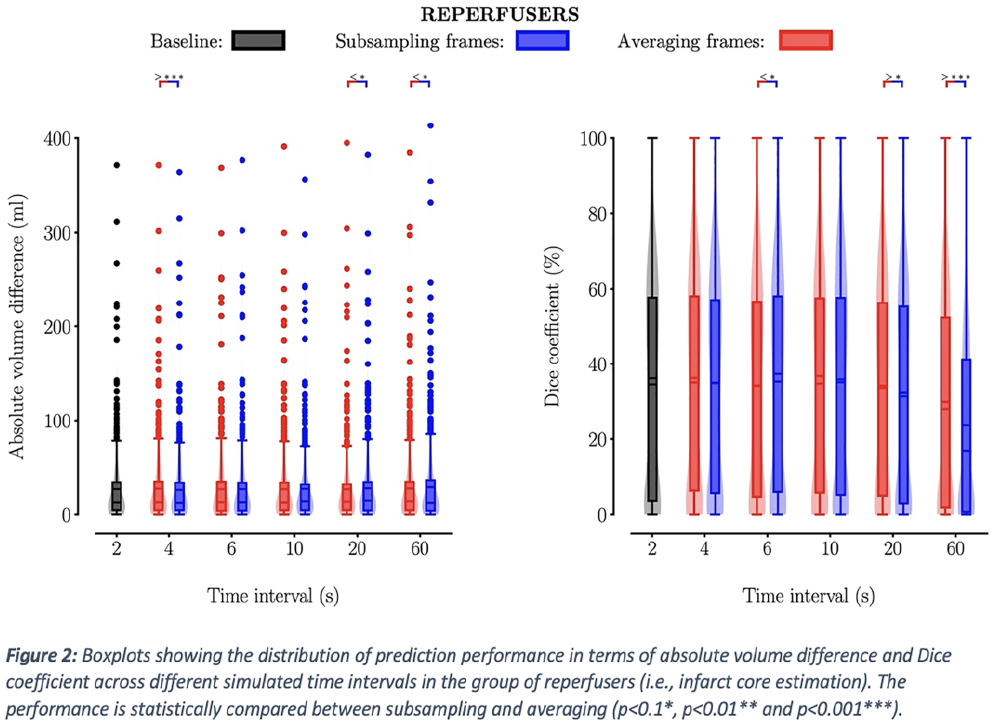
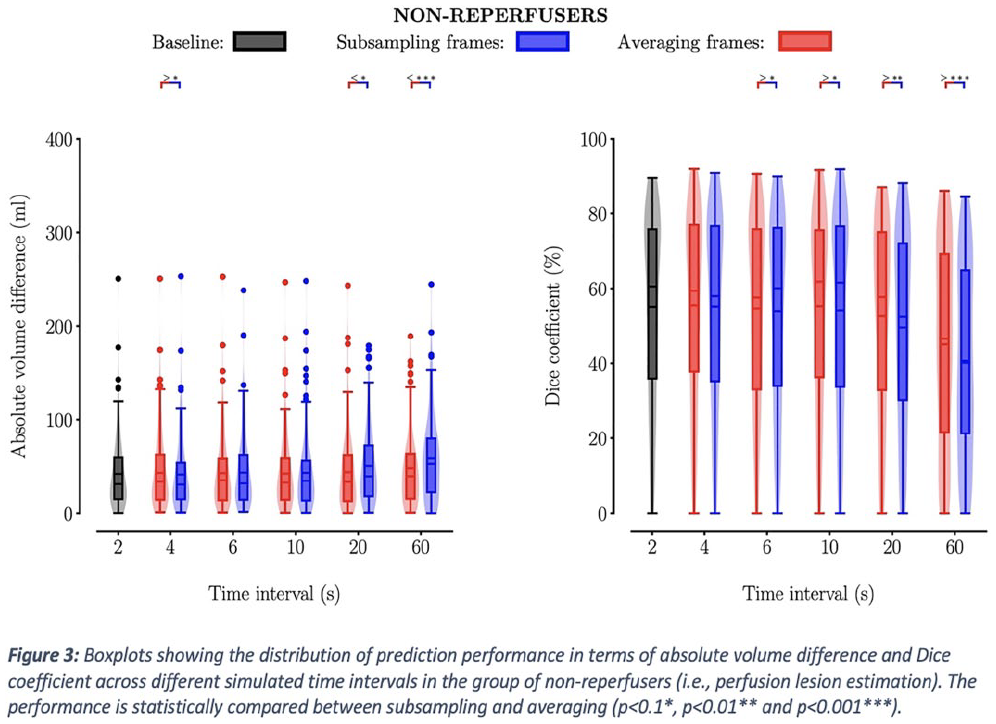
CLINICAL PRACTICE, MANAGEMENT AND CARE
693
Treatment of acute ischemic stroke in patients with active malignancy: Insight from a comprehensive stroke center
1University Hospital Essen, Department of Neurology and Center for Translational Neuro- and Behavioral Sciences (C-TNBS), Essen, Germany, 2University Hospital Essen, Institute for Diagnostic and Interventional Radiology and Neuroradiology, Essen, Germany, 3University Hospital Essen, Institute of Medical Informatics, Biometry and Epidemiology, Essen, Germany, 4University Hospital Essen, Department of Neurosurgery and Spine Surgery, Essen, Germany
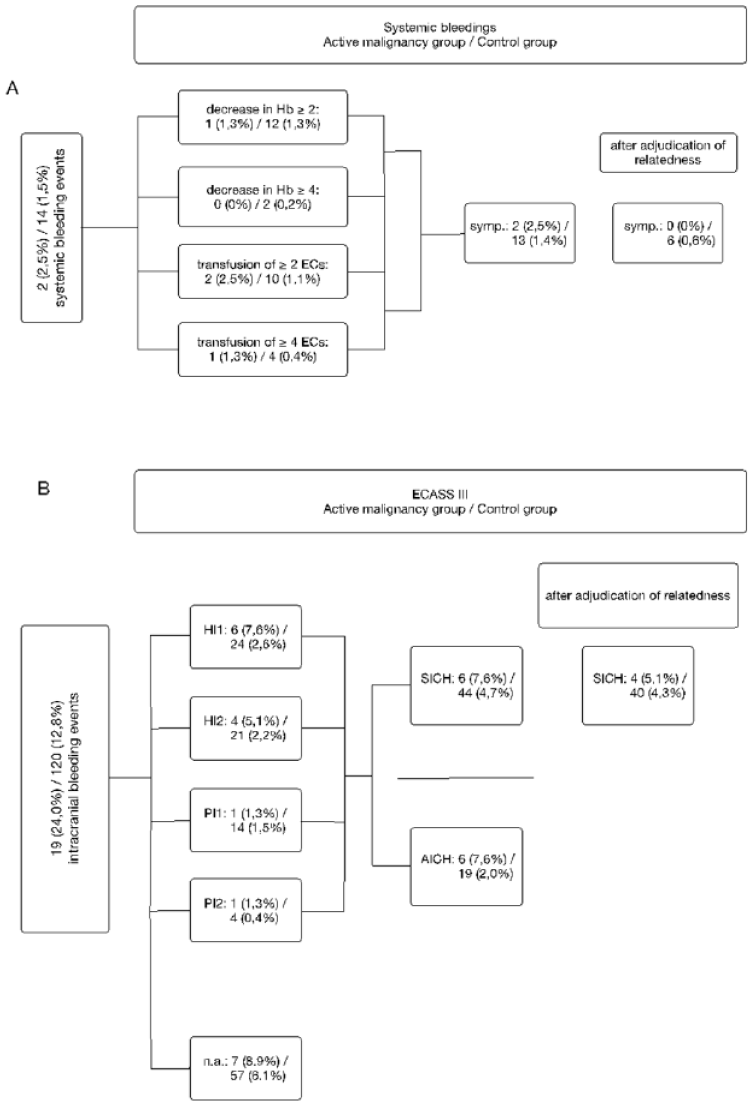
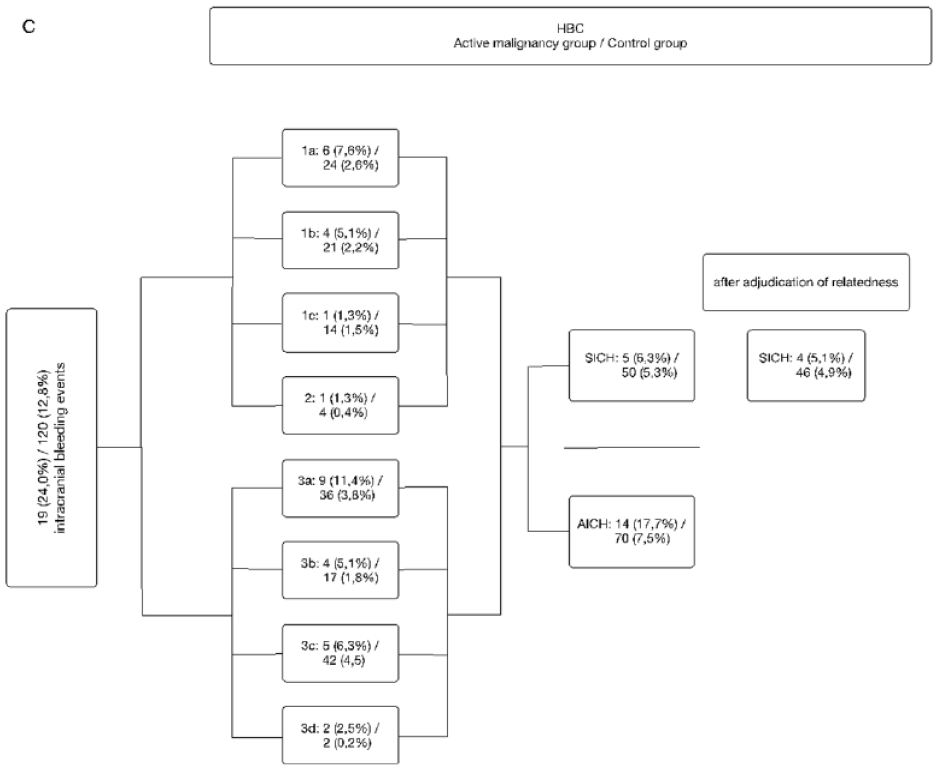
CLINICAL PRACTICE, MANAGEMENT AND CARE
725
Patient´s description of onset stroke symptoms
1Region Västra Götaland, Sahlgrenska University Hospital, Department of Medicine Geriatrics and Emergency Medicine/Östra, Gothenburg, Sweden, Department of Molecular and Clinical Medicine, Sahlgrenska Academy, University of Gothenburg, Gothenburg, Sweden, Gothenburg, Sweden, 2Department of Health Sciences, University West, Sweden e, Stroke unit, Department of Medicine, Skaraborg Hospital Skövde, Sweden, Skövde, Sweden, 3Institute of Health and Care Sciences, Sahlgrenska Academy, University of Gothenburg, Gothenburg, Sweden, Institute of Health and Care Sciences, Sahlgrenska Academy, University of Gothenburg, Gothenburg, Sweden, Gothenburg, Sweden, 4Region Västra Götaland, Sahlgrenska University Hospital, Department of Medicine Geriatrics and Emergency Medicine/Östra, Gothenburg, Sweden, Department of Molecular and Clinical Medicine, Sahlgrenska Academy, University of Gothenburg, Gothenburg, Sweden, Gothenburg, Sweden, 5Department of Cardiothoracic Surgery, Sahlgrenska University Hospital, Gothenburg, Sweden, Department of Molecular and Clinical Medicine, Sahlgrenska Academy, University of Gothenburg, Gothenburg, Sweden, Gothenburg, Sweden, 6Department of Molecular and Clinical Medicine, Sahlgrenska Academy, University of Gothenburg, Gothenburg, Sweden, Region Västra Götaland, Sahlgrenska University Hospital, Department of Medicine Geriatrics and Emergency Medicine/Östra, Gothenburg, Sweden, Gothenburg, Sweden
CLINICAL PRACTICE, MANAGEMENT AND CARE
785
Inter-hospital Disparity of Acute Ischaemic Stroke Management in Korea: Analysis of the Korean Stroke Registry from 2011 to 2021
1Seoul National University Hospital, Department of Neurology, Emergency Medical Center, Seoul, South Korea, 2Seoul National University Hospital, Department of Neurology, Seoul, South Korea, 3Dankook University, College of Pharmacy, Cheonan, South Korea, 4Uijeongbu Eulji Medical center, Eulji University, Department of Neurology, Uijeongbu, South Korea, 5Seoul National University College of Medicine, Seoul National University Bundang Hospital, Department of Neurology, Cerebrovascular Center, Seongnam, South Korea
CLINICAL PRACTICE, MANAGEMENT AND CARE
1084
ARE PATIENTS WITH SEVERE STROKE CONSIDERED VEGETABLES?
1University Medical Center Utrecht, Department of Neurology and Neurosurgery, Utrecht, Netherlands, 2University Hospital Basel, University of Basel, Department of Neurology, Basel, Switzerland
CLINICAL PRACTICE, MANAGEMENT AND CARE
1142
FREQUENCY AND SYMPTOMS OF NON-NEUROLOGICAL AND NEUROLOGICAL STROKE MIMICS IN THE EMERGENCY DEPARTMENT – EXPERIENCES FROM A COMPREHENSIVE STROKE CENTER
1University Hospital Essen, Department of Neurology and Center for Translational Neuro- and Behavioral Sciences (C-TNBS), Essen, Germany, 2University Hospital Essen, Department of Trauma, Hand and Reconstructive Surgery, Essen, Germany, 3City of Essen, Medical Emergency Service, Essen, Germany
CLINICAL PRACTICE, MANAGEMENT AND CARE
1157
QUALITY OF EARLY STROKE CARE AND LONG-TERM MORTALITY IN PATIENTS WITH STROKE – A NATIONWIDE LONG-TERM FOLLOW-UP STUDY
1Copenhagen University Hospital – Herlev and Gentofte, Neurovascular Research Unit, Department of Neurology, Copenhagen, Denmark, 2University of Copenhagen, Department of Clinical Medicine, Copenhagen, Denmark, 3Region North, Psychiatry, Aalborg, Denmark, 4Aalborg University, Department of Clinical Medicine, Danish Center for Clinical Health Services Research, Aalborg, Denmark, 5Copenhagen University Hospital - Herlev and Gentofte, Department of Anaesthesiology, Copenhagen, Denmark
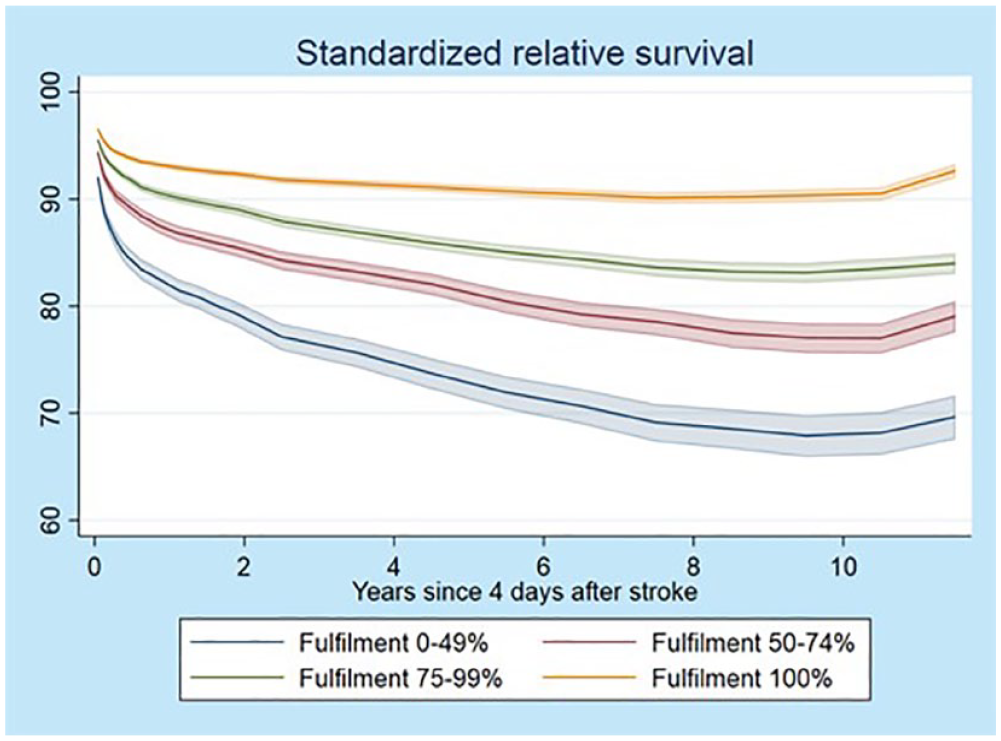
CLINICAL PRACTICE, MANAGEMENT AND CARE
1181
Transient visual disturbance: neurological or ophthalmological emergency? Vascular origin in acute transient visual disturbance: A prospective cohort study
1Rothschild Foundation Hospital, Department of Neurology and Stroke Center, Paris, France, 2Rothschild Foundation Hospital, Department of Ophthalmology, Paris, France, 3Public Assistance Hospitals of Paris, SOS-TIA Clinic, Bichat Hospital, University of Paris, Neurology and Stroke Center, Paris, France
CLINICAL PRACTICE, MANAGEMENT AND CARE
1228
Meta-analytic methods for synthesizing evidence across explanatory and pragmatic trials
1University of Calgary, Department of Community Health Sciences, Calgary, Canada, 2McMaster University, Department of Health Research Methods, Evidence, and Impact, Hamilton, Canada, 3University of Calgary, Department of Surgery, Calgary, Canada
CLINICAL PRACTICE, MANAGEMENT AND CARE
1234
Impairment of spatial discrimination sensory function in patients with cerebellar infarction: Evidence of cerebellar contribution to sensory function
1Kyung Hee University College of Medicine, Kyung Hee University Hospital at Gangdong, Neurology, Seoul, South Korea, 2Chung-Ang University College of Medicine, Neurology, Seoul, South Korea
CLINICAL PRACTICE, MANAGEMENT AND CARE
1237
PERFORMANCE OF STRATIFICATION SCORES ON THE RISK OF STROKE AFTER A TRANSIENT ISCHEMIC ATTACK: A SYSTEMATIC REVIEW AND NETWORK META-ANALYSIS
1Hamilton General Hospital, Neurology, Hamilton, Canada, 2McMaster University, Neurology, Hamilton, Canada, 3Li Ka Shing Knowledge Institute, knowledge transition program, Toronto, Canada, 4St. Michael’s Hospital, Unity health Toronto, Toronto, Canada, 5Population Health Research Institute, Neurology, Hamilton, Canada
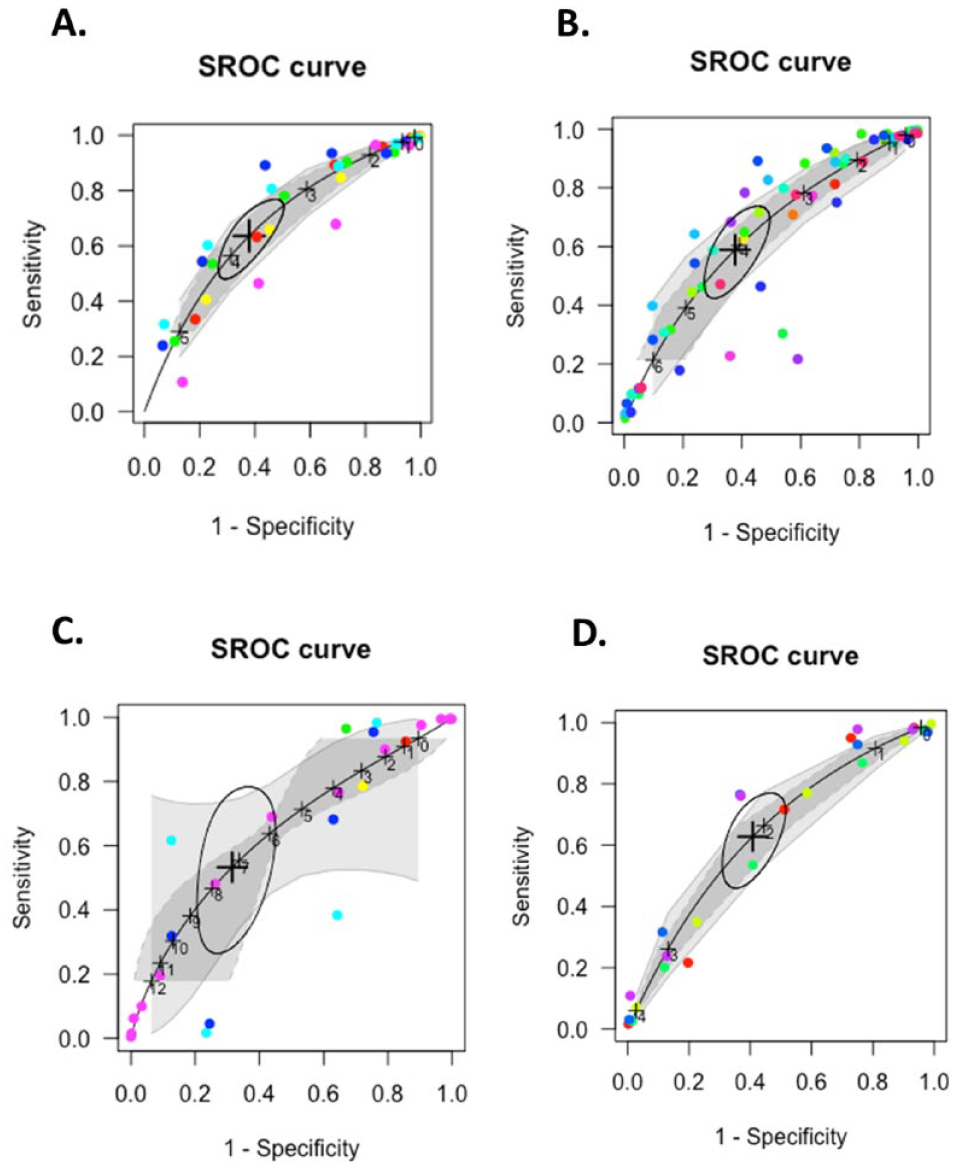
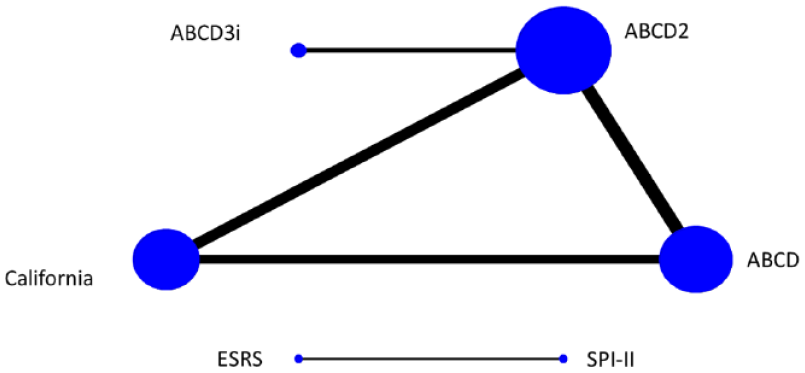
CLINICAL PRACTICE, MANAGEMENT AND CARE
1242
Identifying the unmet needs of young people with stroke who have communication or cognitive impairment
1The Florey Institute of Neuroscience and Mental Health, Stroke Theme, Melbourne, Australia, 2University of Technology Sydney, Speech Pathology, Sydney, Australia, 3La Trobe University, Department of Psychology, Counselling & Therapy, Melbourne, Australia, 4Monash University, Department of Neurosciences, Melbourne, Australia, 5Royal Melbourne Hospital, Neuropsychology, Melbourne, Australia
Via online interview, YSS with cognitive or language impairments completed the tool and provided feedback on its content and usability. Data collected: demographics, stroke details, communicative activity limitation (Australian Therapy Outcome Measures), self-reported cognitive difficulties.
Respondents on average reported high distress (median 5, IQR 1.5 – 7). All had at least one unmet need related to “body and mind” (particularly speech/ communication (75%), fatigue (70%) and memory/ thinking (65%)) and most had needs in all domains. Face to face appointments was most preferred across all domains, followed by group discussion, and podcast/ video by a professional.
Use of the tool was strongly endorsed. Respondents suggested the tool should be used early after stroke, prior to transitions, and at regular intervals to accommodate changing needs.
CLINICAL PRACTICE, MANAGEMENT AND CARE
1270
Prevalence and phenotype of dysphagia in cerebellar ischemic stroke
1University Hospital Frankfurt, Goethe University, Department of Neurology, Frankfurt am Main, Germany, 2University Hospital Frankfurt, Goethe University, Institute of Neuroradiology, Frankfurt am Main, Germany, 3RKH Klinikum Ludwigsburg, Department of Neurology, Ludwigsburg, Germany
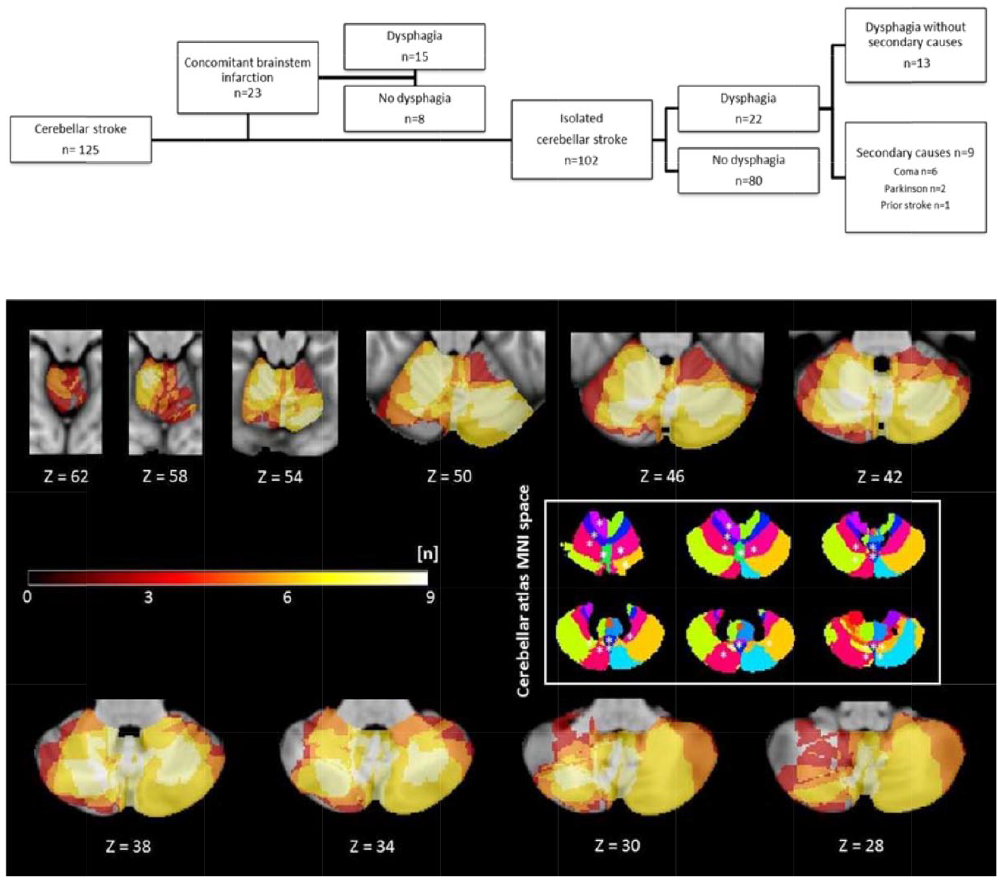
CLINICAL PRACTICE, MANAGEMENT AND CARE
1296
ANALYSIS OF MEDICAL ENTERAL NUTRITION’S USEFULLNESS OF ACUTE STROKE PATIENTS IN A HUNGARIAN STROKE CENTER
1Szent János Hospital, Neurology and Stroke, Budapest, Hungary, 2Semmelweis University, Doctoral School of Pathological Sciences, Health Sciences Research, Budapest, Hungary, 3Hungarian Dietetic Association, Hungarian Dietetic Association, Budapest, Hungary
CLINICAL PRACTICE, MANAGEMENT AND CARE
1300
Outcomes and Quality of Care Amongst In-Hospital Strokes
1Trinity College Dublin, Department of Medical Gerontology, School of Medicine, Dublin, Ireland, 2St James’s Hospital, Mercer’s Institute of Successful Ageing, Dublin, Ireland, 3Trinity College Dublin, Department of Neurology, School of Medicine, Dublin 2, Ireland, 4St James’s Hospital, Department of Neurology, Dublin, Ireland
The proportion of IHS receiving thrombectomy was higher (10% versus 7% of COS) but not statistically significant (p=0.35). When compared to COS, IHS were less likely to be under the stroke team (22% versus 71%; p<0.0001), admitted to the stroke unit (41% versus 80%;p<0.0001), receive swallow screening (49% versus 77%; p<0.0001), and be discharged home (52% versus 64%; p=0.03). Fifteen percent of IHS died compared to 11% of COS (p=0.2). Having no/mild disability at discharge was more likely in COS than IHS (62% versus 45%,p=0.003).
CLINICAL PRACTICE, MANAGEMENT AND CARE
1370
Suboptimal anticoagulation management precedes the majority of ischaemic strokes in patients with known AF and/or mechanical valve(s)
1Austin Hospital, Neurology, Heidelberg, Australia, 2Fiona Stanley Hospital, Neurology, Murdoch, Australia, 3Austin Hospital, Neurology, Heidelberg, Australia, 4Box Hill Hospital, Neurology, Box Hill, Australia, 5Perron Institute for Neurological and Translational Science, Neurology, Nedlands, Australia
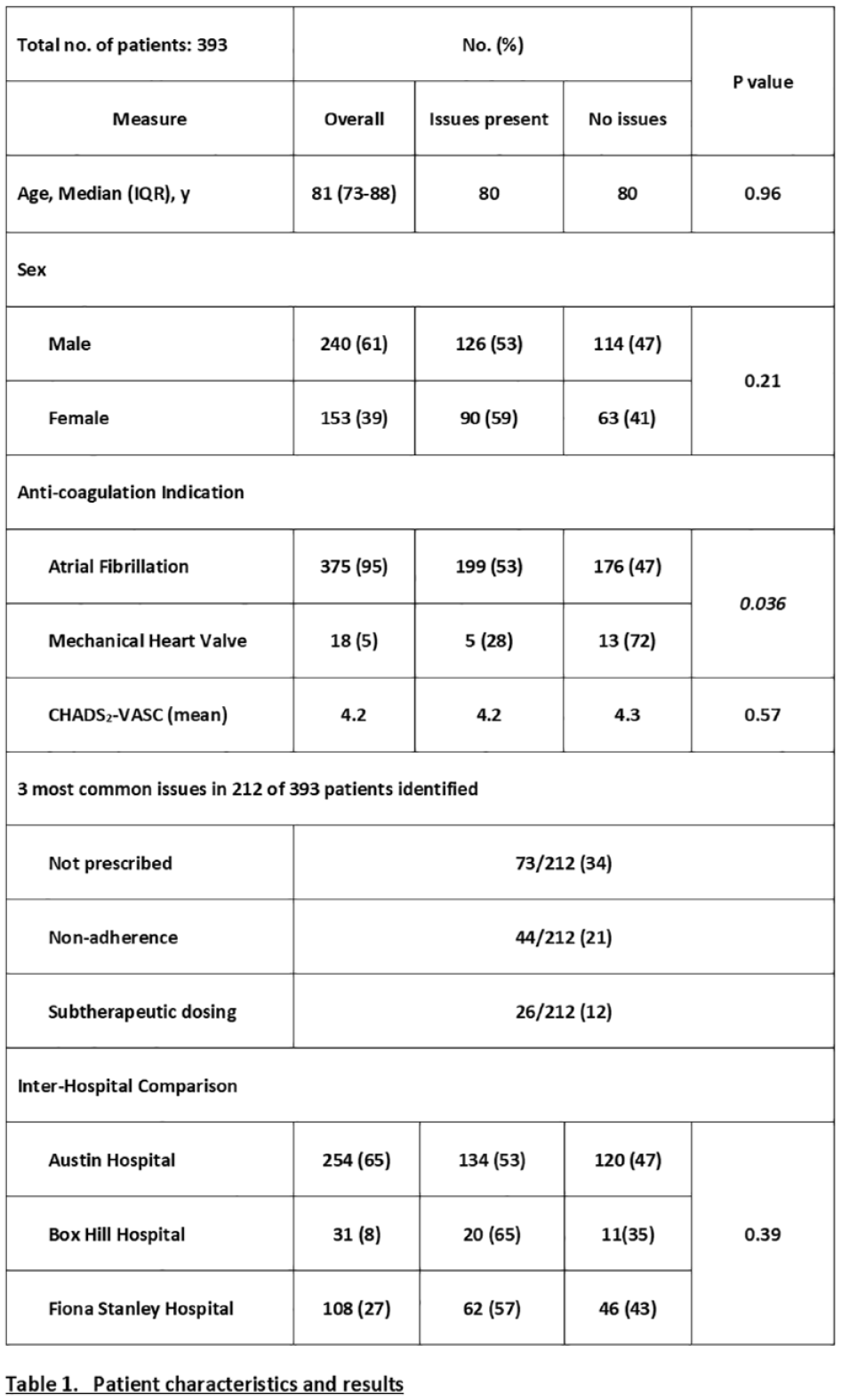
CLINICAL PRACTICE, MANAGEMENT AND CARE
1386
EFFECT OF EYES-OPEN AND EYES-CLOSED STATES ON SUBHAIRLINE ELECTROENCEPHALOGRAPHY-BASED LARGE VESSEL OCCLUSION STROKE DETECTION
1Amsterdam UMC, location University of Amsterdam, Department of Clinical Neurophysiology, Amsterdam, Netherlands, 2Amsterdam UMC, location University of Amsterdam, Department of Neurology, Amsterdam, Netherlands, 3Amsterdam UMC, location University of Amsterdam, Department of Biomedical Engineering and Physics, Amsterdam, Netherlands, 4Amsterdam UMC, location University of Amsterdam, Department of Radiology and Nuclear Medicine, Amsterdam, Netherlands, 5TrianecT, -, Utrecht, Netherlands
CLINICAL PRACTICE, MANAGEMENT AND CARE
1422
DETECTION OF ACUTE LARGE AND MEDIUM VESSEL OCCLUSION STROKE WITH ELECTROENCEPHALOGRAPHY
1Amsterdam UMC location University of Amsterdam, Neurology and Clinical Neurophysiology, Amsterdam, Netherlands, 2Amsterdam UMC location University of Amsterdam, Neurology, Amsterdam, Netherlands, 3Witte Kruis Ambulancezorg, -, Alkmaar, Netherlands, 4Ambulancezorg Nederland, -, Zwolle, Netherlands, 5Ambulance Amsterdam, -, Amsterdam, Netherlands, 6OLVG Hospital, Neurology, Amsterdam, Netherlands, 7Noordwest Ziekenhuisgroep location Alkmaar, Neurology, Alkmaar, Netherlands, 8Amsterdam UMC location University of Amsterdam, Radiology and Nuclear Medicine, Amsterdam, Netherlands, 9Amsterdam UMC location University of Amsterdam, Biomedical Engineering and Physics, Amsterdam, Netherlands, 10TrianecT, -, Utrecht, Netherlands
CLINICAL PRACTICE, MANAGEMENT AND CARE
1472
COMPARISON OF THE NEW CANADIAN SCORE TO ABCD2 FOR TIA RISK STRATIFICATION IN A COMMON CLINICAL SETTING: an update
1Hospital Santa Maria della Stella, Internal and Emergency Medicine, Orvieto, Italy, 2Ospedale Branca, Stroke Unit-Neurology, Gubbio, Italy, 3Ospedale Città di Castello USL Umbria 1, Stroke Unit-Neurology, Città di Castello, Italy, 4Regione Umbria - Palazzo Broletto, Public Health, Perugia, Italy
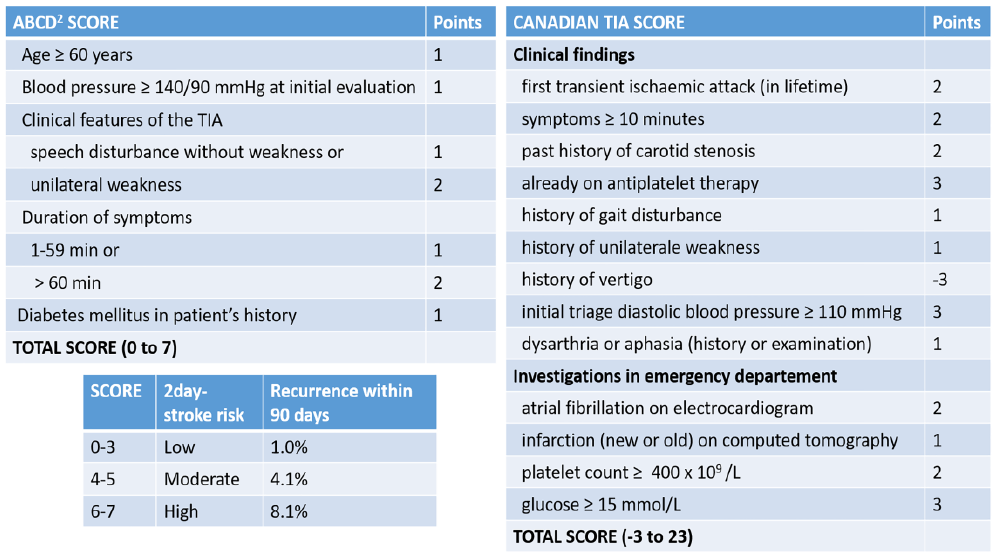
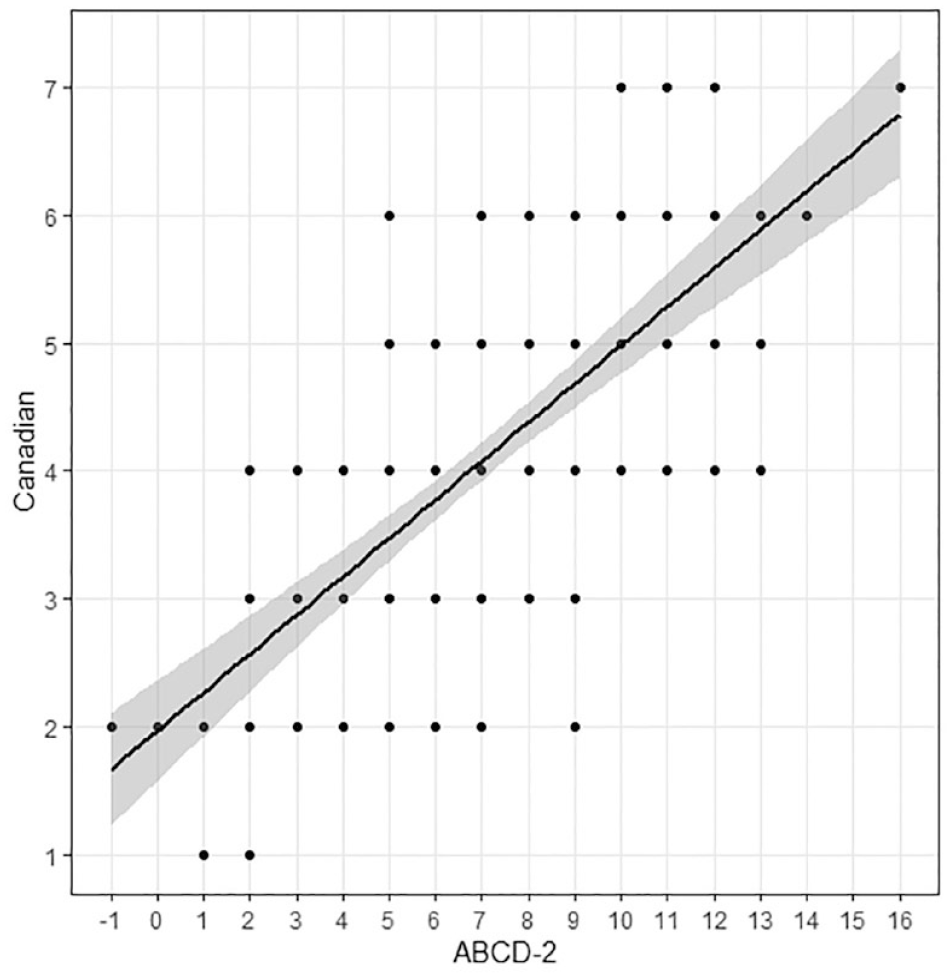
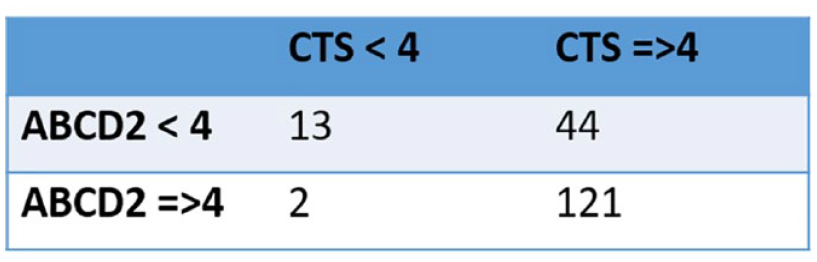
CLINICAL PRACTICE, MANAGEMENT AND CARE
1651
Clinical presentation in patients with posterior circulation stroke and mild symptoms
1Careggi University Hospital, NEUROFARBA Department, Firenze, Italy, 2Christchurch Hospital, Department of Neurology, Christchurch, New Zealand, 3University Hospital Motol, Department of Neurology, Prague, Czech Republic, 4Royal Melbourne Hospital, University of Melbourne, Department of Medicine and Neurology, Parkville, Australia, 5University Hospital of “Tor Vergata”, Stroke Unit, Roma, Italy, 6The Walter and Eliza Hall Institute of Medical Research, Population Health and Immunity Division, Parkville, Australia
CLINICAL PRACTICE, MANAGEMENT AND CARE
2490
Identification of occult lung cancer during and after hospitalization for stroke
1Bispebjerg University Hospital, Neurology, Copenhagen, Denmark, 2Danish Cancer Society Research Center, Statistics, Copenhagen, Denmark
CLINICAL PRACTICE, MANAGEMENT AND CARE
2639
CHANGES IN STATIN PRESCRIBING BEHAVIORS FOLLOWING INCIDENTALLY-DISCOVERED COVERT CEREBROVASCULAR DISEASE: A RETROSPECTIVE COHORT IN A LARGE EHR IDENTIFIED USING NATURAL LANGUAGE PROCESSING
1Tufts Medical Center, Department of Neurology, Boston, United States, 2Kaiser Permanente Southern California, Department of Research and Evaluation, Pasadena, United States, 3Tufts Medical Center, Biostatistics, Epidemiology, and Research Design Center, Boston, United States, 4Mayo Clinic, Department of Radiology, Rochester, United States, 5Mayo Clinic, Department of AI and Informatics, Rochester, United States, 6Tufts Medical Center, Predictive Analytics and Comparative Effectiveness Center, Boston, United States
CLINICAL PRACTICE, MANAGEMENT AND CARE
2655
THE EFFECTS OF POSTURE ON CEREBRAL BLOOD VELOCITY IN ACUTE STROKE
1Sheffield Hallam University, Advanced Wellbeing Research Centre, Sheffield, United Kingdom, 2University of Sheffield, Department of Neuroscience, Sheffield, United Kingdom
We will report results from the analysis of our full dataset, alongside correlations between clinical data (e.g. stroke severity, anti-hypertensive drug usage, and three-month functional independence) and the MCAV response to mobilisation.
CLINICAL PRACTICE, MANAGEMENT AND CARE
1085
1-year outcome of mechanical thrombectomy in patients with cancer-related acute ischemic stroke in the Krakow Comprehensive Stroke Center in Poland
1Jagiellonian University Medical College, Department of Neurology, Krakow, Poland, 2University Hospital, Department of Neurology, Krakow, Poland, 3Jagiellonian University Medical College, Faculty of Medicine, Krakow, Poland
Disclosure of interest: Yes
CLINICAL PRACTICE, MANAGEMENT AND CARE
1674
SCREENING PROTOCOL OF GROIN COMPLICATIONS AFTER ENDOVASCULAR PROCEDURE IN STROKE PATIENTS. DESIGN AND APPLICATION IN A STROKE UNIT
1Donostia University Hospital, Neurology, San Sebastian, Spain, 2Biodonostia Research Institute, Neurosciences, San Sebastian, Spain, 3Donostia University Hospital, Radiology, San Sebastian, Spain
Disclosure of interest: Yes
CLINICAL PRACTICE, MANAGEMENT AND CARE
1103
Patient-Centered Outcomes of Severe Stroke Survivors with Prolonged Respiratory Failure - a post hoc analysis of the SETPOINT2 Trial
1Department of Neurology, University of Heidelberg, Heidelberg, Germany, 2Department of Critical Care, Maine Meducal Center, Portland, Maine, United States
Disclosure of interest: Yes
CLINICAL PRACTICE, MANAGEMENT AND CARE
1081
Characteristics, clinical practice patterns and outcomes of strokes in India: INSPIRE - A multi-centre prospective study
1Clinical Research Facility Galway, Department of Geriatric & Stroke Medicine, Galway, Ireland, 2St. John’s Medical College, Clinical Research and Training, Bangalore, India, 3St. John’s Research Institute, Clinical Research and Training, Bangalore, India, 4Christian Medical College, Department of Neurology, Ludhiana, India, 5Population Health Research Institute, McMaster University and Hamilton Health Sciences, Hamilton, Canada
CLINICAL PRACTICE, MANAGEMENT AND CARE
1660
REGIONAL ACUTE STROKE CARE IN THE NETHERLANDS: OVERVIEW OF MEDIAN DOOR-TO-DOOR-TO-GROIN TIMES IN THE DUTCH ACUTE STROKE AUDIT
1Amsterdam University Medical Center, Neurology, Amsterdam, Netherlands, 2Leiden University Medical Center, Biomedical Data Sciences, Leiden, Netherlands, 3Onze Lieve Vrouw Gasthuis, Neurology, Amsterdam, Netherlands
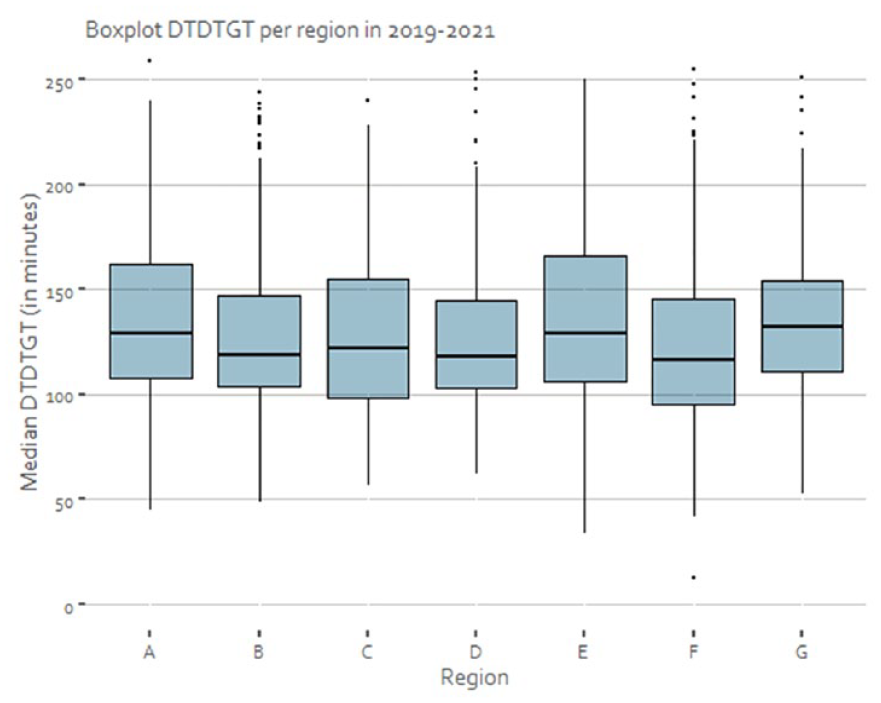
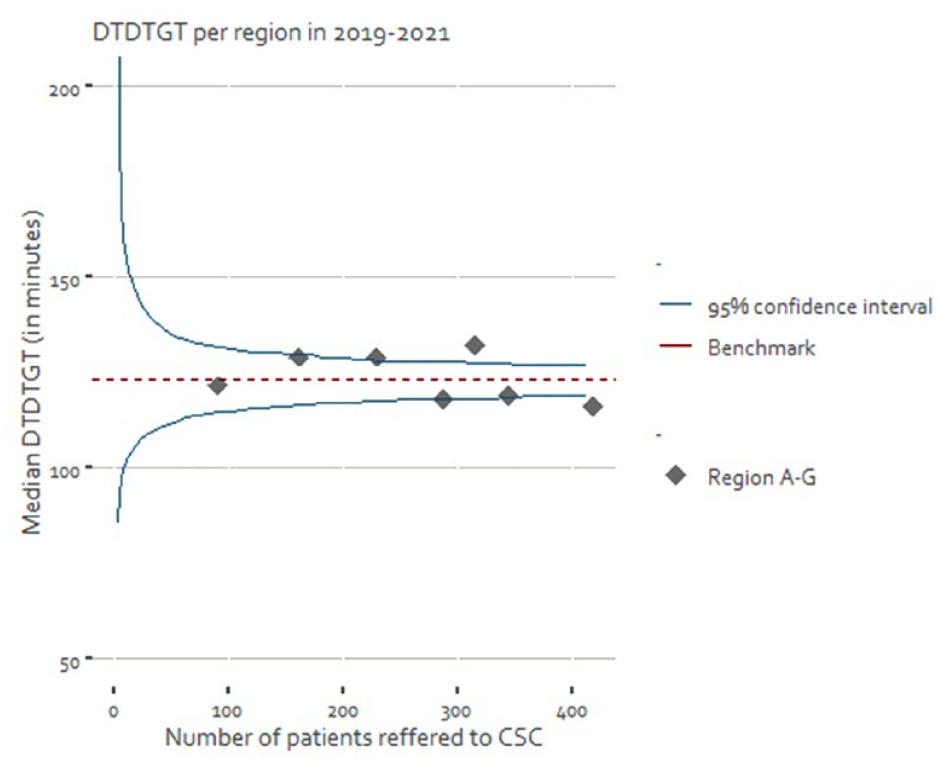
SERVICE ORGANISATION/QUALITY IMPROVEMENT AND PATIENT CENTERED OUTCOMES
305
VIRTUAL GROUPED COUNSELLING TO COMMUNITY-DWELLING STROKE SURVIVORS TO ENHANCE DISEASE KNOWLEDGE AND SELF MANAGEMENT CONFIDENCE - EXPERIENCE FROM A REGIONAL HOSPITAL IN HONG KONG
1 Acute Stroke Unit, Department of Medicine and Geriatrics, Tuen Mun Hospital, Hospital Authority, Hong Kong, Tuen Mun, Hong Kong
The intervention was introduced to patients admitting to stroke unit of a regional hospital. Interested patients and caregivers were recruited. Repeated participations were allowed.
Participants’ knowledge, self-management confidence, and satisfaction were assessed via online questionnaire before and after intervention.
Mean age of participants was 59.9 years old. Most participants experienced first-time stroke.
Participants’ knowledge improved by 3.2 points (Fig. 1, p < 0.001) while self-management confidence improved by 5.6 points (Fig. 2, p < 0.001).
Participants were satisfied with virtual meeting, with mean satisfactory score of 9.0. They reported virtual format provided versatility in obtaining health knowledge and grouped nature of the intervention promoted social interaction.
19 participants (8.2%) were identified having health issues during intervention and were followed up individually.
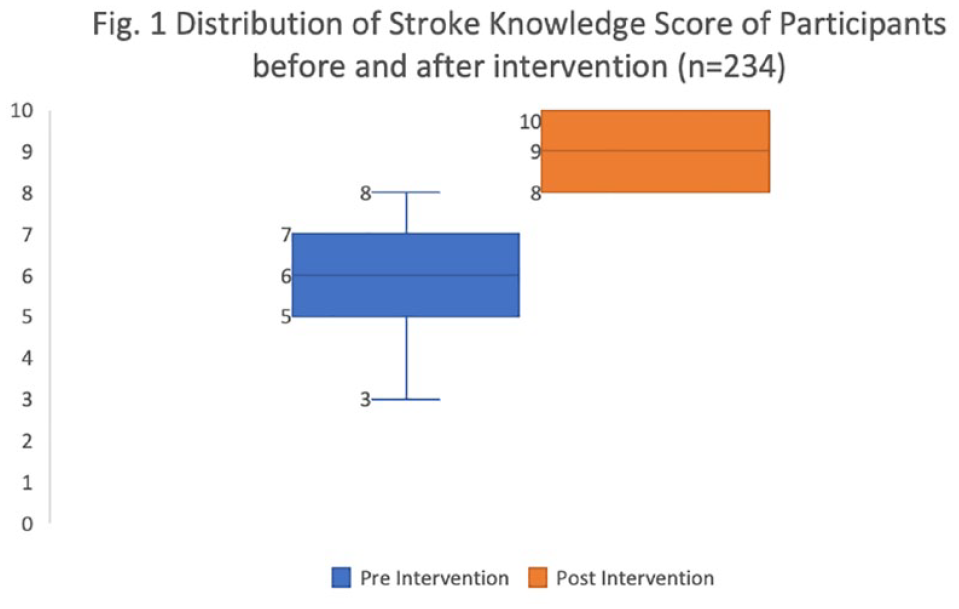
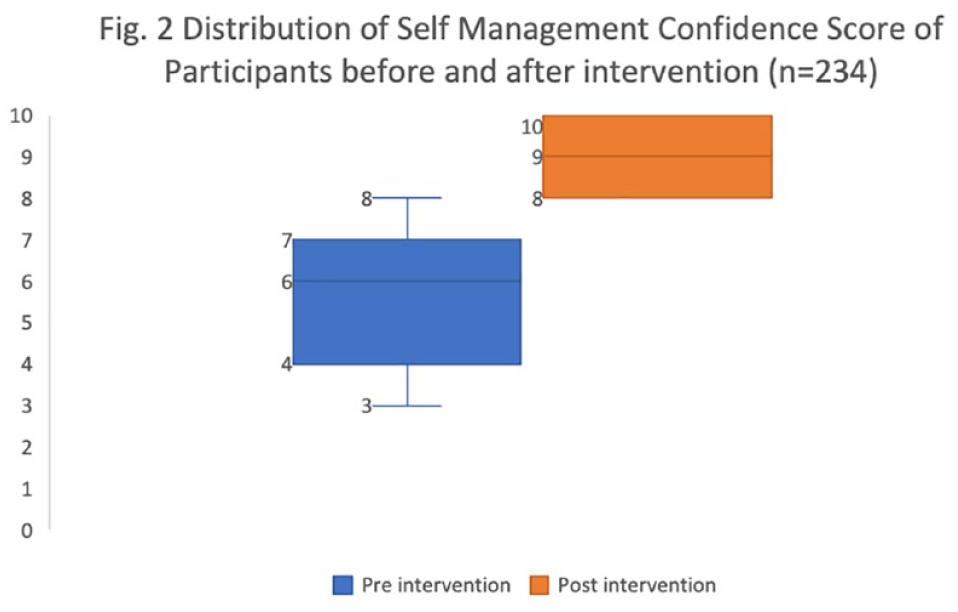
SERVICE ORGANISATION/QUALITY IMPROVEMENT AND PATIENT CENTERED OUTCOMES
631
DEVELOPMENT OF A NATIONAL STROKE AUDIT IN IRELAND: DATASET FOR NON-ACUTE STROKE CARE AND REHABILITATION
1Royal College of Surgeons in Ireland, Department of Health Psychology, Dublin, Ireland, 2National Office of Clinical Audit, RCSI, Dublin, Ireland, 3Beaumont Hospital, Department of Geriatric and Stroke Medicine, Dublin, Ireland, 4Royal College of Surgeons in Ireland, Department of Geriatric and Stroke Medicine, Dublin, Ireland, 5Mater University Hospital, Department of Neurology, Dublin, Ireland, 6University College Dublin, Neurovascular Clinical Science Unit, Dublin, Ireland, 7Royal College of Surgeons in Ireland, School of Physiotherapy, Dublin, Ireland, 8Tallaght University Hospital, Department of Geriatric and Stroke Medicine, Dublin, Ireland, 9Patient representative, RCSI, Dublin, Ireland, 10Royal College of Surgeons in Ireland, Institute of Leadership, Dublin, Ireland, 11Beaumont Hospital, Department of Radiology, Dublin, Ireland
SERVICE ORGANISATION/QUALITY IMPROVEMENT AND PATIENT CENTERED OUTCOMES
651
Patient Reported Experience Measures in the UK
1Stroke Association, CEO, London, United Kingdom, 2Stroke Association, Systems Engagement, London, United Kingdom
SERVICE ORGANISATION/QUALITY IMPROVEMENT AND PATIENT CENTERED OUTCOMES
696
PROFESSIONAL REINTEGRATION AMONG PROFESSIONALLY ACTIVE PORTUGUESE STROKE SURVIVORS: A MULTICENTRIC STUDY
1Centro Hospitalar de Entre Douro e Vouga, Serviço de Medicina Física e de Reabilitação, Santa Maria da Feira, Portugal, 2Instituto de Saúde Pública da Universidade do Porto (ISPUP), EPIUnit, Porto, Portugal, 3Instituto de Saúde Pública da Universidade do Porto (ISPUP), Laboratório para a Investigação Integrativa e Translacional em Saúde Populacional (ITR), Porto, Portugal, 4Faculty of Psychology and Education Sciences of the University of Porto, Centre for Research and Intervention in Education, Porto, Portugal
SERVICE ORGANISATION/QUALITY IMPROVEMENT AND PATIENT CENTERED OUTCOMES
795
Benefits of Zio patch monitoring in detecting early atrial fibrillation after stroke
1 University Hospital Southampton NHS Foundation Trust, Department of Stroke Medicine, Southampton, United Kingdom
SERVICE ORGANISATION/QUALITY IMPROVEMENT AND PATIENT CENTERED OUTCOMES
881
Understanding the configurations of inpatient stroke services in NHS England
1University of Nottingham, School of Medicine, Nottingham, United Kingdom, 2St George’s University of London, Rehabilitation Research, London, United Kingdom, 3University of Lincoln, School of Health and Social Care, Lincoln, United Kingdom, 4NHS England, Clinical Policy Unit, London, United Kingdom
A comprehensive configuration, where all services are provided within one hospital, was reported by 40% of hospitals, 49% separated across two or more hospitals, and 11% ‘other’ configuration. Hospitals with two or three wards were most likely to report a comprehensive configuration (67%), whereas 66% of those with one ward reported separated. When accounting for admission and transferring patterns, there was high variability in configurations, with over 20 different combinations.
SERVICE ORGANISATION/QUALITY IMPROVEMENT AND PATIENT CENTERED OUTCOMES
1058
Using Communities of Practice (CoP) to improve Mechanical Thrombectomy (MT) delivery in England, a national quality improvement initiative
1NHS England, Clinical Policy Unit, London, United Kingdom, 2Kings college London, SSNAP, London, United Kingdom, 3Newcastle University, Interventional Neuroradiology, Newcastle, United Kingdom, 4NHS England and Improvement- London region, London Stroke Clinical Network and ISDN, London, United Kingdom, 5University College London, Department of Applied Health Research, London, United Kingdom, 6Oxford University, Stroke Medicine, Oxford, United Kingdom, 7St Georges Medical School, Neuroanaesthetics, London, United Kingdom, 8SW CVDR & Diabetes Clinical Network | NHS England – South West, Clinical Network Manager – Acute Stroke, Exeter, United Kingdom, 9Greater Manchester Neurorehabilitation & Integrated Stroke Delivery Network, Network Facilitator, Paramedic, Associate Lecturer @MMU & SSNAP QI Lead Facilitator, Manchester, United Kingdom
In April 2021 the national Thrombectomy Implementation Group (TIG) for NHSE commissioned Getting It Right First Time (GIRFT), Promoting Effective and Rapid Stroke Care (PEARS), Specialised Commissioning, Sentinel Stroke National Audit Programme (SSNAP) to produce a detailed analysis of MT delivery and a CoP quality improvement (QI) process. CoP may improve outcomes; requiring an active community of focused practitioners with a shared vision.
6 CoP QI virtual meetings convened 2022.
• Average number of MT interventionalists per CSC: 4.
• Wide variation in number of MT’s per operator: 5-40.
• Door In Door out (DIDO): 2hrs:22mins.
• Symptom onset to end procedure 6hrs:15min.
• 79% (IQR 72-83%)
• 53% (IQR 37-63) Discharge
• 16% (IQ 5-27%)
• No statistical correlation between volume of MT per operator with reported complications or outcomes but with wide variation.
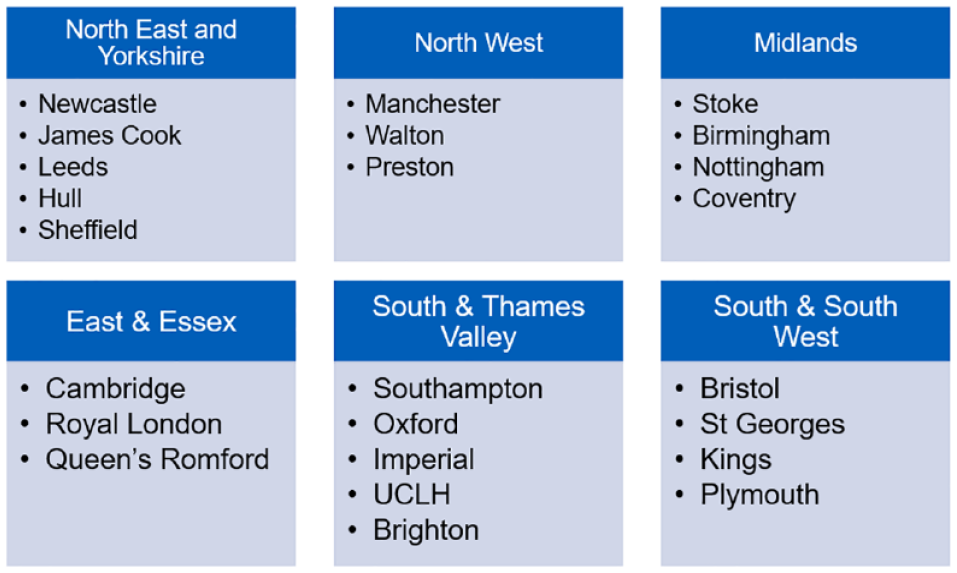
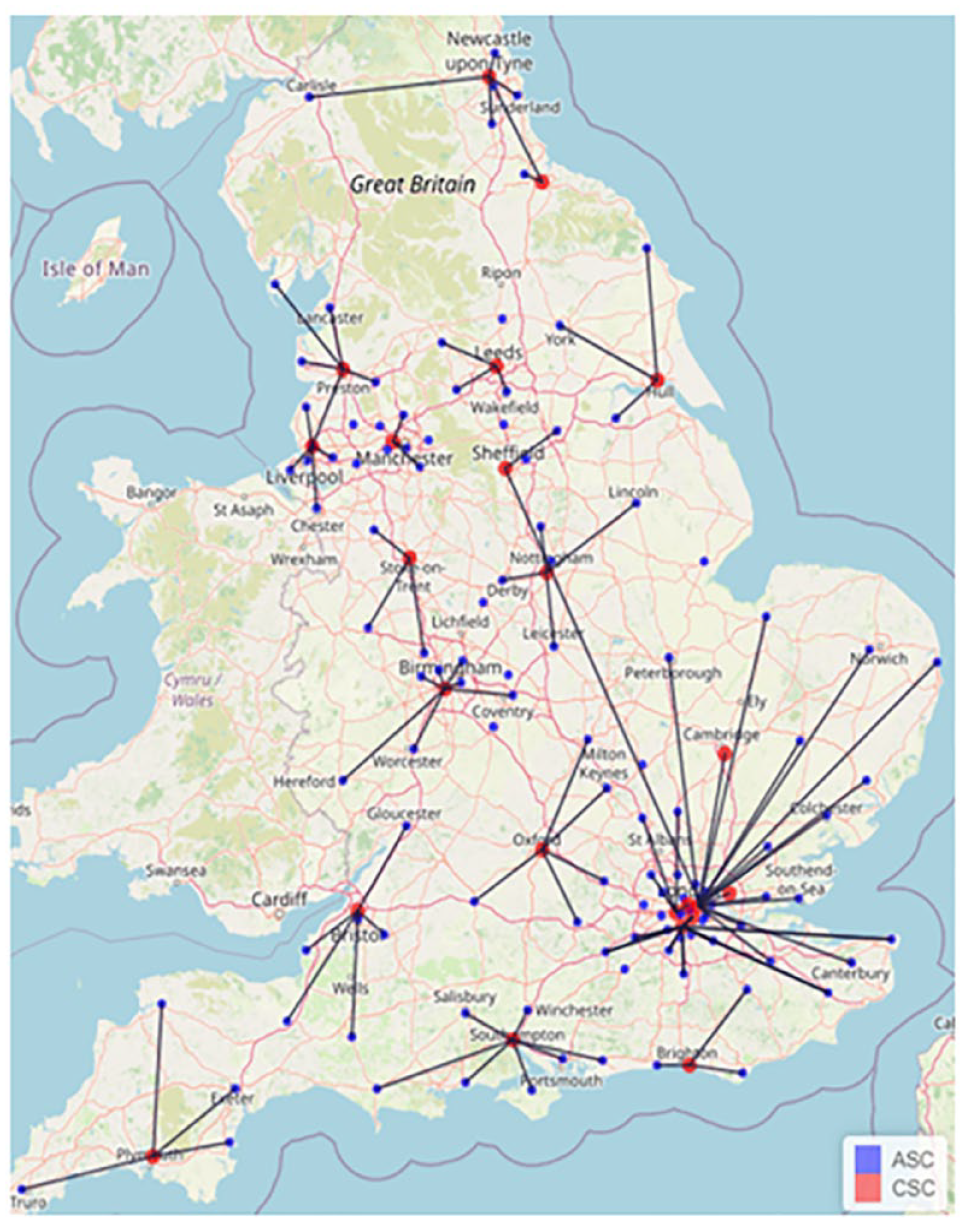
SERVICE ORGANISATION/QUALITY IMPROVEMENT AND PATIENT CENTERED OUTCOMES
1236
FAST TRACT TRAINING OF NEW NURSES TO PROVIDE POST THROMBOLYSIS CARE IN THE ACUTE STROKE UNIT DURING COVID-19 PANDEMIC
1Royal North Shore Hospital, Neurology Department, St Leonards, Australia, 2University of Technology Sydney, Faculty of Health, School of Nursing and Midwifery, Ultimo, Australia
SERVICE ORGANISATION/QUALITY IMPROVEMENT AND PATIENT CENTERED OUTCOMES
1256
Predicting whether ECR is abandoned due to recanalization: modelling clinical and imaging factors in remote patients
1Melbourne Brain Centre, Neuroscience, Parkville, Australia, 2Monash Health, Neurology, Clayton, Australia, 3UNSW, South Western Sydney Clinical School, Sydney, Australia
SERVICE ORGANISATION/QUALITY IMPROVEMENT AND PATIENT CENTERED OUTCOMES
1275
Association between adherence to a stroke care pathway and functional outcome after stroke
1NTNU Norges teknisk-naturvitenskapelige universitet, Department of Neuroscience, Trondheim, Norway, 2Akershus University Hospital, Department of Neurology, Lørenskog, Norway
SERVICE ORGANISATION/QUALITY IMPROVEMENT AND PATIENT CENTERED OUTCOMES
1290
STROKE SUSPICION DISPATCH BY THE EMERGENCY MEDICAL COMMUNICATION CENTRE: A RETROSPECTIVE OBSERVATIONAL STUDY FROM WESTERN NORWAY
1The Regional Centre for Emergency Medical Research and Development in Western Norway (RAKOS), Stavanger University Hospital, Stavanger, Norway, 2Department of Clinical Medicine, University of Bergen, Bergen, Norway, 3Department of Neurology, Haukeland University Hospital, Bergen, Norway, 4Department of Intensive and Postoperative care, Haukeland University Hospital, Bergen, Norway, 5Department of Emergency Services, Haukeland University Hospital, Bergen, Norway, 6Department of Neurology, Stavanger University Hospital, Stavanger, Norway
SERVICE ORGANISATION/QUALITY IMPROVEMENT AND PATIENT CENTERED OUTCOMES
1452
Understanding clinical deterioration after stroke: a retrospective audit of clinical observations
1University of Oxford, Radcliffe Department of Medicine, Oxford, United Kingdom, 2Oxford University Hospital, Stroke Department, Oxford, United Kingdom, 3University of Oxford, Medical School, Oxford, United Kingdom
In the ischaemic stroke group, 456 (37.4%) deteriorated according to NEWS2 criteria and 104 (8.5%) patients died in-hospital. The sensitivity and sensitivity of NEWS2 criteria predicting in-hospital mortality were 21.7% and 95.3%. Positive predictive value was (PPV)=57.7%, negative predictive value (NPV)=80.6%.
In the haemorrhagic stroke group, 108 (52.6%) deteriorated, 50 (32.4%) patients died in-hospital. The sensitivity of NEWS2 criteria predicting in-hospital mortality was 40.3%, specificity=82.5%, PPV=57.7% and NPV=80.6%.
SERVICE ORGANISATION/QUALITY IMPROVEMENT AND PATIENT CENTERED OUTCOMES
1559
Overcoming barriers on the way to reperfusion therapy implementation in ischemic stroke patients in Kyrgyzstan: results of the first four years implementation of the Stroke Roadmap
1 Kyrgyz State Medical Academy, Advanced and online education department, Bishkek, Kyrgyzstan
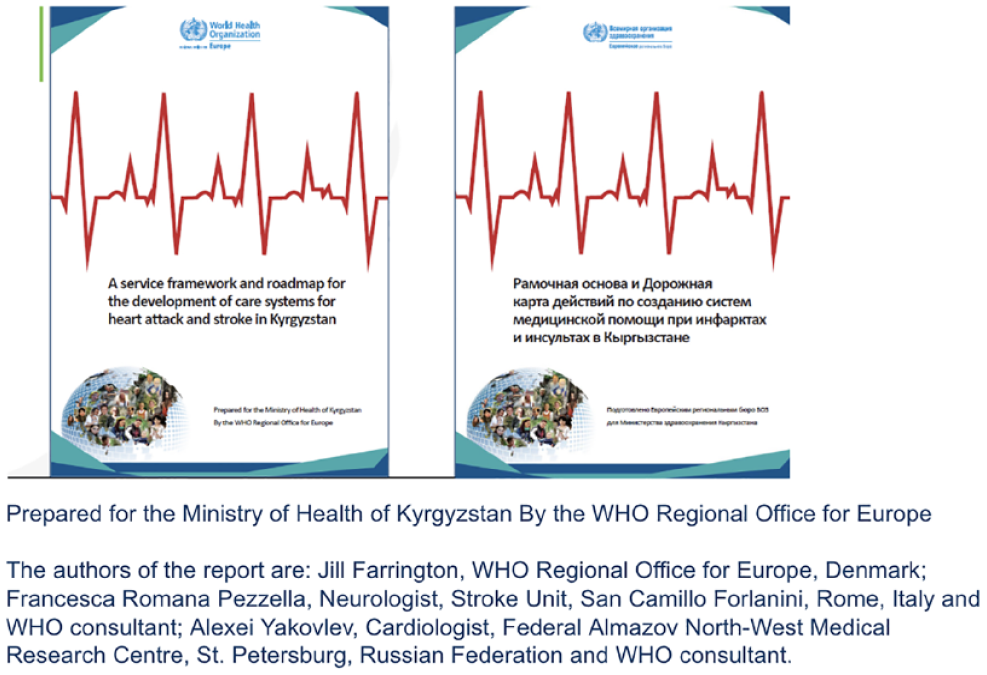
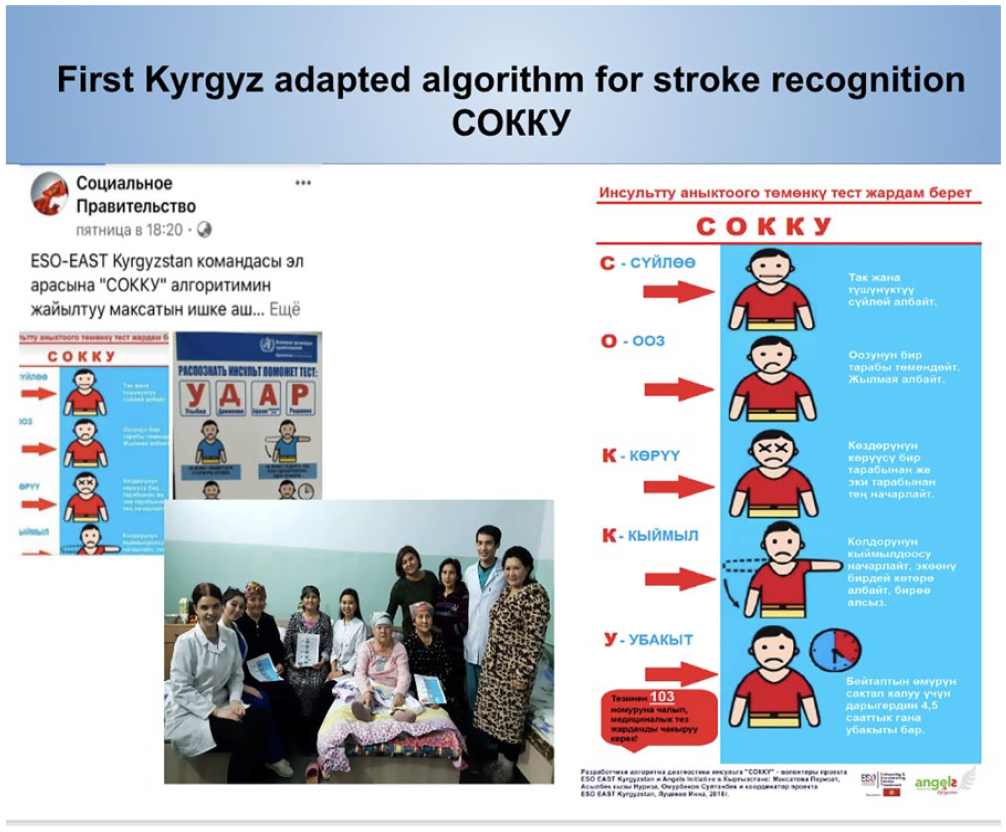
SERVICE ORGANISATION/QUALITY IMPROVEMENT AND PATIENT CENTERED OUTCOMES
1686
High fidelity simulation training course with augmented reality tools helped reduce door-to-needle times in a UK comprehensive stroke centre: a multi-faceted quality improvement project
1 Charing Cross Hospital, Imperial College Healthcare Trust, Stroke, London, United Kingdom
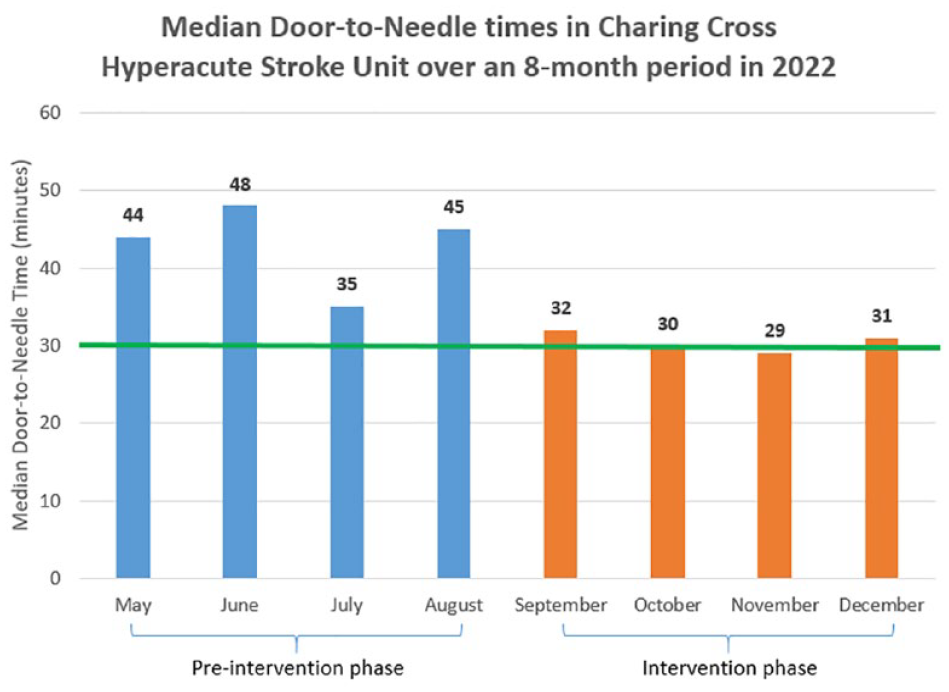
SERVICE ORGANISATION/QUALITY IMPROVEMENT AND PATIENT CENTERED OUTCOMES
1788
OPTIMISING A WIDELY USED AMBULANCE DISPATCH ALGORITHIM FOR MOBILE STROKE UNITS
1The University of Melbourne, Department of Medicine, Melbourne, Australia, 2The Royal Melbourne Hospital, Department of Neurology, Melbourne, Australia, 3Ambulance Victoria, Research & Evaluation, Melbourne, Australia
SERVICE ORGANISATION/QUALITY IMPROVEMENT AND PATIENT CENTERED OUTCOMES
2040
National Clinical Programme for Stroke in Ireland: Development of a National Stroke Strategy
1Health Service Executive, National Clinical Programme for Stroke, Dublin, Ireland, 2Tallaght University Hospital, Stroke Medicine, Dublin, Ireland
SERVICE ORGANISATION/QUALITY IMPROVEMENT AND PATIENT CENTERED OUTCOMES
2080
CROATIAN EXPERIENCE ON RES-Q REGISTRY FOR MONITORING THE QUALITY OF STROKE CARE FROM 2019 TO 2022 YEAR
1Sveti Duh University Hospital, Department of Neurology, Zagreb, Croatia, 2University Hospital Center Zagreb, Department of Neurology, Zagreb, Croatia, 3University Hospital Center Rijeka, Department of Neurology, Rijeka, Croatia, 4Regional hospital Vinkovci, Department of Neurology, Vinkovci, Croatia, 5General hospital Virovitica, Department of Neurology, Virovitica, Croatia, 6University Hospital Centre Sisters of Charity, Department of Neurology, Zagreb, Croatia, 7University Hospital Center Osijek, Department of Neurology, Osijek, Croatia, 8County hospital Čakovec, Department of Neurology, Čakovec, Croatia, 9General County Hospital Vukovar, Department of Neurology, Vukovar, Croatia, 10Clinical Hospital Dubrava, Department of Neurology, Zagreb, Croatia, 11General Hospital Pula, Department of Neurology, Zagreb, Croatia, 12General Hospital Zabok, Department of Neurology, Zabok, Croatia, 13General County Hospital Požega, Department of Neurology, Požega, Croatia, 14General Hospital Šibenik, Department of Neurology, Šibenik, Croatia, 15General Hospital KArlovac, Department of Neurology, Karlovac, Croatia, 16General Hospital "Dr. J. Benčević" Slavonski Brod, Department of Neurology, Slavonski Brod, Croatia, 17General Hospital Bjelovar, Department of Neurology, Bjelovar, Croatia, 18General Hospital Dubrovnik, Department of Neurology, Dubrovnik, Croatia, 19Genral Hospital Varaždin, Department of Neurology, Varaždin, Croatia, 20General Hospital "Dr. Ivo Pedišić" Sisak, Department of Neurology, Sisak, Croatia, 21General Hospital "dr.Tomislav Bardek" Koprivnica, Department of Neurology, Koprivnica, Croatia, 22Josip Juraj Strossmayer University of Osijek, Faculty of Medicine, Department of Neurology, Osijek, Croatia
The aim was to compare results from the RES-Q registry for Croatia for the first quarters of 2019 to 2022.
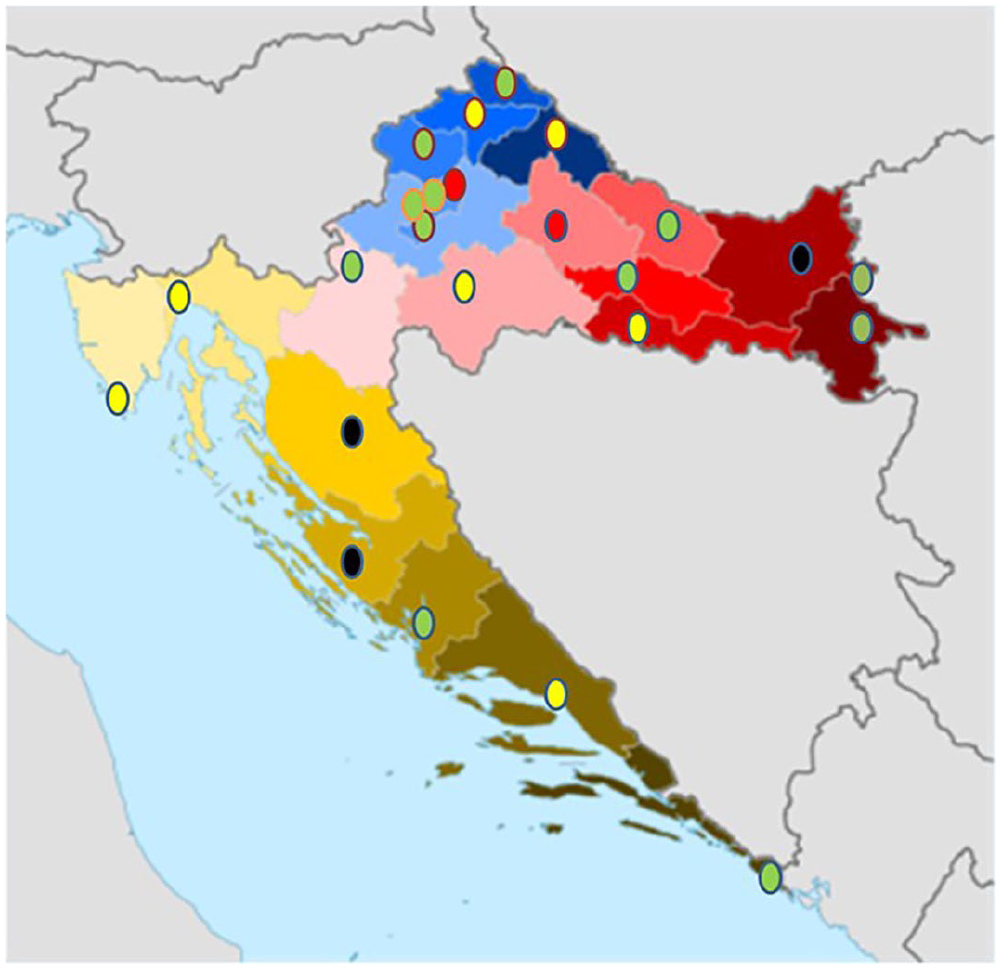
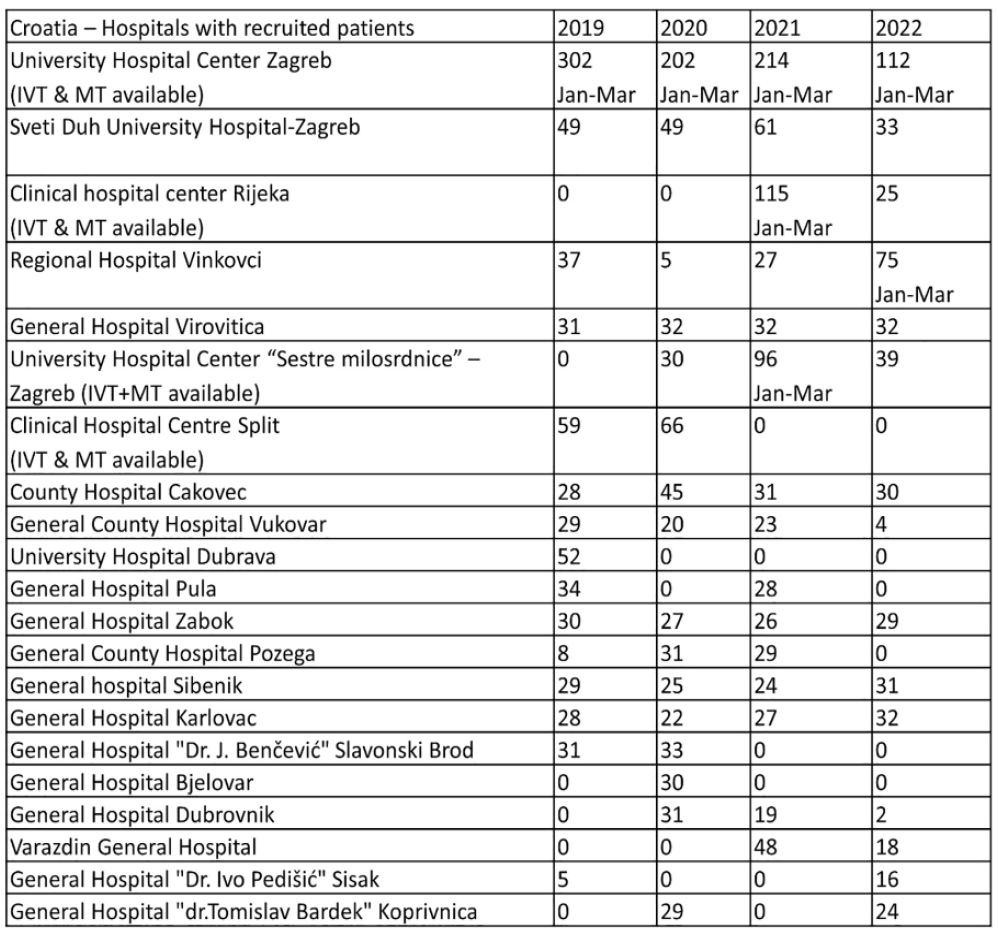
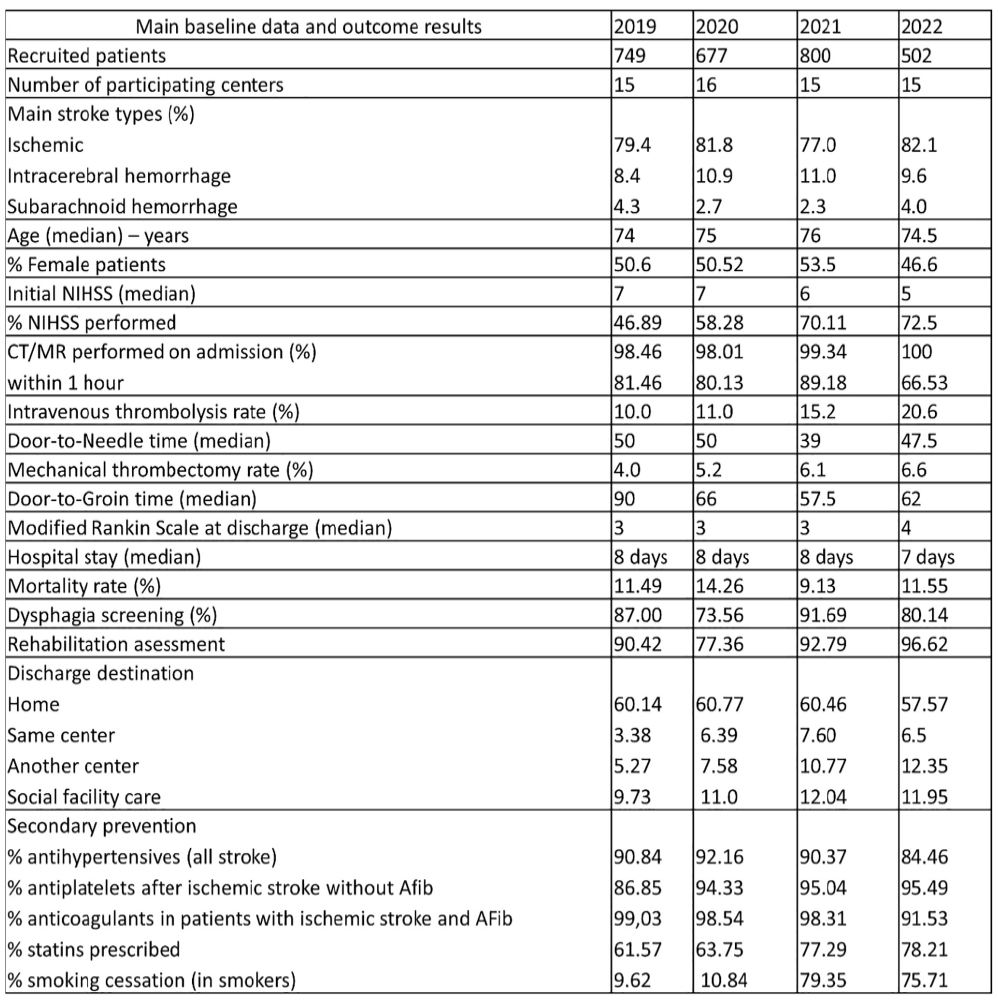
SERVICE ORGANISATION/QUALITY IMPROVEMENT AND PATIENT CENTERED OUTCOMES
2115
ORGANIZATION AND QUALITY CONTROL OF STROKE SERVICE PERFORMANCE IN ARMENIA
1 Yerevan State Medical University, Department of Neurology, Astghik Medical center, Yerevan, Armenia
SERVICE ORGANISATION/QUALITY IMPROVEMENT AND PATIENT CENTERED OUTCOMES
2200
IMPACT OF SIMULATION TRAINING ON STROKE TREATMENT ON-SITE IN UKRAINE
1Kharkiv National Medical University, Neurology, Kharkiv, Ukraine, 2Lutsk City Hospital, Stroke Unit, Lutsk, Ukraine, 3Vinnytsia National Pirogov Medical University, Neurology, Vinnytsia, Ukraine, 4Feofaniya Clinical Hospital, Stroke Center, Kyiv, Ukraine, 5Bila Tserkva City Hospital № 2, Stroke Unit, Bila Tserkva, Ukraine, 6Ivano-Frankivsk regional clinical hospital, Stroke Center, Ivano-Frankivsk, Ukraine, 7Dnipro Regional Clinical Hospital named after I.I. Mechnykov, Stroke Center, Dnipro, Ukraine, 8Poltava Regional Clinical Hospital named after M.V.Sklifosovskyy, Stroke Center, Poltava, Ukraine
SERVICE ORGANISATION/QUALITY IMPROVEMENT AND PATIENT CENTERED OUTCOMES
2239
IS STROKE KNOWLEDGE RETAINED? FAST HEROES’ 4-YEAR LONGITUDINAL RESULTS
1Boehringer Ingelheim International GmbH, Healthcare Affairs & Patient Engagement, Meinz, Germany, 2University of Macedonia, Department of Educational and Social Policy, Thessaloniki, Greece, 3Anatolia Elementary School, Anatolia College, Thessaloniki, Greece
Zhong X et al., BMC Neurol 2020;20: 373. doi:10.1186/s12883-020-01951-6.
Hickey A et al., Eur Stroke J. 2018;3:117-125. doi: 10.1177/2396987317753453.
Tsakpounidou, K et al., Front Public Health 2022;10: 849023. doi: 10.3389/fpubh.2022.849023
Tsakpounidou, K, et al., Health Educ J 2020;79:724-734. doi: 10.1177/0017896920911675
SERVICE ORGANISATION/QUALITY IMPROVEMENT AND PATIENT CENTERED OUTCOMES
2249
Tele-OT: A new intervention tool to facilitate occupational performance for stroke patients
1Vall d’Hebron Institute of Research, Stroke Unit, Barcelona, Spain, 2Vall d’Hebron University Hospital, Stroke Unit, Barcelona, Spain, 3Nora Health, Stroke Unit, Barcelona, Spain
108 patients answered the tele-OT PREM. The median usefulness of intervention (0-10) was 8.2 and 65% reported being “very satisfied” with the visit.
SERVICE ORGANISATION/QUALITY IMPROVEMENT AND PATIENT CENTERED OUTCOMES
2378
ENHANCING QUALITY IMPROVEMENT IN ACUTE STROKE SERVICES IN IRELAND: DEVELOPMENT OF THE IRISH NATIONAL AUDIT OF STROKE
1Royal College of Surgeons in Ireland, Psychology, Dublin, Ireland, 2National Office of Clinical Audit, National Office of Clinical Audit, Dublin, Ireland, 3Beaumont Hospital, Dept. of Geriatric and Stroke Medicine, Dublin, Ireland, 4Royal College of Surgeons in Ireland, Dept. of Geriatric and Stroke Medicine, Dublin, Ireland, 5Mater University Hospital, Dept. of Neurology, Dublin, Ireland, 6University College Dublin, Neurovascular Clinical Science Unit, Dublin, Ireland, 7Royal College of Surgeons in Ireland, School of Physiotherapy, Dublin, Ireland, 8Tallaght University Hospital, Dept. of Geriatric and Stroke Medicine, Dublin, Ireland, 9PPI Representative, PPI Representative, Dublin, Ireland, 10Royal College of Surgeons in Ireland, Centre for Positive Psychology and Health (CPPH), Dublin, Ireland, 11Beaumont Hospital, Dept. of Radiology, Dublin, Ireland
SERVICE ORGANISATION/QUALITY IMPROVEMENT AND PATIENT CENTERED OUTCOMES
2401
Stroke nurse assistance saves time in acute stroke managment
1 University Medicine Mainz, Department of Neurology, Mainz, Germany
Stroke-nurse assisted acute stroke management resulted in a reduction of door-to-image (median: 9 vs. 11 min, p=0,03) as well as in-house door-to-needle time (median 28 vs. 35min, p=0,018), the two groups were balanced for age (p=0,943) and gender (p=0.669).
SERVICE ORGANISATION/QUALITY IMPROVEMENT AND PATIENT CENTERED OUTCOMES
2404
TELEMEDICINE-ENABLED PRE-HOSPITAL TRIAGE IN ACUTE STROKE – A MIXED METHODS SYSTEMATIC REVIEW
1Royal College of Surgeons in Ireland, Medicine, Dublin, Ireland, 2Beaumont Hospital, Medicine, Dublin, Ireland, 3Royal College of Surgeons in Ireland, Department of Health Psychology, School of Population Health, Dublin, Ireland
SERVICE ORGANISATION/QUALITY IMPROVEMENT AND PATIENT CENTERED OUTCOMES
2417
SIMULATED INTERVAL TIMES TO AID PARTICIPANT FEEDBACK AND ORGANISER EVALUATION
1University of Glasgow, Imaging Centre of Excellence, Glasgow, United Kingdom, 2NHS Greater Glasgow and Clyde, Queen Elizabeth University Hospital, Glasgow, United Kingdom, 3University of Glasgow, School of Medicine, Dentistry & Nursing, Glasgow, United Kingdom, 4NHS Greater Glasgow and Clyde, Healthcare Skills and Simulation Collaborative, Glasgow, United Kingdom
Cases were selected from a cohort of acute stroke presentations to represent various scenarios (wake-up, frailty etc.), while ensuring comparable complexity among cases (including factors influencing decision-making (DeBrun,2018)).
Each case began with pre-alert and ended when thrombolysis was delivered. DNT/DDeT was determined from video recordings and adjusted for simulation artefacts (e.g. shortened transport times). Ethical approval was not required.
We used one-way ANOVA to compare effects of case, order, group, team composition and participant factors on DNT and DDeT. Significant factors were included in multivariable binary logistic regression to determine odds of DNT<30mins.
In univariate analysis, only number of cases completed was significantly associated with reduced DNT (p<0.01) and DDeT (p=0.01; Fig 1) .
Odds of DNT<30mins were significantly greater in later cases(4-6) compared with early cases(1-3) (OR 9.6, CI:1.01-91.16,p<0.05).
DNT/DDeT per-participant was supplied post-simulation, allowing progress tracking and peer comparison(fig.2).
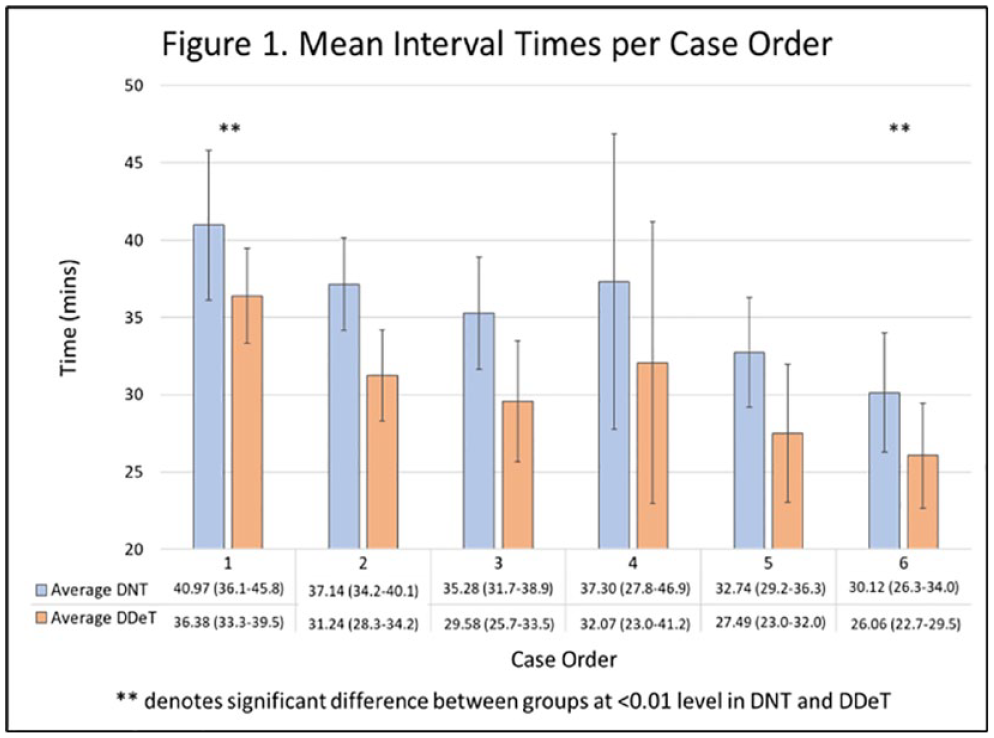
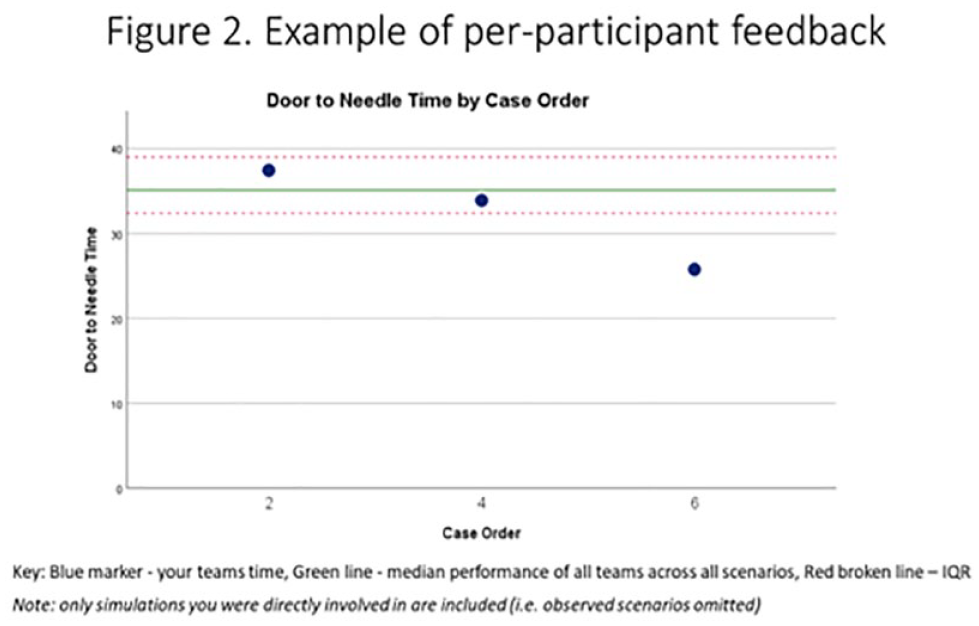
SERVICE ORGANISATION/QUALITY IMPROVEMENT AND PATIENT CENTERED OUTCOMES
1096
3-month outcome in drip and ship and mothership models of mechanical thrombectomy in the Comprehensive Stroke Center in Krakow, Poland
1Jagiellonian University Medical College, Department of Neurology, Krakow, Poland, 2University Hospital, Department of Neurology, Krakow, Poland, 3Jagiellonian University Medical College, Faculty of Medicine, Krakow, Poland
Disclosure of interest: Yes
SERVICE ORGANISATION/QUALITY IMPROVEMENT AND PATIENT CENTERED OUTCOMES
1207
Effectiveness of an SMS reminder to obtain patient-reported outcomes: evidence from the Australian Stroke Clinical Registry
1Monash University, Department of Medicine, School of Clinical Sciences, Clayton, Australia, 2Florey Institute of Neuroscience and Mental Health, Stroke theme, Heidelberg, Australia, 3Director of Neurosciences, Eastern Health, Box Hill, Australia, 4Monash University, Eastern Health Clinical School, Box Hill, Australia, 5Griffith University, Sunshine Coast Clinical School, Birtinya, Australia, 6Queensland Health, Queensland State-Wide Stroke Clinical Network, Brisbane, Australia, 7Director, Nursing Research Institute, St Vincent’s Health Australia (Sydney) and Australian Catholic University, Sydney, Australia, 8Monash University, Department of Neuroscience, Melbourne, Australia, 9Alfred Health, Occupational Therapy, Melbourne, Australia
SERVICE ORGANISATION/QUALITY IMPROVEMENT AND PATIENT CENTERED OUTCOMES
1172
Short and long-term stroke predictors and outcomes after TIA: a prospective observational study evaluating the fast-track care model
1Dipartimento di Scienze Biomediche e Neuromotorie, University of Bologna, Bologna, Italy, 2Department of Applied Clinical Sciences and Biothecnology, University of L’Aquila, L’Aquila, Italy, 3Department of Neuroscience, Neurology Unit, S.Maria delle Croci Hospital of Ravenna, AUSL Romagna, Ravenna, Italy, 4IRCCS Istituto delle Scienze Neurologiche di Bologna, UOC Clinica Neurologica Rete Metropolitana – NEUROMET, Bologna, Italy, 5Neuroradiology Unit, S. Orsola-Malpighi University Hospital, Bologna, Italy, 6Angiology and Blood Coagulation Unit, S. Orsola-Malpighi University Hospital, Bologna, Italy, 7Cardiothoracic and Vascular Department, S. Orsola-Malpighi University Hospital, Bologna, Italy, 8Dipartimento di Scienze Mediche e Chirurgiche, Alma Mater Studiorum-Università di Bologna, Bologna, Italy, 9Vascular Surgery, University of Bologna "Alma Mater Studiorum", Policlinico S. Orsola Malpighi, Bologna, Italy
SERVICE ORGANISATION/QUALITY IMPROVEMENT AND PATIENT CENTERED OUTCOMES
1704
Differences in performance of Thrombectomy-Capable Stroke Centers and Comprehensive Stroke Centers in a regional stroke system of care
1Hospital Vall d’Hebron, Neurology, Barcelona, Spain, 2Hospital Universitari de Girona Doctor Josep Trueta, Neurology, Girona, Spain, 3Parc Taulí, Neurology, Sabadell, Spain, 4Hospital Universitari de Tarragona Joan XXIII, Neurology, Tarragona, Spain, 5Hospital Universitari Arnau de Vilanova, Neurology, Lleida, Spain, 6Bellvitge University Hospital, Neurology, L’Hospitalet de Llobregat, Spain, 7Hospital Clínic de Barcelona, Neurology, Barcelona, Spain, 8Hospital de la Santa Creu i Sant Pau Church, Neurology, Barcelona, Spain, 9Hospital del Mar, Neurology, Barcelona, Spain, 10Bellvitge, Neurology, L’Hospitalet de Llobregat, Spain, 11Parc Taulí, Radiology, Sabadell, Spain, 12Hospital Clínic de Barcelona, Radiology, Barcelona, Spain, 13Hospital del Mar, Ictus, Barcelona, Spain, 14Oficina seguiment Pla Director MVC, Seguiment, Barcelona, Spain, 15Germans Trias i Pujol Hospital, Radiology, Badalona, Spain, 16Hospital Universitari Vall d’Hebron, Neurology, Barcelona, Spain, 17Germans Trias i Pujol Hospital, Neurology, Badalona, Spain
SERVICE ORGANISATION/QUALITY IMPROVEMENT AND PATIENT CENTERED OUTCOMES
2055
REDEFINING DISABILITY: ADDED VALUE OF PROMS AFTER TIA AND MINOR STROKE
1Hospital Universitari Vall d’Hebron, Stroke Unit, Neurology department, Barcelona, Spain, 2Hospital Universitari Arnau de Vilanova, Neurology, Lleida, Spain, 3Hospital Universitari Joan XXIII, Neurology, Stroke Unit, Tarragona, Spain, 4Hospital Josep Trueta, Neurology, Girona, Spain, 5Hospital Germans Trias i Pujol, Neurology, Badalona, Spain, 6Nora Health, Barcelona, Spain, 7Centro Hospitalar e Universitario de Coimbra, Neurology, Coimbra, Portugal
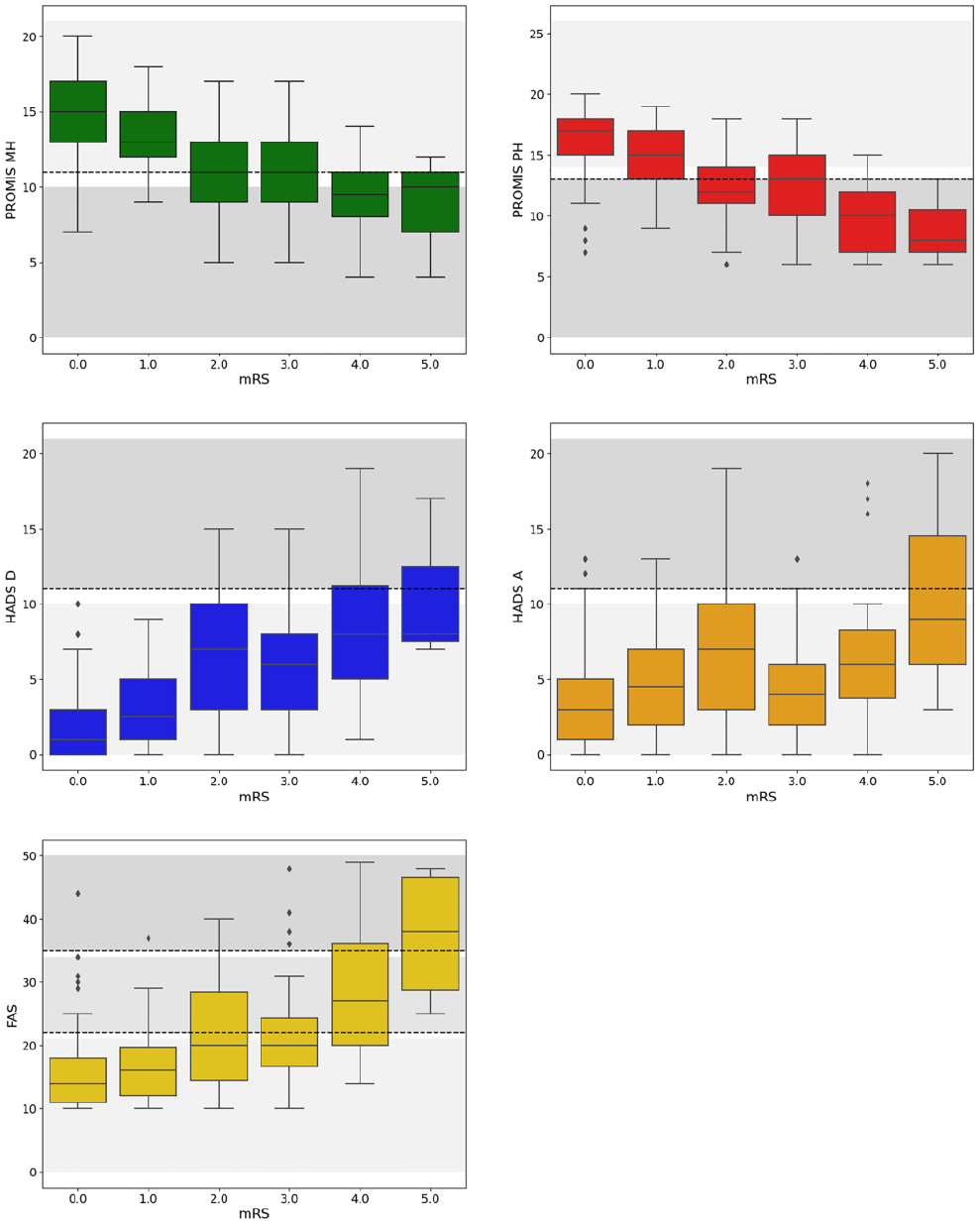
SERVICE ORGANISATION/QUALITY IMPROVEMENT AND PATIENT CENTERED OUTCOMES
2642
Mental health conditions are associated with non-adherence to secondary preventive medication after stroke
1Vall d’Hebron Institute of Research, Barcelona, Neurology, Barcelona, Spain, 2StrokeUnit Vall d’Hebron Hospital, Barcelona, Neurology, Barcelona, Spain, 3NORA health, NORA health, Barcelona, Spain
SERVICE ORGANISATION/QUALITY IMPROVEMENT AND PATIENT CENTERED OUTCOMES
878
Young Stroke Needs Study: Psychosocial Needs and Occupational Functioning in Young Stroke Survivors through PROMS
1University of Toronto, Division of Neurology, Toronto, Canada, 2THETA, (Toronto Health Economics and Technology Assessment) Collaborative, Toronto, Canada, 3University of Toronto, Department of Psychiatry, Toronto, Canada, 4University of Toronto, Department of Occupational Science and Occupational Therapy, Toronto, Canada, 5University of Toronto, IHPME/DLSPH, Toronto, Canada
SERVICE ORGANISATION/QUALITY IMPROVEMENT AND PATIENT CENTERED OUTCOMES
336
SEX DIFFERENCES IN PREHOSPITAL IDENTIFICATION OF LARGE VESSEL OCCLUSION IN PATIENTS WITH SUSPECTED STROKE
1Amsterdam University Medical Center - location VUmc, Neurology, Amsterdam, Netherlands, 2Leiden University Medical Center, Neurology, Leiden, Netherlands, 3Erasmus MC University Medical Center, Neurology, Rotterdam, Netherlands, 4Erasmus MC University Medical Center, Public Health, Rotterdam, Netherlands, 5Leiden University Medical Center, Biomedical Data Sciences, Leiden, Netherlands, 6Albert Schweitzer Hospital, Neurology, Dordrecht, Netherlands, 7Maasstad Hospital, Neurology, Rotterdam, Netherlands, 8Haga Hospital, Neurology, The Hague, Netherlands, 9Haaglanden Medical Center, Neurology, The Hague, Netherlands, 10University Neurovascular Center Leiden-The Hague, Neurology, Leiden, Netherlands
SERVICE ORGANISATION/QUALITY IMPROVEMENT AND PATIENT CENTERED OUTCOMES
490
LOCATION-STRATIFIED SENSITIVITY OF PREHOSPITAL STROKE SCALES FOR IDENTIFYING PATIENTS WITH VESSEL OCCLUSIONS IN THE ANTERIOR CIRCULATION
1Erasmus MC University Medical Center, Department of Neurology, Rotterdam, Netherlands, 2University of Calgary Cumming School of Medicine, Departments of Clinical Neurosciences, Community Health Sciences, and Radiology, and the Hotchkiss Brain Institute, Calgary, Canada, 3Albert Schweitzer hospital, Department of Neurology, Dordrecht, Netherlands, 4Erasmus MC University Medical Center, Emergency Department, Rotterdam, Netherlands, 5Erasmus MC University Medical Center, Department of Public Health, Rotterdam, Netherlands, 6Leiden University Medical Center, Department of Neurology, Leiden, Netherlands, 7Maasstad hospital, Department of Neurology, Rotterdam, Netherlands, 8Franciscus Gasthuis & Vlietland, Department of Neurology, Rotterdam, Netherlands, 9Leiden University Medical Center, Department of Radiology, Leiden, Netherlands, 10Haaglanden Medical Center, Department of Neurology, The Hague, Netherlands
SERVICE ORGANISATION/QUALITY IMPROVEMENT AND PATIENT CENTERED OUTCOMES
2600
PROCESS MINING AS A WORKFLOW MONITORING TOOL IN ACUTE STROKE
1Vall d’Hebron University Hospital - VHIR, Stroke Unit, Barcelona, Spain, 2Universidad Politécnica de Valencia, Dpto. de Sistemas Informáticos y Computación, Valencia, Spain, 3Universidad Politécnica de Valencia, ITACA Institute, Valencia, Spain
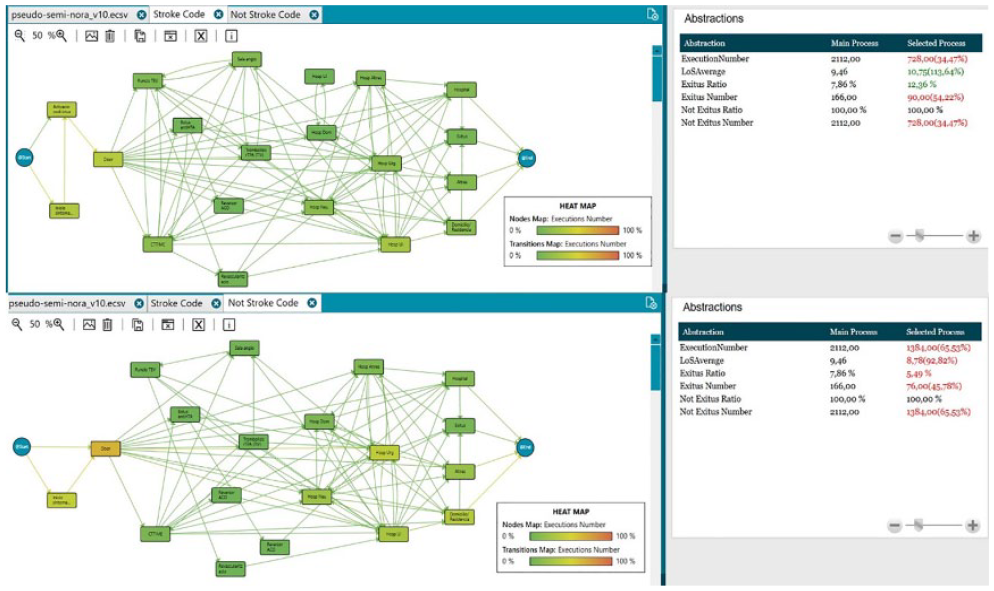
BRAIN REORGANISATION AND RECOVERY
443
Improved Post-Stroke Motor Recovery with Alternate Day Fasting in Mice
1 Johns Hopkins, Neurology, Baltimore, United States
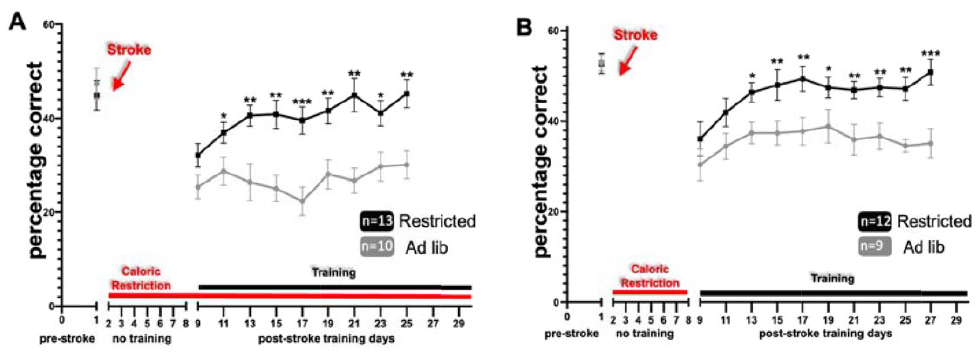
BRAIN REORGANISATION AND RECOVERY
1009
Live effects of anodal and cathodal transcranial Direct Current Stimulation (tDCS) on glucose metabolism in a patient with chronic stroke: a FDG-PET study
1UOC Neuroriabilitazione ad Alta Intensità, Fondazione Policlinico Universitario A. Gemelli IRCCS, Rome, Italy, 2UOC Medicina Nucleare, Fondazione Policlinico Universitario A. Gemelli IRCCS, Rome, Italy, 3UOC Neuroriabilitazione Alta Intensità, Fondazione Policlinico Universitario A. Gemelli IRCCS, Rome, Italy, 4UOC Neuroriabilitazione Alta Intensità, Fondazione Policlinico Universitario A. Gemelli IRCCS, Rome, Italy
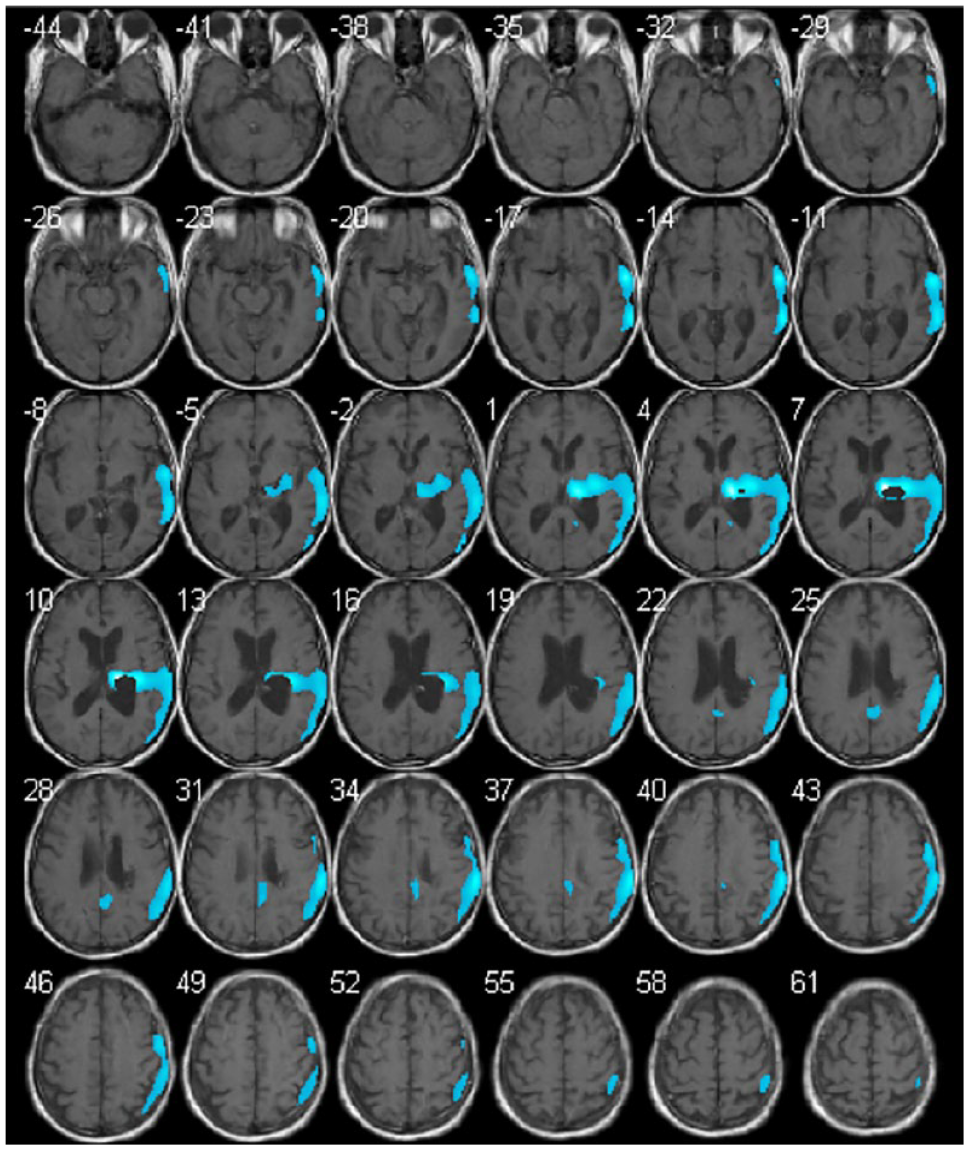
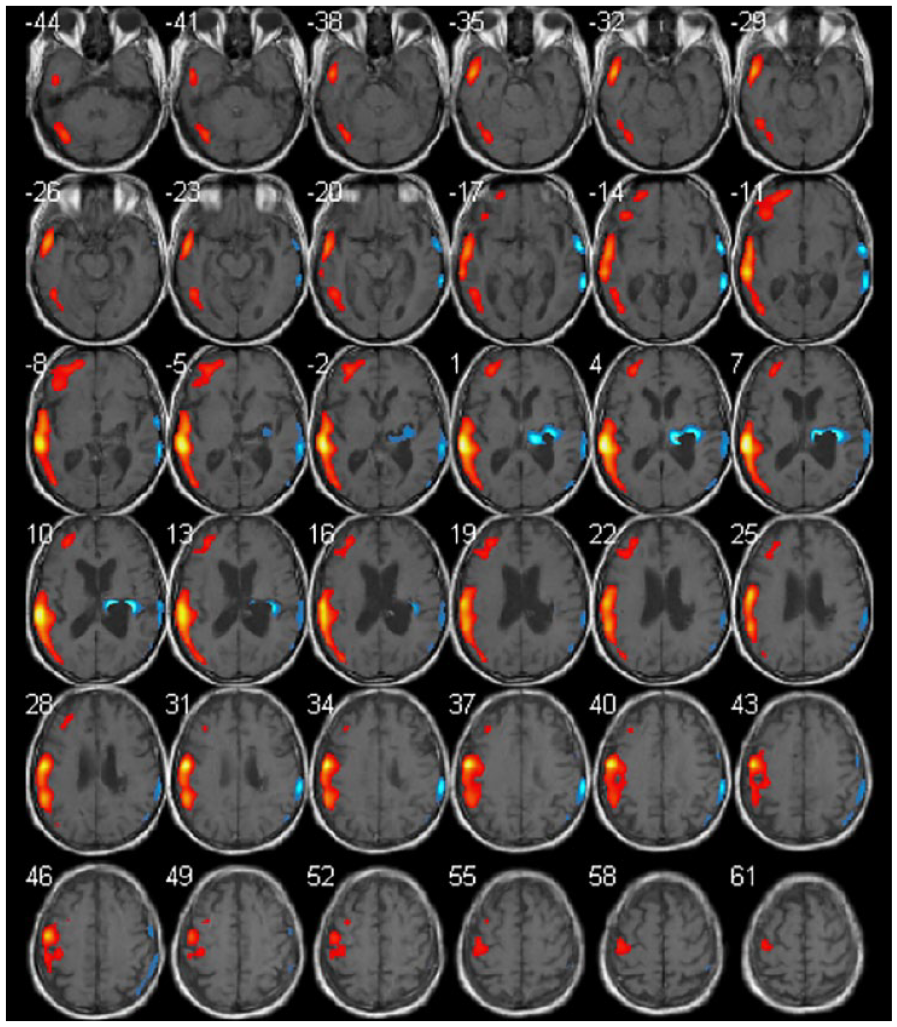
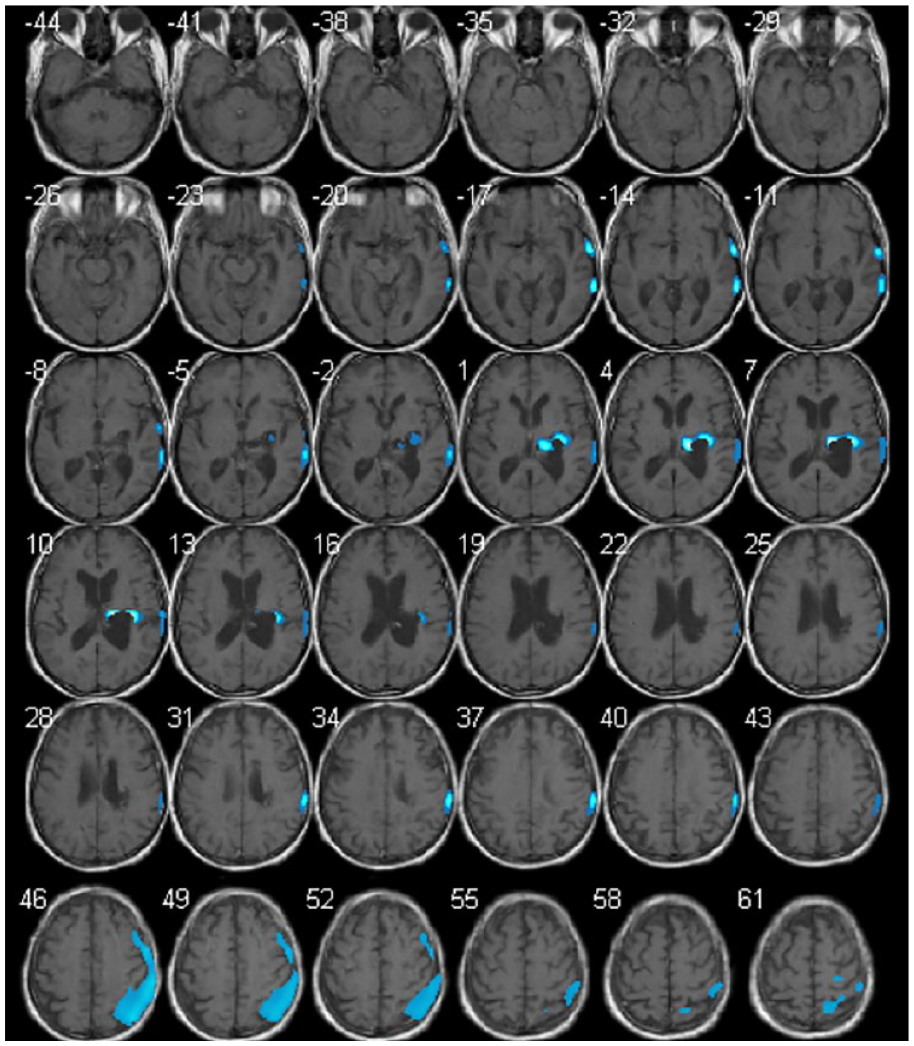
BRAIN REORGANISATION AND RECOVERY
2595
STEM CELL – BASED THERAPIES IN ISCHEMIC STROKE. SYSTEMATIC REVIEW AND META-ANALYSIS OF RANDOMIZED CLINICAL TRIALS
1Virgen del Rocio University Hospital, Neurology, Seville, Spain, 2Virgen del Rocio University Hospital, Interventional Neuroradiology, Seville, Spain, 3Instituto de Biomedicina de Sevilla-IBiS, Neurovascular Laboratory, Sevilla, Spain, 4Virgen Macarena University Hospital, Neurology, Sevilla, Spain
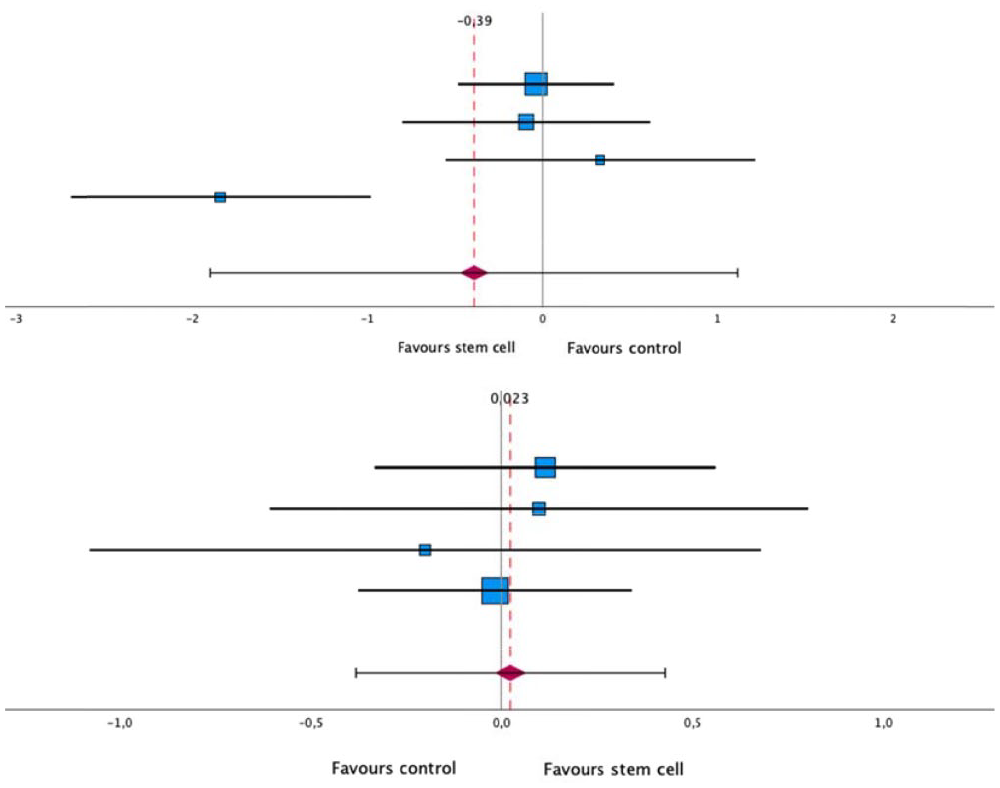
TECHNOLOGY INNOVATIONS: ROBOTS, VIRTUAL REALITY, ARTIFICIAL INTELLIGENCE AND MORE
253
An interactive and automated tool for the Modified Rankin Scale assessment – iRankin
1Universidade Federal de Sao Paulo, Neurology, Sao Paulo, Brazil, 2Moinhos de Vento Hospital, Neurology, Porto Alegre, Brazil, 3USP Campus Ribeirao Preto, Neurology, Ribeirao Preto, Brazil, 4Rede Sarah de Hospitais de Reabilitação, Neurology, Brasilia, Brazil, 5University Center São Camilo, Medicine, Sao Paulo, Brazil
TECHNOLOGY INNOVATIONS: ROBOTS, VIRTUAL REALITY, ARTIFICIAL INTELLIGENCE AND MORE
1220
SAMPLE SIZE ESTIMATION METHODS FOR ORDINAL ANALYSES OF THE MODIFIED RANKIN SCALE: A SYSTEMATIC INVESTIGATION, RECOMMENDATIONS, AND ONLINE AND DOWNLOADABLE TOOL FOR PRACTICAL USE
1University of Melbourne, Melbourne Medical School, Parkville, Australia, 2Australian Stroke Alliance, Melbourne Brain Centre, Royal Melbourne Hospital, Melbourne, Australia, 3Royal Melbourne Hospital, Department of Medicine and Neurology, Melbourne, Australia, 4Royal Melbourne Hospital, Australian Stroke Alliance, Melbourne Brain Centre, Melbourne, Australia, 5GHU Paris Psychiatrie et Neurosciences, Department of Neurology, Paris, France
TECHNOLOGY INNOVATIONS: ROBOTS, VIRTUAL REALITY, ARTIFICIAL INTELLIGENCE AND MORE
1388
Use of the digital assistant “Vigo” at home environment for stroke recovery: focus group discussion with rehabilitation specialists
1 Riga Stradiņš University, Department of Rehabilitation, Riga, Latvia
TECHNOLOGY INNOVATIONS: ROBOTS, VIRTUAL REALITY, ARTIFICIAL INTELLIGENCE AND MORE
1511
PATIENT EXPERIENCE FROM USING WEARABLE ACCELEROMETERS FOR STROKE DETECTION IN THE STROKE ALARM PRO 1 STUDY
1Lund University, Dept. of neurology, Lund, Sweden, 2Lund University, Dept of neurology, Lund, Sweden
STROKE ALARM consists of paired arm bracelets with accelerometers detecting sudden imbalances in arm movements indicative of stroke and triggering notifications by SMS to predefined emergency contacts. Patients were followed up by telephone interview.
On the negative side, 15/28 (53.6%) reported that false alarms at times led to increased anxiety, stress or disturbed sleep. Five patients specifically reported increased stress for next of kin when false alarms were sent. A minority reported battery issues (n=4), or discomfort from the bracelets (n=4).
TECHNOLOGY INNOVATIONS: ROBOTS, VIRTUAL REALITY, ARTIFICIAL INTELLIGENCE AND MORE
1575
Stent-Retriever With Novel Double-Fusiform Cell Technology Improves Efficacy of Thrombectomy
1HonorHealth Research and Innovation Institute, Neurology, Phoenix, United States, 2University of California, Los Angeles, Neurosurgery, Los Angeles, United States, 3Gravity Medical Technology, Research and Development, Bellevue, United States, 4Brigham and Women’s Hospital, Neurosurgery, Boston, United States, 5Marcus Stroke & Neuroscience Center, Grady Memorial Hospital, Emory University School of Medicine, Neurology, Atlanta, United States, 6Barrow Neurological Institute, Neurosurgery, Phoenix, United States
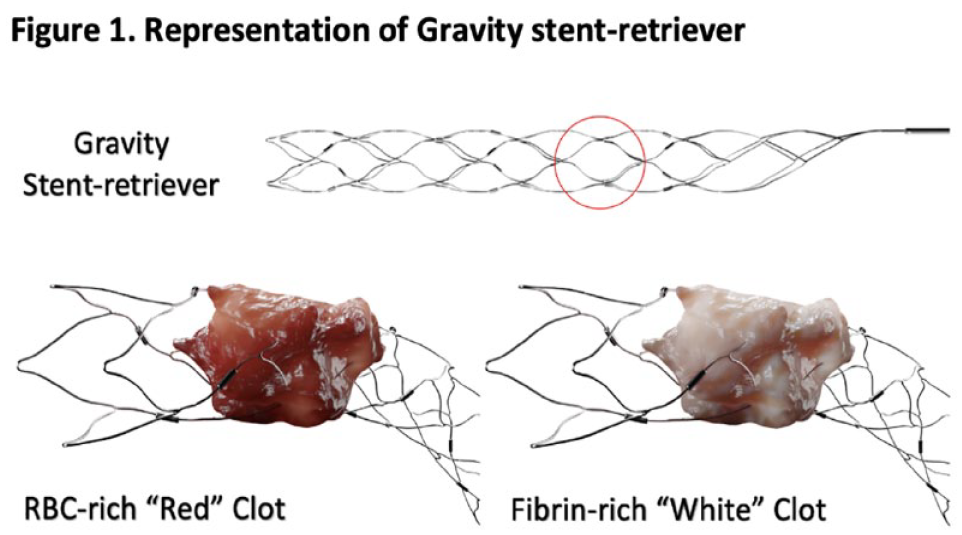
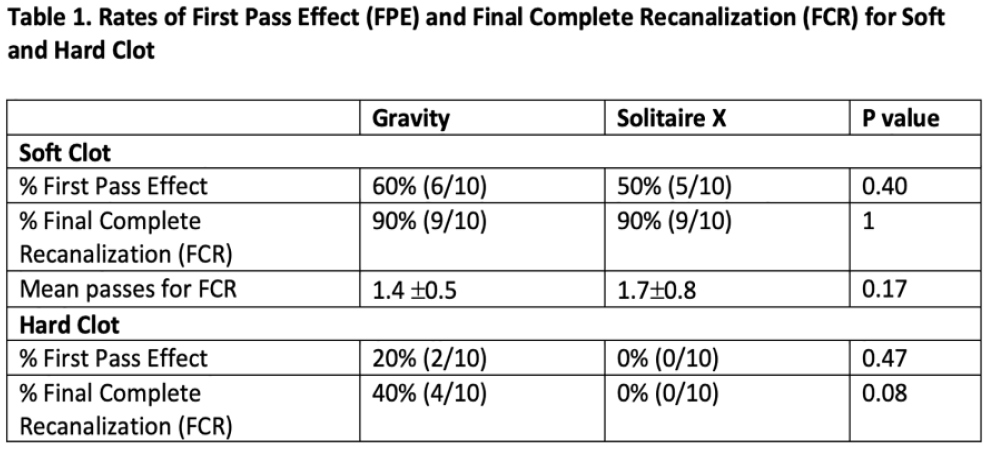
TECHNOLOGY INNOVATIONS: ROBOTS, VIRTUAL REALITY, ARTIFICIAL INTELLIGENCE AND MORE
1831
EFFECT OF FEDERATED LEARNING ON POST-HOC EXPLAINABILITY OF STROKE OUTCOME PREDICTION MODELS
1Charité Universitätsmedizin Berlin, Charité Lab for AI in Medicine, Berlin, Germany, 2Karlsruhe Institute of Technology, Institute of Applied Informatics and Formal Description Methods, Karlsruhe, Germany, 3SimulaMet, Department of Holistic Systems, Oslo, Norway, 4Berlin Institute of Health (BIH), Charité UniversitätsmedizinBerlin, QUEST Centre for Responsible Research, Berlin, Germany, 5Erasmus MC, University Medical Center Rotterdam, Department of Radiology & Nuclear Medicine, Rotterdam, Netherlands, 6Amsterdam University Medical Centers, Department of Radiology and Nuclear Medicine, Amsterdam, Netherlands
In the current work we analyzed if Federated Learning (FL) – a popular privacy-preserving technique for training multi-center models – influences explainability of models.
TECHNOLOGY INNOVATIONS: ROBOTS, VIRTUAL REALITY, ARTIFICIAL INTELLIGENCE AND MORE
2069
Accuracy of Smartwatches to Detect Atrial Fibrillation by Heart Rate Monitoring and Irregular Rhythm Notification in Stroke Patients
1Hospital Vall d’Hebron, Stroke Unit, Barcelona, Spain, 2Hospital Vall d’Hebron, Stroke Unit, BARCELONA, Spain, 3Hospital Vall d’Hebron, Cardiology Department, BARCELONA, Spain, 4Hospital Vall d’Hebron, Neuology department, BARCELONA, Spain, 5Hospital Joan XXIII, Stroke Unit, TARRAGONA, Spain, 6Hospital Universitari Dr. Josep Trueta, Stroke Unit, GIRONA, Spain, 7VHIR - Vall d’Hebron Institut de Recerca, Recerca biomèdica, BARCELONA, Spain
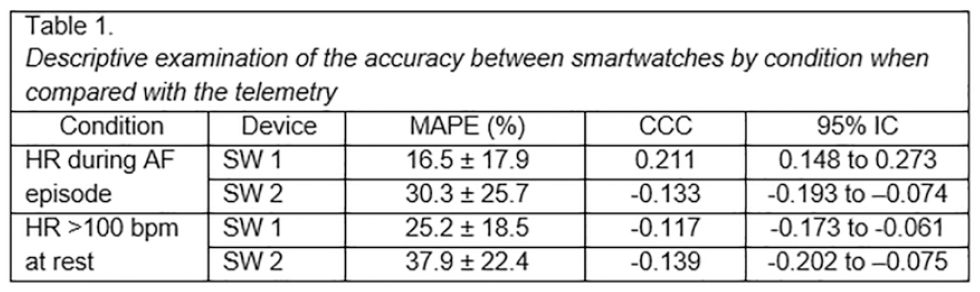
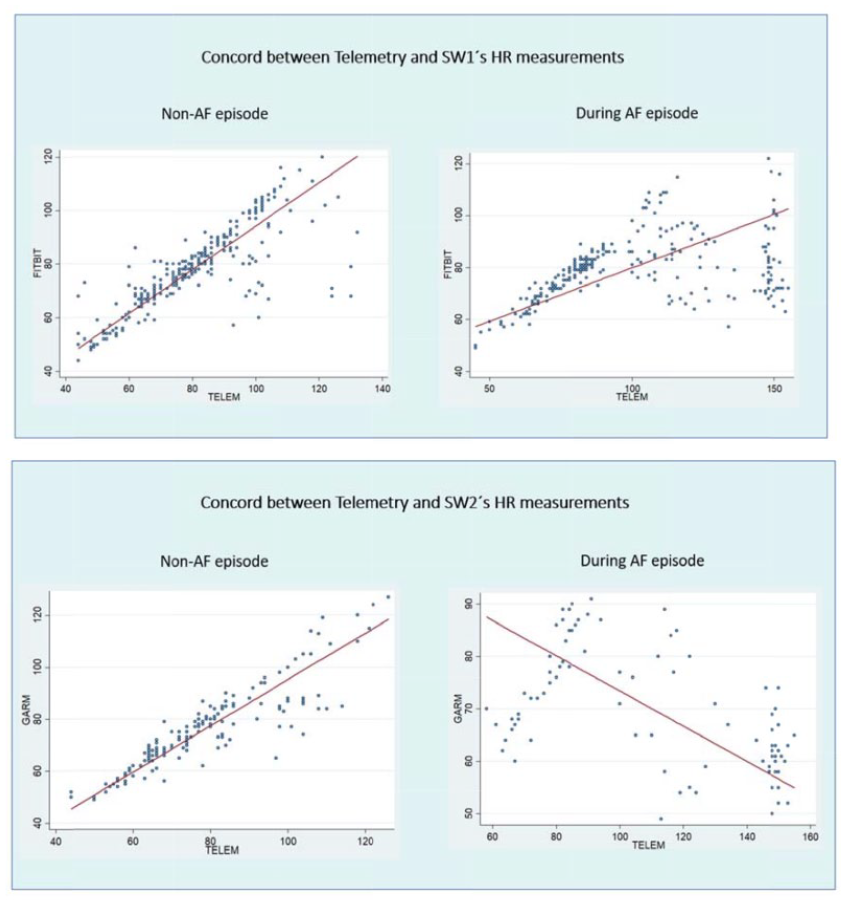
TECHNOLOGY INNOVATIONS: ROBOTS, VIRTUAL REALITY, ARTIFICIAL INTELLIGENCE AND MORE
2105
Deep learning for macroscopic analysis of retrieved thrombi: an answer from artificial intelligence to diagnostic workup
1Hospital Universitario y Politécnico La Fe, Stroke Unit. Neurology, Valencia, Spain, 2Insitituto de Investigación Sanitaria La Fe, Unidad mixta de investigación cerebrovascular, Valencia, Spain, 3Hospital Universitario y Politécnico La Fe, Neurointerventional radiology, Valencia, Spain, 4Universidad Politécnica de Valencia, Instituto de Aplicaciones de las Tecnologías de la Información y de las Comunicaciones Avanzadas., Valencia, Spain, 5Hospital Universitario y Politécnico La Fe, Unidad mixta de investigación cerebrovascular, Valencia, Spain
TECHNOLOGY INNOVATIONS: ROBOTS, VIRTUAL REALITY, ARTIFICIAL INTELLIGENCE AND MORE
2174
PREDICTING PROGNOSIS OF ACUTE ISCHEMIC STROKE THROUGH ARTIFICIAL INTELLIGENCE: A NOVEL APPROACH BASED ON REAL WORLD DATA
1Fondazione Policlinico Universitario A. Gemelli IRCCS, Dipartimento di Scienze dell’Invecchiamento, Neurologiche, Ortopediche e della Testa-Collo, Unità Operativa Complessa Neurologia, Roma, Italy, 2Fondazione Policlinico Universitario A. Gemelli IRCCS, Real World Data Facility, Rome, Italy, 3Fondazione Policlinico Universitario A. Gemelli IRCCS, Dipartimento di Scienze dell’Invecchiamento, Neurologiche, Ortopediche e della Testa-Collo, Unità Operativa Complessa Neuroriabilitazione ad Alta Intensità, Rome, Italy, 4Università Cattolica del Sacro Cuore, Dipartimento di Neuroscienze, Rome, Italy, 5Ammagamma s.r.l., Ammagamma s.r.l., Modena, Italy, 6Fondazione Policlinico Universitario A. Gemelli IRCCS, Dipartimento di Scienze dell’Invecchiamento, Neurologiche, Ortopediche e della Testa-Collo, Unità Operativa Complessa Neurologia, Rome, Italy, 7Fondazione Policlinico Universitario A. Gemelli IRCCS, Dipartimento di Diagnostica per Immagini, Radioterapia Oncologica ed Ematologia, UOC Radioterapia Oncologica, Roma, Italy, 8Fondazione Policlinico Universitario A. Gemelli IRCCS, Dipartimento di Diagnostica per Immagini, Radioterapia Oncologica ed Ematologia, UOC Radiologia e Neuroradiologia, Rome, Italy, 9Università Cattolica del Sacro Cuore, Istituto di Radiologia, Rome, Italy, 10Fondazione Policlinico Universitario A. Gemelli IRCCS, Dipartimento di Diagnostica per Immagini, Radioterapia Oncologica ed Ematologia, UOC Radioterapia Oncologica, Rome, Italy
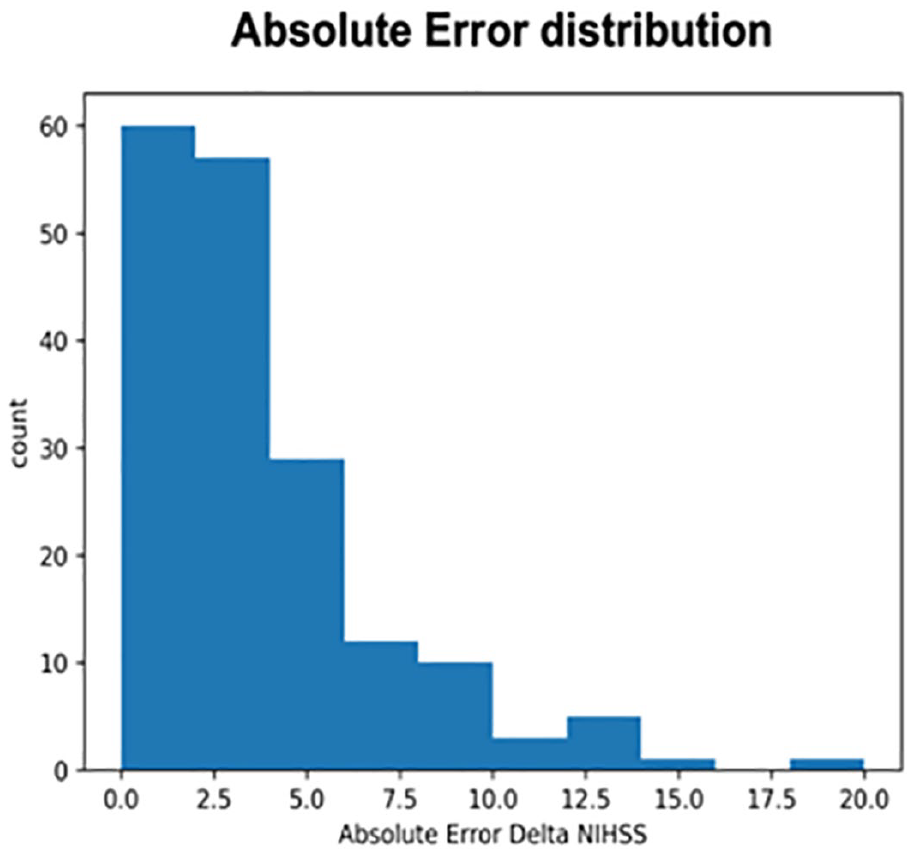
Absolute error distribution.
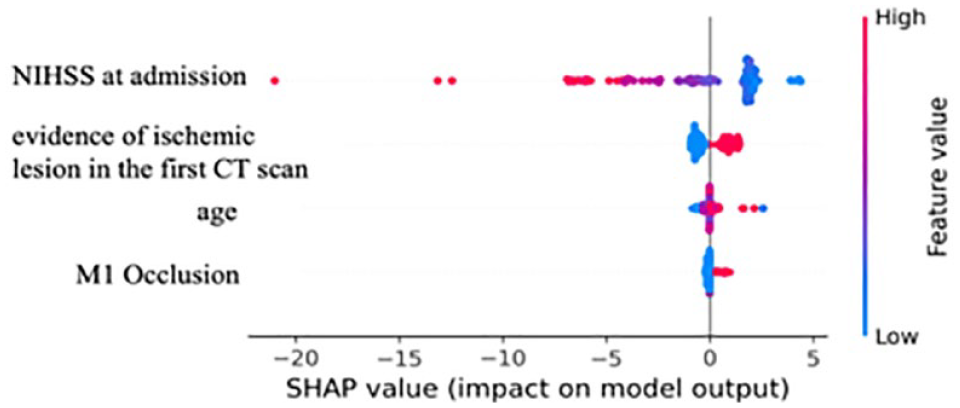
SHAP diagram.
TECHNOLOGY INNOVATIONS: ROBOTS, VIRTUAL REALITY, ARTIFICIAL INTELLIGENCE AND MORE
2556
MRI BASED OUTCOME PREDICTION WITH DEEP LEARNING IN ISCHEMIC STROKE - CLOSING IN ON THE PREDICTIVE POWER OF CLINICAL VARIABLES
1Charité Universitätsmedizin Berlin, Charité Lab for AI in Medicine, Berlin, Germany, 2Charité Universitätsmedizin Berlin, Centre for Stroke Research Berlin, Berlin, Germany, 3Johanna-Etienne-Hospital, Department of Neurology, Neuss, Germany, 4Berlin Institute of Health (BIH), Charité UniversitätsmedizinBerlin, QUEST Centre for Responsible Research, Berlin, Germany
The current work aimed at bridging this gap and exploring the potential of outcome prediction using exclusively MRI data.
TECHNOLOGY INNOVATIONS: ROBOTS, VIRTUAL REALITY, ARTIFICIAL INTELLIGENCE AND MORE
2619
Automatic tortuosity assessment of extracranial vascular anatomy and impact on mechanical thrombectomy
1Vall d’Hebron Institute of Research (VHIR), Stroke Research, Barcelona, Spain, 2Universitat de Barcelona, Mathematics and Computer Science, Barcelona, Spain, 3Vall d’Hebron University Hospital, Neurologia, Barcelona, Spain, 4Vall d’Hebron University Hospital, Radiology, Barcelona, Spain
TECHNOLOGY INNOVATIONS: ROBOTS, VIRTUAL REALITY, ARTIFICIAL INTELLIGENCE AND MORE
699
RETRACTED* CAN AN ELECTRONIC HEALTH RECORD-BASED EXTERNAL APIXABAN CONTROL ARM ACCURATELY REPLICATE THE OUTCOMES OF THE PHASE 2B PACIFIC-AF TRIAL?
1Bayer AG, Medical Affairs and Pharmacovigilance, Integrated Evidence Generation & Business Innovation, Berlin, Germany, 2Bayer AG, Research and Development, Clinical Data Science and Analytics, Berlin, Germany, 3Bayer AG, Medical Affairs and Pharmacovigilance, TA Thrombosis, Berlin, Germany, 4Bayer AG, Research and Development, Clinical Development & Operations, Wuppertal, Germany, 5Bayer AG, Research and Development, Clinical Data Science and Analytics, Wuppertal, Germany, 6University of Connecticut School of Pharmacy, School of Pharmacy, Mansfield, United States
Abstract 699 has been retracted at the request of the authors due to inconclusive findings after further analysis.
TECHNOLOGY INNOVATIONS: ROBOTS, VIRTUAL REALITY, ARTIFICIAL INTELLIGENCE AND MORE
497
Accurate and Fully Automatic Occlusion Detection using Multiphase CT Angiography Perfusion
1Circle Cardiovascular Imaging Inc, Neuro, Calgary, Canada, 2University of Calgary, Department of Radiology, Calgary, Canada
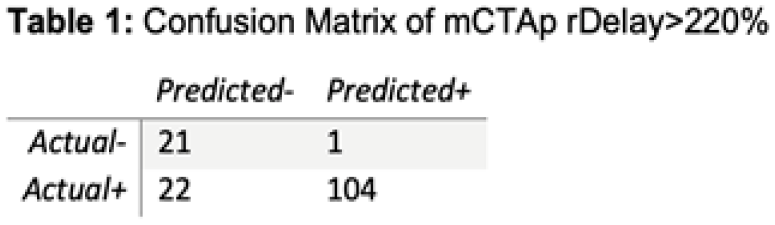
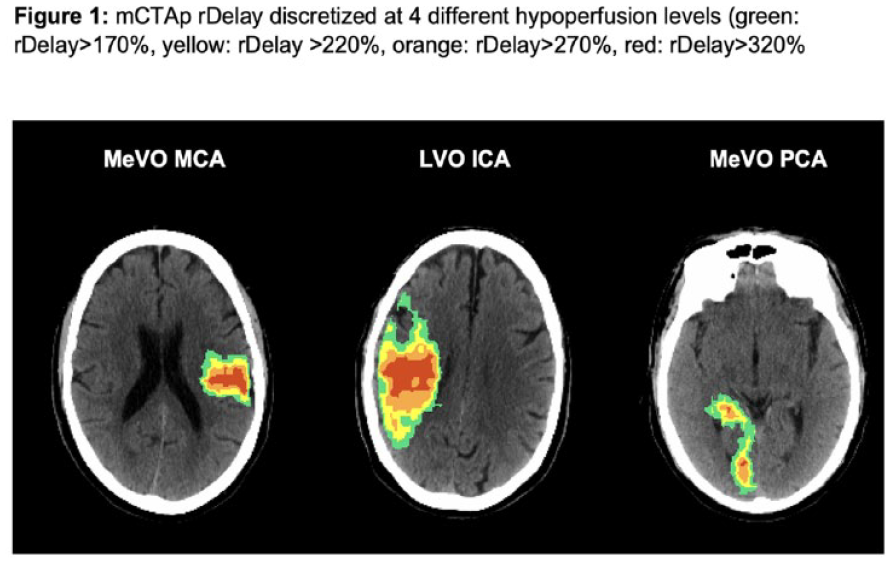
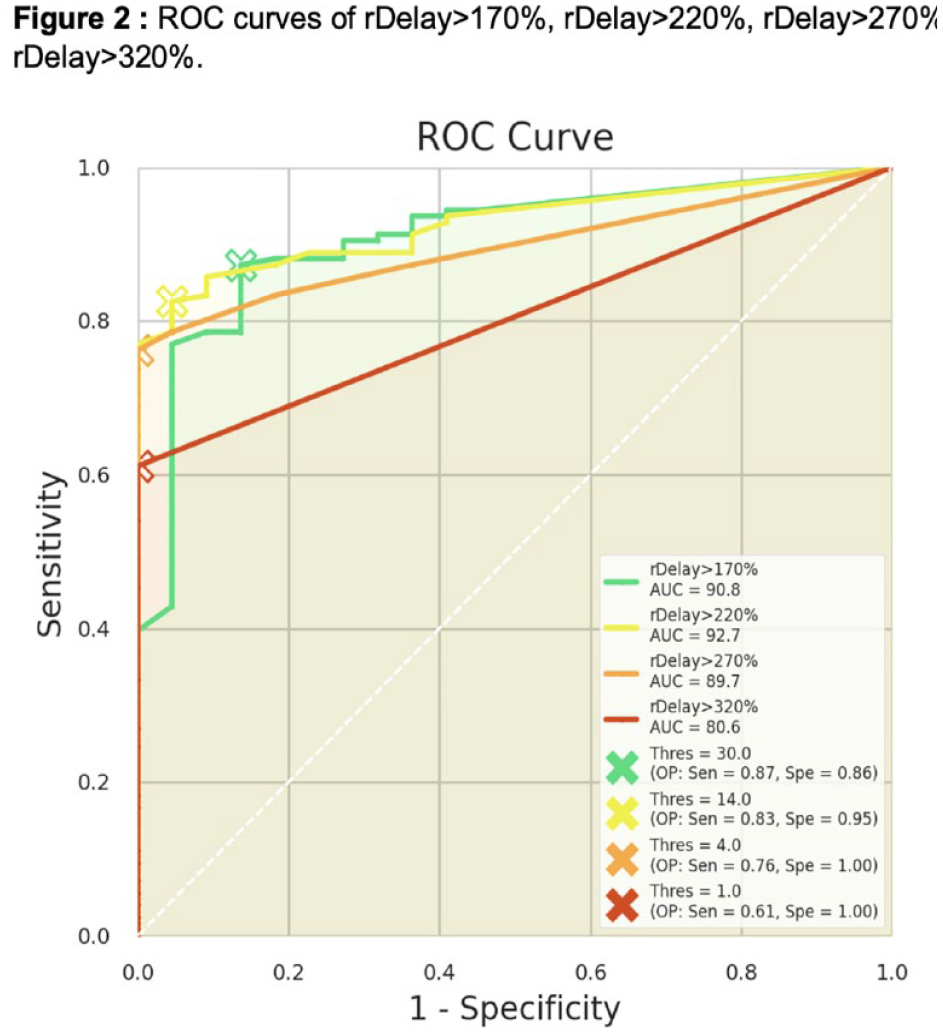
Disclosure of interest: Yes
TECHNOLOGY INNOVATIONS: ROBOTS, VIRTUAL REALITY, ARTIFICIAL INTELLIGENCE AND MORE
1968
Novel biomarker for assessing biological age of ischemic stroke lesion on unenhanced CT
1Imperial College London, Department of Computing, London, United Kingdom, 2Imperial College London, Department of Medicine, London, United Kingdom, 3Technische Universität München, Faculty of Medicine and Informatics, München, Germany
Disclosure of interest: Yes
CASE REPORTS
234
Basilar artery re-occlusion (RE-BAO): combination treatment of mechanical thrombectomy (MT), bridging and intra-arterial thrombolysis (TPA)
1Sisters of Charity Hospital, Neurology, ICU, Zagreb, Croatia, 2University hospital “Sestre Milosrdnice”, Neurology, ICU, Zagreb, Croatia
CASE REPORTS
740
Calcified cerebral emboli as an unusual stroke mechanism with a hard challenging treatment: our 5-case series and review of the literature
1Getafe University Hospital, Neurology, Getafe, Spain, 2Getafe University Hospital, Radiology, Getafe, Spain
We present a 5-case series and review the available literature on this subject.
CASE REPORTS
1155
Cerebral small vessel disease linked to heterozygous pathogenic variant in HTRA1 gene - a case report
1Turku University Hospital, Neurocenter, Department of Cerebrovascular Diseases, Turku, Finland, 2Turku University Hospital, Department of Genomics, Turku, Finland, 3Turku University Hospital, Department of Radiology, Turku, Finland, 4Turku University Hospital, Department of Medical Genetics, Genomics, Laboratory Division, Turku, Finland
Gene panel testing, including HTRA1 and NOTCH3 genes was performed, and it revealed a previously reported heterozygous pathogenic variant c.958G>A, p.(Asp320Asn) in HTRA1 gene.
CASE REPORTS
1554
POTENTIAL ROLE OF SEQUENTIAL VESSEL WALL MAGNETIC RESONANCE IMAGING IN MONITORING RESPONSE TO ANTITHROMBOTIC THERAPY IN STROKE DUE TO INTRACRANIAL ATHEROSCLEROTIC DISEASE: A CASE REPORT
1University of Pavia, Department of Brain and Behavioural Sciences, Pavia, Italy, 2IRCCS Mondino Foundation, Department of Cerebrovascular Disease/Stroke Unit, Pavia, Italy, 3IRCCS Mondino Foundation, Department of Neuroradiology, Pavia, Italy
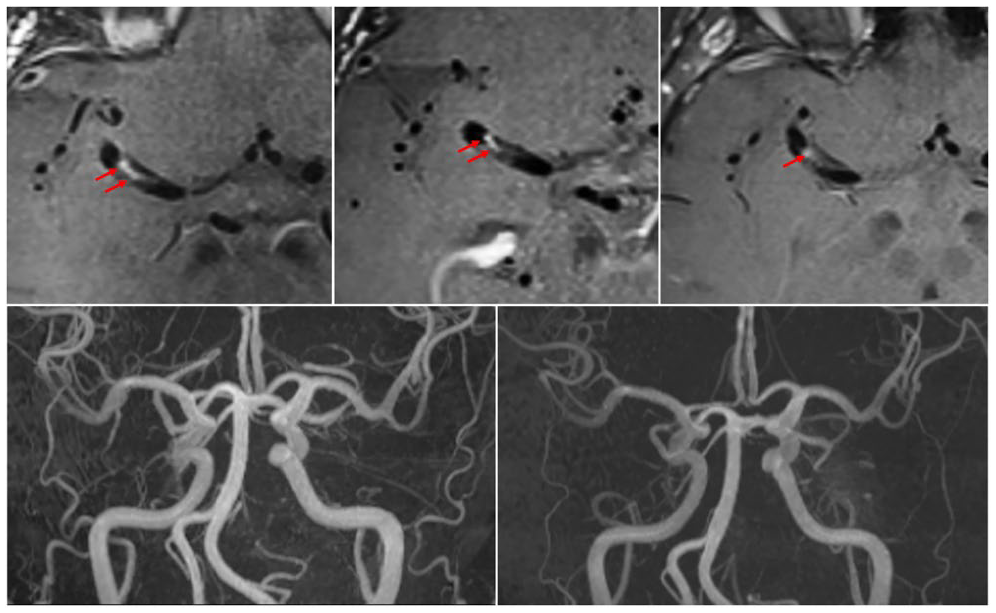
CASE REPORTS
1612
ISCHAEMIC STROKE SECONDARY TO GIANT CELL ARTHERITIS: 4 Case Reports
1 University Hospital of North Midlands, Stroke, Stoke-On-Trent, United Kingdom
All 4 patients displayed archetypical features of GCA pre-ischaemic event. ESR was elevated at admission in all cases (range 23-53 mm/hr). Angiographic images confirmed vertebrobasilar vessel involvement in all 4 cases; PET-FDG imaging further corroborated vertebral artery involvement in 2 of the 4 cases. Histological evidence via a temporal artery biopsy was utlised in 1 case.
All patients were started on corticosteroid therapy alongside antiplatelet therapy for initial treatment. N =2 required administration of DMARDs including methotrexate; N=1 required tocilizumab for refractory GCA treatment. Functional outcomes were variant amongst patients: N = 2 were deemed functionally at baseline, N=1 underwent a PEG insertion and transferred to the neurorehabilitation centres for mobility rehab, N=1 underwent a PEG insertion and required 24 hour care needs.
CASE REPORTS
1666
Endovascular Treatment of a Basilar Apex Aneurysm in a Patient with Bilateral Internal Carotid Artery (ICA) Occlusion: A Case Report
1University Medical Center Ljubljana, Department of Vascular Neurology, Ljubljana, Slovenia, 2University Medical Center Ljubljana, Department of Diagnostic and Interventional Neuroradiology, Ljubljana, Slovenia
CASE REPORTS
1754
ACUTE ENCEPHALOPATHY. AN UNUSUAL PRESENTATION OF CADASIL DISEASE
1Complejo Asistencial Universitario de Salamanca, Neurology, Salamanca, Spain, 2Complejo Asistencial Universitario de Salamanca, Clinical Neurophysiology, Salamanca, Spain
We report an unusual presentation of CADASIL to enhance clinical suspicion and remark its relevance.
Due to inconclusive results, not only supplementary tests were repeated, but new functional and genetic studies were performed. Brain MRI did not reveal any other finding, but EEG confirmed a moderate improvement of the slow wave activity. Brain perfusion SPECT showed hypoperfusion in frontal cortex, right occipital lobe and left parietal and temporal lobes. Finally, the detection of NOTCH-3 mutation confirmed the diagnosis.
After ten days of hospitalization the patient was discharged, and acetylsalicylic acid was started as secondary stroke prevention treatment.
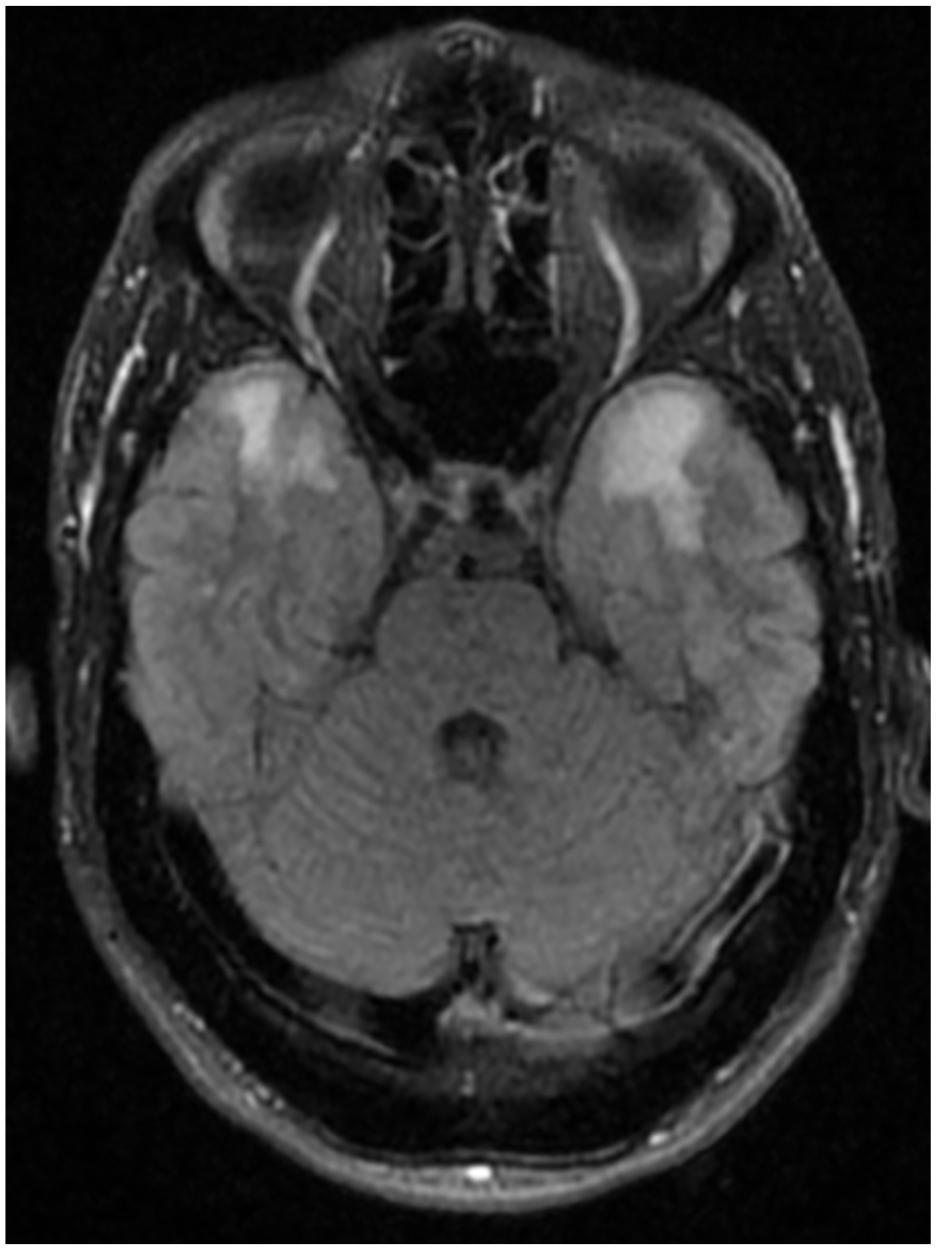
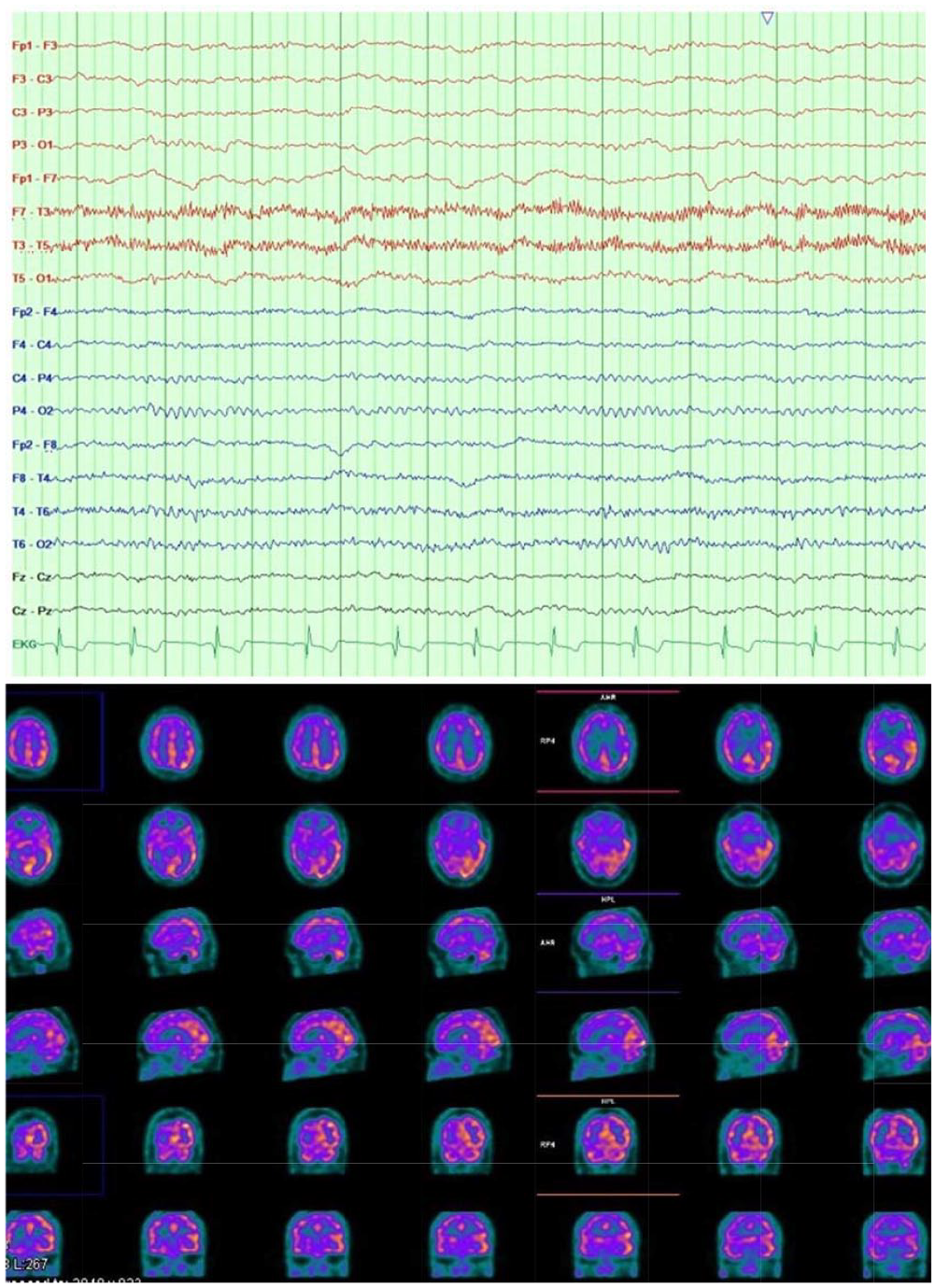
CASE REPORTS
1979
Title: Prevalence of stroke and intracranial involvement in mucormycosis patients with COVID-19 infection in India
1All India Institute of Medical Sciences, Department of Neurology, New Delhi, India, 2Yale University School of Medicine, Department of Neurology, New Haven, United States
CASE REPORTS
1994
CASE STUDY: DYSPHAGIA PRESENTATION AND RECOVERY IN A PATIENT WITH A LATERAL MEDULLARY INFARCT
1 Guy’s and St. Thomas’ NHS Foundation Trust, Speech and Language Therapy, London, United Kingdom
References
1Crary MA et al. doi:10.1016/j.apmr.2004.11.049
2Yoon WL et al. doi: 10.1007/s00455-013-9502-9. Epub 2013 Dec 15
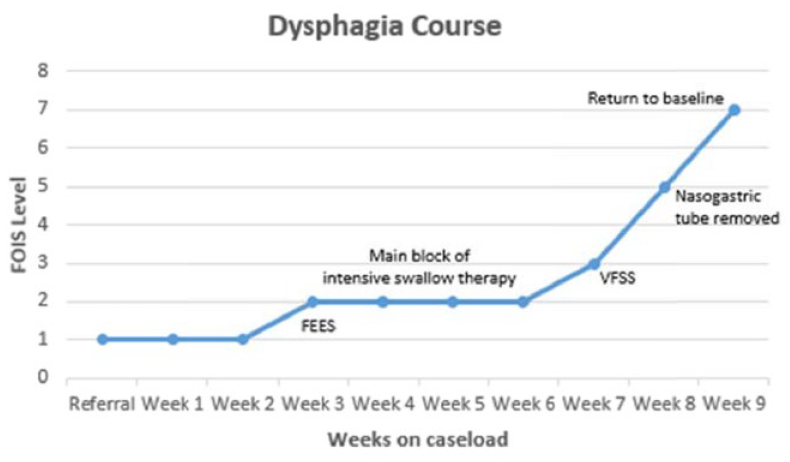
Dysphagia course timeline.
CASE REPORTS
1999
DELAYED PERIHEMATOMAL EDEMA IN THREE PATIENTS WITH SPONTANEOUS INTRACRANIAL HAEMORRHAGE
1 All India Institute of Medical Sciences, Neurology, New Delhi, India
CASE REPORTS
2270
STROKE MIMIC: SPINAL EPIDURAL ABSCESS WITH SYMPTOMATIC LEFT CAROTID STENOSIS WITH INITIAL PRESENTATION OF DECREASED PERFUSION IN LEFT HEMISPHERE SECONDARY TO HYPOTENSION AFTER A FALL
1 SUNY University at Buffalo, Department of Vascular Neurology, Buffalo, United States
ESOC 2023 – E-Poster
ACUTE MANAGEMENT – NEITHER THROMBOLYSIS NOR THROMBECTOMY
71
Clinical judgment to detect large vessel occlusion underlying suspected stroke - a prospective single-centre diagnostic accuracy trial
1 University Medical Center Hamburg-Eppendorf, Neurology, Hamburg, Germany
382
Significance of D-dimer Levels during Acute Period in Patients with Ischemic Stroke
1 Seoul Metropolitan Government-Seoul National University Boramae Medical Center, Neurology, Seoul, South Korea
1631
Insights from the Retina on Cerebral Microvascular Dysfunction in Aneurysmal Subarachnoid Hemorrhage
1Clinical Neuroscience Center, University Hospital Zurich and University of Zurich, Neurointensive Care Unit, Department of Neurosurgery and Institute of Intensive Care Medicine, Zurich, Switzerland, 2University Hospital Zurich and University of Zurich, Department of Ophthalmology, Zurich, Switzerland, 3University Hospital Tübingen, Department of Neurosurgery, Tübingen, Germany
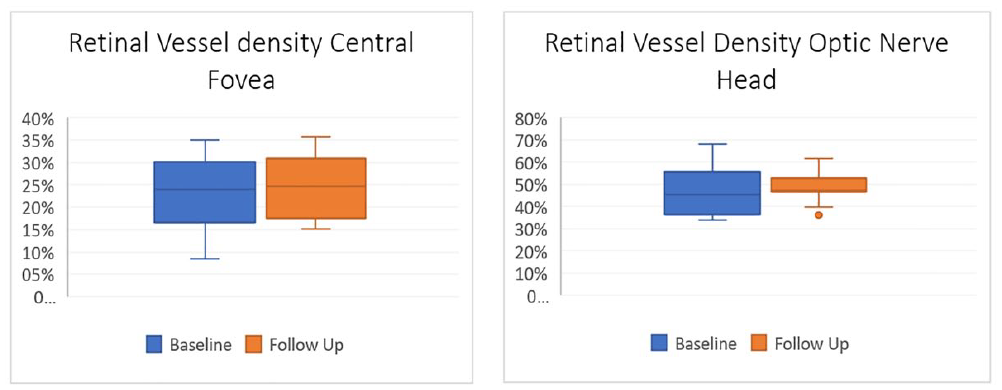
1973
Clinical features of stroke in young adults
1Republican Clinic Hospital named after M. Mirgasimov, Department of Neurology. Azerbaijan,
2 Azerbaijan State Advanced Training Institute for Doctors named after A. Aliyev, Department of Neurology and Clinical Neurophysiology, Baku, Azerbaijan
2 Azerbaijan Medical University, Department of Neurology.
The distribution of stroke by sex showed that the percentage of patients with ischemic, hemorrhagic and subarachnoid stroke did not differ. The exception was VST, where percentage of women predominated (13% women and 0% men).
It was found that in the older age group IS (42,08%) and SAH (7,24%) occur more often than younger group.
2017
Inter-rater reliability between paramedics and neurologist in the assessment of severe hemiparesis in acute stroke: comparation between the years 2016 and 2021
1Deparment of Neurology, University Hospital Ostrava, Ostrava, Czech Republic, Department of Clinical Neurosciences, Faculty of Medicine, University Ostrava, Czech Republic, Ostrava, Czech Republic, 2Department of Neurology, Agel Hospital in Ostrava – Vitkovice, Ostrava, Czech Republic, Department of Clinical Neurosciences, Faculty of Medicine, University Ostrava, Czech Republic, Ostrava, Czech Republic, 3Emergency Medical Services, Moravian-Silesian Region, Czech Republic, Emergency Medical Services, Moravian-Silesian Region, Czech Republic, Ostrava, Czech Republic
2085
UNEXPECTED STROKE IN POSTERIOR CIRCULATION - OUR EXPERIENCE
1Masaryk hospital, Neurology department, Usti nad Labem, Czech Republic, 2Charles University in Prague, 1. faculty of medicine, Prague, Czech Republic, 3Masaryk hospital, Neurology department, Ústí nad Labem, Czech Republic, 4Masaryk hospital, Neurosurgery department, Usti nad Labem, Czech Republic
2175
Surgical treatment for anterior spinal artery aneurysm and AVM
1 Ewha womans university, Neurosurgery, Seoul, South Korea
ACUTE MANAGEMENT – THROMBOLYSIS OR THROMBECTOMY
618
GLENZOCIMAB PROMOTES OPTIMAL REPERFUSION AND RECOVERY WITH SAFETY IN ELDERLY STROKE POPULATION
1CHRU de Nancy - Hôpital Central, Unité Neurovasculaire - Service de Neurologie, Nancy, France, 2Acticor Biotech, Acticor Biotech, Paris, France, 3Université de Rouen, Université de Rouen, Rouen, France, 4Hôpital Lariboisière, Service de Neurologie Unité NeuroVasc, Paris, France
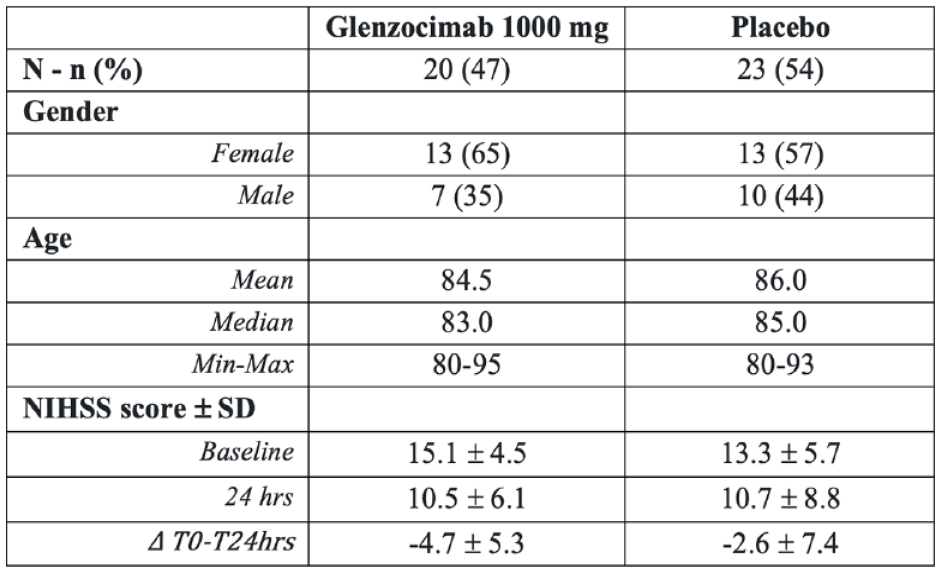
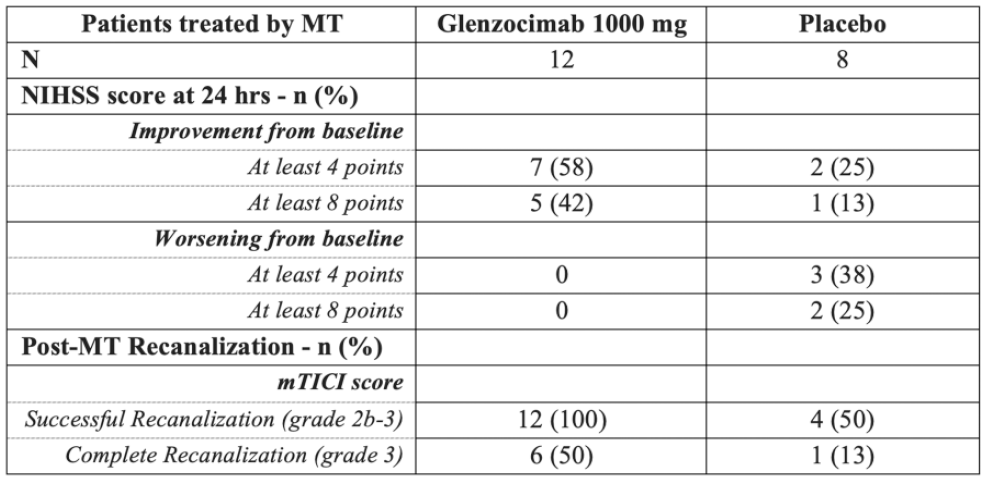
Disclosure of interest: Yes
1409
ACUTE BASILAR ARTERY OCCLUSION: DIFFERENCES IN CHARACTERISTICS AND OUTCOMES AFTER RECANALIZATION THERAPY BETWEEN PATIENTS WITH AND WITHOUT INTRACRANIAL ATHEROSCLEROSIS DISEASE IN PEOPLE 115 HOSPITAL
1 115 People Hospital, Cerebrovascular disease department, Ho Chi Minh, Viet Nam
1445
Influence of heart disease on Outcome for Thrombolysis-Treated Acute Ischemic Stroke: a post hoc analysis of ENCHANTED trial
1The George Institute for Global Health, STROKE, Beijing, China, 2The George Institute for Global Health, STROKE, Shanghai, China, 3The George Institute for Global Health, Global Brain Health Program, Sydney, Australia
1486
Effect of sex and age on outcome in Medium Vessel Occlusion stroke patients after Endovascular Treatment
1Division of Radiology and Nuclear Medicine, Oslo University Hospital, Oslo, Norway, 2Department of Neurology, Oslo University Hospital, Oslo, Norway, 3GliaLab, Institute of Basic Medical Sciences, Department of Molecular Medicine, Faculty of Medicine, University of Oslo, Oslo, Norway, 4Department of Neurology, Oslo University Hospital, Oslo, Norway, 5Department of Neuromedicine and Movement Science, The Norwegian University of Science and Technology, Trondheim, Norway
1739
WORKFLOW TIMES AND OUTCOMES BY SEX IN ACUTE ISCHEMIC STROKE PATIENTS TREATED WITH ALTEPLASE VERSUS TENECTEPLASE: A SUBGROUP ANALYSIS OF THE ACT TRIAL
1University of Calgary, Department of Clinical Neurosciences, Calgary, Canada, 2McMaster University, Department of Medicine (Neurology), Hamilton, Canada, 3University of Alberta, Department of Medicine (Neurology), Edmonton, Canada, 4Centre Hospitalier de l'Université de Montréal, Université de Montréal, Department of Neurosciences, Montreal, Canada, 5University of Calgary, Departments of Clinical Neurosciences, Community Health Sciences, Medicine and Radiology, Calgary, Canada, 6Sunnybrook Health Sciences Centre, University of Toronto, Department of Medicine (Neurology), Toronto, Canada, 7Queen's University, Department of Medicine (Neurology), Kingston, Canada, 8Université de Sherbrooke, Department of Medicine, Neurology Service, Sherbrooke, Canada, 9Queen Elizabeth Health Sciences Centre, Dalhousie University, Department of Medicine (Neurology), Halifax, Canada, 10Kelowna General Hospital, Department of Medicine (Neurology), Kelowna, Canada, 11Ottawa Heart Research Institute, University of Ottawa, Department of Medicine (Neurology), Ottawa, Canada, 12Royal Columbian Hospital, University of British Columbia, Department of Medicine (Neurology), Vancouver, Canada, 13London Health Sciences Centre, Western University, Clinical Neurological Sciences, London, Canada, 14Toronto Western Hospital, University of Toronto, Department of Medicine (Neurology), Toronto, Canada, 15University of Manitoba, Department of Radiology, Winnipeg, Canada, 16Queen Elizabeth Hospital, Department of Medicine (Neurology), Charlottetown, Canada, 17Medicine Hat Regional Hospital, Department of Medicine (Neurology), Medicine Hat, Canada, 18Grey Nuns Community Hospital, Department of Medicine (Neurology), Edmonton, Canada, 19St. Michaels Hospital, Department of Medicine (Neurology), Toronto, Canada, 20Red Deer Regional Hospital, Department of Medicine (Neurology), Red Deer, Canada, 21University of Saskatchewan, Department of Medicine (Neurology), Saskatoon, Canada, 22University of Calgary, Departments of Clinical Neurosciences, Community Health Sciences and Medicine, Calgary, Canada, 23Vancouver General Hospital, University of British Columbia, Department of Medicine (Neurology), Vancouver, Canada
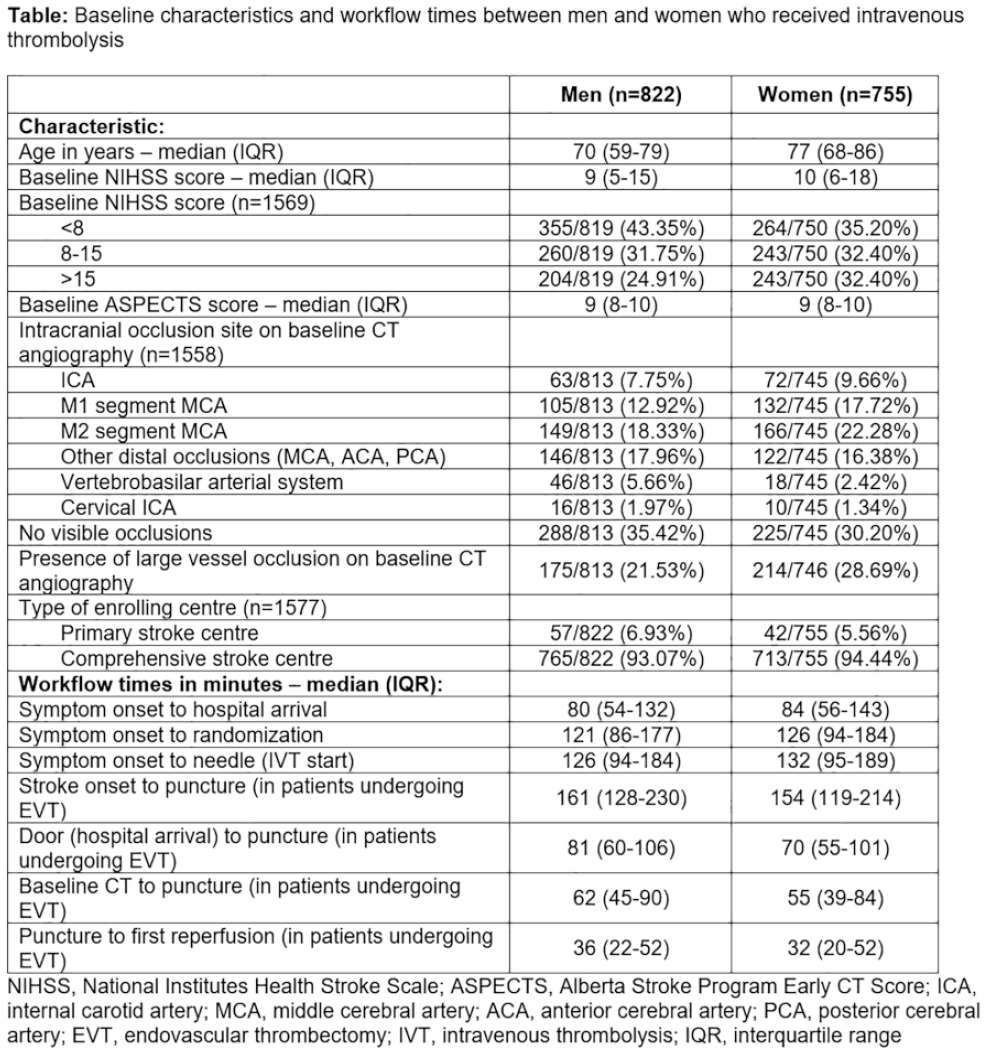
1838
Occlusion type and posterior communicating artery patency may predict favorable outcome after endovascular thrombectomy in selective basilar top occlusion
1Research Institute of Clinical Medicine of Jeonbuk National University Biomedical Research Institute of Jeonbuk National University Hospital, Jeonju, South Korea., Neurosurgery, Jeonju, South Korea, 2Research Institute of Clinical Medicine of Jeonbuk National University Biomedical Research Institute of Jeonbuk National University Hospital, Jeonju, South Korea., Neurology, Jeonju, South Korea
2071
Trans Radial Artery Embolectomy with 7Fr Balloon guiding catheter: Report of 19 Cases
1Saiseikai Shiga Hospital, Neurology, Ritto, Japan, 2Saiseikai Shiga Hospital, Neurosurgery, Ritto, Japan, 3Saiseikai Shiga Hospital, Radiology, Ritto, Japan
2206
Brain and body autopsy findings of acute ischemic stroke patients with and without iv. thrombolysis
1Debrecen University, Neurology, Debrecen, Hungary, 2University of Debrecen, Neurology, Debrecen, Hungary, 3University of Debrecen, Neurology, 1, Hungary, 2University of Debrecen, Neurology, Debrecen, Hungary, 5University of Debrecen, Preventive Medicine, Debrecen, Hungary, 6University of Debrecen, Pathology, Debrecen, Hungary
The body autopsy of non-lysis stroke patients detected 1.5% malignant systemic tumor and 28,6% thromboembolic events and pneumonia, not diagnosed in the premortem period.
The body autopsy of lysis patients detected 2% malignant systemic tumor and 17% thromboembolic events and pneumonia, not diagnosed in the premortem period.
2261
In patients with large vessel occlusion acute ischemic stroke, the distribution of CTP capillary transit time heterogeneity voxel values differs in recanalized versus non-recanalized patients
1Stavanger University Hospital, Stavanger Medical Imaging Laboratory (SMIL), Department of Radiology, Stavanger, Norway, 2University of Stavanger, Department of Electrical Engineering and Computer Science, Stavanger, Norway, 3Aarhus University, Institute of Clinical Medicine, Center of Functionally Integrative Neuroscience, Aarhus, Denmark, 4Stavanger University Hospital, Neurology research group, Department of Neurology, Stavanger, Norway, 5University of Bergen, Department of Clinical Medicine, Bergen, Norway
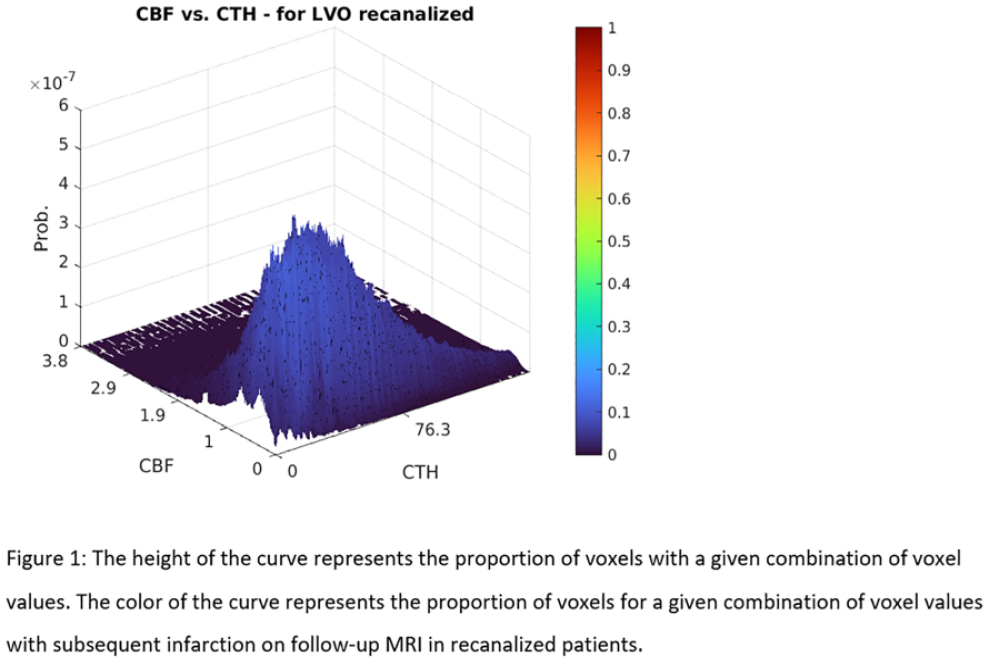
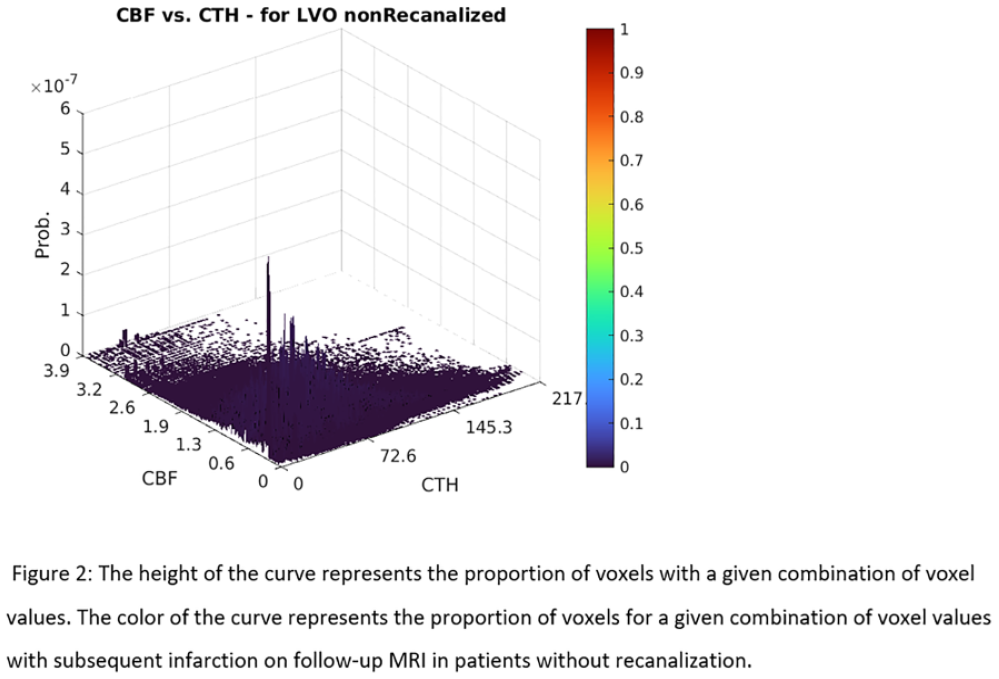
2308
RISK FACTORS FOR THE DEVELOPMENT OF INFARCT IN NEW TERRITORY AFTER ENDOVASCULAR STROKE TREATMENT
1Ankara City Hospital, Neurology Clinic, Ankara, Turkey, 2Eskişehir Osmangazi University Faculty of Medicine, Neurology Department, Eskişehir, Turkey, 3Samsun Ondokuz Mayıs University Faculty of Medicine, Neurology Department, Samsun, Turkey, 4Hacettepe University Faculty of Medicine, Neurology Department, Ankara, Turkey
2340
The combination of CTP CBV and transit time coefficient variation seems promising in predicting tissue outcome in large vessel occlusion AIS with subsequent recanalization
1Stavanger University Hospital, Stavanger Medical Imaging Laboratory (SMIL), Department of Radiology, Stavanger, Norway, 2University of Stavanger, Department of Electrical Engineering and Computer Science, Stavanger, Norway, 3Aarhus University, Institute of Clinical Medicine, Center of Functionally Integrative Neuroscience, Aarhus, Denmark, 4University of Stavanger, Department of Mathematics and Physics, Stavanger, Norway, 5Stavanger University Hospital, Neurology research group, Department of Neurology, Stavanger, Norway, 6University of Bergen, Department of Clinical Medicine, Stavanger, Norway
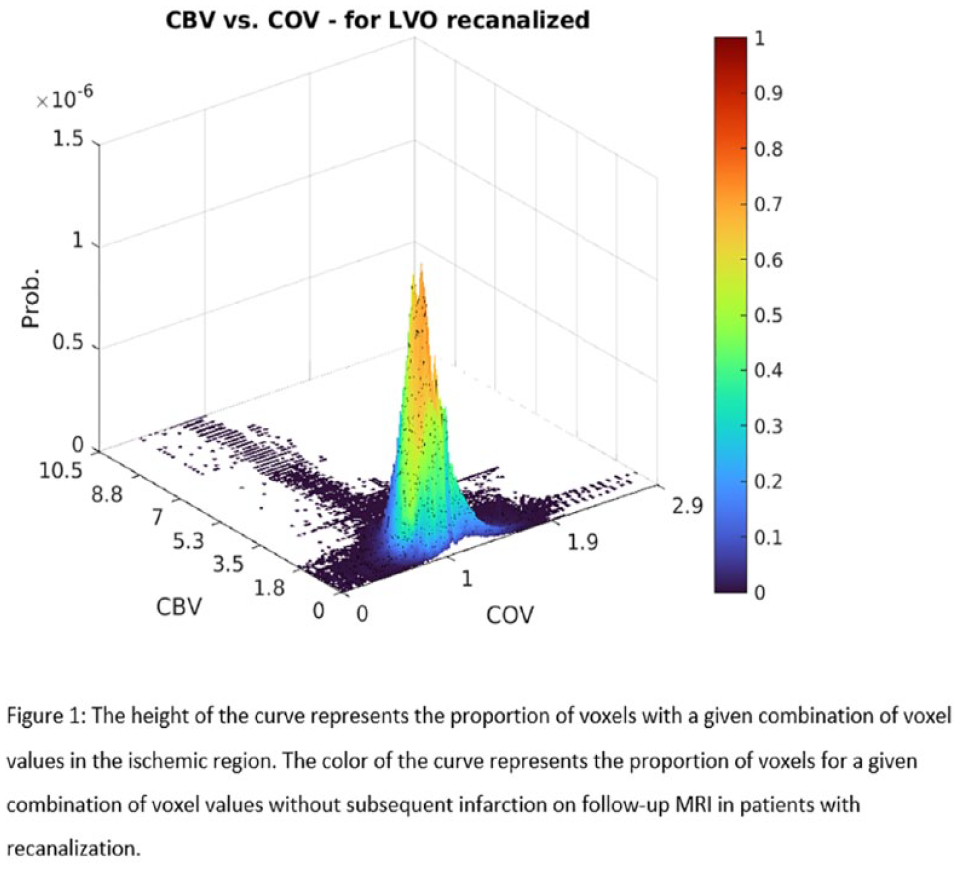
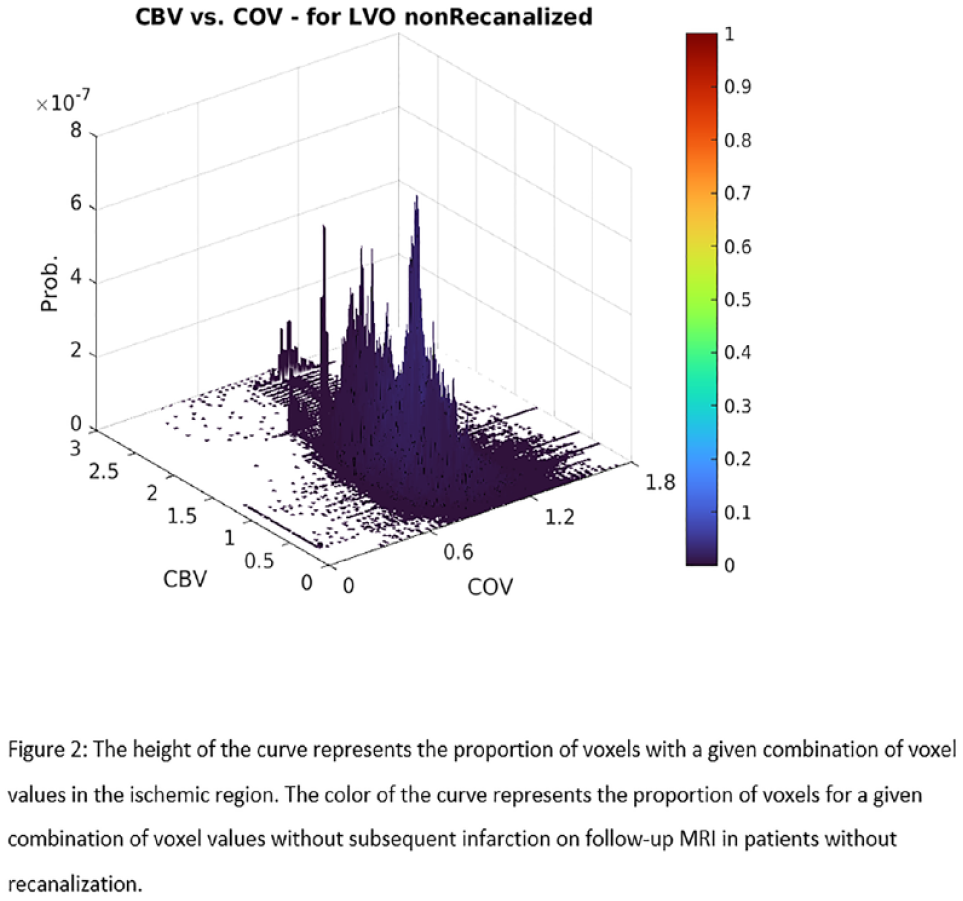
PREVENTION
823
IMPACT OF METABOLIC SYNDROME ON EARLY PROGNOSIS AND OUTCOME IN BULGARIAN ISCHEMIC STROKE PATIENTS
1 UMHAT Dr. Georgi Stranski, Clinic of Neurology, Pleven, Bulgaria
1869
RISK FACTORS FOR RECURRENT ISCHEMIC STROKE: A SINGLE-CENTER STUDY IN HO CHI MINH CITY
1Ho Chi Minh City University Medical Center, Department of Neurology, Ho Chi Minh City, Viet Nam, 2Academy Hospital 87, Department of Neurology, Nha Trang City, Viet Nam
2297
MODIFIED THERAPY IN POSTCOVID PATIENTS WITH ISCHEMIC STROKE: IS THERE ANY EFFECTIVENESS?
1Tashkent medical academy, neurology, Tashkent, Uzbekistan, 2Tashkent medical academy, Child disease propeudics, Tashkent, Uzbekistan
2369
Concentration of D-dimer as a predictor of ischemic stroke in COVID-19 in Tashkent
1 Tashkent Medical academy, Neurology, Tashkent, Uzbekistan
2571
FEASIBILITY LEARNINGS AND STAKEHOLDER INFORMED REFINEMENTS FOR A COMPARATIVE EFFECTIVENESS TRIAL: TELEHEALTH-ENHANCED ASSESSMENT AND MANAGEMENT AFTER STROKE – BLOOD PRESSURE (TEAMS-BP)
1University of North Carolina at Chapel Hill, Epidemiology, Chapel Hill, NC, United States, 2Wake Forest University School of Medicine, Social Sciences and Health Policy, Winston-Salem, NC, United States, 3Wake Forest University School of Medicine, Neurology, Winston-Salem, NC, United States, 4UNC School of Medicine, Family Medicine, Chapel Hill, NC, United States, 5Duke University School of Medicine, Physical Therapy Division, Durham, NC, United States, 6University of North Carolina Wilmington, School of Nursing, Wilmington, NC, United States, 7East Carolina University, Public Health, Greenville, NC, United States
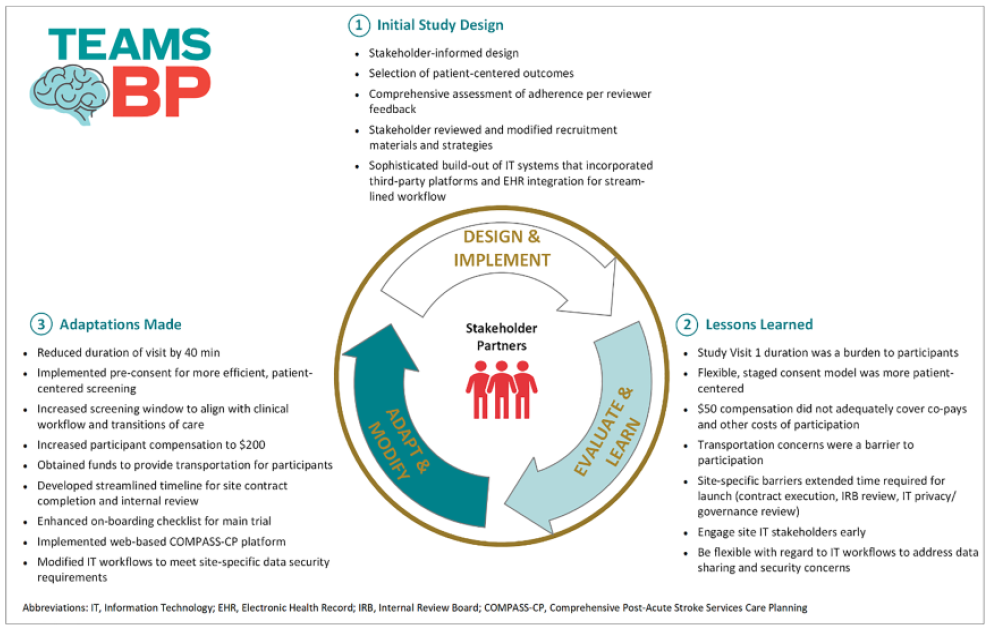
Disclosure of interest: Yes
REHABILITATION AND RECOVERY
763
CIRCADIAN TEMPERATURE IN MODERATE TO SEVERE STROKE PATIENTS
1Copenhagen University Hospital, Rigshospitalet, Department of Neurology, Stroke Unit, Copenhagen, Denmark, 2Copenhagen University Hospital, Rigshospitalet, Department of Neurophysiology, Danish Center for Sleep Medicine, Copenhagen, Denmark
921
Effectiveness of using a robotic manipulation device with computer games based rehabilitation platform to improve manual dexterity in post-stroke clients
1University of Manitoba, Bannatyne Campus, College of Rehabilitation Sciences, Winnipeg, Canada, 2Price Faculty of Engineering, Department of mechanical engineering, Winnipeg, Canada, 3Riverview Health Centre, Internal medicine, Winnipeg, Canada
1512
Medical and neurological complications of ischemic stroke: experience of the emergency department of HUC Oran (ALGERIA)
1faculty of medicine of oran, Emergency hospital, Oran, Algeria, 1faculty of medicine of oran, Emergency hospital, Oran, Algeria
2322
STROKE SURVIVOR INVOLVEMENT IN A STUDY OF REHABILITATION FOR VISUAL FIELD LOSS AFTER STROKE
1North Bristol NHS Trust, Department of Neurology, Bristol, United Kingdom, 2University of the West of England, School of Health and Social Wellbeing, Bristol, United Kingdom, 3NHS Grampian, Rinnes Medical Group & Tomintoul Medical Centre, Aberdeen, United Kingdom, 4Royal Holloway, University of London, Department of Health Studies, London, United Kingdom, 5North Bristol NHS Trust, Research and Innovation, Bristol, United Kingdom, 6University of Liverpool, VISION Research Unit, Liverpool, United Kingdom, 7University of Manchester, Geoffrey Jefferson Brain Research Centre, Manchester, United Kingdom, 8Glasgow Caledonian University, Nursing, Midwifery and Allied Health Professions (NMAHP) Research Unit, Glasgow, United Kingdom
The role of stroke survivors on the SMG developed during the study, facilitated by having a nominated contact for them, and space for involvement in meetings, including a standing agenda item to provide feedback. Barriers included video calls due to visual impairment and file sharing.
Intervention improvements arising from PPI included: development of “success stories” for intervention materials; graphical representations of experience of visual field loss and core intervention components; development and curation of videos illustrating impact of visual field loss.
Stroke survivor SMG members contributed to documents, provided statements of support and robustly discussed study recruitment, research methods, health inequalities and accessibility.
2332
INDICATORS OF BDNF AND CORTISOL IN POSTCOVID PATIENTS WITH ISCHEMIC STROKE IN TASHKENT
1 Tashkent Medical academy, Neurology, Tashkent, Uzbekistan
184
Stroke in patients with large Ischaemic Core: Assessment of Reperfusion therapy Impact on Outcome (SICARIO) trial
1John Hunter Hospital, Neurology, Newcastle, Australia, 2Liverpool Hospital, Neurology, Sydney, Australia, 3University of Melbourne, Neurology, Melbourne, Australia, 4University of NSW, Neurology, Sydney, Australia, 5University of Newcastle, Biostatistics, Newcastle, Australia, 6Deakin University, Neurology, Melbourne, Australia
Population: Ischaemic stroke patients with anterior LVO within 24 hours of onset with an ischemic core of >70mL and a premorbid mRS<3.
Primary Outcome: Substudy 1: Proportion of mRS 0-2 at 3 months. Substudy 2: Proportion of mRS 0-4 at 3 months.
209
BATMAN: antibiotics against amyloid angiopathy
1Leiden University Medical Center, Neurology, Leiden, Netherlands, 2Leiden University Medical Center, Radiology, Leiden, Netherlands, 3Leiden University Medical Center, Clinical Genetics, Leiden, Netherlands, 4Radboud University Medical Center, Neurology, Nijmegen, Netherlands
351
HOW MANY STROKE SURVIVORS DEVELOP PROBLEMATIC SPASTICITY THAT REQUIRES PHARMACOLOGICAL TREATMENT? RATIONALE AND PROTOCOL FOR AN OBSERVATIONAL, PROSPECTIVE, INTERNATIONAL STUDY
11. MedStar National Rehabilitation Network and Georgetown University School of Medici, Rehabilitation, Washington, United States, 2Southern Älvsborg Hospital, Rehabilitation, Borås, Sweden, 3CHU Pontchaillou, Rehabilitation, Rennes, France, 4University Medicine Mainz, Rehabilitation, Mainz, Germany, 5La Paz University Hospital, Rehabilitation, Madrid, Spain, 6Leicester General Hospital, Rehabilitation, Leicester, United Kingdom, 7Ipsen, Medical Affairs, Slough, United Kingdom, 8Ipsen, Biometry, Boulogne-Billancourt, France, 9University of Verona, Rehabilitation, Verona, Italy
Disclosure of interest: Yes
559
ACTION: ANAKINRA IN CEREBRAL HAEMORRHAGE TO TARGET SECONDARY INJURY RESULTING FROM NEUROINFLAMMATION – A PHASE II CLINICAL TRIAL
1Donders Institute for Brain, Cognition and Behaviour, Department of Neurology, Radboud University Medical Centre, Nijmegen, Netherlands, 2Rijnstate Hospital, Department of Neurology, Arnhem, Netherlands, 3Isala Hospital, Department of Neurology, Zwolle, Netherlands
The ACTION trial aims to determine the safety and efficacy of treatment with recombinant human interleukin-1 receptor antagonist anakinra compared to standard medical management, and whether its effects are dose-dependent.
Participants will receive anakinra in a high dose (loading dose 500mg intravenously, followed by infusion with 2mg/kg/h over 3 days; n=25) or in a low dose (loading dose 100mg subcutaneously, followed by subcutaneous administration of 100mg twice daily for 3 days; n=25). The control group (n=25) will receive standard medical management.
Secondary outcomes are safety of anakinra in ICH patient, effect on serum inflammation markers, MRI measures of blood brain barrier integrity and functional outcome at 90±7 days.
570
Symptomatic Carotid Outcomes Registry with multi-center Evaluation (SCORE)
1University of Maryland School of Medicine, Neurology, Baltimore, United States, 2University of Oregon Health Sciences Center, Neurology, Portland, United States, 3Harvard Medical School, Neurology, Boston, United States, 4Univ. of Massachusetts Medical Center, Neurology, Worcester, United States, 5Calgary Health Sciences Center, Neurology, Calgary, Canada, 6Western University, Neurology, London, Canada, 7Boston University School of Medicine, Neurology, Boston, United States
12 centers in the US and Canada are approved for enrollment.
Primary endpoint: Ipsilateral ischemic stroke within 12 months of enrollment.
Sample size 114 patients
Enrollment as of Jan 2023: 2
584
Progress with the International AVERT-DOSE trial: A phase III, multi-arm multi-stage covariate-adjusted response-adaptive randomized trial to determine optimal early mobility training after stroke
1The Florey Institute of Neuroscience and Mental Health, Stroke, Heidelberg, Australia, 2The Florey Institute of Neuroscience and Mental Health, Stroke, Heidleberg, Australia, 3University of Melbourne, Department of Medicine, Parkville, Australia, 4Christian Medical College and Hospital, Ludhiana India, Department of Neurology, Ludhiana, India, 5Universiti Kebangsaan Malaysia, Unit Fisioterapi, Kuala Lumpur, Malaysia, 6University of Leicester, College of Life Sciences, Leicester, United Kingdom, 7Moinhos de Vento Hospital, Neurology, Porto Alegre, Brazil, 8Royal College of Surgeons in Ireland, School of Physiotherapy, Dublin, Ireland, 9Tan Tock Seng Hospital, Physiotherapy Department, Singapore, Singapore, 10National University Hospital, Physiotherapy Department, Singapore, Singapore, 11The Florey Institute of Neuroscience and Mental Health, Stroke, Heidelberg, Australia
ACTRN12619000557134
625
Screening and patient-tailored care for Emotional and COgnitive problems in patients discharged home after ischemic stroke (ECO-stroke trial)
1OLVG, Neurology, Amsterdam, Netherlands, 2Amsterdam UMC, Department of Neurology, Amsterdam, Netherlands, 3Maastricht University, School for Mental Health & Neuroscience, Maastricht, Netherlands, 4Maastricht University, Department of Neuropsychology & Psychopharmacology, Maastricht, Netherlands, 5UMC Utrecht Brain Center, Department of Rehabilitation, Physical Therapy Science & Sports, Utrecht, Netherlands, 6UMC Utrecht Brain Center, Center of Excellence for Rehabilitation Medicine, Utrecht, Netherlands
858
Antiplatelet Secondary Prevention International Randomised trial after INtracerebral haemorrhaGe (ASPIRING)
1The University of Edinburgh, Centre for Clinical Brain Sciences, Edinburgh, United Kingdom, 2Population Health Research Institute, Hemorrhagic Stroke Research Program, Hamilton, Canada, 3Radboud University Medical Center, Neurology, Nijmegen, Netherlands, 4University Hospitals Leuven, Department of Neurology, Leuven, Belgium, 5Huashan Hospital, Dept. of Neurology & Institute of Neurology, Shanghai, China, 6The George Institute for Global Health, Neurology, Shanghai, China, 7The George Institute for Global Health, Global Brain Health, Sydney, Australia, 8The University of Western Australia, Faculty of Health & Medical Sciences, Perth, Australia
Disclosure of interest: Yes
879
Causal evidence for task regulation by anterior cingulate cortex: an experimental prospective study in patients with stroke in the frontal lobe
1University Hospital Ghent, Neurology, Ghent, Belgium, 2Ghent University, Experimental Psychology, Ghent, Belgium
The aim of this study is to (1) investigate the impact of ACC damage on task regulation and (2) investigate the contribution of ACC to development of neuropsychiatric disorders.
885
Effects of Aerobic Exercise During the Early Rehabilitation After Ischemic Stroke
1 University Hospital Muenster, Department of Neurology with Institute of Translational Neurology, Münster, Germany
1154
A MULTIMODAL INDIVIDUALIZED INTERVENTION TO PREVENT FUNCTIONAL DECLINE AFTER STROKE. A RANDOMISED CONTROLLED TRIAL ON LONG-TERM FOLLOW-UP AFTER STROKE (THE LAST-LONG TRIAL)
1Norwegian University of Science and Technology, Neuromedicine and Movement Science, Trondheim, Norway, 1Norwegian University of Science and Technology, Neuromedicine and Movement Science, Trondheim, Norway, 3Akershus University Hospital, Department of Neurology, Lørenskog, Norway, 4City of Trondheim, Department of Finance, Trondheim, Norway, 5St. Olav's University Hospital, Department of Stroke, Trondheim, Norway, 6Bærum Hospital, Medical Department, Bærum, Norway, 7Norwegian University of Science and Technology, Regional Centre for Child and Youth Mental Health and Child Welfare, Trondheim, Norway, 8Norwegian University of Science and Technology, Department of Public Health and Nursing, Trondheim, Norway, 9St. Olav's University Hospital, Department of Geriatrics, TRONDHEIM, Norway, 10Møre and Romsdal Health Trust, Department of Medicine, Ålesund, Norway
The intervention consists of regular meetings with a community-based stroke-coordinator, who will use a checklist to assess the patients’ risk- profile within physical health and lifestyle, mobility and ADL function, cognitive function, and social function. Accordingly, the coordinator will set up an action-plan based on national guidelines aiming to achieve the treatment goals.
Mixed models will be used to evaluate differences between the groups for the primary (mRS) and secondary endpoints (cognition, motor function, extended ADL, self-perceived health, quality-of-life, frailty, vascular events, caregivers burden, health costs, etc.) across the 4 time points.
1303
EVALUATION OF MICROVASCULAR RAREFACTION IN VASCULAR COGNTIVE IMPAIRMENT AND HEART FAILURE: CRUCIAL-VCI
1Maastricht University Medical Center, Department of Neurology, Maastricht, Netherlands, 2Maastricht University Medical Center, Department of Radiology & Nuclear Medicine, Maastricht, Netherlands, 3University College London, Institute of cardiovascular science, London, United Kingdom, 4Clínica Universidad de Navarra, Department of Radiology, Pamplona, Spain, 5CIMA, Universidad de Navarra and IdiSNA, Program of Cardiovascular Diseases, Pamplona, Spain, 6KU Leuven, Department of Cardiovascular Sciences, Leuven, Belgium
1396
ESTABLISHMENT OF MAGENTIC RESONANCE IMAGING BIOMARKERS FOR DETECTION OF EARLY DISEASE PROGRESSION AND IDENTIFICATION OF THERAPEUTIC STRATEGIES IN CEREBRAL SMALL VESSEL DISEASE (SVD): EARLYPROG-SVD
1Goethe University Frankfurt, Neurology, Frankfurt am Main, Germany, 2Goethe University Frankfurt, Neuroradiology, Frankfurt, Germany, 3Goethe University Frankfurt, Brain Imaging Center, Frankfurt, Germany, 4Goethe University Frankfurt, Neurology, Frankfurt, Germany
1509
ENHANCEMENT OF STROKE REHABILITATION WITH LEVODOPA (ESTREL-STUDY) - PROGRESS OF THE ONGOING MULTICENTER PLACEBO-CONTROLLED RANDOMIZED TRIAL
1University Department of Geriatric Medicine FELIX PLATTER, University of Basel, Neurology and Neurorehabilitation, Basel, Switzerland, 2University Hospital Basel and University of Basel, Department of Neurology and Stroke Center, Basel, Switzerland, 3University Hospital Basel and University of Basel, Switzerland, Clinical Trial Unit, Department of Clinical Research, Basel, Switzerland, 4Inselspital, Bern, Department of Neurology and Cognitive and Restorative Neurology, Basel, Switzerland, 5University Hospital Basel and University of Basel, Switzerland, Department of Clinical Research, Basel, Switzerland, 6Stanford University, Meta-Research Innovation Center at Stanford (METRICS), Standford, United States, 7Berlin Institute of Health, Meta-Research Innovation Center Berlin (METRIC-B), Berlin, Germany, 8University Hospital Basel and University of Basel, Research Center for Clinical Neuroimmunology and Neuroscience Basel (RC2NB), Basel, Switzerland, 9University Hospital Lausanne, Stroke Center Lausanne, Lausanne, Switzerland, 10University Hospital Zurich, Vascular Neurology and Neurorehabilitation, Stroke Center, Zürich, Switzerland, 11Valens Clinics, Zurich, Switzerland, Rehabilitation Triemli Zurich, Zürich, Switzerland, 12University of Oxford, Oxford, UK, Oxford University Hospitals NHS Foundation Trust, Oxford, United Kingdom, 13cereneo, Vitznau, Switzerland, Center for Neurology and Rehabilitation, Vitznau, Switzerland
1602
TRIDENT COGNITIVE SUBSTUDY: PRELIMINARY RESULTS FROM A BRAZILIAN COHORT
1Hospital Moinhos de Vento, Neurology, Porto Alegre, Brazil, 2Hospital Moinhos de Vento, Research, Porto Alegre, Brazil, 3Hospital das Clínicas de Ribeirão Preto, Neurology, Ribeirão Preto, Brazil, 4The George Institute for Global Health, Global Brain Health Initiative, Research, Newton, Australia
TRIDENT (Triple therapy prevention of Recurrent Intracerebral Disease EveNts Trial) main study aims to determine the effectiveness of the fixed low-dose triple combination of blood pressure-lowering agents (Triple Pill) on recurrent stroke and to evaluate the secondary outcome of cognitive decline and dementia.
The aim of this substudy is to assess the Triple Pill effectiveness on memory decline, cognition, and CSVD progression.
1655
NEUROMODULATION OF EXECUTIVE DYSFUNCTION IN PATIENTS WITH ACUTE STROKE USING TRANSCRANIAL DIRECT CURRENT STIMULATION (MODUL-EXE). A RANDOMIZED CONTROLLED TRIAL
1Torrecardenas University Hospital, Neurology Department, Almería, Spain, 2University of Almería, Psychology Department, Almería, Spain
1774
COLCHICINE FOR THE PREVENTION OF VASCULAR EVENTS AFTER AN ACUTE INTRACEREBRAL HEMORRHAGE (COVASC-ICH)
1McMaster University & Population Health Research Institute, Department of Medicine (Division of Neurology), Hamilton, Canada, 2University of British Columbia, Division of Neurology, Vancouver, Canada, 3Western University, Department of Clinical Neurological Sciences, London, Canada, 4Queen's University, Division of Neurology, Kingston, Canada, 5University of Toronto, Department of Medicine (Division of Neurology), Toronto, Canada, 6University of Alberta, Department of Medicine (Division of Neurology), Edmonton, Canada, 7University of Calgary, Department of Clinical Neurosciences, Calgary, Canada, 8Université de Montréal, Department of Neurosciences, Montreal, Canada, 9Toronto Western Hospital and the University of Toronto, Division of Neurology, Toronto, Canada, 10University of Saskatchewan, Division of Neurology, Saskatoon, Canada, 11University of Manitoba, Division of Neurology, Winnipeg, Canada, 12University of Ottawa, Department of Medicine, Ottawa, Canada, 13Yale School of Medicine, Department of Neurology, New Haven, United States, 14Mater University Hospital, Department of Neurology, Dublin, Ireland, 15University of Edinburgh, Centre for Clinical Brain Sciences, Edinburgh, United Kingdom, 16Population Health Research Institute, Hamilton, Canada, 17McMaster University, Division of Hematology and Thromboembolism, Hamilton, Canada, 18McMaster University & Population Health Research Institute, Department of Pathology and Molecular Medicine, Hamilton, Canada, 19McMaster University & Population Health Research Institute, Department of Medicine (Division of Cardiology), Hamilton, Canada, 20University of Alberta, Department of Psychology, Edmonton, Canada, 21Harvard Medical School, Department of Neurology, Boston, Canada
1807
IN PATIENTS WITH EMBOLIC STROKE OF UNDETERMINED SOURCE (ESUS), THE SYSTEMIC INFLAMMATORY RESPONSE INDEX (SIRI) CAN INDICATE A POOR PROGNOSIS
1 Yonsei University College of Medicine, Department of Neurology, Seoul, South Korea
1930
EFFICACY OF NITRIC OXIDE IN STROKE-2 (ENOS-2): RATIONALE AND DESIGN OF A PHASE IIB SINGLE BLIND RANDOMISED CONTROLLED SINGLE-CENTRE TRIAL
1University of Nottingham, Stroke Trials Unit, Nottingham, United Kingdom, 2University of Nottingham, Stroke Research Team, Nottingham, United Kingdom
We aim to assess the feasibility of recruitment and safety of GTN to inform the design of a definitive trial
Patients will be randomised (1:1) to receive 5mg GTN or matching comparator Duoderm patch placed on back or shoulders applied for 2 days. Patients, researchers, and outcome assessors will be masked to treatment allocation.
Feasibility outcomes include recruitment of 100 IS and 20 ICH patients, rate of recruitment, proportion of patients approached being randomised, adherence to treatment and follow up. Secondary outcomes include BP and heart rate over the first 2 days, discharge destination, serious adverse events up to day 2, fatal SAEs up to day 90, mortality, disability, cognition, mood, and quality of life at day 90.
1990
THE METOCLOPRAMIDE FOR AVOIDING PNEUMONIA AFTER STROKE (MAPS-2): A SINGLE-BLIND RANDOMIZED CONTROLLED TRIAL OF METOCLOPRAMIDE FOR PREVENTION OF PNEUMONIA AFTER STROKE
1Royal Stoke University Hospital, Stroke Medicine, Stoke-on-Trent, United Kingdom, 2University of Manchester, Division of Cardiovascular Sciences, Manchester, United Kingdom, 3Freeman Hospital, Stroke, Newcastle upon Tyne, United Kingdom, 4University of Nottingham, Stroke Trials Unit, Nottingham, United Kingdom, 5University of Nottingham, Clinical Trials Unit, Nottingham, United Kingdom, 6Keele University, School of Medicine, Health and Social Sciences, Staffordshire, United Kingdom, 7University of Birmingham, Health Economics Unit, Edgbaston Birmingham, United Kingdom, 8Patient and Public Involvement Representative Group, PPI, Coventry, United Kingdom, 9Patient and Public Involvement Representative Group, PPI, Birmingham, United Kingdom
Patients will be randomised (1:1) by minimisation on age, mRS, NIHSS, type of centre and time from onset, to receive 10mg of MCL/placebo (normal saline 2ml) tds via injection or nasogastric tube for 14 days. Follow-up will be conducted at day 14 in person and at 6-months by telephone.
The primary outcome is all-cause mortality by 6 months. Secondary outcomes include pneumonia diagnosis, number of days of antibiotic treatment, quality of life(QOL), swallow, and neurological recovery at day 14 and mRS, frailty, QOL, swallow recovery, and home time at 6-months.
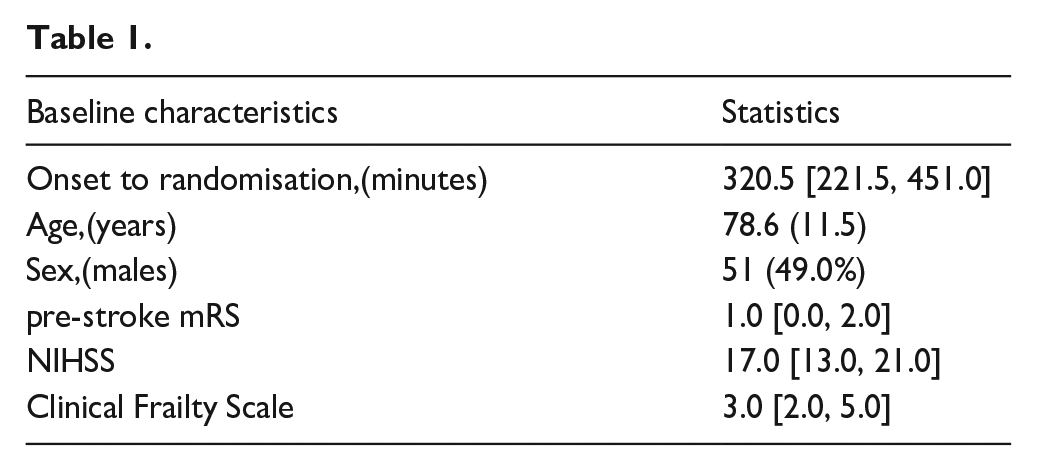
2059
ALAMEDA- AN OPORTUNITY FOR AT-HOME NEUROLOGIC REHABILITATION (INTERIM MEDICAL TEAM FEEDBACK)
1Emergency University Hospital, Neurology, Bucharest, Romania, 2Politehnica University, Computer Science, Bucharest, Romania, 3Politehnica University, Artificial Intelligence and Multi-Agent Systems Laboratory, Bucharest, Romania
At home internet connection is necessary for the patients in order to benefit from this project.
The smartphone questionnaires are easy to perform, but some of the questions didn`t work and needed succesive updates.
The insoles were designed to be attached to shoes, but the patients only wore them in the hospital, using slippers. One patient withdrew from the study because he accidently fell while using them. Also, they had difficulty changing the batteries. The mattress had to be restarted after every patient. The belt does not provide feedback when data is sent to the server.
No difficulties were reported regarding the smartphone, smartwatch or bracelets.
Disclosure of interest: Yes
2100
REMOTE ISCHAEMIC CONDITIONING AFTER STROKE 3 (RECAST-3): A MULTICENTRE RANDOMISED CONTROLLED TRIAL
1 University of Nottingham, Stroke Trials Unit, Nottingham, United Kingdom
We aim to assess RIC in patients with hyperacute ischaemic stroke.
Participants will be randomised (1:1) to receive either RIC (5 cycles alternating between 5 minutes inflation to 200mmHg and 5 minutes deflation) or sham (60mmHg). A second dose will be administered 1-2 hours later. Two further doses are given on the following day.
2121
TRANEXAMIC ACID FOR INTRACEREBRAL HAEMORRHAGE 3 (TICH-3): RATIONALE AND DESIGN OF A PHASE III DOUBLE BLIND RANDOMISED CONTROLLED MULTI-CENTRED SUPERIORITY TRIAL
1University of Nottingham, Stroke Trials Unit, Nottingham, United Kingdom, 2Oxford University Hospitals, NHS Foundation Trust, John Radcliffe Hospital, Headington, Oxford, United Kingdom, 3University of Nottingham, Stroke, Mental Health & Clinical Neurosciences, Nottingham, United Kingdom, 4University of Nottingham, Clinical Trials Unit, Nottingham, United Kingdom
We aim to assess the clinical effectiveness of TXA after ICH and determine whether TXA should be used in clinical practice.
Rapid emergency consent will take place and patients will be randomised (1:1) by simple randomisation to receive intravenous TXA 2g; 1g bolus loading dose given as 100ml infused over 10 minutes, followed by another 1g in 250ml infused over 8hrs or matching placebo. Patients, relatives, researchers, and outcome assessors will be masked to treatment allocation.
The primary outcome is mortality by day 7. Secondary outcomes include dependency (using the modified Rankin Scale), Quality of Life (including health economics outcomes) at day 180, serious adverse events(SAE) up to 7 days, and fatal SAEs up to day 180.
2169
PREHOSPITAL TRIAGE OF PATIENTS WITH A SUSPECTED ACUTE STROKE (PRESTO-2): DEVELOPMENT, IMPLEMENTATION AND EVALUATION OF A DECISION SUPPORT TOOL
1Erasmus MC University Medical Center, Department of Neurology, Rotterdam, Netherlands, 2Erasmus MC University Medical Center, Emergency Department, Rotterdam, Netherlands, 3Erasmus MC University Medical Center, Department of Public Health, Rotterdam, Netherlands, 4Ambulance Rotterdam-Rijnmond, Medical Manager, Barendrecht, Netherlands, 5Ambulance Service Zuid-Holland Zuid, Research Department, Papendrecht, Netherlands, 6Ambulance Service Zuid-Holland Zuid, Medical Manager, Papendrecht, Netherlands, 7Franciscus Gasthuis & Vlietland, Department of Neurology, Rotterdam, Netherlands, 8IJsselland hospital, Department of Neurology, Capelle aan den IJssel, Netherlands, 9Albert Schweitzer hospital, Department of Neurology, Dordrecht, Netherlands
2223
Randomization To Endovascular Treatment Alone Or Preceded By Systemic Thrombolysis With TNK In Acute Ischemic Stroke Due To Large Intracranial Vessel Occlusion Trial - Resilient Direct TNK
1Ribeirao Preto Medical School - University of Sao Paulo, Neurosciences and Behavior Science - Neurology Division, Ribeirão Preto, Brazil, 2Federal University of Rio Grande do Sul, Internal Medicine, Porto Alegre, Brazil, 3Federal University of Sao Paulo, Neurology, Sao Paulo, Brazil, 4Ribeirao Preto Medical School - University of Sao Paulo, Medical Imaging, Hematology and Clinical Oncology, Ribeirão Preto, Brazil, 5Hospital Moinhos de Vento, Neurology, Porto Alegre, Brazil, 6Instituto Pro-Cardiaco, Neurology, Rio de Janeiro, Brazil, 7Hospital Geral de Fortaleza, Neurology, Fortaleza, Brazil, 8Federal University of Rio Grande do Sul, Epidemiology, Biostatistics and Biomedical Research Databases, Porto Alegre, Brazil, 9University of Pittsburgh School of Medicine, Neurology, Ribeirão Preto, Brazil
Disclosure of interest: Yes
2238
Adjunctive Intra-arterial Tenecteplase for Incomplete Revascularization After Mechanical Thrombectomy: The ALLY Pilot Trial
1Promedica Stroke Network, Interventional Neurology, Toledo, United States, 2University of Toledo, Department of Neurology, Toledo, United States, 3Promedica Toledo Hospital/University of Toledo COMLS, Interventional Neurology, Toledo, United States, 4Promedica Toledo Hospital/University of Toledo COMLS, Vascular Neurology, Toledo, United States, 5The University of Toledo College of Medicine, Neurology, Toledo, United States, 6Promedica Toledo Hospital, Neuro ICU, Toledo, United States
The Adjunctive Intra-arterial Tenecteplase Following Mechanical Thrombectomy (ALLY) pilot trial aims to evaluate the feasibility and safety of intra-arterial tenecteplase (TNK) as an adjunctive therapy in AIS with LVO in the anterior circulation who fail to reach complete revascularization (mTICI 3) after mechanical thrombectomy.
2278
OPTIMAS: A RANDOMISED CONTROLLED TRIAL TO ESTABLISH THE OPTIMAL TIMING OF ANTICOAGULATION AFTER ACUTE ISCHAEMIC STROKE
1UCL Queen Square Institute of Neurology, Stroke Research Centre, London, United Kingdom, 2University College London, Comprehensive Clinical Trials Unit, London, United Kingdom
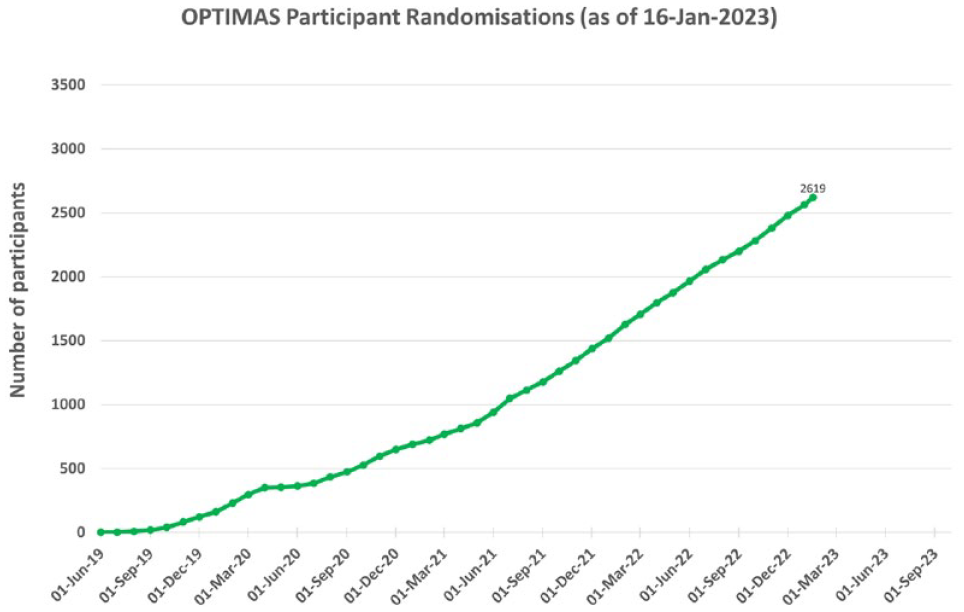
2389
Randomization To Extend Stroke Intravenous Thrombolysis In Evolving Non-large Vessel Occlusion With TNK (RESILIENT EXTEND-IV)
1UNIFESP, Neurology, São Paulo, Brazil, 2UPMC, Neurology, Pittsburg, United States, 3Hospital das Clínicas de Ribeirão Preto, Neurology, Ribeirão Preto, Brazil, 4Hospital Moinhos de Vento, Neurology, Porto Alegre, Brazil, 5Hospital Geral de Fortaleza, Neurology, Fortaleza, Brazil, 6Federal University of Bahia, Neurology, Bahia, Brazil, 7Hospital de Base de Brasília, Neurology, Brasília, Brazil
Clinical trials registry: NCT05199662. Tenecteplase/Placebo donated by Boehringer Ingelheim. This research is funded through the Program of Institutional Development of the Brazilian Unified Health System (PROADI-SUS), Hospital Moinhos de Vento.
2403
Combination Antithrombotic Therapy to prevent recurrent Ischemic Stroke in Intracranial Atherosclerotic Disease (CATIS-ICAD)
1McMaster University, Neurology, Hamilton, Canada, 2Population Health Research Institute, Stroke, Hamilton, Canada, 3The University of British Columbia, Neurology, Vancouver, Canada, 4University of Ottawa, Neurology, Ottawa, Canada, 5University of Toronto, Neurology, Toronto, Canada, 6Western University, Neurology, London, Canada, 7University of Calgary, Neurology, Calgary, Canada, 8Queen's University, Neurology, Kingston, Canada, 9University of Alberta, Neurology, Edmonton, Canada
2472
The COMPEX-trial: Computer-assisted self-training to improve executive function versus unspecific training in patients after Stroke, Cardiac arrest or in Parkinson’s Disease: A protocol for a randomized clinical trial
1Bispebjerg hospital, department of neurology, copenhagen, Denmark, 2Rigshospitalet, Department of cardiology, copenhagen, Denmark
The purpose of this trial is to identify if Computer-Based Cognitive Rehabilitation (CBCR) is an effective method to mitigate working memory impairments.
CBCR can mitigate working memory impairments impairments after brain injuries or in brain diseases resulting in increased ability to live independently and increased quality of life. Training with a specific emphasis on working memory has a significantly greater impact compared to generally cognitively stimulating activities performed on a computer.
Outcome measures: 1) Primary outcome: ADL-functioning from MDS-HC-IADL, 2) Neuropsychological tests of working memory and related cognitive functions 3) Measures of quality of life. Outcome measures are tested at baseline, directly after the training periods (eight weeks after inclusion) and at follow-up to assess long-term effects (five months after inclusion).
If CBCR is effective, it can be implemented directly into clinical practice as a cost-effective rehabilitation method.
2542
A randomised controlled trial of the effectiveness of surface neuromuscular stimulation using the geko™ device compared with intermittent pneumatic compression to prevent venous thromboembolism in immobile patients with acute stroke (GEKO Study)
1Keele University, Stroke Research, Stoke-on-Trent, United Kingdom, 2Firstkind Ltd, Research, High Wycombe, United Kingdom, 3Royal Stoke University Hospital, Radiology, Stoke-on-Trent, United Kingdom, 4Royal Stoke University Hospital, Stroke Research, Stoke-on-Trent, United Kingdom, 5University of Bournemouth, Research, Bournemouth, United Kingdom, 6University of California, Medicine, Irvine, United Kingdom, 7Keele University, Clinical Trials Unit, Newcastle under Lyme, United Kingdom
INTERVENTION: Pulsed SNMES using the geko™ device for 30 days
CONTROL: IPC for 30 days
INCLUSION CRITERIA
1. Adults admitted to hospital with a diagnosis of acute stroke and
2. Within 36 hours of symptom onset and
3. Unable to mobilize to the toilet without help
EXCLUSION CRITERIA: Clinically apparent DVT at screening, allergy to the hydrogel, contraindications to IPC, moribund, inability to gain consent.
FOLLOW-UP: Leg Doppler at 7 and 14 days; VTE, device tolerance, neurological recovery, concomitant treatments and adverse events at 30 days; Survival, VTE, leg pain, disability, quality of life, and home time at 90 days.
PRIMARY OUTCOME: Any VTE at 30 days
SECONDARY OUTCOMES: Survival, VTE, leg symptoms, disability, quality of life, and home time at 90 days.
Disclosure of interest: Yes
2601
PROTOCOL FOR A RANDOMISED PILOT STUDY OF A NOVEL COGNITIVE REHABILITATION INTERVENTION IN STROKE (STROKECOG-R STUDY)
1Royal College of Surgeons in Ireland, Psychology, Dublin, Ireland, 1Royal College of Surgeons in Ireland, Psychology, Dublin, Ireland, 3Beaumont Hospital, Psychology, Dublin, Ireland, 4Royal College of Surgeons in Ireland, School of Population Health Sciences, Dublin, Ireland, 5Royal College of Surgeons in Ireland, School of Physiotherapy, Dublin, Ireland, 6Mater University Hospital, Dept. of Neurology, Dublin, Ireland, 7University College Dublin, Neurovascular Clinical Science Unit, Dublin, Ireland, 8Beaumont Hospital, Dept. of Geriatric and Stroke Medicine, Dublin, Ireland, 9Royal College of Surgeons in Ireland, Dept. of Geriatric and Stroke Medicine, Dublin, Ireland
2667
Optimal Blood Pressure For The Prevention Of Major Vascular Events In Stroke Patients (Optimal- Stroke)
1Hospital Albert Einstein, ARO, São Paulo, Brazil, 2Federal University of Rio Grande do Sul, Neurology, Porto Alegre, Brazil, 3USP Campus Ribeirao Preto, Neurology, Ribeirão Preto, Brazil, 4University of São Paulo, Neurology and Neurosurgery, São Paulo, Brazil, 5ephealth, Digital Health, São Paulo, Brazil
HYPERACUTE MANAGEMENT – EXCLUDING CLINICAL TRIAL RESULTS
369
EXTRA-INTRACRANIAL ANASTOMOSIS IN THE ACUTE PHASE OF STROKE
1Masaryk Hospital, Krajská Zdravotní a.s., Comprehensive stroke center, Neurology, Ústí nad Labem, Czech Republic, 2J. E. Purkinje University, Masaryk Hospital, Krajská Zdravotní a.s., Department of Neurosurgery, Ústí nad Labem, Czech Republic, 3J. E. Purkinje University, Masaryk Hospital, Krajská Zdravotní a.s., Department of Radiology, Ústí nad Labem, Czech Republic
965
ENDOVASCULAR THERAPY FOR ACUTE ISCHEMIC STROKE ASSOCIATED WITH ISOLATED CERVICAL INTERNAL CAROTID ARTERY OCCLUSION IN LATE TIME WINDOW
1Pham Ngoc Thach University of Medicine, Neurology, Ho Chi Minh, Viet Nam, 2115 People's Hospital, Cerebrovascular Disease, Ho Chi Minh, Viet Nam, 3115 People's Hospital, Neurointerventional, Ho Chi Minh, Viet Nam, 4University Medical Center, Neurology, Ho Chi Minh, Viet Nam, 5Da Nang General Hospital, Stroke Unit, Da nang, Viet Nam
1169
STROKE METRICS DURING THE FIRST YEAR OF THE COVID-19 PANDEMIC: A TALE OF TWO COMPREHENSIVE STROKE CENTERS FROM UNITED STATES AND CANADA
1J Philip Kistler Stroke Research Center, Department of Neurology, Massachusetts General Hospital, Harvard Medical School, Boston, United States, 2Sasktchewan Stroke Program, Department of Neurosurgery, Royal University Hopsital, University of Saskatchewan, Saskatoon, Saskatchewan, Canada, 3Calgary Stroke Program, Department of Clinical Neurosciences, Cumming School of Medicine, University of Calgary, Calgary, Canada
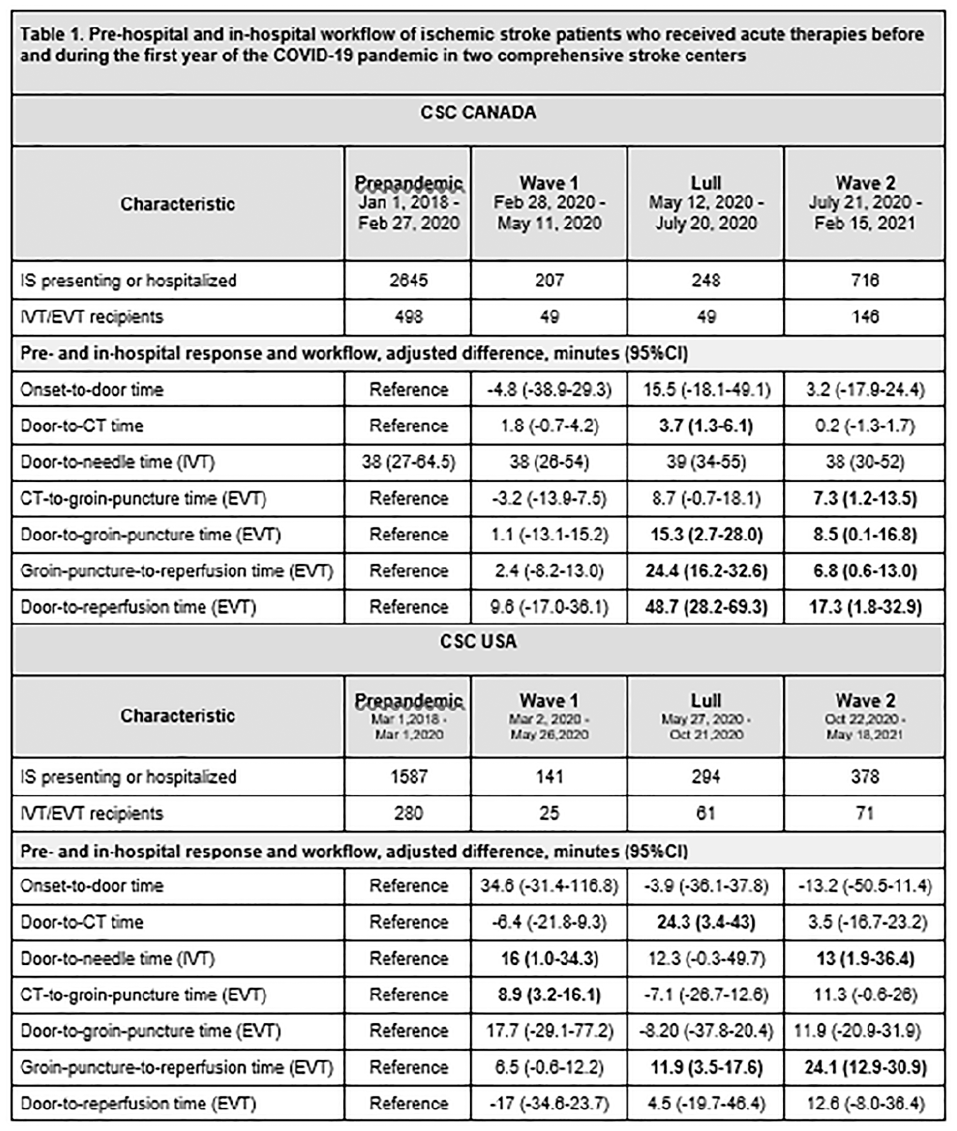
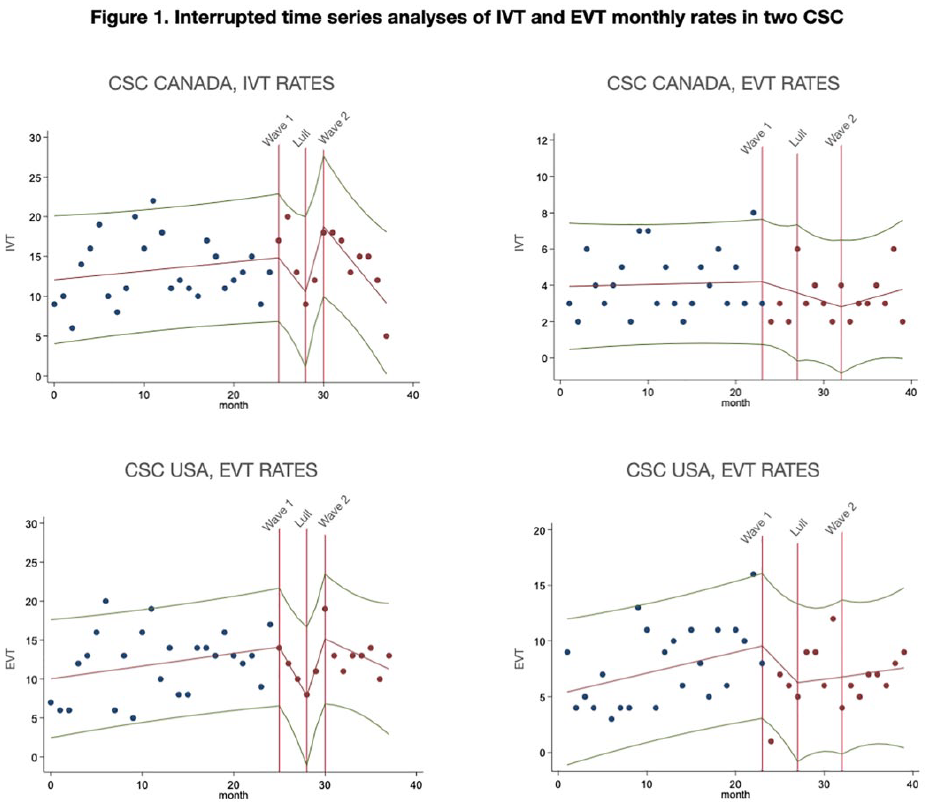
HYPERACUTE MANAGEMENT – EXCLUDING CLINICAL TRIAL RESULTS
1502
Comparison of two blood pressure management protocols after complete recanalization (eTICI 2c-3)
1Stroke Unit, Neurology Department Hospital Clínico San Carlos, Madrid, Spain, 2Stroke Unit, Neurology Department Hospital Universitario Príncipe de Asturias, Alcalá de Henares, Spain, 3Neurointerventional Radiology Unit, Hospital Clínico San Carlos, Madrid, Spain
To compare the clinical and neuroimaging outcomes of two blood pressure management protocols after complete recanalization: conservative treatment (SBT<185 mm Hg) vs. active treatment (SBT<150 mm Hg).
The comparison of clinical and neuroimaging results was performed in two study periods: conservative treatment (March 2017 to March 2020) vs active treatment (April 2020 to September 2022).
1521
Nitric oxide donors (nitrates) or substrate for acute stroke: an updated systematic review and meta-analysis
1University of Nottingham, Stroke Trials Unit, Mental Health and Clinical Neuroscience, Nottingham, United Kingdom, 2Queen's Medical Centre, Nottingham University Hospitals NHS Trust, Stroke, Department of Acute Medicine, Nottingham, United Kingdom
1647
IMPROVING CARE IN INTRACEREBRAL HAEMORRHAGE (ICH) MAY SIGNIFICANTLY IMPACT MORTALITY - REPORTING ADHERENCE TO THE ABC BUNDLE AT AN ACUTE STROKE CENTRE IN ENGLAND
1 Kent and Canterbury Hospital, Stroke Medicine, Canterbury, United Kingdom
Rapid reversal of
Intensive Blood pressure (
Targeting ICH care may have a disproportionately positive impact upon all stroke mortality.
116 patients were admitted during the study period with 16 excluded due to insufficient data and incorrect coding. A retrospective analysis was undertaken.
Our 30-day inpatient mortality was 18% with the average length of stay of 18 days. Results highlighted shortcomings in speed of intervention despite favorable outcomes.
Although our patients did receive appropriate therapy but not in a timely manner. Extrapolating findings from Salford, implementation of this bundle may potentially save 924 lives/year across England.
1661
Basilar Artery Occlusion Management: an international survey of gender influence on management
1Charing Cross Hospital, Imperial College Healthcare NHS Trust, Department of Stroke Medicine, London, United Kingdom, 2West Middlesex University Hospital, Chelsea and Westminster NHS Trust, Department of Stroke Medicine, London, United Kingdom, 3Boston University Chobanian & Avedisian School of Medicine, Department of Radiology, (PK, MA, MMQ, TNN), Neurology (TNN, AH) Boston Medical Center, Boston, United States, 4Centre Hospitalier de l’Universite de Montreal, Department of Radiology, Interventional Neuroradiology Division, Montreal, Canada, 5Beijing Tiantan Hospital, Interventional Neuroradiology, Beijing, China, 6Foshan Sanshui District People’s Hospital, Department of Neurology, Foshan, China, 7St. Antonius Hospital, Department of Neurology, Nieuwegein, Netherlands, 8University of Science and Technology of China, Sciences and Medicine, Hefei, China, 9Xuanwu Hospital, Department of Neurosurgery (XJ), Neurology (CL), Beijing, China, 10The First Affiliated Hospital of USTC, Stroke Center and Department of Neurology, Hefei, China, 11Xuanwu Hospital, Department of Neurosurgery (XJ), Neurology (CL), Beijing, China, 12Melbourne Brain Centre at the Royal Melbourne Hospital, University of Melbourne, Department of Medicine and Neurology, Victoria, Australia, 13Beijing Tiantan Hospital, Neurology, Beijing, China, 14Cooper University Hospital, Cooper Neurological Institute, Camden, New Jersey, United States, 15Heidelberg University Hospital, Department of Neurology, Heidelberg, Germany, 16Helsinki University Hospital, Department of Neurology, Helsinki, Finland, 17University of L'Aquila, Italy, Department of Biotechnological and Applied Clinical Sciences, L'Aquila, Italy, 18Rhode Island Hospital, Brown University, Department of Neurology, Rhode Island, United States, 19Bern University Hospital, University of Bern, Department of Neurology, Bern, Switzerland, 20Lisbon Central University Hospital, Universidade de Lisboa, Stroke Center, Lisboa, Portugal, 21National Hospital Organization, Osaka National Hospital, Department of Stroke Neurology, Osaka, Japan, 22Lausanne University Hospital, Stroke Center, Department of Clinical Neurosciences, Lausanne, Switzerland, 23University Hospital Carl Gustav Carus, Technische Universität Dresden, Department of Neurology, Dresden, Germany, 24University Hospital Bern, Institute of Diagnostic and Interventional Neuroradiology, Bern, Switzerland, 25Hospital Egas Moniz, Department of Neurology, Lisboa, Portugal, 26Akershus University Hospital, Department of Neurology, Oslo, Norway, 27Leuven University Hospital, Neurology Department, Leuven, Belgium, 28University Medical Center Hamburg-Eppendorf, Department of Diagnostic and Interventional Neuroradiology, Hamburg, Germany, 29UT Southwestern, Department of Neurology and Radiology, Dallas, United States, 30UPMC, Department of Neurology, Pittsburgh, United States, 31Toronto Western Hospital, Division of Interventional Neuroradiology, Toronto, Canada, 32Maurizio Bufalini Hospital, Neurology and Stroke Unit, Department of Neuroscience, Cesena, Italy, 33Ospedali riuniti San Giovanni di Dio e Ruggi d'Aragona, Neuroradiology, Salerno, Italy, 34SUNY Upstate Medical University, Department of Neurology, Syracuse, United States, 35Royal North Shore Hospital, Department of Neurology, St Leonards, Australia, 36Bach Mai Hospital, Hanoi Medical University, Stroke Center, Hanoi, Viet Nam, 37Xinqiao Hospital and The Second Affiliated Hospital, Army Medical University, Department of Neurology, Shanghai, China, 38Assiut University Hospitals, Neurology Department, Assiut, Egypt, 39Yong Loo Lin School of Medicine, Division of Neurology, Department of Medicine, Singapore, Singapore, 40Changhai Hospital, Naval Medical University, Neurovascular Center, Shanghai, China, 41University of Tübingen, Department of Neurology, Tübingen, Germany, 42University of Missouri, Department of Neurology, Columbia, United States, 43General Hospital of Northern Theatre Command, Department of Neurology, Shenyang, China, 44Mercy Health — St. Vincent Medical Center, Neuroscience and Stroke Program, Toledo, United States, 45The 903rd Hospital of The Chinese People’s Liberation Army, Department of Neurology, Hangzhou, China, 46Cooper University Hospital, Cooper Neurological Institute, Camden, United States
Female respondents were more likely to choose time of onset as time of first estimated stroke like symptom (48.0% vs. 38.5%, p<0.01), were less likely to favor thrombectomy in the V4 segment of vertebrobasilar artery occlusions (31.5% vs 43.3%, p<0.01), and were less likely to find it acceptable to enroll all patients who met trial criteria in the standard medical treatment arm of a clinical trial (41.2% vs. 47.0%, p=0.01). Male respondents were more likely to agree that thrombolysis would not alter their decision on proceeding with EVT (93.7% vs 88.3%, p<0.01).
2101
Basilar artery occlusion management: Insights on European Clinicians’ perspectives from the After the BEST of BASICS (ABBA) study
1Charing Cross Hospital, Imperial College Healthcare NHS Trust, Stroke Medicine, London, United Kingdom, 2West Middlesex University Hospital, Chelsea and Westminster NHS Trust, Stroke Medicine, London, United Kingdom, 3Boston Medical Center, Boston University Chobanian & Avedisian School of Medicine, Department of Radiology, (PK, TNN), Neurology (TNN), Boston, United States, 4Akershus University Hospital, Department of Neurology, Oslo, Norway, 5St. Antonius Hospital, Department of Neurology, Nieuwegein, Netherlands, 6University Hospital Heidelberg, Department of Neurology, Heidelberg, Germany, 7Helsinki University Hospital, Department of Neurology, Helsinki, Finland, 8University of L'Aquila, Department of Biotechnological and Applied Clinical Sciences, L'Aquila, Italy, 9University Hospital Carl Gustav Carus Dresden, Technische Universität Dresden, Department of Neurology, Dresden, Germany, 10Bern University Hospital, University of Bern, Department of Neurology, Bern, Switzerland, 11Lisbon Central University Hospital and Faculdade de Medicina, Universidade de Lisboa, Stroke Center, Lisboa, Portugal, 12Lausanne University Hospital, Stroke Center, Department of Clinical Neurosciences, Lausanne, Switzerland, 13University Hospital Bern, Inselpital, Institute of Diagnostic and Interventional Neuroradiology, Bern, Switzerland, 14Hospital Egas Moniz, Centro Hospitalar Lisboa Ocidental, Department of Neurology, Lisboa, Portugal, 15Leuven University Hospital, Neurology Department, Leuven, Belgium, 16University Medical Center Hamburg-Eppendorf, Department of Diagnostic and Interventional Neuroradiology, Hamburg, Germany, 17Bufalini Hospital, Neurology and Stroke Unit, Cesena, Italy, 18University Hospital 'San Giovanni di Dio e Ruggi d’Aragona', Neuroradiology, Salerno, Italy, 19University of Tübingen, Department of Neurology, Tübingen, Germany
European respondents were less likely to support further RCTs (75.6% vs 83.9%) and more likely to report they would be unhappy to enroll in the SMT arm of a future RCT (35.0% vs 23.2%).
European respondents were more likely to favor not using a pcASPECTS (45.4% vs 38.41%), or a NIHSS cut off (50.0% vs 37.9%) to aid selection. If they felt advanced imaging was required, European respondents were more likely to choose MR imaging (64.5% vs. 52.4%). European respondents were more likely to favor EVT in cases of isolated P1 occlusions (69.2% vs. 60.6%), but less likely to favor EVT in V4 occlusions (37.0% vs. 42.5%).
2158
Carotid atherosclerosis is associated with poor functional outcome in patients treated with intravenous thrombolysis and mechanical thrombectomy for aute ischaemic stroke
1Dr Jan Biziel's University Hospital No. 2, Department of Neurology, Bydgoszcz, Poland, 2Cardinal Stefan Wyszynski University, Department of Pharmacology and Clinical Pharmacology, Warsaw, Poland, 3Dr Jan Biziel's University Hospital No. 2, Department of Radiology, Bydgoszcz, Poland, 4Ludwik Rydygier Collegium Medicum in Bydgoszcz, Nicolaus Copernicus University in Torun, Department of Normal Anatomy, Bydgoszcz, Poland
A multivariate analysis of the whole study group including age, sex, the size of infarction focus, NIHSS score at admission, arterial hypertension, atrial fibrillation, diabetes and hyperlipidemia revealed that ⩾50% stenosis continued to decrease the likelihood of Barthel Index of 95 (OR=0.25, 95%CI 0.06-0.97, p=0.042).
2338
Dual antiplatelet therapy in the acute phase of lacunar stroke doesn't seem to prevent early neurological deterioration
1Centro Hospitalar de Vila Nova de Gaia Espinho, Neurology, Porto, Portugal, 2Centro Hospitalar de Vila Nova de Gaia Espinho, Internal Medicine, Porto, Portugal
2353
ACCEPTABILITY OF ADVANCE CONSENT TO PHYSICIANS AND ETHICS CHAIRS IN CANADA
1Ottawa Hospital Research Institute, The Ottawa Hospital, Ottawa, Canada, 2University of California, Davis, School of Medicine, Davis, United States, 3The Ottawa Hospital, Department of Medicine, Ottawa, Canada, 4The Ottawa Hospital, Department of Emergency Medicine, Ottawa, Canada, 5University of Calgary, Department of Clinical Neurosciences, Calgary, Canada, 6Sunnybrook Health Sciences Centre, Department of Medicine, Toronto, Canada, 7University of Toronto, Department of Medicine, Toronto, Canada, 8CHUM - Centre hospitalier de l'Université de Montréal, Department of Neurosciences, Montréal, Canada, 9North York General Hospital, Department of Research and Innovation, Toronto, Canada, 10Institute of Health Policy, Management and Evaluation, University of Toronto, Toronto, Canada, 11Cardiff University, Centre for Trials Research, Cardiff, United Kingdom
Disclosure of interest: Yes
THROMBOLYSIS – EXCLUDING CLINICAL TRIAL RESULTS
131
SAFETY OF REPERFUSION THERAPIES IN PATIENTS WITH ACUTE ISCHEMIC STROKE AND INCIDENTALINTRACRANIAL ANEURYSMS: A RETROSPECTIVE STUDY
1Perugia Hospital, Stroke Unit - Cardiovascular and Emergency Medicine Department, Perugia, Italy, 2University of Perugia, Medicine Department, Perugia, Italy
227
INTRAVENOUS THROMBOLYSIS FOR MILD STROKE: NIHSS 3–5 VERSUS NIHSS 0–2
1Beijing Tiantan Hospital, Capital Medical University, neurology, beijing, China, 2China National Clinical Research Center for Neurological Diseases, Beijing Tiantan Hospital, Capital Medical University, beijing, China
573
MECHANICAL THROMBECTOMY WITH PRIOR BRIDGING INTRAVENOUS THROMBOLYSIS THERAPY COMPARED TO DIRECT MECHANICAL THROMBECTOMY AT A REFERENCE CENTRE
1Complejo Hospitalario Universitario Insular Materno Infantil, Neurology, Las Palmas de Gran Canaria, Spain, 2University of Las Palmas de Gran Canaria, Mathematics, Las Palmas de Gran Canaria, Spain, 3Complejo Hospitalario Universitario Insular Materno Infantil, Vascular and Interventional Radiology, Las Palmas de Gran Canaria, Spain
586
Combined prognostic significance of red blood cell distribution width (RDW) and inflammatory biomarkers in in-hospital outcomes of acute ischemic stroke(AIS) patients undergoing intravenous thrombolysis
1 The Second Affiliated Hospital of Soochow University, Neurology, Suzhou, China
587
The combined value of estimating Glomerular Filtration Rate and coagulation biomarkers in predicting in-hospital outcomes of acute ischemic stroke patients with thrombolysis
1 The Second Affiliated Hospital of Soochow University, Neurology, Suzhou, China
670
A new clinical score to predict the possibility of stroke patients receiving intravenous thrombolysis
1 The Second Affiliated Hospital of Soochow University, Neurology, Suzhou, China
800
One year of Eye Stroke Code: Time is vision
1Ramón y Cajal Hospital, Neurology- Unidad de Ictus, Madrid, Spain, 2Ramón y Cajal Hospital, Ophthalmology, Madrid, Spain
801
PROTEIN ENGINEERING OF STAPHYLOKINASE WITH IMPROVED THROMBOLYSIS
1Loschmidt Laboratories, Department of Experimental Biology and RECETOX, Faculty of Science, Masaryk University, Kamenice 5, 625 00 Brno, Czech Republic, 2International Clinical Research Centre of St Anne's University Hospital, Faculty of Medicine, Masaryk University, Pekařská 53, 602 00 Brno, Czech Republic, 31st Department of Neurology of St Anne's University Hospital, Faculty of Medicine, Masaryk University, Pekařská 53, 602 00 Brno, Czech Republic
1216
COMBINATION IS BETTER: FINAL INFARCTION VOLUME AFTER FULL REVASCULARIZATION IN EARLY ARRIVAL LVOS
1Medical University of South Carolina Heliport, Neurology, Charleston, United States, 2Medical University of South Carolina Heliport, Radiology, Charleston, United States
1224
Evaluating the Use of Intravenous Tenecteplase for the Management of Acute Ischemic Stroke in the Mobile Stroke Unit: An International Multi-Institutional Survey
1Lehigh Valley Health Network, Neurology, Allentown, United States, 2University of Virginia, Neurology, Charlottesville, United States
1469
INTRAVENOUS THROMBOLYSIS IN ACUTE ISCHEMIC STROKE: EARLY RESULTS FROM THE NATIONAL STROKE PROGRAM IN ARMENIA
1Erebouni MC, Neurology Department and Erebouni Stroke Unit, Yerevan, Armenia, 2National Institute of Health, Neurology, Yerevan, Armenia, 3Astghik Medical Center, Department of Neurology and Stroke Unit, Yerevan, Armenia, 4Yerevan State Medical University, Neurology, Yerevan, Armenia, 5Yerevan State Medical University Hospital, Neurology Department & Stroke Unit, Yerevan, Armenia, 6Glendale Adventist Medical Center, Neurology Department, Neurointerventional Program, Glendale, United States, 7University of Alberta, Division of Neurology, Alberta, Canada, 8Sud Francilien Hospital, Stroke Unit and Neurology Department, Paris region, France, 9Boston University School of Medicine, Department of Neurology, Boston, United States
1534
Rescue intra-arterial thrombolysis to improve final TICI score after thrombectomy
1AORN A. Cardarelli, Neurology and Stroke Unit, Napoli, Italy, 2AORN A. Cardarelli, Diagnostic and Interventional Neuroradiology, Napoli, Italy
1617
EFFECTIVENESS OF RECANALIZATION TREATMENTS IN MILD ACUTE ISCHEMIC STROKE WITH LARGE VESSEL OCCLUSION
1University of Pécs, Clinical Centre, Department of Neurology, Pécs, Hungary, 2University of Szeged, Albert Szent-Györgyi Health Centre, Department of Neurology, Szeged, Hungary, 3University of Debrecen, Clinical Centre, Department of Neurology, Debrecen, Hungary
2209
Risk of symptomatic intracerebral hemorrhage following thrombolytic therapy in acute ischemic stroke and predictors of in-hospital mortality
1County Clinic Hospital, Department of Neurology, Brasov, Romania, 2Faculty of Medicine, Transilvania University, Department of Neurology, Brasov, Romania
2264
Tenectplase versus Alteplase before thrombectomy: A comprehensive clinical and angiographic impact evaluation : Insight from ETIS registry
1Foch hospital, stroke center, suresnes, France, 2Foch Hospital, Stroke Unit, Suresnes, France, 3Rothshild Fundation, interventional neuroradiology, paris, France, 4Rothshild Fundation, stroke center, paris, France, 5Foch hospital, interventional neuroradiology, suresnes, France, 6CHU LYON, interventional neuroradiology, lyon, France, 7CHU LYON, stroke center, lyon, France, 8CHU NANTES, interventional neuroradiology, nantes, France, 9CHU NANTES, stroke center, nantes, France, 10CHU NANCY, interventional neuroradiology, Nancy, France, 11CHU nancy, stroke center, nancy, France, 12CHU BORDEAUX, interventional neuroradiology, bordeaux, France, 13CHU BORDEAUX, stroke center, bordeaux, France
2385
Evaluation of alteplase-induced thrombolysis in human vs rat plasma: an in vitro study
1St. Anne’s University Hospital Brno, International Clinical Research Center, Brno, Czech Republic, 2Institute of Biophysics of the Czech Academy of Sciences, Biophysics of Immune System, Brno, Czech Republic, 3Masaryk University, Faculty of Science, Department of Biochemistry, Brno, Czech Republic, 4Faculty of Pharmacy, Masaryk University, Department of Pharmacology and Toxicology, Brno, Czech Republic, 5Faculty of Medicine, Masaryk University, Department of Biochemistry, Brno, Czech Republic, 6St. Anne’s University Hospital Brno, Center of Biomolecular and Cell Engineering, Brno, Czech Republic
Supported by the European Regional Development Fund – Project INBIO (nr. CZ.02.1.01/0.0/0.0/16_026/0008451) and Ministry of Health of the Czech Republic, grant nr. NU21-08-00510.
2410
SAFETY OF TENECTEPLASE VS ALTEPLASE IN STENT IMPLANTATION IN THE ACUTE ISCHEMIC STROKE
1Ramón y Cajal University Hospital, Neurology Department, Madrid, Spain, 2Alcalá Henares-Universidad (apd), Medicine, Alcala de Henares, Spain
2418
CORRELATION BETWEEN STROKE MIMICS IN IV-THROMBOLYSIS AND NEUROLOGY REGISTRARS’ EXPERIENCE LEVELS IN A COHORT STUDY FROM 2017-2020
1Stavanger University Hospital, Department of Neurology, Stavanger, Norway, 2Stavanger University Hospital, Department of Radiology, Stavanger, Norway, 3University of Bergen, Faculty of Medicine, Bergen, Norway, 4University of Stavanger, Faculty of Health Sciences, Stavanger, Norway
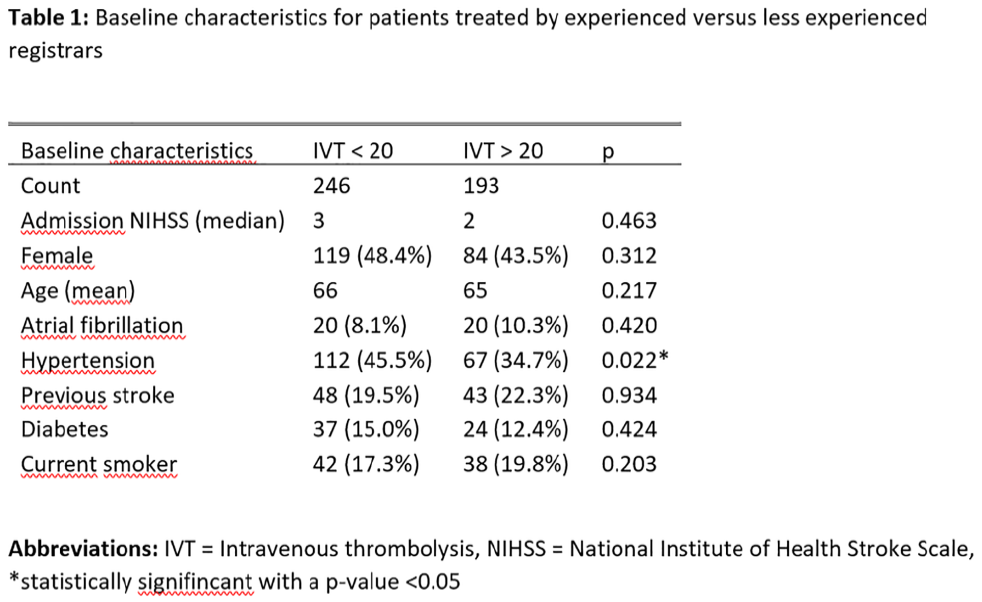
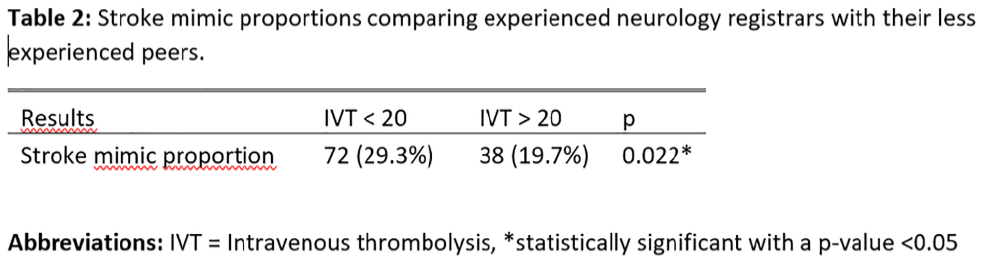
NEUROINTERVENTION – EXCLUDING CLINICAL TRIAL RESULTS
103
MECHANICAL THROMBECTOMY FOR ACUTE ISCHEMIC STROKE IN PATIENTS WITH MALIGNANCY: A SYSTEMATIC REVIEW
1Ruhr University Bochum, Neurology, Bochum, Germany, 2Ruhr University Bochum, Neuroradiology, Bochum, Germany
111
STROKE CARE IN NEPAL: BRINGING ADVANCED MECHANICAL THROMBECTOMY TECHNOLOGY TO NEPALESE POPULATION
1 Upendra Devokta Memorial National Institute of Neurology and Allied Sciences, Interventional Neuroradiology, Kathmandu, Nepal
498
TEMPORAL TRENDS OF ACUTE ISCHEMIC STROKE PATIENTS TREATED WITH MECHANICAL THROMBECTOMY IN A SINGLE STROKE CENTRE
1Hospital Universitario 12 de Octubre, Centro de Ictus. Servicio de Neurología, Madrid, Spain, 2Instituto de Investigación Hospital 12 de Octubre (i+12), Unidad de Investigación Neurovascular, Madrid, Spain, 3Hospital Universitario 12 de Octubre, Servicio de Radiología, Madrid, Spain
529
ENDOVASCULAR TREATMENT FOR VERTEBRAL ARTERY STUMP SYNDROME
1 Shinko Hospital, neurosurgery, Kobe, Japan
We extracted 31 cases from 17 reviewed studies. The EVT group included two patients who initially received medical treatment. Recurrent ischaemic stroke was observed in 7/18 (39%) patients after medical therapy and only in 2/15 (13%) patients after EVT. In the EVT group, recurrent ischaemic stroke was observed only after percutaneous transluminal angioplasty.
643
Angioplasty and stenting in the acute phase for strokes with tandem lesions - stent thrombosis vs. hemorrhagic transformation
1Emergency University Hospital Bucharest, Neurology, Bucharest, Romania, 2CHU de Montpellier, Neuroradiology, Montpellier, France, 3Emergency University Hospital Bucharest, Interventional Radiology, Bucharest, Romania
649
Early And Delayed Functional Independence After Basilar Artery Occlusion Thrombectomy- Incidence And Predictors
1HonorHealth Research and Innovation Institute, Neurology, Scottsdale, United States, 2Barrow Neurological Institute, Neurosurgery, Phoenix, United States, 3WellStar Health System, Neurosurgery, Marietta, United States, 4Erlanger Hospital: Ellis Kyndra L, Neurosurgery, Chattanooga, United States, 5Lausanne University Hospital, Radiology, Lausanne, Switzerland, 6Hradec Kralove, Radiology, Hradec Kralove, Czech Republic, 7Sutter Health, Radiology, San Francisco, United States, 8University of Pittsburgh Medical Center, Neurology, Pittsburgh, United States, 9University of California, Los Angeles, Neurology, Los Angeles, United States, 10Drexel University, Neurosurgery, Philadelphia, United States, 11Riverside Radiology, Radiology, Columbus, United States
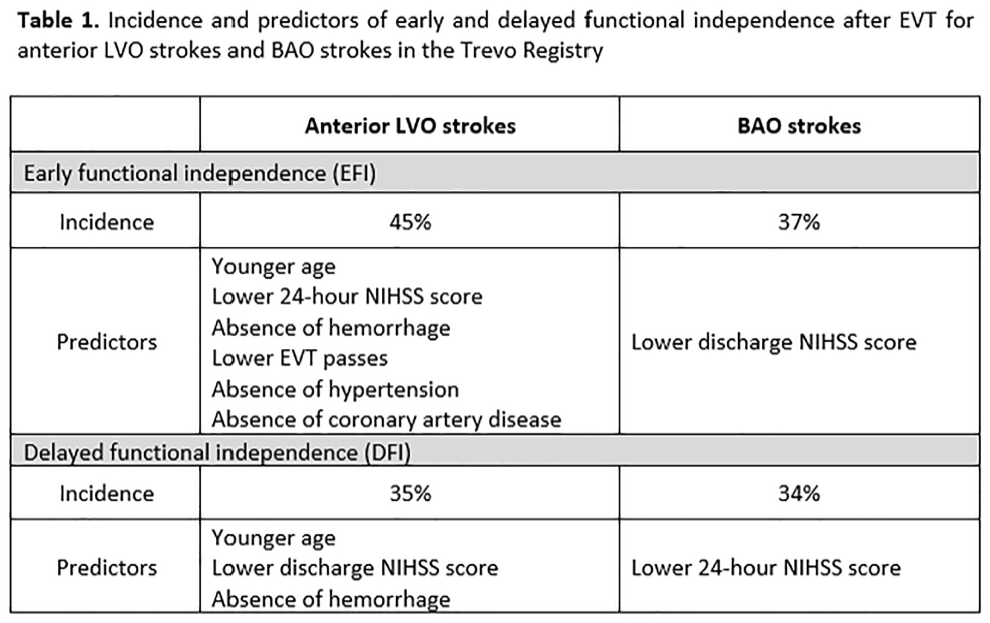
789
ANALYSIS OF ENDOVASCULAR STROKE CARE DURING THE FIRST WAVE OF THE COVID-19 EPIDEMIC IN A HIGH-VOLUME THROMBECTOMY CENTRE
1National Institute of Mental Health, Neurology and Neurosurgery, Department of Neurointervention, Budapest, Hungary, 2Semmelweis University, Department of Neurology, Budapest, Hungary, 3Bajcsy-Zsilinszky Hospital, Department of Neurology, Budapest, Hungary, 4Semmelweis University, János Szentágothai Doctoral School of Neurosciences, Budapest, Hungary, 5Semmelweis University, Heart and Vascular Center, Budapest, Hungary, 6Semmelweis University, Department of Neurosurgery, Budapest, Hungary, 7Uzsoki Hospital, Department of Neurology, Budapest, Hungary, 8MTA-SE, Neuroepidemiology Research Group ELKH, Budapest, Hungary, 9European Academy of Neurology, EANcore COVID-19 Task Force, Vienna, Austria
1022
Comparison of treatment options for mechanical thrombectomy
1Hospital Clínico San Carlos, Stroke Unit. Neurology Department, Madrid, Spain, 2Hospital Clínico San Carlos, Interventional Neuroradiology. Radiology Deparment, Madrid, Spain, 3Hospital La Princesa, Stroke Unit. Neurology Department, Madrid, Spain, 4Hospital Ramón y Cajal, Stroke Unit. Neurology Department, Madrid, Spain, 5Hospital Gregorio Marañón, Stroke Unit. Neurology Department, Madrid, Spain, 6Hospital Clínico San Carlos, Interventional Neuroradiology. Radiology Department, Madrid, Spain, 7Hospital La Princesa, Interventional Neuroradiology. Radiology Department, Madrid, Spain
We compared the efficacy and safety of the different treatment options used in this clinical situation in our setting.
We evaluated the rate of complications, arterial recanalization, symptomatic intracranial hemorrhage (sICH) and clinical outcome at 3 months for the treatment options employed.
Intracranial stenting with angioplasty had the best mTICI ⩾2b arterial recanalization rates compared to repeated passes (80.95% vs. 0%) with no significant increase in the complications rate (19.44% vs. 17.14%) or sICH (8.33% vs 8.57%). Better clinical independence rates (30,55% vs. 13.33%) and lower mortality (27,7% vs 56.66%) at 3 months were also achieved.
1032
Low, Medium, and High-Volume Thrombectomy Centers in the Same Urban Stroke System of Care in Armenia: Comparison of Patient Selection, Time Metrics, and Outcomes
1Erebuni Medical Center, Cerebrovascular Neurosurgery, Yerevan, Armenia, 2Adventist Health Glendale Comprehensive Stroke Center, Neurology, Glendale, United States, 3Sud-Francilien Hospital, Neurology, Corbeil-Essonnes, France, 4Heratsi Hospital Complex, Neurosurgery, Yerevan, Armenia, 5Astghik Medical Center, Cerebrovascular Neurosurgery, Yerevan, Armenia, 6Erebuni Medical Center, Neurology, Yerevan, Armenia, 7University of Alberta, Neurology, Edmonton, Canada, 8Boston Medical Center, Neurology, Boston, United States
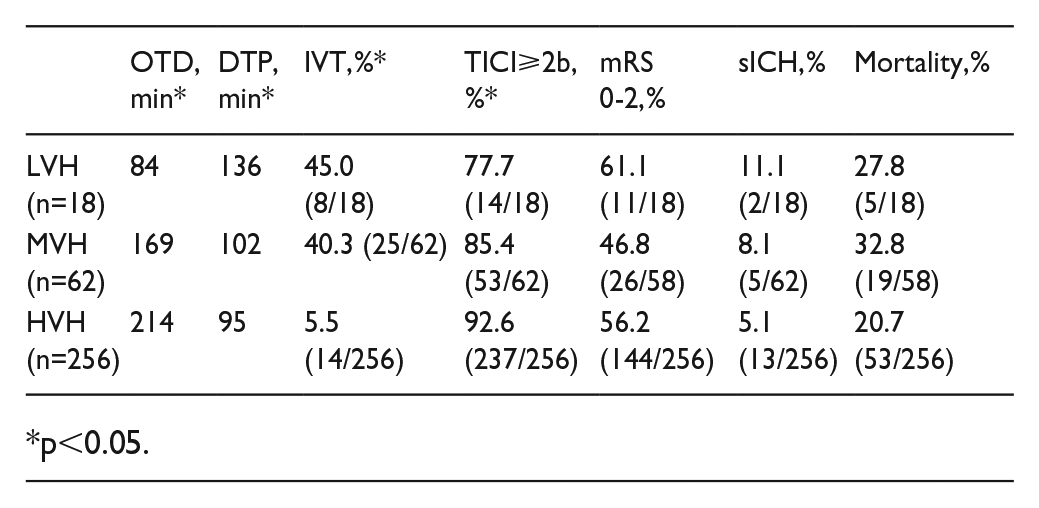
p<0.05.
1121
DIRECT TRANSPORTATION TO THROMBECTOMY-CAPABLE CENTER AS PREDICTOR OF CLINICAL OUTCOME IN PATIENTS WITH BASILAR ARTERY OCCLUSION. ANALYSIS FROM THE LONDON MULTICENTER THROMBECTOMY REGISTRY
1Imperial College London, Stroke, London, United Kingdom, 2St George's University of London, Stroke, London, United Kingdom, 3University College Hospital, Stroke, London, United Kingdom, 4King's College Hospital, Stroke, London, United Kingdom, 5Royal London Hospital, Stroke, London, United Kingdom
1133
Mechanical thrombectomy in nonagenarians
1Hospital Clínico San Carlos, Stroke Unit. Neurology Deparment., Madrid, Spain, 2Hospital Universitario Principe de Asturias, Stroke Unit. Neurology Deparment., Alcalá de Henares, Madrid, Spain, 3Hospital Clínico San Carlos, Interventional Neuroradiology. Radiology Department, Madrid, Spain
1143
Endovascular treatment in patients with acute ischemic stroke and low NIHSS scores. The ALOWS (Andalusian LOW NIHSS Stroke recanalization) Study for posterior circulation stroke
1Virgen del Rocío University Hospital, Interventional Neuroradiology, Sevilla, Spain, 2Virgen del Rocío University Hospital, Vascular Neurology, Sevilla, Spain, 3Hospital Universitario Reina Sofia, Interventional Neuroradiology, Córdoba, Spain, 3Hospital Universitario Reina Sofia, Interventional Neuroradiology, Córdoba, Spain, 5Ibis- Biomedicine Institute of Sevilla, Neurovascular group, Sevilla, Spain, 6hospital universitario virgen macarena, Vascular Neurology, Sevilla, Spain
1523
THE OUTCOME OF PATIENTS WITH LARGE VESSEL OCCLUSION WHO DID NOT PROCEED TO THROMBECTOMY
1St George's University Hospitals NHS Foundation Trust, Stroke, London, United Kingdom, 2NHS England, London Stroke Network, London, United Kingdom
1541
Static and Dynamic Blood Pressure during Endovascular Therapy for outcomes of Ischemic Stroke: A two-center Study
1National Cheng Kung University Hospital, Neurology Department, Tainan, Taiwan, 2E-Da Hospital, Neurology Department, Kaohsiung, Taiwan
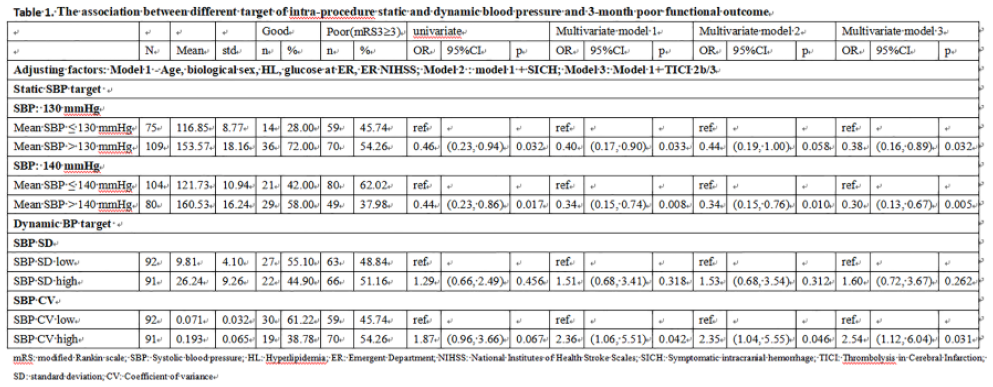
1593
Clinical impact of anesthesia choice in posterior circulation large vessel occlusion stroke patients: results of the MORPHEUS Stroke Registry
1Hospital Dr. Josep Trueta, Neurology. Stroke Unit., Girona, Spain, 2Hospital Virgen del Rocío, Radiology, Sevilla, Spain, 3Hospital Vall d'Hebron, Neuroradiology, Barcelona, Spain, 4Complejo Hospitalario de Albacete, Radiology, Albacete, Spain, 5Hospital Clínico de Valladolid, Neurology. Stroke Unit., Valladolid, Spain, 6Hospital Clínic de Barcelona, Radiology, Barcelona, Spain, 7Hospital de Bellvitge, Neurology. Stroke Unit., Hospitalet de Llobregat, Spain, 8Hospital Universitario Central de Asturias, Neurology. Stroke Unit., Oviedo, Spain, 9Hospital de Cruces, Neurology. Stroke Unit., Cruces, Spain, 10Parc Tauli, Neurology. Stroke Unit., Sabadell, Spain, 11Hospital Germans Trias i Pujol, Neurology. Stroke Unit., Badalona, Spain, 12Hospital del Mar, Neurology. Stroke Unit., Barcelona, Spain, 13Complejo Hospitalario A Coruña, Neurology. Stroke Unit., A Coruña, Spain, 14Hospital de la Arrixaca, Radiology, Murcia, Spain, 15Hospital de Sant Pau, Neurology. Stroke Unit., Barcelona, Spain, 16Hospital La Princesa, Neurology. Stroke Unit., Madrid, Spain, 17Hospital Arnau de Vilanova, Neurology. Stroke Unit., Lleida, Spain, 18Hospital de Alicante, Radiology, Alicante, Spain, 19Hospital La Fe, Radiology, Valencia, Spain, 20Hospital Dr. Josep Trueta, Anesthesiology, Girona, Spain
We aimed to analyze whether local anesthesia (LA), conscious sedation (CS) or general anesthesia (GA) are associated with higher rates of functional independence (mRS 0-2) at 3 months in patients with PCLVO who received EVT.
Main outcomes included were baseline NIHSS, time from onset to reperfusion, reperfusion rates, type of anesthesia, hemodynamic monitoring during the procedure and follow up at 24 hours, discharge and 90 days. A multivariate analysis was performed to identify variables associated with functional independence at 90 days.
In the multivariate analysis, LA use and age were the only two variables independently associated with functional independence at 3 months. These results were not modified after excluding patients intubated before hospital arrival. No differences were observed between CS and GA.
1616
GENERAL ANESTHESIA VS. CONSCIOUS SEDATION FOR ENDOVASCULAR TREATMENT IN PATIENTS WITH ANTERIOR AND POSTERIOR CIRCULATION ACUTE ISCHEMIC STROKE: A META-ANALYSIS OF SEVEN RANDOMIZED CLINICAL TRIALS
1University of Pittsburgh Medical Center Stroke Institute, Department of Neurology and Neurosurgery, Pittsburgh, PA, United States, 2University of Pittsburgh Medical Center Stroke Institute, Department of Neurology, Pittsburgh, PA, United States, 1University of Pittsburgh Medical Center Stroke Institute, Department of Neurology and Neurosurgery, Pittsburgh, PA, United States
1829
Influence of COVID-19 pandemic on Mechanical Thrombectomy: A single center study
1Istanbul University, Neurology, İstanbul, Turkey, 2Istanbul University, Radiology, İstanbul, Turkey
1926
Mechanical Thrombectomy for Anterior Cerebral Artery Occlusion: A Single-Center Experience
1 Chosun University Hospital, Department of Neurosurgery, Gwangju, South Korea
1966
EARLY-WINDOW CAROTID ARTERY STENTING IS A SAFE AND EFFECTIVE TREATMENT IN PATIENTS WITH TIA/MINOR STROKE AND CAROTID ARTERY STENOSIS IN THE ABSENCE OF INTRACRANIAL OCCLUSION
1Hospital Germans Trias i Pujol, Neurointerventional radiology, Barcelona, Spain, 2Vall d’Hebron institut de recerca (VHIR), Neuroradiology, Barcelona, Spain, 3Hospital Vall d'Hebron, Neurointerventional radiology, Barcelona, Spain, 4Hospital Vall d'Hebron, Neurology, Barcelona, Spain, 5Hospital Vall d’Hebron, Neurology, Barcelona, Spain, 6Hospital Vall d’Hebron, Neurointerventional radiology, Barcelona, Spain
The rate of clinical recurrence was 6% (6/99); variables independently associated with recurrence risk were history of ischemic heart disease (p=0.001), symptom-onset-to-treatment time (p= 0.031), and atrial fibrillation (AF) (p=0.001).
The overall mortality rate was 4/111 (4.5%) and was independently associated with high initial NIHSS (p=0.002) and 24-hour in-stent stenosis (p=0.022. A total of 4/111 (3.6%) intraprocedural complications occurred and were associated independently with AF (p= 0.043).
In-stent stenosis was observed on 24-hour ultrasound in 9.8% of patients (10/102). Older age and diabetes were independently associated with restenosis risk (p=0.28 and p=0.25, respectively).
1982
Is mRankin scale correlated with mTICI? A systematic review, meta-analysis and meta-regression on randomized controlled trial and registries
1 AO San Camillo/Forlanini, Diagnostic, Rome, Italy
The odd-ratio of obtaining a mRS⩽2 for a singular increased of mTICI⩾2b rate was: 1.49(CI95% 1.22-2.01) for all studies (for 1% increase of mTICI⩾2b the odds for obtaining mRS⩽2 was 1.49), 1.50(CI95% 1.00-2.23) for RCTs and 1.50(CI95% 1.10-2.23) for registries. mTICI⩾2b and mRS had a positive correlation with coefficient of 0.49(CI95% 0.22-0.75, p=0.001) for all studies (for 1% increase of mTICI⩾2b the mRS⩽2 rate augment by 0.49%), 0.51(CI95% 0.10-0.91) for RCTs and 0.46(CI 95% 0.09-0.84) for registries.
No differences were found in coefficients between RCTs/registries (p=0.50; p=0.57; respectively).
2005
The impact of anti-aggregation therapy in tandem lesions: systematic review and meta-analysis
1AO San Camillo/Forlanini, Diagnostic, Rome, Italy, 2AO San Camillo/Forlanini, NeuroAnesthesia, Rome, Italy, 3AO San Camillo/Forlanini, Stroke, Rome, Italy
Acute intra-stent occlusion occurred in 4 cases (18.3%), 2 cases in Groups III and IV respectively.
Rate of mRS⩽2 was non-significantly higher in Group II (38.3%; Odd Ratio: 1.93, 95% CI: 1.61– 2.31, p> 0.05) compared with Group IV (8.09%). Rate of mortality was significantly lower in Group II then Group IV (4.9% vs 3.1%; (Odd Ratio: 1.04, 95% CI: 1.12–1.02, p< 0.001).
2008
THE POTENTIAL CAUSES OF DISCREPANCY BETWEEN RADIOLOGICAL OUTCOME AND FUNCTIONAL OUTCOME AFTER MECHANICAL THROMBECTOMY
1St George's Hospital, Neuroradiology, London, United Kingdom, 2St George's Hospital, Neurosurgery, London, United Kingdom, 3St George's Hospital, Neurology, London, United Kingdom
2138
ENDOVASCULAR TREATMENT FOR CEREBRAL VENOUS SINUS THROMBOSIS AND ITS OUTCOMES- AN EXPERIENCE IN TERTIARY CARE CENTER IN SOUTH INDIA
1Mazumdar Shaw Medical Center, interventional neurology, Bengaluru, India, 2Mazumdar Shaw Medical Center, Neurology, Bengaluru, India
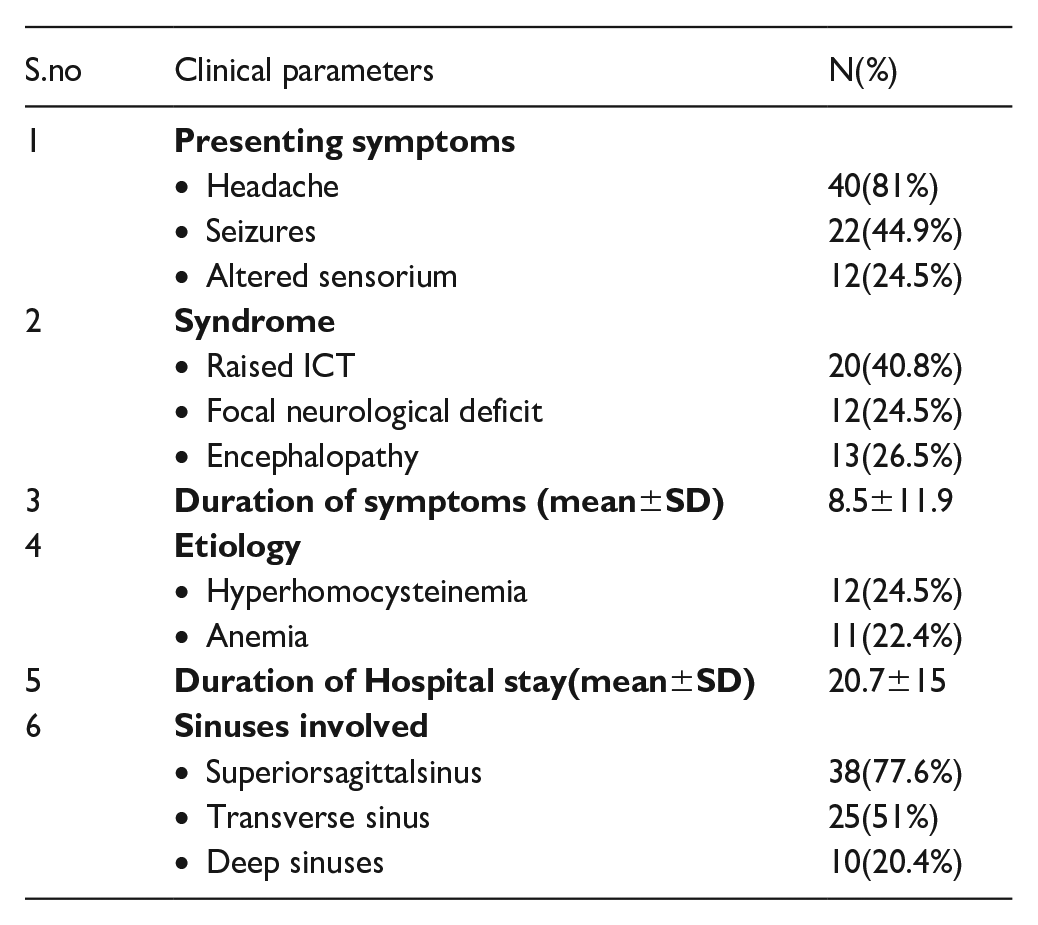
2160
GEOGRAPHICAL DISTRIBUTION OF MECHANICAL THROMBECTOMY CASES REFERRED TO A TERTIARY REFERRAL CENTRE IN THE SOUTH OF IRELAND TO PREDICT OPTIMAL LOCATION OF NEURO-RADIOLOGY CENTRE
1Cork University Hospital Cork, Stroke Department, Cork, Ireland, 2Cork University Hospital Cork, Neuro-Radiology Department, Cork, Ireland
Cork University Hospital is a supra -regional hospital serving 1.36 million people in a catchment area that spans more than 24,675 square kilometres. The model of care used in CUH is the drip-and-ship model when outside a certain distance and the mothership model when closest to CUH. The National Thrombectomy Report (2021) has an overall thrombectomy rate of 8.5%, CUH has had an increase of 50% in the number of thrombectomy cases performed between 2021 and 2022.
Map 2: Theoretical model of care using a bypass model to a certain distance from the neuro-interventional centre
2462
OCCLUSION RATE OF UNRUPTURED WIDE-NECKED SACCULAR INTRACRANIAL ANEURYSMS TREATED USING THE WOVENENDOBRIDGE (WEB) DEVICE OR STENT-ASSISTED COILING (SAC)
1 Instituto Nacional de Neurología y Neurocirugía Manuel Velasco Suárez, Endovascular Therapy Department, Ciudad de México, Mexico
2499
EARLY EXPERIENCE IN NON-RUPTURE INTRACRANIAL ANEURYSMS WITH FLOW DIVERTER DEVICES IN MEXICO
1 Instituto Nacional de Neurología y Neurocirugía Manuel Velasco Suárez, Endovascular Therapy Department, Mexico, Mexico
2648
RESOLUTION OF ACUTE ISCHEMIC VASCULAR STROKE WITH TANDEM LESION IN THE ANTERIOR CIRCULATION
1 Masaryk Hospital, Krajská Zdravotní a.s., Comprehensive Stroke Center, Department of Neurology, Ústí nad Labem, Czech Republic
SECONDARY PREVENTION – EXCLUDING CLINICAL TRIAL RESULTS
54
Potential role of PCSK9 inhibitors in stroke prevention
1 University of Maryland, Deoartment of Neurology, Baltimore, United States
307
Sub-optimal lipid reduction after transient ischaemic attack. A need for a systematic approach to optimising lipid-lowering therapy
1University of Cambridge, Clinical Neurosciences, Cambridge, United Kingdom, 2University of Cambridge, School of Medicine, Cambridge, United Kingdom, 3Cambridge University Hospitals NHS Foundation Trust, Stroke, Cambridge, United Kingdom
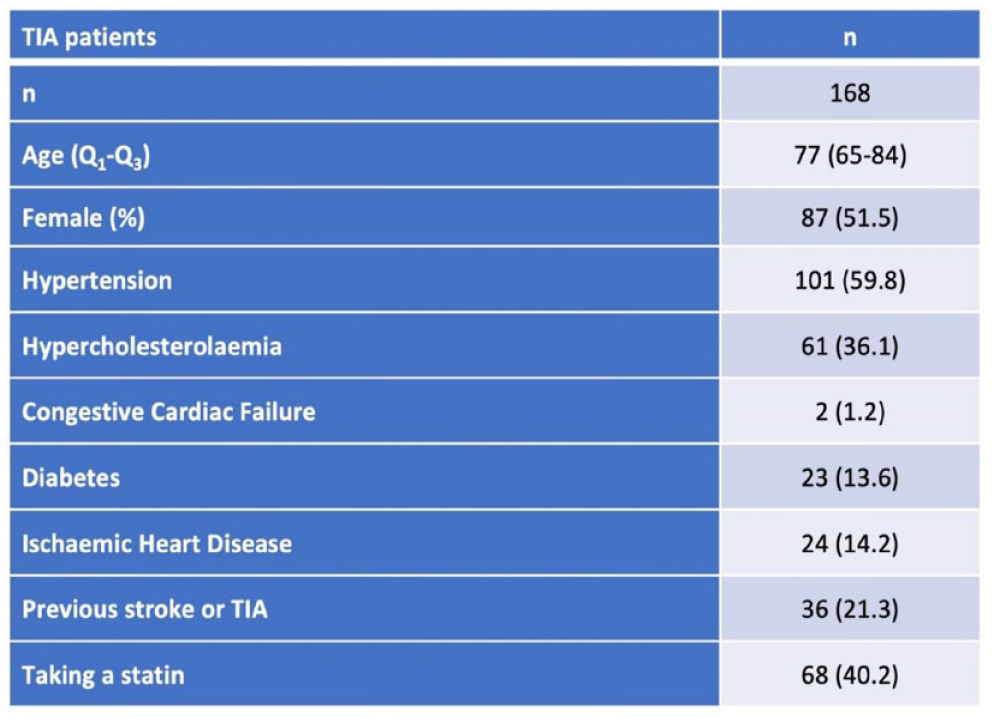
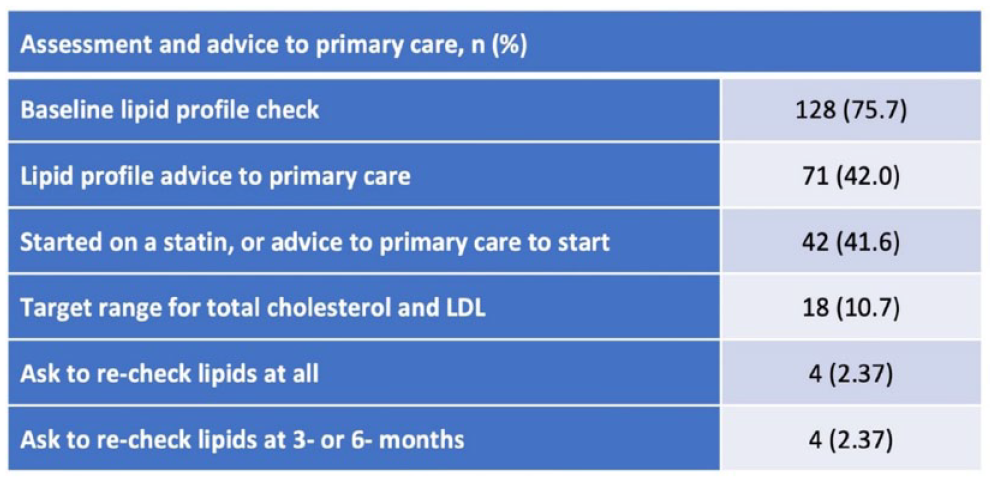
Advice to primary care.
579
IMPACT OF HYPERTENSION ON PATIENTS WITH FIRST-EVER ISCHEMIC STROKES: A 20-YEAR RETROSPECTIVE STUDY
1University of Seville, Department of Medicine, Seville, Spain, 2Hospital de Valme, Department of Neurology, Seville, Spain, 3Hospital Universitario Virgen Macarena, Internal Medicine, Sevilla, Spain
1050
ASSOCIATIONS BETWEEN DUAL ANTIPLATELET AND FAVORABLE OUTCOMES IN ACUTE MINOR ISCHEMIC STROKE PATIENTS WITH AN ONSET TO DOOR TIME WITHIN OR BEYOND 24 HOURS
1 Taichung Veterans General Hospital, Neurological Institute, Taichung, Taiwan
1111
Survey on the Management of Covert Brain Infarction – a Call to Care for and Trial this Neglected Population
1Neurology, Stroke Research Center Bern, Bern University Hospital, University of Bern, Switzerland, Neurology, Bern, Switzerland, 2Neurology, Stroke Research Center Bern, Bern University Hospital, University of Bern, Switzerland, Neuroradiology, Bern, Switzerland, 3University of Lille, Inserm, CHU Lille, U1172-Lille Neuroscience & Cognition (LilNCog), Lille, France., Neurology, Tours, France, 4Department of Neurology, Tufts Medical Center, Boston, MA, USA, Neurology, Boston, United States, 5Predictive Analytics and Comparative Effectiveness Center, Tufts Medical Center, PACE Center, Boston, MA, United States, 6Department of Neurology, Shenyang First People's Hospital, Shenyang Brain Institute, Neurology, Shenyang, China, 7Cardiology Stroke Research Center Bern, Bern University Hospital, University of Bern, Switzerland, Cardiology, Bern, Switzerland, 8Brain Research Imaging Centre, Division of Neuroimaging Sciences, Centre for Clinical Brain Sciences, UK Dementia Research Institute at the University of Edinburgh, Neuroradiology, Edinburgh, United Kingdom, 9Neurology, Basel University Hospital, University of Basel, Neurology, Basel, Switzerland
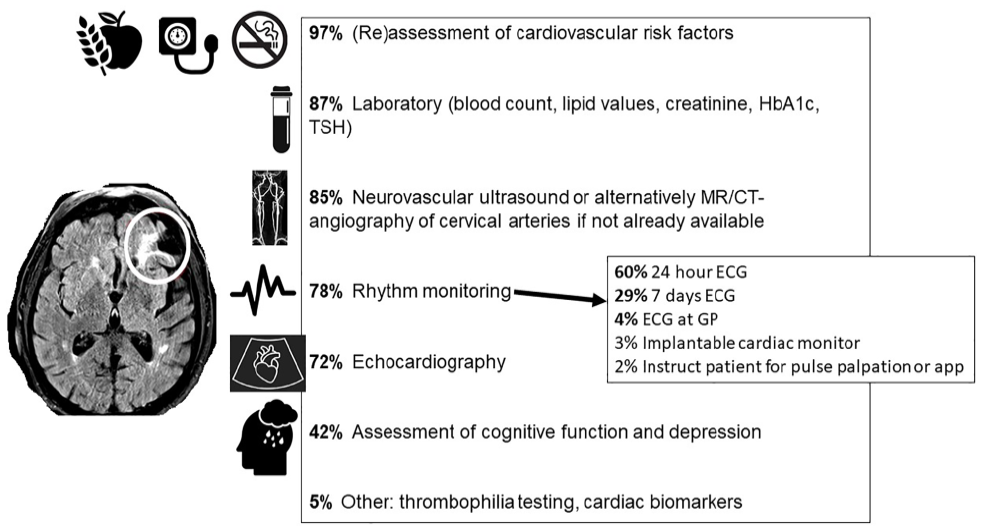
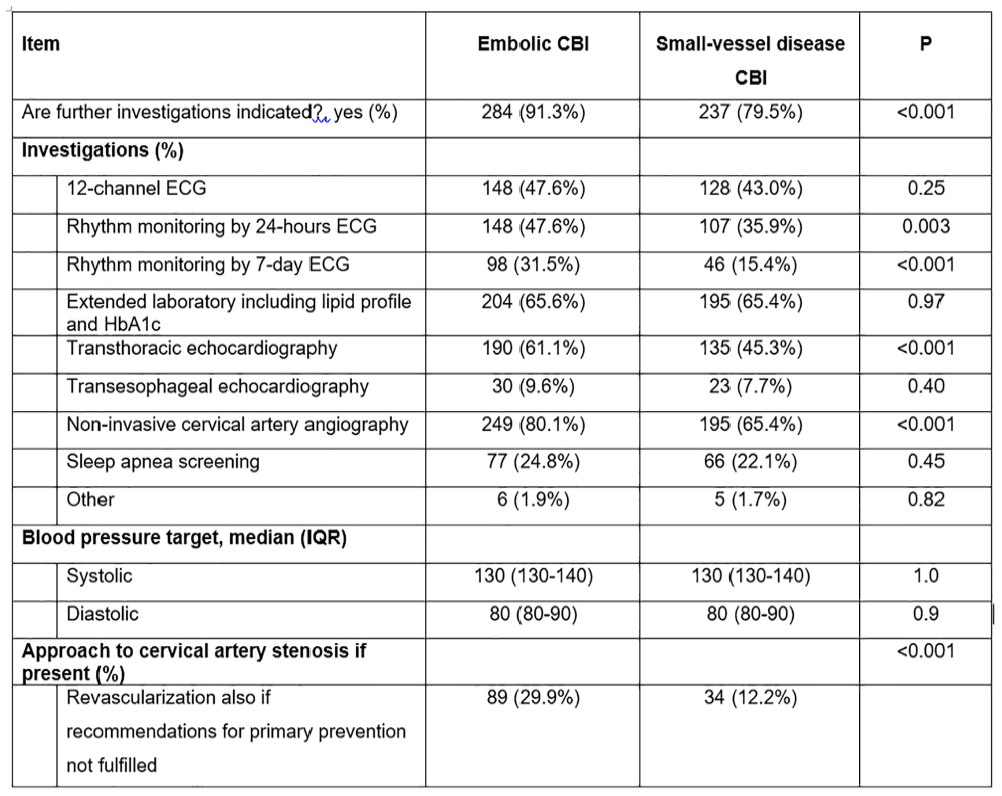
1125
INTENSIVE LIPID-LOWERING THERAPY PROTOCOL FOR SECONDARY STROKE PREVENTION: EXPERIENCE FROM A COMPREHENSIVE STROKE CENTRE
1 Ramón y Cajal Hospital, Neurology, Madrid, Spain
1201
VIRTUAL CARDIOVASCULAR LIFESTYLE EDUCATION: A FEASIBILITY STUDY
1Royal North Shore Hospital, Neurology Department, St Leonards, Australia, 2Royal North Shore Hospital, Stroke Acute Rehabilitation, St Leonards, Australia
1239
Preferences for oral anticoagulant medications for managing atrial fibrillation
1National Neuroscience Institute (SGH Campus), Neurology, Singapore, Singapore, 2Duke-NUS Medical School, Signature Programme in Health Services and Systems Research, Singapore, Singapore
1301
Inadequate blood pressure, diabetes and lipid assessment and management after ischaemic stroke and TIA; a need to focus on secondary prevention
1University of Cambridge, School of Medicine, Cambridge, United Kingdom, 2Cambridge University Hospitals NHS Foundation Trust, Stroke, Cambridge, United Kingdom, 3University of Cambridge, Clinical Neurosciences, Cambridge, United Kingdom
1. AF: 98% of IS patients were discharged anticoagulated.
2. Diabetes: 82% baseline HbA1c checked in IS and TIA patients, but repeated by 1-year in 58% of appropriate patients. Only 25% showed improvement.
3. Hyperlipidaemia: baseline lipid-profiles were carried out in 84.5% IS and TIA patients, repeated in 33% of patients. Only 31% of patients achieved the recommended targets.
4. Hypertension: 80 hypertensive IS patients (95%) were discharged on an antihypertensive. No reliable data was available on subsequent BP control at follow-up.
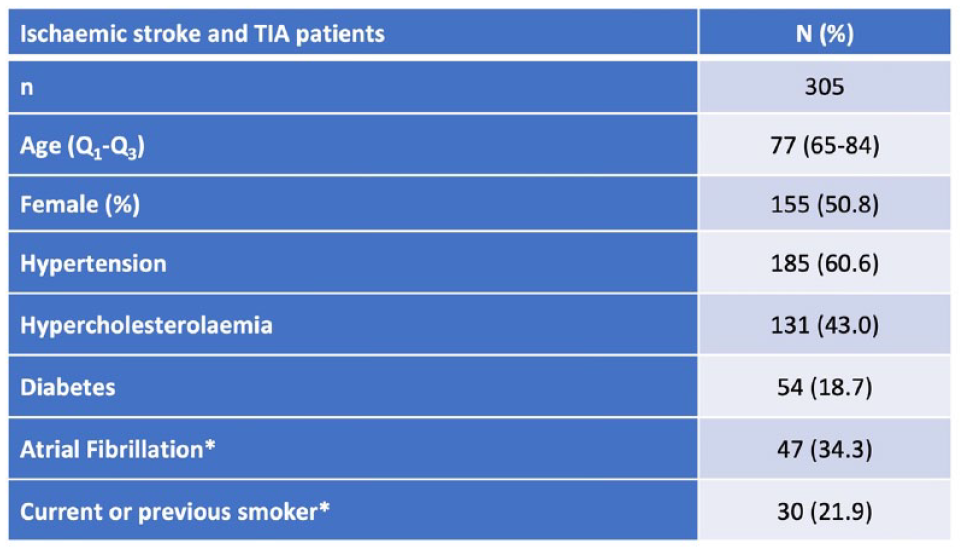
1662
The impact of renal function on severity of ischemic stroke with Non-vitamin K antagonist oral anticoagulant: Data from Korean Stroke Registry
1 Uijeongbu Eulji Medical Center, Neurology, Gyeonggi, South Korea
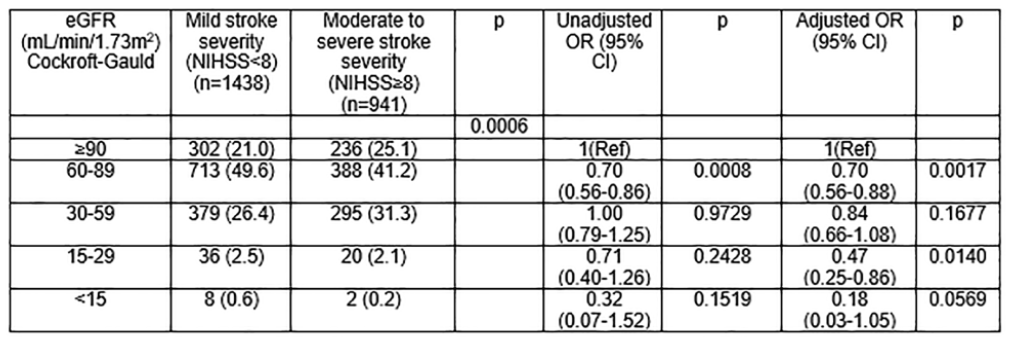
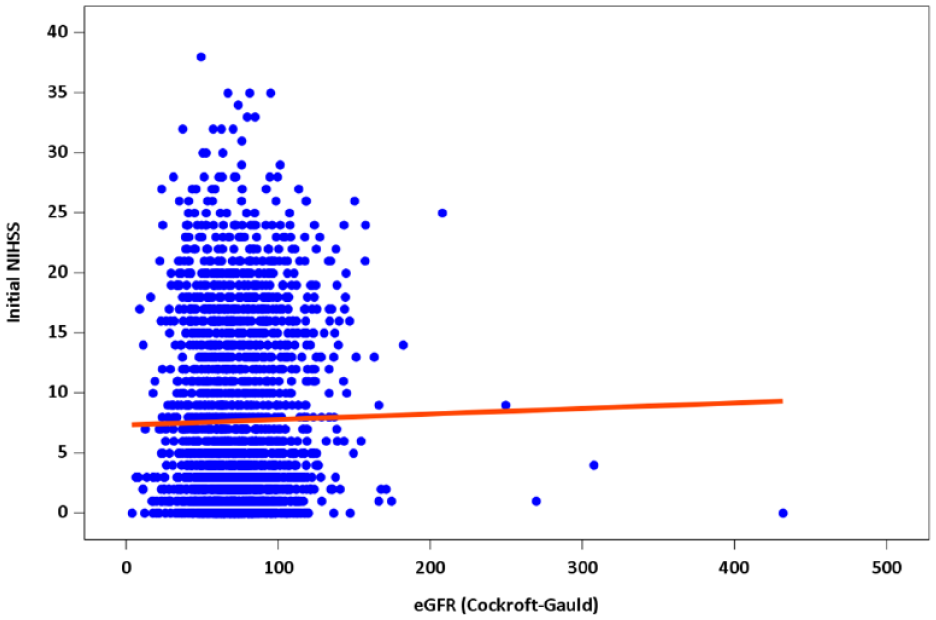
Relationship between eGFR and NIHSS in patients with NOACs.
2260
Reduced-Dose Ticagrelor Versus Full-Dose Ticagrelor In Patients With Stroke: A Retrospective Cohort Study
1 University of Chicago, Department of Neurology, Chicago, United States
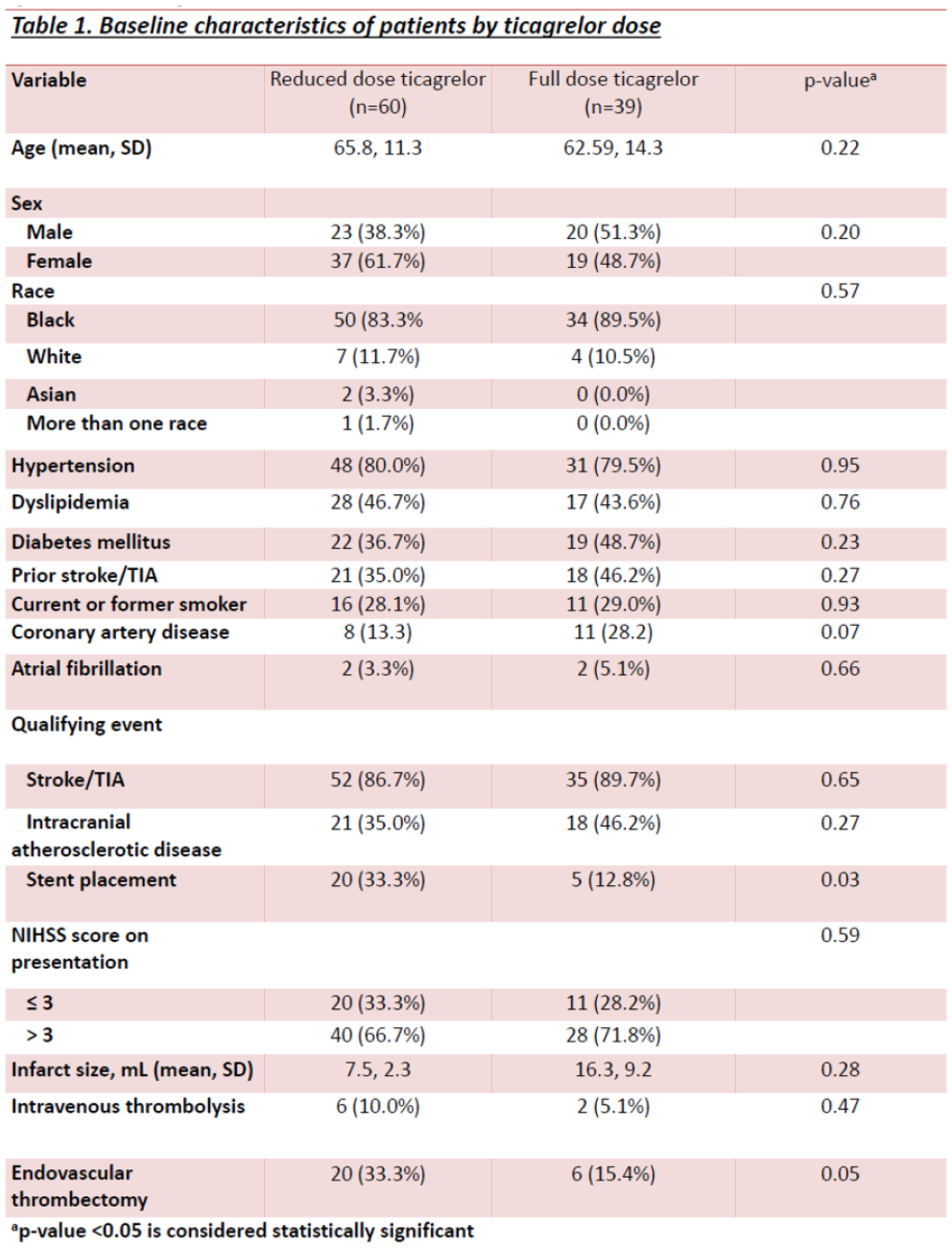
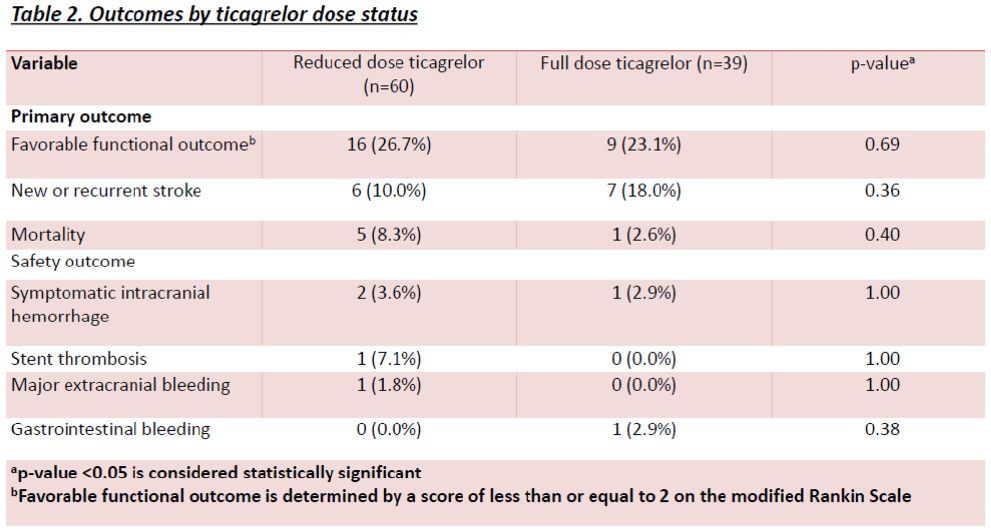
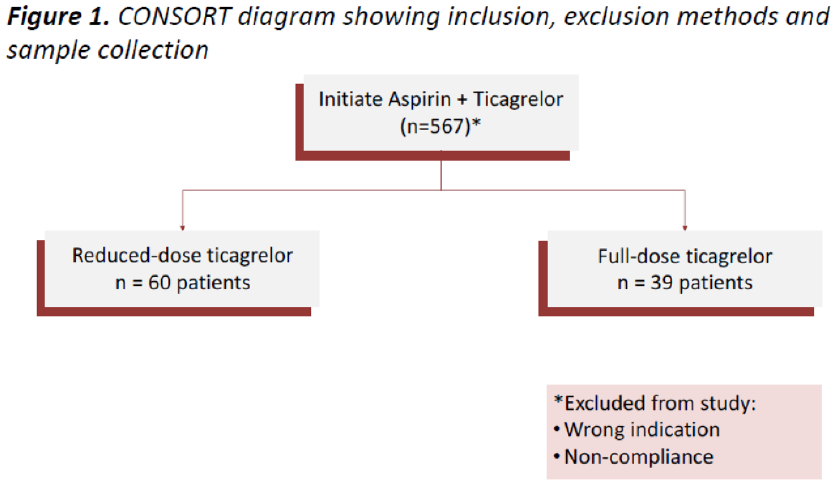
2523
Long-term mortality and follow-up after carotid artery stenting
1 HOSPITAL CLINICO UNIVERSITARIO LOZANO BLESA, NEUROLOGIA, Zaragoza, Spain
Aim: We sought to investigate the very long-term survival after CAS and the impact of comorbidities on mortality at follow-up.
REHABILITATION – EXCLUDING CLINICAL TRIAL RESULTS
1369
Individual peer support for stroke survivors – participatory action research to codesign an peer helper intervention
1Hospices Civils de Lyon, Pôle de Sante Publique, Service Recherche et Epidémiologie Cliniques, Lyon, France, 2Université Claude Bernard Lyon 1, Research on Healthcare Performance (RESHAPE), INSERM U1290, Lyon, France, 3Hospices Civils de Lyon, Hôpital Pierre Wertheimer, Service Neuro-vasculaire, Lyon, France, 4Hospices Civils de Lyon, Hôpital Henry Gabrielle, Médecine Physique et Réadaptation, Lyon, France
1508
Urinary Retention in Persons with Stroke: Vesical Reeducation Protocol
1Hospital do Espírito Santo de Évora, Stroke Unit, Évora, Portugal, 2Hospital do Espírito Santo de Évora, Department of Physical Medicine and Rehabilitation, Évora, Portugal, 3University of Évora, Escola Superior de Enfermagem S. João de Deus, Évora, Portugal
1707
Acquired brain injury specific day care centers and the evolution of balance in post stroke patients
1 Centro Lescer, Calle de los padres dominicos, 5, Madrid, Spain
2406
PHARMACOTHERAPY REVIEW IN EARLY MOTOR REHABILITATION AFTER ISCHEMIC STROKE
1Centro de Educacion Medica e Investigacion Clínica “Norberto Quirno” (CEMIC), Neurology, Ciudad Autonoma de Buenos Aires, Argentina, 2Clinica Modelo, Neurology, Lanus, Argentina, 3Hopital Dr César Milstein, Neurology, Ciudad Autonoma de Buenos Aires, Argentina, 4Hospital Provincial del Centenario, Neurology, Santa Fe, Argentina, 5INECO, Neurology, Rosario, Argentina, 6Hospital Rawson, Neurology, San Juan, Argentina, 7Hospital Central, Neurology, Mendoza, Argentina
For each PICO question we considered: risk of bias; inconsistency; indirect evidence, imprecision of results. Synthesis and evaluation of the evidence were carried out using the GRADE methodology. At time of abstract submission, we have only analyzed cerebrolisin.
The outcomes were measured by ARAT scale, NIHSS, Barthel index, modified Rankin and adverse events. The OR of improvement calculated by Action Research Arm Test (ARAT), and NIHSS were OR 2.12 (95% CI 0.68–6.59) and OR 3.67 (95% CI 1.89–7.13) at 3 months respectively.
Disclosure of interest: Yes
2607
Use of 31-Phosphorous Magnetic Resonance Spectroscopy in Muscle Function and Post Stroke Fatigue
1University of Sheffield Medical School, Neurosciences, Sheffield, United Kingdom, 2Sheffield Hallam University, Collegiate Campus, Advanced Wellbeing Research Centre, Sheffield, United Kingdom, 3Sheffield Teaching Hospitals NHS Foundation Trust, Neurosciences, Sheffield, United Kingdom
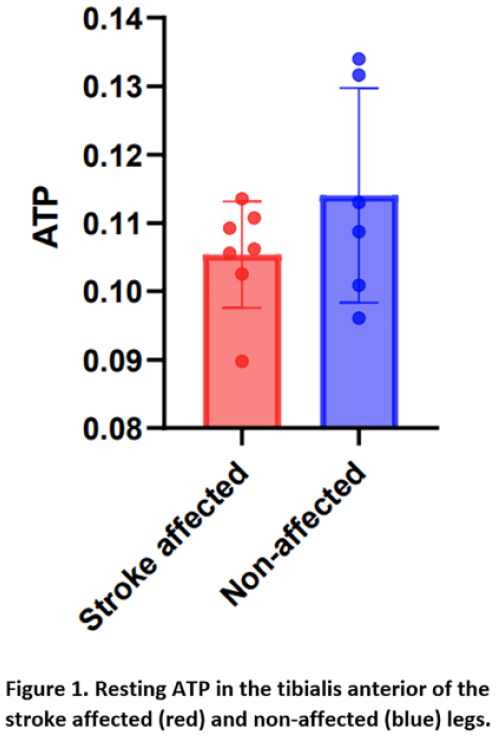
EPIDEMIOLOGY AND RISK FACTORS
23
The Correlation between the Incidence of Ischaemic Strokes and Air Pollution data in Ludwigshafen During the Years 2018 and 2019
1 Medizinische Fakultät, Neurologie, Heidelberg, Germany
Acknowledgments: Dr. re. nat. Marius Keute, University of Tuebingen.
59
Long sleep duration and dissatisfaction with sleep quality are associated with ischemic stroke in young patients
1 Hanyang university College of Medicine, Neurology, Seoul, South Korea
87
ASSOCIATION BETWEEN HEAVY ALCOHOL CONSUMPTION AND CRYPTOGENIC ISCHEMIC STROKE IN YOUNG ADULTS
1Helsinki University Hospital, Neurology, Helsinki, Finland, 2Turku University Hospital, Neurocenter, Turku, Finland, 3Tampere University Hospital, Department of Neurology, Tampere, Finland, 4Kuopio University Hospital, Neurology, Kuopio, Finland, 5University Medicine Greifswald, Neurology, Greifswald, Germany, 6Haukeland University Hospital, Neurology, Bergen, Norway, 7Istanbul University, Faculty of Medicine, Neurology, Istanbul, Turkey, 8Azienda Unità Sanitaria Locale - IRCCS di Reggio Emilia, Neurology, Reggio Emilia, Italy, 9Oulu University Hospital, Clinical Neuroscience Research Unit and Department of Neurology, Oulu, Finland, 10University of Tartu, Department of Neurology and Neurosurgery, Faculty of Medicine, Tartu, Estonia, 11Vilnius University, Neurology, Vilnius, Lithuania, 12University Hospitals of North Midlands NHS Trust, Stroke Service, Stoke-on-Trent, United Kingdom, 13Peterborough City Hospital, Neurology, Peterborough, United Kingdom, 14Hospital Universitario Torrecárdenas, Neurology, Almería, Spain, 15Hospital de Santa Maria, Centro Hospitalar Universitário Lisboa Norte, Neurology, Lisbon, Portugal, 16Sahlgrenska University Hospital, Neurology, Gothenburg, Sweden, 17University of Brescia, Neurology, Brescia, Italy
114
CHARACTERISTICS, RISK FACTORS AND OUTCOMES OF MINOR ACUTE ISCHEMIC STROKE PATIENTS: DATA FROM A STROKE CENTER IN VIETNAM
1Bachmai Hospital, Stroke Center, Hanoi, Viet Nam, 2Yen Bai General Hospital, Intensive care unit, Yen Bai Province, Viet Nam

256
RISK FACTORS, PRESENTATION AND OUTCOME IN ACUTE STROKE ACCORDING TO SOCIAL POSITION INDICATORS IN PATIENTS HOSPITALISED IN A REFERRAL CENTRE IN BOGOTÁ 2011-2019
1Hospital Universitario San Ignacio, Neurology Department, Bogota, Colombia, 2Pontificia Universidad Javeriana, Medical School, Bogota, Colombia, 3Pontificia Universidad Javeriana, Department of Clinical Epidemiology and Biostatistics, Faculty of Medicine, Bogota, Colombia
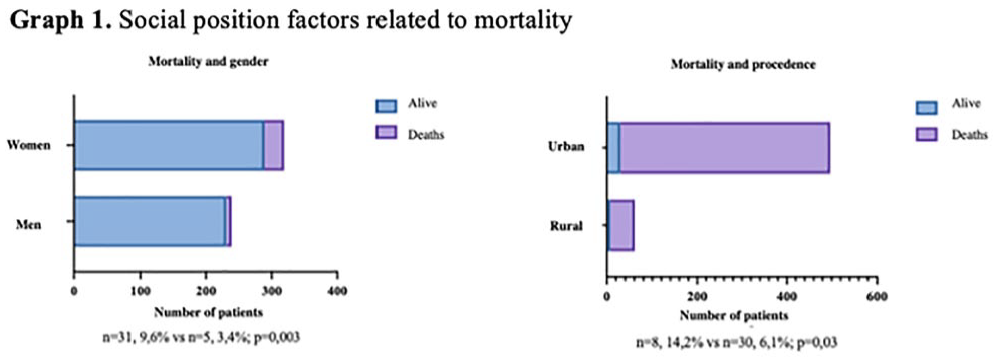
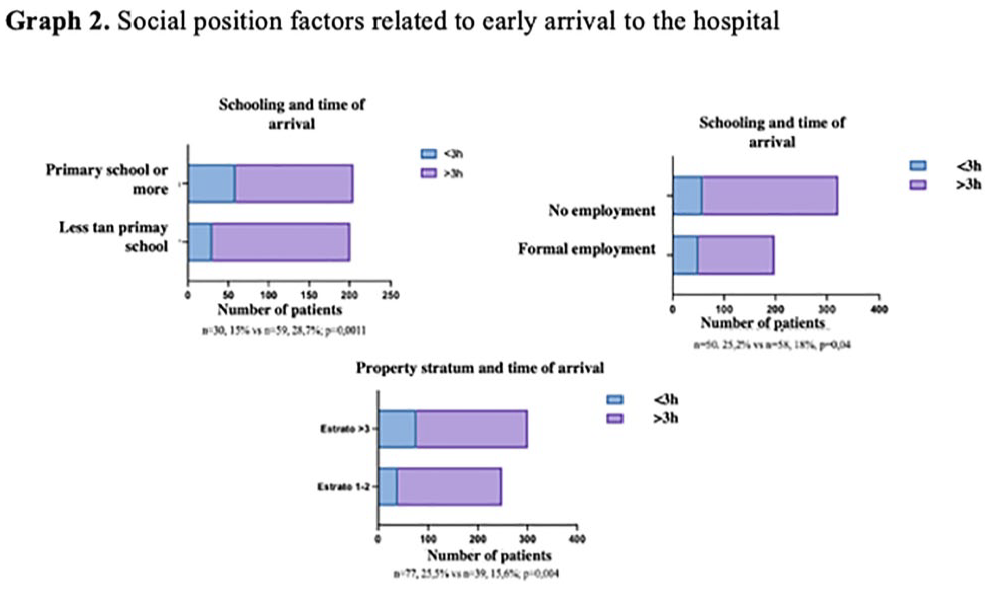
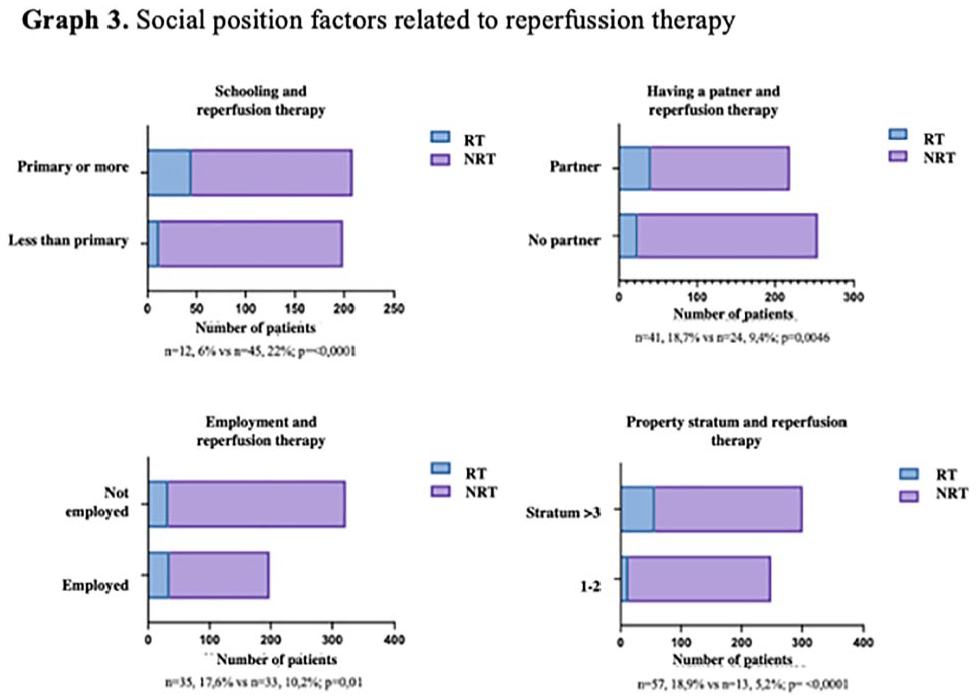
301
SEVERE LUPUS FLARE CONTRIBUTES TO A MUCH HIGHER RISK OF STROKE AMONG PATIENTS WITH SYSTEMIC LUPUS ERYTHEMATOSUS
1Taichung Veterans General Hospital, Neurological Institute, Taichung, Taiwan, 2Taichung Veterans General Hospital, Medical Research, Taichung, Taiwan
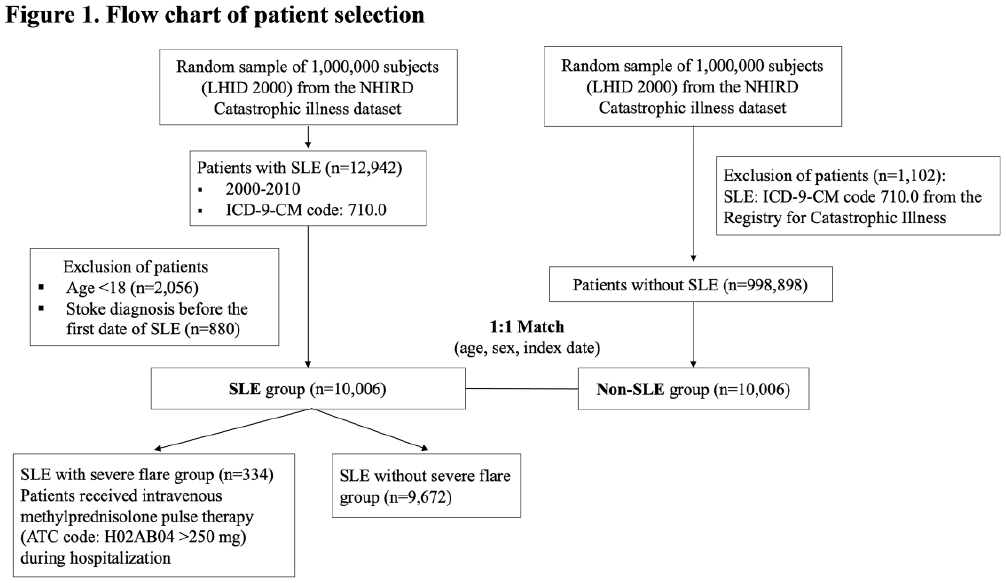
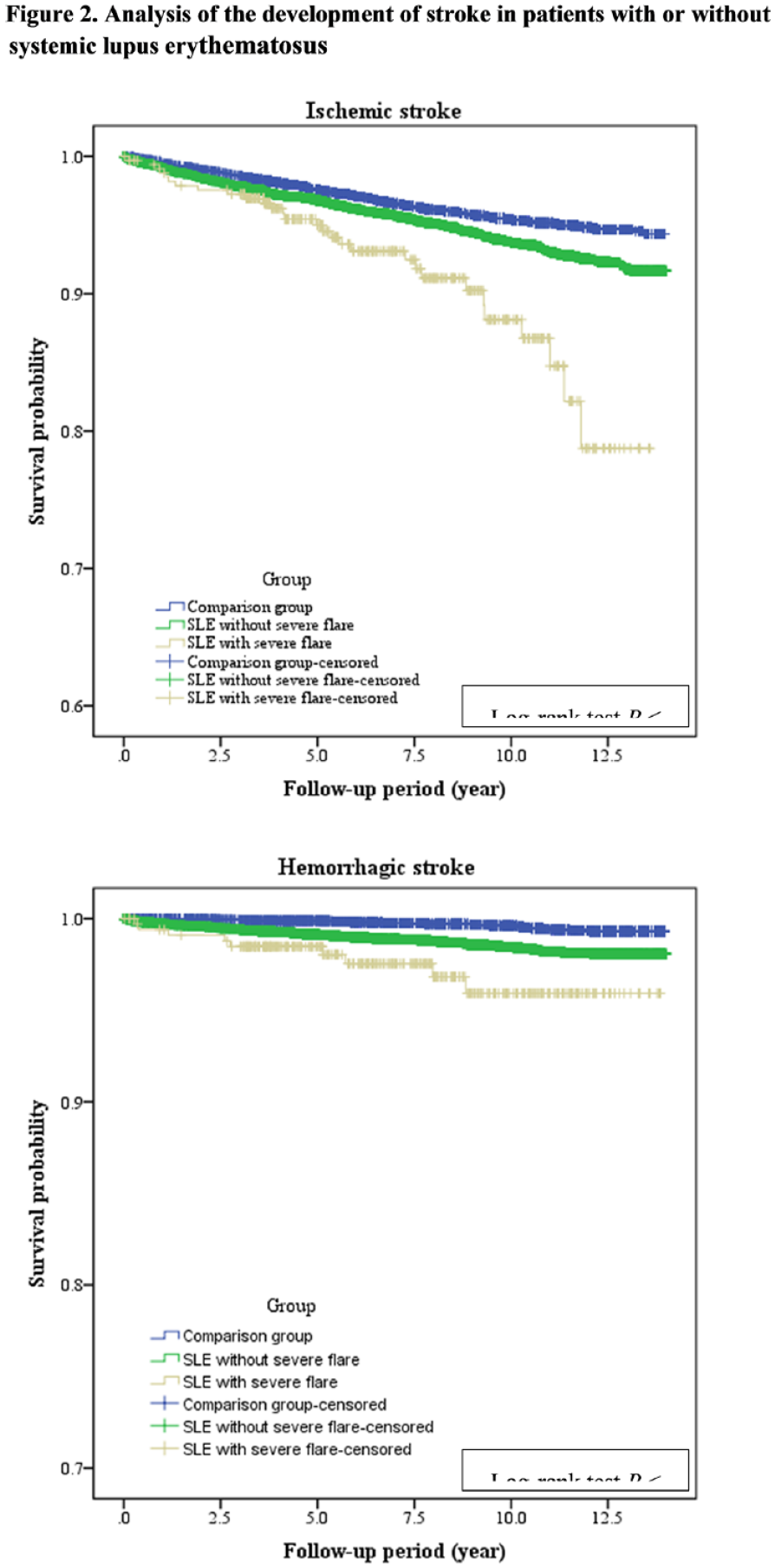
391
SERUM CREATININE LEVELS IN YOUNG PATIENTS WITH INTRACEREBRAL HAEMORRHAGE
1 Kasturba Medical College, Manipal, Department of Neurosurgery, Manipal, India
461
Longitudinal changes of CKD in acute stroke patients, and association with stroke type
1 Tokyo Saiseikai Central Hospital, Neurology, Tokyo, Japan
580
Clinical and epidemiological characteristics of stroke in Uzbekistan during the COVID-19 pandemic according to the stroke registry
1 Tashkent Pediatric Medical Institute, Neurology, child neurology and medical genetics, Tashkent, Uzbekistan
619
Epidemiology and clinical characteristics of stroke in young Egyptian adults
1Assiut University, Neurology, Assiut, Egypt, 2Beth Israel Deaconess Medical Center, Harvard Medical School, Neurology, Boston, Massachusetts, United States
766
EPIDEMIOLOGY AND CHARACTERISTICS OF ENDOVASCULAR TREATMENT IN ISCHAEMIC STROKE AMONG YOUNG ADULTS. EXPERIENCE IN A NEUROINTERVENTIONAL CENTER
1Complejo Hospitalario Universitario Insular de Las Palmas de Gran Canaria, Neurology, Las Palmas, Spain, 2Universidad de Las Palmas de Gran Canaria, Mathematics, Las Palmas, Spain, 3Complejo Hospitalario Universitario Insular de Las Palmas de Gran Canaria, Radiology, Las Palmas, Spain
1187
Define the Age of Young Ischemic Stroke Using Data-Driven Approaches
1Pennsylvania State University, Population Health, Hershey, United States, 2Yale, Neurology, New haven, United States, 3Pennsylvania State University, Neurology, Hershey, United States, 4Geisinger, Neurology, Danville, United States
1261
Physical activity behaviour and its association with global cognitive function three months after stroke: A Nor-COAST sub-study
1Norwegian University of Science and Technology, Department of Neuromedicine and Movement Science, Trondheim, Norway, 2SINTEF, SINTEF Digital, Department of Health Research, Trondheim, Norway, 3Norwegian University of Science and Technology, Department of Mental Health, Trondheim, Norway, 4The Arctic University of Norway, Department of Health and Care Science, Tromsø, Norway
1278
A machine learning approach to predict high-level fatigue post-stroke
1Norwegian University of Science and Technology, Department of Neuromedicine and Movement Science, Trondheim, Norway, 2The Arctic University of Norway, Department of Health and Care Science, Tromsø, Norway, 3Norwegian University of Science and Technology, Department of Psychology, Trondheim, Norway, 4University of Oslo, Clinical Medicine, Oslo, Norway
ROC-AUC
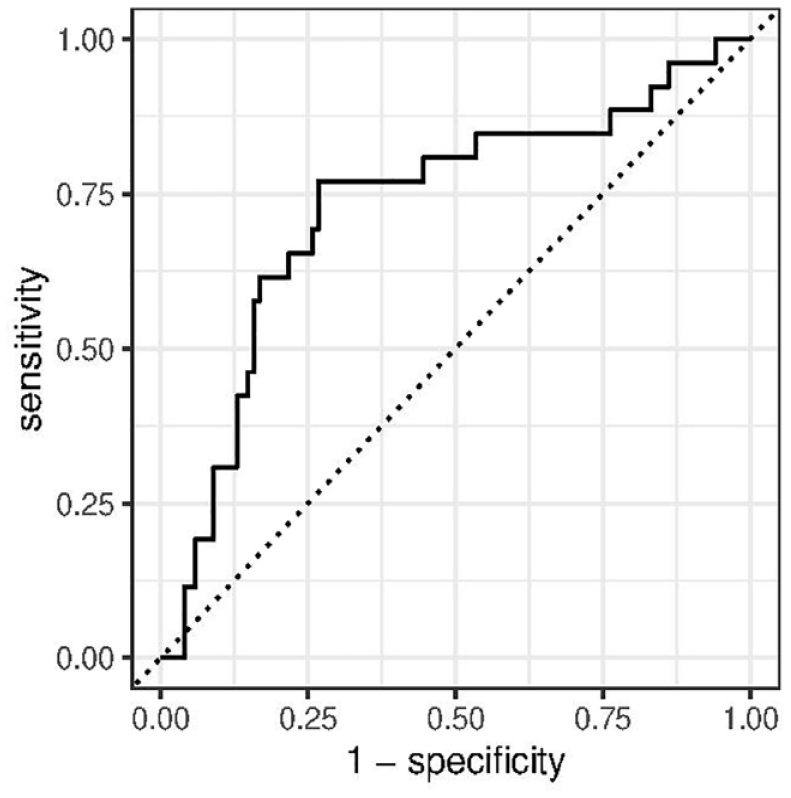
1302
Prevalence of cerebral microbleeds among Egyptian patients with acute ischemic cerebrovascular stroke
1Assiut University, Department of Neurology, Assiut, Egypt, 2Assiut University, Department of Diagnostic Radiology, Assiut, Egypt, 3Saarland University Hospitals, Department of Neurology, Homburg/Saarland, Germany
1450
Apolipoprotein E genotype association with the risk of hemorrhagic stroke: A systematic review and meta-analysis
1All India Institute of Medical Sciences, New Delhi, Clinical Research Unit, New Delhi, India, 2AII India Institute of Medical Sciences, New Delhi, Neurology, New Delhi, India, 3Yale University, Neurology, New Haven, United States
1463
Prevalence of Varicella Zoster Virus Reactivation in Cerebrospinal Fluid in Ischemic Stroke or Transient Ischemic Attack
1UT Southwestern Medical Center, Neurology, Dallas, United States, 2The Johns Hopkins University School of Medicine, Neurology, Baltimore, United States, 3UT Southwestern Medical Center, Radiology, Dallas, United States, 4UT Southwestern Medical Center, Division of Infectious Diseases and Geographic Medicine, Dallas, United States
1555
PREVALENCE AND CORRELATION OF INTRACRANIAL AND EXTRACRANIAL ATHEROSCLEROSIS IN ACUTE ISCHEMIC STROKE PATIENTS
1Indraprastha Apollo Hospital, Neurology, New Delhi, India, 1Indraprastha Apollo Hospital, Neurology, New Delhi, India
1626
Predicting unusual number of ischaemic strokes by weather time series
1Jessenius Faculty of Medicine in Martin, Comenius University in Bratislava, Clinic of Neurology, Martin, Slovakia, 2Jessenius Faculty of Medicine in Martin, Comenius University in Bratislava, Biomedical Centre, Martin, Slovakia, 3Slovak Hydrometeorological Institute in Bratislava, Slovak Hydrometeorological Institute, Bratislava, Slovakia
1715
Assessment of the risk of bleeding according to the HAS - BLED scale in the prevention of stroke in patients with atrial fibrillation who have undergone a COVID-19 infection
1 National Scientific Center "Institute of Cardiology, Clinical and Regenerative Medicine named after Academician M.D.Strazhesko of the National Academy of Sciences of Ukraine", Department of Clinical Arrhythmology and Electrophysiology, Kyiv, Ukraine
1934
ETHNIC DISPARITIES IN THE UTILISATION AND FUNCTIONAL OUTCOMES OF MECHANICAL THROMBECTOMY IN A TERTIARY STROKE CENTRE
1 St George's University Hospitals NHS Foundation Trust, Stroke, Neuroscience, London, United Kingdom
2396
Impact of diabetes and pre-diabetes on outcomes following first-ever stroke: A Bittersweet Risk?
1 Northwick Park Hospital, London North West NHS Trust, Stroke Unit, London, United Kingdom
2501
Long-term recurrence of cervical artery dissections
1 Bispebjerg Hospital, Department of neurology, København N, Denmark
IMAGING – HYPERACUTE
428
CTP-based estimated Ischemic Core: A Comparative Multicenter Study between Olea and RAPID software
1University of California, Los Angeles, Radiological Sciences, Los Angeles, United States, 2Icahn School of Medicine at Mount Sinai, Neurology and Neurosurgery, New York, United States, 3Icahn School of Medicine at Mount Sinai, Radiology, New York, United States, 4University of Cincinnati, Radiology, Cincinnati, United States, 5University of Cincinnati, Neurology, Cincinnati, United States, 6University of Michigan, Radiology, Ann Arbor, United States, 7University of California, Los Angeles, Neurology, Los Angeles, United States, 8Johns Hopkins University, Radiology, Baltimore, United States, 9University of California, Los Angeles, Neurosurgery, Los Angeles, United States
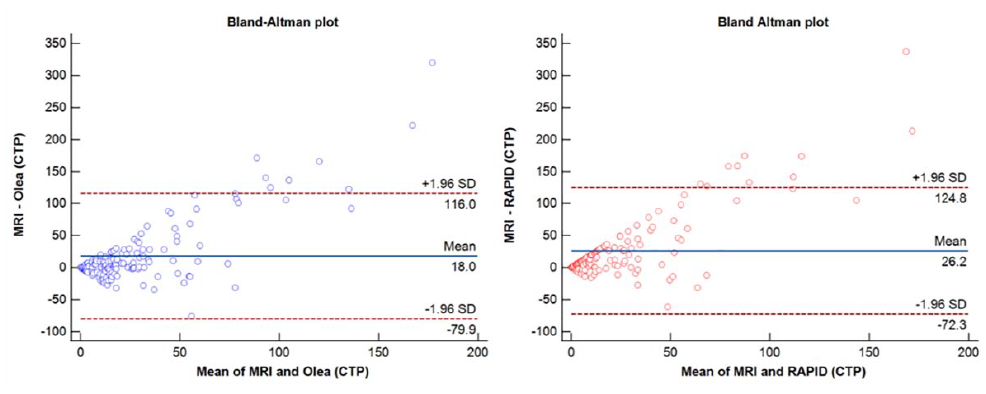
Disclosure of interest: Yes
807
Radiological features associated with bleeding post endovascular thrombectomy
1National University Hospital, Internal Medicine, Singapore, Singapore, 2National University Hospital, Neurology, Singapore, Singapore, 3National University Hospital, Diagnostic Imaging, Singapore, Singapore
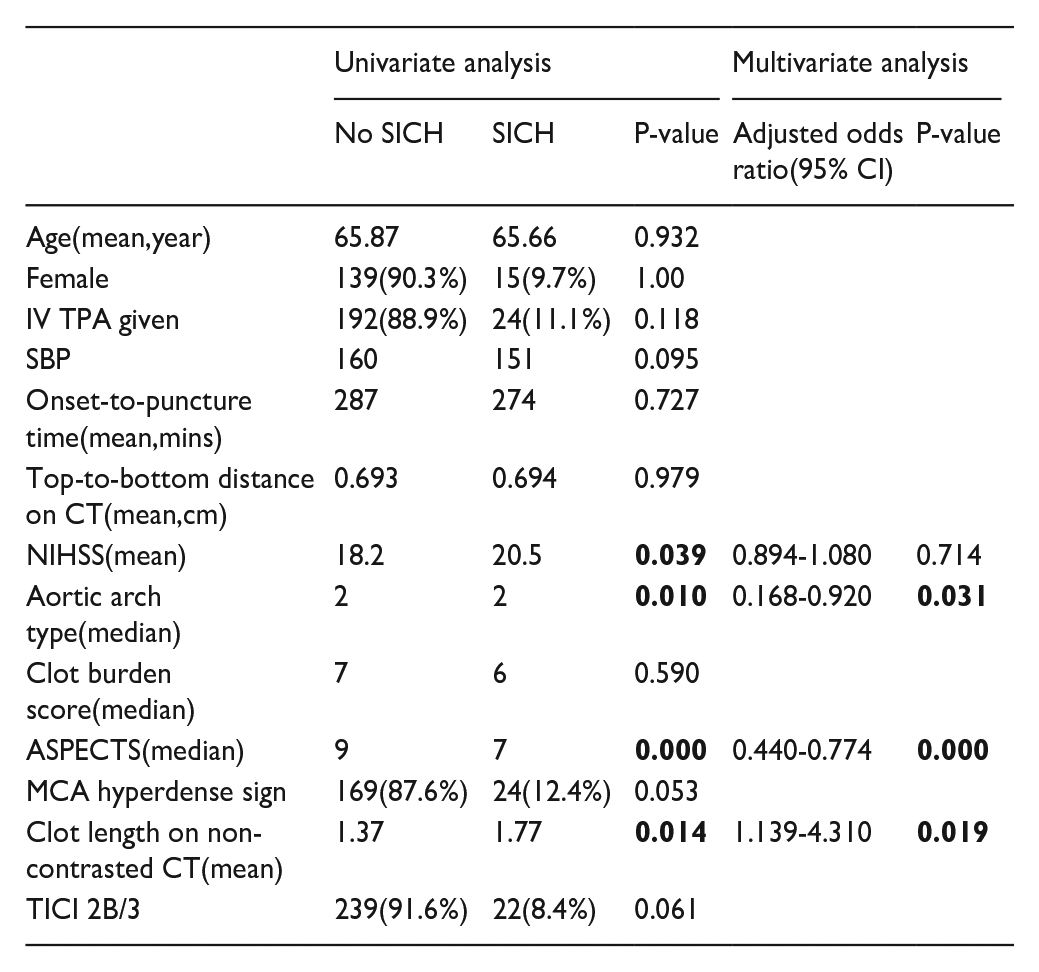
813
Moving from CT-first to MRI-first paradigm in acute ischemic stroke: feasibility, effects on misdiagnosis, stroke etiology, and long-term outcome
1Careggi, Stroke Unit, Firenze, Italy, 2Lausanne University Hospital, Department of Clinical Neuroscience, Lausanne, Switzerland, 3Lausanne University Hospital, Diagnostic Neuroradiological Unit, Lausanne, Switzerland, 4Lausanne University Hospital, Emergency Department, Lausanne, Switzerland, 5Lausanne University Hospital, Interventional Neuroradiological Unit, Lausanne, Switzerland
Disclosure of interest: Yes
830
ROLE OF COMPUTERIZED TOMOGRAPHY PERFUSION IN IDENTIFICATION OF CEREBRAL VENOUS THROMBOSIS IN HYPERACUTE PHASE
1John Hunter Hospital, Neurology, New Lambton Heights, Australia, 2Shiraz University of Medical Sciences, Neurology, Shiraz, Iran, 3Hunter Medical Research Institute, Neurology, New Lambton Heights, Australia, 4University of Newcastle, College of Health, Medicine and Wellbeing, Callaghan, Australia, 5University of Newcastle, Medicine, Callaghan, Australia, 6Liverpool Hospital, Department of Neurology, University of New South Wales, Liverpool, Australia, 7John Hunter Hospital, Medical, New Lambton Heights, Australia
917
Clinical Characteristics Associated with Acute Ischemic Signs on Non-contrast Computed Tomography
1The George Institute for Global Health, Faculty of Medicine, University of New South Wales, Global Brain Health, Sydney, Australia, 2National Cerebral and Cardiovascular Center, Department of Cerebrovascular Medicine, Osaka, Japan, 3The Second Affiliated Hospital of Soochow University, Department of Neurology, Suzhou, China, 4Centre for Clinical Brain Sciences, University of Edinburgh, Edinburgh Imaging, Edinburgh, United Kingdom, 5The George Institute for Global Health and University of Sydney, Geriatrics, Sydney, Australia
997
Variable penumbra but not core volume by occlusion site in large vessel occlusion
1University of Glasgow, School of Psychology and Neuroscience, Glasgow, United Kingdom, 2NHS Greater Glasgow & Clyde, Institute of Neurological Sciences, Glasgow, United Kingdom
CTA were reviewed by two experienced assessors and occlusion sites were categorised as internal carotid artery (ICA)- L, ICA- T, proximal MCA M1, distal M1, M2 1 branch, M2>1 branch, M3, posterior cerebral artery (PCA), anterior cerebral artery (ACA), basilar, vertebral, superior cerebellar artery (SCA), or extracranial carotid. Supra-tentorial lesions were defined as ICA, ACA, MCA or PCA.
CTP was processed by RAPID (version 4.7 Ischemaview). Target mismatch was defined as ischaemic core lesion<70ml, a ratio of volume of ischaemic lesion to ischaemic core (Tmax>6s over CBF<30%) of ⩾1.8 and penumbra ⩾15ml.
Median and interquartile range of core and penumbra volumes were compared across occlusion sites by Kruskal-Wallis test.
Table 2 details the occlusion sites with associated lesion volumes.
Penumbra, but not core volumes differed significantly by occlusion site (Kruskal-Wallis test, p=0.081 core, p<0.001 penumbra). 69 (76%) cases met target mismatch criteria.
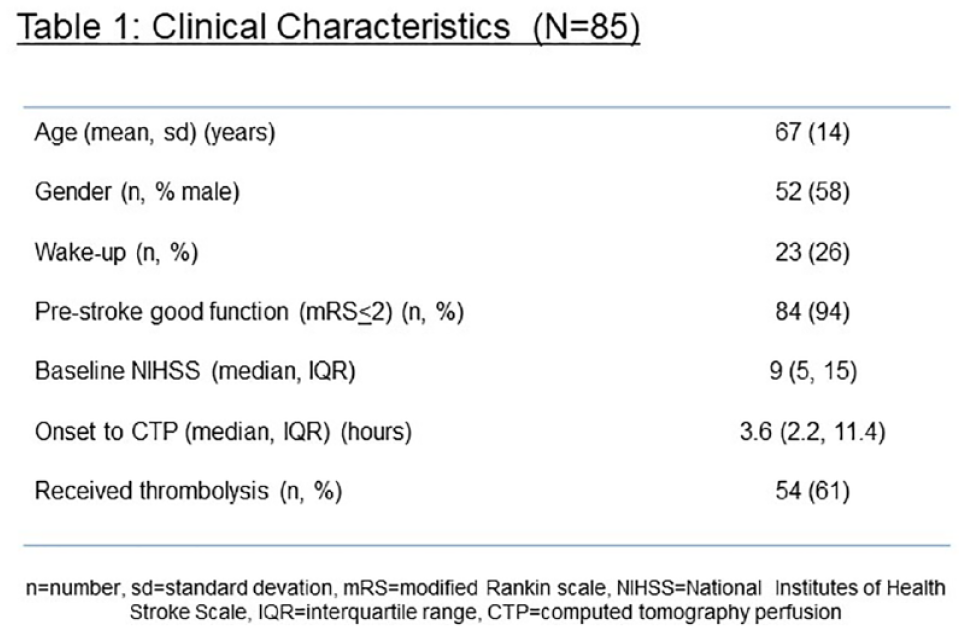
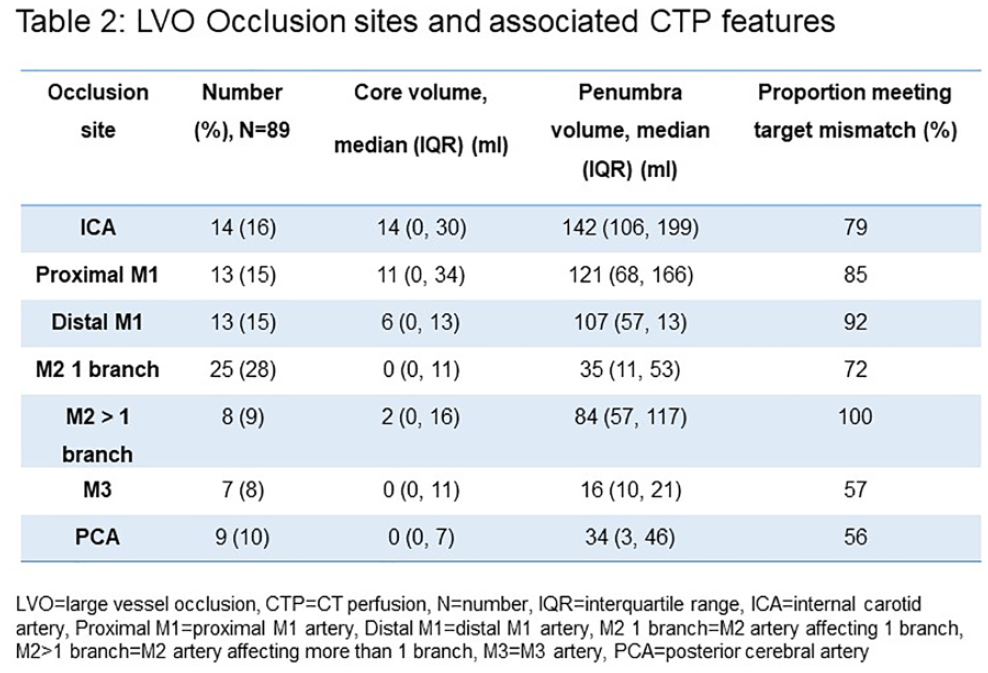
IMAGING – HYPERACUTE
1128
BRAIN VOLUME DEPENDING ON MIDDLE CEREBRAL ARTERY SEGMENTS: A STUDY USING RAPID AUTOMATED SOFTWARE
1La Princesa University Hospital, Neurology, Madrid, Spain, 2La Princesa University Hospital, Neurointerventional Radiology, Madrid, Spain, 3La Princesa University Hospital, Neurointerventional Radiology, Madrid, Spain
1247
Thresholds of ischaemia differ depending on recanalisation in patients presenting within 24 hours of acute ischaemic stroke with large vessel occlusion
1University of Glasgow, School of Psychology and Neuroscience, Glasgow, United Kingdom, 2NHS Greater Glasgow & Clyde, Institute of Neurological Sciences, Glasgow, United Kingdom
Two experienced assessors categorised arterial occlusion sites. CTP was processed by RAPID (version 4.7 Ischemaview). Follow-up infarct volume (FIV) was calculated from manually outlined DWI lesions in MANGO (UTHSCSA version 4.0.1). Follow-up MRA was scored using the arterial occlusive lesion (AOL) score.
We compared the Spearman correlation coefficients for FIV with 1) initial hypoperfused volumes among those who did not recanalize (AOL=0-1), and 2) initial core volumes among those who recanalised (AOL⩾2).
54 patients recanalised, 20 patients did not.
Table 2 compares the Spearman’s rank coefficients and figures 1 and 2 are scatter plots demonstrating correlation respectively, divided into time windows. In linear regression, core volume significantly predicted FIV (p=0.003) and time to CTP was non-significant (p=0.711) among patients who did not recanalize; among those who recanalized, FIV was associated with both core (p<0.001) and ischaemic lesion (p=0.018) volumes, and time to CTP was not significant (p=0.062).
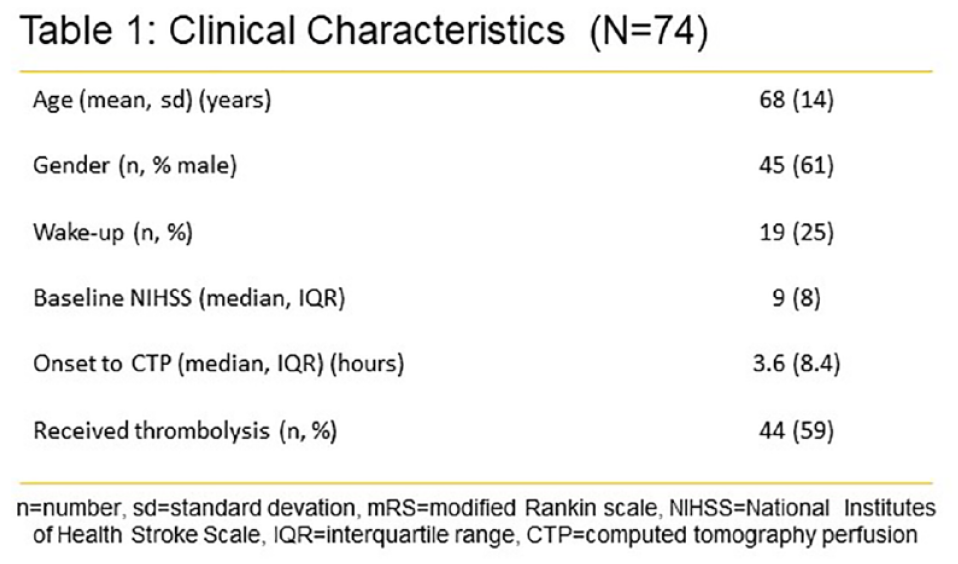
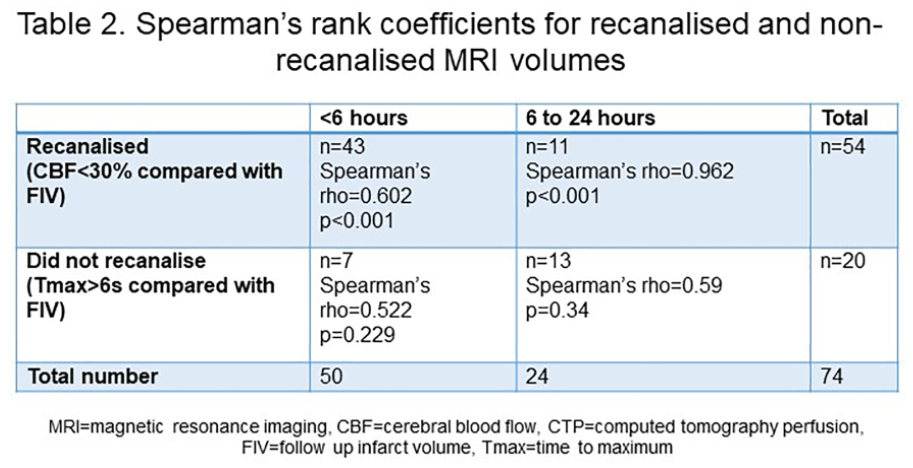
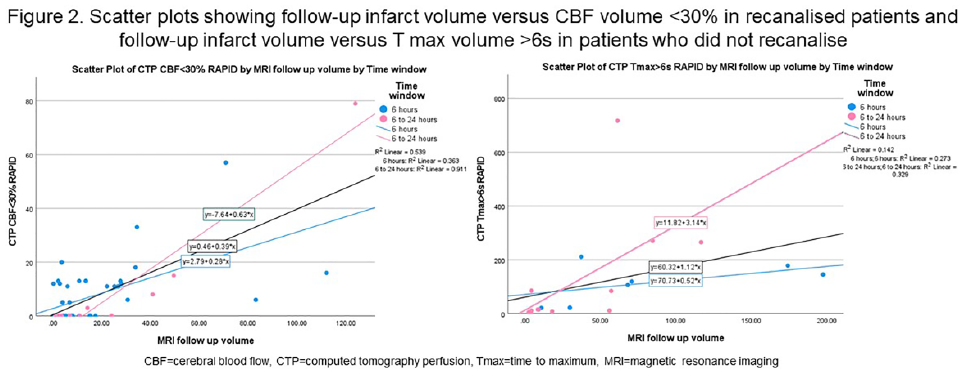
1267
AUTOMATED HYPODENSITY DETECTION TOOL IMPROVES CLINICIAN SCORING
1University of New South Wales, South Western Sydney Clinical Campus, Department of medicine and health, Randwick, Australia, 2University of Melbourne, Faculty of Medicine, Dentistry and Health Sciences, Parkville, Australia, 3Royal Melbourne Hospital, Melbourne Brain Centre, Parkville, Australia, 4University of Melbourne, Melbourne Brain Centre, Parkville, Australia, 5University of New South Wales, Sydney Brain Centre, Department of medicine and health, Randwick, Australia, 6University of Melbourne, Melbourne medical school, Faculty of Medicine, Dentistry and Health Sciences, Parkville, Australia, 7Liverpool Hospital, Department of neurology, Liverpool, Australia, 8Ingham Institute for Applied Medical Research, Medicine, Liverpool, Australia
1341
CAT volume for selection of patients eligible for thrombectomy in late-time window: validation on Italian population
1University of Bari Aldo Moro, Stroke Unit, Bari, Italy, 2ASST Grande Ospedale Metropolitano Niguarda, Neurology & Stroke Unit, Milan, Italy, 3Azienda Ospedaliero Universitaria Consorziale Policlinico, Stroke Unit, Bari, Italy
1558
Automated CT perfusion software in stroke mimics diagnosis
1H. U La Princesa, Neurology, Madrid, Spain, 2H. U La Princesa, Radiology, Madrid, Spain
1784
Quantifiable estimation of premorbid brain atrophy is associated with poorer functional outcome after endovascular thrombectomy for stroke: a multicentre study
1Melbourne Brain Centre at The Royal Melbourne Hospital, Neurology, Parkville, Australia, 2University of Melbourne, Medicine, Dentistry and Health Sciences, Parkville, Australia, 3Melbourne Brain Centre at The Royal Melbourne Hospital, Department of Neurology, Parkville, Australia, 4UNSW Sydney, Southwestern Sydney Clinical School, Sydney, Australia, 5Ingham Institute for Applied Medical Research, -, Liverpool, Australia, 6Liverpool Hospital, Department of Neurology, Liverpool, Australia
1819
Association of blood brain barrier breakdown on the hemorrhagic transformation of acute ischemic stroke
1 Hanyang University Guri Hospital, Radiology, Guri, South Korea
1923
PREDICTION OF DEPENDENCY USING AUTOMATED-IMAGING SOFTWARE ANALYSIS OF BRAIN IMAGING IN STROKE: DATA FROM THE RAPID INTERVENTION WITH GLYCERYL TRINITRATE IN HYPERTENSIVE STROKE TRIAL-2 (RIGHT-2)
1University of Nottingham, Stroke Trials Unit, Nottingham, United Kingdom, 2University of Edinburgh, Centre for Clinical Brain Sciences, Edinburgh, United Kingdom, 3University of Western Australia, Faculty of Health and Medical Sciences, Perth, Australia
1958
CT perfusion to improve detection of intracranial vessel occlusion
1University Hospitals Leuven, Radiology, Leuven, Belgium, 2University Hospitals Leuven, Neurology, Leuven, Belgium, 3KU Leuven, Department of Neuroscience, Leuven, Belgium
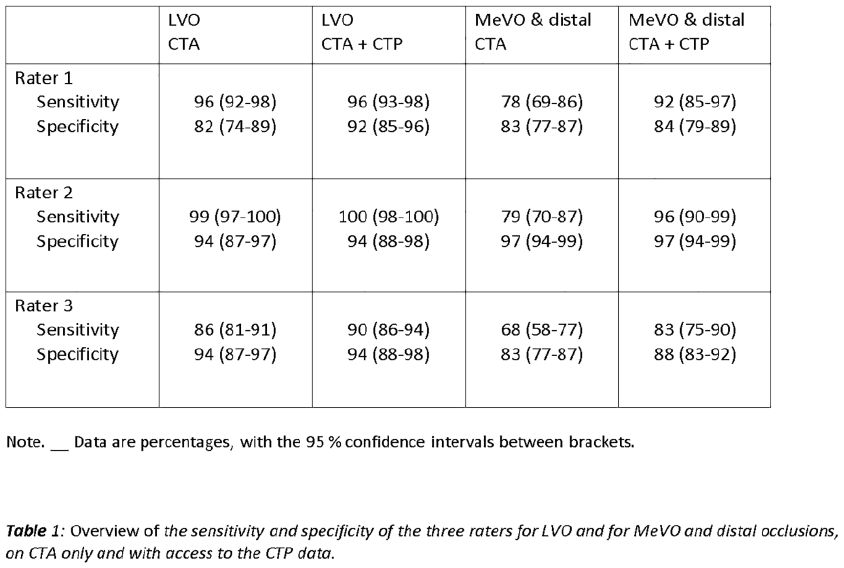
2011
INVESTIGATING EARLY BLOOD OXYGEN LEVEL DEPENDENT CEREBROVASCULAR REACTIVITY (BOLD-CVR) ASSOCIATED STEAL PHENOMENON IN PATIENTS WITH ACUTE ISCHEMIC LARGE-VESSEL OCCLUSION (LVO) STROKE
1University Hospital Zurich, Department of Neurosurgery, Zurich, Switzerland, 2University Hospital Zurich, Department of Neuroradiology, Zurich, Switzerland, 3University Hospital Zurich, Department of Neurology, Zurich, Switzerland
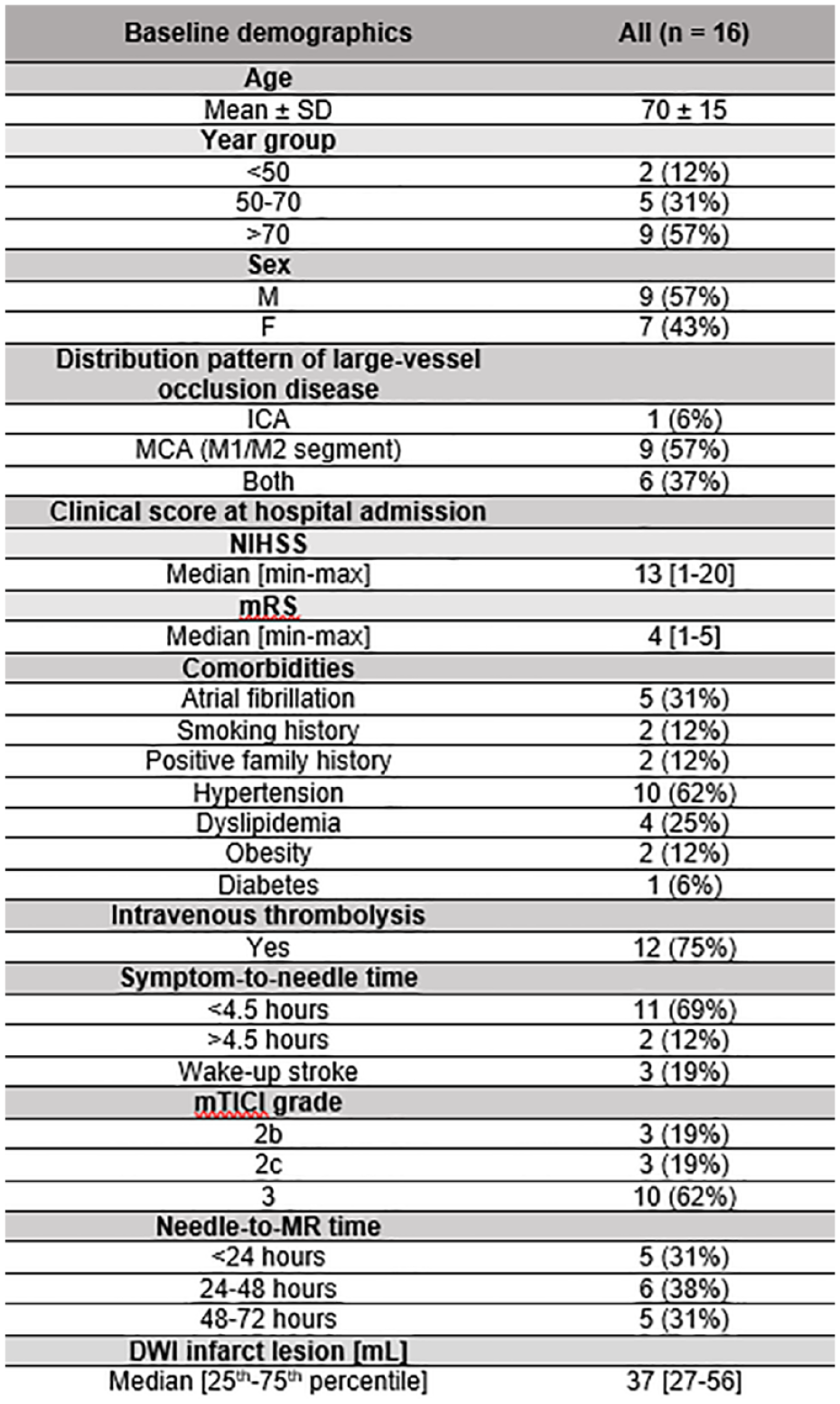
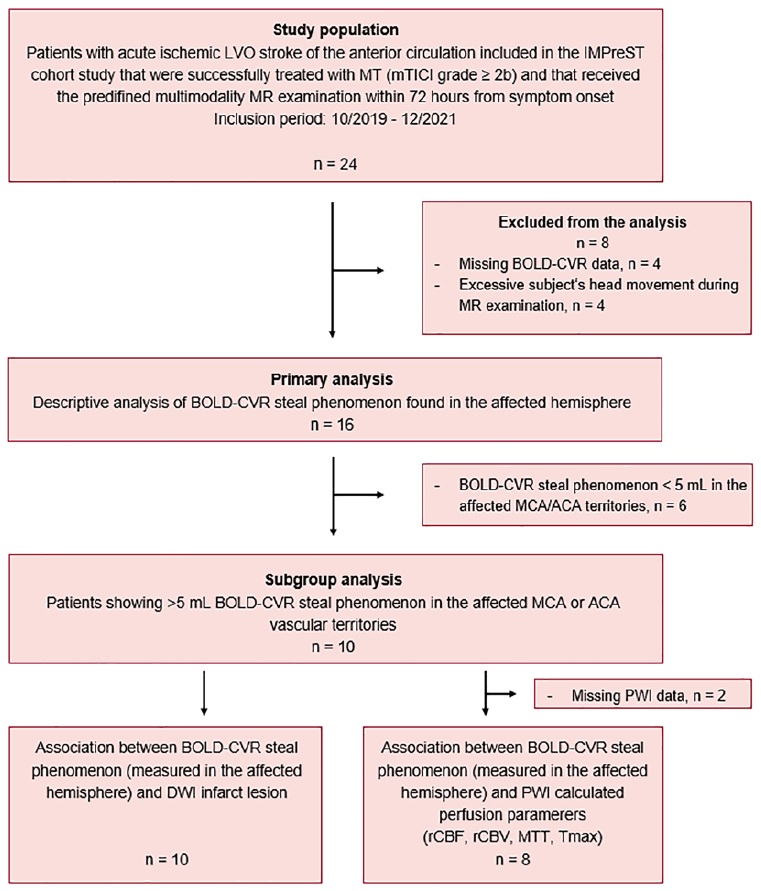
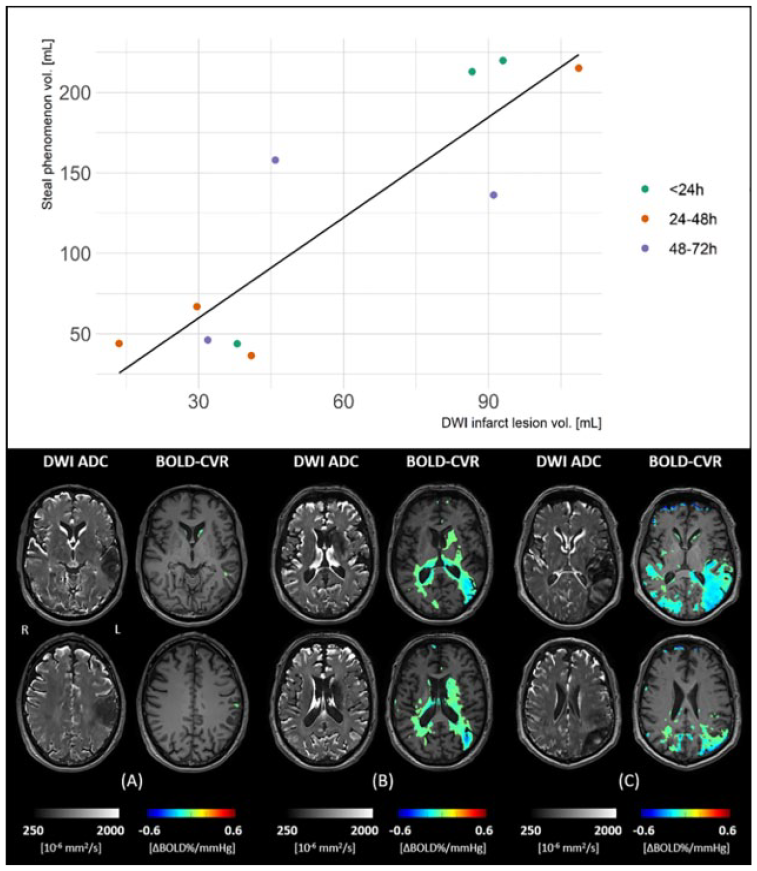
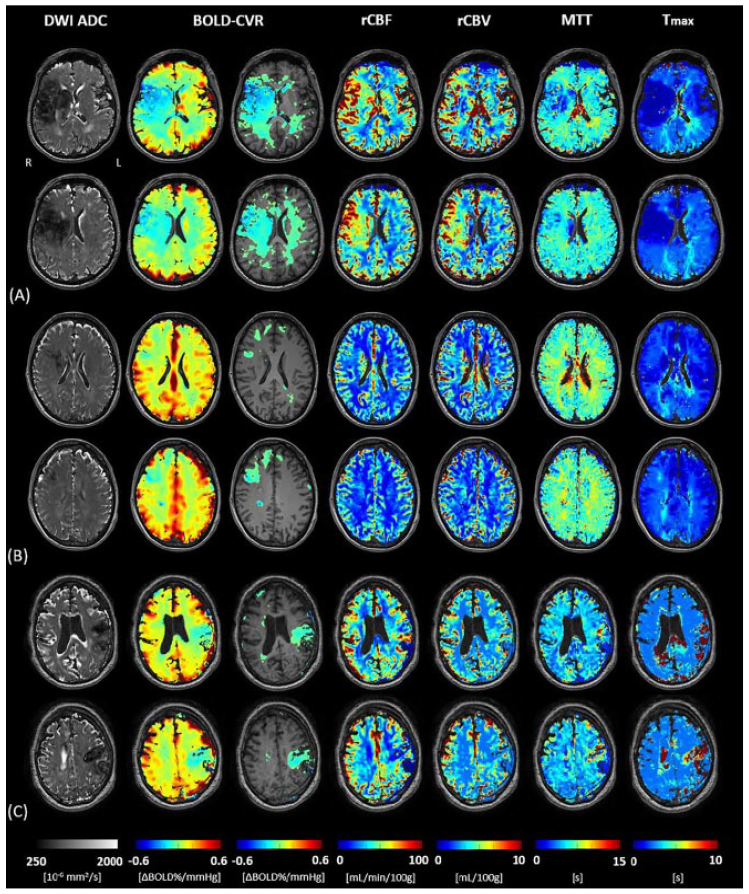
2018
Neuroimaging Factors for Prediction of Malignant Brain Edema After Ischemic Stroke: A Systematic Review and Meta-Analysis
1 Department of Neurology, West China Hospital, Sichuan University, Chengdu, China
2065
POST-REPERFUSION INFARCT GROWTH AS A MARKER OF SECONDARY TISSUE INJURY – A LONGITUDINAL MRI STUDY IMMEDIATELY AFTER THROMBECTOMY
1Melbourne Brain Centre at The Royal Melbourne Hospital, University of Melbourne, Parkville, Australia, 2University of Melbourne, Department of Radiology, Parkville, Australia, 3WEHI - Walter and Eliza Hall Institute of Medical Research, Watson/Yassi Lab, Parkville, Australia, 4Austin Hospital, Department of Neurology, Heidelberg, Australia, 5The Florey Institute of Neuroscience and Mental Health, Neuroscience, Heidelberg, Australia
2376
MINIATURISED CARBON NANOTUBE CT SCANNING FOR PRE-HOSPITAL STROKE MANAGEMENT
1Johns Hopkins University, Biomedical Engineering, Baltimore, United States, 2Flinders University, Biomedical Engineering, Bedford Park, Australia, 3Micro-X, Engineering, Adelaide, Australia, 4The Australian Stroke Alliance, Research Team, Melbourne, Australia, 5The Australian Stroke Alliance, Board, Melbourne, Australia, 6Micro-X, Engineering, Seattle, Australia, 7Micro-X, Leadership, Adelaide, Australia, 8The Australian Stroke Alliance, CEO (Past), Melbourne, Australia, 1Johns Hopkins University, Biomedical Engineering, Baltimore, United States, 10Flinders University, Medical Device Research Institute, Adelaide, Australia, 11The Australian Stroke Alliance, Co-Chair, Melbourne, Australia
We are developing a miniaturized CT brain scanner to enable pre-hospital stroke assessment in standard ambulances and aircraft. The scanner, comprising 31 carbon-nanotube x-ray sources and a curved x-ray detector (figure 1), designed to detect intracerebral haemorrhage (ICH), will weigh under 100kg.
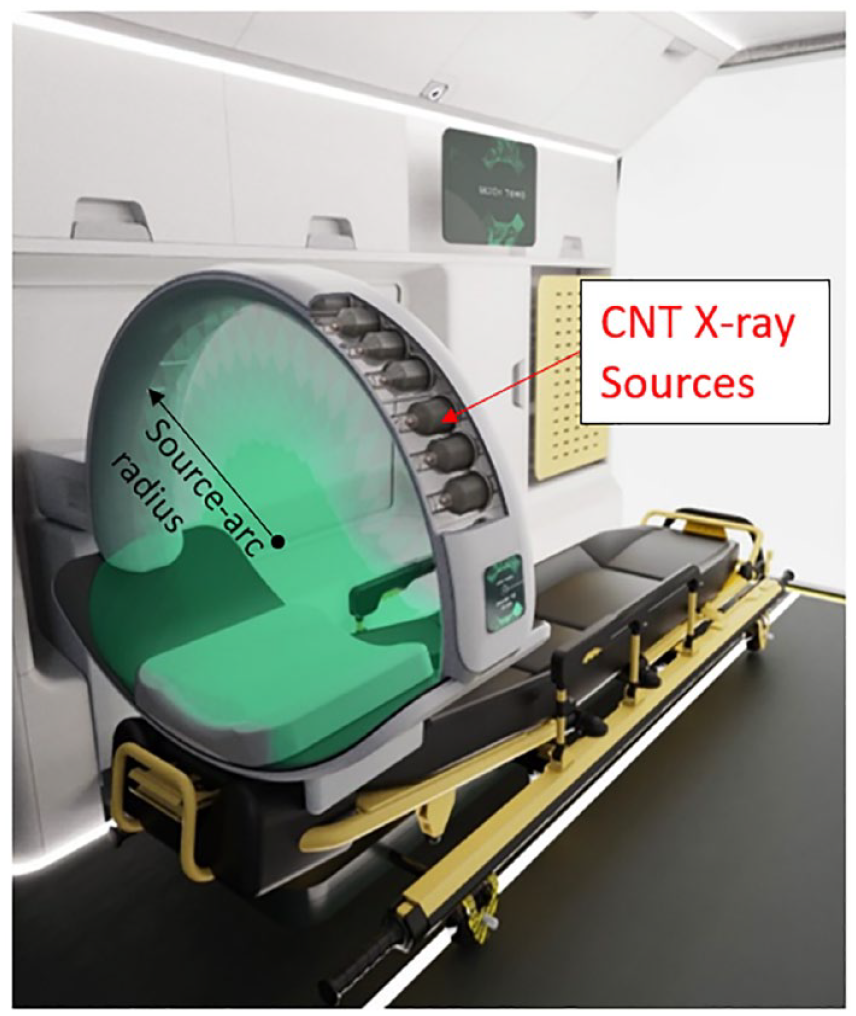
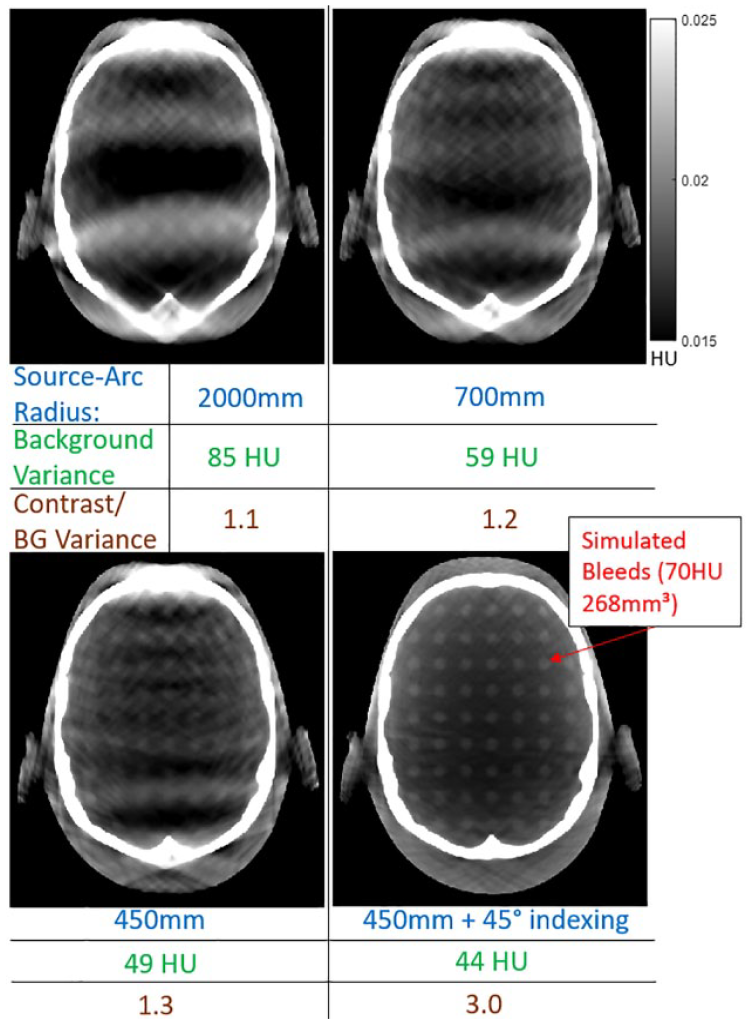
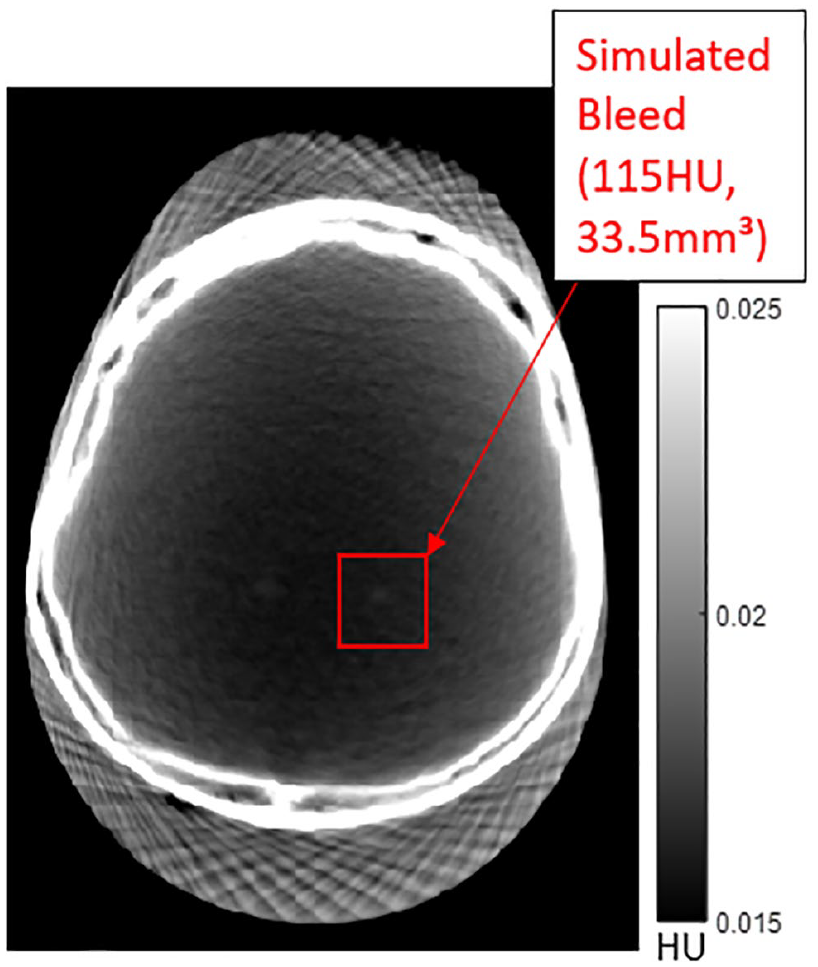
Disclosure of interest: Yes
2517
The Optimal Timing of the CT-Angiogram Acquisition for Perfusion Imaging
1University of Calgary, Dept. Clinical Neurosciences, Calgary, Canada, 2University of Calgary, Dept. Radiology, Calgary, Canada
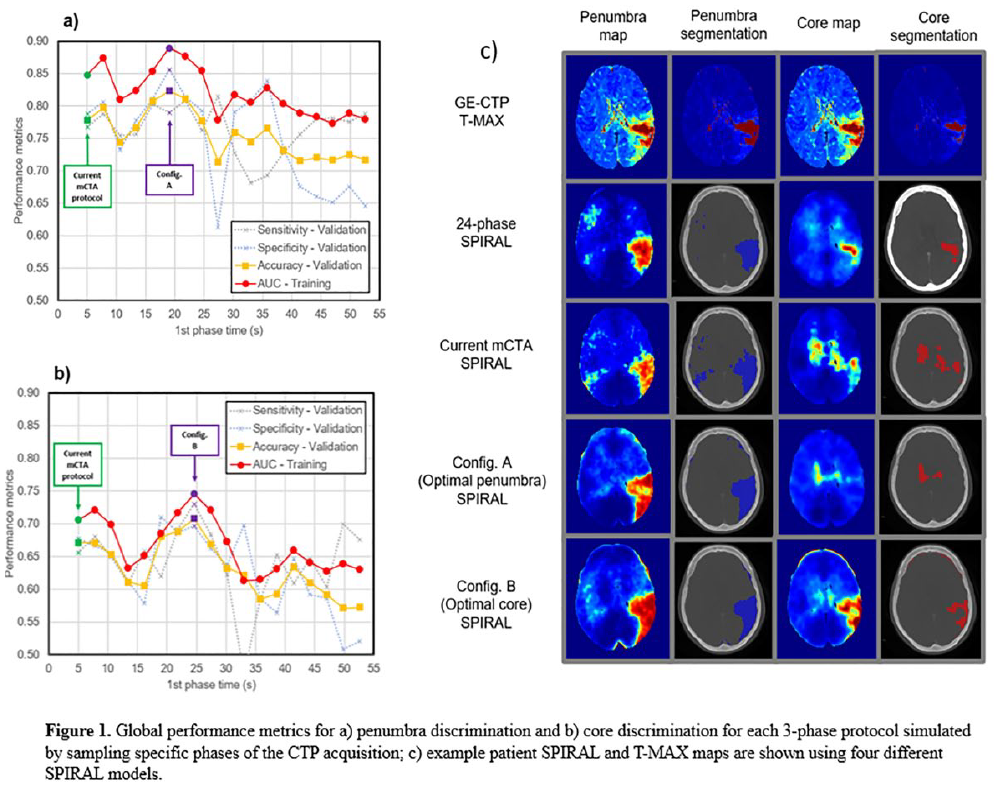
2537
THE BURDEN OF CEREBROVASCULAR LESIONS IN TRANSIENT ISCHEMIC ATTACK
1Aalborg University, Department of Clinical Medicine, Aalborg, Denmark, 2Aalborg University Hopsital, Department of Physiotherapy and Occupational Therapy, Aalborg, Denmark, 3Aalborg University, Department of Health Science and Technology, Aalborg, Denmark, 4Aalborg University Hospital, Department of Neurology, Aalborg, Denmark
2564
LEPTOMENINGEAL COLLATERAL STATUS BY SIGNAL VARIANCE IN PERFUSION MRI - IMPACT ON ELIGIBILITY FOR ENDOVASCULAR THROMBECTOMY AND EARLY FUNCTIONAL OUTCOME
1Goethe University Frankfurt, Neurology, Frankfurt, Germany, 2University of Heidelberg, Neuroradiology, Heidelberg, Germany, 3Goethe University Frankfurt, Brain Imaging Center, Frankfurt, Germany, 4Goethe University Frankfurt, Neuroradiology, Frankfurt, Germany
2569
Clinical and multimodality CT imaging characteristics among known and unknown stroke onset patients. Data from the OMIC IS BRAIN project
1Hospital Universitari Arnau de Vilanova, Neurology, Lleida, Spain, 2Institut de Recerca Biomèdica de Lleida Fundació Dr. Pifarré, neurociències clíniques, Lleida, Spain, 3Universitat de Lleida, Medicina, Lleida, Spain
2593
DETECTION OF HYPOPERFUSION IN ACUTE STROKE ON NON-CONTRAST CT USING TEXTURE-BASED STATISTICAL MODELS
1University of Calgary, Clinical Neurosciences, Calgary, Canada, 2Hotchkiss Brain Institute, Stroke & Cognition, Calgary, Canada, 3University of Calgary, Radiology, Calgary, Canada, 4University of Calgary, Biomedical Engineering, Calgary, Canada, 5Calgary Stroke program, NA, Calgary, Canada
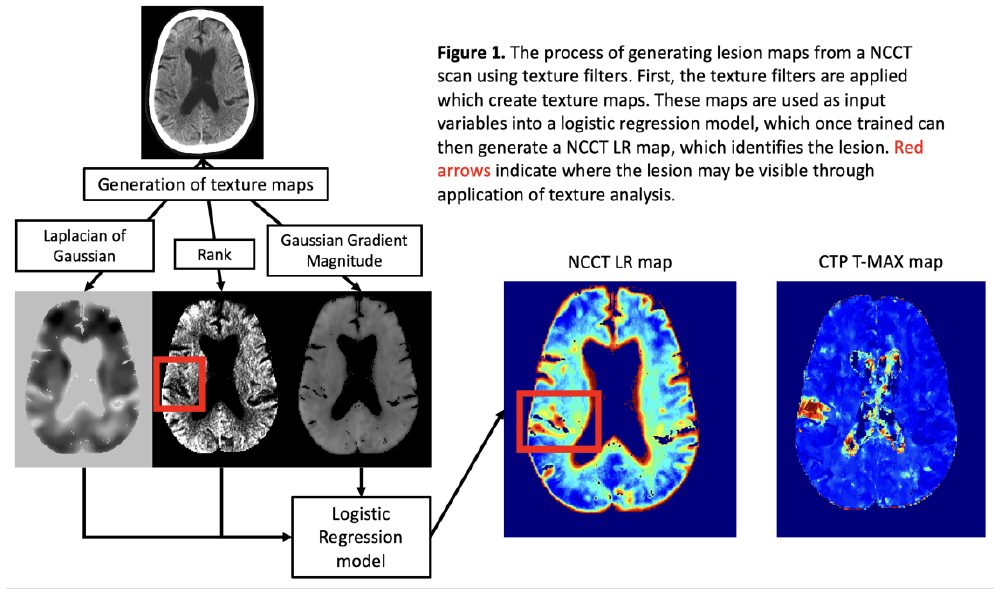
2608
Delivery of a National Optimal Stroke Imaging Pathway (NOSIP), including the use of Artificial Intelligence (AI) as a CT decision support tool, in England
1 NHS England, Clinical Policy Unit, London, United Kingdom
In 2021 the NOSIP was published including use of CT AI, aiming to improve volume and speed of access to recanalisation therapy, reducing inefficiencies and inpatient bed occupancy.
We undertook an assessment of adherence to the NOSIP in 2022.
• 60% undertake CT and CTA at same initial sitting.
• 50% routinely use AI for all patients having a CT or CTA
• 15% report day time Mon-Friday access to first line MRI for minor stroke or diagnostic uncertainty.
A nationally adopted care pathway for imaging is associated with improvements in access to imaging and is likely to translate to improved patient outcomes and financial savings.
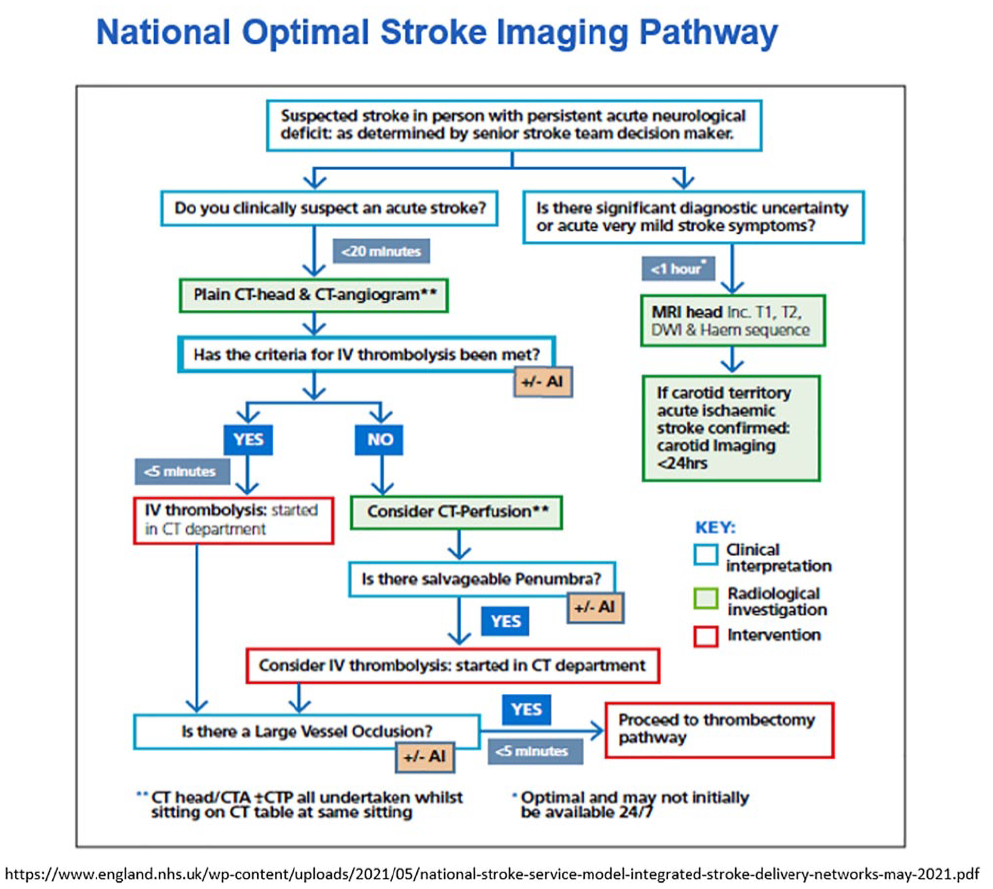
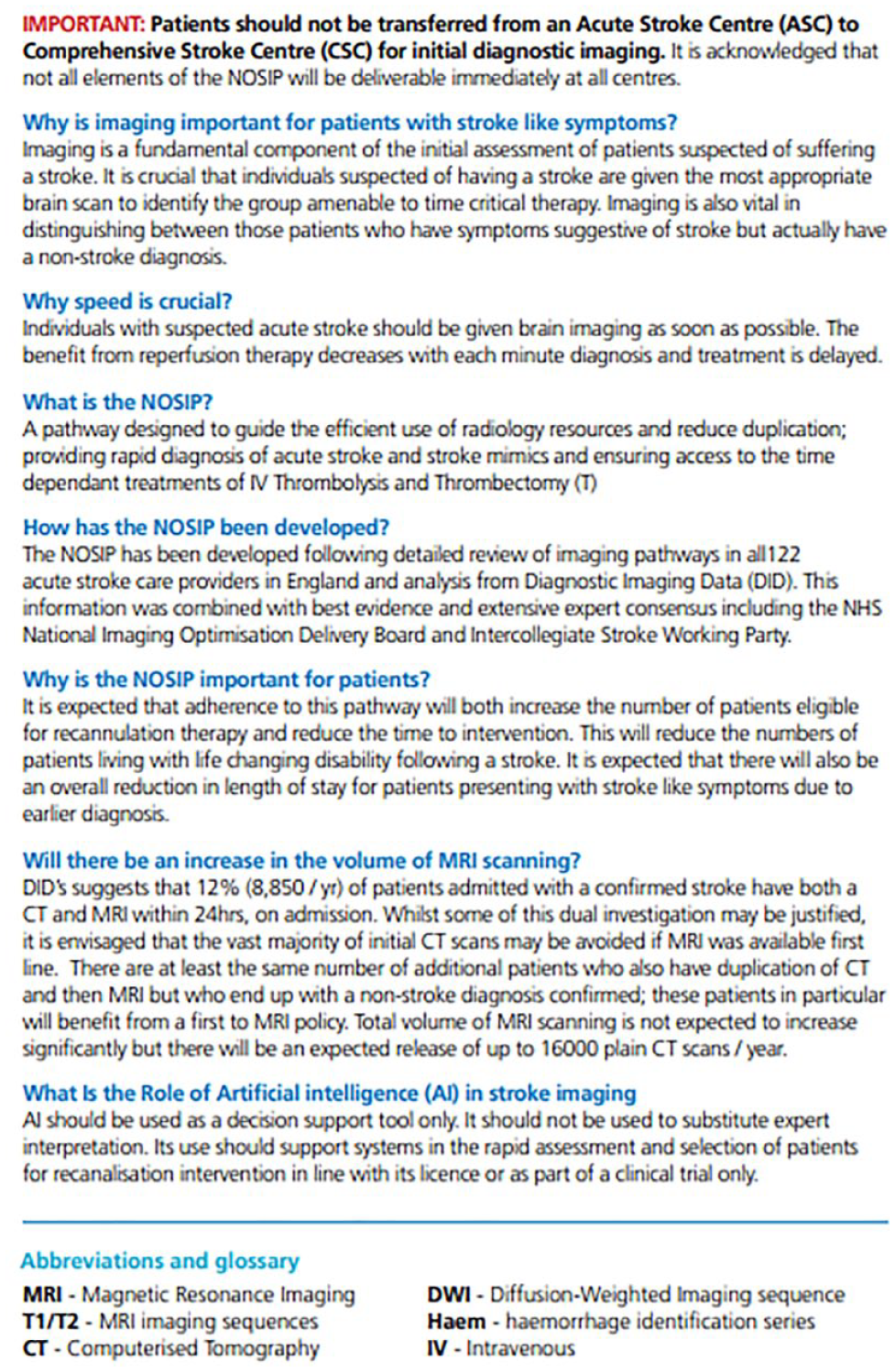
IMAGING – NON ACUTE INCLUDING NEUROSONOLOGY
118
Serial Hemodynamics of Cervical Carotid Artery Dissections using Quantitative Magnetic Resonance Angiography
1 Donald and Barbara Zucker School of Medicine at Hofstra/Northwell, Neurology, Hempstead, United States
814
Visualising and quantitatively measuring brain fluid pathways, including meningeal lymphatics, in humans using widely available MRI techniques
1Karolinska Institutet, Department of Clinical Neuroscience, Stockholm, Sweden, 2Shanghai Jiao Tong University School of Medicine, Department of Neurology, Shanghai, China, 3Sichuan University, Department of Neurology, Chengdu, China, 4University of Edinburgh, Centre for Clinical Brain Sciences, Edinburgh, United Kingdom
1664
DUPLEX ULTRASOUND DIAGNOSIS OF CAROTID NEAR OCCLUSION
1University Hospital Zurich, Departments of Neurology, University of Zurich, Clinical Neuroscience Center, Zurich, Switzerland, 2University Hospital Zurich, Departments of Neuroradiology, University of Zurich, Clinical Neuroscience Center, Zurich, Switzerland, 3University Hospital Zurich, Departments of Neurosurgery, University of Zurich, Clinical Neuroscience Center, Zurich, Switzerland
1689
POINT OF CARE ULTRASOUND IN A SPECIALIZED OUTPATIENT CLINIC FOR TRANSIENT ISCHEMIC ATTACK
1 Almería, Neurology Department, Almería, Spain
1790
Association between CTA features and prognosis of patients with dizziness
1West China Hospital, Sichuan University, Department of Neurology, Chengdu, China, 2Sichuan University, West China School of Medicine, Chengdu, China
This study was supported by National Natural Science Foundation of China (82171285).
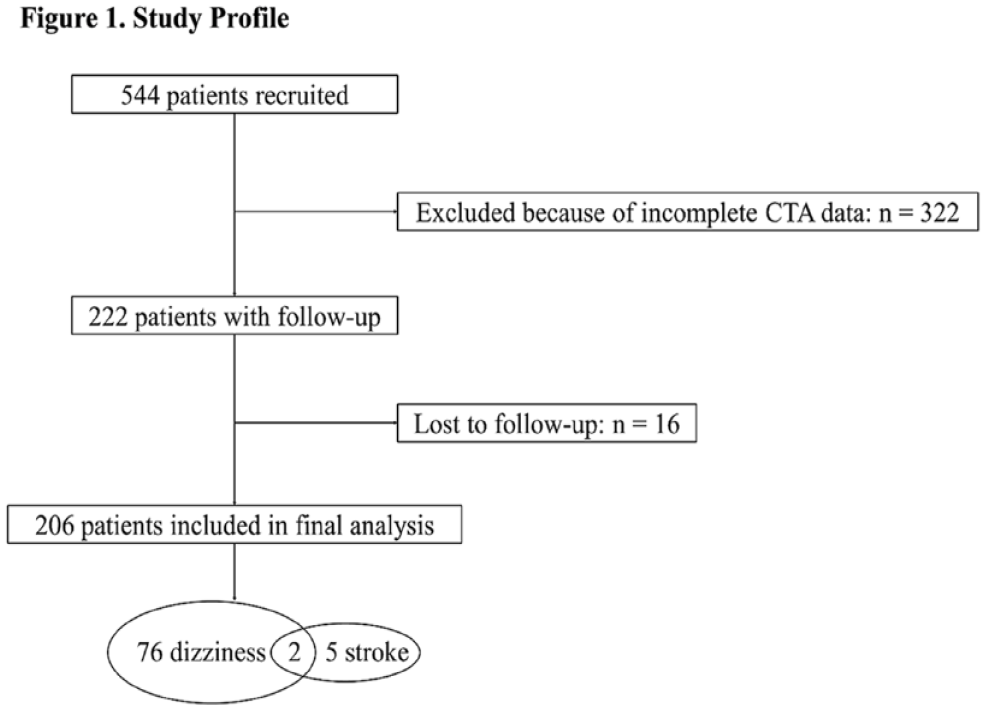
2266
Cerebral haemodynamic effects of early blood pressure lowering after TIA and non-disabling stroke in groups potentially at risk of hypoperfusion
1University of Oxford, Wolfson Centre for Prevention of Stroke and Dementia, Oxford, United Kingdom, 2Campus Bio-Medico University of Rome, Neurology, Rome, Italy
2355
IMAGING SPECTRUM IN CNS VASCULITIS: PATTERN RECOGNITION AND CLINICAL CORRELATION
1NIMHANS Neurocentre, Neuroimaging and Interventional Radiology, Bengaluru, India, 2NIMHANS Neurocentre, Department of Neurology, Bengaluru, India
2466
MRI CHARACTERISTICS AND PREDICTORS OF ISCHAEMIC CAVITY DEVELOPMENT IN ISCHAEMIC STROKE PATIENTS
1Second Faculty of Medicine, Charles University and University Hospital Motol, Department of Neurology, Prague, Czech Republic, 2Second Faculty of Medicine, Charles University, Department of Pathophysiology, Prague, Czech Republic, 3Czech Technical University in Prague, Faculty of Electrical Engineering, Prague, Czech Republic, 4Czech Academy of Sciences, Institute of Physiology, Prague, Czech Republic
2553
GREY SCALE MEDIAN TO EVALUATE CAROTID PLAQUE ECHOGENICITY FOR PATIENTS ON PCSK9 INHIBITORS
1Hospital Universitario Infanta SOfia, Neurology, San Sebastian de los Reyes, MAdrid, Spain, 2Universidad Europea de Madrid, Medicine, MAdrid, Spain, 3FIBHUISHEN, Biomedical investigation, San Sebastian de los Reyes, MAdrid, Spain, 4Hospital Universitario Infanta SOfia, Internal Medicine, San Sebastian de los Reyes, MAdrid, Spain, 5Hospital Universitario Infanta SOfia, Cardiology, San Sebastian de los Reyes, MAdrid, Spain, 6Hospital Universitario Infanta SOfia, Pharmacology, San Sebastian de los Reyes, MAdrid, Spain
Ultrasound provides useful information on plaque composition, and Greyscale Median (GSM) is an objective quantitative measure to evaluate plaque echogenicity.
Some studies have reported GSM changes on carotid plaques under statin treatment but there is lack of data on proprotein convertase subtilisin/kexin type 9 inhibitors (PCSK9i), despite a modifying effect on plaque volume reported on MRA and coronary IVUS studies.
Greater LDL-c reduction with PCSK9i may lead to less lipidic plaques with higher GSM. We aim to evaluate plaque echogenicity among patients on PCSK9i treatment compared to those on statins.
Disclosure of interest: Yes
690
NON-STENOSING INTRACRANIAL ATHEROSCLEROTIC LESIONS IN EMBOLIC STROKE OF UNDETERMINED SOURCE: A VESSEL WALL MRI STUDY
1University of Pavia, Department of Brain and Behavioral Sciences, Pavia, Italy, 2IRCCS Mondino Foundation, Department of Neuroradiology, Pavia, Italy, 3IRCCS Mondino Foundation, Department of Cerebrovascular Disease/Stroke Unit, Pavia, Italy
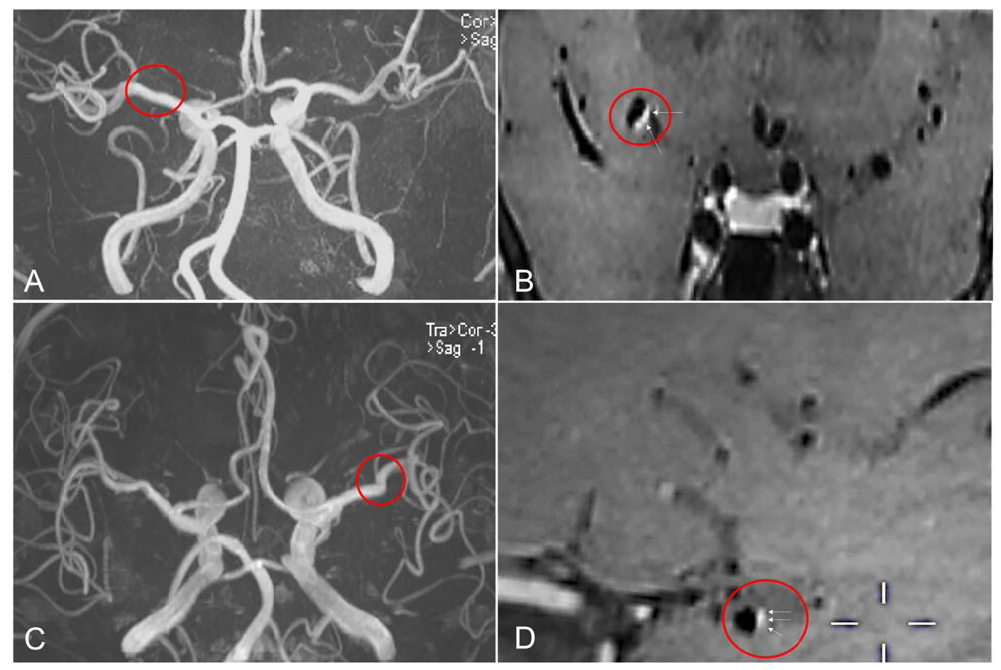
779
Accuracy of visual MRI analysis in determining stroke etiology
1Melbourne Brain Centre, The Royal Melbourne Hospital, Parkville, Australia, 2UNSW, South Western Sydney Clinical School, Warwick Farm, Australia, 3Ingham Institute for Applied Medical Research, Liverpool Hospital, Liverpool, Australia, 4Liverpool Hospital, Department of Neurology, Liverpool, Australia
The accuracy of visual MRI analysis to determine infarct etiology, without reference to clinical information or investigation results, is unknown. In this study, we aim to determine the accuracy of unaided visual MRI analysis in classifying ischemic strokes as due to a CE or other source.
804
CLINICAL CORRELATES OF RECENT PREMORBID CANCER IN A CONSECUTIVE SAMPLE OF INDIVIDUALS WITH ACUTE ISCHEMIC STROKE
1Centre for Clinical Brain Sciences, University of Edinburgh, Edinburgh, United Kingdom, 2Faculty of Medicine, University of Montreal, Montreal, Canada, 3Faculty of Medicine, Laval University, Quebec City, Canada, 4School of Public Health, University of Montreal, Montreal, Canada, 5Centre hospitalier de l’Université de Montréal, University of Montreal, Montreal, Canada
809
HOW NEUROLOGISTS SCREEN FOR OCCULT CANCER IN ACUTE ISCHEMIC STROKE: A RETROSPECTIVE SINGLE-CENTRE STUDY
1Centre for Clinical Brain Sciences, University of Edinburgh, Edinburgh, United Kingdom, 2Faculty of Medicine, University of Montreal, Montreal, Canada, 3Faculty of Medicine, Laval University, Quebec City, Canada, 4School of Public Health, University of Montreal, Montreal, Canada, 5Centre hospitalier de l’Université de Montréal, University of Montreal, Montreal, Canada
908
Diagnostic accuracy of plasma biomarkers in predicting cardioembolic stroke
1Centro Hospitalar Entre Douro e Vouga, Neurology, Santa Maria da Feira, Portugal, 2Centro Hospitalar Vila Nova de Gaia-Espinho, Neurology, Gaia, Portugal
1532
The association of high-density lipoprotein cholesterol with cancer related stroke
1 Kyungpook National University Chilgok Hospital, Department of Neurology, Daegu, South Korea
The conventional mechanism was for patients with large artery disease, small artery disease, and cardioembolism according to the TOAST classification. Cancer-related stroke was determined according to image findings and laboratory findings. Laboratory findings including HDL and clinical factors were compared between groups.
1708
Stroke mimics: prevalence and main characteristics
1 Hospital Universitario de Canarias, Servicio de Neurología, La Laguna, Spain
54% were women, mean age was significatively lower (59 years) than TIA (69 years) and AIS (68 years) patients (p<.001). Mean NIHSS at admittance was 2 (0-26), significatively lower than AIS patients (6 [0-32]) (p<.001). Code stroke was activated for 53 pacients: 9 received intravenous thrombolysis, without any haemorrhagic complication.
Most frequent diagnosis were: migraine (11,6%), seizures (10%), hypertensive encephalopathy (8%), myelopathy (6%) and space-occupying lesions (6%).
In 26.7% an organic etiology was not found.
2212
ATRIAL FIBRILLATION DETECTION RATE IN CRYPTOGENIC ISCHEMIC STROKE: COMPARATIVE STUDY BETWEEN IMPLANTABLE LOOP RECORDERS AND EXTERNAL RECORDERS
1 Hospital Clínico Universitario, Neurology, Valencia, Spain
2320
Can gaze preference predict outcome in supratentorial intracerebral hemorrhage?
1King Faisal Specialist Hospital & Research Center, Neurology Division Department of Neurosciences, Jeddah, Saudi Arabia, 2King Saud Bin Abdulaziz University for Health Sciences, College of Medicine, Jeddah, Saudi Arabia, 3King Saud Bin Abdulaziz University for Health Sciences, College of Medicine, Riyadh, Saudi Arabia, 4Ministry of the National Guard – Health Affairs, Emergency Medicine Department, Riyadh, Saudi Arabia, 5King Abdulaziz Medical City, National Guard Health Affairs, Division of Neurology, Department of Medicine, Riyadh, Saudi Arabia
2335
HIGHLY PREDICTIVE PARAMETRIC MODEL TO DETECT HIDDEN ATRIAL FIBRILLATION IN PATIENTS WITH STROKE OF EMBOLIC PROFILE OF UNDETERMINED CAUSE
1Hospital Virgen Macarena, Neurology, Sevilla, Spain, 2Instituto de Biomedicina de Sevilla, Neurology, Sevilla, Spain, 3Hospital Virgen del Rocio, Neurology, Sevilla, Spain, 4Hospital Reina Sofía, Neurology, Cordoba, Spain, 5Hospital San Cecilio, Neurology, Granada, Spain, 6Hospital Regional Universitario, Neurology, Malaga, Spain, 7Complejo Hospitalario de Torrecardenas, Neurology, Almeria, Spain, 8Hospital Universitario de Jerez, Neurology, Jerez, Spain, 9Hospital Virgen de Valme, Neurology, Sevilla, Spain, 10Hospital Puerta del Mar, Neurology, Cadiz, Spain, 11Hospital Virgen de las Nieves, Neurology, Granada, Spain, 12Hospital Virgen de la Victoria, Neurology, Malaga, Spain
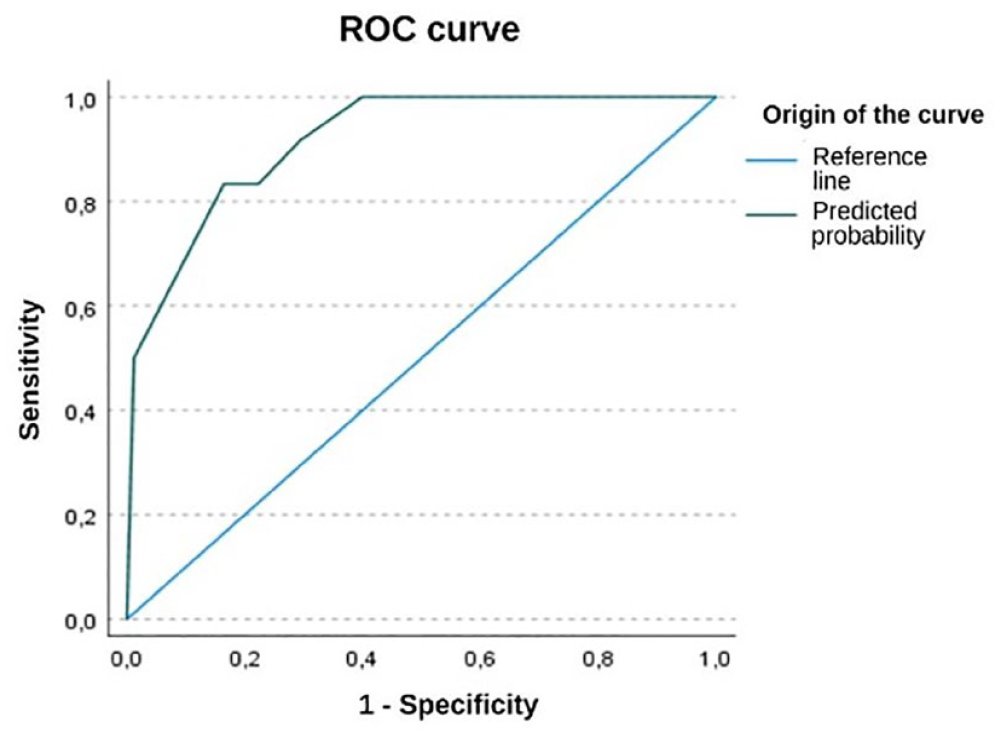
2641
FACTORS ASSOCIATED WITH STROKE SEVERITY IN PATIENTS WITH CANCER: A CASE AND CONTROL STUDY
1Fundación Santa Fe de Bogotá, Neurology, Bogotá, Colombia, 2Fundación Valle del Lili, Clinical Research Center, Cali, Colombia, 3Fundación Santa Fe de Bogotá, Stroke Program, Bogotá, Colombia, 4Universidad de los Andes, Medical Student, Bogotá, Colombia, 5Fundación Santa Fe de Bogotá, Neurology Resident, Bogotá, Colombia, 6Universidad de los Andes/Clínica DIME, Medical Investigator/Stroke Program, Cali, Colombia
PROGNOSIS AND OUTCOME AFTER STROKE
48
Pre-Stroke Statin Use Is Associated with Mild Neurological Deficits at the Onset of Acute Ischemic Stroke
1 Shonan Kamakura General Hospital, Stroke Treatment, Kamakura, Japan
88
THE UTILITY OF NIHSS/POST-ICTUS INDEX AS PREDICTOR OF OUTCOMES IN STROKE PATIENTS WITH SURGICAL DECOMPRESSION IN A TERTIARY HOSPITAL FROM 2010 TO MARCH 2022: A RETROSPECTIVE SINGLE CENTER STUDY
1 Perpetual Succour Hospital, Internal Medicine, Cebu City, Philippines
The infarct NPI index of admission demonstrated the best prediction accuracy with regards to MRS with AUC 0.5745 [95% CI 1.0493 -1.7868]. An NPI index of <2.11 predicted poor MRS 30 days post-surgery.
134
Long-term functional outcomes after cerebral venous thrombosis: a systematic review
1University of Otago, Wellington, Department of Medicine, Wellington, New Zealand, 2Salford Care Organisation, Northern Care Alliance, Manchester Centre for Clinical Neurosciences, Geoffrey Jefferson Brain Research Institute, Salford, United Kingdom, 3The University of Manchester, Division of Cardiovascular Sciences, Faculty of Biology, Medicine, and Health, Manchester, United Kingdom, 4Te Herenga Waka—Victoria University of Wellington, School of Psychology, Faculty of Science, Wellington, New Zealand, 5Te Whatu Ora Health New Zealand Capital, Coast and Hutt Valley, Department of Neurology, Wellington, New Zealand
189
PARADOX EFFECT OF FOLLOW-UP DIASTOLIC BLOOD PRESSURE ON STROKE RECURRENCE ACCORDING TO THE LEPTOMENINGEAL COLLATERAL STATUS IN PATIENTS WITH SYMPTOMATIC INTRACRANIAL ATHEROSCLEROTIC STENOSIS
1The Chinese University of Hong Kong, Hong Kong SAR, Department of Medicine & Therapeutics, Hong Kong SAR, China, 2Beijing Tiantan Hospital, Capital Medical University, Department of Neurology, Beijing, China, 3The Chinese University of Hong Kong, Department of Imaging and Interventional Radiology, Hong Kong SAR, China, 4The First Affiliated Hospital of Sun Yat-sen University, Department of Neurology, Guangzhou, China, 5Coventry University, Research Centre for Intelligent Healthcare, Faculty of Health and Life Sciences, Coventry, United Kingdom
197
Admission hyperglycemia, stroke subtypes, outcomes in acute ischemic stroke
1Chonnam National University Hospital, Neurology, Gwangju, South Korea, 2Cheomdan Wooam Hospital, Rehabilitation, Gwangju, South Korea, 3Seoul National University Bundang Hospital, Neurology, Seongnam, South Korea
210
National Institutes of Health Stroke Scale Items as predictor of modified Rankin Scale at 3 months
1Oslo University Hospital, Ullevål, Oslo Stroke Unit, Department of Neurology, Oslo, Norway, 2Baerum Hospital, Vestre Viken Hospital Trust, Department of Medicine, Drammen, Norway, 3Institute of Neuroscience and Physiology, Gothenburg University, Section for Clinical Neuroscience and Rehabilitation, Gothenburg, Sweden, 4Sahlgrenska University Hospital, Department of Occupational Therapy and Physiotherapy, Gothenburg, Sweden, 5Sahlgrenska University Hospital, Neurocare, Gothenburgsw, Sweden
298
OUTCOMES OF THROMBOLYSIS TREATMENT AMONG MINOR ACUTE ISCHEMIC STROKE PATIENTS: DATA FROM A STROKE CENTER IN VIETNAM
1Bachmai Hospital, Stroke Center, Ha Noi, Viet Nam, 2Yen Bai General Hospital, Intensive Care Unit, Yen Bai Province, Viet Nam
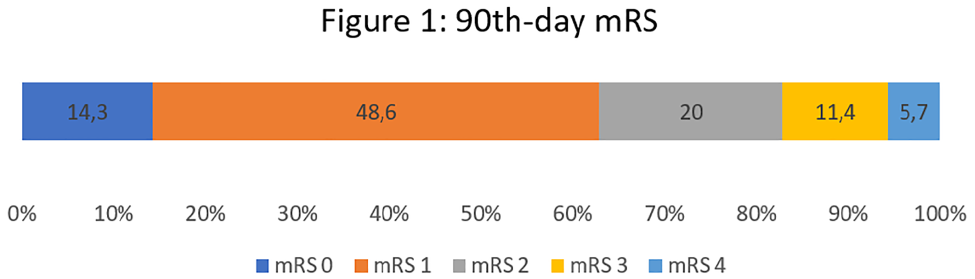
377
Cardiac Troponin and Short-term Cardiovascular Outcomes following Acute Ischemic Stroke
1Nagasaki University Graduate School of Biomedical Sciences, Department of Neurology and Strokology, Nagasaki, Japan, 2Nagasaki University Graduate School of Biomedical Sciences, Department of Neurosurgery, Nagasaki, Japan
450
EXPLORING THE BIDIRECTIONAL ASSOCIATIONS BETWEEN DEPRESSIVE SYMPTOMS AND FUNCTIONAL LIMITATIONS IN THE FIRST YEAR AFTER STROKE: THE BASIC STUDY
1Charité Universitätsmedizin Berlin, Gender in Medicine, Berlin, Germany, 2Max Planck Institute for Human Brain and Cognitive Sciences, Neurology, Leipzig, Germany, 3University of Michigan, Department of Biostatistics, Ann Arbor, United States, 4University of Michigan, Department of Epidemiology, Ann Arbor, United States, 5University of Michigan, Stroke Program, Ann Arbor, United States
469
The prognostic of deep Earlobe crease in patients with acute ischemic stroke
1The Second Affiliated Hospital of Soochow University, Neurology, Suzhou, China, 2University of Sydney, Pharmacology Discipline, Faculty of Medicine and Health, Newtown, Sydney, Australia
534
PSICOICTUS: EVALUATION AND PROGNOSIS OF AFFECTIVE AND COGNITIVE DISORDERS AFTER MINOR STROKE
1Institut de Recerca Biomèdica de Lleida (IRB LLEIDA), Neurociències Clíniques, Lleida, Spain, 2Universitat de Lleida, Departament de Psicologia, Lleida, Spain, 3Hospital Universitari Arnau de Vilanova de Lleida, Institut Diagnòstic per la Imatge, Lleida, Spain, 4Hospital Universitari Arnau de Vilanova de Lleida, Neurologia, Lleida, Spain, 5Universitat de Lleida, Departament de Medicina, Lleida, Spain
578
Creatinine clearance measured from the 24-hour urine collection and clinical outcomes in stroke patients with atrial fibrillation
1University of Erlangen-Nuremberg, Department of Neurology, Erlangen, Germany, 2University Hospital Erlangen, Department of Neuroradiology, Erlangen, Germany, 3University Hospital Erlangen, Department of Hemostaseology and Transfusion Medicine, Erlangen, Germany, 1University of Erlangen-Nuremberg, Department of Neurology, Erlangen, Germany
585
PREDICTORS OF GOOD OUTCOMES IN ELDERLY ACUTE ISCHEMIC STROKE PATIENTS RECEIVING RECANALIZATION THERAPIES: DATA FROM A STROKE CENTER IN VIETNAM
1 Bach Mai Hospital, Stroke Center, Ha Noi, Viet Nam
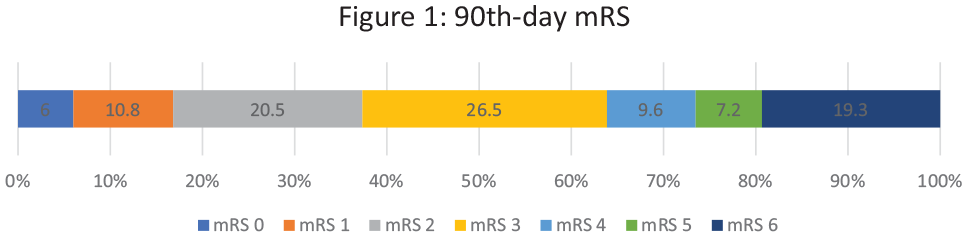
688
IMPACT OF POST-STROKE APHASIA ON FUNCTIONAL COMMUNICATION, QUALITY OF LIFE, PERCEPTION OF HEALTH AND DEPRESSION. A CASE-CONTROL STUDY
1Comillas Pontifical University., Faculty of Psychology., Madrid, Spain, 2Universidad Autónoma de Madrid, Faculty of Psychology., Madrid, Spain, 3Hospital La Paz Institute for Health Research-IdiPAZ, (La Paz University Hospital-Universidad Autónoma de Madrid)., Madrid, Spain, 4Department of Neurology and Stroke Unit. Hospital La Paz Institute for Health Research-IdiPAZ, (La Paz University Hospital-Universidad Autónoma de Madrid)., Madrid, Spain, 5Speech therapist Unit. Department of Rehabilitation. Hospital La Paz Institute for Health Research-IdiPAZ, (La Paz University Hospital-Universidad Autónoma de Madrid)., Madrid, Spain
689
EXPLORATORY ASSESSMENT OF THE PROGNOSTIC VALUE OF BLOOD β-SYNUCLEIN IN ACUTE ISCHEMIC STROKE
1Universitätsklinikum Halle, Klinik und Poliklinik für Neurologie, Halle (Saale), Germany, 2Universitätsklinikum Würzburg, Klinik und Poliklinik für Neurologie, Würzburg, Germany, 3Universität Ulm, Zentrum für biomedizinische Forschung, Ulm, Germany, 4Universitätsklinikum Würzburg, Institut für Diagnostische und Interventionelle Neuroradiologie, Würzburg, Germany, 5Universitätsklinikum Würzburg, Instituts für Klinische Epidemiologie und Biometrie, Würzburg, Germany
Disclosure of interest: Yes
718
NEURAL CORRELATES OF COMA IN STROKES DUE TO BASILAR ARTERY OCCLUSION – A SUPPORT VECTOR REGRESSION BASED MULTIVARIABLE VOXEL-BASED LESION –SYMPTOM MAPPING STUDY
1 Christian Medical College and Hospital, Ranipet Campus, Department of Neurology, Vellore, India
757
Association of timed up‑and‑go performance with objectively measured life space in patients 3 months after ischemic stroke
1Department of Sport, Exercise, and Health, University of Basel, Basel, Switzerland, Department of Sport, Exercise, and Health, University of Basel, Basel, Switzerland, Basel, Switzerland, 2Basel Mobility Center, University Department of Geriatric Medicine Felix Platter, University of Basel, Basel, Switzerland, University Department of Geriatric Medicine Felix Platter, University of Basel, Basel, Switzerland, Basel, Switzerland, 3University Hospital Basel and University of Basel, Basel, Switzerland, Department of Clinical Research, Basel, Switzerland, 4University of Zurich, Zurich, Switzerland, Department of Geography, Zürich, Switzerland, 5Department of Urban Development and Mobility, Luxembourg Institute of Socio-Economic Research (LISER), Esch‑sur‑Alzette, Luxembourg, Department of Urban Development and Mobility, Luxembourg Institute of Socio-Economic Research (LISER), Esch‑sur‑Alzette, Luxembourg, Esch‑sur‑Alzette, Luxembourg, 6Neurology & Neurorehabilitation, University Department of Geriatric Medicine Felix Platter, University of Basel, University Department of Geriatric Medicine Felix Platter, University of Basel, Basel, Switzerland, 7Department of Neurology & Stroke Center, University Hospital Basel, University of Basel, Basel, Switzerland, Department of Neurology & Stroke Center, University Hospital Basel, University of Basel, Basel, Switzerland, Basel, Switzerland, 8Department of Geography, University of Zurich, Department of Geography, University of Zurich, Zürich, Switzerland, 9Department of Health Sciences & Technology, Institute of Human Movement Sciences and Sport, ETH Zurich, Zurich, Switzerland, Department of Health Sciences & Technology, Institute of Human Movement Sciences and Sport, ETH Zurich, Zurich, Switzerland, Zürich, Switzerland, 10Faculty of Sport and Health Sciences & Gerontology Research Center, University of Jyvaskyla, Jyvaskyla, Finland, Faculty of Sport and Health Sciences & Gerontology Research Center, University of Jyvaskyla, Jyvaskyla, Finland, Jyvaskyla, Finland, 11Basel Mobility Center, University Department of Geriatric Medicine Felix Platter, University of Basel, Basel, Switzerland, Basel Mobility Center, University Department of Geriatric Medicine Felix Platter, University of Basel, Basel, Switzerland, Basel, Switzerland, 12Klinik Hirslanden, Zurich, Neurology and Stroke Center, Zürich, Switzerland
782
The Impact of Muscle and Fat on dementia after stroke
1Seoul National University Hospital, Neurology, Seoul, South Korea, 2Chung-Ang University Hospital, Nuclear Medicine, Seoul, South Korea, 3Chung-Ang University Hospital, Neurology, Seoul, South Korea
851
PREDICTION OF TISSUE OUTCOME IN STROKE PATIENTS WITH ENDOVASCULAR THROMBECTOMY USING A GENERALIZED LINEAR MODEL
1University Hospital Leipzig, Neuroimaging Laboratory, Department of Neurology, Leipzig, Germany, 2Leipzig University, Signal and Image Processing Group, Faculty of Mathematics and computer science, Leipzig, Germany, 3University Hospital Leipzig, Department of Radiology, Leipzig, Germany, 4University Hospital Leipzig, Department of Department of Neuroradiology, Leipzig, Germany, 5University Hospital Carl Gustav Carus Dresden, Institute of Neuroradiology, Dresden, Germany, 6University Hospital Freiburg, Department of Medical Physics, Freiburg im Breisgau, Germany, 7Helios Hospital Erfurt, Institute for Diagnostic and Interventional Radiology and Neuroradiology, Erfurt, Germany
856
Clinical outcome in ischemic stroke patients with type 2 diabetes treated with glucagon-like peptide-1 (GLP-1) receptor agonists versus dipeptidyl peptidase 4 (DPP-4) inhibitors
1Danish Stroke Centre, Department of Neurology, Aarhus University Hospital, Aarhus, Denmark, 2Danish Center for Clinical Health Services Research, Department of Clinical Medicine, Aalborg University, Aalborg, Denmark, 3Steno Diabetes Center, Copenhagen, Region Hovedstaden, Herlev, Denmark
Landmark cardiovascular outcome trials showed that GLP-1 receptor agonists and SGLT-2 inhibitors reduce the risk of major adverse cardiovascular events in patients with T2D, whereas DPP-4 inhibitors have not shown cardiovascular benefits.
Aim: To compare post-stroke outcomes amongst IS with T2D receiving GLP-1 or DPP-4.
Results were adjusted for age, sex, stroke severity, living arrangements, prior stroke, atrial fibrillation, smoking, hypertension, Charlson-Comorbidity-Index, immigrant-, income- and occupational status.
Table 1 shows mortality and risk of severe- and re-stroke between the groups.
GLP-1 vs. DPP-4 in IS with T2D.
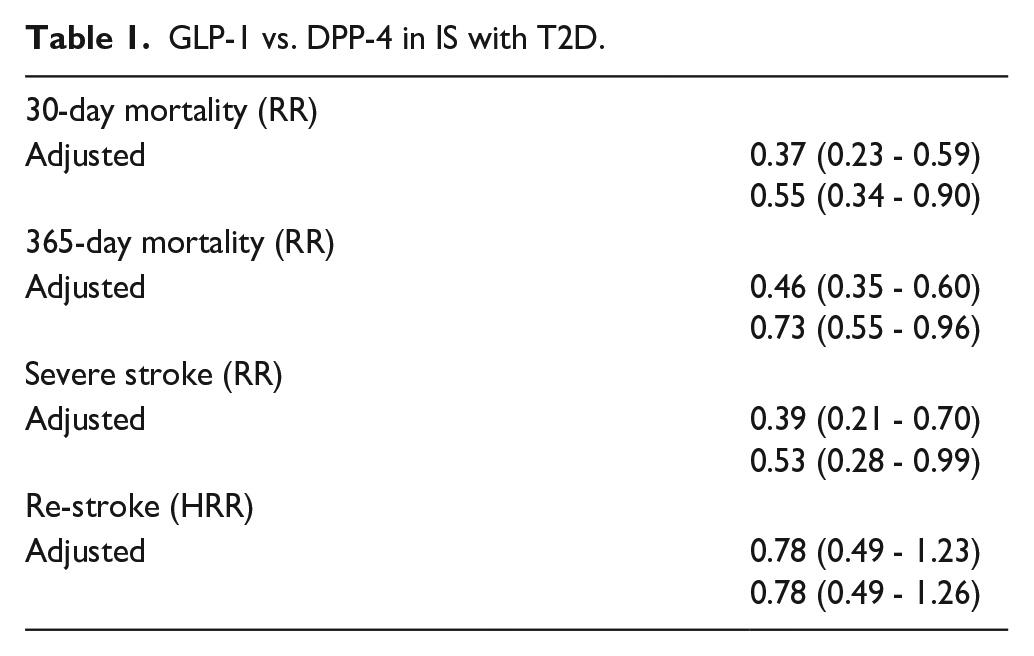
Disclosure of interest: Yes
888
Predictors of Unfavorable Functional Outcome in Young and Middle- Aged Patients with First – Ever Ischemic Stroke
1 Department of Neurology and Neurosurgery, Faculty of Medicine, Medical University - Pleven, Bulgaria., UMHAT "Dr Georgi Stranski", Medical University - Pleven, Bulgaria., Pleven, Bulgaria
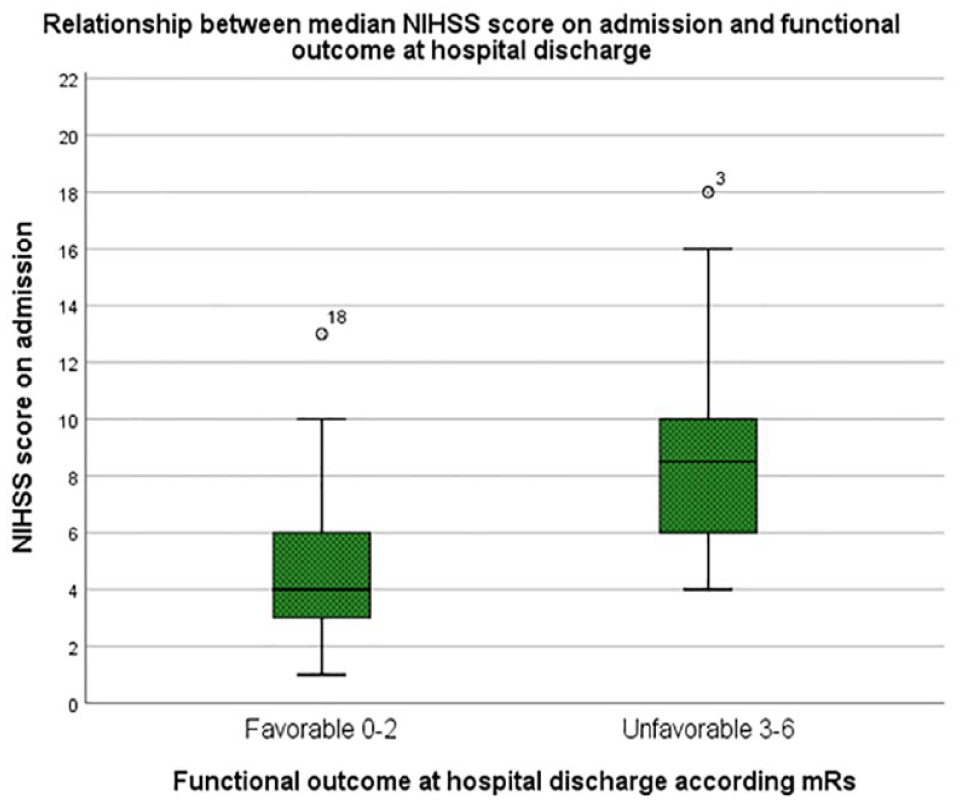
930
Influence of First-pass Effect on Recanalization Outcomes in the Era of Mechanical Thrombectomy
1Xuanwu Hospital, Capital Medical University, Department of Neurosurgery, Beijing, China, 2University of Oxford, Sir william dunn school of pathology, Oxford, United Kingdom
940
In-hospital acute ischemic stroke case fatality
1 LaCardio, neurology, Bogotá, Colombia
974
Mechanical thrombectomy in nonagenarians
1Xuanwu Hospital, Capital Medical University, Department of Neurosurgery, Beijing, China, 2University of Oxford, Sir william dunn school of pathology, Oxford, United Kingdom
1293
COMPARATIVE GAIT ANALYSIS BETWEEN TIA AND MINOR STROKE PATIENTS
1 Hospital Unviersitario Virgen Macarena, Stroke Unit, Sevilla, Spain
1328
Prognostic Significance of Serum Globulin in Patients with Acute Ischemic Stroke
1Suzhou TCM Hospital Affiliated to Nanjing University of Chinese Medicine, Neurology, Suzhou, China, 2The Second Affiliated Hospital of Soochow University, Neurology, Suzhou, China, 3The Affiliated Wujiang Hospital of Nantong University, Neurology, Suzhou, China, 4Zhangjiagang TCM Hospital Affiliated to Nanjing University of Chinese Medicine, Neurology, Suzhou, China
1448
CONTRALESIONAL CORTICAL MICROSTRUCTURE IS LINKED WITH OUTCOME AFTER ACUTE ISCHEMIC STROKE
1Department of Neurology, University Medical Center Hamburg-Eppendorf, Hamburg, Germany, 2Department of Neurology, University Medical Center Leipzig, Leipzig, Germany
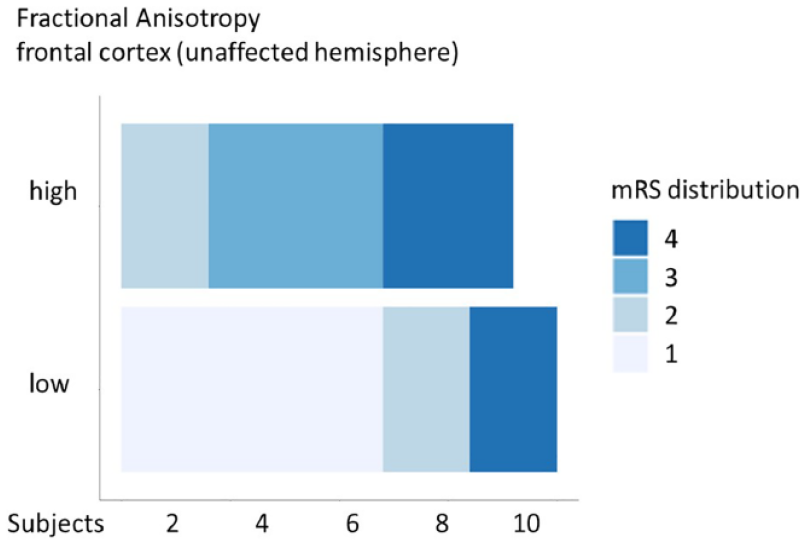
Residual mRS at 3-6 months after stroke across groups of patients with high or low fractional anisotropy in the unaffected frontal cortex at stroke onset.
1477
NEURON SPECIFIC ENOLASE IN ACUTE STROKE
1ASL Avellino, Presidio Ospedaliero Sant'Ottone Frangipane, Neurological Unit, Ariano irpino (AV), Italy, 2ASL Avellino, Presidio Ospedaliero Sant'Ottone Frangipane, Neurological Unit, Ariano Irpino, Italy, 3ASL Avellino, Presidio Ospedaliero Sant'Ottone Frangipane, Emergency Department, Internal Medicine, Ariano Irpino, Italy, 4ASL Avellino, Presidio Ospedaliero Sant'Ottone Frangipane, Internal Medicine, Ariano Irpino, Italy, 5ASL Avellino, Presidio Ospedaliero Sant'Ottone Frangipane, Cardiology, Ariano Irpino, Italy, 6ASL Avellino, Presidio Ospedaliero Sant'Ottone Frangipane, Intensive Care, Ariano Irpino, Italy, 7ASL Avellino, Presidio Ospedaliero Sant'Ottone Frangipane, Radiology, Ariano Irpino, Italy, 8ASL Avellino, Presidio Ospedaliero Sant'Ottone Frangipane, Emergency Department, Ariano Irpino, Italy, 9ASL Avellino, Presidio Ospedaliero Sant'Ottone Frangipane, Laboratory, Ariano Irpino, Italy, 10Asl Avellino, the Hospital G. Criscuoli, Rehabilitation, Sant'Angelo dei Lombardi, Italy
1506
Automatic assessment of 3month MRS using Diffusion-Weighted Imaging in Acute Ischemic Stroke with Emergency clinical information
1 Kangwon National University School of Medicine, Neurology, Chuncheon, South Korea
1516
STROKE PATIENTS HAVE LOWER BLOOD LEVELS OF NUTRIENTS THAT ARE RELEVANT FOR RECOVERY: A SYSTEMATIC REVIEW AND META-ANALYSIS
1Danone Nutricia Research, Specialized Nutrition, Utrecht, Netherlands, 2NUTRIM, School of Nutrition and Translational Research in Metabolism, Maastricht, Netherlands, 3Queen Mary University of London, Centre for Neuroscience, Surgery and Trauma, London, United Kingdom
Disclosure of interest: Yes
1550
Risk factors for recurrent cerebrovascular events in patients with transitory ischemic attack-a cohort study
1Emergency University Hospital, Neurology, Bucharest, Romania, 2University of Medicine, and Pharmacy” Carol Davila”, Clinical Neurosciences, Bucharest, Romania
1566
Functional, cognitive and subjective well-being outcomes 7-9 years after minor lacunar or cortical ischaemic stroke: The Mild Stroke Study 2 (MSS-2)
1University of Edinburgh, Centre for Clinical Brain Sciences, Edinburgh, United Kingdom, 2University of Aberdeen, School of Medicine, Medical Sciences and Nutrition, Aberdeen, United Kingdom, 3University of Edinburgh, Department of Psychology, Edinburgh, United Kingdom, 4Victoria Hospital, Stroke Unit, Kircaldy, United Kingdom
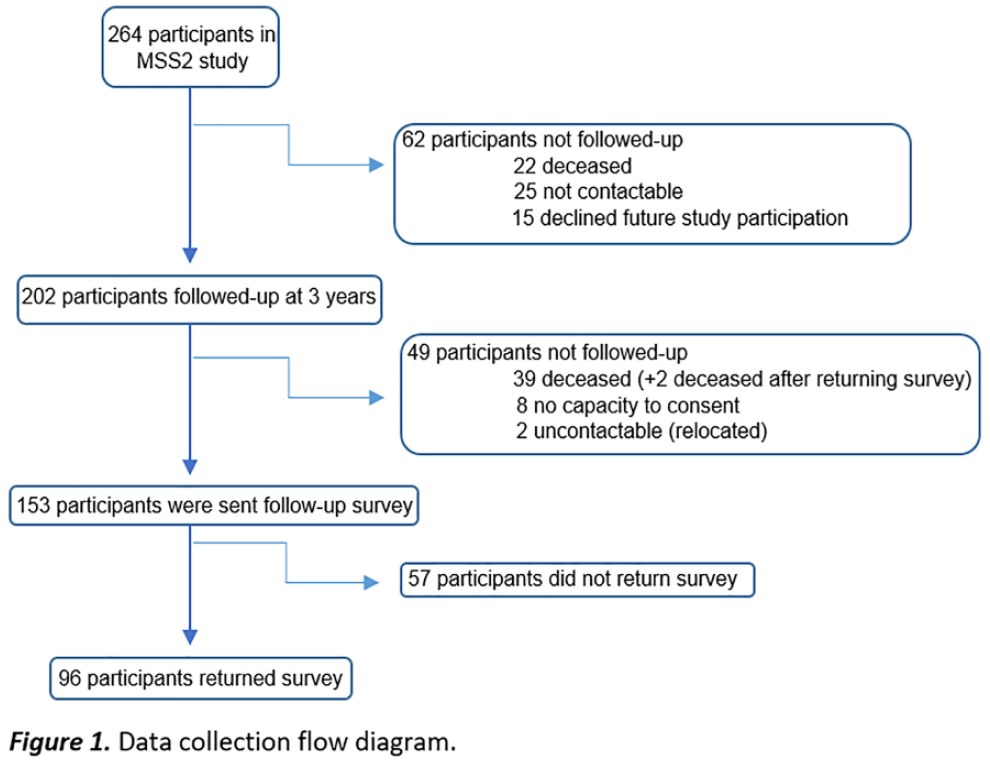
1665
NEIGHBORHOOD DENSITY OF RELIGIOUS ORGANIZATIONS IS ASSOCIATED WITH DISABILITY AND DEPRESSION AMONG STROKE SURVIVORS IN SOUTH TEXAS, UNITED STATES
1University of Michigan School of Public Health, Epidemiology, Ann Arbor, Michigan, United States, 2University of Michigan School of Public Health, Biostatistics, Ann Arbor, Michigan, United States, 3University of Michigan Medical School, Stroke Program, Ann Arbor, Michigan, United States
Outcomes.
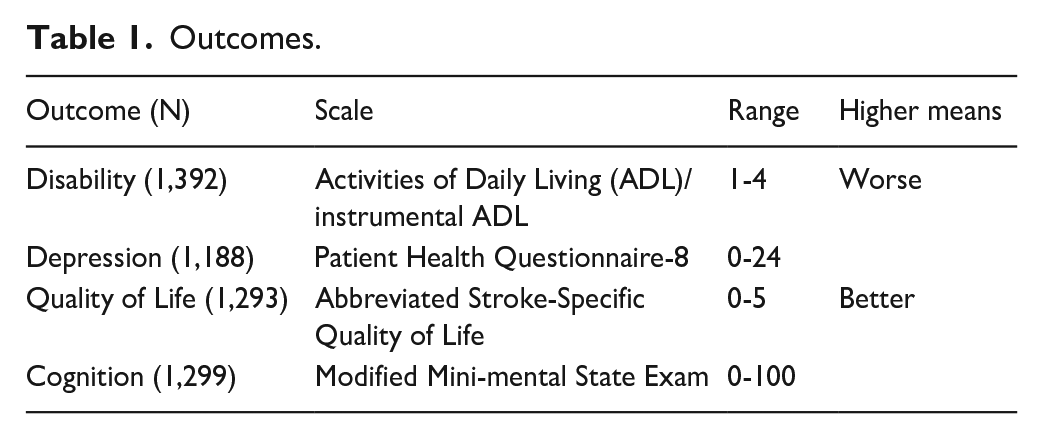
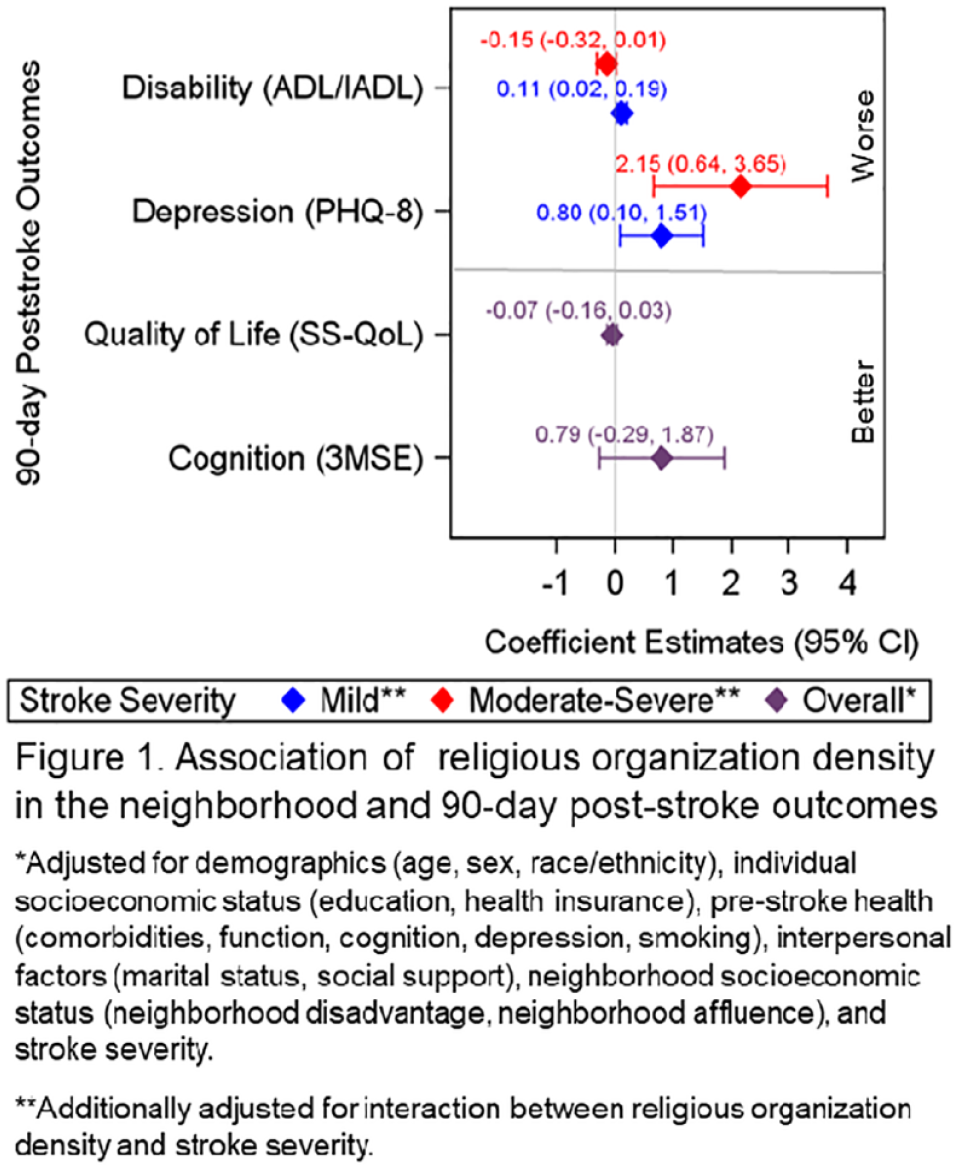
1722
Association of admission hyperglycaemia and diabetes mellitus with outcome after bridging therapy vs. mechanical thrombectomy in acute ischaemic stroke in anterior circulation
1Inselspital, University Hospital and University of Bern, Department of Neurology, Bern, Switzerland, 2University Hospital Queen Giovanna, Department of Neurology, Sofia, Bulgaria, 3Medical University Plovdiv, Department of Neurology and Research Institute, Plovdiv, Bulgaria, 4Inselspital, University Hospital and University of Bern, Institute of Diagnostic and Interventional Neuroradiology, Bern, Switzerland, 5Inselspital, University Hospital and University of Bern, Department of Visceral Surgery and Medicine, Bern, Switzerland, 6Inselspital, University Hospital and University of Bern, Department of Diabetes, Endocrinology, Clinical Nutrition, and Metabolism, Bern, Switzerland, 7Kantonsspital St. Gallen, Netzwerk Radiologie, St. Gallen, Switzerland
Patients with AH treated with BT versus MT were more frequently dead at 3 months (41.9% versus 32%,OR=1.72 (95%CI:1.09-2.72), adjusted-p=0.019) but less frequently showed recurrent/progressive in-hospital ischaemic stroke NIHSS⩾4 (6.9% versus 13.9%, OR=0.38 (95%CI:0.17-0.84), adjusted-p=0.016).
Patients without AH/DM treated with BT versus MT less frequently suffered from in-hospital symptomatic intracerebral haemorrhage (3.4% versus 7.2%, OR=0.42 (95%CI:0.21-0.81), adjusted-p=0.009/4.4% versus 7.8%, OR=0.51 (95%CI:0.29-0.91), adjusted-p=0.021) and vascular death (49.5% versus 62.9%, adjusted-p=0.012 and 50.9% versus 63.2%, adjusted-p=0.010).
All other outcomes did not differ in group comparisons.
1775
Return to work after ischaemic stroke in young adults: a cohort study, systematic review and meta-analysis of proportions
1National University of Singapore, Yong Loo Lin School of Medicine, Singapore, Singapore, 2Queen Mary University of London, Barts and The London School of Medicine and Dentistry, London, United Kingdom, 3St George’s University of London, Institute for Medical and Biomedical Education, Singapore, Singapore, 4National University Health Systems, Alexandra Hospital, Singapore, Singapore, 5National University Hospital, Division of Neurology, Department of Medicine, Singapore, Singapore
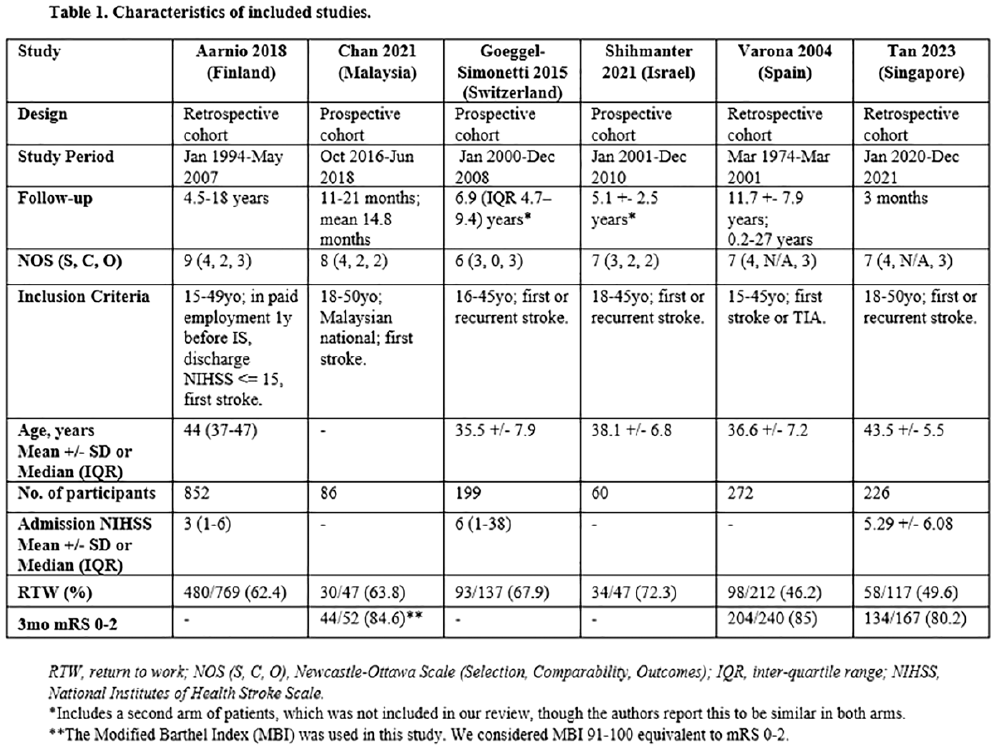
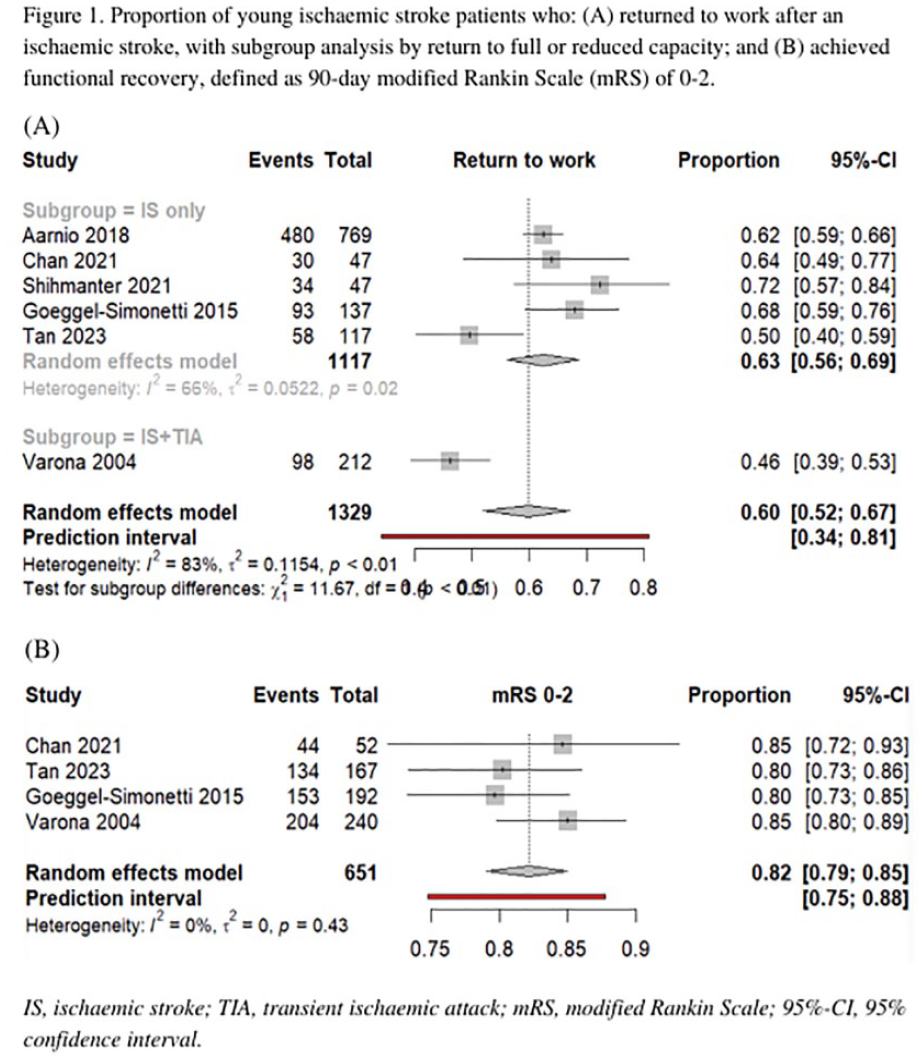
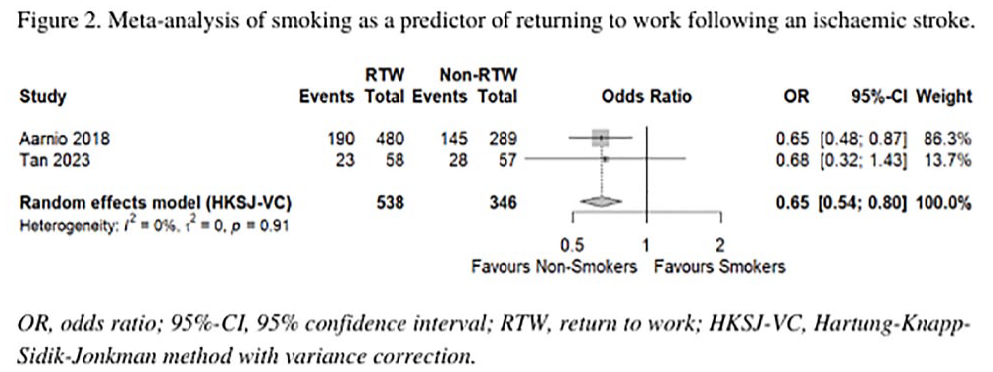
1779
ENTERAL CILOSTAZOL AND NIMODIPINE COMBINATION IN PATIENTS WITH ANEURYSMAL SUBARACHNOID HEMORRHAGE: PRELIMINARY EXPERIENCE
1University of Missouri, Department of Neurology, Columbia, MO, United States, 2Zeenat Qureshi Stroke Institute, Neurology, St. Cloud, MN, United States, 3Valley Baptist Medical Center, Neuroscience Department, Harlingen, TX, United States
nimodipine combination in aSAH patients with preliminary evidence of therapeutic benefit.
1787
A RETROSPECTIVE ANALYSIS OF ADHERENCE IN CHINESE ISCHEMIC STROKE AND TRANSIENT ISCHEMIC ATTACK PATIENTS TREATED WITH PCSK9 MONOCLONAL ANTIBODY FOR 6 MONTHS
1The First Affiliated Hospital of Zhengzhou University, Neurology, Zhengzhou, China, 2Beijing Tiantan Hospital, Capital Medical University, Neurology Center, Beijing, China
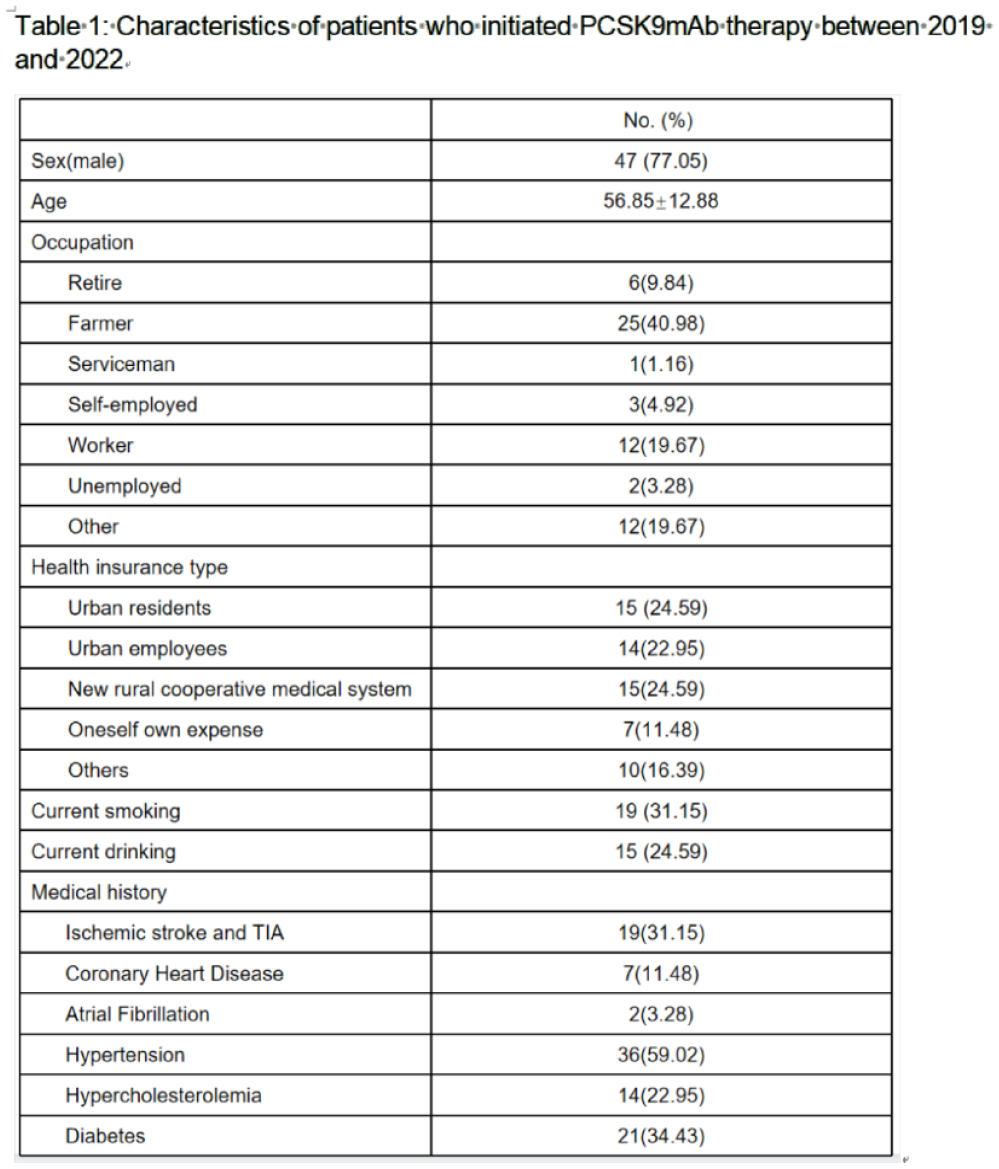
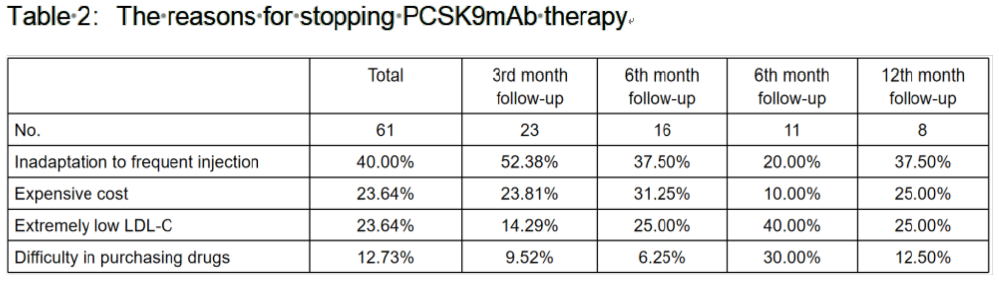
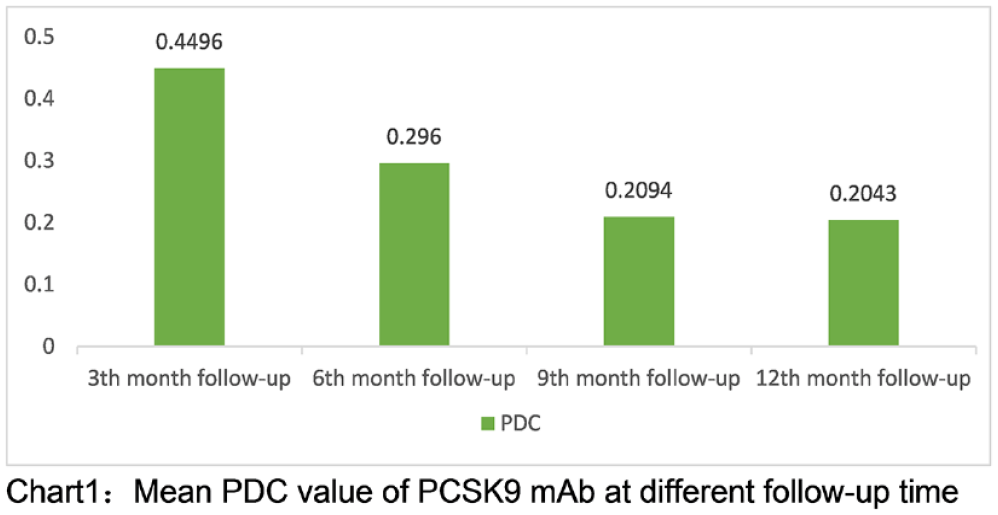
1885
Impact of leukoaraiosis in the degree of collateral circulation in stroke patients with large vessel occlusion
1Instituto de Investigación Biomédica de Salamanca. Hospital Universitario de Salamanca, Neurología, Salamanca, Spain, 2Hospital Clínico Universitario de Valladolid, Neurología. Unidad de Ictus, Valladolid, Spain, 3Universidad de Valladolid, Facultad de Medicina, Valladolid, Spain, 4Instituto de Investigación Biomédica de Salamanca, Grupo de Neurobiología Molecular, Salamanca, Spain, 5Hospital Universitario De Valladolid, Neurología. Unidad de ictus, Valladolid, Spain, 6Hospital Clínico Universitario de Valladolid, Neurorradiología, Valladolid, Spain, 7Consejo Superior de Investigaciones Científicas, Instituto de Biología Funcional y Genómica, Salamanca, Spain
2097
The Impact of Diabetes Mellitus and Admission Hyperglycemia on Clinical Outcomes after Recanalization Therapies for Acute Ischemic Stroke: STAY ALIVE National Prospective Registry
1University of Pécs, Neurology, Pécs, Hungary, 2University of Pecs, Neurology, Pécs, Hungary
2136
NEUROVASCULAR COUPLING AND FUNCTIONAL OUTCOME WITHIN 90 DAYS-AFTER ISCHEMIC STROKE
1Faculty of Medicine of the University of Porto, Porto, Portugal, Cardiovascular Research Centre (UnIC), Porto, Portugal, 2Faculty of Medicine of the University of Porto, Porto, Portugal, Department of Clinical Neurosciences and Mental Health, Porto, Portugal, 3Faculty of Medicine of the University of Porto, Porto, Portugal, Department of Neuroradiology, Porto, Portugal, 4Centro Hospitalar Universitário São João, Porto, Portugal, Department of Neurology, Porto, Portugal, 5Centro Hospitalar Universitário São João, Porto, Portugal, Department of Internal Medicine, Porto, Portugal, 6Centro Hospitalar Universitário São João, Porto, Portugal, Stroke Unit, Porto, Portugal
2168
CLINICAL AND NEUROANATOMICAL CORRELATES OF POST-STROKE FATIGUE
1Hospital Clínic de Barcelona, Department of physical therapy, Barcelona, Spain, 2Blanquerna- Universitat Ramon-Llull, Department of Physical Therapy, Barcelona, Spain, 3Institut d'Investigacions Biomèdiques August Pi i Sunyer, Magnetic Resonance Core Facility, Barcelona, Spain, 4Hospital Clinic de Barcelona, Department of Neurology, Barcelona, Spain, 5Hospital Clínic de Barcelona, Department of Neuroscience, Comprehensive Stroke Center, Barcelona, Spain
Aim: To evaluate the severity of PSF in relation to the location and the size of the ischemic lesion in acute stroke patients to establish possible predictors of PSF.
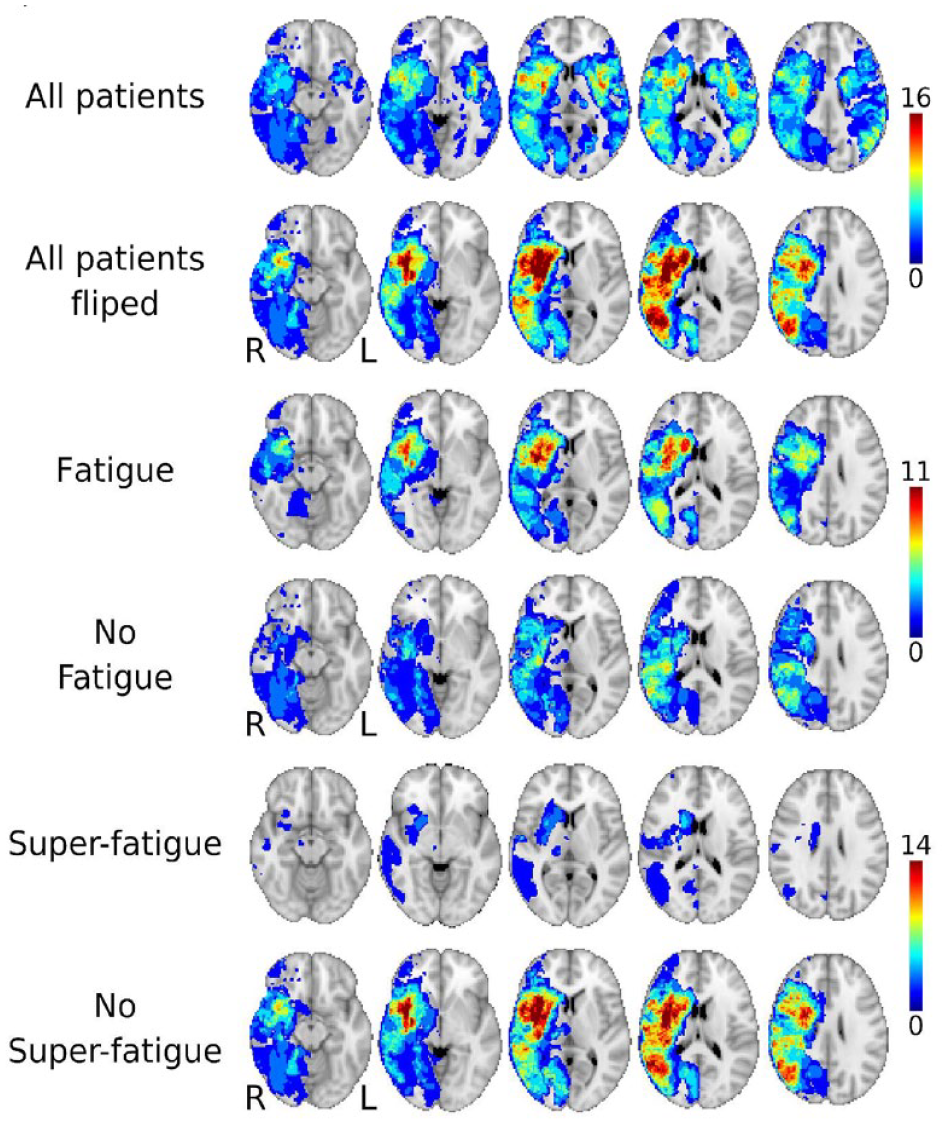
2346
PREDICT-JUVENILE-STROKE: PROSPECTIVE EVALUATION OF A PREDICTION SCORE DETERMINING INDIVIDUAL CLINICAL OUTCOME THREE MONTHS AFTER ISCHEMIC STROKE IN YOUNG ADULTS
1University Hospital Ludwig-Maximilians-University (LMU) Munich, Department of Neurology, Munich, Germany, 2University Hospital Ludwig-Maximilians-University (LMU) Munich, Institute for Medical Information Processing, Biometry, and Epidemiology, Munich, Germany, 3University Hospital Ludwig-Maximilians-University (LMU) Munich, Data Integration for Future Medicine (DIFUTURE) Consortium, Munich, Germany, 4University Hospital Ludwig-Maximilians-University (LMU) Munich, Medical Technology and IT (MIT), Munich, Germany, 5University Hospital Ludwig-Maximilians-University (LMU) Munich, Medical Data Integration Center (MeDIC LMU), Munich, Germany, 6Eberhard Karls University Tübingen, Department of Neurology & Stroke, Tübingen, Germany, 7Eberhard Karls University Tübingen, Hertie Institute for Clinical Brain Research, Tübingen, Germany, 8University of Ulm, Department of Neurology, Ulm, Germany, 9Klinikum rechts der Isar, Technical University of Munich, Department of Neurology, Munich, Germany
2372
RECURRENCE OF ISCHAEMIC STROKE IN PATIENTS WITH INCOMPLETE ETIOLOGICAL APPROACH
1 Instituto Nacional de Neurología y Neurocirugía Manuel Velasco Suárez, Clínica de Enfermedad Vascular Cerebral, Ciudad de México, Mexico
2423
ASSOCIATION OF CEREBRAL COLLATERAL CIRCULATION WITH FUNCTIONAL OUTCOME IN ACUTE ISCHAEMIC STROKE AFTER INTRAVENOUS THROMBOLYSIS IN MEXICO
1 Instituto Nacional de Neurología y Neurocirugía Manuel Velasco Suárez, Stroke clinic, Mexico city, Mexico
2492
Do all ASPECTS regions have the same functional impact at 90 days?
1 Basurto University Hospital, Neurology, Bilbao, Spain
We analyzed the relation of each of the ASPECTS regions with functionality at 90 days.
We then performed a logistic regression to determine the likelihood of each different ASPECTS lesion to have modified Rankin Score(mRS)>3, language, motor or gait impairment at 90 days via Odds Ratio(OR). Also performed a logistic regression with each ASPECTS score.
M3 and M6 presented the highest OR of having mRS>3 nearly being statistically significant (M3=4.44, p=0.06; M6=4.05, p=0.08). For gait disturbance Lentiform(L)-M3 presented the highest OR (L=4.1, p=0.07; M3=5.1, p=0.06) and M1-M5 for motor impairment (M1=2.8 p=1.17; M5=3.8 p=0.17).
We did not find differences by ASPECTs score.
2536
Evaluation of clinical outcomes in posterior circulation stroke patients
1 Motol University Hospital, Department of Neurology, Prague, Czech Republic
We aimed to compare initial NIHSS, postNIHSS and their 3-month results vs. clinical outcomes measured by Berg Balance Scale (BBS), Activities of Daily Living (ADL) and Modified Rankin Scale (mRS).
2568
CLINICAL DETERMINANTS AFFECTING TIME-TO-DIAGNOSIS OF CEREBRAL VENOUS THROMBOSIS AND ITS IMPACT ON OUTCOME
1 Pedro Hispano Hospital, ULS-Matosinhos, Neurology Department, Matosinhos, Portugal
STROKE COMPLICATIONS
290
Comprehensive Epilepsy care model [CECM] for post stroke complications
1SFCCP, med, meerut, India, 2Tnm hosp, med, mumbai, India
treatment-cost of post-stroke-complications like epilepsy is very high for rural/tribal population. Over 82% patients in rural-asia cannot afford therapies. Since 2016 community-initiatives implemented to reduce epilepsy-therapy-cost. NGO’s need to facilitate development of sound/sustainable nursing-care-programs in marginalised asian communities. need to Establish Uniform public-health-policy to develop of sound/sustainable stroke-care-programs.
needs indepth discussion at ESO-forums for better outcome in management of post stroke complications like epilepsy.
292
Assessment of QOL in stroke patients with epilepsy in resource poor settings
1SFCCP, med, meerut, India, 2Tnm hosp, med, meerut, India
Objective: 174 persons die/year from epilepsy-complications yearly. statistically >90% anxiety, 68% experience unbearable-fatigue; 70% social neglect/humiliation, 54% sleeplessness, 37% complain gum hyperplasia and 64% depression. Importance of spirituality/religion in coping with epilepsy is increasingly recognized
944
Characteristics of hemiplegic shoulder pain differ according to the extent of the pain site
1Kio University, Department of Neurorehabilitation, Graduate School of Health Sciences, Koryo, Japan, 2Kawanishi City Medical Center, Department of Rehabilitation, Kawanishi, Japan, 3Kawaguchi Neurosurgery Rehabilitation Clinic, Department of Rehabilitation, Hirakata, Japan, 4Hyogo Medical University, Department of Rehabilitation, Nishinomiya, Japan, 5JCHO Hoshigaoka Medical Center, Department of Rehabilitation, Hirakata, Japan, 6Kio University, Neurorehabilitation Research Center, Koryo, Japan, 1Kio University, Department of Neurorehabilitation, Graduate School of Health Sciences, Koryo, Japan
1005
Dysphagia assessment and risk of pneumonia in stroke
1County Clinic Hospital, Department of Neurology, Brasov, Romania, 2Faculty of Medicine, Transilvania University, Department of Neurology, Brasov, Romania, 3County Clinic Hospital, Emergency Department, Brasov, Romania
1119
Consistencies among miscellaneous scales for evaluation of post-stroke dysphagia
1Kaohsiung Medical University, Neurology, Kaohsiung, Taiwan, 1Kaohsiung Medical University, Neurology, Kaohsiung, Taiwan
Though VF has been viewed as the traditional gold standard of dysphagia screening, it has the limitations of being invasive and equipment-dependent. For PSD, VE could be considered as a substitution when VF is not available or suitable.
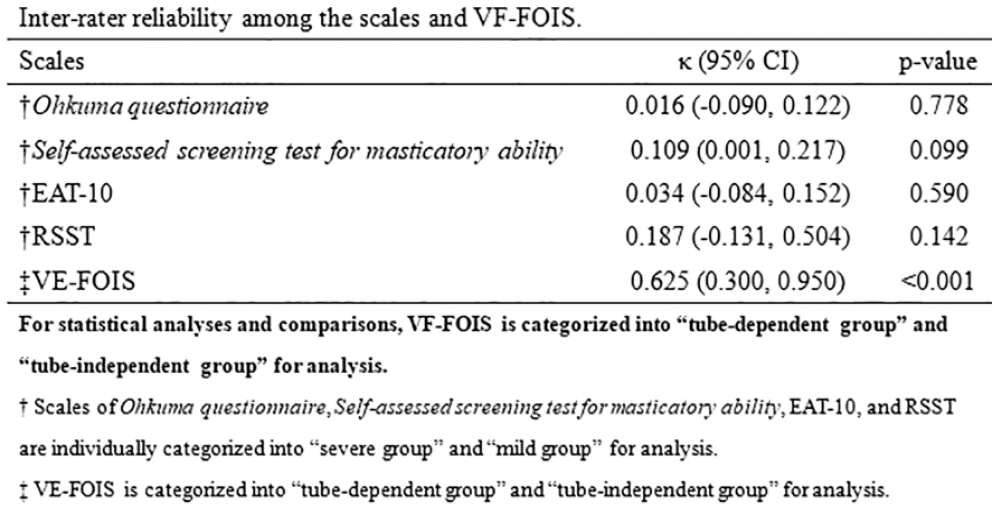
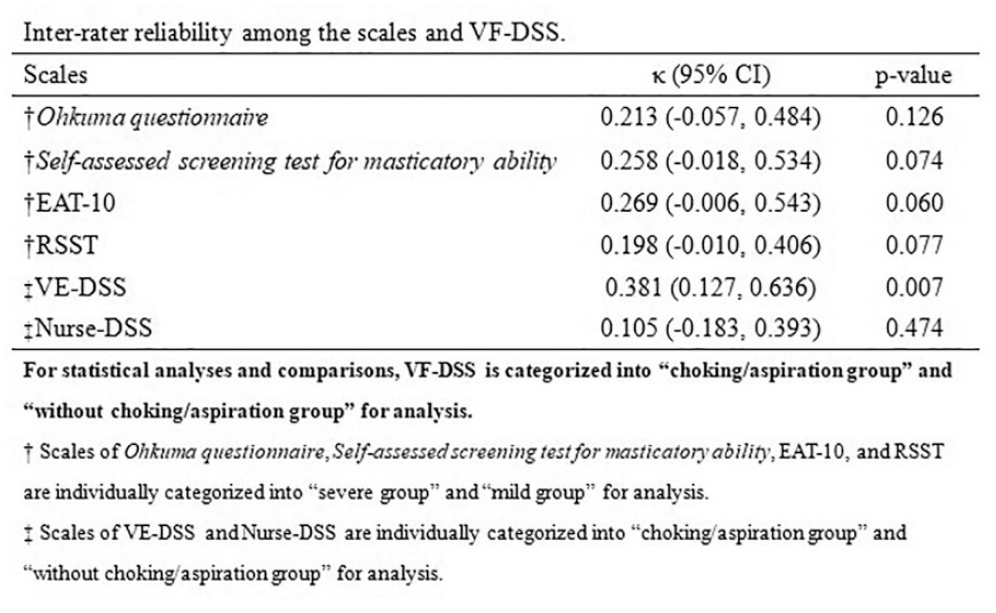
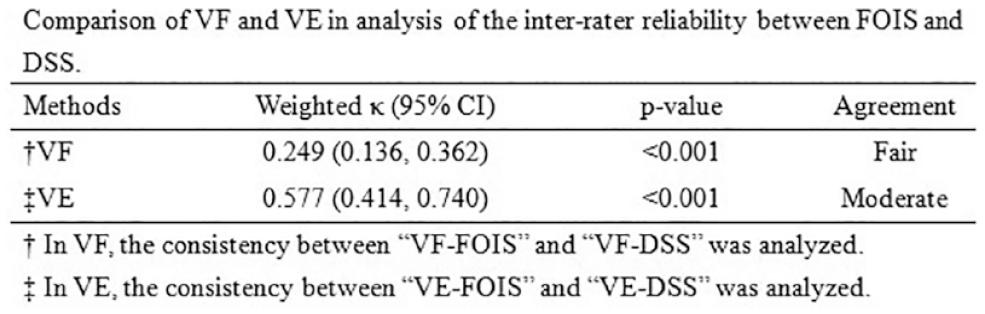
1295
Functional connectivity analysis in patients with post-stroke delirium
1UZ Brussel, Neurology, Brussels, Belgium, 2Vrije Universiteit Brussel, Center for Neurosciences, Center for Neurosciences, Belgium, 3UMC Utrecht, Psychiatry, Utrecht, Netherlands
1467
Post-stroke depression in Ukraine. The fog of war and innocent people
1Armed Forces of Ukraine, A1620, Odesa, Ukraine, 2Petro Mohyla Black Sea National University, Therapeutic Disciplines, Myckolaiv, Ukraine, 3Odesa National Medical University, Neurology & Neurosurgery Department, Odesa, Ukraine, 4Expert Health Center, Neurology, Odesa, Ukraine
The aim of the study was to assess the frequency of post-stroke depression in the civilian population in peacetime and in military conflict.
1482
RECOGNITION AND DIAGNOSIS OF EARLY POST STROKE SEIZURES – A SYSTEMATIC SCOPING REVIEW
1University of Central Lancashire, Faculty of Health and Care, Preston, United Kingdom, 2Lancashire Teaching Hospitals NHS Foundation Trust, Stroke Services, Preston, United Kingdom, 3University of Central Lancashire, Health Technology Assessment Unit, Preston, United Kingdom, 4Lancaster University, Lancaster Medical School, Lancaster, United Kingdom
1736
Association between post-stroke constipation and in-hospital cerebrovascular events in acute stroke
1National Cerebral and Cardiovascular Center, Neurology, Osaka, Japan, 2National Cerebral and Cardiovascular Center, Cerebrovascular Medicine, Osaka, Japan
1889
Single Center Analysis of Patients with Nonconvulsive Status Epilepticus caused by Cerebrovascular Diseases treated at Comprehensive Stroke Center Intensive Care Unit
12nd Faculty of Medicine, Charles University in Prague and Motol University Hospital, neurology, ICU, Prague, Czech Republic, 22nd Faculty of Medicine, Charles University in Prague and Motol University Hospital, neurology, Prague, Czech Republic, 32nd Faculty of Medicine, Charles University in Prague and Motol University Hospital, neurology, Prague, Czech Republic
2016
Infectious complications correlate with both discharge and 3 months follow-up functional status of ischemic stroke patients with haemorrhagic transformation
1 “Nicolae Testemitanu” State University of Medicine and Pharmacy, Neurology nr.1, Chisinau, Moldova
2225
WHEN IS IT SAFE TO FLY AFTER A STROKE OR TIA?
1 East Kent Hospitals University NHS Foundation Trust, Department of Stroke Medicine, Canterbury, United Kingdom
Fourteen major UK charter and commercial airlines were contacted and only 4 offered their own guidance whilst the remaining 10 advised the travel would be ‘at the stroke physician’s discretion’.
The top ten most used travel insurance providers in the UK were contacted and all advised that the decision to insure any patient is entirely dependent on the medical assessment made by their consultant stroke physician.
2282
Evaluation of the nature of hyperdensity on cranial CT after thrombectomy (I).Usefulness of magnetic resonance imaging
1Complejo Hospitalario Universitario Albacete, Neurology, Albacete, Spain, 2Complejo Hospitalario Universitario Albacete, Radiology, Albacete, Spain
Patients presenting with acute ischemic stroke in territory of the MCA, treated with MT, with hyperdense lesions in 24-hour control CT. MRI (T1, T2, FLAIR, SW and echo-gradient) was performed within 72 hours when possible. If not, serial control CT was indicated.
Considering SW and echo-contrast sequences, the area of hemorrhage was similar to the hyperdense lesion area of initial CT in all patients.
2305
Early dysphagia after mechanical thrombectomy predicts functional outcome and health-related quality of life in stroke patients
1University Hospital, RWTH Aachen University, Department of Neurology, Aachen, Germany, 2Johanniter-Krankenhaus Genthin-Stendal GmbH, Department of Neurology and Geriatrics, Stendal, Germany, 3University Hospital, RWTH Aachen University, Department of Diagnostic and Interventional Neuroradiology, Aachen, Germany, 4Forschungszentrum Jülich GmbH and RWTH Aachen University, JARA-BRAIN Institute Molecular Neuroscience and Neuroimaging, Jülich, Germany
2413
Clinical outcomes of patients with acute ischemic stroke receiving dexmedetomidine in the neurointensive care setting
1 Carl Gustav Carus University Hospital, Technische Universität Dresden, Department of Neurology, Dresden, Germany
2463
Post-stroke Pain – An observational study
1Coimbra University Hospital Center, Neurology Department, Coimbra, Portugal, 2Coimbra University Hospital Center, Anesthesiology Department, Coimbra, Portugal, 3Coimbra University Hospital Center, Neurorradiology Department, Coimbra, Portugal, 4Coimbra Institute for Biomedical Imaging and Translational Research, Coimbra Institute for Biomedical Imaging and Translational Research, Coimbra, Portugal
2592
Post Stroke Spasticity: A digital option for self-monitoring by affected patients
1Bad Aibling, Neurology, Bad Aibling, Germany, 2Bayerische TelemedAllianz, BTA, Baar-Ebenhausen, Germany
Workshops between experienced neurologists and leading therapists identified the most frequent signs in everyday life and ranked their predictive value. The resulting 10 symptoms were then formulated using a 3-level scale and exemplified by short videoclips of typical patient examples for repeated self-assessments and programmed as an app .
CEREBROVASCULAR MANIFESTATIONS OF COVID-19 AND OTHER INFECTIONS
163
IVIG FOR VACCINE-INDUCED IMMUNE THROMBOTIC THROMBOCYTOPENIA (VITT)
1Yeovil District Hospital, Stroke Medicine, Yeovil, United Kingdom, 2HBS Medical and Dental College, Community Medicine, Islamabad, Pakistan, 3Midland Regional Hospital, Paediatrics, Portlaoise, Ireland, 4Shifa Tameer-e-Millat University, General Surgery, Islamabad, Pakistan, 5Pakistan Institute of Medical Sciences, Critical Care Medicine, Islamabad, Pakistan, 6Yeovil District Hospital, Acute Medicine, Yeovil, United Kingdom
664
Cerebrovascular reactivity and cognition after COVID-19 pneumonia. Case - control study
1Universidad Nacional Autónoma de México, Neurology Department, Ciudad de México, Mexico, 2Universidad Nacional Autónoma de México, Medicine Faculty, Ciudad de México, Mexico
760
CLINICAL CHARACTERISTICS OF PATIENTS WITH ACUTE ISCHEMIC STROKE PREVIOUSLY VACCINATED AGAINST COVID-19
1Clinic of Neurology, Clinical Center of Vojvodina, Novi Sad, Serbia; University of Novi Sad, Faculty of Medicine, Novi Sad, Serbia, Neurology, Novi Sad, Serbia, 2The General Hospital "Dr Radivoj Simonović" Sombor, Serbia, Neurology, Sombor, Serbia, 3Clinic of Neurology, Clinical Center of Vojvodina, Novi Sad, Serbia, Neurology, Novi Sad, Serbia, 4Institute for Biocides and Medical Ecology, Belgrade, Serbia, Epidemiology, Belgrade, Serbia
1691
COVID-19 and antiviral drugs as risk factors for PRES and RCVS? A systematic review and case report analysis
1 Bio-Medico Campus University Hospital, Institute of Neurology, Roma, Italy
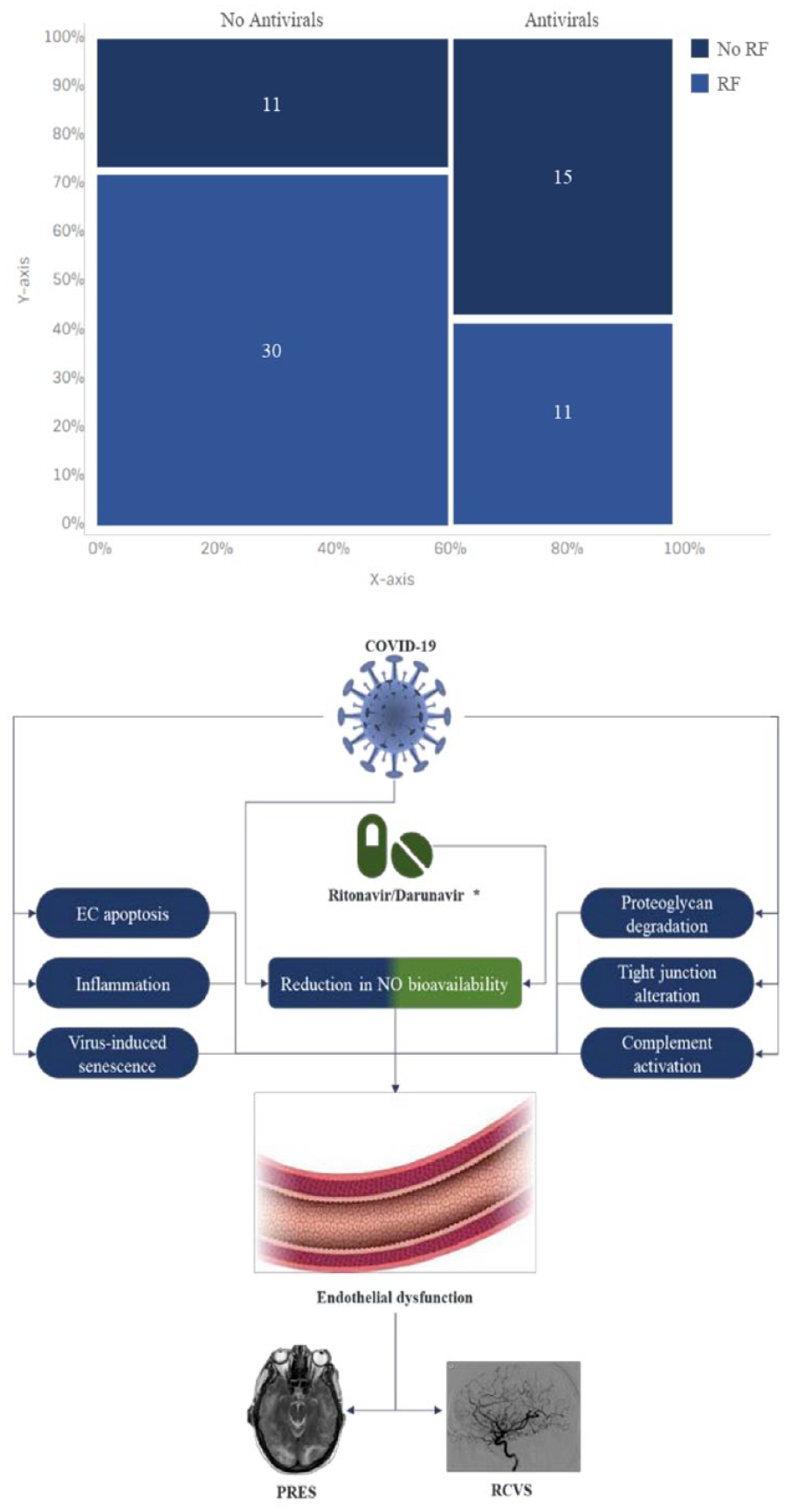
1743
COVID-19 Effects on Clinical Outcomes of Acute Ischemic Stroke Patients: A Hospital-based Study with 6 Months Follow-up
1Iran university of Medical Sciences, School of Medicine, Department of Neurology, Firoozgar Hospital, Tehran, Iran, 2Cellular & Molecular Research Center, Iran university of Medical Sciences, Tehran, Iran, 3Neuroscience Research Center, School of Medicine, qom university of Medical Sciences, Tehran, Iran, 4Eye Research Center, The Five Senses Institute Rassoul Akram Hospital, Iran University of Medical Sciences, Tehran, Iran
1894
IMPACT OF COVID-19 IN ACUTE ACUTE ISCHEMIC STROKE IN THE VACCINATION ERA: Data from the Ilercovid project
1Hospital Universitari Arnau de Vilanova, Neurology, Lleida, Spain, 2Universitat de Lleida, RECERCA, Lleida, Spain, 3INSTITUT DE RECERCA BIOMÈDICA DE LLEIDA, RECERCA, Lleida, Spain
ATHEROSCLEROSIS AND STROKE
600
Surgical strategy based on the intra-operative findings of mobile carotid plaque
1 New Tokyo Hospital, Neurosurgery, Matsudo city, Japan
914
BASELINE CHARACTERISTICS AND OUTCOME OF PATIENTS AFTER ENDOVASCULAR THERAPY OF ACUTE LARGE VESSEL OCCLUSION ACCORDING TO THEIR HISTORY OF SYMPTOMATIC DISEASE AND SEX
1Medical University of Plovdiv, Department of Neurology and Research Institute, Plovdiv, Bulgaria, 2Inselspital, University Hospital and University of Bern, Neurology, Bern, Switzerland, 3Clinica Luganese, Mancucco, Neurology, Lugano, Switzerland, 4University Hospital Queen Giovanna, Neurology, Sofia, Bulgaria, 5Institute of Diagnostic and Interventional Neuroradiology, Interventional Neuroradiology, Bern, Switzerland, 6Inselspital, University Hospital and University of Bern, Department of Neurosurgery, Bern, Switzerland, 7Children’s Hospital Lucerne, Division of Paediatric Neurology, Department of Paediatrics, Lucerne, Switzerland, 8University of Bern, Institute of Social and Preventive Medicine (ISPM), Bern, Switzerland, 9Istituto Pediatrico della Svizzera Italiana IPSI EOC, Ospedale Regionale di Bellinzona e Valli, Division of Neuropaediatrics, Bellinzona, Switzerland, 10Università della Svizzera Italiana, Faculty of Biomedical Sciences, Lugano, Switzerland, 11Kantonsspital St. Gallen, Netzwerk Radiologie, St. Gallen, Switzerland
1024
Distinct lipid profiles of radiation-induced carotid plaques from atherosclerotic carotid plaques revealed by UPLC-QTOF-MS and DESI– MSI
1University of Oxford, Sir william dunn school of pathology, Oxford, United Kingdom, 2Xuanwu Hospital, Capital Medical University, Department of Neurosurgery, Beijing, China
1060
CAROTID ATHEROSCLEROSIS AND VASCULAR RISK FACTORS IN PATIENTS WITH ACUTE ISCHAEMIC STROKE IN A TERTIARY CARE HOSPITAL IN NEPAL
1Institute of Medicine, Maharajgunj Medical Campus, Tribhuvan University Teaching Hospital, Neurology, Kathmandu, Nepal, 2Institute of Medicine, Maharajgunj Medical Campus, Tribhuvan University Teaching Hospital, Internal Medicine, Kathmandu, Nepal
1265
Evolution of symptomatic intracranial atherosclerotic disease under medical treatment: a systematic review
1 The Chinese University of Hong Kong, Department of Medicine and Therapeutics, Hong Kong, China
1513
CHARACTERIZATION OF AORTIC AGING USING 3D MULTI-PARAMETRIC MRI
1University Medical Center Freiburg, Neurology and Neurophysiology, Freiburg, Germany, 2Institute of Computer-assisted Cardiovascular Medicine, Charité-Universitätsmedizin, Berlin, Germany, 3Heart Center Freiburg, Department of Cardiology and Angiology I, Freiburg, Germany, 4Institute of Medical Biometry and Statistics, University of Freiburg, Freiburg, Germany, 5Department of Neuroradiology, University Medical Center, Freiburg, Germany
2166
Progression of carotid atherosclerotic stenosis with best medical management
1St George's University Hospitals NHS Foundation Trust, Stroke, London, United Kingdom, 2St George's University Hospitals NHS Foundation Trust, Vascular Surgery, London, United Kingdom
Of the 69 patients, 27 had worsening stenosis at a median follow-up period of 48 months. Twenty-one (78%) of these had symptomatic stenosis at initial CDU.
The remaining 42 patients had no progression in carotid stenosis at a median follow-up period of 33 months. 50% of them were symptomatic at initial CDU.
21 of the 42(50%) patients with initial symptomatic stenosis had subsequent progression of stenosis, while 6 of the 27 (22%) asymptomatic patients had subsequent progression. 19 of the 21 (90%) symptomatic patients with worsening stenosis had recurrent symptoms, while 7 of the 42 (17%) patients with no progression of stenosis had recurrent symptoms.
2412
Selective screening for asymptomatic carotid artery stenosis
1Stroke Unit, Neurology Department, Hospital de Santa Maria, Centro Hospitalar Universitário Lisboa Norte, Lisboa, Portugal, 2Faculdade de Medicina, Universidade de Lisboa, Lisboa, Portugal
RARE CAUSES, STROKE IN THE YOUNG (INCLUDING PAEDIATRIC STROKE)
115
Fulminant Focal Reversible Cerebral Vasoconstriction Syndrome presenting as a Large Vessel Occlusion
1 Donald and Barbara Zucker School of Medicine at Hofstra/Northwell, Neurology, Hempstead, United States
Case report.
He presented three weeks later with recurrence of his symptoms. Imaging revealed convexity subarachnoid hemorrhage and vasospasm in the M3 segment treated with intraarterial (IA) milrinone. He was maintained on calcium channel blockers for suspicion of RCVS, and solumedrol for concern for vasculitis. The patient had two angiograms with IA vasodilator administration for vasospasm; the second was complicated by intracranial hemorrhage due to reperfusion injury. Though contrast MRI revealed concentric enhancement of the LMCA vessel wall suspicious for vasculitis, spinal tap revealed normal protein and WBC count. Strong suspicion of RCVS led to discontinuation of corticosteroids and he improved after hemodynamic augmentation.
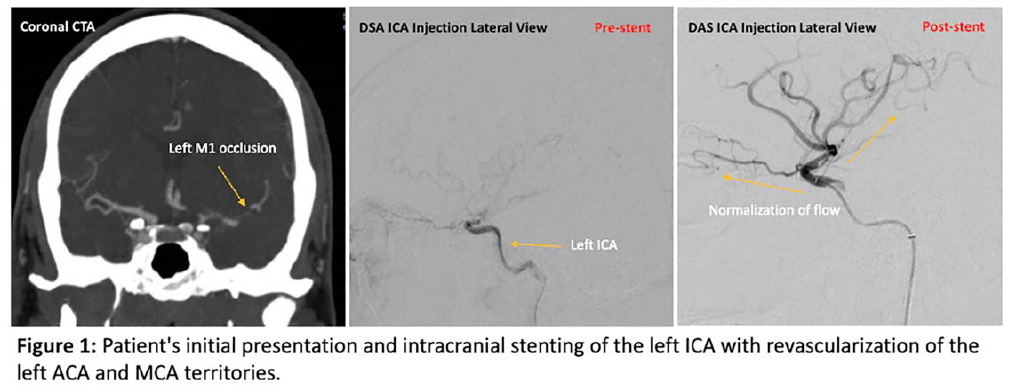
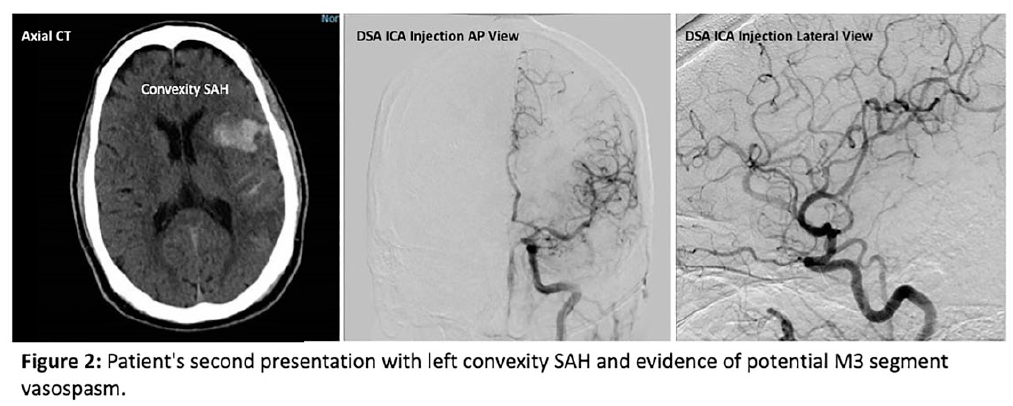
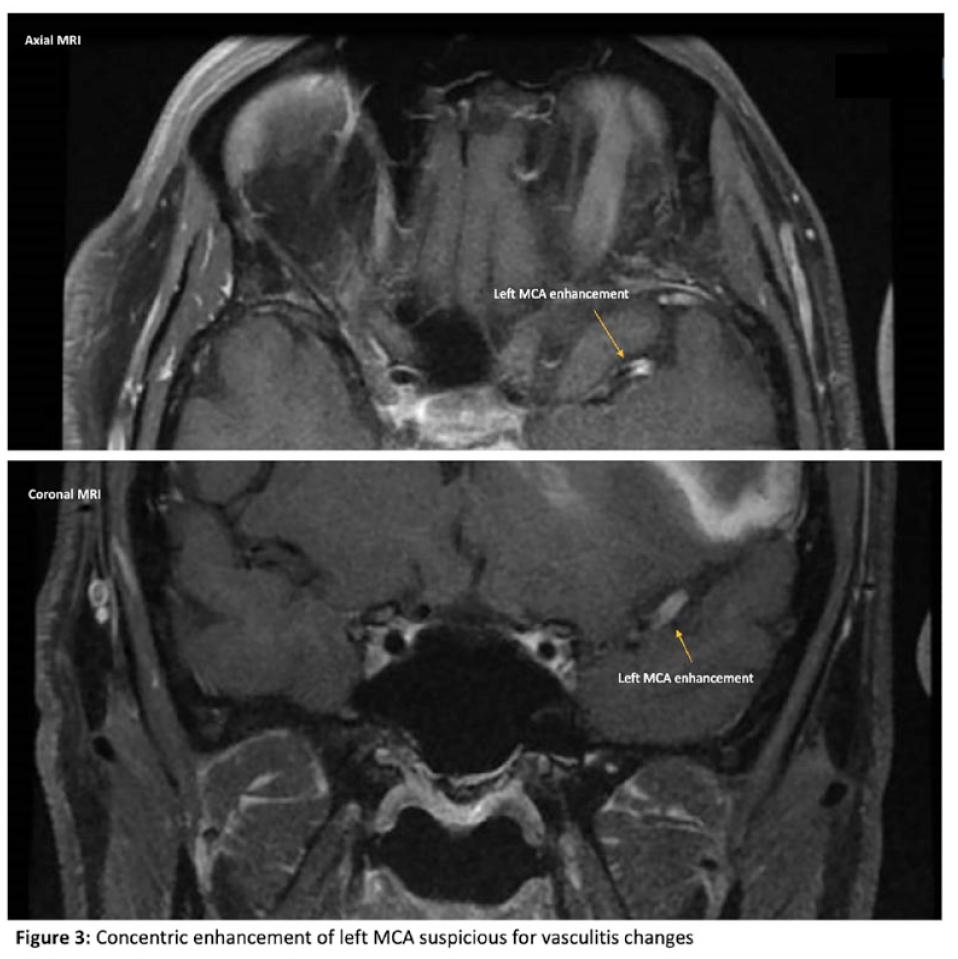
129
A MIXED-METHODS ANALYSIS OF EXPERIENCES AND UNMET NEEDS OF INDIVIDUALS WITH CADASIL
1University of Virginia, School of Medicine, Charlottesville, United States, 2University of Newcastle, Neurology, Newcastle, Australia, 3University of Technology Sydney, Graduate School of Health, Sydney, Australia, 4University of Virginia Health, Neurology, Charlottesville, United States
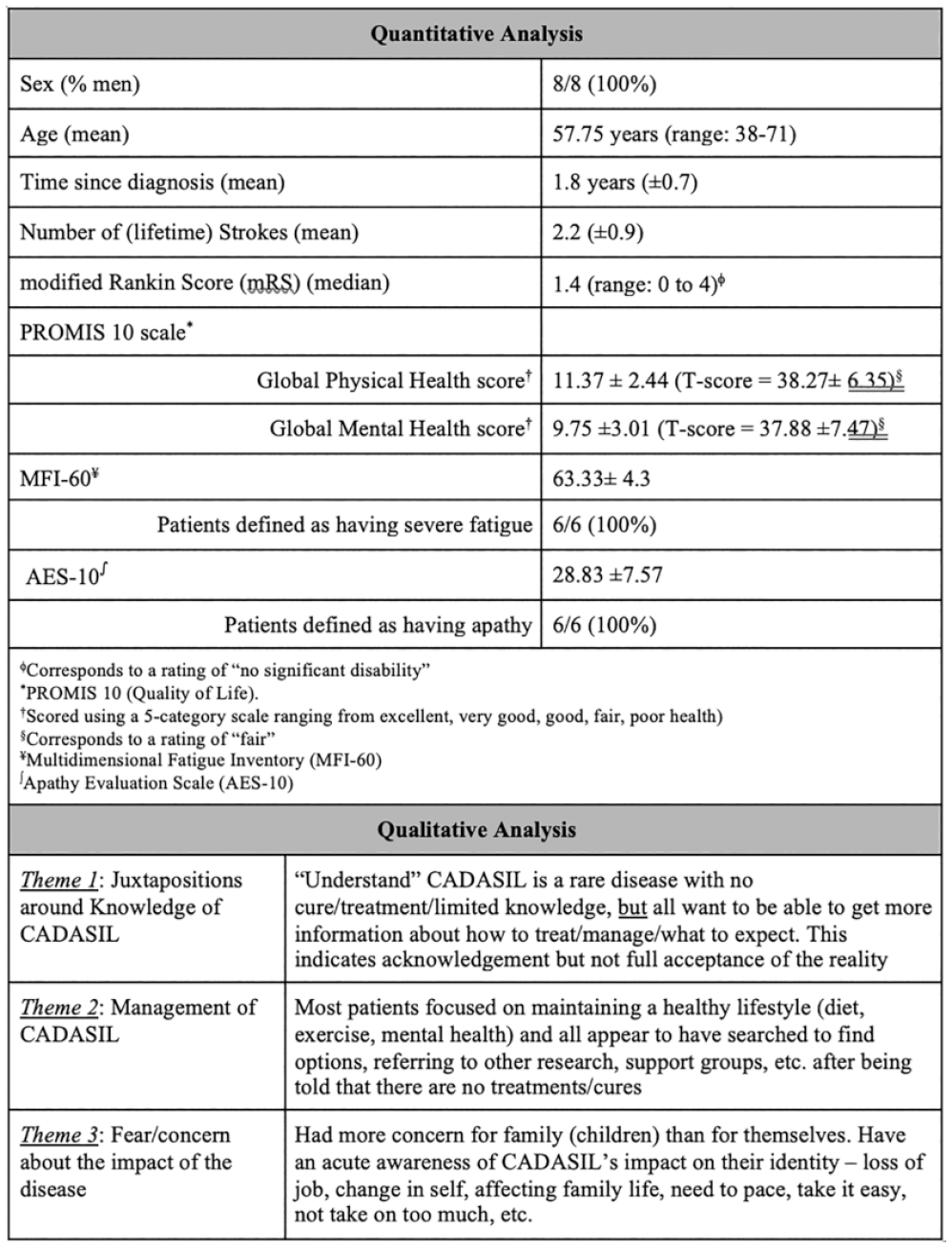
540
SPONTANEOUS INTRACEREBRAL HEMORRHAGE IN YOUNG ADULTS: DATA FROM A STROKE CENTER IN VIETNAM
1 Bach Mai Hospital, Stroke Center, Hanoi, Viet Nam
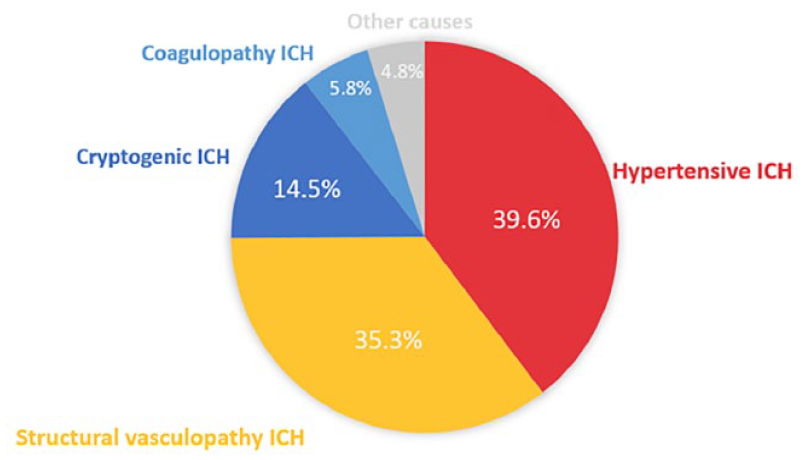
Distribution of Causes.
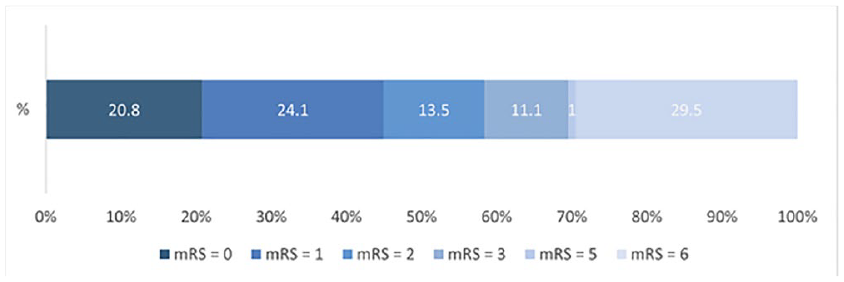
Distribution of mRS score at 90 days.
564
Infective endocarditis and stroke - when does it bleed? A single center retrospective study
1University Hospital Bonn, Division of Vascular Neurology, Department of Neurology, Bonn, Germany, 2University Hospital Bonn, Department of Cardiac Surgery, Heart Center Bonn, Bonn, Germany, 3University Hospital Bonn, Department of Medicine II, Heart Center Bonn, Bonn, Germany
905
Stroke associated with cancer: retrospective observational study among patients with ischemic stroke in a Stroke Unit
1Burgos University Hospital, Stroke Unit, Burgos, Spain, 2Gregorio Marañón General University Hospital, Department of Oncology, Madrid, Spain
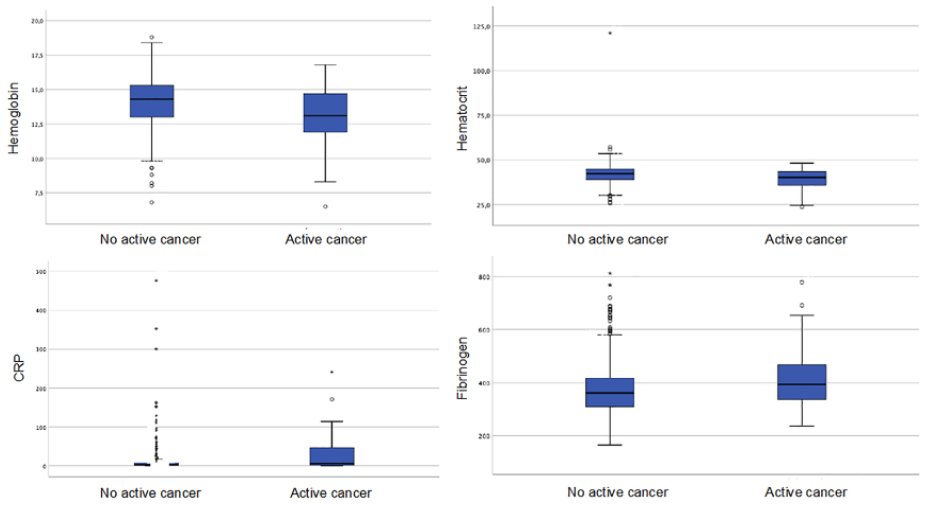
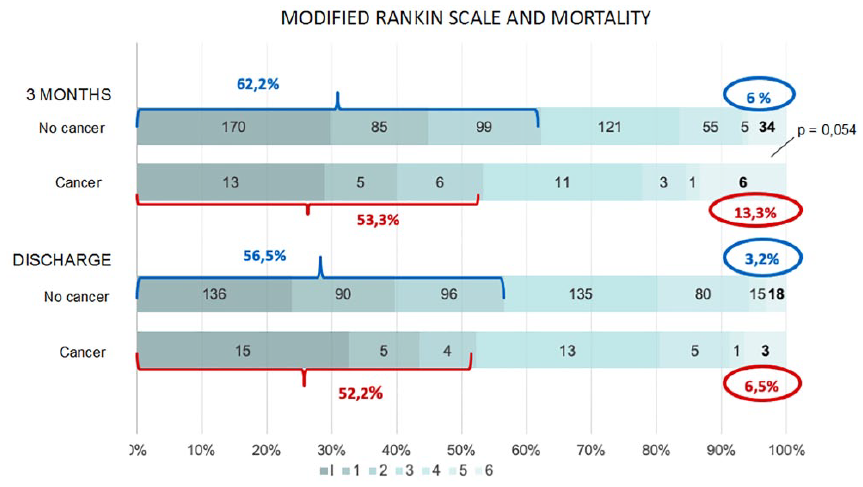
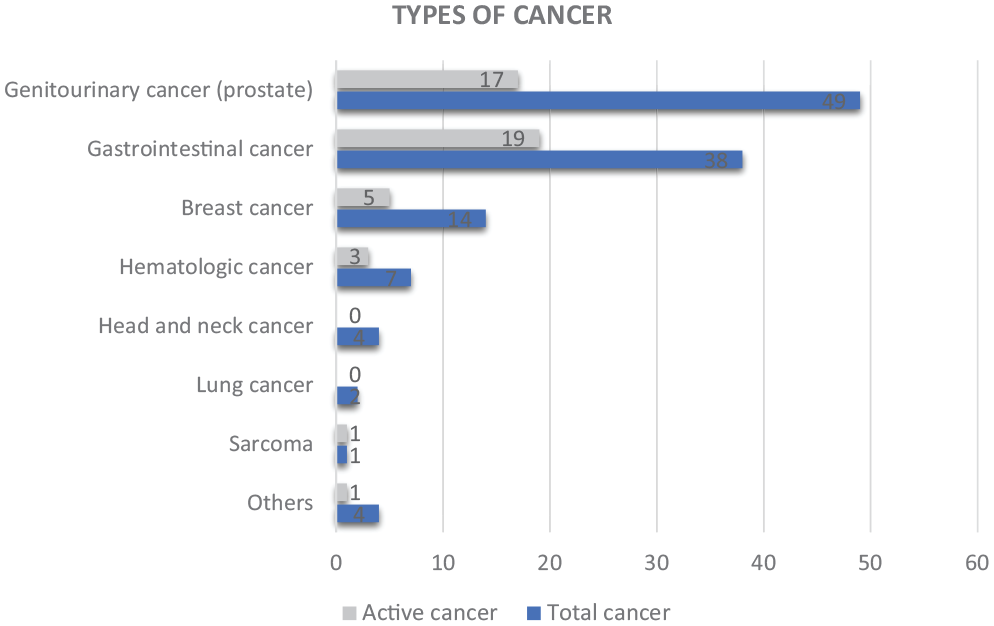
911
MoyaMoya case series: the need for referral centers
1Virgen Macarena Hospital. Seville., Neurology, Seville, Spain, 2Virgen del Rocío Hospital., Interventional Neuroradiology., Seville, Spain, 3Virgen Macarena Hospital. Instituto de Biomedicina de Sevilla., Vascular Neurology. Stroke Unit., Seville, Spain, 4Virgen del Rocío Hospital., Vascular Neurosurgery., Seville, Spain
1175
Thrombotic Thrombocytopenic Purpura presenting as Code Stroke: a case series
1Hospital 12 de Octubre, Neurology, Madrid, Spain, 2Hospital 12 de Octubre, Hematology, Madrid, Spain
All received an early diagnosis based on a high suspicion and laboratory abnormalities. Aggressive treatment (plasma exchange, glucocorticoids and rituximab in all; plus caplazicumab in patients 1-4) was initiated in the first 24 hours, leading to an excellent prognosis in all. None received thrombolysis.
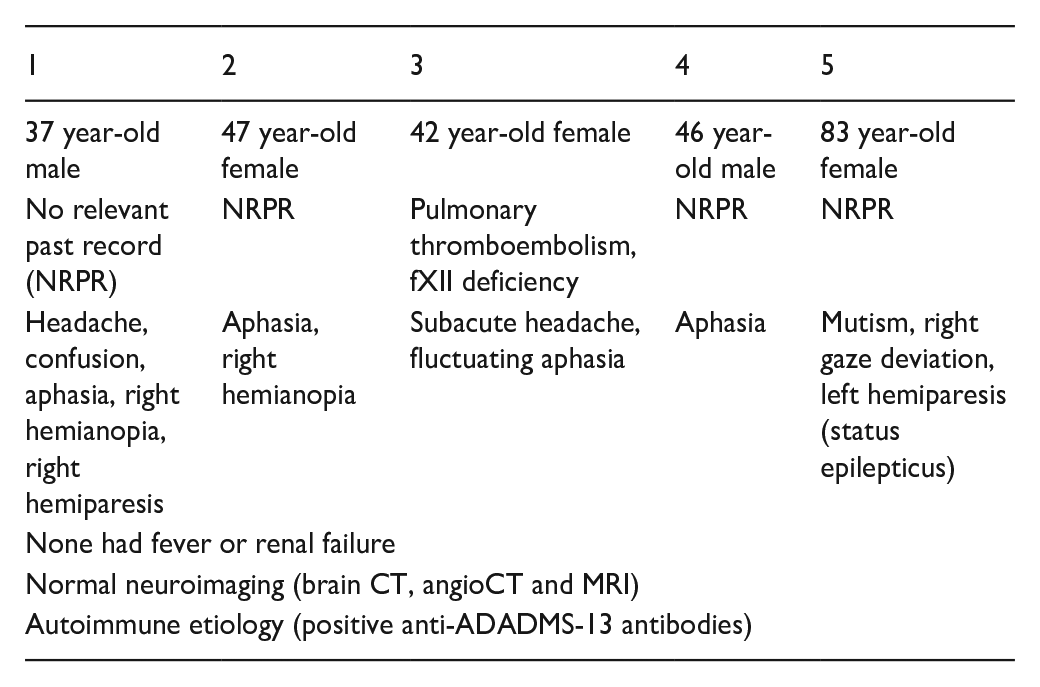
1603
EXTENSIVE CEREBRAL VENOUS THROMBOSIS RESULTING IN COMA WITHOUT FOCAL PARENCHYMAL LESIONS
1Amsterdam UMC, locatie AMC, Neurology, Amsterdam, Netherlands, 2Noordwest Ziekenhuisgroep locatie Alkmaar, Neurology, Alkmaar, Netherlands, 3UMC Utrecht, Neurology, Utrecht, Netherlands, 4Jena University Hospital, Neurology, Jena, Germany, 5Sahlgrenska University Hospital, Neurology, Gothenburg, Sweden, 6Amsterdam UMC, locatie AMC, Radiology, Amsterdam, Netherlands
1870
Significance of isolated vertigo/dizziness and headache in intracranial vertebrobasilar artery dissections
1 Ajou University School of Medicine, Department of Neurology, Suwon, South Korea
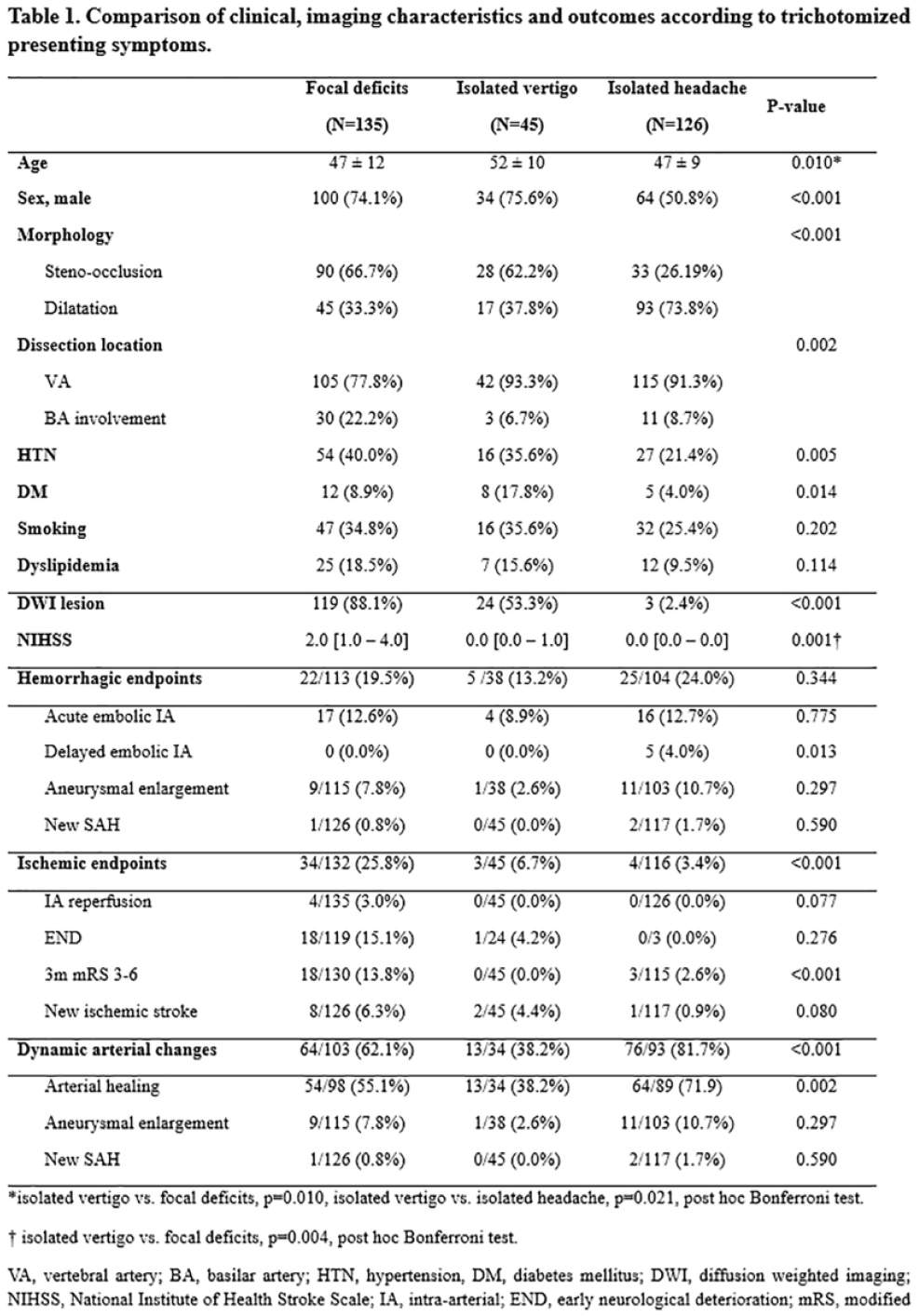
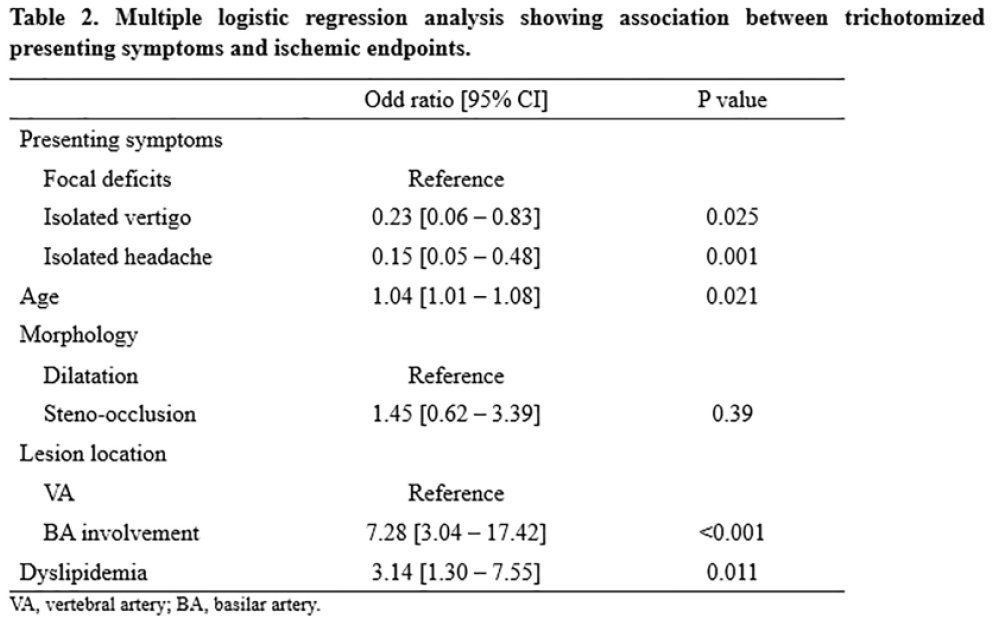
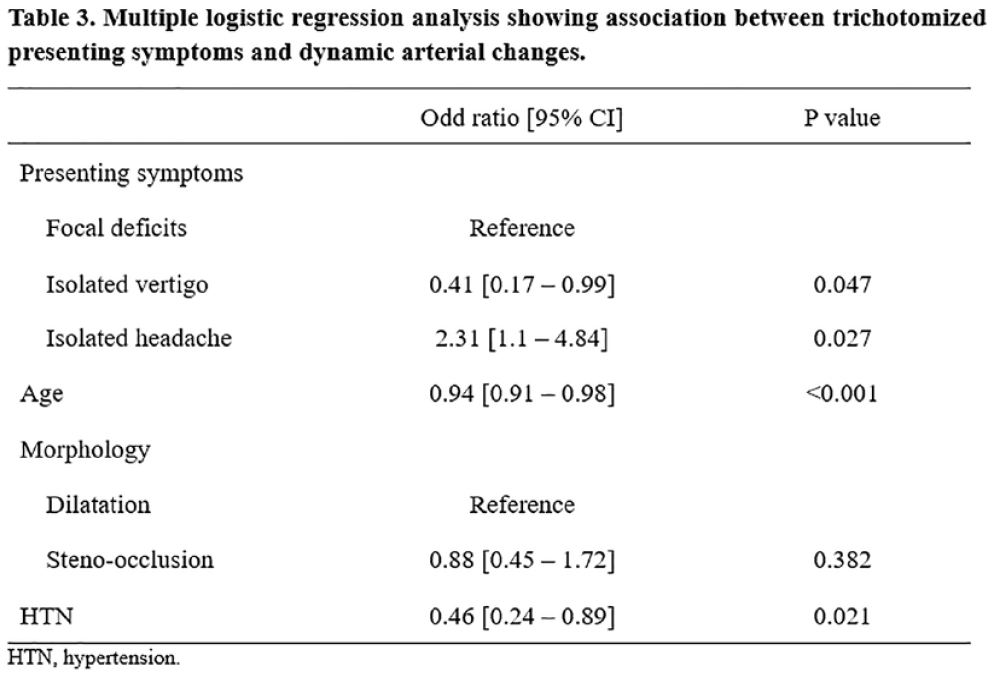
2441
A RARE CASE OF UNBALANCED GENETIC TRANSLOCATION PRESENTING AS INCOMPLETE HANAC SYNDROME, SEIZURES AND LEARNING DISBILITY
1Manchester Centre for Clinical Neurosciences, Northern Care Alliance NHS Foundation Trust, Greater Manchester Comprehensive Stroke Centre, Salford, United Kingdom, 2Lancashire Teaching Hospitals NHS Foundation Trust, Department of Neurology, Preston, United Kingdom, 3Lancaster University, Lancaster Medical School, Lancaster, United Kingdom, 4School of Medical Sciences, University Of Manchester, Faculty of Biology, Medicine and Health, Manchester, United Kingdom
2554
First clinical description of patogenic mutation c.2963G>T (p. Cys988Phe) in NOTCH3 gene
12nd Faculty of Medicine, Charles University in Prague and Motol University Hospital, Department of Neurology, Prague 5, Czech Republic, 2Institute of Inherited Metabolic Disorders, Charles University in Prague - First Faculty of Medicine and General University Hospital, Department of Pediatrics and Inherited Metabolic Disorders, Prague, Czech Republic
2594
ASSESMENT OF AORTIC DISTENSIBILITY IN YOUNG STROKE PATIENTS WITH CERVICAL ARTERY DISSECTION
1Hospital de Santa Maria, Neurology, Lisboa, Portugal, 2Hospital Egas Moniz, Centro Hospitalar Lisboa Ocidental, Neurology, Lisboa, Portugal, 3Hospital Beatriz Angelo, Neurology, Loures, Portugal, 4Hospital de Santa Maria, Cardiology, Lisboa, Portugal
We aimed to determine if individuals with young ischemic stroke caused by CAD had a decreased aortic distensibility that could be used as a marker of CAD
A 3 Tesla cardiac magnetic resonance was performed within the first month after stroke onset to determine aortic distensibility (systolic area-diastolic area/diastolic area) of the mid-ascending aorta using a phase contrast sequence. We compared aortic distensibility in the two groups of patients (undetermined vs CAD) using a non-parametric test.
CARDIOEMBOLISM AND HEART-BRAIN INTERACTIONS
313
Propensity-Score Matched Analysis of Patent Foramen Ovale Closure in Real-World Study Cohort with Cryptogenic Ischemic Stroke
1Yong Loo Lin School of Medicine, National University of Singapore, Department of Medicine, Singapore, Singapore, 2National University Hospital, Singapore, Division of Neurology, Department of Medicine, Singapore, Singapore, 3National University Heart Centre, Singapore, Department of Cardiology, Singapore, Singapore
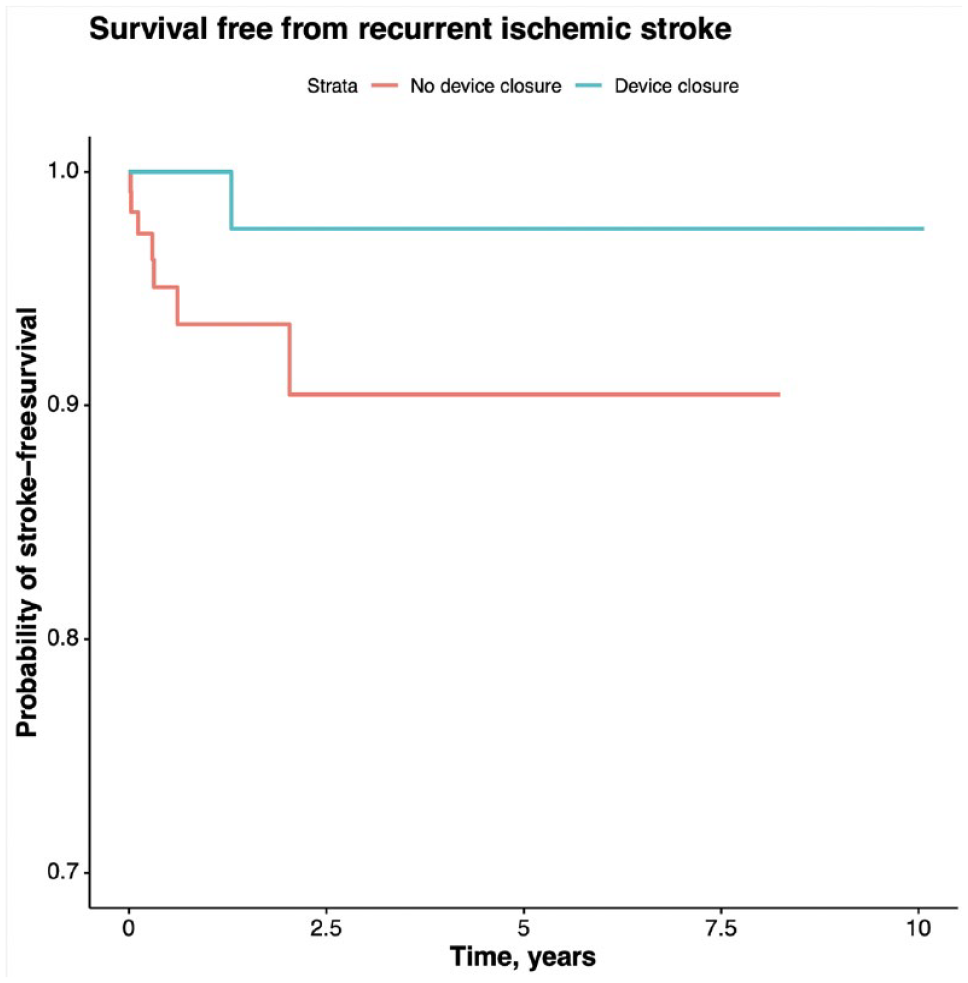
Kaplan-Meier-curve for survival-free from recurrent ischemic stroke in PFO patients with-or-without transcatheter device closure.
430
Novel Hybrid Cardiac and Aortic Arch 18fluoro-2-deoxy-d-glucose (18FDG) PET-CMR Protocol to Evaluate Potential Embolic Sources in Embolic Stroke of Undetermined Source Patients
1National University Heart Centre, Singapore, Department of Cardiology, Singapore, Singapore, 2Yong Loo Lin School of Medicine, National University of Singapore, Department of Medicine, Singapore, Singapore, 3Asian Heart and Vascular Centre, Singapore, Department of Cardiology, Singapore, Singapore, 4Cedars Sinai, David Geffen School of Medicine, University of California, Los Angeles (UCLA), Division of Artificial Intelligence in Medicine, Los Angeles, United States, 5National Heart Centre, Singapore, Department of Cardiology, Singapore, Singapore, 6University of Edinburgh, United Kingdom, Centre for Cardiovascular Science, Edinburgh, United Kingdom, 7National University Hospital, Singapore, Division of Neurology, Department of Medicine, Singapore, Singapore
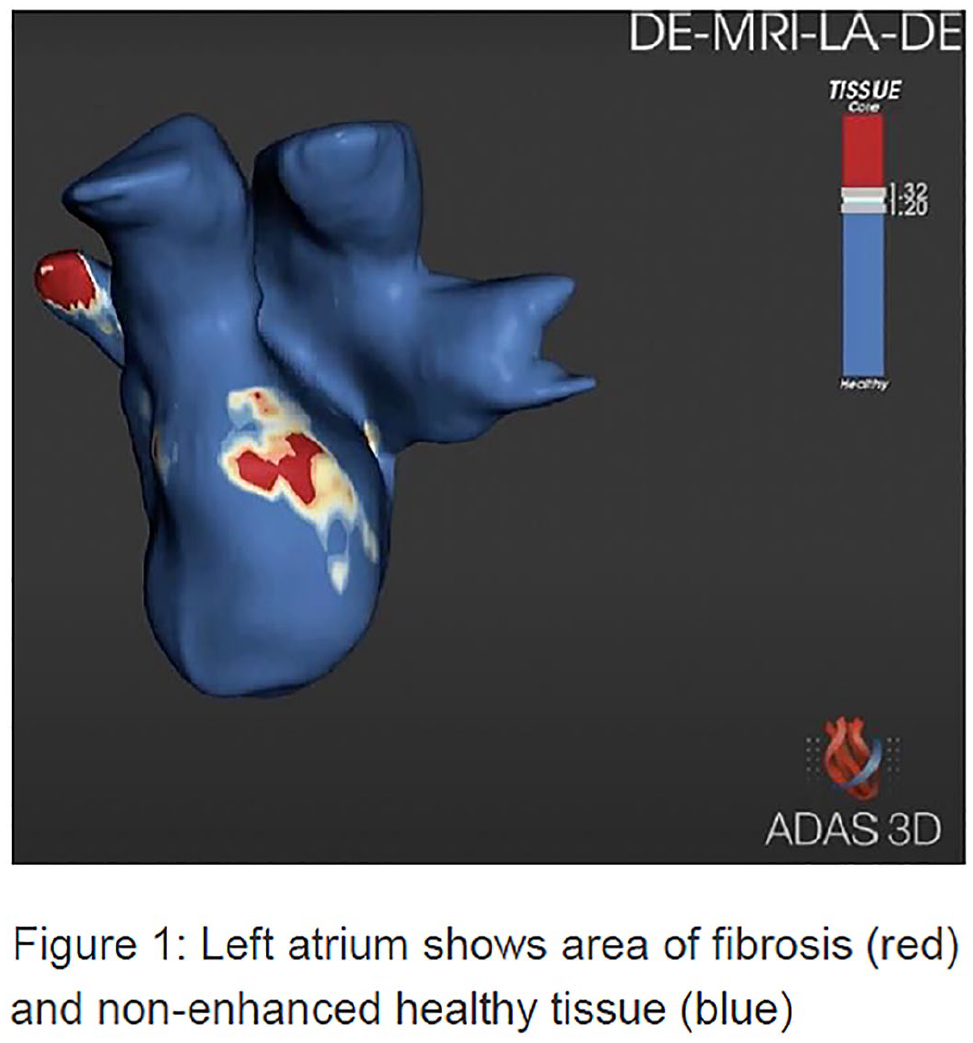
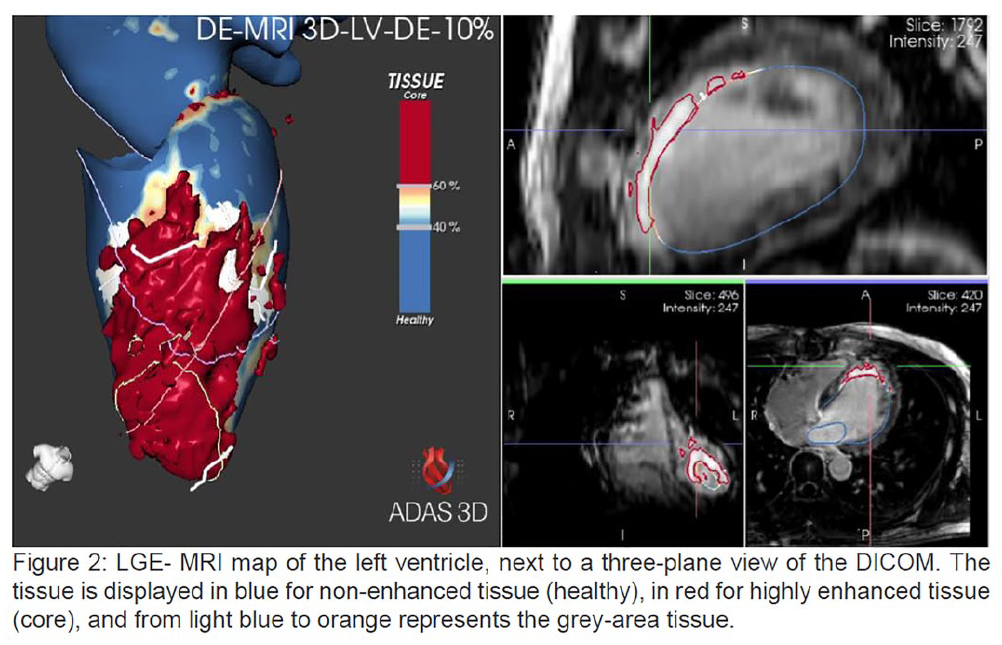
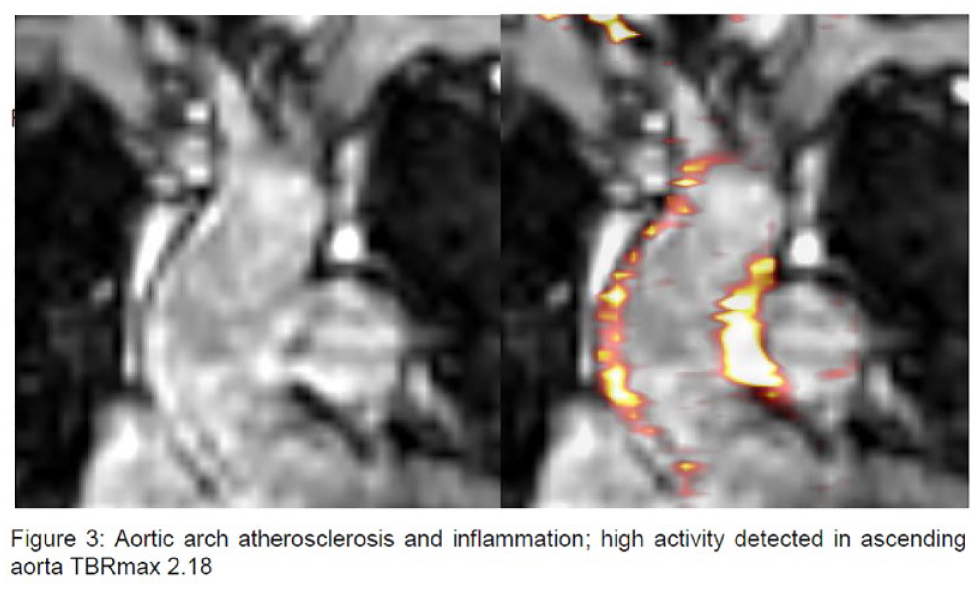
Disclosure of interest: Yes
1080
CENTRAL ROLE OF THE NEUROLOGIST IN PERCUTANEOUS CLOSURE OF PATENT FORAMEN OVALE: EARLY DETECTION, APPROPRIATE INDICATION AND LONG-TERM FOLLOW-UP
1Hospital Universitario Lucus Augusti, Neurology, Lugo, Spain, 2Hospital Universitario Lucus Augusti, Interventional Cardiology, Lugo, Spain, 3Hospital Universitario Lucus Augusti, Cardiology, Lugo, Spain
Percutaneous closure of the PFO is the therapeutic strategy that is gaining in ESUS momentum following the results of recent studies.
Echocardioscopy by the vascular neurologist allows early detection of PFOs and is becoming increasingly common practice.
This work places the neurologist at the centre of the process: from diagnostic imaging, appropriate indication in selected cases, active participation in the closure and long-term follow-up.
Patients in whom PFO is detected are presented to a multidisciplinary committee to complete the study and select cases.
Percutaneous closure is performed by a team consisting of the interventional neurologist and cardiologist.
Follow-up is performed by vascular neurology staff at 3, 6 and 12 months, including follow-up echocardioscopy.
1440
AUTOMATED ALBERTA STROKE PROGRAM EARLY CT SCORE IN STROKE-RELATED MYOCARDIAL INJURY
1Third Faculty of Medicine, University Hospital Kralovske Vinohrady, Charles University, Department of Neurology, Prague, Czech Republic, 2Third Faculty of Medicine, University Hospital Kralovske Vinohrady, Charles University, Department of Cardiology, Prague, Czech Republic, 3Brainomix Ltd, Brainomix Ltd, Oxford, Czech Republic, 4Oxford University Hospitals, NHS Foundation Trust, Oxford, United Kingdom, 5Medtronic Czechia, Medtronic Czechia, Prague, United Kingdom
2268
FAST Index: a new score combining clinical, radiological, anatomical features to diagnose PFO-related stroke
1University of Studies of Florence, Department of Neurofarba, Florence, Italy, 2Città di Castello Hospital, Stroke Unit, Perugia, Italy, 3Santo Stefano Hospital, Neurology Unit, Prato, Italy, 4Careggi University Hospital, Structural Interventional Cardiology, Florence, Italy, 5University of Florence, Department of Health Sciences, Florence, Italy
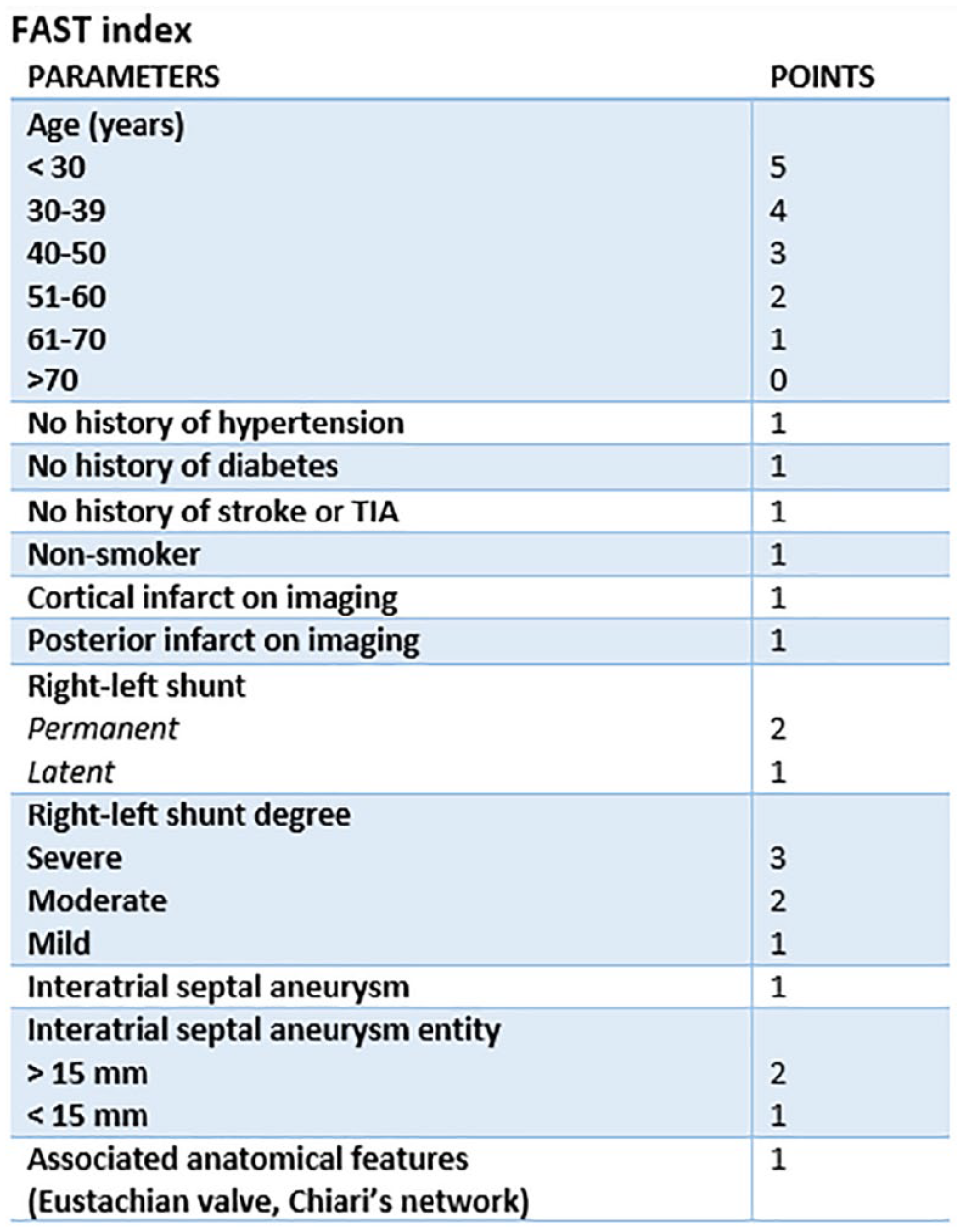
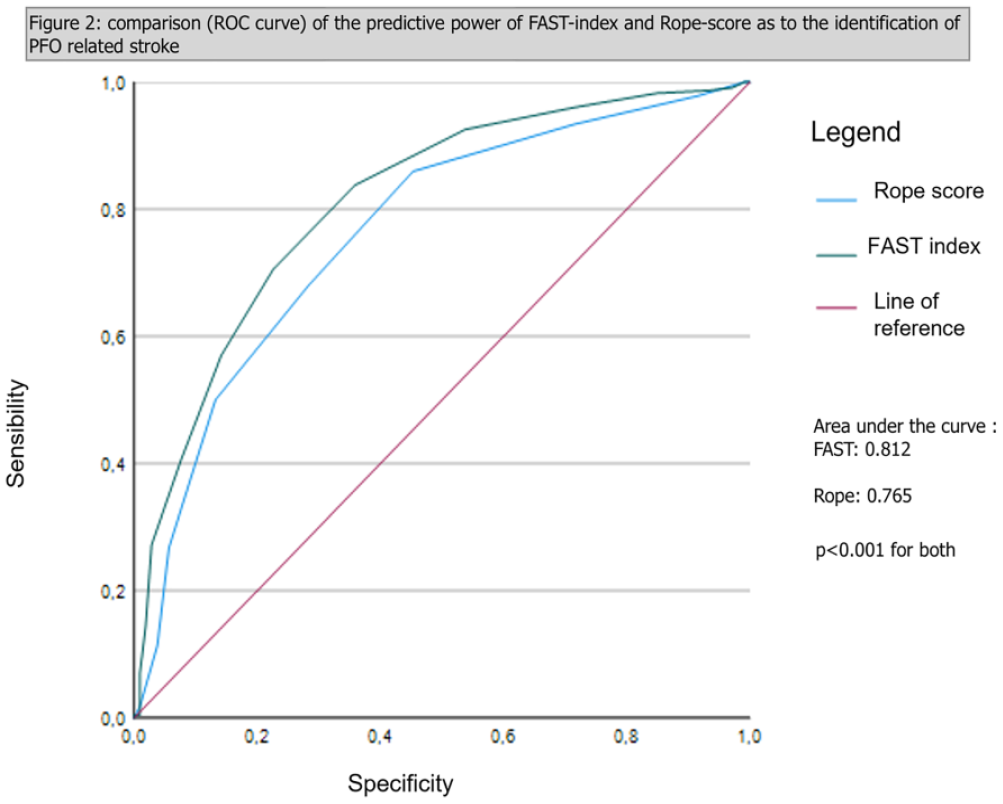
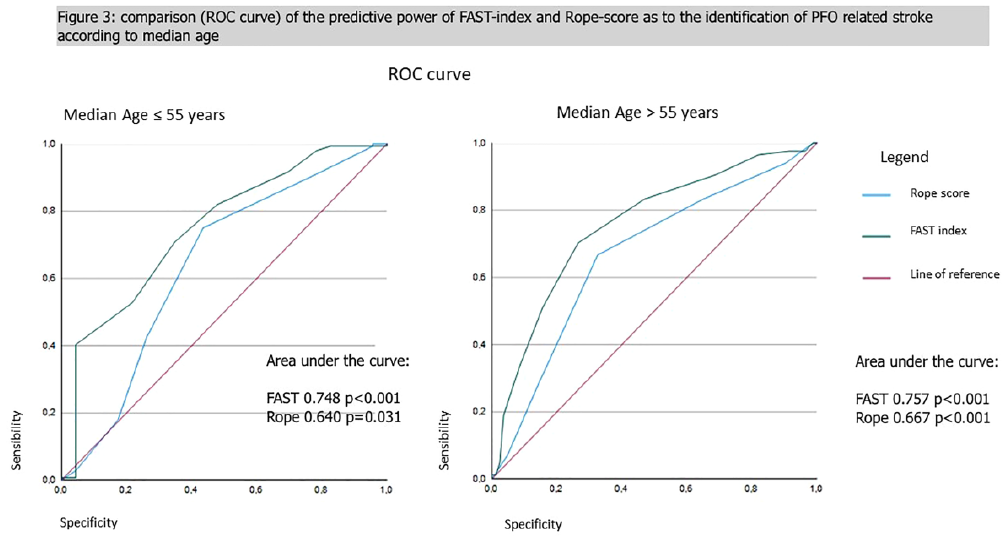
2407
DETECTION OF ATRIAL FIBRILLATION BY LONG-TERM CARDIAC MONITORING AFTER EMBOLIC STROKE OF UNDETERMINED SOURCE (ESUS)
1University Hospital Ludwig-Maximilians-University (LMU) Munich, Department of Medicine I, Munich, Germany, 2Partner site: Munich Heart Alliance, German Centre for Cardiovascular Research (DZHK), Munich, Germany, 3University Hospital Ludwig-Maximilians-University (LMU) Munich, Department of Neurology, Munich, Germany, 4Eberhard Karls University Tübingen, Department of Neurology and Stroke, Munich, Germany
2474
TROPONIN LEVEL DIFFERENCES IN STROKES WITH AND WITHOUT TREATMENT
1 Clinical Unit of Neurology, School of Neurology, Department of Medicine, Surgery and Health Sciences, University Hospital and Health Services of Trieste, ASUGI, University of Trieste, Trieste, Italy
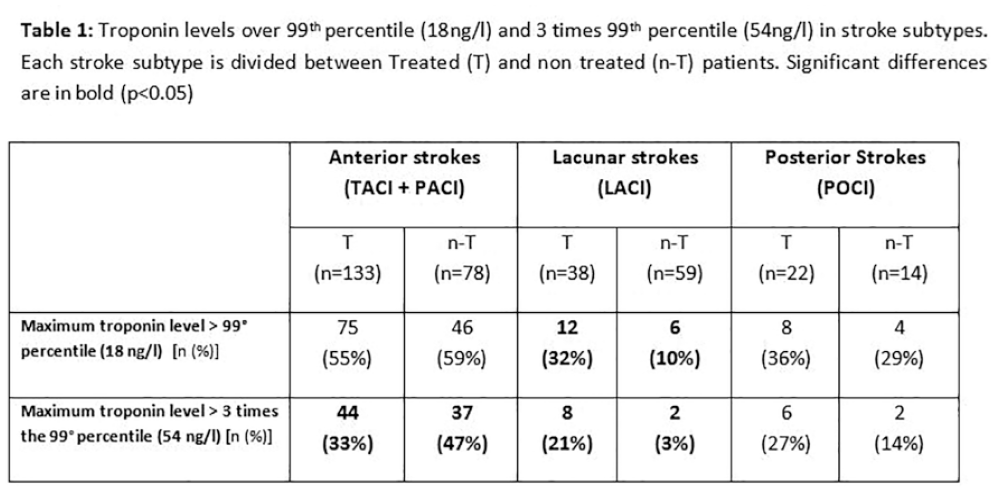
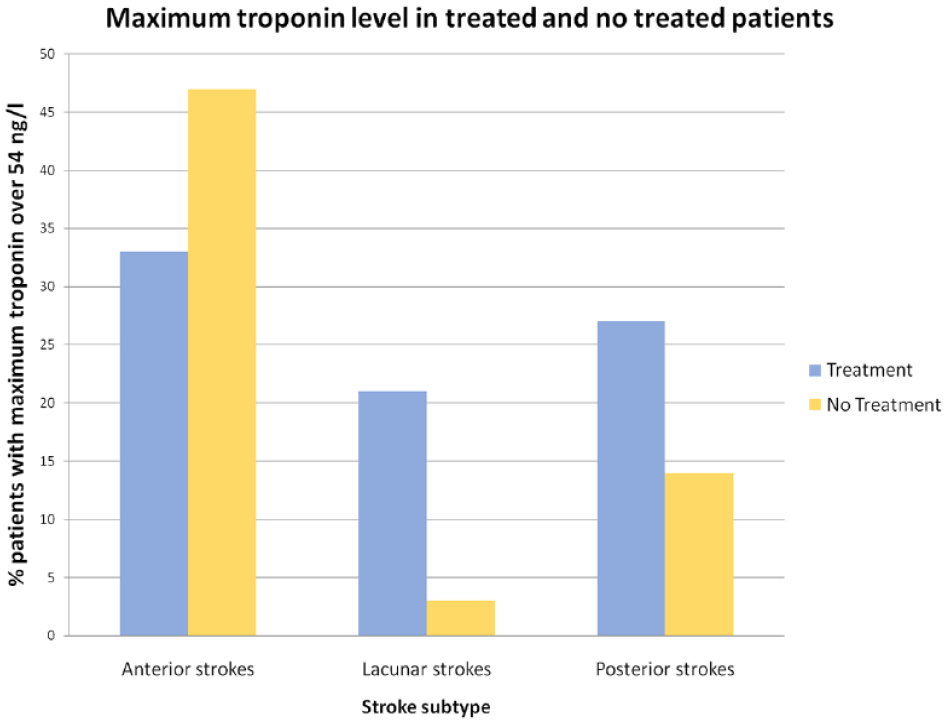
INTRACEREBRAL HAEMORRHAGE
142
INFLUENCE OF TYPE OF HOSPITAL ON THE OUTCOME OF PATIENTS WITH ACUTE INTRACEREBRAL HEMORRHAGE: A POPULATION-BASED STUDY
1Hospital de la Santa Creu i Sant Pau, Neurology, Barcelona, Spain, 2Hospital Universitari de Bellvitge, Neurology, Barcelona, Spain, 3Hospital Universitari Vall d'Hebron, Neurology, Barcelona, Spain, 4Hospital Clínic, Neurology, Barcelona, Spain, 5Hospital Universitari Germans Trias i Pujol, Neurology, Barcelona, Spain, 6Hospital Universitari Dr. JosepTrueta, Neurology, Girona, Spain, 7Hospital del Mar, Neurology, Barcelona, Spain, 8Hospital de Granollers, Neurology, Granollers, Spain, 9Hospital de Mataró, Neurology, Mataró, Spain, 10Hospital Universitari Arnau de Vilanova, Neurology, Lleida, Spain, 11Hospital Universitari Joan XXIII, Neurology, Tarragona, Spain, 12Hospital Mutua de Terrassa, Neurology, Terrassa, Spain, 13Hospital Verge de la Cinta, Neurology, Tortosa, Spain, 14Hospital Parc Taulí, Neurology, Sabadell, Spain, 15Hospital Moisès Broggi, Neurology, Sant Joan Despí, Spain, 16Hospital Althaia, Neurology, Manresa, Spain, 17Hospital Igualada, Medicina, Igualada, Spain, 18Hospital de Vilafranca, Medicina, Vilafranca del Penedes, Spain, 19Hospital Móra d'Ebre, Medicina, Móra d'Ebre, Spain, 20Hospital de Figueres, Medicina, Figueres, Spain, 21Pla Director de la Malaltia Vascular Cerebral, Pla Director de la Malaltia Vascular Cerebral, Barcelona, Spain
164
RATIONALE FOR AGGRESSIVE ACUTE TREATMENT AND SUSTAINED REHABILITATION IN PATIENTS WITH INTRACEREBRAL HAEMORRHAGE (ICH)
1Yeovil District Hospital, Stroke Medicine, Yeovil, United Kingdom, 2HBS Medical and Dental College, Community Medicine, Islamabad, Pakistan, 3Midland Regional Hospital Portlaoise, Paediatrics, Portlaoise, Ireland, 4Shifa Tameer-e-Millat University, General Surgery, Islamabad, Pakistan, 5Pakistan Institute of Medical Sciences, Critical Care Medicine, Islamabad, Pakistan, 6Yeovil District Hospital, Acute Medicine, Yeovil, United Kingdom
250
Diagnostic Utility of Brain MRI in Patients with Spontaneous Intracerebral Hemorrhage: A Retrospective Cohort Study and Meta-Analysis
1Beth Israel Deaconess Medical Center, Neurology, Boston, United States, 2McMaster University & Population Health Research Institute, Neurology, Hamilton, Canada
537
THE ASSOCIATION BETWEEN PERIHAEMATOMAL OEDEMA AND FUNCTIONAL OUTCOME AFTER SPONTANEOUS INTRACEREBRAL HAEMORRHAGE: A SYSTEMATIC REVIEW AND META-ANALYSIS
1Donders Institute for Brain, Cognition and Behaviour, Department of Neurology, Radboud University Medical Centre, Nijmegen, Netherlands, 2The University of Edinburgh, Centre for Clinical Brain Sciences, Edinburgh, United Kingdom
645
EFFECT OF HYDRATION STATUS ON MORTALITY AND FUNCTIONAL OUTCOME IN PATIENTS WITH SPONTANEOUS INTRACEREBRAL HAEMORRHAGE
1 Hospital de la Santa Creu i Sant Pau, Neurology, Barcelona, Spain
Primary end-point was mortality during hospitalization. Secondary end-points were haematoma growth (in follow-up CT scan⩽72h, defined as absolute increase ⩾6ml and/or relative increase ⩾33%) and functional outcome assessed with 3 month-modified Rankin Scale (poor outcome defined as mRS=3-6).
Multivariable analyses (adjusted for age, NIHSS, ICH volume and intraventricular haemorrhage) were performed to assess whether dehydration was independently associated with in-hospital mortality, haematoma growth and functional outcome.
744
Retrospective Study of Intracerebral Haemorrhage Outcome in Patients on Direct Oral Anticoagulants
1St George's Hospital Medical School, Neurosciences, London, United Kingdom, 2St George’s University Hospitals NHS Foundation Trust, Neurology, London, United Kingdom
Data included demographic details, admission medication, modified Rankin Scale (mRS), NIHSS, risk factors, size and site of ICH. Outcome was discharge mRS.
825
INFLUENCE OF DIABETES MELLITUS ON WHITE MATTER INJURY IN AN EXPERIMENTAL MODEL OF INTRACEREBRAL HEMORRHAGE
1Hospital La Paz Institute for Health Research – IdiPAZ La Paz University Hospital- Universidad Autónoma de Madrid, Neurological Sciences and Cerebrovascular Research Laboratory, Department of Neurology and Stroke Centre, Madrid, Spain, 2San Agustín University Hospital, Emergency Service, Asturias, Spain
873
O2L-001, AN EXTENDED-RELEASE FORMULATION OF AN OPTIMIZED TISSUE-TYPE PLASMINOGEN ACTIVATOR FOR AN EFFECTIVE AND SAFE THROMBOLYSIS OF INTRACEREBRAL HAEMATOMA
1Op2lysis SAS, GIP Cyceron, Caen, France, 2INSERM UMR-S U1237, Normandie Université, Caen, France, 3The John Hopkins Hospital, 1800 Orleans Street, Baltimore, United States
1163
Intracerebral haemorrhage: improvements in acute workflow times over the past decade
1Maastricht UMC+, Neurology, Maastricht, Netherlands, 2Radboud UMC, Neurology, Nijmegen, Netherlands
Disclosure of interest: Yes
1269
IR-CPI REDUCES BRAIN INFILTRATION OF NEUTROPHILS RELEASING EXTRACELLULAR TRAPS AND ATTENUATES NEURONAL DEGENERATION AFTER INTRACEREBRAL HAEMORRHAGE
1Bioxodes SA, Nonclinical Research & Development Department, Gosselies, Belgium, 2Bioxodes SA, Clinical Unit, Gosselies, Belgium
In a murine model, we evaluated Ixodes ricinus-Contact Phase Inhibitor (Ir-CPI), an inhibitor of neutrophil-mediated thromboinflammation, on evolution of perihematomal oedema (PHO) and haemorrhage volumes, on neutrophil infiltration and neuronal degeneration.
1435
OUTCOME OF DECOMPRESSIVE HEMICRANIECTOMY WITHOUT EVACUATION OF HEMATOMA IN SUPRATENTORIAL INTRACEREBRAL HEMORRHAGE IN A TERTIARY GOVERNMENT HOSPITAL IN THE PHILIPPINES: A RETROSPECTIVE STUDY
1Baguio City, Neurology, Baguio, Philippines, 2Baguio General Hospital and Medical Center, Neurology, Baguio, Philippines
1552
INTERLEUKIN-4 IS A POTENTIAL PREDICTOR OF OUTCOME IN ACUTE PRIMARY INTRACEREBRAL HEMORRHAGE
1 Pirogov Russian National Research Medical University, Neurology, Neurosurgery, and Medical Genetics Department, Moscow, Russian Federation
1721
HAEMORRHAGIC STROKE SEVERITY IN PATIENTS UNDER DIFFERENT OR NO ANTITHROMBOTIC THERAPY - A PRIMARY STROKE CENTER STUDY
1 Hospital do Espírito Santo de Évora, Medicina, Évora, Portugal
1871
CLINICAL CHARACTERISTICS AND FORMS OF PRESENTATION OF CEREBRAL AMYLOID ANGIOPATHY RELATED-INFLAMMATION. CASE SERIES
1 Hospital Universitari Arnau de Vilanova, Neurology Department, Lleida, Spain
2144
Associations of non-contrast CT marker with long-term functional outcome in hypertensive intracerebral haemorrhage
1Universitätsklinikum Erlangen, Neurologie, Erlangen, Germany, 2Universitätsklinikum Erlangen, Neuroradiologie, Erlangen, Germany
2172
Non-contrast CT Markers Predict Hematoma Expansion and Long-term Clinical Outcome
1Universitätsklinikum Erlangen, Neurologische Klinik, Erlangen, Germany, 2Universitätsklinikum Erlangen, Neuroradiologie, Erlangen, Germany
2196
Blood pressure indices and hematoma expansion in patients with intracerebral hemorrhage
1University of Tübingen (UKT), Department of Neurology and Stroke, Tübingen, Germany, 2University Hospital of Larissa, Department of Neurology, Larissa, Greece, 3University of Tuebingen (UKT), Department of Neurology and Stroke, Tuebingen, Germany
Disclosure of interest: Yes
2217
SURGICAL INTERVENTION FOR CEREBRAL AMYLOID ANGIOPATHY RELATED LOBAR HEMORRHAGE: A SYSTEMATIC REVIEW
1Leiden University Medical Center (LUMC), Neurology, Leiden, Netherlands, 2Leiden University Medical Center (LUMC), Radiology, Leiden, Netherlands, 3Leiden University Medical Center (LUMC), Directorate of Research Policy, Leiden, Netherlands
2247
HAEMATOMA EXPANSION IN INTRACEREBRAL HAEMORRHAGE (ICH): ABSOLUTE VERSUS RELATIVE DEFINITION AND IMPACT ON SHORT-TERM MORTALITY. DATA FROM A POPULATION-BASED STUDY
1 University of L'Aquila, Department of Biotechnological and Applied Clinical Sciences, L'Aquila, Italy
ICH volume was calculated according to the ABC/2 formula. Cox regression for univariate and multivariate analysis (using variables of the ICH Score) was used to test the association between HE and 30-day mortality.
2324
PREVALENCE AND ASSOCIATIONS OF CHRONIC KIDNEY DISEASE WITH CEREBRAL SMALL VESSEL DISEASE IN INTRACEREBRAL HAEMORRHAGE: A CROSS-SECTIONAL ANALYSIS
1UCL Queen Square Institute of Neurology, Stroke Research Centre, London, United Kingdom, 2University College London Hospitals NHS Trust, Comprehensive Stroke Service, National Hospital for Neurology and Neurosurgery, London, United Kingdom, 3University College London, Department of Statistical Science, London, United Kingdom, 4Medical University of Graz, Department of Neurology, Graz, Austria, 5UCL Institute of Neurology, Lysholm Department of Neuroradiology and the Neuroradiological Academic Unit, London, United Kingdom
We aimed to investigate the prevalence of CKD and its associations with cSVD subtypes in patients with ICH.
2327
Management of patients with atrial fibrillation after suffering an intracerebral hemorrhage: The dilemma of restarting anticoagulation or not
1Gregorio Marañón General University Hospital, Neurology, Madrid, Spain, 2Gregorio Marañón General University Hospital, Neurology - Stroke Unit, Madrid, Spain
In the age and baseline NIHSS-adjusted Cox regression analysis, NRA was independently associated with an increased risk of AE (Hazard ratio= 2.45 [95%CI, 1.14–5.26])
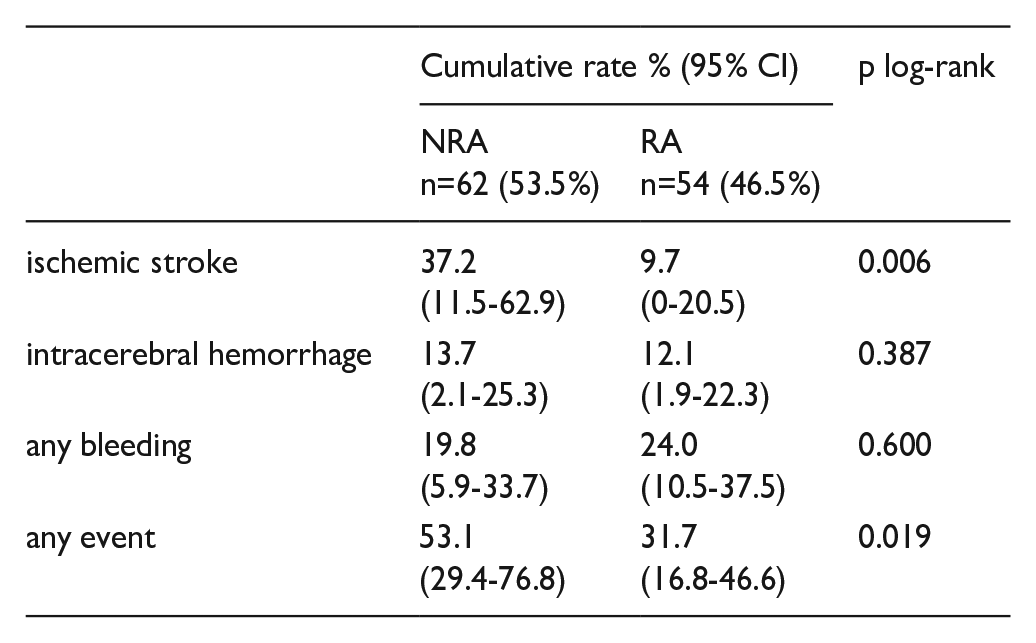
2612
RETROSPECTIVE EVALUATION OF 4-FACTOR PROTHROMBIN COMPLEX CONCENTRATE (4F-PCC) VERSUS ANDEXANET-ALFA (AA) FOR DIRECT ORAL ANTICOAGULANT (DOAC) REVERSAL- A COMMUNITY HOSPITAL EXPERIENCE
1Cone Health The Moses H Cone Memorial Hospital, Pharmacy, Greensboro, United States, 2Cone Health The Moses H Cone Memorial Hospital, Neurology, Greensboro, United States, 3Cone Health Wesley Long Hospital, Pharmacy, Greensboro, United States
2670
Neutrophil to leukocyte ratio and admission glycemia as predictors of short-term death in very old elderlies with lobar intracerebral hemorrhage
1University of Algarve, Algarve Biomedical Center Research Institute, Faro, Portugal, 2Algarve University Hospital Centre, Stroke Unit, Faro, Portugal
Our aim was to investigate the contribution of routine blood biomarkers for short-term mortality (30-days) in elderly patients with lobar SICH.
SAH, ANEURYSMS AND VASCULAR MALFORMATIONS
167
THE CLINICAL SIGNIFICANCE OF PERIPHERAL BLOOD CELL RATIOS IN PATIENTS WITH INTRACRANIAL ANEURYSM
1CHA Bundang Medical Center, CHA University, Department of Neurology, Seongnam, South Korea, 2Presbyterian Medical Center, Department of Neurology, jeonju, South Korea, 3Konyang University College of Medicine, Department of Neurology, Daejeon, South Korea, 4Yonsei University College of Medicine, Departments of Neurology, Seoul, South Korea
459
Investigation of Intracranial Aneurysm Formation by Comparing the Combined Influence of Haemodynamic Parameters Between Aneurysmal and Non-Aneurysmal Intracerebral Arteries
1Yongin Severance Hospital, Neurosurgery, Yongin, South Korea, 2Hanyang University, Department of Mechanical Engineering and BK21 FOUR ERICA-ACE Center, Ansan, South Korea, 3Severance Hospital, Neurosurgery, Seoul, South Korea, 4Ajou University Hospital, Radiology, Suwon, South Korea
486
Association of epigenetic variants with the development of vasospasm in aneurysmal subarachnoid haemorrhage
1Institut Hospital del Mar d'Investigacions Mèdiques (IMIM), Neurology, Barcelona, Spain, 2Hospital del Mar, Neurology, Barcelona, Spain, 3University General Hospital of Catalonia, Neuroangiografía Diagnóstica y Terapéutica “J.J.MERLAND”, Sant Cugat del Vallès, Spain, 4Josep Carreras Leukaemia Research Institute – Institut d'Investigació contra la Leucèmia Josep Carreras, Epigenetics and biology, Badalona, Spain
574
THE ASSOCIATION BETWEEN ANEURYSMAL SUBARACHNOID HAEMORRHAGE AND VITAMIN D SERUM LEVELS - AN ANALYSIS OF THE UK BIOBANK
1Universitätsmedizin Mannheim, Neurosurgery, Mannheim, Germany, 2UMC Utrecht, Neurology, Utrecht, Netherlands, 3Centre for Medical Informatics, Usher Institute of Population Health Sciences and Informatics, University of Edinburgh, Centre for Clinical Brain Sciences, University of Edinburgh, Edinburgh, United Kingdom
591
Symptomatic developmental venous anomalies
1Spital Grabs, Stroke Unit, Grabs, Switzerland, 2Kantonsspital St.Gallen, Department of Neurology, St. Gallen, Switzerland
A 21-year-old male presented with three short episodes of focal clonic seizures in his left arm followed by a focal to bilateral tonic-clonic seizure. DVA over the right central sulcus with partial thrombosis of the venous drainage could be identified on the MR-Twist-Angiography. The preliminary results of the lab testing revealed no procoagulatory state in this case either. Oral anticoagulation and a short-term anticonvulsive therapy with levetiracetam was started.
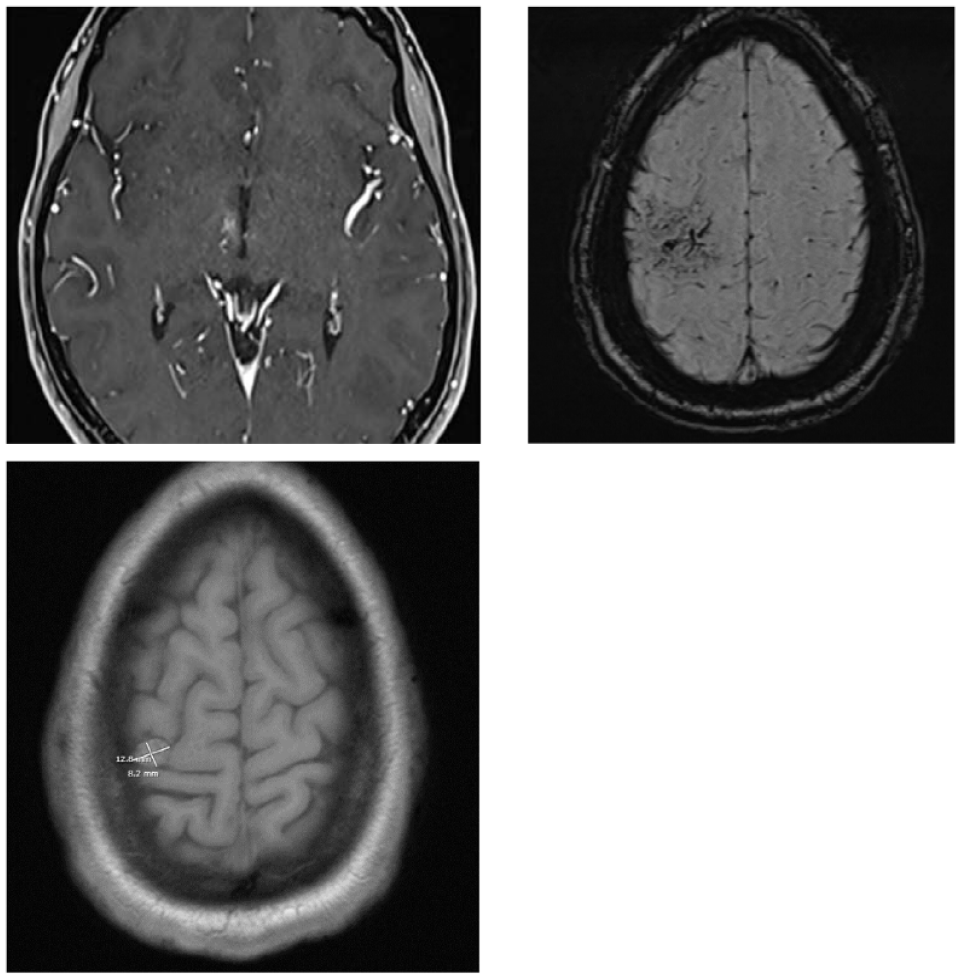
656
Skin Biopsy As A Biomarker Of An Underlying Connective Tissue Disorder In Patients With Spontaneous Cervical Artery Dissection: A Systematic Review
1University of Massachusetts Chan Medical School, Department of Neurology, Worcester, United States, 2Mayo Clinic, Department of Neurosurgery, Rochester, United States, 3Mayo Clinic, Department of Radiology, Rochester, United States, 4University of Brescia, Department of Clinical and Experimental Sciences, Neurology Clinic, Brescia, Italy, 5Mayo Clinic, Department of Neurology, Rochester, United States
981
Etiology of convexity subarachnoid hemorrhage: a wolf in sheep's clothing?
1 Hospital de la Princesa, Neurology, Madrid, Spain
1806
Association between the cytokine concentration in cerebrospinal fluid and the severity of subarachnoid hemorrhage
1The University of Tokyo, Isotope Science Center, Tokyo, Japan, 2New Tokyo Hospital, Neurosurgery, Chiba, Japan
1854
Clinical events in patients with conservatively managed cerebral cavernous malformations: a single-center cohort study
1Amsterdam UMC, location AMC, Neurology, Amsterdam, Netherlands, 2Amsterdam UMC, location AMC, Neurosurgery, Amsterdam, Netherlands, 3Amsterdam UMC, location AMC, Radiology, Amsterdam, Netherlands
1890
NEUROAXONAL INJURY MEDIATES THE ASSOCIATION BETWEEN HYPERGLYCEMIA AND POOR CLONICAL OUTCOME AFTER SPONTANEOUS SUBARACHNOID HEMORRHAGE
1Institute of Neuroscience, Neurology Department, Barcelona, Spain, 2Institute of Neuroscience, Neurosurgery Department, Barcelona, Spain, 3August Pi i Sunyer Biomedical Research Institute (IDIBAPS), Magnetic Resonance Core Facility, Barcelona, Spain, 4Institute of Diagnostic Imaging, Interventional Neurorradiology Department, Barcelona, Spain, 5August Pi i Sunyer Biomedical Research Institute (IDIBAPS), Neuroscience Department, Barcelona, Spain, 6Anesthesiology Department, Neuroanesthesia Division, Barcelona, Spain, 7Anesthesiology Department, Neurocritical Care Division, Barcelona, Spain
1997
CLASSIFICATION OF NON-ANEURYSMAL SUBARACHNOID HAEMORRHAGE (NASAH) SINGLR CENTRE EXPERIENCE OF 450 PATIENTS
1 Iraq, Babylon Health Directory, medicine, hilla, Iraq
2092
STROKE UNIT AS A VALID AND REASONABLE ALTERNATIVE TO INTENSIVE CARE UNITS FOR LOW-GRADE NON-ANEURYSMAL SUBARACHNOID HEMORRHAGE: A SAFETY AND COST-MINIMISATION ANALYSIS
1Institute of Neuroscience, Neurology Department, Barcelona, Spain, 2Institute of Neuroscience, Neurosurgery Department, Barcelona, Spain, 3Institute of Diagnostic Imaging, Interventional Neurorradiology Department, Barcelona, Spain, 4August Pi i Sunyer Biomedical Research Institute (IDIBAPS), Neuroscience Department, Barcelona, Spain, 5Anesthesiology Department, Neuroanesthesia Division, Barcelona, Spain, 6Anesthesiology Department, Neurocritical Care Division, Barcelona, Spain
2123
BILATERAL ANTERIOR CEREBRAL ARTERY STENOSIS DUE TO FIBROMUSCULAR DYSPLASIA: A STROKE OF UNUSUAL ETIOLOGY
1 Guadalajara, Neurology, Guadalajara, Spain
Brain MRI evinced infarction in right parietal lobe (Figure 1). MRI-angiography presented bilateral ACA stenosis (Figure 2). The arteriography (Figure 3) indicated signs of FMD at the level of both common ACA, carotid and vertebral arteries.
It was decided to initiate dual antiplatelet therapy for 3 months.
Therefore, we recommend performing an image of the intracerebral arterial circulation in FMD to exclude stenosis and potentially lethal aneurysm.
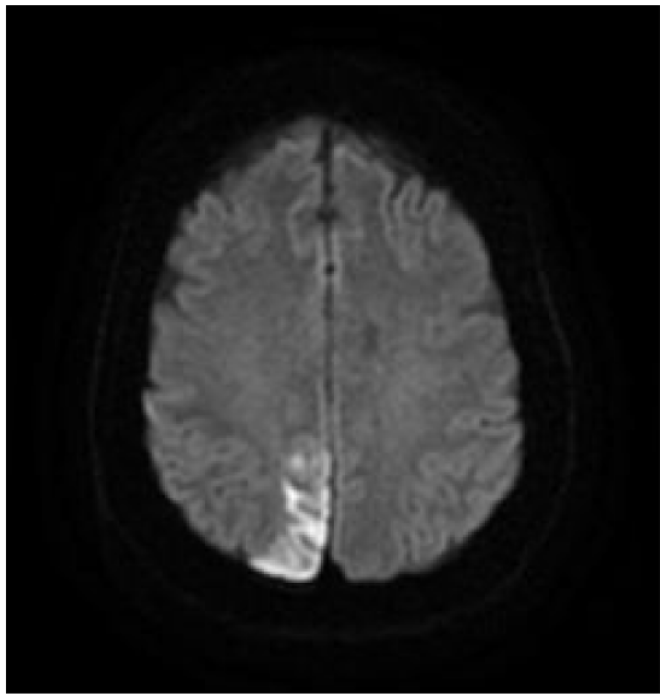
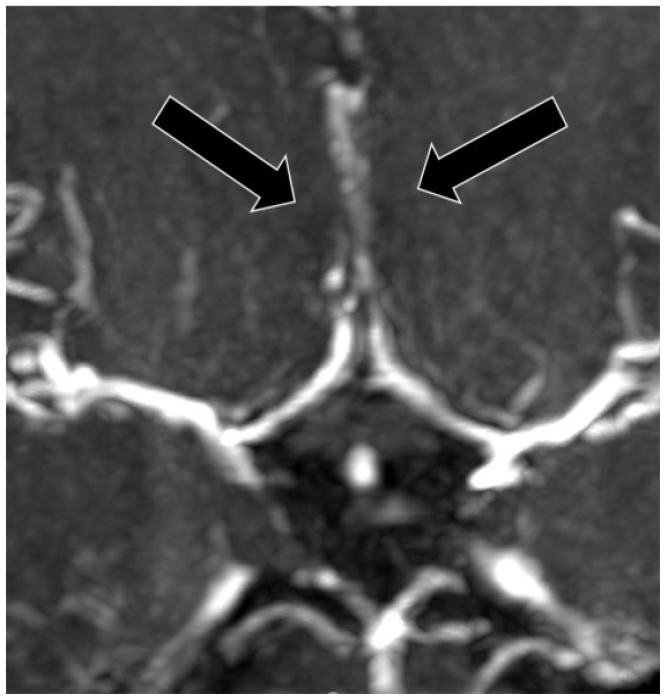
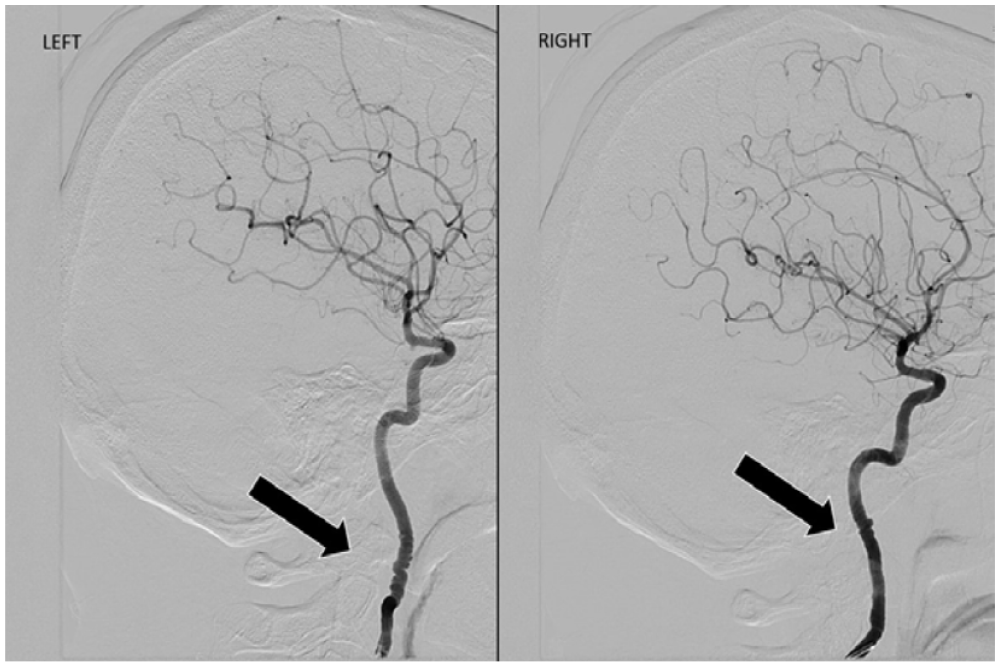
2318
PREDICTION OF ANEURYSMAL SUBARACHNOID HAEMORRHAGE IN COMPARISON WITH OTHER STROKE TYPES USING ROUTINE CARE DATA
1UMC Utrecht, Neurology and Neurosurgery, Utrecht, Netherlands, 2Leiden University, Neurology, Leiden, Netherlands, 3National eHealth Living Lab, Primary Care and Public Health, Leiden, Netherlands, 4Amsterdam UMC, General Practice, Amsterdam, Netherlands
2339
Development of diagnostic models for the detection of unruptured intracranial aneurysms in the general population
1University Medical Center Utrecht, Neurology and Neurosurgery, Utrecht, Netherlands, 2Erasmus Medical Center, Neurology, Rotterdam, Netherlands, 3Erasmus Medical Center, Radiology, Rotterdam, Netherlands, 4University Medical Center Utrecht, Julius Center for Health Sciences and Primary Care, Utrecht, Netherlands
2453
HOW SHOULD AN EVD BE CHALLENGED? A SINGLE CENTRE EXPERIENCE AND META-ANALYSIS
1The University of Manchester, Medical School, Manchester, United Kingdom, 2Salford Royal NHS, Neurosurgery, Manchester, United Kingdom
2496
NIMODIPINE REDUCES MICROVASOSPASMS AFTER EXPERIMENTAL SUBARACHNOID HEMORRHAGE
1Munich University Hospital, Institute for Stroke and Dementia Research, München, Germany, 2Klinikum rechts der Isar, Technische University Munich, Department of Diagnostic and Interventional Neuroradiology, Munich, Germany, 3Munich Cluster for Systems Neurology, (SyNergy), Munich, Germany, 4Department of Neurosurgery, Munich University Hospital, Munich, Germany
It is increasingly recognized that microcirculatory dysfunction occurs early after SAH and significantly co-determines posthemorrhagic brain damage and, ultimately, neurological outcome. Prominent morphological features in the post-SAH cerebral microcirculation are microarterial constriction and microvasospasm (MVS) which have been detected in experimental as well as clinical studies. In the present study, we investigated the effect of Nimodipine on the cerebral microcirculation in a murine model of SAH.
2633
Treatment of aneurysmal subarachnoid hemorrhage over 10 years in a population-based study
1University of L'Aquila, Department of Biotechnological and Applied Clinical Sciences, L'AQUILA, Italy, 2University of L'Aquila, 2Department of Internal Medicine, Public Health, Life and Environmental Sciences, L'Aquila, Italy, 3Avezzano Hospital, Department of Neurology and Stroke Unit, Avezzano, Italy
2674
Follow-up Imaging of Clipped Intracranial Aneurysms at 3T MRI: Comparison between 3D Time-of-Flight MR Angiography versus Pointwise Encoding Time Reduction with Radial Acquisition Subtraction-Based MR Angiography
1 Chosun University Hospital, Department of Neurosurgery, Gwangju, South Korea
COGNITION AND VASCULAR COGNITIVE IMPAIRMENT
214
DOC screen completion time: a novel marker of executive function, speed of processing and fluency
1Sunnybrook Health Sciences Center, Neurology, Toronto, Canada, 2University of Toronto, Institute of Medical Science, Toronto, Canada, 3Sunnybrook Health Sciences Center, Psychiatry, Toronto, Canada, 4Sunnybrook Health Sciences Center, Hurvitz Brain Sciences Research Program, Toronto, Canada, 5University of Toronto, Department of psychiatry, Toronto, Canada, 6Hamilton Health Sciences, Neurology, Hamilton, Canada, 7McMaster University, Faculty of Health Sciences, Hamilton, Canada, 8University of Toronto, Medicine, Toronto, Canada
612
Post-stroke cognitive impairment– prospective study in population of Georgia after stroke
1S.Khechinashvili University Hospital, Neurology, Tbilisi, Georgia, 2Virginia Hospital Center, Neurology, Arlington, United States
The study was performed with support of Shota Rustaveli National Science Foundation of Georgia.
648
ASSOCIATIONS OF NEOPTERIN, QUINOLINIC ACID, AND VITAMIN B6 RELATED BIOMARKERS (INDEXES) WITH POST-STROKE COGNITIVE IMPAIRMENT: THE NOR-COAST STUDY
1Møre and Romsdal Hospital Trust, Department of Internal Medicine, Kristiansund Hospital, Kristiansund N, Norway, 2NTNU – Norwegian University of Science and Technology, Department of Neuromedicine and Movement Science, Faculty of Medicine and Health Science, Trondheim, Norway, 3St. Olavs Hospital, Trondheim University Hospital, Department of Geriatric Medicine, Clinic of Medicine, Trondheim, Norway, 4Haraldsplass Deaconess Hospital, Department of Internal Medicine, Bergen, Norway, 5NTNU – Norwegian University of Science and Technology, Department of Mental Health, Faculty of Medicine and Health Science, Trondheim, Norway, 6Bevital AS, ., Bergen, Norway, 7St. Olavs Hospital, Trondheim University Hospital, Stroke Unit, Clinic of Medicine, Trondheim, Norway, 8Oslo University Hospital, Ullevaal, Department of Geriatric Medicine, Oslo, Norway
721
IMPAIRED MUSCLE-BRAIN CROSSTALK VIA DOWNREGULATED PGC-1α/FNDC5/IRISIN/BDNF AXIS AFTER CHRONIC STROKE IN NON-HUMAN PRIMATE
1 The First Affiliated Hospital, Sun Yat-sen University, Department of Neurology, Guangzhou, China
728
THE CLOCK DRAWING TEST: DIAGNOSTIC ACCURACY IN SCREENING FOR EARLY POST-STROKE NEUROCOGNITIVE DISORDER IN THE NORWEGIAN COGNITIVE IMPAIRMENT AFTER STROKE STUDY (NOR-COAST)
1Department of Neuromedicine and Movement Science, Faculty of Medicine and Health Science, NTNU-Norwegian University of Science and Technology, Trondheim, Norway, 2Department of Geriatric Medicine, Clinic of Medicine, St. Olavs hospital, Trondheim University Hospital, Trondheim, Norway, 3Department of Mental Health, Faculty of Medicine and Health Science, NTNU-Norwegian University of Science and Technology, Trondheim, Norway, 4Department of Medicine, Bærum Hospital, Vestre Viken Hospital Trust, Drammen, Norway, 5Department of Medical Research, Bærum Hospital, Vestre Viken Hospital Trust, Drammen, Norway, 6Stroke Unit, Department of Neurology, Oslo University Hospital, Ullevaal, Oslo, Norway, 7Department of Psychology, NTNU-Norwegian University of Science and Technology, Trondheim, Norway
1406
Prospective Study of the association between Vascular Risk Factors, Blood-Brain Barrier Permeability, and Cerebrovascular Damage with Dementia Risk in Mild Cognitive Impairment
1 IMIM-Hospital del Mar Medical Research Institute, Neurology, Barcelona, Spain
Regression Cox analysis.
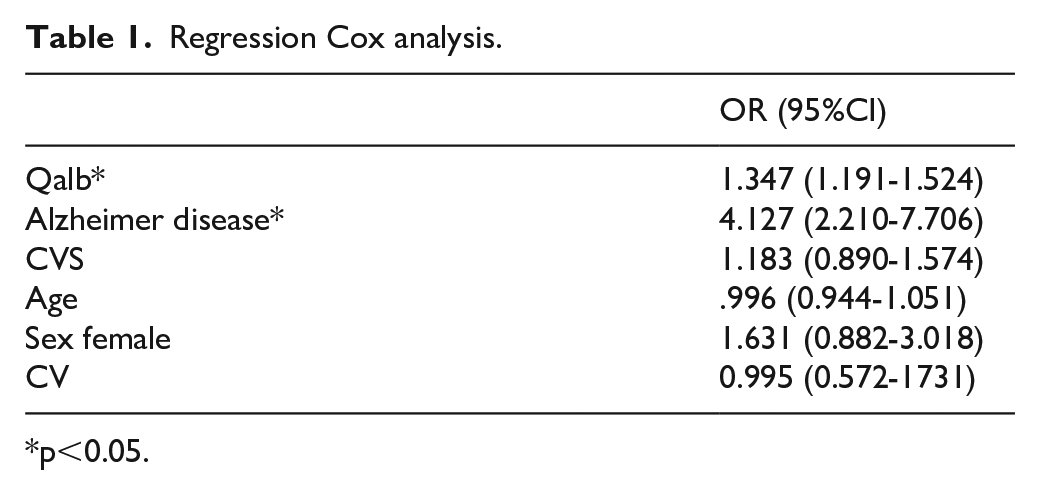
p<0.05.
1619
Validation the Vascular Impairment of Cognition Classification Consensus Study (VICCCS) -2 battery for Georgian Language Population
1 S.Khechinashviil University Hospial, Neurology, Tbilisi, Georgia
1675
Executive functions and resting-state functional connectivity in patients with frontal lobe stroke
1Almería, Neurology Department, Almería, Spain, 2University of Almería, Psychology Department, Almería, Spain, 3La Paz University Hospital. Health Research Institute IdiPAZ ., Neurology and Stroke Centre, Madrid, Spain
1776
Cognitive assessment instruments in randomized controlled trials of stroke from 2011 - present: A scoping review
1Sunnybrook Health Sciences Center, Neurology, Toronto, Canada, 2University of Toronto, Institute of Medical Science, Toronto, Canada, 3University of Calgary, Neuroscience, Calgary, Canada, 4Sunnybrook Health Sciences Center, Hurvitz Brain Sciences Research Program, Toronto, Canada, 5Heart and Stroke Foundation, Canadian Partnership for Stroke Recovery, Toronto, Canada
2132
CHAGAS DISEASE IS ASSOCIATED WITH LOW CEREBELLAR VOLUME BUT NOT SILENT ISCHEMIA
1Federal University of Bahia, Medical School, Salvador, Brazil, 2Oswaldo Cruz Foundation (Fiocruz), LIB/LEITV, Salvador, Brazil
2317
Sex differences in cognitive performance in patients with heart failure
1University Medical Center Utrecht, Department of Neurology, UMC Utrecht Brain Center, Utrecht, Netherlands, 2University Medical Center Utrecht, Julius Center for Health Sciences and Primary Care, Utrecht, Netherlands, 3Amsterdam UMC, Department of Cardiology, Amsterdam, Netherlands, 4Leiden University Medical Center, Department of Radiology, Leiden, Netherlands, 5Erasmus MC, Department of Radiology & Nuclear Medicine, Rotterdam, Netherlands, 6Amsterdam UMC, Alzheimer Center Amsterdam & Department of Neurology, Amsterdam, Netherlands, 7Maastricht University Medical Center, Department of Cardiology, Maastricht, Netherlands, 8University Medical Center Utrecht, Laboratory of Experimental Cardiology, Utrecht, Netherlands
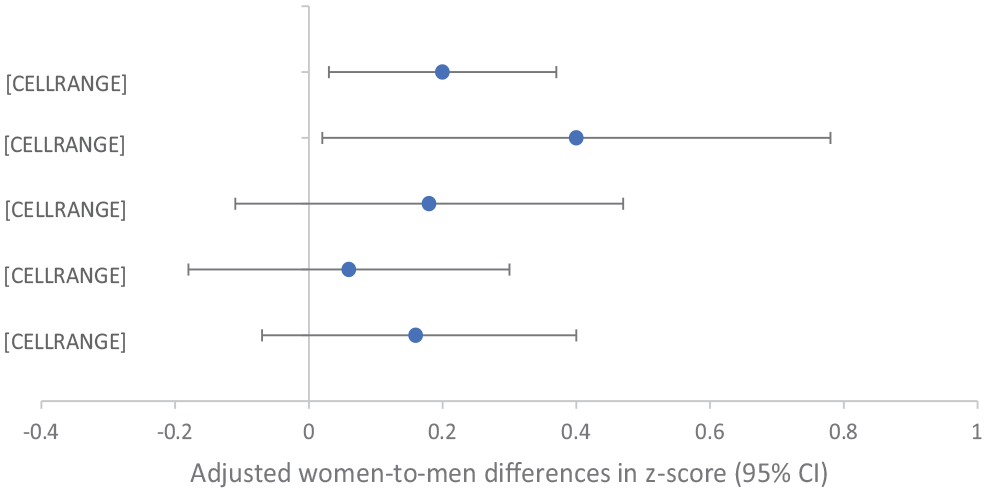
2560
The association between inflammatory biomarkers with dementia after acute ischemic stroke
1 Tashkent Medical Academy, Neurology, Tashkent, Uzbekistan
2626
PRESENCE OF COGNITIVE IMPAIRMENT AND FATIGUE IN TIA PATIENTS AND IN PATIENTS WITH LACUNAR STROKE. A PROPOSAL OF NEUROPSYCHOLOGYCAL ASSESSMENT PROTOCOL
1Hospital Virgen Macarena, Neurology Unit, Seville, Spain, 2Hospital Virgen Macarena, Neurology Unit, Sevilla, Spain
SMALL VESSEL DISEASE
79
INCREASE ON ARTERIAL STIFFNESS ASSOCIATES WITH BLOOD BRAIN PERMEABILITY IN PATIENTS WITH A PREVIOUS LACUNAR INFARCT
1Hospital de Sant Joan Despí Moisès Broggi, Neurology, Sant Joan Despí, Spain, 2Hospital de Sant Joan Despí Moisès Broggi, Radiology, Sant Joan Despí, Spain, 3Hospital Clínic de Barcelona, Neuroradiology secction, Radiology Department CDIC, Barcelona, Spain, 4Hospital Clínic de Barcelona, Institute of Neuroscience, Comprehensive Stroke Center, Barcelona, Spain, 5Institut d'Investigacions Biomèdiques August Pi i Sunyer (IDIBAPS), Magnetic Resonance Imaging Core Facility, Institut d'Investigacions Biomèdiques August Pi i Sunyer (IDIBAPS), Barcelona, Spain, 6Hospital de Sant Joan Despí Moisès Broggi, Internal Medicine, Sant Joan Despí, Spain
Follow-up was available in 29 patients. Median (IQR) ΔPWV was 3(-1-5) cm/s.WM-Ktrans(r=0.651, p<0.0001) GM-Ktrans (r=0.657, p<0.0001) and WB-Ktrans (r=0.530, p=0.003) were associated with ΔPWV, but not with Δ24h-SBP, Δ24h-DBP, ΔNT-proBNP or ΔUAE.
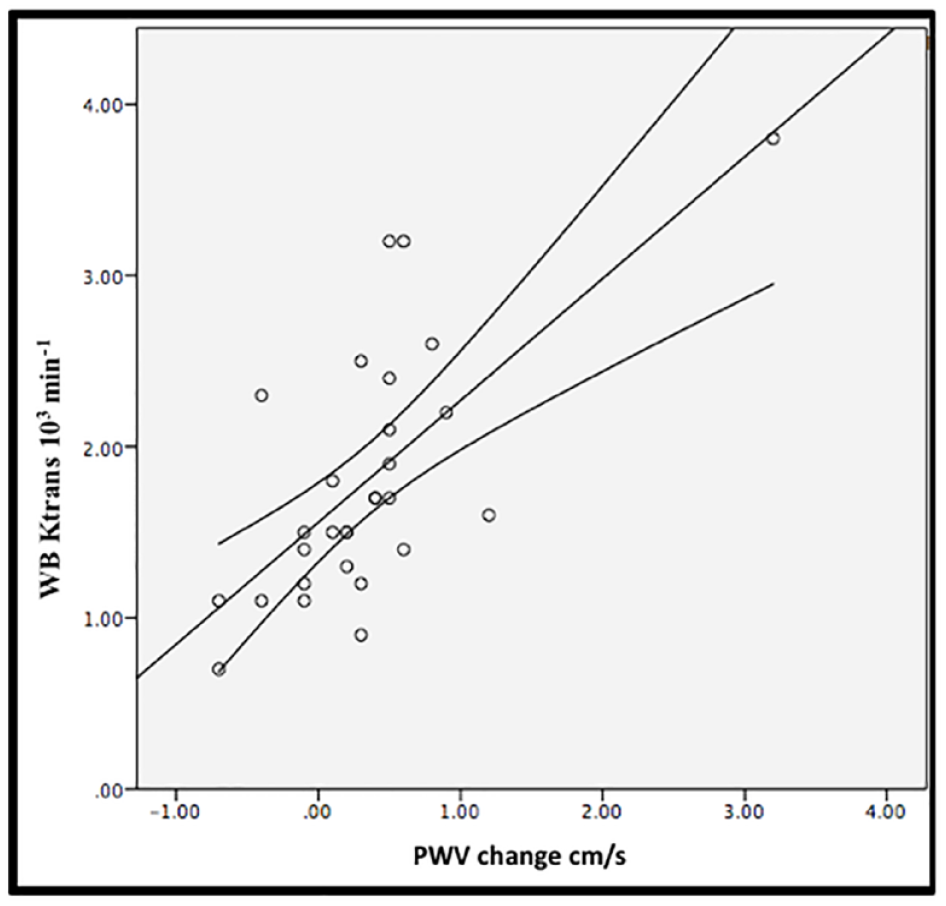
254
BLOOD-BRAIN BARRIER LEAKAGE IN CEREBRAL AMYLOID ANGIOPATHY – study design and preliminary analysis
1Leiden University Medical Center, Neurology, Leiden, Netherlands, 2Leiden University Medical Center, Radiology, Leiden, Netherlands, 3Maastricht University Medical Center, Radiology & Nuclear Medicine, Maastricht, Netherlands, 4J. Philip Kistler Stroke Research Center, Neurology, Boston, United States, 5MassGeneral Institute, Neurodegenerative Disease, Charlestown, United States
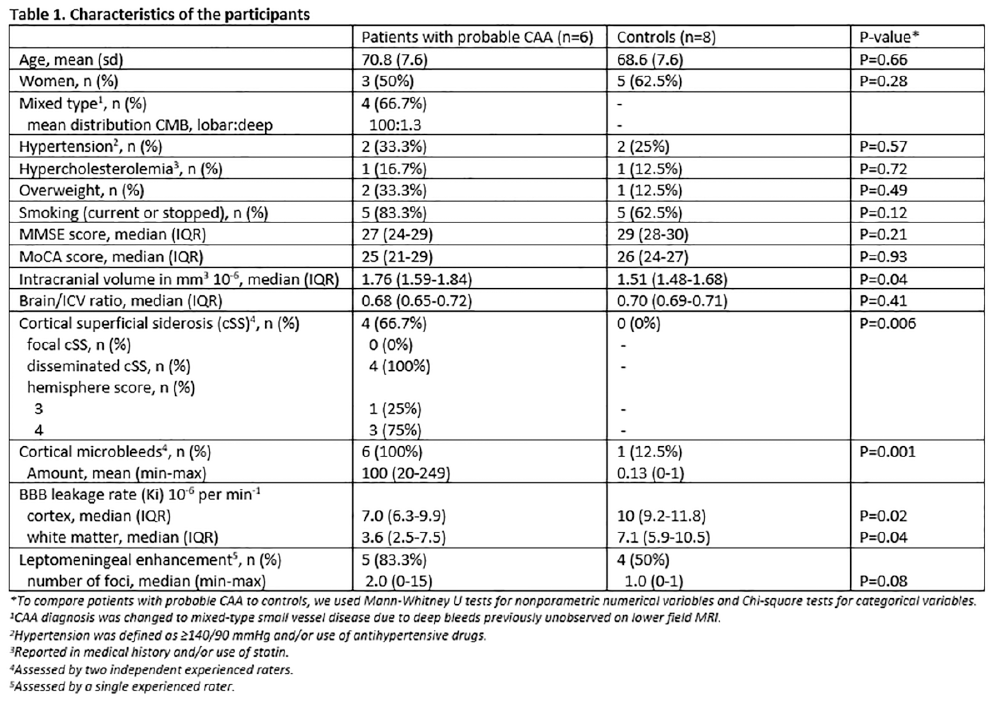
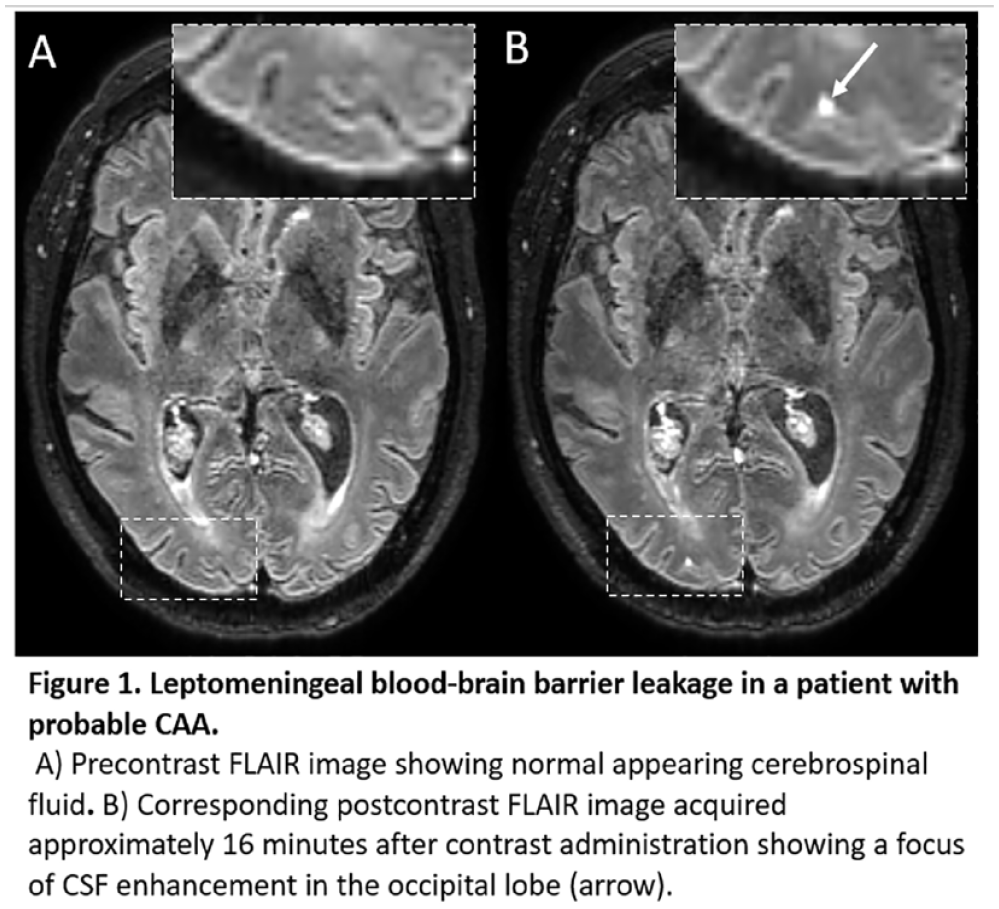
390
Impact of white matter hyperintensity changes on mobility and dexterity one year after mild stroke in people with small vessel disease
1Centre for Clinical Brain Sciences, Edinburgh Imaging and the UK Dementia Research Institute, University of Edinburgh, Edinburgh, United Kingdom, 2Department of Neurology, West China Hospital, Sichuan University, Chengdu, China, 3Department of Medicine, University of Hong Kong, Hong Kong, Hong Kong, 4Department of Neurology, Shanghai General Hospital, Shanghai Jiao Tong University School of Medicine, Shanghai, China
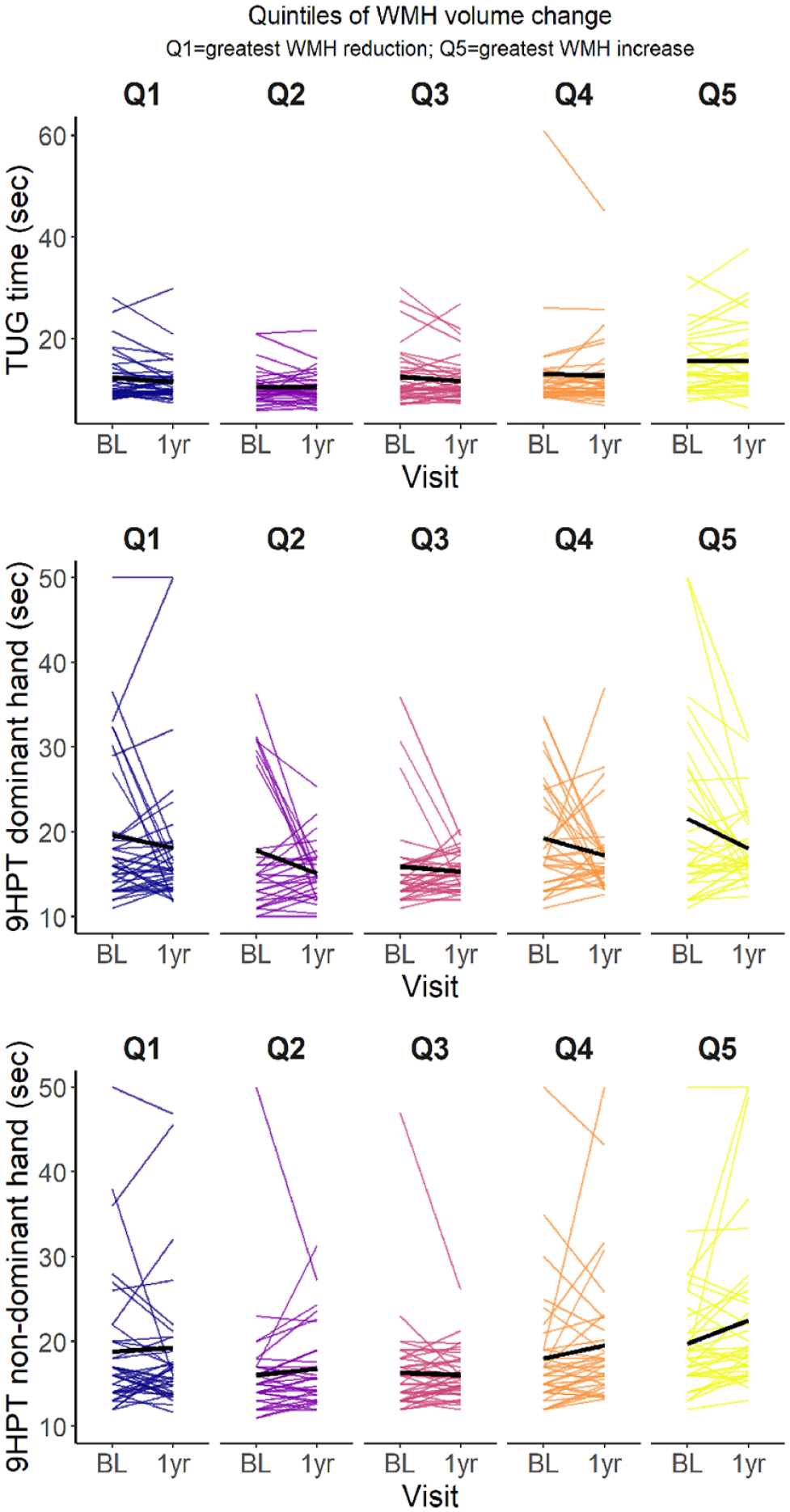
Change in TUG, 9HPT dominant hand and non-dominant hand per WMH volume change quintile.
549
THROMBOLYSIS IN LACUNAR STROKE: COMPARISON OF EARLY NEUROLOGICAL IMPROVEMENT AND FUNCTIONAL OUTCOME WITH CARDIOEMBOLIC STROKE WITHOUT LARGE-VESSEL OCCLUSION
1University of Szeged, Albert Szent-Györgyi Health Centre, Department of Neurology, Szeged, Hungary, 2University of Szeged, Department of Physiology, Anatomy and Neuroscience, Szeged, Hungary, 3University of Pécs, Department of Neurology, Pécs, Hungary, 4University of Debrecen, Department of Neurology, Debrecen, Hungary, 5King's College Hospital, Department of Neurology, London, United Kingdom
550
SMALL VESSEL DISEASE IN PRIMARY FAMILIAL BRAIN CALCIFICATION WITH NOVEL TRUNCATING PDGFB VARIANTS
1Lund University, Skåne University Hospital, Department of Clinical Science, Neurology, Lund, Sweden, 2Lund University, Skåne University Hospital, Department of Clinical Science, Lund, Sweden, 3Skåne University Hospital, Department of Medical Imaging and Physiology, Lund, Sweden, 4Yale University School of Medicine, Department of Dermatology, New Haven, CT, United States, 5Lund University, Department of Clinical Science, Division of Pathology, Lund, Sweden
836
BASELINE MICROSTRUCTURAL INTEGRITY ON DIFFUSION TENSOR IMAGING PREDICTS WHITE MATTER HYPERINTENSITY 'CAP' AND 'TRACK' FORMATION ADJACENT TO SYMPTOMATIC LACUNAR INFARCT
1Centre for Clinical Brain Sciences, Edinburgh Imaging and the UK Dementia Research Institute, University of Edinburgh, Edinburgh, United Kingdom, 2Department of Neurology, West China Hospital, Sichuan University, Chengdu, China, 3Centre for Rural Health, University of Aberdeen, Inverness, United Kingdom, 4Department of Neurology, Antwerp University Hospital and Research Group on Translational NeuroSciences, Faculty of Medicine and Health Sciences, University of Antwerp, Antwerp, Belgium
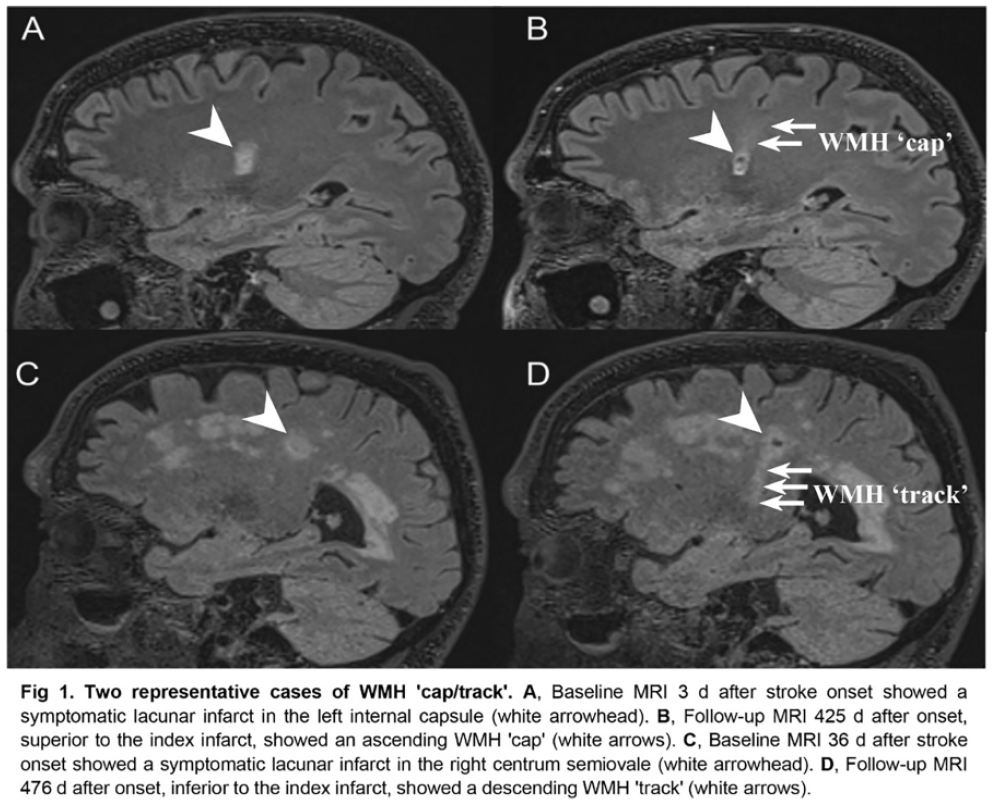
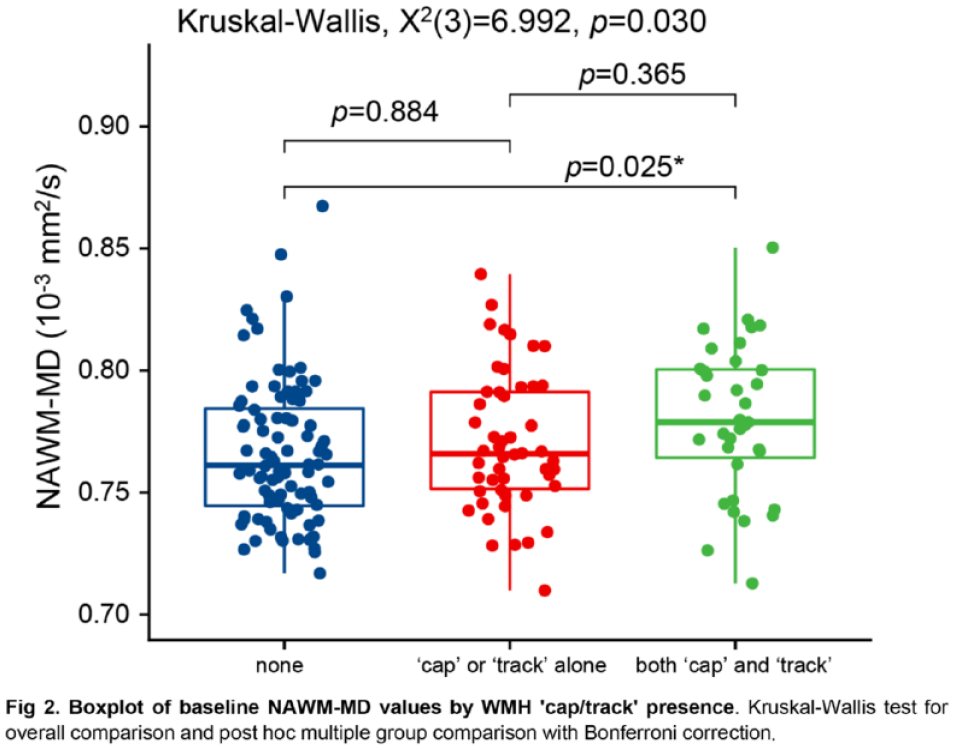
893
N3SVD-SCALE: A SIX-STAGE CADASIL AND NOTCH3-SMALL VESSEL DISEASE SEVERITY SCALE, INTEGRATING NEUROIMAGING AND CLINICAL MEASURES
1Leiden University Medical Center, Clinical Genetics, Leiden, Netherlands, 2University of Cambridge, Department of Clinical Neurosciences, Cambridge, United Kingdom, 3University Hospital, LMU Munich, Institute for Stroke and Dementia Research, Munich, Germany
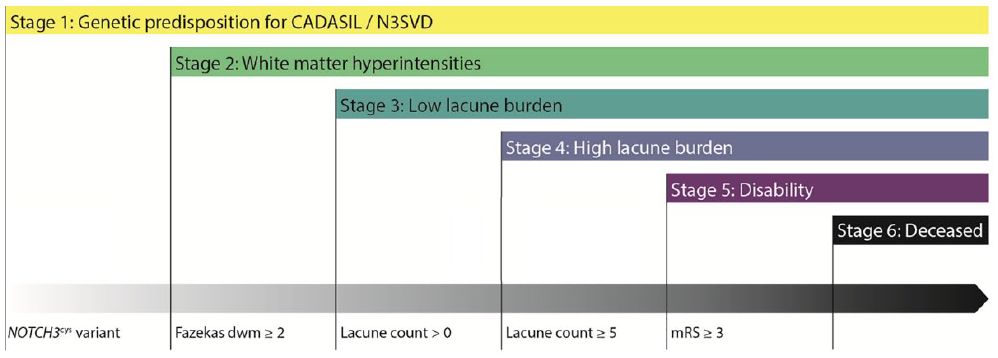
NOTCH3-associated SVD-scale (N3SVD-scale).
Disclosure of interest: Yes
912
PREVALENCE OF CEREBRAL MICROBLEEDS IN DIFFERENT VASCULAR RISK COHORTS: OBSERVATIONS FROM THE BERLIN LONG-TERM OBSERVATIONAL STUDY OF VASCULAR EVENTS (BELOVE)
1Charité – Universitätsmedizin Berlin, Department of Neurology, Berlin, Germany, 2Charité – Universitätsmedizin Berlin, Center for Stroke Research Berlin, Berlin, Germany, 3Charité – Universitätsmedizin Berlin, Berlin Institute of Health, Berlin, Germany, 4Frankfurt University Hospital, Department of Cardiology, Frankfurt am Main, Germany, 5Charité – Universitätsmedizin Berlin, Department of Endocrinology and Metabolic Diseases, Berlin, Germany, 6Charité – Universitätsmedizin Berlin, Department of Cardiology, Berlin, Germany
996
Relationship of arterial stiffness and baseline cerebral small vessel disease score, with the occurrence of new lesions after 2 years of follow-up, independently of BP control
1HOSPITAL UNIVERSITARIO SANT JOAN DESPÍ MOISÈS BROGGI, NEUROLOGY, BARCELONA, Spain, 2HOSPITAL UNIVERSITARIO SANT JOAN DESPÍ MOISÈS BROGGI, CARDIOLOGY, BARCELONA, Spain, 3Hospital de Sant Joan Despí Moisès Broggi, INTERNAL MEDICINE, Sant Joan Despí, Spain, 4Hospital de Sant Joan Despí Moisès Broggi, EPIDEMIOLOGY, Sant Joan Despí, Spain
1190
NEUROVASCULAR COUPLING IN CEREBRAL SMALL VESSEL DISEASE: A SYSTEMATIC REVIEW
1Wolfson Centre for Prevention Of Stroke and Dementia, Nuffield Department of Clinical Neurosciences, Oxford, United Kingdom, 2Wolfson Centre for Prevention Of Stroke and Dementia, Nuffield Department of Clinical Neurosciences, University of Oxford, John Radcliffe Hospital, Oxford, United Kingdom
1248
CEREBRAL SMALL VESSEL DISEASE BURDEN AS A PREDICTOR OF LONGITUDINAL COGNITION IN PATIENTS WITH TRANSIENT ISCHEMIC ATTACK
1University of Calgary, Department of Clinical Neurosciences, Calgary, Canada, 2University of Calgary, Department of Psychology, Calgary, Canada, 3University of Calgary, Department of Community Health Sciences, Calgary, Canada, 4University of Calgary, Calgary Stroke Program, Cumming School of Medicine, Calgary, Canada, 5University of Calgary, Hotchkiss Brain Institute, Calgary, Canada
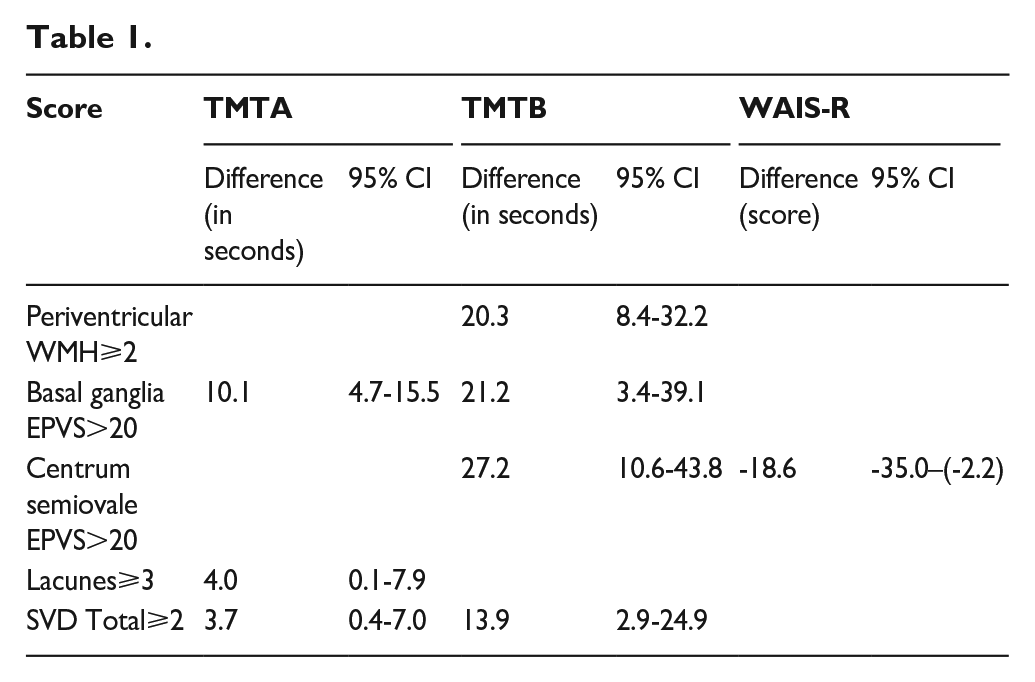
1648
INTERNATIONAL SURVEY REVEALS LACK OF SPECIALISED CEREBRAL SMALL VESSEL DISEASE SPECIFIC CLINICS AND SIGNIFICANT INTER AND INTRACONTINENTAL VARIATION IN PRACTICE
1 Centre for Clinical Brain Sciences and the UK Dementia Research Institute, University of Edinburgh, Edinburgh, United Kingdom
1717
Assessment of cognitive creativity in patients with cerebrovascular disease
1Armed Forces of Ukraine, A1620, Odesa, Ukraine, 2Odesa National Medical University, Neurology & Neurosurgery Department, Odesa, Ukraine, 3Expert Health Center, Neurology, Odesa, Ukraine
The aim of the study was to evaluate cognitive creativity in patients with cerebrovascular disease.
2019
Prevalence of clinical characteristics, neuroimaging findings and outcomes in patients with CAA: a prospective five-year study
1“Attikon” University Hospital, School of Medicine, National and Kapodistrian University of Athens, Athens, Greece, Second Department of Neurology, Athens, Greece, 2“Eginition” Hospital, School of Medicine, National and Kapodistrian University of Athens, Athens, Greece., First Department of Neurology, Athens, Greece
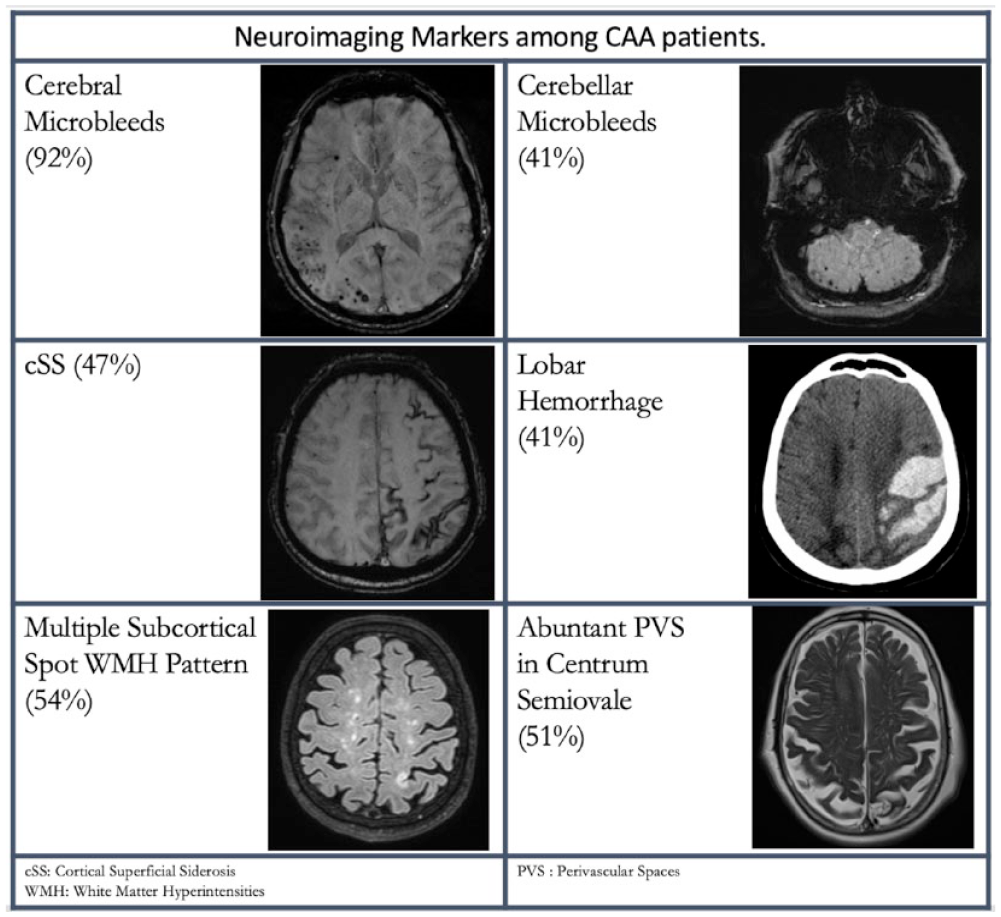
Neuroimaging findings in CAA.
2251
Early increase in ischemic burden after ischemic stroke presumably related to cerebral small vessel disease
1APHP - Lariboisière Hospital, Neurology, Paris, France, 2INSERM, U1141, PARIS, France, 3GHU Paris Neurosciences, Neurology, Paris, France, 4APHP - Lariboisière Hospital, Translational Neurovascular Centre, FHU NeuroVasc, Paris, France, 5Université Paris Cité, -, Paris, France
2303
AURORA: DUTCH-TYPE HEREDITARY CEREBRAL AMYLOID ANGIOPATHY NATURAL HISTORY STUDY
1Leiden University Medical Center (LUMC), Neurology, Leiden, Netherlands, 2Leiden University Medical Center (LUMC), Radiology, Leiden, Netherlands, 3Radboud University Medical Center, Neurology, Nijmegen, Netherlands, 4Leiden University Medical Center (LUMC), Biomedical Data Sciences, Leiden, Netherlands
2304
Risk factors of early increase in ischemic burden after ischemic stroke presumably related to cerebral small vessel disease
1APHP - Lariboisière Hospital, Neurology, Paris, France, 2INSERM, U1141, Paris, France, 3GHU Paris Neurosciences, Neurology, Paris, France, 4APHP - Lariboisière Hospital, Translational Neurovascular Centre, FHU NeuroVasc, Paris, France, 5Université Paris Cité, -, Paris, France
2336
FOCAS: FOLLOW-UP IN SPORADIC CEREBRAL AMYLOID ANGIOPATHY STUDY
1Leiden University Medical Center (LUMC), Neurology, Leiden, Netherlands, 2Leiden University Medical Center (LUMC), Radiology, Leiden, Netherlands, 3Radboud University Medical Center, Neurology, Nijmegen, Netherlands, 4Leiden University Medical Center (LUMC), Biomedical Data Sciences, Leiden, Netherlands
2364
Psychological impact of strict COVID-19 containment in CADASIL patients
1 Université Paris Cité, CNVT and Neurology, Hopital Lariboisiere, APHP, FHU NeuroVasc, Paris, France
2426
Parasympathetic System Impairment Is Associated with Cerebral Microangiopathy in Adults with Sickle Cell Disease
1Toulouse University Hospital, Hematology, Toulouse, France, 2Toulouse University Hospital, Neuroradiology, Toulouse, France, 3Toulouse University Hospital, Neurology, Toulouse, France, 4Toulouse University Hospital, Pharmacology, Toulouse, France, 5UMR 1297 Equipe 10 Institute of Metabolic and Cardiovascular Disease (I2MC), Equipe 10, Toulouse, France, 6Poitiers University Hospital, Neurology, Poitiers, France
Patients with cerebral microangiopathy were significantly older (44.5 vs 30.6 years; p< 0.001) and had lower power in the High Frequency range (HF 157 ms^2 vs HF 467.6 ms^2; p< 0.005). Cerebral blood flow velocities in the MCA did not significantly differ between the two groups (105.3 vs 115.5 cm/sec; p=0.381).
The AUC for the model with age as a single predictor was of 0.876. For the age and HF model, the AUC was of 0,946.
2460
MicroRNA polymorphism and the risk of Ischemic Stroke: A meta-analysis
1All India Institute Of Medical Sciences, neurology, New Delhi, India, 1All India Institute Of Medical Sciences, neurology, New Delhi, India, 3Yale University, neurology, New Haven, United States
2512
Spontaneous vasomotion decreases with age in the APP23 mouse model of cerebral amyloid angiopathy
1MassGeneral Institute for Neurodegenerative Disease, Massachusetts General Hospital, Charlestown, MA, United States, 2J. Philip Kistler Stroke Research Center, Massachusetts General Hospital, Boston, MA, United States
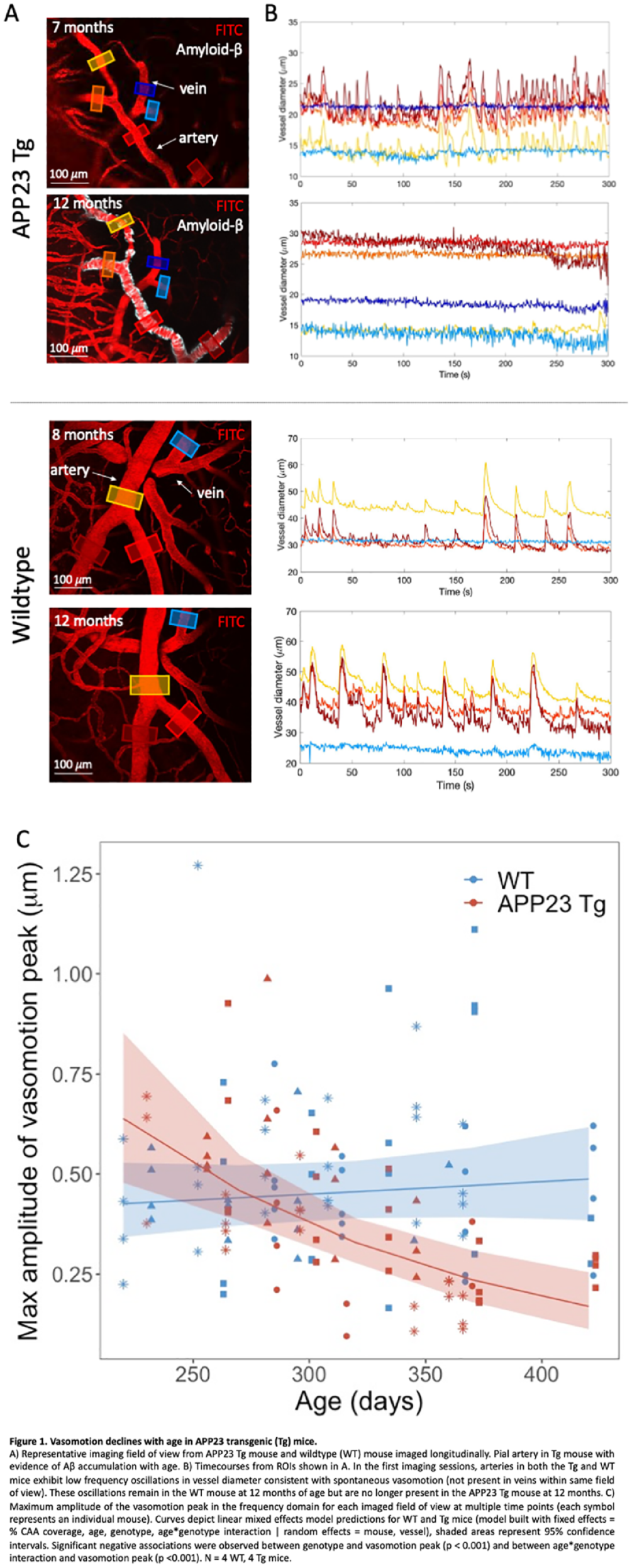
2586
THE AGREEMENT BETWEEN TWO CARBON DIOXIDE CONCENTRATIONS TO ASSESS CEREBROVASCULAR REACTIVTY IN PATIENTS WITH CEREBRAL SMALL VESSEL DISEASE
1 University of Oxford, Wolfson Centre for Prevention of Stroke and Dementia, Oxford, United Kingdom
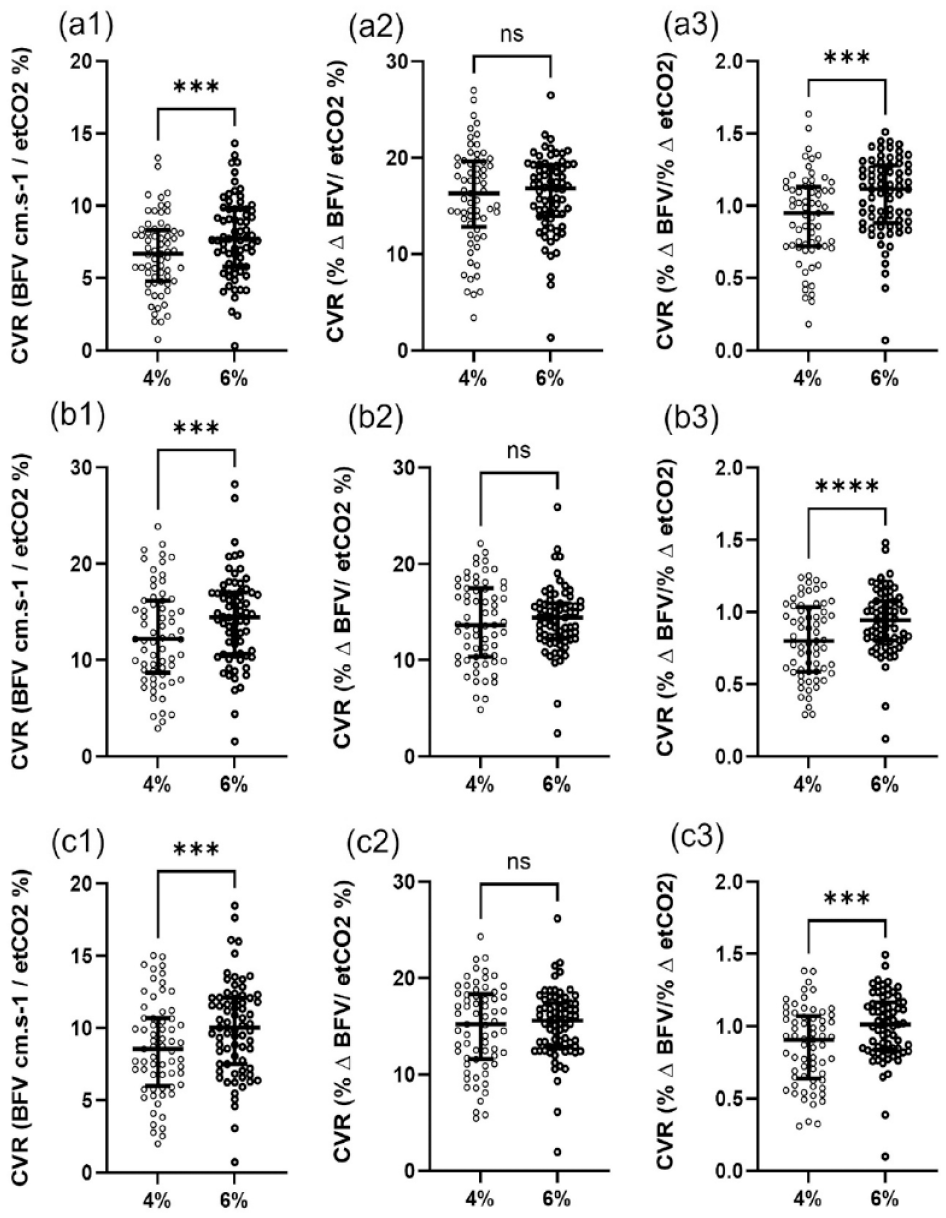
CVR changes of CBFV (a, EDV; b, PSV; c, MFV) and etCO2 with exposure to 4% or 6% CO2 when calculated by absolute/percent change.
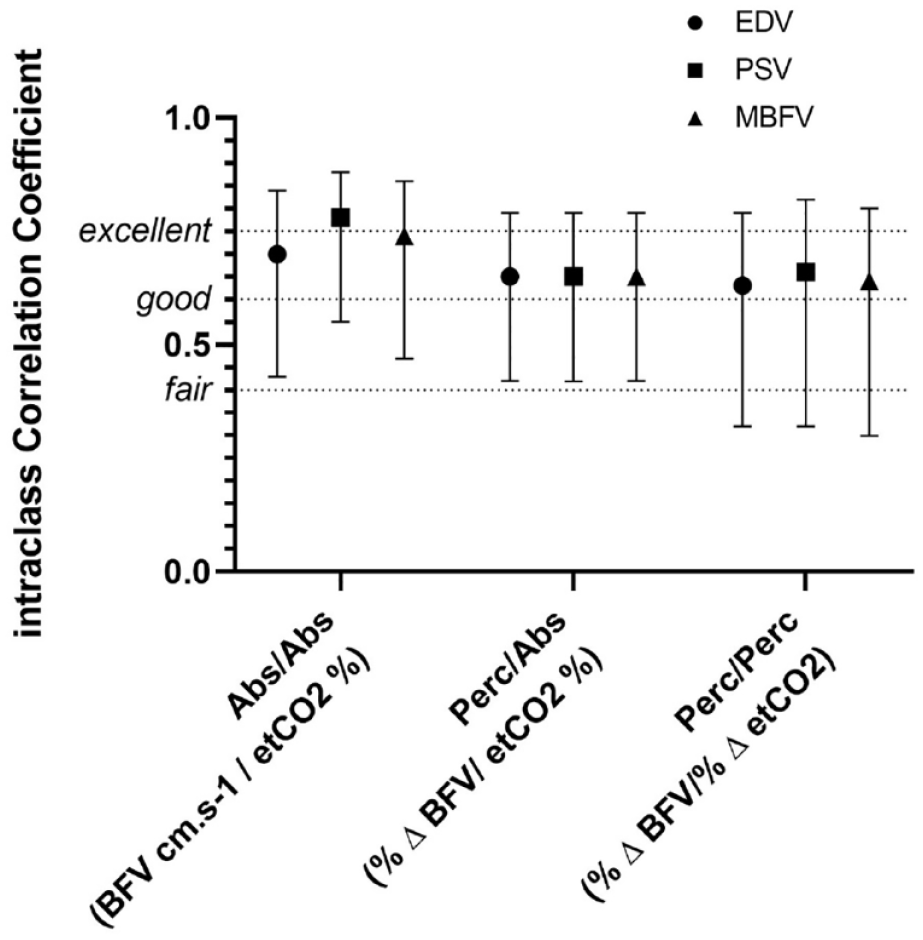
Agreement in CVR estimates assessed with 4% and 6% CO2.
SEX, GENDER AND STROKE
1051
Sex differences in the follow-up of stroke patients in a tele-stroke network
1Hospital Unviersitario Virgen Macarena, Stroke Unit, Sevilla, Spain, 2Hospital Universitario Torrecárdenas, Stroke Unit, Almería, Spain, 3Hospital de Riotinto, Intensive Care Medicine, Minas de Riotinto, Spain, 4Hospital Universitario Puerta del Mar, Stroke Unit, Cádiz, Spain, 5Hospital de Alta Resolución de Utrera, Emergency Department, Utrera, Spain, 6Hospital de Alta Resolución de Écija, Emergency Department, Écija, Spain, 7Hospital Universitario Virgen del Rocío, Interventional Neuroradiology, Sevilla, Spain
1258
Sex-specific impact of arterial stiffness on the outcome after ischemic stroke
1Azienda Ospedaliera Universitaria Senese, Stroke Unit, Department of Emergency-Urgency and Transplants, Siena, Italy, 2Azienda Ospedaliera Universitaria Senese, Department of Medical Sciences, Surgery and Neurosciences, Siena, Italy, 3Azienda Ospedaliera Universitaria Senese, Department of Medical Biotechnology, Siena, Italy
PATHOPHYSIOLOGY OF STROKE / TRANSLATIONAL MEDICINE
99
PROTECTIVE EFFECT OF DECANOIC ACID IN ISCHEMIA REPERFUSION INJURY IN MIDDLE CEREBRAL ARTERY OCCLUSION MODEL OF STROKE IN RATS
1All India Institute of Medical Sciences, Pharmacology, New Delhi, India, 2All India Institute of Medical Sciences, Pharmacology, New Delhi, India
155
SHEAR-ACTIVATED NANOTHERAPEUTICS WITH NITROGLYCERIN TO SELECTIVELY INCREASE LEPTOMENINGEAL COLLATERAL BLOOD FLOW DURING ISCHAEMIC STROKE
1University of Newcastle, School of Biomedical Sciences and Pharmacy, Newcastle, Australia, 2John Hunter Hospital, Department of Neurology, Newcastle, Australia, 3University of Oxford, Radcliffe Department of Medicine, Oxford, United Kingdom, 4Harvard University, Wyss Institute of Biologically Inspired Engineering, Boston, United States
We aim to:
Confirm the efficacy of NG-NPAs in dilating collateral vessels and enhancing perfusion during stroke.
Determine the effect of NG-NPAs on cerebral vein diameter and intracranial pressure (ICP)
238
Endovascular stem cell therapy following Ischemic stroke promotes Sirtuin-1 mediated mitochondrial transfer, protection and biogenesis
1National Institute of Pharmaceutical Education and Research (NIPER),Ahmedabad., Pharmacology and Toxicology, Gandhinagar, India, 2University of Miami Miller School of Medicine, Neurology and Neurosurgery, Miami, United States
Disclosure of interest: Yes
742
ENDOGENOUS TPA FROM CORTICAL NEURONS PROMOTES NEURONAL SURVIVAL AT THE ACUTE PHASE OF EXCITOTOXICITY
1Normandie Univ, UNICAEN, INSERM UMR-S U1237, Physiopathology and Imaging of Neurological Disorders, Institut Blood and Brain @ Caen-Normandie, Cyceron, Caen, France, Caen, France, 2Lys Therapeutics, Cyceron, Caen, France, 3Department of clinical research, Caen-Normandie University Hospital, Caen, France
1011
CEREBRAL AUTOREGULATION IN ACUTE ISCHAEMIC AND HAEMORRHAGIC STROKE: ANALYSIS OF VMCA STEP RESPONSE
1University of Leicester, Cerebral Haemodynamics in Ageing and Stroke Medicine (CHiASM) Group, Department of Cardiovascular Sciences, Leicester, United Kingdom, 2National Institute for Health and Care Research, Leicester Biomedical Research Centre, Leicester, United Kingdom
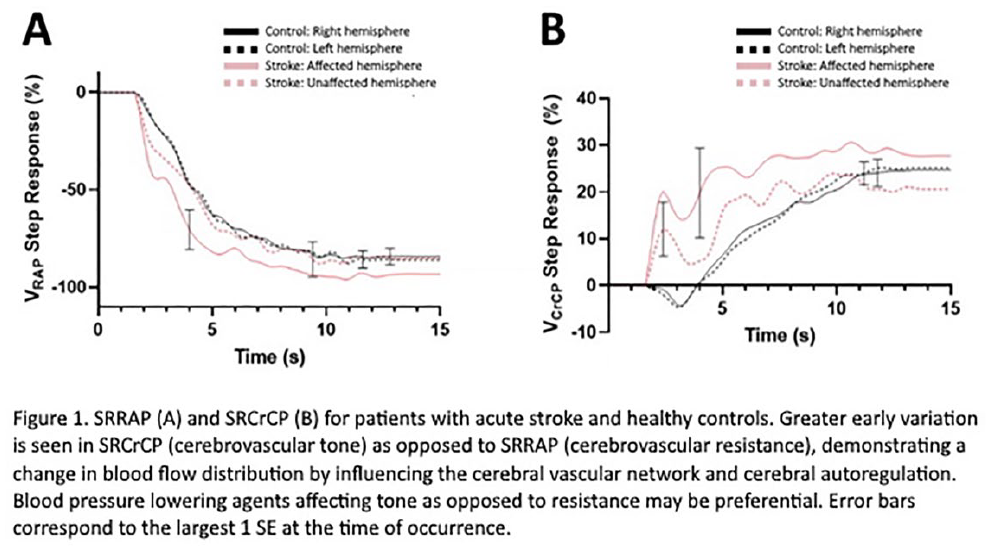
1199
Relationship between reticulated platelet fraction and ex vivo aspirin responsiveness in the early and late phases after transient ischaemic attack or ischaemic stroke
1Tallaght University Hospital (TUH) / The Adelaide and Meath Hospital, Dublin, incorporating the National Children’s Hospital (AMNCH) / Dublin, Ireland, Dept. of Neurology, Dublin, Ireland, 2Tallaght University Hospital (TUH) / The Adelaide and Meath Hospital, Dublin, incorporating the National Children’s Hospital (AMNCH) / Dublin, Ireland, Stroke Service, Dublin, Ireland, 3School of Medicine, Trinity College Dublin, Dublin, Ireland, Academic Unit of Neurology, Dublin, Ireland, 4Royal Free Campus, UCL Queen Square Institute of Neurology, London, U.K, Dept. of Clinical and Movement Neurosciences, London, United Kingdom, 5Tallaght University Hospital (TUH) / The Adelaide and Meath Hospital, Dublin, incorporating the National Children’s Hospital (AMNCH) / Dublin, Ireland, Vascular Neurology Research Foundation, Dublin, Ireland, 6Tallaght University Hospital (TUH) / The Adelaide and Meath Hospital, Dublin, incorporating the National Children’s Hospital (AMNCH) / Dublin, Ireland, Dept. of Age-Related Health Care, Dublin, Ireland, 7Tallaght University Hospital (TUH) / The Adelaide and Meath Hospital, Dublin, incorporating the National Children’s Hospital (AMNCH) / Dublin, Ireland, Dept. of Vascular Surgery, Dublin, Ireland, 8Tallaght University Hospital (TUH) / The Adelaide and Meath Hospital, Dublin, incorporating the National Children’s Hospital (AMNCH) / Dublin, Ireland, Dept. of Haematology, Dublin, Ireland, 9Irish Centre for Vascular Biology, Royal College of Surgeons in Ireland, Dublin, Ireland, Dept. of Molecular & Cellular Therapeutics, Dublin, Ireland
Assess relationship between %RP fraction (%RPF) and ex vivo Aspirin-HTPR status under high and low shear stress conditions after TIA/ischaemic stroke.
1348
NEUROPROTECTIVE EFFECT OF REMOTE ISCHEMIC PERCONDITIONING AND POSTCONDITIONING IN A PRECLINICAL MOUSE MODEL OF ACUTE ISCHEMIC STROKE
1Institut de Recerca Biomèdica de Lleida (IRB Lleida), Departament de Medicina Experimental, Lleida, Spain, 2Institut de Recerca Biomèdica de Lleida (IRB Lleida), Departament de Psicologia, Lleida, Spain, 3Universitat de Lleida, Departament de Psicologia, Lleida, Spain, 4Institut de Recerca Biomèdica de Lleida (IRB Lleida), Departament de Medicina, Lleida, Spain, 5Universitat de Lleida, Departament de Medicina, Lleida, Spain, 6Hospital Universitari Arnau de Vilanova, Servei Neurologia, Lleida, Spain
1518
MATRIX METALLOPROTEINASE-9 (MMP-9) IS EXPRESSED AT LOWER LEVELS THAN MATRIX METALLOPROTEINASE-2 (MMP-2) IN ACUTE ISCHEMIC STROKE (AIS) CLOTS, BUT EXPRESSION IS INCREASED BY THROMBOLYTIC TREATMENT
1University of Galway, Department of Physiology, Galway, Ireland, 2University of Galway, CÚRAM–SFI Centre for Research in Medical Device, Galway, Ireland, 3Ceronovus, Ceronovus, Galway, Ireland, 4Ceronovus, Galway Neuro Technology Centre, Galway, Ireland, 5Sahlgrenska University Hospital, Institute of Clinical Sciences, Department of Interventional and Diagnostic Neuroradiology, Gothenburg, Sweden, 6Sahlgrenska Academy at University of Gothenburg, Department of Radiology, Gothenburg, Sweden, 7Sahlgrenska Academy at University of Gothenburg, Department of Clinical Neuroscience, Institute of Neuroscience and Physiology, Gothenburg, Sweden, 8Sahlgrenska University Hospital, Department of Neurology, Gothenburg, Sweden, 9Beaumont Hospital, Department of Radiology, Royal College of Surgeons in Ireland, Dublin, Ireland, 10National Institute of Neurosciences, Department of Neurointerventions, Budapest, Hungary, 11National & Kapodistrian University of Athens, Department of Neurology, Athens, Greece, 12Metropolitan Hospital, Stroke Unit, Athens, Greece
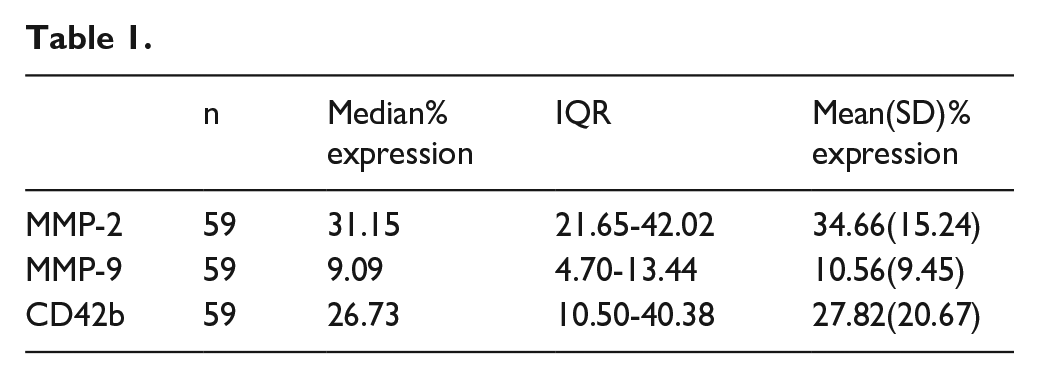
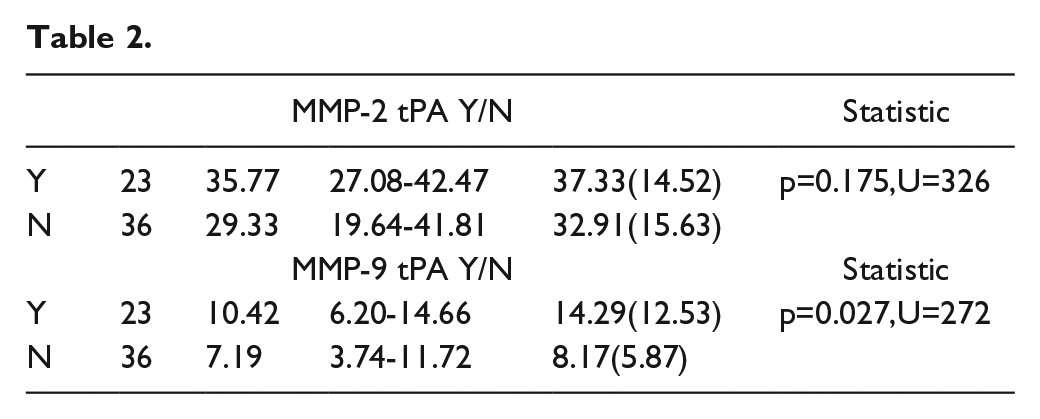
1531
CHARACTERIZING AN EXPERIMENTAL MODEL OF CEREBRAL VASCULITIS USING MOLECULAR MAGNETIC RESONANCE IMAGING
1Universidad Complutense de Madrid, Unidad de Investigación Neurovascular (UIN), departamento de Farmacología y Toxicología, Facultad de Medicina, Madrid, Spain, 2UMR-S 1237, INSERM, Physiopathology and Imaging of Neurological Disorders (PhIND), Universite de Caen, Caen, France, 3Centro Nacional de Investigaciones Cardiovasculares (CNIC), Fisiopatología Neurovascular, Madrid, Spain
We aim to develop an experimental model of cerebral vasculitis and a non-invasive diagnostic tool based on molecular-MRI (magnetic resonance imaging).
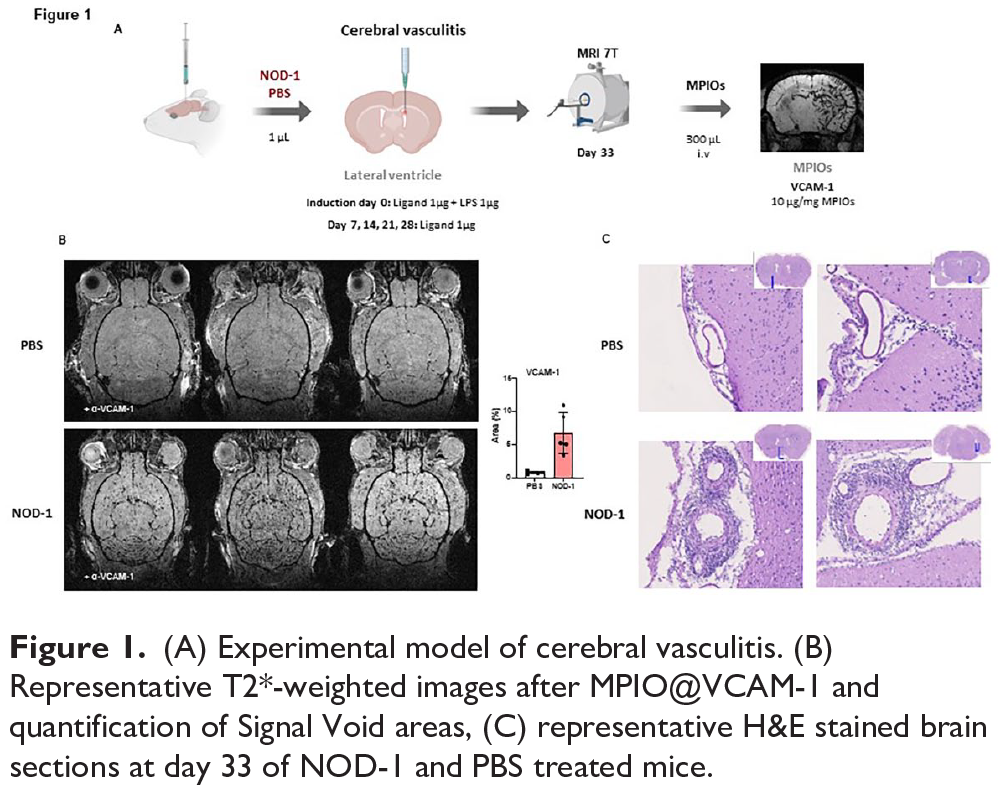
(A) Experimental model of cerebral vasculitis. (B) Representative T2*-weighted images after MPIO@VCAM-1 and quantification of Signal Void areas, (C) representative H&E stained brain sections at day 33 of NOD-1 and PBS treated mice.
1577
THE ROLE OF SPHINGOSINE-1-PHOSPHATE RECEPTOR 2 IN TREATMENT RESPONSE IN ACUTE ISCHEMIC STROKE
1Bakırköy Prof. Dr. Mazhar Osman Mental Health and Neurological Diseases Training and Research Hospital, Department of Neurology, Istanbul, Turkey, 2Koç University, Research Center for Translational Medicine, Istanbul, Turkey, 3Yeditepe University, Department of Physiology, Istanbul, Turkey, 4Koç University, Department of Neurology, Istanbul, Turkey
The presence of intracranial hemorrhage after treatment was found to be related with lower S1PR2 levels before and 24 hours after treatment (p=0.041, p=0.025) (Figure 1-B). In subgroup analysis, in patients without successful recanalization after mechanical thrombectomy, S1PR2 levels before and after treatment were significantly high in patients without hemorrhage (p=0.017).
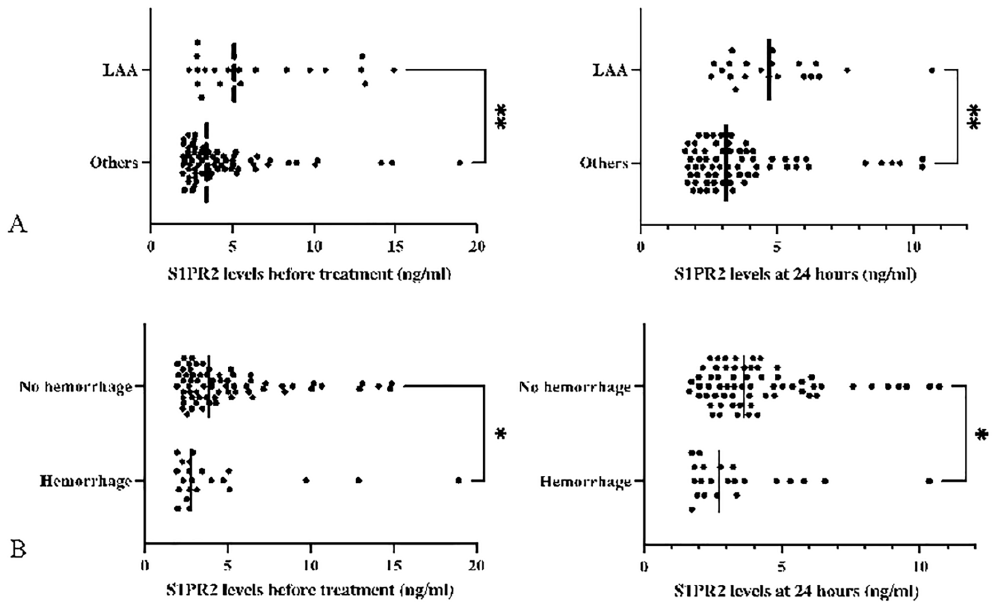
1867
Expression of cellular senescence biomarkers points to a role for such an event in the pathogenesis of ischemic stroke
1Institut d’Investigació Sanitària La Fe de València, UMIC, València, Spain, 2University of Valencia, Departamento Biología Celular, Biología Funcional y Antropología Física, València, Spain, 3University of Valencia, Departamento de Fisiología, València, Spain
Supported by grants RD21/0006/0014(ISCIII), PID2020-119603RB-I00(MICINN) and FEDER funds.
1904
ALBUMIN IS HIGHLY EXPRESSED IN A SUBSET OF ACUTE ISCHEMIC STROKE CLOTS AND IS POSITIVELY ASSOCIATED WITH THE SEVERITY OF STROKE
1University of Galway, Department of Physiology, Galway, Ireland, 2University of Galway, CÚRAM-SFI Research Centre for Medical Devices, Galway, Ireland, 3Sensome, Sensome, Massy, France, 4CHU de Toulouse, Department of Diagnostic and Therapeutic Neuroradiology, Toulouse, France, 5University Hospital Vall d'Hebron, Department of Neurology, Barcelona, Spain, 6Kobe City Medical Center General Hospital, Department of Neurosurgery, Kobe, Japan, 7University Clinical Center of Serbia, Neurology Clinic, Belgrade, Serbia, 8Clinic for Neurosurgery, University Clinical Center of Serbia, Center for Radiology and MRI, Belgrade, Serbia
1929
EFFECTS OF TEMPERATURE ON NEURONAL FUNCTIONALITY AND NUMBER OF SYNAPSES IN CULTURED HUMAN NEURONAL NETWORKS EXPOSED TO HYPOXIA
1 University of Twente, Clinical Neurophysiology, Enschede, Netherlands
2045
POSTSTROKE LIPID DROPLET ACCUMULATION IN RESIDING MICROGLIA AND ITS INFLUENCE ON INFLAMMATION
1University of Giessen, Neurology, Giessen, Germany, 2University Medical Center Göttingen, Department of Neurology, Neurology, Göttingen, Germany, 2University Medical Center Göttingen, Department of Neurology, Neurology, Göttingen, Germany
2047
EFFECT OF P53 ACETYLATION AT LYSINES 320 AND 373 ON APOPTOSIS IN CELLS OF PERI-INFARCT AREA AFTER PHOTOTHROMBOSIS
1 Southern Federal University, Academy of Biology and Biotechnology, Rostov-on-Don, Russian Federation
The work was supported by the Russian Science Foundation, grant no. 21-15-00188.
2058
ACETYLATION OF C-MYC TEANSCRIPTION FACTOR IN CELLS OF PERI-INFARCT AREA AFTER PHOTOTHROMBOTIC STROKE IN RATS
1 Southern Federal University, Academy of Biology and Biotechnology, Rostov-on-Don, Russian Federation
The work was supported by the Russian Science Foundation, grant no. 21-15-00188.
2090
ASSESSMENT OF OPEN-FIELD ACTIVITIY AND GAIT IN SWINE MODEL OF SUBARACHNOID HEMORRHAGE
1Seoul National University Hospital, Department of Neurology, Seoul, South Korea, 2Cenyxbiotech, Inc., Seoul, South Korea
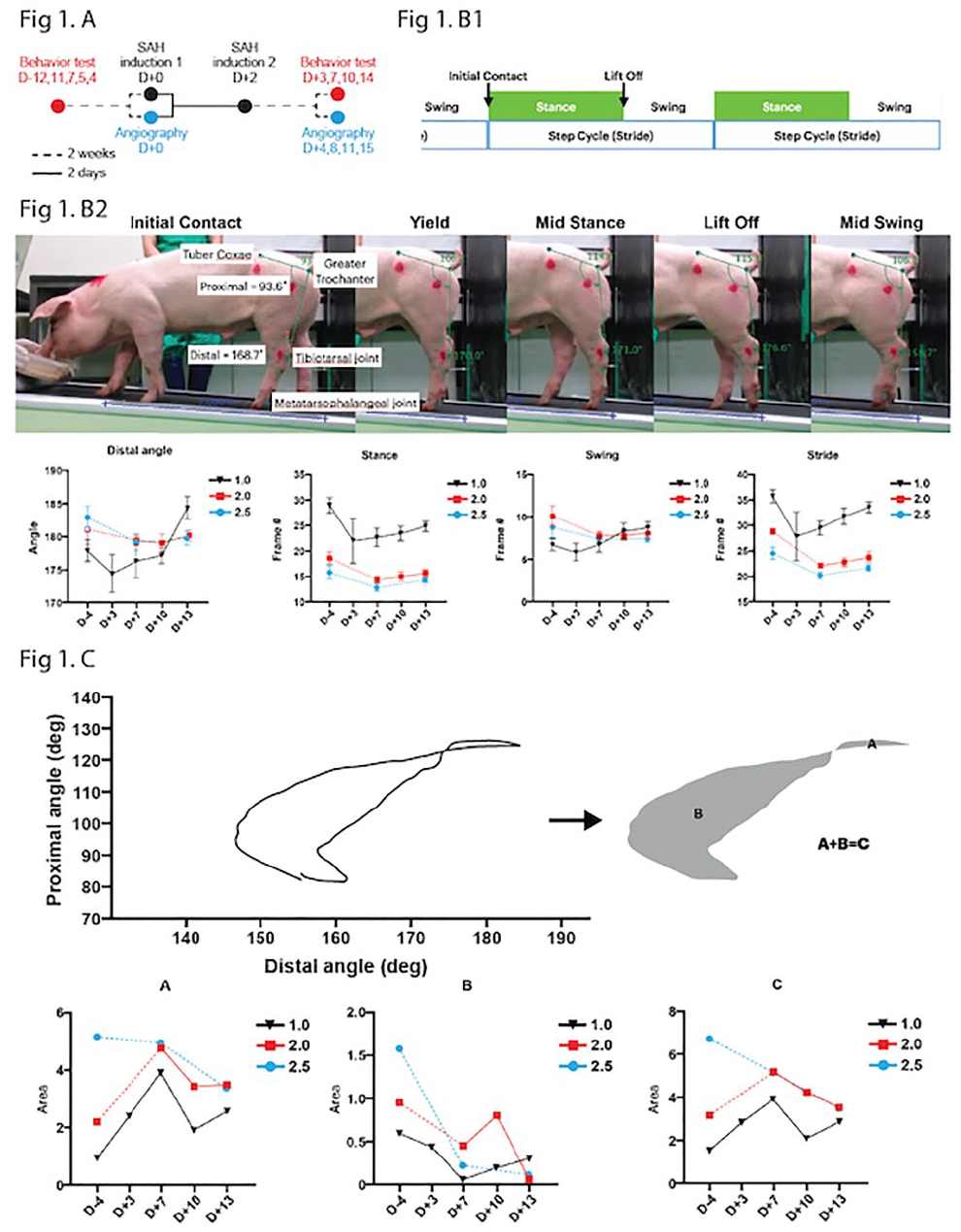
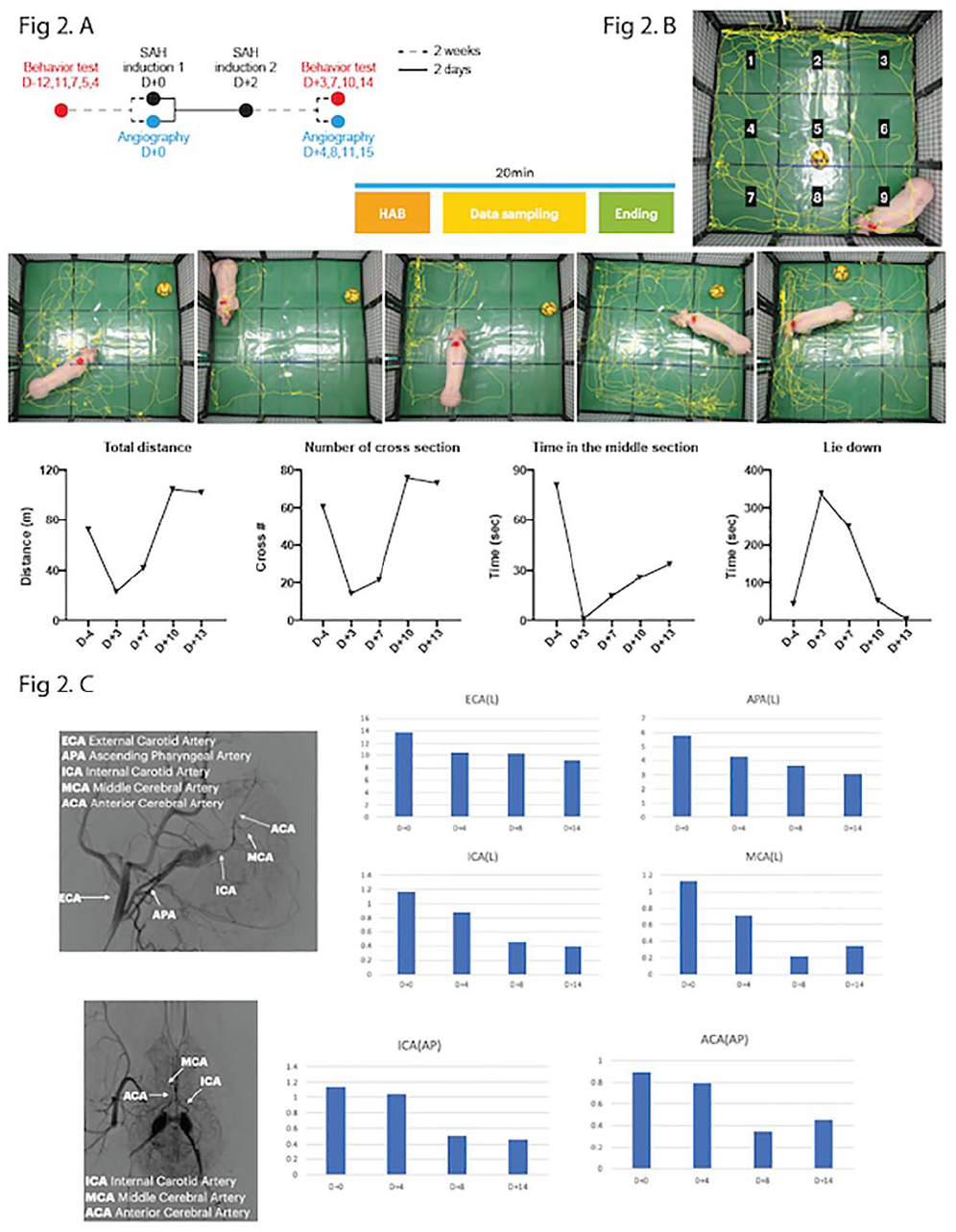
2133
IRON-FREE TRANSFERRIN IMPROVES SENSORY FUNCTION IN AN ANIMAL MODEL OF INTRACEREBRAL HAEMORRHAGE
1Germans Trias i Pujol Research Institute, Cellular and Molecular Neurobiology Research Group, Badalona, Spain, 2Universitat Autònoma de Barcelona, Department of Cellular Biology, Physiology and Immunology, Bellaterra (Cerdanyola del Vallès), Spain
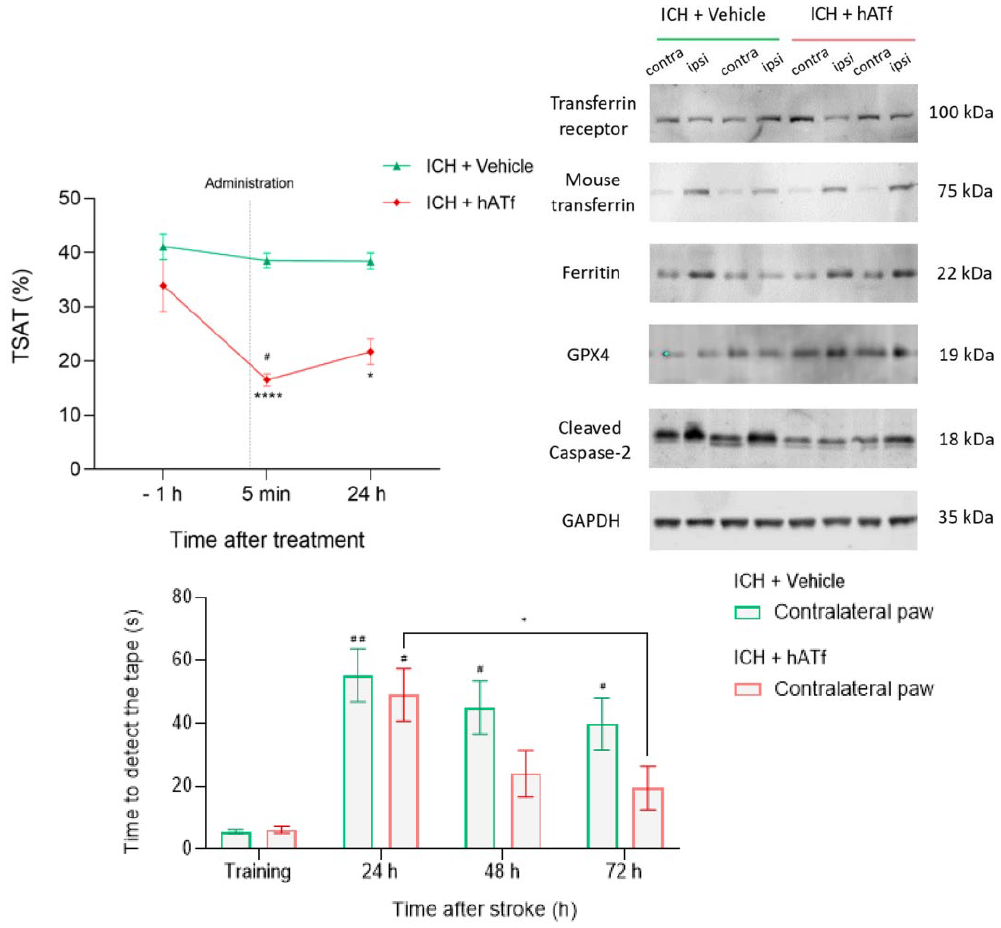
2409
A surgical approach to reduce variability after filament MCA occlusion in mice
1University of Munich Medical Center, Institute for Stroke and Dementia Research, Munich, Germany, 2Nihon University School of Medicine, Department of Neurosurgery, Tokyo, Japan, 3University of Munich Medical Center, Department of Neurosurgery, Munich, Germany, 4Cluster for Systems Neurology, Munich, Germany
2578
INTRAPROCEDURAL HYPOTENSION IS ASSOCIATED WITH LARGER INFARCT GROWTH RATE IN PATIENTS WITH EXPONENTIAL GROWTH PATTERNS
1University of Iowa, Hospitals and Clinics, Neurology, Iowa City, IA, United States, 2Yale Medical School, Neurology, New Haven, United States
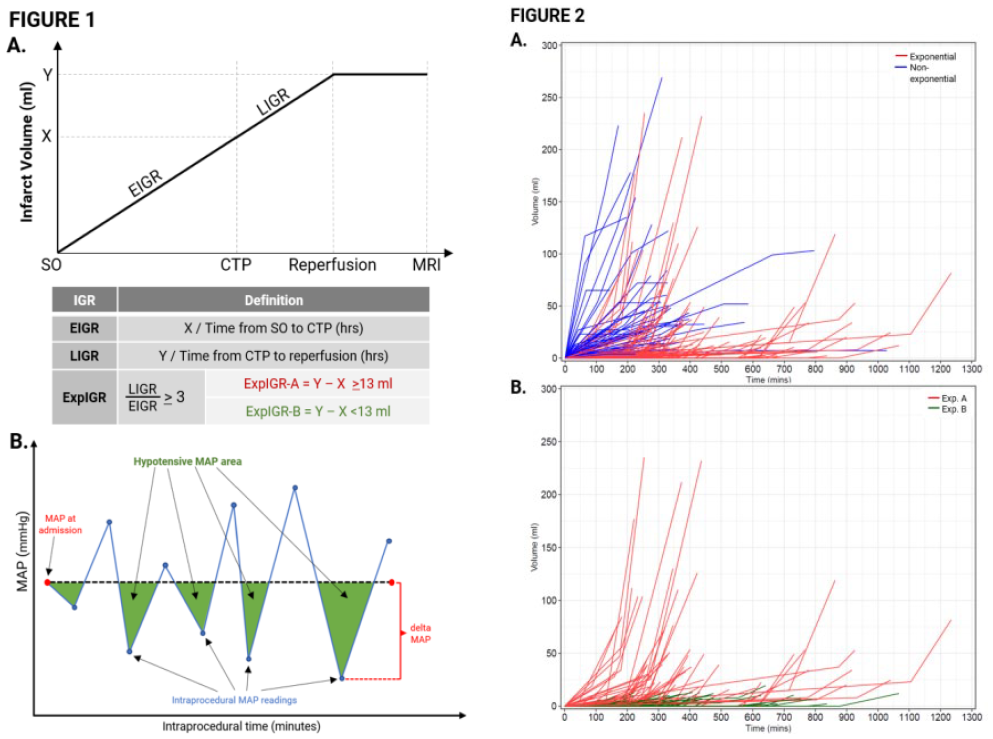
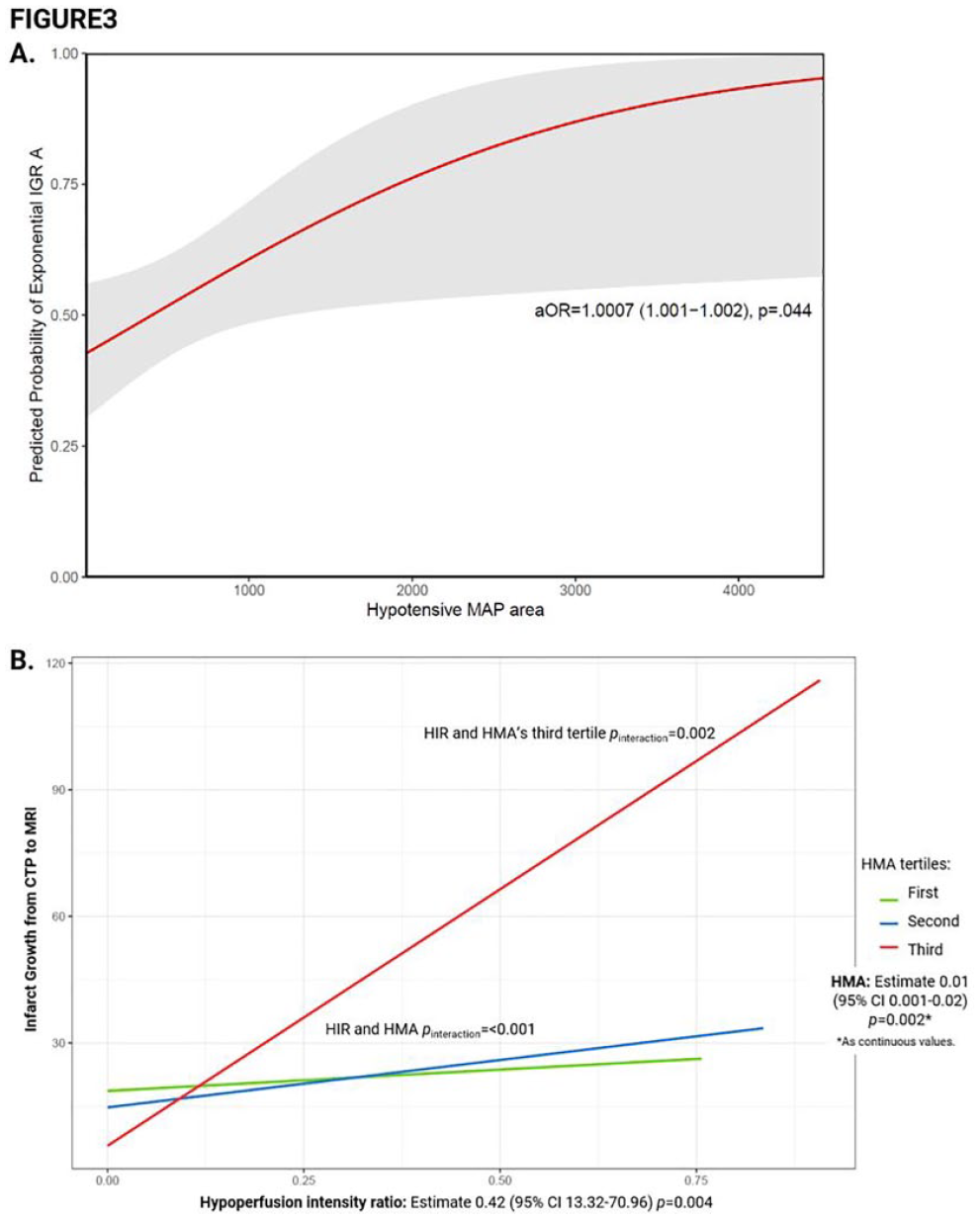
GENETICS, ‘OMICS AND BIOMARKERS
597
A STROKE GENE PANEL: TO DECIPHER THE PATHOGENIC VARIANTS
1All India Institute Of Medical Sciences, Neurology, New Delhi, India, 2Institute Of Genomics And Integrative Biology, Genomics, New Delhi, India, 3Institute Of Genomics And Integrative Biology, Bioinformatics, New Delhi, India, 4Rajendra Institute Of Medical Sciences, Neurology, New Delhi, India
780
The immunologic phenotype of thrombi is associated with future vascular events after cerebral infarction
1Seoul National University Hospital, Neurology, Seoul, South Korea, 2Chung-Ang University Hospital, Neurology, Seoul, South Korea
970
NEUROFILAMENT LIGHT CHAIN SERUM CONCENTRATIONS AND RENAL FUNCTIONS IN ACUTE ISCHEMIC STROKE PATIENTS
1University of Pavia, Department of Brain and Behavioral Sciences, Pavia, Italy, 2Neurological Institute Foundation Casimiro Mondino, U.C. Malattie Cerebrovascolari e Stroke Unit, Pavia, Italy, 3Neurological Institute Foundation Casimiro Mondino, Neuroimmunology Research Unit, Pavia, Italy
1107
THE USEFULNESS OF FACTOR XIII CONCENTRATION ASSESSMENT IN PATIENTS IN THE ACUTE PHASE OF ISCHEMIC STROKE TREATED WITH THROMBOLYSIS
1Stanisław Staszic University of Applied Sciences in Piła, Emergency Medical Services, Piła, Poland, 2Stanisław Staszic Specialist Hospital in Piła, Neurological Department with Stroke Unit, Piła, Poland, 3Nicolaus Copernicus University in Torun, Ludwik Rydygier Collegium Medicum, Faculty of Pharmacy, Bydgoszcz, Department of Pathophysiology, Bydgoszcz, Poland
A physical examination, neurological status (using National Institutes of Health Stroke Scale, NIHSS), patients’ daily activities measured with Barthel Index and Modified Rankin Scale (mRS), and blood tests were carried out on the 1st and 7th day. CRP, fibrinogen, D-dimers, NLR index, and the concentration of factor XIII A in the blood were assessed.
The statistical analysis was performed using the STATISTICA v. 13.3 computer program by TIBCO. p-value < 0.05 was considered statistically significant.
XIII-A concentration in group I with TACI was significantly lower than in another stroke, which is associated with worse prognosis.
A more significant decrease XIII-A was associated with worse condition on 7th day.
1195
Aβ 1-40, Aβ 1-42, t-tau and α-synuclein as a putative serological biomarker in Cerebral Amyloid Angiopathy
1 Clinic of Neurology, Clinical and Experimental Medicine, University of Pisa, Pisa, Italy
The aim of the study is to detect the concentration of serological biomarkers (Aβ1-40, Aβ1-42, t-tau and α-synuclein) in both red blood cells (RBCs) and plasma of CAA patients and cognitively healthy controls (HC), evaluating their role as peripheral biomarkers for CAA.
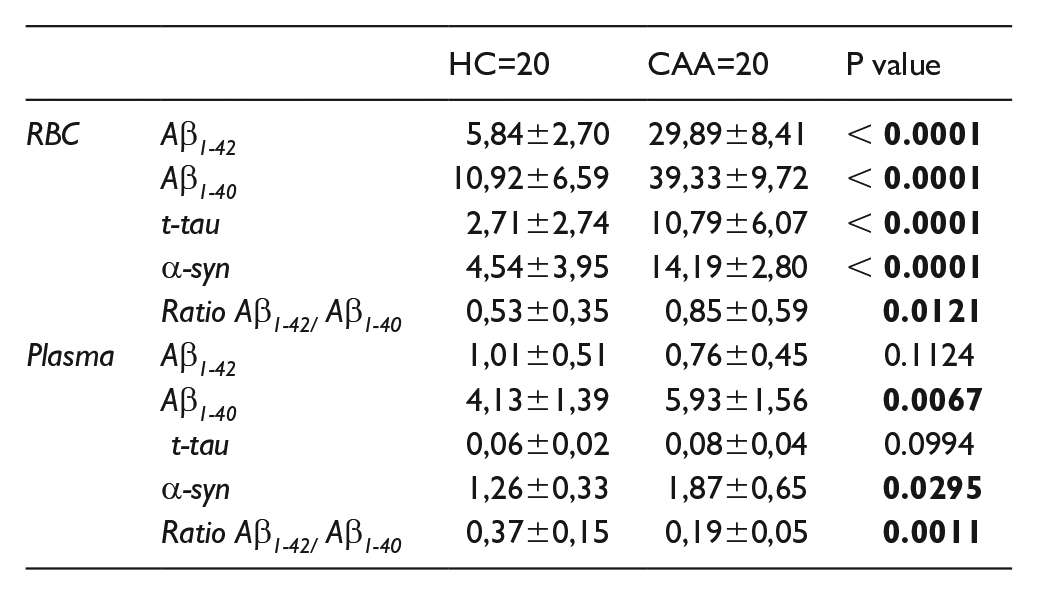
1355
WHOLE-EXOME SEQUENCING FOR THE IDENTIFICATION OF GENETIC VASCULOPATHIES AMONG A COHORT OF PRIMARY CNS VASCULITIS
1All India Institute of Medical Sciences, Neurology, New Delhi, India, 2All India Institute of Medical Sciences, Neuroradiology, New Delhi, India, 3All India Institute of Medical Sciences, Neuropathology, New Delhi, India
Funding: AIIMS Intramural Research Grant, India
1605
Plasma CGRP levels are not associated with collateral flow and outcome after stroke
1University Hospital, LMU Munich, Institute for Stroke and Dementia Research, München, Germany, 2University of California Los Angeles, Department of Neurology and Comprehensive Stroke Center, Los Angeles, United States, 3University Hospital, LMU Munich, Department of Radiology, Munich, Germany
1690
Genome-wide association (GWAS) study in cervical artery dissection patients with stroke
1Faculty of Medicine Clinica Alemana Universidad del Desarrollo, Genetics and Genomics Center, Santiago, Chile, 2Faculty of Medicine Clinica Alemana Universidad del Desarrollo, Clinical Research Center, Santiago, Chile, 3Faculty of Medicine Clinica Alemana Universidad del Desarrollo, Tecnología Medica, Santiago, Chile, 4Faculty of Medicine Clinica Alemana Universidad del Desarrollo, Servicio de Neurología, Departamento de Neurología y Psiquiatría, Santiago, Chile
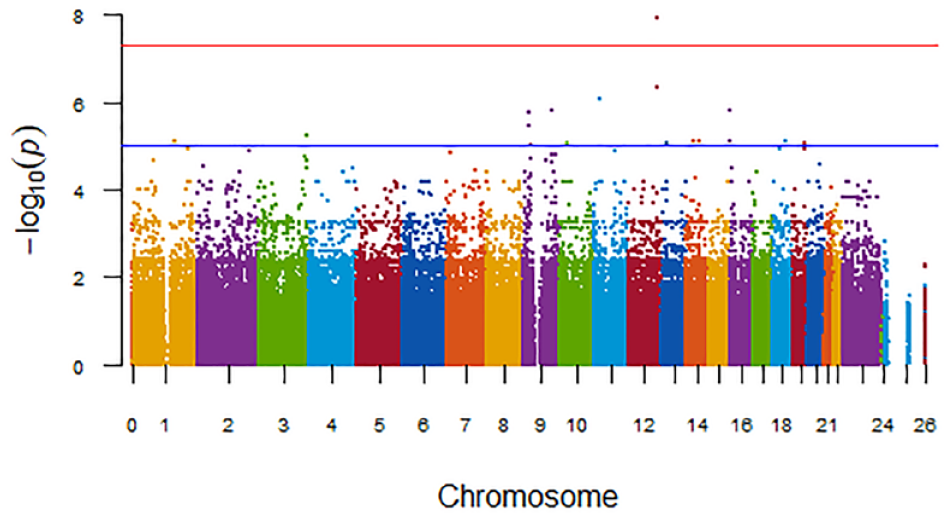
Manhattan Plot.
Disclosure of interest: Yes
1770
DECREASING PLASMA MID-REGIONAL PRO-ADRENOMEDULLIN LEVEL AS A PREDICTOR OF THE FAVORABLE NEUROLOGICAL OUTCOMES IN ACUTE ISCHEMIC STROKE
1National Cerebral and Cardiovascular Center, Department of Neurology, Suita, Japan, 2National Cerebral and Cardiovascular Center, Department of Cerebrovascular Medicine, Suita, Japan
1789
GENETIC ETIOLOGY OF CEREBROVASCULAR DISEASE, EXPERIENCE IN A THIRD LEVEL CENTER IN MEXICO
1Instituto Nacional de Neurología y Neurocirugía Manuel Velasco Suarez, Departamento de enfermedad vascular cerebral., Mexico, Mexico, 2Instituto Nacional de Neurología y Neurocirugía Manuel Velasco Suarez, Departamento de Neurogenetica., Mexico, Mexico, 3Instituto Nacional de Neurología y Neurocirugía Manuel Velasco Suarez, Departamento de neurologia., Mexico, Mexico, 4Departamento de enfermedad vascular cerebral., Departamento de enfermedad vascular cerebral., Mexico, Mexico
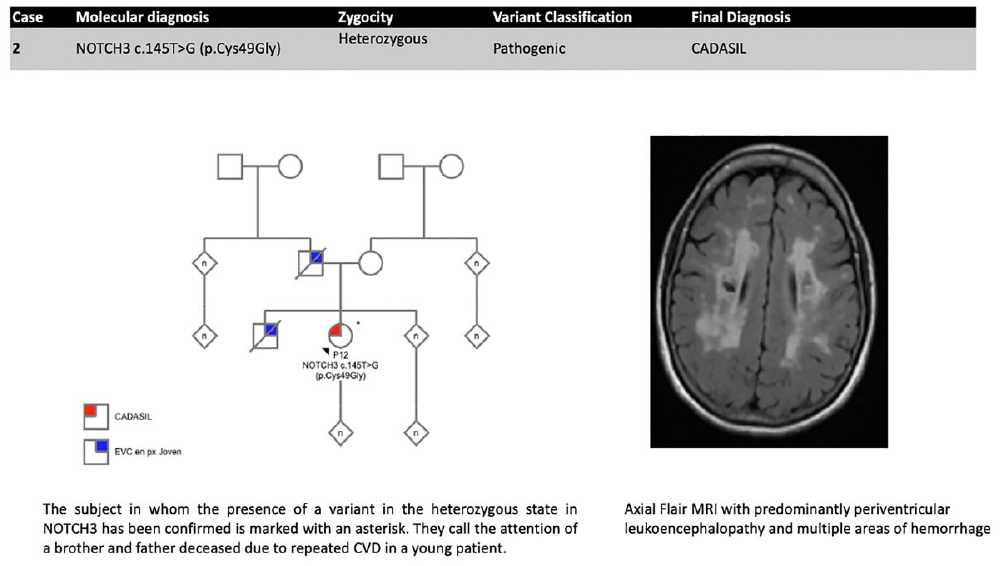
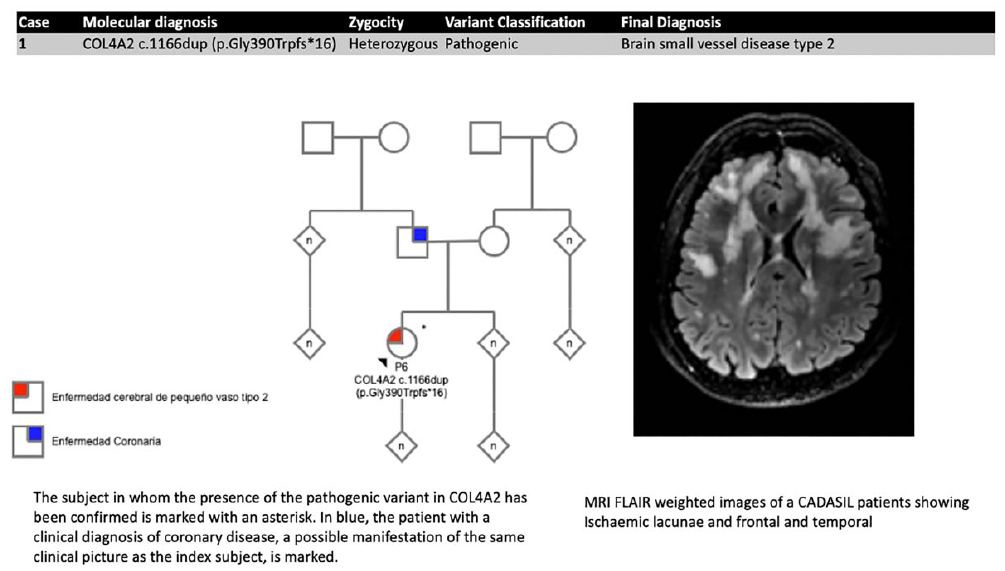
1963
PROTEOMICS-BASED CLASSIFICATION OF TRANSIENT ISCHAEMIC ATTACKS, MIMICS AND HEALTHY CONTROLS USING MACHINE LEARNING
1University of Adelaide, School of Computer and Mathematical Sciences, Adelaide, Australia, 2University of Adelaide, Medicine, Adelaide, Australia, 3South Australian Health & Medical Research Institute, Proteomics, Lipidomics, Metabolomics, and MS-Imaging, Adelaide, Australia, 4Central Adelaide Local Health Network, Cardiology, Adelaide, Australia, 5University of Adelaide, Adelaide Health Technology Assessment, Adelaide, Australia, 6Flinders University, Medicine and Public Health, Adelaide, Australia, 7South Australian Health & Medical Research Institute, Neuropsychiatric Laboratory, Adelaide, Australia, 8Central Adelaide Local Health Network, Neurology, Adelaide, Australia
2028
APOPTOSIS BIOMARKERS DYNAMICS IN ISCHEMIC STROKE
1Pirogov Russian National Research Medical University, Neurology, Neurosurgery, and Medical Genetics Department, Moscow, Russian Federation, 2Mental Health Research Center, Neuroimmunology Laboratory, Moscow, Russian Federation
2445
BRAINCHECK: A RAPID POINT-OF-CARE BLOOD TEST FOR THE MANAGEMENT OF CEREBROVASCULAR DISORDER PATIENTS IN THE AMBULANCES
1University of Geneva, Department of Medicine, Geneva, Switzerland, 2Hospital Universitario Virgen Macarena, UGC Neurología, Seville, Spain, 3Vall d’Hebron Research Institute, Neurovascular Research Lab, Barcelona, Spain, 4Hospital Universitario Virgen del Rocio, Neurología, Seville, Spain
Disclosure of interest: Yes
CLINICAL PRACTICE, MANAGEMENT AND CARE
75
MOLDOVIAN EXPERIENCE ON RES-Q REGISTRY FOR MONITORING THE QUALITY OF STROKE CARE FROM 2017 TO 2022 YEAR
1State University Of Medicine and Pharmacy "N. Testemitanu", Department of neurology nr. 2, Chisinau, Moldova, 2Institute of Emergency Medicine, Neurology Department, Chisinau, Moldova, 3Institute of Neurology and Neurosurgery, Neurology Department, Chisinau, Moldova, 4State University Of Medicine and Pharmacy, Department of Neurology nr. 1, Chisinau, Moldova
200
Investigating Quarterly Stroke Unit Admission Rates from the Irish National Audit of Stroke
1University Of Dublin, Trinity College, Department of Medical Gerontology, Dublin, Ireland, 2Irish National Audit of Stroke, National Office of Clinical Audit, Dublin 2, Ireland, 3St. Vincent's University Hospital, Department of Geriatric Medicine, Dublin 4, Ireland
522
Comparison of Complications of Carotid Artery Stenting among Consecutive Patients above and below age 70 at The Ottawa Hospital, a Comprehensive Stroke Centre in Ontario, Canada
1The Ottawa Hospital Civic Campus, Neurology, Ottawa, Canada, 2University of Ottawa Roger Guindon Hall, Neurology, Ottawa, Canada, 3Ottawa Hospital Research Institute, Neurology, Ottawa, Canada, 4The Ottawa Hospital Civic Campus, Vascular Surgery, Ottawa, Canada, 5Ottawa Hospital Research Institute, Clinical Epidemiology, Ottawa, Canada
571
Predictors and Outcomes of CTP Utilization in the Drip-and-Ship Model
1Promedica Stroke Network, Promedica Toledo Hospital, Toledo, United States, 2The University of Toledo, Department of Neurology, Toledo, United States
910
Reducing Door to Needle Time through Simulation-Based Education
1 Ulster Hospital, Stroke and Elderly Care, Dundonald, United Kingdom
992
TRANSIENT GLOBAL AMNESIA: THE IMPORTANCE OF A MULTIDISCIPLINARY EVALUATION
1 Hospital do Espírito Santo de Évora, Stroke Unit, Évora, Portugal
1057
Impact of High-intensity Statin on Early Neurologic Deterioration in Patients with Single Small Subcortical Infarction
1 Keimyung University Dongsan Medical Center, Neurology, Daegu, South Korea
1297
Changes in Processes of Stroke Care Following the Covid-19 Pandemic from the Irish National Audit of Stroke
1Trinity College Dublin, Department of Medical Gerontology, Dublin, Ireland, 2Irish National Audit of Stroke, National Office of Clinical Audit, Dublin, Ireland, 3St. Vincent's University Hospital, Department of Geriatric Medicine, Dublin 4, Ireland
Proportion admitted to stroke unit reduced slightly (72.1% to 70.2%, Chi Sq 7.73 p=0.006) but admission restriction due to infection control increased significantly (3.7% to 10.1%. Chi Sq p<0.0001) and the proportion admitted from nursing homes dropped (3.7% to 3.2%. Chi Sq 4.8 p=0.028).
Thrombolysis rate of ischaemic stroke declined non-significantly (11.2% to 10.3%. p=0.07) but those thrombolysed after arriving <4 hours from onset dropped more profoundly (29.1% to 24.8% p=0.0006). Thrombectomy numbers increased by 31.5% (610-802).
1312
PATIENT FLOW ANALYSIS WITH FAST TRACK STROKE MRI IN THE EMERGENCY DEPARTMENT
1Copenhagen University Hospital, Herlev and Gentofte, Department of Neurology, Herlev, Denmark, 2Copenhagen University Hospital, Herlev and Gentofte, Department of Radiology, Herlev, Denmark, 3Copenhagen University Hospital, Herlev and Gentofte, Data Unit, Herlev, Denmark, 4University of Copenhagen, Copenhagen Emergency Medical Services, Copenhagen, Denmark
1596
Patient-centered priorities associated with ischemic stroke and cancer
1University of Pittsburgh, Neurology, Pittsburgh, United States, 2University of Pennsylvania, Neurology, Philadelphia, United States, 3Cornell University, Neurology, Ithaca, United States
1705
Dilational vs. Surgical Tracheostomy in Patients with Severe Stroke - a SETPOINT2 post hoc- Analysis
1University Hospital Augsburg, Dept. of Neurology, Augsburg, Germany, 2Institute of Medical Biometry and Informatics, Heidelberg University Hospital, Heidelberg, Germany, 3University Hospital Freiburg, Dept. of Neurology, Freiburg, Germany, 4Main Medical Center, Dept. of Critical Care Services, Portland, United States, 5University Hospital Heidelberg, Dept. of Neurology, Heidelberg, Germany
1836
Occupational therapy practice in assessing and treating people with stroke who wish to return to work
1St Georges NHS Foundation Trust, Neurosciences, London, United Kingdom, 2Royal College of Surgeons in Ireland, Physiotherapy, Dublin, Ireland, 3Trinity College Dublin, Occupational Therapy, Dublin, Ireland
1847
Comparison of pharmacological induced hypertension and anticoagulation for rescue therapy of early neurologicaldeterioration in lacunar stroke
1Inha university hospital, Neurology, Incheon, South Korea, 2, International ST. Mary`s Hospital, Catholic Kwandong University of Korea College of Medicine, Neurology, Incheon, South Korea, 3Soonchunhyang University Seoul Hospital, Soonchunhyang University School of Medicine, Neurology, Seoul, South Korea, 4Dong-A University Hospital, Neurology, Busan, South Korea
PIH was more effective with similar safety, compared to the anticoagulation therapy using argatroban.
1986
DOES MY DIZZY PATIENT HAVE A STROKE? EVALUATING THE ACCURACY OF REFERRING CLINICIANS TO NEURO-OTOLOGY SPECIALIST SERVICE
1University College London Hospitals NHS Foundation Trust, Acute Neurology, London, United Kingdom, 2National Hospital for Neurology and Neurosurgery, Neuro-otology, London, United Kingdom, 3University College London, UCL, Neurology, London, United Kingdom
There were clinical features of central vertigo in 46% of patients in neuro-otology clinic and of these, 58% were mischaracterised by referring clinicians. The eventual diagnoses were migraine (8%), vestibular migraine (61%), stroke (13%) and other, non-stroke cerebellar syndromes (18%). Only 43% of referring clinicians correctly identified a stroke prior to neuro-otology review.
References
1. Kleindorfer DO, Miller R, Moomaw CJ, et al. Designing a message for public education regarding stroke: does FAST capture enough stroke? Stroke. 2007 Oct;38(10):2864–2868.
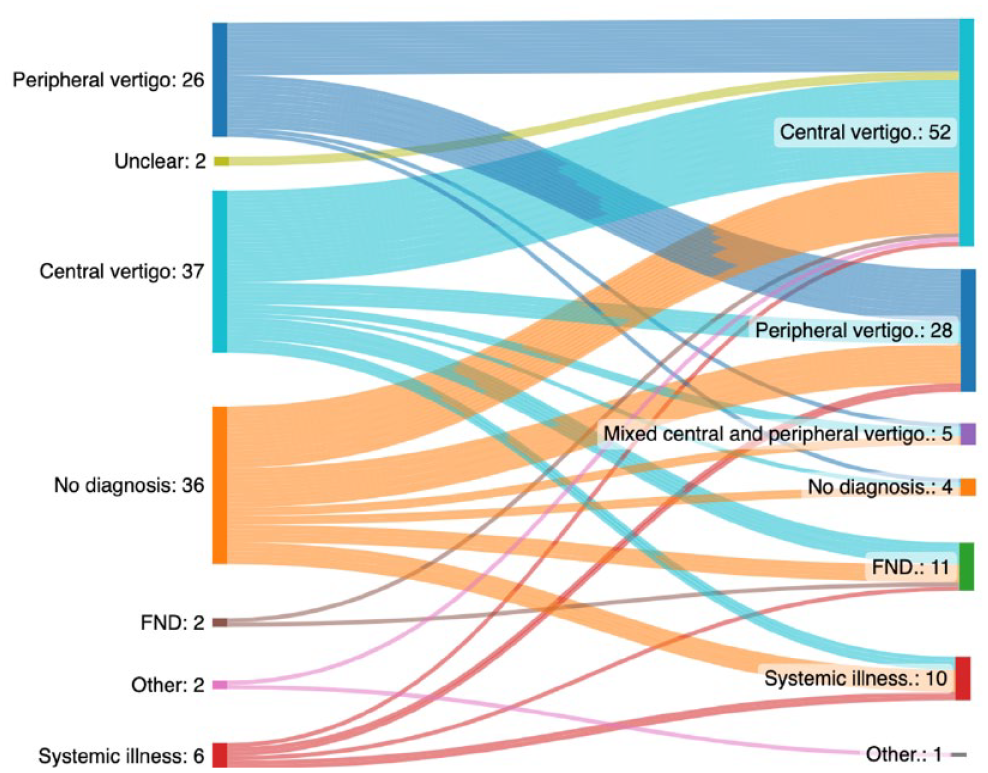
Sankey diagram showing how the diagnosis of referring clinicians (left) compare to neuro-otology specialists (right).
2141
EFFICACY OF CEREBROLYSIN ON FUNCTIONAL RECOVERY AFTER MILD AND MODERATE ACUTE ISCHEMIC STROKE IN VIETNAMESE PATIENT
1 Nguyen Tri Phuong Hospital, Neurology, Ho Chi Minh City, Viet Nam
2161
PREDICTION OF PROGNOSIS IN PATIENTS WITH ISCHEMIC STROKE BY PLATELET FUNCTION DETERMINED BY PLATELET FUNCTION ANALYZER (PFA)-100
1National Central University, Department of Biomedical Sciences and Engineering, Taoyuan, Taiwan, 2Landseed International Hospital, Department of Neurology, Taoyuan, Taiwan, 3National Taiwan University Hospital, Department of Neurology, Taipei, Taiwan
2188
Attitude towards COVID-19 vaccination in stroke patients
1County Clinic Hospital, Department of Neurology, Brasov, Romania, 2Faculty of Medicine, Transilvania University, Department of Neurology, Brasov, Romania
2387
RISK FACTORS OF CEREBRAL HYPERPERFUSION SYNDROME AFTER CAROTID ARTERY REVASCULARIZATION IN A PROSPECTIVE COHORT OF PATIENTS
1Hospital Universitari de Girona Doctor Josep Trueta, Neurology, Girona, Spain, 2Institut d'Investigació Biomèdica de Girona Dr. Josep Trueta (IDIBGI), Neurology, Salt, Spain
2402
TIA’s DIAGNOSTIC SPECTRUM: MOST FREQUENT MIMICS IN THE EMERGENCY DEPARTMENT
1Virgen Macarena University Hospital, Neurology, Seville, Spain, 2Virgen Macarena University Hospital, Radiology, Seville, Spain, 3Virgen Macarena University Hospital, Emergency Department, Seville, Spain
Hence, we expose the final percentage with real diagnosis of TIA and describe alternative pathologies.
Diagnosis was finally established by a vascular neurologist: 91/125 (72.8%) presented a real TIA. 34 of them (37.36%) had a positive-DWI lesion in MRI, so they were coded as minor strokes. The remaining patients (34/125: 27.2%) were mimics.
By frequency, seizure was the commonest alternative diagnosis (12 patients: 17.64%), closely followed by neurofunctional diseases (7: 8.82%) and migraine with aura (2: 2.94%).
Anecdotical alternative diagnoses would be: 1 amyloid spell, 1 myasthenia gravis, 1 hypoglycemia, 1 IV cranial-nerve mononeuritis, 1 peripheral-facial palsy, 1 radiculopathy or 1 medication poisoning, each representing 1.47% of the cohort.
2457
QUALITY OF TREATMENT FOR STROKE PATIENTS DURING WORKDAYS AND WEEKENDS - CLINICAL EXPERIENCE FROM BULGARIA
1„St. Anna” University Hospital, Department of Neurology, Sofia, Bulgaria, 2South-West University “Neofit Rilski” (SWU), Faculty of public healt, health care and sport, Blagoevgrad, Bulgaria, 3University Hospital “N. I. Pirogov”, Endovascular Neurosurgery, Sofia, Bulgaria, 4University Hospital “N. I. Pirogov”, Department of Neurosurgery, Sofia, Bulgaria, 5„St. Anna” University Hospital, Department of Neurosurgery, Sofia, Bulgaria
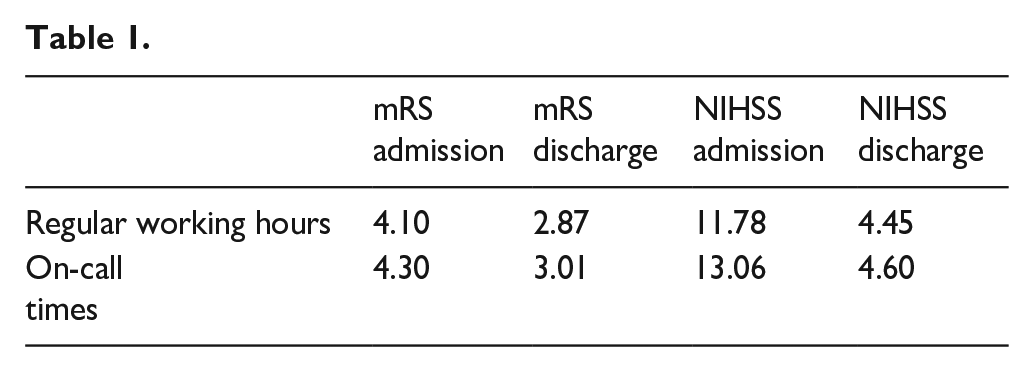
2491
ISCHEMIC STROKE DESPITE ANTICOAGULATION IN PATIENTS WITH ATRIAL FIBRILATION. A DESCRIPTIVE STUDY IN A TERTIARY CENTRE
1 Hospital Universitario Virgen de la Arrixaca, Neurology, Murcia, Spain
2598
Timing of Oral Anticoagulation for Atrial Fibrillation After Acute Ischaemic Stroke: A Survey of Irish Practice
1Beaumont Hospital, Neurology Department, Dublin, Ireland, 2Royal College of Surgeons in Ireland, FutureNeuro SFI Research Centre, Dublin, Ireland, 3Mater Misericordiae University Hospital, Department of Stroke Medicine, Dublin, Ireland, 4St Vincent’s University Hospital, Department of Neurology & Stroke Medicine, Dublin, Ireland
SERVICE ORGANISATION/QUALITY IMPROVEMENT AND PATIENT CENTERED OUTCOMES
40
UNMET NEEDS IN STROKE AFTERCARE – A SURVEY OF STROKE SURVIVORS IN GERMANY
1German Stroke Foundation, Healthcare Research, Gütersloh, Germany, 2German Stroke Foundation, Chairman, Gütersloh, Germany
303
How good are we at assessing and treating fracture risk in patients after stroke?
1Royal Cornwall Hospital, Acute Medicine, Truro, United Kingdom, 2Royal Cornwall Hospital, Healthcare of Elderly, Truro, United Kingdom
348
PAOLI (People with Aphasia and Other Layperson Involvement) reporting checklist: a guidance for reporting on Patient and Public Involvement in Stroke and Aphasia Research
1University of Fribourg, Department of Neurology, Fribourg, Switzerland, 2Cyprus University of Technology, Department of Rehabilitation Sciences, Limassol, Cyprus, 3Cyprus Stroke Association, Stroke Ambassador, Limassol, Cyprus, 4University of Lausanne, Department of English Linguistics, Lausanne, Switzerland, 5University of South Australia, Allied Health & Human Performance, Adelaide, Australia
388
How can the UK’s National Stroke Audit drive quality improvement in post-hospital care?
1University of Nottingham, Stroke Rehabilitation, Nottingham, United Kingdom, 2University of Nottingham, Medicine, Nottingham, United Kingdom, 3Royal Devon and Exeter NHS Foundation Trust, Stroke Medicine, Exeter, United Kingdom, 4NHS England, Clinical Policy Unit, London, United Kingdom
Factors enabling SSNAP to be used for quality improvement in community services are underpinned by organisational culture. These include a data-orientated stroke Team Lead, an audit-champion to facilitate team participation and dedicated administrative support. Barriers included lengthy feedback reports without clear “headlines” and doubts regarding accuracy of inputted data such as variations in reporting practice.
Acknowledgement: Study supported by THIS Institute award:PHD-2020-01-003
392
Improving oral hygiene through using suction toothbrushes leads to reduced incidence of oral thrush and pneumonia in acute stroke
1Royal Berkshire NHS Foundation Trust, Adult Speech & Language Therapy, Reading, United Kingdom, 2Royal Berkshire NHS Foundation Trust, Acute Stroke Unit, Reading, United Kingdom
687
Stroke Group Network in the UK
1Stroke Association, CEO, London, United Kingdom, 2Stroke Association, Systems Engagement, London, United Kingdom
Engagement Officers share local opportunities and bring together groups to learn from and help each other.
Local and national partnerships to create opportunities for people affected by stroke to gain new experiences and reengage in community life.
703
IMMEDIATE IMPACTE OF NURSING PARTICIPATION IN CLINICAL STROKE AUDIT IN CATALONIA
1Catalan Stroke Program. Health Department, Agència de Qualitat i Avaluació Sanitàries de Catalunya. CIBER Epidemiología y Salud Pública (CIBERESP)., Barcelona, Spain, 2Health&Social Projects -with Heart-, Research, Sant Cugat del Vallès, Spain, 3Fundació Ictus, Stroke, Barcelona, Spain, 4Hospital del Mar, Stroke Unit, Barcelona, Spain, 5Bellvitge University Hospital, Neurology, L'Hospitalet de Llobregat, Spain
739
Indirect impact of COVID-19 on incidence, work-up, readmission and mortality of ischemic and hemorrhagic stroke: a region-wide time trend analysis
1Neurology and Stroke Unit, Bufalini Hospital, Cesena, Italy, 2Agenzia sanitaria e sociale regionale, Regione Emilia-Romagna, Bologna, Italy, 3IRCCS Istituto delle Scienze Neurologiche di Bologna, UO Epidemiologia e Statistica, Bologna, Italy, 4IRCCS Istituto delle Scienze Neurologiche di Bologna, Neurologia e Rete Stroke Metropolitana, Bologna, Italy
872
EDUCATING ELDERLY RESIDENTS IN A NURSERY HOME ABOUT STROKE USING FAST HEROES
1 University of Macedonia, Department of Educational and Social Policy, Thessaloniki, Greece
949
EDUCATION INTERVENTION TO REDUCE CAREGIVER BURDEN IN NEUROLOGY-INTENSIVE CARE SURVIVORS (ENABLE)
1St. Stephen's Hospital, Neuro Critical Care, Delhi, India, 2St. Stephen's Hospital, Neurology, Delhi, India, 3St. Stephen's Hospital, Critical Care Medicine, Delhi, India, 4St. Stephen's Hospital, Neurology, Delhi, India, 5Holy Family Hospital, Critical Care Medicine, Delhi, India, 6Christian Medical College and Hospital, Neurology, Ludhiana, India
This study aims to assess the effect of mApp mediated training to caregivers of neurological disease survivors in improving quality of care as well as reducing caregiver burden.
Inclusion criteria:
• Adult patients admitted to Neuro-ICU, planned for discharge
• Minimum ICU stay of 3 days, regardless of ventilator requirement
• Minimum expected survival of 6 months
• Caregiver has working smartphone with internet availability
Exclusion Criteria:
• Pre-morbid patient dependancy (mRS>2) or life expectancy <3 months
• Caregivers with physical/cognitive deficits
• Unwillingness to provide consent
Assess pre-and-post training caregiver burden using validated scales:
• Hospital Anxiety and Depression Scale (HADS)
• Impact of event scale - revised (IES-R)
Secondary outcome:
• Assess pre-and-post training quality of life of caregivers using EQ-5D (EuroQol 5 level version)
• Incidence of readmission to hospital within 3 months of discharge
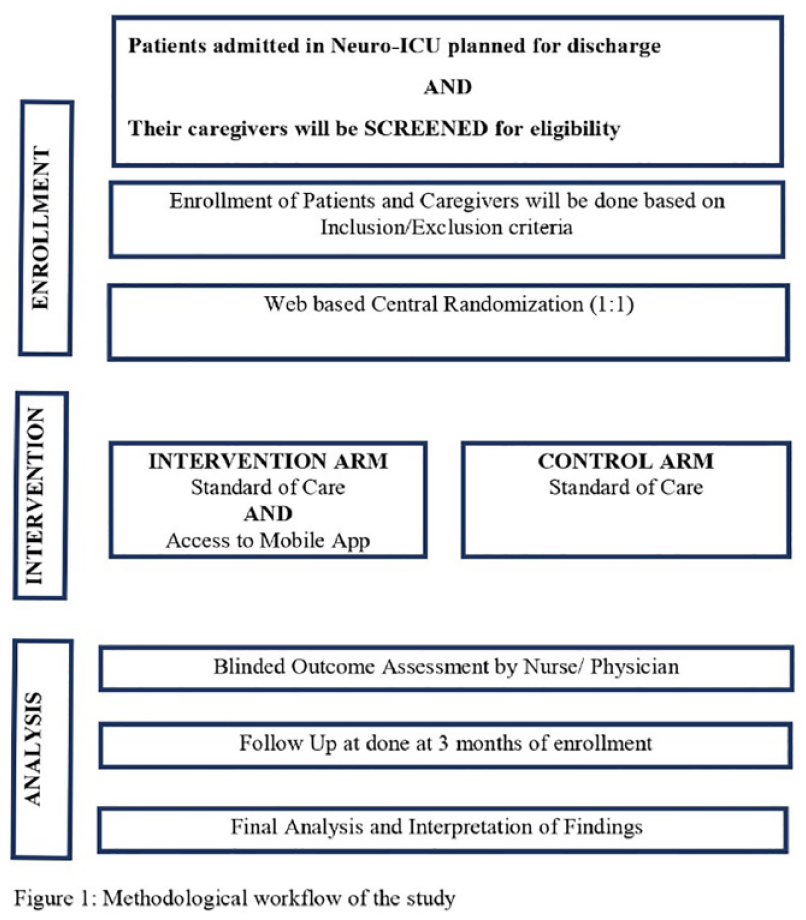
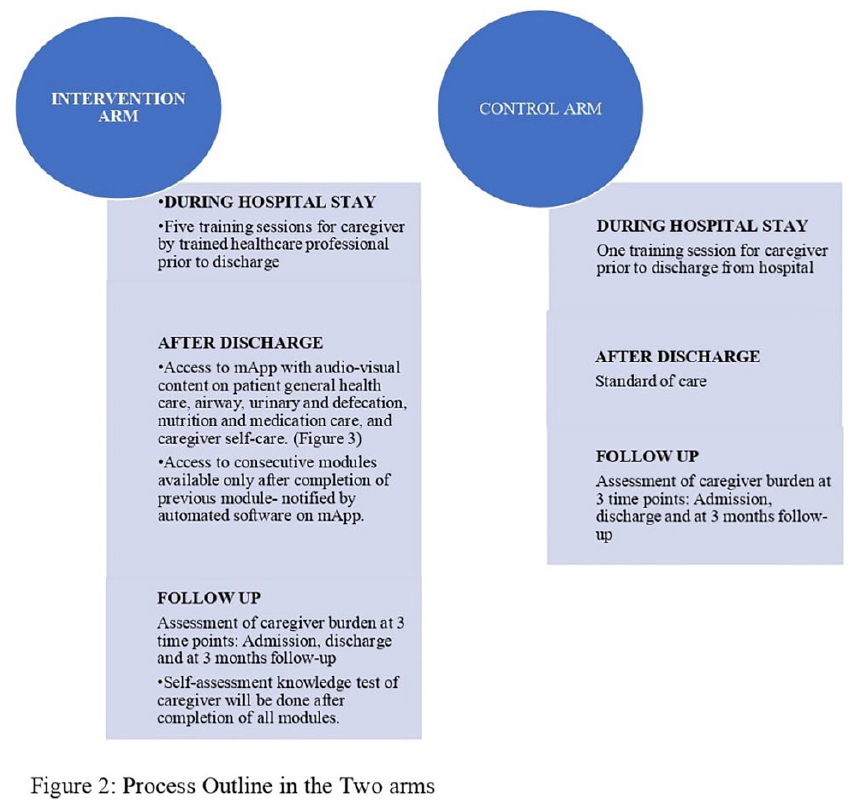
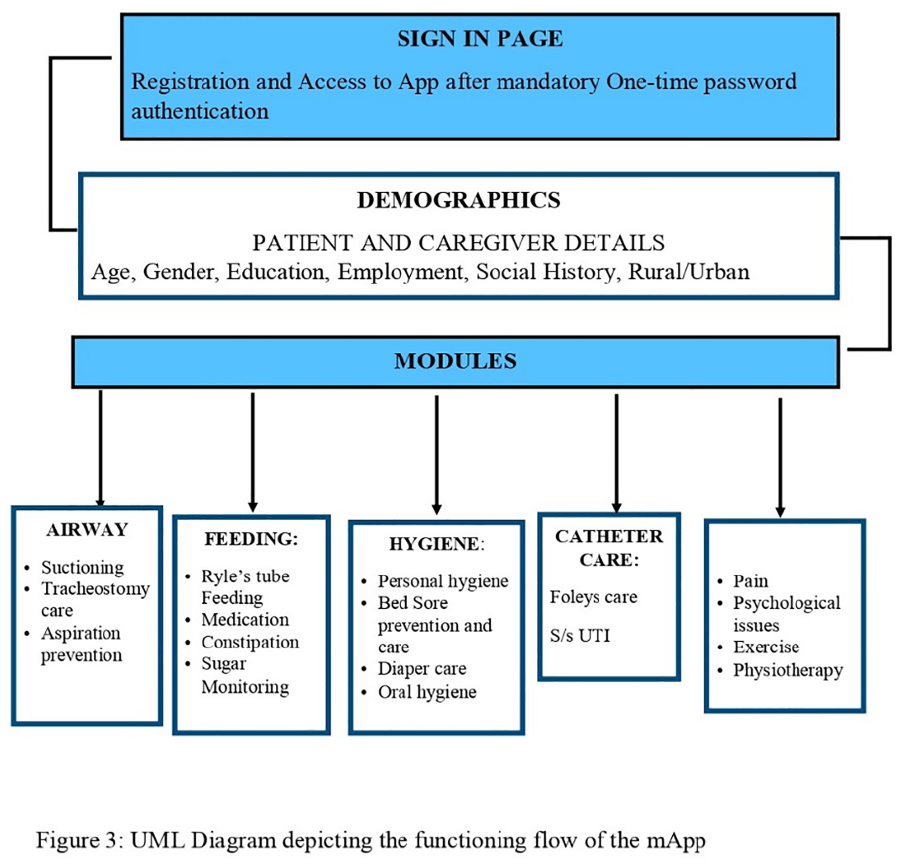
1127
A Re-Audit of the Ward Based IT Infrastructure of the University Hospital of Limerick
1 University Hospital Limerick, Geriatric Medicice, Limerick, Ireland
1180
IMPACT OF THE COVID-19 PANDEMIC ON THE FREQUENCY OF CONSENSUS DECISIONS, ADHERENCE TO ADVICE AND TIME TO INTERVENTION FOLLOWING A NEUROVASCULAR MULTIDISCIPLINARY MEETING
1Tallaght University Hospital (TUH) / The Adelaide and Meath Hospital, Dublin, incorporating the National Children’s Hospital (AMNCH) / Dublin, Ireland, Dept. of Neurology, Dublin, Ireland, 2Tallaght University Hospital (TUH) / The Adelaide and Meath Hospital, Dublin, incorporating the National Children’s Hospital (AMNCH) / Dublin, Ireland, Stroke Service, Dublin, Ireland, 3Tallaght University Hospital (TUH) / The Adelaide and Meath Hospital, Dublin, incorporating the National Children’s Hospital (AMNCH) / Dublin, Ireland, Dept. of Vascular Surgery, Dublin, Ireland, 4Tallaght University Hospital (TUH) / The Adelaide and Meath Hospital, Dublin, incorporating the National Children’s Hospital (AMNCH) / Dublin, Ireland, Dept. of Age-Related Health Care, Dublin, Ireland, 5School of Medicine, Trinity College Dublin, Dublin, Ireland, Academic Unit of Neurology, Dublin, Ireland, 6Tallaght University Hospital (TUH) / The Adelaide and Meath Hospital, Dublin, incorporating the National Children’s Hospital (AMNCH) / Dublin, Ireland, Vascular Neurology Research Foundation, Dublin, Ireland, 7Tallaght University Hospital (TUH) / The Adelaide and Meath Hospital, Dublin, incorporating the National Children’s Hospital (AMNCH) / Dublin, Ireland, Dept. of Radiology, Dublin, Ireland, 8Naas General Hospital, Naas, Ireland, Dept. of Geriatric and Stroke Medicine, Naas, Ireland, 9Royal Free Campus, UCL Queen Square Institute of Neurology, London, U.K, Dept. of Clinical and Movement Neurosciences, London, United Kingdom
1212
Predictors Of Discharge Against Medical Advice In Stroke Patients
1The University of Toledo College of Medicine, Neurology, Toledo, United States, 2The University of Toledo College of Medicine, Neurology, Toledo, United States, 3Promedica Toledo Hospital/University of Toledo COMLS, Interventional Neurology, Toledo, United States, 4Promedica Stroke Network, Interventional Neurology, Toledo, United States
1255
COST SAVING OF AMBULANCE SERVICE FOR SECONDARY TRANSFER OF EMERGENCY STROKE PATIENTS
1Changi General Hospital, Neurology Department, Singapore, Singapore, 2Changi General Hospital, Case Management, Singapore, Singapore
From Jan to Dec 2019, 159 ambulance standbys during office hours. Base charge of S$32.10 is applied for each standby. Out of 159 cases, 24 cases (15.1%) utilized the ambulance service. Low ambulance utilization rate resulted in cost wastage.
The aim of this project is to reduce unnecessary ambulance standbys and achieve cost saving by increasing ambulance service utilization rate from 15.1% to 80% by June 2021.
Data were extracted from Research Electronic Data Capture from January 2019 to June 2021. Outcome measures were ambulance utilization rate and cost saving for ambulance service.
1320
THE NEW TARGET POPULATION OF STROKE AWARENESS CAMPAIGN: KINDERGARTEN STUDENTS
1Szent János Hospital, Neurology and Stroke, Budapest, Hungary, 2Semmelweis University, Doctoral School of Theoretical and Translational Medicine, Budapest, Hungary, 3National Ambulance Service, National Ambulance Service, Budapest, Hungary, 4The Angels Initiative Europe, The Angels Initiative Europe, Ingelheim am Rhein, Germany, 5The Angels Initiative – Hungary, The Angels Initiative – Hungary, Budapest, Hungary, 6Hegyvidéki Mesevár Óvoda, Hegyvidéki Mesevár Óvoda, Budapest, Hungary
1433
Model-based economic evaluations in the field of stroke: a meta-research analysis
1Institute of Public Health, Charité - Universitätsmedizin Berlin, Berlin, Germany, 2Center for Stroke Research, Charité – Universitätsmedizin Berlin, Berlin, Germany
Disclosure of interest: Yes
1461
Implementing a new 12-week multi-modal education and exercise programme for TIA and non-disabling stroke
1Imperial College Healthcare NHS Trust, Stroke Medicine, London, United Kingdom, 2Imperial College Healthcare NHS Trust, Population Health, London, United Kingdom, 3Chelsea Football Club Foundation, Population Health, London, United Kingdom
1625
LESSONS LEARNT FROM 10 YEARS OF TIA CLINIC IN A DISTRICT GENERAL HOSPITAL: OLDER PATIENTS WITH TIA SYMPTOMS PRESENT LATER TO THEIR GP
1 Croydon University Hospital, Acute Stroke Unit, London, United Kingdom
*Authors DR. Hannah and PR. Brian contributed equally to this work.
1727
IMPACT OF THE SARS-COV2 PANDEMIC ON THE PERFORMANCE OF A REGIONAL TELESTROKE NETWORK
1Centro Hospitalar e Universitário de Coimbra, Neurology Department, Coimbra, Portugal, 2Centro Hospitalar de Leiria, Internal Medicine Department, Leiria, Portugal, 3Centro Hospitalar e Universitário de Coimbra, Internal Medicine Department, Coimbra, Portugal, 4Centro Hospitalar Tondela-Viseu, Internal Medicine Department, Viseu, Portugal, 5Centro Hospitalar do Baixo Vouga, Internal Medicine Department, Aveiro, Portugal, 6Centro Hospitalar Universitário Cova da Beira, Internal Medicine Department, Covilhã, Portugal, 7Unidade Local de Saúde de Castelo Branco, Internal Medicine Department, Castelo Branco, Portugal, 8Unidade Local de Saúde da Guarda, Internal Medicine Department, Guarda, Portugal, 9Hospital Distrital da Figueira da Foz, Internal Medicine Department, Figueira da Foz, Portugal, 10Centro Hospitalar e Universitário de Coimbra, Neurorradiology Department, Coimbra, Portugal
1764
The benefits and costs of good methods: a methodological appraisal of trial-based economic evaluations in stroke research literature
1Institute of Public Health, Charité – Universitätsmedizin Berlin, Berlin, Germany, 2Center for Stroke Research Berlin, Charité – Universitätsmedizin Berlin, Berlin, Germany, 3Center for Stroke Research Berlin, Charité – Universitätsmedizin Berlin, Belrin, Germany, 4Institute of Public Health, Charité – Universitätsmedizin Berlin, Belriln, Germany, 5Center for Stroke Research Berlin, Charité – Universitätsmedizin Berlin, Berlin, Germany
Disclosure of interest: Yes
1769
Accessibly to Thrombectomy for Acute Ischemic Stroke Patients in the UnitedStates: Mapping Acute Stroke Care Project-USA
1St Cloud Hospita, Stroke, St Cloud Minnesota, United States, 2Zeenat Qureshi Stroke Institute, ZQSI, Columbia Missouri, United States
1827
EVALUATION OF STROKE QUALITY IN KYRGYZSTAN: DATA FROM RES-Q REGISTRY
1 Kyrgyz State Medical Academy, Neurology and clinical genetics, Bishkek, Kyrgyzstan
1839
Establishment of the Stroke Center Accreditation by the Korean Stroke Society and the Current Performance Status of Stroke Centers
1Inha university hospital, Neurology, Incheon, South Korea, 2Inje University Ilsan Paik Hospital, Neurology, Ilsan, South Korea, 3Seoul National University Bundang Hospital, Neurology, Seongnam, South Korea, 4International ST. Mary`s Hospital, Neurology, Incheon, South Korea, 5Korea University Guro Hospital and Korea University College of Medicine, Neurology, Seoul, South Korea, 5Korea University Guro Hospital and Korea University College of Medicine, Neurology, Seoul, South Korea, 7Seoul National University Hospital, Seoul National University College of Medicine, Neurology, Seoul, South Korea, 8Kyung Hee University Hospital, Neurology, Seoul, South Korea, 9Soonchunhyang University Seoul Hospital, Soonchunhyang University School of Medicine, Neurology, Seoul, South Korea, 10Dong-A University Hospital, Neurology, Busan, South Korea
1850
STROKE SURVIVOR, FAMILY CARER AND PROFESSIONAL PRIORITIES FOR IMPROVEMENT OF STROKE SERVICES IN IRELAND: PRELIMINARY RESULTS OF A STAKEHOLDER SURVEY
1RCSI University of Medicine and Health Sciences, School of Population Health, Dublin, Ireland, 2RCSI University of Medicine and Health Sciences, Department of Geriatric and Stroke Medicine, Dublin, Ireland, 3Beaumont Hospital, Department of Geriatric and Stroke Medicine, Dublin, Ireland, 4RCSI University of Medicine and Health Sciences, School of Physiotherapy, Dublin, Ireland, 5Economic and Social Research Institute, Social Research Division, Dublin, Ireland, 6RCSI University of Medicine and Health Sciences, Centre of Positive Psychology and Health, Dublin, Ireland, 7Irish Heart Foundation, Advocacy, Dublin, Ireland, 8Patient collaborator, Patient collaborator, Sligo, Ireland, 9University College Cork, Centre for Gerontology and Rehabilitation, Cork, Ireland, 10Tallaght University Hospital, Stroke Service, Dublin, Ireland
1860
Stroke network and telemedicine: experience of the Lazio Region
1Ares 118, UOC Pathology Clinical Networks, Rome, Italy, 2Regione Lazio, Hospital Network Area-Regional Health Department, Regione Lazio, Italy, Roma, Italy, 3Ares118, UOC Pathology Clinical Networks, Rome, Italy
Telemedicine, and in particular teleconsultation, have a fundamental role in the development of the Lazio Ictus Network.
This study aimed to investigate the diffusion of TM in Lazio Stroke network and to evaluate the efficacy and safety of implementation of telemedicine in treating acute ischemic stroke patients with intravenous thrombolysis.
The first results of the new training approach will be available in the 2023 regional report.
1940
Understanding the implementation of stroke ESD within the context of stroke care pathways in England; a realist study of staff perspectives
1 University of Nottingham, School of Medicine, Nottingham, United Kingdom
1953
Improving perioperative care for patients with acute stroke undergoing neurosurgery
1National Hospital for Neurology and Neurosurgery, Comprehensive Stroke Service, London, United Kingdom, 2University College London Hospitals NHS Foundation Trust, Medicine for the Elderly, London, United Kingdom, 3National Hospital for Neurology and Neurosurgery, Neuroanaesthesia and Neurocritical care medicine, London, United Kingdom, 4National Hospital for Neurology and Neurosurgery, Neurosurgery, London, United Kingdom, 5University College London Hospitals NHS Foundation Trust, Respiratory Medicine, London, United Kingdom
1965
Cost-effective analysis of evidence-based interventions underlying Acute Ischemic Stroke: A Retrospective Study of Patients in a Tertiary Care Hospital, Delhi, India
1All India Institute Of Medical Sciences, Neurology, New Delhi, India, 2Public Health Foundation of India, Public Health, New Delhi, India, 3All India Institute Of Medical Sciences, Department of Health Administration, New Delhi, India
1980
THE EFFECT OF A MOBILE STROKE UNIT ON HOSPITAL THROMBOLYSIS RATES IN THE PRIMARY HOSPITAL HUB
1University of Melbourne, Department of Medicine, Dentistry, and Health Science, Melbourne, Australia, 2The Royal Melbourne Hospital, Melbourne Brain Centre, Melbourne, Australia, 3The Royal Melbourne Hospital, Department of Neurology, Melbourne, Australia, 4The Royal Melbourne Hospital, Department of Medicine, Melbourne, Australia, 5University of Melbourne, Department of Medicine, Parkville, Australia, 6University of Melbourne, Department of Medicine, Melbourne, Australia
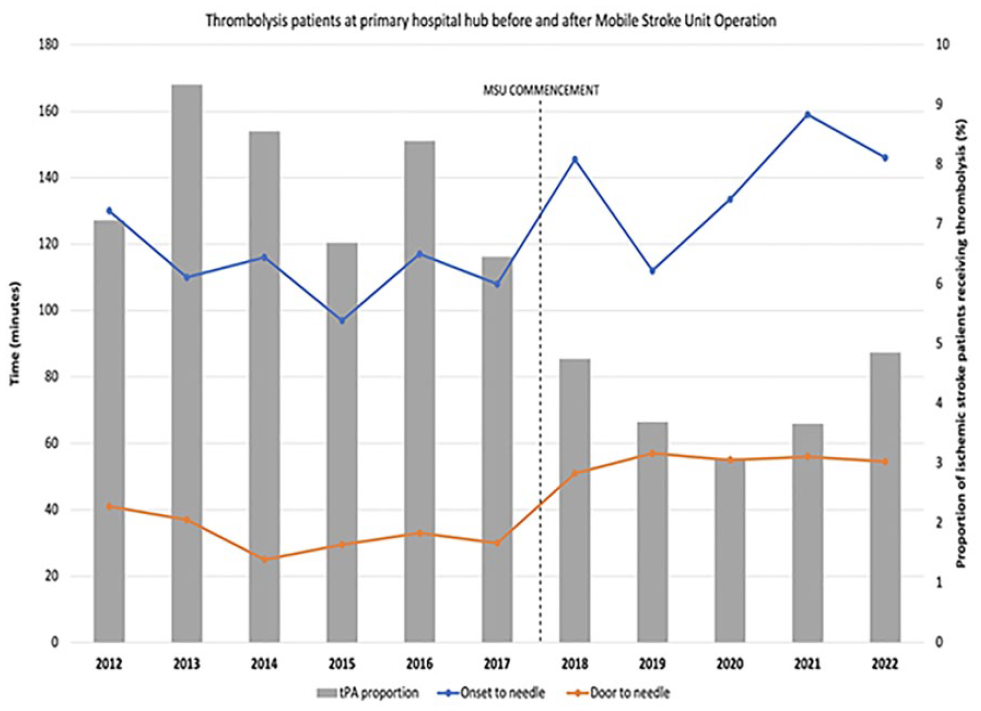
1993
NOVEL MEDICAL DATA TRANSMITTING SYSTEM FOR PATIENTS TRANSFERRING FOR ENDOVASCULAR THROMBECTOMY
1Seoul National University Bundang Hospital, Neurology, Seongnam, South Korea, 2Gyeonggi Provincial Medical Center Icheon Hospital, Neurology, Icheon, South Korea, 3Seoul National University Bundang Hospital, Laboratory Medicine, Seongnam, South Korea
2073
Intracerebral hemorrhage: the neglected stepsister. Data from the RES-Q Registry in Romania
1University Emergency Hospital Bucharest, Neurology, Bucharest, Romania, 2Elias University Emergency Hospital, Neurology, Bucharest, Romania, 3County Hospital Bihor, Neurology, Oradea, Romania, 4University of Medicine, Pharmacy, Science and Technology "George Emil Palade" Tg. Mures, Neurology, Bucharest, Romania, 5National Institute of Neurology and Neurovascular Disorders Bucharest, Neurology, Bucharest, Romania
81.8% of patients benefited of cerebral imaging within the first hour after hospital arrival. Dysphagia was screened for in 52.3% of cases. Out of the surviving patients, 80.7% were discharged at home. 70.3% of cases were classified as having a hypertensive etiology, with “other etiologies” representing 17% and anticoagulant therapy being a distant third at 7.6%. Only 1.8% of patients benefited from any neurosurgical procedure.
2120
Quality of Acute Stroke Care within Emergency Medical Service System in Korea
1Soonchunhyang University Seoul Hospital, Neurology, Seoul, South Korea, 2Asan Medical Center, Clinical Research Center, Seoul, South Korea, 3Seoul National University College of Medicine, Seoul National University Bundang Hospital, Department of Neurology and Cerebrovascular Center, Seongnam, South Korea, 4Seoul National University Hospital, Seoul National University College of Medicine, Neurology, Seoul, South Korea
2189
Development of a Digital Hub for improving emergency stroke care and introducing quality indicators to evaluate its impact: the CAEHR project
1Institute of Clinical Epidemiology and Biometry, University of Würzburg, Würzburg, Germany, 2Department of Neurology, University Hospital Würzburg, Würzburg, Germany, 3Department of Anesthesiology, University Hospital Wuerzburg, Würzburg, Germany, 4Service Center Medical Informatics, University Hospital of Würzburg, Würzburg, Germany, 5Department of Cardiology and Angiology, Hannover Medical School, Würzburg, Germany, 6Department of Medical Informatics, University Medical Center Göttingen, Göttingen, Germany, 7Department of Neurology, University Hospital Würzburg, Würzburg, Germany
2425
MANAGEMENT AND EPIDEMIOLOGY OF TIAS IN TRIESTE PROVINCE: A 5 YEARS RETROSPECTIVE STUDY
1 Clinical Unit of Neurology, School of Neurology, Department of Medicine, Surgery and Health Sciences, University Hospital and Health Services of Trieste, ASUGI, University of Trieste, Trieste, Italy
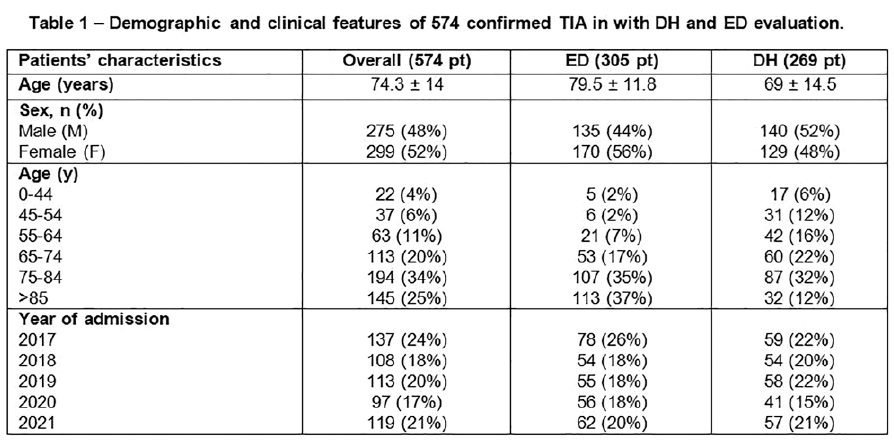

2477
Home blood pressure monitoring in ischaemic stroke patients recently discharged on anticoagulation for atrial fibrillation
1University of Cambridge, Clinical Neurosciences, Cambridge, United Kingdom, 2Cambridge University Hospitals NHS Foundation Trust, Department of Stroke, Cambridge, United Kingdom, 3North West Anglia NHS Foundation Trust, Department of Stroke, Peterborough, United Kingdom
recall of education about BP pre-discharge, which is part of routine care
have access to home BP monitoring and can share readings.
Values were compared to those 72h pre-discharge.
13 of 23 (58%) used a monitor; 2 weekly, 4xdaily and 7 twice-daily, 9/13 kept records. (Table 2).
11 monitored BP at least daily, 3 had maximum SBP<130mmHg and 6 had average SBP<130mmHg (Figure 1). None had a post-discharge primary care review.
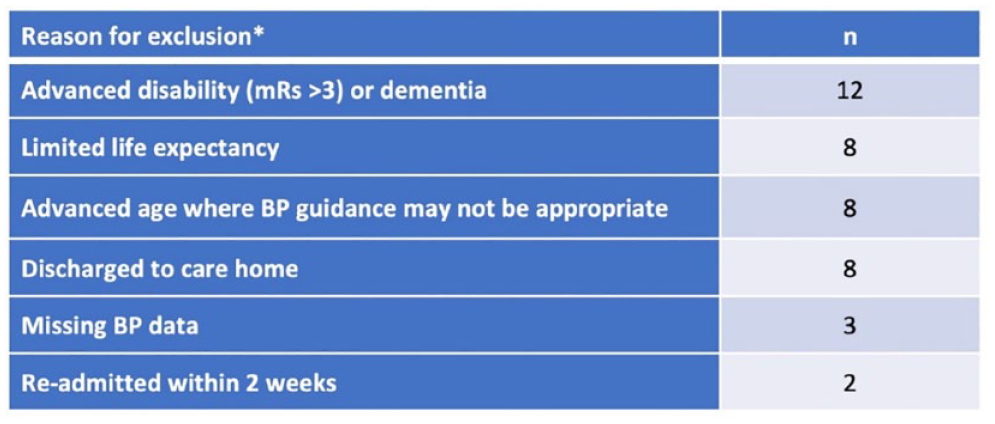
Reasons for exclusion, *may have more than 1 reason.
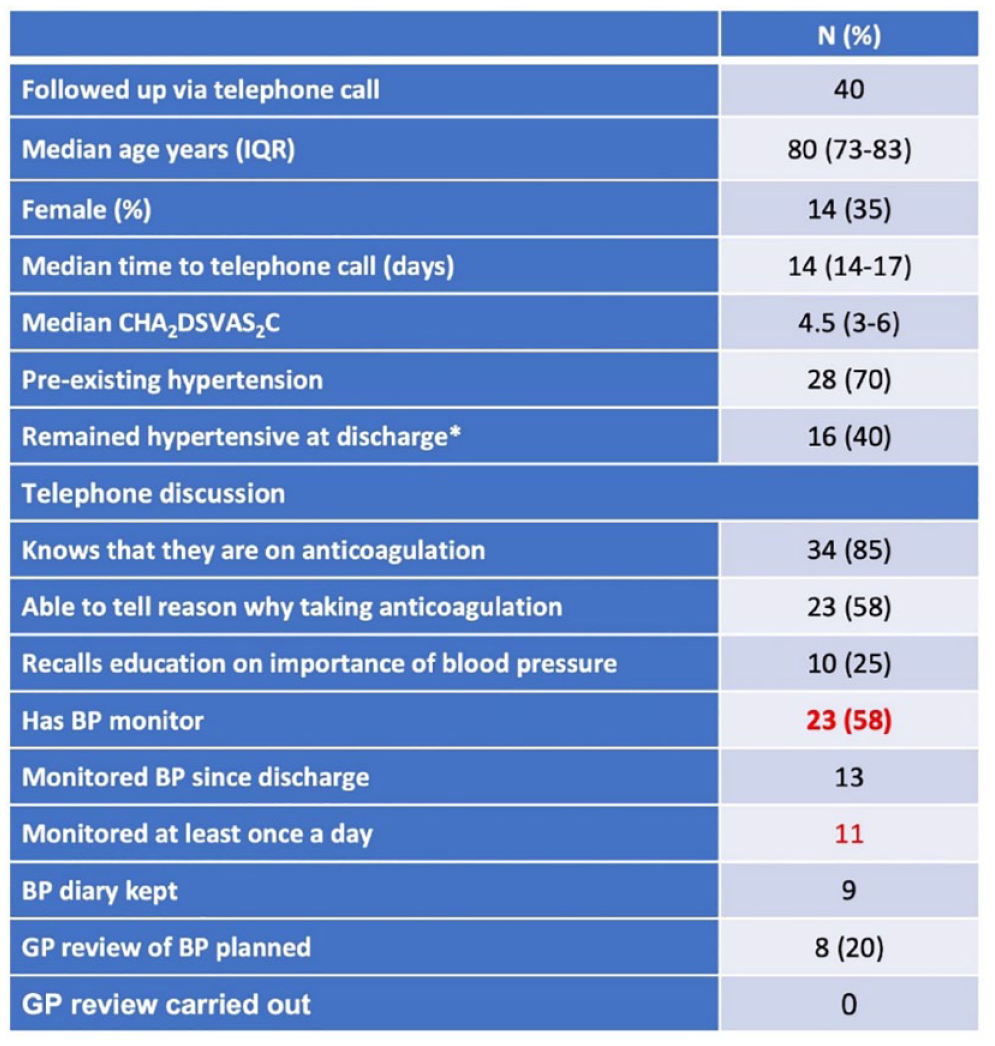
Home BP monitoring results.
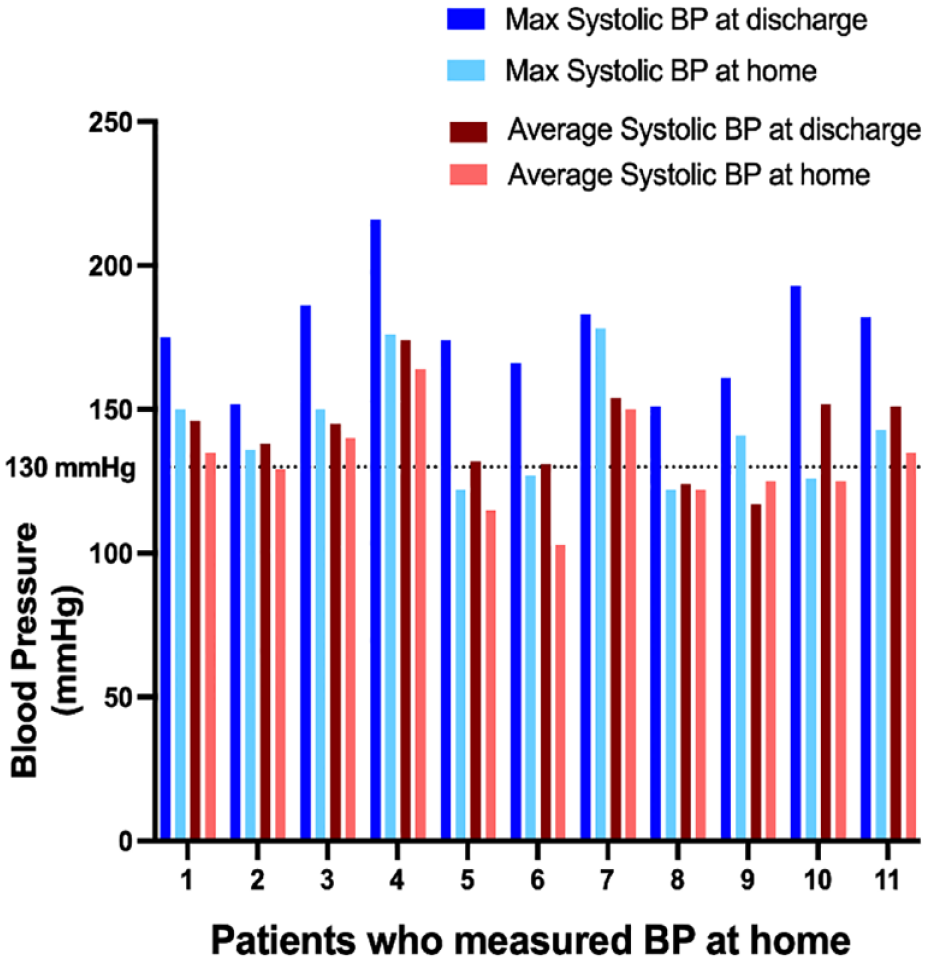
Comparison of BP at discharge and at home.
2500
POST-STROKE FATIGUE: INCIDENCE, PREDICTORS AND ASSOCIATION WITH OTHER REPORTED HEALTH OUTCOMES
1Hospital Universitari Germans Trias i Pujol, Stroke Unit, Badalona, Spain, 2Hospital Universitari Arnau de Vilanova, Stroke Unit, Lleida, Spain, 3Hospital Universitari Joan XXIII, Stroke Unit, Tarragona, Spain, 4Hospital Universitari Josep Trueta, Stroke Unit, Girona, Spain, 5Hospital Universitari Vall d'Hebrón, Stroke Unit, Barcelona, Spain
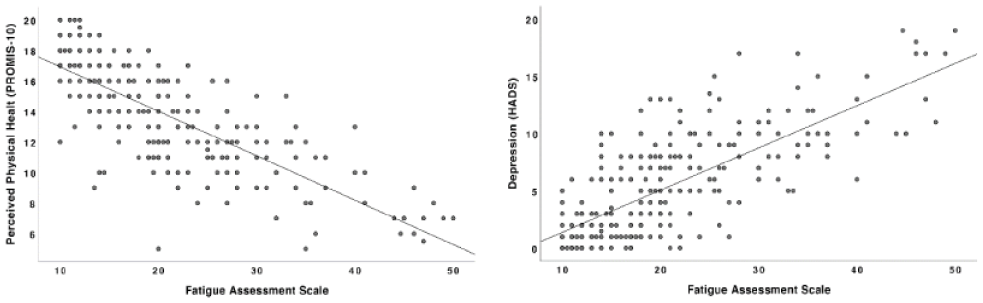
2558
Sierra Leoneans nurses trained in stroke recognition and assessment are the pioneers for the establishment of the first stroke registry in Bo’s Government Hospital
1Cambridge University Hospitals, Addenbrookes Hospital, Cambridge, United Kingdom, 2Anglia Ruskin University Cambridge Campus, Stroke, Cambridge, United Kingdom, 3Bo Government Hospital, Bo Government Hospital, Bo, Sierra Leone, 4Bo Government Hospital, Bo Hospital, Bo, Sierra Leone
Most of the population lack knowledge regarding stroke, primary prevention is poor, access to secondary care is difficult and expensive, therefore most of the stroke cases remain unrecognized and untreated.
The registry is an useful tool to provide reliable data for future research and the development of a local and national stroke pathway. With a chronic shortage of medical staff and community health officers, nurses are a valuable resource to lead this initiative.
The data reflects the systematic use of the NIHSS (National Institute of Health Stroke Scale) tool, early swallow assessment, risk factors, time of presentation, assessment, management, and outcomes.
TECHNOLOGY INNOVATIONS: ROBOTS, VIRTUAL REALITY, ARTIFICIAL INTELLIGENCE AND MORE
337
Maximum Euclidean Deflection: A Novel Metric For Safety Of Neurovascular Devices In An In-vitro Stroke Model
1HonorHealth Research and Innovation Institute, Neurology, Scottsdale, United States, 2Barrow Neurological Institute, Neurosurgery, Phoenix, United States, 3HonorHealth McClelland-Harris Family Bioskills Laboratory, Bioskills, Scottsdale, United States
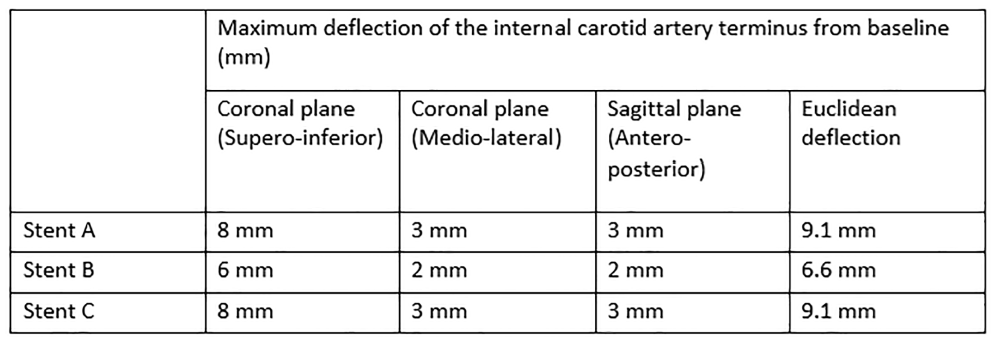
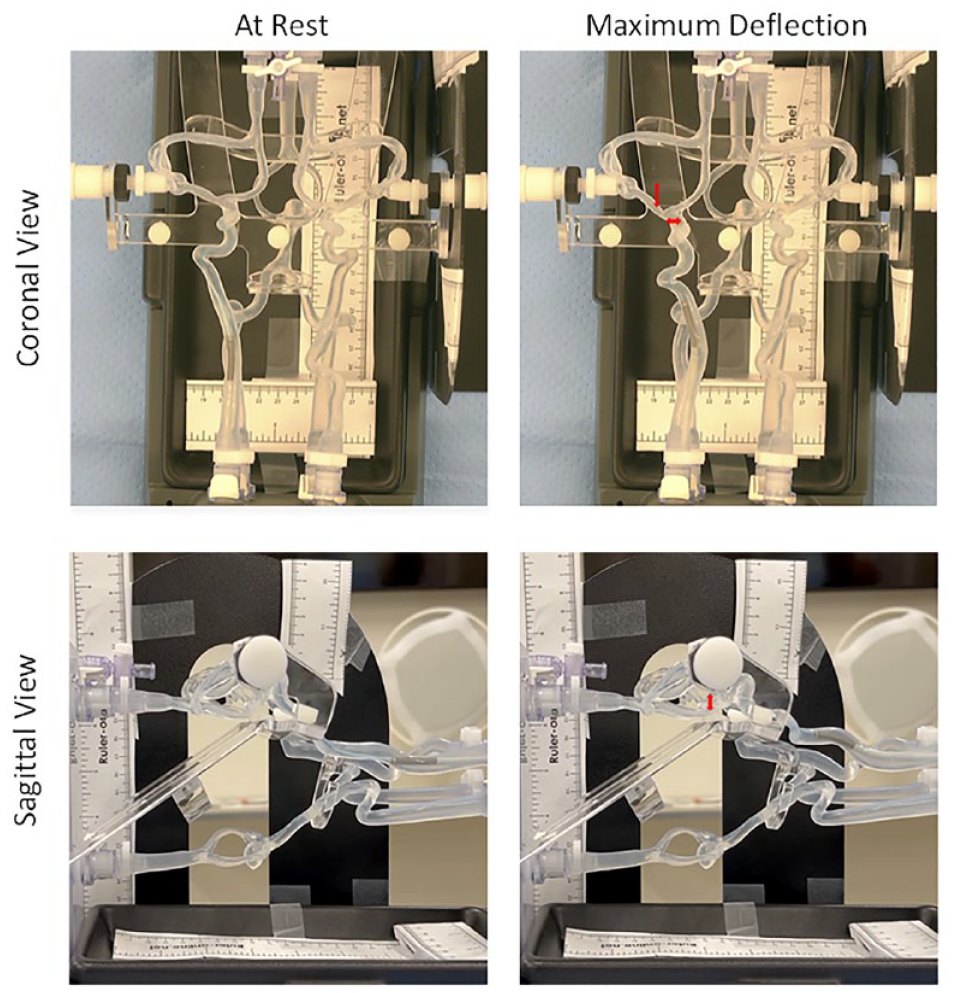
474
Providing a co-ordinated, connected world for all stroke survivors and their families through a personalised, co-created digital support package: ‘My Stroke Companion’
1Cognitant Group Ltd., Research, Oxford, United Kingdom, 2National Hospital for Neurology and Neurosurgery Queen Square and UCLH, Hyper Acute Stroke Unit (HASU), London, United Kingdom
‘My Stroke Companion’ was co-created alongside University College London Hospital, charities, stroke survivors and their families as an accessible digital support package (DSP), designed to provide personalised, reliable, and localised information to stroke survivors and their families, including about type of stroke, prescribed medications, rehabilitation, and navigating life after stroke.
This work aimed to measure patient response to the DSP following discharge from hospital after stroke by analysing use of the tool and from a simple patient feedback questionnaire. Clinician feedback was also captured.
897
Delivery of a national programme of Stroke Prehospital video Triage (Stroke PvT) in England
1NHS England, Clinical Policy Unit, London, United Kingdom, 2Newcastle University, Stroke Research Group, Population Health Sciences Institute, Newcastle, United Kingdom, 3East of England Ambulance Service, Clinical Lead (Stroke Video Triage), Cambridge, United Kingdom, 4Frimley and Surrey Heartlands ISDN, Stroke Nurse Consultant, Joint Clinical Stroke lead., Frimley, United Kingdom, 5Greater Manchester Neurorehabilitation & Integrated Stroke Delivery Network, Network Facilitator, Paramedic, Associate Lecturer @MMU, Manchester, United Kingdom, 6London ambulance Service, Paramedic, London, United Kingdom, 7Cheshire and Merseyside Integrated Stroke Delivery Network, Clinical Network Manager, Cheshire, United Kingdom, 8Yorkshire Ambulance Service NHS Trust, Transformation Project Manager, York, United Kingdom, 9Yorkshire Ambulance Service NHS Trust, Transformation Project Manager, York, United Kingdom
We report, following the successful introduction of Stroke PvT in 2 areas of England in 2020, a national programme to deliver Stroke PvT to 8 additional regions in England (covering 10,000,000).
Establishment of a regular Community of Practice (CoP) of pilot sites, fostering an active community of focused practitioners with a shared vision, overseen by regular central progress review monitoring.
• FASTO score used to initiate referral
• Both nurse and doctor led specialist opinion models used
• Poor connectivity reported in 2 regions delaying assessment
Further evaluation results available May 2023:
• Symptom-to-hospital-arrival time
• hospital-arrival-to-treatment time
• sensitivity and sensitivity
• patient / staff experience
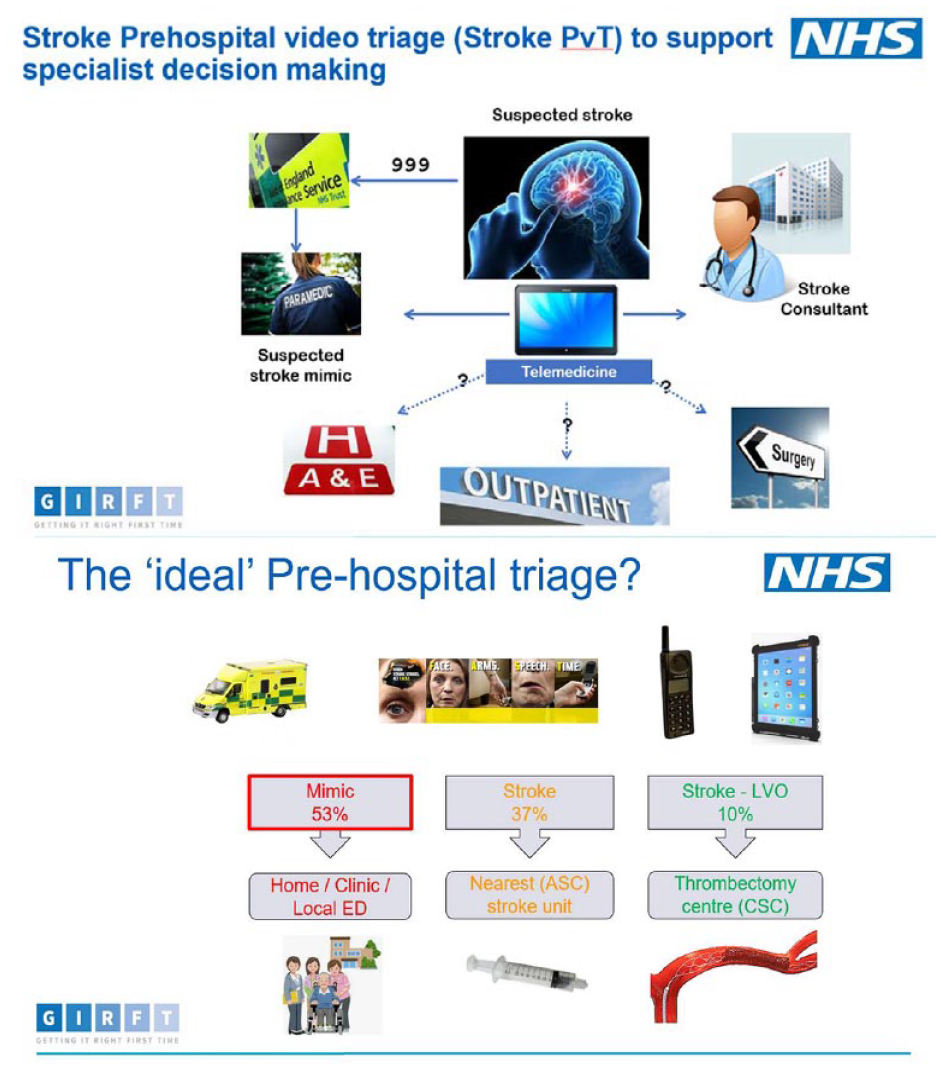
1801
Impact Of An Automated Neuroimaging Triage Platform On Door-To-Groin Puncture Times At A Comprehensive Stroke Center
1HonorHealth Research and Innovation Institute, Neurology, Scottsdale, United States, 2Barrow Neurological Institute, Neurosurgery, Phoenix, United States, 3Boulder Statistics, Statistics, Colorado, United States
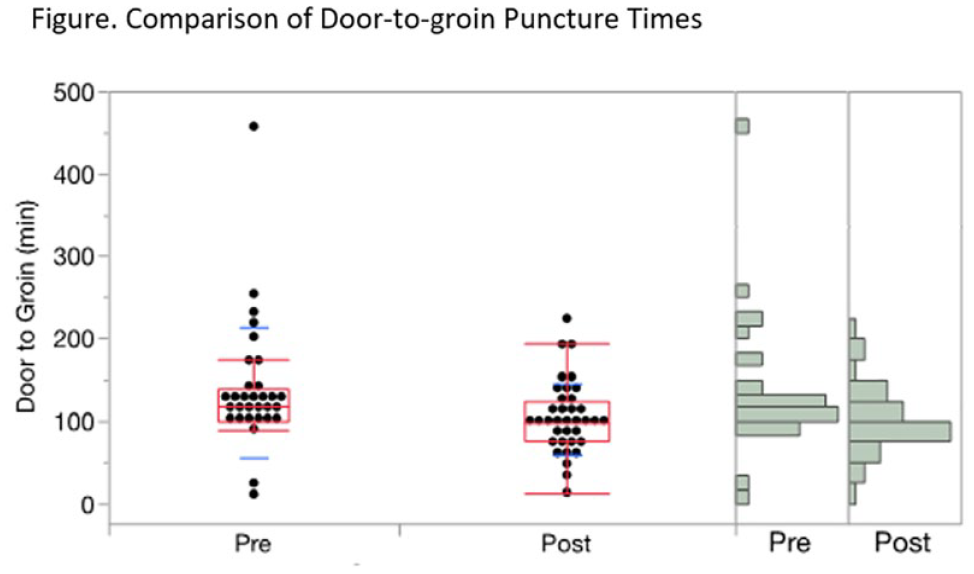
1815
Clinical Data-based Cerebral Infarction Subtype Classification using Machine Learning
1Korea University, College of Medicine, Department of Medicine, Seoul, South Korea, 2Kangwon National University School of Medicine, Neurology, Chuncheon, South Korea, 3Kangwon National University Hospital, Neurology, Chuncheon, South Korea, 4Woodang Network, Inc., AI, Seoul, South Korea
1830
Hungarian Experiences with Artificial Intelligence-based Decision Supporting System in Acute Stroke Management
1National Institute of Mental Health, Neurology and Neurosurgery, Neuroradiology, Budapest, Hungary, 2National Institute of Mental Health, Neurology and Neurosurgery, Neurointervention, Budapest, Hungary, 3National Institute of Mental Health, Neurology and Neurosurgery, Neurosurgery, Budapest, Hungary
2042
WEARABLE ELECTRONICS FOR DETECTING DYSPHAGIA IN STROKE PATIENTS
1All India Institute of Medical Sciences, Department of Neurology, New Delhi, India, 2Indian Institute of Technology Delhi, Department of Biomedical Engineering, New Delhi, India, 3All India Institute of Medical Sciences, Department of Radiology, New Delhi, India
2321
ROLE OF TELESTROKE IN ACUTE STROKE CARE: PILOT EXPERIENCE IN PRIVATE CARE IN BRAZIL
1Diretoria de Pesquisa, Ensino e Desenvolvimento, N/a, Fortaleza, Brazil, 2Diretoria de Pesquisa, Ensio e Desenvolvimento, n/a, São Paulo, Brazil
CASE REPORTS
107
Middle meningeal artery embolization for chronic subdural hematoma: a case report
1 Nepalese Army Institute of Health Sciences, Medicine, Kathmandu, Nepal
141
CRYPTOGENETIC STROKE FROM PARADOXICAL EMBOLISM IN YOUNG PATIENT WITH MULTIPLE PULMONARY ARTERO-VENOUS MALFORMATIONS AND CLINICALLY DEFINITE HEREDITARY HEMORRAGIC TELEANGECTASIA: A CASE REPORT
1 ASST Brianza - Ospedale di Vimercate, Neurology, Vimercate, Italy, 2Fondazione IRCCS San Gerardo dei Department of Neurology, Fondazione IRCCS San Gerardo dei Tintori, School of Medicine and Surgery, Milan Center for Neuroscience
Brain CT scan revealed a right parieto-occipital ischemic lesion confirmed by brain MRI, which showed other recent ischemic lesions in the right hemisphere and in the right cerebellum. Cardiac monitoring, thrombophilic and autoimmune screening were unremarkable. Chest CT-angiography demonstrated the presence of five bilateral PAVMs, with evidence of RLS on contrast transthoracic echocardiography. Anticoagulation therapy was started after discovering a thrombosis of the right saphenous vein. Thereafter, the patient underwent endovascular PAVM embolization treatment and was addressed to a referral centre for HHT, for genetic testing and counselling.
153
Rare non-vascular causes of carotid dissection not to be missed
1 West Suffolk Hospital, stroke medicine, Bury St Edmunds, United Kingdom
273
INFLAMMATORY CEREBRAL AMYLOID ANGIOPATHY WITH RAPID AND COMPLETE RESPONSE TO STEROIDS
1 Southampton General Hospital, Neurosciences, Southampton, United Kingdom
CT head imaging showed parietal white matter hypoattenuation and bilateral occipital loss of grey-white matter differentiation.
MRI revealed multifocal subcortical white matter changes and multiple cortical microbleeds. He was managed as posterior reversible encephalopathy syndrome (PRES) with blood pressure control and anti-epileptic medication.
MRI 10 days later showed worsening oedema, prompting consideration of CAA-ri and prednisolone 40mg was started.
Two months later, MRI showed resolution of extensive vasogenic oedema with stable cortical micro bleeds consistent with significantly improved, resolving CAA-ri. The patient had made a complete recovery with no residual deficit.
338
Methotrexate-related Leukoencephalopathy Presenting as Stroke Mimic
1 Jacobs School of Medicine and Biomedical Sciences, Vascular Neurology, Buffalo, United States
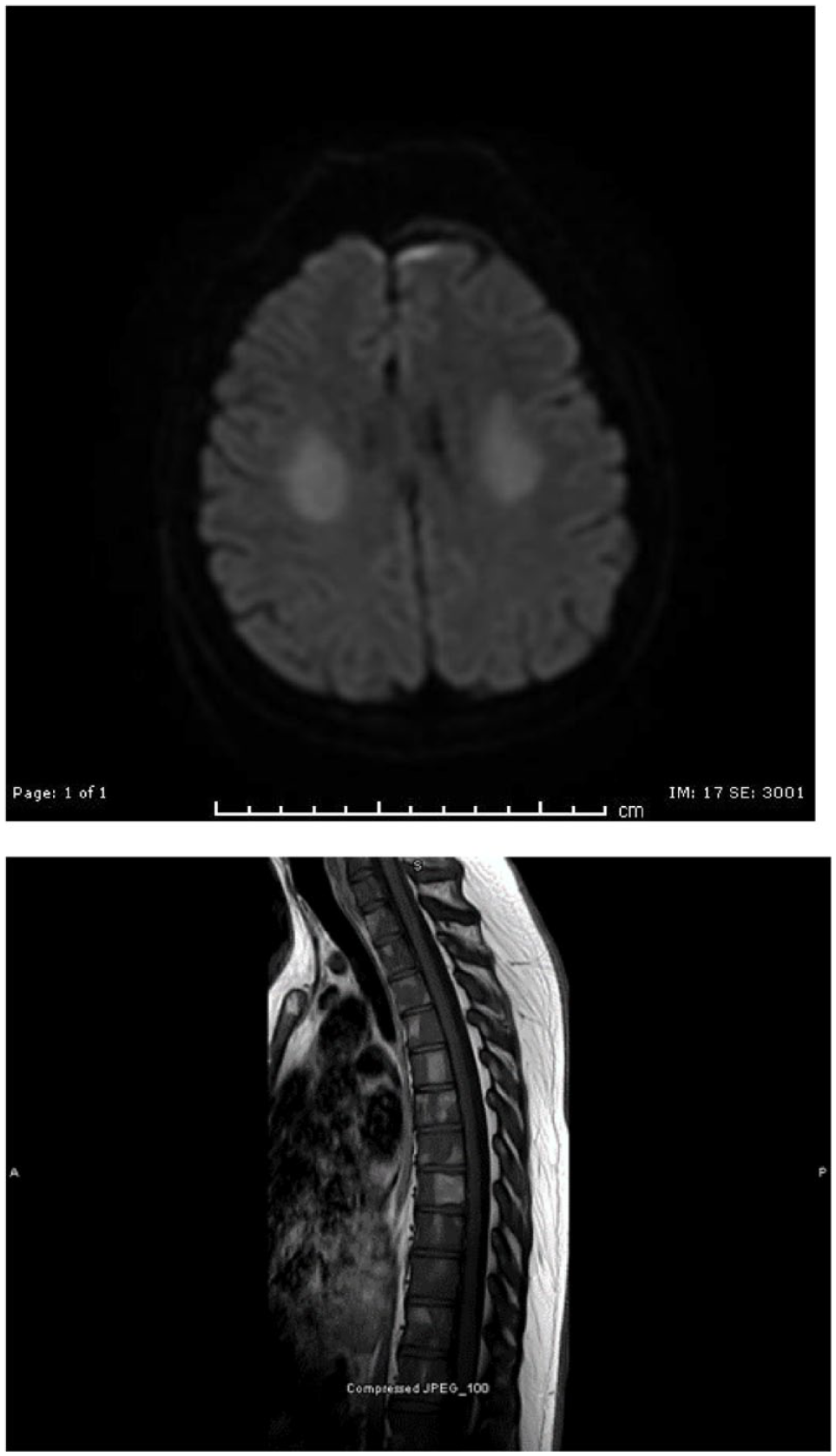
488
Radiotherapy induced vertebral artery origin stenosis resulted in subclavian-vertebral artery steal syndrome treated with angioplasty and stenting
1Anak General Hospital, Internal Medicine department, Qatif, Saudi Arabia, 2King Fahad Specialist Hospital, Neurology department, Dammam, Saudi Arabia
Before the stenting.
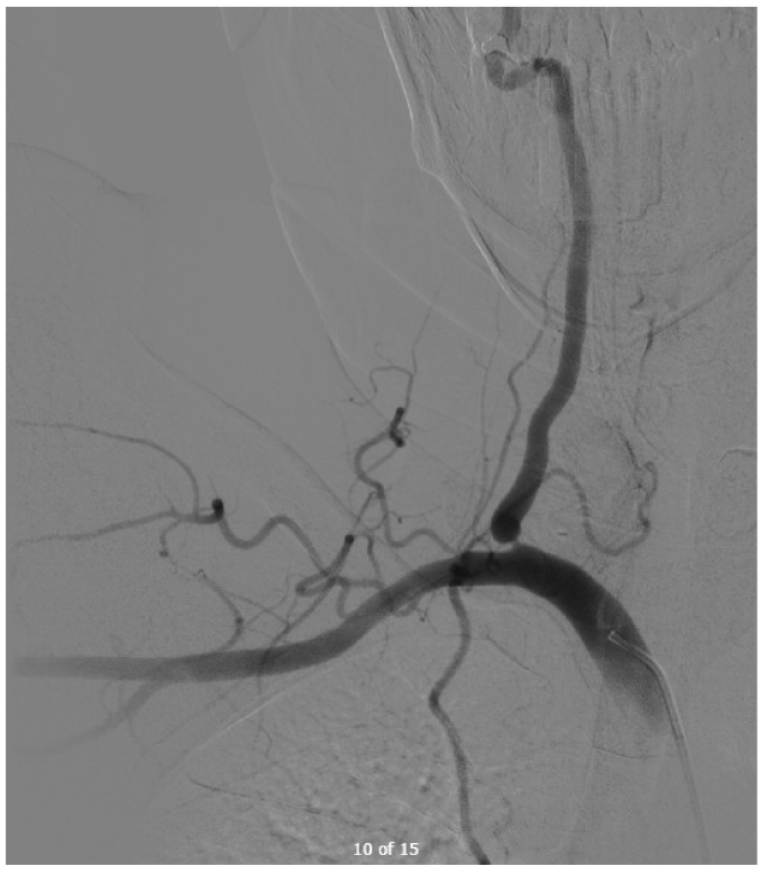
After the stenting.
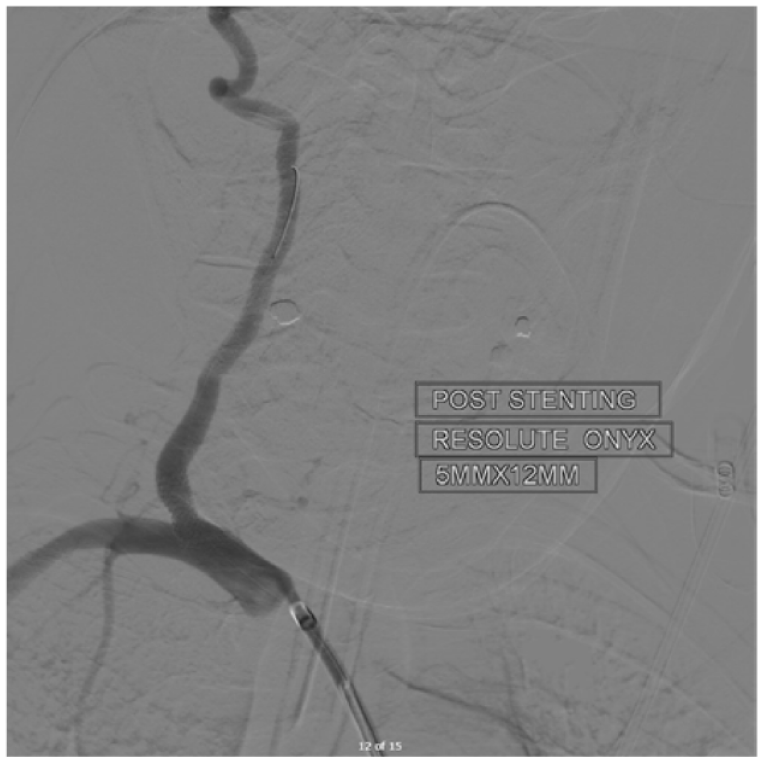
502
CEREBRAL HYPERPERFUSION SYNDROME ASSOCIATED WITH ISOLATED SUBARACHNOID HAEMORRHAGE FOLLOWING CAROTID ENDARTERECTOMY
1 United Lincolnshire NHS trust, Stroke Medicine, Boston, United Kingdom
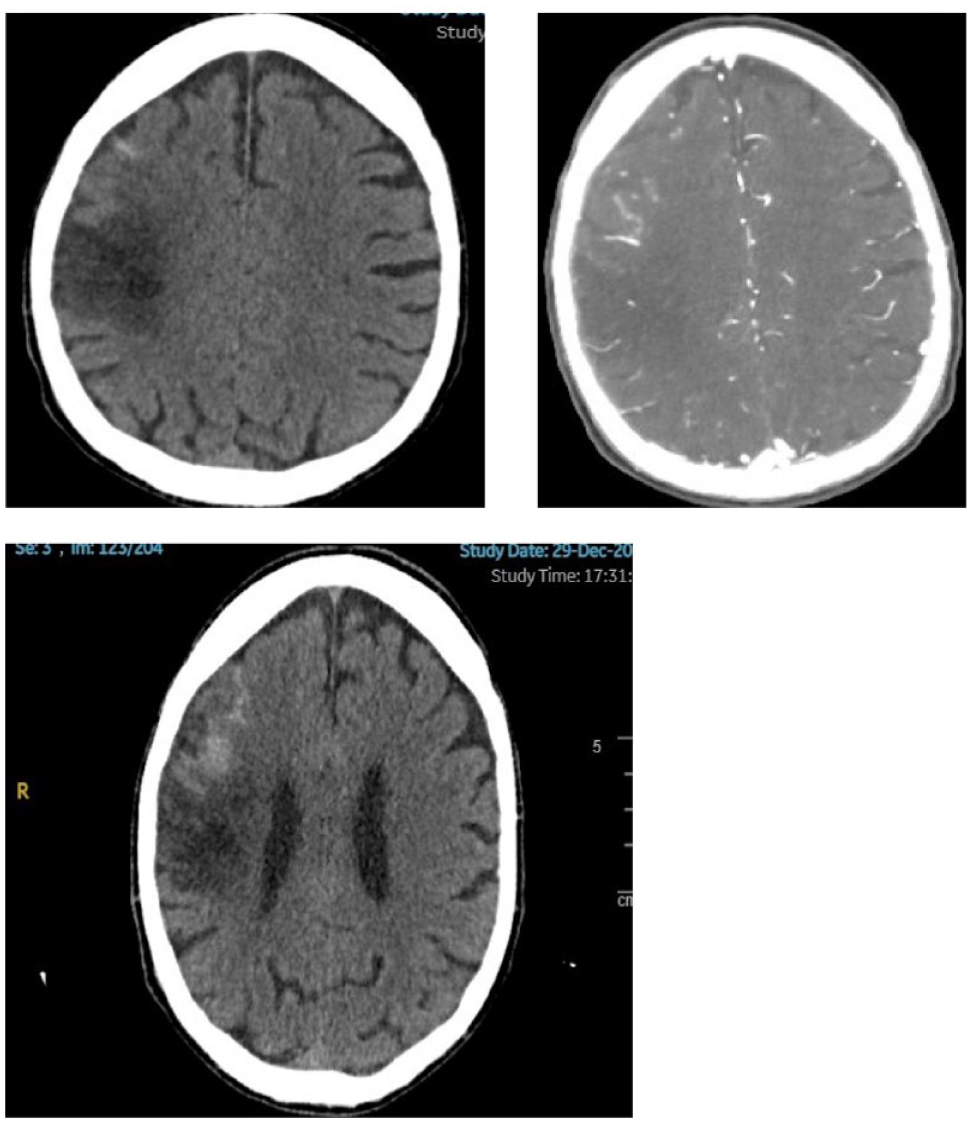
503
Covid induced cerebral vasculitis in stroke
1 Boston, Stroke Medicine, Boston, United Kingdom
Vasculitis is known to cause inflammation and necrosis of the blood vessel wall. Major symptoms of cerebral vasculitis are stroke, headache and encephalopathy; other symptoms include seizures, cranial nerve palsies or myelopathies.
In this case repot, we are presenting a patient with unusual Covid-19 related complication that is “Bilateral ischemic stroke secondary to COVID related cerebral vasculitis”.
Two weeks prior to admission, she presented shortness of breath, hypoxia, sepsis and confusion. CT chest showed thrombus in the left lower lobe segmental pulmonary artery. CT head showed no acute intracranial pathology. The patient was self- discharged before completion of investigations and started on anti-coagulation.
The patient was re- admitted with severe confusion and bilateral lower limb weakness. COVID infection confirmed by PCR test. MRI head and CT cerebral angiogram completed with cerebral vasculitis diagnosis.
749
Multifocal ischaemic stroke in a young female with thrombotic thrombocytopenic purpura. A case report
1 Royal Devon & Exeter Hospital, Stroke Medicine, Exeter, United Kingdom
Blood film revealed 3% schistocytes confirming microangiopathic haemolytic anaemia (MAHA). She was rapidly transferred to the local TTP specialist centre and treated with four cycles of plasma exchange, high-dose Prednisolone, Rituximab and Caplacizumab. TTP was subsequently confirmed with an ADAMTS-13 level of 6% (<10% being significant). Anti-phospholipid antibodies and vasculitis screen were negative. ADAMTS-13 level 4 months later was >104% with stable platelets.
778
Takotsubo cardiomyopathy associated with iatrogenic subarachnoid hemorrhage during mechanical thrombectomy for acute ischemic stroke
1 University of Calgary, Department of Clinical Neurosciences, Calgary, Canada
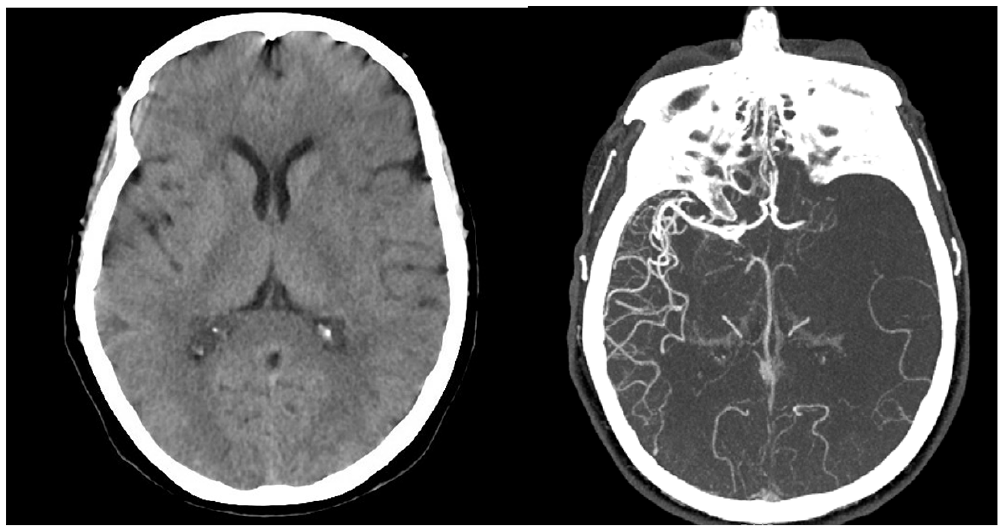
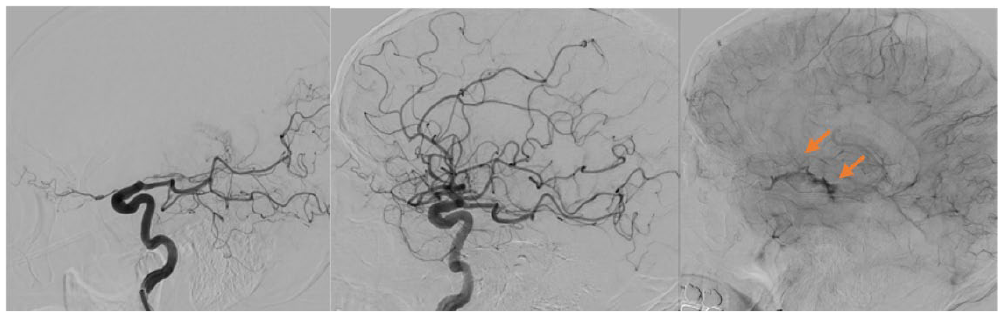
Contrast stasis representing arterial perforation (arrows).
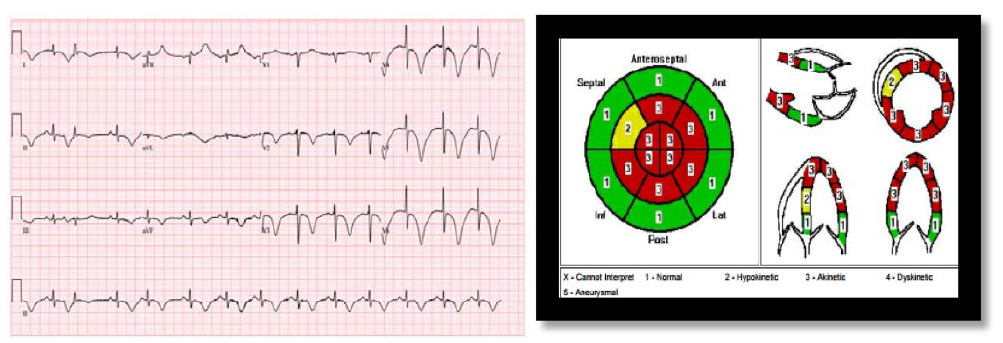
ST-T wave abnormalities in inferior and anterolateral leads; Right: ECHO after three days.
811
EAGLE’S SYNDROME AS A CAUSE OF STROKE AND ITS TREATMENT IN THE ACUTE PHASE: A CASE REPORT
1Hospital Universitario de la Princesa, Stroke Center, Department of Neurology, Madrid, Spain, 2Hospital Universitario de la Princesa, Department of Radiology, Madrid, Spain, 3Hospital Universitario de la Princesa, Department of Interventional Radiology, Madrid, Spain
829
SUDDEN COMA ONSET FOLLOWING SIMULTANEOUS BILATERAL OCCLUSION TREATED WITH MECHANICAL THROMBECTOMY
1Hospital Universitario de La Princesa & Instituto de Investigación Sanitaria Princesa (IIS-Princesa), Department of Neurology, Madrid, Spain, 2Hospital Universitario de la Princesa, Department of Radiology, Madrid, Spain, 3Hospital Universitario de la Princesa, Department of intensive care medicine, Madrid, Spain
834
Basilar artery reocclusion within 24 hours after mechanical thrombectomy successfully treated with new intervention
1Clinical Center of Vojvodina, Department of Neurology, Faculty of Medicine in Novi Sad, University of Novi Sad, Novi Sad, Serbia, 2Clinical Center of Vojvodina, Department of Emergency Neurology, Novi Sad, Serbia
932
SPONTANEOUS SIMULTANEOUS BILATERAL BASAL GANGLIA AND PONTINE HEMORRHAGE - A CASE REPORT
1 Salford Royal Hospital, Stroke Unit, Salford, United Kingdom
On examination she had right sided weakness with National Institutes of Health Stroke Scale score of 4 and Glasgow Coma Scale of 14. Her blood pressure was 172/80 mmHg. CT head (figure 1.1, 1.2) showed multiple focal hemorrhages.
MRI brain (figure 2) excluded the possibility of Cerebral Amyloid Angiopathy. She improved whilst in the unit.
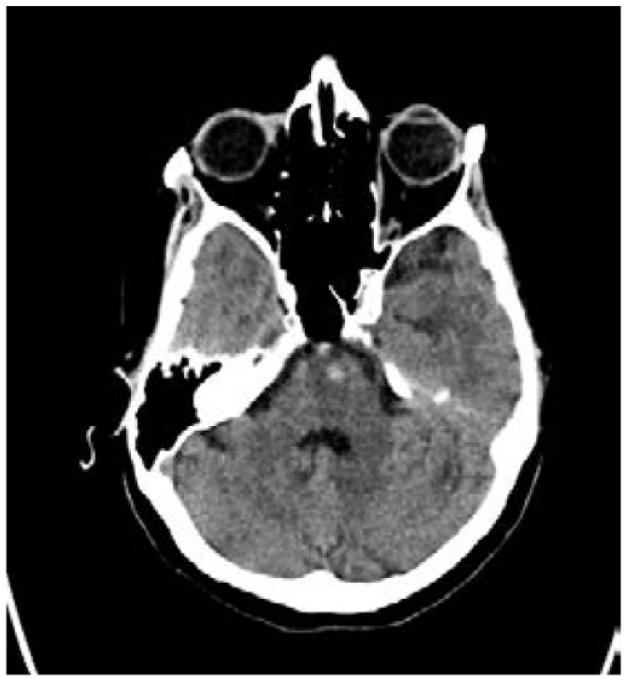
Central pontine bleed.
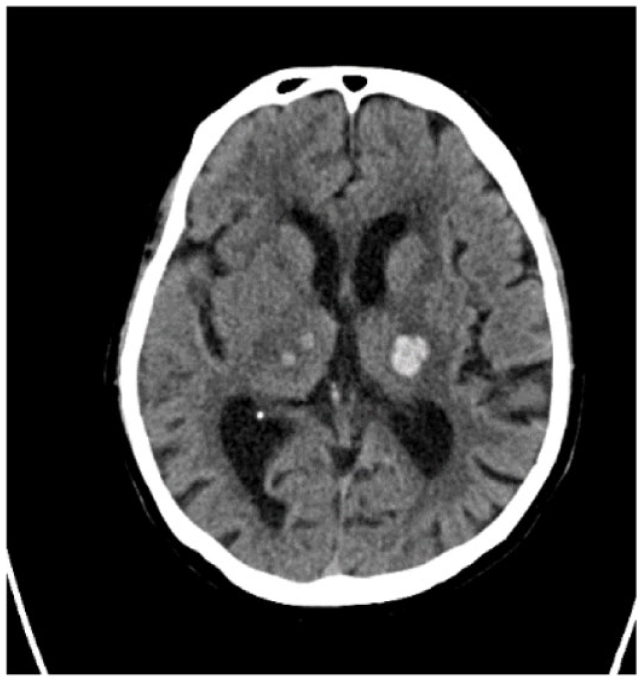
Bilateral Basal Ganglia bleed.
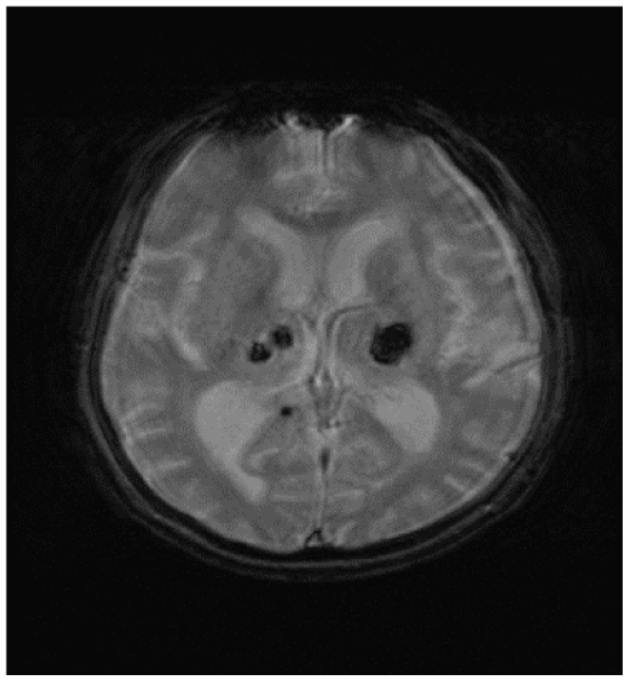
Bilateral Basal Ganglia Bleed.
968
DEMYELINATING CENTRAL NERVOUS SYSTEM DISORDERS AS STROKE MIMICS: A CASE REPORT
1Vilnius University, Faculty of Medicine, Institute of Clinical Medicine, Vilnius, Lithuania, 2Republican Vilnius University Hospital, Department of Neurology, Vilnius, Lithuania
1010
A 52-YEAR-OLD MAN WITH HEAD/NECK PAIN AND PERIPHERAL FACIAL NERVE PALSY
1Medical University Innsbruck, Neurology, Innsbruck, Austria, 2VASCage, Research Centre on Vascular Ageing and Stroke, Innsbruck, Austria
1014
Infectious carotiditis treated with mechanical thrombectomy as an unusual cause of ischemic stroke
1Ramón y Cajal Hospital, Neurology, Madrid, Spain, 2Ramón y Cajal Hospital, Radiology, Madrid, Spain
Combined mechanical thrombectomy technique was performed with successful recanalization of left CCA (Figure 2). However, she showed absence of neurological improvement 24 hours later, with left CCA reocclusion confirmed by duplex. Brain MRI revealed bilateral multi-territorial acute-subacute infarcts (Figure 3), and transesophageal echocardiogram showed vegetations on the prosthetic aortic valve. Due to progressive decline of her neurological and systemic condition, she was not considered a candidate for surgical treatment. She died on the 7th follow-up day due to heart failure.
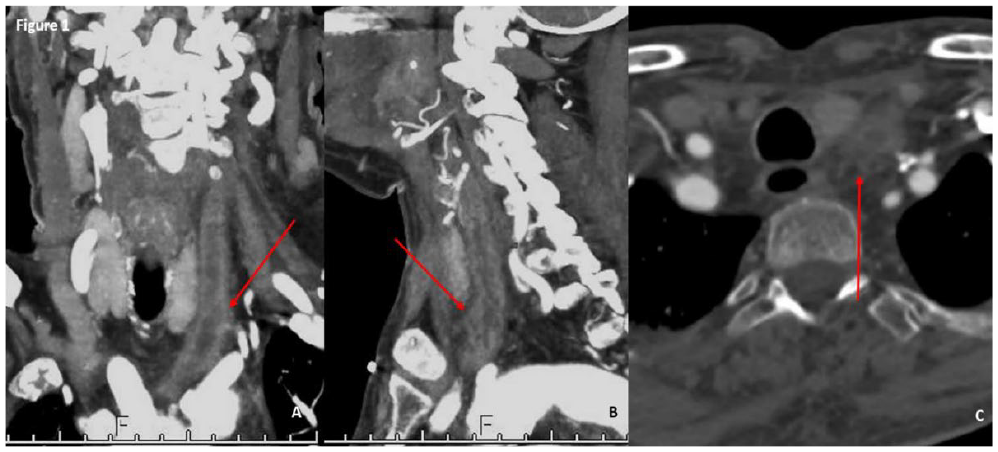
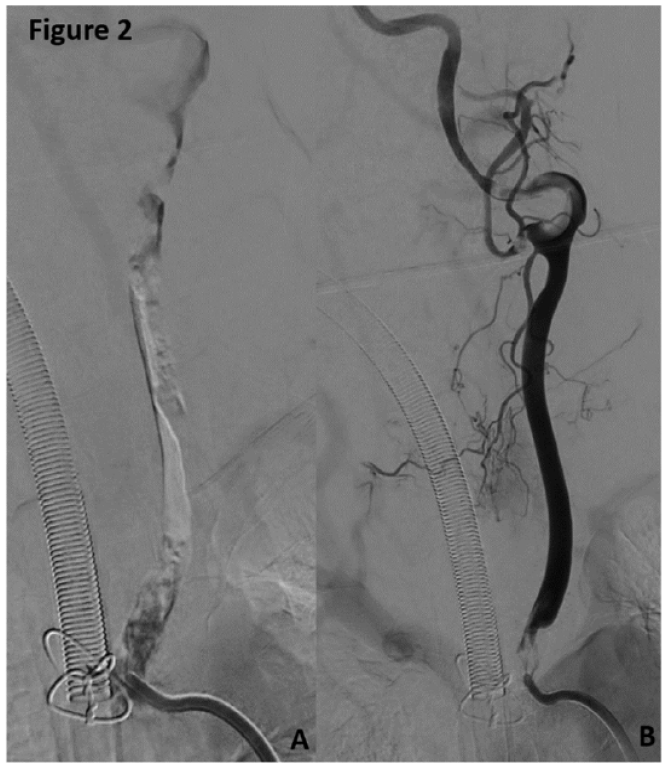
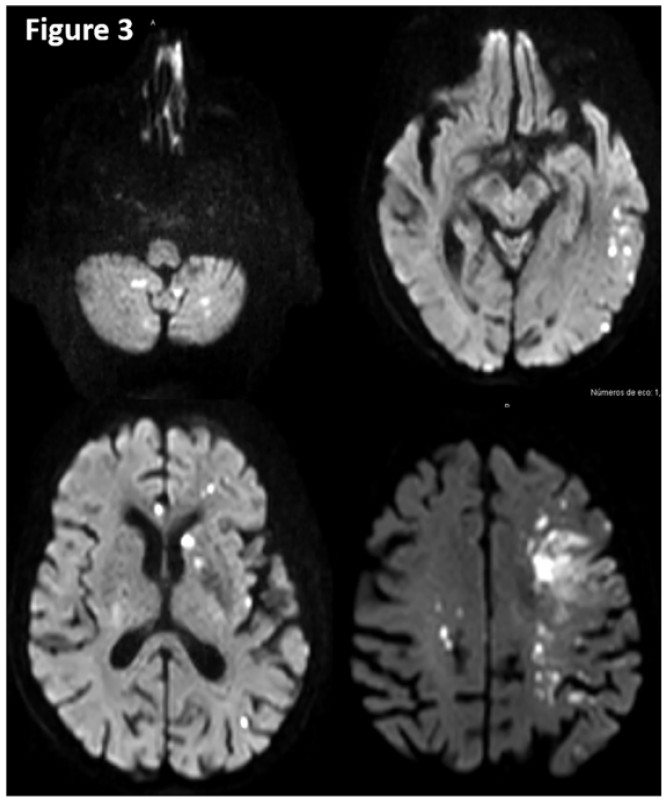
1209
INDIRECT CAROTID-CAVERNOUS FISTULA – ALTERNATIVES TO ENDOVASCULAR TREATMET
1São João University Hospital, Neurology Department, Porto, Portugal, 2São João University Hospital, Neurorradiology Department, Porto, Portugal, 3São João University Hospital, Ophthalmology Department, Porto, Portugal
Their presence causes venous congestion with risk of blindness and intracranial bleeding.
Endovascular treatment (ET) is considered first-line in high-risk patients, however, it is not always possible.
At observation, right CS syndrome was diagnosed. Visual acuity (VA) in the right eye was 0.2; intraocular pressure (IOP) was 37mmHg. Left eye VA was 0.4 and IOP 28mmHg. Remaining neurological examination was normal.
Brain imaging suggested right indirect-CCF and subsequent digital subtraction angiography (DSA) confirmed right D(2) Barrow indirect-CCF supplied by the internal and external carotid arteries bilaterally. ET was tried unsuccessfully and the patient was treated conservatively with bilateral carotid compressions (CC).
To avoid blindness due to high IOP a cyclophotocoagulation was performed with improvement. Four weeks after starting CC, complete CCF exclusion was observed on DSA. There was frank improvement of proptosis and eye movements; visual acuity was stable and IOP was normal.
They should be considered after discussion since, as this case shows, they can lead to CCF closure.
Bridge therapy with cyclophotocoagulation may help delay ophthalmic complications and lead to better clinical outcomes.
1380
A peculiar pediatric stroke: clinic and etiology
1 Complejo asistencial universitario de León, Neurology, León, Spain
Cranial MRI: acute/subacute ischemic infarction in the right middle cerebral artery territory secondary to occlusion of the M1 segment, bilateral supratentorial white matter lesions without diffusion restriction, suggestive of chronic vascular etiology.
Echocardiogram: mitral valve mass.
Surgery was performed with excision of a mass suggestive of myxoma, but culture of the sample was performed, being positive for Bifidobacterium longum.
After IV antibiotic treatment for endocarditis and adiro 50 mg/24h, she was fine with complete recovery.
1 month later she presented transient motor aphasia. A cranial MRI was performed in which we could apreciated a subacute stroke in the M2 territory of the left middle cerebral artery.
A thrombophilia study was performed: triple positivity for antiphospholipid antibodies (lupus anticoagulant, anti cardiolipin and anti B2 GPI).
Treatment: adiro 100mg/24h and acenocoumarol.
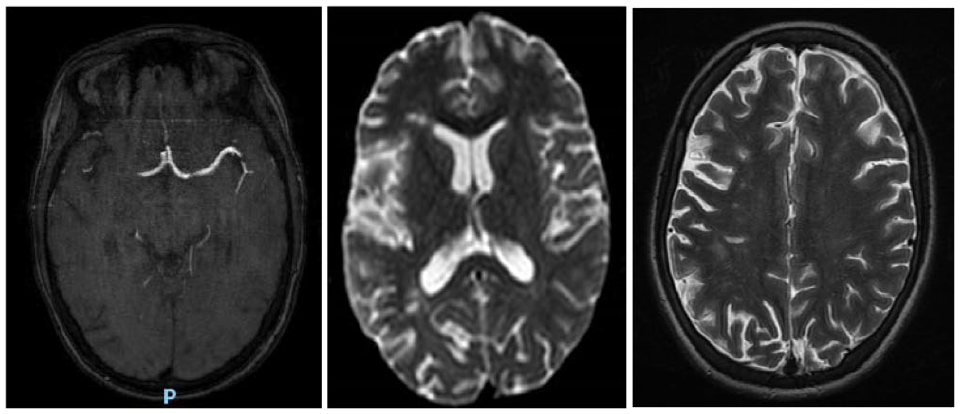
1434
Seizures revealing NICE lesions: an uncommon stroke mimic following intracranial aneurysm embolization
1Montpellier University Hospital, CHU Gui de Chauliac, Department of Neurology, Montpellier, France, 2Montpellier University Hospital, CHU Gui de Chauliac, Department of Interventional Neuroradiology, Montpellier, France
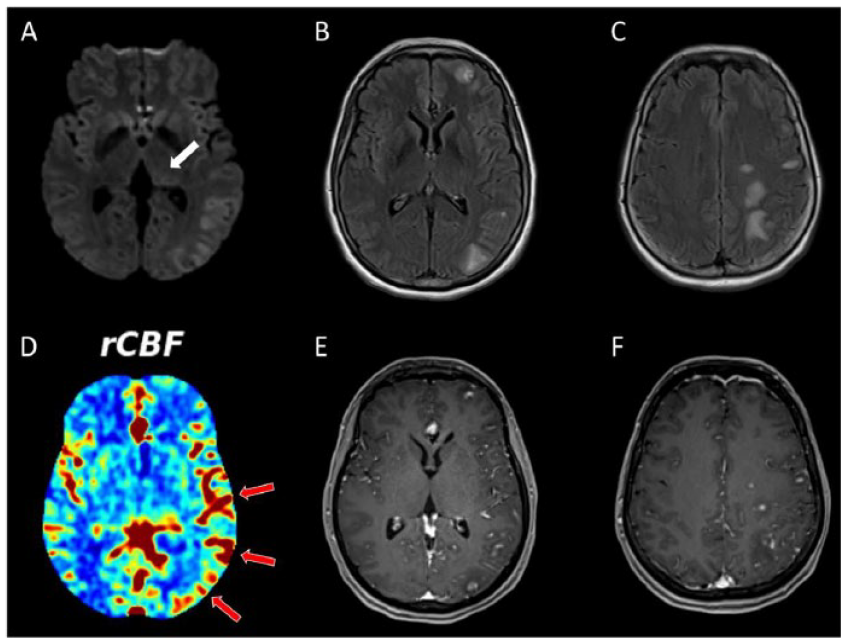
Baseline imaging
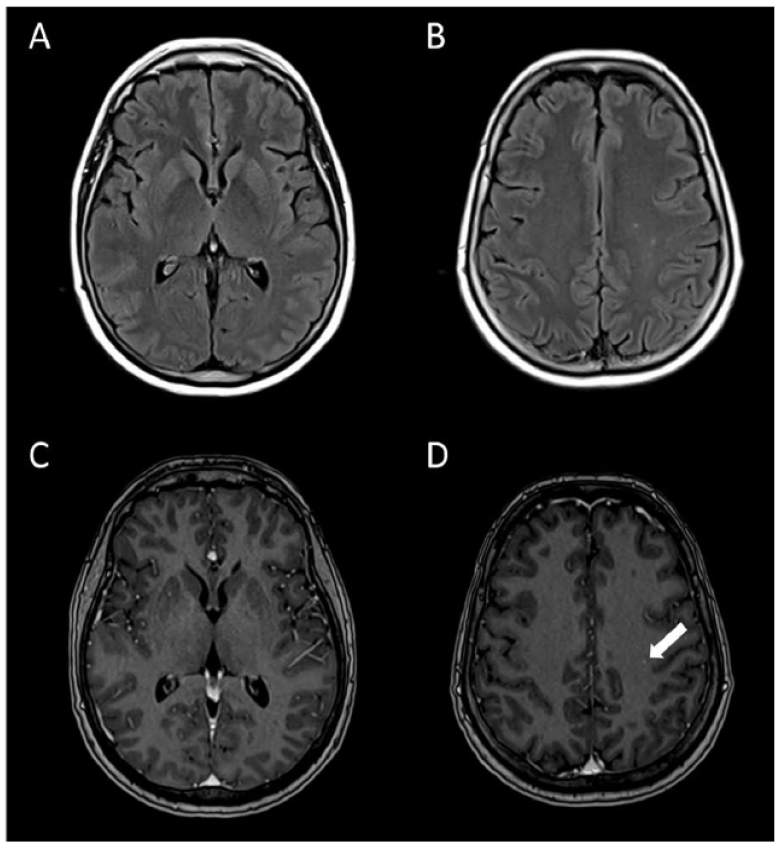
Follow-up imaging.
1556
A CASE OF PULMONARY ARTERIOVENOUS MALFORMATION (PAVM) WITH HEREDITARY HAEMORRHAGIC TELANGIECTASIA (HHT) - A RARELY ENCOUNTERED CAUSE OF PARADOXICAL EMBOLIC STROKE
1Kent and Canterbury Hospital, Stroke Medicine, Canterbury, United Kingdom, 2Darent Valley Hospital, Geriatric Medicine, Dartford, United Kingdom, 3Darent Valley Hospital, Stroke Medicine, Dartford, United Kingdom
Here we describe a 45year lady who after detailed clinical and radiological assessment was found to have PAVM and HHT, being the reason for her stroke and successfully treated with transcatheter embolization with no further recurrence.
It transpired she had multiple telangiectasia and nose bleeds since childhood and so did her children, and that she met all 4 criteria of Curacao for HHT.
An antiplatelet agent is safe and so is anticoagulation as long as visceral arteriovenous malformations have been excluded else caution is advised.
1560
Atypical PRESentation
1 Milton Keynes University Hospital, Stroke Medicine, Milton Keynes, United Kingdom
We present a case of PRES following sepsis and a high dose of corticosteroids.
She was re-admitted the next day with headache, blurry vision, dysphasia, and unsteadiness. Examination was normal aside from subtle visual field defect. Computed tomography (CT) scan showed bilateral low-attenuation changes in the occipital lobes- presumably stroke. Consequent MRI showed restricted diffusion involving both occipital lobes and tiny foci adjacent to the posterior horn of left lateral ventricle. We diagnosed PRES and treated her with clopidogrel and antihypertensives.
Six weeks later, she has almost completely recovered. However, repeat MRI showed incomplete resolution of those lesions.
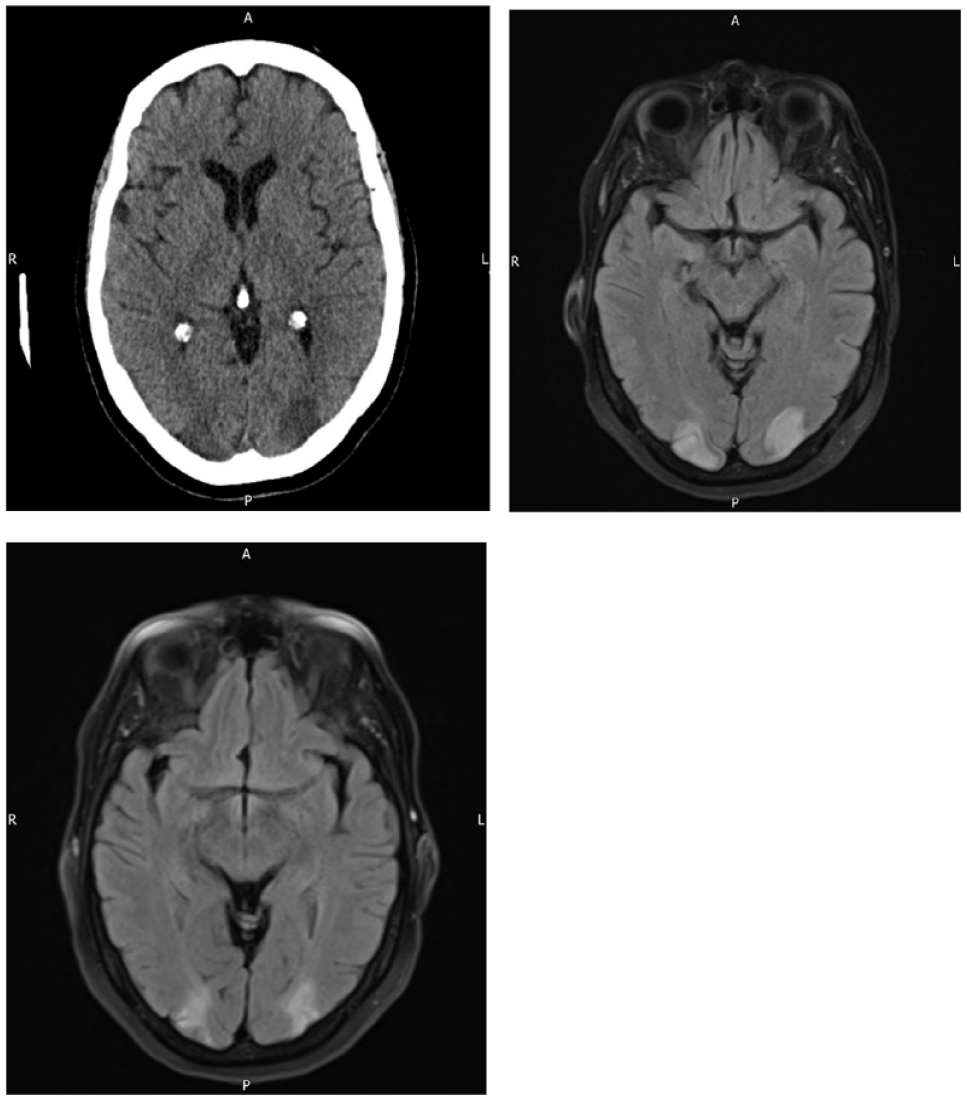
1600
Cerebral vasculopathy associated with Graves’ disease
1King's College Hospital, Department of Neurology, London, United Kingdom, 2King's College Hospital, Department of Neuroradiology, London, United Kingdom
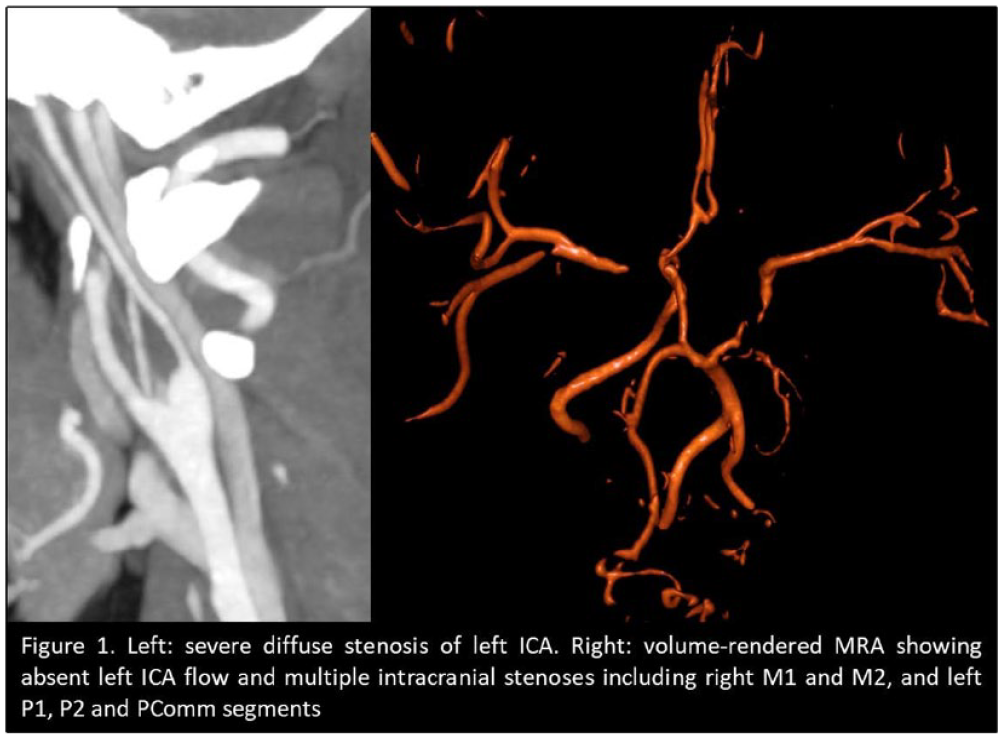
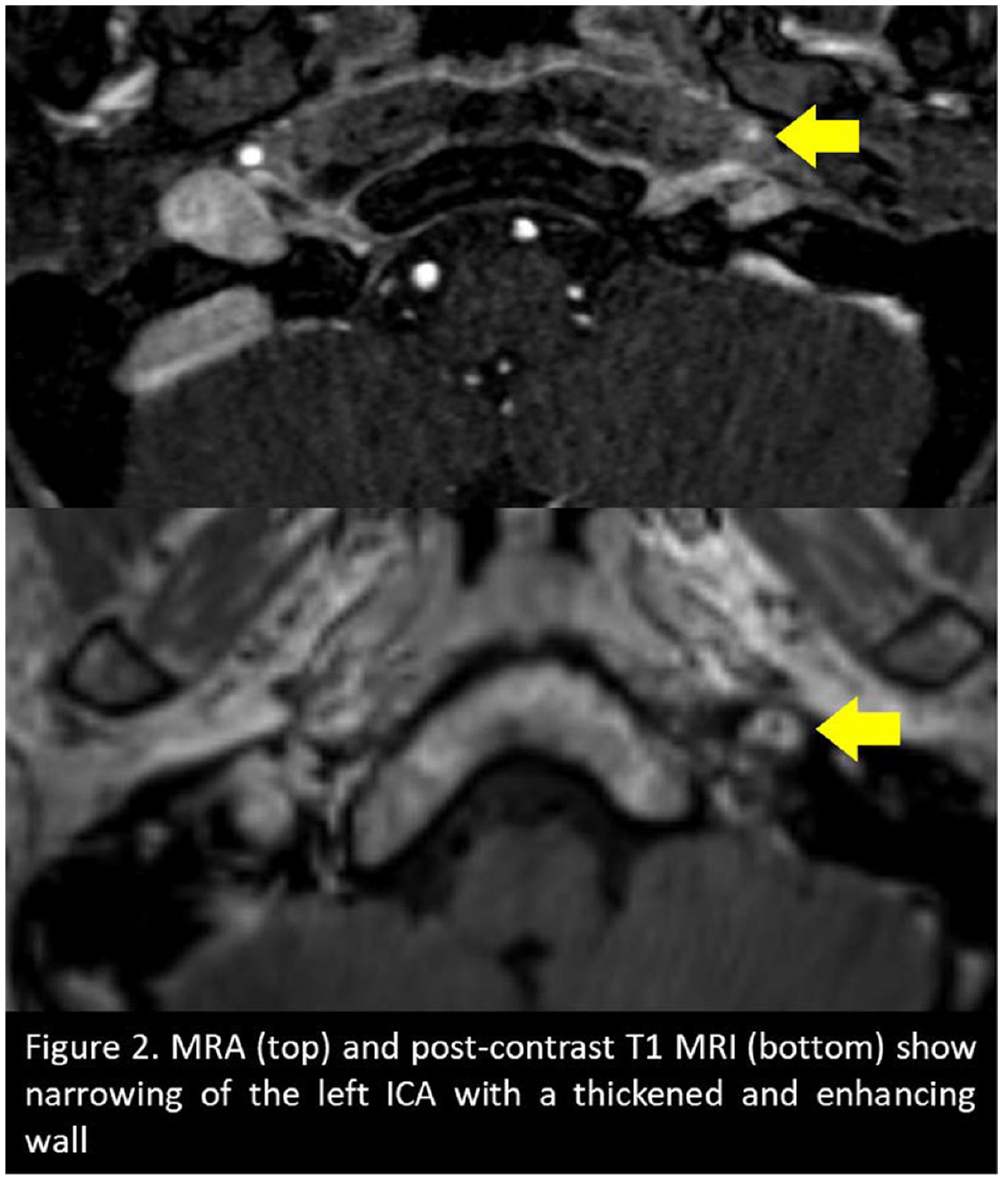
1622
GOT BLOOD IN A BLACK HOLE: A CASE OF POST-TRAUMATIC INTRACRANIAL HEMORRHAGE WITHIN A GIANT TUMEFACTIVE PERIVASCULAR SPACE
1Hôpital Riviera Chablais, Neurology Unit, Rennaz, Switzerland, 2Lausanne University Hospital, Stroke Center, Neurology Service, Department of Clinical Neurosciences, Lausanne, Switzerland, 3Hôpital Riviera Chablais, Department of Radiology, Rennaz, Switzerland, 4Lausanne University Hospital, Department of Diagnostic and Interventional Radiology, Neuroradiology Unit, Lausanne, Switzerland, 5Hôpital Riviera Chablais, Neurology Unit, Rennaz, Switzerland
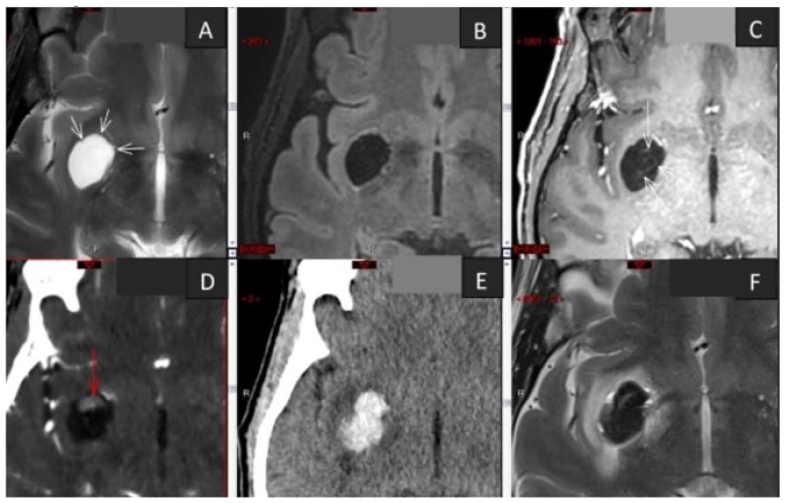
1628
Hemiballism as monosymptomatic manifestation of Moyamoya syndrome
1Centro Hospitalar Universitário Lisboa Central, Neurology Department, Lisbon, Portugal, 2Centro Hospitalar Universitário Lisboa Central, Neuroradiology Department, Lisbon, Portugal
Brain MRI showed ischemic lesions involving the right posterior internal capsule and mesencephalon. Cerebral angiography revealed narrowing of the right internal carotid, posterior communicating artery and segment P2 of the posterior cerebral artery. It was also significant for stenosis of right lenticulostriate arteries with puff of smoke pattern in segment M1 of the right middle cerebral artery, suggesting Moyamoya syndrome. The remaining investigation of stroke in young patients was unremarkable. The patient was medicated with haloperidol 1mg 2id with clinical improvement. He was started on acetylsalicylic acid 150mg id and atorvastatin 40mg id and the case was referred to Neurosurgery.
1734
PSEUDOBULBAR SYMPTOMS DUE TO STROKE OF BILATERAL CORONA RADIATA: A RARE CASE OF FOIX-CHAVANY-MARIE SYNDROME
1 University Policlinico Tor Vergata Rome, Stroke Unit, Rome, Italy
1793
RARE CASE OF PERSISTENT PROATLANTAL ARTERY ASSOCIATED WITH MOYAMOYA DISEASE IN A PATIENT WITH ACUTE ISCHEMIC INFARCT
1 LSUHSC - Shreveport, DEPARTMENT OF NEUROLOGY, Shreveport, United States
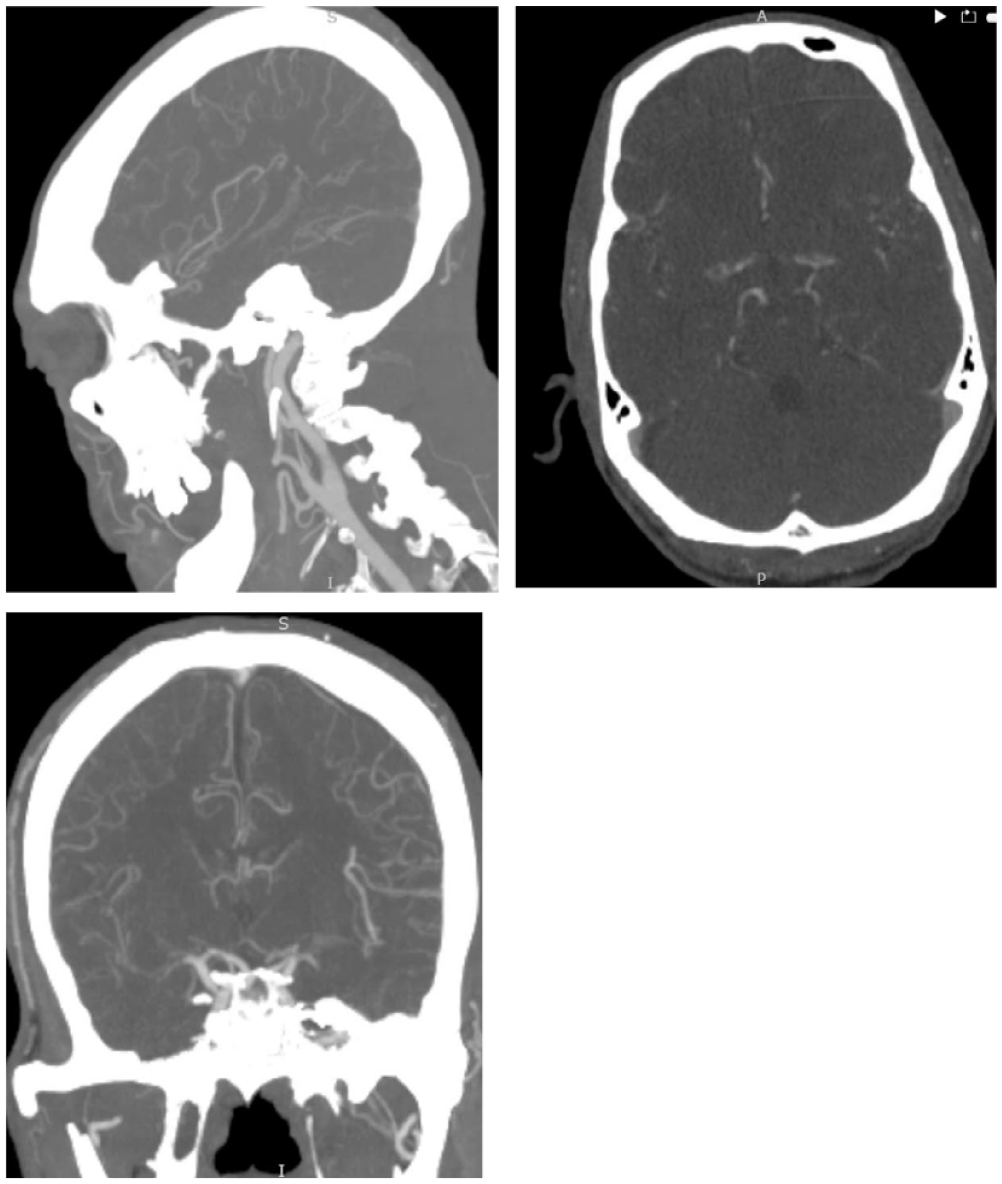
1841
BILATERAL CENTRAL RETINAL ARTERY OCCLUSION IN GIANT CELL ARTERITIS
1 Krajská zdravotní, a.s., Masaryk Hospital, o.z., Department of Neurology, Ústí nad Labem, Czech Republic
1876
MIDDLE CEREBRAL ARTERY VARIANT OCCLUSION WITH MINOR SYMPTOMS
1Turku University Hospital, Neurocenter, Turku, Finland, 2Turku University Hospital, Department of Radiology, Turku, Finland
References
1. Komiyama M et al. Middle cerebral artery variations: duplicated and accessory arteries. AJNR Am J Neuroradiol. 1998;19(1):45-49.
2. Shapiro M et al. Neuroanatomy of the middle cerebral artery: implications for thrombectomy. J NeuroInterventional Surg. 2020;12(8):768-773.
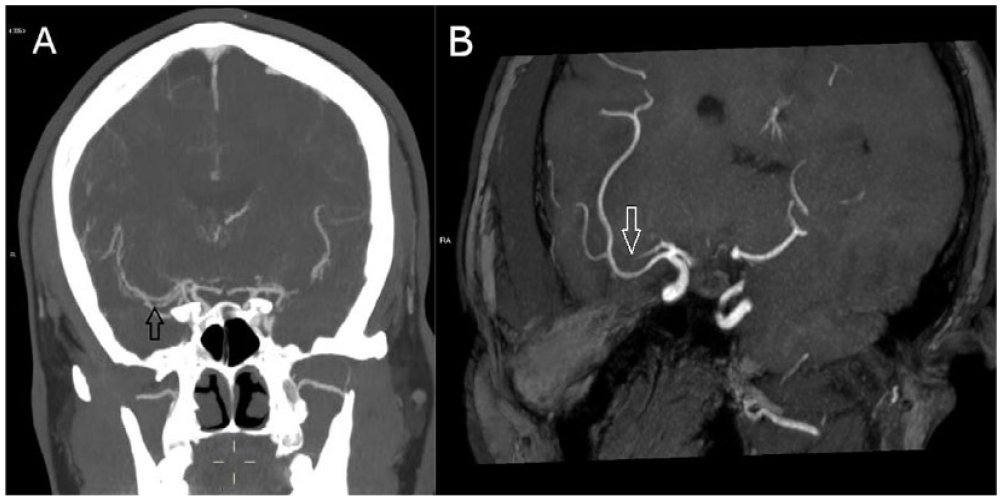
Duplicate MCA on the right with occlusion of the nondominant MCA (A, B).
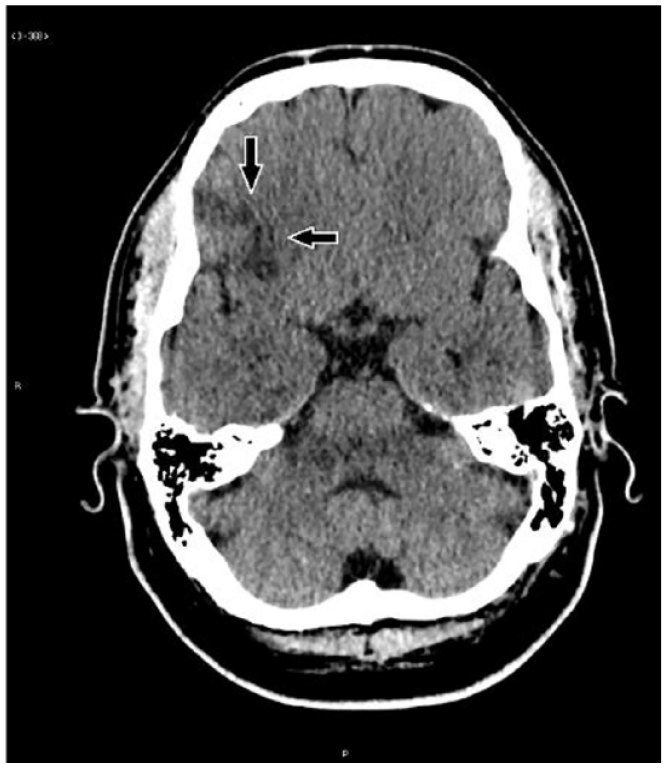
The next day’s CT demonstrates an acute frontal infarct on the right.
2056
A Case of Varicella Zoster Virus CNS Vasculitis and Ischemic Stroke
1 Jacobs School of Medicine and Biomedical Sciences, Vascular Neurology, Buffalo, United States
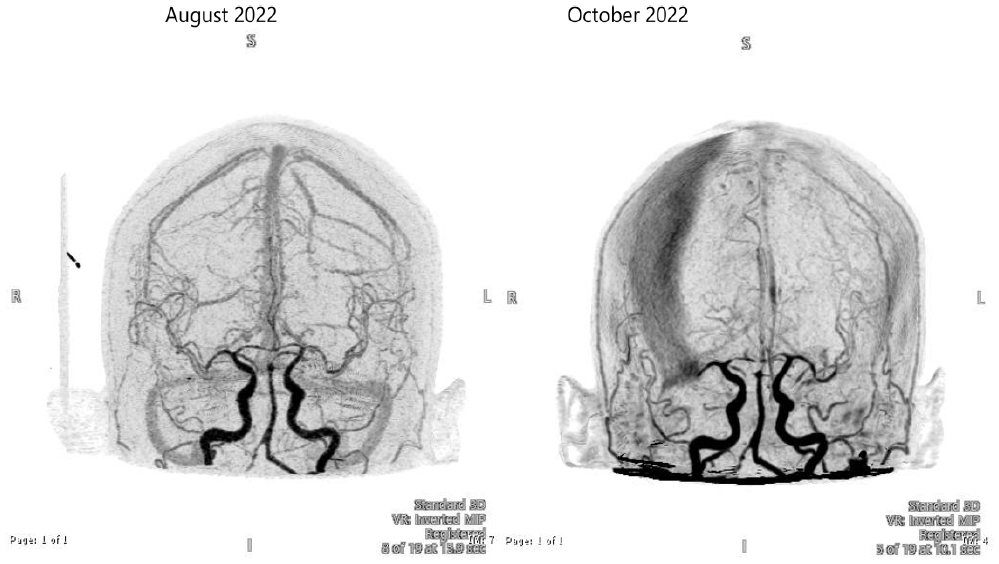
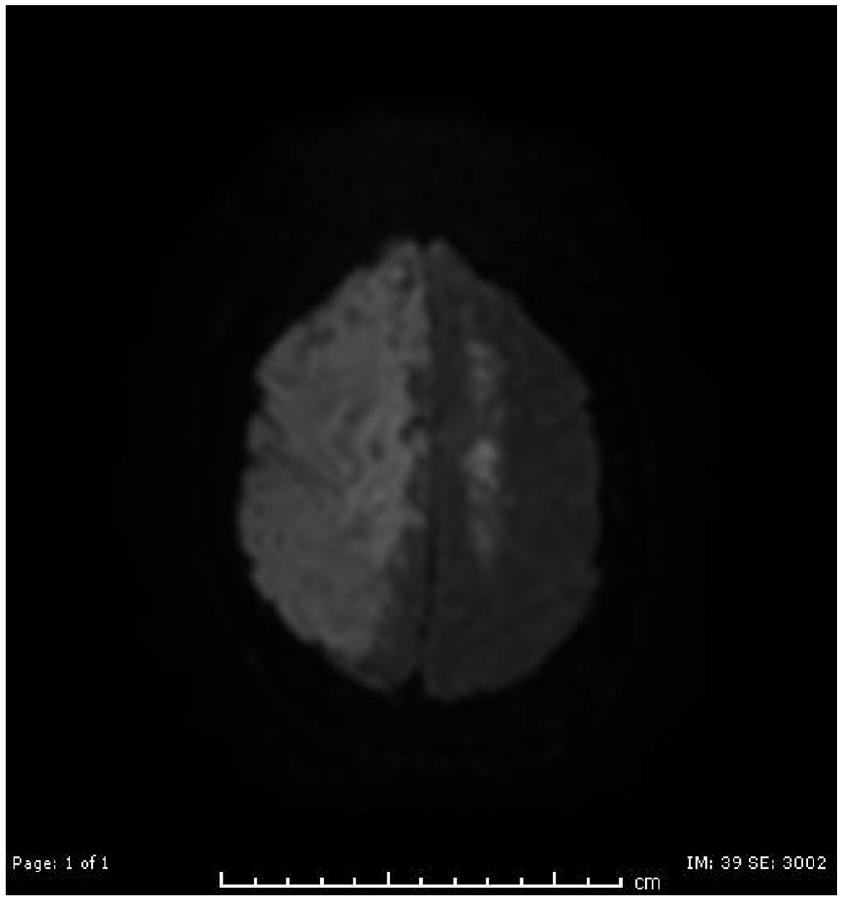
2129
UNUSUAL HEMORRHAGIC BRAIN METASTASIS MIMICKING CEREBRAL MICROBLEEDS
1 VHS Medical Center, Neurology, Seoul, South Korea
2130
UNUSUAL PATTERN OF SUBARACHNOID HEMORRHAGE IN A PATIENT WITH INFECTIVE ENDOCARDITIS
1Emergency University Hospital Bucharest, Neurology, Bucharest, Romania, 2Floreasca Emerggency Hospital, Neurology, Bucharest, Romania
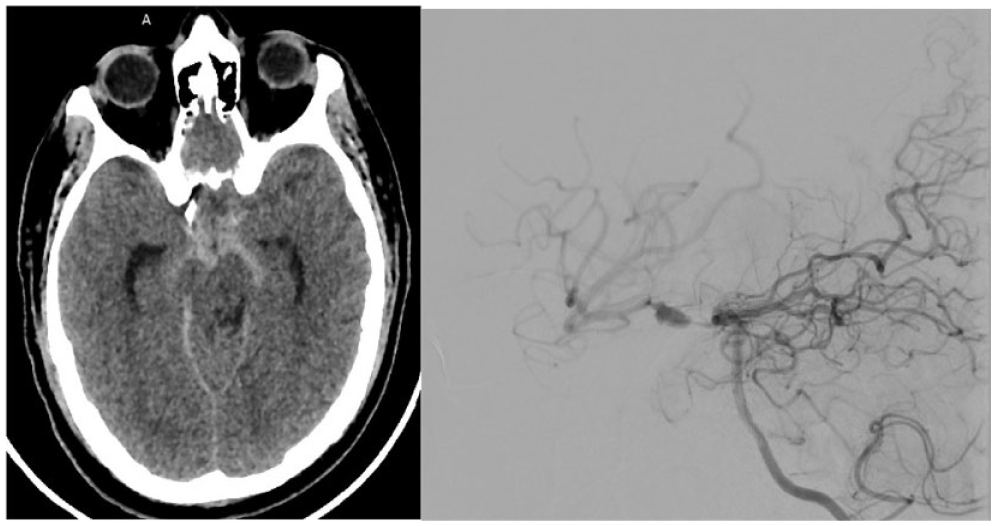
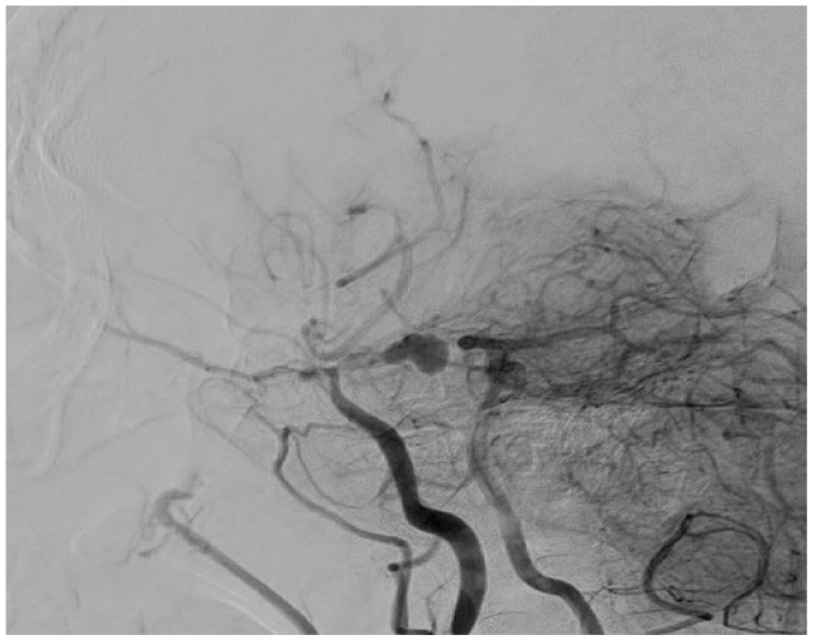
2165
ISCHAEMIC STROKES DUE TO RELAPSING THROMBOTIC THROMBOCYTOPENIC PURPURA (TTP) WITH NORMAL PLATELET COUNT: TWO CASE REPORTS
1 University Hospitals of North Midlands NHS Trust, Stroke, Stoke-on-Trent, United Kingdom
2224
SENSIBILITY AND SPECIFICITY OF VESSEL WALL MAGNETIC RESONANCE IMAGING (VW-MRI) IN THE DIAGNOSIS OF VASCULITIS: A CASE SERIES AND REVIEW OF THE LITERATURE
1Centre Hospitalier Chrétien MontLégia, Comprehensive Stroke Unit, Neurology Department, Liège, Belgium, 2Centre Hospitalier Chrétien MontLégia, Radiology Department, Liège, Belgium
2237
PROBABLE CEREBRAL AMYLOID ANGIOPATHY (CAA) PRESENTING WITH CONVEXITY AND PERIMESENCEPHALIC SUBARACHNOID HEMORRHAGE
1 SUNY University at Buffalo, Department of Vascular Neurology, Buffalo, United States
2257
CHEIRO-ORAL SYNDROME PRESENTING AFTER TACROLIMUS-INDUCED HYPERTENSION, STARTED DURING RENAL TRANSPLANT
1 SUNY University at Buffalo, Department of Vascular Neurology, Buffalo, United States
2265
Binasal quadrantanopia: a clinical myth?
1Kaohsiung Medical University, Neurology, Kaohsiung, Taiwan, 1Kaohsiung Medical University, Neurology, Kaohsiung, Taiwan
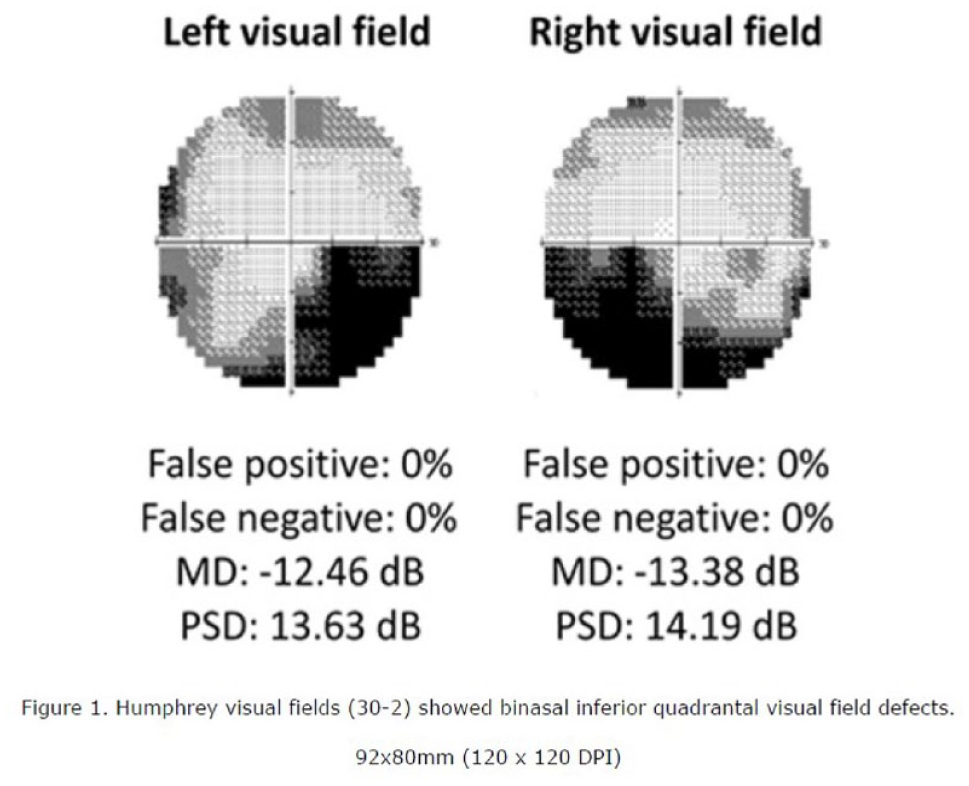
2312
SOONER OR LATER, STROKE COMES TO HAPPEN WHEN COCAINE IS ON STAGE
1Hospital Universitario de Salamanca, Neurology department, Salamanca, Spain, 2Hospital Universitario de Salamanca, Radiology department, Salamanca, Spain
We present a case of ischemic stroke of undetermined source due to different coexisting etiologies in a patient with systemic vasculopathy associated to cocaine abuse.
The differential diagnosis included multiple etiologies: atherosclerosis, cocaine-associated cerebral vasculitis, reversible cerebral vasoconstriction syndrome and cardiac embolism. Eventually, after the multidisciplinary team’s discussion, a decision was made to start the patient on anticoagulation with favorable clinical evolution.
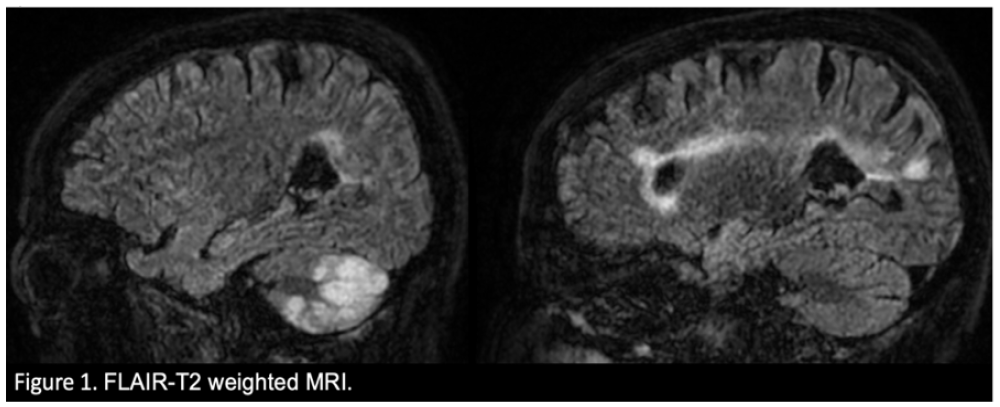
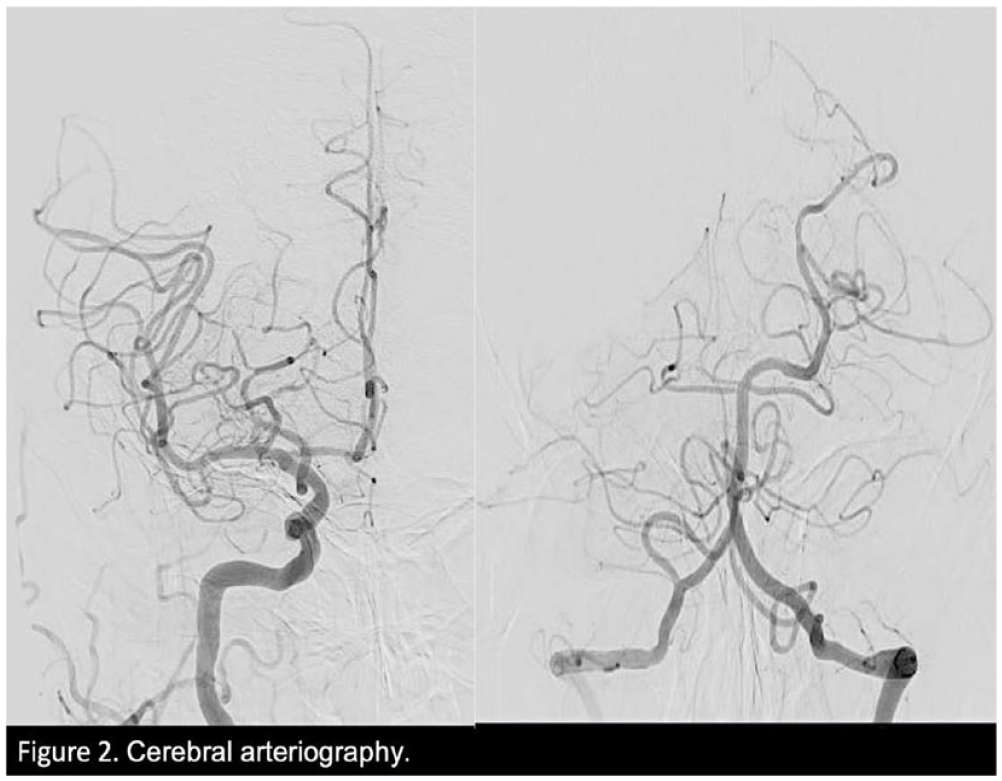
2352
SULCAL ARTERY SYNDROME, AN UNCOMMON VARIANT OF SPINAL CORD INFARCTION, IN A PATIENT WITH PERSISTENT TRIGEMINAL ARTERY. CASE REPORT
1Hospital Clínico Universitario Virgen de la Arrixaca, Neurology, El Palmar, Spain, 2Hospital Lorenzo Guirao, Neurology, Cieza, Spain, 3Hospital comarcal del Noroeste, Neurology, Caravaca de la Cruz, Spain, 4Hospital General Universitario de Alicante, Neurology, Alicante, Spain, 5Hospital Virgen del Castillo, Neurology, Yecla, Spain
The PTA may be an infrequent cause of stroke, cord infarction or insufficiency in vertebrobasilar circulation.
1. Angiography
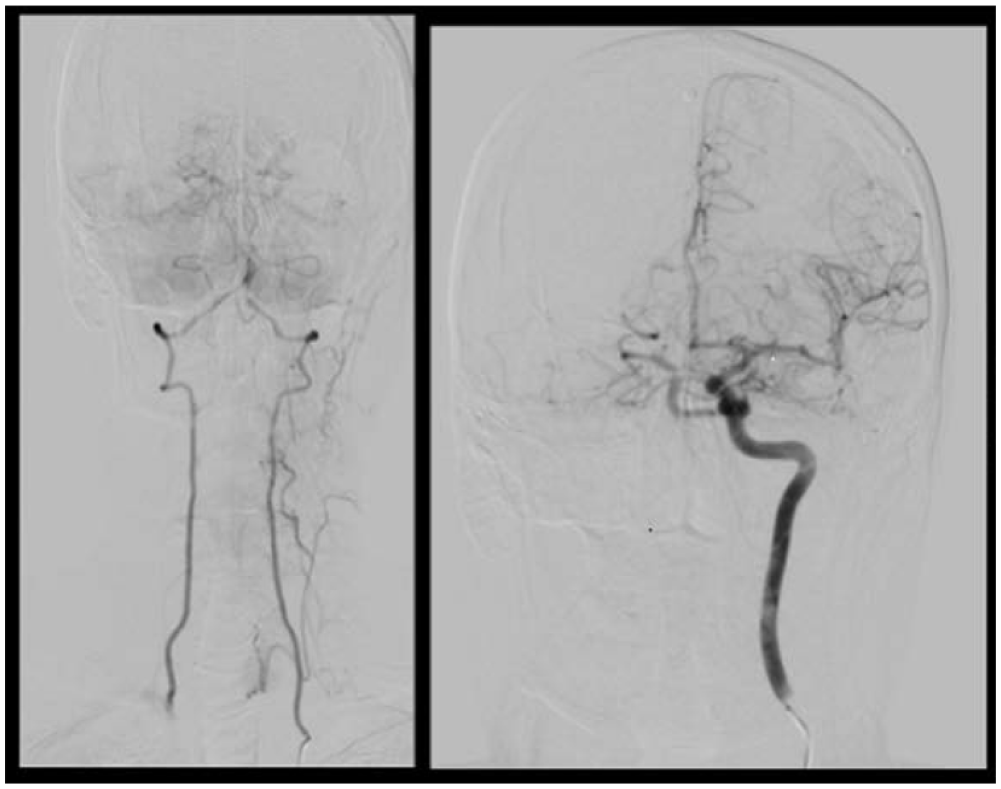
2. MRI
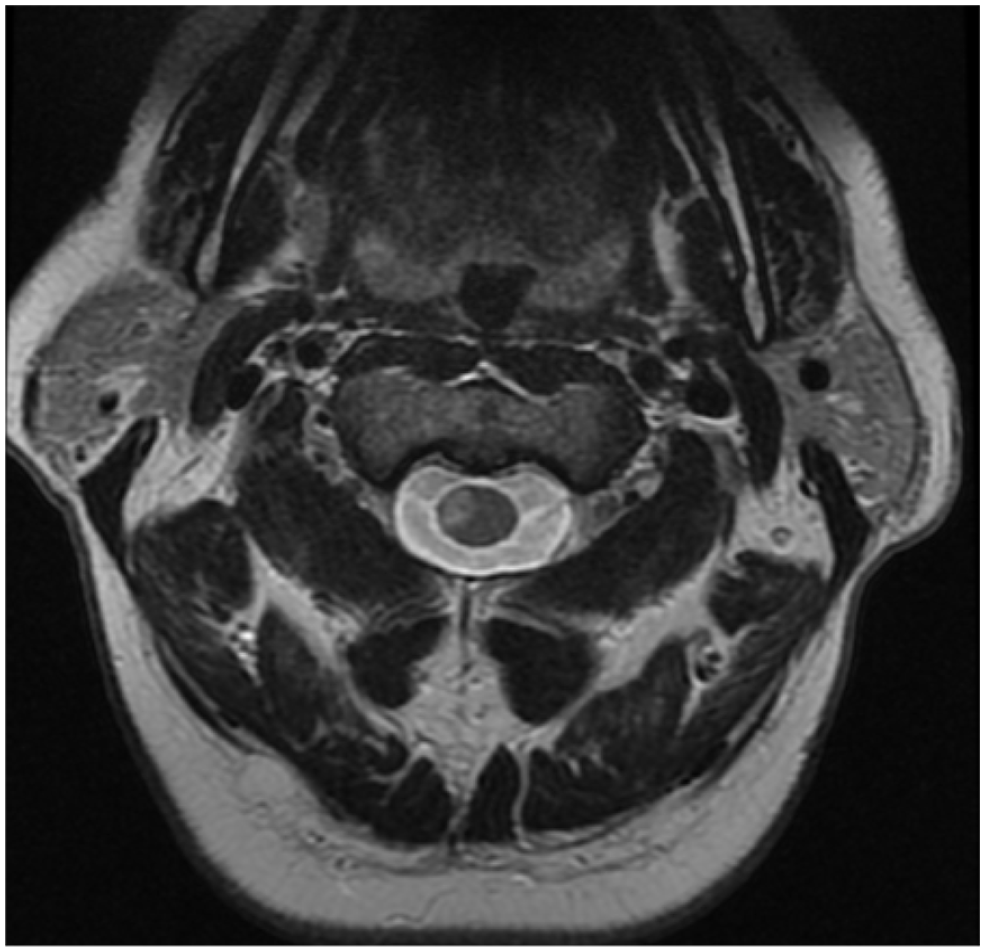
2359
Cerebral Aspergillosis as a Stroke-mimic in a patient with acute myeloid leukaemia
1La Princesa, Neurology, Madrid, Spain, 2La Princesa, Radiology, Madrid, Spain, 3La Princesa, Hematology, Madrid, Spain
2469
BASAL VEIN OF ROSENTHAL (BVR) THROMBOSIS : A DIAGNOSTIC CHALLENGE
1 NIMHANS Neurocentre, Department of Neuroimaging and Interventional Radiology, Bengaluru, India
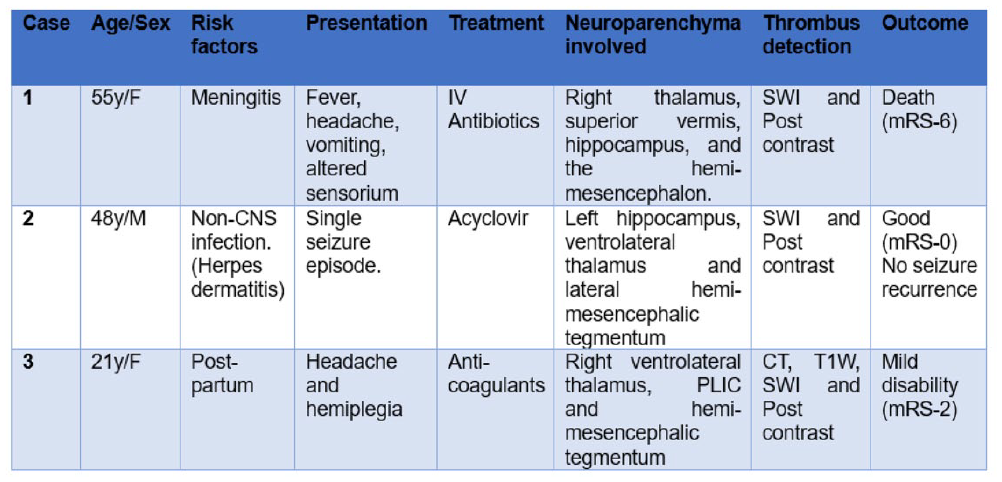
Clinico-radiological summary of all the three cases.
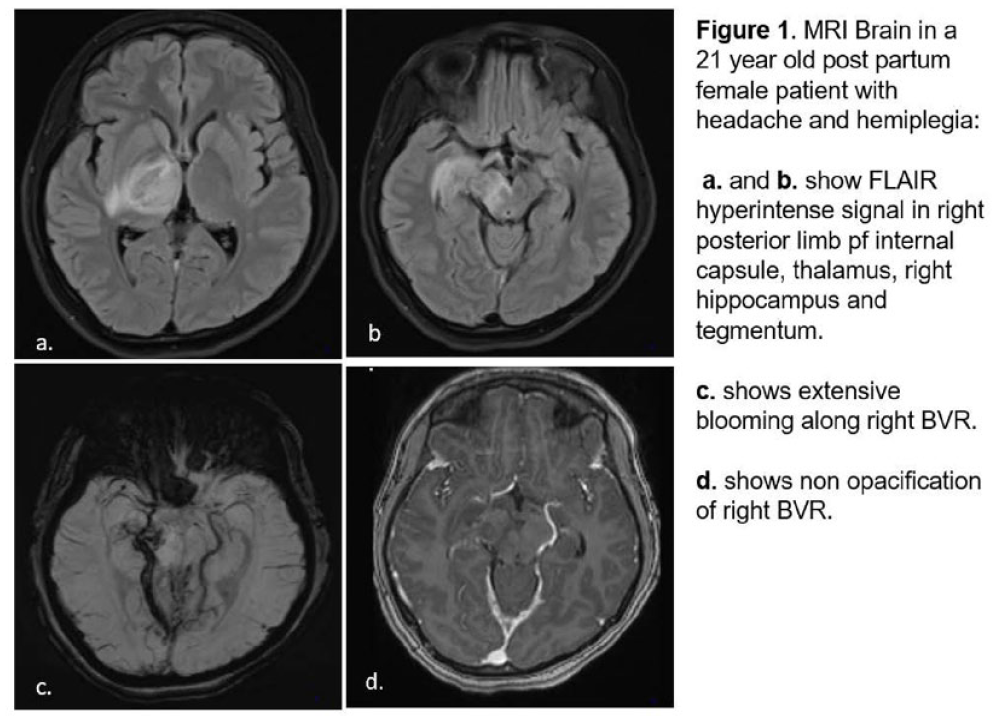
2495
GIANT CELL ARTERITIS PRESENTING AS RECURRENT ISCHEMIC STROKES IN THE VERTEBROBASILAR TERRITORY
1Hospital Geral de Santo António, Neurology, Porto, Portugal, 2Hospital Geral de Santo António, Neurorradiology, Porto, Portugal
Based on these findings, combined with clinical presentation, glucocorticoids were promptly initiated. The patient eventually was started on immunosuppressants with good clinical recovery.
2508
A SHORT WAY TO DEVELOP PARAPLEGIA AND A LONG WAY TO IDENTIFY ITS CAUSE - 2 CASES OF SPINAL DURAL ARTERIOVENOUS FISTULA
1Emergency University Hospital, Department of Neurology, Bucharest, Romania, 2Carol Davila University of Medicine and Pharmacy, Assistant Professor, Bucharest, Romania, 3Emergency University Hospital, Department of Neuroradiology, Bucharest, Romania
For determining the cause, we performed comprehensive neurological examination and lab tests, spinal magnetic resonance imaging (MRI) and digital subtraction angiography (DSA).
MRI depicted serpiginous epidural flow-voids with gadolinium enhancement, located predominantely posterior in the inferior cervical, thoracic and superior lumbar segments in the first patient. After two normal DSA, the third one catheterizing the right T6 intercostal artery, confirmed the presence of SDAVF with significant dilatation of the perimedullary venous plexus. In the second patient, MRI revealed the same aspect suggestive for the presece of SDAVF in the lower thoracic and superior lumbar segments, the DSA confirming the diagnosis.
Embolization with precipitating hydrophobic injectable liquid (PHIL 25%) was performed with complete obliteration of the fistula in both patients, with significant improvement of the deficits.
2525
Ipsilesional Arm Levitation in a Patient with Right Fronto-Parietal Lobar Hemorrhage: A Case Report
1University Medical Center Ljubljana, Department of Vascular Neurology, Ljubljana, Slovenia, 2Faculty of Medicine, University of Ljubljana, Neurology Department, Ljubljana, Slovenia
2526
RECURRENT MULTIPLE WATERSHED CEREBRAL INFARCTIONS IN BILATERAL SYMMETRICAL BORDER ZONE AREAS IN A PATIENT WITH EOSINOPHILIC GRANULOMATOSIS AND POLYANGIITIS
1Republican Research and Clinical Center of Neurology and Neurosurgery, Department of Neurology, Minsk, Belarus, 2Republican Research and Clinical Center of Neurology and Neurosurgery, Department of MRI, Minsk, Belarus
On contrast brain MRI a linear accumulation of gadolinium according to the hirus type in both hemispheres, in the watershed zones is determined (figure 2).
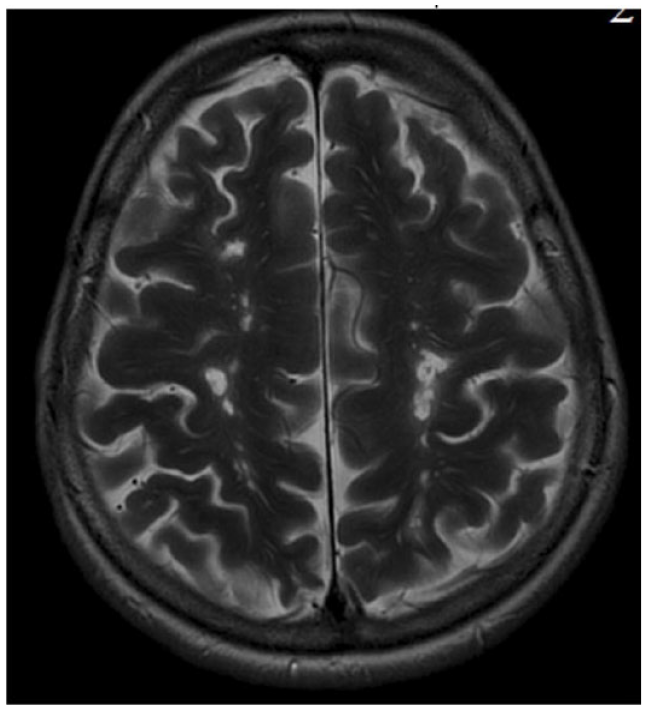
The EGPA activity was easily suppressed with methylprednisolone in combination with azathioprine. For a secondary stroke prevention rivaroxaban was prescribed.
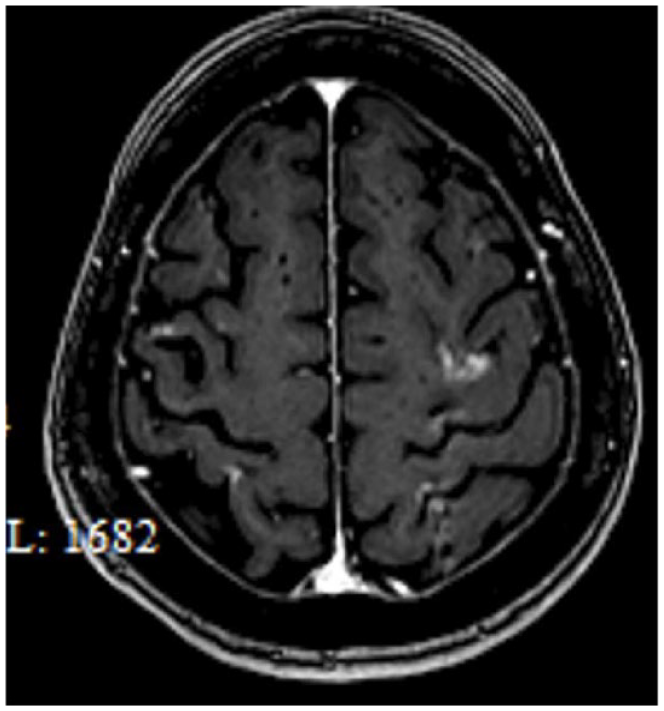
2530
All PFO are Right-Left Shunts, but not all Right-Left Shunts are PFO: A Case Study
1 Swedish Medical Center, 501 East Hampden Ave, Englewood, CO 80113, Neurology, Denver, United States
Disclosure of interest: Yes
2540
Use of Transcranial Dopplers to Monitor Intracerebral Hemodynamics Post-Thrombectomy
1Emory University Hospital, Neurology, Atlanta, United States, 2Grady Health System, Neurology, Atlanta, United States