




Abstract
Introduction
The use of technology to deliver psychosocial interventions such as cognitive stimulation therapy (CST) to individuals with dementia may improve their cognition and quality of life.
Objectives
This study aimed to investigate the participants’ experiences with digital CST in Jordanian care homes, as well as the acceptability of the digital CST intervention in Jordanian care homes and recommendations for refinement.
Methods
A qualitative study design and semistructured interviews were used to obtain data from 20 people with dementia and 12 care home staff who were purposefully selected. Data were analyzed thematically and comparatively to explore the experiences and outcomes of the participants. This study was conducted from February to April 2023.
Results
Analysis of care home staff and residents’ experiences revealed seven major themes: (a) personalized support and engagement, (b) positive impact on quality of life, (c) engagement and meaningful activities, (d) adaptable format and accessibility, (e) emotional connection and empowerment, (f) caregiver involvement and support, and (g) suggestions for improvement. The study's findings emphasize the necessity of tailored support, individualized difficulty levels, individualized material selection, emotional support, greater social connection, and caregiver participation in digital CST for people with dementia.
Conclusion
Using digital touchscreen technology to deliver CST content has shown potential improvements, making interventions simpler for staff and more beneficial for individuals with dementia, thereby enhancing cognition and quality of life.
Keywords
Introduction
Dementia is a progressive neurodegenerative condition characterized by a decline in cognitive function and behavior (World Health Organization (WHO), 2021). The global prevalence is estimated to be 50 million in 2017 and is projected to rise to 141 million by 2050 (Abdalrahim et al., 2022). The annual cost of treating and caring for dementia patients surpasses 600 billion dollars worldwide (Abdalrahim et al., 2022; Alzheimer's Research UK, 2022). The actual number of people with dementia (PwD) in Jordan is unknown due to the lack of epidemiological studies on dementia (Bhalla et al., 2018; Kofahi et al., 2021). Nonetheless, a study conducted in Jordan to investigate the prevalence of dementia in persons aged 50 and older discovered that the general prevalence of dementia for patients 50 and older was 1.29%, increasing to 1.94% for patients 65 and older (Kofahi et al., 2021).
Dementia presents with a range of cognitive and noncognitive symptoms. Cognitive symptoms include memory loss, difficulty with problem-solving, and attention deficits, while noncognitive symptoms encompass behavioral issues such as agitation, anxiety, depression, hallucinations, and social withdrawal (Scales et al., 2018). These noncognitive symptoms significantly impact the quality of life for individuals with dementia and present challenges for both patients and their caregivers.
Cognitive and behavioral symptoms of dementia are treated pharmacologically and nonpharmacologically (Berg-Weger & Stewart, 2017). Despite the fact that pharmacological treatments for dementia can reduce symptoms, they are not always effective and may contain risks and side effects (Abdalrahim et al., 2022; Conti Filho et al., 2023). Scales et al. (2018) recommend nonpharmacological therapies as first-line treatments for noncognitive symptoms to avoid the need for medication. Among these techniques are behavior therapy, cognitive stimulation therapy (CST), and validation therapy (Abdalrahim et al., 2022; Berg-Weger & Stewart, 2017).
CST, the primary intervention in this study, is a clinically proven intervention designed to improve cognitive and social functioning in PwD (Holden et al., 2021; Piras et al., 2017). Holden et al. (2021) explained that CST involves structured activities designed to improve cognitive skills such as memory, attention, and problem-solving, as well as social interaction and communication abilities. Contrary to the notion that its effectiveness is unconfirmed, Holden et al. (2021) and Piras et al. (2017) found that CST improved cognitive function, quality of life, and well-being in individuals with mild to moderate dementia.
CST involves engaging individuals in stimulating cognitive domain-specific exercises and activities (Holden et al., 2021; Toh et al., 2016). To the best of the researchers’ knowledge, no previous studies have reported the use of CST to dementia patients in the Middle East. Prior research has concentrated primarily on reminiscence therapy, behavior therapy, and validation therapy. It is essential to note, however, that the extant literature on CST is expanding globally, and that successful trials have been conducted in various countries, including the United Kingdom, Australia, and Canada (Toh et al., 2016). According to these studies, CST has positive effects on dementia patients’ cognitive function, quality of life, and other outcomes (Holden et al., 2021; Piras et al., 2017; Toh et al., 2016).
This research focuses on PwD in Jordan, particularly in care homes, which serve as the study site. The choice of care homes is influenced by several factors. First, residents of care homes often have more functional limitations and are more likely to have dementia compared to those in community or home settings. This provides an opportunity to assess the effectiveness of CST in a population that may benefit the most from cognitive interventions. Second, while family plays a crucial role in Jordanian society, it is essential to note that residents in care homes may have unique care needs and may not always have family members available to provide care. Thus, providing dementia care within care homes becomes a crucial aspect of the Jordanian community's cultural and religious parameters. It is important to investigate the feasibility and effectiveness of CST in this context, given the specific needs of this population.
This research not only aims to enhance cognitive functioning through CST but also to indirectly address noncognitive symptoms, thereby improving the overall well-being of individuals with dementia in Jordan, including those in care homes. This comprehensive approach aligns with the growing need for holistic dementia care in Jordanian society, which is increasingly acknowledging the importance of supporting patients and their families in their journey with dementia.
Review of Literature
Digital touch screen technology for dementia care interventions is becoming more widely available and expanding rapidly (Abdalrahim et al., 2022; Iancu & Iancu, 2017). In high-income countries and countries with modern healthcare, PwD will engage with digital touch-screen technology for psychosocial therapies (Abdalrahim et al., 2022; Md Sabri et al., 2014). To the researchers’ knowledge, no prior research has reported the use of digital touchscreen technology for delivering CST to PwD in the Middle East.
In recent years, the use of smartphones to disseminate CST has become increasingly prevalent (Jang et al., 2021; Shu & Woo, 2021). Smartphone-based CST applications have the benefit of being readily available and convenient, as they can be used at any time. Moreover, smartphone-based interventions have been shown to improve cognitive function and quality of life in nondemented individuals (Jang et al., 2021).
One study examined the efficacy of a CST program utilizing computers for dementia patients residing in the community. The 12-week program comprised three 30-min sessions per week and included activities such as word games, picture puzzles, and memory exercises (Gates et al., 2020). The program's completion was linked to significant increases in cognitive function as well as reductions in depression and anxiety symptoms.
A smartphone-based CST program for dementia patients in residential care homes was examined in a different study to determine its efficiency and acceptance. Word games, trivia questions, and memory drills were included in the 14-session course (Perkins et al., 2022). They discovered that participants’ cognitive function and well-being greatly increased and that the program was well received by both staff and residents.
Advanced technologies, such as digital CST, have been used by researchers to increase the accessibility and usability of CST for PwD. Digital CST employs dynamic and easily accessible memory stimuli, which has been shown to facilitate reminiscence in dementia patients (Perkins et al., 2022). In low- to middle-income countries such as Jordan, the use of digital technology in healthcare is still in its infancy, and it is unclear whether this approach is acceptable, feasible, or effective for dementia patients and their caregivers. In addition, there are few specialized centers for the assessment and treatment of dementia in Jordan, and family plays an important role in Jordanian society, with individuals with dementia frequently gaining a prominent position within their own families. Therefore, prior CST studies conducted in other regions may not be pertinent to the Jordanian context, emphasizing the need for additional research in this area.
Aim
This study seeks to investigate the participant's experiences with digital CST in Jordanian care homes, as well as the acceptability of the digital CST intervention in Jordanian care homes and recommendations for refinement. The findings of this study will contribute to the development of dementia interventions that are culturally appropriate for Jordan and other low- to middle-income countries.
Methods
Design
This study utilized a qualitative research design, which permitted the investigation of participants’ perspectives on the CST intervention, the examination of contextual factors, and the determination of processes that may have mediated any observed intervention effects. Qualitative methods, particularly semistructured interviews, were chosen to gain a deeper understanding of the dynamics of participation and individuals’ perceptions and experiences regarding healthcare interventions. This study was conducted from February to April 2023.
Sample
This study aimed to capture a diverse range of perspectives from two crucial stakeholder groups: residents and care home staff. In Jordan, where family dynamics are evolving, and individuals often work abroad, care home staff play a vital role in providing care. Purposive sampling ensured a comprehensive exploration of this research topic by selecting eligible participants based on criteria aligned with the objectives of this research, including diagnosis with dementia, residency status, capacity to provide informed consent, and active participation.
Residents Inclusion Criteria
Residents were included in the study if they met the following criteria:
Diagnosis with dementia: Determined by a psychiatrist in the selected care homes. Residency status: Current residency in the selected care homes. Capacity to provide informed consent: Residents were required to demonstrate the ability to provide informed consent. Eligibility for a consultee: If a resident lacked the capacity to provide informed consent, a consultee was involved in the decision-making process.
Residents Exclusion Criteria
Residents were excluded if they met any of the following criteria:
Too unwell to participate: Residents deemed too unwell to actively engage in the study. Diagnosis of an additional psychiatric disorder: Residents with a diagnosis of an additional psychiatric disorder.
Care Home Staff Inclusion Criteria
Care home staff were included in the study if they met the following criteria:
Current employment: Currently employed at the selected care homes. Direct role in providing care: Staff with a direct role in providing care to residents.
Care Home Staff Exclusion Criteria
Care home staff were excluded if they did not meet the inclusion criteria outlined above.
In qualitative research, the appropriateness of the sample size is intricately linked to the study's research question and objectives. In this study, the researchers determined that a sample size of 17 participants (including both residents and care home staff) would provide a robust foundation. This sample size offers a strong basis for generating comprehensive insights into the multifaceted aspects of the phenomena of this research (Guest et al., 2006; Sandelowski, 1995). Sandelowski (1995) proposes that a sample size of about 10 participants can provide rich data for a thorough understanding of the research phenomena. Therefore, 17 residents and staff in Jordanian care homes were invited for semistructured interviews to achieve a comprehensive understanding of the research phenomena and reach data saturation.
Data Collection
A qualitative process evaluation consisting of follow-up interviews was used in this study, which had predetermined topics and open-end questions laid down in an interview schedule. Semistructured interviews were conducted to assess the feasibility and acceptability of the digital CST for PwD and to understand factors influencing the success or challenges of the intervention. The interviewers, comprising experienced healthcare professionals specialized in dementia care, possessed the necessary skills to engage with participants effectively.
The interview topics included participants’ experiences with digital CST, the feasibility of its implementation, and the acceptability of the intervention. Table 1 illustrates these interview topics and key aspects.
Interview Topics Key Aspects.

Abbreviations: CST, cognitive stimulation therapy; PwD, people with dementia.
The interviewers were trained in dementia care and had significant experience working with individuals diagnosed with dementia. This ensured that the data collection process was conducted by individuals who were knowledgeable about the nuances of dementia care, fostering a more in-depth exploration of participants’ experiences.
Intervention
Residents in the care home were given the opportunity to participate in an individualized digital CST program. This intervention spanned 7 weeks and included a total of fourteen 45-min sessions, totaling 10.5 hr of engagement. Each session was underpinned by eight fundamental principles, which encompassed mental stimulation, the encouragement of novel ideas and associations, a focus on perspectives rather than mere facts, the maximization of the potential of individuals with dementia, respect, and a person-centered approach. Appendix A demonstrates an example of the user interface of this program.
The CST sessions, inspired by Orrell et al. (2014), and customized by the research team, aimed to stimulate cognitive function tailored to participants’ interests and life experiences. The sessions were designed to engage individuals with dementia in cognitive exercises and activities that were not only mentally stimulating but also highly relevant to their interests and life experiences. This customization ensured that the sessions resonated with each participant, fostering a sense of uniqueness and worth.
In the early stages of development, the team followed an Agile software development approach (Aydin et al., 2007), incorporating a functional prototype, usability testing, and iterative refinement. The Agile methodology allowed for the flexible adaptation of session content based on real-time feedback from participants and caregivers, further enhancing the program's relevance and effectiveness. The digital application in Arabic was designed with reference to the Technology Acceptance Model (Lai, 2017).
In preparation for this study, the research team devoted significant effort to crafting the digital CST intervention content. This involved comprehensive user testing, expert peer reviews, and engagement with patients and the public (Patient and Public Involvement and Engagement in Research—PPIE). The technological development was overseen by the chief researcher and software developers, while the conceptual design of the theory-based CST was a collaborative effort involving the broader research team. Technical multimedia developers played a vital role in the program's construction. Importantly, consultations were conducted with health and care specialists experienced in working with individuals with dementia, as well as with dementia caregivers. These measures aimed to ensure a consistent and inclusive experience for all participants and to mitigate potential inequalities that could affect engagement with the materials.
Feasibility Testing
The feasibility of the digital CST intervention was assessed through various aspects, such as adherence to the planned delivery, eligibility and willingness of PwD to participate, appropriateness of inclusion criteria, completion rates, and monitoring of adverse events. Importantly, interviews aimed to gather rich insights into participants’ perceptions and experiences, each lasting approximately 30–60 min and being audiotaped.
Data Analysis
A thematic analysis approach was employed to identify key themes, and NVivo (Version 12) was used to organize the data. This thematic analysis followed the guidelines suggested by (Braun & Clarke, 2006). Thematic analysis was employed to organize and describe the data in rich detail (Braun & Clarke, 2006). All interviews in this study were conducted in the Arabic language, audio recordings needed to be transcribed verbatim, and then translated into the English language after the analysis to preserve cultural nuances in the data during analysis (Chen & Boore, 2010).
Two bilingual independent reviewers were consulted to compare the transcripts and translations to enhance the quality of the translating process and recognize inconsistencies that may need clarification, as suggested by Cruz et al. (2000). After transcription, the thematic analysis followed through the six phases of analysis outlined in the Braun and Clarke (2006) guideline. These six phases were: familiarization with the data; generation of initial codes; searching for themes; reviewing themes; defining and naming themes in a code book; and producing the report. An inductive approach arose purely from the data and was not anticipated in advance of data analysis. Therefore, all themes in this study were derived inductively from the data.
Trustworthiness
Trustworthiness is important to evaluate the quality and worth of qualitative research. It involves establishing credibility, transferability, dependability, and confirmability. The researchers applied various strategies to demonstrate rigor in these parameters. The researchers employed triangulation, member checking, and peer debriefing as strategies to enhance the credibility of this study. Transferability was addressed by providing a rich description of the research context, participants, and data collection and analysis methods. Dependability was addressed through detailed documentation of the research process and an audit trail. Confirmability was addressed through reflexivity, where the researchers reflected on their own positionality and how it may have influenced the research.
Ethical Considerations
The researcher obtained ethical approval from IRB committees at Al al-Bayt University (3/1/2023, 3.1.2023) and relevant care homes, emphasized the voluntary nature of participation and confidentiality, and ensured the anonymity of participants by coding their names and identities. In addition, to ensure that participants provided informed consent, a consent form was used to record their agreement to participate in the study. This form outlined the potential benefits of the study. For residents who lacked the capacity to provide informed consent, the researcher followed appropriate ethical procedures by using the consultee assent form. This process involved seeking agreement from a consultee who was well informed about the study and could provide assent on behalf of the resident. The researcher also considered the potential emotional distress of participants and referred those who needed appropriate care to care home staff and administrators. Lastly, the researcher ensured that participants who may be abused by others will not be put in an undesirable position by the results of their participation in the study.
Results
Sample Characteristics
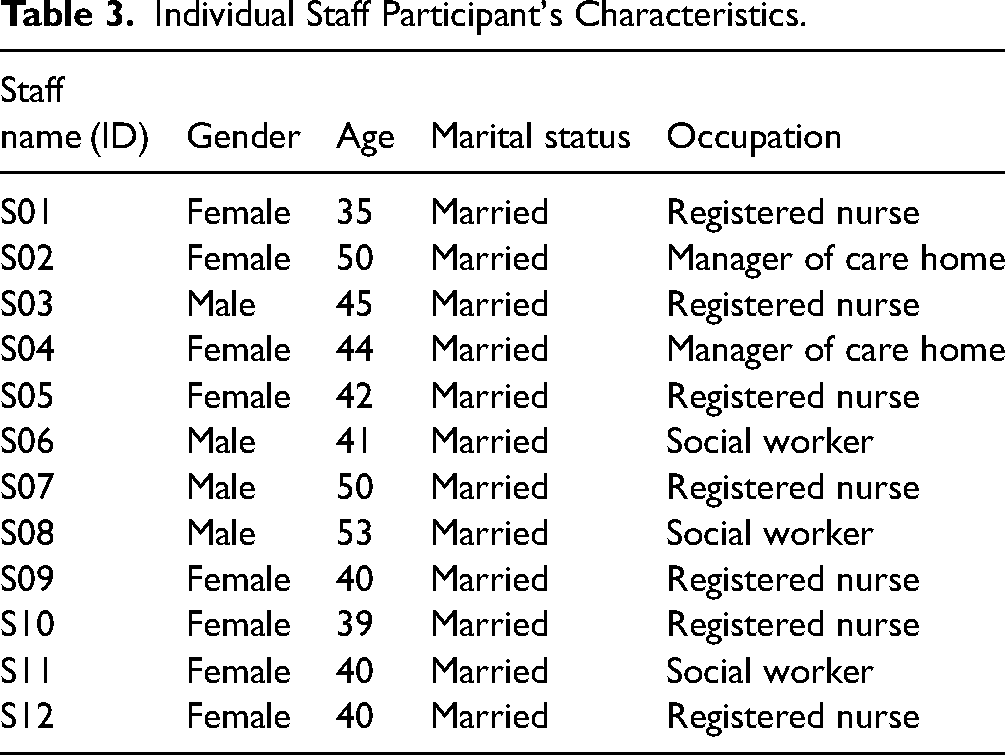
Qualitative interviews were conducted with 32 participants from two care homes in Jordan, including 20 residents (12 from care home 1 and eight from care home 2) and 12 care home staff (eight from care home 1 and four from care home 2). Among the resident participants, half were male (10/20). The mean age of the resident participants was 66.3 years (SD = 5.9, range 55–80 years). Two-thirds of the recruited resident participants had mild dementia, while one-third had moderate dementia. The mean Saint Louis University Mental Status (SLUMS) score for the resident participants was 20.8 (SD = 2.4, range 17–24), indicating mild severity of dementia. All resident participants reported using informal CST in their lives, with word games, picture puzzles, and memory exercises, among other activities. More than half of the care home staff participants were female (8/12), with a mean age of 43.3 years (SD = 4.7, range 35–53 years). All staff participants were married and had different roles, including nurses, social workers, and managers of the care homes. Detailed characteristics of the individual participants are presented in Table 2 for resident participants and in Table 3 for care home staff participants. Pseudonyms were used for all participant names.
Individual Resident Participants’ Characteristics.
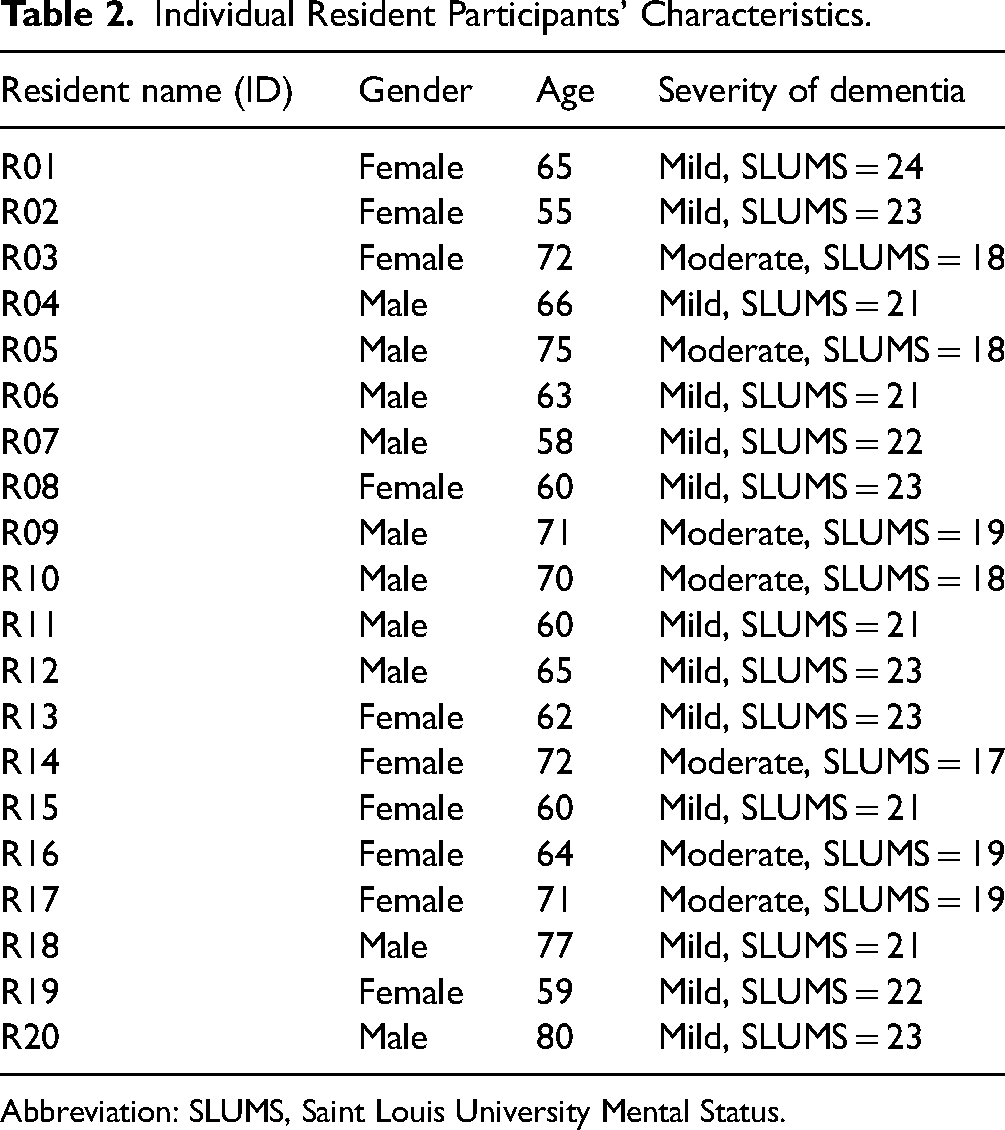
Abbreviation: SLUMS, Saint Louis University Mental Status.
Individual Staff Participant's Characteristics.
Feasibility Testing
The assessment of the intervention's feasibility yielded significant results in terms of participant eligibility and willingness to participate. Regarding participant eligibility, a stringent evaluation process was conducted to determine which individuals with dementia met the established criteria for inclusion in the program. Among the initial pool of potential participants, 23 residents and 15 staff were found to meet the eligibility criteria, showcasing the effectiveness of the selection process.
In terms of willingness to participate, 20 residents and 12 staff of eligible participants expressed a strong desire to engage in the digital CST program. Their enthusiastic engagement demonstrated a high level of acceptability and interest in the intervention.
These results highlight the success of the eligibility criteria in identifying suitable candidates for the program and the willingness of eligible participants to actively participate. This data underscores the feasibility of the intervention and its capacity to engage and benefit individuals with dementia. Furthermore, no adverse health effects were observed as a result of the program, and any emotional distress reported was managed in accordance with the agreed-upon protocol.
Themes and Subthemes
The qualitative analysis of interviews has brought forth a rich tapestry of themes and subthemes, unraveling the multifaceted experiences of participants engaged in digital reminiscence therapy. These findings, encapsulated in Table 4, illuminate not only the perceived benefits, challenges, and suggestions for improvement but also provide a comprehensive narrative of the participants’ journey.
Overview of Themes and Subthemes.

Theme 1: Personalized Support and Engagement
Subtheme 1: Individualized Assistance and Encouragement
Participants unanimously stressed the transformative impact of personalized encouragement and assistance during digital CST. As one participant (R03) expressed, “I found it really helpful that they [facilitators] asked us questions, and if we [participants] didn't know, they [facilitators] gave us clues or guided us.” The facilitators’ role in fostering an environment of support and encouragement emerged as a cornerstone in enhancing the engagement of participants.
Subtheme 2: Tailored Approach to Cognitive Capacities and Content Selection
The adaptation of therapy sessions to the cognitive capacities and preferences of the participants was met with widespread appreciation. According to a participant (R06), “It was helpful that they [facilitators] adjusted the difficulty levels of the activities based on our [participants] capabilities. I felt challenged but not overwhelmed.” This tailored approach not only prevented overwhelming challenges but also maintained a delicate balance, keeping participants consistently engaged.
In addition, the autonomy granted to participants in choosing and customizing CST content emerged as a pivotal factor. Reflecting on this, a participant (R04) highlighted, “I liked that I could choose topics and activities that were meaningful to me. It personalized and contextualized the therapy.” This personalization, allowing individuals to delve into topics of personal significance, added a layer of uniqueness to the therapeutic experience.
Subtheme 3: Emotional Connection and Enhanced Social Support
Beyond the mere perception of emotional support, participants attested to experiencing a genuine sense of belonging. In the words of a participant (R10), “The treatment established an environment where I felt heard and understood, allowing me to openly express my emotions and form deeper connections with others.” This emotional resonance not only enhanced the therapeutic impact but also created a supportive community within the therapy sessions.
Moreover, digital CST was lauded for its profound impact on communication abilities and social relationships. Participants expressed improvements in their social interactions and a heightened sense of belonging. A participant (R02) shared, “I found myself engaging in conversations more easily after participating in the therapy. It helped me interact more effectively with others.” This positive influence on social connections was further emphasized by collaborative activities that strengthened bonds within the group.
Theme 2: Positive Impact on Quality of Life
Subtheme 1: Meaningful Activities and Cognitive Improvement
Engaging and meaningful activities within digital CST sessions emerged as a cornerstone for a positive impact on participants’ quality of life. A participant (R16) articulated, “I enjoyed it a lot because I was preoccupied with my thoughts and things that interested me.” The therapeutic content, aligned with individual interests, became a source of joy and mental stimulation.
The enduring cognitive gains reported by participants signaled a sustained positive impact on cognitive abilities. A participant (R04) noted, “I noticed that my cognitive abilities improved over time. My brain was constantly stimulated and exercised as a result of the therapy.” The therapy's effects were characterized as long-lasting, contributing to ongoing cognitive improvement.
Subtheme 2: Multisensory Stimulation and Memory Recall
Participants praised the multimodal nature of digital CST, which incorporated various sensory elements such as music and visuals. According to a participant (R02), “The therapy incorporated various sensory elements, such as music and visuals, which heightened my overall experience.” This multisensory stimulation not only enhanced immersion but also facilitated memory recall, triggering vivid recollections from the past.
Theme 3: Engagement and Meaningful Activities
Subtheme 1: Variety of Stimulating Exercises and Social Interaction
Diverse and stimulating exercises within the digital cognitive stimulation treatment sessions were a key driver of participant satisfaction. Expressing their preferences, a participant (R04) stated, “I liked how there were different types of exercises, such as word games, puzzles, and discussions. It kept things exciting.” This variety in exercises mitigated monotony and sustained participant interest.
The emphasis on social interaction within the digital cognitive stimulation treatment sessions was applauded. A participant (R02) mentioned, “I enjoyed the sessions because I could talk to others and share my thoughts and opinions.” The value of learning from peers and the positive impact on social relationships were recurrent themes in participants’ feedback.
Subtheme 2: Seamless Integration Into Daily Routine
The seamless integration of digital CST into daily routines was highlighted by participants as a beneficial aspect. A participant (R10) emphasized, “The therapy sessions became a regular part of my day. It assisted me in developing a regular routine, which is beneficial for people with dementia.” This routine incorporation contributed to the therapy's perceived effectiveness.
Theme 4: Adaptable Format and Accessibility
Subtheme 1: Flexibility in Delivery and Clear Instructions
Flexibility in the delivery of digital CST was underscored as a key facilitator of participant engagement. A participant (R05) commented, “I liked that they [facilitators] could adjust the difficulty level based on our [participants] abilities. It made things easier and more fun.” The adaptability of the therapy to individual needs emerged as a pivotal factor in enhancing the overall experience.
Clear instructions and guidance during digital CST sessions were instrumental in ensuring a seamless and enjoyable experience. A participant (R08) remarked, “I found it helpful that they [facilitators] explained each activity and what we [participants] were supposed to do. It made it easy to keep up.” The clarity in instructions contributed to participant comprehension and active participation.
Subtheme 2: Inclusive Design and Equity
The accessibility of digital CST to individuals of varying cognitive abilities was highlighted as a strength. Participants appreciated the inclusive design that catered to diverse cognitive levels. A participant (R11) acknowledged, “It's great that they [facilitators] designed the therapy to be accessible to people of all cognitive levels. It ensures that everyone has the opportunity to participate.” This inclusivity contributed to a sense of equity among participants.
Theme 5: Emotional Connection and Empowerment
Subtheme 1: Emotional Connection and Sense of Purpose
Participants vividly described the emotional connection established during digital CST, evoking a profound sense of connection to their past and memories. A participant (R03) shared, “It made me feel connected to my past and my memories. It triggered memories and made me ponder on my life.” The therapy sessions became a vehicle for introspection and emotional exploration.
A pervasive sense of purpose and accomplishment resonated among participants after engaging in digital cognitive stimulation treatment sessions. A participant (R06) expressed, “I felt like I was using my brain and keeping it active. It gave me a sense of accomplishment and purpose.” This sense of purpose, coupled with cognitive engagement, contributed to an enriched quality of life.
Subtheme 2: Sense of Empowerment and Strengthened Relationships
Beyond cognitive benefits, participants reported a profound sense of empowerment and regained independence. A participant (R07) stated, “It gave me a sense of control and independence. I felt I could participate in and contribute to the activities.” The therapy, therefore, became a catalyst for fostering autonomy and self-sufficiency.
The impact of digital CST extended beyond individual experiences, fostering stronger relationships within the participant community and with therapy facilitators. A participant (R10) noted, “During the therapy, I formed new friendships with the other participants. It was great to have company and support.” The facilitators’ role in creating a supportive atmosphere further solidified the sense of community.
Subtheme 3: Accomplishment and Self-Efficacy
Participation in digital CST sessions was linked to heightened self-efficacy and a sense of completion. A participant (R09) articulated, “I felt a sense of accomplishment whenever I completed an activity or answered a question correctly. It increased my self-esteem.” The positive reinforcement of accomplishments contributed to a positive self-perception.
Theme 6: Caregiver Involvement and Support
Subtheme 1: Caregiver Engagement and Collaborative Atmosphere
Participants underscored the importance of integrating caregivers into digital CST sessions. A participant (R03) expressed, “I appreciated when my caregiver joined the sessions. It deepened our [participants] bond and helped them [facilitators] better understand my experiences.” The involvement of caregivers was perceived as enhancing the therapeutic impact and creating a more collaborative atmosphere.
Subtheme 2: Caregiver Education and Holistic Integration
Participants advocated for the education and training of caregivers to better support and engage adults with dementia during treatment sessions. A participant (R09) highlighted, “Caregivers would benefit from guidance on how to incorporate therapy techniques into daily care routines. It has the potential to improve the overall well-being of people with dementia.” This suggestion emphasized the holistic integration of caregivers into the therapeutic process.
Theme 7: Suggestions for Improvement
Subtheme 1: Diversifying Program Content
Participants’ suggestions and ideas for improving the content and activities offered in the therapy program were collated. A participant (R14) recommended, “I believe the program content could be more diverse and engaging to hold our [participants] interest better.” This feedback underscores the importance of continually evolving and diversifying program content to maintain participant engagement.
Discussion
In reconsidering the findings of this study, it is imperative to move beyond a mere restatement of results and establish the unique contributions that propel the discourse on digital CST forward. This discussion aims to transcend the cause-and-effect narrative, shedding light on the distinctive elements that distinguish this study and offer fresh insights into the field.
This study delves deeper into the nuanced relationship between personalized support and increased participation in digital CST. The significance lies not only in the confirmation of this association but also in uncovering the intricacies of how tailored support mechanisms actively foster engagement. The findings of this study align with studies by previous research (Abdalrahim et al., 2022; Perkins et al., 2022; Toh et al., 2016), yet the researchers extend this understanding by emphasizing the reciprocal nature of individualized support and active involvement.
The adaptability of digital CST in adjusting difficulty levels emerges as a pivotal factor influencing participants’ sense of accomplishment and motivation. Beyond the affirmation of existing research, this study provides a detailed exploration of how personalized adjustments positively impact motivation in dementia care. In concurrence with Chen et al. (2019), the researchers contribute to the discourse by highlighting the nuanced interplay between adaptability and motivation.
This study brings a fresh perspective to the importance of individualized content selection. Beyond acknowledging its significance, the researchers elucidate how this individualization enables participants to delve deeper into their life narratives, fostering a profound sense of uniqueness and worth. This contribution extends the researchers’ understanding of how personalized content not only enhances engagement but also makes therapy personally relevant, thereby enhancing its overall efficacy. This nuanced view adds a layer of complexity to the existing narrative, differentiating this study from prior works such as Yates et al. (2015, 2016).
The therapeutic value of emotional support within digital CST sessions is explored in depth. The findings of this study move beyond a general acknowledgment of its importance to showcase how it actively reduces feelings of isolation and contributes to emotional well-being. Furthermore, the enhanced social relationships reported by participants underline the broader impact of digital interventions on individual and communal levels, contributing to a comprehensive understanding of their social dynamics. This detailed exploration sets this study apart by presenting a more intricate picture of the social dimensions of digital CST. These results are consistent with the work of Bailey et al. (2017).
One paramount contribution lies in the illumination of enhanced social relationships through digital CST. Participants reported improvements in communication skills, a greater ability to engage in conversations, and the fostering of a sense of community. This adds depth to the understanding of the social impact of these interventions, aligning with the findings of Cove et al. (2014) and Toh et al. (2016), painting a comprehensive picture of the positive effects of social interactions on the well-being of individuals with dementia.
A holistic perspective on the impact of digital CST on the quality of life unfolds, emphasizing its multisensory nature. The therapy's role in triggering vivid memories, fostering ongoing cognitive enhancement, and preventing boredom contributes to a multifaceted understanding of how digital interventions can holistically enhance overall well-being. This study moves beyond affirming existing cause-and-effect relationships, presenting a nuanced and layered perspective that distinguishes itself. This aligns with the comprehensive viewpoint supported by the findings of Chen (2022).
A critical finding centers on the long-term cognitive benefits reported by participants engaged in digital CST. The continuous stimulation and exercise for participants’ minds resulted in gradual improvements in memory and cognitive function. This contributes to the emerging body of evidence, as noted by Chen (2022), suggesting the potential long-term cognitive benefits of digital cognitive stimulation interventions for individuals with dementia.
Participants’ appreciation for the diversity of stimulating exercises and the emphasis on social interaction within therapy sessions reinforces the significance of providing varied activities. This aligns with previous research by Bailey et al. (2017), highlighting the importance of a multifaceted approach to increase engagement and well-being in dementia care interventions.
The importance of incorporating digital CST into daily routines emerges as a key theme, aligning with the findings of Lauritzen et al. (2023) and Toh et al. (2016). The study emphasizes that consistent engagement with therapy sessions as part of daily routines enhances its meaningfulness and effectiveness.
The adaptability and accessibility of the digital CST format, as appreciated by participants, reinforce the significance of flexibility, clear instructions, and inclusivity in dementia care interventions. These results align with the observations of Lauritzen et al. (2023) and Yates et al. (2015), underlining the importance of these elements in improving the effectiveness and inclusion of such interventions.
Furthermore, participants’ feelings of emotional connection and satisfaction underscore the potential of digital CST to provide positive affective experiences, a sense of accomplishment, and empowerment. This aligns with the findings of Lauritzen et al. (2023) and adds to the growing body of evidence supporting the emotional benefits of such interventions.
The improvement in interpersonal interactions and the formation of new ties among participants signify the potential of digital CST to promote social relationships and support. This resonates with the observations of Spector et al. (2011), indicating the positive impact of dementia care treatments on social dynamics among individuals with dementia.
Participants’ emphasis on including caregivers in digital CST underscores the importance of caregiver involvement, support, and education. This aligns with the insights provided by Leung et al. (2017), highlighting the need for comprehensive caregiver education and training to maximize therapy participation and integrate therapeutic practices into daily care.
In summary, this study not only suggests the feasibility of using digital technology for delivering CST for people with dementia but also emphasizes the necessity of tailored support, individualized difficulty levels, material selection, emotional support, greater social connection, and caregiver participation. The multifaceted benefits of digital CST on participants’ quality of life, cognitive enhancement, meaningful activities, and a sense of accomplishment and empowerment contribute valuable evidence to the efficacy of these interventions in dementia care. The customizable and accessible approach of digital CST, incorporating distribution flexibility and clear instructions, enhances its efficacy and inclusion. These findings add depth to the expanding body of evidence, highlighting the relevance of person-centered and engaging therapies for improving the well-being of individuals with dementia. Future research should delve into the long-term impact and scalability of digital CST to further develop dementia care practices.
Strengths and Limitations
The study's strength is in the use of digital touch screen technology for delivering CST to PwD in Jordanian care homes, which might be utilized to determine the design of a future clinical trial. This study is one of the first in this field to use a theory-driven intervention to incorporate components related to bettering QOL and health outcomes, as well as to explain how the intervention creates change. An expert panel, peer reviewers, and contributions from individuals with dementia about the intervention development and research design were all part of the rigorous intervention development process. Finally, because the sample was tailored to the study's objectives, utilizing a purposive sample for process evaluation interviews decreased the possibility of selection bias.
It should be remembered that all interviews were performed in Arabic and the analysis was done in English should be viewed as a constraint. This data had to be translated several times because it was possible that certain meanings were lost in the process.
Implications for Practice
This research is pertinent to dementia care practice because it investigates a novel approach to supporting CST with dementia patients in a care home setting. Using digital touch screen technology to deliver CST content has demonstrated that digital touch screen technology can enhance these interventions, making them easier for the staff and potentially more beneficial for individuals with dementia. In turn, this can enhance the cognition and QOL of dementia patients. Therefore, it is important to consider the types of guidance and support required to facilitate adoption and access to such digital touch screen technology resources to preserve the intervention's accessibility and benefits.
While digital touch screen technology demonstrated benefits for the CST procedure, there were risks associated with its delivery that must be considered for future digital intervention implementation. The reliability of digital touch screen technology in the care home and the importance of technology may assist in meeting the requirements of both the staff and the residents.
Conclusion
Using digital touch screen technology to deliver CST to individuals with dementia in care homes in Jordan is feasible and acceptable. The digital CST and research procedures are feasible in their present form, but some design considerations for the CST could increase its efficacy. A definitive trial is necessary to evaluate the intervention's efficacy and long-term outcomes for PwD.
Supplemental Material
sj-docx-1-son-10.1177_23779608241272599 - Supplemental material for Examining the Feasibility and Acceptability of Digital Cognitive Stimulation Therapy for Dementia Care in Jordan: A Qualitative Study
Supplemental material, sj-docx-1-son-10.1177_23779608241272599 for Examining the Feasibility and Acceptability of Digital Cognitive Stimulation Therapy for Dementia Care in Jordan: A Qualitative Study by Asem Abdalrahim, Mohammed ALBashtawy, Abdullah Alkhawaldeh and Ahmad Ayed in SAGE Open Nursing
Supplemental Material
sj-pdf-2-son-10.1177_23779608241272599 - Supplemental material for Examining the Feasibility and Acceptability of Digital Cognitive Stimulation Therapy for Dementia Care in Jordan: A Qualitative Study
Supplemental material, sj-pdf-2-son-10.1177_23779608241272599 for Examining the Feasibility and Acceptability of Digital Cognitive Stimulation Therapy for Dementia Care in Jordan: A Qualitative Study by Asem Abdalrahim, Mohammed ALBashtawy, Abdullah Alkhawaldeh and Ahmad Ayed in SAGE Open Nursing
Footnotes
Acknowledgments
The researchers thank all staff and residents at the two Jordanian care homes where the data were collected.
Author Contributions
AS.A.: conceptualization, formal analysis, and resources; AS.A. and M.A.: methodology; A.A. and AB.A.: software, AH. A.: validation; AS.A., AB.A., and M.A.: writing—original draft; AS.A., AB.A., and M.A.: writing—review and editing; AS.A., AB.A., AH.A., and M.A.: visualization. All authors have read and agreed to the published version of the article.
Data Availability Statement
The data are available from the first author upon reasonable request.
Declaration of Conflicting Interests
The author(s) declared no potential conflicts of interest regarding the research, authorship, and/or publication of this article.
Funding
The authors received no financial support for the research, authorship, and/or publication of this article.
Institutional Review Board Statement
The researcher obtained ethical approval from IRB committees at Al al-Bayt University (3/1/2023, 3.1.2023), and relevant care homes, emphasized the voluntary nature of participation and confidentiality, and ensured the anonymity of participants by coding their names and identities. In addition, to ensure that participants provided informed consent, a consent form was used to record their agreement to participate in the study.

Supplemental Material
Supplemental material for this article is available online.
Appendix
Example of User Interface of the Program
References
Supplementary Material
Please find the following supplemental material available below.
For Open Access articles published under a Creative Commons License, all supplemental material carries the same license as the article it is associated with.
For non-Open Access articles published, all supplemental material carries a non-exclusive license, and permission requests for re-use of supplemental material or any part of supplemental material shall be sent directly to the copyright owner as specified in the copyright notice associated with the article.
