




Abstract
The COVID-19 episode has left the institutions worldwide, which were earlier reluctant to change their traditional pedagogical approaches, with no choice than an emergency shift to virtual learning, creating several arguments associated with digital infrastructure, digital divide, digital literacy, technical and pedagogic skills of teachers, digital contents and so on. With this background, this study intended to assess the implementation mechanism of COVID-19-lockdown-induced emergency online learning at undergraduate level in Assam, its effectiveness, and finally the problems faced therein, from the perspective of students’ experience and satisfaction. Primary data were collected from 132 undergraduate students drawn at random from different provincialized colleges in Assam through using a questionnaire in Google Form structured on the basis of available literature. The result revealed that 46.21% students perceive emergency online learning partially effective, 34.09% as effective, and 19.70% as ineffective. Poor Internet connectivity, irregular electricity, high cost in data plans, lack of compatible devices, lack of conducive environment at home, lack of technical and pedagogic skills of teachers, insufficient students’ engagement and so on, turned out to be the main challenges of online learning. Thus, the findings sufficiently yield the need of collaborative effort to improve digital infrastructure, reduce cost involvement and well-structured teachers’ training on pedagogical and technical skills. Creating, adopting and evaluating innovative techniques and tools, student-friendly contents, and above all a positive attitude are next to none measures to be accelerated for inclusive and effective online delivery of higher education in India in coming days.
Introduction
The COVID-19 episode has scrammed every sectors of human existence. As per the World Health Organization, a total of 42,512,186 people contracted the virus worldwide including 1,147,301 deaths as on 25 October 2020, while India stands at second position soon after the USA with 7,864,811 confirmed positive cases and a demise figure of 118,534. Tainting abruptly, most countries resorted to enforce complete or partial lockdown to ensure social distancing as a measure to contain the spread of the novel coronavirus. Consequently, sectors like travel and communication, tourism and hospitality, trade and commerce, construction and so on, witnessed a complete paralysis. Alongside, the education sector is the one that experienced terrific challenges. The teaching–learning methodologies have been remodelled globally due to the evil outbreak that many schools and teachers around the world are struggling in alternative ways for delivery of instruction remotely (Molise & Dube, 2020). In India, the Prime Minister Narendra Modi declared the first phase of nationwide lockdown of 21 days starting with 25 March 2020, which is further extended to several phases. Due to the continued lockdown, most economic activities in the country came to a halt. The Reserve Bank of India saw the COVID-19 outbreak, and subsequently, prolonged lockdown is likely to have a devastating impact on the overall economy of the country (Das & Guha, 2020). The educational institutions in the country, starting with pre-primary to tertiary level, are closed from 25 March 2020 and continued to shut down till October mid in spite of gradual unlocking process. The University Grants Commission, the higher education regulatory body of India, to its commitment to provide quality education, has urged and suggested the institutions to shift to online mode of teaching and evaluation. While the regulatory bodies as well as government have realized the importance of online learning, in practice, little or no support to the institutions has been materialized, especially in rural areas. Thus, the institutions that were earlier reluctant to change their traditional pedagogical approaches are left with no choice than to shift entirely to online mode (Dhawan, 2020).
Trammels to Online Learning: Present Scenario in India
While several arguments are associated with hindrances of online learning, insufficient digital infrastructure, digital divide across dimensions and digital literacy gap and so on, are some of the major arguments related to it. Though the National Education Policy, 2020 talks about digital and online education, the preparedness does not seem to be conducive in India. In fact, the budgetary allocation for digital learning was reduced from 6.04 billion in 2019–2020 to 4.69 billion in 2020–2021 (Banerjee, 2020). In 2017–2018, only 24% of Indian households have Internet facility (National Statistical Office-NSO, 2019). As per the 2019 report of Internet and Mobile Association of India (IAMAI), though the country has 451 million active Internet users who are above five years of age, of which 385 million are 12 plus years old, most of the Internet penetrations are through wireless connections. Regular and uninterrupted electricity service is still a far way dream in most places in India especially in rural areas. While the Government of India has been providing free electricity to households, only 16% of India’s households receive 1–8 hours of electricity per day, while 33% receives for 9–12 hours, and 47% receives for more than 12 hours, as reported by a nationwide survey of villages conducted by the Ministry of Rural Development in 2017–2018 (Kundu, 2020). Access to compatible devices for online learning is very poor even at students of higher education with only 28.9% students of higher education in India having computers at home in the year 2017–2018 (Jha, 2020).
Digital divides with regard to geographical areas, economic class, gender and so on, are next challenges for effective implementation of online education. While around 70% of India’s population lives in villages, only a little over 15% of rural households have access to Internet services; for urban households, the proportion is 42% (NSO, 2019). As per IAMAI (2019), the Internet penetration of 12 plus year population in rural area is about half of that of the urban area with 27% and 51%, respectively. Thus, more than 70% population in rural areas is still deprived of Internet connectivity. Access to regular Internet and suitable devices like computers or even mobile phones compatible with required apps involves reasonable investment that poor parents find difficult to afford. The IAMAI (2019) identified large variation of Internet users in terms of socioeconomic class. There are instances in Assam itself during COVID-19 lockdown where young students committing suicide just because of their inability to attend online classes for not having a smart phone or computer. Though not visible superficially, the digital divide between boys and girls is also rampant in India. A total of 67% men in India had access to Internet, whereas this is only 33% for women. With regard to rural area, this gender divide is even higher with 28% female and 72% female Internet users (IAMAI, 2019).
Setting digital divide apart, the digital literacy statistics of the country is also not satisfactory. A total of 76% of students in India in 5–35 years age group did not know how to use a computer (Jha, 2020). Although efforts are being made to provide digital literacy to its citizens by the Government of India under ‘National Digital Literacy Movement’, it could not show satisfactory results yet. The ‘Pradhan Mantri Gramin Digital Saksharta Abhiyan’ scheme, which was approved in February 2017, aimed to cover 60 million households in a span of two years, but it could manage to provide training to only 42.66% of its set target even after consummation of right around three years (Deccan Herald, 2020).
In spite of challenges all around, the institutions in the country are left with no choice other than an emergency shift to online mode in the mid of a semester. It is also uncertain when they can return to face-to-face traditional classroom. In Assam, clear notification from the government is yet to come regarding the resumption of the face-to-face classes at higher level. Therefore, it becomes imperative to know how far the emergency online learning is effective so far, which can be perceived from the experiences and satisfaction level of the beneficiaries, that is, students. It will also help in identifying the challenges and stumbling blocks, intervention to which will undoubtedly pave ways for better quality online learning in coming days.
Review of Related Literature
Literally, online learning is an electronically supported form of learning relied on the Internet for interaction between students and teachers. The integration of information and communication technologies in the teaching–learning process became a fundamental part in countries worldwide (Matukhin & Evseeva, 2014). Widespread expansion of Internet connectivity, availability of different e-applications, modern gadgets and so on, in the twenty-first century had pushed the educational institutions go online, at least to a combination of online–offline mode. Innovations like VLEs, MOOCs, blended learning, flipped classroom and so on, had already got impetus in most countries of the world. They provide many benefits especially related to accessibility, flexibility, affordability, modern learning pedagogy and so on. Shifting to online mode is beneficial to those who could not afford to attend traditional classes for many reasons. It provides opportunity to students to participate in a course or program of study regardless of where they reside (Milheim, 2014) and make able to pursue a course from different institutions other than they are currently studying (Sarma & Sive, 2013). Students being at anywhere can independently interact and learn from teachers and fellow students (Singh & Thurman, 2019), thereby ensuring accessibility and flexibility. It is considered to be a relatively cheaper also in terms of the lower cost of transportation, accommodation and the overall cost of institution-based learning. Blended learning and flipped classrooms, which combines face-to-face learning with technology, can increase potential of students (Dhawan, 2020). Smart teaching with digital sophistication can provide the students latest course materials as well as access to lectures of renowned professors, including Nobel Laureates, through virtual classroom (Gurukka, 2020). There are empirical investigations also claiming advantages of online learning. Moussa-Inaty (2017) in a study observed that though a high percentage of higher education students preferred face-to-face learning, almost all the student samples in the study enjoyed a blended approach and opined to take more such courses. Kalayci and Humiston (2015) in their study reported that students have significantly positive attitude towards the collaborative tools used in Moodle. Contrary to that, many people do not believe on the efficiency of online learning. There have been debates on the effectiveness of online learning in creating a solid learning experience for students. Students’ feelings like lack of community, technical problems and difficulties in understanding instructional goals are the major barriers for online learning (Song et al., 2004). Low-level preparedness of students on usage of learning management systems (LMS) is another problem of online learning (Parkes et al., 2014). Students’ passivity during the communicative process, their reluctance to use the technology, and inability to continue to be part of the virtual session after a period are the major problems a teacher faces in online learning platform (Nalliveettil et al., 2019). As per Angiello (2010), people believed that there is no way that an online virtual class can even compare to the traditional classroom education. In spite of the pros and cons, no one in the twenty-first century can deny the importance of adopting online mode of learning in tertiary level, if not in schools, as today’s young generation is thriving towards digital system diversified. Online instruction may not provide a superior learning experience, but definitely offers a sufficient one (Kasraie & Alahmad, 2015).
The success of an online course depends greatly on the quality of the teacher, who plays the most critical role in many aspects. Selwyn (2014) argued that teachers are supposed to be capable of acting as guides and/or facilitators with extensive digital competence. The Technological Pedagogical Content Knowledge Framework (TPACK) of Mishra and Koehler (2006) identified technological knowledge (TK), pedagogical knowledge (PK) and content knowledge (CK) as must for any effective digital learning. Designing of lesson plan, preparation of materials such as audio–video clips, operating various interactive mediums and so on, demands the teachers to be highly techno-savvy. Over 37% of instructors, instructional designers and college administrators viewed teaching or technical competency as the most significant factor affecting the success of an online course, as reported by Kim and Bonk (2006) in their survey of over 500 respondents. To be effective in an online setting, the teacher must be embedded with a wide range of technical skills, ability to socially facilitate and a high level of professionalism. Since the space is limited to be interactive, a teacher must engage students in other ways like discussion forums, facilitation and leading of discussion boards and so on, which often turn out to be a complex task without proper training.
During this tough time of COVID-19, the concern of educational institutions is not the quality of education, rather how institutions will be able to adopt online learning (Carey, 2020). Such a sudden shift with minimum or no digital infrastructure, no previous training and preparation on use of digital platforms, the teachers of the country started scrambling to finish off their syllabi online through trying different online pedagogical approaches. Consequently, video conferencing and online meeting platforms such as Zoom, Cisco Webex and Google Meet saw a huge usage spike. Other mediums including LMSs and social media platforms like YouTube, WhatsApp, Facebook and so on, are also being used profusely. However, students considered online classes during COVID-19 not engaging and difficult due to network and bandwidth problems and favour a blended learning approach with 30% of online and 70% of face-to-face education (Sreehari, 2020). Molise and Dube (2020) on the basis of their key findings argued that the teachers should adjust their teaching plans, assessment details and teaching materials and adopt new ways of interacting with learners through emergency online teaching during the COVID-19 pandemic.
Purpose of the Study
The primary purpose of the study is to throw light on the implementation mechanism of COVID-19-lockdown-induced emergency online learning at undergraduate level in Assam, assess its effectiveness, and finally the problems faced therein, from the perspective of students’ experience and satisfaction.
Research Questions
Which are the platforms, methods, devices and Internet connections used in implementing online learning during COVID-19 lockdown?
Are the undergraduate students satisfied with the various aspects related to the online learning during COVID-19 lockdown?
Do the undergraduate students perceive online learning effective during COVID-19 lockdown?
What challenges do the undergraduate students faced in online learning during COVID-19 lockdown?
Do undergraduate students prefer online learning in future?
Methods and Materials
This study adopted descriptive survey research. Since the study intended to assess the implementation mechanism, effectiveness and problems faced in COVID-19-induced emergency online learning from the perspective of students’ experience and satisfaction, primary data were collected from 132 undergraduate students drawn at random from different provincialized colleges of Assam with the help of a questionnaire. Considering the COVID-19 protocol, the questionnaire was structured in Google Form, which contains a total of 16 items and divided into three sections considering the objectives of the study. Five closed-ended items regarding various aspects of implementation mechanism of online learning like platforms, methods, devices, type of Internet connectivity and so on, were included in the first section. The second section incorporated a total of nine closed-ended items, of which eight items aimed at revealing satisfaction level of the respondents regarding various aspects related to online learning like network signal and Internet speed, electricity service, physical environment at home, technical knowledge and pedagogy used by teachers, students’ technical know-how, training and technical support from the institution, students’ engagement and so on, and were placed in five-point Likert response mode ranging from strongly satisfactory to strongly dissatisfactory, and one item was about the overall learning experience of the students in online mode, which offered three response categories as effective, partially effective and not effective. In the third section, two closed-ended items with an aim to reveal common problems faced by the students and their future preferences of learning were included. The collected data were then analysed and interpreted through using frequency and simple percentage.
Results and Discussion
The results of the study are presented in tabulation and graphical representations in three sections as per the objectives.
Implementation Mechanism of Emergency Online Learning During COVID-19 Lockdown
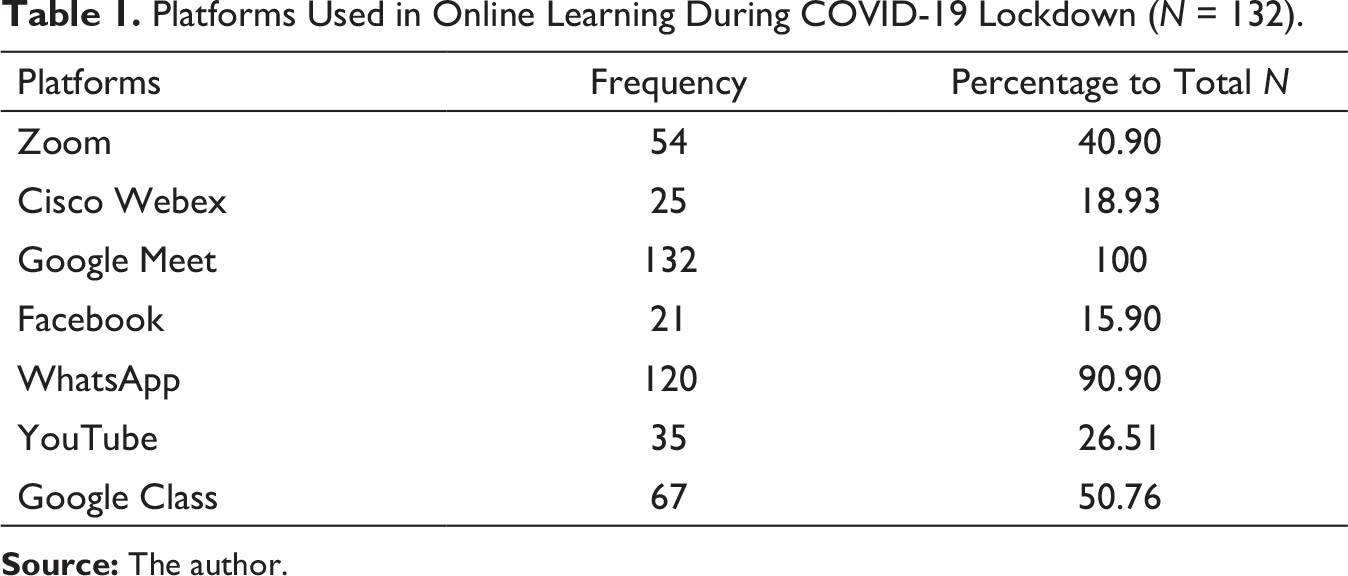
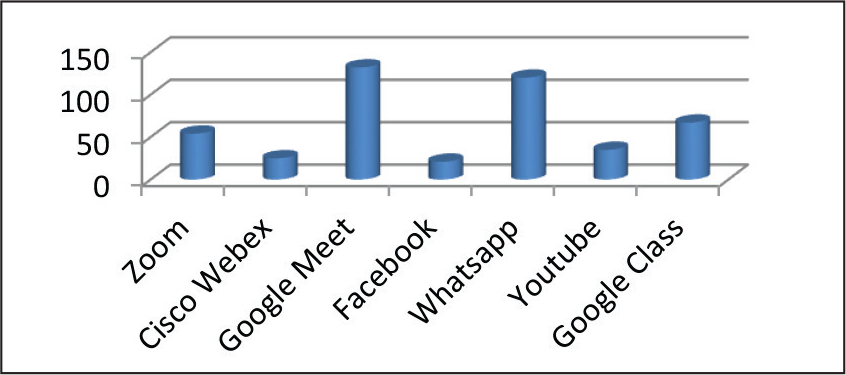
The perusal of the data presented in Table 1 and Figure 1 revealed that the most used platform for online learning during COVID-19 lockdown is Google Meet with 100% response rate, followed by WhatsApp with a response rate of 90.90%. The Facebook turned out to be the least popular online learning platform with only 15.90% students’ responses in its favour. This result can be attributed to factors like cost involvement, facilities offered, ease of use and so on. Google Meet showed its social responsibility by offering free service (with some limitations) to academic fraternity amidst lockdown. Since the shift to online mode is sudden with no or little technical training to students as well as teachers, using high sophistication would have been a cumbersome enterprise. Facebook and YouTube, though less used as evident, can be effectively applied as alternative learning tool. Kruse and Veblen (2012) revealed that the utilization of YouTube for digital learning brings in opportunities for educators to increase the intensity of uploading videos. This supports a participatory culture in terms of making circulatory videos, images and allowing for user expressions (Febrianto et al., 2020).
Platforms Used in Online Learning During COVID-19 Lockdown (N = 132).
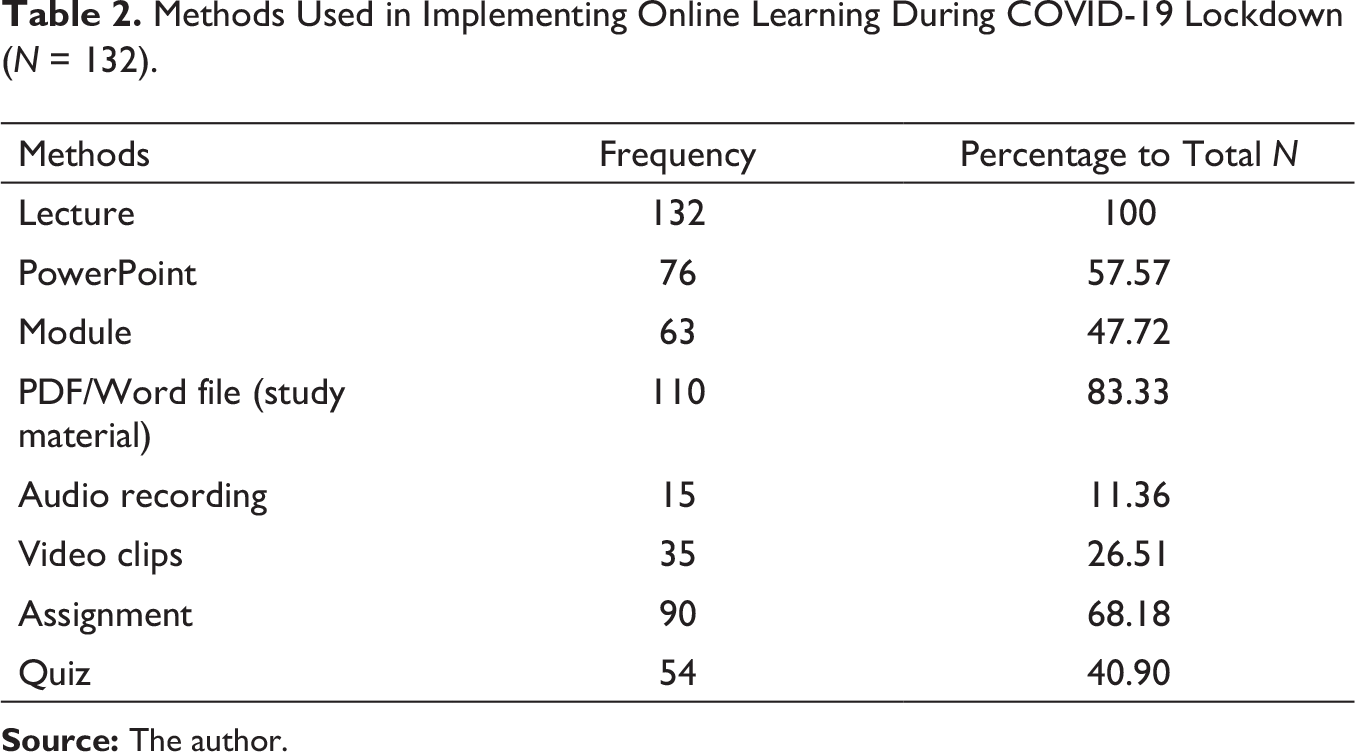
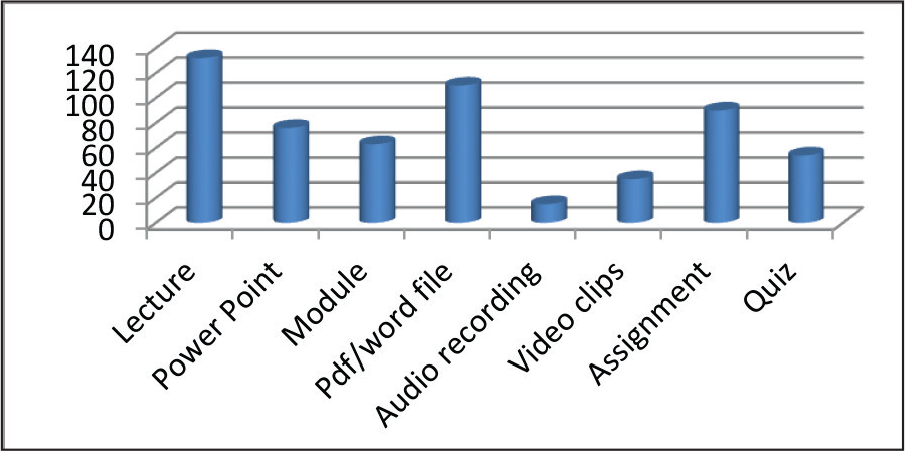
The result presented in Table 2 and Figure 2 showed that lecture is the most used method for emergency online learning in Assam with a student response rate of 100% followed by sharing PDF/Word files as supplementary study material (83.33% response), giving assignment (68.18% response). Whereas more engaging and effective methods and materials like modules, PowerPoint, audio–video clips, quiz and so on, are less used by teachers as shown in the result. Kirkwood and Price (2013) explained that e-learning provides a highly structured context that engages the students successfully and supports the achievement of their skills, problem solving and teamwork. However, this has not materialized in case of the present study area as evident.
Methods Used in Implementing Online Learning During COVID-19 Lockdown (N = 132).
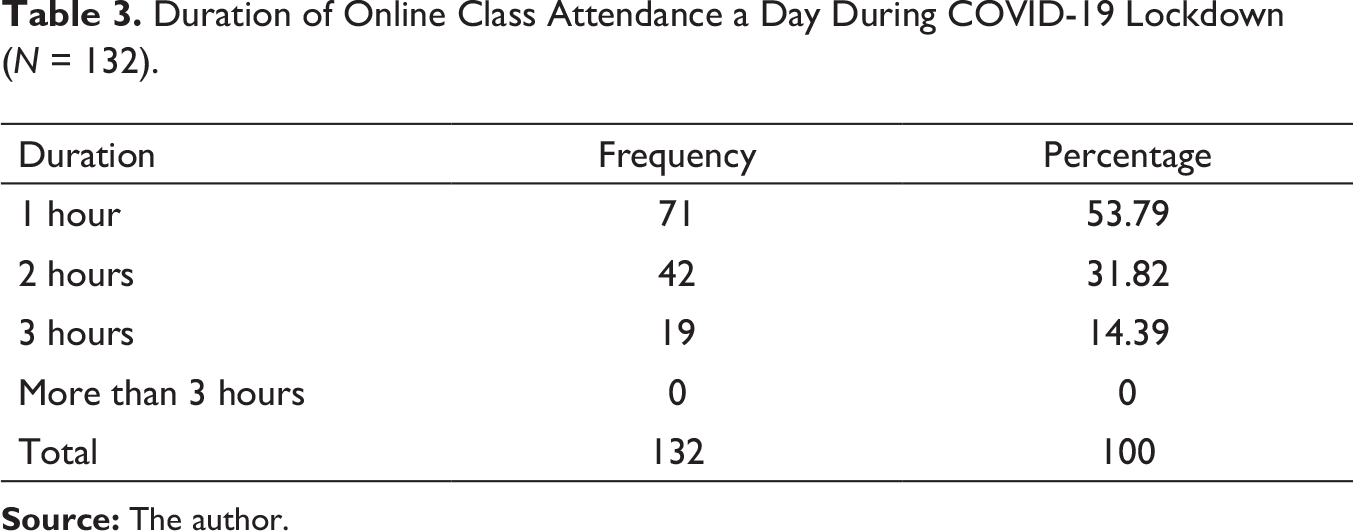
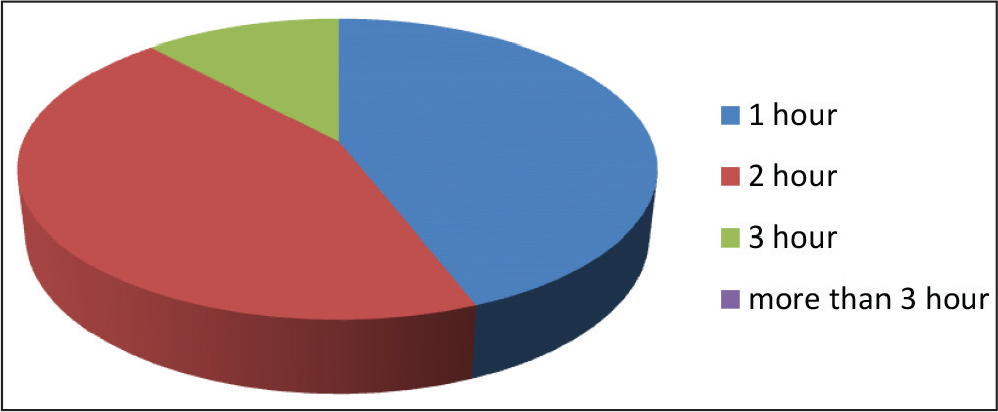
An analysis of the result related to the duration of online class attendance, as presented in Table 3 and Figure 3, showed that 53.79% students attended classes for 1 hour per day, 31.82% attended 2 hours, 14.39% attended for 3 hours, whereas no student attended classes for more than 3 hours per day. This result is obvious in a country like India, where the problems of irregular electricity, weak network signal and poor Internet speed are rampant. A survey of villages across the nation conducted by the Ministry of Rural Development in 2017–2018 showed that 16% of households in India receive 1–8 hours of electricity per day, while 33% receive for 9–12 hours, and 47% receives for more than 12 hours (Kundu, 2020). With regard to Internet connectivity, the report entitled COVID-19: A wake up call for Internet service providers, based on a survey conducted by QS IGAUGE, pointed out connectivity and signal issues as the most prevailing problems faced by students while attending online classes (Nair, 2020). Attending online classes for longer period requires significant amount of data consumption which poor parents find difficult to afford. Even, there was no initiative from the government in the state for providing free or subsidized data packs or reimbursement of costs involved.
Duration of Online Class Attendance a Day During COVID-19 Lockdown (N = 132).
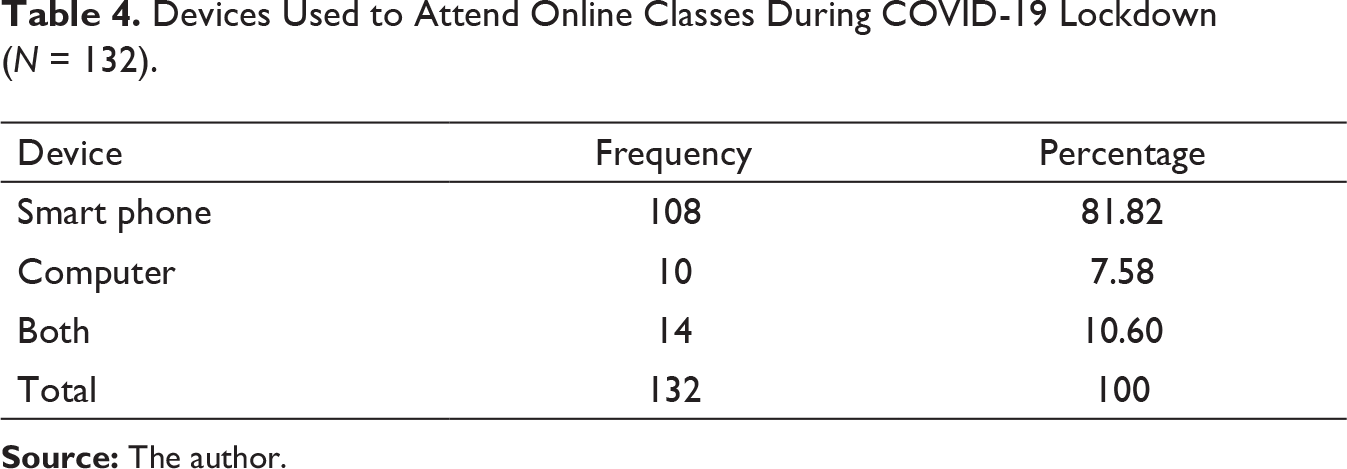
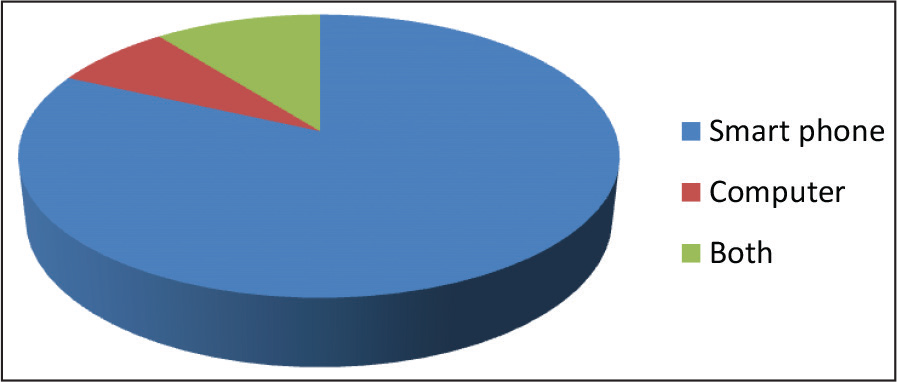
The result related to the devices used to attend online classes, as shown in Table 4 and Figure 4, revealed that 81.82% students used smart phones, 7.58% used computers, and only 10.60% students used both smartphones and computers. It is a matter of fact that though mobile phones are useful for attending lectures, are not suitable enough for writing exams or assignments, etc. This result corroborates with the findings of a Hindustan Times report, which reported that access to compatible devices for online learning is very poor even at students of higher education with only 28.9% students of higher education in India having computers at home in the year 2017–2018 (Jha, 2020). Though Assam Government is providing computers to the students with prominent achievement in 10th-grade board examination every year under Anadaram Baruah award, it is not sufficient considering the demography. Thus, majority of students are left to attend online lectures through insufficient or incompatible devices.
Devices Used to Attend Online Classes During COVID-19 Lockdown (N = 132).
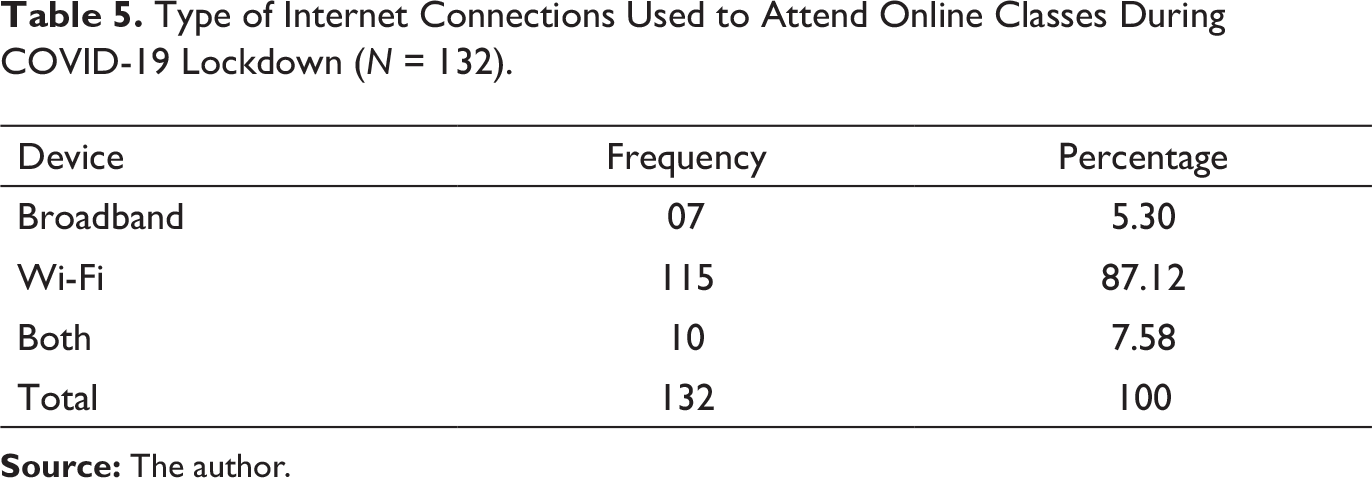
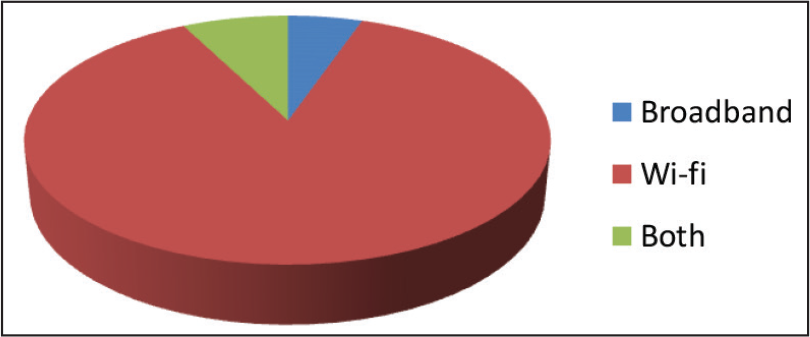
The data presented in Table 5 and Figure 5 showed that 87.12% students attended online classes through Wi-Fi connectivity, with only 5.30% students using broadband, while 7.58% students used both type of connections. This result also corroborates with the digital infrastructure scenario in a country like India. While around 70% of India’s population lives in villages, only a little over 15% of rural households have access to Internet services; for urban households, the proportion is 42% (NSO, 2019). As such, if the Wi-Fi connectivity in smartphones is left aside, the digital connectivity in the household of the state seem to be very poor as only 12. 88% (5.30 plus 7.58) students attended classes through broadband connectivity as evident in the result.
Type of Internet Connections Used to Attend Online Classes During COVID-19 Lockdown (N = 132).
Satisfaction of Students Regarding Online Learning During COVID-19 Lockdown
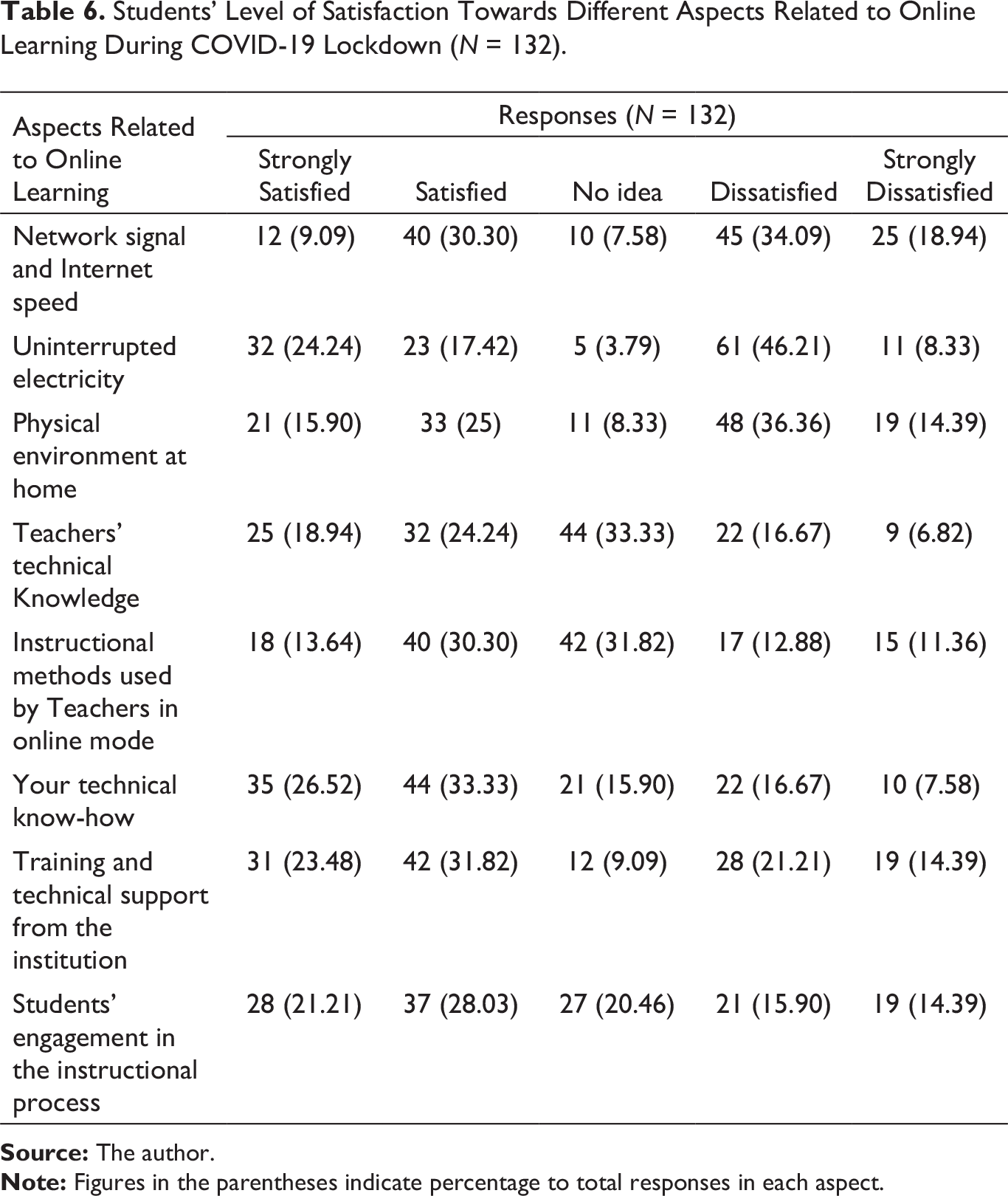
The success and effectiveness of any system depend upon the fitness of purpose and satisfaction of its beneficiaries, as Kotler and Keller (2006) elaborated that for the effectiveness of the system and satisfaction is necessary. As such, the present study attempted to understand the satisfaction level of students regarding various aspects of online learning, the result of which is presented in Tables 6 and 7 and Figure 6.
Students’ Level of Satisfaction Towards Different Aspects Related to Online Learning During COVID-19 Lockdown (N = 132).
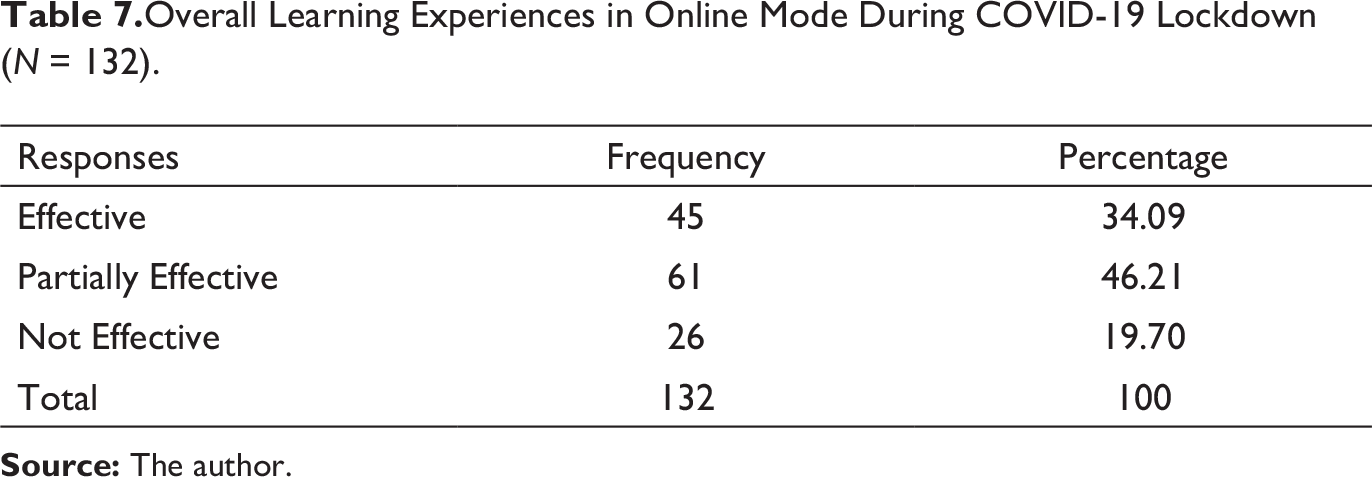
Overall Learning Experiences in Online Mode During COVID-19 Lockdown (N = 132).
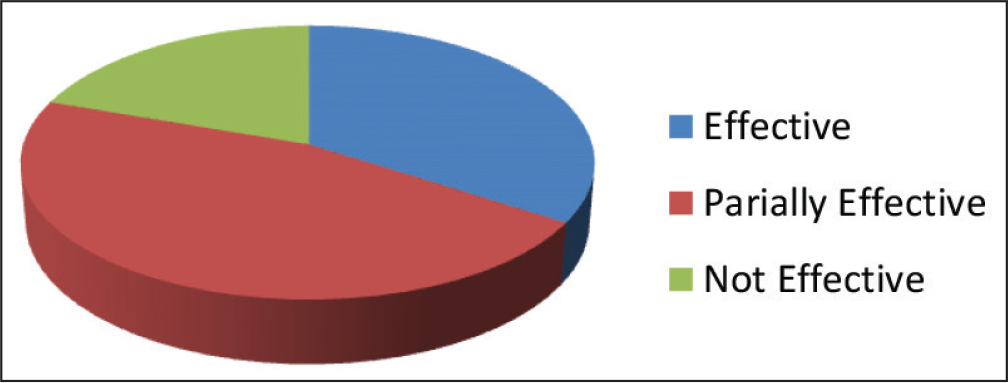
Strong network and high-speed Internet connection, uninterrupted electricity service, conducive physical environment at home and so on, are some of the pre-requisites for attending online classes. On exploring, it is found that majority of the students, that is, 53.03%, are dissatisfied (34.09% dissatisfied and 18.94% strongly dissatisfied) with the network signal and Internet speed, as depicted in Table 6. This finding corroborates the report of QS IGAUGE, which pointed that connectivity and signal issues as the most prevailing problems faced by students in India while attending online classes (Nair, 2020). The negative response of majority of the students, that is, 54.54% (46.21% dissatisfied and 8.33% strongly dissatisfied), with regard to uninterrupted electricity service as evident, is quite natural in a country like India where only 47% households receive electricity for more than 12 hours a day (Kundu, 2020). With regard to physical environment for learning at home, again majority of students (50.75%) felt unhappy (36.36% dissatisfied and 14.39% strongly dissatisfied) as evident. This finding is backed by Das (2020), who argued that it would be a luxury for many to attend lectures in an undisturbed environment in India, where only 37% of households have one dwelling room.
Digital technologies are appropriately used in learning processes and that can be rationally evaluated and improved (Mishra & Koehler, 2006). However, a thorough understanding on the uses of innovative digital technologies as well as pedagogies is required on the part of the teachers as well as students. The TPACK emphasized how TK, PK and CK are must for any effective digital learning. These are important in enhancing online learning experience of students as implementing ICTs must communicate the content and also support and sustain the pedagogy. However, the result related to students satisfaction regarding teachers’ technical knowledge and instructional methods showed a mixed picture. With regard to technical knowledge of teachers, 18.94% students are strongly satisfied and 24.24% students are satisfied, whereas 16.67% students are dissatisfied and 6.82% are strongly dissatisfied. In contrast, one-third of the students, that is, 33.33%, expressed their view as ‘no idea’. A similar picture is observed with regard to the instructional methods used by teachers. 13.64% students are strongly satisfied, 30.30% are satisfied, 12.88% are dissatisfied and 11.36% are strongly dissatisfied. In contrast, a sizeable portion, that is, 31.82% students, have no idea in this regard. So far, the technical know-how of the students themselves is concerned; it is clear that majority of the students, that is, 59.85% are satisfied (26.52% strongly satisfied and 33.33% satisfied). In contrast, 24.25% students are not happy with their level of technical know-how (16.67% dissatisfied and 7.58% strongly dissatisfied), while 15.90% students have no idea about this. With regard to rendering training and technical support by the institutions, majority of the students, that is, 55.3%, expressed their satisfaction (23.48% strongly satisfied and 31.82% satisfied), whereas 35.6% students are dissatisfied (21.21% dissatisfied and 14.39% strongly dissatisfied).
While student engagement is a challenge today, tomorrow, whether offline or online (Shenoy et al., 2020), it is important, however, that for effective learning, students’ engagement is a must. Online learning provides students with a certain amount of freedom, offers a variety of learning experiences and opportunities of active participation in the system. Research studies conducted by Holley and Oliver (2010) and Atallah and Moussa-Inaty (2012) reported positive perception of students on the influence of blended learning on student engagement. Hege (2011) argued the need of an engaged community for successful blended mode of instruction. However, the result of the present study showed a mixed picture in this regard. 21.21% students are strongly satisfied with their level of engagement, 28.03% are satisfied, 21% are dissatisfied and 14.39% are strongly dissatisfied, whereas 20.46% gave their response as ‘no idea’.
The result related to the overall learning experience of students in online mode, as depicted in Table 7, revealed that maximum number of students, that is, 46.21%, believes online learning as partially effective. Around one-third of the respondents, that is, 34.09% students, think that online learning is effective, while 19.70% think it ineffective. Thus, findings related to students’ satisfaction exhibited some stumbling blocks in the implementing mechanism of online learning in the state and warrants academicians and administrators to think of workable model for that.
Common Problems Faced and Mode of Preference for Future Learning
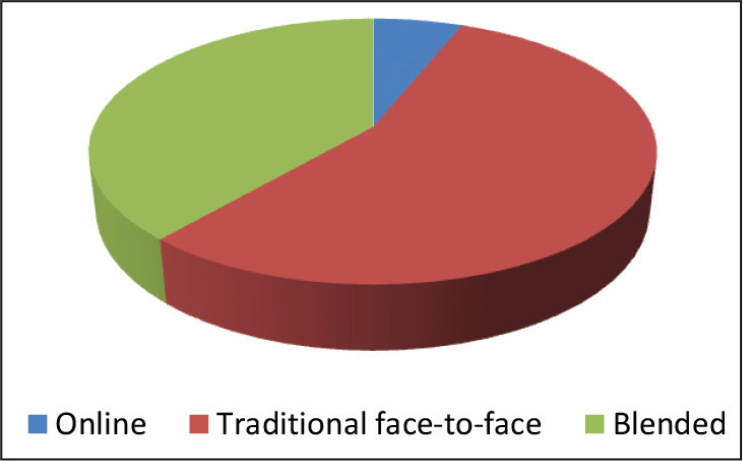
The researcher identified few common issues considering the existing digital infrastructure scenario of Assam to know the problems faced by the students of the state, the result of which is presented in Table 8. Finally, the findings related to students’ mode of preference for future learning is shown in Table 9 and Figure 7.
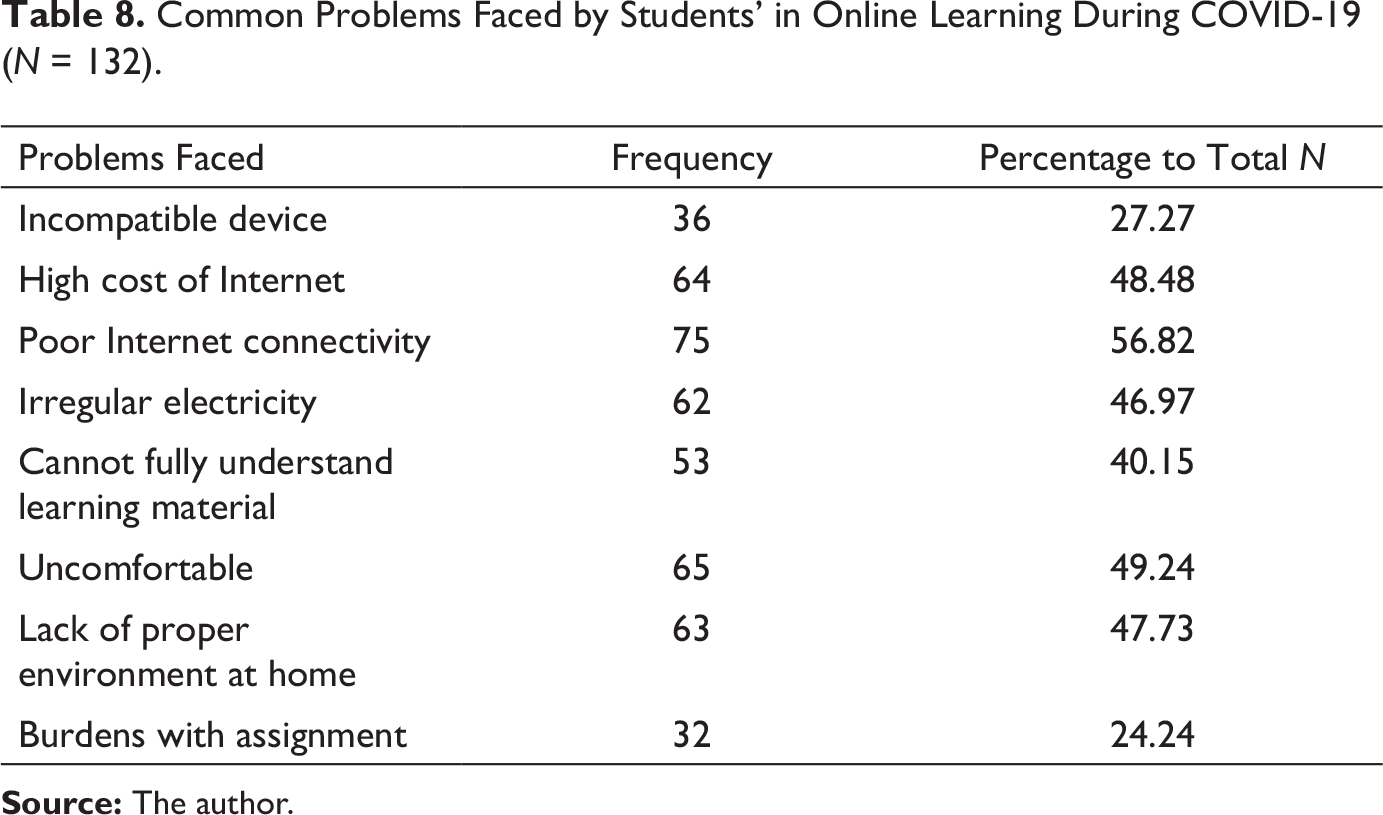
Common Problems Faced by Students’ in Online Learning During COVID-19 (N = 132).
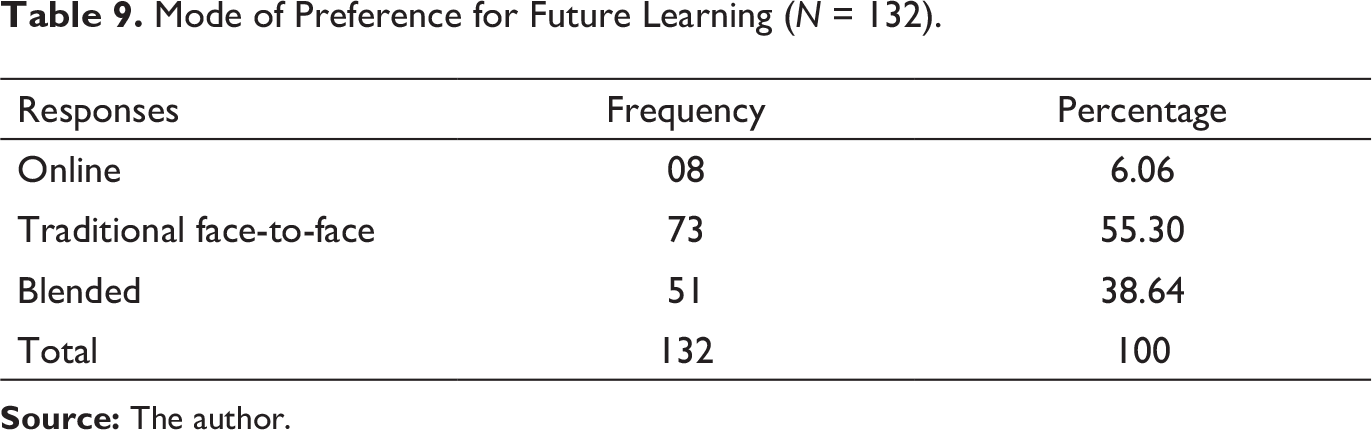
Mode of Preference for Future Learning (N = 132).
The result presented in Table 8 showed that poor Internet connectivity is the leading problem with 56.82% students’ response in its favour, followed by the responses-uncomfortable (49.24%), high cost of Internet (48.48%), lack of proper environment at home (47.73%), irregular electricity (46.97%), inability to fully understand learning material (40.15%), incompatible device (27.27%) and burdens with assignment (24.24%).
Finally, on exploring the preferred mode for future learning, majority of the students, that is, 55.30% preferred traditional face-to-face learning, 38.64% preferred blended mode, while only 6.06% preferred online mode. This finding puts a serious question mark on the success and effectiveness of emergency online learning adopted in the state amidst COVID-19 lockdown and unambiguously endorses the weakness in the system. Also, the present finding closely fits with the observation made by Das and Rahman (2020) and Sreehari (2020). Das and Rahman (2020) reported that 75% of the undergraduate students want offline mode of their semester examination, and 88% wants to return to offline mode prior to examination. Sreehari (2020) observed that students’ consider online classes as not engaging and as such favoured blended learning approach with 30% of online and 70% of face-to-face education.
Conclusion
The fate of the pandemic has changed the way we teach and learn. The result of this study revealed an unsatisfactory picture of emergency online learning implemented overnight. Poor Internet connectivity, insufficient IT infrastructure, irregular electricity, significant cost involvement in data plans, lack of proper environment at home, lack of technical and pedagogic skills of teachers, students’ comfort and so on. turned out as the central challenges. In a country like India where people were struggling to get quality education, is now facing the challenge to adopt a new mode. Institutions are struggling in trying out options to deal with the never sought situation. Now, the concern is not the quality of education, rather it is merely the delivery of education. If we had mastered the online education earlier, the situation would have been different amidst the pandemic. The time we had spent in learning online modes and platforms could have been spent in creating innovative learning contents. The study warrants scenario planning as the urgent need of the higher education institutions. Robust IT infrastructure installation irrespective of geographical locations is the prerequisite so as to bring all classes of people under the vicinity of connectivity. Students belonging to poor class may also require support from the government in access of compatible devices as well as data plans. For a system of Indian higher education that does not have a well-structured mechanism of training the teachers, it is quite obvious that a large portion of students are dissatisfied with the technical and pedagogical skills exhibited by teachers as evident in the findings. The teachers being habitual in face-to-face traditional teaching are now susceptible to adopt online mediums. As such, well-planned training mechanism focusing technical and online pedagogical skills with emphasis to collaborative leaning, project-based learning, case studies, problem solving, debates, discussions, quiz, drills and so on, must be materialized to ensure students’ active engagement. Alongside teachers, students also need to be trained on technical skills related to online learning, that almost one-third of the students are not satisfied with their own technical expertise as evident in the result. The institutions must take cognizance to incorporate flexibility in their system to ensure the presence of these skills.
The pandemic has taught the institutions to have a contingency plan to deal with any COVID-19 like unanticipated situations, which are likely in future. We are in a race where conflicts and environmental disasters are bound to occur. This warrants the institutions a high level of preparedness so as to quickly adapt to alternative modes of instruction. The only way out is the technology integration, digital skills and collaborative learning approaches across institutions. Meyer and Wilson (2011) long ago warned that disasters will continue to occur and technologies will likely help us cope with. Therefore, it is the high time that all the stakeholders work in a collaborative manner to create, adopt and evaluate innovative techniques, user friendly tools, student friendly contents, develop pedagogical and technical skills of teachers, and above all a positive attitude for inclusive and effective online delivery of higher education in India in coming days.
Footnotes
Acknowledgements
I owe my sincere thanks to all the sampled students for giving their valuable time in providing primary data without which this work would not have been completed in this form. Also, I am highly indebted to the authors of all the literatures which I have consulted and cited in the manuscript.
Declaration of Conflicting Interests
Funding
The author received no financial support for the research, authorship and/or publication of this article.