




Abstract
The engineering students understand the engineering concepts effectively when they conduct the experiments in the laboratory. Hence, laboratory is as important as theory; however, the ill-equipped laboratory facilities affect the students’ learnability. The virtual laboratories may help the students overcome the problems faced by them in the conventional laboratory. In India, educational activities during the middle of the semester were affected due to lockdown related to COVID-19. However, the theory classes were conducted online, and educational institutions are finding it difficult to complete the laboratory experiments due to closure of colleges for the students due to COVID-19 pandemic. Hence, we have conducted a faculty development programme for the engineering college faculty members on mechanical engineering virtual laboratories. Similarly, we have trained the mechanical engineering students on fluid mechanics virtual laboratory. We have taken feedback from the participants of these virtual laboratory training programme and analysed it. From the analysis we have observed that more than 90 per cent of the participants were happy about the virtual laboratory and they expressed that their learning process improved with virtual laboratory experiments. Also, they felt that the virtual laboratories can be used till the COVID-19 pandemic issues are solved. Since the vaccine for COVID-19 is not available yet, the virtual laboratories will help the mechanical engineering students to conduct the laboratory experiments for the academic year 2020–2021.
Introduction
The laboratory experiments help students understand science subjects effectively; hence, these are an integral part of science education (Çepni et al., 1995). It assists the students in gaining experience through concrete materials, improving students’ working habits and problem-solving skills, enhancing their abilities to understand practical problems and improving their attitude towards education (Tamir, 1978). In the conventional laboratory, students conduct experiments as per the laboratory protocol, prepare the report, analyse the data and interpret the results. This practice helps the students improve their observation capability and result analysing skills. Hence, it is suggested to introduce a laboratory class in each course (Feisel & Rosa, 2005), and a well-maintained experimental set-up, experienced laboratory instructors and qualified faculty members are required (Ernst, 1983). The laboratory plays a key role in engineering education to understand theoretical concept, teamwork, observation capability, communication, analysing skill and so on (Feisel & Rosa, 2005). It also helps the students understand storage and handling of hazard materials, safety guidelines and safety labels (Artdej, 2012). The students conduct the experiments effectively if they have prior knowledge on experimental set-up and experimental procedure (Brüggemann & Bizer, 2016).
However, it is reported that the students face problems in understanding the content and instructions in conventional laboratory set-up (Yalcin-Celik et al., 2017) due to poor laboratory facilities and distraction from fellow students and laboratory instructor (Afacan & Demirbaş, 2013). Also, students’ critical thinking in the conduction of experiments and deep learning is low in conventional laboratory. The availability of latest laboratory equipment will motivate students in the learning process as it helps them in getting hands-on practice on the latest technology (Krivickas & Krivickas, 2007). It is suggested that innovative design-oriented laboratory has to be developed to motivate and engage the students in the laboratory activities. An innovative approach is needed to integrate knowledge and learning process which helps in solving problems, increasing teamwork and help in designing new experiments (Dunne & Ryan, 2010). The above said problems can be overcome with the help of virtual laboratory (VL).
A computer-assisted activity which helps the students conduct the experiments on real or VL environment using suitable computer-based interface is called VL. The VLs can be used as a supplement to the conventional laboratory to enhance the knowledge of the students (Chan & Fok, 2009). It helps the students become independent learner as it can be used in flexible manner. It is economical compared to a conventional laboratory due to elimination of equipment, staff, maintenance and operating cost associated with the conventional laboratory (Sasongko & Widiastuti, 2019).
The study carried out in Slovenia shows that VL helps in better understanding of knowledge acquisition (Herga et al., 2016). The VLs can open new perspectives for higher education sustainability (Salmerón-Manzano & Manzano-Agugliaro, 2018). The VL can be used as a new pedagogical tool for undergraduate students as per the study carried out in China and it is suggested that the blended laboratory is the best laboratory (Wang et al., 2018). The VLs can improve students’ understanding and also enrich their knowledge as per the outcome of the study carried out in Taiwan (Shyr, 2010). The scientific learning fields can be supported by VLs as it helps attain practical skills and also assist in understanding the laboratory content (Aljuhani et al., 2018). A pilot study carried out in the USA in developing a VL relating to fluid mechanics reveal that the virtual tours served as a pre-lab instruction tool and students felt this approach to be very informative and useful. The students also mentioned that the VL pump experiment is intuitive and consumes less time (Zhao et al., 2019). The work carried out at Texas A&M University, USA, shows that the female students spent more time in the VL tutorial (Srinivasa et al., 2020).
The study carried out in Denmark shows that the VL allows interactive learning, in understanding the operation of biological and biochemical equipment used in the laboratory and also to analyse the results of the experiments. It is suggested that the students have good confidence, are comfortable in handling laboratory equipment and are also actively engaged in laboratory work after attending the VL. Also, it has the potential to enhance the students’ pre-laboratory preparation (Dyrberg et al., 2016). The outcome of the study carried out in Saudi Arabia on VLs show that VL activities play a key role in supporting scientific learning fields and also to obtain practical skills (Dron, 2018). The limitations of the conventional teaching and learning process can be overcome with the implementation of VLs (Potkonjak et al., 2016).
India holds third place in the higher education system, in terms of students, after China and the USA. The increase in number of universities and institutions in recent years will make India the largest education hub in the world. The skilled and highly qualified work force will support India’s economy. However, several higher education institutions have poor infrastructure and laboratory facilities which may affect the learning process of the students. Also, some education institutions do not have well qualified and experienced faculty members, and vacancies in government institutions were not filled (Sheikh, 2017). It is reported that student enrolment in engineering education has improved compared to other science disciplines. However, disadvantaged groups in India are not benefited due to this massive expansion of engineering education (Choudhury, 2016). It is reported that the private educational institutions look at the profits and want to minimize the expenses. Hence the present system does not improve the skill set of the students and significant percentage of the graduates are unemployed or under employed. Hence, government of India has taken several steps to reforms the education system and planned several strategies to improve employability skills of the students (Hassan & Sivaramireddy, 2015). It is found that the faculty members and students are not up to the mark which reduces the academic standards (Pawar, 2020). Many reforms are taking place in higher education institutions in India to improve quality of education to accomplish higher learning standards. The technology enhanced learning will help the students build strong knowledge base (Jeyakanthan et al., 2020).
The computer-based learning is popular in India due to improvement in IT infrastructure and VLs in science and engineering education. The VL enhances individualized student learning and provides flexibility in learning and overcome space and time constraints of the rural students. These web-based technology tools have impacted the present teaching and learning process (Cook, 2007). The Web 2.0 technologies enhance the higher order skills of analysis among students and also provide resource materials for lifelong learning (Gokhale & Chandra, 2009).
The Ministry of Human Resource Department (MHRD), Government of India, has started VLs under the scheme titled, National Mission on Education Through ICT. The VLs were established in premier institutions with a budget of about five billion Indian rupees. The aim of this scheme is to provide remote access to various educational institutions to conduct laboratory experiments at different levels. These VLs provide access to video lecturers of the experiments, animation related to experiments, additional web resources and self-evaluation. Also, few educational institutions joined together to establish experimental set-up which needs higher investment. The Amrita University established VL facility in biotechnology and offers 211 VL experiments. The University Grants Commission and All India Council for Technical Education syllabus was considered in preparing VL experiments. The journal articles, codes and textbook references were used to prepare VL experimental protocol (Digital Learning, 2020). The institutions participating in VLs are: Indian Institutes of Technologies, NITK, Amrita University, IIIT Hyderabad, College of Engineering, Pune and Dayalbagh University. The VL experiments related to engineering branches such as mechanical engineering, computer science and engineering, chemical engineering, biotechnology engineering, electronics and communications, electrical engineering, and civil engineering; and science branches such as physics, chemistry and mathematics were developed (Wikipedia, 2020). More than 300 faculty members and staff members of 52 institutions attended the training on VLs. Also, nodal centres were started at different locations to meet the local demand. The VLs are simulation based and remote triggered based, and the user can access it through their mobile or laptop or computer. The remote triggered laboratory can be used for research work (Digital Learning, 2020).
The simulation based VLs assist the educational institutions expand their academic reach, academic excellence and effective training, and minimize the operating cost. The online education is gaining popularity as it provides access to a large number of users (Makransky et al., 2019). The VL’s usage enhance autonomous and guided educational methods and play a crucial role in adaptive learning process in blended classroom environment. The COVID-19 made online education system popular and significant percentage of the educational institutions successfully implemented it. It is beneficial to students as they can make use of their time effectively (Radhamani et al., 2014).
The COVID-19 is an infectious disease caused by SARS-CoV-2 virus and was identified in China, and now it has spread to entire world. The World Health Organization declared it as a global pandemic. The total number of people infected by this virus is 24,854,140 as on 30 August 2020 (WHO, 2020). It is believed that the number of people infected by this virus will reach its peak during October or November 2020, due to the delay in finding the vaccine. The number of COVID-19 cases in India have crossed 3,542,733 as on 30 August 2020 and it is in third position. Hence online mode of teaching will be preferred during the odd semester of the academic year 2020–2021.
In India, the academic activities were disturbed due to lockdown related to COVID-19, during the middle of the semester. The theory classes were conducted through online and there was problem in conducting laboratory classes. Hence, we have trained faculty members of engineering institutions and students on VLs and collected feedback to analyse the effectiveness of using VL in learning process during COVID-19 pandemic. This will help in continuing VLs in the academic year 2020–2021.
Methodology
During COVID-19 pandemic lockdown, colleges were closed and faculty members were not able to attend laboratory classes. Hence, we have trained the faculty members of mechanical engineering branches of various educational institutions on mechanical engineering virtual laboratories. This program was called faculty development program (FDP) and was conducted for a period of one-week. The theory and demonstration of each VL was given in the morning session of the FDP and in the afternoon there was a hands-on session. The participants were given full training on simulation, measurement and remote triggered VL experiments. Eighty-eight faculty members from various educational institutions attended this FDP. A quiz was conducted after every session to assess the learning level of the participants. The feedback consisting of 17 questions was circulated among the participants on the last day of the FDP and was analysed.
Similarly, students of mechanical engineering branch were given training on virtual fluid mechanics (FM) laboratory offered by VLAB (2020). The students conducted the virtual experiments based on the demonstration given by the staff members and also materials provided in the VL. These students carried out simulation-based FM virtual experiments and obtained the results. Also, the real experiments were conducted, and video graphed and circulated among students, for better understanding and to compare the real and the VL experimental results. A questionnaire was circulated among students after completing the FM VL and the feedback was analysed.
In simulation type VL, the experiment modelling is based on the mathematical equations. The user conducts the VL experiment in hypothetical environment on a computer or laptop or mobile, and understands the working principle based on the features available in the VL experiments. The user conducts the VL experiments on high end computer server located in VL and results are communicated to the user through internet. The user can go through the simulation results and compare it with the standard value. The users can repeat the experiments till they understand the concept or experimental procedure. Figure 1 shows the concept of simulation type VL experiments. Any number of students can conduct simulation type of VL experiments simultaneously and at any time. The real time hands-on experiments can be done using remote triggered VL and the concept is shown in Figure 2. Since it is a real time remote conduction of experiments on the experimental set-up, only one person can do the experiment at a time. Hence, advance booking is required to get permission to perform the experiments in remote triggered VLs. The remote triggered VL gives a hands-on experience to the students and hence it overcomes the disadvantages of simulation based VL.
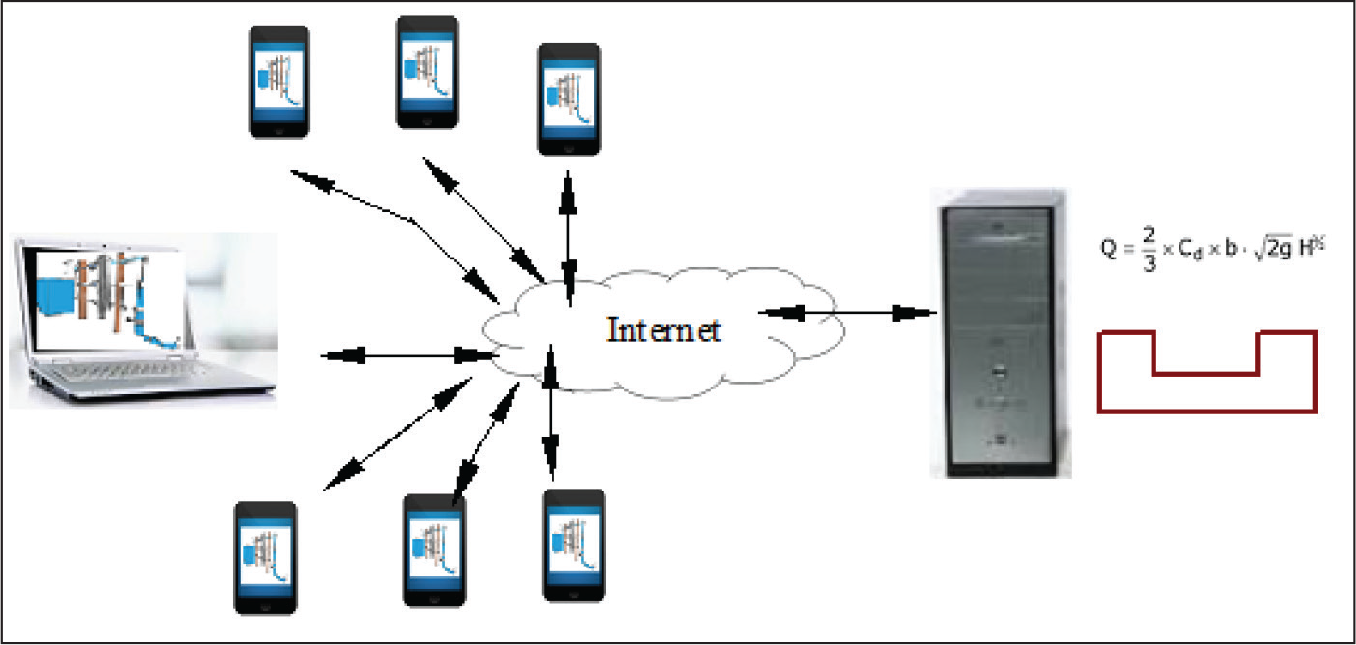
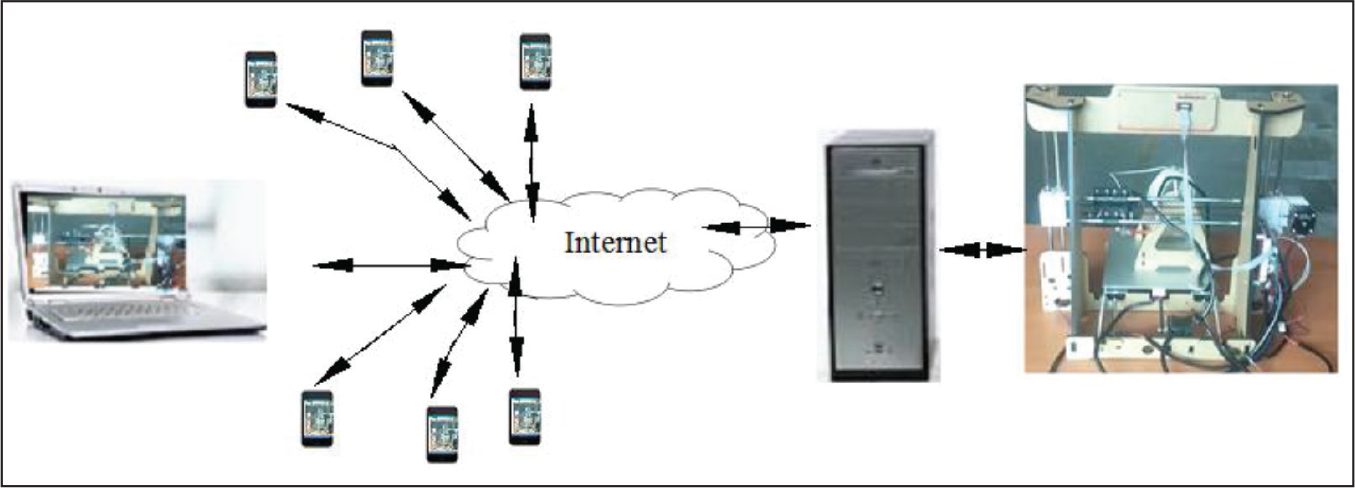
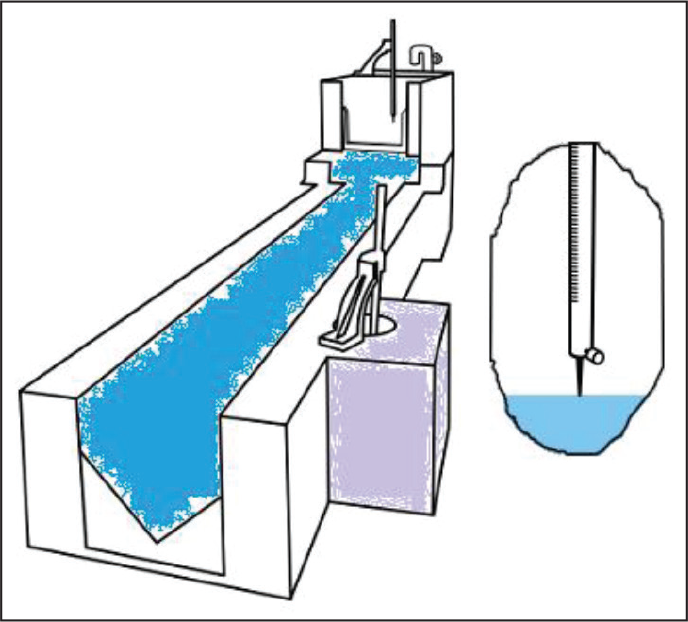
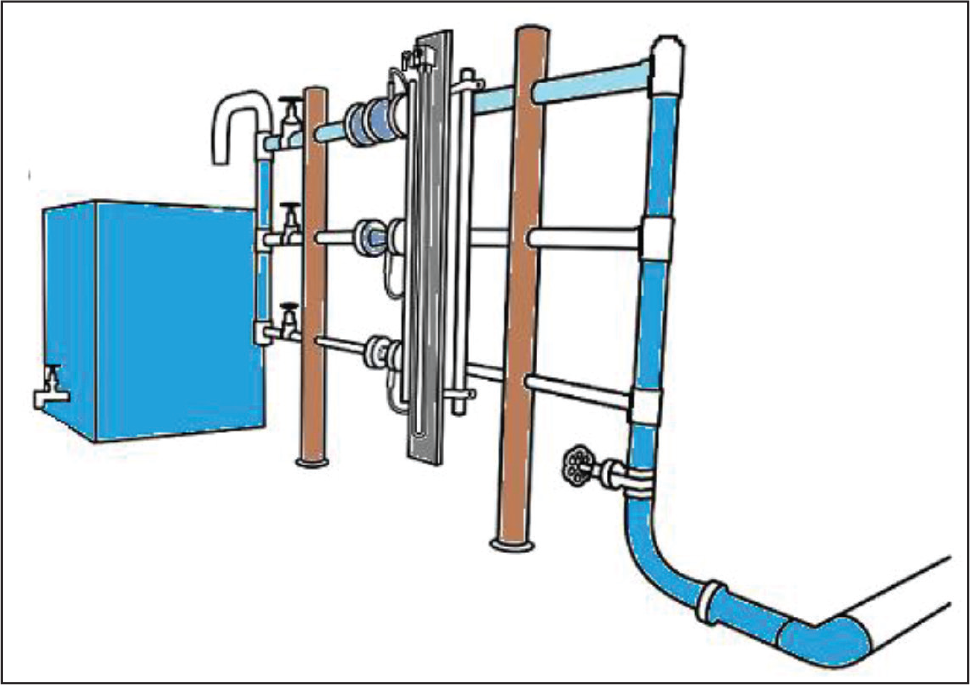
The resource persons of the online VL FDP provided theory about the VL and demonstrated the VL experiments and clarified the doubts of the participants. These participants carried out VL experiments in the afternoon session. For the students, the faculty member in-charge of FM gave an introduction of VL and demonstrated FM VL experiment to students. Then 56 students carried out the experiments on their own. The students went through the theory, step-by-step procedure, and then they conducted the experiment using VL simulator. They compared their experiment results with their friends and also attended the quiz. Figure 3 shows the calibration of rectangular notch virtual experimental set-up which was the first VL experiment students performed. Similarly, other experiment demonstrations were given by the faculty in-charge and students conducted the virtual experiments on their own. The venturimeter experimental set-up is shown in Figure 4.
Results and Discussion
Experience of Faculty Members About VLs
The faculty members were given introduction about VLs on the first day, in the first session. The background and introduction of each VL was given every day in the morning session and the participants of the FDP performed the simulation and remote triggered VL experiments in the afternoon session. The participants attended VLs experiments of strength of materials, fluid mechanics, kinematics of machines, fluid machinery, metallurgy and materials engineering, dynamics of machines, workshop practice, vibration lab, mechanisms and robotic lab, and metal forming lab.
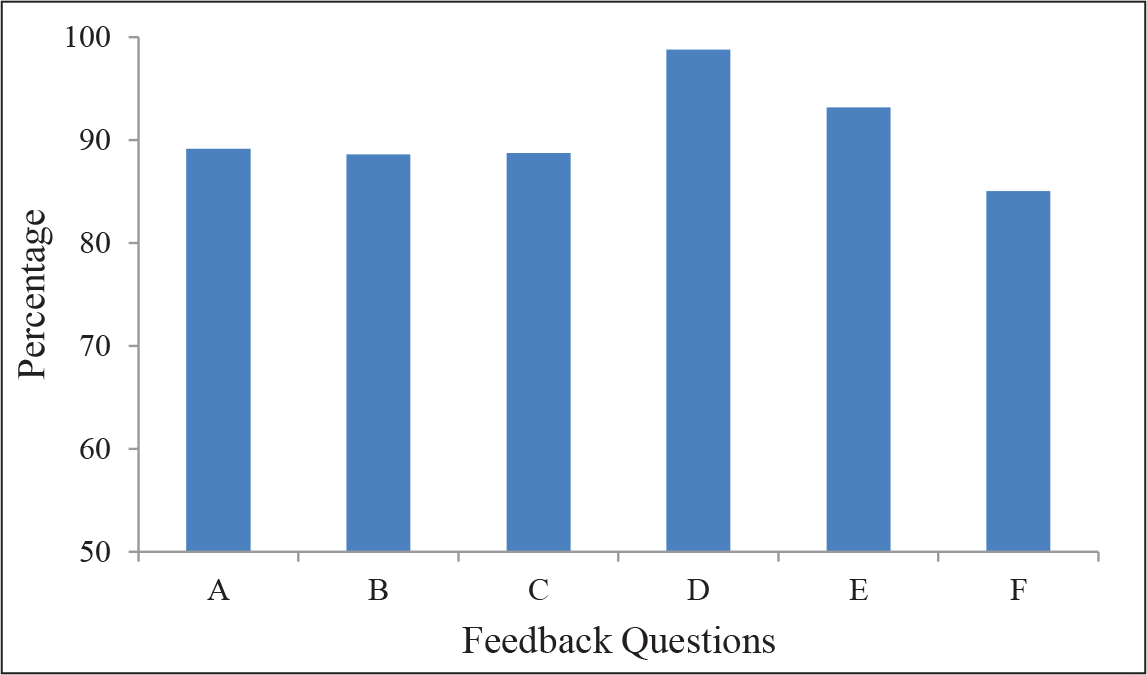
The following questions were asked to the faculty participants, and the feedback is summarized and shown in Figure 5.
Did your knowledge or skillset improve after attending the FDP? How would you rate your overall learning experience and effectiveness of FDP? How would you rate the course sequence and flow? Did you find FDP useful for your professional activities? Do you feel that VLs will help the students have better knowledge on the experiments? Did this FDP bring any change in your understanding of the subject, teaching skills and your attitude towards the teaching profession?
From Figure 5, it is observed that majority of the faculty members were happy with VL and felt that their knowledge and skill were improved by attending the FDP. About 90 per cent participants reported that their learning experience (B) was good, 98 per cent faculty members felt that the VL will be useful to their professional activities (D) and 93 per cent faculty participants felt that the VL will help the students have better knowledge on the experiments (E). Most of the participants (85%) expressed that the VL has brought significant changes in their understanding of the subject and teaching skill (F).
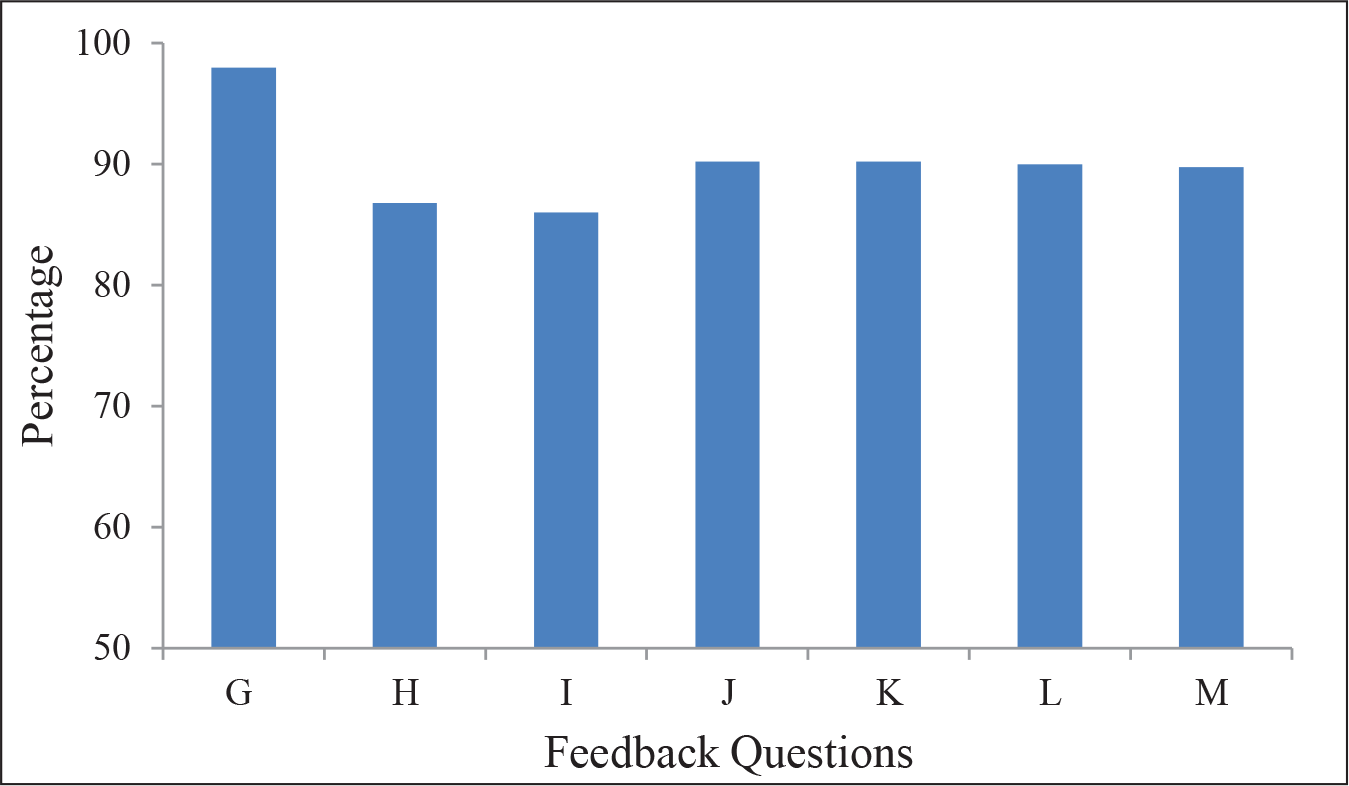
The following questions related to FDP were asked to the faculty participants and the feedback is summarized and shown in Figure 6.
Were the objectives of the FDP largely achieved? Did you feel equally engaged in each VL? Would you prefer more frequent assessments? Was the quality of the content consistent throughout the FDP? How would you rate the overall FDP content? How would you rate the overall FDP course delivery? How would you rate the total FDP duration?
The objectives of the FDP are dissemination of VLs among the faculty members of engineering institutions and to provide a hands-on training. A total of 98 per cent of the participants said that the objectives of the FDP were achieved (G). The FDP was interactive in nature and 87 per cent felt that they were actively engaged in each session (H), 86 per cent suggested that frequent assessments are required so that they can refresh the topics covered in each session (I), 90 per cent of participants gave feedback that the quality of the FDP content was consistent throughout the FDP (J). Also, 90 per cent of participants gave feedback that overall FDP content and course delivery was good (K, L). The FDP was conducted for one-week duration and 90 per cent of participants felt that it was good (M).
Few more questions related to FDP were asked to the faculty participants and the feedback is summarized and shown in Figure 7.
Did you face any audio and video connectivity issues during FDP?
How would you rate your trainers’ expertise?
How would you rate your trainers’ communication skills?
How would you rate your FDP trainers?
How would you rate the FDP?
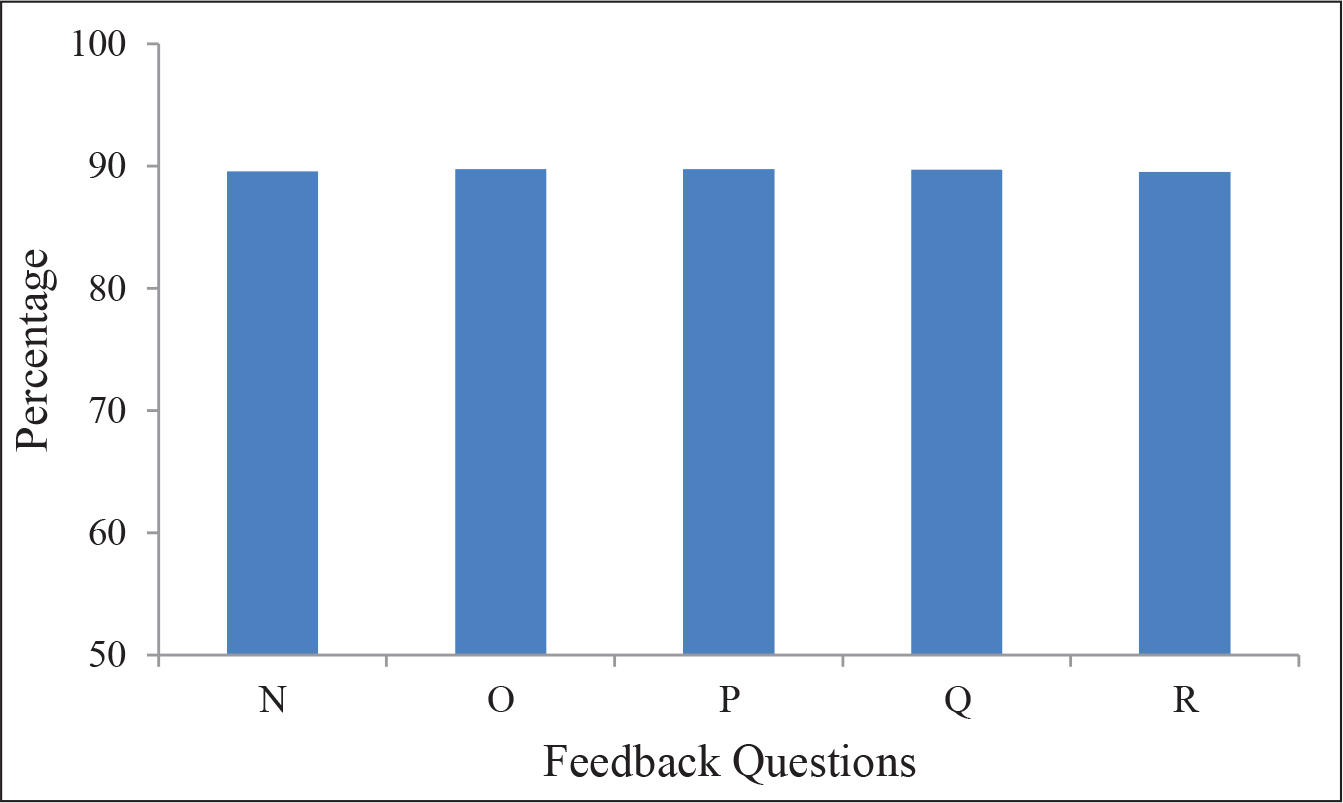
A total of 90 per cent participants said that they did not have any audio and video connectivity issues during FDP (N), 90 per cent participants said that the trainers’ expertise (O) and communication skills were good. Also, they said that FDP trainers were good and mentioned that the FDP is good. Hence most of the faculty participants did not have any internet connectivity problems and could conduct VL classes in the next academic year.
Experience of Students About FM VL
After the students conducted all the FM VL experiments, a set of questionnaires were distributed among the students to find out the impact of VL on their learning process. The feedbacks were consolidated and analysed. Figure 8 shows the feedback of the students about FM VL experience. Most of the students (96%) were happy with the FM laboratory VL experiments, 89 per cent students gave feedback that the VL helped in self-learning, 86 per cent students went through the theory related to the experiments before conducting the VL experiments, 80 per cent students expressed that the VL shows the limitations of the conventional laboratories and 59 per cent students gave feedback that they need faculty interventions in understanding the VL experiments as they were conducting VL experiments first time. From the feedback it was observed that the majority of the students were comfortable in conducting VL and expressed their happiness. However few students expressed problem in getting proper network connection and were not able to attend the classes effectively. The students were happy with the course materials provided in the VL such as, theory related to VL, step-by-step procedure, quiz, additional resources, and many more.
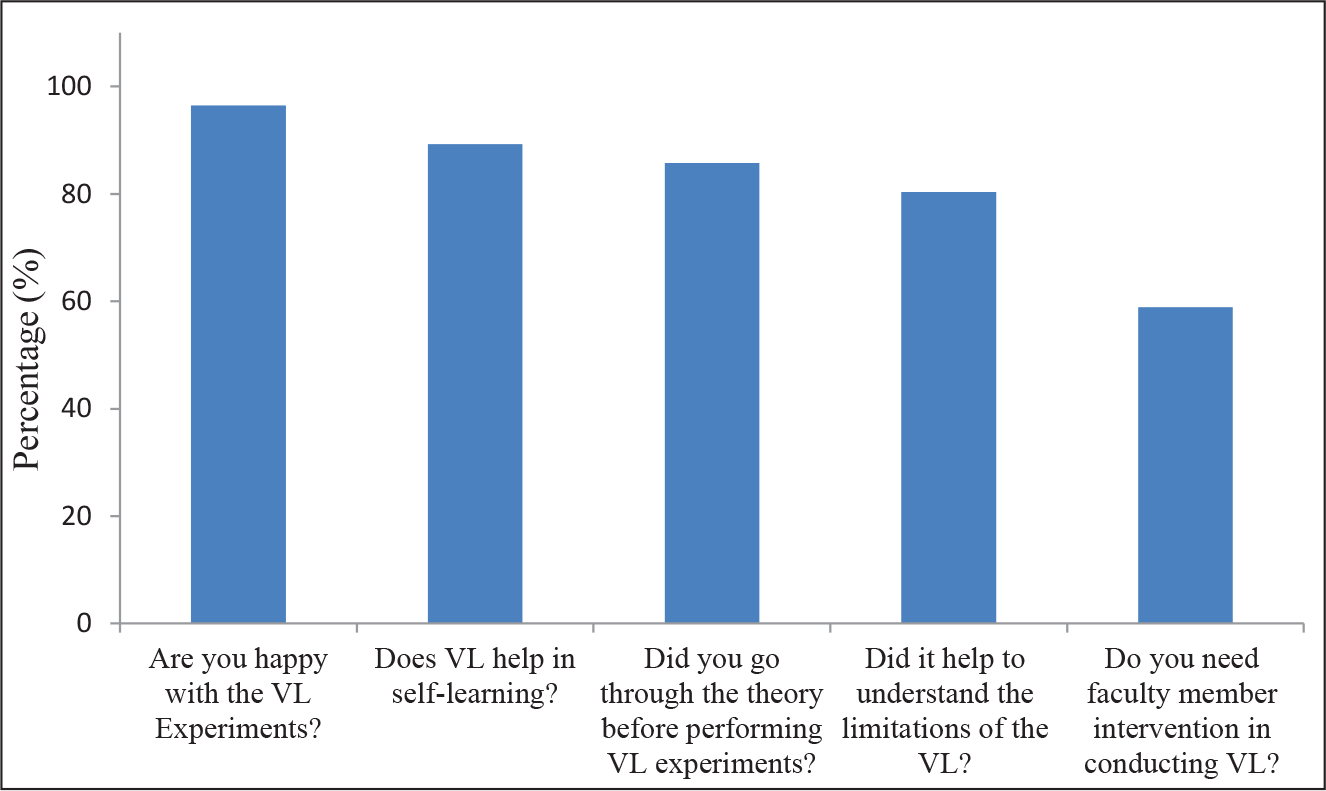
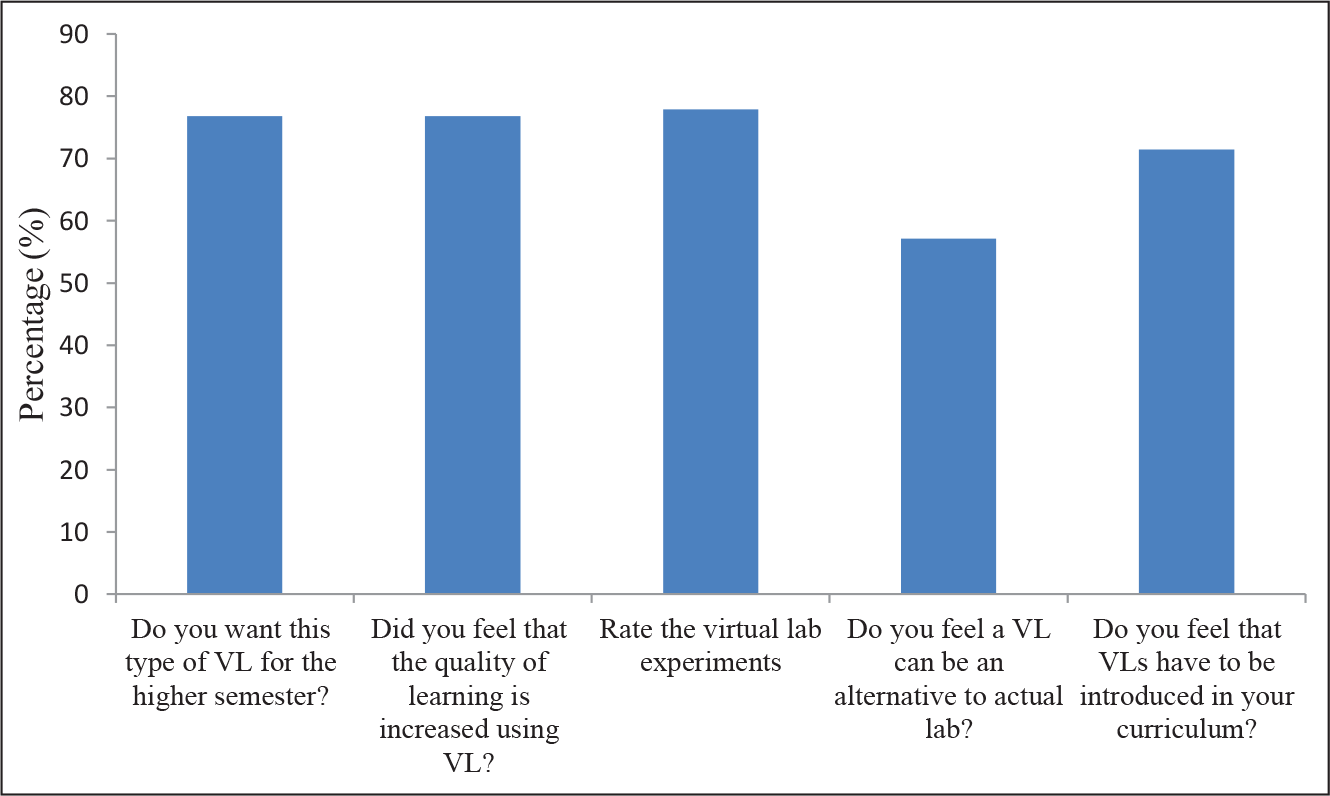
Figure 9 shows the summary of the feedback –II taken from the students. A total of 77 per cent students wanted VL in higher semesters as they felt that it gave better understanding and learning process, 77 per cent students expressed that the quality of learning increased with VL, 78 per cent students gave feedback that the VL experiments were good, 57 per cent students felt that the VL can be alternative to actual laboratory experiments due to COVID-19 pandemic and 71 per cent students expressed that the VL has to be introduced in their curriculum. From the above discussion we observe that, most of the students have positive opinion about VL and they felt that their understandability of the experimental procedure and learning ability were improved due to VL experiments. Also, they were comfortable while conducting experiments as they were not having any disturbance and distraction.
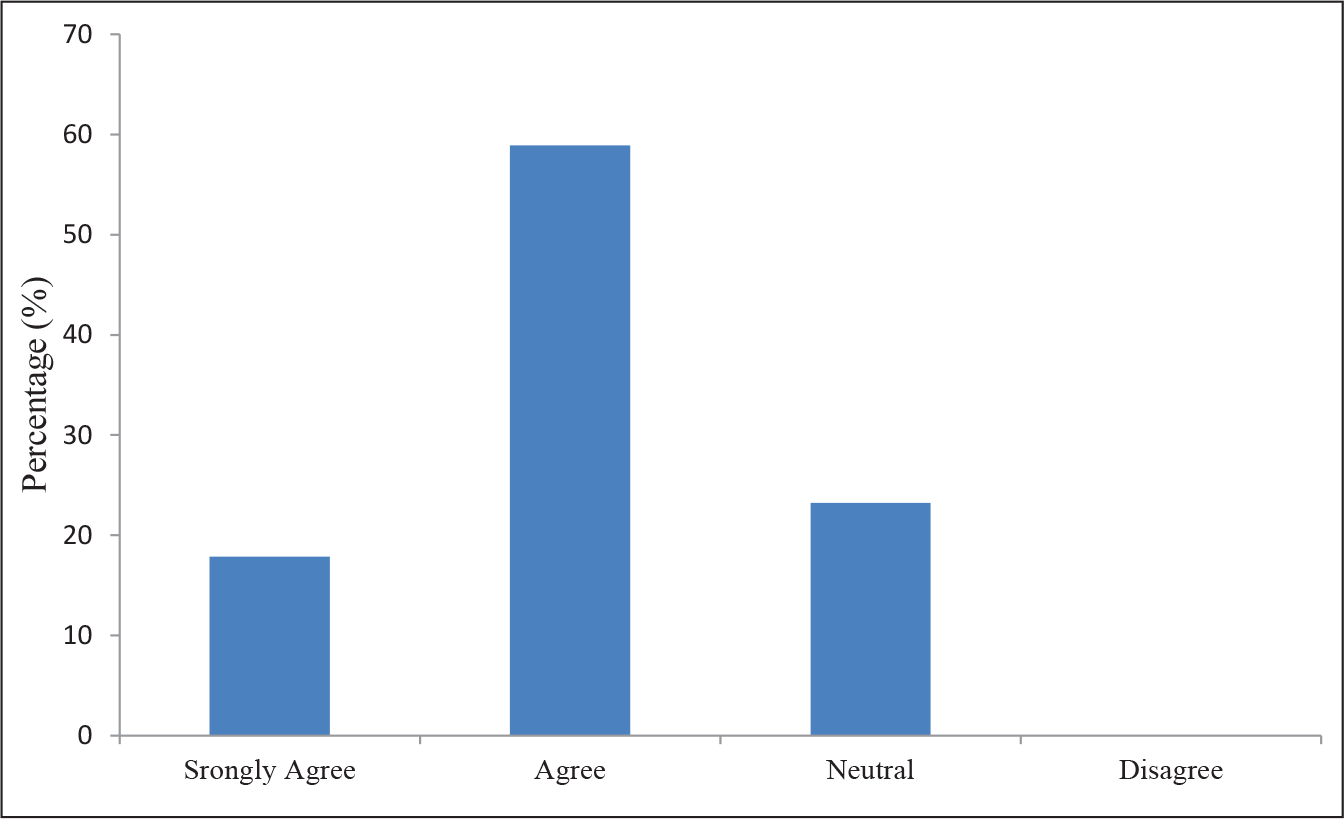
Figure 10 shows the feedback of the students about learnability of the VL experiments. The students were asked a question—is it easy to learn and do the virtual lab experiments? A total of 18 per cent students strongly agreed and 59 per cent student agreed, 23 per cent students were in neutral position and none of the students disagreed. From the above discussion we observe that the students were happy with the VL as it helps in learning and is also student centric. Also, the VL can be performed by the students comfortably on their own time.
Challenges
The major problems faced by the students in utilizing VLs in their learning process are as follows.
Internet Connectivity Issues
The user can access the VLs experiments if they have very good internet connectivity. The internet connectivity in rural and remote areas has not improved and hence the users are finding it difficult to access the VLs.
Remote-triggered VLs
The remote triggered VL experiments can be performed one user at a time. Hence all the users cannot do this type of VL experiments. Also, the experiments can only be performed during working hours of the VL centre.
Lack of Interactive Environment
The user will voluntarily perform VL experiments if the VL environment is interactive with the user. However, few VL experiments are not interactive which affects the self-learning of the students.
Lack of Experiment Content
Few VL experiments do not have good content and hence few students were disappointed.
Lack of Laptop/Computer/Android Phone
Significant percentages of the students who are below poverty line do not have computer or android mobile phone, and hence they were not able to access the VL facilities. These students were helped by their friends or relatives who had android mobile phone.
The number of COVID-19 cases are increasing day by day in India, and also there may be delay in finding vaccine. In this situation, most of the educational institution will prefer conducting online classes and VLs will be useful to the students to complete their laboratory experiments. Most of the mechanical laboratories uses machines and hence VLs will be a boon to the mechanical engineering students.
Conclusion
The teaching and learning process in engineering education is important and conduction of experiments in the laboratory help the students to understand engineering concepts. The introduction of virtual laboratories in engineering education greatly affects the learning process of students. During COVID-19 pandemic, colleges were closed due to lockdown and online mode of classes was conducted to complete the syllabus. However, students were facing problems in completing the laboratory experiments. Hence, we have conducted FDP for faculty members and fluid mechanics VL for the students. Majority of the faculty members mentioned that VL helps in learning process and they felt that it had helped in enhancing their teaching skills. The feedback collected from the students indicate that the VL helped the students understand the concept, and majority of the students felt that it is necessary to introduce VL in engineering curriculum. The number of COVID-19 infections are increasing in India and hence online classes will be preferred in the academic year 2020–2021. The VLs will help the students complete their laboratory classes without affecting the quality of learning.
Footnotes
Acknowledgement
The authors thank the VL nodal centre of Nagarjuna College of Engineering and Technologyfor necessary help and support.
Declaration of Conflicting Interests
Funding
The authors received no financial support for the research, authorship and/or publication of this article.
