



Abstract
Objective. To systematically review studies to provide the pooled estimate of undernutrition among children and adolescents with cancer living in sub-Saharan African countries. Methods. The review followed the recommendations outlined in the PRISMA statement. Online searches were performed on electronic databases such as PubMed, Scopus, Embase, and Hinari; gray literature sources: such as Google, Google Scholar, and university repositories were also searched. A random effect model was used to drive the pooled prevalence, and was reported at a 95% Confidence Interval (CI). Heterogeneity was assessed using subgroup analysis and univariable meta-regression. The effect of each study on the overall prevalence was assessed using leave-one-out sensitivity analysis. In all the models, statistical significance was set at P-value <.05. Result. A total of 623 articles were identified, and 21 articles were retrieved for the final analysis. The overall pooled prevalence of undernutrition was 41.34% (95% CI: 31.64%, 51.04%). The highest prevalence of undernutrition was observed from studies that used Arm Muscle Area (AMC) for age to assess undernutrition: 61.66% (95% CI: 47.59%, 75.72%). The protocol for this review has been registered at PROSPERO (CRD42024510052). Conclusion. The prevalence of undernutrition in sub-Saharan African countries was considerably high. Therefore, policy directions and cost-effective approaches that sustainably address undernutrition among pediatric patients with cancers are needed.
Introduction
Diet-related noncommunicable diseases (NCDs), such as cancer, are rising in sub-Saharan Africa (SSA). 1 In recent years, the increasing prevalence of cancer among children and adolescents in low- and middle-income countries (LMICs) has attracted global attention. According to the World Health Organization (WHO) almost 400 000 children and adolescents are diagnosed with cancer each year. Most of these cases are from low- and middle-income countries (LMICs). 2
The cure rate for childhood cancer in industrialized nations is high; however, the actual cure rate for childhood cancer in resource limited areas is far below the 2018 WHO projection. 3 For example, the overall 5-year survival rate in high-income countries (HICs) reaches as high as 90%, 4 whereas the childhood cancer survival rate in Africa is approximately 20%. 5
This owes to the challenges that healthcare providers face in providing optimal care for cancer therapy. 6 These might range from low socio-economic background, higher rates of comorbidities, to extreme forms of malnutrition.6,7 Malnutrition in children with cancer increases the risk of complications and abandonment of treatment, which in turn negatively affects their survival.8,9 The consequences of undernutrition among children with cancer are multifaceted.8,10 On top of the debilitating effect of the disease, quality of life and clinical outcomes were unfavorable among undernourished pediatric patients with cancer. 11 In addition, treatment costs were observed to be higher among malnourished pediatric oncology patients. 12
Therefore, in recent years, assessing the nutritional status of children and adolescents with cancer has become the focus of different cancer related studies. 13 These studies have revealed that, in a clinical situation, a small change in weight has a significant effect on the overall prognosis of the disease.8,13,14
In resource-limited countries, the proportion of undernutrition among young children and adolescents is more pronounced. 15 However, the accent is silent when it comes to undernutrition that is associated with NCDs, including cancer. Since the end of the first decade of the 21st century, however, reports on malnutrition among the pediatric oncology population have started to emerge.16,17
Despite different reports released from different corners of SSA countries, to the best of our knowledge, there is no pooled estimate on the magnitude of undernutrition among children and adolescents with cancer living in SSA countries. In a region where resources are overstretched, identifying the magnitude of undernutrition in a highly vulnerable group is pivotal in supporting evidence-based policy, rational planning, resource allocation, and designing appropriate interventions that aimed at curving the overlooked issue among children and adolescents with cancer.
Methods and Materials
This Systematic Review and Meta-analysis (SRMA) was prepared adhering to recommendations outlined in PRISMA (Preferred Reporting Items for Systematic Reviews and Meta-Analyses) guidelines (S1-PRISMA_2020.docx). The protocol of this review was registered at PROSPERO on 17th of February, 2024 (Registration ID: CRD42024510052).
Databases and Search Terms
A comprehensive search of original articles published in in English was done from January 2024 to March 2024, with no restriction on publication year. A thorough search of electronic databases such as Pub med, Embase, Scopus and Hinari (Research4life) was conducted using the following search terms: (Cancer OR (Benign AND Neoplasm) OR (Benign AND Neoplasms) OR (Malignanc*) OR (Malignant AND Neoplasm) OR (Malignant AND Neoplasms) OR Neoplasia OR Neoplasms OR (Neoplasms AND Benign) OR (Tumor*) OR Tumors) AND (Malnutrition OR (Malnourishment*) OR (nutrition* AND deficienc*) OR undernutrition OR leanness OR underweight OR (Severe AND Acute AND Malnutrition)) AND ((Adolescent) OR (Adolescence*) OR Adolescents OR 14 OR (Teenager*) OR Teens OR (Youth*) OR (Youngster*) OR Children OR 14 OR (Pediatric*)). The names of the sub-Saharan Africa (SSA) countries were also combined with the above terms, and each African countries were combined using the Boolean operators like “AND” and OR.
Gray literature sources like Google, Google Scholar, and university repositories were also searched to identify relevant articles for the review. Finally, reference lists of the included articles were searched (Snowball technique) to identify additional studies that might have been missed through the online searches. The identified articles (623 articles) through the above searches were uploaded to Rayyan (https://rayyan.ai/reviews/950676)-AI powered tool for systematic review and meta-analysis screening. After removing 145 duplicates, 478 articles were identified. Two reviewers (BM and MCA) independently screened the titles and abstracts of the remaining articles according to eligibility criteria. Similarly, the same authors screened full-text articles for eligibility. When there were discrepancies between the 2 reviewers, a third author (LDB) was invited to resolve the issues (S2-search strategy .docx).
Eligibility Criteria
We have used the CoCoPop (Condition, Context, and Population) approach to prevalence studies to include and exclude identified articles.
Inclusion and Exclusion Criteria
Observational studies published in English that reported undernutrition among children and adolescents (10-19 years) with cancer residing in at least one of the SSA countries were included. However, experimental studies, qualitative studies, reviews, and commentaries were excluded. Studies that reported undernutrition among children and adolescents with cancer living outside of SSA countries were also excluded.
We included articles that defined undernutrition in at least one of the following outcomes: Body Mass Index (BMI) for age below −2SD, weight for height below −2SD, and Arm Muscle Area (AMA) below the fifth percentile.
Data Extraction and Quality Assessment
Two authors (BM and MCA) independently extracted data from the included studies, and disagreements on data extraction were resolved in the presence of the review team. Name of the author, year of publication, study period, study setting, country of the original studies, study design, publication type, mean age of the participants, type of cancer, outcome measurement, sample size, and number of participants with outcome (prevalence rate of undernutrition) were extracted using a customized form created on Microsoft Excel.
Two authors (BM and MCA) objectively assessed the quality of the eligible studies using Newcastle Ottawa (NCO) Scale for cross-sectional studies, 18 disagreements were resolved by the direct involvement of the third author (LDB) in evidence-based discussions. An overall score ≥ 6 was used to define the quality of the studies as moderate and high quality (S3-Data Extraction Form.xlsx).
Statistical Analysis
Statistical and meta-analysis for proportion was carried out using STATA software version 17. The final result was presented as pooled prevalence in 95% Confidence Interval (CI). As there was significant heterogeneity, the pooled prevalence of undernutrition was presented using random effect model with DerSimonian-Laird weighing. Fixed effect model was done for comparison. Cochrane Q-test and I2 statistics was used to detect heterogeneity, as such 25%, 50%, and 75% I2 values were used as cut off points for mild, moderate and significant heterogeneity, respectively.19,20 Possible causes of heterogeneity were investigated using subgroup analysis with reference to publication year, African Regions, type of centers, type of study setting, type of publication, and primary focus of the study. These findings were presented graphically using a forest plot. To determine the effect of each study on the overall pooled effect, leave-one-out sensitivity analysis was performed. Univariable meta-regression was also performed using publication year, sample size, study area, and mean age of the respondents of the primary studies. Publication bias was assessed visually using a funnel plot, and statistically using Egger’s regression test. In all the analysis, statistical significance was declared at P-value <.05.
Results
Search Results
Of the 623 articles identified, 145 articles were excluded due to duplication. By looking at the titles and the abstracts of the remaining articles, 411 articles were excluded-making 67 articles candidates for full-text search. Out of this, 28 were assessed for eligibility. Finally, 21 articles were included in the final review, of these studies the majority (16 studies) were from peer reviewed journals (Figure 1).21-36

PRISMA flow chart of the systematic review.
Characteristics of the Identified Articles
The studies were conducted in 8 African countries; most of the studies were from Southern Africa countries: thirteen studies were from South Africa and Malawi.25-29,31-34,37-40 All but 6 of the included studies were conducted at a single institution. In 13 of the included studies, undernutrition was the primary focus of the study,23-25,27,29-31,34,35,37,40-42 while in the remaining 8 it was not the primary focus of the study.
In the review, a total of 3132 children and adolescents with cancer were included. In this analysis, 18 studies reported the mean age or median age of the participants in years; accordingly, the minimum mean age (3.67 years) was reported by Trijn Israëls et al, 26 and the maximum was reported by Ellis et al 28 (10 years). Moreover, in the studies, minimum and maximum age of the participants were documented in 17 of the studies. In these studies, the minimum age of the participants was 3 months, and the maximum age was 18 years (Table 1).
Characteristics of the Included Studies (N = 3132).
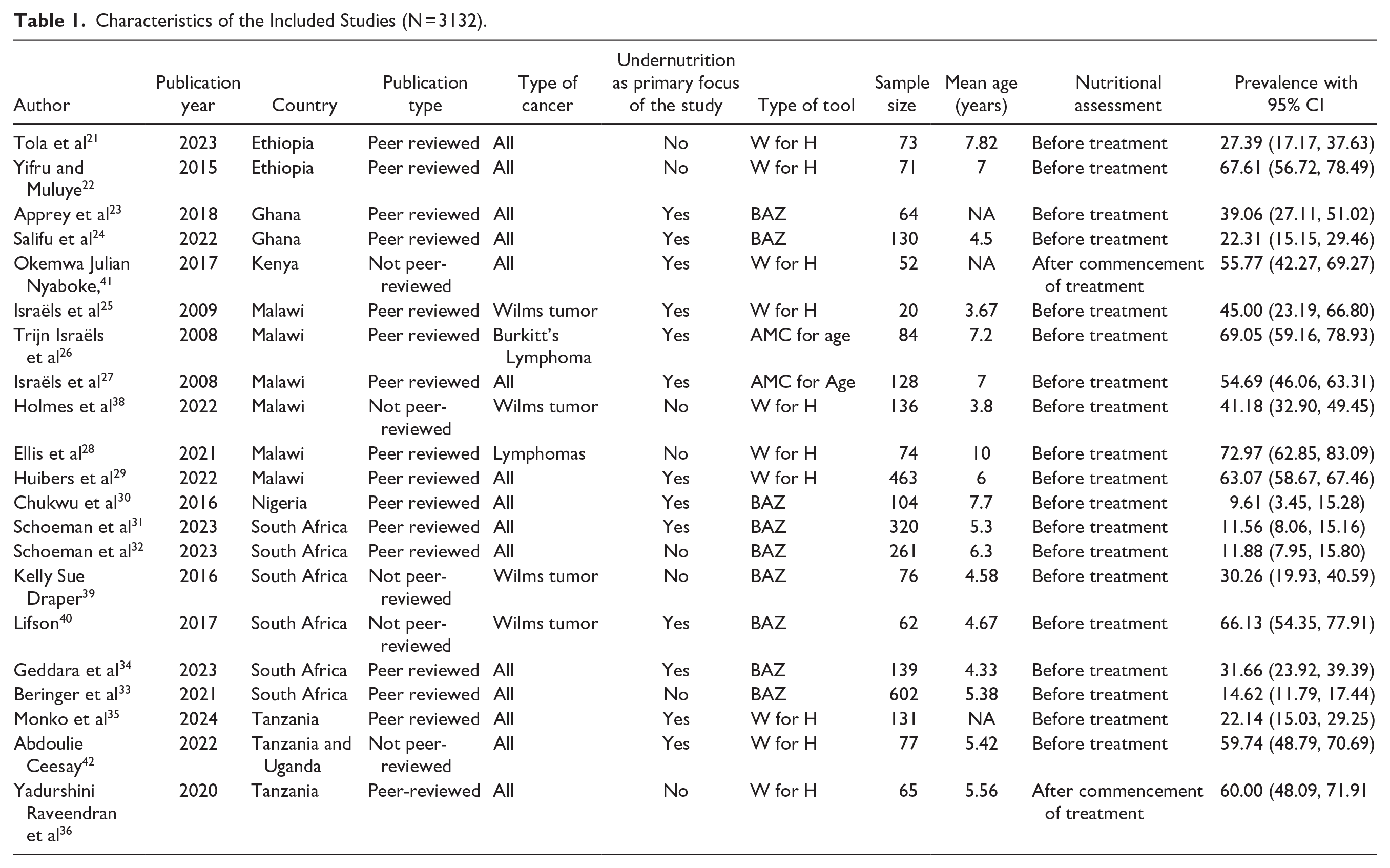
In the majority of the studies, children with different kinds of cancer were included. However, 5 of the studies focused on one type of cancer; 3 of these studies reported undernutrition among children with Wilms tumor, and the remaining were reported among children with lymphomas. In the majority of the studies (19 studies) used either BMI for age or weight for height to define undernutrition, while the remaining used Arm Muscle Area (AMA) for age to define undernutrition. Moreover, in the majority of the included studies nutritional status of the participants was assessed before the commencement of treatment (19 studies) (Table 1).
Prevalence of Undernutrition Among Children and Adolescents with Cancer
In the fixed effect model, there was a significant heterogeneity. Therefore, we performed a random effect model by applying Dersimonian and Laird weighing. Accordingly, two-fifth [41.34% (95% CI: 31.64, 51.04)] of children and adolescents with cancer living in SSA countries were undernourished with significant heterogeneity (I2 = 97.75%, P = .00). In this review, the highest weight was attributed to Beringer et al 33 and the lowest was attributed to Israëls et al 25 (Figure 2).
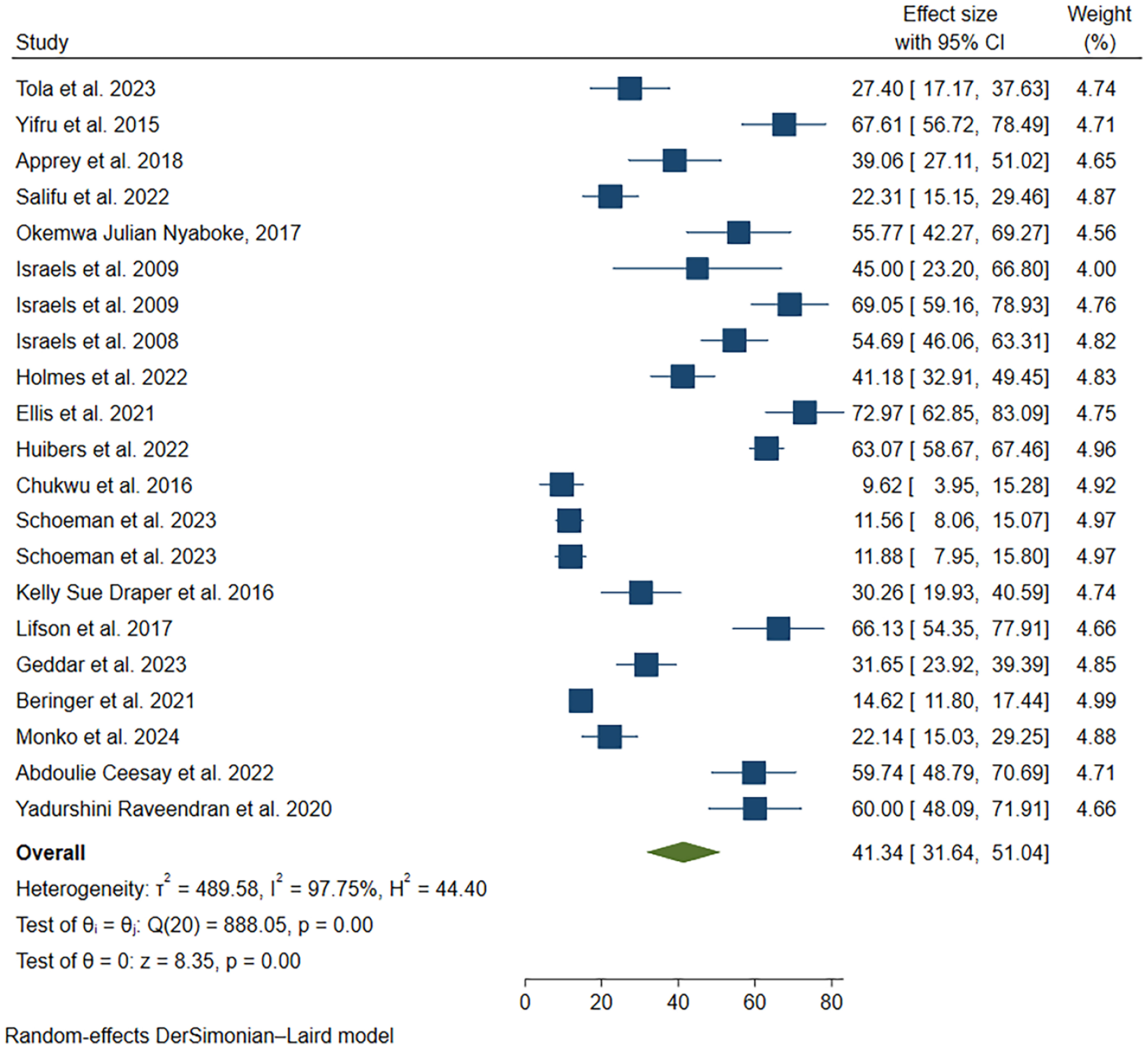
Forest plot of studies evaluating the magnitude of undernutrition among children and adolescents with cancer.
Heterogeneity Assessment Using Subgroup Analysis
To further investigate potential sources of heterogeneity, subgroup analysis was performed by publication year, African Regions (country of origin), type of centers, type of study setting, type of publication, and primary focus of the study; however, heterogeneity was not controlled. Nevertheless, the subgroup analysis by African regions showed that the highest prevalence was seen in studies that were from Eastern African countries [48.50% (95% CI: 31.35, 65.66) I2 = 93.89%, P = .00] (Figure 3).
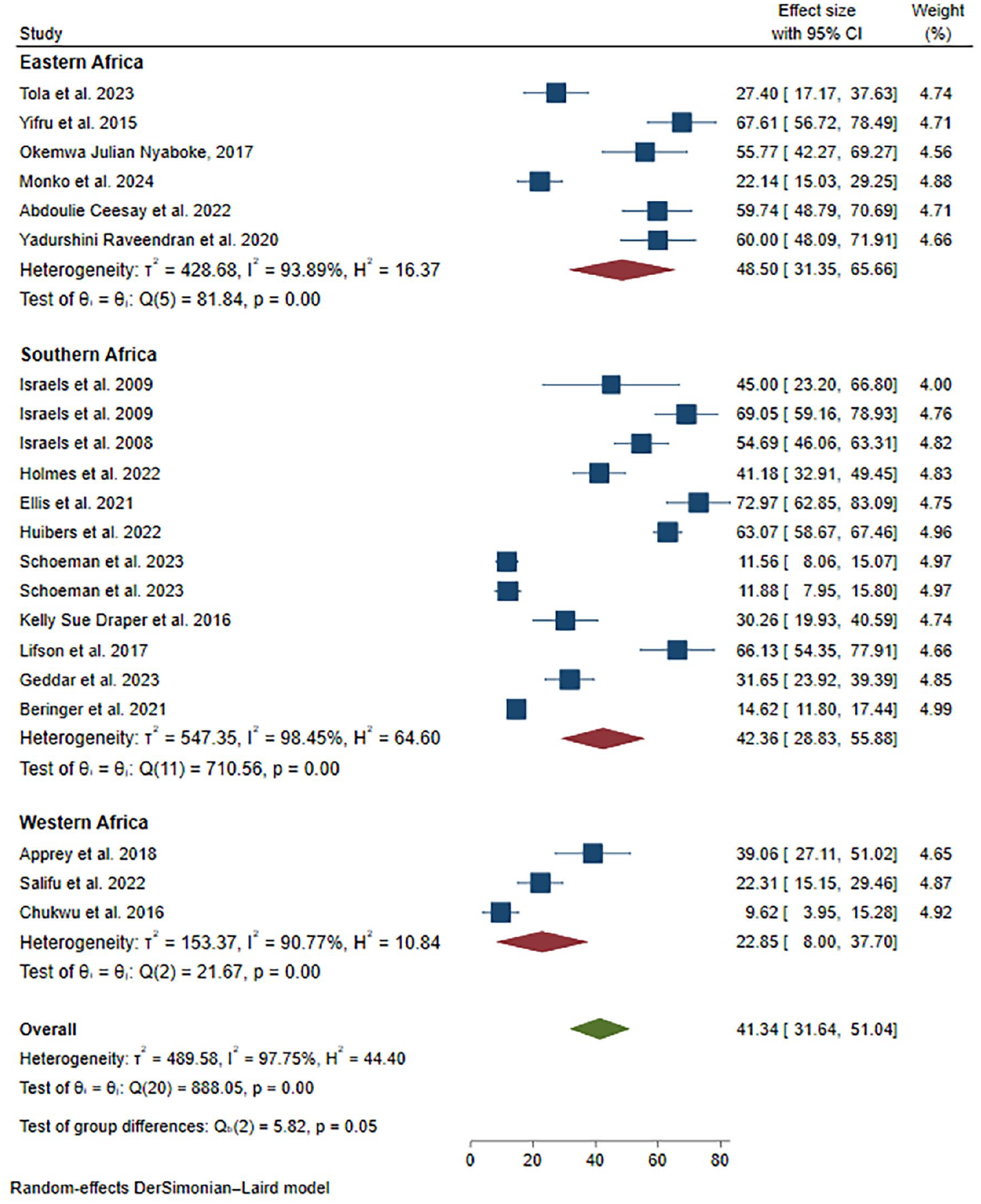
Forest plot of studies evaluating the magnitude of undernutrition among children and adolescents with cancer sub-group analysis by Africa Region.
The subgroup analysis by the number of centers included has shown studies conducted at a single cancer treatment center reported a relatively higher proportion of undernutrition [47.10% (95% CI: 36.07, 58.12) I2 = 96.05%, P = .00] (Figure 4). With regard to publication type, studies retrieved from non-peer reviewed sources (thesis and dissertations) have shown relatively higher proportion of undernutrition [50.28% (95% CI: 37.41, 63.16) I2 = 86.07%, P = .00] (Figure 5). Studies whose primary focus the study was on undernutrition have revealed relatively higher proportion of undernutrition [42.02% (95% CI: 28.35, 55.69) I2 = 97.81%, P = .00] (Figure 6).

Forest plot of studies evaluating the magnitude of undernutrition among children and adolescents with cancer sub-group analysis by number of centers included.

Forest plot of studies evaluating the magnitude of undernutrition among children and adolescents with cancer sub-group analysis by publication type.

Forest plot of studies evaluating the magnitude of undernutrition among children and adolescents with cancer sub-group analysis by focus of the study.
As to type of tool used to assess undernutrition, a higher proportion of undernutrition [61.66% (95% CI: 47.59, 75.72) I2 = 78.27%, P = .03] was seen from studies that used Arm Muscle Circumference (AMC) for age (Figure 7). Finally, studies that reported undernutrition among children and adolescents with one kind of cancer—study population that comprised one kind of cancer showed relatively higher proportion of undernutrition [54.35% (95% CI: 39.31, 69.40) I2 = 91.17%, P = .00] (Figure 8).
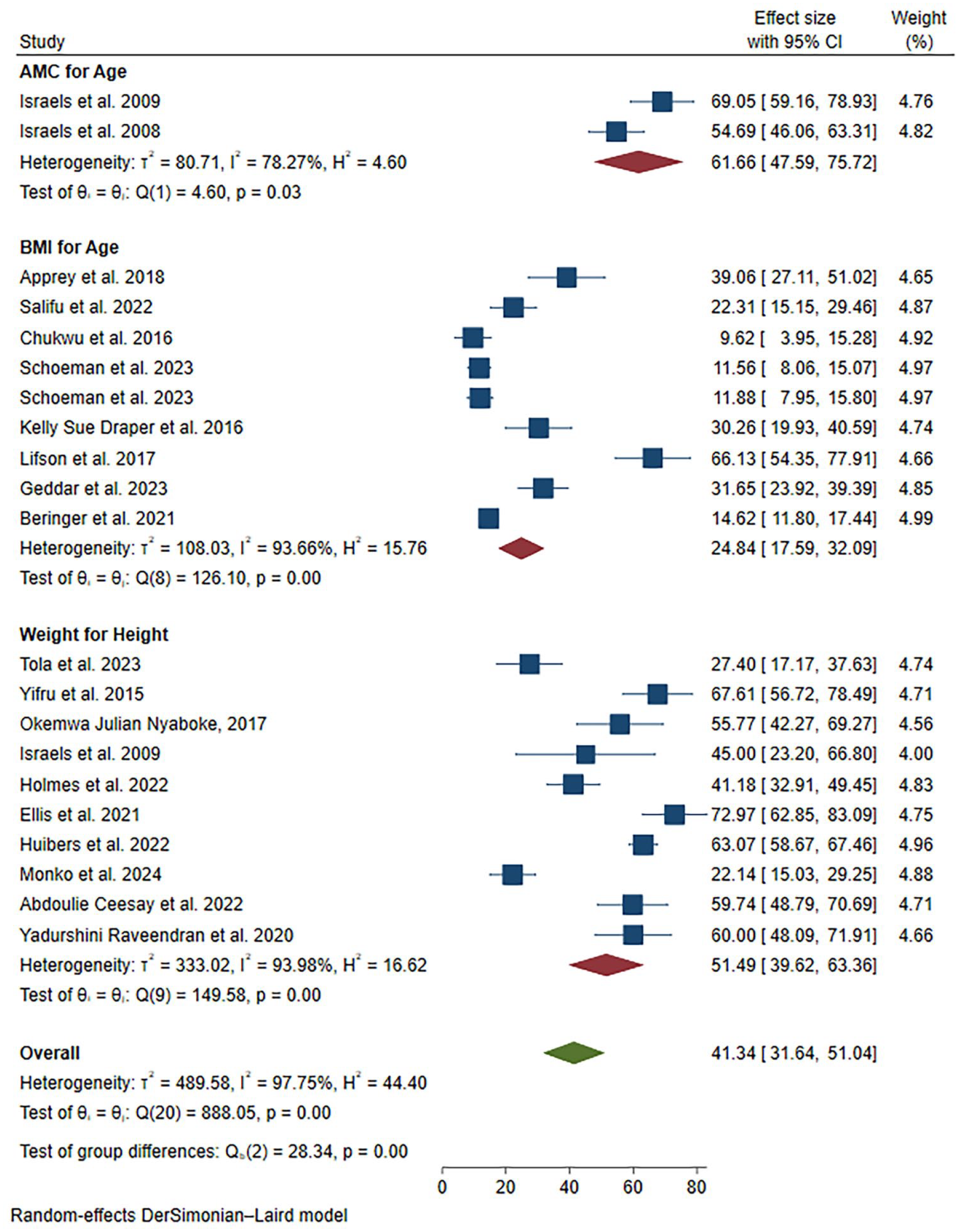
Forest plot of studies evaluating the magnitude of undernutrition among children and adolescents with cancer sub-group analysis by type of tool used.
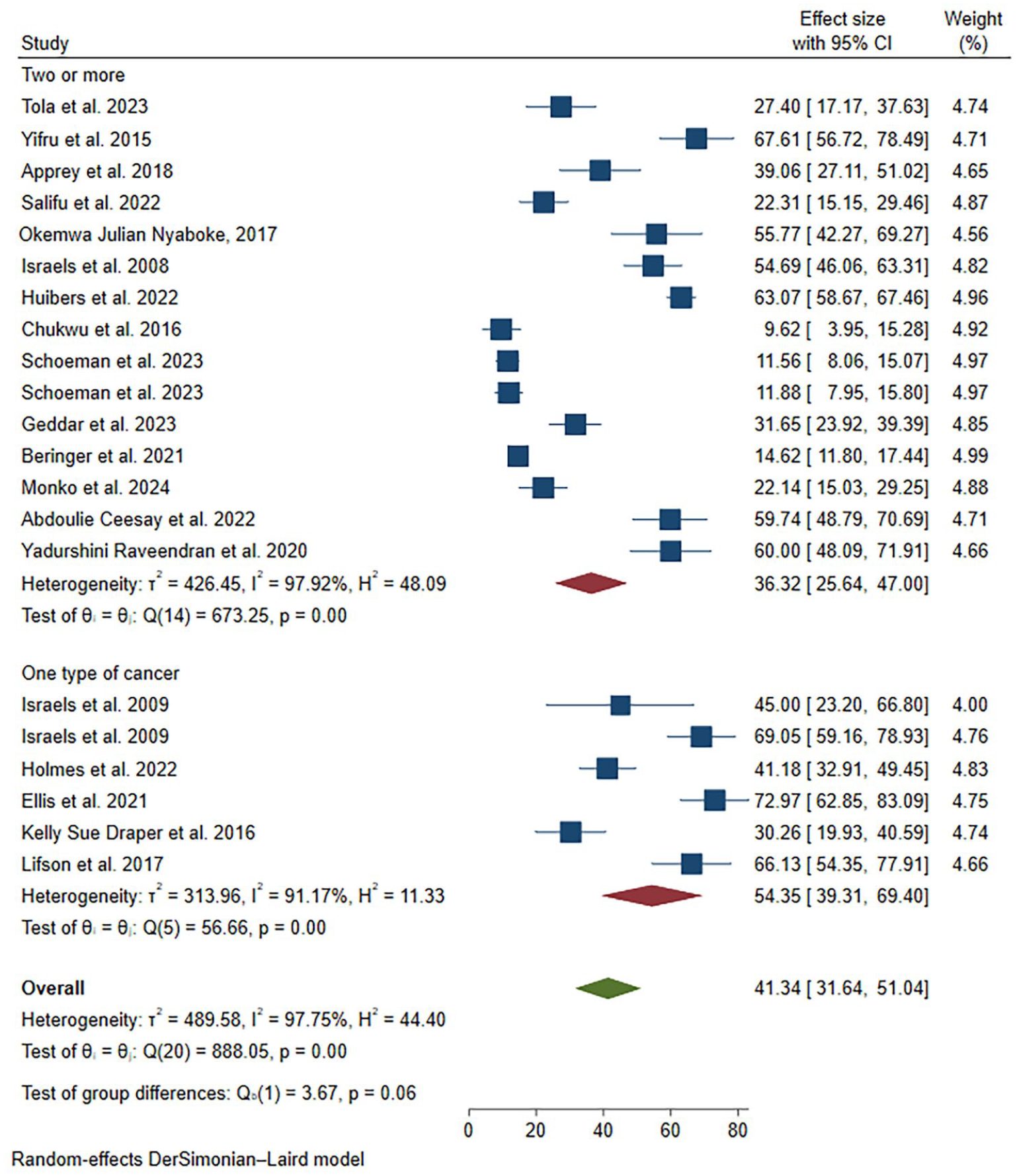
Forest plot of studies evaluating the magnitude of undernutrition among children and adolescents with cancer sub-group analysis by number of cancer cases included.
Meta-regression
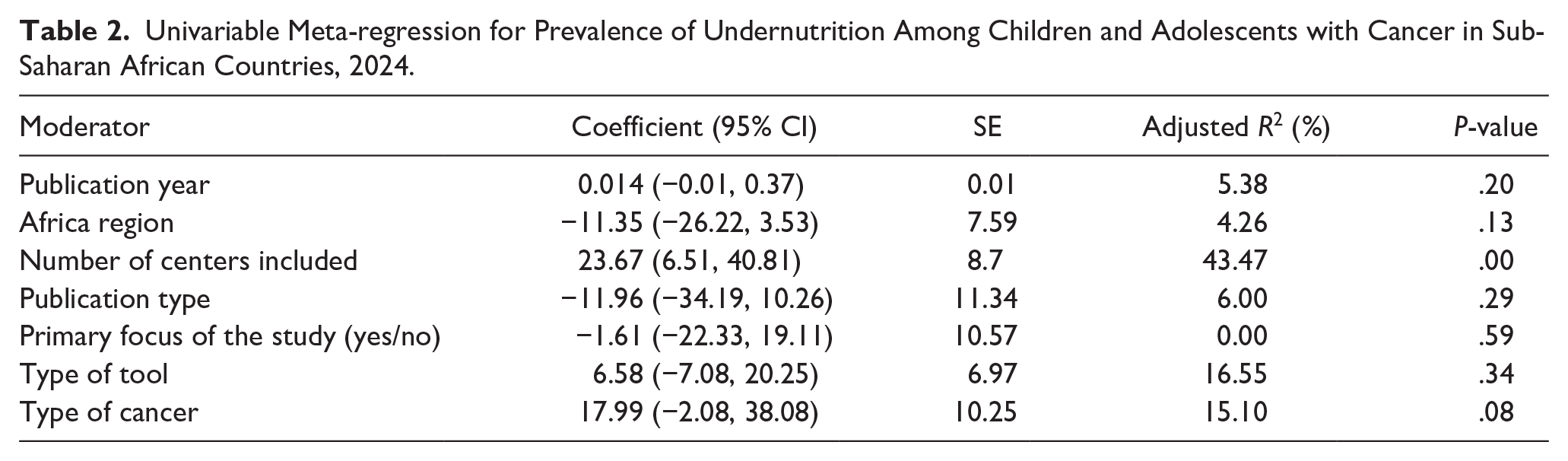
Meta-regression is an extension of subgroup analysis that can be used to assess the effect of moderators on the outcome variable. The meta-regression revealed that the prevalence of undernutrition significantly varies depending on the number of centers included; either multi-center or single-center [β = 23.67 (95% CI: 6.51, 40.81 with R2 = 43.47]. However, the prevalence of undernutrition was not considerably varied based on publication year, African regions, publication type, primary focus of the study, type of tool used, and type of cancer included (Table 2).
Univariable Meta-regression for Prevalence of Undernutrition Among Children and Adolescents with Cancer in Sub-Saharan African Countries, 2024.
Sensitivity Analysis
Sensitivity analysis revealed that in the random effect model, no single study influenced the pooled prevalence of undernutrition. The result showed that the omitted studies did not show a significant difference in the prevalence of undernutrition among children and adolescents with cancer living in SSA countries (Figure 9).

Leave one out sensitivity analysis.
Publication Bias
Funnel plot and Egger’s test were used to visually and statistically assess publication bias, respectively. Accordingly, significant publication bias was observed (Coefficient = 5.49, P < .05). Besides, after fitting each covariate that were considered in the meta-regression, small study effect was also observed (Figure 10). Therefore, to handle the small study effect trim and fill analysis was performed. Thus, after adding 10 imputed missing studies, the overall pooled estimate of undernutrition among children and adolescents with cancer in SSA was 19.21% (95% CI: 8.28, 30.15 with P = .00) (Figure 11).
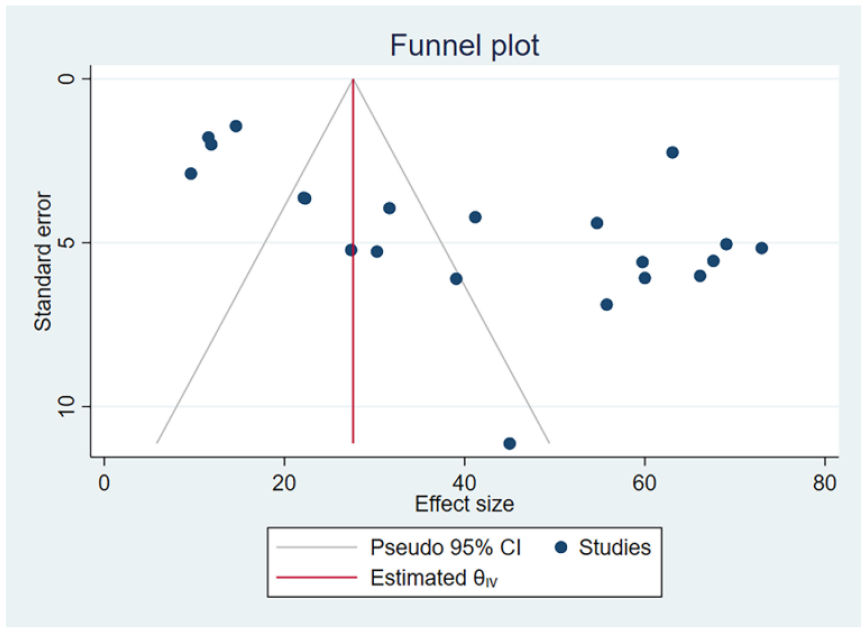
Funnel plot publication bias.

Trim and fill analysis.
Discussion
The current systematic review and meta-analysis reported the magnitude of undernutrition among children and adolescents with cancer living in SSA. In the review, 21 primary studies that reported undernutrition among children and adolescents with cancer were identified. The studies were retrieved from databases and gray literature sources, and were published between 2008 and 2024. Despite the unrestricted search for publication year, we were not able to find articles that were published before 2008-indicating the dearth of cancer related researches in Africa in the early 21st century and before.
Most of the retrieved studies were from southern Africa countries (13 studies), followed by studies from eastern Africa countries (5 studies)21,22,36,41,42 and western Africa countries (3 studies).23,24,30 However, we did not find a study that reported undernutrition among children and adolescents in Central African countries.
The meta-analysis revealed that almost two-fifth of children and adolescents with cancer were undernourished [41.34% (95% CI: 31.64, 51.04) (I2 = 97.75%, P = .00)]. This highlights the issue of undernutrition, and nutritional care for children and adolescents with terminal illnesses are not receiving sufficient attention in Africa. 43 More to this, the current SRMA showed that the magnitude [48.50% (95% CI: 31.35%, 65.66%)] of undernutrition was more pronounced among children and adolescents with cancer from Eastern Africa countries, implying that LMICs still bear the greatest burden of undernutrition, even in clinical settings. Undernutrition was pervasive among children diagnosed with cancer who were from low-and middle-income nations. 25 Despite the substantial reduction in the magnitude of undernutrition among children and adolescents in the general population, 44 the issue has not been touched or overlooked among pediatric patients with cancer. 45
Overall, the pooled prevalence of undernutrition in the current study was higher than previous literature reviews from Brazil, the SRMA reported that the magnitude of underweight varied from 6% to 25%. 46 Primary studies from HICs have also revealed smaller magnitude of undernutrition among children with cancer.47,48
Researchers from high-income countries (HICs) have communicated that appropriate nutritional care aimed at alleviating the issues of undernutrition has brought positive outcome even for those with terminal illness. 49 Poor quality of life and mortality from cancer among children and adolescents residing resource limited areas like Africa might be explained by the increased magnitude of undernutrition. 50 Similarly, studies from HICs have reported that undernutrition strongly influences outcomes and prognosis of pediatric patients with cancer. 48
When we delve into the magnitude of undernutrition regionally- WHO Africa region, the proportion of undernutrition among pediatric patients with cancer from western Africa countries was considerably lower [22.85% (95% CI: 8.00, 37.70)] than the pooled report from other SSA regions. Recent economic booms, a robust healthcare system, and policy equity to avert or deter emerging NCDs, especially in Nigeria and Ghana could explain these trends. 51
However, the situation in southern Africa varies significantly between countries. In Malawi, for instance, higher rates of undernutrition among pediatric cancer patients highlight the challenges faced by the healthcare system, including resource constraints and limited access to comprehensive nutritional support. 52 In contrast, South Africa’s lower reported rates of undernutrition reflect a more developed healthcare system and better access to healthcare services, although disparities within the country still exist. 53
Differences in the magnitude of undernutrition was observed in terms treatment centers included in the studies as well. Even with significant heterogeneity, there was a visible discrepancy in the magnitude of undernutrition between studies that involved only one center (47.10%: 36.07%, 58.12%) and 2 or more centers (22.21%: 13.59%, 30.83%). Methodologically, employing a larger sample size when involving more than one center could explain the smaller magnitude of undernutrition among studies conducted in multiple centers.
In the current review, the included studies defined nutritional status using different anthropometric techniques. The magnitude of undernutrition was relatively higher among studies that used AMA for age (61.66%: 47.59%, 75.72%), whereas the lowest magnitude of undernutrition was reported among studies that used BMI for age (24.84%: 17.59%, 32.09%). Studies that assessed the body composition of children with cancer reported that BMI was less sensitive to detect undernutrition than fat free mass measurements. 54 Anthropometric parameters that use arm circumference are more reliable for detecting undernutrition in children with cancer. 55 However, in tumorous cancer like brain tumor and acute lymphoblastic leukemia, in which the risk of becoming overweight was high, increased BMI was associated with treatment related mortality.54,56,57
Conclusion and Recommendations
Evidences from this review support high prevalence of undernutrition among children and adolescents with cancer living in SSA countries. Even though a slight reduction in the magnitude of undernutrition was observed over years, undernutrition persists to be a significant issue that might have considerably interfered with survival rate of pediatric cancer patients in resource constraints regions. Further researches are needed to provide insights to major drivers underlying undernutrition among children and adolescents with cancer. Furthermore, policy directions and cost-effective approaches that tackle undernutrition among pediatric cancer patients in a sustainable manner are needed.
Strength and Limitation of the Study
Comprehensive search for published and unpublished articles was done. Methodologically medium to high quality studies were included, which was assured by NOS for observational studies. As adequate data was not obtained on factors that were associated with undernutrition, the current review did not ascertain factors that might have been positively or negatively associated with undernutrition among pediatric patients with cancer. The small sample size of the included studies is another notable limitation of this review.
Supplemental Material
sj-csv-3-gph-10.1177_2333794X241298807 – Supplemental material for Prevalence of Undernutrition Among Children and Adolescents with Cancer Living in Sub-Saharan African Countries: A Systematic Review and Meta-analysis
Supplemental material, sj-csv-3-gph-10.1177_2333794X241298807 for Prevalence of Undernutrition Among Children and Adolescents with Cancer Living in Sub-Saharan African Countries: A Systematic Review and Meta-analysis by Berhanu Mengistu, Aysheshim Kassahun Belew, Lemlem Daniel Baffa, Elsa Awoke Fentie, Muluken Chanie Agimas, Ever Siyoum Shewarega, Esmael Ali Muhammed and Mekuriaw Nibret Aweke in Global Pediatric Health
Supplemental Material
sj-docx-1-gph-10.1177_2333794X241298807 – Supplemental material for Prevalence of Undernutrition Among Children and Adolescents with Cancer Living in Sub-Saharan African Countries: A Systematic Review and Meta-analysis
Supplemental material, sj-docx-1-gph-10.1177_2333794X241298807 for Prevalence of Undernutrition Among Children and Adolescents with Cancer Living in Sub-Saharan African Countries: A Systematic Review and Meta-analysis by Berhanu Mengistu, Aysheshim Kassahun Belew, Lemlem Daniel Baffa, Elsa Awoke Fentie, Muluken Chanie Agimas, Ever Siyoum Shewarega, Esmael Ali Muhammed and Mekuriaw Nibret Aweke in Global Pediatric Health
Supplemental Material
sj-docx-2-gph-10.1177_2333794X241298807 – Supplemental material for Prevalence of Undernutrition Among Children and Adolescents with Cancer Living in Sub-Saharan African Countries: A Systematic Review and Meta-analysis
Supplemental material, sj-docx-2-gph-10.1177_2333794X241298807 for Prevalence of Undernutrition Among Children and Adolescents with Cancer Living in Sub-Saharan African Countries: A Systematic Review and Meta-analysis by Berhanu Mengistu, Aysheshim Kassahun Belew, Lemlem Daniel Baffa, Elsa Awoke Fentie, Muluken Chanie Agimas, Ever Siyoum Shewarega, Esmael Ali Muhammed and Mekuriaw Nibret Aweke in Global Pediatric Health
Footnotes
Acknowledgements
None
Author Contributions
BM, MCA, LDB, and MKA contributed to study conception, literature search, data extraction and analysis. BM drafted the manuscript. AKB, EAM, ESS, EAF revised the manuscript and provided their intellectual input. All authors have read and approved the manuscript.
Availability of Data and Materials
We declare the data supporting the findings of this study are fully available within this manuscript.
Declaration of Conflicting Interests
The author(s) declared no potential conflicts of interest with respect to the research, authorship, and/or publication of this article.
Funding
The author(s) received no financial support for the research, authorship, and/or publication of this article.
Institutional Board Statement
Not applicable.
Ethics Statement
Does not require ethics approval.

Supplemental Material
Supplemental material for this article is available online.
References
Supplementary Material
Please find the following supplemental material available below.
For Open Access articles published under a Creative Commons License, all supplemental material carries the same license as the article it is associated with.
For non-Open Access articles published, all supplemental material carries a non-exclusive license, and permission requests for re-use of supplemental material or any part of supplemental material shall be sent directly to the copyright owner as specified in the copyright notice associated with the article.
