




Abstract
Loneliness and lack of purpose have a negative impact on well-being for young adults with developmental disabilities (DD) and older adults. Young adults with DD often lack meaningful relationships. While some aspects of well-being remain stable as a person ages, a sense of purpose may decline as life roles diminish. The purpose of this research was to discover ways enhance well-being in adults with DD and older adults through intergenerational interaction. A participatory action research approach was used with qualitative methods that included semi-structured interviews with four young adults with DD and five older adults. Participant observation and field notes were employed to enhance the rigor of the study. A community garden was the environment for intergenerational activities. Through thematic analysis of the data, five themes of well-being were constructed: engagement, positive relationships, accomplishment, meaning and purpose, and positive emotion with elements specific to adults with DD and older adults. The study revealed ways to enlist the wisdom and knowledge of older adults to enhance the well-being of young adults with DD and consequently enhance the well-being of the older adult as well. Implications of this study include employing social capital to improve well-being through synergistic relationships.
Keywords
Introduction
Loneliness and lack of meaning and purpose have a negative impact on well-being for young adults with developmental disabilities (DD) and older adults. After high school, options for young adults with DD are scarce. Once stimulated by interaction with peers and teachers through coursework and social interaction in school, after graduation these young adults with DD risk becoming physically inactive and under-stimulated (Parsons et al., 2024) Adults with autism spectrum disorder, one type of DD, often lack meaningful relationships (Mazurek, 2014). Both negatively impact their well-being. Ryff and Keyes (1995) reported that although some elements of well-being remain stable as a person ages, purpose-in-life drops significantly in older adults. A participatory action research (PAR) approach was used to identify ways to enhance the well-being of two groups—purpose and meaningful activity for older adults while developing positive relationships with younger adults with DD. Adults with DD may be considered vulnerable, but rather than focusing on their vulnerability this research focuses on their capabilities and potential (Snipstad, 2022)
Background
Older adults in the community, who once were active with work and families, may lack purpose and meaningful activity, which has a negative impact on their well-being (Ryff & Keyes, 1995). Ko’s (2015) study confirmed Ryff and Keyes (1995) findings; although other aspects of well-being increased or remained stable with age, purpose-in-life, and personal growth, both dropped significantly after midlife. This may be partly due to social isolation and loneliness (Lyu et al., 2024; Skingley, 2013). Skingley (2013) discussed the implications of loneliness for older adults and suggested nurses could have a role in addressing this problem. Older adults who age in place may find it difficult to participate in community activities and feel they do not have value to contribute to society. Older adults living in assisted living facilities routinely spend their days participating in fun activities like bingo, but these activities lack meaning and purpose (Keen, 2020). Similarly, young adults with DD lack meaningful relationships, which negatively impacts their well-being (Schlitz et al., 2023).
Researchers have shown that the wisdom and knowledge of older generations could have a positive impact on younger generations if older adults were given the opportunity to share their skills (Krivanek et al., 2021). Strotmann (2012) developed a program for retirees in Germany to share their experience through mentoring high school students to develop vocational skills. The program was not only successful in teaching students the vocational skills they lacked, but the additional benefit of volunteerism for the older adults called out of retirement provided meaning and purpose to their lives as well.
In this present study, community leaders were concerned about the lack of supportive services for young adults with DD and older adults in the community under investigation. Community members discussed plans to develop a program or service that would use the skills and talents of older adults and young adults with DD to enhance the well-being of both groups. Several older adults had purposefully tried to address this loneliness in young adults through inclusion in volunteer work; however, this had been on an intermittent basis and lacked sustainability. Consequently, the need for meaningful relationships remained largely unmet.
PAR is particularly appropriate to address issues or problems in the community as this research process provides the foundation for a rigorous inquiry to examine an issue in partnership with the community. The process should result in action by the community to address the issue being examined. The purpose of this PAR was to explore and identify ways to enhance the well-being of older adults and young adults with DD through participation in development and maintenance of a community garden. Although the garden was chosen as the activity to provide interaction opportunities, the findings may be translated to other activities or opportunities for interaction in the community as well.
Methods
PAR was the foundational approach for this research because it is uniquely suited to this research project as it involves the community in solving a problem (Breda, 2015). PAR provided a deeper understanding of how intergenerational relationships between older adults and young adults with DD can enhance their well-being. The approach offered dual benefits: fostering community engagement and generating knowledge to support well-being.
Kurt Lewin, the founder of PAR, emphasized the importance of community involvement in planning, action and reflection (Lewin, 1946). His work laid the foundation for participatory research that fosters sustainable relationships through ongoing communication (Adelman, 1993). Breda (2015) described PAR as the integration of action and science to address well-being issues, particularly in vulnerable groups, when groups are able to sustain the action in the community, and when researchers collaborate with the community in research and planning.
The study aimed to discover ways to create holistic caring environments that inspire intergenerational relationships that will have a positive impact on the well-being of both groups. Inclusion of individuals with DD and older adults is essential to this PAR, recognizing their strengths and honoring self-determination (Snipstad, 2022). Key questions—such as whether helping others can enhance one’s own well-being and how can this be achieved—are best answered by the community itself. Therefore, PAR utilizing qualitative methods to gain insight was chosen to gain insight and work toward enhanced well-being for all involved.
Community Advisory Board
Collaboration with the community is what differentiates PAR from other approaches, as it involves a democratic process linking the community in research, planning, and action (Bowie & Lawson, 2015; Whyte, 1991). The researcher partners with members of the community from the initial design to form a Community Advisory Board (CAB) to examine an important issue, the CAB continues to guide the research throughout the research process (Whyte, 1991). Burns and Grove (2020) recommended inclusion of stakeholders and key informants in participatory research. Members of the CAB for this project included an older adult who was a retired public health nurse, a young adult with DD, the youth pastor of the church who works with the young adults with DD as they outgrow the youth group, the associate pastor of the local church, a nursing student who was co-owner of a local nursery and expert gardener, a civically active mother of a young adult with DD, and me, a community health nurse researcher, community member, and mother of an adult with DD . The diverse nature of the CAB and its involvement throughout the research process established an inclusive process from the beginning and assured the alignment with the community values (Israel et al., 1998). The CAB met monthly and discussed ideas to encourage intentional intergenerational relationships to develop and grow. The CAB decided on an intergenerational community garden.
Participants
Because specific knowledge from two unique populations from a geographically defined area was required, a purposive sampling approach was used (Polit & Beck, 2021). The goal was to interview individuals from different generations, the total number of participants was nine including four young adults with DD and five older adults (Table 1). To protect the confidentiality of the data and maintain privacy of the participants, all names of people are pseudonyms.
Study Participants.

Older Adults
Older adults were identified to be interviewed based on the following criteria: (a) Mature in age and life experience, (b) experience in gardening, construction, grading, or other skills that would be beneficial in the development of a garden, and (c) experience working with young adults with DD. Experience working with young adults was considered necessary to produce credible results (Raanaas et al., 2020). A greater understanding of the dynamics of such relationships is important in developing an effective plan for the two groups to work together in a garden or other community activity. The older adults included a former elementary school teacher, a retiree who returned to work as a school bus driver, a master gardener, a youth pastor, and a leader of the drama team at the church. The older adults ranged in age from 51 to 72 years old. Three were men, and two were women.
Young Adults
Young adults with DD were identified to be interviewed based on (a) their known need for special education services in the school system and/or (b) a self-identified DD. Four young adults with DD, known to members of the CAB, were invited to participate in a semi-structured interview. Like older adults, these young adults have experience working with older adults either through volunteer activities or recent school enrollment. The young adults ranged in age from 19 to 25 years old. Two were man, and two were women.
Setting
Individual interviews took place in convenient places in the community for the interviewee, which allowed for privacy. The garden was located on church property, and thus, observation took place at the church property.
Data Collection
Institutional Review Board (IRB) approval was granted from Kennesaw State University as Exempt—Category 2: Educational tests, surveys, interviews, public observation (IRB #16-197). Following IRB approval, personal invitations for interviews were made to individuals identified by the author and the CAB. The purpose of the interview was explained to the participant and, if appropriate, to the parent or advocate, who all provided verbal approval to proceed with the interview. Demographic data were obtained by participants completing the demographic questionnaire. An in-depth semi-structured interview guide served as the instrument (Table 2). Participant observation was a secondary method used to understand the intergenerational interaction on a deeper level. Finally, field notes were maintained to record thoughts, feelings, and perceptions of the significance of the interviews.
Semi-Structured Interview Questions.

Participants were invited to be interviewed either by telephone or in person. Once a potential participant agreed to an interview, an appointment was scheduled at a time and place that was convenient for the participant. To begin the interview, the purpose of the study and the CAB’s plans for a community garden were described. Once the participant had an idea of what the interview would entail, a copy of the informed consent was provided and described. The participant and advocate if present had an opportunity to ask questions. None of the young adults with DD had a legal guardian. However, the study was explained to the parent or advocate, and all provided verbal approval to proceed with the interview. All the participants agreed to be interviewed and signed the informed consent document. Demographic data were obtained by participant completion of the demographic questionnaire. With verbal permission of the participants, digital equipment was used to record the interviews. Qualitative data were collected through in-depth semi-structured interviews, which were conducted concurrently with the work in the garden. Polit and Beck (2021) recommend participant observation when a research objective is to understand how participants interact and make meaning. Thus, participant observation was a secondary method used to understand the intergenerational interaction on a deeper level. Finally, field notes were maintained to record thoughts, feelings, and perceptions of the significance of the interviews.
In-depth semi-structured interviews, participant observation, and field notes were used to identify ways the older adults and young adults worked together on a common project to enhance their well-being. Interviews took place during the early implementation of the gardening project, capturing participants’ reflections in real time as relationships and routines were beginning to form. The purpose of the interviews was twofold: to gain insight into participants’ past experiences with intergenerational interaction and to explore how these experiences could inform the development of meaningful community-based programs. Use of in-depth semi-structured interviews provided a better understanding of how intergenerational interaction has impacted participants in previous experiences and how informal interaction can be assimilated in the creation of a program aimed at cultivating meaningful activity and improving the well-being of community members. Participant observation provided a better understanding of the experience and was used throughout the study (Polit & Beck, 2021). Observation provided valuable insight into the interaction of the mentor/mentee type relationships that were developing. Field notes provided an outlet for personal reflexivity as a researcher, community member, and mother of a young adult with DD, and ultimately a method for self-supervision and provision of an audit trail (Berger, 2015; Peddle, 2022). Using multiple methods and field notes enhanced the rigor of the study.
Semi-Structured Interviews
In-depth semi-structured interviews were conducted. Open-ended questions were asked of the participants to allow for expanded dialogue. It was anticipated that other questions would arise from the interview and be incorporated into the dialogue. There were instances when the participants needed encouragement to respond and/or further questions needed to clarify a response. Questions were worded to encourage the participants to elaborate and provide more depth, inspire vivid descriptions, discover nuance or deeper meaning, and allow the participant to give enough detail to provide rich responses (Rubin & Rubin, 2012). A discussion guide was used to get the conversation started (Table 2). The guide provided a starting point for the interview and allowed participants to expand on what they felt they would like to share.
Participant Observation
Participant observation is ideal when the researcher is learning about how groups interact and develop relationships (Polit & Beck, 2021). Indeed, this was an excellent method to understand the interaction between older adults and young adults with DD while working in the garden. Data included observation of the physical setting, the participants, activities, timing of events, organization of interactions, and disruptions as recommended by Polit and Beck (2021). I immersed myself in the garden by participating in the preparation, planting, and harvesting. My prolonged engagement in the garden provided an opportunity to be part of the community for a richer understanding of the people and relationships. Observational notes were recorded as soon as possible in a log entry and field notes. Both descriptive and reflective notes were maintained to gain a fuller understanding of the participants and their social interactions in the garden.
Personal awareness as an insider in the community and the mother of a young adult with DD provided a foundation of knowledge about the struggles young adults with DD have in social settings and enriched my observation. Active participation in the garden provided an opportunity for me to reflect on the interactions of the participants, my role as a researcher and community member, and potential bias. Log entries included date and time of interaction, and a description of what transpired during the interaction.
Field Notes
Introspection can reveal bias that the researcher may have about the topic (Burns & Grove, 2020). Membership in the community and experience as a mother of a young adult with DD provided unique insight into the phenomenon but also introduced a layer of complexity that required careful reflexivity throughout the research process. Field notes were maintained to record thoughts and feelings about the interview process to raise self-consciousness and capitalize on emic knowledge of the community and the population. Conversely, as a nurse researcher, field notes were used as a method to reduce bias and enhance an etic perspective of the people and culture of the community. Employing both an emic and etic view provided a rich understanding of the phenomenon. Participant observation from the garden, which was recorded in the field notes, were analyzed for common themes, and meaning. According to Munhall (2012), reflection and interpretation of the data leads to crystallization, the point when a deeper understanding occurs. Field notes provided a detailed account of participant interactions, offering valuable context and enhancing depth and richness of the data (Polit & Beck, 2021).
Data Analysis
Thematic analysis procedures was used to produce credible results, following the six phases outlined by Braun and Clarke (2006, 2021). Phase one, becoming familiar with the data, was accomplished by conducting the interviews myself, personal transcription of the audio record of the interview within a few days of the actual interview, reading and rereading the data, and notating initial ideas in the process column. The transcription was completed in a four-column document: column one was the actual transcription; column two was a process column to record thoughts, ideas, emerging concepts, and quotes; column three was used to identify themes; and line numbers were recorded in column four which made for easy reference to specific themes and quotes. Personal transcription of each interview afforded the opportunity to become familiar with the spoken word and verbal inflection of the participant. This was particularly useful for a meaningful understanding of the emotion behind some of the words. For example, when a participant became emotional and began crying while trying to describe her lack of friends, that moment and the emotion were notated in the transcription. Exploration of the data in this way provided to identify meanings and patterns.
Phase two focused on generating the initial codes by identifying and annotating relevant ideas, accompanied by specific participant quotes. I then met with participants and the CAB to review the initial codes, gathering their feedback, which informed the transition to phase three: the generation of preliminary themes. This process initially revealed over 50 potential themes, which were discussed collaboratively with the participants and the CAB. In phase four, the themes were thoroughly reviewed across the entire dataset to explore their interconnections. During phase five, preliminary codes were grouped into broader categories through constant comparison and discussion among the team. The process of defining and naming themes led to a refinement of the initial list, resulting in five core themes which were discussed and affirmed by the CAB. As this process unfolded, it became evident that the themes naturally aligned with the five elements of well-being described by Seligman (2012) in the Well-being Theory. Themes include engagement, positive relationships, accomplishment, meaning and purpose, and positive emotion. Recognizing this alignment, the Well-being Theory was introduced at this stage as a theoretical lens to help organize, interpret, and present the findings. This integration offered a richer understanding of well-being in both young adults with DD and older adults. Naeem et al. (2023) described the sixth phase in thematic analysis as theoretical conceptualization. During this phase of the analysis the elements of well-being were articulated as they applied to the participants.
The analysis process, which involved integrating data from interviews, participant observation, and field notes, actively engaged both participants and the CAB. Their feedback further reinforced the connection between the identified themes and the essential elements of well-being. During collaborative discussions, participants highlighted elements—such as trust, respect, and a sense of purpose—that they recognized as essential to their well-being, offering valuable insights into how well-being manifests in the daily lives of young adults with DD and older adults. Although the overall purpose of the study was shared with the participants, the elements of well-being were not explicitly discussed during the interviews. Instead, the interview questions focused on participants’ experiences.
This collaborative approach, rooted in PAR, underscored the importance of use-of-self in the research process. PAR fosters a reciprocal relationship between the researcher and the community, emphasizing shared learning and mutual respect. Reflexivity was a critical component, which allowed the researcher to acknowledge and reflect on their own viewpoint and how that may impact the participants, data collection, analysis, and study’s outcomes (Berger, 2015). This reflexive practice helped ensure that the analysis remained grounded in the participants’ lived experiences, ultimately deepening the understanding of well-being within this unique intergenerational context.
Multiple methods presented by Lincoln and Guba (1985) were employed to enhance trustworthiness. Credibility was supported by prolonged engagement with the CAB and participants to build trust and develop a meaningful understanding of their experience. Triangulation was achieved by using multiple methods for data collection including interviews, participant observation, and maintaining field notes. Member checking was accomplished by involving participants and the CAB in data analysis and verification of the accuracy of the data. Dependability was achieved by maintaining an audit trail that includes detailed documentation of all research activities, and peer debriefing during regular meetings with the CAB and participants. Confirmability was addressed through reflexivity using field notes where I addressed my own bias and reflections throughout the research process. Transferability was achieved through a thick description of the research process. By addressing these aspects of trustworthiness, rigor and credibility of the research was enhanced.
Findings
Throughout the data collection process, the participants revealed ways their personal well-being might be enhanced. By collaborating with the participants and CAB key elements of well-being were identified as themes. Those themes—engagement, positive relationships, accomplishment, meaning and purpose, and positive emotion—aligned with Seligman’s (2012) Well-being Theory. Participants and the CAB further identified important aspects of the five themes that are essential to their well-being (Figure 1). The following sections provide a rich description of the themes.
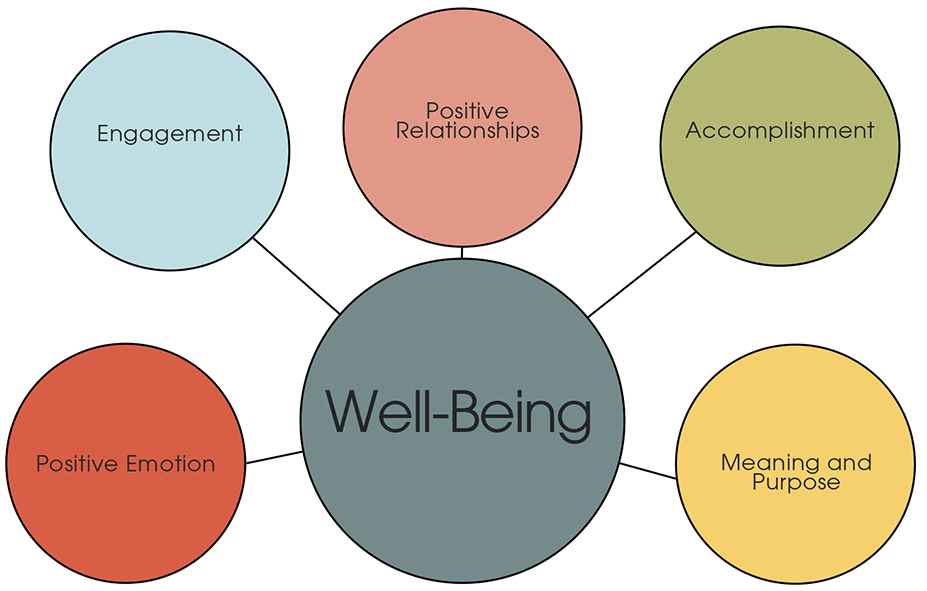
Well-being thematic map.
Engagement: A Cornerstone of Well-Being
Engagement in the community involved active, inclusive participation, which fostered community bonds and a shared sense of meaning and purpose among older adults and young adults with DD. Participants described how engagement was facilitated through mutual respect, mentorship, and the willingness to accommodate others’ unique needs, highlighting the community’s value on inclusion. This theme was not without challenges, as participants’ enthusiasm fluctuated based on circumstances, particularly weather conditions while working in the garden. Field notes revealed a mix of experiences with some days proving more challenging than others. Warmer days brought enthusiasm to the garden. During harvest season, group texts inviting volunteers drew several young adults who eagerly attended, often with support from their families for transportation. The positive atmosphere encouraged more community members to join in the activities, reinforcing the inclusive nature of engagement and showing how environmental factors and community support can enhance participation. In contrast, on a cold planting day, the absence of the master gardener left two young adults and the researcher to complete the work. The young adults expressed discomfort and reluctance to continue, yet with encouragement, they agreed to finish. This experience highlighted that intergenerational engagement, while generally positive, can occasionally test participants’ motivation, especially in less favorable conditions. The oscillation between high and low engagement underscores the need for adaptive approaches to intergenerational activities, one that recognizes both the importance of perseverance and the role of positive conditions in sustaining motivation.
Participants frequently highlighted a sense of belonging and connectedness in the community. Older adults emphasized the importance of building a supportive environment where young adults felt welcomed and valued. This emphasis on engagement in the community extended beyond inclusion, underscoring acceptance, awareness, support, and shared experiences as essential to community life with benefits for both older adults and youth. For example, Patricia, an older adult, described intergenerational interactions as a meaningful experience that connected her to others and mitigated feelings of isolation. Lisa, a young adult, shared how being part of a supportive, non-judgmental group bolstered her confidence and engagement, showcasing how community nurtures well-being across generations. Finally, Neal, an older adult, noted that fostering community buy-in also had practical benefits in that it was crucial for sustaining projects, emphasizing that when people are invested, they feel responsible for the project’s success.
Engagement in intergenerational activities also allowed participants to discover strengths and skills. Peter, an older adult, described how engaging with young adults with DD gave him insight into his capacity to connect with people outside his usual social circle. Kate, a young adult, recounted a previous experience on a mission trip where she realized her physical resilience and adaptability. This journey of discovery was transformative, enabling both older and younger participants to find meaning in challenges and uncover their unique contributions to the community.
Older adults in this study mentioned knowledge-sharing as a rewarding aspect of intergenerational work. For example, Donna, a master gardener, shared her experience teaching younger adults the nuances of plant care, emphasizing how these moments were more than just instruction; they were opportunities to impart wisdom and life skills. Participants from both age groups saw learning as a means of fostering self-worth and shared accomplishment, enriching both the learner and teacher in a mutually supportive environment.
Older adults often took on a mentorship role. Donna illustrated this when describing how she taught younger adults about gardening, from soil preparation to plant care. The act of teaching allowed older adults to contribute purposefully, while younger adults benefited from the practical wisdom imparted. The reciprocal nature of this teaching process underscored the interdependence and shared growth within the community.
Intergenerational engagement is a dynamic, multifaceted contributor to well-being. By fostering a community built on inclusion, discovery, persistence, and shared knowledge, both older adults and young adults with DD found meaningful ways to enrich their lives and the lives of others.
Positive Relationships: A Vital Dimension of Well-Being
Positive relationships unfolded as a vital dimension of well-being for young adults with DD and older adults alike, revealing how acceptance, connection, friendship, family, and mentoring contributed to the building blocks of supportive intergenerational relationships. Each person’s journey of forming and maintaining these relationships, however, was accomplished by a range of reactions—joy, belonging, fulfillment, and, in some cases, a profound loneliness when relationships faded or became distant.
Acceptance was identified as a foundational step in bridging intergenerational gaps, one that grew through authentic interactions. Neal, an older adult, shared an experience on a mission trip where he worked closely with a young adult with autism. Learning about this young person’s need for routine opened Neal’s mind and softened his approach, fostering a sense of connection. “It kind of opened up a whole other world,” he reflected, “now I can accept, I know how to deal with . . . I’m comfortable around these people.” Acceptance, he realized, wasn’t instant; it was cultivated through experience and a willingness to embrace those who are different.
For many participants, connection with family and community was a source of meaning and purpose and fulfillment. Peter, an older adult, spoke about intentionally bridging the gap between generations. “What a better way to be intentional and to use the resources that we have to bring those two communities together,” he said, noting how these interactions cultivated fellowship and mutual respect. Relationships between young adults with DD and older adults provided an antidote to isolation, offering a sense of connection that many felt they had lost or lacked. Patricia noted that these relationships filled a void left by grown children and busy grandchildren, offering companionship when family ties were often stretched thin by distance and time.
Young adults with DD expressed a yearning for friendships that extended beyond family or structured activities. Travis’s idea of friendship was rich with memories of “doing fun things together like friends and family, like spending the night, like going to the beach and the theme parks, and sleeping inside the cabin with friends.” Friendships for young adults were associated with shared experiences and the unfiltered joy of being together. Yet, for those like Lisa and Kate, the memories of past friendships were bittersweet, revealing an undercurrent of loss that came with the transition out of high school. Reflecting on her old friendships, Kate noted, “Ever since high school, I don’t keep in touch, I lost a lot of my friends.” This loss was difficult for Lisa as well, who, with tears in her eyes, shared her struggle to define friendship now that she felt so disconnected from her old friends. “They’ve all gone on and done their thing,” she said softly, grappling with the painful reality of change and the loneliness that remained.
The value of intergenerational relationships was heard in participants’ voices. Young adults and older adults both expressed a sense of fulfillment in learning from each other complimenting the support they receive from their families. Peter described these relationships as filling an essential need for both generations: “They still need that connection, yet still need a place to give, a place to love, a place to be loved.” For younger participants, older adults provided a sense of safety and warmth that felt like family. Kate, for example, compared the older adults she met on an international mission trip to her own parents, noting how their guidance and care gave her a comforting sense of security.
For older adults, mentoring relationships provided an avenue to impart social skills and life wisdom to younger adults. Cathy and Neal saw mentoring as a way to help young adults navigate challenging social situations. Neal recounted a time when he had to guide a young adult who was displaying inappropriate social behavior, helping him learn respectful ways to interact with others. This mentoring relationship was about more than behavior correction; it represented a compassionate understanding and willingness to help young adults find their place in the world. These moments allowed older adults to pass down values, offering a sense of meaning and purpose to the mentors and life skills to the young adults.
The family-life structure provided by intergenerational relationships was especially significant for young adults with DD and their families. Peter remarked on how community support could ease the pressure on families, who often felt stretched to provide constant care and engagement for their loved ones. He noted, “These families are tired, they’ve run out of resources and ideas, and they are looking for something different, something holistic.” For these families, the intergenerational community represented an extension of their family network—a place where young adults could grow, connect, feel loved, and where parents could find a sense of shared responsibility.
As much as relationships brought joy and belonging, they also underscored the pain of disconnection when friendships faded. Young adults like Lisa and Kate voiced their sense of loneliness after high school, feeling the absence of friends who had moved on. Lisa, reflecting on her friends from camp, struggled with the reality that “you can’t hold on to everything forever,” even as she yearned for that connection. In a moment of vulnerability, she admitted, “I don’t know why I’m getting upset about this,” revealing how the pain related to the loss of friendships lingered. Travis highlighted how community activities helped combat his loneliness, saying simply, “Oh yeah, it makes me feel happy, without being lonely, which I don’t like to be lonely.” For each young adult, the experience of loneliness illuminated the importance of enduring relationships—relationships that would bring both companionship and comfort.
Through these interwoven stories of acceptance, connection, friendship, mentoring, and community, the significance of positive relationships in fostering well-being became undeniable. These relationships not only filled emotional and social gaps for older and young adults alike, but also created a tapestry of shared life experiences, where each person’s story contributed to a larger narrative of resilience, love, and mutual growth. In this community, relationships served as bridges across generational divides, providing a foundation where individuals of different ages and abilities could find a place to belong.
Accomplishment: Nurturing Self-Worth Through Caring Actions
Accomplishment was identified as a significant theme for both young adults with DD and older adults, fostering self-respect, satisfaction, and a sense of purpose. The essence of accomplishment revealed how achievements, whether academic, professional, or personal, fostered a positive sense of identity and well-being, particularly within an intergenerational context where both groups found meaning in witnessing each other’s progress.
Self-respect was recognized as an important aspect of accomplishment among the young adults with DD who shared their pride in reaching significant educational and vocational milestones. For many, self-respect was closely tied to a sense of personal accomplishment that affirmed their capabilities and aspirations. Lisa, a young adult participant, provided a striking example as she reflected on her upcoming graduation with an associate degree. While others might downplay this achievement, Lisa embraced it as a testament to her hard work, exclaiming, “I have a degree!” This milestone represented more than an academic credential—it became a symbol of accomplishment, with tangible benefits as she looked forward to listing it on job applications.
Similarly, Travis spoke of his high school graduation, while Kate celebrated her certification in early childhood education, which opened new possibilities in the daycare field. For each of these young adults, educational accomplishments were not just personal successes but validation of their potential. The facial expressions and the pride in their voices underscored how important these accomplishments were to their sense of identity. Having had few opportunities to achieve, these moments of accomplishment were not just milestones—they were affirmations of their ability and worth, nurturing self-respect that might otherwise have been difficult to attain.
Satisfaction was a feeling shared across age groups, though it took on unique forms depending on the participants’ experiences. For older adults, satisfaction often stemmed from seeing the accomplishments of younger adults, which brought a sense of pride and emotional fulfillment. Neal’s statement, “Like ‘wow, I can do something, I’m not as bad as everybody says I am,’” emphasized the joy he felt witnessing young adults with DD recognize their own abilities. This vicarious satisfaction illustrated the impact of an intergenerational setting, where older adults could find meaning and pride in the achievements of younger participants.
For younger adults, accomplishment was frequently associated with teamwork and shared goals. Lisa, reflecting on a group project, expressed the fulfillment of collaborative work, saying, “yea, look at all we’ve done; that made me feel good.” Her words reveal how collective accomplishment became a powerful motivator, fostering both individual and group satisfaction. In preparation for the garden, a small intergenerational team gathered to dig a trench for the waterline. This was a messy job that not all enjoyed, but Dan, a young adult, loved it and after a long, grueling day digging in the dirt he commented with pride that he made it possible to water the garden and orchard with hoses. This was a terrific improvement over the previous year where he had to fill a 55-gallon container with water, transport in the back of a truck, and water the apple trees with buckets. In a world where young adults with DD may encounter limited opportunities for meaningful collaboration, these shared successes served as a reminder of their ability to contribute to a larger cause, bringing deep emotional satisfaction. This sense of satisfaction underscored the positive impact of both individual and collective accomplishments on self-esteem and interpersonal connections.
Work was identified as a shared yet uniquely valued aspect of accomplishment across generations. For Kate, a young adult, work was essential to her self-image. She was particularly proud of her commitment to her job and expressed disappointment when others did not share her dedication, viewing work as an avenue for proving one’s worth and success. Her perspective highlights how work became not just a responsibility but a source of pride, reinforcing her sense of purpose. Among older adults, work held a similar importance, but for different reasons. Donna, an older adult, reported that work provided a sense of self-worth and allowed individuals to make a difference, rather than “sitting at home on their thumbs and doing nothing.” For many older adults, who may no longer be in the workforce, the chance to contribute meaningfully to others’ lives took on special significance.
The work to bring water to the garden and orchard paid off. By the end of the season, Dan counted 54 apples on the growing 25 trees. The orchard was planted by Dan and an older adult with Alzheimer’s disease the year before. As a duo the two worked together, one with a history of working in a nursery many years ago and the other with strength who benefited from having a mentor. The two began to experience a sense of accomplishment as they planted the 25 apple trees, and 2 years later Dan got to see the fruit of their work.
The role of work in fostering accomplishment revealed a deep-seated need across generations to feel productive and valuable, bridging the young adults’ and older adults’ experiences and underscoring how work can be a source of fulfillment and identity. For this intergenerational group, accomplishment was revealed through self-respect, satisfaction, and work.
Meaning and Purpose: Enriching Life Through Service and Contribution
For both groups, meaning and purpose were centered on themes of service and productivity; older adults also described how mentorship gave them purpose. Many older participants felt that having a reason to continue working, serving others, or contributing to a shared goal added a sense of direction to their lives.
Participant reflections capture the concept of living with purpose. As a retired older adult, Neal emphasized the importance of “never quitting” and living purposefully. To him, service was a way to counteract the isolation and inactivity that often accompanies retirement. He was emphatic about not falling into the habit of meaningless activities, he insisted he had a lot to give, and he was determined to do so. Helping others and the broader community gave him purpose. Patricia also saw value in being needed by others, sharing that contributing to someone else’s well-being or success helped her feel purpose. Peter, an older adult, highlighted the urgency and importance of creating a space where overlooked populations, such young adults with DD, can feel valued and contribute to society. His comments underscore how these intergenerational interactions provide both a framework for older adults to serve and a supportive environment where young adults with DD can flourish. Lisa, a young adult with DD, reported how working with a team made meaning for her as together they were able to help others. This sense of meaning and purpose reinforced the importance of the participants’ work and contributed to their overall well-being.
Interestingly, some of the younger adults identified productivity as an aspect of meaning. For Lisa, working as a team to achieve an “end product that will eventually help someone” was a source of motivation and satisfaction. This sense of meaning and purpose reinforced the importance of work and contributed to their overall well-being.
Positive Emotion: Pillars of Intergenerational Well-Being
The participants’ experiences revealed many positive emotions—joy, forgiveness, kindness, love, respect, trust, and a sense of being valued—that infused their intergenerational interactions with meaning. Both older adults and young adults reflected on how positive emotions led to the feeling of happiness, which Seligman (2012) discussed as one of the elements of well-being.
For Cathy, an older adult, joy was a defining characteristic of her interaction with many children and young adults with DD. She pointed out that joyful children with special needs often continue as joyful adults. Reflecting on this, Cathy said, “I also understand that there is a joy in most of these kids that we as adults forget . . . they were joyful children, and they tend to stay that way.” Cathy’s insight underscored how the young adults’ joy became contagious, bridging generational differences.
Forgiveness is powerful and often underappreciated trait among young adults with DD. Peter, an older adult, admired this quality, saying, “I think for many of our kids anyhow, they have a bigger heart than most of us do. They are quicker to forgive . . . they’re much more open.” This capacity for forgiveness was identified as a strength that created space for authentic, nonjudgemental relationships. This openness to forgiveness modeled a valuable emotional skill that brought people closer together.
Kindness was a positive emotion echoed across both age groups, shaping the participants’ experience of acceptance and support. For Lisa, a young adult, kindness became a defining feature of her interactions with older adults. Remembering an experience working with older adults, she shared, “They were very open, very kind.” Lisa appreciated how minor mistakes were met with gentle guidance rather than criticism, creating an environment of mutual respect and care. The young adults were encouraged by kindness, while older adults found meaning and purpose in supporting others—a dynamic that enriched both groups.
Peter highlighted love as a powerful, unifying emotion among young adults with DD, noting, “They have so much love to give, and they just need to be given an opportunity to participate.” He also reflected on older adults and how they sometimes don’t feel valued or needed, and he remarked on the need for older adults to feel a sense of being needed and connection, “they still need that connection, they need a place to give, a place to love, and a place to be loved.” His observations underscored a desire to include young adults with DD and older adults in ways that allow them to care deeply.
Respect was a value woven throughout the participants’ reflections, emphasizing the importance of honoring each person’s unique perspective and experience. Patricia, an older adult, shared how her interactions with young adults with DD helped her understand their experiences as a “cultural difference.” She explained, “Once you understand that there is a cultural difference then anything they may say or do that you thought was insulting maybe really isn’t anymore because you understand that that is not what they meant by that, that it’s just a difference in the culture.” Patricia recognized the value of respecting individuals as they are, embracing developmental diversity with the same openness and acceptance one would apply across cultural differences. Peter also demonstrated respect for young adults with DD when he said, “Being able to reach them on their level and let them still be involved in the conversations and not be ostracized or looked down upon.”
For Cathy, trust was an essential element in building a safe and supportive intergenerational environment. When asked about her suggestions on how to implement a program for the two groups to work together in a garden, Cathy responded, “First, I think you would have to develop trust; the parents of the young adults would need to trust whoever has the young adults in a gardening environment, or in an environment anywhere probably.” Additionally, Travis, a young adult, shared how he felt these adults understood him and helped him when he was scared. He trusted them. Trust became a grounding force in these relationships, enabling both generations to connect on a deeper level.
Valuing others points to each person’s inherent worth and dignity. Donna articulated this saying, “Everybody has something special to offer, no matter where they are educationally, health, or whatever, everybody has a contribution.” This belief that every individual has a valuable role to play resonated strongly, reinforcing the idea that inclusivity enhances well-being for all.
Summary of Findings
Exploration of the data using interpretive thematic analysis provided an opportunity to uncover a deeper meaning of well-being for this community. Following Braun and Clarke’s (2006, 2021) approach to thematic analysis, five themes of well-being were constructed from the data: engagement, positive relationships, accomplishment, meaning and purpose, and positive emotion. The themes align with the five elements of the Well-being Theory presented by Seligman (2012). According to Seligman (2012), elements must possess three properties: (a) the element must contribute to well-being, (b) the element is often pursued due to the element’s importance, and (c) each element stands on its own and can be measured independently. Seligman referred to the essence of well-being as flourishing. Flourishing can be defined as the (positive) presence of these five elements in a person’s life. These elements contribute to a positive experience that moves beyond happiness and toward a more holistic idea of wellness. This holistic idea of wellness is supported in nursing by Watson’s (2008) Theory of Human Caring which focuses on the importance of a holistic approach to nursing. Watson’s Caring Theory emphasizes the importance of positive relationships, compassion in fostering connections, and creating a supportive, caring environment.
The themes of the Well-being Theory are supported by these findings and, importantly, offer an expanded view of well-being that reflects the unique experiences of older adults and young adults with DD from a holistic nursing perspective. While Seligman’s Well-being Theory emphasizes psychological and emotional components of well-being, this study highlights additional dimensions relevant to this intergenerational community. This expanded understanding, grounded in holistic nursing values, will support the CAB in planning future intergenerational activities that foster connection, purpose, and belonging for all participants.
Discussion
In this study, community members explored ways to enhance the well-being of adults with DD and older adults, focusing on intergenerational activities in the context of a community gardening project. Use of the PAR approach facilitated active involvement of participants and community members in the research process which provided insight that would not have been possible without the input of the community. Data collection concluded once the data set provided sufficient depth to respond to the research question on enhancing well-being among older adults and young adults with DD. Five themes were constructed related to well-being in this community. As a result of this investigation, the CAB and the researcher gained a deeper understanding of well-being specific to the adults with DD and older adults and the broader community. Key findings highlight the beneficial impact of intergenerational relationships on the well-being of both groups, particularly in terms of engagement and positive relationships. This knowledge is important for the nurse and community to design program(s) and community support to enhance well-being of these two groups.
Relationships are not only instinctual and natural, but also spiritual and mutually beneficial, aligning with Watson’s assertion that caring relationships are at the heart of nursing practice (Watson, 2009). Previous research underscores the importance of socialization in mitigating loneliness and isolation for adults with DD and older adults (Mazurek, 2014; Skingley, 2013). Skingley (2013) highlighted the role of community health nurses in reducing social isolation through programs that promote engagement and meaningful relationships, as well as through advocacy for health policies that prioritize social connectedness. Similarly, Israel et al. (1998) emphasized the value of involving community members in community-based research to enhance public health outcomes, reinforcing the importance of collaborative relationships in improving well-being. The five themes identified in this study were constructed inductively through analysis of the data, without applying a predefined theoretical framework. During the later stages of the analysis, it became evident that these themes closely aligned with the elements of well-being described by Seligman (2012). Watson’s Caring Theory offers complementary nursing perspective that emphasizes the holistic and relational nature of well-being (Watson, 2008). Caring relationships, a central tenant of Watson’s theory, are essential for fostering connection and addressing the emotional and social needs of individuals.
The findings of this study are supported by others who have advocated for including opportunities for intergenerational activities in communities. Butts and Jarrot (2021) discussed the benefits of intergenerational shared sites highlighting the work Messiah Lifeways has done by incorporating a childcare center on the campus of their residential living community. Despite growing evidence of positive benefits of intergenerational engagement (Femia et al., 2008; Krzeczkowska et al., 2021) there are less than 150 intergenerational sites in the United States (Butts & Jarrot, 2021). In addition to increased awareness of shared sites, they recommend building community alliances which echo the importance of buy-in by community members from one of the older adults in this study. One such shared site, St. Ann Center, is an intergenerational day center offering services to older adults, adults with DD, and children in a day care. Founded by Sr. Edna Lonergan, who is a Registered Nurse, the center seeks to enrich the lives of all they serve through holistic care and purposeful intergenerational interaction (Lonergan, 2017). These intergenerational shared sites align with the Healthy People 2030 goal to increase social and community support as positive relationships are critical for well-being (U.S. Department of Health and Human Services, Office of Disease Prevention and Health Promotion, 2024).
Engagement was notable in the intergenerational relationships described by participants and in activities in the garden. Young adults discussed how older adults were instrumental in their life and older adults reported satisfaction in being able to mentor young adults with DD to participate in volunteer work or another activity. Engagement requires buy-in from the community as the community needs to feel a part of the project. Knowledge and learning go together; in particular, the experience of the older generation is of great value and the use of that experience to teach skills to young adults allows individuals from both groups to be fully engaged. The data revealed a high level of engagement for participants from both groups when they were working on intergenerational projects. This study specifically found that intergenerational relationships can be highly engaging and can improve subjective well-being.
Positive relationships are essential to well-being (Schlitz et al., 2023; Seligman, 2012; Watson, 2008) and are central to this research. As expected, the element of positive relationships, which has been identified as a vital element of well-being for younger adults with DD (Schlitz et al., 2023), was also discussed by all participants as essential in their lives. The loss of positive relationships was particularly troubling for several young adult participants. This research added to Seligman’s (2012) description of positive relationships by providing specific aspects essential in this community for older adults and young adults with DD. Intergenerational relationships create a good combination, as several participants stated. Many younger adults felt as if their former friends in their age cohort had moved on and were thus feeling lonely, and the older adults felt that having additional mentor figures would enrich the lives of the younger adults. Thus, the intergenerational friendships forged in this study were beneficial to both young and older participants and could improve subjective well-being. The use of the PAR approach for this project provides the CAB with evidence to create an environment that encourages the development of positive relationships. This fills a gap in the literature related to well-being among older adults and young adults with DD specifically and promotes intergenerational relationships between the two groups recommended by Butts and Jarrot’s (2021) call to action.
Accomplishment is an essential element of well-being and a person’s ultimate flourishing (Seligman, 2012). There is a gap in the literature related to older adults and young adults with DD related to accomplishment. Accomplishment was identified more often in the young adults as compared to the older adults. This may be because these young adults have not had the same sense of accomplishment as many of their peers, and consequently, they were eager to discuss their successes. All the young adult participants continued to live at home with their parents when their siblings or friends were transitioning to independence at college or living on their own. Only one of the four young adults was enrolled in a community college, and only one discussed a current job. This correlates with the estimated 34% to 38% of young adults with a DD being employed (Almalky, 2020; Butterworth & Migliore, 2015) and the reported lack of activity (Parsons et al., 2024). Any program aimed at enhancing well-being for both groups, but especially young adults with DD, needs to incorporate something that provides a sense of accomplishment.
The initial literature review on meaning and purpose produced evidence that purpose in life declines for many older adults, possibly due to the loss of roles (Ryff & Keyes, 1995).
Battersby and Phillips (2016) reported that meaning is what the person says it is and that engagement in something that a person finds meaningful is important as one ages; the findings of this PAR project support this hypothesis. All the older adults interviewed actively seek out volunteer activities and find meaning and purpose in their lives. Failure to capitalize on the wealth of skills and knowledge of older adults is a tremendous loss to communities.
Clearly, happiness is important to well-being, but as Seligman (2012) reported, happiness alone is not the equivalent of well-being but rather is one component of well-being, more specifically a positive emotion. Contrary to Seligman’s (2012) research, happiness was not identified as a component of positive emotion in this research; however, other positive emotions that were identified may lead to happiness. The findings identified calling, forgiveness, joy, kindness, love, respect, trust, and being valued as positive emotions. Interestingly, respect was from the older adults toward the young adults with DD. One participant compared the difference between older adults and young adults with DD as cultural differences and described respecting others by bearing in mind their viewpoint. This is relevant for the CAB to incorporate in the planning process for intergenerational interaction. This study, therefore, supports past research suggesting that respect is important for well-being (Ronzi et al., 2018). The studies reviewed by Ronzi et al. (2018) highlighting that respect and inclusion improves well-being in older adults corroborate Erickson’s (1963) theory that when middle to older adults give back to society through interaction with the community, their well-being increases.
Well-Being Summary
This project began as a way to enhance the well-being of older adults and young adults with DD by providing an opportunity for both groups to develop relationships. It was the hope of the CAB that intergenerational relationships would reduce loneliness for young adults and provide purposeful activity for older adults. This study, along with current literature, suggests that engagement is also essential to enhance overall well-being (Battersby & Phillips, 2016; Krzeczkowska et al., 2021). This research supports Seligman’s (2012) Well-being Theory and by reflecting on well-being through a nursing lens (Watson, 2008) provides an expanded view of how to improve well-being among the people of the community, more specifically older adults and young adults with DD. This synergistic holistic approach provides a better understanding of well-being which underscores that well-being is not achieved alone but also through positive relationships that honor the dignity of each person.
Limitations
While this study provides valuable insights into how intergenerational relationships can enhance the well-being of older adults and adults with DD, there are several limitations of the findings. The purposive sample was relatively small and limited to a small geographic area which may limit the generalizability of the findings. There is potential for self-selection bias, as the older adult participants were individuals who already actively sought out volunteer opportunities and reported a strong sense of meaning and purpose, which may not reflect the experiences of less engaged or more isolated older adults. Some participants may have had challenges fully engaging in the process due to cognitive or communication difficulties related to their disability. And, although methods were employed to limit researcher bias, the researcher’s perspectives may have influenced the process and interpretation of the findings.
Implications
A distinctive contribution of this study is that it engages social capital to enhance well-being through synergistic intergenerational relationships. By intentionally designing environments where older adults and young adults with DD can share their unique talents and skills, both groups experience reciprocal benefits, including increased social connection, a sense of purpose, and mutual respect. These environments are critical in addressing dimensions of well-being often diminished in these populations, such as social isolation, loneliness, and lack of meaningful engagement.
On a broader scale, the development of intentional intergenerational programs offers a sustainable framework for fostering collaboration and engagement in purposeful activities. By serving as dynamic community hubs, these programs not only create a sense of belonging but also challenge social narratives that marginalize both older adults and individuals with DD. Intentional efforts to integrate these populations into shared spaces—whether through community-based initiatives, workplace inclusion, or social activities—can generate long-term benefits by promoting inclusion, breaking down stereotypes, and reinforcing the value of diverse contributions.
Additionally, the findings from this study have direct implications for the design of supportive living environments. By embedding intergenerational interaction into residential communities, organizations can create enriching models of care that enhance well-being for all residents. For example, supportive living communities could employ young adults with DD in meaningful roles or incorporate structured intergenerational programs into daily activities, fostering engagement, autonomy, and social connection. This integrated approach addresses multiple aspects of well-being, including personal fulfillment, interdependence, and reduced isolation, while also contributing to a cultural shift toward more inclusive and supportive aging environments.
Finally, the knowledge gained through this research will be instrumental in guiding the CAB’s development of community health initiatives that leverage intergenerational relationships as a means of enhancing social and emotional well-being. By translating these findings into actionable programs and policies, stakeholders can create scalable, evidence-informed interventions that not only benefit the target populations but also strengthen the community.
Recommendations for Future Research
Future research is proposed to examine the benefits of intergenerational activities, such as working in a community garden or participating in other collaborative initiatives, to assess the impact of intergenerational interactions between older adults and young adults with DD. Bongiorno (2015) described the PAR process as cyclical, involving stages of reflection, action, reflection. Similarly, Munhall (2012) outlined the stages in PAR as planning, action, reflection. Both patterns are considered cyclical, and as a result, PAR often involves several phases. In this study, the initial phase involved collaborative reflection with community members and the author to identify strategies for enhancing well-being. Following the completion of the PAR cycle, the researcher and CAB implemented several ideas generated during data analysis. The intergenerational community garden remain an ongoing project, serving as a space for continued interaction and mutual growth. Additionally, insights gained from this research will be incorporated into future community initiatives aimed at fostering intergenerational connections. Addressing critical issues such as loneliness, the lack of supportive services, and the need for purposeful activities for both young adults with DD and older adults is essential. Highlighting these issues through future PAR studies may not only lead to the development of new programs but also inspire policy changes that promote belonging for these often overlooked populations.
Summary
This study identified and expanded on the elements of Seligman’s (2012) Well-being Theory within the context of a community-based PAR project. The findings highlight the unique needs and strengths of adults with DD, emphasizing the importance of fostering inclusion, acceptance, and support within the community. Implications from this study suggest that creating holistic caring environments where older adults and young adults with DD can engage meaningfully with one another could significantly enhance their well-being. Additional research is essential to validate the positive impact of intergenerational relationships on well-being. Such research could provide the evidence needed to guide the development of sustainable programs and inform policy changes aimed at promoting social inclusion and improving quality of life for both populations.
Footnotes

Funding
The author received no financial support for the research, authorship, and/or publication of this article.
Declaration of Conflicting Interests
The author declared no potential conflicts of interest with respect to the research, authorship, and/or publication of this article.