



Abstract
This study explored the perceptual cognition of differently dyed fabrics among consumers and compared perceptual evaluations of dyed fabrics made of various materials using basic theoretical knowledge of Kansei engineering and clothing materials. SPSS software was used for statistical analysis of the survey data of 100 college students to determine the characteristics of dyed cotton fabric. The results of the perceptual evaluations of plant-dyed and industrial-dyed fabrics are discussed. The most representative characteristics of cotton fabrics, core evaluation vocabulary, and perceptual evaluation factors of plant-dyed and industrial-dyed cotton fabrics were determined by the semantic difference method and cluster analysis. The relationship between the perceptual image word pairs (i.e. vision, touch, smell, health, and value) and each type of dyed fabrics was studied.
Introduction
Kansei engineering is a new design direction and discipline that first began in the 1990s. The principles of Kansei engineering are based on the subjective impression that an individual obtains information from a particular artifact, environment, or situation by comprehensively using all senses (i.e. vision, hearing, touch, smell, and tast me) and cognition. 1 As a new product development technology, Kansei engineering mainly focuses on the relationship between the perceptual images held by the “human” and the design results of the “object,” and transforms the perceived image (the concept generated in consumers’ minds) into visible physical design. In the past few decades, this technology has been widely used in various design fields, such as interior design, automotive, clothing, home appliance, sporting goods, women’s care products, labor protection products, and ceramics, lacquerware, and decorations, for the development and research of new products.2–8 Perceptual evaluation is an important step in determining and confirming the degree of customer preference by applying perceptual engineering theory. Many scholars have conducted research on perceptual evaluation, and the semantic difference (SD) method has been widely used to measure human perception and perceptual preferences.9–13
Traditional statistical analysis methods (e.g. correlation coefficient, principal component, factor, and multiple regression analyses) are often used to capture consumers’ perceptual preferences. Consumers sometimes make purchase decisions based on their perceptual preferences for products, and, therefore, perceptual evaluations are helpful for marketing products and for making recommendations to the consumer.14–19 Therefore, when designing products, we should pay more attention to the interactive experiences between people and products, and the overall feeling obtained by integrating the information on consumers’ perceptual images.
Based on Kansei engineering research on fabrics, Ogawa et al. 6 proposed the design concept of supporting perceptual style in textile design. Groissboeck et al. 20 used a genetic algorithm to connect visual texture with human perception. Ting et al. 21 investigated consumers’ perceptual images of fabrics and established the characteristics of perceptual images of fabric materials. Chen et al. 22 researched the aesthetic evaluation of clothing fabrics by measuring perceptual images among specific groups. Xiaoxi et al. 23 studied the aesthetic evaluation of clothing fabrics based on the perceptual images of specific groups. Shaoying et al. 24 conducted an overall evaluation of the performance of shirt fabrics using a factor analysis method. In addition, Wacoal, Goldwin, and other companies have also applied Kansei engineering to product design and development. 25
Emotional fabric design, which takes into account consumers’ psychological needs, is gaining more and more attention from researchers and companies. In this study, an engineering method was used to quantify the perceptual factors of consumers and to determine the mathematical relationship between the perceptual quantity and the design elements or physical quantities, which can be used as the design and engineering basis of plant-dyed fabrics. The incorporation of Kansei engineering into fabric design can help designers better understand the emotional needs of consumers and to develop products that meet those needs.
Plant dyeing is a method of dyeing fabrics with natural plant pigments, which has a long history in China. In recent years, with the continuous impact of social development and the concept of environmental protection, people have become more interested in improving their quality of life; the quality requirements for textile and clothing products have grown and the pursuit of a more green, comfortable, and healthy wearing experience is becoming more common. Compared with industrial-dyed fabrics, natural plant-dyed fabrics are more healthy and environmentally friendly and there are obvious differences in appearance, touch, and smell between natural plant-dyed and industrial-dyed fabrics.
Using the principles of perceptual engineering, this study systematically studied the views and methods related to various dyed cotton fabric elements, which were considered to be qualitative, unquantifiable, and illogical in the past.1,26 By means of a sampling experiment and statistical analysis, this study investigated the perceptual evaluation and cognition of plant-dyed and industrial-dyed cotton fabrics, the perceptual characteristics of these dyed cotton fabrics, and the relationship between the preference of consumers for plant-dyed or industrial-dyed cotton fabrics and perceptual evaluation of the fabrics. The results of this study can serve as reference data for the development and design of plant-dyed fabrics.
From the perspective of human cognition, sensibility is the objective attribute of things and perceptual cognition is the cognition of objective things based on psychology and physiology. 27 Kansei refers to a cognitive function—the Kansei process begins with human sensory functions such as feelings, emotions, and intuitions via vision, hearing, smell, taste, and touch. 13 The perceptual cognition of the differences between plant-dyed and industrial-dyed fabrics results from the experience of wearing or choosing various clothing materials. There are three types of perceptual cognition of fabrics: touch, vision, and smell. In cognition through touch, objects are judged by transmitting information from the skin to the brain. In this case, it mainly refers to the cognition of the material handled by its touching the skin. 28 Cognition through sight is the result of visual light stimulating the retina, which is to observe information on objects through the eyes, such as the material’s surface characteristics (e.g. luster, hardness, and softness). In cognition through smell, a nerve impulse is produced by olfactory cells stimulated by volatile substances. The impulse is transmitted to the cerebral cortex along the olfactory nerve and causes olfaction. This study explored the different psychological feelings produced by various fabrics due to different dyed materials. People receive the information transmission of fabric (shape, texture, color, etc.) through the perception system of vision, touch, and smell and then generate the preliminary perceptual image cognition of fabric in the mind.
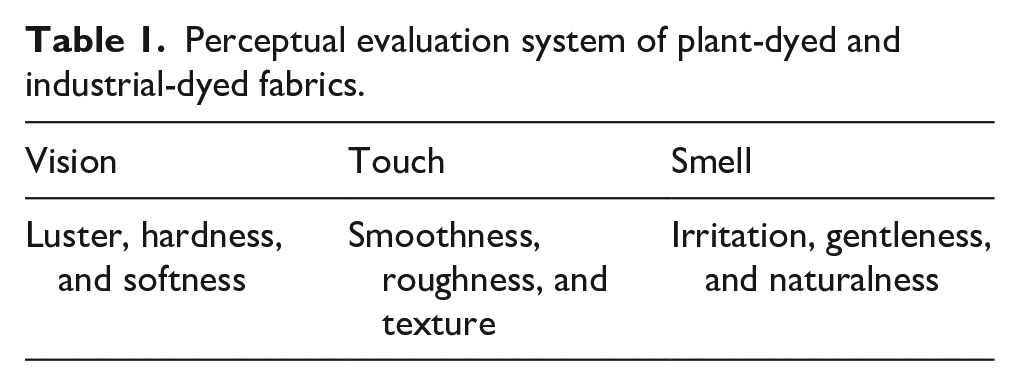
When encountering a fabric, people visually examine the texture of the fabric, touch the fabric’s surface, and smell the fabric. They perceive these aspects of the fabric cognitively and evaluate the texture, smoothness, softness, hardness, smell, and other attributes. This process is based on perceptual experience. Taking the perceptual experience test of plant-dyed and industrial-dyed fabrics as an example, first, the tester can directly perceive the surface texture of plant-dyed and industrial-dyed fabrics through the skin of the fingers. At the same time, combined with the memory effect of having seen the fabric, visual-, touch-, and smell-related information is transmitted to the brain through the nerves and the brain classifies this information for an overall perception of the fabric. The participant’s encounter with the fabric is evaluated with his or her memory of the perceptual experience. Because people’s evaluations and feelings of things are relatively vague, in psychology, we measure the attitudes and evaluations of the participant’s perception experience through psychological scales, such as a Likert-type scale or an SD scale. Perceptual cognition of plant-dyed and industrial-dyed fabrics mainly involves vision, touch, and smell (Table 1).
Perceptual evaluation system of plant-dyed and industrial-dyed fabrics.
Methods
The research process shown in Figure 1 was roughly divided into seven steps: (1) sample collection and selection; (2) semantic vocabulary collection; (3) questionnaire survey to determine the image semantic space; (4) the second questionnaire survey to obtain the evaluation, preference, and other information; (5) cluster analysis to divide the image word pairs into groups and extract the representative image words; (6) analysis of the distribution of perceptual image evaluation of different dyed methods; and (7) regression analysis to study the relationship between the preferences of four types of fabrics and image words. In the statistical analysis stage, SPSS 22 software (IBM, USA) was used to analyze the survey data. The SD method was used to design the questionnaire and conduct the investigation. The SD method is a commonly used subjective evaluation method. It uses several adjective pairs related to an evaluation object as the scale to measure the subjective response of the participant after being stimulated by the object.
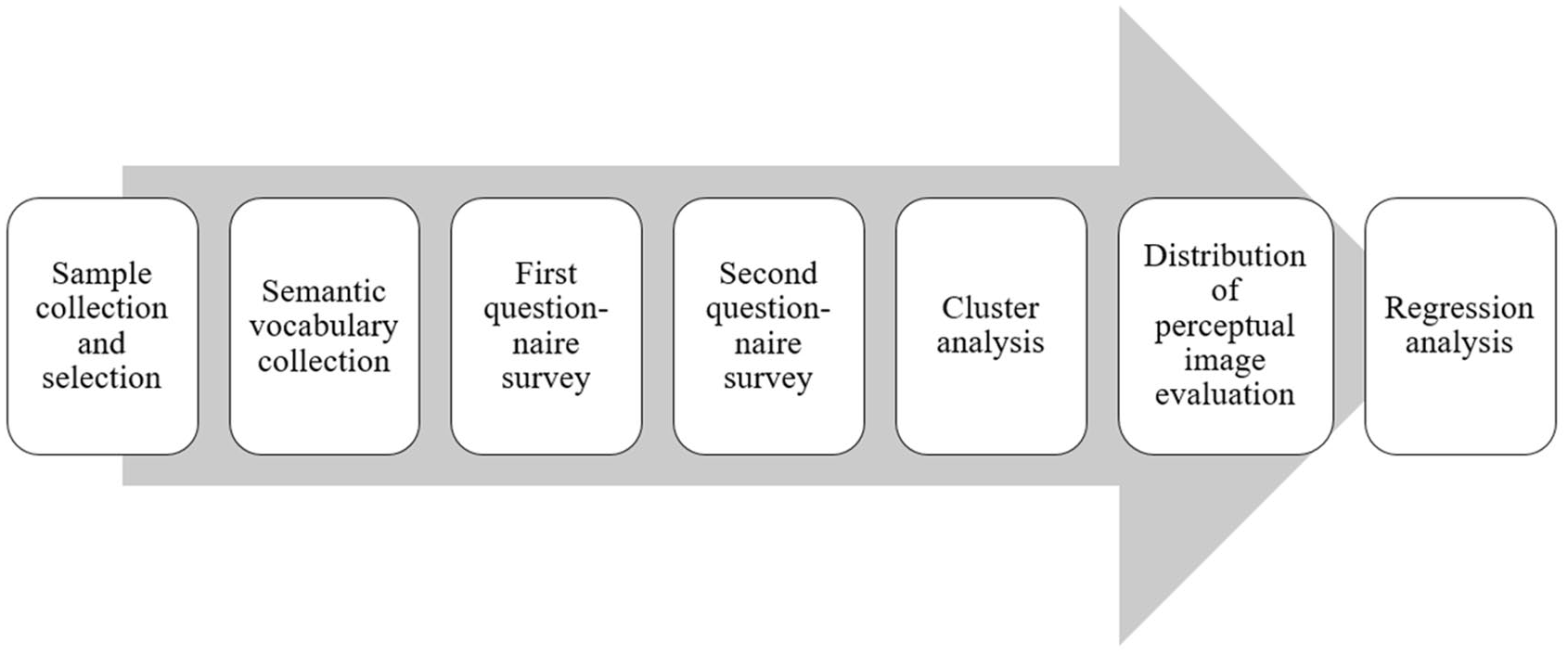
Research process.
Fabric Sample Selection
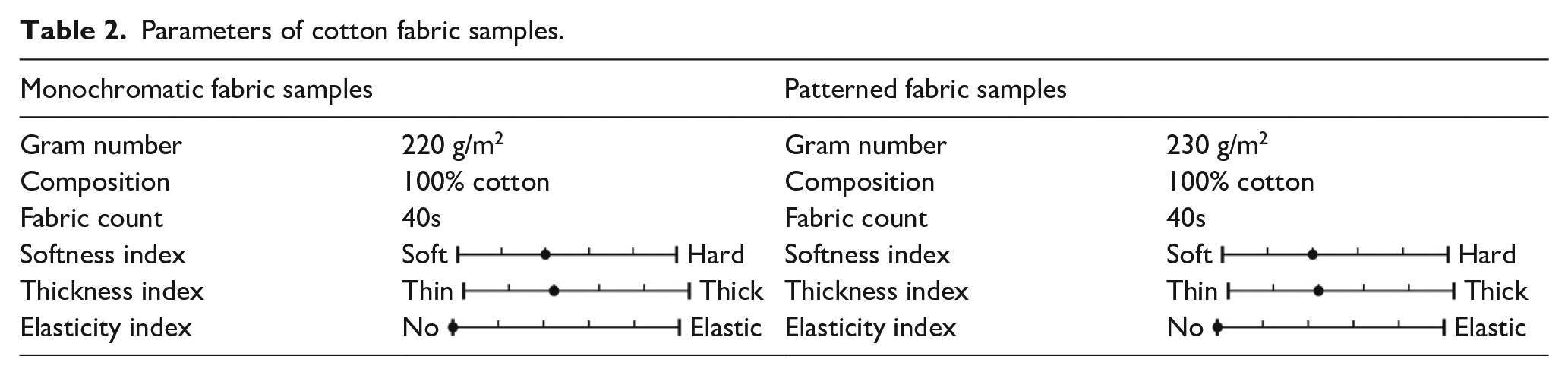
From the collected plant-dyed cotton fabrics, 15 monochromatic fabric samples and 15 patterned fabric samples in various colors were selected. From the collected industrial-dyed cotton fabrics, 15 monochromatic fabric samples and 15 patterned fabric samples in various colors were selected. To exclude the influence of various fabric materials, fabrics with similar gram numbers, counts, and physical properties were selected. See Table 2 for specific parameters and Figures 2–5 for images of the samples.
Parameters of cotton fabric samples.
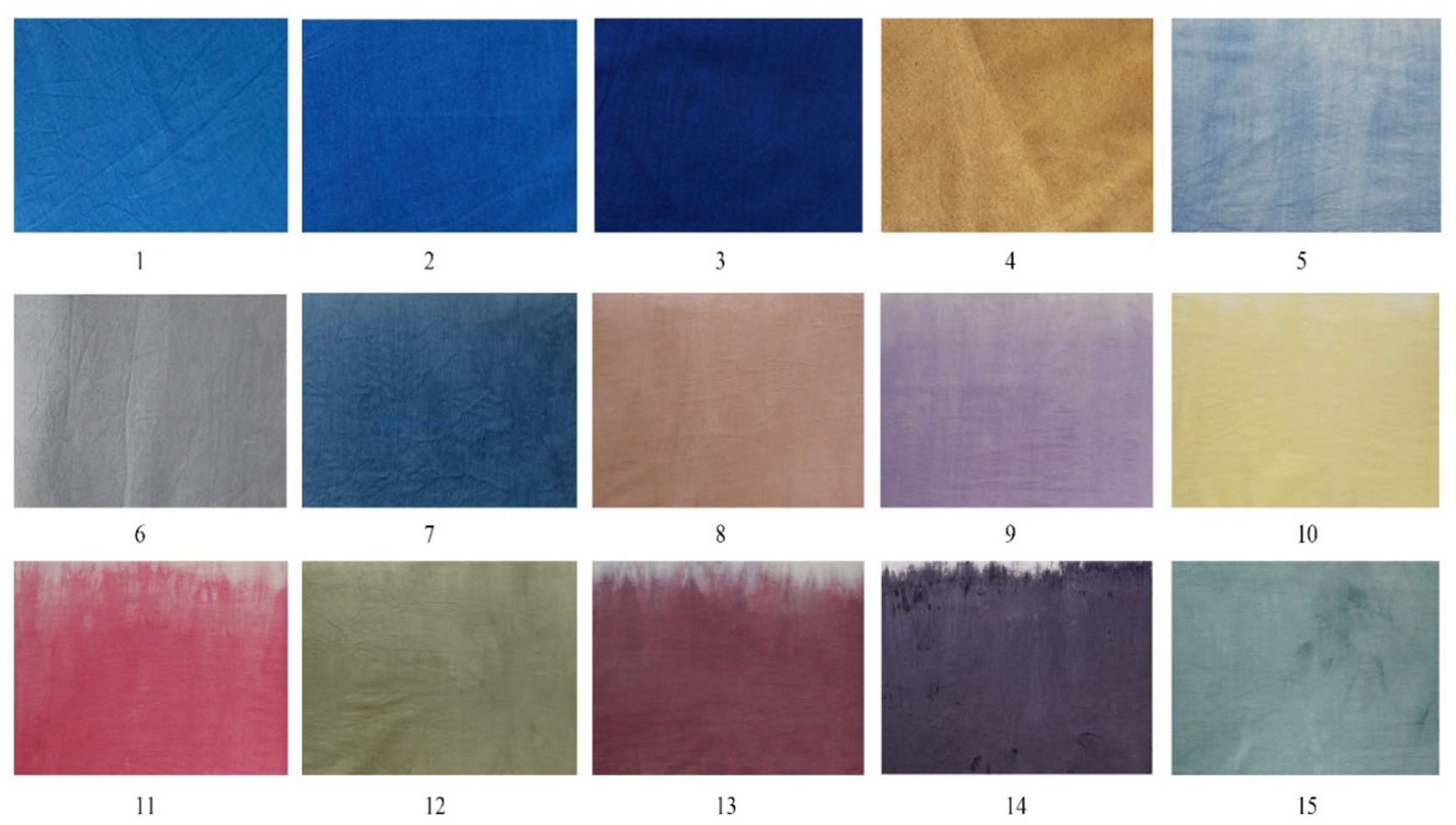
Plant-dyed monochromatic cotton fabric samples.
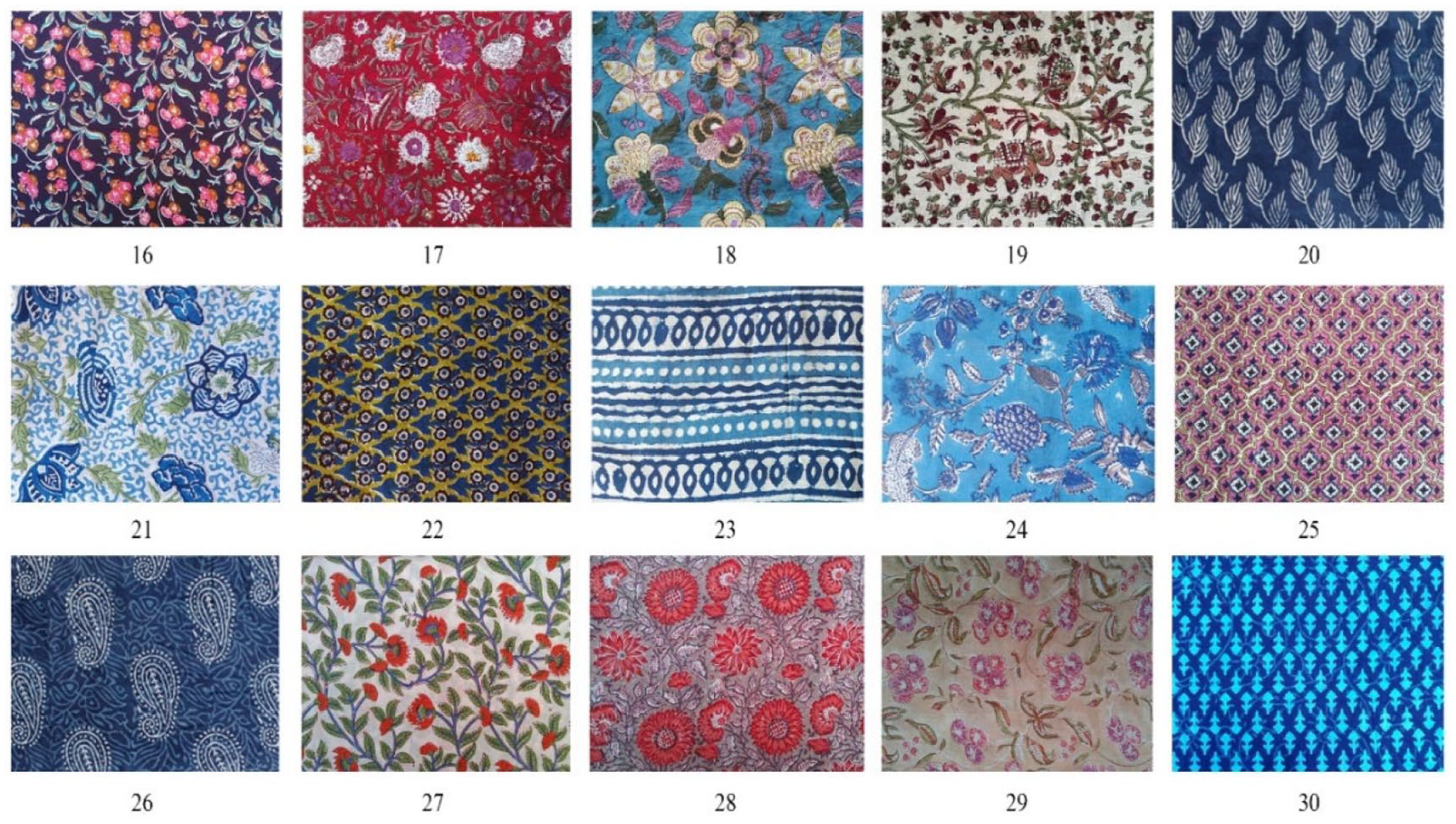
Plant-dyed patterned cotton fabric samples.
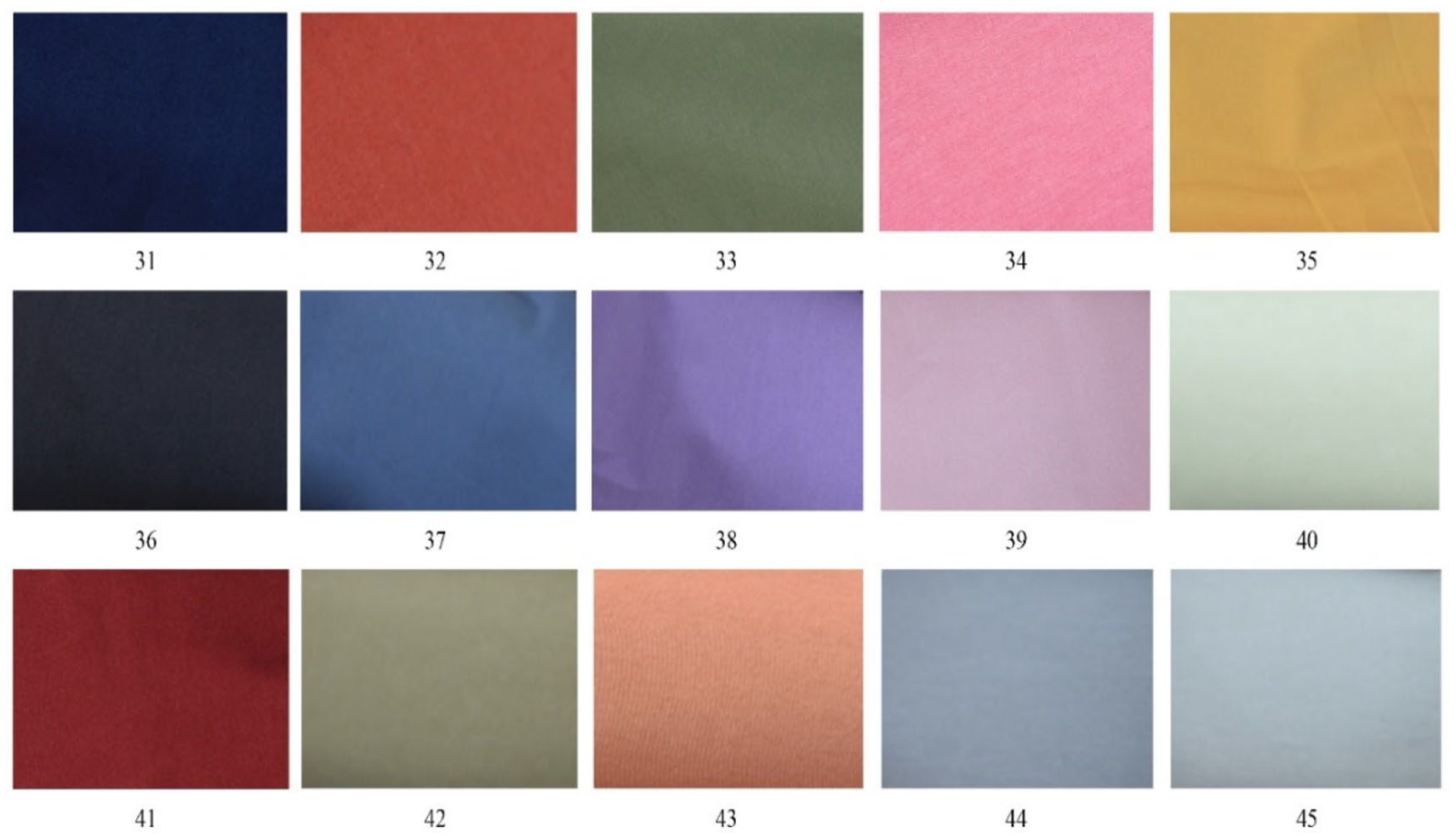
Industrial-dyed monochromatic cotton fabric samples.
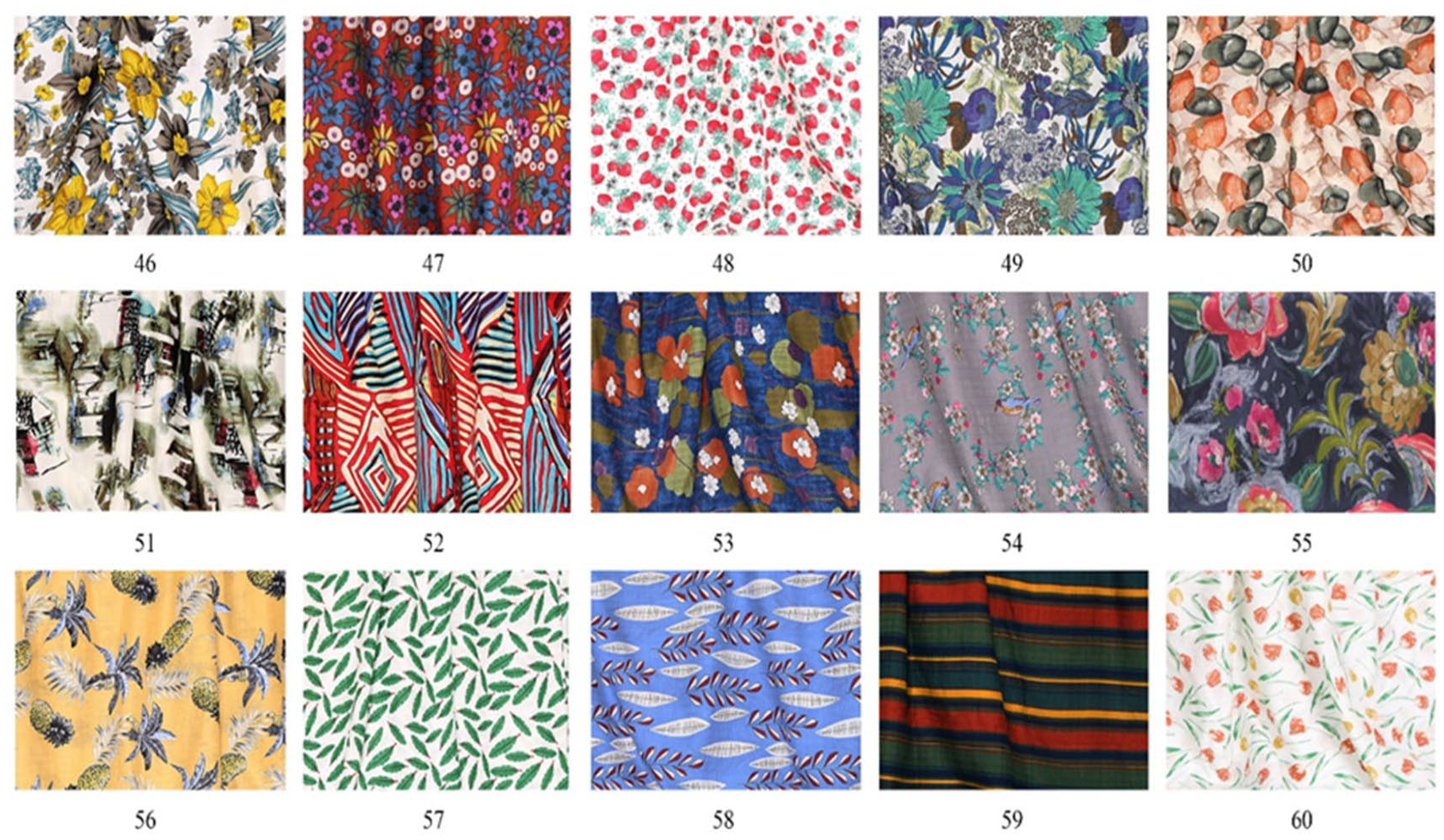
Industrial-dyed patterned cotton fabric samples.
Perceptual Vocabulary Extraction
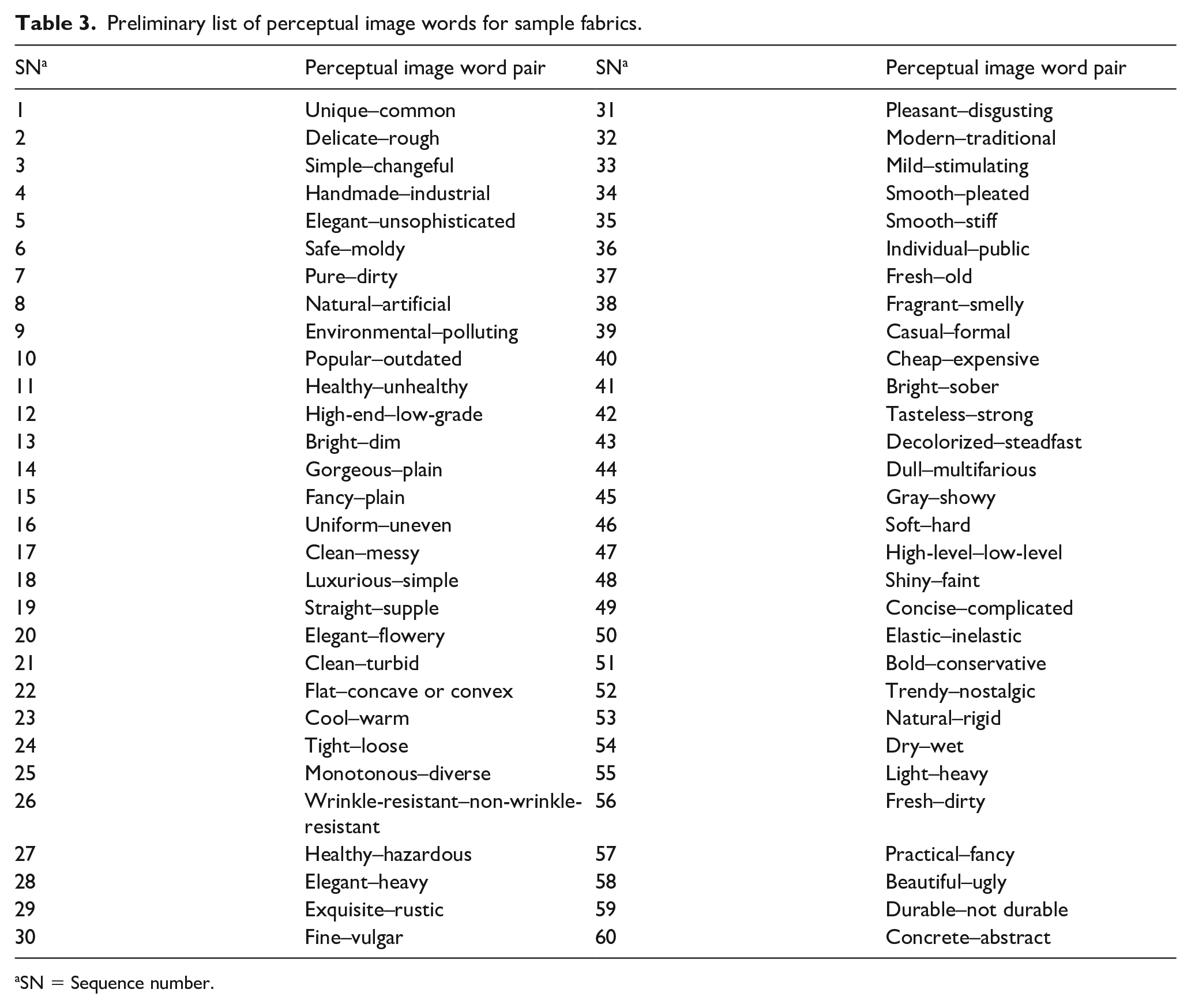
To describe the participants’ perceptual evaluations in a standardized manner, understand the relationships and factors among the various perceptual characteristics, and provide a statistical basis for establishing a relationship model between the perceptual image and the fabric characteristics, we used several methods to confirm the perceptual vocabulary. Through dictionaries, magazines, fabric exhibitions, product catalogs, market research, and related websites, perceptual image words were widely collected, and fabric experts, fashion designers, and fabric designers were interviewed to preliminarily screen the collected words and remove words with similar meanings. Then, the image words were further screened using a questionnaire to determine the proper evaluation words and pair them to ensure representativeness and comprehensiveness. Finally, 60 word pairs that were most suitable for describing the perceptual image of fabric samples were selected (Table 3).
Preliminary list of perceptual image words for sample fabrics.
SN = Sequence number.
Questionnaire Design and Data Collection
In this study, to obtain as much relevant feedback from the participants as possible, real fabric samples of 16 × 16 cm were used. The participants were required to assess the fabric samples through both vision and touch simultaneously and the score was based on the participant’s comprehensive feeling, with scores ranging from –2 to +2, reflecting the degree to which the participant rated the fabric as having the aesthetic qualities represented by a word pair. The evaluation experiment was conducted in the laboratory at a temperature of 20 ± 2°C and relative humidity (RH) of 60% ± 3%. Each participant underwent the experiment independently and the duration of each experiment was ~5–10 min. Differences between the perceptual images of plant-dyed and industrial-dyed cotton fabrics were obtained through a questionnaire survey and data analysis.
First Questionnaire Survey
A total of 100 students and teachers aged 20–50 years were invited to participate in the first survey. The participants were asked to select at least 20 groups of adjective pairs from 60 given semantic word pairs of perceptual images for the fabrics. A total of 100 questionnaires were distributed and 100 questionnaires were collected, including 100 valid questionnaires.
The SD method was used. In perceptual evaluation systems, SD is often used as a method to quantify human perception to understand perceptual preferences.9,18,29,30 The SD method is a commonly used subjective evaluation method, which measures the subjective response of participants after stimulation by the object. The participant rates the object in terms of the evaluative concepts specifically related to it (the stimulus map) using a scale composed of two adjectives with opposite meanings.31,32 From the original 60 groups of words, 20 perceptual image word pairs matched with representative samples were selected according to the results of the first survey.
In the next experiment, the 20 word pairs were used for subjective evaluation of four groups of cotton fabrics: plant-dyed monochromatic fabric, plant-dyed patterned fabric, industrial-dyed monochromatic fabric, and industrial-dyed patterned fabric. The results are shown in Figure 6 and Table 4.
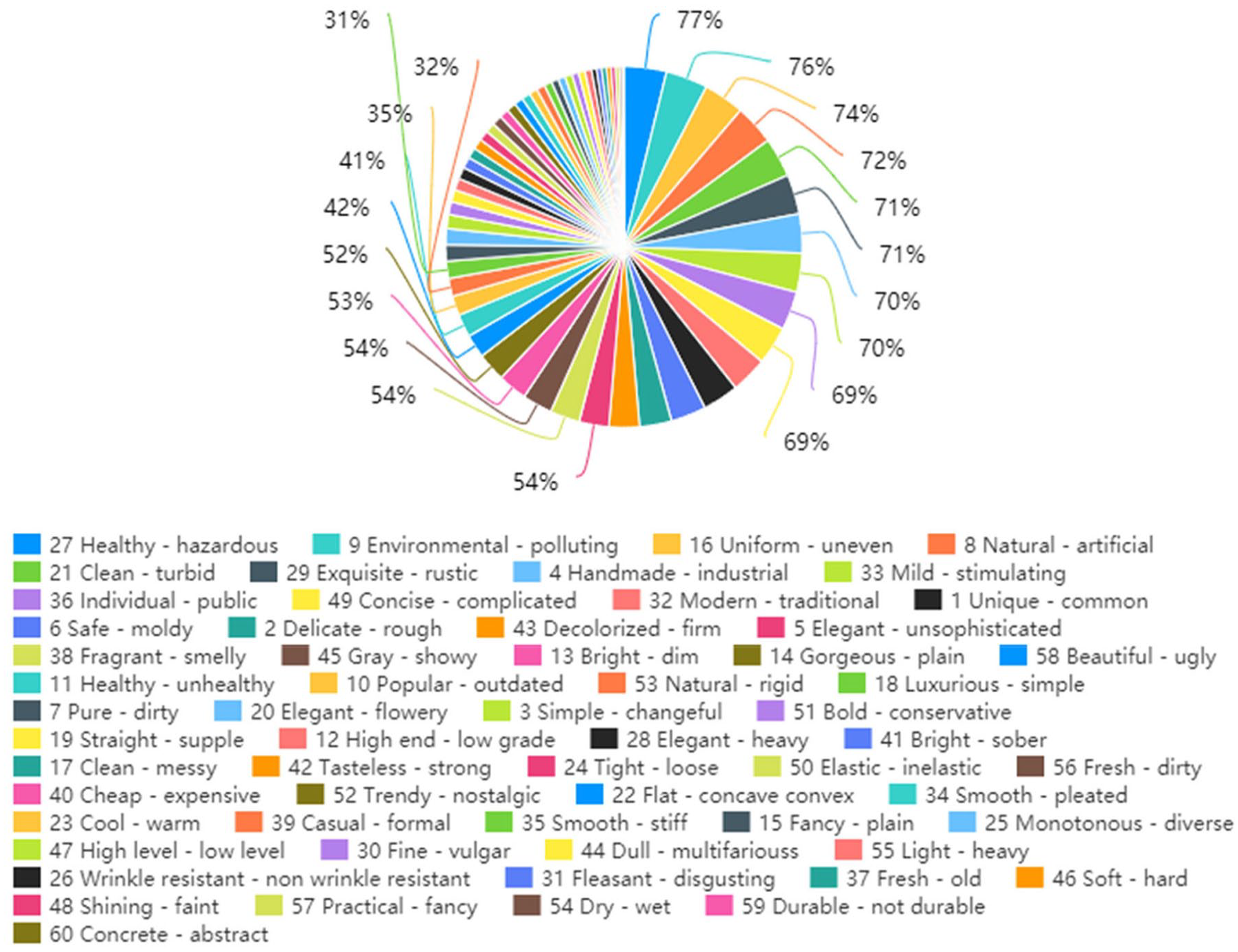
Pie chart analysis of perceptual image word pairs.
Confirmed perceptual semantic vocabulary.
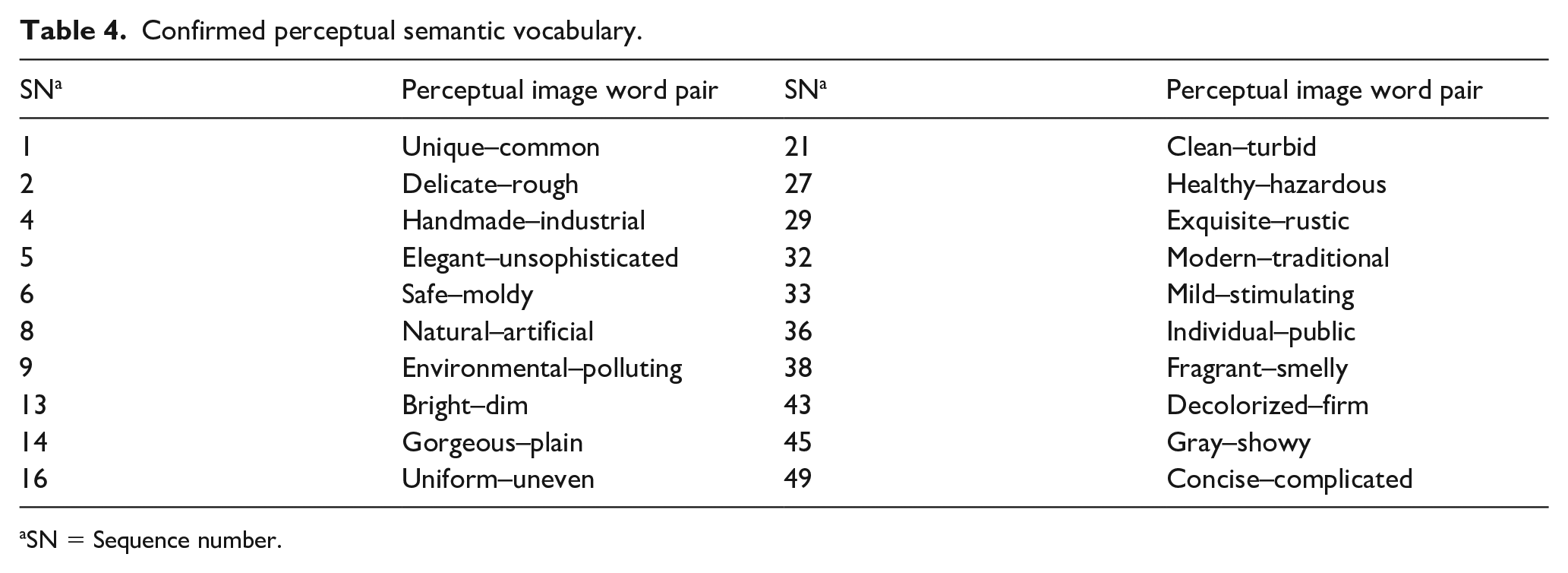
SN = Sequence number.
Second Questionnaire Survey
After examining the 60 fabric samples, 100 participants were asked to rate the 20 perceptual image words according to their impressions. A total of 100 questionnaires were distributed and 96 valid questionnaires were recovered.
A 5-point Likert-type psychological scale was used. The scale was used to test the evaluation of various dyed fabrics in different dimensions. Taking the perceptual vocabulary pair “concise–complicated” as an example, option 1 (–2 points) meant very concise, option 2 (–1 point) meant relatively simple, option 3 (0 points) meant neither concise nor complicated, option 4 (1 point) meant more complicated, and option 5 (2 points) meant very complicated.
To improve the accuracy of the experimental data, all 100 participants were asked to respond to the following: (1) “You are satisfied with the material of this fabric,” (2) “You are willing to wear the clothing made of this material,” (3) “You are willing to recommend this material to others,” and (4) “You are willing to pay for clothing made from this material.” 33
Results and Analysis
Cluster Analysis
Through cluster analysis, the perceptual image word pairs were divided into five perceptual semantic groups with intrinsic clustering characteristics and the word pair nearest to the center was taken as the representative of the group. 23 Through clustering, the complexity of subsequent analysis and the interference of related words were reduced.
In the analysis of data from the questionnaire, using SPSS software, the total number of clustering cases was derived, which showed that all the 20 word pairs were valid. They were divided into five groups: vision, touch, smell, health, and value. The vision group included seven word pairs, the touch group included three word pairs, the smell group included four word pairs, the health group included three word pairs, and the value group included three word pairs. Combined with the data in Table 5, the semantic classification is shown in Table 6. According to the results of the cluster analysis, the distance between each word pair and the centroid point of the cluster could be seen. The word pair with the smallest distance to the centroid point can be regarded as the representative image semantics of the cluster. The representative word pairs of each cluster are shown in Table 7.
Results of the clustering analysis of perceptual image word pairs.
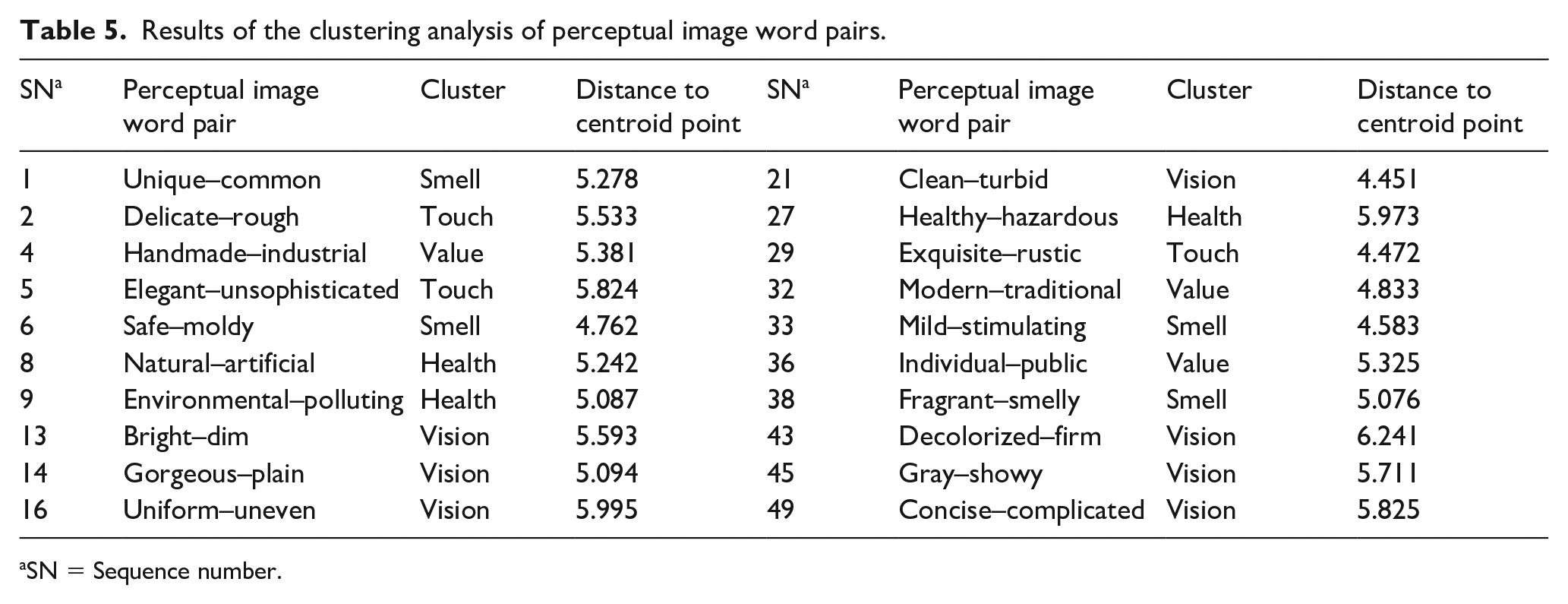
SN = Sequence number.
Grouping of perceptual image word pairs.
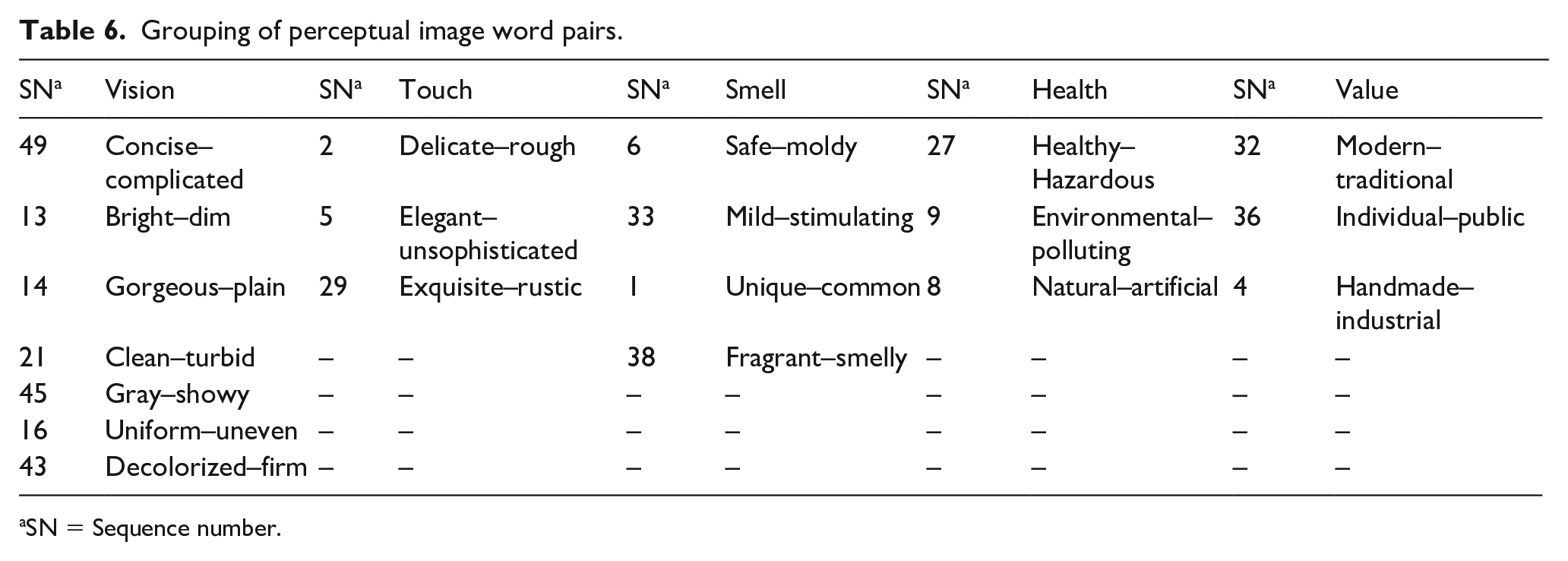
SN = Sequence number.
Representative word pairs.
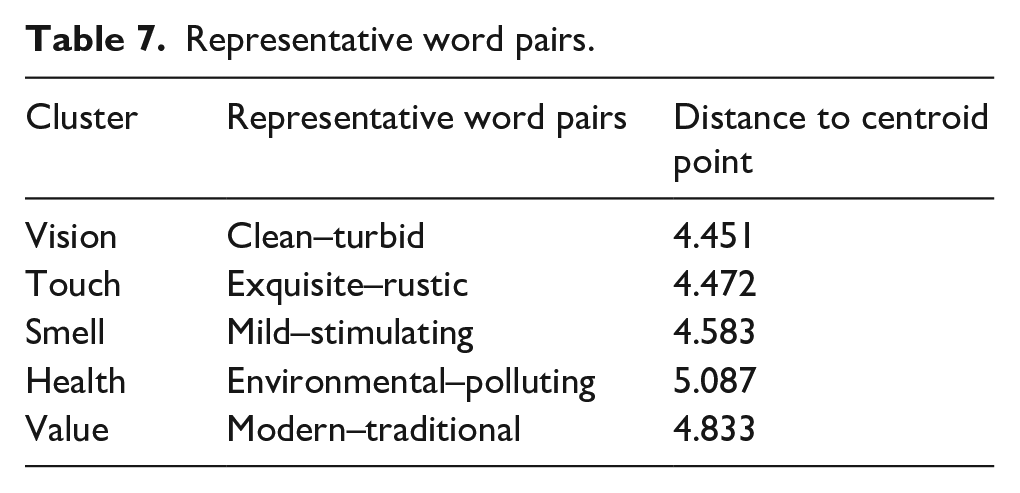
According to the results of the cluster analysis, the vision group represented the participant’s visual perception of the fabric, the touch group represented the participant’s tactile perception of the fabric, the smell group represented the participant’s smell perception of the fabric, the health group represented the participant’s impressions regarding health-related features, and the value group represented the fabric’s value-related features. According to the experimental data, the perceptual image of cotton fabrics with various dyed methods depends on five evaluation elements: vision perceptual, touch perceptual, smell perceptual, health factor, and value element evaluations. The first three are forms of perceptual evaluation, which is based on the expression of the human instinctive response. Perceptual element evaluation can stimulate pleasant feelings and positive emotions and meet people’s basic, primitive, and instinctive needs. The evaluation of health elements and value elements is the recessive perceptual feeling of fabric materials, which can better reflect people’s psychological and aesthetic needs at a deeper level.
During the perceptual evaluation, the participants paid more attention to the clean or turbid state of the fabrics in the visual perception cluster, the exquisiteness or simplicity of the fabrics in the touch perception cluster, and the mild or pungent smell of the fabrics in the smell perception cluster. The evaluation of health elements included three word pairs, which represented the internal needs related to health, nature, and environmental protection. Fabric development based on nature and environmental concerns is a future goal of the fabric design industry. 34 Fabrics with health elements can meet the health and safety needs of users and make the wearer feel safer and more comfortable. The evaluation of value elements is concerned with the symbolic meaning experienced by the participants, including personal self-consciousness, value judgment, and cultural orientation, which belong to the highest level of spiritual needs of self-realization. Maslow, the famous American social psychologist, suggested that “the satisfaction of high-level needs can lead to more desirable subjective effects, that is, a deeper sense of happiness, serenity, and inner richness.” 35 In the evaluation of value elements, participants paid the most attention to the “modern–traditional” word pair, which was the most important value element in the test. The intangible characteristics (identified as perceived values, emotions, and cultural meanings) were found to be critical for material selection in product design, along with sensorial properties (e.g. vision, touch, and smell). 36
Distribution of Perceptual Image Evaluations of Different Dyed Methods
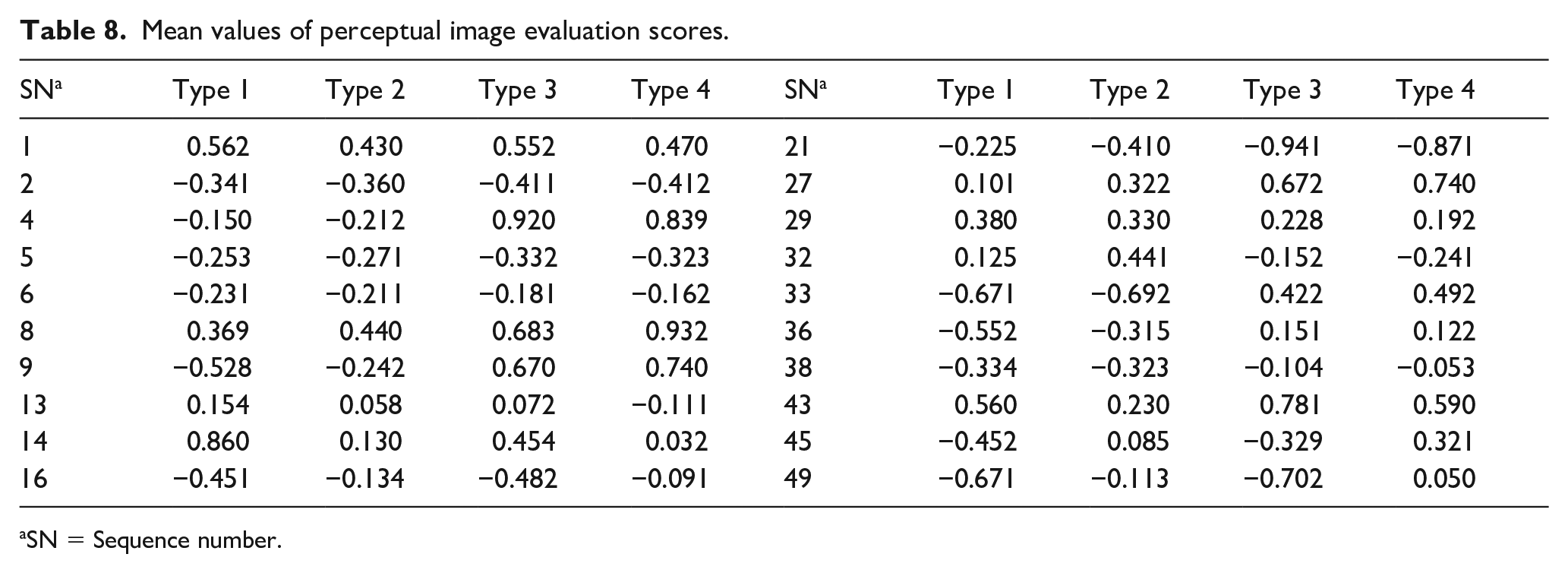
The perceptual image evaluations of dyed fabric samples were analyzed by type of fabric sample (type 1: plant-dyed monochromatic fabric, type 2: plant-dyed patterned fabric, type 3: industrial-dyed monochromatic fabric, and type 4: industrial-dyed patterned fabric). The data are shown in Table 8. There were significant differences in perceptual image evaluation between the four types of fabric samples.
Mean values of perceptual image evaluation scores.
SN = Sequence number.
The experimental data obtained through the questionnaire indicated that there were some significant differences in perceptual images between plant-dyed and industrial-dyed cotton fabrics. In the perceptual evaluation of the fabric samples, there were significant differences among sample types for the “clean–turbid” word pair. Industrial-dyed monochromatic fabric was considered to be the cleanest, followed by industrial-dyed patterned, plant-dyed patterned, and plant-dyed monochromatic fabrics, in that order. For the “exquisite–rustic” word pair, industrial-dyed patterned fabric was considered to be the most exquisite, followed by industrial-dyed monochromatic, plant-dyed patterned, and plant-dyed monochromatic fabrics, in that order. In terms of perceptual images with significant differences in smell features, the cotton fabrics with plant-dyed patterns were the least stimulating and those with industrial-dyed patterns were the most stimulating. In terms of perceptual images of health-related features, plant-dyed monochromatic fabrics were rated as the most environmental and healthy and industrial-dyed patterned fabrics were rated as the most polluting and hazardous. In terms of perceptual images of value, industrial-dyed monochromatic fabric was considered the most industrial and popular, plant-dyed patterned fabric was considered to be the most traditional and most appearing handmade, and industrial-dyed patterned fabric was considered to be the most modern and artificial. In addition, because the samples were all pure cotton fabrics with similar density and index, there was little difference in touch evaluation between participants. Results showed that the dyeing method had little impact on touch perception.
Regression Analysis
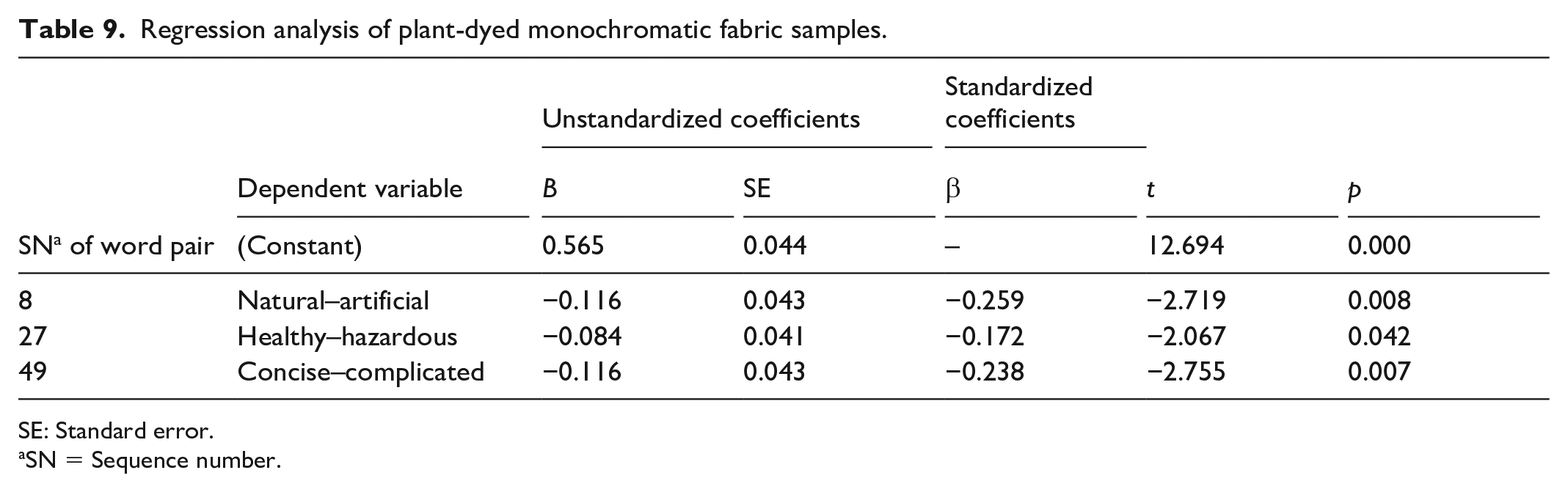
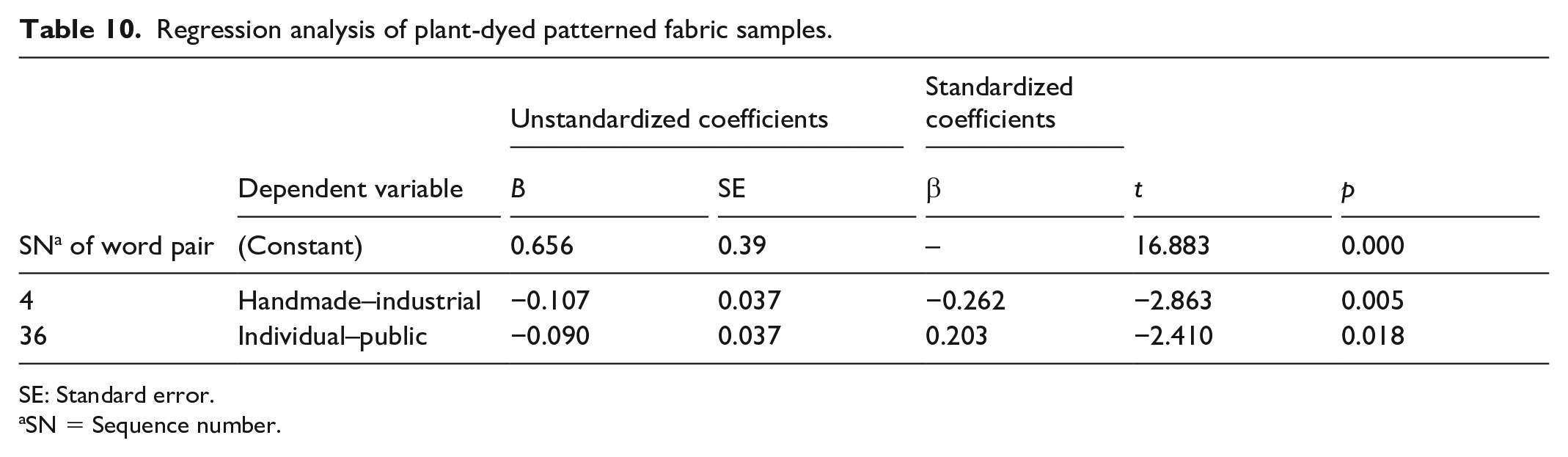
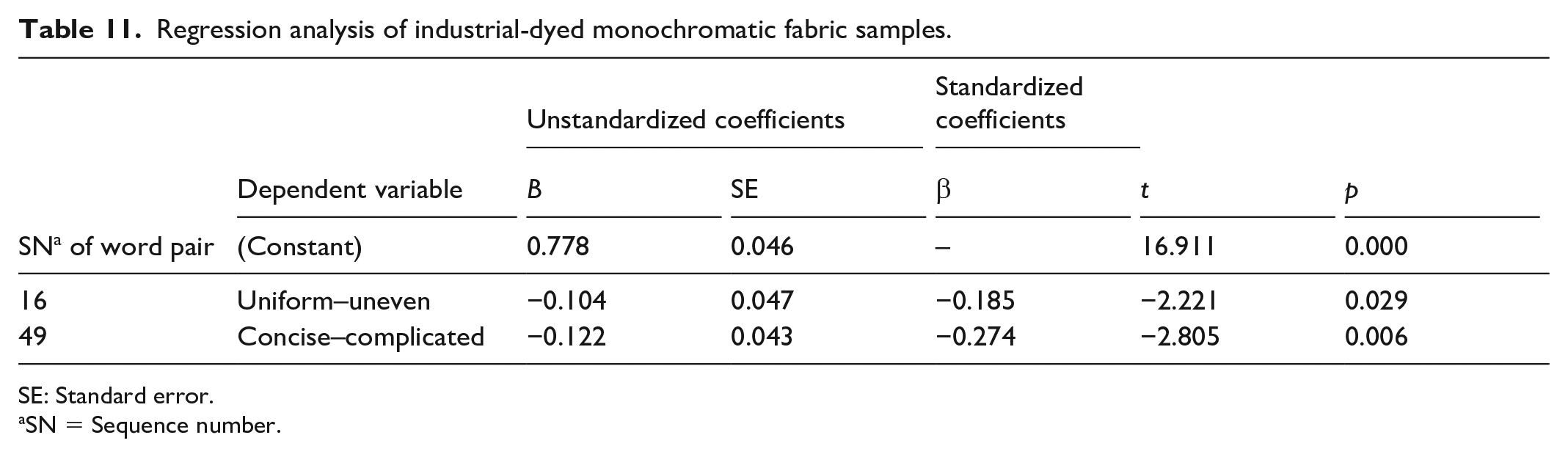
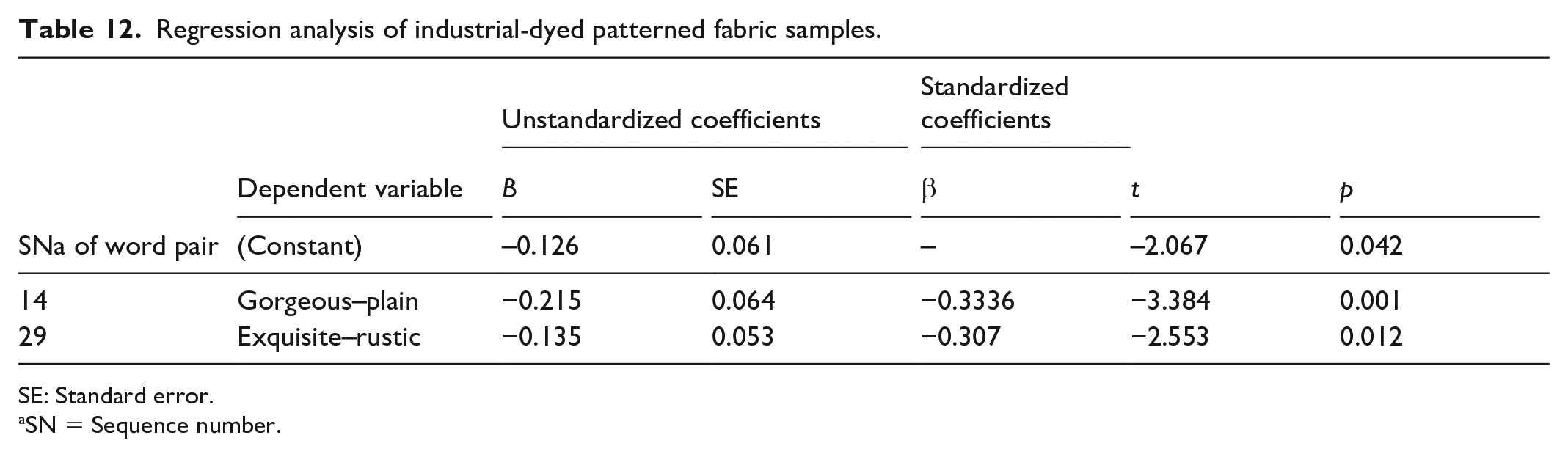
Multiple linear regression analysis was used to investigate the relationship between the participants’ preferences and image word pairs. 37 Participant preference served as the dependent variable and the perceptual image word pairs served as independent variables. The independent variables with p < 0.05 are shown in Tables 9–12. A higher standardized coefficient indicates a stronger effect of the independent variables on the dependent variable.
Regression analysis of plant-dyed monochromatic fabric samples.
SE: Standard error.
SN = Sequence number.
Regression analysis of plant-dyed patterned fabric samples.
SE: Standard error.
SN = Sequence number.
Regression analysis of industrial-dyed monochromatic fabric samples.
SE: Standard error.
SN = Sequence number.
Regression analysis of industrial-dyed patterned fabric samples.
SE: Standard error.
SN = Sequence number.
Data on the relationships between the participants’ preferences and the word pairs are presented in Tables 9–12. As indicated in Table 9, the word pairs related to participants’ preference regarding plant-dyed monochromatic fabric samples were “natural–artificial,” “healthy–hazardous,” and “concise–complicated.” As indicated in Table 10, the word pairs related to the preference of plant-dyed patterned fabric samples were “handmade–industrial” and “individual–public.” Similarly, as indicated in Table 11, for industrial-dyed monochromatic cotton fabric samples, the image words related to preference of this type of fabric sample were “uniform–uneven” and “concise–complex.” Table 12 shows that the image words related to the preference of industrial-dyed patterned fabric samples were “gorgeous–plain” and “exquisite–rustic.”
Conclusion
Using the principles of Kansei engineering theory, this study examined representative fabric samples to investigate their perceptual images among consumers. Twenty perceptual image word pairs were chosen out of 60 based on the survey results. These word pairs were used to explore the perceptual characteristics of cotton fabrics dyed by plant and industrial dyes. Through cluster analysis, these word pairs were divided into five groups: vision, touch, smell, health, and value. Statistical analysis revealed that there were significant differences between plant-dyed and industrial-dyed cotton fabrics in terms of perceptual image. Regression analysis showed that some perceptual image word pairs had a greater relationship with some types of dyed fabrics. Each type of dyed fabric had a typical perceptual image evaluation from the participants. The results of this study can serve as reference data for designing fabric products that meet the psychological expectations of consumers.
This study’s strengths and limitations were as follows:
This method can be used to establish a fabric evaluation system that combines subjective images and indexes. The results showed that use of the five groups of perceptual image word pairs through this method is feasible and that the method can be used to identify relationships between the preferences of specific consumers and the properties of dyed fabrics, and is helpful in identifying consumers’ preferences and the perceptual factors that affect them.
Through data analysis, the differences between the selected plant-dyed and industrial-dyed cotton fabrics were successfully evaluated. Through experiments and data analysis, the image words for perceptual evaluation of plant-dyed and industrial-dyed cotton fabrics were established. The subjective evaluation of plant-dyed and industrial-dyed cotton fabrics was divided into five elements: vision, touch, smell, health, and value. Among these elements, the three sensory evaluations belong to basic needs, whereas health factor evaluation and value element evaluation represent higher level cognition. The representative vocabulary of each evaluation element was determined through quantitative analysis, which provided methods of and references for grasping consumers’ subjective preferences.
In terms of perceptual evaluation of different dyeing methods, there were obvious differences in vision, smell, health, and value element evaluations, and little difference in touch evaluation, due to the limitations of the materials used in the study. The health and value evaluations of plant-dyed cotton fabric were significantly higher than those of industrial-dyed cotton fabric. However, the overall evaluation score was only for the five main factors: vision, touch, smell, health, and value. The results did not include the influence of other factors. Therefore, this method is more suitable for the comparison of the overall properties of dyed cotton fabrics and cannot fully cover all the indices.
There are differences in the perception of cotton fabrics with different dyeing processes in the minds of consumers. The different influences of perceptual images on preference evaluation can be expressed as different relationship functions. It is important that fabric designers grasp the perceptual information implied in variously dyed fabrics and understand consumers’ psychological perceptions to be able to develop new plant-dyed cotton fabrics that meet consumers’ needs.
Due to time and financial constraints, this study did not conduct research on the sociodemographic characteristics of the participants, such as gender, age, region, and educational background. These characteristics will be examined in our future research.
Footnotes
Declaration of conflicting interests
The author(s) declared no potential conflicts of interest with respect to the research, authorship, and/or publication of this article.
Funding
The author(s) disclosed receipt of the following financial support for the research, authorship, and/or publication of this article: This study was supported in part by grants awarded to W.Y. from Foreign Cooperation Projects of Fujian Science and Technology Program 2019 (Grant No. 2019I0018), Ecological Dyed Method and Technology of Warp Knitted Underwear Fabric (Grant No. MJXY-KF-201910), Fujian College Education Reform Research 2018 (Grant No. FBJG20180170), and Virtual Simulation Experiment Teaching Project of Minjiang University (Grant No. MJUS2019B002). In 2019–2020, W.Y. was a visiting scholar at the University of North Texas, USA, where she prepared the paper.