




Abstract
Aim:
To compare the effect of nano micelles curcumin and ibuprofen on pain reduction after primary arch wire placement in orthodontic patients.
Materials and Methods:
In this double-blind randomized clinical trial study, 60 female patients between the ages of 14 and 30 years who had moderate tooth crowding and were candidates for fixed orthodontic treatment were examined. The subjects were divided into four groups (n = 15) of nano micelles curcumin (SinaCurcumin), ibuprofen, placebo of SinaCurcumin, and placebo of ibuprofen. Each patient received a questionnaire and a rectangular, flexible cube of silicone to record the severity of their pain under each of the three situations (biting posterior teeth together, fitting anterior teeth together, and without fitting the teeth together) at the designated time points (2 h, 6 h, bedtime, the second, third, and seventh days after archwire placement). The obtained outcomes were statistically verified and analyzed by the employment of SPSS Statistics Version 22.
Results:
despite the lack of any significant differences among the four groups in terms of pain severity upon biting by the anterior teeth 2 h after the intervention, there was a considerable difference in the cases of 6 h, bedtime, and the second, third, and seventh days subsequent of the placement of archwire. Our data indicated a lower rate of pain severity for SinaCurcumin group than the placebo of SinaCurcumin and ibuprofen groups at 6 h after the archwire placement. However, the pain severity of SinaCurcumin group at bedtime was significantly lower than ibuprofen group, which also resulted in a notably lower rate than the other groups at the second, third, and seventh days after the placement of archwire.
Conclusion:
These findings support the effectiveness of curcumin in reducing the pain severity of orthodontic patients. Nevertheless, it is a necessity to conduct further confirmation trials on this latter.
Introduction
Due to the extending demand for orthodontic treatment, researchers have paid more attention to reducing its side effects in various aspects. Since pain sensation is one of the most frequent side effects of this therapy, most of the orthodontic patients are concerned and deal with anxiety regarding the pain and uneasiness of the phase, 1 which emphasizes the importance of addressing pain control in this matter. Orthodontic tooth displacement in periodontal ligament space creates areas of compression and traction that consequently provokes the particular periodontium and oral inflammatory responses, which stimulate the release of a variety of biochemical mediators that produce the sensation of pain.2–4 Subsequent to the placement of an archwire, pain starts within 4 h and then grows over the following 24 h, reaching its highest level in 1–3 days and decreasing upon the seventh day as the orthodontic tooth movements begin. 5
Various pain-controlling methods were trialed on orthodontic patients that include pharmacological procedures similar to the application of NSAIDs and anesthetic gels, as well as nonpharmacological approaches such as chewing gum, vibratory stimulation, low-level laser therapy, plastic wafers, and transcutaneous electrical nerve stimulation.1,6,7 However, there are challenges to the exertion of NSAIDs due to its potent interference with tooth movement since its action mechanism could inhibit the synthesis of prostaglandin, which is responsible for the process of bone resorption. 8 Although Ibuprofen and acetaminophen/paracetamol are frequently prescribed for this issue, various treatments, including low-level laser therapy, anesthetic gel, transcutaneous electrical nerve stimulation, and even bite wafers, were also investigated in several clinical trials. 9
As a primary active agent, the derived curcumin from the root of Curcuma longa L. (English: turmeric, Persian: Zardchobeh) is capable of exhibiting noticeable pharmacological effects throughout in vitro and in vivo situations by different mechanisms of action. 10 It contains several pharmacological properties such as anti-inflammatory, antioxidant, anticancer, antibacterial, antiviral, and antidiabetic properties. 11 Previous studies reported the effect of local application of curcumin gel on reducing gingival inflammation and the severity of illnesses. They also highlighted how curcumin has therapeutic effects on periodontal disorders by greatly inhibiting the activation of inflammatory mediators. 12 The nano-size formulations of this substance, popularly known as “nano curcumin”, were designed to simplify its application and improve its stability and solubility. 13 Recently, number of assessments were performed on the implementation of nano curcumin in various fields of dentistry. Negahdari et al. 14 reported their observations on the usage of nano curcumin inside an implant fixture for inducing antimicrobial effects, facilitating further stabilization, and achieving a successful implant. According to the study by Malekzadeh et al., 12 oral nano curcumin was able to display noticeable impacts on decreasing the inflammation and gingival bleeding of patients that suffer from gingivitis and mild periodontitis. Furthermore, Choukhachizadeh et al. 15 studied the addition of curcumin nanocrystals to GIC for enhancing the obtained antibacterial properties in comparison to glass ionomer (without curcumin) in the cases of Escherichia coli, Staphylococcus aureus, and Streptococcus mutans. According to their findings, the biggest growth inhibition zone in S. mutans culture was revealed by the addition of 5% micro curcumin to Activa BioActive Base/Liner (ABBL). 16
With respect to the anti-inflammatory and pain relieving properties of curcumin, along with the side effects of NSAIDs, this research attempted to compare the effects of nano micelles curcumin and Ibuprofen on reducing the succeeding pain of primary archwire placement in orthodontic patients. To the best of our knowledge, there are no reports available on the effect of curcumin on pain reduction in orthodontic treatments. The null hypothesis was that there would be no difference between nano micelles curcumin and Ibuprofen on pain reduction.
Materials and Methods
Participation Characteristics
This research was carried out on 60 female patients in the age range of 14-30 years who suffered from moderate dental crowding candidate for fixed orthodontic treatment were referred to the Department of orthodontics, School of Dentistry, Mashhad University of Medical Sciences, Mashhad, Iran during 2020–2021. We excluded patients with systemic diseases and those with a history of using analgesics.
Ethical Considerations
Research Ethics Committee of Mashhad University of Medical Sciences approved our protocol. Prior to beginning this work, the goals of research were explained to the patients and their parents, while informed consent was also gathered from all the participants. The patients were also given the assurance that their information would be kept private and that they could stop the procedure whenever they wished.
Sample Size Calculation
Patel et al.’s study 17 was used to determine the sample size. It settled on 90% power and a 5% significance level, which resulted in determining 20 subjects for each group.
Study Design
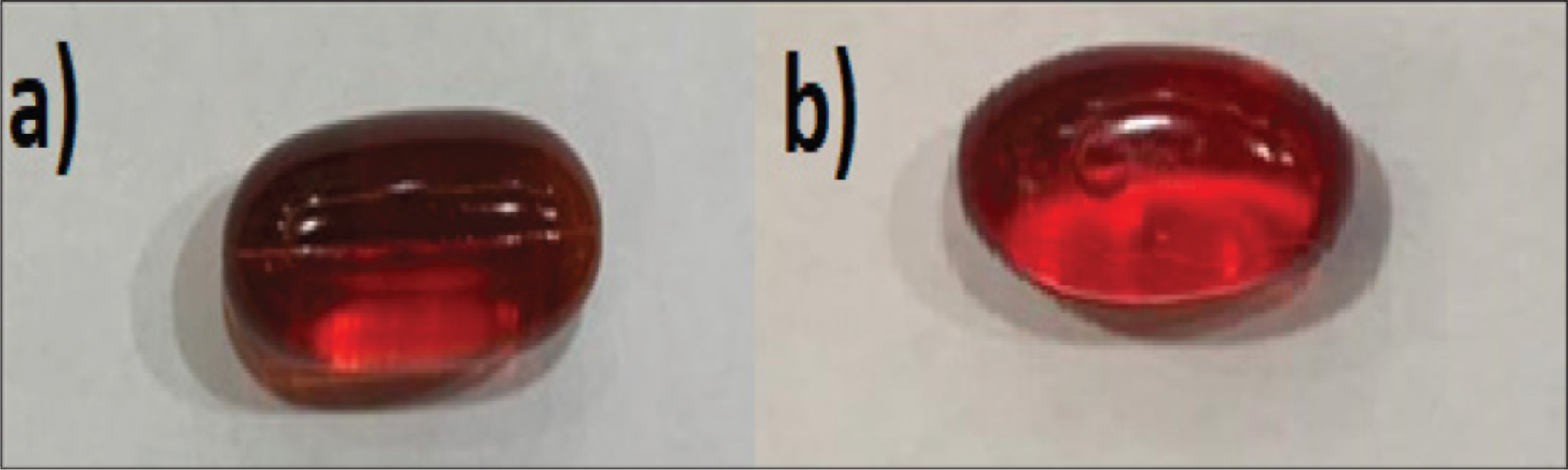
The 60 participants of this double-blind randomized clinical trial study (IRCTID: IRCT20200609047705N1) were randomly allocated to four groups. Ibuprofen 400 mg (Raha Pharmaceutical Company, Esfahan, Iran) were given to group 1 patients subsequent to the archwire placement, and they repeated this dose every 8 h, while the patients of group 2 were provided daily with a pearl of SinaCurcumin (SinaCurcumin, Exir Nano Sina Company, Iran) that contained 80 mg of curcumin as a nano micelle (Figure 1a) 1 week in prior to the archwire placement and during the first week after archwire placement. The participants of group 3 received a placebo SinaCurcumin (Figure 1b) daily 1 week before the archwire placement and during the first week after archwire placement. Lastly, the patients of group 4 were treated with placebo of ibuprofen in capsules with the same coating of ibuprofen subsequent to the archwire placement. The placebo helps minimize the influence of patient expectations on the outcome.
(a) SinaCurcumin; (b) Placebo SinaCurcumin.
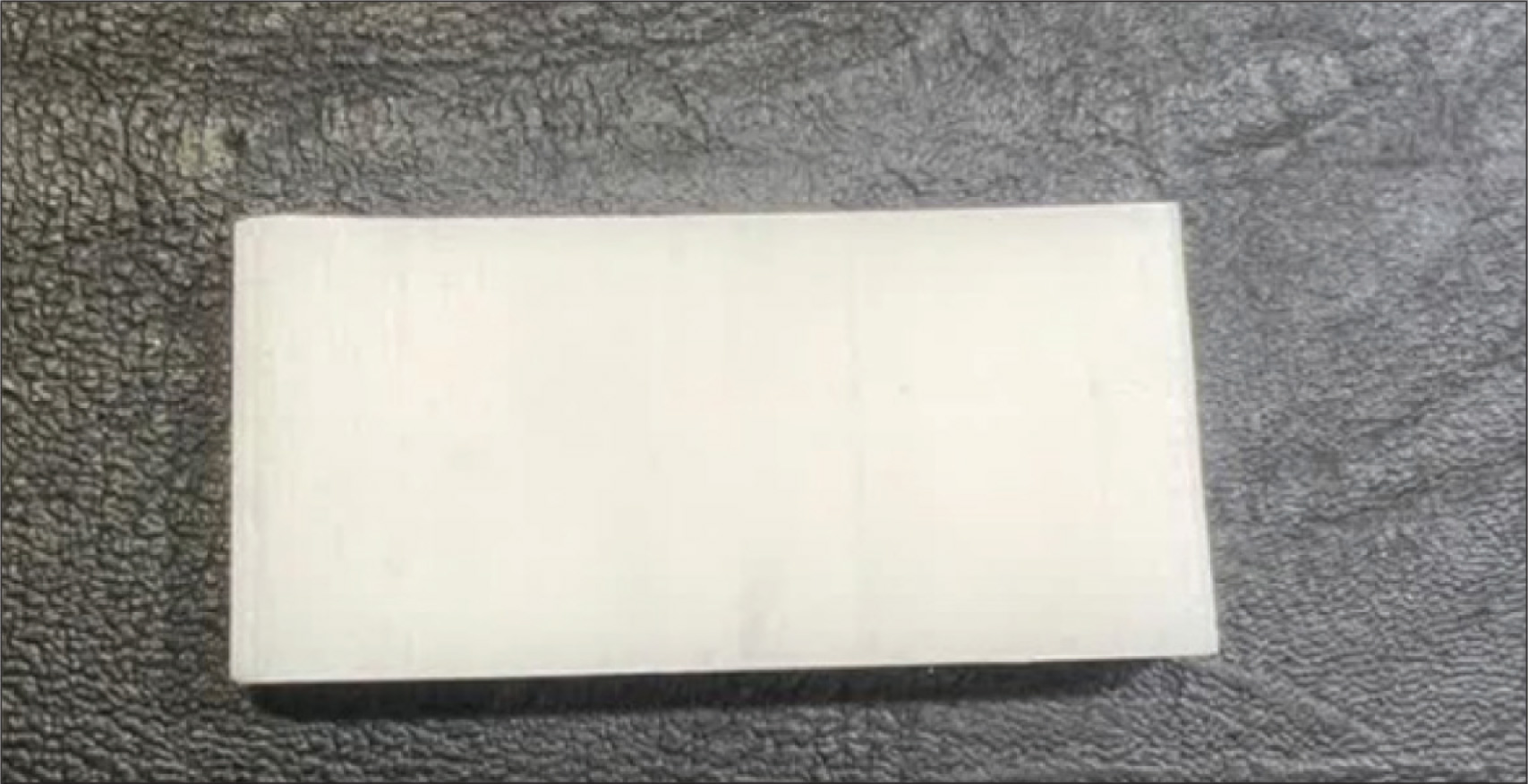
Each patient received a questionnaire and a rectangular, flexible cube of silicone (made by the Faculty of Engineering, Ferdowsi University, Mashhad, Iran) to record the severity of their pain (Figure 2) through the usage of visual analog scale (VAS) in three situations of biting including the silicone block with the anterior and posterior teeth and without biting at all, at 2 h, 6 h, bedtime, and the second, third, and seventh days after the placement of archwire.
The Rectangular and Flexible Cubic Silicone.
Statistical Analysis
The obtained outcomes were statistically verified and analyzed by the employment of SPSS Statistics Version 22 (Chicago, IL, USA). P values < .05 were considered statistically significant. Next to evaluating the normality of data through the Shapiro-Wilk test, Kruskal–Wallis process was used to assess the differences among the groups. We also conducted Mann-Whitney U-test to investigate the pairwise differences among the varying groups.
Results
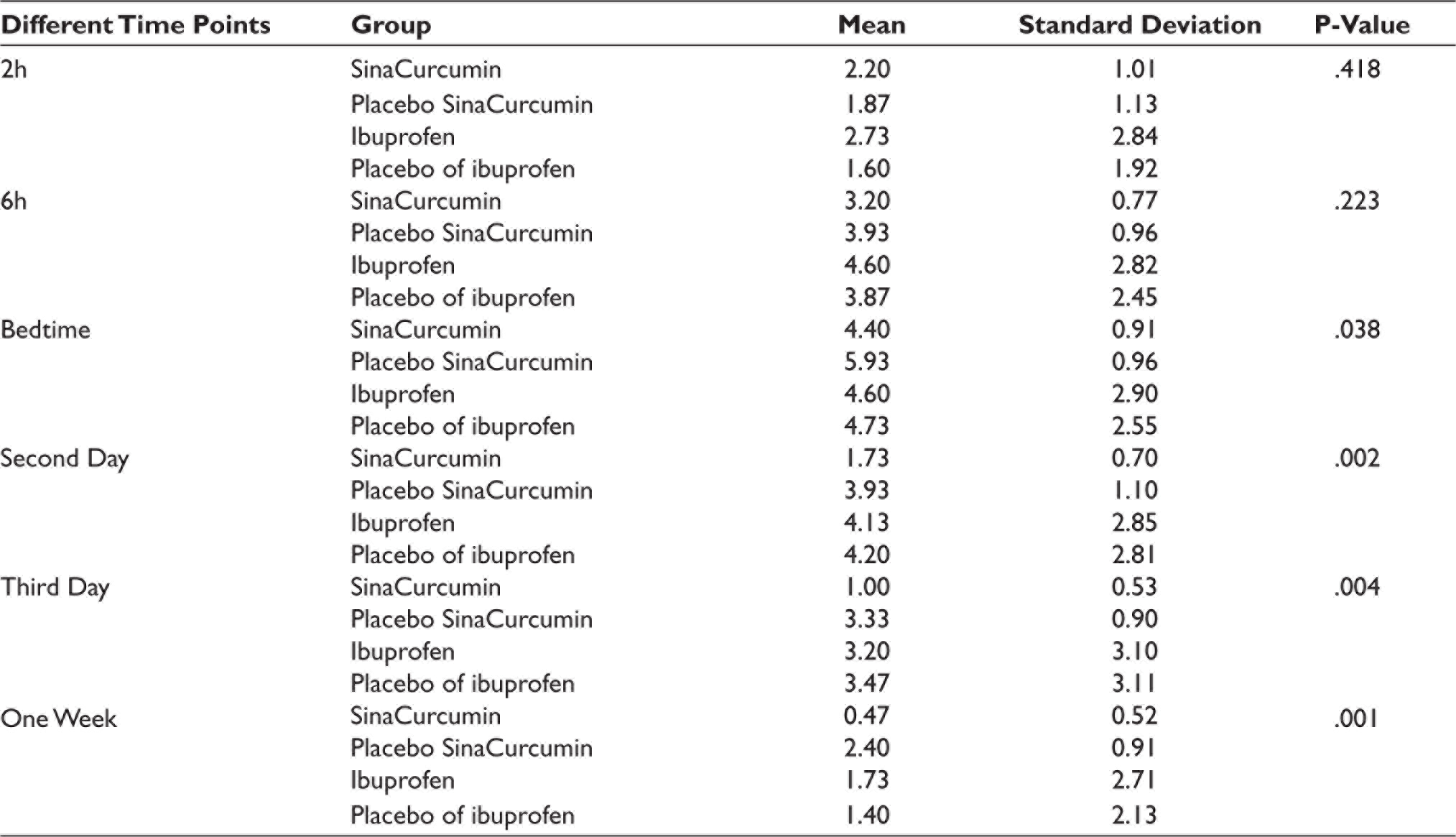
Table 1 shows the groups’ anterior tooth pain levels at the designated times. Throughout the trial, none of our volunteers experienced unbearable pain. Based on the results, the Kruskal–Wallis test indicated that there were no differences between the four groups in terms of pain severity upon biting by the anterior teeth 2 h after the intervention. However, there was a notable difference at 2 h, 6 h, bedtime, and the second, third, and seventh days after the placement of archwire.
The Pain Severity of Groups in Anterior Teeth at the Specified Time Points.
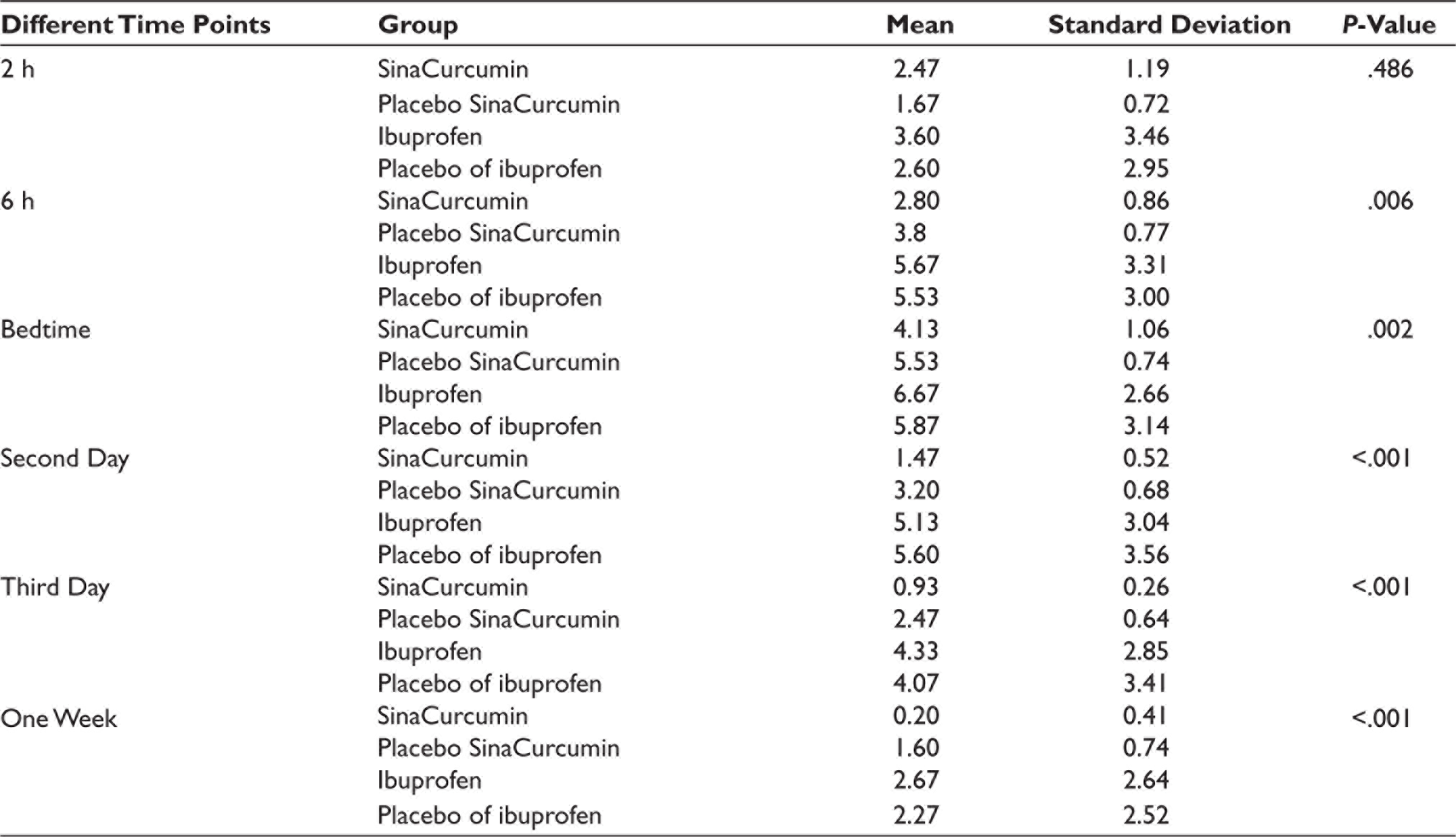
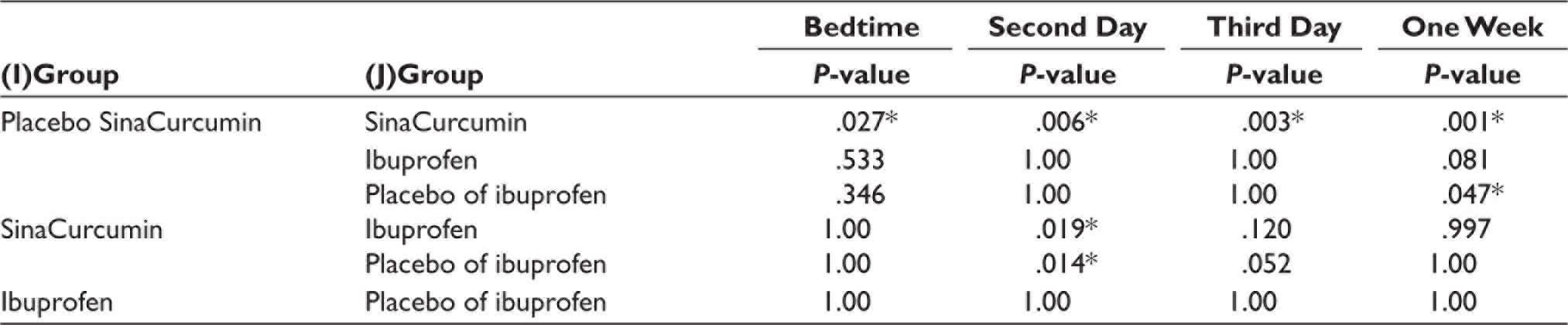
The pairwise comparisons of groups (Table 2) were indicative of the lower pain severity of SinaCurcumin group than the cases of placebo of SinaCurcumin and ibuprofen groups at 6 h after the archwire placement, whereas the results of SinaCurcumin group were significantly lower than ibuprofen group at bedtime. Moreover, the pain severity of SinaCurcumin group was considerably lower than the other groups at second, third, and seventh day subsequent to the archwire placement. No other significant differences were observed between the groups in any of the time points.
The Pairwise Comparisons of Pain Severity of Groups in Anterior Teeth at the Specified Time Points.
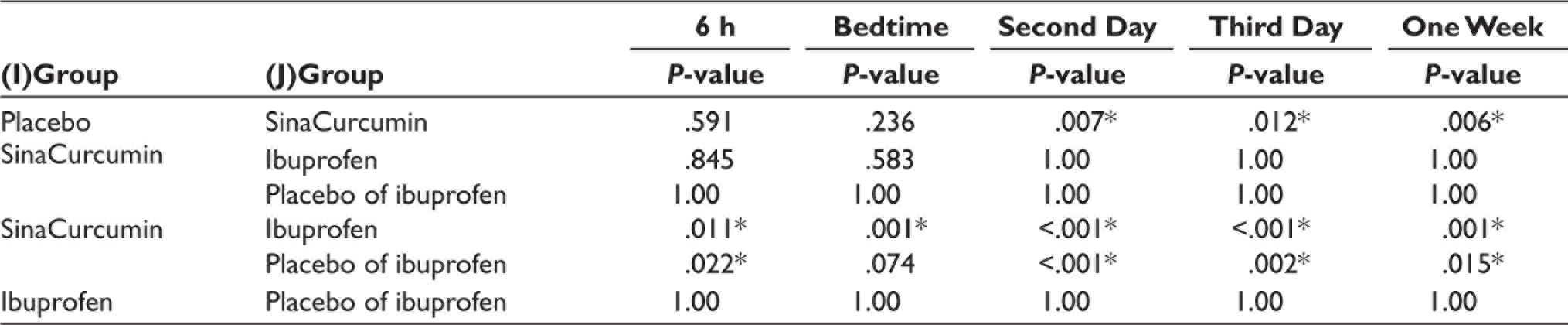
Table 3 presents a comparison between the pain severities of groups upon biting with the posterior teeth at the specified time points. According to the results, there was a lack of any significant differences in every group at 2 h and 6 h after the intervention, while the differences at bedtime, second, third, and seventh day after the archwire placement were quiet considerable.
The Pain Severity of Groups in Posterior Teeth at the Specified Time Points.
The pairwise comparisons of groups (Table 4) denoted the lower pain severity of SinaCurcumin group than the placebo of SinaCurcumin group at bedtime after the archwire placement. Next to observing the significantly lower pain severity of SinaCurcumin group than the other groups at second day, it was also notably lower than the placebo of SinaCurcumin group at the third day after the archwire placement. In regards to the seventh day, the pain severity of SinaCurcumin and placebo of ibuprofen groups were lower than the placebo of SinaCurcumin group. No other significant differences were detected among the groups in any of the time points.
The Pairwise Comparisons of Pain Severity of Groups in Posterior Teeth at the Specified Time Points.
Discussion
Considering the un negligible pain that is experienced upon the placement and fitting of orthodontic appliances, orthodontic treatments can be improved through the optimization of analgesia. 18 The results of our RCT study indicated the lower pain severity of curcumin (SinaCurcumin) group than the ibuprofen group in most of the groups. According to evidences, the release of pro-inflammatory and pro-fibrotic cytokines was decreased, and the long-term production of free radicals was inhibited as a result of curcumin’s ability to target a variety of inflammatory mediators, including cyclooxygenase-2, inducible nitric oxide synthase (iNOS), and nuclear factor B (NF-κB). 19
Curcumin’s potential to reduce the pain of orthodontic treatments has not yet been studied; however, some studies focused on its applications in dentistry. The findings of several other studies were consistent with those of previous trials in regard to investigating the effectiveness of curcumin in reducing the severity of pain. In a randomized placebo-controlled study, Madhu et al. 20 examined the safety and effectiveness of curcuma longa extract (NR-INF-02) in the treatment of painful knee osteoarthritis. Based on their results, NR-INF-02 demonstrated an appropriate level of safety and efficacy as an effective therapy choice for people with primary painful knee osteoarthritis. In addition, Zhu et al. 21 studied the antinociceptive effects of curcumin in a rat model of postoperative pain, which revealed its ability to reduce postoperative pain facilitate surgical recovery without displaying any preventive values. Nosratzehi et al. 22 studied mucoadhesive pastes that were made of curcumin and local corticosteroids used to treat erosive lichen planus lesions. According to their results, patients’ pain and index severity decreased without any obvious negative effects. Moreover, investigation by Kia et al. 23 on the efficacy of topical curcumin and triamcinolone in the treatment of oral lichen planus led to the exhibition of desirable anti-inflammatory properties, as well as the insignificant side effects of curcumin. The effectiveness of curcumin was confirmed in the work of Maulina et al. 24 on the efficacy of applying curcuminoid in treating the post-operative pain of acute inflammation throughout the post-surgical removal of impacted third molars patients.
In another assessment, Anil et al. 25 examined the effectiveness of a curcumin mucoadhesive film in reducing the rate of postsurgical pain. Their findings showed that the film was effective in reducing postoperative pain and swelling over the course of a week and also demonstrated its analgesic effect following periodontal surgeries. In a single-visit endodontic procedure for acute pulpitis in mandibular molars, Abdelnaby et al. 26 investigated the impact of premedication with curcumin on post-operative pain in the single-visit endodontic therapy of acute pulpitis in mandibular molars. According to their observations, every patient in curcumin group lacked the requirement of any emergency analgesics, while compared to the placebo group, the curcumin group showed considerably lower rates of the need for further anesthesia.
Several researchers investigated how curcumin affected the intensity of pain and inflammation in medicinal fields. Sahbaie et al. 27 reported the efficacy of curcumin therapy in reducing spontaneous pain, nociceptive sensitization, incision-induced inflammation, and functional gait abnormalities. Their preclinical findings revealed the potential of this substance to provide a prophylactic method for postoperative pain treatment. According to the study by Agarwal et al., 28 the application of turmeric (curcumin) therapy was efficient in improving the impacts of postoperative pain and fatigue of patients after laparoscopic cholecystectomy. Furthermore, the evaluation by Zhu et al. 21 displayed curcumin’s antinociceptive properties in alleviating the postoperative pain of a rat model and promoting its recovery from surgery, which thereby approved the use of curcumin alone or as an additional treatment to reduce perioperatively. The results of the study by Lopresti et al. 29 also supported the potential efficacy of a curcumin extract (Curcugen→) for treating the osteoarthritis of knees. The outcomes of our assessment approved the superior effectiveness of curcumin (SinaCurcumin) than ibuprofen in reducing the rate of pain severity. Similarly, Bradley et al. 18 performed a comparison between the analgesic efficacy of ibuprofen and paracetamol in regards to relieving the succeeding pain of separator placement. Their observations affirmed the higher efficacy of combined preoperative and postoperative ibuprofen than paracetamol in controlling the pain of orthodontic treatment. In another RCT study, Farzanegan et al. 7 studied the effects of ibuprofen and low-intensity pulsed ultrasound (LIPUS) on decreasing the succeeding pain of initial archwire placement in orthodontic patients, which resulted the lack of observing any appreciable impact in the intensity of the pain at various times and under varied circumstances. Polat et al. 30 evaluated the analgesic effects of nonsteroidal anti-inflammatory drugs on finding control over the pain of orthodontic treatment. Accordingly, naproxen sodium and aspirin were able to relieve the pain and resulted in facilitating minimum pain values throughout all the parameters and time groups.
Pain is produced by complex phenomena having subjective nature and demonstrates large individual variations. In addition, the individual pain threshold may also have an impact on pain perception 31 As a result, it might be regarded as the subject of future study.
Conclusion
Our findings supported the potential efficacy of curcumin in reducing the rate of pain severity in orthodontic patients, however, the performance of further conformation trials stands as a requirement for this latter.
Footnotes
Acknowledgements
This research was funded by the Research Vice Chancellor of Mashhad University of Medical Sciences (Grant number: 980006).
Ethics Approval
The study protocol was approved by the research ethics committee of the Mashhad University of Medical Sciences in Iran (Ethical Code: IR.MUMS.DENTISTRY.REC.1398.074).
Declaration of Conflicting Interests
The authors declared no potential conflicts of interest with respect to the research, authorship, and/or publication of this article.
Funding
The authors received no financial support for the research, authorship and/or publication of this article.
Informed Consent
The participant has consented to the submission of the article to the journal.