




Abstract
Background and Aim:
Nurses are the principal oral healthcare providers for hospitalized patients. The purpose of this study was to assess the knowledge, attitudes, and practices of nurses at a mental health hospital in Saudi Arabia regarding oral health care of the hospitalized patients.
Materials and Methods:
A cross-sectional survey design was used in which 247 nursing staff completed a questionnaire that collected sociodemographic information, knowledge, and practices regarding oral health maintenance of patients and their attitudes toward oral health care of psychiatric patients. The chi-square and Kruskal-Wallis H tests were used to examine group differences.
Results:
A total of 247 (136 males and 111 females) nursing staff were involved in the survey with the mean age of 26 ± 32 years. Results showed significant gender differences in knowledge and practices, but no gender differences in attitudes. Male nurses were more likely to look at teeth and gums for signs of a healthy mouth (male = 97.8%, female = 95.5%, P = .04), used toothpaste to clean the patient’s teeth (male = 52.9%, female = 50.5%, P = .03), and believed that HIV/AIDS patients are at risk of developing oral health problems (male = 50.7%, female = 43.2%, P = .04). Nurses had more knowledge than nurse technicians regarding gum disease and dental abscesses (P = .0001). Nursing staff with over five years of experience were more likely to agree about the need for the oral health care of hospitalized patients.
Conclusion:
The results emphasize the need for training of healthcare workers about the importance of oral health and considering oral health care as a patient’s rights rather than privilege.
Introduction
Oral health care is an essential component of medical care for hospitalised patients, 1 which is mainly provided by nurses and medical care professionals; thus, knowledge and awareness of oral health measures for admitted patients are essential and mandatory. 2 Hospitals worldwide differ in terms of the importance and priority they give to providing oral health measures for their hospitalized patients. Many studies have been conducted in different countries to assess the oral health knowledge and awareness of care workers, such as Saudi Arabia, 1 Nigeria, 2 Singapore, 3 Taiwan, 4 Sudan, 5 Korea, 6 India, 7 and Sweden. 8 Generally, the results of these studies show a diversity in the knowledge and awareness of care workers, which is due to many different factors including nursing academic programs, 9 attitudes of nurses about oral care of hospitalised patients, 10 regular education courses, and policies implemented by healthcare providers. 11 Academic programs in nursing have gaps in the knowledge they provide their students on oral healthcare procedures for hospitalized patients. 12 However, some healthcare providers conduct regular educational programs about oral health care for their staff. The main reason behind such programs is to increase oral health knowledge and awareness among healthcare workers.13,14 Other healthcare providers have clear guidelines for oral health care for hospitalized patients and residents that vary according to their length of stay and medical conditions.13,15
It is important to ensure that full oral care is provided for long-term patients and those who are physically restricted owing to their medical condition. Deterioration of oral health can adversely affect the medical situation of the patient. When there is inadequate oral care for hospitalized patients, oral health problems such as dental caries, periodontal inflammation, oral abscess, and lesions can appear.1,13,14 These problems may appear as a result of the patient’s medical condition, medication side effects, and previous inadequate oral hygiene.16,17 Therefore, it is necessary to educate healthcare staff who deliver bedside care (i.e., primarily nursing staff) regarding any pathological changes in the oral cavity that can be caused by a patient’s medical condition or medication side effects, so as to prevent any deterioration that may lead to other health problems.18–20 This also applies to patients with psychiatric disorders who are admitted to psychiatric hospitals; psychiatric patients are entitled to the same oral care as patients with other medical conditions. However, psychiatric patients are at a greater risk of having oral lesions and oral treatment needs than the general population.21,22 They are more susceptible to various medical conditions as a result of psychotropic medications, an unhealthy lifestyle, cigarette smoking, and healthcare inequalities.23,24
A previous study conducted at Taif Mental Health Hospital in the Kingdom of Saudi Arabia investigated the association between dental caries and obesity among psychiatric patients. 25 An important finding of this study was that a high proportion of admitted psychiatric patients (88.7%) had inadequate oral hygiene measures applied during their stay in the hospital. These results support the need for establishing high-quality oral health measures and recruiting well-trained nurses and medical care professionals with knowledge of oral health care. 14 Consequently, it is important to assess the nursing staff’s knowledge, attitudes, and practices related to oral healthcare measures at Taif Mental Health Hospital to identify what may be contributing factors to the provision of adequate oral hygiene measures. Therefore, the aim of the present study was to assess the knowledge, attitudes, and practices of nursing staff regarding the oral healthcare of hospitalized patients at Taif Mental Health Hospital. The null hypothesis for the present study is that there is no difference in knowledge, attitudes, and practices of nursing staff regarding the oral health care of hospitalized patients, and the research hypothesis is that there is difference in knowledge, attitudes, and practices of nursing staff regarding the oral health care of hospitalized patients according to their level of education and experience level.
Materials and Methods
Setting and Sample
The present study used a cross-sectional survey design in which the participants were nursing staff at Taif Mental Health Hospital in Taif, Saudi Arabia. Eligibility criteria included working nursing staff who deliver bedside health care. Questionnaires were distributed to 320 nursing staff, of which 247 were returned (response rate 77%). A total of 136 (55%) participants were men and 111 (45%) were women. Forty percent were nurses and 60% were nurse technicians. Most participants (n = 110) had 5–10 years of nursing experience. The second largest group had more than 10 years of experience (n = 86); participants with less than 5 years of experience represented the smallest group (n = 51).
Ethical Approval and Consent to Participate
This study was conducted between November 2018 and March 2019. The study was approved by the Ministry of Health, Directorate of Health Affairs, Research and Studies Department, Taif, Saudi Arabia (Ethical Approval no. HAP–02–T–067). Written informed consent was obtained from the study participants.
Study Method
The questionnaire used in this study was developed by the researcher on the basis of a review of recent investigations.1,25,26 The questionnaire items were presented in English and Arabic, and were reviewed by two consultants: one in nursing and one in dentistry. The aim of the review was to ensure face validity and clarity of the questionnaire content. In addition, a group of 12 nurses was asked to complete the questionnaire and give feedback to the researcher. Based on the review by the consultants and feedback from the nurses, the questionnaire was revised for use in the present study. To assess the reliability of the questionnaire, 12 nurses were invited to complete the questionnaire twice with a 10-day interval between administrations. The reliability analysis revealed that the Cronbach α exceeded 0.70.
The questionnaire was divided into three sections. The first section was designed to collect sociodemographic data. The second section assessed the knowledge and practices of nursing staff regarding the oral health maintenance of hospitalized patients. Finally, the third section assessed their attitudes toward the oral health care of psychiatric patients at their current workplace in the hospital.
Data Collection
After obtaining ethics approval, the questionnaire was distributed to the nursing staff in coordination with the Education Department of the hospital. A brief explanation was presented on the cover page of the questionnaire mentioning the purpose of the study, confidentiality of information, anonymity, the voluntary nature of participation, and that an average of 10 minutes was needed to complete the questionnaire.
Data Analysis
SPSS was used for data analysis (IBM SPSS Statistics for Windows, version 20.0, released 2011, IBM Corp., Armonk, New York, USA). Descriptive statistics were calculated on the demographic data, and frequency tables were generated to illustrate the responses of the participants to the questionnaire items. The chi-square test and the Kruskal-Wallis H test followed by the Mann–Whitney U test were used to examine group differences among nursing staff in terms of their knowledge, attitudes, and practices regarding the oral health care of hospitalized patients. The α value, the probability of rejecting the null hypothesis when it is true, was set at 0.05 with the 95 percent confidence of interval, and the significance level was set at P < .05.
Results
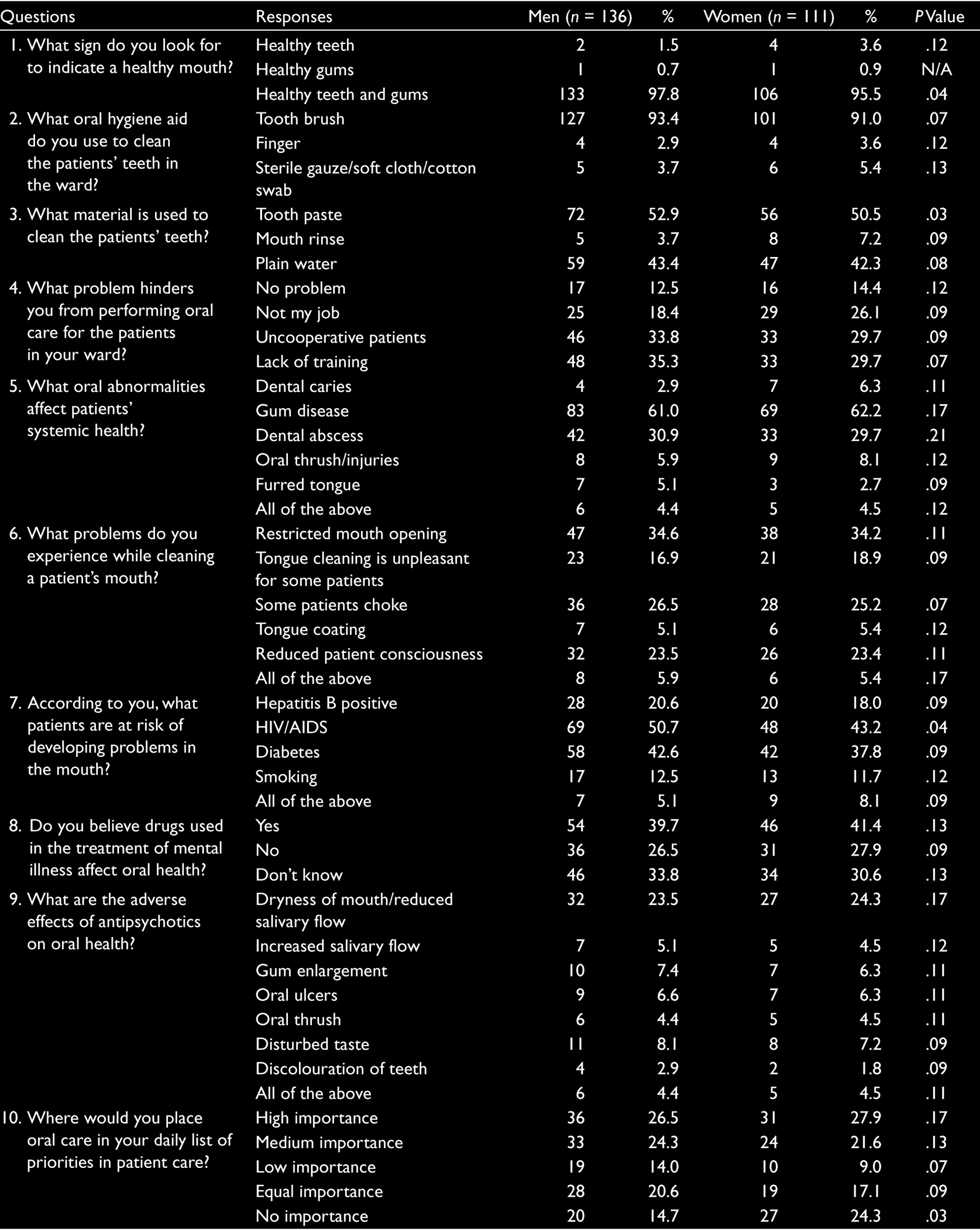
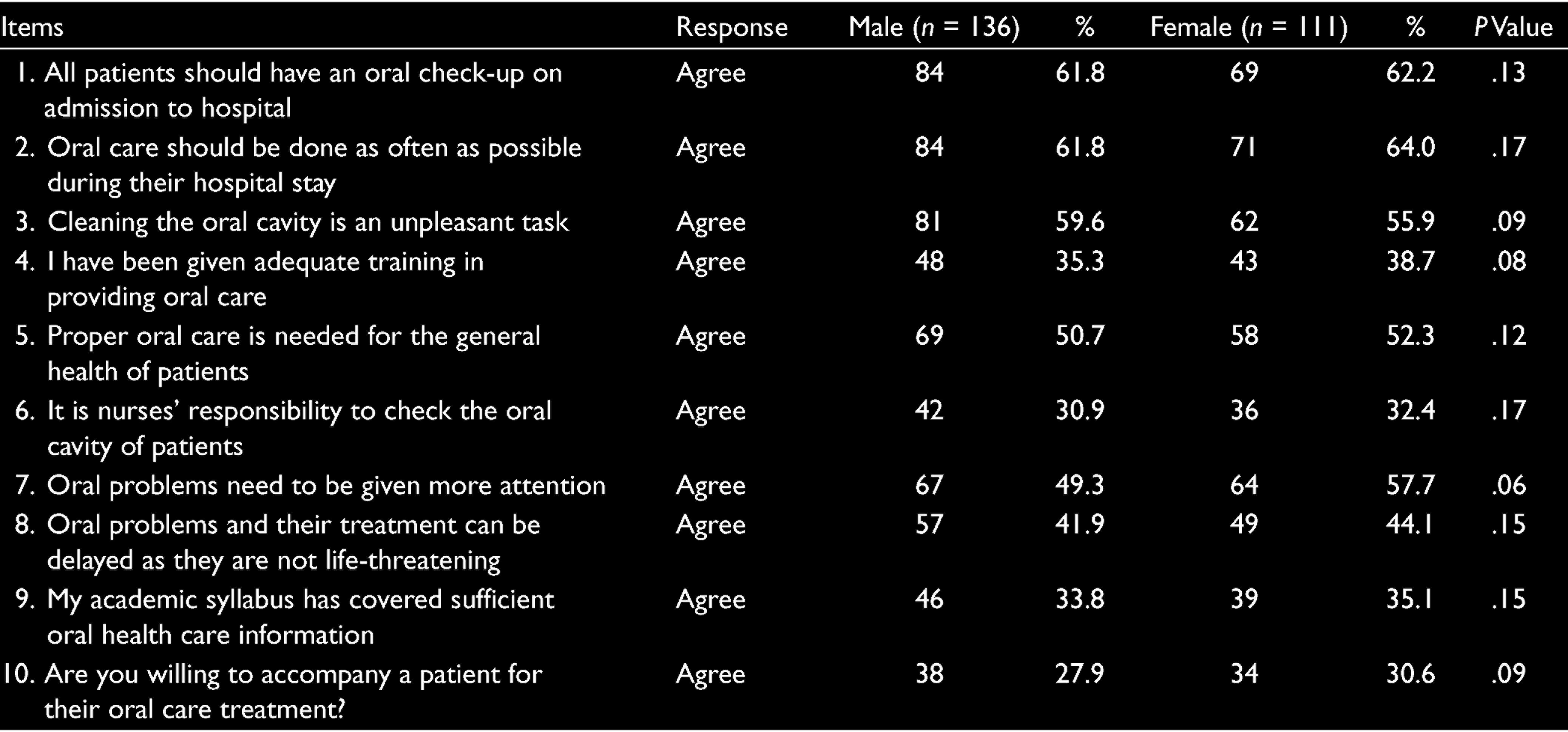
Tables 1 and 2 present the results of the participants’ knowledge, practices, and attitudes according to gender. There were several significant differences found between male and female participants with regard to knowledge and practices. Men were more likely to look at healthy teeth and gums for signs of a healthy mouth, use toothpaste to clean the patient’s teeth, and believe that HIV/AIDS patients are at risk of developing oral health problems. Women were more likely to place no importance on oral care in their daily list of priorities in patient care. There were no significant gender differences in attitudes (Table 2).
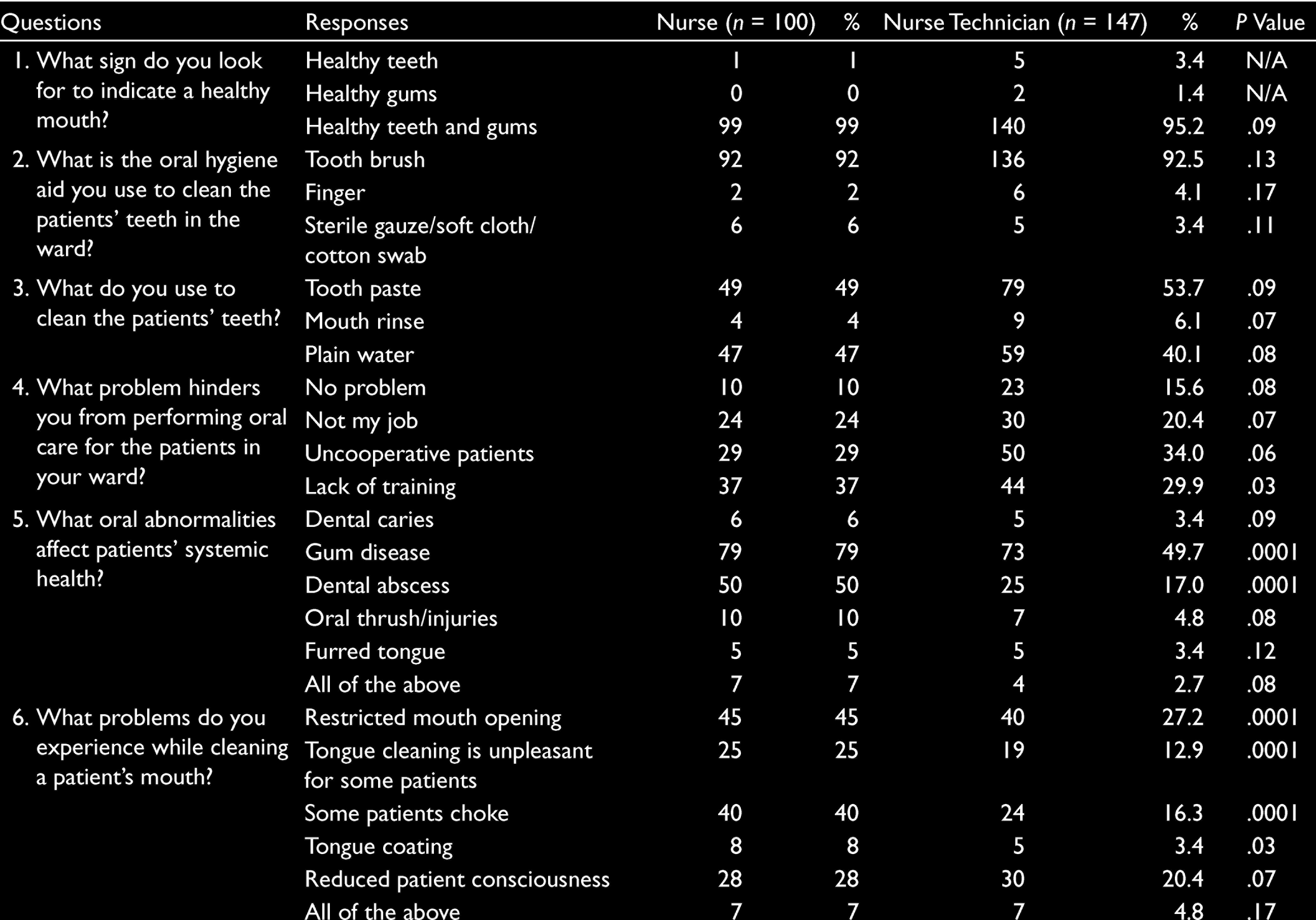
Table 3 provides the results of the comparison between nurses and nurse technicians regarding knowledge and practices. There were significant differences in 8 of the 11 areas assessed. The results show that nurses were considerably more knowledgeable about gum disease and dental abscess as oral abnormalities that affect patients’ systemic health, the adverse effects of antipsychotics on oral health, and the types of patients at risk for developing problems in the mouth. They were more likely to view lack of training as a hindrance to performing oral care for their patients and experience problems when cleaning the patient’s mouth. Nurse technicians were more likely to not believe drugs used in the treatment of mental illness can affect oral health, place no importance on oral care in their daily list of priorities in patient care, and believe that patients would carry out their own oral care.
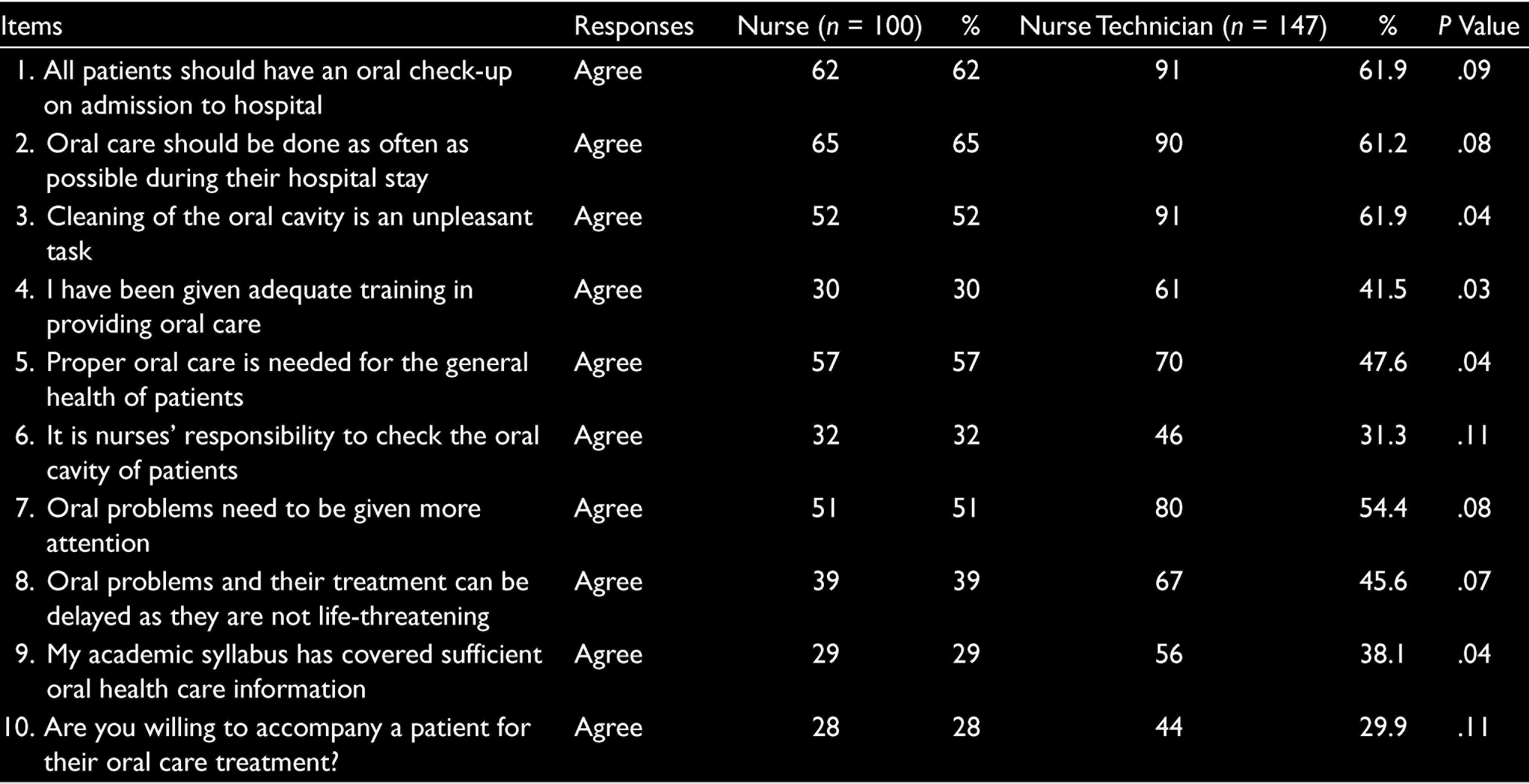
Table 4 provides the results of the comparison between nurses’ and nurse technicians’ agree responses regarding attitudes toward the oral care of patients. Nurse technicians were more likely to agree that they had been given adequate training in providing oral care, their academic syllabus sufficiently covered oral healthcare information, and cleaning the oral cavity was an unpleasant task, whereas nurses were more likely to agree that proper oral care is needed for the general health of patients.
Table 5 provides the results of comparing knowledge and practices based on years of work experience. There were significant differences in 4 of the 11 areas assessed. Participants with over 10 years of experience were the least likely to view patients with Hepatitis B as being at risk of developing problems in the mouth and to indicate that patients’ relatives would carry out oral care for the patients. Additionally, they were least likely to use their finger as the oral hygiene aid used to clean the patient’s teeth, although only eight participants in total responded that they used their fingers. With regard to where participants would place oral care in their daily list of priorities for patient care, nursing staff who had more than 10 years of experience were more likely to indicate that it was highly important for patient care than those with fewer years of nursing experience.
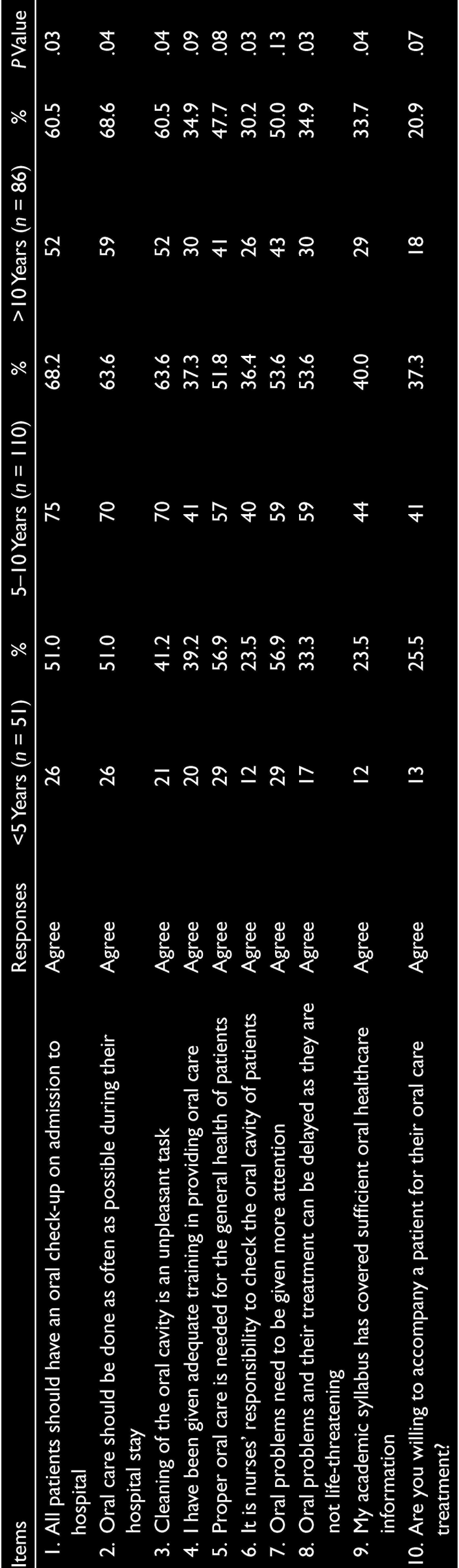
Table 6 provides the results of the comparison of agreed responses based on years of work experience regarding attitudes toward oral care of patients. There were significant differences found in response to 6 of the 10 items. Participants with at least five years of experience were more likely than those who had less than five years of experience to agree that patients should have an oral check-up on admission, oral care should be done as often as possible during the patient’s hospital stay, cleaning of oral cavity is an unpleasant task, it is the nurse’s responsibility to check the oral cavity of patients, and that their academic syllabus sufficiently covered oral healthcare information. Participants with 5–10 years of experience were more likely to agree that oral problems and their treatment can be delayed because they are not life-threatening.
Comparison of Knowledge and Practice Responses According to Gender
Comparison of Agree Responses According to Gender Regarding Attitudes Toward Oral Care of Patients
Comparison of Nurses’ and Nurse Technicians’ Knowledge and Practice Responses
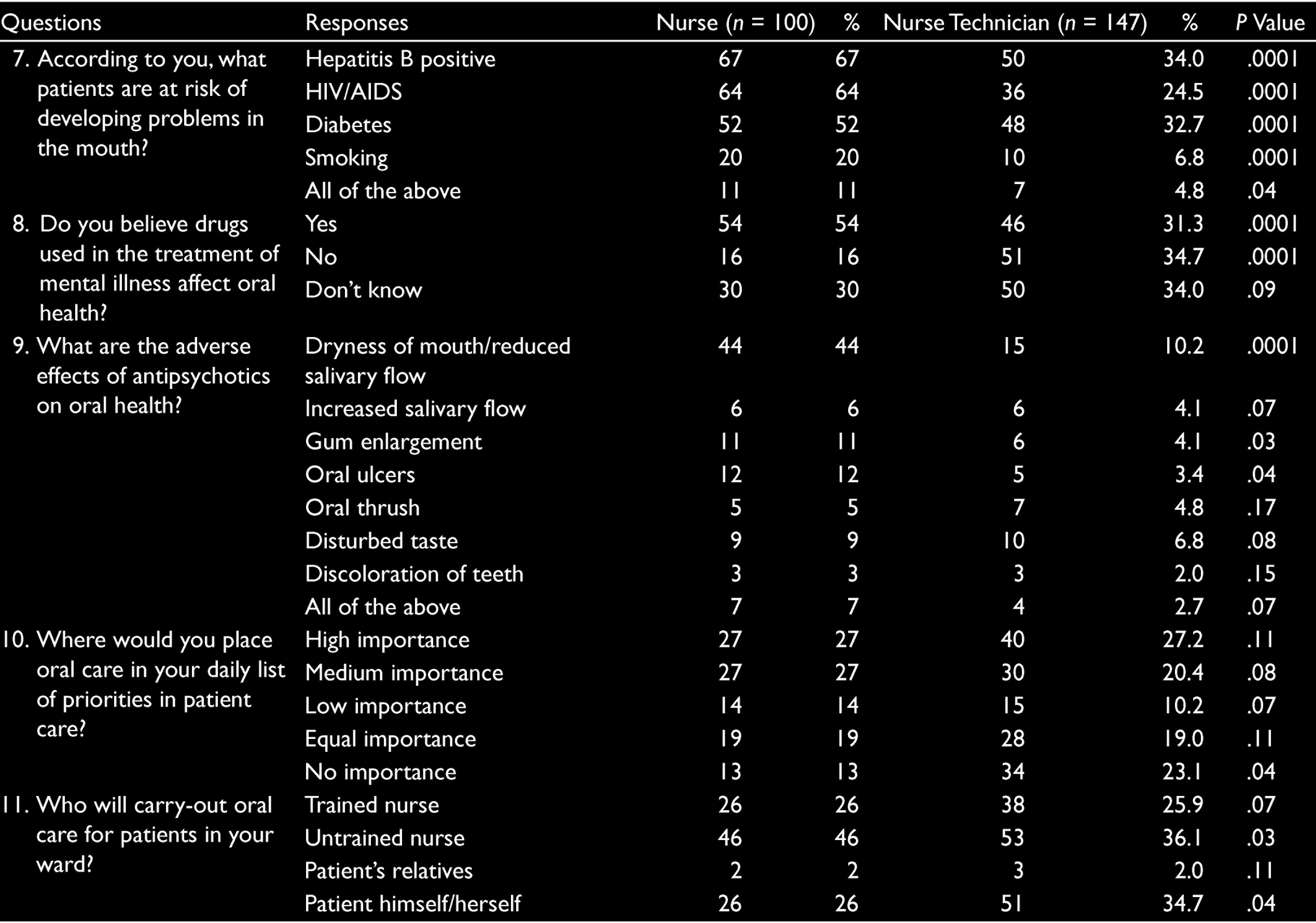
Comparison of Nurses’ and Nurse Technicians’ Agreed Responses Regarding Attitudes Toward Oral Care of Patients
Comparison of Knowledge and Practice Responses According to Years of Work Experience


Comparison of Agree Responses Regarding Attitudes Toward Oral Care According to Years of Work Experience
Discussion
Oral health care is an important part of comprehensive health care that must be provided to hospitalized patients on a daily basis 1 and should be considered as part of the treatment that nursing staff provide to patients. It is important to intensify efforts to improve the oral health care of hospitalized patients in order to minimize any potential causes of deterioration in a patient’s health.9,11 Such efforts can be in the form of recruiting well-trained staff, developing and implementing oral healthcare policies and guidelines, and continued assessment of nurses’ knowledge, attitudes, and awareness regarding oral healthcare measures. 13 Psychiatric patients are at a greater risk of developing oral complications owing to their health status and antipsychotic medications. 21 This study of 247 nursing staff working at a mental health hospital in Taif, Saudi Arabia, examined their knowledge, attitudes, and practices regarding oral health and oral care.
The study results revealed that nurse technicians were less likely than nurses to have knowledge about oral pathological changes caused by systemic diseases and antipsychotic medications, and the effect of oral abnormality and pathology on the systemic health of hospitalized patients. As nurse technicians tend to be the staff who provide bedside care to the patients, it is important to establish a well-structured training program for nurse technicians to ensure high-quality oral care. Haresaku et al. 12 emphasized the importance of developing an effective oral healthcare curriculum for nursing students, as their study showed that undergraduate oral healthcare and nursing students had a low level of attitudes and knowledge regarding oral health care. 12
Generally, about one-third of the participants indicated that lack of training hindered them from performing oral care for the patients. More than half (about 50–60%) agreed that cleaning the oral cavity of the patient is an unpleasant task, which indicates a negative attitude toward the oral health care of hospitalized patients. The only group that had a lower rate of agreement was nursing staff with less than five years of experience. These findings differ from a study conducted by Al Rababah et al. 1 in Riyadh, Saudi Arabia, in which nurses had a positive attitude about providing oral care to hospitalized patients. However, their study was not specific to hospitalized psychiatric patients. Nonetheless, Al Rababah et al. 1 also recognized the need for a well-structured training program and clear policies and guidelines regarding the oral health care of hospitalized patients.
In this study, nurses with more than five years of experience were more likely to agree about the need for oral health care of hospitalized patients, including having an oral check-up on admission and providing oral care as often as possible during their hospital stay, even though they may find cleaning of the oral cavity an unpleasant task. This finding suggests that attitudes about the need to provide oral health care to psychiatric patients increase with years of experience. 13
There are limitations to the present study that should be mentioned. The design of this study did not allow exploration of the depth of knowledge and awareness of nurses working in other psychiatric hospitals in Saudi Arabia regarding oral care of hospitalized patients. Therefore, the results may not be generalizable to other mental health hospitals in Saudi Arabia. Future research could investigate if the results are replicable at other mental health facilities. Additionally, although there was a large sample size, the response rate indicated that almost one-fourth of the staff did not respond. As such, one cannot be sure that the results are representative of the entire nursing staff at Taif Mental Health Hospital.
This study provides important information for Saudi health services developers who need a clear picture regarding the delivery of oral care to hospitalized patients in Saudi Arabia. Conducting a nationwide survey to assess the knowledge, attitudes, and practices of nurses would provide the data that are required to improve medical care to hospitalized patients where it is most needed. In addition, developing and implementing policies and guidelines about oral health care of hospitalized patients would improve the quality of healthcare services provided by well-trained nursing staff across Saudi Arabia.
Conclusion
In conclusion, this study assessed the knowledge, attitudes, and practices of nurses regarding oral health care of hospitalized patients at Taif Mental Health Hospital in Taif, Saudi Arabia. The results emphasized the need for a formal training program for healthcare workers and nurses about the importance of oral health care, considering it as a patient’s right rather than a privilege. Clear policies and guidelines about the oral health care of hospitalized patients structured by a professional dental team should be instituted. Knowledge should be provided about the major oral pathological changes that can occur and the impact of general health and medication on the oral health of patients, including hospitalized psychiatric patients. Standards and procedures of promoting high-quality oral health care should be identified by healthcare developers according to the needs of patients in each hospital and hospital ward.
Footnotes
Acknowledgements
The author is grateful to Dr Sakeenabi Basha and Dr Enas Enan for their kind advice.
Declaration of Conflicting Interests
The author declared no potential conflicts of interest with respect to the research, authorship, and/or publication of this article.
Funding
The author received no financial support for the research, authorship, and/or publication of this article.