




Abstract
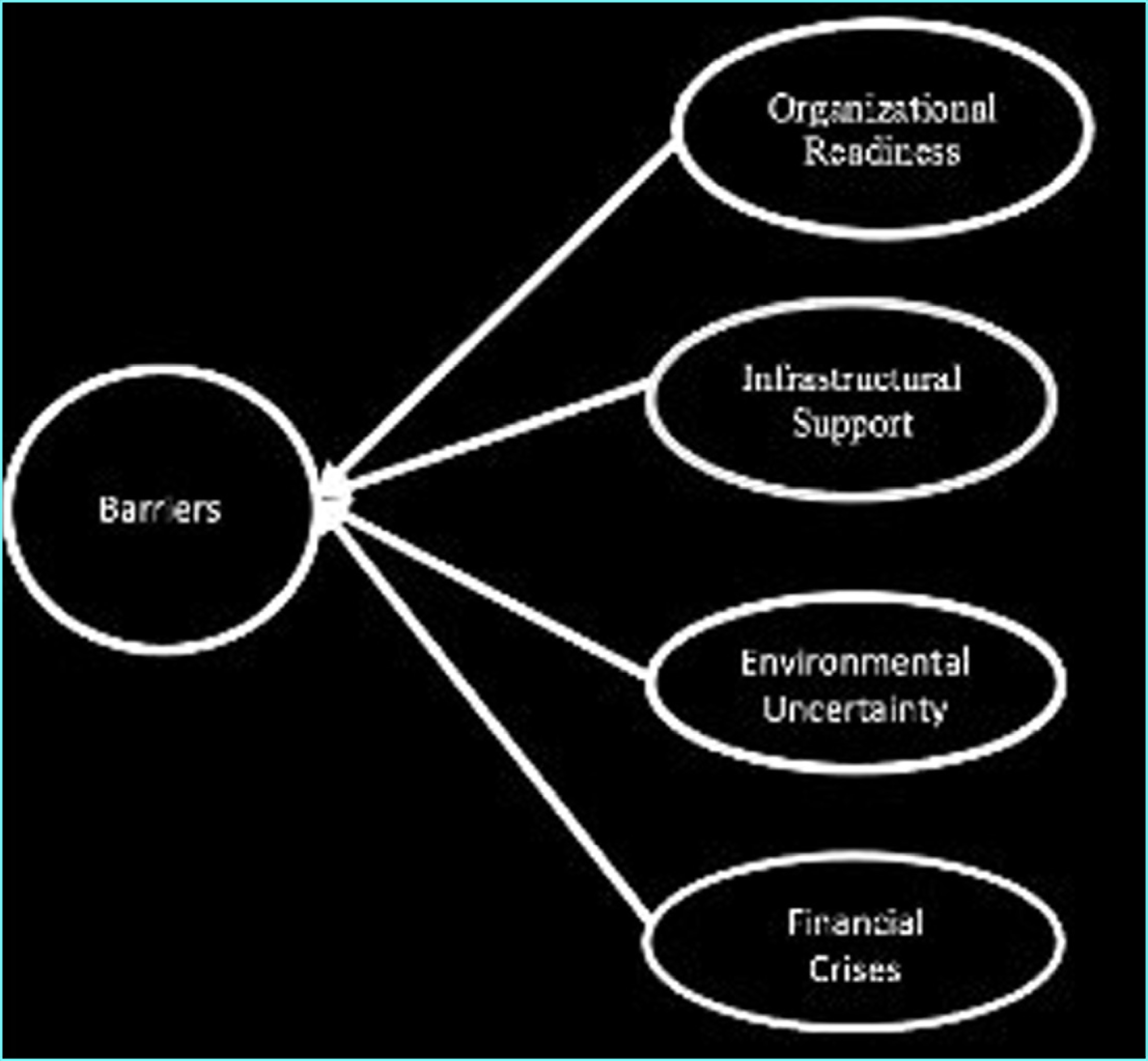
Using a mixed method approach, this study investigates the challenges that the COVID-19 pandemic has posed for entrepreneurs and the strategies that organizations can adopt to make a turnaround towards survival and growth. Empirical analysis is done on the factors which have affected smaller firms during economic slowdowns in the past, and policies and plans adopted by firms to overcome the barriers. Factors such as lockdown, remote working, digital marketing and digitization were accounted through qualitative research. In the empirical analysis section, descriptive statistics and confirmatory factor analysis have been used. In the qualitative section, thematic analysis and hierarchy charts were made with the help of NVivo software. The prime barriers which affected the firms were organizational readiness, infrastructural support by government, technological inadequacy and financial crises. The main strategies emphasized by founders to overcome the barriers of organizational readiness and financial crunch were marketing, strategic networking and product and services, and for technological ineptness was digitization.
Introduction
After the spread of pandemic, the organizations did not get enough time to prepare for the unprecedented disruption which would follow. Due to ambiguity regarding the impact and duration of lockdowns and safety procedures, it was difficult for the firms to plan for abstract challenges. As per Gopinath (2020), lockdowns due to pandemic have caused the worst economic recession since the great depression. According to reports in Economic Times published on 23 March 2020, India is also struggling economically due to the pandemic. The estimated cost of the COVID-19 lockdown comes to about US$120 billion or 4% of the GDP (Choudhary et al., 2020). According to IMF estimates, trillions of dollars will be required to finance developing economies like India. The situation is more critical for small firms because of their limited financial resources (Latham, 2009). The capacity of these businesses to pay their employees has shrunk severely due to major supply chain disruptions, especially for manufacturers and providers of non-essential services. Another major concern for economists is the increasing inability of these businesses to meet immediate capital requirements (Pandey, 2020). On the other hand, the turnaround of these small businesses is critical for economic growth due to their contribution to social progression and the creation of jobs. The smaller firms gain relevance in modern economies as they provide an increased share of employment and also employ personnel with lower educational qualifications, lesser skills and abilities and from greater age brackets (Headd, 2010). They act as stimulants for regional trade and aid in technology transfer (Bourletidies & Triantafylopollous, 2014). History is replete with examples of how innovative and prolific entrepreneurs have been responsible for economic recovery and growth of a nation by promoting job creation and enabling social progression (Elmore, 2009). It has also been observed that SMEs that flourish during a recession have a robust and long-term capital structure, better proximity to customers and a dynamic approach to strategy (Beaver & Ross, 2000).
The small business sector in India employs about 114 million people and contributes to 30% of India’s GDP (gross domestic product) (Pandey, 2020). It also supplies around half of the country’s exports of products and services. Hence, it can be said that more importance should be placed on small- and medium-sized firms (Harvie & Lee, 2002) and the barriers that they are facing due to the economic slowdown brought upon by the pandemic. Attention must also be paid to the blueprints drawn by firms to overcome these impediments.
The extant literature on barriers faced by small businesses and the strategies employed by them to overcome these barriers has been primarily drawn from south-east Asian and western economies. Small businesses can overcome the setbacks brought about by economic slowdown through strategies such digitization, innovation and shifting to new business segments (Gertler & Gilchrist, 1994). Literature pertaining to recession faced by small businesses in India is sparse. The researchers also could not find any substantial literature on the effects of pandemic on small firms. Hence, this study endeavours to understand the impediments and challenges faced by the pandemic and subsequent lockdown and strategies to overcome barriers and to make a turnaround towards survival and growth.
This study is undertaken with an attempt to comprehend the constraints that entrepreneurs have faced during the pandemic and the strategies adopted by them to sustain the lockdown and make a turnabout towards growth and survival. This study also endures to suggest some guidelines which can be beneficial for entrepreneurs and policy-makers.
We have divided the paper into four parts. In the first part, we put forward the extant literature on firms facing an economic recession in various economies and their response to the same. Then we offer the audit trial of the research design to the readers. Thereafter, results are reported and discussed and finally conclusions are inferred from the study.
Literature Review
Small business is a relative term that refers to an organization with limited resources in terms of employees, revenue or assets when compared to bigger organizations in the industry (Alvarez & Barney, 2007). For the purposes of this article, a small business has been defined as an ‘independently owned and operated enterprise that is not dominant in its field or industry and has fewer resources than other companies in the market’ (Street & Cameron, 2007). These small businesses function in a formal entrepreneurial ecosystem as defined by Cohen (2005) in his paper by its constituents such as state agencies, local administration, academic institutions, support services, financial institutions, human resources and large corporations.
The extant literature of small/young/independent firms focusses primarily on the susceptibility and/or resilience of such firms. Firms are considered to be susceptible to environmental change due to their operational inexperience and smaller size (Pal et al., 2014). As per Gibrat’s Law of proportional effect, a proportionate growth of any firm is independent of its absolute size. However, this has been contested by several researchers and they have repeatedly asserted a contrary view, that is, a firm’s performance is greatly impacted by its size and capacity (Hawawini et al., 2003). Smaller enterprises or SMEs are more capable of adapting to the economic downturn because they are more agile, less rigid and have low-sunk cost factors (Tan & See, 2004). Thus, in times of economic downturn, these smaller businesses can use their strengths to advantage and overcome several environmental barriers through strategic restructuring. Under conditions of economic slowdown with its associated environmental barriers, it is crucial that the SMEs adopt an intensely positive and focussed strategy. This strategy should enable them to create the necessitated competitive opportunities and enable them to emerge in strength from every economic downturn (Tan & See, 2004). This would require the SMEs undertake drastic cost as well as asset reduction in order to arrest the decline in their profits (O’Neill, 1986; Tan & See, 2004). It has also been conclusively postulated that the strategic flexibility available to any organization depends not only on the available intrinsic organizational resources but, to a large extent, in the flexibility of utilizing them by the management in a methodical and innovative manner (Sanchez, 1995). Hence it can be inferred that strategic restructuring would be greatly impeded if there is a dearth of organizational resources and there are significant shortcomings in the ability of the managers innovatively adapt to the changing organizational environment (Mahoney, 1995). Further, it is incumbent upon the SMEs to upgrade and reconfigure the existing resources and capabilities in order to take advantage of the new opportunities like emerging markets and changing consumer profiles and preferences as stated by O’Neill (1986). This would not only enable them to survive in a hostile environment, but also provide them access to new product markets. A similar strategy was noted during the Asian Financial Crises in 1997 by Korean SMEs wherein they strengthened themselves in marketing activities and technology innovation to tide over the market downturn as stated by Gregory et al. (2002). It has been conclusively brought out that market segmentation tactics are better utilized by the SMEs than the bigger conglomerates in the industrial domain (Sharma, 1993). Further, it has also been ascertained that the SMEs benefitted more during the economic recession by smarter investment strategies in sales and marketing (Pearce & Michael, 1997).
The following section of the literature review will suggest a proposed framework derived from the extant literature. It will closely examine the environmental barriers weathered by organizations during economic downturn as well as the strategies used by organizations in the past to circumvent these barriers.
Barriers Small Firms Encounter During a Crisis
Every organization has intrinsic resources which vary depending on their size, capacity, number of employees, revenue, assets, etc. Fitzsummons and Douglas (2005) asserted that these resources should be strategically marshalled towards enhancing profits and making the venture successful. Whilst a larger firm has the ability to turn around its marketing or competitive strategy due to the back up of its resources, a similar option may not be available or be viable for a smaller entrepreneur/Micro Small and Medium Enterprises (MSME) (Mintzberg & Waters, 1985; Robbins & Pearce, 1993). It has also been noted in several studies that smaller firms are disproportionately affected during the period of economic slowdown (Varum & Rocha, 2013). However, as per Wengal and Rodrigues (2006), the MSMEs and smaller enterprises have certain inherent advantages in terms of their flexibility to adapt and innovate, resilience to credit, shorter decision-making chains, etc, which enable them to overcome the economic downturns if they are better organized and their management is willing to quickly adapt to the changing economic environment. The ability of any enterprise to redirect its resources, realign its strategies as per the environments demands and align its capital and capabilities as per the new strategy is termed as Resource fluidity (Doz & Kosonen, 2010). As per Hughes et al. (2020), it is critical for every organization to overcome this barrier of Resource fluidity (Conversely, the same organization could adopt a simple and less-aspiring business plan for protection from its dependence on external funds/Credit Crunches (Cowling et al., 2012; Davidsson & Gordon, 2016). To summarize in brief, any MSME critically requires human, physical and financial resources to enable the management to make strategic decisions in difficult times (Montserrat et al., 2000). As per Gertler and Gilchrist (1994), the ability of any organization to adapt quickly to the changing resource environment under the human, physical or financial domains is extremely necessary for small organizations. This capability is termed as its organizational readiness for the context of this article.
The State or the Government in power has a huge role to play in the survivability and sustenance of any entrepreneurial venture. The availability of cost-effective/viable transportation and skilled labour in times of a slowdown is the responsibility of the state (Gartner, 1985; Papaoikonomou et al., 2012). Conduras (2008) insisted that the state is responsible for implementing policies not only for business creation, but also towards ensuring their survivability. As far as the MSME are concerned, they additionally require state support in respect of credit facilities, open communication with financial institutions, skill development centres, tax policies, etc, to survive, sustain and flourish. A study of Korean SMEs by Gregory et al. (2002) highlighted that the state has a critical role to play in terms export promotion, commercialization, human resource development, tax sops, etc, towards promotion of local enterprises. Hence, the State plays an important role by providing not only much required infrastructural support (IS) but also a conducive business environment for the MSMEs to sustain and survive an economic downturn (Gregory et al., 2002).
The availability of reliable customers, suppliers and market is a critical necessity for any enterprise. However, MSMEs are usually dependent on a select number of customers and suppliers (Nugent & Yhee, 2002) and also require a specific market (Butler & Sullivan, 2005; Varum & Rocha, 2013) to sustain themselves in the existing business environment. Credit market imperfections (Peric & Vitezic, 2016) or dependence on a single major customer induce a considerable risk to the MSMEs during an economic downturn (Das & Pradhan, 2010). Smaller firms are also more susceptible to the negative effects of economic crises as they have to deal with the two-fold problem of limited resources and high dependence on bank and credit institutions (Domac & Ferri, 1999; Mulhern, 1996, Varum & Rocha, 2013). Das and Pradhan (2010) asserted that the non-availability of sustained and dependable credit facilities has often resulted in failures or shutting down of several MSMEs. Hence, any MSME requires a sustainable customer base along with reliable suppliers and a facilitating market without strained credit facilities to survive an economic downturn (Varum & Rocha, 2013).
The necessity of having a robust, reliable and transformative technological infrastructure for surviving a pandemic like COVID-19 and its associated lockdown has been adequately highlighted by Papagiannidis et al. (2020). Every small and large business enterprise had to suitably enhance its IT infrastructure to survive the pandemic by adapting to alternate work spaces, work-from-home initiatives, social distancing norms and secure IT networks to ensure sustenance of their ventures despite the lockdown (Papagiannidis et al., 2020). Hence, the ability to have a scalable digital transformational strategy is an important barrier to be factored whilst drawing up a business plan by all the MSMEs.
The proposed framework which can be drawn up to summarize the main barriers is shown in Figure 1.
Strategies Small Firms Adopt at the Time of Crisis
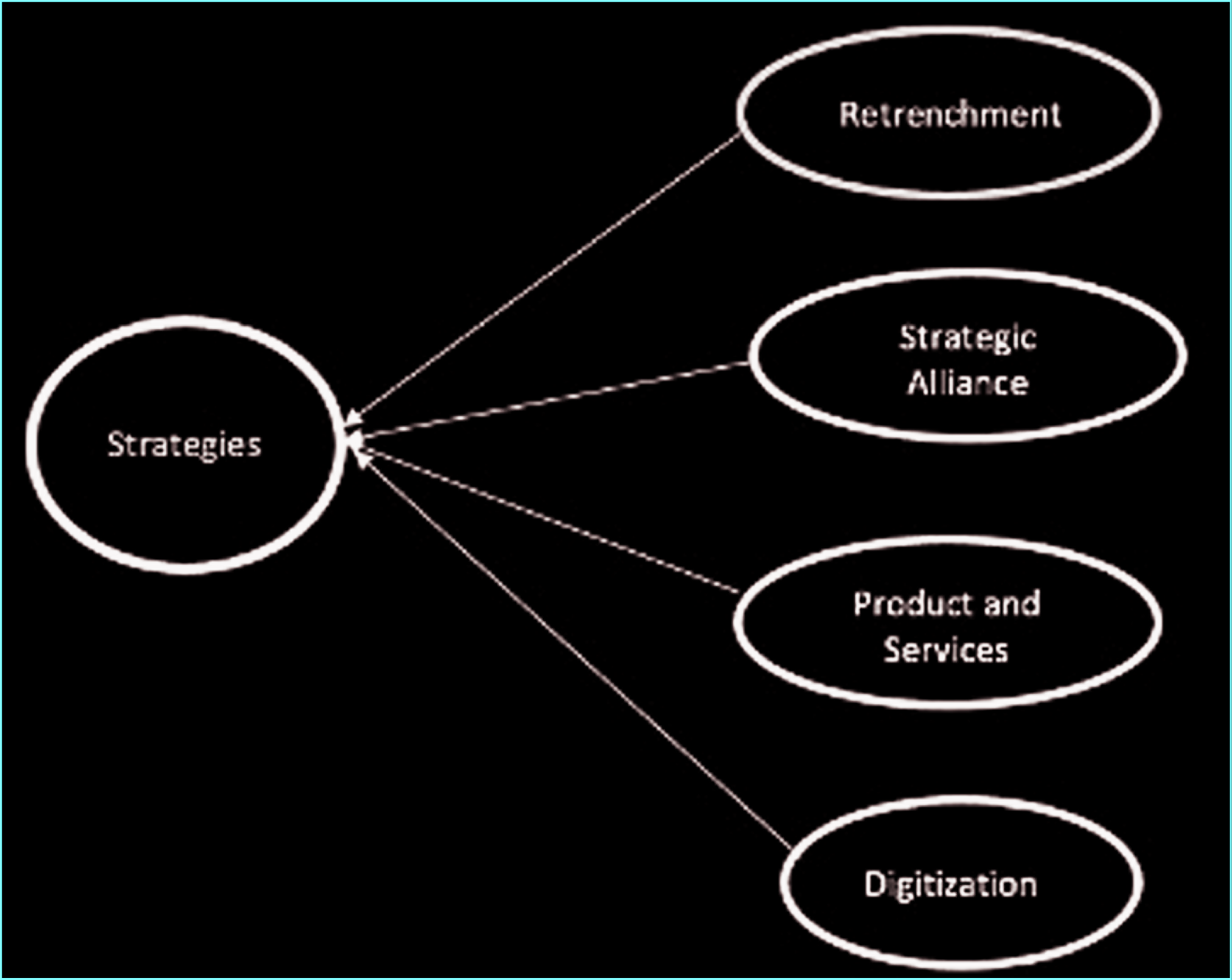
Retrenchment is a set of strategic activities aimed at achieving cost and asset reductions and disinvestment resorted primarily during an economic downturn (Pearce et al., 1987). As per Hambrick and Schecter (1983), enterprises try and recover during a business slow down by resorting to cutbacks and by improving productivity. Three basic turnaround strategies have been postulated by Hofer (1980), namely cost cutting, asset reduction and revenue generation. These turnaround strategies could be implemented individually or in conjunction with each other. Hofer (1980) further stated that, as a general thumb rule, firms operating far below breakdown should pursue a radical retrenchment strategy which should include asset reduction as its primary goal. On the other hand, firms operating closer to breakdown should adopt more of a cost-cutting or combination strategy for retrenchment.
Strategic networking or a strategic alliance between business enterprises is an important step in overcoming barriers to growth during a slowdown. These strategic alliances strengthen each entity by supplementing resources, disseminating liabilities, providing greater market opportunities and, at the same time, bolstering the reputation of each firm forming the alliance (Vardharajan & Cunningham, 1995). A case study undertaken by Marino et al. (2008) assessed those strategic alliances between smaller Indonesian firms as the primary reason for them to overcome the shocks during the Asian Financial Crisis in 1997. It is believed that smaller firms in alliances can focus more on economies based on agglomeration (Harvie & Hall, 2003) and help overcome the disadvantages of technological knowledge (Nugent & Yhee, 2002). Tie ups with industry experts and universities can also help the smaller firms in tiding over the challenges during an economic downturn (Kodama, 2008).
The COVID-19 pandemic and the challenges faced by every small/large enterprise to remain afloat in these unprecedented times have highlighted the need to have a business model that is current and updated as far as the latest IT advancements are concerned. A majority of small as well as large-sized enterprises had to completely realign their business models and shift to online services and products with new channels to continue meeting the customer and supplier demands (Caroll & Conboy, 2020). Denning (2018) suggested that this may not be possible unless the business model is completely digitized and has a contemporary IT infrastructure. Digitization enables and facilitates the businesses to function with dexterity, which is so essential in a rapidly changing environment. With the experience gained during the current pandemic, it can be concluded that every organization in the future would be required to adapt to an environment that is being shaped by rapid globalization, internet technology and social media influences (Donald, 2019, 2020).
The businesses in order to ensure an expeditious recovery after an economic slowdown, akin to the current pandemic scenario, need to innovate their marketing and selling strategies by offering exciting discounts, better pricing models, prototyping and by engaging in healthy partnerships with competitors (Reeves & Deimler, 2009). The Korean SMEs have demonstrated this amply by strengthening their marketing activities and technology innovation for ensuring a sustained growth in all stages of economic growth (Gregory et al., 2002). The marketing strategies could be tailor made for different types of traditional, non-traditional, regular and random customers. Bourletidies and Triantafylopollous (2014) suggested that the final aim in all these strategies would be to entice the customer by providing special prices, presents, offers and invites to promotional events.
The proposed framework which can be drawn up to summarize the main strategies is shown in Figure 2.
On the basis of the literature review, it can be observed that there is very little being done in the Indian entrepreneurial ecosystem to address and annihilate the impact of various economic barriers in the interest of small entrepreneurs. Before it is too little and too late, it is opined that the various economic barriers merit a serious study that would result in the development of mitigating strategies to insulate the economic activity during slowdowns, especially under the unpresented and unpredictable circumstances of the pandemic and its consequent lockdowns
Keeping these in mind, two qualitative research questions were framed:
RQ1) What were the major barriers faced by firms during the pandemic? RQ2) What strategies are adopted by firms during the pandemic to overcome the hurdles?
Methodology
The various parameters on which the study was developed were extracted from the literature based on various economies who have sustained economic crises in one form or other. Mixed method approach was used for this study as economic recessions have been faced by various countries in the past, so factors affecting the barriers and strategies were derived from the literature and the extracted factors were subjected to empirical analysis. Economic slowdown due to pandemic and lockdowns is an unprecedented phenomenon, hence to understand the unique barriers which the entrepreneurs faced and the solution to those barriers, a qualitative approach was used. A qualitative approach was used subsequent to the quantitative method to cover the gap between impediments and solutions available in the extant literature, which could be explained through constructs and variables, and peculiar challenges which were posed by the pandemic such as economic loss due to lockdown.
Firms with less than 50 people can be taken as small firms and those with more than 50 people can be taken as medium firms (McGuirk et al., 2015). In this study, we have taken firms with less than 50 employees as small firms and those with more than 50 employees as medium firms. Firms which are less than 5-years-old as young and which were more than five years as old firms. Forty-four tech firms and ten non-tech firms participated in the study.
A questionnaire of 29 questions based on the literature was developed and four items were adopted from the readiness index score developed by Hughes (2020). There were 16 questions on the barriers endured by small firms in pandemic and 13 questions on the strategies adopted. Descriptive questions regarding specific barriers faced by firms and the specific strategies adopted by them to carry on through the crises were included in the questionnaire.
Results and Discussions
Non-random sampling technique was adopted. Two hundred and fifty founders from 12 sectors, which were listed as winners and nominees for the most innovative firms in Startup India, a government website, were sent the questionnaires through an online form. However, the response from only 45 questionnaires was generated. Thereafter, through convenience sampling, 50 more forms were distributed and 15 responses were generated. However, after data cleaning and data synthesis, 54 forms were found to be suitable for further evaluation.
Descriptive Statistics of the Firms
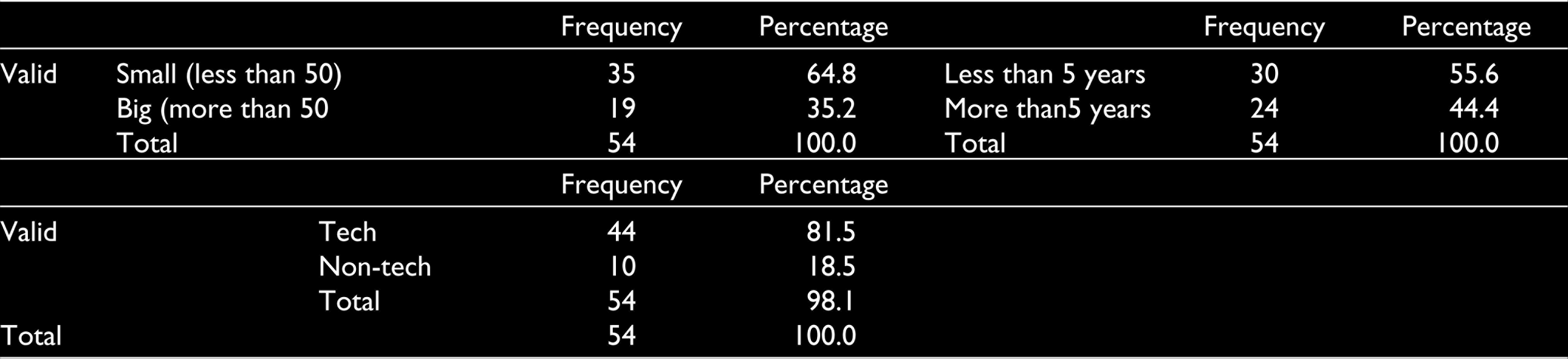
Descriptive analysis of the same is done in Table 1.
Strategy variables and reliability variables were subjected to reliability analysis. Reliability analysis can be seen in Tables 2 and 3. Cronbach’s alpha of 70.5% and 61.9% was considered satisfactory to proceed for further evaluation.
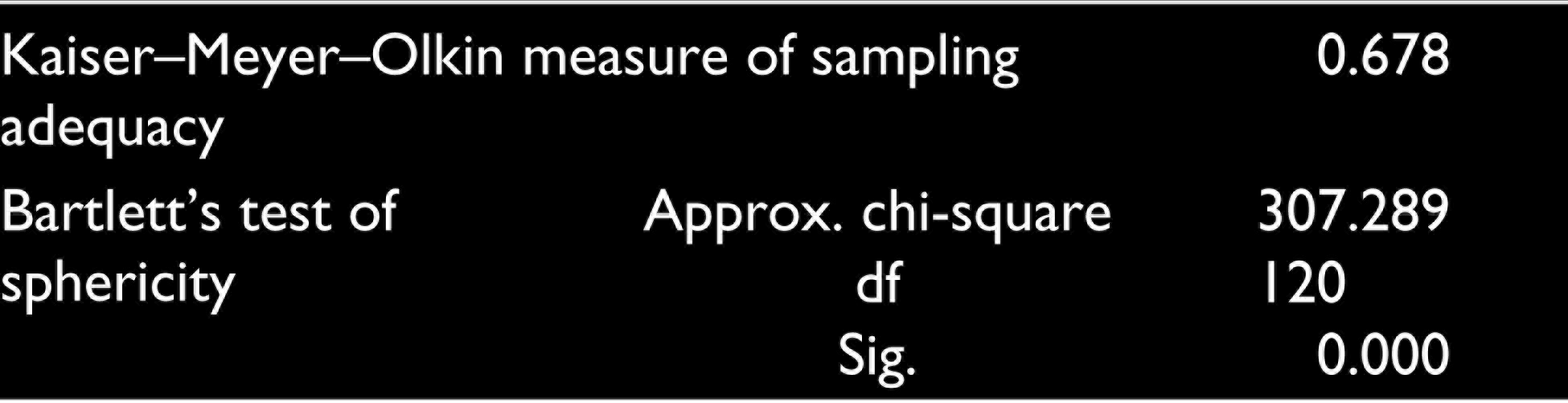
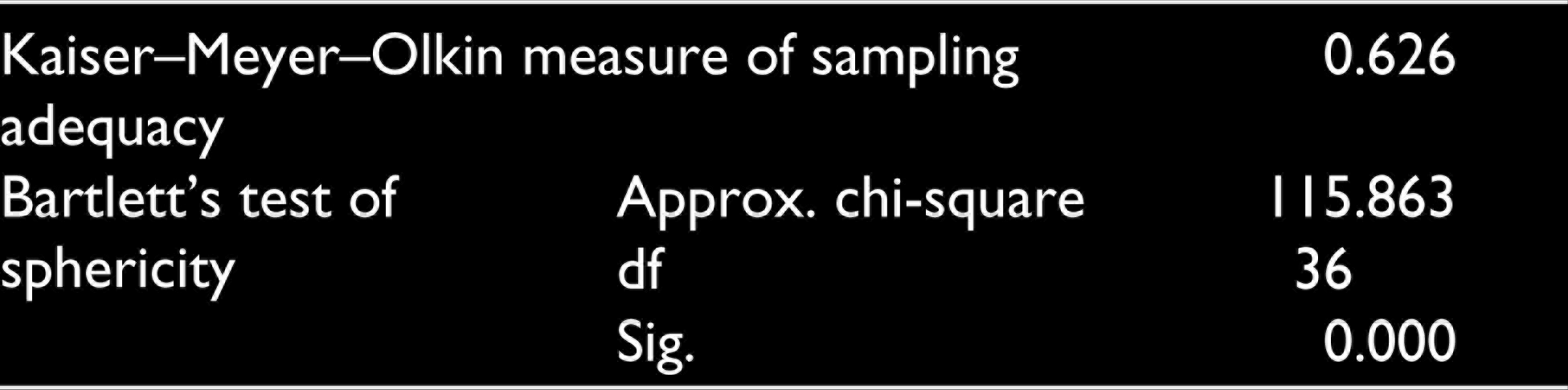
The variables were further subjected to exploratory factor analysis. The value of KMO measure for sampling adequacy can be seen as 0.67 and 0.62, respectively, as shown in Tables 4 and 5. Variables with factor loading of more than 0.5 were considered for further analysis. After analysis, four factors for barriers were extracted and 11 out of 16 variables with factor loading of more than 0.5 were subjected for further analysis. The factors extracted after exploratory factor analysis constituted organizational readiness (OP), IS, technological inadequacy (IT) and capital crunch (CAP). Similarly three factors were extracted, and seven out of 13 variables with factor loading of more than 0.5 were subjected for further analysis. The factors which were extracted are strategic networking (NET), technology (DIG) and impetus of product and services (PROD).
All the variables which were combined for the construct retrenchment, which was postulated as one to be strategies adopted, had factor loading of less than 0.5and hence were discarded.
Reliability Statistics for Strategy Variables

Reliability Statistics for Barrier Variables

Confirmatory Factor Analysis
Confirmatory Factor Analysis for Barriers
Confirmatory factor analysis (CFA) provides information on the confirmation of the measurement model with four factors as can be seen in Figure 3. The model fit indicators are given in Table 6. CMIN is a statistic for directly testing the similarity between the sample covariance matrix and the estimated variance matrix. A value that is closer to 1 is an indicator of good fit (Li et al., 2020). Here, the Table 6 shows that the CMIN value is 0.594. The goodness-of-fit indicator value should be between 0 and 1, and the value closer to 1 is a better fit (Li et al., 2020). The CFI is shown as 1.000. The value of RMSEA < 0.05
KMO and Bartlett’s Test for Barriers Variables
KMO and Bartlett’s Test for Strategy Variables
indicates that the model is close to fit (Li et al., 2020). RMSEA as shown in Table 6 is 0.000
The validity analysis can be seen in Table 7. The Critical Ratios (CR) values of factors are 0.849, 0.845,0.793 and 0.804, which is more than 0.70, hence, the CR values are satisfactory. The Average Variance Extracted (AVE) value is more than 0.50 for all factors, they are 0.60, 0.65, 0.67 and0.68, respectively, as can been in the table. The CR values for all factors are more than AVE values. Hence, the convergent validity for this model is satisfactory.
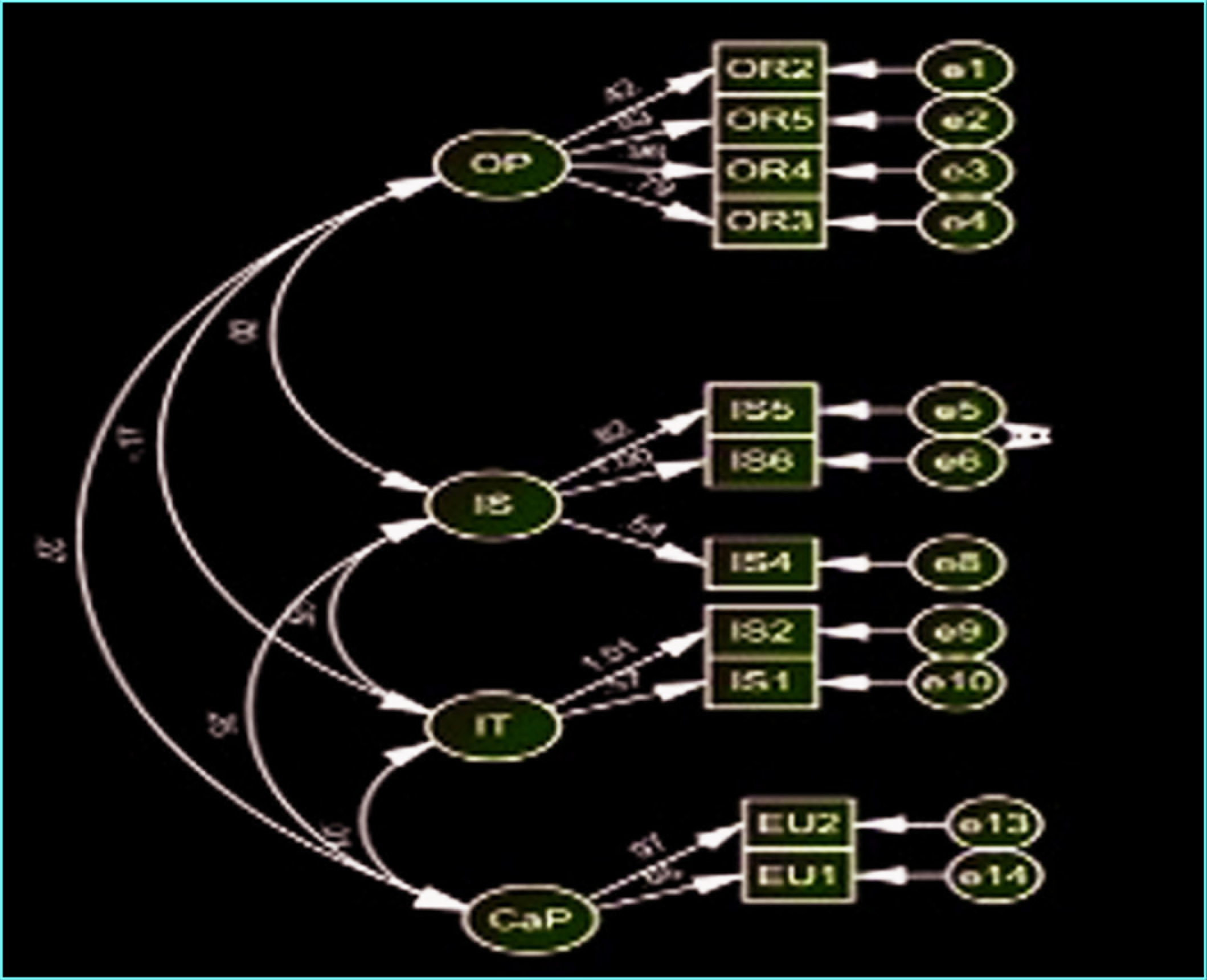
Model Fit Indicators for CFA for Barriers

Validity Analysis Table

Confirmatory Factor Analysis for Strategies
CFA providing a measurement for three factors is satisfactory, as can be seen from Figure 4. The model fit indicators are displayed in Table 8. The CMIN value is 1.171. The CFI for indicators of goodness-of-fit is 0.988. The RMSEA value is 0.057. The values shown in Table 8 show that the model is satisfactory.
The validity analysis which can be seen in Table 9 shows that convergent validity is satisfactory as the CR values of all factors are 0.810, 0.946 and 0.768, respectively, showing that the CR value of each factor is more than 0.70 and the AVE values of factors are 0.64, 0.89 and 0.63, respectively, indicating they are more than 0.5 and CR > AVE for all the factors. Hence, there are no validity issues.
Qualitative Analysis of Data
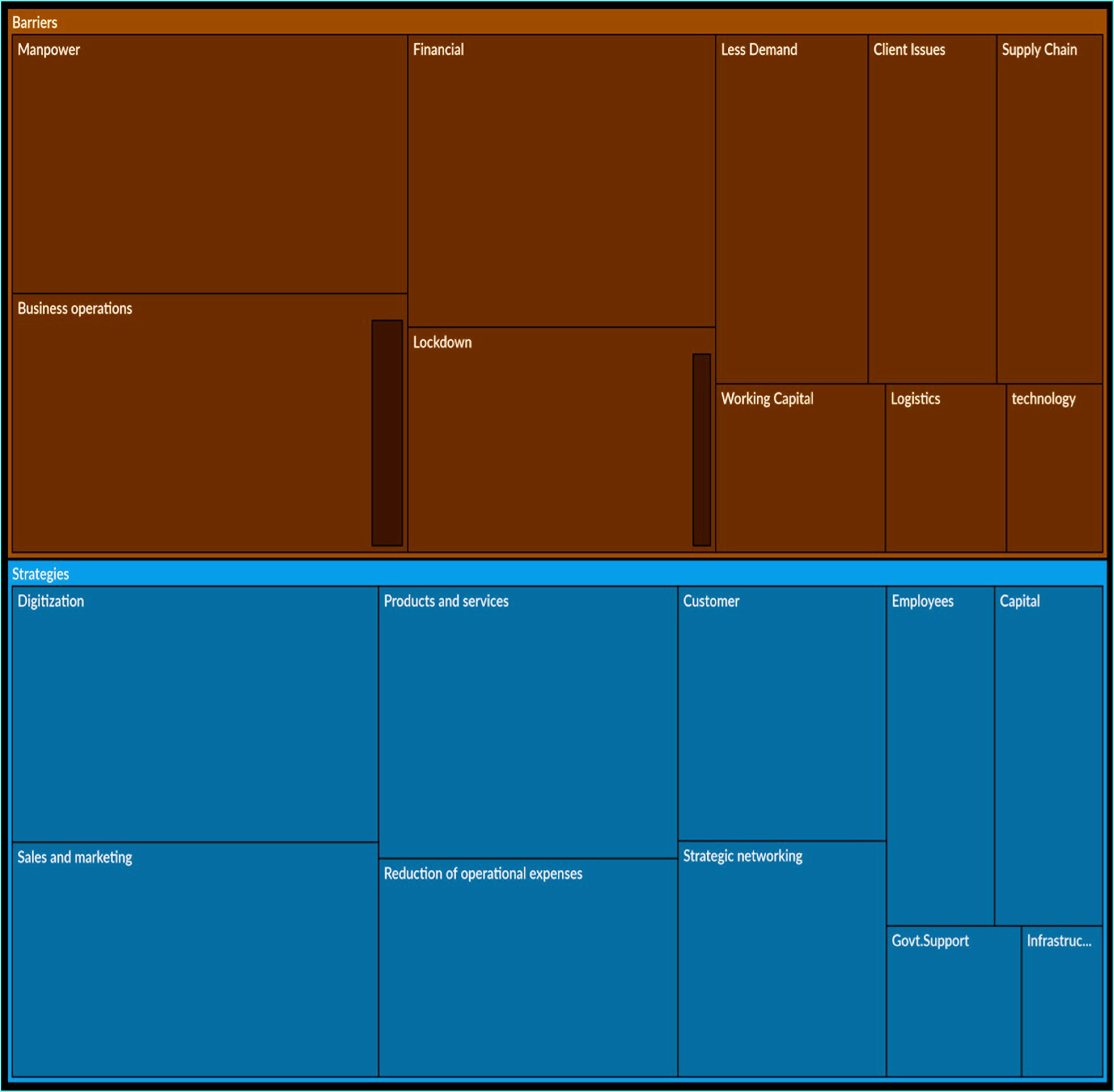
The responses received by founders were coded on the basis of words frequently repeated or similar words used to convey the context. The codes thereafter are projected in hierarchy chart as shown in Figure 5. A hierarchy chart helps in visualizing prominent themes in the project (Wiltshier, 2011). Once the coding process is done, the combined node system is structured into coherent hierarchy. Hierarchy charts give a view of the code distribution as shown. The hierarchy chart is given in Figure 5. As can be seen, the major barriers felt by most of the entrepreneurs turned out to be manpower issues, stalling of business operations, financial crunch and lockdown. The codes which were repeated frequently for Strategies consisted of digitization, sales and marketing, products and services and reduction of operational expenses.
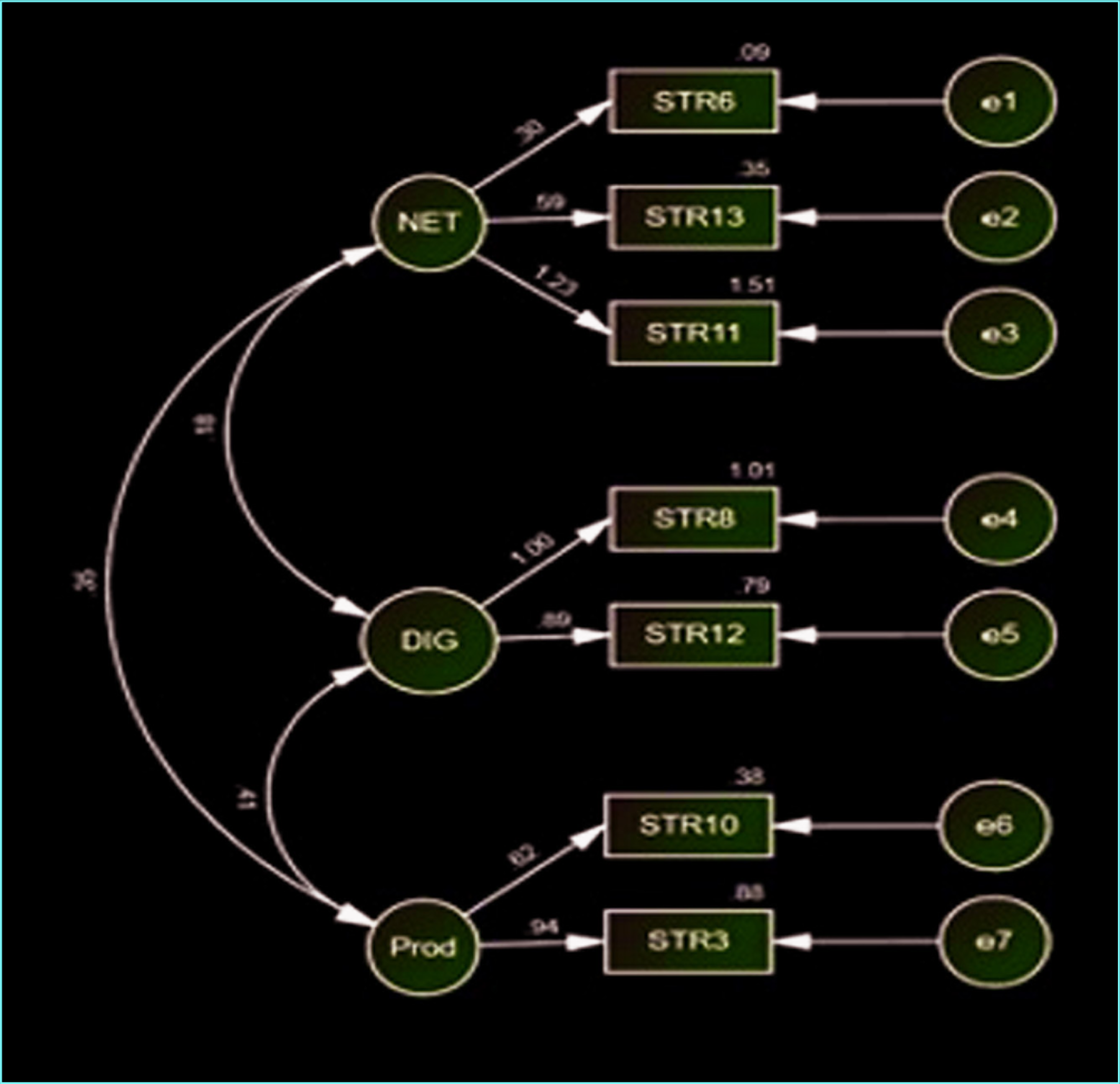
Model Fit Indicators for CFA of Strategies

Validity Analysis Table for Strategies

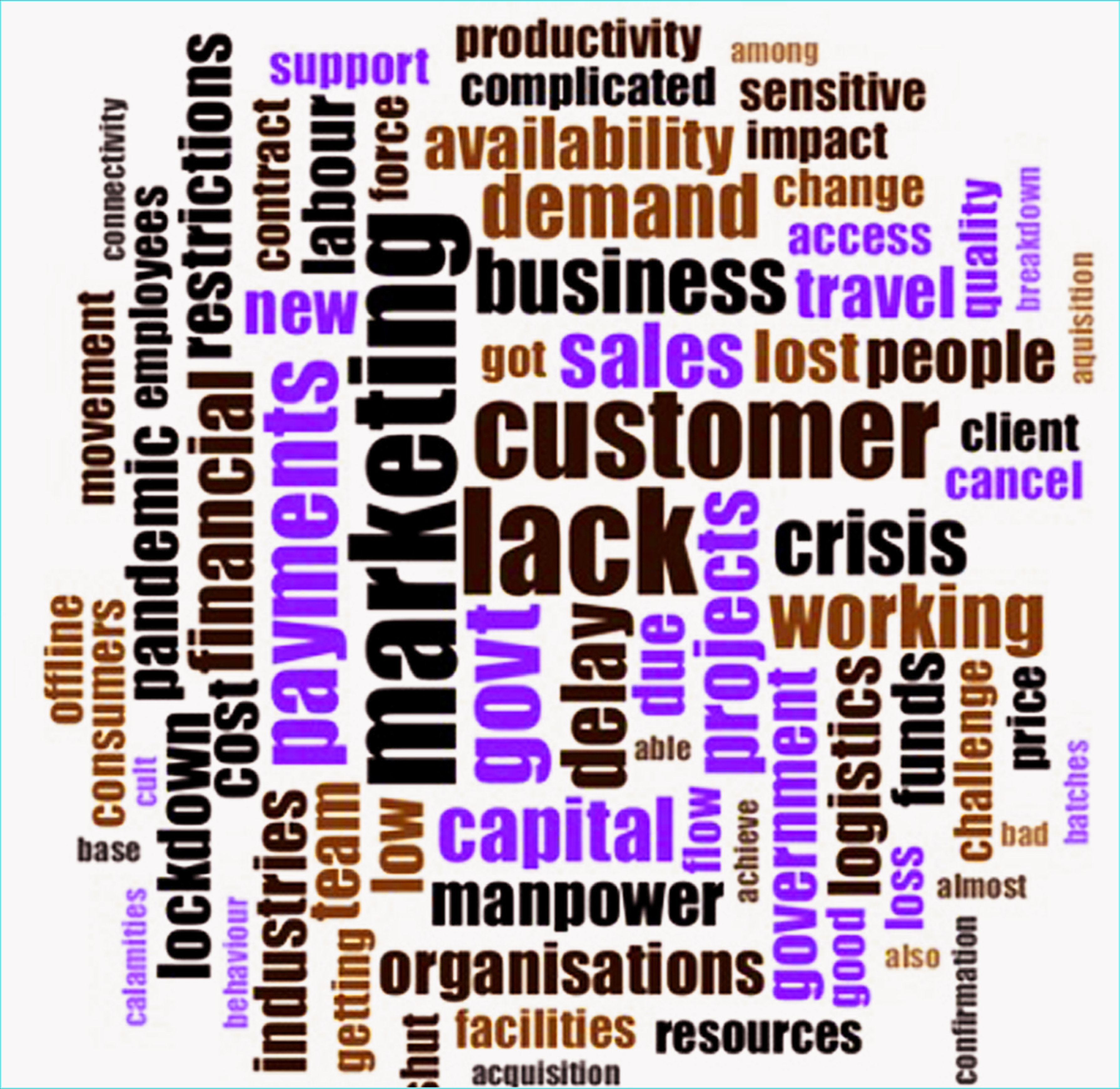
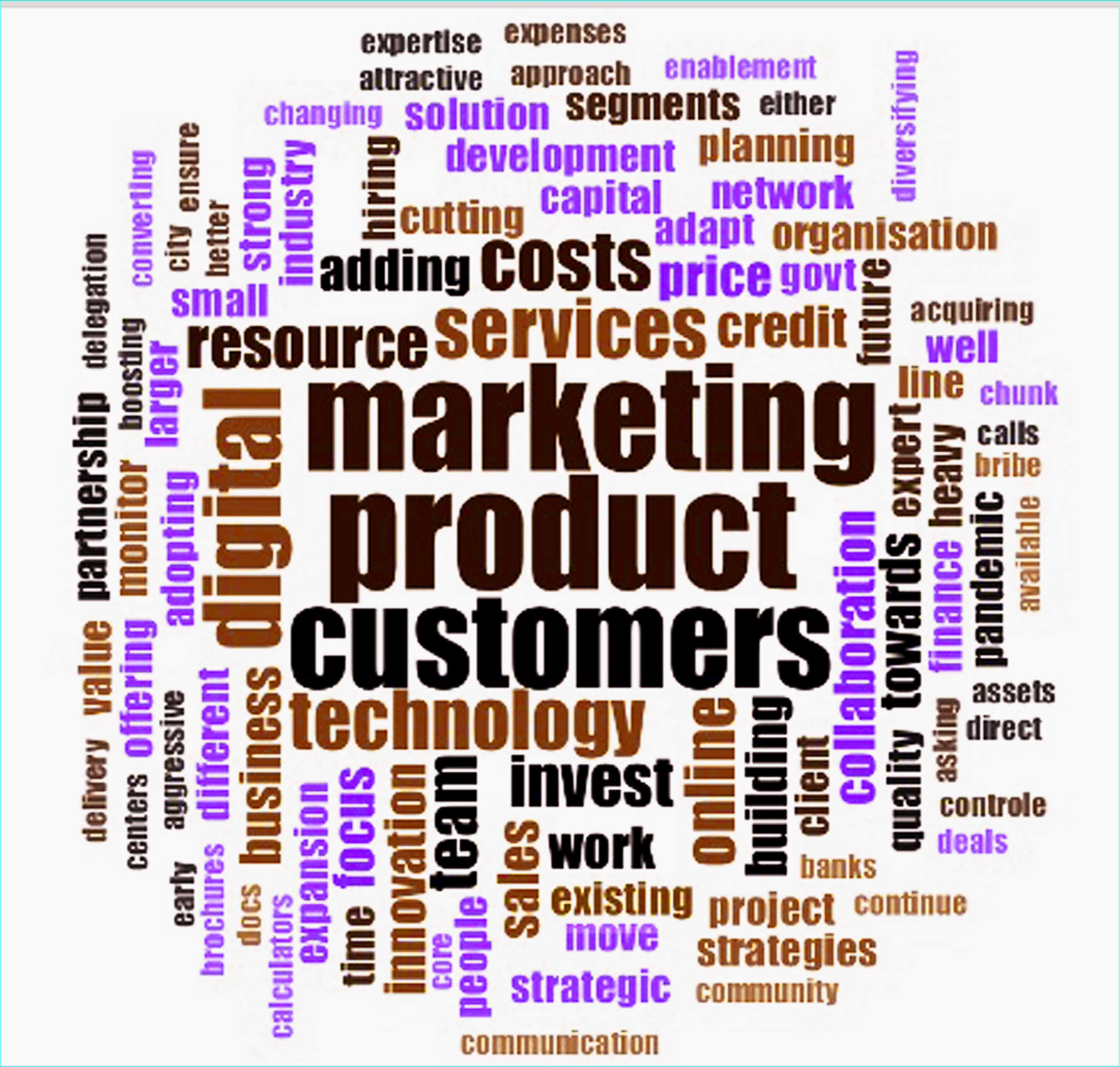
The frequency analysis of most-often recurring words (including synonyms) for the barriers and strategy was done, and it helped in developing the potential themes. Word cloud is made from very frequently used words. The words used with higher frequency than others appear in the centre with larger fonts. The word cloud for barriers faced by entrepreneurs is shown in Figure 6, and a word cloud of the words used for strategies adopted by firms is shown in Figure 7. As can be seen in the word cloud, the major challenges faced by the founders were customer issues, delay of payments, losing customers, demand shock, low marketing, manpower issues, capital flow issues, productivity issues, logistics and supply chain issues.
The major strategies which can be inferred from the word cloud were customer retention, pivoting on products and marketing, digitization, collaboration or network formation and reduction of operational expenses.
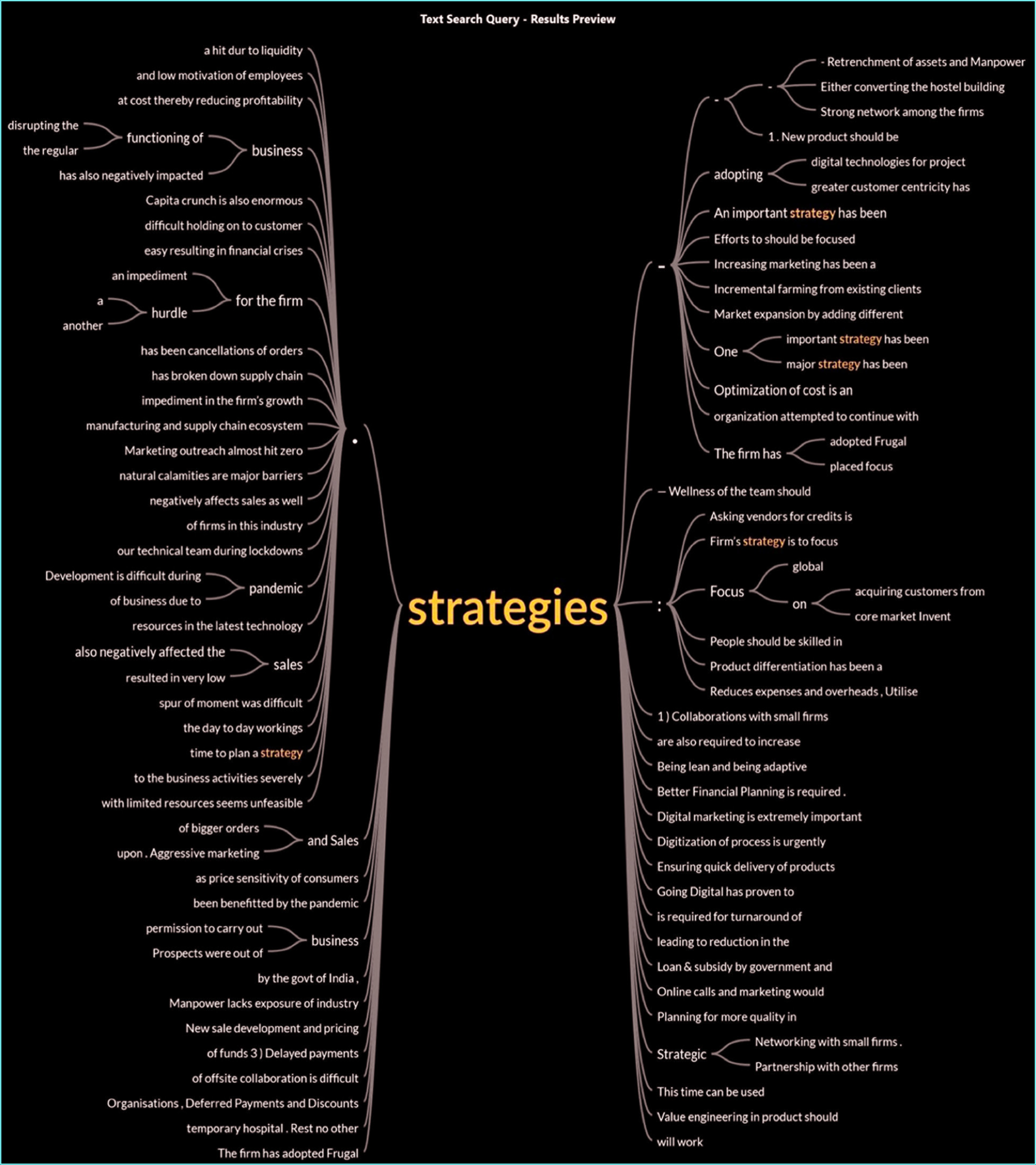
Word tree connecting the codes can be seen in Figure 8. It enumerates the issues faced by entrepreneurs such as ‘broken supply chain’, ‘enormous capital crunch’, ‘difficulty in holding on to the customer’, ‘Marketing outreach almost hit zero’, ‘manpower lacks exposure’, etc.
The strategies adopted by entrepreneurs are clearly stated as ‘optimization of cost’, ‘going digital’, ‘collaboration with small firms’, ‘customer centricity’ and ‘online marketing’, ‘digital technologies for product’, ‘digital marketing’, and ‘market expansion by adding different products’.
Discussion
The entrepreneurs have been exposed to unprecedented hardships during the COVID-19 pandemic and the aftermath of its associated lockdown. With the First and Second wave of the pandemic behind us and the likelihood of impending waves in days ahead, it is incumbent to develop mitigating strategies before it is too late. With this aim in context, this study attempts to propose a sustainable and suitable model to adapt to the changing economic environment in a post-pandemic scenario based on the study of the available literature pertaining to small businesses in different economies going through a similar financial crises.
A set of factors have been proposed as the prime barriers faced by smaller MSMEs during the economic slowdown along with suitable strategies to overcome each of the salient barriers. In comparison to the various barriers which emerged during the study and analysis, organizational readiness emerges as the prime barrier based on both empirical as well as qualitative results of the analysis. This has been ratified by the confirmatory analysis tool as well as from the experiences of various founders of enterprises wherein they have alluded to the fact that unless the enterprises have a carefully defined and readily implementable organizational strategy, events like the COVID-19 pandemic would not provide them the reaction time to plan a strategy to overcome the impact on their businesses. The results of the extant study found congruency with the assertions made by Papaoikonomou et al. (2012) that SMEs are characterized by lower resource fluidity and has also been evidenced by the case of Finland between 1989 and 1993, where entrepreneurship and level cash flow and liquidity in the economy suffered significantly due to strong economic fluctuations (Kangasharju, 2000) that directly impacts the organizational readiness of any enterprise.
Another barrier which hit entrepreneurs hard in the wake of pandemic was infrastructure support. Providing a conducive economic environment along with suitable infrastructure like transportation, manpower, etc, is the responsibility of the State. This has been adequately demonstrated by the Korean government during the Asian financial crisis, which helped not only in the recovery of the economy from the downturn but also resulted in its expansion (Gregory et al., 2002). As far as the MSMEs are concerned, they require State support in the form of credit facilities, open communication with financial institutions, skill development centres, tax policies, etc, to survive, sustain and flourish.
Technological inadequacy also caused phenomenal disruption in the working of almost every organization during the pandemic. Non-availability of adequately trained manpower or the critical technical teams due to lockdowns have been some of the prime concerns voiced by the founders of MSMEs. Every small and large business enterprise needs to suitably enhance its IT infrastructure to adapt working from alternate work spaces, implement work-from-home initiatives, enforce social-distancing norms and ensure security of data through secure IT networks to ensure sustenance of their ventures despite conditions of lockdown (Papagiannidis et al., 2020).
Finally, the financial crunch during the pandemic drove small businesses towards bankruptcy. As has been derived in the analysis of results, entrepreneurs faced a severe financial crunch during the pandemic and its subsequent lockdown. It has been brought out in the study that MSMEs require a sustainable customer base along with reliable suppliers and a facilitating market without strained credit facilities to survive an economic downturn (Varum & Rocha, 2013)
The entrepreneurs have experienced unprecedented hardships and difficulties during the pandemic and its subsequent lockdown. The recovery efforts adopted by them highlight the necessity to have well-formulated and robust strategies to keep the enterprise resilient in case of sudden and unpredictable disruptions (Donald, 2019). The strategies model recommends four major strategies to overcome the constraints forced upon by the pandemic. These are resorting to retrenchment, forming up strategic alliances, encouraging digitization and innovative marketing of products/services.
As per Hambrick and Schecter (1983), the enterprises try and recover during a business slow down by resorting to cutbacks and by improving productivity. Three basic retrenchment strategies that have been postulated by Hofer (1980) are cost cutting, asset reduction and revenue generation. These turnaround strategies could be implemented individually or in conjunction with each other. The empirical analysis do not suggest that this strategy finds much support with the Indian entrepreneurs. However, the reduction of operating expenses and reducing overhead expenses is vehemently reiterated by experienced founders and top executives in qualitative analysis.
Strategic networking or a strategic alliance between business enterprises is an important step in overcoming barriers to growth during a slowdown. These strategic alliances strengthen each entity by supplementing resources, disseminating liabilities, providing greater market opportunities and at the same time bolstering the reputation of each firm forming the alliance (Vardharajan & Cunningham, 1995). It was inferred that strategic alliance was a favourable strategy in both quantitative as well as qualitative analysis. It has been also advocated by Chaston (2000) that external relationships help in enhancing business capabilities of small firms.
Digitization is extremely necessary for all the organizations to adjust to the new norms. The firms will have to essentially develop a strong technical competency to facilitate new standards of digitization. Denning (2018) suggested that digitization enables and facilitates the businesses to function with dexterity, which is so essential in a rapidly changing environment (Denning, 2018). Every organization in the future would be required to digitally adapt to an environment that is being shaped by rapid globalization, internet technology and social media influences (Donald, 2020).
Product differentiation, customer centricity and digital marketing are other strategies which have been advocated by entrepreneurs to overcome the demand shock. It is essential for the firms that they pivot their products and services towards areas where demand is high, retention of customers is essential for their survival and adoption of digital marketing would help in retaining customers. There is a need to innovate marketing and selling strategies by offering exciting discounts, better pricing models, prototyping and by engaging in healthy partnerships with competitors (Reeves & Deimler, 2009).
Conclusion
This study brings out that MSMEs have experienced unprecedented and unforeseen hardships in the extant scenario of the pandemic and its following lockdown. This kind of scenario was neither expected nor were the MSMEs strategically, financially, technically or technologically prepared to weather its aftereffects. Hence, the experience mandates that state needs to take onus and ensure formulation, promulgation and implementation of policies favourable to the MSMEs to keep the economic driver running.
The promotion of MSMEs is critical for a developing economy like India as it not only contributes to the financial security of the country but also alleviates the social index of the nation by providing employment to multitudes, has a distributive effect across the spectrum of human as well as land masses, it encourages a decentralized development philosophy without a restrictive control from the state/central regimes and most significantly the MSMEs are a breeding ground for entrepreneurship (Manimala et al., 2019). The National Skill Development Centres set up in various cities have to be more effective in imparting technological skills to help enterprises transition into a digital workplace more efficiently. Small businesses need to be assisted with immediate financial assistances by means of soft loans through banks and credit institutions. The state is also responsible for facilitating markets for exports to help them overcome the losses incurred during the pandemic. Assisting these firms expand their businesses through alliances with firms abroad would also help in increasing their competency.
Entrepreneurs too will need to implement retrenchment policies to enforce a cutback in expenses, trigger revenue generation, have shorter reporting cycles and implement prudent financial planning with customer-centric policies. Product reengineering, pivoting towards essential products, special prices and discounts, clubs for loyal customers, product packets suiting the needs of customers and innovative market practices can help in enhancing revenue generation.
Limitations
The conclusions of this study are not drawn from a homogenous sample, hence generalizing the results of this study to a large extent would not be feasible. However, this study can be a trigger and foundational corner stone for serious researchers to progress a more thorough analysis and assessments with a larger sample size. Sector-specific studies can also be undertaken to get a deeper insight on a case-to-case basis. As is evident from this study, although the conditions are not conducive and challenges are plenty, a proactive, planned and flexible approach is the only method to survive, profiteer and grow in these times.
Footnotes
Declaration of Conflicting Interests
The authors declared no potential conflicts of interest with respect to the research, authorship and/or publication of this article.
Funding
The authors received no financial support for the research, authorship and/or publication of this article.