




Abstract
Aims/Objectives:
This study aims to examine a linked future for a Net Zero global economy. Such a future is examined through network-driven change and informed by co-action and shared business management practices.
Methodology used in the study:
We employ an action case (AC) approach to understand the impact of national and worldwide Net Zero policy for small and medium-sized enterprises (SMEs). We drew upon a qualitative survey with SMEs alongside a social network analysis (SNA) of Twitter data.
Findings:
We discovered a substantial predictive effect of policy support in the SME social media material regarding Net Zero attitudes. Our findings indicate that reinforcing messages on policy support and assisting enterprises in adopting the new objectives may considerably enhance Net Zero accountability and serve as the foundation for an intervention strategy in policy-focused programmes for SMEs.
Introduction
Net Zero, as defined by the United Kingdom (UK) government, is the point at which greenhouse gas emissions are balanced by greenhouse gas removal or negative emissions. This includes policies and plans for decarbonization and carbon neutrality. The UK government has set a target for all sectors of the UK economy to reach Net Zero by 2050.
In addition to the UK, 11 other countries have set legally binding Net Zero targets (Carver, 2021). Sweden and Germany set legally binding Net Zero targets to be achieved by 2045, with France, Spain, Denmark, Hungary and Luxembert setting targets for 2050 (Carver, 2021). Other countries such as Japan, Korea, New Zealand and Canada have set laws that commit to Net Zero (Carver, 2021).
To reach the target of Net Zero set by the UK by 2050, organizations will need to change the way they operate and communicate. The number of private sector businesses in the UK stood at 5.6 million in January 2021 (Ward & Hutton, 2022). Many of these are small to medium-sized enterprises (SMEs). Generally, many studies use the UK government’s definition of SMEs as having 0–249 employees (Fenton et al., 2021).
In February 2022, the UK government also announced its ‘Levelling Up’ policy paper which promised £26 billion of public capital investment for the green industrial revolution (UK Government, 2022). According to the British Business Bank (British Bank Business Report, 2022), a great deal of businesses’ greenhouse gas emissions are expected to come from small and medium enterprises, considered to be around half (43%–53%). It remains unclear how businesses will respond to the challenges of switching to Net Zero and meeting their energy needs in a sustainable way (Accordini et al., 2021).
A wide range of initiatives have been created to help and support SMEs in making changes towards Net Zero, but it is unclear how impactful these have been so far (Blundel & Hampton, 2021). SMEs have often been slow to adopt these changes due to a lack of knowledge and expertise. They do not have the systems, cultures or structures of larger organizations (Johnstone, 2020). Communication is crucial to addressing these issues, and the triple revolution of smartphones, faster broadband connections and social media has created opportunities for SMEs to exchange ideas about Net Zero and use social media for external communications, promotions and marketing (Heinze et al., 2020).
Blundel and Hampton (2021) demonstrate that the rising pro-environmental objectives of SMEs have uncovered substantial empirical data gaps and misunderstanding regarding how enterprises should adopt the Net Zero policy shift. Our study is a response to the need to make clear policy changes appropriate to the principles of climate action for SMEs. Current policy literature does not adequately address the issues made publicly by SMEs regarding how they engage with and learn about Net Zero policy via social media. We investigate this gap by analysing the public Twitter discussions of SMEs about Net Zero policy change in the UK.
Existing studies have analysed the general consequences of Net Zero initiatives (Hampton et al., 2022; Kuzemko, 2022; Marteau et al., 2021). In the past five years, a number of relevant studies on policy implementation and performance monitoring in the commercial sector have been published (Azevedo et al., 2021; Mavrigiannaki et al., 2021; Miller et al., 2021; Pye et al., 2021). Net Zero is an important topic that is relatively well addressed in the available literature. However, the attitudes and knowledge of SMEs concerning policy change in the UK are typically unknown. To address this research gap, our combination of an action case (AC) technique to analyse the understanding of the Net Zero regulation and firms’ receptivity to implementing change is a novel and significant approach that offers potential future study areas. Moreover, social media is also an effective tool in persuading a broad range of organizations including SMEs to think about and consider Net Zero initiatives. To investigate the following research questions (RQs), we apply an AC strategy with a qualitative survey built for UK SMEs and social network analysis (SNA) of Twitter discussions.
RQ1: How is Net Zero discussed on Twitter, and to what extent do SMEs influence the discussion?
RQ2: How do SMEs communicate about Net Zero on social media, and how much importance do they give to aligning their social media strategy to Net Zero commitments?
RQ3: What current communication strategies did AC capture related to SME participation in Net Zero conversations?
The combination of mixed methods was chosen because it allowed us to answer the RQs from an AC perspective.
Literature Review
Net Zero policy change is important for UK and global businesses to understand and incorporate into their operations. Since the signing of the Kyoto protocol in 1997, many European nations have accelerated their ambitions to eliminate carbon from their energy systems (Lombardi & Liserre, 2022). Recently, a series of ambitious studies have examined Net Zero emissions and innovation for SMEs from various aspects, such as business learning (Blundel & Hampton, 2021), innovation diffusion (Jaradat, n.d.; Sivropoulos-Valero, 2021), supply chain selection (Kannan et al., 2022; Zhang et al., 2022), as well as cooperation activities (Kivimaa et al., 2020; Salvioni et al., 2021). This study contributes to the existing literature on SME knowledge, attitudes and willingness to commit to policy changes prompted by Net Zero aims. Here, we emphasize the significance of examining social media content and networks that most effectively persuade SMEs to adopt Net Zero business objectives.
Situating Existing Understanding of Net Zero Policy
Traditionally, performance measurement concepts are designed to evaluate the execution and effectiveness of policies. This is typically geared towards larger SMEs with complex supply networks and diverse clients pursuing their own objectives (Blundel & Hampton, 2021; Fawcett & Hampton, 2020). A rising corpus of research focuses on the Net Zero policy, with a growing interest in dynamic business objectives and proactive business enhancements for a variety of SMEs, including micro-SMEs (Cockshut et al., 2020). However, it is unclear what processes or types of support will benefit SMEs in the aftermath of COVID-19. One of the biggest obstacles to formal efforts to achieve Net Zero is a lack of policy attention given to SMEs. Recent calls to action ask for significant regional and national support, especially from NGOs or supranational institutions (Hampton et al., 2022); diagnosis of market failure to deliver on energy and resource efficiency savings (Kourgiozou et al., 2021; Lovins, n.d.); in the UK, the role of hard levers like tax and regulation (Brand et al., 2022; Tickel et al., 2022); effectiveness of incentives such as grants, loans and free energy audits (Hu & Qiu, 2019; Kallushi et al., n.d.); and re-framing of SME behaviour to recognize the complexity of factors that drive energy-efficient actions and behaviour (Blundel & Hampton, 2021; Crehan, 2021; Paterson et al., 2022).
In preparation for COP27, the UK government has said that financial reform will be a part of the science-based UK Green Taxonomy, instructed large financial institutions and FTSE 100 firms to have net-zero transition plans by 2023, and set up the UK Infrastructure Bank with the dual goals of going net-zero and levelling up (People, 2022).
Moreover, corporate social responsibility has taken on a new role with the rise of consumer environmentalism and stricter pollution laws (Liao et al., 2021, p. 27). In a recent review of evidence from the UK, researchers say that the language and call to action used to get SMEs to join the UN ‘Race to Zero’ initiative is still not clear (Blundel & Hampton, 2021, p. 2). Recent policy documents from the UK government have talked about how Net Zero makes a strong business case, but many small businesses have found it hard to implement energy efficiency measures.
Value-based Business Practices of Net Zero
Most people now know that businesses respond better to changes in Net Zero policies when they are managed through a formalized, balanced and sequential series of measures. But it is hard for many SMEs to adopt formalized and integrated Net Zero strategies (Cisi et al., 2020; Hampton et al., 2022; Penn et al., 2022). Recent research (Belitski et al., 2022; Peñasco et al., 2021; Rogelj et al., 2021) shows that large and small SME efforts to integrate Net Zero policy and measurement are very different from each other. The business operation values in SMEs reflect complex, often dynamic relational activities. Actions are negotiated by actors across multiple levels in a way that does not equally take into account policy change or reform. The findings of Hampton et al. (2022) contribute to the operations research literature on Net Zero and demonstrate how firms adapt to policy change through ‘values work’. They argue for transformational change in terms of cognitive and cultural perspectives on climate values and proof of Net Zero’s efficacy. In doing so, they provide a novel method of discussing ‘resilience and survival’ in conjunction with company purpose and value (Hampton et al., 2022, p. 1436). We claim that by analysing social media trends and interactions within the environment of Twitter hashtags, our analysis is another example of ‘values work’ in that we highlight the potential business values, value-based intervention and values practices. We explain how, through AC, contextual understanding of Net Zero and effective initiatives for SMEs, organizations, policy providers and other environmental organizations were brought together.
Previous research studying data from Twitter related to the broad themes of sustainability and the environment has focused on topics such as climate change (Kirilenko & Stepchenkova, 2014), global warming (Eslen-Ziya, 2022), ecosystem services (Bruzzese et al., 2022), environmental personas (Chang et al., 2022), urban green space research (Roberts, 2017), agricultural sustainability (Sanders et al., 2021) and citizen education (Caldevilla-Domínguez et al., 2021). However, to the best of the authors’ knowledge, no previous study has leveraged data from Twitter to specifically study Net Zero discussions.
In terms of contextualizing our work, there is a clear need for adaptable research techniques to handle the unpredictability and quick change in economic dynamics associated with Net Zero. Connections between academic research and industrial practice are one example of a key exchange of knowledge that helps to highlight the practical ramifications and emphasize the need for systematic support in addressing the Net Zero policy change. This study provides an in-depth analysis of the perceived business outcomes of the Net Zero policy for UK SMEs, building on the core results of the aforementioned literature review. Our findings demonstrate the new community cluster organizations that are growing around Net Zero and SME participation in social media in the results. Our study concludes with the proposition of the term ‘enlightened participation’ to describe a deliberate shift in attention towards Net Zero-related themes.
Methodology
Action Research
To answer our RQs, we combined survey and SNA, underpinned by an AC approach. Action research is a technique that combines the practical, real-world experience of practitioners with the expertise of researchers. Therefore, action research is a popular way to conduct practical, real-world research where practitioners and researchers combine in its implementation. Adelman (1993) noted that Kurt (1958) is often referred to as the founder of action research. Lewin was a social psychologist who is best known for his ‘field theory’. Action research evolved in the twentieth century, originally from the medical sector and has since evolved into various fields, including information systems (Baskerville & Wood-Harper, 1996). Action research typically involves engaging with the subjects of the research involved in creating new knowledge. Figure 1 shows the different types of research that can be carried out in relation to an AC.
Types of Research in Relation to an AC (Baskerville & Myers, 2004; Braa, 1995).
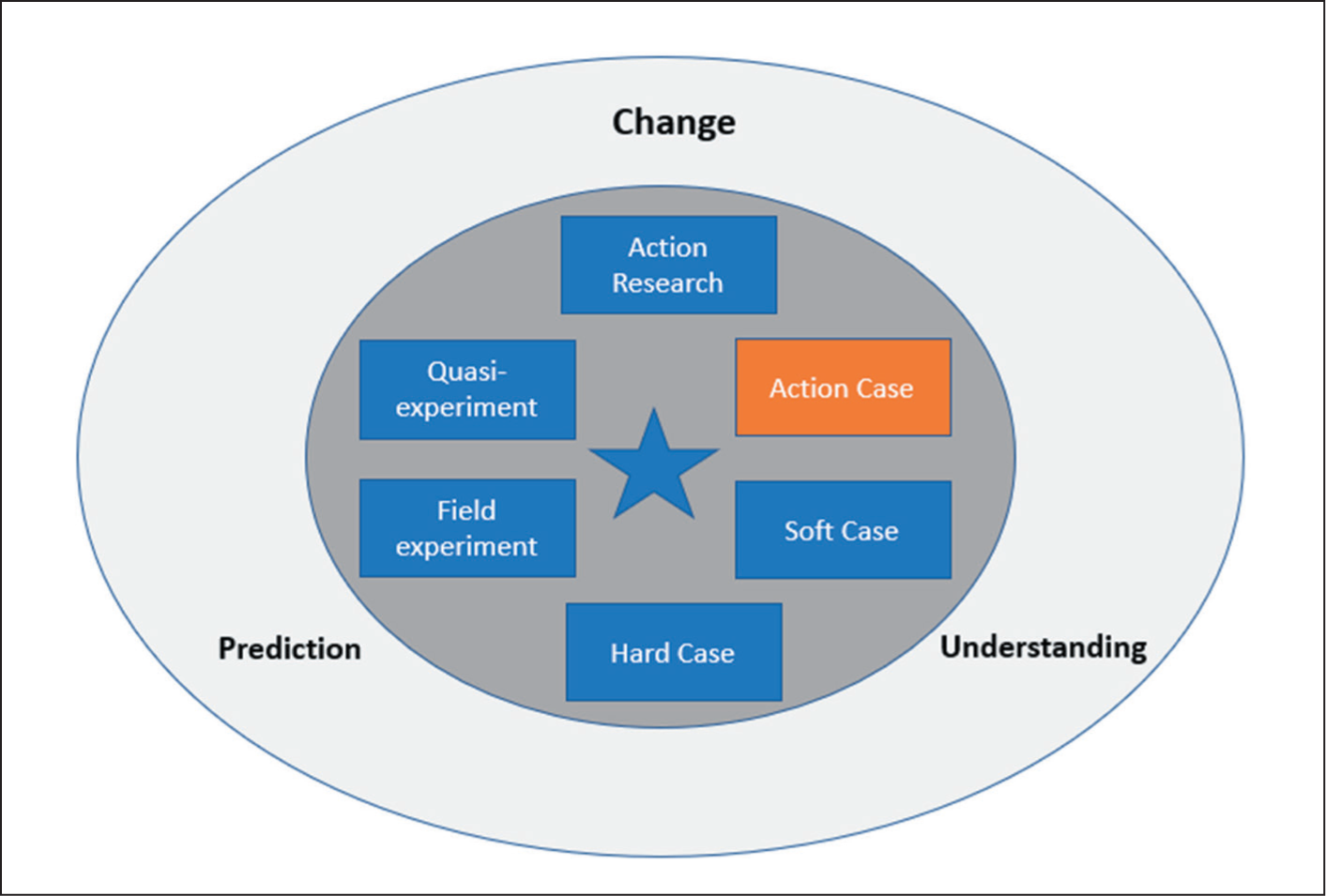
Figure 2. provides an overview of the factors that make for an effective ac study.
Three Factors for a Good AC Study.
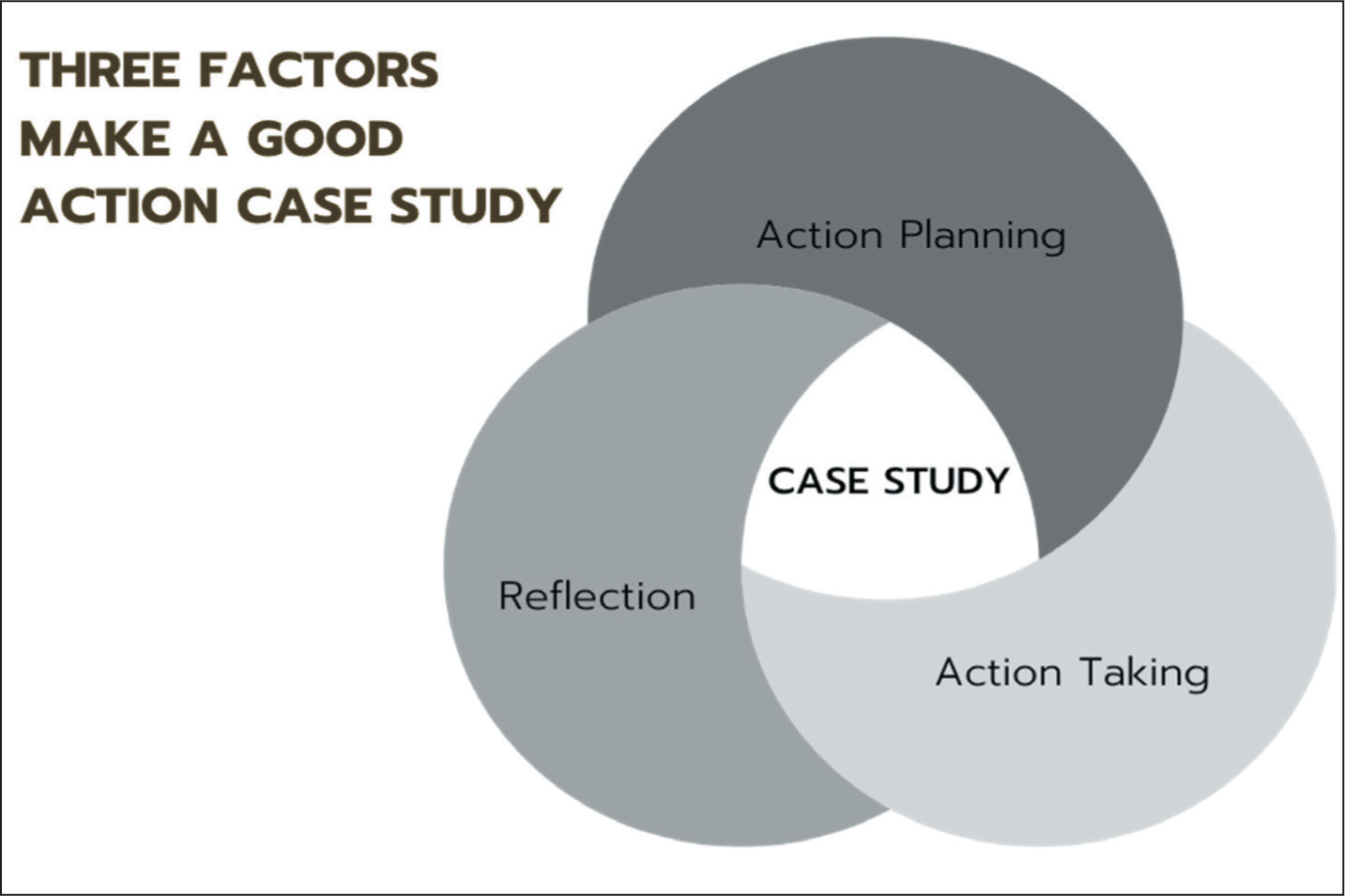
These three factors are essential to the creation of a quality AC study since they all contribute to the design of the research’s ongoing cyclical interaction. AC research is a form of qualitative research and sits between action research and Case Studies. Action research differs from AC in that action research is more focused on change, whereas AC is more focused on understanding. This article acknowledges the need for practical knowledge in this case but bridges the gap in understanding through gaps in the literature. Likewise, it aims to bridge the gap between researchers and practitioners (Cavicchi et al., 2014). This study adopted the AC approach of Braa and Vidgen (1999). AC has been used in management research (Burnes, 2004; Hult & Lennung, 1980; Kieser & Leiner, 2009) and also within information systems research (Baskerville & Myers, 2004; Braa & Vidgen, 1999). It combines:
The interpretation and understanding of case studies (Yin, 2009). Intervention and process-driven changes are driven by action research (Koshy et al., 2010).
Studies using this method reflect on some of the following:
How research can also drive change in an organization, according to Lewin’s model of change. The requirement to gain an understanding through an active research process (Braa, 1995).
AC research’s hybrid design gives AC researchers the flexibility to collaborate with data subjects and transform knowledge generated as part of the research into actual practice. This combination of theory, knowledge and design practice makes AC an ideal framework for this research.
AC studies are particularly appropriate for this research because:
AC is a useful tool for projects that are still in an early stage, bringing together practitioners and researchers. Duration is shorter than action research. It reduces the complexity of the research by focusing on one data collection method at a time and getting the most out of each research stage. It provides a solid basis for real-life experience and the insights of experts. Action research and AC typically use many different methods to answer real-world questions. Action research and AC typically use a variety of methods to answer real-world RQs.
Our research team consisted of academic staff from three UK universities and a practitioner. More specifically, the practitioner was the project manager at the University of Chester, leading the Cheshire and Warrington Business Growth Project (BGP). BGP aims to provide typically 12–18 hours of fully funded support to people looking to set up new enterprises, new start-up businesses and established SMEs in Cheshire and Warrington. The support comprises boot camps and workshops on specific topics, networking sessions, 1–1 meetings with a team of Business Development Managers, a small grants scheme and signposting to other sources of advice and guidance.
Because of the high demand from participants and the popularity of workshops on social media, workshops on digital marketing and search engine optimization are staple features of the BGP programme. The BGP programme also features an awareness-raising campaign about the need to achieve Net Zero as well as a campaign encouraging participants to take action to reduce their carbon footprints.
The BGP team is committed to building the skills of small businesses. As a result, members have undertaken Carbon Literacy Training so they are better informed on key issues and can offer more effective support to clients. A workshop on ‘Climate Action for Small Business’ was held on 3 November 2021, and attended by 18 SMEs and 10 other delegates from universities and a Chamber of Commerce. In addition, a monthly newsletter provides information on relevant resources such as the Carbon Trust’s free Carbon footprint calculator.
Survey Data Collection and Analysis
Data Retrieval
Braa and Vidgen (1999) note that surveys can also be used as part of AC research to collect qualitative data, which then helps researchers understand and interpret their research. Therefore, this study issued a survey to obtain in-depth qualitative feedback from a variety of SMEs from BGP, which were based within the UK. It was sent out as part of the BGP newsletter and completed by SMEs in Cheshire and Warrington. The study received 19 completed responses from SMEs between February and April 2022.
Data Analysis
The responses from SMEs were coded using content analysis. We present the key topics from the qualitative response from SMEs in two tables in the findings section (Tables 3 and 4) and categorize them into a number of further themes inspired by the approach used by Bommel (2018).
Twitter Insights and Social Network Analysis
Data Retrieval
The Twitter Academic Track Application Programming Interface (API) was used to obtain tweets from January 2022. The search string ‘Net Zero’ OR ‘carbon neutral’ OR ‘carbon neutrality’ OR ‘Net Zero Carbon’ was used to retrieve tweets (including replies to these tweets). Our search strings used on Twitter were the network boundary for the study. After eliminating duplicates, a total of 170,462 retweets were retrieved, and a systematic 10% random sample (n = 17,047) was extracted for further analysis in the NodeXL software application (version no. 1.0.1.449). Retweeting is a common way for Twitter users to share information and amplify trends. Twitter analysis can help to illustrate the ways in which individuals attempt to promote or disrupt a hashtag (Kermani & Hooman, 2022).
Data Analysis
A total of 17,047 tweets were entered into the NodeXL application for further analysis using SNA (Ahmed & Lugovic, 2018) in order to analyse the Twitter conversation around Net Zero and to identify key influencers, topics, hashtags and groups that had been tweeting about the topic. SNA is the study of social structures through the use of networks (Ahmed et al., 2022). It is a multidisciplinary approach to studying social relations and phenomena, which is used in many disciplines, including sociology (Wasserman & Faust, 1994), political science (Ward et al., 2011) and sports-related research (Guzmán et al., 2021). SNA seeks to understand the nature of the interaction between actors within the network, as well as patterns of ties (Hansen et al., 2010). The NodeXL Pro INSIGHTS PowerBI report template was then used to identify account creation dates, the location of Twitter users, the keywords being used in tweets, as well as the location of users tweeting. We further refined our data using text-based analysis. Influential users were identified using the betweenness centrality algorithm.
Results
Results for RQ1
Table 1 provides insight into the most influential users tweeting in the month of January 2022. The table highlights that the key users derived from the fields of economics, logistics/supply chain and charity. There does not appear to be an environmental policy representation, with very few SMEs among the key influencers within the discussion. The lack of visibility of SMEs is an important finding within the study.
Top 10 Users Ranked by Betweenness Centrality in January 2022.
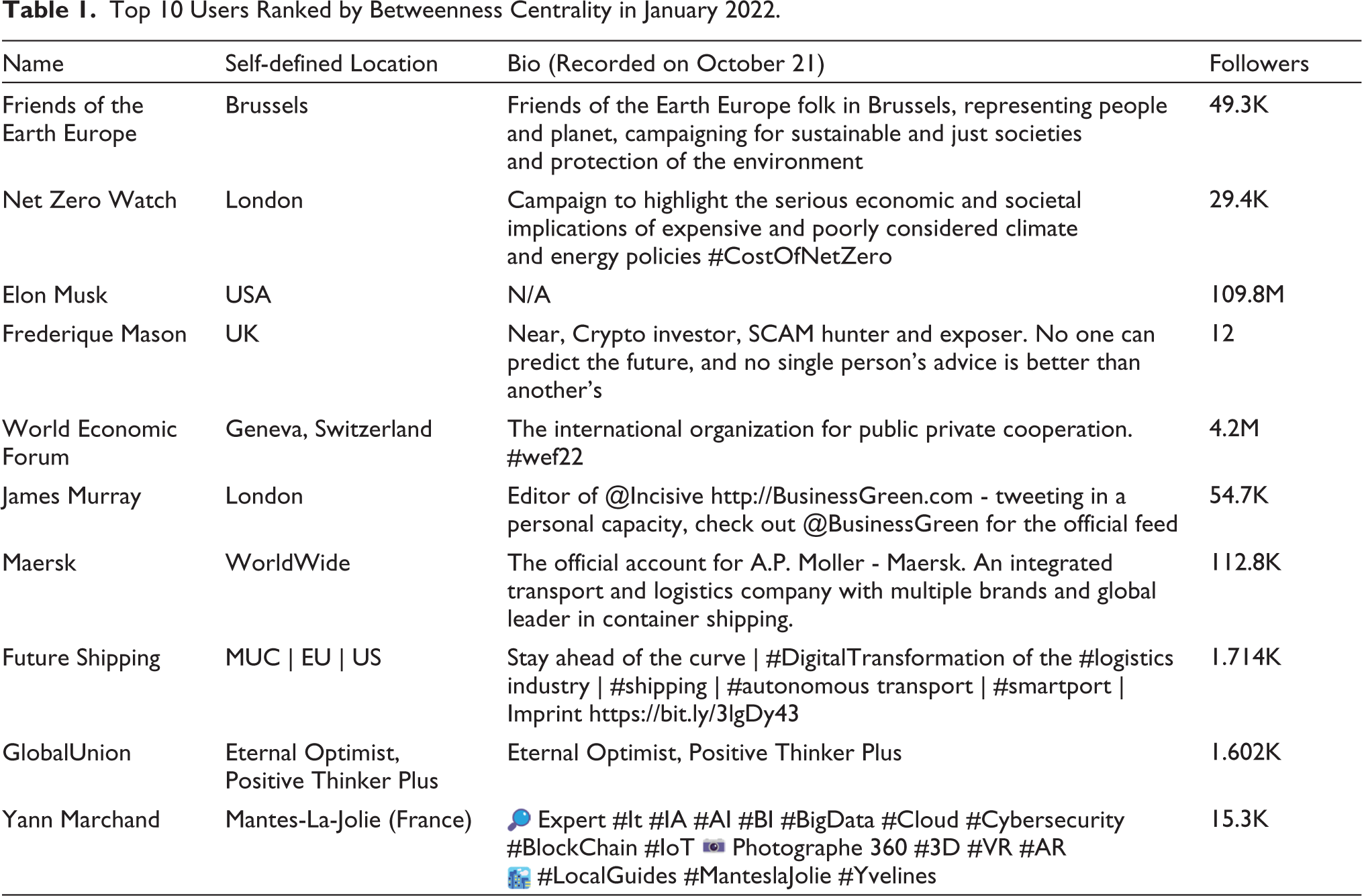
Each user (or user account) selectively transmits information about Net Zero and spreads tailored messages (e.g., conservation or business and profit). For example, Elon Musk is a high-profile account that dominates Net Zero trends on Twitter. However, the account has a reputation for promoting fake stories and attacking other users. The ‘Friends of the Earth Europe’ account aims to raise awareness about climate change through activism, story-telling, developing strategies to support Net Zero and connecting with other users in a broader context. The results suggest the circulation of information by echo chambers and amplification of existing beliefs in networks could be detrimental to the adoption of Net Zero business strategies and for acceptance based on conservation rather than promotion and profit opportunities. Our study confirms findings in the existing literature where popular user accounts may seek to shape trends on Twitter or use tactics to deliberately disrupt trending topics (Burrell et al., 2019).
Figure 3 shows a sequence of account creation dates for users who tweeted about Net Zero in January 2022.
Overview of Account Signup Dates.
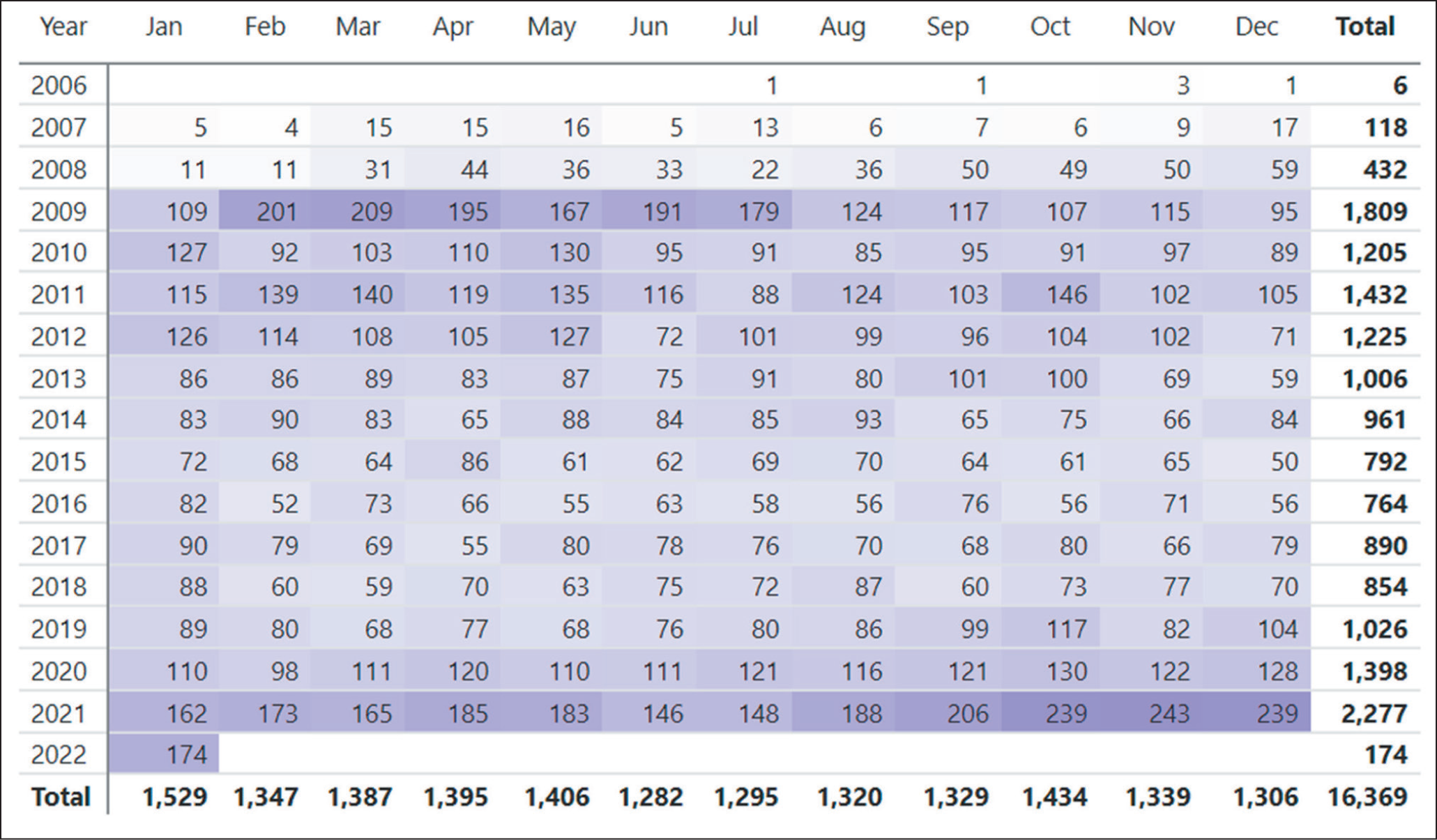
It illustrates that the most popular year for account registrations for tweeting about Net Zero was 2021, closely followed by the year 2009.
Figure 4 provides an overview of the location of users among the top five groups.
The geographical representation in Figure 4 allows us an overview of the cluster of high-end accounts tweeting about Net Zero. The colour of each circle represents the group the users belonged to as follows: Light Blue (group 1), Dark Blue (group 2), Orange (group 3), Mustard Yellow (group 4) and Purple (group 5).
Overview of User Locations.
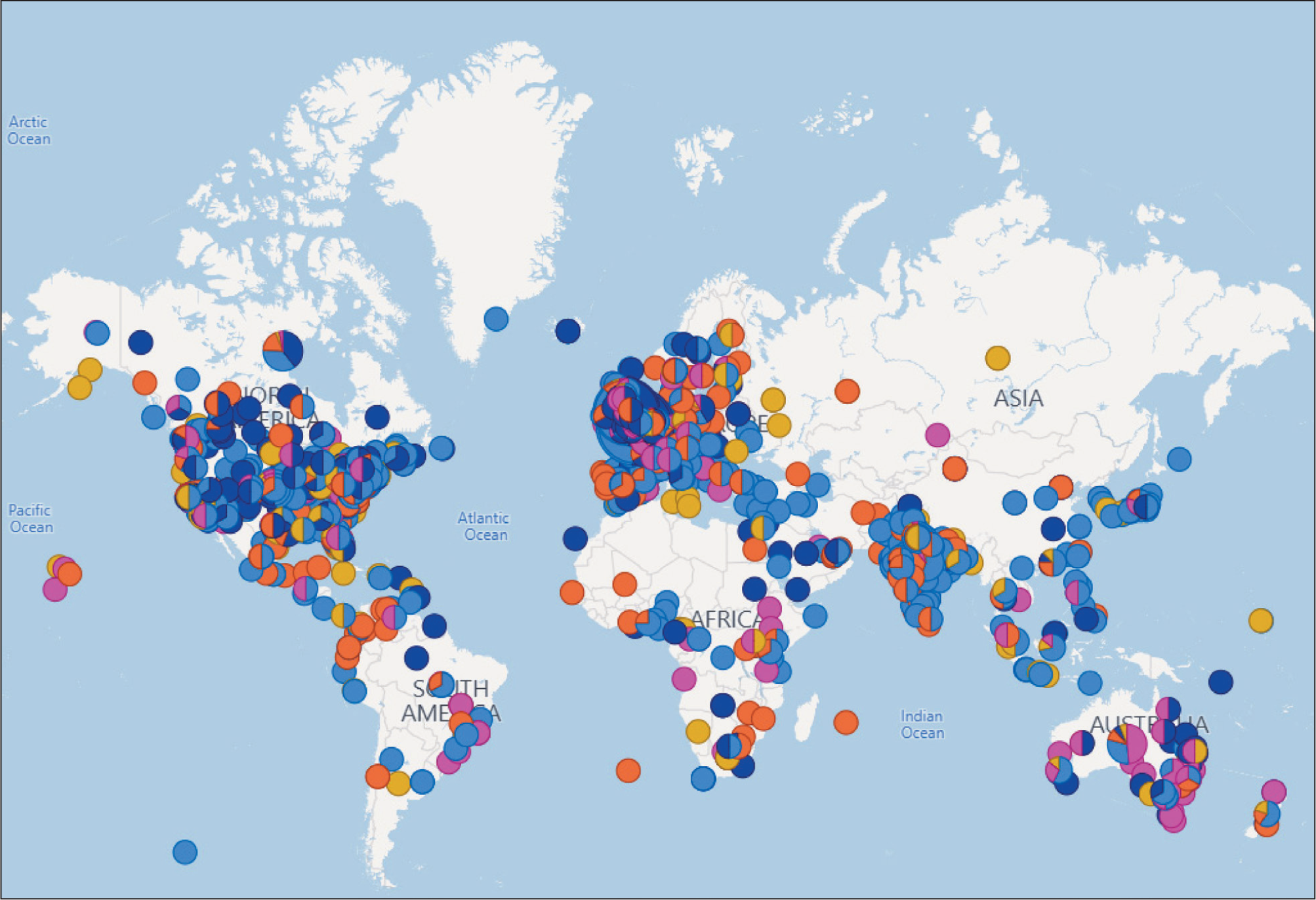
Europe and North America are the most popular and active regions for users tweeting about Net Zero. This clustering is likely a result of increased government investment in the Net Zero policy and recent awareness of events such as COP26 in Glasgow, UK.
Figure 5 provides an overview of the most used hashtags in the debate.
Overview of Most Used Hashtags.
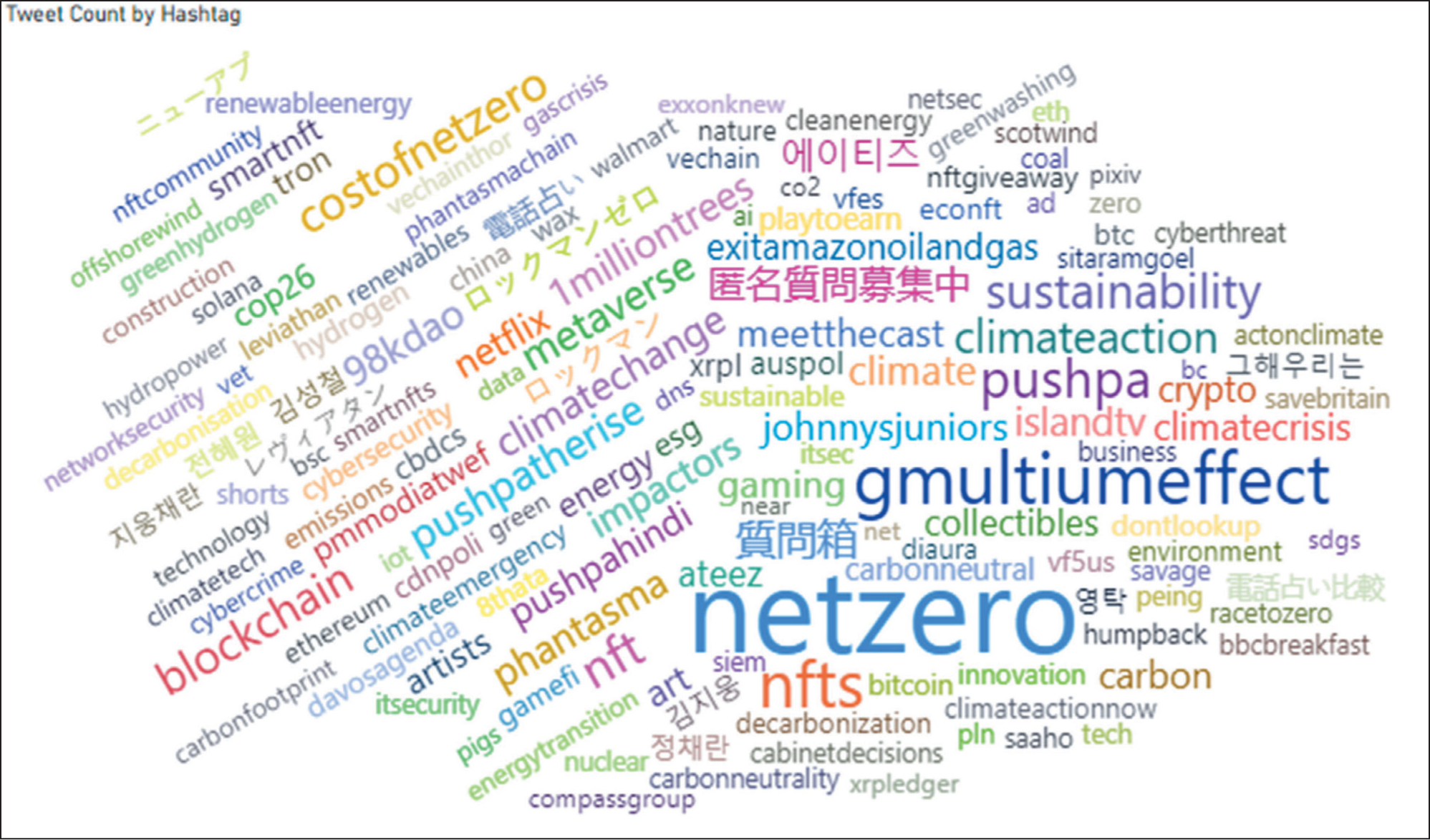
The hashtags in Figure 5 can be categorized under two major themes: the first is environmental and addresses issues regarding climate change, sustainability, climate action and energy; the second promotes new financial incentives, including blockchain, NFTs, bitcoin, the Metaverse and gaming. The financial theme represents further concerns around Net Zero over economic prospects, the health of global financial markets and technological developments. The financial trends do not indicate any new practices around Net Zero, and we may speculate that the popularity of ‘bitcoin’ as a topic demonstrates effective hi-jacking of the Net Zero hashtags to promote new financial products or that users are becoming increasingly aware of fiscal policy to consider blockchain technology in climate change prevention (Corbet et al., 2021; Truby, 2018).
The results of our SNA are presented in Figure 6. They provide a visual summary of the top five groups conversing on Twitter related to Net Zero. Groups 2–5 are identified as ‘community groups’ and reflect a tighter cluster of users focused on a particular topic about Net Zero.
Key Topics and Groups on Twitter Related to Net Zero.
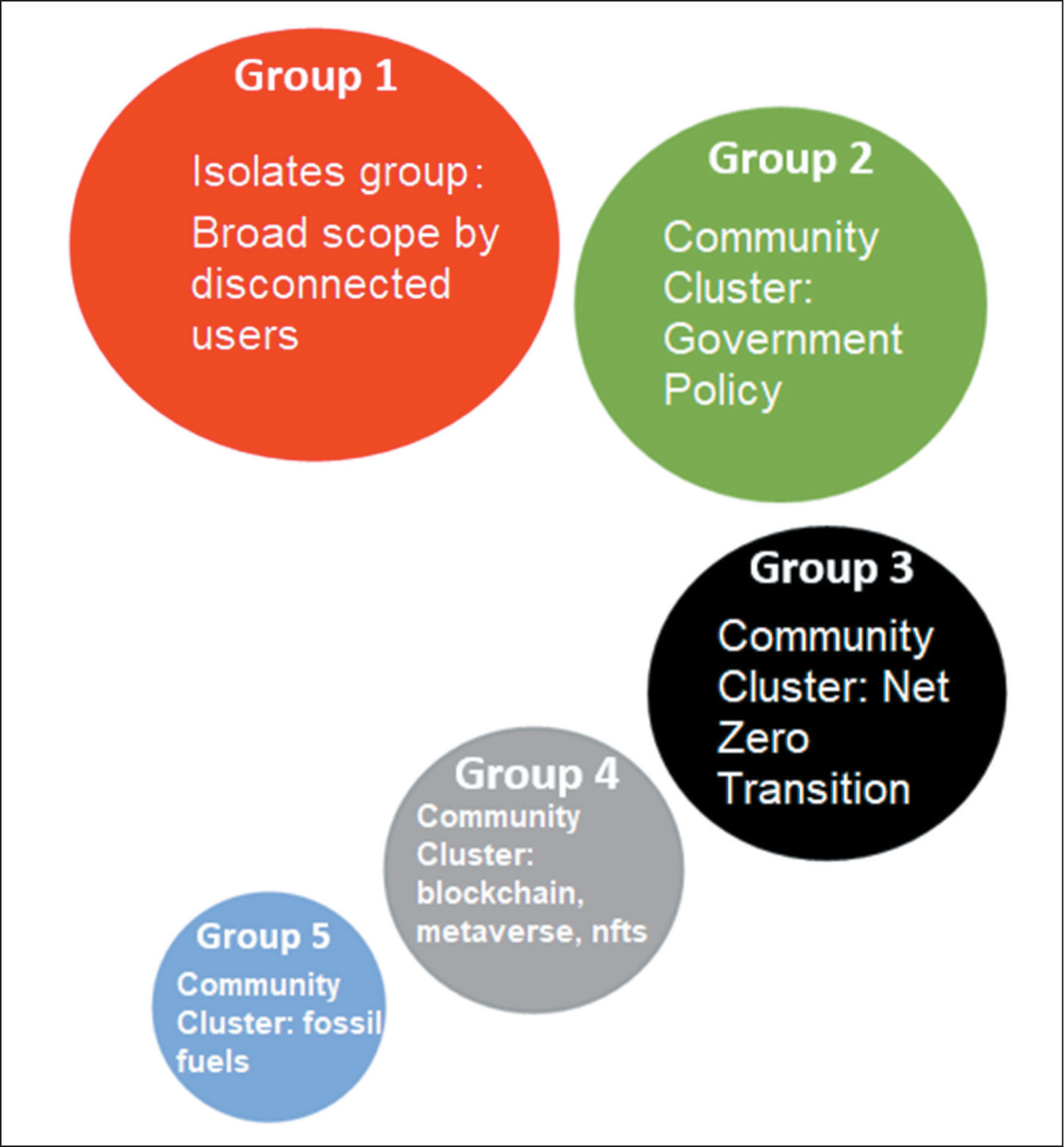
More specifically, the groups highlighted in Figure 6 can be understood as follows:
The visual clustering and density of topics shown in Figure 4 is a useful visualization of the inter-relationship between topics, the role of commercial leverage within group 4, and broadly disconnected commentary in group 1. This shows that postings and comments hook into specific themes. However, there is still a substantive disconnect reflecting the confusion and lack of focus on Net Zero adoption.
Table 2 provides more insights into the content of the identified groups by examining the topic hashtags that were taking place.
Most Used Hashtags Among Groups.
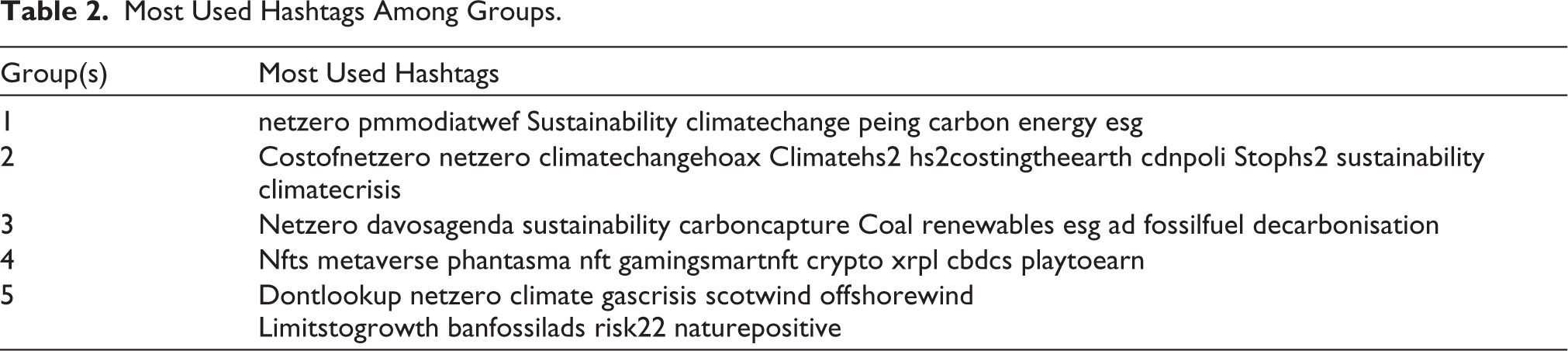
Based on the extraction of hashtags during January 2022, we observed the clustering of specific subjects in Table 2, groups 1–5. These hashtags highlight different waves of communication trends regarding Net Zero, such as the incorporation of commercial and financial incentives meant to attract user attention (e.g., #Crypto, #NFTs) or link to policy (e.g., #CarbonCapture and #FossilFuel). We regard hashtags such as #Climatechangehoax, #Naturepositive and #Sustainability as ideological indicators to promote a specific social movement or viewpoint in relation to social action. These hashtags represent a particular viewpoint or opinion regarding Net Zero’s political and economic aspects.
Results for RQ2
We asked two questions in our survey to help uncover how SMEs communicate about Net Zero on social media.
Some SME responses indicate that using social media to communicate about Net Zero is critical or of growing importance for their business and communications. While some people believe that taking a moral or fundamental stance is more beneficial for public relations than remaining neutral, there are also fears of legal issues for non- compliance in Net Zero. Recently, policymakers have recommended that small businesses conduct an energy audit as a typical first step towards engaging with energy efficiency programmes and taking action based on the audit results (Kenington et al., 2020; Wade et al., 2022).
The response to Net Zero intervention is shown in Tables 3 and 4. Avoidance, Developing, Acceptance and Alignment are all distinct strategies for achieving Net Zero as a result of the possible change. One of the responses was classified as Uncertain, and we have included this response in Table 3 to illustrate the variability of responses. Given the diversity of approaches to Net Zero, a business strategy must handle change as a major component. The literature reveals that SME engagement with a Net Zero strategy is insufficient to meet the scale and complexity of change (Blundel & Hampton, 2021). In addition, what if, as our data suggest, some SMEs are actively resistant and avoiding Net Zero change mechanisms?
Survey Response to a Query on How SMEs Communicate About Net Zero on Social Media.
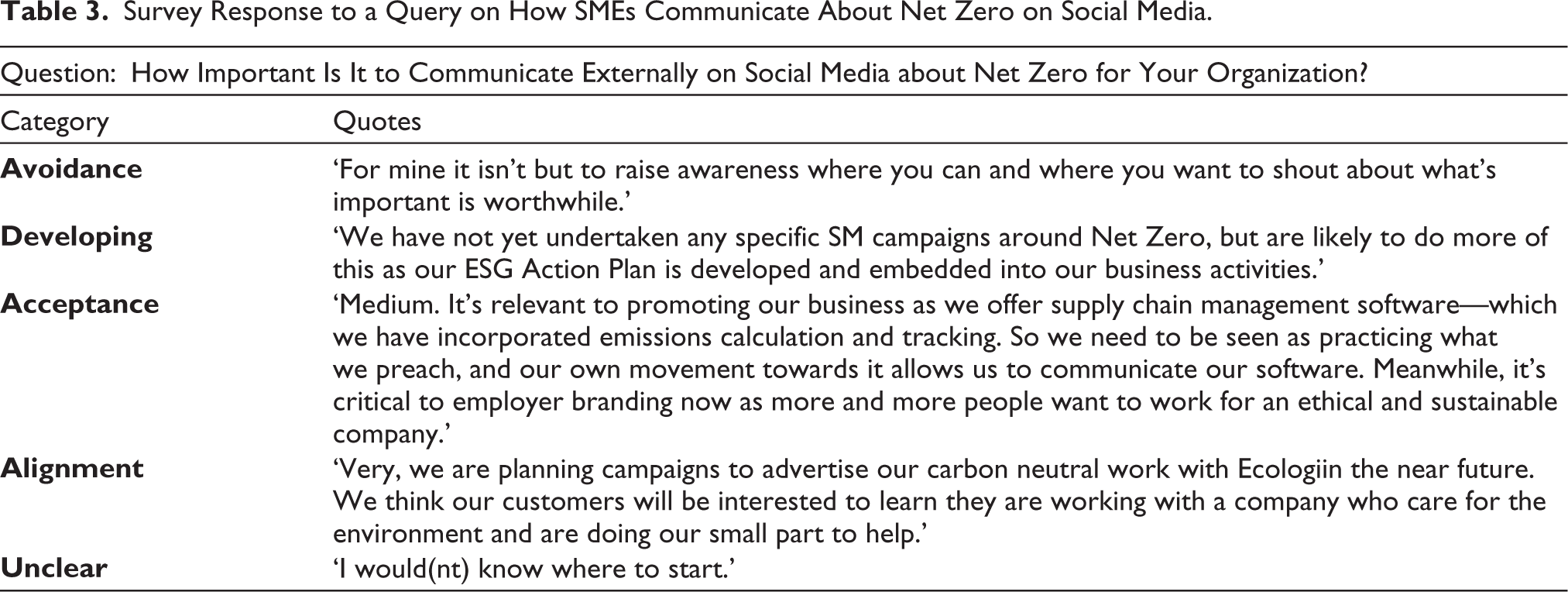
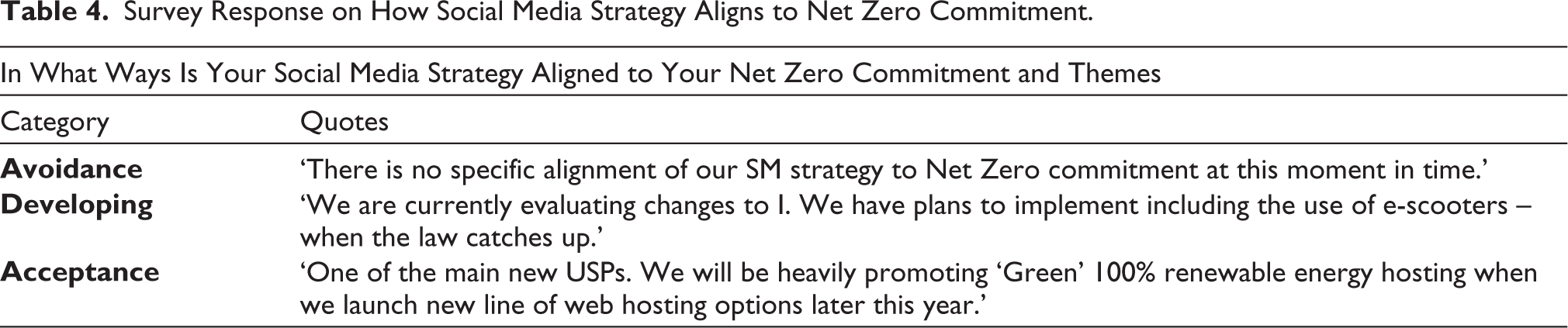
Table 4 provides an overview of the responses to the question about social media strategy and alignment to Net Zero.
Responses to this question were a little more consistent, with several respondents noting that while Net Zero is important to them, they have not yet developed a social media strategy that aligns with Net Zero. Note that a significant proportion of survey respondents from BGP are micro businesses, which typically are smaller and often lack dedicated or in-house social media marketing staff. This is particularly evident in comments such as ‘speak to my marketing agent’.
SMEs lack the information and skills to engage in social media activities related to Net Zero. The BGP highlighted that many SMEs lack training in how to create social media strategies. These barriers are unique to SMEs because of a mix of mistrust, uncertainty and a desire to appear to be doing the right thing on social media platforms.
While the comparison of large and small SMEs’ energy strategies is compelling, misunderstanding the concept of Net Zero for SMEs when promoting it via social media could have a devastating effect on their corporate reputation. For example, ‘green’ claims made by SMEs have raised concerns about Net Zero commitments and widespread potential for greenwashing (Nemes et al., 2022).
Results for RQ3
Because changes are strategic and often time-consuming in nature, we identified a core need for developing a strategy beyond marketing or messaging about the business (Table 4). The majority of participants was a negative nudge (either avoidance or developing) in that SMEs felt compelled to increase awareness of Net Zero policy change but had a very limited strategy for how to adapt to such change. In accepting change, we observed implementation went through various stages of testing, launch and promotion. Intervention is crucial for each of the three categories in Table 4. The greatest obstacle is Avoidance, and in the case of this SME, any alignment to Net Zero is prevented from going forward, resulting in a deficiency in the business and a loss of potential community ties. The subsequent SME was developing their alignment, making evaluation and legislation a crucial aspect of their engagement. Participation of SMEs in Net Zero alignment is analogous to the beginning of a mountain climb, as businesses must guarantee they have the proper equipment and skills to establish a competitive advantage.
Survey Response on How Social Media Strategy Aligns to Net Zero Commitment.
Discussion: Enlightened Participation
Based on SMEs’ growing volume and interest in Net Zero hashtags, we interpret this as a form of enlightened participation to define a deliberate shift in focus towards relevant topics. Our findings indicate that while interest and concern are growing, there is confusion about what policies and business outcomes are being followed and how engagement with specific hashtag themes may be useful for SMEs.
We observed widespread interest in social and climate activism by examining hashtag trends (Figure 5 and Table 2). More broadly, these tweets draw attention to calls for action by businesses to help prevent climate change. Furthermore, these tweets create an incentivized connection to Net Zero change, calling for businesses to initiate change and create action outside the Twitterverse collectively.
From our broad examination, it appears that social media can provide both a forum for a business community interested in Net Zero and a more public set of conversations to link to policy and commercial responsibility. Twitter allows SMEs to track topic trends and also affords them the ability to make connections to new sources of support and information.
To our knowledge, this is one of the first studies to characterize the nature of social media usage and examine the many types of involvement among SMEs concerned with Net Zero and apply an AC approach. The findings indicate the grouping of distinct community clusters and growing patterns associated with ‘Net Zero’–tagged financial and economic subjects. In terms of involvement by SMBs, our findings indicate that interest in Net Zero is unevenly dispersed, and the sociopolitical dynamics of nations may provide a reason. In the Global North, there is a greater incidence of social media content about Net Zero, according to the study. Governments in the Global North have better access to and experience with social media and a greater volume of sociopolitical messages on social media (e.g., through official and verified government Twitter accounts).
The practices described in this study underscore the importance of action research, which was supported by the experiences of SMEs and their awareness and interaction with Twitter content about Net Zero. Multiple themes emerged due to differences in business focus and interest in global policy events such as COP26. One major consideration when analysing engagement about Net Zero on Twitter is the way content and users group together. Communication across Twitter sharing the hashtag #netzero was often strategic to drive interest in the topic or to shift users’ attention to new commercial opportunities in the marketplace, such as NFTs and Bitcoin. The opportunity to provide all businesses with an opportunity to discover new information about Net Zero proved important to transform how SMEs speculated they could respond to policy change and were concerned to align their profile in a positive way to climate change concerns more broadly. The accessibility of Twitter as a public platform (at the time of writing this paper) is an important element in this research revealing new learning opportunities for SMEs. As a result of climate change trending topics on Twitter, some SMEs who had felt excluded in conversations about Net Zero policy change have found new ways to be included in conversations about access and to engage with policy-making arenas.
Practical Implications
Forward-looking strategies shared in this paper could support meaningful direction towards recognizing SME engagement and linkage in the way they share and bring into operation new Net Zero business practices. The five suggested strategies include
Creating formal business criteria with an emphasis on supporting SMEs discovering and reviewing the content on social media; Developing business leaders within organizations with expertise in Net Zero policy to engage in conversations—adapting this to micro-SMEs with appropriate training and open access to Net Zero resources; Using social media to enhance training and professional development networks with community cluster groups, we have identified (Figure 6) representing a variety of business interests and populations; Connecting with Net Zero education and literacy to explore strategies to advocate for SMEs’ ability to innovate, develop and sustain Net Zero initiatives; and Using AC research to create business engagement systems to meet the demands of SMEs enterprises as a result of significant governmental change and global economic and marketing disruption.
The SMEs who participated in the study responded to questions about dealing with policy change and recommendations to tie in with new national and global agendas. Every participant anticipated a new level of complexity in the shift to Net Zero. The SMEs shared that they continue striving to understand new business approaches and how to find and engage with potential discourse between SMEs, policy advisors and other commercial entities. Such discussions and practices on social media can be effective in addressing common concerns, demonstrating good practice and inspiring action to solve climate change. All strategies shared in this paper can be adapted for different SMEs based on assessing the needs of workers, leaders and customers. The community clusters can assist SMEs in avoiding information silos, including those created by governments and other organizations, and could provide new methods of effective business targeting in green marketing and communication strategies at the level of any organization. Additionally, the community clusters can be utilized by SMEs to hold various actors accountable for the Net Zero statements they make. In this light, the framework presented here can be viewed as a method for tracking Net Zero participation by SMEs and will be of interest to researchers, businesses, policymakers and customers.
Limitations and Future Research
A limitation of our study is that it specifically examined content that was shared on Twitter, and SMEs may be present on other social media platforms where they communicate on Net Zero. Future research could seek to conduct an analysis of primary data across platforms and compare potential differences to Net Zero communications across platforms. Future research could also seek to explore and sample a larger sample of SMEs as a part of quantitative research and broaden the geographical location of SMEs.
Conclusion
In times of uncertainty, new agendas can be perceived as burdensome. While some SMEs swiftly adapted and embraced the challenges of Net Zero, others needed time to adapt, learn and engage. Access and assistance for businesses to adapt to a Net Zero policy have grown increasingly apparent as the intersections between sustainable development goals, national policy change and globally led reform have been more prominent as a result of events such as COP. Now it is time to consider how social media contribute to cultural, economic and societal barriers that hinder SME practices and net-zero ambitions—especially with the major reform on platforms like Twitter. Our data indicate that certain cluster communities may function as echo chambers or deliberately restrict conversations to promote financial products. As was the case with the #NetZero, hostile actors can damage the validity of the content. This study also shows that the #NetZero forms part of wider narratives about climate change and transformation for global industry and world economic markets. Future research could expand a flexible collection of strategies and tools to support the accumulation of diverse social media experiences from various sources. Given the importance of data integrity in hashtag trends on social media platforms such as Twitter, this subject deserves serious and urgent investigation.
Footnotes
Declaration of Conflicting Interests
The authors declared no potential conflicts of interest with respect to the research, authorship and/or publication of this article.
Funding
The authors received no financial support for the research, authorship and/or publication of this article.