




Abstract
Dentistry is truly a great profession and recently it is coming to the terms of use of technology and tech-savvy dentists, who nowadays use smart devices to make their life easier. Researchers are constantly innovating to integrate techno-logy into dentistry. Of all the latest technological innovations in dentistry, the most talked about innovations are three-dimensional (3D) printing and cone beam computed tomography (CBCT), which have made the treatment planning and execution a whole lot easier. Three-dimensional printing like CBCT has been gaining much popularity in the masses. Three-dimensional printing technologies are evolving rapidly in the recent years and can be used with a wide array of different materials. In addition to rapid prototyping, the dominant use in the past, they are now being used in all manner of manufacturing applications in a diversity of industries such as sports goods, fashion items such as jewelry and necklaces to aerospace components, tools for automobile industry, and medical implants also in dentistry for producing models, making scaffolds, etc. In future, 3D printing has ability to change the way many products are manufactured and produced and bring an era of ‘personal manufacturing’. This article introduces 3D printing and gives little information about the technology behind the working of 3D printers. It also gives information about the applications of 3D printers and materials most often used for 3D printed scaffolds for periodontal regeneration.
Introduction
Technology has slowly and steadily paved its way into dentistry. With the introduction of Digital OPG (Orthopantomogram), RVG (Radiovisuography), CBCT (cone beam computed tomography), digital impression machines, and in office CAD-CAM milling machines, proper treatment planning and completing other stuff have become much simpler than it was before the use of technology.
The latest invention in dentistry is 3D printing. It is considered as a disruptive technology which has the power to change the way products are manufactured. Recently, 3D printing has become a subject of great interest in surgery. 1 3D printing enables small quantities of customized goods to be produced at relatively low costs. While currently used primarily to manufacture prototypes and mock-ups, several promising applications exist in the production of replacement parts, scaffolds, dental crowns, and artificial limbs, as well as in bridge manufacturing. 2 The term 3D printing is generally used to describe a manufacturing approach that builds objects one layer at a time, adding multiple layers to form an object. This process is more correctly described as additive manufacturing and is also referred to as rapid prototyping. 1
3D printers work in a manner similar to traditional laser or inkjet printers, rather than using multicolored inks, the 3D printer uses a powder or liquid resin that is slowly built from an image on a layer-by-layer basis. All 3D printers also use 3D CAD software that measures thousands of cross sections of each product to determine exactly how each layer is to be constructed. The 3D machine dispenses a thin layer of liquid resin and uses a computer-controlled ultraviolet laser to harden each layer in the specified cross section pattern. At the end of the process, excess soft resin is cleaned away through use of a chemical bath. 2
Current 3D printer manufacturers include Zcorp (
Different Technologies of 3D Printers
Though the basic technology of 3D printers is same, that is, automated, additive manufacturing process, there are various principles on which the 3D printers work.
The technologies under consideration here are as follows:
Stereolithography (SLA) Direct Light Processing (DLP) Fused Deposition Modeling (FDM) Inkjet Powder Printing Selective Laser Sintering (SLS)/Direct Metal Laser Sintering (DMLS)
Stereolithography (SLA) Technique
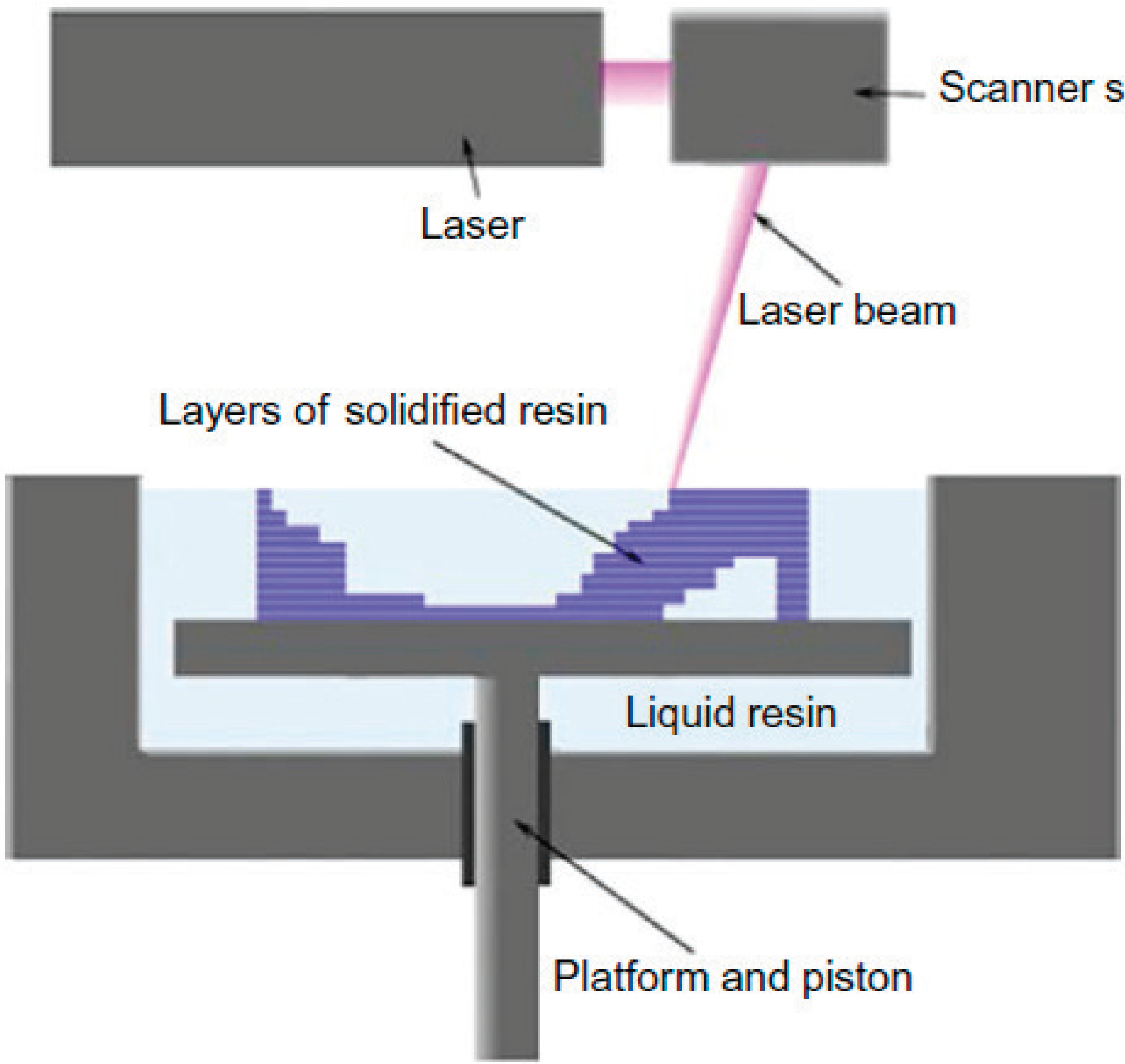
It is one of the first techniques to be commercialized. Printers using this method employ a perforated platform located beneath a container of a liquid UV-curable polymer (photopolymer), together with a UV laser. A beam of laser light is used to trace the first slice of an object on the surface of the liquid, causing a very thin layer to harden. The platform is then lowered, and another slice is traced and hardened; this process is repeated until the complete object has been printed (Figure 1).3,4
Direct Light Processing (DLP) Technique
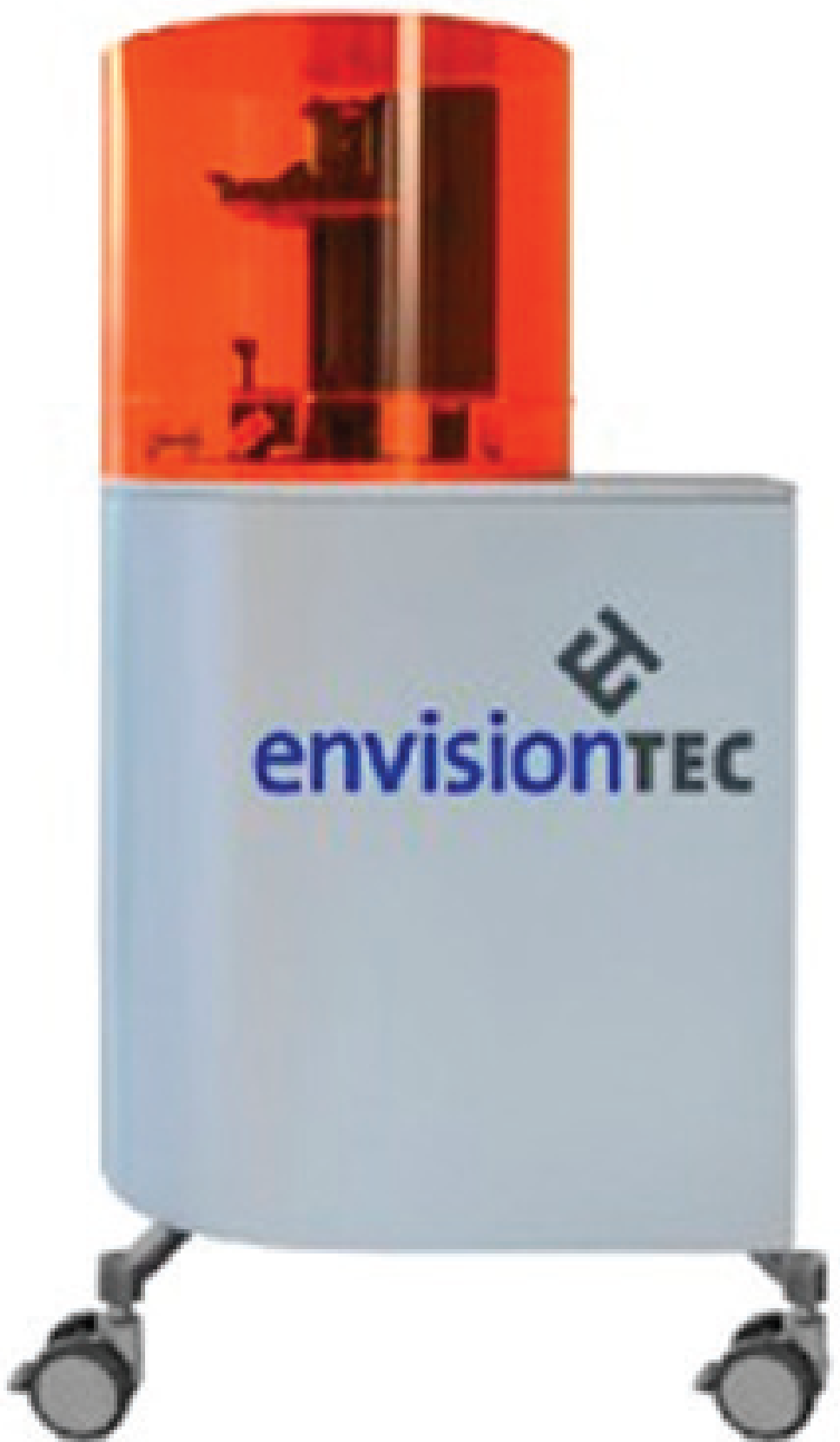
It is an optical technique which uses a light projector operating at UV wavelengths to project voxel (volumetric pixel) data into a photopolymer, which causes the resin to cure and solidify. Each voxel dataset is made up of voxels with dimensions as small as 16 x 16 x 15 μmm in the X, Y and Z directions. The German company EnvisionTEC uses this technique (Figure 2). 3
Fused Deposition Modeling (FDM) Technique
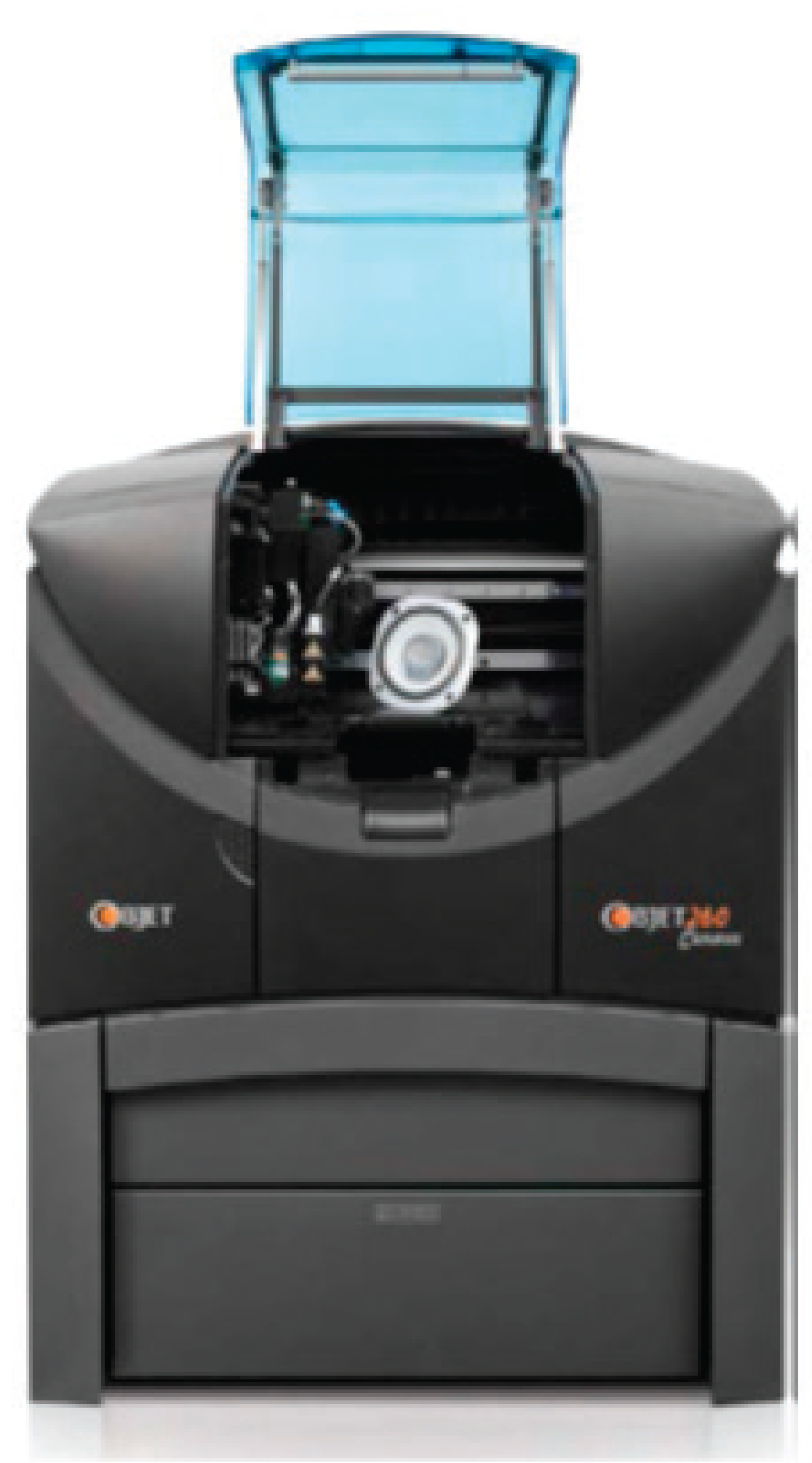
This technology was invented by Scott Crump in 1988. It is based on material extrusion in which a semiliquid material, typically a heated thermoplastic, is deposited by a computer-controlled printhead. It uses two materials: the modeling material, which constitutes the finished piece, and a gel-like support material which acts as the scaffolding. Material filaments are fed from the printer’s material bays to the printhead which moves in X and Y coordinates, depositing material to complete each layer before the base moves down the Z-axis and the next layer begins. Once completed, the support material is removed or dissolved and the component is ready for use (Figure 3).3,4
Inkjet Powder Printing
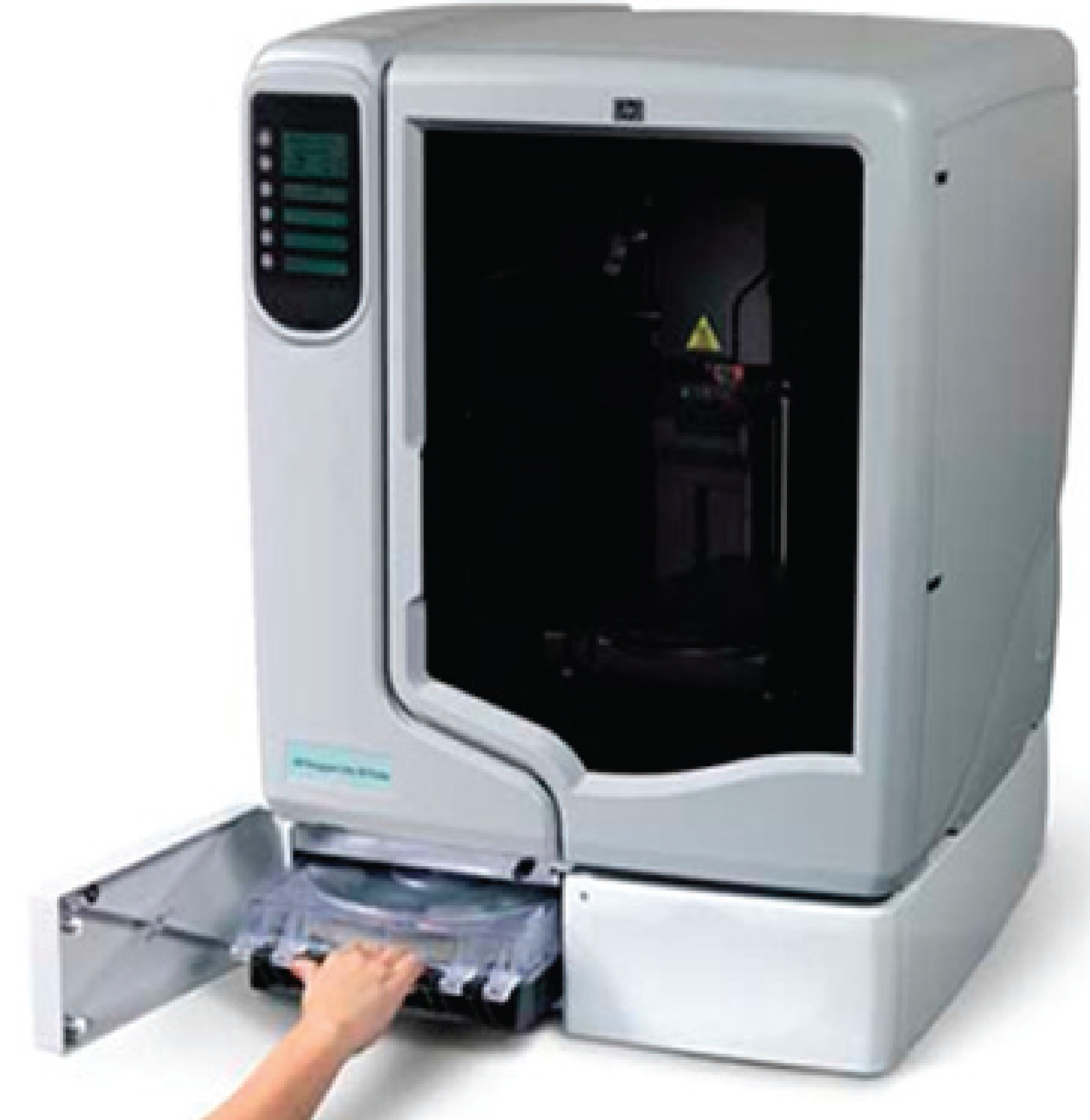
It involves selectively bonding successive layers of a powdered material together. Glue or binder is applied from an inkjet-style printhead to bond successive powder layers together. The most frequently used powder is a gypsum-based composite that needs to have its surface coated after printout if a robust object is required. It is also known as ‘binder jetters’. Some binder jetting printers can jet both the binder and coloured inks from several separate printheads, allowing full-color 3D objects to be created with a resolution of up to 600 x 540 dpi (Figure 4). 3
Selective Laser Sintering(SLS)/Direct Metal Laser Sintering (DMLS)
This uses heat rather than a binder to bond powdered materials together and produces objects by laying down a fine layer of powder and using a laser selectively to fuse some of its particles together. During the printing process, non-bonded powder granules support the object as it is constructed. When SLS is used directly to produce metal objects, the process is called “direct metal laser sintering” (DMLS; Figure 5).3,4
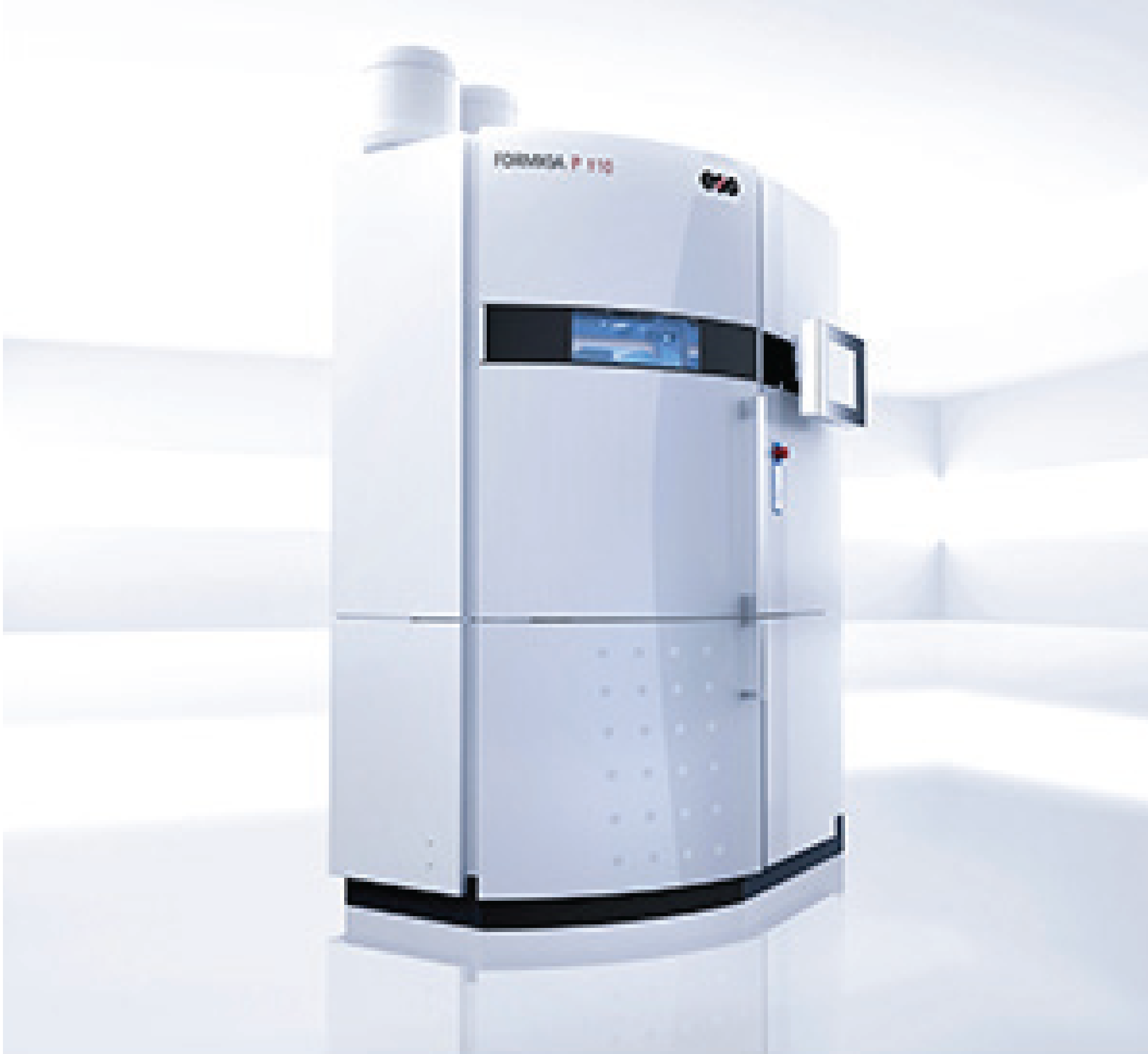
Inkjet 3D Printer 18
Materials Used in 3D Printers
Several materials are used in 3D printers which vary as per the object to be printed. Materials most often used for periodontal regeneration are:
Polymers and Hydrogels: Synthetic polymers are probably the class of materials most commonly used for 3D printing in biomedical applications.
5
Hydrogels present remarkable tunability of rheological, mechanical, chemical, and biological properties and high biocompatibility.
6
More recently, prepolymerized cell-laden methacrylated gelatin hydrogels also have been used successfully for bioprinting applications.
7
Ceramics: Ceramic scaffolds are usually composed of calcium and phosphate mineral phases, such as hydroxyapatite
8
or ß-tricalcium phosphate.
9
In three-dimensional printed ceramic scaffolds, cells tend to quickly populate the scaffold surface, thus establishing close cell–cell interactions and promoting cell proliferation and differentiation. In addition, ceramics have much lower rates of degradation than hydrogels, which allows for prolonged guided tissue remodeling and structural support.
6
Composite Materials: Printable composites, which are usually in the form of copolymers, polymer– polymer mixtures, or polymer–ceramic mixtures allow for the combination of several advantageous properties of their respective constituents, thus forming interesting candidates for bioinks used in craniofacial regeneration.
6
Polycaprolactone (PCL): It is a hydrolytically biodegradable polyester and is easily manufactured into a variety of shapes and porosities with variable mechanical properties and has been the material of choice in multiphasic scaffolds for regeneration of periodontia.
10
Applications of 3D Printing in Periodontology
In dentistry, 3D printing has diverse applicability, has become a promising technology, and has increased possibilities of many new and exciting treatments. 1 It can be used to create patient models which can be helpful in treatment planning for orthodontics and prosthodontics. Also, crown copings and partial denture frameworks can also be prepared with help of 3D printers.
In periodontology, the complex hierarchical organization of periodontal tissues requires multiphasic biomaterial constructs that can recapitulate the structural integrity of the bone–ligament interface. 10 Additive biomanufacturing technologies have recently been applied to the field of periodontal regeneration to develop hierarchical scaffolds, mimicking the properties and architectural configuration of the periodontium, which consists of both soft (gingiva and periodontal ligament) and hard (bone and cementum) tissues. 6 These scaffolds are referred to as multiphasic constructs, as they possess various compartments recapitulating the native structure of the periodontal complex. 11
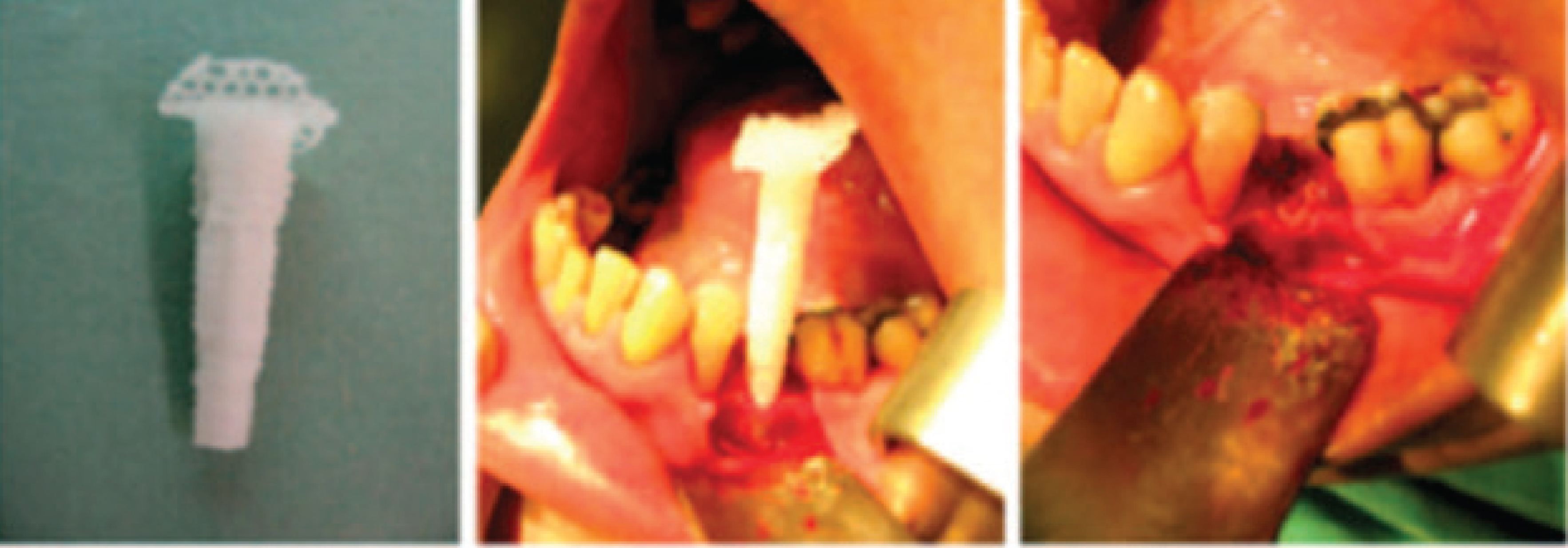
Polycaprolactone FDM specifically designed plugs are used for alveolar ridge preservation with some success (Figure 6), providing an alternative to particulate synthetic calcium phosphate or deproteinized xenograft materials. 12
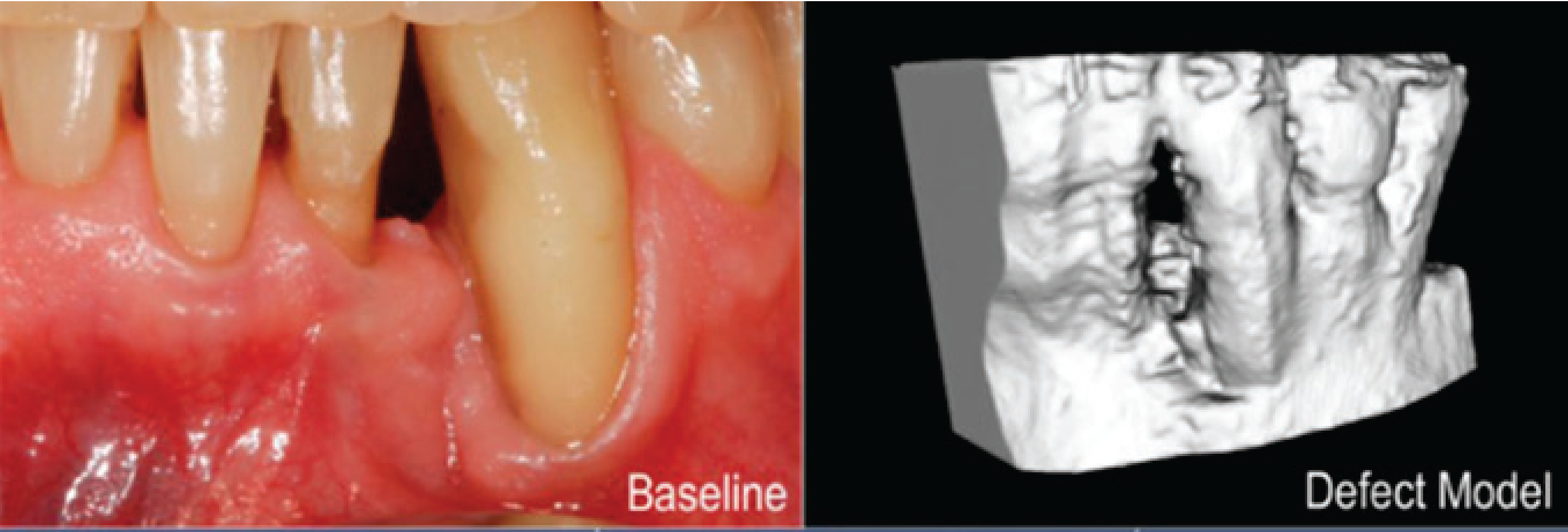
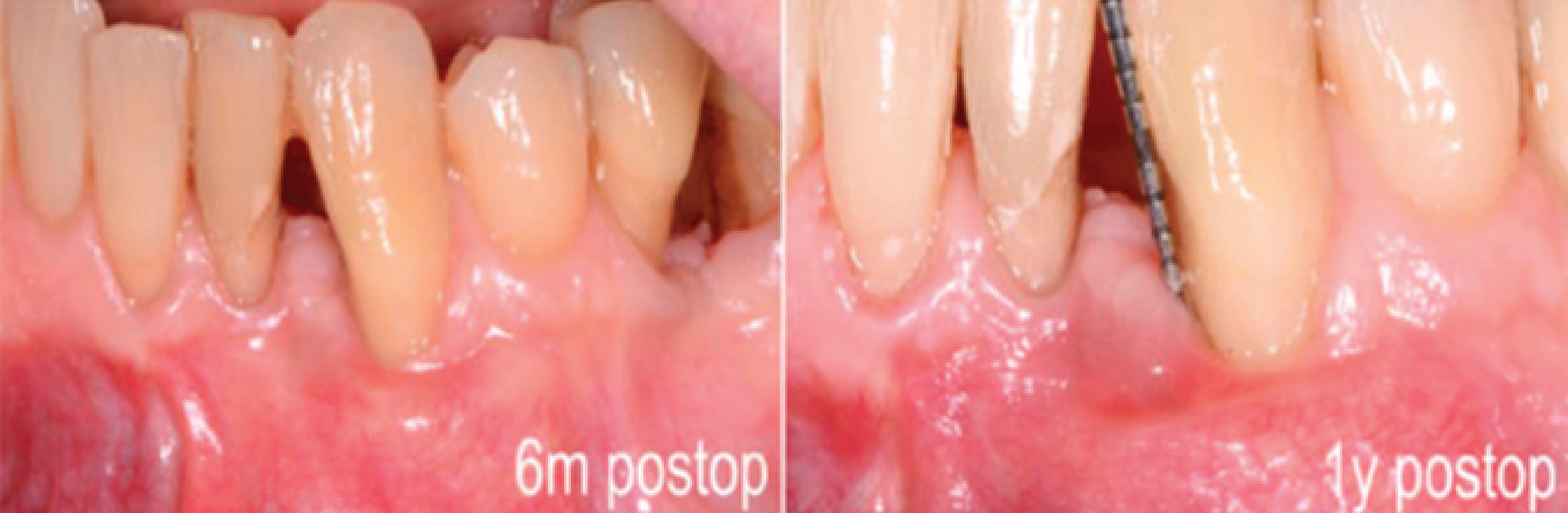
Three-dimensional printed bioresorbable scaffold for periodontal repair has also been used by Rasperini et al. in the treatment of defects in a patient with aggressive periodontitis. 13 The patient was a 53-year-old healthy male and the treatment was done in order to preserve his dentition. Scaling and root planing was done and two years later he showed signs of periodontal stability with an osseous defect in mandibular left cuspid.
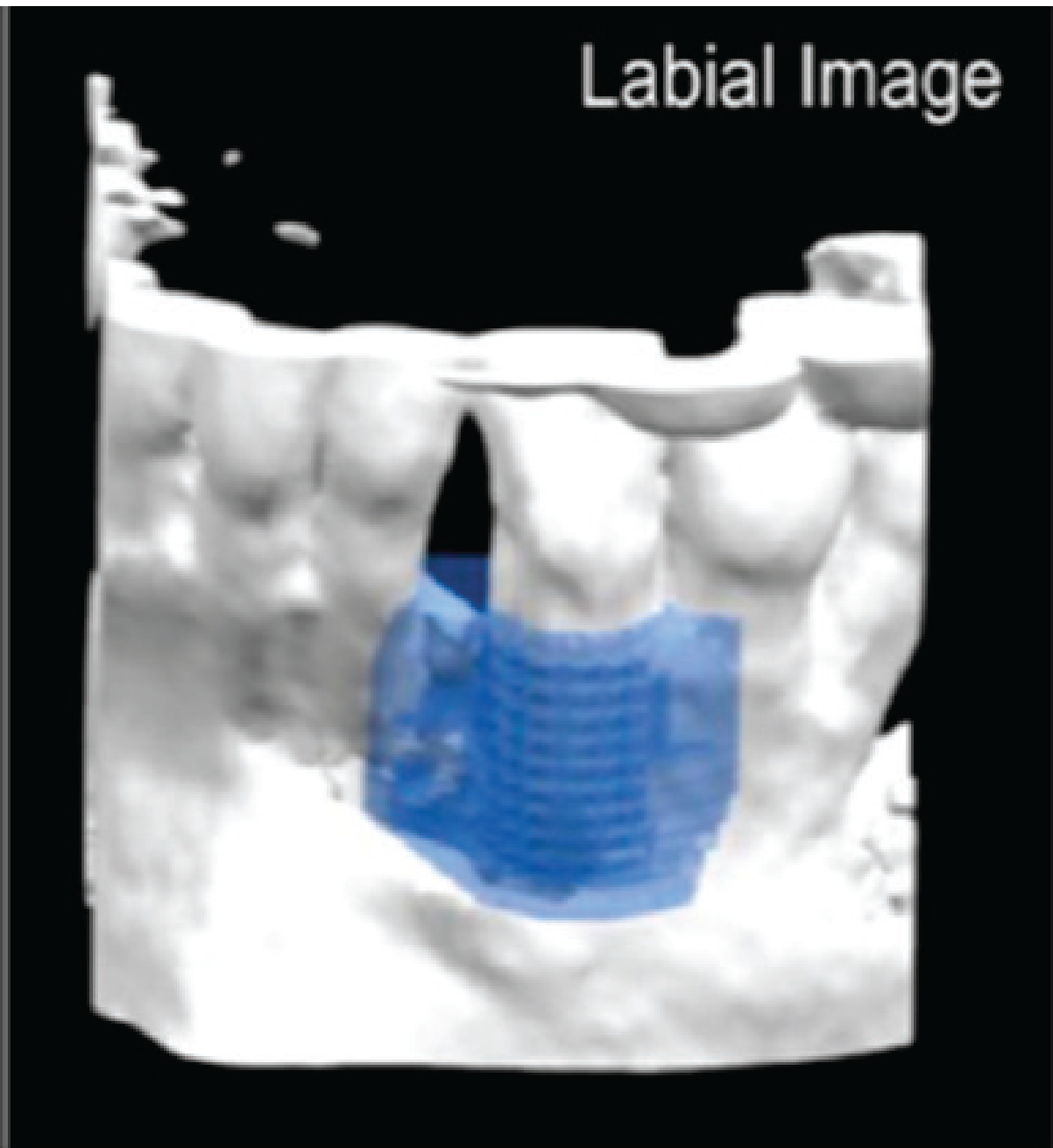
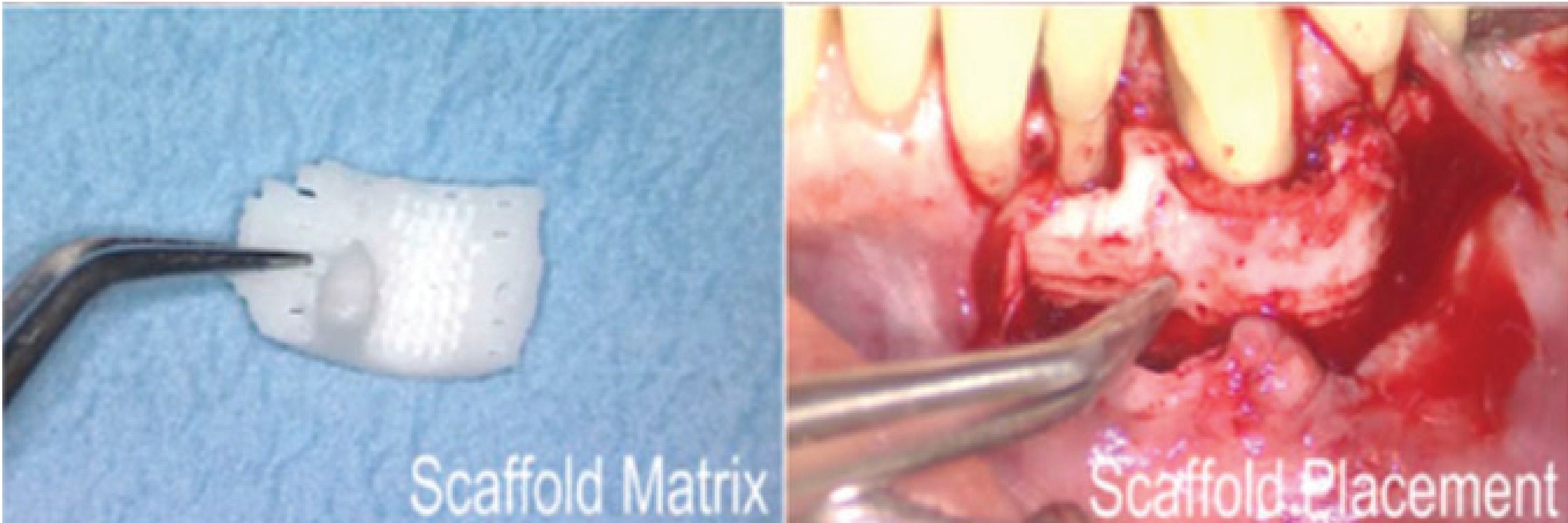
A customized scaffold was 3D printed using medical-grade polycaprolactone to fit the peri osseous defect using a prototype model of the defect from the patient’s CBCT (Figures 7 and 8).
Scaffold matrix was placed onto the defect and post-operative follow-up was done (Figures 9 and 10).
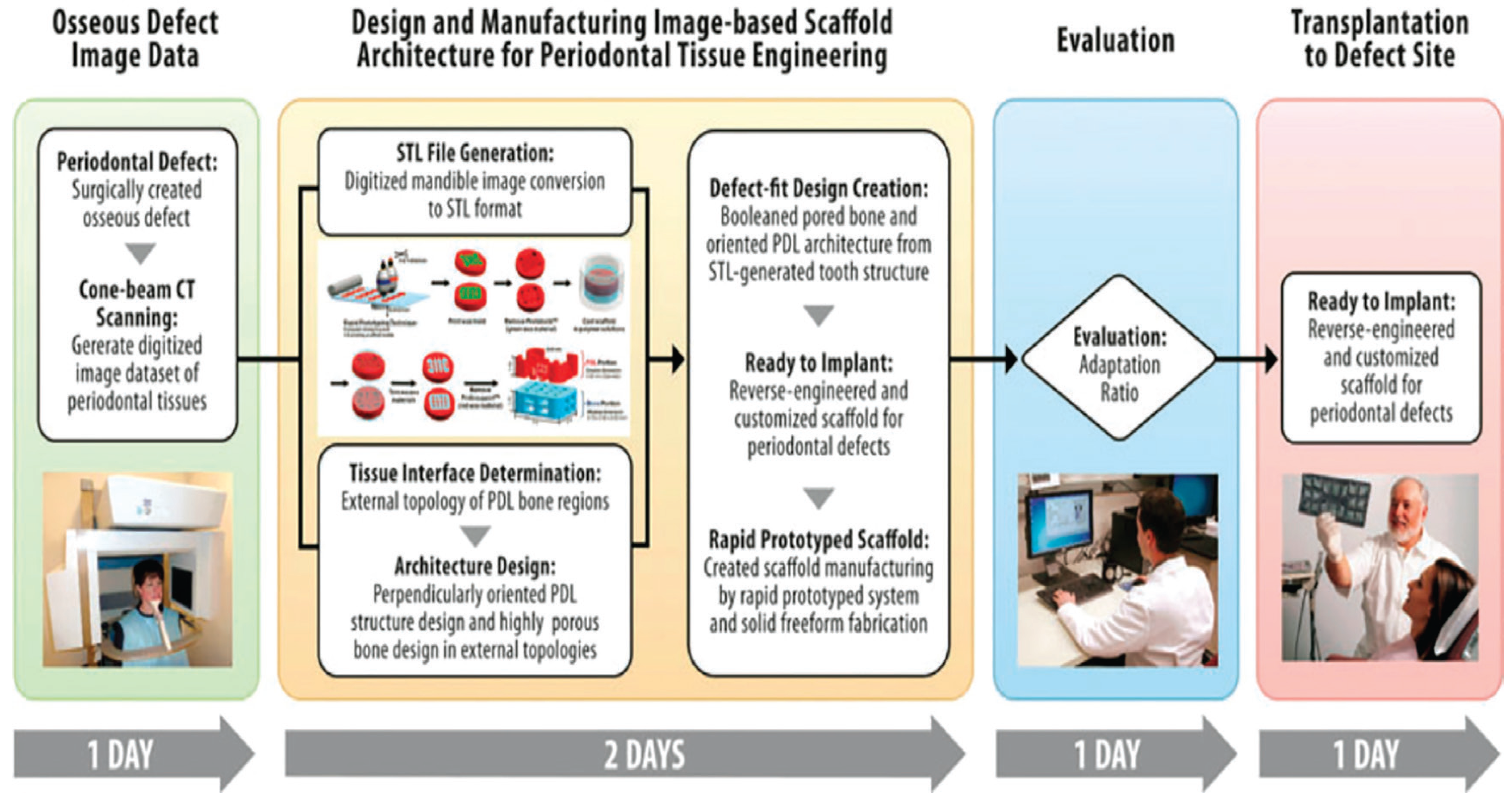
A computer-designed, fiber-guiding scaffold has been developed and used to promote tooth supporting periodontal tissue regeneration and create mimicked topographies to alveolar crest, horizontal, oblique, and apical fibers of natural periodontal ligaments. 14
In a recent study conducted by Park et al., two types of scaffolds were compared for periodontal regeneration. A fiber-guiding scaffold was prepared using wax molds and cast to PCL with the help of 3D printer and another salt-leaching scaffold was prepared by using PCL immersed in 25wt/v% polymeric 1,4-dioxane solution. These scaffolds were used in rats in which osseous fenestration defects were formed. Results showed that customized fiber-guiding scaffolds had a significantly high defect conformation. 15
Future Applications
Although the applications described earlier are quite futuristic itself, with some of them having been tested only on animals, certain applications like image-based customized fiber scaffold preparation can be integrated into mainstream regenerative periodontology when 3D printing becomes fast, cost-effective, and easy to use (Figure 11).
Three-dimensional printing will also be used to make implants. The technology does not seem to be at that point yet, but it is an exciting possibility. Being able to print implants would mean the ability to make dental implants whose size and shape would be specifically tailored to patients’ jaw, maximizing the odds of success for implants. At the very least, the ability to get custom-angled dental implants would allow for secure placement in some areas where a normal dental implant or an angled one might both miss the bone to secure it.
Conclusion
Applications of 3D printing in dentistry are already diverse and it is a promising technological innovation for regenerative periodontology. 3D printing technology has been available for a long time now, but the cost of the machines and materials, running and maintenance, and the need for a skilled operator have become a roadblock for easy access, availability, and use of this powerful technology, which has the ability to change the future of not only periodontology but also other specialities of dentistry. Although 3D printers have become more affordable and recent commercial awareness and interest have led these to gain much popularity, but there is still a long way to go before these have a widespread use in different specialties of dentistry.
Footnotes
Acknowledgements
None.
Declaration of Conflicting Interest
The authors have no financial interest in any of the companies whose products are mentioned in this article, hence authors declare no conflict of interest.
Funding
None.