



Abstract
In China, the increasing implementation of science, technology, engineering, arts and mathematics (STEAM) education in kindergartens underscores the importance of addressing equity issues and identifying effective strategies. This study uses a mixed-methods approach, conducting surveys among 119 kindergarten teachers along with in-depth interviews with eight kindergarten educators consisting of both teachers and principals, to systematically investigate disparities in resource allocation, professional development opportunities, and student engagement strategies. Through qualitative and quantitative data analysis, the research reveals several challenges, such as lack of STEAM resources, inequitable teacher-student interactions, and insufficient parental involvement, hindering equitable STEAM education, provides a detailed analysis of existing gaps, and offers recommendations for policymakers, teachers, and kindergarten administrators to bridge these gaps in early childhood STEAM education. It is expected that this study will not only reveal the various instances of inequity in early childhood STEAM education but also provide valuable recommendations and insights for educators, parents, community and policymakers.
Introduction
To promote scientific and technological innovation and enhance national competitiveness, strategic plans and programs have been introduced to promote the development of science, technology, engineering, arts and mathematics (STEAM) education. For instance, movements like from science, technology, engineering, and mathematics (STEM) to STEAM, propelled by the Rhode Island School of Design, emphasize infusing arts and design elements into STEM learning. The Little Scientists program for early childhood educators in Australia focuses on inquiry-based learning in STEM. Additionally, the Early Learning STEM Australia (ELSA) program aims to foster children’s curiosity in STEM and help educators feel confident in teaching STEM, and the NTUC First Campus SEED (SEED) Institute of Singapore aims to train early childhood educators in STEM that focuses on inquiry-based approaches and active learning. Therefore, STEAM education is witnessing a notable tendency towards globalization and the integration of multiple disciplines. This trend places significant emphasis on the integration of technology and the value of early childhood education. However, despite these advancements, there remain evident challenges pertaining to educational equity during the practical implementation of STEAM education (Li et al., 2022; Nga, 2022). These challenges primarily manifest in the allocation of resources, the professional development of educators, and the provision of opportunities for student engagement.
Efforts have been made to resolve issues surrounding educational equity in many countries. China, as one of those nations, has consistently devoted efforts to enhance the quality of early childhood education, ensuring that every child can enjoy equitable and quality education. This includes addressing issues related to inequality of opportunities in kindergarten education, such as difficulties encountered by some children in entering kindergartens and the high fees charged by some schools (Zhou & Li, 2020). Therefore, China’s early childhood STEAM education, in its pursuit to realize educational equity, not only focuses on ensuring equal educational opportunities but has also begun to concentrate on how to achieve uniformity in educational quality and outcomes within the framework of educational equity (Ministry of Education of the People’s Republic of China, 2022). Yet, there exist variations in learning characteristics, capabilities, and foundational knowledge among children from different regions and social strata in China (Fan & Wang, 2013). Consequently, kindergarten teachers should pay more attention to issues of fairness when developing STEAM education.
Specifically, early childhood STEAM education presents opportunities to improve access, equity, inclusion and outcomes (Education Commission of the States, 2023). Numerous studies (Bureekhampun and Mungmee, 2020; Monkeviciene et al., 2020) indicate that implementing STEAM educational activities during the kindergarten stage is imperative, not merely for cultivating creativity among young children but also for exerting a positive impact on their future learning trajectories. In China, a growing number of kindergartens are recognizing the importance of STEAM education and, hence, are actively integrating STEAM educational activities and curricula (Ja, 2019). Early childhood educators, throughout the execution of STEAM educational activities, prioritize the care and education of the children and ardently strive to achieve educational equity (Yang et al., 2023). Those kindergarten educators play a pivotal role in actualizing educational equality. However, Lui’s (2016) mix method research on two randomly selected kindergartens in Zhejiang Province in China reveals persistent issues, including inequitable opportunities for participation, disparities in activity areas and role assignments, unequal teacher guidance and involvement in activities, and unequal opportunities for children to ask and respond to questions. Further, Chinese STEAM teachers’ attitudes towards teaching, knowledge foundation, pedagogical methods, and intrinsic challenges differ significantly based on their teaching level, seniority, STEAM training, and teaching experience (Dong et al., 2020). While kindergarten teachers generally acknowledged the significance of STEAM education, they faced obstacles such as time constraints and unequal resources when attempting to implement it specifically (Tao, 2019). Insufficient empirical research exists to examine educators’ perspectives on the application of STEAM in Chinese kindergartens. Therefore, it is essential to examine the perspectives of early childhood educators concerning equity in STEAM education and the challenges they face, as well as strategies for dealing with equity issues in STEAM education.
This study, using the mixed method, aims to investigate instances of inequity in early childhood STEAM education and explore effective strategies to enhance equity during this crucial developmental stage. By identifying specific examples of inequity, the research aims to shed light on disparities in access, resources, and opportunities that may exist in STEAM education for young learners aged 3–6 years old. Additionally, this study seeks to contribute valuable insights into practical and successful strategies that can be employed to address these inequities, fostering a more inclusive and accessible STEAM education environment for children during their developmental stage. The research questions include:
Research objective 1: Early childhood educators’ perspectives of the concept of equity in STEAM education:
How do early childhood principals and teachers perceive the concept of equity in the context of STEAM education?
What challenges are most prevalent in their efforts to implement equitable activities? Research objective 2: Strategies and practice of early childhood educators to improve equity in STEAM education:
In what ways do early childhood teachers adapt instructional approaches to accommodate diverse learners?
How do collaborative efforts with colleagues, administrators, and parents contribute to addressing disparities in access and engagement in STEAM activities?
What is the impact of professional development opportunities on the ability of early childhood teachers to create, implement, and evaluate equity-focused STEAM education activities?
Literature review
STEAM education
The STEM educational approach, defined as integrating multiple disciplines to solve real-life problems (Altan & Tan, 2020), evolves into STEAM education with the inclusion of arts-related disciplines such as humanities and cross-cultural learning. The evolution of the definition demonstrates that the scope of the category denoted by ‘A' has broadened from encompassing the arts to incorporating disciplines associated with the humanities. Furthermore, the emphasis placed on humanities within STEAM education has progressively highlighted their significant role in integrating STEM education and the arts, with the arts impacting STEAM learning and content retention significantly (Rosen-O'Leary & Thompson, 2019). This integration would enrich students’ perspectives, aiding in their interpretation and comprehension of scientific concepts, while also fostering an understanding of the interconnectedness of real-world phenomena (Herro and Quigley, 2017), along with providing learners with skills including investigation, critical thinking, creativity, and innovation (Wannapiroon & Petsangsri, 2020).
Attention has therefore been given to facilitate STEAM education, including ways of facilitating student engagement in STEAM projects (Li et al., 2022), evaluating the effectiveness of interdisciplinary learning and the development of integrative competence within the STEAM education (Boytchev Boytcheva, 2020), professional development of STEAM educators and the enhancement of their interdisciplinary teaching abilities (Boice, K. L. et al., 2021), the formulation and implementation of policies and systems related to STEAM education, and the design and creation of STEAM curricula (Allina, 2018). Studies also explore the engagement of community and family in STEAM education (Thompson et al., 2023), as well as the use and impact of emerging technologies such as virtual reality and artificial intelligence in enhancing STEAM education (Lee et al., 2023).
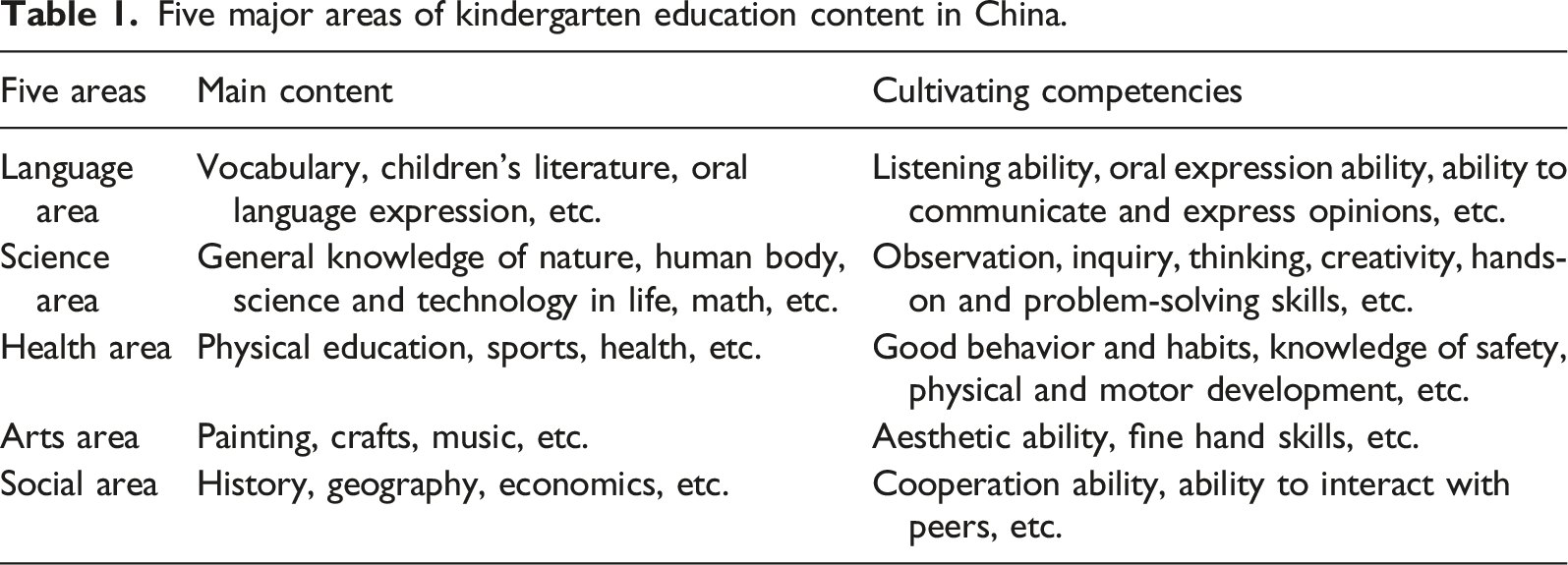
Five major areas of kindergarten education content in China.
Education equity and equity in STEAM education
Equity refers to ensuring that all children and families receive timely and necessary support to enable them to fully realize their intellectual, social, and physical potential (NAEYC,2019). In the face of an ever-expanding historical context characterized by growing social and economic inequality, environmental degradation, democratic regression, and the onslaught of disruptive technologies, the issue of educational equity remains one of the primary challenges confronting the future of education (UNESCO, 2021). Equity in education refers to supporting children most in need of education, which includes the dimensions of equity of opportunity, process, outcomes, conditions, and treatment (Alcott, B. et al., 2018). Ultimately it is about supporting informed and well-educated citizens, who are the foundation for stronger economies and more resilient societies of the future (OECD, 2023). Early childhood education experiences, competencies, and perspectives often have a long-term impact on an individual’s life, which is why many national policies emphasize the importance of focusing on and promoting equity of kindergarten education and ensuring that all children have access to high-quality education (NAEYC,2020).
In STEAM education, challenges persist in the form of gender stereotypes, racial, ethnic, and socioeconomic disparities for decades. Yet, STEAM education present opportunities to improve access, equity inclusion and outcomes (Education Commission of the States, 2023). Previous research noted that STEAM offers opportunities for students to learn science and increases equity in learning opportunities (Hughes, 2022). Castek et al., (2019) discussed that designing STEAM learning spaces and learning activities for equity is necessary. They proposed recommendations for learning designs that promote equity in STEAM education such as support generative justice for community empowerment, build networks, and develop innovative assessments. The Great Lakes Equity Center (2015) developed the STEM Education Equity Analysis Tool, offering an opportunity to pause and critically reflect on policies and practices. This tool particularly invites schools into a self-evaluation of equity in STEM teaching and learning. However, infrastructural injustices still exist in STEAM education (Shea, M. V. et al., 2023), including issues such as a lack of resources in the community that can sustain appropriate STEAM implementation and ensure the safety of children, and a lack of teacher expertise in STEAM education methods (Voicu et al., 2022). Yet, many studies have proposed strategies to address equity issues in STEAM education. For instance, Master et al. (2016) suggested interventions to enhance a sense of belonging in STEM, such as female-focused STEM clubs or events. Additionally, Thomas and Tripp (2020) emphasized the importance of developing Culturally Responsive Teaching methods and the need for schools to create inclusive climates. Moreover, King et al. (2021) highlighted the significance of involving communities in actively participating in STEM projects to foster the development of more comprehensive and equitable STEM curriculum. Previous studies (McClure et al., 2017) also emphasized the role of parent-educator collaboration in fostering STEAM skills in young children. When parents and educators worked together to create STEAM-rich environments both at home and in school, children showed improved problem-solving skills and increased curiosity about STEAM subjects.
Equity in STEAM education in early childhood in China
In China, the development of today’s kindergarten STEAM education aligns with the five major learning areas and concepts of young children put forward in the Guidelines. Consequently, kindergarten teachers have begun to use STEAM programs to enhance young children’s scientific literacy and innovation. However, limited studies explored the equity in early childhood STEAM education in China. For example, Zhao et al. (2018) argued that equity in STEAM education must take into account the multi-ethnic national conditions, respect students’ cultural differences, tolerate multiculturalism to carry out culturally-responsive teaching, adopt multicultural teaching and learning evaluations, and pay attention to the STEM education of disadvantaged groups. Many early childhood educators lack sufficient STEAM education background and training, impacting their ability to effectively implement equitable STEAM education (Dong et al., 2020). Although with an increasing focus on the practice of STEAM education, the proportion of research related to equity in STEAM education is relatively small. Further, there is a lack of experiences and materials that can be referenced regarding equity in STEAM education in kindergartens. To fill the gap, this study focuses on kindergarten teachers who implement STEAM education, aiming to study the effective strategies and experiences of kindergarten teachers in the process of implementing STEAM education, especially the promotion of equity of STEAM educational.
Methods
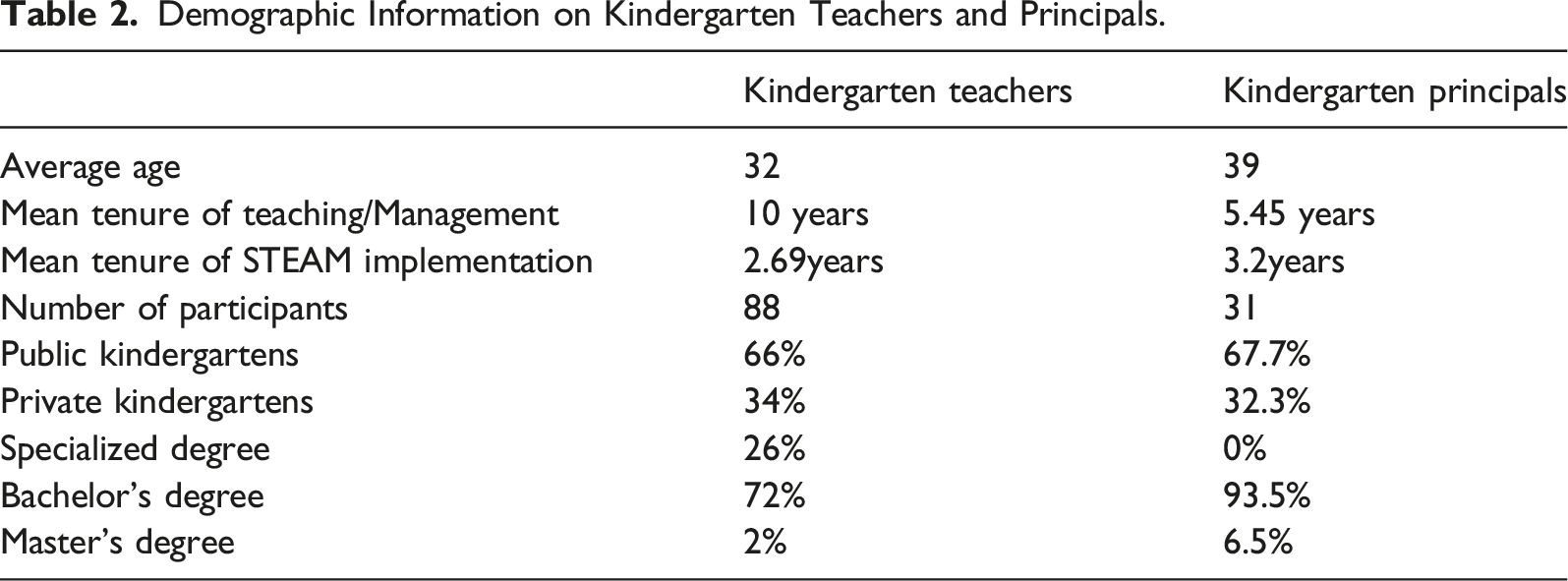
Participants
Demographic Information on Kindergarten Teachers and Principals.
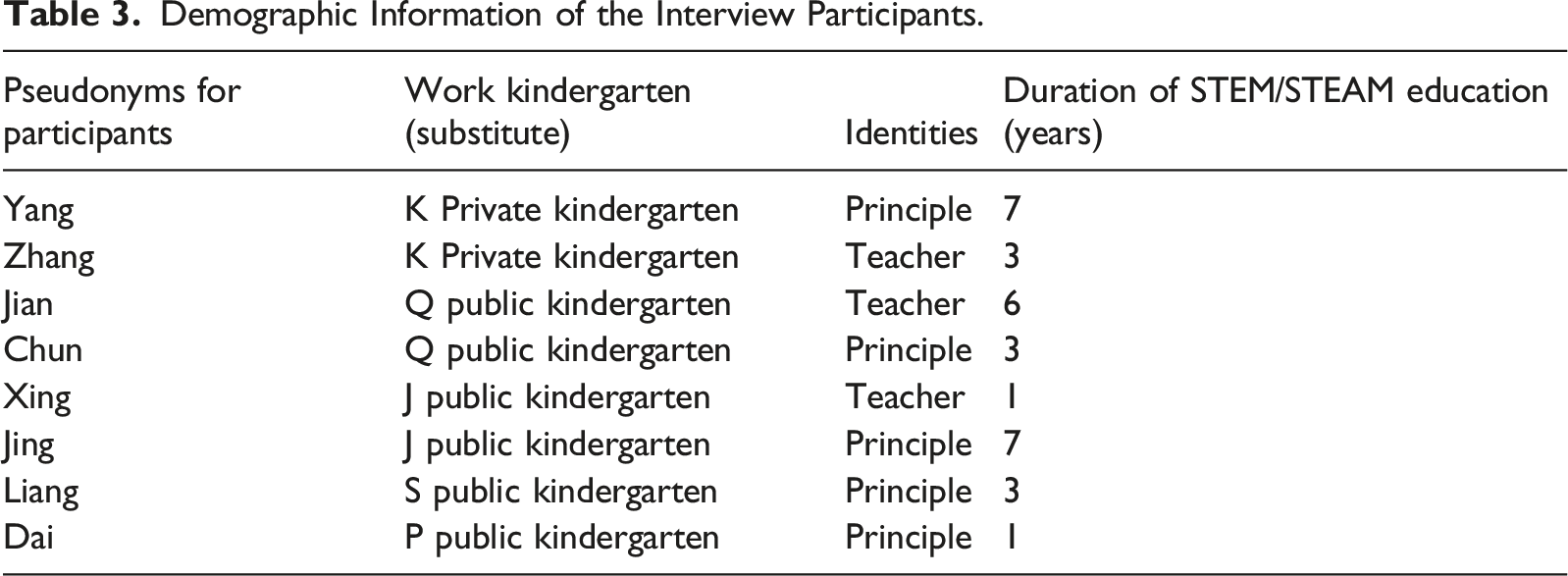
Demographic Information of the Interview Participants.
Instruments
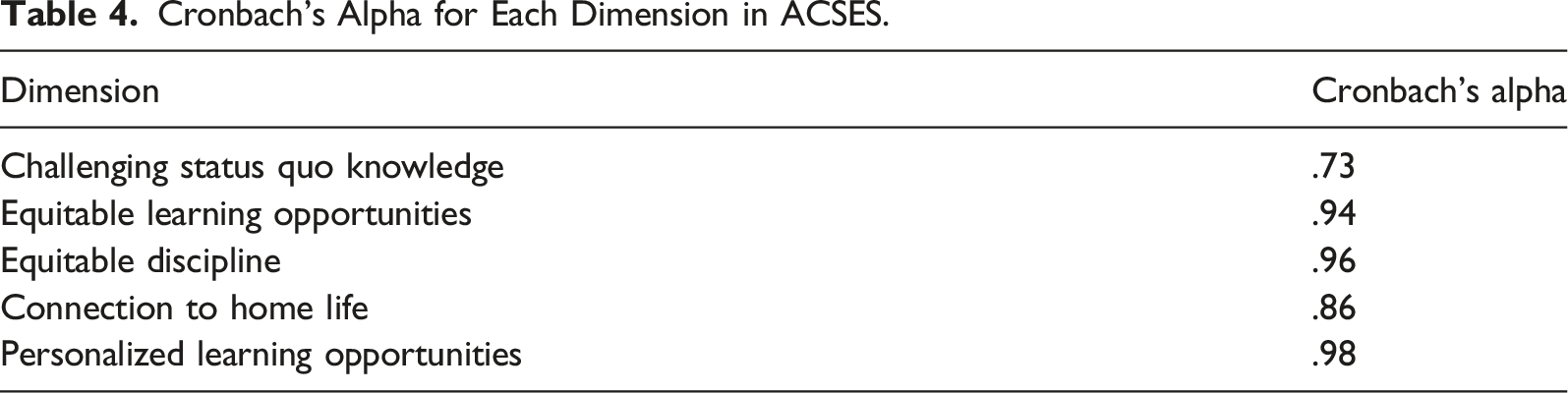
The Assessing Classroom Sociocultural Equity Scale (ACSES) is an instrument designed to evaluate the level of sociocultural equity in kindergarten classrooms, with kindergarten teachers as the primary respondents. The STEM Education Equity Analysis Tool is an assessment instrument aimed at measuring the equity level of STEM instruction within schools. This latter tool is intended to be completed by kindergarten principals. Both instruments aim to measure different dimensions of STEAM education equity, however they have different areas of emphasis and target different types of participants.
Assessing classroom sociocultural equity scale (ACSES)
Cronbach’s Alpha for Each Dimension in ACSES.
The STEM education equity analysis tool
The STEM Education Equity Analysis Tool is a self-evaluation scale for assessing the equity level of STEM instruction in schools that was created by the Great Lakes Equity Centre (2015).
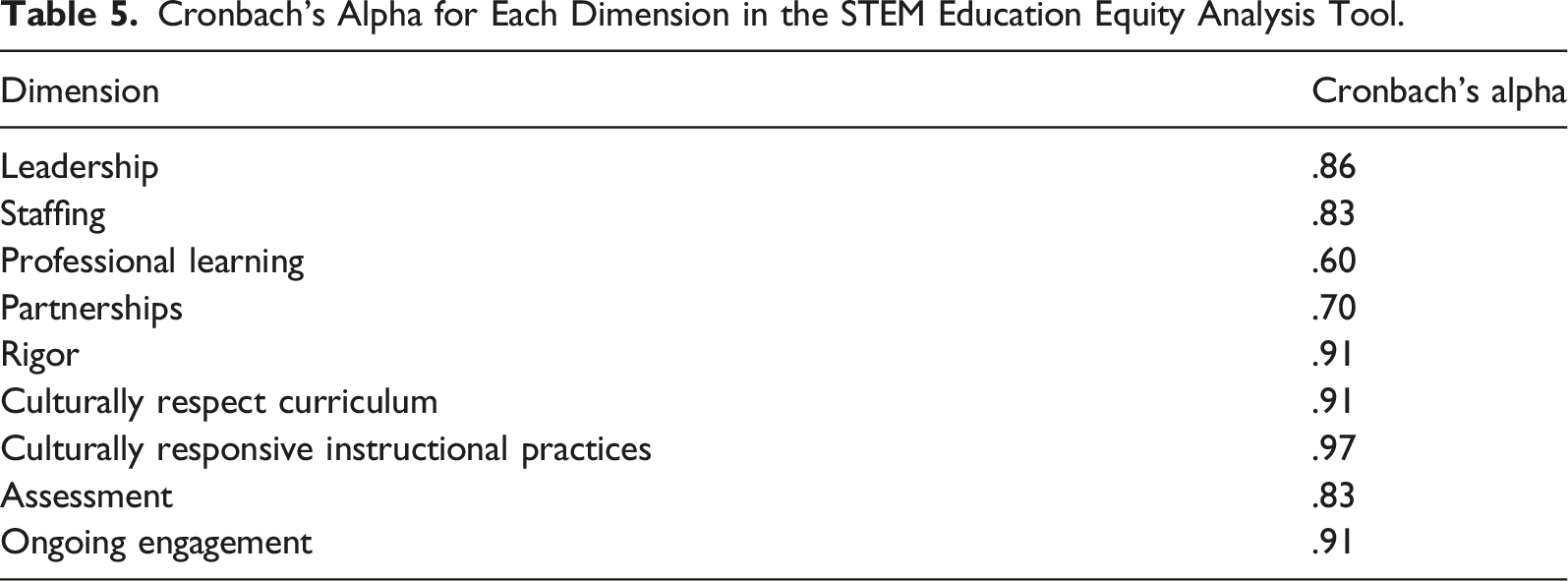
This tool encompasses two primary domains: Organizational Capacity and Curriculum and Instruction. In the Organizational Capacity domain, four dimensions are included: Leadership with 3 items (e.g., Building leaders regularly demonstrate a commitment to equity in STEAM education), Staffing with 4 items (e.g., STEM teachers are trained in highly engaging STEAM pedagogical practices), Professional Learning with 2 items (e.g., Collaborative inquiry is supported), and Partnerships with 3 items (e.g., Families are engaged in activities and learning about STEAM subjects and careers). The second domain, Curriculum and Instruction, involves five aspects: Rigor with 6 items (e.g., Highly qualified STEAM teachers are available to all children), Culturally Responsive Curriculum with 9 items (e.g., STEAM curriculum is connected to local concerns and social justice issues), Culturally Responsive Instructional Practices with 6 items (e.g., Activities allow for hands-on learning), Assessment with 2 items (e.g., Children are provided multiple opportunities and means to demonstrate what they have learned), and Ongoing Engagement with 6 items (e.g., Co-curricular and extracurricular activities are made available to all).
Cronbach’s Alpha for Each Dimension in the STEM Education Equity Analysis Tool.
For semi-structure interviews, this study used individual online video interviews, where each interview had a duration of approximately 30 to 40 minutes with 8–10 questions. The interview was designed to explore several key domains: challenges prevalent in implementing equitable STEAM education, strategies for adapting instructional approaches, contributions to addressing disparities, and the impact of professional development opportunities. Sample questions included: “What challenges are prevalent in implementing equitable STEAM activities?” and “How have you adapted your instructional approach to accommodate different children?” These questions were carefully crafted to elicit in-depth responses from participants regarding their experiences and perspectives on equity in early childhood STEAM education.
Data collection
This study used an anonymous online survey, distributed via emails by school administrators. Participants were required to read a detailed informed consent form before accessing the questionnaire, and they could withdraw at any point by exiting the website. The survey, initially in English, was accurately translated into Chinese following a standard translation and back-translation process to ensure validity (Hambleton & Patsula, 1998). The survey took approximately 30 minutes to complete.
Semi-structured interviews were also conducted. The researcher consulted two experts, a professor and an expert who are specializing in early childhood STEAM education, regarding the process of question selection. The researcher finalized the interview form in advance of the study after completing pilot interviews to control for question formulation. The final revision of the interview form contained 8-10 open-ended questions along with demographic questions.
Data analysis
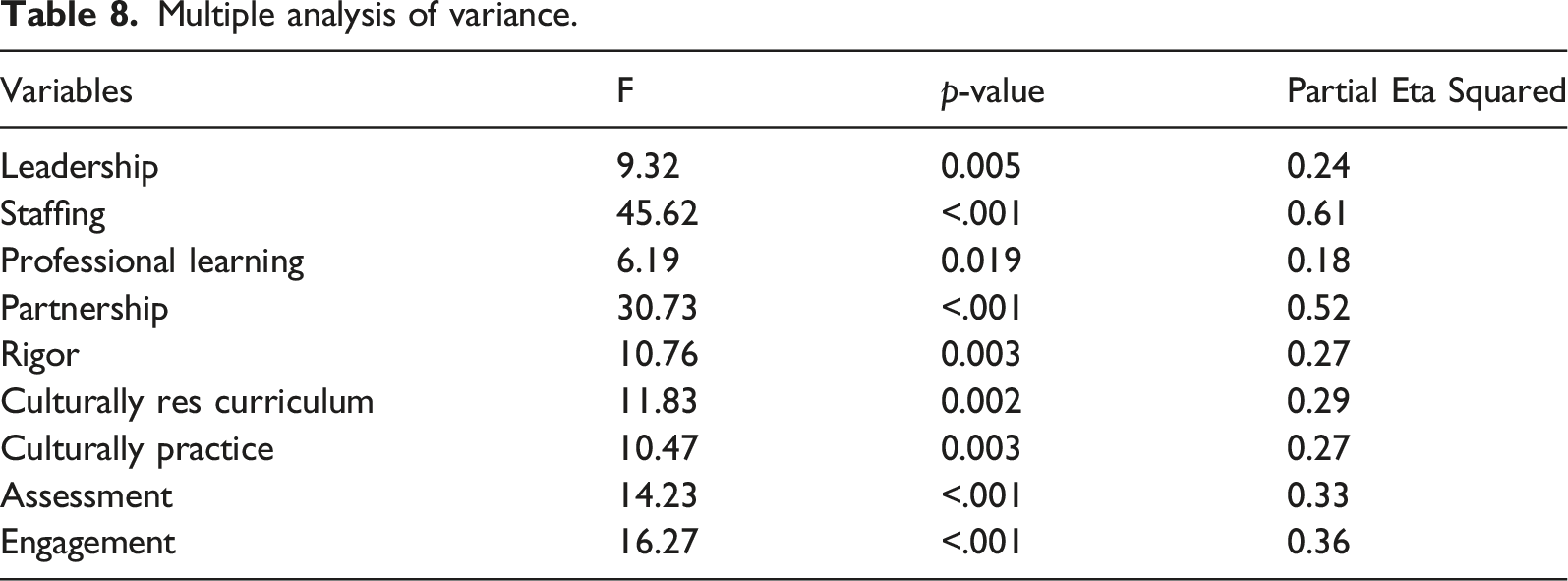
The study uses SPSS for data analysis, adopting descriptive statistics to examine the demographics of teachers and principals. Following that, a Multivariate Analysis of Variance (MANOVA) was conducted to examine the extent to which variations in different dimensions had an influence on kindergartens STEAM equity and the connections between these dimensions.
Then, feedback obtained from semi-structured interviews were analyzed thematically to further explore the understandings of equity in STEAM education and the difficulties participants encounter. This analysis examined their implementation of teaching methodologies in STEAM to promote fairness and their reactions to current obstacles. The coding and theme development process followed Braun and Clarke’s (2013) thematic analysis methodology. After conducting the interviews, we converted the audio recordings into written text through transcription. The thematic analysis process began with the transcription of audio recordings into written text. The transcribed text underwent two rounds of comparison and correction to ensure accuracy before proceeding to thematic analysis. During the analysis, two researchers independently evaluated and coded the interviews. One researcher had practical experience in early childhood STEAM education, while the other was a university professor specializing in STEAM education research. Following this initial coding phase, the three researchers compared their codes and discussed their findings. This process to ensure the reliability and verifiability of the data.
Concisely, this study employed a mixed-methods approach to address the research questions. Quantitative methodologies were primarily utilized to investigate Research Questions 1 and 2, while qualitative methods were employed to explore Research Questions 2, 3, 4 and 5.
Results
RQ1: Perceive the concept of equity in the context of STEAM education
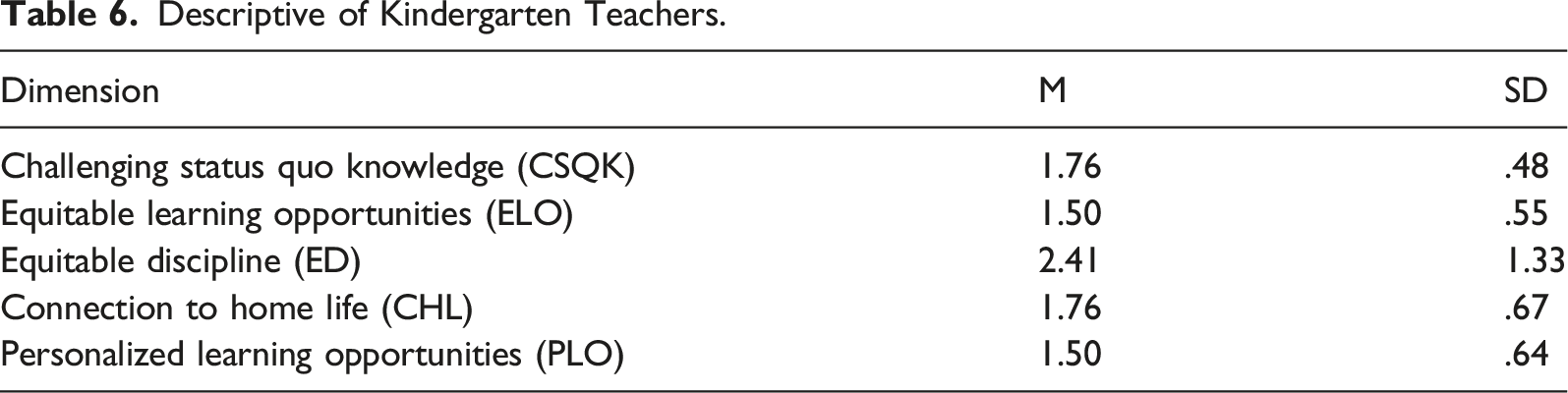
Descriptive of Kindergarten Teachers.
Descriptive of Kindergarten Principals.
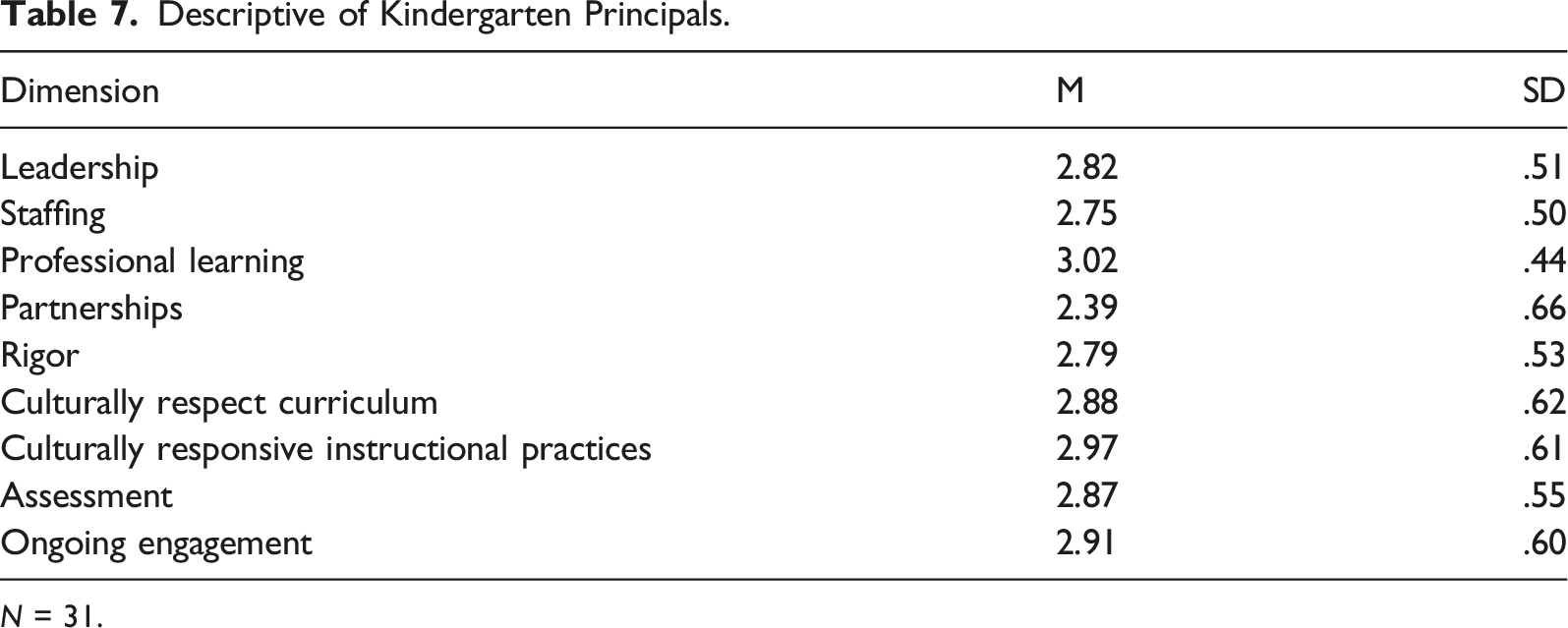
N = 31.
Multiple analysis of variance.
RQ2: Challenges prevalent in the implementation of equitable STEAM activities
Challenge Items in Classrooms.
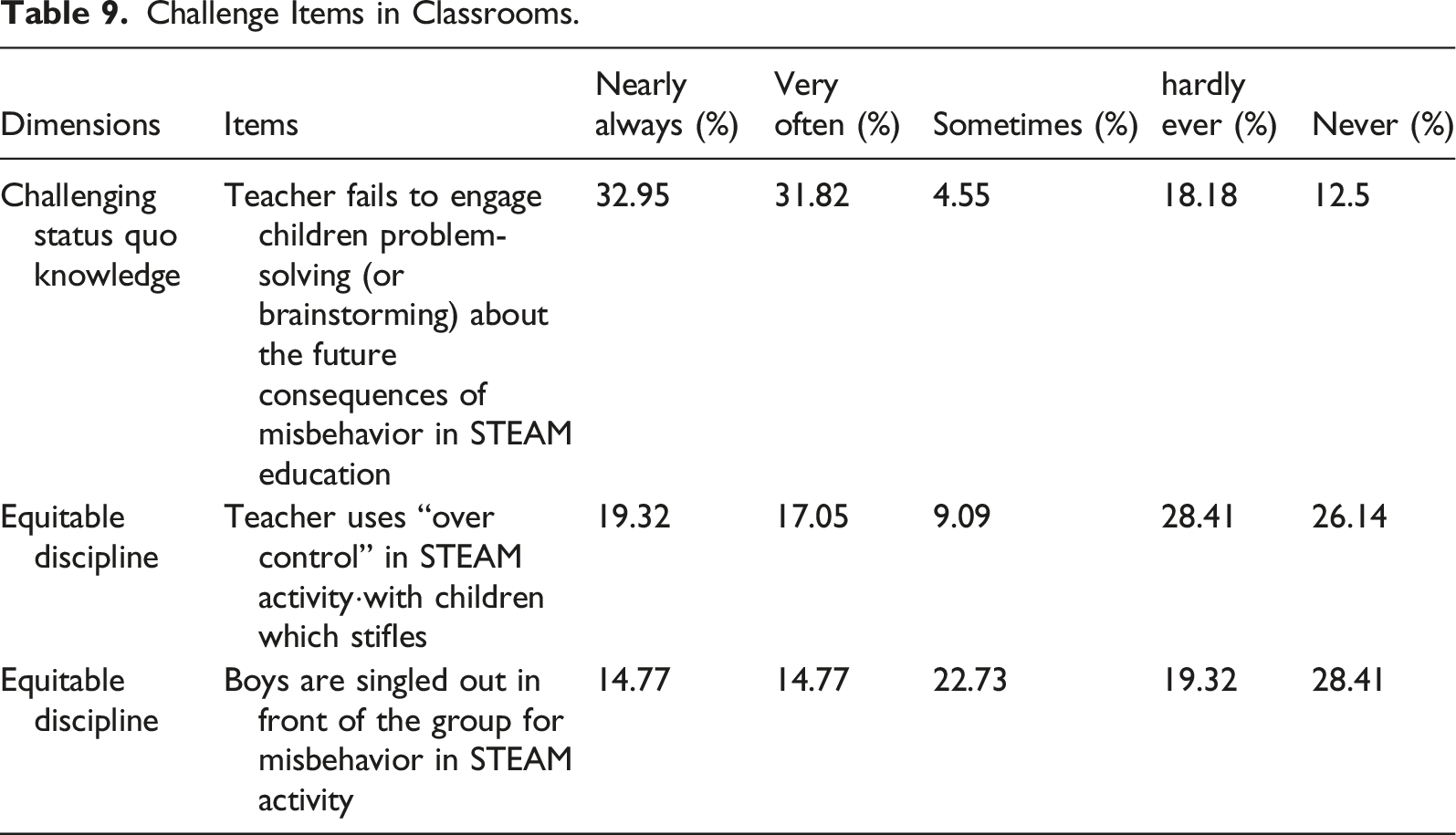
The data also revealed that none of the kindergartens assessed as mature in all four aspects: 1) overall perceived pedagogical knowledge, 2) high qualification coverage of the STEAM early childhood teacher community, 3) motivation for all family members of the children to participate in activities and learn about STEAM disciplines and careers, and 4) engagement of community organizations to provide materials, experiences, and human capital. This result suggests that all kindergartens have not yet reached a mature level in these areas.
In terms of semi-structure interviews, when asking “What challenges are prevalent in implementing equitable STEAM activities?“, four themes arose (see Figure 1): STEAM teacher deficiencies, Gender-specific learning differences in children, Parental Involvement in STEAM activity, and Limitations of STEAM environments and resources. First, Jing of J Public Kindergartens highlighted the deficiencies among teachers as noted, In the process of carrying out STEAM teaching, the capacity of early childhood teachers appears to be polarized, with one part of teachers becoming more experienced in STEAM education and one part of teachers due to insufficient STEAM literacy or insufficient experience in early childhood guidance, resulting in an inequity for young children receiving STEAM education in kindergarten. Themes and Codes/Subthemes of challenges prevalent in implementing equitable STEAM.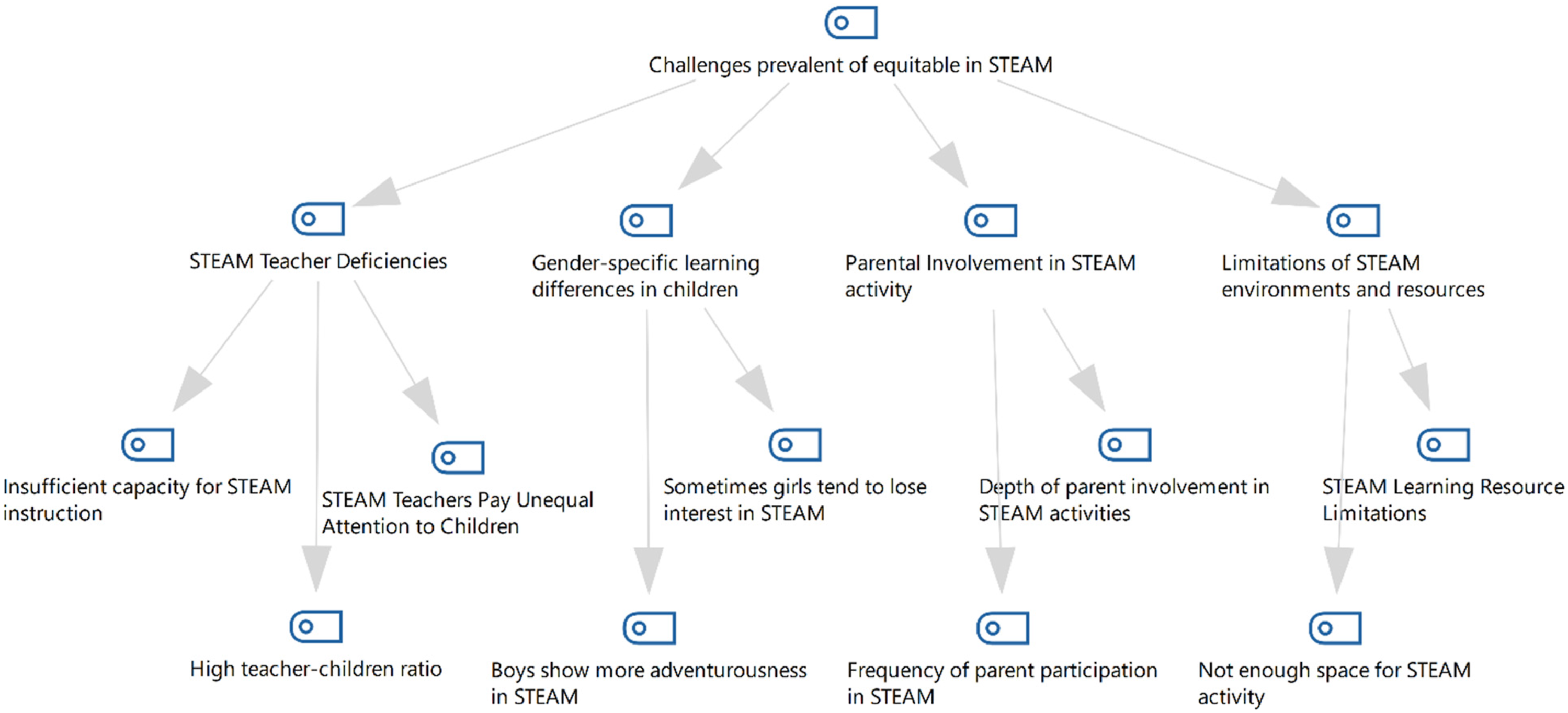
Furthermore, both teachers and directors mentioned a high teacher-children ratio, as mentioned by Liang of S Public Kindergarten, “Each class usually has 20–30 children, and it is difficult for two early childhood teachers to organize the class, both of whom have to take time out of their schedules to guide the children in STEAM projects.” Finally, teachers believe that STEAM instructors still pay unequal attention to children in practice. Jian in Q public kindergartens considered that, “teachers will pay more attention to the part of the children who do not want to participate in STEAM activities and will not have time to observe the children’s learning process in other activities.”
Gender learning differences in children is another challenge, Xing in J public kindergartens expressed, “In STEAM activities, we really don’t care enough for the girls, or we think mentally that the girls are afraid. If she is afraid, she doesn't need to do this kind of zipline exploration”. Similarly, Jian at Q Public Kindergarten believes “boys are naturally more adventurous in STEAM activities”.
The degree of parent involvement in STEAM activities is different, as teacher Zhang explained, At the start of STEAM activities, we inform parents about the need for materials, information, or visits to support our program. However, availability varies, with some parents able to participate and others unable to provide this support.
Due to the different degrees of parental involvement, inequities may already be present in young children before STEAM activities are implemented.
The limitations of the STEAM environment and resources were also a major challenge, with teachers in both Kindergarten K and Kindergarten Q indicating that there was “too little space” were for STEAM activities as sometimes the outdoor space had to be rotated, thus teachers had to “rearrange and set up materials in a short period of time”. They further noted that sometimes the use of materials was “irreversible” and when there were not enough materials available, some children were deprived of the opportunity to explore. For example, one participant expressed that “paints are expensive and sometimes there are not enough for every child”.
RQ3: Strategies for adapting instructional approaches in STEAM activities to accommodate diverse learners
When asked “How have you adapted your instructional approach to accommodate different children?” Five themes emerged (see Figure 2): Organize STEAM activities in groups, Equal opportunities for children, Encourage cooperation from all parents, and Respect for each child’s ideas and Multivariate evaluation. Themes and Codes/Subthemes of strategies for adapting instructional approaches.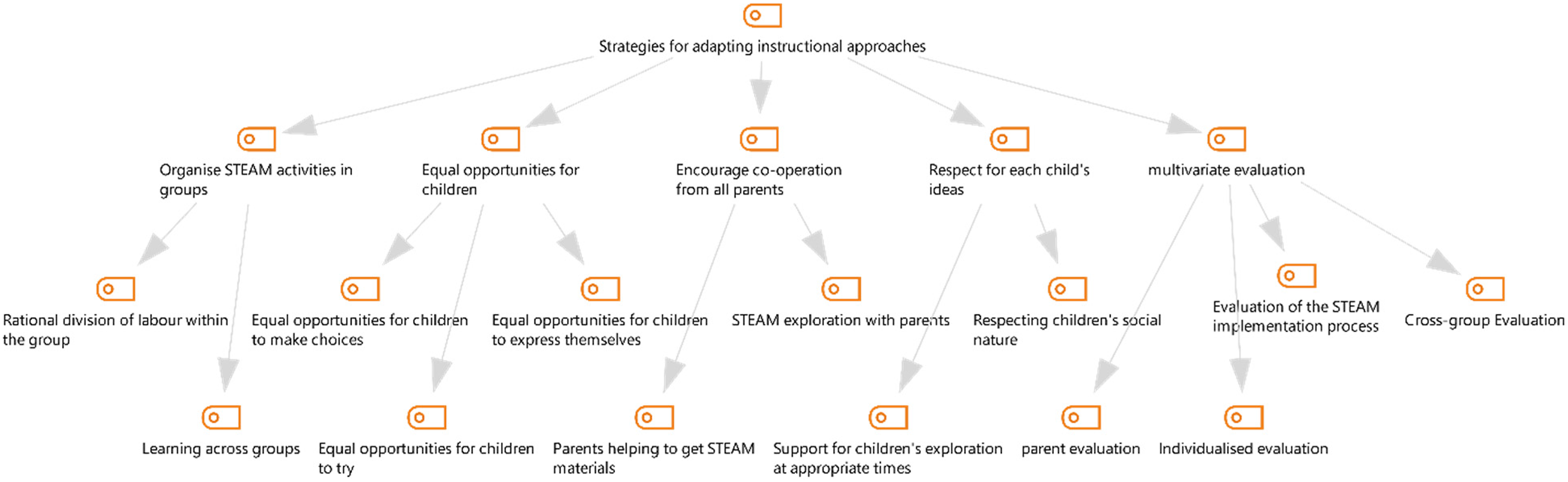
Themes and Quotations in Data of Strategies for Adapting Instructional Approaches in STEAM Activities.
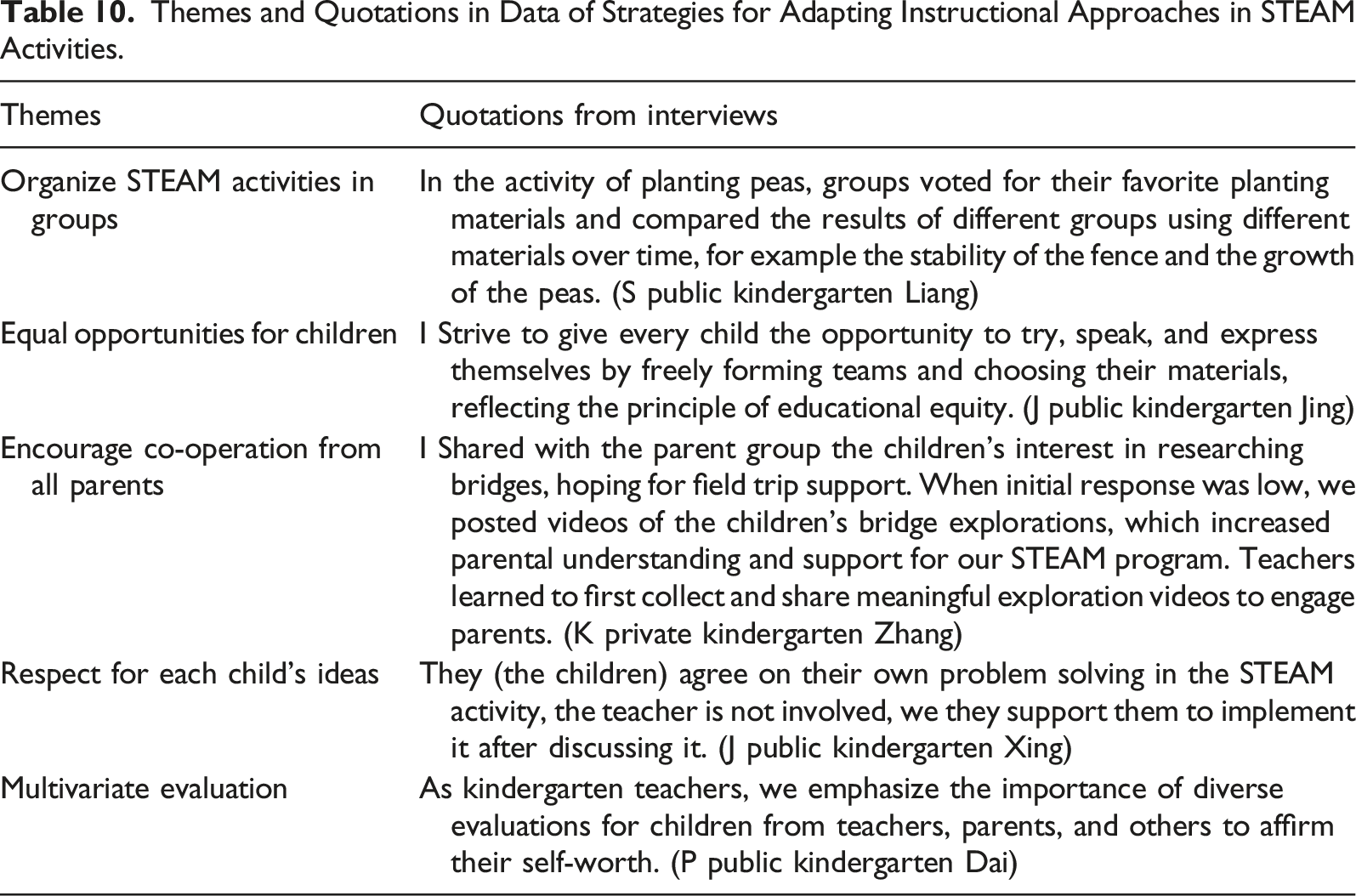
In short, the participated principles believed strategies for adapting instructional approaches must include organize STEAM activities in groups, equal opportunities for children, encourage cooperation from all parents, respect for each child’s ideas and multivariate evaluation, as Liang from kindergarten S stated, In our kindergarten, STEAM activities involve group work, individual tasks, and collective teaching, reflecting diverse and fair teaching approaches. Recognizing children's varying abilities, we tailor educational methods to ensure equity. For instance, children with inquiry skills but weaker cooperation abilities, or those proficient in art but less expressive, are assigned roles that suit them—some articulate the STEAM process verbally, while others illustrate or photograph their work. Our activity design and material selection cater to different personalities, interests, and strengths, allowing children to engage with STEAM in ways they enjoy.
RQ4: Contribute to addressing disparities in access and engagement in STEAM activities
STEAM
Two themes emerged when asking “How do you address disparities in access to and engagement in STEAM activities?” (see Figure 3). Themes and Codes/Subthemes of Contribute to addressing disparities.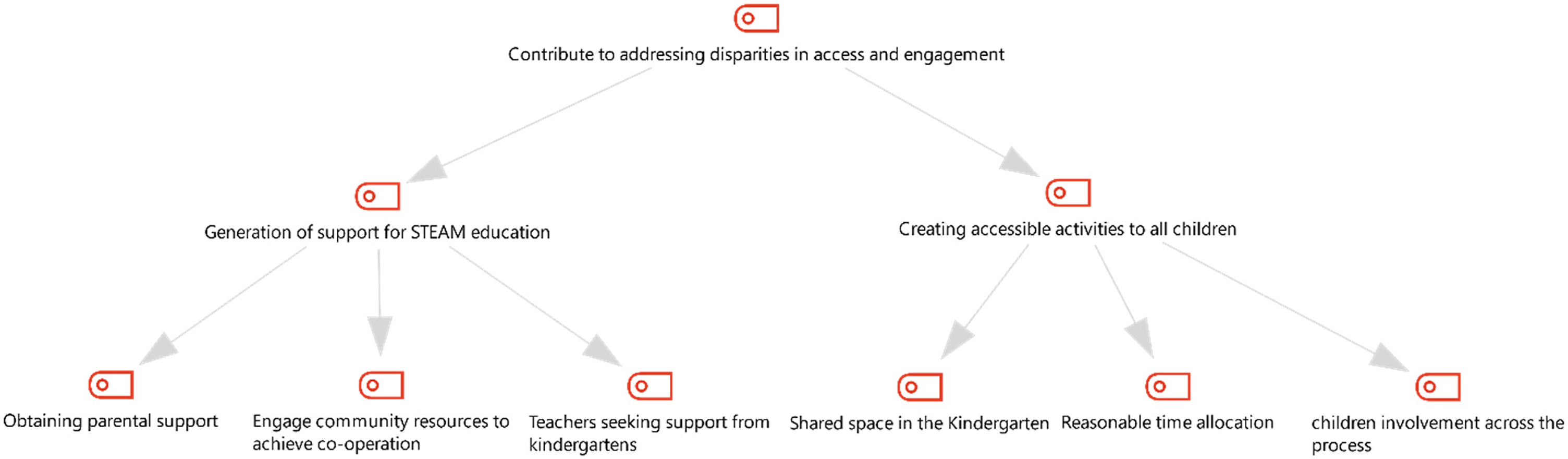
The first theme is Generation of support for STEAM education consisting of multifaceted nature of gaining support for STEAM education. For example, parental support can be garnered through effective communication of the significance of STEAM education and proactive solicitation of assistance from kindergartens to furnish essential resources. Jian of Q Public Kindergarten highlighted ways of striving for the support of parents’ resources, During the STEAM activity, the child came up with the idea of using a drone and another child said that his father had a drone and was very good at playing with it, so I tried to encourage the child's father to come to the kindergarten to teach the children how to play with the drone and to help the children use the drone to achieve their vision.
Furthermore, educators are utilizing community resources in an effort to foster collaboration, signifying a concerted effort to establish a comprehensive support network that includes not only academic establishments but also family members and the broader community. S Public kindergarten Liang explained how she sought out social resources as a principal: “Our kindergarten, near a tourist site with a museum of intangible cultural heritage, secured an agreement for free, unlimited access for our young children during opening hours.”
The second theme is Creating accessible activities to all children. Participants were placing significant emphasis on the utilization of shared spaces as a means to foster collaborative and inclusive learning environments when designing STEAM activities that are accessible. Yang from K Private Kindergarten observed, “when space is limited in kindergarten, we have to arrange STEAM activities in small groups, for example, while group A explores STEAM as a group indoors, group B uses the outdoor field to explore STEAM.” By allocating sufficient time, it is possible to “incorporate STEAM activities into the curriculum” without overburdening either children or instructors. Furthermore, active participation and sense of ownership among children are essential for the success of STEAM education in early childhood environments. For example, Principal Chun intent to make it possible for every child in kindergarten to “participate in the entire STEAM project, embracing each child’s experience and making them realize that they are the implementers and managers of the project.”
RQ5: Impact of professional development opportunities on the ability of early childhood teachers to create, implement, and evaluate equity-focused STEAM education activities
Regarding the question “Is the impact of professional development opportunities on the ability of early childhood teachers to create, implement, and evaluate equity-focused STEAM education activities?“, three themes arose. The three themes appeared: researching STEAM education for children; growing STEAM equity teaching experiences and theories; and professional competence in STEAM education (see Figure 4). Themes and Codes/Subthemes of Impact of professional development opportunities.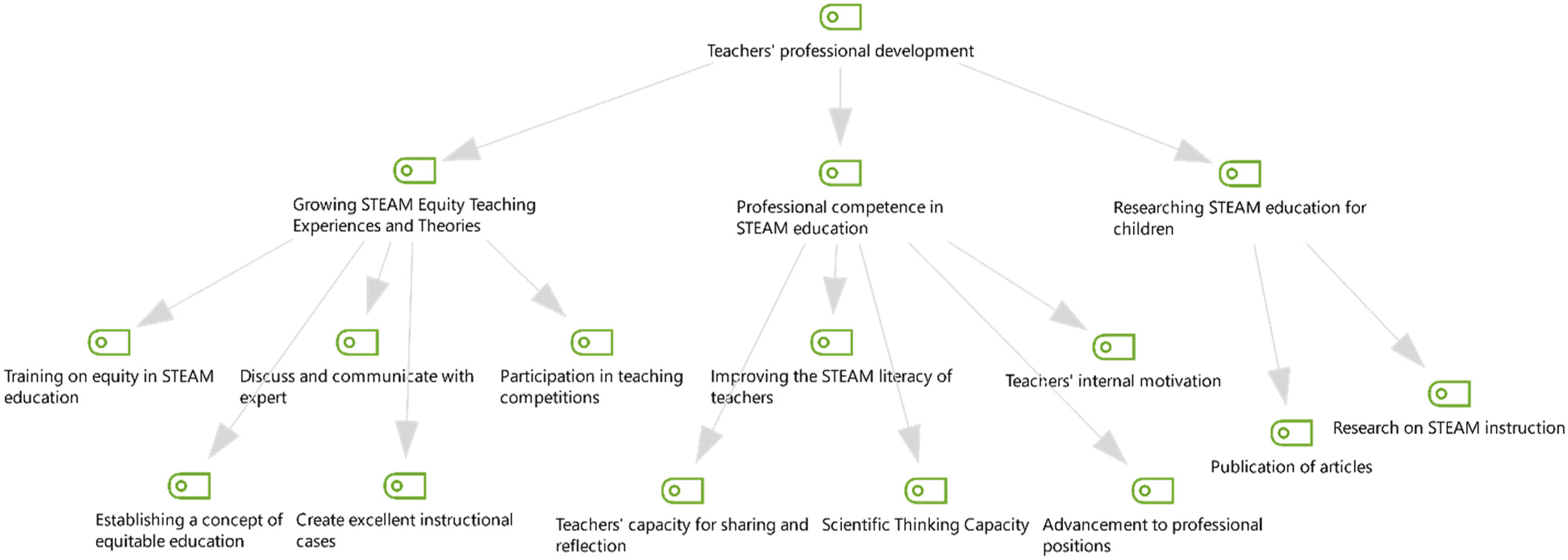
Teachers involved in STEAM education emphasized the importance of conducting extensive research on equity STEAM instruction methods, which influenced their teaching practices and curriculum development. By engaging in equity-focused STEAM instruction research, teachers could enhance their STEAM instructional proficiency and deepen their understanding of equity in the context of STEAM education. Furthermore, they are actively publishing articles that contribute to the collective knowledge in the field of STEAM education for children. For example, Principal Liang said, “I encourage teachers to write papers for publication after being involved in research on instruction with STEAM, and I also publish papers on this topic myself”. Teachers who summarize and publish their teaching research through written papers are able to identify and reflect on challenges of equity in STEAM education, as well as discover beneficial solutions (Liu et al., 2020).
Participants focused on laying a solid foundation in equitable education principles, developing outstanding instructional cases, and actively participating in teaching competitions. They also received specialized training on equity in STEAM education and regularly met with experts to improve their understanding and application of these concepts. Teacher Zhang expressed her own experience in the workshop, “Discussing challenges in workshops, exchanging ideas, consulting experts, and applying solutions in the classroom deepens my understanding of the approach.”
Teachers and principals additionally demonstrated increased professional competence by developing their scientific thinking abilities and advancing to professional positions. Principal Jing noted, “Teachers improved their communication skills and interdisciplinary collaboration in STEAM subjects.” Teachers also improved their ability to share and reflect, which, combined with internal motivation, led to a significant improvement in overall STEAM literacy. For example, teacher Zhang expressed, “I would engage in constant review and reflection, constantly asking myself what is wrong with this STEAM project or what problems I have encountered.”
Discussions
Equity in STEAM education, as perceived by kindergarten educators, entails the provision of adaptive and inclusive learning opportunities that cater to the diverse needs of children (NAEYC, 2019). The findings of this study indicate a general agreement among teachers and principals towards the integration of personalized learning methods. This reflects a strong dedication to creating an inclusive and supportive environment that values every child. The focus on challenging the status quo of knowledge and connecting learning with children’s domestic environments indicate a more comprehensive concept of fairness that exceeds traditional academic boundaries, implying the necessity for continuous professional growth for addressing over-control behaviors in classrooms (Curenton et al., 2020).
Yet, the findings also show that the implementation of equitable STEAM activities faces several challenges, including resource limitations, varying levels of parental involvement, and the need for ongoing professional development for teachers. Quantitative data underscored the impact of resource availability on the quality of STEAM education, while qualitative insights revealed educators’ concerns over engaging parents effectively and addressing gender-specific learning differences. Both findings show the critical role of parental involvement in STEAM activities and the limitations of STEAM environments and resources. These findings also align with the broader discourse on the importance of addressing both classroom practices and societal dynamics to overcome educational inequities (Altan & Tan, 2020; Master et al., 2016), indicating the necessity for kindergartens to adopt a collaborative approach that leverages community resources.
Additionally, findings imply that educators use a range of adaptive teaching strategies to accommodate diverse learners, including organizing STEAM activities in groups, providing equal opportunities for children, and respecting each child’s ideas. The emphasis on personalized learning opportunities and the integration of home life into the curriculum reflect a deep understanding of the importance of culturally responsive teaching and the need for teaching approaches that are flexible and responsive to the diverse needs of children. This study also highlights the importance of encouraging collaboration between parents and the use of multivariate assessments to ensure a comprehensive understanding of children’s progress. These strategies reflect a commitment to creating an inclusive learning environment that values the unique contributions of each child, as well as highlight the importance of teacher flexibility and creativity in providing equitable STEAM education.
Furthermore, collaboration between teachers, administrators and parents is key to addressing inequalities in access and engagement in STEAM activities. This study underscores the importance of community partnerships and parental involvement in supporting equitable STEAM education. Quantitative results indicated that effective collaboration leads to more inclusive practices, while qualitative findings pointed to innovative strategies for engaging parents and leveraging community resources, indicating the collective effort required to ensure that all children have equal opportunities to benefit from STEAM education (Altan & Tan, 2020). As illustrated by the findings, the effectiveness of generating support for STEAM education lies in effective communication and soliciting the cooperation of administrators and parents to provide necessary support. In addition, creating accessible activities for all children emphasizes the need for inclusive learning environments that encourage active participation and ownership among children.
Lastly, professional development opportunities have a profound impact on educators’ ability to create, implement, and evaluate equity-focused STEAM activities. The findings of the study revealed that targeted training and ongoing support significantly increased teachers’ capacity to provide equitable STEAM education, as evidenced by improvements in instructional strategies, classroom management, and integration of culturally responsive practices (Boice et al., 2021). Results illustrate the critical role of professional development in empowering educators to effectively address the challenges of equity in STEAM education, along with the need for continuous learning and growth to improve early childhood teachers’ STEAM literacy.
Implications
Accordingly, to meet children’s diverse learning needs and cultural contexts, kindergarten teachers should use flexible and adaptive teaching strategies, as well as an equity-focused design of STEAM learning spaces and activities (Castek et al., 2019). Specifically, Teachers can implement a rotation of STEAM activities to ensure that all children have equal access to resources and experiences. Alternatively, individualized learning plans can be developed based on each child’s unique strengths, interests and areas of growth in STEAM subjects.
It is also essential that teachers find approaches to promote community and family engagement in STEAM education (Thompson et al., 2023). Parents and community members can volunteer their expertise or resources for the STEAM program based on their own strengths, such as leading workshops or providing lab materials. STEAM activity spaces can also be created in community venues, such as libraries or community centers, to allow children to engage in hands-on learning outside of kindergarten. It is because parents and communities can provide more than just resource support, and communities can create spaces for young children to explore, learn, and practice, all of which can help children develop a sense of belonging and community (Master et al., 2016). Additionally, addressing the challenge of resource disparity is crucial for facilitating equitable STEAM education. Policymakers should ensure that all kindergartens, especially those with limited resources, have adequate STEAM educational resources and support. Furthermore, advocating for culturally responsive teaching approaches could improve the equity of STEAM education by honoring and incorporating the cultural backgrounds of learners (Thomas & Tripp, 2020), thus promoting the integration of China’s ethnically diverse cultures into STEAM education.
Overall, this study underscores the significance of an integrated approach, which includes improving teacher training, enhancing community partnerships, and ensuring the availability of necessary resources. Such an approach is essential for establishing a STEAM learning environment that is equitable, inclusive, and responsive to the needs of all children, aligning with global efforts towards educational equity and inclusion (OECD, 2023). By addressing key areas such as personalized learning opportunities, equitable disciplinary practices, and the integration of home life into the curriculum, educators and policymakers can work towards realizing a more inclusive and equitable educational landscape. This comprehensive approach to STEAM education has the potential to significantly impact the academic and social development of all children, ensuring that every child has the opportunity to succeed and thrive.
Conclusions
In conclusion, this study highlights the complexities of promoting equity in STEAM education in China’s kindergarten settings. While there are promising practices for equitable instruction, challenges remain that necessitate ongoing monitoring and action. Professional development, parental and community engagement, and strategic resource allocation emerge as critical components in addressing these challenges. For limitations, this study’s geographic scope is limited by only explored in one developed province in China. Therefore, results could benefit from including rural participants to provide diverse perspectives. Furthermore, gender bias in teacher participation highlights the need for more inclusive recruitment strategies. Additionally, sufficient data with details should be collected regarding resources and community support in kindergarten STEAM education. Thus, future research should seek to address these limitations in order to provide a more complete picture of the field.
Footnotes
Declaration of conflicting interests
The author(s) declared no potential conflicts of interest with respect to the research, authorship, and/or publication of this article.
Funding
The author(s) received no financial support for the research, authorship, and/or publication of this article.
