



Abstract
Study Design
Bibliometric analysis.
Objectives
An analysis of the literature related to the assessment and management of spinal trauma was undertaken to allow the identification of top contributors, collaborations and research trends.
Methods
A search to identify original articles published in English between 2011 and 2020 was done using specific keywords in the Web of Science database. After screening, the top 300 most cited articles were analyzed using Biblioshiny R software.
Results
The highest number of contributions were from the Thomas Jefferson University, USA, University of Toronto and University of British Columbia, Canada. The top 3 most prolific authors were Vaccaro AR, Arabi B, and Oner FC. The USA and Canada were among the top contributing countries; Switzerland and Brazil had most multiple country co-authored articles. The most relevant journals were the European Spine Journal, Spine and Spine Journal. Three of the 5 most cited articles were about classification systems of fractures. The keyword analysis included clusters for different spinal regions, spinal cord injury, classification agreement and reliability studies, imaging related studies, surgical techniques and outcomes.
Conclusions
The study identified the most impactful authors and affiliations, and determined the journals where most impactful research is published in the field. Study also compared the productivity and collaborations across countries. The study highlighted the impact of development of new classification systems, and identified research trends including instrumentation, fixation and decompression techniques, epidemiology and recovery after spinal trauma.
Introduction
As per estimates, there were between .1 and .2 million incidents cases of traumatic spinal cord injury globally in 2007. 1 Another study suggested that approximately .7 million new cases of spinal injury are added annually worldwide, 2 and the ever-increasing incidence of road traffic accidents and falls contribute to the majority of cases of spinal injury. 1 Such injuries require comprehensive, multidisciplinary management that includes prehospital care, acute management, management of vertebral fractures, prevention or early detection and management of complications, comprehensive rehabilitation, community inclusion, and a life-long follow-up. 3 This results in a substantially high immediate and long-term financial burden for patients as well as society. 4
There have been rapid advancements in the management of vertebral fractures and the field continues to evolve with experts striving to look for an ideal classification system 5 and better techniques, instrumentation, and technologies. The rapid and changing nature of the field has led to an exponential rise in publications related to spine trauma, making it challenging for researchers to be updated with all relevant information and new directions. Although some studies have published the ‘Top 100 cited/influential articles’, 6 to the best of our knowledge, no systematic assessment of contributors have been made so far.
Qualitative and quantitative analysis of literature has become increasingly useful in providing high-quality comprehensive evidence of previous research findings. 7 Bibliometric analysis uses ‘citation analysis’ that measures the impact of individual researchers, universities and institutions and thereby provide a measure of scientific quality or the impact. 8 The systematic analysis allows estimation of the number of publications of an author, active years of publications, co-authors and determines how often do the articles get cited. Beyond assessing the publication productivity, bibliometric analysis provides information about the relations among different scientific groups/communities and the relation of fields/sub specialities within the scientific field. 9 This describes the structure of the scientific field and identifies the research hotspots which may in turn help to direct future research as researchers can identify knowledge gaps or emerging areas of interest. 10 If some keywords are more commonly found across articles, it suggests that they correspond to the popular and growing theme within the field. Also, the knowledge about emerging trends by policy makers and governmental or international funding agencies may further propel the research in the related fields.
There has been a dearth of such systematic analysis of spine trauma related literature. The studies published so far have mainly focussed on identifying the most cited articles and the top contributors and a detailed bibliometric analysis has not been performed. Therefore, the purpose of the current study was to assess the contributions and collaborations of authors, centers, societies, and countries toward the evolving field of spine trauma through an organized and methodical analysis of published literature related to the field. Secondarily, the study aimed to determine current trends in research in the last decade through bibliometric analysis.
Methods
The articles related to spine trauma between 2011 and 2020 in the Clarivate Web of Science (WoS) Citation Index Expanded database were searched on 5th July 2022, and the keywords that were selected provided information about the location and type of injuries. The time period was limited for the last decade to determine the contemporary impactful authors/affiliations/countries to get accurate information about the recent trends and directions of research. WoS is 1 of the most extensive and trustworthy databases because it enlists and catalogues reputed high-impact factor journals. The exact keywords [(Fracture OR Dislocation OR displacement OR injury) AND (Spine OR vertebra* OR cervical OR thoracic OR thoracolumbar OR lumbar OR lumbosacral OR sacral)] were used for the search. The addition of the asterisk following some words allowed for searching all variants that would include these characters in the beginning. For example, vertebra* allowed for searching for vertebral, vertebra, or vertebrae. The number of articles was restricted to articles published in English and original research papers and reviews. Further, publications such as letters to the editors, invited commentaries, editorials, and articles published in the conference proceedings were excluded; however, articles with different study designs such as randomized controlled trials, cohorts, case studies, observational and other methodological studies were included.
The resultant articles were arranged in decreasing order of the number of citations, and the citation number indicated the total number of citations that particular text had in the WoS database. The documents were exported as excel and plain text files that included the ‘full records’ for the document, including titles, authors, abstracts, affiliations, and cited references. Two investigators (HC and JM) reviewed and screened the title and abstract of the articles that were relevant to spine trauma, including classifications, conservative management of vertebral fractures, radiology, neurological recovery, surgical techniques, instrumentation, and technology. While articles related to non-traumatic fractures (pathological fractures) such as osteoporotic fractures were excluded. Also, articles that discussed the management and rehabilitation of spinal cord injury and its complications, the effects of pharmacological agents, quality of life, morbidity, and mortality were excluded. Finally, the top 300 articles were short-listed for bibliometric analysis.
The bibliometric analysis was done using Biblioshiny package 7 with the freely available R software (version 4.2.1) 11 that allowed for a variety of statistical and graphical techniques. The frequency distribution for authors, affiliations, countries, and journals was descriptively analyzed to assess their contribution. For the identification of core journals in the field, the sources were analyzed using Bradford’s law. 12 This involves arranging the journals in order of decreasing productivity to identify the nucleus/core journals contributing to the top third of the articles in the field. The frequency distribution of author keywords was estimated to determine the most relevant themes or topics of research in the field. The contributions of authors were analyzed over time and the combined contribution of authors, countries, and their focus of work was made graphically by plotting 3-field plots as represented by the choice of keywords. Furthermore, network creation for co-citation and analysis of collaboration was done using the conceptual structure function within Biblioshiny.
Results
The search yielded more than 15,000 articles from which the top 300 were analyzed. The list of these articles is provided in Appendix A. These articles were written by altogether 1509 authors and these were published across 48 different journals. Only 3 articles were single-author articles, and there were almost 7 authors per document. The average number of citations per document was 29.8 ± 30.6, (median – 21.5, IQR -18), while the article with the highest number of citations had 363 citations.
The source contribution analyzed using Bradford’s law identified the European Spine Journal, Spine and Spine Journal as the core journals that made about a third of the papers with the most citations (Figure 1). The contributions of journals analysed using Bradford’s Law. The highlighted section indicates that a third of all contributions are from the European Spine Journal, Spine and Spine Journal.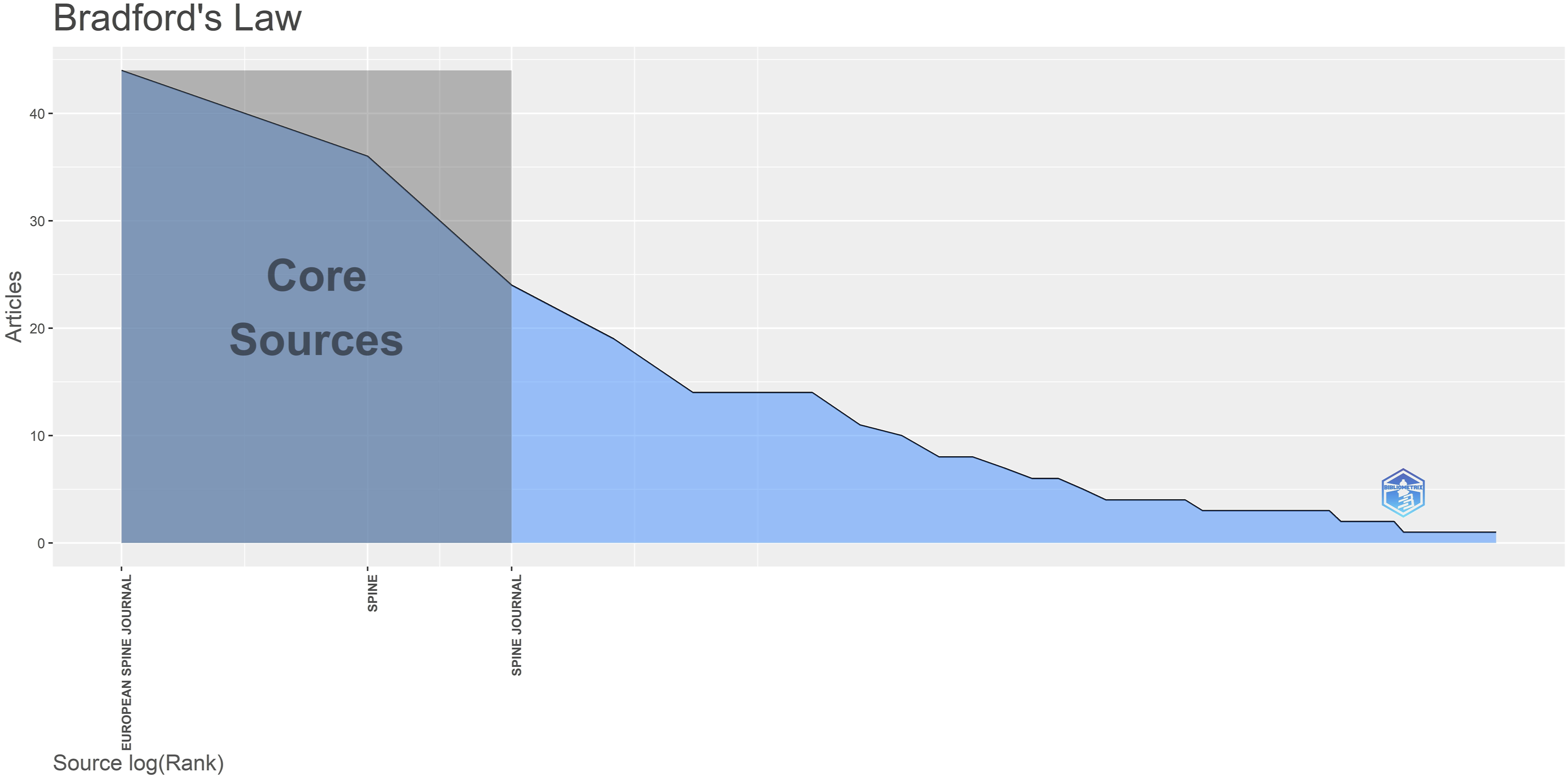
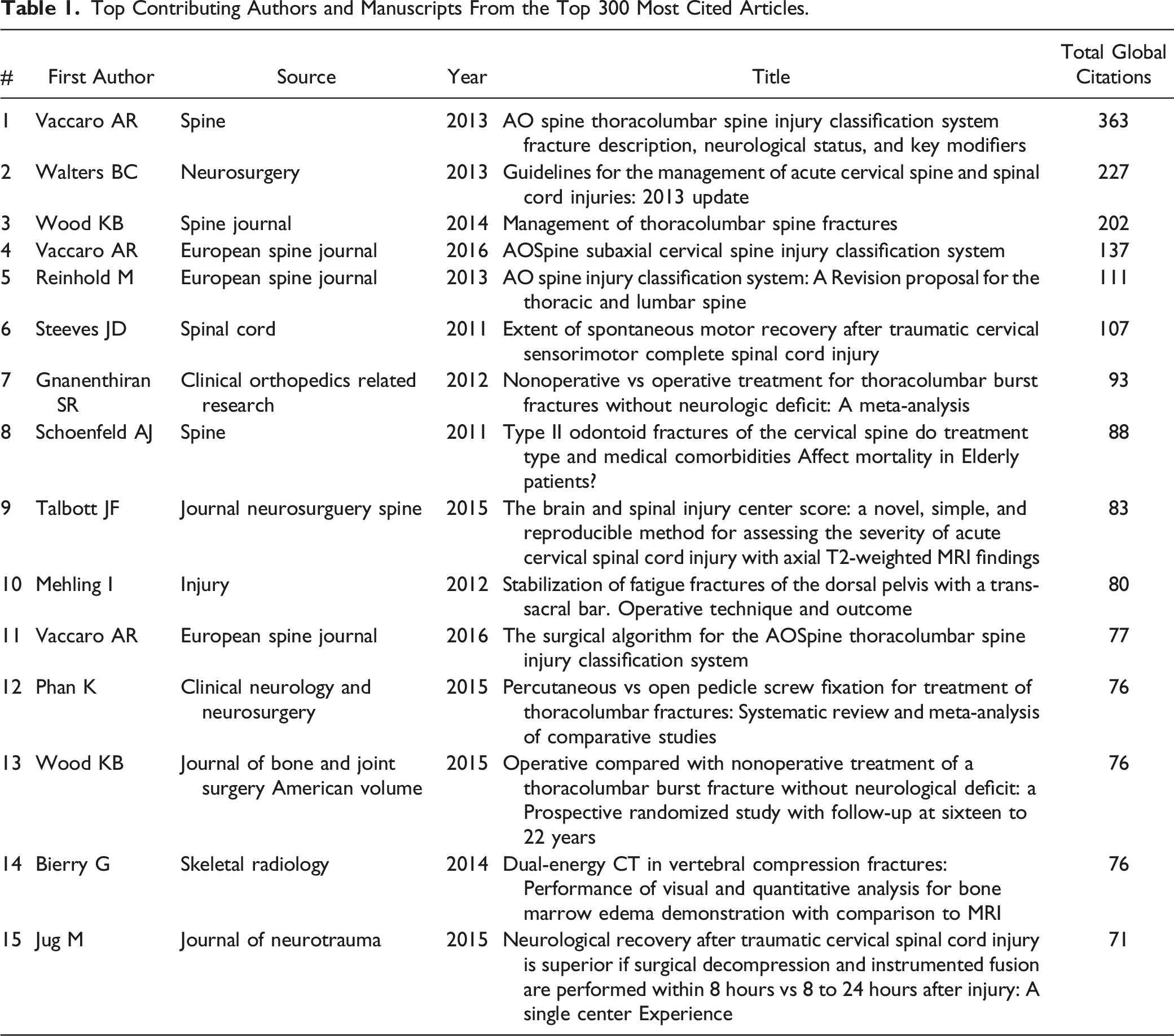
Top Contributing Authors and Manuscripts From the Top 300 Most Cited Articles.
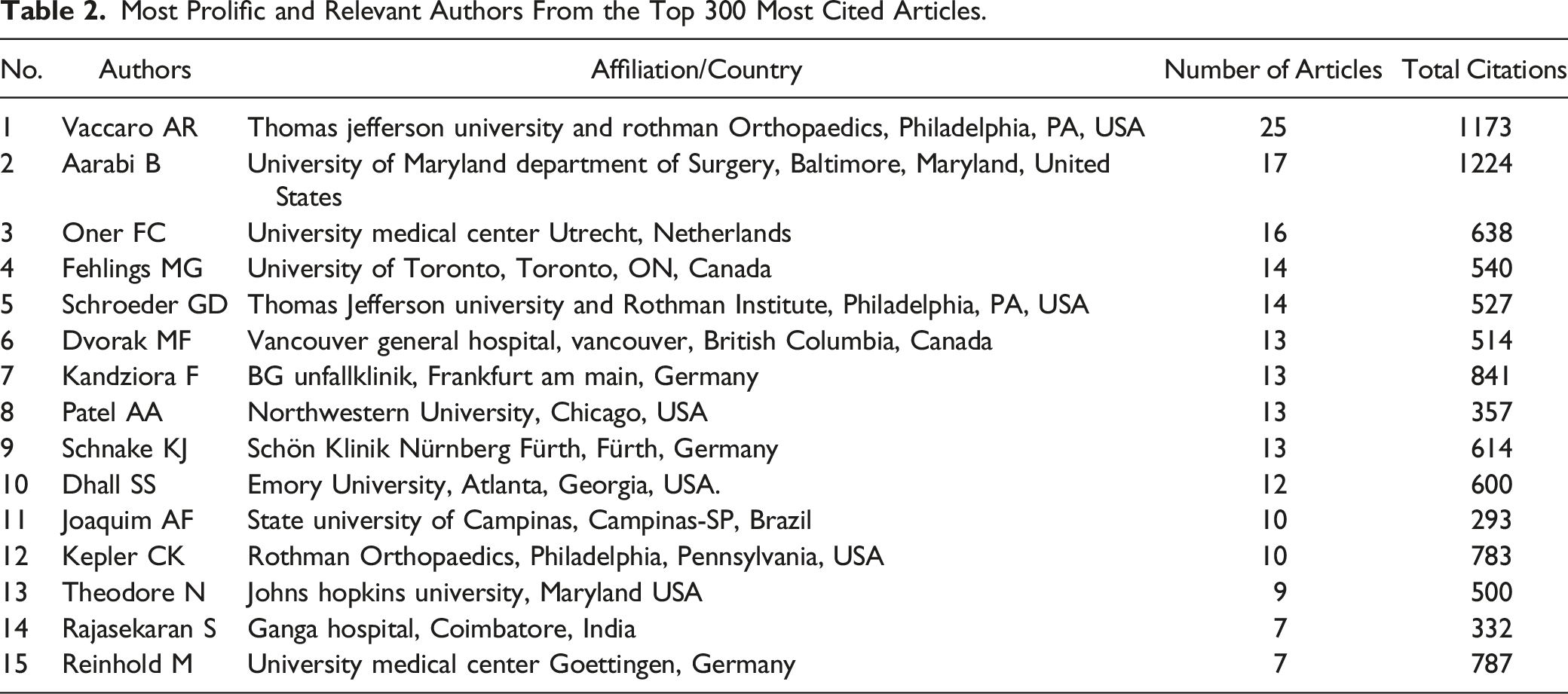
Most Prolific and Relevant Authors From the Top 300 Most Cited Articles.
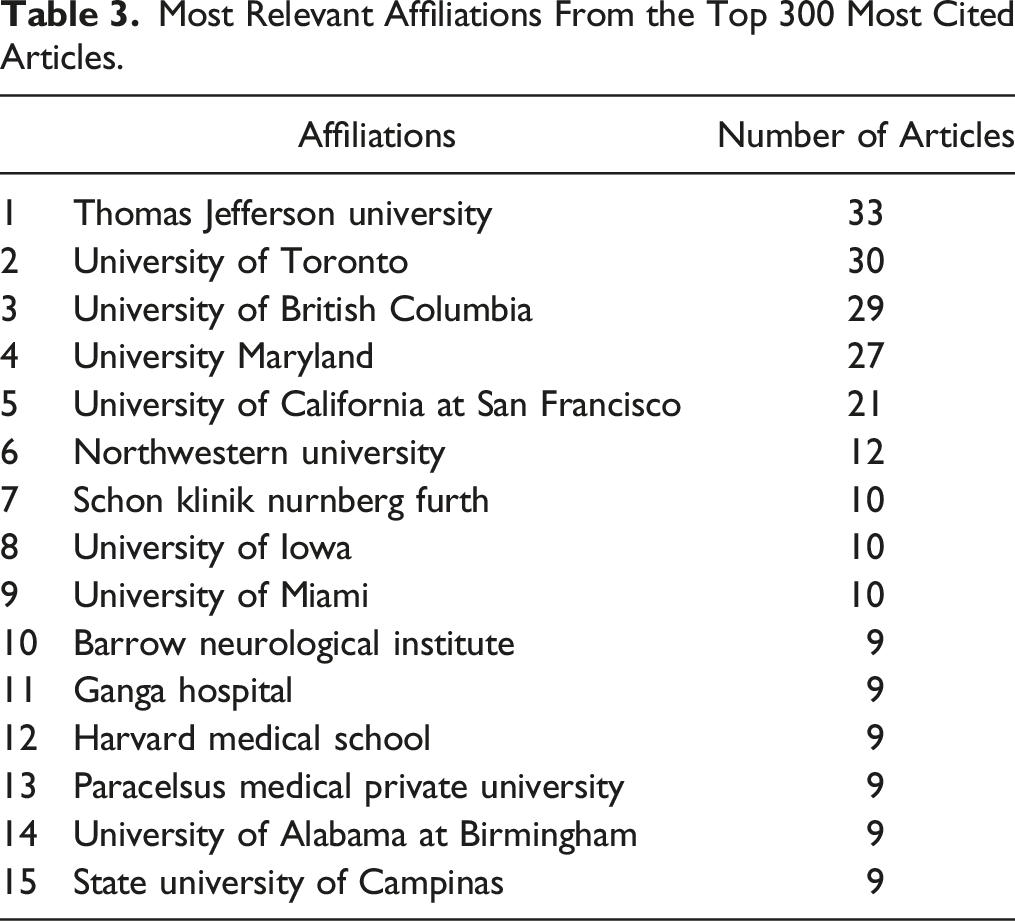
Most Relevant Affiliations From the Top 300 Most Cited Articles.
Most Relevant Countries From the Top 300 Most Cited Articles.
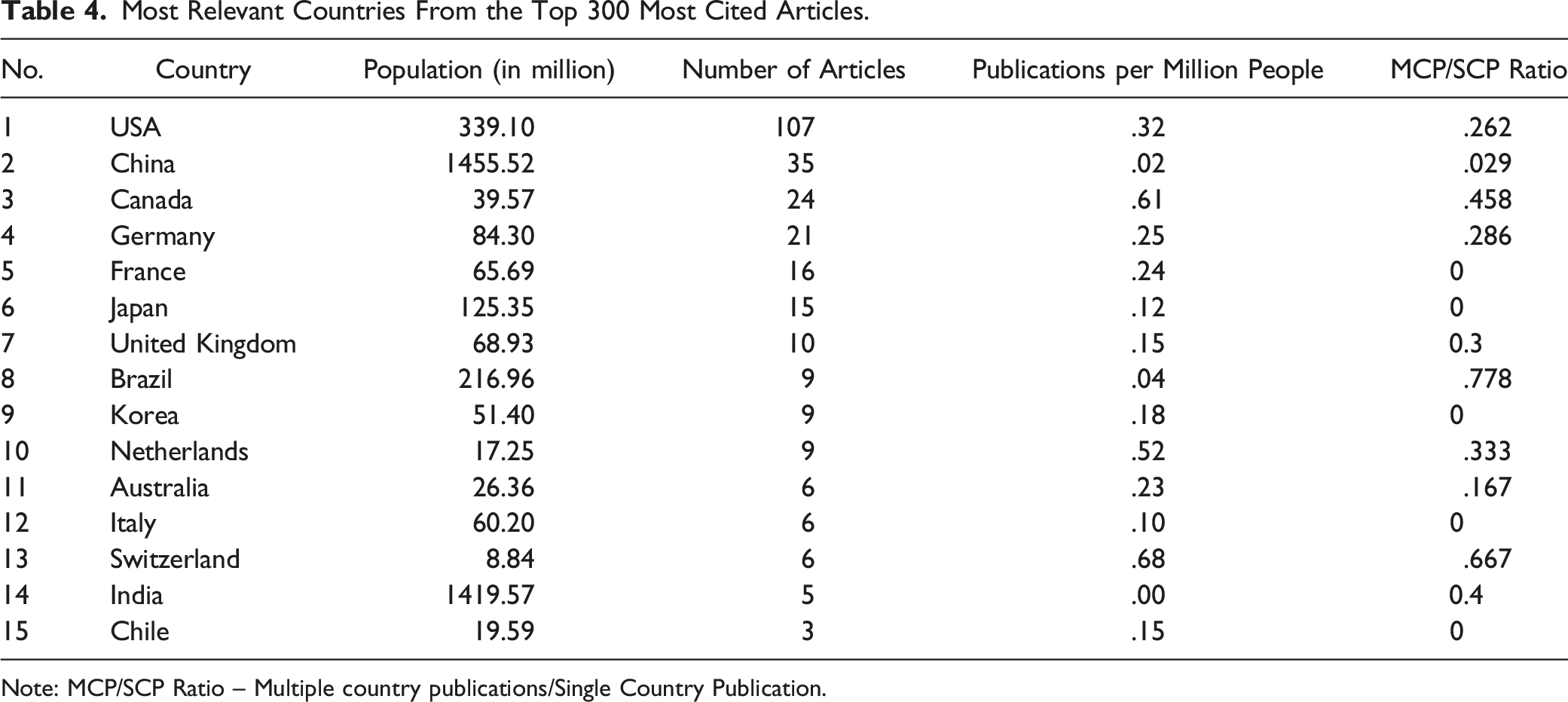
Note: MCP/SCP Ratio – Multiple country publications/Single Country Publication.
Most Relevant Journals From the Top 300 Most Cited Articles.
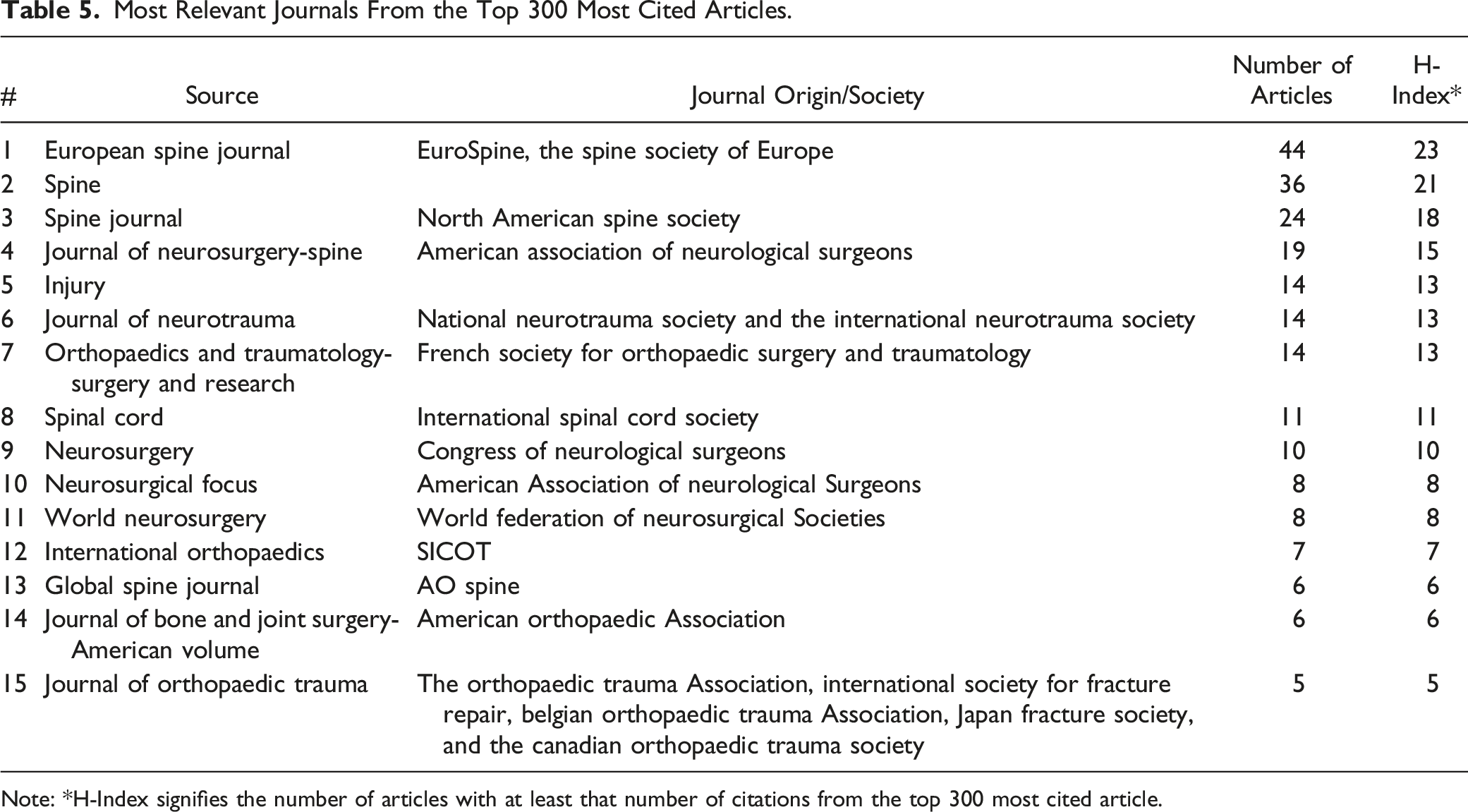
Note: *H-Index signifies the number of articles with at least that number of citations from the top 300 most cited article.
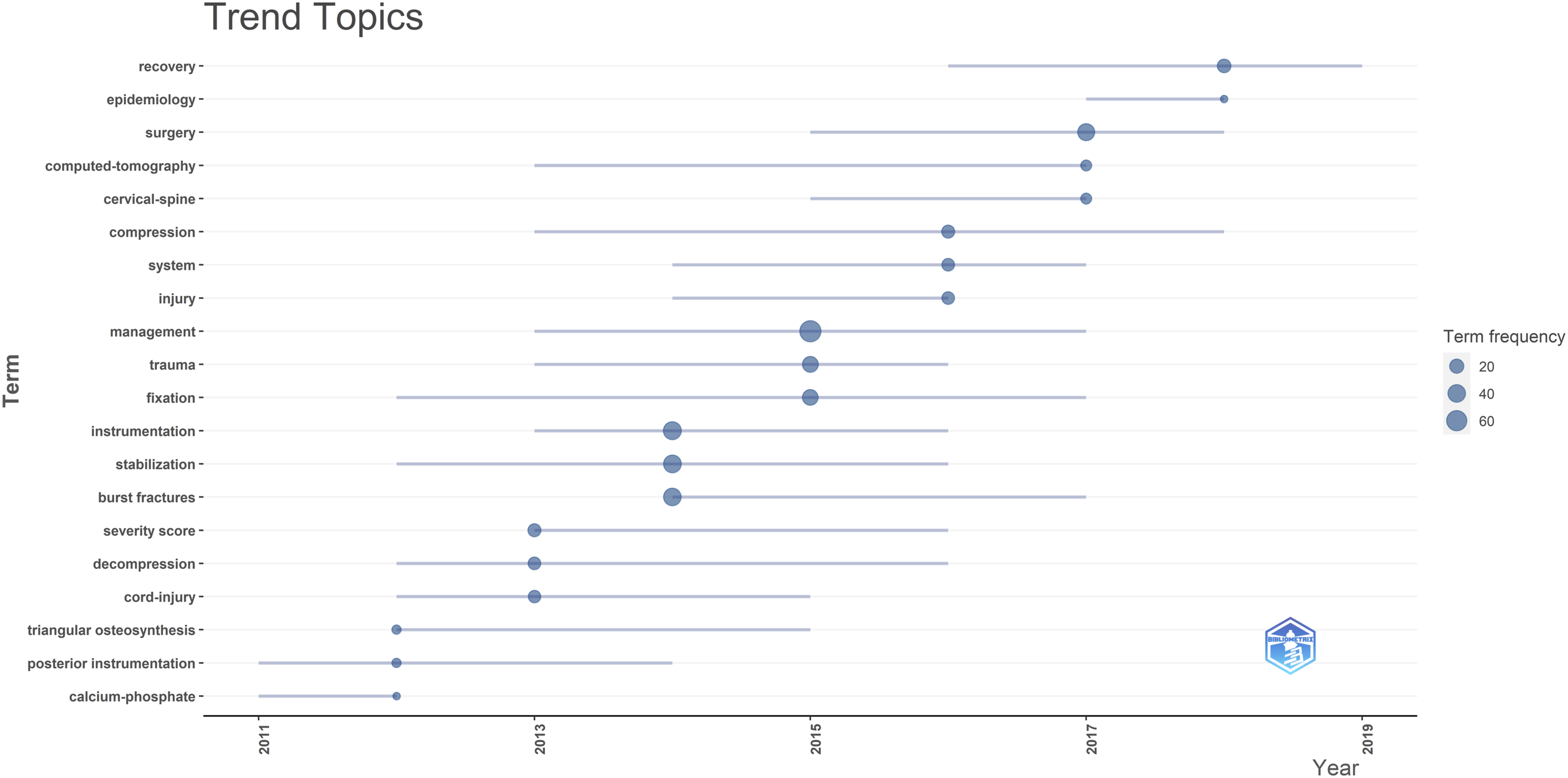
The list of author keywords trending over the years depicted by the length of line. The size of the dot represents the number of articles with the specific keyword.
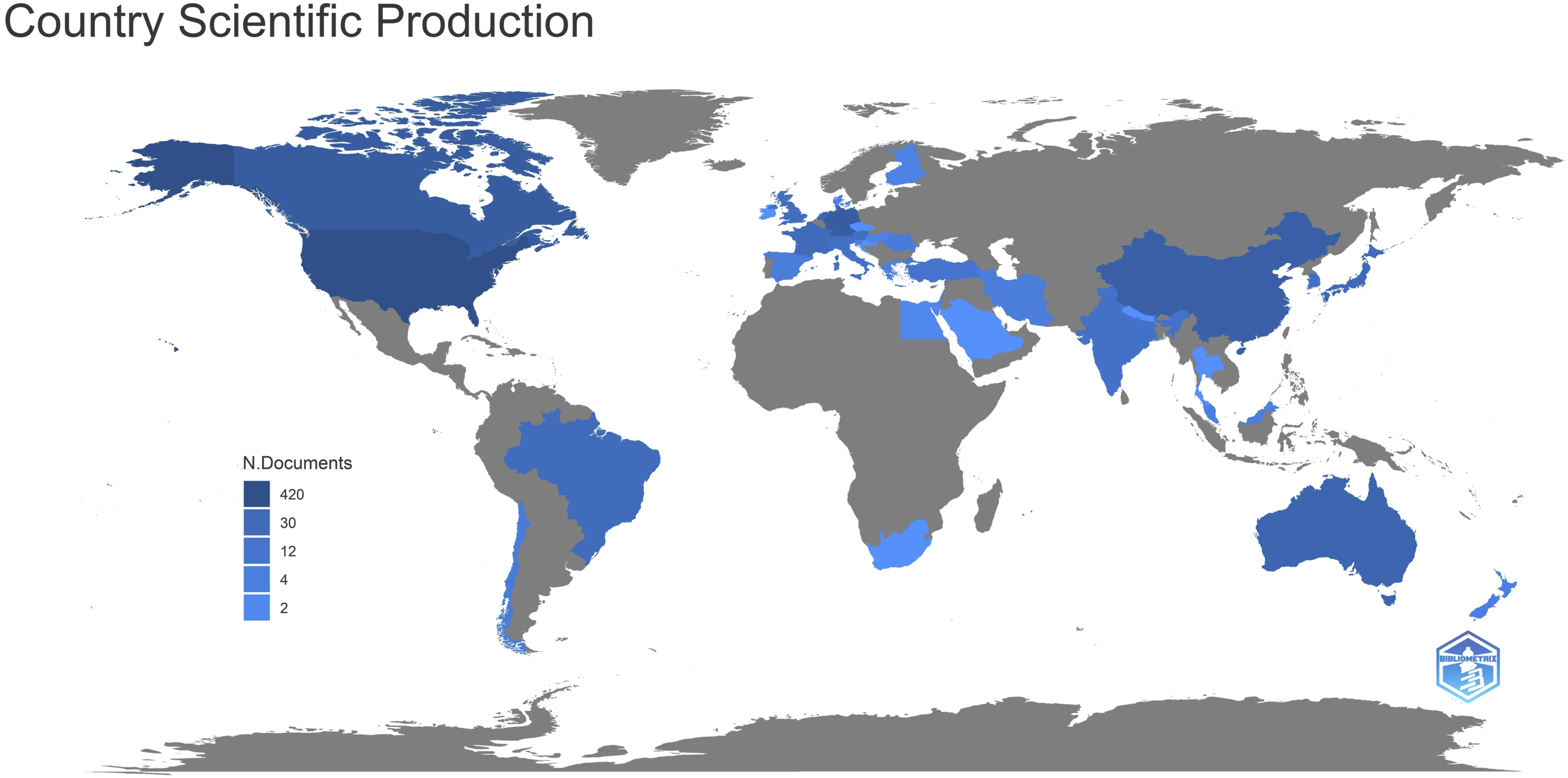
The contribution of various countries across the world. The darker shades correspond to higher contribution to the field.
Vaccaro AR, Aarabi B, Oner FC, Fehlings MG, and Schroeder GD were the authors with the highest number of publications in descending order, respectively, while the most contributing universities were Thomas Jefferson University, University of Toronto, University of British Columbia and the University of Maryland. European Spine Journal, Spine, Spine Journal, and Journal of neurosurgery: Spine and Injury were the journals that contributed the most to the literature.
Amongst the organizations, the maximum work was contributed by AO, followed by the Craig Neilson Foundation, the National Natural Science Foundation of China, and the German Society for Orthopaedics and Trauma (DGOU), respectively.
‘AO Spine thoracolumbar injury classification system fracture description, neurological status, and key modifiers’ was the most cited (363) article, while ‘Guidelines for the Management of Acute Cervical Spine and Spinal Cord Injuries: 2013 Update’ with 227 citations and ‘Management of thoracolumbar spine fractures’ with 202 citations were the next most commonly cited articles.
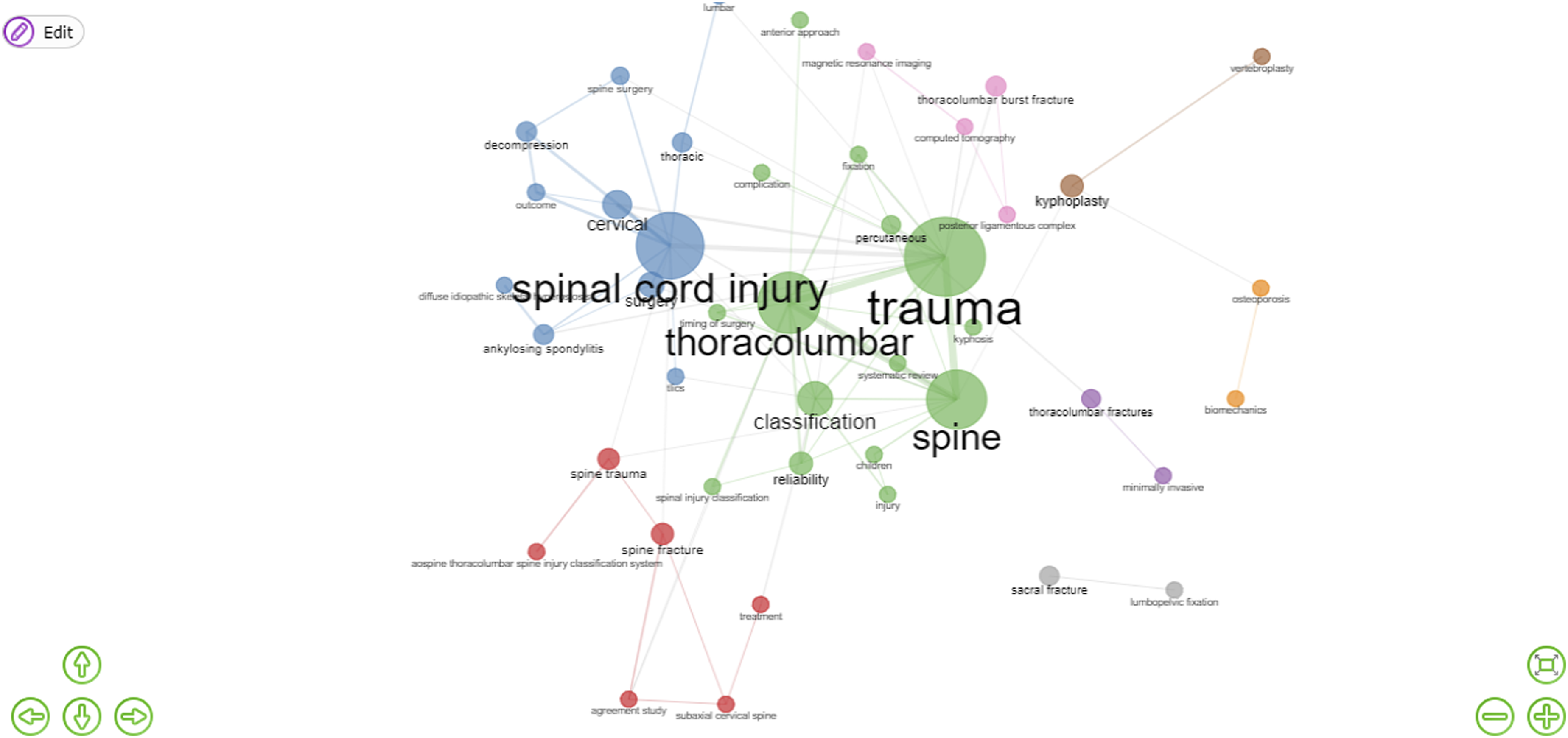
Figure 4 depicts the 3-field plot with authors, keywords, and countries. Figure 5 depicts the cluster analysis of author keywords to identify themes and current trends in the field. The analysis shows that the largest cluster was related to thoracolumbar and burst fractures. This was followed by articles related to cervical spine injury/surgery keywords and outcome and classification. Lastly were articles related to sacral, minimally invasive, and imaging-related keywords. Three-field plot of the authors (AU), their respective countries (AU_CO) and the focus of work or author keywords (DE). The size of the block in each field represents the number of articles. N. Documents = number of documents. Thematic analysis to decipher the structure of knowledge using co-citation analysis of author keywords. The network analysis looks at the nodes and edges. The size of the nodes or vertices suggest the co-occurrences of the keywords and each color suggests a cluster/topic or domain of the field. The bubble dimensions suggest the number of citations whereas the centrality or closeness indicate that large proportion of articles treat the keywords together. The edges or connecting lines depict the strength of a relationship.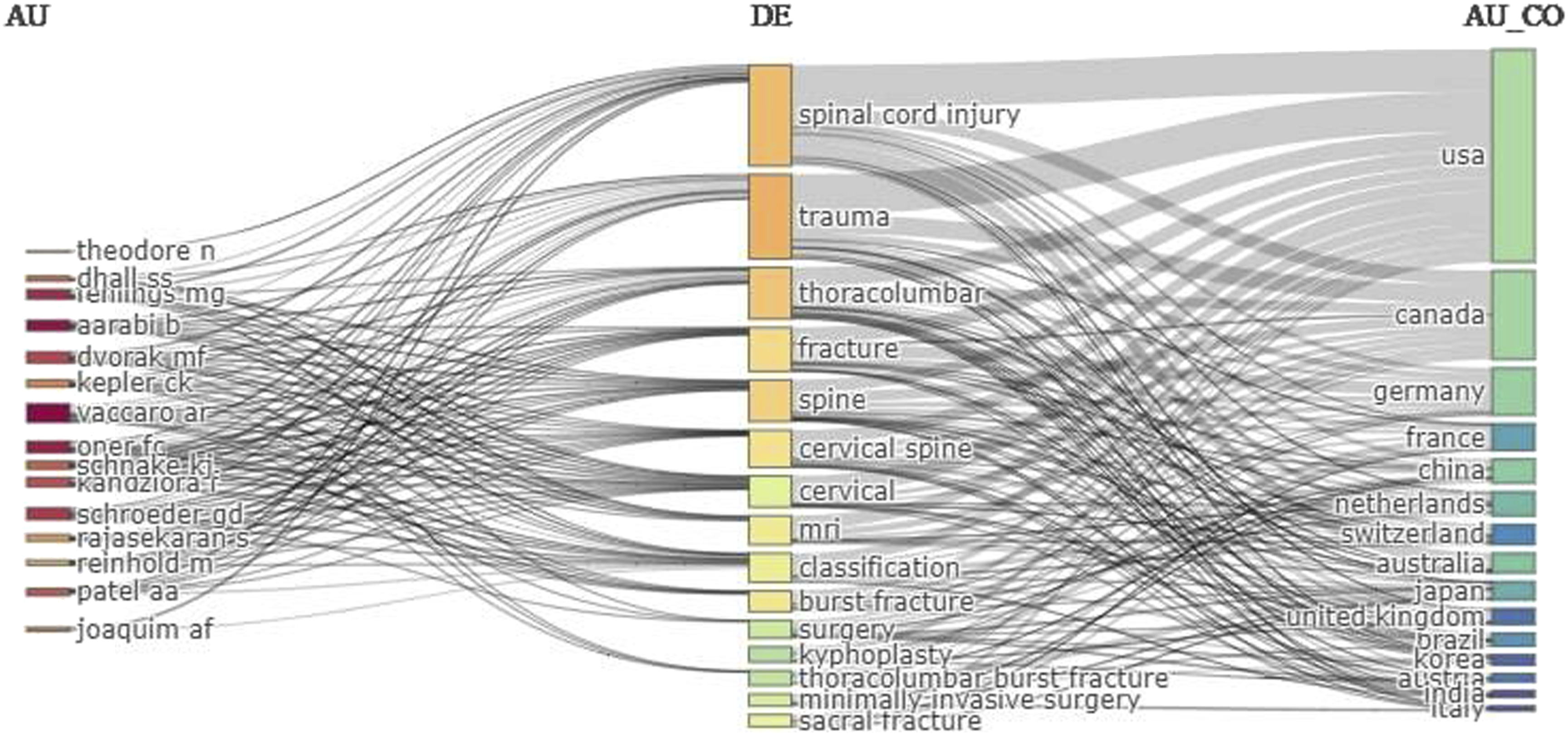
Discussion
Spinal trauma research has been an area with huge potential that has seen advancements in research, manpower, and resources owing to new developments and scientific achievements. The period of analysis of the present study witnessed many scientific investigations about the mechanisms and surgical remedies for traumatic spinal injury. 13
Classification systems for vertebral fractures have evolved with time, taking into consideration the diversity in clinical presentations and prognosis in tandem with the developments in imaging technologies. However, the search for a perfect classification that is reliable, easy to use, and helps in guiding management has been the Holy Grail for researchers, 5 and this also emerges as a major hotspot across research studies. Hence, it is not unremarkable that 3 out of the 5 top articles are based on classification systems. The high number of citations for these articles also suggests that the robust and reliable classifications are often used by other authors in de novo or stand-alone studies. It is also not surprising that the articles that emerge at the top of the citation analysis are reviews and clinical guidelines, which get cited more than individual articles. These are followed by articles comparing the outcomes of different treatment options.
The journals generally targeted for publication of research are either the journal of interest or the ones with a higher likely chance of acceptance. As depicted in Table 5, the journals that publish a higher number of studies related to spine trauma also have a higher h-index in the current analysis, suggesting that they publish the most consequential and seminal work related to this field and that researchers would thus be guided to publish in these journals for higher impact. The top 15 sources include more journals specific to spine or neurosurgery. This trend also suggests that authors and publishers are inclined to publish spine trauma related articles in selective spine journals instead of general Orthopaedic journals.
In order, the USA, China, Canada, Germany, France, Japan, and the United Kingdom contributed the most publications on spine trauma. One may postulate a positive correlation between the number of articles published on spinal trauma from a country and its development metrics, indicating that this may be attributed to its relative affluence and a higher proportion of allocated research funds. Additionally, great emphasis is made in some of these countries for clinicians to engage in research and publish their work for appointments, promotion and tenure.8,9 This could also explain the higher number of publications from USA or China where pressure to publish academic work is high with their ‘publish or perish’ culture. The keyword analysis indicated the largest cluster of articles for thoracolumbar and burst fractures, cervical spine injury/surgery, outcome, and classification. There is clinical equipoise in managing many of the thoracolumbar fracture cases, particularly those without neurologic deficit making it research hotspot. Other categories seen were sacral, minimally invasive, percutaneous, and its outcomes/complications. A small cluster for imaging-related keywords was also seen. Analysing the keywords as they emerge over time, instrumentation, fixation and decompression techniques, epidemiology and recovery following spine trauma seemed to be the research hotspots over the decade.
China and other Asian countries mainly published individually, whereas the USA, Canada, and Germany contributed more in collaboration with other countries. Scientists from different nations and institutions form teams and participate in studies together that generate publications.
The results indicate that the maximum work in the field is done by selected prolific authors. This work is also acknowledged by the researchers across the world vis a vis the high number of citations. It may be implied that these authors and groups make the most significant contribution to the developments in the field.
An article that describes the contributors of the surgical management of spine trauma sans discussing the articles related to spinal cord injury and osteoporosis is undoubtedly incomplete. However, the authors believe that covering all 3 could not be covered in 1 manuscript. Therefore, separate analyses are planned to cover the other 2 topics in separate studies.
The current study has helped in understanding the trends, status, and importance of ongoing research. This information could be most useful for policymakers and fund-providing agencies. An objective assessment of the impact of a research group, department, or university may be useful for decision-makers, and institutional and governmental agencies for promotion, tenure, and directing funds. 8 Researchers could use this information for finding competing groups and explore possibilities for cooperation. The editors and journals could use the information to know the research hotspots to either plan special interest issues to ensure more publications related to that field. Overall, the knowledge about the quantification of the impact of various research may be useful at all steps of research. 10
The importance and strength of this study is the comprehensiveness of the bibliometric analysis. However, its limitation is that PubMed and Scopus databases were not included. The current analysis is limited to articles published in English in the last decade. The time of analysis was limited to the last decade to keep the analysis on recent trends most relevant. This may have caused omission of some of the classic and seminal works in spine trauma and we acknowledge their contributions realizing that the current research is built on them. Also, the analysis is completed with the 300 most cited articles in this field. The limitation of this study is true for any bibliometric analysis wherein some recently relevant published articles may not have yet achieved higher citations. Additionally, despite the broad and inclusive keywords-based query, the current analysis may have missed or overlooked studies that did not fall within the umbrella of the current search. Furthermore, since the objective of the current study was to identify the top contributors, we did not dilute the analysis by analysing the remaining less-recognized articles. Therefore, future studies may complete that analysis for a more comprehensive objective.
Conclusion
The current bibliometric analysis provides systematic comprehensive information about the recent publications in the field of classifications and surgical management of spinal trauma. It assesses the top contributors (Vaccaro AR, Aarabi B, Oner FC), affiliations (Thomas Jefferson University, University of Toronto and University of British Columbia) and countries (USA, China and Canada). The last decade has witnessed exploration of diverse areas of research topics with the development of new classification systems, and growth of evidence for various techniques of managements of spine trauma.
Supplemental Material
Supplemental Material - An Assessment of the World’s Contribution to Spine Trauma Care: A Bibliometric Analysis of Classifications and Surgical Management; An AO Spine Knowledge Forum Trauma Initiative
Supplemental Material for “An Assessment of the World’s Contribution to Spine Trauma Care: A Bibliometric Analysis of Classifications and Surgical Management; An AO Spine Knowledge Forum Trauma Initiative by Harvinder Singh Chhabra, Vandana Phadke, Jitesh Manghwani, Mohammad El-Sharkawi, Joseph S. Butler, Lorin M. Benneker, Emiliano Vialle, Olesja Hazenbiller and Richard Bransford, in Global Spine Journal.
Footnotes
Declaration of Conflicting Interests
The author(s) declared no potential conflicts of interest with respect to the research, authorship, and/or publication of this article.
Funding
The author(s) received no financial support for the research, authorship, and/or publication of this article.
ORCID iDs

Supplemental Material
Supplemental material for this article is available online.
References
Supplementary Material
Please find the following supplemental material available below.
For Open Access articles published under a Creative Commons License, all supplemental material carries the same license as the article it is associated with.
For non-Open Access articles published, all supplemental material carries a non-exclusive license, and permission requests for re-use of supplemental material or any part of supplemental material shall be sent directly to the copyright owner as specified in the copyright notice associated with the article.
