



Abstract
Study Design
Survey
Objective
In March of 2020, an original study by Louie et al investigated the impact of COVID-19 on 902 spine surgeons internationally. Since then, due to varying government responses and public health initiatives to the pandemic, individual countries and regions of the world have been affected differently. Therefore, this follow-up study aimed to assess how the COVID-19 impact on spine surgeons has changed 1 year later.
Methods
A repeat, multi-dimensional, 90-item survey written in English was distributed to spine surgeons worldwide via email to the AO Spine membership who agreed to receive surveys. Questions were categorized into the following domains: demographics, COVID-19 observations, preparedness, personal impact, patient care, and future perceptions.
Results
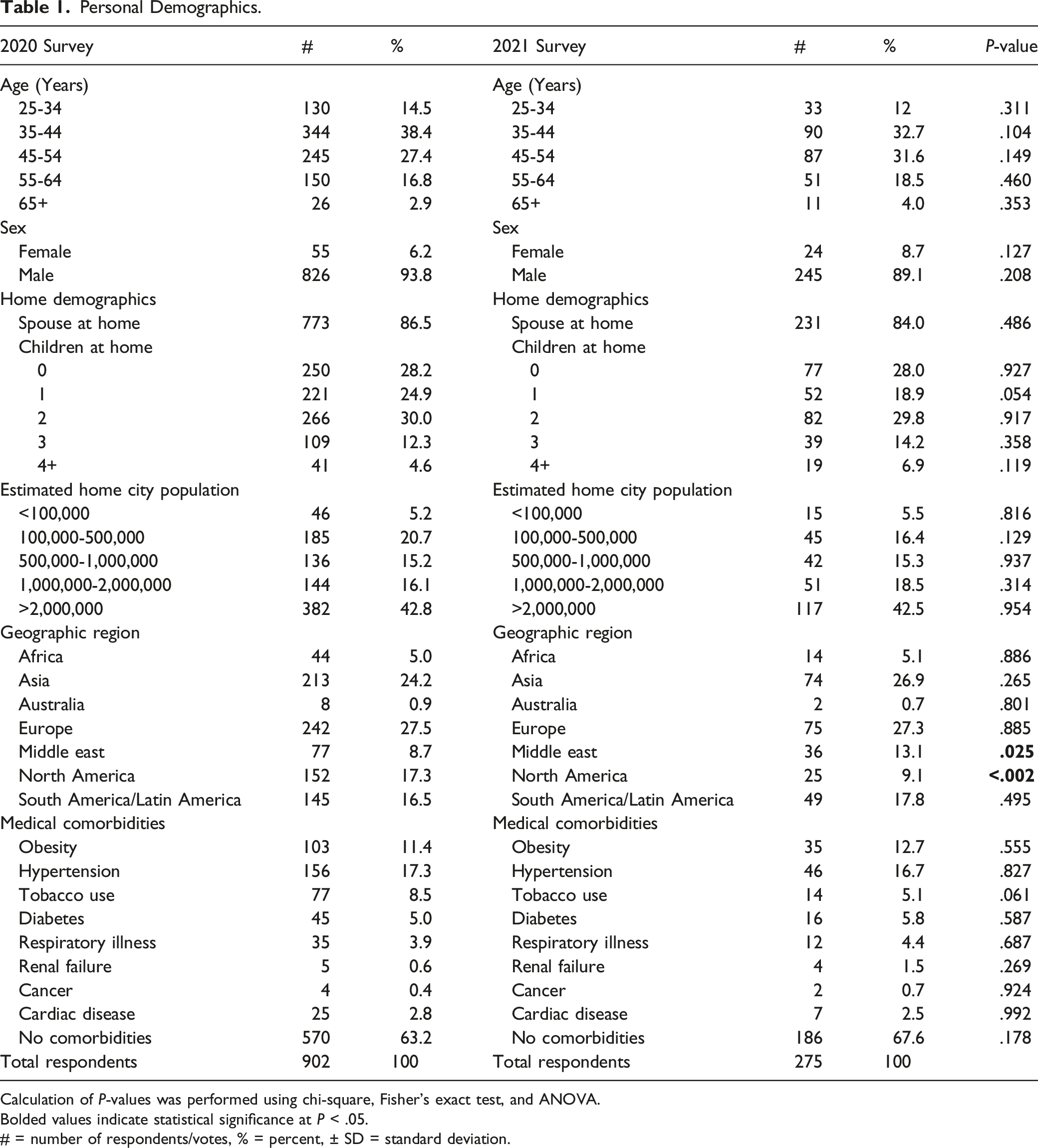
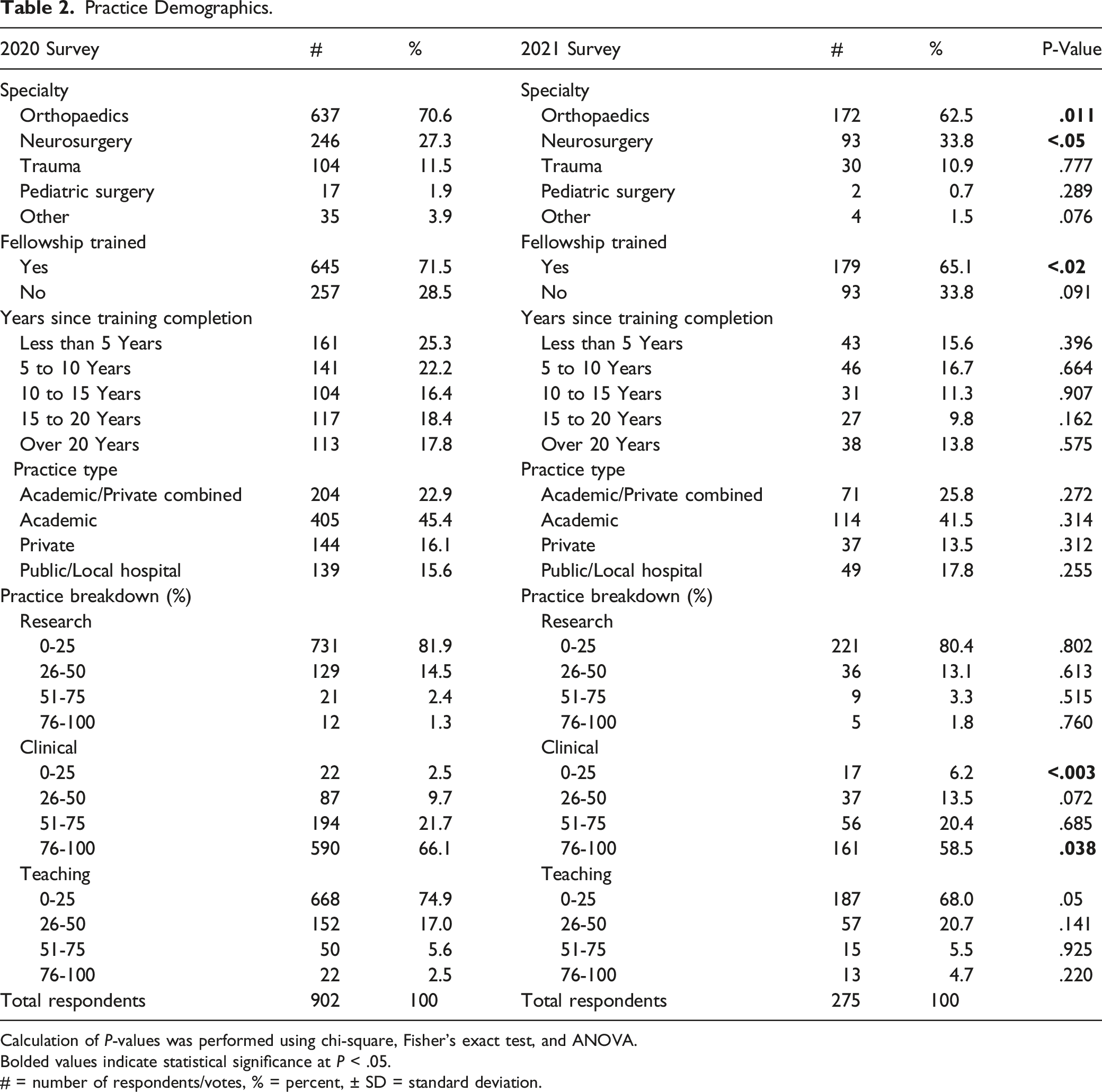
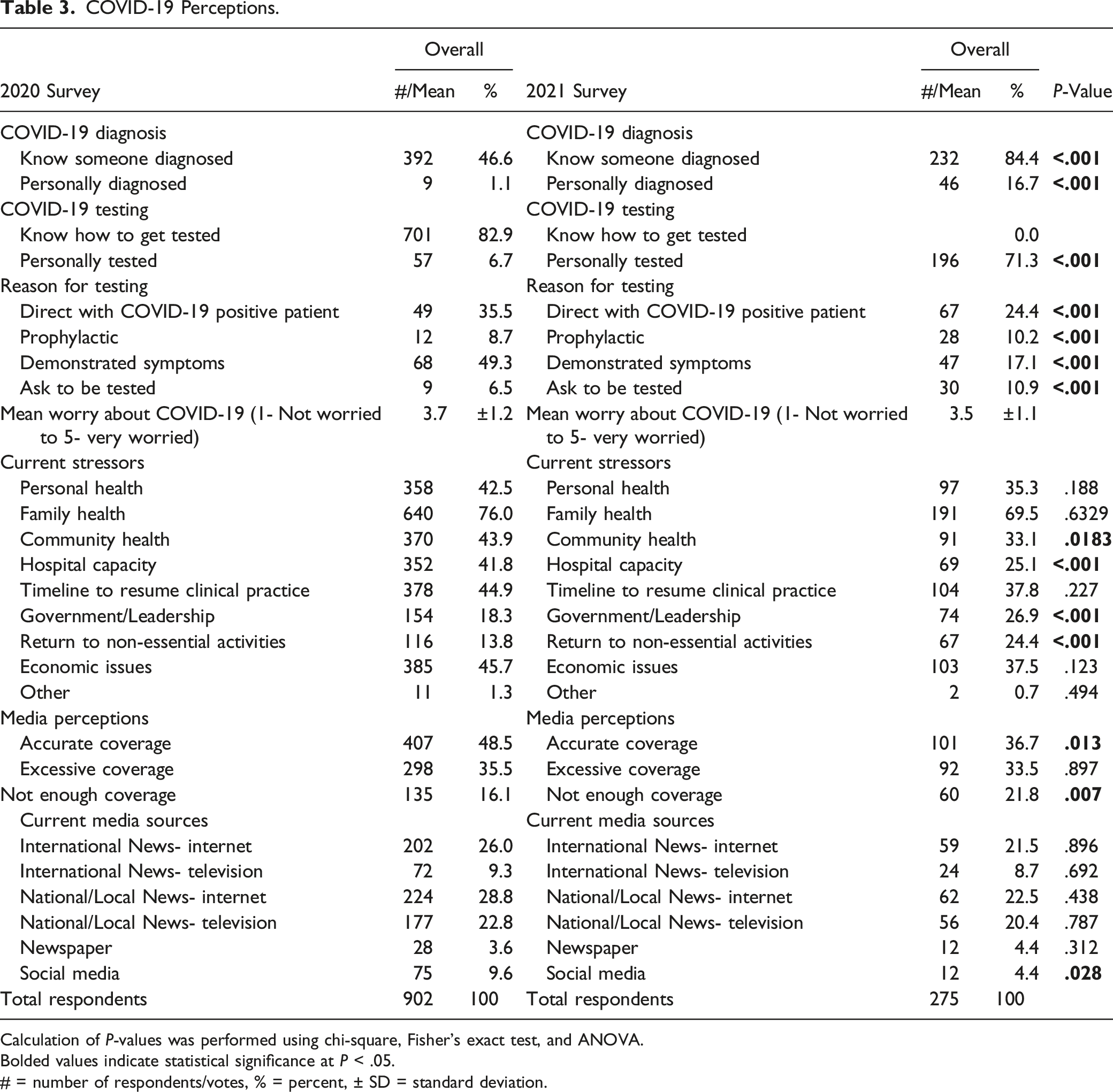
Basic respondent demographics, such as gender, age, home demographics, medical comorbidities, practice type, and years since training completion, were similar to those of the original 2020 survey. Significant differences between groups included reasons for COVID testing, opinions of media coverage, hospital unemployment, likelihood to be performing elective surgery, percentage of cases cancelled, percentage of personal income, sick leave, personal time allocation, stress coping mechanisms, and the belief that future guidelines were needed (P<.05).
Conclusion
Compared to baseline results collected at the beginning of the COVID-19 pandemic in 2020, significant differences in various domains related to COVID-19 perceptions, hospital preparedness, practice impact, personal impact, and future perceptions have developed. Follow-up assessment of spine surgeons has further indicated that telemedicine and virtual education are mainstays. Such findings may help to inform and manage expectations and responses to any future outbreaks.
Introduction
In 2020, the COVID-19 virus swept throughout the globe, drastically changing the way of life for billions of people. By March of 2020, almost all countries around the world enacted self-imposed quarantines on their citizens. As of January 2022, there have been over 300 million recorded cases and over 5.4 million reported COVID-19-related deaths worldwide. 1 Several systematic reviews have shown negative impacts on the health-related quality of life for those patients that were infected by the virus.2,3
In addition to patients, healthcare workers have been greatly affected by the COVID-19 pandemic. Approximately 3607 healthcare workers in the USA died within the first year of the pandemic. 4 In a systematic review examining the psychological and mental impacts of COVID-19, Luo et al 5 found anxiety, depression, stress, insomnia, and posttraumatic stress symptoms/disorder to be present in both healthcare workers and the general population. Despite having a better understanding of the global impact of the pandemic, little is known about how individual subspecialties were and continue to be affected.
In March/April of 2020, during the early stages of the COVID-19 pandemic, Louie et al 6 distributed the multi-dimensional AO Spine COVID-19 and Spine Surgeon Global Impact Survey to investigate the impact of COVID-19 on spine surgeons globally. This AO Spine-initiated study consisted of over 900 spine surgeons from 91 different countries and was 1 of the first to report upon the global variations of COVID-19 among healthcare workers, in this case spine surgeons.6-13 This initiative noted that the pandemic significantly impacted the health, personal life, and professional life of spine surgeons worldwide. Since the original survey was distributed, individual countries and regions of the world have been affected differently, and therefore have responded differently throughout the pandemic. However, little is known as to how this pandemic has impacted spine surgeons prospectively. As such, the current study addressed the 1-year follow-up of the Louie et al 6 study, assessing the impact of COVID-19 on spine surgeons worldwide and its evolution over time.
Methods
Survey Design and Content
Following institutional review board approval (#21012505), a survey comparable to the original AO Spine COVID-19 and Spine Surgeon Global Impact Survey that was distributed in March/April of 2020 6 was constructed and redistributed in March/April of 2021. Question selection involved input from a survey panel composed of 5 regional Research Chairs of AO Spine representing seven global regions (i.e., Africa, Asia, Australia, Europe, Middle East, North America, and South America/Latin America). A Delphi-style approach was used to establish consensus after several rounds of review before finalization of the survey. Domains included in the survey consisted of demographics, COVID-19 observations, preparedness, personal impact, patient care, and future perceptions.
Survey Distribution
The 90-item survey, written in English, was distributed via email to the AO Spine membership who agreed to receive surveys (approximately 4700 spine surgeons at time of follow-up survey). The survey was created with SurveyMonkey Inc (San Mateo, CA, USA) and allowed the recipients 12 days to complete (26 March 2021 to 6 April 2021). Respondent participation was voluntary and anonymous.
Statistical Analyses
All statistical analyses were performed with JASP version .15. Percentages and means (± standard deviation) were reported for count data and rank-order questions, respectively. Statistical analyses were performed to assess significant differences in count data using a combination of Fisher’s exact and χ2 tests where applicable, depending on sample size. Differences in continuous variables between groups were assessed using analysis of variance (ANOVA). We compared our findings to the results based on the Louie et al 6 study. Unlike the original survey, this follow-up did not compare geographic regions because the sample size on the follow-up survey was smaller. P-values were 2-tailed, and a P < .05 was considered statistically significant.
Results
Demographics
Personal Demographics.
Calculation of P-values was performed using chi-square, Fisher's exact test, and ANOVA.
Bolded values indicate statistical significance at P < .05.
# = number of respondents/votes, % = percent, ± SD = standard deviation.
Practice Demographics.
Calculation of P-values was performed using chi-square, Fisher's exact test, and ANOVA.
Bolded values indicate statistical significance at P < .05.
# = number of respondents/votes, % = percent, ± SD = standard deviation.
COVID-19 Perceptions
COVID-19 Perceptions.
Calculation of P-values was performed using chi-square, Fisher's exact test, and ANOVA.
Bolded values indicate statistical significance at P < .05.
# = number of respondents/votes, % = percent, ± SD = standard deviation.
Hospital Preparedness
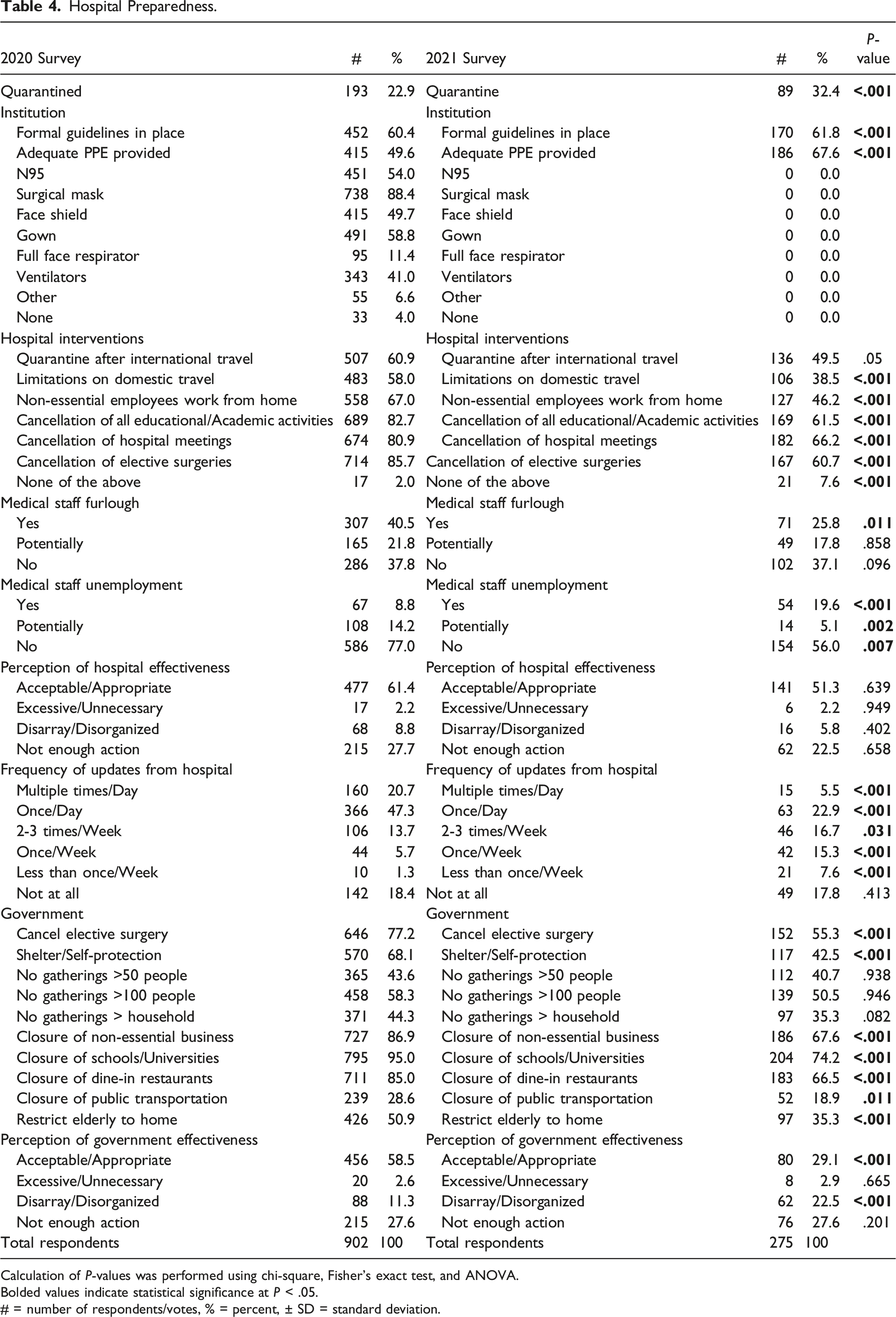
Hospital Preparedness.
Calculation of P-values was performed using chi-square, Fisher's exact test, and ANOVA.
Bolded values indicate statistical significance at P < .05.
# = number of respondents/votes, % = percent, ± SD = standard deviation.
Practice Impact
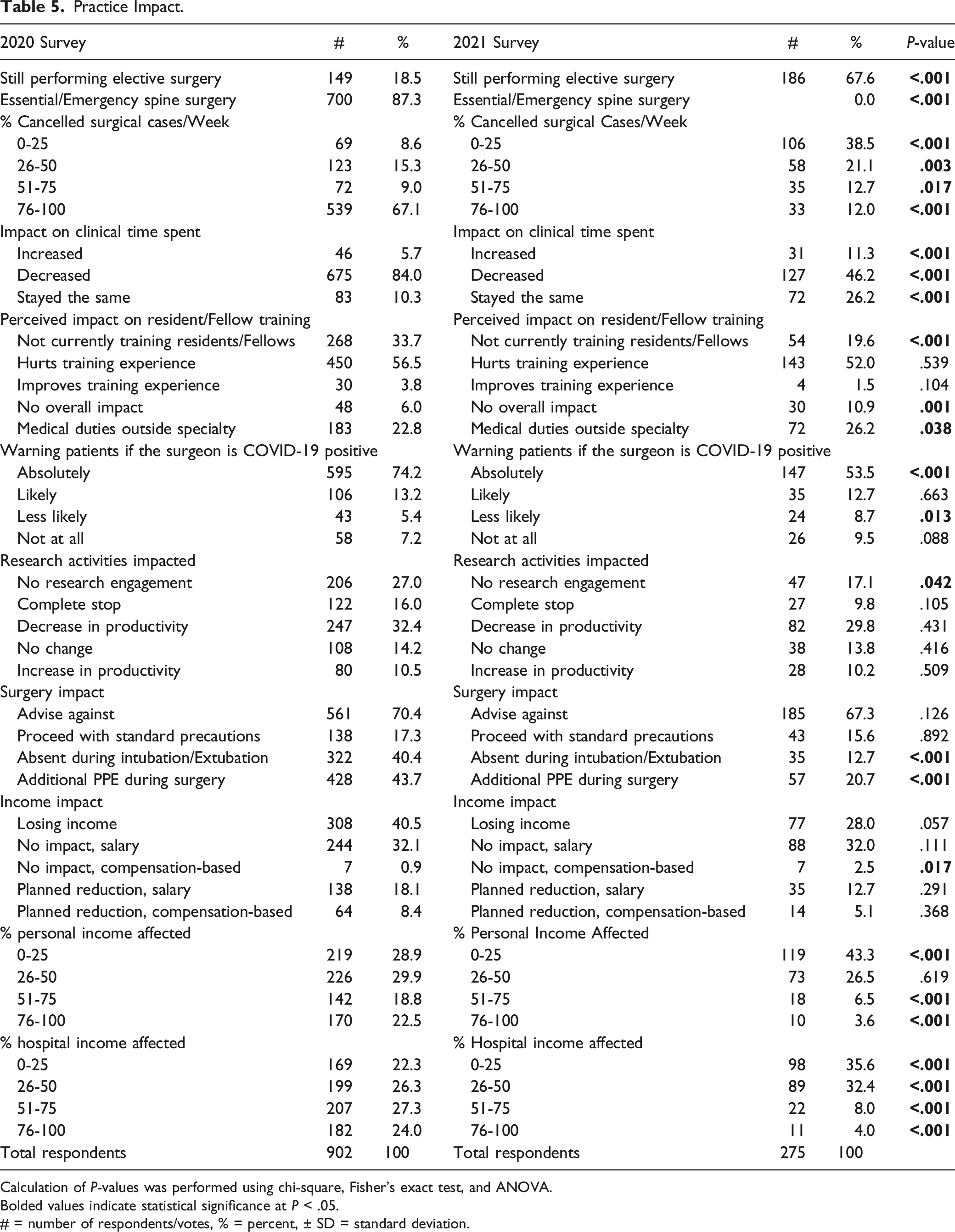
Practice Impact.
Calculation of P-values was performed using chi-square, Fisher's exact test, and ANOVA.
Bolded values indicate statistical significance at P < .05.
# = number of respondents/votes, % = percent, ± SD = standard deviation.
Personal Impact and Future Perceptions
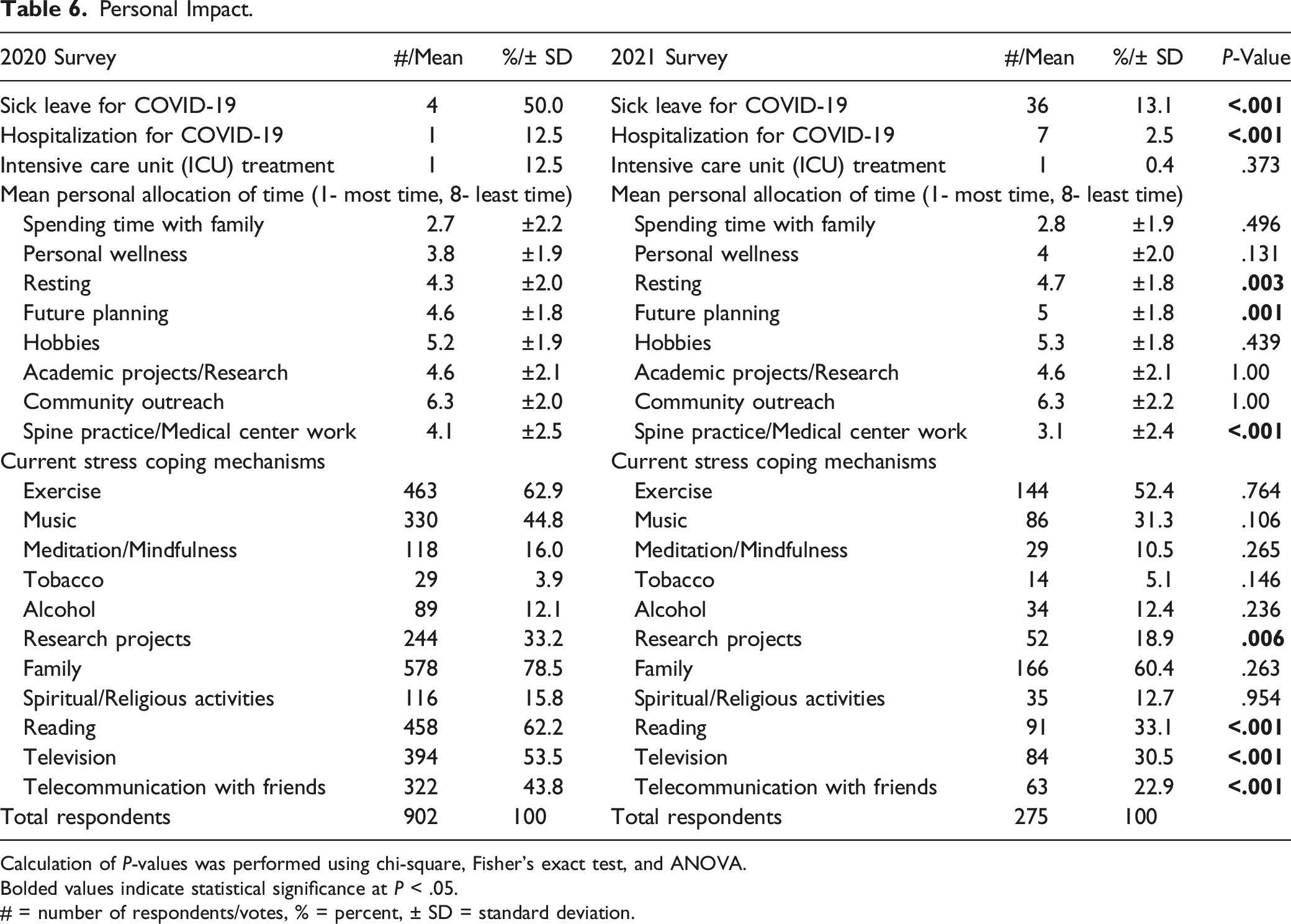
Personal Impact.
Calculation of P-values was performed using chi-square, Fisher's exact test, and ANOVA.
Bolded values indicate statistical significance at P < .05.
# = number of respondents/votes, % = percent, ± SD = standard deviation.
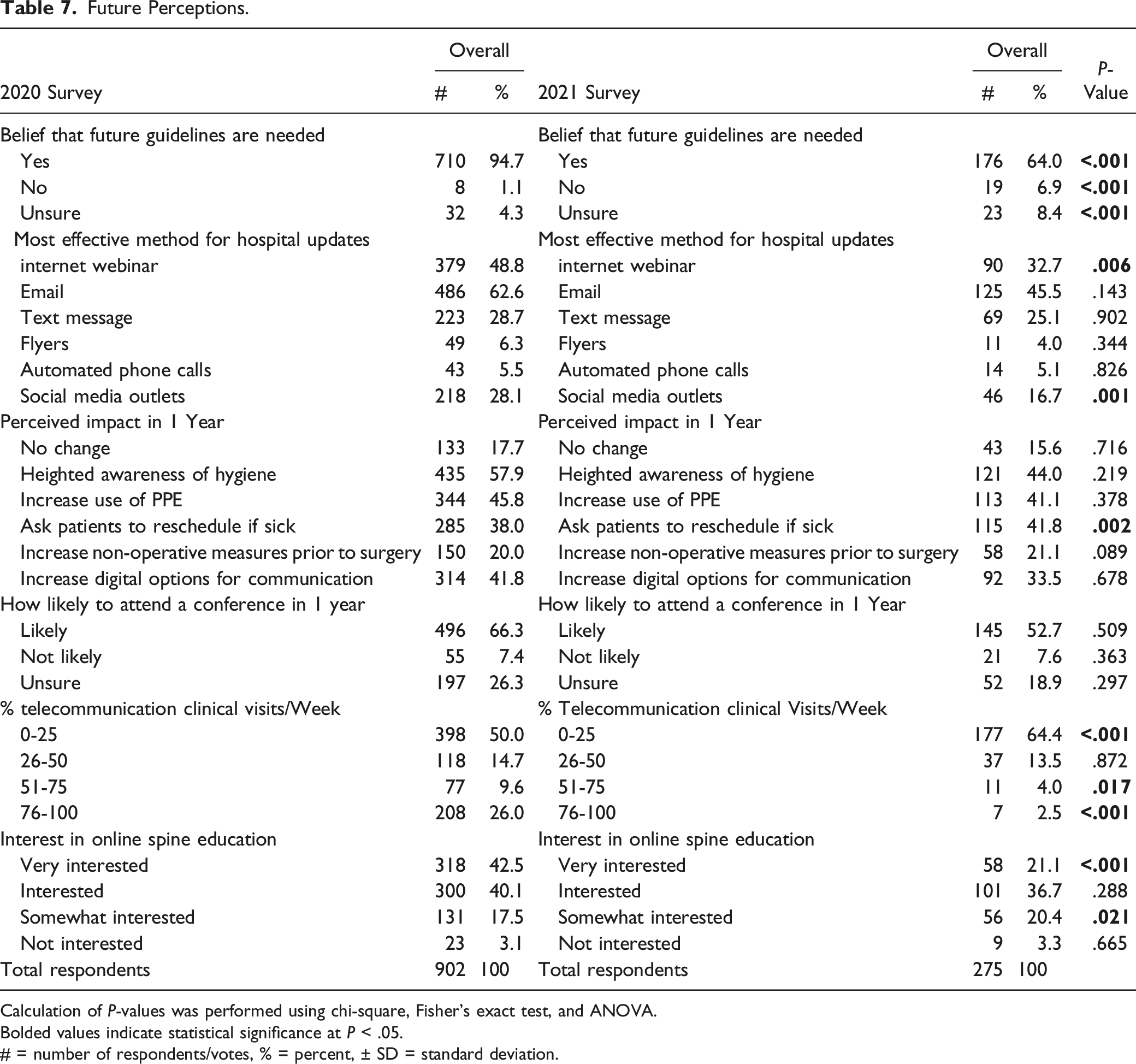
Future Perceptions.
Calculation of P-values was performed using chi-square, Fisher's exact test, and ANOVA.
Bolded values indicate statistical significance at P < .05.
# = number of respondents/votes, % = percent, ± SD = standard deviation.
Discussion
Since the initial AO Spine COVID-19 and Spine Surgeon Global Impact Survey was distributed in 2020, different parts of the world have responded to the pandemic in unique ways. With multiple waves of new COVID-19 variants and recent controversial guidelines released by governing public heathcare bodies (e.g. United States Center for Disease Control, World Heath Organization), it is certain that the COVID-19 pandemic remains a global headline whose end remains uncertain. The goal of this follow-up survey was to elucidate how the reactions and perceptions to this global crisis have evolved, noting distinct changes in various practice and personal domains, presenting a quantifiable 1-year follow-up metric of pandemic impact upon the spine surgeon community.
COVID-19 Survey
The original survey was the first to assess the multidimensional impact of COVID-19 on spine surgeons worldwide. 6 Since then, numerous other groups conducted their own assessment of the impact of the pandemic across other physician populations. Jain et al 14 examined the impact of the COVID-19 lockdown on 611 orthopedic surgeons in India and highlighted the lockdown’s psychological impact. Chan et al 15 surveyed 222 spine surgeons from 19 different Pacific Asian countries concerning the pandemic’s effects on clinical and surgical practice. These surveys, in addition to numerous others published over the past year, provide valuable insight into the knowledge and opinions of surgeons. Nevertheless, the original survey by Louie et al 6 and its current follow-up survey remain the only comprehensive and multidimensional assessments of the impact of COVID-19 on spine surgeons on a global scale.
Resources, Testing, and Vaccinations
At the time of the original survey, the COVID-19 pandemic remained in early stages, and testing and other resources were very scarce. Widespread active COVID-19 viral and antibody testing had not yet been employed, and infections were being inconsistently tracked and counted. Since then, there have been massive global efforts to provide affordable and accessible forms of testing, evidenced by the results of this follow-up survey. Not only did rates of testing amongst surgeons increase, but a much higher percentage of the respondents had tested positive or knew someone who had tested positive by the time of this follow-up survey. Direct contact with a COVID-19 positive patient was the most likely reason for the getting tested in the follow-up survey, further illustrating the personal and professional impact the pandemic has had globally.
The original 2020 survey also preceded the development of COVID-19 vaccines. By 2021, vaccines had become widely available, and the vast majority (95%) of respondents had received at least 1 dose by the time of this follow-up survey. However, vaccination rates and overall perception of vaccine efficacy have varied across the world. Governmental and employer vaccination mandates have generated substantial controversy. Even throughout the pandemic, the perception on proper vaccine protocols has changed. Half of the respondents at the time of survey completion said they were required to be vaccinated against COVID-19, and even more said they would require the members of their team to be vaccinated. As we have learned more about the virus, government and private policies have adjusted accordingly.
Surgeon Well-Being
A goal of the survey was to assess how the surgeons’ health status has evolved throughout the pandemic and what factors play a role. In 2020, most of the world was in lockdown and respondents were quarantining at home, with less than 1% having been hospitalized for COVID-19. By the time of the 2021 survey, over 13.1% had taken sick leave for COVID, 2.5% had been hospitalized for COVID, and .4% had required ICU treatment. The pandemic has had a profound impact not only on the physical health of those that have become infected with the virus, but also the psychological and social health of everyone else.16,17 Although waves of new variants have come and gone, the heightened sense of anxiety and stress throughout the world has remained. Healthcare professionals, specifically surgeons, have been no exception. A look into the state of mental health of clinicians in China found the prevalence of stress and anxiety disorders were 27% and 23%, respectively. 18 In a cohort of UK surgeons, over 56% were classified at high risk of developing psychological comorbidity from the stress and disruption caused by COVID-19, with a greater likelihood of developing burnout in the future.19,20 As the pandemic has continued to evolve, so has the way surgeons have decided to allocate their time. Specifically increasing their time resting and planning for the future, and decreasing time on practice and medical work. The global crisis has caused many people to re-evaluate many aspects of life, and spine surgeons are no different. Similar to free time, the stress coping mechanisms of the respondents changed over the year. The most common coping strategies employed here by the respondents in order include spending time with family, exercising, reading, listening to music, and watching TV. Although it has always been important, the impact of the pandemic has really highlighted the importance of finding an appropriate coping strategy for every spine surgeon to help deal with the stresses of everyday life and prevent burnout.
Patient Care
Hospitals and healthcare facilities worldwide implemented interventions to protect their employees and prioritize the health of their patients.21-25 In the beginning stages of the pandemic when the original survey was distributed, outpatient centers had begun transitioning to a virtual platform and most elective procedures were put on pause. The most frequent intervention was the cancellation of elective surgeries (86%), largely to allocate limited materials, such as hospital beds and medical staff, to provide perioperative care and support for patients requiring an emergent operation. In the present follow-up survey, the number of elective surgery cancellations dropped to 61%. Other common hospital interventions included cancellations of hospital meetings (66%) and cancellations of educational/academic activities (62%). Our results also indicated that many individuals felt adequate PPE was provided in their institutions. Less than half of respondents reported adequate PPE in the original survey, which likely indicates a vast improvement in the response to the global health crisis by the medical community. When evaluating the perceptions of effectiveness of responses to the pandemic by hospitals, the respondents in the 2021 survey were more likely to believe that acceptable actions were being taken compared to their 2020 conterparts, suggesting an overall improvement in responses made by the healthcare systems.
Despite many spine procedures being considered non-emergent and thus delayed, numerous patients may experience prolonged pain and debilitations by postponing their treatment. Studies have already reported psychological and economic impacts that result from a decrease in physical function and the inability to work.11 Further studies will be required to evaluate the full impact of treatment delay caused by the COVID-19 pandemic on overall patient well-being.
Government, Media, and Future Guidelines
From the onset of the pandemic to now, governments have instituted numerous public health policies to curb the spread of the virus. The most common interventions included closures of schools/universities (81%), closure of non-essential businesses (74%), closure of dine-in restaurants (72%), and the cancellation of elective surgeries (60.3%). Responses from the governments were consistent between surveys. Although the effectiveness of these interventions are still uncertain, overall sentiment on effectiveness of governmental policies may be approximated by using survey responses that probe perceptions on how governments have responded to the pandemic, media portrayal and coverage of the pandemic, and current stressors individuals deal with because of the pandemic. Perceptions of government handling of the pandemic changed drastically over the span of a year between surveys. Nearly 60% of the respondents of the original survey thought the government’s efforts were effective while just 35% shared the same belief a year later in the follow-up. Similarly, there was an increase in the percentage of people that belief that futher guidelines are needed, suggesting more than just a year is needed for changes to take effect. It is evident that the outbreak has not only impacted surgeons in their private lives but also professionally, as our results indicate decreases in elective surgeries, clinical time, research productivity, and training experiences overall since the start of the pandemic yet increases in each domain from the 2020 survey to the 2021 follow-up. To continue professional growth and provide quality patient care, continued utilization of technological resources is evident. Most respondents reported interest in online spine education and have already incorporated recommended alternatives for clinical visits, such as telecommunication,12 into their practice. However, proper infrastructure must first be implemented to allow general access to these resources to hospitals and patients.
Telemedicine and Virtual Education
After government/public health agencies urged that all outpatient clincs, hospitals, and ambulatory surgical centers limit non-essentail activity in April of 2020, some healthcare centers experienced a decrease of more than 80% of in-person visits.26,27 This caused healthcare providers to adjust the way they traditionally delivered services to their patients and implement new strategies to keep up with the evolving landscape. Telemedicine rapidly became a tool that allowed providers to manage patients’ healthcare from a distance while maintaining social distance and minimizing spread. 28 Although there were geographical differences in the rate of telemedicine adoption and utilization, Riew et al 24 reported a significant increase in the use of telemedice globally by spine surgeons in the early stages of the pandemic. Similar to these findings and the global trend, the spine surgeons in the original Louie et al 6 survey experienced a rapid rise in telehealth visits in the initial wave of the COVID-19 pandemic. 10 However, in our follow-up survey, spine surgeons reported a significant decrease in the amount of percent of clinical visits they conducted over telecommunication per week. Drastically, in 2020 over 25% of the spine surgeons reported that 76-100% of their clinical visits occurred using telecommunication where as only 2.5% of the respondents from the 2021 follow-up attested to more than 76% of their clinical visits occurred using telecommunication. Depite the drop in total percentage of cases occurring over telehealth, 64% of spine surgeons still reported that 0-25% of their weekly clinical visits occurred over telecommunicationin during this period. Our results support those of a Delphi study examining telemedicine utilization in spine surgery by Iyer et al 21 that telemedicine was initially introduced out of necessity but because of patient satisfaction and cost savings, it is a mainstay. According to Mann et al, 29 telehealth has transformed the clinical practices of providers across multiple specialties globally. Patients have become accustomed to sharing biometric data and communicating with their provider over electronic platforms with consistently high patient satisfaction levels.29,30 Initially, hesistant to adopt telehealth because of the challenges of conducting a proper neurological exam without direct surgeon-to-physician contact, spine surgeons are confident in the ability of telemedicine to communicate with patients as concluded by Lovecchio et al 22 Based on a global study of spine surgeons by Riew et al, 24 imaging review, initial visits, and follow-up visits were considered feasible to conduct over telemedice, and, interestingly, the vast majority of surgeons still preferred at least on in-person pre-operative visit. Although limitations exist, telehealth appears to be part of the management options of the spine specialist because of the way it has transformed how providers can offer care to their patients.
Similar to telemedicine, virtual education has transformed due to the COVID-19 pandemic. A consequence of the social distancing and quarantine mandates imposed by public and private governing bodies, essentially all major spine educational confrences were suspended for most of 2020 and into 2021. Originally reported by Louie et al, 6 spine surgeons’ initial interest in online spine education increased in the early stages of the pandemic. In response to increased demand and decreased supply of spine education, virtual or hybrid spine conferences by various societies as well as webinars were developed. 31 Participants of such initiatives have in large part viewed the content as highly valuable to their practice and would continue participating post COVID-19. In a worldwide study by Swiatek et al 10 found that dedicating more than 25% of their practice to teaching was a predictor for increased interest in online education amoung spine surgeons. Because most conferences and lectures have returned to being in-person, our follow-up study found that interest in online spine education decreased in 2021. However, clinicians want to see “virtual” education continue post COVID-19, 31 as virtual options would help offset costs of travel to locations, decrease time away from work, and provide more flexible learning options.
Strengths and Limitations
As with any survey study, this follow-up study is not without limitation. The survey was distributed to the current AO Spine surgeon members’ network and received a 7% response rate, a reduction from 23.7% in the original survey. However, there were no significant differences in the respondents’ demographics between the two surveys. Due to the anonymous nature of the surveys, it was impossible to know if any of the same respondents from the original Louie et al 6 survey also responded to this follow-up; however, demographic findings were promising because it allowed us to compare between the two different time points. Selection bias could be a possible limitation and explanation for the low response rate. Because of the smaller number of respondents in this follow-up, we did not statistically analyze the geographical differences withing this second survey. Ultimately, a possible explanation for the difference in response rate is the fact that when the original survey was distributed, a large majority of the respondents had paused their clinical and surgical responsibilities and were quarantined at home, and therefore more likely to take the time to respond. Another limitation is the size of the survey itself. In the follow-up survey, we included 90 questions, up from 73 in the original, which may contribute to survey fatique and lead to fewer responders. In the original Louie et al 6 survey there was a completion rate of 24% whereas in this follow up there was a completion rate of approximately 6%. We attribute this disparity to surgeons not being in quarantine and returning to their clinical duties by the time this follow-up survey was distributed, as well as an increased number of AO Spine members by almost 1000 more member for this follow-up. Although the responses in resource allocation has changed, various countries were still experiencing waves of COVID-19 and its variants; hence, the level of restrictions and lockdowns may be variable. In addition, the current study presents a univariate analytical approach to the data analyses; however, future efforts will consist of more multivariate approaches to identify unique determinants to impact outcomes. Despite its limitations, this follow-up survey still provides invaluable information on the changing prospective impact the COVID-19 pandemic has had on spine surgeons worldwide, providing quantifiable metrices and documented testament of what the community has sustained throughout a public health ordeal.
Conclusion
The original survey by Louie et al 6 was the first international study to assess the COVID-19 impact among spine surgeons and in fact among any healthcare professionals worldwide. Since that time, there have been many laws and regulations implemented worldwide as a response to minimize mortality and morbidity from the virus. Our follow-up, prospective survey, the first of its kind, highlights distinct personal and practice-based platforms that spine surgeons have responded to or been impacted upon by the pandemic throughout 1 year. Our study also discusses the evolving impact the pandemic has had on telemedice and virtual education for spine surgeons, which appears to be a mainstay moving forward. Our study provides documented and evolving metrices that may help mitigate and direct handling or expectations of future pandemics among spine surgeons.
Footnotes
Declaration of conflicting interests
The author(s) declared no potential conflicts of interest with respect to the research, authorship, and/or publication of this article.
Funding
The author(s) received no financial support for the research, authorship, and/or publication of this article.
