



Abstract
Background
Many American workers spend over 7 hours a day at work in primarily sedentary office work. Physical activity is a key aspect of optimizing health and preventing disease; yet, 80% of American adults do not meet the recommended guidelines for physical activity. In this systematic review, the relationship between physical work environment and physical activity among office workers was explored.
Methods
Of the 321 studies screened, 26 studies met the eligibility criteria and were included for evaluation in this systematic review.
Results
Of the 26 studies, four were cross-sectional studies, 14 were quasi-experimental studies, and eight were randomized control trials. Physical activity during the workday was measured using self-report surveys and electromechanical devices such as accelerometers. Physical work environments examined by the studies included different types of desks (n = 16), office arrangements (n = 5), and building design (n = 5). In nine studies, office environments and building work environments designed to promote activity using active design principles such as stairs and flexible workspaces were associated with increased physical activity. Sit–stand desks reduced overall sitting time, but had a minimal effect on physical activity.
Conclusion/Application to practice
Offices and buildings designed for activity had the largest impact on physical activity among office workers. To increase physical activity in office workers, focus should be placed on opportunities to increase incidental movement that can increase physical activity throughout the workday. Occupational health nurses should advocate workspace designs that can increase physical activity in workers.
Keywords
Background
Regular physical activity is important in decreasing the risk of disease, optimizing health, and preventing chronic diseases such as type 2 diabetes, hypertension, osteoporosis, high blood cholesterol, coronary heart disease, stroke, and excess weight gain (Löllgen et al., 2009; 2018 Physical Activity Guidelines Advisory Committee, 2018; Warburton & Bredin, 2017). The physical activity guideline for Americans recommends adults perform at least 150 minutes of moderate-intensity aerobic activity per week or 75 minutes of vigorous-intensity aerobic activity a week, or a combination of the two (Piercy et al., 2018). Also recommended are muscle-strengthening activities involving all the major muscle groups at least 2 days a week. Despite the known benefits of physical activity, 80% of adults in the United States do not meet the physical activity guidelines. In the United States, estimates are that nearly US$117 billion in annual health care costs and 10% of all premature mortality are associated with failure to meet recommended physical activity levels (Carlson et al., 2015). Furthermore, recent systematic reviews suggest that engaging in excessive sedentary behavior increases the risk of morbidity and mortality, independent of physical activity (Ekelund et al., 2019; Ku et al., 2018).
Sedentary and light activity jobs have steadily increased over the past 60 years as the number of workers employed in service occupations that mostly entail sitting work has increased (Church et al., 2011). As of 2016, 80% of civilian jobs in the United States were considered sedentary or light work (U.S. Bureau of Labor Statistics [USBLS], 2017). In 2019, there were over 129 million full-time employed adults in the U.S. workforce (USBLS, 2019), and, on average, workers in the United States spend over 7 hours a day at their place of employment (Centers for Disease Control and Prevention, 2017). Given the rapidly increasing number of office workers who engage in longer periods of sedentary behavior, the workplace will play an important role in promoting health and preventing chronic illnesses.
Over time, if targeted attention is not given to physical activity behavior in the workplace, sitting time is estimated to increase about 2% per year, and both leisure and work time physical activity will decrease (Lindsay et al., 2016). The decrease in labor-intensive jobs paired with the decrease in leisure-time physical activity heightens the importance of understanding the influence of the physical work environment on the physical activity behavior of working adults, particularly workers with sedentary or light activity jobs. There is strong evidence that physical activity is a key aspect of optimizing health and preventing disease. For example, systematic reviews of work environments have considered the relationship between desk type and heart rate, blood pressure, cardiometabolic risk factors, body mass index (BMI), work productivity, and mood (MacEwen et al., 2015), or open-plan workspaces work environments and health components such as sickness absences, job satisfaction, job concentration, work fatigue, or musculoskeletal disorders (De Croon et al., 2005; Richardson et al., 2017). Numerous studies have considered the work environment and reducing sedentary behavior at work (Becker et al., 2019; Chau et al., 2016; MacEwen et al., 2015; Neuhaus et al., 2014; Tew et al., 2015). However, no systematic reviews have focused on the relationship between physical activity and physical or structural office design components (desk, office layouts, floor plans, and building design) of the work environment. Therefore, the purpose of this systematic review was to determine the relationship between the physical work environment and overall physical activity, work-related physical activity, and leisure-time physical activity in office workers.
Methods
This systematic review followed the Preferred Reporting Items for Systematic Reviews and Meta-Analyses (PRISMA) statement and checklist guidelines (Moher et al., 2009).
Inclusion criteria for the systematic review were as follows: (a) studies that included office-based adult workers in the sample, (b) the setting was office-based, (c) physical work environment or office design was an independent variable, and (d) physical activity was an outcome. The physical activity measurement could be of any type and intensity of physical activity, including steps, stepping, or walking time, as long as it was assessed in an office-based setting among adult workers. The following research designs were considered for the systematic review: cross-sectional, case-control, cohort, quasi-experimental, or randomized control. Qualitative studies were excluded from this review. Publications had to be in English-language peer-reviewed journals. No time period for publication was set, which allowed for a broader scan of the literature in an understudied area of research.
Information Sources and Search
A pre-planned systematic search strategy was developed in collaboration with a medical librarian for use with three electronic databases: PubMed, Embase, and Web of Science. In addition, a hand search and reference list review were conducted. The last search date for each database was May 1, 2019. Appendix A (Supplemental Material) shows detailed search terms for each database. The phrasing differed slightly for each database to account for official keywords, such as MeSH terms, used in each database. In summary, the MeSH and keyword search terms used for PubMed included exercise (MeSH), physical activity, sedentary behavior, workplace (MeSH), work environment, interior design and furnishings, office design (MeSH), workplace design, and sit–stand. In the PubMed search, exercise was used in addition to physical activity because it is defined as a MeSH term within PubMed and yielded a higher quantity of relevant articles. Search terms used for Embase and Web of Science included exercise, physical activity, sitting, standing, sedentary time, workplace, work environment, office worker, workstation, office, interior design and furnishings, office design, and workplace design. To increase the sensitivity of the search, both physical activity and sedentary behavior were included in the search terms.
Selection Process
The retrieved articles were imported into EndNote reference management software (The EndNote Team, 2013), duplicates were removed, and then the remaining articles were uploaded into Covidence systematic review software, which is recommended by Cochrane (Veritas Health Innovation, 2013). In the first phase of screening, the first researcher (V.F.M.) assessed study titles and abstracts against the eligibility criteria. For the titles and abstracts that did not contained information about the specific study population (i.e., office workers) and the phenomenon of interest (i.e., physical activity), the researcher (V.F.M.) reviewed full text to determine its eligibility. The selected studies were independently reviewed by the second researcher (Y.F.). Discrepancies were resolved through discussion between the two researchers (V.F.M. and Y.F.).
Data Collection Process, Data Items, and Synthesis of Results
The following information was extracted from each of the studies included in the systematic review: study design, aims, sample characteristics (including location, sample size, age, and gender), intervention (if any), overall physical activity (physical activity measured all day), physical activity at work, and study limitations. Natural experiment studies and intervention studies that involved non-randomized pre- and post-comparisons without a control group were considered quasi-experimental studies. Physical activity measures included self-report surveys and electromechanical devices such as questionnaires and accelerometers. Because of the heterogeneity in types of study outcomes, outcome measures, and study designs, we qualitatively evaluated and synthesized the results of the studies. We did not conduct a meta-analysis and did not assess publication bias.
Risk of Bias Within Studies
The risk of bias for each study included in the systematic review was assessed using the Joanna Briggs Appraisal Tool (Moola et al., 2020; Tufanaru et al., 2017). This assessment tool was designed to identify potential risk of bias within studies. A study was classified as “minimal risk” if there were “yes” answers to 90% or greater to the tool’s questions. A study was classified as “moderate risk” if there were “yes” answers to 50% to 89% of the tool’s questions.
Results
The study selection process is presented in Figure 1. The initial search yielded 493 records. After removing duplicates, the titles and abstracts of 321 records were reviewed; 285 records did not meet at least one of the eligibility criteria, yielding 36 records eligible for the next screening stage. Of these, 10 studies that did not meet all the eligibility criteria were excluded, yielding a total of 26 studies for the systematic review. Studies were excluded for not specifying the type of work environment examined in the study (n = 1); only describing the study protocol, but no results (n = 3); not including physical activity as a study variable (n = 3); and not including work environment as a study variable (n = 3).
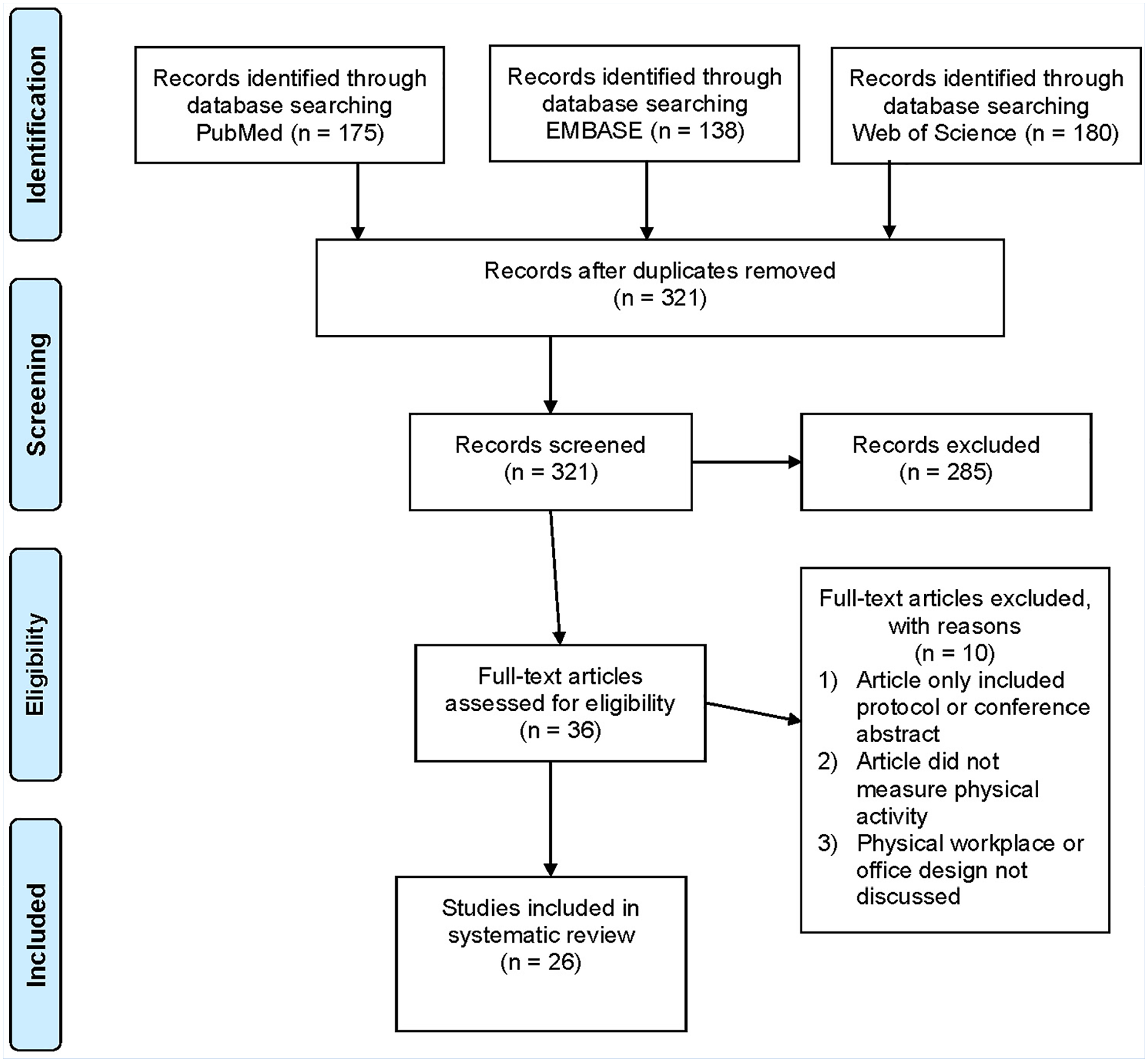
Study selection by Preferred Reporting Items for Systematic Reviews and Meta-Analyses.
Study Characteristics
The 26 studies included in the systematic review were published between 2012 and 2019. Eight studies were randomized control trials, 14 were quasi-experimental studies, and four were cross-sectional studies. See Table 1 for sample characteristics, study methods, and description of interventions (when conducted) of the studies. The studies were conducted in several countries: the United States (n = 9), Australia (n = 8), Europe (n = 6), Japan (n = 1), Canada (n = 1), and New Zealand (n = 1). Sample sizes ranged from 11 to 1,098; 69% (n = 18) had a sample size between 11 and 49, 12% (n = 3) had a sample size between 50 and 99, and 19% (n = 5) had a sample size of 100 or greater. Study participants were mostly in middle adulthood; the mean age ranged from 32 to 51 years. A majority of the samples consisted of participants who were female and had a university education or higher. The studies took place at a variety of workplaces, with college/university being the most common work setting (n = 7). The most common type of physical work environment design at baseline was seated desks (n = 17), followed by sit–stand desk (n = 3) and unassigned or open desk (n = 3).
Study Characteristic and Methods
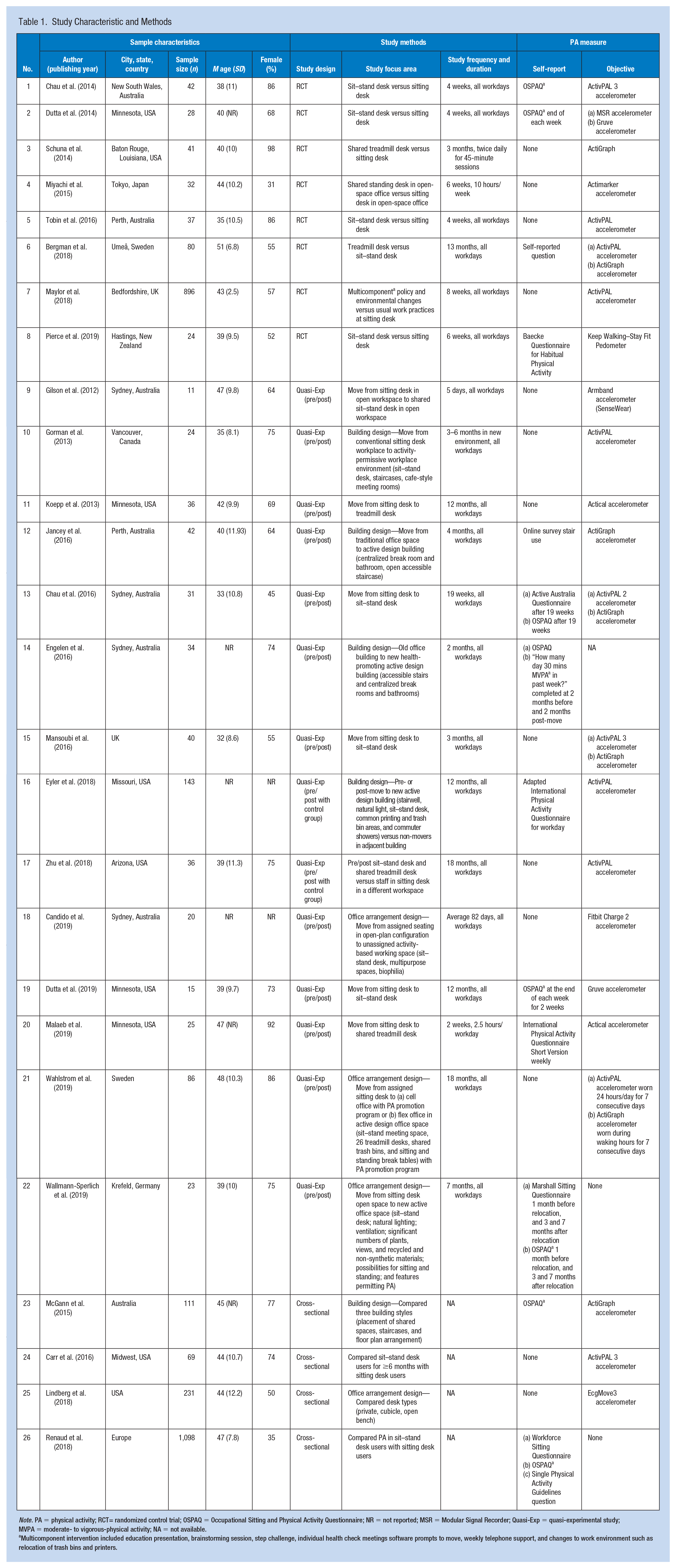
Note. PA = physical activity; RCT= randomized control trial; OSPAQ = Occupational Sitting and Physical Activity Questionnaire; NR = not reported; MSR = Modular Signal Recorder; Quasi-Exp = quasi-experimental study; MVPA = moderate- to vigorous-physical activity; NA = not available.
Multicomponent intervention included education presentation, brainstorming session, step challenge, individual health check meetings software prompts to move, weekly telephone support, and changes to work environment such as relocation of trash bins and printers.
Of the 26 studies, 22 were intervention studies: eight randomized control trials and 14 quasi-experimental studies. The three types of physical work environment designs identified in the 22 intervention studies were desk type (n = 14), office type (n = 4), and building design (n = 4). The 14 desk-type intervention studies examined sit–stand desk (n = 8), set height standing desk (n = 1), treadmill desk (n = 4), and both sit–stand and treadmill desks (n = 1).
The four office-type intervention studies examined office arrangement and office layout configurations (Candido et al., 2019; Maylor et al., 2018; Wahlstrom et al., 2019; Wallmann-Sperlich et al., 2019). These studies reviewed spatial design characteristics such as how workstations were placed within the office space (i.e., assigned vs. unassigned workstations), and how supplies such as trash cans and printers were arranged throughout the office. The setting for these studies included private offices, cubicles, and open neighborhood. The four building design intervention studies compared the influence of office building design (active building vs. traditional) on office workers’ physical activity and sedentary behavior (Engelen et al., 2016; Eyler et al., 2018; Gorman et al., 2013; Jancey et al., 2016).
The duration of the 22 intervention studies ranged from 5 days to 18 months, but the vast majority of studies were between 1 and 6 months. The majority of these studies (n = 19) implemented interventions during all workdays. In one study on treadmill desk (Schuna et al., 2014), the frequency of the intervention was twice daily. In two studies on using a standing desk intervention (Miyachi et al., 2015) and treadmill desk intervention (Malaeb et al., 2019), participants utilized the intervention during the workday at their discretion. A majority of the desk intervention studies used a sitting desk for the comparison group. In one study, sit–stand desk was the control activity that was compared with the treadmill desk intervention (Bergman et al., 2018). The office arrangement and building design intervention studies used previous work setting conditions or “traditional offices” as control activities.
Four studies were non-intervention studies using a descriptive, correlational cross-sectional research design (Carr et al., 2016; Lindberg et al., 2018; McGann et al., 2015; Renaud et al., 2018). These studies focused on three types of physical work environment designs: desk type, office type, and building design. In these studies, the association with workers’ physical activity level was examined on the type of sit–stand desk (Carr et al., 2016), sit–stand desk usage (Renaud et al., 2018), different corridor and staircase designs (McGann et al., 2015), and office arrangements (Lindberg et al., 2018). In their analyses, three studies did not control for any confounding factors and only Lindberg et al. (2018) controlled for gender and work type, defined as self-reported computer dominant job or non-computer dominant job.
Physical Activity and Sedentary Behavior Measurements
Table 2 lists the physical activity measurement tools used in the 26 studies included in this systematic review. Three studies used only subjective self-report measures (Engelen et al., 2016; Renaud et al., 2018; Wallmann-Sperlich et al., 2019), and 13 studies used only objective measures (Candido et al., 2019; Carr et al., 2016; Gilson et al., 2012; Gorman et al., 2013; Koepp et al., 2013; Lindberg et al., 2018; Mansoubi et al., 2016; Maylor et al., 2018; Miyachi et al., 2015; Schuna et al., 2014; Tobin et al., 2016; Wahlstrom et al., 2019; Zhu et al., 2018). Both subjective and objective physical activity measures were used simultaneously in 10 studies (Bergman et al., 2018; Chau et al., 2014, 2016; Dutta et al., 2014, 2019; Eyler et al., 2018; Jancey et al., 2016; Malaeb et al., 2019; McGann et al., 2015; Pierce et al., 2019). Subjective physical activity was measured using the Occupational Sitting and Physical Activity Questionnaire (OSPAQ) in five studies and the International Physical Activity Questionnaire (IPAQ) in two studies. Other self-reported physical activity measures included the Active Australia Questionnaire, the Baecke Questionnaire for Habitual Physical Activity, the Workforce Sitting Questionnaire (WSQ), and the Marshall Sitting Questionnaire. A single item question was also used to measure physical activity.
PA Results, Main Findings, and Limitations
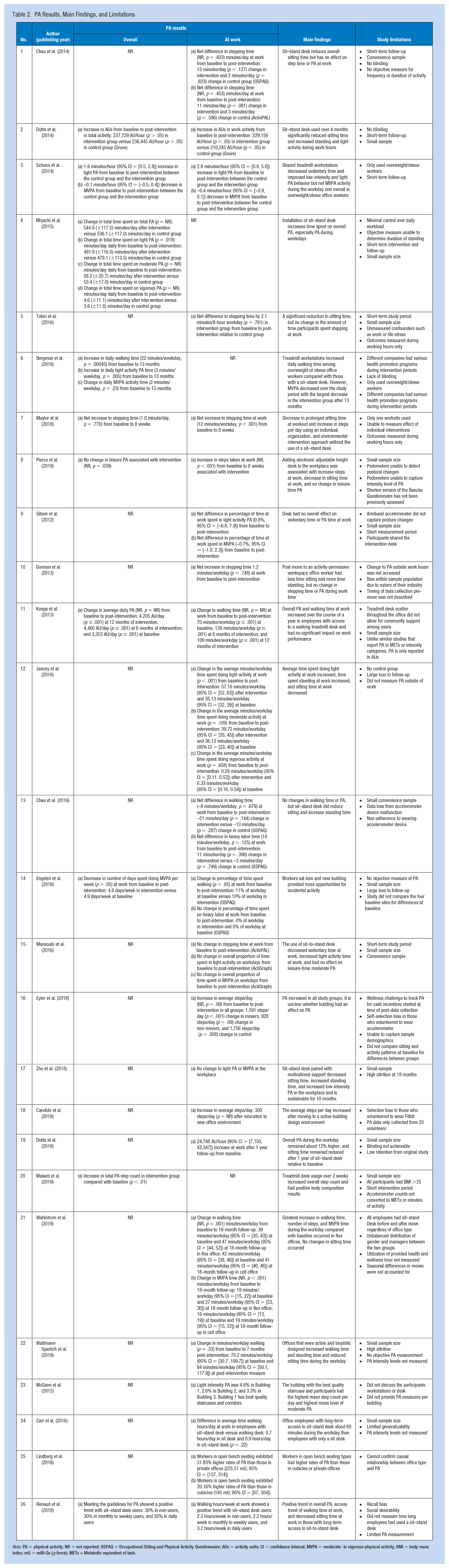
Note. PA = physical activity; NR = not reported; OSPAQ = Occupational Sitting and Physical Activity Questionnaire; AUs = activity units; CI = confidence interval; MVPA = moderate- to vigorous-physical activity; BMI = body mass index; mG = milli-Gs (g-force); METs = Metabolic equivalent of task.
Objective physical activity was measured using one or more electromechanical devices. Five studies used only the ActivPAL accelerometer (Chau et al., 2014; Eyler et al., 2018; Gorman et al., 2013; Maylor et al., 2018; Tobin et al., 2016), three studies used only the ActiGraph accelerometer to measure physical activity (Jancey et al., 2016; McGann et al., 2015; Schuna et al., 2014), and four studies used a combination of the two electromechanical devices to measure physical activity (Bergman et al., 2018; Chau et al., 2016; Mansoubi et al., 2016; Wahlstrom et al., 2019). Nine studies used other types of electromechanical devices: Fitbit Charge 2 accelerometer, Modular Signal Recorder accelerometer, Gruve accelerometer, Armband accelerometer by SenseWear, Actical accelerometer, EcgMove3 accelerometer, Actimarker accelerometer, or a Keep Walking–Stay Fit pedometer. Of the 26 studies, 24 studies measured sedentary behavior in addition to physical activity behavior.
Randomized Control Intervention Study Findings
Among the eight randomized control trials, findings were reported on overall physical activity in two studies (Bergman et al., 2018; Miyachi et al., 2015), physical activity at work in two studies (Chau et al., 2014; Tobin et al., 2016), and both overall and at work physical activity in four studies (Dutta et al., 2014; Maylor et al., 2018; Pierce et al., 2019; Schuna et al., 2014). Four sit–stand desk intervention studies found that providing sit–stand desks had a little effect on workers’ overall or work-related physical activity when compared with traditional-sitting desks (Chau et al., 2014; Dutta et al., 2014; Pierce et al., 2018; Tobin et al., 2016). Results ranged from a 13-minute/day increase in stepping time at work (Chau et al., 2014) to a 2.1-minute/8-hour workday increase in stepping time (Tobin et al., 2016). The sit–stand desk interventions did significantly decreased workers’ overall sitting time. Compared with the traditional desk groups, the net reduction in sitting time during the workday ranged from 4.8 minutes/hour (Dutta et al., 2014) to 99.9 minutes/day (Tobin et al., 2016). In Dutta et al.’s (2014) study. Miyachi and colleagues (2015) found a significant increase in overall time spent in light physical activity in the standing desk intervention group compared with the traditional-sitting desk group.
Workers using a treadmill desk as the intervention in two randomized control trials resulted in statistically significant increases in light physical activity (Bergman et al., 2018; Schuna et al., 2014). Compared with workers in the sit–stand desk group, workers in the treadmill desk intervention group engaged in walking for additional 22 minutes/day (Bergman et al., 2018). In treadmill desk users compared with sitting desk users, the net significant increase in overall light physical activity at work was 1.6 and 2.9 minutes/hour (Schuna et al., 2014). However, there were no significant changes in moderate- or vigorous-intensity physical activity among workers using a treadmill desk in any of the randomized control studies. As compared with the sitting desk group, workers in a multicomponent intervention that incorporated environmental changes to the office layout significantly increased their stepping time at work by 12 minutes/day (Maylor et al., 2018). No significant changes, however, were found in overall stepping time, overall physical activity, overall sitting time, or sitting time at work between control and intervention group participants.
Quasi-Experimental Intervention Study Findings
Among the 14 quasi-experimental studies included in the systematic review, overall physical activity was reported in one study (Malaeb et al., 2019), work-related physical activity was reported in 11 studies (Candido et al., 2019; Chau et al., 2016; Dutta et al., 2019; Eyler et al., 2018; Gilson et al., 2012; Gorman et al., 2013; Jancey et al., 2016; Mansoubi et al., 2016; Wahlstrom et al., 2019; Wallmann-Sperlich et al., 2019; Zhu et al., 2018), and both overall and work-related physical activity were reported in two studies (Engelen et al., 2016; Koepp et al., 2013). Sit–stand desk intervention studies found no significant effect on office workers’ stepping time, light physical activity, or moderate to vigorous levels of overall or work-related physical activity (Chau et al., 2016; Gilson et al., 2012; Mansoubi et al., 2016; Zhu et al., 2018). In one study, there was a significant decrease in sitting time at work (Mansoubi et al., 2016).
Treadmill desk interventions were found to significantly increase office workers’ walking time at work and decrease sedentary behaviors in the short and long term. Koepp et al. (2013) found that at 12-month follow-up, workers in the treadmill desk intervention group increased the average walking time at work from 70 to 109 minutes/workday and decreased the average daily sedentary time by 43 minutes/workday. In another study using a treadmill desk intervention, the intervention increased the overall step count among office workers from the baseline assessment (Malaeb et al., 2019), but the researchers did not report the p value. Zhu et al. (2018) found that a treadmill desk intervention decreased workers’ average sitting time by 53 minutes/workday at 18 months post-intervention.
Among the three studies that used office design modifications as interventions, two studies found significant effects on workers’ physical activity. In Wahlstrom et al.’s (2019) study, workers in flex offices significantly increased their walking time at work from 39 minutes/workday at baseline to 47 minutes/workday as well as moderate- to vigorous-intensity physical activity at work from 19 minutes/workday at baseline to 27 minutes/day at 18 months post-intervention. Wallmann-Sperlich et al. (2019) also found a significant decrease in average sitting time at work after 7 months of workers participating in an office design modification intervention that included adding sit–stand desk, 26 treadmill desks, sit–stand meeting space, shared trash bins, and sit–stand break tables.
The four quasi-experimental studies that used building design interventions showed a significant increase in workers’ light physical activity (Engelen et al., 2016; Eyler et al., 2018; Gorman et al., 2013; Jancey et al., 2016). The average minutes spent in light activities at work increased from 35 minutes/workday at baseline to 57 minutes/workday post-intervention in the study by Jancey et al. (2016). On the contrary, none of the studies found a significant change in time steps at work or in overall time spent engaging in moderate- to vigorous-intensity physical activity. There, however, were increasing trends in stepping time at work, time spent engaging in moderate-or vigorous intensity physical activity at work, and total average steps per day for office workers in the intervention group (Eyler et al., 2018; Gorman et al., 2013; Jancey et al., 2016).
Non-Intervention Study Findings
Among the four cross-sectional studies, one study reported findings on overall physical activity and work-related physical activity (Renaud et al., 2018), and three studies reported findings on only work-related physical activity (Carr et al., 2016; Lindberg et al., 2018; McGann et al., 2015). Two studies examined the relationship between having sit–stand desks and workers’ physical activity behavior. In a study by Carr and colleagues (2016), using a sit–stand desk, compared with sitting desks, was significantly associated with increased standing time at work and decreased sitting time at work, but not associated with walking time at work.
Renaud et al. (2018) found that walking time at work was greater in employees who used their sit–stand desk more often (less than once per week, but at least once a month; once or twice per week; 3–4 times per week; once or twice per day; 3 or more times per day) than those who did not utilize the sit–stand desk features. Sit–stand desk users also met the physical activity guidelines (moderate- to vigorous-physical activity ≥150 minutes per week) more often than workers who did not use the sit–stand desk features. In the studies that compared the office or building design floor plan, physical activity time at work was greater among employees working in buildings with accessible stairwells compared with buildings without accessible stairwells (McGann et al., 2015) and also greater in flex office spaces compared with private or cubical cell offices (Lindberg et al., 2018).
Risk of Bias
Tables 3, 4, and 5 present the summary of the risk of bias organized by study design type based on the Joanna Briggs Critical Appraisal Tool for Bias (Moola et al., 2020; Tufanaru et al., 2017). The eight randomized control studies had a moderate risk of bias because allocation to the intervention groups could not be concealed nor could participants be blinded to their intervention assignment. Tobin et al. (2016) did not describe the study’s randomization procedure determining how participants were chosen for the study, nor did they describe how study participants were assigned the sit–stand desk intervention. Among the 14 quasi-experimental studies, 12 studies had a minimal risk of bias and two studies had a moderate risk of bias. Eleven of the 14 quasi-experimental studies conducted pre–post comparisons and did not have a control group. Engelen et al. (2016) and Eyler et al. (2018) did not compare the baseline buildings for similarities or differences in desk type, square footage, stairwells, or amenities in the pre-phase before group moved to their new work environments (post-phase). Among the four cross-sectional studies, three had a minimal risk of bias and one study that did not measure how long employees used a sit–stand desk had a moderate risk of bias (Renaud et al., 2018).
Joanna Briggs Critical Appraisal Tool for Bias in Randomized Control Trial Studies
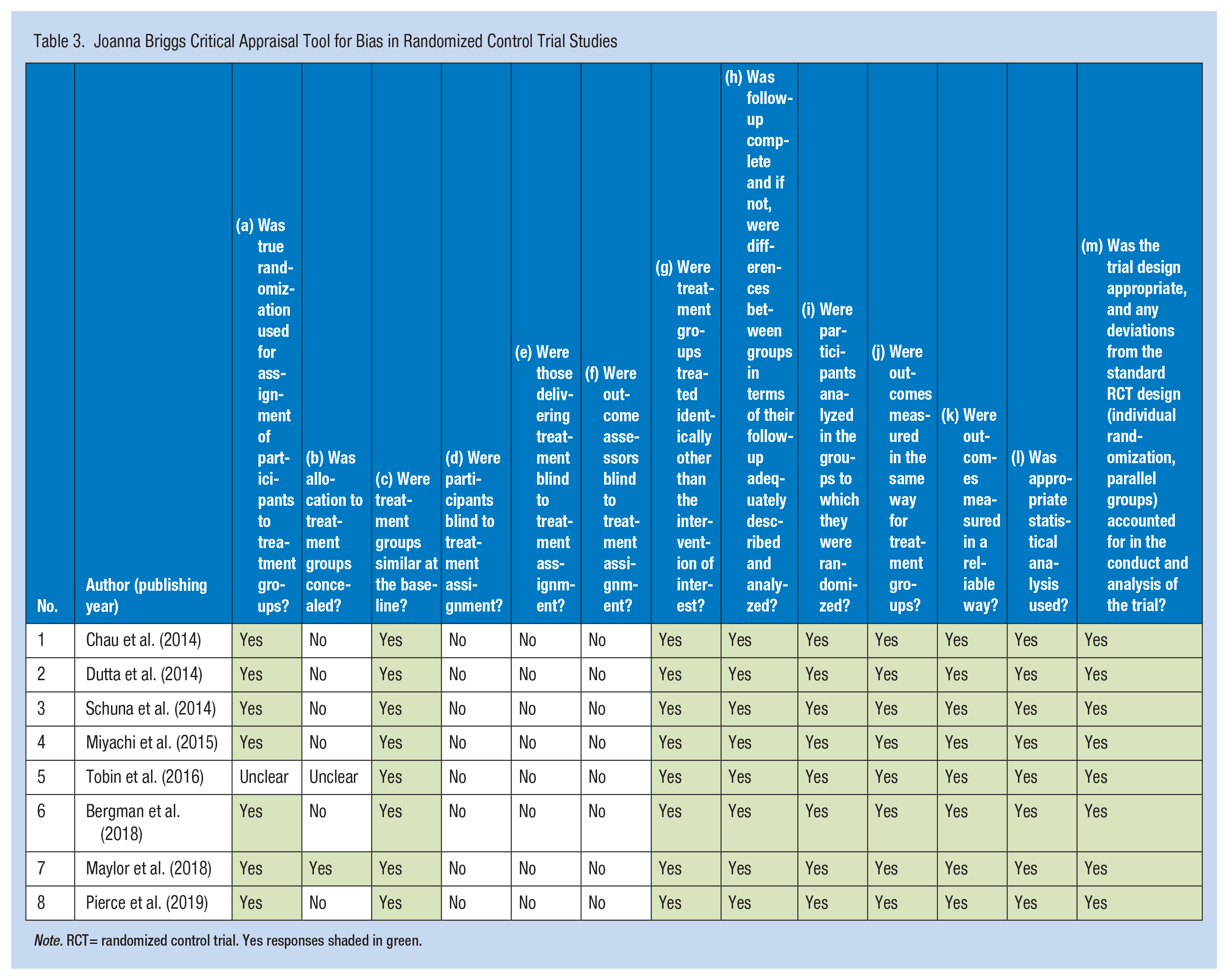
Note. RCT= randomized control trial. Yes responses shaded in green.
Joanna Briggs Critical Appraisal Tool for Bias in Quasi-Experimental Studies
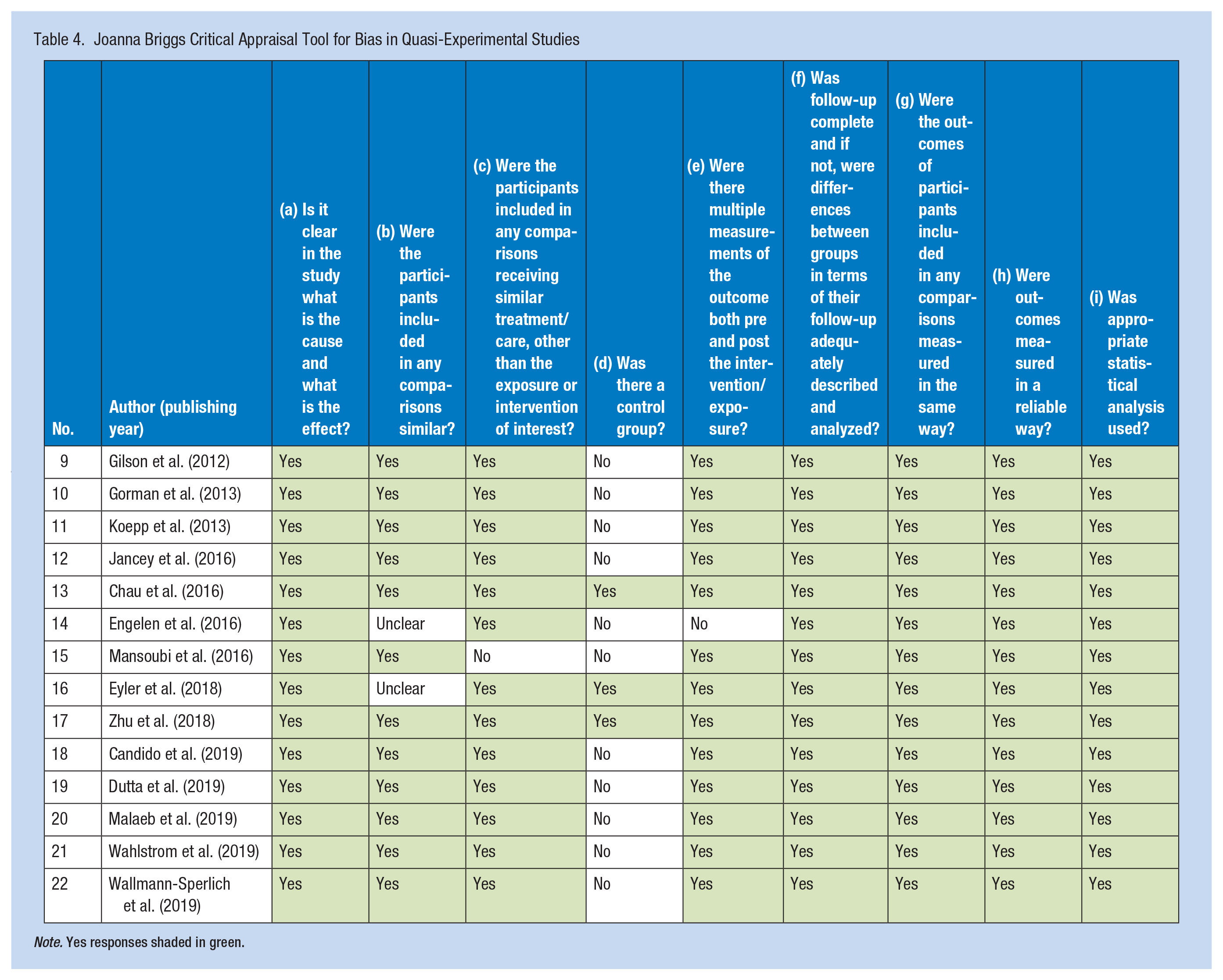
Note. Yes responses shaded in green.
Joanna Briggs Critical Appraisal Tool for Bias in Cross-Sectional Studies
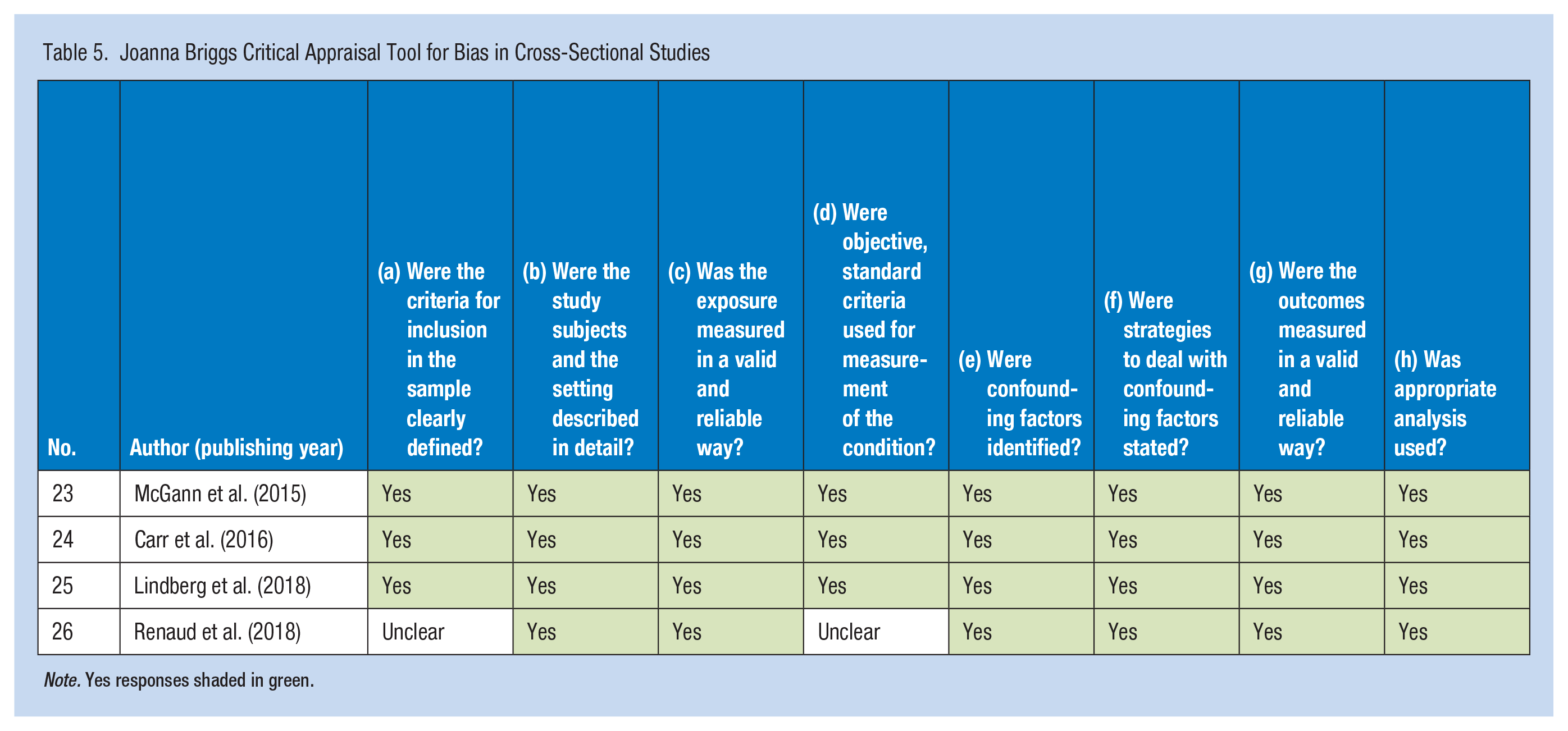
Note. Yes responses shaded in green.
Discussion
This systematic review aimed to identify the relationship between the physical work environment and overall physical activity, work-related physical activity, or leisure-time physical activity in office workers. After reviewing 26 studies, this systematic review found that work environments built with active design principles are the most likely to result in increasing workers’ physical activity at work. Participants in work environments with flexible space and open floor plans with active design building principles spent more time walking and engaging in light physical activity at work than those in traditional spaces (Candido et al., 2019; Eyler et al., 2018; Gorman et al., 2013; Jancey et al., 2016; Wahlstrom et al., 2019). Office workers in these environments were consistently the most physically active at work even after 12 months or longer follow-up periods (Eyler et al., 2018; Wahlstrom et al., 2019).
“Active design” is a newer building design concept that includes environmental and structural design, policy, and workplace culture to create an environment that promotes physical activity, promotes active living, and improves the quality of life of building occupants (Center for Active Design, 2010). The building design encourages movement by including features such as central staircases; shared and centralized facilities such as break rooms, bathrooms, printers, and trash cans; and shared and diverse workspaces for sitting and standing work. Our review results align with a previous review showing that programs promoting incidental physical activity within and around the workplace had the strongest potential to increase physical activity of workers (Marshall, 2004). A recent systematic review of workplace physical activity interventions in working adults found that lifestyle-based interventions to increase physical activity had lack of compliance and low participation (Mulchandani et al., 2019). Unlike sit–stand or treadmill desk-based interventions that require participant adherence, office arrangement and building designs with active design guidelines focus on providing more opportunities for incidental activity, and therefore encourage more movement and less sitting (Center for Active Design, 2010).
Another noteworthy finding of this systematic review is the distinction between physical activity and sedentary behavior. This systematic review was focused on changes in physical activity; however, 23 of the 26 studies assessed sedentary behaviors among office workers. This pattern aligns with the literature; many previous intervention studies measured sedentary time or sedentary behavior as a primary outcome and physical activity as a secondary outcome (MacDonald et al., 2018; Prince et al., 2019). However, sedentary behavior and physical activity are two independent concepts that are related but not interchangeable (Thivel et al., 2018). The results of this systematic review showed that a desk-type intervention had the greatest impact on decreasing sitting time, which aligned with previous systematic reviews of adjustable workstation desk (Chau et al., 2016; Neuhaus et al., 2014; Tew et al., 2015). However, this systematic review result found that desk had little effect on increasing physical activity. Although changing a worker’s desk can reduce sitting time, changes made to desk and workstations alone may not simultaneously change physical activity behavior.
The findings of this systematic review highlight a wide range of physical activity measures used and variations in reporting of these outcomes across the 26 studies. Physical activity was measured using 17 unique methods in the studies included in this systematic review. More than half of the studies (n = 15) only measured work-related physical activity. In addition, the data analysis methods varied across the studies: Some studies reported the percentage of time in work-related, leisure, or overall physical activity; others reported minutes per day or minutes per workday of work-related, leisure, or overall physical activity, while others reported stepping time or step counts. In addition, some studies used physical activity intensity categories such as light physical activity or moderate physical activity, while others used walking. These variations in physical activity measurement and physical activity reporting make it difficult to compare study results.
Strengths and Limitations
This systematic review examined the physical workplace as the phenomenon of interest in relation to workers’ physical activity. The strengths included a comprehensive search strategy developed with a research librarian as well as the inclusion of work-related, leisure-time, and overall physical activities to examine a more holistic understanding of physical activity in office workers. Despite the strengths of this systematic review, several limitations need to be acknowledged. First, this systematic review only searched three databases, gray literature was not searched, and non-English studies were excluded. Thus, there may be additional studies that were not included in this review, specifically white papers that exist in the building industry. Second, only eight of the 26 studies reviewed were randomized control trials. Although the overall quality of studies in this review was strong, based on the level of evidence the authors cannot confirm causality between physical work environment and office workers’ physical activity behavior. After critical appraisal of all studies in this review, the overall quality of the evidence is strong. Given the nature of desk and office design physical environment intervention research, blinding researchers or participants is not feasible and quasi-experimental studies are more common and practical.
Implications for Occupational Health
Occupational health nurses and program managers have the opportunity to positively influence the work environment to promote regular physical activity of workers and prevent chronic diseases. Occupational health nurses should be aware of the important role of the physical work environment in physical activity behavior among workers. To increase physical activity in office workers or low activity occupations, the focus must shift from limiting sedentary behavior to increasing activity throughout the day. The findings from this review suggest that workplace wellness programs should target how the office space is built as well as encouraging individual physical activity behaviors to be the most effective. To achieve this level of health promotion, occupational health nurses must engage with organization leaders to gain business support and company-level policy change.
Conclusion
The results of this systematic review indicate that physical work environments built with active design principles are the most effective in increasing workers’ physical activity. This review also identified that many studies did not assess physical activity outside of work time, and thus, the relationship between the physical work environment and workers’ overall physical activity level is unclear in the current literature. Future research is needed to determine the effect of activity design office environments on overall total physical activity in office workers. The findings from this systematic review will help shape evidence-based solutions that can increase physical activity while reducing sedentary time in office workers.
Supplemental Material
sj-docx-1-whs-10.1177_21650799211039439 – Supplemental material for Systematic Review of the Influence of Physical Work Environment on Office Workers’ Physical Activity Behavior
Supplemental material, sj-docx-1-whs-10.1177_21650799211039439 for Systematic Review of the Influence of Physical Work Environment on Office Workers’ Physical Activity Behavior by Victoria F. Michalchuk, Soo-Jeong Lee, Catherine M. Waters, Oi Saeng Hong and Yoshimi Fukuoka in Workplace Health & Safety
Footnotes
Acknowledgements
The authors acknowledge Min-Lin Fang, MLIS, Research Librarian, at Academic Health Sciences Library, University of California, San Francisco, for her assistance in developing search strategies and literature retrieval.
Authors’ Note
The contents are solely the responsibility of the authors and do not necessarily represent the official views of the NIOSH (National Institute for Occupational Safety & Health).
Author Contributions
Dr. Victoria F. Michalchuk conceptualized and designed the study, conducted the data analysis, and wrote the manuscript. Drs. Soo-Jeong Lee, Catherine M. Waters, and Oi Saeng Hong contributed to critical revision of the manuscript. Dr. Yoshimi Fukuoka contributed to data analysis and critical revision of the manuscript. All authors approved the final version to be published and agreed to be accountable for all aspects of the work in ensuring that questions related to the accuracy or integrity of any part of the work are appropriately investigated and resolved.
Conflict of Interest
The author(s) declared no potential conflicts of interest with respect to the research, authorship, and/or publication of this article.
Funding
The author(s) disclosed receipt of the following financial support for the research, authorship, and/or publication of this article: Victoria F. Michalchuk was supported in part by the NIOSH’s (National Institute for Occupational Safety & Health) Traineeship (Grant Number T42 OH008429).

Supplemental Material
Supplemental material for this article is available online.
Author Biographies
References
Supplementary Material
Please find the following supplemental material available below.
For Open Access articles published under a Creative Commons License, all supplemental material carries the same license as the article it is associated with.
For non-Open Access articles published, all supplemental material carries a non-exclusive license, and permission requests for re-use of supplemental material or any part of supplemental material shall be sent directly to the copyright owner as specified in the copyright notice associated with the article.
