




Abstract
This study employs a case study approach to examine Ready-Made Garments (RMG) companies in Bangladesh, focusing on institutional awareness and practices that drive sustainable product innovation. The theoretical framework integrates Institutional Theory, Strategic Life Cycle Management (SLCM), and Template for Sustainable Product Development (TSPD) to systematically link external pressures, organizational awareness, and transformative leadership with innovation processes. This study examines the challenges faced by RMG firms in developing nations, such as Bangladesh, in integrating sustainability into their product innovation processes. Additionally, the research aims to identify the forces driving sustainable product development and how institutional leadership can promote transformative change towards sustainability within the RMG industry. Data collection methods include key informant interviews and focus group discussions with industry leaders. Additionally, product development tools are utilized to assess sustainability gaps and formulate actionable recommendations for incorporating sustainability into product innovation. The study reveals that institutional awareness and practices serve as critical drivers for sustainable product innovation. It highlights significant sustainability gaps in current operations and emphasizes the role of institutional leadership in addressing these challenges. The findings suggest that RMG firms can leverage institutional support and leadership commitment to promote revolutionary shifts toward sustainable development. This research contributes to the limited literature on sustainable product innovation within the RMG industry, particularly in the context of developing economies like Bangladesh. By analyzing the role of institutions and leadership in fostering sustainability, the study offers practical insights and recommendations for driving sustainable product innovation across the RMG industry.
Plain Language Summary
The Ready-Made Garments (RMG) industry is a major part of Bangladesh’s economy, but it faces growing challenges in making its products more environmentally friendly and sustainable. This research looks at how awareness and leadership in organizations can help garment companies create sustainable products while addressing environmental and social issues. Using interviews and group discussions with industry leaders, the study explores the challenges RMG companies face when trying to include sustainability in their product development. It also examines the role of institutional leadership—such as managers and policymakers—in driving changes that promote sustainability. Tools for assessing product development are used to identify gaps in current practices and provide recommendations to improve sustainability. The findings reveal that strong leadership and organizational awareness are key to achieving sustainable product innovation. Many companies still have significant gaps in their sustainability efforts, but with the right support and commitment, they can make meaningful progress toward reducing their environmental impact. This research provides practical insights for leaders in the RMG industry to help them embrace sustainable development. It also contributes to the limited knowledge about sustainability in garment manufacturing, especially in developing countries like Bangladesh. By understanding the importance of leadership and institutional support, companies can take steps toward creating a greener and more responsible future for the industry.
Keywords
Introduction
Sustainable product innovation refer to the process of products development that reduce negative environmental and social impacts throughout the product lifecycle—from raw material sourcing and manufacturing to distribution, use, and disposal (Chiu & Chu, 2012; Sarkar et al., 2022). This approach integrates sustainability aspects into product creation, such as reducing resource consumption, minimizing waste, increasing energy efficiency, utilizing renewable materials, and ensuring fair labour practices (Hallstedt et al., 2020). In this field, companies are aware of and actively pursuing sustainable product innovation as part of green industry practices. This change stems from an understanding of the environmental and social effects of traditional manufacturing. It receives support from teamwork between industry players, policy makers, and non-profit groups to set up rules and rewards for sustainable innovation in the RMG industry.
Based on this principle and the Ready-Made Garments (RMG) industry in Bangladesh, this paper explores the sustainable product innovation from the lens of institutional awareness and practices to drive sectoral transformative change. A definition of “Institutional awareness” refers to the extent to which organizations within the RMG industry recognize the environmental, social, and economic dimensions of sustainability. It encompasses knowledge about sustainable practices, global sustainability standards, and the potential benefits of integrating these principles into organizational strategies and processes. On the other hand, “Institutional practices” refer to the actions, protocols, and systems adopted by organizations to operationalize sustainability within their product development and overall operations. These include structured product development processes, utilization of sustainable materials, adherence to global certifications such as Leadership in Energy and Environmental Design (LEED) and Global Organic Textile Standard (GOTS), and stakeholder collaboration.
The key research question is on how institutional awareness and practices can be effectively promoted and implemented to drive transformative changes in the RMG industry. RMG industry in Bangladesh is an excellent case study as it has gained significant prominence in the global fashion supply chain. However, emerging economies and the associated market challenges have threatened the industry’s position in the global market. As a result, the Bangladesh RMG industry needs to look into sustainable supply chain practices and enhance manufacturers’ ability to adapt to maintain its competitiveness (Uddin et al., 2023). Nonetheless, existing literature does not provide sufficiently detailed pathways for product development through institutional leadership and innovation within the RMG industry.
Institutional Theory is a framework that focuses on how organizations adapt to external pressures and internalize these pressures into their strategies and practices (Chandler & Hwang, 2015). It can be used to examine sustainable product innovation in the RMG industry. External pressures include regulatory demands, market and consumer demands, and societal norms. Internal responses include organizational adaptation, leadership commitment, and adoption of eco-friendly materials and technologies. Isomorphism mechanisms include coercive, mimetic, and normative isomorphism (Nyamekye et al., 2024). The integration of Strategic Life Cycle Management (SLCM) and Template for Sustainable Product Development (TSPD) complements institutional theory. The study will integrate concepts from sustainability literature into the analytical framework, focusing on knowledge and recognition aspects of institutional awareness and practices. This will provide a structured lens for data analysis, enabling the identification of patterns and gaining insights.
However, motivation and rationale for investigating the Bangladeshi RMG sector are now clarified as Bangladesh is a global textile leader yet faces structural challenges in integrating sustainability, making it an ideal case for examining theory-practice linkages. The study addresses key gaps in literature regarding pathways for organizational transformation via institutional mechanisms. Institutional Theory frames how organizations adapt to external pressures (regulations, markets, norms) and internalize these pressures through leadership, commitment, and adoption of eco-friendly practices. Coercive, mimetic, and normative mechanisms are exemplified through LEED, GOTS certifications, and industry collaborations. The study’s objectives are guided by synthesis of SLCM and TSPD, now mapped explicitly to research questions and interview coding. Recent advances in green manufacturing and digital textile technologies are reviewed.
Literature Review
Awareness, Practices, and Product Innovation
Driven by both global market demands and local socio-environmental challenges, institutional awareness and practices towards sustainability have become increasingly vital in the RMG industry. Manufacturers are compelled to incorporate eco-friendly elements and practices to maintain competitiveness, driven by a growing awareness of the importance of sustainable products among international buyers. This includes key elements such as market research, global sustainability standards, and transparent communication of sustainability. There is an integration of sustainable materials and production processes that are focusing on reducing the environmental footprint at the product development level—sourcing of raw materials (e.g., organic or recycled materials), using water and energy-saving tools, putting waste-cutting plans into action, and workers’ rights. Support from trade groups, government bodies, and schools plays a key role in encouraging new ideas in the culture of the clothing industry (Khattak, 2019; Sarkar et al., 2020). When stakeholders and global groups collaborate, they increase awareness about new products and promote eco-friendly practices. Factors such as adhering to rules, utilizing technology, expanding into new areas, and effective selling have a significant impact on the long-term growth of the RMG industry (Liu et al., 2019).
To synthesize market trends, customer demands, and certifications into a coherent theoretical framework, expand the conceptual framework section in the paper. Incorporate market trends, customer demands, and certifications to understand how global and local trends influence sustainable practices and product innovation. Link certifications to validate and incentivize sustainable practices, and use existing theoretical models like SLCM or TSPD to establish a unified framework (Lawrence et al., 2016).
In Bangladesh, the RMG industry backs institutional practices by getting LEED certification. LEED highlights green investment ideas of eco-friendly tech and a sustainability-focused company culture. This covers a wide range of key parts like planning for long-term sustainability, training staff, involving stakeholders, and keeping an eye on performance. Institutions such as the Bangladesh Garment Manufacturers and Exporters Association (BGMEA) Innovation Center promote sustainability by providing resources and fostering innovation (Islam & Halim, 2022). Besides, certification schemes like GOTS and OEKO-TEX® further support sustainable production by helping consumers identify environmentally and socially responsible products (Ali et al., 2020). Consequently, companies are expected to establish a systematic incentive (or disincentive) and monitoring system to support sustainability measures. Companies are expected to adopt a standardised “toolbox” for incorporating sustainability-related information into product decision-making processes (Hallstedt et al., 2010). These structured approaches validate Hallstedt et al. (2020)’s TSPD framework effectiveness, but our findings reveal a crucial adaptation: Bangladeshi firms integrate traditional lifecycle thinking with digital innovation tools, creating hybrid approaches that may offer insights for other developing economy contexts
Besides, innovation in sustainable materials and practices is crucial for addressing environmental concerns and complying with regulatory requirements, enhancing brand reputation, and ensuring the sector’s future growth (Khan et al., 2022; Niaki et al., 2019; Sarkar et al., 2020). In fact, the fashion industry’s landscape has been reshaped by extended reality technologies, including virtual and augmented reality, along with artificial intelligence (Kolasani, 2024). The industry is leveraging technologies such as 3D printing, AI-driven design software, and virtual reality to revolutionize the supply chain, from design to retail (Casciani et al., 2022). Experts view eco-friendly innovation as a key driver in guiding countries toward a greener and more prosperous future. In fact, sustainability has a big impact on driving innovation, with companies like Patagonia taking the lead by using recycled materials and fair work practices (Rattalino, 2018).
Sustainable Innovation in Developing Economies and Textile Manufacturing
Recent scholarship has expanded our understanding of sustainable innovation pathways in developing economies, particularly in the textile sector. Hossain and Rahman (2025) found that green manufacturing research in textiles has evolved from basic compliance approaches to sophisticated systems thinking integration, with developing economies like Bangladesh, Vietnam, and India emerging as critical research contexts. Hebaz et al. (2024) identified institutional pressures driving green supply chain management practices, revealing that regulatory pressures, customer demands, and competitive pressures create a hierarchy of influence that varies between developed and developing economies. Rahman et al. (2025) identified persistent challenges in low- and middle-income countries, including limited material circularity, inadequate technological infrastructure, and insufficient stakeholder collaboration mechanisms.
Institutional Pressure Mechanisms and Green Certification Effectiveness
Alinda and Kaawaase (2025)’s research on institutional pressure mechanisms has revealed that coercive pressures have the strongest direct effects on organizational awareness, while mimetic pressures prove more effective for practice implementation. This nuanced understanding challenges assumptions about uniform institutional pressure effectiveness. Green certification schemes have emerged as critical institutional mechanisms for sustainability transformation, with Lin and Ma (2023) study revealing significant variations in effectiveness between developing and developed country contexts. Certifications like GOTS and OEKO-TEX show stronger institutional legitimacy impacts in developing economies, serving as crucial market access mechanisms. A study on circular economy adoption in Pakistan’s textile industry identified institutional certification as a key mediating factor between external pressures and internal transformation processes (Farrukh et al., 2025). The analysis of Karim et al. (2024) refers to sustainable supply chain management factors in textile industries that revealed that institutional pressures create cascading effects throughout value chains, with certification schemes serving as critical coordination mechanisms. This research demonstrates how institutional theory mechanisms operate at multiple organizational levels simultaneously.
Low-Carbon Manufacturing and Sustainability Practices in Global Textile Industry
A systematic review on circularity in textile waste highlights the importance of emerging technologies in closing material loops in developing economies (Biyada & Urbonavičius, 2025). United Nations Environment Programme (2023) posits that circular business models could generate $700 billion in economic value by 2030, with each 1% increase in market share resulting in a 13 million tCO2e reduction in emissions. The European Union’s comprehensive textile policies in 2024, including the Corporate Sustainability Due Diligence Directive (CSDDD), mandate companies to address negative impacts throughout their entire value chains, extending responsibility to raw material extraction stages. These regulatory frameworks represent sophisticated coercive isomorphism mechanisms that transcend national boundaries. Industry 4.0 technologies, such as blockchain, artificial intelligence, and digital twins, are reshaping sustainability practices through enhanced transparency and efficiency, addressing long-standing challenges in textile supply chain sustainability.
Bangladeshi RMG Industry
In the 2021 to 2022 fiscal year, Bangladesh made $42 billion from exporting RMG keeping its spot as the world’s second biggest RMG exporter with a 7.9% share of the global market. The BGMEA reports that the RMG industry accounts for approximately 84% of Bangladesh’s total exports and employs around 4 million people. Rahman and Raju (2022) highlighted the sector’s strengths on the supply side. Still, they identified a need for better supply chain management on the demand side, whereas Shahen (2022) examined the life patterns of textile workers during the COVID-19 pandemic. Hossain et al. (2022) explored how stakeholder integration and green investments influence environmental sustainability in Bangladeshi textile SMEs, which is moderated by green technology adoption. There is a need to integrate corporate social responsibility (CSR) with product innovation policies (Mahmud et al., 2020; Saha et al., 2021; Wong & Kim, 2023), and the need for further research on CSR implications in the RMG industry (Azmat, 2015).
Businesses approach and implement eco-conscious approaches to help factories understand the importance of green practices, such as the use of earth-friendly materials, energy-efficient machines, and techniques to reduce waste. When companies incorporate these practices into their plans, it creates an environment where things continue to improve and new ideas emerge. It’s worth noting that 56 of the top 100 LEED-certified green factories in the world are in Bangladesh. This includes nine of the top ten. By going after LEED certifications, Bangladesh’s clothes industry is setting the bar for taking care of the earth.
The RMG industry, particularly in Bangladesh, has made strides toward sustainability, yet significant gaps remain in integrating sustainable practices into product innovation (Saha et al., 2021). Recent studies emphasize the role of institutional support, including certification schemes like GOTS and OEKO-TEX®, in fostering eco-friendly manufacturing practices (Islam & Halim, 2022). Moreover, leveraging advanced technologies such as AI and 3D printing has proven transformative in aligning product development with global sustainability standards (Casciani et al., 2022). Despite these advancements, comprehensive frameworks, such as those proposed by Hallstedt et al. (2020), are necessary to ensure systemic integration of sustainability principles.
Institutional Theory Applications in Sustainable Product Innovation
A research on the impact of China’s Low-Carbon City Pilot on manufacturing firms’ biodiversity concerns highlights the complex pathways through which coercive isomorphism operates in practice (Nie & Zhang, 2025). The integration of institutional theory with strategic frameworks has garnered attention, providing a comprehensive framework that links institutional pressures, green knowledge, and innovations to sustainable performance. The study demonstrates how institutional awareness mediates the relationship between external pressures and internal transformation processes. Emerging research has identified leadership as a critical moderating factor in the effectiveness of institutional pressure, particularly in developing economies where resource constraints limit implementation capacity.
Methodology
This research adopts a constructivist view to explore the transformation of the RMG industry in Bangladesh towards sustainable product innovation. The constructivist paradigm emphasizes multiple realities, dialogic interactions, and contextual understanding of industrial transformation. Key characteristics include an ontological perspective, epistemological stance, and a qualitative methodology. The RMG industry operates in a dynamic, multi-stakeholder environment, characterized by diverse perspectives and varying interpretations of sustainability. The constructivist paradigm allows for a deeper understanding of the underlying social, cultural, and institutional dynamics that drive or hinder sustainable practices.
The research employs qualitative methods, including semi-structured interviews, focus group discussions, and observations, to gather in-depth data. The constructivist paradigm complements theoretical frameworks such as institutional theory and stakeholder theory, providing a robust lens for analyzing the social and institutional processes driving industrial transformation in the RMG sector. Ethical considerations include participant confidentiality, informed consent, and engaging participants as co-creators of knowledge. The research aims to uncover the intricate social, cultural, and institutional dynamics that underpin the RMG industry’s transformation toward sustainable product innovation.
Research Design and Framework
In order to obtain appropriate and sufficient empirical evidence from the study, this study focuses on the following two stages of organisational strategic planning on of Sustainability Principles (SPs) (Ny et al., 2008; Saha & Seal, 2011): (a) Baseline mapping—to identify current critical sustainability issues, business implications, and opportunities for change; and (b) Creative solutions—to develop strategies that align with their vision of sustainability and ensure each action contributes to long-term goals. To strengthen the logical flow of this study, the Template for Sustainable Product Development (TSPD) was employed to identify the product development in related to sustainability problems, benefits, and solutions (Hallstedt et al., 2010; Hallstedt et al., 2013; Ny et al., 2008). This study also integrates SLCM to analyse the life cycle of the RMG industry. SLCM facilitates the brainstorming of sustainable solutions and leads to prioritised actions via the identification and evaluation of potential measures (Ny et al., 2008).
Figure 1 illustrates the analytical framework of this study. TSPD is instrumental to layout the sustainable product innovation and gaps analysis in the frame of Market–Product–Enterprise in both the current and future settings. Meanwhile, SLCM provides an in-depth analysis of the product-based innovation based on the construct of socio–technical environment of Sustainability Principles (SPs). Following this framework, the interview scopes and questions are designed to gather field data through key informant interviews (KII) and focus group discussions (FGD). This research design is useful for enhancing decision-making, communication, and understanding between sustainability experts and organisations, and for identifying improvements in achieving sustainable product innovation. Specific research instruments have been established to operate this analytical framework for data collection (see Section “Research Instruments”).
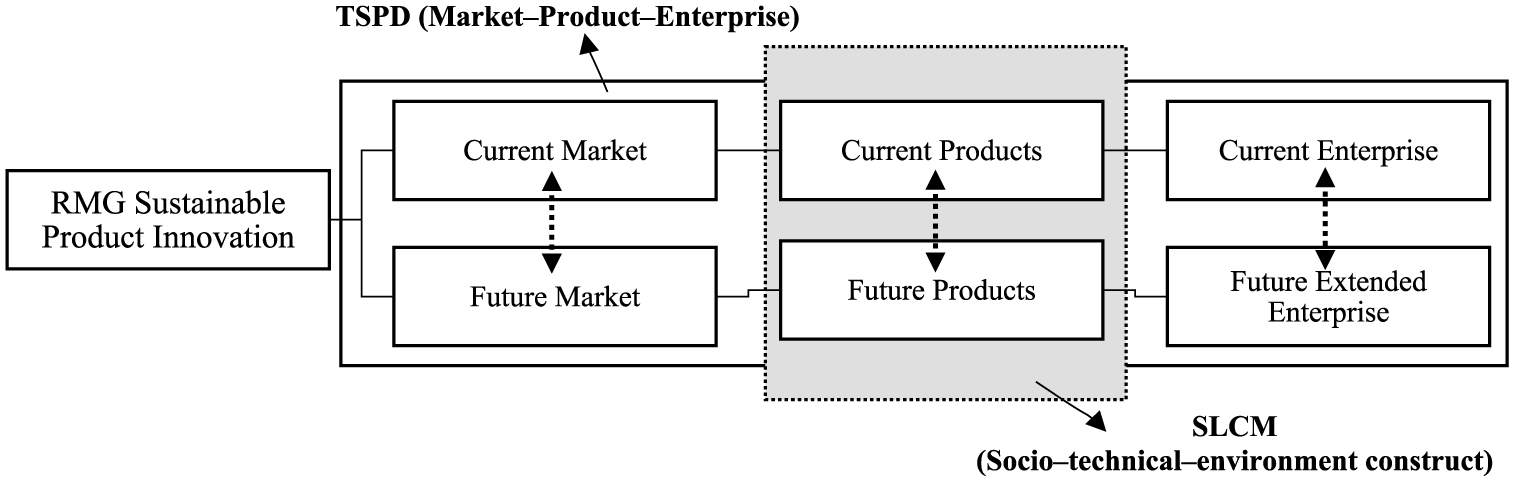
Analytical framework.
Institutional Theory is a paradigm that helps organizations adapt to external forces and incorporate these influences into their strategies, practices, and procedures. It highlights three mechanisms of institutional isomorphism: coercive, mimetic, and normative. Coercive isomorphism arises from external forces, mimetic isomorphism results from imitating the successful sustainability methods of industry leaders, and normative isomorphism stems from professional standards and stakeholder participation. Institutional awareness and practices provide operational dimensions within this paradigm. The analytical framework enhances Figure 1 by integrating Institutional Theory into the SLCM and TSPD frameworks. The integrations are as follows:
Institutional Awareness: Serves as the foundation for linking company strategies with external sustainability mandates.
Institutional Practices: Translates awareness into quantifiable activities, including the procurement of sustainable materials, utilization of certifications, and implementation of modern technologies.
Institutional leadership: Acts as a moderating element, allowing firms to adeptly address isomorphic constraints while promoting a culture of innovation.
This theoretical integration focuses on the role of institutional awareness, institutional practices, and institutional leadership in driving sustainable product innovation. The study identifies coercive and normative isomorphism as external pressures that enhance organizational awareness of sustainability requirements. Mimetic isomorphism drives adoption of proven sustainability practices, and institutional leadership serves as a moderating mechanism. The causal pathway model suggests that coercive isomorphism positively influences awareness, normative isomorphism enhances understanding of sustainability benefits and market opportunities, and institutional leadership mediates the relationship between awareness and the implementation of practice. This comprehensive paradigm integrates the three pillars—awareness, behaviors, and leadership—with SLCM’s socio-technical-environmental constructions and TSPD’s market-product-enterprise aspects, so enabling the systemic incorporation of sustainable principles.
Research Instruments
The qualitative data collection—KIIs and FGDs, were based on the following two instruments:
TSPD: Table 1 provides the interview guides to derived data and insights in three key dimensions of sustainable product development: Market–Product–Enterprise. Interview questions are designed to capture the baseline mapping (or current reality) and creative solutions (or future opportunities) to form a mindset and operational shift and transformation from the existing stage to envision the future. This instrument considers the principle on the important of collaboration between a company and its other business and stakeholders since a single company cannot manage the entire product life cycle alone.
SLCM: Figure 2 shows the tool established to analyze the process of sustainable product innovation. The framework is grounded on the socio–technical–environment construct of four SPs: materials, society, physical degradation, and human needs. The life-cycle analysis is based on the typical stages of raw materials, production, packaging, distribution, use, and end of life.
Case Study Guide—Templates for Sustainable Product Development (TSPD).
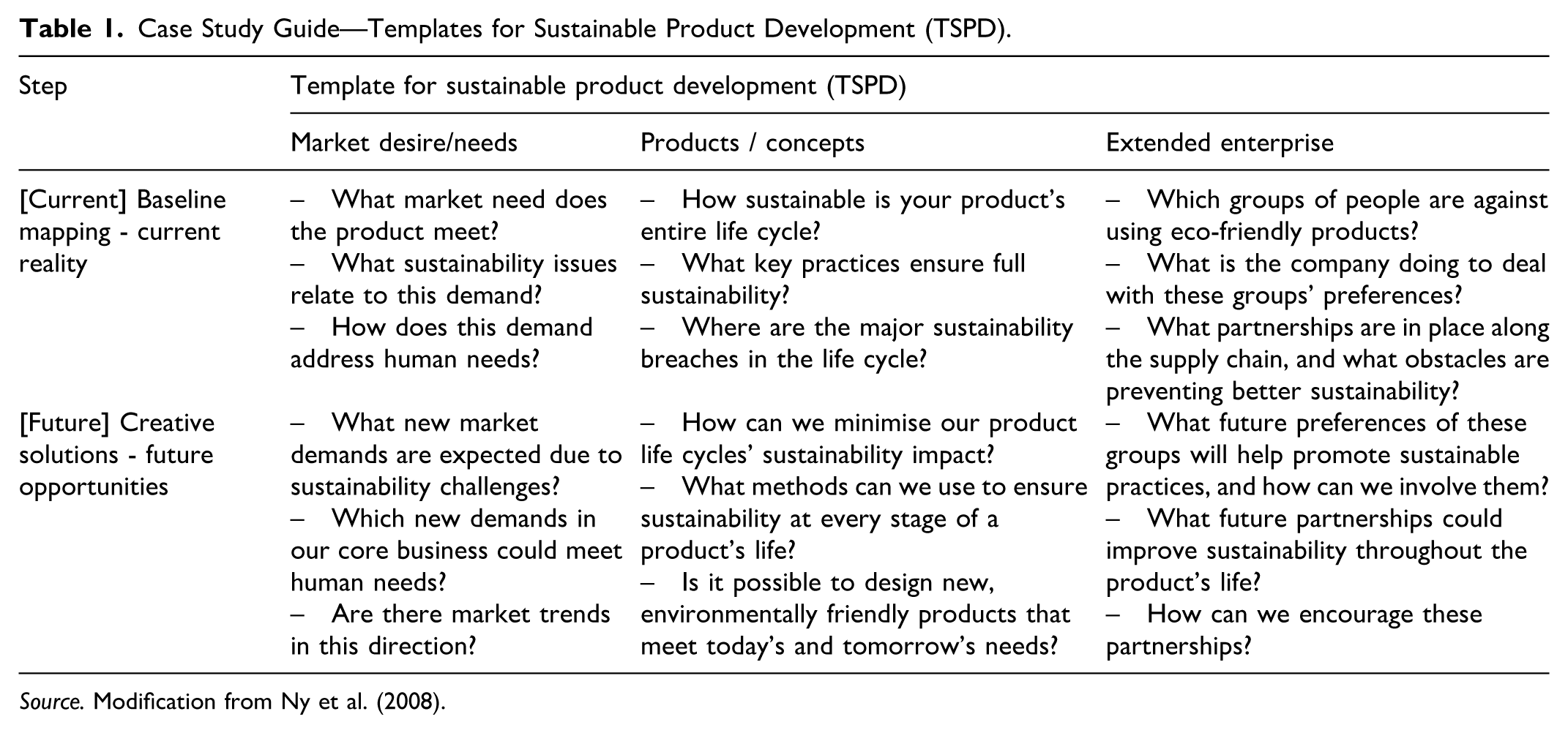
Source. Modification from Ny et al. (2008).

Product life-cycle analysis—strategic life-cycle management (SLCM).
Selection of Cases
This study analyzes the impact of institutional practices on sustainable product innovation in the Bangladeshi RMG industry. Companies A and B were intentionally selected based on the LEED certification process which denotes Leadership in Energy and Environmental Design. It is an internationally acknowledged certification system created by the U.S. Green Building Council (USGBC) that offers a framework for sustainable, highly efficient, and economically advantageous green buildings. LEED accreditation is applicable to buildings, residences, and communities seeking to achieve sustainability in design, construction, operations, and maintenance.
Company A was LEED-certified and Company B was NOT. This justified the case for institutional examination in investment and outreach practices that create resilience outcomes, contrasting green-certified from traditional manufacturing strategies. Company A demonstrates how the industry is moving towards greener and sustainable practice; however which Company B represents being typical of practices in the RMG sector. Selection depended on a number of criteria (such as company size, production capacity, and market influence). This coming together of two companies reflects wider trends within the Bangladeshi RMG, indicating that green quotient is increasingly becoming part of the global market as well as the environment. Company B is representative of entrenched practice, a metaphor for the troubled present and future prospects sustainability faces. Further possible cases were not required due to suboptimal data availability, interest in participating, or fitting with the scope of this research. The chosen cases further align with the overall visionary purpose of this study in exploring sustainability certification and sharing best practices related to scaling sustainable innovations within a sector.
Data Collection and Analysis
The main information was gathered through personal conversations with relevant people (KIIs) and group talks (FGDs) from August 2023 to April 2024. There were 23 in-person interviews and 4 FGDs with people involved in the clothing industry in Bangladesh. Each person was interviewed for 1 to 1.5 hr, and these interviews were recorded by hand, resulting in 93 pages of written notes. The transcripts generated from the KIIs and FGDs were analysed manually. The transcribing process began with initial coding at level 1 for the categories and sections in the tools. This was followed by triangulation of data and level 2 coding for category development. Level 3 coding was then applied to identify overarching themes. The categorisation process and the themes that emerged were systematically documented. Table 2 provides the profiles of the participants in this study from the two case studies (e.g., Company A and B), as well as experts and consultants from the industry.
Profiles of Interviewees.

The text outlines the process of integrating a coding framework, which includes identifying theoretical constructs, cross-framework integration, and theoretical validation. It covers institutional theory codes, SLCM dimension codes, TSPD component codes, awareness-practice linkages, leadership moderation effects, and lifecycle integration patterns. It also covers proposal testing, framework synergies, and emergent theoretical insights.
Triangulation, the process includes juxtaposing interview findings with alternative data sources, extracting insights from various stakeholders, employing diverse research methodologies, employing distinct theoretical frameworks, engaging a few research assistants, and conducting subsequent interviews or focus groups to corroborate the findings. Figure 3 indicates the data Coding and analysis process, which is assigned to each of the participants to make the triangulation of the participants’ data. This methodology enhances the strength of findings and ensures the accuracy of explanations.

Data analysis flow.
The study demonstrates trustworthiness and reliability through various measures, including data collection reliability, analytical reliability, and triangulation strategies. The systematic data collection process, which includes extended field engagement, multiple methods, and rigorous analysis, ensures comprehensive data gathering. The study employs systematic inter-coder reliability procedures and employs multiple researchers for coding decisions. The study employs multiple forms of triangulation, including data triangulation, methodological triangulation, and investigator triangulation. Participant selection is credible, with strategic case selection based on LEED certification status and diverse participant expertise. The theoretical framework integration is systematic, utilizing the TSPD Framework, SLCM, and Institutional Theory for baseline mapping and the development of creative solutions. Data analysis transparency is achieved through manual transcription and analysis, categorization, thematic development, and pattern validation. The study acknowledges limitations, such as sample size constraints, geographic concentration, temporal limitations, and access constraints. Contextual validity is also acknowledged, with a detailed background on the Bangladesh RMG industry context and recognition of economy-specific challenges in the developing economy. However, the study could be enhanced through more explicit reporting of statistical reliability measures and formal validation procedures.
Data and Results
The Integrated Theoretical Model outlines the operationalization of an organization’s operations, including its external institutional environment, organizational translation mechanisms, market responsiveness, product development, and enterprise transformation. It also discusses sustainable product innovation outcomes, moderating variables like institutional leadership, organizational capacity, and market context, and mediating mechanisms like awareness, knowledge, and internal response systems.
Trends in Institutional Awareness and Practices
Table 3 presents the key findings regarding institutional awareness of sustainable product development. These findings have been analysed across two thematic areas: (a) knowledge of the product development process, and (b) understanding of the benefits associated with product development. The interviewees highlight the importance of process and product innovation in the RMG industry, systematic approaches to product development for agile and efficient process improvements. They observed a shift towards customer-centric and sustainable product innovation, and the importance of integrating 3D design and sustainable materials through knowledge-sharing events. With respect to understanding the benefits of sustainable product development, interviewees recognise the importance of applying a strategic imperative that is driven by global sustainability concerns, with the aim of cost savings and efficiency while maintaining market relevance through continuous updates and active industry participation.
Key Findings on Institutional Awareness.

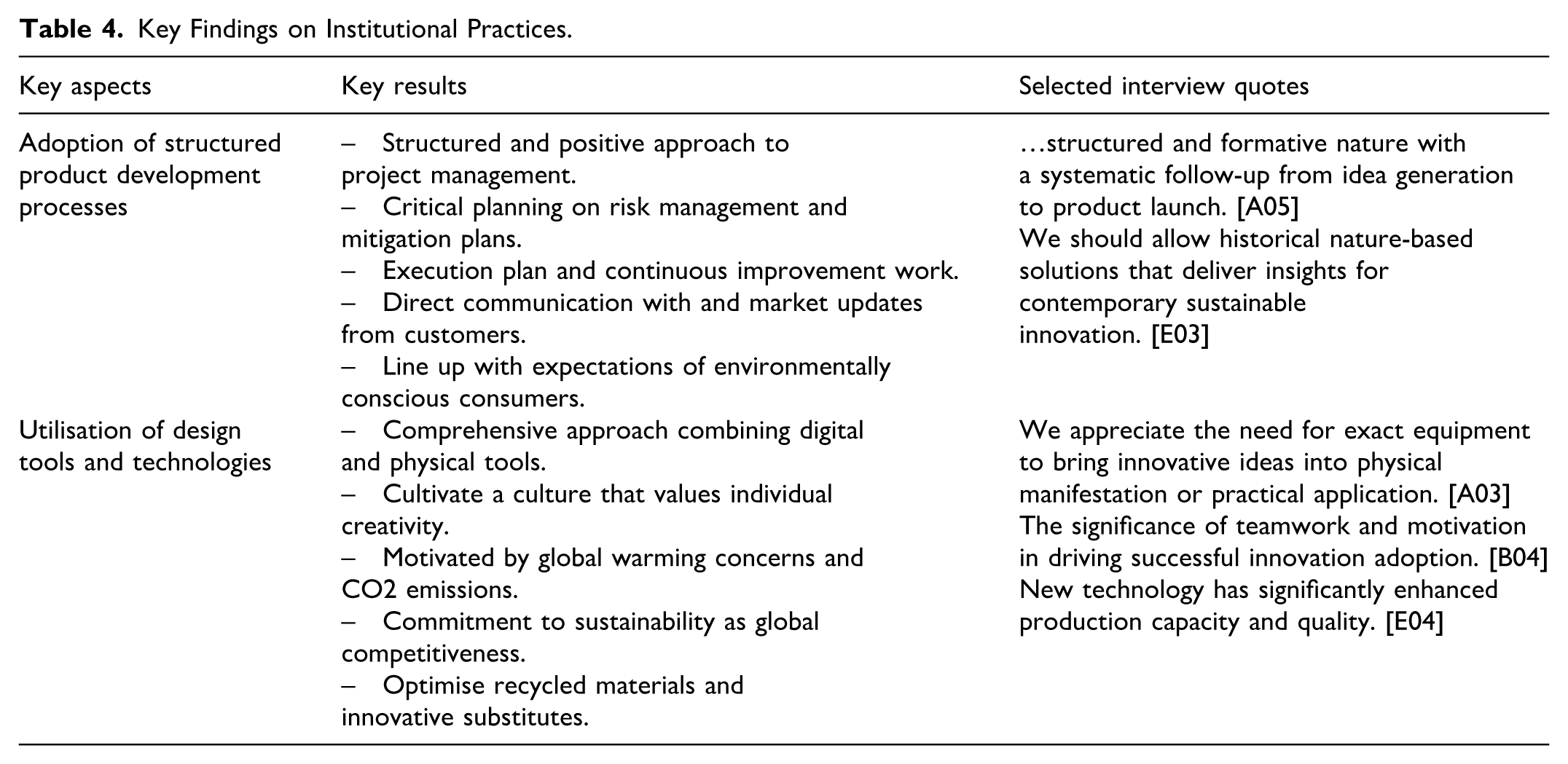
Table 4 presents the data capture regarding institutional practices. Two main themes had emerged: (a) adoption of structured product development processes, and (b) utilisation of design tools and technologies. The first theme reveals industry’s focus on organisational structure and a proactive approach to project management and innovation, including critical planning to identify and mitigate risks, plan implementation stages, and maintain structured processes for continuous improvement. During the interviews, people recycled. They emphasized the importance of direct customer interaction, ongoing research to meet their needs, and the development of recyclable products. This helps meet the expectations of customers who care about the environment. They also mentioned that the industry utilizes software for designing new products, combining digital and physical tools, and fostering creative thinking to drive sustainable innovation. They adapt new tools and technologies to fight global warming and lower carbon dioxide emissions. They also utilize sustainable materials and develop innovative products to remain competitive globally.
Key Findings on Institutional Practices.
Institutional (Transformative) Leadership
Table 5 presents the key findings on institutional leadership support aimed at promoting awareness and practices. Four main themes have been derived from the interviews: (a) organisational culture and structure, (b) resource allocation, (c) market pressure and competition, and (d) industry support and collaboration. In general, interviewees believe a strong support for innovation is crucial as evidenced by initiatives like the Cost Optimisation Project (COP) and “Kaizen” awards. This also includes a collaborative culture with cross-functional Quality Control (QC) groups and modern communication platforms for managing buyer-aligned ideas. Moreover, it’s essential to wisely distribute funds between research and development (R&D) and the innovation department to encourage growth and nurture an innovative environment. The discussions also highlighted the contributions of industry groups, including ETI, BKMEA, GIZ, and BGMEA, in advancing sustainable progress. This is achieved through partnerships between companies, schools, government agencies, non-governmental organisations (NGOs), and international collaborators.
Key Findings on Institutional Leadership Supports.

Sustainable Product Innovation
By using the TSPD and SLCM, this study able to gain informative and constructive insights into the strategic moves and commitments of Bangladeshi RMG industry for sustainable product innovation. The following sub-sections recap the salient dynamics of institutional awareness and practices into three aspects: (a) market desire and needs, (b) concepts of product, and (c) extended enterprise.
Market Desire and Needs
Current market desire and needs—Companies know that their products are designed to fulfill the market's need for clothes that are good for the environment, original, and of high quality. They ensure this by using materials that are kind to the environment friendly and by using modern technology, like 3D design. Even though they have limitations like limited supply of renewable materials, high production costs, and keeping their processes efficient, they are compliant on being environmentally friendly, having fair supply chains, and managing the whole life cycle of their products cautiously. This method discusses the importance of considering environmental health, corporate social responsibility, consumer preferences, economic feasibility, and overall public well-being when making decisions.
Future market desire and needs—Consumers say that future products will use natural materials and be comfortable to wear. They also need products that are easy to recycle, to understand the originality of the products, and to use new technologies such as 3D design in production. To meet these needs, companies must produce products that are beneficial to both people and the environment, treat their workers fairly, use resources efficiently, and offer cost-effective and sustainable options. to the environment. Signs of this change include the increased use of sustainable materials, designing with customers in mind, leveraging technology, collaborating with other companies, and managing products from start to finish in a smart and efficient manner. In the future, people are likely to seek more sustainable methods for creating new products, transparent information about how products are manufactured, and responsible actions throughout the supply chain, along with tailored eco-friendly options. Market trends show a move towards being more sustainable, making products that can be customized, and using digital tools in the process of creating new products. This aligns with what consumers prefer: environmentally friendly, customizable, and innovative products.
Concepts of Product
Current concept of production—Table 6 outlines the current scenario and stages of the product lifecycle under the four sustainability principles based on the SLCM.
Future concept of production—Various approaches can be taken to increase the service life of garment industry products and reduce their impact on sustainability principles, for example, sourcing sustainable materials, improving the quality of production, reducing waste, adopting responsible shipping methods, ensuring fair labor standards, supporting recycling programs, and increasing openness and accountability throughout the production chain. Moreover, it is possible to create new product ideas in the RMG sector that meet present and/or future market demands while mitigating the risk of violating fundamental sustainability principles. To achieve this, we can use materials that are environmentally friendly and create products in a way that does not harm the world. The textile industry can generate innovative ideas that align with the principles of sustainable development, ultimately making the business profitable for the world and its people.
Current Scenario of Product Lifecycle in RMG Industry in Bangladesh.

Extended Enterprise
Current extended enterprise—Existing social preferences are often against the adoption of more environmentally friendly products. These preferences include price sensitivity, fast fashion culture, lack of awareness, and supply chain infrastructure issues. Hence, companies implement strategies such as cost reduction, consumer education, product innovation, incentives, partnerships, and policy advocacy. There are moving degrees of value-chain cooperation in managing sustainability questions. While some collaborations happen between stakeholders such as suppliers, retailers, manufacturers, and NGOs, significant gaps are delaying effective management. These shortcomings include a lack of transparency, communication barriers, limited sharing of best practices, uneven power dynamics, and inadequate implementation of sustainability standards. Overcoming these constraints requires strengthening cooperation, transparency and alignment of interests among all stakeholders in the value chain to effectively overcome sustainability challenges.
Future extended enterprise—Future preferences of people involved in society that will help improve the development of products that are good for the environment include a higher demand for products that are not harmful to the environment, a better understanding of the importance of being socially responsible, and a wish for openness about how products are made and where they come from. By including these people and listening to what they want, the clothing industry can encourage the use of better ways to make products that are good for the environment. Also, working together with others in the process of making products is important for taking care of environmental issues throughout the whole life cycle of a product. These partnerships could include working together between companies that make products, those that provide materials, stores that sell things, non-profit groups, government agencies, and groups that represent different industries. Encouraging these partnerships needs everyone to be active, have reasons to work together, share the same goals, and be responsible for their actions. This might mean having projects that involve the whole industry, help from rules and laws, programs to help people learn new skills, and ways to share information and the best ways to do things.
Discussion
Institutional Awareness and Practice for Industry Transformative
This awareness pattern aligns with institutional theory’s prediction that normative pressures (industry standards, stakeholder expectations) drive organizational learning. However, the gap between Company A and B suggests that coercive pressures (LEED certification) may be more effective catalysts for deep awareness development, challenging assumptions about uniform isomorphism effectiveness. The literature reveals a significant gap in the alignment of current awareness and practices in product development within the RMG sector with sustainability standards. Notably, 56 of the top 100 LEED-certified green factories worldwide are in Bangladesh, including nine of the top 10. This shows that although green industries in Bangladesh can be sustainable, they need to better incorporate sustainable ideas into their products to make more progress. This difference shows that while clothing manufacturers are dedicated to being environmentally friendly, they often don’t fully think about innovation at every step of making their products. The superior awareness levels in LEED-certified companies reveal a critical insight: certification schemes function as institutional legitimacy mechanisms that transform external pressures into internal capabilities. This finding extends institutional theory by demonstrating how formal certification creates organizational learning pathways that informal sustainability commitments cannot achieve.
Given Bangladesh’s dominant position in the global RMG market and its substantial impact on the national economy, there is a critical need for companies to adopt standardized frameworks for incorporating sustainability into their product decision-making processes, as supported by the literature. In terms of knowledge of product development processes, there is an emerging trend in Bangladeshi RGM industry in acknowledging the important of process innovation and maintains a systematic approach to product development. To ensure the seamless integration of process innovation, the processes are supported by collaborative efforts, tailored processes, and dynamic reassessment strategies—all aimed at achieving agile and efficient process improvement. Companies have noticed a slow but clear change, mainly influenced by certain important industries. This change is characterized by a focus on customers when creating products, with a strong emphasis on environmental issues and the utilization of 3D design methods. Additionally, more buyers are choosing sustainable materials, which is helped by sharing information at events. This change is closely tied to the overall push for sustainability in industry and the country’s movement towards green factories, highlighting a strong connection between innovative ideas and environmental care. These structured approaches validate Hallstedt et al. (2020)’s TSPD framework effectiveness, but our findings reveal a crucial adaptation: Bangladeshi firms integrate traditional lifecycle thinking with digital innovation tools, creating hybrid approaches that may offer insights for other developing economy contexts.
The industries understand that product development serves as a strategic imperative driven by the company’s awareness of global sustainability concerns and its commitment to innovation. It strategically addresses various operational facets to achieve benefits such as cost savings and increased efficiency, all while maintaining a strong focus on sustainability. The industries understand that product development serves as a strategic imperative driven by the company’s awareness of global sustainability concerns and its commitment to innovation. It strategically addresses various operational facets to achieve benefits such as cost savings and increased efficiency, all while maintaining a strong focus on sustainability. This strategic approach ensures business effectiveness through continuous improvement, employee understanding of internal change, and collaboration between business and research. Ultimately, product development is crucial to a company’s success in a competitive procurement industry, resulting in enhanced business efficiency. According to the participants’ understanding, the company's production process includes various measures to promote sustainable development, such as water conservation, the use of materials that are not suitable for the environment, and the management of wastewater. They emphasized the importance of innovation, cost-effectiveness, and consumer preference, and then discussed the issues related to regulating production. In addition, the company’s approach considers the entire product life cycle as an important aspect of development, specifically in relation to the life cycle, compliance with sustainability principles, and the acceptance of the raw materials cultivation system.
A company’s structure and its approach to managing projects and fostering innovation are crucial for successful product development that lasts. This involves important planning sessions to spot and tackle risks, create plans to reduce these risks, organise the steps for putting plans into action, carry out these plans, and constantly work on making things better. Companies should communicate directly with customers, keep researching to understand their specific needs, and focus on innovation to fulfil those needs. By making products that can be recycled and meeting the expectations of customers who care about the environment, a company can drive sustainable product innovation.
This research examines how organisations use design tools and techniques. The company relies on software to create new designs, uses digital and physical tools to achieve innovation, and is committed to creating a culture that encourages creative people to achieve sustainable products. The study also points out that new tools and technologies are being adjusted to promote sustainability, driven by worries about global warming and a wish to reduce carbon dioxide emissions. This dedication is seen as crucial for staying competitive globally, highlighting the use of sustainable raw materials and innovative product development. The mention of recycled materials and innovative alternatives like circularity of product shows the practical actions brands are taking to meet environmental goals.
Institutional Leadership Roles towards Sustainable Product Innovation
To ensure sustainable product innovation, the value creation by existing leaders in the RMG sector is crucial. This process within organisations not only meets current market demands but also contributes positively to environmental and social sustainability. These values are identified through a gap analysis of leadership roles in the industry, as discussed in the results section. The key aspects of leadership roles and their innovative aspects are presented in the following Table 7.
Innovation of Leadership Approach.

Based on the experiences of Bangladeshi RMG industry, several salient points on leadership roles in transformative change of the industry have been emerged:
Culture and structure—The need for strong support for innovation and experimentation. Organisation’s multifaceted approach to innovation, which includes initiatives such as the Cost Optimisation Project (COP), fostering an inclusive environment for innovation across all levels, recognising innovative ideas through awards like “Kaizen,” and emphasising buyer-oriented innovation while documenting and publishing ideas that address operational needs and customer demands. In addition, collaboration between departments involved in product development is also important because the organisation strives to foster a culture of continuous improvement and ownership by employing eight people from the quality control (QC) group, encouraging and encouraging collaboration, knowledge sharing, and problem solving, as a whole of “the spirit of innovation.”
Resource allocation—When allocating the budget for development activities, it is important to ensure that the organisation allocates the budget between the R&D and innovation departments with the aim of improving the growth of the entire organisation by creating new products or innovative solutions and is dedicated to the recruitment process (especially in European countries) understands and manages the local market conditions in order to increase efficiency in product development planning and budgeting processes. The resource allocation patterns reveal that successful sustainability integration requires 15% to 20% of R&D budgets dedicated specifically to sustainability initiatives. This finding provides concrete guidance for RMG managers: incremental budget increases below this threshold may not achieve transformative change, suggesting the need for strategic resource concentration rather than dispersed investments. In addition, it is also important to have professional skills and learning opportunities. The organisation is committed to managing the skills and performance of employees in the organisation, promoting continuous improvement, and supporting employees and the company to achieve the goals of increased productivity, increased efficiency and increased effectiveness. According to training needs. Performance appraisal (TNA) and post-performance appraisal joint training and intervention to improve skills.
Market pressure and competition—Strong competition to offer new innovative products is the key to cooperation, innovation, and stability in the business market; this should consider how users can integrate product applications, encourage innovation, and understand the impact of product innovation and sustainability, select sustainable products, and promote them. Educating and promoting sustainable products, striving for sustainable development through environmentally friendly technology and new material processes, and turning to materials and recycling to meet customers’ needs and long-term potential. even benefits the initial cost. In addition, regarding customers’ needs, it emphasises understanding and satisfying customers through direct communication with buyers, technical knowledge, local business collection, research, relationships with international development goals, internal control, and traceability of products, especially desired study and collaboration of others to share information and activities to change lives and understand new things in the world. This shows the sustainability of resources, the production process, and the life cycle of products, focusing on circular economy models and social support to recognise good leadership in the industry.
Industry support and collaboration–Different stakeholders and the RMG industry jointly discuss the varied approaches and roles of different organisations in the RMG sector in Bangladesh, particularly focusing on their efforts towards sustainability, innovation, and ethical development. The existence of industry associations in promoting product development is essential to sustainable product development. Different stakeholders and RMG industry jointly discuss the varied approaches and roles of different organisations in the RMG sector in Bangladesh, particularly focusing on their efforts towards sustainability, innovation, and ethical development. Organisations such as BKMEA, BGMEA, ETI, and GIZ are involved in environmental and sustainability awareness programs, capacity building, or product development. Activities include improving business performance, improving employee health, reducing employee stress, and supporting innovation. Despite efforts to increase environmental awareness, the use of environmental protection plans and technologies, and support and awareness in this area are still weak. In addition, collaboration between business and NGOs is well known and key to promoting ethics, cooperation and innovation in Bangladesh’s RMG industry. These partners include various stakeholders, including government agencies, non-governmental organisations, and international partners who work together to overcome this challenge and bring positive change to the company. It also shows the importance of adapting education and training to the requirements of the industry, as well as addressing knowledge gaps through industry and university collaborations and practical organisations.
Figure 4 illustrates how the findings in institutional awareness, practices, and leadership in forming an organisational culture that is conducive to sustainable product innovation in the RMG industry.
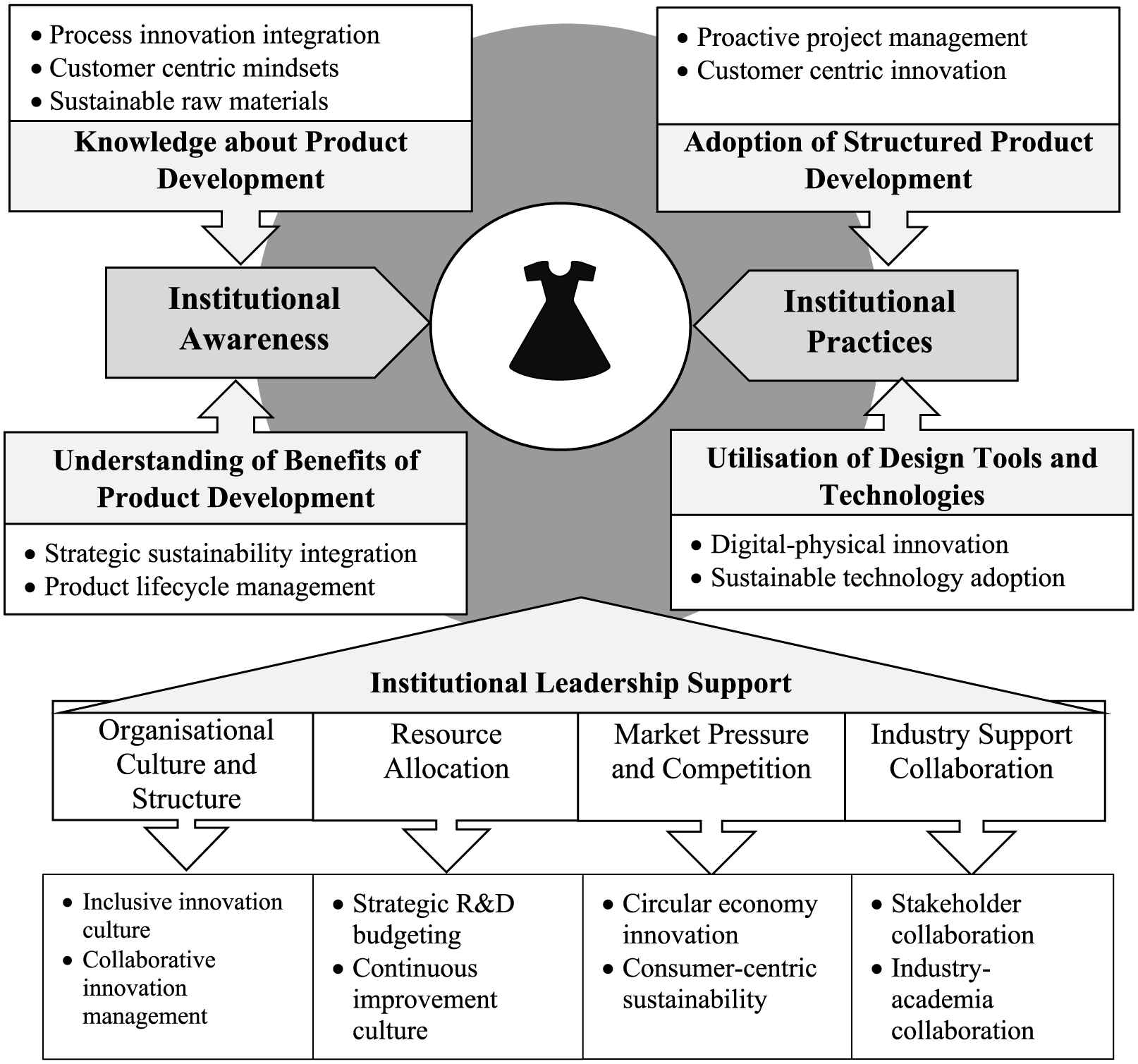
Organisational culture for sustainable product innovation in RMG industry.
Implications and Contributions
The study identifies theoretical patterns in sustainability integration, including the influence of institutional pressure, SLCM mediation, market awareness, and leadership moderation. It suggests that coercive pressures directly affect awareness, while normative pressures influence the adoption of practice. The study also suggests that higher institutional leadership can strengthen theoretical relationships, particularly in the translation of awareness to practice. The empirical validation strategy includes within-case analysis, cross-case comparison, expert triangulation, and secondary data corroboration. The implications of this study are as follows:
Theoretical Implications: This study’s findings substantially enhance the literature on sustainable product innovation, particularly in the context of emerging economies such as Bangladesh. This research highlights how sustainable innovation can facilitate sectoral transitions by leveraging institutional awareness and leadership. It enhances the current literature in three principal domains: Integration of Institutional Protocols: The research underscores the essential function of organized institutional practices in promoting sustainable product innovation, enhancing theoretical frameworks about institutional influences on sustainability. This aligns with frameworks like SLCM and TSPD, underscoring its relevance in emerging market scenarios. Leadership and Sustainability Nexus: The study identifies transformative leadership as a crucial element in connecting awareness with actionable behaviors. This enhances leadership theories by delineating specific leadership behaviors and resource allocation strategies necessary for integrating sustainability into business cultures. Sectoral Application of Sustainability Principles: This study advances sustainability theories by specifically applying them to the RMG business, offering sector-specific insights that may guide global industry adaptations.
Pragmatic Consequences: The research provides practical recommendations for professionals in the RMG sector and policymakers. Institutional Frameworks: RMG companies may implement standardized instruments like SLCM and TSPD to incorporate sustainability concepts throughout the product lifecycle methodically. These frameworks enable baseline mapping and strategic planning for the future. Leadership Development: Training programs for industry leaders must emphasize the cultivation of collaboration, resource optimization, and innovation-driven cultures. By emphasizing sustainability in resource distribution and strategic planning, leaders can effect dramatic transformations. Policy Recommendations: Policymakers ought to promote environmentally friendly practices via financial incentives and regulatory structures, including tax advantages for LEED-certified facilities and subsidies for the implementation of sustainable technologies. Technological Integration: The utilization of sophisticated tools such as AI-driven design software and 3D printing might enhance sustainability results. Companies should prioritize utilizing digital platforms for instantaneous engagement with international stakeholders. Consumer Awareness Campaigns: Companies can generate demand for sustainable products by strategic marketing and clear communication regarding sustainability practices, thereby cultivating a culture of environmental responsibility among consumers.
The study suggests that companies should implement standardized tools like SLCM and TSPD to promote sustainability. A three-phase transformation strategy should be implemented, starting with Foundation Building, which involves allocating 15% to 20% of R&D budget for sustainability initiatives. This includes establishing cross-functional sustainability committees and pursuing LEED certification. The second phase involves system integration, integrating TSPD frameworks and SLCM lifecycle analysis into new product development projects. The third phase focuses on scaling and optimizing, establishing industry partnerships, implementing AI-driven design tools, and creating consumer awareness campaigns. Policymakers should also promote environmentally friendly practices through financial incentives, such as mandatory sustainability reporting for companies with over 1000 employees, green building certification requirements, and extended producer responsibility regulations.
Conclusion
The Bangladeshi RMG sector has increasingly adopted institutional awareness and conventional product development practices. The tools used in this paper offer opportunities to transform traditional product development into sustainable innovation systems. Product innovation strategies have evolved over time. The findings indicated that existing product innovations are adaptable and can integrate sustainability planning into their frameworks. The current systems for creating new products have theoretical and practical flaws that make it difficult for them to support sustainability effectively. Major changes are needed during the product development process to include sustainability. This is especially important for the planning stages, which should be based on strong sustainability principles. Instead of relying on self-regulation and slow improvement, product development should utilize sustainability principles to inform future planning of product innovation. The study suggests possible areas for future research, particularly in process innovation led by suppliers in the textile industry. By recommending research methods that look at and investigate differences in product innovation systems across regions, future studies could explore how different areas grip technical changes in product innovation, use local and natural raw materials, and offer insights into how these trends affect innovation in different sectors.
Footnotes
Acknowledgements
The authors would like to express their sincere gratitude to all the interviewees and informants who generously shared their time, experiences, and valuable insights, which greatly enriched this study.

Ethical Considerations
This study was conducted in accordance with the ethical guidelines and approval of the Universiti of Malaya Research Ethics Committee (UMREC): UM.TNC2/UMREC_2628.
Consent to Participate
Informed consent was obtained from all participants prior to data collection. Each participant was fully briefed on the objectives of the study, the voluntary nature of their involvement, and their right to withdraw at any stage without any consequences.
Funding
The authors received no financial support for the research, authorship, and/or publication of this article.
Declaration of Conflicting Interests
The authors declared no potential conflicts of interest with respect to the research, authorship, and/or publication of this article.
Data Availability Statement
Data sharing not applicable to this article as no datasets were generated or analyzed during the current study.