




Abstract
Research has identified that bystander intervention by peers decisively contributes to overcoming violence in school contexts. However, there is little research analyzing the type of teacher training that facilitates it. The present study contributes to expanding the knowledge in this field by analyzing a professional development network for teachers based on dialogic training. Using a research methodology with communicative orientation, we conducted 14 interviews with teachers and 5 focus groups involving a total of 26 high school and primary students. Additionally, we observed 15 dialogic teacher training sessions throughout one year. This article is part of an R+D+i research project called ROM21 funded by the Spanish Ministry of Science, aimed at enhancing the quality of life for Roma people. As such, two schools were selected in which approximately 2.5% and 32% of the student body identified themselves as Roma. Results show that this program, based on dialogic teacher training, enables teachers to foster students’ ability to take a stance against school violence. Results suggest that the dialogic dynamics prevalent in the analyzed teacher training program transfer to student interactions, notably contributing to the mitigation of school violence. The implications of the results are discussed.
Plain Language Summary
Research has identified that bystander intervention by peers decisively contributes to overcoming violence in school settings, where peer intervention involves bystanders taking an active stance against bullying rather than remaining passive observers. Teachers can effectively promote peer bystander intervention, but their impact depends on the type of training they receive. In this regard, there is little research analyzing the type of teacher training that facilitates it. The present study contributes to expanding the knowledge in this field by analyzing a professional development network for teachers based on dialogic training. In dialogic teacher training, educators and other educational agents gather to read and discuss relevant theoretical sources and research studies published in high-impact scientific journals in an egalitarian atmosphere. Research demonstrates the benefits of dialogic teacher training across diverse contexts, concerning academic achievement (Roca-Campos et al., 2021b), reduction of school violence and improvement of school climate (Rodríguez-Oramas et al., 2020). However, further research is needed to confirm its effectiveness in other contexts, and to delve into the key factors that make this approach effective. To this aim, we conducted 14 interviews with teachers and 5 focus groups involving a total of 26 high school and primary students, using a research methodology with communicative orientation. Additionally, we observed 15 dialogic teacher training sessions throughout one year. Results show that this program, based on dialogic teacher training, enables teachers to foster students’ ability to take a stance against school violence. Results suggest that the dialogic dynamics prevalent in the analyzed teacher training program transfer to student interactions, fostering bystander intervention between peers and so mitigating school violence. We examine what the results mean for the topic at hand.
Introduction
Ensuring that schools are safe spaces is a top priority globally, as reflected in Sustainable Development Goal 4 (United Nations, 2017). Currently, the school climate is significantly impacted by bullying and other forms of school violence on a global scale (UNESCO, 2018). For instance, worldwide, one out of every three students aged 13–15 has experienced bullying, while in industrialized countries, 17 million teenagers admit to having bullied one or more peers (UNICEF, 2018). This is a serious issue that occurs not only during adolescence but across all age groups, starting from early childhood (Finkelhor et al., 2009; Ni et al., 2024).
Scientific literature has clearly demonstrated a close link between school violence and a noticeable decline in the well-being of students (Arslan et al., 2021; Burger & Bachmann, 2021). Students who experience bullying to a greater extent typically attain lower academic performance (Wang et al., 2014), and schools with higher rates of bullying tend to have lower academic achievements overall (Strøm et al., 2013). Additionally, school violence is associated with feelings of marginalization and school dropout (UNESCO, 2021). Furthermore, research has linked violent relationships with mental health issues (Dalla Pozza et al., 2016), problems in brain activity and development (Shonkoff et al., 2012), changes in phenotypes (Hayes, 2018), and increased inflammatory markers related to various diseases (Araújo et al., 2009). Research has also revealed that bullying does not just impact the perpetrator and the victim, it also takes a toll on the mental well-being of bystanders (Rivers et al., 2009).
Scientific literature reflects that school violence occurs in all types of contexts and among all types of students, but certain factors increase the risk of experiencing it, such as being female (Cerna-Turoff et al., 2021), coming from a socioeconomically disadvantaged background (Ahmad et al., 2022), belonging to an ethnic minority (de Oliveira Ramos et al., 2022), having certain gender identities or sexual orientations (Llorent et al., 2016), or having a disability (Jones et al., 2012).
The case of students that belong to ethnic minorities and the greater risk of suffering from bullying has been widely evidenced in very diverse contexts and countries (Bae et al., 2019; Jansen et al., 2016; LeVasseur et al., 2013; Weinstein et al., 2021). In the particular case of Roma students, previous research has shown not only their exclusion in many contexts to a quality education (Searle, 2017) but also likely to be victims of bullying because of being Roma (Aubert, 2015; Kisfalusi et al., 2020).
Research has identified peer intervention as a crucial key to overcoming school violence (Denny et al., 2015; Saarento & Salmivalli, 2015). It has also been recognized as essential for addressing forms of violence such as gender-based violence in educational settings (Coker et al., 2016; Puigvert et al., 2021, 2022). School violence such as bullying often occurs in the presence of peer bystanders, who may inadvertently reinforce the behavior by providing social benefits to the perpetrators, and so, the likelihood of bullying persisting increases when there are more of these rewards and fewer individuals willing to stand up for and defend the victims (Salmivalli, 2014).
In school settings, peer intervention involves bystanders taking an active stance against bullying rather than remaining passive observers. This shift from “bystanders” to “upstanders,” as defined in scientific literature, has a significant impact on addressing bullying (Elboj-Saso et al., 2022; Thapa et al., 2013). This approach has been proven to be effective in promoting positive outcomes in diverse contexts (Duque et al., 2021; Gini et al., 2008; Villarejo-Carballido et al., 2019).
Teachers can greatly promote bystander intervention among peers (Hirschstein et al., 2007; Lodge & Frydenberg, 2005). However, teacher training significantly affects their ability to do so (Novick & Isaacs, 2010). Moreover, not all training programs or courses are equally effective (Wachs et al., 2019). Indeed, strong evidence from scientific literature suggests that teachers frequently feel their training is unrelated to their day-to-day duties as educators (Calvert, 2016).
Among the various approaches to teacher training, research suggests that the banking model may not be the most effective in addressing the challenges they face in handling cases of school violence (Macias, 2017; Picower, 2015). The “banking model” (Freire, 1970) views learners as passive recipients of knowledge, where teachers “deposit” information. This model has been criticized for stifling critical thinking and engagement. Furthermore, research also cautions against viewing teacher training as solely an individual endeavor and placing exclusive accountability on teachers for their students’ academic achievement and school climate (Schiff et al., 2015). Conversely, teacher training models rooted on dialogue and interaction among participants have proven to be effective in supporting teachers in developing key skills to successfully handle the challenges they face (Kitts, 2024).
Dialogic teacher training aligns with the latter model. It is grounded in the theory of Dialogic Society (Flecha, 2022), which aims to improve people’s lives through a zero-tolerance approach to violence and by fostering egalitarian interactions and dialogue between citizens and science. Egalitarian dialogue prevails when discussions are settled based on the strength of arguments rather than the influence of power dynamics among individuals (Flecha, 2000). In dialogic teacher training, educators and other educational agents gather to read and discuss the most relevant international publications in an egalitarian atmosphere. One key element of these spaces are the type of reading materials the teachers discuss: those texts are theoretical sources and research studies published in high-impact scientific journals, always reading original sources (Rodríguez-Oramas et al., 2021). This process fosters a collective construction of knowledge that is unlikely to be achieved by an individual or through a mere knowledge transfer model (García-Carrión et al., 2020).
From a zero-tolerance approach towards violence from early childhood (Oliver, 2014), dialogic teacher training delves into and shares dialogues about educational actions and scientifically proven programs (Flecha et al., 2023). These include initiatives such as the Zero Violence Brave Club (Duque et al., 2021; Rios-Gonzalez et al., 2023; Roca-Campos, et al., 2021a), Dialogic Model of Prevention and Resolution of Conflicts (Duque et al., 2021; Rios-Gonzalez et al., 2019), Dialogic Scientific Gatherings (Ruiz-Eugenio et al., 2023), Dialogic Feminist Gatherings (de Mello et al., 2021; Salceda et al., 2020), Open Doors Actions (Roca et al., 2020), and Elimination of Isolating Gender Violence (Puigvert et al., 2021).
Research provides evidence of the benefits of dialogic teacher training across diverse contexts, concerning both academic achievement (Barros-del Rio et al., 2021; Garcia-Carrion et al., 2017; Roca-Campos et al., 2021b; Rodriguez et al., 2020) and also regarding the reduction of school violence and improvement of the school climate (Roca-Campos et al., 2020; Rodriguez-Oramas et al., 2020). For instance, Rios-Gonzalez and colleagues (2019) conducted an analysis of a nursery where dialogic teacher training promoted ongoing review of their practice, facilitating reflection and debate geared towards improving outcomes, including enhancing the school climate. Rodriguez-Oramas and colleagues (2020) also investigated this educational center with children aged between 1 and 3 years, emphasizing the importance of group training rather than individual training to effectively implement a zero violence approach from early ages. Meanwhile, Oliver (2014) examined the impact of dialogues among researchers, teachers, and families in sessions organized by an association of early childhood, primary, and secondary education teachers, and concluded that these dialogues help dispel myths about violence in educational contexts and delve into actions that contribute to enhancing the school climate. Roca-Campos and colleagues (2020) assessed the impact of teachers trained in a professional development network based on dialogic teacher training in preventing and reducing bullying in schools through an educational intervention called the Zero Violence Brave Club, and they concluded that conflicts were greatly reduced and quality relationships improved.
The Dialogic Teacher Training is one of the Successful Educational Actions (SEA) identified by scientific literature as those that provide a high educational quality and positive results for all kinds of students and in diverse contexts (Morlà-Folch et al., 2022), which includes minority groups. These actions have been co-created since the beginning with very diverse people, including Roma academics and non-academics (Flecha & Soler, 2013). The goal, therefore, has been not to create specific actions for each ethnic group to obtain positive results, but practices in which diverse ethnic groups feel equal to the rest without renouncing to their identity (Garcia Yeste et al., 2018).
The Present Study
To contribute to creating truly safe school environments, the role of teachers is crucial, as their effectiveness can foster, among other things, bystander intervention among student peers (Hirschstein et al., 2007; Lodge & Frydenberg, 2005). Effective teacher intervention depends on the training opportunities they have (Dawes et al., 2020; Diamond et al., 2019; Flynn et al., 2016). Therefore, it is a priority to identify the type of teacher training that effectively contributes to promoting bystander intervention among student peers (Letendre et al., 2016; Madrid et al., 2020). Existing literature to date suggests that an approach based on dialogic teacher training is effective in reducing school violence and enhancing quality relationships in school contexts (Oliver, 2014; Rios-Gonzalez et al., 2019; Roca et al., 2020; Rodríguez-Oramas et al., 2020). However, further research is needed to confirm its effectiveness in other contexts, and there is also a need to delve into the key factors that make this approach effective with students from diverse origins and ethnicities.
The present research is part of the last phase of the ROM21 project, funded by the Spanish Government’s Ministry of Science and Innovation. The project centers on addressing the pandemic’s impact on the Roma community, particularly in the area of education, which was among the most severely affected. The focus of the last phase is related to the “transference of successful actions to new contexts.” The research has been conducted especially in the Basque Autonomous Country, Aragon and Catalonia. However, the contexts included in the present research, following the project’s last phase, are new places where successful actions are also being implemented and include Roma students. One key criterion for the inclusion of the schools in the study is that there are Roma students in them, and that no specific actions are applied only towards them in the consecution of zero violence. That is, the focus is on actions that work well for all kinds of students, and not specific for any ethnic group.
To contribute along these lines, the present study analyzes a network of teacher professional development based on dialogic teacher training that provides ongoing training over years, which has not been previously investigated. The present study aims to analyze the impact of this teacher training in promoting bystander intervention among student peers. To achieve this, the present study examines the impact of the dialogic characteristics of the training on how teachers address the prevention of school violence with their students, as well as how students identify violence and approach the prevention and resolution of aggression in their school and extracurricular contexts. Communicative observations and interviews were conducted to fill this gap. Particularly, the present study addresses the following research questions:
RQ1: What are the characteristics of the training on school violence experienced by these teachers?
RQ2: Did this teacher training promote that the analyzed students took a stand against school violence?
Methodology
Methodological Background
This case study presents evidence gathered from a total of 14 teachers, 17 adolescents, and 9 children who freely chose to be involved in the research. Additionally, data were gathered from observations made during 15 training sessions conducted over the span of one year. To achieve the objective, a research procedure was drafted and opened up for dialogue with teachers and young people, and all materials and stages were tailored according to their inputs and priorities. This is well aligned with the Communicative Methodology of research, which has been widely demonstrated to enable co-creation of scientific evidence (Gómez et al., 2019). This methodology has been employed in all phases of the ROM21 project.
Communicative Methodology is rooted on the principles of social impact and co-creation. The positive impacts of this methodology have been evidenced through a wide range of research studies with social impact, leading the European Commission to recommend this methodological approach to ensure practical applicability of research findings (Redondo-Sama et al., 2020). Particularly, Communicative Methodology has also shown to be effective in gaining a deep understanding of complex social situations, including research involving vulnerable populations such as children, young people, ethnic minorities, and individuals suffering from mental health conditions (Sordé Martí et al., 2020). Thus, this methodological approach enables the unveiling of particular aspects of social interaction that might otherwise be overlooked.
When doing research with Communicative Methodology, participants’ ideas, opinions and experiences are valued and weavened with scientific knowledge, and this creates a rich and egalitarian exchange atmosphere between researchers and participants. For this to happen, egalitarian dialogue is essential. This implies that participants’ voices are equally valued as scientific knowledge, and the outcome of such dialogues yields valuable insights, or research with social impact, understood as the improvement of people’s lives by applying the knowledge achieved through scientific research (Redondo-Sama et al., 2020). In this vein, Communicative Methodology entails an analysis of both the elements that boost social transformation and improvements (known as “drivers” or “transformative elements”), and those barriers or aspects that hinder social transformation (known as “barriers” or “exclusionary elements”).
This research presents evidence of a single case study (Stake, 2000; Yin, 2014), because it allows for a deep understanding of a particular social issue within its natural context. The combination of the case study design with the above-described Communicative Methodology enables to achieve valuable conclusions as a result of a committed exchange between researchers and participants.
Participants
The present study examined a professional development network for teachers situated in the Basque Country. This network hosts several seminars every month based on dialogic teacher training, involving educators from preschool, primary, and secondary education across various schools in the region, along with educational advisors and researchers.
For the selection of the teaching staff, the snowball technique was employed, considering the following inclusion criteria: 1) the interviewees had to have participated in the teacher professional development network for at least 5 years, and 2) they had to be working in schools within the area where the professional development network operates. Nineteen individuals were invited to participate (18 women, 1 man), and 14 agreed to participate. Among them, one was an early years practitioner (working with children aged between 0 and 6 years old), seven were from primary education (working with students aged between 6 and 12 years old), three were from secondary education (working with students aged between 12 and 18 years old), and three were educational advisors (see Table 1).
Participant Teachers’ Information.

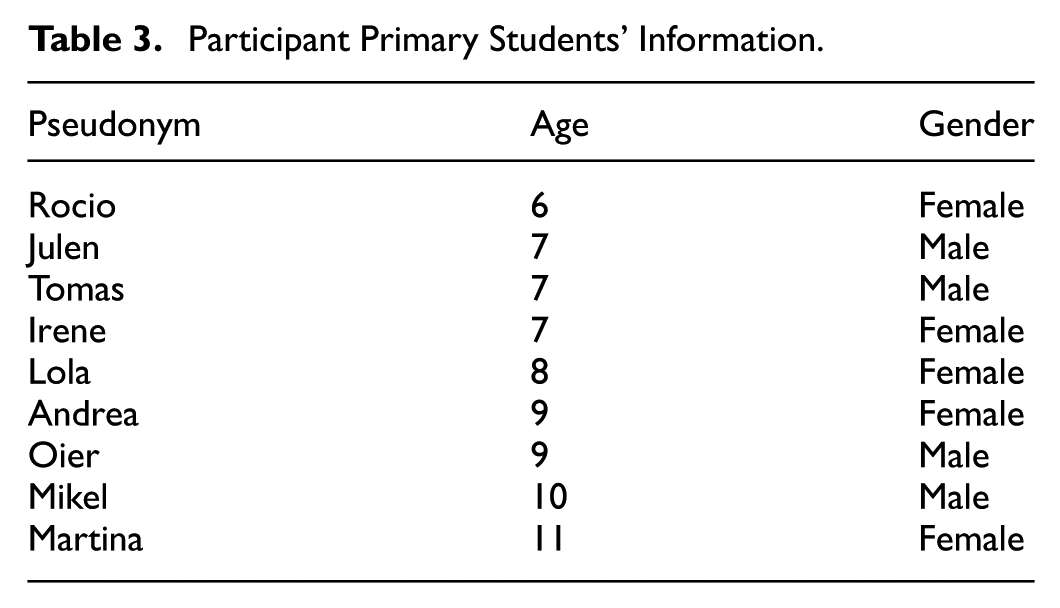
Two schools were selected for conducting focus groups with students. Additionally, the selection of schools adhered to the following inclusion criteria: 1) schools where the interviewed individuals worked were chosen, 2) one school was for primary education while the other was for secondary education, 3) they were from different geographical areas, 4) both had over 30% of students receiving scholarships exclusively available to low-income families, 5) over 20% of the student body had to be of immigrant background, and 6) to have Roma students. As such, one of the schools had 2.5% Roma students and the other one 32%. This way, a comparison could be made between two schools where the representativity of Roma was diverse in order to see the effect of these actions, regardless of the rate of Roma representativity. The students selected from the primary school were pupils of the teaching staff involved in the analyzed teacher professional development network. Due to schedule compatibility considerations, students between the ages of 6 and 12 who were participating in a class representatives committee were selected (Table 2).
Participant Secondary Students’ Information.

For student selection from the secondary education school (see Table 3), the following inclusion criteria were followed: 1) they had to be students of teachers participating in the teacher training network, 2) they needed consent from their family members or guardians, 3) upon being informed, they had to express their interest in participating in the research, and their schedules had to be compatible with attending the focus groups (see Table 3).
Participant Primary Students’ Information.
Fifteen seminars were observed on various days over the course of a year. These observed seminars lasted for 3 hours each and comprised an initial session where participants discussed a longer text they had read beforehand. Subsequently, they analyzed shorter texts, also read prior to the session, on specific topics.
Data Collection
To gather data on this professional teacher development network, we utilized a communicative research methodology. We conducted 14 interviews with teachers, 3 focus groups with a total of 17 high school students (ages 13–16), and 2 focus groups involving 9 primary education students (ages 6–11). Additionally, we observed 15 teacher training sessions during the 2023/2024 academic year.
The lead author conducted interviews in the summer of 2023, and the focus groups took place between the fall of 2023 and the spring of 2024. Teachers invited to participate in interviews or focus groups, as well as students and their families invited to participate in focus groups, were provided with research information prior to data collection. The interviews were conducted online, except for one, upon the explicit request of the interviewee, while the focus groups were conducted at the students’ schools. Both the interviews and focus groups had an average duration of 30 minutes and were all audio-recorded, after ensuring participants’ consents. All interviews and the three focus groups with secondary school students were conducted in Spain, while the two focus groups with primary school students were conducted in Basque.
The interviews aimed to gather information about teachers’ experiences in the analyzed seminars and the impact of their participation in these seminars on promoting bystander interventions among peer students. During the teacher interviews, they were asked to assess their experience in the professional development network to determine the impact of the training. Additionally, they were questioned about the specific features of the training. Furthermore, the objective of the interview was also to ascertain whether this training had influenced their approach to addressing school violence with students and if it affected students’ responses to school violence. Another element from the interviews was to gather the specific information about the Roma students and the effects it had on them, although not making something specific for each ethnic minority group. However, the interviews did not follow a strict script but rather adapted to the interactions with the interviewees.
In the focus groups, the goal was to gather information about the influence of student interactions with participating teachers in the seminars on how they addressed school violence. Similarly, there was no rigid script for these interactions; they were tailored to the participants’ interactions. Students were asked about what they had learned with their teacher about school violence, and if they had learned anything, how they had learned it. Additionally, they were questioned about how they typically respond to cases of school violence and if what they had worked on with the teacher had influenced their response.
Observations of the seminars were carried out by three of the authors between 2022 and 2023. Twelve of these seminars were conducted online, while the remaining three were held in person. The observations of the seminars aimed to collect data on the nature of the seminars. The researchers present at the seminars took descriptive notes on the seminar’s progress as it unfolded and completed these notes once the seminar concluded. The goal was to identify the characteristics of the training, considering its functioning, content, modes of participation, and the atmosphere it fostered.
Data Analysis
The data collected from interviews and focus groups were transcribed and coded. The notes taken during the seminars were also coded. Based on the research questions, the coding categories were established inductively, resulting in the emergence of the four categories shown in Table 1. The first category addresses research question 1, while categories 2, 3, and 4 correspond to research question 2 (Table 4).
Data Analysis.

Following the criteria outlined in the Communicative Methodology (Gómez et al., 2019), the researchers reached a consensus on the categories, after which two researchers independently coded the data. They then initiated a process of comparison and revision of the coding. In the few instances where consensus was not reached on coding, decisions were made through egalitarian dialogue. The results were also shared and compared with the interviewees. This process facilitated the identification of aspects that significantly contributed to addressing the research questions.
Ethical Considerations
This study adhered to Regulation (EU) 2016/6791, commonly known as the EU General Data Protection Regulation (GDPR). Approval for the study was obtained from the Ethics Committee of the Community of Research on Excellence for All (CREA) under number 20231812.
All participants were provided with comprehensive information regarding the research objective, procedures and the ethical considerations involved. They were informed of the voluntary nature of their participation and reassured that they could withdraw from the study at any point without repercussions. Additionally, participants were assured that their personal data would be anonymized using pseudonyms to maintain confidentiality.
Results
The aim of the present study was to examine the characteristics of a teacher training program and to determine whether the analyzed teachers’ dialogic professional development program effectively fostered teachers’ encouragement of students to take a stand against school violence. In interviews and focus groups, both teachers and students perceived that the analyzed professional development program, grounded on dialogic teacher training, promoted substantial changes within the school concerning issues of school violence. Specifically, the initiatives of these teachers encouraged students to develop an awareness of school violence that prompted them to take a stance against violent acts, both within the school and, in some cases, beyond the school walls. The characteristics of the professional development program and how it was implemented with students were pivotal in these transformations. These improvements include the Roma students, which participants state that equally benefit from the evidence-based action that these teachers implement.
From Teachers’ Professional Development to Implementation with Students
Both interviews and observations conducted indicate that the professional development network for teachers analyzed follows the model of dialogic teacher training. The analyzed network has been organizing thematic seminars for 24 years, where teachers from early childhood, primary, and secondary education, as well as educational advisors and researchers, come together to discuss publications by reputable theorists based on scientific evidence and scientific research relevant to the educational field. These discussions are always aimed at implementing specific actions and programs to improve the schools where the participating teachers work.
Furthermore, interviews emphasize the dialogical nature of the gatherings within this professional development network. The observations conducted corroborate this. Participants read agreed-upon texts beforehand and share selected phrases or paragraphs with the rest of the group during the gatherings, explaining why they chose them. Subsequently, other participants have the opportunity to contribute to this dialogue. In these gatherings, egalitarian dialogue prevails, meaning that regardless of who is speaking, the validity of the arguments takes precedence over the speakers’ status and power relations. These gatherings thus facilitate dialogues that constantly link the scientific evidence discussed with the participants’ daily experiences in their educational settings. Scientific evidence thus becomes the focal point of dialogues in which educators analyze the challenges they consider priorities and specify and deepen actions and programs that contribute to addressing the challenges posed.
In addition, these scientifically backed teacher training programs are focused on obtaining success for all students, including Roma students. What participants highlight is that, although no specific actions have been addressed towards each ethnic group, the aim of these actions is to improve the outcomes of all students. As Marian stated:
The training courses deal with how to achieve success for all pupils in general and, of course, for Roma pupils, and especially for any disadvantaged group, but in any case, for everyone (…) These courses have helped me to understand much better how to promote the educational success of Roma, of all pupils, because if you work with Roma pupils, and you work in an inclusive way and with successful actions, it is for everyone, for all pupils. (Marian)
Participating in these teacher training spaces represented a significant change for the interviewed teachers. It enabled them to develop a different approach to addressing school violence, as Paula, a preschool teacher, asserts: “For me, it meant more of a change in how to tackle, how to prevent problems.” This change was based on the interviewed teachers participating for the first time in rigorous evidence-based training from a dialogic approach, as explained by Eva, a primary school teacher:
Over these years, I have engaged in continuous training, through various seminars, pedagogical discussions, reading scientific articles on this topic, books, conversing with researchers (…) In terms of professional development, what I have found is rigorous training for the first time. (Eva)
The interviewed teaching staff as a whole also affirms that the professional development facilitated in this network based on dialogic teacher training has been key in encouraging students to effectively address school violence. The interviewed teachers clearly relate the training received by the faculty to the perceptions and attitudes that students develop towards school violence, coexistence, and interpersonal relationships. For example, Miren, a primary school teacher, believes that “the way students relate changes when teachers are well trained,” and Nekane, another primary school teacher, states that “when teachers are well trained, it reflects on the students, you can see the evolution because it becomes evident.”
In addition, the training gave participant teachers the tools for implementing evidence-based actions with students from diverse backgrounds and ethnicities which not only improve their academic results, but also the living together of the schools in all their diversity. Begoña highlighted the following about the learned actions based on scientific evidence of social impact: “They are the best way to approach their teaching-learning process, both to achieve school success, as well as all other aspects of their development and the best coexistence.”
The influence of teachers’ professional development on students is reflected in how teachers create spaces to discuss school violence. The data collected suggest that the dialogic dynamics prevalent in the analyzed teacher training program transfer to student interactions via teacher-students interactions, thus notably contributing to students addressing school violence. Drawing on the dialogic model received in their training, the interviewed teachers replicate it with their students when addressing school violence and coexistence. The interviewed teachers encourage students to access knowledge based on scientific evidence and engage in debates through egalitarian dialogue. In these spaces, a climate is fostered where the validity of arguments prevails over power relations among participants. Thus, students have access to scientific evidence on school violence and coexistence, facilitating reflection on everyday situations and learning potential solutions to violence while deepening the identification of and potential pathways for the development of quality relationships.
The interviewees point out that having these spaces that facilitate egalitarian dialogue, based on the validity of arguments, on school violence and coexistence is fundamental. For example, Maite, a primary school teacher, argues that “[students] must have places and forums to speak because if they don’t speak…,” because this way students speak “calmly” and “back up what they say, explain why.” In this vein, Emma, a secondary school teacher, says, “here [at the school], they have learned to talk about those things [violence].” These dialogic spaces facilitate the identification and analysis of previously normalized violent acts so that the group can take a stance on them. However, this all depends on teachers adopting an approach that prioritizes identifying school violence, discussing it, and taking a stance against it, as understood in the words of Miren, a primary school teacher:
Before, maybe I thought they were unimportant or insignificant things. Now, however, I give them importance and give students the opportunity to talk about it, so they can express what they liked or disliked. This way, the group has the opportunity to strengthen itself against this, it’s not something decided by the teacher alone. (Miren)
The interviews emphasize the importance of these dialogue spaces being safe spaces where sharing can occur without fear of reprisals and contributing to the certainty that not only the teacher but the group will act when it is agreed that an act constitutes school violence. In these school contexts, as Nekane, a primary school teacher, says, students “have another tranquility and another strength to be able to say, ‘hey, this happens to me,’‘hey, this doesn’t happen to me but I’ve seen this happening on the playground.’”
Raising Students’ Awareness to Identify School Violence and Empowering Them to Take a Stance Against It
In the analyzed contexts, students are empowered to develop the ability to identify school violence. In interviews conducted with both teachers and students, it is affirmed that the dialogues developed by students in these school contexts facilitated by the interviewed teachers greatly contribute to students being able to identify school violence that they did not previously recognize. For example, Johanna, a secondary school student, states, “I didn’t realize it was violence against me until we discussed it in class,” and, along the same lines, Daniela emphasizes, “Thanks to all the discussions I’ve been having since sophomore year, I do know how to act, I can detect it, I know what type of violence it is.”
The dialogic spaces facilitated by the interviewed teachers not only help students identify violence but also promote peer intervention addressing school violence. The interviewed teachers unanimously affirm this. Emma, a secondary school teacher, for example, says, “If they hadn’t worked on all this, [the students] wouldn’t have done it, or it would have been different, less convinced or less decisive.” The primary school students who participated in the focus groups agree with this, as exemplified by Martina when she states that they wouldn’t act the way they do if they hadn’t worked on it with the teachers because “we have learned from the teachers, and if the teachers hadn’t known how to do it, we wouldn’t have known what to do in the face of violence either.”
An example of this is what Marta, a high school student, narrates, explaining how participating in a gathering helped her to act in a case of harassment:
I had a friend who was being harassed by someone (…). She confided in me, talked to me (…) I tried to help her, but I didn’t know how. (…) We had a gathering about violence, and then we went to talk to the teacher, she gave us more ideas, and we resolved it together with the teachers and us. (Marta)
Similarly, Susana, another high school student, asserts, “You may realize that something is wrong, but you don’t intervene. However, here [at school] (…) you clearly see that this is not right and something has to be done.” In this vein, the example recounted by Jack, a high school student, is striking: “A girl started hitting another who was running around the classroom to avoid being hit, and I went downstairs to alert the teacher (…). [If I had been in another school] I think I would have been encouraging the fight.”
Correspondingly, primary school students emphasize the importance of peer bystanders as a fundamental means to stop aggression, as when Oier states, “if witnesses don’t take a stand, the bully will continue.” The focus groups reflect that, according to these students, bystander intervention among students is a widespread way of acting in their school. Martina explains this: “when people see something, they either intervene or say that it can’t be done, because we’ve been taught that way for years, and those kinds of things don’t seem normal to us.” It is also noteworthy that the interviewed primary school children consider addressing conflicts through dialogue in class to be commonplace, which helps avoid resorting to violence. For example, Lola asserts, “when something happens, we sort it out in class,” while Martina states that in the face of any type of aggression, “instead of responding with violence, we address it using words.”
Teachers and interviewed students refer not only to acts of violence such as physical violence or insults, but also to other types of abusive relationships, for instance those that may occur between individuals considered friends, as expressed by Noa when she says that the dialogues she has participated in class have “helped a lot” to “identify things (…) among friends.” Susana also asserts along the same lines, saying that without the class dialogues, “you don’t realize that that ‘best friend’ is the one hurting you.” Teachers also report that they analyze these situations in class, as explained by Eva, a primary school teacher: “She [a student] had identified that if they were with more people, her ‘friend’ treated her worse, but if they were alone, she treated her better, and she said in front of everyone that she found it a hypocritical attitude and argued it in front of the whole class.”
Useful Knowledge: Taking a Stance Against Violence Beyond the School Walls
Interviews with teachers and focus groups with students have also revealed that there are cases where bystander intervention extends beyond the school. According to some interviewees, students take bystander intervention to other spaces where they usually spend time, such as the park, as recounted by Eva, a primary school teacher:
As [the students] become experts, they identify violence outside the classroom as well, in the hallways, on the playground, with other older or younger peers, with teachers, with adults… they identify everything, (…) and they're at this point where they also identify violence outside of school. They also talk about park incidents, and honestly, it’s been crucial. (Eva)
The transfer of upstander attitudes to spaces outside of school contributes to the improvement of relationships within the school, as conflicts in other spaces often involve the same individuals who then interact in the same school, and even in the same classroom. It is noteworthy that these stances outside the classroom stem from interactions and dialogues that occur within the classroom, according to individuals reporting in these interviews and focus groups. More specifically, they stem from moments where they have addressed aggression through bystander intervention, as well as moments where they have had the opportunity to discuss scientific texts addressing school violence and ways to contribute to its resolution. One of the situations explained in the interviews was recounted by Eva too, who organized a session where students read and discussed a text based on scientific research on school violence. In the interview, she described the following:
That article [on school violence] has had a tremendous impact in the community. (…) Families already knew what we were doing in class. Well, it has been… It has had immense significance in the neighborhood, at the supermarket. I’ve met families, and I thought maybe they wouldn’t be aware of all this, but they asked me, ‘Hey, what about the article you gave to the kids, are they taking it home?’ (Eva)
In this case, it is also evident that the teacher organizes a session based on the training model received in the analyzed professional development network, and the dialogue generated in this session transcends the school and reaches at least some families who are very interested in the topic, making the students consider the issue even more important.
Discussion
Research has shown that teacher training is a key factor that significantly influences students’ outcomes (Darling-Hammond, 2000). It is also crucial in addressing school violence (Hirschstein et al., 2007; Lodge & Frydenberg, 2005), which is a major challenge in school settings worldwide (United Nations, 2017). Therefore, it is essential to identify scientifically proven actions and programs as the basis for teacher training (Flecha et al., 2023). In this regard, the present study provides evidence gathered from a professional development network, adding to an extensive research line demonstrating that what makes a difference in preventing school violence and improving the school climate is the implementation of effective actions and programs that have already demonstrated their effectiveness in creating safe school environments (Girard et al., 2011; Hart & Ostrov, 2013; Pianta et al., 2014). Consensus among both teachers and interviewed students in the present study indicates that the analyzed teacher training has significantly contributed to promoting bystander intervention among student peers.
Thus the present study contributes to the scientific literature by providing evidence that dialogic teacher training, within the framework of a professional development network, in this case enabled teachers to effectively promote students’ peer interventions to address school violence. A qualitative methodology was employed, focusing on a limited number of teachers, students, and schools. Therefore, the findings are not generalizable to other contexts. However, this methodological approach allowed for an in-depth analysis of the selected cases, yielding evidence that the dialogic nature of the teacher training was reflected in the type of peer intervention carried out by the students—interventions that were themselves dialogic in nature and contributed to overcoming violence. In this way, the study offers evidence of the impact of the dialogic character of this teacher training approach in the studied case.
Therefore, the evidence presented in this study also points to another fundamental aspect regarding teacher training. It suggests that not only the content but also the type of training in which the content is delivered is crucial. The present study found that the analyzed professional development network follows a model of dialogic interaction, which enhances the effectiveness of training. Participant teachers pointed out at the opportunity to discuss relevant theoretical contributions and cutting-edge scientific research, relating them to their daily work and challenges, as well as addressing doubts and other issues useful for fueling dialogues among participants, thereby making the generated knowledge more effective. Additionally, in the analyzed case, this interaction facilitates that when teachers talk to students about addressing school violence, interactions with students reflect those developed by teachers in their training. It seems that these teacher-student interactions foster a more pronounced tendency among students to address school violence from a dialogic, non-violent approach, where egalitarian dialogues within the group addressing violence are the most effective way to deal with coexistence issues. This, in turn, facilitates bystander intervention among student peers in this case.
Therefore, this research study aligns with well-established research indicating the crucial role of bystander intervention in effectively addressing school violence (Denny et al., 2015; Elboj-Saso et al., 2021; Saarento & Salmivalli, 2015; Thapa et al., 2013). It provides evidence suggesting that teacher training appears to be an effective key to promoting bystander intervention among student peers, thus aligning with previous research (Hirschstein et al., 2007; Lodge & Frydenberg, 2005). Furthermore, this study contributes evidence on the importance of considering both the content and the characteristics of teacher training, adding to the research advocating for collaborative teacher training as more effective (Kitts, 2024), as well as teacher training that promotes collaborative and supportive interventions by teachers towards students as the most effective (Wachs et al., 2019).
Regarding the well-being of students from ethnic minorities or other vulnerable groups, such as the Roma people, participants have stated that they equally benefit from the outcomes of the teacher training based on scientific evidence of social impact. Taking into account the previous evidence on bullying victimization on ethnic minorities (Kisfalusi et al., 2020; Llorent et al., 2016; Weinstein et al., 2021), the identification of actions that are equally benefiting students from diverse social and ethnic groups is of great relevance. Many Roma people have been greatly excluded from quality education, and this exclusion has been increased due to the pandemic (Magano & Mendes, 2021; Nevická & Mesarčík, 2022; Velicu et al., 2022). Therefore, this teacher training that is equally contributing to the success of all ethnic groups and students is key in overcoming such barriers. Previous evidence has shown benefits of teacher training based on scientific evidence of social impact in all kinds of students (García-Carrión et al., 2020), including the Roma (Garcia-Carrion et al., 2017, 2020).
This study also aligns with a well-established line of research on violence prevention covering school contexts and other contexts such as affective-sexual relationships (Puigvert et al., 2019, 2021; Racionero-Plaza et al., 2021), peer relationships beyond school (Duque et al., 2021; León-Jiménez et al., 2020; Racionero-Plaza et al., 2021), and family contexts (Rios-Gonzalez et al., 2019). Studies indicating the effectiveness of teacher training based on dialogic approaches to addressing school violence are part of this approach (Oliver, 2014; Rios-Gonzalez et al., 2019; Roca et al., 2020; Rodríguez-Oramas et al., 2020).
Implications
Taken together, the findings of this study—aligned with the scientific literature on interventions with social impact to address school violence (Hirschstein et al., 2007; Lodge & Frydenberg, 2005)—show that, in this specific case, teachers were able to make a difference in promoting students’ peer intervention.
Furthermore, the evidence indicates that, also in this case, teacher training played a significant role in enabling teachers to foster students’ peer bystander intervention, consistent with previous research (Roca-Campos et al., 2020).
A key implication of this work is that the type of training provided was essential in this case. The dialogic nature of the teacher training not only supported teachers in promoting peer intervention among students, but also contributed to shaping the dialogic characteristics of the students’ own bystander actions. Specifically, in this case, there was a substantial increase in students’ awareness of school violence that might otherwise have been normalized. Students learned how to respond effectively, took a clear stance against violence without resorting to it themselves, and focused on the validity of arguments over the speaker’s status or existing power relations. This is also consistent with the impact identified in the scientific literature regarding certain types of teacher training (Rodriguez-Oramas et al., 2020) and the effectiveness of dialogic interactions in fostering social improvement (Flecha, 2022).
Another important implication from this case—again in line with the scientific literature (Aubert, 2015)—is that the inclusive approach adopted, which avoided targeting or isolating specific students, made it possible for Roma students to benefit equally from the improvements generated.
Finally, also consistent with previous research (Ruiz-Eugenio et al., 2023), the evidence from this case regarding the transfer of the dialogic dynamics beyond the school setting suggests that schools can, indeed, contribute to broader societal transformation.
Limitations
Several limitations need to be addressed. This research study has been conducted within a professional development network in a specific context, therefore, the findings of this research are not generalizable. Teachers with over 5 years of experience in the analyzed network were interviewed, thus data on the impact of training on individuals with more limited backgrounds were not collected. Only two schools of participating teachers in the network were analyzed, and a limited number of students participated in the focus groups, hence the collected data cannot be generalized to other schools and students. Future research could examine teacher training programs in different contexts as well as schools and students with different characteristics to analyze the impact of this training approach in other settings. Future studies may also adopt quantitative approaches.
Conclusion
This research study addresses a major challenge we currently face: school violence, a global phenomenon (UNESCO, 2018) that has highly detrimental effects on students’ academic performance, social relationships, health, and overall well-being (Arslan et al., 2021; Burger & Bachmann, 2021). Teachers play a key role in tackling this issue (Hirschstein et al., 2007; Lodge & Frydenberg, 2005), but in order for them to act effectively, it is essential—among other factors—that they receive teacher training that genuinely supports them in achieving social impact (Novick & Isaacs, 2010).
This study contributes to the scientific literature by showing that, in the case analyzed, dialogic teacher training was decisive in fostering students’ peer intervention. Moreover, the dialogic characteristics of the training were crucial not only for the effectiveness of the teachers’ interventions in schools but also in shaping students’ interventions, which were likewise dialogic in nature. These findings align with existing research showing that effective teacher training is fundamental to addressing the challenge of school violence (Novick & Isaacs, 2010). They also support the growing body of literature demonstrating the efficacy of dialogic approaches to teacher training (Oliver, 2014; Rodriguez-Oramas et al., 2020), as well as the inclusive approach embedded in the dialogic framework, which has been shown to be effective in ensuring that ethnic minority students also benefit from educational improvements (Aubert, 2015).
Thus the evidence provided by this research study contributes to previous research highlighting the importance of teacher training in both content and training characteristics as fundamental keys to effectively addressing school violence.
Footnotes
Acknowledgements
This research is part of the I+D+I ROM21 project, which was funded by the State Program for Research, Development and Innovation Oriented to the Challenges of Society (Ministry of Science and Innovation, Government of Spain) with reference number PID2020-117098RA-I00. Furthermore, this research is also part of Enhanc-ed (Enhancing Education for All in Plural, Socioculturally Diverse, and Multilingual Contexts) (PID2023-152450OB-I00), an I+D+i project funded by the Ministry of Science, Innovation, and Universities, as well as the BIZI BOOST-ED research team (Boosting Education for All in Plural, Socioculturally Diverse, and Multilingual Contexts) (GIU24/028). Additionally, this article builds on knowledge generated by the coordinating team of the Horizon Europe project REVERS-ED, “Trends on Educational Inequalities Over Time and Successful Interventions that Contribute to Reverse Them.” This project was selected and funded by the European Commission under Grant Agreement No. 101132470.

Ethical Considerations
This study adhered to Regulation (EU) 2016/6791, commonly known as the EU General Data Protection Regulation (GDPR). Approval for the study was obtained from the Ethics Committee of the Community of Research on Excellence for All (CREA) under number 20231812.
Consent to Participate
All participants were provided with comprehensive information regarding the research objective, procedures and the ethical considerations involved. They were informed of the voluntary nature of their participation and reassured that they could withdraw from the study at any point without repercussions. Additionally, participants were assured that their personal data would be anonymized using pseudonyms to maintain confidentiality.
Funding
The authors disclosed receipt of the following financial support for the research, authorship, and/or publication of this article: The APC of the article is funded by the Generalitat de Catalunya through the group project “RCI-TS. Recerca Científica Interdisciplinar en Treball Social” (Interdisciplinary Scientific Research in Social Work), with number 2021 SGR 00676. The first author received funding through a research contract from the Basque Government under Grant ‘PRE_2022_1_0266.’
Declaration of Conflicting Interests
The authors declared no potential conflicts of interest with respect to the research, authorship, and/or publication of this article.
Data Availability Statement
Data is available upon reasonable request to the corresponding author.