




Abstract
This study scrutinized Vietnamese university students’ perceptions of their interaction in synchronous online classes. With a mixed-methods design, the study integrated quantitative and qualitative approaches. The participants comprised 200 tertiary students at a private university in the Mekong Delta of Vietnam. Data were gathered through a survey questionnaire and focus group interviews. The results revealed that students obtained a moderate level of interaction in online classes, with student–content and student–interface interactions being perceived as equally the most common. This was followed by student–teacher interaction, whereas student–student interaction was cited to be the least frequent. Qualitative analysis elucidated nuanced perceptions, with discernible disparities between the two groups of participants having higher and lower interaction levels. The former expressed confidence in digital platform usage, emphasizing technological proficiency’s significance, while the latter encountered challenges and lacked confidence in platform utilization. Both groups recognized the importance of engaging with course materials but differed in their perceptions of volume and learning facilitation. Despite frequent student–teacher interactions, face-to-face learning was preferred due to perceived detachment in online learning environments. Peer interaction, particularly deficient in the lower interaction group, underscored challenges in online collaborative activities.
Introduction
A myth that has aroused much controversy in the landscape of distance education is that there is little interaction in online classes. As Bernard et al. (2009) commented, the early history of distance education witnessed an interaction-related problem, which was online classes being either non-interactive or inadequately interactive. Empirical findings against this background revealed a number of attributable factors, including learners’ unfamiliarity with distance education formats (Özkan et al., 2021) and, to take learner-instructor interaction as an example, their perceived isolation from instructors due to the deficiency of in-person contact in online courses (Alawamleh et al., 2020). Various attempts have been made to foster interaction in web-based classes using advances afforded by emergent technologies and more adaptive teaching procedures. Of special interest is the use of synchronous tools, which have entailed much exploration of their potential for enhancing student participation and interaction in the virtual classroom (Q. Wang et al., 2023). Z. Yang and Liu (2007) suppose that “a virtual classroom not only delivers course materials to the learners but also provides a live, contextual and interactive environment for the learners” (p. 172). Phelps and Vlachopoulos (2020) assert that interaction can be enhanced through the use of a synchronous system. This system is, in many ways, similar to a physical classroom in that it facilitates student motivation, develops a sense of learning communities, provides immediate feedback, and promotes discipline among learners. Some research further deduces that online instruction in the virtual classroom offers more interaction options than any other form of teaching (Bouhnik & Marcus, 2006).
It makes sense that a component that exists in all online learning interactions, irrespective of type and classification, is computer-mediated (Dennen et al., 2007). In this sense, virtual classrooms make it possible for teachers and students to interact with one another synchronously using a computer-mediated platform and tools (Martin et al., 2012). Empirical evidence has indicated that advanced platforms like Google Meet, Microsoft Teams, and Zoom, are useful tools for facilitating synchronous interactions (Al Faruq et al., 2022; Kohnke & Moorhouse, 2022; Wichanpricha, 2021). Technological features integrated into the learning delivery systems of these platforms, such as chat rooms and online conferencing, are employed as computer-mediated means of interaction, allowing synchronous learning to resemble learning experiences in face-to-face environments (Themelis & Sime, 2020). From the communicative perspective, synchronous communication involves, for example, live chats, instant messaging, teleconferencing, and video conferencing in which learners can see and hear their teachers and vice versa (Phelps & Vlachopoulos, 2020; Rinekso & Muslim, 2020). By this, real-time interactions can be built in the virtual classroom where participants are simultaneously connected from different locations (Dailey-Hebert, 2018). Adding the feature of interactive transactions, as online interaction being supported by media, to synchronous virtual instruction, Deshpande and Hwang (2001) describe interactive transactions occurring in the virtual classroom as a real-time, mutual, dynamic give-and-take between learners and an instructional system with an exchange of information.
In synchronous interactions, teachers and learners can become more socially engaged within the online instruction environment, fostering social presence and satisfaction (Moorhouse & Wong, 2022; Yacci, 2000). These interactions help learners avoid feelings of isolation and recognize themselves as active participants in a collaborative online learning setting (Hrastinski, 2008). Activities facilitating social interactions include using nonverbal cues during real-time digital interactions, socializing, and exchanging personal information through online chats and bulletin boards (Gilbert & Moore, 1998). However, despite these social benefits, synchronous interactions also present challenges. Moore and Kearsley (1996) postulate that computer-mediated situations in distance learning can lead to psychological and communication gaps between instructors and students and among students themselves. Without the appropriate use of technology, online interaction is inevitably restricted to some extent, which is likely to decrease students’ satisfaction with the course and influence their academic performance (Kuo et al., 2014). As such, understanding interaction in online classes has become an urgent concern, drawing significant attention from educators and researchers in the realm of distance education.
In the context of Vietnam, although distance education has been integrated into Vietnam’s tertiary education system since the 1990s (M. H. Nguyen, 2020), its adoption remained limited prior to the COVID-19 pandemic, as Vietnamese students were largely unfamiliar with online learning modalities (X. A. Nguyen et al., 2021). However, the pandemic necessitated an abrupt and widespread transition to digital learning, positioning e-learning as an essential pedagogical approach in higher education institutions (Pham & Ho, 2020). To mitigate disruptions caused by the suspension of face-to-face instruction, universities increasingly relied on video conferencing platforms, such as Google Hangouts, Microsoft Teams, and Zoom, to facilitate synchronous learning and maintain academic continuity (X. A. Nguyen et al., 2021). Recently, despite still being in its developmental stage, distance education has gained significant popularity in Vietnamese higher education. The rapid expansion of this instructional mode has sparked a substantial body of research on this domain. Existing studies have primarily focused on factors such as student readiness, technology acceptance, and the impact of online learning on academic performance (e.g., Hoang & Hoang, 2022; Maheshwari, 2021; Thanh et al., 2024; Trinh et al., 2022), leaving the area of student interaction in synchronous online classes less explored. This study, therefore, aims to examine tertiary students’ perceptions of their interaction in synchronous online classes. The results of this study are expected to offer educators and policymakers evidence-based insights for improving instructional design, pedagogical strategies, and technology integration to enhance the caliber of online learning experiences and support student success in virtual learning environments.
Literature Review
Conceptions of Interaction
Interaction has deep origins in human-to-human communication, which takes place between individuals. In the educational domain, the concept of interaction has evolved and gained significant momentum, manifesting in a variety of conceptual frameworks. Wagner (1994) refers to interaction as “reciprocal events that require at least two objects and two actions” (p. 8). She further asserts that interaction only occurs when mutual influences exist between these objects and events. Brown (2001) defines interaction as the two-way exchange of messages (e.g., thoughts, feelings, or ideas) between or among people in a cooperative manner, which predisposes the interlocutors to affect one another. Based on theories of communicative competence, Brown highlights the importance of interaction in that human beings indeed negotiate meanings when they interact with each other through the use of language.
When it comes to computer-mediated instruction, interaction has recognized values and plays an indispensable role in the design of online courses (Kumtepe et al., 2019). Compared to face-to-face interaction, the online counterpart strikingly differs in the involvement of technological tools, giving rise to another term of interactivity. Literature regarding interaction in computer-mediated educational environments has witnessed various attempts to differentiate between interaction and interactivity. Wagner (1994) contends that “interaction functions as an attribute of effective instruction while interactivity functions as an attribute of instructional delivery systems” (p. 9). Later, in 1997, she added to the distinctions between the two terms that interaction emphasizes behaviors of those involved in the interactive process, whereas interactivity highlights the technological system or tools used in teaching and learning practices. However, several researchers (e.g., Anderson, 2003; Roblyer & Ekhaml, 2000) suppose that interactivity and interaction are closely connected since, in online instruction, the use of technology is not without bringing about an interactive process that enables interaction to be produced. As stated by Kumtepe et al. (2019), interactivity is necessary for interaction. Thurmond and Wambach (2004) propose a more extended meaning of interaction by relating it to the connection with other subjects, namely the course content, other learners, the instructor, and the technological medium. In this sense, interaction is described as learners’ engagement with these subjects, leading to a reciprocal exchange of information to attain defined goals. Some other definitions of interaction concentrate on the social intent and interaction processes, including student–student and student–teacher interaction (Bernard et al., 2009). Gilbert and Moore (1998) state that computer-mediated interaction refers to social exchanges, although they have little to do with instructional learning, which can help create a learning environment with affective benefits such as student satisfaction and motivation.
Types of Interaction
Moore (1989) proposed three primary forms of interaction, namely learner–content, learner–instructor, and learner–learner interactions. These interactions serve as foundational elements in shaping the online learning experience (Al-Tammemi et al., 2022; Mendis & Dharmawan, 2019; Simui et al., 2017). Then, Hillman et al. (1994) expanded upon Moore’s theory by introducing a fourth dimension of interaction, known as learner-interface interaction. This extension underscores the pivotal role of technology in facilitating interaction in the contemporary digital landscape (Al-Tammemi et al., 2022).
Student–Content Interaction
Bernard et al. (2009) refer to student–content interaction (SCI) as the result of students interacting with the content under study, comparing it with their prior knowledge, and using it in problem-solving situations. These series of actions are comprised of both physical and mental skills, indicating that SCI may include such activities as “reading informational texts, using study guides, watching videos, interacting with computer-based multimedia, using simulations, or using cognitive support software, as well as searching for information, completing assignments, and working on projects” (p. 1248). By comparison, Thurmond and Wambach (2004) suppose that web-based learning may allow students to immerse themselves in the course content more than traditional courses. However, this requires proper instruction and careful selection of learning techniques; otherwise, online students can be confronted with plenty of difficulties, like being confused and feeling lost in a large amount of information to which they are exposed (Bouhnik & Marcus, 2006). Regardless of such concerns, the benefits of SCI to students are obviously more significant (Leem, 2023). Leasure et al. (2000) reported in their study that continuous interaction with the course content positively impacted students’ enthusiasm for being part of an online course, which in turn would help improve their learning and academic performance. More broadly, Xiao (2017) emphasizes that SCI is a fundamental and crucial contributor to the efficacy of online learning in particular and education in general.
Student–Teacher Interaction
Student–teacher interaction (STI) unfolds as an intricate process, incorporating diverse modes of engagement and communication. This symbiotic relationship is paramount in cultivating optimal levels of student motivation, active involvement, and favorable learning outcomes (Sari & Hermawan, 2022; Skinner & Belmont, 1993). Activities promoting STI mainly focus on attitude dimensions rather than educational achievements, with many pedagogical benefits regarding motivational and emotional support. These benefits are equally worthwhile in classroom-based and online learning contexts (Anderson, 2003). Likewise, Martin et al. (2012) assume that STI is beneficial in the sense that teachers intentionally endeavor to kindle students’ interest in the lessons and encourage the students to learn. However, Coppola et al. (2002) suggest that a learning environment that allows STI to be conducted sufficiently requires teachers to perform three roles, namely cognitive, effective, and managerial. Among these, in the online setting, the cognitive role is teachers’ ability to use technology and find technological tools to serve the teaching and learning processes. One obvious problem in the virtual classroom is the lack of physical proximity; therefore, teachers and students should find ways to enhance the feeling of closeness and make the issue of being physically separated not a hindrance (Bouhnik & Marcus, 2006). Besides, it is teachers’ responsibility to ensure that their expertise in interacting with students is efficient enough to enable the emergence of another type of interaction that is carried out between students and students.
Student–Student Interaction
Student–student interaction (SSI) encompasses the communicative exchanges and participation that transpire among students within educational environments. It holds inherent significance in cultivating a communal atmosphere, fostering collaborative learning endeavors, and bolstering the development of critical thinking proficiencies (Wardayani et al., 2022). Engaging in SSI can assist students in the construction or formulation of ideas at a deeper level (Anderson, 2003). Damon (1984) posits that “intellectual accomplishments flourish best under conditions of highly motivated discovery, the free exchange of ideas, and the reciprocal feedback between mutually respected individuals” (p. 340). In distance education, SSI can be either synchronous (e.g., in videoconferencing and chatting) or asynchronous (e.g., in discussion boards and email messaging; Bernard et al., 2009). The exchange of an idea through such means of interaction can excite the interest and motivation of interlocutors as a result of eagerly awaiting responses from peers (Anderson, 2003). According to Bernard et al. (2009), SSI is necessary for cognitive objectives and motivational support, and it is also the focal matter of concepts regarding constructivist learning environments in distance education. Therefore, when specific forms of SSI are built into distance education programs, instructional designs, including pedagogical grounds, should be made in ways that allow the likelihood of students’ sufficient learning and motivational gains (Dippold, 2009).
Student–Interface Interaction
Student–interface interaction (SII) pertains to how students interact with various technological tools or platforms in educational settings (Erwani & Mirizon, 2022). This interaction plays a vital role in enabling learning experiences and can influence student engagement and satisfaction. It is significant for personal achievements in training programs and, more generally, for the education students receive in the digital era. Ally (2004) states that SII allows students to access and use the senses to register the information in the sensory store before further steps like processing occur. In online learning, interacting with the interface is vital as it may facilitate the accessibility of the course content and learning activities and enable students to communicate with their teachers and peers (Kayaduman, 2020; Q. Wang et al., 2009). For this reason, SII is not considered a unique mode of interaction, but it is part of each of the other forms of interaction in virtual, computer-assisted learning contexts (Anderson, 2003). In the same vein, Z. Wang et al. (2021) refer to this type of interaction as the operation interaction as it involves the operation of different media in interacting with the interface, which serves as the foundation and precondition for other types of interaction in online learning. The interconnectedness among the four types of interaction is illustrated in Figure 1. While technologies themselves are inherently neutral and do not directly influence learning, their impact is significantly shaped by how students interact with them during the learning process. That is, it is the manner in which these technologies are utilized by students that determines their effectiveness and the extent of their influence on learning outcomes (Dahmash, 2020; Thurmond & Wambach, 2004).

Theoretical model of interaction in online learning.
Methods
Research Design
The present study employed a mixed-methods design, integrating both quantitative and qualitative approaches. This research design allows for a holistic understanding of complex phenomena by leveraging multiple data sources as a concurrent triangulation strategy (Creswell, 2012). In addition, the systematic approach of the sequential explanatory design was used, in which quantitative data were collected first, followed by qualitative ones to elaborate on the quantitative results (Ivankova et al., 2006). With the utilization of these methodological frameworks, it was expected that the rigor and depth of this study, aiming to explore Vietnamese tertiary students’ perceptions of their interaction in synchronous online classes, would be achieved. This study received ethical approval from the institution where the data were collected.
Research Instruments
Two instruments, including a survey questionnaire and focus group interviews, were used in this study. The questionnaire was adapted from Kuo’s (2010) and Chang’s (2013) student interaction scales, which had been proven to achieve satisfactory psychometric properties. A brief summary of the adapted questionnaire and its sources is presented in Table 1. As a whole, this instrument was comprised of two parts. Part one was for eliciting the participants’ demographic information, including age, gender, year of study, and weekly online learning duration. Part two was divided into four clusters nested under the four types of interaction: SCI (5 items), SSI (5 items), STI (6 items), and SII (5 items). All the items were rated according to a 5-point Likert scale, ranging from 1 (strongly disagree) to 5 (strongly agree). The reliability of the questionnaire was estimated through Cronbach’s alpha. The results showed that the internal consistency of this instrument was acceptable (α = .73). The questionnaire was also tested for validity by conducting expert review. Two experienced teachers and two experts in the field of distance education were invited to assess its validity. As a result, some slight adjustments were made to enhance the clarity and readability of the questionnaire.
Sources of the Questionnaire.

After the quantitative data were analyzed, focus group interviews were conducted to enrich the statistical results. Considering the participants exhibited heterogeneity in their responses to the questionnaire, the researchers decided to conduct focus group interviews to address this diversity (Onwuegbuzie et al., 2009). Conducting a focus group interview entails assembling a small group of individuals for an in-depth discussion centering around a specific topic, which is facilitated by a moderator. This method enables a broader spectrum of viewpoints compared to individual interviews, fostering a more thorough exploration of the research topic (Kitzinger, 1995). Probing interview questions designed by the researchers were used to guide the discussion and gather relevant information from the participants in this phase of data collection. The interview content focused on students’ perceptions of each mode of interaction in which they engaged during their online learning.
Participants
Two hundred students at a private university in the Mekong Delta of Vietnam were invited to participate in this study using the convenience sampling technique. There were 78 males and 122 females, accounting for 39% and 61%, respectively. Their ages ranged from 19 to 22 (M = 19.81, SD = 0.78). Among them, 114 (57%) were third-year students, and 86 (43%) were fourth-year students. All of them experienced virtual learning during the outbreak of the COVID-19 pandemic in Vietnam when they were required to study online via Google Meet and Zoom for one semester, which lasted 15 weeks. As students had no prior experience with online learning before the pandemic, orientation sessions were conducted to help them familiarize themselves with these digital online learning platforms. They spent about 3 to 5 hr per week studying online for each subject, including both synchronous and asynchronous learning time. Therefore, they were considered appropriate to partake in this study. Given the purpose of this study, only students’ learning experiences in their synchronous online classes were studied. The demographic information of the participants is summarized in Table 2.
Demographics of the Participants.

Regarding focus group interviews, one group of participants who reported having a lower level of interaction in their online classes and the other with a higher level of interaction were chosen on a voluntary basis. Each group comprised six students, an acceptable sample size as recommended by Denscombe (2010). Each interview took approximately 1 hr. Besides, the interviews were conducted in Vietnamese so that the informants could fully express their ideas during the discussion.
Data Analysis
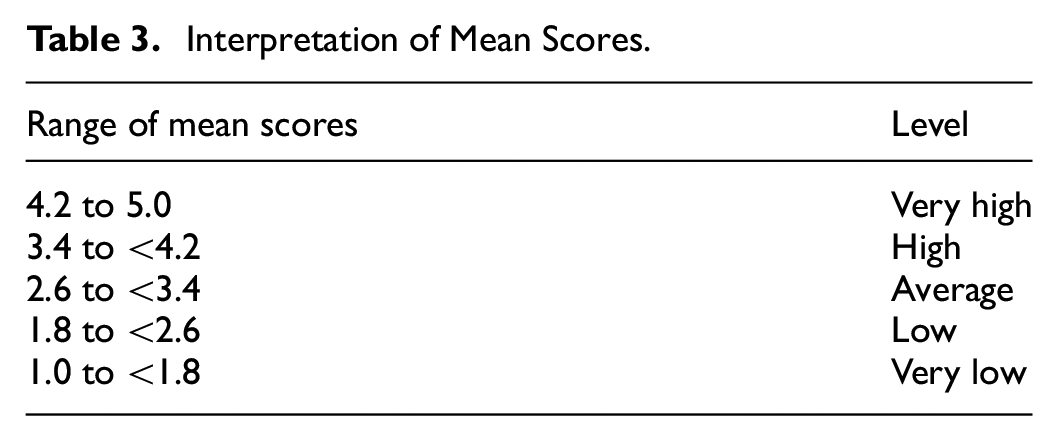
Quantitative data were analyzed using IBM SPSS version 26. Specifically, the data were analyzed using descriptive statistics. The participants’ perceived interaction in online classes was calculated in mean first to determine the extent to which students interacted in online courses and subsequently to evaluate which type of interaction was carried out at the highest level among the participants and vice versa. The interpretation of the mean scores is illustrated in Table 3. Besides, students’ responses to each item were counted in frequency to further describe the statistical results. As for qualitative data, a thematic analysis was conducted. Thematic analysis is a method wherein researchers strive to identify recurrent patterns or themes that arise from the data through a meticulous process of coding, categorizing, and interpreting the information. This approach enables researchers to delve into the depth and complexity of the data, unveiling major themes that offer profound insights into the research topic (Braun & Clarke, 2006).
Interpretation of Mean Scores.
Results
Quantitative Results
The data gained from the survey questionnaire were analyzed to measure university students’ aggregate level of interaction in synchronous online classes. The descriptive statistics test was performed to calculate the minimum, maximum, and overall mean scores for perceived student interaction. The results of this test are presented in Table 4.
Descriptive Statistics for Students’ Level of Interaction in Online Learning.

As shown in Table 4, the minimum mean score, which represents the lowest individual average interaction score among participants, was 1.62, while the maximum mean score was 4.38. The overall mean score for their interaction in virtual classes was 3.24 (SD = 0.41). The one sample t-test was conducted to compare the overall mean score and the test value of 3.4, the accepted threshold for a high level of interaction. The results revealed a significant difference between them (t = −5.543, p = .00; see Table 5). Therefore, it could be concluded that students had an average level of interaction in online classes.
One Sample T-Test Results.

Descriptive statistics for students’ perceptions of each type of interaction are also reported in Table 6.
Descriptive Statistics for Students’ Perceptions About Each Type of Interaction in Online Learning.

It can be seen from Table 6 that, of the four types of interaction, SII was reported to be conducted at the highest level (M = 3.43, SD = 0.74), followed closely by SCI (M = 3.37, SD = 0.66). The paired samples t-test was performed to compare the two mean scores. The results demonstrated that there was no significant difference between them (t = −0.99, p = .32). Thus, it was inferred that the levels of SCI and SII were recorded to be statistically the same, which were the highest. The mean scores for SSI and STI were 3.01 (SD = 0.66) and 3.17 (SD = 0.61), respectively. The results from the paired samples t-test yielded that these mean scores were significantly different (t = −2.85, p = .005). This indicated that the level of STI was the second highest, whereas SSI occurred at the lowest level in online classes. Table 7 presents the detailed comparison results.
Paired Samples T-Test Results.

To provide a fuller picture of university students’ perceived interaction in synchronous virtual learning, the descriptive statistics test was run on their perceptions across the observed items constructing each type of interaction. The results of this test are displayed in Tables 8 to 11. The total percentages for “agree” and “strongly agree” responses from the participants were counted to interpret these results.
Descriptive Statistics for Students’ Perceptions About Each Item in SCI.

Note. SD = strongly disagree; D = disagree; N = neutral; A = agree; SA = strongly agree.
Descriptive Statistics for Students’ Perceptions About Each Item in SSI.

Note. SD = strongly disagree; D = disagree; N = neutral; A = agree; SA = strongly agree.
Descriptive Statistics for Students’ Perceptions About Each Item in STI.

Note. SD = strongly disagree; D = disagree; N = neutral; A = agree; SA = strongly agree.
Descriptive Statistics for Students’ Perceptions About Each Item in SII.

Note. SD = strongly disagree; D = disagree; N = neutral; A = agree; SA = strongly agree.
As seen from Table 8, nearly 70% perceived that it was not difficult for them to access online course materials; however, only about 32% supposed that these materials ignited their interest in online courses. Besides, around 50% stated that online materials met their learning needs (57.5%) and helped them relate their personal experience to newly learned concepts or knowledge (49.5%), with the remaining 44% reporting that interacting with course materials enhanced their understanding of the lessons.
According to Table 9, about 30% believed they had myriad interactions with fellow students during class. As for more detailed information, a similar proportion of the participants assumed that they could share their thoughts or ideas about the lectures with their friends and felt a sense of community existing among class members in online learning environments. Forty-two percent reported that they received prompt feedback from other students in class, and online learning activities gave them opportunities to interact with their classmates.
Table 10 shows that almost 48% perceived to have numerous interactions with their teachers during class. More specifically, this proportion was also recorded for those who responded that they felt free to ask teachers questions in online courses. A higher percentage, at about 60%, held positive perceptions toward the amount of feedback their teacher gave them when they needed it. Approximately 42% thought they felt free to ask their teacher questions, and opportunities for interaction with their teachers were sufficiently provided through class activities. The lowest percentage, with 35%, could freely express and explain their opinions during class.
A general examination of Table 11 shows that significant proportions of the participants, between 65% and 70%, believed computers were good aids for online learning and made learning more accessible. Nearly 50% reported that they enjoyed learning in computer-mediated settings, with almost the same percentage perceiving computers as beneficial for productivity. Notably, the rate of participants who felt confident in using this device was not high, only accounting for 40%.
Overall, the data portray a landscape of generally positive perceptions about online learning among students, characterized by moderate to strong levels of agreement across a spectrum of observed variables encompassing interaction with course content, peers, teachers, and computer interfaces. However, amidst this favorable panorama, discernible response variations surface, indicating potential areas warranting attention to enhance student interaction within the online learning milieu.
Qualitative Results
Qualitative data obtained from the two group focus interviews were analyzed to provide more insight into tertiary students’ perceptions of interaction in synchronous online learning. The interview groups were formed based on the descriptive results of their perceived interaction. Specifically, the first group included six participants who reported having a higher level of interaction, and the second group involved six of those who perceived to have a lower level of interaction. The qualitative results are presented in the descending order of interaction levels, from higher to lower, as signified in Table 6.
Student–Interface Interaction: Digital Literacy as a Key
In general, the two groups of participants expressed much concern about using digital learning platforms to succeed in online learning. They shared a consensus that students who could take full advantage of technological tools were likely to study more effectively in online learning environments. Compared to the lower interaction group, the higher interaction group seemed to show more confidence in using online learning platforms like Zoom and Google Meet. Although they did not have prior experience using these platforms, they were quick to learn how to use them. Two of the informants in the higher interaction group said: I believe that the ability to use technological platforms is one of the decisive factors affecting interaction and success in online learning as technology is an inherent characteristic of this learning mode. We could learn more if we knew how to interact effectively with the educational platforms. In this sense, I mean we interact for the sake of our learning and not so as to make our ability to use digital tools a hindrance to our learning. In my case, I did not find it difficult to use Zoom or Google Meet. I think that they are easy to use and useful for English learning. We could interact with our teachers through video conferencing and our friends through chat boxes or breakout rooms, which greatly supported our learning. (InformantHigh1) If we can familiarize ourselves with digital platforms, we can learn better. This is because we can visualize how online learning takes place through these platforms. In my opinion, online learning requires plenty of interactional activities between students and the interface of online learning systems. However, I always keep in mind that in online education, the vital goal is learning the subject content, not learning how to use digital tools. They are used to serve our learning. (InformantHigh5)
Having different viewpoints, the informants in the lower interaction group appeared less willing to learn online. Two frequently cited reasons were that they did not feel confident enough in their abilities to use digital platforms, and it took them much time to adapt to this mode of learning. One of the informants reported that: Something that started worrying me when I studied online was my ability to use digital platforms. During the pandemic, my university required its students to study online using Zoom or Google Meet, depending on the courses. Although I had no serious problems with these tools, I found myself not very confident using them at first. Sometimes, I did not catch up on the lessons because, compared to my classmates, it took me a bit more time to interact with technology to perform a specific learning task. It also took me more time to get accustomed to learning in this way. (InformantLow4)
Student–Content Interaction: Comprehension Facilitation Versus Overload
The interviewee participants in the two groups generally shared similar ideas on the significant role of interaction with online course materials. They highlighted the value of accessing various online resources, such as textbooks, handouts, and website articles, as an integral part of success in virtual learning. The majority of them emphasized how these digital resources facilitated a deeper understanding of the lessons being studied. By utilizing these resources, they could immerse themselves in the content more effectively, enabling them to grasp intricate concepts and explore diverse perspectives. One of the informants in the higher interaction group claimed that: We could not study without materials, be it in face-to-face or online classes. As for virtual learning environments, we were required to interact with digital resources a lot to find the information required for every lesson. Besides the textbooks, I had to spend time reading handouts that teachers gave us to understand the content we were studying better. When there were complex concepts that I did not understand, before contacting my teachers for help, I tried to look for the explanation in other materials. Usually, this worked. (InformantHigh5)
However, one contrasting idea that stands out in the perceptions of the two groups is that participants in the lower interaction group felt overwhelmed with the number of materials they had to work with in some lessons. Meanwhile, most of the participants in the higher interaction group agreed that the more they interacted with materials, the more they learned, so these participants were satisfied with the materials they were provided with. Two representatives from the two groups expressed the following ideas: I think that interacting with materials is a good way to learn. The more we read, the more knowledge we gain. However, not all students perceive this in the same way. Some of my friends complained that there were many things for them to read during a lesson. Yet, I believe that our teachers had their own purpose in giving us particular material for reading. The most important thing was how to read effectively. As for me, I just focused on what I had to read, not trying to read everything. In general, I felt pleased with the course materials provided for us. (InformantHigh3) I know that reading is important for learning. Thanks to reading materials, I could comprehend the content better. Nevertheless, sometimes, I felt overwhelmed with reading because I had to work with multiple digital resources during class sessions. For example, we used to complete a task for one period [45 minutes] when we had to read the information in e-books in combination with handouts and online links that the teacher gave us to complete it. (InformantLow6)
Student–Teacher Interaction: Frequent But Lacking Connection
Most interview participants expressed a preference for face-to-face classes over online interactions. Nearly all participants in the lower interaction group reported not feeling their teachers’ tangible presence at times. This was associated with their lack of community sense and feelings of isolation in online learning environments. Some participants in the high-interaction group echoed similar sentiments, noting that despite frequent interactions, the absence of physical cues and the immediacy of face-to-face feedback from their teachers contributed to their sense of detachment in virtual classes. Two participants from the two groups stated that: In online classes, there were occasions where I struggled to sense the presence of my teachers. It felt as though they appeared merely behind the computer screen rather than being truly engaged with us. This lack of in-person interaction seemed to breed a sense of detachment, creating a learning environment where a sense of community and belonging was noticeably lacking. There were also instances where I found myself isolated from the classroom dynamics. (InformantLow4) Although I could not deny that I frequently interacted with my teachers by trying to express my ideas and respond to their questions during lessons, a feeling of detachment remained. I think that interaction between students and teachers extends beyond verbal exchange as it also involves physical cues like eye contact, facial expressions, and body language. However, these cues were limited in our online classes. In addition, while my teachers provided prompt feedback, the lack of immediacy that comes with face-to-face interaction was obvious. (InformantHigh 3)
Student–Student Interaction: Unsatisfactory Communication and Collaboration Challenges
Both groups of participants generally expressed dissatisfaction with the amount of interaction they had with their classmates. They perceived that opportunities for pair work were less frequent than expected. Although group work was assigned more often, it was not conducted effectively. Participants in the higher interaction group specifically noted that they sometimes did not feel the classroom ambiance in online learning environments due to insufficient interaction with their peers. It occurred quite often that when they sought collaboration from their peers, some of their friends were not active enough to interact with them in response. One participant complained that: What I did not satisfy with online learning was the interaction I had with my friends. I did not have many opportunities for pair work. Group work was carried out more often using tools like breakout rooms, but it was not effective, I guess. I did not know what to do when I tried to interact with my friends, but sometimes, what I received was their scary silence. Just one or two other members did work with me on the assignments. This made me miss the classroom atmosphere in face-to-face classes. (InformantHigh 6)
Some participants in the low-interaction group further explained their passiveness when it came to interacting with their peers. The primary reasons were fear of making mistakes in front of their friends and feeling under pressure when working with more capable students. Additionally, they reported a lack of peer support in the technology-driven environment, where mutual understanding was often absent. They believed that online learning settings do not always foster the same level of camaraderie and support as conventional classrooms. One participant reflected that: Honestly speaking, I was not satisfied with peer interactions in online classes. When our teachers asked us to work in groups, they always assigned groups randomly with the support of technological tools. I felt quite nervous when working with better students. I was quite embarrassed whenever I made mistakes. Therefore, I just expressed my ideas when I was sure of what I was going to say. Besides, unlike face-to-face classes, misunderstandings were more likely to occur in the virtual classroom when we lacked in-person connection and support from other friends. (InformantLow5)
In general, the qualitative analysis of focus group interviews with students regarding their perceptions of interaction in synchronous online learning revealed distinct differences between those with higher and lower levels of perceived interaction. Students in the higher interaction group were more confident at using digital platforms, quickly learning to navigate these tools despite initial unfamiliarity. They highlighted the importance of technological proficiency for effective learning and interaction. Conversely, students in the lower interaction group expressed difficulties and a lack of confidence in using these platforms, which hindered their learning. Both groups recognized the crucial role of interacting with online course materials, but while the lower interaction group felt overwhelmed by the volume of materials, the higher interaction group found that increased interaction with materials facilitated better learning. Despite frequent STI in online classes, both groups preferred face-to-face learning due to a perceived lack of immediacy and physical presence of their teachers, leading to feelings of detachment. In addition, both groups were dissatisfied with peer interaction, emphasizing insufficient opportunities for effective pair and group work. The lower interaction group, in particular, felt anxious and unsupported in online collaborative activities, missing the camaraderie of traditional classrooms.
Discussion
The ultimate aim of the present study was to shed light on university students’ first experience with interaction in synchronous online classes. The qualitative insights extended the quantitative findings, providing a deeper understanding of students’ perceived interaction. It was found that students engaged moderately in online classroom interactions. This result was consistent to that of Aladwani and Alfadley’s (2022) study, which revealed the moderate effect of online learning on tertiary students’ interaction in online classes. Considering the context of the present study, transitioning from traditional face-to-face instruction to a fully online environment could pose challenges for students. These might include adapting to new technological tools and communication dynamics inherent in online learning environments. Therefore, it was acceptable to expect a learning curve as it was not easy for students to acclimate to the online platform and develop the skills necessary for more active participation. Kurniawan and Andani (2022) highlight that students require a period of adjustment to accommodate the shifts in learning patterns imposed by online education. In this regard, institutional support, such as structured training programs, can play a crucial role in equipping students with the competencies necessary for meaningful engagement (Hettiarachchi et al., 2021). This study also showed a quite different result as opposed to some other studies, which showed that students had a high level of interaction in synchronous online courses (Alahmadi & Muslim Alraddadi, 2020; Aslan, 2022; Cui, 2021). The discrepancy, albeit not very significant, might lie in the contextual backgrounds, such as students’ learning styles, the design of the online courses, the technology used for interaction, and the teaching strategies employed by teachers. These factors could all contribute to differences in the observed levels of interaction.
Student–Interface Interaction
The results showed that the degree to which students engaged in SII was the highest, indicating that digital literacy was a critical factor for effective online learning. This result aligns with several studies in the existing literature on online learning interactions. For example, Martin et al.’s (2012) study showed that online classroom interfaces significantly promoted frequent interactions among students. These researchers further expanded on this result by concluding that, from teachers’ perspective, platforms that integrated a comprehensive suite of features could enhance classroom interactions, including SII. These features included an electronic whiteboard, application-sharing capabilities, three distinct types of chat (i.e., audio, video, and text), hand-raising functionality, polling options, breakout rooms, web link sharing, and emoticons. Each feature played a specific role in facilitating dynamic and multifaceted engagement among students. Dahmash (2020) and Govindarajan (2020) reported that the effectiveness of students’ learning and overall experience in online classes largely depended on their proficiency in navigating and interacting with the digital interface. However, while the quantitative results of this study indicated high SII levels, the qualitative findings revealed a more nuanced perspective at the individual levels. It is worth noting that some students, particularly those in the lower interaction group, reported difficulties in using digital platforms, which hindered their interaction in online classes. This discrepancy suggests that while digital tools can enhance interaction overall, students with lower digital literacy may struggle to fully participate, leading to varied experiences within the online learning environment. This highlights the importance of providing adequate support and training to students to improve their proficiency using digital platforms for classroom interaction. By addressing the need for thorough preparation and technology training, educational institutions can enhance students’ confidence and competence in effectively utilizing digital tools for learning purposes (Danesh, 2015; Hakim, 2020).
Student–Content Interaction
It was found that the level of SCI was comparable to that of SII, both of which surpassed the levels of STI and SSI. This result, consistent with a plethora of research, emphasized the pivotal role of SCI in enriching online learning experiences. For instance, Leem’s (2023) investigation identified the interaction between learners and content as the most significant factor influencing learning achievement, underscoring the necessity of student engagement with course materials for academic success. Similarly, Daswin’s (2022) study showed that students agreed on the efficacy of teachers’ presentation of learning content in enhancing comprehension and fostering more meaningful learning experiences. However, the qualitative results from this study unveiled that students in the lower interaction group expressed their concern over the overload of online course materials. To address this issue, educators and instructional designers can implement strategies to streamline content delivery through well-structured learning technologies (Akram et al., 2023; Farid et al., 2015). In this regard, Nandi et al. (2015) stressed the pivotal role of the content management system (CMS) structure in facilitating effective interactions between students and the content within online learning environments. They supposed that a well-structured CMS offers students the necessary framework and tools to navigate, access, and engage with course materials efficiently. Ohliati and Abbas’s (2019) study brought attention to the significance of learning management systems (LMS) in orchestrating online learning, disseminating learning materials, and enriching classroom interactions. Furthermore, they highlighted the LMS’s value in supporting teaching and learning activities by adeptly organizing e-learning content, providing students with access to educational materials, and simplifying the monitoring of student progress. These studies underscore the importance of SCI in online learning, advocating for the strategic use of technology and structured content delivery to optimize student engagement and learning outcomes.
Student–Teacher Interaction
The results indicated that STI was performed at the second highest level of the four types of interaction in online classes. This result is in accordance with numerous previous studies that have emphasized the importance of STI in online educational settings. Yufhita et al. (2023), for example, investigated students’ perceptions of the processes involved in online English language teaching and learning, demonstrating that STI played a crucial role in achieving educational objectives. Advocating the recognized values of STI in optimizing students’ online learning experiences, Sari and Hermawan (2022) suggest that STI is essential in fostering communication, which in turn creates a supportive educational environment. This environment enables students to engage actively in learning through questioning, answering, and practicing materials under teacher guidance. However, some studies focusing on STI activities in virtual classes drew concerns over teachers’ unidirectional lecture approaches. L. Yang and Lin’s (2020) study revealed that although the frequency of STI in online teaching might equal or exceed that of face-to-face instruction, the interaction dynamic typically leaned toward being more teacher-initiated and centered in online settings. This result agrees with that of Le et al.’s (2022) study, which found that teachers employed lecturing as the primary technique to interact with their students in synchronous online classes. This lack of interactive teaching style impeded meaningful two-way communication between teachers and students. Therefore, as discussed by these researchers, it is recommended that teachers ask students questions to engage them in real-time discussions during lectures. Nevertheless, it was shown in this study that even though students were involved in asking and giving answers to teachers’ questions, there were moments when they felt separated from the classroom, which was attributed to the perceived absence of teaching presence and the deficiency of immediate feedback from teachers. To effectively mitigate these challenges, it is essential for teachers to adopt interactive teaching methodologies that prioritize student engagement and facilitate timely feedback. By integrating mechanisms that encourage active student participation and prompt teacher responses, teachers can cultivate an environment conducive to dynamism and collaboration in the online learning process.
Student–Student Interaction
The present study’s results on SSI revealed it to be the least robust among the four types of interaction in synchronous online classes. This outcome is supported by much research in the field, which underscores the challenges inherent in fostering peer interaction within virtual learning environments. For example, Le et al. (2022) concluded that, despite the recognized importance of SSI for promoting online learning success, its implementation remained inadequate in online classes. This insufficiency was attributed to teachers’ lack of competence in organizing collaborative activities and facilitating peer discussions. These researchers emphasized that effective SSI relies significantly on teachers’ pedagogical and ICT knowledge. Additionally, Nurhikmah et al. (2023) assert that teachers’ attitudes and practices substantially influence the facilitation of peer interaction in online learning. The qualitative results of this study further identified several barriers to effective SSI, including students’ hesitance to engage in online discussions and their sense of isolation from their online peers. These findings are corroborated by Abou-Khalil et al. (2021), who noted that a primary challenge associated with online learning was the feeling of disconnection among students, which can impede effective collaboration and peer interaction in virtual classrooms. This sense of disconnection may be exacerbated by the lack of face-to-face communication and physical presence, resulting in difficulties in building supportive relationships and fostering mutual understanding (AbuKamar & Kamar, 2022). In dealing with these hurdles, the present study suggests the implementation of structured peer activities and the utilization of social media tools to facilitate informal social interactions. Additionally, providing training on collaborative online tools and fostering a supportive learning environment can help students feel more comfortable and engaged in peer interactions. As Dippold (2009) emphasized, addressing specific issues related to the selection of computer-mediated communication tools for feedback tasks and training using interactive online tools could enhance the quality and frequency of SSI in online classes. This, in turn, would likely improve learning outcomes and student satisfaction.
Conclusion
The findings of this study provided valuable insights into the complex dynamics of interaction within synchronous online learning environments for university students. While the quantitative analysis indicated a moderate overall level of perceived interaction, the qualitative data enhanced our understanding of the nuanced challenges and experiences faced by students in these digital contexts. Specifically, technological proficiency emerged as a critical factor influencing students’ interaction with course content and digital interfaces. Those who are adept at navigating online learning platforms demonstrated greater confidence in engaging with course materials and participating in virtual class activities. Despite the advancements in online learning technology, obstacles persisted in fostering effective STI and SSI. The quantitative analysis indicated that students perceived lower levels of interaction in these domains compared to SCI and SII. In alignment with these outcomes, the qualitative results revealed students’ dissatisfaction with the limited opportunities for meaningful peer collaboration and the perceived lack of teacher presence and immediacy in virtual classrooms.
This study suggest that teachers must prioritize active engagement strategies aimed at fostering meaningful interactions and cultivating a strong sense of community among students. This necessitates the integration of interactive activities and the facilitation of regular communication in online classes. Instructional designers hold a pivotal role in this process, ensuring that online learning platforms are not only intuitive and accessible but also conducive to robust student interaction. Their focus should lie in creating environments that seamlessly facilitate communication between students and instructors, incorporating interactive elements and providing ample opportunities for collaborative learning endeavors. Furthermore, educational institutions can foster these efforts by offering holistic student support services encompassing academic advising, counseling, and technical assistance. Through such comprehensive support mechanisms, institutions can effectively guide students in overcoming barriers, enriching their learning journeys, and fostering a deep sense of belonging within the online learning community.
Limitations and Directions for Future Research
This study acknowledges several limitations that merit consideration. A primary constraint lies in the narrow demographic scope, as the research was limited to a single private university in the Mekong Delta region of Vietnam. This raises concerns regarding the broader generalizability of the findings to diverse educational contexts. Future studies should address this limitation by incorporating a more heterogeneous sample, encompassing both public and private universities across various geographic regions and including students from a wider array of academic disciplines. Broadening the sample would not only enhance the external validity of the results but also provide a more nuanced understanding of students’ perceptions across varied educational environments. Another limitation stems from the reliance on self-reported data gathered through surveys and focus group interviews. While these methods offer invaluable qualitative and quantitative insights, they are inherently susceptible to response biases. To mitigate these biases, future research could benefit from the integration of alternative data collection methods, including observational techniques, learning analytics, or system-generated data, such as engagement metrics derived from learning management systems. These methods would offer a more objective measure of interaction patterns, thereby validating self-reported data and enhancing the overall robustness of research outcomes. Lastly, the study’s cross-sectional design limits the capacity to investigate how students’ interaction experiences evolve over time. Longitudinal studies would offer deeper insights into the effects of synchronous online learning on both interaction quality and academic performance. Furthermore, the adoption of experimental or quasi-experimental research designs would enable the exploration of causal relationships between specific instructional strategies and improvements in student interaction. Such research would make a substantial contribution to the development of evidence-based pedagogical practices in online learning environments, advancing the understanding of how to optimize student interaction and achievement in digital education contexts.
Footnotes

Author Contributions
D.M.T: Conceptualization, Data curation, Investigation, Formal analysis, Writing—original draft, Writing—review and editing; L.T.D.L.: Data curation, Investigation, Writing—review and editing.
Funding
The author(s) received no financial support for the research, authorship, and/or publication of this article.
Declaration of Conflicting Interests
The author(s) declared no potential conflicts of interest with respect to the research, authorship, and/or publication of this article.
Data Availability Statement
Data are available from the authors upon reasonable request.