




Abstract
Purpose
This study systematically reviews empirical studies investigating impediments to assistive technology accessibility for students with disabilities in higher education institutions. This rigorous review provides comprehensive insights into the challenges faced by students with disabilities when using or accessing assistive technology to support their learning.
Design/Approach/Methods
Twenty-three studies were eligible for inclusion. We used Atlas.ti software Version 22 to extract data and analyze the content to visualize patterns and relationships.
Findings
Students with disabilities in higher education institutions have limited access to assistive technology because of inadequate funding. The results also indicate a lack of adequate skills owing to limited training opportunities for instructors and students. There is also evidence of stigmatization due to limited awareness in the community. Further, a lack of funding leads to low institutional capacity to support students with disabilities in accessing assistive technology devices.
Originality/Value
This study analyzes empirical research on assistive technology in higher education institutions. It provides insights into barriers to the provision of and accessibility to assistive technology for students with disabilities and informs best practices and future research on the areas that need further attention.
Introduction
Despite significant global initiatives to reduce inequalities, the accessibility of assistive technology (AT) for students with disabilities (SWDs) in higher education institutions (HEIs) remains a significant concern in many countries. Evidence indicates that more than 2.5 billion people need assistive products—wheelchairs, spectacles, and hearing aids—but approximately one billion are denied access to these integral technologies, especially in low- and middle-income countries (World Health Organization [WHO] & United Nations International Children's Emergency Fund [UNICEF], 2022). Assistive technology is vital to increase learning opportunities for SWDs in HEIs. While there are some indicators of inequalities in accessing AT among students, the sustainable development goal (SDG) number 10 pledges that “no one will be left behind” and that governments will ensure the implementation furthest behind first (Shi et al., 2022). SDG 4 clearly states that by 2030, member countries should ensure equal access for all people to affordable and quality technical, vocational, and tertiary education, including university (Tang, 2015). Although the SDGs emphasize the need for social inclusion, SWDs still have limited access to a range of services and opportunities, including AT (Kisanga & Kisanga, 2020; Shi et al., 2022). Barriers to AT accessibility include a lack of awareness and affordability, limited services, inadequate product quality, undefined range and quantity, and procurement and supply chain challenges (WHO & UNICEF, 2022). Other researchers have identified teacher education, information deficits, and accessibility challenges as notable barriers to the effective adoption of AT by HEIs (Amponsah & Bekele, 2023; Fernández-Batanero et al., 2022). The successful achievement of learning outcomes for SWDs through AT depends on several factors, including socioeconomic status and the availability of adequate healthcare services (United Nations, 2018).
The future achievements of SWDs in developing countries through AT raises several concerns. For example, during the pandemic, there was evidence of increased inequality in the accessibility of learning opportunities for SWDs. While most HEIs migrated to online learning, economically disadvantaged students and those with disabilities did not fully benefit from such shifts because of limited accessibility and difficulties in maintaining AT (Mont, 2022; UKAID, 2020). Although there is some provision of AT in most developing countries, its usefulness requires personal care and management, training, and ongoing support (Visagie et al., 2017). The need for AT is undisputed, but it is unclear whether countries are taking radical action to provide it. Additionally, there is insufficient research-based evidence to explain why many developing countries lag. While there is increased use and understanding of AT, there is a lack of studies on the barriers to AT. Thus, the present review aims to establish research evidence about impediments to the effective accessibility of AT in HEIs.
Perspectives on accessibility of assistive technology for students with disabilities
In the present context, disability is understood as a phenomenon that occurs because of the interaction between a person's characteristics and social environment (Martínez-Medina et al., 2022). The inability of a person to perform various activities requires strategies and tools to support them in interacting with the environment. Specifically, people with disabilities have the right to access education, as stipulated in the 2006 Convention on the Rights of People With Disabilities (Martínez-Medina et al., 2022; Senjam et al., 2021). In this regard, SWDs in HEIs need to be supported with tools that help them actively engage in learning, as other students do. AT is a tool that may help students participate in learning. In this context, AT refers to any device that helps SWDs adapt to the curriculum content. In the context of this review, barriers to AT accessibility for SWDs include: lack of awareness and affordability, limited or inadequate product quality, availability, acceptability, capacity gaps, unresponsiveness, policy gaps, and functionality difficulties (WHO & UNICEF, 2022). Research shows that there is an increase in the number of SWDs accessing AT in HEIs in various countries that still face challenges (UNICEF, 2023). For instance, O'Sullivan et al. (2021) posit that instructors in many countries lack the knowledge and understanding of AT and how to use it. This situation creates low confidence among the instructors. Similarly, Al-Zboon (2020) reveals that a lack of professional in-service training among instructors, shortage of AT devices, and negative attitudes among instructors regarding the use of AT hinder the effective use among SWDs in Jordan. Furthermore, studies report critical cases in most developing countries where SWDs experience limited access to and use of AT because it is too expensive, making it difficult to cater to individual needs (Amponsah & Bekele, 2023; Ndlovu, 2021). Similarly, a study conducted in Tanzania by Kisanga and Kisanga (2020) revealed a lack of knowledge of how to apply assistive technologies, limited ICT infrastructure, and a shortage of assistive technologies. These challenges impede the meaningful participation of SWDs in educational activities in HEIs.
Previous reviews have identified challenges faced by SWDs in accessing and using ATs in higher education institutions. Fernández-Batanero et al. (2022), Fernandez-Cerero et al. (2023), Matter et al. (2016), and McNicholl et al. (2019) noted that SWDs in HEIs face limited availability of AT devices, inappropriate usage of the available AT devices, and lack of training of instructors on how to support the use of AT devices. Montenegro-Rueda et al. (2022) also highlight inadequate technological devices and instructors’ limited knowledge about how to use ATs to facilitate learning. Similar challenges were reported by Boot et al. (2018), Dyzel et al. (2020), and Morash-Macneil et al. (2018), who noted that the utilization of ATs among SWDs in HEIs is constrained by a shortage of AT devices owing to limited funding. They also revealed that people with disabilities lack readiness and have inadequate knowledge about how to use AT devices. These factors impede the effective utilization of AT in learning. Further reviews indicate that AT users have limited awareness of their rights to access AT services, and eligibility is sometimes dependent on medical criteria related to visible and severe disabilities (Namukwaya & Kibirige, 2019). Recent reviews have highlighted the complexity of accessing and using ATs among SWDs. However, there is limited awareness regarding the extent to which empirical evidence has documented disparities between high-income and low- and middle-income countries in the context of SWDs in HEIs. This study aims to address this knowledge gap by illuminating the existing variations between high-, low-, and middle-income countries among SWDs in HEIs.
Methodology
Search strategy
A systematic literature review of impediments to the provision of AT for SWDs in HEIs was conducted according to the Preferred Reporting Items for Systematic Reviews and Meta-Analyses (PRISMA) guidelines (Moher et al., 2016). We searched four databases—PubMed, SCOPUS, Dimensions, and Web of Science (SCIE)—to identify relevant research articles. We selected these because they are internationally recognized and have a highly scientific impact on the academic community. The search was conducted between December 2022 and May 2023 to obtain relevant articles meeting the eligibility criteria. The search was limited to English language and empirical articles. We used Boolean operators such as “AND”/ “OR” to broaden search results. We searched titles, abstracts, and keywords for: (“accessibility”) AND (“impediments” OR “limitations” OR ‘challenges”) AND (“assistive technology” OR “assistive devices” OR “ICT”) AND (“higher education institutions” OR “higher learning institutions” OR “universities”) AND (“disabilities” OR “impairment”).
Eligibility criteria
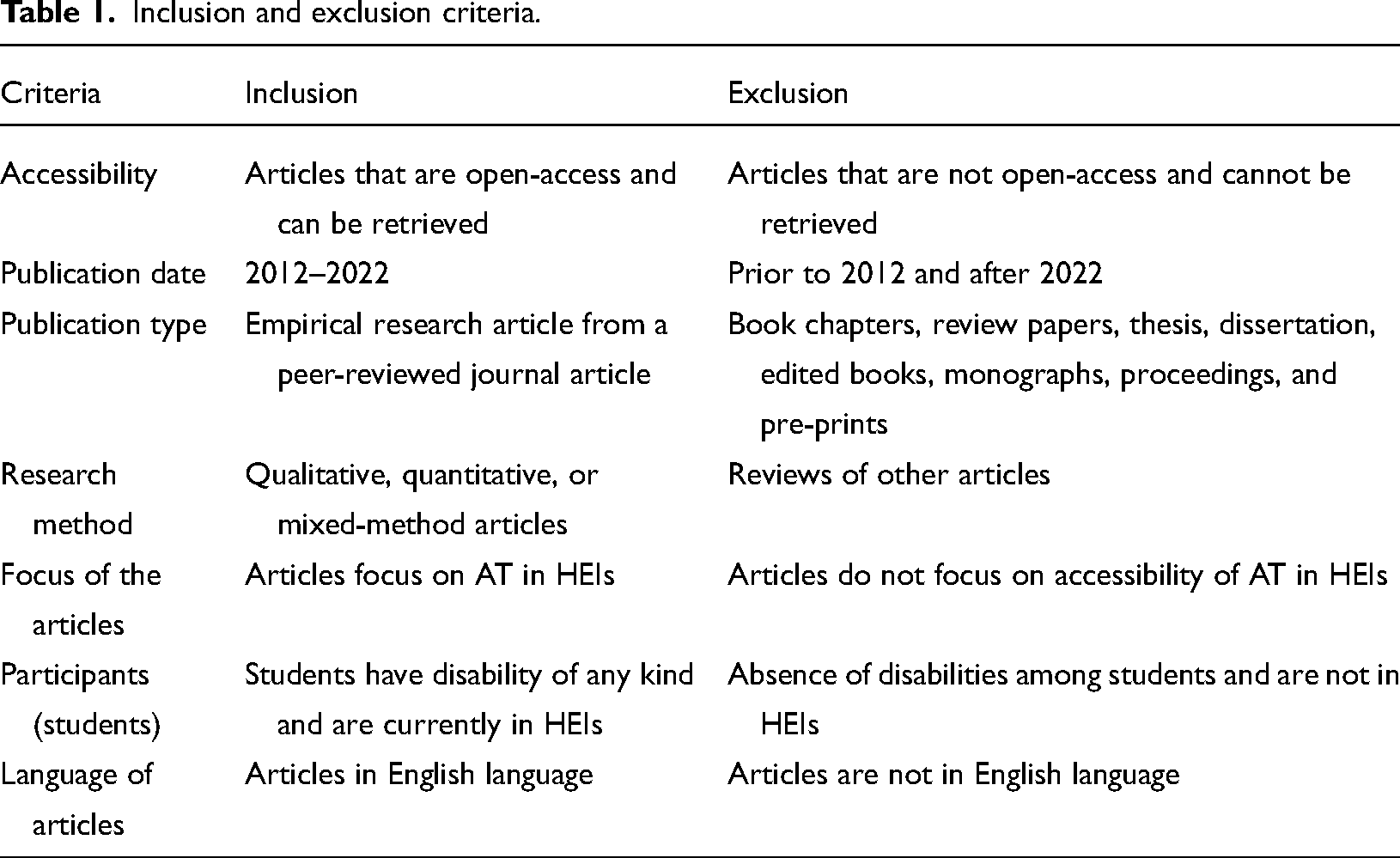
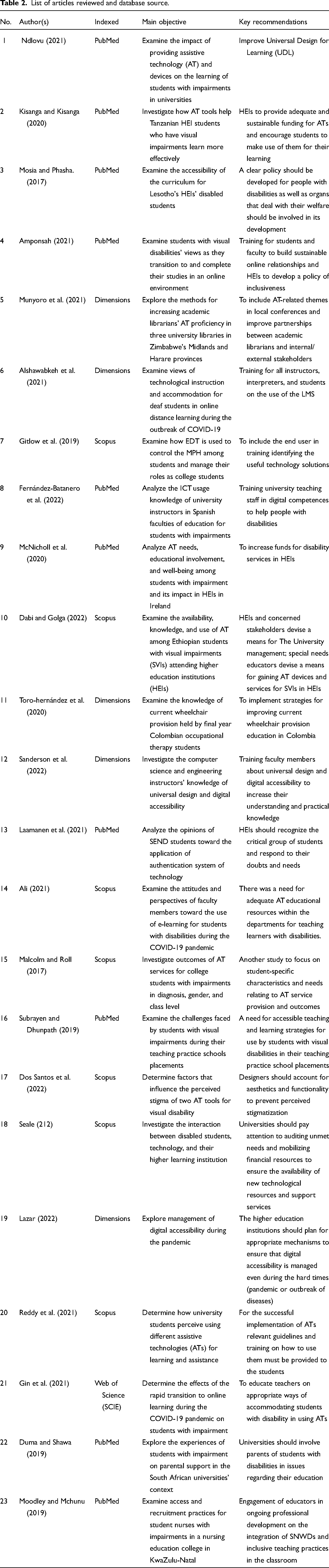
The titles, abstracts, and keyword fields of eligible papers were screened collaboratively by both authors to identify the articles that aligned with the established inclusion criteria. Extensive discussions regarding the inclusion and exclusion criteria were held, resulting in documented mutual agreements. These criteria provided guidance during the article selection process to ensure the inclusion of valid and relevant articles. The process of screening for the relevant articles to be included in the study was guided by PICoS strategy—population, phenomena of interest, context, and study design (Frandsen et al., 2020). The articles included in the review were published in the 2012–2022 databases. This selection aimed to extract current and comprehensive data regarding impediments to accessing and using AT for SWDs in HEIs. This focus was necessary because the use of technology in education increased substantially over that decade. Therefore, it was crucial to assess how SWDs could benefit from using AT for learning. Open-source and readily retrieved articles were identified and screened. Subsequently, a more detailed screening process was conducted to exclude articles that did not specifically address SWDs in HEIs. Furthermore, the articles reviewed were limited to those published in empirical journals. Articles that were not empirical were excluded from the review process. Thus, 23 empirical journal articles were selected. Table 1 shows the inclusion and exclusion criteria that were considered.
Inclusion and exclusion criteria.
List of articles reviewed and database source.
Selection of studies
Four stages were observed when selecting the studies for inclusion in the review process—identification, screening, eligibility, and inclusion. In the first stage, 438 articles were identified from four databases: PubMed, Web of Science (SCIE), SCOPUS, and Dimensions. After the initial screening process, 212 articles were excluded because they did not focus on SWDs. Consequently, 246 articles that met the inclusion criteria were retained for further examination. Both authors carefully reviewed the full texts of the remaining 34 articles to determine whether they met the criteria. Eleven articles were excluded so 23 empirical journal articles were included in this review. Figure 1 illustrates the process of selecting articles for inclusion in the review.
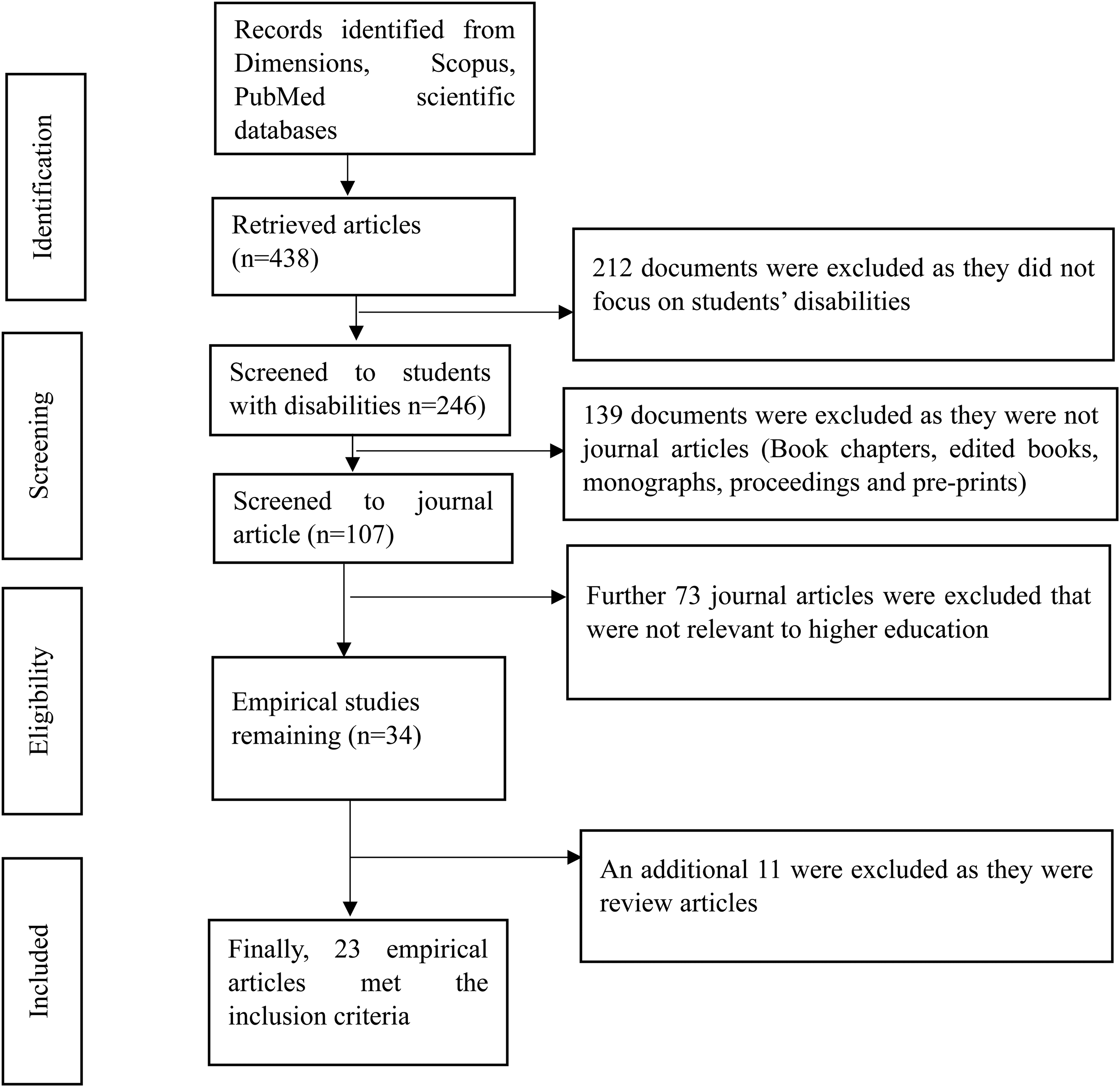
Flow diagram for the systematic review following the PRISMA statement.
Figure 1 shows the PRISMA flow diagram used to search for the reviewed articles. The review began with the identification of articles, screening, eligibility, and inclusion processes (Moher et al., 2016).
Data extraction
Two review authors selected the articles that were included in the review and both were actively involved throughout the research process, including the search strategy, assessment of inclusion and exclusion criteria, and selection of studies based on the eligibility criteria. In cases of misunderstanding, a consensus was achieved through discussions to establish a shared understanding of the specific aspects. The articles selected by the authors to be included in the study were also synthesized in an Excel spreadsheet with information on the authors’ names, year of publication, name of the journal, publisher, geographical location, purposes, and recommendations of the study.
Coding procedures
Deductive coding was employed during the coding process, which adhered to the six key indicators used to assess the quality of service delivery in AT, as proposed by AAATE and EASTIN (2012). These indicators are accessibility, competence, coordination, efficiency, flexibility, and user influence. These were used as codes (see Appendix 1). Evidence indicates that these six quality criteria serve as building blocks for a quality assurance framework for AT service delivery (De Witte et al., 2018). These indicators align with the six principles of assistive technology access, which are used to describe and inform strategic priorities to reduce the access barriers experienced by users in different contexts (WHO & UNICEF, 2022). Thematic content analysis was conducted using Atlas.ti software Version 22, in which visual displays of codes and quotations were generated based on frequency and network linkages.
Results
Distribution of articles by year
The data in Figure 2 reveal that the reviewed articles spanned 2012–2022, with a notable increase in articles published in 2021 compared with other years. However, a limited number of empirical articles were published on this topic during this period. This suggests that, although AT has become more prevalent and crucial for SWDs, the accessibility is still limited in many countries, especially in low-income countries.
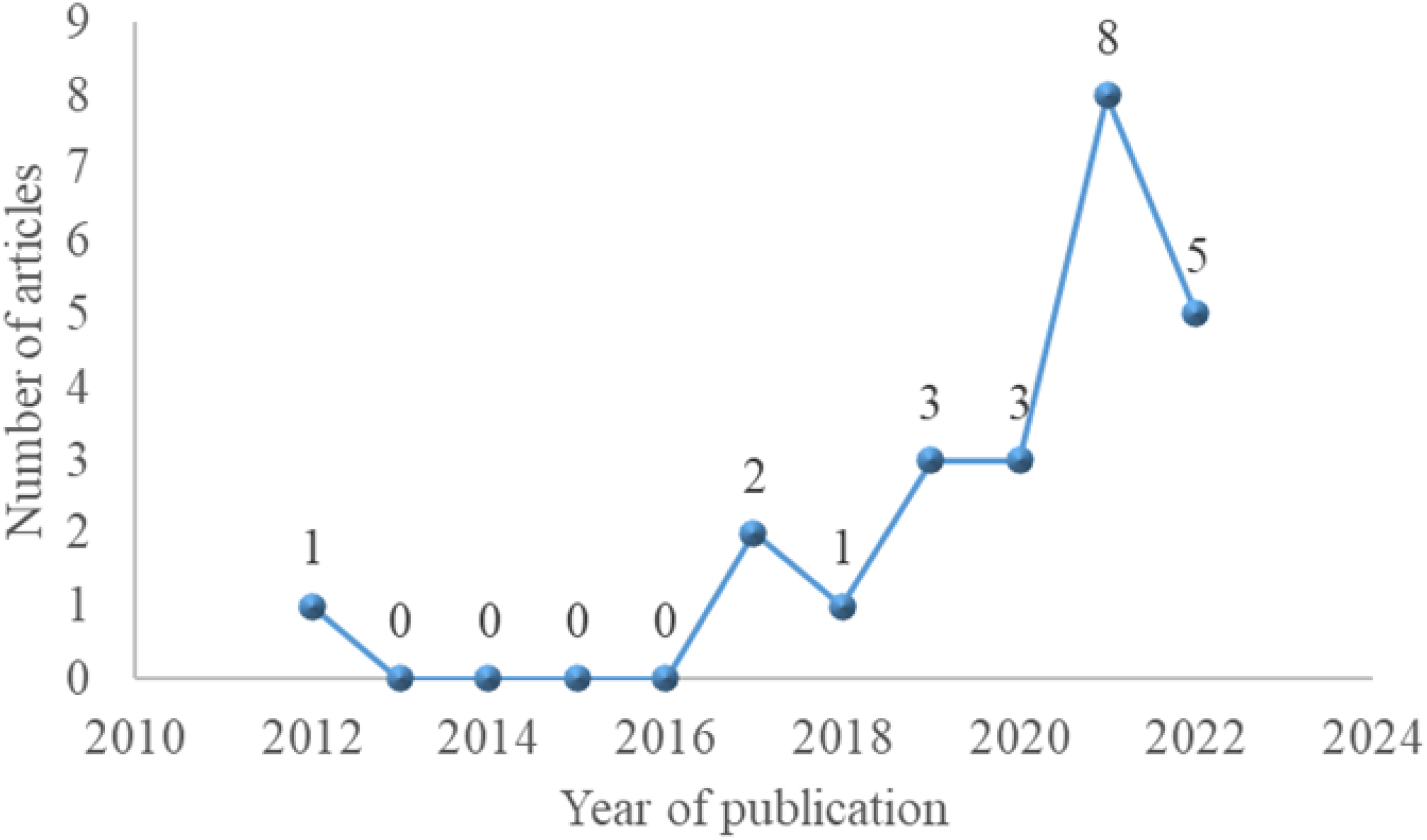
Distribution of articles by year.
Distribution of articles by country
A total of 23 articles from diverse scientific databases and countries met the inclusion criteria. Figure 3 provides a summary of each article along with the respective countries in which the research was conducted.
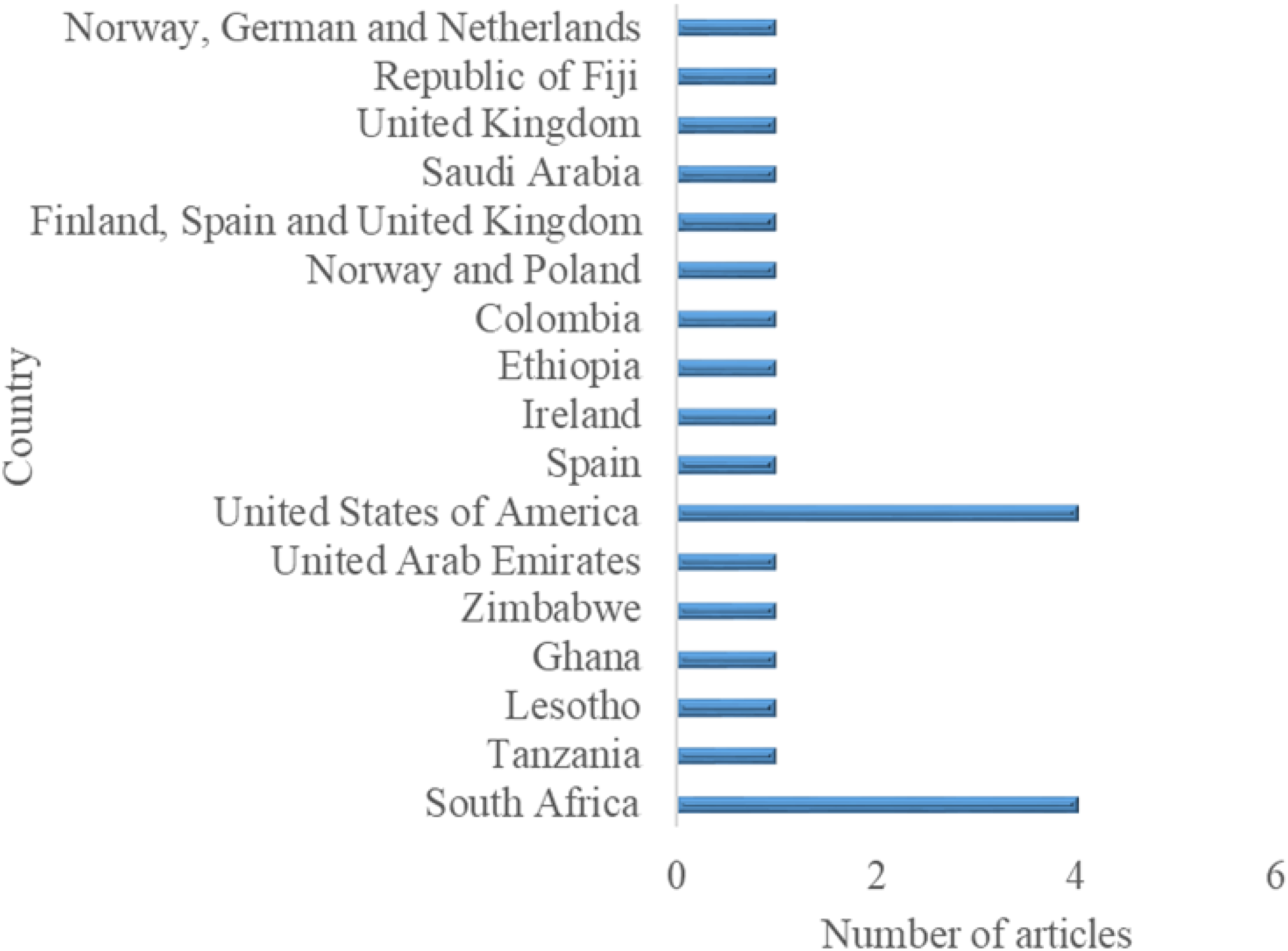
Distribution of articles by country.
The data in Figure 3 indicates that most of the reviewed articles were published in the United States of America and South Africa, whereas the remaining countries had one. This suggests the need for more research in all countries to inform better practices regarding AT adoption by SWDs.
Distribution of articles by publisher
Empirical articles related to accessibility impediments to AT were extracted from nine publishers, as indicated in Figure 4.
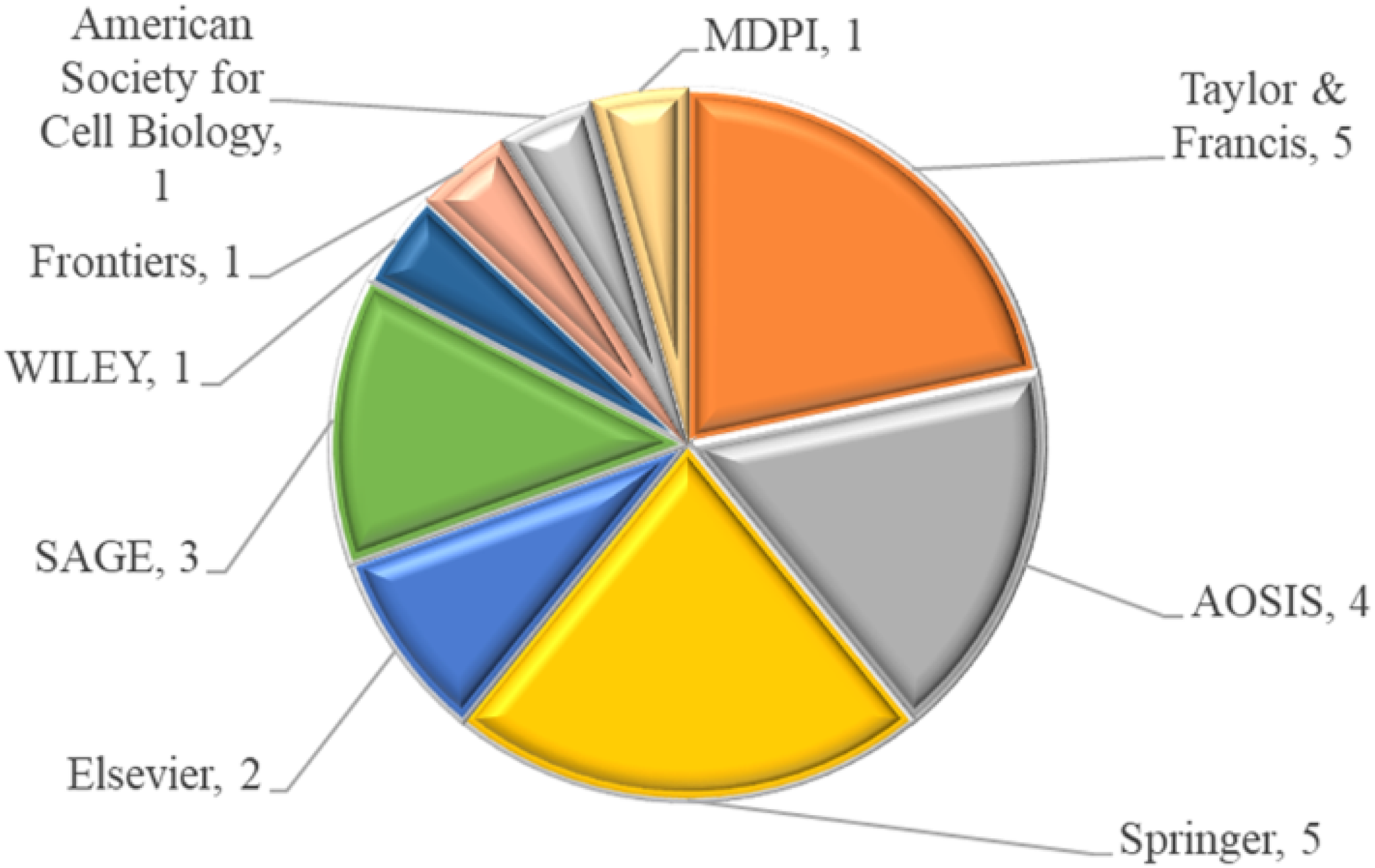
Distribution of articles by publishers.
The data in Figure 4 show that most of the reviewed articles were from Springer, and Taylor & Francis, with five articles each. These publishers are from high-income countries, with only one publisher (OASIS) coming from a middle-income country.
The results showed that 23 studies from the PubMed, Dimensions, Web of Science (SCIE), and Scopus scientific databases presented several impediments to SWDs accessing AT in HEIs. All the articles were extracted from peer-reviewed journals and empirical research findings. Despite the limited number of empirical studies on the accessibility of AT in HEIs, there is an indication of increased interest in publishing on the topic. However, evidence-based research is needed to enhance the effective adoption of ATs in HEIs.
Network visualization of impediments for accessibility of AT
The evidence from the 23 studies addressing the impediments to accessibility of assistive technology for SWDs is summarized in Figure 5.
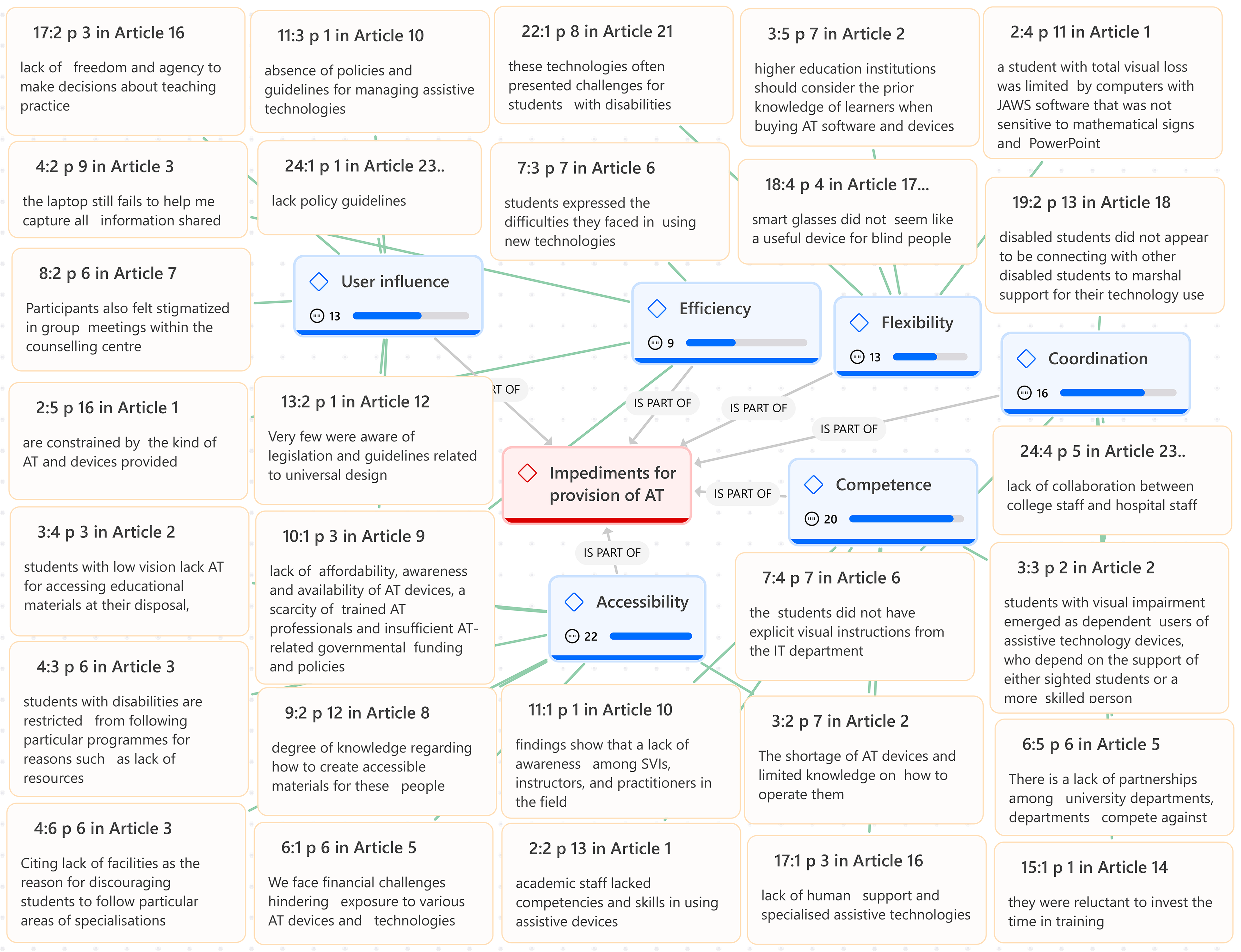
Network visualization of impediments to AT.
Evidence from various studies, as summarized in Figure 5, indicated several limitations to the effective access to and use of AT. Most researchers pointed out the challenges of accessibility (f = 22), coordination (f = 16), competence (f = 20), and flexibility (f = 13), whereas user influence (f = 13) and efficiency (f = 9) were rarely prioritized. This indicated that accessibility to AT for SWDs in HEIs is a global concern. Despite the fact that efficiency has rarely been mentioned, it is one of the critical factors that prevent SWDs from adopting AT due to a lack of appropriateness and ease of adoption.
Code frequency per article groups
All 23 articles were categorized into two groups based on the study location and by distinguishing between high-and low-to-middle-income countries. Figure 6 shows the results of code frequency within these groups.
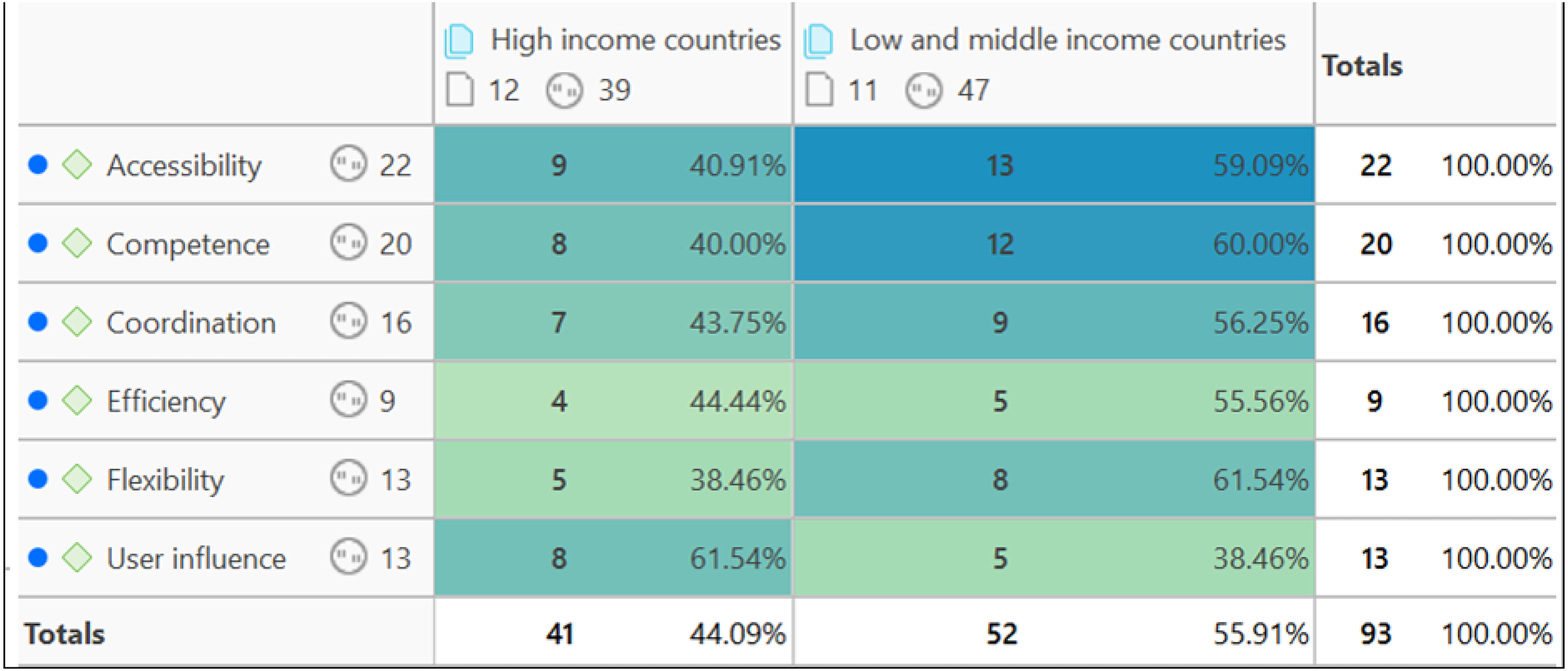
Code frequency per article group.
The results in Figure 6 demonstrate that the majority of low- and middle-income countries encounter more obstacles than their high-income counterparts. For instance, in areas such as accessibility, coordination, and efficiency, low- and middle-income countries exhibited a 59.09% disparity in contrast to the 40.91% disparity observed in high-income countries. This indicates that SWDs in low- and middle-income countries are more vulnerable to AT accessibility than their counterparts in high-income countries.
Discussion
The results in Figure 5 indicate that accessibility had the highest frequency (22) compared to other limitations. In the reviewed articles, most authors expressed a lack of adequate funding as the main obstacle to AT accessibility in HEIs (Laamanen et al., 2021; Munyoro et al., 2021). In underdeveloped and developing countries, such as Morocco, accessibility of AT devices is a significant challenge for students with disabilities. This issue stems primarily from factors related to availability and affordability (Ismaili & Ibrahimi, 2017). Other concerns regarding accessibility have been identified, notably stemming from shortages of assistive technology, inadequate instructional technology, and inappropriate AT solutions. These challenges appear to compromise the quality of services provided to students (Kisanga & Kisanga, 2020; McNicholl et al., 2020; Ndlovu, 2021; Sanderson et al., 2022; Toro-hernández et al., 2020). While the WHO (2018) emphasizes the need to ensure the provision and maintenance of AT in all service delivery institutions, the evidence suggests a degree of hesitancy in achieving this goal. Certain evidence aligns with the findings of researchers who criticize HEIs for their deficiency in cultivating a maintenance culture, leading to the utilization of outdated AT by SWDs (Kisanga & Kisanga, 2020b; Puli et al., 2021). While the SDGs emphasize accessibility to AT for equitable quality and inclusive education, the situation is not convincing in most HEIs in sub-Saharan countries. Poverty has been identified as a key constraint hindering individuals from accessing AT (Visagie et al., 2017). Accessibility to AT remains restricted for people with disabilities, primarily because of unreliable and insufficient public funding in many countries (Tay-teo et al., 2021). Undoubtedly, limited access to AT for SWDs in HEIs must be explicitly addressed to bridge existing inequalities.
In fact, the lack of affordability of AT has also been considered the main barrier and reason why SWDs do not possess AT that corresponds to their individual needs (Borg & Östergren, 2015). Inadequate funding and poor quality resources for SWDs hinder their efforts to adopt AT. Matshedisho (2007) recommends that HEIs have disability policies and prioritize disability as part of readdressing social inequalities. It has been reported that health systems face challenges in the delivery of AT and only 10% of people are currently able to access the assistive products they need (Puli et al., 2021). According to the WHO (2022), there are significant unmet global needs for ATs. For example, approximately 200 million people with low vision lack access to suitable assistive products. Similarly, out of the 75 million people in need of wheelchairs, only 5%–15% have access to one. Additionally, the production of hearing aids currently satisfies less than 10% of the worldwide demand for the 466 million individuals with hearing loss. Furthermore, these reports project that the demand for AT is expected to exceed 3.5 billion individuals by 2050 (The Lancet, 2022; WHO & UNICEF, 2022). Despite these challenges, some individuals continue to stigmatize SWDs (Deng et al., 2023).
The results of the current review reveal that many SWDs experience exclusion from learning because of inadequate access to AT. However, access to comprehensive data and statistics on the extent of this issue remains limited, leaving practitioners to search for more information that can facilitate the development of effective intervention programs. The current study speculates that expanding the data sources to include a review of reports on the implementation of inclusive learning strategies can provide further insight into the data presented in this paper. Further research should focus on bibliometric analyses to establish trends regarding AT accessibility for SWDs in HEIs.
Many studies have consistently highlighted that stigma and insufficient support from instructors are linked to the lack of access to AT for SWDs. Thus, some students are denied access to AT for fear of drawing attention to their disabilities, possibly leading to ostracization (Alshawabkeh et al., 2021; Mosia & Phasha, 2017; Puli et al., 2021). Some SWDs in HEIs experience prejudice from instructors. This contributes to social isolation and sometimes leads to SWDs relinquishing their studies (Mosia & Phasha, 2017). The SDGs assert that every human being has the right to access quality education. However, some instructors lack knowledge of how to promote inclusion. Due to the lack of support services, some students or adults with disabilities have no choice but to live in their parents’ or siblings’ households, as they rely exclusively on their family members for assistance (Cote, 2021). Notably, the prevalence of stigma experienced by SWDs underscores the insufficient community awareness of human rights, perpetuating inequalities and negative perceptions. As a society, we may need to reflect on our perceptions and ensure that SWDs are not discriminated against simply because they possess AT. The current review provides limited information on possible strategies that can be employed by HEIs and the community to overcome stigmatization related to the use of ATs. Future research should explore these strategies, which potentially increase the educational engagement of SWDs by normalizing AT in academic settings.
The results in Figure 5 also indicate that both instructors and students lack adequate knowledge and skills to meet users’ AT needs. The findings of the reviewed papers show that instructors have limited information about how to support SWDs in their classes (Alshawabkeh et al., 2021; Kisanga & Kisanga, 2020; Mosia & Phasha, 2017; Munyoro et al., 2021; Ndlovu, 2021). If instructors have inadequate skills, it is likely that SWDs will have poor AT adoption, because most ATs do not provide information and guidelines that align with instructors’ and students’ skills to operate them (Eligi, 2017). This study argues that emphasizing instructor training can bolster support for SWDs, thereby enhancing the adoption of ATs (Lyner-Cleophas, 2016). Therefore, students’ competence in adopting ATs can be improved through appropriate and effective training of instructors that support the engagement of SWDs. This study highlights the significant competence challenges that contribute to the limited adoption of AT. Therefore, it is crucial to avoid underestimation of these issues. These findings suggest that AT is sometimes perceived negatively as a tool to reduce the burden on SWDs, potentially exacerbating their exclusion. Hence, there is a compelling need to examine the prevailing misconceptions among SWDs to promote inclusivity and enhance their well-being within the context of HEIs. Nevertheless, poor adoption of AT devices by SWDs is influenced by the lack of compatibility of AT devices with users’ requirements, and most HEIs do not consider learners’ prior knowledge when purchasing software. This hinders customization (Kisanga & Kisanga, 2020; Sanderson et al., 2022). Other institutions have already adopted learning management systems, but in most cases, they lack options such as contrast and enlarged letters, which could assist SWDs in accessing e-learning resources (Howard et al., 2020; Sanderson et al., 2022). There is an increased use of mobile phones; however, SWDs are not fully satisfied with these features because they have a limited selection of applications (LaForce & Bright, 2021). In this case, the nature of technological devices requires compatible applications that may meet the learning purposes of SWDs. Botelho (2021) reports that most technological applications related to educational institutions are not designed to meet the needs of SWDs. This observation suggests that designers and developers tend to overlook the principles of Universal Design for Learning (UDL) which emphasize the effectiveness and inclusiveness of all learners by considering differences in mental, physical, and cognitive abilities during the planning process.
Although the WHO (2018) underscores the importance of investing in and promoting inclusive and barrier-free environments to facilitate the safe and independent use of assistive technology, evidence suggests that outdated AT is still in use. Phillips and Zhao (1993) found that some SWDs abandoned the AT because of a lack of consideration of user opinions in selection, device procurement, poor device performance, and changes in user needs or priorities. Similar findings were reported by Federici et al. (2016), who considered AT abandonment to be the result of issuing an inappropriate device or unmet user needs and expectations. Additionally, there is a feeling that most AT designers and developers do not fully consider the user's involvement in the design and development process (Alqahtani et al., 2021). The lack of critical involvement of users in AT development may lead to products that do not have educational value for SWDs.
This supports the researchers who argue that the effective engagement of SWDs in the development of AT determines the acceptance, usefulness, and effectiveness of devices. Sugawara et al. (2018) insist that AT products require special attention from service personnel for their safe and effective use, meaning that greater focus should be placed on user assessment, prescription, training, and follow-up. The primary justification for AT adoption is the ability to match the needs of all users’ functional requirements and environments, regardless of their age (WHO & UNICEF, 2022). Similarly, Wittich et al. (2021) caution that a poorly designed AT may lead to frustration and unnecessary dependence, resulting in users abandoning the device. Even if an AT device meets the user's needs, adequate follow-up by manufacturers is deemed necessary to reduce the likelihood of abandonment or unnecessary long-term use of outdated devices (WHO & UNICEF, 2022). Indisputably, the abandonment of AT by SWDs is influenced by poor-quality products that do not meet users’ complex requirements. We are in the digital age, where every student needs to access better services than before; however, the prevalence of such barriers is intimidating. User representations might help to address these challenges and could possibly result in a more appropriate AT which is effectively adopted.
The results of the reviewed articles indicate that HEIs, particularly in developing countries, lack the adequate capacity to coordinate AT provision for SWDs. Notably, HEIs lack institutional policies for managing AT, technical support and partnerships, and collaborations within university departments (Ali, 2021; Dabi & Golga, 2022; Mosia & Phasha, 2017; Munyoro et al., 2021). Similarly, Kourea et al. (2021) found that students were not provided with appropriate support, such as AT, where they were tested under the same conditions as their peers without disabilities. This indicates that some HEIs have limited capacity and support to address the learning needs of SWDs (Ntombela, 2022). In many African countries, such as Tanzania, evidence shows that some institutions do not collect data related to access to AT, which may lead to poor planning for SWDs (Collaboration on International ICT Policy for East and Southern Africa, 2021). Many HEIs lack adequate experts to support SWDs using AT for learning (Ali, 2021; Amponsah & Bekele, 2023; Kisanga & Kisanga, 2020a). When there is little or no support at the institutional level, SWDs are likely to be discouraged from adopting AT. Despite the WHO's emphasis on ensuring sufficient personnel for the provision and maintenance of AT for individuals with disabilities, many HEIs still fall short (WHO & UNICEF, 2022). The situation is exacerbated in many low- and middle-income countries where challenges such as a lack of trained personnel and limited public awareness of AT are prevalent (McPherson, 2014). The current review identifies many challenges to AT accessibility, particularly in low- and middle-income countries; however, many questions remain unanswered. These questions include: Are there specific frameworks for addressing public awareness of AT accessibility? Would SWDs continue to learn in a nonresponsive learning environment? Which capacity-strengthening models are required for instructors to promote AT accessibility? Future research should provide tentative answers to these questions and enlighten practitioners interested in designing interventional programs for SWDs while addressing AT accessibility challenges.
Some countries, such as Tanzania and Uganda, have developed inclusive education policies, but these policies are only partially implemented (Nantongo, 2019; Tanzania Human Rights Defenders Coalition, 2019). For instance, Tanzania introduced a revised inclusive education strategy in 2017 to ensure that all children and youth, including those with disabilities, have equitable access to quality education in an inclusive environment (United Republic of Tanzania, 2017). Despite ongoing efforts to enhance inclusion in education, several barriers—including sociocultural attitudes and funding constraints—continue to impede effective access to assistive technology (Braun, 2022; Kisanga, 2020; Kisanga & Richards, 2018). Therefore, HEIs should take holistic measures to address and support SWDs to enable them to access the required AT. SWDs have the right to access quality education through several measures such as the availability of AT. However, it is not clear when this will be possible in many countries and HEIs because there is limited information about the prevalence and implementation of specific guidelines on AT. Thus, the current study provides an opportunity for practitioners and educators in HEIs to identify possible limitations and develop deliberate and collaborative measures within institutional units and across other institutions to enable effective accessibility of AT.
Conclusion and future directions
The objective of this study was to provide insights into the barriers hindering the provision and accessibility of AT for SWDs. This information can guide future research by focusing on areas that require further investigation. The results have revealed several impediments to the accessibility of AT, such as a lack of affordability due to limited funding and a lack of a culture of maintenance. Further results have indicated a lack of professional support for both students and instructors on the effective use of AT. Further, many available ATs seem incompatible with user needs, while some do not meet the required standards. Most of the reviewed studies highlighted the absence of institutional support and clear policies in low-and middle-income countries, in contrast to high-income nations. This underscores the need for well-defined funding strategies and institutional capacity building to facilitate effective access to assistive technology. This systematic review of empirical studies identifies factors that impede the accessibility of AT for students. A clear understanding of these factors can empower educational practitioners to explore and implement effective solutions and enhance the best practices for AT accessibility.
This review provides a valuable compilation of obstacles stemming from individual perceptions, institutional shortcomings, and policy gaps. However, there are some limitations to this study that may require further exploration. First, the review was limited to the impediments to AT accessibility for SWDs in HEIs. Further reviews may be extended to include children with lower levels of education to inform them of best practices. Second, this review did not critically consider the impact of students’ lack of AT accessibility. In addition, systematic and bibliometric analyses may be conducted to explore these impacts, as reported in the literature. Third, the review comprised open-access empirical articles published in English only. It is possible that other impediments to non-empirical documents and empirical articles published in other languages were overlooked. Thus, further reviews could extend the scope to include non-empirical documents such as book chapters, conference proceedings, and monographs, as well as empirical articles published in other languages. Finally, this review did not explore the nature of the psychological challenges that emerge when SWDs are stigmatized, which may require further study.
In conclusion, this systematic review provides limited scientific evidence on possible strategies to ensure that ATs meet users’ needs. We argue that Universal Design Learning (UDL) should be considered during the design and development of ATs to accommodate learners’ diversity. To uphold the specific rights of SWDs, HEIs must establish unequivocal guidelines for providing comprehensive services. The evidence from this review suggests that SWDs are susceptible to stigmatization, and fostering universal dialogue through various platforms is paramount. SWDs deserve equal opportunities to access AT without discrimination or stigmatization based on their disabilities. This is not possible if there are no deliberate holistic strategies to raise awareness of how to avoid self-perceived stigmatization by other community members. Moreover, public awareness campaigns that focus on integrating inclusive principles into studies can significantly enhance community understanding and discourage discrimination.
Footnotes
Contributorship
Placidius Ndibalema was responsible for conceptualizing and identifying empirical articles to be included in the review, formal analysis, visualization, crafting the main ideas, writing original draft, finalizing the paper, and responding to reviewers’ comments. Winifrida Kambona theorized basic concepts to guide the analysis, screened the documents according to the inclusion criteria, quality assessment of the articles, established the methodology to guide the analysis, writing of the original draft and responded to reviewers’ comments.
Declaration of conflicting interests
The authors declared no potential conflicts of interest with respect to the research, authorship, and/or publication of this article.
Funding
The authors received no financial support for the research, authorship, and/or publication of this article.
