




Abstract
Increased knowledge is needed about what self-care means from the patients’ perspective, especially since the patient population with type 2 diabetes has been rising. The aim was to describe self-care, as experienced by patients with newly diagnosed type 2 diabetes. This study adopted a phenomenological approach. Eight patients were interviewed. A combination of photos and interviews were used. The essential meaning of self-care was found to be an existential struggle that evokes feelings of being in-between one’s old unhealthy life and a new healthier one. In this in-between condition, tension exits between contradictorily emotions of anxiety, hopelessness and hope. This struggle also means questioning one’s identity. It is important that diabetes nurses create an opening for reflection and dare to challenge their patients to reflect on this existential struggle.
Keywords
Background
Diabetes is a serious chronic disease and its prevalence is increasing, globally. The total number of people suffering from diabetes worldwide has increased from 108 million in 1980 to 422 million in 2014. 1 Diabetes entails risks for early death through complications, such as heart attack, stroke and kidney failure; moreover, type 2 diabetes mellitus (T2DM) is increasingly occurring more frequently in children. Lifestyle changes, such as a healthy diet, regular physical activity and avoiding tobacco use, have a significant impact on managing T2DM since they can help avoid or delay complications. 1 Four per cent of the Swedish population has been diagnosed with diabetes; of those 85–90% have T2DM. 2 Studies have shown that lifestyle changes help prevent complications in T2DM and they have emphasised a need for information about diabetes management at the time of diagnosis with T2DM.3,4 A direct correlation between effective self-care and the number of complications is well known. 5 Nonetheless, it is difficult for patients to make the necessary lifestyle changes and to follow given treatment recommendations. The difference between how one ought to live and how one actually lives seems to be difficult to overcome. 6
Chronic illness alters a person’s normal life; control over the future and the lived body can no longer be taken for granted.7,8 Self-care is necessary in order to gain control over one’s life and to develop a special expertise in addressing health problems. 9 For patients to accept guidance from a diabetes nurse, the nurse must be well informed about how people with diabetes experience their ‘real life’, so they do not rely on textbook-derived advice. 5 Previous studies have focused on the lived experience of falling ill with diabetes and how to live with the disease6,10,11 and how to learn to live with it.12,13 Other studies have shown the importance of practicing effective self-care to achieve positive lifestyle changes, and the significance of the diabetes nurses’ ability to support that effort.14,15 However, there seems to be a knowledge gap in what constitutes good self-care and how it is defined and understood from the perspective of patients with T2DM.
The meaning of self-care varies from patient to patient. 5 It requires caregivers to understand the complexity of what it means for each patient to live with a chronic disease. 16 When a diabetes nurse is unable to provide individual support, a healthcare encounter can be a barrier to achieving self-care, and it may undermine the patient’s ability to manage his/her diabetes. 17 Self-care is a contextually situated phenomenon, and it is often described from the caregiver’s point of view.18,19 Thus, little is understood about how people with diabetes make sense of self-care. This probably affects diabetes nurses’ understanding of a patient’s life situation and their ability to optimally support self-care based on a patient’s experiences. To our knowledge, newly diagnosed T2DM patients’ experiences of meaning in self-care have rarely been explored. This study aimed to describe self-care as experienced by patients newly diagnosed with T2DM.
In the present study, newly diagnosed is defined as having being diagnosed within the previous six months. Self-care is defined according to Wikblad: all that you do to feel good, despite having a chronic disease. 20
Method
Design
The Reflective Lifeworld Research (RLR) approach, i.e. a phenomenologically orientated research methodology, was used to describe the phenomenon investigated in this study: newly diagnosed T2DM patients’ experiences of self-care. 21 A phenomenological approach is epistemologically and methodologically rooted in two theories: lifeworld theory and the theory of intentionality. It strives to uncover the meanings of a phenomenon that are significant to people. 22 The basis for this research approach includes openness and flexibility throughout the study. Furthermore, there are four characteristic features: a bridled preunderstanding, data in the form of descriptions, a search for meaning, and the aim of finding the structure of the phenomenon. 21 The RLR approach has a specific interest in the lifeworld, which is essential to understanding humans, health, suffering and well-being, and which endeavours to create knowledge about everyday life, which is often taken for granted.
This approach is built upon the Husserlian idea of phenomenology.23,24 Husserl defined phenomenology as a descriptive analysis of the essence or structure of the essential meanings; the essence is what makes a phenomenon a phenomenon. 21 Lifeworld refers to Husserl’s idea to go to ‘to the things themselves’; in other words, it entails researching and describing phenomena as they are lived and experienced by individuals. 21 The notion of the ‘subjective body’ means that the caregiver’s attitude towards the patient’s body should be to see it as something subjective and lived, which thus means giving consideration to how newly diagnosed T2DM patients’ experiences of self-care are affected by both their self-care and their whole life situation.
In line with its philosophical underpinnings, RLR studies the intentional relationship between the subject and the world. It also focuses on individuals’ experiences and assumes that the lifeworld must be understood as a living whole in which people search for meaning.21,22 The RLR approach strongly emphasises the need to maintain an open and sensitive position when approaching the phenomenon; thus, researchers must be reflective and bridle their preunderstanding in order to retain indefiniteness as long as possible.
To maintain focus and reflect on the phenomenon, photovoice (a combination of interviews and photos) was used as a supplementary method. The theoretical underpinning of photovoice consists of feminist theory of critical consciousness, photo documentation and Freirean pedagogy. 25
Participants
The study was conducted in the southwestern part of Sweden, with Swedish-speaking participants. The participants consisted of three women and five men, ranging in age from 50 to 69 years (mean age 59 years). The time of living with T2DM ranged from 2–4 months. They were purposefully selected from primary care units after gaining permission from the heads of the clinics and the diabetes nurse in each unit. In order to achieve a range of experiences, i.e. variations on the phenomenon, participants of both sexes and a variety of ages and social and cultural backgrounds were considered. Inclusion criteria were: diagnosed with T2DM within the previous six months and able to communicate verbally in Swedish. Patients were invited to participate in the study by their diabetes nurse. If they accepted the invitation, they were contacted by the first author for further information. None of the participants was known to the researchers.
Data collection
Data were collected during 2014 by the first author (MG). Before the interviews, the participants were asked to take a few photos after reflecting upon something that made them feel good in everyday life related to diabetes. Open research interviews were conducted, based on the principles of the lifeworld approach. 21 The opening question in the interviews was: What are you doing to feel good in your everyday life related to diabetes? Depending on individual responses, follow-up questions were asked. For example: Could you tell me more about that? What did you think then? How did you feel? As part of the interviews, the participants described the photos they had chosen to illustrate their experiences. The interviews lasted 30–45 minutes; they were recorded (audio-taped) and transcribed verbatim.
Data analysis
Data analysis was based on the principles of RLR. The analysis can be described as a tripartite dialectical process and a movement between the whole−the parts−and a new whole.
The analysis began with the researchers reading the text from the interviews repeatedly until the data were familiar. The understanding of the phenomenon as a whole was then written down. The text was then divided into smaller parts, or meaning units, in order to scrutinise all of its parts. This process entailed analysing the parts by engaging in reflective dialogue with the text, where questions about what was told and how it was told were posed in order to unfold the meanings. Meanings that seemed related to each other were then put together to create a preliminary pattern (so-called clusters of meaning). Next, the text, clusters of meanings, was again analysed as a new whole, but with a broader understanding, and the clusters were related to each other to form patterns that described the structure of meaning in the text in order to identify the essence of the phenomenon. 21 The essence was further disclosed by the five constituents or themes to describe and explain all the nuances and variations of the phenomenon.
Photos become an aid in reflecting upon and unfolding the meanings. The analysis and the analytical process were meaning-orientated to uncover all the instances of meaning and all the nuances as well as more general threads related to the phenomenon. 21
The four criteria proposed by Finlay for evaluating phenomenological studies – rigour, reflexivity, resonance and relevance – were used. 24 In the study, the researchers’ preunderstandings were bridled by striving to maintain a reflective position wherein the whole process of understanding slowed down, and the preunderstandings were questioned to allow the meanings to emerge and be revealed. Critical questions were asked regarding the analysis process, and all the authors were careful not to subjectively interpret the material. The knowledge claims were discussed and argued during regular meetings and while writing the manuscript. The authors had different clinical, professional and theoretical backgrounds.
Ethical considerations
The ethical standards of the Helsinki Declaration were respected throughout the study, and the participants were guaranteed confidentiality. 26 Before each interview, participants received written and oral information, including on the purpose of the study and the fact that their participation was voluntary and could be discontinued at any time without explanation. Written consent was obtained from all participants. The study was conducted in the context of university education at an advanced level. Although Swedish legislation demands do not require researchers to obtain ethical approval from a research committee, all corresponding strict ethical demands have been applied. 27
Findings
The essential meaning of self-care was found to be an existential struggle that evokes feelings of being in-between one’s old unhealthy life and a new healthier one; thus, it is a challenging task. In this in-between condition, tension exits between contradictory emotions of anxiety, hopelessness and hope. This struggle also means questioning one’s identity.
Being diagnosed with T2DM entails an inevitable, painful wakeup call. It means realising one’s previously destructive habits and the importance of self-care. In the context of this sudden awareness, one’s former lifestyle is challenged by one’s new viewpoint. This process entails a shift between hope and despair, joy and sorrow, fighting spirit and resignation. The search for essential meaning requires re-evaluating life, struggling to find meaningfulness, being in reflection and resting, searching for future hope and fighting for self-determination and respect.
Photos, presented with descriptions and quotations, exemplify the participants’ ways of expressing the phenomenon. Each quotation is assigned to a specific individual, with numbers ranging from 1 to 8.
Re-evaluating life
Self-care is experienced as an opportunity to re-evaluate life by questioning earlier thoughts, habits and values. This entails looking back on how one’s earlier life was lived and comparing and reflecting on one’s previous lifestyle and choices and their impact on the lived body. This evokes feelings of remorse and a wish of that lifestyle changes had been implemented earlier. One participant expressed this as: I feel that I should have started a little earlier so that I could perhaps have avoided this kind of disease. (2) The participant experiences re-valuating life, makes efforts to reduce bad habits, looks forward but sometimes allows himself to have a beer and a cigarette.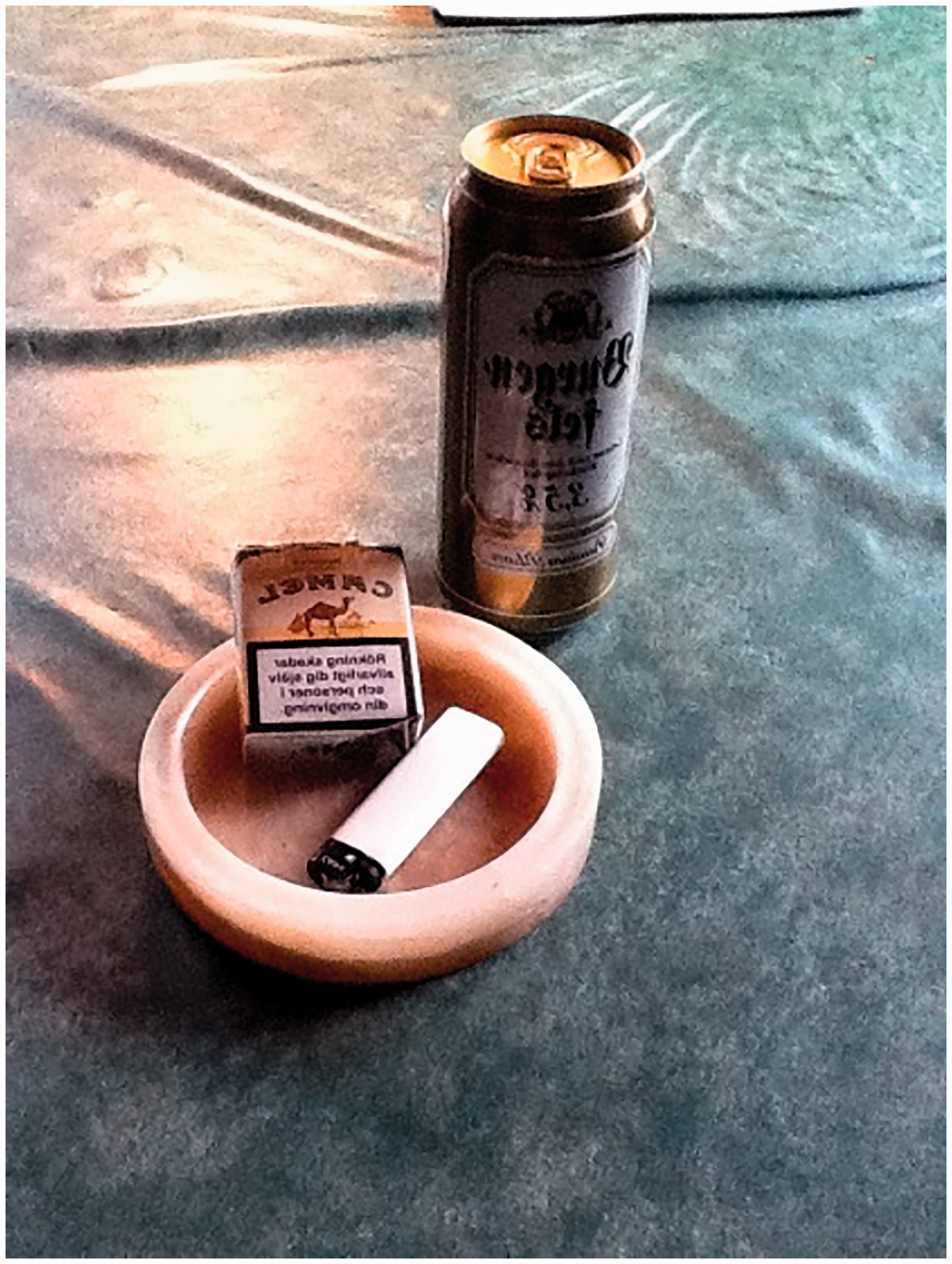
Self-care also means beginning a slow transition to search for new meaning in life. This involves an existential struggle, but feelings of freedom and hope in a new lifestyle also emerge. These give birth to new possibilities, enabling movement away from previous habits toward a new life. Hesitation is also intertwined with self-care because self-determination is required and significant others are involved. In searching for a new identity, this transition continues to foster hope and a new meaning in life. If long-awaited makeovers do not occur, feelings of pointlessness and hopelessness arise.
Struggling to find meaningfulness
The participants experienced self-care as a struggle; this was essentially about searching for new meaningfulness. At the same time, the participants strived to preserve their lives. This struggle focused on the lived body and the patient’s responsibility to overcome the challenges of lifestyle changes in order to survive and sustain their health. Being newly diagnosed with T2DM evokes thoughts and feelings about existence and the meaning of life. Death, seen as inevitable, is present in the patients’ thoughts and it may create fear. One participant asked: But if the blood sugar goes up after eating a pastry, can you get a heart attack suddenly then? (5) I’ve started up with this [healthy lifestyle] so it’s a little good with the bad. (1) The participant’s experiences of feeling meaningfulness.
Being in reflection and resting
The need to be still and take a break from the seriousness of having diabetes is experienced as self-care; the need to be alone and rest from other life contexts is restorative and healing. Resting also enables patients to distance themselves from the disease and the intrusive thoughts it brings, providing relief in a difficult existential fight. Moving the physical body and exercising is also experienced as a source of relaxation and gives patients the strength and energy to manage reflection (Photo 3).
The participant’s experiences of rest; physical exercise can influence the energy needed to reflect positively about one’s disease and life situation.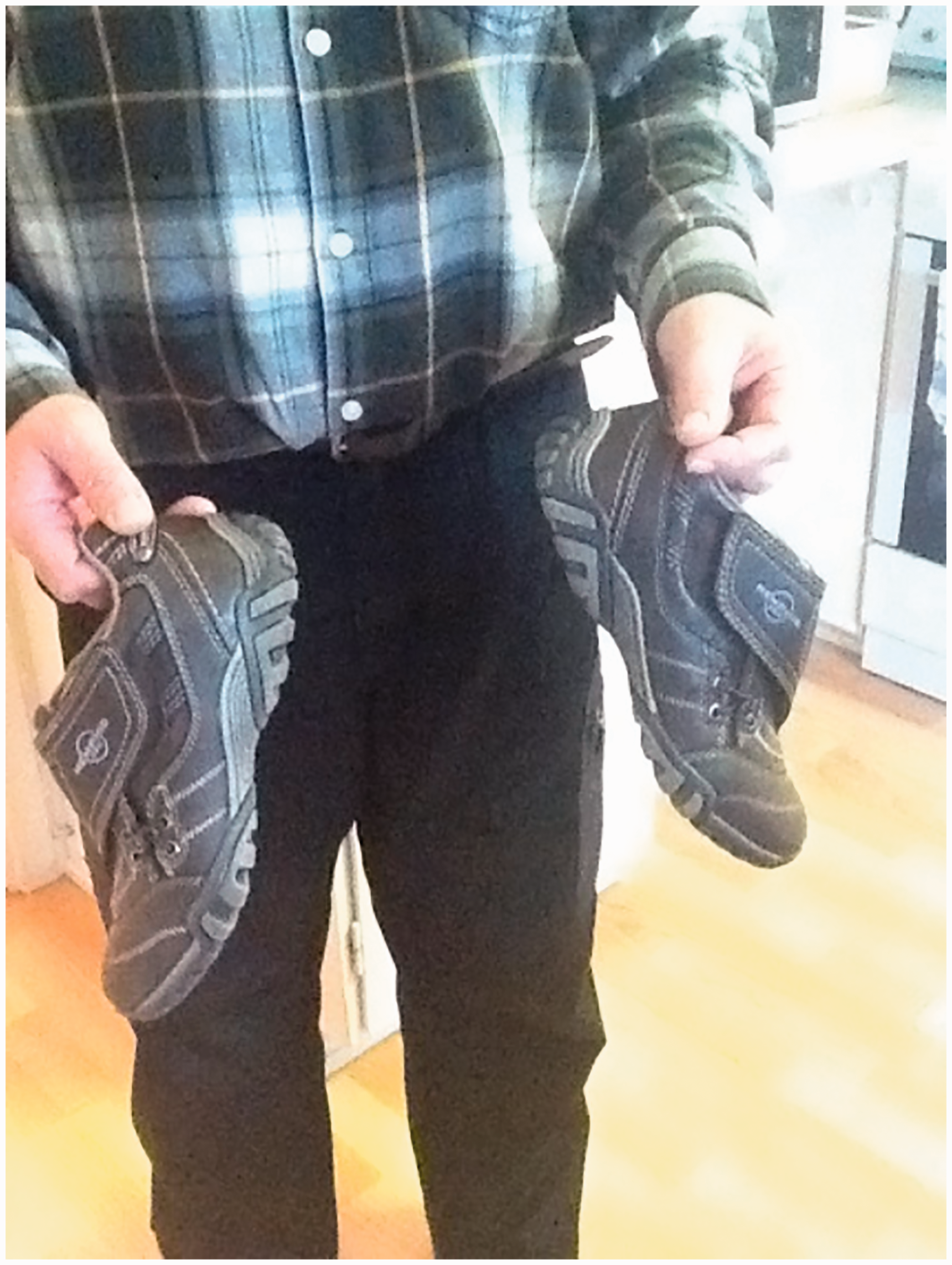
Doing things with others free from external demands is experienced as a source of relaxation. Common interests and leisure activities provide a rest from intrusive thoughts about the disease, and these create a sense of freedom, playfulness and vitality. One patient exemplified these experiences with a photo that describes the shirt of a local football team that she always wears when she watches matches with her sisters (Photo 4).
The patient’s experiences of feeling relaxation when watching soccer matches with close relatives.
Searching for future hope
Relationships with significant others are experienced as important in self-care, enabling patients to find future hope. Being part of a community with family, friends and colleagues who can provide support and understanding makes one feel hopeful about one’s health and the future. This affects the experience of finding new meaning and the desire for new and better lifestyle choices. Feeling that others care, having a purpose and supporting one another brings a sense of safety and a feeling of camaraderie.
Through self-care patients gain a sense of a new possibility to affect their life circumstances. By labelling the positive effects of lifestyle changes in the body, their sense of new meaningfulness in life grows stronger. After some time, patients realise that the lifestyle change was easier than they had expected. They feel a strong sense of gratitude when they recognise the benefits of self-care. This strengthens their faith and hope in the future. One patient noted: A relief, but in the beginning, I did not see with clear eyes; I was most heartbroken over it, but now when I start to feel a sense of management, everything in life feels more positive. (1) It is not good with diabetes and heart disease combined … now I dropped those odds again, which I have been trying to increase before. (4)
Fighting for self-determination and respect
Self-care was experienced as a fight for respect; groundless prejudices and ideas influence one’s sense of self-determination especially when they come from significant others. Prejudices can generate fear and dejection. However, over time insight occurs and patients question these prejudices and beliefs. Their own thoughts, feelings and valuations become stronger, which gives them a sense of power and possibility. In this context, cultural differences could be significant. A patient who was born in an African country stated: People tell you that people with HIV have a better life than diabetics nowadays … it’s not like people say, you have to think for yourself and not just listen. (3) The participant’s experiences of fighting for self-determination.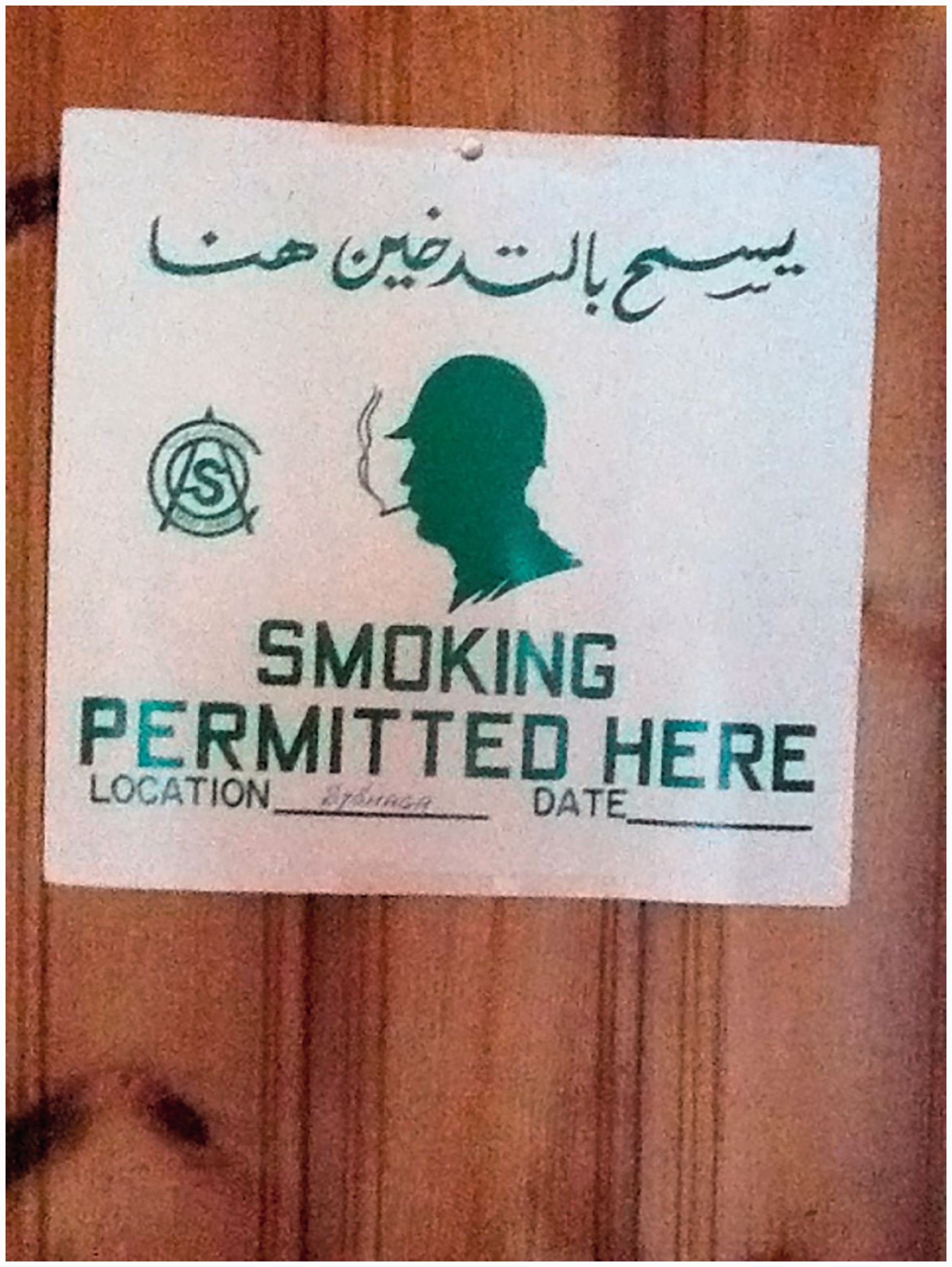
Discussion
In this study, we sought to unfold the meanings of self-care in patients newly diagnosed with T2DM. Patients experience self-care in multifaceted ways; it is challenging to handle the seriousness of self-care and to find future hope. Our findings show that self-care is experienced both as a struggle to find meaningfulness in life and respect from others as well as a transition that gives birth to new possibilities.
Self-care creates an ‘in-between’ condition, which is demanding. In this condition people often feel tension between contradictorily emotions. An in-between condition evokes feelings of being torn between guilt and the need for love. 28 These findings are in agreement with the current study’s findings; namely, that self-care and the patient’s former lifestyle challenge each other and grief about losing one’s ‘normal self’ occurs before a new viewpoint can arise. This is also in line with the results of other studies.29,30 However, none of the previous researchers have addressed the aspect of temporality; which is that the grief of losing the former self disappears over time.
The present study’s findings suggest that feelings of hope and an increased awareness of meaningfulness occur through self-care because the process makes it possible to identify new possibilities that affect life’s circumstances. This gives patients a sense of taking back control over their bodies and the freedom to make choices. Bullington noted that experiencing what it feels like to live in an ageing body and how it impacts one’s sense of identity and one’s ability to feel at home make it possible to reflect on new possibilities in life. 31 This is in line with the present study’s findings. After grappling with existential issues the patients could see new possibilities; they felt peace and were more connected to their bodies. Positive thinking is important. Bullington suggested that peace and acceptance are something that patients have to work at. 31 Suffering from a chronic illness can be experienced as a tool of self-discovery and a fundamental source of self-development. 32 This is in line with the present study, which found that meaningfulness is obtained from a new understanding of the subjective body, which gives birth to new possibilities and gratitude for the opportunity to start a new life. Although those studies addressed coping with different illnesses through self-care, participants in the present study also experienced self-care as a way to create a hopeful future.
The diabetes nurse plays a major role in this in-between condition, especially in supporting patients in identifying new possibilities. She/he can invite patients to reflect on their thoughts, feelings and behaviours, even if doing so evokes guilt and regret about the past. To develop an expertise in addressing one’s health problems, it is important to stimulate reflection and obtain balance in life. 33 If patients compare their present bodies to their past bodies, a new understanding can emerge. 34
Being diagnosed with a chronic illness, such as T2DM, entails an existential struggle, such as feeling lost in life and losing one’s map and destination. 35 A disease puts the patient in a universal trauma of not feeling at home in life as the presence of death and otherness become prominent and people feel alienated from the way they feel at home in their bodies and with others, which is taken for granted in the everyday life. 36 Similar ideas are presented in several studies and living with newly diagnosed T2DM is discussed as involving both the need for balance and a daily struggle that evokes grief and a loss of self, which many suffer from before they can find a new identity.11,30
The experience of regaining stability through self-care is expressed in different ways: time of uncertainty, coming to terms with it, being resolute and even embracing the diabetes. Different self-care strategies are used in this search for stability, including being in stillness, reflecting on past and current choices, finding a new identity and being thankful for what the diabetes caused. This knowledge can be useful for diabetic nurses because they deal with patients in all stages of the process of regaining stability. Diabetes nurses can take advantage of the importance of significant others. The study highlights the importance of having someone caring by one’s side to help manage and cope with this demanding process. Significant others can be relatives, friends and even diabetes nurses. Significant others who support the process of self-care and transition and who bring a sense of hope and well-being to life enable patients to find a new path. Involving and encouraging patients’ family or friends to be a support in this process is an important part of a self-care programme.
The study’s findings also indicate that patients fight for respect from significant others. Chronically ill patients can experience a continual struggle to be regarded as valid people by others. 32 In the present study this is illustrated by the photo of the sign with the text: smoking permitted here. The patient needed to clearly highlight the importance of the freedom of choice without being judged as a person based on it. Significant others are also important to a patient’s understanding of self, which is challenged when searching for a new identity. Svenaeus argued that one first discovers oneself through others, and then develops an independent understanding of oneself. 36 A person cannot be understood as a self; one must be understood in relation to others and then meaningfully locate oneself in the ongoing world. 37 This fight for respect and self-determination might be in opposition to the image that significant others have, but it is needed for one to secure trust and power in one’s own thoughts, feelings and valuations. This could be understood as being an essential part of searching for a new identity and taking back control of one’s life.
A diabetes nurse’s understanding and attitudes about diabetes care have a critical impact on the consultation process with the patient. 38 It is challenging to be creative and find new ways to meet patient care needs in a way that supports reflection; it is also challenging for a diabetes nurse to create a climate that initiates and supports reflection to promote health and well-being. 39 The present study’s findings highlight the need to increase diabetes nurses’ awareness to meet patients’ needs with openness to support reflection and stimulate the search for a new identity. Johansson and Ekeberg emphasised the importance of inviting a patient to participate in this process in a way that recognises his/her actual lifeworld. 40 The described lifeworld should focus on the patient’s search for new autonomy and striving for balance in his/her daily life, which could be characterised by existential insecurity and a feeling of having no control over the situation. Todres, Galvin, and Dahlberg referred to this as insiderness; thus, understanding a patient’s perception of insiderness and how he/she experiences an ongoing life-threatening condition, such as diabetes, places the focus on the patient’s existential uncertainly rather than only addressing lifestyle changes. 41 Self-care actions need to be understood in terms of the meanings attached to them, otherwise a patient can feel abandoned because the illness affects their whole life. 29 However, professionals often only focus on parts of a patient’s life. 41 Based on previous research and the present study’s findings, we emphasise that diabetes nurses need guidance and knowledge in order to meet their patients in a spirit of true participation and to support self-care based on each patient’s lifeworld.
Strengths and limitations
The study focused on the lived experiences of self-care in patients newly diagnosed with T2DM. The RLR approach, like all other research methodologies has strengths and limitations. Using the photos has been an aid for reflection and achieving depth and rich description of the phenomenon under scrutiny. The interviews began with a broad initial question to give the interviewees maximum freedom to share details of their experience in an open-ended way to achieve narrative breadth. To obtain a more nuanced understanding and greater depth, through a deeper description of the phenomenon, different follow-up questions were asked and photos were used to help the interviewees stay focused. Although photos can provide rich and detailed descriptions, the risk is that some experiences could be implicit, and the aim of the study was to explore the breadth and depth of the phenomenon. 42 While photovoice methodology25 helped us highlight the personal experience of the phenomenon and provided opportunities for the interviewees to reflect on the phenomenon under study, Plunkett, Leipert, and Ray stated that the use of photos always involves interpretation. 43 This could be seen as a limitation; however, we argue that the participants interpreted their own photos. A few interviews did not involve any photos; our experience was that it was more difficult to achieve depth in those interviews. Taking a photo was voluntary, and it was sometimes difficult to justify this because it required some effort to take the pictures and sustain an interest in the interview.
Conclusion
This study demonstrates that a patient’s experience of self-care is mainly existential; as such, it forms the basis of managing practical lifestyle changes. Thus, regaining stability is experienced as acceptance, taking back control over one’s life, having new routines and finding new possibilities. If self-care is performed optimally, the patients’ existential struggles can direct them toward finding new meaning in life, a new map and destination, like a new identity. Additionally, it is essential that diabetes nurses create room for reflection and dare to challenge patients to reflect on this existential struggle. Understanding how significant others can facilitate this process can also help patients adapt to their new identity.
Footnotes
Acknowledgements
We are grateful to all the patients who generously shared their experiences with us.
Funding
This research received no specific grant from any funding agency in the public, commercial, or not-for-profit sectors.
Conflict of interest
The authors declare that there is no conflict of interest.