Abstract
Tobacco content on Twitter (X) generally opposes regulation. Although a near real-time data source of the public’s response to prominent events heightens the allure of extrapolating public sentiment from Twitter content, tobacco policy sentiment on the platform may be more indicative of industry-affiliated top users. We examined 2 years of tobacco policy discussion on Twitter (X) at the user level (N = 3,159,807 posts) from September 2019 to July 2021. We sampled the 100 most followed, amplified (retweets), influential (H index), and connected (betweenness centrality) users at three different time periods: pre-COVID (September 2019 to February 2020), COVID lockdown (March 2020 to March 2021), and post vaccine rollout (April to July 2021) to characterize top users. The Louvain method was used to partition users into communities based on retweet behavior. The 100 most amplified users received between 48% and 71% of all retweets across time periods, with e-cigarette advocates dominating the most amplified (64.7%), influential (38.4%) and connected users (42.1%). The vast majority of interaction took place in communities dominated by e-cigarette advocates, but only reaching 2.5% to 8.2% of users. We identified 58 tobacco policy top users who had 1,000 or more total retweets and were among the top 100 for any of our influence metrics at more than one time period. Among top users, 50 were e-cigarette advocates, and 24 had quantifiable ties to the tobacco industry. Practitioners and researchers should be wary of mischaracterizing industry public relations on social media as public sentiment.
Introduction
Social media content offers candid insight regarding public perceptions of tobacco products and their regulation (Allem et al., 2017, 2018; Blake et al., 2022; Czaplicki et al., 2020; Mackey et al., 2015; Majmundar et al., 2019; N. Silver, Kucherlapaty, et al., 2022; Vassey, Valente, et al., 2022). As one of the most popular social media platforms (Vogels et al., 2022), particularly among journalists (Jurkowitz & Gottfried, 2022), Twitter, now X, has been examined both as a barometer of public sentiment toward tobacco policies (Allem et al., 2022; Lazard et al., 2017; Zhou et al., 2023), and a medium through which tobacco regulation is framed and disseminated to the public (Allem et al., 2018; Basáñez et al., 2018; Kavuluru et al., 2022; N. Silver, Kierstead, Kostygina et al., 2022).
However, Twitter has never been an accurate gauge of public opinion. For example, a 2022 Gallup Poll reported that 61% of people believed the United States should more strictly regulate electronic cigarettes (e-cigarettes), while only 7% of people thought that e-cigarette regulation was too strict (Saad, 2022). Twitter undoubtedly amplifies the minority perspective, as discourse tends to overstate benefits and downplay harms of tobacco and nicotine products (Kwon & Park, 2020; Lazard et al., 2017), oppose regulation (Kwon & Park, 2020; Lazard et al., 2017), and disseminate mis- and dis-information in opposition to evidence-based policy (Huang & Carley, 2020; Kavuluru et al., 2022; N. Silver, Kierstead, Briggs, et al., 2022; Sidani et al., 2022; Tan & Bigman, 2020). This research seeks to contribute to a discussion of Twitter’s value as a source of public opinion and medium for public outreach through an examination of the communities and interests amplified through the platform in the context of tobacco policy.
More broadly, this research examines the role of social media as a potential contributor to the commercial determinants of health. The commercial determinants of health refer to the heavy impact four industries (tobacco, ultra-processed food, fossil fuels, and alcohol) have on population health, with these industries accounting for one in three preventable deaths globally (Gilmore et al., 2023). These industries, especially the tobacco industry, use their significant financial resources to oppose regulation aimed at reducing the commercial determinants of health through lobbying governments and fostering doubt about the effectiveness of such policies (Friel et al., 2023; Hill et al., 2022; Lancet, 2023; Legg et al., 2021; Peeters & Gilmore, 2015; Savell et al., 2014). We suggest that social media platforms like Twitter offer an avenue through which these industries can repackage their own anti-regulatory agendas as popular movements against proposed polices.
The Tobacco Industry’s Opposition to Regulation
The inherent conflict between tobacco as a commercial product and tobacco use as the largest cause of mortality and morbidity worldwide places public health interests squarely at odds with a multi-billion-dollar industry. The tobacco industry has leveraged vast resources to oppose regulation both legally (Fallin & Glantz, 2015; Gilmore et al., 2015; Ibrahim & Glantz, 2006), as well as through public relations campaigns intended to instill doubt regarding the dangers of tobacco use (Maani et al., 2022; Reed et al., 2021) and foster favorable perceptions of the industry as economic pillars of the community (Heckman et al., 2019; Kostygina et al., 2022; Szczypka et al., 2007; Warner, 2000) and paragons of consumer freedom (Cardador et al., 1995; Smith & Malone, 2007; Torjesen, 2014). As e-cigarettes have transformed the tobacco marketplace (Noel et al., 2011), tobacco companies have launched PR campaigns like “Move beyond smoking” (Altria, 2022), “Unsmoke your mind” (Philip Morris International, n.d.), and other efforts to rebrand themselves as public health partners in reducing the burden of disease caused by their products (Koh & Fiore, 2022; Koval et al., 2022; Peeters & Gilmore, 2015).
In addition to PR campaigns, tobacco companies have leveraged a vast network of non-profit organizations to interfere with scientific and policy processes (Torjesen, 2021; Vassey, Hendlin, et al., 2022) and advocate for the proliferation of e-cigarettes (Jackler, 2022). For example, the International Network of Nicotine Consumer Organizations (INNCO) is funded by Foundation for a Smoke-Free World (FSFW), a 501c(3) established in full by tobacco giant Phillip Morris International. However, INNCO’s long list of member organizations including The Consumer Advocates for Smoke-Free Alternatives Association (CASAA), and the New Nicotine Alliance (NNA) do not receive direct donations from the tobacco industry. Although FSFW has attempted to distance itself from the tobacco industry by changing its name to Global Action to End Smoking, a recent analysis of four years of FSFW documents reveals ongoing efforts to manipulate, obscure, and undermine the preponderance of evidence in support of tobacco control policies (Legg et al., 2024) affirming skepticism regarding the rebranded organization’s independence from industry interests (Cohen et al., 2024).
The tobacco industry’s network of non-profit organizations has a unifying goal of opposition to tobacco product regulation (Vital Strategies, 2019). The specific policies targeted by specific organizations vary across national boundaries. For example, INNCO’s members include organizations based in North and South America, Africa, and Europe (Members—INNCO, n.d.). Similarly, the World Vaper’s Alliance, funded both directly and indirectly by British American Tobacco (World Vapers’ Alliance, n.d.) includes member organizations on all six habitable continents (Meet the Community, n.d.). Nevertheless, the core narrative promoted by these organizations is that the expansion of the e-cigarette market is the only solution to enduring death and illness from cigarettes thus making regulatory policy a barrier to public health (Dewhirst, 2021; Koh & Fiore, 2022; Peeters & Gilmore, 2015).
Social Media’s Role in Communicating the Harm Reduction Narrative
Mass media plays a crucial role in disseminating the tobacco industry’s anti-regulatory narrative. In 2017, The Influence Foundation was founded with funding from Phillip Morris International, Altria (formerly Phillip Morris USA), and British American Tobacco, along with their American subsidiary R.J. Reynolds with a mission “to advocate through journalism for rational approaches to drug use, drug policy, and human rights” (The Influence Foundation, n.d.). Publications from outlets funded by The Influence Foundation, such as Filter Magazine, reframe evidence-based tobacco policies as an infringement on consumer rights (Stimson, 2022), and an inevitable cause of increased smoking rates (Sidhu, 2024).
This harm reduction framing has been identified among the dominant perspectives on social media platforms like Twitter (X) (Kirkpatrick et al., 2021; McCausland et al., 2019; N. Silver, Kierstead, Kostygina, et al., 2022), where advocates aid the spread of misinformation (N. Silver, Kierstead, Kostygina, et al., 2022), reframe and oppose tobacco policy (Harris et al., 2014; N. Silver et al., 2023), and argue with tobacco control researchers (Chapman, 2018). These online advocates give the impression of a grassroots movement, organizing around hashtags like #wevapewevote and #flavorssavelives (Kirkpatrick et al., 2021). However, the tobacco industry’s use of social media for commercial and self-promotional purposes (Hunt et al., 2020; Luque, 2018; Tan & Bigman, 2020) is well-documented (Kostygina et al., 2022; Szczypka et al., 2007), with recent research showing that accounts affiliated with the tobacco industry played a prominent role in posting content opposed to the proposed ban of menthol cigarettes in the United States (Silver et al., 2024).
The Current Study
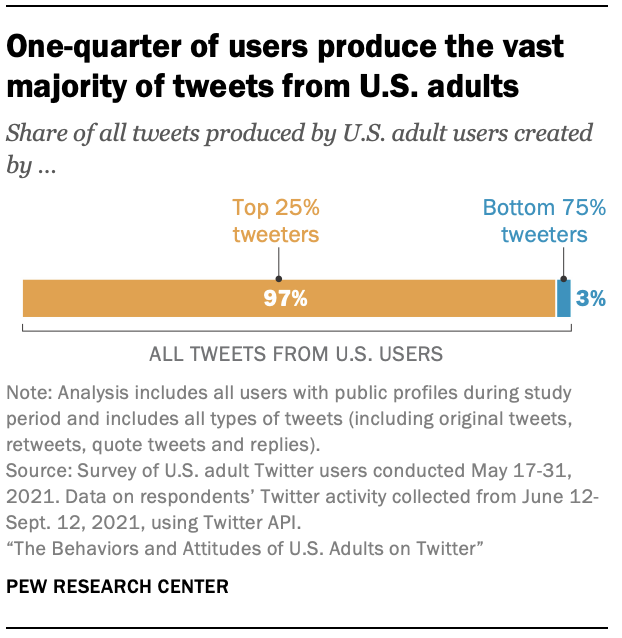
The current study investigates the influence of the tobacco industry on tobacco policy discussions on Twitter during a tumultuous 2-year period (1 September 2019 to 31 July 2021). According to Google Trends data (Google Trends, 2022), a reliable measure for tracking trends in online discourse (Ghosh et al., 2021), public interest in e-cigarettes peaked in September of 2019 during the outbreak of acute lung infections that were initially attributed to e-cigarettes and the meteoric rise of e-cigarette use among youth (King et al., 2020; Leas et al., 2021), but later attributed to illicit market THC cartridges (Blount et al., 2020). Six months after this peak, news cycles were soon occupied by the COVID-19 pandemic, which dominated media attention throughout 2020 (Krawczyk et al., 2021). This period of time was then characterized by the rapid dissemination of problematic information online (Cinelli et al., 2020; Goel & Gupta, 2020), including in the context of tobacco and nicotine products (Kamiński et al., 2020; Kavuluru et al., 2022; Sidani et al., 2022; N. Silver, Kierstead, Kostygina, et al., 2022). Taking into account that posting on Twitter in general is highly concentrated with the top 25% of users producing 97% of all content (Pew Research Center, 2021), we anticipate that tobacco policy discussions on Twitter amplify tobacco industry interests more so than provide a barometer for public sentiment. We ask, who were the most influential users (RQ1), to what extent do tobacco policy-related top users have quantifiable ties to the tobacco industry (RQ2), and to what extent are tobacco policy discussions on twitter concentrated within communities dominated by these top users (RQ3)?
Methods
Procedure
This research examined the most influential users discussing tobacco policy on Twitter during a 2-year period from September 2019 through July 2021. Using NORC Social Data Collaboratory’s comprehensive archive of tobacco-related tweets, we trained and validated a keyword filter to identify tweets that were specifically about tobacco policy. Metadata including relevant tweets and retweets was then aggregated at the user-level for analysis. To account for the profound impact of the COVID-19 pandemic on all aspects of life, especially social media use (Dixon, 2022), we divided our data into three time periods: pre-COVID (September 2019 thru February 2020), COVID lockdown (March 2020 to March 2021), and post vaccine rollout (April thru July 2021). Top users based on multiple metrics of influence were identified and classified by trained coders. Next, a second round of coding was conducted on a subsample of user accounts who demonstrated sustained influence at two or more time periods to identify tobacco industry connections among top users. Finally, the Louvain method for community detection (De Meo et al., 2011) was used to identify communities of users that drive tobacco policy-related conversation.
Data Collection and Processing
Tweets were collected using Twitter’s Historical PowerTrack API in September of 2021, which enabled keyword-based queries across historic periods. First, 93,336,897 posts in English were extracted between 1 September 2019 and 31 July 2021. We used a procedure for optimizing keyword search terms (Stryker et al., 2006) that was adapted for social media data (Kim et al., 2016) to identify tobacco policy-related posts from within the broader corpus of tobacco-related content. A combination of search terms and Boolean logic (e.g., keywords signifying products (e.g., “cigarette” or “e-cig”), OR behavioral terms (e.g., “vaping”), OR major brand names (e.g., “marlboro” or “juul”), AND policy terms (e.g., “flavorban”) were applied to the full corpus of texts from which a random subsample of 2,400 posts were human-coded to evaluate and optimize the filter. To account for variation in policy across national borders we included both region specific policies (e.g., T21 and PMTA) as well as more general terms indicative of policy (e.g., law, ban, regulation, and restrict). Precision (false positives among n = 1,202 machine-identified relevant posts; 0.92) and recall (false-negatives among n = 1,198 machine-identified irrelevant posts; 0.91) were used to calculate a metric for reliability of the policy filter (F1 = 0.91). We extracted an analytical data set of 3,159,807 policy-related posts including 1,182,384 original tweets and 1,977,423 retweets that were then aggregated at the user-level among 58,369 unique users.
Measures
User-level measures aggregated from metadata included total original tweets, retweets (reposting tweets by other users), retweets received (number of times another user reposted the user’s tweets), and number of followers, a common metric used to assess influence on Twitter (Cha et al., 2010; Kwak et al., 2010; Weng et al., 2010). Using Twitter’s API, all user metadata was current as of the day of the API call, meaning all tweets in our data set were a captured a minimum of 2 months after they had been posted.
Identifying Influential Users
In addition to number of followers and retweets received, we calculated an H index for each user as the maximum number of original tweets that received a minimum number of retweets (e.g., an H index of 10 means that 10 tweets were retweeted 10 or more times). H index is often used as a measure of influence among scholars (Gallagher et al., 2021). Like publications (Banshal et al., 2022), retweets (Lu et al., 2014) tend to follow a power-law distribution, meaning a small percentage of tweets (publications) receive the vast majority of retweets (citations). The H index thus provides a measure of sustained influence (i.e., frequency with which one’s tweets are amplified via retweet) that is not inflated by one viral tweet from a user who is otherwise not an integral part of tobacco-related discussions on Twitter. Finally, as a measure of influence within the network of Twitter users who discussed tobacco policy, we calculated each user’s Betweenness Centrality (BC) based on which users retweeted each other. If every user is a node (k) and every retweet is a path either connecting to (being retweeted by a user) or from (retweeting a user) other users, user k’s BC represents the number of shortest paths between all pairs of users that must pass through user k. BC has been used to identify highly connected users among Twitter networks (Britt et al., 2021; Shao et al., 2018).
All users were sorted by follower count, retweets received, H index, and BC at each period to capture the most followed, most amplified overall (retweeted), most frequently amplified (H index), and most connected (BC) users. The top 100 users for each influence metric were reserved for coding.
Coding Top Users
Prior to identifying top users, a random sample of (n = 100) users from our data were reserved for establishing reliability in coding user categories. Two independent coders determined whether users were public officials (e.g., @CDCDirector), health professionals (non-issue specific, for example, Doctor and Nurse), elected officials, political activists, media outlets/ journalists, celebrities/entertainers, ENDS advocates, commercial accounts, organic accounts (e.g., no specific affiliation or pet issue), or suspended accounts whose content is no longer accessible. e-cigarette advocates, the primary group of interest, were identified through either explicit mention of vaping, e-cigarettes, or tobacco harm reduction in the user’s bio, and/or either a pinned tweet or three or more of their last five tweets about e-cigarette or tobacco harm reduction. In cases where users fit more than one category, we focused on the most relevant category to our research question. We note that e-cigarette advocates sometimes fit other additional categories, however, we prioritize their self-identification as e-cigarette advocates. After we established reliability (kappa = 1) the trained coders categorized top users.
Examining Industry Influence Among Top Users
Users who appeared in the top 100 retweet, H index, or BC lists in two or more periods and had at least 1,000 combined retweets were identified as tobacco policy top users. We chose 1,000 retweets as our cutoff based on the distribution of retweets received by a top user for each of these three categories at each period (Mdn[IQR]= 577[176,1967]). The median user who appeared in a top user list at least twice would have 1,154 retweets, making 1,000 retweets a defensibly conservative cutoff. We excluded the followers list, as we wanted to characterize top user influence through content production and amplification irrespective of hypothetical audience. The study’s first and second authors coded users for direct, indirect, and commercial ties to the tobacco industry. Direct ties included users or organizations with a direct financial relationship to Big Tobacco companies including Phillip Morris International, Altria, BAT/ RJ Reynolds, JTI, Swedish Match, and other national and multinational brands. For example, the president of an organization that receives funding from FSFW would be characterized as having a direct connection. Indirect ties included those with clear affiliation with Big Tobacco Brands such as organizations cited and linked on Industry websites. For example, trade (501(c)(6)) and social welfare organizations (501(c)(4)) do not have to disclose their funders on their tax forms (Ensor, 2022), making it difficult to identify direct connections. However, if such organizations or users who work for them are referenced frequently or linked on 501(c)(3) non-profit websites that are directly affiliated with the tobacco industry, we infer an indirect connection. Finally, commercial interests include those with a verifiable commercial stake in the sale and manufacture of tobacco products including those who work for non-advocacy arms of Big Tobacco companies, as well as vape shop owners with no clear ties to Big Tobacco. Industry ties were investigated using Tobacco Tactics, an online database developed by the University of Bath listing organizations and researchers with financial ties to the tobacco industry, for the prevention of industry interference (University of Bath, 2024). Additional web searches were performed as needed. To be coded as having ties to the tobacco industry accounts had to be both associated with a specific user or organization (i.e., parody accounts or those using a fictional name, for example, DarthVaper were not identified as industry affiliated) and identifiable off Twitter (i.e., on an organizational website, publicly available tax document, Tobacco Tactics database, or the individual’s personal website).
Community Detection
Community detection was performed using Gephi. For each period, the Louvain method was used to identify communities (modularity classes) based on which users retweeted each other (Evkoski et al., 2021). Moreover, we applied the Laplacian matrix to the data to account for the complex hierarchical structure of retweet networks (De Meo et al., 2011; Ozer et al., 2016). More than 2,000 modularity classes were identified, however we focused on communities that included at least one top 100 BC user (i.e., communities that had at least one highly connected user).
Results
We began our analysis with a general overview of tweet volume in our data set. The 4-month Period 1 contained the majority of tobacco-policy related tweets with 901,824 original tweets retweeted 1,567,449 times by 39,356 unique users. Period 2, which lasted an entire year during stay-at-home orders included 232,189 tweets, retweeted 289,563 times by 16,497 unique users. Finally, the 4-month Period 3 included 48,371 tweets retweeted 120,411 times by 7,080 unique users. The median user across all three periods tweeted once and received two or less retweets (IQR[1,4]). However, the top 100 most retweeted users received 56% of all retweets at Period 1, 48% at Period 2, and 70.1% at Period 3, providing additional empirical justification for our focus on top users.
Top Users
There was overlap in top users across periods and influence categories. Out of a possible 1,200 top users (100 from each period across four metrics), we identified 680 unique users. Follower count had the least overlap across periods with 250 of a potential 300 unique users. Few users with top follower accounts overlapped with top users in the other three metrics including 13 top H index users, 24 top retweeted users, and one top BC user. The vast majority (81%) of the most followed accounts were news outlets or journalists, followed by 5.3% political office holders, candidates, or activists, 5% entertainers and/or celebrities, 3.7% public health institutions or leaders of those institutions, 3% organic accounts, less than 1% health professionals (.3%), organic/suspended accounts (.3%), and commercial accounts (.3%).
The three amplification-based influence metrics (retweets, H index, and BC) revealed a core group of influential users. Of a potential 900 combined users, there were 460 unique accounts. Top H index users shared 57.7% of users in common with top retweeted users and 42.3% of users in common with top BC users. Moreover, top retweeted users shared 32.4% of users in common with top BC users. Table 1 provides counts and percentages for each metric of influence revealing that e-cigarette advocates comprised 64.7% of the most retweeted users, 38.4% of the highest H index users, and 42.1% of the highest BC users. In contrast to the most followed users which were dominated by news outlets and to a lesser extent entertainers and celebrities, such accounts comprised between 0% and 12.2% of top amplified users.
Top Users for Three Amplification-Based Influence Metrics by Category.

Industry Influence Among Top Users
We examined 58 users who met our criteria for amplified top users on tobacco policy. Among these top users, 50 (86.2%) were e-cigarette advocates, with 24 (41%) having direct (12 [21%]) or indirect (14 [24%]) ties to Big Tobacco. Moreover, 15 (26%) had commercial stakes in the sale and manufacture of e-cigarette products including shop owners and device and flavor manufacturers.
Community Detection
The Louvain algorithm identifies latent clusters (modularity classes) of users who interact with (i.e., retweet) each other. Although thousands of modularity classes were identified, most are inconsequential representing limited interaction between infrequent users. Modularity classes across all three periods had a Mdn[IQR] = 2[2,3] users. We focused our analysis on the top BC users (i.e., the most connected). Table 2 shows the concentration of users, tweets, retweeting behavior, and retweets received by modularity classes represented among top BC users. The top BC users were predominantly centralized in one community at Period 1 (Class 1A), centered heavily on one community in Period 2 (Class 2A), but with two other noteworthy communities (Classes 2B and 2C), and heavily centralized in one community at Period 3 (Class 3A). Between 28.3% and 56.8% of all users discussing tobacco policy on Twitter during this two-year period were part of the communities documented in Tables 2 and 3 accounting for between 66.2% and 83.5% of all tweets, 94.6% and 98.4% of all retweeting behavior, and between 65.6% and 71.6% of all retweets received.
Concentration of Tobacco Policy Conversation Within Communities.

Modularity class highlighted in the text.
Top BC Users Categorized by Modularity Class.

Modularity class highlighted in the text.
Table 3 provides the coded categories that were used to characterize the communities represented by these modularity classes. In Period 1, Class 1A was responsible for 71.6% of original tweets, 94.1% of retweeting behavior, and 39.7% of all retweets received. Of 61 top BC users in this community, 36 were self-described e-cigarette advocates. There is a comparably dominant community of e-cigarette advocates in Period 2 (including many of the same users from Period 1) wherein Class 2A produced 38.9% of original tweets, 75.8% of retweeting behavior, and received 45.3% of all retweets. It is noteworthy that a second class (2C) of e-cigarette advocates was also identified. A closer inspection of the users from 2C showed that many were small LLCs and e-cigarette shop owners. Meanwhile, Class 2B was a mix of health professionals and public health institutions (e.g., WHO and CDC). This community produced 4.7% of original tweets, 1.1% of retweets, and received 2.7% of all retweets. Period 3 also had a dominant community (3A) wherein 54 of the 77 most connected users were e-cigarette advocates (many were the same users from Periods 1 and 2). This community produced 51.3% of original tweets, 90% of retweets, and received 24.4% of all retweets. Despite dominating the tweet and retweet metrics, these e-cigarette advocate clusters (1A, 2A, 2C, 3A) accounted for less than 5% of users in each period. Altogether, 14,578 users interacted with the e-cigarette advocate community at Period 1, a combined 9,636 interacted with the two advocate communities during the entire year captured in Period 2, and 2,605 users interacted with this advocate community at Period 3.
Discussion
This study provides context for the ever-growing body of research showing the proliferation of pro-tobacco and anti-regulatory content on Twitter by showing how commercial tobacco interests mobilize on the platform. Although tobacco policy discourse on Twitter involved more than a million tweets, nearly two million retweets, and nearly 60,000 contributing users, at three different periods in time, half or more of all retweets were concentrated among the top 100 users. Although the most followed accounts were news agencies and to a lesser extent, celebrities and public figures, the most amplified perspectives on the platform come from a comparatively small community of e-cigarette advocates who drive the discussion producing 50%–70% of original tweets, over 90% of retweets, and receiving between a quarter and more than a third of all retweets. We identified 58 top users of whom 50 were self-described e-cigarette advocates, 24 had clear direct or indirect ties to Big Tobacco, and 15 had commercial interest in the sale and manufacture of e-cigarettes or tobacco products. Between September 2019 and July 2021, tobacco policy discussion on Twitter was not an indicator of public sentiment. Rather, the tobacco industry has leveraged Twitter to set an anti-regulatory agenda posing as a grass roots movement.
The community of e-cigarette advocates identified in our analysis is not confined to Twitter. Rather, Twitter provided another venue for the tobacco industry to set and disseminate a narrative rooted in disingenuous and manipulative obfuscation of scientific evidence—“malinformation” (Grimes & Gorski, 2022). PR campaigns about harm reduction by tobacco companies (Altria, 2022; Jackler, 2022; Philip Morris International, n.d.), industry-sponsored publications lauding e-cigarette as life-saving innovations (Filter, 2022), and influential users on social media who seek to conflate unrestricted marketing and commercial distribution of an addictive consumer product with evidence-based harm reduction strategies (Dewhirst, 2021; Koh & Fiore, 2022; Peeters & Gilmore, 2015) comprise multiple arms of the same disingenuous media strategy. The web of non-profit and subsidiary organizations set up to obscure the tobacco industry’s interference in the scientific process (McDaniel et al., 2008; Vital Strategies, 2019) is paralleled by the industry’s successful hegemony on Twitter.
One implication of the tobacco industry’s Twitter hegemony is that the metanarratives attempting to frame tobacco regulation as an extension of prohibition and the increasingly maligned “War on Drugs” is a media strategy that the industry believes may be effective. Public attitudes about addiction, drug policy, and criminalization of illicit substances are shifting away from punitive measures in favor of treatment and harm reduction (American Civil Liberties Union, 2021; Gallup, Inc., 2023; Odabaş, 2022; Pew Research Center, 2014). That the tobacco industry has exhausted resources to mobilize opposition to tobacco policy through framing tobacco regulation in this way means that strategic messaging that counters such mal-information may be beneficial. Essentially, Twitter and other social media platforms do not need to provide public sentiment to be useful. Our analysis suggests that future research should examine the persuasiveness of arguments identified on social media among both the public as well as relevant populations such as policy makers.
Implications for Public Health Engagement on Twitter and Social Media
This research has implications for both subsequent engagement on Twitter, as well as considerations for engaging on other social media platforms. Our analyses show two distinct paths for Twitter’s influence. We predominantly focus on the first—users who are amplified by the platform, producing and disseminating content with which other users interact. On Twitter, users with demonstrable ties to the tobacco industry and financial interests in the sale and manufacture of tobacco products control the narrative. This finding both explains and further supports previous research suggesting that efforts to engage the public through Twitter may backfire (Harris et al., 2014; N.Silver et al., 2023), as the interest group that dominates the platform exerts significant control over how tobacco-related information is presented and disseminated (N. Silver, Kierstead, Kostygina, et al., 2022). Twitter does not have an editorial board of gatekeepers who can determine which information makes the front page of the platform. However, the top users who exert influence over what content is amplified on the platform have vested interests in the sale and manufacture of tobacco products. Public health institutions should consider whether there is quantifiable benefit to continuing to engage on Twitter.
The second path of influence is rooted in the fact that an estimated three in four Twitter users rarely interact or produce content (Antelmi et al., 2019). These “lurkers” might scroll through their feeds or read push notifications when the accounts they follow post tweets. In contrast to what is amplified on the platform, the most followed accounts are news networks and other legacy media outlets (e.g., Time magazine and Newsweek). During the height of public interest in e-cigarettes, less than 15,000 users engaged with the e-cigarette advocate community on Twitter. Less than 10,000 users engaged with this community for an entire year while much of the world was confined to their homes. However, millions of users follow accounts such as CNN, Reuters, ABC, WSJ or other news outlets that tweeted about tobacco-policy relevant news Twitter (X) and to a broader extent social media’s role as a news aggregator (Fletcher et al., 2023) merits consideration in future research. Specifically, the impact of pro-industry narratives may be related to not only if people get their news from Twitter and other social media platforms, but also whether they are among the minority of users that produces and interacts with content.
Finally, the tobacco industry’s success in mobilizing on Twitter suggests that similar astroturf movements may be likely on other social media platforms and about other public health topics, including climate change, vaccine uptake, and immigration policy. Although Twitter (X) is promoted as a public forum, at least where tobacco policy is concerned, the perspectives reflected on the platform better represents tobacco-industry sponsored media than public opinion. The implication is that Twitter (X) provides a mass media outlet where industries responsible for the commercial determinants of health can disseminate industry-biased arguments presented as public consensus. As a result, public health researchers should remain skeptical of interpreting public sentiment from social media chatter. Policy makers should question the extent to which social media chatter is representative of their constituents or a social media savvy interest group. Moreover, journalists should be wary of how their own reliance on social media platforms like Twitter can further amplify mis/dis and malinformation propagated by industries like Big Tobacco whose interests run counter to public health.
Limitations
All research is limited by the data we use and the questions we ask. The first limitation is missing data, as accounts or tweets that were removed for any reason between the start of our study period and our September 2021 data collection were not included in our sample. Second, we note the admittedly arbitrary cutoffs we used to determine influential users and communities of interest. The top 100 users for each of our influence metrics accounted for a large percentage of the conversation. However, at least half the conversation took place among users outside the top 100. We did our best to account for this arbitrary cutoff by using multiple metrics (H index, retweets, and BC), but it is impossible for us to be certain that the 101st most connected user at Period 3 (for example) did not play an important role in the tobacco policy discussion. Moreover, there are metrics of connectedness (e.g., PageRank) and other approaches to community detection (e.g., coordination networks) that would allow for stronger conclusions about how information disseminates on Twitter than our use of BC and the Louvain method provided. In addition, this analysis only focuses on a single point in time. Data spanning a longer period could provide more generalizable findings. We also note that we can neither be sure that we captured every English policy relevant tweet nor that metadata (e.g., follower counts) did not vary across our two-year study period. However, we are transparent in our criteria and followed established convention in evaluating the accuracy of our filter. Finally, although not present in our top users, it is possible that tweets from bots were present in our larger data set. These tweets were not removed to more accurately reflect the environment an individual might see while scrolling on social media. Despite these limitations, we provide a thorough and transparent examination of influential users discussing tobacco policy on Twitter and show with great confidence that e-cigarette advocates dominate the conversation, and are centralized around a few top users, many of whom have political and financial interest in the sale and manufacture of tobacco products.
Conclusion
Twitter is not a viable representative of public sentiment toward tobacco policy. Tobacco policy discourse on Twitter is highly influenced by users with quantifiable ties and financial stakes in the tobacco industry. Researchers and practitioners alike should be skeptical of the use of social media as an indicator of public attitudes and perceptions, as resourceful and media savvy industries are fully capable of controlling the narrative on social media platforms.
Footnotes
Declaration of Conflicting Interests
The author(s) declared no potential conflicts of interest with respect to the research, authorship, and/or publication of this article.
Funding
The author(s) received no financial support for the research, authorship, and/or publication of this article.