




Abstract
Objectives
This study investigates the feasibility of the Deaf in Touch Everywhere (DITE™) app, which was developed to provide virtual interpretation services through teleconferencing; and factors influencing adaptation and utilization by stakeholders in simulated healthcare consultations.
Methods
Focus group discussions (FGDs) were conducted involving three stakeholder groups: Malaysian sign language (BIM) users (BNUs), BIM interpreters (JBIMs) and healthcare providers (HCPs). They were involved in simulated medical consultations via video conferencing using the DITE™ app. Interview questionnaires were designed using the extended Unified Theory of Acceptance and Use of Technology (UTAUT). Results were thematically analysed.
Results
Nineteen participants (six BNUs, six JBIMs, seven HCPs) participated in three FGDs. Findings were categorized according to the five UTAUT categories and were explored within each participant group: Performance expectancy – strengths and limitations of the DITE™ app; Effort expectancy – adaptation, challenges and navigation of the app; Social influence – concerns about data privacy/confidentiality, medicolegal acceptance and encouragement to use app from relevant stakeholders; Facilitating conditions – confidentiality, support availability, prior relationship with interpreters, previous consultation experiences and familiarity with telecommunication tools; Behavioural intention – app usage and promotion and comparing telemedicine and face-to-face consultations with the DITE™ app. Limiting conditions and areas for improvement were also discussed.
Conclusion
The DITE™ app holds the potential to tackle communication barriers between Deaf individuals and HCPs. However, ongoing research, improvements in functionality and strategic deployment are vital to maximize its effectiveness in enhancing healthcare accessibility and outcomes for the Deaf community in Malaysia.
Keywords
Background
According to the World Health Organization, approximately 466 million people worldwide experience disabling hearing loss, 1 with around 70 million individuals being deaf and relying on sign language for communication. 2 Among this population, there is a subgroup that identifies themselves as culturally Deaf, denoted with an uppercase ‘D’. 3 Differing from the term ‘deaf’ with a lowercase ‘d’, which refers to the audiologic lack of hearing, the Deaf community define deafness as their linguistic and cultural identity rather than perceiving deafness as a disability. These individuals share a common experience of using sign language and adopting Deaf cultural norms such as making decisions by consensus and speaking frankly and politely.4,5 Despite their substantial numbers, the healthcare needs of the Deaf community have not been adequately addressed, resulting in poorer health outcomes and different healthcare utilization patterns compared to the general hearing population. This phenomenon is mainly attributable to poor communication and patient engagement.3,6,7
Communication plays a crucial role in the patient-provider relationship within healthcare, as it ensures the best possible treatment for each individual. Miscommunication between patients and providers – arising from linguistic, cultural or literacy barriers – has been widely associated with diagnostic errors, poor adherence and lower patient satisfaction.8–10 For Deaf individuals, these challenges are amplified by the visual and linguistic nature of sign language, barriers in communication with healthcare professionals (HCPs), and the scarcity of qualified interpreters. One of the barriers in communication between HCPs and Deaf patients is the misconception that lip-reading is a viable means of communication for all Deaf patients, and that they can fully substitute spoken or sign language communication. 3 In reality, only 30–40% of English phonemes can be reliably identified by the Deaf through lip-reading even under the best conditions, while the rest requires guesswork.3,11 This limitation becomes even more pronounced during healthcare consultations, where complex medical terminology may be used, and patients may not possess sufficient background knowledge. Therefore, while lip-reading can be useful for Deaf individuals with some residual hearing, it cannot replace the use of sign language. 3
Furthermore, research has shown that HCPs often lack awareness and understanding of Deaf culture, 12 further hindering effective communication and the ability to meet the needs of the Deaf community. 13 This issue was highlighted in the Sick Of It report, which revealed that despite the majority of Deaf patients preferring sign language interpretation in healthcare consultations, only a fraction of them were given the opportunity. 14 Indeed, ineffective communication with Deaf individuals has resulted in various negative outcomes, including miscommunication leading to diagnostic and management errors, 15 heightened levels of anxiety and embarrassment due to misunderstandings, 16 delays in receiving treatment, unnecessary testing, breaches of privacy, poorer health literacy levels, and inadequate patient education leading to improper home care or medication usage. 15 17–19 These obstacles often discourage Deaf individuals from seeking healthcare services altogether.
To address this communication gap between Deaf patients and HCPs, a solution would be the use of medically trained sign language interpreters (SLIs) in facilitating consultations. 3 However, several limitations exist regarding this solution. Firstly, the current availability of sign language interpretation services falls short of meeting the demand due to a severe shortage of SLIs. 20 Besides, there is a lack of consistent medical training for SLIs. Additionally, the absence of established equivalent medical terms in sign language introduces further risks of misinterpretation. 21 Therefore, there is a significant need for further research and innovation to improve the accessibility of sign language interpretation services and bridge this communication gap.
According to the 2022 statistics report by the Department of Social Welfare Malaysia, there are 42,349 individuals registered as Deaf and Hard of Hearing 22 in Malaysia who prefer communicating in Malaysian sign language (BIM). Despite the community's sizable population there are only 30 SLIs working with the Malaysia Federation of the Deaf (MFD), and there are merely around 20–30 freelance interpreters available across the country, 23 that is, for each SLI, there are approximately 1000 Deaf individuals in need of communication assistance.
The absence of a legal mandate in Malaysia compelling HCPs to provide SLIs further compounds this issue, leaving Deaf patients feeling uncertain and vulnerable during their medical visits. 24 Indeed, research undertaken involving members of the Deaf community in Malaysia have also revealed fear and apprehension among the Deaf when accessing the healthcare system. 24
Design and development of DITE™
In 2016, the HEAlthcaRe needs of the Deaf (HEARD) Project–a series of studies aimed at improving the healthcare access of the Deaf community in Malaysia 24 –was launched. Based on qualitative and quantitative studies involving the Deaf and community pharmacists in Malaysia,24–26 a cross-platform mobile application called Deaf in Touch Everywhere (DITE™) was created to address the healthcare interpretation requirements of the Deaf community who rely on BIM, also referred to as BIM native users (BNUs). This app aims to connect Deaf individuals with a network of off-site interpreters via secure video conferencing. The primary purpose of DITE™ is to enable Deaf users to schedule BIM interpreters (JBIMs) in advance or request them on-demand, providing convenience and flexibility similar to popular on-demand service platforms like Uber or Grab, but tailored specifically to the needs of the Deaf community. This comprehensive healthcare consultation solution encompasses all aspects, from the initial scheduling of JBIM services to virtual interpretation during face-to-face medical consultations. The development of DITE™ involved a community-based participatory approach, collaborating closely with key stakeholders from the Deaf community, BIM interpreters, and HCPs. Utilizing participatory design methods is instrumental in enhancing health communication tools, ensuring their alignment with the specific requirements of the target audience. 27 Further details of the features of the DITE app can be found in Supplemental file 1.
We adopted a human-centred, living lab approach for early DITE™ prototype development, involving Deaf users, SLIs, HCPs and software developers throughout the process. This iterative model addresses common mHealth app challenges, such as poor alignment with user needs, limited integration with healthcare workflows, and inadequate customization, by incorporating continuous end-user feedback. This approach also facilitates faster prototyping, better customization and less user acceptance testing at the end of the development cycle. 28
A key design driver was the strong preference of Deaf individuals for video-based teleconferencing over text, consistent with prior qualitative research on Deaf health communication apps. 24 Evidence also shows that adults with hearing impairment are as likely as others to use smart devices. 29 Studies on Deaf-focused mobile apps highlight their appeal due to independence, accessibility, flexibility, and success of apps such as Pro Deaf Libras and Deaf Bible demonstrates the community's readiness to adopt digital communication tools. 30
In Malaysia, unlike countries with state-funded systems like the United Kingdom, where the NHS Accessible Information Standard 31 ensures free access to SLIs, Deaf individuals often bear the cost of interpreter services themselves. 32 By enabling remote sign-language support, the DITE™ app seeks to mitigate this financial barrier and promote more equitable access to healthcare services.
In this research undertaking, we executed a healthcare simulation employing the DITE™ app, followed by three distinct focus group discussions (FGDs), each engaging one of the critical stakeholders: Malaysian Sign Language native users (BNUs), Malaysian Sign Language interpreters (JBIMs) and HCPs. Our analysis endeavours to evaluate the feasibility of the DITE™ app and discern the factors that affect its uptake and use among the three stakeholders.
Method
The methods and findings of this study are reported according to the Consolidated Criteria for Reporting Qualitative Studies (COREQ) 33 (Supplemental file 2).
Study design and participants
Three FGDs were conducted and analysed according to a pre-existing theoretical framework, 34 the Unified Theory of Acceptance and Use of Technology (UTAUT2). The UTAUT2 framework 35 was adopted to discern both constraining and facilitating factors that shape the adoption and utilization of the DITE™app among the three stakeholders: BNUs, JBIMs and HCPs. The pilot assessment of DITE™ for its feasibility and acceptability in measuring UTAUT2 constructs indicated that the contextualized UTAUT2 questionnaire is an effective tool for evaluating the adoption of the DITE™ app among the Deaf community and SLIs in Malaysia. Engaging the targeted end users in the design process provided essential insights, ensuring that the app continues to meet the genuine needs of both groups. 28 Participants’ perspectives and experiences were systematically investigated and analysed within the framework's dimensions. This approach provided a structured framework for evaluating the potential effectiveness and acceptance of the DITE™app within the context of healthcare simulations, thereby enriching the thematic analysis of outcomes from the FGDs.
Patient and public involvement and engagement were integral to the methodology of this study. The research team employed a participatory approach by actively involving Deaf researchers (VCY and JN) with lived experience in the recruitment, questionnaire design and transcription of FGD material. Participants were individuals 18 years of age and above with lived experience and personal insights into the health challenges faced by the Deaf community. Specifically, participants were purposively sampled from non-governmental organization networks, ensuring representation from diverse backgrounds and across all races. See Supplemental file 3 for the GRIPP2 reporting checklist. 36 All participants were sent an explanatory statement and consent form. After obtaining consent, BNU and JBIM participants were given access to their own WhatsApp group with one of the app developers and two research assistants to avoid influencing other participants. They were asked to download the DITE™ app, through an APK (only for Android users), and install the app. Guidelines on how to register and log in, and continuous technical support was provided through WhatsApp. All BNUs and JBIMs were provided free Android phones a week prior to the simulated medical consultation.
Prior to the simulated medical consultation, the BNUs scheduled a booking with the selected JBIMs through DITE™. During the simulated medical consultation, the HCPs, who are practising medical officers, heard the JBIM's interpretation of the Deaf patient signing through the app. Only the BNUs and JBIMs were required to use the app; HCPs did not need to use the app but benefitted from having a JBIM present virtually. Figure 1 provides a depiction of the consultation session. The three simulated medical cases (Supplemental file 4) were on carpal tunnel, diabetes and migraine (telemedicine). Cases were prepared by medically-trained researchers and trialed in a pilot test among BNUs, JBIMs and HCPs. BNUs were assigned to different JBIMs for each of the three simulated medical consultations, to ensure they were exposed to all JBIMs and HCPs. Each consultation took an average of 15 min after which FGDs were carried out to evaluate the behavioural intention (BI) to use the DITE™ app among the three participant groups (BNU, JBIM and HCP). The FGDs were facilitated by experienced researchers with the help of note takers. The FGDs with JBIM and HCPs were audio recorded while that with BNUs was video recorded and was carried out by a Deaf researcher. Demographic details were collected from all participants along with questions pertaining to their medical consultations (BNUs), interpretation experience (JBIMs) and experience with Deaf patients and understanding the communication needs of the Deaf (HCPs). Ethics approval was obtained from Monash University Human Research Ethics Committee (Project ID: 20452).
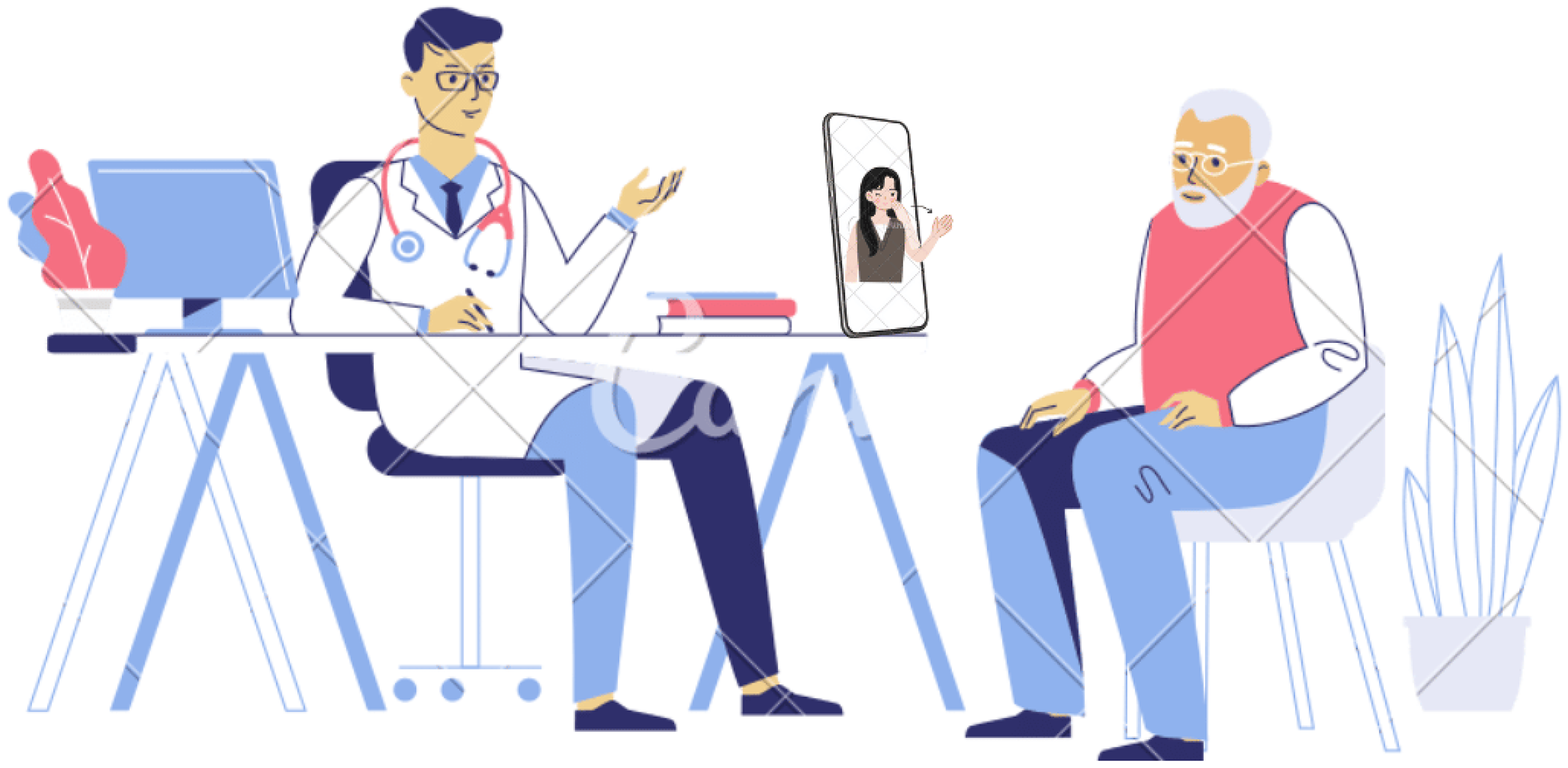
Depiction of consultation session using the DITE™ app (designed using Canva).
Moderator guide development
The moderator guide was designed using the extended UTAUT2. 35 According to Venkatesh et al., 35 UTAUT2 explains 74% of BI and it is recommended to be applied in the introductory phase of a relevant technology (e.g. initial use, adoption). UTAUT2 identifies factors related to the prediction of BI to use a technology. The original UTAUT2 questionnaire consists of 32 items under nine constructs and uses Likert scales to measure responses. The factors identified in the original UTAUT2 model that were adopted in our questionnaire were (i) performance expectancy, or the degree to which using a technology will provide benefits to those users, (ii) effort expectancy, or the degree of ease associated with the use of the technology, (iii) social influence, or the extent to which users think that significant others (e.g. friends and family) believe they should use the technology, (iv) facilitating conditions, or the users’ perceptions of resources and support available to them and (v) behavioural intention, or the degree to which users intend to or continue using the technology. With the growing use of telemedicine and the app's capabilities to accommodate this feature, we included a question on telemedicine as a facilitating condition.
Three versions of the moderator guide (one for JBIMs, one for BNUs and another for HCPs) were developed using the UTAUT2 questionnaire, with the questions adapted to fit the context of the DITE™ app. The research team, which included two members of the Deaf community (VCY and JN), adapted the guides for this study by first replacing the technology in the original questionnaire (mobile internet) with the DITE™ in all questions. Next, the research team reviewed the questions and removed some measures and items that were not relevant to the DITE™, such as the Price Value measure (as the app is currently free). The items measuring the use of technology were also updated from outdated technologies to newer ones (e.g. from ‘Java games’ to ‘app games’). Third, additional questions were added to seek feedback on specific app features or aspects to help inform improvements to the design. Face and content validation of the moderator guides were undertaken by experts in qualitative research and members of the research team. The moderator guide for the BNUs was reviewed by a Deaf member of our research team (VYC) and edited to ensure they would be understandable by BNUs. The moderator guides were then pilot tested via a simulated case study involving a BNU, JBIM and HCP, and rectifications were made to the guides based on the feedback received. The final moderator guides are provided in Supplemental file 5.
Data analysis
Baseline demographic data were presented using descriptive statistics. Recorded interviews involving JBIMs and HCPs were transcribed verbatim and anonymised prior to analysis. Transcription for the FGD involving BNUs was undertaken by JN, a Deaf research assistant, using one video recording and double-checked for accuracy using the second video recording. The expressions used in the transcription took into consideration the signing that corresponds with the participant's body language, emotions and facial expressions. Results were then imported into NVivo 12 Software (QSR International Pty Ltd, Version 12, 2018). 37 All audio recordings and interviewer field notes were also imported into NVivo for comparison and analysis. Thematic analysis was performed on the transcripts guided by Braun and Clarke's six phase approach to coding. 38 Data analysis continued until thematic saturation was achieved, whereby no new themes or insights emerged from the final FGDs. As the three FGDs yielded recurrent patterns and overlapping responses, data saturation was deemed to have been reached. Quotations by participants were edited on a limited basis to remove content that did not convey meaning (repeated words, stutters) or that had no relevance to the theme being discussed. An ellipsis was used to note the removal of such extraneous content. Square brackets were used in quotations to replace sensitive or identifiable information.
Results
Overview of participants
A total of 19 out of 26 invited participants (73%) were involved in the three FGDs – six BNUs, six JBIMs and seven HCPs. Twenty percent of the invited participants either did not respond or declined to participate. This smaller number of participants per group is acceptable for early-stage exploratory or feasibility studies and is also comparable with other mHealth pilot studies.39–42 In addition, each group represented a homogenous stakeholder group which allowed for in-depth exploration of shared experience. For the Deaf cohort, smaller groups facilitated clear communication in BIM and manageable coordination of interpreters. For the interpreter cohort, the limited number of qualified interpreters in Malaysia justified maintaining a modest sample size. Similarly, the HCPs’ group size was adequate to capture varied experiences while allowing balanced participation. Overall, six-seven participants per cohort represented a practical and methodologically-sound balance between inclusivity and the depth of discussion, consistent with guidance recommending smaller FGDs for specialized or sensitive populations and when logistical considerations are present.42,43 The duration for each FGD was as follows: BNUs – 51 min; HCPs – 57 min; JBIM – 47 min. We present here the data and findings according to each participant group. Findings are presented according to the five UTAUT categories, that is, Performance Expectancy, Effort Expectancy, Social Influence, Facilitating Conditions and Behavioural Intention.
Demographic data
BIM native users (BNUs)
Fifty percent (n = 3) of BNUs were females, with the majority aged between 31 and 40 (67%). Two were between 41 and 50 years of age. The majority used android phones (83%, n = 5), most mentioned seeking healthcare for flu, fever and cough, and all participants have never used any other app with video conferencing services (e.g. telegram, WhatsApp, WeChat etc) for a healthcare consultation. Further details on participants are presented in Table 1.
Characteristics of BNU participants (n = 6).

Participants were allowed to select more than one option so totals might not equal 100%.
Healthcare professionals (HCPs)
The majority of participants were female (71%, n = 5) and aged between 20 and 30 years of age (57%, n = 4). The remaining three (43%) were between 31 and 40 years of age. The majority (86%, n = 6) were not aware of the Persons with Disability Act 685, 2008 on Access to health, and had not attended sign language classes (57%, n = 4), while all were comfortable using telecommunication applications (such as WhatsApp, Skype, Facetime etc). Further details are provided in Table 2.
Characteristics of healthcare providers (n = 7).

Participants were allowed to select more than one option so totals might not equal 100%.
BIM interpreters (JBIMs)
The majority of participants were males (67%, n = 4), and all were freelance interpreters. The majority used android phones (67%, n = 4) and of the six, only one had received training for the medical setting. Of the two who had experience interpreting in the medical setting, they interpreted 0–5 times in the past one year. Further details are provided in Table 3.
Characteristics of JBIM participants (n = 6).

An overview of the themes and subthemes is presented in Figure 2.

Categories, themes and subthemes.
Performance expectancy
Theme 1: Strengths of DITE™ app
Subtheme 1: Embracing Malaysian Sign Language
BNU participants revealed that the DITE™ app allowed them to converse in their native language, BIM, during the simulated consultations. Having had to rely on pen and paper in previous consultations, one of the BNUs revealed that, ‘Now we have video, it makes it easier to communicate with the other party in sign language’ (D4, M). Hence, the DITE™ app provided a sense of ease and comfort for BNUs, as they were not encumbered with having to search for suitable terms to describe their presenting complaint as required by their previous mode of communication. It also allowed their concerns to be acknowledged and to better understand the explanations provided by the doctor, as ‘(previously) it's difficult to remember the right word. Need to refer to Google and then show it to the doctor. So, it's time consuming. Now I just need to sign, through (an) interpreter, the doctor knows my issue. It's good this way. It gives me the satisfaction’ (D4, M).
The discussion also revealed the importance of enabling the Deaf community to relay their medical concerns through their native language, particularly for the many Deaf who were not literate even if it would require more time: ‘These group of illiterate Deaf, who are (the) majority of Deaf in Malaysia, are subjected to brief consultation with pen and paper, will not understand their condition. Interpreting is always preferred as it is easier to understand’ (D2, F).
Subtheme 2: Improved experience during healthcare consultations
BNU participants revealed that being able to communicate in their native language via the DITE™ app added value to their consultations and improved their overall experience. Although the incorporation of the DITE™ app increased the length of consultations, it also increased its depth. As mentioned by one of BNUs, when it comes to the value of consultations, the DITE™ app allowed them to have longer, more meaningful conversations with their doctor, whilst paying the same healthcare costs; ‘It was really brief in the past and we paid like (RM)60, 70 for it. Now it's stretched with more information, it helps. Where cost is concerned, we pay the same price. Brief consultation is not worth our money. And with this (app), we have much to gain as we know more in order to manage ourselves’ (D4, M).
Similarly, HCPs mentioned that the DITE™ app managed to facilitate communication with Deaf patients by enabling a more detailed two-way communication. It allowed both stakeholders to express and comprehend each-other more effectively, which the HCPs think is the foundation in building patient rapport. It was highlighted that the HCPs were able to gather a much more comprehensive medical history from the patients when using the DITE™ app, as compared to that obtained when using the traditional written-paper method. There was a unanimous agreement from the HCPs that they are keen to use the app for this reason, despite the limitation of having to take up a longer time during the consultation: ‘I’ll say that I did require more time using the app but that's because I was able to take a better history. (…) But in terms of being able to achieve quality history and to be able build a better relationship with the patient, definitely, I am very happy to use the app, not because it saves me time, but because now I know exactly what the patient is trying to tell me’ (HCP2, F).
HCPs were also of the opinion that, with the use of the DITE™ app, Deaf patients can more readily have access to professional third-party interpretation services, rather than having to rely on casual interpretation by their family members or friends. Not only does this prevent information from being lost or modified, it also creates a more conducive environment for patients to open-up: ‘…in real life, they come with their family, sometimes I wonder how much of what I am being said is being passed on, but now it is a total stranger, so they might also be able to totally open up’ (HCP5, F).
Subtheme 3: Streamlining logistics and interpreter service and performance
HCPs felt the DITE™ app could greatly facilitate logistical arrangements given the fact that it allows pre-bookings with the JBIMs: ‘…sometimes when I am in the hospital and I run into problems with translating for [immigrant patients who cannot communicate with English or Malay], I actually have to wait for the physical interpreter to be free, and they can only come at X time for example, and I have to coordinate with the patient's family who can only come at X time. So, I can end up easily a delay of surgery of 1 to 2 days just trying to coordinate everyone to sit down together to get the damn consent. So, I think with the app, the fact that its pre-booked, I can arrange the time. I'm looking forward to it shortening the logistics as well as the effort required just to arrange a meeting’ (HCP2, F). Similarly, JBIMs agreed that with the use of the DITE™ app, their productivity increased. As they are able to provide their services without being physically present at the healthcare facility, participants were able to accept more bookings with the extra time, saying ‘… It improved (my) productivity in the sense that I could probably help more Deaf (people) (…) with this (DITE™ app), I could have multiple bookings back-to-back throughout the day, or you know, on demand…’ (JBIM 2, M).
JBIMs felt the DITE™ app allowed them to provide their service to BNUs from different states across Malaysia. This is particularly useful as there are limited numbers of JBIMs. Additionally, participants unanimously agreed that the use of the DITE™ app reduced consultation time. The ability to provide interpretation services remotely also served an advantage of time as they need not spend time travelling: ‘…(By) using the app, I don’t have to travel over there and this can save up a lot a lot of time’ (JBIM 3, M).
One of the JBIMs also shared their personal experience of a medical emergency, where the DITE™ app's advantage of virtual interpretation would have been lifesaving: ‘… few months back there was an accident which happened to a Deaf … and it was during peak hour, about 5PM or 6PM. He called me and he said: “Can you come because I need an interpreter?”. And from my home to (the) hospital, it takes minimum one hour during peak hours, and doctors cannot wait for that one hour. And if with this app… I can immediately (provide the interpreting service) to the doctors and to the Deaf. But because we don’t have this thing (DITE™ app), I can’t go (to the patient physically). Even if I went, the doctor cannot wait for me, so it become such a big problem. In the emergency situation, this app would really come in handy. And even during pandemic, (…) I have to be physically there, and now, with this app, I would say it is really fantastic’ (JBIM4, M).
The interface of the DITE™ app which allows BNUs to view all available JBIMs and select their preferred JBIM was noted as a helpful and user-friendly feature as the Deaf ‘…can see all the interpreters’ names and contact. So, this is a plus point to this app. They can straight away pull up and select (their preferred interpreter) or put up their demand and the interpreters who see it can immediately react to it. As compared to using Zoom or other apps where you don’t know who the interpreters are. You cannot choose’ (JBIM1, F).
The appropriate size and quality of video displayed on the app as well as good audio clarity were also thought to be satisfactory to facilitate their interpretation, with one JBIM saying ‘For me, the app is fantastic… Number one, I can see (BNUs) clearly as the Deaf is actually being highlighted as my main point, because if the Deaf is very small, I cannot see whatever that was communicated to me (…) The quality of the voice (audio) is also quite good, because whatever the doctor says, if I cannot hear it, I cannot interpret. But in this app, it is quite clear, so for me it doesn’t have any big problem’ (JBIM4, M).
Theme 2: limitations of DITE™ app
Subtheme 1: Lack of interaction impeding healthcare consultation
Despite its ability to improve communication, BNU participants disclosed that they felt disconnected from the doctor as there was a lack of interaction between them and HCPs. Indeed, they felt the presence of the app altered their relationship where they presented their complaint to the interpreter, instead of directly to their doctor, which felt unnatural to them. This proved to be a challenge to the doctor–patient relationship that they have been accustomed to: ‘…It's weird in showing and explaining to my interpreter before he tells the doctor. The doctor's impression of my trust in him is affected. It was (a) “messy” situation’ (D5, M).
This was echoed by HCPs who felt the DITE™ app did not allow all three stakeholders to see each other simultaneously, as what would happen should the interpretation be conducted in-person. During the simulation, the patient's device was positioned such that the JBIM and the patient would see each other through the screens of their devices, whereas the HCP and JBIM could not see each other. When BNUs were using the DITE™ app on their mobile phones, they found that their sole focus was on the DITE™ app when communicating, with minimal interaction with the consulting doctor.
HCPs also felt the lack of constant eye contact between themselves and the JBIMs and BNUs limited their ability to effectively integrate non-verbal cues and physical demonstrations during their speech, thereby serving as a barrier to communication. For example, HCP2 explained: ‘I wanted to demonstrate to the patient what (exercises) I wanted him or her to do and then to feedback to me what were the sensation the patient experienced as they were performing the examination. So, because the camera was initially only focused on the patient, the translator couldn’t see what I was doing to explain it to the patient (…) The second thing was also that there were sometimes when I wanted to get the patient's attention but again, they were so focused on the screen, so I had to actively reach out to the deaf patient, touch them, get their attention, ‘look at me’, and then explain, and then turn the camera to get them to explain…’ (HCP2, F). It was also raised by the HCPs that the lack of eye-contact not only inhibits the HCPs from expressing themselves through non-verbal cues but also deters them from picking-up the non-verbal cues from Deaf patients, which they think is equally important in the HCP-patient communication.
JBIMs were of a similar opinion, lamenting the limited view, especially when they needed to sign using body parts that were beyond the camera's field of view: ‘…I’m very satisfied with it (DITE™ app). But of course, if I can go physically, it will be much better, because I can see the whole thing (body gesture of the doctor and the patient), and I can show them the whole thing (entire body gesture), (while using the app) can only show them part of it. Before (when interpreting) medical terms, sometimes you would need to sign up to your neck or your leg(…) so it will be easier for them to understand. This limitation happens because we are using phones, which screens are quite small’ (JBIM3, M).
The limited field of view also interfered with the interpretation process during physical examinations. When the HCPs performed physical examinations on BNUs, the JBIMs were unable to interpret accordingly as the physical examination was not captured by the camera, with one noting ‘…we can’t see the doctor… (when) the doctors say: “OK, I want to check your hand” … we will just tell the Deaf: “Stretch out your hand”. But (when using DITE™), we don’t know where the doctor is pressing the hand, or which part of it, we will just interpret whatever the doctor told us, or (we will just tell the Deaf): “Now I am pressing on this part, how do you feel?”. When the Deaf stretch out their hands to the doctor, their eye contact is not on the screen (on the interpreters), they are looking at their hands… So, in this way, there is a little bit of slowing down we have to ask: Okay, please look at me first. How is it? When pressing on this part how do you feel? Then only would they express to you’ (JBIM1, F).
Subtheme 2: Dependence on competent interpreters
BNUs highlighted the significance of a skilled interpreter when using the DITE™ app, to avoid the risk of loss of information or misinformation that may lead to dire consequences. One participant revealed, ‘…now with DITE™, what I see is good but the interpreter isn’t skilled enough as there are missed-out information. (For) example, the doctor would be speaking for some time, but the interpreter's delivery was brief. I suspect there was a lot not captured’ (D2, F). Another BNU mentioned how the lack of adequate BIM skills by the interpreter resulted in additional stress during the consultation: ‘I was stressed with the interpreter who could not understand me and kept asking for clarification. There are times when I am asked for clarification of (the) signs I used, I could not because spelling is never me (finger spelling is not the participant's style of signing). I had this problem with both interpreters for Case 1 and 2. They need to up their skills… I needed to change and adjust my way of thoughts to suit them…’ (D5, M).
Subtheme 3: Real world feasibility of the DITE™ app
BNUs questioned the ability of the DITE™ app to perform its role and facilitate healthcare consultations under stressful and chaotic situations; ‘…if we are involved in an accident, how can we use DITE™ such as when we are injured and cannot handle it. Similarly, having to carry a sick child in our arm, it’d be difficult to handle DITE™’ (D4, M). BNUs were also concerned about the scope of medical illness that could be effectively communicated with the aid of the DITE™ app due to its limitations: ‘Using video consultation, the consultation can be of simple sickness, where it's easy to view (the) upper part of our body. But if we have more complicated ones, lower body, (such) as knee, do we stand to show, that will be difficult to communicate via video? That will be an issue. Without showing, (the) Interpreter won’t know, such as back pain. Simple ailment is fine, but complicated ones, I question this method’ (D2, F).
JBIMs on the other hand questioned the feasibility of using the DITE™ app in less-conducive environments: ‘…just now when I try to interpret, there was some (construction) work going on (…)If you are looking at an actual environment, maybe the surrounding is very noisy so you cannot hear’ (JBIM 3, M). JBIMs also noted that the lack of notification features such as ringtones when a booking was received and this could potentially lead to unnoticed calls that are missed, as ‘…normally I don’t check my phone, only when there is some ringing. So, when there is no ringing, I won’t know if there is an incoming call. Even in an emergency, I won’t know’ (JBIM3, M).
Effort expectancy
Theme 1: Equity and access concerns
The lack of stable Internet and connectivity was a challenge for BNUs while using the DITE™ app, with problems such as their screen freezing and lagging that impaired the communication between all three parties. Participants also noted that the reliance of the DITE™ app on the internet may pose a hindrance as certain healthcare facilities may be located at areas with poor connectivity. Furthermore, some users may not be able to afford a data plan that is adequate to support the use of the DITE™ app.
BNUs also found that it was a challenge to divide their attention when the doctor and interpreter were communicating with the participants at the same time. This is illustrated by the following quote, where a visual aid was being used by the HCP to provide an explanation, whilst interpretation was occurring simultaneously through the DITE™ app; ‘I had to try to understand the relation between the text and the illustration. The doctor showed illustration, and also explaining using her own palm, with the interpreter interpreting, having to look at both what the doctor was indicating and the interpreter, I could not manage it’ (D4, M).
When accessing the DITE™ app for the first time, there were varied responses from BNUs regarding the ease of use. Some BNUs had minimal issues and were able to manage after a while, whereas others required some assistance. When asked to compare with Grab (an established E-hailing app used by Malaysians), BNUs found that using the DITE™ app was more challenging as it was less user-friendly. Specifically, BNUs revealed that the booking process of the DITE™ app was anxiety-provoking. Without an immediate response, or an update on the status of their booking, BNUs felt that they are left to wait without knowing if their booking has gone through: ‘Having done a booking, the interpreter does not respond immediately. It leaves me anxiously waiting, wondering. In comparison with Grab, it tells me immediately my status…’ (D1, F). This left the BNUs with future concerns regarding the lead time of the booking process during an emergency, where an instant response is required, with one saying ‘…What happens if I need an interpreter at this very time and here, I am still waiting for the interpreter to accept my request. How will this (app) be helpful?’ (D1, F).
Theme 2: Navigating the DITE™ app
While working with the DITE™ app, BNUs found that they had to adjust to the audio component in the app. One of the BNUs revealed that he was not mindful about turning on the speaker of his mobile during the consultations: ‘…The communication method requires listening, and it struck me that I’ve forgotten to turn on my volume. The app needs to combine both video and audio (automatically) together (when the app is launched)’ (D5, M). The audio feature of the app also posed other challenges where BNUs highlighted that the interpreters could not hear the doctor speaking. Hence, the BNUs had to make certain adjustments to ensure that the doctors and interpreters were able to communicate well, as evidenced by the following quote: ‘During my 1st and 2nd appointment, the phone was placed at my comfortable viewing point. But the interpreters couldn’t hear and so I have to move it closer to the doctor. In doing so, I am not able to see them well’ (D5, M).
During the physical examinations, BNUs said that they had to adapt to the presence of phone cameras and its limited view as a method of communicating with the interpreter through the DITE™ app, whilst displaying the relevant anatomy to the doctor: ‘Both the interpreter and the doctor had to look at my palm, so I lifted it up (chin level, with open palm facing both of them) and I proceeded to show what was wrong. In this way both of them are able to see my palm and me simultaneously’ (D1, F).
JBIM participants felt that navigating and mastering the DITE™ app was effortless and easy. However, some participants did face minor troubles as they were unsure how to properly use the DITE™ app. For instance, one participant did not know that they had to turn on the ‘I’m available’ option in the app, leading to their status showing that they were unavailable. JBIMs also had issues with the DITE™ app being unable to update their booking status automatically after accepting a booking. They received error messages that would only be resolved when they manually refreshed the app. One JBIM suggested ‘…if there is an arrow or something to show you to pull down to refresh, that would be helpful’ (JBIM 6, M).
Facilitating conditions
Theme 1: Confidentiality of information
Very few BNU participants expressed willingness to use the DITE™ app during physical examination of intimate body parts (e.g. breast or vaginal examination for women and penis examination for men). BNUs revealed concerns regarding the confidentiality of the information shared during the consultation, noting ‘I will not (use the DITE™ app for examination of the vagina), even though I trust the interpreter, but there is risk of the environment she is in at that moment, who or what else would be at her background?’ (D2, F). However, BNUs felt reassured if there was a privacy and confidentiality agreement to ensure that the information shared maintained confidential: ‘First of all, there needs to be a confidentiality agreement by the interpreter. Then, prior to the appointment, I’d have a chat with the interpreter, what my issue is. I don’t need to show but explain so that she understands clearly my impending consultation. On the consultation, I do not hesitate to show as there is confidentiality’ (D1, F).
Theme 2: Availability of support and impact of environment
Upon questioning the participants’ perceptions of their ability to use the DITE™ app during illness, BNUs highlighted the role of support from a trusted family member in facilitating the use of the DITE™ app. One noted ‘My partner is able to help. If I’m alone, simple illness, such as flu it is alright (to use DITE™). But if he is really sick and unable to drive, I will help to make booking for him and accompany him to the doctor’ (D1, F). Other than the availability of internet access, a quiet and appropriate background was deemed necessary by the JBIM participants to fully optimize the use of the DITE™ app: ‘I think the area that I was placed at was quite good, because first of all, it was quiet and then second thing which was very important for me was that it was a clear empty background behind me’ (JBIM6, M). To ensure this, resources such as headphones were thought to be important.
Theme 3: Prior relationship with interpreter
One BNU revealed that the process of using the DITE™ app for the simulated consultation was made smoother because of the relationship he had with the interpreter previously. This allowed him to communicate better with the interpreter as he was familiar with the interpreter's style of communication, saying ‘While the 3rd interpreter, whom I know several years back, I am able to assimilate to his interpreting and him to me and the consultation went on smoothly. He was able to convey to the doctor my content and I felt good…’ (D5, F).
Theme 4: Previous experience
Previous consultation experience where sign language was not utilized was also a facilitating factor that encouraged the use of the DITE™ app. While BNUs were reliant on pen and paper, mobile text and notes for previous consultations, they were often unsatisfied with the outcomes of these consultations. However, with the DITE™ app, they see hope in using their own native language in consultations and the potential of gaining more useful information from their visits. This is illustrated in the following quote: ‘In comparison, in the past, sign language wasn’t available, but now it's possible. With interpreter, I pick up more. While without interpreter, even depending on family members was difficult for us as father and mother who are Deaf. Now we have interpreter available through video, it makes things easier. I didn’t have good experience. In the past it was really difficult. Now with DITE™, it's improvement for the future’ (D6, M). JBIMs, all of whom noted to have experience using other teleconferencing apps for video calls particularly during the COVID-19 pandemic where the use of teleconferencing apps surged; felt this experience was deemed useful in easing the process of navigating the DITE™ app.
Limiting conditions
Theme 1: Healthcare system-related obstacles
BNU participants revealed that the no-phone policies in hospitals would not allow for the DITE™ app to be utilized in certain hospital settings, noting ‘I think there is need to make known to MOH (Ministry of Health) and throughout Malaysia that DITE™ is a necessity for Deaf’ (D4, M). One participant also shared their own experience during a hospital visit where handphones were not allowed: ‘In my experience before giving birth to my child, I have been informed that handphone is not allowed.(…)They were talking to me, and I could not follow. In the end we had to communicate by pen and paper’ (D1, F).
The environment of the healthcare system also did not necessarily provide a conducive atmosphere for the use of the app with one HCP saying ‘Depends on the scenario, if it's in ED, labour room, with all sorts of distraction, I don't think it will be very conducive and then I will be like fine, I’ll use pen and paper instead’ (HCP6, F). Additionally, some HCPs indicated that there was a lack of necessary resources at their workplace to conduct a successful consultation utilising the DITE™ app. They suggested necessities such as a strong WIFI connection and even tripods would be difficult to access. In addition, when using the app, Deaf patients are allowed to pre-book their timeslot with an interpreter. However, HCPs noted that in the real-world, at clinics, with long queues and unknown waiting times, this becomes a hurdle as the patient is often unaware of what time their appointment will be.
Theme 2: User familiarity and app-related challenges
Many of the HCPs noted that patients faced difficulties during the consultation as they were unfamiliar with the use of the technology. According to one HCP, the interpreter hadn’t downloaded the app, so they were unable to proceed. Another HCP stated that at one point the Deaf patient and the interpreter couldn’t see each other as one of them had not clicked on something and at another point, both the Deaf patient as well as the interpreter couldn’t hear the HCP. One added that both his patients found it difficult to attach a phone to the tripod located on the table as well.
As the DITE™ app was not available on the iPhone operating system, JBIMs who were more familiar with iPhones stated that this was one of the major limiting conditions as they struggled to find and navigate an Android phone.
Theme 3: Shortcomings among HCPs and JBIMs
JBIM participants found that there was a need to improve the cultural competency of HCPs, particularly when communicating with a Deaf-sign user in the presence of an interpreter. During the simulated consultations, participants noted that the HCPs were either speaking too quickly or too slowly. This made it difficult for the participants to interpret to the patient, as captured in the following comment: “I think (speaking) too slow also makes it very difficult because sometimes I want to listen to the whole sentence to know what else (the doctor) wants to say. I want to hear everything, before I sign, and the Deaf are waiting (for me to interpret)’. (JBIM 3, M)” JBIMs also revealed that they were challenged with medical terminologies that were difficult to sign as ‘I find the medical terminologies difficult to spell. For example, in the (simulation) just now, we had to ask the doctors how to spell the names of the medications. We were not familiar with the (medical) terminologies’ (JBIM5, F).
Behavioural intentions
Theme 1: Usage and promotion of the DITE™ app
There was unanimous agreement from all BNU participants that they would use the DITE™ when it is ready and available. Next, the frequency of the intended use was explored. From a total of 10 hypothetical consultations, some BNUs stated that they would utilize the DITE™ app in all 10 consultations, whereas others would choose to utilize the DITE™ app during complex diseases only, with one saying ‘It depends on the situation. If simple cold, I’d not use DITE™. I’m ok to use pen and paper. But if I am sick that I really do not know what's wrong, and need interpreting, then I will use DITE™’ (D1, F). JBIMs also unanimously agreed that they would use the DITE™ app frequently when it is available. However, one participant mentioned that they would not use the app all the time, depending on the role they are playing in the consultation, ‘For me, it's 50–50. It is all dependent on my role. If I know them personally, I prefer to go to them… because apart from interpreting, I’m also their friend, I also want to visit them. So, I can do two things at once. But for someone I do not really know, I prefer using this app’ (JBIM4, M).
There was general agreement from BNUs that they would promote the DITE™ app to their friends. However, BNUs believed that the promotion should extend beyond the Deaf community, to doctors, government agencies and the public so that they are aware of its availability. Similarly, JBIMs unanimously agreed that they would encourage other stakeholders such as doctors to use the DITE™ app, while HCPs were willing to use and advocate for the use of the DITE™ app in future consultations with Deaf patients, as long as the major concerns mentioned above are resolved.
Theme 2: Comparing Telemedicine and face-to-face consultations with the DITE™ app
BNU participants were given a choice between Telemedicine and face-to-face consultations with the DITE™ app as their preferred mode of consultation. The responses gathered were varied and depended on the severity of the illness. Participants who preferred face-to-face consultations with the DITE™ app stated that their choice was based on the availability of comprehensive services when being physically present at the facility. This includes getting detailed explanations, getting their medications and collecting medical certificates. This is captured in the following quote ‘I prefer face to face than zoom. Because I get detailed advice such as diet, etc from face-to-face consultation. Zoom method doesn’t give me that’ (D2, F).
Face-to-face consultations with the DITE™ app were also preferred by BNUs when the illness they faced was complex and required immediate medical attention: ‘I’d normally go to a doctor… If I have simple cold, it's not necessary. But if It's (illness) is serious, which we know ourselves, we’d go to the doctor. Face to face with an interpreter is better’ (D6, M). In contrast, some BNUs preferred Telemedicine over face-to-face consultations when the illness faced was simple: ‘That would be my first choice (zoom). But if it doesn’t work, then going to the doctor will be my last choice. For simple things going all the way to the doctor is a waste of time. So it depends if (through zoom) what the doctor advice if I should just stay put or need to get to the doctor’ (D5, M).
Social influence
Theme 1: Data privacy and patient confidentiality
There were shared concerns for data privacy and patient confidentiality with the use of a third-party app during medical consultations as HCPs were worried that conversations with patients would be recorded. Queries such as what would be done with the recordings, who has access to it, how they would be stored, how long they would be stored for, and whether they would be used for any other purposes, arose as the possibility of a leak is a real threat to patient confidentiality. Further concerns were highlighted regarding obtaining patient consent, as patients had to be informed of what and how exactly they were consenting to use the recordings. On the other hand, the benefit of consultations being recorded was also acknowledged in the case that a medicolegal complication were to arise.
Theme 2: Medicolegal acceptance of DITE™ app translations
HCPs expressed concern as to whether using the DITE™ app to translate is medicolegally accepted. As an element of obtaining patient consent, patients are required to disclose who explained what they were consenting to. This would generally have been done by the hospital's official translator. However, when translations are done via the app there isn’t an ‘official hospital translator’ as such, which is an issue. To overcome this obstacle, the HCPs suggested exploring the possibility of using the JBIM's name on the consent form as a legal translator to fulfil this requirement and suggested looking over whether it is applicable to surgical procedures as well. This is of importance as should a communication breakdown occur with a Deaf patient and they decide to take legal action, it goes back to all the records and documentation, ‘… which record do you take on board, do you take on board the recording of the consulting between the SLI and the patient? Do you take on board the transcript of the doctor having recorded his or her perception of the conversation? Maybe, again once you have all the legal bits ironed out, then I’d feel more comfortable because my signature is on the form at the end of the day’ (HCP2, F).
Theme 3: Encouragement to use DITE™ app from relevant stakeholders
JBIM participants were asked if they believe that relevant stakeholders such as other JBIMs, Deaf associations, and HCPs would encourage the use of DITE™ app. One of the participants was confident that there would be encouragement from these stakeholders, citing the improvement in accessibility to interpreter services as the motivator, ‘I think yes, definitely, because like during the pandemic time, and even prior to pandemic, when we had a fear about one of our best friends being admitted to the hospital, you know it was so difficult they needed to get interpreters to go there and all, and a lot of us were working because we have our full-time jobs, so it's very difficult for us to take time off to go there. But with that app, it is so much easier. They (BNUs) don't have to tell us to go there. Just use the app and we (JBIMs) are available to interpret from wherever we are. So, I think it's something that a lot of people, our peers, and even the Deaf would be very keen to use’ (JBIM 2, M).
Areas for improvement
Theme 1: Allowing time for communication between stakeholders prior to the consultation
BNU participants suggested allocating time for the patient to communicate with the interpreter before the consultation. This would allow the interpreter to familiarize with the patient's issues to allow for better communication during the consultation: ‘Before meeting the doctor, one should communicate with the Interpreter first so that the interpreter know what are our medical concerns. And when we meet the doctor, the interpreter is well aware of or problem. It saves time’ (D1, M).
This was echoed by the JBIMs who felt prior communication with the BNUs was necessary to understand the literacy level of the patient and their fluency in BIM: ‘we have to know who our clients are, and their respective background in sign language before the consultation. Sometimes, for Deaf people, their level of (expertise) in sign language differs. So I think before the call, interpreters can first meet up with the client, so we can check with the client on their level of comprehension in sign language, and whether they can keep up with the interpreters’ (JBIM5, F).
Additionally, JBIM participants also found that there was a need to communicate with BNUs and HCPs before the consultation. It was noted that communicating with HCPs would be a method to overcome the lack of Deaf culture awareness among HCPs. This provides an opportunity for JBIMs to inform HCPs that they are not medically trained and to avoid medical jargons. Privacy and confidentiality of information could also be reassured to HCPs during this process, with one noting: ‘…if I (am interpreting in a) medical setting, I would want to meet up with the doctor first. Why? Because I'm going to tell them that I am representing the Deaf, so that they know that certain P&C (privacy & confidentiality) thing I am allowed to do. Number 2, they also know that I am not a medical trainee. They have to cut short some of the some of the medical terms by using very laymen language. Otherwise, whatever word you say to me, I have to spell it to the Deaf. If I don't understand, the Deaf definitely don’t understand. It's just a word, but what is that word? So, that is the preliminary meeting with the doctor which is compulsory. And from there, if you want to talk about the speed and if the app allows us to have just a two-minute talk to the doctor, then it will be fantastic’ (JBIM4, M).
Theme 2: Improving visibility and interaction
HCPs and JBIMs expressed that being able to see the interpreter's face in addition to the patient's face, in a similar manner to that of the telecommunication consultations, would be beneficial as they would be able to gauge whether they were speaking too fast or slow, or even needed to stop talking if there were any issues/miscommunication. Furthermore, they added that the ability for all three parties to make eye contact would enable the HCP to build a better rapport with the patient. However, JBIMs felt this should not compromise the view of the BNUs. Hence, there needs to be a feature that allows JBIMs to pin the BNU on their screen: ‘I would prefer it if there were a three-way (communication), because, (during the simulation), it was just two ways (BNUs and JBIMs), but if we have three-way and pinning are there, then yeah it will be a lot better’ (JBIM2, M).
BNU participants revealed that multiple features can be included to improve the communication between the patient, interpreter and HCP. During healthcare consultations, it is common for HCPs to supplement their speech with gestures, such as when referring to specific body parts or demonstrating actions to patients. Current versions of DITE™ face challenges in facilitating such interactions, as JBIMs typically see only the Deaf patient and hear the HCP's voice, while the Deaf patient sees only the JBIM. To address this issue, the BNU proposed integrating a dual-camera feature into the DITE™ app. This feature would enable Deaf patients to video call JBIMs using their smartphones, with the front camera directed towards the Deaf patient and the back camera towards the HCP. Meanwhile, JBIMs would have a split-screen interface displaying both the Deaf patient and the HCP. This setup allows JBIMs to better interpret and convey visual information from the HCP, particularly when discussing topics that require demonstrating specific body parts or actions to the Deaf patient. One of the participants also suggested that an attachment feature for images to be included to act as a visual aid for communication: ‘I would like to suggest the features to attach picture for the particular appointment we made. We have the appointment details above, and attachment feature below. Example to take pictures of the injury sustained and seeking consultation for. This is to facilitate those who are illiterate / unable to explain well’ (D2, F).
Theme 3: Emergency features and notifications
Participants believe that the app should provide immediate connection with an interpreter during emergencies, saying ‘There is a need to add the emergency call feature that is available 24 hours, especially during the night when we need interpreting. Perhaps if there's heart attack at 2am. There need to be immediate help, a last-minute emergency feature’ (D2, F).
Participants also hope to see the incorporation of an emergency booking status in the DITE™ app. Whenever BNUs request for an emergency booking, JBIMs hope to receive an update on whether the request has been fulfilled, especially when they are unable to attend to them: ‘I think, especially when they apply for the ‘on demand’ (emergency booking), (I want to know) whether another interpreter accepts it. (If) I'm not able to pick up, at the back of my mind, “Oh my gosh, did somebody pick it up or not, or is that Deaf person left hanging there without anybody assisting,” because I have no idea whether it's picked up or not’ (JBIM2, M).
With regards to the lack of notification when participants received bookings, JBIM participants suggested the app should include ringtones as a notification and to have a special ringtone for emergency bookings. Participants also mentioned a need for pop-up notifications for emergency bookings to make it more eye-catching, with one saying ‘…those in emergency cases, those (who are calling) on demand, (the ringtone should be) something that really catches our attention, telling us that: “Hey, the app requires our attention now”. Yeah, it could be a siren or something. Something that is not a common ringtone that people would be using’ (JBIM2, M).
Theme 4: Additional features
JBIMs suggested to include the data of available interpreters into the app. This allows BNUs to easily search for their preferred interpreters when making bookings. JBIM participants found that there were safety concerns regarding the identity of the users. Hence, a suggestion to have identity verification in the DITE™ app was made. This would ensure that bookings were made by those who truly needed it: ‘…in order to use the app, them (users) needing to at least upload their profile and a picture of themselves before they can actually start using it, so at least when you (JBIMs) accept it, you can identify the person. They are legit, not something like (a robot or spam)’ (JBIM6, M).
Additionally, JBIMs noted the need for close captioning during healthcare consultations, especially for medical terms: ‘Because for some medical terms, we may not be very familiar. If it can appear at the bottom of the screen, we don't have to ask the doctor what he was trying to say or how to spell the word. It may not be accurate, but at least, we already know, more or less, what it is’ (JBIM4, M). There was also a suggestion to record healthcare consultations to cross-check whether the interpretation was accurate, as ‘For me, (the recording is) not for the doctor, (it is) only for the Deaf, to see whether what they are signing is correct or incorrect, (or) if the voice-over is correct or incorrect..’(JBIM5, F).
The use of the DITE™ E app enabled the HCPs to take a more detailed history in many ways. However, the lack of a function to draw out diagrams on the app directly acted as a barrier to conveying some of the explanations across smoothly. On one occasion, the HCP used a pen and paper to illustrate an explanation and then first showed it to the translator on screen and then again to the patient. Another such instance was when the patient proceeded to spell out the name of a medication and the interpreter couldn’t quite catch the spelling and had difficulty interpreting it even after the patient had spelt it multiple times. It was suggested that a drawing feature built into the app itself would be a great addition for all three parties, especially during surgical procedures as otherwise the practitioner would have to draw out the whole anatomy and also explain in further detail, which would be quite tedious.
JBIM participants suggested that the logo of the DITE™ app should include components that represent Deaf and health. This would inform users that the app was meant for the Deaf and healthcare consultations. One of the participants also revealed that some BNUs may navigate the app through graphic representations rather than words. Hence, the app should incorporate graphic icons to improve its user-friendliness as ‘…we know that Deaf is the eye person (uses their eyes to navigate). So instead of putting words in the icon there, it would be better (if) you could change it to an emoji’ (JBIM4, M).
To improve the convenience and user experience of the DITE™ app, the moderator explored the feasibility and benefits of syncing the bookings in the DITE™ app to the participants’ personal calendars such as Google Calendar. JBIMs agreed that this would be a good feature to have. They also believed that the potential of the app could be expanded beyond the limits of medical consultations: ‘In terms of using it in a medical setting, I think it can be expanded from medical settings because I think the ‘on demand’ and the ‘booking’ features, are not just limited to medical settings’ (JBIM6, M).
With the aforementioned challenges in using the app in mind, the moderator suggested to establish a user guide, and this was positively accepted by participants. The user guide would clearly delineate practical approaches to maximize the benefits of the app. This includes features that needed to be switched on, positioning of the device, and instructions on how to use the app during physical examinations.
Discussion
This study applied the UTAUT2 model to explore behavioural intention and feasibility of a novel on-demand sign-language interpretation app within simulated consultations. While the design resembles usability testing, the qualitative findings advance understanding of technology adoption among Deaf and healthcare users. Our study significantly enriches the existing body of literature by presenting novel insights into the feasibility and advantages of teleconferencing for sign language interpretation, utilizing the DITE™ app to overcome communication barriers between Deaf individuals and HCPs. By systematically categorizing our findings within the five UTAUT2 dimensions, we have pinpointed critical aspects such as the app's strengths and limitations, the challenges and adaptations required for its use, concerns about data privacy and patient confidentiality, medicolegal acceptance and stakeholders’ perspectives on how to improve app usage. This comprehensive analysis offers practical recommendations and paves the way for future research, establishing a solid foundation for the enhancement of virtual interpreter services.
Enabling communication in patient's language
During the FGDs, it was emphasized that a significant benefit of the DITE™ app is its ability to enable communication for Deaf patients using sign language, which is their native and preferred mode of communication. Both the BNUs and HCPs concur that this dynamic interaction between HCPs and patients is pivotal in shaping the quality of patient care. This importance is further underscored in an article by Ranjan et al. which stresses the necessity for HCPs to communicate in their patients’ preferred language to strengthen the practitioner–patient relationship. 44 In addition to enhancing patient comfort and facilitating information sharing, effective communication in the patient's language has the potential to improve treatment adherence significantly. 44
Besides facilitating healthcare consultation, the importance of popularizing sign language communication in healthcare to enhance the overall health of the Deaf population must be emphasized. Deaf patients exhibit lower health literacy levels compared to their hearing counterparts with equivalent formal education levels for several reasons. 21 Firstly, while hearing individuals acquire knowledge through incidental learning opportunities such as overhearing conversations and media broadcasts, Deaf signers are deprived of this exposure, hindering their acquisition of health-related information. 45 Additionally, the reliance on visual language makes written health education materials less accessible to Deaf individuals, compounded by materials often being written at a reading level above their literacy level.15,46 Moreover, the scarcity of health resources available in sign language further limits Deaf patients’ access to vital health information. 19 Consequently, these factors contribute to the diminished health literacy levels observed in Deaf signers compared to their hearing peers with similar educational backgrounds. For instance, in a study assessing cardiovascular risk knowledge among 203 Deaf signers in the United States, 40% failed to mention any symptoms of a heart attack, while 60% were unable to list any symptoms of a stroke. This increases their susceptibility to health issues and leads to inferior health statuses and outcomes compared to the general population. 21
Hence, facilitating and promoting healthcare communication in sign language stands as a crucial measure to ensure effective healthcare accessibility for the Deaf community, thereby enhancing their healthcare literacy and, consequently, improving health outcomes. The DITE™ app's provision of SLIs addresses the critical need for effective communication in the native language of the Deaf community in Malaysia, emphasizing the cultural and linguistic competency required for accurate healthcare communication.
Similarly, from the FGDs, the SLI's awareness of the literacy levels among Deaf patients was found to be crucial for effective interpretation as literacy levels can significantly impact how information is conveyed and understood during healthcare consultations. Therefore, interpreters need to adapt their approach based on the literacy skills of the Deaf individuals they are interpreting for. This understanding underscores the importance of tailored communication strategies within the DITE™ app to accommodate varying literacy levels among users.
Improving productivity and accessibility of JBIMs
During the FGDs, both BNUs and JBIMs unanimously emphasized that the DITE™ app has the potential to enhance the efficiency and accessibility of JBIMs. As mentioned earlier, there is a notable shortage of JBIMs in Malaysia. As of 2021, only 95 certified JBIMs were registered with the Malaysian Federation of the Deaf, predominantly concentrated in Kuala Lumpur, the capital of the country. 47 This scarcity of interpreters poses a substantial obstacle to effective healthcare communication between Deaf patients and HCPs, resulting in limited access to healthcare services for many Deaf individuals. The DITE™ app shows promise in addressing this scarcity by potentially enhancing the efficiency of SLIs, a critical factor in overcoming this challenge. However, it is essential to acknowledge potential limitations in rural areas, where limited internet access may impact the app's accessibility.
Equality, diversity and inclusion in JBIM selection
In the FGD, JBIMs highlighted a potential benefit of the DITE™ app for the Deaf community in that the app offers a unique feature allowing patients to select JBIMs based on preferences related to race, gender and potentially religion. This ensures that Deaf patients can choose interpreters who resonate with their own backgrounds, fostering a sense of representation and inclusivity. 48 This dedicated effort to promote equality, diversity and inclusion within the Deaf patient community is particularly crucial in Malaysia's diverse, multiracial and multireligious context.
The importance of representation and diversity in healthcare is paramount, especially in the private and sensitive nature of the healthcare setting. A qualitative survey investigating the importance of interpreter gender across the United Kingdom, Finland and Spain highlighted that nearly 60% of participants recognized the significance of interpreter gender, specifically within healthcare settings. Clients feel more comfortable sharing their symptoms and concerns with an interpreter of the same sex, especially in mental health contexts. Furthermore, female interpreters are perceived as less intimidating, particularly in social work, such as child protection cases. 49
Recognizing this importance, the DITE™ app not only addresses the scarcity of JBIMs but also emphasizes the significance of a diverse JBIM community and the ability for patients to choose their preferred interpreter. This approach aligns with the broader goal of respecting patients’ autonomy in healthcare, ultimately improving compliance and overall health outcomes. 50
Assurance of accuracy and confidentiality
During both FGDs involving BNUs and HCPs, it was observed that the utilization of the DITE™ app could eliminate the need for family members to act as intermediaries between Deaf patients and HCPs, a factor regarded positively by participants. This is supported by research which underscores the suboptimal nature of relying on family members for interpretation within healthcare settings due to their potential emotional involvement, untested language proficiency and lack of proficiency in medical terminology.51–53 For example, in a study on errors in medical interpretation and their potential clinical consequences in paediatric encounters, it was found that errors made by non-professional interpreters were notably more likely to have potential clinical consequences compared to those made by professional interpreters (77% vs 53%). 54 Additionally, utilizing family members for interpretation also poses a risk to patient confidentiality, with no assurance of impartiality or adherence to professional conduct. 51 The DITE™ app, by facilitating professional interpretation, aligns with established best practices for upholding patient confidentiality and fostering effective communication.
Logistical benefits and time efficiency
During the FGDs with HCPs, the DITE™ app was commended for its ability to streamline SLI services, which was seen as a key advantage for its adoption. Specifically, the app simplifies the process of acquiring interpreters, addressing challenges associated with lengthy waiting times. This aligns with the broader objective of enhancing interpretation services for the Deaf community and improving overall efficiency.
These benefits of mobile applications offering video remote interpreting (VRI) services were illustrated in an observational study assessing the integration of VRI in a hospital that previously relied on in-person and over-the-phone interpreting services, where it was observed that VRI implementation led to several notable improvements. These included enhanced utilization of interpreters, a reduction in over-the-phone interpreting, shortened wait times (from 60 min to 5 min), and facilitated access to interpreters in clinics where in-person interpreting services were previously unavailable. Additionally, the adoption of VRI resulted in an increase in the overall number of interpreting encounters conducted annually. 55
Overall, the findings underscore the potential of applications offering VRI services, such as the DITE™ app, in improving logistical efficiency and accessibility in healthcare interpretation services.
Impact on doctor–patient relationship
An issue highlighted regarding the utilization of the DITE™ app revolves around the limited interaction between HCPs and patients. During consultations, patients directed their focus towards the JBIMs rather than the HCPs, primarily due to the constraints within the user interface of the DITE™ app. The HCPs in the study mentioned finding this challenging for them to effectively convey and interpret non-verbal cues.
Non-verbal cues such as haptic communication (via touch), kinesics (gestures, head movements, eye contact and facial expressions) and proxemics (use of space and distance) are essential in ensuring effective communication. 56 Research suggests that the non-verbal communication behaviours of HCPs are pivotal in doctor–patient interactions, playing a significant role in establishing rapport and trust between HCPs and patients. This importance is underscored in a review by Chandra et al. which highlights a positive correlation between trust, communication and patient satisfaction. 57 Indeed, improved communication has been shown to enhance adherence to medication and to medical advice, both in developed and developing countries. 57 Further supporting this, a meta-analysis examining the relationship between physician communication and patient adherence revealed a substantial impact of communication skills on patient adherence to treatment regimens across various medical conditions. Patients whose physicians communicate poorly with face a 19% higher risk of non-adherence compared to those whose physicians effectively communicate with. 58 Given these findings, addressing the limited interaction between HCPs and patients on the DITE™ app remains a crucial priority for enhancing its effectiveness and ensuring optimal patient care.
Cultural competency in HCPs
Deaf culture competency stands as a pivotal factor in enriching the healthcare experiences of Deaf patients, as highlighted by JBIMs in this study. Despite advancements like the DITE™ app designed to streamline healthcare consultations for the Deaf community, significant barriers remain if HCPs lack sufficient training in Deaf cultural competency. 21 In the United States, HCPs were observed to treat Deaf patients paternalistically, offering treatment without ensuring patients fully comprehended their health condition or provided informed consent, leading to nonadherence and undermining patients’ autonomy rights. 59 This underscores the urgent need for HCPs to understand and address the specific needs of the Deaf to optimize healthcare outcomes.
Nevertheless, despite legislative mandates for equitable access and communication, culturally incompetent healthcare practices endure, exacerbating disparities within signing Deaf communities. Many HCPs are unaware of Deaf cultural norms and linguistic rights, impeding effective communication and comprehensive care. 21 In a survey involving pharmacists in Malaysia, less than 5% had utilized the services of a JBIM during consultations and more than 80% relied on written communication when interacting with the Deaf. 60 Bridging these divides necessitates thorough cultural competency training for HCPs, emphasizing critical self-awareness and reflection in cross-cultural situations. Research indicates that culturally-competent care can bolster healthcare accessibility for Deaf patients. For instance, medical students trained in American Sign Language (ASL) and Deaf culture displayed a deeper understanding of the challenges faced by Deaf patients within the healthcare system. 61 Similarly, workshops on ASL and Deaf culture for osteopathic medical students bolstered their confidence and understanding in engaging with Deaf patients. 62
Positive healthcare experiences for Deaf patients often hinge on the presence of medically-certified interpreters and HCPs proficient in sign language. However, cultural competence education should extend beyond interpreters and be integrated into the early stages of HCP training. By reshaping attitudes and behaviours, HCPs can cultivate enhanced communication and patient involvement, ultimately diminishing healthcare disparities among Deaf patients. 21 Therefore, the development of the DITE™ app and the qualitative research on its usability extend beyond merely creating a communication tool; they also aim to raise awareness of Deaf culture among HCPs.
Extended healthcare consultations and long-term benefits with the DITE™ app
The utilization of the DITE™ app was observed to result in extended healthcare consultations, as both HCPs and Deaf patients engaged in more in-depth communication. While this may be perceived as a drawback due to the prolonged consultation duration, it is imperative to recognize potential long-term benefits, particularly the enhancement of patient comprehension. Research indicates that sufficient consultation time is crucial for ensuring that patients receive comprehensive assistance, treatment and education, thereby promoting equal access to and quality of healthcare. 63 The reality is that Deaf patients often face challenges in effectively communicating with HCPs, leading to shorter and less effective consultations. 53 The improvements facilitated by the app have the potential to alleviate these issues and, in turn, contribute to a reduction in future healthcare burdens. This underscores the app's significance in facilitating accessible and effective healthcare communication for the Deaf community.
Medicolegal issues
HCPs participating in their FGD expressed concerns regarding the medicolegal acceptance of using the DITE™ app, particularly in obtaining patient consent. The issue arises from the interpretation process not being conducted by an official hospital translator, leading to doubts about the validity of the consent obtained. One suggested solution to address this challenge is to explore the possibility of including the SLI's name on the consent form as a legal translator, ensuring proper documentation for potential legal actions involving Deaf patients.
This concern is indeed valid and supported by existing literature. A literature review of current practices in the utility of mobile technology in medical interpretation highlights the danger of inaccurate application translations and discussed the importance of having trained, professional interpreters present in medico-legal discussions, such as obtaining informed consent. 64 Additionally, a study comparing informed consent scores between consultations requiring a medically trained interpreter and those without language barriers highlights the significant hindrance posed by the absence of medically-trained interpreters in obtaining informed consent, which is a crucial aspect of medicolegal discussions. While nearly two-thirds of consultations without language barriers achieved high information scores, only about a quarter of those requiring professional medical interpretation attained similar levels of understanding. 65
The crux of the matter lies in determining the medicolegal validity of interpreting services provided by SLIs who are not certified in medicolegal consultations. There is a pressing need to assess the risks and benefits associated with allowing them to testify in consultations of this nature. One potential solution to mitigate these challenges is to invest in training more SLIs in medical and medicolegal consultations, which will be further elaborated on below. By equipping them with the necessary skills and knowledge, healthcare systems can better meet the demands of the Deaf community while ensuring compliance with medicolegal standards.
Limitations in internet access
It is crucial to tackle the constraint of the DITE™ app in regions with inadequate internet connectivity. Amid the COVID-19 situation, where the reliance on online platforms has become imperative, there is an opportune moment to enhance the prevalence and acceptance of telehealth, including accessing healthcare interpreting services.66,67 Resolving this challenge necessitates concerted efforts on a broader scale, particularly in addressing internet coverage issues in Malaysia. In our pilot study assessing the feasibility and acceptability of the DITE™app among Deaf and JBIM participants, the majority acknowledged having adequate internet speed. However, some encountered difficulties accessing internet data, emphasising the necessity of reliable internet access for seamless connectivity. One proposed solution was to incorporate the cost of data into the DITE™ app, guaranteeing at least an hour of free data or credit for emergency use to enhance accessibility. 28
Study limitations and future research and recommendations
This study is the first of its kind to involve three key stakeholder groups in assessing the feasibility of an app for healthcare consultations for the Deaf. The study is not without limitations. Most of the JBIMs involved did not have prior experience translating in healthcare settings. The study was also conducted in an urban setting where internet connectivity was good and involved participants who were technologically-capable. In addition, it was not conducted in the real-world setting, that is, an actual healthcare setting, where various other factors could have affected the use and functionality of the app, as mentioned by participants above. The simulation, however, was a necessary first step to test app feasibility and stakeholder interaction under controlled conditions before real-world deployment. Although findings are not generalizable, we believe they are transferable, because real stakeholders were used, scenarios were based on authentic clinical scenarios, and the focus of this study was on usability and communication flow, not clinical outcome. The next phase will focus on empirically evaluating the impact of DITE-2 in real-world clinical practice, using a control group, to inform future modifications and support potential expansion beyond the life of the project. This phase will assess the acceptability and user experience of DITE-2 among Deaf users, SLIs and HCPs in clinical settings. It will also explore the app's impact on health encounters, including Deaf users’ understanding of their health conditions and treatments (health literacy), HCPs’ ability to perform clinical tasks effectively (clinical performance), SLIs’ confidence and interpreting performance, and the overall quality of cross-linguistic and cross-cultural interactions between HCPs and Deaf users. The study's sample might not have adequately reflected the diversity present within each stakeholder group, which could restrict the broader applicability of the results. The inclusion criteria requiring participants to have Android phones may have also excluded individuals who use other types of devices, potentially biasing the sample towards a particular demographic. However, according to recent statistics in Malaysia, Android devices make up approximately 70% of the mobile operating system market. 68
Participants were recruited through the research team's networks, which may introduce bias towards individuals who are more familiar with or supportive of the project, potentially skewing the results. In addition, participants were only given access to the DITE™ app for a week before engaging in simulated medical consultations. This short duration may not have allowed participants sufficient time to fully explore and become accustomed to the app's features, potentially affecting their perceptions and feedback. The study primarily focused on evaluating the feasibility and acceptability of the DITE™ app, through the lens of the UTAUT2 framework. While this approach provides valuable insights into users’ behavioural intentions, it may not capture all relevant factors influencing the adoption and utilisation of the app. Finally, despite efforts to ensure accuracy in transcription and thematic analysis, interpreting sign language and capturing its nuances in written form can present challenges. This may introduce potential limitations in the analysis and interpretation of data from Deaf participants.
Investing in research and development of innovative technologies represents a promising strategy to alleviate the scarcity of SLIs in Malaysia. The DITE™ app exemplifies this approach, aiming to enhance SLIs’ accessibility and communication in healthcare settings. Another compelling avenue involves leveraging technology to aid HCPs in understanding sign language. Inspired by an abstract from the 2022 International Conference on Digital Transformation and Intelligence, the concept of using 3D hand pose estimation to decode basic BIM gestures could revolutionize Sign Language interpretation for HCPs. 69 This technological advancement holds potential to significantly improve healthcare access for Deaf patients. Supporting the research and development journey for such technologies is crucial. Collaborative efforts among stakeholders, including researchers, HCPs and the Deaf community, are essential to accelerate advancements and foster inclusive healthcare initiatives. By working together, we can ensure equitable access to healthcare services for the Deaf community, ultimately enhancing patient-provider communication and healthcare outcomes.
Moving forward, our research points towards key avenues for future exploration and enhancement of the DITE™ app. To address limitations highlighted by participants, we propose conducting larger scale testing over a longer period, particularly in rural areas, to ensure a comprehensive understanding of the app's effectiveness across diverse settings. Potential biases in recruitment and analysis methods should also be mitigated. Real-world evaluations in healthcare settings will provide insights into the practical utility of the app in routine patient care.
To address the challenges faced by HCPs in effectively communicating with deaf signers, it is imperative to implement training programs focused on Deaf cultural competency. These programs should aim to educate HCPs about the linguistic and cultural norms of the Deaf community, emphasizing the importance of recognizing and respecting Deaf identity. Moreover, training should include practical strategies for facilitating communication with deaf signers, such as learning basic sign language phrases and understanding the significance of visual communication in Deaf culture. By enhancing HCPs’ cultural competence, healthcare settings can become more inclusive and responsive to the needs of deaf signers, ultimately improving patient-provider interactions and health outcomes. 37
Additionally, SLIs play a crucial role in facilitating communication between HCPs and deaf signers, yet many lack systematic, in-depth medical training. To address this gap, comprehensive training programs tailored specifically for SLIs in medical settings are essential. These programs should cover a wide range of topics, including medical terminology, ethics and cultural sensitivity. Additionally, SLIs should receive hands-on experience and guidance on navigating complex medical situations, ensuring they are well-equipped to accurately convey information between HCPs and deaf patients. By providing SLIs with specialized medical training, healthcare facilities can enhance the quality and effectiveness of interpreter-mediated healthcare interactions, ultimately improving accessibility and outcomes for deaf signers. 21
Software developers also play a crucial role in translating stakeholder feedback into tangible improvements within the DITE™ app. As highlighted in our study, the app's initial feasibility hinges not only on technical functionality but also on its ability to meet the diverse needs and preferences of all stakeholders. Our study underscores the dynamic relationship between stakeholders and developers, emphasizing the importance of integrating user perspectives at every stage of development. By documenting this process, we aim to illuminate how software developers contribute to refining the app's features and usability based on real-world feedback. This iterative approach not only enhances the app's feasibility but also ensures its alignment with user expectations and operational requirements. These initiatives collectively aim to fortify the DITE™ app's functionality, advancing SLI service accessibility and cultural competency in healthcare settings.
The DITE™ app can enhance service quality and interpreter performance through integrated monitoring and ethical governance features. Quality control can be supported by secure session recordings (with consent), post-session feedback from users and healthcare providers, and automated analytics to track performance and technical reliability. Interpreter performance can be monitored through competency dashboards that compile qualifications, feedback and activity summaries. All monitoring processes will need to adhere to strong governance and data protection standards, ensuring confidentiality, informed consent and the ethical use of data solely for service improvement and professional development.70–72 These features will be part of planned future enhancements to the DITE™ app to strengthen quality assurance and interpreter performance monitoring.
In addition, to successfully integrate the DITE™ app into Malaysia's public healthcare system, several policy and government changes are needed. First, there should be legal recognition of sign-language interpretation in healthcare, establishing clear requirements for providing qualified interpreters during consultations to ensure equitable access for Deaf patients. Second, staff training and change management programs are essential to build awareness, competency and workflow integration among clinicians, administrators and Deaf-community liaisons for effective use of the app. There should also be a revision of no-handphone policies in the hospitals and, formalization of digital interpretation in Ministry of Health accessibility framework. Finally, robust data governance, privacy and security policies must be implemented to safeguard patient and interpreter information, including consent procedures, secure storage, and compliance with national data protection regulations. Together, these measures would provide the institutional and regulatory foundation necessary for the successful adoption of DITE™ across public healthcare services.
Conclusion
This study yielded crucial insights into the DITE™ app's potential in bridging communication barriers for Deaf patients. Key themes explored include the significance of communication in patients’ preferred languages, scarcity of certified interpreters, diversity and inclusivity in interpreter selection, assurance of accuracy and confidentiality, logistical benefits, impact on doctor–patient relationships, cultural competency in healthcare providers, extended consultations, medicolegal issues and limitations in internet access. The analysis emphasises the promising role of the DITE™ app in facilitating effective healthcare communication for the Deaf community in Malaysia. However, it also highlights the imperative for ongoing research, refinement and strategic implementation to maximize its impact on healthcare accessibility and outcomes. Future efforts should focus on larger-scale testing, particularly in rural areas, real-world evaluations in healthcare settings and the implementation of training programs for healthcare providers and interpreters to enhance cultural competency and medical expertise. By addressing these challenges, the DITE™ app can truly revolutionize healthcare accessibility and outcomes for the Deaf community in Malaysia. The research team has plans to collaborate with the Deaf community, SLIs and HCPs to co-design and develop a new version, DITE-2. The focus will be on overcoming barriers and improving DITE-2's effectiveness and relevance in real-world clinical settings.
Supplemental Material
sj-docx-1-dhj-10.1177_20552076251411286 - Supplemental material for Assessing the feasibility and acceptance of the Deaf in Touch Everywhere (DITE™) mobile app: Insights from healthcare simulations and stakeholder discussions (HEARD project)
Supplemental material, sj-docx-1-dhj-10.1177_20552076251411286 for Assessing the feasibility and acceptance of the Deaf in Touch Everywhere (DITE™) mobile app: Insights from healthcare simulations and stakeholder discussions (HEARD project) by E-Shuen Ng, Ruo Xian Wong, Weerahennadige Ninoshka Jonathan Elkan Fernando, Amreeta Dhanoa, Vanassa Ratnasingam, Vee Yee Chong, Jennifer Ng, Uma Devi Palanisamy and Sabrina Anne Jacob in DIGITAL HEALTH
Footnotes
Acknowledgements
We thank all study participants for their time and feedback.

Ethics approval
Ethical approval was granted by the Monash University Human Rights and Ethics Committee (Ref. no.: 2021-20452-53435).
Consent to participate
Written consent was obtained from all participants.
Author contributions
ESN undertook transcribing, coding and thematic analysis on the interview transcripts and was a major contributor in writing the manuscript. RXW undertook transcribing, coding and thematic analysis on the interview transcripts and was a major contributor in writing the manuscript. WNJEF undertook coding and thematic analysis on the interview transcripts and contributed to writing the manuscript. AD was involved in the conception and design of the work and data acquisition. VR was involved in the conception and design of the case scenarios. VYC was involved in facilitating the FGD, drafting the manuscript based on the findings from the interview and providing relevant inputs/feedback in the manuscript. JN was involved in the design of the study, data acquisition and transcribing of transcripts and video recordings. UP was involved in the app development, conception, design, data acquisition of the study as well as writing, and editing the manuscript. SAJ was involved in the conception and design of the study, data analysis and interpretation, and writing, reviewing and editing the draft and final version of the manuscript.
All authors read and approved the final manuscript.
Funding
The authors disclosed receipt of the following financial support for the research, authorship, and/or publication of this article: This study was funded by the Network for Equity through Digital Health (NEED) Platform, Monash University.
Declaration of conflicting interests
The authors declared no potential conflicts of interest with respect to the research, authorship, and/or publication of this article.
Availability of data and materials
The datasets used and/or analysed during the current study are available from the corresponding author on reasonable request.
Supplemental material
Supplemental material for this article is available online.
References
Supplementary Material
Please find the following supplemental material available below.
For Open Access articles published under a Creative Commons License, all supplemental material carries the same license as the article it is associated with.
For non-Open Access articles published, all supplemental material carries a non-exclusive license, and permission requests for re-use of supplemental material or any part of supplemental material shall be sent directly to the copyright owner as specified in the copyright notice associated with the article.
