



Abstract
Purpose of Review:
Depression and depressive symptoms are prevalent and disproportionally high among individuals undergoing hemodialysis. Depression has emerged as the most common mental health issue within the hemodialysis community. However, the characteristics related to sex and gender among individuals receiving hemodialysis and experiencing depression and depressive symptoms are not well known. The purpose of this review is to describe the characteristics of sex and/or gender in adults receiving hemodialysis and living with depression or depressive symptoms.
Sources of Information:
Electronic databases included Cochrane, Embase, Medline, CINAHL, and PsycINFO, when searching for peer-reviewed literature.
Methods:
Systematic searches were conducted to identify peer-reviewed literature related to the characteristics of sex and gender factors among people treated with hemodialysis worldwide. Two reviewers screened 4036 titles, abstracts, and 37 full texts. Discrepancies were resolved by these same reviewers. Data from the studies that met the inclusion criteria were extracted according to the study objectives; characteristics of sex and/or gender were further analyzed by similarities and differences.
Key Findings:
We identified 25 peer-reviewed articles that addressed the characteristics of sex and/or gender. Of the 25 articles, 7 reported gender differences, 4 reported gender similarities, 13 reported sex differences, and 1 reported sex similarities in individuals with depression or depressive symptoms treated with hemodialysis. We found more differences than similarities in sex and gender related to depression among individuals with kidney failure undergoing hemodialysis, with notably higher rates of depressive symptoms observed in female individuals (sex) and women (gender). However, findings alert us to the possibility that due to contextual influences, male individuals may express depressive symptoms in different ways. There was substantial heterogeneity among the included papers, with nearly half of the studies conducted in Asia. In 76% of the studies, sex and gender were used interchangeably without a clear distinction; we used the term or the intention of the term used by the authors in their studies to inform our analysis. Studies further lacked any representation of gender-diverse individuals.
Limitations:
It is possible that additional literature on depression in relation to the characteristics of sex and gender among adults undergoing home-based hemodialysis exists; our systematic search was limited to in-center and satellite settings. Our study primarily investigated populations in Asia. It is important to note that there may have been misclassification issues with the terms “sex” and “gender.”
Introduction
In recent decades, there has been increased consideration of sex and gender in hemodialysis due to differences in disease manifestation, treatment responses, and illness such as depression.1-4 Despite goals for optimal management, individuals with kidney failure treated with maintenance hemodialysis suffer from a high multitude of symptoms which negatively impact their quality of life.5-8 People treated with maintenance hemodialysis are at a higher risk of experiencing depression with approximately 1 in 5 reporting depressive symptoms.9-13 Depression is linked to a higher risk of hospitalization, poor adherence to dialysis, missed medications, and inadequate nutrition, all of which can deteriorate overall health and increase both mortality and morbidity.13-16 Furthermore, depression is recognized as a significant contributor to frailty, insomnia, fatigue, chronic inflammation, and disability.17-20
Sociodemographic variables, including sex (biological factors) and gender (sociocultural factors), influence depression in individuals undergoing hemodialysis. Female individuals treated with dialysis have a higher symptom burden, higher prevalence of depression, lower scores for mental health, and lower health-related quality of life explained by depressive symptoms.2,15,21,22 Furthermore, there is evidence that suggest that depression is less frequently reported among males at 5% compared with female individuals at 12%,22,23 Sex distinctions are crucial to understanding how depression can co-exist with kidney failure. 22 In addition, gender-related differences impact how depression is experienced in individuals treated with hemodialysis and encompass how they interact with the health care system, as well as access and utilize available services.4,24 There are distinct sex-based biological differences in individuals treated with hemodialysis but these have not been extensively studied in kidney failure.1,25,26 Furthermore, gender is also not fully explored in kidney health.1,25,26 Integration of sex and gender considerations in depression among individuals undergoing hemodialysis could improve health care access, promote equity in clinical decision-making, and result in more personalized patient care.26,27
Sex and gender characteristics in depression and depressive symptoms of adults treated with hemodialysis have not been extensively explored and addressed. To address this gap, we conducted a scoping review to describe sex and gender characteristics in adults living with depression or depressive symptoms treated with hemodialysis. In this scoping review, “sex” refers to biological attributes linked to physical, mental, and physiological characteristics, whereas “gender” is a social construct that encompasses roles, behaviors, expressions, and identities associated with girls, women, boys, men, and gender-diverse individuals.1,28,29 We attempted to use the 2 concepts, sex and gender, in their correct definitions. In our review of the literature included in this scoping review, to avoid assumptions on our part, we used the term or the intention of the term used by the authors in their studies. When unsure, we employed our definitions of sex and gender as a framework to determine whether studies were addressing sex or gender.
Methods
Study Design
We followed the scoping review framework developed by Arksey and O’Malley 30 and revised by Levac, Colquhoun, and O’Brien. 31 This scoping review framework includes the following stages: identifying the research question/purpose, identifying relevant studies, selecting studies, charting the data, and reporting results.
Inclusion Criteria
We included studies that reported sex and/or gender characteristics of individuals receiving hemodialysis and living with depression or depressive symptoms. We did not limit our inclusion criteria to individuals with a clinical diagnosis of depression but also included those self-reporting depressive symptoms. The dialysis modalities included hemodialysis offered in in-center and satellite units. The study population were adults, 18 years and older, treated with hemodialysis, and experiencing depression or depressive symptoms. The review included all relevant peer-reviewed primary research and reviews/syntheses to avoid publication bias. Geographical limits were not included to capture studies throughout the world. Studies were limited to those published in English from 2000 to 2024 (Table 1).
Inclusion and Exclusion Criteria.

Sex refers to and captures biological attributes in humans that are primarily associated with physical and physiological features. 28
Gender is a social construct of masculinity and femininity, referring to behaviors, expressions, as well as identities of girls, women, boys, men, and gender-diverse individuals. 28
Gender-diverse pertains to transgender or gender neutral or nonbinary or cisgender or genderfluid, or agender, or pangender or gender queer. 32
If a study had data from our group of interest (hemodialysis) and other patient groups (acute kidney injury, peritoneal dialysis/transplant/palliative/conservative care/supportive care/predialysis), the study was included if the data from hemodialysis could be extracted from other participant groups and regarded separately to address the purpose of our review).
Search Strategy
The literature search strategies were developed with assistance from a health sciences librarian. The search strategy was developed and conducted in April 2024 using the following electronic databases: Cochrane Library, Embase, Medline, CINAHL, and PsycINFO. A sample list of the search terms used included renal, nephrology, kidney or dialysis, hemodialysis, adult, elder, grown up, people, patient, client, individual, population, society, group, depress, sex, gender, male, female, man, woman, masculin*, and feminin*. Each database was searched separately (Figure 1).

Preferred Reporting Items for Systematic Reviews and Meta-Analyses.
Study Selection
The Covidence systematic review software was utilized to screen the articles. Two reviewers screened the titles and abstracts, as well as performed the full-text screening with ≥90% agreement. If discrepancies arose over article eligibility, the reviewers discussed to come to a resolution. The primary author (PM) conducted the citation chaining from included articles to identify additional information sources. The inclusion and exclusion criteria were applied during the title, abstract, and full-text screening; texts were mainly excluded if sex and/or gender characteristics were not explicitly outlined in the article.
Data Extraction
Following the identification of eligible articles, P.M. extracted and charted the data into a Microsoft Excel Spreadsheet. The spreadsheet for the eligible articles included the following predefined categories: (1) authors, (2) year of publication, (3) title of article, (4) country of origin, (5) study aim(s)/objective(s), (6) design of study if applicable, (7) hemodialysis sample, (8) hemodialysis setting, (9) depression/depression symptoms, (10) depression assessment tool, (11) gender-based depression characteristics, (12) sex-based depression characteristics, and (13) definition of sex and gender if available.
Data Analysis
In the analysis stage, following the scoping review framework,30,31 we developed both a descriptive numerical summary and a thematic analysis. We created an overview of the extent, nature, and distribution of the data in a table which summarized study characteristics. The descriptive numerical summary included the overall number of studies, years of publication, geographical location, study aim/objective, target population, hemodialysis setting, and type of research study used. We organized the studies thematically based on sex and gender-related characteristics observed in individuals with depression or depressive symptoms undergoing hemodialysis. We adopted an inductive approach to categorize themes that integrates sex and gender similarities and differences in individuals with depression or depressive symptoms. Two authors collaboratively reviewed the data and resolved discrepancies through discussion and consensus.
Results
The database searches yielded a total of 5032 studies as shown in the PRISMA flow diagram (Figure 1). After title and abstract screening, 28 full texts were screened. Of these, 12 articles did not meet our inclusion criteria, yielding 16 eligible articles for data extraction. The citation chaining process identified 9 additional study articles bringing the total number of included articles to 25. All 25 articles reported characteristics of sex and/or gender in adults undergoing hemodialysis in outpatient settings and living with depression, which were further analyzed by similarities and differences. While our review focused on both sex and gender-stratified depression or depression symptoms, we did not identify any studies reporting data specific to gender-diverse individuals as per our definition. The studies we included under the category of gender engaged with gender roles to some extent in their discussions; therefore, we classified them under the broader conceptual umbrella of gender. Depression levels were associated with a range of gender-related psychosocial and cultural stressors, including resource constraints, diminished authority and social status, heightened familial responsibilities, limited social support, unmet personal and societal expectations, and culturally imposed restrictions and demands.15,33-42
Of the 25 articles, 7 reported gender differences,15,33-38 4 reported gender similarities,39-42 13 reported sex differences,43-54,55 and 1 reported sex similarities in individuals with depression. 56 The 25 research articles used a range of study designs, as well as diagnostic, assessment, and screening tools for depression and depressive symptoms, resulting in a variety of study outcomes.
Sixteen studies were undertaken in 9 countries.35,36,39,40,43-48,50-54,56 Of these, 4 were in South America, 3 in Europe, 1 in North America, and 1 in Africa (see Table 2). Most the assessment instruments for depression and depressive symptoms were patient-reported outcome measures (PROMs). Patient-reported outcome measures are validated and standardized instruments that assess health outcomes obtained directly from patients in areas such as general health and quality of life, mental and social health.57,58 None of the research articles explicitly defined “sex” or “gender,” and the 2 terms were used interchangeably in 19 out of the 25 studies. To inform our analysis, we used the term or the intention of the term used by the authors in their studies. When unsure, we employed our definitions of sex and gender as a framework to determine whether studies were addressing sex or gender.
Summary of Included Studies.

Note. CKD = chronic kidney disease; DHEA-S = dehydroepiandrosterone sulfate; ESRD = end-stage renal disease; HD = hemodialysis; HRQoL = health-related quality of life; MDD = major depressive disorder; MHD = maintenance hemodialysis; PHQ-9 = Patient Health Questionnaire; SAI = social adaptability index.
Overall, studies reported notable sex and gender differences in depression and depressive symptoms among individuals with kidney failure undergoing hemodialysis, with significantly higher rates of depression observed in female individuals. Studies lacked any representation of gender-diverse individuals. A synthesis of the articles is shown Figure 2 and presented below to describe (1) gender differences, (2) gender similarities, (3) sex differences, and (4) sex similarities in depression and depressive symptoms in individuals receiving hemodialysis.
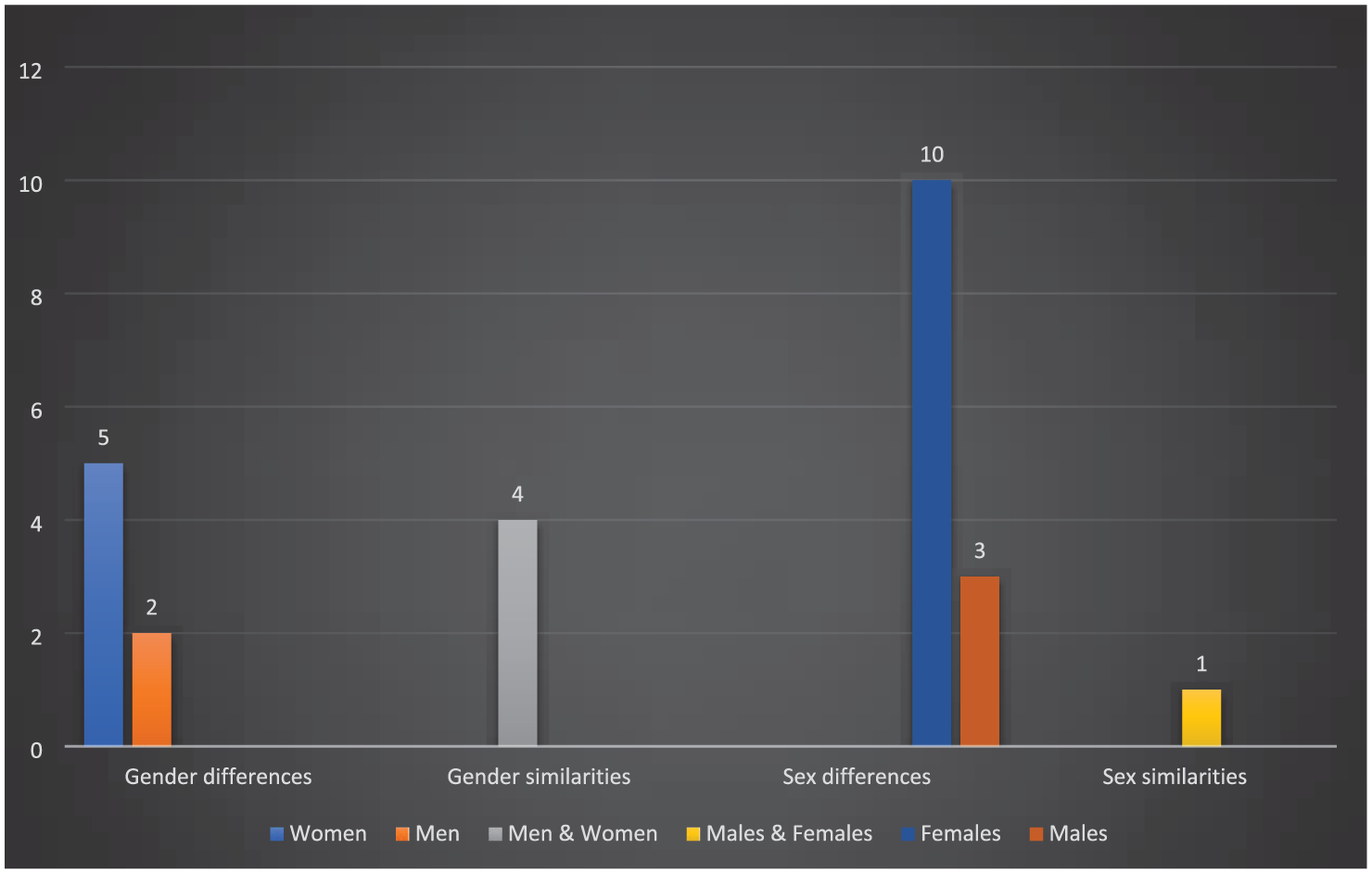
Summary of sex and gender characteristics of adults on hemodialysis experiencing depression and depressive symptoms (n = 25).
Gender Differences in Depression in Individuals Receiving Hemodialysis Treatment
Gender differences were reported in 7 of the 25 studies15,33-38 (see Table 3). Two of the 7 studies indicated a higher prevalence of depressive symptoms in men compared with women.35,36 Hou et al 35 investigated the association between demographic factors and depression in individuals receiving hemodialysis using the Zung Self-Rating Depression Scale (SDS). The findings indicated a stronger link between depression and men, with 64% men (n = 36) showing signs of depression compared with 36% (n = 20) of the women. 35 Hsu et al 36 evaluated serum dehydroepiandrosterone sulfate levels in individuals receiving hemodialysis using the Hospital Anxiety and Depression Scale (HADS) which revealed higher depression rates among men, 67% (n = 20) compared with 33% (n = 10) in women. 36 In the study by Hou et al, 35 64% of the study population were men, whereas in the study by Hsu et al, 36 50% men participated in the study.
Summary of Depressive Symptom Assessment/Screening Tool and Scores Used in the Studies.

Note. BDI = Beck Depression Inventory; CES-D = center for epidemiologic studies depression scale; CDI = Cognitive Depression Index; CKD = chronic kidney disease; DSM-IV = Diagnostic and Statistical Manual of Mental Disorders, Fourth Edition; DSM-5 = Diagnostic and Statistical Manual of Mental Disorders, Fifth Edition; HADS = Hospital Anxiety and Depression Scale; HAM-D = Hamilton Depression Rating Scale; HD = hemodialysis; ICD = International Classification of Diseases, Tenth Revision; PHQ-9 = Patient Health Questionnaire; SDS = Self-Rating Depression Scale.
Five of the 7 studies addressing gender differences indicated that women on hemodialysis experience higher rates of depression and depressive symptoms compared to men.15,33,34,37,38 In 3 of the 5 studies, the primary focus was to explore the relationship between depression symptoms and gender among individuals treated with hemodialysis,15,33,37 whereas in the other 2, gender was reported as a component of sociodemographic factors and its relation to depression.34,38 In 4 of the 5 studies,15,33,34,38 various tools were used to assess depressive symptoms including the Center for Epidemiological Studies Depression Index (CES-D), the Beck Depression Inventory (BDI), and the HADS, while one study was a literature review. All of these tools are completed via patient self-report and are considered PROMs.
In all 5 studies, women were found to exhibit more depressive symptoms than men. da Silva et al 33 found that 47.9% of women exhibited depressive symptoms compared with 34.5% of men, indicating a 39% higher prevalence rate of depression in women using the CES-D tool. 33 A study by Gerogianni et al 34 evaluated depression prevalence and its association with sociodemographic factors in 414 hemodialysis patients. They reported higher depressive symptom rates in women as measured by the BDI and HADS, with 17.1% experiencing depression compared with 9.5% of men. 34 A literature review by Lew and Patel 37 found that women experienced depressive symptoms more frequently and at higher levels than men.
Lopes et al 15 reported the relationship between depression symptoms and gender differences in health-related quality of life (HRQoL). They used the CES-D to assess depressive symptoms in 868 individuals and also reviewed the patients’ medical records for evidence of physician-diagnosed depression and antidepressant treatment. 15 Women had a higher probability of depression symptoms based on the CES-D tool. 15 In addition, physician-diagnosed depression was reported in 10.9% of women and 7.6% of men. 15 Starczewska et al 38 assessed the prevalence of depression as measured by the BDI tool in 102 individuals receiving hemodialysis in relation to sociometric and medical data. They found that women were more likely to experience depression compared to men, 53% (n = 24) versus 47% (n = 21), respectively. 38 Men constituted most participants in 4 of the 5 studies addressing gender differences, making up 57% or more of the population compared with women.15,33,34,38 In summary, findings suggest that women undergoing hemodialysis in in-center settings are more susceptible to depression compared to men.
Gender Similarities in Depression in Individuals Receiving Hemodialysis Treatment
Gender similarities were reported in 4 of the 25 studies in this review39-42 (see Table 3). All 4 studies reported similar prevalence rates of depression and depressive symptoms among men and women undergoing hemodialysis.39-42 Anees et al, 40 in their cross-sectional prospective study conducted in Pakistan, investigated gender as a risk factor for depression in 89 individuals receiving hemodialysis treatment. They used the BDI-II tool to assess depressive symptoms in their study participants and employed the Diagnostic and Statistical Manual of Mental Disorders (DSM-IV) as the diagnostic criterion for depression. 40 They found no significant gender differences in depression between men and women. 40 They concluded that gender was not a risk factor for depression among individuals undergoing hemodialysis. 40 Cengić and Resić 41 investigated the prevalence of depression among 200 individuals on hemodialysis in relation to sociodemographic factors using the BDI instrument. They reported that gender similarities existed in depression, suggesting that gender does not significantly influence the occurrence of depression (P > .05). 41 In their study, gender was not associated with the occurrence of depressive symptoms among people on hemodialysis.
Issa 39 performed a descriptive correctional study in kidney dialysis units in Iraq to report on depressive symptoms and their relationship with sociodemographic characteristics in individuals undergoing hemodialysis. Depressive symptoms were assessed in 100 individuals using the BDI; the authors found no significant difference between men and women (P > .05). 39 The author concluded that there was no relationship between gender and depressive symptoms in individuals receiving hemodialysis treatment. 39 Santos and Arcanjo 42 administered the CES-D assessment tool to report on whether social adaptability and substance abuse were predictors of depression in 145 people on hemodialysis in Brazil. In their study sample, the prevalence of depressive symptoms was found to be similar between men and women with P = .069. 42 They concluded that gender was not a predictor of depressive symptoms in people treated with hemodialysis. 42 In 3 of the 4 studies mentioned above, men made up most participants, representing 58.4% or more of the population.40-42 However, in the study conducted by Issa, 39 women constituted the majority, representing 57% of the study population. In summary, depressive symptoms in individuals receiving hemodialysis in in-center units may be similar across genders, indicating that gender does not significantly affect the occurrence of depression.
Sex Differences in Depression in Individuals Receiving Hemodialysis Treatment
Sex differences were reported in 13 of the 25 studies43-54,55 (see Table 3). Three of the 13 studies in the review reported on higher depression prevalence in males compared with their female counterparts.44,45,53 Albuhayri et al 44 reported the prevalence of depression and its association with sex, as well as other sociodemographic factors, and assessed depression severity among 240 hemodialysis patients in Saudi Arabia. The authors reported higher frequency of depressive symptoms in male individuals compared to females as measured by the Zung SDS. 44 Males (n = 96) were reported to experience more mild depression compared with females (n = 79), while female individuals exhibited moderate depression (n = 4) within their sample. 44 They concluded that males experience a higher frequency of depressive symptoms, whereas female individuals exhibit greater severity of symptoms. 44 Al-Haddad et al 45 performed a cross-sectional study to explore the association between sex, among other factors, and depression in 40 individuals undergoing maintenance hemodialysis in Bahrain. They found that based on the BDI and Cognitive Depression Index (CDI) scores, males had a higher prevalence of depressive symptoms compared with female individuals. 45 Specifically, 47.6% of males and 42.1% of female individuals were identified with depressive symptoms using the BDI, whereas the CDI revealed 38.1% of males and 26.3% of female individuals with depressive symptoms. 45 In the study by Kumar et al, 53 the prevalence of major depressive disorder (MDD) was investigated along with its correlation with sociodemographic factors, clinical characteristics, and biochemical markers in 77 people receiving hemodialysis in India. In this study, MDD was diagnosed by the DSM-5 followed by the Hamilton Depression Rating Scale (HAM-D) to rate severity. 53 The results suggested that the males had a significantly higher risk of being diagnosed with MDD (P = .04). 53 All 3 studies had more male participants, with males comprising 53% or more of the sample.
Ten of the 13 studies addressing sex differences reported higher depression prevalence in female individuals compared with males.43,46-52,54,55 Nine of the studies were cross-sectional studies43,47-52,54,55 and 1 was conducted through a convenience clustered sampling technique. 46 Two studies were conducted in Palestine,46,52 1 in Nepal, 43 1 in Yemen, 47 1 in Kuwait, 48 1 in Ethiopia, 49 1 in Iraq, 50 1 in Brazil, 55 1 in India, 51 and 1 in Saudi Arabia. 54 Six different depression screening and assessment tools were used to assess depression or depressive symptoms in the review: BDI,50,55 BDI-II,46,54 Patient Health Questionnaire-9 (PHQ-9),43,47,49 International Classification of Diseases, Tenth Revision (ICD-10),43,51 HAM-D-17, 43 HADS,48,51,52 and the DSM-IV. 50 All 10 studies investigated depression and depressive symptom prevalence among hemodialysis individuals receiving treatment in outpatient settings and its association with patients’ characteristics or sociodemographic factors. All studies concluded that female individuals had higher prevalence rates for depressive symptoms compared with males.43,46-52,54,55 In the study by Gadia et al, 51 depressive symptoms were more prevalent in female individuals (86%) as compared with male individuals (57%). Amare et al 49 reported the prevalence of depressive symptoms in females twice that of male individuals: 43.5% versus 29.9%, with higher rates observed in those 60 years and older. 46 Eight out of 10 studies reported a higher number of male participants compared with female individuals, with males comprising 56% or more of the study population.46-49,51,52,54,55 However, female individuals constituted a higher proportion of participants in 2 of the 10 studies.43,50 In summary, sex differences for depressive symptoms show a higher incidence in female individuals compared with males.
Sex Similarities in Depression in Individuals Receiving Hemodialysis Treatment
Sex similarities were described in 1 of the 25 studies 56 (see Table 3). The cross-sectional study reported correlations between depression and demographic, socioeconomic, clinical, and laboratory variables in a single nephrology unit in Taiwan of 146 individuals on maintenance hemodialysis (65 males and 81 females). 56 The BDI was used to assess depressive symptoms; 50.6% of females and 41.5% of males had scores of 14 or higher (with scores ranging from 14 to 63 indicating depressive symptoms). 56 This difference was not statistically significant (P = .27). 56 The study found no correlation between depression and sex among individuals undergoing hemodialysis. 56 In summary, there may be sex similarities in depression among individuals in the hemodialysis population, with similar prevalence rates observed in both male and female individuals. However, this has only been reported in one study.
Discussion
In this discussion, we address each of the 4 key findings within the context of other literature in the field: (1) gender differences, (2) gender similarities, (3) sex differences, and (4) sex similarities in depression and depressive symptoms in individuals receiving hemodialysis.
Gender Differences in Depression in Individuals Receiving Hemodialysis Treatment
Seven of 25 studies reported gender differences in depression and depressive symptoms among people undergoing hemodialysis. Five of the studies indicated that women undergoing hemodialysis had higher rates of depression compared to men.15,33,34,37,38 These findings corroborate literature that has reported that women experience higher rates of depression in chronic kidney disease (CKD).22,59-61 Delgado-Domínguez et al 62 analyzed various sociodemographic, psychological, clinical, and dialysis-related factors, and reported higher prevalence rates of depression in women compared with men in Spain. Similarly, another study conducted in Korea found women aged 65 years and older treated with hemodialysis experienced higher levels of depression compared with men. 63 Findings suggest that women are at higher risk for depression in hemodialysis; some scholars have suggested that reasons for this may include societal roles in the family, specifically as caregivers.1,24,64 Furthermore, women may not receive needed emotional and financial support, which consequently may lead to depressive symptoms.1,61
In contrast, 2 studies included in our review reported that men had higher rates of depression compared with women.35,36 A study by Um 65 in Pakistan has supported this finding acknowledging that conservative cultural norms give men more respect and support, leading them to perceive greater social support and experience fewer depressive symptoms than women. 65
Gender Similarities in Depression in Individuals Receiving Hemodialysis Treatment
Four of the 25 studies reported on gender similarities in depression among people undergoing hemodialysis.39-42 Our findings are consistent with one other cross-sectional multicentre study conducted in Saudi Arabia which also reported similar depression scores between men and women on maintenance hemodialysis. 66
In contrast to our study findings, previous studies have reported significant gender differences with women receiving hemodialysis more often diagnosed with depression than men.22,67,68 Women tend to use emotional and social support strategies to manage their disease, whereas men often prefer a problem-solving approach. 68 Furthermore, women often report higher stress from dialysis symptoms, whereas men typically feel more capable of managing them.68-70 Men may respond to their kidney failure in ways that lead to depression being diagnosed less frequently.23,67,71
Sex Differences in Depression in Individuals Receiving Hemodialysis Treatment
Sex differences in depression among hemodialysis individuals were reported in 13 of the 25 studies. Ten of the 13 articles reported that female individuals had higher depressive symptoms compared withs their male counterparts. Corroboratively, Polikandrioti et al 3 examined sex differences in anxiety and depression among 200 individuals undergoing hemodialysis using the HADS scale and found 40% of females versus 12% of males experienced high levels of depression. In addition, Chen et al 72 found that female individuals being evaluated for kidney transplants were more likely to show depressive symptoms, similar to those seen in hemodialysis patients. Based on these findings, it may be inferred that female individuals undergoing hemodialysis are particularly vulnerable to depression.
On the other hand, 3 of the 13 included articles44,45,53 reported higher depression prevalence in male individuals. This finding was supported by a Korean study that found a 1.17 times higher risk of depression in males compared to female individuals. 73 This further calls into question whether male individuals express depressive symptoms in different ways compared with female individuals.
Sex Similarities in Depression in Individuals Receiving Hemodialysis Treatment
Only 1 of the 25 studies reported on sex similarities in depression and depressive symptoms in hemodialysis. 56 Khan et al 74 found similar rates of depression among female (86.3%) and male individuals (83.9%) in their study. In addition, Rai et al 75 found no significant association between depression and sex, with 48.9% of male and 45.4% of female individuals reporting depressive symptoms in a cross-sectional study in India. It is important to note that Rai et al 75 emphasized these estimates might be artificially low because individuals on hemodialysis often do not seek mental health care, and symptoms of depression may be overlooked by kidney health care providers.
Most participants in the included studies were male individuals, as depicted in 19 out of the 25 studies.15,33-35,38,40-42,44-49,51-54,55 This is not surprising; although CKD is more prevalent in female individuals, males experience a higher rate of progression to kidney failure and initiation of kidney replacement therapy (KRT).1,2,76 The included studies had a predominant focus on sex over gender. Gender was typically framed as a binary (man/woman) in the studies, but this binary framework fails to encompass the full range of gender identities and expressions.77,78 Rather, gender is a spectrum, encompassing diverse ways individuals identify and express themselves. 79
Limitations and Implications
Our systematic review was limited to individuals with kidney failure receiving hemodialysis treatment in in-center outpatient or satellite clinics. We did not include those on home hemodialysis, receiving inpatient hemodialysis therapy, peritoneal dialysis, kidney transplant or conservative management. Future work is needed in these areas. Our study focused on adults and hemodialysis, and excluded studies that combined hemodialysis with other forms of KRT when the hemodialysis specific data could not be clearly distinguished. Consequently, it is possible that some relevant data were excluded if they could not be disaggregated from other participant groups to align with the objectives of our review. Nonetheless, the number of studies integrating multiple forms of KRT was limited. Included studies were predominantly from Asia, resulting in limited representation from other regions. This geographical imbalance restricts the ability to generalize our findings to a broader context. The search strategy was not peer reviewed by another librarian. To attend to this, we conducted a citation-chaining process which revealed 9 additional relevant articles. Potential reviewer bias based on the sex and gender of data extractors may have also impacted interpretation of findings. Furthermore, measurement and selection biases related to depression or depressive symptoms represent limitations of our study, as the sensitivity and specificity of the assessment instruments employed by the authors may vary. Use of self-reported symptoms with PROMs may reflect social acceptability bias which is inherent in all self-reports.
There may have been misclassification issues regarding the terms “sex” and “gender” as 76% of the studies used these terms interchangeably. We elected to describe the sex or gender terminology presented by the original authors. By reporting the inconsistent usage of sex and gender from the existing literature, our review may inadvertently reinforce the misconception that gender is synonymous with sex. This conflation risks obscuring the critical understanding that gender encompasses socially constructed roles, behaviors, and identities. As a result, there is potential for misinterpretation whereby the sociocultural dimensions of gender are overlooked or dismissed. When unsure, we employed our definitions of sex and gender as a framework to determine whether studies were addressing sex or gender. A limitation of our review stems from the lack of standardized terminology across the included studies. This variability potentially compromises conceptual clarity and poses challenges to the interpretive rigor of our review. A further limitation is that this binary definition (eg, only woman/man, female/male) likely focused primarily on identity, rather than gender roles (eg, caregiving, primary earner). We also do not know how sex/gender was collected, for example, from self-report or other means. It is only recently that research has begun to clearly define and differentiate between these concepts,77,78 and future research should endeavor to collect data on different aspects of sex and gender to explore associations between these factors and depression. Despite these limitations, the findings of our study may open avenues for future research and potential gender-transformative enhancements in kidney care.
The implications of our scoping review on depression and sex and/or gender characteristics in individuals treated with hemodialysis underscore that this is an area that has been insufficiently explored in the literature. Our findings offer valuable insights into how sex and gender characteristics are reported, as well as finding more differences than similarities in sex and gender related to depression among individuals with kidney failure undergoing hemodialysis, carrying important implications for dialysis health care providers and researchers. Understanding the impact of depression in relation to sex and/or gender enables the incorporation of crucial factors when integrating assessment tools, developing mental health pathways, and tailoring individualized interventions toward person-centered mental health care in hemodialysis. The differences and similarities in depression symptoms identified in the study suggest that the underlying causes likely encompass more than just biological factors, extending to social, environmental, cultural, and behavioral aspects of individuals undergoing hemodialysis. Given that our scoping review explicitly included gender in its conceptual and methodological scope, as well as in its search strategies, we consider its inclusion appropriate and necessary to accurately reflect the study’s aims and to underscore the identified gap in the current evidence base. This necessitates future research to prioritize adequate gender representation, ensuring a balanced and comprehensive portrayal in studies.
Conclusion
Although prevalence rates of depressive symptoms exceed 40% among individuals undergoing hemodialysis,9,80 these symptoms are often under-recognized and inadequately treated9,14 particularly concerning differences in sex and gender. In our scoping review, we mapped the peer-reviewed literature on sex and gender characteristics in depression and depressive symptoms among adults undergoing hemodialysis. There were more differences than similarities in sex and gender related to depression, with notably higher rates of depressive symptoms observed in female individuals (sex) and women (gender). However, findings alert us to the possibility that due to contextual influences, male individuals may express depressive symptoms in different ways. Sex and gender were used interchangeably in 76% of the studies without a clear distinction; we used the term or the intention of the term used by the authors in their studies. Studies lacked adequate representation of gender-diverse individuals. The inclusion of gender-diverse individuals in kidney health research is limited. In light of the national movement toward integrating sex and gender analysis to advance individualized, precision-based medical care, alongside mandatory requirements for such considerations in research funding and regulatory agency applications in Canada,28,77,78 this review highlights a critical gap: sex and gender are not clearly defined in the existing literature. Further research is warranted to explore the influence of both biologic sex and more nuanced gendered factors in individuals with depression or depressive symptoms receiving hemodialysis.
Supplemental Material
sj-docx-1-cjk-10.1177_20543581251378018 – Supplemental material for Sex and Gender Characteristics of Adults on Hemodialysis Experiencing Depression and Depressive Symptoms: A Scoping Review
Supplemental material, sj-docx-1-cjk-10.1177_20543581251378018 for Sex and Gender Characteristics of Adults on Hemodialysis Experiencing Depression and Depressive Symptoms: A Scoping Review by Primrose Mharapara, Sofia B. Ahmed, Joanne Olson and Kara Schick-Makaroff in Canadian Journal of Kidney Health and Disease
Footnotes
Acknowledgements
We wish to thank Megan Kennedy in the Geoffrey & Robyn Sperber Health Sciences Library, for assisting with setting up the literature search.

Funding
The authors disclosed receipt of the following financial support for the research, authorship, and/or publication of this article: The authors received funding from Mind the Gap research project, part of CIHR-funded Can-SOLVE CKD Network.
Declaration of Conflicting Interests
The authors declared no potential conflicts of interest with respect to the research, authorship, and/or publication of this article.
Supplemental Material
Supplemental material for this article is available online.
References
Supplementary Material
Please find the following supplemental material available below.
For Open Access articles published under a Creative Commons License, all supplemental material carries the same license as the article it is associated with.
For non-Open Access articles published, all supplemental material carries a non-exclusive license, and permission requests for re-use of supplemental material or any part of supplemental material shall be sent directly to the copyright owner as specified in the copyright notice associated with the article.
