




Abstract
Background:
In the realm of academia, the publication of scientific research is not merely an act of dissemination; it serves as a pivotal milestone that signifies the culmination of rigorous investigation, critical analysis, and intellectual contribution.
Aim:
To examine the challenges and barriers encountered by faculty members in the process of publishing their work.
Methods:
The study utilized a descriptive cross-sectional design and was conducted from 1 March to 1 May 2022. A convenience sample of 358 faculty members from eight universities in Egypt, representing a diverse range of faculties. These faculties comprised five practical disciplines, namely, Nursing, Medicine, Science, Pharmacy, and Engineering, as well as three theoretical faculties including Al-Alsun (Languages), Arts, and Commerce. The universities involved in the study included Ain Shams, Cairo, Mansoura, Benha, Assiut, 6th of October, British University in Egypt (BUE), among others. Data were collected through an online questionnaire that included staff characteristics and barriers to scientific research and publishing. Hypothesis testing was conducted using appropriate statistical analysis methods (e.g., Chi-square test) to assess the relationships between faculty members’ characteristics and barriers to publishing.
Results:
The faculty staff in our study reported the highest barriers to publishing scientific research in the domains of the reviewing process (74%), institutional support (67%), and scientific publishing process (60.9%). Conversely, the lowest barriers were found in the domains of frustration after rejection (55.1%), scientific writing barriers (46.1%), and loss of passion and causation of publishing barriers (41.3%).
Conclusions:
The results highlighted the need for increased support and resources to overcome these barriers and foster a positive culture of research and publishing in Egyptian universities.
Background
Research plays an essential role in the development of new knowledge and the effectiveness of higher education. One of the core missions of higher education today is to advance, create, and disseminate knowledge through research. 1 Furthermore, the scientific objectives of medical publishing are numerous: sharing results and thus helping science progress; optimizing patient management; benefiting from the exchange of ideas with other researchers; and becoming part of the scientific community (unread is unknown). 2 Indeed, “without publication, research is sterile.” 3 The fundamental goal of science is discovery, followed closely by communicating that new information to others. Scientific communication in science typically takes place in several ways. 4
The Scopus Database website has reported that there are approximately 28,000 active peer-reviewed journals, including 5300 gold open-access journals. Additionally, the Web of Science core collection encompasses six online indexing databases, and the Emerging Sources Citation Index covers over 7800 journals in all disciplines. 5 Furthermore, there are various types of journals, such as open access, which provides free, instant online availability of peer-reviewed research articles with unrestricted reuse rights, and subscribed journals. 1 Despite the abundance of journals and the importance of publishing, developing countries still face challenges in transferring basic knowledge and creating opportunities for knowledge generation due to various barriers. 6
Publishing is a challenging task as it is an essential part of the research process and has its own set of rigorous and unavoidable rules. Scientific writing must meet the strict criteria set by journal peer-review committees, which vary based on the publication type and journal, including impact factor, degree of specialization, and timeliness. 7 Additionally, since publications have an international reach, they are typically written in English, which can be a challenge for non-native English speakers among researchers and practitioners. 7 Furthermore, there may be an impact factor bias that favors the acceptance of publications reporting positive outcomes in journals with higher impact factors. 8
Various studies have reported many barriers to publishing, such as technological mastery, lack of time to write, 7 intense workload, poverty of financial and infrastructural support, inadequate research guidance, supervision, and mentoring, lack of interest, motivation, and reward, inadequate training on research methods, and diminished awareness about the importance of health science research. These obstacles seem to be more prominent in developing countries. 9
The publication requirements are getting more and more stringent, for example, mandatory trial preregistration 10 and institutional review board approval for all kinds of research, and each journal has its own instructions for Authors. 11 While there has been some improvement in the reporting of authors’ guidelines in journals, the specific recommendations and requirements can still be complex and unfamiliar to many researchers, which further complicates the publication process. 12
Part of a scientist’s scientific reputation has been associated with their publication volume and quality. The measurement of the impact and scientific productivity of a researcher has relevant practical implications for achieving titles and better academic positions to increase the chances of obtaining research funding. 13
Literature review
In all academic disciplines and scholarly research, research productivity is regarded as one of the markers of the quality of the institution, career success among faculty members, interest in institutional rankings, and prestige seeking. It is also a primary indicator of career success. 14 Moreover, health education, like other professional fields, thrives and advances through research published in professional journals and presented at conferences. 15
In our developing countries, several studies have reported numerous factors that affect research and publishing in the field. Shehata and Eldakar 16 conducted a study in the same area (Egypt) and found that, compared to academics who publish locally, the overall number of academics who publish abroad is significantly low. Academics attempting to publish overseas encountered several difficulties, including language limitations, lack of academic writing skills, and inadequate training programs. Additionally, a study by Almansour and Kempner, 17 among Arab institutions, identified four main obstacles to overcome: motivation and rewards for research, security and safety concerns, lack of research infrastructure, and challenges in achieving international recognition.
Hammad and Al-Ani 18 conducted a study among faculty members at Oman University, which revealed several challenges that impede educational research, including time constraints, the absence of a collaborative research culture, and the lack of a clear research agenda. The study also recognized several opportunities for capacity building, such as a research-supportive environment, availability of research funding, and the role of research groups. Furthermore, Lages et al. 19 conducted a study in the Middle East and Africa regions, reporting that the most frequently described challenges included data validity and reliability, language barriers, issues with data collection, and the availability of a network of researchers. The current study aimed to assess the challenges and barriers that faculty members face when publishing their work. This exploration aims to shed light on the challenges faced by faculty members in publishing their scientific research. By delving into the intricacies of these barriers, we can gain a deeper understanding of the factors that hinder the publication process and hinder the dissemination of valuable research findings. Through empirical investigation and analysis, we aim to identify the key challenges faced by faculty members and propose potential solutions to promote successful research publication.
Materials and methods
A descriptive cross-sectional design was implemented from 1 March to the end of May 2022. The convenience sample consisted of 358 faculty members from eight universities in Egypt, representing five practical faculties (Nursing, Medicine, Science, Pharmacy, and Engineering) and three theoretical faculties (Al-Alsun (Languages), Arts, and Commerce). These universities included Ain Shams, Cairo, Mansoura, Benha, Assiut, 6th of October, BUE, among others.
The inclusion criteria were faculty members who are interested in publications and faculty members working at governmental or private universities affiliated with the Ministry of Higher Education. The exclusion criteria were faculty members who did not consent to participate in the study and faculty members who are currently on a sabbatical or extended leave.
Sample size
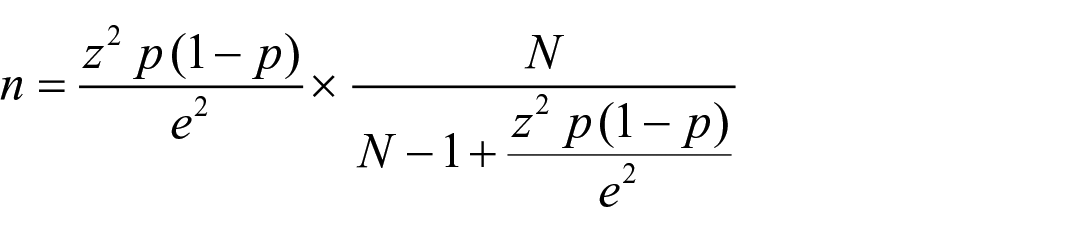
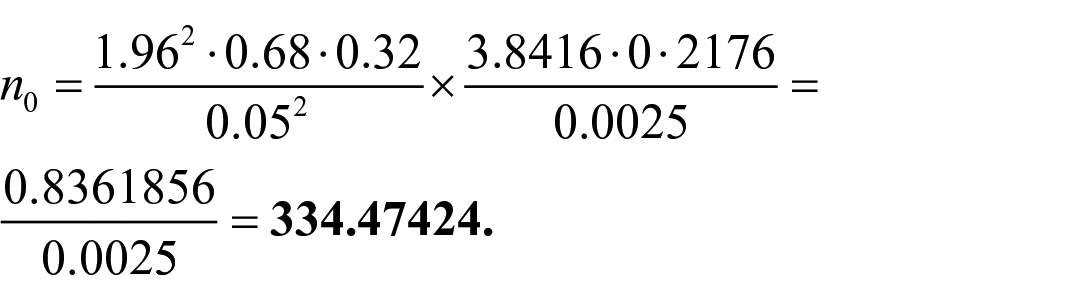
The sample size was calculated based on a study conducted by Pittman et al., which estimated an effect size of 68% among the study participants. 20 The authors identified time as the most significant barrier to writing and publishing. For the calculation, a confidence level (1-Alpha Error) of 95%, a margin of error of 5%, a population proportion of 68%. The total population size of faculty staff was 102,695 in higher education in Egypt, in the same year were considered. Consequently, the final determined sample size was 334. Considering an attrition rate of 24, the final sample size was adjusted to 358.
where:
• Z is the Z-score corresponding to the confidence level (for 95%, Z ≈ 1.96).
• p is the population proportion (0.68 in this case).
• e is the margin of error (0.05).
• N is the population size (102,695).
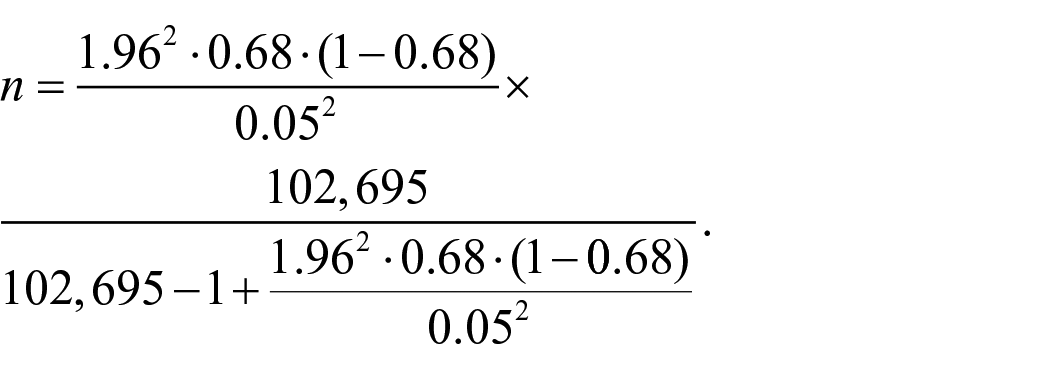
First, calculate the initial part of the formula:
Tools of data collection
The researchers developed an Arabic questionnaire after exploring a lot of literature reviews of the national studies and measurement tools on a national and international level. The developed tool has formulated and submitted to five experts in related specialty who reviewed the content of the tools for their comprehensiveness, accuracy, clarity, and relevance, which designed to assess the challenges and barriers faced by faculty members in Egypt when publishing scientific research. The questionnaire comprised two parts.
Demographic information
Faculty member characteristics included age, gender, academic position, faculty type, training courses related to academic writing and publishing, attempts at scientific publishing, publication in a journal indexed at SCOPUS or web of science, main motivation for scientific publishing, and factors influencing journal selection.
Barriers to publishing scientific research
These barriers were categorized into six domains, totaling 34 items. One of the identified domains was the scientific writing barriers domain, consisting of seven items such as difficulties in following APA guidelines 20 and academic writing references or citations. Another domain was the loss of passion for publishing, which included four items such as publishing only when it became a mandatory requirement. The institutional support domain encompassed six items, such as limited training courses on scientific writing and publishing and inadequate financial support for scientific publications. The scientific publishing process domain consisted of nine items, involving tasks like selecting an appropriate journal and discontinuing publishing scientific work after encountering initial rejection. The reviewing process domain included five items, such as unawareness of the expected time of the journal decision. The frustration after rejection domain included three items, such as refusing to publish due to the apprehension of facing repeated rejection.
The study utilized a scoring system where participants rated each item as either “agree” (1) or “disagree” (0). A higher score denoted a higher level of barriers. We gathered scores for each participant’s items, resulting in a total barrier score of 34. If the score fell between 20 and 34, it was classified as “high barriers”; if it fell between 0 and 19, it was classified as “low barriers.”
Pilot testing: Conduct pilot testing of the self-report measures to identify potential biases and issues in data collection. The sample consisted of 35 of faculty members from various faculties, mirroring the diversity of the main study population. The pilot study used to assess the clarity and relevance of the survey questions and evaluate the data collection process. The majority of the participants found the survey questions to be clear and relevant and no logistical issues were identified.
Validity and reliability of the data collected
The measures were translated into the Arabic language by language expert for the purposes of this study. Face and content validity underwent thorough scrutiny by a distinguished panel of five experts recognized for their expertise in academic writing. Their specialties ranged across diverse fields including medicine, linguistics, rhetoric, composition studies, and scientific communication. Additionally, three researchers specializing in engineering and mathematics contributed their insights to ensure a comprehensive assessment process. The experts assessed the measures design, content, consistency, relevancy, and accuracy of the tools. In addition, measure reliability was assessed using the Cronbach alpha coefficient statistical test. The questionnaire demonstrated good internal consistency reliability, with Cronbach’s alpha coefficient at 0.879. Additionally, the domains of the scale were assessed for internal consistency reliability through Cronbach’s alpha, yielding the following scores: writing barriers domain (Cronbach’s alpha = 0.825), loss of passion for publishing (Cronbach’s alpha = 0.831), institutional support domain (Cronbach’s alpha = 0.904), scientific publishing process domain (Cronbach’s alpha = 0.817), reviewing process domain (Cronbach’s alpha = 0.913), and frustration after rejection domain (Cronbach’s alpha = 0.804).
Data collection
To ensure effective data collection, an online questionnaire was developed using Microsoft Forms, accessible through the following link: (https://forms.office.com/r/qky2TYJ3Ns). This digital questionnaire was chosen for its convenience, ease of distribution, and efficient data management capabilities.
We selected the participants using a combination of purposive and convenience sampling methods. Initially, we identified potential participants through official email channels of university organization, focusing on individuals who were likely to provide relevant and insightful responses. Subsequently, we used popular social media platforms, such as WhatsApp and Telegram, to reach a broader audience. This dual approach was designed to ensure a diverse and representative sample. Participants were provided with a clear timeframe of approximately 3 weeks to complete the questionnaire, ensuring a reasonable and defined window for data collection.
The data collection phase of the study spanned a total duration of 3 months, commencing on 1 March and concluding on 1 May 2022. This extended timeline allowed for adequate participation and ensured that a sufficient number of responses were gathered to yield meaningful results.
Throughout the data collection process, the research team remained proactive in monitoring responses, addressing any inquiries or clarifications raised by participants, and ensuring the integrity and accuracy of the collected data.
Ethical consideration
The study was approved by the ethical committee affiliated with the Faculty of Nursing at Ain Shams University, with code number (23.09.125). The anonymous online survey ensured the anonymity of the participants and minimized any potential risk. Participants were assured that their data would remain confidential and that they had the right to withdraw from the study at any time. Written informed consent was obtained from all subjects before the study. Prior to responding to the online questionnaire, each participant provided online informed consent. The study adhered to ethical principles and guidelines to protect the welfare and rights of the participants. All electronic data were stored in secure, password-protected files, and any physical data were kept in locked cabinets accessible only to authorized personnel. Ongoing ethical reflection was maintained throughout the research process to address any emerging ethical issues. Participation in the study was entirely voluntary. Participants were not coerced or unduly influenced to take part in the research. The results of the study were communicated to participants in a manner that is accessible and respectful.
Statistical analysis
The collected data were coded and entered into the Statistical Package for Social Sciences (SPSS) version 24 (SPSS Inc., IBM Corp., Armonk, NY, USA). The data were thoroughly checked for any errors before analyzing them using the same program. The results were presented as frequency tables with corresponding percentages, while quantitative data were reported as the mean or standard deviation, as appropriate. The relationship between faculty members characteristics and barriers was assessed using the Chi-square test, with statistical significance set at p < 0.05. A Chi-square test is used to assess the relationship between characteristics and total barriers, as we have two categorical variables: one representing characteristics such as age, and the other representing total barriers.
Set up the hypothesis: Null hypothesis (H₀): There is no association between the characteristics and total barriers. Alternative hypothesis (H₁): There is an association between the characteristics and total barriers. Based on significance level (<0.05), compare the calculated chi-square value with the critical chi-square value to reject the null hypothesis or accept that.
Results
In terms of the faculty member characteristics, the study revealed that the average age of the participants was 38.4 with a standard deviation of 5.9 years. A majority of the respondents (82.1%) were female, while 9.2% held the rank of professor and 91.1% were categorized as practical faculty, Table 1.
Distribution of studied faculty member according to their characteristics (n = 358).
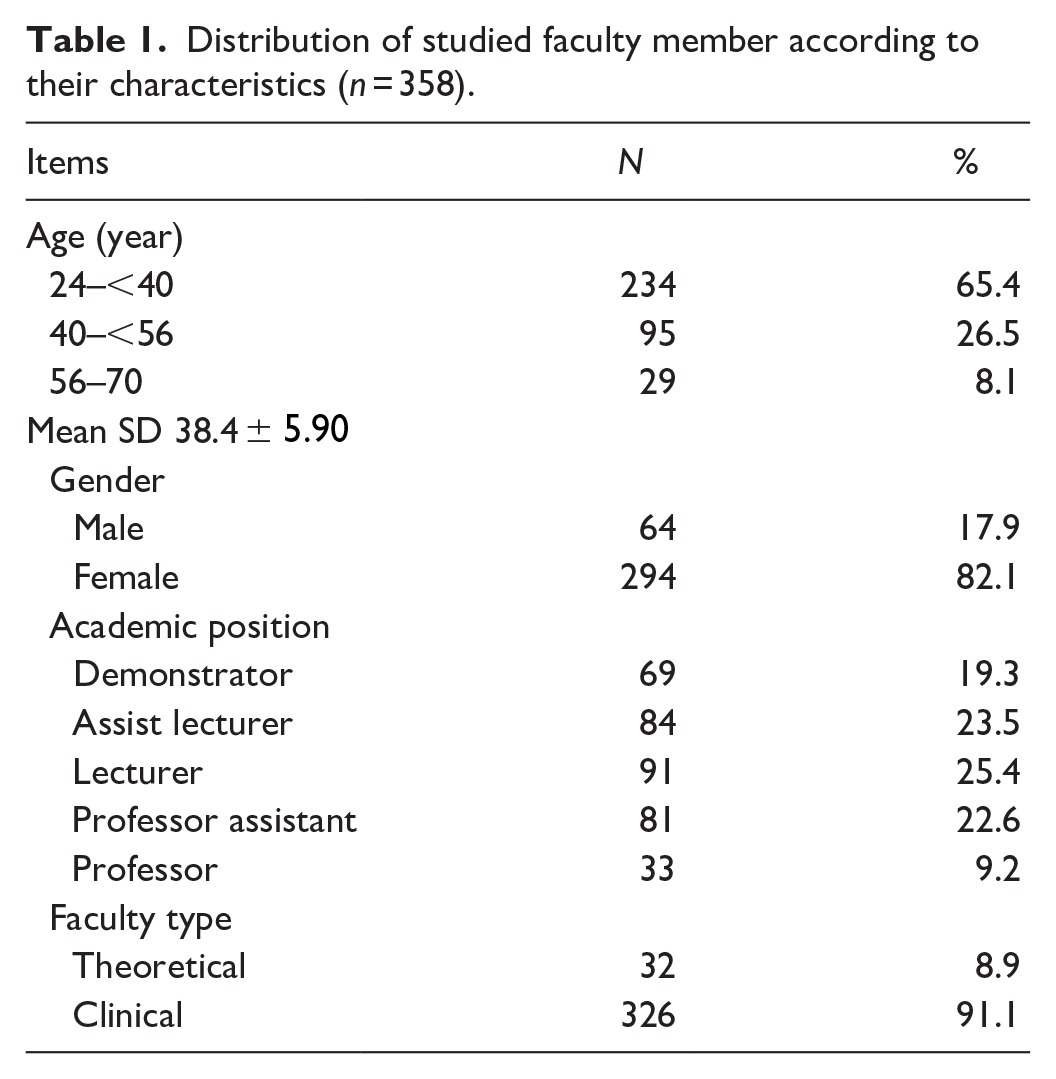
Table 2 illustrates the distribution of faculty members by gender regarding their participation in publishing activities and training. It shows that a higher percentage of both male (67.2%) and female (82.9%) faculty members have attended training courses about publishing, with females having a notably higher attendance rate. When it comes to trying to publish in journals indexed at SCOPUS, 70.3% of males and 48.3% of females have attempted, indicating a significant gender disparity. For actual publications in SCOPUS-indexed journals, 68.8% of males succeeded compared to only 32.9% of females. Additionally, the data on previously published individual articles reveal that 31.9% of males and 20.6% of females have such publications, highlighting a notable gender gap in publishing achievements.
Distribution of faculty members by gender regarding their participation in publishing activities and training (n = 358).
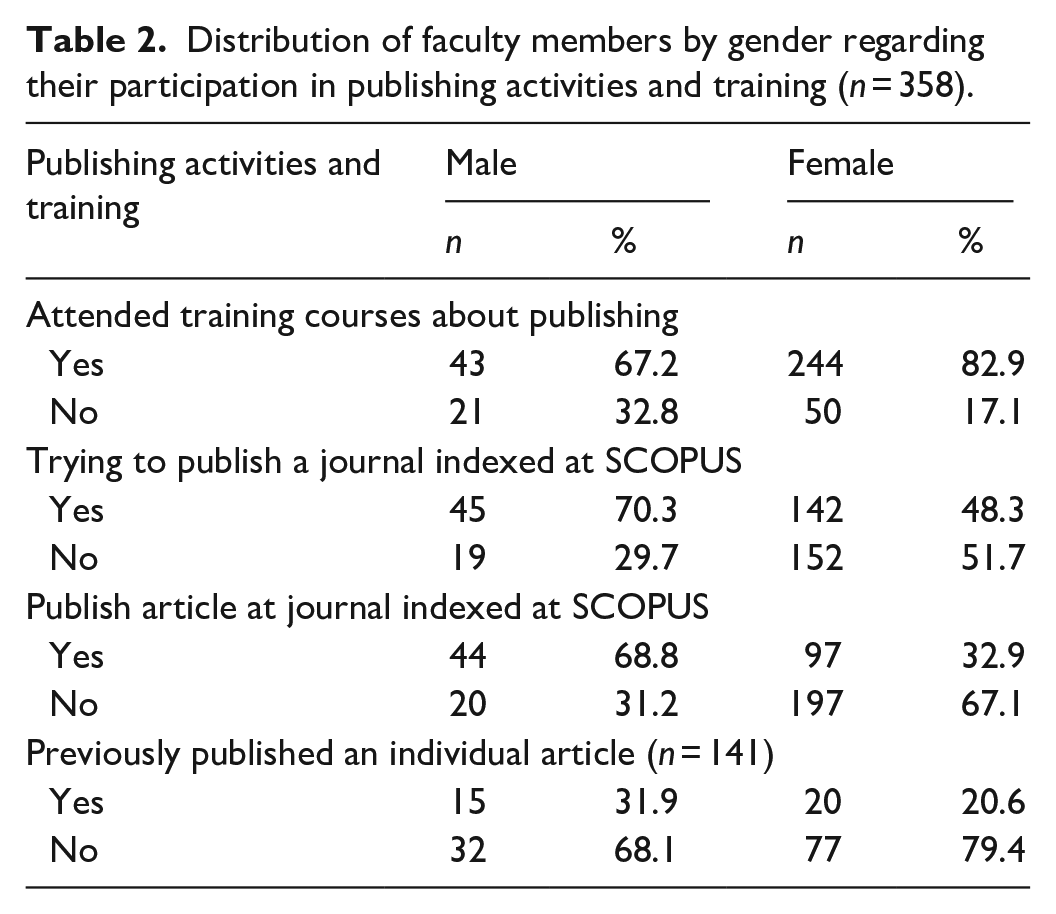
Figure 1 illustrates the distribution of studied faculty staff regarding their main motive for scientific publishing in relation to attended training courses about publishing in indexed journals (n = 358). The figure shows that career advancement is the predominant motive for scientific publishing, with 74.6% of faculty who attended training and 69% of those who did not attend training identifying it as their main motive. Enhance academic knowledge is the second most cited motive, with 22.6% of trained and 25.4% of untrained faculty. Finally, the interest of the supervisor is a less significant factor, cited by only 2.8% of trained and 5.6% of untrained faculty. This indicates that career advancement is a universal driving factor, regardless of training attendance, while the impact of training on other motives is less pronounced.
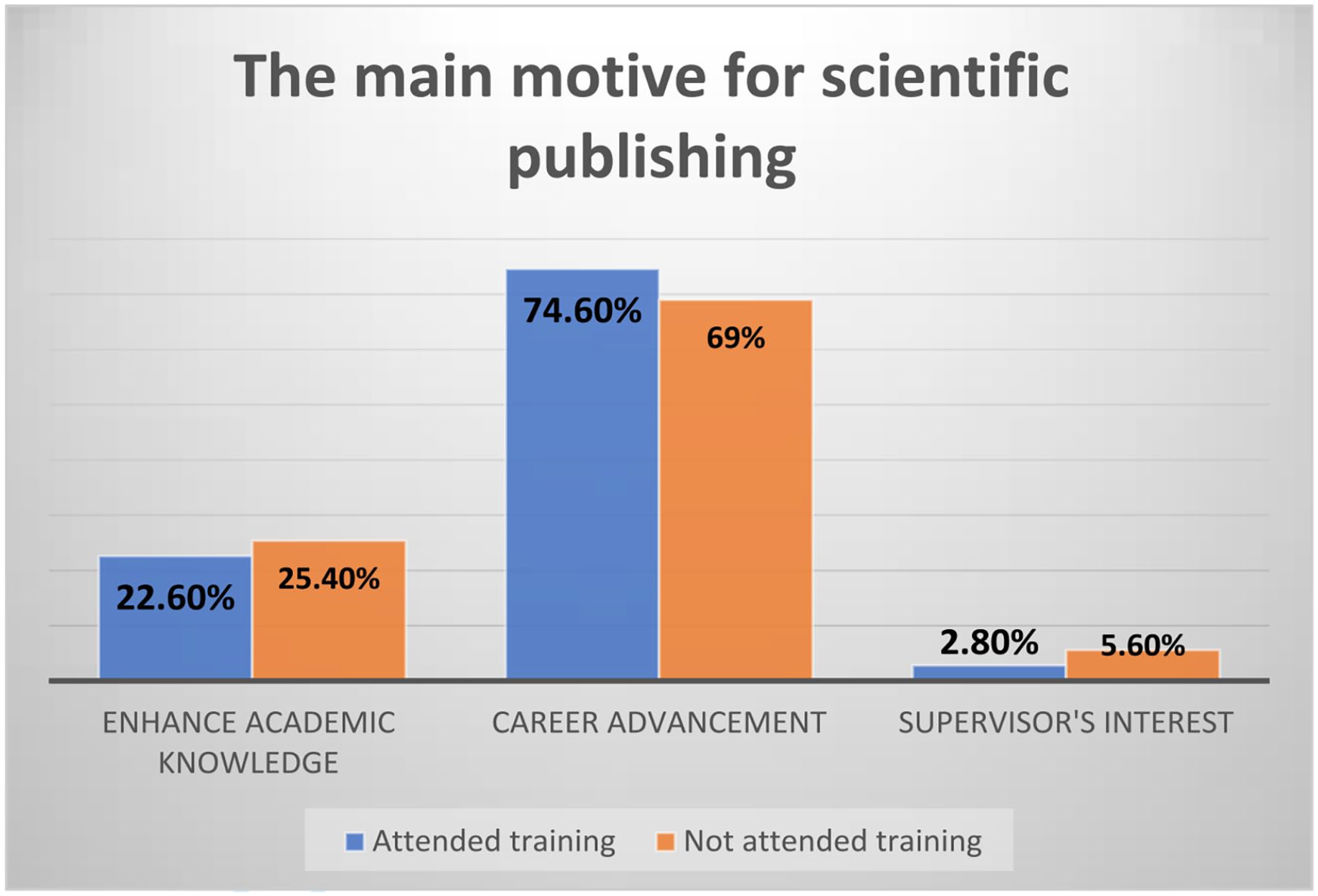
Distribution of studied faculty staff about their main motive for scientific-publishing-related attended training courses about publishing in indexed journals (n = 358).
Figure 2 presents the distribution of studied faculty staff regarding factors affecting the selection of the journal for scientific publication in relation to attended training courses about publishing in indexed journals (n = 358). The figure shows that 52% of faculty members who attended training consider high impact factor or citation score as a significant factor in journal selection, compared to 40.8% of those who did not attend training. Acceptance rate is a factor for 9.1% of trained faculty, whereas only 2.8% of those not trained consider it important. Previously published at the journal is a negligible factor for both groups, with 1.7% for trained and 0% for untrained faculty. Finally, specialized journals are preferred by 36.9% of trained faculty compared to 58% of those without training, indicating a higher emphasis on specialized journals among those without training.
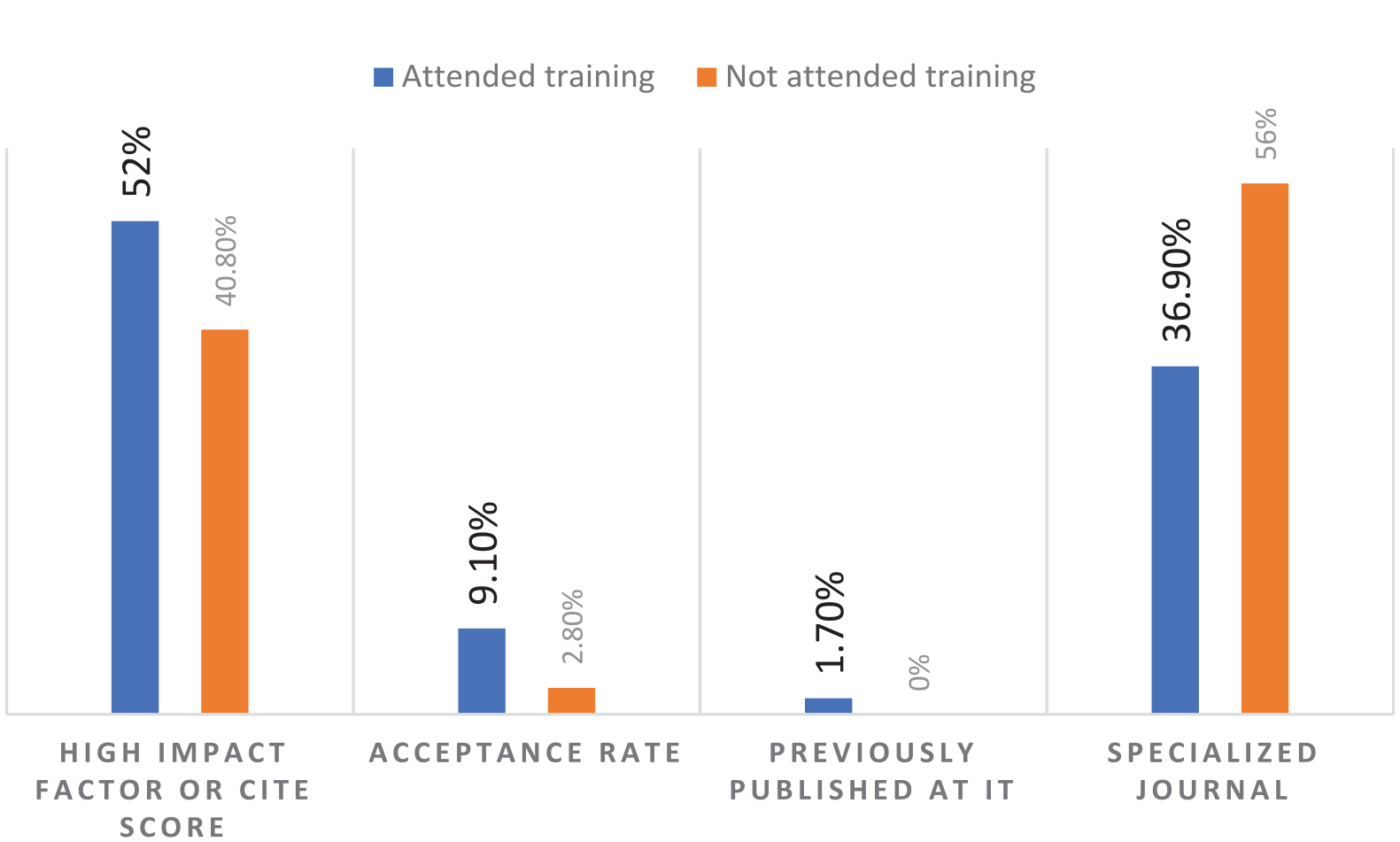
Distribution of studied faculty staff about factors affecting the selection of the journal for scientific publication related attended training courses about publishing in indexed journals (n = 358).
Figure 3 illustrates the distribution of preferences among faculty staff for selecting journals for scientific publication based on their academic positions (n = 358). The highest percentages for each position are as follows: Demonstrators prioritize the acceptance rate (47.80%), indicating a preference for journals where they have a higher chance of publication. Assist Lecturers also value the acceptance rate highly (34.50%), suggesting similar priorities. Lecturers are most concerned with the impact factor or cite score (21.90%), reflecting a focus on publishing in prestigious journals. Professor Assistants and professors prioritize previously published journals (45.70% and 39.4%), showing a preference for familiar outlets.
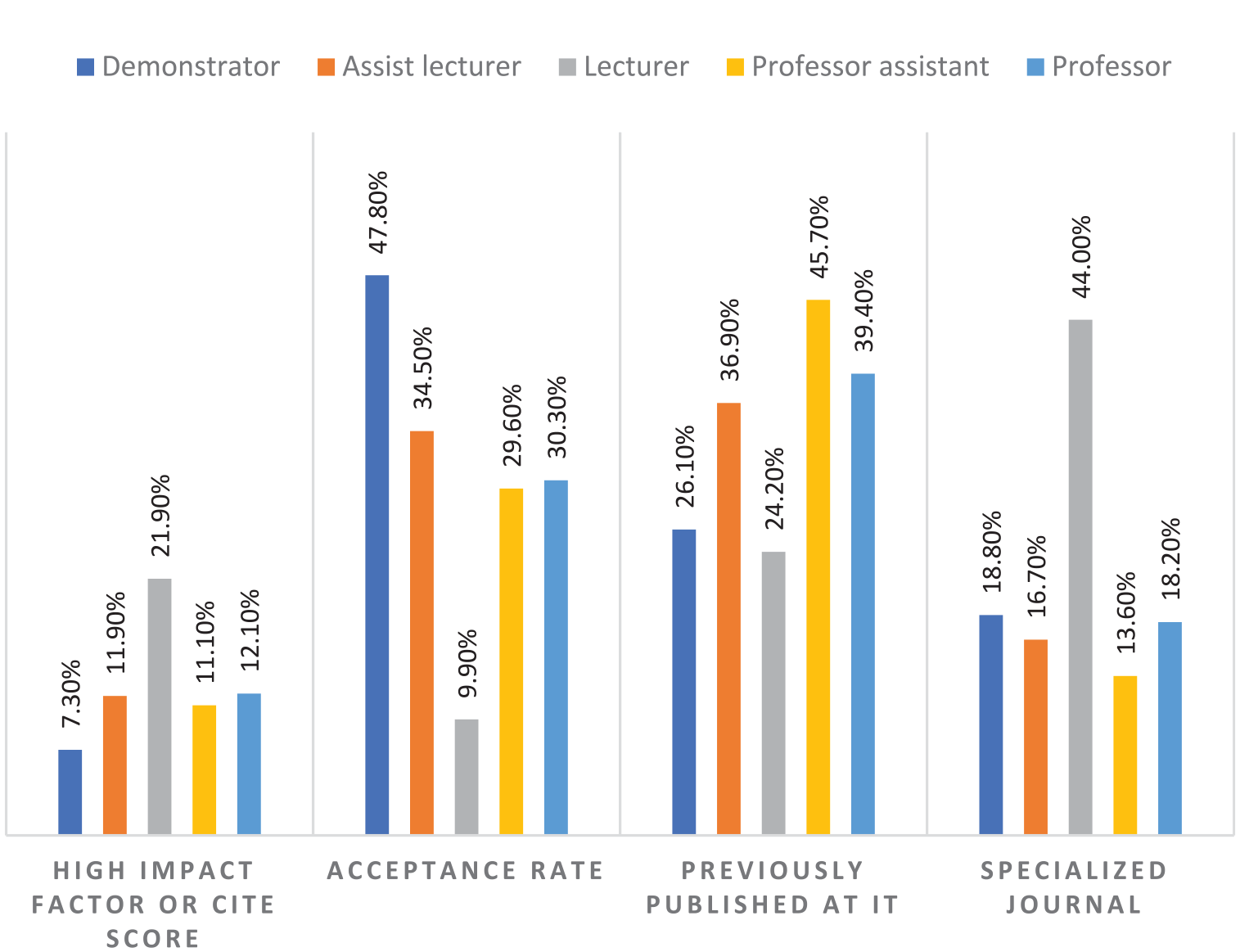
Distribution of studied faculty staff about factors affecting the selection of the journal for scientific publication related academic position (n = 358).
Figure 4 shows that the most significant factor is the High Impact Factor or Cite Score, with 50.40% of faculty staff considering it crucial. This is followed by the preference for Specialized Journals at 19.90%. Previous publication at the journal accounts for 13.50% of the preferences, indicating some importance placed on familiarity with the journal.
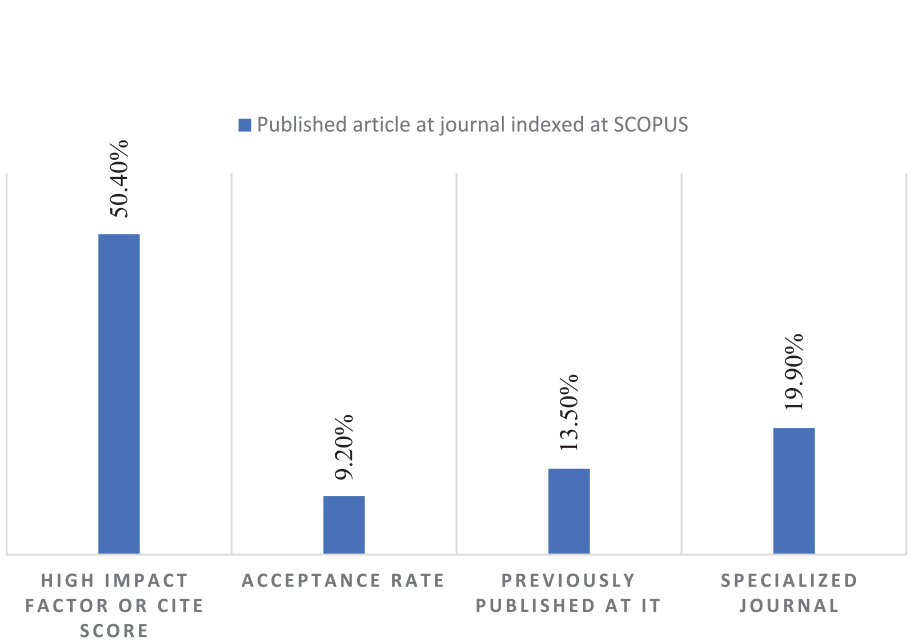
Distribution of studied faculty staff about factors affecting the selection of the journal for scientific publication related published article at journal indexed at SCOPUS (n = 358).
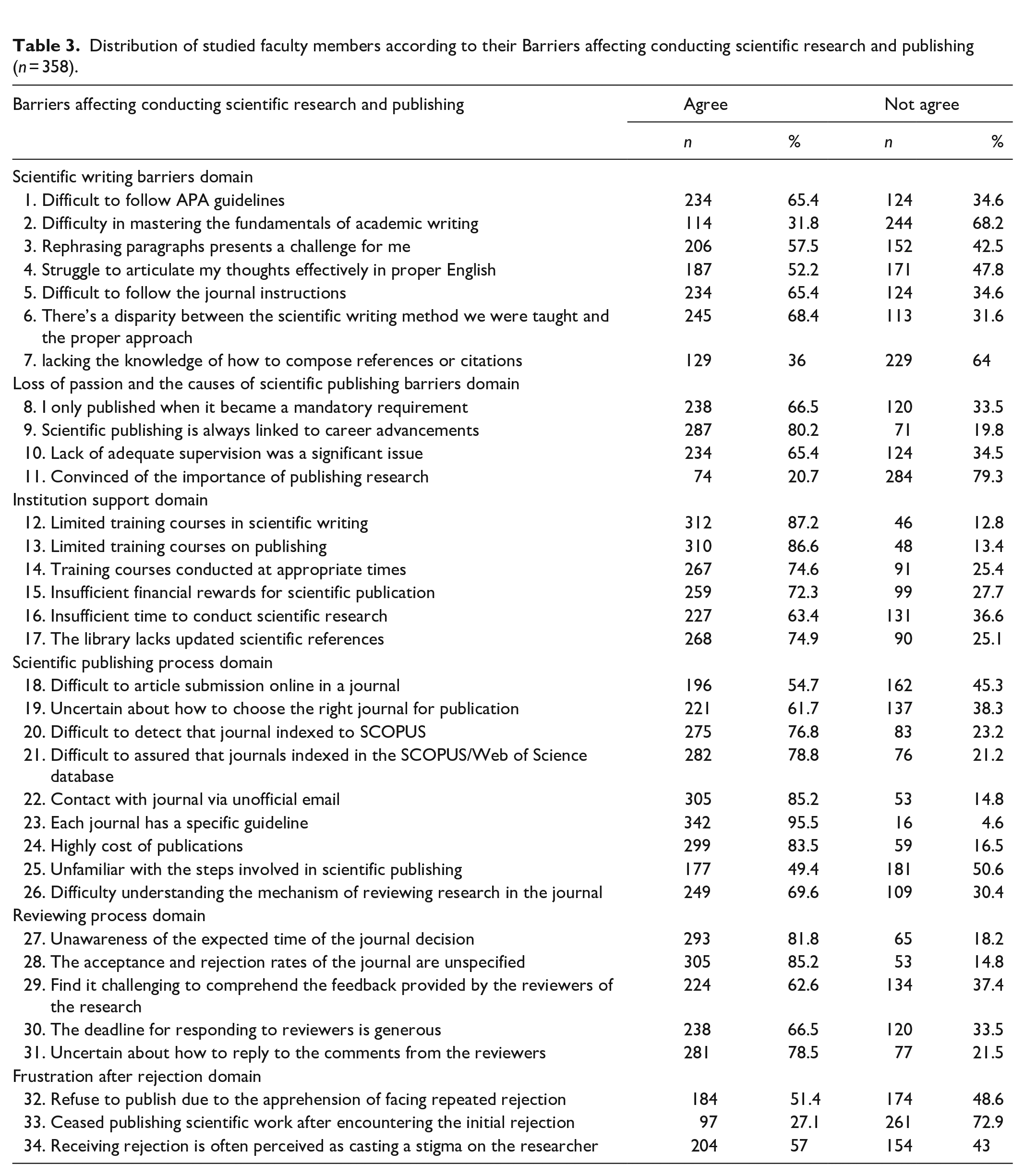
The barriers and factors influencing publishing scientific research were identified in this study, with the majority of the faculty member (85.2%–95.5%) reporting specific journal guidelines, limited training courses on scientific writing and publishing, and undefined acceptance and rejection rates of the journal as the most significant barriers. The high costs of publication (83.5%), the link between publishing and career advancement (80.2%), and uncertainty about the expected response time of the journal (81.8%) were also mentioned. Additionally, a significant proportion of the staff reported difficulties in responding to reviewer comments (78.5%). Refer to Table 3 for more details.
Distribution of studied faculty members according to their Barriers affecting conducting scientific research and publishing (n = 358).
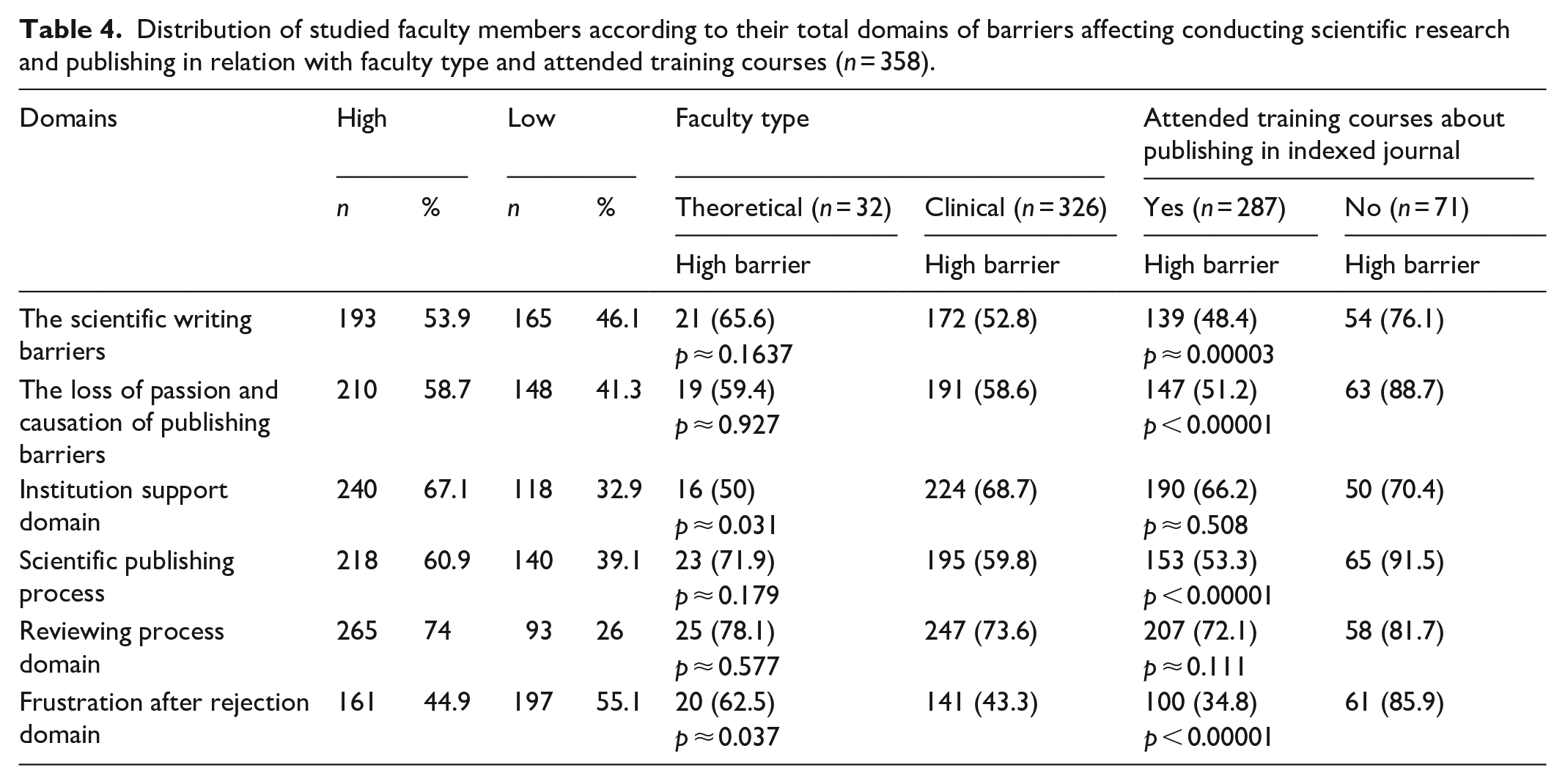
The data presented in Table 4 illustrate the distribution of faculty members according to their total domains of barriers affecting the conduct and publication of scientific research, categorized by faculty type and training attendance. The high barrier for scientific writing includes 193 (53.9%) faculty members, with 21 (65.6%) from theoretical and 172 (52.8%) from clinical faculties, and a significant difference based on training attendance (p ≈ 0.00003). The loss of passion barrier affects 210 (58.7%) faculty members, showing a significant training impact (p < 0.00001) but not faculty type (p ≈ 0.927). Institution support domain indicates 240 (67.1%) facing high barriers, with significant differences based on faculty type (p ≈ 0.031) but not training (p ≈ 0.508). The scientific publishing process affects 218 (60.9%) with high barriers, showing significant training impact (p < 0.00001). The reviewing process domain has 265 (74%) facing high barriers, with no significant differences in faculty type (p ≈ 0.577) or training attendance (p ≈ 0.111). Finally, frustration after rejection affects 161 (44.9%) faculty members, with significant differences based on both faculty type (p ≈ 0.037) and training attendance (p < 0.00001).
Distribution of studied faculty members according to their total domains of barriers affecting conducting scientific research and publishing in relation with faculty type and attended training courses (n = 358).
As depicted in Figure 5, a majority of the studied faculty members (60.6%) reported high barriers to publishing scientific research, while 39.4% reported low barriers.
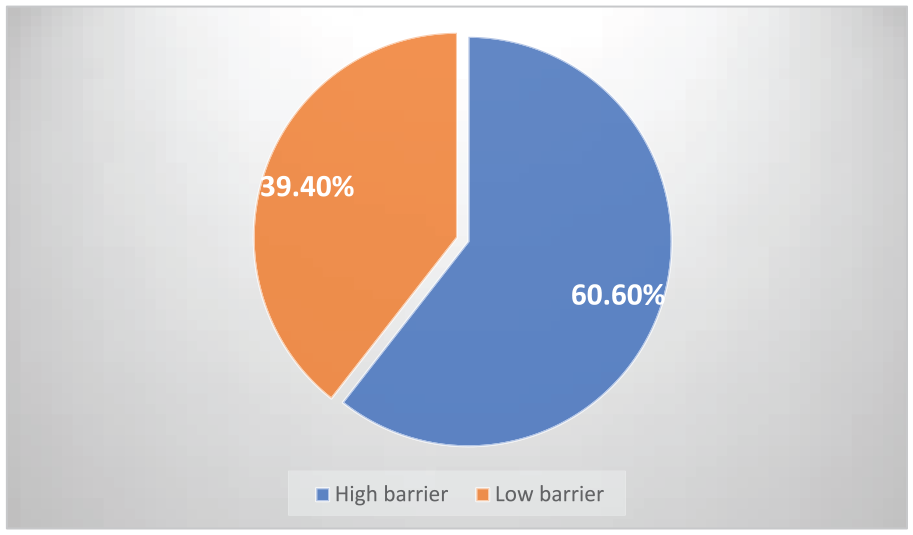
Distribution of studied faculty staff according to their total barriers affecting conducting scientific research and publishing (n = 358).
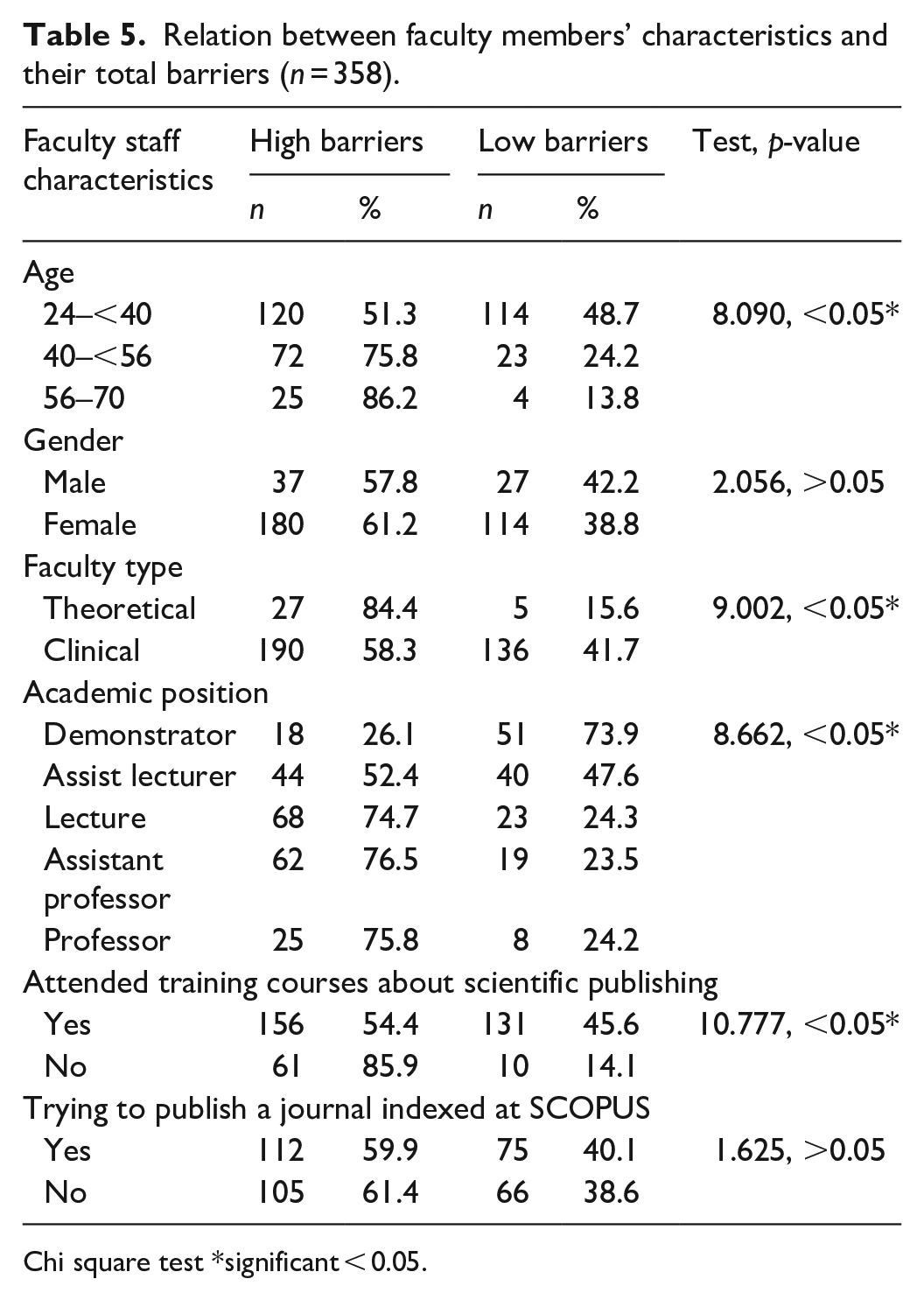
Table 5 summarizes the relationship between faculty member characteristics and their total barriers related to publishing scientific research. The results showed that faculty staff aged 56–70 years had significantly higher barriers (86.2%) compared to those aged 24–40 years who had lower barriers (48.7%), with a significance level of p < 0.05. Additionally, staff enrolled in the theoretical faculty had significantly higher barriers (84.4%) compared to those in the clinical faculty with lower barriers (41.7%), at p < 0.05. Moreover, a significant relationship was found between attending training courses and barriers to publishing and writing, while no significant relationship was found between the genders of faculty staff and attempting to publish in a SCOPUS-indexed journal (p > 0.05). Finally, it was found that a higher percentage of professors and assistant professors had high barriers compared to demonstrators, where 73.9% of the latter had low barriers.
Relation between faculty members’ characteristics and their total barriers (n = 358).
Chi square test *significant < 0.05.
Discussion
The study aimed to shed light on the barriers that faculty members face when it comes to scientific research and publishing. It was conducted among 358 faculty members from various disciplines and universities in Egypt, and it utilized a descriptive research design.
A notably higher percentage of female faculty members (82.9%) attended training courses about publishing compared to their male counterparts (67.2%). This indicates that female faculty members are more proactive in seeking professional development opportunities related to publishing. However, when it comes to attempting to publish in journals indexed at SCOPUS, a higher percentage of males (70.3%) than females (48.3%) have made attempts. This disparity might be influenced by various factors, including self-efficacy and perceived barriers to high-impact publishing. The actual success rates in publishing in SCOPUS-indexed journals further emphasize this gap, with 68.8% of males succeeding compared to only 32.9% of females.
The data on previously published individual articles also highlight a gender gap; a study by Madsen et al. 21 confirms the increasing gender gap was most pronounced among highly productive authors and in biology and clinical medicine.
According to the primary motives for scientific publishing among faculty members, revealing that career advancement is the predominant motive, cited by 74.6% of trained and 69% of untrained faculty. Enhancing academic knowledge is another significant motive, with 22.6% of trained and 25.4% of untrained faculty indicating it as their primary reason. This suggests that while training attendance impacts the recognition of career advancement as a motive, it has less influence on the other motives.
These results supported with the study by Griffin and Hindocha 22 performed a cross-sectional survey of British medical students from seven medical schools in the United Kingdom and found that the main motivation to publish was for career progression. For the students who had not published, the main barrier was not having the opportunity to perform research. The study conducted by Ali et al. 23 who found that open access publishing is widely appreciated regardless of career status. Also, Le et al. 24 stated that the motivation factor for scientific research was intrinsic factors (creativity and passion), extrinsic factors (financial and promotion). El Bairi et al. 25 reported that pressure to publish by supervisors, institutions of affiliation, or funding agencies was noticed in 43.4% of participants.
The factors affecting the selection of journals for scientific publication include a high impact factor or citation score is a significant consideration for 52% of trained faculty compared to 40.8% of untrained faculty. Acceptance rate and prior publication in the journal are less significant factors for both groups. This could indicate that trained faculty are more inclined toward broader recognition through high-impact journals. These results supported with the study by Tenopir et al. 26 identify quality and reputation of the journal, fit with scope of the journal, audience, and impact factor as factors to select the journal. Additionally, Rowley et al. 27 highlighted other influential factors, including the reliability of the review process, the usefulness of reviewers’ feedback, the reputation of the journal, and confidence that their article aligns with the journal’s scope.
Overall, these findings suggest that while female faculty members are more engaged in training opportunities, significant barriers remain in translating this engagement into publication success. Addressing these disparities requires targeted interventions to support female faculty in overcoming the unique challenges they face in academic publishing.
The data presented in Table 3 provide a detailed analysis of the barriers faced by faculty members in conducting and publishing scientific research, categorized by faculty type and attendance at training courses. These barriers are critical in understanding the challenges that hinder academic productivity and provide insights for developing targeted interventions.
Scientific writing barriers
More than half (53.9%) of faculty members reported high barriers related to the scientific writing domain, with a higher percentage among theoretical faculty (65.6%) compared to clinical faculty (52.8%). There is a significant difference based on training attendance (p ≈ 0.00003), with 76.1% of those who did not attend training reporting high barriers compared to 48.4% of those who did. This indicates that training substantially reduces writing barriers. Lages et al. 19 also conducted a study in the Middle East and Africa regions and reported that the most frequently described challenges included the validity and reliability of data, language barriers, data collection issues, and the availability of a network of researchers. Also, Salager-Meyer 28 reported that policies for scientific writing training at the undergraduate and graduate levels, budget constraints, and limited access to professional translators to edit research papers were common barriers. In contrast, Alkhuzaee et al. 29 reported that having a rich vocabulary, proficiency in the English language, increased writing activities, and individual guidance are facilitators for scientific publishing. Majid et al. 30 conducted a study on the challenges to publishing faced by researchers in Pakistan. Their findings revealed that the main obstacles to publishing were limited time, insufficient scientific writing or submission skills, and a lack of funding. To address these barriers, Driver et al. 31 suggested the development of an open platform to facilitate high-quality clinical research, which would provide support and guidance in designing and conducting research.
Loss of passion and causation of publishing barriers
This barrier affects 58.7% of faculty members, with no significant difference based on faculty type (p ≈ 0.927). However, training attendance shows a significant impact (p < 0.00001), with 88.7% of untrained faculty reporting high barriers compared to 51.2% of trained faculty. This suggests that training helps mitigate loss of passion and sustain motivation for publishing, as supported by Mampuru et al., 32 who noted the role of training in enhancing job satisfaction and retention.
The lack of significant difference based on faculty type indicates that the loss of passion is a universal issue, affecting both theoretical and clinical faculty members equally. This aligns with the broader literature, which suggests that the pressures of academia, including high workloads and the need for continuous publication, can lead to burnout and loss of motivation across disciplines. 33
Institutional support domain
About two-thirds of faculty members had high barrier, with a significant difference based on faculty type (p ≈ 0.031) but not training attendance (p ≈ 0.508). This indicates that institutional support challenges are more prevalent in theoretical faculties, emphasizing the need for targeted institutional policies to support these faculty members. This is consistent with the findings of Kang et al. 34 on the importance of institutional support in career development. Matheka et al. 4 conducted a study in Kenya and recommended that African governments mandate open access for publicly funded research in their region, similar to the UK and Australia, and support research into the economic and social benefits of open access for the African region.
Scientific publishing process domain
High barriers in the publishing process were reported by 60.9% of faculty members, with significant differences based on training attendance (p < 0.00001). A higher percentage of untrained faculty (91.5%) reported high barriers compared to trained faculty (53.3%), highlighting the effectiveness of training in navigating the publishing process. Pittman et al. 35 conducted a study using six focus groups composed of 26 applied epidemiologists and reported that time was identified as the greatest barrier to writing and publishing. Other major barriers included a lack of encouragement or support within the public health agency and agency clearance processes. Also, Wafula et al. 36 conducted a study at universities in Kenya and found that many institutions of higher education in Kenya are in their infancy stage and face challenges in engaging in electronic publishing. Similarly, Tran et al. 37 conducted a Delphi survey that identified language, reading, and writing of scientific documents, funding, time, data analysis capability, international collaboration, selection of an appropriate journal for submission, and experience in responding to reviewers as the most common factors affecting academic writing and publishing.
Reviewing process domain
About three quarters (74%) of faculty members had high barrier, with no significant differences based on faculty type (p ≈ 0.577) or training attendance (p ≈ 0.111). This suggests that the challenges in the reviewing process are universally experienced, regardless of faculty type or training, necessitating a broader approach to improve the peer-review process. The lack of significant differences based on faculty type and training attendance suggests that the obstacles within the peer-review system are systemic. This is consistent with findings from multiple studies indicating that the peer-review process is inherently challenging and can be a source of frustration for many researchers. 38 For instance, Regis Kopper discusses how the peer-review process is crucial for maintaining the quality and integrity of scholarly work, yet it can be a daunting task for many academics. 39 Purwanto et al. 38 conducted a study on Indonesian doctoral students and identified various constraints to publishing in journals, including negative reviews, lack of funding, and long response times. 37
Frustration after rejection
This barrier affects 44.9% of faculty members, with significant differences based on both faculty type (p ≈ 0.037) and training attendance (p < 0.00001). A higher percentage of untrained faculty (85.9%) reported high frustration compared to trained faculty (34.8%), indicating that training helps in coping with rejection. Training appears to equip faculty members with better coping mechanisms and resilience against the setbacks of manuscript rejection. This aligns with the findings of Guillaume et al., 40 who emphasized the importance of resilience training in overcoming the emotional toll of rejection in academia. Day 41 discusses how rejection can lead to decreased creativity, productivity, and professional satisfaction, particularly impacting those in fields where publishing is a primary measure of success.
Overall, the findings highlight the critical role of professional training in reducing barriers to scientific writing and publishing. The significant impact of training on various domains underscores the need for continuous professional development programs to enhance faculty capabilities and mitigate challenges in academic publishing.
According to our study, faculty staff age, membership in the theory faculty, and completion of training courses about publishing can mitigate high barriers to academic publishing. Additionally, we found that associate professors and professors face higher barriers than those with lower academic degrees, while gender and attempts to publish in a SCOPUS-indexed journal did not significantly impact these barriers. This can be explained by the fact that the culture of scientific publishing in scientific journals listed in databases such as Scopus is relatively new in some developing countries, especially in certain fields.
Our findings are inconsistent with prior research on academic publishing. For example, Migosi et al. 42 discovered that age group is significantly related to academic staff publishing. Similarly, Wang et al. 43 reported that junior researchers faced more barriers related to publishing. Finally, Gownaris et al. 44 indicated that awareness of open science practices tends to be low in the early stages of the scientific life cycle.
Limitations of the study
The primary limitation of our study is the reliance on a convenience sample, which introduces selection bias and limits the generalizability of our findings. Additionally, the use of self-reported data may lead to recall bias and response bias. Another significant limitation is the cross-sectional design of the study, which restricts our ability to establish causality or observe changes over time.
Implication of practice
These findings emphasize the need to strengthen the reviewing process, enhance institutional support, offer support for scientific writing, and foster supportive research culture, and educate faculty members about the importance of research and publishing in their professional lives. Institutions must take ambitious steps to foster a research and publishing culture by advocating, publicizing, and encouraging appreciation for research and publishing endeavors in Egyptian universities.
Conclusions
Our study uncovered that more than half of the faculty staff we surveyed encountered significant challenges in publishing scientific research. The most formidable obstacles were related to the reviewing process, as well as obtaining institutional support and funding. These findings emphasize the importance of providing increased support and resources to assist in overcoming these barriers and promoting successful research efforts among faculty members.
Additionally, our study suggests a relation between the increasing barriers to publishing scientific research among theoretical faculty members compared to their practical counterparts. This association is particularly pronounced for those who hold the rank of associate professor and professor, and who are also of advancing age and academic qualifications.
These results provide insights into the barriers to research and publishing in Egyptian universities. There is a need to educate faculty members about the importance of research and publishing in their professional lives, and for institutions to take ambitious steps to foster a research and publishing culture. This involves advocacy and publicity to popularize and encourage appreciation of research and publishing.
Recommendations
Exploring additional factors influencing publishing barriers: Examine how technological proficiency impacts the ability to publish, especially in regions with limited access to advanced tools. Investigate the role of language barriers, particularly for non-native English speakers, in scientific writing and publication success.
Investigating interventions to support faculty members: Implement regular workshops on scientific writing, research methodologies, and navigating the publication process. Develop and evaluate mentorship programs where experienced researchers guide faculty members through the publication process. Critically evaluate the content and outcomes of the training programs related to publishing.
Footnotes
Acknowledgements
Not applicable.
Data availability statement
The datasets used and/or analyzed during the current study are available from the corresponding author on reasonable request.
Declaration of conflicting interests
The author(s) declared no potential conflicts of interest with respect to the research, authorship, and/or publication of this article.
Funding
The author(s) received no financial support for the research, authorship, and/or publication of this article.
Ethics approval
The study was approved by the ethical committee affiliated with the Faculty of Nursing at Ain Shams University, with code number (23.09.125).
Informed consent
Written informed consent was obtained from all subjects before the study. Prior to responding to the online questionnaire, each participant provided online informed consent.
Trial registration
Not applicable.
Institutional review board statement
“The study was conducted in accordance with the Declaration of Helsinki, and approved by the Institutional Review by the ethical committee affiliated with the Faculty of Nursing at University, with code number (23.09.125).

Data sharing statement
All necessary data are included in this article.