



Abstract
Objectives:
Vietnam has witnessed a severe shortage of qualified staff in the public health sector after the COVID-19 pandemic. Our cross-sectional study aimed to identify job motivation and associated factors among experienced frontline health staff working in public health in order to have preventive measures in the event of future pandemics.
Methods:
A cross-sectional study, from March 2022 to November 2022 at a Vietnamese public hospital, on the job motivation and the predicted factors of 381 healthcare workers who participated in the frontlines of the COVID-19 pandemic from 2020 to 2021. The survey tool, developed by Mbindyo Patrick (2009), includes three components: (i) job satisfaction, (ii) organizational commitment, and (iii) conscientiousness. The survey tool was revalidated in our study with structural equation model for the construction of job motivation model and confirmatory factor analysis for certifying the elementary three components (factors) of the tool. And the tool’s reliability was evaluated by Cronbach’s Alpha. Bivariate analysis and multiple logistic regression were used to identify the predicted factors with the job motivation cutoff of 4.0.
Results:
The tool for job motivation constructs showed all specifications were good fit indices and the Cronbach’s Alpha was 0.85. The job motivation of health staff decreased dramatically in all dimensions post COVID-19 pandemic, with a mean score of 3.26. Job satisfaction and organizational commitment were the most negatively impacted areas, with scores of 3.02 and 3.00, respectively. The predicted factors of low job motivation were young age (less than 30 years old), low monthly income (less than $400), high qualification, and non-managerial positions with odds ratio of 2.27, 2.5, 2.09, and 3.61, respectively.
Conclusion:
Following the COVID-19 outbreak in Vietnam, healthcare workers who had been in the frontlines of the COVID-19 pandemic, had experienced a significant decline in their job motivation, despite their continued employment at public hospitals.
Highlights
This topic is about the working experience at frontlines during the COVID-19 pandemic reduced the health staff’s job motivation.
Our research has shown that in the context of the post COVID-19 pandemic, the health staff’s job motivation was dramatically decreased in each dimension and the mean score was lower than in previous studies implemented before the COVID-19 pandemic in Vietnam and in other countries.
This study aimed to determine the job motivation and the predicted factors of the health staff who are experienced at the frontlines and are still working in public health to advocate for policymakers in improving their job motivation.
Introduction
Employees’ job motivation (JM), or their inclination to strive toward meeting job-related objectives, is shaped by a diverse range of factors originating from both within and outside the workplace. These factors may include qualities of the work environment itself, as well as personal expectations and conditions of daily living. By fostering this motivation, individuals become more closely attached to their work, more capable of contributing to the success of the company, and more empowered to effectively undertake their daily tasks. 1
From a review of studies that used motivation theory in health, there are some key theories including: (i) Self-determination theory: This theory suggests that individuals are motivated when their basic psychological needs for autonomy, competence, and relatedness are fulfilled. 2 In healthcare, factors such as meaningful work, supportive relationships, and opportunities for professional growth can enhance motivation; (ii) Expectancy-value theory: This theory states that motivation is influenced by an individual’s expectations of succeeding at a task (expectancy) and the value they place on the outcomes (value). In healthcare, factors like perceived competence, task significance, and perceived rewards or benefits can impact motivation; (iii) Goal-setting theory: This theory emphasizes the importance of setting clear and challenging goals to enhance motivation. In healthcare, goals that are specific, measurable, achievable, relevant, and time-bound can help motivate healthcare workers; (iv) Job characteristic theory: This theory suggests that certain job characteristics, such as skill variety, task identity, autonomy, feedback, and task significance, can increase motivation and job satisfaction in healthcare. The tool developed by Mbindyo Patrick (2009) covers these theories with three components: job satisfaction, organizational commitment and conscientiousness. 3
The COVID-19 pandemic has had a significant impact on the global healthcare industry. As a result, healthcare personnel have had to adhere to strict isolation protocols, separating them from their families and exposing them to transmissions from infected patients and healthcare workers. To mitigate these risks, healthcare staff have been required to wear a range of personal protective equipment, such as filtering half masks, safety glasses, visors, overalls, medical gloves, and shoe protectors. However, wearing such equipment continuously for extended periods can significantly limit the ability of healthcare workers to meet their basic needs. Additionally, healthcare staff and their families have been subjected to social stigmatization due to their profession and exposure to COVID-19. 4 Frontline workers, including healthcare personnel, personal and home care aides, paramedics, and police officials, were particularly vulnerable to an elevated risk of contracting infections and experiencing mental health disturbances. 5 The global outbreak of COVID-19 has resulted in significant physical and mental health challenges. In addition, the pandemic has led to a prolonged shortage of healthcare workers worldwide. Consequently, a substantial number of healthcare professionals have resigned in several countries, representing an unprecedented trend, 6 a prominent causal factor identified was employee attrition, primarily linked to the work environment such as workload and occupational hazards. However, this trend was not observed within the Vietnamese context.
Regrettably, Vietnam has encountered a substantial shortage of labor in the public health sector in the aftermath of the COVID-19 pandemic. Reports emanating from various provinces and cities reveal that 9680 health personnel (comprising 3094 physicians, 2874 nurses, 551 medical technicians, 276 midwives, 593 pharmacists, and 2280 other staff) resigned or abandoned their positions. The migration of public health workers to the private sector has intensified, especially in locations such as Ho Chi Minh City (2035), Hanoi City (1032), Dong Nai (496), Binh Duong (368), An Giang (297), Long An (266), Da Nang City (248), Can Tho City (238), and Dong Thap (204), after over 2 years of COVID-19 containment and prevention efforts. The Ministry of Health (MoH) has attributed this trend to four main factors including (a) high pressure of work, (b) low remuneration, (c) lack of resources and facilities to perform professional duties, and (d) financial pressure exerted by family, friends, and society. 7
In a prior investigation of the administrative staff at a public hospital, we determined that the JM index was suboptimal (4.0), except for favorable factors such as supplementary income, higher education, healthcare benefits, and a salubrious working environment. However, these positive aspects have since become unreliable amidst the post COVID-19 pandemic milieu. Additionally, the adverse experiences of the frontline healthcare workers during the pandemic may detrimentally impact their JM. Hence, our current inquiry strives to identify the JM and its associated factors of healthcare staff who persisted in public health setups subsequent to the COVID-19 outbreak, with the intention of offering to policymakers with valuable insights for improving JM and implementing preventive measures in the event of future pandemics.
Methods
Study design
A cross-sectional investigation was carried out to identify the health workers’ JM and the associated factors.
Research duration and location
The study was conducted from March 2022 to November 2022 at the public hospital, Vietnam.
Study participants
The study respondents came from the different hospital departments. They include doctors, nurses, medical technician and administrative staff who had participated in the frontlines of the COVID-19 pandemic from 2020 to 2021.
The inclusion criteria: Doctors, nurses, medical technician and administrative staff who participated in the frontlines of the COVID-19 pandemic for more than 28 days. This time duration allowed them to have motivational experiences.
The exclusion criteria: Doctors, nurses, medical technician and administrative staff had quit or were absent at the time of the study.
Sample size estimation
Sample size calculator for a proportion:
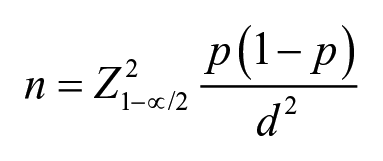
Including: n (Minimum sample size);
n ≈ 355. A sample loss was expected at 10%, thus we surveyed 395 participants. In fact, there were 14 unsatisfactory responses (missing information on the survey), so 381 responses were included in the data analysis.
Research variables
The independent variables included the socio-demographic ones such as sex, age, marital status, education level, working duration, management position and monthly income. The dependent variables were JM.
Research instrument and data collection
The survey tool, created by Mbindyo Patrick (2009), was used for data collection. The tool included three components (factors), namely (a) job satisfaction of three items, (b) organizational commitment of four items, and (c) conscientiousness of three items. Responses were evaluated on a Likert-based scale, consisting of five categories of agreement, namely, strongly disagree, disagree, normal, agree, and strongly agree. 9 The trained interviewers at both hospitals were responsible for collecting the data of these studies. The self-reported questionnaire was provided to the appropriate health workers to collect data on JM. Written informant consents were obtained from each subject prior to the data collection. The respondents provided the information of their motivation at their meeting room without the appearance of a third person. Each interview lasted about 25 min in duration.
Data analysis
In this study, structural equation model (SEM) was used as an analysis in the construction of JM model. Confirmatory factor analysis (CFA) was conducted with the collected data to certify the elementary factors developed by Mbindyo Patrick et al (2009), using comparative fit index (CFI), Tucker Lewis index (TLI) and RMSEA. These indices’ criteria must be met for a satisfactory fit model: (1) Chi-square/df ratio should be between 1 and 5; (2) CFI and TLI must approach 110,11; (3) the standardized root mean square residual (SRMR) must be less than 0.1; (4) RMSEA should be up to 0.09 with 90% confidence interval values below 0.1. 11 Standardized regression weight would be used if corresponding values are under 0.9 to show all variables can represent a significant indicator and predictor for latent variables. 12 Besides, the study employed various descriptive statistical methods to analyze the data. Mean and standard deviation were computed for continuous data, while frequency and percentages were used for categorical data. The tool’s reliability was evaluated by Cronbach’s Alpha. The JM index was calculated using the following formula: ∑Mean score ((job satisfaction) + (organizational commitment) + (conscientiousness))/3. To examine the factors associated with the JM index, a cut-off value of 4.0 was established, indicating that motivation levels of equal to or below 4.0 were considered low, while levels above 4.01 were considered high. Bivariate analysis and multiple logistic regression were used to identify the predicted factors. The association strength was determined using an odds ratio and a 95% confidence interval, with significance level set at or below 0.05.
Ethical consideration
The study was approved by the Ethics Committee of Hanoi University of Public Health, Vietnam with Decision No. 294/2022/YTCC-HD3 dated 28 June 2022. The studied individuals signed the informed consent form.
Results
Socio-demographic characteristics
There were 381 healthcare workers successfully recruited in our study. The socio-demographic characteristics of participants exhibited distinctive patterns. With respect to gender, the sample predominantly comprised female participants (68%). The majority of the respondents were married (59.3%). Those whose ages were 30 and above accounted for higher proportion than those whose ages were under 30. A notable proportion of the cohort—76.1% had monthly low-income levels, earning less than 400 USD. Regular staff without any managerial designations accounted for the largest segment of the population (88.2%). Additionally, the years of work experience of under 10 appeared to be twice as much as that of 10 and above, 69.0% and 31.0% respectively. The respondents who had education level of university and higher accounted for over twice the rate as much as those having under university level, 72.7% and 27.3% respectively.
Health staff’s characteristics (n = 381).

Validation of psychometric measure of JM
SEM is the final analysis of the construction of JM items. CFA was used with survey data to verify the basic factors that have been produced in the previous study and to validate these constructs. Before CFA can run, several specifications have to be conducted on the distribution of normality, multi-collinearity, the sample size and the scale of measurement. These requirements were all met in this survey. Testing of JM constructs showed the Chi-square good-ness-of-fit χ2 = 147.5, with p < 0.001 and other specifications such as RMSEA value (0.09), SRMR value (0.05), CFI value (0.95) and TLI value (0.93) were good fit indices. It is not necessary to apply standardized regression weight due to all corresponding values being over 0.9 (Figure 1), then all variables can represent a significant indicator and predictor for latent variables.

Measurement model for the dimension of JM.
JM and associated factors
The job satisfaction factor’s reliability was acceptable with Cronbach’ Alpha of 0.61 while the two other factors showed high reliability with Cronbach’ Alpha of 0.88 for each. The total instrument’s reliability was good with Cronbach’ Alpha of 0.85 (Table 2).
Cronbach’s Alpha of questionnaire by three components (factors).

The score of 3.26 for JM was observed to be below the established cut-off point of 4.0, with all three dimensions registering lower values. The dimensions “job satisfaction” and “commitment” were noted as the two lowest dimensions, recording values of 3.02 and 3.00, respectively. Only a mere percentage of 27.6% of the participants achieved high JM based on the cutoff (Table 3).
Health staff’s JM index (n = 381).

There are four independent variables such as age group, monthly income, working duration and management position found to be significantly associated with JM in bivariate analysis. However, in regression analysis, the results had changed. Age group, monthly income and management position still kept the significant associations while working duration was no longer associated with JM and education level became a new predictor. The multiple logistic regression analysis revealed that individuals working in the healthcare sector who were below the age of 30 possessed a lower JM, approximately 2.26 times less than the group aged 30 years or more (odds ratio (OR) = 2.26; 95% CI: 1.11–4.59). Furthermore, those healthcare workers with monthly earnings below $400 demonstrated a lower JM as compared to their counterparts who earned $400 or more per month (OR = 2.5, 95% CI: 1.35–4.65). The respondents who had university and higher were 2.09 times less motivated than those having a degree of under university (OR = 2.09, 95% CI: 1.16–3.79). Finally, those who had no management position were 3.61 times less likely motivated than those being managers (OR = 3.61, 95% CI: 1.63–7.97). All of these associations were statistically significant with p < 0.05 (Table 4).
Associated factors to health staff’s JM index (n = 381).

p < 0.05; **p < 0.01.
Discussion
In our study, the motivation of Vietnamese healthcare staff (n = 381), who worked in frontlines during the COVID-19 pandemic, experienced a significant decline across various aspects in post COVID-19 pandemic, as indicated by an average score of 3.26. Job satisfaction and organizational commitment were particularly affected, with scores of 3.02 and 3.00, respectively, reflecting a negative impact. Several factors were predicted to contribute to low JM, including being young (under 30 years old), earning a low monthly income (less than $400), having a higher level of education (university or above), and occupying non-managerial positions.
Several studies have identified notable levels of intention to resign among public health workers employed by state and local government agencies. Prior to the onset of the COVID-19 pandemic, there was a substantial decrease in the number of individuals employed in the healthcare workforce in the United States, with a decline of approximately 16%–17% between 2008 and 2019. 13 The COVID-19 pandemic has profoundly exacerbated preexisting workforce difficulties faced by state and local governmental public health agencies in the United States. The public’s apprehension regarding the pandemic’s economic and social ramifications, combined with an increasing distrust in evidence-based reasoning and scientific principles, 14 has subjected employees of governmental public health organizations to scrutiny, harassment, and personal threats.15,16 In the aftermath of the COVID-19 pandemic, our study of healthcare personnel has revealed a marked decrease in their JM across all dimensions, with a mean score of 3.26, which is lower than that reported in earlier research conducted in Vietnam and other countries (⩾4). Of particular note, job satisfaction and commitment appeared to be most affected, with scores of 3.02 and 3.00, respectively. This decline in JM can be attributed to the same factors as those identified in previous studies, such as low income. However, our study has revealed a new factor, namely that young staff members have lower JM than their older counterparts, which had not been previously reported before 2020 in Vietnam but reported in US, half of all employees in state and local public health agencies left between 2017 and 2021, a proportion that rose to three-quarters for those aged 35 and younger or with shorter tenures 17 According to Bogaert’s study, between 2014 and 2017, separations among healthcare workers were associated with stated intent to leave or retire, job dissatisfaction, and lack of employee engagement, and reasons for separation varied dramatically by employee age and employment setting. 18 In our study, various demographic factors, including gender and marital status were not significantly associated with JM (p > 0.05).
In our study, the income disparity was the primary contributor to the low JM. The critical healthcare human resource crisis in Vietnam provides supporting evidence for this claim. During the 2-year COVID-19 pandemic in Vietnam spanning from 2020 to 2021, healthcare workers represented the frontline force for disease surveillance and management. These practitioners worked under the most challenging conditions imaginable, with an overload of new infection cases. In the immediate aftermath of the COVID-19 pandemic, specifically between early 2021 and June 2022, approximately 9400 healthcare workers resigned from their posts in public hospitals to take up positions in private healthcare facilities due to low income, excessive work pressures, and unappealing remuneration policies. 19 The COVID-19 pandemic induced notable economic disruptions and brought attention to the global and regional healthcare systems and their functioning. These impacts have received widespread recognition and documentation. Our study has identified non-financial factors, specifically achievements, to be significant drivers for the observed phenomenon. This finding is consistent with the 2019 study conducted by Kaoje et al., 20 which similarly established the primacy of non-financial factors in influencing JM. Furthermore, in Vietnam, private hospitals have witnessed a significant growth trend across the nation, while public hospitals have been challenged by changes in the MoH procurement process for medical equipment, drugs, and supplies. Such changes have resulted in a lack of medical tools, modern equipment, and protective equipment for health workers, consequently affecting the working environment. As a result, health professionals are increasingly opting for employment in private healthcare facilities with better remuneration and improved working conditions. Similarly, a study titled “The impact of the COVID-19 pandemic on job satisfaction among professionally active nurses in five European countries” also highlighted the impact of working conditions on job satisfaction, with a significant decline (p < 0.05) observed. Specifically, working conditions were reported to have the highest impact on job satisfaction, recording a score of 1480 in the study. 21
Our study revealed that the young healthcare workers (<30 years old) had a significantly lower percentage of low job motivation (JM) compared to those ⩾30 years old. The OR was calculated to be 2.26 with a p-value < 0.05. Prior to the COVID-19 outbreak, younger healthcare professionals were typically more enthusiastic about their work and aspired toward career advancement. However, job satisfaction varied across different age groups. Younger Vietnamese healthcare workers reported higher job satisfaction due to the limited opportunities they had to explore outside of their work environment. With more job experience and exposure to unfavorable working conditions, older workers tended to become less satisfied with their current roles and seek out better career prospects. 13 Notably, the negative impact of the COVID-19 pandemic on job satisfaction may represent another significant factor. A cross-sectional study of 577 hospital social workers conducted in Ho Chi Minh City in August 2021 found that 33% experienced moderate to severe anxiety levels. 22 The act of resigning from one’s job was found to be significantly linked with several key factors, including but not limited to the perceived impact of COVID-19 on an individual’s overall quality of life, symptoms of depression, and both internal and external feelings of being trapped. Of particular importance was the individual’s personal history with COVID-19, which was found to be a significant contributing factor to their decision to leave their place of employment. 23
Numerous factors have been identified in the literature that can be linked to healthcare workers’ job satisfaction, including gender, marital status, and education level. Recent studies conducted in Vietnam and China have indicated that female healthcare staffs have reported lower levels of job satisfaction compared to their male colleagues. This disparity in job satisfaction scores can be attributed to a lack of job opportunities for women in these countries. Furthermore, gender equity remains a social issue in China, which can significantly impact job satisfaction among female healthcare staff.24,25 Amidst the COVID-19 pandemic, a research study conducted in Ho Chi Minh City revealed that job satisfaction scores were notably low (50%). The study further demonstrated that male employees who were married and received higher incomes exhibited higher levels of job satisfaction across several evaluated domains. However, that study failed to establish any correlation between job satisfaction and other health staff characteristics, including specialty, occupation type, and working experience. We found some significantly associated factors like the occupation type “no management position,” and other factors like income and education level in our study.
The healthcare industry in Vietnam underwent significant changes, rendering these factors inconsequential in influencing health staff’s job satisfaction levels. Our study found a notable strength in assessing healthcare staff’s JM following the COVID-19 pandemic and amidst the prevalent trend of resignations within the healthcare industry in Vietnam. However, several limitations must be acknowledged. Firstly, the study surveyed solely the current healthcare staff still actively employed at the hospital, thus rendering it difficult to obtain precise data on those who have already resigned. Secondly, the exact positions of the healthcare staff at the frontline hospitals, which may have influenced JM, could not be determined due to their multifaceted roles during the COVID-19 pandemic.
Conclusion
Following the COVID-19 outbreak in Vietnam, healthcare workers who had been at the forefront of the response had experienced a significant decline in their JM, despite their continued employment at public hospitals. The extent to which their motivation will fully recover remains uncertain as local conditions return to normal. This recovery could be dependent on two key factors as our recommendation: firstly, any potential changes to the existing policies of the MoH, as well as the efforts made by public hospitals to retain their current healthcare personnel and recruit new ones; and secondly, the lasting impact of the prolonged distressing experiences and anxiety arising from the COVID-19 pandemic on the overall wellbeing of the healthcare workforce.
Footnotes
Acknowledgements
We would like to thank the health staff for joining this research.
Declaration of conflicting interests
The author(s) declared no potential conflicts of interest with respect to the research, authorship, and/or publication of this article.
Ethics approval
The study was conducted with the approval of the Ethics Committee for Biomedical Research at University of Public Health, Hanoi, Vietnam under Decision Decision No. 294/2022/YTCC-HD3 dated 28 June 2022.
Funding
The author(s) received no financial support for the research, authorship, and/or publication of this article.
Informed consent
All participants provided written informed consent.
Trial registration
Not applicable.
