




Abstract
Hasan Jameel, chief marketing officer at Dawlance, faced a strategic dilemma during the Covid pandemic. Founded in 1980, Dawlance was the leading home appliances company in Pakistan. Its products were distributed mainly through the dealer network to the end customers. The coronavirus pandemic led to lockdowns and disruption in the availability of goods. Jamil knew that this was the right time to go digital with their high-ticket appliances business. However, that move may create a backlash from the existing 1800 distributor spread all across the country. Covid was at its peak and he had to find a solution for the stagnant sales. Should he create an e-commerce platform or should he utilize the traffic of the biggest marketplace, Daraz, or should he use a combination of channels? His core target group included married couples in the urban and semi-urban centers. Would channel additions help him retain customers who were having issues during the pandemic? His team was unwilling to add the online channel option as they believed it would lead to a dealer backlash. He had 3 months and five million rupees to get the sales back on track.
Keywords
The news of the Coronavirus spread in Pakistan had become the talk of the town. Everyone was worried about the disease, in fact, more concerned about the uncertainty surrounding it. There were rumors about lockdown as Coronavirus was considered contagious. It was 3 March 2020 when Syed Hassan Jameel, Chief Marketing Officer at Dawlance, sat at his desk gazing at the PowerPoint that he had prepared for the urgent meeting scheduled with Dawlance CEO, Umar Ahsan Khan, the next day. Dawlance was a home appliance company operating in Pakistan since 1980. Jameel recalled the meeting that he had with Umar in the first week of January. Everything looked so promising back then. The current situation, however, was rather dreary. Jamil had seen China’s situation on TV and he knew that with a complete country lockdown, the current year’s targets would be unattainable. He had discussed an alternative strategy with his marketing and sales team a day before, but many members of his team criticized the proposed course of action.
Jameel strongly believed that the most feasible option in that testing time would be utilizing the vast distribution network as well as the online channels. Dawlance had 1800 dealers in more than 100 cities in Pakistan. Dawlance’s dealer network was the backbone of the company that helped in target achievement through information support, product availability, and display of all its products to customers. While the emphasis on the distribution network was important, the new online channel was crucial during a pandemic. He recognized that online selling options would not only help tackle the distribution issues during the lockdown but would also improve the top line in the future. The online channel options that he laid out included the introduction of the Dawlance e-commerce store on its existing website and an e-tailor partnership with Daraz. Jameel was aware of the most prominent and daunting challenge due to online channel addition, and retaliation from the dealer network. He recalled the debate that he had with his sales team. Abid, National Sales Manager pointed out “The dealers would be annoyed when they know about the online channel addition. We cannot afford to let go of our dealer support. We need time to convince them first”.
Jameel knew that this was a race against time. Three months and five million rupees was all he had to show results! Should he listen to Abid and convince the dealers first and miss his targets for the coming months? He had seen the fate of one of his competitors due to distributors’ disgruntlement. Should he continue working on his alternative strategy of focusing on both channels? He had a final look at his presentation. Personally convinced about his ideas, he now had a bigger task to convince his team and CEO. He picked up his phone and asked his secretary to arrange a meeting with his marketing and sales team in the evening.
The First Home Appliance Company of Pakistan: Dawlance (Private) Limited
Dawlance entered the home appliances industry at a time when the market in Pakistan was solely captured by foreign brands. Dawlance had an ambitious vision to serve the local consumers with quality products designed specifically for their needs (Please see Exhibit 1a). Since its inception in 1980 by Mr Bashir Dawood, founder, and CEO of Dawlance, the company had faced unparalleled growth through the timely expansion of its product portfolio. In 1981, the brand launched the first-ever locally manufactured refrigerator which, unlike the other refrigerators of international companies, was shorter with a wider body. It was designed specifically to meet the unique requirements of Pakistani consumers. Over the next couple of years, Dawlance ventured into more markets by diversifying into other home appliances (Please see Exhibit 1b for the timeline of major milestones). Dawlance was the market leader in the refrigerator and microwave oven categories (Please see Exhibit 2). It had three large-scale manufacturing units in Pakistan that produced more than 10 million refrigerators till 2020. With its excellent reputation in the market, Dawlance was acquired in 2016 by a Turkish home appliance company, Arçelik, for $243.3 million. Arçelik started its operations in Istanbul, Turkey, in 1955. It had an outstanding reputation in R&D, product development, and services. Arçelik had multiple brands in its portfolio such as Arctic, Altus, and Beko, to name a few. 1
Market Overview
The home appliance market was well-developed in Pakistan. It witnessed an aggregate growth of 4% from 2017–2019. This was due to the increase in Gross Domestic Product (GDP) and other macroeconomic indicators of the country (Please see Exhibit 3a and Exhibit 3b for Pakistan’s GDP over the last 5 years and market sizes of the electronic industry from 2015–2019, respectively). The other determinant of growth in this industry was the electricity supply. Since a vast majority of these appliances ran solely on electricity, improvements in the electricity sector directly supported the development of the electronics industry. (Please see Exhibit 3c).
With the stabilizing GDP and electricity situation in the country, the demand and, consequently, the competitive landscape of the appliance industry were changing. The home appliances market in Pakistan was dominated by local brands contributing to 98% of sales volume. The local brands included Dawlance, Orient, PEL, and Waves. The global brands which contributed only 2% included Samsung, LG, and Panasonic. These global brands were imported by dealers and distributors. The recent changes in customs, tariffs, and Forex led to a boom in the local industry.
Products in the appliance industry were at different life cycle stages. Some were in the mature stage such as refrigerators. This meant that the majority of households in Pakistan had this appliance. Other electronics were in the growth stage and had lower household penetration. For instance, microwave ovens had a single-digit penetration in Pakistan.
The home appliances market was divided into three different segments: (1) Major Domestic Appliances (MDA): This included products such as refrigerators, air conditioners, and washing machines. This segment was mature and had a single-digit growth. However, innovations such as automatic washing machines and LED TVs, which had lower penetration, were growing at a much faster rate. Many manual washing machine users had graduated toward automatic washing machines. Similarly, color TV users had shifted to LED TVs. (2) Small Domestic Appliances (SDA): This included kitchen appliances such as juicer, blender, irons, vacuum, and air fryer. (3) Consumer Electronics: This included products such as TV and audio/visual systems.
A recent research report indicated that the penetration of TV and washing machines was 70%. Shoppers in tier one cities, such as Karachi, Lahore, and Islamabad, mostly bought home appliances on cash, while shoppers in tier two and three cities bought used durable items or items purchased in installments. Overall, there was no retail audit done for the appliances sector. However, it was estimated that the appliance market size in December 2020 was rupees 170 billion approximately, including all types of appliances.
Their prices greatly varied based on the exchange range fluctuations and taxes. The major competitors of Dawlance varied with product categories (Please see Exhibit 4). Despite growing competition, Dawlance was the top of the mind brand. Its brand name was synonymous with “reliability”. Its after-sales service was a class apart. It had its own service centers in the top tier cities of Pakistan. Third parties were appointed for services in the smaller cities and towns. A call center was also operational 7 days a week to provide the necessary customer support. Dawlance relied mostly on its dealer support rather than advertising to create a strong name in the market. Research carried out in the past had revealed that Dawlance appliances were present in every second household that owned household appliances. Its penetration in the Pakistani market was more than 50%.
Orient was another Pakistani brand that started its operation in 2006 and was headquartered in Lahore, Pakistan. 2 Orient home appliances were considered innovative and affordable. It started with the production of air conditioners and water dispensers. In 2008, it launched a series of refrigerators. Orient extensively advertised its product range on traditional channels such as television and billboards. It had a Facebook page and website presence. Orient’s tagline was, “O say Orient, Pehli chahat” (O for Orient, first love) was popular among the masses. According to the brand health tracking study (BHT), its top of mind (TOM) recall was 68%. It had 1200 dealers all across Pakistan.
PEL - Pak Elektron Limited, founded in 1956, was a public limited company headquartered in Lahore, Pakistan. It had a wide range of products including air conditioners, deep freezers, refrigerators, and microwave ovens. 3 It was widely known for its refrigerators. PEL also advertised its products range on television and other mass media channels. Advertised campaigns included equity building and conversion campaigns. PEL’s tagline “change your life” was widely known. According to the brand health tracking study (BHT), its top of mind (TOM) recall was approximately 75%. It had 1500 dealers all across Pakistan.
Haier Pakistan was established in 2000. It was the subsidiary of Chinese multi-national group, Haier. Headquartered in Lahore, it was available at approximately 3000 stores 4 and had 1700 dealers all across Pakistan. It manufactured a range of home appliances such as refrigerators, air conditioners, televisions, etc. It advertised across multiple mass mediums such as television and outdoors. Its tagline was “Inspired living”. According to BHT, it had a top of mind recall of approximately 84%. It was considered to be the major competitor of Dawlance.
Most of Dawlance’s competitors, especially the new entrants, had a presence on mass mediums. However, they had a limited digital presence (Facebook page and website). None of these players had an e-commerce presence.
Consumer Behavior in the Home Appliance Category
Pakistan had a population of 206.78 million 5 and approximately 65% individuals were under the age bracket of 30. 6 It had approximately 763 million internet users and 37 million active social media users in 2 January 2020. 7 In recent years, e-commerce had also seen an upward trend in Pakistan (Please refer to Exhibits 6 and 10). Pakistan was the 37th largest market for e-commerce. 8 The top three categories sold through e-commerce platform included fashion (70%), electronics and media (12%), and food and personal care (11%). 9 However, e-commerce sales represented just 1 to 1.5% of the overall retail industry sales.
Some of the factors contributing towards the growth of e-commerce were availability of marketplaces such as Daraz, improved payment systems and delivery time, increased smart phone penetration, 3 G/4G connection availability, and shoppers desire for convenience. Dawlance’s research indicated that 35% of shoppers started their product discovery online and 60% of these online shoppers bought from online marketplaces such as Daraz. Unlike fast fashion category, in which people generally browsed on Instagram or other social media platforms before purchasing the products, home appliances purchase was need-based. Shoppers searched online if they felt a need for the product, especially for high-ticket items like refrigerators, air conditioners (ACs), etc. Pakistani electronics shoppers generally bought one appliance in 5 years. Their brand choice depended upon on the brand quality along with brand’s after sales service. Moreover, they trusted and preferred local brands over international brands because of former’s better availability, visibility, warranty, and after sales service.
A typical Pakistani appliance shopper purchased from the local brick and mortar store. This practice was more prevalent in the second-tier cities 10 such as Gujranwala and Jhelum. Seeing was believing when it came to these expensive electronic purchases. Different brand models were checked and compared at multiple retail outlets that existed close to each other forming clusters in different parts of the city. For instance, Karachi market had one such electronics cluster comprising of approximately one hundred big and small sized retail stores in the downtown Saddar area. These stores sold all types of appliances, mobile phones, gadgets, etc. Other densely populated areas of Karachi also had similar clusters. Each Pakistani city had one or more of such clusters depending upon its size and population density. These retail outlets were either exclusive brand dealerships or multi-brand stores. Each dealership could also have multiple retail stores. 11 For shoppers, these retailors were the face of the company. They provided relevant brand information, addressed model or brand related queries, and also aided in delivery and installation of the selected product. Products sold to these end customers was mostly on cash or via credit or debit card.
Pakistani shoppers were well aware of the brand names. The decision regarding the required size and brand was planned before store visit. However, research indicated that retailers also played a key role in influencing brand selection.
Dawlance’s core target audience consisted of 25–40-year-old women who were married or were married with children. These female homemakers lived in the urban areas and belonged to SECs A, B, and C making up about 15% of the total population (Please see Exhibit 5a for SEC breakdown). The marketing team at Dawlance regularly visited households owning Dawlance appliances as well other brands. These visits helped them gain not just brand specific insights but also insights related to consumer behavior. Female head of household had a progressive lifestyle and was an ambitious multi-tasker. She looked for value additions when deciding about home appliances. She was interested in the product aesthetics and was mostly the initiator in the decision-making process. She actively looked for reviews and recommendations online and offline. Male head of household was interested in the product functionality and warranty claims. He was mostly the key decision maker and purchaser of the product. On an average, the total duration of the appliance decision-making journey was 1 month.
Up till 2015, online appliances sales mainly came from tier two and tier three cities. These were small cities which did not have preferred brand availability in their areas. Recently, bigger cities and towns had also evidenced increased online electronics purchases due to preference for convenience. Despite the burgeoning sales, there was a general mistrust for online order placements. Online shoppers had posted discrepancies between ordered and delivered items and deceptive product listings. This mainly happened in low-ticket categories, worth rupees 2000 and below, but shoppers who went through these mishaps not only avoided future online purchases but also spread their negative experiences through online reviews. These online scams had contributed towards cash on delivery (CoD) mode of payment. CoD was the most preferred system compared to advance payment through debit/credit cards due to lack of online security. CoD enabled shoppers to check their orders upon arrival before making the payment.
The advent of Covid in 2020, and the regular lockdowns to restrict the spread of the disease, had changed the shopping dynamics. E-commerce sales grew by more than 55% in 2020 12 with the biggest chunk of online sales coming from the 18–24-year-old age group, followed by 25–34 year olds. 13 This sector was expected to grow to approximately $9 billion by 2023. 14 During pandemic, Pakistan also saw a boom in fashion and grocery/quick commerce sectors. 15 Shoppers were forced to try the online channels. Hence, the fear of technology had greatly reduced for many in Pakistan’s urban and semi-urban centers.
Dawlance’s Website and Facebook Page
Dawlance had launched its Facebook page in 2014. Facebook page had one equity boosting post each week. This was later changed to three posts per week. In 2019, Dawlance’s Facebook page had 150,000 followers. All major appliance competitors had their Facebook pages. A study conducted in 2019 indicated that 65% of customers believed that Facebook was a good way to know more about a brand. It was easy to ask questions directly on the Facebook page or messenger. It avoided the waiting or helpline calling hassle.
Dawlance also had a website, dawlance.com.pk, that featured all its products. Its website had organic traffic with an average of 1200 unique visitors each day. It served as a catalog for its online shoppers and dealers. Dawlance.com served as the available point of reference at dealerships when shoppers asked for colors or sizes which were not in stock, hence aiding them during in-store decision-making process. Upon the completion of the transaction, the products were then delivered in the next 24–48 h. This website also provided an integrated customer experience with a consistent communication message across all platforms.
Dawlance’s website and Facebook page were mostly visited by the younger segment, aged 25 and below. These young visitors were mostly interested in Dawlance’s hair straighteners, dryers, and automatic washing machines. Jameel felt that the 15 year olds may not buy the product but may influence their household decisions. “We were able to reach out to at least half a million new customers with these online channels”, commented Jamil.
Dawlance had previously utilized several traditional mediums such as television, radio, and billboards for brand communication (Please see Exhibit 9a and 9b). The key message had always been around the functionality of the brand. Its tagline was “Dawlance reliable hay” (Dawlance is reliable). In 2014, Dawlance shifted its focus towards digital platforms. However, it continued using traditional mediums for brand building and salience purposes. It spent approximately 30% of the total marketing budget on advertising on traditional and digital platforms. The remaining budget was spent on trade channels.
Dawlance’s Distribution Channels
Dawlance attributed its distribution success to Mr Bashir Dawood’s vision to focus on both bigger and smaller cities for wider coverage. Dealerships helped in getting this wide coverage. Dealers were the shop owners that either bought from several brands or struck exclusive agreements with one brand. Dealers generally preferred brands that had a higher inventory turnover. They focused on brands that maintained quality standards as it helped them ensure lower percentage of customer complaints. Dealers were available in different clusters in multiple Pakistani cities. There were a total of 2000 home appliances dealers of which 1800 worked with Dawlance. 50% of these dealers were from the Punjab province, followed by Sindh, KPK, and then Baluchistan province. Dawlance’s dealers were present in big cities such as Karachi, Lahore, and Islamabad along with smaller cities and towns. The dealer channel contributed to 90% of the company sales while 7% of sales was contributed by modern trade, international modern trade (IMT), and local modern trade (LMT) stores, such as Carrefour, Metro, Naheed, and Imtiaz. Business-to-business (B2B) channel contributed three percent of sales. Modern trade contribution percentage was similar for all major appliances brands. However, for smaller and newer brands, IMTs and LMTs contributed 20% towards sales. They tapped on modern trade’s higher grocery shopper footfall to create brand salience. Grocery shoppers visited IMTs and LMTs with other shopping objectives. However, with prominent appliances display in the electronics aisle, they got an opportunity to closely examine these high-ticket items. They were also able to get their product related queries addressed by the brand sale representatives.
Launching appliances at the modern trade channel was a daunting task for the manufacturers. Products had to be kept near the entrance to create visibility. Shoppers initially were reluctant to buy appliances as comparison options were limited. They preferred buying from the electronics clusters where models and prices could be compared. Moreover, the stores’ modern outlook also created a perception that prices would be higher there. Hence, appliances brands considered promoters’ role crucial at the modern trade. Promoters were hired from third party companies. They stood near their brand displays and provided relevant brand information to all interested passersby.
Appliances launch phase at modern trade was equally challenging from the store owners’ perspective. These products occupied greater space, contributed low return on investment, and minimal sales compared to other grocery categories. During this phase, appliances prices at modern trade were intentionally kept slightly lower compared to the dealerships which created a rift between channels. But the situation changed with the passage of time as price parity was created between dealerships and modern trade. Brands also created channel specific return policies and loyalty programs. Recent research indicated that shoppers preferred purchasing lower-ticket electronic items from modern trade.
Dawlance’s Dealerships
Dawlance onboarded dealers in 2 ways. Either dealers directly contacted the company or the company’s sales team visited the potential dealers. When an interested dealer contacted Dawlance, they provided all details related to their shops. This included shop size, sales, and their reasons for attaining dealership rights. Dawlance’s sales team then visited existing outlets or businesses of these interested applicants for verification purposes. Detailed information about the applicant’s credentials, his previous experience, and the competitive situation in their respective area was collected. The dealer came on board after the completion of the entire process.
The sales force visit method involved Dawlance’s sales team visits to different areas and towns. Firstly, the area’s potential was identified. The team not only determined the population density and size of the focal town but also estimated the density and size of the adjoining smaller towns. The second step involved determining the availability of Dawlance and its competitive brands in those areas. Extensive retail visits helped the team understand how retailers purchased appliance brands in case of the absence of an authorized dealership in that area or adjoining areas. In the third stage, this team contacted owners of furniture stores, construction businesses, or owners of stores selling other high-ticket items to ascertain their investment interest in Dawlance’s product lines. Dealers invested in brands that provided better margins, and a complete range of products that were demanded by people of that area. Their choice was also dependent on the brand’s maintenance and repair costs and the competitive situation—how many other outlets sold the same brand. An agreement was reached once the dealer was satisfied with the provided information pertaining to these areas. Generally, for smaller towns, Dawlance’s sales team ensured an exclusive agreement with dealers. Exclusive dealerships got dealers additional discounts, marketing support such as shop branding, and priority in stocks. Bigger towns had exclusive dealerships along with multi-brand stores. Overall, onboarding a new dealer took two to three visits. Once a dealer was on board, the sales team visited respective outlets on weekly basis.
Dealer margins varied from 10% to 15%. Dawlance controlled bad debts, trans-shipment, and stockpile-up issues by setting limits for dealers during incentive season purchases. Dealers sold products on credit ranging from 15 to 60 days based on their potential, seasonality, and product shelf life. The margins and credit system were developed in a way that bigger dealers did not become a possible threat to smaller dealers. Smaller dealers were given more credit days on a need basis. The bigger dealers were incentivized by providing better margins if they paid off the credit earlier. For example, the incentive was given if the dealer paid off credit in 30 days instead of 60 days. These incentives helped dealers maintain profitability. Quantity discounts were also given. Other incentives included family vacation tickets. At the multi-brand stores, Dawlance’s sales representatives ensured proper product displays and branded shop board availability. Dawlance spent an average of rupees 6.5–7 lakhs on merchandising drive for each shop. These efforts motivated the owners of the multi-brand stores to push Dawlance’s products.
Dawlance had different key performance indicators (KPIs) for its dealers. These KPIs included sales targets based on the area potential, credit payment days, shelf visibility, and requirements to follow the display guide. A dedicated team also randomly contacted customers of different dealerships. Each dealership’s net promoter score was then calculated based on the dealership customer satisfaction survey. A score card was maintained for each dealership. Dawlance kept regular track of each dealer’s target achievements and customer satisfaction scores.
The advent of the pandemic in Pakistan however had restricted shopper visits to dealerships. The government imposed strict lockdowns that required people to stay at home. They could only go out to purchase essentials. Many organizations had started working from home. Many appliance dealers had started selling products through their WhatsApp groups and their online shops on Daraz. No one knew what the future held for them and no one was aware of the ending time of the pandemic. A few pundits believed that the same situation would continue at least for a year or until vaccines became widely available for the common people. Dawlance found itself in hot waters as Pakistanis preferred purchasing appliances from physical stores after a thorough inspection. After a week of plunging sales, Dawlance’s team had to quickly work on providing a reliable solution to shoppers for their purchases.
Jameel’s Dilemma
Jameel had to determine what would be the best course of action. He had a budget of approximately five million rupees and a 3-month time frame to turn things around for the company during the lockdown. Should he go for an e-commerce store setup? Or should he sell on the marketplace such as Daraz? Should he just focus on the dealers for now and avoid their backlash? Was focusing on a combined approach too optimistic? It was just a chaotic situation and he had to decide quickly.
Option 1: E-commerce Store on Dawlance Website
Dawlance had a website Dawlance.com.pk. All product lines were displayed on this website along with the company’s information. Conversion of this website into an e-commerce-enabled website would make Dawlance the first home appliance company in Pakistan to set the e-commerce trend. Jameel recalled the comments earlier made by Abdul Rehman, product and communication head. “An e-commerce enabled website is not just about listing the price points. It is less about front end changes and more about back end changes”.
This meant that Jameel and his team had to work on automated payment billing and automated order processing systems. In addition to this, they had to work on the supply chain capabilities. Serving institutions such as organizations or 1800 dealers were different. There was a proper ordering, billing, and payment system in place for them. For instance, when a dealer or institution[1] placed a bulk order, the warehouse was given automatic intimation about the order. The information about the ordered products was given to the partner logistics company which then got the ordered product from the company’s warehouse and delivered it to the customer. Working on small order sizes of end-customer would be completely different. It required enabling the warehouse for single order delivery, single order packaging requirements, finding logistics partners, and increasing warehouse staff. In essence, rethinking the complete ecosystem!
Abdul Rehman had also pointed out earlier that the existing website was created using WordPress. E-commerce-enabled websites meant deciding upon the platforms such as Magento, Shopify, or WordPress. Magento for instance would be very useful for creating a seamless customer experience, but it would require an investment of approximately 6 million rupees. Complete integration of Magento would require more than 3 months. Other platforms would cost approximately 2–2.5 million rupees. Jameel and his team had to identify a platform that was robust, guaranteed customer credentials and credit card security, and showed results in the next 3 months. It was expected that the e-commerce-enabled website would increase the number of unique visitors per day to 2000.
Apart from the platform choice, many other questions also had to be addressed before opting for this option. Did they have enough time to create awareness for that e-commerce-enabled website? How would this e-commerce setup benefit the company considering the organic traffic on Dawlance’s website? Who should they benchmark? Should they develop the website in-house or outsource website development to an external agency? The cost of outsourcing would be approximately 1 million rupees. In-house website development would cost 3 lakh rupees. The expected gross profit and net profit on sales from the e-commerce-enabled websites would be 30% and 20%, respectively, in 2020. Expected gross profit and net profit on sales from e-commerce-enabled websites would be 30% and 23%, respectively, in 2021(Please refer to Exhibit 8a, b, c, and d).
Option 2: Market place, Daraz
Dawlance also had an option to enter a partnership with one of the largest e-commerce platforms, Daraz. Daraz was originally a marketplace founded by Rocket internet. Daraz was launched in Pakistan in 2011. In 2018, it was acquired by the Alibaba group. It had approximately 10 million products listed on its website across one hundred product categories. 16 In 2019, Daraz’s active users grew by 100% and its customer base grew by 140%. 17 Daraz also launched its app in 2015. 80% of Pakistan’s e-commerce sales happened on Daraz. In the appliances category, Daraz was handling 2200 SKUs of four brands, Dawlance, Kenwood, PEL, and Haier. Despite its popularity, Daraz faced many criticisms regarding sellers’ reliability. To tackle this issue, Daraz launched another vertical called Daraz mall which only had authorized sellers. These authorized sellers were mainly registered organizations and brands. Daraz marketplace on the other hand had all types of businesses and unauthorized sellers. Some of Dawlance’s dealers also had their e-shops at Daraz marketplace selling Dawlance products.
Jameel had many questions in mind regarding the partnership with Daraz. Would Daraz’s partnership in anyway influence Dawlance’s positioning pertaining to reliability? With so many categories and brands on Daraz, how would Dawlance stand out? What kind of delivery arrangement need to be made? If the customer placed an order at Daraz, would the product leave Dawlance’s warehouse or Daraz’s warehouse? How would this partnership benefit the company? If customers had complaints or feedback regarding Dawlance, would they call Daraz’s customer service/helpline or Dawlance’s? Dawlance dealt in volumetric products for which delivery was usually a hassle due to the risks of mishandling and damaged products; hence, Jameel needed to ensure the availability of a capable and reliable logistics team if a partnership with Daraz went through.
Apart from these arrangements, Daraz required the onboarding brand to get product photography as per their specifications. It was estimated that product photography would cost Dawlance 1 million Rupees. Moreover, discounts and bargains were a regular feature at these marketplaces. Jameel estimated that this option with its cost of photography, discounts, and other miscellaneous expenses would cost him three million rupees. The expected gross profit and net profit on sales from Daraz would be 20% and 16%, respectively, in 2020 and 2021(Please refer to Exhibit 7a, b, c, and d).
Option 3: Focus on Dawlance’s Dealers
Jameel knew that the dealership option did not require any additional investment. Dealers were satisfied with their relationship with Dawlance. He also knew that the addition of these new online channels without the buy-in of dealers would create resentment. After all, these dealers had invested capital in their business and placed their trust in the company. Creating competitive channels would not be right. The question was, were these online channels competing with dealerships, or were these just supplementary channels? Would dealers understand this argument? Jameel remembered the time when one of its competitors had created an alternative channel without the dealer’s buy-in. It received a severe backlash in the form of dealers boycotting the brand. The top management of that company had to jump in and apologize to the dealerships. Jameel knew that the lockdown situation would restrict dealer meetings, eventually leading to lower buy-in. Would the backlash be as severe as the competition? Instead of opening its own e-commerce store and partnering with Daraz, could he request dealers to utilize their online channels and their e-shops? Was it possible to avoid those negative sentiments after online channel additions? He had to find out a way to get the best possible results in the next 3 months of the scary pandemic time which seemed to have no chance of slowing down.
Exhibit 1a. 18
Vision
“To be Pakistan’s largest household technology solution provider, empowering consumers to meet their lifestyle needs”
Mission
“create value for all customers and stakeholders by providing reliable and innovative products and services, while being a responsible corporate citizen”
Exhibit 1b. 19
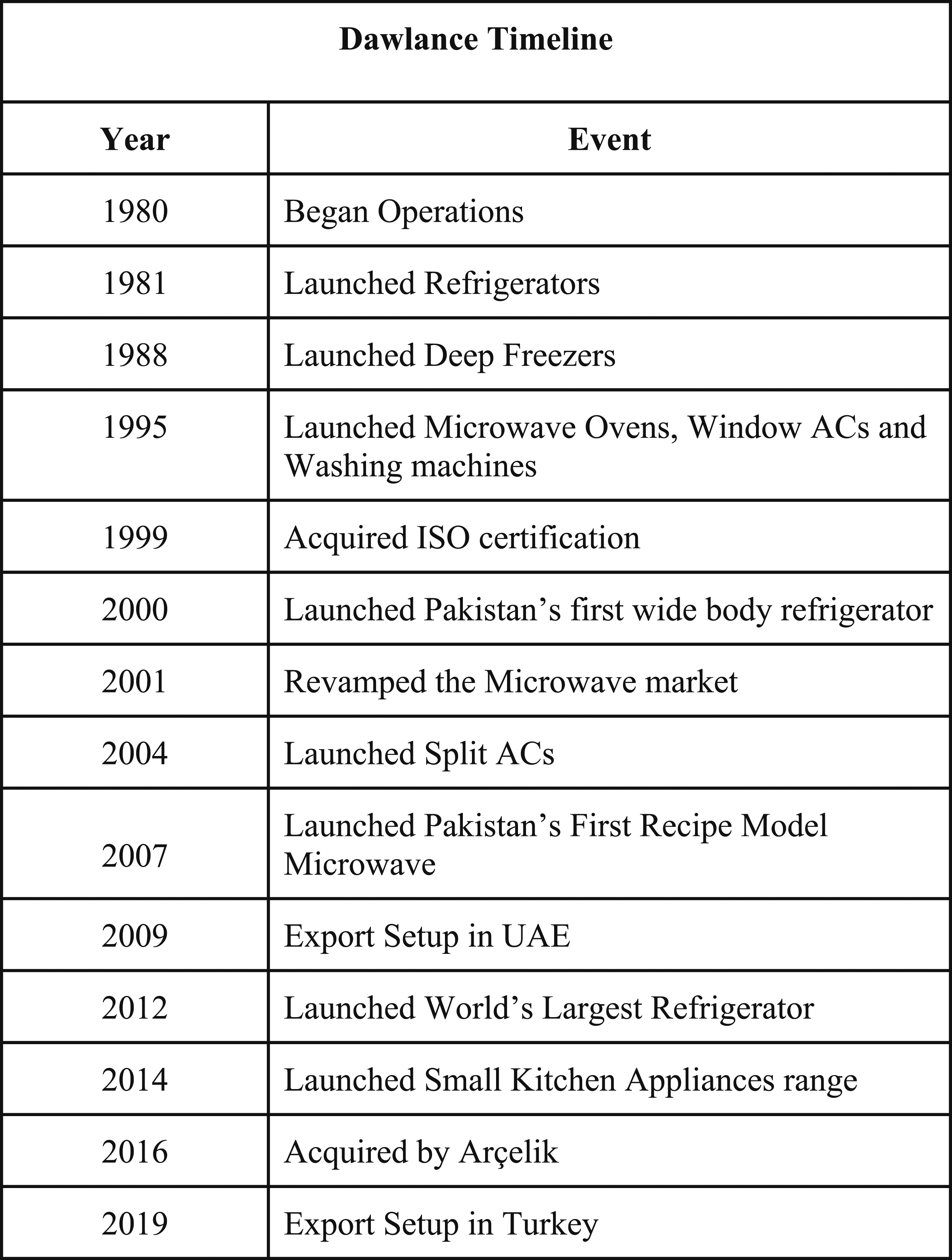
Exhibit 2
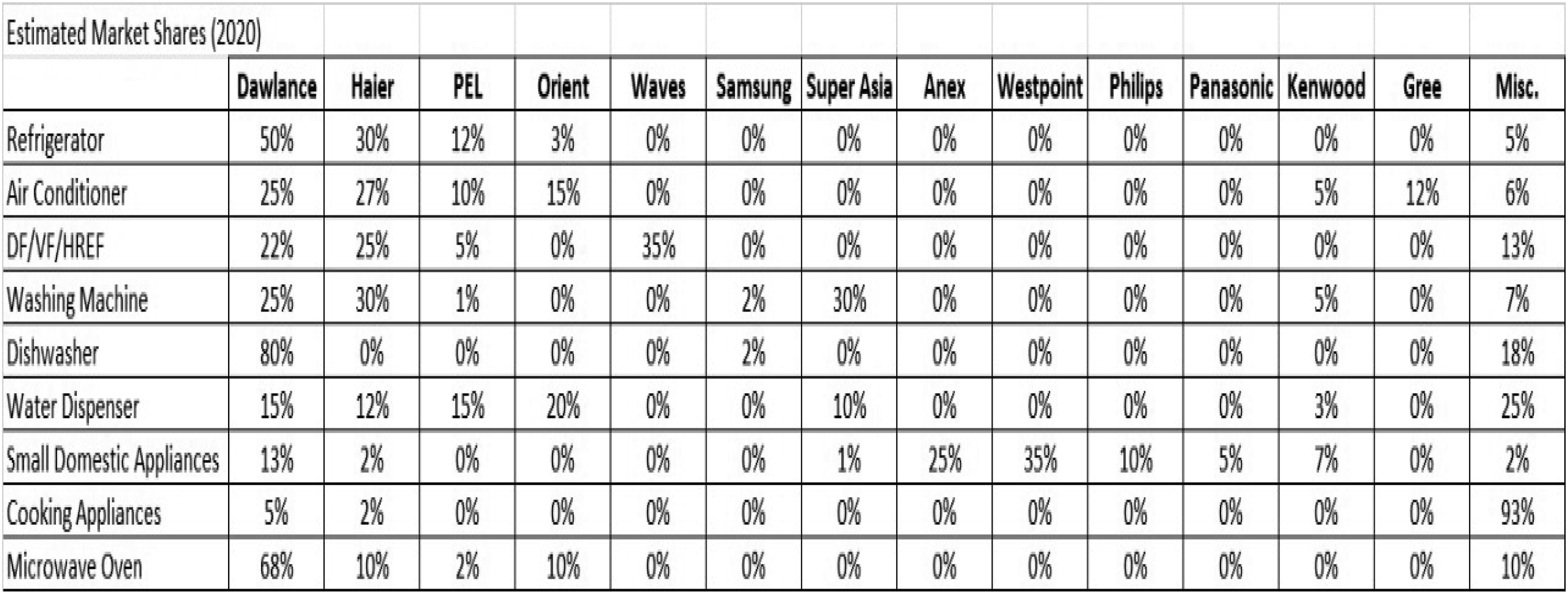
Exhibit 3a
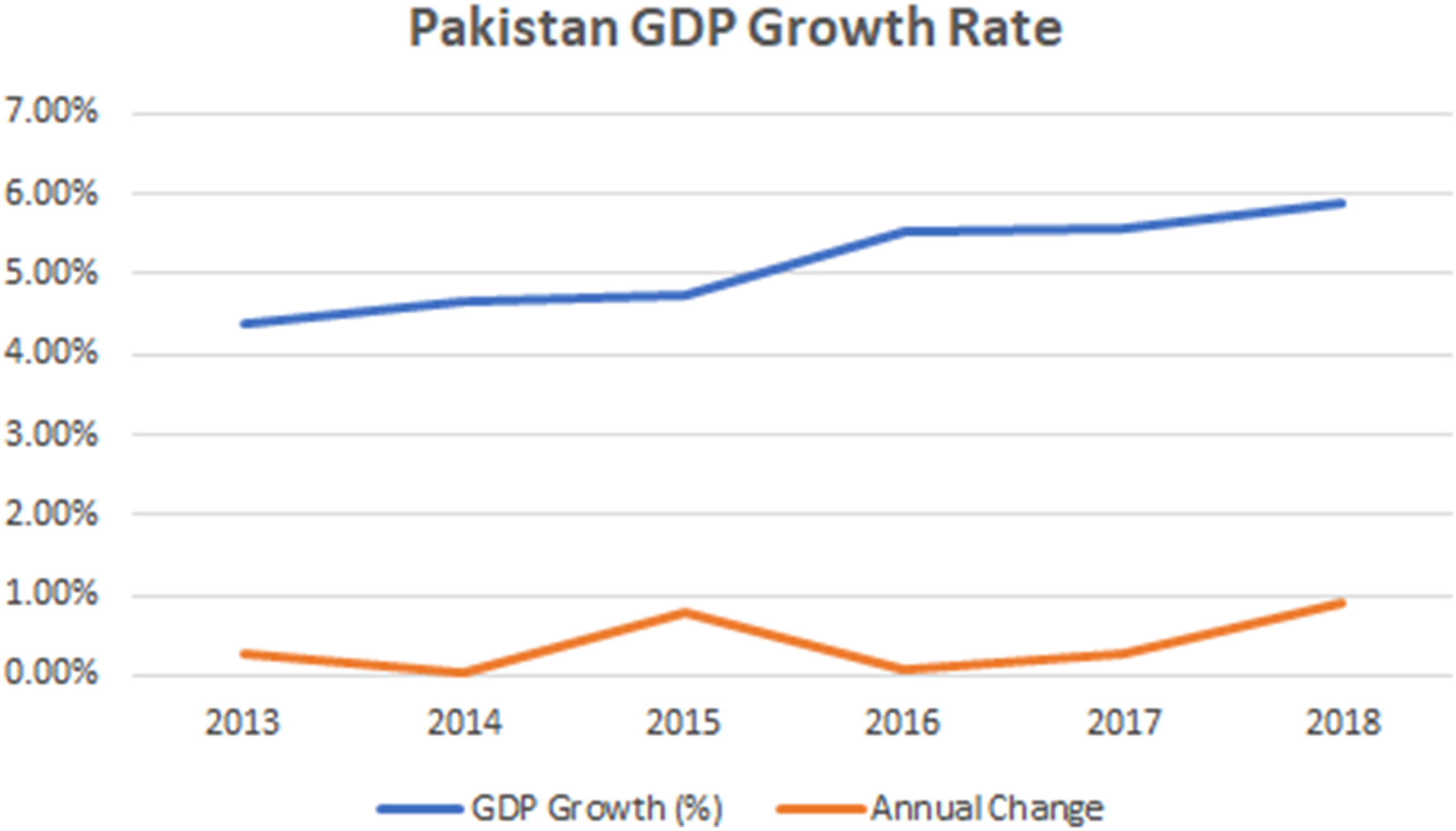
Exhibit 3b

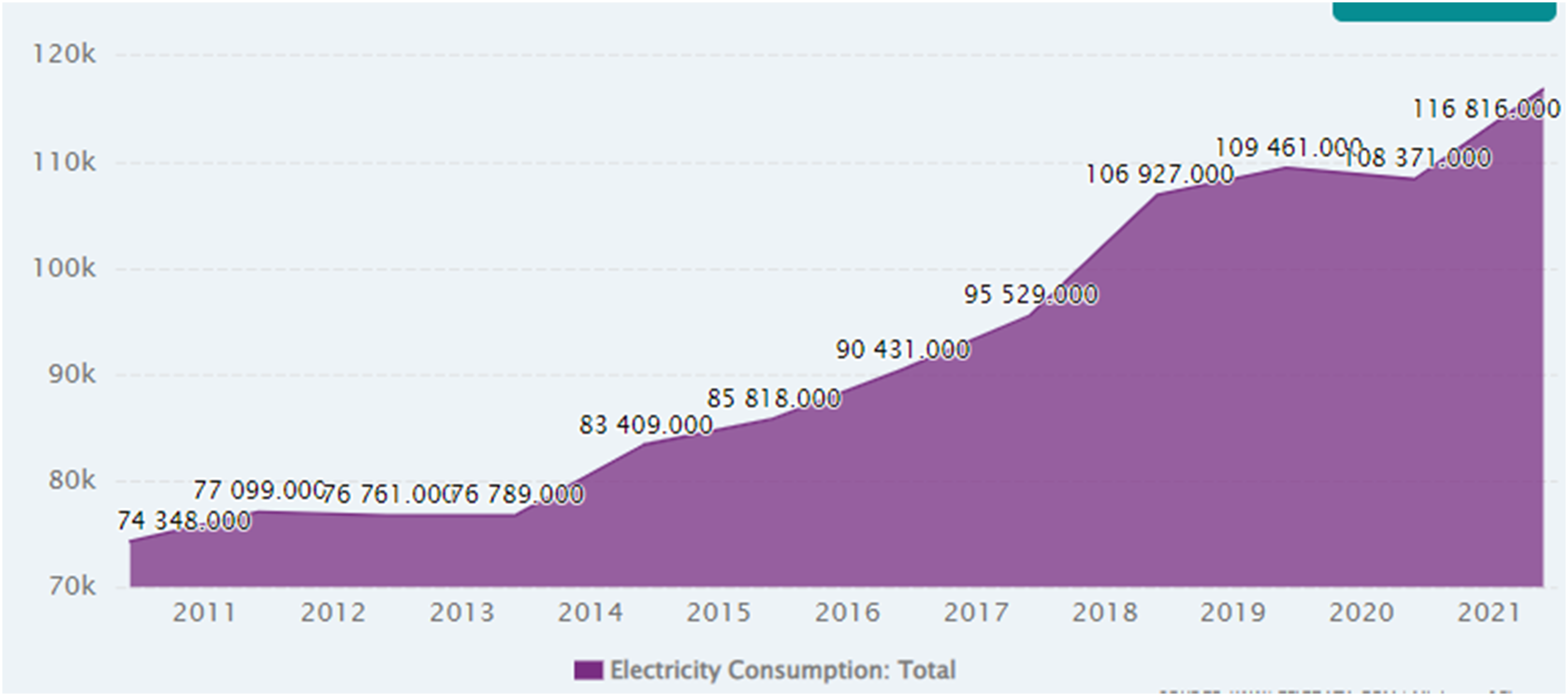
Exhibit 3c
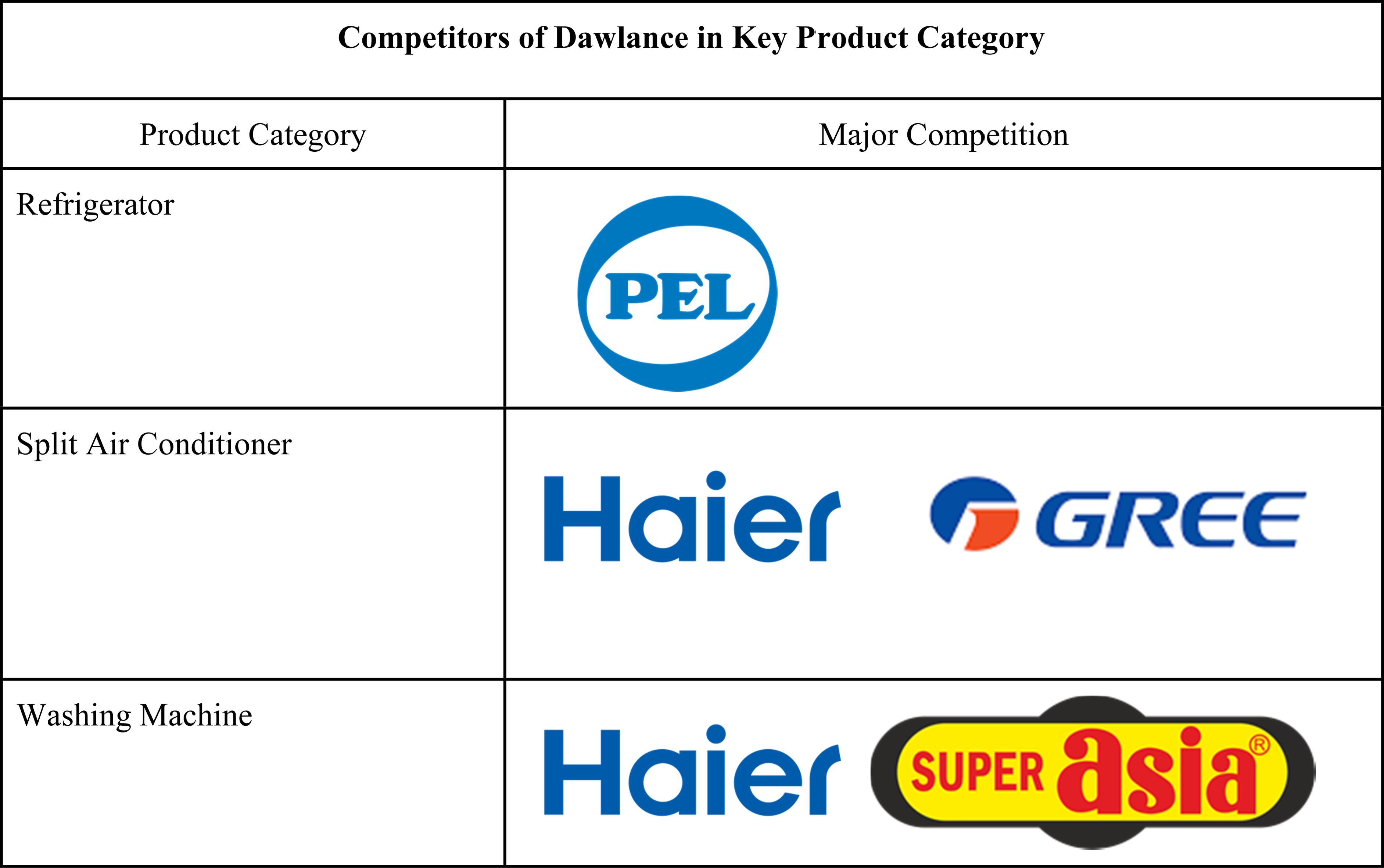
Exhibit 4
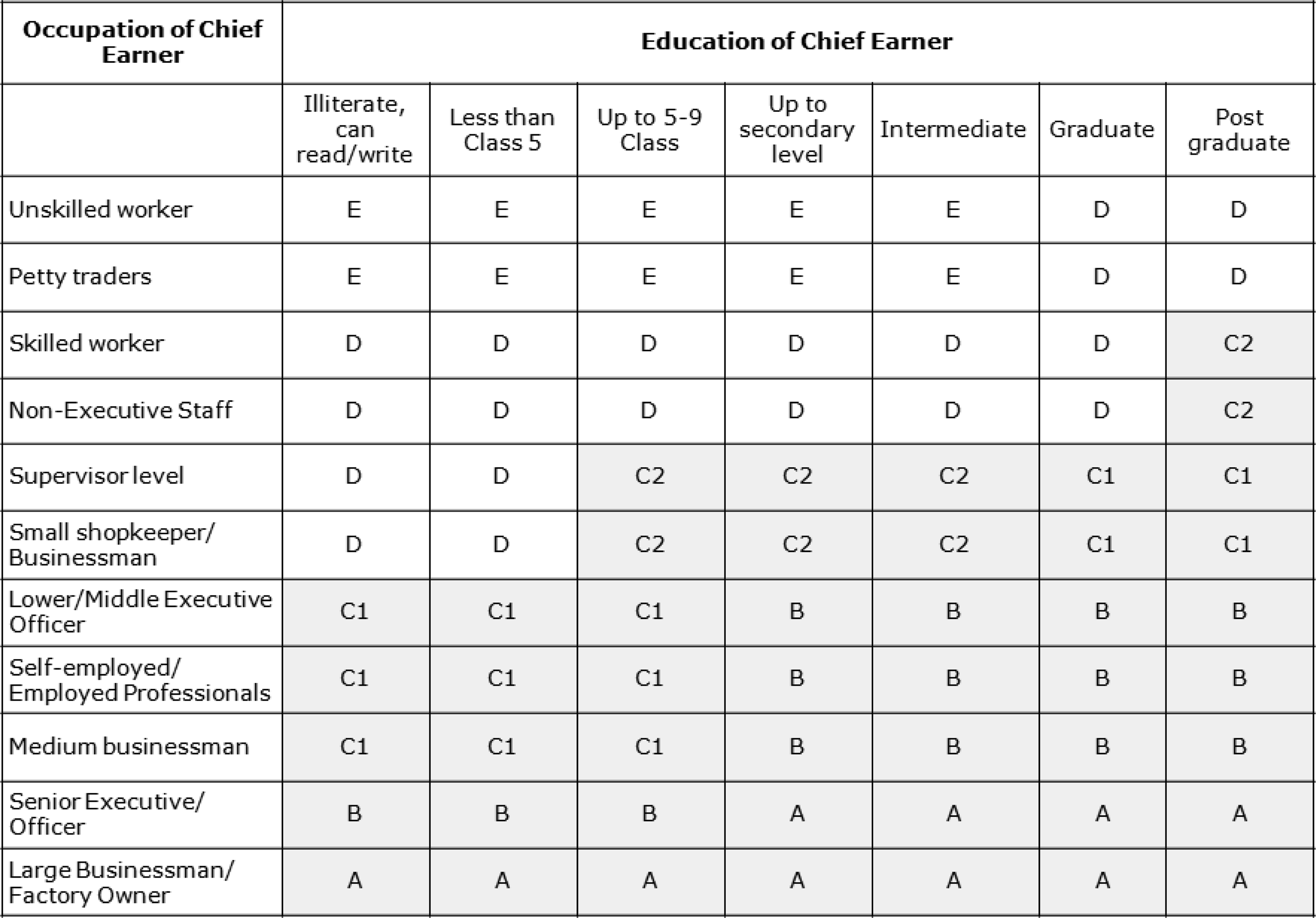
Exhibit 5a
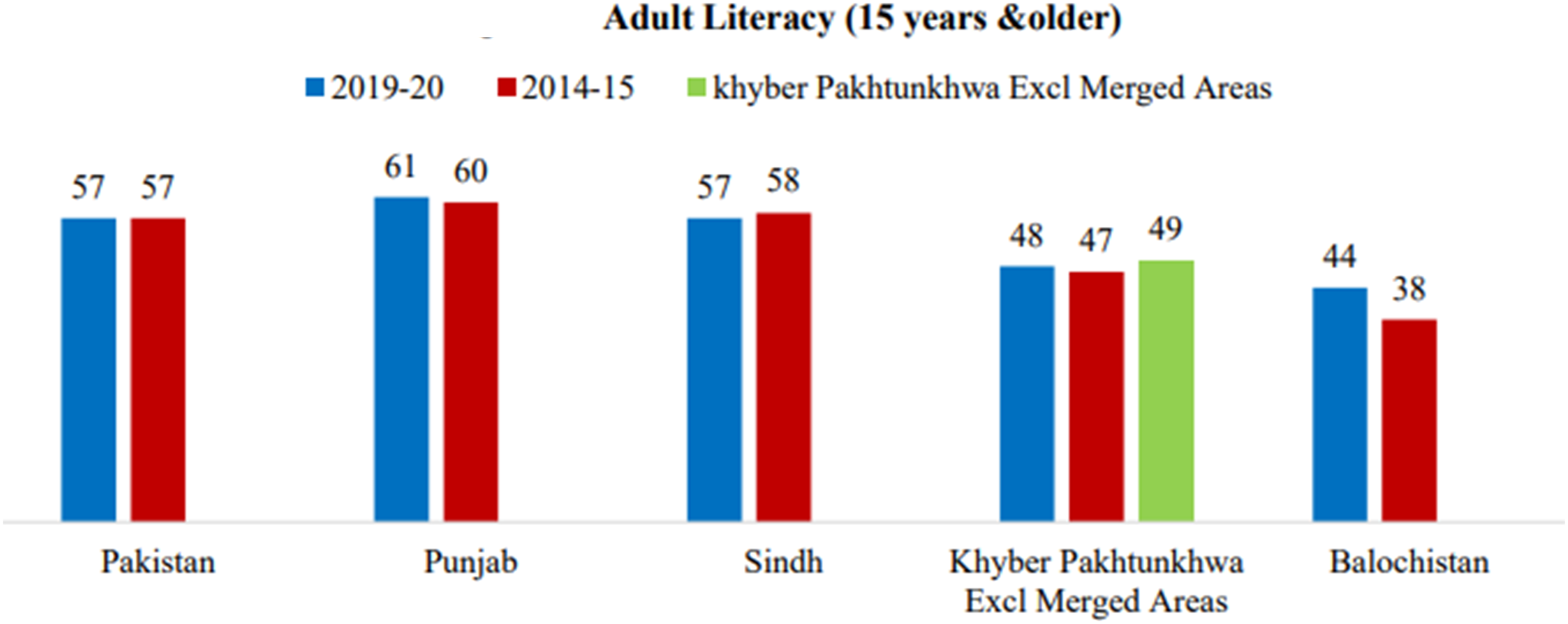
Exhibit 5b
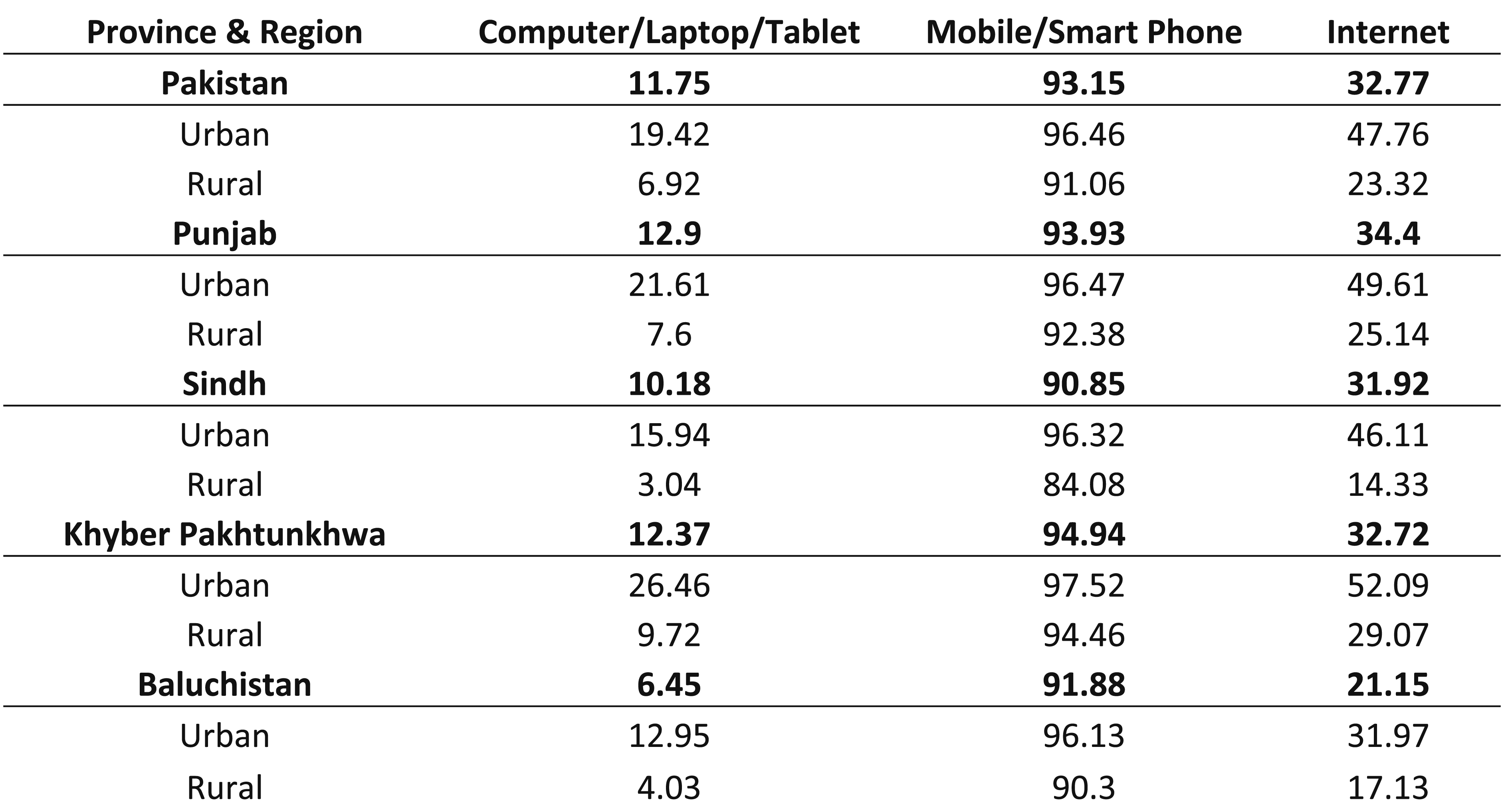
Exhibit 5c
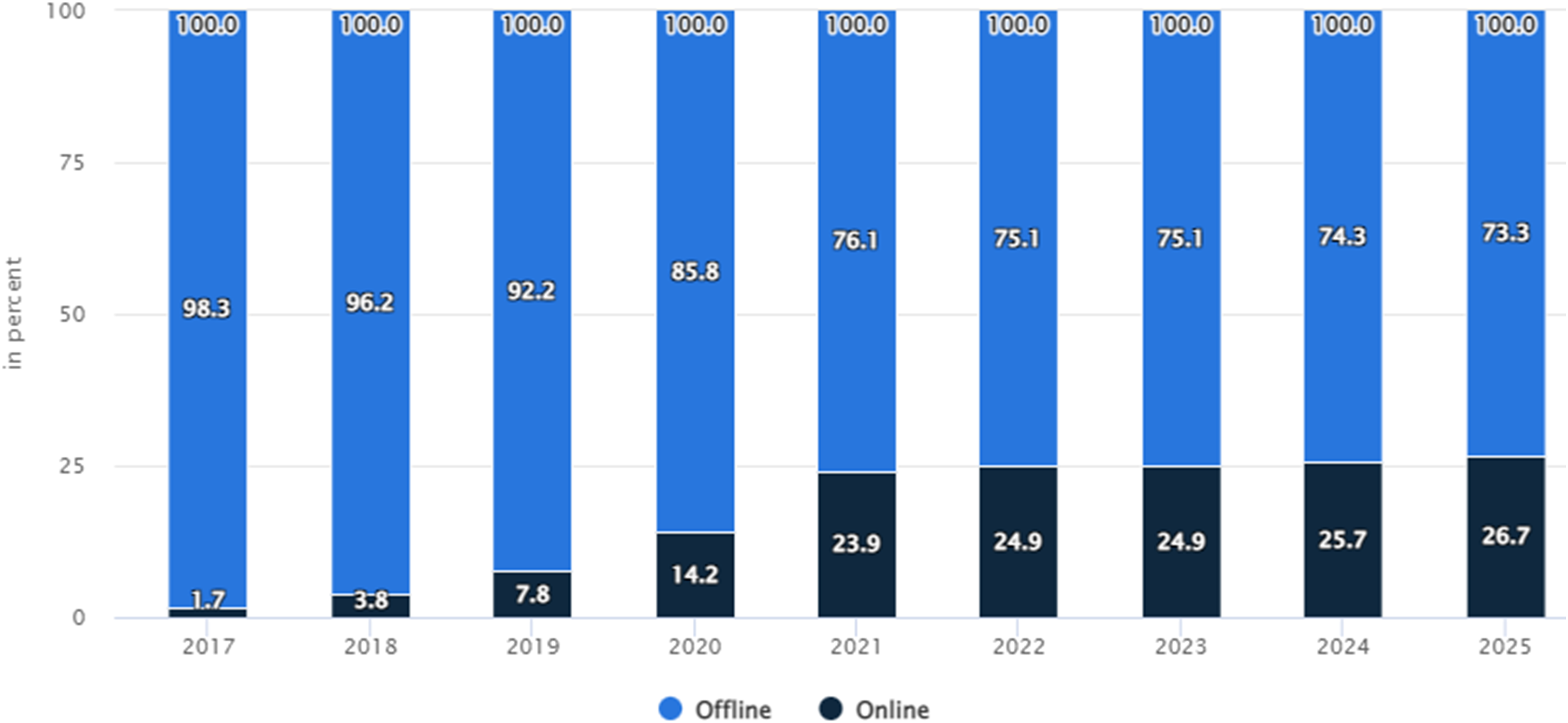
Exhibit 5d
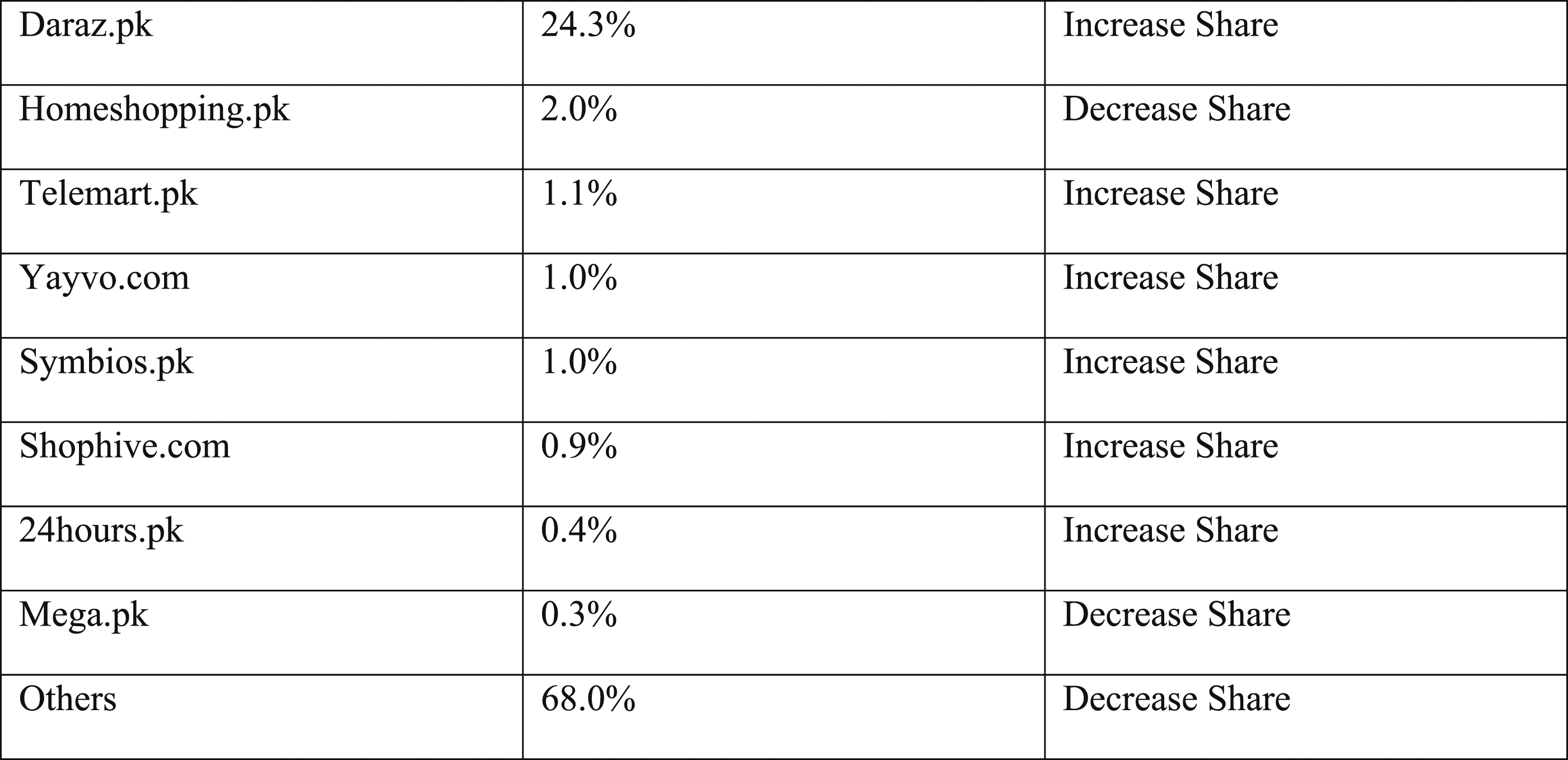
Exhibit 6
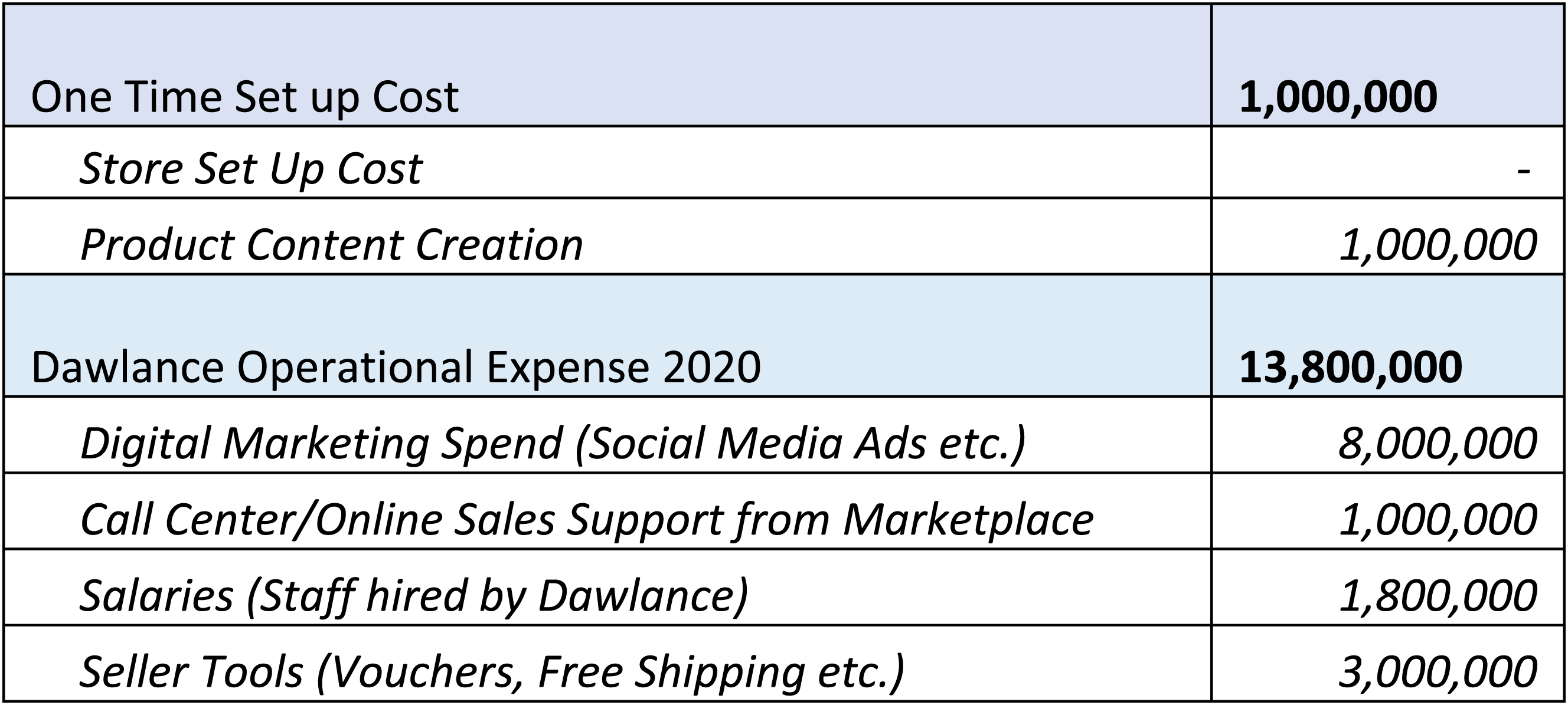
Exhibit 7a
Market Place (2020).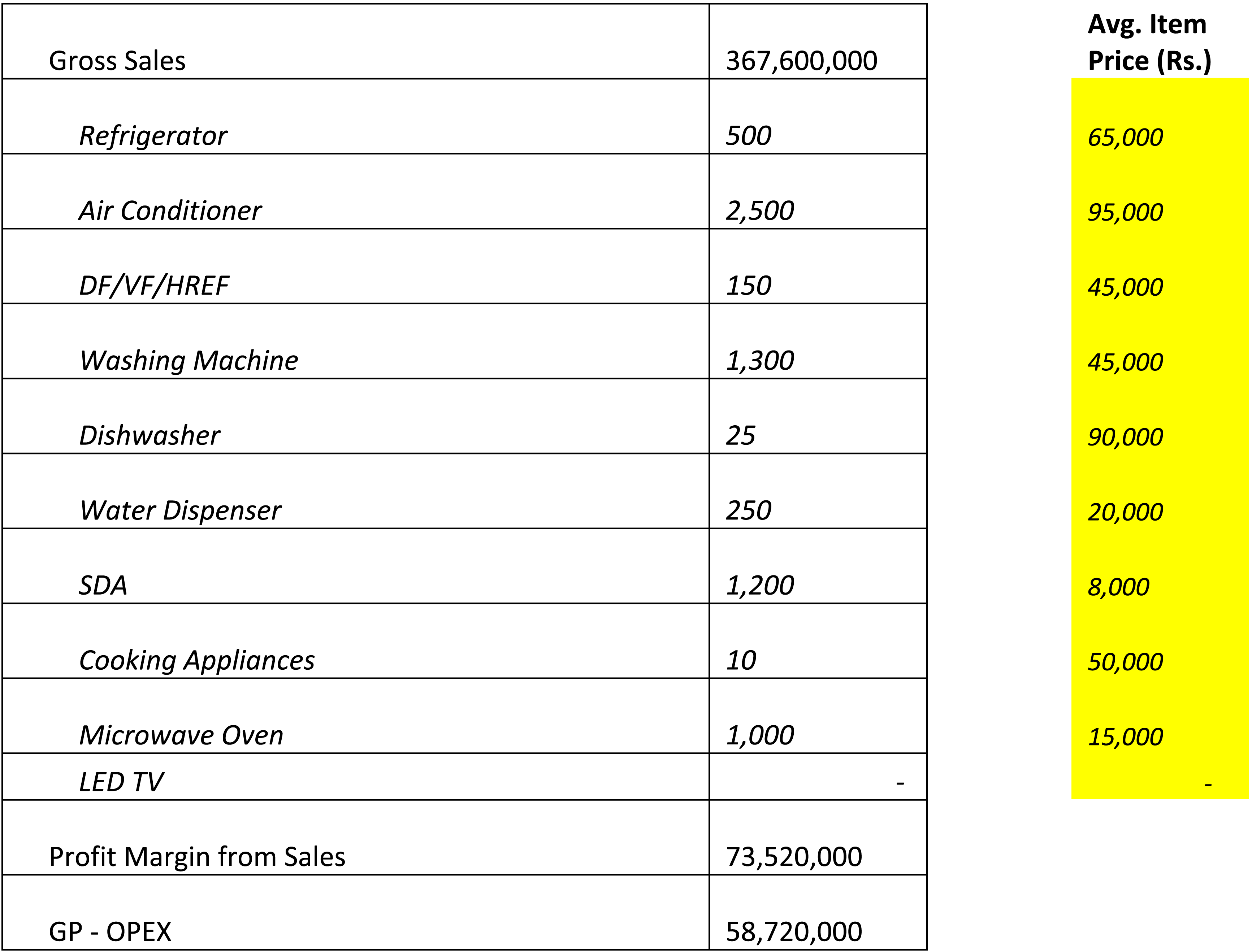
Exhibit 7b
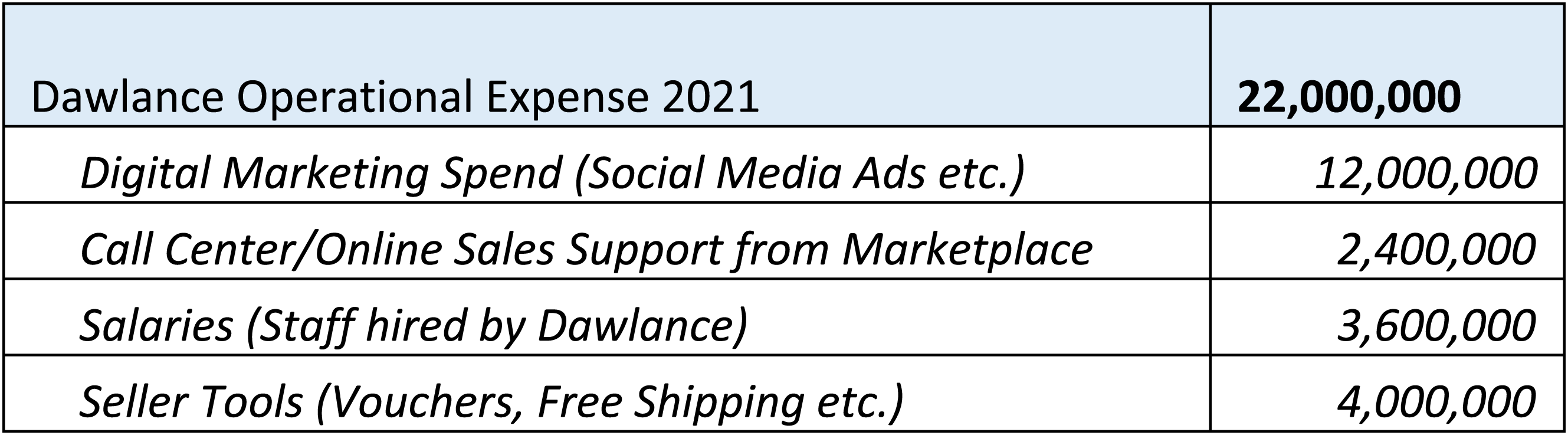
Exhibit 7c
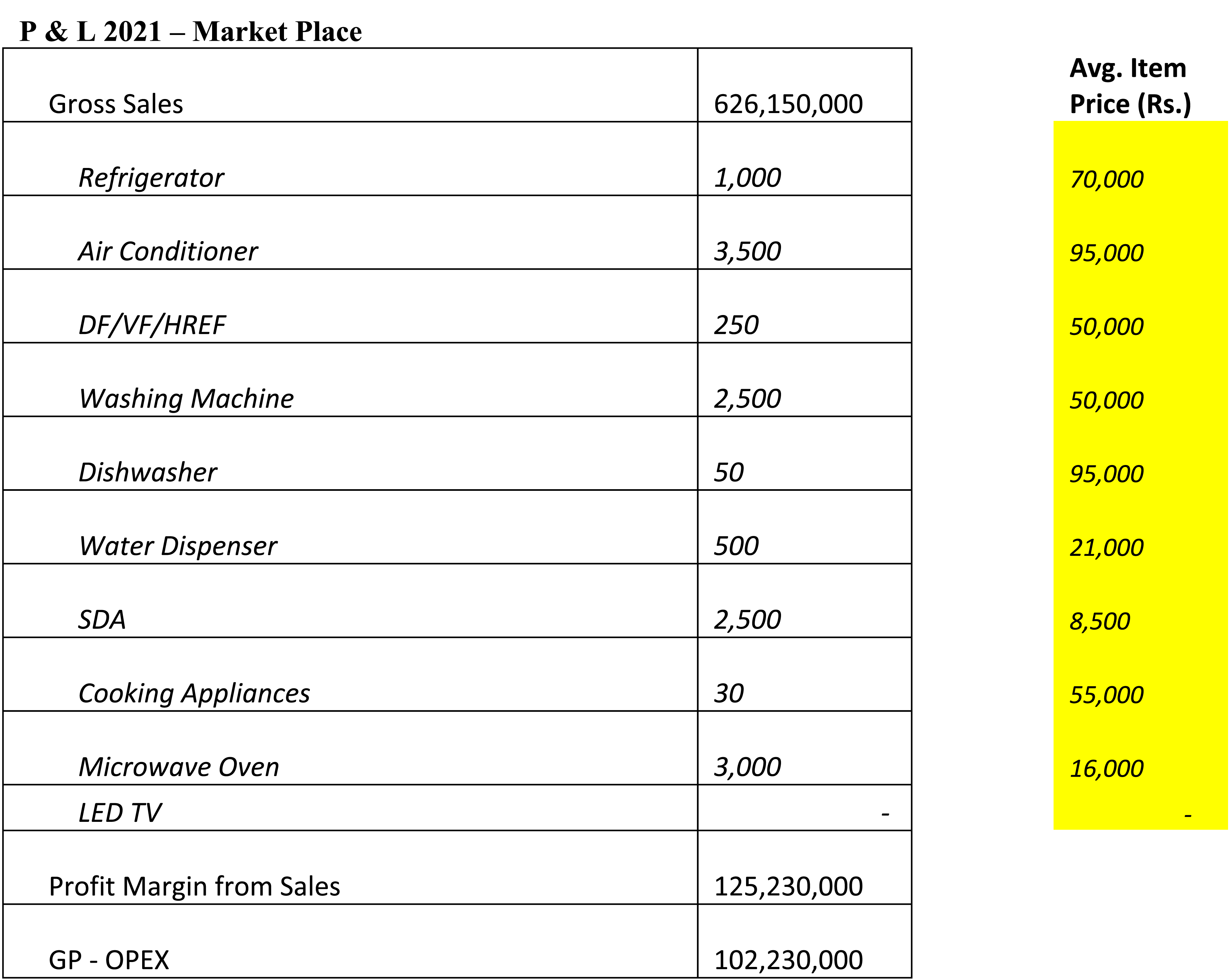
Exhibit 7d
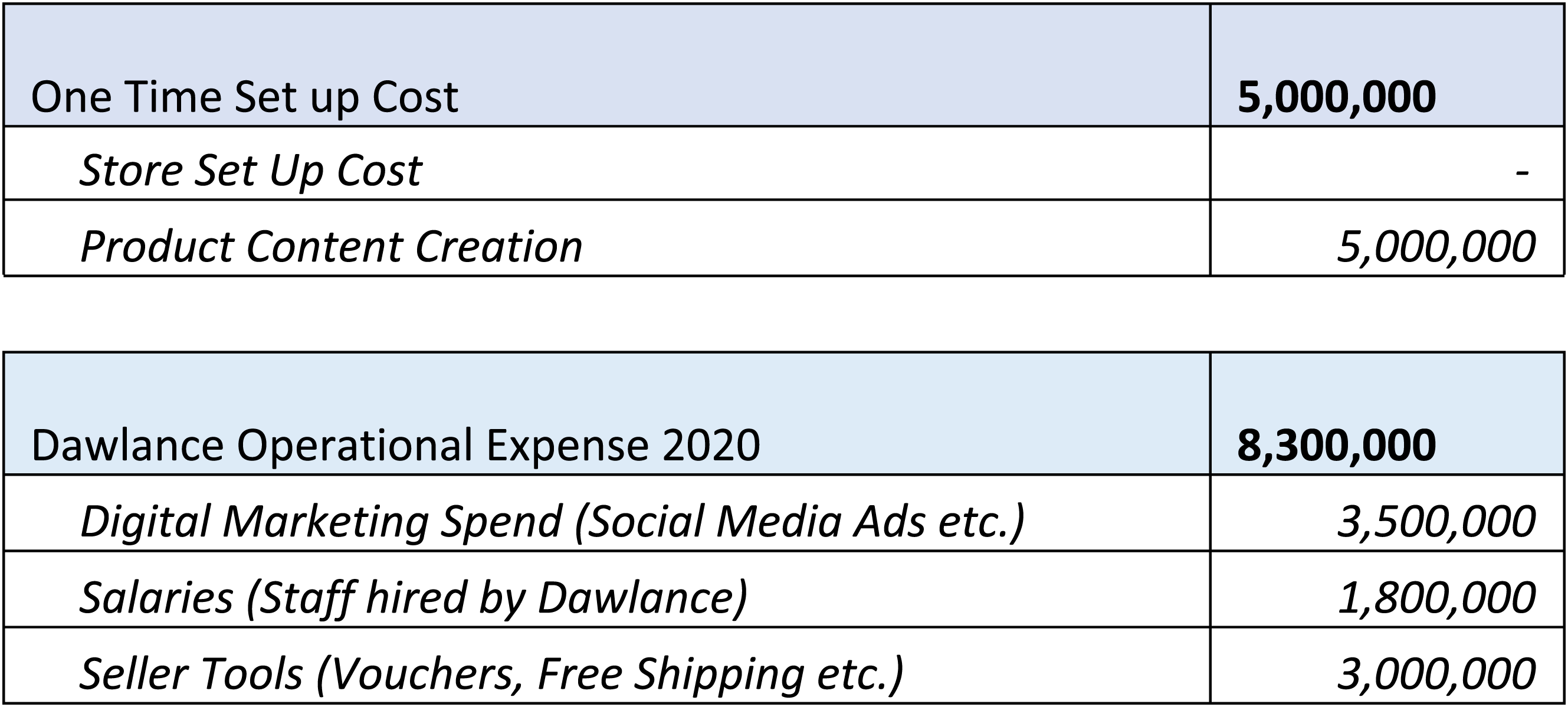
Exhibit 8a
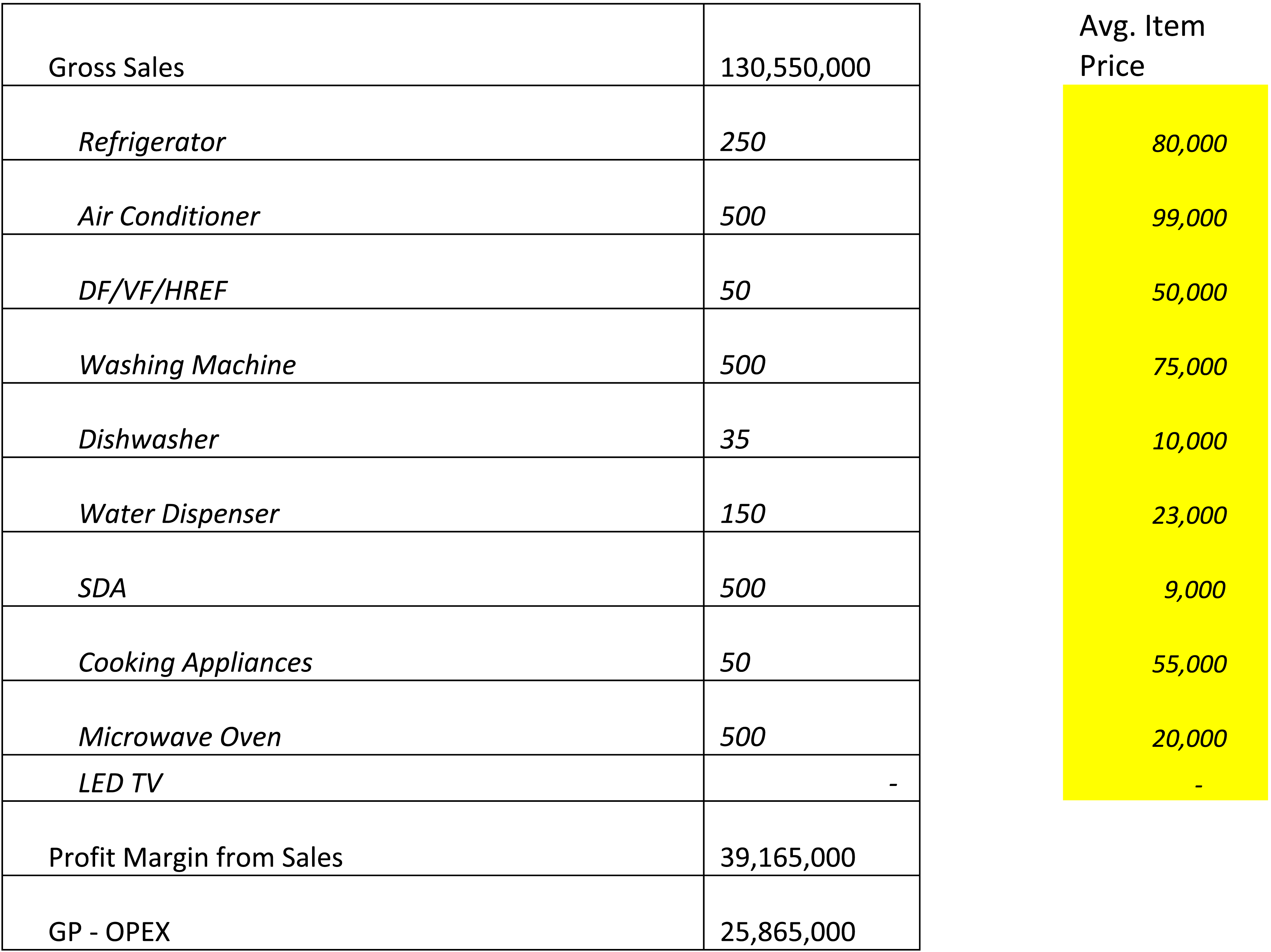
Exhibit 8b
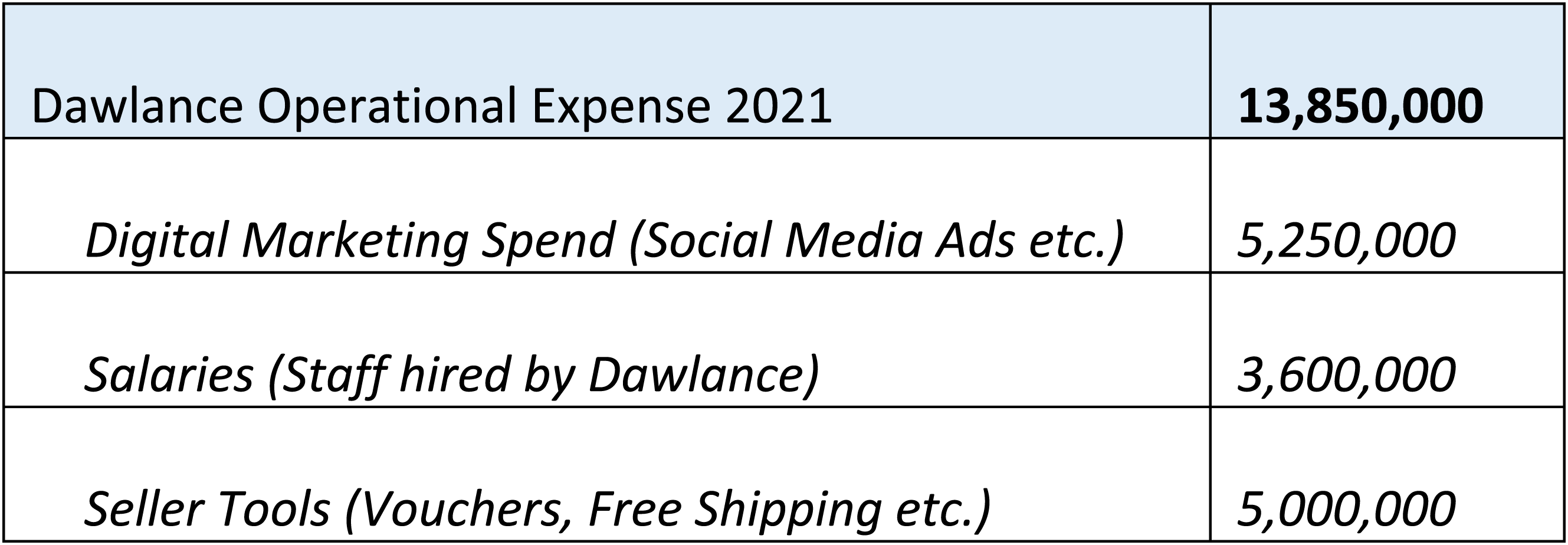
Exhibit 8c
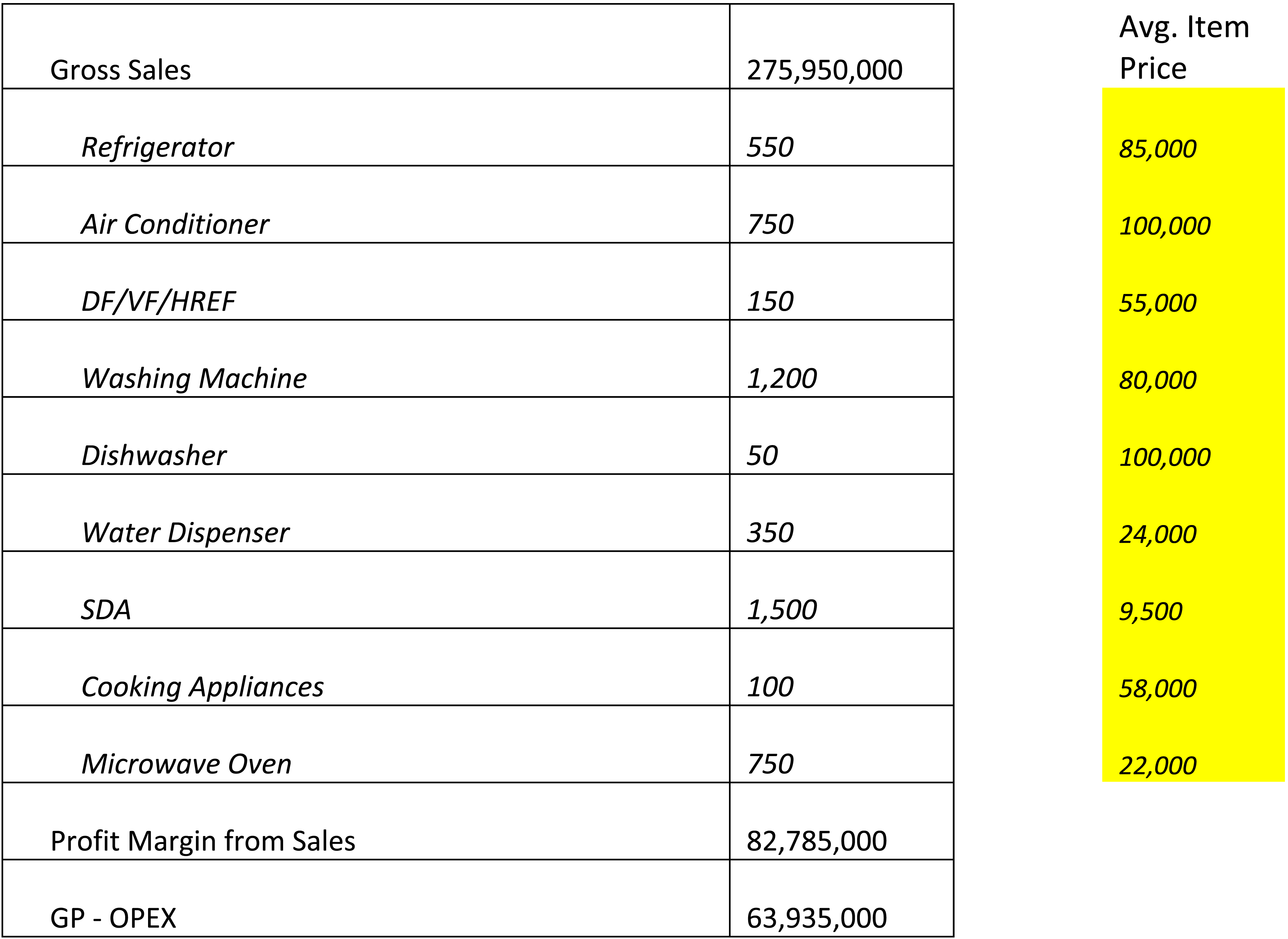
Exhibit 8d
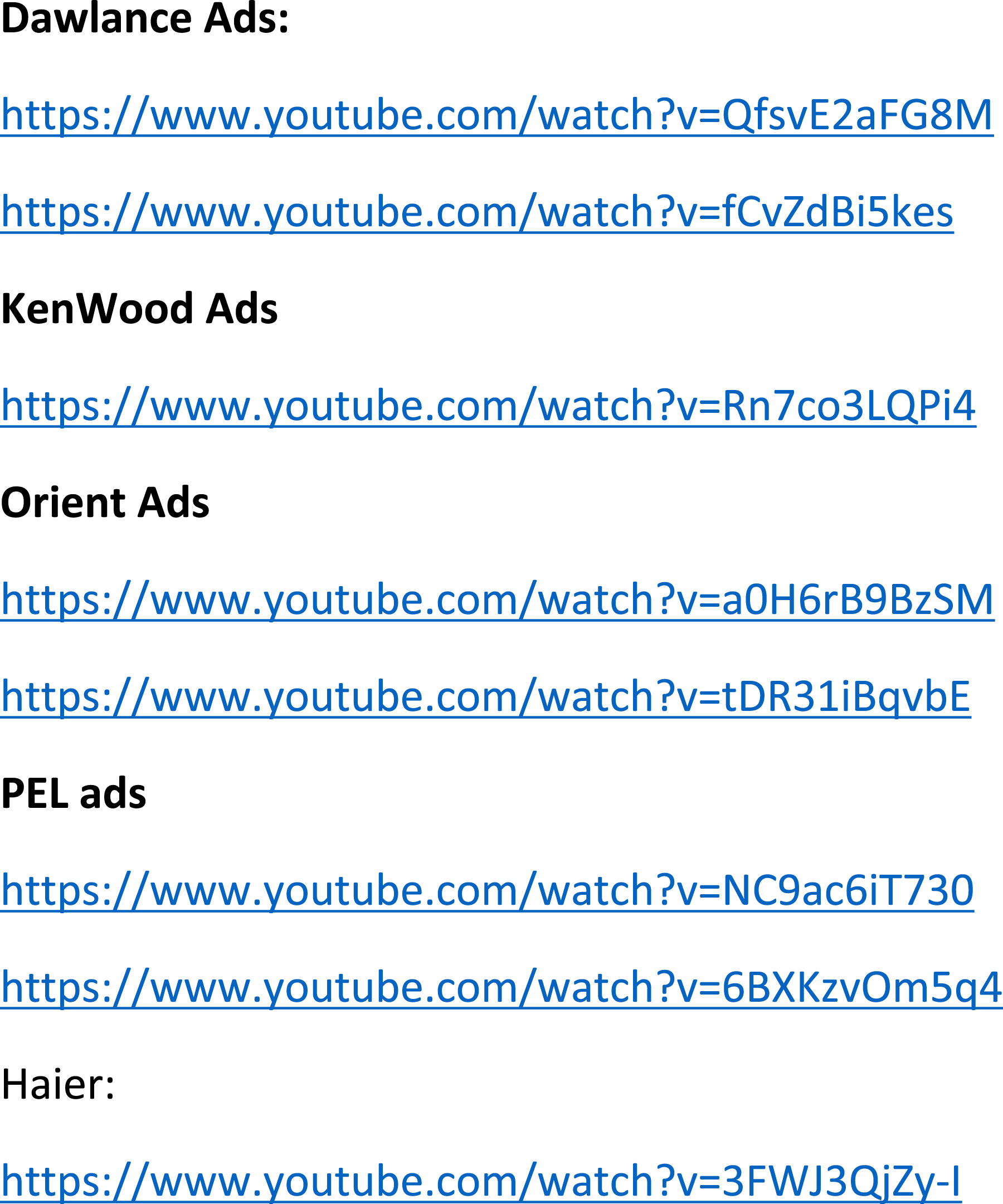
Exhibit 9a
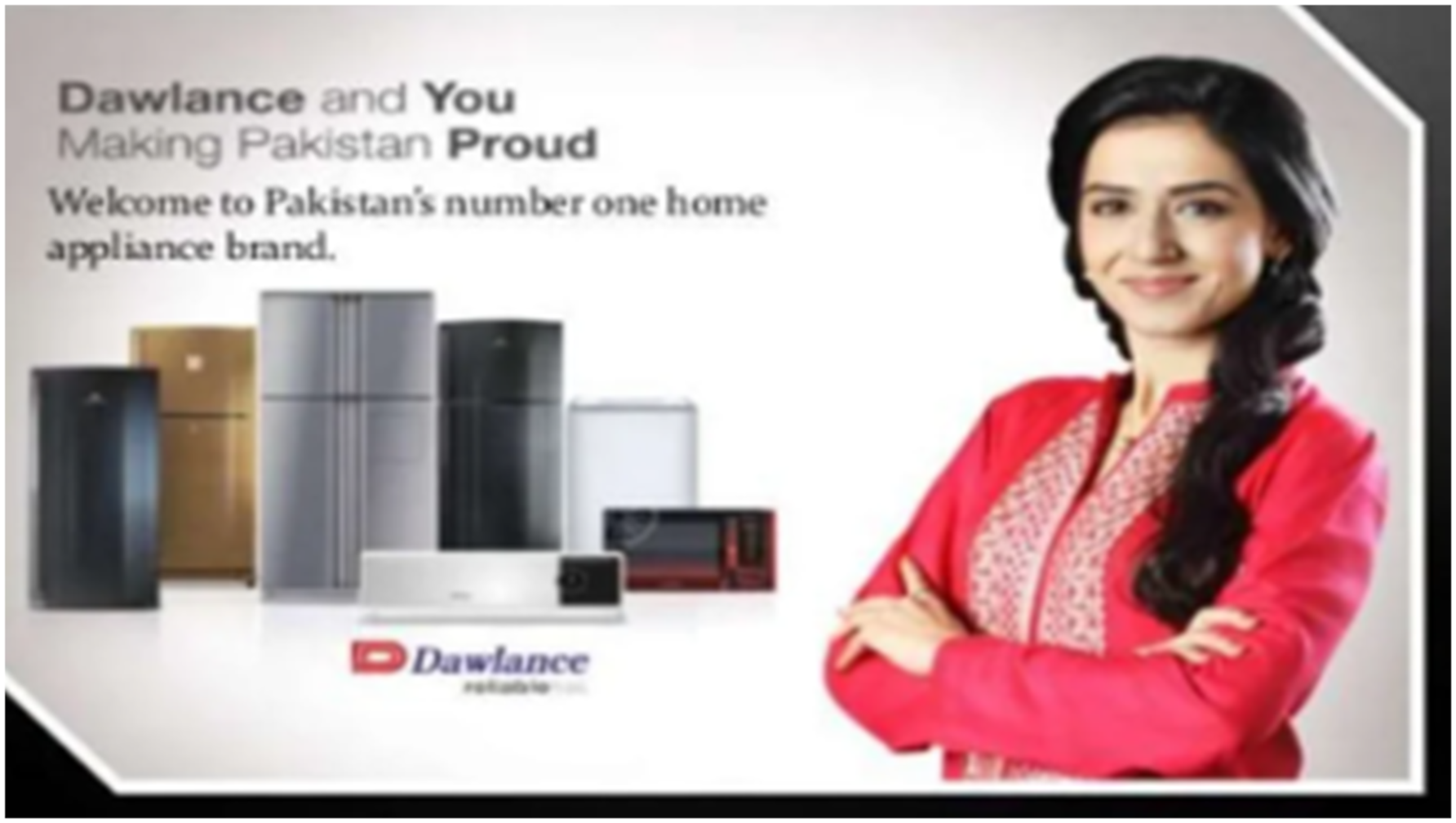
Exhibit 9b
Exhibit 10

Footnotes
Acknowledgments
The author is extremely thankful to the Dawlance team for their continuous support throughout the case journey. She is extremely grateful to Syed Hasan Jameel, Chief Marketing Officer at Dawlance, Mr. Muhammad Abdul Rehman, Business Development Manager at Dawlance, and all other members of the Marketing Department at Dawlance. Additionally, she acknowledges students Rija Alam, Aafia Khan, Zarmeen Lakhani, Sarah Nazqvi, and Areeba Khan, who helped in the development of the first draft of the case.
Declaration of conflicting interests
The author(s) declared no potential conflicts of interest with respect to the research, authorship, and/or publication of this article.
Funding
The author(s) received no financial support for the research, authorship, and/or publication of this article.
