




Abstract
Considerable research has analyzed the drivers influencing the adoption behavior of online learning systems. However, learners with different learning styles approach learning differently. With the escalation in online learning systems, assessing the impact of learning style on the intention to use online learning systems has become the need of the hour. Using the Unified Theory of Acceptance and Use of Technology model, the study examined the factors influencing learners' intention to use online learning platforms based on their learning styles (Convergent, Divergent, Accommodator, and Assimilator). For the quantitative research, data was collected by administrating an online questionnaire with a sample of 448 learners. Partial least squares structural equation modelling and multi-group analysis based on Smart PLS version 4 was used to conduct path and multi-group analyses. The study’s results reveal that behavioral intention toward adopting online learning platforms was impacted by effort expectancy, facilitating conditions, performance expectancy, and learner self-efficacy. However, the association between social influence and behavioral intention was not supported for the learners regardless of the learning style. Henseler’s based multi-group PLS analysis study results revealed that there is no significant variance between the learning style comparisons; nevertheless, it is still crucial to consider the learning styles of the learners as there are definite group variances in the order in which each construct for online learning adoption intention is ranked within each subpopulation. Further, insight into the various indicators that drive learners' intention to use online learning platforms with diverse learning styles will aid educators and online marketers in using online learning platforms for learning more efficiently.
Keywords
Introduction
Information technology advancement has stimulated the growth of many sectors, such as finance, business, education, and health. The emergence of modern technology has exceptionally impacted the education sector (Rughoobur-Seetah and Hosanoo, 2021). Increased use of the Internet and web among students has induced educational institutions to substitute the traditional learning mode with online learning. Online learning allows learners to access learning resources irrespective of time and location. Furthermore, it provides access to higher education for learners who cannot attend traditional learning mode due to high investment and personal and family commitments. Though e-learning initiatives have been lucratively implemented, most have failed to meet the proposed objectives. Moreover, researchers demonstrate that the retention and adoption rate for online learning is much lower than the traditional learning mode, especially in emerging economies (Al-Adwan et al., 2021; Dahri et al., 2021; Yang et al., 2017). Low adoption intention and retention of online learners are the most significant weaknesses plaguing the efficacy of online learning platforms. Lower adoption intention is caused by multiple reasons, such as lower efficacy levels, inadequate infrastructural facilities, complex operations, low peer persuasion, and failure to understand learning styles (Al-Adwan et al., 2021).
Education institutions are transforming and becoming learner centric. Special emphasis is laid on meeting the learners’ needs, requirements, and expectations (Al-Adwan et al., 2021; Dahri et al., 2021; Kolb and Kolb, 2006). Technological advancements have stressed the importance of modelling the learning content according to the learner’s learning style for efficient output. Learning style is considered one of the crucial predictors of success in most academic institutions. Available literature has stressed that awareness of the learning style benefits educators and learners (Romanelli et al., 2009). The accomplishment of the online learning initiatives hinges on learners’ acceptance, use of the technology, and retention behavior. Furthermore, higher education institutions and online marketers deploy their efforts to ensure the learners' satisfaction and foster their adoption intention (Lakhal et al., 2021). Previous studies have articulated that the modern market is customer-centric, and gratifying the needs of the learners is vital for the firm’s long-term survival and for reaping the return on investment. However, the flexibility and freedom provided by online learning have side effects as many learners use online learning platforms only for convenience, which does not give any real consideration to the appropriateness of delivery mode matching individual learning styles. Additionally, limited studies have examined the factors influencing behavioral intention in online learning based on the learners’ learning styles; therefore, researchers have prescribed further inquiry to explore the same (Cao, 2022; Cheng et al., 2017; Lakhal et al., 2021). The rationales above warrant the researcher’s attention to assess the impact of diverse learning styles on the intention to use online learning platforms in higher education institutions. Therefore, the current research intends to ascertain the factors affecting learners' intention to use online learning platforms based on their specific learning styles and to compare the critical drivers between groups of learners with diverse learning styles. The study’s outcome benefits the researchers by allowing them to gain an extensive understanding of the antecedents of behavioral intention in online learning platforms and utilize the results to advance strategies to enhance the usage intention. Analysing the association between student learning styles and behavioral intention will provide administrators with the vital information required to prepare courses that cater to students’ needs. Also, academic institutions and e-learning marketers can use the study results to identify the beliefs that influence and predict intention to use the e-learning platform based on the learning style. Theoretically, the study’s results contribute to the existing body of knowledge by introducing self-efficacy as a construct and studying the influence of learning style on behavioral intention in the UTAUT framework that is limitedly studied. The implications for e-learners, e-learning marketers, and academic institutions are discussed based on the results and findings.
The remainder of the paper is designed as follows: The immediate section presents the significance of learning styles in online learning and theoretical underpinnings and hypothesis development, Followed by detailed methodology and salient results and discussion of the study. Finally, the implications and future scope of the study are discussed.
Literature review
Learning style and online learning
Research on the learning styles exhibits its naissance in the late 19th century. Learners are believed to possess diverse characteristics, needs, and preferences (Al-Azawei et al., 2017; Zapalska and Brozik, 2007). Awareness of the learning styles facilitates the course developers and online learning platforms marketers to identify the most suitable learning method for enhancing adoption intention (Kolb and Kolb, 2006; Zacharis, 2010). Learning style refers to a person’s learning approach based on strengths, weaknesses, and preferences (Chang et al., 2015). The concept is defined as “the individual difference in learning based on the learner’s preference for employing different phases of a learning cycle” (Kolb and Kolb, 2006). In general, when the teaching styles are asynchronous to the learners’ learning style, it results in meagre learning or no learning (Al-Azawei et al., 2017; Balakrishnan, 2017; Lu et al., 2016). Notably, online learning is unique compared to classroom learning because it lacks direct interaction between instructors and learners. Learners lacking awareness of their learning styles and self-regulation skills struggle with online learning platforms (Zacharias, 2010). In support, studies have demonstrated that an individual’s ability to adapt one’s learning style and customize the learning approach according to the needs of different situations is the key to educational success (Adesunloye et al., 2008; Lu, 2012). Hence, the learning style concept has evolved due to the desire to study individual differences (Balakrishnan, 2017; Khamparia and Pandey, 2019; Lu et al., 2016; Munyangeyo, 2009; Olivos et al., 2016).
Various learning style theories have developed tools to identify and categorize learners. Some of the globally accepted and widely cited learning models are the Felder and Silverman learning styles, the Myers-Briggs Type Indicator (MBTI), the Dun-Dun model, the Honey and Mumford model and the Kolb learning style (Balakrishnan, 2017). Kolb’s experiential learning theory is a prominent learning theory that measures the differences among individuals based on their learning styles (Karimi, 2016; Kolb and Kolb, 2006). It has acquired universal acceptance (Manolis et al., 2013) due to its validation in management, business, and information systems research (Maya et al., 2021). This model has four dimensions: concrete experience, abstract conceptualization, active experimentation and reflective observation. Combining two dimensions results in four learning styles: accommodating, assimilating, diverging, and converging. (Adesunloye et al., 2008).
Researchers assert that individual differences influence online learning systems' attitudes and utilization (Lu, 2012; Olivos et al., 2016). Despite its prominence, very few studies have examined the effect of learning style on the intention to use online learning platforms (Balakrishnan, 2017; Lu et al., 2016; Maya et al., 2021). For instance, a study by Shen et al. (2018) focused on ascertaining the behavioral intention to adopt virtual reality and the influence of the learning style. Out of four learning styles, only concrete experience significantly influenced behavioral intention, proving that students are open-minded and absorb the content when actively engaged. Another study’s results empirically demonstrated that learning style is the crucial factor influencing the learner’s adoption behavior. Notably, the significance level was higher for assimilator and accommodator learners (Karimi, 2016). In contrast, Al-Azawei et al. (2017) and Moussa (2018) articulated no correlation between learning styles and behavioral intention. Consequently, the literature evidence exhibits inconclusive findings examining the proposed relationship. Therefore, the research model proposed has included learning style to analyze its impact on the intention to use e-learning platforms (Balakrishnan, 2017; Guo et al., 2017; Huang and Liaw, 2019; Karimi, 2016; Lu et al., 2016; Olivos et al., 2016; Zhao et al., 2020). Therefore, the following hypothesis is examined:
H6: The influence of the adoption of online learning platforms will be different based on the learning styles of the learners.
Theoretical underpinning and hypothesis development
The prior researchers have proposed several models to examine the user’s intention to use technology. Technology acceptance models are grounded on the Theory of Reasoned Action (Fishbein and Ajzen, 1975). Among them, UTAUT is extensively adopted as the theoretical framework by information systems researchers. The theory was proposed by Venkatesh et al. (2003) by integrating eight different theories in the technology adoption literature. The model comprises four main antecedents: performance expectancy (usefulness), effort expectancy (ease of use), social influence (SNs), and facilitating conditions. Performance expectancy (defined as “the degree to which an individual believes that using the system will help him or her to attain gains in job performance”), effort expectancy (defined as “the degree of ease associated with the use of the system”), social influence (defined as “the degree to which an individual perceives that important others believe he or she should use the new system”), facilitating conditions (defined as the “degree to which an individual believes that an organizational, technical infrastructure exists to support the use of the system”), and behavioral intention (defined as “a measure of the strength of one’s intention to perform a specific behavior”). The theory mainly focuses on ascertaining usage intention and actual usage behavior. Prior literature has confirmed the highest explanatory power among the prevailing technology acceptance model (Al-Nuaimi et al., 2022; Lu, 2012).
Furthermore, the model was developed to address the limitations of the existing technology models that concentrated only on personal factors, sidelining the influence of social factors. To attain significant rates of technology acceptance, usefulness, university support, self-belief, and adoption factors are necessary to be addressed. Therefore, the current study adopted the UTAUT model as the foundational theoretical background by adding learner self-efficacy as a new independent variable and learning style as a categorical moderator.
Performance expectancy (PE) and behavioral intention (BI)
Performance expectancy is the learners’ perception of utilizing a particular technology to achieve the anticipated goal (Arain et al., 2019; Cheng and Yuen, 2020). This construct has been originated from perceived usefulness from TAM/TAM 2 (Davis et al., 1989), extrinsic motivation from Motivational model (MM) (Davis et al., 1992), job fit from Technology Task Fit (TTF) (Thompson et al., 1991), relative advantage from Innovation Diffusion Theory (IDT) (Moore and Benbasat, 1991), and outcome expectations from Social Cognitive Theory (SCT) (Compeau and Higgins, 1995; Compeau et al., 1999). Several lines of evidence assert PE as the strongest predictor of the behavioral intention (Alghazi et al., 2021; Md Yunus, Ang and Hashim, 2021). In this study context, PE is conceptualized as the learner’s belief that e-learning is pertinent in attaining their learning goals effectively and efficiently. Positive perception of the performance of eLearning platforms drives the behavioral intention (Abbad, 2021; Naveed et al., 2020; Xu et al., 2022; Zhang et al., 2020). Thus, the following hypothesis is postulated.
H1: Performance expectancy has a significant influence on the learner’s intention to use online learning platforms.
Effort expectancy (EE) and behavioral intention
Effort expectancy is the perceived ease of interacting and using technology (Al-Nuaimi et al., 2022). This construct is derived from perceived ease of use from TAM/TAM2 (Davis et al., 1989), Complexity from the model of PC utilisation (MPCU) (Thompson et al., 1991), and Ease of use from IDT (Moore and Benbasat, 1991). In this study context, EE is defined as the learner’s perception that they can quickly get acquainted with using e-learning systems with minimum effort. Accepting modern technology is significantly associated with the effort required to use the technology. Adoption is less likely when technology is complicated and not user-friendly (Alghazi et al., 2021; Cheng and Yuen, 2020; Osei et al., 2022). Furthermore, research by Bamansoor et al. (2018) and Dmello et al. (2023) express e-learning platforms that require less effort, motivate individuals to adopt them to realize the benefits. Based on the literature evidence, researchers hypothesised that:
H2: Effort expectancy has a significant influence on the learner’s intention to use online learning platforms.
Social influence (SI) and behavioral intention
Social influence is “the degree to which an individual perceives that important others believe they should use the system”. This construct is derived from Subjective norms from the Theory of Planned Behavior (TPB) (Ajzen, 1991; Davis et al., 1989; Taylor and Todd, 1995), Social factors from MPCU (Thompson et al., 1991), Image from IDT (Moore and Benbasat,1991). Social influence in the study context refers to the degree to which instructors, colleagues, friends, and family insist learners use e-learning. Effective communication or insistence by the instructor or university can influence learner intention to adopt an e-learning platform (Granitz and Greene, 2003). Abbad (2021) categorized social influence into interpersonal influence (friends, peers, and family members), External influence (mass, media, and social media), and instructor influence. Although a plethora of empirical studies asserted a significant relationship between social influence and behavioral intention (Abbad, 2021; Naveed et al., 2020), researchers have not reached a consensus on the same (Alghazi et al., 2021; Dah and Hussin, 2021; Shah and Khanna, 2022). Therefore, the proposed study aims to validate the strength of the relationship between social influence and learner intention to use e-learning.
H3: Social influence has a significant influence on the learner’s intention to use online learning platforms.
Facilitating conditions (FC) and behavioral intention
Facilitating conditions is “the level of perception to use organizational and technical infrastructure to support the use of new systems” (Venkatesh et al., 2003). Offering external resources to the learners in the form of infrastructure and support for using e-learning systems results in a favourable attitude towards adoption behavior (Tarhini et al., 2017). Studies by (Haron et al., 2021; Ifedayo et al., 2021; Khechine et al., 2020; Shah and Khanna, 2022; Tseng et al., 2019; Xu et al., 2022) exhibited a significant positive relationship between facilitating condition and intention. In the study context, facilitating conditions refer to the degree to which students believe that an educational institution or government provides the necessary technical infrastructure to support online learning systems. Accordingly, the following hypothesis is postulated.
H4: Facilitating condition has a significant influence on learner intention to use online learning platforms.
Learner self-efficacy (SE) and behavioral intention
Self-efficacy is the “measurement of the degree or strength of an individual’s belief in the ability to complete tasks and achieve goals”. Prior studies have emphasized that the learner’s motive and confidence predominantly influence the adoption of online learning systems (Chiu and Wang, 2008; Qiao et al., 2021). Lines of evidence suggest that persons with higher efficacy levels are likely to have greater intention to use the technology. Myriad studies have assessed the role of self-efficacy on technology adoption. Few studies reported self-efficacy as a crucial indicator in determining behavioral intention (Dutta et al., 2021; Li et al., 2022; McKenna et al., 2017; Schaupp et al., 2010; Syahruddin et al., 2021). In contrast, few studies confirmed an insignificant association between self-efficacy and behavioral intention (Todeschini et al., 2020). The academic literature on this relationship has revealed contrasting research findings, impacting generalisability (Al Adwan et al., 2021). In this regard, the current study redefines learner self-efficacy as the confidence of the learner to use an online learning system and complete the desired task. Therefore, the current study tests the following hypothesis:
H5: Learner self-efficacy has a significant influence on learner intention to use online learning platforms.
Research methodology
The proposed research deploys an online survey approach, a component of the convenience sampling technique. Prior studies have advocated this sampling method due to its ease of operation, cost-effectiveness, and minimal interference of the researchers during the data collection process (Al Adwan et al., 2021). The study respondents were graduate and undergraduate students. Daniel Soper, the online sample size calculator, was used to confirm the sufficiency of the sample size (Soper, 2023). From the calculation, the minimum required sample for the study was 161. Furthermore, G*Power 3.1 analysis software was adopted to warrant the adequacy of the sample size (Faul et al., 2009); the least required sample size was 138. The survey instrument was administered to 600 respondents, and 466 responses were received. Further, 18 responses were excluded due to unengaged responses. Finally, 448 responses were retained for the final analysis, demonstrating a response rate of 74.66%. The administered questionnaire comprised three sections. The first section collected information on the socio-demographic background of the learners. The second section contained items on learning styles. The third section contained items on PE, EE, SI, FC, SE, and BI. The learners indicated their agreement with each item on a seven-point Likert scale, ranging from 1 for strongly disagree and 7 for strongly agree.
The measurement items for the construct’s PE, SI, FC, EE and BI were adopted from (Venkatesh et al., 2003, 2012) that were verified as valid and reliable and were measured retrospectively. SE measurement items were obtained from the Compeau and Higgins (1995) study. Learning Style was assessed using the Kolb Learning Style Inventory (KLSI), which measures the degree to which individuals display different learning styles originating from experiential learning theory. KLSI consists of 12 sentences that depict learning with four sub-questions each. Every item’s sub-question should be ranked between 1-Least like you, 2- Less like you, 3- More like you, and 4-Most like you without skipping or making ties. KLSI is a widely used tool to assess learning styles due to its internal consistency reliability tested across different populations (Karimi, 2016). The hypothesised relationships Figure 1 of the given study were analysed through Structural Equation Modelling (SEM). Since this study analyzed the modified version of the well-known technology acceptance model, it was more appropriate to use partial least squares structural equation modelling (PLS-SEM) (Chao, 2019; Leguina, 2015; Toyoda et al., 2021). Moreover, PLS-SEM is ideal for social science researchers as it allows them to estimate the compositional models with various constructs, indicators, and structural paths without imposing any assumptions on the data distribution (Hair, 2017; Hair et al., 2019; Haldorai et al., 2019). Therefore, the Smart PLS 4.0 version was adopted to assess the measurement model and examine the path relationship between the constructs projected in the model. Additionally, the study aimed to assess the differences in the hypothetical relationships between groups; a multi-group analysis (MGA) in PLS-SEM was done. The overall sample was categorised according to the learning styles. The analysis of measurement invariance of the composite model (MICOM) across the groups was carried out by adopting a three-step procedure: (1) configural invariance, (2) compositional invariance, and (3) the equality of composite mean values and variances (Cheah et al., 2020). Subsequent to establishment of measurement invariance comparison of path coefficients among the groups, the Henseler PLS-MGA procedure was employed to evaluate the significant differences between groups (Toyoda et al., 2021). The conceptual framework for the study with performance expectancy, effort expectancy, social influence, facilitating conditions, and learner self-efficacy as independent variables, intention to use online learning as the dependent variable, and learning styles as moderating variable.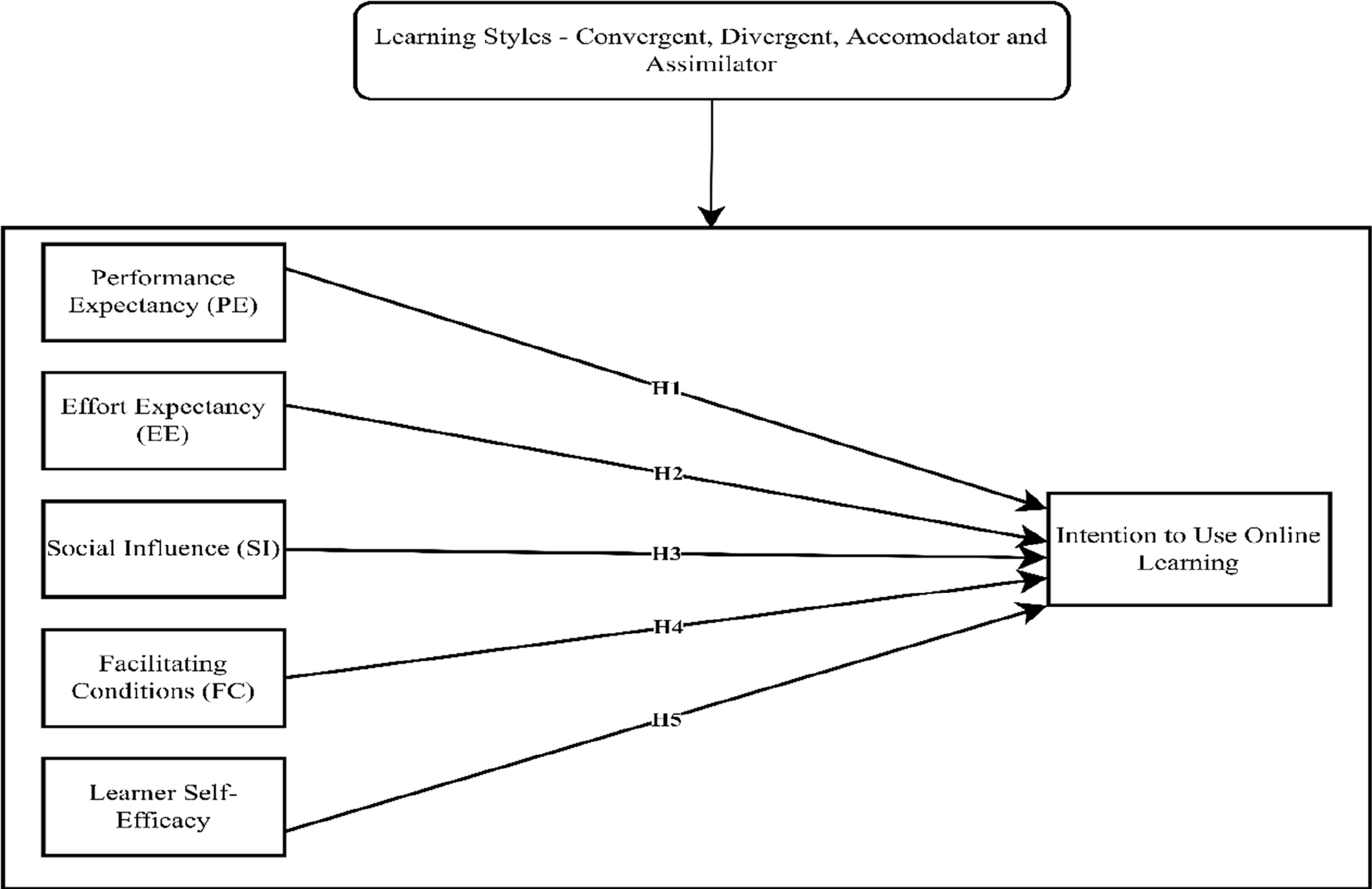
Results
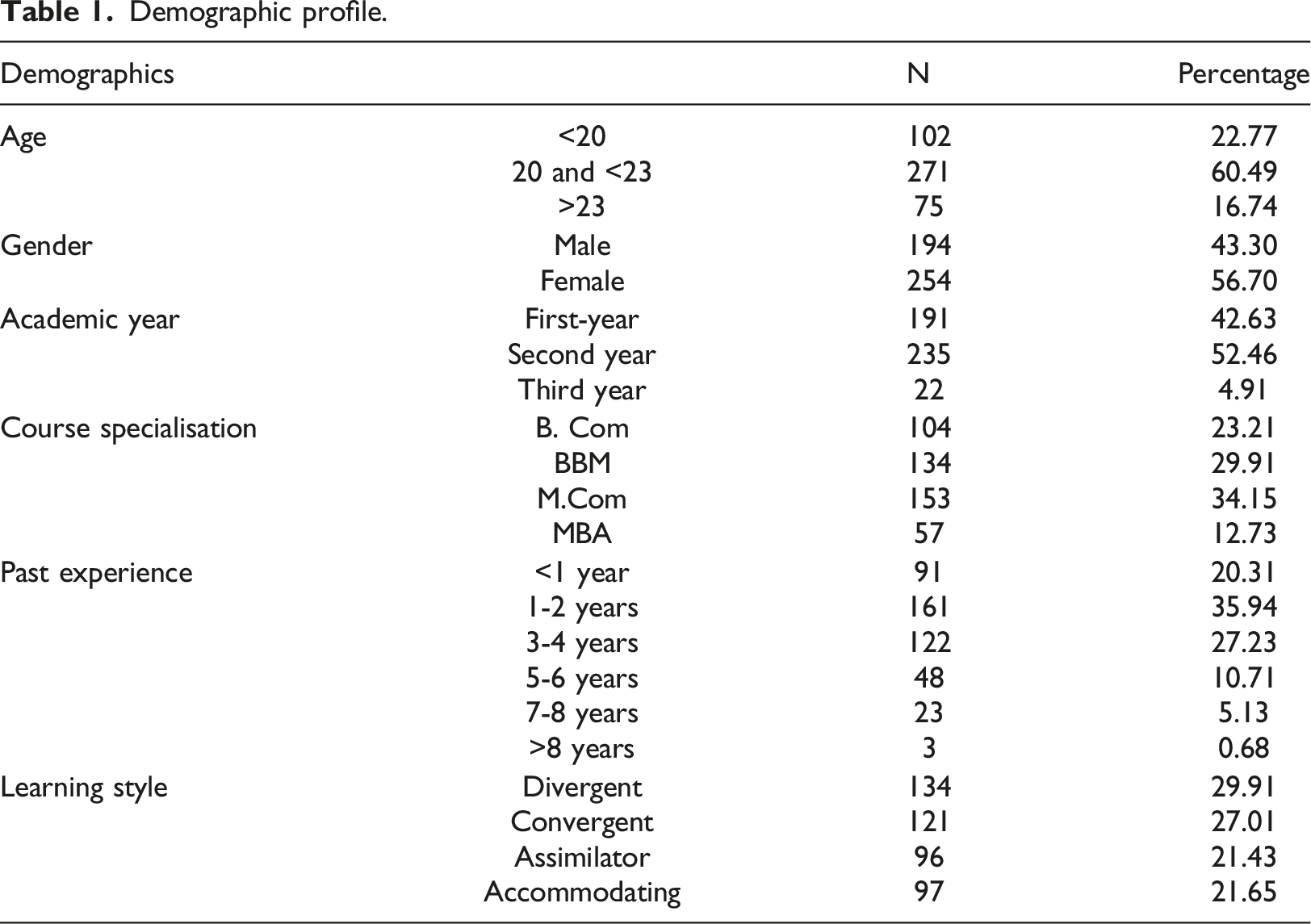
Demographic profile.
Measurement models
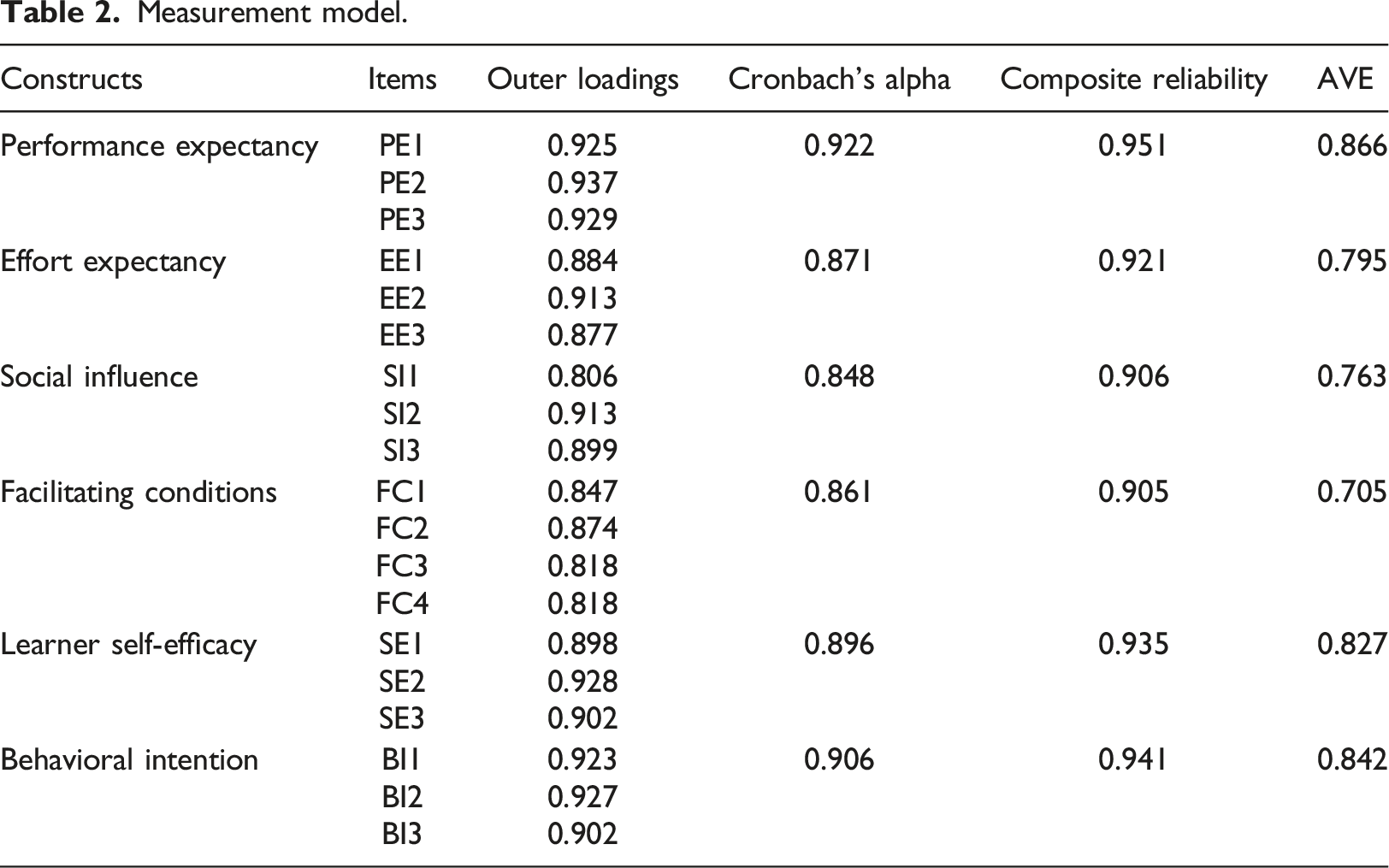
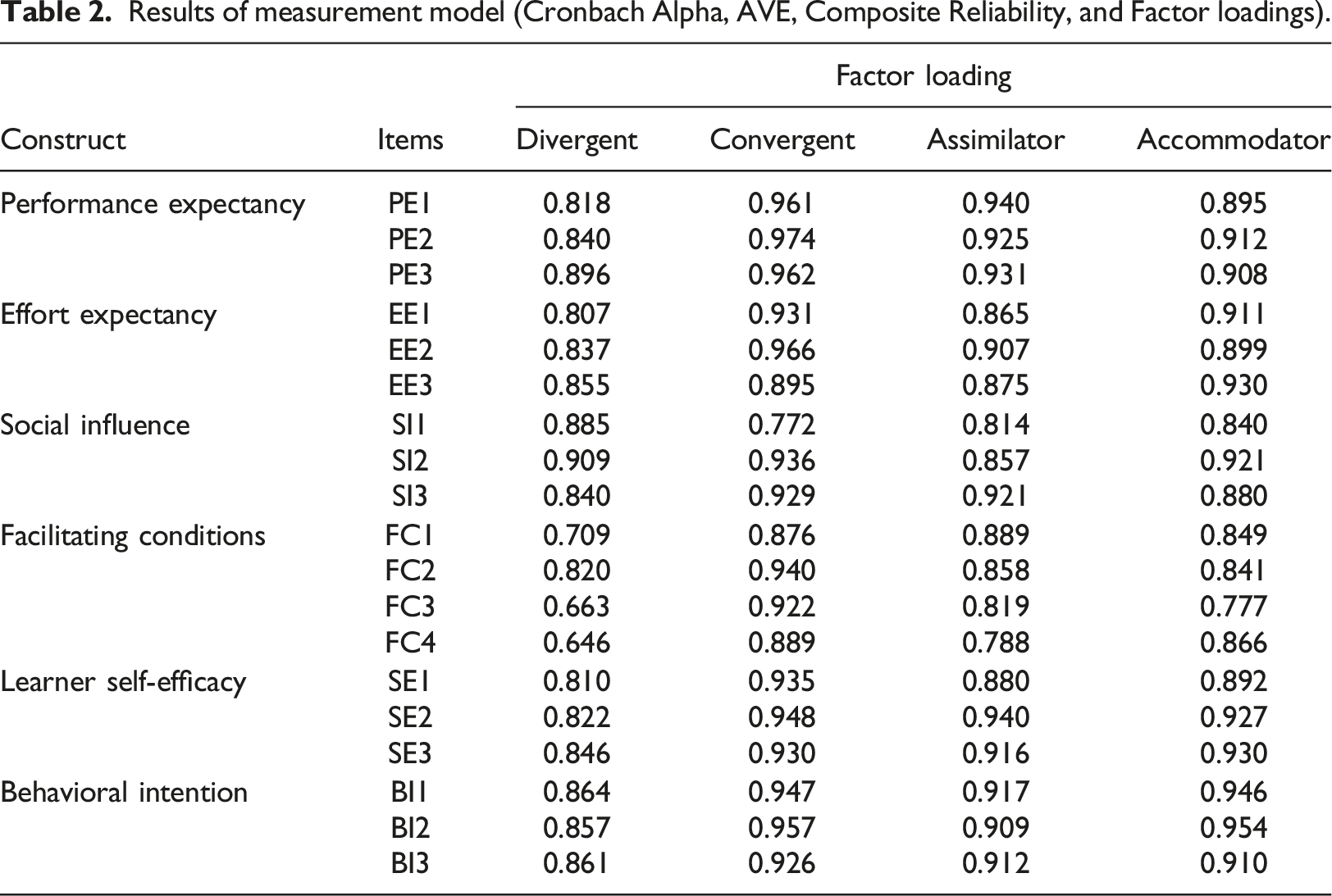
The foremost step in PLS-SEM is examining the measurement model. Measurement models represent “reliability and validity with their corresponding indicator variable” (Anderson and Gerbing, 1988). Therefore, in the first stage, the latent constructs’ outer loadings, reliability, and validity were evaluated for the measurement model. Outer loadings represent items’ contribution to the construct. The threshold value of the loading should be more than 0.708 (Hair et al., 2019). All the items in the study have significant loading values exceeding the standardized value of 0.708. Therefore, indicator reliability was established. The reliability of the constructs was ascertained using composite reliability (CR) and Cronbach alpha (CA) measures. The CR and CA values for measurement constructs in this study ranged from 0.905 to 0.951 and 0.848 to 0. 922 respectively. All values were greater than the standardized value of 0.700, as proposed by (Hair, 2017). Therefore, reliability for all study constructs was established.
Measurement model.
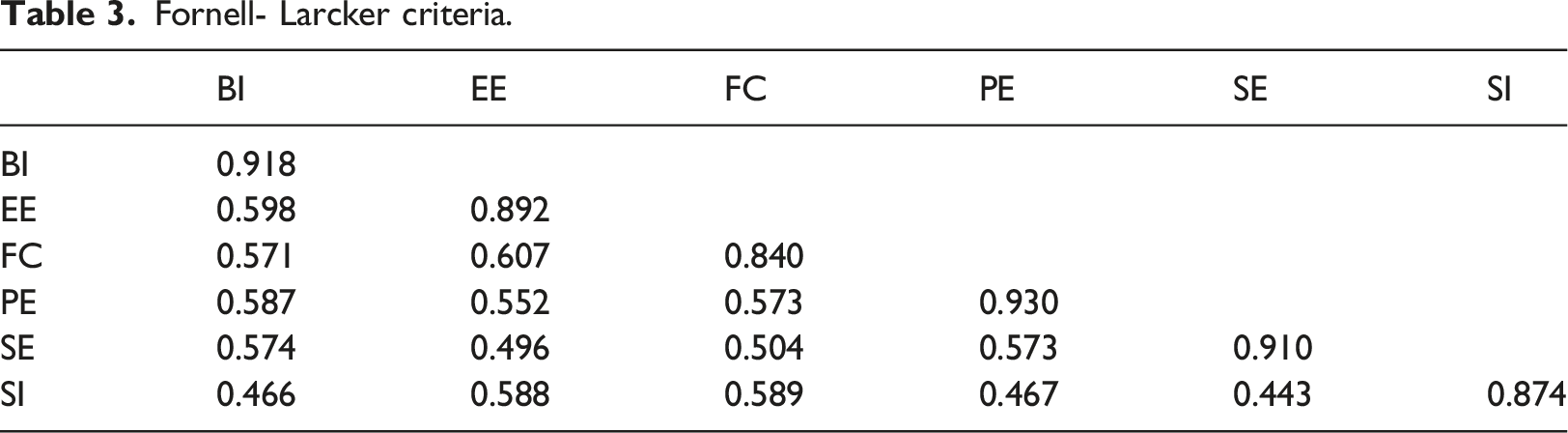
Fornell- Larcker criteria.
Heterotrait monotrait ratio (HTMT ratio).
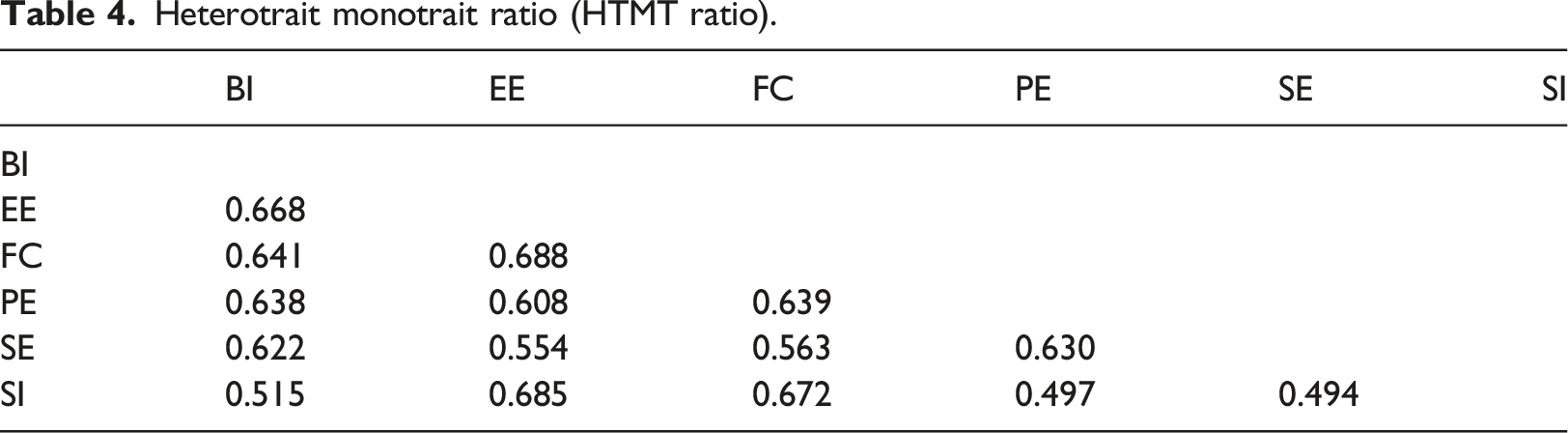
Reliability and validity for all the subgroups of learning styles (Convergent, Divergent, Accommodator, and Assimilators) were also ascertained. Reliability measures consisted of outer loading (Appendix table no: 2), composite reliability (Appendix table no: 3), and Cronbach Alpha values (Appendix table no: 3). Validity was examined using Convergent (AVE) (Appendix table no: 3) and full collinearity tests (Appendix table no: 1) measures. The reliability and validity for all the learning styles subgroups were established.
Results of hypothesis testing.
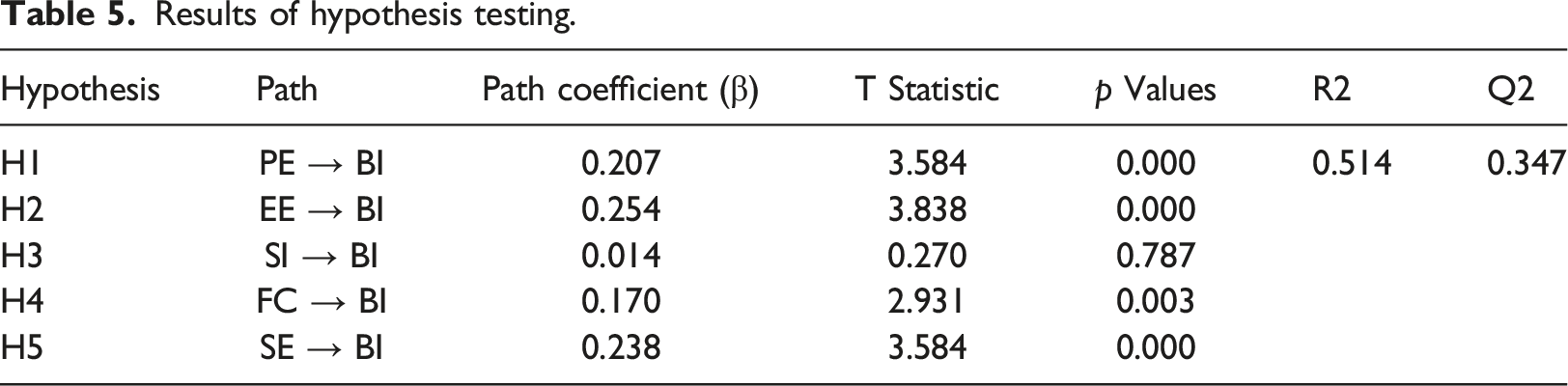
The R2 value was ascertained to evaluate the explanatory power of the independent variables of the study. A higher R2 value represents the greater explanatory power of the independent variables of the study. R2 values of 0.75, 0.50, and 0.25 substantiate substantial, moderate, and weak power of the exogenous variables (Hair et al., 2019). The proposed model showed a 51.4% variance in behavioral intention to adopt online learning platforms. The results illustrate that the study model has moderate explanatory power and presents significant support for all the study hypotheses. Based on the blindfolding procedure, Stone Geisser’s Q2 value was determined to examine the predictive relevance of the model; the Q2 value higher than zero for the endogenous variable indicates the predictive accuracy of the structural model for that construct (Hair et al., 2019). Q2 values of 0.02, 0.15, and 0.35 signify small, medium, and large predictive relevance, respectively (Hair et al., 2019). The Q2 value for the endogenous variable (BI = 0.347) is greater than 0.15; Thus, the study framework exhibits a medium degree of predictive relevance.
Measurement invariance of composite models (MICOM)
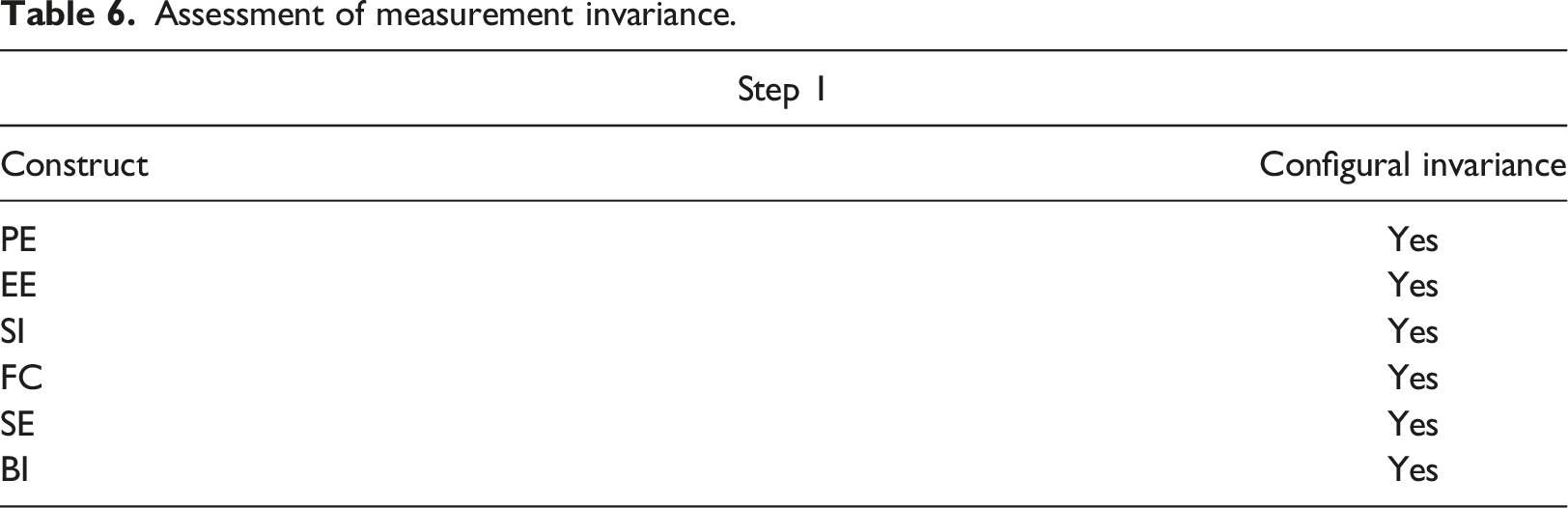
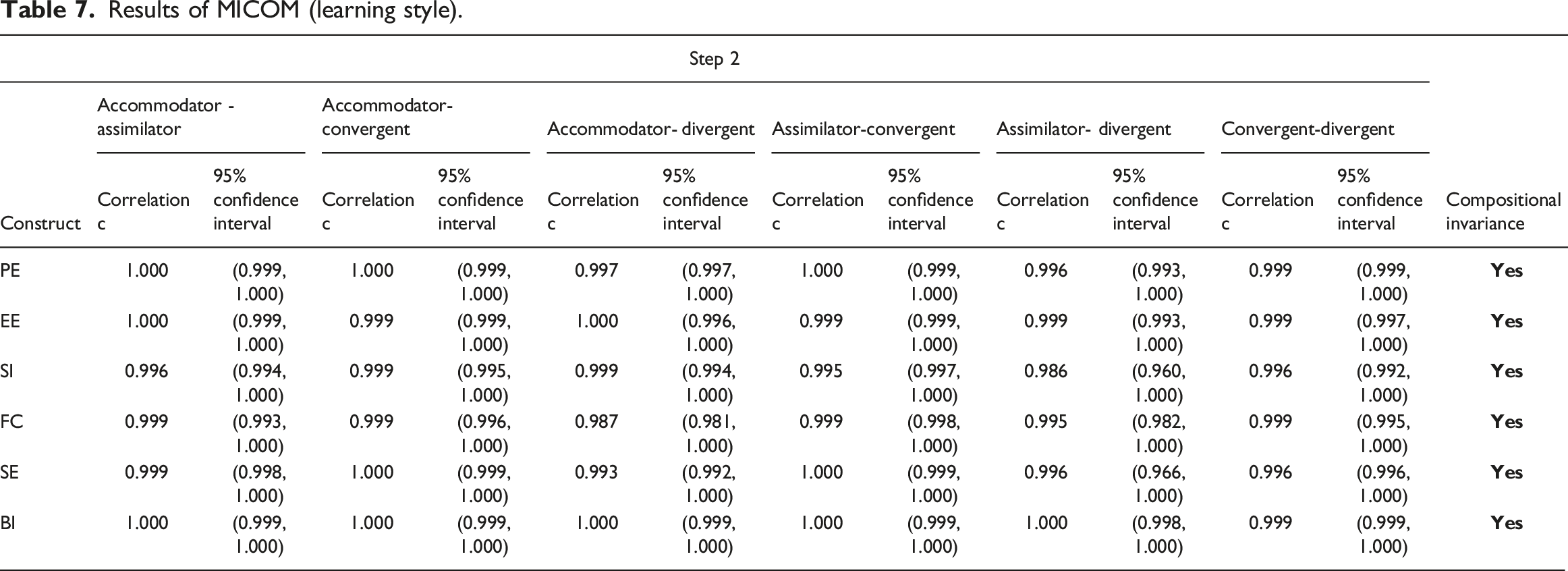
Many existing studies have reported research conclusions based on the analysis of a single population. However, results drawn by pooling the data into a single population fail to examine the significant difference between two or more study subgroups, which is often misleading (Cheah et al., 2020; Hair et al., 2019; Matthews, 2017). Therefore, categorical moderators in the study are efficiently assessed by estimating the group-specific path coefficients. Hence, the consequences of misrepresentation of the results are significantly minimized. The researchers adopted multi-group analysis (MGA) in Smart PLS to examine the differences in the group-specific parameter estimates. MGA was employed to examine the moderating effect of the learning styles. According to Hair (2017), “this approach offers a complete picture of the moderator’s influence on the analysis results as the focus shifts from examining its impact on one specific model relationship to examining its impact on all model relationships.” Therefore, before execution of the PLS-MGA analysis, confirmation of the measurement invariance is a prerequisite. Measurement invariance is assessed through the measurement of invariance of composites (MICOM) technique comprising three steps, that is, configural invariance, compositional invariance, and equality of composite mean values and variances (Hair, 2017). Partial invariance is established when configural (Step 1) and compositional invariance (Step 2) are confirmed, and full measurement variance is established when along with Step 1 and Step 2, equality of composite mean values and variances are confirmed. However, establishing partial invariance is sufficient to perform MGA (Hair, 2017).
Assessment of measurement invariance.
Results of MICOM (learning style).
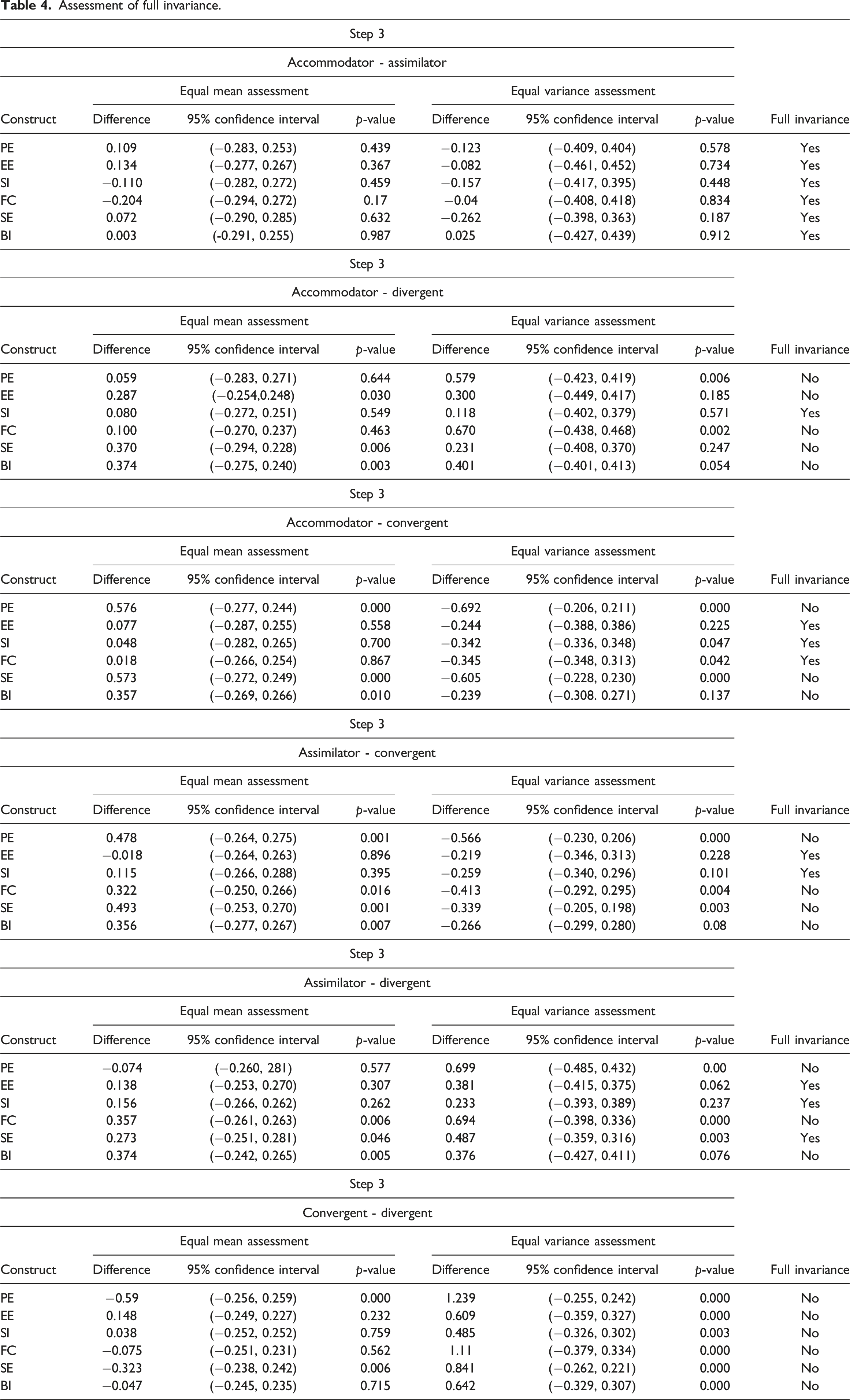
Step 3 in the MICOM analysis is performed to assess the full invariance based on the equal means and equal variances between the composite scores of the subgroups. The establishment of the full invariance is confirmed when the difference of the composite score ranges between the lower and upper limits of the 95% confidence interval. The composite score for the learning styles in the study did not range (refer to annexure table 4) between the lower and upper limit of the 95% confidence interval. Hence, full invariance was not established. However, establishing partial measurement invariance is sufficient for conducting the PLS-MGA analysis (Hair, 2017).
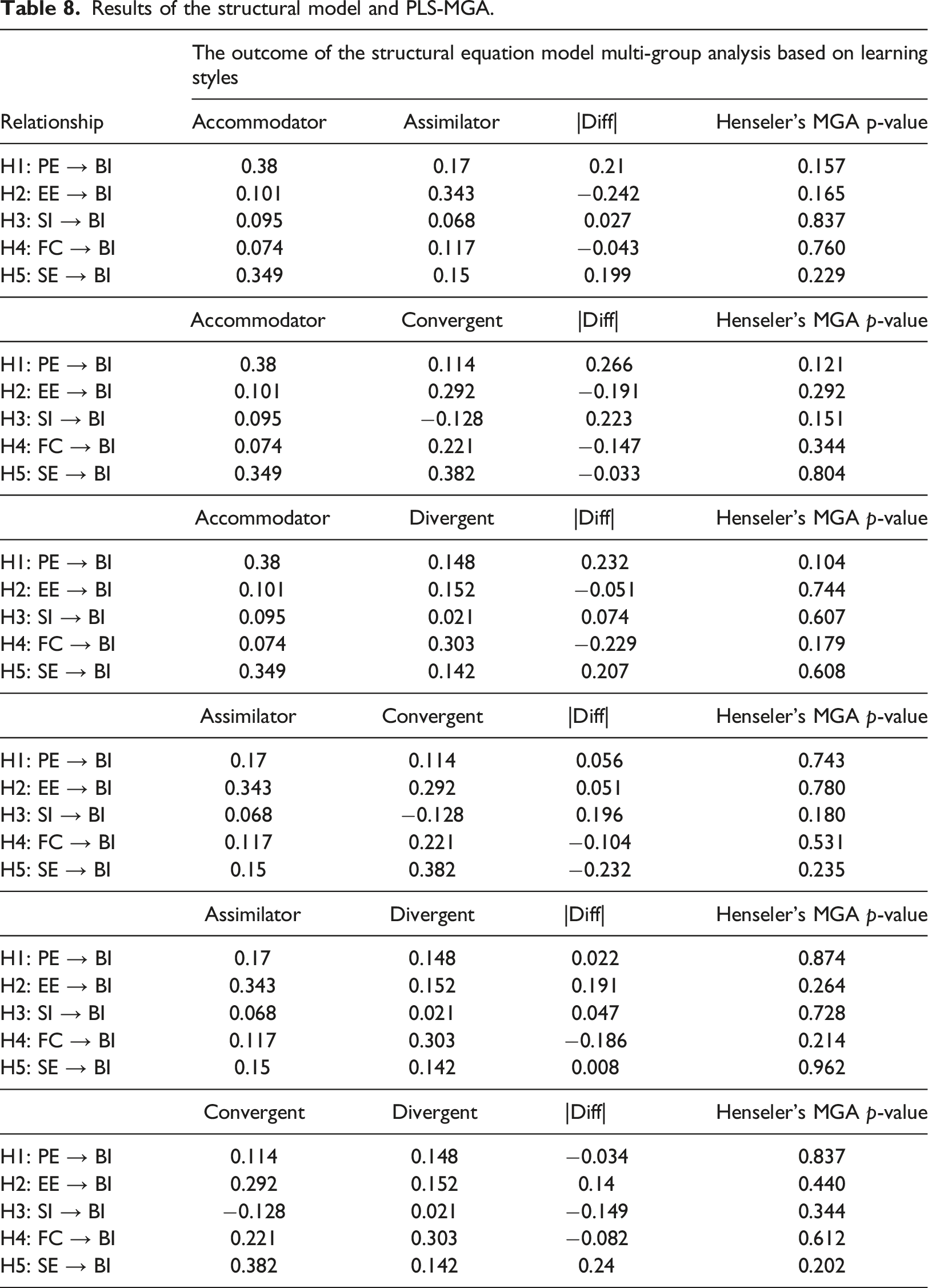
Results of the structural model and PLS-MGA.
Discussion and implications
The current study employed multi-group analysis to ascertain the factors affecting learners' intention to use online learning platforms based on their specific learning styles. It compared the key drivers between groups of learners with diverse learning styles in higher education institutions. The outcome of the current research contributes to the theoretical understanding of the adoption intention and practice for researchers, instructors, developers, marketers, universities, and policymakers to implement online learning platforms, especially in emerging countries successfully. Primarily, academic policymakers are the key beneficiaries of this research, which aims to find a practical approach for implementing online learning adoption in the educational setting and eradicate any impediments to its execution. From the proposed hypothesis, study results reveal that PE, FC, SE, and EE influenced BI to adopt online learning platforms irrespective of the learners' learning style. However, the association between SI and BI was not supported by the learners regardless of their learning style. The current study found that PE is a significant predictor of BI. These results are in agreement with those obtained by (Abbad, 2021; Naveed et al., 2020; Xu et al., 2022). Learners intend to adopt and utilise online learning platforms when they perceive they are beneficial in attaining the learning objectives and increasing efficiency. This significance level guides higher education institutions and authorities in conducting workshops, tutorials, and seminars on the potential benefits of online learning platforms on academic performance and formulating strategies that augment the intention to adopt them. Similarly, EE was the most influential and significant predictor of the BI. These results corroborate the studies of Alghazi et al. (2021), Cheng and Yuen (2020), and Osei et al. (2022), who suggested that when learners perceive the online learning systems are easy to use with minimum cognitive load and time, they are likely to develop positive intention to adopt the system. This finding guides online learning platform developers and academic institutions to emphasize creating a platform that is relevant to learners and easy to operate. Ease of operation would further enhance the re-use intention levels of the individuals.
The study exhibited an insignificant association between SI and BI using online learning platforms. The findings are aligned with the prior studies of (Abbad, 2021; Bamansoor et al., 2018; Naveed et al., 2020; Sharma et al., 2018) in technology adoption research. The insignificant relationship demonstrates that the present generation is well-versed in the digital environment, which decreases the reliance on the influence of external individuals such as instructors, peers, and administrators. Further, the insignificant relationship between the social factor and acceptance intention draws the attention of the stakeholders and researchers to understand the vulnerability to environmental changes and carry out further research to validate the relationship. Facilitating conditions comprise technical support and the provision of technology. Regarding the impact of the FC on the BI to use online learning systems, it exhibited a positive influence on BI use (Hassan and Nika, 2021; Md Yunus et al., 2021; Shah and Khanna, 2022; Xu et al., 2022). This outcome reveals the learner’s perception that strong technical support and technology access are crucial in enhancing the BI to use online learning platforms. This result has implications for academic institutions and governments to overcome the hindrances to low adoption intention by providing access to an uninterrupted electricity supply and reliable access to the network. Moreover, the current study’s findings affirm SE as the key antecedent of the BI. These results are consistent with the prior works of (Dutta et al., 2021; Li et al., 2022; Syahruddin et al., 2021), which also reported a significant relationship between SE and BI. This implies that learners with high self-efficacy are likely to adopt online learning systems. SE acts as an intrinsic motivator that aids the learners to comprehend the functionality of the online learning platforms and enables them to navigate and use such systems efficiently. The efficacy levels of the learners can be significantly enhanced by instructors, course providers, and academic institutions by providing the necessary information for the students required for using the online mode of education. Likewise, training sessions should be conducted for the learners to cope with technological advancements and create a sustainable learning environment.
Further, moderating results revealed that learning styles did not moderate the relationship between key antecedents and BI use. These findings are in accord with recent studies (Heaton-Shrestha et al., 2007; Huang and Liaw, 2019; Karimi, 2016; Olivos et al., 2016) indicating that learners' learning styles showed no significant differences in the BI to use online learning platforms. However, the outcome is contrary to that of (Cao, 2022; El Emrani et al., 2022; Maya et al., 2021; Rangel et al., 2015), who found a significant relationship between learning style and behavioral intention to use. The insignificant relationship is attributed to the prevalence of multi-modal learning impact of external factors such as motivations, course quality, instructor quality, dynamic learning styles and low preference for designing courses catering to the learning styles. Complexities in the learners' preferences and the multifaceted nature of intention to use behaviours make it challenging to establish a significant relationship. Though, the moderating impact of the learning style on the study constructs was insignificant. Prior research evidence still argues that understanding the learning styles of individuals plays a vital role in promoting effective learning and enhancing an individual’s behavioral intention. Therefore, online course and platform developers should direct their attention to providing courses that fit the learning style of every learner. Being aware of the learner’s learning style can help the instructors and platform developers design the modules and activities that accommodate the academic interests of the individual. Therefore, there is abundant scope for further examining the inconclusive findings of the impact of learning style on the adoption intention. Lastly, the study extends practical implications for various business organizations as they rely on online learning platforms to train their employees with the essential skills to perform the work efficiently. Effective mechanisms based on the constructs studied can be planned and implemented to encourage employee adoption intention.
From the theoretical perspective, the study adds to the scholarly literature on the UTAUT framework by empirically validating the role of self-efficacy in advancing the behavioral intention. Further prevalent research in online learning has primarily examined the direct effect of the key antecedents and outcomes. However, the literature has overlooked the moderating impact of learning style in the context of online learning platforms. It is believed that a learner’s learning style significantly affects the adoption intention of the online learner. Therefore, the current study responded to the scholarly calls by evaluating the moderating impact of the learning style and exhibited precise findings on the total effects instead of only emphasizing the direct effects in the UTAUT framework. Studying the moderating role of the learning styles adds to the literature by stressing that learners' expressiveness can be considered for promoting the adoption intention.
Conclusion and future research
Many existing studies focussed on investigating the drivers of the adoption intention. However, the current research, addresses the research gap through ascertaining the factors affecting learners’ intention to use online learning platforms based on their learning styles deploying the UTAUT framework. The findings of the structural equation modelling exhibited that BI’s use of online learning platforms was positively and significantly influenced by PE, EE, FC and SE. Furthermore, the multi-group analysis results demonstrated that learning style did not moderate the relationship between the study antecedents and intention. The current study extended the extant body of literature by adding learning self-efficacy as an antecedent to the UTAUT model. Additionally, the current study assessed the construct’s precise relationship based on the learning style’s sub-group. Based on the findings, the researchers offer insights to the researchers, instructors, online learning platform developers, marketers, universities, and policymakers to understand the drivers that affect learners’ intention to use learning platforms in higher education institutions. Academic policymakers can develop an effective approach for implementing online learning adoption in the academic setting and eradicate any impediments to its execution.
Although the current study findings provide deeper insights to the various stakeholders, it is vital to acknowledge the study’s limitations. Firstly, the scope of the study was limited to a specific geographical location. Therefore, further studies can replicate the study in other geographical locations to validate and extend the generalizability of current study findings. Secondly, the research was cross-sectional in nature; further studies can conduct longitudinal studies to examine the transformation in cause-and-effect relationships. Thirdly, cultural differences between developed and emerging countries impact the intention to adopt. Therefore, future studies should concentrate on considering the moderating role of cultural and socio-economic factors. Fourthly, the study adopted a quantitative research method only. Follow-up studies can adopt a mixed research approach to get a detailed understanding of the relationships proposed to be studied. Finally, the important recommendation for further research is to analyze the influence of factors such as technostress, motivations, information quality, system quality, and technological literacy, with the adoption intention.
Footnotes
Author contributions
Conceptualization: Venisha Jenifer Dmello, Ambigai Rajendran and Shilpa Badrinath Bidi. Methodology: Venisha Jenifer Dmello, Ambigai Rajendran and Daniel Frank. Formal Analysis and Investigation: Venisha Jenifer Dmello and Shilpa Badrinath Bidi. Writing: Venisha Jenifer Dmello and Shilpa Badrinath Bidi. Supervision: Ambigai Rajendran and Daniel Frank.
Declaration of conflicting interests
The author(s) declared no potential conflicts of interest with respect to the research, authorship, and/or publication of this article.
Funding
The author(s) received no financial support for the research, authorship, and/or publication of this article.

Data availability statement
The data can be obtained by request by contacting the corresponding author.
Appendix
Results of full collinearity test for each learning style. Results of measurement model (Cronbach Alpha, AVE, Composite Reliability, and Factor loadings). Results of measurement model (Cronbach Alpha, AVE, Composite Reliability, and Factor loadings). Assessment of full invariance.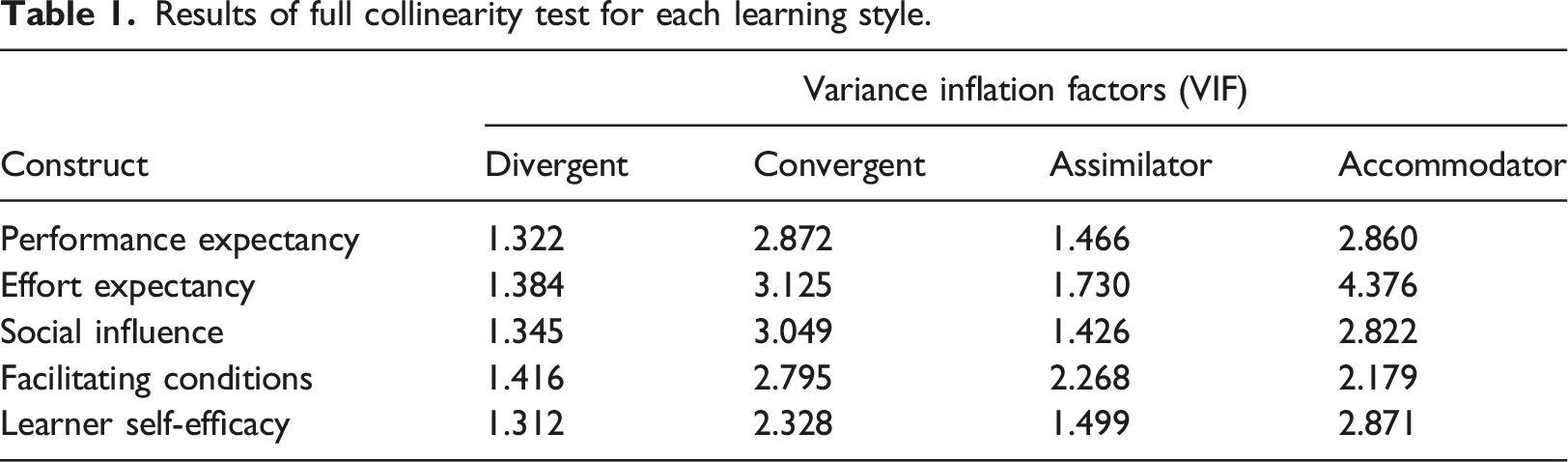
Construct
Variance inflation factors (VIF)
Divergent
Convergent
Assimilator
Accommodator
Performance expectancy
1.322
2.872
1.466
2.860
Effort expectancy
1.384
3.125
1.730
4.376
Social influence
1.345
3.049
1.426
2.822
Facilitating conditions
1.416
2.795
2.268
2.179
Learner self-efficacy
1.312
2.328
1.499
2.871
Construct
Items
Factor loading
Divergent
Convergent
Assimilator
Accommodator
Performance expectancy
PE1
0.818
0.961
0.940
0.895
PE2
0.840
0.974
0.925
0.912
PE3
0.896
0.962
0.931
0.908
Effort expectancy
EE1
0.807
0.931
0.865
0.911
EE2
0.837
0.966
0.907
0.899
EE3
0.855
0.895
0.875
0.930
Social influence
SI1
0.885
0.772
0.814
0.840
SI2
0.909
0.936
0.857
0.921
SI3
0.840
0.929
0.921
0.880
Facilitating conditions
FC1
0.709
0.876
0.889
0.849
FC2
0.820
0.940
0.858
0.841
FC3
0.663
0.922
0.819
0.777
FC4
0.646
0.889
0.788
0.866
Learner self-efficacy
SE1
0.810
0.935
0.880
0.892
SE2
0.822
0.948
0.940
0.927
SE3
0.846
0.930
0.916
0.930
Behavioral intention
BI1
0.864
0.947
0.917
0.946
BI2
0.857
0.957
0.909
0.954
BI3
0.861
0.926
0.912
0.910

Construct
Cronbach alpha
Composite reliability
Average variance extracted
Divergent
Convergent
Assimilator
Accommodator
Divergent
Convergent
Assimilator
Accommodator
Divergent
Convergent
Assimilator
Accommodator
Performance expectancy
0.815
0.964
0.925
0.890
0.888
0.977
0.952
0.932
0.725
0.933
0.869
0.819
Effort expectancy
0.782
0.923
0.858
0.901
0.872
0.951
0.914
0.938
0.694
0.867
0.779
0.835
Social influence
0.852
0.857
0.850
0.856
0.910
0.913
0.899
0.912
0.771
0.778
0.749
0.776
Facilitating condition
0.682
0.928
0.861
0.857
0.804
0.949
0.905
0.901
0.508
0.823
0.704
0.696
Learner self-efficacy
0.786
0.932
0.901
0.905
0.866
0.956
0.937
0.940
0.683
0.879
0.833
0.840
Behavioral intention
0.826
0.938
0.900
0.930
0.896
0.960
0.937
0.956
0.741
0.889
0.833
0.878
Step 3
Full invariance
Accommodator - assimilator
Construct
Equal mean assessment
Equal variance assessment
Difference
95% confidence interval
p-value
Difference
95% confidence interval
p-value
PE
0.109
(−0.283, 0.253)
0.439
−0.123
(−0.409, 0.404)
0.578
Yes
EE
0.134
(−0.277, 0.267)
0.367
−0.082
(−0.461, 0.452)
0.734
Yes
SI
−0.110
(−0.282, 0.272)
0.459
−0.157
(−0.417, 0.395)
0.448
Yes
FC
−0.204
(−0.294, 0.272)
0.17
−0.04
(−0.408, 0.418)
0.834
Yes
SE
0.072
(−0.290, 0.285)
0.632
−0.262
(−0.398, 0.363)
0.187
Yes
BI
0.003
(-0.291, 0.255)
0.987
0.025
(−0.427, 0.439)
0.912
Yes
Step 3
Full invariance
Accommodator - divergent
Construct
Equal mean assessment
Equal variance assessment
Difference
95% confidence interval
p-value
Difference
95% confidence interval
p-value
PE
0.059
(−0.283, 0.271)
0.644
0.579
(−0.423, 0.419)
0.006
No
EE
0.287
(−0.254,0.248)
0.030
0.300
(−0.449, 0.417)
0.185
No
SI
0.080
(−0.272, 0.251)
0.549
0.118
(−0.402, 0.379)
0.571
Yes
FC
0.100
(−0.270, 0.237)
0.463
0.670
(−0.438, 0.468)
0.002
No
SE
0.370
(−0.294, 0.228)
0.006
0.231
(−0.408, 0.370)
0.247
No
BI
0.374
(−0.275, 0.240)
0.003
0.401
(−0.401, 0.413)
0.054
No
Step 3
Full invariance
Accommodator - convergent
Construct
Equal mean assessment
Equal variance assessment
Difference
95% confidence interval
p-value
Difference
95% confidence interval
p-value
PE
0.576
(−0.277, 0.244)
0.000
−0.692
(−0.206, 0.211)
0.000
No
EE
0.077
(−0.287, 0.255)
0.558
−0.244
(−0.388, 0.386)
0.225
Yes
SI
0.048
(−0.282, 0.265)
0.700
−0.342
(−0.336, 0.348)
0.047
Yes
FC
0.018
(−0.266, 0.254)
0.867
−0.345
(−0.348, 0.313)
0.042
Yes
SE
0.573
(−0.272, 0.249)
0.000
−0.605
(−0.228, 0.230)
0.000
No
BI
0.357
(−0.269, 0.266)
0.010
−0.239
(−0.308. 0.271)
0.137
No
Step 3
Full invariance
Assimilator - convergent
Construct
Equal mean assessment
Equal variance assessment
Difference
95% confidence interval
p-value
Difference
95% confidence interval
p-value
PE
0.478
(−0.264, 0.275)
0.001
−0.566
(−0.230, 0.206)
0.000
No
EE
−0.018
(−0.264, 0.263)
0.896
−0.219
(−0.346, 0.313)
0.228
Yes
SI
0.115
(−0.266, 0.288)
0.395
−0.259
(−0.340, 0.296)
0.101
Yes
FC
0.322
(−0.250, 0.266)
0.016
−0.413
(−0.292, 0.295)
0.004
No
SE
0.493
(−0.253, 0.270)
0.001
−0.339
(−0.205, 0.198)
0.003
No
BI
0.356
(−0.277, 0.267)
0.007
−0.266
(−0.299, 0.280)
0.08
No
Step 3
Full invariance
Assimilator - divergent
Construct
Equal mean assessment
Equal variance assessment
Difference
95% confidence interval
p-value
Difference
95% confidence interval
p-value
PE
−0.074
(−0.260, 281)
0.577
0.699
(−0.485, 0.432)
0.00
No
EE
0.138
(−0.253, 0.270)
0.307
0.381
(−0.415, 0.375)
0.062
Yes
SI
0.156
(−0.266, 0.262)
0.262
0.233
(−0.393, 0.389)
0.237
Yes
FC
0.357
(−0.261, 0.263)
0.006
0.694
(−0.398, 0.336)
0.000
No
SE
0.273
(−0.251, 0.281)
0.046
0.487
(−0.359, 0.316)
0.003
Yes
BI
0.374
(−0.242, 0.265)
0.005
0.376
(−0.427, 0.411)
0.076
No
Step 3
Full invariance
Convergent - divergent
Construct
Equal mean assessment
Equal variance assessment
Difference
95% confidence interval
p-value
Difference
95% confidence interval
p-value
PE
−0.59
(−0.256, 0.259)
0.000
1.239
(−0.255, 0.242)
0.000
No
EE
0.148
(−0.249, 0.227)
0.232
0.609
(−0.359, 0.327)
0.000
No
SI
0.038
(−0.252, 0.252)
0.759
0.485
(−0.326, 0.302)
0.003
No
FC
−0.075
(−0.251, 0.231)
0.562
1.11
(−0.379, 0.334)
0.000
No
SE
−0.323
(−0.238, 0.242)
0.006
0.841
(−0.262, 0.221)
0.000
No
BI
−0.047
(−0.245, 0.235)
0.715
0.642
(−0.329, 0.307)
0.000
No