




Abstract
Non-formal education seeks to address the limitations of formal education that do not reach all communities and do not provide all new competencies and capabilities that are essential for the integrated development of communities. The role of non-formal education becomes even more relevant in the context of developing countries where significant asymmetries in access to education emerge. This study adopts the Solutions Story Tracker provided by the Solutions Journalism Network to identify and explore solutions based on journalism stories in the non-formal education field. A total of 256 stories are identified and categorized into 14 dimensions. The findings reveal that practical, participatory, and volunteering dimensions are the three most common dimensions in these non-formal education initiatives. Furthermore, two emerging dimensions related to empowerment and sustainability are identified, allowing us to extend the theoretical knowledge in the non-formal education field. These conclusions are relevant for establishing public policies that can involve greater participation by local communities in non-formal education and for addressing sustainability challenges through bottom-up initiatives.
Introduction
Non-formal education can be looked at as an alternative and/or complement to formal education within people’s ongoing learning processes. It is often provided to ensure the universal right of all individuals to education. It seeks to meet the needs of people of all ages but does not necessarily apply a continuous structure or pathway. Non-formal education usually leads to a qualification that is not formally recognized or framed within a properly formalized or accredited educational program. As recognized in Latchem (2013) and Pereira et al. (2019), non-formal education can encompass many diverse types of programs such as adult or youth literacy, life skills programs, or social or cultural development programs.
Non-formal education assumes that education can occur beyond the space delimited by traditional classrooms. As established by Souto-Otero (2021), an individual throughout his/her life trajectory acquires knowledge conceived by his/her own experiences, by social relations with other individuals, in the family environment, and in formal and non-formal educational institutions. From this perspective, non-formal education is a social learning process centered on the individual, through the development of out-of-school activities. It is also a voluntary learning process that occurs outside of school and emerges as private or public initiatives and social programs specifically developed to address social challenges usually associated with processes of social exclusion (Dean, 2021; Rose, 2010).
Despite the current relevance given to non-formal education, it is only in recent years that this area has been the subject of scientific research. This occurred because education was only reduced to its schooling dimension. However, education has flaws and shortcomings, especially when viewed as the only means of learning (Beckerman and Silberman-Keller, 2003; Hoppers, 2006). Traditional schooling often adheres to a one-size-fits-all approach, which may not cater to the diverse learning styles, interests, and abilities of students. As a result, critiques have emerged regarding its effectiveness in fostering creativity, critical thinking, and adaptability, which are skills deemed essential in our rapidly changing world (Almeida and Morais, 2023; Coelho and Martins, 2022; Lamri and Lubart, 2023). Criticism of educational models based exclusively on schooling has led to non-formal education models becoming more prevalent. Several factors contribute to this trend. First, advancements in technology have made it easier than ever to access information and educational resources online, enabling self-directed learning (Haleem et al., 2022). Second, the changing nature of work and the economy demands a more dynamic and adaptable skill set, which non-formal education often provides (López et al., 2019). Additionally, Yucedal (2022) notes there is an increasing recognition that learning is a lifelong journey, not confined to a set period of formal schooling. Consequently, Werquin (2010) acknowledges, about half of the educational effort in the last decade in developing countries is due to the non-formal sector. Despite this, and given the diversity of typologies that non-formal education can assume, there are no worldwide statistics to quantify the phenomenon. The most recent data is for 2016 in the context of the European Union, which reports that more than two-fifths (41.4%) of the EU’s adult working-age population participated in non-formal education and training (Eurostat, 2021). From a comprehensive perspective, non-formal education programs have indispensable characteristics for the development of developing countries. Latchem (2018) gives examples of their role in meeting the immediate needs of local communities in terms of gender equality, refugees, or the integration of ex-prisoners. A key feature of non-formal education is that it is intended to help populations that have fewer opportunities to access normal schooling such as the poor, marginalized, illiterate, and unemployed, among others (Mayombe, 2017). Other characteristics emerge such as its ability to flourish in communities where resources are more limited and to be effective from a financial and time perspective (Wamaungo et al., 2010).
Research on non-formal education in developing countries has mainly relied on conducting empirical studies to demonstrate its relevance in mitigating the effects of social exclusion (Cao, 2019) and supporting the social and cultural development of local communities (Kuenzi, 2006; Simão and Sanchez, 2017). These initiatives are often provided in articulation with institutions designing and supporting the development of social programs. There is also a strong association between non-formal education and life-long learning programs. As recognized by Norqvist and Leffler (2017) and Nygren et al. (2019), non-formal education is adopted in the context of life-long learning for skill development, career advancement, and personal growth. The type of non-formal education initiatives developed is very diverse, as Shirima (2023) acknowledges, since flexibility is a fundamental characteristic of non-formal education initiatives that call for the creation and organization of their spaces, which are created and recreated according to the modes of action envisaged in the larger objectives that give rise to them. The existing research gap in the area can be seen from two complementary perspectives: (i) on the one hand, it is difficult to have a comprehensive view of the multiple areas of non-formal education, which can lead to a biased conclusion on the part of researchers that its applicability is residual and specific to long-life learning; and (ii) on the other hand, scientific studies in the area tend to favor specific geographical regions of its application, such as the USA (Taylor, 2006; Zamora and Reynaga, 2010) and the European Union (Rodrigues et al., 2023; Roosmaa et al., 2019), not allowing to understand this phenomenon on a global scale. Access to education in developing countries is a complex issue when viewed through a social justice perspective as proposed by Tikly and Barrett (2011). Social justice in education refers to the idea that all individuals, regardless of their socio-economic background, should have equal access to high-quality educational opportunities. Barriers to access include long distances to schools, lack of transportation, gender discrimination, and cultural biases that favor certain groups over others (Ilie et al., 2021). To address these challenges and promote social justice in education, non-formal education initiatives have been promoted through local community involvement.
In this sense, this study adopts the Solutions Journalism Network (SJN), which is an independent, non-profit organization that advocates an approach to journalism that looks at responses to social problems, and that allows exploring the role of non-formal education globally. SJN looks for the practice of solutions journalism within the journalism industry. It encourages journalists to look for and report on effective responses to issues rather than solely focusing on the negative aspects. Lough and McIntyre (2018) report that in a media landscape often dominated by negative and crisis-oriented reporting, the SJN plays a vital role in promoting a more balanced and solutions-focused approach. By equipping journalists with the tools and resources to report on effective responses to problems, SJN seeks to empower communities, inspire positive change, and contribute to the betterment of society through journalism. Two research lines were established: firstly, we seek to identify the different dimensions of non-formal education and reveal any new dimensions not previously identified in the literature; secondly, we look to fit the projects of the SJN platform into the previously identified categories. Accordingly, two research questions were formulated: (RQ1) What are the new dimensions of non-formal education emerging from the initiatives reported by SJN in developing countries? and (RQ2) What are the main dimensions addressed by the initiatives reported by the SJN in developing countries?
Literature review
Non-formal education
Education, in general, prepares human beings for the development of their activities throughout their lives. Therefore, education must be a permanent aspect of every citizen’s life. Recognizing that education is an important means to drive global development and progress, it should provide opportunities for all to access meaningful and quality lifelong education through flexible learning pathways, whether formal, or non-formal flexible learning pathways (Colardyn and Bjornavold, 2004; Harris, 2012; Johnson and Majewska, 2022). Formal education can be seen as that which occurs in schools with previously selected and accredited contents; informal education as the education that individuals learn during their socialization process laden with their own values and cultures; and non-formal education as that which occurs through processes of sharing experiences, mainly in everyday collective spaces and actions (La Belle, 1982).
Non-formal education involves individuals and their social relationships and arises from their interests and needs. As Brown (2018) highlights, non-formal education when aimed at social justice strengthens the exercise of citizenship. Kalenda and Kocvarová (2022) highlight the role of this model of education in a risk society and Willems (2015) adds that non-formal education has been used as a mechanism in less developed countries to reduce asymmetries in the human development index. Terrazas-Marín (2018) considers there to be complementarity between formal and non-formal education, underlying the importance of the latter as a means of providing alternative modes of learning and contributing to better integration between education and human rights. Informal education happens when the educational process comes in an undifferentiated way and depends on other social processes and cultural realities (Cohen, 2007). In this sense, the informal education component includes all forms of learning not included in formal and non-formal education. The complementarity of these educational modalities is observed since both aim at the integral formation of the human being.
Non-formal education is typically of short duration and involves specific learning plans that are designed according to the socio-cultural characteristics of the target audience (Romi and Schmida, 2009). However, it is not confined to a limited curricular plan. Non-formal education is also associated with the concept of lifelong learning, defined as any learning activity that takes place at any point in life, and which aims to improve knowledge, skills and competences, whether at a personal, civic, social and/or professional level (Tuijnman and Boström, 2002). In the view of Kohler et al. (2022) and Ponti (2014), it is desirable that non-formal education encourages individuals' autonomous learning and can be delivered at a distance through e-learning.
The scientific framework for lifelong learning recognizes the need to include formal, non-formal, and informal learning (Billett, 2010; Iqbal, 2009). Individual motivation to learn and the provision of various learning opportunities are ultimately the main factors for the successful execution of a lifelong learning strategy. In this sense, the provision of learning opportunities becomes relevant, especially for those who have benefited less from educational and training actions. Alves Martins et al. (2022) and Schober et al. (2013) reinforce this view by indicating that lifelong education is not limited solely to adult education, but covers an entire age spectrum, from the youngest to the oldest. It also makes clear that lifelong learning is not only about so-called recurrent education, that is, it is not meant for those who have not attained desirable levels of education, but also applies to those who are in formal education systems and to those who have attained maximum levels of schooling. While lifelong learning makes explicit the sectorization of the educational spectrum (i.e., formal, non-formal, and informal), it suggests to us, although less explicitly, that it is the articulation between these sectors that is desirable.
Social problems
One prominent theme in the literature on social problems is the identification and categorization of these issues. Scholars have developed various frameworks to classify social problems, such as functionalist perspectives (Tumin, 1965), conflict theories (Mack, 1965), and symbolic interactionism (Carter and Fuller, 2016). Functionalists, for instance, argue that social problems result from the breakdown of social institutions, conflict theorists emphasize the role of power dynamics and inequality in shaping social issues, while symbolic interactionism considers that social problems span across disciplines and, therefore, notes the importance of interdisciplinary research and evidence-based policy solutions.
Social problems are not static. They evolve in response to changing societal norms, values, and technological advancements. Chan et al. (2021) note that the advent of the Internet and social media has introduced new challenges, such as cyberbullying, online harassment, and the spread of disinformation. Therefore, scholars are continually adapting their research to address emerging social problems and understand their impact on individuals and societies.
Inequality and social stratification are central topics in the study of social problems. Researchers such as Mijs (2018) and Schuppert (2012) have extensively explored how disparities in income, education, healthcare, and opportunities contribute to issues like poverty, crime, and discrimination. The literature highlights the interconnectedness of these problems, where poverty, for example, can lead to increased crime rates and limited access to quality education, perpetuating a cycle of disadvantage. Furthermore, public policy and interventions play a crucial role in addressing social problems. The literature on social problems explores various policy approaches, from welfare programs and criminal justice reform to public health initiatives and education reforms (Brown et al., 2017; Eder et al., 2023). These studies have examined the effectiveness of these policies in mitigating social issues and reducing their negative impact on vulnerable populations.
Developing countries often face a range of complex and interconnected social problems that can vary from one region to another. These problems can hinder their progress and development. Social problems faced by these countries include poverty, education, healthcare, lack of social services, and lack of access to technologies (Jamali et al., 2021). Furthermore, political instability, corruption, and governance challenges can hinder economic development and exacerbate social problems (Dirks and Schmidt, 2023). These social problems are interconnected, and addressing one often requires addressing others simultaneously. Additionally, the specific challenges can vary greatly between countries and regions within the developing world, so tailored solutions are essential for sustainable development (Sarvajayakesavalu, 2015).
Non-formal education as a response to social problems
Non-formal education is also associated with alternative education, an alternative space for those who find it difficult to adapt to the norms, routines, schedules, among others, imposed by the school (Pienimäki et al., 2021). From this perspective, non-formal education is important for the excluded population to overcome or mitigate their disadvantaged social conditions. Affeldt et al. (2017), Benkova et al. (2020), and Morciano (2015) reinforce that non-formal education is indeed proving to be a more effective educational setting in providing learning opportunities for those who, for various reasons, are not integrated into any of the education systems and subsystems. Moreover, this approach can be used in vocational skills development (Lischewski et al., 2020). This typology also ends up functioning as a kind of laboratory for new practices, responding to the need to build new educational paradigms. In Caramelo et al. (2019) and Lischewski et al. (2020) it is argued that this model is learner-centered promoting voluntary and participatory involvement, relying heavily on the intrinsic motivation of learners.
Non-formal education is unavoidable not only as a strategy for acquiring new skills, but above all as an integral part of an entire educational process, without which it would be impossible to coherently implement a lifelong learning strategy. Concerns about inequality in access to the formal education system have been at the center of debates about the lifelong learning strategy, especially in nations that have weaker formal education systems and lack global coverage (Levchenko et al., 2018; Regmi, 2015). In the OECD’s report on inequality in access to education, it is recognized that it is the poorly educated or unskilled people, precarious workers, social security recipients, job seekers and in particular the long-term unemployed, immigrants, and women who have the greatest difficulties in entering the formal education system (Machin, 2006). Therefore, access to lifelong learning is very limited and restricted for these most disadvantaged communities. Thus, the role that non-formal education can play in generating learning opportunities for audiences that they do not have within the formal education system emerges.
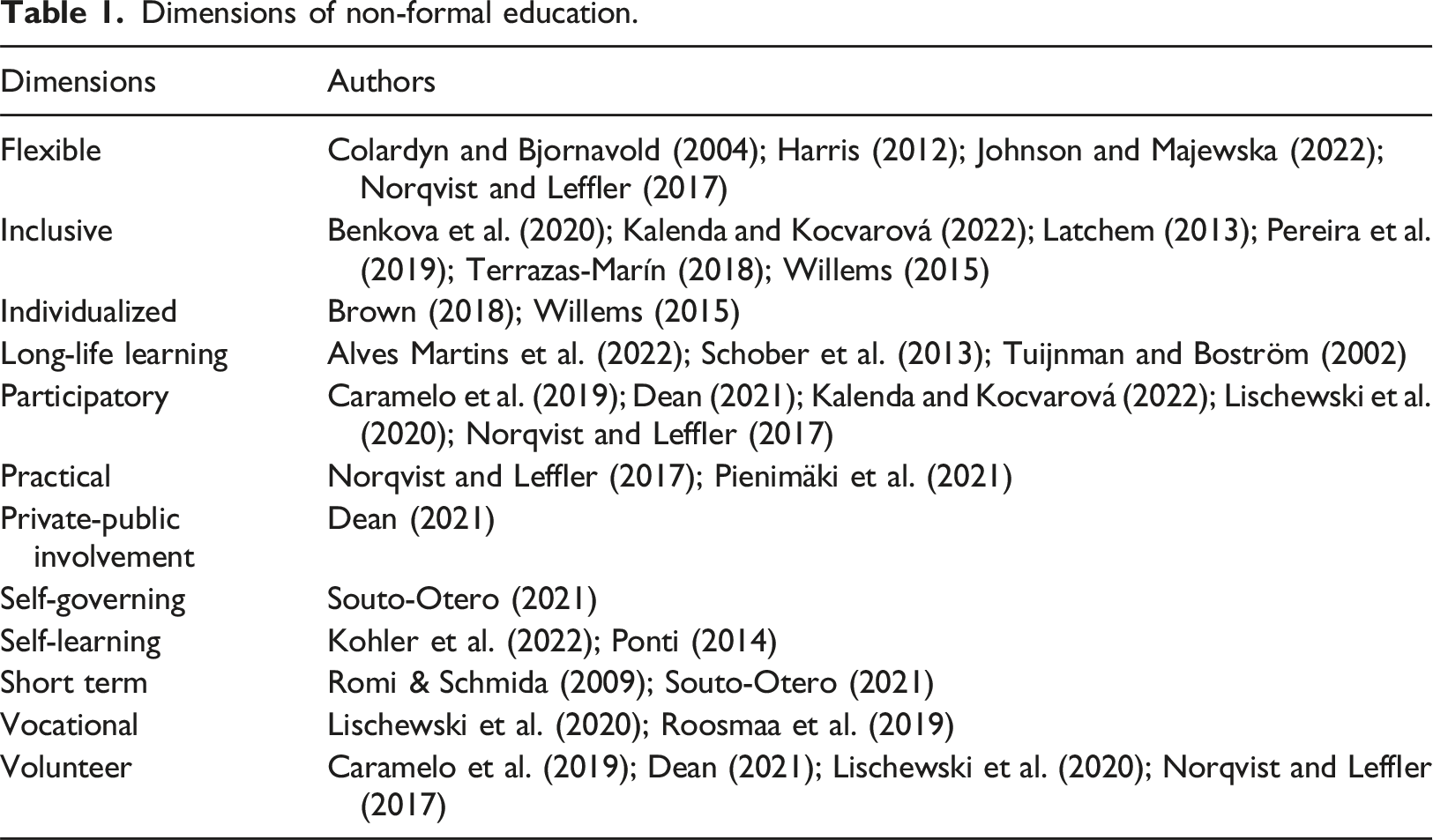
Dimensions of non-formal education.
Methodology
This study is supported by the interpretivism research paradigm. Interpretivism holds that reality is subjective and constructed by individuals, shaped by their experiences and perceptions (Junjie and Yingxin, 2022). Therefore, knowledge is context-dependent and subjective, with an emphasis on understanding the meanings people assign to their experiences. Kivunja and Kuyini (2017) note that qualitative methods, such as interviews, participant observation, and content analysis are commonly used to explore and gain a deep understanding of the lived experiences and perspectives of individuals and groups.
Figure 1 presents the three methodological phases applied in this study. Phases of the adopted methodology.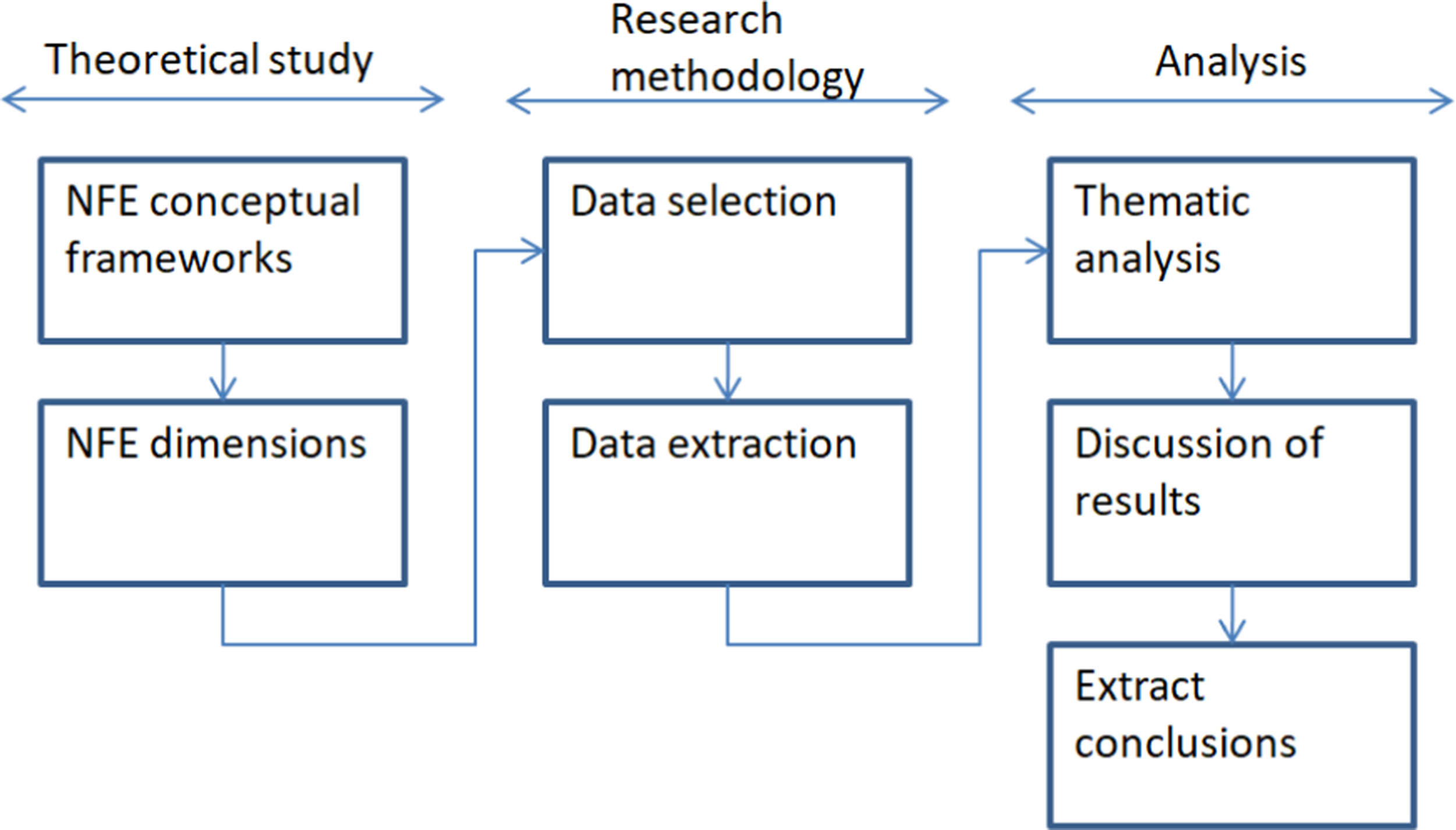
The first part begins with the conceptual analysis of the theme of non-formal education (NFE). In this initial phase, we intend to understand and contextualize the phenomenon from the perspectives of formal, non-formal, and informal education. The activity of identifying the dimensions of NFE is also included in this phase. It is considered a complementary perspective of the different approaches advocated in the literature and resulted in the construction of Table 1.
In the 2nd phase, the process of data selection and extraction is carried out considering the category of “education”, in which are found stories of journalism solutions in the non-formal education field. In this category were considered all the 20 thematic subareas such as adult education, arts education, early childhood education, environmental education, STEM education, vocational school education, among others. Only stories produced in developing countries were considered. The full text of all stories that have been translated into English, when necessary. Only stories produced in developing countries were considered. An individual report associated with each story has been created using the pdflayer API. This process of collecting the stories took place between November 14, 2022 and December 9, 2022. The “Solutions Story Tracker” platform provided by the SJN was used. SJN was founded in 2013, and it was established to promote and support the practice of solutions journalism in the media industry, with a focus on encouraging more balanced and constructive reporting by highlighting not only problems but also potential solutions to those problems. Since its inception, SJN has worked to provide training, resources, and a network for journalists and news organizations interested in adopting this approach to reporting. Effectively, this approach seeks to implement the concept of solutions journalism as recognized in Curry and Hammonds (2020), in which it seeks to expand the traditional journalistic approach of presenting a story of an event or occurrence by considering a perspective of finding solutions and answers to the reported problems. It is also considered that this approach can lead political agents to change their behavior and a significant change in the behavior of society. The “Solutions Story Tracker” provides a database of stories of solution journalism on a global scale, in which inspiring accounts of people who are working to solve social challenges can be found. On the platform are more than 14,000 stories produced by more than 6000 journalists in 189 countries.
In the 3rd phase, qualitative methodology is used in exploring and categorizing the studies promoting non-formal education in solution journalism stories in developing countries. According to World Data (2022), developing countries have a standard of living, income, economic and industrial development below average. A total of 152 countries are developing countries, representing about 85.33% of the world’s population (World Data, 2022). Although the diversity of qualitative research perspectives triggers some difficulties when trying to define strict guidelines within this paradigm, it is possible to outline the basic theoretical and methodological aspects that give consistency to the studies developed within this research paradigm. Kline (2019) recognizes that the different phases of the qualitative research process do not proceed linearly but interactively. At each point, there is a close relationship between the theoretical model, research strategies, methods of information collection and analysis, evaluation, and presentation of the results of the research project. In exploring the stories, thematic analysis was adopted using the MAXQDA v. 2022 software. Braun and Clarke (2006) establish that thematic analysis is a relevant method in qualitative methodology to identify, analyze, interpret, and report patterns, being used in studies in the field of education such as Dindar et al. (2022), Xu and Zammit (2020), and Yeung and Yau (2022). This study adopts the 10 phases proposed by Braun and Clarke (2006) and we briefly describe the activities performed in each phase: • Phase 1: Data loading – individual reports provided by “Solutions Story Tracker” platform were loaded into the MAXQDA software in the form of unstructured textual data. Furthermore, non-formal dimensions identified in Table 1 were loaded into the platform; • Phase 2: Generating initial codes – MAXQDA systematically codes the data by identifying meaningful units of text or segments. These codes represent the first level of analysis. Codes proposed by the software are descriptive, capturing the essence of the data without interpretation; • Phase 3: Searching for themes – codes are grouped together to form potential themes. Themes are patterns or recurring ideas that capture significant aspects of the data. Both explicit and implicit themes within the dataset are considered; • Phase 4: Reviewing and defining themes – themes are reviewed and refined, ensuring they are coherent and distinct from one another. A concise description is associated with each theme to capture its essence. Furthermore, we sought to identify emerging themes, which according to Wæraas (2022) are relevant themes that emerge as new and are not previously mapped in the literature review; • Phase 5: Developing a coding framework – a codebook that outlines the themes, their definitions, and examples of text associated with each theme is created. This framework helps maintain consistency throughout the analysis process, especially when multiple researchers are involved; • Phase 6: Applying the coding framework – the previous coding framework is applied to the entire dataset. Themes are added, merged or split, when necessary; • Phase 7: Reviewing and refining themes (2nd round) – a second round of reviewing and refining themes based on the summarized data is performed. This phase is important to ensure that the themes capture the depth and nuances of the data; • Phase 8: Defining and naming themes – a clear and meaningful name that encapsulates its essence is established. Furthermore, we have written a comprehensive description for each theme, explaining what it represents in the data; • Phase 9: Checking the validity of findings – we have checked that the findings accurately represent the data. The goal is to verify the credibility and trustworthiness of the analysis; • Phase 10: Writing the report – a summary report was written to briefly describe each theme. It is supported by relevant quotes or examples from the data.
Results and discussion
The findings reveal the existence of 256 stories that fulfill two fundamental conditions: they address non-formal education and are developed or implemented in developing countries. The distribution of the stories by developing countries is presented in Figure 2. India, Nigeria, and Kenya are the three main countries where these stories can be found. However, the diversity of stories by country is high as a total of 82 stories (approximately 32%) come from other developing countries. Distribution of stories across developing countries.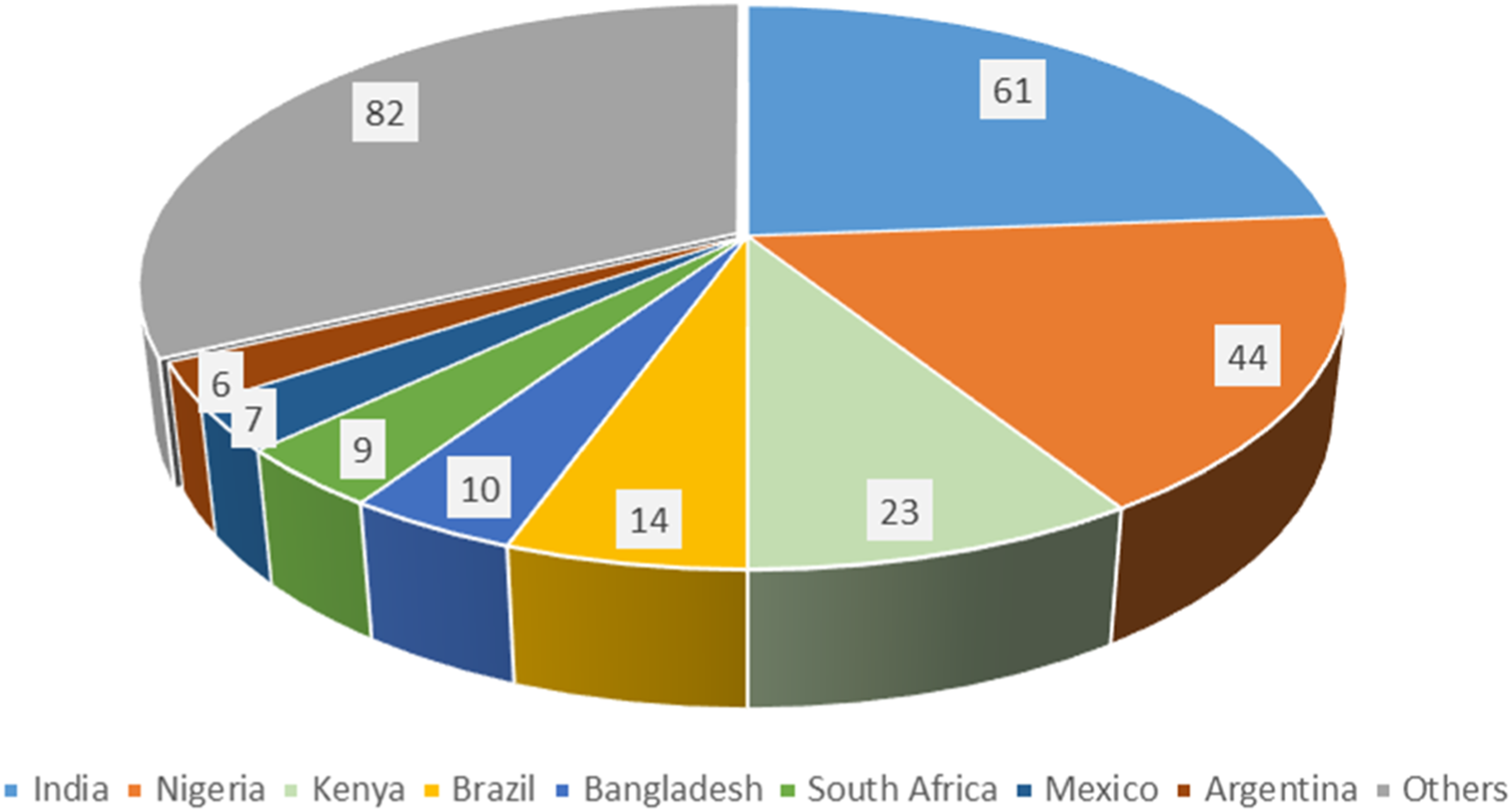
Figure 3 presents the distribution of stories considering the characteristics of non-formal education. The thematic analysis performed by MAXQDA software allowed us to count the number of stories for each theme previously identified in the literature (see Table 1). A story can be catalogued in more than one category. On average a story corresponds to 2.86 categories. Responding to RQ2, it was identified that the most relevant themes are “practical”, “participatory”. These two themes appear in 208 stories, which denote 85.16%. On the contrary, “self-governing” and “self-learning” emerge only in 14 stories, which represent 5.47%. Distribution of the stories by non-formal education themes.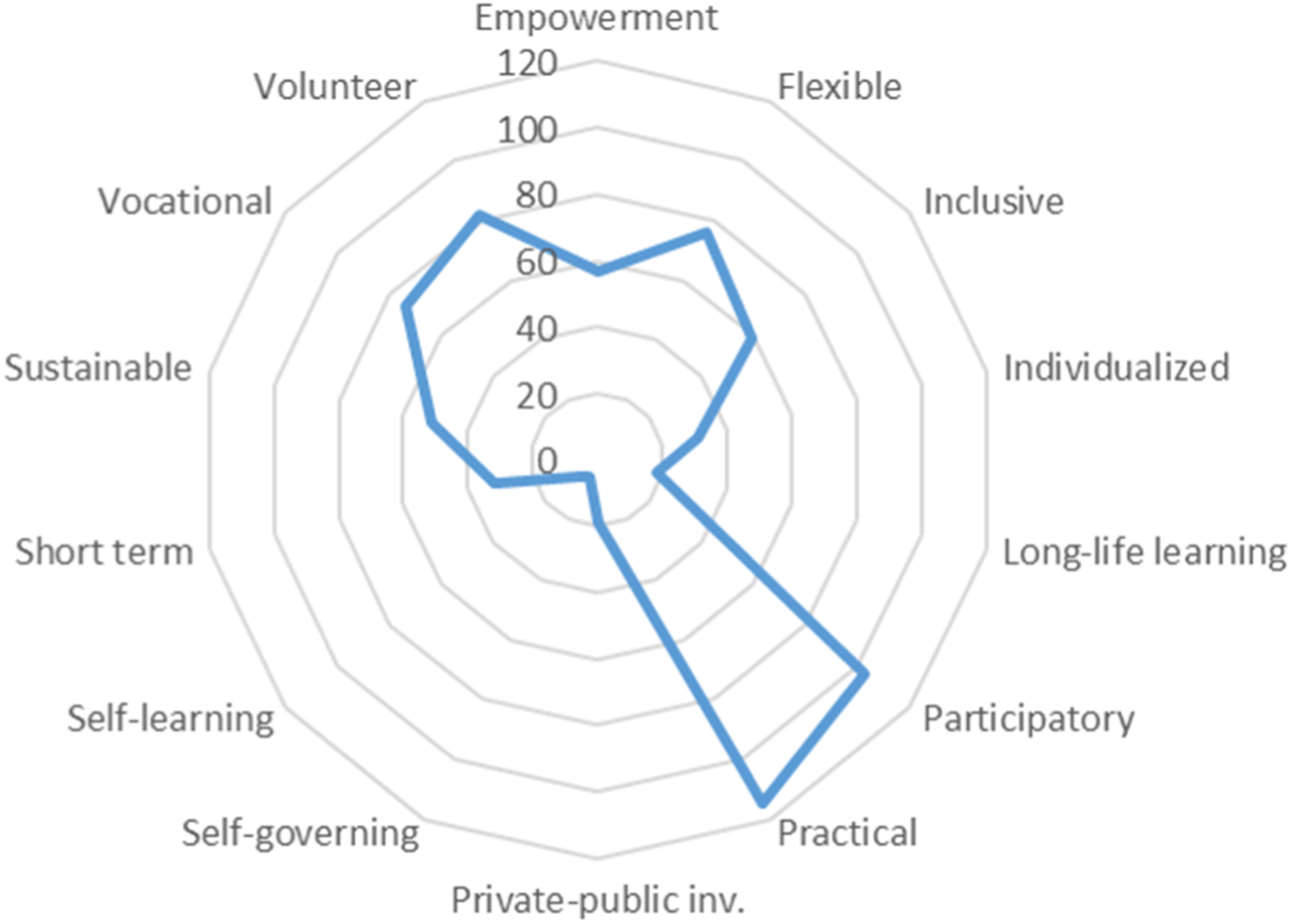
The practical component of non-formal education is a key element in motivating the actors. A project that highlights the role of young communities is found in Ecuador. As highlighted “It’s part of a program that is embedded in the Galapagos school system to involve youth in the critical environmental conservation work that is most often the terrain of adults” (Fernandes, 2018). Another project where empirical practices are key is found in Brazil. The program sends skilled social workers to the most disadvantaged regions of Brazil to stimulate intellectual development through interactive activities as reported by Anderson (2018). This approach is also aligned with the proposal advocated by Sheridan et al. (2009) in which it is highlighted that trainers should apply various working techniques that engage participants in a compelling way and enhancing impact through practical experiences, sharing, and peer reflection. Stakeholder participation is also a key element in the development of non-formal education. Access to education is still a challenge in developing countries, especially for girls (Evans and Yuan, 2022). Associated with this is the problem of distance in access to school which inhibits the more distant communities from accessing education. In Zimbabwe, we find a process that addresses this challenge, namely “Local parents joined together to build a hostel for the girls to sleep in near the school, with their mothers taking turns to act as matron...school hostels are a popular solution across Zimbabwe and Tanzania.” (Lamble and Stewart, 2016). The difficulty in access è education has led non-governmental organizations and foreign companies to place computers and other e-learning devices in the classroom. However, their implementation is more challenging as Clark (2018) acknowledges “Entrepreneurs are shifting to a more holistic approach that takes into account local needs and gets teachers more involved in the implementation process...It’s not just about tablets or laptops … it all begins with basic infrastructure.”
Finally, Figure 4 explores the relationship between the themes and sub-themes. We have also identified deductive and inductive themes. A deductive theme is a theme that is derived from existing theories, concepts, or prior research and is used as a framework to guide the analysis of qualitative data. Deductive themes are pre-defined or predetermined themes that have been identified in the literature. On the contrary, an inductive theme is a theme that emerges organically from the data during the analysis process, without being predefined or guided by existing theories or concepts. Inductive themes are derived directly from the content of the qualitative data, and they represent patterns, ideas, or concepts that researchers identify as they immerse themselves in the data. Two inductive themes have been identified: “empowerment” and “sustainable”, which allow us to address the first research question. Empowerment theme stories are related to community members who are discriminated (e.g., gender, race, religion), in which we seek to strengthen the capacity of these communities to face the social challenges they face; while in “sustainable” theme, we have found stories related to the sustainability of natural resources use, ecosystem regeneration, and circular economy. Content analysis and relationships between themes.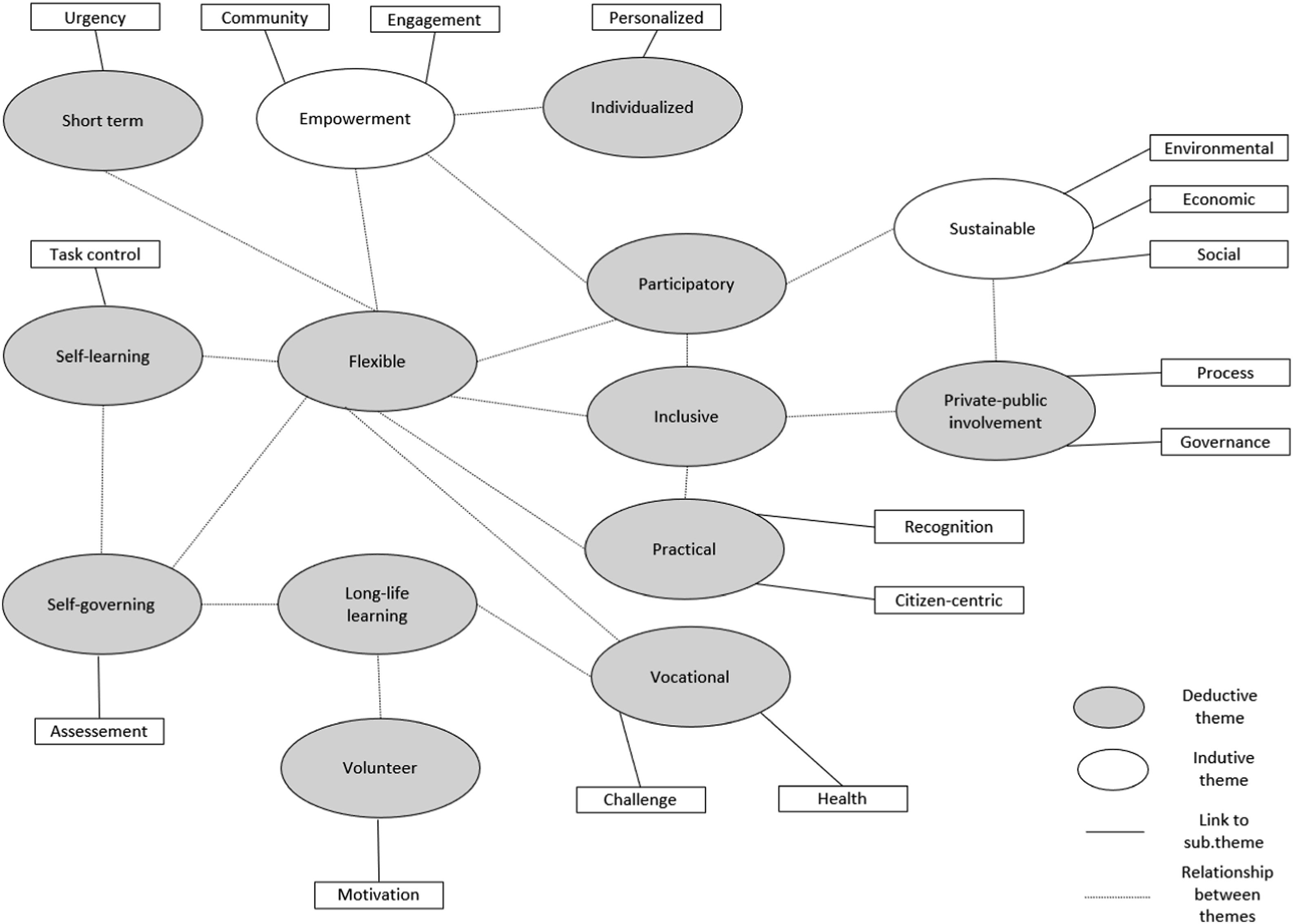
Education for sustainability has been approached fundamentally from non-formal education actions and aligned with the concerns of the United Nations (UN) through the 2030 Agenda for Sustainable Development. These actions in this field seek to be a tool for transformation and commitment to the development of sustainable societies, in which developing countries should not be excluded. Environmental education brings about changes in mentality regarding the choices made by countries and communities. The role that bottom-up actions emerging in society can play in addressing the goals of the 2030 Agenda is recognized by Almeida (2022). This is precisely the idea behind the Exchanging Plastics for Learning Resources project in Nigeria. Taoheed (2022) reports “The approach is motivating because all the stakeholders have started to come back with impressive testimonies, especially the positive change in the academic status of their teenagers. It has also reduced the burden economically on the side of the parents since the learners don’t disturb them for learning [materials]”. This project assumes the double benefit of contributing to the collection of plastic and using its profits to provide school supplies to students in need. The empowerment of disadvantaged communities is also a very relevant issue that can be addressed by non-formal education. In India, we find a project that seeks to respond to the severe shortage of doctors to support cardiac patients. The project “The Healing Force of Family” reported by Levine (2021) indicates that digital media can be used to teach medical care skills to families. As it is described “by training them in simple medical skills to help their loved ones recover with fewer complications and readmissions once they return home. Noora’s standard of caregiving is already helping to restore trust in India’s beleaguered public system and may prove to be a critical element in the country’s pursuit of universal health coverage” (Levine, 2021).
Conclusions
Education does not end with formal education processes, and new alternative and complementary programs have emerged outside the traditional school context. Developing countries have seen an increasing number of training programs outside the formal educational system that have been promoted by social organizations, non-governmental movements, and other philanthropic entities operating in the social area. These initiatives have been developed to address the learning objectives not covered in schools, but which nevertheless correspond to the genuine needs of the target populations. Due to its flexibility and versatility, non-formal education reaches segments of the population excluded from the formal process. The characteristics of non-formal education are widely recognized in the non-formal education initiatives that we find in non-formal education and that allows us to answer RQ1 and identify the characteristics related to the practical, participatory, and voluntary dimensions as the core elements of non-formal education programs in developing countries. The study also allowed us to identify two emerging themes related to sustainability and empowerment of communities. We note the importance of these programs in addressing the United Nations Sustainable Development Goals through local initiatives that offer replicability to other communities. The empowerment of local communities is also a relevant element so that the impact of these actions may have a medium- and long-term impact.
This study offers both theoretical and practical contributions. The theoretical component allows us to explore the role of non-formal education in the initiatives promoted in developing countries. The identification of two emerging themes allows us to extend the literature in the field and indicates the relevance of including two more dimensions that should be considered in the analysis of the potential of non-formal education. From a practical perspective, this study is relevant by identifying a set of initiatives in non-formal education that are of great importance for local communities and simultaneously offer the potential for replication and customization for other geographical contexts. This study has some limitations that should be acknowledged. First, the Solutions Story Tracker database was used to identify a total of 256 solution journalism stories in the non-formal education field. Although this number is relatively interesting for a qualitative exploratory study, we recognize its limitation in drawing quantitative conclusions about the initiatives considering that many of them are quite diverse given the unique and specific characteristics of the communities. It is also recognized that this number only corresponds to about 10% of the stories in non-formal education, which indicates that about 90% of these stories occur in developed countries, particularly in the USA which has 76.9% of all stories. Limitations are also recognized in the thematic analysis of the stories since their analysis was carried out considering the report/interview of each journalist. Therefore, and as future work, to understand in greater depth the impact of these initiatives in the communities, it is suggested the adoption of an ethnographic study that allows researchers to explore the uniqueness and particularities of practices and representations of the social groups embedded in their own culture and identity were these practices occur. Future studies could also perform a systematic or scoping literature review on non-formal dimensions. Additionally, it also be interesting to conceptualize in depth the non-formal education characteristics and assess their relative importance in addressing social problems.
Footnotes
Declaration of conflicting interests
The author(s) declared no potential conflicts of interest with respect to the research, authorship, and/or publication of this article.
Funding
The author(s) received no financial support for the research, authorship, and/or publication of this article.
