




Abstract
Several sectors produce more waste. Therefore, comprehensive steps are needed to ensure environmentally sustainable and economically feasible waste recovery. The main objective of the study was to investigate the potential of giving a second life to waste, which constitutes a heavy financial and environmental burden for the factories, by its valorisation in the manufacture of new materials such as insulation and energy-efficient construction materials. By a good choice of treatment and implementation methods, paper pulp waste was considered to be a raw material that can replace many synthetic products widely used in the construction field. The research aimed to characterise wastepaper for possible use as a raw material in composites for insulation in buildings. This was done with a drying treatment of the WP to eliminate the water content and analysed the chemical composition to ensure the absence of toxic elements where there might behuman contact. Analytical methods used were both physical and chemical such as granulometry, X-ray diffraction, scanning electron microscopy/EDX, Brunauer, Emmett and Teller and Fourier transform infrared. Finally, it was necessary to identify the thermal performance and microstructure for practical application.
Introduction
Population growth has triggered several problems, such as the depletion of natural resources and the excessive production of solid waste. 1 The Algerian Agency of Wastes 2 estimates that more than 13.5 million tons of municipal solid wastes (MSW) were generated in 2019, composed of 55% organic, 16% plastics, 14% paper and cardboard, 2% glasses and 13% others.
Between 20% and 30% of municipal solid trash is made up of packaging waste, which includes paper, cardboard and plastic. There are over 1.2 million tons of plastic and almost as many paper and cardboard.
Paper manufacturing keeps developing all over the world, thus generating a large amount of solid waste, including humid sludge composed of kaolin and grayish cellulose, which considerably affects the environment. 3
One of the most polluting industrial sectors in the world is the pulp and paper industry. It is typically portrayed as being water and energy-demanding.4–6 According to several researchers,7,8 pulp and paper manufacturing wastes are listed as non-hazardous industrial wastes. According to the findings of the analyses, the level of heavy metals found in these residues does not pose a risk to the environment. Paper sludge can therefore be categorised as waste that is non-hazardous. 9
The paper industry has several negative aspects, including forming significant volumes of solid waste and exploiting natural wood resources for cellulose manufacture, which is the foundation for its production. It is estimated that around 0.4 t of waste is generated for every ton of paper produced. 10
The global paper industry generates a large volume of industrial solid waste, which must be treated (primary, secondary or tertiary) before it can be disposed of properly. The paper-producing sectors seek the best way to dispose of their wastes, which are often disposed of in landfills. However, only a few research studies confirm the usefulness of such measures from an environmental, technological and economic standpoint. Understanding the properties of this waste and the treatment procedure are critical challenges for managing it and adapting to changing ecological conditions. 11
The technical and organisational process of urban and industrial solids waste management in Algeria is still in development, delayed by the lack of upstream waste treatment, causing rapid landfill filling.
The country has made significant recovery progress during the last 5 years. Several firms recycle paper, plastics and certain metals, but there needs to be more. The garbage generated by recycled paper and cardboard did not surpass 100,000 t in 2012, with an estimated 200.000 t for 2022 representing less than 20% of total waste.
Most paper industry waste is disposed of at technical landfill centres. However, these facilities occasionally need to be adequately set up or built to dispose of the material, resulting in contamination of soil and subsurface ground waters. 12 Sometimes, this waste is disposed of in controlled landfills because incineration can lead to harmful environmental impacts.13–15
Recently, great interest has been given to the treatment and recycling of industrial waste, aiming to turn this waste into a raw material resource to promote economic activity and employment.
Due to their excellent availability, superior characterisation and low cost, industrial or agricultural waste aggregates have been the subject of several research studies.16,17 To investigate their efficiency for producing new ecological materials, some researchers are interested in glass powder, 18 plastic waste aggregates, 19 rice husks, 20 palm fibres 21 and wastepaper (WP).22,23
The present research focuses on the WP generated by the paper industry, which is intended to be reused to develop new eco-friendly thermal insulation material for building. Several studies have worked on the impact of chemical and structural analysis of WP used as reinforcement in different matrices. 24 reported that thermal and mechanical properties of clay bricks are improved using WP as reinforcement. The same result is noted in the study by Reference, 9 who used waste sludge from the paper industry. Also, the work of Reference 25 who developed new lightweight bricks manufactured with recycled paper mill waste bricks and cement as a binder or lime-based binder. 26
On the other hand, 17 studied the properties of WP in terms of dimensions, bulk and absolute densities, porosity, water absorption kinetics, thermal conductivity and scanning electron microscopy (SEM) microstructure analysis. 27
Furthermore, material development differs from one researcher to another. Also, a few nations, like Austria, Spain and the United Kingdom, are investigating and implementing waste sludge from paper into civil construction materials. 3
To determine the best method of disposal and valuation as a raw material and to study its potential for use in the construction industry, this article will analyse the chemical, mineralogical, thermal and structural characteristics of the WP produced in Algeria's largest and most significant paper manufacturing facility, which is estimated to generate 30,000 t of waste annually.
Materials and methods
Materials
Raw waste
The waste analysed in this study was gathered from a factory that manufactures paper for hygienic reasons from collected paper and cardboard, located in Bou-Ismail city of Tipaza province, 35 km northwest of Algiers. The firm produces around 3600 t of paper per year, creating approximately 1350 t of industrial waste per year, which is stored at the factory premises or rejected in landfills.
These WP, at the end of life, is recovered (see Figure 1(a)), dried (Figure 1(b)) and crushed to obtain small particles (Figure 1(c)).
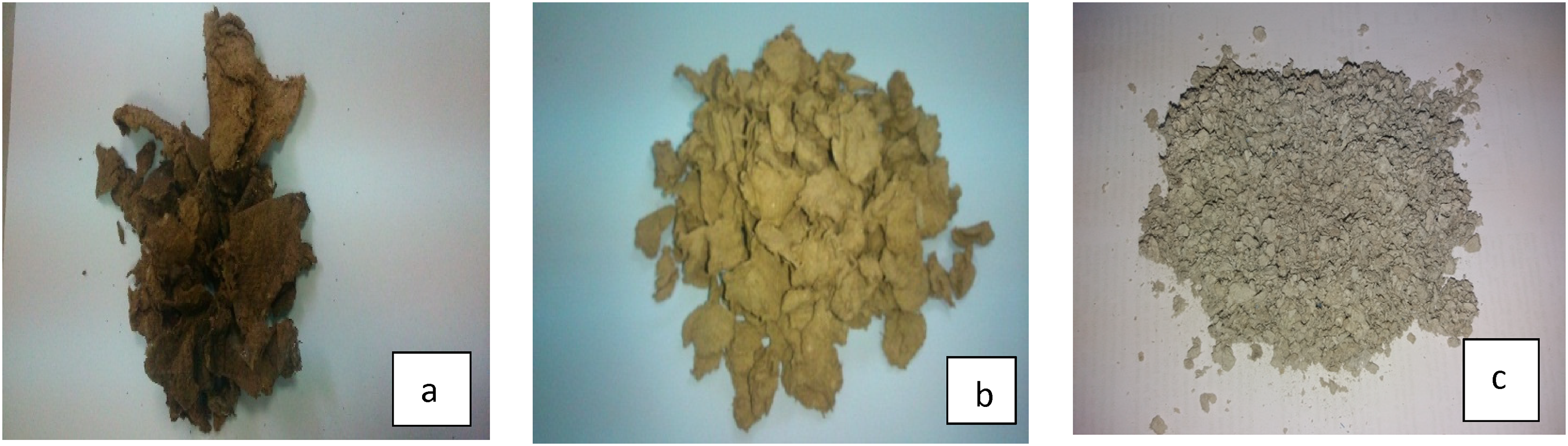
Images of WP: (a) initial state, (b) dried in solar drying, (c) crushed.
Figure 1(a) presents the WP with high moisture content, being easily dewatered using the solar dryer developed in the research unit ‘UDES – Unité de Développement des Equipements Solaires UDES/EPST CDER’. The temperature within the dryer was around 60 °C and 5% Humidity. The average weight of water in samples was calculated after attaining constant mass as the difference between the wet and dry masses divided by the wet mass. The weight samples loss, which is the water content in the WP, is around 50–60%. This result aligns with Reference. 27
Granulometry
The studied WP recovered from the paper industry is dried in solar drying developed in UDES, after which is grinding to have small particles. A series of tests are carried out to determine the particle size distribution.
The following findings are an average of three measurements. According to NF P 18-560, the sieving procedure is used for identifying particle size distribution. 16 Figure 2 shows the aggregate size analysis results. The particle size distribution ranges between 0.25 and 10 mm.
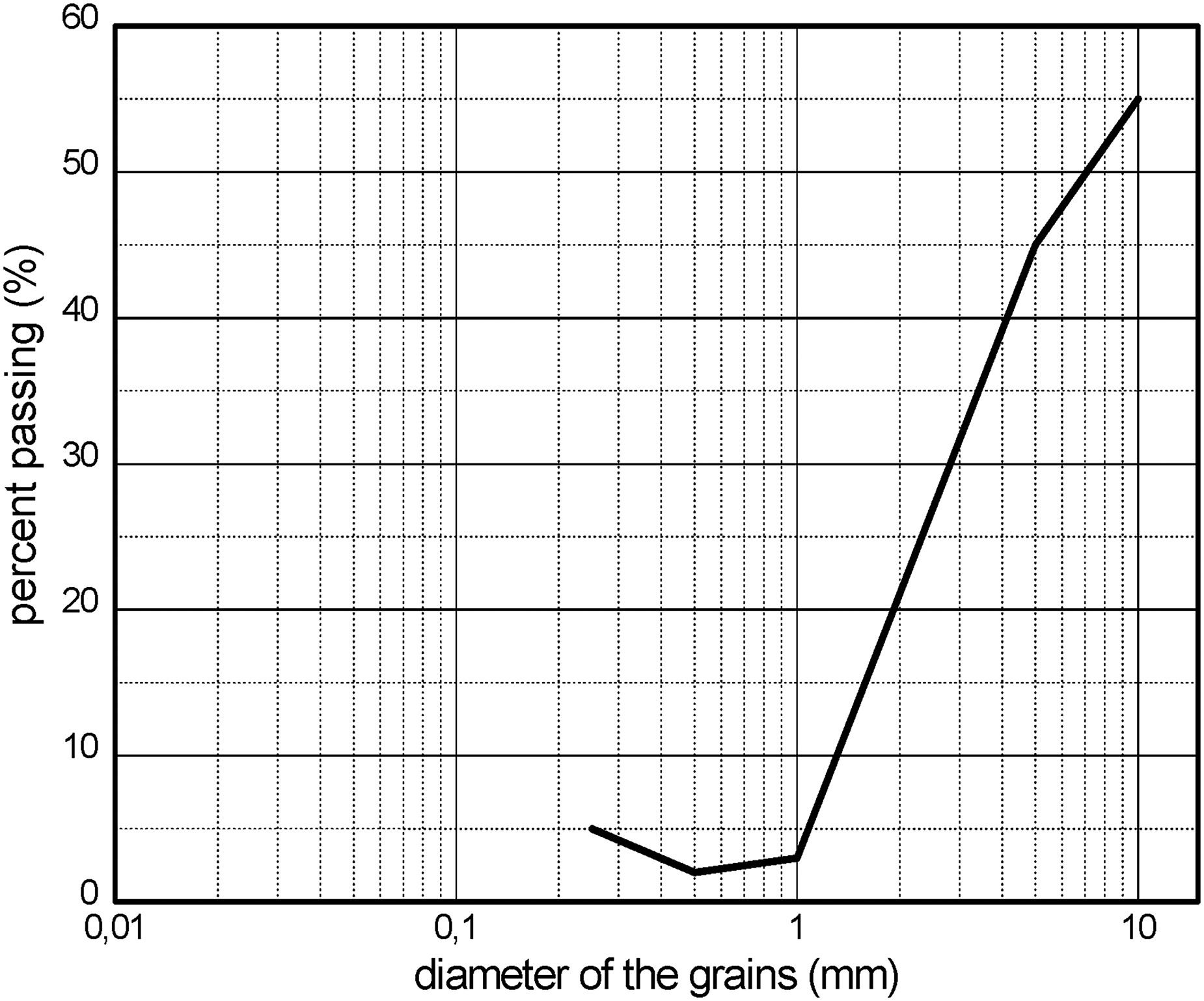
Wp size distribution.
Figure 2 shows that the WP aggregates have a large percentage, 90%, of particle diameter of 5 and 10 mm and 10%, lower than 1 mm of diameter. This result is an essential characteristic of the WP, which shows that after the grinding, the large portions of the homogeneous particles are between 5 and 10 mm. 28
Characterisation methods
X-ray diffraction (XRD)
The WP was analysed using a D8 Advance A25 X-ray diffractometer (Bruker AXS, Germany). The detector SSD160 mode (1D) fitted with a sensitive position (PSD) at 2.421° and equipped with a monochromatic Cu Kα1 and 2 radiation sources (1.54060 Å and 1.54439 Å) under measurement conditions of 280 nm of Goniometer radius, a domain of 2θ from 3° to 120°, a tap of step: 0.020°A and the scan display wavelength of 1.5406 Å. The equipment was operated at a generator voltage of 40 kV and a current of 25 mA.
Finally, the samples’ phase identifications were performed using DIFFRAC. EVA V4.0 software compares the PDF-2 2004 patterns database with the registered scan.
Differential scanning calorimetry (DSC)
The Differential scanning calorimetric (DSC) analysis of the WP is investigated using an SDT Q600 coupled thermobalance (ATG-ATD/DSC) TA Instruments. The samples of 10 mg weight were heated from 50 to 800 °C at a heating rate of 10 °C/min under an inert atmosphere (nitrogen).29,30
Fourier transform infrared (FTIR) spectroscopy
The WP's FTIR spectra were conducted using an attenuated total reflectance (ATR) IRTF Bruker alpha spectrometer. Approximately 10 mg of sample was placed on the diamond crystal sample holder to facilitate the collection of infrared spectrum data. This was done with a wavelength Accuracy of 0.01 cm−1.
Infrared data was collected by scanning samples from 4000 to 375 cm−1 at 0.1–0.5 cm−1 resolution and 50 sample scans.
Thermogravimetric analysis (TGA) and DTA
The thermogravimetric analyser apparatus (SDT Q600 TA Instrument) is used to characterise the thermal stability of the paper waste. Approximately 10 mg of the sample was placed in the aluminium melting pot, which was heated from 50 to 800 °C using nitrogen gas under a heating rate of 10 °C/min and flow rate of 100 ml/min.
Scanning electron microscopy
The surface morphology of the material studied (WP) was characterised using an environmental scanning Electron Microscope (Quanta FEG-250 SEM) instrument given a high-resolution imaging and composition analysis by energy-dispersive X-ray microanalysis (EDS). A small amount of WP is put on a carbon adhesive tape, fixed onto an aluminium stub and sputter coated with gold. The sample is captured at different magnifications through electron micrographs.
Brunauer, Emmett and Teller (BET)
The BET method measures the specific surface area of the pores of a material. Surface area is the measure of the amount of surface area available per unit mass. Surface area is important for many applications.
Characterisation of WP was performed to relate initial feedstock composition with the final product composition and yield. The specific surface areas of the carbons were determined by N2 adsorption–desorption isotherms at 77 K and calculated according to the BET method.
Results and discussions
XRD results
The paper waste and X-ray diffractogram results studied in this research are presented in Figure 3.
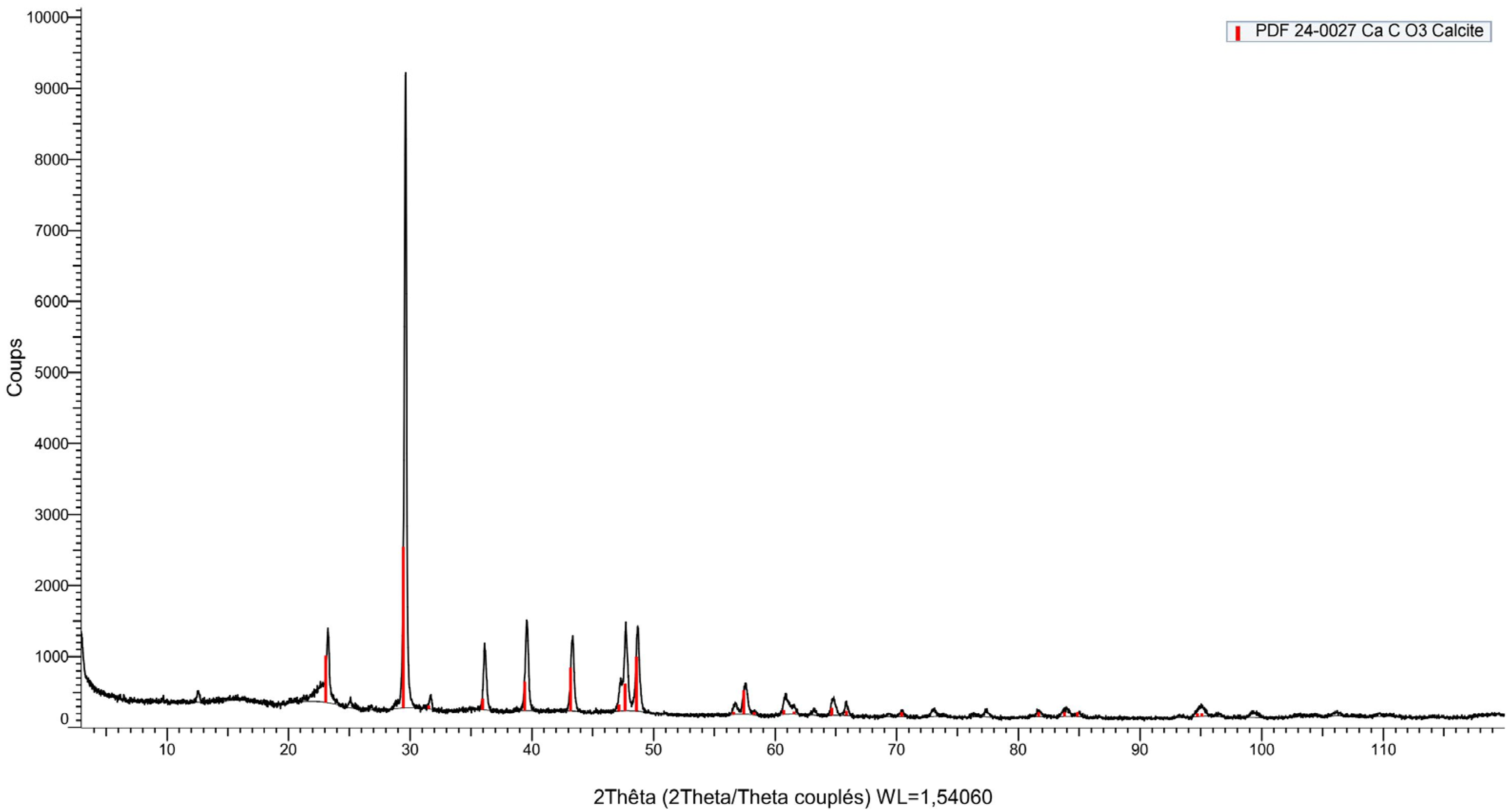
XRD of the WP.
The WP contains mainly short fibres, coatings and fillers such as talc (Mg3Si4O10 (OH)2) and CaCO3). 31 It can be seen from Figure 3 that the main crystal constituent of the paper waste is calcium carbonate (CaCO3), some other minerals, such as kaolin (Al2O3, SiO2, H2O) and talc (Mg3Si4O10 (OH)2). This result is supported by several researchers who worked on industrial WP.27,32–34
The presence of kaolinite, muscovite and talc can positively impact the WP if it is transformed into a mineral additive for mineral materials applied in mortars or concrete. 35
Some studies indicate that a high content of calcium carbonate (around 50% in weight) promotes the formation of CaO particles contributing to a decrease in the thermal conductivity of the material 36 and an increase in the mechanical strength. 27 Some researchers show that the obtained mineralogical results of WP approximate the pozzolanic ones.27,37
EDX results discussion
The WP chemical composition depends on several factors: the manufacturing plant, used the raw materials and chemical products used in the paper manufacturing process. 30
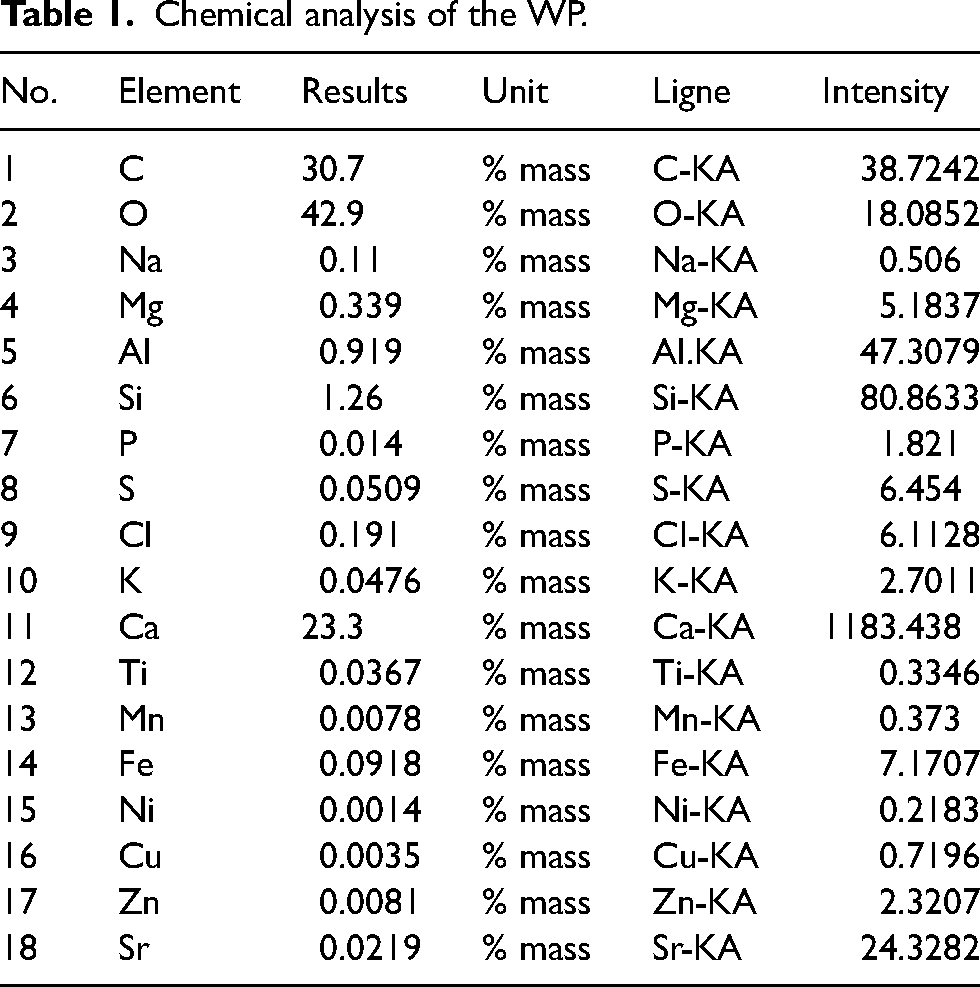
Table 1 shows the chemical composition analysis by EDX. It can be seen that there is a significant presence of calcium, carbon and oxygen in the paper industry waste, and to a lesser degree, aluminium (Al), silicon (Si) and a trace of iron (Fe) and magnesium (Mg). These elements are found in the work of Reference 27 who used the EDS technique to determine the chemical analysis of the paper sludge.
Chemical analysis of the WP.
The component elements of the paper waste demonstrate the variation in the chemical composition during the various steps of the paper manufacturing process.
It can be noted that the presence of high amounts of carbon and oxygen and some minerals and other inorganic materials is due to the cellulose in the WP, 14 while the presence of other elements in small quantities may be coming from the production process and its procedures used in the paper industry 38 and can create new elements which can enhance the properties of this waste, such as Fe2O3 which can be a positive factor to improve the strength 39
Thermo gravimetric analyse (TGA)
Thermal and morphological characterisation
Figure 4 illustrates the differential thermal analysis (DTA) and TGA curves of the studied paper waste. This figure shows the DTA curve has three exothermic reaction peaks at 80, 342 and 753 °C. This result is specific to the WP studied in this research and depends on the fibre's nature and the manufacturing process. In contrast, other analyses show the opposite result, only an utterly endothermic reaction 9 where an industrial paper sludge is studied.
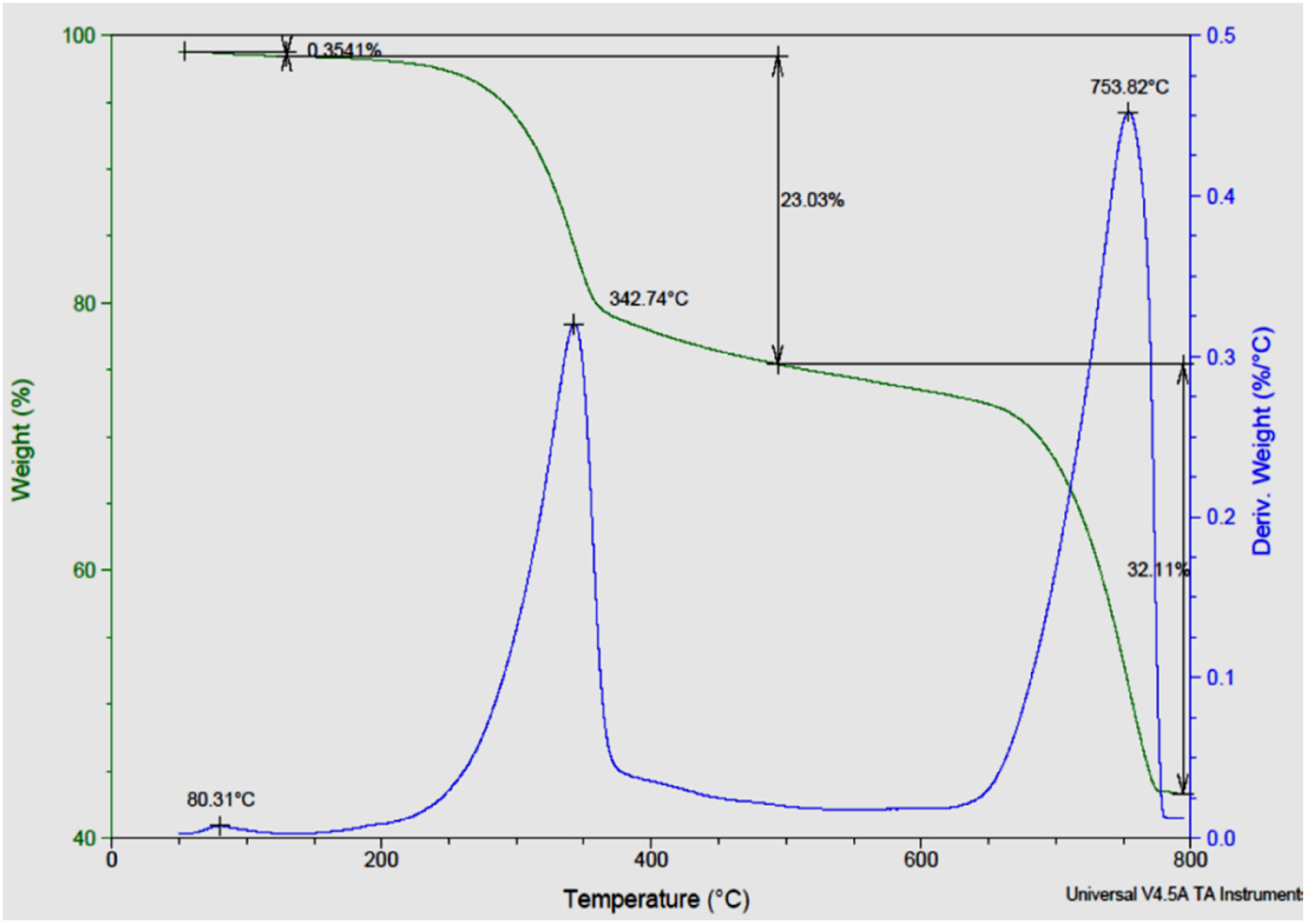
DTA and TGA curves of paper waste.
The TGA curve shows a three-step weight loss. The first loss is 0.35% at 100 °C, primarily due to a small number of water molecules trapped in closed pores.27,29 The second is a 23.03% loss between 200 and 500 °C, the distinct exothermic peaks at this temperature interval with considerable weight losses related to the burning of organic fibres (cellulose).9,11 And finally, 32.11% loss at 875 °C may be attributed to the decarbonisation of CaCO3, and a probable association with other minerals leads to the release of excessive kinetic energy.9,38,40
Some studies 27 assessed the effect of the temperature at 573 °C on waste to the happening phase transition a-SiO2 into b-SiO.
Differential scanning calorimetry (DSC)
The heat flow evolution of WP is studied as a function of temperature and heating rate is presented in Figure 5. It can be observed that the heat flow increases at heating rates of 650 °C, and then it decreases, recording three peaks. 41
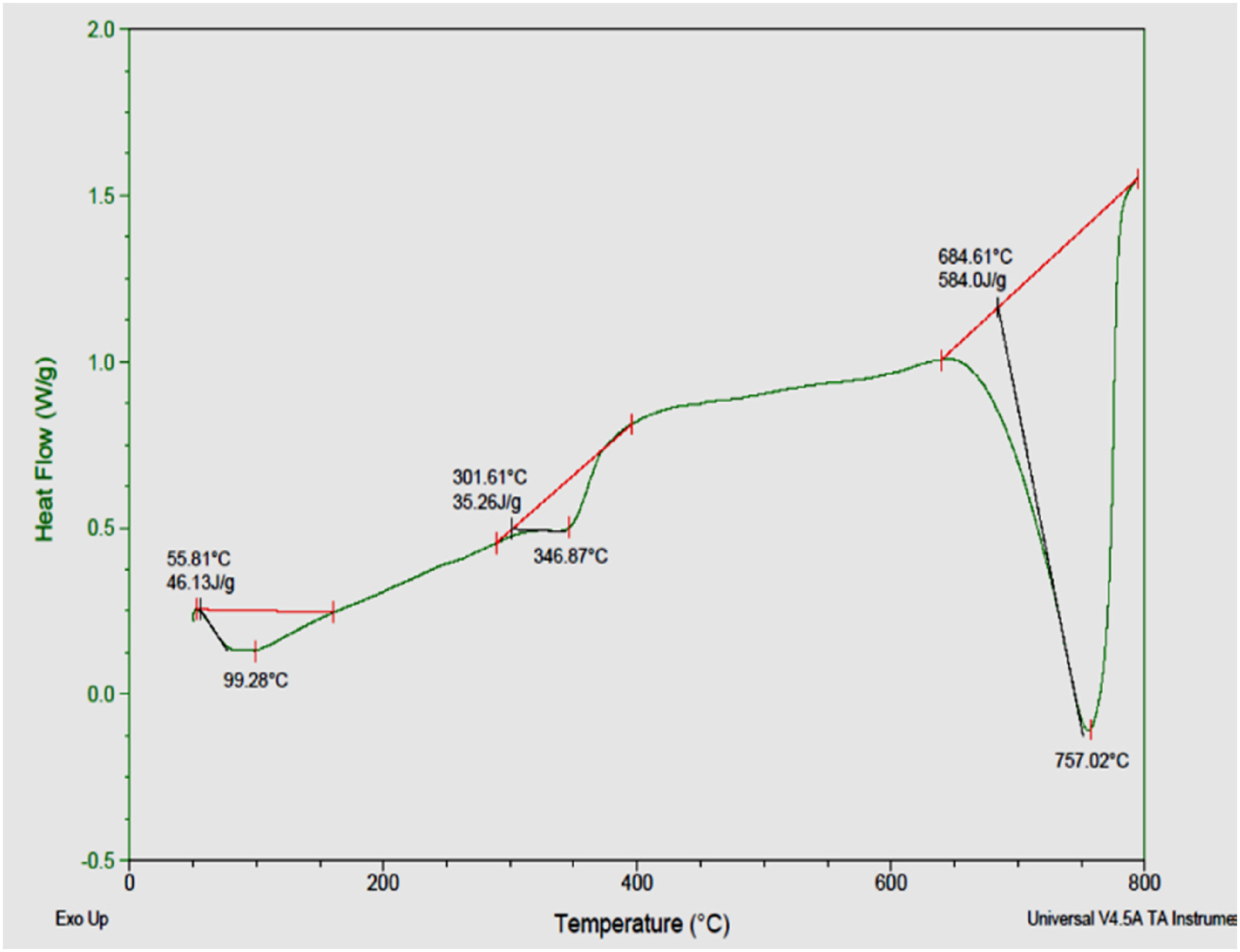
DSC thermogram of WP.
The first exothermic peak is observed at around 100 °C related to removing the moisture from the WP. A second exothermic reaction is observed at 347 °C, due to burning cellulosic fibres. Reaching 650 °C, a rapid linear decrease in heat flux was observed with an increasing temperature of 757 °C. This behaviour corresponds to the melting of CaCO3. This trend agrees with, 29 who studied paper sludge as filler in biocomposites.
Fourier transform infrared spectroscopy (FTIR)
The WP was analysed using infrared spectroscopy (FTIR). The absorption spectrum of the WP is presented in Figure 6. Generally, the result confirms the lignocellulose nature of WP, as reported by References.42,43
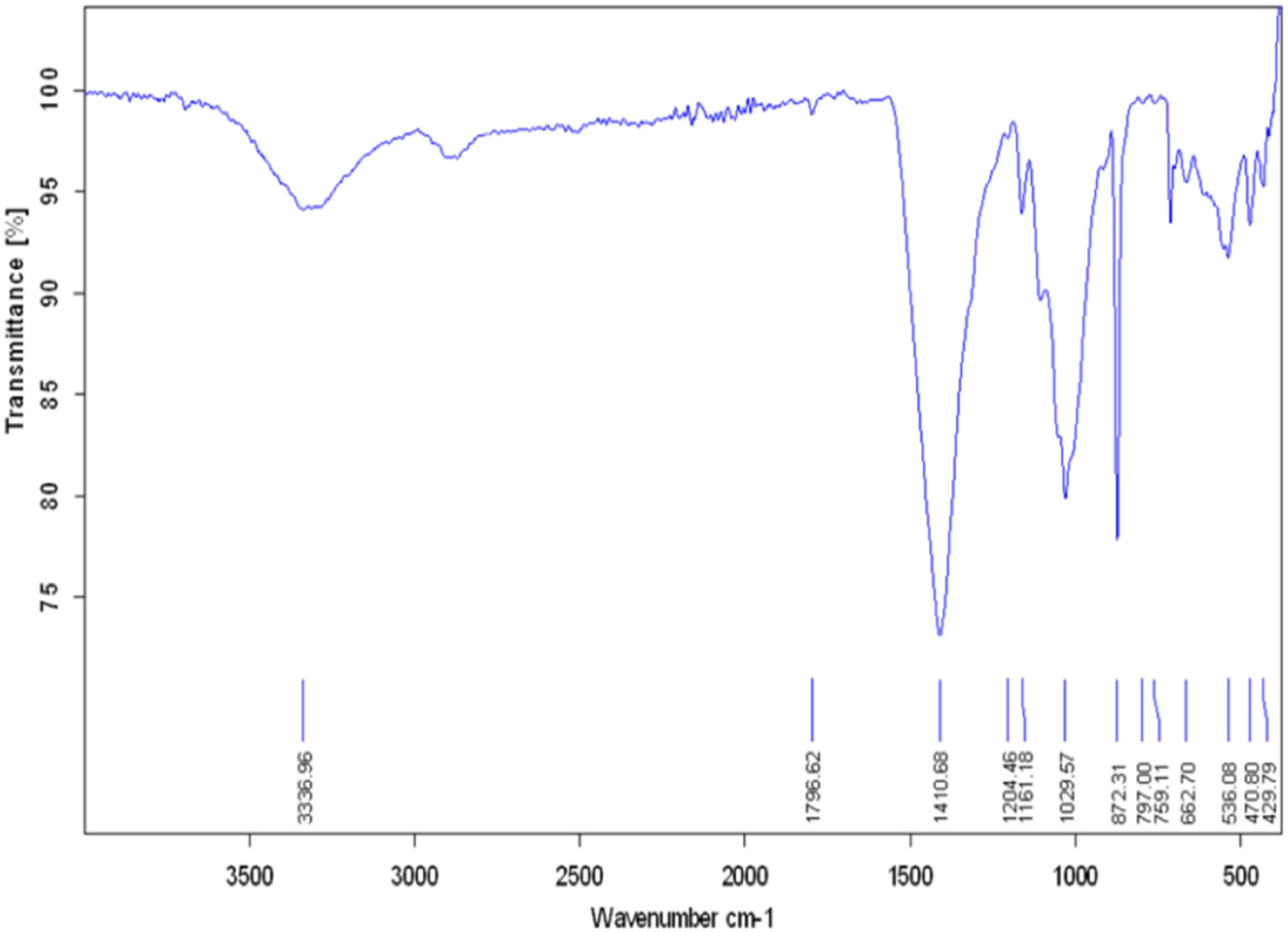
FTIR Spectrum of WP.
It can be noticed from Figure 6 a broad band around 3337 cm−1 corresponds to OH stretching of phenolic OH groups, the same result reported by Reference. 42 The band attributed to the hydroxyl group and water at 3600–4000 cm−1 was also in the moisture of raw.
At 2900 cm−1 corresponding C–H stretch for saturated aliphatic 42 indicates the presence of various amino acids. The weak C≡C stretching band of alkyne molecules occurs typically in the region of 1796 cm−1.
Aliphatic C-H bending was observed with the peak at 1410 cm−1
42,44 associated with cellulose, hemicellulose and lignin.
The peak of aliphatic C-H bending was detected at 1029 cm−1. The C-O stretch of carboxylic acids and the C-N stretch of amides can be attributed to the band at 1204 cm−1. 45 The peaks discovered at 1204 cm−1 were found to be characteristic of lignin.
The C-O stretching of compounds resembling polysaccharides was attributed to a solid peak at 1029 cm−1. The bend of carbonates’ C-O out of the plane was given a crisp band at 872 cm−1. 46 The C-S linkage's stretching vibration was recorded in the vicinity of 872–429 cm−1. In the meantime, brominated substances started appearing in the 800–500 cm−1 infrared band range. 47
Microstructural analysis
The microstructure of WP is presented in Figure 7. The analysis results show short cellulosic fibres and calcium carbonate particles bonded to the fibre's surfaces. These results are mentioned in the works of References9,29 who indicate the presence of these elements in SEM analysis. It can be seen from Figure 7 that the presence of pores and black pots, due to existing of several minerals used in the paper industry, leads to a heterogeneous structure of the WP, which is in line with 27 who observed a chemical distinct of paper sludge materials.
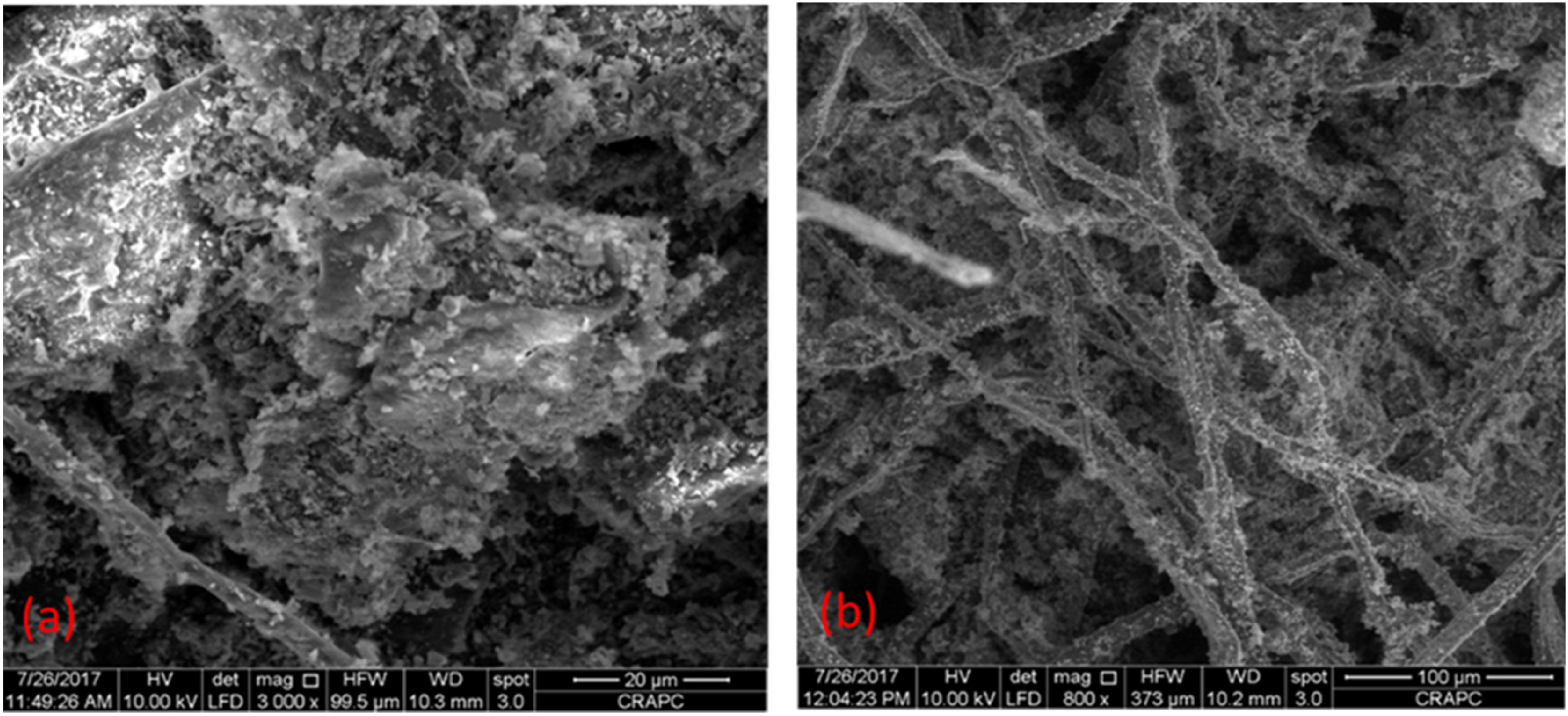
SEM micrograph of WP at two different scales: (a) 20 µm and (b) 100 µm.
The morphology of the WP examined in this research depends mainly on the nature of wood cellulosic fibres. In this case, it is a short fibre that may result from the industrial paper process that induces further degradation of fibres. It is noticed that the cellulosic fibres concentration in the WP is a good signal to have a critical calorific power which can constitute a very favourable reinforcement in polymeric or mineral matrixes.27,48,49
BET analysis
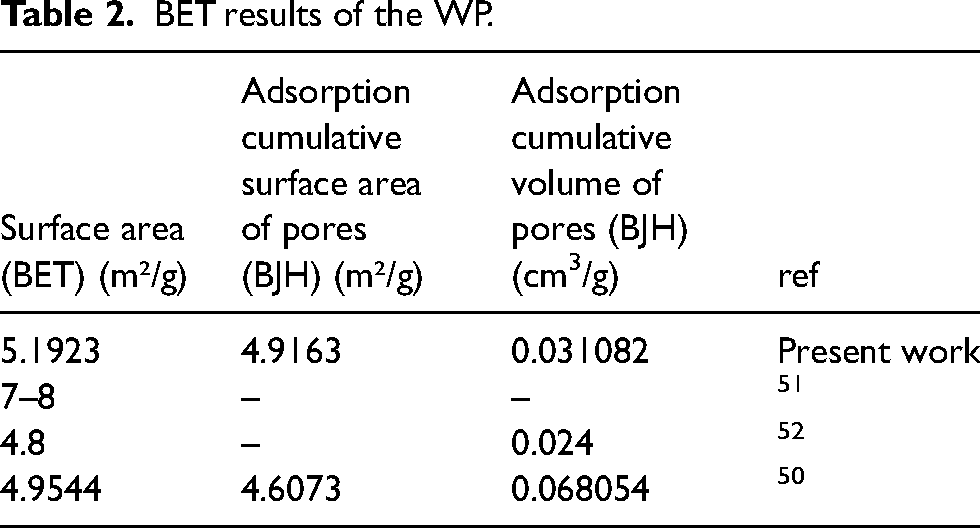
BET analysis shows that the pore diameter of the WP varies between 1.7 and 300 nm. The pore diameter determined is similar to precedent works. 50 The specific surface area (BET) is equal to 5.1923 m2/g, the pore area (BJH) is equal to 4.9163 m2/g, and the pore volume (BJH) is 0.031082 cm3/g. Table 2 shows the surface and pore information of the WP content in comparison with other works.
BET results of the WP.
Conclusions
This study is part of a global project which deals with reusing end-life WP generated by the paper industry as a raw material to develop a new eco-friendly composite material. In this context, several tests are conducted on the WP to determine their properties, ensuring the thermal performance efficiency of the WP. Recording the experimentally obtained results, it can be noticed the following conclusions:
The water content in the WP reaches 60%, which will be transformed into the pores after drying. This trend decreases the density and enhances the thermal conductivity of this material. The results of the particle size distribution of WP show that their size is between 1 and 10 mm after drying, thus include irregular distribution. However, the grinding operation will provide a similar size of fibres, hence the homogeneous distribution of the WP in the matrix. The chemical analysis of the WP shows the presence of a large quantity of cellulosic fibres and other elements from the production chain process used in the paper industry. The presence of new elements such as Fe2O3 or minerals such as kaolin (Al2O3, SiO2, H2O) and talc (Mg3Si4O10 (OH)2) can improve the resistance of composites used in buildings. In addition, the CaO particles contribute to a reduction in the thermal conductivity of the composite. The heating absorption performance of the WP studied generates exothermic reaction peaks due to the burning of some components of WP as the lignocellulose. Microstructure analysis of WP shows the fibres randomly distributed, giving pores with irregular geometries. The cellulosic fibres containing in the WP may be an indicator to the energy storage capacity, which is an essential element for the insulation materials.
Therefore, the WP studied in this research presents no toxic element and good thermal performance, allowing it to be used as an insulating building material.
Footnotes
Declaration of conflicting interests
The authors declared no potential conflicts of interest with respect to the research, authorship, and/or publication of this article.
Funding
The authors disclosed receipt of the following financial support for the research, authorship, and/or publication of this article: This research is a part of a socioeconomic project, funded by the Algerian Directorate General for Scientific Research and Technological Development, Project ‘Valorization of biomaterials for better energy efficiency in buildings and solar thermal applications’, project No. EAH1-UDES/epst CDER/2018.