




Abstract
To meet global food demand, reduce waste, and minimise environmental impact, the agricultural sector must improve its current practices on soil amendment, fertiliser encapsulation, and seed and crop protection. Super absorbent polymers (SAPs) are a class of polymeric materials that can absorb and retain large quantities of liquids/aqueous solutions compared to their own mass. Typically, SAPs are cross-linked to form three-dimensional hydrophilic networks, commonly known as hydrogels. Although SAPs can be synthesised from both synthetic and naturally sourced materials, for agricultural applications they are generally composed of synthetic polymers, due to their advantageous properties. These include higher water absorption rate and capacity, low cost, availability, durability, and mechanical performance. However, many of these systems utilise polyacrylic acid (PAA) and polyacrylamide (PAM) monomers which may have toxic effects on the nervous and respiratory systems of humans and animals. To ensure sustainable agricultural practices and maintain healthy long-term crop output, synthetic SAP usage must be greatly reduced. This review article aims to investigate alternative natural SAPs for agriculture and critically rationalise their adoption into the industry. Specific applications investigated include (i) soil amendment, (ii) fertiliser encapsulation, (iii) seed coating, and (iv) crop protection.
Keywords
Introduction
Globally, 1 crop production has increased by more than 60% in the last 20 years. 1 However, sustainable agriculture and forestry are under serious threat because of droughts, water shortages and soil desertification. 2 Super absorbent polymers (SAPs) have found uses in many industries including hygienic products, drug delivery, pharmaceuticals, foods, agriculture etc. 3
The criteria that SAPs should meet varies depending on the specific application. Generally, these properties should include controlled adsorption and absorption, high absorbency, a substantial gel fraction after crosslinking, cost-effectiveness, outstanding durability, stability both when swelling and during storage, absence of odour, biodegradability, non-toxicity, and rewetting capabilities. 4
Applications of SAPs in agriculture are generally in the form of a hydrogel that is utilised as a soil amendment. Hydrogels are ideal for this application as they can absorb and retain water up to thousands of times their weight, gradually releasing it over time. Adding hydrogels to the soil can enhance plant growth and survivability by increasing soil water content and retention, influence soil permeability, density, structure, and infiltration rates, and reduce nutrient losses.4,5 This is crucial for climates such as arid/semi-arid where water management is crucial for sustainable farming.3,5,6 Currently most systems utilise direct watering of crops, which leads to significant water loss and potential water shortage for plants. Implementing targeted sprinkling systems can overcome this but requires significant investment in equipment. 7
Recently SAPs have also found use in other applications such as fertiliser encapsulation, seed coatings, and crop protection. Similarly, the intention of these applications is to increase crop yield, through limiting losses of nutrients, and protecting seeds and/or seedlings from harsh environmental conditions or pests. Natural SAPs show great potential to improve sustainable agricultural practices, by overcoming various challenges due to their tuneable properties.
Whilst there is a great deal of research into biodegradable polymers not all are necessarily sourced from renewable resources. Natural SAPs can be derived from many natural resources such as, lipids, proteins, and polysaccharides. 8 Microorganisms are also capable of producing polymer materials, with recent advancements in the field of synthetic biology and metabolic glycoengineering producing artificial microorganisms that produce specialised types of biopolymers.9–12
Natural SAPs, particularly polysaccharides, are sought after due to their non-toxicity, biocompatibility, and biodegradability. 5 In a study on the enhancement of soil quality using natural and synthetic polymers Abd El-Hafez et al. (2019) found that the natural polymers enhanced soil physical and hydro-physical properties, whilst synthetic treatments reduced the same parameters leading to the reduced growth of lettuce plants. 13
The properties of SAPs can also be tailored using nanomaterials and nanocomposites, and extensive research has been conducted into sustainable synthesis and application of these eco-friendly materials.8,14–16
Additionally, whilst a great deal of research focuses on the renewable SAPs for use in drug delivery this research is often an overlooked area for mechanical enhancement and nutrient delivery in agriculture.
One example of this is a study conducted by Rodriguez et al. (2020), in which κ/ι-carrageenan was used to prepare micro and nanogels, investigating its properties for use as a drug delivery agent. Nanogels provide advantages such as increased surface area, improved solubility, controlled release, targeted delivery, and stability, among other properties. Wherein it was found that the diffusion, size, and swelling capacity of κ/ι-carrageenan could all be tuned through variations in surfactant concentration. 17
Another example is the use of metal nanoparticles, carbon nanotubes, etc. for antibacterial activity can be used to protect and preserve seeds. 18 Extensive research has been conducted in this field, as demonstrated by the work of Bouttier-Figueroa et al. (2023), who synthesised nanocomposites using naturally derived polymers such as galactomannan. 18 Additionally, these works often encounter situations that agricultural hydrogels have. Such as the increased concentration of nanocomposites improving mechanical properties, but reducing the swelling due to increased network interactions, increased rigidity; reducing the matrixes polar group interactions with water, and Van der Waals interactions between the nanocomposite and the matrix.
Results similar to those obtained in the aforementioned studies serve as crucial information during the exploration of potential hydrogel applications in agriculture. The customisation of water content, controlled release of nutrients, biodegradability, and mechanical properties of the gel all have relevance to agricultural applications.
This review investigates the use of natural SAPs in agriculture; it aims to identify the most promising advancements in this area and provide direction for adoption of the technology and future research and development opportunities.
What are hydrogels?
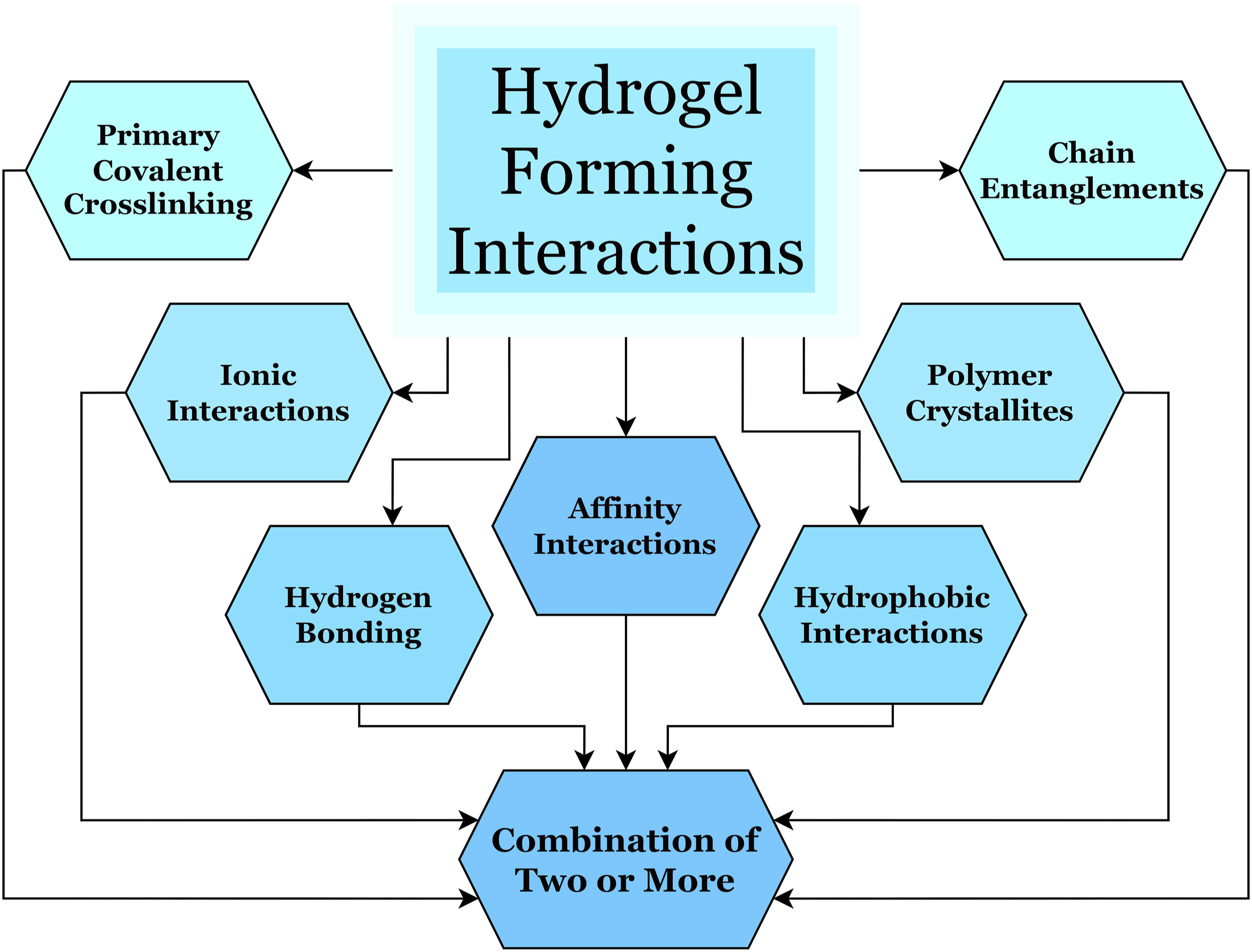
Hydrogels are hydrophilic polymeric networks, forming three-dimensional structures capable of absorbing hundreds or even thousands of times their own weight in water.19–21 Hydrogels are formed through a variety of interactions between the polymer chains which can be seen in Figure 1 below.
22
Hydrogel forming interactions, derived from Peppas et al. (2012).
20
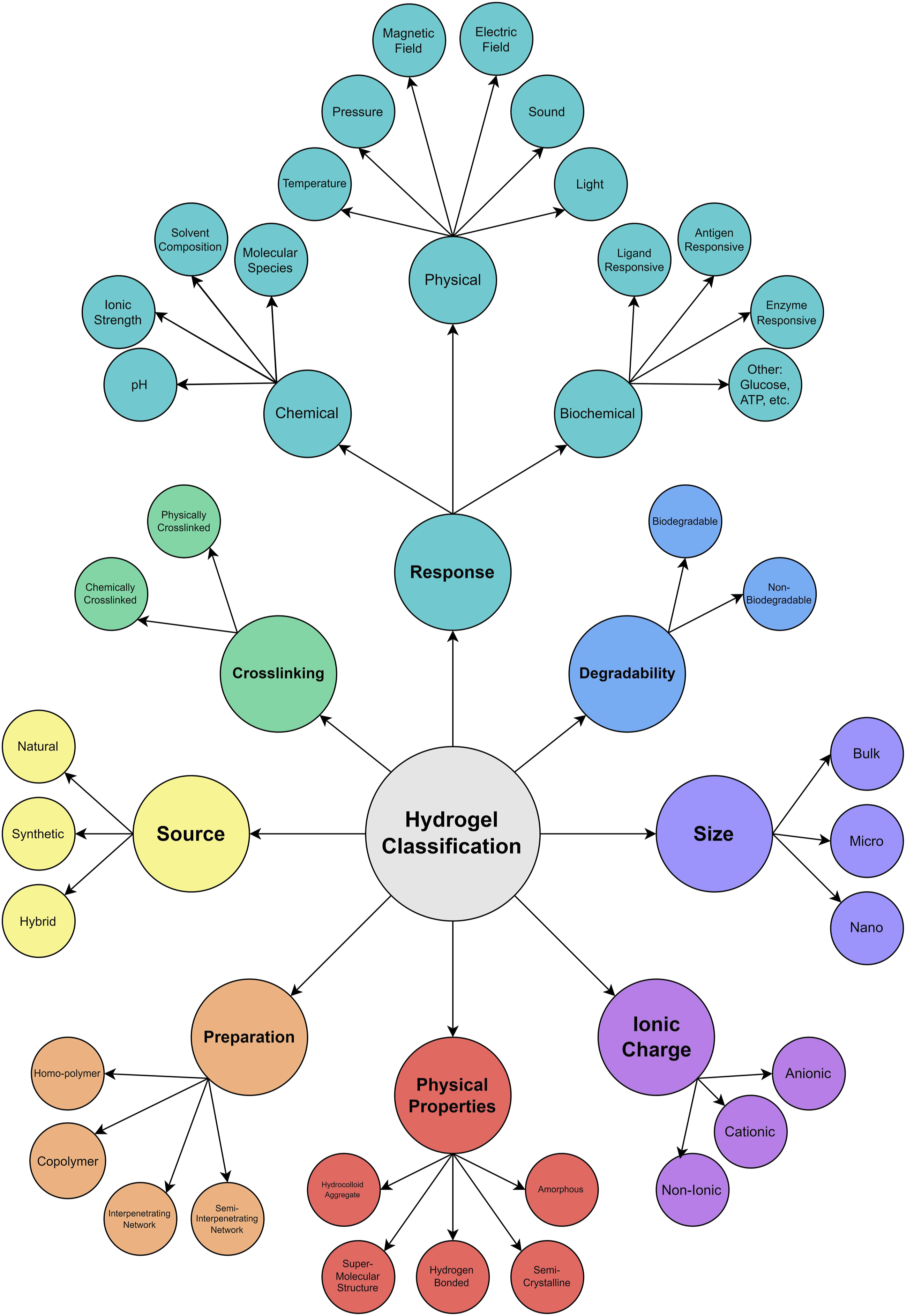
Hydrogels are capable of swelling due to hydrophilic moieties within and attached to the polymer chains. These include ether, carboxyl, amino, amide, hydroxyl, and sulfonic groups, which have a strong affinity for water molecules. The hydrophilic nature of these moieties allows the formation of hydrogen bonds with the water molecules, enabling absorption and retention of water to an extraordinary degree. The three-dimensional network of hydrogels also ensures that absorbed water remains within the gel allowing for sustained release overtime. Hydrogels can be further classified by their physical properties, nature of swelling, materials source, method of preparation, type of crosslinking, response to environmental stimuli such as chemical, biological, or physical changes, biodegradability, size, and ionic charge (Figure 2). Hydrogel classification, adapted from Ullah et al. (2015).
23
SAPs can be synthesised from a variety of natural and synthetic materials and can also be crosslinked to form hybrid networks. Due to their favourable mechanical properties and ability to be mass produced, synthetic petrochemical-based polymers are often preferred in industry21,24. In contrast, natural hydrogels are biologically sourced, biodegradable, often bio-compatible, readily available, and usually are cheaper to source.
24
Although limitations in the performance of natural SAP hydrogels is likely to be encountered, their greatest merit of naturally derived SAP hydrogels is their complete mineralisation from biodegradation, decreasing environmental pollution and supporting sustainable farming. The flexibility, structural integrity, swelling, porosity, and opacity of SAPs are also influenced by numerous factors, which are depicted in Figure 3 below.3,24 Factors affecting properties of superabsorbent polymers.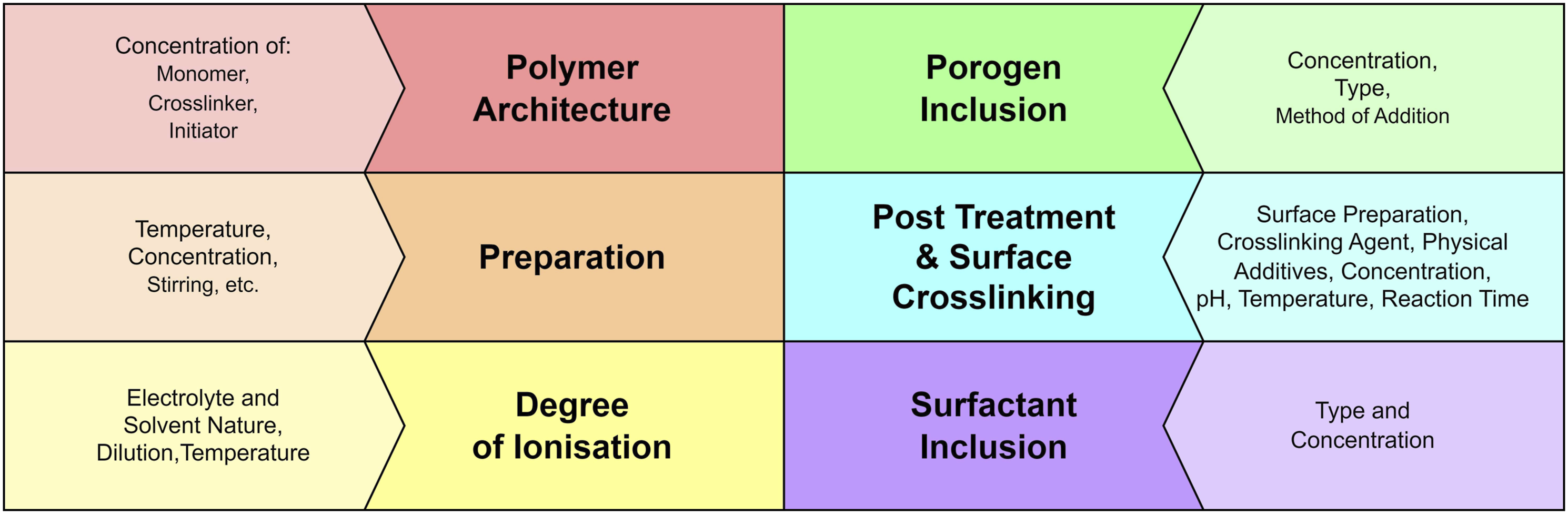
Applications in agriculture
The application of SAPs has the potential to overcome several plant growth and development challenges, including phytopathogenic attacks, nutrient leaching, high transpiration rates, limited water retention and soil capacity, and nutrient deficiencies. SAPs enable increased water and fertiliser retention, improved soil stability, reduced erosion, controlled release of chemicals and nutrients, prevention of pesticide leaching into groundwater, and support for plant growth.
24
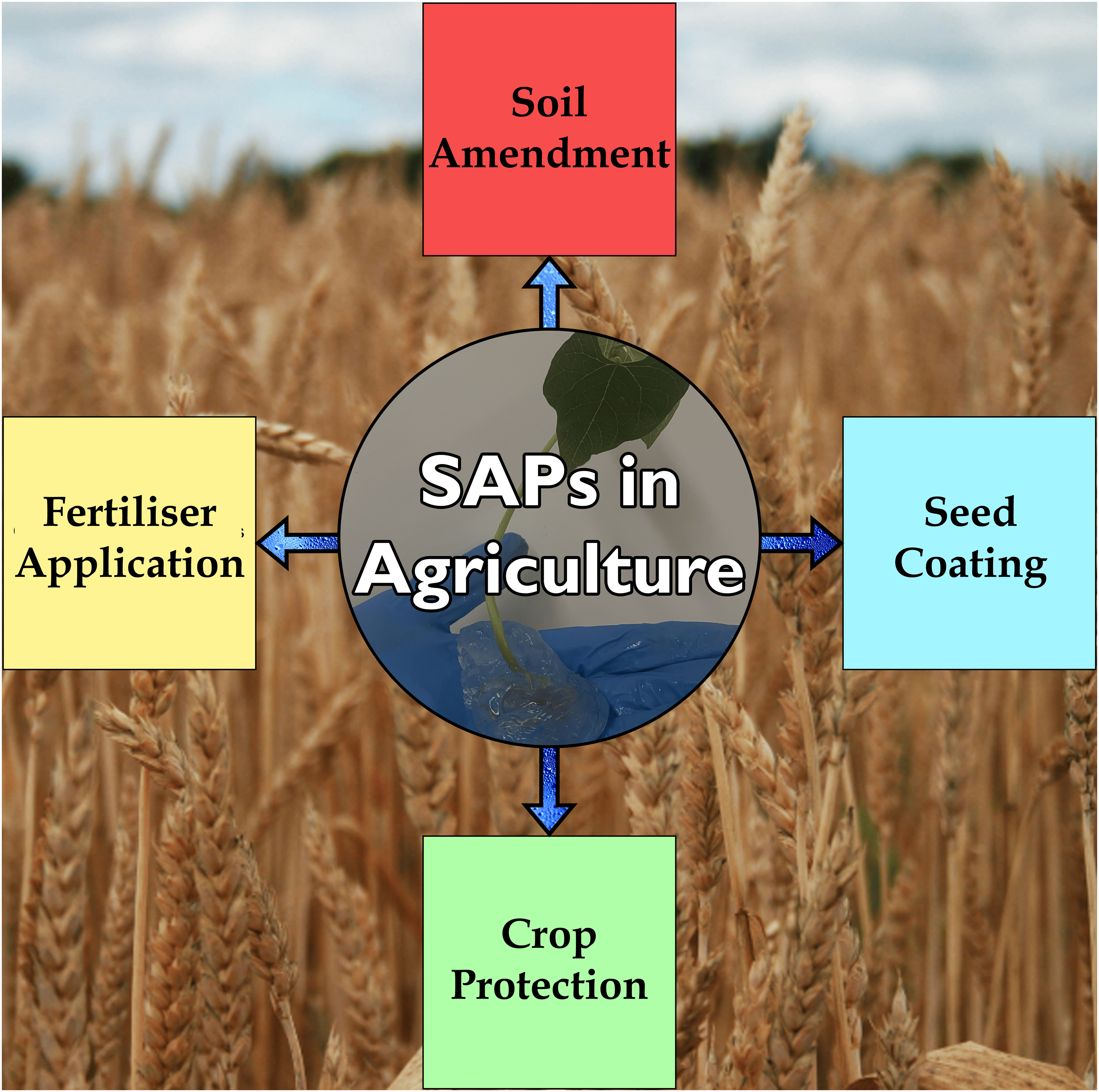
The applications of SAPs in agriculture can be broadly defined in four categories as seen in Figure 4 below. Application of SAPs in agriculture.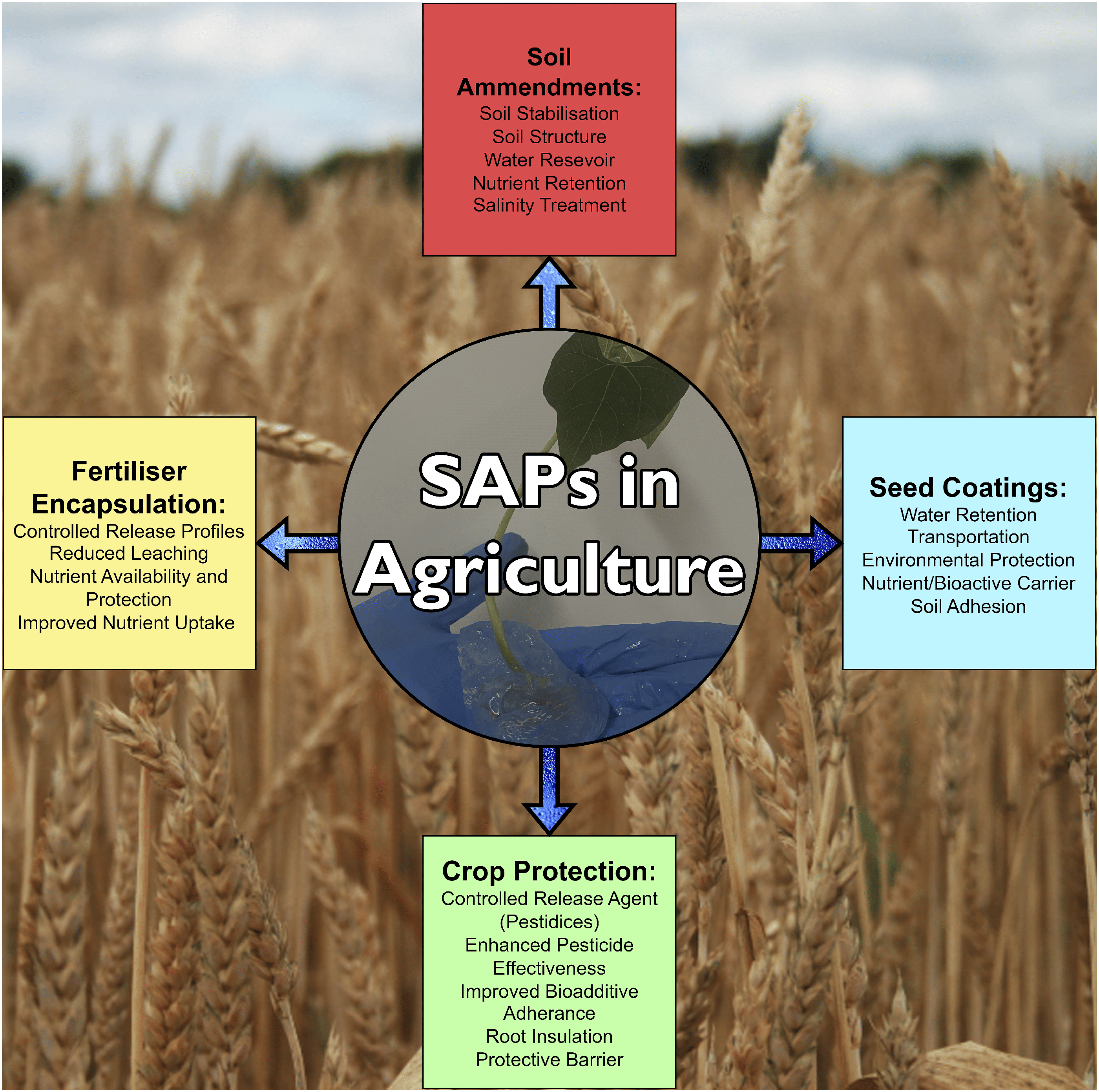
Soil amendment
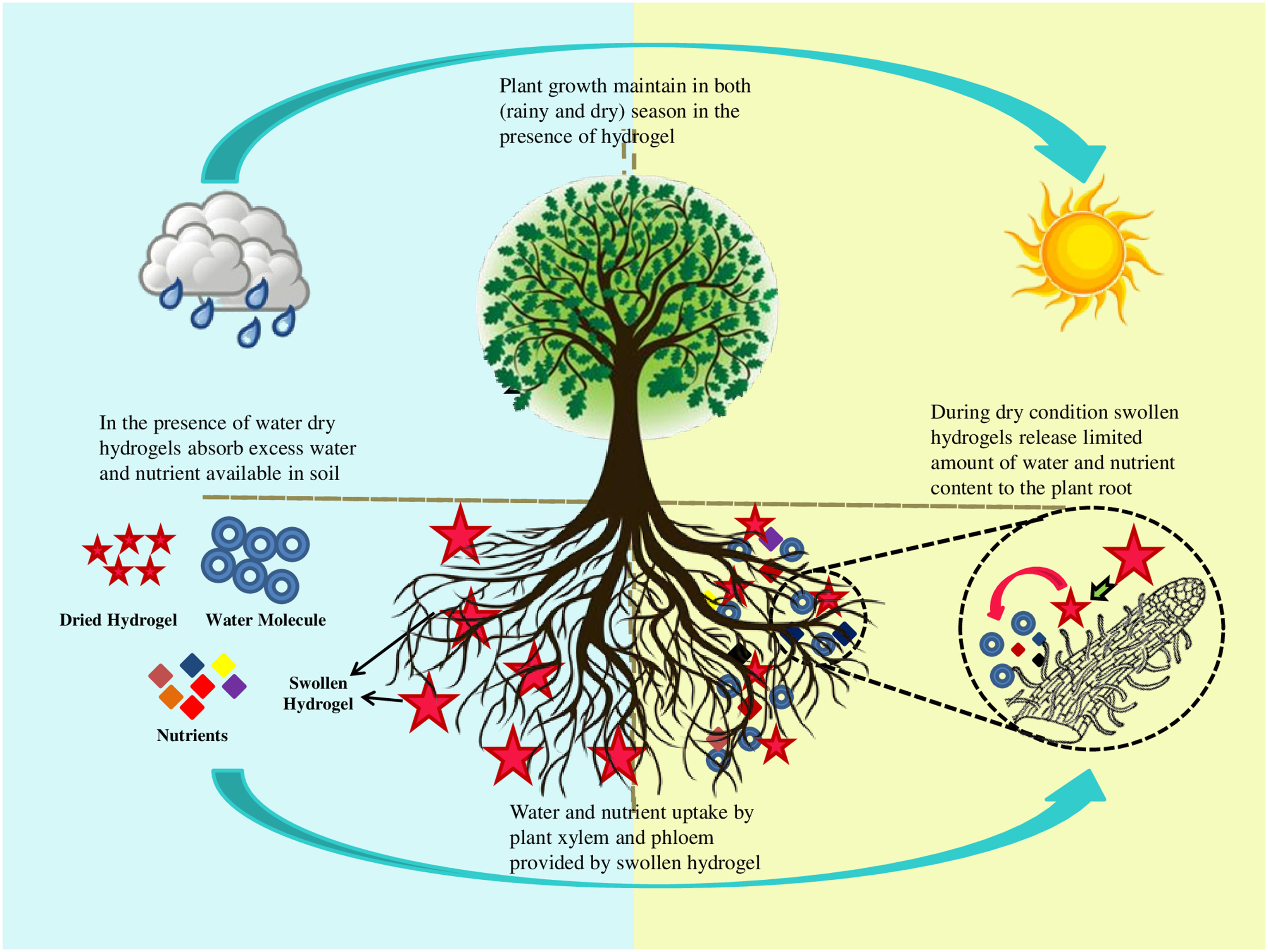
SAPs are often utilised as a soil additive in agricultural applications, to improve soil properties and enhance plant growth.25,26 SAPs in this application primarily serve to absorb and retain nutrients, ensuring prolonged availability for plants.27–29 In this application, SAPs often undergo multiple drying and swelling cycles, absorbing nutrients when nutrients are plentiful and releasing them when conditions begin to dry, as Figure 5 shows.
30
Slow release of water and nutrients from hydrogel, from Singh et al. (2021).
31
SAPs can also aid in optimising the root environment, mitigating environmental stresses for plants, which can improve establishment and growth rates. SAPs can enhance the soil microbiome, reduce water and nutrient loss, and thereby reduce the negative impact of dehydration and moisture stress in crops.19,26,27,32,33 Studies have shown improved germination rates, accelerated growth of roots and plants, and increased crop yields.2,19,27,34,35
Fertiliser encapsulation
SAPs are also utilised as fertiliser granules and coatings, to reduce production costs and mitigate environmental issues resulting from the uncontrolled release of nutrients, herbicides and pesticides into the soil. 36 It is estimated that 40%–70% of nitrogen, 80%–90% of phosphorus, and 50%–70% of potassium in applied fertilisers is lost to the environment and cannot be absorbed by the intended plants. 37 It is this uncontrolled release of chemicals that is the main contributor to surface water eutrophication and as such is indicated as the leading cause of water quality degradation. 38 The proficiency of these materials can be evaluated through (i) nutrient release kinetics, (ii) nutrient uptake behaviour of plants, (iii) crop yield resulting from variations in fertiliser application, and (iv) environmental pollution. 36 Hence, it is essential that the release pattern of nutrients follows that of the growth requirements of the plants. Soil moisture and various climatic conditions may also lead to inconsistencies in controlled release, which may result in plants being starved of usable fertiliser. 39 Therefore, current research for fertiliser applications emphasises the controlled release of nutrients, and cost reduction. 36
Seed coating
Encapsulating seeds in a gel provides several benefits. It makes handling easier, offers protection against environmental factors, enables controlled release of the encapsulated material, and allows for the incorporation of substances that enhance cellular functions. 33
SAP seed coatings perform five main functions, which are (i) improved water retention, (ii) ease of transportation and handling, (iii) protection from the environment, (iv) nutrient/bioactive carrier and (v) soil adhesion. SAPs can act as a water reservoir for seeds, reducing water stress and providing a steady supply of water to promote germination and the establishment of seedlings. Transportation and handling can also be improved through modifications to weight, density, and volume, resulting in improved seed distribution, reduced agglomeration, and enhanced seed flowability. Seed coatings also provide a protective barrier against damage and can protect seeds from environmental stressors such as high temperatures and drought. Additional nutrients and additives, such as pesticides can also be incorporated into seed coatings, of which the gradual release can be controlled to promote healthy plant growth and reduce the need for the regular application of additives. Finally, SAP coatings can also enhance agricultural productivity by improving seed-soil adhesion, thereby mitigating the potential risk of seed displacement during rainfall, irrigation, and other factors.
Crop protection
The application of SAPs can improve crop protection through a variety of factors, namely (i) controlled release of pesticide agents, (ii) improved pesticide effectiveness, (iii) improved adherence of bio-additives, (iv) root insulation, and (v) through providing a protective barrier to plants. SAPs can both improve pesticide adherence as well as release profiles, which reduces the risk of leaching as well as the frequency of applications. The effectiveness of these crop protection agents can also be further improved through the use of SAP nanoparticles (NPs). In root insulation applications, SAPs provide a physical barrier that aids in the controlled release of pesticides, herbicides, or microorganisms, and prevents the direct contact of the root system with the additives. Lastly, SAPs can be utilised for crop protection as a spray additive. In this application SAPs create a physical barrier around the plants, safeguarding them from environmental stressors, pathogens, and pests.
Polymer selection for agricultural SAPs
To meet the diverse needs and properties required for various agricultural applications, there are several obvious choices of natural polymeric materials. Some of these will be discussed individually, relevant to specific applications. The materials include xanthan, alginate, cellulose, carboxymethyl cellulose (CMC), carrageenan, agar, and chitosan.
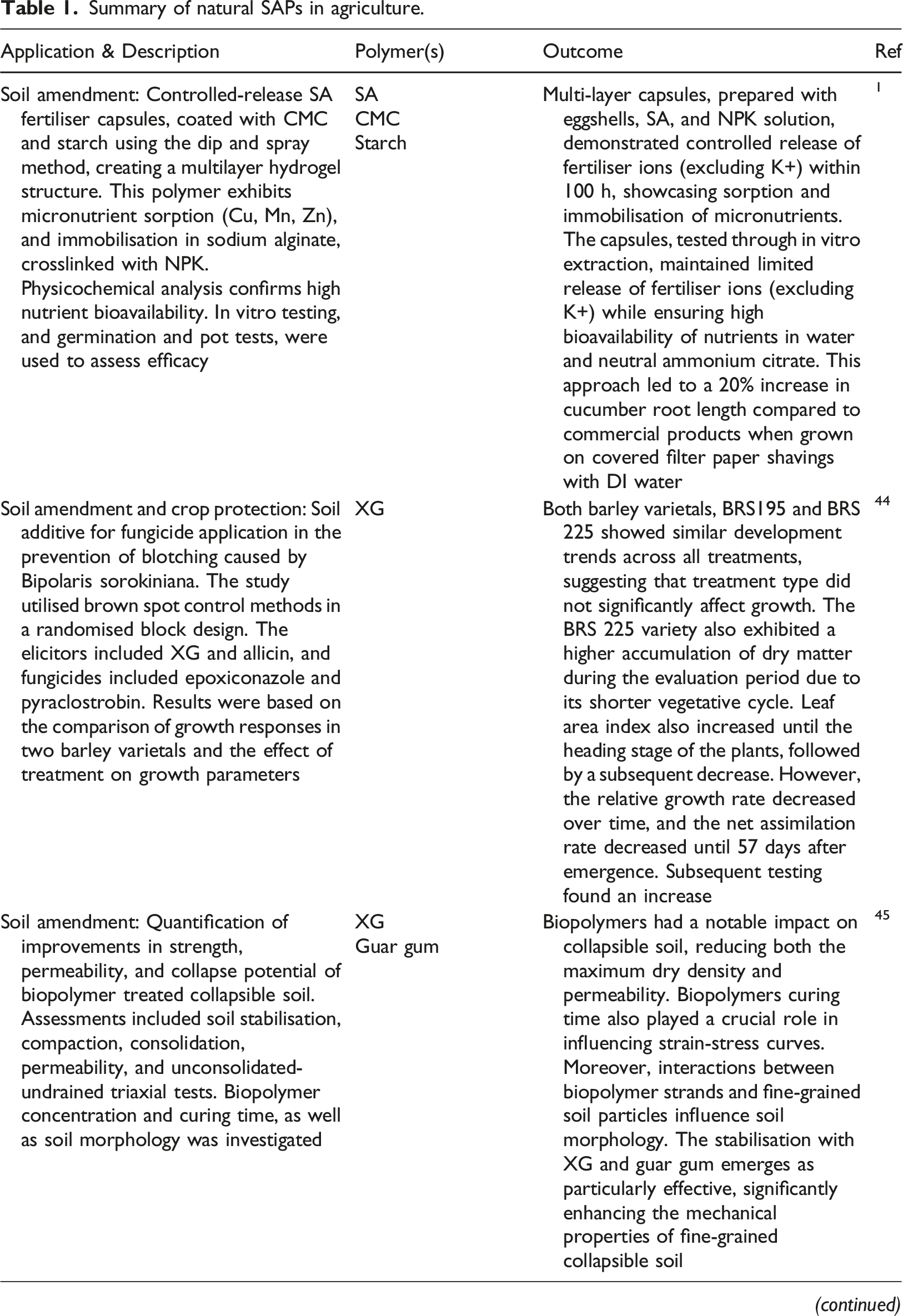
For more information on the individual polymers discussed a summary table is provided at the end of this section which briefly discusses polymer application and outcomes.
Xanthan gum
Xanthan gum (XG) is an anionic bacterial polysaccharide consisting of β-
Soil amendment
XG can enhance soil stability and moisture retention and reduce water infiltration which enhances plant moisture availability by binding between soil particles. Tran et al. (2020) showed that thin films of XG form on the sand surface through interactions with clay particles via hydrogen bonds. 47
Applications of XG typically vary from 0.5 to 4% w/w, although concentrations as low as 0.1% have demonstrated efficacy in soil stabilisation, and moisture retention applications.48–50 In a recent study by Bagheri et al. (2023) XG was found to have extremely promising applications in sustainable soil stabilisation applications. In this study XG was found to increase soil liquid limit, improve compressive strength of soil by 2.5 times (with 2% XG), improved cohesion during unconsolidated undrained triaxial tests, and maintain the integrity of submerged soil. 50 A 2023 study by Wan et al. also concluded similar findings to Tran et al. (2020) for applications of XG in soil engineering. Showing that pore size characteristics correlated well to the interactions with clay particles. 47 In the study by Wan et al. (2023) it was observed that XG content in clay significantly affects pore characteristics, transitioning from three defined pore sizes, small, medium, and large. When XG is below 1% all pores are observed, however as XG increases from 0 to 3% the number of small-medium pores are reduced, whilst an increase in medium pores and reduction in small pores is observed for XG concentrations of 3.5%–4%. The study also noted the good chemical stability of XG, and reiterated the enhanced cementation properties that XG provides, and how this resulted in the improvement of mechanical properties in rooted substrates. This study also showed that <2% XG was able to enhance rye grass growth and germination, however higher concentrations (3%–4%) inhibited these processes. 51
In a study by Tran et. al. (2019), it was found that 0.5% w/v XG outperformed starch in terms of water retention and plant survival under drought stress, using Korean standard poor graded sand. 52 This finding was further supported in a future investigation using sand-clay soils, wherein XG showed excellent water retention properties despite the high soil suction. 53 Additionally, in another study the growth rate of ryegrass in polymer treated silt soil was examined, and XG demonstrated the most improvement in vegetation growth, although no notable rates in germination were observed. When soil suction was less than 10 MPa, all polymers (Xanthan, Gellan, and Guar) increased the water retention in comparison to untreated soil. However, when soil suction surpassed 10 MPa no significant effect was noted. Additionally, XG was the second most effective biopolymer at decreasing the withering rate of the vegetation, due to its higher water retention capacity. The study also showed that higher polymeric ratios led to improved air-entry, this allows for improved aeration of the root systems and a higher concentration of oxygen in the soil supporting growth conditions.
Other studies such as the one conducted by Ko et al. (2022) have also studied the effectiveness of XG as a soil remediation method. In this study it was observed that XG was able to effectively immobilise the heavy metals cadmium, copper, lead, and zinc through sorption mechanisms, which occurred rapidly within 10 min before reaching varied equilibrium concentrations. Decreasing the pH of the polymer lead to alterations in functional groups and surfaces changes which resulted in sorbed heavy metals being released from the biopolymer. 54
Seed coating
In a study evaluating the impact of different biopolymers on bioagent viability and seed germination, XG (0.1% w/v) demonstrated no significant difference compared to the control group when the imbibition time was 0.5, 1, and 6 h. However, after 12 and 24 h XG demonstrated improved germination results. 55 XG as a seed coating finds most of its use as a biocontrol encapsulant in which spores are often introduce due to its favourable properties in preserving viability and functionality of biocontrol agents. For example, a study incorporated the biocontrol agent Paenibacillus alvei strain K-165, measuring its effectiveness in relation to biocontrol of the fungus Thielaviopsis basicola on cotton growth. It was observed that the XG and talc encapsulant performed best at delivering the biocontrol agent to the seed. Promoting a more hospitable soil environment for the seed, and ultimately resulting in improved plant height and fresh weight (weight before drying). 56 The study concludes the potential of K-165 to offer protection against different soil-borne plant pathogens, but the broader implications, challenges, or future directions for applying K-165 as a biocontrol agent are not discussed including storage, environmental impact, and commercialisation considerations.
Other studies aimed to address this, such as those conducted by Swaminathan et al. (2016) and Arsyadmunir et al. (2023), which evaluated the impact of XG on the storage of Trichoderma spores for delivery and storage. In the study conducted by Swaminathan et al. which focused on wheat seeds, XG was found to produce the highest survival under optimal conditions. However, its diminished viability at elevated temperatures and high RH remained unexplained. 57 This crucial insight gap requires addressing for future development. Additionally, Gupta et al.'s research (2014) underscores the need to prioritise XG formulation advancements in regions without refrigerated seed storage resources. 58 In the study by Arsyadmunir et al. (2023) the storage and viability of Trichoderma spp. Using natural SAP blends, including XG and alginate was investigated. The study noted that a 5% XG and 5% sodium alginate formulation effectively suppressed Trichoderma reproduction after 60 days, but viability decline persisted. Despite the study’s comprehensive scope, it lacked insights into Trichoderma spp.'s inactivation mechanisms and dormancy triggers, limiting our understanding of the biocontrol agent’s efficacy during and post-storage. 59
Alginate
Another commonly investigated hydrogel for its use in agriculture is alginate. There is a vast amount of formulation knowledge derived from the food and biomedical/pharmaceutical industries where it is used as an encapsulant, however it is receiving attention in environmental and agricultural applications due to its availability and environmentally friendly nature.60,61
Soil amendment
Alginate based bio-composites have been extensively investigated in wastewater and soil remedial applications for the adsorption and elimination of contaminants. Contaminants include heavy metal ions, water-soluble antibiotics, and organic dyes. 62 For example, crosslinked calcium alginate was utilised to adsorb cadmium ions (Cd2+) for the remediation of contaminated farmlands and previously inhospitable areas. 63 This study validated previous findings that biochar-alginate composite beads have a high maximum absorbance capacity of 1373.49 mg/g at 303 K, as a result of pore filling, hydrogen bonding and electrostatic interactions. Regeneration experiments also showed this composite could be recycled with a removal efficiency of 85% after five cycles of experiments. 64 The ability of the alginate-composite beads to be recycled with a consistent removal efficiency over multiple cycles underscores the materials potential for long-term applicability for contaminant removal, resource efficiency, and future sustainable practices. Alternatively, Merino, et al. (2021) explored the use of sprayable alginate microparticles incorporated with seaweed directly onto a mulch substrate with tomato seeds. This studied demonstrated improved biomass and chlorophyll content in tomato plants, as along with improved abundance of microorganisms in the substrate, indicating a healthier soil system. 65 The enhanced presence of microorganisms in the substrate implies that nutrient cycles and plant growth may be facilitated, even in the absence of a microbial additive, due to the observed impact the material had on soil health and microbial communities.
Other studies on calcium alginate microparticles in this application, such as the one conducted by Vinceković et al. (2022), which utilised biomass fly ash, indicate this is a promising area for research. These materials have the potential to improve the transportation, storage, and delivery efficiency of sustainable nutrients to plants. 66 Similarly, another study by van der Merwe et al. (2022) also showed promising results for alginate microparticles within the soil as a fertiliser release agent, and a pH controlling agent with the inclusion of limestone. 67
Seed coating
The standard method of coating seeds in alginate solution and gelling them in a calcium chloride (CaCl2) solution is not considered feasible for large-scale production. Alternative methods for seed coating, such as the ‘inside out’ method of formation, have been proposed. 68 In this method, dried seeds are coated with calcium chloride and then immersed in a solution of sodium alginate (SA). The reaction initiates from the seed and progresses outward as the Ca2+ ions interact with the alginate.
In a study testing this method on basil, cabbage, and wheat using calcium alginate encapsulation, did not result in the improved emergence of basil or cabbage. 68 Additionally, wheat germination was adversely affected due to the entrapment of the seeds within the gel, possibly due to unsuitable gel strength or a lack of oxygen permeability. 69 Previous studies have overcome this by introducing monovalent cations to create self-splitting gels. However, a preliminary investigation in this study concluded that the inclusion of potassium nitrate did not enhance the germination of wheat seeds encapsulated in the gel.68,70
Similarly, a study conducted by Skrzypczak, et al. (2021), coated seeds using SA and a solution of fertilisers containing nitrogen, phosphorous, and potassium (NPK), crosslinked with the divalent ions of copper, manganese, and zinc. Coated seeds were also treated with an amino acid solution, to act as a biostimulant in the early stages of plant growth. One key observation from this study was that although the surface nutrients distribution was not uniform, germination rates were not affected. The tests concluded that the hydrogel was effective at slowly leaching fertiliser nutrient. As a result, cucumbers produced exhibited a 50% higher sprout weight and 4 times greater root length than their uncoated counterparts. 7 Although the study showed no difference in germination given distribution of nutrients, addressing this factor may lead to an improvement in plant growth, and reliability of the technology. Additionally, a scalable application needs to be addressed as individually coating seeds is not viable for industrial practices.
Alternatively, another study suggested the use of alginate microbeads within seedball technology. Throughout the addition of plant growth-promoting bacteria (PGPB), it was claimed that this should increase the tolerance of seeds to drought and salinisation and allow for efficient drone-based seeding to be performed. 71 Further investigation into the economical and processing viability of this technology would need to be assessed. Moreover, whilst it does make for an interesting improvement on current technologies often implemented in reforestation, an assessment on how this impacts the results of the current technology would need to be completed.
Crop protection
SA is also commonly added in sprays as an emulsifier and thickener. One study showed that SA-polyurethane blends loaded with the pesticide indoxacarb, easily adhered to plant surfaces and formed pesticidal films. 72 Microencapsulation was shown to improve the sustained release capacity of Indoxacarb and improve the efficiency of treatment due to increased surface area contact. Additionally, it exhibited favourable pH-responsive swelling properties and release capacity attributed to microencapsulation. 72 In another study, alginate incorporated with lactic acid was utilised as an antimicrobial coating for alfalfa seeds and sprouts. 73 Although this study demonstrated a decrease in pathogen growth, the combination led to a significant reduction in germination and growth rates. Therefore, further research is needed to explore alternative material combinations with alginate that effectively reduce microbial growth while preserving germination and growth rates. 73 Therefore, in terms of crop protection SA shows promising versatile properties, however the observed results in the germination and growth of alfalfa would need to be further investigated across a range of seeds, as well as material combinations that improve oxygen permeability, nutrient availability, and other germination factors.
Cellulose
Cellulose consists of glucose units linked together in linear and parallel chains via β-1,4-glycosidic bonds, to form strong and fibrous polymer chains. Cellulose is a polysaccharide that forms the major structural component of cell walls in plants, it has applications in many industries including pharmaceutical, textiles, food, and agriculture. In agriculture it is most often utilised as a fertiliser coating, with some usage in soil amendment, and water retention.
Fertiliser encapsulation
Cellulose has promising applications as controlled/slow-release fertiliser (CRF/SRF), due to several advantages, including biodegradability, accessibility, renewable resource, easily modified, high water holding capacity, and cost. Various processes have been developed to produce cellulose-based fertilisers, including coatings, nanotechnology, and composites. 74 Encapsulation technology enhances urea release efficiency, syncing with plant nutrient needs. Grafting or binding cellulose to fertilisers and adjusting coating thickness enables control over fertiliser release kinetics. 74
For instance, a novel double-coated SRF was developed using urea as the core material, ethyl cellulose (EC) as the inner coating, and a cellulose-based superabsorbent polymer (cellulose-SAP) as the outer coating. This double-coated multifunctional slow-release fertiliser exhibited increased water-holding capacity of the soil and improved resistance to nitrification, showing the successful inclusion of inhibitors such as dicyandiamide and thiourea. The formulated SRF resulted in lower levels of soil nitrate-nitrogen (NO3–N), thereby reducing environmental pollution. 75
Similarly, another study on a SRF coated with polyvinyl alcohol (PVA) and filled with cellulose nanocrystals (CNC), was able to extend the release time of NPK granules from 3 days to 30 days. Increasing the CNC content of the coating result in the increase of soil moisture content, soil water retention, fertiliser retention, and crushing strength. 76 Thus, cellulose fertiliser coatings could provide a new class of sustainable SRFs with high fertiliser efficiency and water retention capabilities.
As such cellulose shows some of the most promising results for polymers in the agricultural industry. Further research should venture into the tuning of release kinetics and nutrient availability as these changes given environmental conditions and plant requirements. Furthermore, the use of precision agricultural techniques should always be urged however the investigation into inhibitors like the aforementioned dicyandiamide and thiourea, however a greater focus should be placed on more sustainable materials like plant extracts, and microbial additives, a comprehensive work on biological nitrification inhibitors was investigated by Wang et al. (2021). 77
Carboxymethyl cellulose
A derivative of cellulose, carboxymethyl cellulose (CMC) is one of the most widely utilised SAPs in agriculture. It finds applications in soil amendment, seed coating, fertiliser encapsulation, and crop protection. It is favoured over other SAPs due to its wide availability, environmentally friendly nature, mechanical strength, high water absorbance, and viscosity. CMC can perform effectively in removing pesticides and heavy metals due to the numerous carboxyl and hydroxyl groups on the surface.39,78,79 CMC can also be easily loaded with antimicrobial agents, antioxidants, etc. which can provide additional advantages for crop growth and yield.39,80
Recent investigation into the use of nano-CMC (particle size of 5-100 nm) and micro-CMC (particle size of 100-200 μm) hydrogels has opened an interesting field of research for biomedical, pharmaceutical, and agricultural practices. Wherein the delivery efficiency of the particles increases with decreasing particle size, due to the high specific surface area of smaller particulates. 81
Soil amendment
The application of CMC has been shown to enhance the growth rate of various crops, particularly in poor substrates such as sandy soil and soilless perlite,. 35 In a study by Montesano et al. (2015), CMC was particularly effective at increasing the biomass of short cycle crops in addition to increasing the biomass of longer cycle counterparts. Unlike other research on soil amendment, the effect of the hydrogel on the microbiome was overlooked, which was crucial for improving soil health and nutrient cycles. Additionally, both cucumber and basil have similar nutrient demands and both benefit from similar soil conditions. Therefore, future works should consider utilising a greater variety of seeds for a more comprehensive assessment.
Another investigation focused on CMC hydrogels and biochar for improving water retention and aggregate stability in desert soils. The co-application of biochar and CMC in desert soils was found to have significant positive effects on soil hydraulic properties, water retention capacity, and water-stable aggregate formation. 82 The combination of biochar and CMC significantly reduced the infiltration rate, and increased cumulative infiltration, field water holding capacity, and number of water-stable aggregates. The application of biochar at 8.0 g/kg and CMC at 0.08 g/kg was shown to have the most comprehensive improvement.
CMC has also been investigated in combination with hydroxyethyl cellulose (HEC) as a hydrogel formulation for agricultural and horticultural applications. Sodium carboxymethyl cellulose (CMC-Na) and HEC can be crosslinked with various acids, with citric acid (CA), malic acid (MA), and fumaric acid (FA) being commonly used. The crosslinking process typically involves heating to facilitate the reaction between the carboxylic and hydroxyl groups, resulting in the formation of ester linkages.83,84 This crosslinking mechanism, as depicted in Figure 6, has been extensively studied due to its relatively straightforward process.84–89 Crosslinking mechanism of CMC with citric acid, From Das et al. (2020).
86
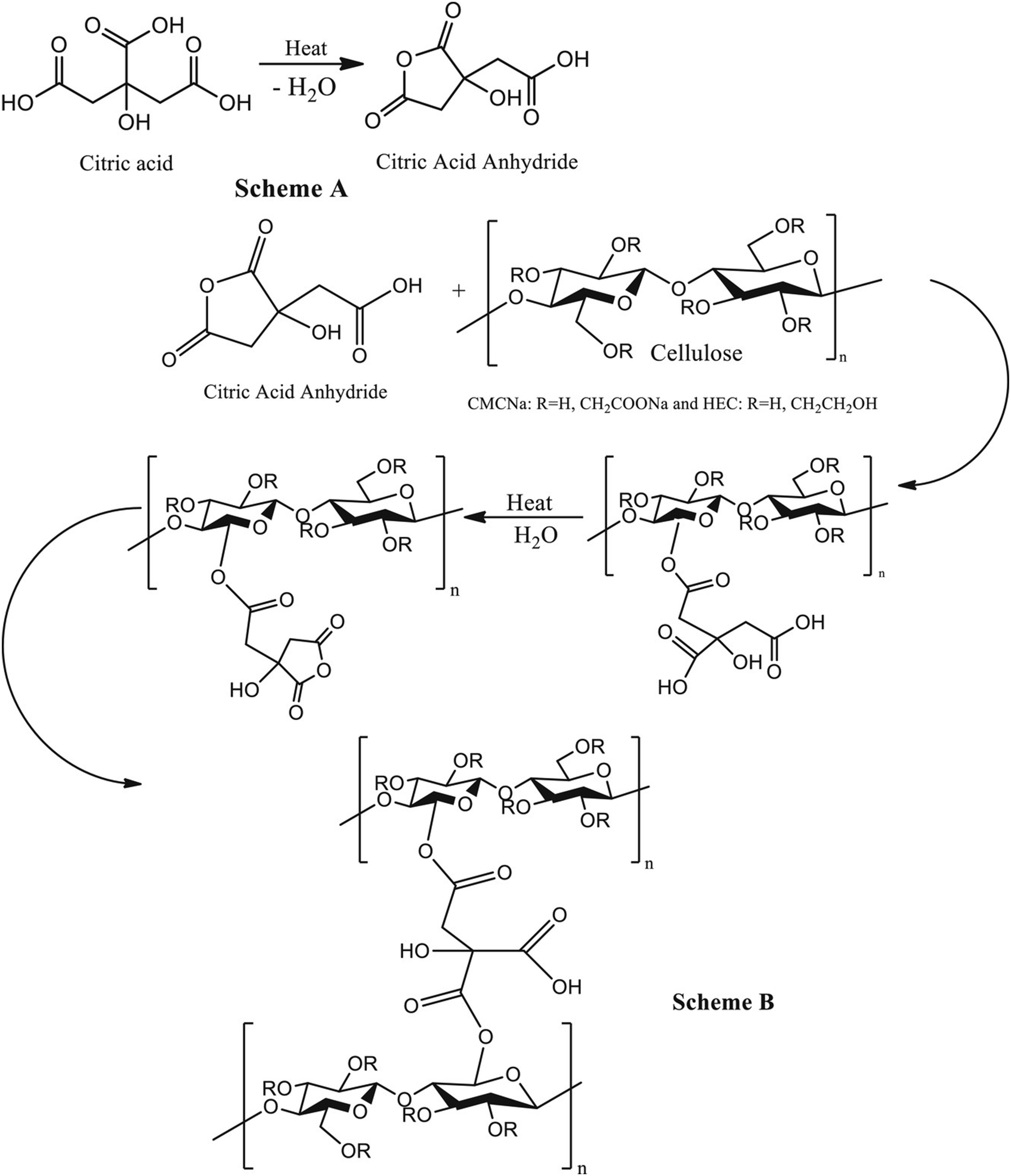
In a study utilising a 3% wt. CMC-HEC hydrogel at a 3:1 ratio, a swelling ratio of over 1600% was achieved when dissolved in acid-whey and crosslinked with 5% CA. 84 Increasing the concentration of CA resulted in enhanced crosslinking density, thereby reducing the swelling ratio. The matrix also displayed high reusability, with promising water uptake and improvement in swelling capacity after five drying-swelling cycles. 84 These findings may not corelate to agricultural applications as the time between watering cycles can be longer, and the material is susceptible to degradation from the soil and other environmental factors.
In a study conducted by Seki et al. (2014), a 2% CMC-HEC (3:1 ratio) hydrogel was crosslinked with MA and FA. It was observed that a MA concentration of 15% w/w polymer had the highest swelling ratio. However, a concentration of 10% w/w polymer for both MA and FA was insufficient to crosslink the hydrogels and resulted in their degradation in water. 83 Other studies have also investigated PVA-CMC hydrogels crosslinked with borax (B). It was observed that a 1%wt hydrogel effectively increased the water holding capacity of loam soil from 49% to 59%. Thermal analysis demonstrated that the PVA-CMC-B hydrogel is more durable compared to PVA-B hydrogels. Moreover, the inclusion of 2.5% w/v CMC improved the swelling ratio from 271% to 1568%. These findings could be improved through performance evaluation in field conditions. This includes studying their behaviour under various watering cycles, exposure to soil microorganisms, and potential degradation in diverse soil types. Additionally, an economical assessment and scalable production methods should also be considered.
Crop protection
CMC is commonly used as a suspending agent in pesticide and herbicide sprays due to its high viscosity at low concentrations. 90 CMC has been found to be an effective coating agent when utilising natural clays as herbicide carrier. In one study CMC coated K10 montmorillonite clay was identified as the most advantageous between technical constraints and potential environmental effects. 91
Nanomaterials offer potential in intelligent pesticide delivery formulations due to their high targeting potential, productivity, and controlled release properties. 39 For instance, CMC NPs modified with glycine methyl ester and glycidyl methacrylate were loaded with emamectin benzoate pesticide, showing sustained release for 90 h. When combined with amino acids, these particles increased cucumber height and fresh weight by 53% and 40% after 30 days. 92
Future studies should investigate the effects of CMC-coated clays and nanomaterial-based pesticide formulations on soil health, non-target organisms, and water systems. Exploring the scalability and cost-effectiveness of these applications will also determine their practicality on an industrial scale. Furthermore, future applications of CMC should explore intelligent pesticide delivery, to enhance efficiency and embrace more ecologically conscious pest management strategies.
Fertiliser encapsulation
CMC is effective in fertiliser encapsulation applications due to its capacity for controlled release, high water retention, and ability to adhere to fertiliser particles. Similar to soil amendment applications, CMC and PVA can be crosslinked to form hydrogel film coatings for fertiliser particles with sustained release properties.93–95 In one study CMC nonwoven fabrics were prepared by crosslinking CMC with (and without) precoated PVA nonwoven fabric, using CA. In one of the precoated systems, a significant enhancement in water absorption capacity up to 4000% was observed. Moreover, the crosslinking of CMC and PVA showed a synergistic effect, improving the controlled release of fertiliser and moisture content. 96 Bauli et al. (2021) investigated the applications of CMC crosslinked with CA and filled with nanocellulose or nanoclays as a nutrient carrier for soil additive applications. The composites density increased with an increasing number of interactions between the filler and the CMC, resulting in less free hydroxyls and therefore less water absorption. Some combinations demonstrated potential to improve retention and controlled release of fertiliser. Additionally, hydrogel samples were also seen to improve the growth of cucumber seeds after 1 week. 89
Other polymers commonly crosslinked with CMC include, alginate, chitin, chitosan, starch, urea, cellulose (and its derivatives), etc. all of which have been investigated at different levels and could be promising for agricultural applications.97–100 A study that utilised a CMC/ALG (1:1) hydrogel was able to achieve a sustained release capacity of 50% for NPK in water after 30 days, under neutral and slightly basic conditions. 101
Davidson et al. (2013) conducted a study on CMC as a root-targeted delivery vehicle for fertiliser. Despite a reduction in fertiliser usage by up to 78%, the hydrogel formulation effectively increased seed yield. This can be attributed to the sustained release capability of the hydrogel, which still retained nutrients after the 50-days testing period. 102 The study also observed that CMC hydrogels exhibited a threshold for sustained release capacity of fertiliser, from which increasing fertiliser concentration did not further enhance the release. Higher concentrations of fertiliser resulted unstable release patterns with an initial burst of fertiliser, potentially due to the ionic compounds such as NPK weakening the bond integrity of CMC transverse joints. 39
The delivery of high concentrations of nutrients in the early stages, such as germination, can have negative effects on beneficial soil microorganisms and hinder root growth.81,102 This effect is more pronounced when fertilisers are in direct contact with seeds rather than being mixed in with the soil. Davidson et al. found that lowering the fertiliser concentration enhanced release duration and stability when the hydrogels were subjected to drying for various durations. The results showed improved plant height and seed yield, indicating successful sustained release even after drying. 102
Hence, CMC shows promise in fertiliser application, with the highlighted works showcasing its controlled release capabilities, high water retention, and the ability to adhere to fertiliser particles. Moreover, the ability of CMC to crosslink with an extensive number of other polymers shows potential for diverse applications. A key finding from these studies was the importance of optimal fertiliser concentration, to control release patterns and reduce negative impacts on soil microorganisms and root growth. Unlike some of the cellulose studies however no effort was made to include nitrification inhibitors, and the incorporation of these should be investigated.
Carrageenan and agar
Carrageenan, and agar are the two major galactan groups in red seaweed. Carrageenan is primarily used in the food industry, but it has been investigated for agriculture applications. Carrageenan gels can be defined into three distinct types: Iota, Kappa, and Lambda; all of which have different viscosity and elasticity. Kappa is the most commonly used variety in the food industry, when crosslinked with potassium it forms a strong, hard gel with a high degree of elasticity. When crosslinked with calcium salts it forms a brittle gel more prone to fracture and disintegration. Small amounts of carrageenan are often utilised with an artificial copolymer, such as polyacrylic acid (PAA), which in one study resulted in the swelling content increasing by 275% (g/g).21,103 Similarly, agar has also been extensively employed in various fields including, biomedical, pharmaceutical, and food industries. 104
Soil amendment
Agar finds most of its applications as a soil additive and controlled release agent due to its ability to retain nutrients, and plant growth promoting agent. 105 For example, the performance of agar/gum arabic SAP was assessed with eight different soils sourced from various Punjab regions. When 2 g of hydrogel was added to 20g of soil, the evaporation rate of the soil decreased, extending the water capacity of the soil for an additional 13 days at best, and at worst, an additional 5 days. 105 In an alternative study that investigated the effects of agar on the drought stress for Stevia rebaudian. agar was found to increase the activity of antioxidant enzymes such as catalase, ascorbate peroxidase, and peroxidase. However, when applied to a Murashige and Skoog growth medium, a concentration of 10 g/L (and higher) resulted in the significant reduction in root parameters, noting that the increased concentrations of agar induced drought stress rather than limiting it. 106 Continuing research into the identified defence mechanisms and secondary compounds highlighted by the study holds promise for effective drought stress prevention strategies in the future. Furthermore, conducting comprehensive investigations into antioxidant enzyme activity and microbiomes are essential, given their potential to generate valuable compounds and promote beneficial plant activity. Therefore, gaining insights into these underlying mechanisms and comprehending their significance in augmenting drought tolerance may lead to highly advantageous outcomes in the future.
Seed coating
In a study examining the blending of either κ or ι-carrageenan with agar and xanthan for seed coatings, all blended samples exhibited notable enhancements in water absorption capacity, reduced degradation in excess water, water retention capacity, and gel strength. Whilst the agar blend showed promise in a hot dry environment due to its increased water retention and gel strength, the ternary blend (ι-carrageenan, xanthan, κ-carrageenan) showed increased water holding capacity and lifespan in excess water, as well as gel strength. 107 Agar-carrageenan gels also exhibited great potential as coatings for enhancing the growth of durum wheat seeds under drought stress, but no significant effects on germination were observed. Additionally, carrageenan provides significant advantages in terms of material safety and production cost over PAM gel coatings. 108 In a study conduct by Razaji et al. (2021) agar and starch coated seeds were found to create a protective surface on the seed, preventing pH changes and enzyme activity inside plant cells and tissues. This coating was also shown to partially reduce the detrimental effect of carbonates. 109
Chitosan
Another material that is fast becoming one of the most utilised SAPs in the agricultural industry is chitosan, due to its proven biocompatibility, biodegradability, non-toxicity, and adsorption abilities. 37 Chitosan is known for its ability to inhibit the growth of bacteria, fungi, and viruses by affecting pathogenesis-related proteins, defence-related enzymes, the accumulation of secondary metabolites, or through a complex signal transduction network. 110 Moreover, chitosan SAPs are highly tuneable, capable of forming complex structures at low pH as a result of their cationic amine groups. Polyelectrolyte complexes can be formed in combination with oppositely charged polymers such as, PAA, CMC, xanthan, carrageenan, alginate, and pectin. 37 Chitosan also easily absorbs to plant surfaces, allowing for prolonged contact time between agrochemicals and the absorptive surface. Hence, chitosan has found its most common uses in food preservation, as a bio-pesticide, film-coating, biodegradable mulching, and as a plant growth regulator. 111
Crop protection
In a study by Paula et al. (2011), chitosan and cashew gum (CH-CG) were crosslinked with glutaraldehyde and loaded with the larvicide Lippia sidoides essential oil (EO). 112 Interestingly, it was found that a low application of EO (7ppm) was equally as effective as higher applications (16ppm) in reducing A. aegypti larvae after 48 h. Consistent with the study by Bauli et al. (2021), the CH-CG polymer showed a lower swelling degree and reduced diffusion transport coefficient, indicating limited network expansion ability due to crosslinking.89,112
Microcapsules of chitosan have also been crosslinked with SA and loaded with copper cations and Trichoderma viride, as a plant growth promoter and defence agent. This study demonstrated successful encapsulation of both agents, and it was observed that copper particles enhanced the activity of Trichoderma viride germination. 113 Fourier Transform Infrared Spectroscopy (FTIR) analysis revealed band shifting and disappearance, indicating interactions with amine, carboxylate, and CO groups, as well as interactions with incorporated copper and Trichoderma viride spores. Given the research it appears that these particles were successful in their application worth investigating further. 113
Similarly, chitosan nanoparticles are known to facilitate active molecule uptake through the plant cell membrane, allowing for enhanced absorption and thus improving the bioavailability of contained active ingredients. 37 Chitosan-nanoparticles have significant advantages over commonly used activated carbon and biosorbents. These include low cost, high affinity for numerous contaminants, chemical stability, high reactivity, and selectivity in relation to pollution. 114 In a study conducted by Feng and Peng (2012), a nanoparticle carrier for the biopesticide azadirachtin (AZA) was formulated utilising carboxymethyl chitosan (CM-C) and ricinoleic acid. The particles ranged in size from 200 to 500 nm and presented low polydispersion, a smooth spherical morphology and a high zeta potential. The encapsulation efficiency of the AZA was found to be 56%, and the particles were able to release the pesticide over an 11-day period. The improved water solubilisation of the lipid-soluble pesticide through utilising the hydrogel carrier offers promise for commercial agricultural applications. 115
In foliar applications, chitosan has been found to reduce the production of malondialdehyde, a substance often utilised to index of the amount of drought stress related damage. 116 Moreover, when applied as a solution, chitosan acts as a plant growth promoter, increasing the productivity of the plant by mitigating the effects of salinity on nutrient uptake, photosynthesis rate, and plant chlorophyll content. 79 A study involving the application of chitosan nanoparticles (NPs) to the leaves of finger millet demonstrated enhanced growth, yield, and mineral content. Additionally, this treatment stimulated the natural immune response of the finger millet plants, highlighting its potential as a sustainable and economically viable approach to enhance nutritional security. 117 It is evident that the utilisation of chitosan microparticles and NPs has shown success and warranted the need for further investigations into the delivery efficiency of pest control agents. Future studies should investigate interactions between chitosan and various pest control agents, exploring their effects on precision agricultural practices and possible enhancement of bioactive additives. Performance under different environmental conditions would also need to be taken into consideration, as well as application methods, and investigating underlying mechanisms resulting in effects.
Fertiliser encapsulation
A study by Pinedo-Guerrero et al. (2017) investigated the use of chitosan-PVA hydrogels as an encapsulant for copper nanoparticles (Cu NPs). This study effectively showed the slow release of Cu NPs to promote growth, productivity, and fruit quality in established tomato plants. 118 Cu NPs have also been shown to increase antioxidants ABTS (2,2′-Azino-bis(3-ethylbenzothiazoline-6-sulfonic acid) diammonium salt) and DPPH (2,2-Diphenyl-1-picrylhydrazyl) by 4% and 6.6% respectively. As well as phenols (5.9%), and flavonoids (12.7%). In another study increasing catalase activity 5 times greater than the control in tomato plants. 119 In controlled laboratory conditions, Cu NPs play a crucial role in enhancing photosynthetic activity by modulating fluorescence emission, photophosphorylation, electron transport chain, and carbon assimilatory pathway. 120 At the highest application of 10 mg Cu NPs (per gram of hydrogel), tomato plants were shown to have the highest increase in flower clusters, stem diameter, fresh weight and dry weight of the root, and yield. 120 Unlike many of the previous SAPs the use of chitosan as a controlled release fertiliser is in its infancy, however it does exhibit favourable properties, such as nutrient permeation, and a porous structure surface that is conducive to water.111,121
Summary of natural SAPs in agriculture.
Concluding remarks
The review identifies the advantages of natural SAPs including biodegradability, non-toxicity, renewability, and competitive pricing. It also investigates the successful utilisation of these materials in the agricultural sector. In contrast to their synthetic counterparts, natural SAPs show great promise for agricultural applications, particularly in soil conditioning and fertiliser/pesticide applications due to their lack of accumulation in the environment. However, due to the use of these materials being in their relative infancy there is a lack of large-scale processing infrastructure. In the future, the efficacy of these materials may rely on their processability, as production techniques require low costs, and large-scale implementation. Furthermore, the use of natural SAPs may also require specialised equipment and training for successful implementation, particularly in large scale industrial practices.
Whilst SAPs have demonstrated improved efficiency in fertilisers and pesticide applications, as well as enhanced soil stabilisation and moisture retention, most research has been limited to controlled laboratory conditions. This is necessary as different plants and environments require different moisture and nutrient requirements to optimise growing conditions. Research should carefully consider the intended deployment conditions of SAPs, including factors such as soil depth, application rate, and moisture conditions.
In soil amendment applications there are often four factors that are overlooked, these are (i) impact on microorganisms within the substrate, (ii) recyclability of the material across multiple cycles, (iii) evaluation of field performance, variations in water cycles, microbiomes, and temperatures, (iv) assessment of defence mechanisms, secondary compounds, and antioxidant enzyme activity.
Seed coating applications, often have some of the largest gaps in their studies, with their often being a lack of discussion about broader implications, challenges, or future directions, including in the context of current and scalable technologies, as well as economic viability. Many seed coating applications either focus on the immediate use of seeds, and neglect the impact of storage and environmental conditions, as well as commercialisation considerations including reproducibility and reliability. Whilst the studies that focus on the storage of coated seeds tend to neglect important factors including the underlying dormancy triggers and inactivation mechanisms of encapsulated material.
Crop protection studies are some of the most comprehensive studies. However, they often lack variety in seed choice and rarely focus on an array of material combinations. Studies also tend to neglect assessment of pesticide formulations on soil health, non-target organisms, and water systems. However, the research done into the use of NPs is extremely promising, particularly chitosan NPs. Wherein future studies should investigate underlying mechanisms and material interactions, controlled release, and their application method in the context of precision agricultural practices.
Fertiliser encapsulation studies are also quite comprehensive. However, current research needs to prioritise precision agricultural practices, and the optimisation of release kinetics and nutrient availability so that it is aligned with the requirements of plants and in the context of environmental conditions. Furthermore, investigating sustainable nitrification inhibitors, such as plant extracts or microbial additives should be an area of focus in future. Lastly the potential for the use of NPs in this area is promising, but a diverse range of crops and environmental conditions is required to enhance understanding of practical utility and potential obstacles. Lessons from the medical field’s NP utilisation, including economic and scaling challenges, could guide research.
Due to the specificity of the majority of studies, the effectiveness of these materials may be overstated and not universally applicable. Therefore, whilst tailoring SAPs to suit specific plants and environments is critical to avoid hindering the root gas exchange of plants and facilitate microbial development, conducting more comprehensive studies across varying soils, plants, and environmental conditions is essential for the adoption of these materials in the agricultural industry.
Therefore, to improve efficiency and drive long-term sustainable practices, future studies need to focus on the use of natural SAPs in long term field trials and promotion of favourable conditions for multiple plant species and environments. Through advancing our understanding of SAPs technologies in agriculture, novel strategies can be developed to enhance and promote sustainable agricultural practices for years to come.
Footnotes
Declaration of conflicting interests
The author(s) declared no potential conflicts of interest with respect to the research, authorship, and/or publication of this article.
Funding
The author(s) received no financial support for the research, authorship, and/or publication of this article.
