



Abstract
While felt ambivalence is thought to drive behavior change, the dynamics and boundary conditions of this effect have been underspecified. We conducted a panel study (N = 808 German and Dutch students) in the context of meat consumption and investigated the dynamics of meat-related ambivalence, meat consumption, and moralization over 7 months using Cross-Lagged Panel Models. We expected that omnivores eat less meat when ambivalence pushes them toward moralization, whereas veg*ans (vegetarians and vegans) show more dietary lapses when ambivalence pulls them away from moralization. Congruently, results indicate that ambivalence motivated omnivores to eat less meat over time, primarily when their conflicts involved moral dimensions about farm animals, sustainability, or social context; and veg*ans were likelier to violate their diets when ambivalence centered on positive sensory associations with meat. We conclude that ambivalence motivates behavior change, especially if people are pushed toward or pulled away from moralization.
Introduction
Ambivalence motivates various coping efforts to reduce the aversive state of conflict (Schneider et al., 2015; van Harreveld et al., 2015). Such coping with ambivalence could involve behavior change (Armitage & Arden, 2007; Pauer et al., 2022; Siev & Petty, 2024; van Gent et al., 2024). Previous cross-sectional and experimental research has investigated this association especially in the effects of ambivalence on meat consumption—a prime example of ambivalence (Berndsen & van der Pligt, 2004; Buttlar, Pauer, & van Harreveld, 2024; Rozin, 2007; Ruby et al., 2016): On one hand, people perceive meat consumption as conductive of “luxury, status, taste, and good health” (Ruby, 2012, p. 145); on the other hand, it is associated with animal suffering and death, climate change and other environmental problems, and reduced life expectancy due to health risks (Fadnes et al., 2022; Godfray et al., 2018; Willett et al., 2019). These opposing evaluations can elicit felt ambivalence, an aversive cognitive conflict that is crucial for people’s transition toward the adoption and maintenance of meat-less diets (Berndsen & van der Pligt, 2004; Buttlar, Pauer, Ruby, & Scherrer, 2024; Pauer et al., 2022).
While previous research has indicated that meat-related ambivalence is associated with meat reduction in cross-sectional and experimental studies, behavior change typically evolves over prolonged temporal dynamics. By the same token, the association may also be reversed, such that people who reduce their meat consumption might experience less ambivalence over time (Pauer et al., 2023). And these effects might depend on the different reasons of why people feel ambivalent (Buttlar et al., 2023). Moreover, we argue that moralization plays a central role in ambivalence-motivated behavior change: Associations that push and pull people away from moralization may lead to particularly potent felt ambivalence and thereby promote behavior change. To investigate these predictions, we examine the stability of ambivalence and the longitudinal dynamics between ambivalence and meat consumption depending on their (moral) origins. By going beyond typical cross-sectional studies, we not only hope to uncover the dynamic roles of morality and ambivalence in behavior change but also increase our understanding of the malleability and stability of ambivalence.
Meat-Related Ambivalence
Ambivalence arises when people simultaneously hold positive and negative associations toward an attitude object (Cacioppo et al., 1997; Conner & Sparks, 2002). 1 People who eat meat (omnivores) and people who eschew meat (vegetarians and vegans; from here on, veg*ans) hold ambivalent attitudes toward meat (Buttlar et al., 2023): Ambivalence in omnivores arises from negative associations that contradict their positive attitude toward meat, and ambivalence in veg*ans arises from positive associations that contradict their negative attitude toward meat (Buttlar, Pauer, Ruby, & Scherrer, 2024). This opposition of associations is called potential ambivalence and refers to the attitudinal structure underlying an attitude that consists of two opposing evaluations that people have toward an object (Priester & Petty, 1996).
If people become aware of these opposing evaluations, an aversive meta-cognitive conflict arises, called felt ambivalence (Priester & Petty, 1996; van Harreveld et al., 2015). Felt ambivalence occurs when people introspect on ambivalent attitudes and navigate between opposing evaluations (van Harreveld et al., 2009), such as whether they like or dislike eating meat (Pauer et al., 2022). Decision-making, in particular, leads to ambivalent discomfort, as people have to commit to one option (van Harreveld et al., 2009), such as when they choose between meat and meat-free options (Buttlar & Walther, 2018).
Ambivalence and Behavior Change
Cross-sectional research found omnivores experience more felt ambivalence when contemplating or preparing to change their diet, leading to reduced meat consumption; and veg*ans experience more felt ambivalence early after adopting their diet, leading to more dietary violations (Buttlar, Pauer, Ruby, & Scherrer, 2024). These changes in behavior are arguably driven by the motivation to overcome ambivalence-induced discomfort, such that ambivalent omnivores engage in various coping efforts to avoid discomfort, including meat reduction (Pauer et al., 2022). Similarly, ambivalent veg*ans may be motivated to reduce their discomfort by eating meat, as this makes social situations less uncomfortable or meets their desires and cravings about meat (Buttlar & Pauer, 2024; Rosenfeld & Tomiyama, 2019).
The effects of ambivalence, however, could depend on the evaluative origins of felt ambivalence. Buttlar, Pauer, Ruby, and Scherrer (2024) identified five domains of felt ambivalence depending on the domain of the conflicting associations while developing the Meat Ambivalence Questionnaire (MAQ): animal-based ambivalence (e.g., associating meat with livestock), socially-based (e.g., thinking of the [lack of] sociability associated with meat), sustainability-based (e.g., thinking about the environmental impact of meat production), health-based (e.g., associating meat with health issues or benefits), and sensory-based (e.g., imagining the look, taste, and smell of meat). This enabled them to demonstrate that animal-based and sensory-based ambivalence was primarily associated with reduced meat consumption. In contrast, for veg*ans, mainly socially-based and sensory-based ambivalence was associated with reduced dietary strictness.
Ambivalence in the Moral Domain
Based on this, we argue that the degree to which ambivalence is associated with moral components determines its consequences. In fact, ambivalence is part of a moralization process (Buttlar & Walther, 2022): During moralization, people take a clear stance on an issue and see their attitude as rooted in their perceptions of right or wrong (Feinberg et al., 2019; Rozin, 1999). Moralization usually starts with a moral shock when people get exposed to information, uncovering that a previously neutral attitude object causes harm (Wisneski & Skitka, 2017). Push factors, such as moral emotions or moral cognitions, may increase moralization, whereas pull factors, such as hedonic motivations and rationalizations, may decrease moralization (Feinberg et al., 2019).
Drawing on the Push-Pull Model of Moralization (PPMM; Feinberg et al., 2019), we suggest that the discomfort of ambivalence can motivate behavior change, especially as a function of moralization. In specific, the PPMM suggests that behavior change is motivated within a process in which people ruminate about the push and pull factors, leading to more or less moralized attitudes. We argue that the rumination within the push-pull dynamic gives rise to feelings of conflict—where positive associations like “It is natural to eat meat” contradict negative associations like “Harming animals is bad.” Such ambivalence involves aversive feelings of meta-cognitive conflict (van Harreveld et al., 2009), which can motivate behavioral change (even beyond the associations underlying the conflict; Buttlar et al., 2023; Buttlar, Pauer, Ruby, & Scherrer, 2024; Pauer et al., 2022). Crucially, we argue that felt ambivalence becomes particularly discomforting when the conflict between positive and negative evaluations involves push and pull factors for moralization; in such cases, ambivalent decisions may be perceived as a reflection of one’s moral integrity, thereby amplifying the perceived significance of the decision’s outcome (Buttlar & Pauer, 2024). For omnivores with a predominantly positive attitude toward meat consumption, we argue that it may especially be the push factors that make felt ambivalence consequential for behavior. Push factors entail moral cognitions and moral emotions revolving around the harm inflicted on others (Feinberg et al., 2019). For meat consumption, these moral cognitions may, for instance, involve thinking about harming and slaughtering animals and damaging the environment for meat production (Bastian & Loughnan, 2017). In fact, omnivores provided with information about animal and environmental harm experience more cognitive conflict and have a more positive attitude toward the reduced consumption of animal-derived products than omnivores provided with information about health risks of meat consumption (Silva Souza & O’Dwyer, 2022). In a similar vein, moral emotions may affect how people experience felt ambivalence, as, for instance, people’s preference for meat products decreases when being provided with information on disgusting conditions in meat production (Palomo-Vélez et al., 2018). These push factors may, thus, explain why animal-based, sensory-based but also sustainability-based ambivalence might be associated with behavior change in omnivores.
Veg*ans with predominantly negative attitudes toward meat may have already moralized meat consumption and experience reduced ambivalence due to moral disgust (Buttlar & Walther, 2022). We therefore argue that it may especially be the pull factors of the moralization process that result in a more consequential experience of felt ambivalence (Feinberg et al., 2019). Hedonic motivation, such as pleasure and conformity, may pull veg*ans away from their moral beliefs and can create ambivalence. This may explain why sensory- and socially-based ambivalence is associated with behavior change among veg*ans.
In summary, we propose that felt ambivalence in omnivores is particularly consequential if their positive attitude is pushed toward moralization by negative moral cognitions and emotions; in contrast, we propose that felt ambivalence in veg*ans is particularly consequential when their negative attitude is pulled away from moralization by hedonic motivations (Buttlar, Pauer, Ruby, & Scherrer, 2024; Feinberg et al., 2019). In addition to the path of moralization outlined in the PPMM (Feinberg et al., 2019), we argue that the discomfort of felt ambivalence—being pushed and pulled in the moralization process—is a motivator of behavior change.
The Present Research
In the present longitudinal panel study, we sought to test whether ambivalence is a motivational driver for behavior changes in the context of omnivores and veg*ans, especially if the ambivalence involves moralized attitudes. The context of meat consumption allowed us to compare the different domains of meat-related ambivalence by drawing on a recent measurement instrument, the MAQ (Buttlar et al., 2023). In addition, we measured general attitude moralization, moral emotions, meat consumption, and dietary strictness at three points in time spanning over 7 months (N = 808, omnivores: N = 522, veg*ans: N = 234). Omnivores included meat eaters (n = 244), meat reducers (n = 278), whereas veg*ans included vegetarians (n = 168) and vegans (n = 66). Because dietary practices are highly habitual—especially regarding meat consumption (e.g., Rees et al., 2018)—we collected data at times when people’s cognitions and behaviors are particularly malleable. Therefore, we recruited first-year students at a German and a Dutch University starting at the beginning of the term in November 2021.
This research design allowed us to test the stability of meat-related ambivalence among omnivores and veg*ans (H1). Going beyond, this enabled us to investigate the predictors of dietary change over time and test our pre-registered primary hypothesis: Experiences of felt ambivalence (MAQ) will predict a subsequent reduction of meat consumption and omnivores and an increase in dietary lapses and meat consumption among veg*ans (H2). Moreover, by looking at the MAQ subscales, we explored whether the effects of meat-related ambivalence depend on the domain in which felt ambivalence is elicited (H3). Importantly, we aimed to demonstrate that felt ambivalence drives behavior change even when accounting for the general attitude moralization or moral emotions (H4).
Transparency and Openness
The study’s methods, design, hypotheses, and analyses were pre-registered on the Open Science Framework (OSF) (https://osf.io/gy76z). This study received ethical approval from the local ethics committee (#40/2021) and adhered to the Declaration of Helsinki. In the following, we provide all information on sample size determination, data exclusions, and measurements. Detailed materials, methods, data, analysis scripts, and supplemental materials for all studies can be found at https://osf.io/hq5j4/.
Method
Design
The study was designed as a panel study with three measurement time points, each 3 months apart: T1 was assessed from November 22, 2021 to December 19, 2021, T2 was assessed from February 14, 2022 to March 13, 2022, and T3 was assessed from May 9, 2022 to June 5, 2022. We conducted the study at the University of Trier (Germany) and the University of Amsterdam (The Netherlands) via their respective online participation systems. We aimed to recruit at least 200 participants at the first measurement point to meet the minimal requirements for calculating structural equation models (SEMs; Hu & Bentler, 1999). However, to obtain as much statistical power as possible to test our hypotheses, we continued the recruitment after reaching the minimal sample size as outlined in our pre-registration. Unexpectedly, many participants started the survey at T2 due to the technical setup of the participation system at the Dutch university. We thus decided to invite T2 participants to T3 to maximize power (see pre-registration update) but prevent further participation at T3 by including a filter question in the survey.
Sample
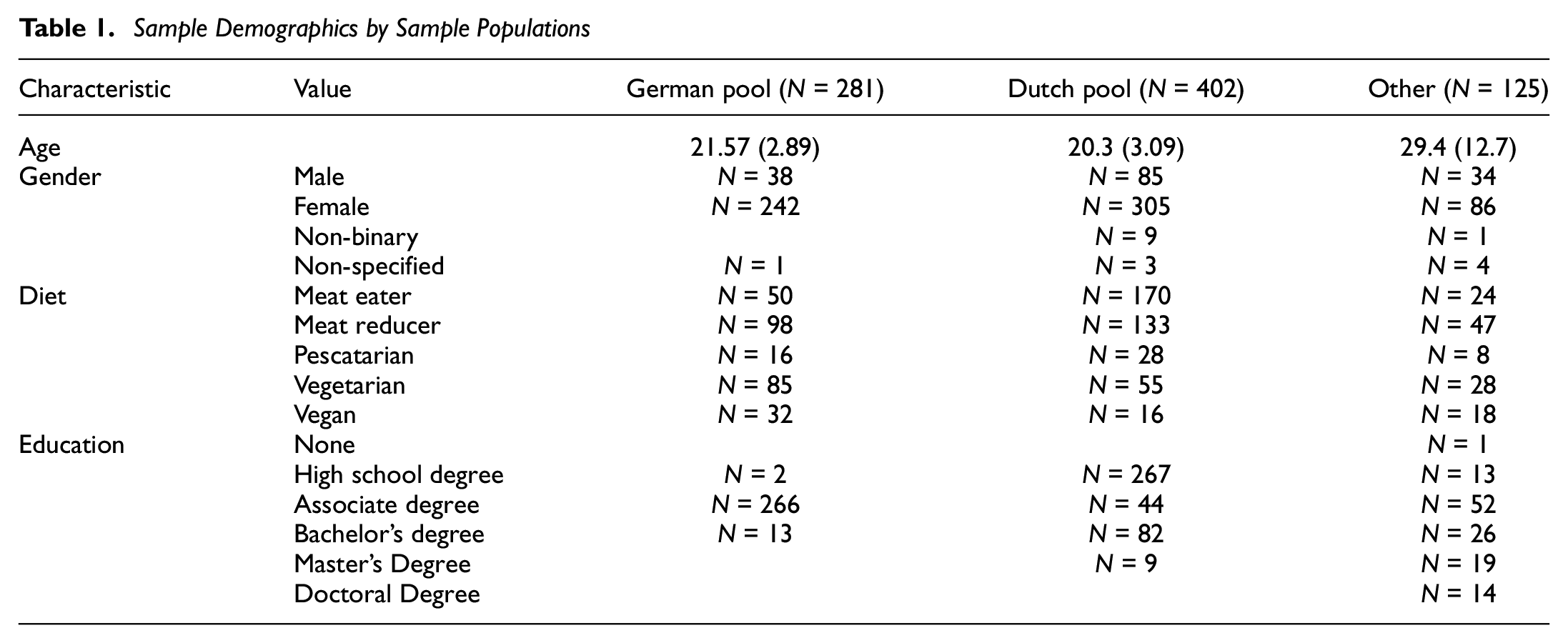
We registered NT1 = 285, NT2 = 203, NT3 = 166 participations from the German pool and NT1 = 361, NT2 = 331, NT3 = 241 from the Dutch pool in return for course credits. Additional participants were recruited by personal invitations, leaflets, or mailing lists and received no reward (NT1 = 99, NT2 = 69, NT3 = 63). We excluded 13 data points from people who participated twice within one time slot. We allowed for 48 Dutch students and 29 other participants to begin the survey at T2, but excluded 20 participants who only participated once at T3 (see update pre-registration). First-time participants at T2 were not included in the attrition rate between T1 and T2, but were included in the attrition rate between T2 and T3 and the data completion rate (attritionT1,T2 = 30.99%; attritionT2,T3 = 30.03%; data completion rate = 41.75%). As preregistered, we excluded 62 data points where participants failed to correctly answer two out of three attention check items at the time of measurement. This left us with a final dataset NTotal = 808, NT1 = 731, NT2 = 547, NT3 = 445. Notably, we divided the final dataset into two subgroups (omnivores and veg*ans) based on their self-labeled dietary group which participants reported at their first time of participation. Omnivores included meat eaters and meat reducers, whereas veg*ans included vegetarians and vegans. The two subsets consisted of 522 omnivores (130 males, 383 females, four non-binaries, five not specified, Mage = 22.29, range = [17–70]) and 234 veg*ans (23 males, 204 females, five non-binaries, two not specified, Mage = 21.58, age range = [13–52]). See Table 1 for sample demographics.
Sample Demographics by Sample Populations
Measures
At the beginning of each survey, participants were asked to choose whether they would like to complete the questionnaires in English or German, create a personal pseudonymization code, and give informed consent. Then, they were asked to answer questions about their diet and demographics. Completing the survey took about 15 min.
Diet-Related Variables
At each assessment wave, participants reported on their diet, diet duration, their perceived behavioral control, and social context (see supplementary material). In detail, participants were asked to self-label their dietary pattern as meat-eater, meat reducer, pescatarian, vegetarian, or vegan.
Meat Consumption
Participants marked whether they had eaten meat or not in a 15-item list of the past 5 days (“Go through the last 5 days in your mind. Which meals contained meat?” e.g., yesterday breakfast, yesterday lunch, yesterday dinner) in a dichotomous response format (meal with meat, meal without meat). To calculate a meat consumption score, we calculated the sum of meals with meat across these 5 days.
Dietary Strictness
Participants indicated their dietary strictness in three inverted items (e.g., “I can be flexible and sometimes eat foods that go against my dietary pattern”) on a 7-point Likert-type scale from 1 (Strongly disagree) to 7 (Strongly agree) in randomized order. We took the mean of the three item responses. The reliability for the dietary strictness scale at each time point was αTime 1 = .90, αTime 2 = .87, αTime 3 = .91.
Moralization
To assess moralization, participants agreed to three statements (Feinberg et al., 2019) on a 5-point Likert-type Scale slider (not at all—very much). An example item is as follows: “To what extent are your feelings about eating meat deeply connected to your beliefs about ‘right’ and ‘wrong’?.” The reliability for the moralization composite at each time point was αTime 1 = .82, αTime 2 = .88, αTime 3 = .82.
Moral Emotions
Participants were asked, “When thinking about eating meat, how strongly do you experience the following emotions?” and they had to rate the emotions disgust, anger, and guilt in randomized order on a 5-point Likert-type Scale from 1 (not at all) to 5 (very much; Feinberg et al., 2019). The reliability for the moral emotion composite at each time point was αTime 1 = .91, αTime 2 = .88, αTime 3 = .90.
Meat-Related Ambivalence
Participants answered the MAQ with its subscales animal-based, health-based, sensory-based, socially-based, and sustainability-based ambivalence on a 7-point Likert-type Scale from 1 (strongly disagree) to 7 (strongly agree; Buttlar et al., 2023). An example item for animal-based ambivalence is: “When I think of how animals are treated to produce meat, I experience a conflict about meat consumption.” The internal consistency measure of McDonald’s Omega Total ranged from .78 to .92 in omnivores and .79 to .92 in veg*an subsample for each subscale at three points in time (see online supplementary material, Table S1).
Demographics and Debriefing
Participants answered a total of three attention checks across the three waves (e.g., “This is a check of your attention: Please select ‘strongly agree.’”). As we expected international participants, we asked them to agree on another participation check item (“Based on my language skills, I was able to understand the questions in the survey.”). We also asked for additional information about their household’s living conditions and food-related responsibilities. At T1 and T2, participants were thanked for their participation at the end of the survey; at T3, participants were thanked and debriefed.
Analyses Strategy
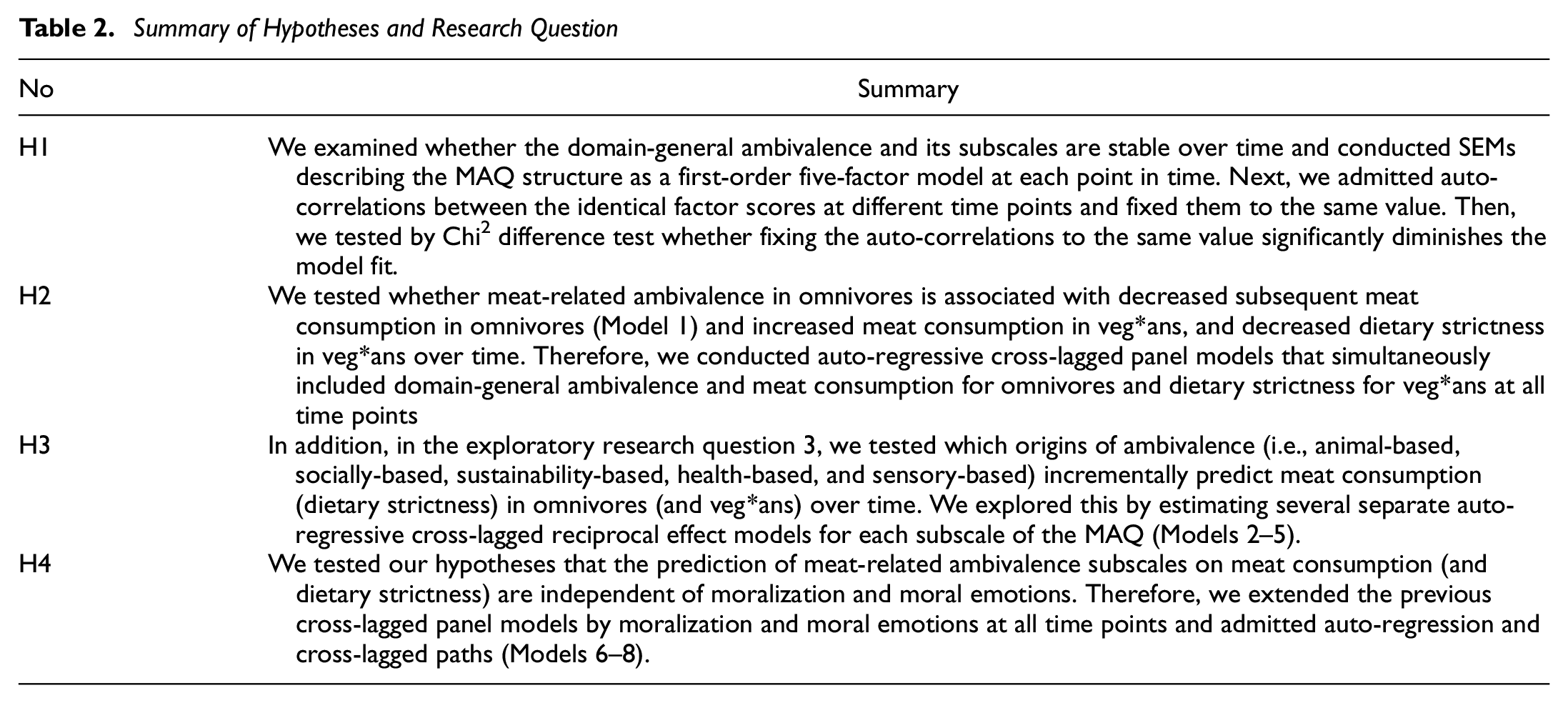
Before testing our hypotheses (see Table 2 for an overview), we followed our pre-registered plan (https://osf.io/gy76z) and analyzed the factorial structure and measurement invariance of felt ambivalence. SEMs were then designed as autoregressive cross-lagged models to test the direction of the longitudinal relationships. The cross-lagged paths depict how one variable predicts the residualized change in the other variable (Biesanz, 2012; Mund & Nestler, 2019). Accordingly, the cross-lagged coefficients reflect the associations between individual differences in Construct X and changes in individual differences in Construct Y (Orth et al., 2021). Analyses were conducted in R 4.1.2 (R Core Team, 2021). All CFAs and SEMs were estimated with the lavaan package (Rosseel, 2012).
Summary of Hypotheses and Research Question
Results
Pre-Analysis
All results from the CFA can be found the supplementary material (Supplements, Tables S2–S4) along with the results from the measurement invariance analyses (see Supplements, Tables S5–S6). As the big MAQ did not show a metric level of measurement invariance across time for veg*ans, we could not test pre-registered hypothesis H2 for veg*ans.
Main Analysis 1: Temporal Stability of Ambivalence
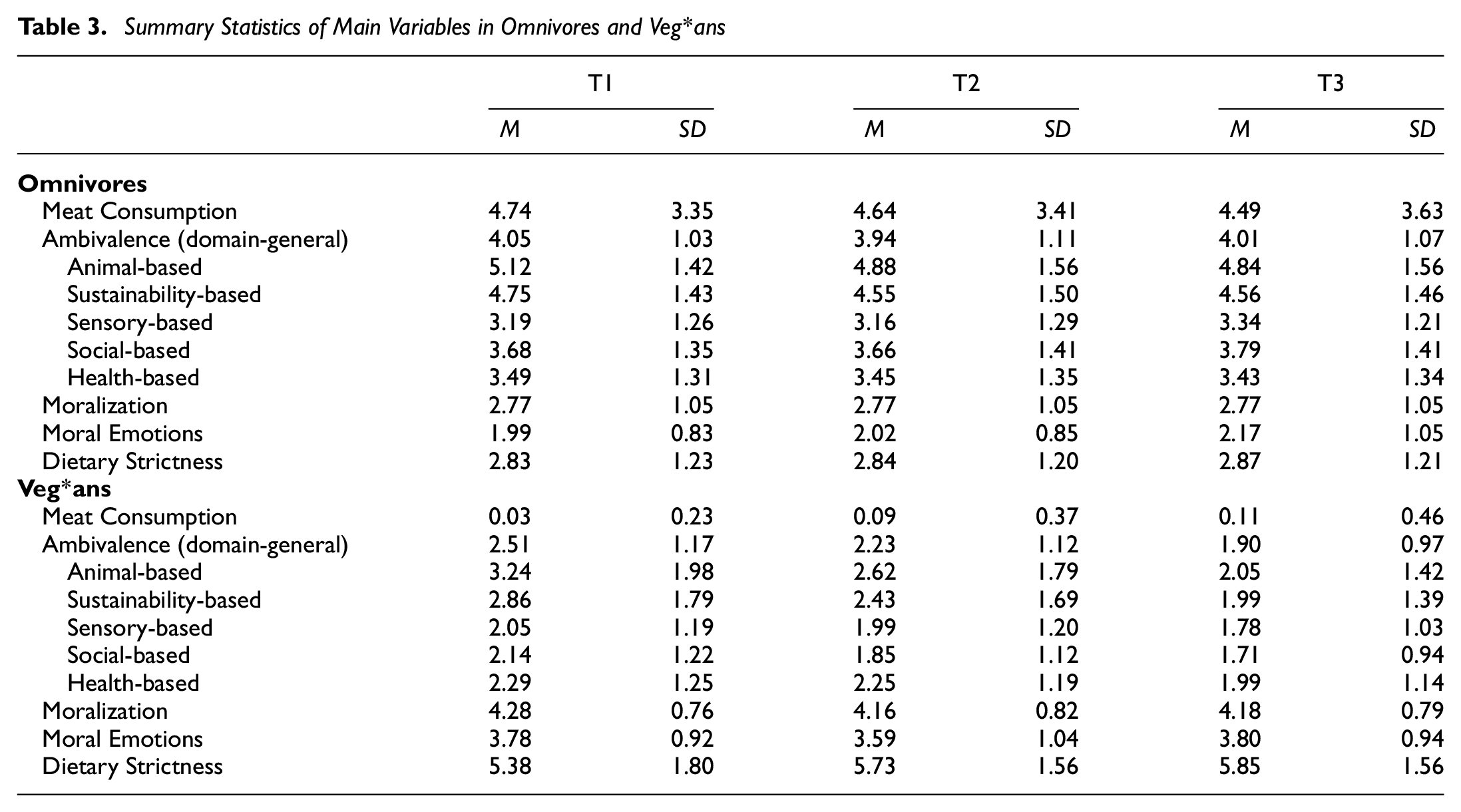
We conducted auto-correlated models to address our hypotheses that ambivalence is relatively stable over time (H1). The autocorrelations of the ambivalence subscales across different time points were in the range of .54 < r > .85 in omnivores and in the range of .30 < r > .80 in veg*ans (see Supplement Table S8). The stability between the subscales differed significantly. In line with our assumptions, we thus conclude that the temporal stability of ambivalence is medium-high in both omnivores and veg*ans, albeit with considerable variance across groups and domains: There is generally more variability in veg*ans, especially regarding socially-based ambivalence. This stability suggests that felt ambivalence is not merely a transient state but rather an enduring aspect of an individual’s disposition toward meat consumption. Simultaneously, a degree of malleability over time is necessary for the potential changes within felt ambivalence. See also Table 3 for summary statistics at all time points.
Summary Statistics of Main Variables in Omnivores and Veg*ans
Main Analysis 2: Temporal Dynamics of Meat-Related Ambivalence
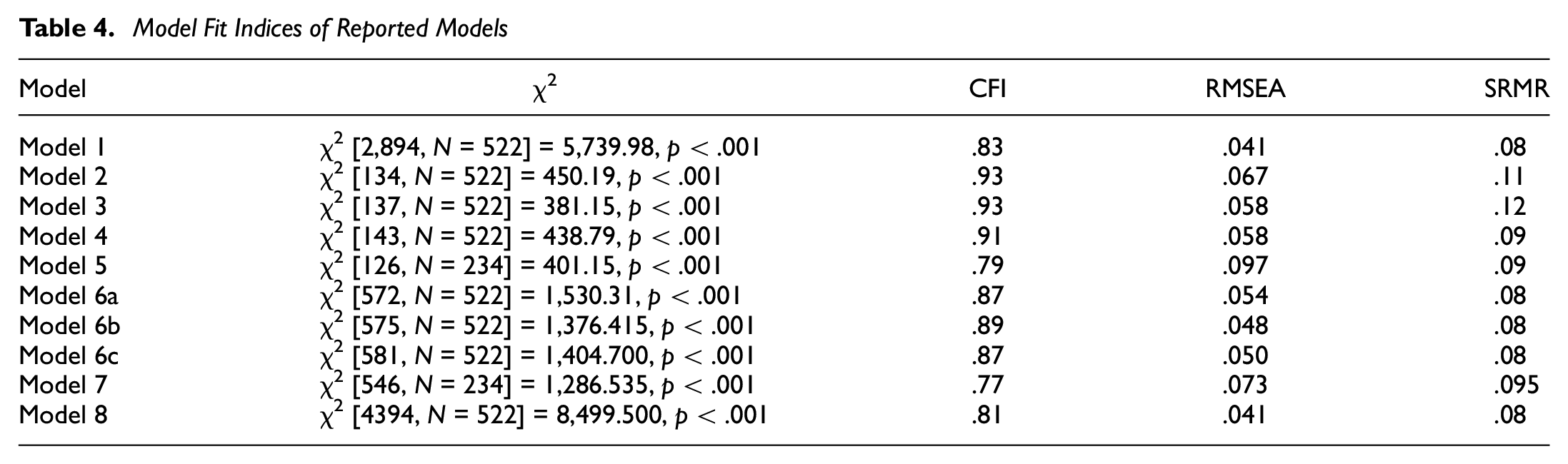
We conducted several cross-lagged panel models. All models had an acceptable comparative fit index (CFI) fit, whereas root mean square error of approximation (RMSEA) and standardized root mean square residual (SRMR) were good to moderate (see Table 4). In the following, we provide details on the significant cross-lagged panel models, which included the domain-general ambivalence, animal-based, sensory-based, socially-based, and sustainability-based ambivalence (see Figures 1–5); further SEMs can be found in the supplemental materials on the OSF (see Figures S3–S11).
Model Fit Indices of Reported Models
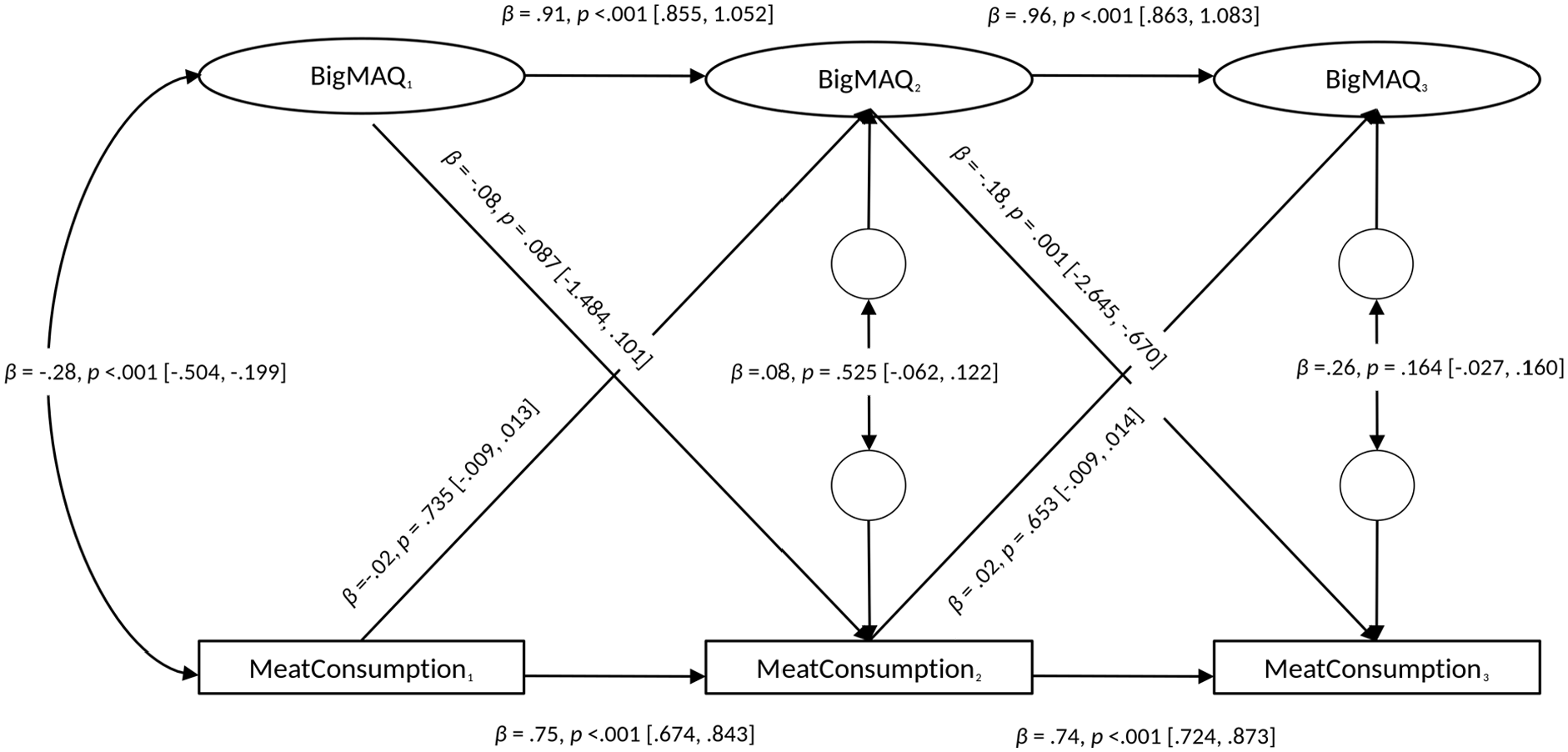
Cross-Lagged Model 1 for Meat Consumption and Domain-General Ambivalence in Omnivores
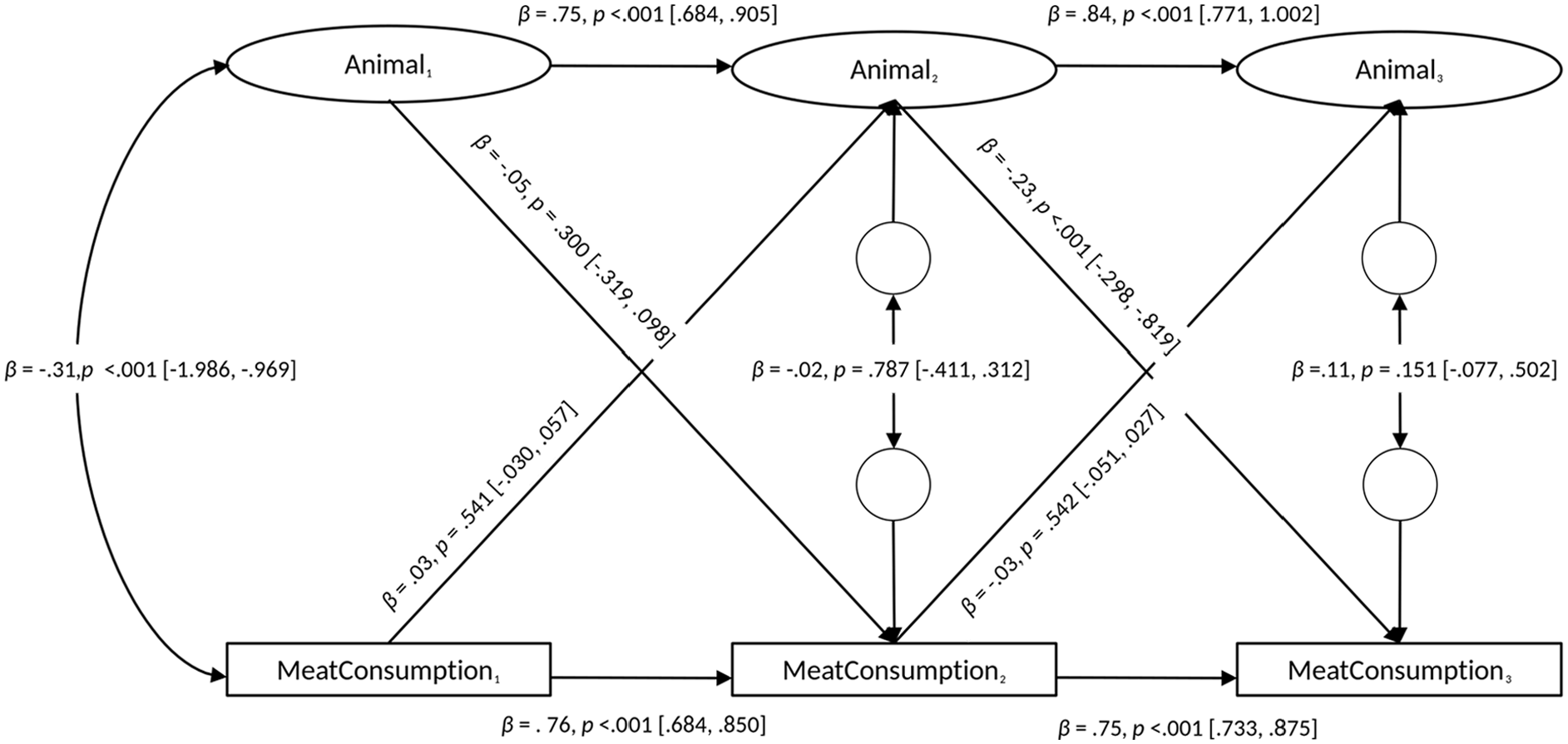
Cross-Lagged Model 2 for Meat Consumption and Animal-Based Ambivalence in Omnivores
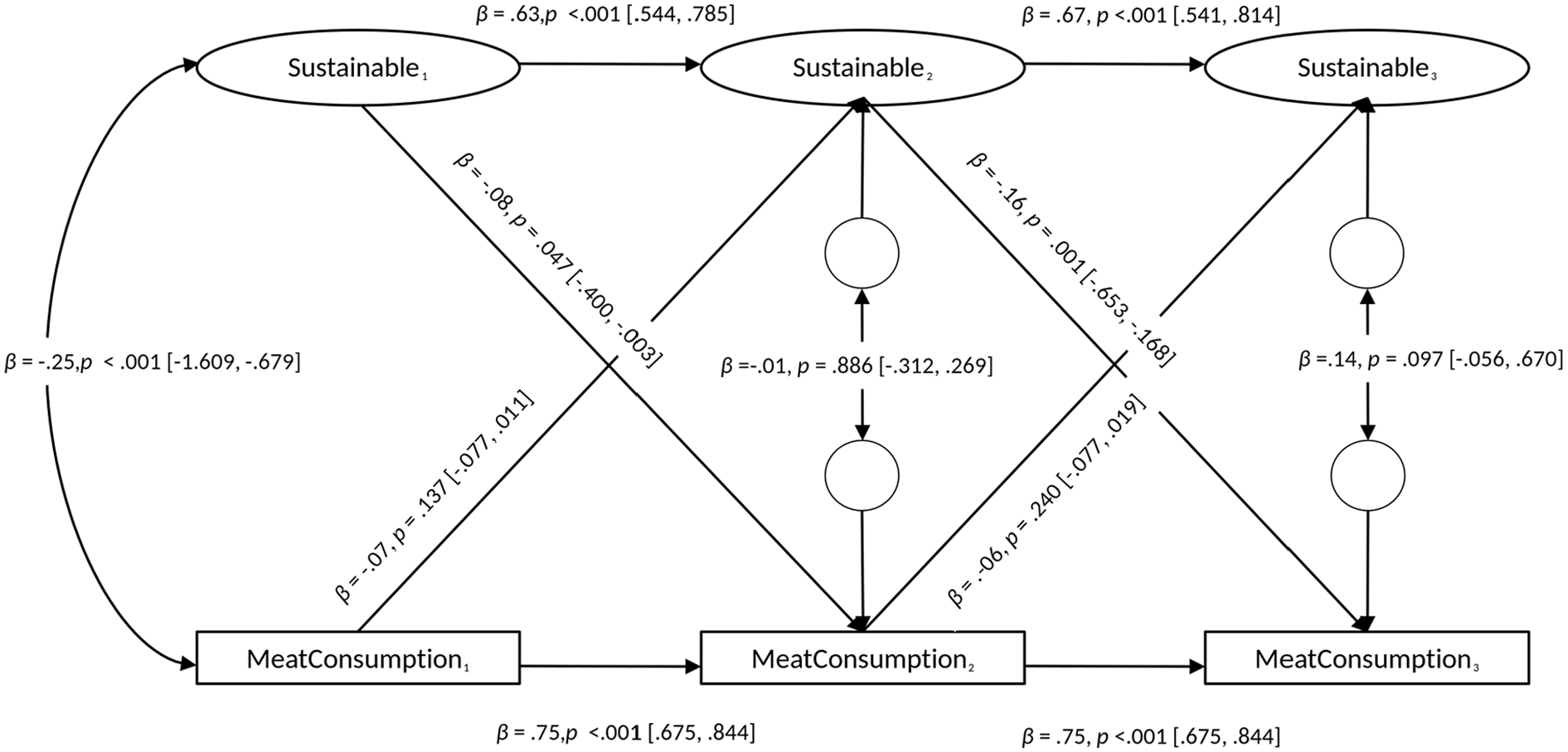
Cross-Lagged Model 3 for Meat Consumption and Sustainability-Based Ambivalence in Omnivores
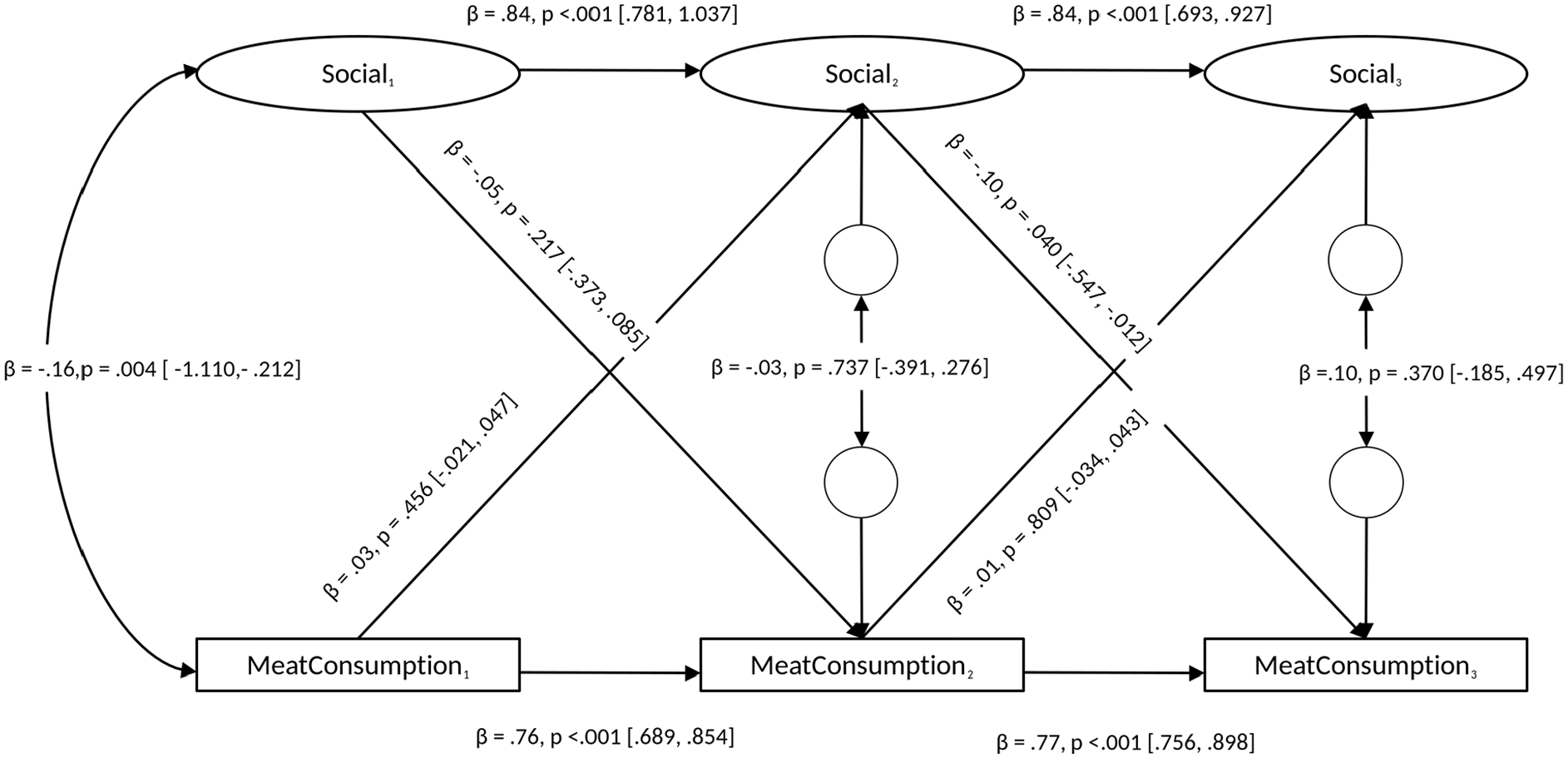
Cross-Lagged Model 4 for Meat Consumption and Socially-Based Ambivalence in Omnivores
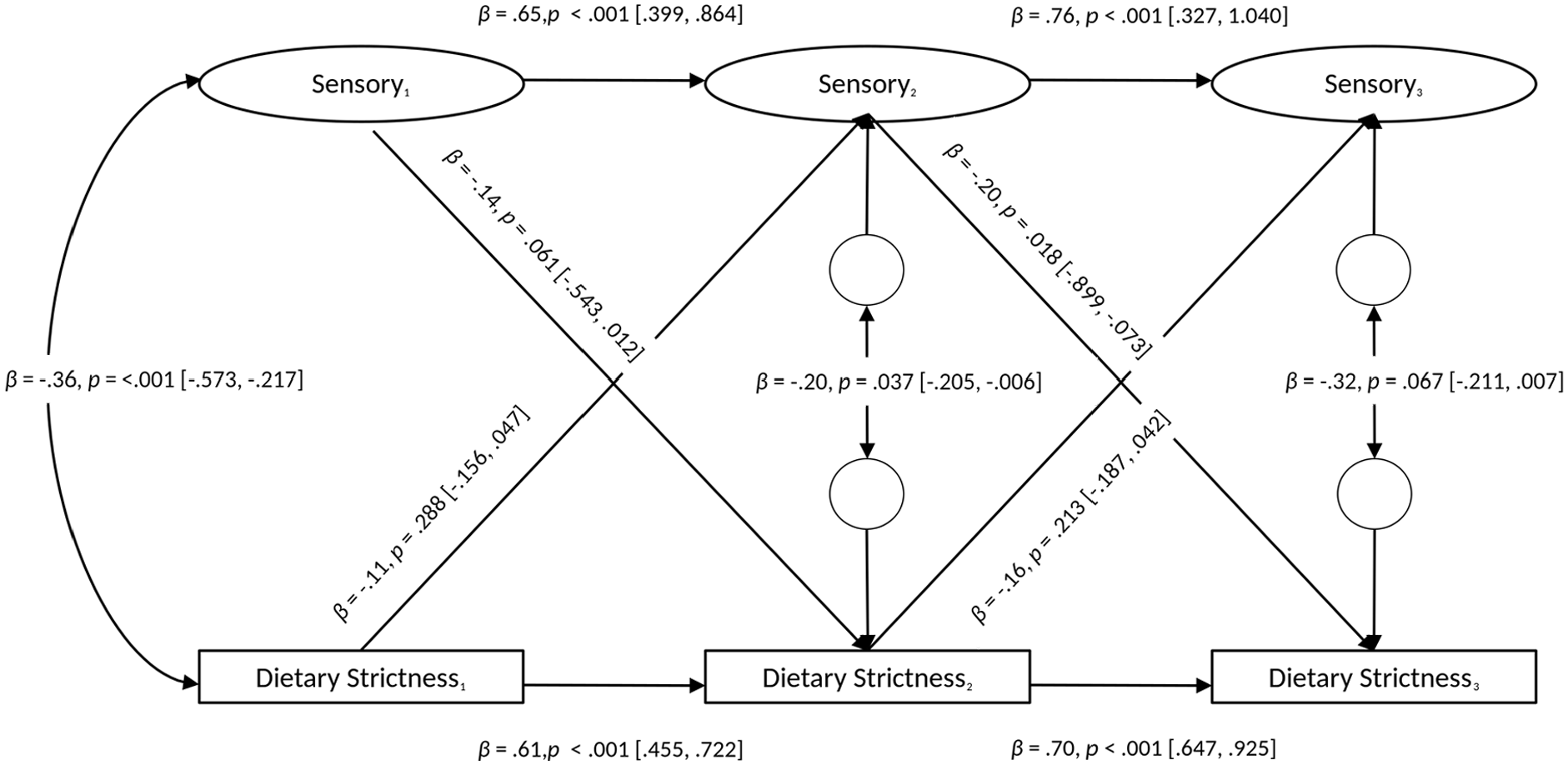
Cross-Lagged Model 5 for Dietary Strictness and Sensory-Based Ambivalence in Veg*ans
Omnivores: The Dynamics of Meat-Related Ambivalence and Meat Consumption
To investigate our main hypotheses (H2 and H3), we examined whether previous ambivalence predicted subsequent lower meat consumption among omnivores. In line with our hypotheses (H2), we found in Model 1 that the domain-general ambivalence at Time 2 negatively predicted meat consumption at Time 3 when accounting for the reverse direction of the effect of meat consumption at Time 2 on ambivalence at Time 3, although the effect of the domain-general ambivalence at Time 1 on meat consumption at Time 2 did not reach significance (see Figure 1). As such, the data yield partial support for our hypothesis that generalized ambivalence toward meat in omnivores is associated with lower meat consumption over time, even when disregarding the expected domain-specificity of the effects of ambivalence toward meat (see Buttlar et al., 2023).
In line with our assumption in H3, SEMs indicated considerable variability by domain-specific facets of the ambivalence (see Figures 2 –4). We found significant pathways of ambivalence in the animal-based domain (Model 2), sustainability-based domain (Model 3), and socially-based domain (Model 4) of ambivalence on a reduction of meat consumption (see Figures 2 –4). Notably, there were no significant predictive effects of sensory, and health-based ambivalence on subsequent meat consumption. In addition, we found a reverse effect: meat consumption at T2 predicted future health-based ambivalence (β = .12; p = .021).
Veg*ans: Meat-Related Ambivalence and Dietary Strictness
In the veg*ans subsample, we examined whether previous ambivalences predicted lower dietary strictness and meat consumption (H2 and H3). Pre-analyses revealed a lack of measurement invariance in the domain-general ambivalence scale for vegans, along with limited variance in the meat consumption variable (Table 3). Consequently, we deviated from the preregistered analysis plan by omitting the examination of H2.2 and H2.3. We continued with the analysis of the MAQ subscales to investigate H3 in veg*ans. The results suggest sensory-based ambivalence (Model 5) predicted subsequent dietary strictness (see Figure 5). No other domain-specific facet of ambivalence was predictive of dietary strictness in veg*ans. In addition, we again found a reverse effect of dietary strictness at T2 to reduce subsequent sustainability-based ambivalence (β = –.23; p = .039).
Secondary Analysis: Controlling for Moralization and Moral Emotions
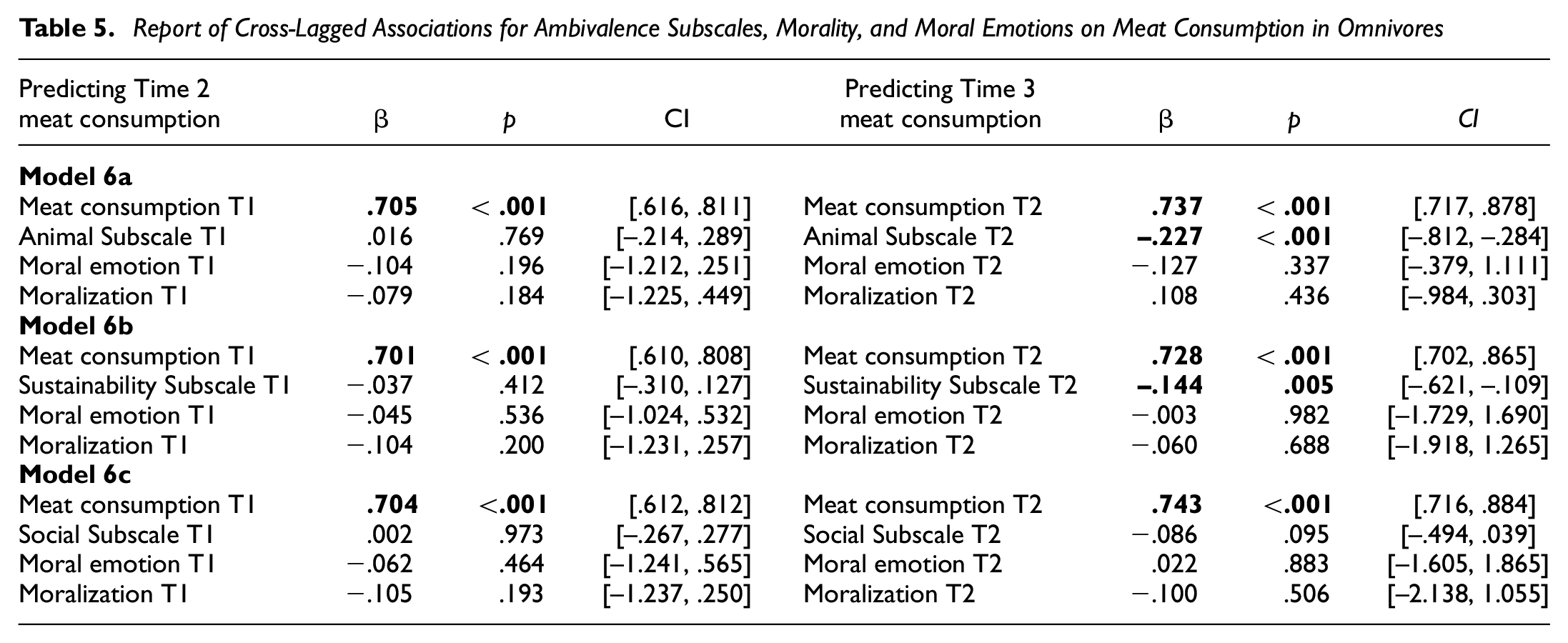
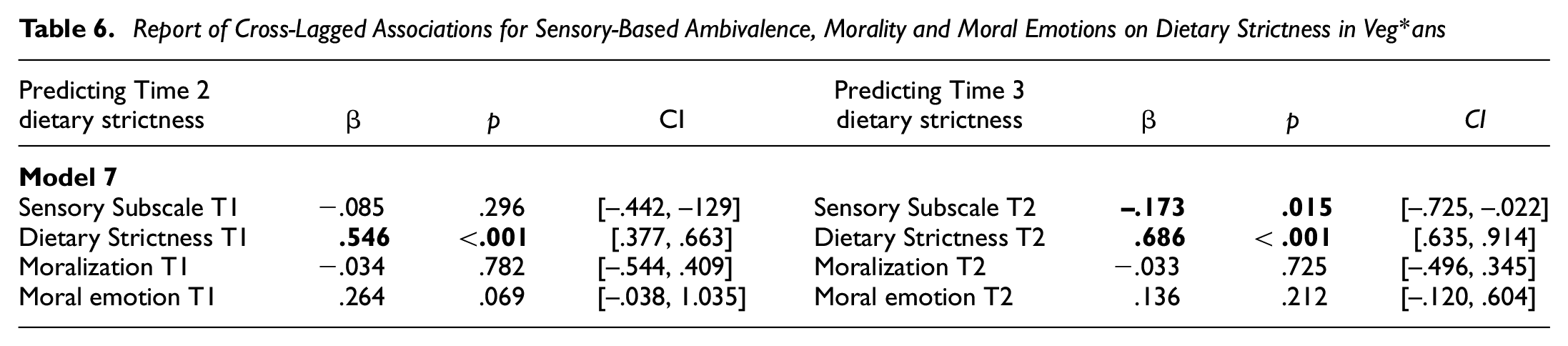
After providing partial support for our hypotheses (H2 and H3), we aimed to investigate whether the experience of felt ambivalence drives these effects rather than attitude moralization or moral emotions (H4). In omnivores, the crossed-lagged panels suggest that the effect of meat-related ambivalence (animal-based, Model 6a; sustainability-based, Model 6b; domain-general ambivalence, Model 8) on meat consumption did not substantially change after including moralization and moral emotions as additional predictors in the SEMs as predicted (see Table 5 and Supplemental Table S9). In addition, moral emotion at T1 predicted reduced subsequent domain general ambivalence (see Supplements, Table S9). The effect of socially-based ambivalence on meat consumption is not significant when moral emotion and moralization were included (see Table 5). In veg*ans, sensory-based ambivalence (Model 7) at T2 remained a significant predictor of subsequent dietary strictness (see Table 6). Overall, this suggests that the effects of (domain-specific) meat-related ambivalence on meat-eating behavior go beyond attitude moralization and moral emotions.
Report of Cross-Lagged Associations for Ambivalence Subscales, Morality, and Moral Emotions on Meat Consumption in Omnivores
Report of Cross-Lagged Associations for Sensory-Based Ambivalence, Morality and Moral Emotions on Dietary Strictness in Veg*ans
Discussion
This panel study aimed to provide insights into the temporal dynamics of meat-related ambivalence, morality, and their consequences for meat consumption. We argued that felt ambivalence is associated with behavior change in omnivores and veg*ans, especially if it is rooted in moral domains. On one hand, we aimed to test whether felt ambivalence, originating in push factors toward moralization of meat consumption, drives ensuing reductions of meat consumption in omnivores. On the other hand, we aimed to test whether felt ambivalence, originating in pull factors away from moralization, might lead to dietary lapses in veg*ans. We investigated this by conducting a highly powered panel study with three measurement points over 7 months, adding a longitudinal approach to the primarily cross-sectional body of (meat-related) ambivalence research.
This longitudinal research design revealed a medium-high stability for meat-related felt ambivalence, supporting the assumption that ambivalence can be a pervasive, lingering state (Keller & Siegrist, 2015; Pauer et al., 2023, 2024). This stability suggests that felt ambivalence is not merely a transient state but rather an enduring aspect of an individual’s disposition toward meat consumption. In fact, a similar degree of stability has been found for a range of personality traits (Bleidorn et al., 2022), this finding indicates that the MAQ can be used as a diagnostic tool for measuring trait-like meat-related ambivalence. Yet, this degree of stability at the same time indicates considerable malleability within people’s meat-related ambivalence, which may reflect a precondition for why people are able and motivated to resolve their ambivalence over time (Buttlar, Pauer, Ruby, & Scherrer, 2024; Buttlar, Pauer, & van Harreveld, 2024).
In fact, despite the relative stability of ambivalence, partial support for our pre-registered hypotheses was observed primarily between time points 2 and 3: Ambivalent omnivores reduced their future meat consumption. This was especially the case if their felt ambivalence was rooted in associations about animal welfare, sustainability, and social conflicts. In contrast, we found a negative effect of felt ambivalence on dietary strictness, in veg*ans. This was especially the case if felt ambivalence was originating in positive sensory associations. Thus, we argue that felt ambivalence originating from push factors toward moralization (e.g., harm to animals or the environment) or pull factors (e.g., hedonic aspects such as the taste of meat) away from moralization are more consequential for behavior change than felt ambivalence originating in other domains. We argue in line with Minson and Monin (2012) that for socially-based ambivalence, it is the anticipation of moral reproach that motivates meat reduction in omnivores.
These results remained significant even after controlling for attitude moralization and moral emotions. That is, felt ambivalence in moral domains seems to predict behavioral change above and beyond the moralization that has shaped the felt ambivalence. This aligns with our argument that the aversive nature of felt ambivalence elicited by push and pull factors toward moralization motivates people to change their behavior and not just attitude moralization itself. Thus, felt ambivalence is a crucial variable underlying dietary change and may be especially potent in domains where conflicting associations involve push- and pull factors for moralization.
Although this study primarily focuses on how ambivalence leads to changes in meat consumption, it may be argued that people who eat less meat might experience less ambivalence subsequently. For instance, Pauer et al. (2023) demonstrated that people adjust their behavioral intentions to resolve anticipated ambivalence. In addition, cross-sectional findings show that vegetarians who maintained their diets for longer time experience less ambivalence (Buttlar, Pauer, Ruby, & Scherrer, 2024). In exploratory analyses, we indeed found some evidence for this reversed pathway. Specifically, we found that increased meat consumption at Time 2 among omnivores predicted higher future health-based ambivalence, whereas greater dietary strictness at T2 among veg*ans predicted less future sustainability-based ambivalence (see supplemental material S4 and S9). However, as these analyses were exploratory and the effects not consistently observed across all domains, future research should further investigate these preliminary findings.
Limitations and Future Research
While this study provides evidence for meat-related ambivalence as a driver of change in behavior, the present research also has several limitations. First, while we find evidence for ambivalence as predicting a reduction of meat consumption and dietary strictness, the results between Time 1 and Time 2 versus Time 2 and Time 3 are inconsistent. The inconsistency might be explained by the noise of seasonal effects, such as the Christmas Holidays or the international Veganuary campaign (“Veganuary—The international movement inspiring people to try vegan!,”n.d.), which might have made it difficult to detect the effects of ambivalence on meat eating in that particular interval. One could also theorize that newly-enrolled students need to repeatedly re-experience ambivalence for some time before adopting more effortful coping strategies involving behavior change (Pauer et al., 2023). Therefore, we suggest that future studies could include extra measurements, such as covering a whole year to reflect the dynamic processes of how coping behavior unfolds due to recurrent felt ambivalence. In this vein, it would be beneficial to examine the effects of meat ambivalence on a trait level.
In our study, we have grouped all strict meat avoiders (i.e., vegans and vegetarians) together, as our theorizing and measures address the topic of meat consumption, as well as for maximizing statistical power. Future research could examine vegetarians and vegans separately and investigate the validity of measurement tools for both subgroups (e.g., dietary strictness items) and the psychological dynamics involved in consuming animal products beyond meat consumption.
Due to the stability of meat consumption (Milfont et al., 2021), we conducted our study among students at two European universities starting in November 2021, when restrictions due to COVID-19 were lifted and students returned to campus. We expected students’ dietary behavior to be more malleable during this transition period. In addition, we sampled from two European countries, but our sample is still primarily Western, educated, industrialized, rich, and democratic (Henrich et al., 2010). Future research should thus investigate whether our findings generalize across situations and populations.
Conclusion
This panel study revealed the stability of felt ambivalence and its longitudinal dynamics as a driver of behavior change: Ambivalent omnivores were more likely to reduce their meat intake when their conflicts centered on animals and sustainability, and social considerations. We also found that ambivalent veg*ans were more likely to violate their diets when their conflict centered on sensory aspects of meat. Thus, felt ambivalence originating from push factors toward moralization (e.g., harm to animals or the environment and anticipated moral reproach) or pull factors (e.g., hedonic aspects such as the taste of meat) away from moralization may be more consequential for behavior change than felt ambivalence originating in other domains.
Footnotes
Acknowledgements
We thank Helene Gold and Theresa Heep for their help in conducting the studies and Lena Hahn for her valuable comments on the manuscripts.
Handling Editor: André Mata
Declaration of Conflicting Interests
The author(s) declared no potential conflicts of interest with respect to the research, authorship, and/or publication of this article.
Funding
The author(s) disclosed receipt of the following financial support for the research, authorship, and/or publication of this article: S. P. received funding from the German Academic Scholarship Foundation (Studienstiftung). B.B. received funding from the research fund of the University of Trier for a previous, separate project that supported the development of the Meat Ambivalence Questionnaire (#FoF/A 2021/19).

Data Availability Statement
Methods, materials, data, and analysis scripts, as well as the pre-registration, are available on OSF.
Supplemental Material
Supplemental material for this article is available on OSF.