




Abstract
We retested core ambivalent sexism theory tenets and explored novel correlations with national outcomes in 62 nations. Replicating Glick et al., cross-national analyses supported (a) hostile sexism (HS) and benevolent sexism (BS) as cross-culturally recognizable, complementary ideologies associated with gender inequality; (b) women appearing to be influenced by, but also resisting men’s HS and embracing BS to counter men’s HS (outscoring men in some highly sexist nations). Novel cross-national comparisons showed (a) men’s HS and both genders’ BS correlated with fewer women in paid work, whereas only BS correlated with domestic labor inequity, (b) both HS and BS correlated with accepting intimate partner violence toward women. Finally, HS and BS correlated with generally dysfunctional national outcomes: antidemocratic tendencies, less productivity, more collective violence, and lower healthy lifespan for both genders. Results reinforce that BS harms women and suggest men also have a stake in reducing sexist ideologies.
Ambivalent sexism theory (AST) contends that male dominance and heterosexual interdependence (both common across societies) create sexist ambivalence (Glick & Fiske, 1996). Male dominance fosters hostile sexism (HS), antagonism toward women exercising power. Heterosexual interdependence produces benevolent sexism (BS), a patronizing attitude idealizing women in traditional roles that support men. Despite their opposing affective tones, HS and BS represent complementary ideologies that reconcile men’s power with intimate dependence on women (Glick & Fiske, 1996, 2001). Specifically, AST views BS as crucial to gain women’s support for inequality by portraying women as benefiting from powerful men who protect and provide. AST’s core tenets were supported in cross-national research conducted 20 years ago in 19 nations (Glick et al., 2000). The current study tested (a) replication in contemporary, less WEIRD-dominated samples (Henrich et al., 2010) from 62 nations (preregistered at https://osf.io/wyrb3) and (b) whether HS and BS correlate with previously unexamined gender inequality indicators and diverse, dysfunctional national outcomes (economy, politics, violence, health) affecting both sexes.
Need for Replication
Cross-national research can uniquely test core AST tenets by examining both systemic and individual variation in sexism. Yet, large-scale cross-national research remains rare. Except for the work by Glick et al. (2000, 2004) and Zawisza et al. (2012, 2015), “most [ambivalent sexism] articles report samples collected in a single country, which prevents reliable cross-cultural comparisons” (Bareket & Fiske, 2023, p. 673). Replicating Glick et al.’s findings has particular urgency given changes in women’s roles and gender attitudes. A 57-nation comparison showed that hostile attitudes toward women in powerful roles (a proxy for HS) have decreased over time (Brandt, 2011). Correspondingly, gender inequality has also lessened across nations (Global Gender Gap Report, 2023), though not without backlash (e.g., Lobban et al., 2020; Valentino et al., 2018). Despite these changes, AST suggests that even if HS and BS endorsement has diminished over time, both ideologies should remain correlated with each other and with national gender inequality.
Furthermore, Glick et al.’s (2000) comparisons involved 19, mostly WEIRD nations (e.g., Western Europe, the United States, Australia; Henrich et al., 2010). The limited number and diversity of nations may have yielded spurious findings. Although Glick et al. (2004) replicated results in a 16-nation study, four samples were recycled from the work by Glick et al. (2000) and only six new nations were represented. The current 62-nation study provides increased statistical power and better represents global diversity by including more non-WEIRD societies. In addition, we used previously unavailable analyses to test psychometric isomorphism and conduct multilevel modeling, increasing reliability and validity, making the current study a robust, independent replication. The following sections present previously supported replication and novel hypotheses, labeled
Replication Hypotheses: Retesting Core AST Tenets
All replication hypotheses represent core AST principles supported in the work by Glick et al. (2000) (for brevity, we omit repeated citation below). AST views HS and BS as human universals because power difference and intimate interdependence characterize gender relations across nations. Therefore,
Because both ideologies justify male dominance, HS and BS also correlate positively at the individual level. However, while HS societies systemically require high BS to preserve inequality, individuals are freer to endorse each ideology to different degrees. Therefore,
Theoretically, because HS and BS reinforce male dominance, these ideologies should have greater appeal to men. Therefore,
Indeed, exposing women to HS increases, whereas BS exposure reduces women’s resistance to inequality (Becker & Wright, 2011). Similarly, although women in highly sexist (versus more egalitarian) nations score higher on HS, they simultaneously show increased resistance to endorsing HS relative to men (i.e., the gender gap in HS endorsement increases in highly sexist countries). Therefore,
BS shows a different dynamic, labeled the protection racket hypothesis. Across nations, Glick et al. (2000) found that as men’s HS increased, women more strongly embraced BS. Thus, the BS gender gap lessened and even reversed (women scoring higher on BS than men). AST suggests that men’s HS constitutes a perceived threat to women, who fear violence and punishment (e.g., withdrawn protection) from men. Thus, women in high HS environments endorse BS, which prescribes male protection to counter male threat. By contrast, women in low HS (i.e., lower threat) societies can more freely reject BS. Therefore,
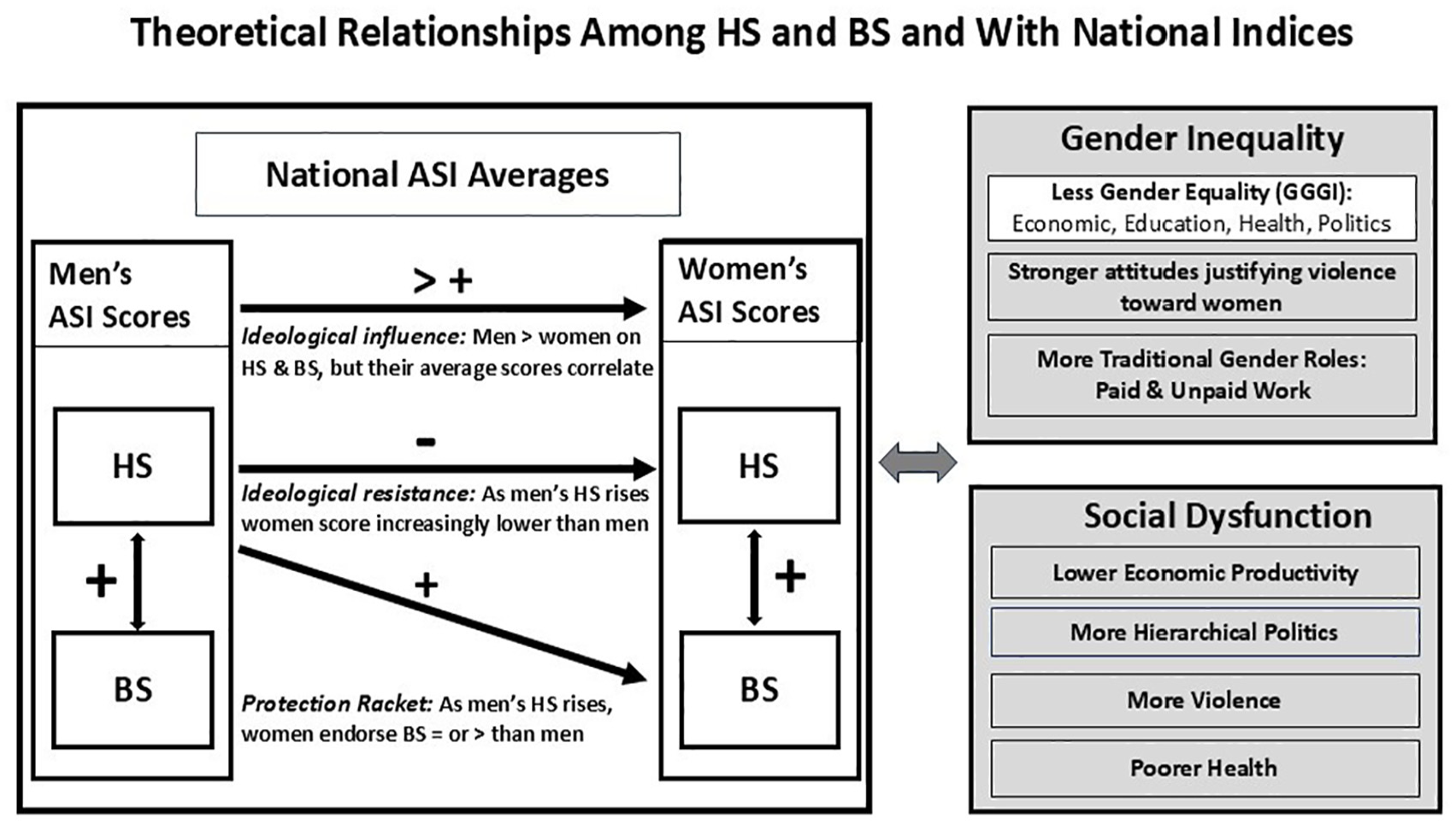
Graphic Summary of the Hypotheses and Theoretical Model
Novel Gender Inequality Hypotheses
We used previously unexamined national indices to test whether HS and BS correlate with factors that drive gender inequality: tolerating intimate partner violence and gendered divisions of labor.
Intimate Violence Against Women
Worldwide, almost one in three women experience physical or sexual violence, often from intimate partners, at least once (World Health Organization [WHO], 2021b). A meta-analysis found positive HS and BS correlations with attitudes supporting violence against women among both female and male respondents (Gutierrez & Leaper, 2024; see also Agadullina et al., 2022). Therefore,
Gendered Labor
Women’s lower participation in paid work and overrepresentation in unpaid domestic labor allow men to amass more resources and power, entrenching inequality (Wood & Eagly, 2012). Studies link HS to resisting women in male-dominated, higher-status jobs and BS with prescribing women to devote themselves to domestic roles (e.g., Gaunt, 2013). Within heterosexual couples, BS predicts traditional task divisions (Silván-Ferrero & Bustillos López, 2007) and women’s HS predicts maternal gatekeeping, diminishing fathers’ child care participation (Gaunt & Pinho, 2018). Therefore, across nations
Novel Hypotheses About General Social Dysfunctions
Prior research suggests sexist attitudes correlate with varied social ills. We tested whether sexist societies fare worse on economic, political, social, and health indicators for both genders.
Economic Productivity
Sexism reduces human capital by restricting women’s education and job opportunities (Klasen, 2000), leading to lower economic productivity (e.g., Bertay et al., 2020). Therefore, as ideologies that support inequality,
Political Practices and Attitudes
Duckitt and Sibley (2017) have shown that antidemocratic, hierarchy-enhancing attitudes correlate with ambivalent sexism. Specifically, (a) social dominance orientation (Sidanius & Pratto, 2012), which views intergroup relations as a ruthless competition, correlates with HS; (b) right-wing authoritarianism, which favors tough leaders who enforce traditional gender roles, correlates with BS. Therefore,
Collective and Individual Violence
Men (compared with women) show greater propensity toward both collective and individual violence (United Nations, 2019). Male leaders typically initiate wars, and militaries remain male-dominated (Portillo et al., 2022). Interpersonal violence is disproportionately male: worldwide, men commit more than 90% of homicides (United Nations, 2019). Male violence correlates with sexist, masculine norms (Bosson & Vandello, 2011). Therefore,
Women’s and Men’s Health
Sexist ideologies can compromise both sexes’ health. For women, sexism promotes medical discrimination: women’s health issues receive less medical research (Mirin, 2021) and physicians find women’s medical complaints less credible, causing undertreatment (Braksmajer, 2018). For men, sexist attitudes prescribe denying physical or mental weakness, inhibiting help-seeking (Addis & Mahalik, 2003; Vandello et al., 2019). In addition, sexist norms promote risk-taking (e.g., avoiding seatbelts, aggression; Schrader & Wann, 1999), resulting in men dying younger in countries higher in precarious manhood beliefs (Vandello et al., 2023). Therefore,
Method
Participants
After ethical approval in all nations, data for the current research (available at https://osf.io/fqd4p/) were collected between January 2018 and February 2020 as part of a larger Towards Gender Harmony project (https://towardsgenderharmony.ug.edu.pl/). The initial sample, N = 33,313 (already cleansed of those who failed control questions), was further winnowed, excluding respondents who did not complete all focal questions: Ambivalent Sexism Inventory (ASI), gender, and age. We obtained too few gender minority individuals for statistical tests; thus, we analyzed only male- or female-identifying participants, N = 29,518, mostly student volunteers. Target sample size was 200 per nation (50% women), reflecting good practice in multination studies (preregistration link https://osf.io/fqd4p/). Table 1 reports sample sizes, gender distribution, age, descriptive statistics, and omega coefficients for Confirmatory Factor Analysis (CFA)-standardized HS and BS scores.
Sample Composition and Omega Coefficients (
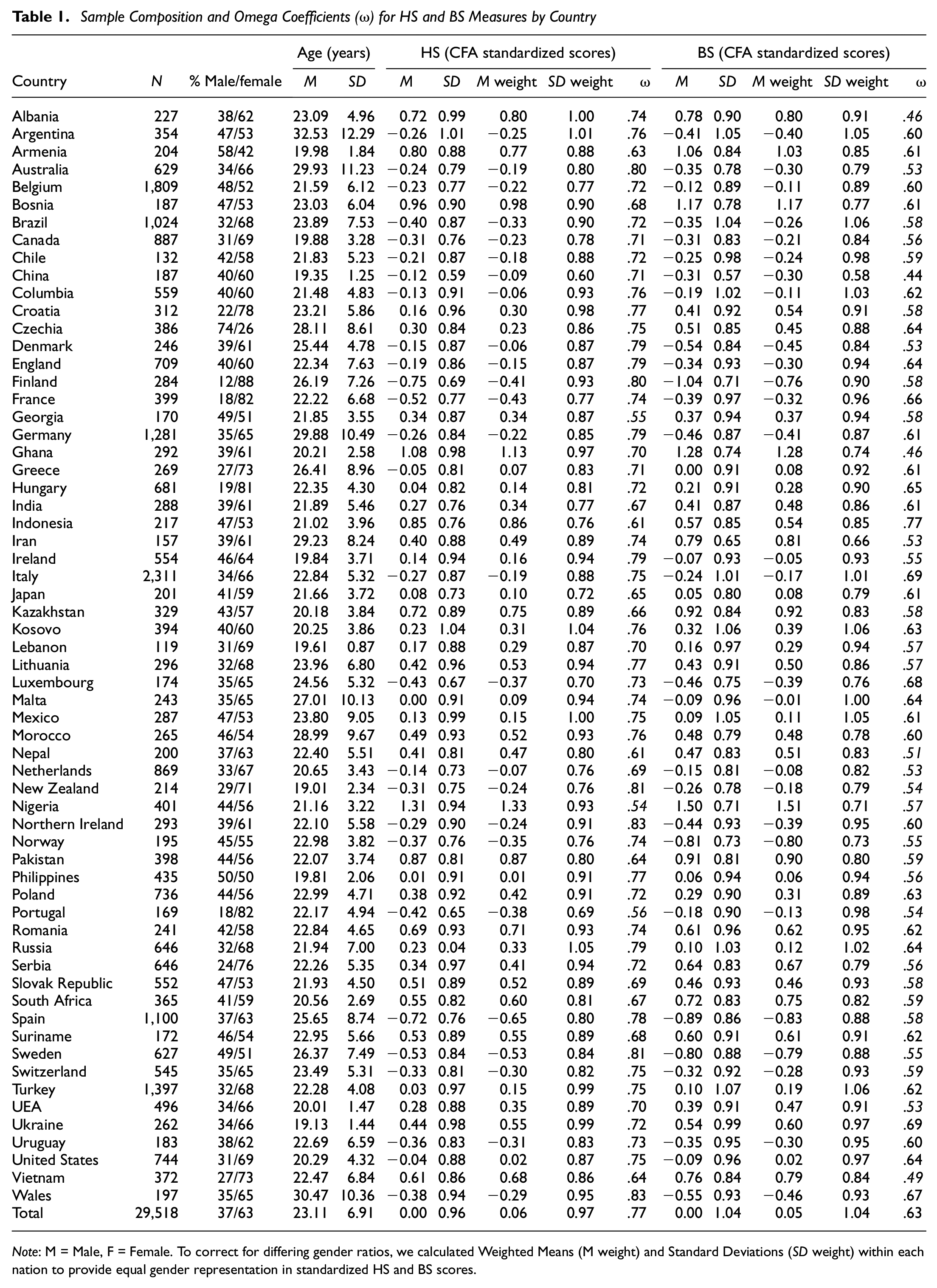
Note: M = Male, F = Female. To correct for differing gender ratios, we calculated Weighted Means (M weight) and Standard Deviations (SD weight) within each nation to provide equal gender representation in standardized HS and BS scores.
Procedure
Participants completed a six-item ASI using a 0 (strongly disagree) to 5 (strongly agree) scale. We selected three BS and three HS items based on prior high-factor loadings (Rollero et al., 2014) to represent BS’s three subfactors and to cover HS’s varied themes. Back-translation (English to target language and back, van de Vijver & Leung, 2021) resulted in 29 language versions, see https://osf.io/fqd4p/. Items included: “Women should be cherished and protected by men” (BS) and “Women seek to gain power by getting control over men” (HS). See Table S2 in Supplementary Materials for all items. We computed standardized HS and BS scores using CFA.
We selected indices assessing national outcomes based on geographic and temporal correspondence with our dataset. The
Six national indicators assessed social dysfunctions affecting both sexes.
Transparency and Openness
All data and materials are available at https://osf.io/fqd4p/ and R code on request. The project, hypotheses, design, and analyses were preregistered https://osf.io/wyrb3 (see Supplementary Materials for exceptions).
Results
Analytical Strategy
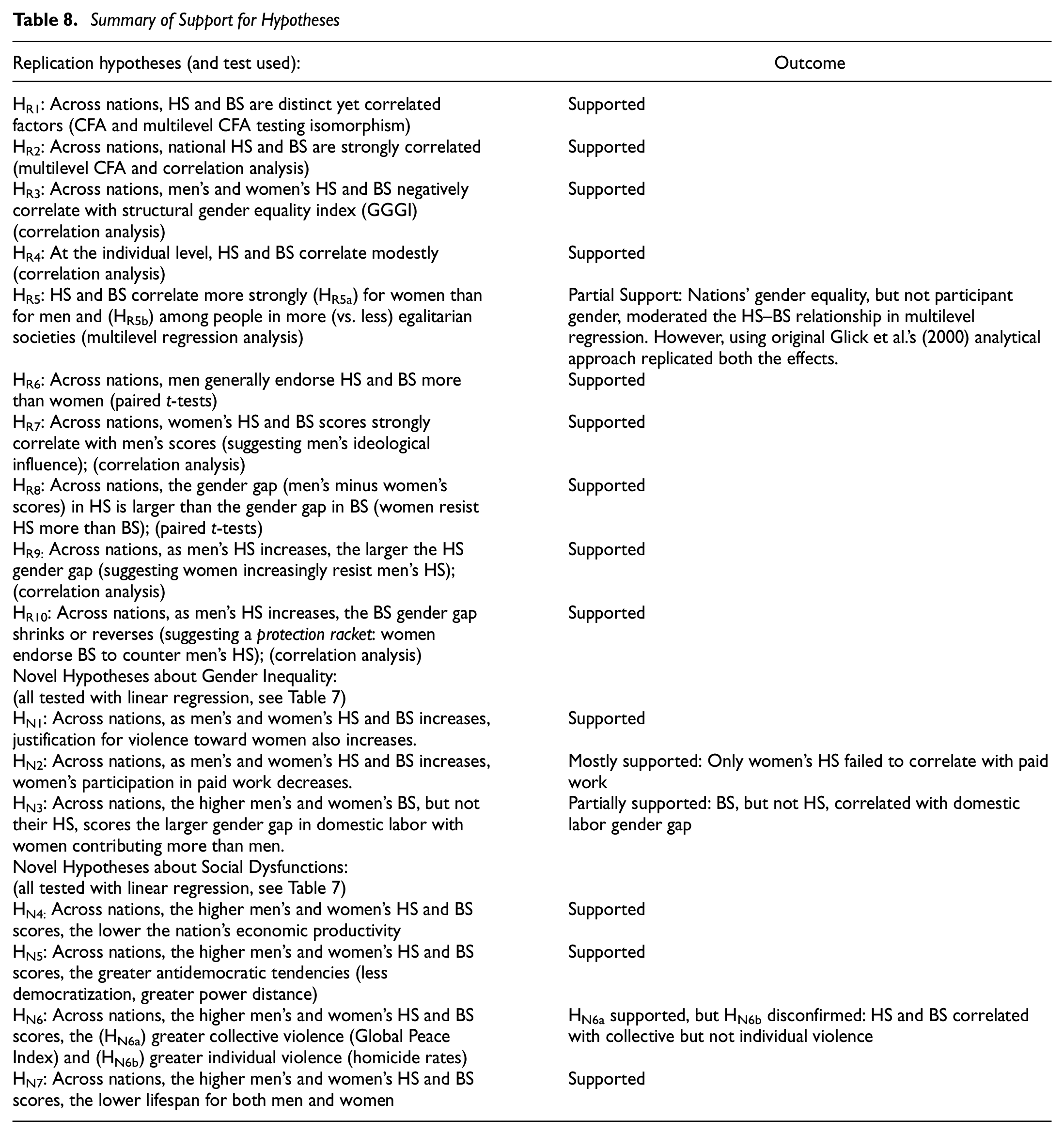
To maintain consistency with the work by Glick et al. (2000), replication hypotheses about national-level variation (HR2, HR3, HR4, HR7, HR9, HR10) and simple gender differences (HR6 and HR8) were tested using correlations and paired t-tests, respectively. However, to enhance rigor, we tested hypotheses involving both individual and systemic variance using multilevel analyses: multilevel CFA tested whether ASI items had consistent factor loadings across individuals and countries (HR1). Multilevel modeling (Heck & Thomas, 2020) tested hypotheses about whether gender and national gender parity (GGGI) moderate within-nation HS and BS correlations (HR5a, HR5a). Linear regressions tested novel hypotheses about gender inequality and social dysfunctions (HN1–HN7). Table 8 indicates analyses used for each hypothesis.
Replication Analyses
Are HS and BS Universally Recognizable?
We tested
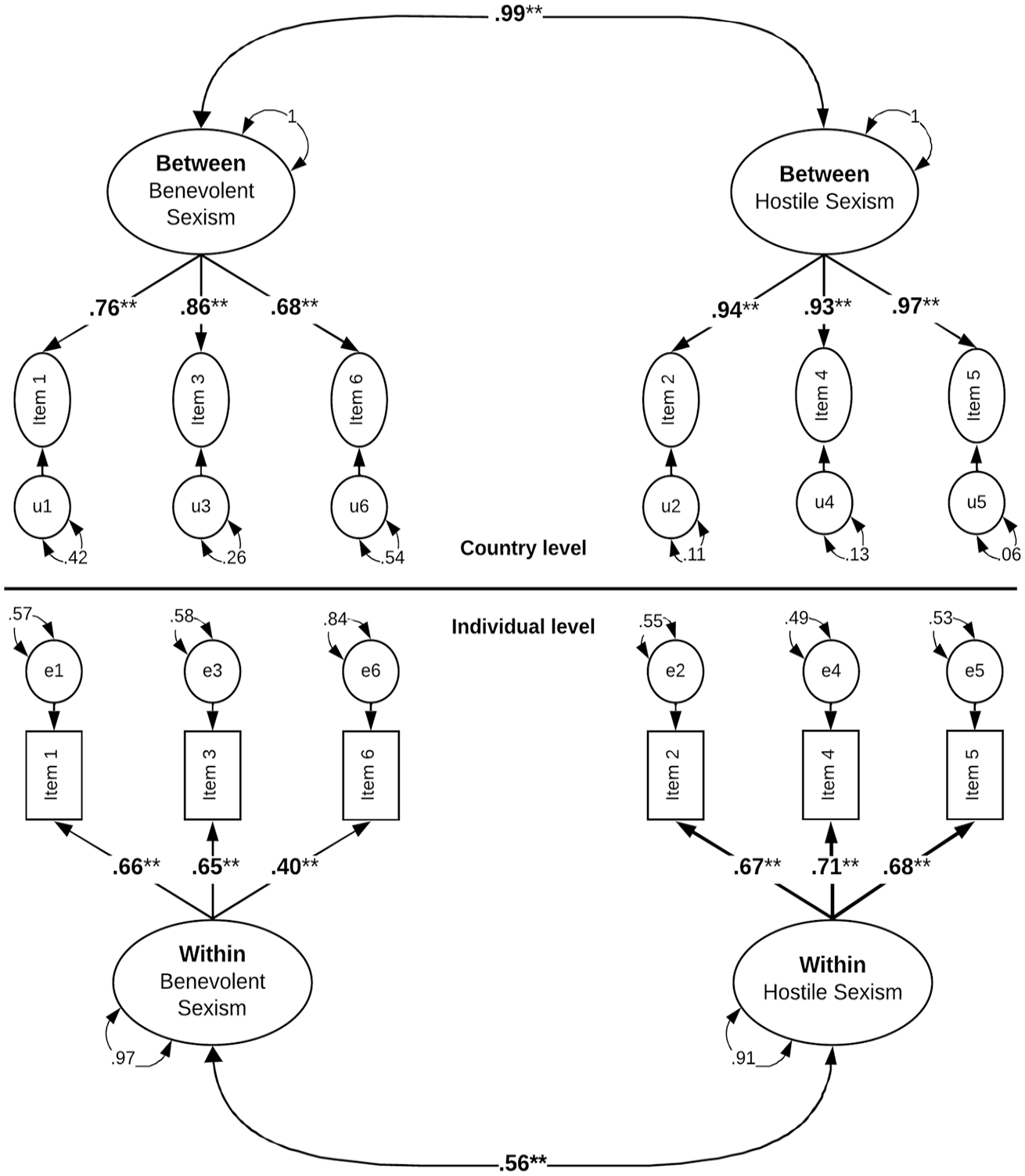
Multilevel CFA Results (Standardized Coefficients)
Multilevel Confirmatory Factor Analysis for the Short ASI
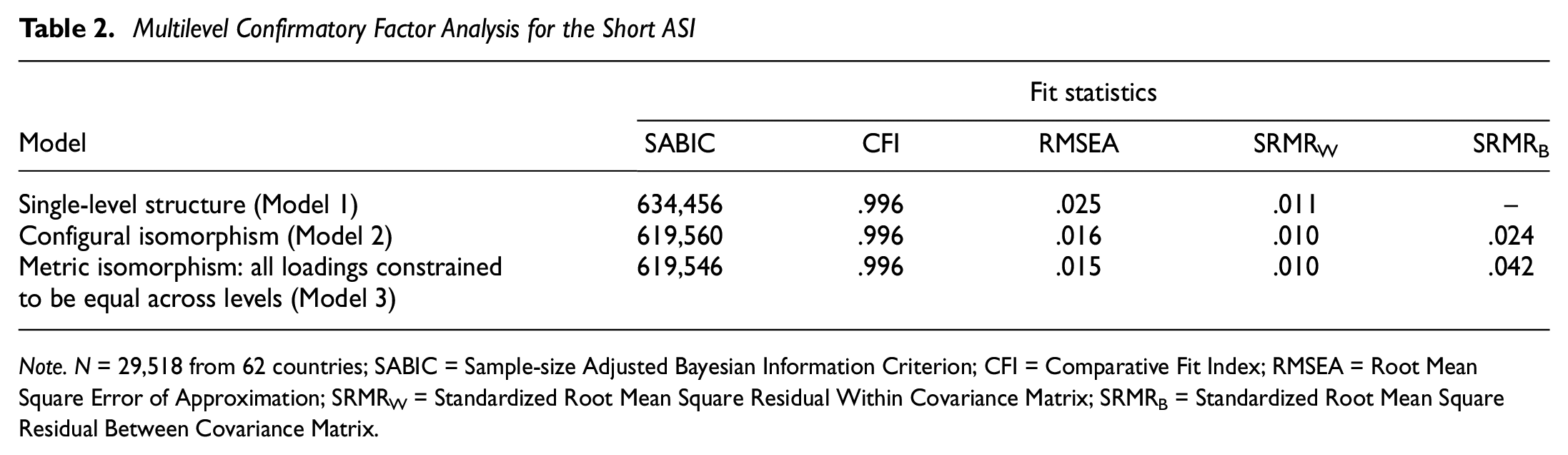
Note. N = 29,518 from 62 countries; SABIC = Sample-size Adjusted Bayesian Information Criterion; CFI = Comparative Fit Index; RMSEA = Root Mean Square Error of Approximation; SRMRW = Standardized Root Mean Square Residual Within Covariance Matrix; SRMRB = Standardized Root Mean Square Residual Between Covariance Matrix.
Omega (ω) coefficients ranged between .54 and .83 for HS (.77 for entire sample) and .44 and 0.77 for BS (.63 for entire sample) indicating acceptable reliability for three-item scales in most countries (see Table 1). However, for HS (three nations) and BS (30 nations),
HS and BS as Complementary Justifications for Inequality
Supporting
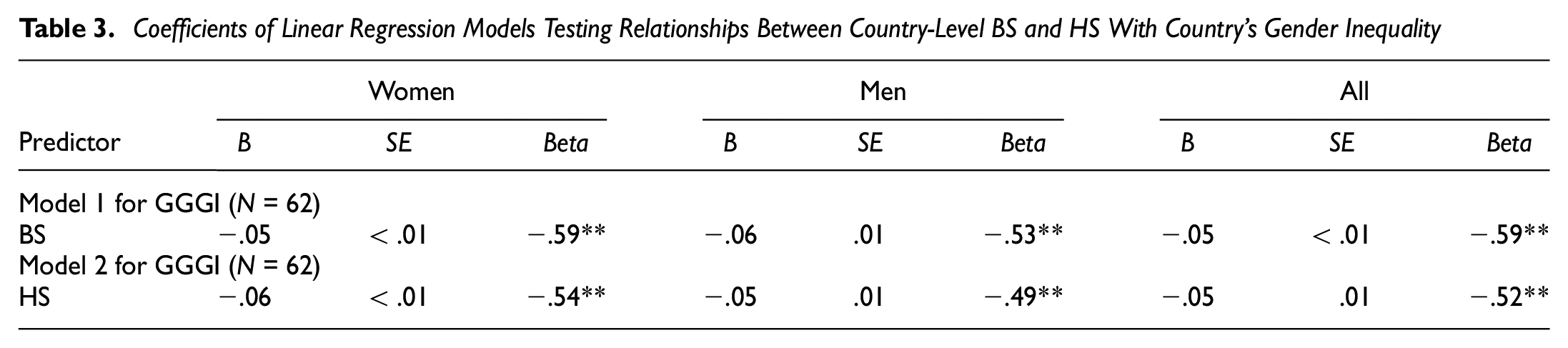
Coefficients of Linear Regression Models Testing Relationships Between Country-Level BS and HS With Country’s Gender Inequality
Correlations Between HS and BS Among Women and Men in Different Nations
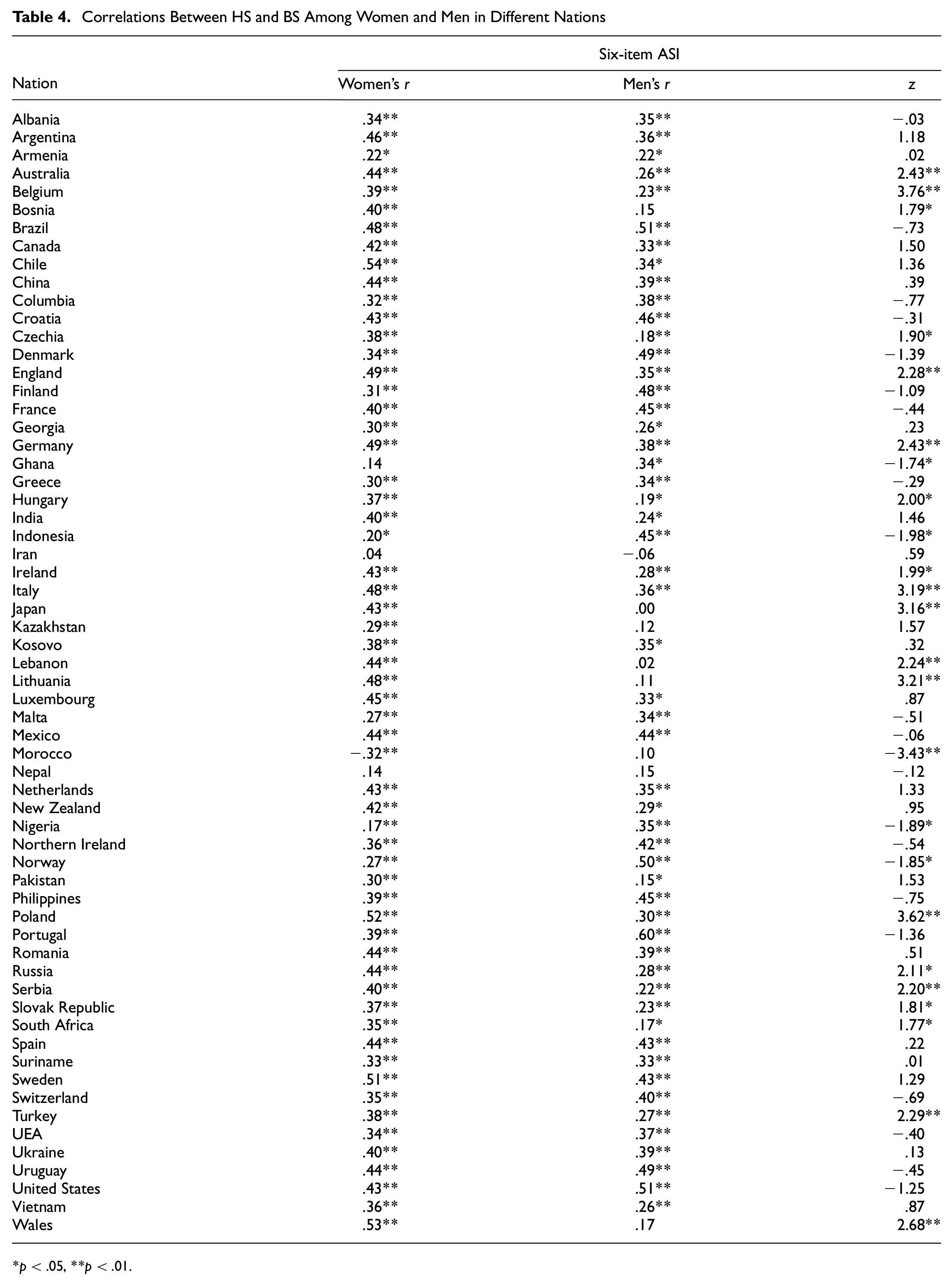
p < .05, **p < .01.
Are HS–BS Correlations Higher for Women and People in Egalitarian Nations?
Multilevel Regression Results for Predicting HS From BS With Gender and GGGI as Moderators
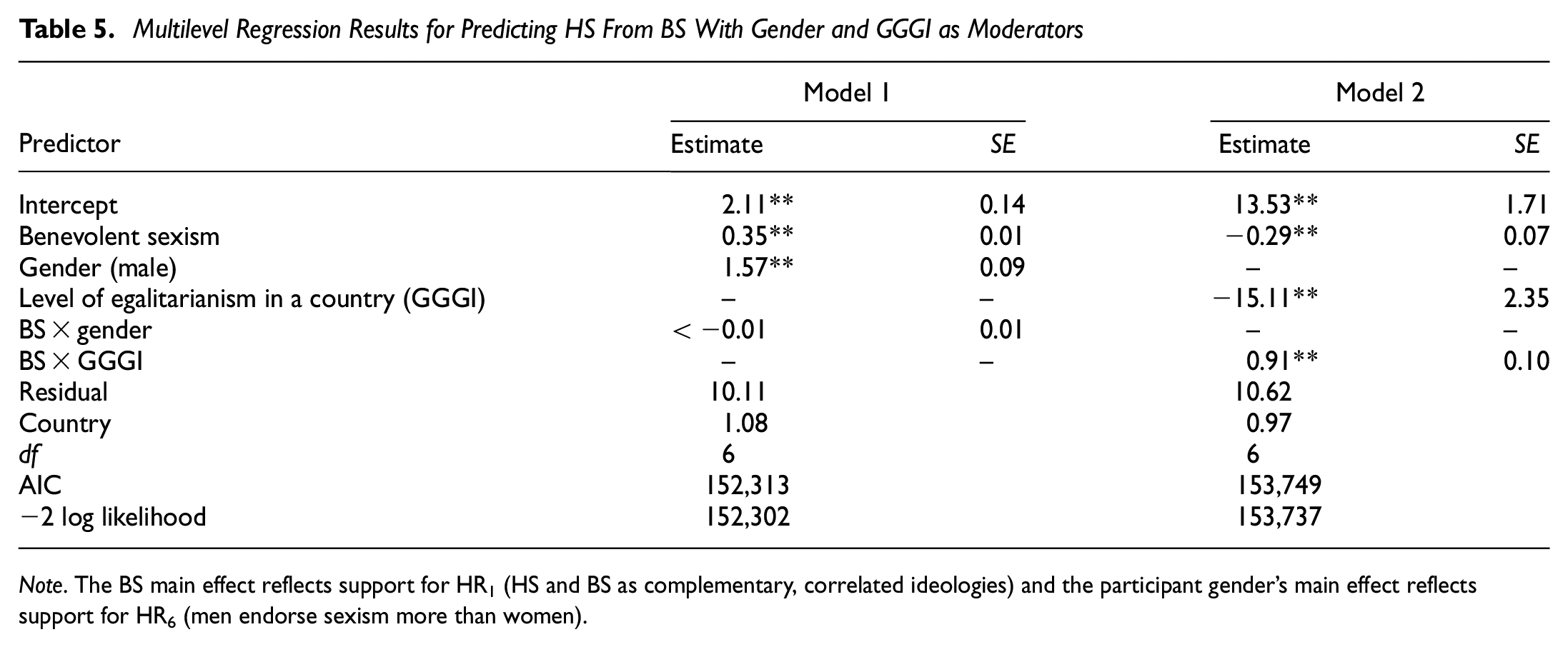
Note. The BS main effect reflects support for HR1 (HS and BS as complementary, correlated ideologies) and the participant gender’s main effect reflects support for HR6 (men endorse sexism more than women).
Ideological Influence and Resistance
Supporting
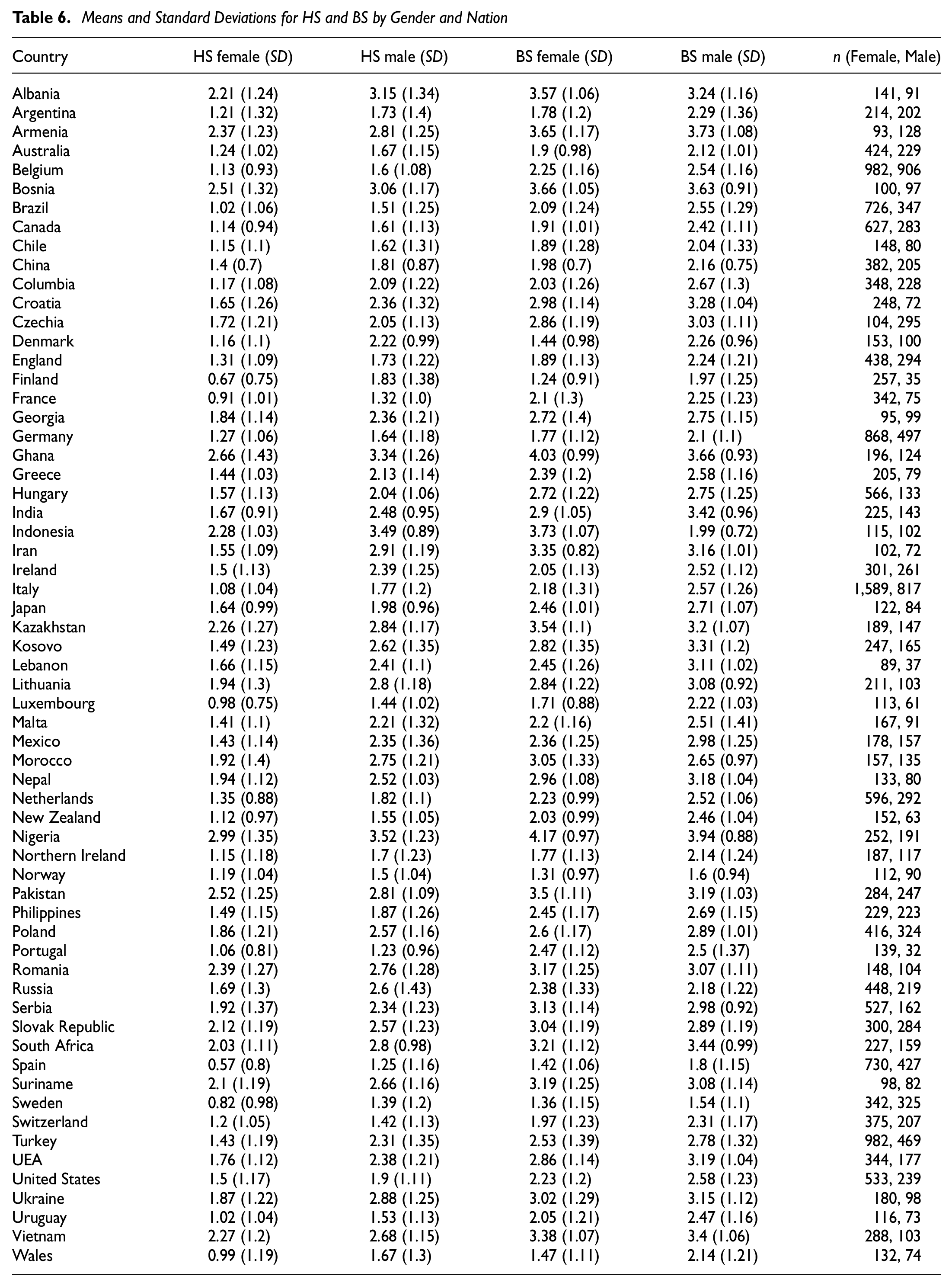
Means and Standard Deviations for HS and BS by Gender and Nation
Supporting
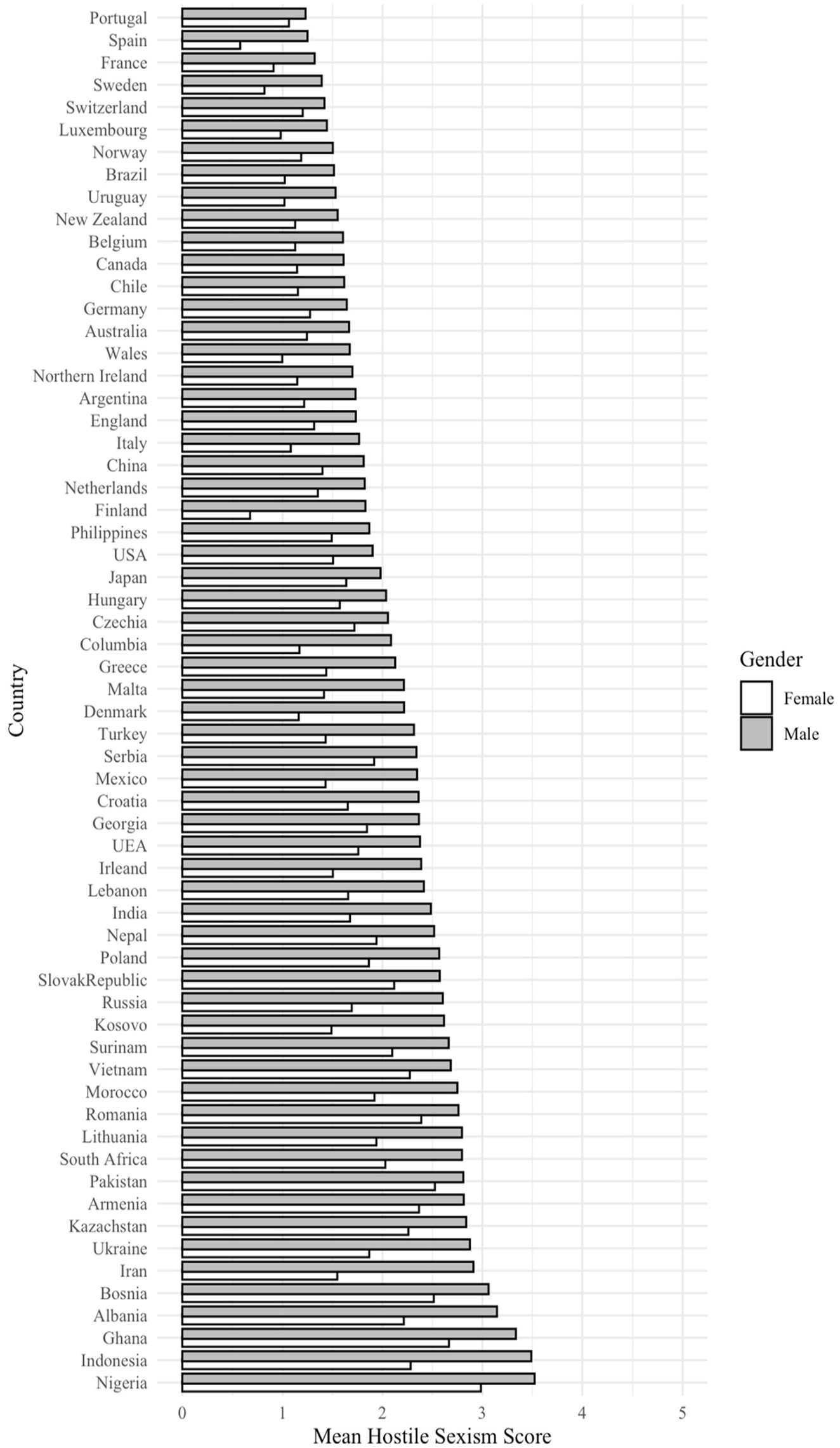
Mean HS Scores for 62 Countries Divided by Gender and Ordered by Men’s HS Scores
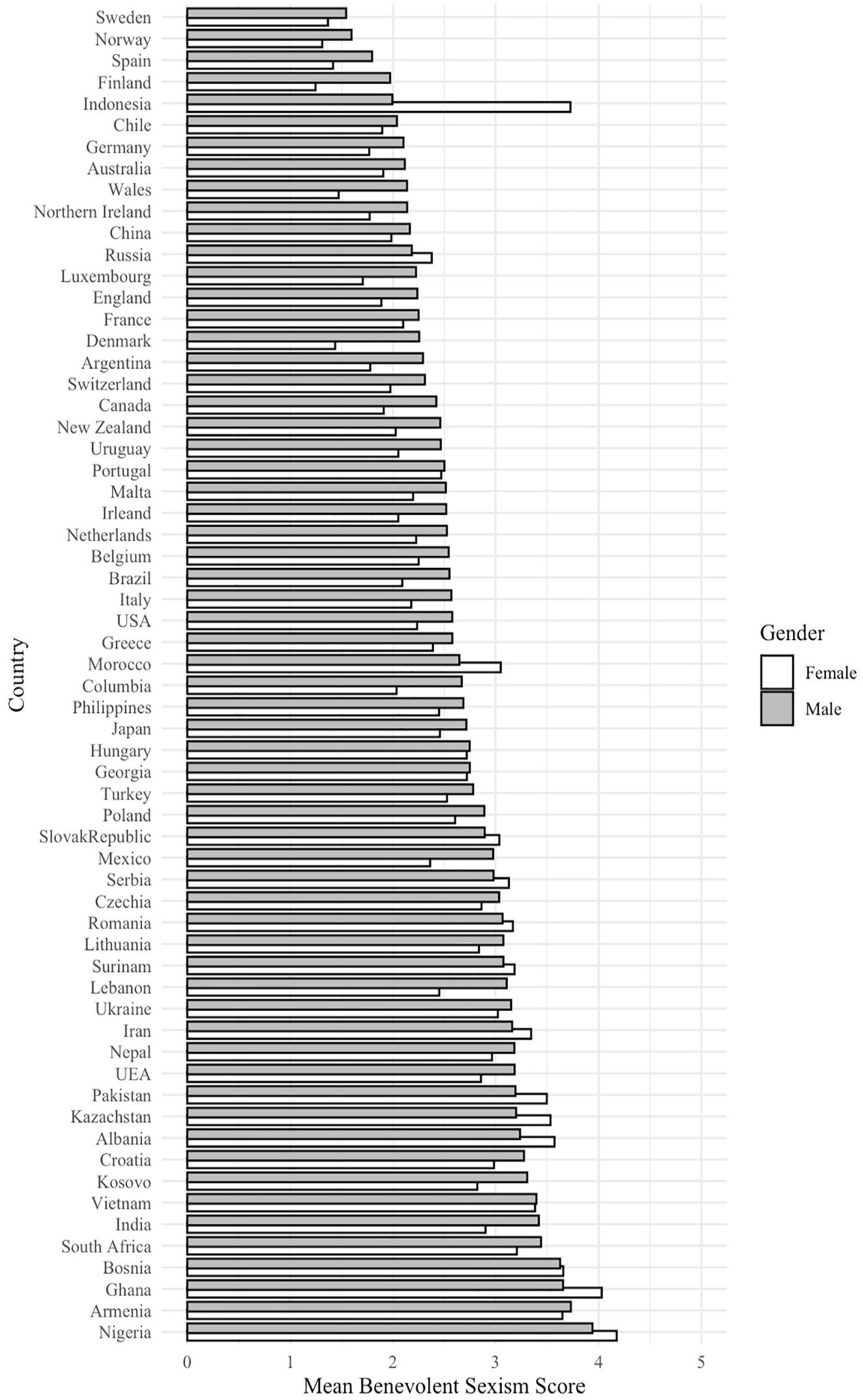
Mean BS Scores for 62 Countries Divided by Gender and Ordered by Men’s BS Scores
Novel Hypotheses
Gender Inequality
See Table 7 for the outcomes of relevant regression. Supporting
Coefficients of Linear Regression Models Testing Relationships Between Country-Level BS and HS with Other Indicators at the National Level
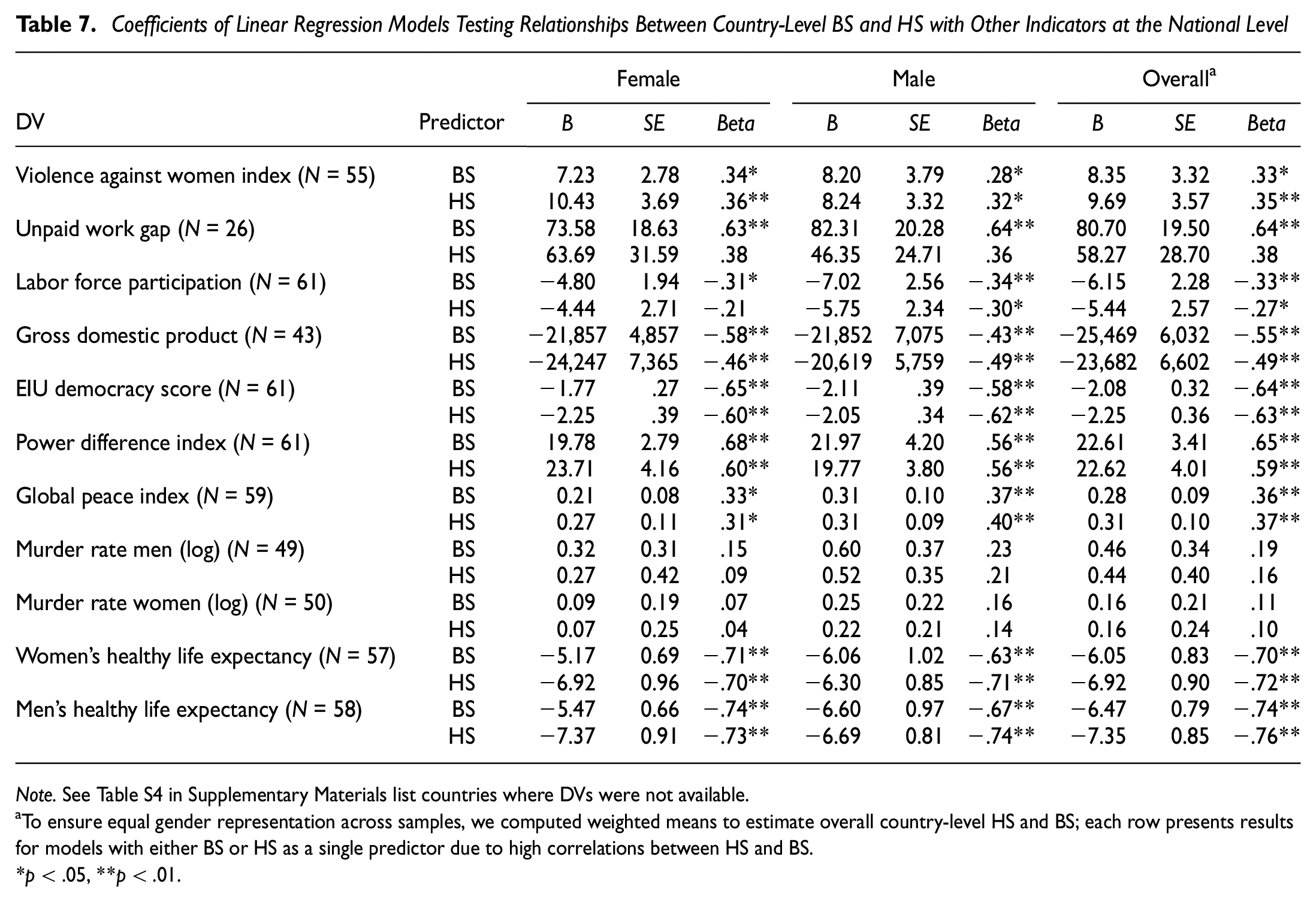
Note. See Table S4 in Supplementary Materials list countries where DVs were not available.
To ensure equal gender representation across samples, we computed weighted means to estimate overall country-level HS and BS; each row presents results for models with either BS or HS as a single predictor due to high correlations between HS and BS.
p < .05, **p < .01.
Novel Hypotheses About Social Dysfunctions
See Table 7. Regressions supported most hypotheses about ambivalent sexism’s relation to social dysfunctions affecting both sexes. Across nations, higher HS and BS (for each gender) correlated with: (
Discussion
This 62-nation study replicated core AST principles supported by in the work by Glick et al. (2000, 2004) and revealed novel correlations between ambivalent sexism and social dysfunctions affecting both sexes; see Table 8 for summary. Although consistent with AST’s causal hypotheses, our correlational analyses do not permit causal conclusions. AST posits that BS (rooted in heterosexual interdependence) represents a cross-culturally universal complement to HS (rooted in male dominance), legitimizing both HS and gender inequality. National-level analyses supported sexist ambivalence’s cross-cultural ubiquity, that BS and HS go hand-in-hand and each correlate with structural gender inequality. Individual-level analyses also supported HS and BS as complementary, especially in more egalitarian nations (where HS may be less socially acceptable without BS).
Summary of Support for Hypotheses
Consistent with AST, men endorsed HS and BS (ideologies justifying male dominance) more than women. However, AST posits a complex dynamic of ideological influence and resistance. Specifically, AST suggests men (the dominant group) influence women to accept sexist ideologies, but that women resist HS more than BS, and even encourage men’s BS when they feel most threatened. Indeed, women’s national HS and BS scores closely paralleled men’s. Yet, as men’s average HS increased, women scored lower on HS relative to men suggesting resistance. By contrast, the higher men scored on HS, the more women endorsed BS, supporting the protection racket hypothesis that women counter men’s HS by advocating BS, which prescribes male protection. This pattern represents a trap, reinforcing inequality because BS reduces women’s willingness to advocate for change (Becker & Wright, 2011). To further theory development, future research could explore whether similar ideological dynamics occur in other group relations, in which ostensibly benevolent ideologies (e.g., colonial paternalism; Jackman, 1994) complement and support hostile system-justifying ideologies, thereby inhibiting social change.
Novel indicators supported that BS’s protection promises are hollow: national BS averages correlated with accepting intimate violence toward women (see Agadullina et al., 2022; Gutierrez & Leaper, 2024). In addition, increasing women’s vulnerability, national BS scores correlated with fewer women in paid work and a larger gender gap in domestic labor. By idealizing women’s conventional domestic role, BS may discourage women’s participation in paid work, reinforcing inequality. Finally, we found that national HS and BS averages correlate with social dysfunctions affecting both sexes: lower economic productivity, more antidemocratic tendencies, greater collective violence, and lower healthy lifespan.
For the replication hypotheses, the new multilevel modeling approach replicated higher HS–BS correlations in more egalitarian nations, but not higher correlations for women than men, though analyses similar to Glick et al.’s did. It is possible that the gender moderation found in the work by Glick et al. (2000) may have been a statistical artifact due to simpler analyses. Indeed, the multilevel approach accounts for the hierarchical structure of our data (i.e., individual responses nested within countries) and both individual and systemic variance. This allows for more accurate and nuanced understanding of the data (Heck & Thomas, 2020). Alternatively, increasing egalitarianism more than two decades has also increased the HS–BS correlation for men because they too may feel the need to endorse BS to justify HS (Jackman, 1994). In fact, our six-item ASI mean is 0.47 lower than in Glick et al.’s (2000, 2004) data: 0.57 HS drop (0.63 for men and 0.5 for women) and 0.37 BS drop (0.22 for men and 0.5 for women). However, we did not achieve temporal equivalence for all these countries, and hence, this interpretation requires caution and awaits further direct testing.
In addition, some novel hypotheses were not supported. Although men’s and women’s sexism generally correlated with lower female participation in paid work (HN2), women’s HS did not. This may be because high HS men view women as competitors, whereas high (and low) HS women have a vested interest in gaining financial independence. Thus, although women high in HS may express hostility toward women seeking “power over men,” they may nevertheless view paid work as necessary for women. We also found that BS but not HS predicted the domestic labor gender gap (HN3). In hindsight, this makes sense given that BS extols women’s compliance with traditional roles (e.g., household chores) while HS prohibits status-related role transgressions, such as seeking power, HS becomes less relevant than BS in predicting domestic labor. Finally, HS and BS predicted greater collective violence (HN6a) but not greater individual violence (HN6b). Although individual and collective violence tend to be initiated by men, societies differ greatly in homicide rates due to factors, such as individual gun ownership that may overwhelm the contributions made by sexist attitudes (Hemenway & Miller, 2000).
Of theoretical importance, our findings support AST across more and more diverse (non-WEIRD) nations than tested in prior research (Bareket & Fiske, 2023), extending to specific gender unequal practices (justifying violence against women, gender gaps in paid and domestic labor) at national level of analysis. Perhaps most significantly, we document associations of HS and BS with diverse social dysfunctions affecting both sexes across various consequential domains: authoritarian politics, collective violence, lower economic productivity, and poorer health. The unique national-level perspective and insights suggest that recent Bareket and Fiske’s (2023) model integrating AST research could be usefully extended from individual to country-level processes and from focus on implications of sexism for women to those for men. Going beyond AST, there is a question of whether the interplay of the iron fist (hostility) and velvet glove (benevolence) can similarly be documented at national level for other system justification ideologies (e.g., Jackman, 1994), such as racism or homoprejudice? Further large cross-cultural investigations are needed to answer this theoretical question.
Of practical importance, our results, almost 30 years after AST’s inception, support its contentions about how HS and BS interact to justify and reinforce gender inequality. Yet these dynamics, which include both sexism’s influence and resistance to it, offer hope and a potential blueprint for change by puncturing the BS protection racket. National policies enforcing formal protection for women (e.g., laws that reduce violence toward women or enforcing workplace equality) can free women to more effectively resist inequality. Reducing threats from men should theoretically increase women’s resistance toward HS and decrease their perceived need to endorse BS. Future research aimed at documenting temporal patterns in sexist ideologies and equality indices, and the effects of sexism on men (still severely under-researched; Bareket & Fiske, 2023) could reveal the most effective drivers of change.
Strengths and Limitations
This case presents the most comprehensive cross-national examination of ambivalent sexism, across a third of the world’s nations. Newer statistical techniques used here demonstrated psychometric isomorphism for the ASI, justifying cross-national comparisons. Impressively, we replicated all core AST findings 20 years after Glick et al.’s (2000, 2004) foundational studies. Furthermore, our relatively young and homogeneous samples (mainly undergraduates) should have limited confounds and also suggest that ambivalently sexist ideologies will continue to inhibit gender equality well into the future.
Nevertheless, our findings remain correlational and therefore cannot definitively test AST’s causal hypotheses. Other methodologies, however, help to fill this gap. For example, longitudinal studies show that endorsing BS influences women to accept HS (Sibley et al., 2007). Experiments show that women exposed to BS evinced increased system justification and reduced collective action (Becker & Wright, 2011; Jost & Kay, 2005). By contrast, women exposed to bogus poll results that men strongly endorse HS showed increased BS, supporting the protection racket hypothesis (Fischer, 2006).
Using short ASI scales created another limitation: reduced reliability, especially for BS, which has three subfactors (compared with HS’s unitary structure). Lower reliability, however, should have attenuated (not increased) BS’s correlations with other variables. Furthermore, the consistency between current and past cross-national studies increases confidence in our findings, suggesting that the three-item BS scale assessed the intended construct. Most reassuringly, multilevel CFA yielded stable results after removing the 32 countries where scale reliability coefficients did not meet the 0.6 criterion (see Footnote 3).
Finally, some samples had unequal gender representation and divergent age ranges. All samples had too few individuals indicating nonbinary gender identities to analyze their responses (ranging from 0% to 1.79%). However, additional multilevel CFA employing (binary) gender and age as covariates yielded similar results (see Supplementary Materials). Although obtaining undergraduate samples potentially reduced confounds, it may limit generalizability (e.g., with respect to education and political orientation; Bareket & Fiske, 2023). Furthermore, national-level indices (except for GGGI) were not available for all 62 countries, restricting generalizability for the novel findings (especially for the gender gap in unpaid work and gross domestic product). Ideally, future studies would have larger, representative samples with equal gender ratios.
Conclusion
We replicated and extended findings regarding core AST tenets that only cross-national comparisons can test. Results closely replicated the work by Glick et al. (2000), suggesting that HS and BS represent universally recognizable, persistent, and complementary ideologies correlated with nations’ structural gender inequality. At the systemic level, BS remains a ubiquitous complement to HS that appears to legitimize HS and structural inequality, especially for people in relatively egalitarian nations. Results suggest women not only experience ideological influence from but also resist, men’s HS. By contrast, women most threatened by male HS, more strongly endorse BS, presumably in a bid to encourage male protection. Yet doing so only reinforces women’s vulnerability and dependence (BS correlated with justifying intimate violence, less participation in paid work and a larger gender gap in domestic labor). Although clearly worse for women, our results suggest sexism also harms men: HS and BS correlated with social dysfunctions affecting both sexes: antidemocratic practices, lower economic productivity, more collective violence, and poorer health. Thus, men may also have a direct stake in fostering a more gender-equal society.
Supplemental Material
sj-docx-1-spp-10.1177_19485506241302882 – Supplemental material for Worse for Women, Bad for All: A 62-Nation Study Confirms and Extends Ambivalent Sexism Principles to Reveal Greater Social Dysfunction in Sexist Nations
Supplemental material, sj-docx-1-spp-10.1177_19485506241302882 for Worse for Women, Bad for All: A 62-Nation Study Confirms and Extends Ambivalent Sexism Principles to Reveal Greater Social Dysfunction in Sexist Nations by Magdalena Zawisza, Natasza Kosakowska-Berezecka, Peter Glick, Michal Olech, Tomasz Besta, Paweł Jurek, Jurand Sobiecki, Deborah L. Best, Jennifer K. Bosson, Joseph A. Vandello, Saba Safdar, Anna Włodarczyk and Magdalena Żadkowska in Social Psychological and Personality Science
Footnotes
Acknowledgements
The results presented in this case are part of the wider project entitled: Towards Gender Harmony ( ) where more wonderful people are involved. The authors thank the University of Gdańsk Research Assistants Team: Agata Bizewska, Mariya Amiroslanova, Aleksandra Głobińska, Andy Milewski, Piotr Piotrowski, Stanislav Romanov, Aleksandra Szulc, Olga Żychlińska, who have helped in coordinating data collections in all the countries. They also thank A. Timur Sevincer for his contribution with data collection from the University of Hamburg, Germany. Data collection has been supported by Angel Gomez, Universidad Nacional de Educación a Distancia, Spain (grant no. RTI2018-093550-B-I00) and Claudio V. Torres, University of Brasilia (grant no. DPI / DIRPE n. 04/2019).
Handling Editor: Shenel Husnu
Declaration of Conflicting Interests
The author(s) declared no potential conflicts of interest with respect to the research, authorship, and/or publication of this article.
Funding
The author(s) disclosed receipt of the following financial support for the research, authorship, and/or publication of this article: This research was funded by a grant from the National Science Center in Poland (grant no. 2017/26/M/HS6/00360) awarded to N.K.B. N.K.B, P.G., M.O., P.J., and M.Z. contributed equally to the paper. M.Z. led the work on this paper, co-wrote with N.K.B the first draft of the introduction, methods, and replication part of the results. P.G. provided data from his 2000 and 2004 projects that formed the basis of this work, and revised and edited the first and consecutive versions of the paper. M.O. and P.J. conducted and reported advanced isomorphism and multilevel analyses for novel extension hypotheses. All others contributed to the final version of the paper.
Data Availability
All data, analysis code, and research materials are available at https://osf.io/trkyc/. Data were analyzed using R. The project, hypotheses, design, and analyses were preregistered here at https://osf.io/wyrb3 (with exceptions mapped in ).
ORCID iDs
Supplemental Material
The supplemental material is available in the online version of the article.
Notes
Author Biographies
References
Supplementary Material
Please find the following supplemental material available below.
For Open Access articles published under a Creative Commons License, all supplemental material carries the same license as the article it is associated with.
For non-Open Access articles published, all supplemental material carries a non-exclusive license, and permission requests for re-use of supplemental material or any part of supplemental material shall be sent directly to the copyright owner as specified in the copyright notice associated with the article.
