



Abstract
Efforts to understand and remedy the rejection of science are impeded by lack of insight into how it varies in degree and in kind around the world. The current work investigates science skepticism in 24 countries (N = 5,973). Results show that while some countries stand out as generally high or low in skepticism, predictors of science skepticism are relatively similar across countries. One notable effect was consistent across countries though stronger in Western, Educated, Industrialized, Rich, and Democratic (WEIRD) nations: General faith in science was predicted by spirituality, suggesting that it, more than religiosity, may be the ‘enemy’ of science acceptance. Climate change skepticism was mainly associated with political conservatism especially in North America. Other findings were observed across WEIRD and non-WEIRD nations: Vaccine skepticism was associated with spirituality and scientific literacy, genetic modification skepticism with scientific literacy, and evolution skepticism with religious orthodoxy. Levels of science skepticism are heterogeneous across countries, but predictors of science skepticism are heterogeneous across domains.
Keywords
Science is an integral part of modern life. However, the historical authority of science can no longer be taken for granted (Higgins, 2016; Rutjens, Sutton, & van der Lee, 2018; Rutjens & van der Lee, 2020). Systematic and unwarranted rejection of science—that is, science skepticism—has become a major societal problem that can have severely damaging effects on individuals and societies. To illustrate, two of the World Health Organization’s top 10 health threats for 2019 are firmly rooted in science skepticism: climate change and vaccine hesitancy. The latter is a particularly poignant example of the risks of science skepticism for public health, with insufficient vaccination rates leading to various measles outbreaks in 2017 and 2018 and documented increases in measles cases in various countries across the globe (Gallup, 2019). Vaccine hesitancy might also obstruct the probability of success of future public vaccination campaigns against COVID-19 (Cornwall, 2020; Malik et al., 2020).
But is skepticism about climate change and vaccination shaped by the same causes? Recent work has shown that this is not so. Instead, evidence has started to accumulate for the “heterogeneity of science skepticism” (Drummond & Fischhoff, 2017; Rutjens, Heine, et al., 2018; Rutjens, Sutton, & van der Lee, 2018; Rutjens & van der Lee, 2020). This heterogeneity pertains both to the predictors of science skepticism and to the domains of science skepticism: Skepticism is shaped by varying beliefs and ideologies, and the effects of each are contingent on the domain (the most widely researched domains are climate change, vaccination, genetic modification [GM], and evolution). For example, climate change skepticism is primarily associated with political ideology, but not with religious or spiritual beliefs, whereas vaccination skepticism shows the opposite pattern (Rutjens, Heine, et al., 2018; Rutjens, Sutton, & van der Lee, 2018; Rutjens & van der Lee, 2020).
In addition to the relative importance of different predictors across different domains, a third potential strand of heterogeneity concerns potential cultural differences in science skepticism and its predictors. After all, a growing body of research shows that human beings are fundamentally a cultural species so that many psychological differences (e.g., attitudes and beliefs) are rooted in cultural differences (Muthukrishna et al., 2020). Importantly, to our knowledge, the limited evidence for the heterogeneity of science skepticism comes only from studies conducted in the United States (Drummond & Fischhoff, 2017; Rutjens, Sutton, & van der Lee, 2018) and the Netherlands (Rutjens & van der Lee, 2020), which are both Western, Educated, Industrialized, Rich, and Democratic (WEIRD) countries (Heinrich et al., 2010; Hruschka et al., 2018; Muthukrishna et al., 2020). Although other research (Hornsey et al., 2018a, 2018b) has tested predictors of skepticism across countries, it has some important limitations, including being focused on one science domain only (i.e., vaccination, climate change; Hornsey et al., 2018a, 2018b), and excluding measures of belief which have been found to play a substantial role in shaping science skepticism (i.e., religiosity and spirituality; McPhetres & Zuckermann, 2018; Rutjens, Heine, et al., 2018; Rutjens, Sutton, & van der Lee, 2018; Rutjens & van der Lee, 2020). To obtain a more complete picture of the heterogeneous nature of science skepticism, it is crucial to test the broadest range of previously observed predictors across both WEIRD and non-WEIRD nations and across multiple domains of science.
In sum, a systematic cross-national investigation of the relative impact of various potential predictors of science skepticism as manifested across domains is lacking. The main goal of the current research is to fill this gap and provide the foundation of a much-needed comprehensive research program that not only synthesizes previous work but also provides a crucial test of its generalizability across societies. In order to do so, we tested predictors of science skepticism about climate change, vaccination, GM, evolution, and general faith in science in 24 countries across the globe.
The overarching hypothesis guiding the current research is that science skepticism is heterogeneous. We expect this heterogeneity to occur both within countries—such that different predictors are associated with science skepticism in different domains—and between them, such that some patterns of association differ across countries. Based on previous work on the antecedents of science skepticism (Hornsey et al., 2018a, 2018b; Rutjens, Heine, et al., 2018; Rutjens, Sutton, & van der Lee, 2018; Rutjens & van der Lee, 2020), we additionally formulated a set of more specific hypotheses (see Table 1 for hypotheses), bearing in mind the caveat that previous research investigated these antecedents within a WEIRD (mostly Anglo-Saxon) cultural context. We did not formulate a priori hypotheses for predicting willingness to support science because previous research yielded mixed results with some studies showing effects similar to those for faith in science—religious orthodoxy predicting science support in the United States and spirituality predicting science support in the Netherlands—and other studies only showing effects of faith in science on willingness to support science. Finally, we predicted several country-level differences. Hypothesis 1a is based on recent work on climate change attitudes and political ideology (Hornsey et al., 2018b). The remaining country-level differences that we hypothesized pertain specifically to potentially different effects of spirituality and traditional religiosity (operationalized as religious orthodoxy) in secularized Western (WEIRD) nations versus non-WEIRD nations—that have generally not undergone similar secularization processes—on science skepticism.
Overview of Hypotheses.
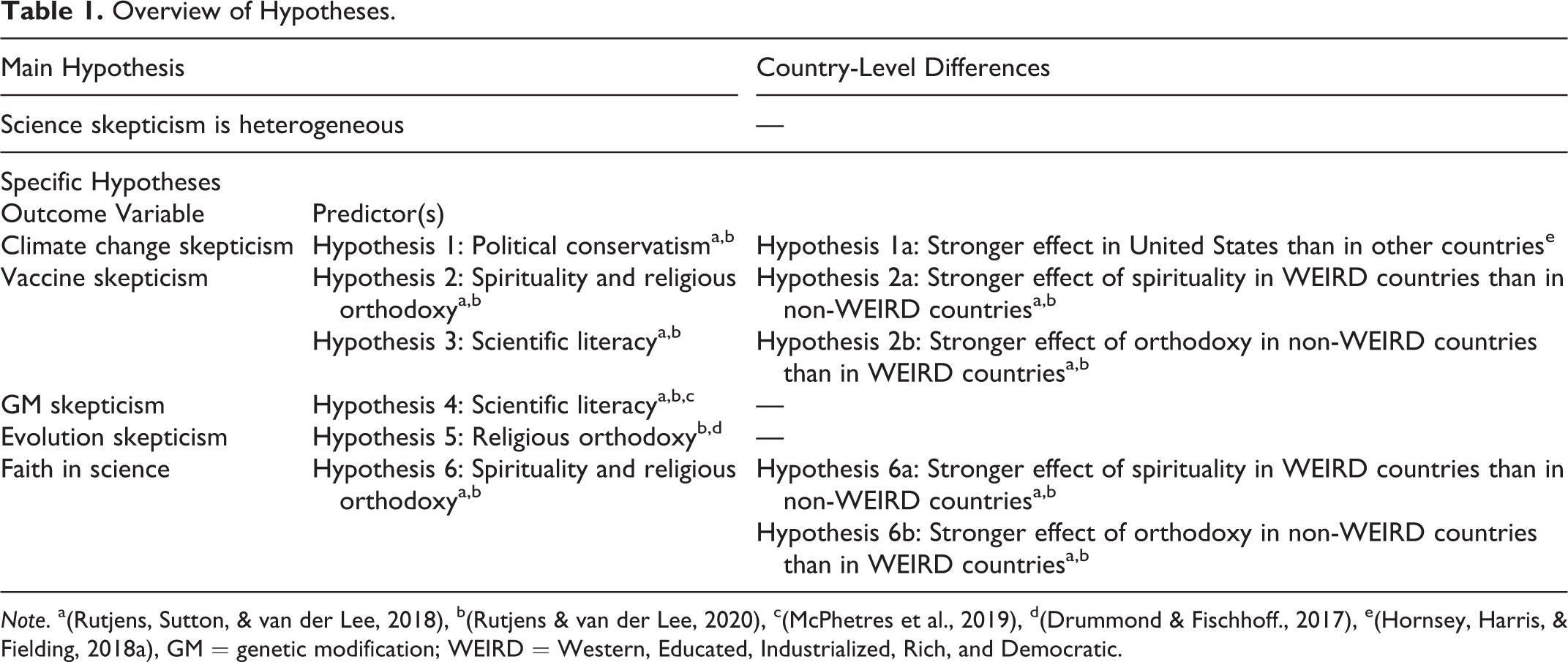
Note. a(Rutjens, Sutton, & van der Lee, 2018), b(Rutjens & van der Lee, 2020), c(McPhetres et al., 2019), d(Drummond & Fischhoff., 2017), e(Hornsey, Harris, & Fielding, 2018a), GM = genetic modification; WEIRD = Western, Educated, Industrialized, Rich, and Democratic.
Although we had access to community samples from roughly 12.5% of the worlds’ countries, we were able to cover all continents except Antarctica (see Figure 1), including various countries that are largely absent from the psychological science database (Apicella et al., 2020; Hruschka et al., 2018; Muthukrishna et al., 2020). The current research includes the following countries: Australia (N = 315), Belgium (N = 344), Brazil (N = 236), Canada (N = 232), China (N = 169), Egypt (N = 247), France (N = 214), Germany (N = 269), Iran (N = 239), Israel (N = 247), Italy (N = 295), North Macedonia (N = 214), Mexico (N = 225), Morocco (N = 186), the Netherlands (N = 264), Poland (N = 244), Portugal (N = 252), Romania (N = 196), Sweden (N = 238), Tunisia (N = 228), Turkey (N = 320), United Kingdom (N = 357), United States (N = 254), and Venezuela (N = 188). We used cultural distance from the United States as a proxy for the WEIRDness of each country (Muthukrishna et al., 2020). These values were available for 18 of the 23 countries (excluding the United States) included in the research (see Table 2 and Supplemental Table S2). 1
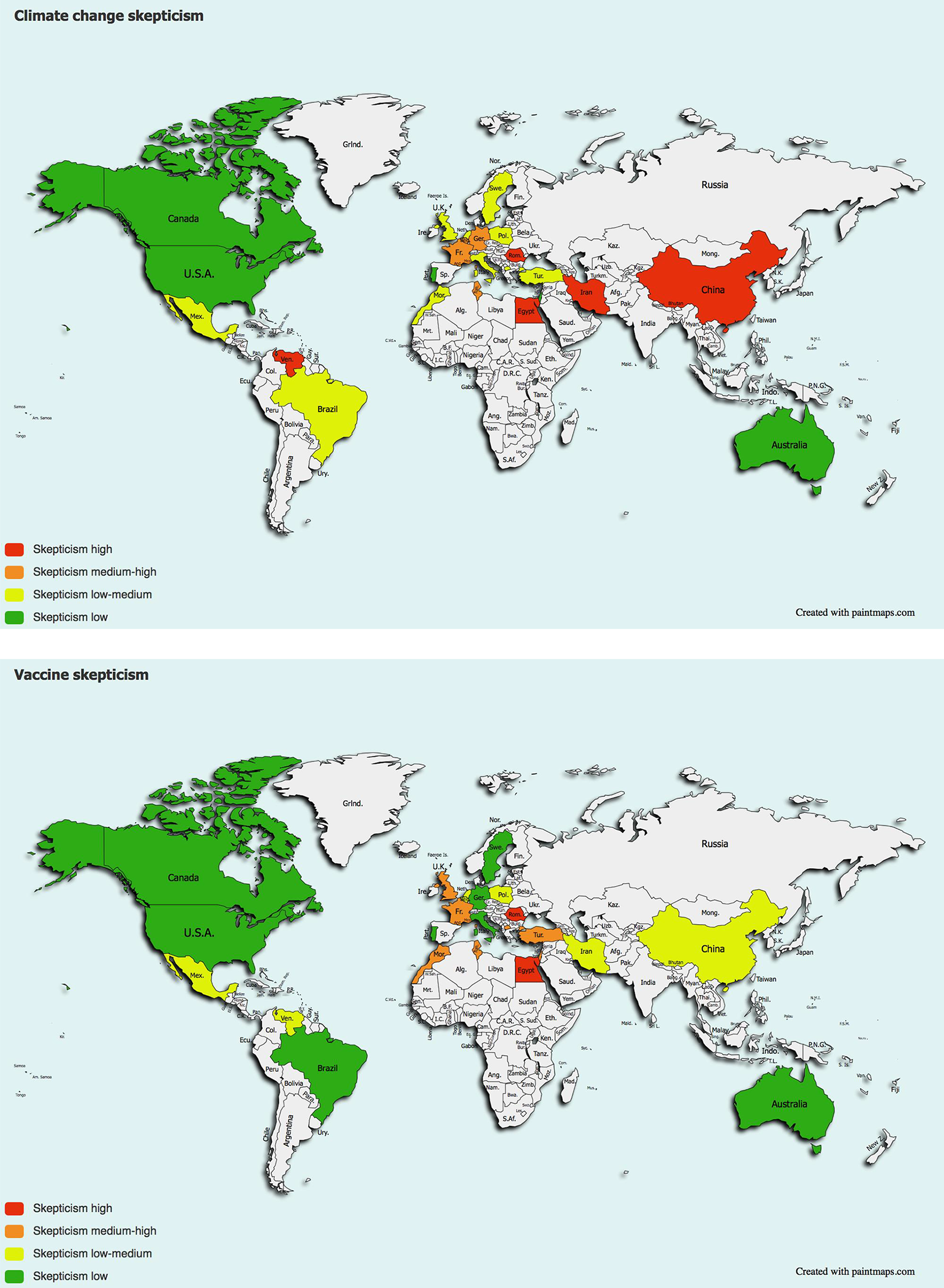
Science skepticism and faith in science across countries.
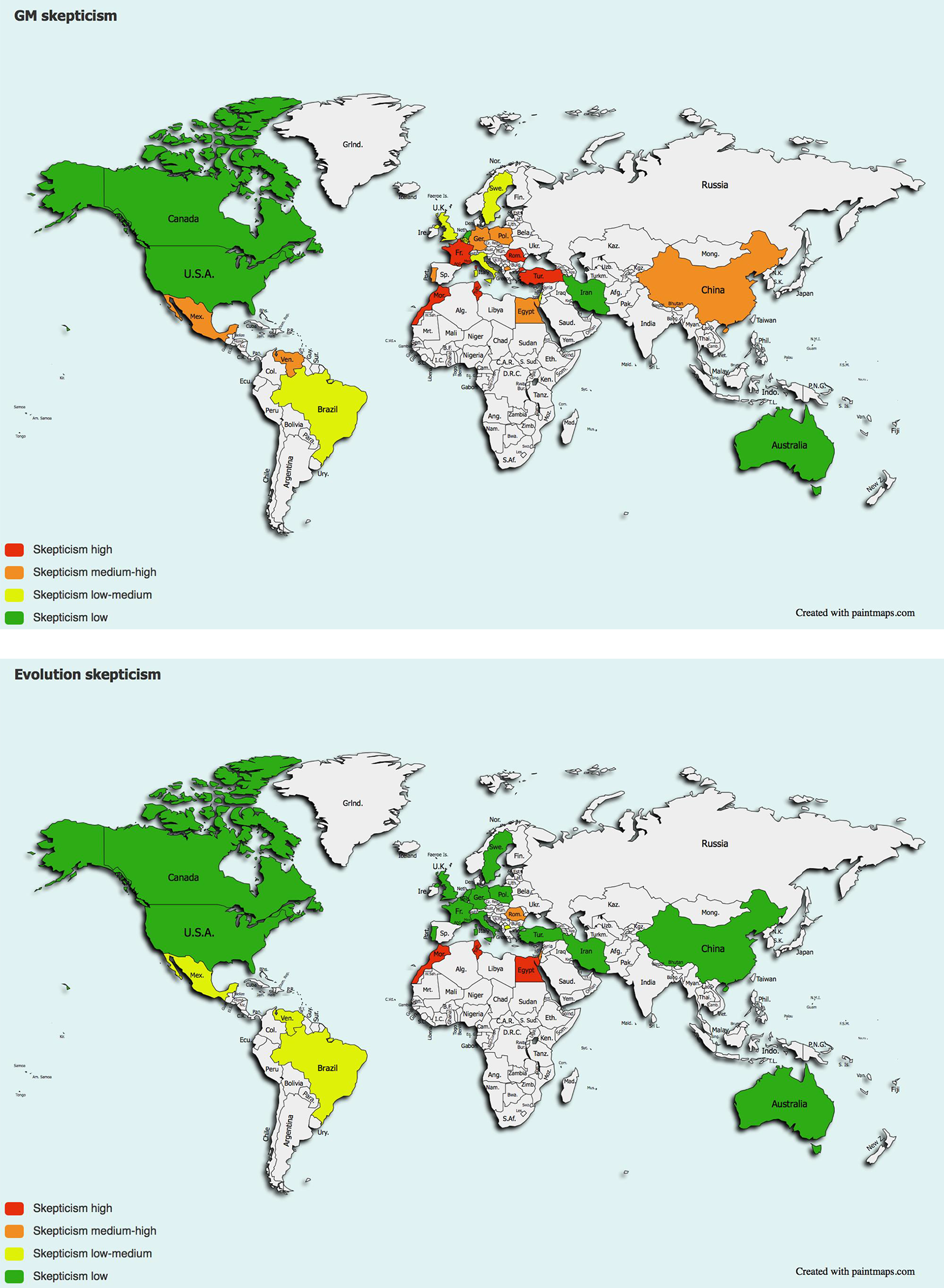
(continued).
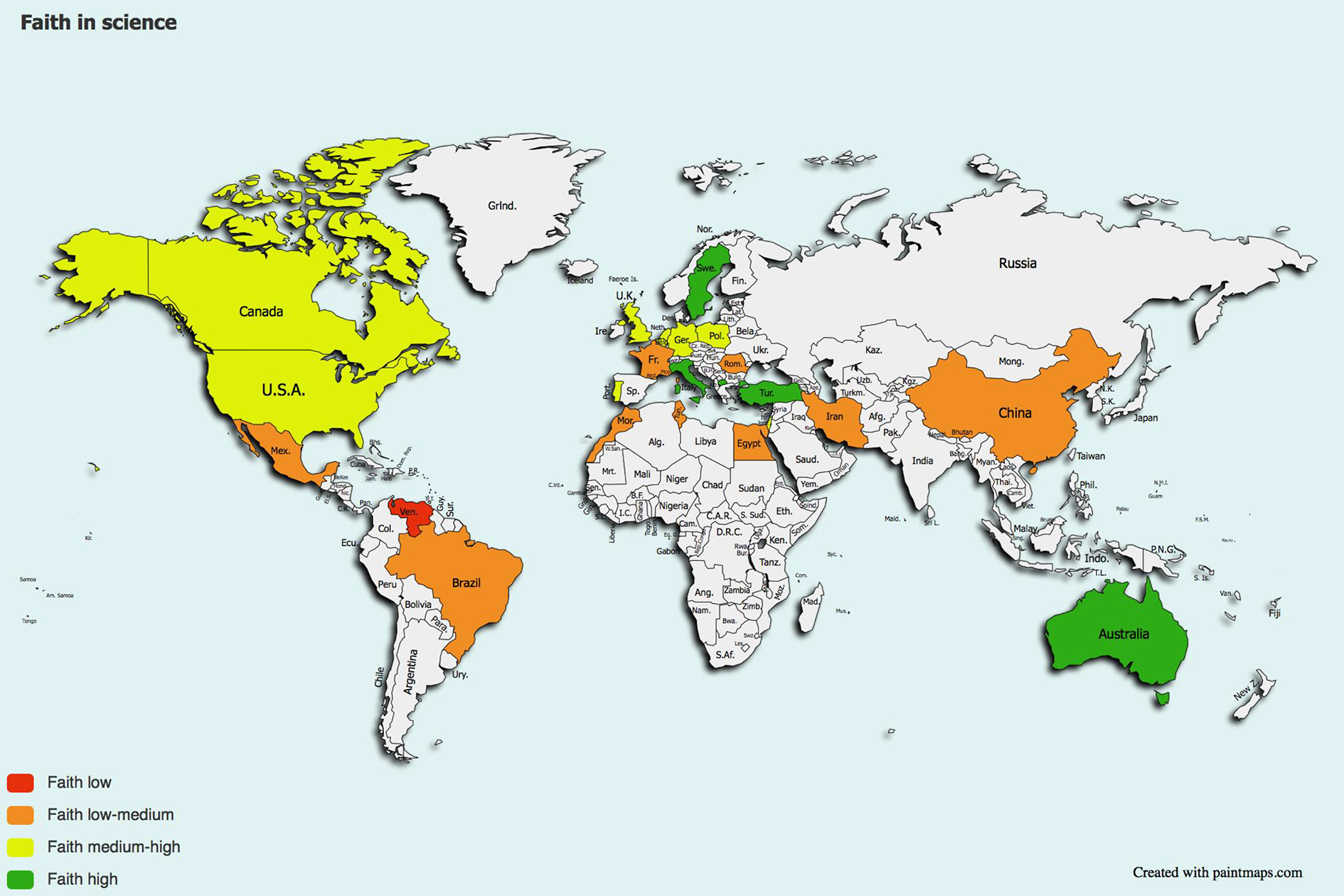
(continued).
Means and Standard Deviations of Science Skepticism, Faith in Science, and Science Support Across Countries.
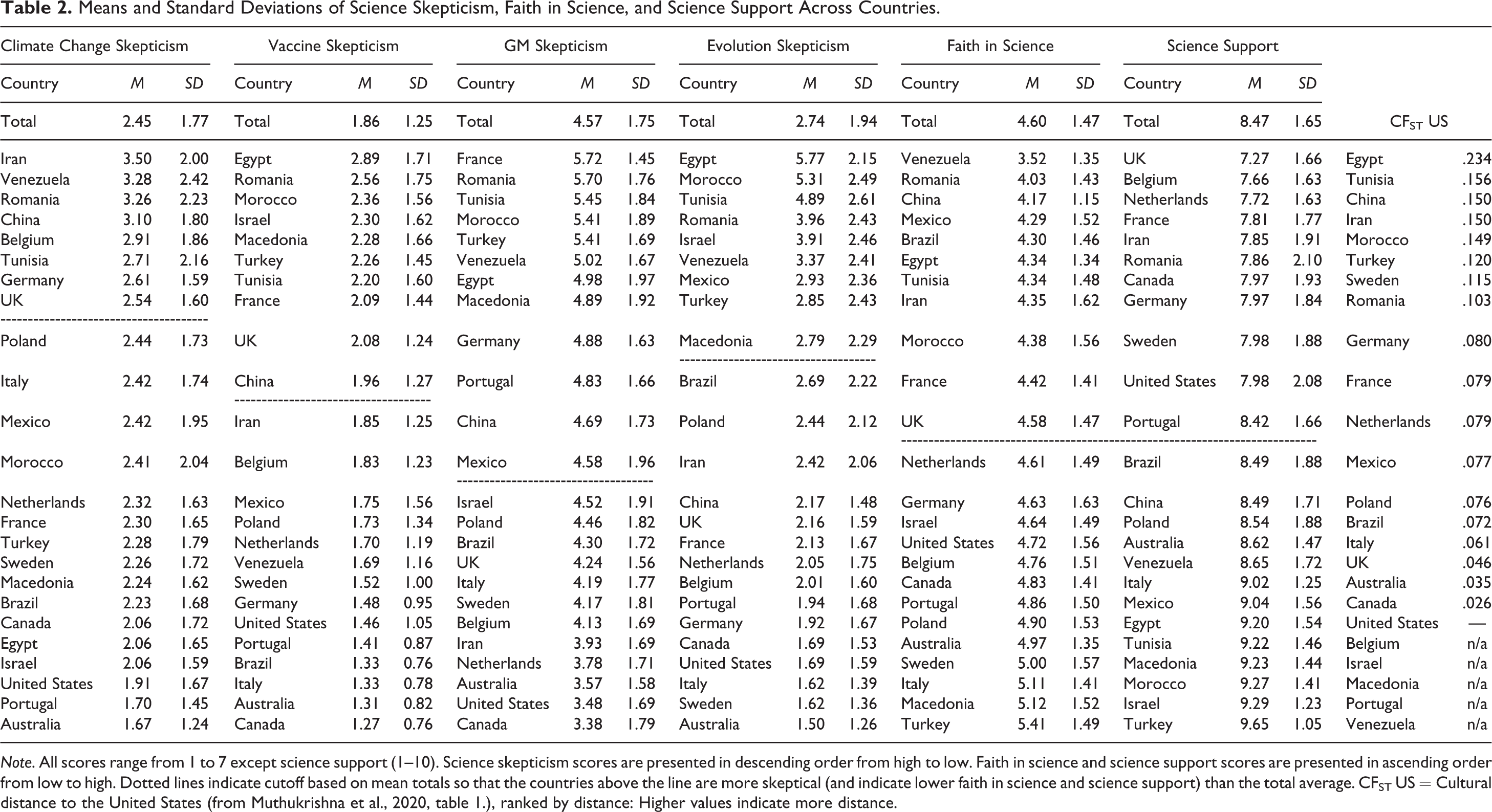
Note. All scores range from 1 to 7 except science support (1–10). Science skepticism scores are presented in descending order from high to low. Faith in science and science support scores are presented in ascending order from low to high. Dotted lines indicate cutoff based on mean totals so that the countries above the line are more skeptical (and indicate lower faith in science and science support) than the total average. CFST US = Cultural distance to the United States (from Muthukrishna et al., 2020, table 1.), ranked by distance: Higher values indicate more distance.
Method
Recruitment of Participants
After obtaining approval for the study protocol by the Psychology Research Institute Ethics Committee at the first author’s institution (#2018-SP-8701), participants from community samples in 20 countries were recruited via Kieskompas Opinion Research (www.kieskompas.nl). The selection strategy included steps to optimize distribution in terms of the following demographics: age, gender, educational level, and region. Participants from four additional countries were recruited via internet (e.g., email lists, social media; Brazil), research assistants (China and Romania), and Prolific Academic (UK). Our aim was to select at least 250 participants per country (Schönbrodt & Perugini, 2013). We managed to collect >95% complete responses from 6,904 individuals in 24 countries. Our only predetermined exclusion criterion was an attention check, which read “We would like to make sure that you are paying attention to the wording of the questions. Please fill in the number that corresponds to ‘somewhat disagree’.” A total of 905 individuals (9.4%) failed the check and were excluded. An additional 23 participants were deleted because of a programming error, and three participants were deleted for indicating being younger than 18 years. This left us with a final sample of 5,973 responses, with an average sample size of 249 per country, ranging from 169 (China) to 357 (UK). Their mean age was 40.9 years (SD = 13.4). Gender distribution was 65.6% male and 34.4% female. An overview of demographics can be found in Table S2.
Materials
The study consisted of the following measures. Unless otherwise reported, all items described below were scored on scales ranging from 1 (strongly disagree) to 7 (strongly agree). Note that we did not expect all predictor variables to have an effect on the outcome variables; some were included primarily as controls based on previous research. Upon completion of the study, participants were thanked for participation. The complete study materials can be found in Supplement 2.
Outcome Variables
Domain-specific science skepticism about climate change, vaccination, GM, and evolution was assessed with measures commonly used in previous work (Lewandowsky et al., 2013; Rutjens, Sutton, & van der Lee, 2018; Rutjens & van der Lee, 2020) 2 : “Human CO2 emissions cause climate change,” “Vaccinations cause autism,” “Genetic modification of foods is a safe and reliable technology,” and “Human beings, as we know them today, developed from earlier species of animals.” All items except for the vaccination item were reverse-scored so that higher scores indicate more skepticism. General faith in science was measured with a five-item scale (Farias et al., 2013; Hayes & Tariq, 2000; Rutjens, Sutton, & van der Lee, 2018; Rutjens & van der Lee, 2020). An example item is “Science is the most efficient means of attaining truth” (α = .84); full list of items can be found in Supplement 2. In line with previous research (Rutjens, Sutton, & van der Lee, 2018; Rutjens & van der Lee, 2020), faith in science was held constant when predicting domain-specific skepticism and willingness to support science (see Table 3). Willingness to support science was measured with the following item: “According to you, how much money should the government spend on science?” (Rutjens, Sutton, & van der Lee, 2018; Rutjens & van der Lee, 2020).
Within-Level Effects for Science Skepticism, Faith in Science, and Science Support.
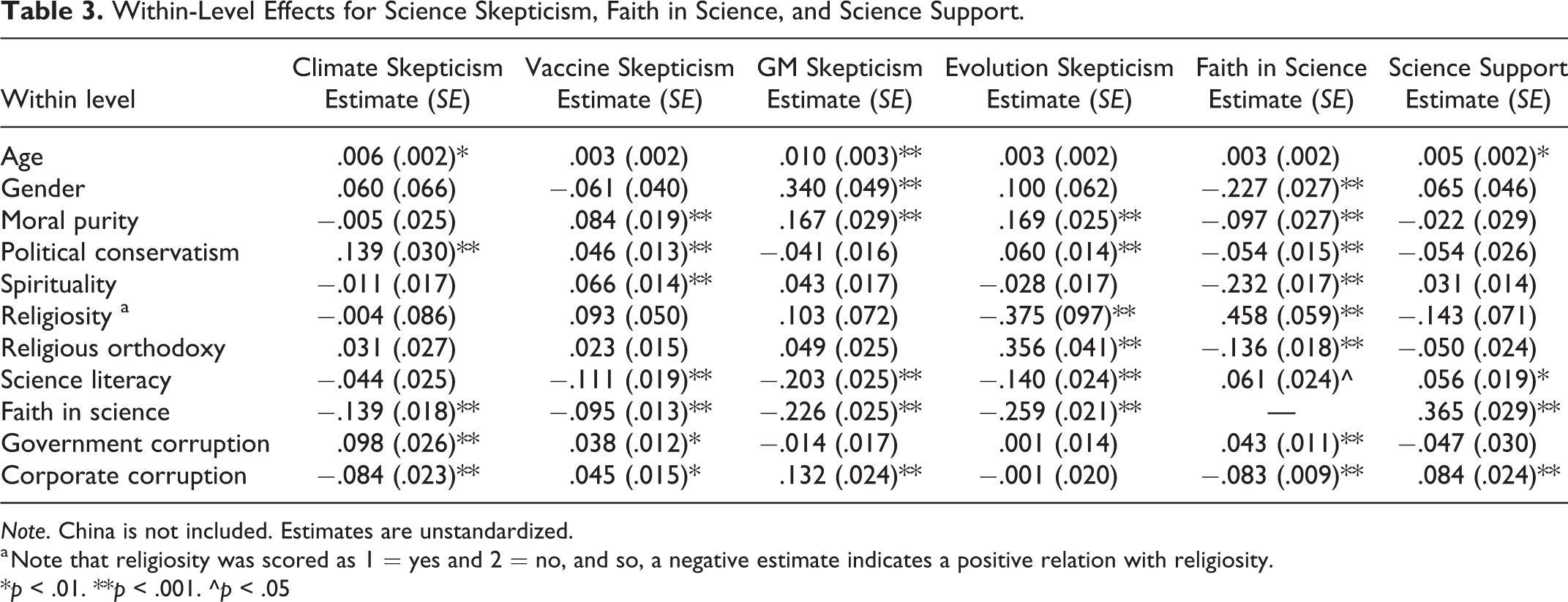
Note. China is not included. Estimates are unstandardized.
a Note that religiosity was scored as 1 = yes and 2 = no, and so, a negative estimate indicates a positive relation with religiosity.
*p < .01. **p < .001. ^p < .05
Predictor Variables
Political conservatism
Participants were asked to indicate how politically conservative they view themselves on a 10-point scale that ranged from 1 (very liberal) to 10 (very conservative). 3
Religiosity
Participants indicated whether they considered themselves to be religious (yes or no) and were asked to indicate their religious affiliation. 4
Religious orthodoxy
Religious orthodoxy was measured with two items (r = .66) taken from the Orthodoxy subscale of the Post-Critical Belief Scale (Fontaine et al., 2003; Rutjens, Sutton, & van der Lee, 2018; Rutjens & van der Lee, 2020): “Religion is the one thing that gives meaning to life in all its aspects” and “God has been defined for once and for all and therefore is immutable.”
Spirituality
Participants were asked to indicate whether they considered themselves to be spiritual using two items (r = .78) taken from previous research (Maij & Elk, 2018; Rutjens & van der Lee, 2020). Note that this measure was not included in the Chinese sample. 5
Scientific literacy
An eight-item test measuring science literacy was presented. Participants could score anywhere between 0 and 8 points. An example item is “Electrons are smaller than atoms” (Hayes & Tariq, 2000; Kahan, 2015; Rutjens, Sutton, & van der Lee, 2018).
Moral purity concerns
Participants completed the Moral Purity subscale of the moral judgments section of the Moral Foundations Questionnaire (Graham et al., 2009; Rutjens, Sutton, & van der Lee, 2018; Rutjens & van der Lee, 2020), which consists of three items (e.g., “I would call some acts wrong on the grounds that they are unnatural”; α = .70). No other moral foundations were measured.
Perceived corruption of science
In line with previous research (Rutjens, Sutton, & van der Lee, 2018; Rutjens & van der Lee, 2020), two statements were presented in which participants indicated to what extent they perceive science to be corrupted by governmental and corporate interference, respectively. These were included as two separate predictors in the analyses reported below (Pechar et al., 2018).
Demographics
Participants were asked to indicate their age, gender, nationality, country of residence, years of formal education and scientific training, and subjective social economic status. Supplemental Table S2 provides an overview of demographics.
Results
Our main goal was to test predictors of general faith in science and willingness to support science as well as skepticism about four specific scientific domains: climate change, vaccination, GM, and evolution. To this end, we conducted multilevel regression analyses for each outcome variable to examine the unique contribution of each predictor while adjusting for country-level variation. We found no evidence for multicollinearity in the analyses (all variance inflation factors < 2.1). Below, we report multilevel models for the various outcome variables and then report the strength of the hypothesized effects per country.
Descriptives
Table 2 displays means and standard deviations for each dependent variable across the 24 tested countries. Figure 1 presents a visual overview of science skepticism across countries. Both can be used to acquire a quick overview of how the various countries differ in skepticism, thus illustrating the observed similarities and differences across domains and countries.
Multilevel Models
For each dependent variable, we fit an empty multilevel model with country as the cluster variable and the same set of group-mean-centered predictor variables (measured at the individual level). This allowed us to test whether there was significant variation in each dependent variable across countries that should be accounted for. In each case, the intraclass correlations and country-level variance estimates indicated that multilevel modeling was necessary and justified (see Supplemental Table S1). We therefore present all estimates for within-level coefficients after adjusting for between-level variation in each dependent variable. Table 3 displays the results of these analyses across countries. Note that China was excluded from the multilevel analyses because one of the predictor variables (spirituality) was not included in the study conducted in China.
In addition to the multilevel models, we (a) zoom in at the hypothesized effects for each of the 24 countries (presented in Figures 2 –6 6 ) and (b) present the cross-level interaction analyses that test differences between WEIRD and non-WEIRD countries (using cultural distance from the United States as a continuous proxy of WEIRDness; Muthukrishna et al., 2020).
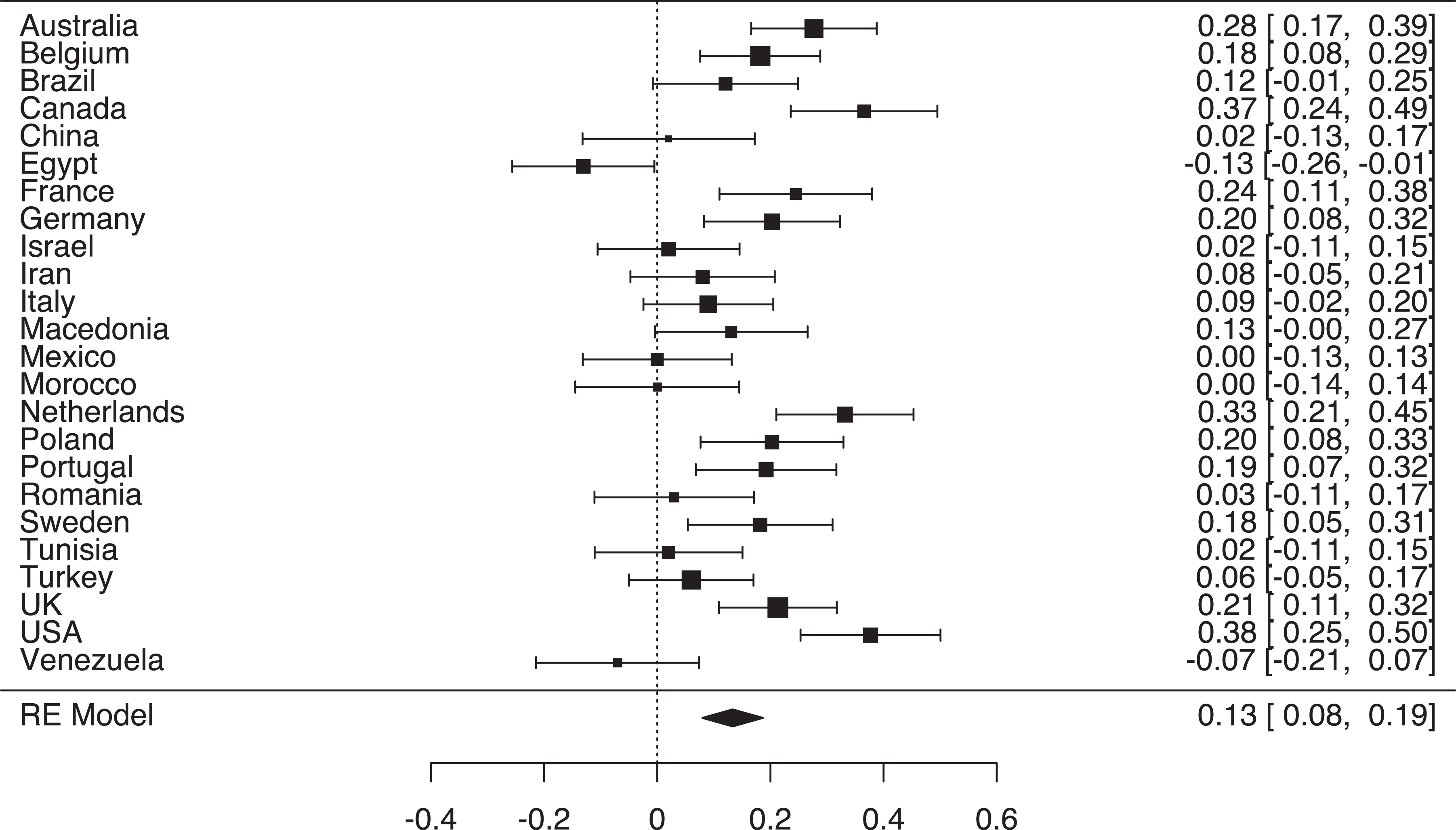
Relationship between political conservatism and climate change skepticism across 24 countries (controlling for age, gender, faith in science, and for the other predictors).
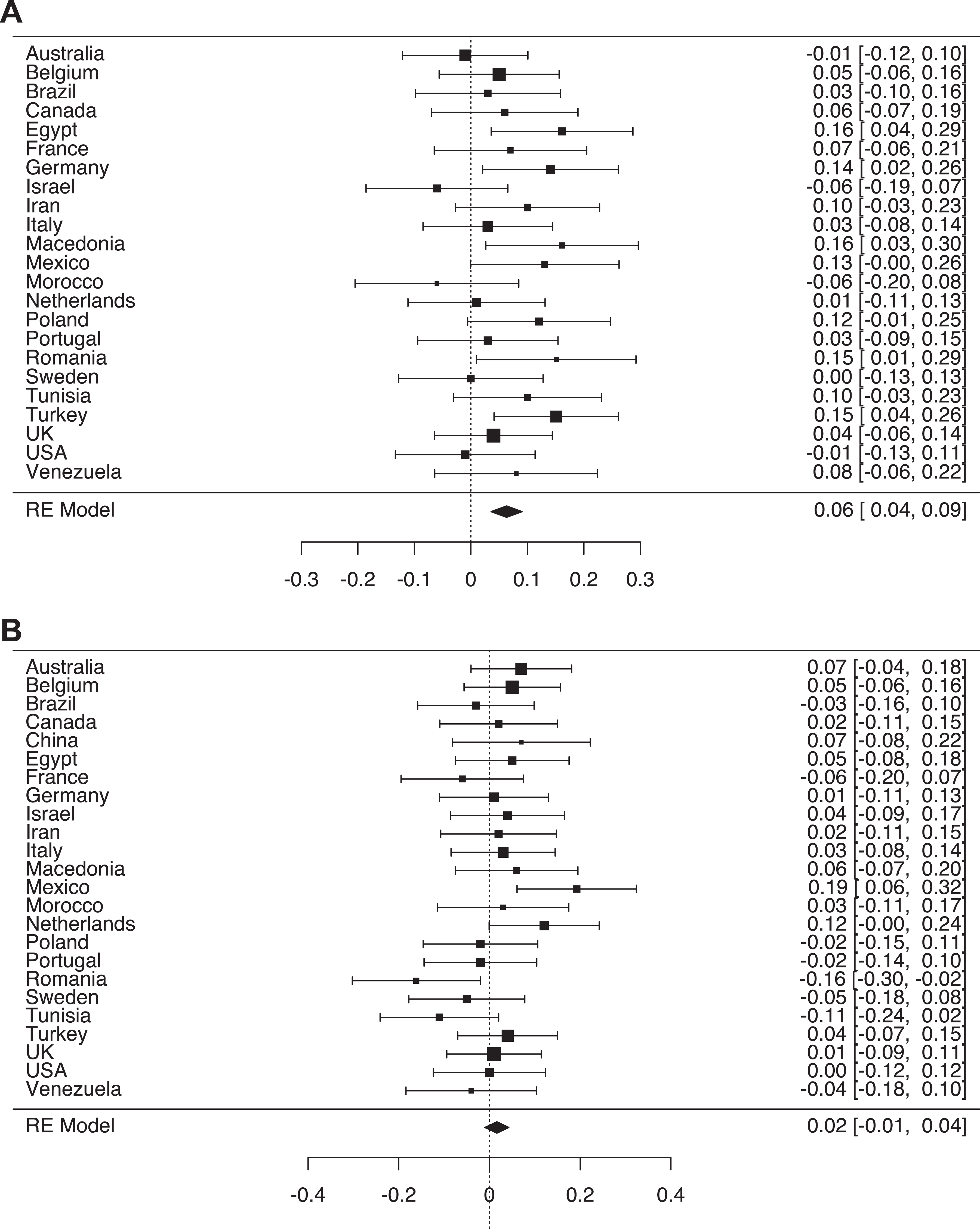
Panel A: Relationship between spirituality and vaccine skepticism across 23 countries (controlling for age, gender, faith in science, and for the other predictors). Panel B: Relationship between religious orthodoxy and vaccine skepticism across 24 countries (controlling for age, gender, faith in science, and for the other predictors). Panel C: Relationship between scientific literacy and vaccine skepticism across 24 countries (controlling for age, gender, faith in science, and for the other predictors).
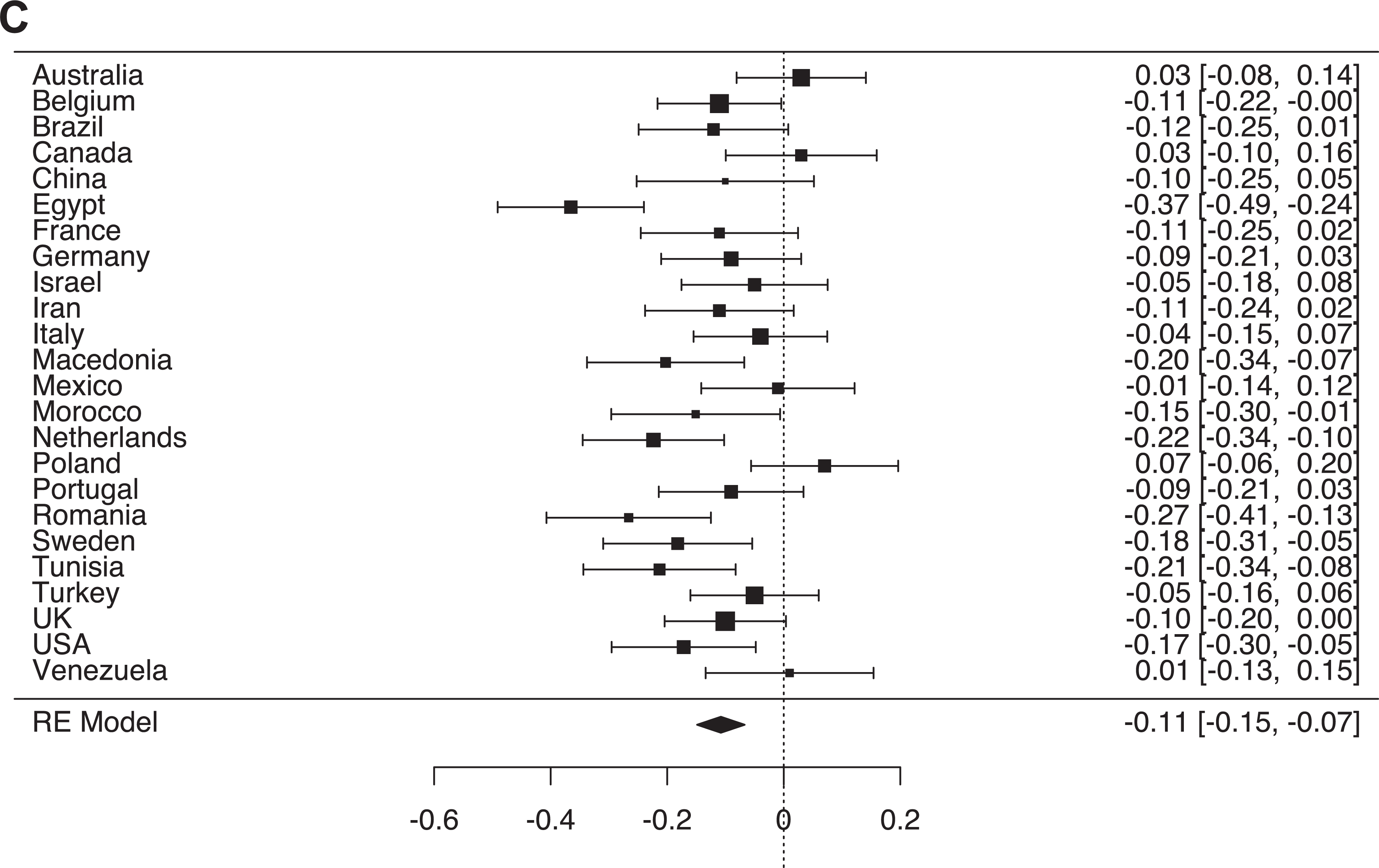
(continued).
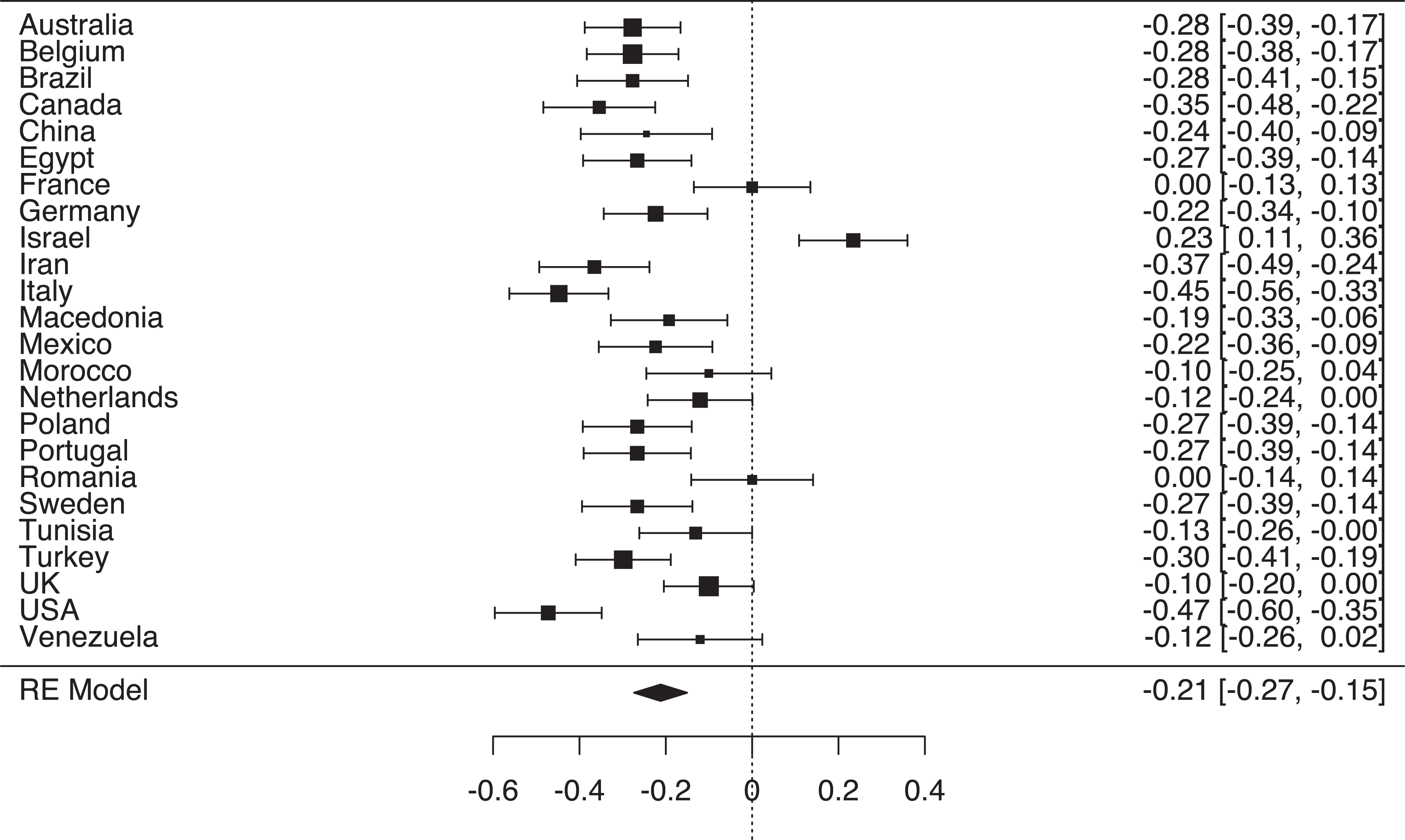
Relationship between scientific literacy and genetic modification skepticism across 24 countries (controlling for age, gender, faith in science, and for the other predictors).
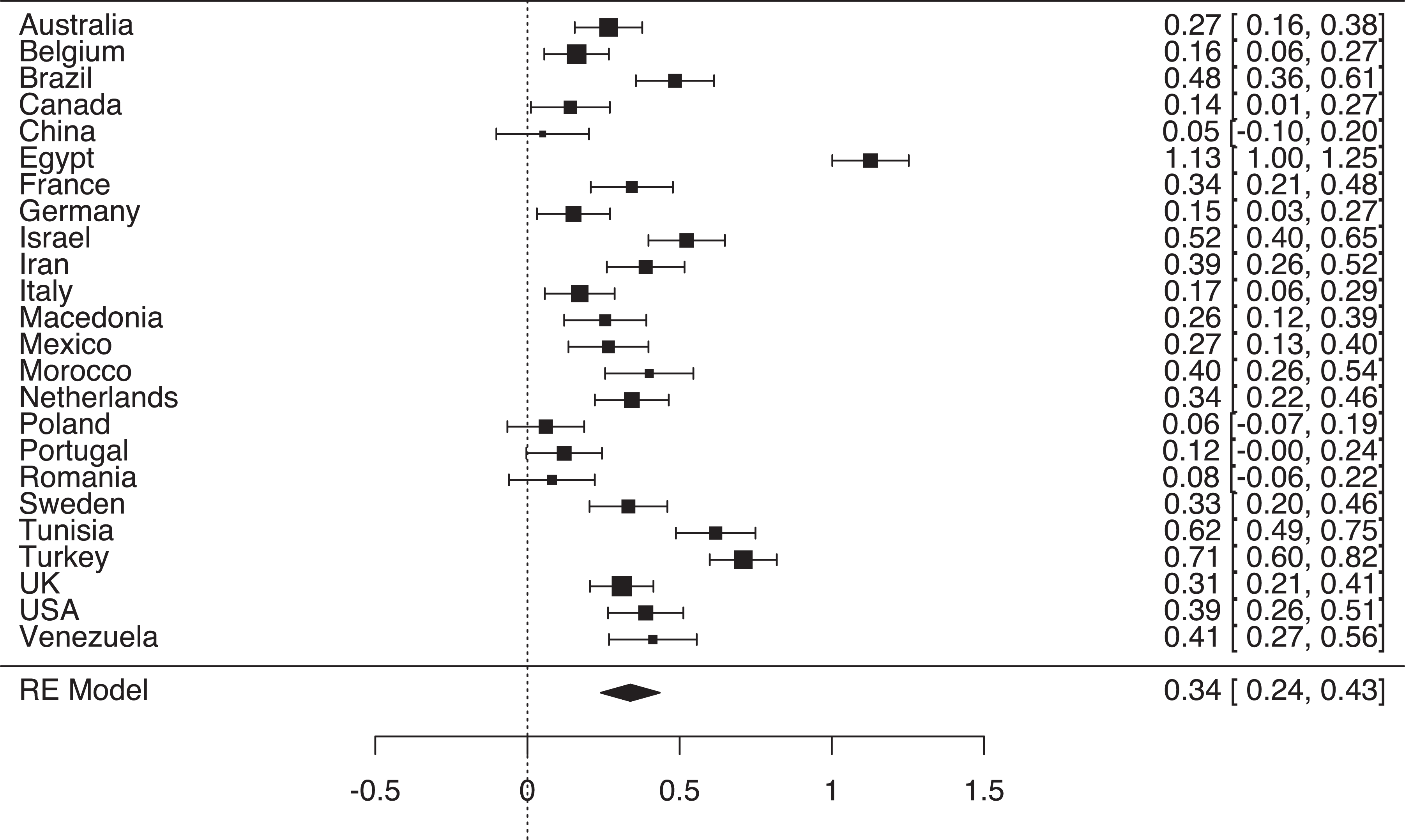
Relationship between religious orthodoxy and evolution skepticism across 24 countries (controlling for age, gender, faith in science, and for the other predictors).
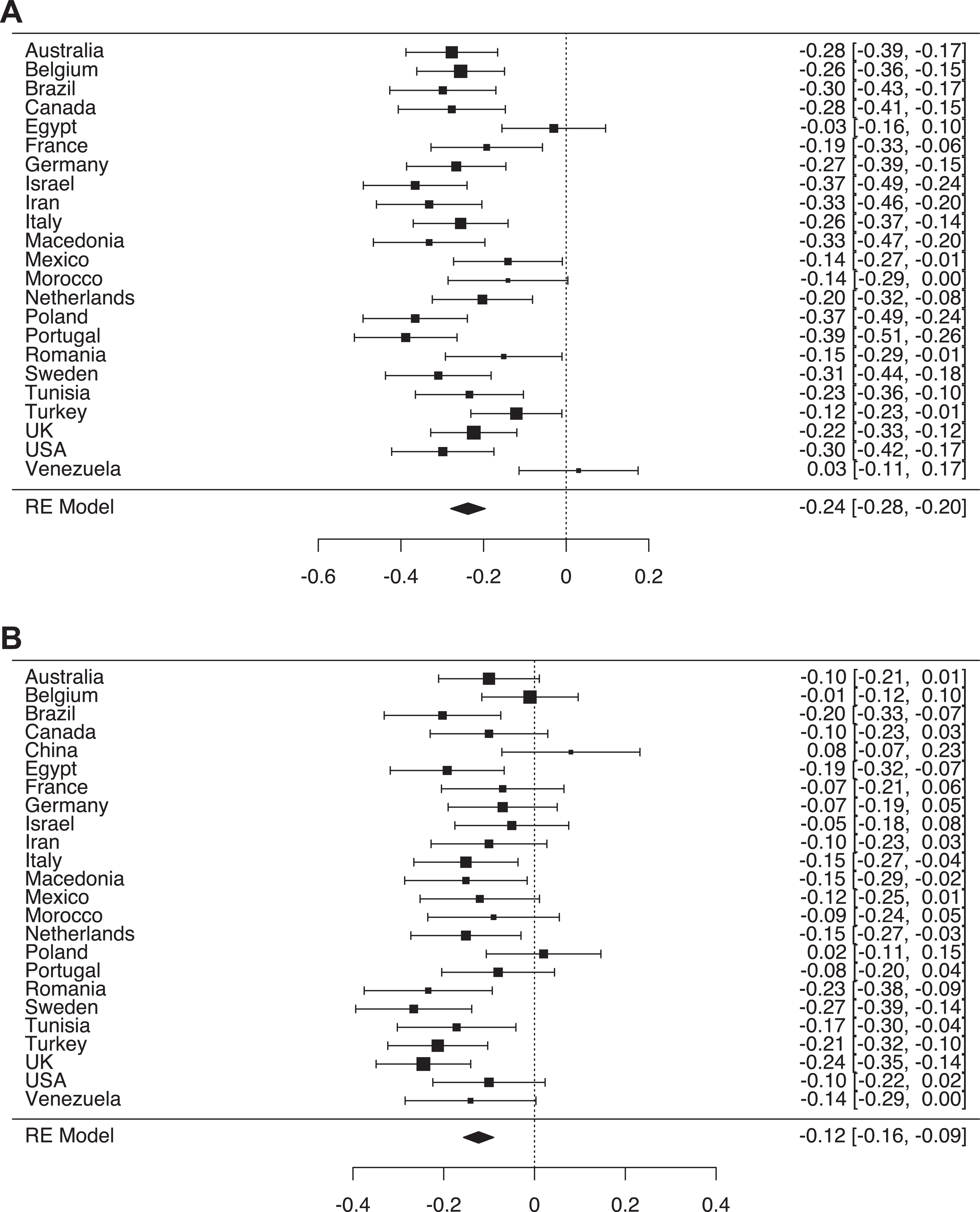
Panel A: Relationship between spirituality and faith in science across 23 countries (controlling for age, gender, and for the other predictors). Panel B: Relationship between religious orthodoxy and faith in science across 24 countries (controlling for age, gender, and for the other predictors).
Tests of Hypothesized Effects
Climate change skepticism
As shown in Table 3, results supported the prediction that political conservatism would predict climate change skepticism (Hypothesis 1; t = 4.58, p < .001). Figure 2 shows that also as predicted, this effect was arithmetically the strongest in the United States (and Canada), supporting Hypothesis 1a.
Vaccine skepticism
As shown in Table 3, our main hypotheses for vaccine skepticism (Hypothesis 2) received mixed support: It was predicted by spirituality, t = 4.61, p < .001, but not religious orthodoxy, t = 1.51, p = .13. The further hypothesis (Hypothesis 2a) that the relationship between spirituality and vaccine skepticism would be stronger in WEIRD countries was not supported: The predicted cross-level interaction of spirituality and cultural distance from the United States was nonsignificant, b = .390, SE = .242, p = .108. Similarly, the hypothesis (Hypothesis 2b) that the relationship between religious orthodoxy and vaccine skepticism would be stronger in WEIRD countries did not receive support, b = .174, SE = .286, p = .543. Consistent with these nonsignificant cross-level interactions, predicted associations for each country are presented in Figures 3A (spirituality) and 3B (religious orthodoxy) and reveal no consistent distinction between WEIRD and non-WEIRD nations. Finally, the hypothesis that vaccine skepticism would be negatively predicted by scientific literacy (Hypothesis 3) was supported, t = −5.96, p < .001.
GM skepticism
Our main prediction that scientific literacy would predict GM skepticism (Hypothesis 4) was supported. As displayed in Table 3, scientific literacy was a significant negative predictor of skepticism, t = −8.12, p < .001. Figure 4 presents the strength of the predicted relationships per country, which was significant in 17 of the included countries. 7
Evolution skepticism
As can be seen in Table 3, Hypothesis 5—religious orthodoxy predicts evolution skepticism—was supported, t = 8.66, p < .001. Figure 5 shows the strength of the relationship between religious orthodoxy and evolution skepticism per country, which was significant in almost all (20) countries.
Faith in science
As shown in Table 3, the prediction (Hypothesis 6) that faith in science would be negatively predicted by spirituality, t = −13.90, p < .001, and religious orthodoxy, t = −7.59, p < .001, received clear support. Moreover, cross-level interaction analyses supported the hypothesis (Hypothesis 6a) that the negative relation between spirituality and faith in science would be stronger in WEIRD countries (slope: b = −.251, SE = .013, p < .001) than in non-WEIRD countries (slope: b = −.187, SE = .029, p < .001); the interaction effect between spirituality and cultural distance from the United States was significant, b = .586, SE = .280, p = .036. As shown in Figure 6A, the negative relation between spirituality and faith in science was significant in 20 countries, all except Egypt, Morocco, and Venezuela. 8 In stark contrast to these results, significant effects of religious orthodoxy were observed in nine countries (see Figure 6B). Indeed, the prediction that religious orthodoxy would have a stronger effect in non-WEIRD nations (Hypothesis 6b) was not supported: The cross-level interaction was not significant, b = .014, SE = .121, p = .908.
Other Notable Results
Science support
As displayed in Table 3, willingness to support science was best predicted by faith in science (t = 12.65, p < .001), which corroborates previous work (Rutjens, Sutton, & van der Lee, 2018; Rutjens & van der Lee, 2020).
Other contributors to science skepticism
As can be seen in Table 3, some additional relations were observed. Most notably and consistently, faith in science—which was included as a predictor 9 in the analyses predicting domain-specific science skepticism—contributed substantially to the explained variance for all four domains of skepticism in line with previous research (Rutjens, Sutton, & van der Lee, 2018; Rutjens & van der Lee, 2020).
Discussion
The extent to which science skepticism varies in degree and in kind around the world is not well understood. Up to now, a systematic cross-national investigation of the relative impact of various potential predictors of science skepticism across domains was lacking. This lacuna has obstructed efforts to understand and remedy the rejection of science—a phenomenon that is causing catastrophic health, economic, and environmental harms (Gallup, 2019; World Health Organization, 2019). The current paper reports the results of the first large-scale effort to address this lacuna. In so doing, this work provides clear support for the heterogeneity of science skepticism, both in degree (levels of skepticism vary across domains but also across countries) and in kind (different predictors drive science skepticism in different domains). As formalized in our main hypotheses (Hypotheses 1–6), we expected different predictors to drive skepticism in different domains, within and across nations. All main hypotheses were supported, except for Hypothesis 2 (we did not find evidence that religious orthodoxy uniquely contributes to vaccine skepticism). We had also expected some heterogeneity to manifest between nations such that WEIRD and non-WEIRD nations would show systematic variation in patterns of science skepticism. These predictions were formalized in the country-level hypotheses (Hypotheses 1a, 2a, 2b, 6a, and 6b). It was indeed found that the impact of political conservatism on climate change skepticism was the strongest in the United States (Hypothesis 1a), but note that it was equally strong in Canada (followed by other WEIRD nations; Australia and the Netherlands). Evidence for the hypotheses that vaccine skepticism and low faith in science would be best predicted by spirituality in WEIRD nations (Hypotheses 2a–6a) and by orthodoxy in non-WEIRD nations (Hypotheses 2a and 2b) was found for faith in science but not for vaccine skepticism. Taken together, the results show that, of the various beliefs and ideologies examined as predictors of science skepticism, spirituality is among the most important.
Indeed, confirming previous results obtained in the Netherlands (Rutjens & van der Lee, 2020)—and providing strong support for Hypothesis 6—the current data speak to the crucial role of spirituality in fostering low faith in science, more generally, beyond its domain-specific effects on vaccine skepticism. This indicates that the negative impact of spirituality on faith in science represents a cross-national phenomenon that is more generalizable than might be expected based on the large variety (Muthukrishna et al., 2020) of countries included here. A possible explanation for the robustness of this effect may lie in the inherent irreconcilability of the intuitive epistemology of a spiritual belief system with science (Rutjens & van der Lee, 2020). (If so, then we might look at a potentially much larger problem that extends beyond spirituality and applies more generally to “post-truth” society, in which truth and perceptions of reality may be based on feelings rather than facts; Martel et al., 2020; Rutjens & Brandt, 2018.) However, these results do not mean that traditional religiosity as a predictor of science skepticism (McPhetres & Zuckermann, 2018; Rutjens, Heine, et al., 2018; Rutjens, Sutton, & van der Lee, 2018) has now become irrelevant: Not only did religious orthodoxy significantly contribute to low faith in science, it was also found to be a very consistent cross-national predictor of evolution skepticism (but not of other forms of science skepticism included in the study).
Research has started to challenge the widespread notion that science skepticism primarily results from a lack of knowledge. 10 In the current work, scientific literacy was the main driver of science skepticism only in the domain of GM. This corroborates previous research and observations that suggest that merely addressing information deficits to combat science skepticism is in most cases not sufficient (McPhetres et al., 2019; Rutjens, Heine, et al., 2018; Rutjens & van der Lee, 2020).
The cross-national approach of the current work is important because it provides support for the emerging theoretical understanding of what causes skepticism across different domains of science (Hornsey et al., 2018a, 2018b; McPhetres et al., 2019; McPhetres & Zuckermann, 2018; Rutjens, Heine, et al., 2018; Rutjens & van der Lee, 2020) and does so by including various countries that have been virtually absent from the psychological science database (Apicella et al., 2020; Hruschka et al., 2018; Muthukrishna et al., 2020). The present results demonstrate that while predictors of science skepticism to some extent vary in predictable ways between countries, many of the hypothesized effects were observed across many of the included countries. Levels of skepticism showed more regional variation. This heterogeneity of science skepticism in degree is illustrated in Table 2 and Figure 1, with some countries standing out as being especially high or low on skepticism. For example, in Egypt, Romania, and Venezuela, science skepticism is much stronger than in Australia or Canada. Additionally, remarkable differences in science skepticism were observed within countries, depending on the domain (e.g., GM skepticism vs. skepticism in other domains in France, general faith in science vs. domain-specific skepticism in Turkey).
One obvious and important limitation to the current work concerns the limited nature of the measures used. Many of the key measures employed were self-report single-item (i.e., most outcome variables) or two-item indices (i.e., most of the predictor variables). The brevity of the materials was necessary in order to keep study length constrained. Thus, the construct validity and (cross-cultural) reliability of these measures are necessarily limited, and we hope that future research will replicate and extend (some of) these results with better measures and extensive equivalence testing. That being said, the current measures have been used frequently in previous work; the single-item outcome measures have been shown to produce similar results as multi-item variants (Rutjens, Sutton, & van der Lee, 2018; Rutjens & van der Lee, 2020), and the spirituality and religious orthodoxy indices consist of the items with the highest factor loadings (Rutjens, Sutton, & van der Lee, 2018; Rutjens & van der Lee, 2020).
In conclusion, the present results can support the further development of our understanding of the various causes of science skepticism in different domains and in different cultures and countries, which in turn may help support interventions and communication strategies. Indeed, these results may be particularly informative when the aim is to understand how trust in science and compliance with its recommendations vary across individuals and countries, for example, during a global pandemic like COVID-19. To illustrate, let us return to the more general problem of vaccine hesitancy as an example of how skepticism can pose serious risks to public health. The current results suggest that increasing scientific literacy might prove to be a more fruitful approach in some cultural contexts than in others (see Figure 3C). In contrast, a better understanding of the relation between spiritual beliefs and general science skepticism is likely to be extremely informative regardless of cultural context. Regardless, it is evident that any strategy aimed at combating science skepticism needs to be underpinned by a nuanced theoretical and empirical understanding of its causes across domains as well as cultural contexts.
Supplemental Material
Supplemental Material, sj-docx-1-spp-10.1177_19485506211001329 - Science Skepticism Across 24 Countries
Supplemental Material, sj-docx-1-spp-10.1177_19485506211001329 for Science Skepticism Across 24 Countries by Bastiaan T. Rutjens, Nikhil Sengupta, Romy van der Lee, Guido M. van Koningsbruggen, Jason P. Martens, André Rabelo and Robbie M. Sutton in Social Psychological and Personality Science
Supplemental Material
Supplemental Material, sj-docx-2-spp-10.1177_19485506211001329 - Science Skepticism Across 24 Countries
Supplemental Material, sj-docx-2-spp-10.1177_19485506211001329 for Science Skepticism Across 24 Countries by Bastiaan T. Rutjens, Nikhil Sengupta, Romy van der Lee, Guido M. van Koningsbruggen, Jason P. Martens, André Rabelo and Robbie M. Sutton in Social Psychological and Personality Science
Footnotes
Declaration of Conflicting Interests
The author(s) declared no potential conflicts of interest with respect to the research, authorship, and/or publication of this article.
Funding
The author(s) disclosed receipt of the following financial support for the research, authorship, and/or publication of this article: This research was funded by an EASP Seedcorn grant awarded to BTR and RVDL and a grant by the Institute for Societal Resilience (ISR) awarded to RvdL, BTR, and GMvK.

Supplemental Material
The supplemental material is available in the online version of the article.
Notes
Author Biographies
Handling Editor: Will Gervais
References
Supplementary Material
Please find the following supplemental material available below.
For Open Access articles published under a Creative Commons License, all supplemental material carries the same license as the article it is associated with.
For non-Open Access articles published, all supplemental material carries a non-exclusive license, and permission requests for re-use of supplemental material or any part of supplemental material shall be sent directly to the copyright owner as specified in the copyright notice associated with the article.
