




Abstract
At the 2020 American String Teachers Association (ASTA) Conference held in Orlando Florida, an attendee of the Wellness Committee Listening Session recommended that a study be conducted to determine the prevalence and awareness of mental health concerns among students and teachers within the organization. Members agreed that there is more needed to be understood so that ASTA could provide professional development webinars, resources, as well as local, state, and national conference sessions. In response to this request and the clear need for more information, a survey was developed and deployed to the ASTA membership in the fall of 2020. Follow-up interviews with members who volunteered in response to an invitation on the survey were conducted in the spring and early summer of 2021. Teachers reported a high prevalence of student mental health issues prior to and during the pandemic and reported concerning levels of work overload, compassion fatigue/burnout, and mental health issues. Generational differences in mental health perceptions were noted, as were opportunities to provide targeted professional development and community-level services.
Keywords
In the past decade and prior to the COVID-19 pandemic, mental health research has revealed a staggering increase in identified cases of anxiety, depression, and/or suicidal ideation, especially in adolescents (Burstein et al., 2019; Twenge et al., 2019). For example, between 2012 and 2017, major depressive disorder diagnoses in patients aged 12 to 25 increased by 61% and anxiety and depression increased by more than 60% (Twenge et al., 2019). Historically marginalized youth, such as LGBTQIA+ and persons of color, are at greater risk due to the impacts of systemic structures and policies that disadvantage these communities (Siemons et al., 2016; The Trevor Project, 2019; Williams & Etkins, 2021). The heightened expectation that students attend college has increased pressure on academic achievement more than previous generations. Luthar et al. (2020) argued that the “exposure to excessive pressures to achieve, common in affluent communities, is among the top-four high-risk environments following exposure to poverty, to trauma, and to discrimination” (pp. 983–984). Although the cause of the mental health crisis is debated, there is growing evidence that newly introduced social and technological behaviors as well as environmental factors may contribute (Crone & Konijn, 2018; Smith, 2019; Twenge et al., 2019).
The relational nature of teaching and learning can impact the mental health of both students and teachers. Research has shown that positive relationships between teachers and students are key contributors to adolescent mental well-being (Oberle et al., 2018). However, when teachers suffer from mental health challenges such as depressive symptoms, students are more likely to suffer from psychological distress (Harding et al., 2019). In addition, teachers who work with students struggling with mental health challenges may also encounter negative impacts on their own mental well-being (Dirks, 2020). Although less is known about educator mental health, nearly 75% of teachers suffer from some combination of burnout, secondary trauma, or compassion fatigue (Borntrager et al., 2012). A National Education Association (NEA) study revealed that by fall of 2021, K-12 public school educators were the “most likely to report higher levels of anxiety, stress, and burnout” than any other public sector career field (Walker, 2021, p. 1). Without proper self, school-level, and professional care, such stressors can lead to a sense of loss of control, feelings of overwhelm, and fatigue (Kimpton & Kimpton, 2016; Koenig et al., 2017).
Trauma and Mental Health
Trauma can occur both in and outside of the learning environment and can be caused by historic or ongoing traumatization. In either case, trauma can impact mental health as well as one’s ability to learn and work (Jennings, 2019). Individual traumas, especially those incurred during childhood, have been tracked by the Center for Disease Control (CDC, 2019) through the ongoing implementation of the Adverse Childhood Experience questionnaire (ACEs) first conducted by Felitti et al. (1998). CDC (2019) data demonstrate that one in six adults have experienced at least four ACEs, that five of the top 10 leading causes of death are associated with ACEs and that eliminating ACEs would reduce adult depression by 44%.
In addition to mental health issues, educators with a trauma history are more likely to experience compassion fatigue/burnout and may be especially susceptible to secondary traumatic stress (STS) incurred from working with students with mental illness and/or trauma histories (Smith, 2021). STS occurs when teachers support students who have experienced trauma and develop trauma symptoms themselves, as a result of this exposure, or from listening to student trauma disclosures (Smith, 2021). According to Smith, teachers are more susceptible to developing compassion fatigue when they suffer from STS, burnout, or a combination of both. Compassion fatigue is a condition which is characterized by mental, physical, and emotional exhaustion (Smith, 2021). It is important to note that the recent increase of collective trauma caused by disasters such as extreme weather events, school shootings, growing civil unrest, political division (Saul, 2013), as well as COVID-19 (Duane et al., 2020), may in part explain the deterioration of mental health. Given that collective trauma is related to individual trauma and mental health issues (Saul, 2013), schools may need to place greater emphasis upon mental health than they have in the past to maintain a healthy and effective school environment.
The Impact of COVID-19 Upon Mental Health
Although mental health trajectories were on the rise prior to the COVID-19 pandemic, recent research has revealed staggering findings regarding the impact of the pandemic on the mental health of youth and adults. Within the first few months of the pandemic, over 60% of teens reported feelings of loneliness and isolation (Chase, 2020). As the pandemic persisted, adolescents aged 11 to 17 were “more likely than any other age group to score for moderate to severe symptoms of anxiety and depression” (Mental Health America, 2021, p. 7), and the number of adolescent mental health emergency department visits increased by 31% between 2019 and 2020 (Leeb et al., 2020). These trends have also been found in adults, as symptoms of anxiety and depressive disorders increased considerably during 2020 in comparison to 2019, with over 40% of respondents reporting at least one mental or behavioral health condition (Czeisler et al., 2020). The pandemic has also impacted the mental well-being of the teaching community, evidenced by a 2021 survey in which over half of all K-12 employees were significantly more likely to report feeling stressed, burnt out, or afraid, as compared to other government employees (Mission Square Research Institute, 2021).
Purpose
Few studies have examined the extent to which poor mental health may impact music education, including the field of string education. Little is known about novice teachers who—given the rise in mental illness among youth—are more likely to have anxiety and depression than their predecessors. Similarly, it is unknown if experienced teachers have received adequate professional development to adapt their teaching and personal self-care practices to accommodate for the higher number of students with mental health concerns. Therefore, the purposes of this study were to (a) gain a better understanding of string educator perspectives on student and teacher mental health and well-being and (b) identify potential mental health topics in need of further exploration in terms of future research and professional development. We sought to understand:
String teachers’ perceptions and lived experiences of working with students with mental health challenges;
How teaching experience might impact teacher perceptions of student mental health;
If teachers felt adequately prepared to manage their personal mental health;
If teachers felt they had been adequately prepared to work with students with mental health challenges (and if not, what pre-service or professional development is needed).
Methods
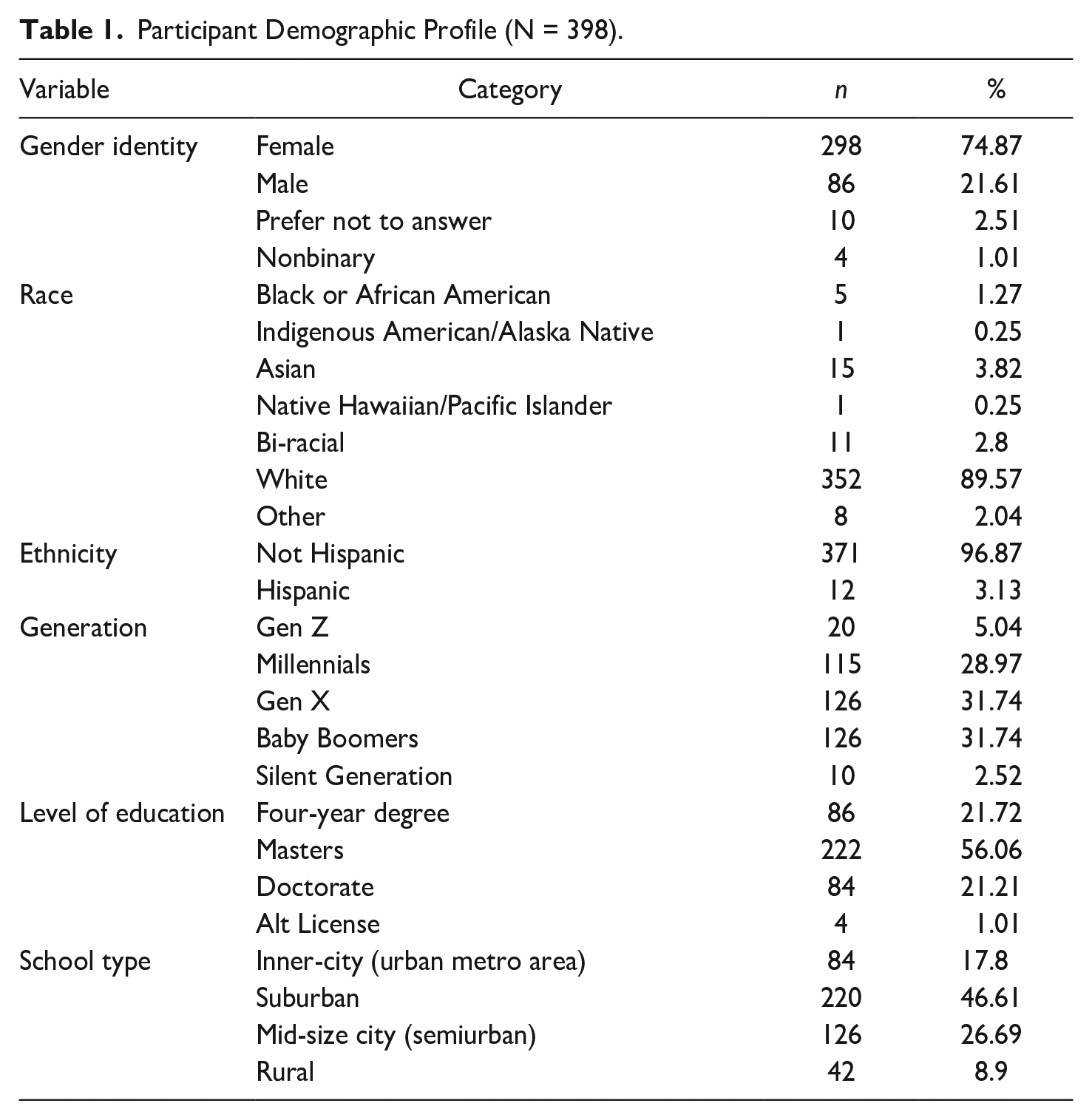
This mixed-methods study was designed to survey the membership of the American String Teachers Association (ASTA) and was conducted after Institutional Review Board (IRB) approval and approval from the ASTA Research Committee. During the first phase, a survey was sent to the official ASTA membership email list in the fall of 2020 (during the second wave of the COVID-19 pandemic). The survey was deployed to 6,452 ASTA members. From those, a total of 2,164 members opened the email, and 398 completed the survey making the response rate 18.4% (see Table 1 for the demographic profile of the sample). Participants were assured that their participation was optional, that they could choose to skip any question that they felt uncomfortable to respond, and that their name would not be collected unless they volunteered for a follow-up interview. There was no incentive offered to participants.
Participant Demographic Profile (N = 398).
The survey and statistical analysis were adapted from a similar study by Moon et al. (2017), which examined educators’ perceptions of youth mental health in a general education setting. The survey included 35 questions most of which were Likert-type, and it took approximately 10 to 15 min to complete. Ratings of concern about student mental health as well as the prevalence of students with mental health by category (e.g., anxiety and depression) were followed by similar questions about teacher mental health prior to and during COVID-19. Participants (which were assigned pseudonyms) were asked to both rank and provide open-ended responses to indicate topics for in-service and pre-service professional development, as well as future ASTA conference presentations, webinars, publications, and so on. All but one of the survey respondents completed the entire survey; however, some chose to omit occasional questions.
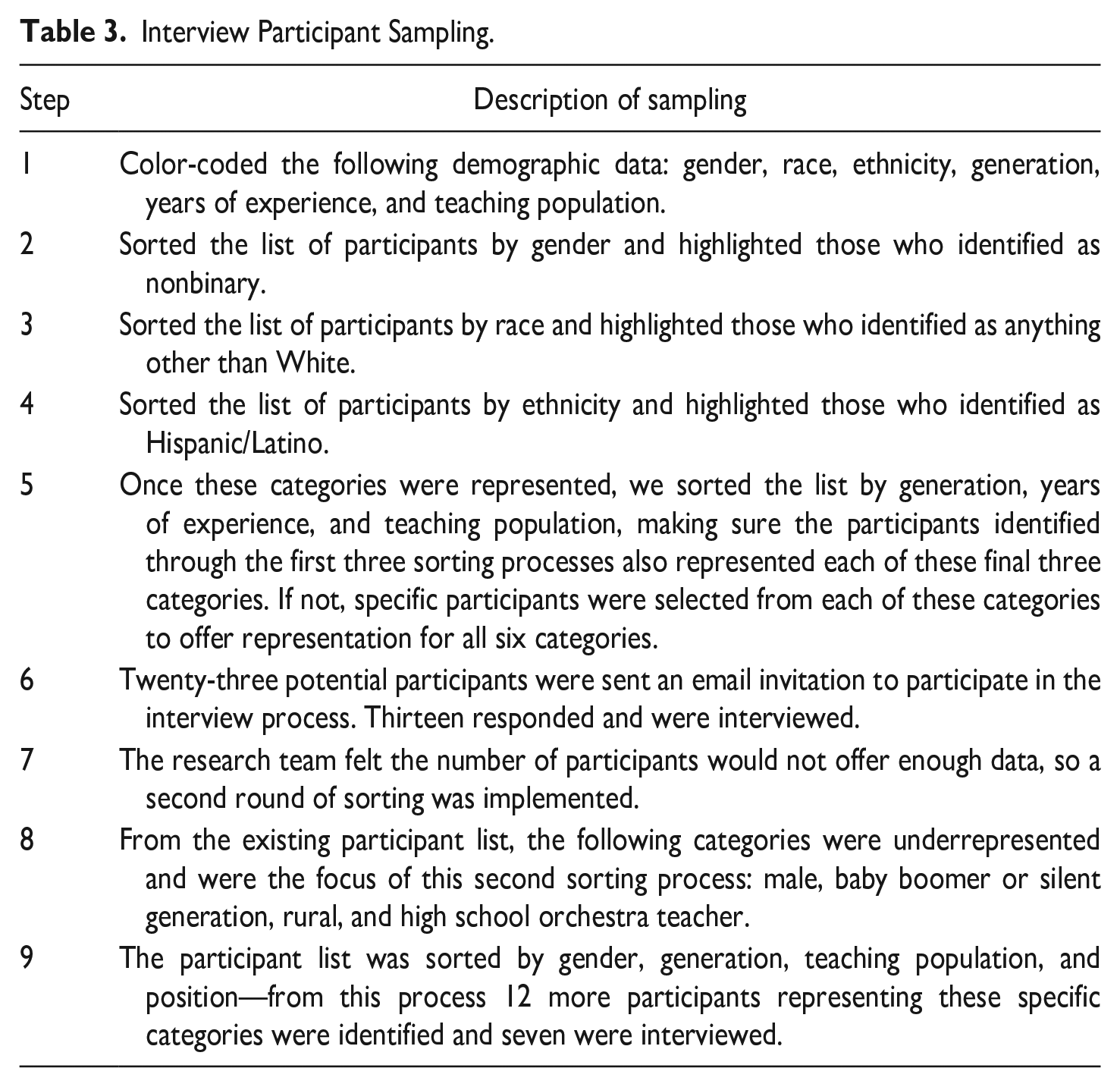
The second phase involved contacting 20 of the 100 survey respondents who volunteered for follow-up interviews (see Table 2 for the demographic profile of the interviewees and Table 3 for the participant selection protocol). Semistructured Zoom interviews were 30 to 60 min in length and explored topics including the following: the perceptions of student and teacher mental health in the music classroom, supports (or lack thereof) for string student and/or string teacher mental health and well-being, and suggestions for additional supports to be provided by ASTA and other stakeholders. Qualitative interview data were coded by two of the researchers independently, codes were then negotiated, and the data coded a second time to ensure internal validity. Coded data were then interpreted to generate themes. Survey and interview data were used to answer the research questions through a complementarity approach (Greene et al., 1989).
Interview Participant Demographics (N = 20).
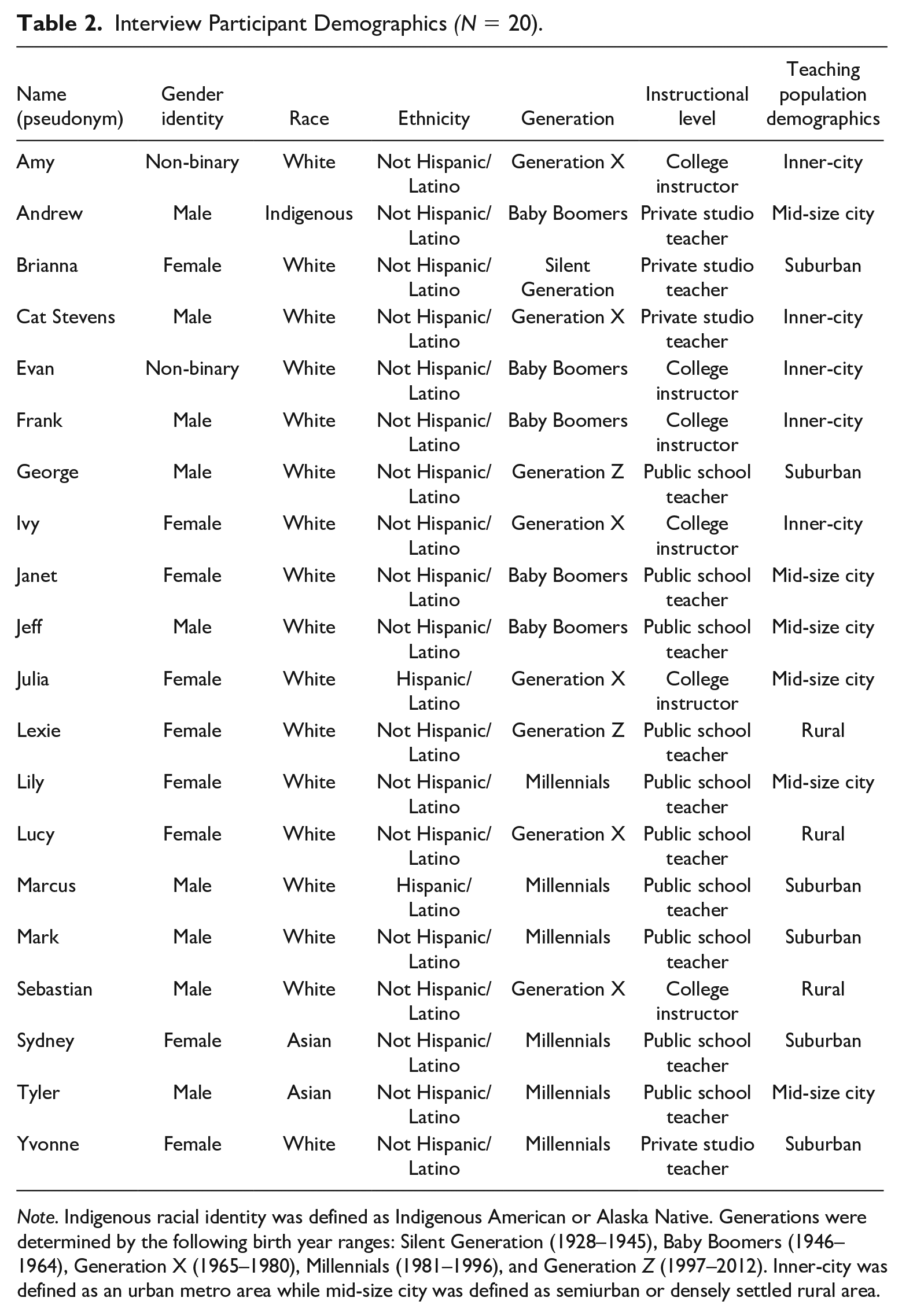
Note. Indigenous racial identity was defined as Indigenous American or Alaska Native. Generations were determined by the following birth year ranges: Silent Generation (1928–1945), Baby Boomers (1946–1964), Generation X (1965–1980), Millennials (1981–1996), and Generation Z (1997–2012). Inner-city was defined as an urban metro area while mid-size city was defined as semiurban or densely settled rural area.
Interview Participant Sampling.
Of the participants (N = 398), nearly 75% identified as female, 90% identified as White, and 97% identified as Not Hispanic/Latino (see Table 1). As compared to a recent study of the ASTA membership (Smith et al., 2018), a somewhat higher percentage of female identifying ASTA members completed the survey in this study (75% as compared to 64%). However, a direct comparison cannot be made, given that we chose to include “nonbinary” in addition to “prefer not to answer” as a category. A similar number of participants reported being White (90% as compared to 91%), and other racial identities are similar (Asian 3.82% as compared to 2%, Black 1.27% as compared to 2%); however, a direct comparison cannot be made as we separated ethnicity from race in our survey questions.
Generation X (those born between 1965 and 1980) and Baby Boomers (those born between 1946 and 1964) were equally represented (31.74% each) and together comprised roughly 63% of the total population surveyed. In terms of teaching experience, the sample included pre-service teachers and veterans with 55 years of service with the mean number being 23 years of service. Most teachers served in suburban communities (46%) or mid-size cities (26%). The most prevalent level of education obtained was a master’s degree, with 56% of the respondents having obtained up to that level of education. More than half of the participants taught in multiple contexts such as private and public schools as well as in rural, suburban, and inner-city areas.
Results
String Teachers’ Perceptions of Student Mental Health Challenges
One of my senior violinists got as far as the parking lot and she turned around and went home. [She] could not face walking in the building today, just couldn’t do it. And she’s a pretty stable kid . . . lots more kids are coming forward and telling their teachers that they’re not doing well. (Lucy)
We asked teachers to rate their level of concern regarding student anxiety, depression, suicidal ideation and behavior, and trauma (see Figure 1), and then to rate how likely they were to encounter students with problematic levels of each (see Figure 2). The majority of teachers indicated that they were either very concerned or concerned about each: anxiety (77%), depression (83%), suicide ideation (64%), and trauma (73%).
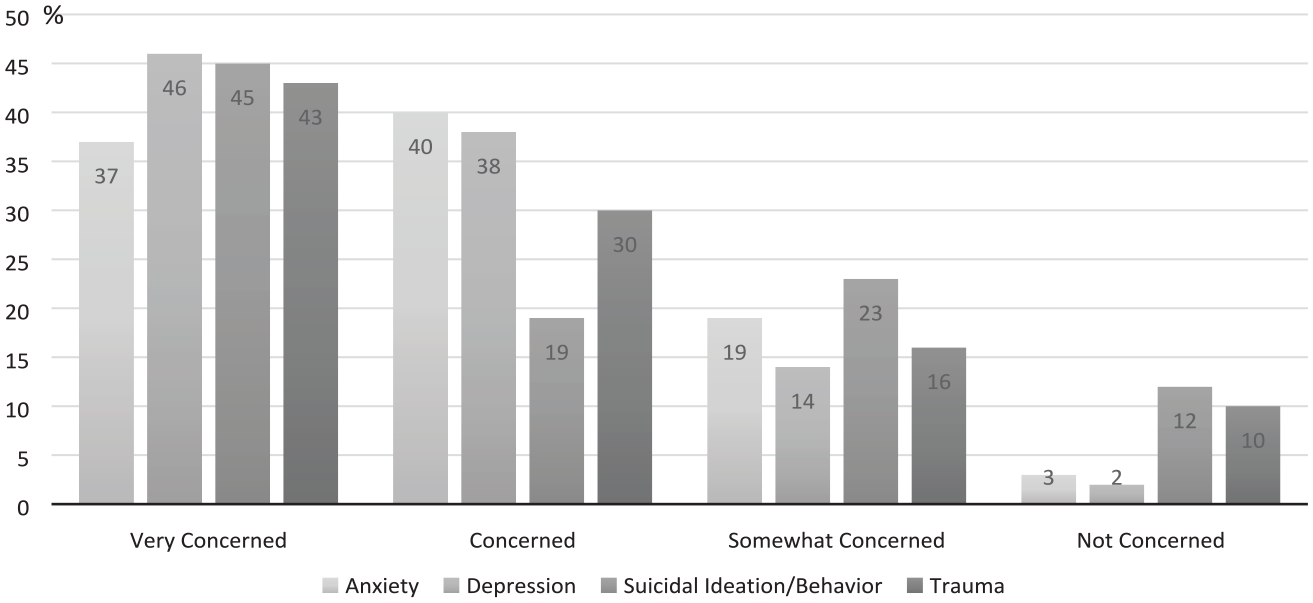
Level of Concern-Anxiety, Depression, Suicidal Ideation/Behavior, and Trauma.
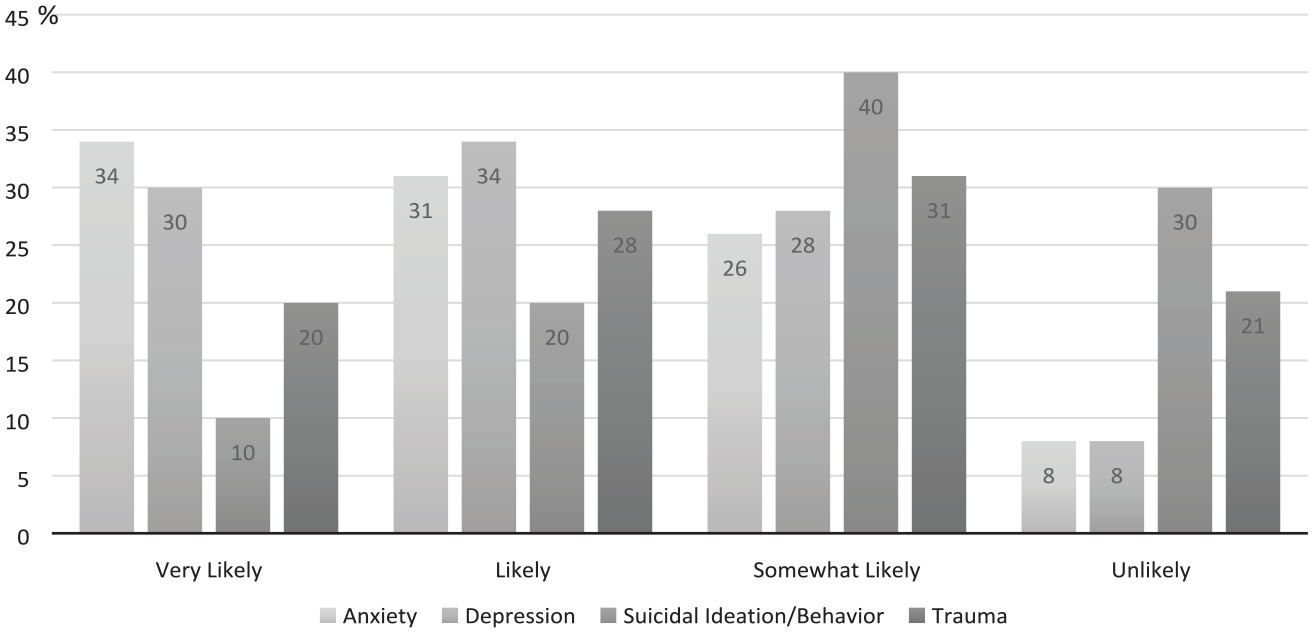
Likelihood of Encountering Students With Anxiety, Depression, Suicidal Ideation/Behavior, and Trauma.
Sixty-five percent of participants reported that they were very likely or likely to encounter students with problematic levels of anxiety, and 64% reported that they were very likely or likely to encounter students with problematic levels of depression. Prevalence of suicidal ideation or behaviors was much lower, with 29% reporting that they were very likely or likely to encounter students demonstrating this issue. Just less than 48% reported that they were very likely or likely to encounter traumatized students, with the majority of participants (31%) reporting that they were somewhat likely to encounter such students.
A one-way multivariate analysis of variance (MANOVA) was conducted to examine the extent teachers encountered students with problematic levels of anxiety, depression, suicidal behaviors, and trauma as the dependent variables, across different types of schools (inner-city, suburban, mid-sized city, and rural) as the independent variables. Using an alpha level of .05, significant differences were found based on participants’ types of schools (inner-city and suburban) on the dependent measures, Wilks’s Λ = .93, F(16, 1,143) = 1.67, p = .046, partial η2 = .018. Analyses of variance (ANOVAs) on the dependent variables were conducted as follow-up tests to the MANOVA. Using the Bonferroni method for multiple comparisons, each ANOVA was tested at the .0125 level (.05 divided by 4, the number of analyses of variance [ANOVAs] conducted). The tests for each dependent variable revealed that a significant difference was only found for trauma F(4, 381) = 4.47, p = .002, η2 = .045. Post hoc analyses to the univariate ANOVA, adjusted with Bonferroni method, suggested that it was more likely for teachers to find students with traumatic experiences in inner-city (M = 2.98, SE = 0.15) than in suburban schools (M = 2.29, SE = .08) (p < .001).
Stressors Impacting Student Mental Health
Concerns regarding student trauma and mental health within inner-city schools were also reflected within the interview data. Four participants shared experiences about the stressors impacting their inner-city students. Racial unrest and financial insecurity were discussed by both Frank and Ivy. Evan blamed the “college-for-everybody drive” and was concerned that the behavior of students with mental health concerns was often misinterpreted as laziness or manipulation, which resulted in students being labeled as “slackers.”
Other stressors identified by participants included climate change and environmental concerns, #metoo, politics, trauma at home, lack of connection (especially during the pandemic), and the pressure of college and career ready expectations at school. Concerned about high academic expectations, Lexie stated, “[Teachers] aren’t always aware of the combined stressors in students.” She encouraged schools to consider student workload from a more holistic perspective. Similarly, Amy spoke to the compounding nature of student stressors, likening each student to a unique “algebraic equation.”
Teacher Response to Student Stress
In response to student stress, participants identified a variety of strategies they had used or would like to implement. Six participants expressed a need for more training to better navigate conversations with students about mental wellness. Lily, Jeff, and Tyler shared how they wanted to listen to students but found it challenging to “recognize the signs” (Tyler) for concern. Tyler spoke of trying to create a safe space for all students, regardless of sexual orientation, culture, and race. Several felt that access to more counseling services during the school day was needed. Unfortunately for Andrew, a studio teacher, these services for students felt unattainable, “I don’t have a counselor, nurse, or anything I can send [my students].”
In addition to participants’ aspirations to strengthen communication skills about mental health, and to gain access to more school support services, several participants expressed their desire to serve as models of mental wellness for their students. Lexie stressed the need to normalize self-care by taking mandated breaks or going outside for a walk. Sebastian felt it was important to model expectations through consistent communication and support. “We want to have the most optimistic, healthiest attitude that we can possibly foster both in ourselves and our students. Fortunately, we’re in a great field that helps us do that, if we don’t let it rule our lives” (Jeff).
Generational Differences in Mental Health Perceptions Among Teachers
This year and last year have been pretty bad. The girl that we went and tracked down and drove to the hospital was one of three big red flag suicidal kids in the last year. And that’s more than I’ve ever had in my career . . . they’re overwhelmed. (Lily)
As the stigma associated with mental illness has lessened over time (Bradbury, 2020), we were interested to see if there were generational differences of mental health perceptions, and if teaching experience changed their perceptions. Differences in perceptions of student mental health based on a teacher’s generation were determined by conducting a two-way MANOVA to determine the differences in teachers’ perception of concern working with students with anxiety, depression, suicidal behaviors, and trauma (DVs) according to teachers’ generation and the type of school where they were teaching (IV). The MANOVA indicated no significant interaction between generation and type of school, Pillai’s V [PG1] = .16, F(60, 1,416) = 1.01, p = .45, partial η2 = .04, nor a significant main effect for type of school, Pillai’s V = .06, F(16, 1,416) = 1.28, p = .20, partial η2 = .01. However, a significant but small main effect was found for generation, Pillai’s V = .10, F(16, 1416) = 2.34, p = .002, partial η2 = .026. Analyses of variances on the dependent variables were conducted as follow-up tests to the MANOVA. Each ANOVA was tested at the .0125 level, indicating significant differences in teachers’ concerns on anxiety, F(4, 377) = 3.49, p = .008, partial η2 = .04, and depression, F(4, 377) = 5.74, p < .001, partial η2 = .06, based upon a teacher’s generation. Pairwise comparisons, previously adjusted with Bonferroni method and tested at an alpha level of .05, indicated that millennial teachers or those born between 1981 and 1996, (G5) held significant higher perceptions of concern than baby boomer teachers (G3), while working with students with anxiety (M = 3.32, SE = .10, and M = 2.87, SE = .09, respectively, p = .028), and with depression (M = 3.57, SE = .09, and M = 2.97, SE = .09, p < .001). No other comparisons among generation groups met statistical significance (p > .05).
Similarly, a two-way MANOVA was conducted to examine differences attributed to teachers’ years of teaching experience and school type in which they taught. Nonetheless, the interaction and main effects failed to meet statistical significance (p > .05). These results suggest that teachers’ generation, and not the years of teaching experience, was a stronger determinant in teachers’ level of concern about student mental health in some cases.
Mental Health Stigmas
Nearly half of the interview participants identified cultural or societal norms that generated negative stigmas related to mental health and treatment. Tyler, who identified as Asian, expressed that it was difficult to emphasize the need for mental health support when parents/guardians from minority ethnic groups sometimes conflate depression or anxiety with laziness. In addition to cultural stigma, societal and generational stigma can also play a role in deterring students from seeking support. “When I first started [teaching] it was hush hush. You didn’t talk about money . . . sex . . . [or] mental health” (Jeff). Mark also noted a stigma against talking about mental health and expressed a desire to pass on to the next generation the concept of “genuine care” which included talking about mental health more freely. Lily made a personal choice to change the societal stigma in their classroom by being more open with their students, “I have my own mental health journey that when kids are really, really struggling I will share with them.”
Generational Perspectives of Mental Health
When discussing the prevalence or increased seriousness of student mental health, most of the interview participants fell into one of two camps: (a) those who felt adolescent mental health concerns remained constant while societal awareness and conversation have increased, often referred to as “the chicken or the egg” argument, and (b) those who believe adolescent mental health concerns are on the rise, thus creating the opportunity for more awareness and conversation. Lucy (Gen X) echoed the first opinion as she felt student mental health had remained similar to the past. She acknowledged there were new stressors in today’s adolescents’ lives, like social media, but that these stressors created more opportunities for communication about mental health. “I believe that we’ve had more mental health issues all along than we ever tracked, and we’re just now aware of it” (Evan, Baby Boomer). Sebastian (Gen X) expressed how mental health conversations seemed to be in the vernacular now and that mental health was “on the top of the mind of students.” They expressed concern that some students may use their mental health or well-being as a crutch to avoid academic expectations. This behavior seemed to expand “off the charts” as students began navigating COVID protocols (Sebastian).
In contrast, others expressed concern over their perception of a rise in mental health issues. “I am seeing increasing levels of mental health struggle and instability in my students. In the last four years especially, a very marked increase in depression and anxiety issues” (Julia, Gen X). Students suffering from constant overwhelm, increased hopelessness, and suicidal thoughts and behaviors were also discussed. “When I started teaching in 2014, it was an issue, and then by the time I stopped teaching in 2020, it was a HUGE problem” (Mark, Millennial). “Even before COVID, students [were] more anxious. There’s so much anxiety. I just see that more and more—it’s been like a snowball over the last 25 years. Kids are wound so tight, worrying” (Janet, Baby Boomer). “It’s basically a time bomb—it’s getting worse and worse” (George, Gen Z).
Given the small sample of participants, the qualitative data are not enough to corroborate the statistical findings regarding generational differences; however, because some of the interview participants demonstrated different perspectives than their generational counterparts, more needs to be understood about additional factors that may influence perceptions related to mental health. One of the factors that could make a profound impact on navigating student mental health concerns is years of teaching experience. As Amy (Gen X) recalled: I remember the first time I had a student come to my office and tell me that she’d been raped . . . I was not prepared for that. And, the more you teach, the more you hear these things come up . . . I’ve developed a capacity and also [understand] how to manage and navigate those [conversations].”
In addition, some teachers have the opportunity to spend multiple years working with their students, offering a different perspective on experience. Janet stated, I can’t imagine new teachers . . . because they’ve never even met their students and their students are struggling with all kinds of different issues . . . I have my kids for 5 years when they come to my school, I feel like . . . I know which kids are really anxious and nervous, and I can deal with that because I’ve built a relationship with them.
Teacher Preparation to Adequately Address Their Own Mental Health and Well-being
The university is bending over backwards to make things possible for students, but I don’t [see] the same accommodation[s] for faculty needs. I just hear, “Make it possible for your students. Graduate your students. Do everything you can for them.” And I’m like, “Can we have one?” You know? We’re supposed to somehow just be ok (Julia).
To understand the extent to which teachers believed they had been adequately prepared to manage their personal mental health, we first determined the extent to which ASTA members reported mental health concerns. In this section, we report the pre-COVID prevalence of teacher mental health concerns, the reported access to mental health support, followed by a comparison of teacher mental health prior to and during the pandemic.
We asked teachers to rate to what extent over the course of their career that mental health challenges had affected them personally. Severe or persistent levels were calculated for each category (46% stress, 57% work overload, 40% anxiety, 23% depression, 10% secondary trauma, and 31% compassion fatigue), which indicated that prior to the pandemic teachers were already experiencing work-related stressors that negatively impacted their well-being (see Figure 3).
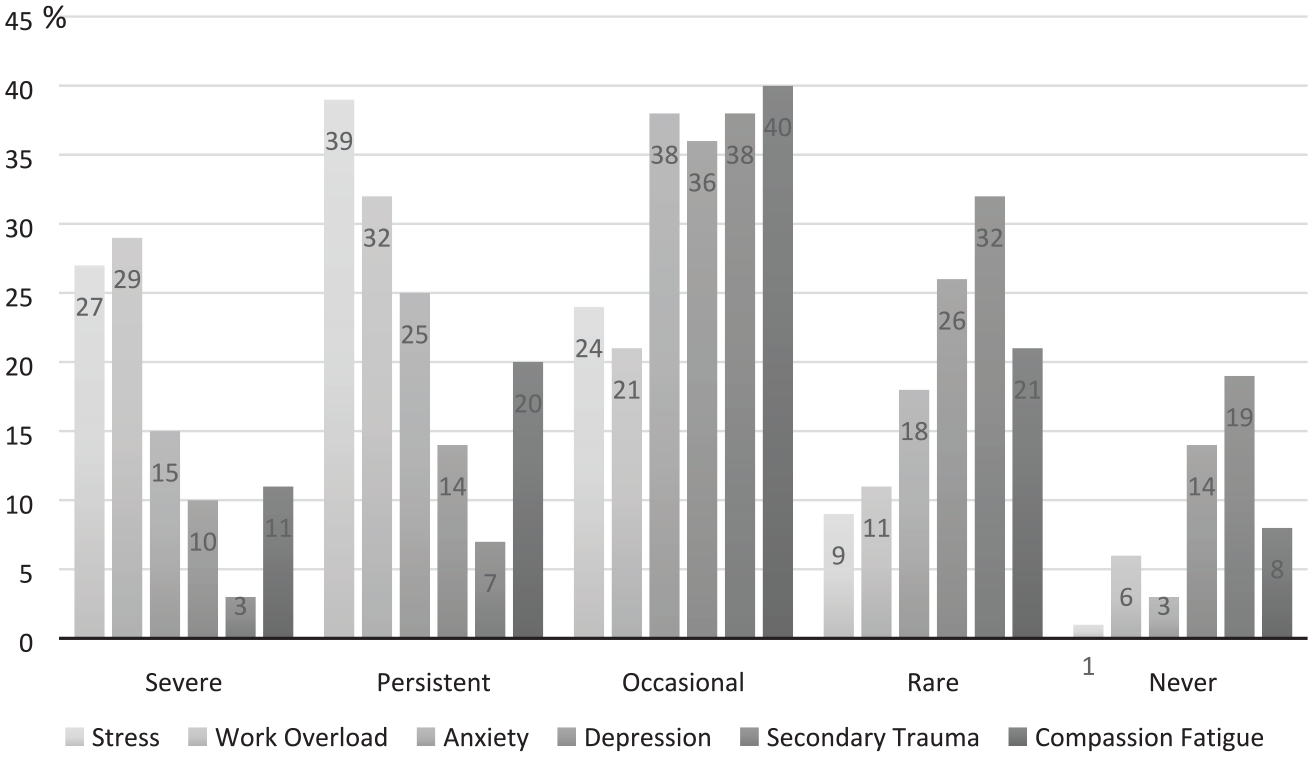
Teacher Stress, Work Overload, Anxiety, Depression, Secondary Trauma, and Compassion Fatigue.
Stressors That Have Impacted Mental Health—Pre-Pandemic
As participants talked about the stressors from teaching that affected their mental well-being, most focused on the burden of extra work: paperwork, phone calls, perfectionism, and student stress. “I really beat myself up when something doesn’t go the way I planned in my head” (Tyler). Sebastian shared how they want to put students first, “I want to be a shield,” but that role puts more work on teachers and can often lead to burnout, “how am I truly modeling to them a healthy lifestyle?” Amy also shared concern for teachers in terms of emotional support: “I’m teaching teachers, and these teachers are checking in with students every day. Are they checking in with someone? Do they have a support group?” Amy highlighted the importance for teachers to have access to the time and space to regroup and recharge. Julia stated, “That’s the number one stressor, having time (a) to do the job and (b) take time for self-care . . . if I am everybody’s cheerleader, who is my cheerleader?”
Supports for Teachers
When asked the extent to which mental health professionals and support systems were available for the faculty at their educational institution, only 42% reported that they had full or adequate access, and 22% reported that they had somewhat limited access. Concerningly, 15% reported minimal or very limited access, and 20% reported having no access. Given the high number of teachers who reported mental health concerns, this suggests that communities and schools are not providing sufficient mental health support to teachers given the demanding working conditions and stressors that they report are prevalent.
A one-way ANOVA was conducted to examine whether the availability of mental health professionals and support systems for teachers (DV, institutional support) differed across types of schools (IV). The analysis of variance was significant F(4, 375) = 2.44, p = .047, η2 = .026; however, pairwise comparisons (Tukey and Bonferroni) did not show a strong difference across school types (p > .05). Although we found that student trauma was perceived to be more prevalent in inner-city schools, there is no conclusive evidence that there are differences in terms of the level of mental health support available to teachers.
Although a few participants reported their administrative teams took teacher mental health seriously, most described the support they received as merely theoretical. Sebastian felt the topic of teacher well-being received “a lot of lip service,” but teachers were still expected to “shoulder” the increased burdens. Julia stated that her university was “bending over backwards” to help students but did not provide the same accommodations for faculty. She also discussed how the expectation to maintain university academic standards created tremendous pressure for students and faculty. Amy, a college instructor, reported being the support system for their colleagues: “Are [teachers] receiving the help and support they need? I found . . . I was becoming the person to hold that space for teachers who were holding a space for students.” Evan, however, believed that better support for teachers was on the horizon, “Maybe that’s the weird gold light out of going through this pandemic . . . we’ve actually been forced to pay attention to things that are important.” Evan stressed the need for counseling services as well as a reduction in workload for teachers, challenging schools to make a “cultural change.”
Comparing Mental Health Prior to and During COVID-19
When asked about the extent to which the COVID-19 pandemic and shelter-in-place orders affected the mental health of students, the respondents overwhelmingly selected strong negative impact (n = 227, or 94.4%), or negative impact (n = 151, or 38.2%) with only a small number reporting a neutral (n = 12, or 3%) or positive impact (n = 5, or 1%). Increases in mental health challenges from prior to and during the pandemic were noted for all of the categories surveyed. Prior to COVID-19, about 46% of teachers reported severe or persistent stress; however, this increased to over 65% at the time of the survey. Fifty-seven percent reported severe or persistent work overload prior to COVID-19 which increased somewhat to 61% during the pandemic. Forty percent of teachers reported severe or persistent issues with anxiety which rose to nearly 56%. Depression was less of a concern, with 23% reporting severe or persistent issues; however, severe or persistent depression also increased to 31% at the time of the survey. Ten percent of teachers reported severe or persistent issues with secondary trauma—or trauma caused at work—which increased to 18% . Nearly 31% of teachers reported having compassion fatigue prior to the pandemic, which rose to 43% at the time of the survey.
A series of paired t-tests were conducted to examine whether teachers’ reports of their own mental health changed due to the pandemic caused by COVID-19. As shown in Table 4, teachers reported significantly higher levels of stress, anxiety, depression, trauma, and burnout. Interestingly, their report on workload remained almost the same, which suggests similar perceptions of workload between in-person and virtual teaching. The standardized effect size indexes indicate a large effect in all the measures (Cohen’s d more than .8; see Cohen, 1988). These results suggest that the pandemic negatively affected teachers’ mental health.
Paired t-Test Results Comparing Teachers’ Self-Reports on Their Own Mental Health Before and During the COVID-19 Pandemic.
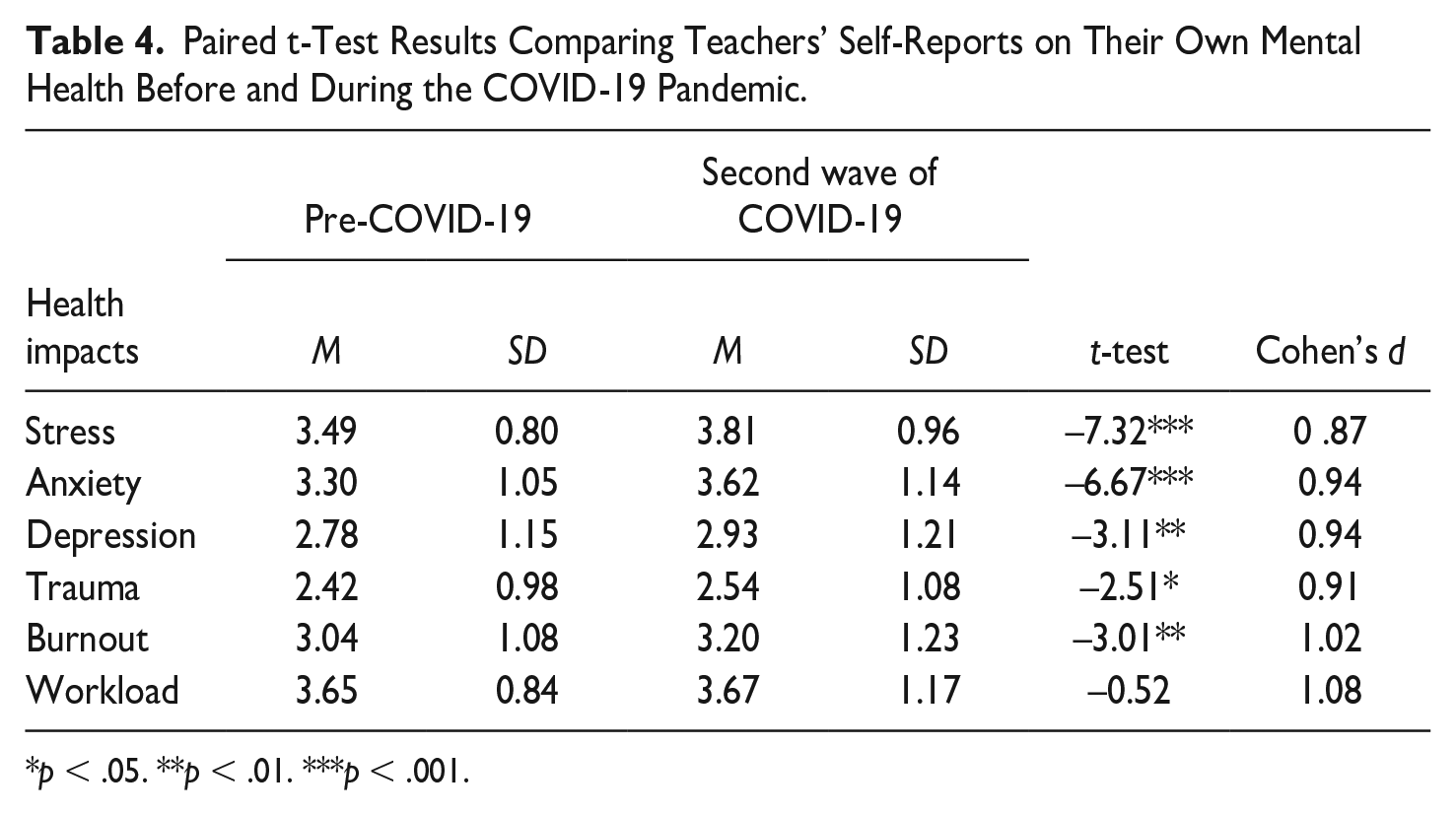
p < .05. **p < .01. ***p < .001.
Stressors That Have Impacted Mental Health—Second Wave of Pandemic
Whereas experiences with student stressors and feelings of burnout and overload were prevalent before the pandemic, COVID-19 brought an extra layer of challenges for string teachers. Lucy felt as if fewer boundaries were in place between work and home: “If you talk to teachers who are doing everything remote, you’re going to find a higher level of depression, anxiety, and a general malaise.” Many of the participants expressed frustration about the need to learn new technologies and teaching modalities, often leading to feelings of inadequacy, “There’s always that feeling—do I know what I’m doing here?” (Frank). Sydney addressed the lack of support from administration in relation to the safe return to in-person learning, while Steven discussed the added layer of stress brought about by the politicization of anti-masking behaviors and campaigns. In addition, Sebastian described how the exodus of teachers from the profession, either by their own choice or through budget cuts, generated higher levels of workload, anxiety, and stress for “those that remain.”
Teacher Preparation to Adequately Address Student Mental Health Concerns
It’s like we’re way behind where we need to be. Decades ago . . . I [attended] a class on classroom management—discipline. Not mental health. Not wellbeing. Not exercising compassion and understanding and thinking about what your students might need. It was more “how can you manage the class? What can you do to discipline?” (Amy)
In the survey, we asked teachers to rate how important it was for them to understand student mental health issues as they arose to determine if the participants considered such understandings to be relevant in terms of their teaching. The large majority of teachers strongly agreed at 88.44%, with 9.30% somewhat agreeing, 2.26% neither agreeing or disagreeing, and no participants indicated that they disagreed or strongly disagreed.
Teachers were asked to rate a series of topics for professional development to help them meet the needs of students with poor mental health. The highest ranked topic (314/398 participants) was for techniques that addressed conflict and mental health crisis management. Figure 4 shows the ranking of other topics. Half of the participants indicated a need for all predetermined topics with the exception of substance abuse education which was selected by 142/398 surveyed.
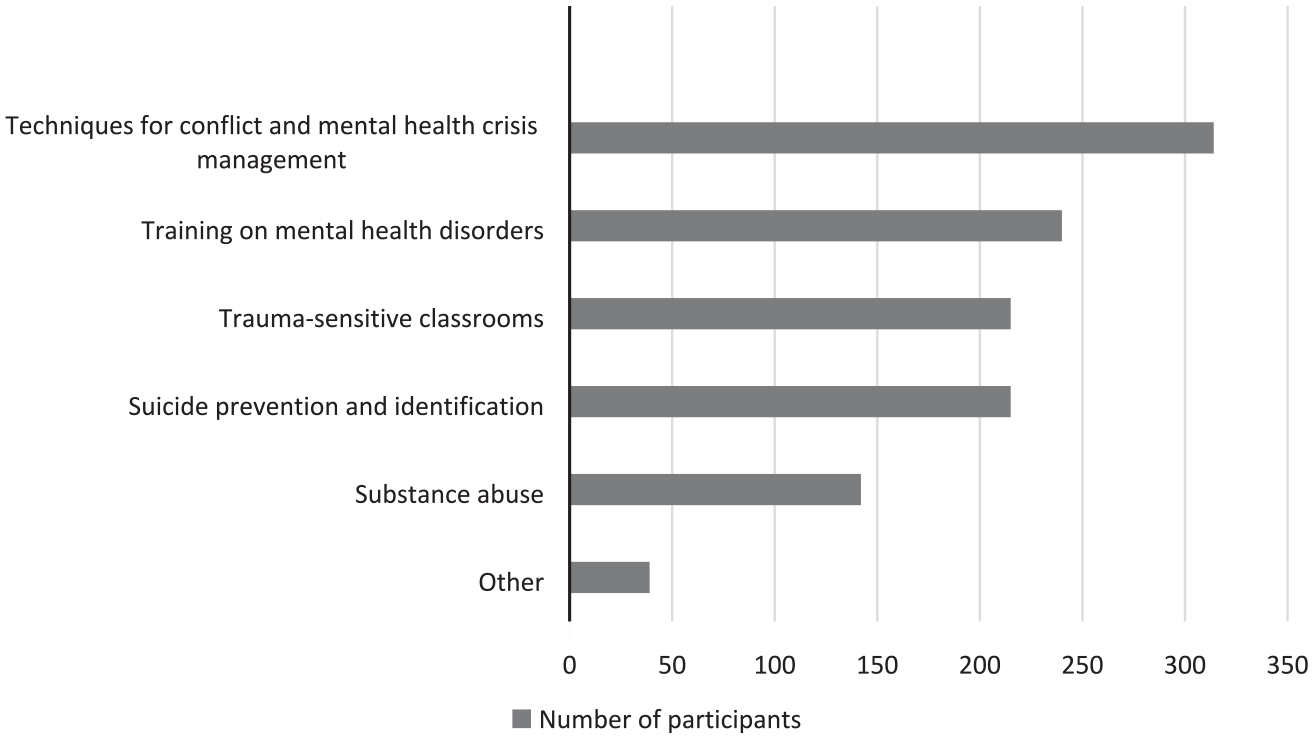
Ranking of Preferred Pre-Service and/or In-service Professional Development Topics.
Teachers were allowed to choose “other” to indicate additional topics for professional development in addition to those predetermined on the survey. After coding the 38 responses by theme, the most prevalent topics (from most to least prevalent) included learning more about how to reach out to mental health professionals, when to intervene based on student symptoms, how to work with parents/guardians of students with mental illness and/or with emotionally abusive parents, knowing what resources are available to students, and understanding more about LGBTQIA+ and gender issues as they impact student mental well-being. Less-prevalent topics (also listed from most to least prevalent) included knowing how to listen, demonstrate care, and effectively communicate; COVID-19-specific issues; class management; using music as self-therapy or a healthy outlet for emotions; how to maintain appropriate boundaries; identifying warning signs; effective communication between private and public-school teachers; and spiritual approaches to mental well-being.
When asked about the topics ASTA members were most interested in learning more about through conferences, webinars, and publications, the top-four predetermined categories of interest were teacher compassion fatigue/burnout, teacher stress, student anxiety, and student stress. It is important to note that the top-two categories selected were related to teachers, not students. Although the vast amount of mental health literature and focus has been on student mental health, this finding shows a need to include teacher mental health both in terms of research and professional development (see Figure 5).
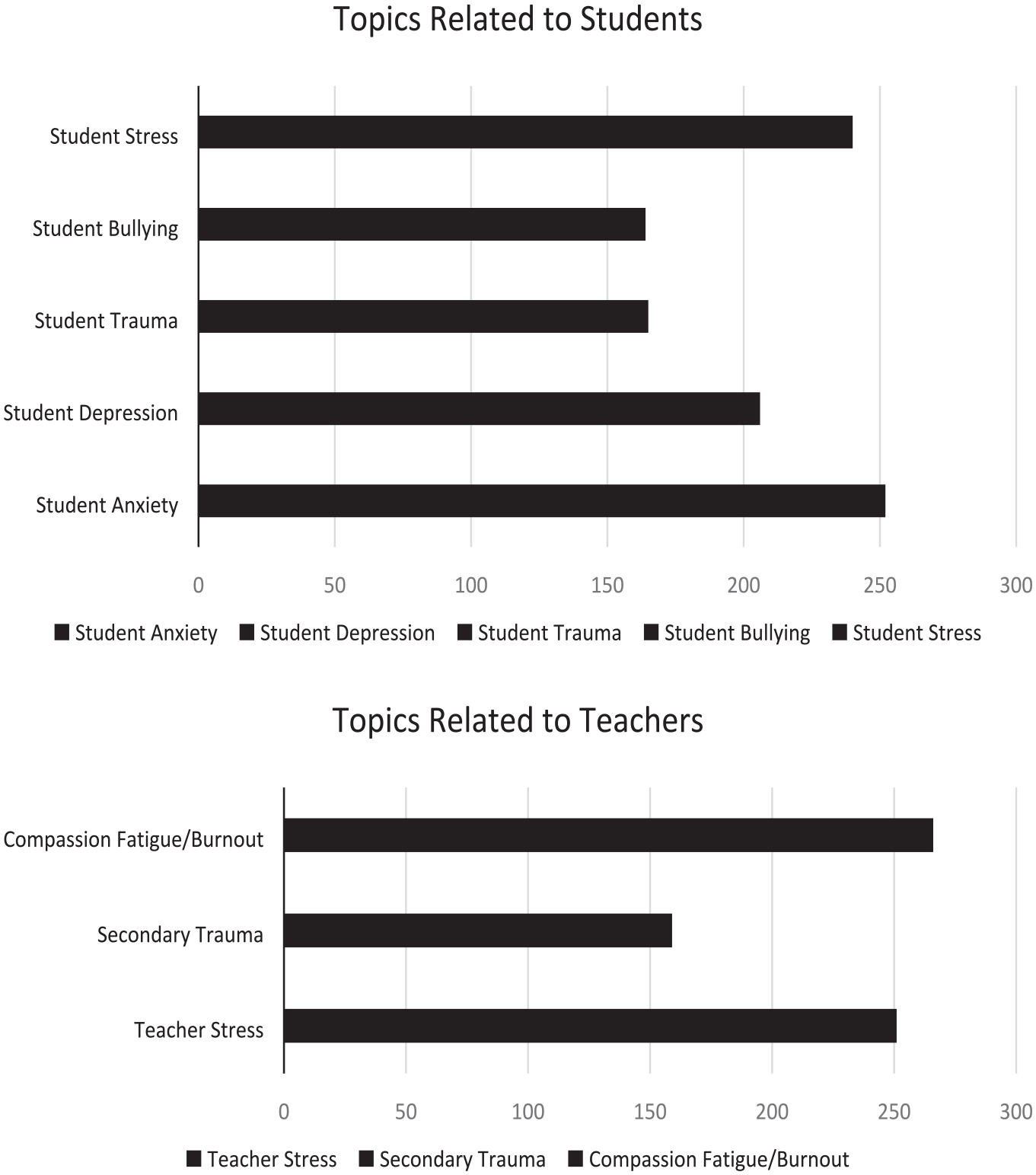
Ranking of Preferred Topics for ASTA Conferences, Webinars, and Publications.
In the survey, participants were given the option to mark other and write in additional topics for consideration. Although several participants indicated they would like to have marked all possible responses, there were a number of suggestions related to both teacher and student mental health. For teachers, respondents suggested they would like for more people to be aware that teachers are overwhelmed and have mental health challenges, not only students. Anxiety, combatting stress, emotional collapse, and physical health issues caused by stress or secondary trauma were concerns for teachers. Others indicated they wanted to know how to manage their own trauma so that it did not negatively affect students or impact their ability to work.
Topics related to supporting students included implicit bias training to prevent unintended discrimination of marginalized students, supporting students with disabilities, stress management, performance anxiety, and how to identify mental health warning signs. A couple of respondents stressed that mental health concerns were not the responsibility of teachers, while others were interested in the appropriate educational integration of therapeutic techniques like cognitive behavioral therapy and trauma-sensitive approaches. Multiple respondents wanted more information about how to make referrals to mental health professionals. Several wanted more information about how to partner with parents/guardians, and others were interested in ways to communicate with “tiger moms” and “helicopter parents.” Several were interested in how to support student mental health in the online sphere.
Mental Health Professional Development and Pre-Service Training
Although participants felt their administrators were concerned about student mental health, the vast majority expressed the need for more mental health professional development. Coined “If you need it” training (Frank), many participants felt their district had provided some helpful offerings, but it was often limited to the mitigation of specific scenarios, like student suicide awareness (Mark), while neglecting to focus on larger scale issues, prevention, and promotion of mental wellness. In terms of pre-service training, participants spoke about the need for more training in social emotional learning (SEL) and the opportunity to learn about mental well-being, for students and future teachers. Tyler expressed an interest in learning about creating a safe space for students within the classroom, a sentiment shared by Yvonne, who felt pre-service teachers needed to better present oneself with “authenticity and truth” to provide opportunities for students and teachers to dialogue about feelings.
Discussion
Student Mental Health, the Learning Community, and Educators
Participants reported both high levels of concern and prevalence—and described a multitude of mental health stressors—that contributed to poor student mental health. This evidence suggests that the mental health crisis is sufficiently severe and likely to have a negative impact on the learning of individual students, the classroom environment, and teachers. Of particular concern, teachers reported that student trauma was more prevalent in inner-city areas as compared to the suburbs. We did not find a significant difference in terms of the reported access to mental health support between suburban and inner-city schools; however, the higher reported prevalence of trauma may be attributed to ills correlated with poverty and racial prejudice (Jennings, 2019).
We were curious if teaching experience might impact perceptions of student mental health; however, we found that generational differences were more indicative with Baby Boomers being less concerned than Millennials about student anxiety and depression. Level of concern and the varied impact of mental health stigmas between generations and cultural groups may explain the discrepancies between the survey and interview findings which sometimes ran contrary. Bradbury (2020) found that mental health stigma decreased with age as adults had more experience with those with mental illness and argued that the pressure to succeed may cause youth to hold a more stigmatized view and to hide mental health symptoms. As several participants in this study believed that stigma was actually less prevalent among youth and others reported that stigmatized views may be shaped by cultural background, more needs to be understood about how mental health stigma may impact mental health concern.
The youngest ASTA members are likely experiencing a dramatic mental health crisis, witnessed through their students as well as their generational peers; however, teachers across the sample reported high levels of work overload (61%), compassion fatigue/burnout (43%), and mental health concerns (see Figure 3). Varied and inadequate access to mental health support suggests that communities and schools are not providing sufficient resources to teachers given the demanding working conditions and stressors they report are prevalent. This conclusion is further supported by the finding that the top two topics for professional development that teachers selected were related to teachers and not students. Although the vast amount of mental health literature has been on student mental health, it is important that more research be conducted, and professional development provided to educators.
The prevalence of mental health concerns among teachers and their perceived ability to manage their personal mental health are also issues of great concern. Educators need more support in their communities and school districts, and it is important that pre-service and in-service professional development include psychoeducational programming. Some teachers may need more than mentorship to handle issues such as STS, compassion fatigue/burnout, and with managing collective trauma. The high levels of work overload, compassion fatigue, and mental health issues among string teachers raise grave concern in terms of maintaining a robust teaching force. Given the ongoing teacher shortage, it seems critical that we address the structural, attitudinal, and individual aspects of teacher well-being so that work expectations and conditions are sustainable, and that teachers have the support to maintain sufficient resilience to remain in the profession (Smith, 2021).
Implications for Professional Development
Participants provided a wide range of suggested strategies ranging from webinars to focus groups, conference sessions to research, and mentoring programs. These suggestions reflect a desire to connect ASTA membership with support and services. Tyler suggested that informational videos be shared on TikTok or YouTube to reach “the teachers that don’t have that prior knowledge [or see mental health as an issue] . . . I think we, as an organization, need to think about how we reach [this new] audience.” Whether ASTA were to support a student mental health campaign (Tyler) or “sprinkle[s] it like salt” (Amy), the ideas and strategies of the participants point toward possible solutions. “A healthy discussion is always a great place to begin anything” (Jeff). Specifically, participants suggested that:
Communities need to provide mental health support for both students and teachers in the form of better access to support groups, mentorship programs, personal counseling services, and education about mental health and well-being.
Given the toll that work overload is taking on the teaching profession (both before and during the pandemic), communities need to provide support to explore a redefinition of work expectations and reconsider the demands placed upon teachers. Although educators work in environments that are as stressful as firefighters, nurses, social workers, and police officers, as a profession, teachers do not have the same mental health support systems in place as these other career fields (Johnson et al., 2005). Offering systems that support teacher well-being could help assuage the overload and burdens so many currently experience.
The pre-service curriculum we provide in our colleges and universities needs to include more opportunities to learn about student and teacher mental health and well-being.
Greater access and more robust in-service professional development on mental health and well-being are needed from both local school districts as well as larger music education associations like ASTA.
To provide community support services, pre-service training and professional development, support needs to be provided from the local, state, and federal level. Without a shift in societal expectations pertaining to mental health, the necessary funding and support will never be available. The current mental health crisis is a systemic problem. Support must come from every stakeholder, from student to teacher, administrator to city councilwoman, and from university professor to legislator.
Limitations
The findings of this study are limited in two ways. First, only 6% of the entire ASTA membership (N = 6,452) completed the survey. Of the (N = 2,164) members who chose to open the survey email, 18.4% or (N = 398) completed the survey. Had a larger percentage of the ASTA membership responded to the survey, it is possible that the results would have varied. In addition, we only interviewed 20 of the 100 members who volunteered. Although we went to great lengths to get the most diversified sample of participants for the interviews, had we interviewed a sample more representative of the demographics of the survey population, the qualitative responses would likely have varied. However, we do not regard this as a limitation, given that the voices of those traditionally marginalized are generally less known, and it is important to understand perspectives other than those of the majority. That said, the qualitative responses should be considered with the demographic makeup of the participants in mind. Second, because those more concerned with student mental health may have been more likely to complete this survey, results may not represent the level of concern in ASTA broadly.
Future Directions for Research
More needs to be understood about the long-term impact of mental illness on student music learning, on the learning community as it impacts the learning of other students, and on teachers. Teachers reported they were very likely or likely to encounter students with levels of mental illness sufficient to disrupt learning. We did not ask teachers to indicate their perceived estimate of the percentage of students with mental illness at their school, nor did we ask the frequency that mental health impeded individual student learning; therefore, research is needed to determine more precise findings related to the prevalence and severity.
Few prior researchers have investigated the impact of poor student mental health upon their peers. Given that most music classes include collaborative music making—especially ensemble courses—more needs to be understood about the extent that poor mental health negatively impacts the learning environment and impedes the learning of both students who are and are not currently experiencing poor mental health. A greater understanding of student interactions may help teachers and students to better co-manage the learning environment to the benefit of all involved.
The adolescent mental health crisis is likely impacting the mental well-being of the teachers who work with adolescents on a daily basis. There is an established literature on STS, burnout, and compassion fatigue, but much of this literature was conducted prior to the current mental health crisis. Because Gen Z teachers (those born between 1997 and 2012) are considered members of the mental health generation cohort (as defined by Twenge et al., 2019), and traditionally marginalized individuals are subject to microaggressions in the workplace, both groups are disproportionally impacted. Therefore, it is critical to better understand how Gen Z teachers respond to the mental health concerns of their students and colleagues. Similarly, more needs to be understood about the generational differences that impact how teachers respond to students with mental health concerns so that professional development can be sufficiently nuanced to meet the needs of teachers who hold different perspectives or have different experiences in the workplace.
Footnotes
Declaration of Conflicting Interests
The author(s) declared no potential conflicts of interest with respect to the research, authorship, and/or publication of this article.
Funding
The author(s) received no financial support for the research, authorship, and/or publication of this article.
